




























Article Contents:
- What is wall decor in Japandi style
- Why polyurethane is suitable for Japandi interior
- Ready-made Japandi kit or individual moldings: what to choose
- Which decor options are suitable for Japandi
- Vertical lines
- Laconic frames from moldings
- Calm decorative panels
- Where to use Japandi decor
- In the bedroom
- In the living room
- In the hallway and corridor
- How to choose the color and composition of decor
- Mistakes when choosing wall decor in Japandi style
- Additional elements for Japandi interior: what else to consider
- Features of working with space: proportions and visual effects
- Nuances of installation in Japandi interior
- Color combinations of moldings and furniture in Japandi
- Japandi in different types of apartments: adaptation to real conditions
- Psychology of space and Japandi: why it works
- FAQ: answers to popular questions about Japandi wall decor
- Where to buy Japandi-style wall decor made of polyurethane
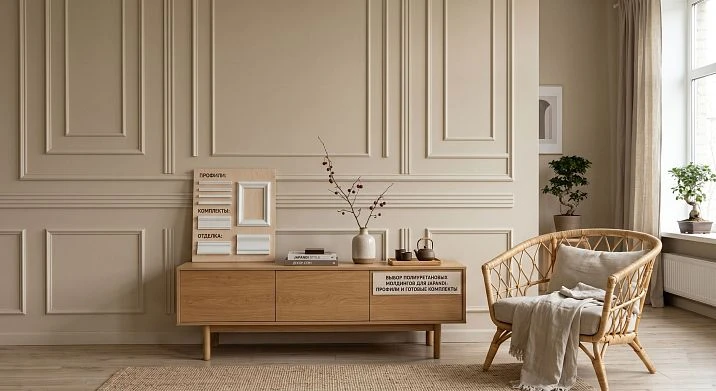
Japandi is not just a seasonal trend or another wave of decor in pastel tones. It is a philosophy of space where every element carries meaning, where the silence of a wall is more important than its clutter, and relief appears only where it is truly needed. That is whyJapandi wall decorPolyurethane holds a special place in modern interiors: it allows you to build architectural expressiveness of walls without a single unnecessary movement — without ornament for ornament's sake, without curls for the sake of classical tradition. Only lines, only proportions, only light on the relief.
Why polyurethane? BecausePolyurethane wall decorit delivers what gypsum cannot: ease of installation, profile precision, moisture resistance, and the ability to be painted in any natural shade. In a Japandi interior, where moldings should blend into the wall color or subtly emerge in the play of shadows, this is a decisive property. In this article, we will explore how to wisely choose wall decor in the Japandi style, which elements work in the bedroom, living room, and hallway, and why a ready-made set is often a better choice than assembling from individual parts.

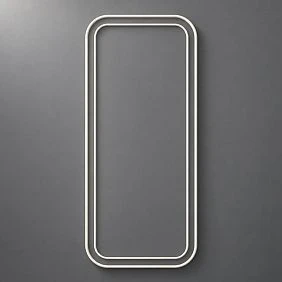
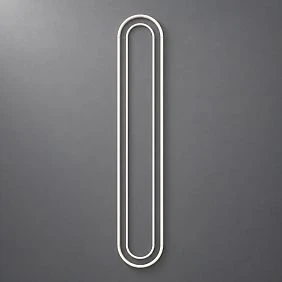
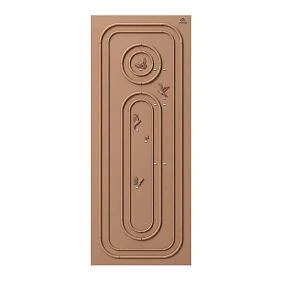
What is Japandi style wall decor
The word 'Japandi' itself is a contraction of Japan and Scandinavia. Two poles of global minimalism that, when combined, create something greater than each individually. Japanese design brings to this union the principle of wabi-sabi — the beauty of imperfection, respect for pauses, for unfilled space, for quiet texture. The Scandinavian component adds hygge — warmth, functionality, an organic connection with natural materials.
Translated into the language of wall decor, this means: calm geometry without historical references, vertical lines that elongate the space and create rhythm, soft relief instead of active classical stucco. Japandi wall decor is not frames with curls in the corners or complex multi-tiered cornices. It is a clear contour of the molding, carrying respect for proportion. Minimalist wall decor in this style works with three things: line, pause, and light.
What fundamentally distinguishes this style from, say, neoclassicism? Neoclassicism is centered on symmetry and richness of detail — it needs corner rosettes, multi-step profiles, rich panel frames. Modern wall decor in Japandi, on the contrary, strives for a minimum of ornament. The emphasis is not on what is applied to the wall, but on how it is applied: the proportion of the section, the air between elements, the correctly chosen molding width. It is from these things that the very 'architectural calm' is built, for which people come to the Japandi style.
The color code of the style is natural shades without synthetic brightness. Warm white, milky, sandy, gray-beige, clay, light graphite, soft olive. Not a single screaming accent, not a single color that argues with another. And in this palette, polyurethane moldings feel absolutely organic — they can be painted in the tone of the wall or taken slightly lighter, creating a barely perceptible play of volume.
Why polyurethane suits the Japandi interior
This is not a random choice of material. Polyurethane possesses exactly the properties that make it an ideal carrier for the Japandi philosophy. Let's break it down to the essentials — without marketing abstractions.
Lightness of elements — in Japandi, the wall should not "carry" decor; it should hold it almost imperceptibly. Polyurethane weighs several times less than plaster. The moldings do not load the surface, do not require special fastening, and do not create a feeling of heavy finishing.
Painting to match the wall color is a key advantage for a style where decor should be part of the wall, not an ornament on top of it.Japandi moldingsmade of polyurethane are easily painted with acrylic paints in any shade — whether exactly matching the wall tone or two shades lighter for a soft contrast.
Architectural appearance — the correct profile of a polyurethane molding looks precisely like an architectural detail, not a decorative sticker. Clear geometry, even relief, concise contour — all of this perfectly aligns with the Japandi aesthetic.
Installation without specialists — the Japandi philosophy includes conscious participation in creating one's own space. Installation with special glue, without complex tools and without hiring craftsmen — this is part of the arrangement process itself.
Applicability in all areas —Polyurethane wall decormoisture-resistant. This means that Japandi wall decor made of polyurethane can be used in the bedroom, living room, hallway, corridor, and even in the bathroom — maintaining a unified style throughout the entire apartment space.
Durability — with proper installation, polyurethane decor lasts for decades without deformation, cracks, or yellowing. This aligns with the Japanese philosophy of respectful treatment of items intended for long-term use.
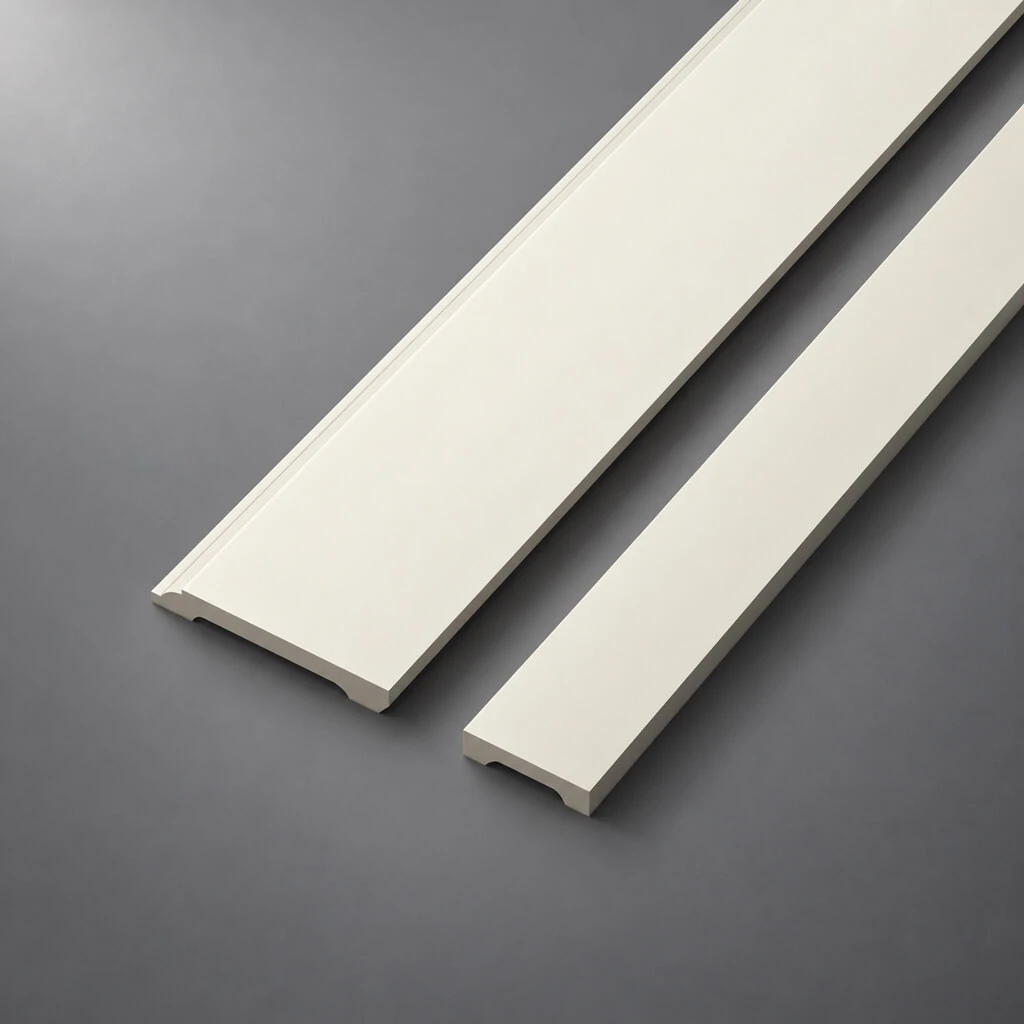
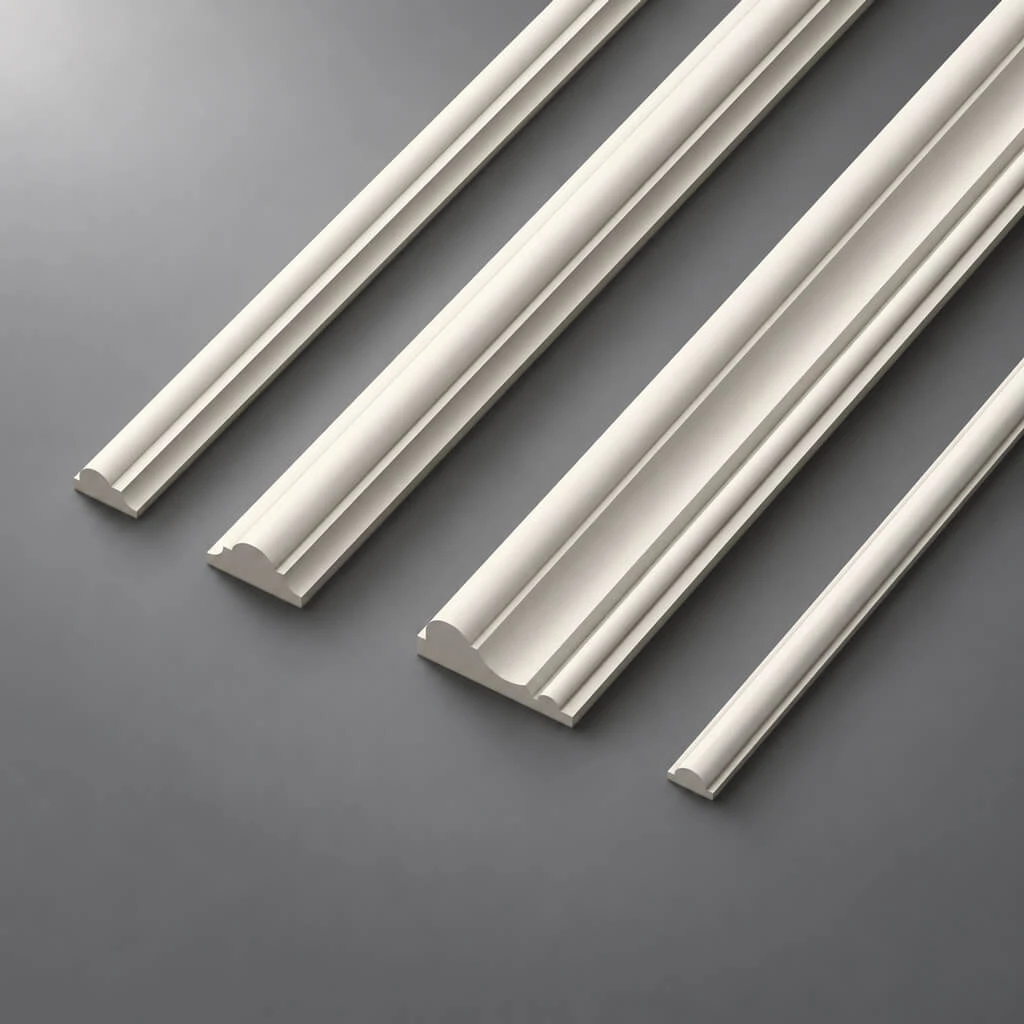
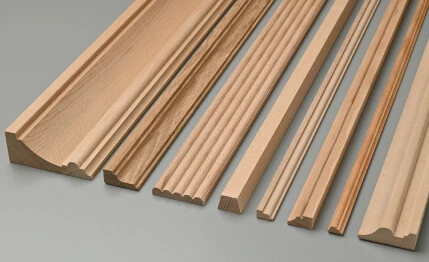
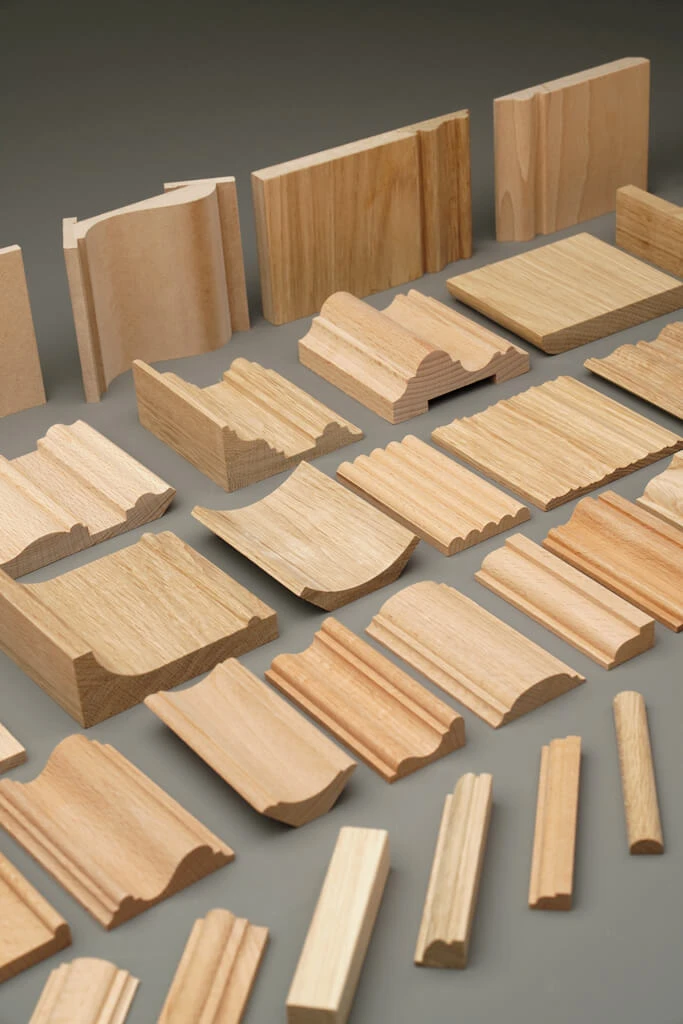
The flexibility of the assortment deserves special mention.polyurethane wall moldingsThey are produced in different cross-sections — thin, medium, and more massive profiles. This allows building a visual hierarchy: a main frame made of large molding, internal divisions made of thin molding. As a result, what appears on the wall is not just a line, but a well-thought-out architectural structure.
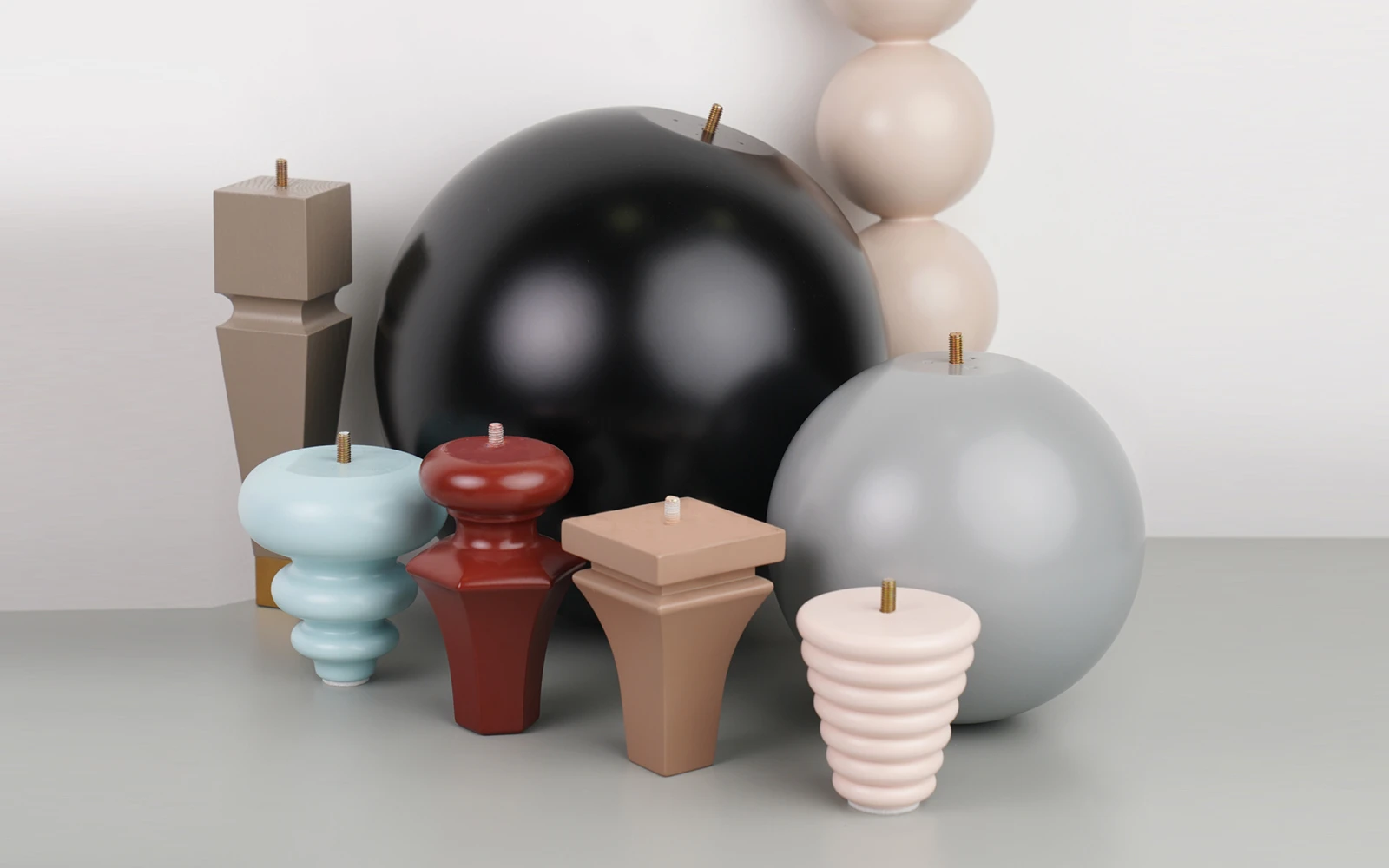
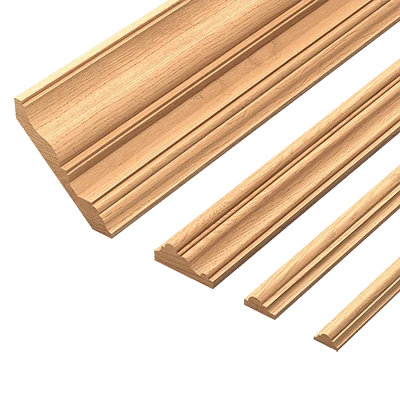
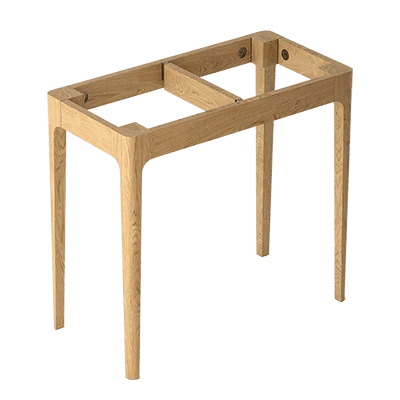
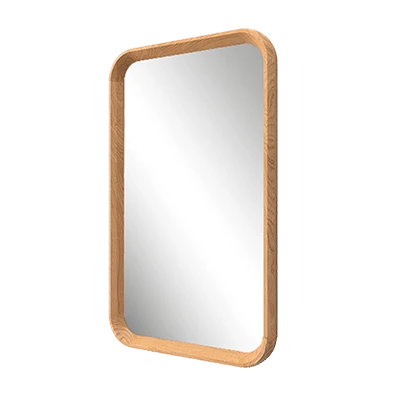
Our factory also produces:
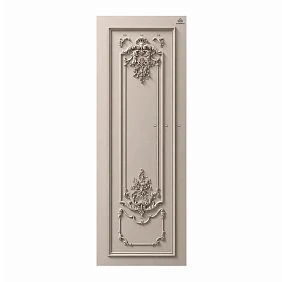
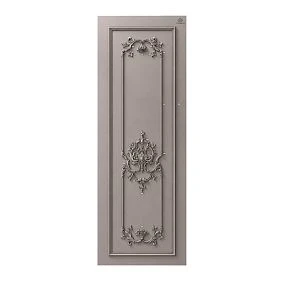
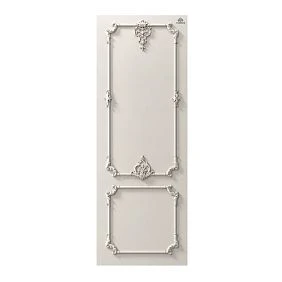
Ready-made Japandi set or individual moldings: what to choose
This is the main question that everyone faces when first taking on wall decoration in the Japandi style. And the answer here is not clear-cut — it depends on the task, experience, and the result needed in the end.
A ready-made set of Japandi stucco decor is a stylistically cohesive solution where all elements are already coordinated in proportion, size, and visual weight. Corner details, moldings of several cross-sections, assembly rules — all of this is already thought out by designers. All you have to do is determine the placement location and start installation. No risk of making a mistake with the combination of profiles, no fear of "overloading" the wall.
Ready-madeJapandi decor setis especially good in the following situations:
-
You are decorating a bedroom for the first time and want a predictable result without experiments
-
You need a cohesive wall composition behind the bed or sofa that looks like a single author's solution
-
There is no time for individual selection and sketching, and the result is needed immediately
-
You are unsure of your own sense of proportion and want to rely on a professional solution
The collection includes sets of varying intensity: from basic ones designed for a small accent area to extended ones that allow you to decorate several walls in a unified style. The modular structure means you can start small and add elements later if desired.
Individual moldings give more freedom to those who know exactly what they want. If you have developed your own layout, calculated proportions for a specific wall, and understand how profiles of different widths should combine—individual elements allow you to implement a custom project without being tied to a standard scheme.
But there is one nuance here: in the Japandi style, an error in proportions is immediately noticeable. An extra section, too small a step between frames, too wide a molding on a narrow wall—and the entire effect of "architectural calm" disappears. That is why for most tasksReady-made molded decor kitsthey are more practical: they protect against common beginner mistakes and provide a confident start.
The conclusion is simple: if you want a quick and cohesive result, chooseJapandi stucco decor set. If you have a clear author's vision and an understanding of proportions—work with individual moldings, relying on the range of profiles available in the section. Clear lines, created using modern technologies, emphasize the strict aesthetics of the room. Each decorative element harmoniously fits into the overall concept, creating a sense of order and thoughtfulness..
Get Consultation
What decor options are suitable for Japandi
Vertical lines
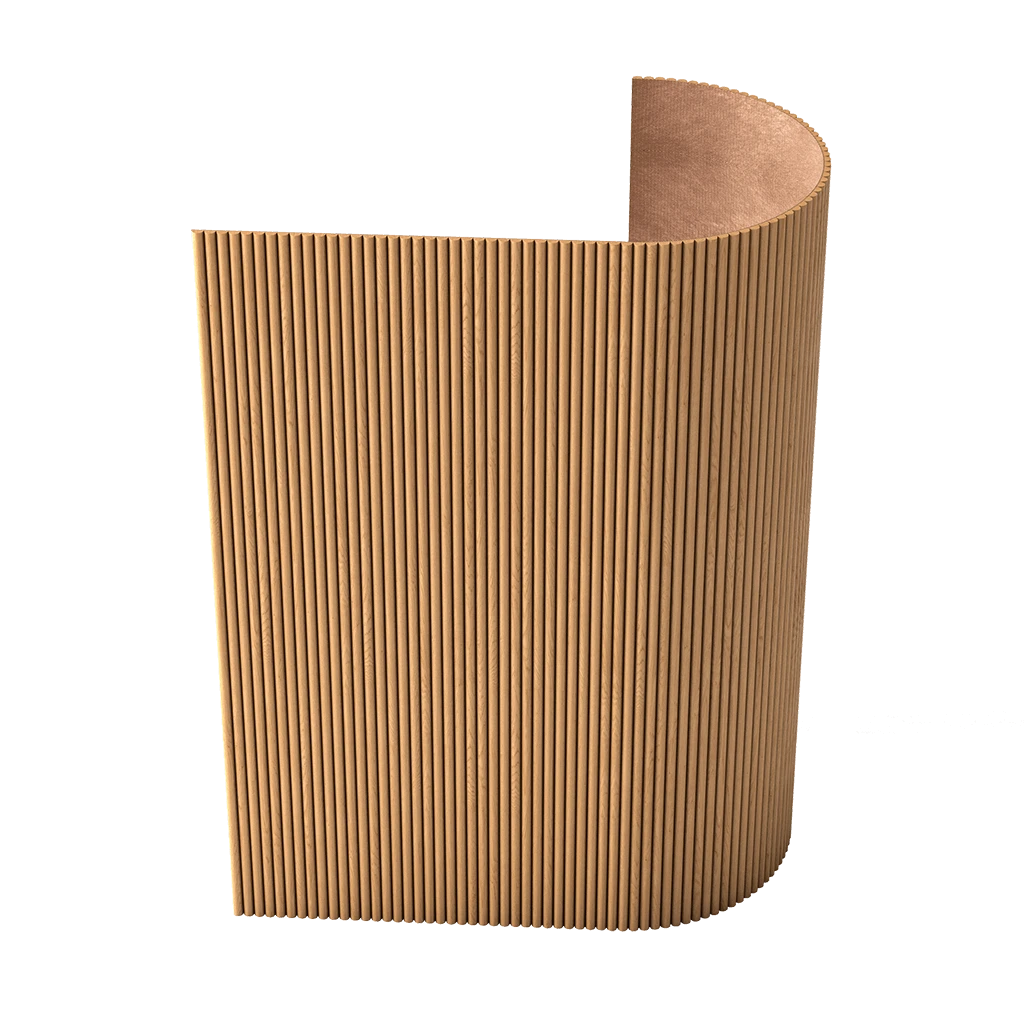
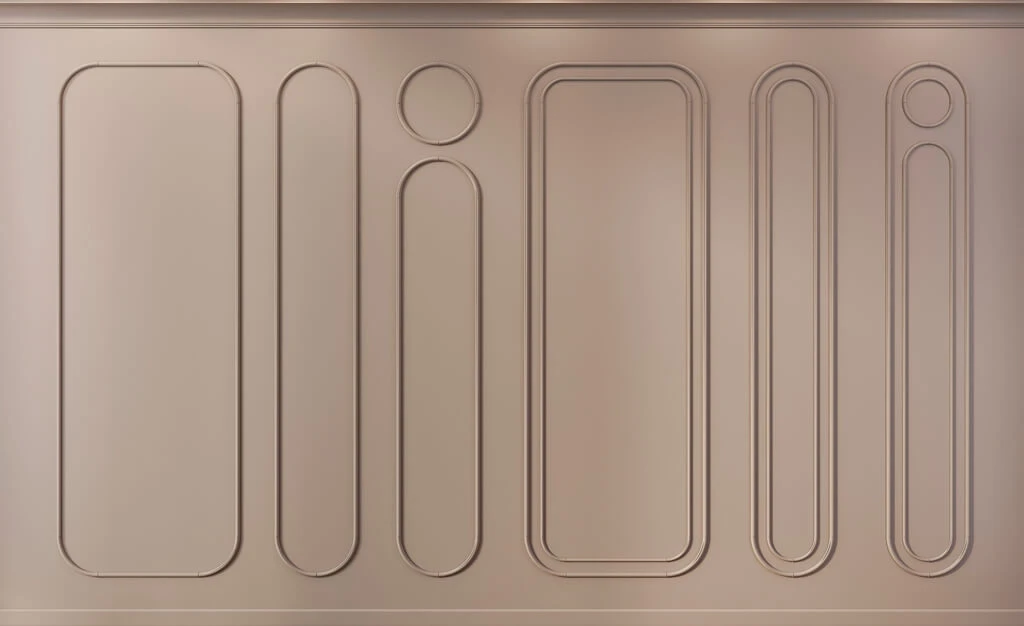
Vertical decor is one of the most powerful tools of the Japandi style. Vertical moldings on the wall do several things at once: they visually raise the ceiling, organize rhythm on the plane, and create that very "calm architecturality" that distinguishes Japandi from any other style.
Where do vertical lines work best? In the bedroom — on the wall at the head of the bed, creating a soft "portal" behind the bed without bulky panels. In the hallway — on narrow walls between doors, where horizontal elements simply wouldn't fit in size. In the TV area — on the sides of the television, aligning and structuring the accent wall.
Minimalist vertical decor made of polyurethane does not require complex installation: several parallel moldings of the same cross-section, even spacing between them, painting to match the wall — and the space begins to breathe completely differently. No ornaments, no corner rosettes. Only the line and the pause between them.
Laconic frames made of moldings
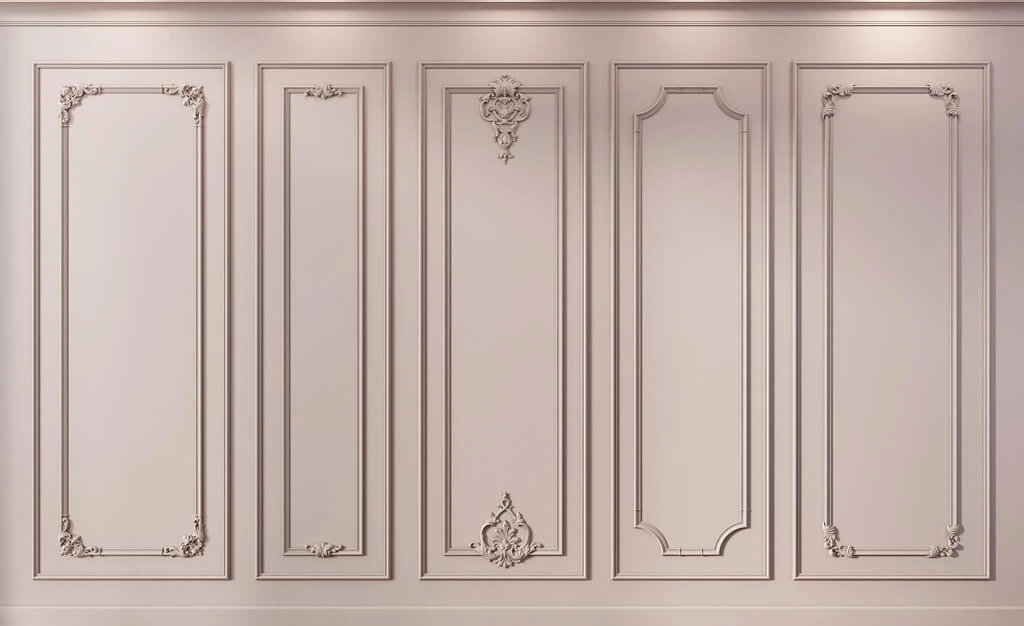
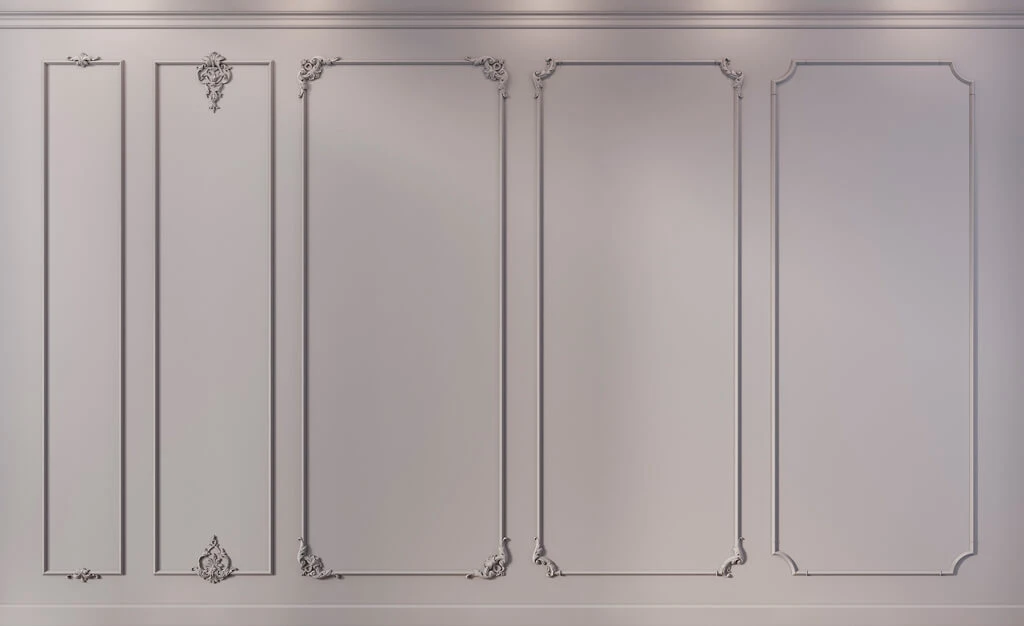
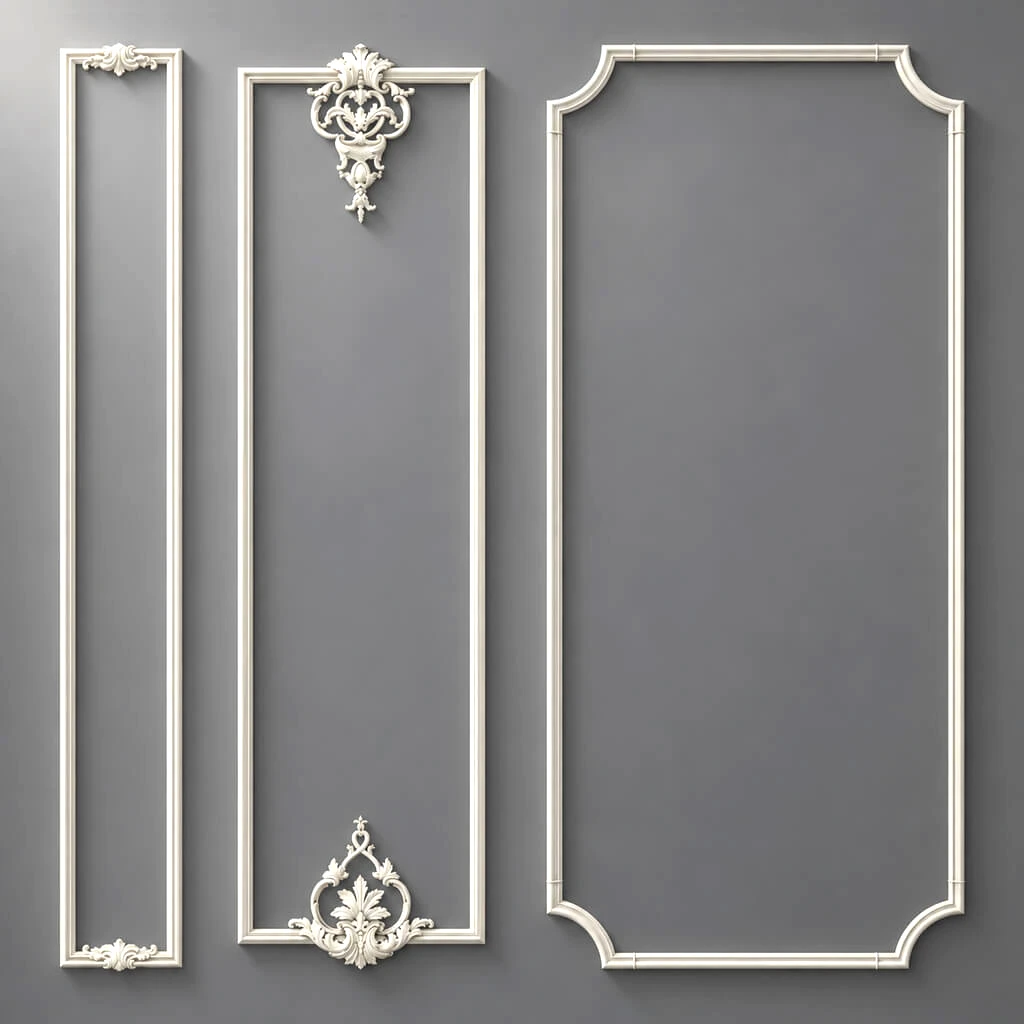
Frame panels are a Japandi classic. But the key word here is "laconic." Japandi wall moldings should not have a multi-step profile and complex corner details in the Baroque style. The ideal profile is clean, slightly convex, or with one clear step, without ornament.
Japandi molding frames work especially well on the wall behind the sofa in the living room, in the bedroom as a frame for the headboard area, in the study, and in the guest room. The main rule is not to make too many sections. Three rectangles instead of seven will give a stronger effect. The air between the frames is as much a part of the design as the molding itself.
Decorative wall frames made of polyurethane are also convenient because they are easy to trim to fit non-standard room sizes. A miter cut at 45 degrees — and the frame fits perfectly into the corner without visible joints.
Calm decorative panels
Decorative wall panels in Japandi style are a more pronounced form of accent. The panel can occupy the entire width of the bed headboard, become the basis for the TV area, or decorate a long wall in the living room. A Japandi wall panel made of polyurethane differs from the classic one in that it has no ornamental relief — only clear geometry, correct proportions, and soft volume.
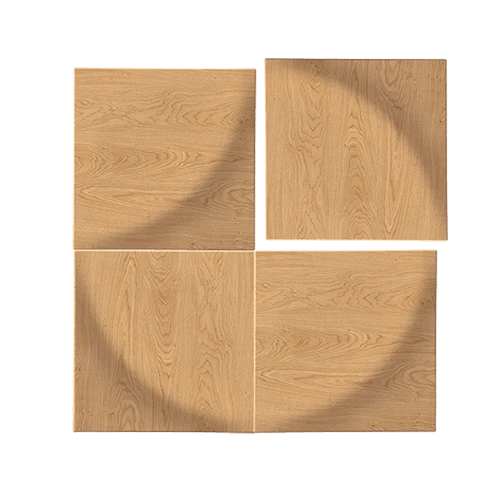
The ready-made wall composition made of polyurethane in the Japandi collection takes this principle into account: square corner elements placed at key points and moldings connecting them. The result is a panel where every detail serves a function and does not break the overall calm rhythm.
A decorative wall composition in Japandi style can include an inner space painted in a shade several tones darker than the main background — this creates depth without additional details. It is precisely such techniques that make the interior complex in feeling and simple in execution.
Where to use Japandi decor
In the bedroom
A japandi-style bedroom with moldings is a space where wall decor works for relaxation, not spectacle. The wall at the head of the bed is the main focal point. Here, a vertical layout of several parallel moldings or a minimalist framed panel that creates a visual "frame" around the headboard is appropriate.
The wall decor behind the bed in Japandi is built on the principle of minimalism: three to four vertical elements or one to two horizontal frames, with moldings painted in the same tone as the wall or slightly lighter. No contrasting colors, no active patterns. Soft relief without overload — that's exactly how moldings look in a Japandi bedroom that helps you fall asleep, not excite the eye.
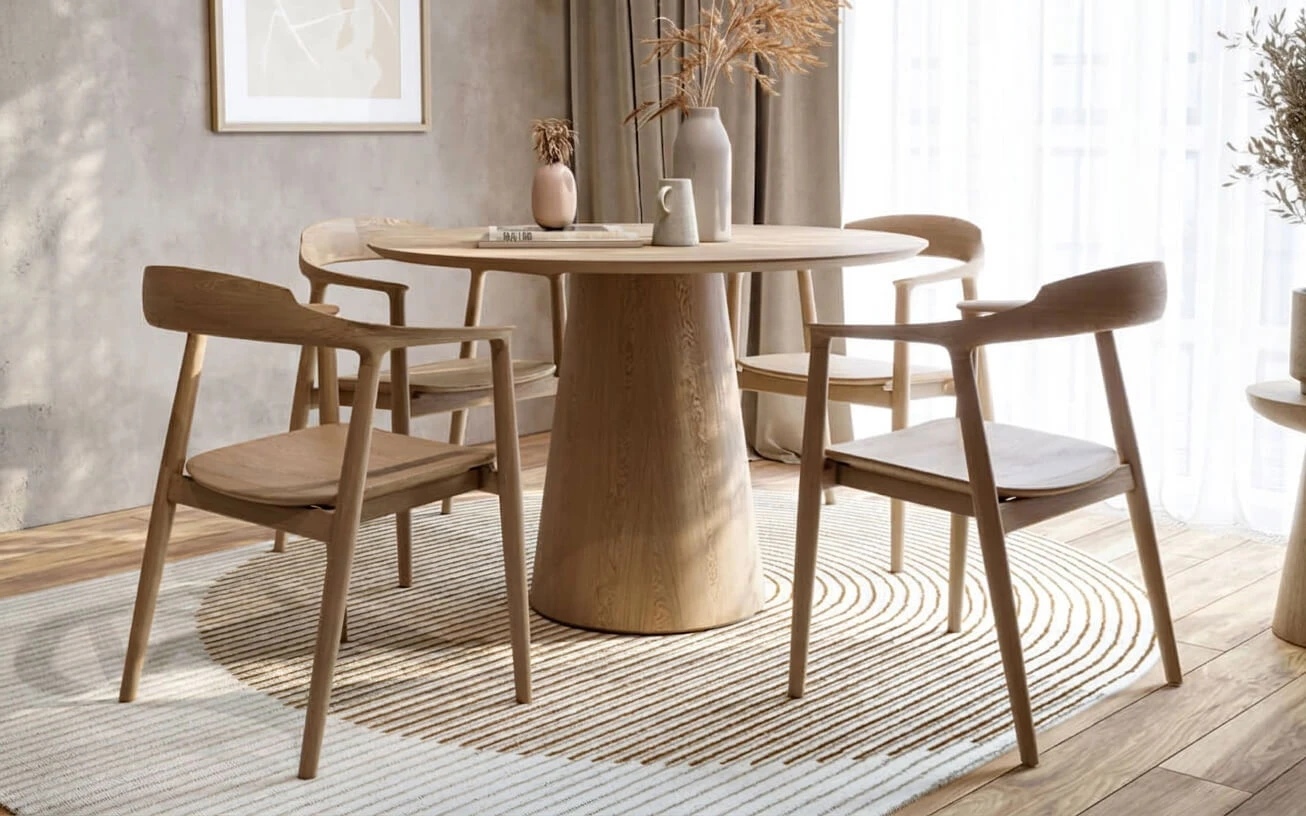
Calm polyurethane wall decor in the bedroom can be easily complemented with wooden elements: solid wood bedside tables, photo frames with wooden borders, a woven lampshade. Polyurethane and wood are an ideal duo in Japandi, where natural materials are in constant dialogue.
In the living room
A Japandi living room with moldings is a space where decor solves several tasks at once. The wall behind the sofa gets structure: framed panels set the rhythm, anchor the seating area, and give a sense of 'completeness' to the layout. The wall decor behind the sofa in Japandi should not be overloaded: two to three rectangles of correct proportions, clean moldings, monochrome or near-monochrome painting.
The decor of the TV zone in Japandi is handled differently. Here, vertical moldings on the sides of the TV and a horizontal panel underneath work well. This simple geometry gives the functional corner a finished architectural look. The area with a console or fireplace portal also benefits from frame framing — it visually anchors the zone and adds a sense of deliberate thoughtfulness to the interior.
A calm accent wall in the living room is sometimes just one large frame spanning the entire height of the wall with a thin molding. That's enough to make the space come alive. Japandi doesn't require more.
In the hallway and corridor
The hallway and corridor are areas that often remain neglected in decorating. Yet it's here that the first impression of the apartment is formed. Japandi hallway decor is built on vertical elements: narrow wall sections between doors are ideal for three to four parallel vertical moldings that visually raise the ceiling and add rhythm even in a small space.
Minimalist polyurethane corridor decor solves the problem of a long wall with a repeating pattern: uniform frames or vertical sections create a sense of orderly space that doesn't overwhelm or compress. Vertical wall decor in a narrow corridor is also an optical illusion: upward lines make the corridor appear wider and taller.
Special attention deserves the design of the wall sections near the entrance door. A small frame made of moldings, inside which a small mirror or decorative element is placed, is a characteristic feature of Japanese entrance space aesthetics, perfectly fitting into the overall Japandi concept.
How to choose the color and composition of decor
Color in Japandi wall decor is not just aesthetics; it's a tool for managing atmosphere. The most important rule: natural shades, matte or semi-matte finishes, no synthetics or "loud" tones.
Best options for moldings and walls in Japandi interiors:
-
Warm white and milky — a classic that always works. Moldings in the same tone as the wall create relief without contrast.
-
Sand and beige — warm natural shades associated with Japanese paper and linen fabric.
-
Greige — the most versatile background for Japandi moldings. Neither cold nor warm — an ideal neutral tone.
-
Light graphite and misty gray — for stricter, "urban" Japandi interiors.
-
Soft olive — a natural accent that adds organic feel to walls.
The contrast between molding and wall in Japandi should be soft. Avoid bright white molding on a dark gray background: that's no longer Japandi, but neoclassicism with its structural contrast. If you want a difference, choose a shade from the same tonal group but 2-3 steps lighter.
Modern polyurethane wall decor in Japandi works on the principle of "less is more": you don't need to fill the entire wall with frames. Leave breathing room. One properly proportioned panel on a 3-meter wall is stronger than five small frames. Consider ceiling height: in a room with a 2.5 m ceiling, moldings with a profile width of 3–4 cm will look organic; wider ones will already feel oppressive.
Minimalist wall decor follows another rule: the placement of lights, sockets, switches, and furniture must be considered before marking begins. A properly placed frame should not be "cut" by a switch or end up behind a tall cabinet. Japandi is a mindful style, and installing decor in it is also a mindful process.
Mistakes when choosing wall decor in Japandi style
This is where most people lose the style and start moving toward eclecticism or neoclassicism. Wall decor in Japandi style requires precision and restraint — and this, oddly enough, is harder than choosing something "richer."
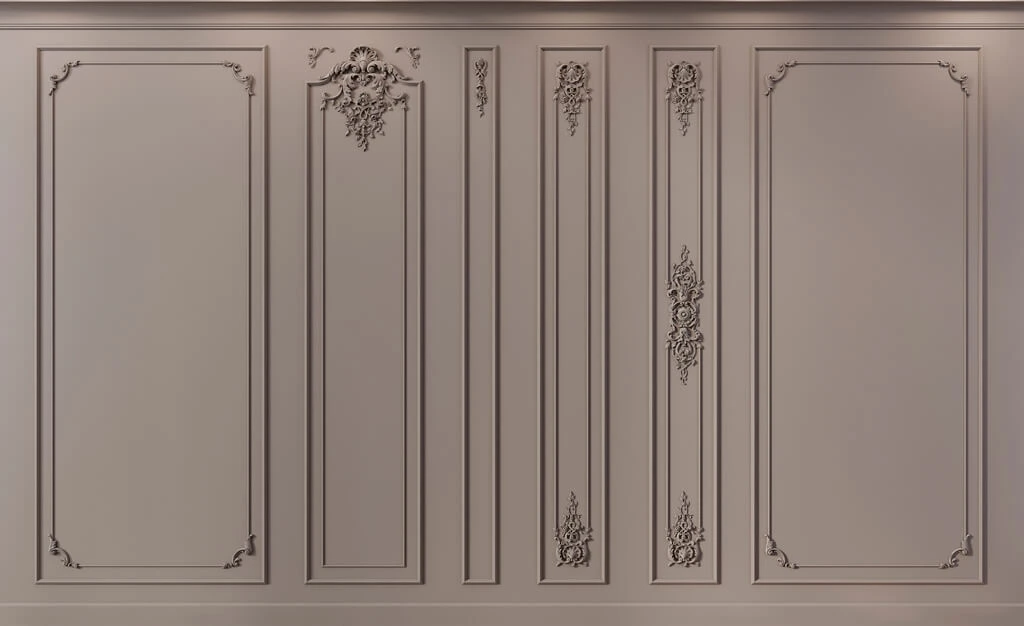
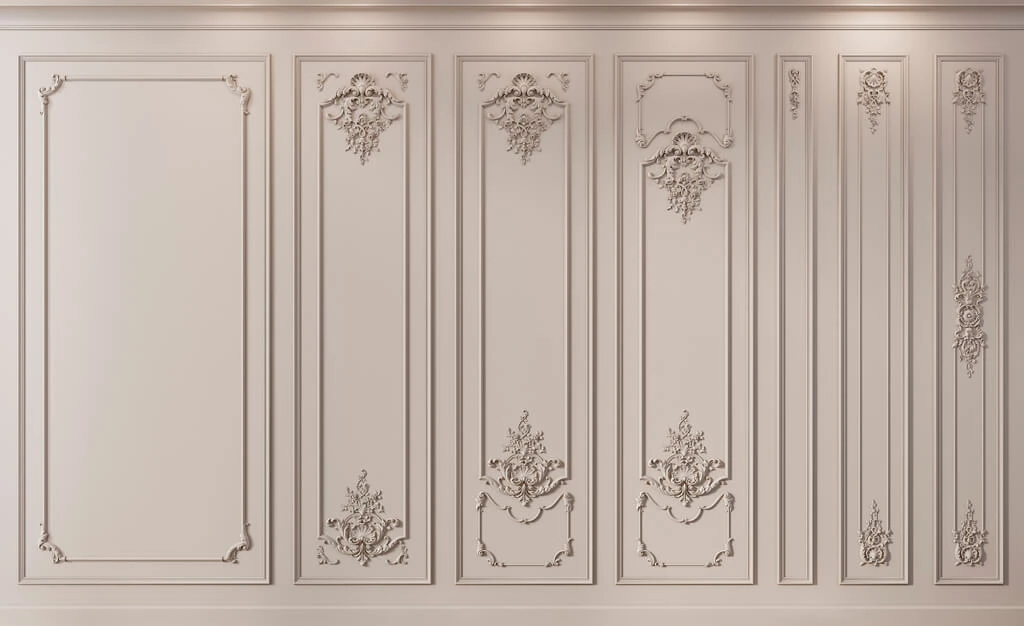
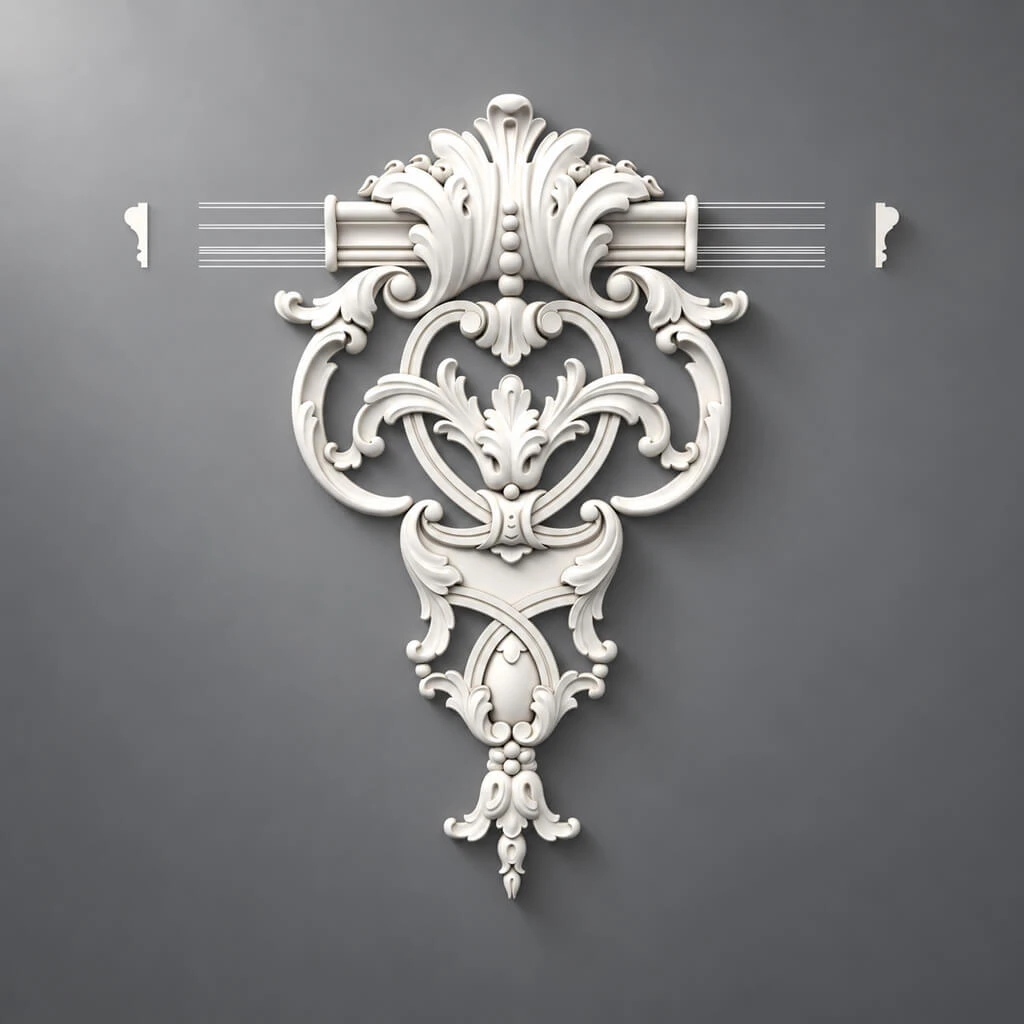
Too much ornament. Corner rosettes with plant curls, multi-tiered profiles with relief ornament, stucco overlays in the shape of leaves — all of this instantly takes the interior toward classic or baroque. Japandi moldings should be without ornament — only pure geometry of the profile.
Too active stucco. Corinthian capitals, friezes with motifs, massive cornices with stucco details — all of this contradicts the principle of "soft relief." Stucco in Japandi style is exactly moldings and corner elements of a simple square shape, nothing more.
Complex frames instead of pure geometry. If a frame on the wall has eight or more corners, shaped side inserts, and decorative overlays at every intersection — this is no longer Japandi. Only rectangles and vertical lines work here.
Sharp contrast of moldings with the wall. White moldings on a dark green wall or black profiles on a white background — too aggressive for Japandi. The contrast should be subtle.
Small elements on a large wall. Small frames get lost on a large surface and look random. The scale of elements should match the size of the wall.
Lack of air between sections. Frames placed right next to each other create a feeling of overcrowding. In Japandi, the space between elements is as much a part of the design as the elements themselves.
Buying individual elements without a layout scheme. If there is no clear plan and understanding of proportions — it's better to start with a ready-madejapandi decor kit, where everything is already calculated. An arbitrary set of moldings without a scheme often leads to visual chaos, which contradicts the very essence of the style.
Important technical aspect: before installation, make sure you are familiar with the basics of working with polyurethane elements. Detailed tips on installing moldings are in the article on installing polyurethane molding: clean corners, hidden joints, proper painting. And for more complex projects with stucco elements, it is useful to study the guide on installing polyurethane molding.
Additional elements for Japandi interior: what else to consider
Wall decoration is an important, but not the only component of a Japandi interior. To make the space truly cohesive, it is worth considering how vertical wall decor relates to other surfaces and details of the room.
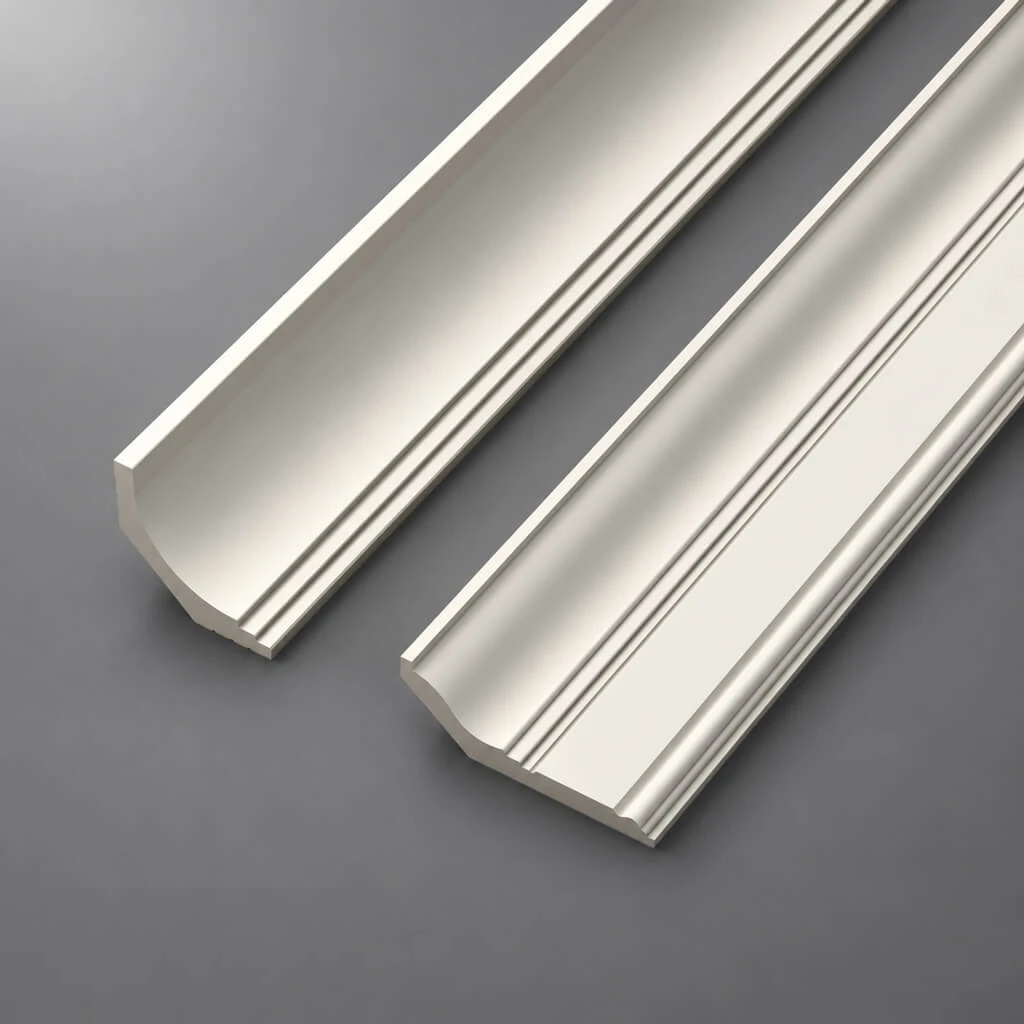
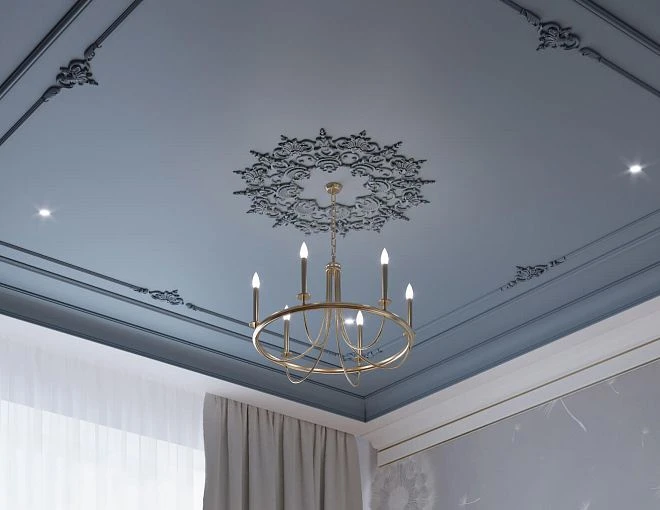
Ceiling and cornices. In Japandi, the ceiling usually remains clean — without rosettes and complex cornices. If you want to mark the transition from wall to ceiling, a thin baseboard-molding with a laconic profile is enough. This will set a clear boundary without unnecessary details.
Floor baseboards. The baseboard line should be neat and simple. A high baseboard with a pronounced profile creates an interesting lower accent that echoes the vertical moldings on the wall and holds the entire horizontal line of the room.
Shelves and consoles. In Japandi, decorative panels and wall kits often coexist with floating shelves made of light wood — oak or ash. This combination of the natural warmth of wood with the geometry of polyurethane moldings is one of the most recognizable images of the style.polyurethane decorative wall panelshold such a visual dialogue well.
Lighting. Sconces with a matte lampshade in a neutral shade, recessed lights in natural brass or white — the best choice for a Japandi interior. Lighting should not compete with moldings: its role is to emphasize the relief, create soft shadows, and maintain an atmosphere of tranquility.
Textiles. Linen curtains, cotton bedspreads, woven rugs — an organic addition to wall decor. Texture is fundamentally important: it is what creates the feeling of tactile richness in Japandi despite its apparent simplicity.
Features of working with space: proportions and visual effects
Japandi is a style where space speaks as much as the contents. A few principles that will help to properly useWall decor in Japandi styleas a tool for visual correction.
Low ceiling — work with vertical moldings. Three or four vertical lines from floor to ceiling stretch the space upward and create a feeling of greater height. Horizontal frames are undesirable with a low ceiling — they additionally "press down."
Narrow corridor — vertical moldings also win here, but their spacing should be wide. Too frequent a rhythm intensifies the feeling of tightness. Two or three elements with the correct interval is optimal.
Small room — choose one accent wall and decorate only it. Decorating all four walls in a small space means overloading it. Japandi works with selectivity.
Square room — use asymmetry: one wall with vertical moldings, the opposite one clean. This creates dynamics and eliminates the "boxy" effect.
A large open space — here you can afford a more saturated composition. Several frame panels on the long wall of the living room, grouped by the principle of rhythm, will create an architectural structure and zone the space without partitions.
Nuances of installation in a Japandi interior
Proper installation is the key to ensuring that moldings truly look like an architectural detail, not a decorative sticker. A few important recommendations for those working with polyurethane wall decor in the Japandi style.
Marking is half the success. Use a laser level. An error of 2-3 mm on a 2-meter long molding will be noticeable. Transfer the marking completely to the wall — all horizontal and vertical axes, all corner points.
Material acclimatization. Polyurethane elements must stay in the room for at least 24-48 hours before installation. This is critical for large corner pieces.
Molding joints. In Japandi, joints must be perfect — they are clearly visible with monochrome painting. A 45-degree cut, precise joining, filling with polyurethane putty, final sanding. No gaps.
Painting after installation. Ideally, paint the moldings after installation, in a single layer with the wall. This creates the effect of "built-in" decor, which is so valued in Japandi. If the moldings are already installed on a painted wall, carefully paint them in two thin layers, avoiding drips.
Final treatment. Matte paint is mandatory. Gloss is categorically inappropriate in Japandi. A semi-matte or matte acrylic composition creates the correct velvety surface that absorbs light and softly reveals the relief.
Color combinations of moldings and furniture in Japandi
Wall decor does not exist in isolation from furniture. In Japandi, consistency of everything is important: the tone of the moldings should echo the color of furniture fronts, textiles, and flooring.
Milky moldings + light oak wood is the most popular combination. Warm white and natural oak create the basic Japandi palette that doesn't conflict with anything.
Gray-beige walls + moldings a shade lighter + walnut furniture is a warmer and more "adult" combination. The rich tone of walnut wood is well offset by the neutral wall background.
Warm white + tone-on-tone moldings + textiles in oat and linen colors is the most "Japanese" combination, light and airy. It works in small spaces that need to be visually enlarged.
Misty gray + slightly lighter moldings + furniture with black accents is a stricter, urban Japandi. Suitable for studios and modern apartments with good lighting.
In any case, follow the principle: no more than three main tones in one room. Japandi is a style of restraint, and its color palette should speak calmly.
Japandi in different types of apartments: adaptation to real conditions
Many readers think that Japandi is a style for spacious apartments with high ceilings. In fact, it adapts perfectly to a wide variety of conditions.
Khrushchev-era and standard panel buildings. Ceilings 2.5 m? Great — vertical moldings will work at full strength. Choose thin profiles (12-16 mm), do not overload the walls with frames. One accent wall in the bedroom with three vertical moldings — and the space is transformed.
Modern apartment with open plan. Here Japandi unfolds fully. Use decorative panels and moldings for visual zoning: a frame on the wall behind the sofa marks the living room, a vertical accent on the wall at the headboard marks the sleeping area.
Country house. The moisture resistance of polyurethane allows the use of Japandi moldings in homes with intermittent heating. This is a big advantage over plaster, which inevitably cracks under such conditions.
Apartments and lofts. Japandi combines with loft through contrast: a concrete column or brick wall plus a neat molding frame on an adjacent plastered surface — this is a bold and beautiful solution.
Psychology of space and Japandi: why it works
Why do people choose Japandi? Not only because it is beautiful. But because it works at the level of spatial perception psychology. Research in environmental psychology shows that orderly, unsaturated spaces reduce anxiety levels, improve sleep quality, and increase concentration. This is exactly what a properly designed Japandi interior provides.
Moldings in a Japandi bedroom are not just decor. They are visual order that the brain "reads" as safety and calm. When a wall is structured with clear lines and correct proportions, the gaze does not wander in search of a focal point — it finds it immediately and calms down.
In the living room, frame panels behind the sofa create a sense of a "back wall" — a psychologically important element of any comfortable space. A person sitting with their back to a decorated wall feels more protected than one sitting in front of a bare surface.
These are not coincidences or mere design tricks — this is a deep understanding of how a person interacts with space. And this is precisely the principle underlying Japandi as an interior philosophy, not just a visual style.
FAQ: answers to popular questions about Japandi wall decor
Can Japandi moldings be used in a rented apartment?
Yes, if it is possible to glue them with a special removable adhesive or in cases where the landlord does not mind cosmetic changes. If dismantling is necessary, the moldings are removed without damaging the walls, and adhesive residue is cleaned off with putty.
What width of molding should I choose for a 2.5 m ceiling?
Optimal is a 12-20 mm profile. Wider moldings are appropriate for ceilings of 3 m and higher. In standard housing, a large profile will look heavy and disrupt the Japandi proportions.
How many frames should I make on one wall?
For a 3 m wide wall in the living room — 2-3 frames with proper spacing. For an accent wall behind a bed that is 1.8 m wide — 1-2 frames or 3-4 vertical moldings. More is not necessarily better.
Should I paint the moldings the same color as the wall or leave them white?
It depends on the goal. If you want 'architectural dissolution' — paint them to match. If you want a soft, delicate contrast — choose a shade 1-2 tones lighter than the wall. Sharp white on a dark wall is a different style.
Can I combine a ready-made Japandi set with separately purchased moldings?
Yes, if the moldings match in profile height and visual weight. All elements in the Japandi collection are stylistically compatible — this allows you to expand the set as needed without losing unity.
Is Japandi decor suitable for a children's room?
Absolutely. Polyurethane is environmentally safe, contains no toxic substances, and does not cause allergic reactions. Vertical moldings or laconic frames in a children's room in neutral tones create a calm, well-structured environment — exactly what a child needs for sleep and concentration.
How to calculate the amount of material for frame panels?
Calculate the perimeter of each planned frame, add all values, and add 10-15% for trims. For corner elements — one for each corner of the frame. In ready-made kits, this is already calculated — another argument in favor of a ready-made set.
Can Japandi moldings be used on wallpaper?
Yes, if the wallpaper is firmly attached to the wall. Installation on wallpaper is acceptable provided good adhesion of the coating to the base. On non-woven wallpaper for painting — an ideal option.
Where to buy Japandi-style wall decor made of polyurethane
At STAVROS, you can chooseWall decor in Japandi stylepolyurethane: ready-made kits, moldings, and wall compositions for the bedroom, living room, hallway, corridor, and TV area. The Japandi collection is not just a set of decorative elements. It is a well-thought-out system where every detail carries a stylistic function and is coordinated with the others in proportion, profile, and visual weight. It includes square corner elements in two sizes, moldings of three different cross-sections, and ready-made kits of various scales — from basic to extended.
STAVROS produces polyurethane decor with a density from 150 to 420 kg/m³ — this is a European standard that ensures clear relief, a perfectly smooth surface, and durability without deformation. EachJapandi decor setcomes with detailed installation instructions, and the company's technical specialists are ready to advise on configuration selection, calculation of the number of elements, and nuances of finishing.
If you wantbuy japandi wall decoror selectReady-made molded decor kitsfor a calm modern interior — STAVROS offers a full range to realize any project. Minimalism that truly works starts with properly chosen details. The Japandi collection is exactly those details.