











































































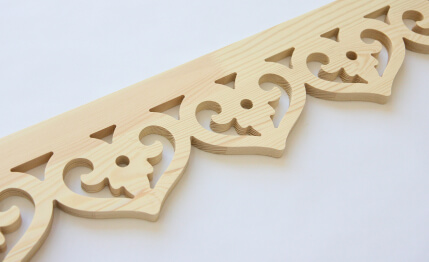
Wood and MDF tile
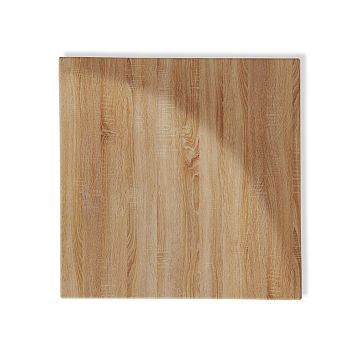


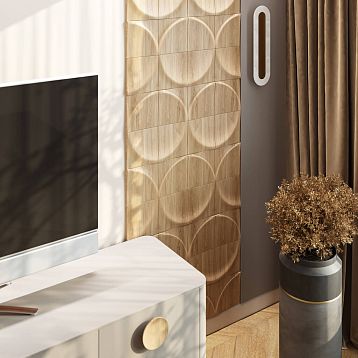
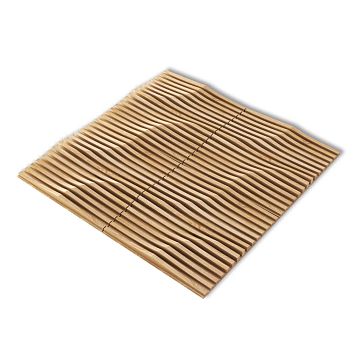
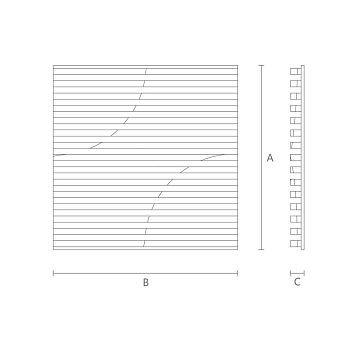
Application Gallery
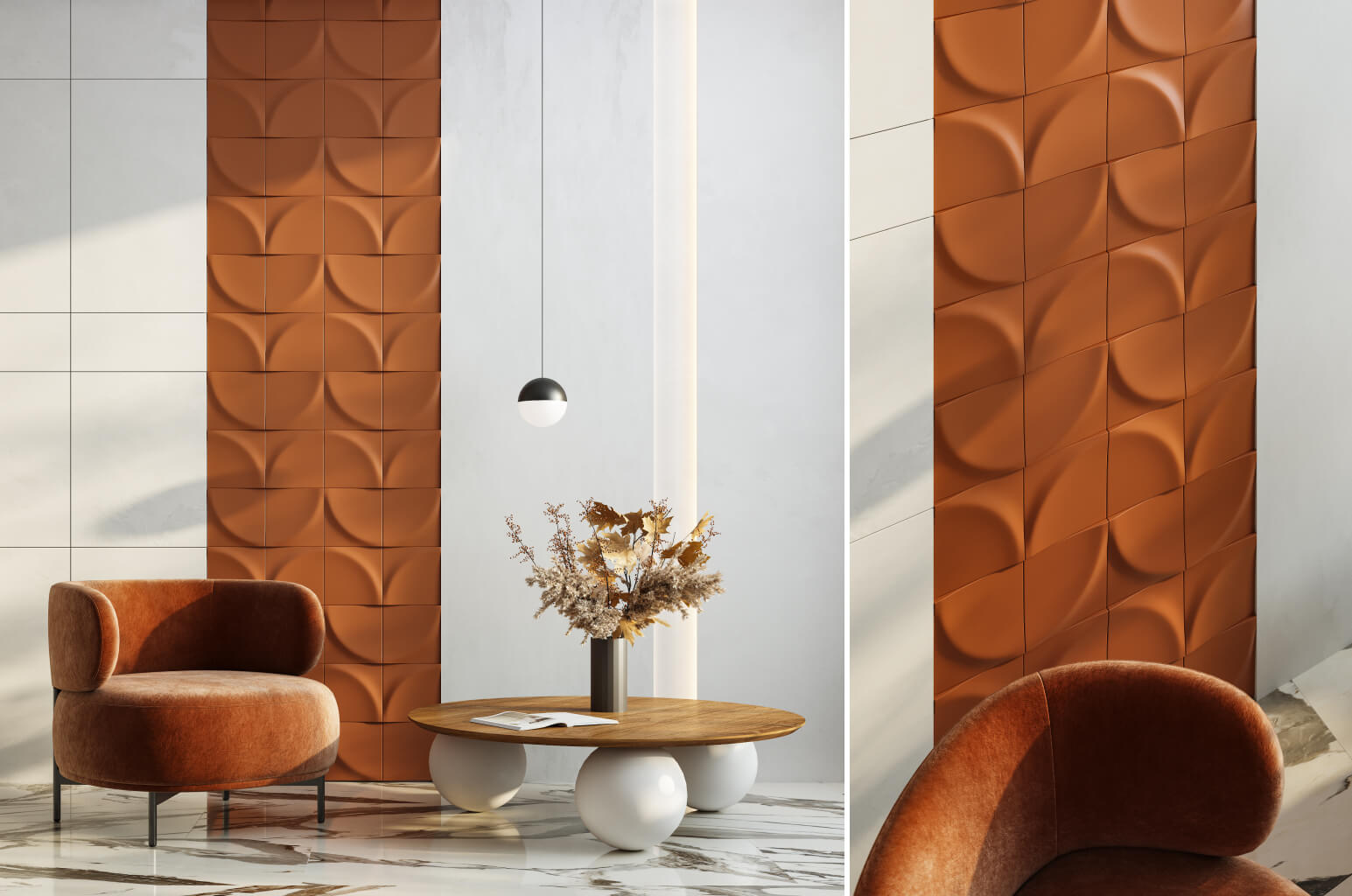
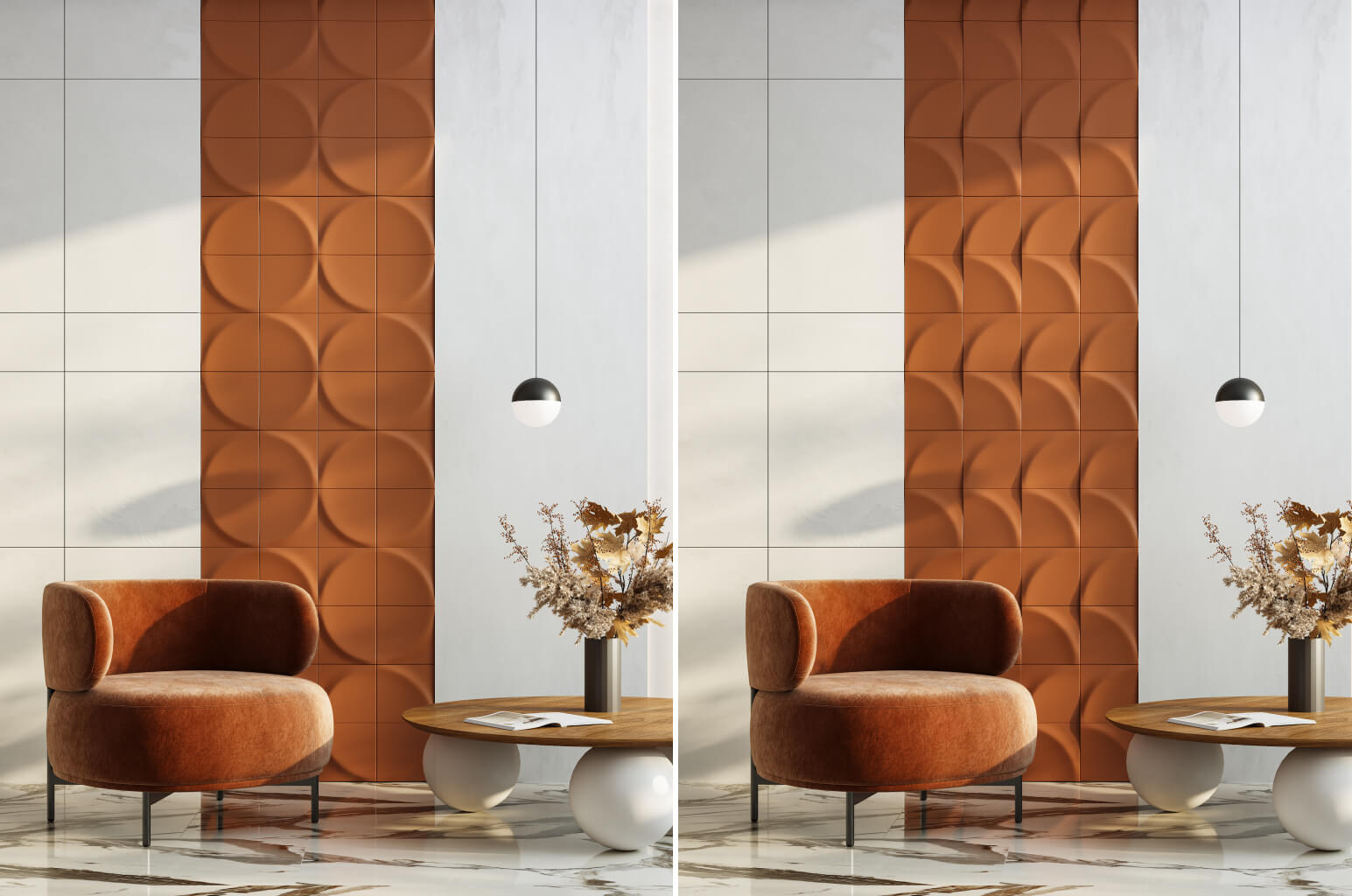
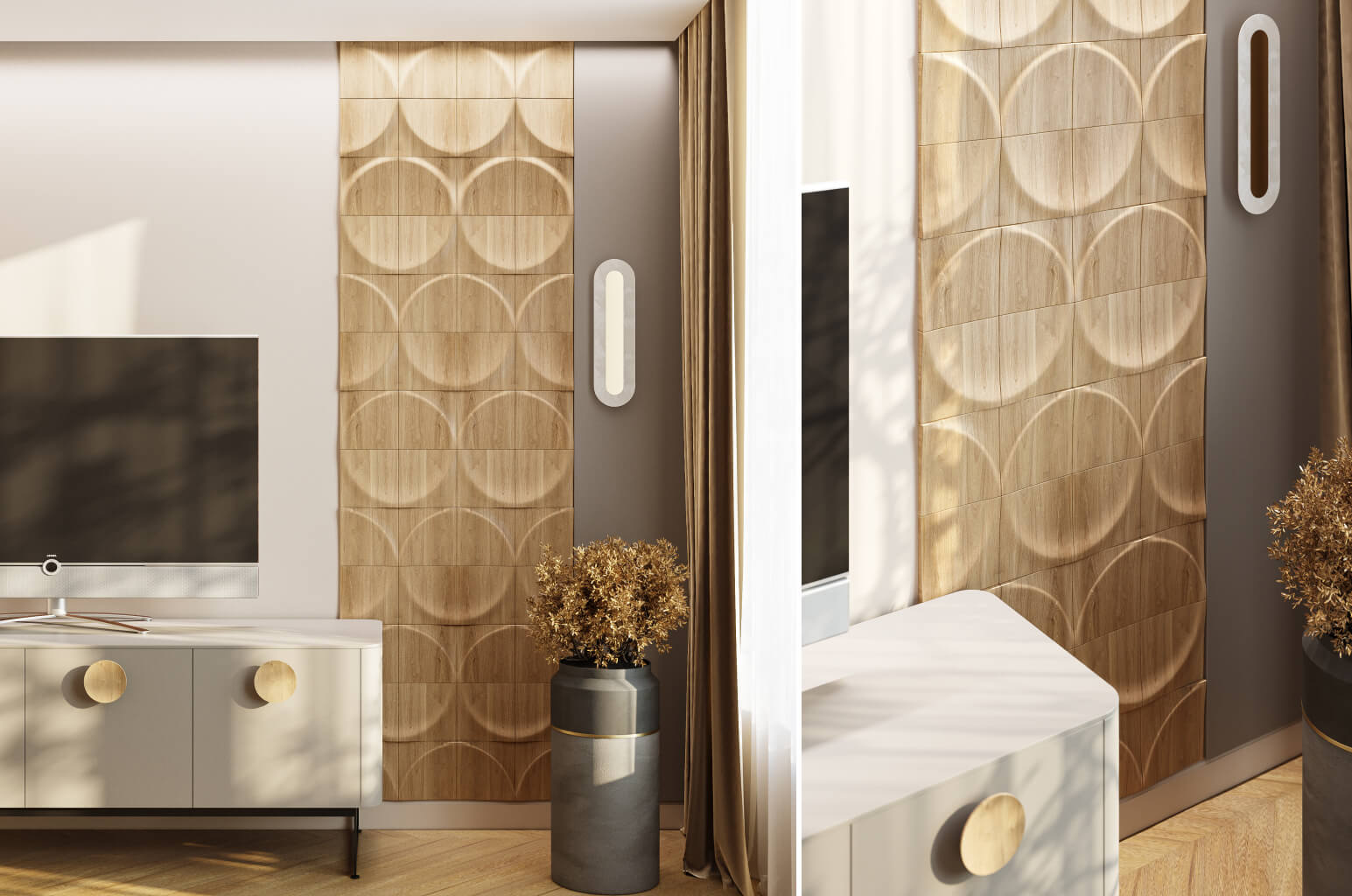
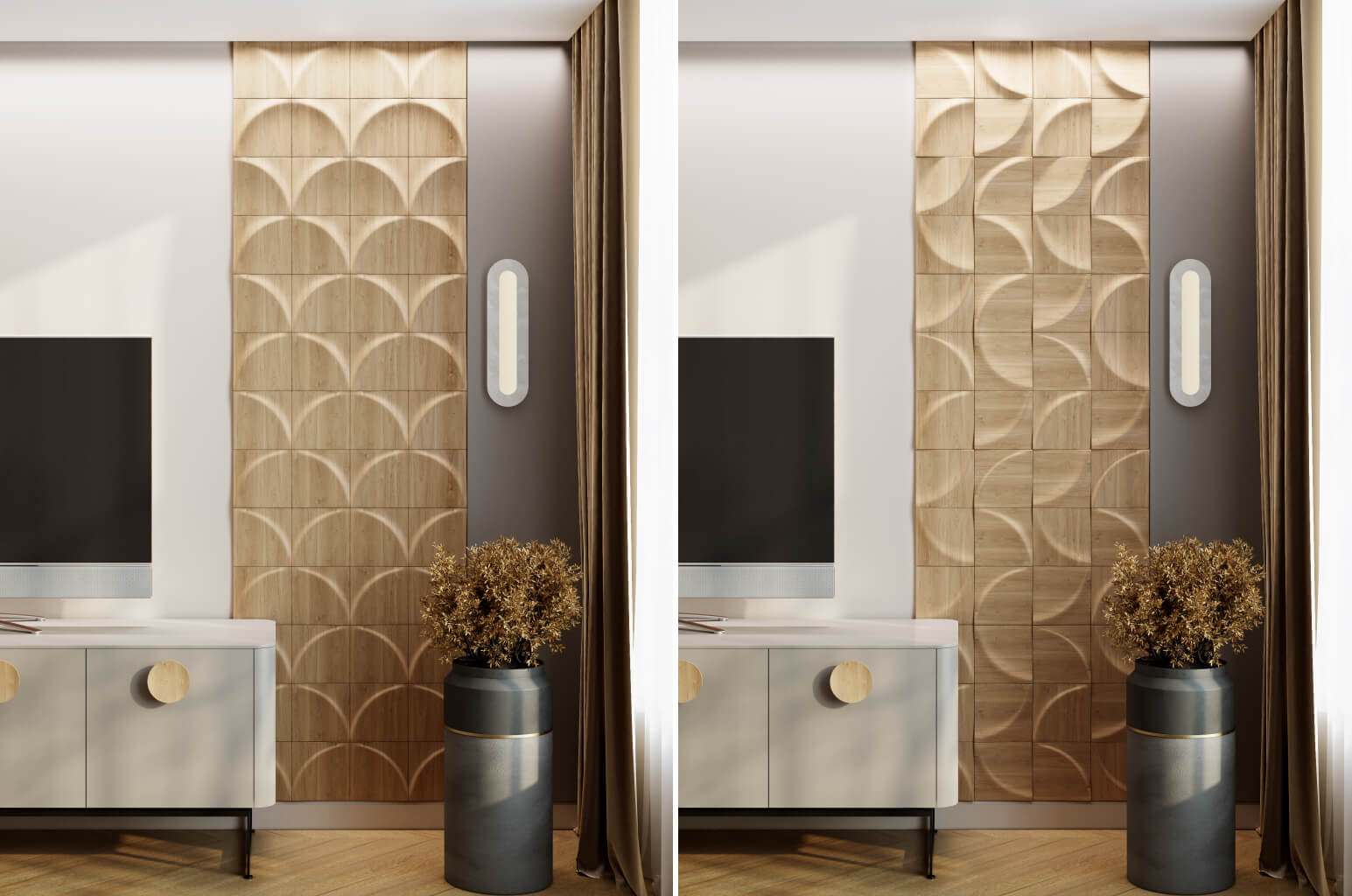
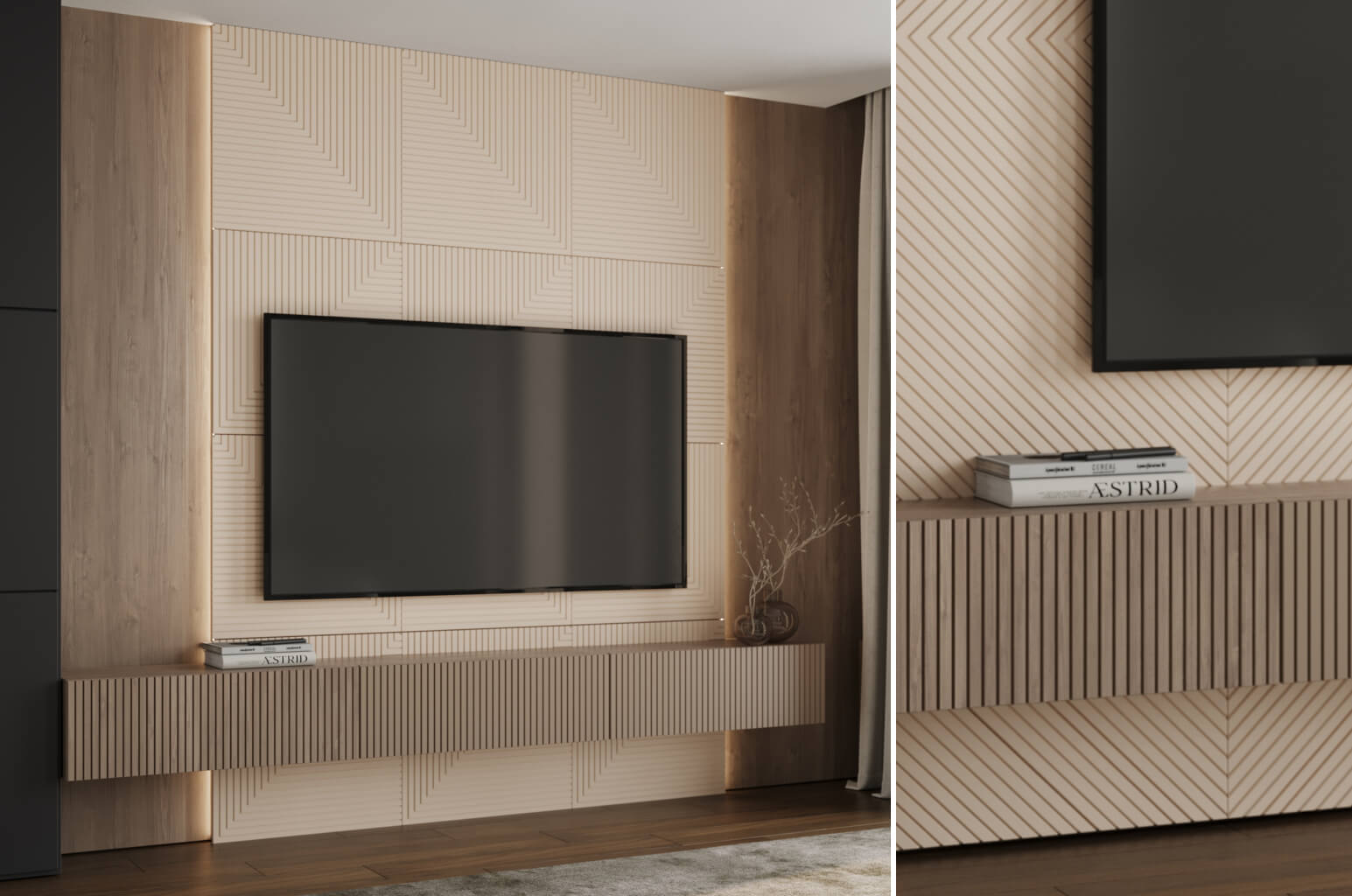
Wood and MDF tiles for decorative wall finishing
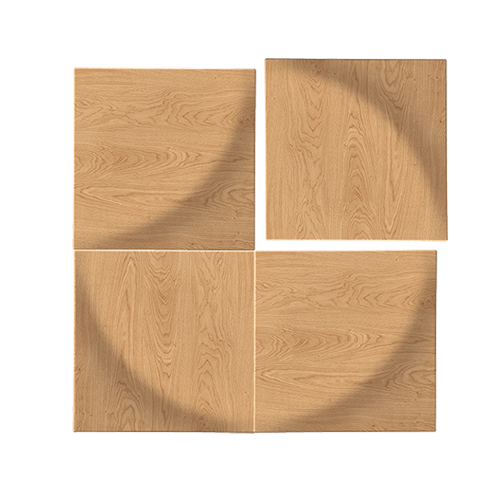
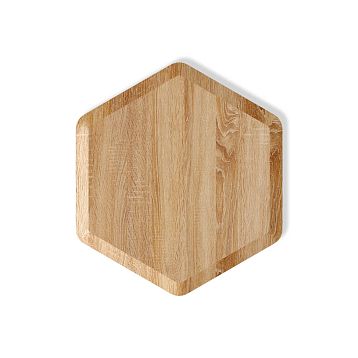
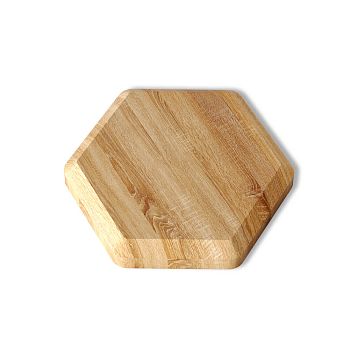
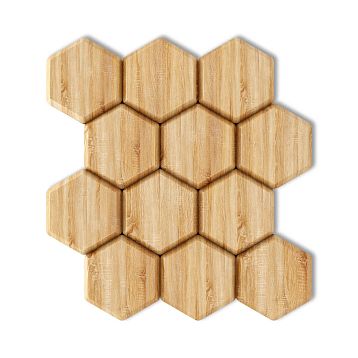
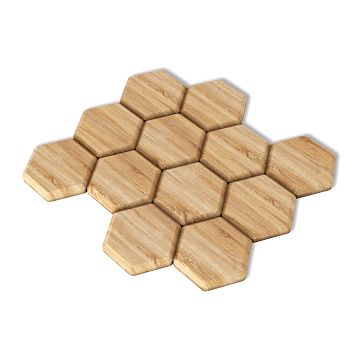
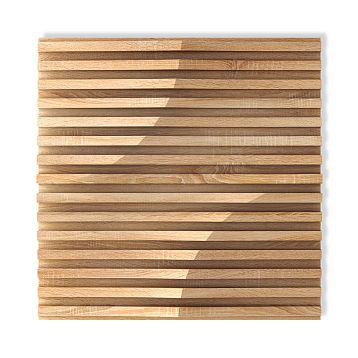
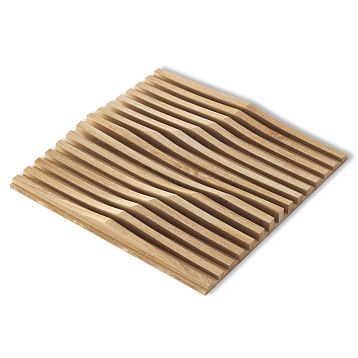
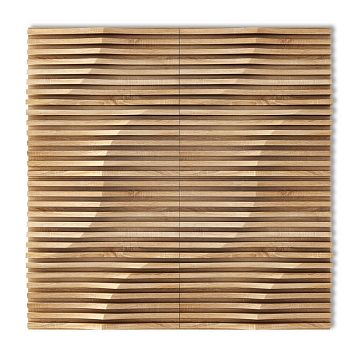
STAVROS wood and MDF tiles are a modular material for creating textured walls, decorative panels, accent zones, and expressive interior surfaces. Unlike conventional flat cladding, individual elements form a three-dimensional pattern that changes with side and directional lighting. The surface gains depth, and the wall becomes an independent part of the interior architecture.
This section includes products made from natural wood and MDF. Wooden tiles are valued for their natural texture, unique grain pattern, and the possibility of finishing with oil, stain, or clear varnish. MDF wall tiles are suitable for painting in the desired shade and allow for a uniform color composition with precise geometry of repeating modules.
Such finishing can be used in the living room, bedroom, hallway, study, dining room, lobby, meeting room, showroom, hotel, restaurant, or salon. Tiles are used to cover an entire wall or only a selected area: the zone behind the sofa, bed, TV, console, desk, mirror, or reception desk. The modules are also suitable for decorating niches, columns, furniture facades, and individual interior structures, provided the base and installation method are compatible with the specific product.
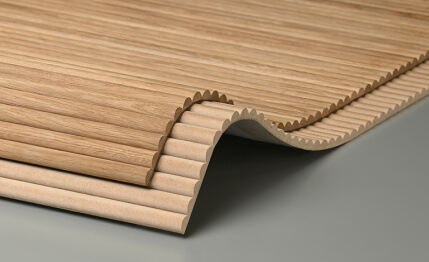
This section is part of the general catalog of STAVROS wall panels. If the project requires not a modular pattern but a continuous surface of parallel lines, the tiles can be compared to flexible slat panels.
What are wood and MDF wall tiles
Wood and MDF wall tiles are individual decorative elements that are sequentially mounted on a prepared base. After assembly, the modules form a repeating geometric relief. Depending on the shape of the specific model, the pattern can be perceived as a wooden mosaic, 3D panel, three-dimensional panel, or assembled wall cladding.
The word "tile" in the category name refers to a modular format, not a ceramic material. These products are not tiles, porcelain stoneware, or flooring. They are primarily intended for decorative interior finishing and require operating conditions suitable for wood or MDF.
The modular principle offers several possibilities:
- design a surface of any required size;
- create a local panel without cladding the entire wall;
- assemble a rhythmic repeating pattern;
- combine several colors or finishing options;
- replace an individual element without dismantling the entire composition, if the installation method allows;
- adapt the layout to a niche, partition, column, or furniture facade;
- extend the decorative motif across several interior surfaces.
The expressiveness of the finished wall depends not only on the tile shape. The direction of the layout, the color of the base, the depth of the relief, the lighting, and the quality of the joints are also important. Even the same module can look different in light solid enamel, natural oak, dark tinting, or combined finishing.
Natural wood tile
Wood wall tiles are suitable for projects where natural texture and visual depth of the material are important. Each element has its own grain pattern, so even with strict repetition of geometry, the surface does not look mechanically identical.
Wood tiles can be used in interiors where countertops, furniture, doors, stairs, baseboards, or other solid wood details are already present. With a well-chosen shade, a modular wall connects different wooden elements and creates a unified material foundation for the space.
Advantages of wood tiles
- natural texture without printed imitation;
- unique pattern of each element;
- expressive chiaroscuro on the textured surface;
- possibility of transparent and tinted finishes;
- compatibility with furniture and wooden moldings;
- suitable material for residential and representative commercial interiors;
- Possibility of local repair or coating renewal.
The shade of natural wood should be evaluated on an actual sample. A photo on the screen does not convey the exact color, pore depth, or surface changes under different lighting. Additionally, solid wood has natural variations in tone and grain, which are not defects but form the character of the finished composition.
Wood tile finishing options
Oil emphasizes the wood structure and preserves the natural tactile feel of the surface. Clear varnish creates a protective layer and can be matte, semi-matte, or more glossy. Stain and tinting oil change the shade without hiding the grain pattern.
Wood elements can be made light, honey, gray-beige, tobacco, brown, or almost black. It is better to coordinate the chosen tone with the floor, doors, and furniture, but a perfect match is not necessary. Controlled shade differences often look more natural than several surfaces that are almost identical but noticeably differ in daylight.
MDF wall tiles
MDF tiles are primarily intended for painted interior solutions. The uniform material structure allows for creating a clear relief and achieving repeatable geometry across the entire batch. After preparation and painting, the modules form a seamless surface without natural tone variations.
MDF wall tiles are suitable when the designer needs a specific color: white, cream, gray, graphite, green, blue, terracotta, burgundy, or a shade coordinated with furniture fronts and walls. The surface can be made monochrome or individual elements highlighted with a contrasting color.
Advantages of decorative MDF tiles
- Precise and repeatable module geometry;
- uniform surface without knots and natural differences;
- preparation for covering painting;
- ability to choose a color to match the interior project;
- convenience of creating a monochrome textured wall;
- ability to combine several shades;
- application on walls, panels and furniture elements in dry rooms.
MDF tiles should not be automatically perceived as moisture resistant. The possibility of using a specific model in a room with high humidity must be clarified before ordering. For ordinary MDF, high-quality edge processing, protective coating and absence of constant contact with water are especially important.
Comparison of wood and MDF tiles
| Criterion | Wood tiles | MDF tiles |
|---|---|---|
| Main decorative effect | Natural texture and variation in the pattern of each module | Uniform color and precise repeatable geometry |
| Optimal finish | Oil, stain, clear or tinted varnish | Primer and covering enamel of suitable type |
| Differences between elements | Natural variations in tone and pattern | Maximum predictable appearance of the batch |
| When to choose | When naturalness, tactility, and connection with other wooden parts are important | When an exact color, a monochrome wall, or matching furniture is needed |
| What to check before ordering | Wood species, sorting, shade, and type of finish coating | Surface preparation, type of primer, enamel, and operating conditions |
It is better to choose the material after determining the final look of the wall. If the surface should feel natural and tactile, wood is suitable. If color and strict repeatability are more important, it is more practical to consider MDF.
Where to use wood and MDF tiles
Accent wall in the living room
In the living room, modular tiles can be placed behind the sofa, TV, console, or dining group. For a large wall, a full composition from floor to ceiling is suitable. In a small room, it is better to use a limited area so that the relief does not overload the space.
If the tile is installed in the TV area, the pattern and color should not compete with the screen. Calm wood trim or MDF in the wall color create an expressive background but maintain visual order.
Wall behind the headboard in the bedroom
Wood wall tiles help to design the central part of the bedroom and connect the bed with the room's architecture. The panel can match the width of the headboard, occupy the entire wall, or extend to the side areas. Soft side lighting emphasizes the relief and creates a calmer atmosphere.
Entryway and Hall
In the hallway, modular tiles highlight a mirror, a bench, a console, or an entryway group. For a narrow room, it is recommended to assess the depth of the relief in advance so that the finish does not obstruct the passage. Light MDF tiles visually lighten the space, while natural wood creates a warmer first impression.
Study and workspace
Relief wooden tiles are well suited for the wall behind a desk, library, or meeting area. Dark tinting makes the interior more composed, while light wood or painted MDF are suitable for modern workspaces.
Commercial interiors
Decorative tiles are used in offices, hotels, restaurants, showrooms, salons, and stores. The modules are suitable for a reception desk, waiting area, background behind a logo, or meeting room design. MDF can be painted in a corporate color, while wood helps create a more premium and tactile space.
Niches, columns, and furniture
The small format is convenient for local surfaces. Tiles can be used to decorate the inside of a niche, the end of a partition, a rectangular column, the front of a cabinet, or a stand. Before installation on furniture, it is necessary to check the additional thickness and weight of the finish, the position of hinges, guides, and the gaps between facades.
How to choose a pattern and layout
The layout determines whether the wall will be perceived as calm or dynamic. Even when using a single model, the pattern can change due to the rotation of individual elements, the direction of installation, color alternation, and the position of the composition relative to the center of the wall.
For most projects, one of three approaches is used:
- continuous repeating layout — modules fill the entire selected surface;
- central panel — the tile forms a limited composition surrounded by paint, wallpaper, or molding;
- rhythmic insert — a vertical or horizontal strip, niche, or area between furniture elements is tiled.
The ability to rotate modules, change the direction of the pattern, or create a mirror composition depends on the geometry of the specific tile. Before ordering, it is recommended to create a scaled layout diagram. For complex compositions, a trial assembly of several rows on the floor or a large table is useful.
How to choose a color
The color of a textured surface is perceived as more complex than the color of a flat wall. Protruding areas receive more light, while recesses appear darker. Therefore, a rich shade on a three-dimensional tile may seem deeper than on a regular painted sample.
For a calm wall, the following are suitable:
- MDF painted in the color of the adjacent wall;
- light wood under matte oil;
- a soft gray-beige or milky palette;
- one color for tiles, moldings, and baseboards.
For an accent composition, you can use dark wood, graphite enamel, deep green, blue, terracotta, or burgundy. A contrasting relief is best supported by another interior detail: furniture, textiles, a lamp, or a door panel.
Combining multiple colors requires a precise scheme. A random multi-colored layout quickly creates visual noise. Two main shades repeating in a set order look more cohesive.
How to calculate the number of tiles
For the calculation, you need to know the exact dimensions of the wall and the dimensions of the selected module. The cladding area is divided by the calculated area of one tile, after which the actual layout by rows is checked. A simple calculation by square meters is not enough if the pattern must be symmetrical or elements need to be trimmed at the edges.
Calculation sequence:
- Measure the width and height of the area to be clad.
- Mark doors, niches, sockets, switches, and furniture.
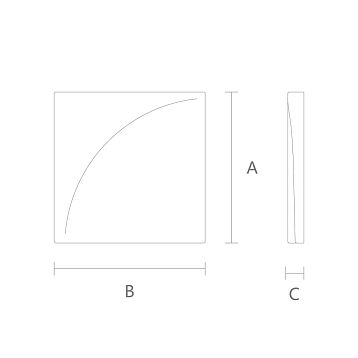
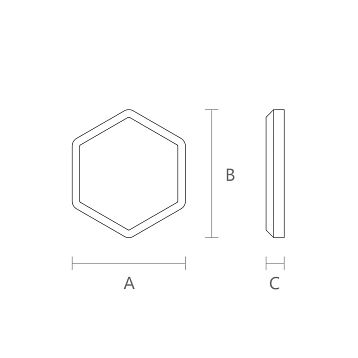
- Check the specific tile dimensions in the product card.
- Determine the starting point of the layout: from a corner, the edge of furniture, or the center of the composition.
- Count the number of whole elements by width and height.
- Determine where the trimmed modules will be located.
- Add a technological reserve.
For a simple straight surface, a reserve for trimming and possible replacement of elements is usually provided. For diagonal, combined, or complex symmetrical layouts, the reserve should be larger. It is better to determine the final quantity based on a ready-made diagram, not just on the total wall area.
Wall preparation and installation
The substrate must be dry, strong, and free of dust, grease, peeling paint, and weak areas of plaster. Relief tiles do not correct serious wall geometry: noticeable differences can disrupt the alignment of modules and the overall pattern.
Before starting installation, it is recommended:
- to condition the material in the room according to the recommendations for the specific product;
- to check the entire batch for color and geometry;
- to lay out several rows without adhesive;
- to mark basic horizontal and vertical lines;
- to determine the location of cuts;
- to prepare openings for electrical and other connections in advance;
- to check the compatibility of the adhesive with the substrate, wood, or MDF.
The adhesive composition is selected taking into account the tile material, weight of the elements, and type of wall. You cannot use random glue just because it is suitable for ceramics or general construction work. For a critical project, the installation method should be coordinated with the manufacturer or installer.
Installation begins from a predetermined line. Each row is checked with a level, as a small error gradually increases and becomes noticeable at the opposite edge of the wall. Excess glue is removed before drying, avoiding contamination of the front surface.
Finishing of edges, corners, and junctions
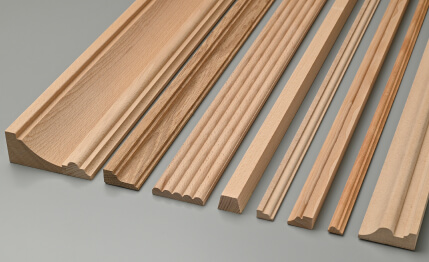
The edge of the panel should look like a planned part of the interior. It can be finished with a straight cut, wooden trim, molding, or another compatible profile. For selecting the framing, you can use wooden moldings and linear elements STAVROS.
Special attention is required for:
- external corners;
- transition to a painted wall or wallpaper;
- joint with the floor plinth;
- junction with a door casing;
- upper border of the panel;
- sockets and switches;
- ends on furniture facades.
The solution for each joint must be selected before ordering. If you install the tile first and then look for a way to cover the end, it may turn out that the suitable profile differs in thickness, color, or scale.
Care and Maintenance
For regular maintenance, a dry or slightly damp soft cloth is sufficient. Do not use abrasive sponges or aggressive compounds that may damage the varnish, oil, or painted surface. Dust from deep relief can be conveniently removed with a soft brush or a vacuum cleaner attachment at low power.
Operating conditions depend on the material and finish. Natural wood and standard MDF are not intended for constant contact with water. The possibility of installation in the kitchen, bathroom, near a sink, or other wet areas must be checked separately for the specific model and coating.
If the surface is damaged, the repair method depends on the finish. Painted MDF can be locally prepared and repainted, but the shade match must be checked in advance. Wooden tiles under oil can sometimes be refreshed locally after careful preparation. For complex coatings, it is better to consult a specialist.
What to check before purchase
- exact dimensions of the selected module;
- material: wood or MDF;
- surface preparation quality;
- possible finishing options;
- conditions of use in a specific room;
- installation method and recommended adhesive;
- layout diagram and position of cuts;
- need for moldings and end profiles;
- quantity of tiles with a technological reserve;
- product availability or manufacturing time;
- packaging and delivery conditions.
When choosing from a photo, it is easy to make a mistake with the scale. A module that seems small on the screen may look very large on the wall, and vice versa. Before ordering a large quantity, it is recommended to evaluate the actual dimensions and, if available for the selected model, request a sample or view the product in the showroom.
Why wood and MDF tiles are ordered at STAVROS
STAVROS produces wood and MDF products for residential and commercial interiors. The buyer can choose the material for a specific task: natural wood for expressive texture or MDF for a precise painted surface.
Category advantages:
- modular solutions for relief wall finishing;
- options in natural wood and MDF;
- ability to choose a finish for the interior project;
- application for walls, panels, niches, and furniture surfaces;
- compatibility with other STAVROS products for junction design;
- ability to order the required number of elements;
- product delivery across Russia.
The cost depends on the material, size, processing quality, selected model, and order volume. Current specifications, availability, and manufacturing conditions are indicated in product cards. For an accurate calculation, you need to select a model and prepare the surface dimensions.
How to order wood and MDF tiles
Start by choosing the material and surface type. If you need a natural pattern and transparent finish, consider wood tiles. If a specific color and uniform composition are required, choose MDF wall tiles.
For the calculation, prepare:
- width and height of the surface to be tiled;
- a photo of the wall or a project visualization;
- location of doors, sockets, switches, and furniture;
- desired layout option;
- material and intended finish;
- delivery city.
After selecting a specific product, check its dimensions and create a layout. If necessary, consult a specialist about the material's compatibility with the room, installation recommendations, and the possibility of manufacturing the required quantity.
It is worth buying wood and MDF tiles for an interior where ordinary paint or wallpaper is not enough. Modular cladding creates relief, emphasizes lighting, and helps turn a wall into an expressive architectural element. Natural wood provides a living texture, while MDF offers freedom of color and allows you to precisely match the finish with furniture and the overall palette of the room.
Frequently Asked Questions
Are wood tiles only suitable for walls?
The main purpose of the category is decorative cladding of interior walls and interior surfaces. The possibility of use on furniture, columns, or other bases depends on the model, weight, and installation method. Such tiles are not intended for flooring unless otherwise specified by the manufacturer.
What is the difference between wood tiles and wood-look tiles?
Wood tile is made from wood material and has a real texture. Wood-look tile usually refers to ceramic, porcelain, or other material with an imitation wood pattern. These are different categories in terms of appearance, installation, and operating conditions.
Can MDF tiles be painted?
Yes, MDF is chosen for covering paint as well. It is necessary to use a compatible primer and enamel system, follow the edge preparation technology, and avoid excess coating getting into the installation joints.
Can wooden tiles be painted?
Yes, if it matches the project and the specific product's preparation. However, the main advantage of wood is its natural texture, so oil, stain, or clear varnish are more commonly used. Beech can also be suitable for covering paint, but parameters should be checked in the product card.
Is MDF tile suitable for a bathroom?
Standard MDF is not designed for constant contact with water. Use in a damp room is only possible after confirming the material, protective finish, and installation area. In a shower or directly near water, the product should not be used without special approval.
How to determine the amount of tile?
You need to know the dimensions of the wall and one module, then create a layout by rows. Add a reserve for cutting and possible replacement to the obtained quantity. For a complex pattern, the calculation is done according to a scheme, not just by area.
Can wood and MDF be combined in one composition?
Technically, such a combination is possible if the elements match in geometry and thickness. It is important to check the joints in advance and plan the finish. Often, materials are used in different zones: wood as a natural accent, MDF as a painted supporting surface.
How to finish the edge of the tile on the wall?
The edge can be finished with a straight cut, molding, wooden trim, or another suitable profile. The method is chosen based on tile thickness, interior style, and the type of adjacent finish.
Is it necessary to level the wall before installation?
The base must be stable and sufficiently level for precise joining of modules. Significant unevenness should preferably be eliminated. Otherwise, the pattern may shift, and noticeable steps or gaps may appear between the tiles.
Can I order tiles for a commercial property?
Yes, modular finishing is suitable for offices, hotels, restaurants, salons, shops, and showrooms. To calculate a large volume, you will need the area, layout scheme, selected material, and requirements for the final coating.
Order a call
Do you have questions? Fill out the form and send it.
Your request has been sent!
Our manager will contact you within 5 minutes