

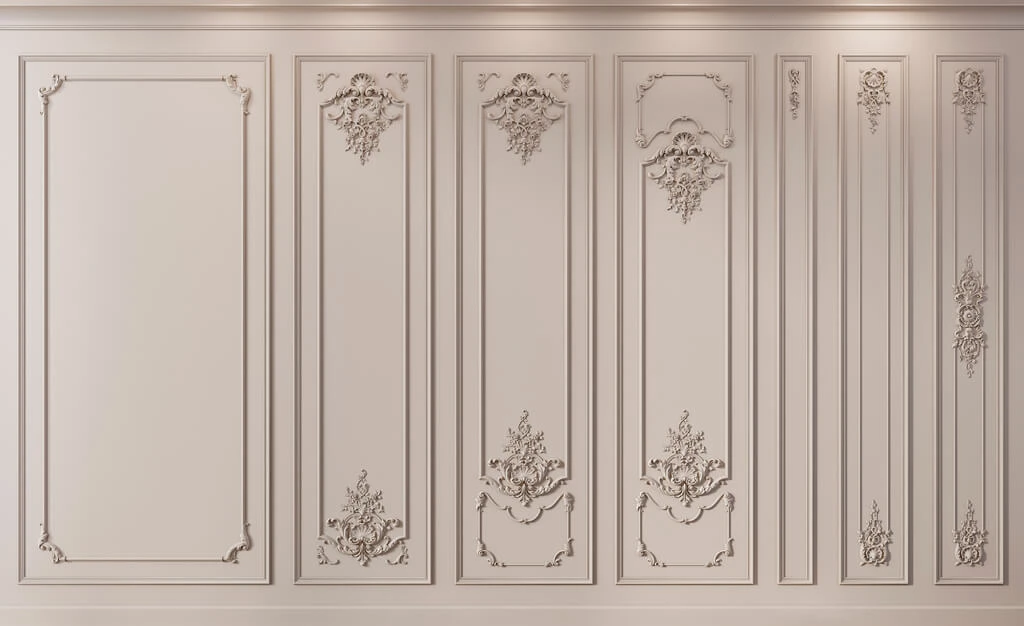
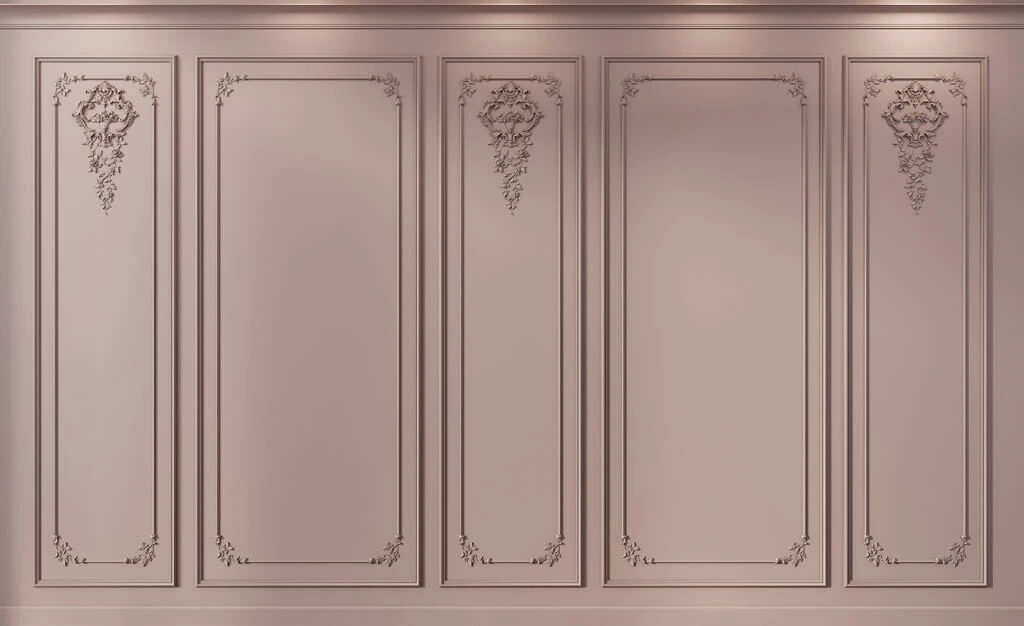
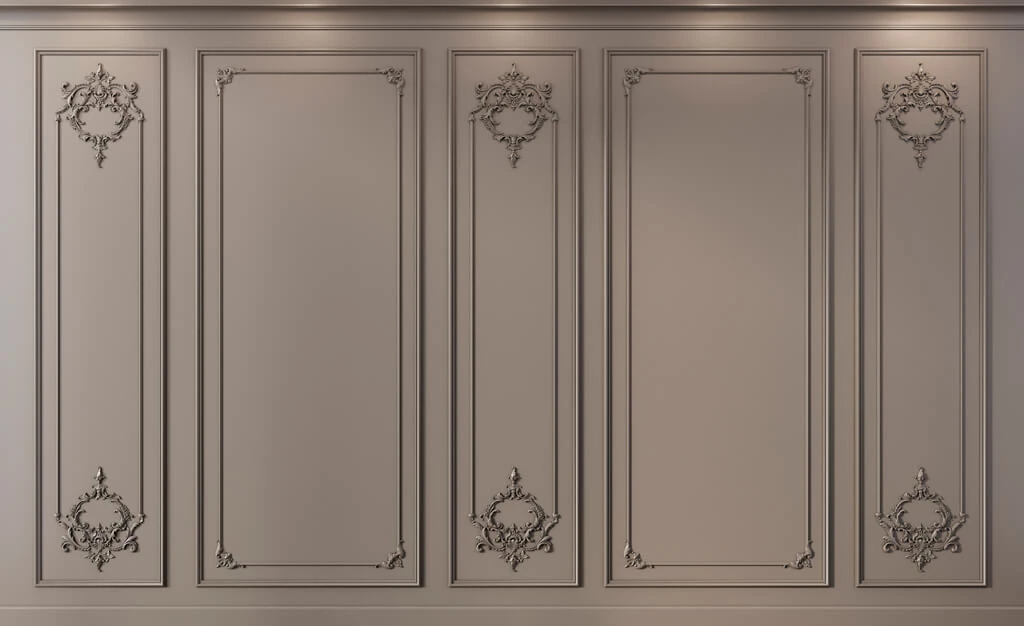
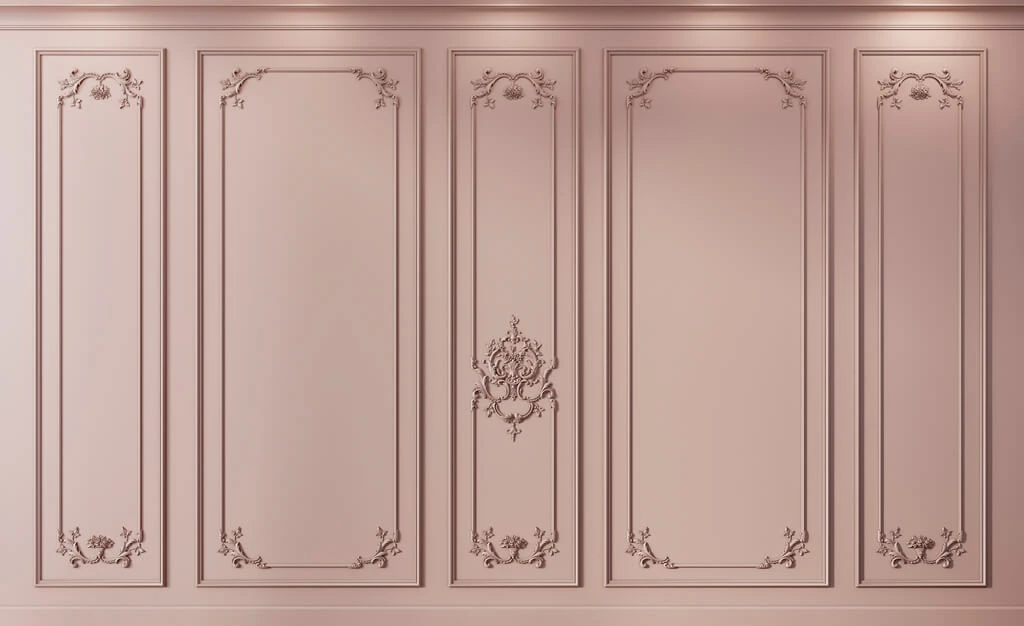
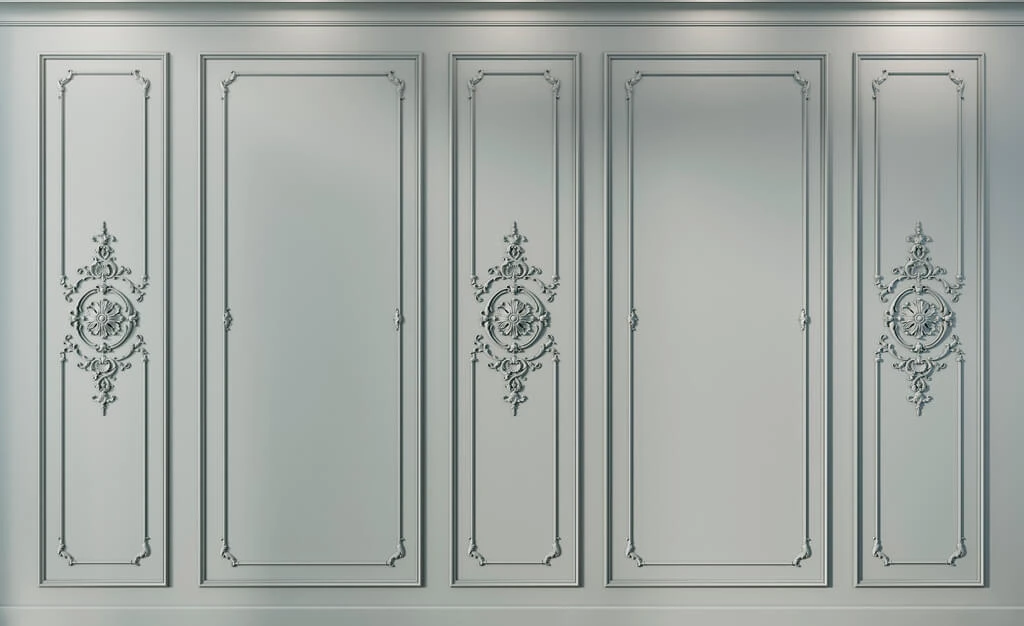
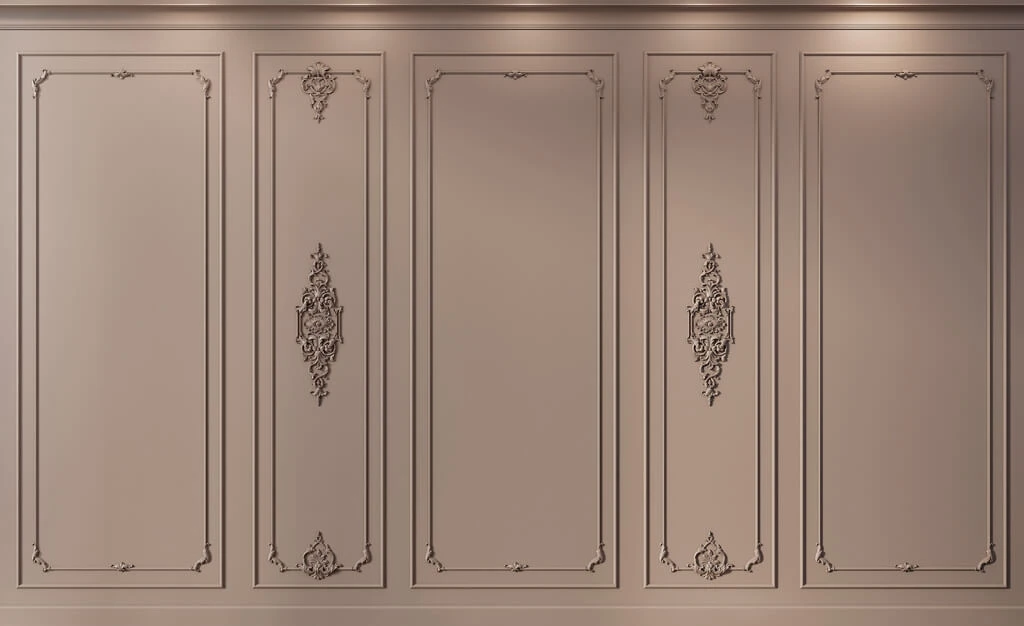
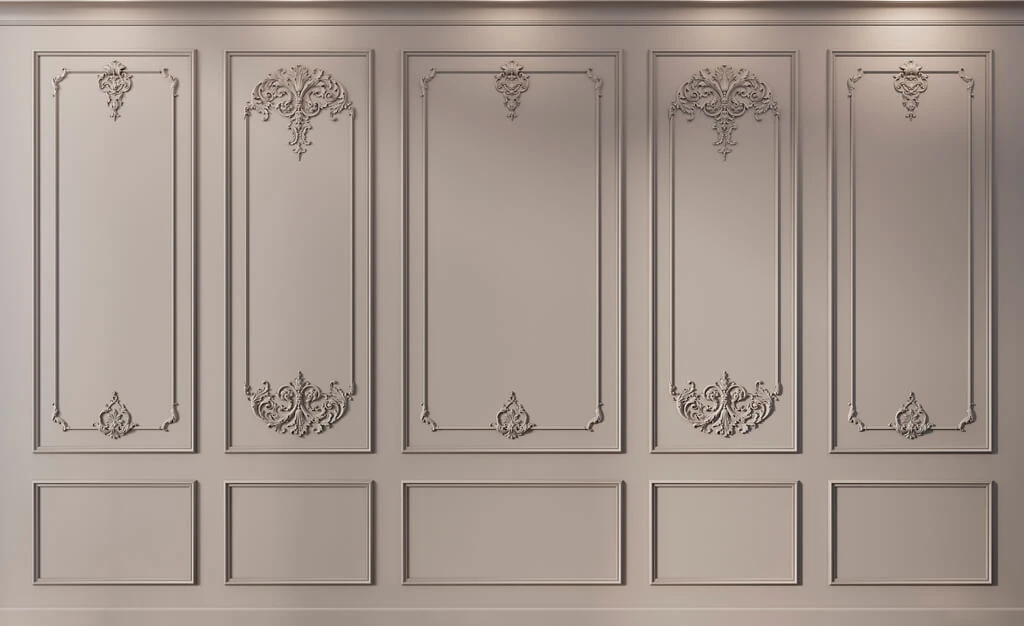
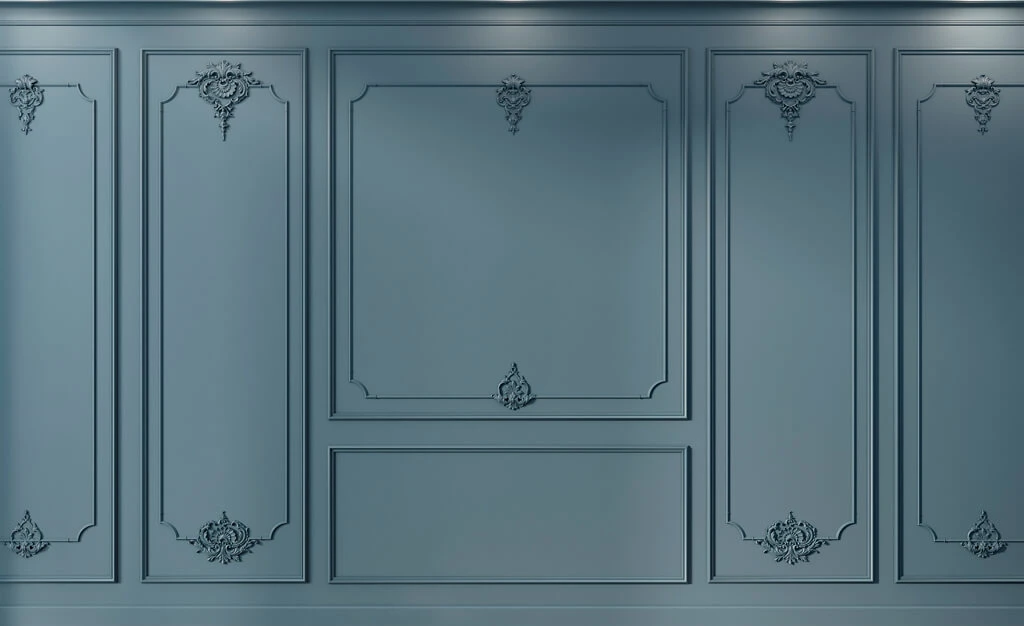
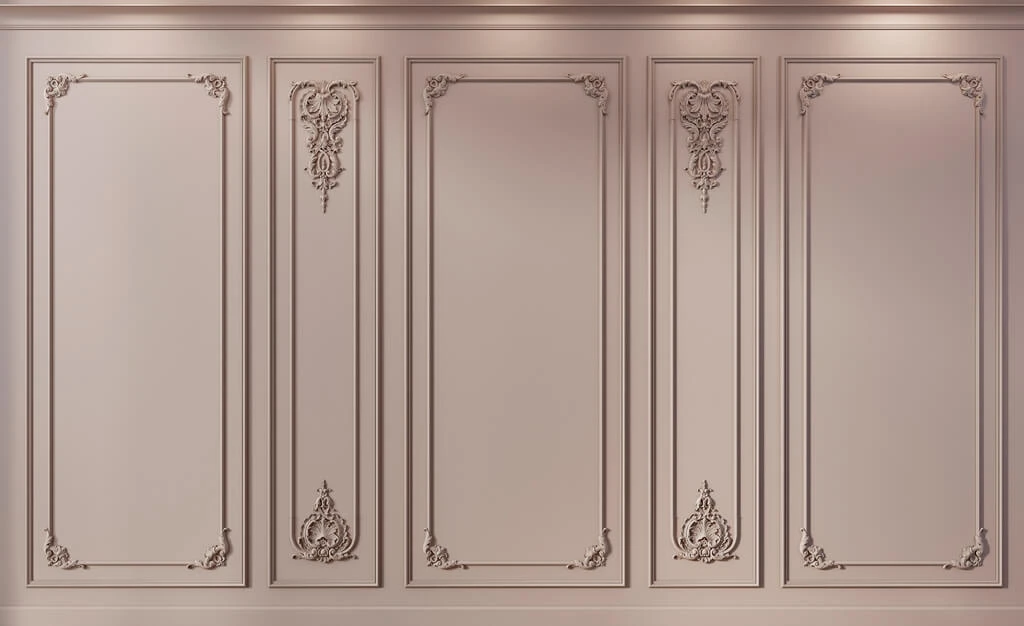
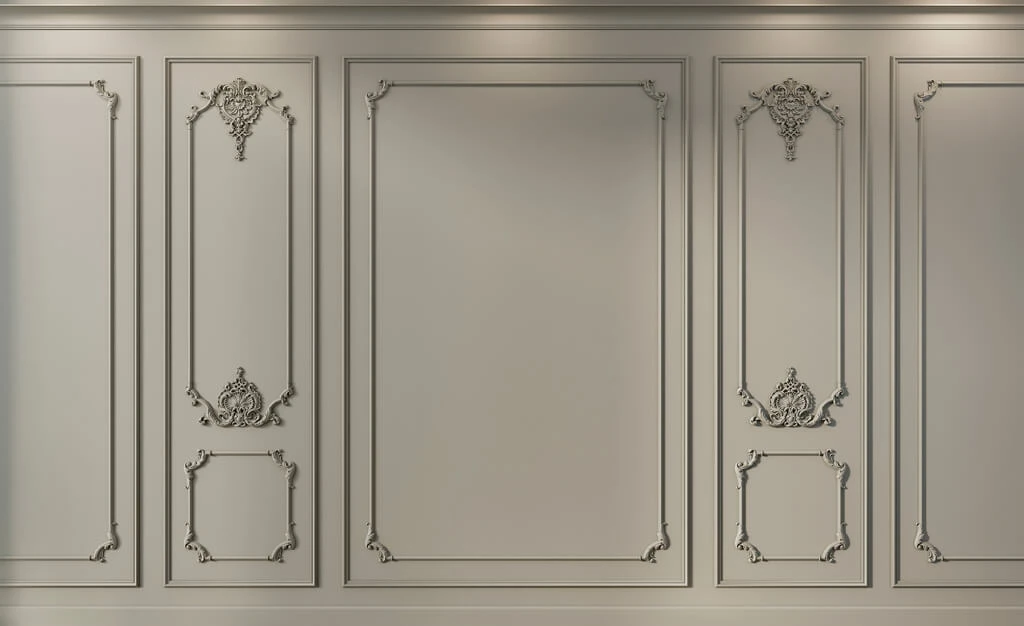
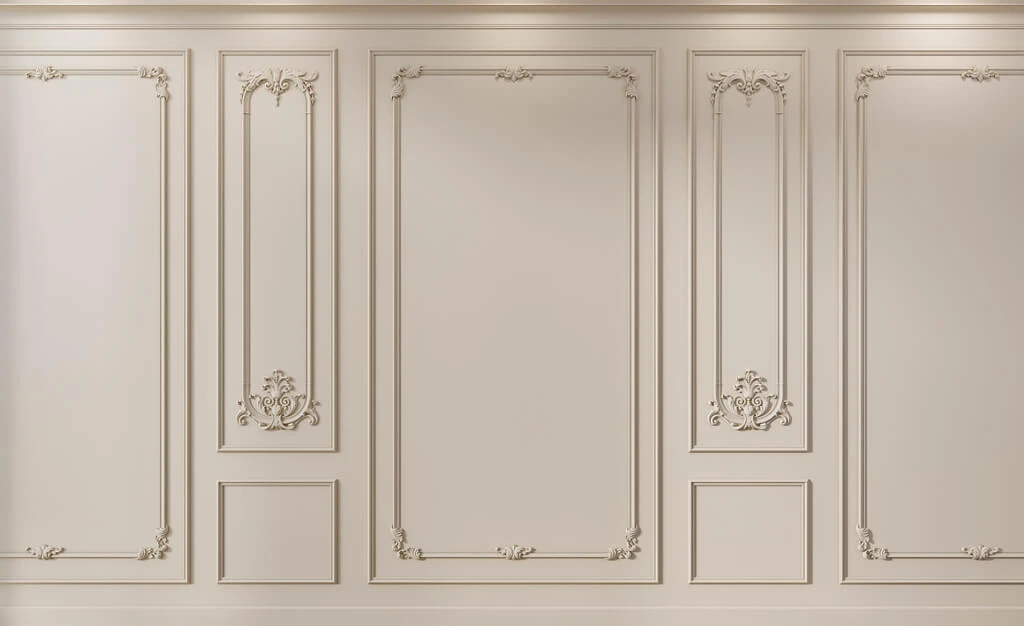
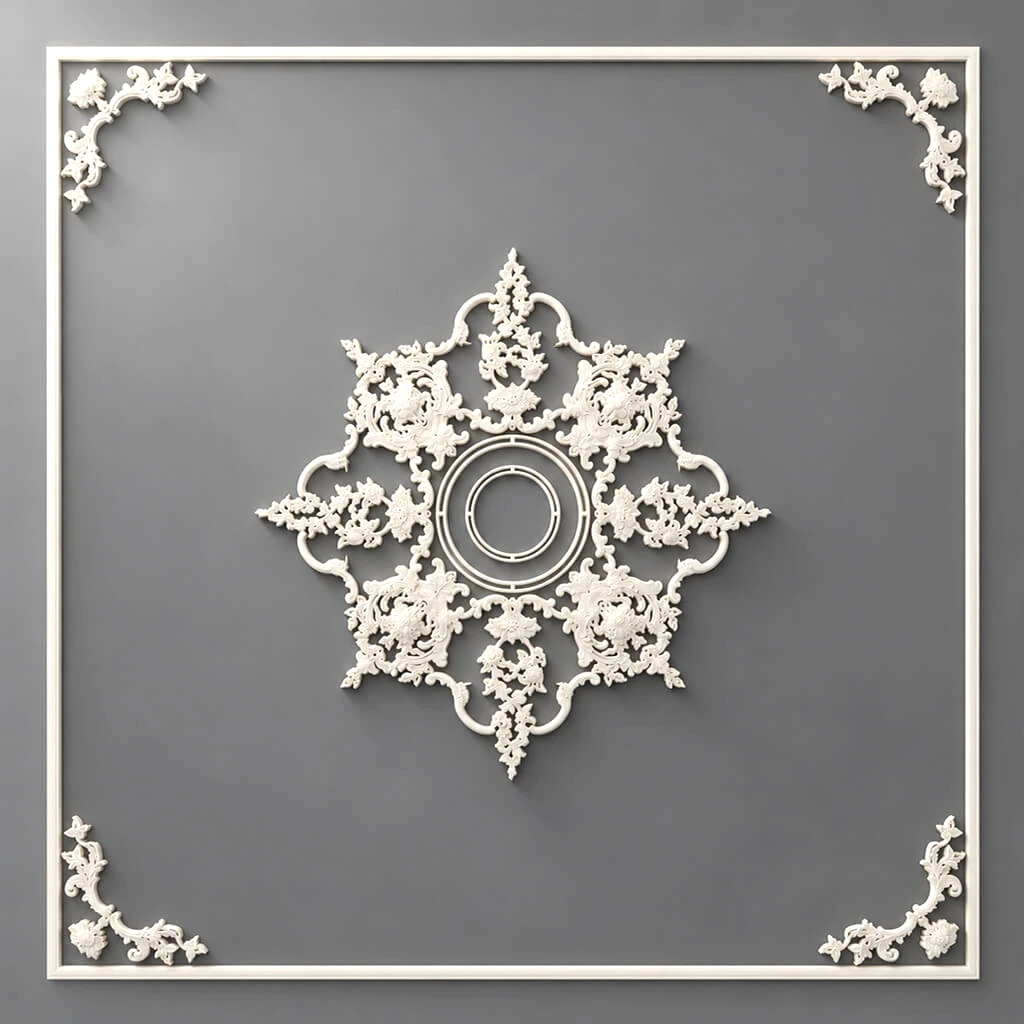

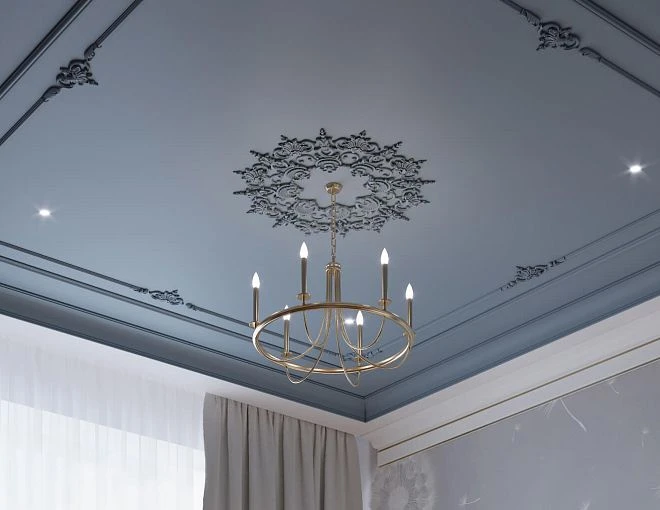
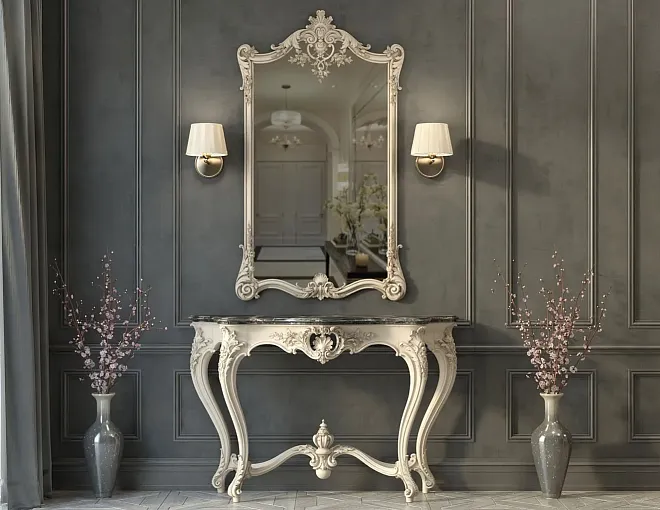
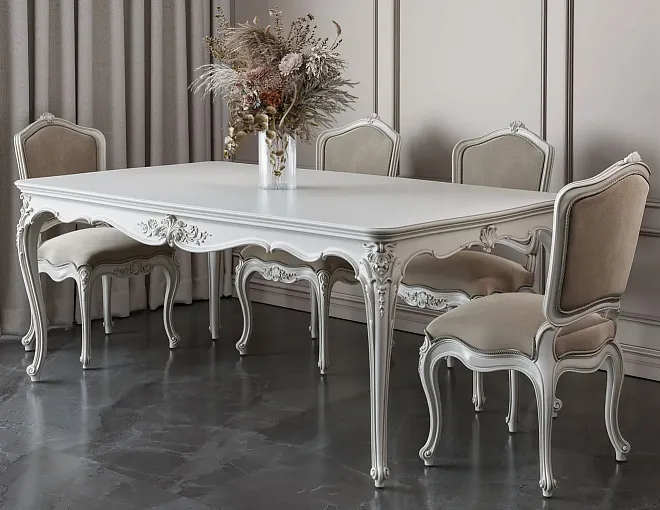
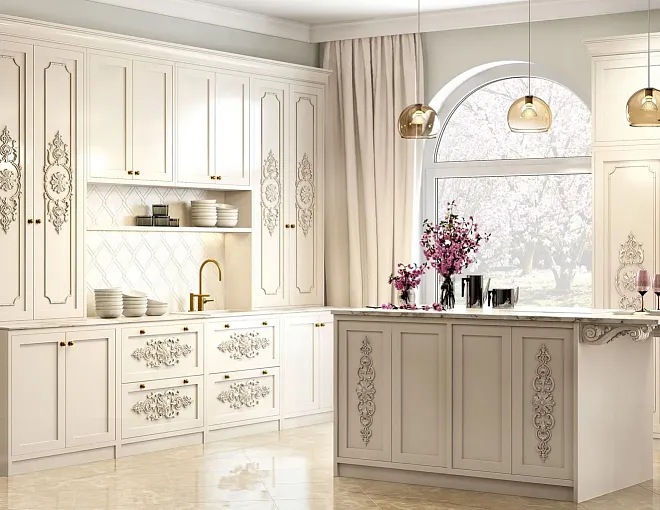
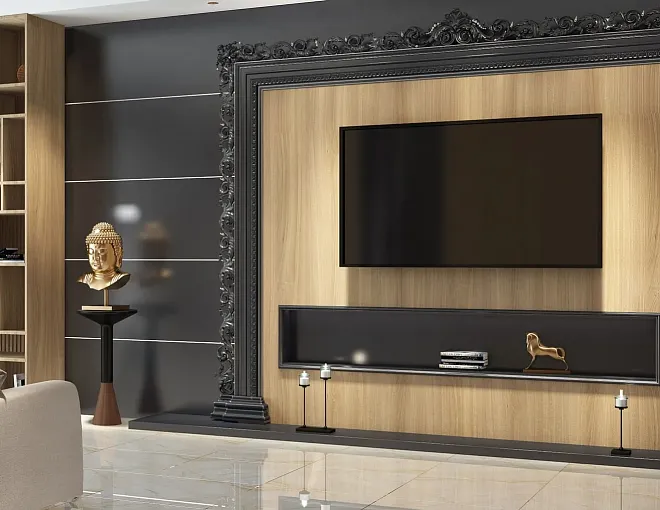
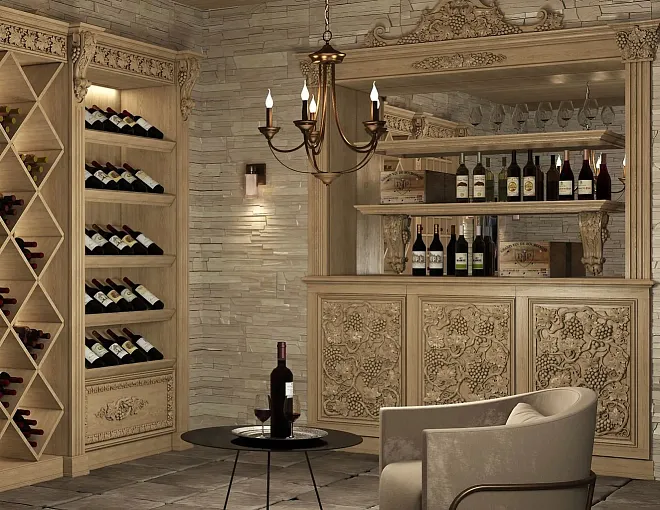
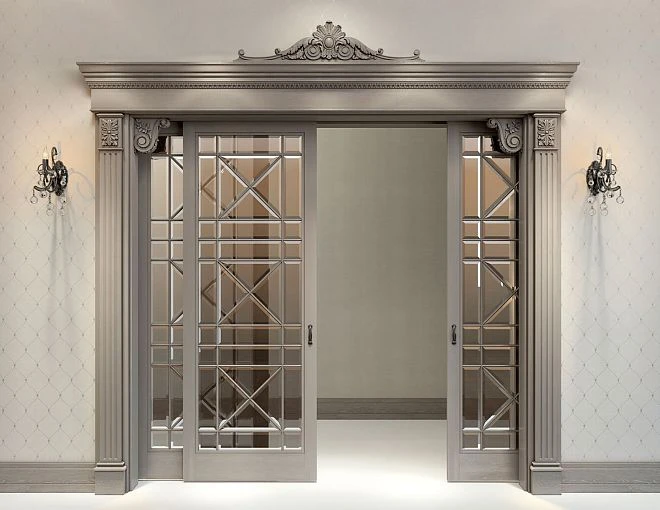
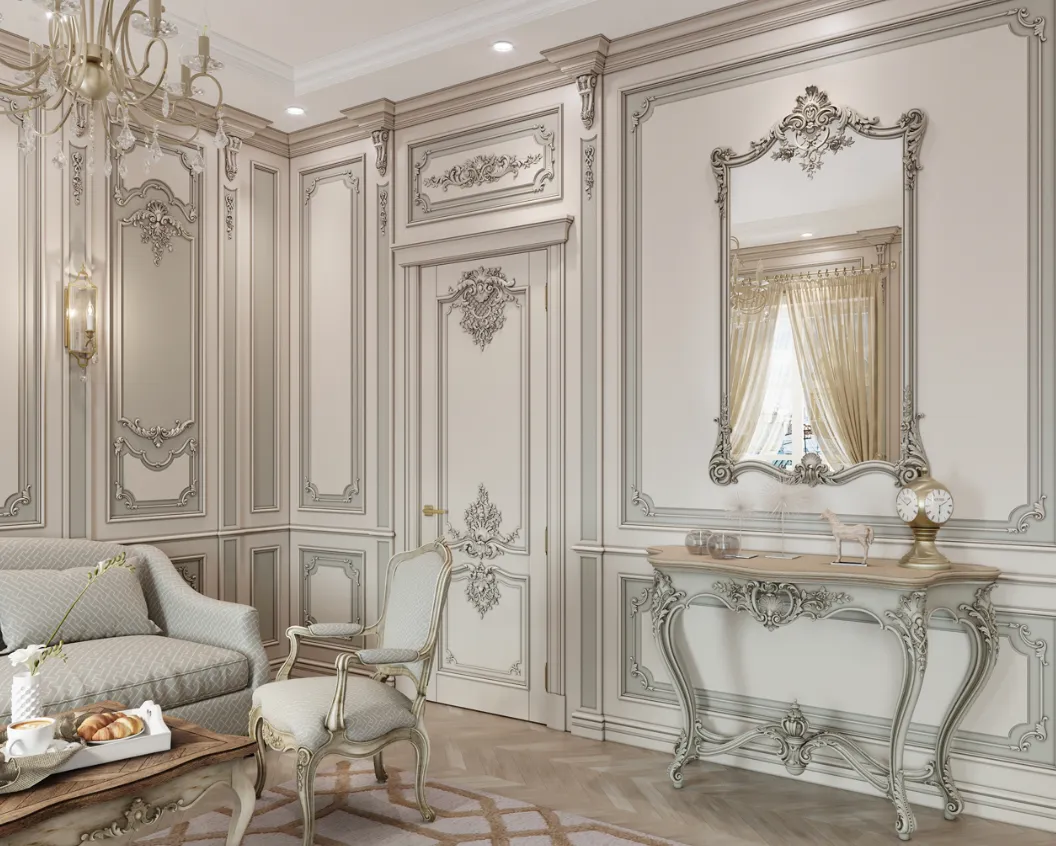
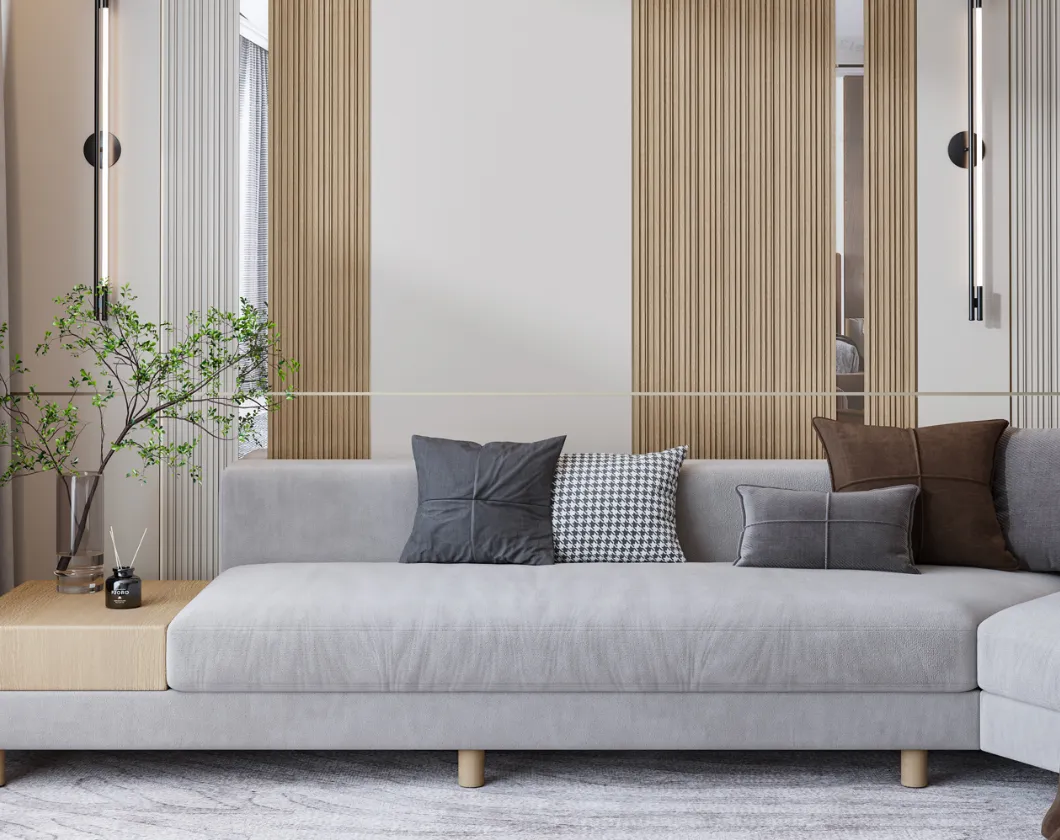
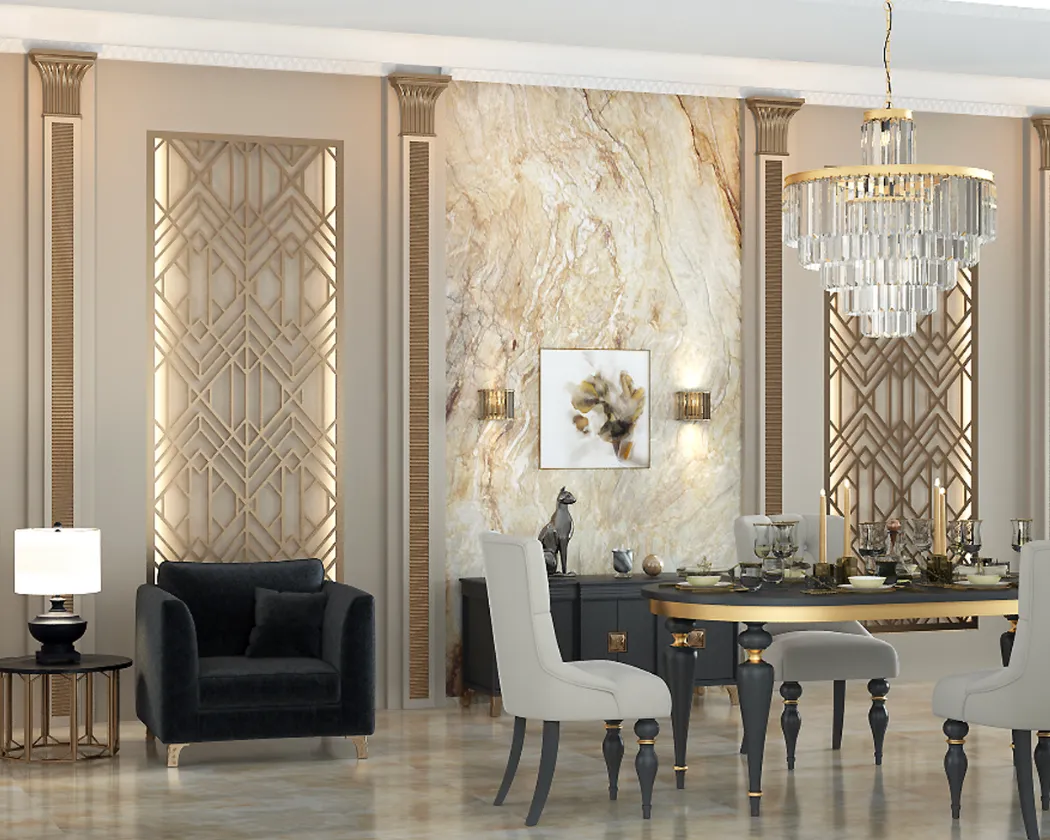
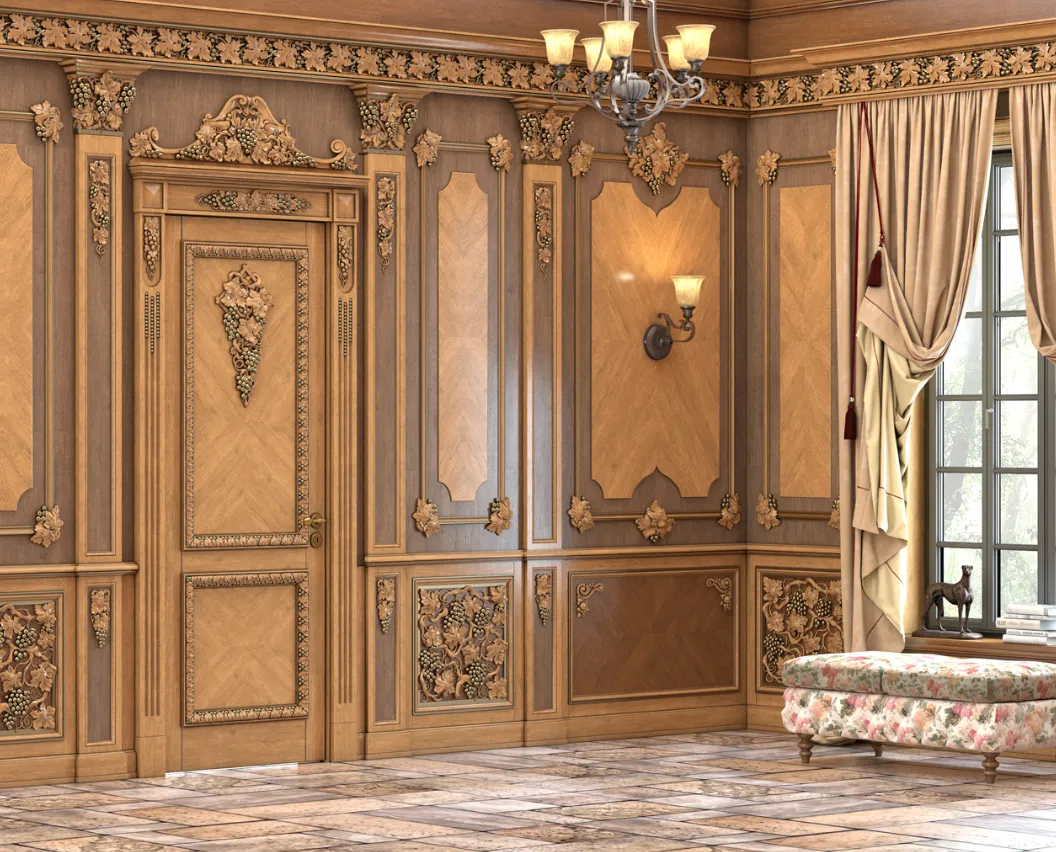
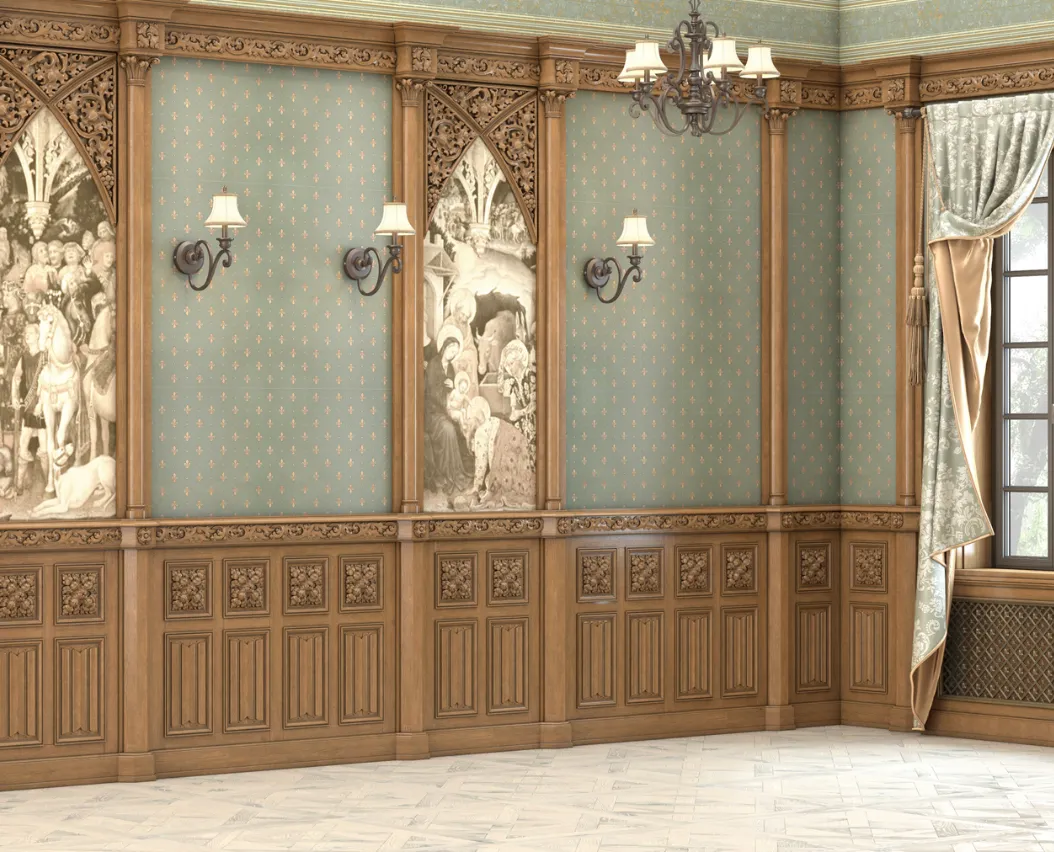
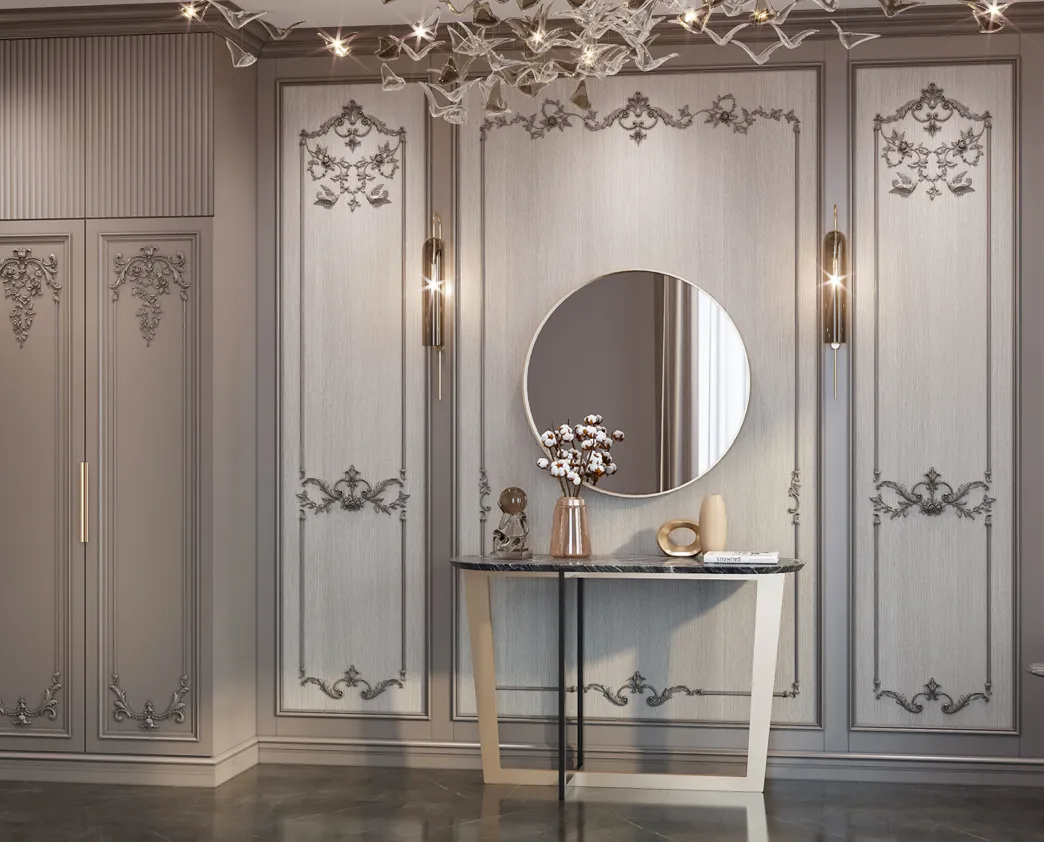
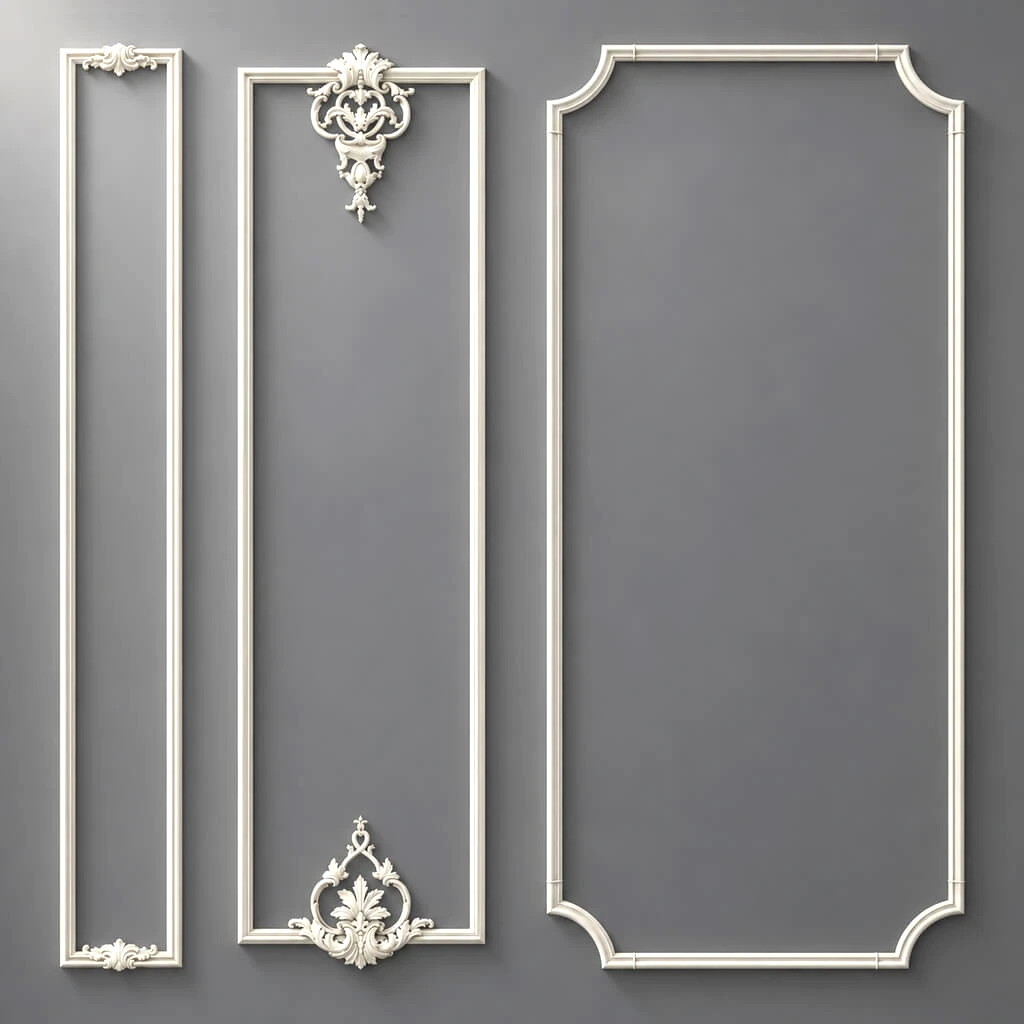
Application Gallery
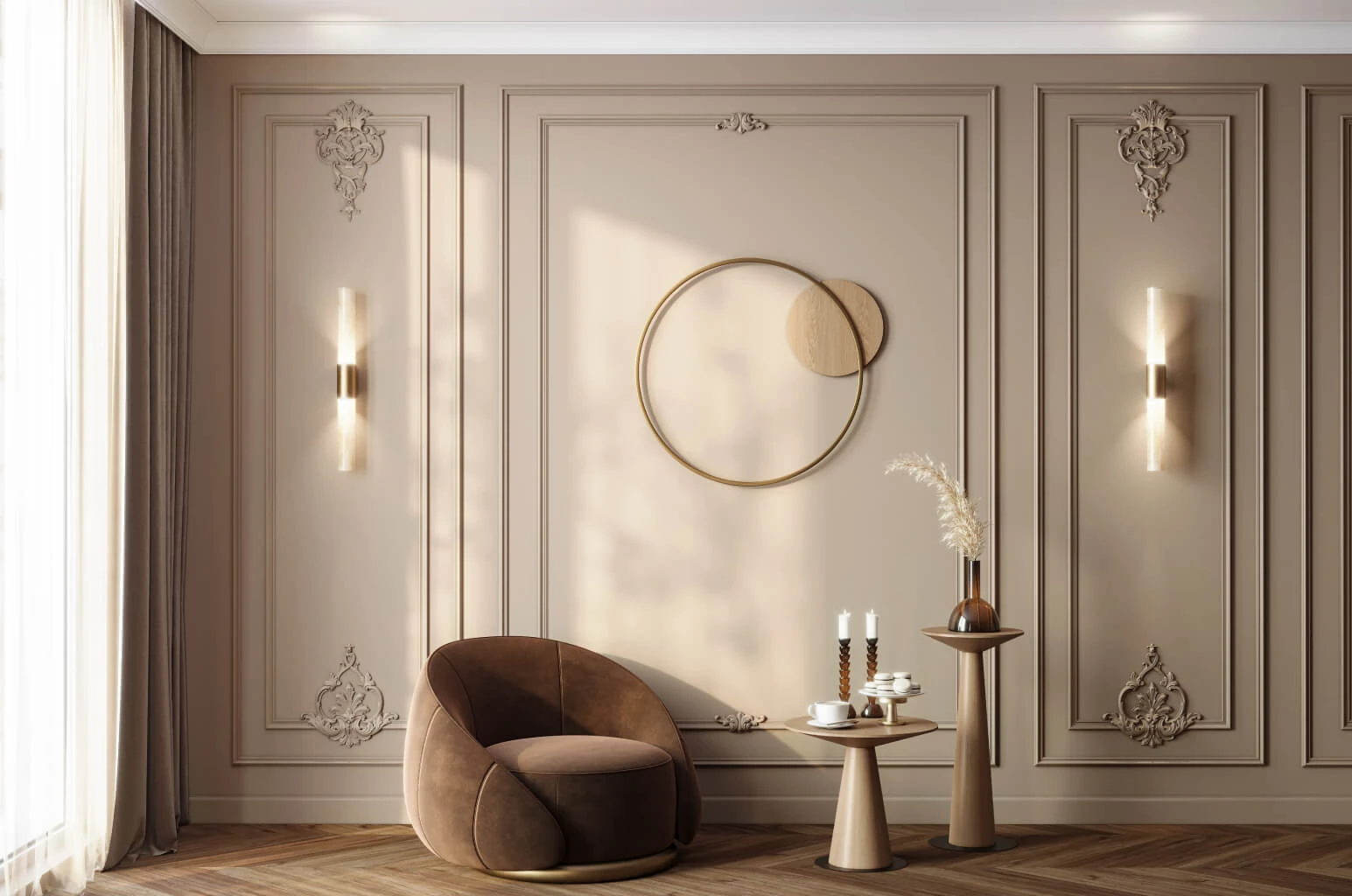
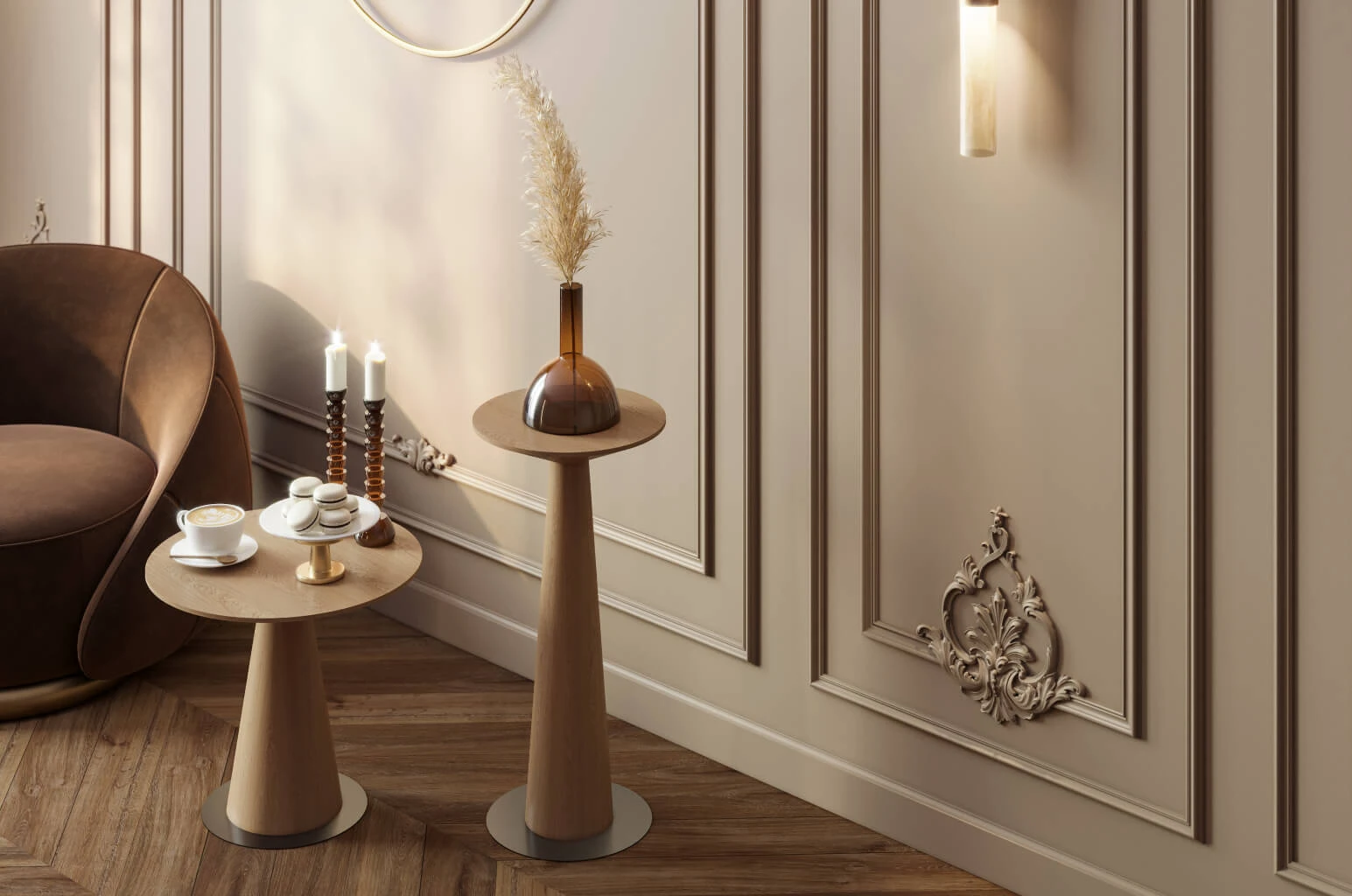
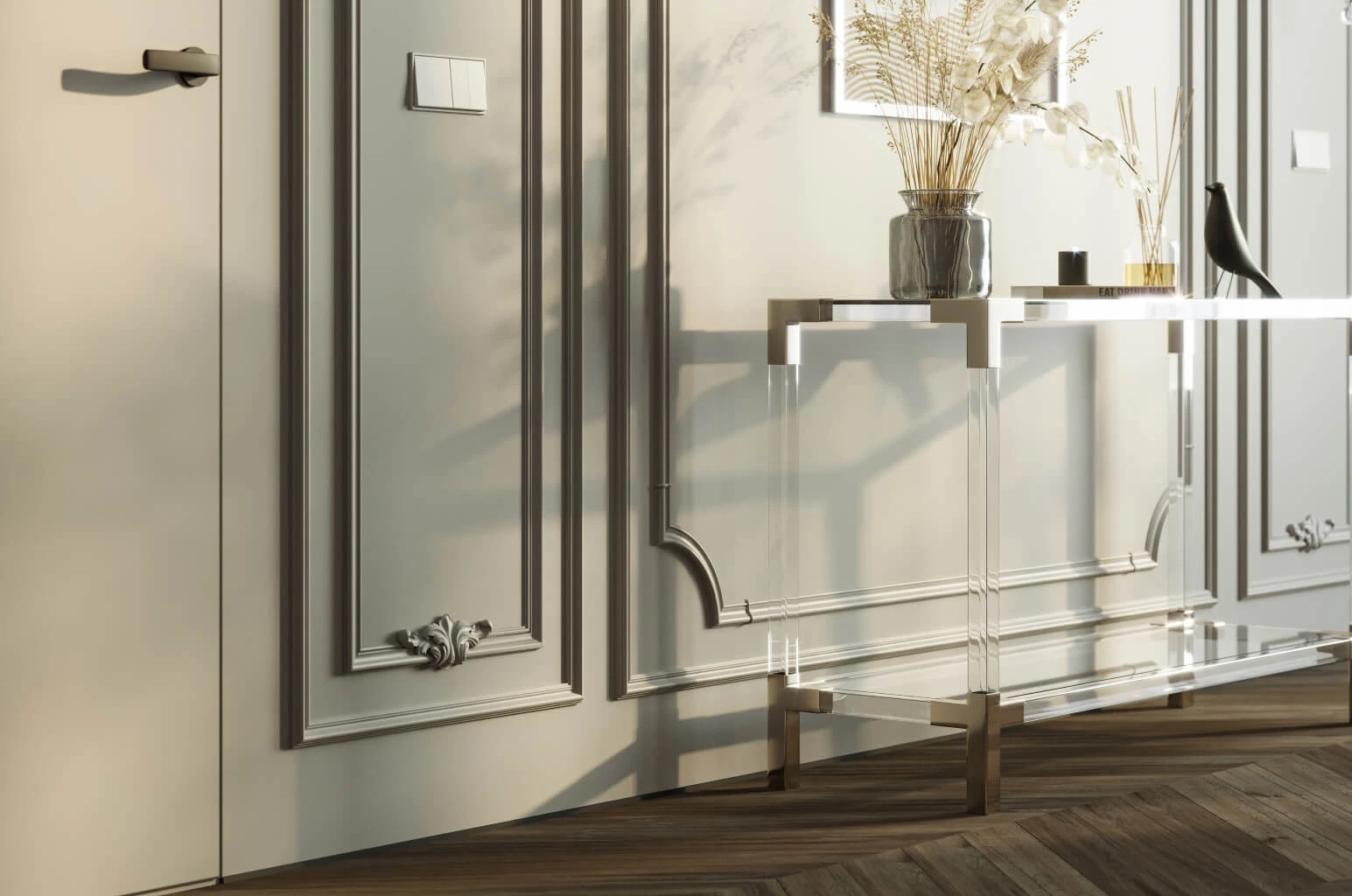
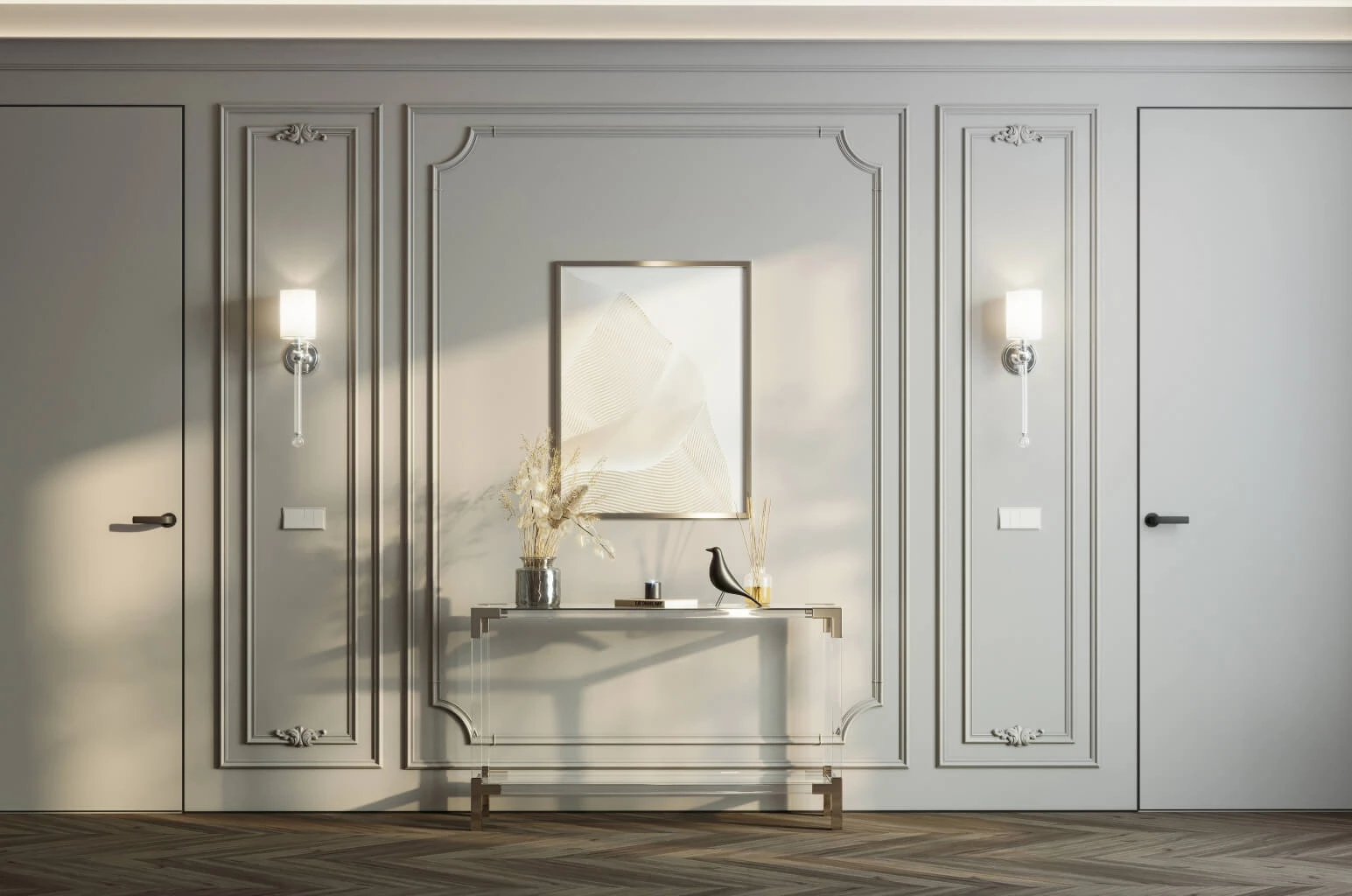
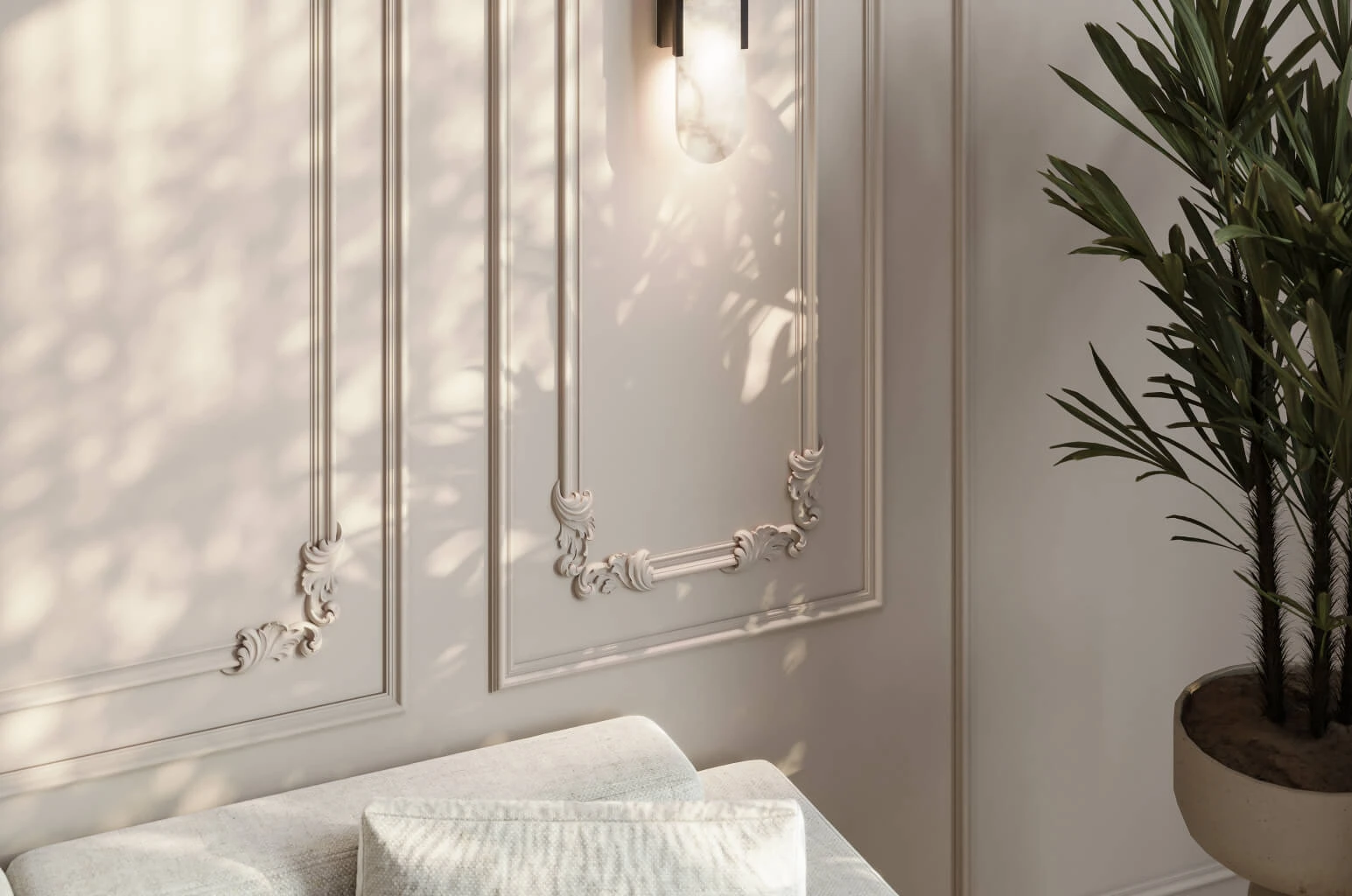
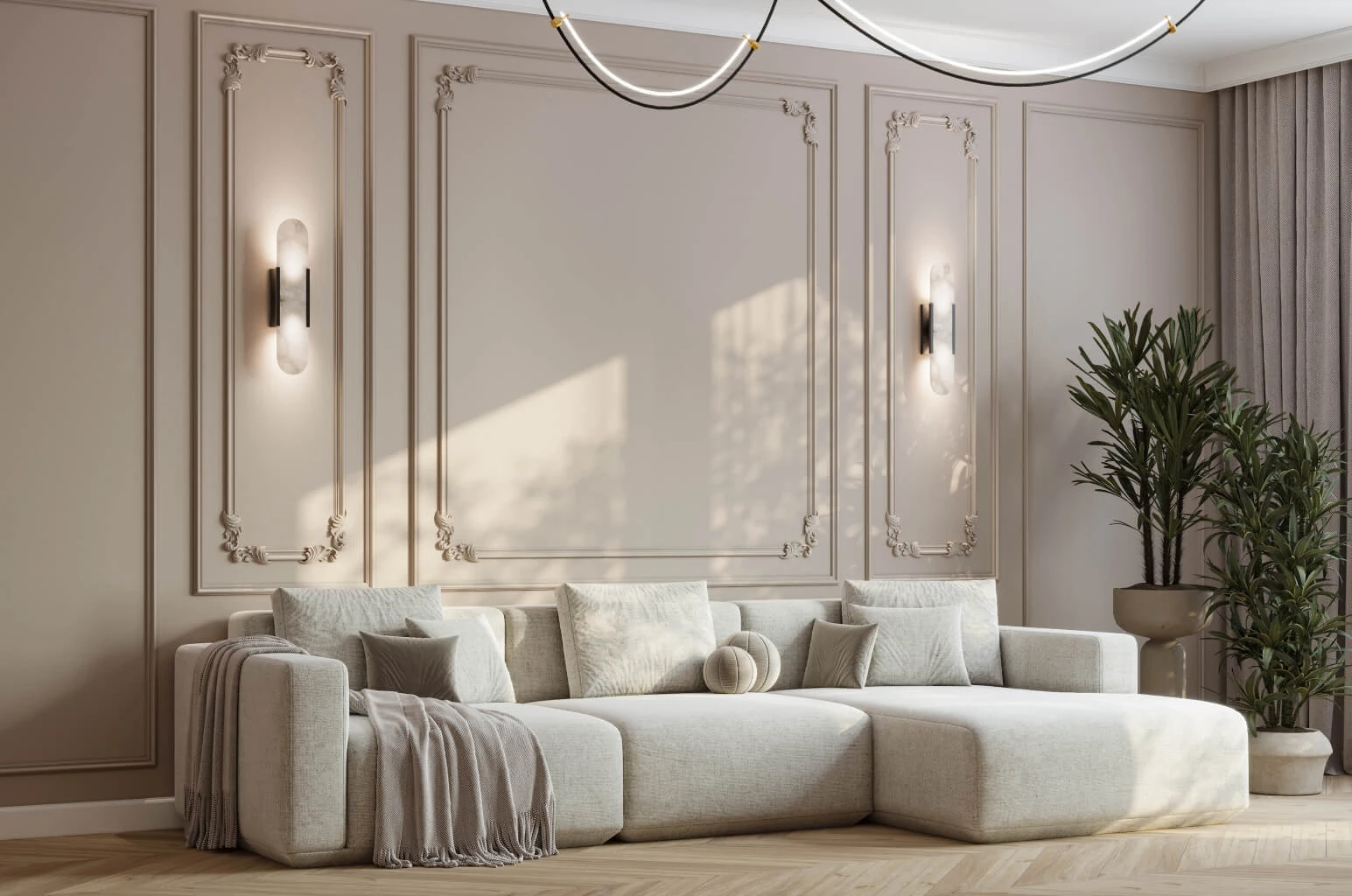
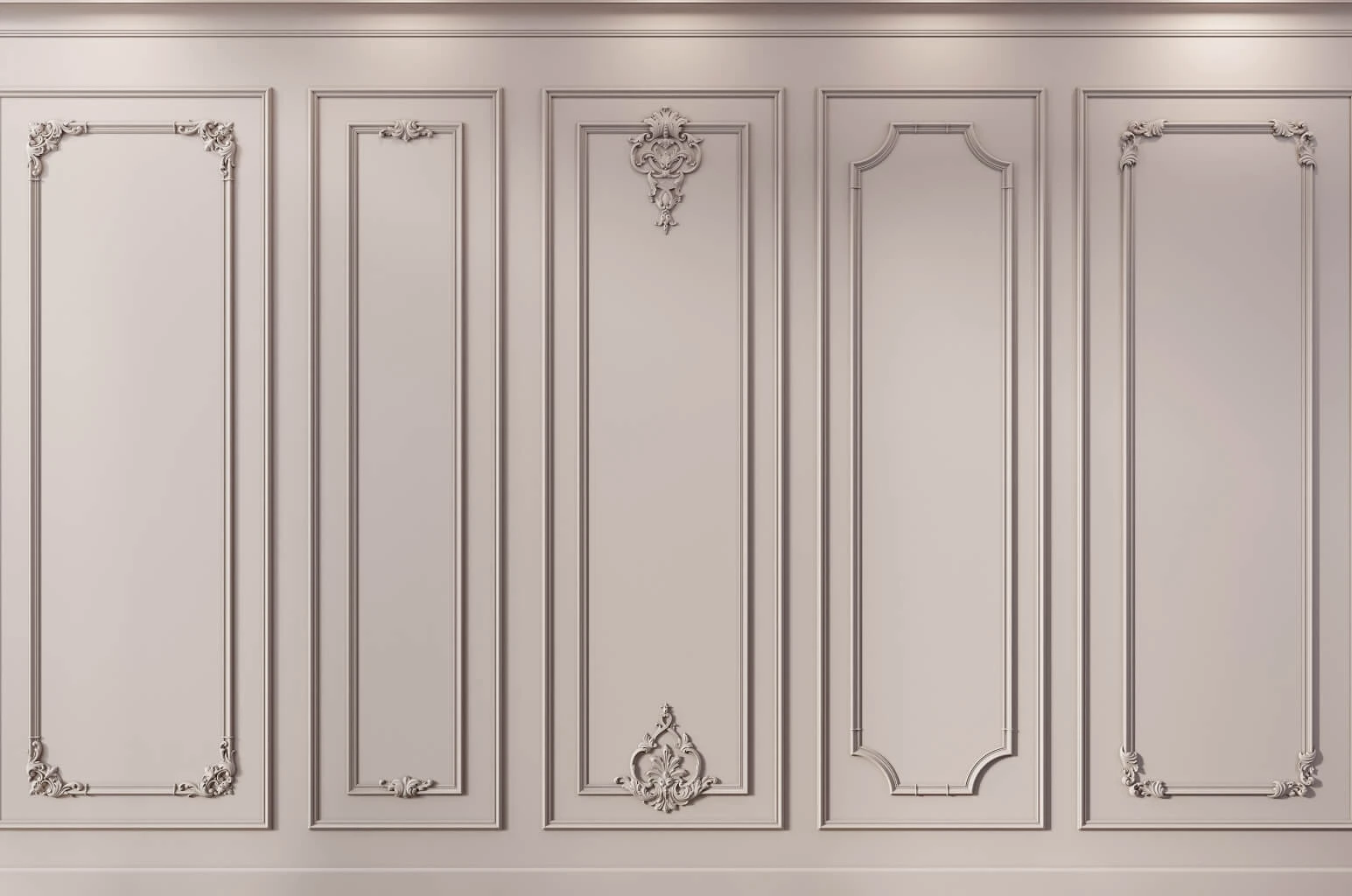
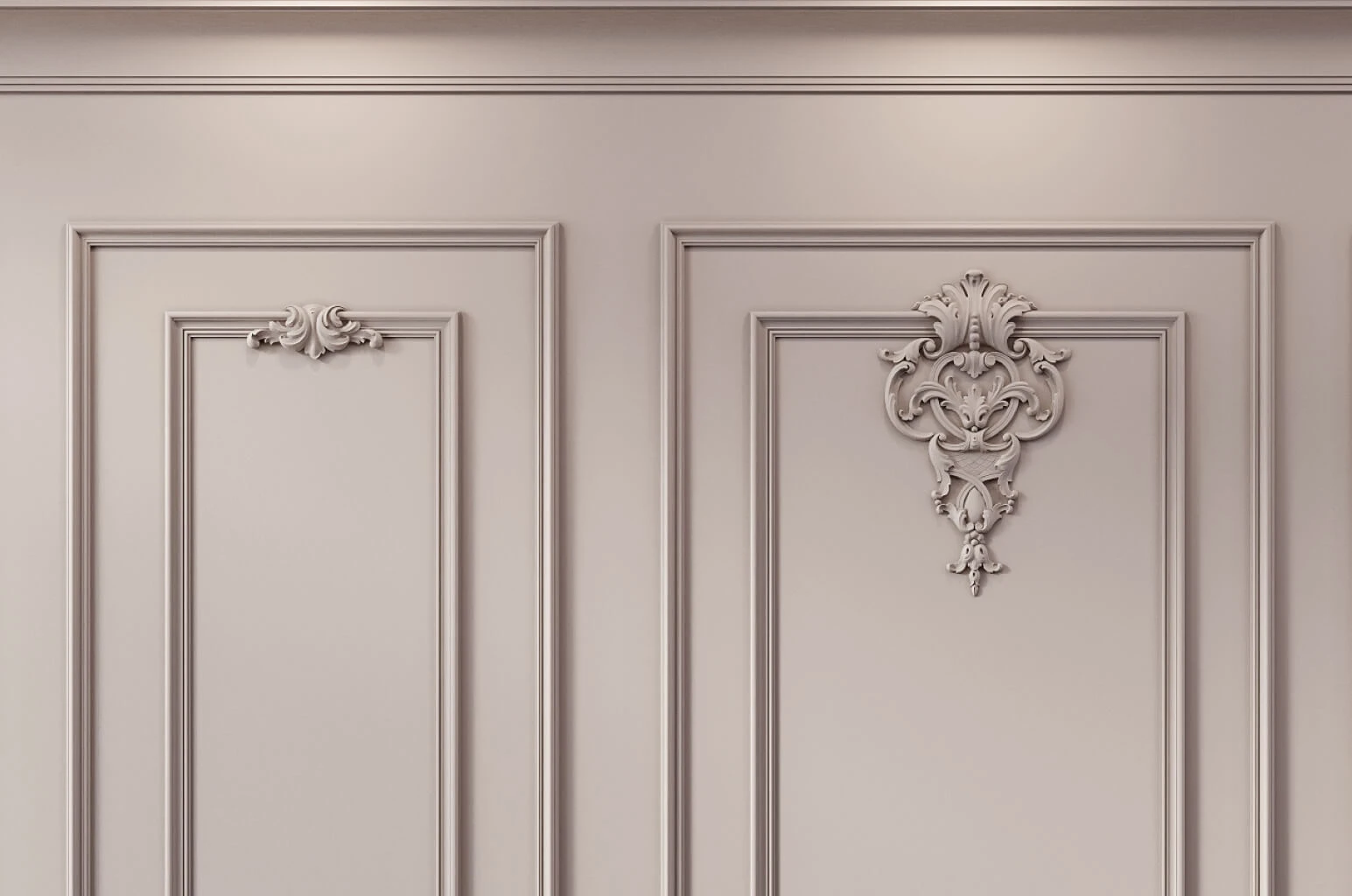
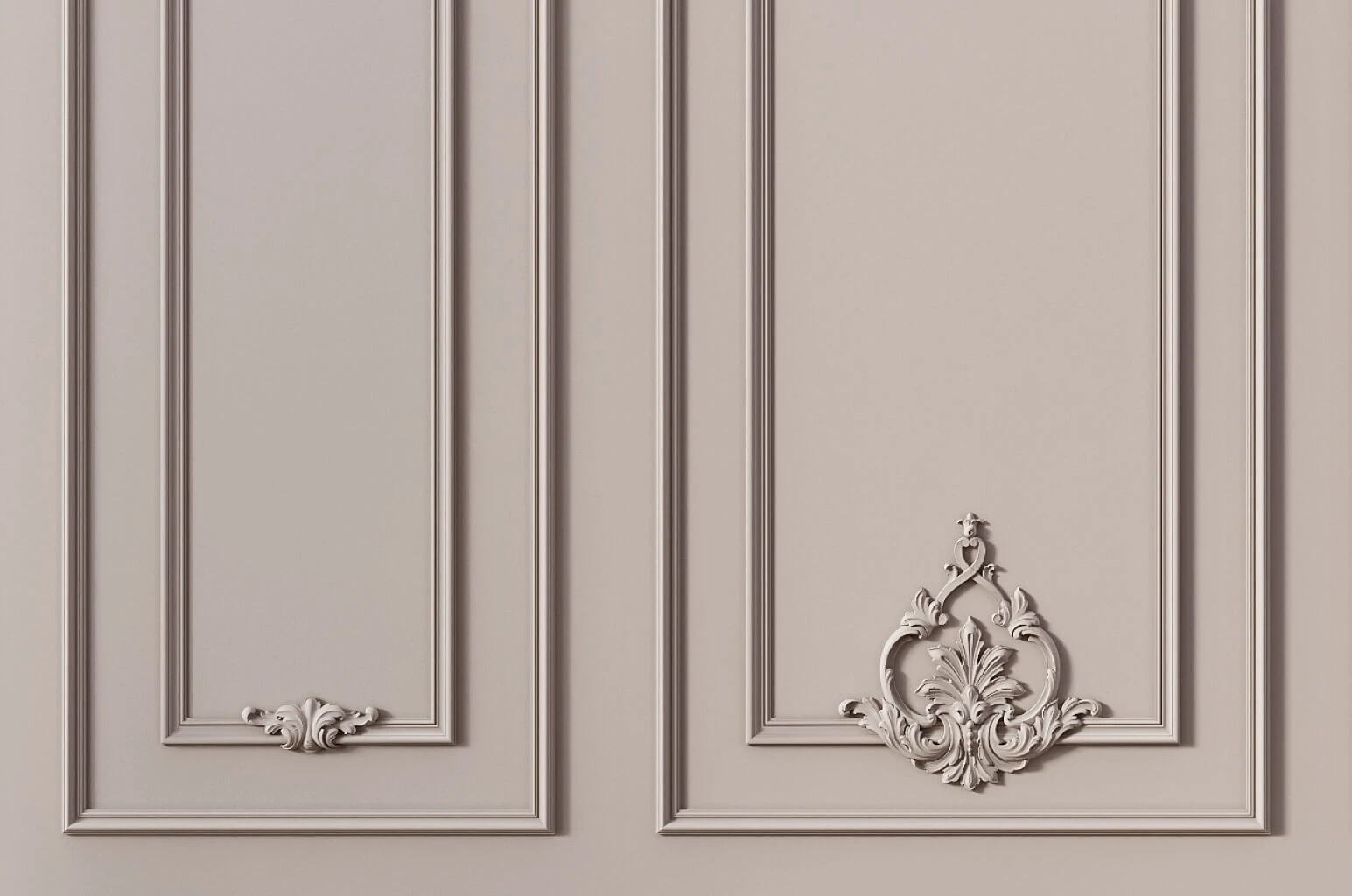
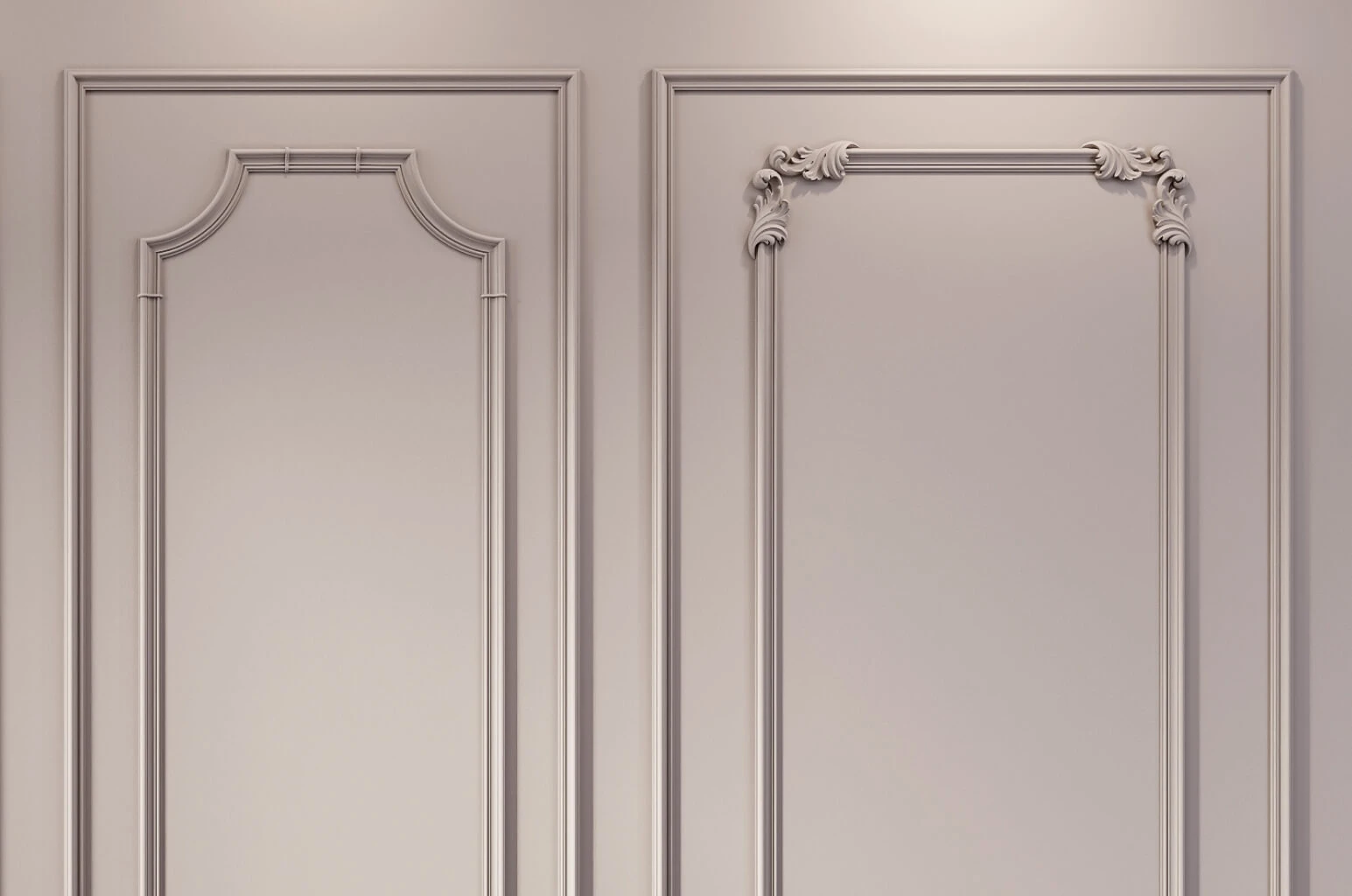
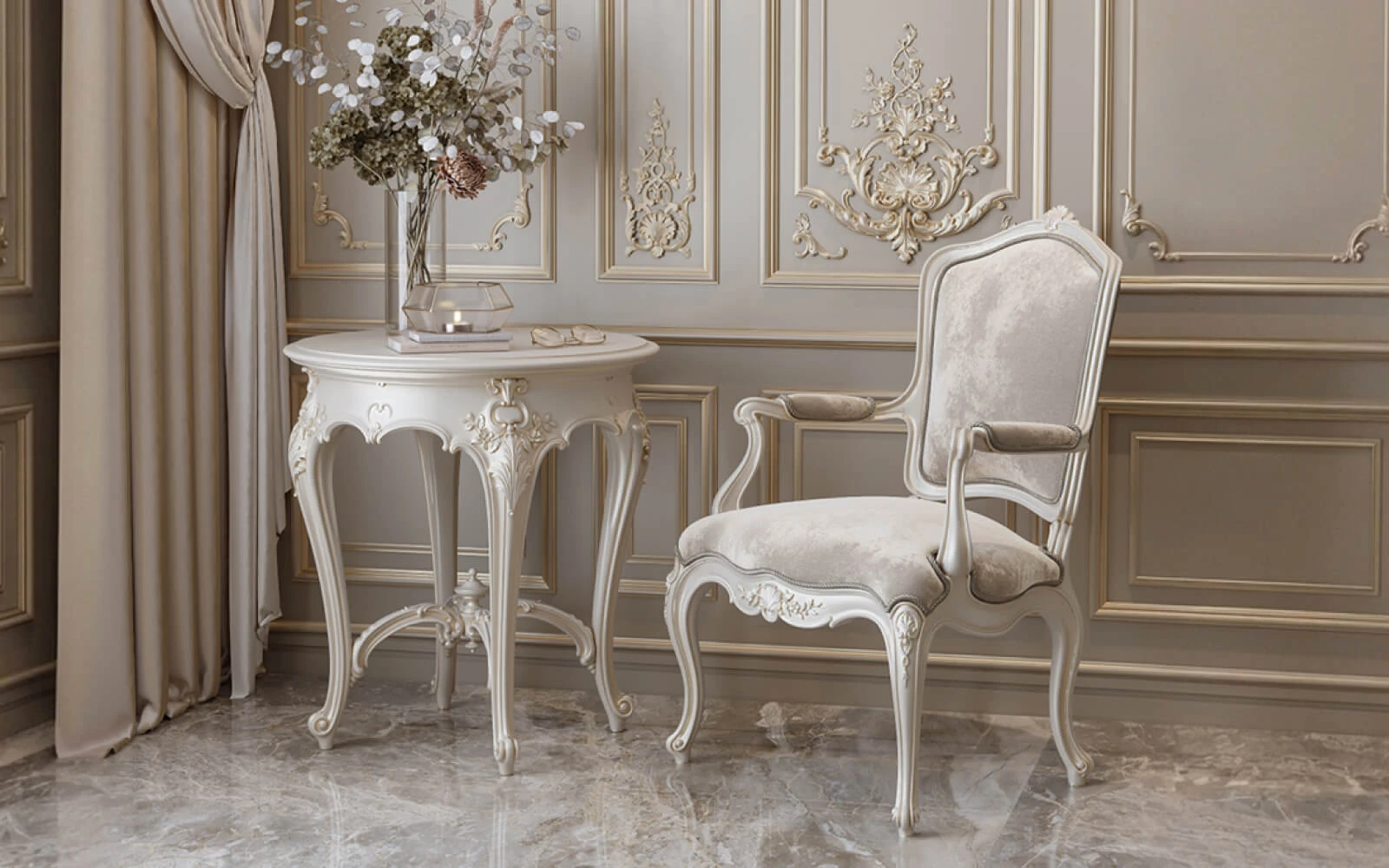
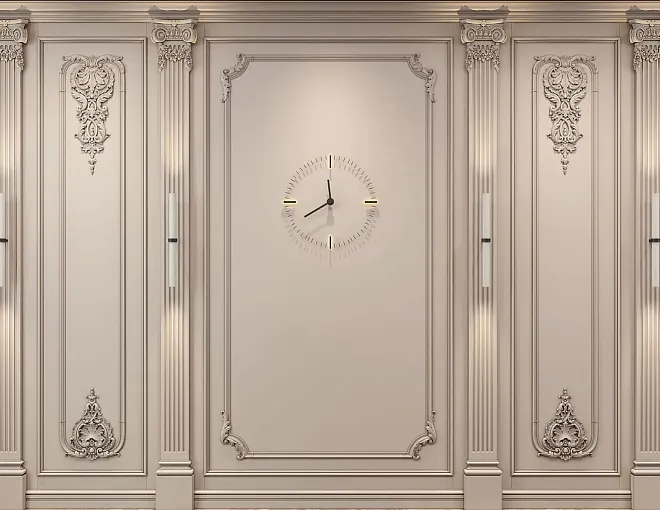
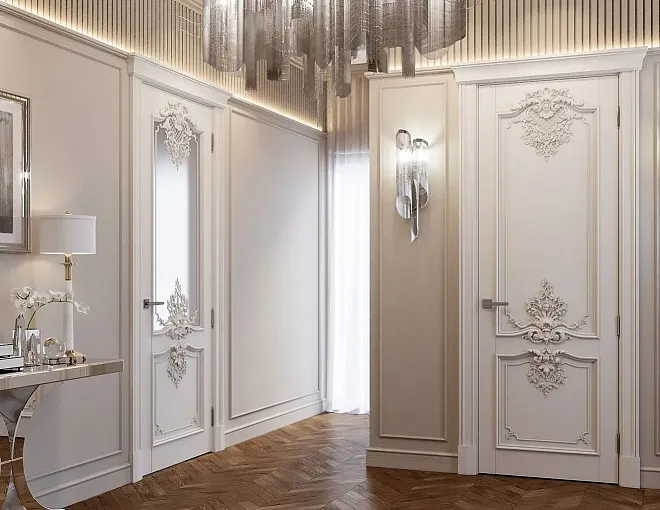
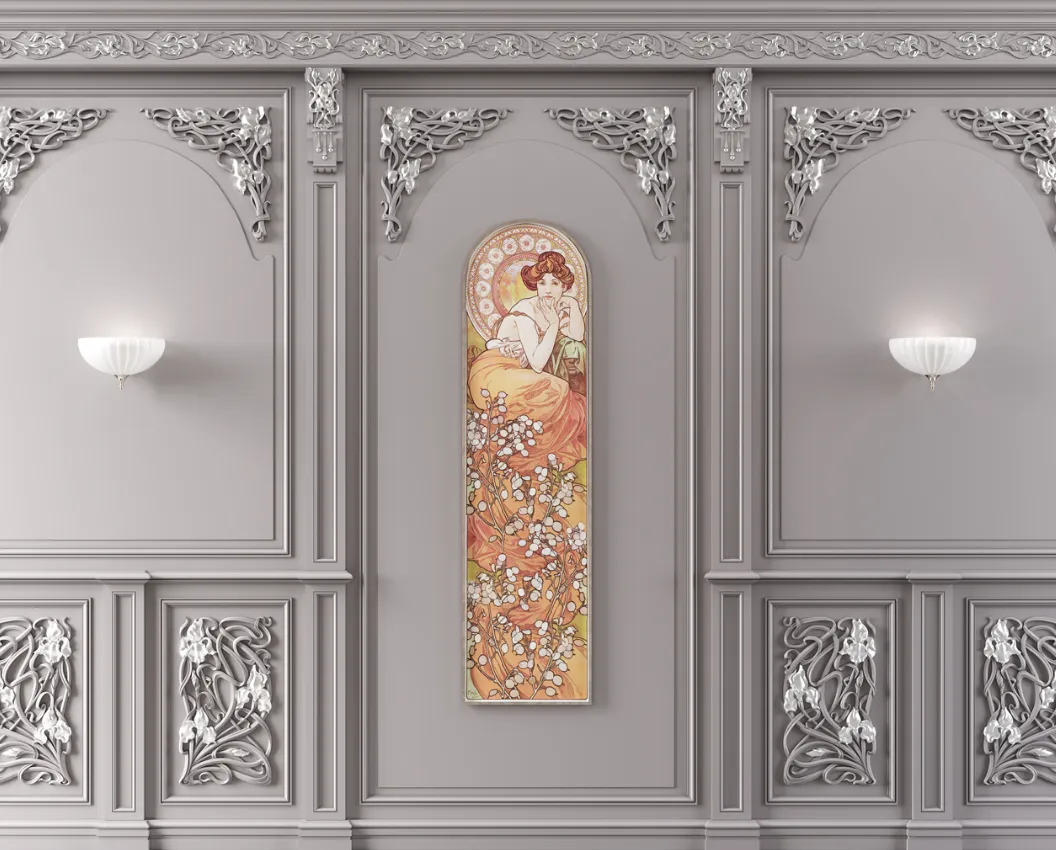
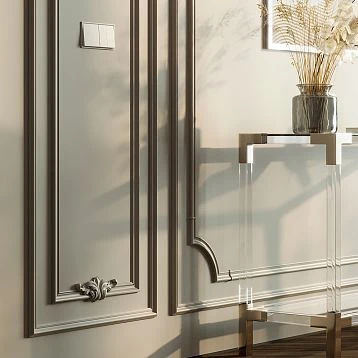
A beautifully designed wall does more than provide a backdrop for furniture. It establishes proportion, creates visual rhythm, and gives a room a sense of architectural intention. With the STAVROS Neoclassic Collection, decorative wall molding becomes a practical way to introduce classical detail into contemporary interiors without overwhelming the space.
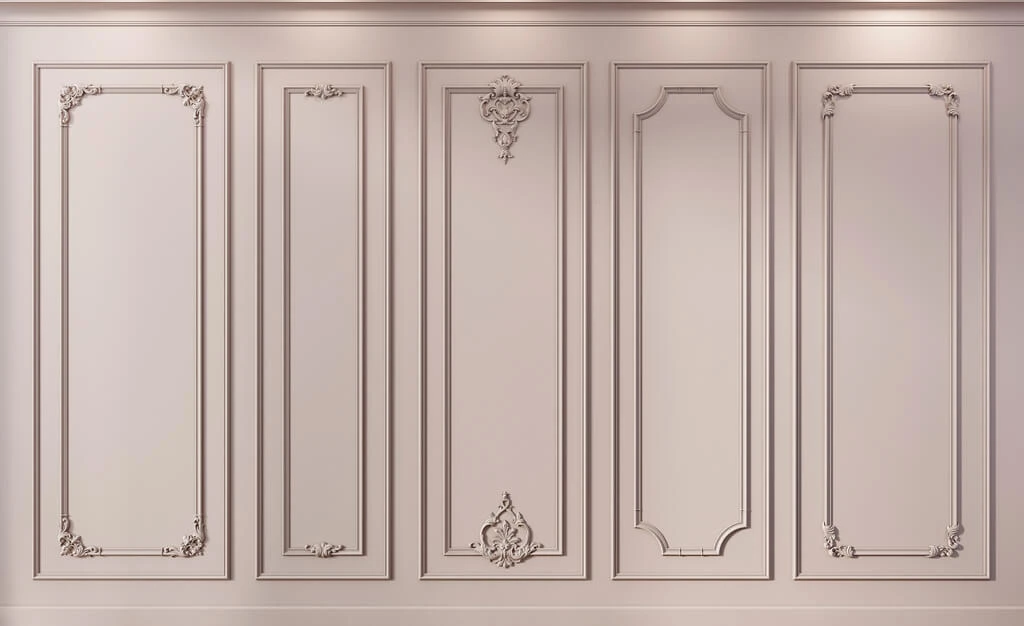
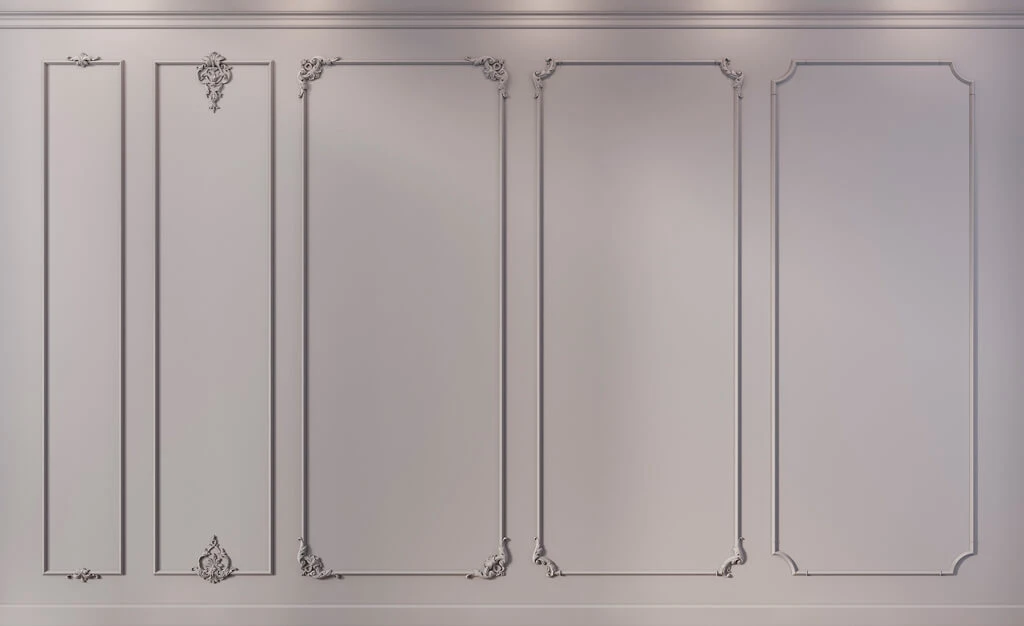
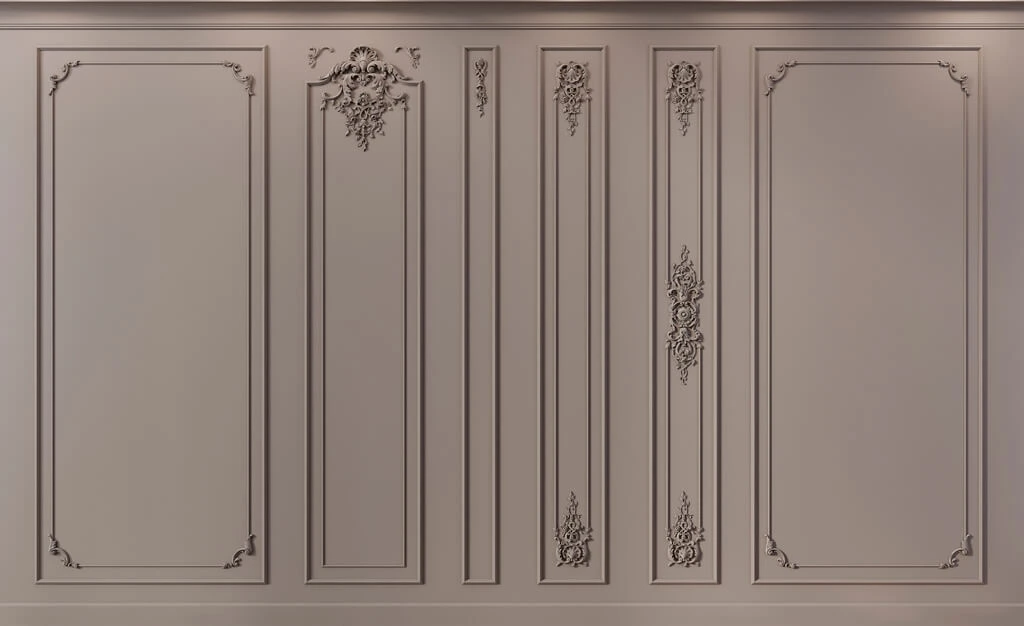
The collection brings together five coordinated wall molding sets, CPU-1-1 through CPU-1-5. Each combines straight molding profiles with carefully selected ornamental accents to create a distinctive wall composition. The designs range from slender vertical details to wider decorative frames with sculpted corners, making it easier to choose a treatment that suits the room rather than adapting an unrelated assortment of trim pieces.
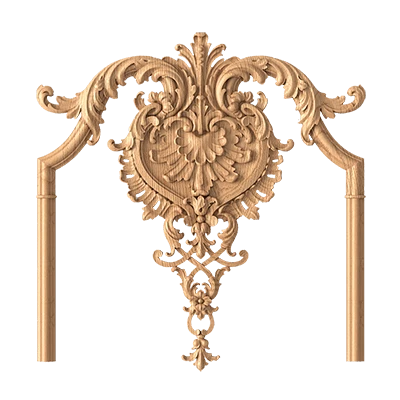
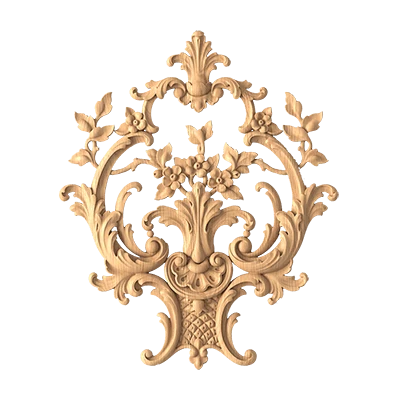
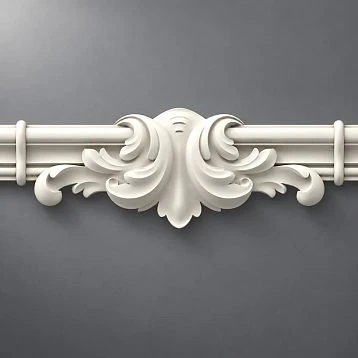
Unlike generic wall trim, these sets use a combination of polyurethane decorative ornaments and primed MDF molding. The polyurethane components introduce sculptural relief, while the MDF profiles establish clean architectural lines. Together, they offer an approach to decorative moldings for walls that balances traditional ornament with the crisp geometry preferred in modern American interiors.
Whether you are planning a picture frame molding accent wall, a formal dining room, a bedroom headboard feature, or a series of wall panels along a hallway, the Neoclassic Collection provides a coordinated starting point.
The defining feature of neoclassical design is balance. Classical detailing is present, but every molding line, ornament, and open wall area contributes to the overall composition.
The STAVROS Neoclassic Collection follows that principle through three connected design elements.
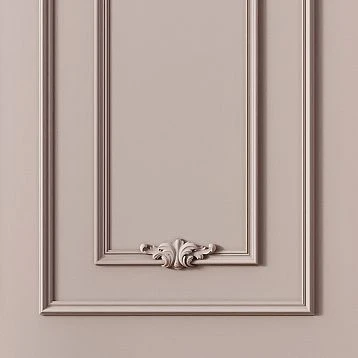
Architectural lines. Straight molding profiles establish the boundaries of each decorative area. Their purpose is to organize the wall, not simply add surface decoration. A well-positioned frame can emphasize the width of a dining room, establish a central feature behind a bed, or make a long hallway feel more structured.
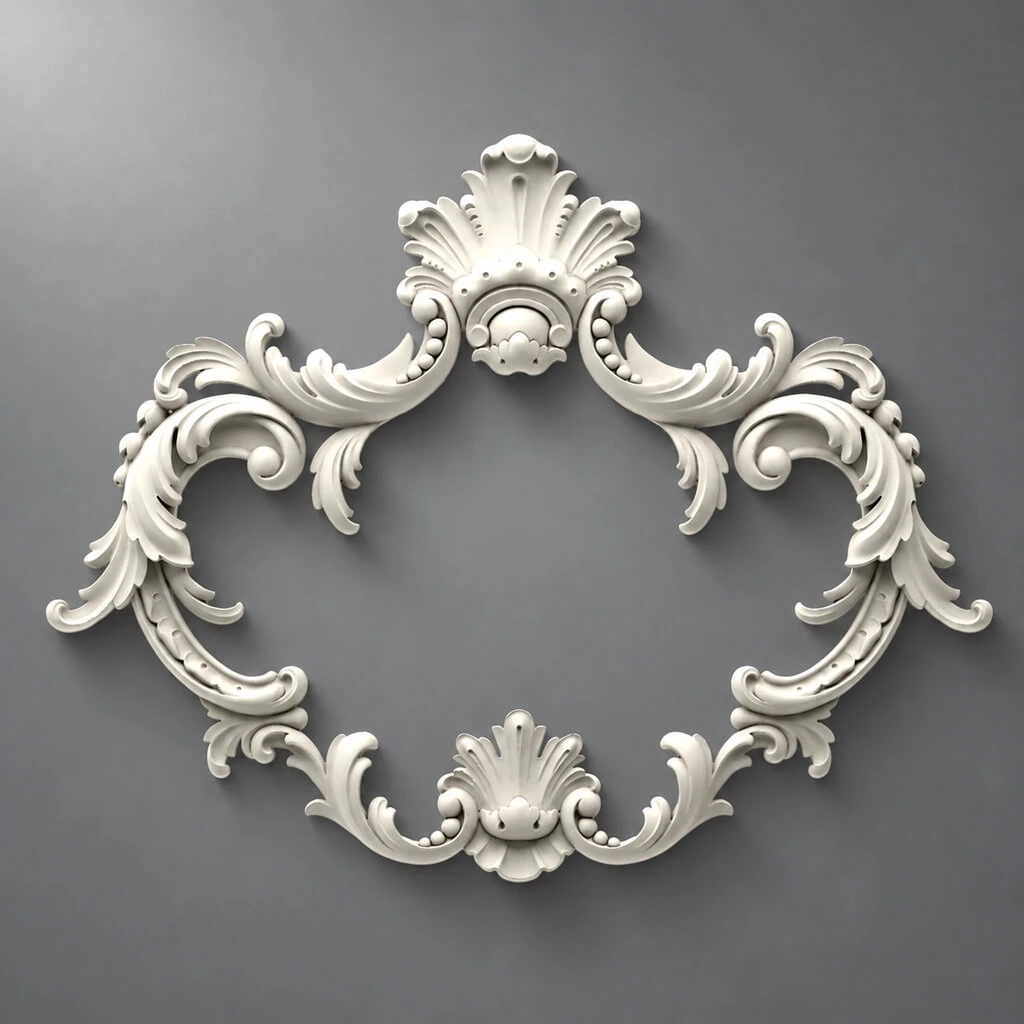
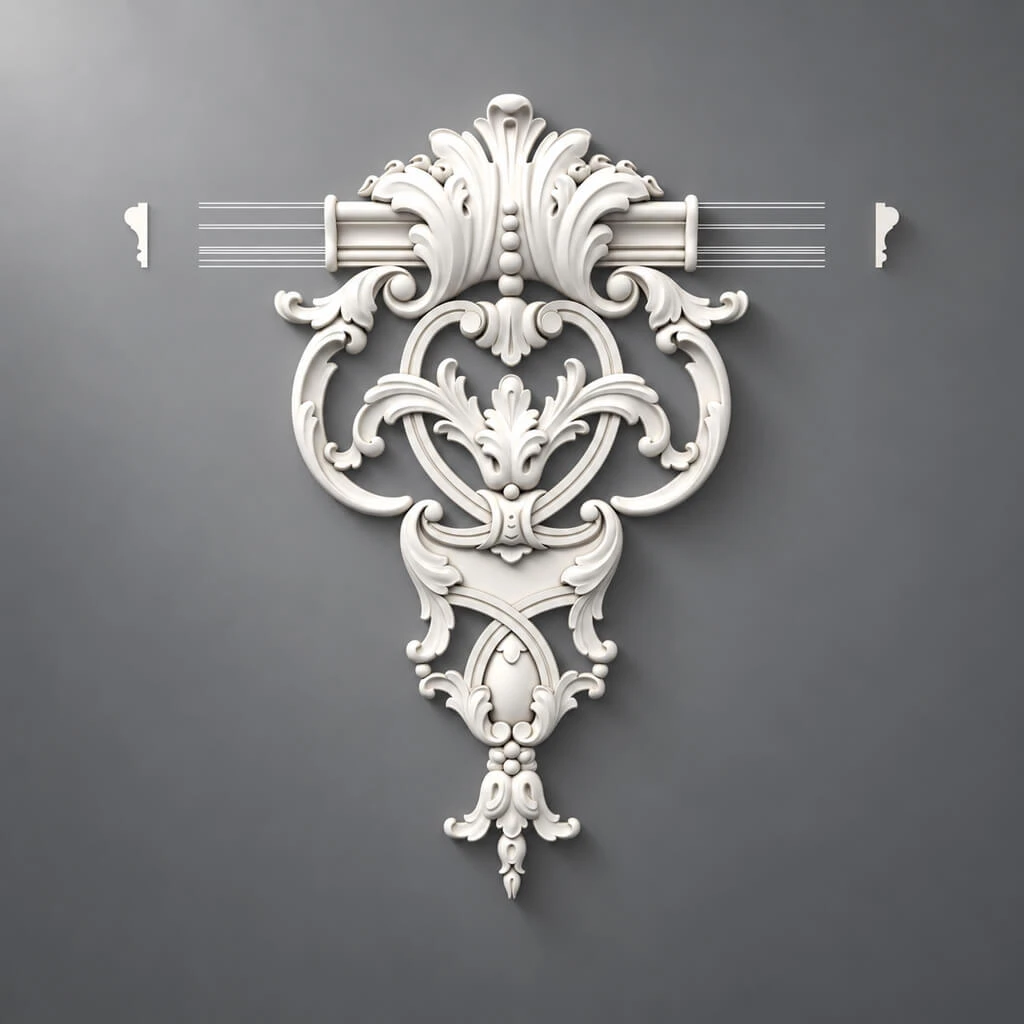
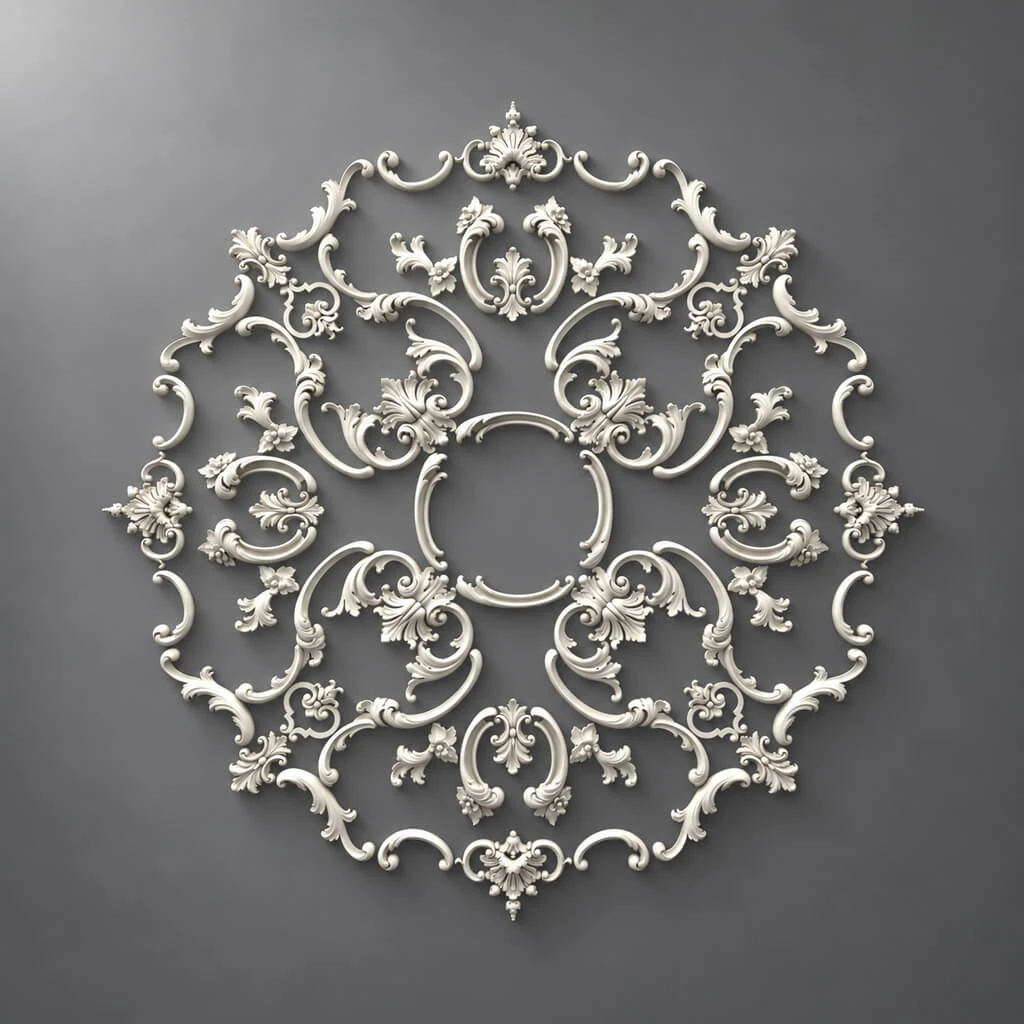
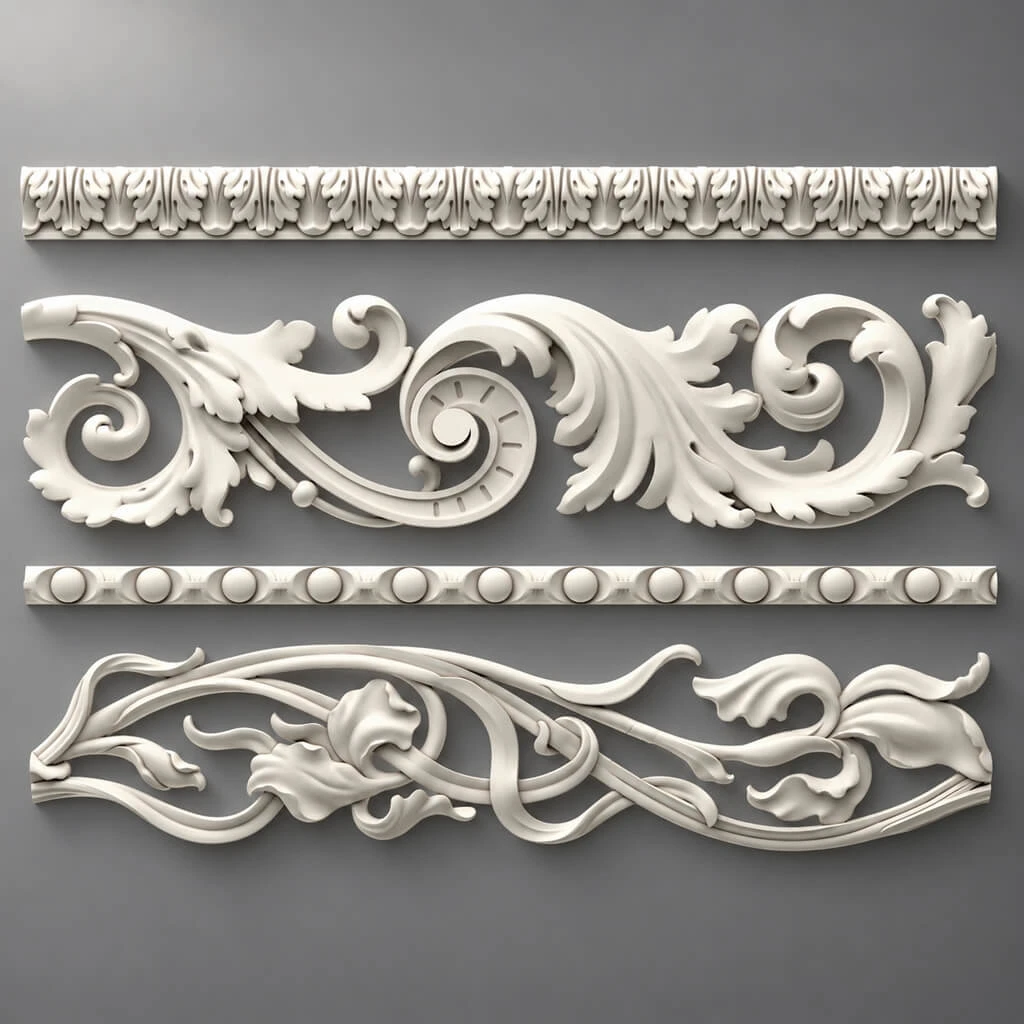
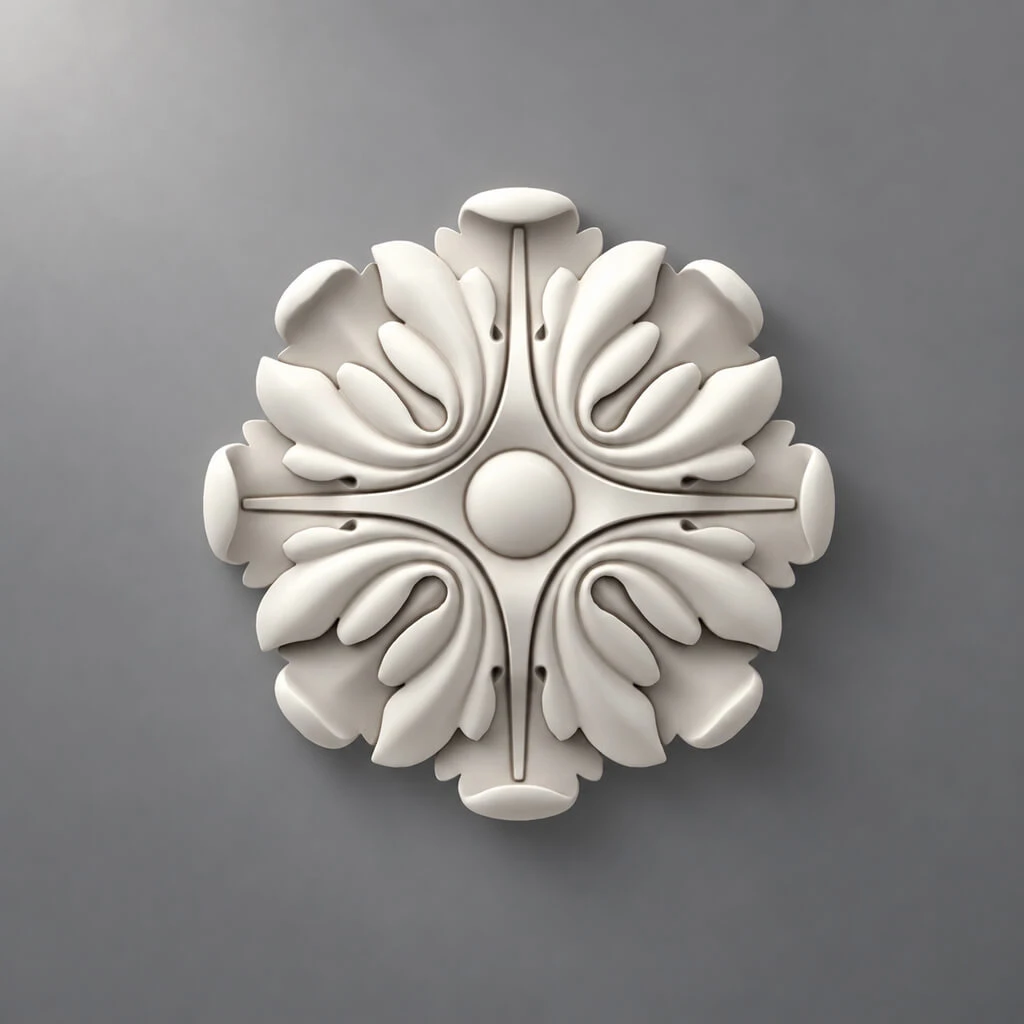
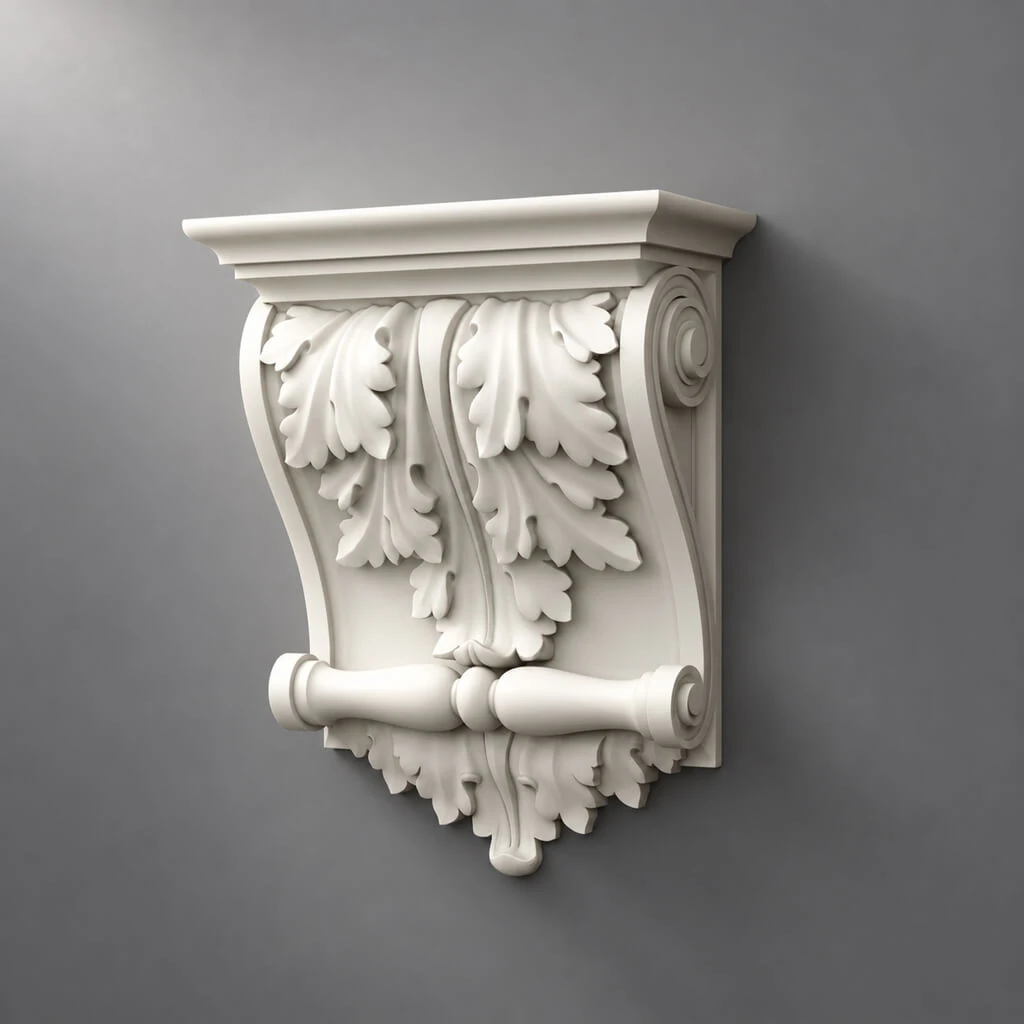
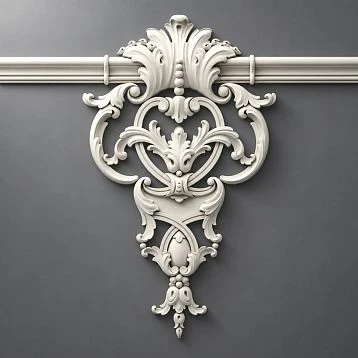
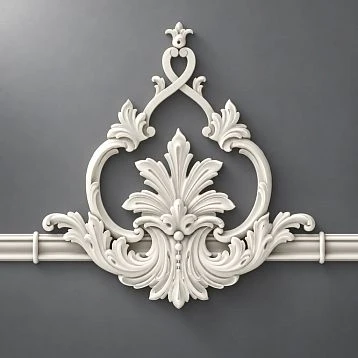
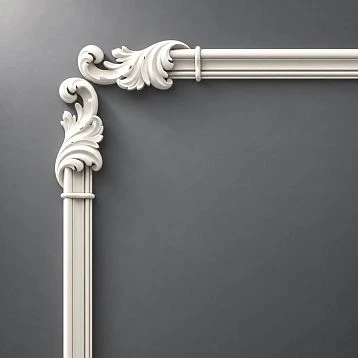
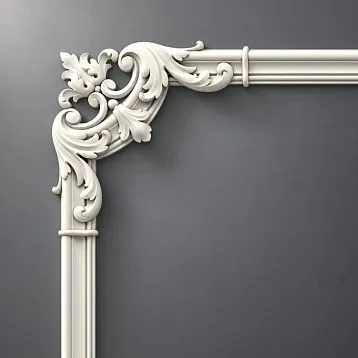
Ornamental relief. Polyurethane accents introduce the detail that distinguishes neoclassical wall decor from plain rectangular trim. Depending on the set, these ornaments may form a vertical focal point, create a decorative corner transition, or emphasize the corners of a framed wall section.
Coordinated proportions. Each set presents a reference arrangement using components selected for the same visual composition. Instead of choosing a molding profile and searching for unrelated ornaments that might match it, you can compare five established designs and select the one that fits your project.
These are decorative molding compositions applied to an existing wall. They are not solid wall panels or a replacement for structural wall finishes. The wall surface remains an important part of the finished design.
Every CPU-1 design has a different relationship between line, ornament, and surrounding wall space. Selecting the correct set depends on its reference width, the location of the decorative accents, and how the composition will relate to furniture, doors, windows, and adjacent panels.
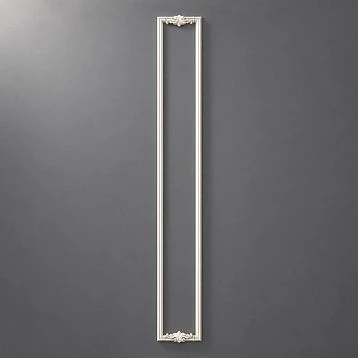
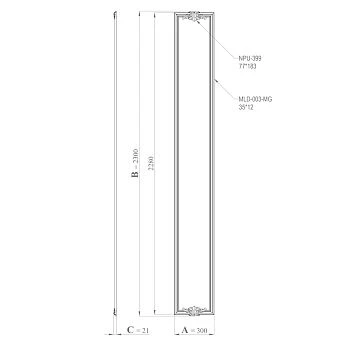
The CPU-1-1 Decorative Wall Molding Set is the most compact composition in the collection.
Its reference layout measures approximately 11.81 × 90.55 inches (300 × 2300 mm). The design pairs the NPU-399 polyurethane ornament with primed MDF MLD-003-MG molding, creating a narrow decorative feature with a clearly defined vertical direction.
This format is particularly useful where wall width is limited. It can introduce a traditional detail beside a doorway, between windows, within an entryway, or as part of a larger sequence of wall molding treatments.
CPU-1-1 is also a strong option when the surrounding interior already contains expressive furniture, artwork, or lighting. The molding adds architectural definition without competing with other focal points.
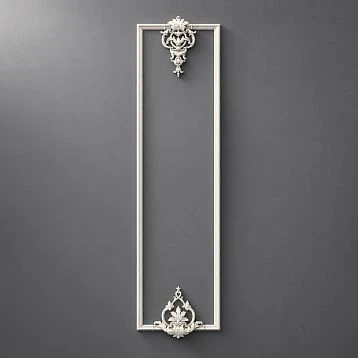
The CPU-1-2 Ornamental Wall Molding Set offers a broader composition with more prominent sculptural detailing.
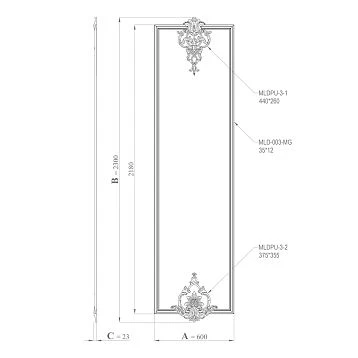
Its reference dimensions are approximately 23.62 × 90.55 inches (600 × 2300 mm). The set combines polyurethane decorative components MLDPU-3-1 and MLDPU-3-2 with primed MDF molding MLD-003-MG.
Where CPU-1-1 emphasizes a narrow architectural line, CPU-1-2 gives the ornamental elements a stronger visual presence. The result works well when the decorative feature should remain noticeable against a relatively simple wall finish.
Consider this option for a bedroom accent wall, a decorative area beside a mirror, or a living room composition where classic ornament needs to be visible without occupying the entire wall.
The individual relief components have different depths, so the project should be measured using the detailed component specifications rather than relying only on the overall reference dimensions.
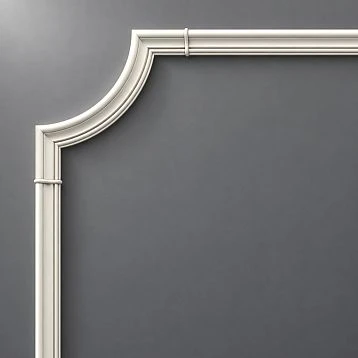
The CPU-1-3 Neoclassical Molding Set introduces a different architectural idea: using a shaped corner element to connect straight molding lines.
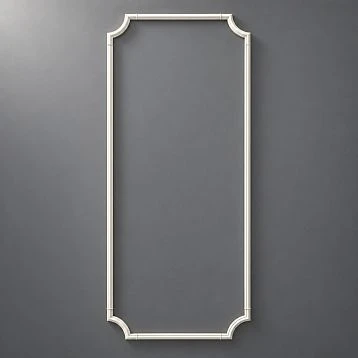
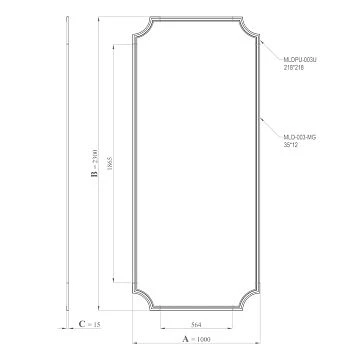
Its reference composition measures approximately 39.37 × 90.55 inches (1000 × 2300 mm) and incorporates polyurethane MLDPU-003U detailing with primed MDF molding MLD-003-MG.
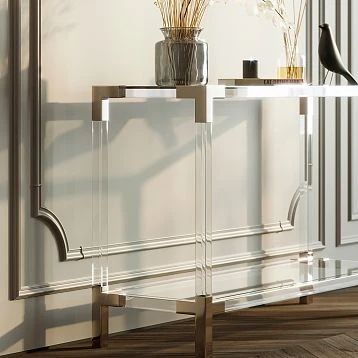
The MLDPU-003U element measures 218 × 218 × 15 mm and provides a decorative transition at a molding corner. This feature makes CPU-1-3 especially relevant to projects inspired by traditional panel molding for walls.
A framed wall treatment does not need to be crowded with ornament. When the corners are visually considered and the straight runs remain precise, the composition can feel detailed yet restrained.
CPU-1-3 is well suited to decorative wall frames, repeated panel layouts, and interiors that combine classical geometry with a relatively clean, modern finish.
The CPU-1-4 Symmetrical Wall Molding Set is distinguished by its paired ornamental details.
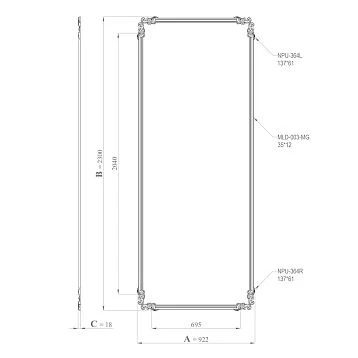
The composition measures approximately 36.30 × 90.55 inches (922 × 2300 mm) and combines the left-hand NPU-364L and right-hand NPU-364R polyurethane ornaments with primed MDF molding MLD-003-MG.
The difference between the left and right pieces matters. Rather than treating both ornaments as interchangeable, the composition uses their mirrored relationship to create visual balance.
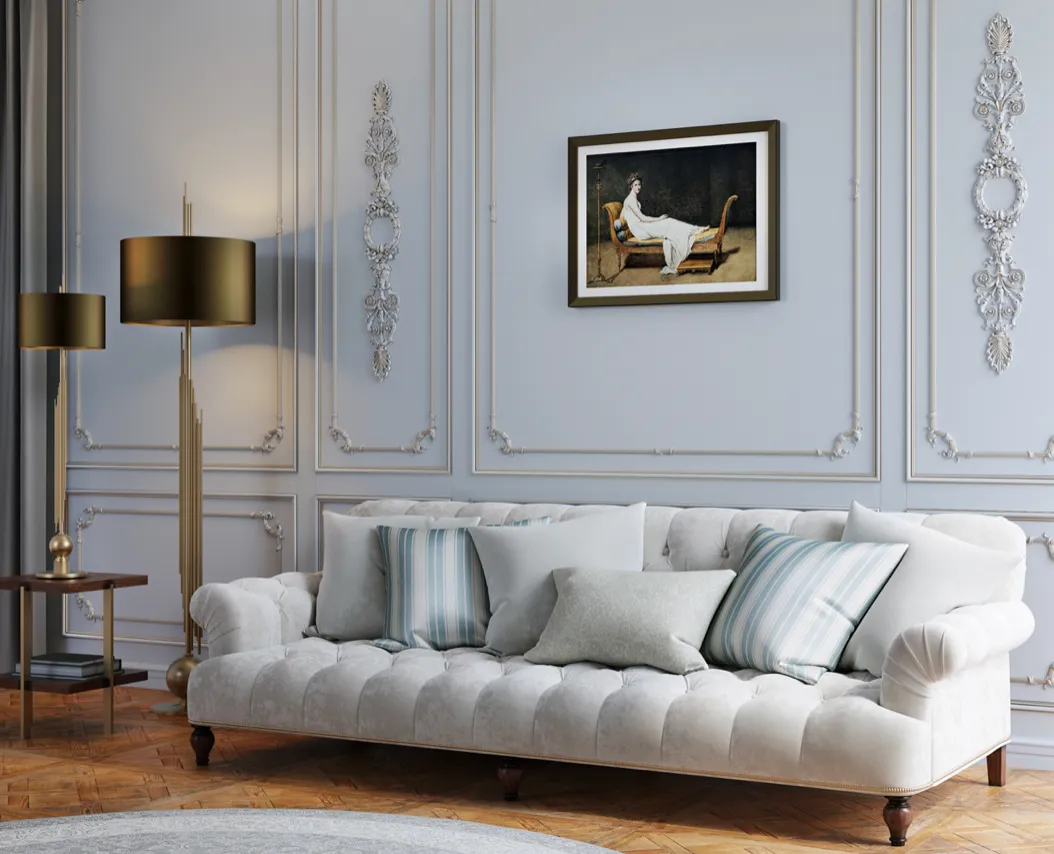
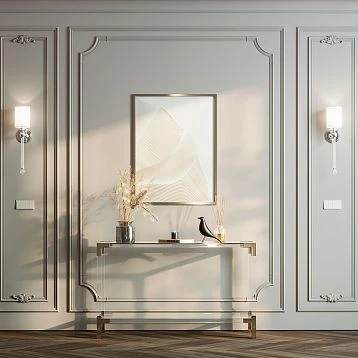
This makes CPU-1-4 an appealing choice for decorative wall molding around a central feature, including framed artwork, a mirror, or a deliberately balanced furniture arrangement.
The paired design also suits dining rooms, formal living spaces, and traditional interiors where symmetry is a defining part of the architecture.
CPU-1-4 should not be confused with CPU-1-5: the two sets use different ornamental components and have different reference widths.
The CPU-1-5 Decorative Wall Frame Set is designed around a more complete rectangular framing concept.
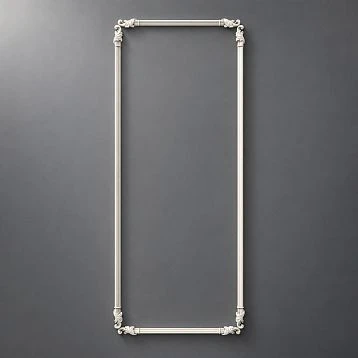
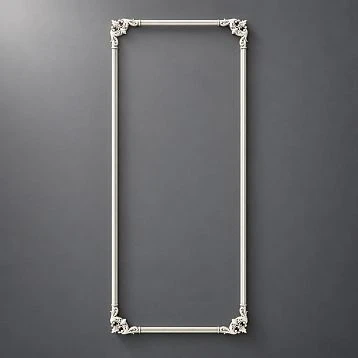
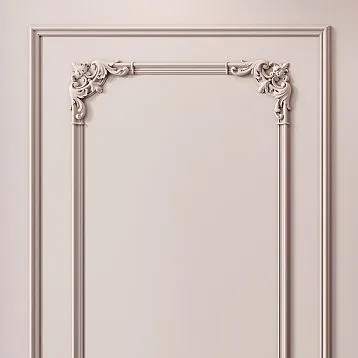
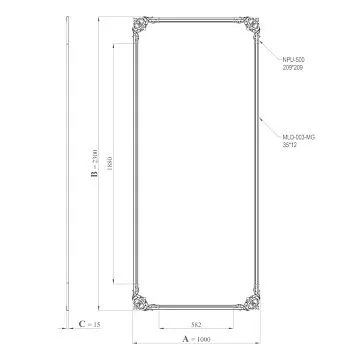
Its reference layout measures approximately 39.37 × 90.55 inches (1000 × 2300 mm). Four polyurethane NPU-500 corner ornaments create the principal accents, while primed MDF MLD-003-MG forms the straight molding runs.
Each NPU-500 ornament measures 208 × 208 × 18 mm. Their repeated placement establishes a consistent ornamental rhythm at the corners of the decorative frame.
This approach is particularly effective when you want wall molding frames to become an important architectural feature rather than a subtle background detail.
CPU-1-5 can be considered for a formal dining room, a living room feature wall, or a spacious entryway. Its stronger corner emphasis also makes it an interesting option for interiors inspired by traditional French wall molding and classical paneled rooms.
The ornamental components should be taken into account when checking wall clearance, since their individual relief depth may exceed the depth shown in an overall layout summary.
One of the advantages of coordinated molding sets is their versatility. The same collection can be used in several rooms while maintaining a recognizable design language.
The most successful applications respond to the architecture already present in the space.
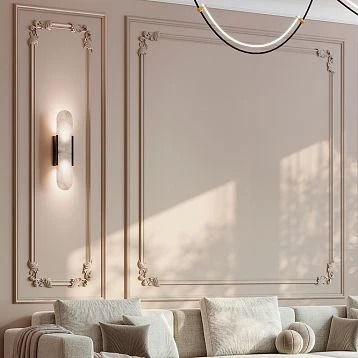
In a living room, decorative molding can help organize the wall around a sofa, fireplace, or television.
A series of vertical frames can give a long wall a measured rhythm. A single composition can establish a focal point without requiring a contrasting paint color or an entirely different wall material.
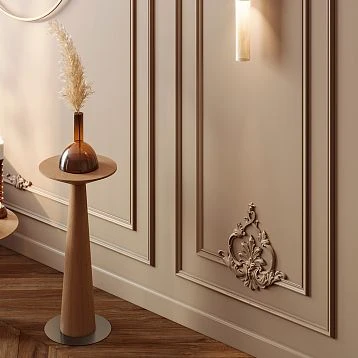
For a restrained result, use moldings painted to match the wall. The relief then becomes visible through changes in light and shadow rather than through a strong color contrast.
For a more expressive neoclassical interior, wider frames or pronounced ornaments can be used on the main feature wall, with simpler treatments on adjacent surfaces.
CPU-1-3, CPU-1-4, and CPU-1-5 offer different ways to explore these arrangements. The most suitable option depends on the furniture width, available wall area, and scale of the room.
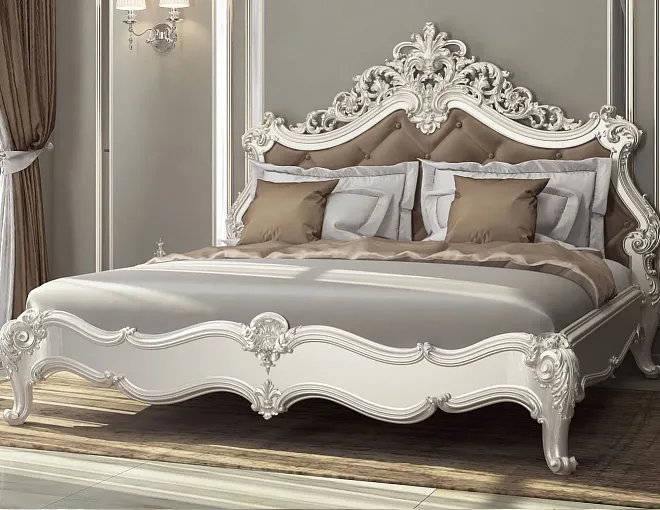
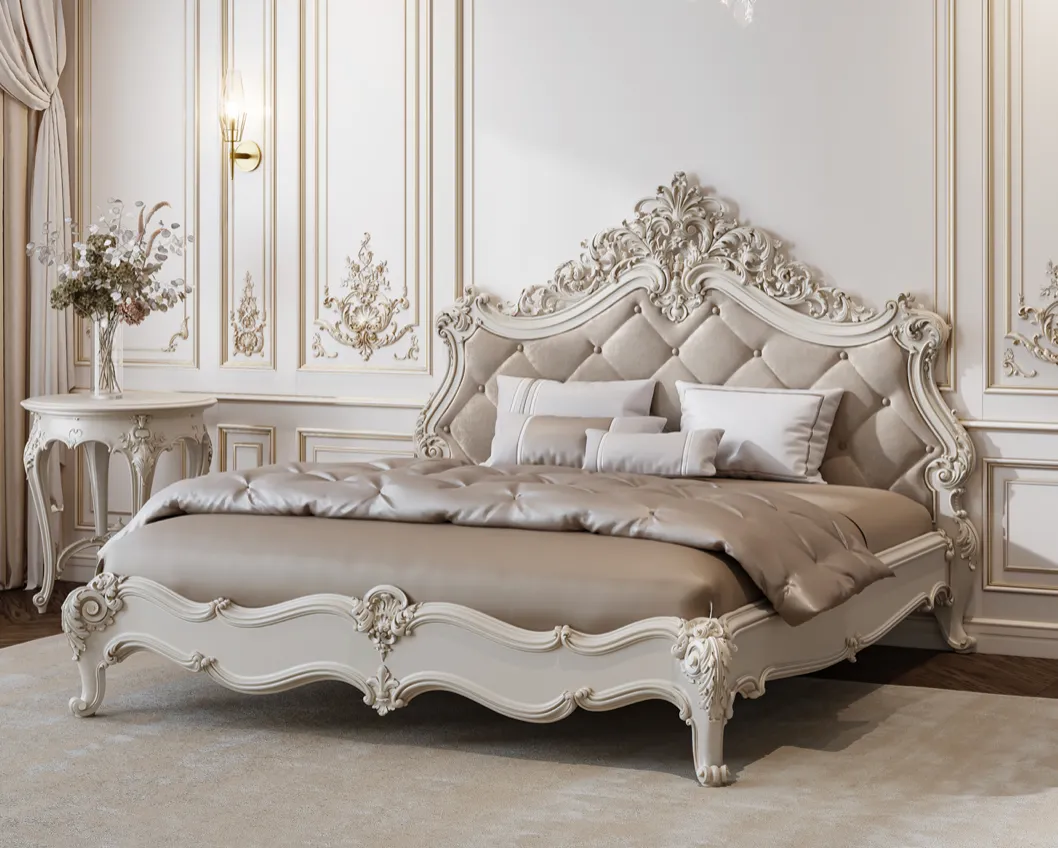
The wall behind a bed is a natural location for an architectural feature. Decorative molding adds definition without requiring a large piece of artwork above the headboard.
A narrow vertical composition can be positioned within a wider arrangement, while a decorative wall frame can establish a more formal backdrop.
Symmetry often works well in bedrooms because the bed itself provides a strong central axis. Matching molding features on either side can reinforce that balance, particularly when paired with bedside lighting.
For softer interiors, consider warm white, muted beige, pale gray, or a gentle color that matches the main wall finish.
If the headboard is tall or heavily upholstered, leave enough open space around the molding to prevent the decorative details from competing with its shape.
Picture frame molding on walls is a familiar feature of classic dining rooms. Straight molding profiles divide the wall into rectangles or other carefully measured shapes, giving the room an orderly architectural appearance.
The Neoclassic Collection expands this idea with ornamental accents that make selected corners or vertical sections more expressive.
A dining room might use a repeated sequence of frames along one wall, with a wider decorative treatment behind a sideboard or another central feature.
The spacing between frames is just as important as the frames themselves. Consistent margins around doors, windows, and furniture help the overall layout look intentional.
For interiors inspired by Parisian apartments or traditional American homes, wall molding can also be combined with a chair rail, provided the proportions and profile styles work together.
Hallways often contain interrupted wall sections, several door openings, and relatively little room for furniture. These conditions make architectural trim especially useful.
A slender vertical feature can bring definition to a narrow wall without reducing usable floor space. Repeating similar accents at measured intervals can visually connect separate sections of a hallway.
CPU-1-1 is particularly suitable for smaller wall areas. Wider designs may work better on stair landings, entrance walls, or larger transitional spaces.
Before selecting any set, check the available width between door casings and nearby trim. Avoid placing an ornament so close to an opening that the decorative composition appears crowded.
Neoclassical wall decor can also introduce a considered architectural character to professional interiors.
In a home office, a molding frame behind a desk can add depth to the background without distracting from bookshelves, artwork, or task lighting.
Libraries and studies benefit from a similar approach. Decorative molding can define the wall sections between built-in cabinetry or provide a focal point opposite a bookcase.
In reception areas and meeting rooms, symmetrical wall frames can contribute to a calm, formal appearance. The surrounding furniture and lighting should guide how elaborate the molding arrangement becomes.
When planning a decorative wall treatment, one of the first decisions is whether to select individual profiles and ornaments or begin with a coordinated wall molding kit.
Individual pieces allow considerable freedom. A designer can select each molding profile, corner detail, and decorative accent independently. This approach is useful when reproducing an existing architectural pattern or creating a fully custom composition.
A coordinated set provides a different starting point. The ornamental elements and straight profiles have already been brought together as a design concept, allowing you to assess the intended visual relationship before planning the installation.
This does not eliminate the need for accurate measurements. Wall widths, ceiling heights, furniture placement, and finishing conditions still determine how a composition should be positioned.
It does, however, make comparison easier. You can look at the visual difference between the five CPU-1 designs before deciding whether a slender accent, mirrored ornament arrangement, or four-corner wall molding frame is right for the room.
The result is a more informed choice than selecting decorative pieces solely because they look attractive in isolation.
The Neoclassic Collection combines two materials with different roles.
Polyurethane is used for the ornamental components, including relief accents, shaped transitions, and decorative corners.
These pieces introduce sculptural detail that would not be possible with a simple straight trim profile alone. Their contours catch directional light, making the ornament more apparent from different viewing angles.
The size and relief depth of each ornament vary by design. A subtle accent may blend into a monochromatic wall, while a larger corner element becomes a distinct feature.
When choosing a set, consider how closely the wall will be viewed. Small details may be more noticeable in an entryway or hallway, while larger ornaments can maintain their visual presence across a spacious room.
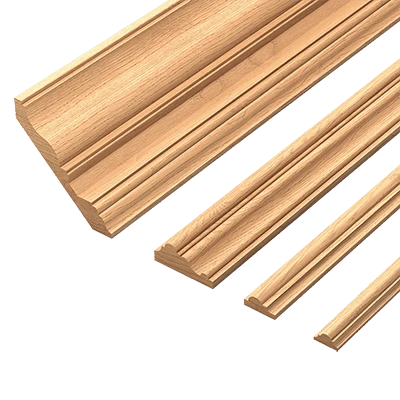
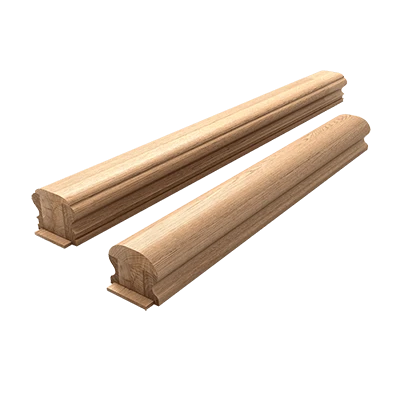
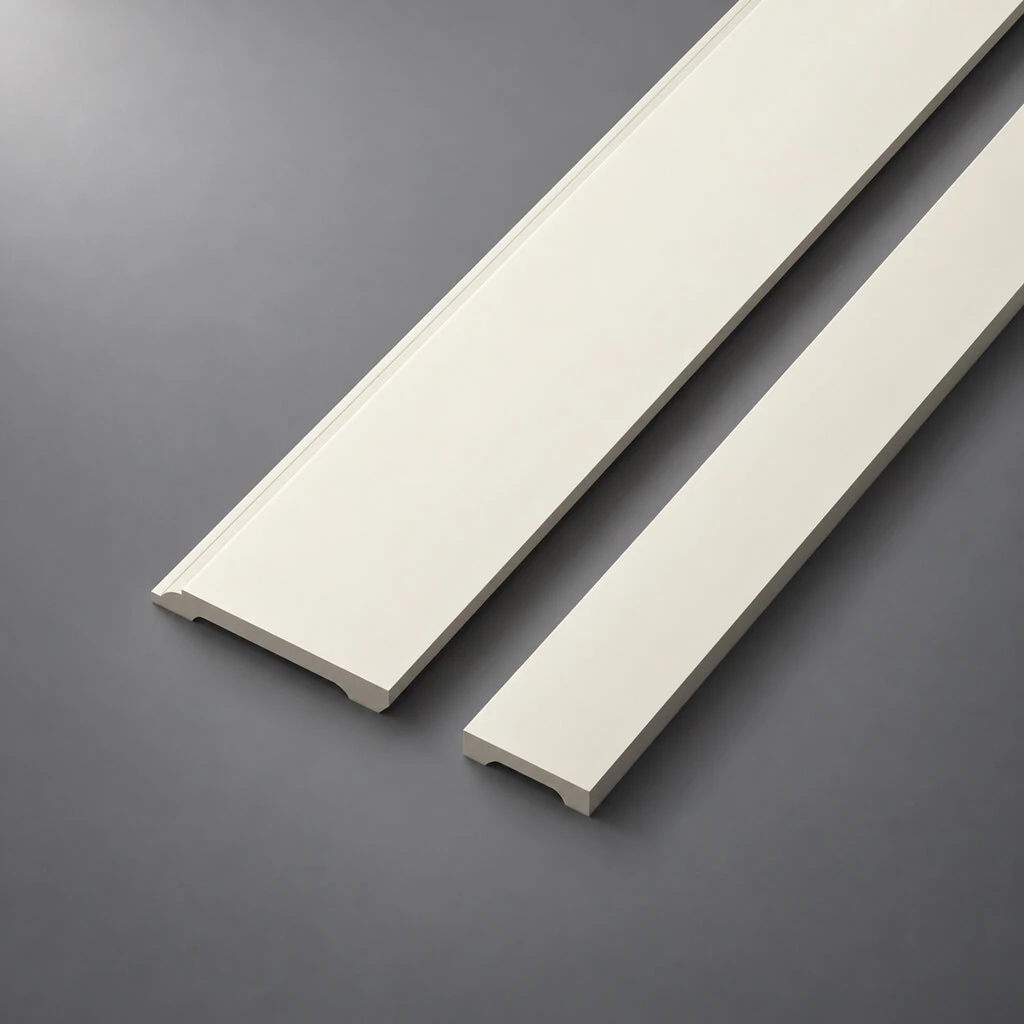
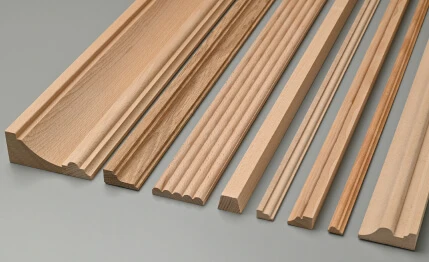
The straight molding component used throughout the collection is MLD-003-MG, a primed MDF profile.
Its published dimensions are 35 × 12 mm, with an individual stock length of 2600 mm (approximately 102.36 inches).
The profile provides the linear structure that connects the decorative accents. Its relatively restrained form helps the ornamental pieces remain the focus of the design.
Primed MDF is intended for an appropriate interior finishing system. Although it is suitable for many dry residential spaces, it should not be treated as equivalent to polyurethane in areas exposed to sustained moisture.
The 2600 mm measurement refers to the length of an individual molding piece, not the installed height of every decorative composition. Actual cutting requirements depend on the chosen layout.
Measure the clear wall area before choosing a composition.
The five sets have different reference widths: CPU-1-1 is 300 mm, CPU-1-2 is 600 mm, CPU-1-3 is 1000 mm, CPU-1-4 is 922 mm, and CPU-1-5 is 1000 mm.
These dimensions provide a useful starting point, but a well-balanced layout also needs space around its edges.
Leave room for door casings, baseboards, electrical outlets, switches, furniture, and the margins between neighboring decorative frames.
A narrow accent on a large wall may appear isolated unless it is part of a repeated arrangement. Conversely, a wide ornate composition can feel cramped on a wall interrupted by several architectural features.
The reference height of the CPU-1 compositions is approximately 2300 mm, or 90.55 inches.
Before installation, determine where the decorative feature will begin and end. The space above the baseboard and below any crown molding should be considered as part of the complete design.
A composition does not necessarily need to fill the entire wall height. Leaving deliberate space at the top and bottom may produce a more balanced result, especially where the room contains substantial ceiling trim.
Check the relationship between the proposed frame and nearby door or window headers. Keeping aligned architectural features consistent across a room often matters more than centering every decorative piece independently.
Larger ornaments are not automatically better.
The most suitable level of decoration depends on the overall visual weight of the room, including furniture, lighting, window treatments, and flooring.
A clean contemporary room may need only one or two areas of ornamental relief. A more traditional interior with substantial furniture and architectural trim may accommodate an elaborate frame without feeling crowded.
If you are unsure, begin by comparing the outline of each composition at its actual dimensions. A full-size wall layout, even one marked temporarily with removable painter's tape, can reveal whether the selected proportions feel right before any pieces are installed.
When creating several wall molding panels, consistency is essential.
Measure the total wall width, establish the outside margins, and decide on the spacing between frames. Then calculate whether the chosen layout fits without creating awkward narrow gaps near the ends of the wall.
The reference width of a set is not a universal spacing recommendation. Two decorative frames may need more separation when they contain prominent corner ornaments than when they use simple straight profiles.
For layouts with several repetitions, account for cutting waste, joint locations, the precise number of ornaments, and any additional lengths of molding needed for the final design.
Color determines how prominently decorative molding appears.
Painted to match the wall, the molding creates a tone-on-tone treatment where the design is revealed mainly through shadows. This is an effective approach for modern classic and quiet luxury interiors.
White molding against a colored wall offers a more traditional look. Muted blue, sage green, taupe, charcoal, and warm gray can provide contrast while preserving a restrained palette.
Contrasting dark trim produces a stronger graphic effect. It works best when the room has enough open wall space for the molding geometry to remain clear.
For a more decorative treatment, selected polyurethane accents can receive a contrasting finish while the straight profiles stay close to the wall color. Such an arrangement is especially relevant to traditional or French-inspired interiors.
Always choose finishes compatible with the specific polyurethane and primed MDF components. Test the finish on an inconspicuous area or sample before treating the entire installation.
The final appearance depends on consistent surface preparation, careful joints, and an even finish across both materials.
Accurate layout work is the foundation of a successful molding installation.
Begin by checking that the wall is suitable for the selected mounting method. The surface should be sound, clean, dry, and sufficiently even for the molding and ornaments to sit correctly.
Mark the intended composition using a level and consistent reference measurements. Check vertical and horizontal alignment before cutting profiles or attaching decorative pieces.
The molded ornaments and MDF profiles may require different handling during cutting and finishing. Use installation products approved for both the specific material and the wall substrate, following the manufacturer's instructions.
Before final attachment, dry-fit the components and review how the straight molding sections meet the ornamental details. This is especially important for designs featuring shaped corners or mirrored left- and right-hand ornaments.
Check the composition from normal viewing distance rather than only from close range. Small variations in spacing may be more noticeable once the entire frame is viewed against the rest of the room.
After installation, finish the joints and paint the decorative elements according to the selected coating system.
STAVROS offers another option for interiors that call for a softer expression of classical architecture: the Neoclassic Light Collection.
Both collections use the language of neoclassical wall design, including measured proportions, decorative framing, and architectural trim.
The distinction is primarily visual.
Neoclassic includes compositions with a range of ornamental accents, from a slender vertical feature to more expressive molded corners and detailed frame treatments.
Neoclassic Light provides an alternative when the design calls for a lighter-looking composition or a different balance between ornament and open wall space.
The right choice is not determined by room size alone. Consider the character of the furniture, the amount of existing architectural detail, and whether the wall treatment should act as a quiet background or a more noticeable feature.
You can also explore the broader STAVROS wall decor catalog to compare other decorative styles and collections.
Decorative wall molding is trim applied to a wall to create architectural outlines, framed sections, borders, or raised details. It may consist of straight profiles alone or include ornamental accents.
The Neoclassic Collection combines primed MDF molding with polyurethane decorative components to create coordinated wall treatments.
Not exactly. Picture frame molding typically uses trim to create decorative outlines on an existing wall. The wall surface inside the frame usually remains visible.
Traditional wall paneling may include separate solid panels, recessed construction, or additional wall-covering materials.
The CPU-1 designs are decorative molding compositions, not solid prefabricated wall panels.
The components are intended for appropriate interior finishing. The straight MDF molding is supplied primed, while the decorative polyurethane pieces should be finished with products suitable for their surfaces.
Confirm coating compatibility and preparation requirements before painting the assembled composition.
Yes, different designs can be considered together when their proportions and ornamental intensity work as a coordinated arrangement.
For example, a narrower feature may suit a secondary wall, while a larger decorative frame establishes the main focal point.
Rather than mixing sets solely because they belong to the same collection, evaluate the full wall elevation to make sure the result remains balanced.
The answer depends on the clear wall width, chosen reference layout, desired spacing, and whether the installation uses one composition or several repeated frames.
Measure the wall first, establish the outside margins, and determine the spacing between decorative elements. Check the product-specific components before calculating the required quantities.
Do not estimate the number of sets from room area alone.
No. The Neoclassic CPU-1 sets combine polyurethane ornamental components with primed MDF molding.
The materials serve different purposes: polyurethane forms the decorative relief, while MDF creates the straight molding lines.
The exact component selection varies between CPU-1-1 and CPU-1-5.
The collection includes primed MDF components, which should not be assumed suitable for continuous moisture exposure.
For bathrooms, laundry rooms, or other areas with elevated humidity, evaluate a material system specifically approved for those conditions. Selecting a polyurethane ornament alone does not make the entire mixed-material set moisture-resistant.
CPU-1-4 uses a mirrored pair of NPU-364L and NPU-364R polyurethane ornaments and has a reference width of 922 mm.
CPU-1-5 uses four NPU-500 corner ornaments and has a reference width of 1000 mm.
Both use primed MDF molding, but their ornamental layouts are different and should be selected according to the desired design.
The presence and quantity of adhesives, fasteners, finishing materials, and individual components should be confirmed in the current product specification before ordering.
A coordinated design set should not be assumed to include every installation supply required for a particular wall surface.
The STAVROS Neoclassic Collection offers five ways to bring architectural definition to interior walls, from narrow ornamental accents to wider decorative framing arrangements.
For a subtle vertical feature, explore CPU-1-1. For a more expressive relief composition, compare CPU-1-2. If shaped corners and framed wall layouts are central to your project, review CPU-1-3, CPU-1-4, and CPU-1-5 to find the most suitable ornamental style.
Browse the Neoclassic wall molding sets above, compare their dimensions and individual components, and select a design that fits your wall, your furniture, and the architectural character you want to create.
Have questions about our products or your project? Leave your contact details and our team will get back to you.
Our manager will contact you within 5 minutes