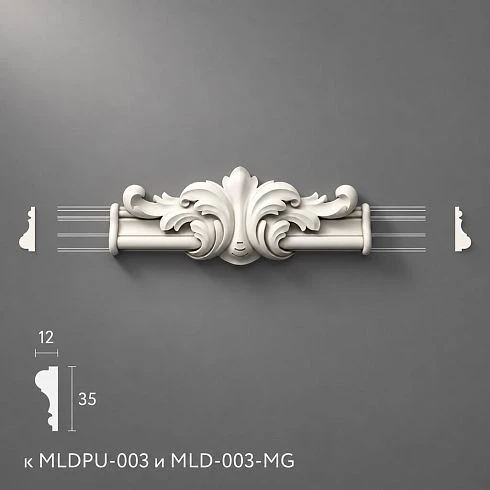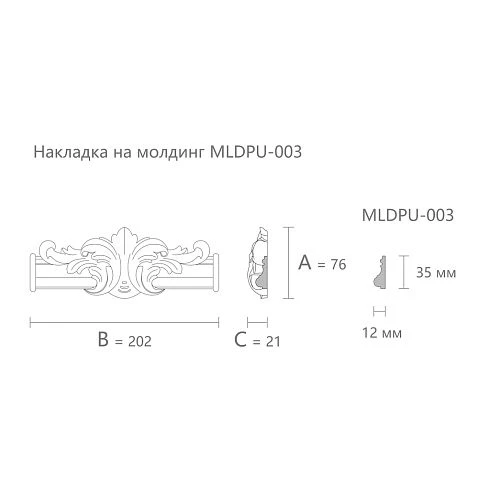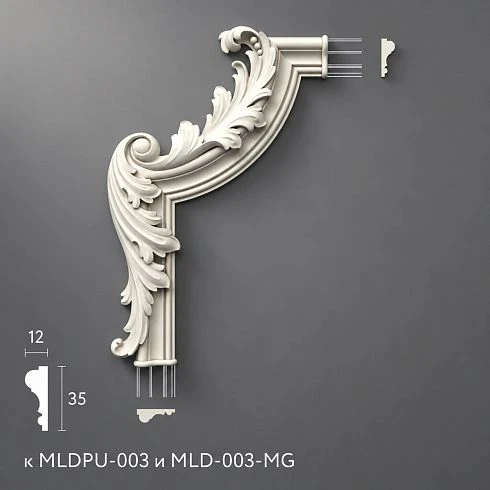
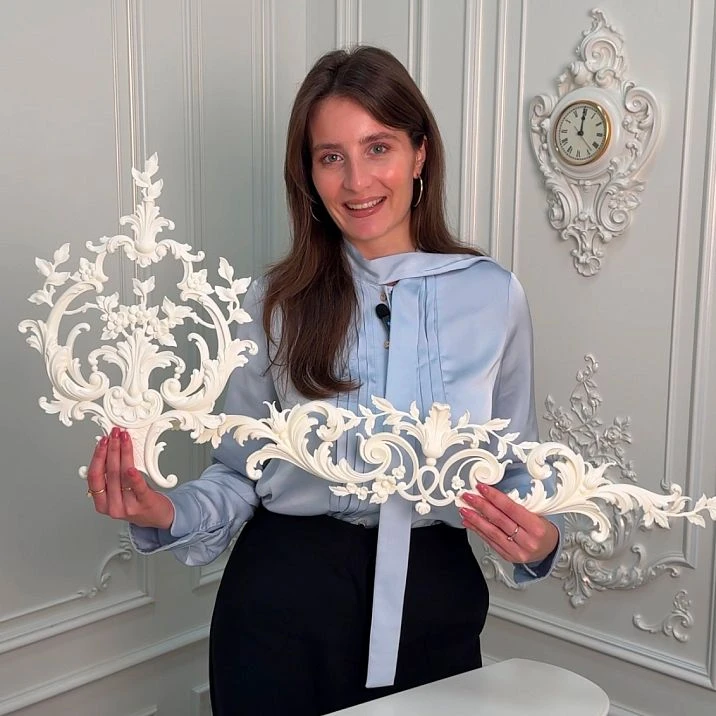
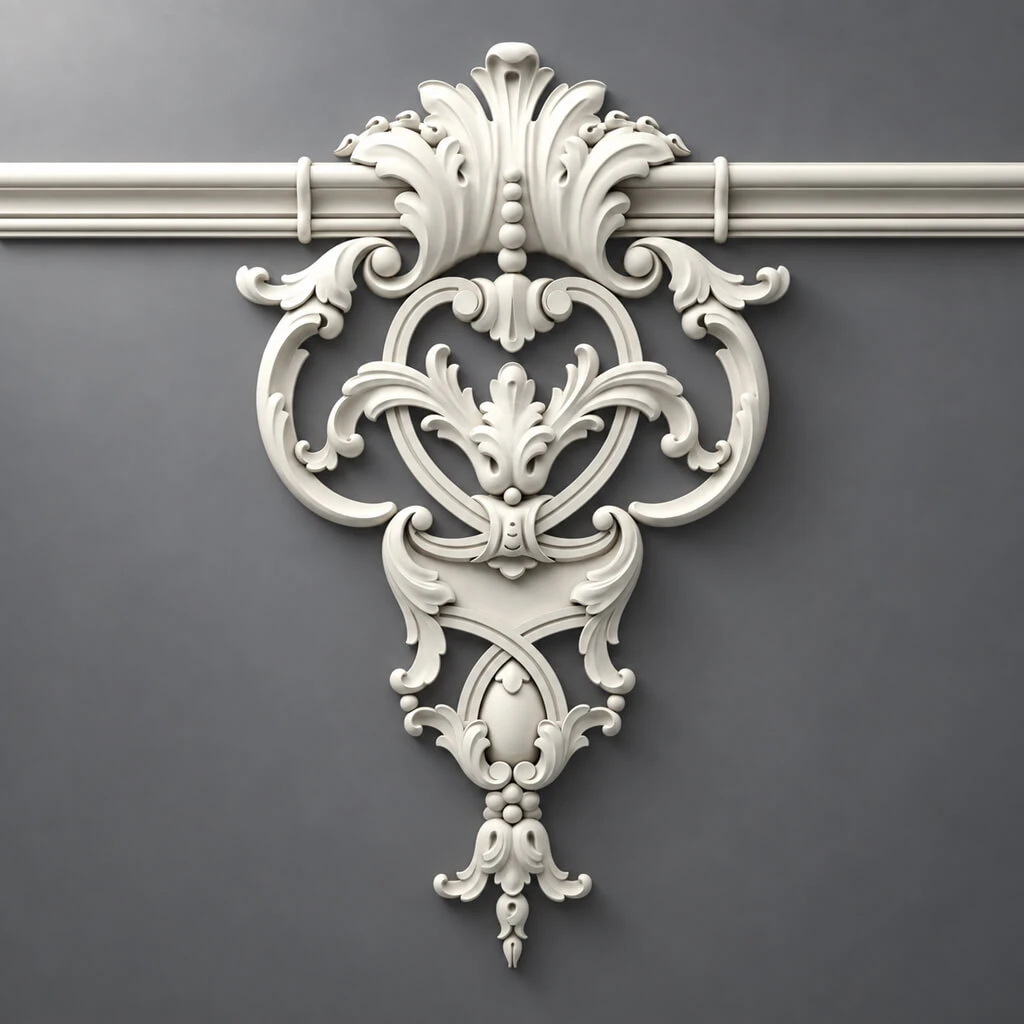
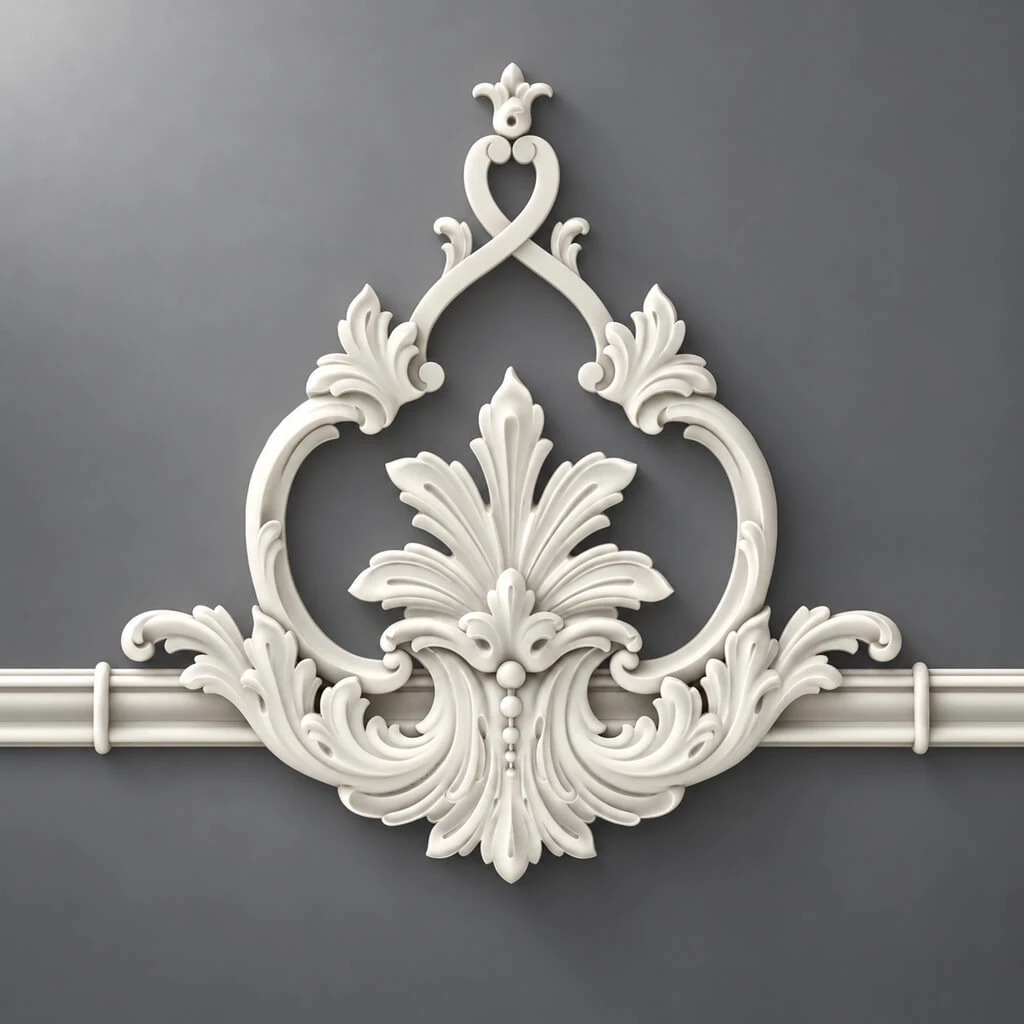
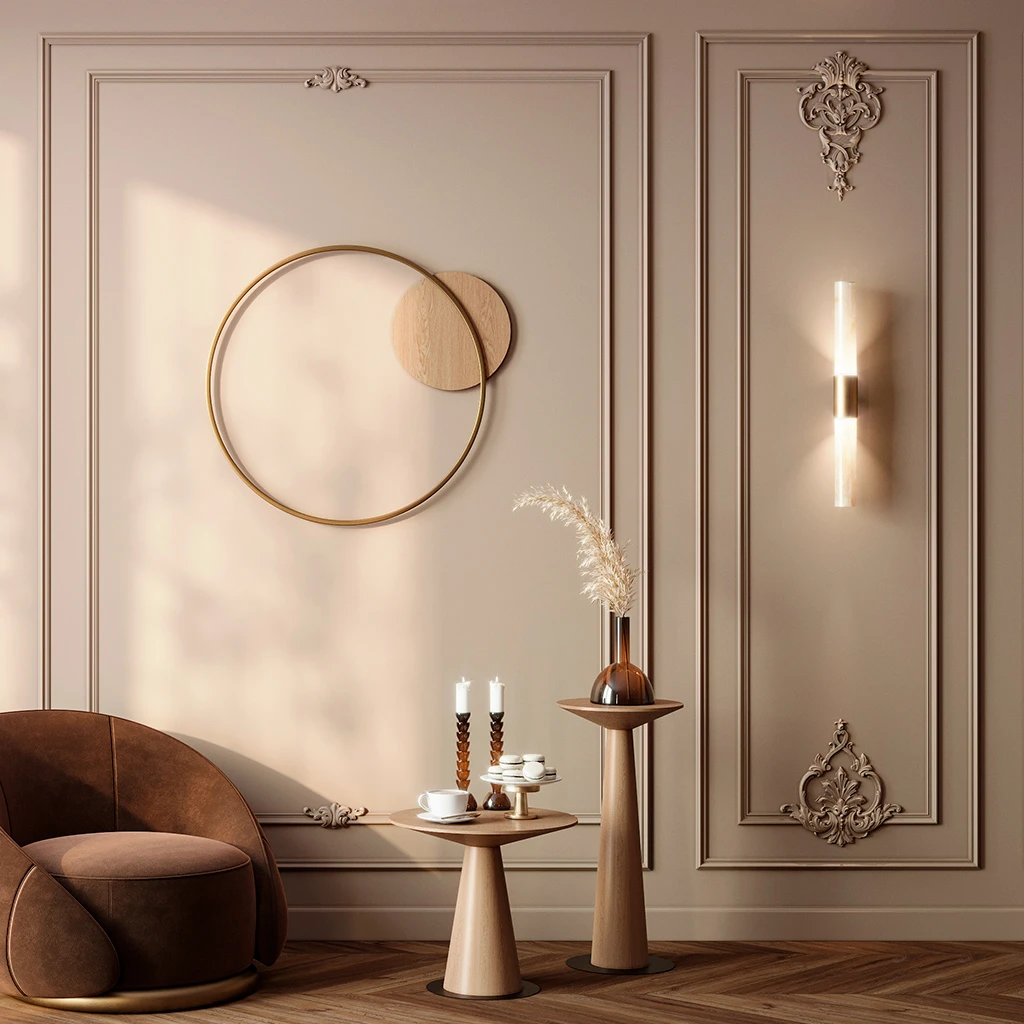

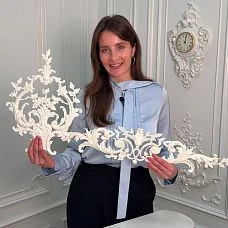

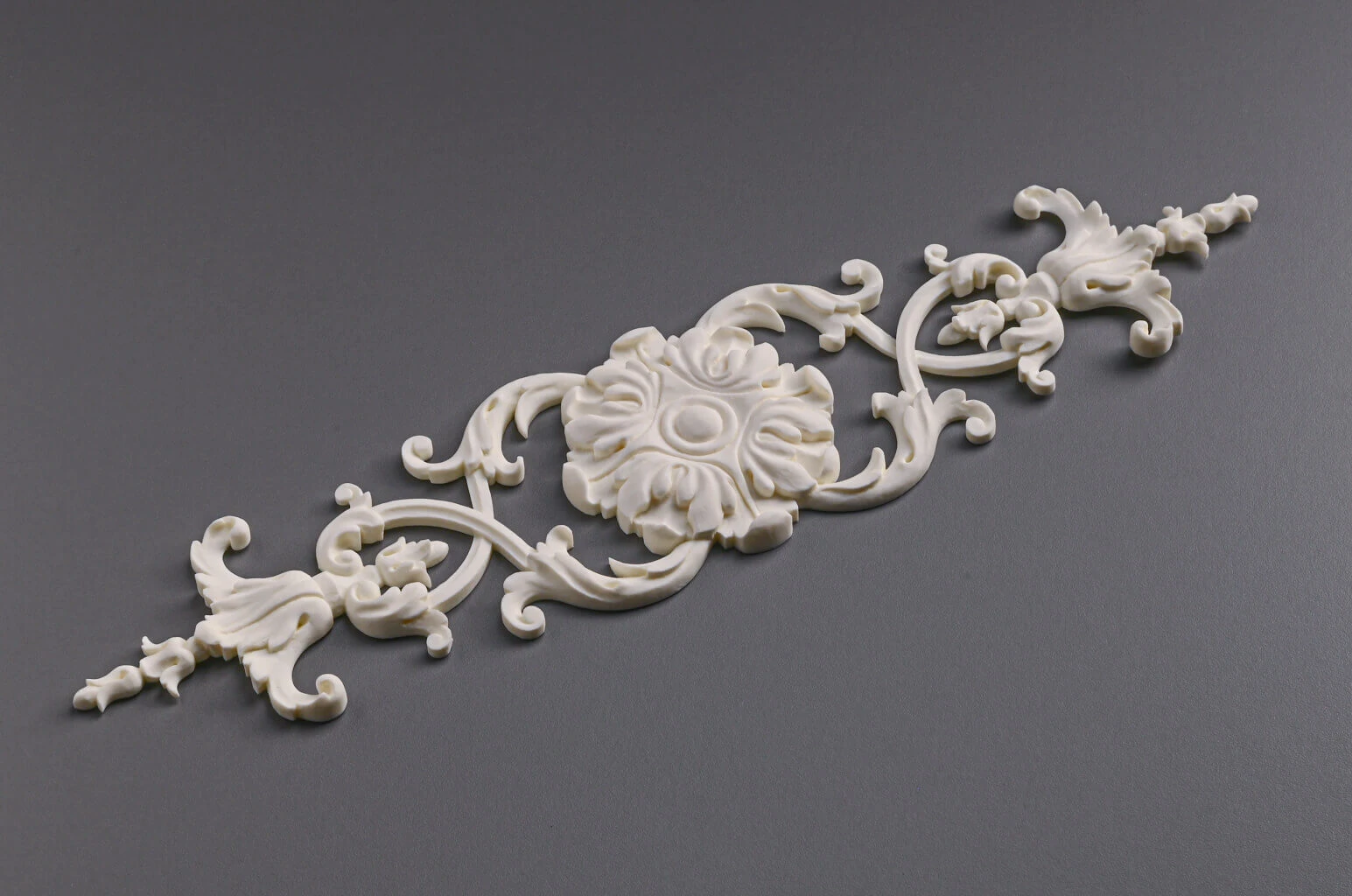
 Polyurethane molding MLDPU-3-1 set for MLD-003 (Polyurethane)
 Polyurethane molding MLDPU-3-2 set for MLD-003 (Polyurethane)
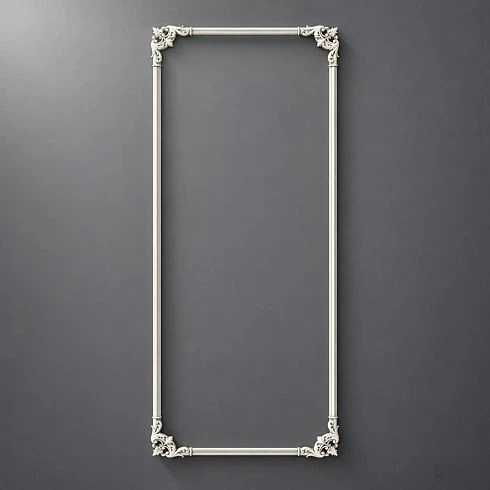
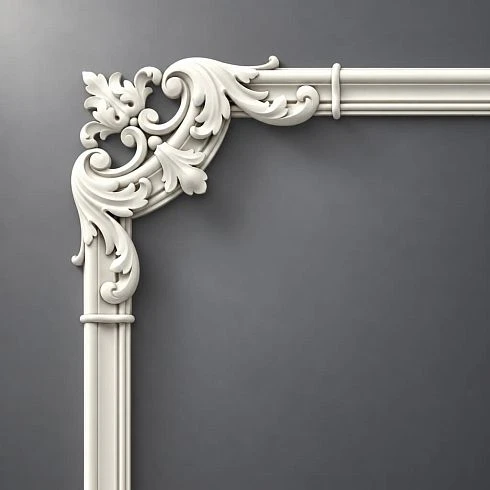
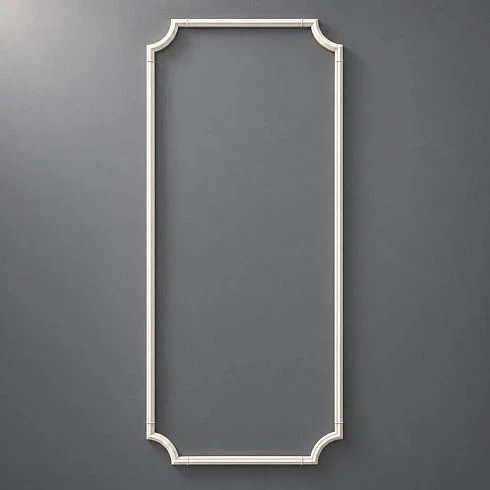
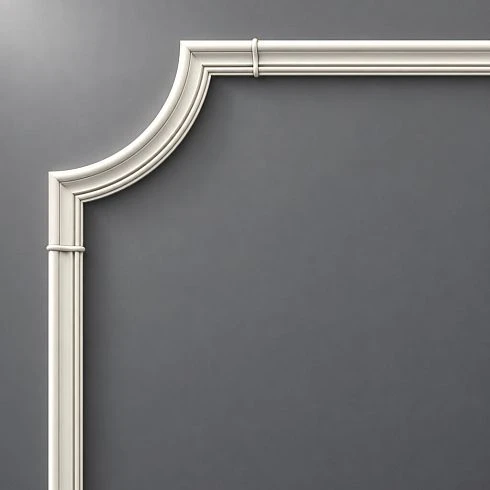
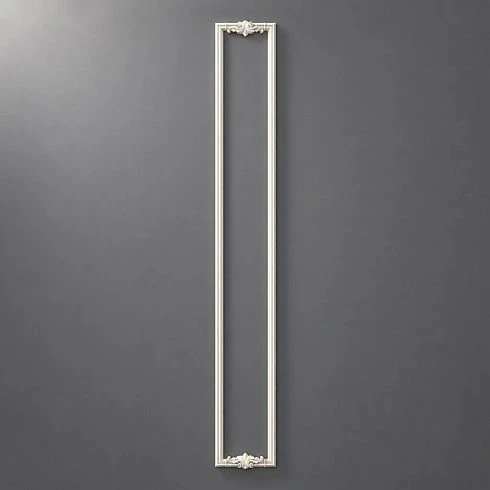
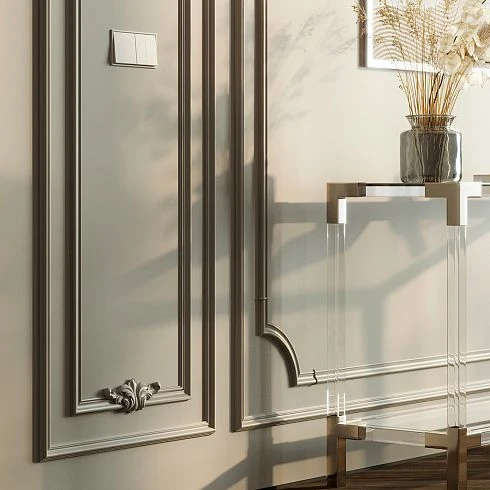
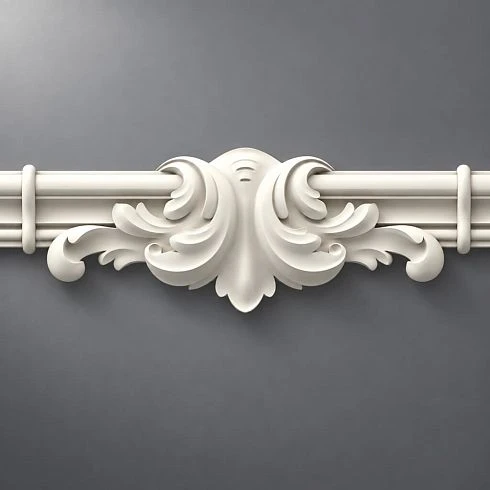
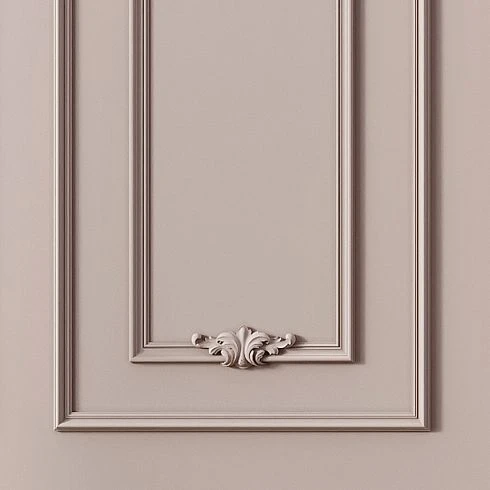
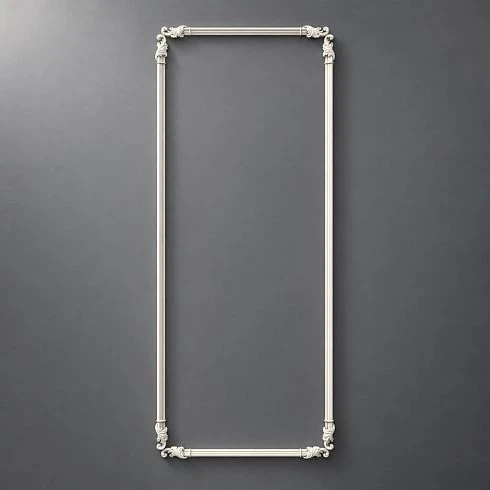
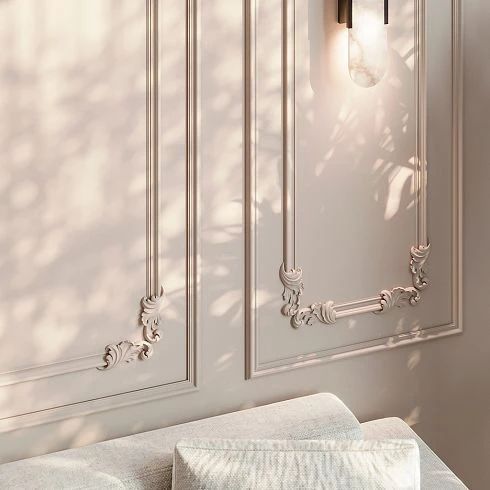
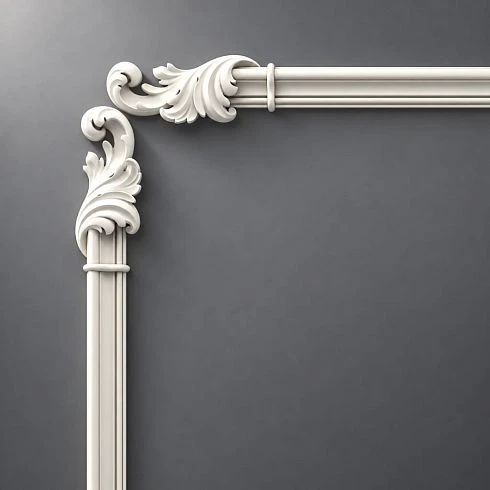
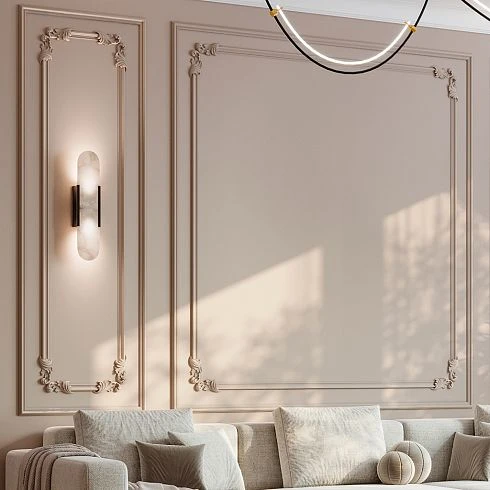
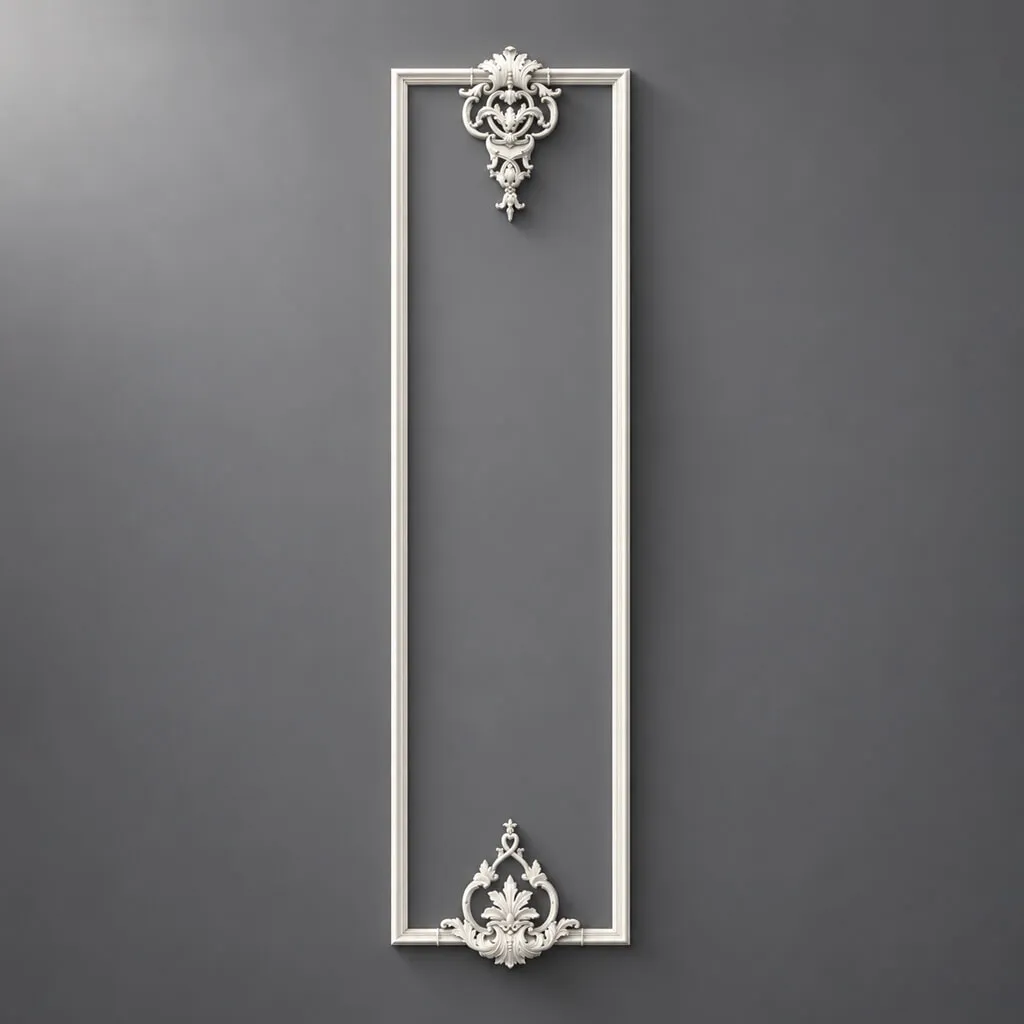
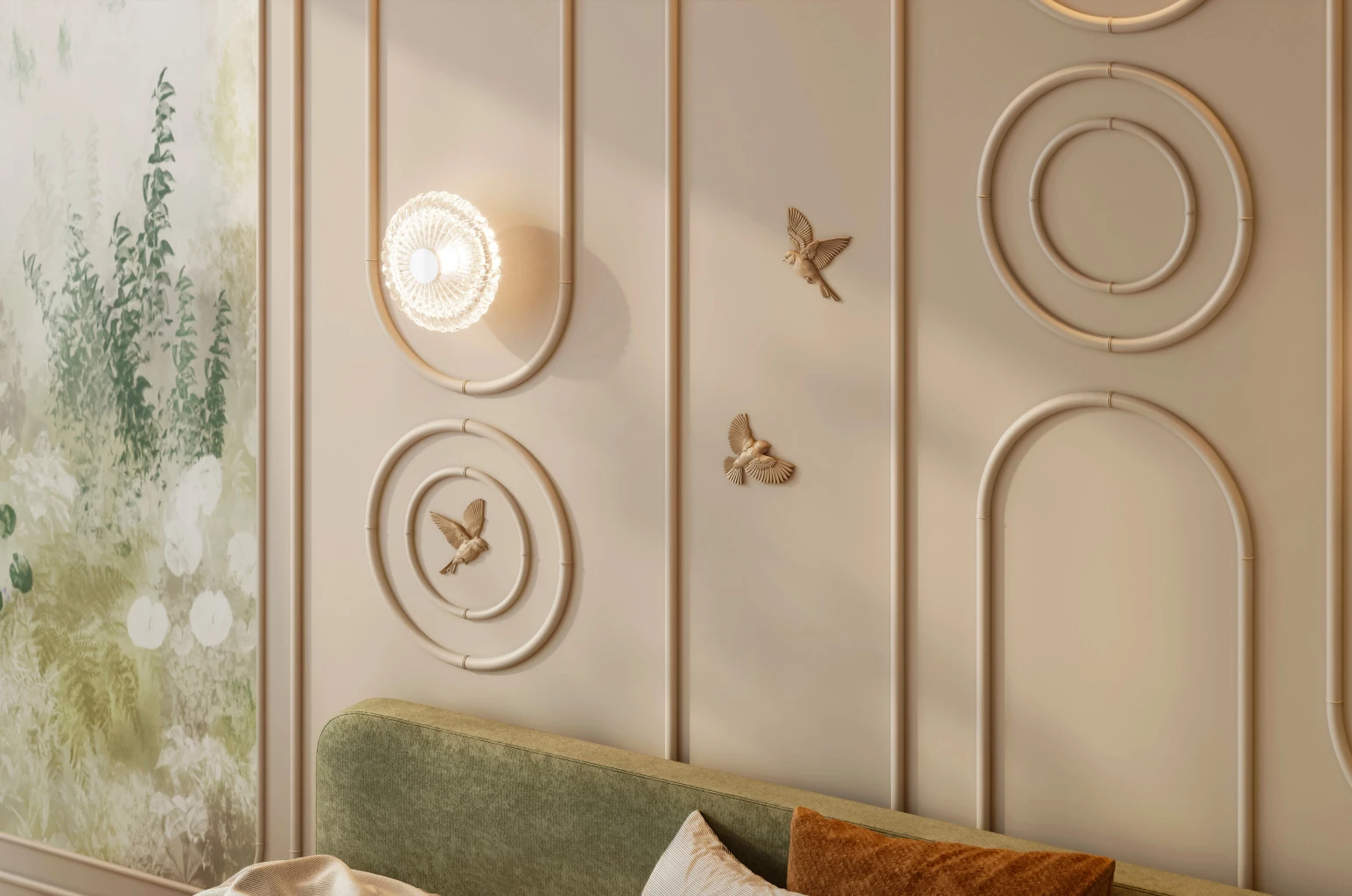
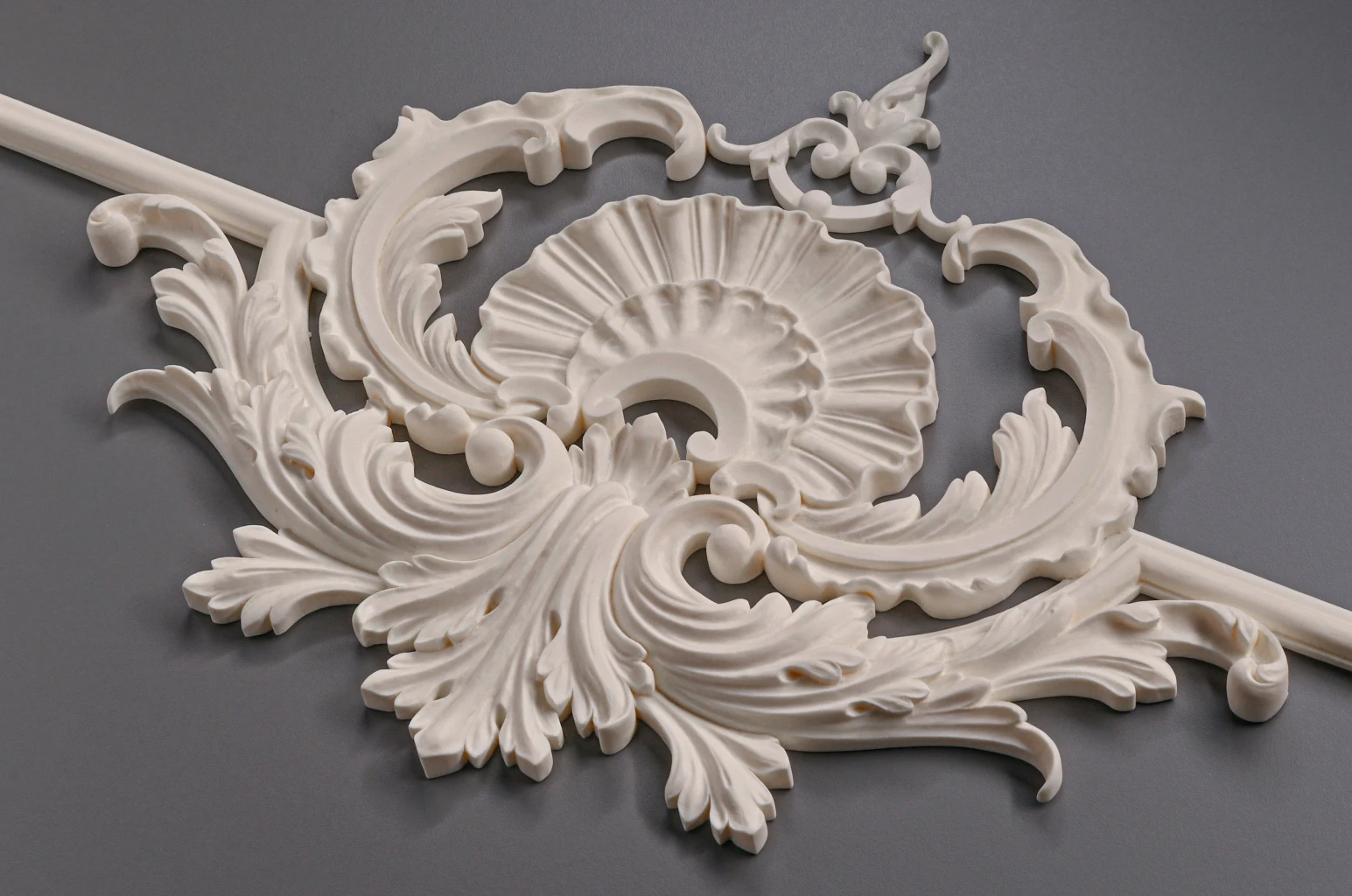
Large ornamental accents at the top and bottom turn the elongated vertical composition into an expressive neoclassical module. The strict molding contour sets the architectural axis, while the relief decor adds decorative mass and creates a noticeable accent on the wall.
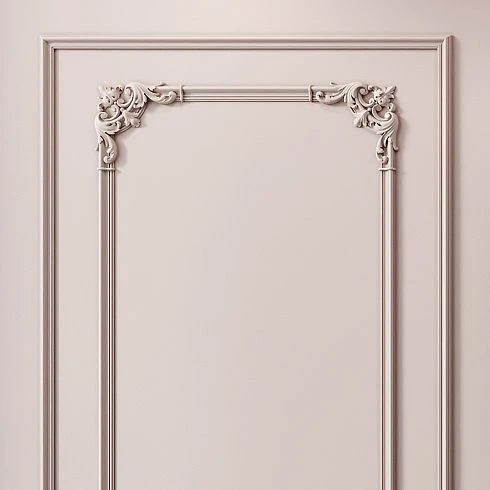
The ready-made wall decor set already combines coordinated elements into a cohesive solution. It can be used on its own, repeated in rhythm, or combined with other CPU pieces from the Neoclassic collection. If needed, the composition can be assembled your own way from individual moldings and decorative elements in the series.
We have been on the market for over 20 years and are ready to offer you the best combination of aesthetics, quality, and practicality. Our polyurethane is not just a material, but a reliable foundation for flawless details, resistance to moisture and cracks, as well as convenient and quick installation. The company's success began in 2002, when two artists – Andrey Ragozin and Evgeny Tsapko – created a small creative workshop for making carved wooden products. The work of the craftsmen was quickly noticed, and within a year they were invited to participate in the reconstruction of the Konstantinovsky Palace in Strelna.
Every product in our range is the result of years of experience, thoughtful technology, and attention to detail. We constantly update our collections, follow and shape trends in interior design ourselves. From elegant neoclassicism to bold Art Deco, you will find the perfect accent for the interior of your dreams.
Choose durable polyurethane decor STAVROS — beauty proven by time and real projects, not just words.
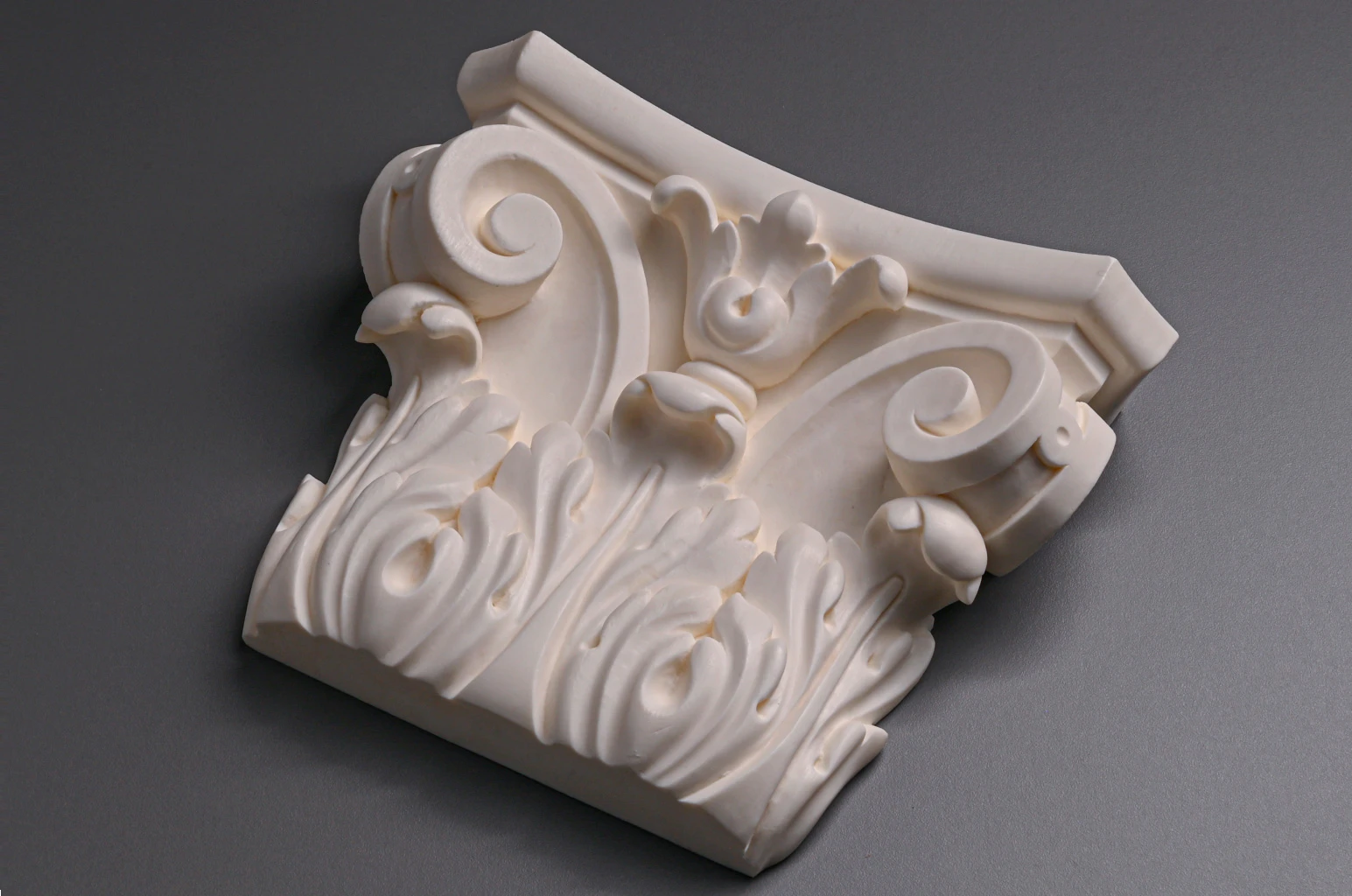
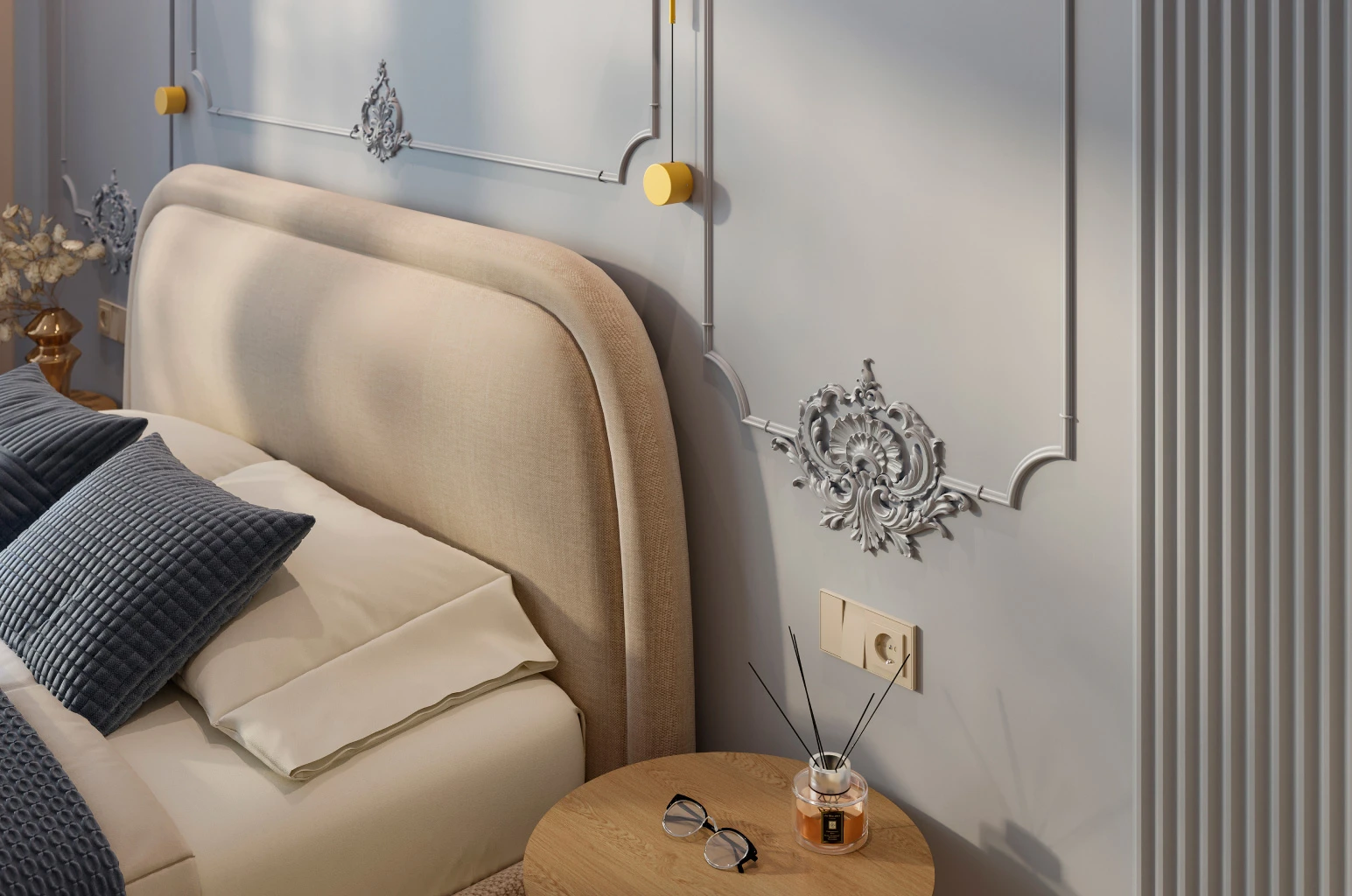
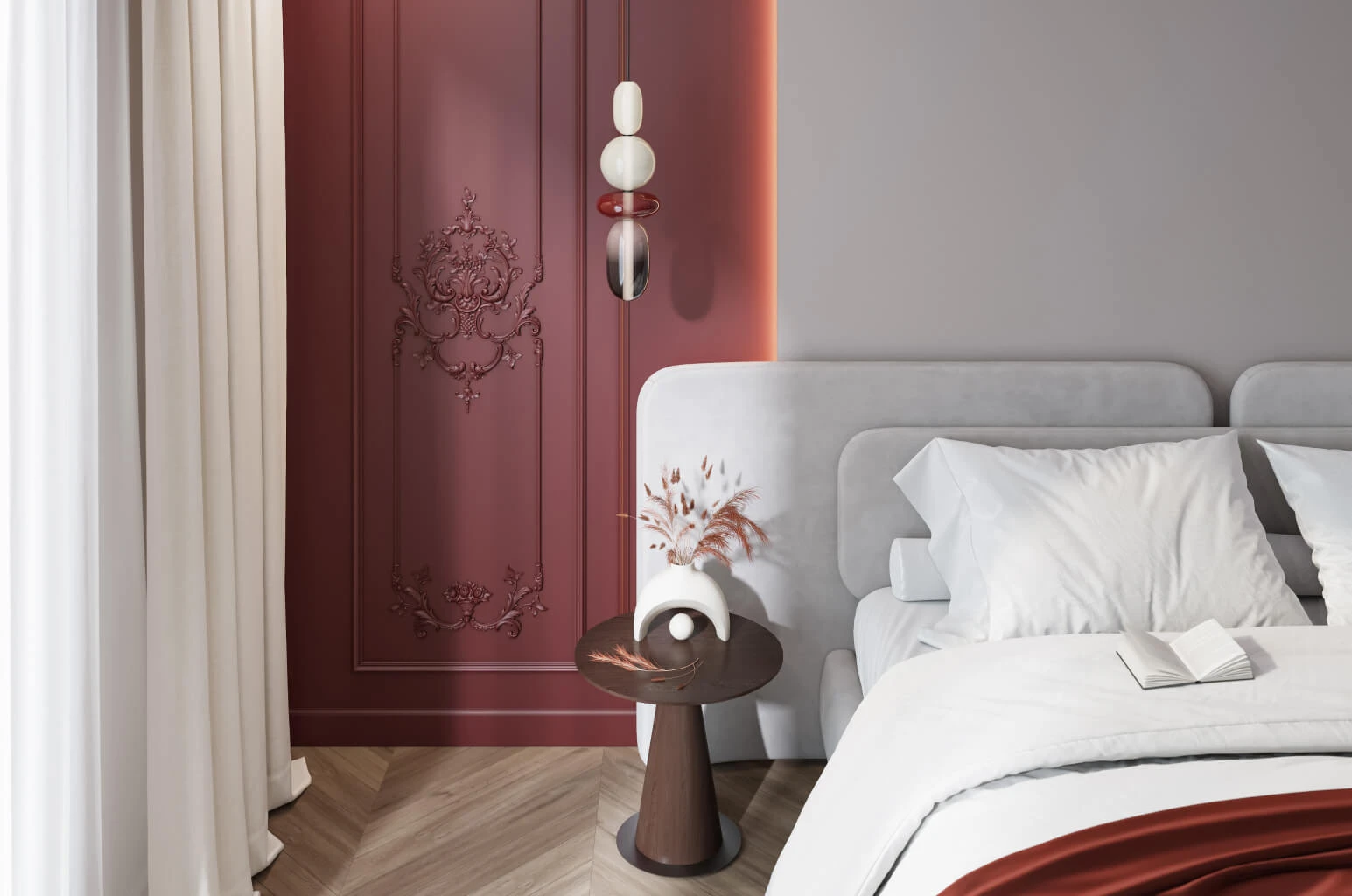
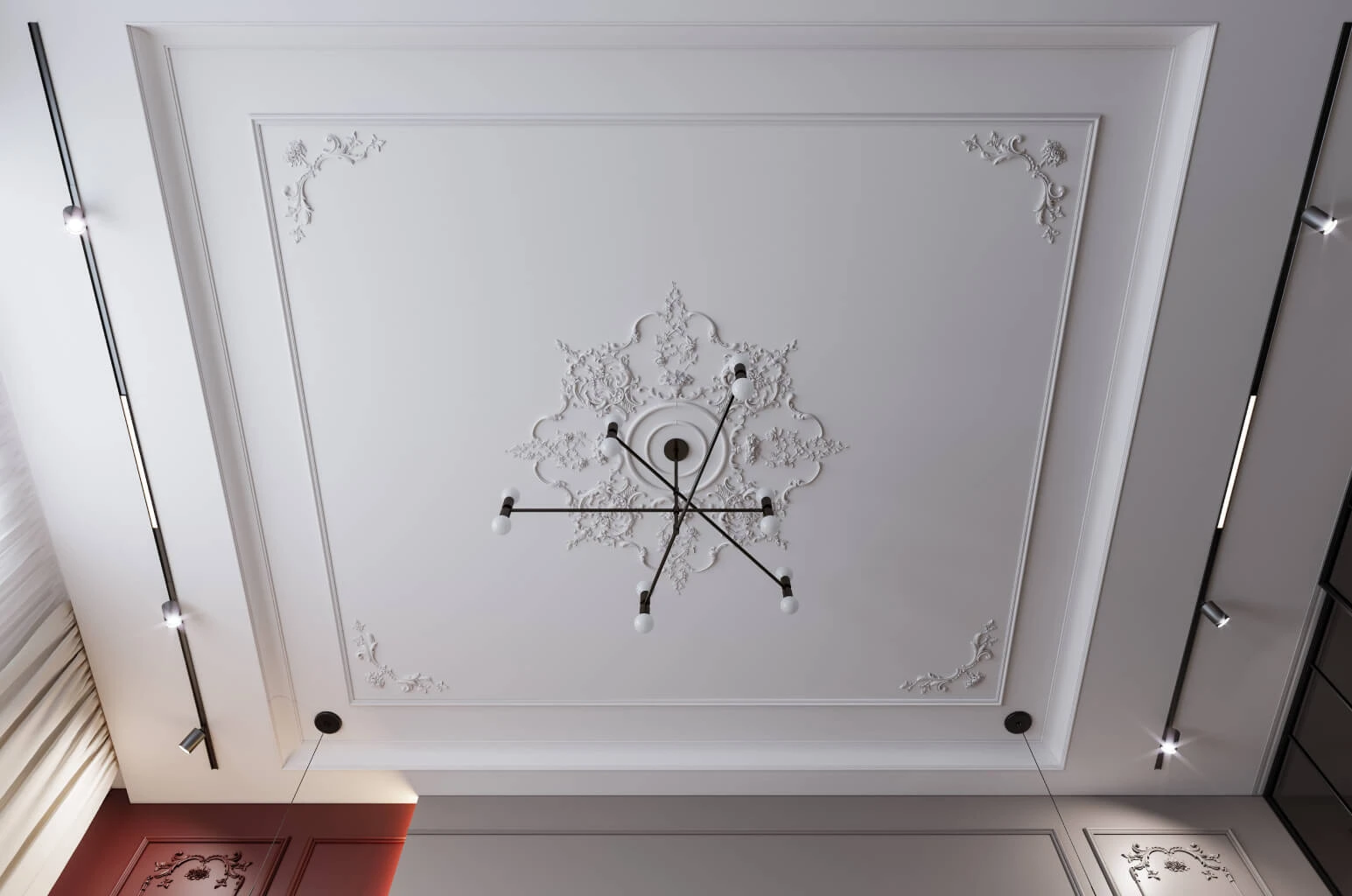
We save your time, peace of mind, and budget
We solve your tasks with maximum speed
Streamlined process reduces all risks
Quality service regardless of order volume
Reliable partner — the foundation of your business
Our showrooms are located in Saint Petersburg and Moscow. Production is located in Saint Petersburg.
Moscow contacts: /contacts_all/
Contacts of Saint Petersburg: /contacts_all/
Send us the product codes, quantities and delivery destination. Contact our team to confirm availability and order details.
Please contact us to confirm shipping availability, costs and delivery times for your destination.
Delivery cost depends on the size, weight of the item, and delivery address.
Please ask our team to confirm shipping costs and delivery arrangements for your destination before placing an order.
Prices and availability of items on the website are always current. Data is updated daily.
Note: items in stock are stored on the warehouse in unpolished form and shipped within 3 working days.
If the item is not in stock, average production time: 5–10 working days.
This is the quality of polishing of the items.
Standard — machine polishing, at a more attractive price.
Prestige — detailed hand polishing, items do not require further work.
More details: /information/kachestvo/
This is the type of veneer of the items.
Under enamel: produced by gluing wooden laminates without color and texture matching. Contrast tonal and textural differences are noticeable. This blank should be chosen if the item is intended for opaque coating.
Under tinting: produced by gluing wooden laminates with color and texture matching. Tonal and textural differences may occur. This blank should be chosen if the item is intended for semi-transparent finish.
More details: /information/kachestvo/
Beech — dense, non-porous wood, most often used for items covered with enamel.
Oak — dense, porous wood with clearly visible natural grain. Due to its strength and decorative properties, it is often used in items with semi-transparent coating, highlighting the wood pattern.
Custom-made, if non-standard items are required, we can produce products from other types of wood, including blanks provided by the customer, manufactured according to our technical specifications.
All our furniture legs can withstand a vertical load of at least 100 kg.
Average production time for custom-made items: 5–10 working days.
Most items are stored on the warehouse in unpolished form. We need time to polish and pack orders.
Yes, we manufacture non-standard items according to individual projects, but we only accept orders with a minimum quantity.
We can manufacture items of the desired size, but we only work with bulk orders. For details, please consult the sales department manager.
Yes, some of our products can be used outdoors. For example, polyurethane items, as well as carved door casings made of pine.
Other items are produced to order using PUR glue, if minimum quantity is available. No warranty is provided for such products, as outdoor conditions are considered aggressive.
Please contact our team to confirm available finishes, minimum quantities and a quotation for your order.
More details: /information/sovety/
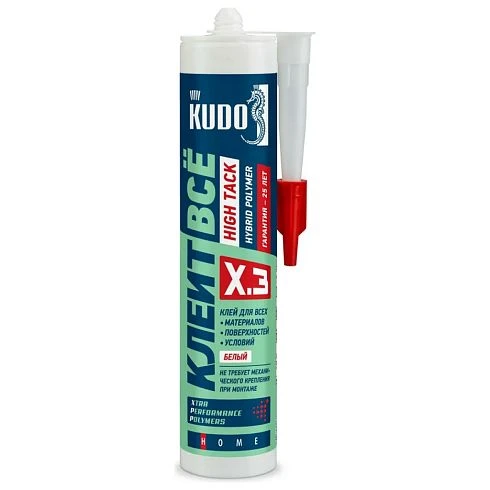
Apply adhesive to the decor. Place it on the surface and press briefly. Then, lift the decor from the surface and leave it open for 3–5 minutes. Press the decor firmly onto the surface and hold for 5–10 seconds.
More details: /information/sovety/
Ideally, you should prepare a design project before placing an order.
You can do this yourself by downloading drawings of our products from our website, or you can order a project from us.
If the number of decorative elements and fittings is small, our company's manager can assist you with selection.
Unfortunately, this service is not provided.
The packaging method depends on the type of items, but in each case, we ensure sufficient protection for safe transportation.
We most often use corrugated cardboard and stretch film. Fragile items are additionally secured on a rigid base to prevent damage during transport.
Please confirm the minimum order quantity for your selected products and finishes with our team.
Please contact our team to discuss measurement and installation requirements for your project and destination before ordering.
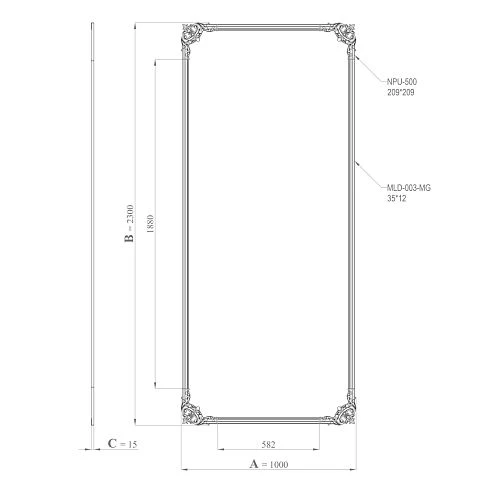
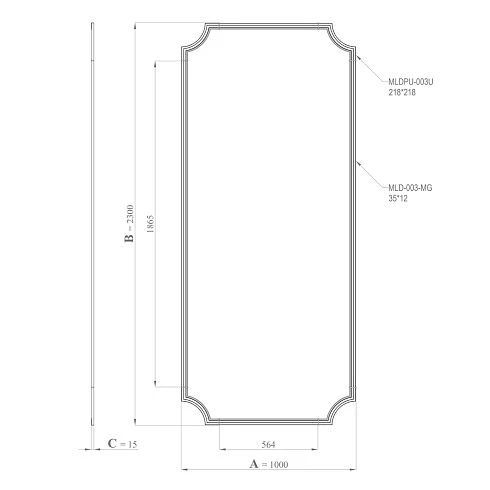
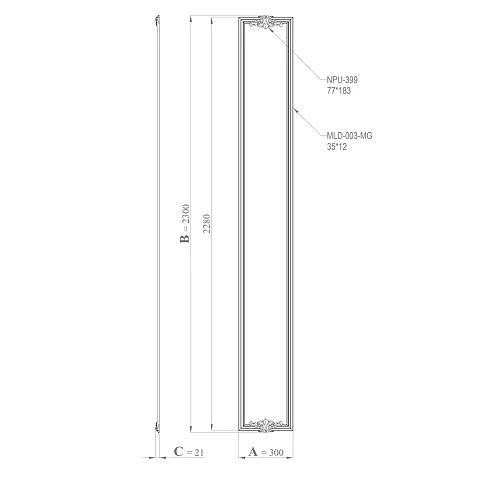
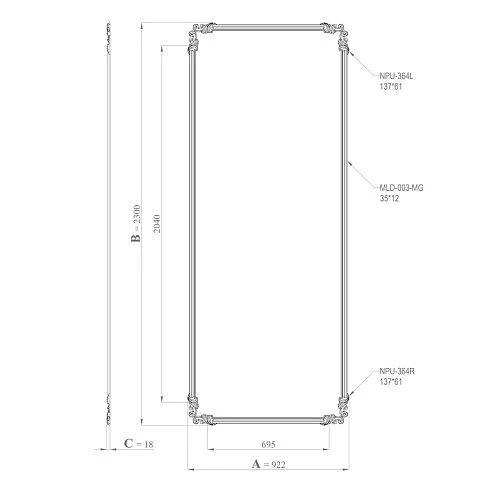
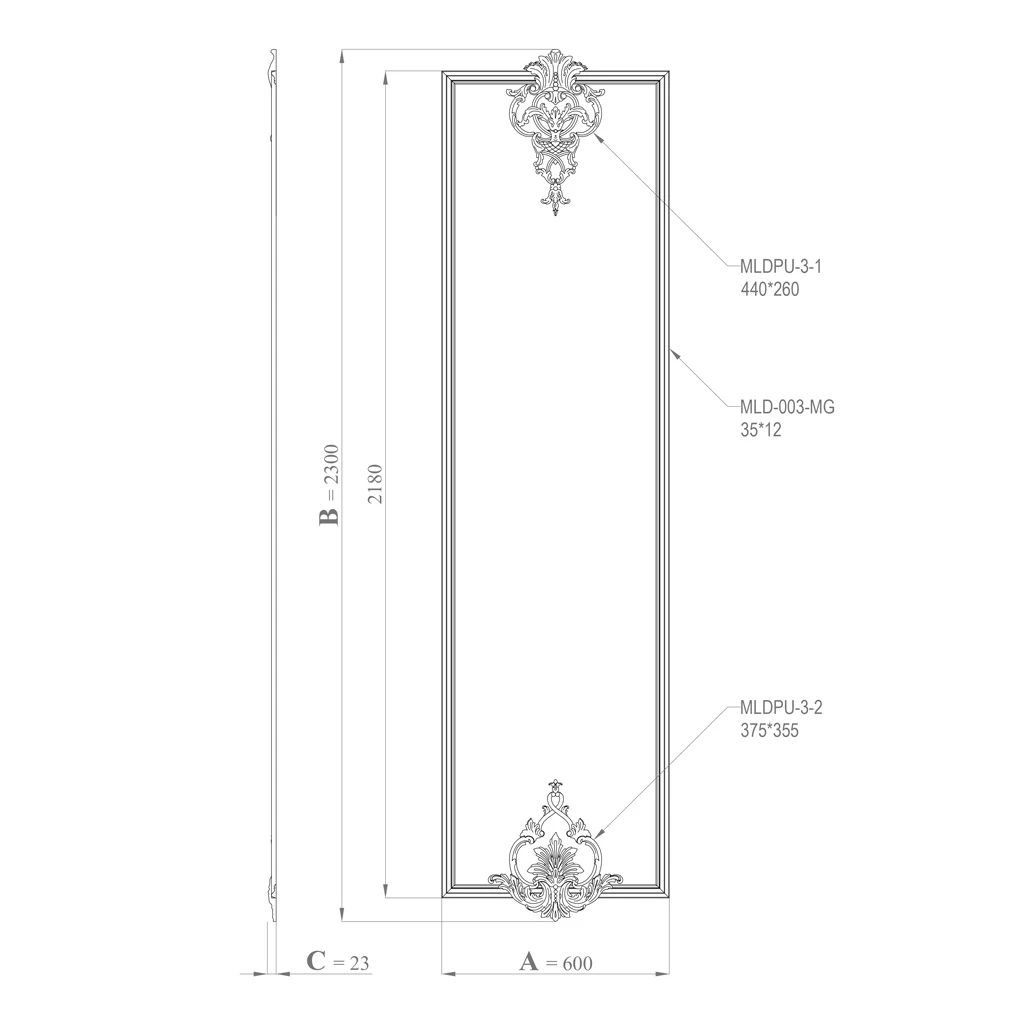
The published composition measures 600 × 2300 × 23 mm (approximately 23.62 × 90.55 × 0.91 in.). It combines polyurethane ornaments MLDPU-3-1 and MLDPU-3-2 with MLD-003-MG, a primed MDF molding. This is a mixed-material decorative arrangement, not an all-polyurethane panel or a self-adhesive wall sticker. Review the individual component dimensions and the finished wall layout before ordering or cutting.
Many searches for decorative moldings for walls lead to straight profiles, prefabricated rectangles, or peel-and-stick picture-frame kits. CPU-1-2 serves a more specific design goal: creating a tall, ornamented architectural accent. The molding gives the composition a crisp outline, while the two sculpted polyurethane pieces establish distinct points of interest. Their relief catches side light and visually separates the ornamented portions from the plain wall around them.
This distinction matters when planning a room. Standard picture frame molding draws attention mainly to a rectangular boundary. CPU-1-2 draws attention to both the boundary and the ornamental accents, so the wall can feel finished even when the area inside the outline is painted the same color as its surroundings. The 600 mm width also makes the composition a considered feature rather than a narrow strip. It can occupy a pier between openings, a paired position around a focal piece, or a repeated bay on a longer accent wall.
For related styles and other levels of decorative detail, browse the STAVROS Neoclassic wall decor collection.
The figures below distinguish the overall design footprint from the manufacturer-listed dimensions of each individual component. The overall listed depth is 23 mm, although one included ornament has its own 33 mm depth specification. Treat that distinction seriously when measuring clearance near a door swing, adjacent furniture, or wall lighting.
| Item | Manufacturer dimensions | Approximate US dimensions | Material and role |
|---|---|---|---|
| CPU-1-2 composition | 600 × 2300 × 23 mm (A × B × C) | 23.62 × 90.55 × 0.91 in. | Overall decorative wall arrangement |
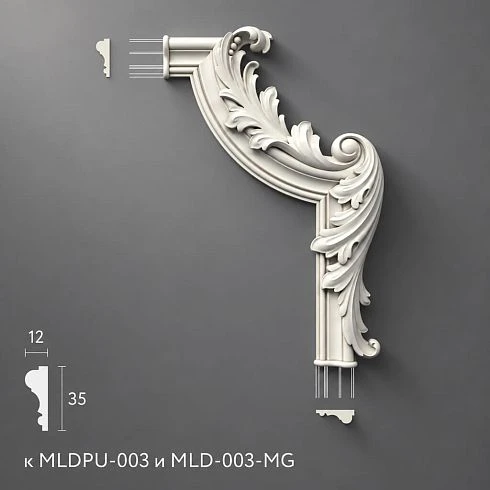
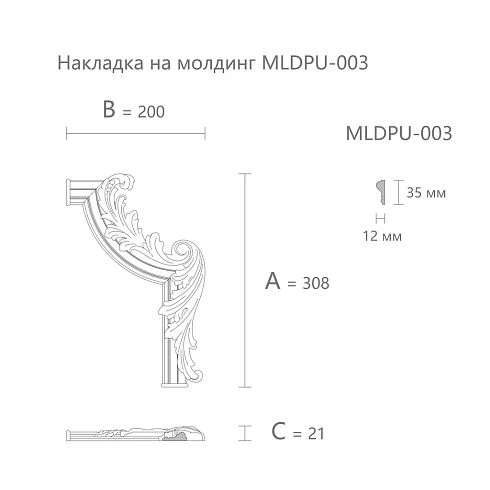
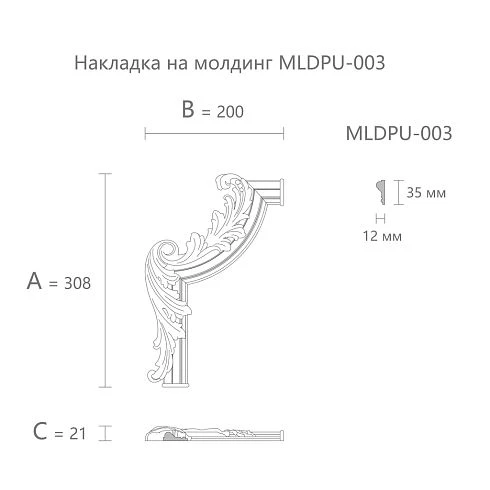
| MLDPU-3-1 | 440 × 260 × 23 mm | 17.32 × 10.24 × 0.91 in. | Polyurethane ornamental molding accent |
| MLDPU-3-2 | 375 × 355 × 33 mm | 14.76 × 13.98 × 1.30 in. | Polyurethane ornament with deeper relief |
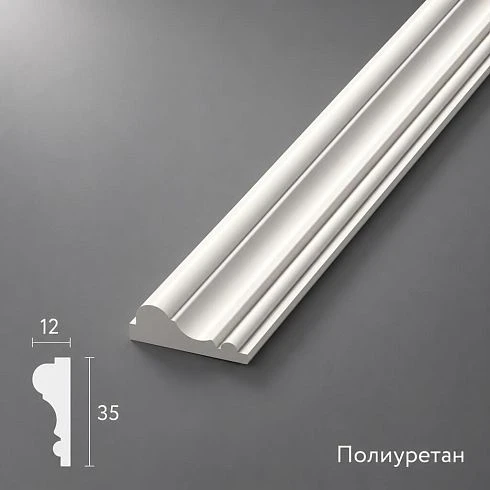
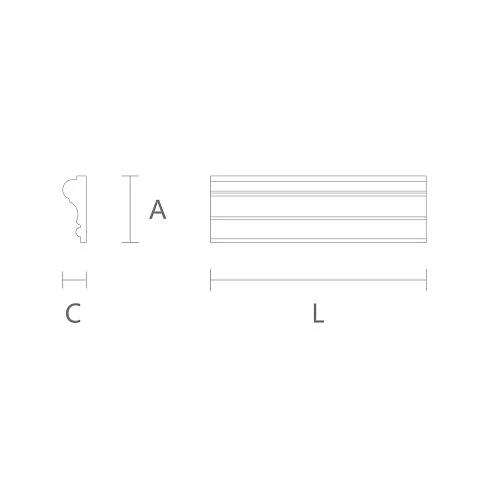
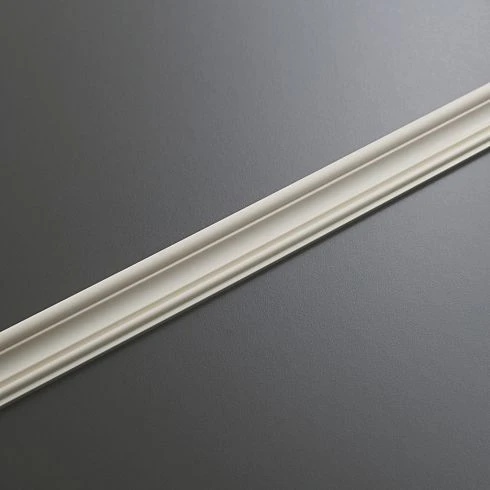
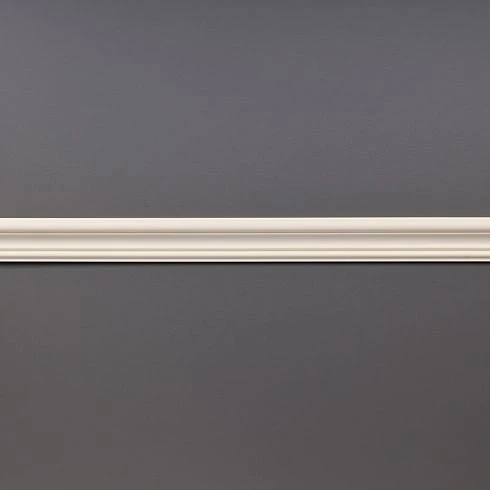
| MLD-003-MG profile | 35 × 12 × 2600 mm (A × C × L) | 1.38 × 0.47 × 102.36 in. | Primed MDF molding used for the linear outline |
Depth note: The product's overall A × B × C line lists C as 23 mm, but the MLDPU-3-2 ornament is separately listed as 33 mm deep. Do not treat 23 mm as the guaranteed maximum projection of an assembled installation. Confirm the actual arrangement, overlaps, adhesive build-up, and maximum installed clearance against the supplied drawings or with the manufacturer. The table describes three component types; the number of individual pieces and lengths in a particular order should be checked in the live set-composition list.
The MLDPU-3-1 piece measures 440 mm across its listed A dimension and 260 mm across B. Its relatively wide proportions make it suited to a prominent upper or lower point in a vertical decorative layout. Used at the top, a broad relief element can visually cap a wall bay without adding a separate crown molding assembly. It introduces texture at the moment the eye reaches the end of the straight trim line.
The 23 mm component depth gives the ornament a discernible profile in angled light. To examine its own dimensions and shape separately from the larger set, see the MLDPU-3-1 polyurethane ornament listing. Its individual page is the correct place to check whether the detail suits another molding arrangement; the CPU-1-2 composition should not be assumed interchangeable with every wall-trim profile.
At 375 × 355 × 33 mm, MLDPU-3-2 approaches a square footprint and projects farther than MLDPU-3-1 according to the product data. The change in proportion gives the wall composition a second visual register: one ornament reads broadly, while the other creates a denser relief focus. That contrast is central to CPU-1-2. It is why the set has more decorative presence than a frame composed of uniform straight trim.
Before positioning this larger ornament beside a wall sconce, mirror edge, or doorway, use its separate 33 mm depth as a planning reference. Review the MLDPU-3-2 ornamental molding listing for the individual item. Neither ornament should be described as a complete wall panel on its own.
Between the sculpted accents, the straight trim is supplied by MLD-003-MG, a 35 × 12 mm primed MDF molding with a listed stock length of 2600 mm. In American interior-trim terminology, it functions as decorative wall molding or a panel-molding profile. It is not baseboard, crown molding, a structural column, or a finished wall panel. Its job here is to keep the composition's long lines clear and consistent while the polyurethane details carry the ornament.
The factory-primed MDF surface and the polyurethane relief pieces are different substrates. That affects how you prepare and finish them. Even when the goal is one continuous paint color, confirm that the chosen primer, adhesive, filler, and topcoat are compatible with each substrate and with the manufacturer's current finishing instructions. Color and sheen should be tested on a small area or spare sample where practical.
The MLD-003-MG primed MDF molding product page provides the stock profile dimensions. Its 2600 mm length is a component measurement, not a statement that every wall design requires a single uncut strip or that a specified quantity is included in every kit configuration.
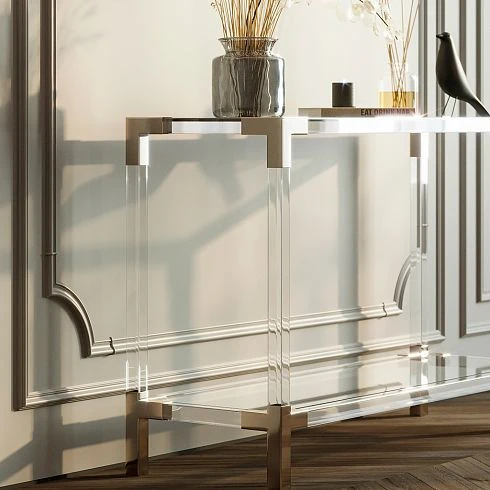
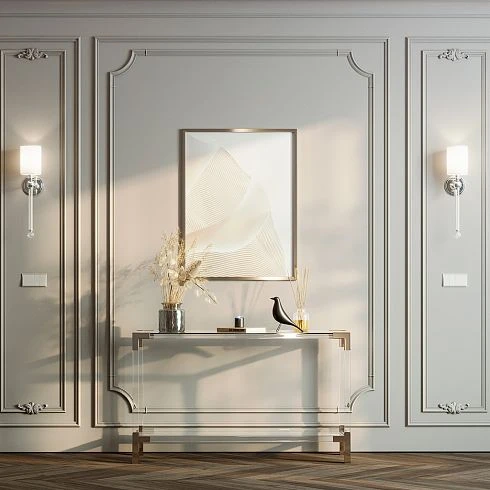
Use CPU-1-2 to give a sofa wall a measured architectural rhythm. One set can form a prominent central feature; a pair can create balanced side accents around a mirror, artwork, or seating arrangement. The most convincing layout starts with the furniture centerline rather than the wall's geometric midpoint. When a sofa is shifted to accommodate an opening or a side table, the molding should acknowledge that actual arrangement.
Because CPU-1-2 includes two different ornaments, it can deliver a richer decorative statement than plain wall trim. Avoid crowding it with several competing carved mirrors, framed prints, and patterned wallpaper in the same narrow bay. A calm painted background often makes the sculptural pieces easier to appreciate.
A bedroom headboard wall benefits from symmetry, but it does not need to look formal. Consider placing a vertical CPU-1-2 arrangement to each side of the bed rather than directly behind upholstered headboard wings or tall lamps. Use the full 2300 mm height in your elevation drawing before choosing where each piece starts. A lower headboard, a high ceiling, and a narrow nightstand require different clearances.
If the chosen room has limited width, first compare a single decorative post with two units. Repeating two 600 mm compositions on a short wall may leave insufficient open area for the bed, switches, or bedside lighting. This is a layout question, not something a keyword such as "picture frame molding bedroom" can resolve without measurements.
In a dining room, repeated decorative verticals can establish bays behind the table without making the entire room look like continuous wainscoting. The silhouette also suits a formal entry or a wall between doors where the available height is generous. In a hallway, check that the deeper ornament cannot be struck by furniture, carts, or an opening door. A clear path and protected corners matter more than symmetry on paper.
CPU-1-2 can complement transitional rooms as well as traditional neoclassical interiors. Its straight molding outline responds well to contemporary furniture; the ornamental components introduce a classical layer. This combination gives the homeowner a way to add character without replacing the room's existing furnishings.
Start with a scaled wall elevation. Record the usable wall width after door casing, window trim, fixed furniture, vents, and corner clearances have been excluded. Draw each CPU-1-2 composition at its nominal 600 mm width and 2300 mm height. Mark the 2600 mm stock length of MLD-003-MG separately; that length is not the finished vertical panel dimension.
For an illustrative 3600 mm (about 11 ft 9.7 in.) clear wall, three nominally 600 mm-wide compositions occupy 1800 mm. That leaves 1800 mm for gaps. If the design calls for two internal gaps and two equal outer margins, dividing that space evenly would give four 450 mm (17.72 in.) clear gaps. This is arithmetic for a possible layout, not a manufacturer-prescribed spacing rule. Adjust it for furniture, usable wall space, and the shape of the actual ornaments.
Use the full 2300 mm (90.55 in.) finished design height to check ceiling relationships. On a 96 in. wall, the difference would be only about 5.45 in. before allowing for baseboard, any existing ceiling molding, and how high the composition begins. On a 108 in. wall, the difference is about 17.45 in. Neither figure tells you where to place the set; it simply flags the available design envelope.
CPU-1-2 sits between a restrained vertical trim feature and a more extensively framed wall treatment. The smaller CPU-1-1 Neoclassic wall decoration set is listed at 300 mm wide and uses an NPU-399 relief element with MLD-003-MG. CPU-1-2 doubles the nominal width to 600 mm and brings in two distinct, larger polyurethane ornament designs, MLDPU-3-1 and MLDPU-3-2.
Choose the narrower expression when a wall pier is tight or the architecture already carries a lot of ornament. Choose CPU-1-2 when the wall needs a stronger vertical feature and its full 23.62 in. width is visually proportionate. A larger rectangular molding composition from the same collection may be better when the design goal is to define a broad picture-frame field rather than a relatively narrow ornamental post.
Mixing different CPU sets in a home can provide continuity across rooms, but a coordinated collection does not make every unit dimensionally interchangeable. Verify widths, ornament sizes, and finished spacing on the same scale before combining them in a single elevation.
The 33 mm depth listed for MLDPU-3-2 is particularly important around active surfaces. Check the full door swing, not just the door leaf when shut. Leave space around wall-mounted thermostats, switch plates, receptacle covers, and access panels. Do not place ornamental pieces where they obstruct an outlet or a safety device. If electrical components must be relocated, use a qualified electrician and follow local requirements.
Wall relief can also conflict with furniture. Measure the projected depth of console tables, nightstands, floating shelving, and mirror frames. Consider how a person will move past the raised piece in a narrow passage. For a side-lit accent wall, take the fixture's actual envelope into account; a beautiful shadow line is not worth a collision between the fixture and the ornament.
Before ordering, ask which individual items and quantities constitute the currently offered CPU-1-2 set, whether installation accessories are included, and which technical drawing is current. This avoids treating a photographic composition as a universal precut kit with all hardware supplied.
One stock length of MLD-003-MG is 2600 mm (about 8 ft 6.36 in.), while the published composition height is 2300 mm. That difference might accommodate a cut for a particular layout, but it is not automatically a usable 300 mm offcut. Miter joints, decorative overlaps, blade kerf, and the precise geometry shown on the drawing determine the actual takeoff. Prepare a cut list for every straight segment before ordering extra profiles.
For an interior wall with several decorative posts, label the planned molding pieces by location: left, right, upper, lower, or another configuration shown in the supplier drawing. Record finished lengths and the direction of any miter. Dry-fitting pieces before adhesive is a practical way to reveal an incorrect angle while there is still an opportunity to recut. If the wall is not plumb or square, avoid assuming that an ideal 45-degree joint will always produce a tight fit.
Inspect the profile and ornaments for visible damage before installation. Verify that the two polyurethane accents are the specified MLDPU-3-1 and MLDPU-3-2 rather than similarly named variants. A changed suffix can identify a different decorative item, handed part, or geometry. Matching an illustration alone is not sufficient for a reliable project schedule.
CPU-1-2 is decorative interior trim, not a structural member. Installation should follow the current manufacturer instructions for the selected substrate and products. The steps below explain the planning sequence; they are not a substitute for substrate-specific adhesive requirements, fastener specifications, or professional evaluation of an unsuitable wall.
Do not assume that a product marketed elsewhere as a peel-and-stick wall molding kit uses the same installation method as CPU-1-2. Likewise, don't assume that the polyurethane ornament and the MDF profile require identical preparation. Their different substrates are a reason to verify the materials schedule before the first cut.
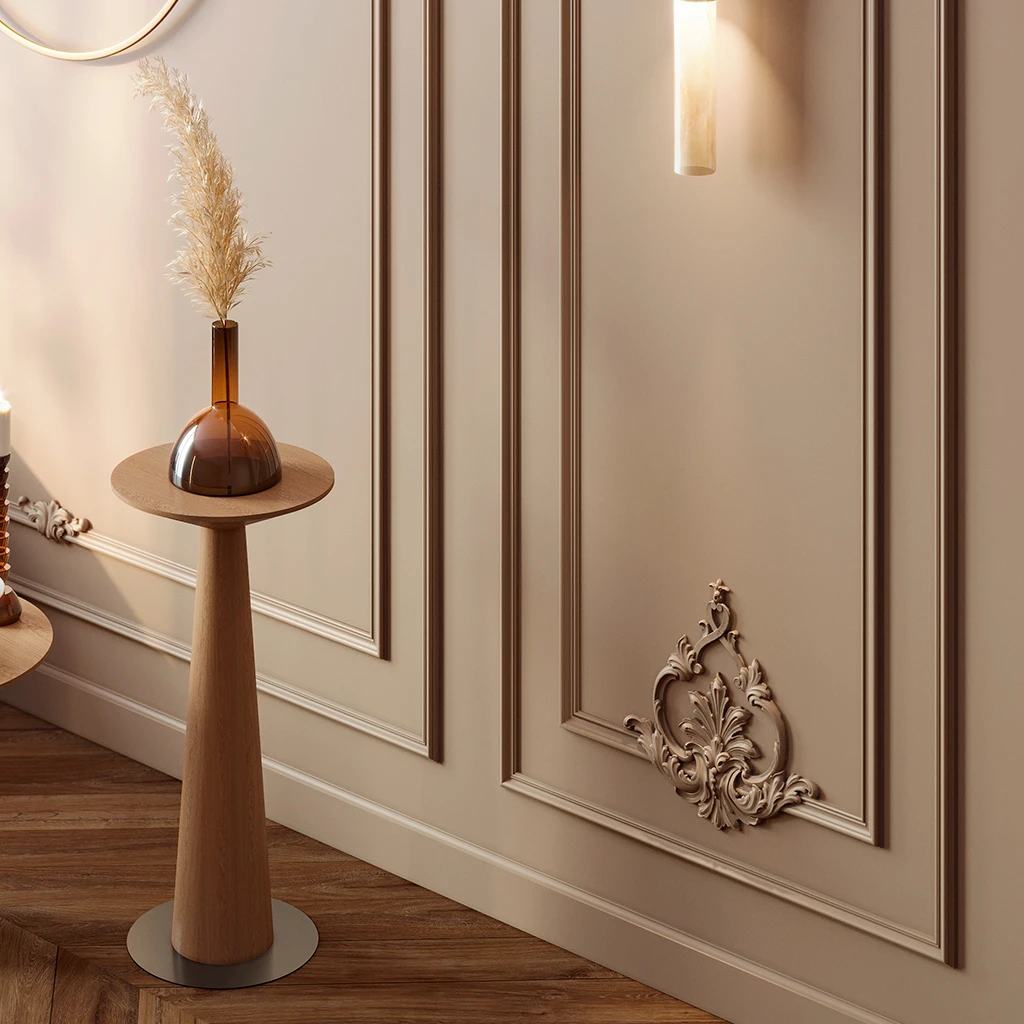
Wall-color monochrome: Paint the molding and the surrounding wall the same color for a quieter architectural effect. This is especially effective when the ornaments have enough relief to remain readable through shadows. A warm white, muted greige, or soft taupe creates a restrained base for transitional living rooms and bedrooms.
Soft contrast: Use an off-white decorative set against a deeper wall color such as charcoal blue, olive, or warm gray. The 600 mm width of CPU-1-2 gives the ornamental composition a noticeable footprint, so the background can carry color without needing a complicated wallpaper pattern. Use actual paint samples under the room's daylight and evening lighting before making a final selection.
Selective detail: A subtle metallic accent on a small raised motif may emphasize carving without turning the entire wall into a gilded feature. Verify that the finish is approved for the ornament substrate. Where the two decorative pieces have different depths, raking light from a wall sconce can make their dimensional contrast apparent; first confirm fixture clearances and avoid sharp glare into seating areas.
The goal is a coherent scheme rather than maximum decoration. If the furniture already has carved frames, patterned upholstery, and elaborate hardware, a single-color finish on CPU-1-2 may give the best balance. If the furniture is understated, the ornaments can supply the room's principal classical detail.
After installation and full curing, clean the finished surface according to its paint or coating instructions. Dust relief details gently with a soft brush or microfiber cloth rather than scrubbing sharp edges. Avoid soaking the MDF profile; primer alone should not be treated as a waterproof barrier. If a finish is damaged, repair the local area using a compatible coating system and test for color and sheen differences.
Keep an accurate record of the SKU and the three component codes for future repairs or extensions. When adding a second wall later, the model numbers are more reliable than a general description such as "fancy wall trim." Retain installation drawings and photographs of the final layout so a future contractor can understand where each element sits.
No. The two ornamental elements, MLDPU-3-1 and MLDPU-3-2, are polyurethane. The straight MLD-003-MG molding is primed MDF. The overall arrangement should therefore be described as a polyurethane-and-MDF decorative wall molding set.
The published 600 × 2300 × 23 mm size converts to approximately 23.62 × 90.55 × 0.91 inches. The separate MLDPU-3-2 ornament is 33 mm (1.30 in.) deep; check the maximum installed projection rather than relying only on the overall 23 mm entry.
It serves a related wall-design purpose, but it is not simply straight molding cut into a rectangle. CPU-1-2 combines linear trim with two types of sculptural ornament. It works especially well as a tall neoclassical decorative feature in a wall-panel scheme.
Those are sensible design applications provided the complete 600 mm width, 2300 mm height, furniture positions, and required clearances work for the room. Mark the layout at full scale before installing anything permanently.
The verified product information does not establish self-adhesive backing or a specific included adhesive. Do not plan the installation around those assumptions. Check the current contents and manufacturer guidance before ordering mounting products.
Yes, as a coordinated design approach, subject to the actual dimensions and project layout. A simpler CPU-1-1 feature may suit narrow wall sections, while CPU-1-2 provides a broader accent. Verify alignments and component footprints when mixing sizes on one wall.
A secure, visually straight installation requires a suitable substrate. Heavy texture, poor adhesion, moisture damage, or significant irregularity may call for preparation or a different attachment method. Follow the manufacturer's requirements and seek an experienced installer if the wall condition is uncertain.
There is no universal count. Subtract openings and required clearances from the wall width, then test one, two, or more nominally 600 mm-wide compositions with balanced gaps. Confirm the quantity of separate ornaments and molding lengths needed for the approved layout.
Our manager will contact you within 5 minutes