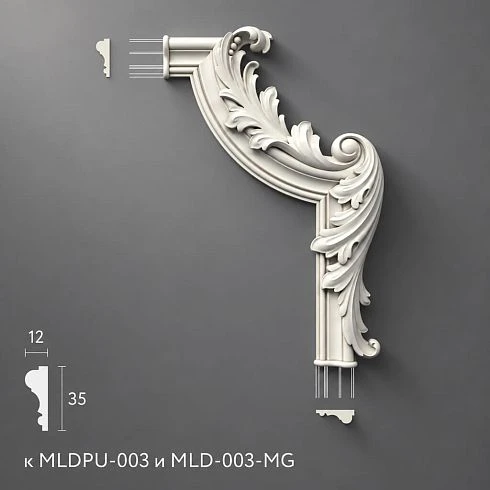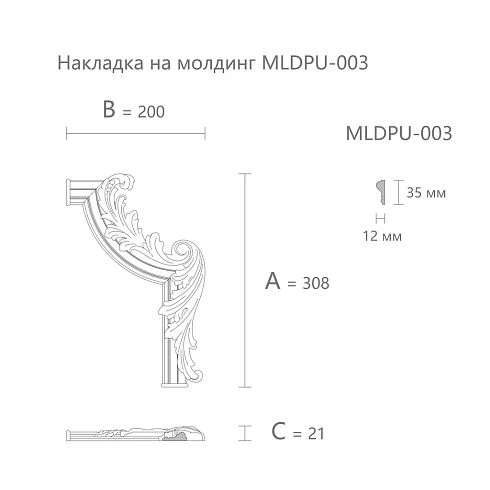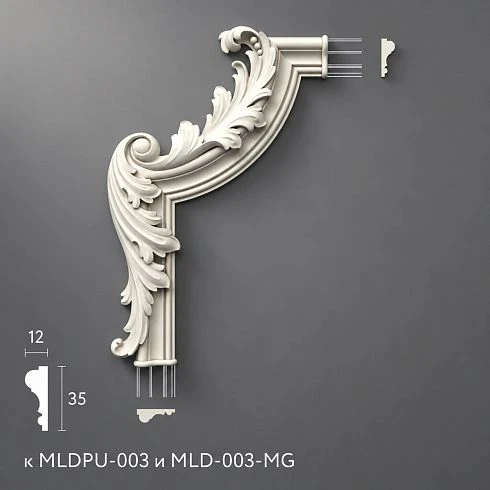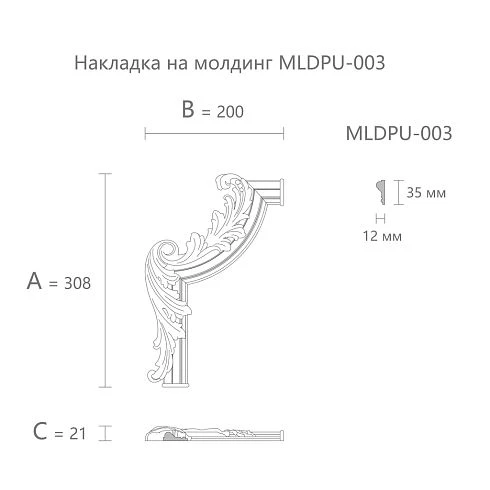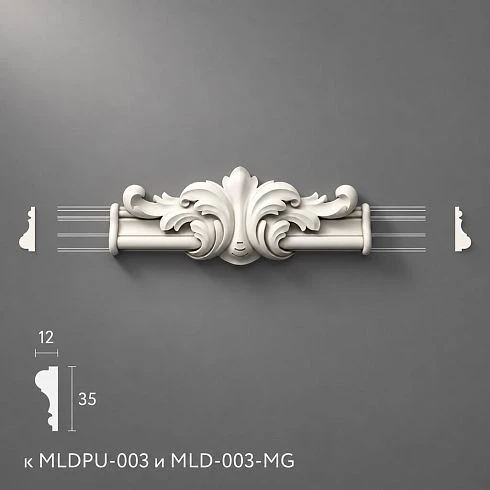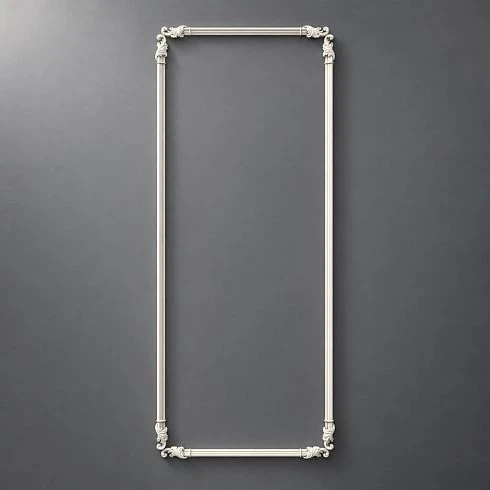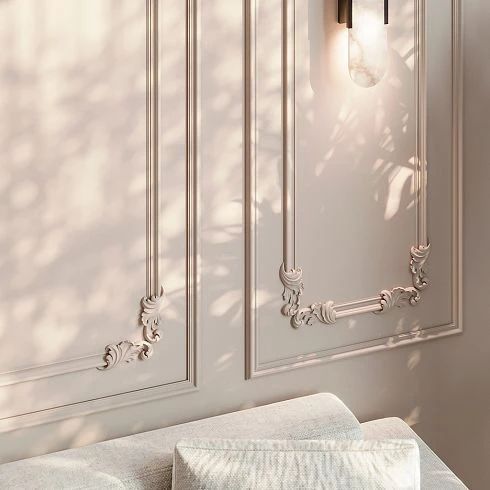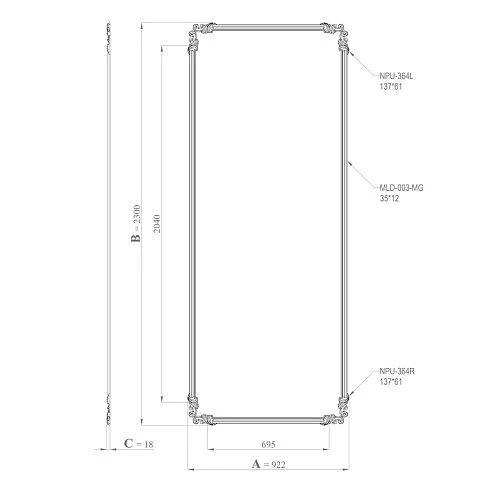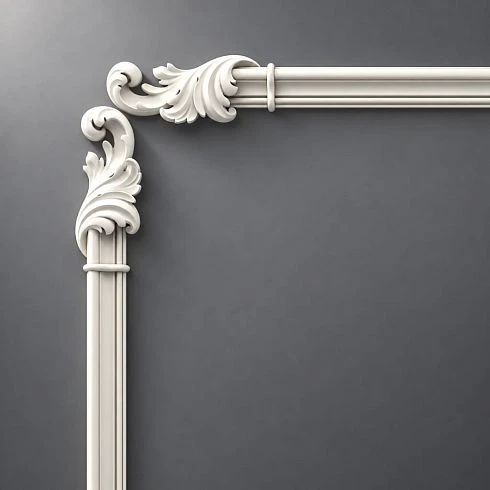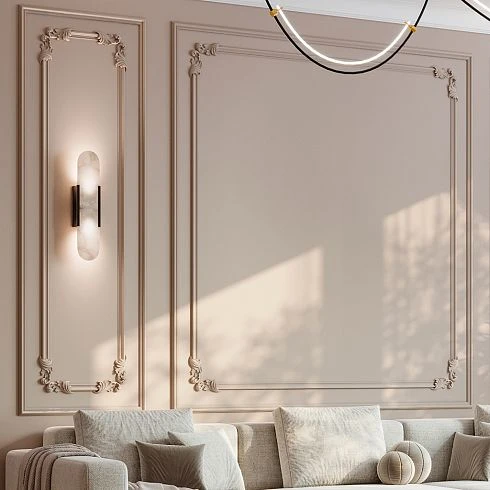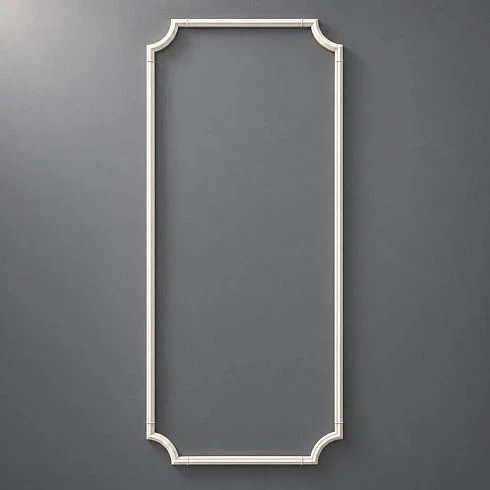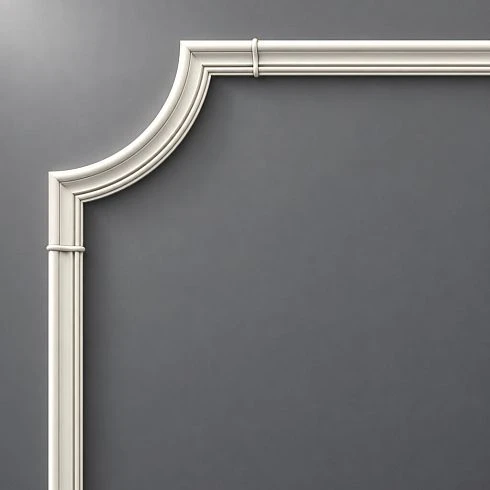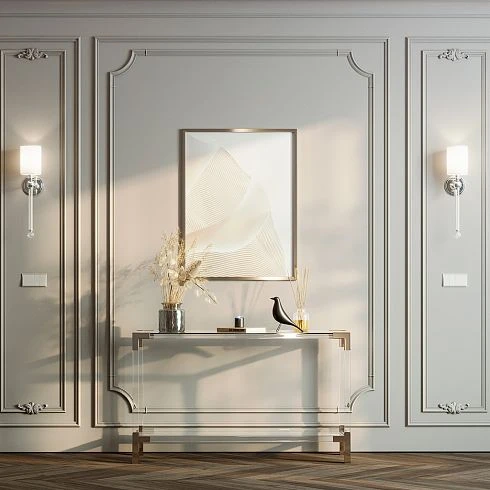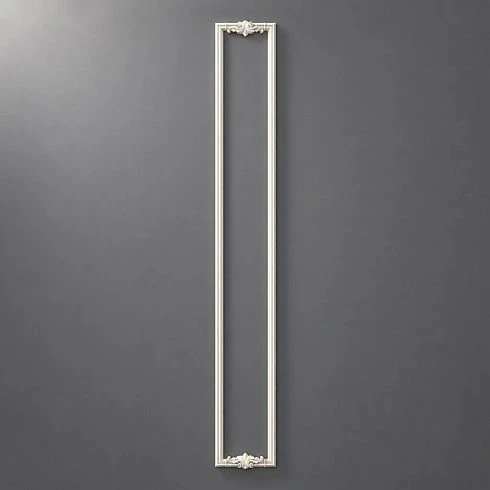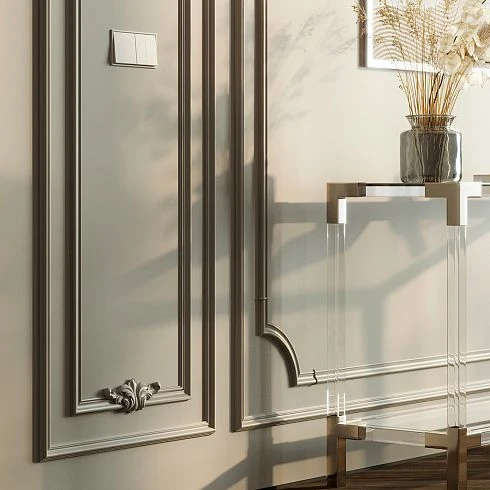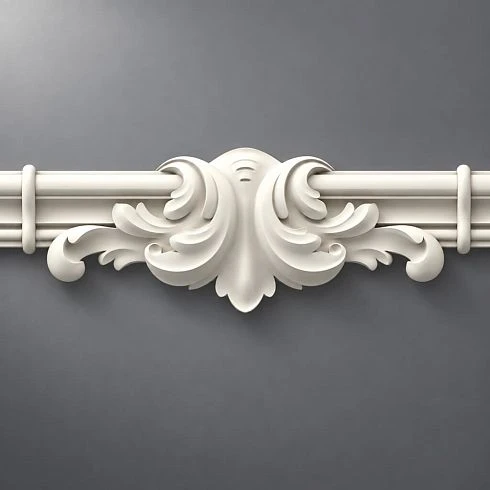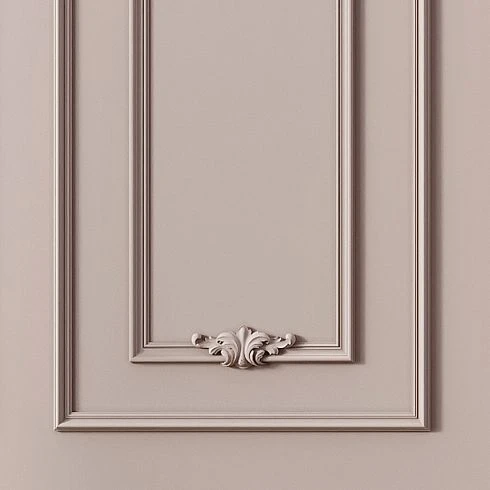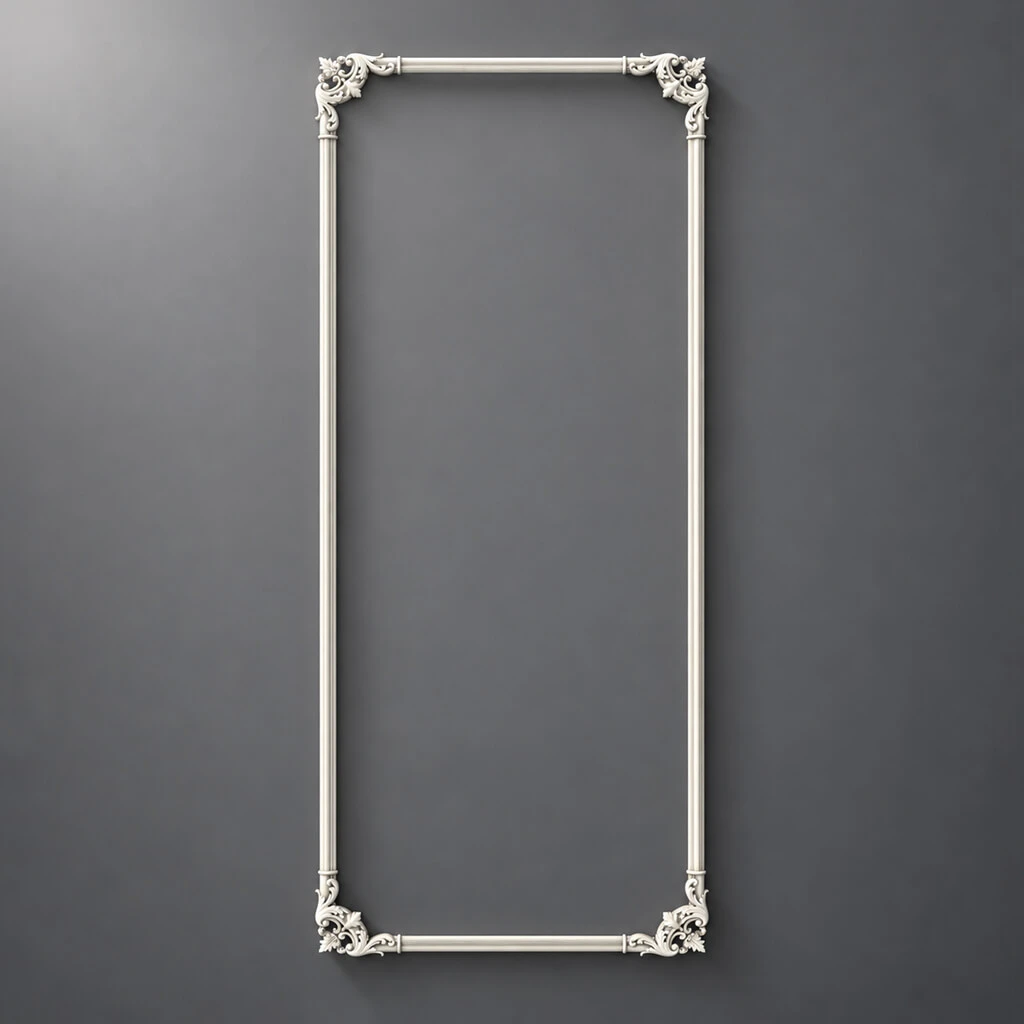
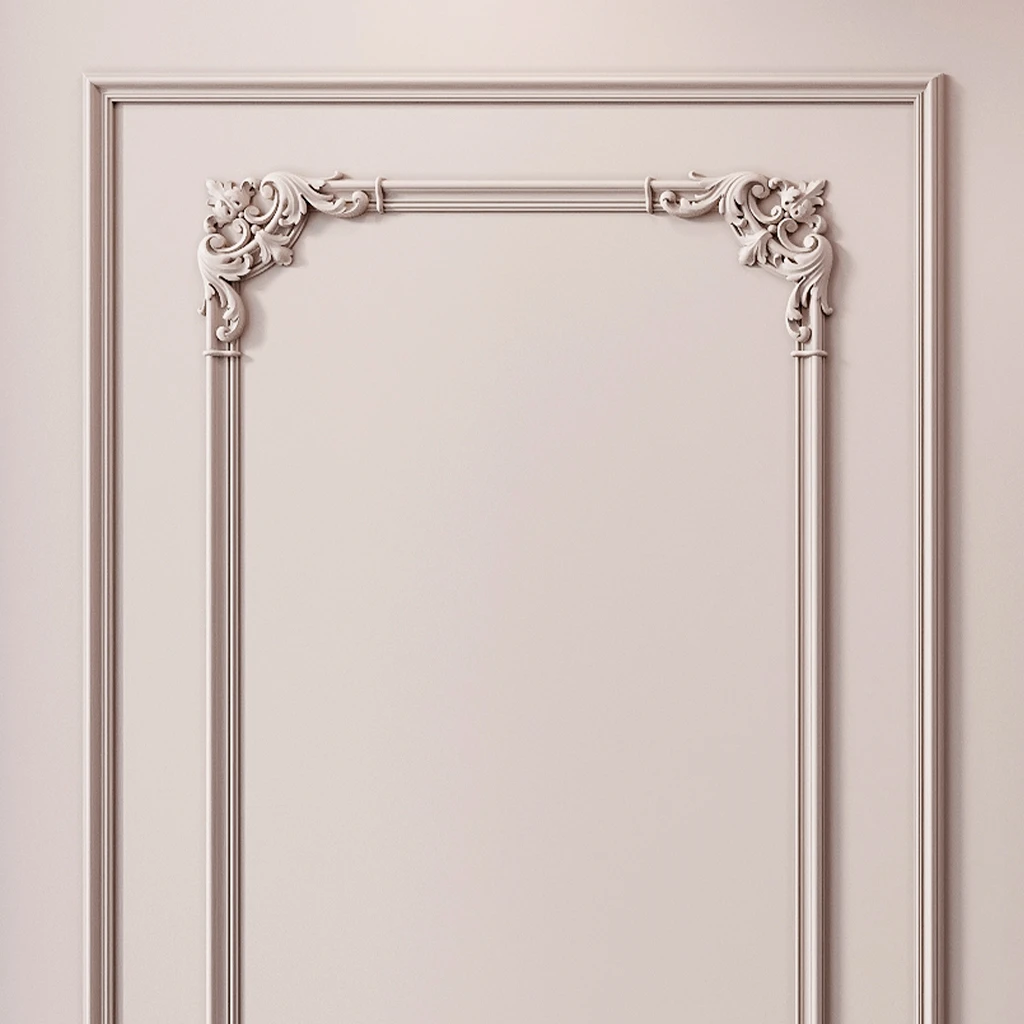
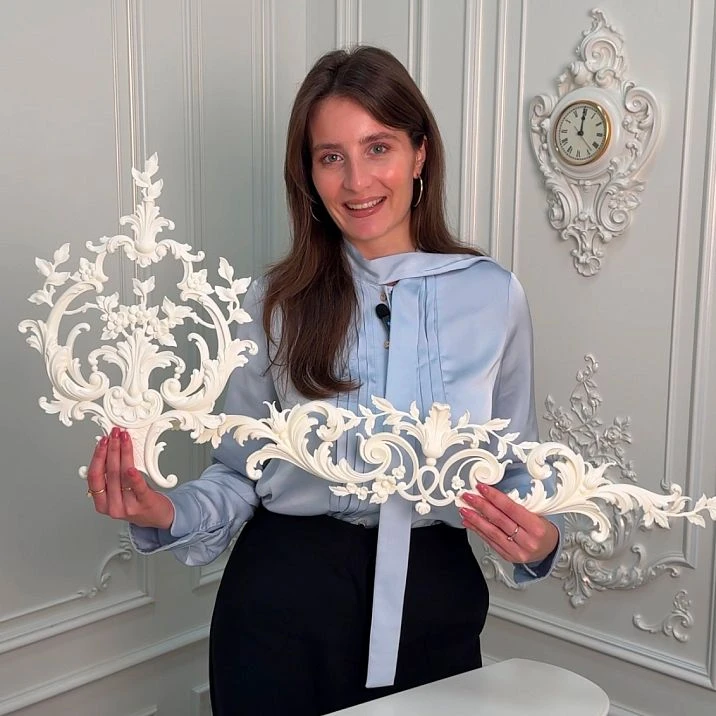
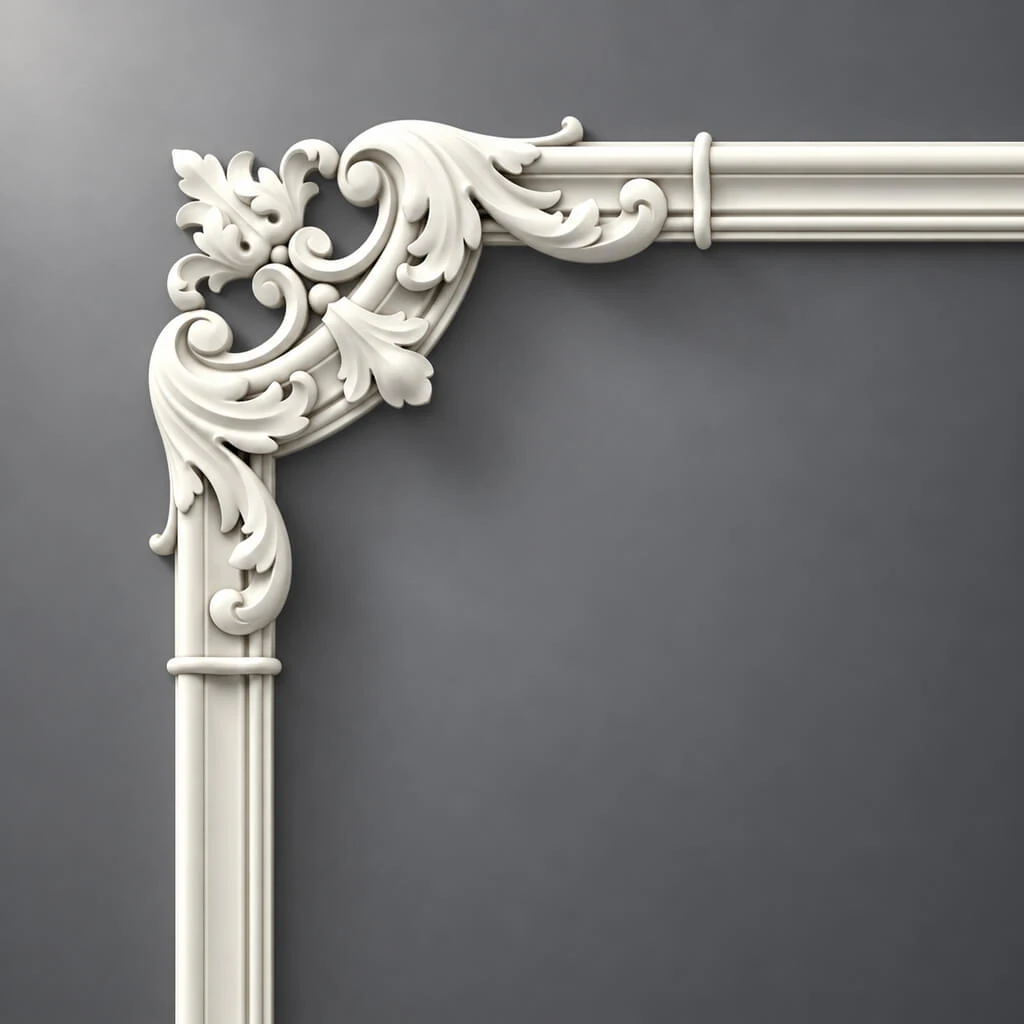



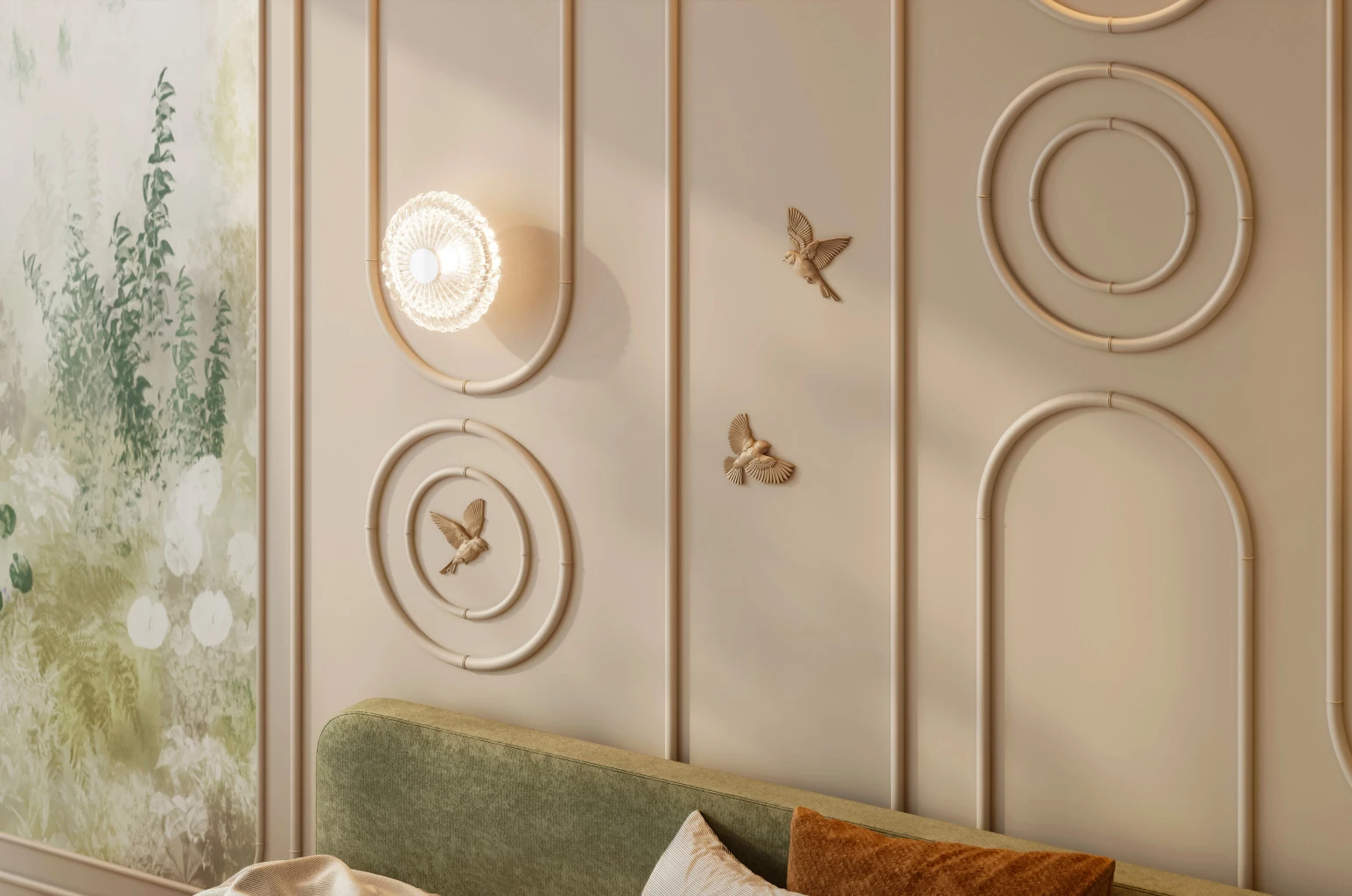
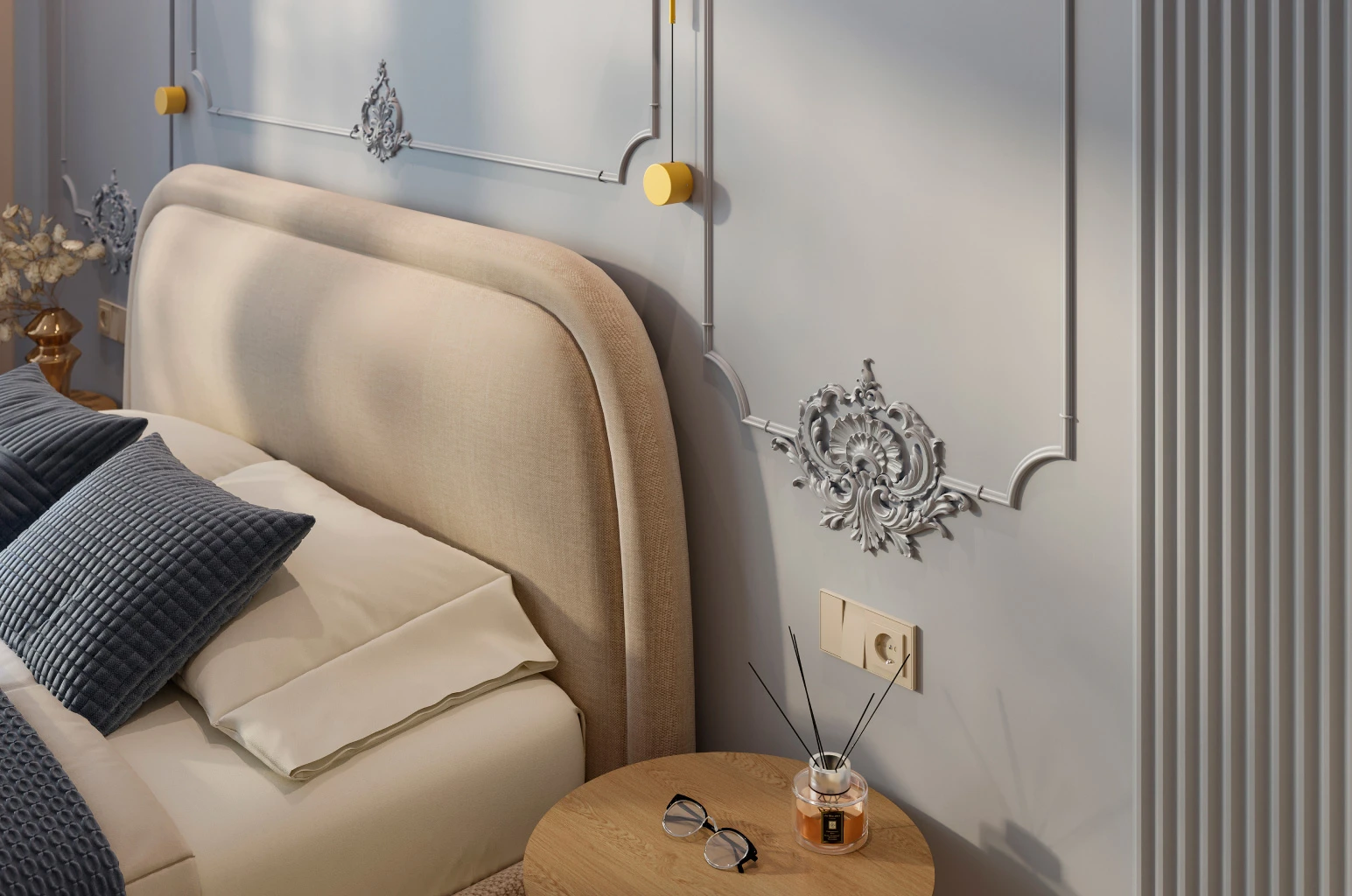
A wide symmetrical frame with expressive corner accents creates a strict architectural composition on the wall in the neoclassical style. The moldings form a clear geometric outline, while the large floral decor in the corners adds relief and makes the design more rich.
The ready-made wall decor set is already assembled according to proportions and style. It can be used as a standalone accent or combined with other CPU pieces from the Neoclassic collection, creating a unified rhythm. For a different task, the composition can be assembled independently from the moldings and decorative elements of the collection.
We have been on the market for over 20 years and are ready to offer you the best combination of aesthetics, quality, and practicality. Our polyurethane is not just a material, but a reliable foundation for flawless details, resistance to moisture and cracks, as well as convenient and quick installation. The company's success began in 2002, when two artists – Andrey Ragozin and Evgeny Tsapko – created a small creative workshop for making carved wooden products. The work of the craftsmen was quickly noticed, and within a year they were invited to participate in the reconstruction of the Konstantinovsky Palace in Strelna.
Every product in our range is the result of years of experience, thoughtful technology, and attention to detail. We constantly update our collections, follow and shape trends in interior design ourselves. From elegant neoclassicism to bold Art Deco, you will find the perfect accent for the interior of your dreams.
Choose durable polyurethane decor STAVROS — beauty proven by time and real projects, not just words.
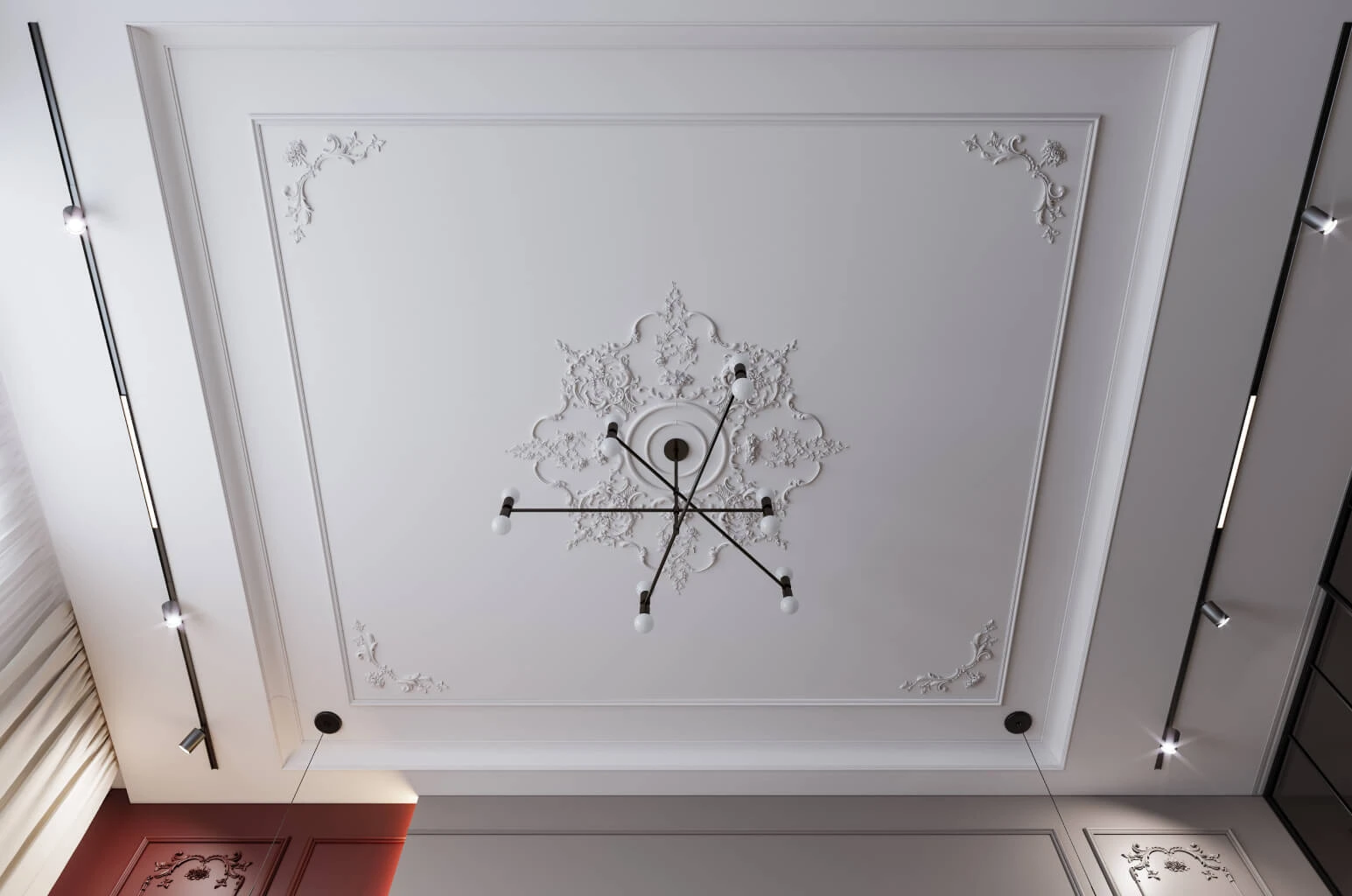
We save your time, peace of mind, and budget
We solve your tasks with maximum speed
Streamlined process reduces all risks
Quality service regardless of order volume
Reliable partner — the foundation of your business
Our showrooms are located in Saint Petersburg and Moscow. Production is located in Saint Petersburg.
Moscow contacts: /contacts_all/
Contacts of Saint Petersburg: /contacts_all/
Send us the product codes, quantities and delivery destination. Contact our team to confirm availability and order details.
Please contact us to confirm shipping availability, costs and delivery times for your destination.
Delivery cost depends on the size, weight of the item, and delivery address.
Please ask our team to confirm shipping costs and delivery arrangements for your destination before placing an order.
Prices and availability of items on the website are always current. Data is updated daily.
Note: items in stock are stored on the warehouse in unpolished form and shipped within 3 working days.
If the item is not in stock, average production time: 5–10 working days.
This is the quality of polishing of the items.
Standard — machine polishing, at a more attractive price.
Prestige — detailed hand polishing, items do not require further work.
More details: /information/kachestvo/
This is the type of veneer of the items.
Under enamel: produced by gluing wooden laminates without color and texture matching. Contrast tonal and textural differences are noticeable. This blank should be chosen if the item is intended for opaque coating.
Under tinting: produced by gluing wooden laminates with color and texture matching. Tonal and textural differences may occur. This blank should be chosen if the item is intended for semi-transparent finish.
More details: /information/kachestvo/
Beech — dense, non-porous wood, most often used for items covered with enamel.
Oak — dense, porous wood with clearly visible natural grain. Due to its strength and decorative properties, it is often used in items with semi-transparent coating, highlighting the wood pattern.
Custom-made, if non-standard items are required, we can produce products from other types of wood, including blanks provided by the customer, manufactured according to our technical specifications.
All our furniture legs can withstand a vertical load of at least 100 kg.
Average production time for custom-made items: 5–10 working days.
Most items are stored on the warehouse in unpolished form. We need time to polish and pack orders.
Yes, we manufacture non-standard items according to individual projects, but we only accept orders with a minimum quantity.
We can manufacture items of the desired size, but we only work with bulk orders. For details, please consult the sales department manager.
Yes, some of our products can be used outdoors. For example, polyurethane items, as well as carved door casings made of pine.
Other items are produced to order using PUR glue, if minimum quantity is available. No warranty is provided for such products, as outdoor conditions are considered aggressive.
Please contact our team to confirm available finishes, minimum quantities and a quotation for your order.
More details: /information/sovety/
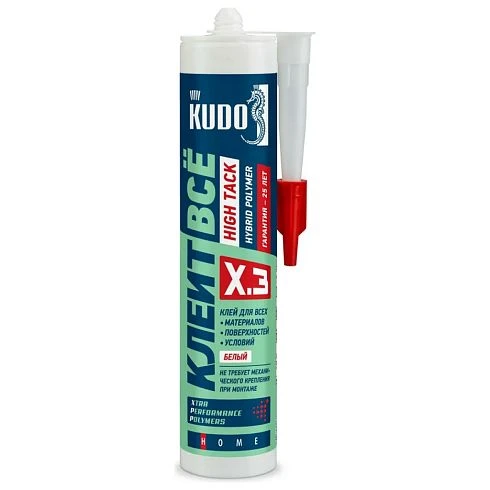
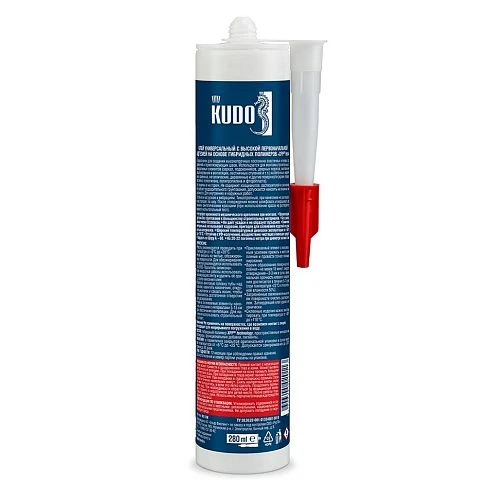
Apply adhesive to the decor. Place it on the surface and press briefly. Then, lift the decor from the surface and leave it open for 3–5 minutes. Press the decor firmly onto the surface and hold for 5–10 seconds.
More details: /information/sovety/
Ideally, you should prepare a design project before placing an order.
You can do this yourself by downloading drawings of our products from our website, or you can order a project from us.
If the number of decorative elements and fittings is small, our company's manager can assist you with selection.
Unfortunately, this service is not provided.
The packaging method depends on the type of items, but in each case, we ensure sufficient protection for safe transportation.
We most often use corrugated cardboard and stretch film. Fragile items are additionally secured on a rigid base to prevent damage during transport.
Please confirm the minimum order quantity for your selected products and finishes with our team.
Please contact our team to discuss measurement and installation requirements for your project and destination before ordering.
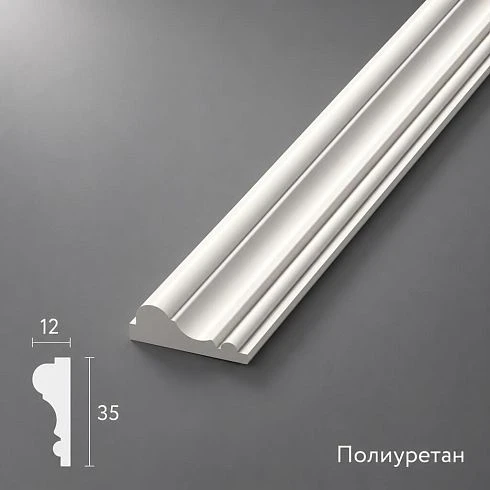
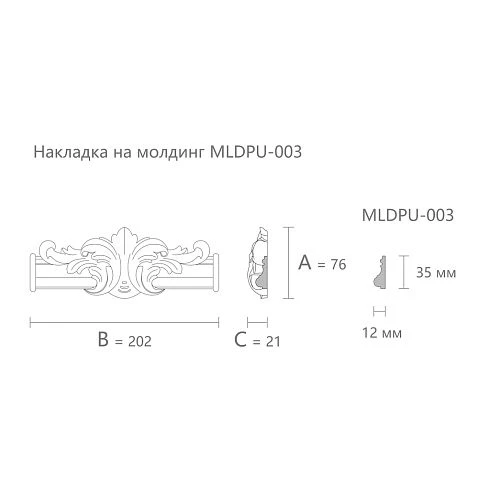
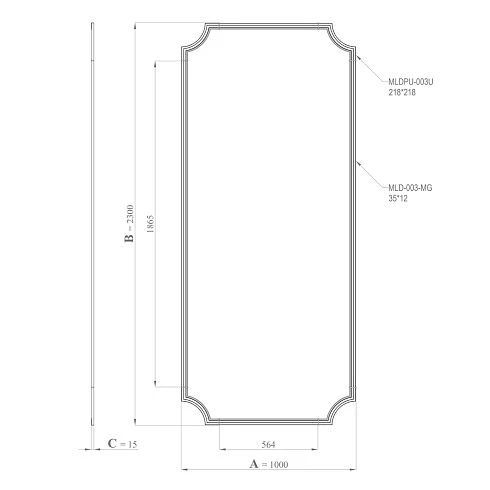
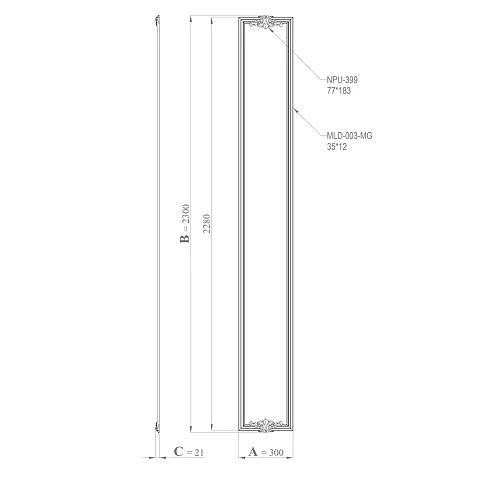
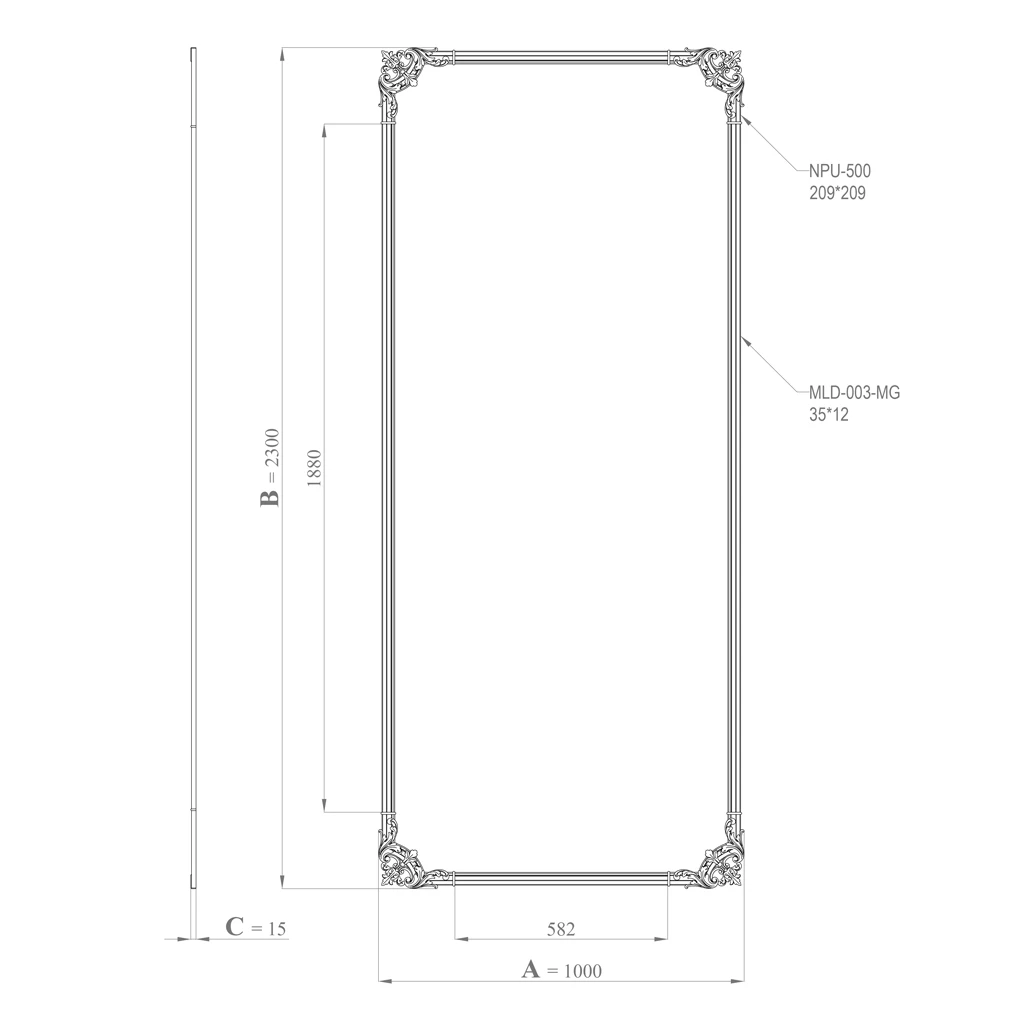
CPU-1-5 is designed around a 1000 x 2300 mm reference composition, approximately 39.37 x 90.55 inches. The visible components are NPU-500 polyurethane corner ornaments, each measuring 208 x 208 x 18 mm, and MLD-003-MG primed MDF molding, with a 35 x 12 mm profile supplied in 2600 mm stock lengths. The manufacturer's descriptive copy presents four NPU-500 corners in the arrangement. The exact lengths and quantities included in an order should still be confirmed in the current set specification. This is a coordinated surface-applied decorative assembly, not a preassembled solid wall panel.
Most basic picture frame molding on walls uses straight trim to make a simple rectangle. CPU-1-5 develops that idea further by placing an ornamental square at each corner. The four corner accents become the visual anchors of the frame, while the straight profile keeps the outline calm and readable. These two elements work differently: one creates a continuous architectural line, and the other interrupts that line intentionally with decorative detail.
At 208 mm square, the NPU-500 corner ornament is large enough to be seen across a room. It is not a tiny finishing cap for a narrow strip, and it is not intended to disappear under paint. Four similarly sized corner ornaments can make the frame look consistent from left to right and from top to bottom. That symmetry makes CPU-1-5 particularly appropriate when the design needs a deliberate central rectangle rather than a scattering of isolated wall appliques.
The manufacturer's Neoclassic collection includes smaller accents and narrower vertical treatments. CPU-1-5 is the four-corner frame concept within that family. The distinction matters when choosing a product for a drawing or purchase order: a vertical ornament strip and a full rectangular wall molding frame do not occupy the same space, use the same cut list, or create the same visual effect.
| Component or measurement | Metric specification | Approximate U.S. equivalent | What it describes |
|---|---|---|---|
| CPU-1-5 reference wall composition | 1000 x 2300 mm | 39.37 x 90.55 in. | Published layout width and height |
| CPU-1-5 overall depth field | 15 mm | 0.59 in. | Published catalog value, not a verified maximum projection |
| Polyurethane corner ornament NPU-500 | 208 x 208 x 18 mm | 8.19 x 8.19 x 0.71 in. | One ornamental corner element |
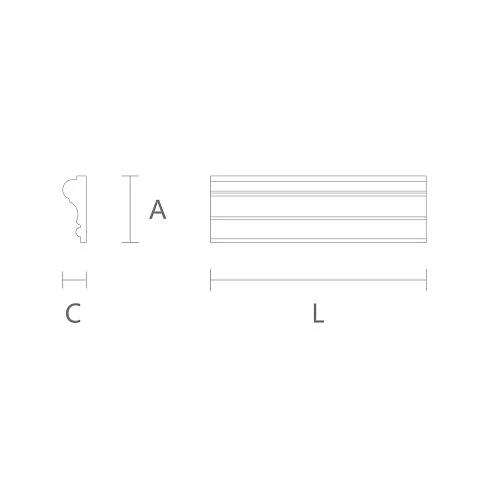
| Primed MDF molding MLD-003-MG | 35 x 12 x 2600 mm | 1.38 x 0.47 x 102.36 in. | Trim face, thickness, and stock length |
Important dimension note: the main product specification lists a 15 mm overall depth, while the separately listed NPU-500 component has an 18 mm depth. These two figures do not establish the same clearance. For a tight location beside a cabinet, door casing, wall switch, or furniture, allow for the actual ornament profile, adhesive build-up, and finish. Review the manufacturer's drawing and measure a physical component whenever the wall treatment must stay within a strict projection limit.
The reference size is not a promise that every outside edge, fastening point, or completed painted surface falls exactly within a 1000 x 2300 mm rectangle. The location of the corner ornaments and the meeting point of the molding need to be read from the product drawing. Measure the usable wall area first, and keep the final layout and cut list tied to the actual profile rather than to an assumed nominal outside perimeter.
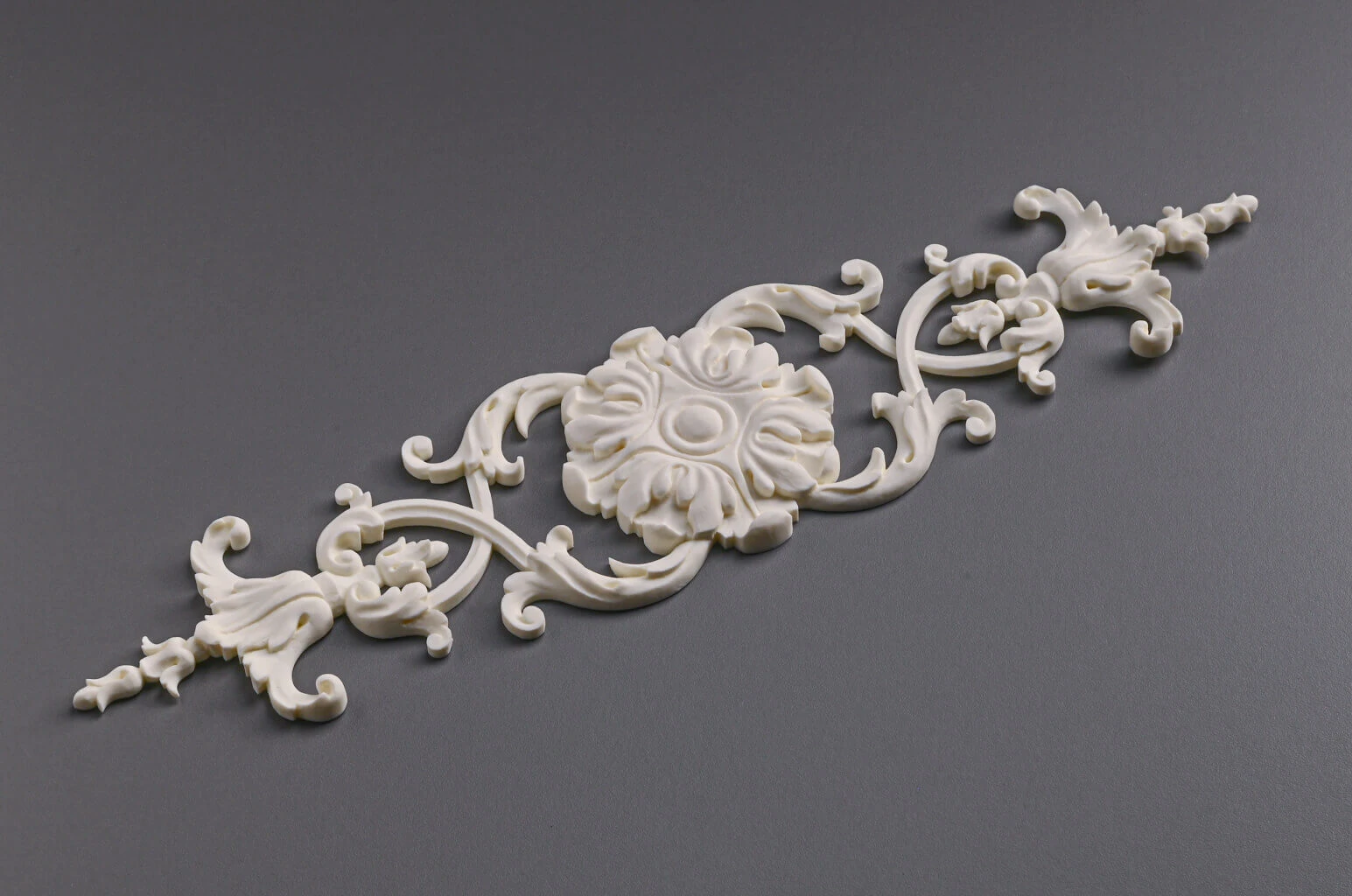
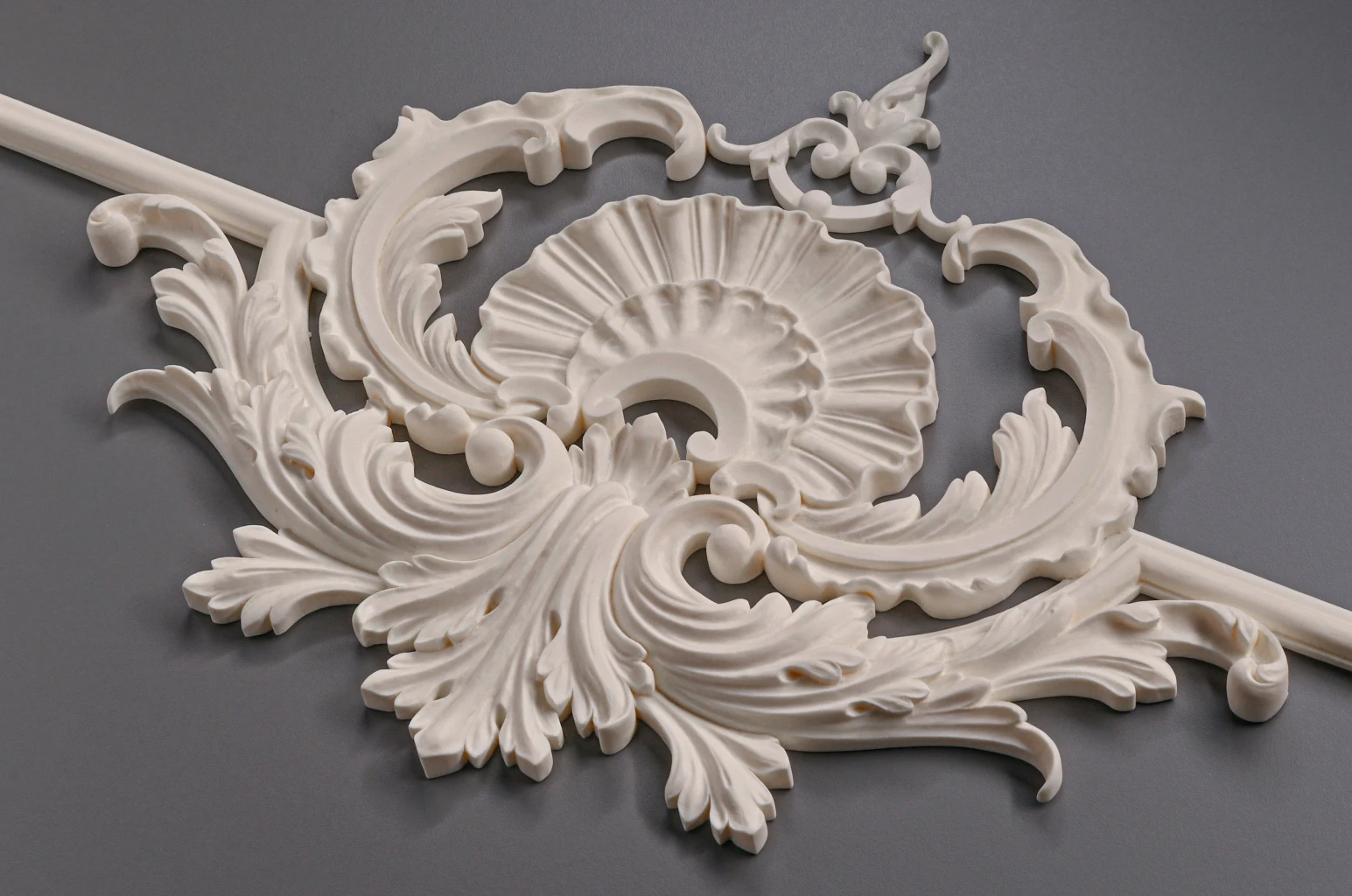
NPU-500 gives the composition its ornamental character. Its square footprint creates a localized focal point at each frame corner. The relief rises farther from the wall than the 12 mm MDF profile, making the corners visible when daylight or room lighting passes across them. This difference in depth is intentional in visual terms: a perfectly flat treatment would read more like paint lines; a slight step in relief produces a more architectural edge.
Because the component is polyurethane, do not treat it as a piece of hardwood or MDF when deciding how to prepare a joint or select a coating. Follow the product and finish manufacturers' guidance for primer compatibility, cutting tools, cleaning, and adhesive. The kit description does not establish that the ornaments arrive with a pressure-sensitive adhesive backing, and the product should not be presented as peel-and-stick wall trim.
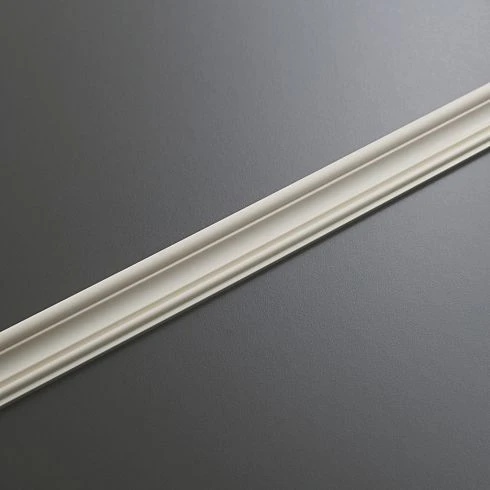
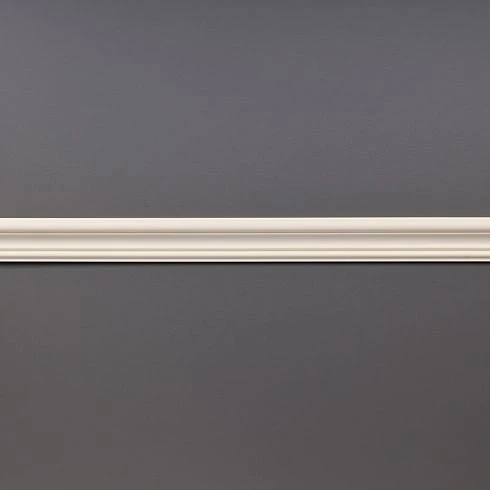
MLD-003-MG is a 35 mm-wide, 12 mm-deep MDF molding with a factory-primed finish. It is a wood-fiber composite component, not the same material as NPU-500. Its job is to carry the lines between the ornaments. The 2600 mm length refers to one stock piece, not to the height of the intended wall frame or a guarantee of the number of pieces packed in a CPU-1-5 set.
Factory priming provides a useful preparation stage, but it should not be mistaken for a finished decorative paint coat. Check the surface for damage, test the selected topcoat, and follow the paint supplier's instructions regarding cleaning, scuffing, and additional primer where cut ends or filled joints require it. Buyers specifying matching lengths for a larger wall can review the separate MLD-003-MG primed MDF molding listing before requesting any extra material.
A 39.37-inch wall frame is wide enough to read as an independent panel treatment, but its visual success depends on the surrounding room. In a dining room, it may sit behind a narrow console or appear as one repeated panel along a longer wall. In a home office, it can provide a measured backdrop between shelves. In a living room, it can create an orderly wall rhythm behind a sofa. The product works best when the eye can register all four corners instead of losing one of them behind a large furnishing.
Height deserves even more attention. The manufacturer's 2300 mm reference is 90.55 inches. In an 8-foot room with a 96-inch ceiling, that leaves just 5.45 inches of total theoretical vertical space before baseboards, crown molding, picture rails, and placement margins. If the frame must remain between substantial floor and ceiling trim, a nominal 8-foot wall may not offer enough unobstructed height for the full published layout. A 9-foot room offers 17.45 inches of theoretical height outside the 90.55-inch frame. These are arithmetic comparisons, not prescribed installation clearances.
Measure from the top of the installed baseboard to the underside of the crown molding or finished ceiling treatment. Where an electrical outlet, switch, thermostat, door casing, or wall sconce interrupts the proposed rectangle, adjust the layout on paper before purchasing. Simply moving a frame upward or shortening it without revisiting the four corner positions can make the composition feel noticeably unbalanced.
A useful early calculation is the perimeter of a simple 1000 x 2300 mm rectangle: twice the width plus twice the height is 6600 mm, or about 21.65 feet. This number is a geometric reference only. It is not a verified material takeoff for CPU-1-5. The four corner ornaments may replace, cover, or change the sections of straight molding that would otherwise form a conventional mitered rectangle.
One straight MLD-003-MG profile is listed at 2600 mm, about 8.53 feet long. Even for a plain 6600 mm perimeter, dividing that distance by 2600 suggests at least three stock lengths before waste, offcuts, and corner treatment. A real cut list must account for the actual end locations where the molding meets the NPU-500 pieces, cutting kerf, potential defects, symmetry, and whether any short offcut can be reused. The exact number of MDF lengths included in the commercial set cannot be proven from the machine-readable composition table, so verify it before assuming the carton covers a proposed modified frame.
For a reliable takeoff, draw the four corner ornaments at their actual size. Mark where each straight molding run begins and ends, measure the clear distances on the drawing, and add the lengths required for any project-specific extensions. Group the cuts by stock length. A spreadsheet or a simple pencil schedule works well: label the two vertical runs, the top run, and the bottom run, then note the finished cut length and where the shaped corner detail takes over. The goal is to order what the layout actually needs, not what a rough perimeter formula seems to suggest.
When several CPU-1-5 frames are used in one room, the spacing between the ornaments matters as much as the space between the straight molding lines. Two neighboring square corner ornaments will face each other across the intervening wall. If that gap is too narrow, the wall can look crowded even when the main rectangular outlines appear evenly spaced. Consider the visual width of each 208 mm ornament when setting the interval between compositions.
Begin by measuring the total uninterrupted wall length. Subtract any necessary side margins, the usable width of each planned unit, and any clearances around furniture or doors. Divide the remaining distance into equal gaps as a starting point, then check how the ornaments look on a scaled elevation. Do not assume that 1000 mm of product width is the same as the center-to-center spacing needed for multiple full frames. The right gap is a design decision informed by the actual drawing, not a fixed universal rule.
On long walls, two or three carefully spaced frames may feel more intentional than squeezing in as many units as the arithmetic allows. Consider using a central panel framed by two smaller visual fields, or placing repeated frames only on the wall sections unobstructed by doors. The best arrangement is the one that looks balanced from normal eye level and remains readable when furniture is in place.
Decorative wall molding can bring structure to a dining room without requiring a full-height wood paneling system. CPU-1-5 works especially well behind a sideboard or along a wall adjacent to the dining table, where its complete rectangular outline is visible. For a formal dining space, repeated frames can echo the rhythm of dining chairs or window openings. For a simpler modern room, one frame painted the same color as the wall offers a quieter reference to traditional architectural millwork.
In a living room, the four-corner composition is useful where the wall needs an architectural boundary rather than a busy pattern. It could sit beside a central artwork or define a field along a sofa wall. When planning a fireplace-adjacent application, keep required clearances, heat exposure, and the local conditions of the wall in mind; the product listing does not certify use near heat sources. Locate picture lights and sconces so the ornaments cast gentle shadows without introducing glare across the room.
A bedroom headboard wall often provides an opportunity for a simple, symmetrical treatment. CPU-1-5 can be centered on the bed or used in a measured series on a broad wall. First check whether the bed, headboard, bedside lamps, and any artwork will conceal the bottom corner ornaments. A four-corner kit loses much of its intended visual balance if half the frame is permanently hidden. When that happens, a different size or a simpler vertical set may be the more sensible option.
On a foyer wall, one properly centered molding frame can look more deliberate than several narrow bands of trim. Long corridors can also benefit from repeated rectangles, but the depth of the decorative accents must be considered where people or furniture routinely pass close to the wall. Do not place projecting detail in a location where it interferes with movement, door operation, accessibility requirements, or everyday cleaning.
A study often has large flat wall sections around shelving or an executive desk. The CPU-1-5 outline provides a way to define those areas while leaving the middle of the frame available for a picture, a painted color field, or a simple uninterrupted wall. The central field is a design opportunity, not a supplied insert panel. Any artwork, mirror, or other feature placed inside should be independently secured using appropriate wall anchors.
Neoclassical rooms are the most direct fit: the decoration communicates order through a straightforward rectangle and places extra emphasis where the four sides meet. French-inspired wall paneling is another natural visual reference, particularly with muted paint, traditional furniture shapes, and restrained lighting. The accents can also fit a transitional American interior, where a few traditional trim details sit alongside modern upholstery and simpler furnishings.
Color changes the outcome considerably. A single low-sheen color across wall, MDF trim, and ornaments produces a subtle shadow-driven effect. A slightly different finish on the corner accents makes them more prominent. Strong contrast can be useful when the wall is meant to be a visual focus, but it increases the need for accurate alignment and clean joints. Always test the proposed paint combination on offcuts or sample material rather than assuming the two underlying materials will look identical after one coat.
CPU-1-5 should not be confused with structural wainscoting, load-bearing paneling, or a fire-rated wall assembly. It is an applied decorative treatment. If a project calls for acoustic performance, impact-resistant wall protection, or code-specific materials, those requirements must be addressed independently.
Inspect the wall for loose paint, dust, moisture, uneven plaster, and areas that may not support glued trim. Check whether the substrate is drywall, masonry, an existing finish, or another material, and select methods approved for that substrate. The same adhesive or fastener does not necessarily suit both primed MDF and a polyurethane corner ornament. For commercial or demanding installations, use the product and adhesive manufacturers' instructions and consult a qualified installer.
Mark a centerline and horizontal datum with a reliable level. Transfer the planned rectangle and the four NPU-500 footprints to the wall. Verify that the sides are parallel, the top and bottom are level, and the diagonals agree. If a corner ornament crosses a joint between two trim runs, trace its actual outline before making any cut. Dry positioning saves more time than attempting to disguise a visibly crooked frame after assembly.
Do not automatically cut all four trim joints at 45 degrees. That is common for a plain rectangular picture frame, but the NPU-500 corner component may require a different termination or overlap. Use the product drawing and a test fit to locate the correct end points. Keep an extra length allowance for trimming and record which offcuts may be reused elsewhere in the frame.
Depending on the approved installation system, a professional may locate the corners first and then fit the straight runs, or establish straight reference lines before final placement. Use an adhesive compatible with the actual substrate, polyurethane ornament, primed MDF, and intended coating. Temporary supports or tape may be needed while the adhesive cures, according to its label. Do not rely on a universal hold time or treat the kit as self-sticking.
Check the transitions between NPU-500 and MLD-003-MG under side lighting. Where suitable, fill minor gaps with a material recommended for the joint and finish system. Avoid sanding away the fine ornamental relief, and treat any exposed MDF cut ends according to the selected coating system. After the joints are ready, apply compatible paint in the number of coats required by the finish supplier. Allow each coating to dry as directed rather than using an assumed universal interval.
The same paint color can look slightly different on polyurethane and MDF if the surfaces are prepared differently. That matters here because the four corners and the straight trim are meant to be read as one coordinated system. Test an inconspicuous sample before finishing the whole frame. A smooth low-sheen finish can emphasize the geometry; a more reflective finish tends to reveal surface imperfections and differences in sanding, making preparation more important.
When the intention is a white-on-white or tone-on-tone wall, the joint lines should not become the most visible parts of the composition. Evaluate the wall in daylight and with the room's evening lighting. Soft illumination across the wall will show the relief of the NPU-500 pieces without making every small seam prominent. If a contrast finish is planned, establish a clean paint boundary at the edge of the molded components rather than relying on the loose outer edge of an ornament as a freehand guide.
Choosing within a collection is about the geometry of the room, not simply selecting the most elaborate design. CPU-1-5 is based on the complete four-corner frame. The related CPU-1-4 mirrored ornament set has a different 922 mm reference width and a left/right ornamental pairing. Its arrangement should not be described as four identical NPU-500 corners. The CPU-1-3 corner molding design uses a different polyurethane element and a different ornamental treatment. These are separate SKUs with different component specifications.
For rooms that need one strong rectangular feature, CPU-1-5 may be the more expressive option. For narrower wall sections or a simpler accent, a sibling design could leave more visual breathing room. To explore the family without confusing component IDs, see the STAVROS Neoclassic collection. Broader styles and treatments can be compared in the main wall decor category. Confirm each product's current specification independently before mixing systems in one room.
It is a decorative wall-frame composition made from separate molding and ornamental parts. It creates the look of an architectural frame around an open wall field. It is not a continuous sheet panel, an acoustic wall panel, or a solid framed picture.
The manufacturer's CPU-1-5 product description specifies four NPU-500 ornaments, one for each corner of the intended rectangular frame. Each is 208 x 208 x 18 mm. Check the live order specification for current package quantities and any available configurations before paying.
Those are two different published values. The product card's overall depth field is 15 mm, while the identified NPU-500 component is individually specified at 18 mm. Because the greater value affects clearance, use the drawing or physical measurement when the installed depth is important.
The straight MLD-003-MG component is described as primed MDF, not as a guaranteed final-color finish. The polyurethane corners may require their own preparation. Select and test the intended topcoat on both materials using the finish manufacturer's instructions.
The published reference width is 1000 mm, or 39.37 inches. Allow space outside this nominal figure for adjacent trim, outlets, room features, and any required visual separation. Do not infer the exact position of the furthest ornament edge without checking the installation drawing.
Yes, a repeated series is a possible design arrangement, but the number depends on clear wall width, desired intervals, baseboards, casework, and available height. Draw the complete elevation and verify all component quantities rather than assuming the nominal 1000 mm width tells you the required center-to-center spacing.
Do not assume that standard primed MDF is suitable for direct water exposure or persistently damp locations. The published product specification does not establish approval for that use. Consult the manufacturer about an appropriate assembly and alternate materials if the location is exposed to moisture.
The wall-frame set includes primed MDF as well as polyurethane. No outdoor assembly certification or weather-performance guarantee has been verified for this exact kit. Treat the standard CPU-1-5 description as an interior-design application unless the manufacturer confirms an alternative assembly for the project.
Review the current set composition or request an itemized packing list. The public component description clearly identifies MLD-003-MG stock dimensions, but the extracted quantity field for its exact number of strips is not dependable. A project-specific cut list is the safest basis for any supplemental order.
A 90.55-inch reference height leaves only 5.45 inches under a nominal 96-inch ceiling before subtracting baseboard and top trim. The complete design may therefore be too tall for some 8-foot rooms. Measure the truly clear wall area and ask about a modified configuration if necessary; do not assume the standard arrangement will fit.
CPU-1-5 suits projects where a complete rectangular decorative outline is more useful than a single ornament or an uninterrupted strip of trim. Its four 208 mm polyurethane corner details create the focal points, and the primed MDF molding provides the connecting architecture. Use the 1000 x 2300 mm reference dimensions as a design starting point, verify the documented 15 mm versus 18 mm depth difference, and confirm the exact package quantities before specifying materials. With a careful layout and appropriate installation, the set can introduce a clear, classic wall rhythm without turning the entire wall into solid paneling.
Our manager will contact you within 5 minutes