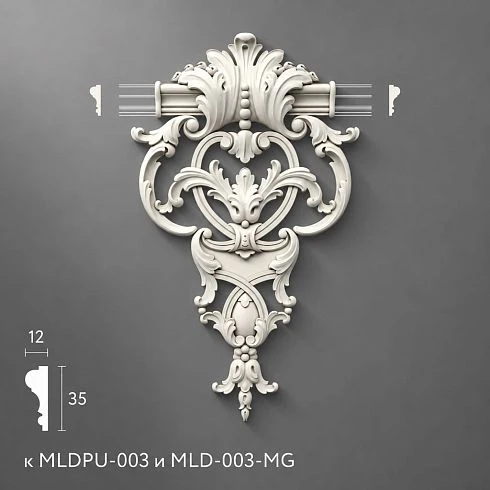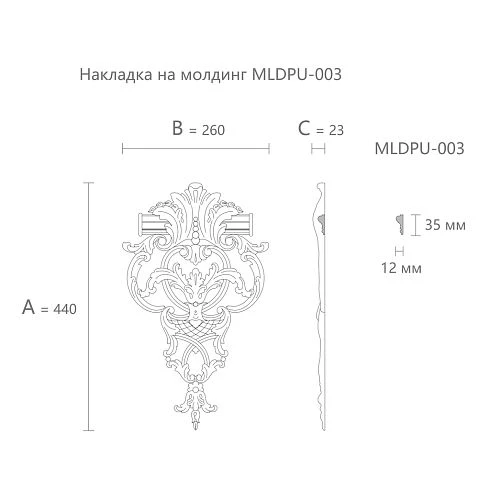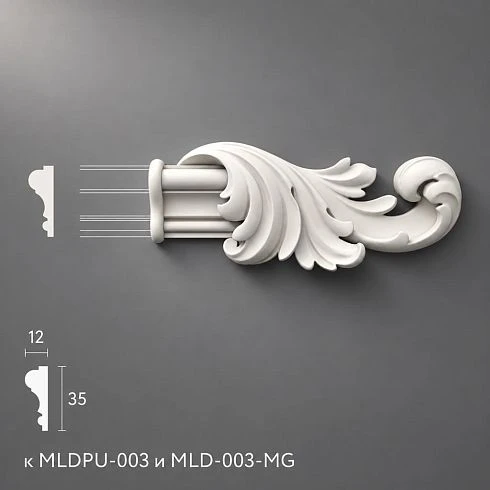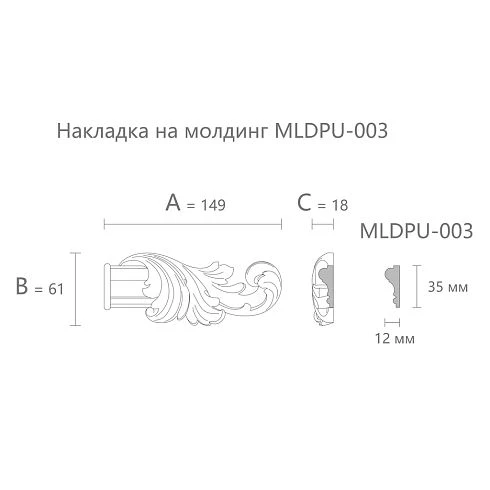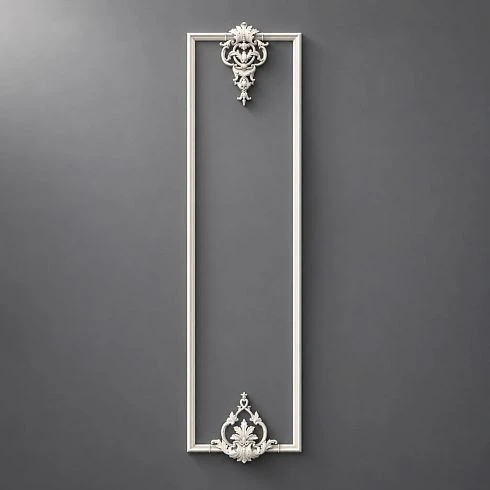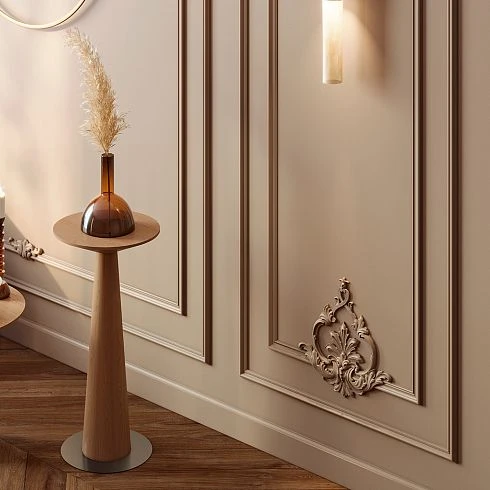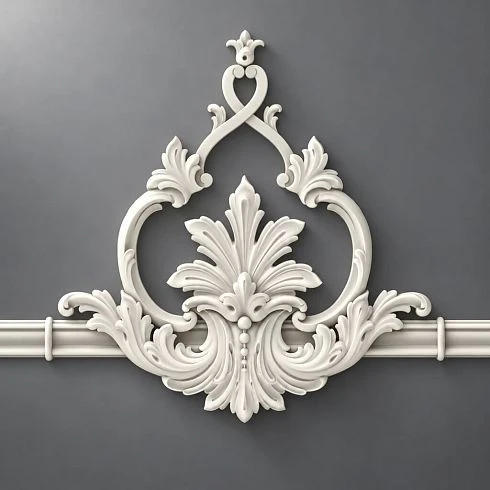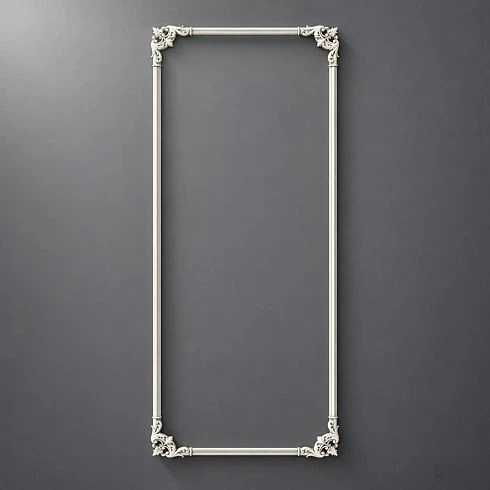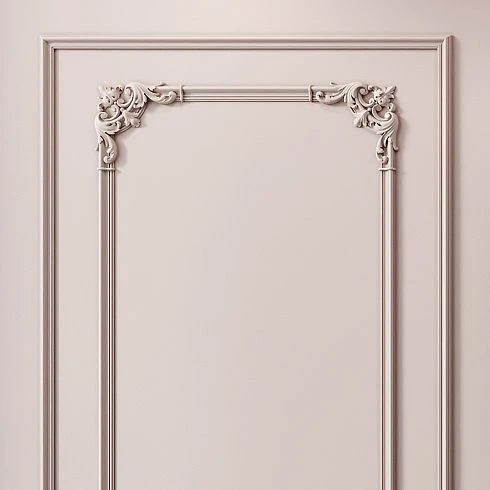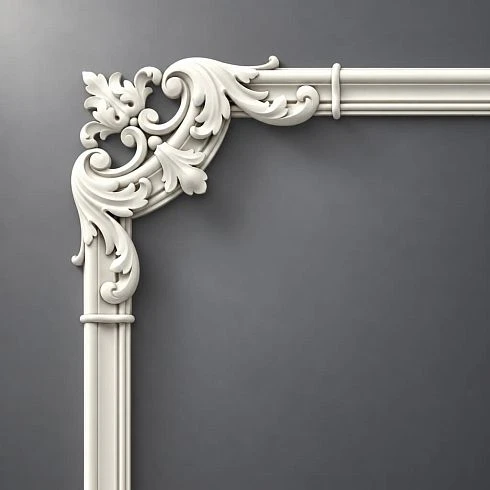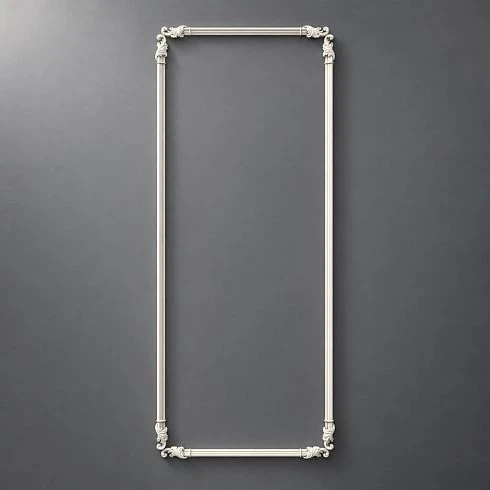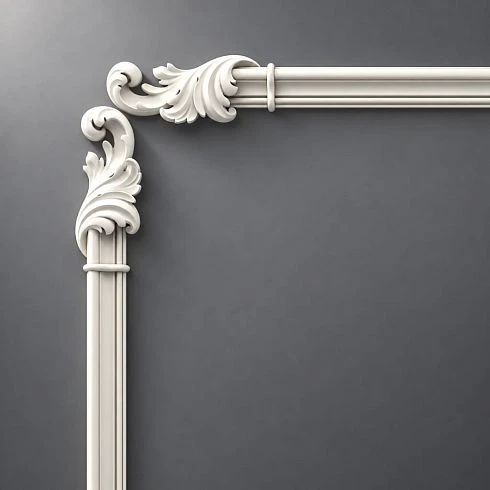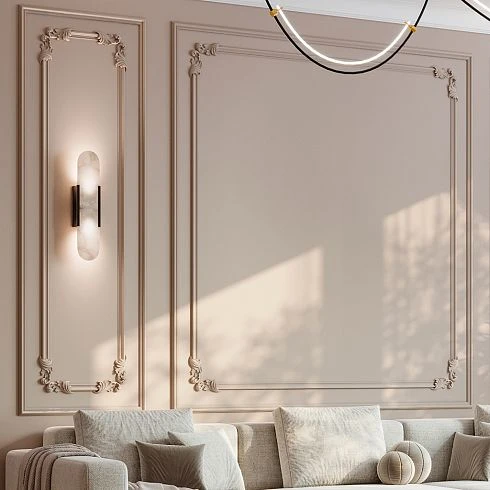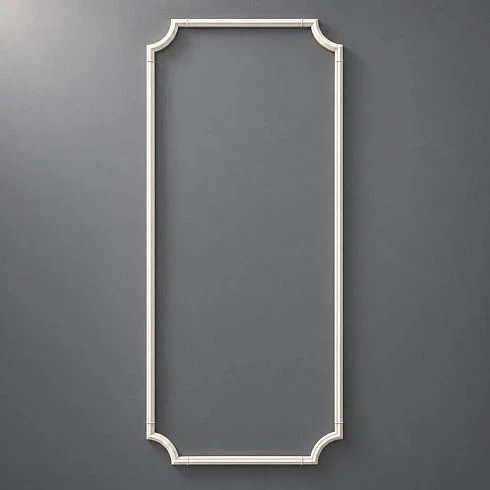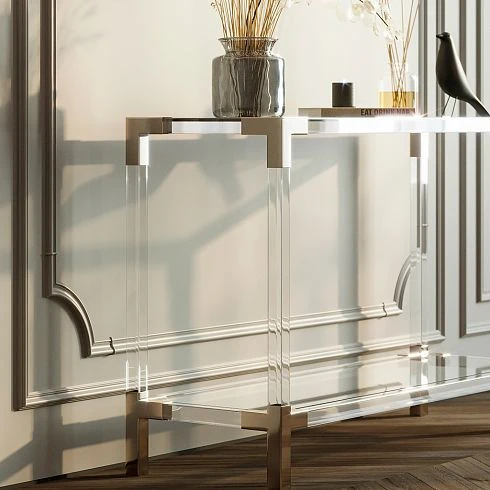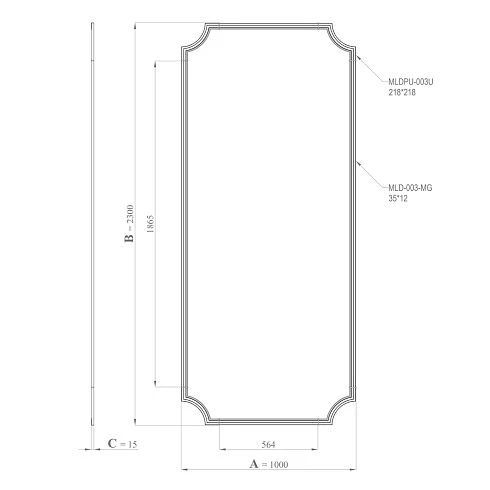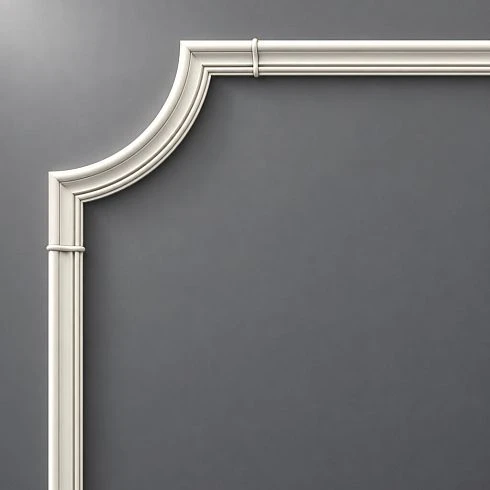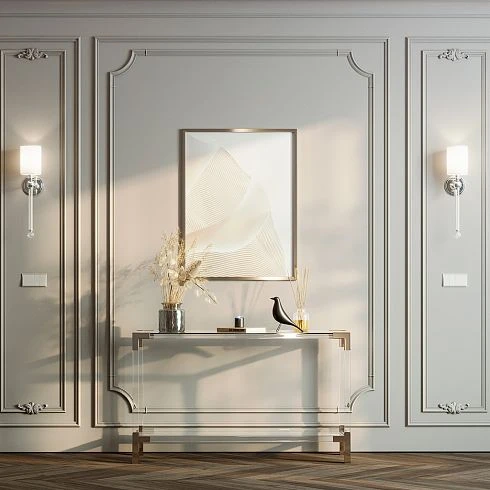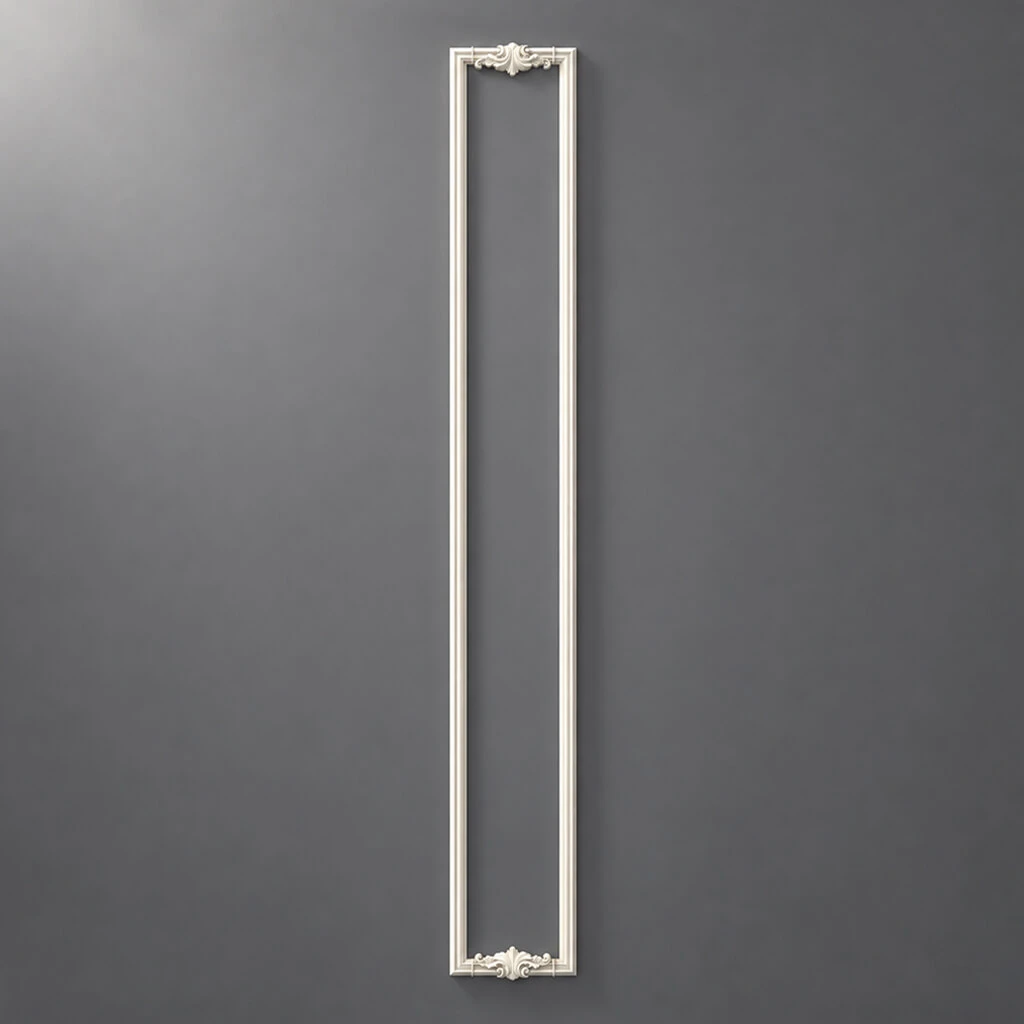
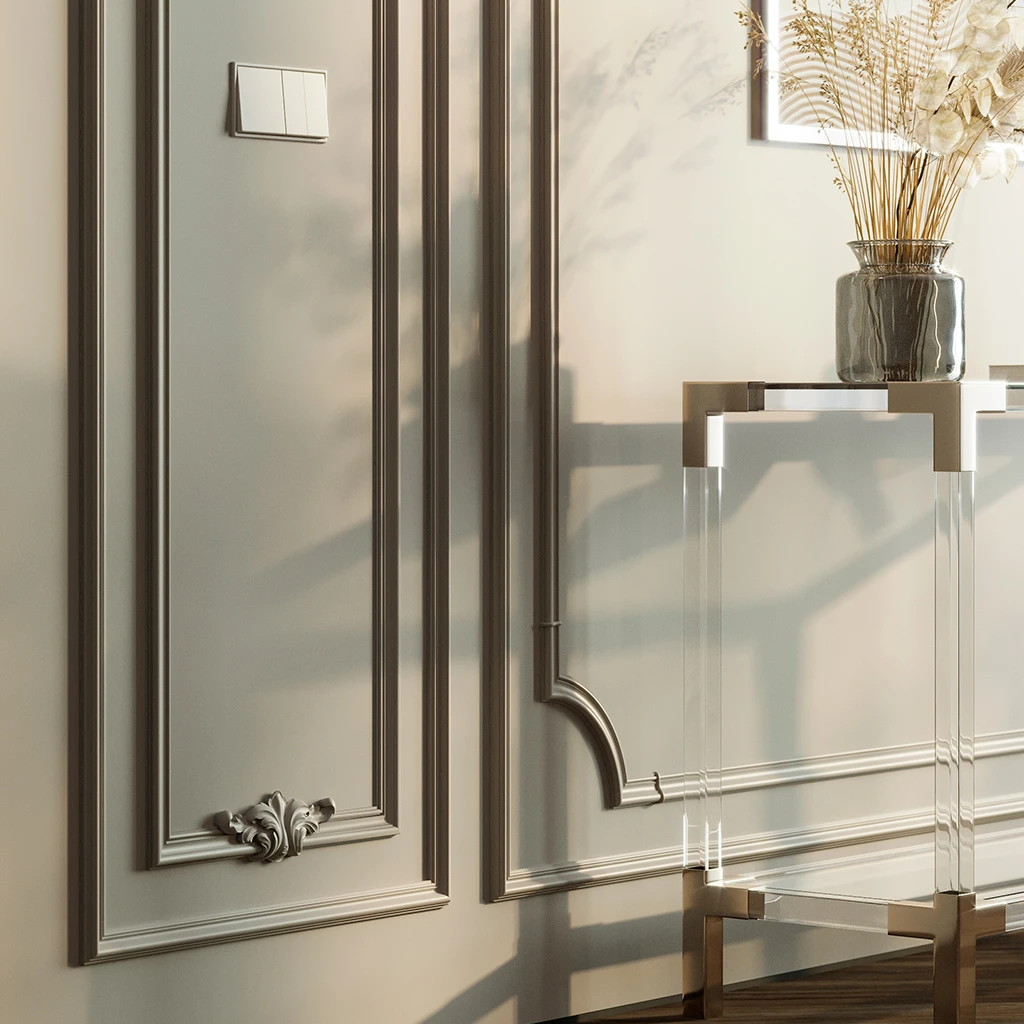
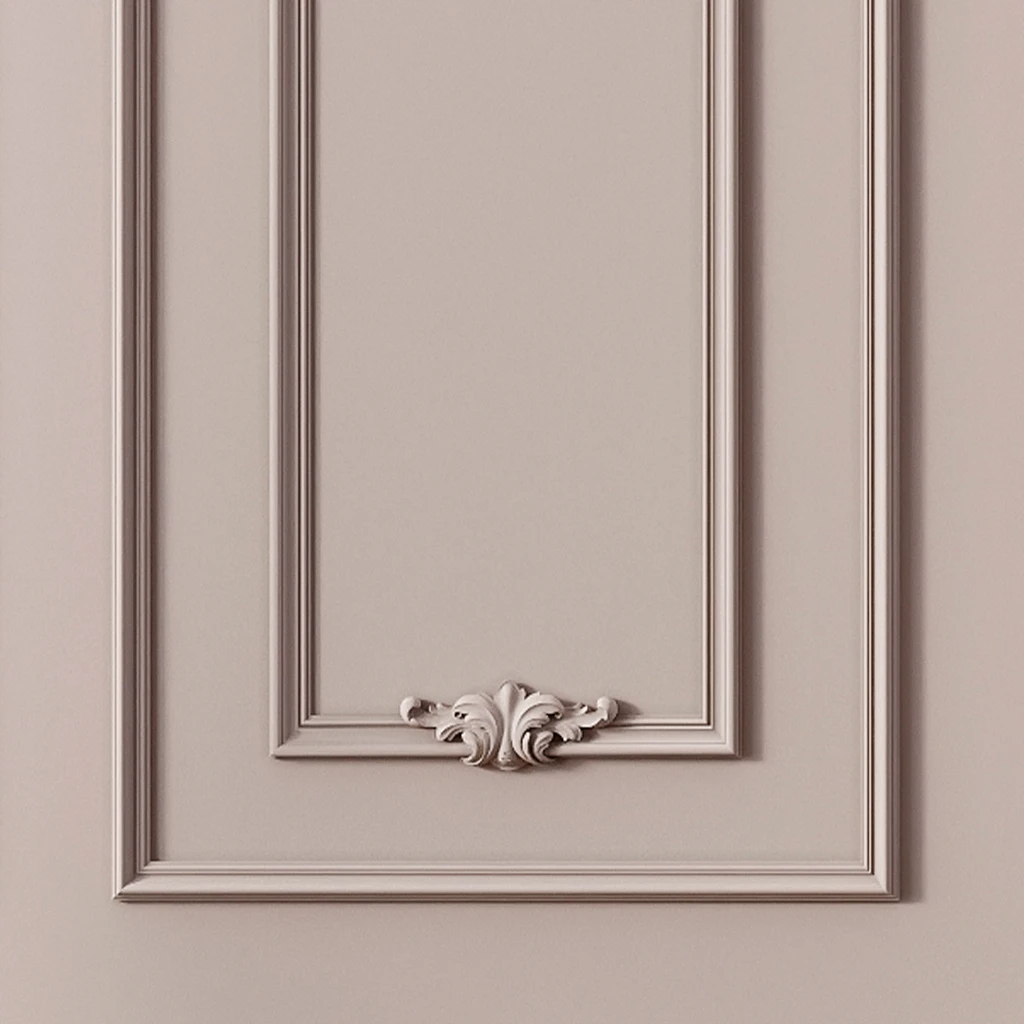



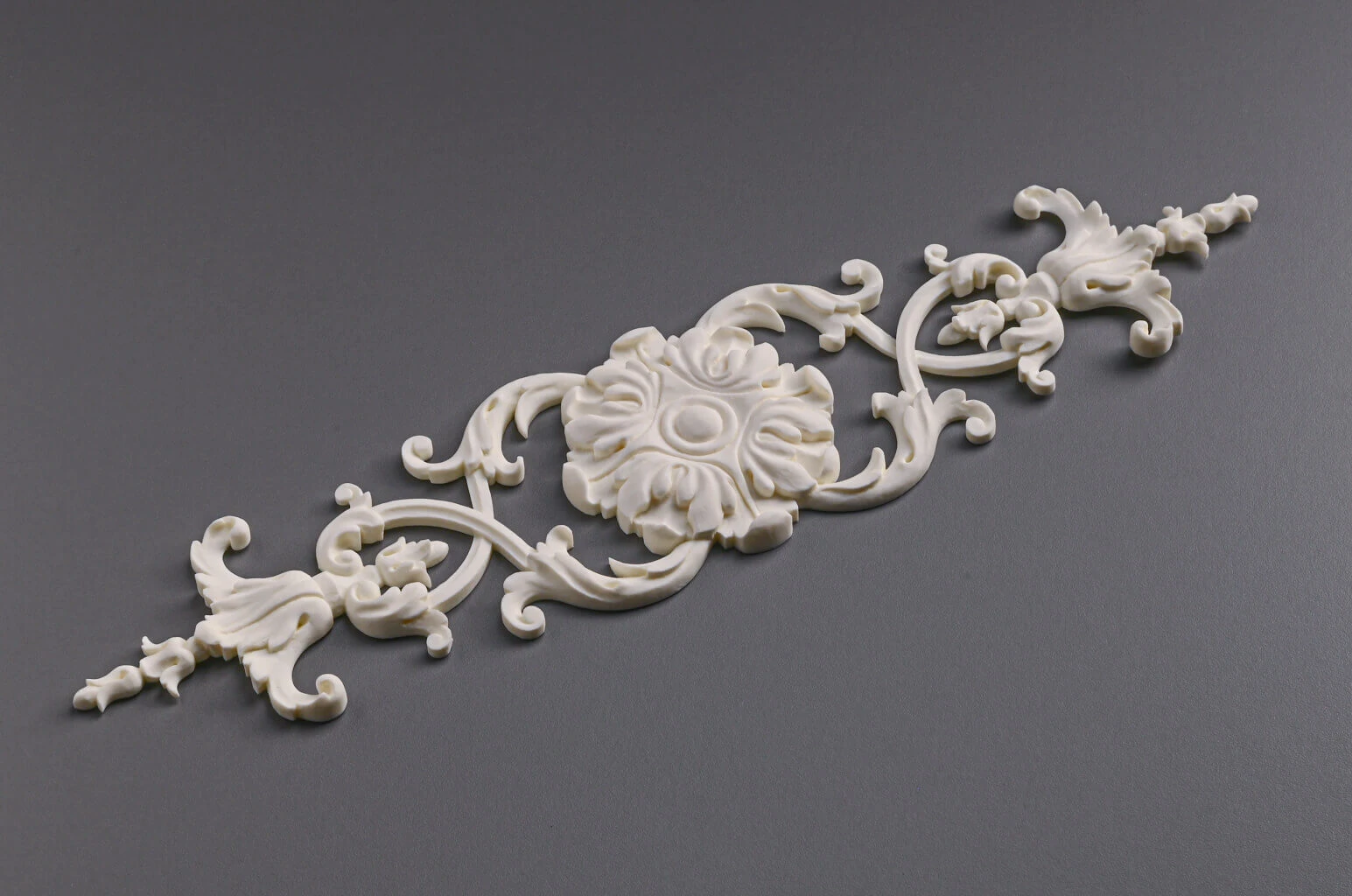
A laconic vertical with a single ornamental accent gives the wall architectural rhythm without excessive decoration. The narrow molding contour emphasizes the elongated proportions, while the relief insert becomes the focal point. This is the most restrained option in the Neoclassic collection, suitable for narrow wall sections and compact areas of the wall.
The ready-made wall decor set already combines coordinated elements into a cohesive composition. It can be used on its own, repeated in a rhythm, or combined with other CPU pieces from the collection. If a different layout is needed, a custom composition can be assembled from individual Neoclassic elements.
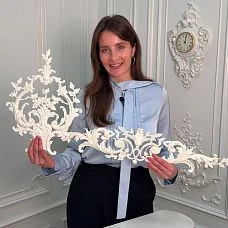
We have been on the market for over 20 years and are ready to offer you the best combination of aesthetics, quality, and practicality. Our polyurethane is not just a material, but a reliable foundation for flawless details, resistance to moisture and cracks, as well as convenient and quick installation. The company's success began in 2002, when two artists – Andrey Ragozin and Evgeny Tsapko – created a small creative workshop for making carved wooden products. The work of the craftsmen was quickly noticed, and within a year they were invited to participate in the reconstruction of the Konstantinovsky Palace in Strelna.
Every product in our range is the result of years of experience, thoughtful technology, and attention to detail. We constantly update our collections, follow and shape trends in interior design ourselves. From elegant neoclassicism to bold Art Deco, you will find the perfect accent for the interior of your dreams.
Choose durable polyurethane decor STAVROS — beauty proven by time and real projects, not just words.
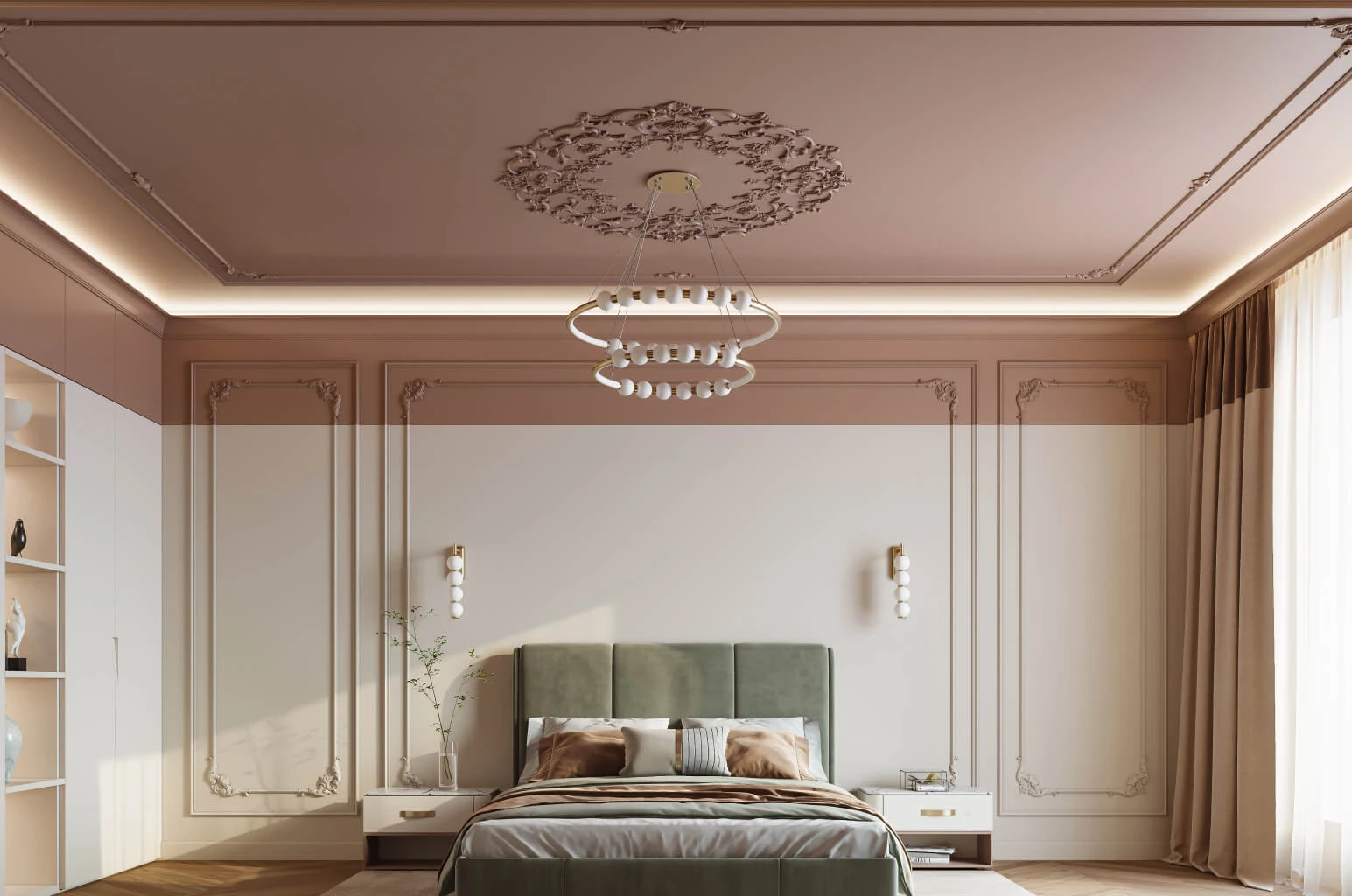
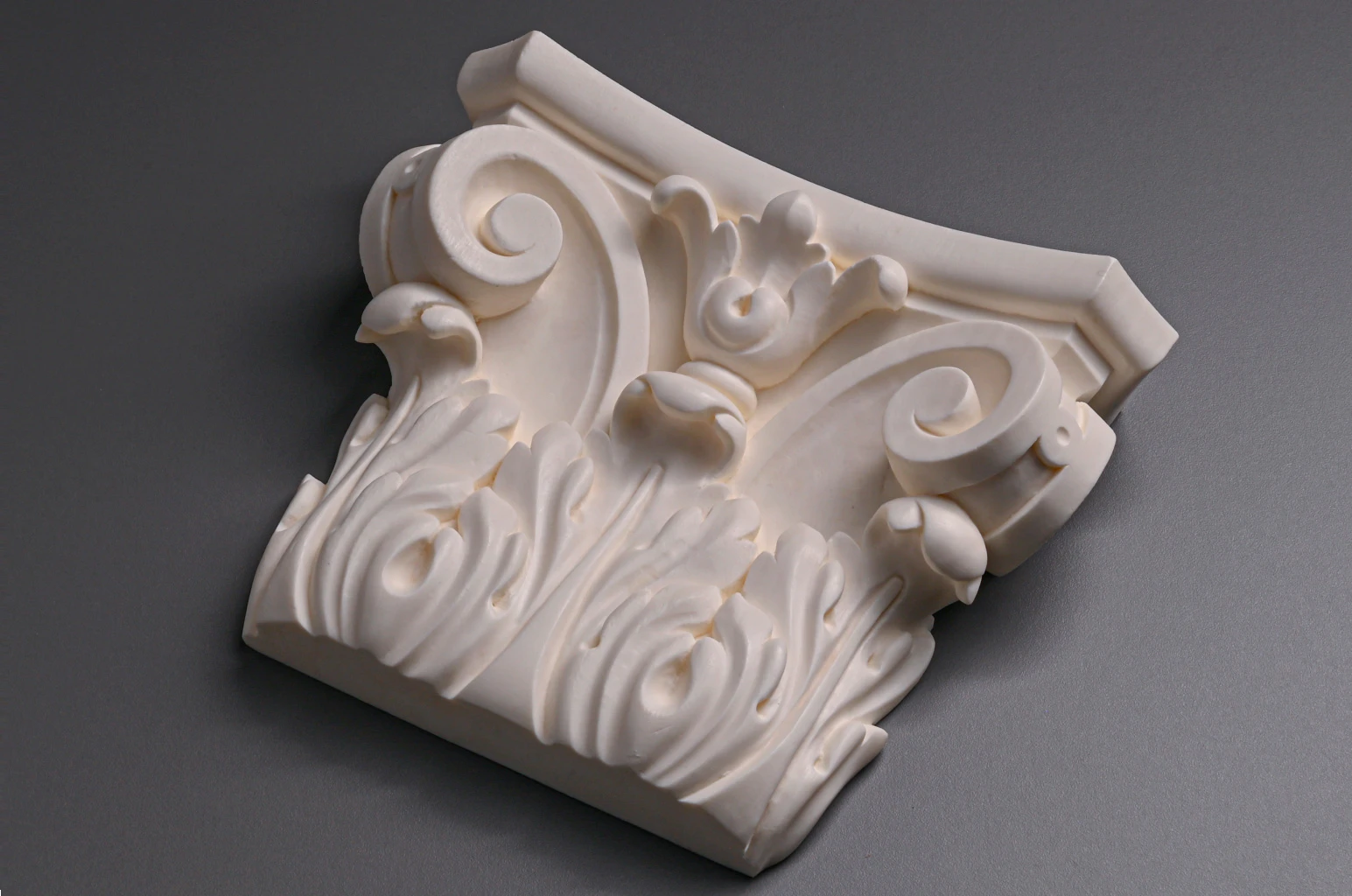
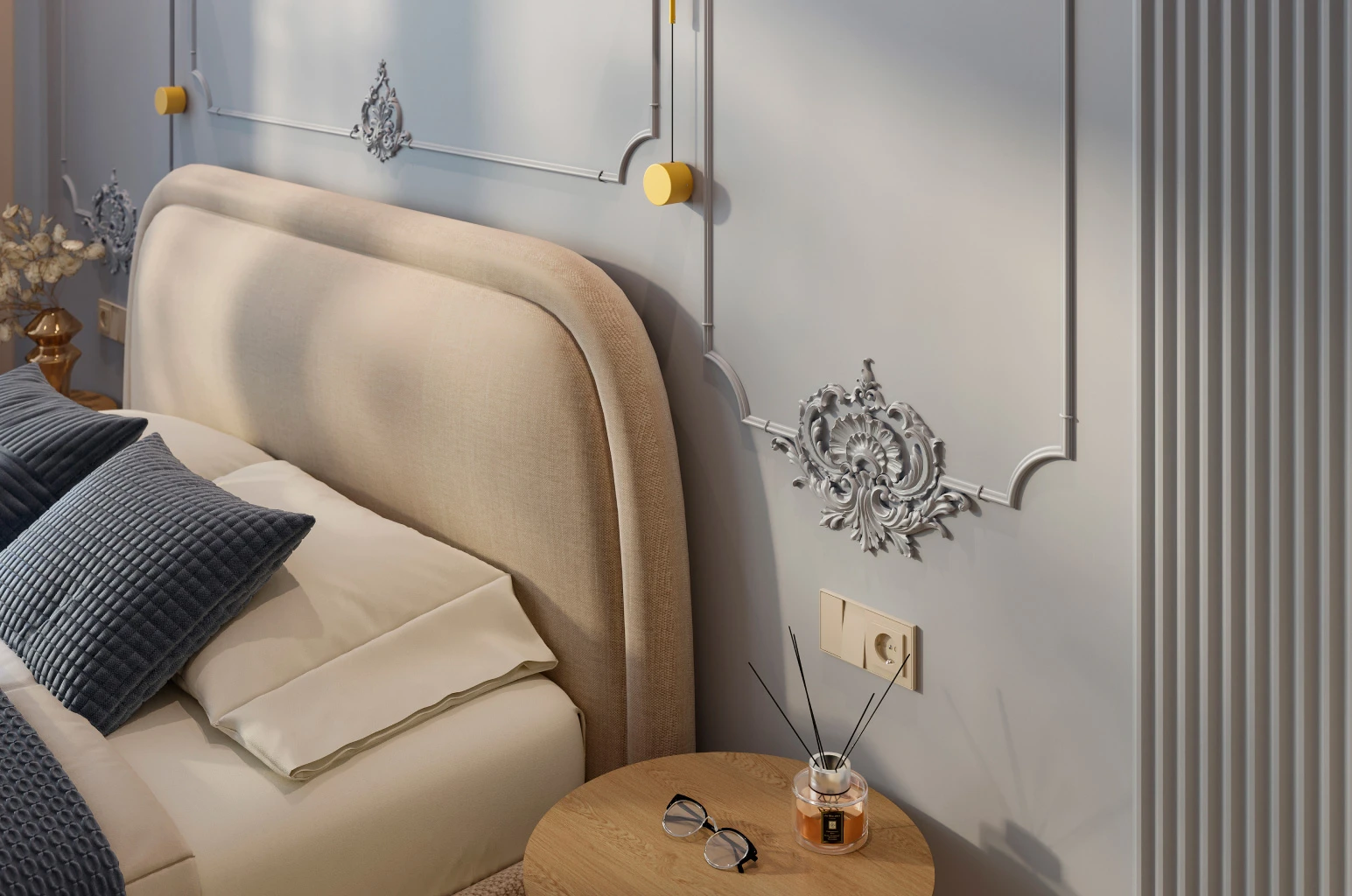
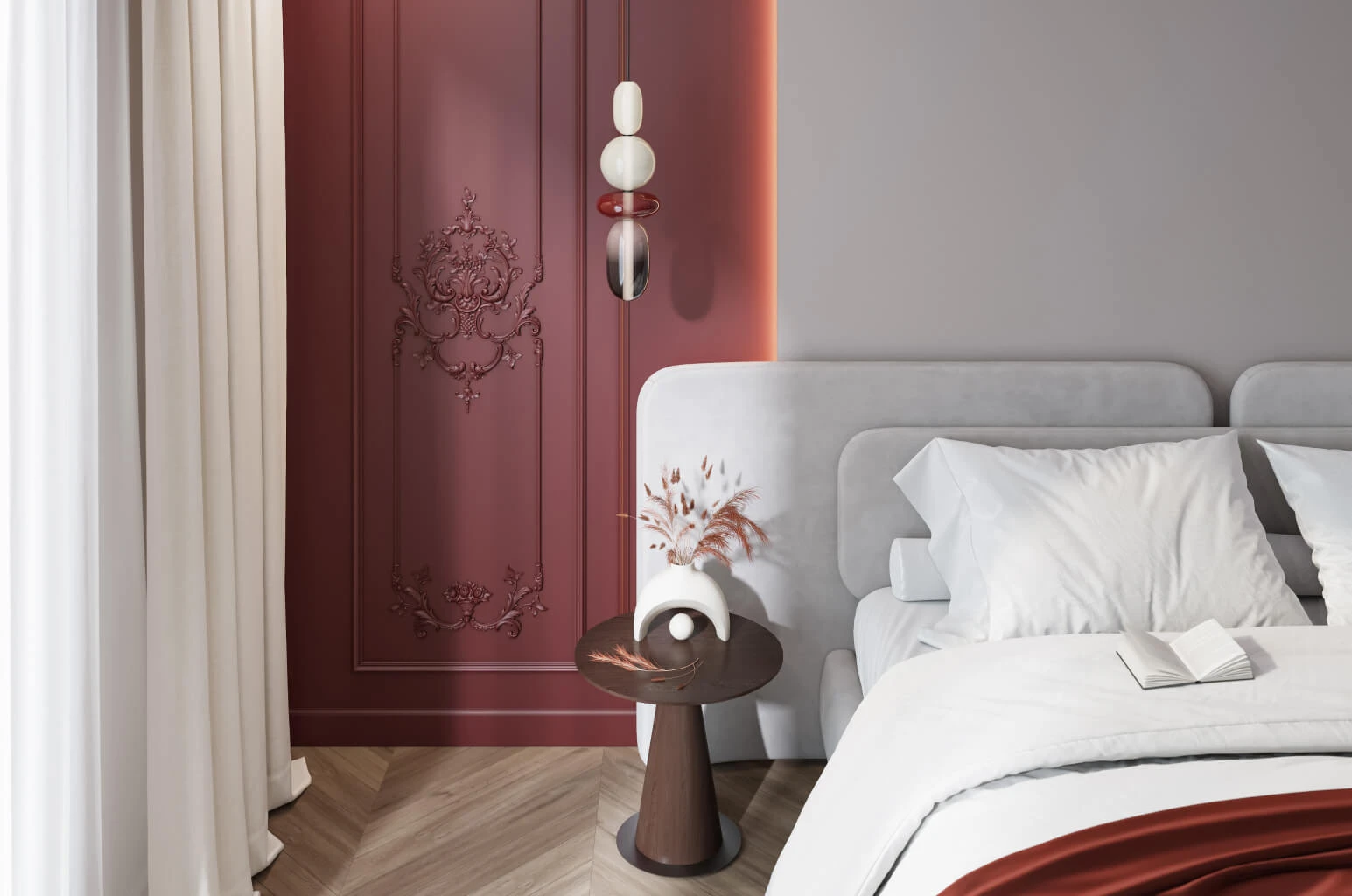
We save your time, peace of mind, and budget
We solve your tasks with maximum speed
Streamlined process reduces all risks
Quality service regardless of order volume
Reliable partner — the foundation of your business
Our showrooms are located in Saint Petersburg and Moscow. Production is located in Saint Petersburg.
Moscow contacts: /contacts_all/
Contacts of Saint Petersburg: /contacts_all/
Send us the product codes, quantities and delivery destination. Contact our team to confirm availability and order details.
Please contact us to confirm shipping availability, costs and delivery times for your destination.
Delivery cost depends on the size, weight of the item, and delivery address.
Please ask our team to confirm shipping costs and delivery arrangements for your destination before placing an order.
Prices and availability of items on the website are always current. Data is updated daily.
Note: items in stock are stored on the warehouse in unpolished form and shipped within 3 working days.
If the item is not in stock, average production time: 5–10 working days.
This is the quality of polishing of the items.
Standard — machine polishing, at a more attractive price.
Prestige — detailed hand polishing, items do not require further work.
More details: /information/kachestvo/
This is the type of veneer of the items.
Under enamel: produced by gluing wooden laminates without color and texture matching. Contrast tonal and textural differences are noticeable. This blank should be chosen if the item is intended for opaque coating.
Under tinting: produced by gluing wooden laminates with color and texture matching. Tonal and textural differences may occur. This blank should be chosen if the item is intended for semi-transparent finish.
More details: /information/kachestvo/
Beech — dense, non-porous wood, most often used for items covered with enamel.
Oak — dense, porous wood with clearly visible natural grain. Due to its strength and decorative properties, it is often used in items with semi-transparent coating, highlighting the wood pattern.
Custom-made, if non-standard items are required, we can produce products from other types of wood, including blanks provided by the customer, manufactured according to our technical specifications.
All our furniture legs can withstand a vertical load of at least 100 kg.
Average production time for custom-made items: 5–10 working days.
Most items are stored on the warehouse in unpolished form. We need time to polish and pack orders.
Yes, we manufacture non-standard items according to individual projects, but we only accept orders with a minimum quantity.
We can manufacture items of the desired size, but we only work with bulk orders. For details, please consult the sales department manager.
Yes, some of our products can be used outdoors. For example, polyurethane items, as well as carved door casings made of pine.
Other items are produced to order using PUR glue, if minimum quantity is available. No warranty is provided for such products, as outdoor conditions are considered aggressive.
Please contact our team to confirm available finishes, minimum quantities and a quotation for your order.
More details: /information/sovety/
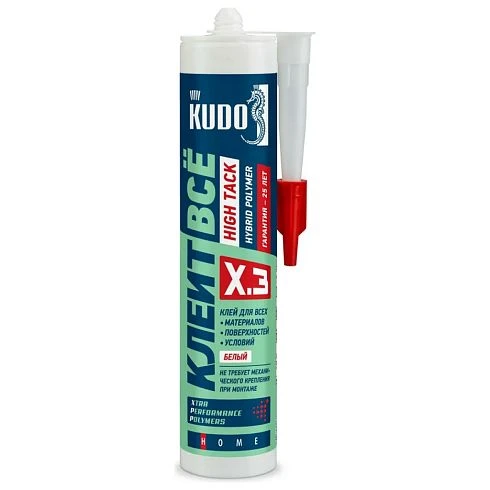
Apply adhesive to the decor. Place it on the surface and press briefly. Then, lift the decor from the surface and leave it open for 3–5 minutes. Press the decor firmly onto the surface and hold for 5–10 seconds.
More details: /information/sovety/
Ideally, you should prepare a design project before placing an order.
You can do this yourself by downloading drawings of our products from our website, or you can order a project from us.
If the number of decorative elements and fittings is small, our company's manager can assist you with selection.
Unfortunately, this service is not provided.
The packaging method depends on the type of items, but in each case, we ensure sufficient protection for safe transportation.
We most often use corrugated cardboard and stretch film. Fragile items are additionally secured on a rigid base to prevent damage during transport.
Please confirm the minimum order quantity for your selected products and finishes with our team.
Please contact our team to discuss measurement and installation requirements for your project and destination before ordering.
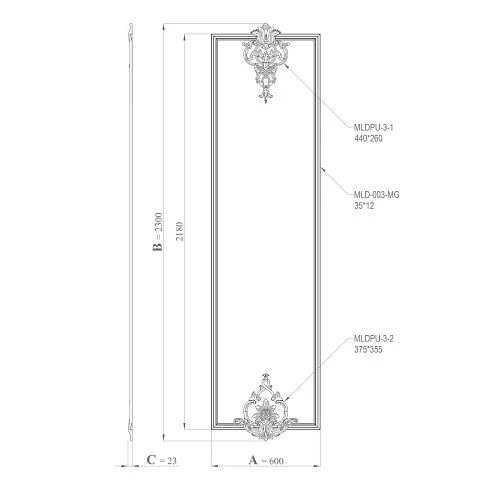
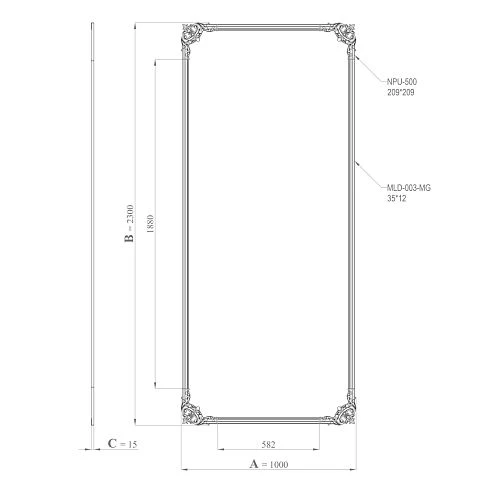
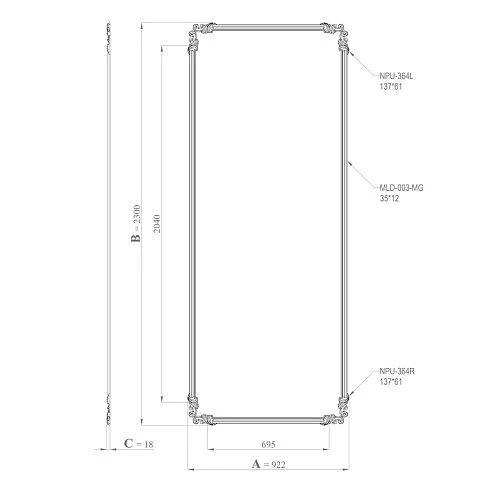
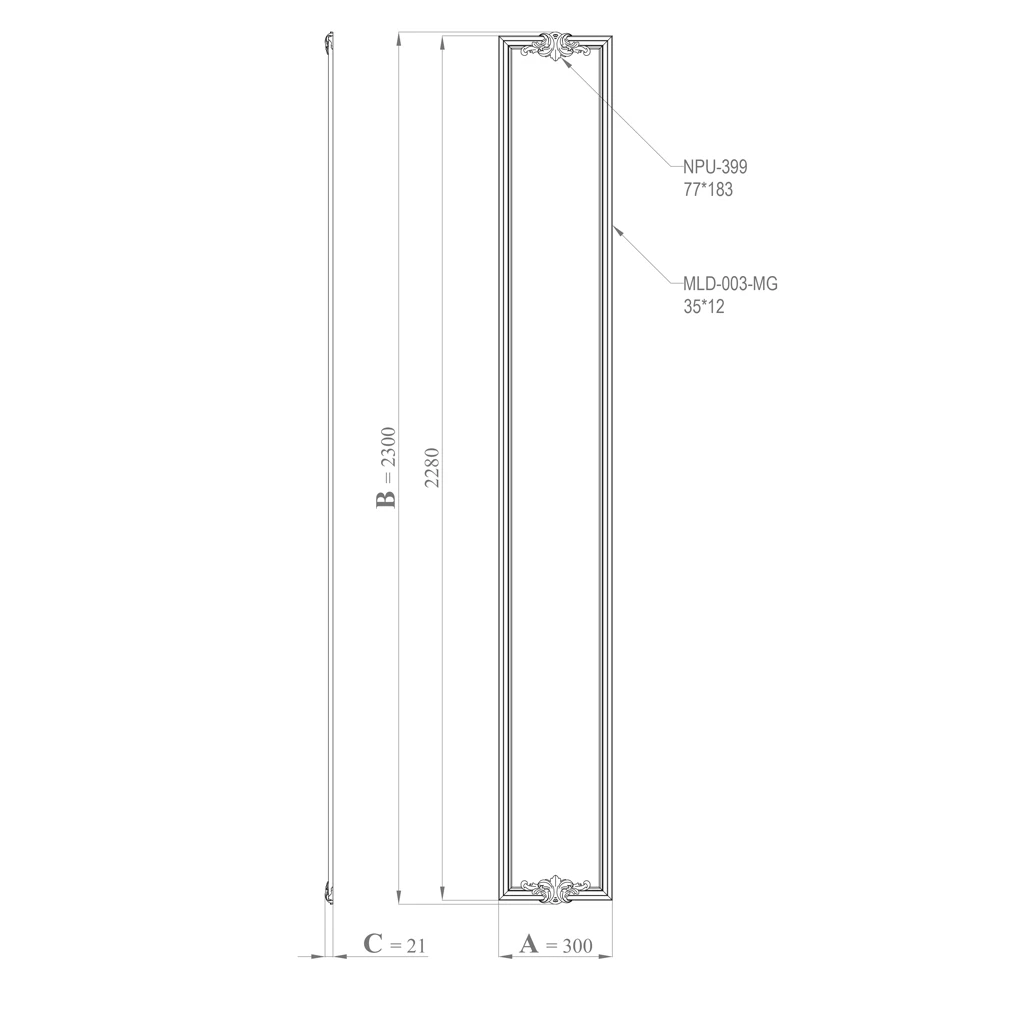
The specified overall composition measures 300 × 2300 × 21 mm (approximately 11.81 × 90.55 × 0.83 inches). Its vertical proportions make it particularly useful where a full-width wainscoting treatment would be too busy. Use one as a focal detail or repeat several with consistent spacing to give a blank wall a more intentional architectural rhythm. CPU-1-1 is a decorative assembly for interior walls, not a load-bearing panel, a framed picture, or an adhesive-backed decal.
Most decorative wall molding projects begin with a length of trim and a drawing. You select the profile, calculate cuts, decide how to handle corners, and then search for any ornamental pieces that suit the scale. CPU-1-1 starts from a defined visual combination: the straight MLD-003-MG profile and the NPU-399 relief ornament are listed together for this specific design. This gives you a recognizable reference when planning a room instead of assembling an unrelated assortment of parts.
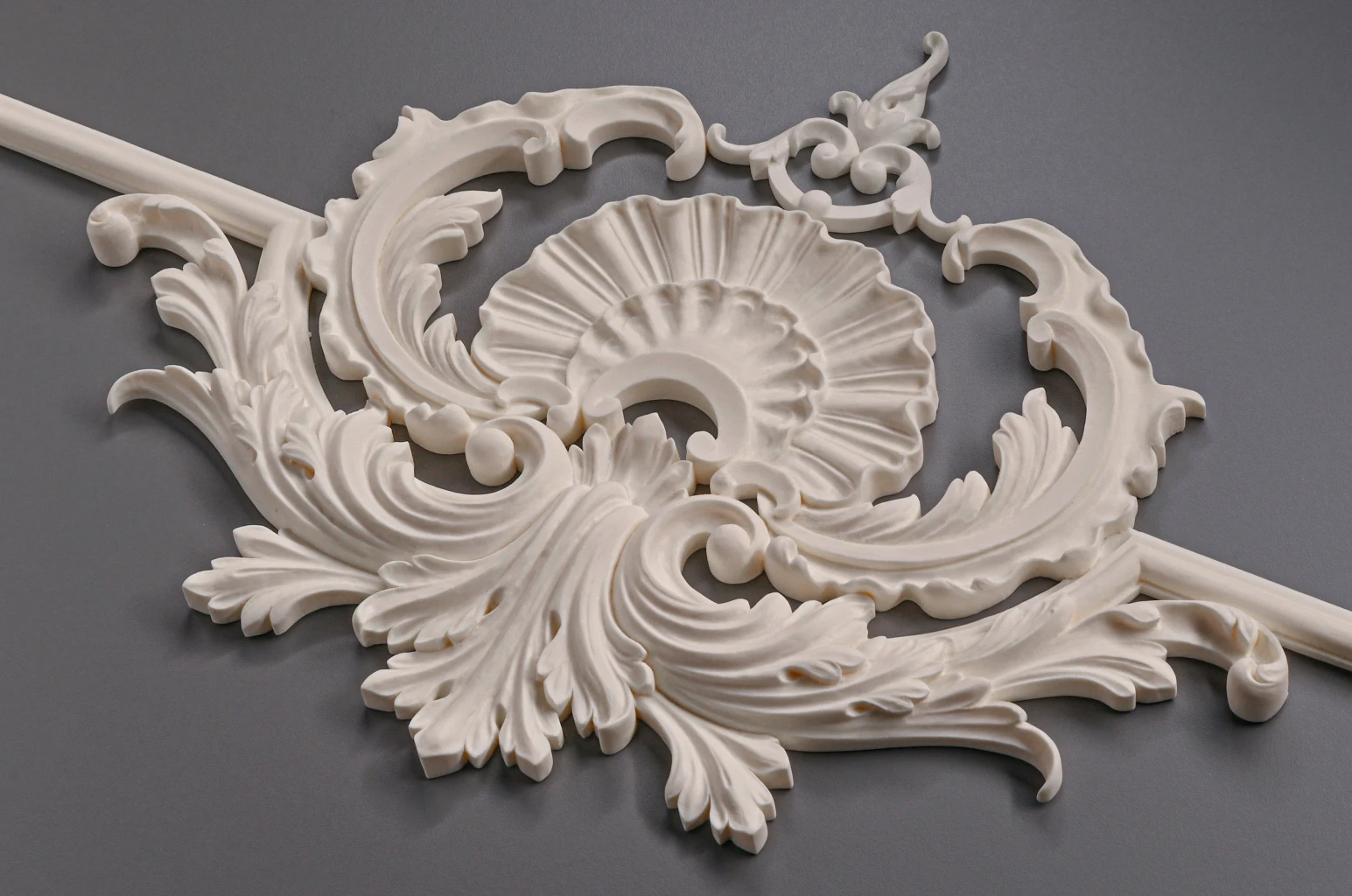
Its appeal lies in the balance between line and detail. The MDF molding supplies the straight, repeated edges. The polyurethane element introduces carved-looking curves and a focal point without filling the entire wall with ornament. The assembled example resembles an elongated decorative wall frame, making it relevant to searches for picture frame molding on walls as well as decorative wall molding. Unlike a conventional frame for artwork, however, its purpose is to make the wall itself the finished surface.
The set belongs to the STAVROS Neoclassic wall decor collection. Keep that design context in mind: this SKU is about quiet symmetry and a measured decorative accent, rather than the heavily layered profiles associated with more ornate classical rooms.
Use the manufacturer's metric measurements when making cutting diagrams or specifying the product for a project. Inch measurements below are rounded for convenient US planning and should not replace the original dimensions in fabrication drawings.
| Specification | Manufacturer dimension | Approximate US equivalent |
|---|---|---|
| CPU-1-1 overall wall composition | 300 × 2300 × 21 mm | 11.81 × 90.55 × 0.83 in |
| Polyurethane relief ornament NPU-399 | 77 × 183 × 21 mm | 3.03 × 7.20 × 0.83 in |
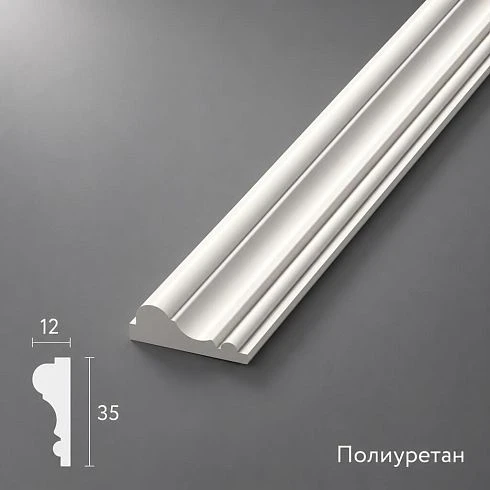
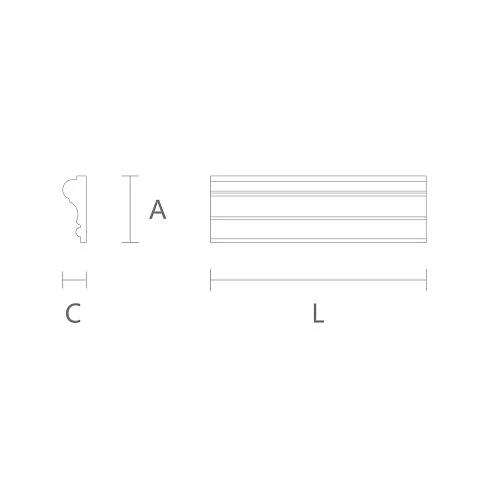
| Primed MDF molding MLD-003-MG | 35 × 12 × 2600 mm | 1.38 × 0.47 × 102.36 in |
| Materials | Polyurethane and primed MDF | Mixed-material decorative set |
| Design family | Neoclassic | Traditional-inspired interior wall trim |
Important distinction: the 2600 mm (approximately 8 ft 6.36 in) dimension describes the listed length of the individual MDF molding profile. It is not a substitute for the specified 2300 mm finished composition height. Final cuts and the position of the ornaments must follow the current product drawing. The product page identifies the component types, but the exact number of pieces, hardware supplied, and packaging configuration should be checked against the seller's live set-composition details before ordering.
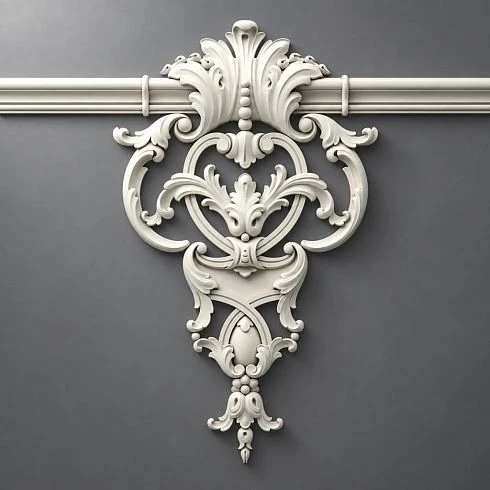
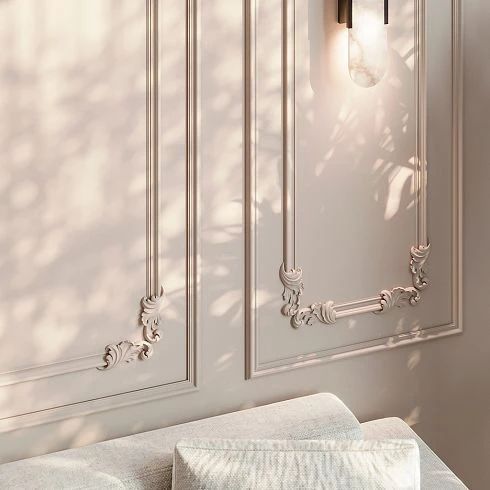
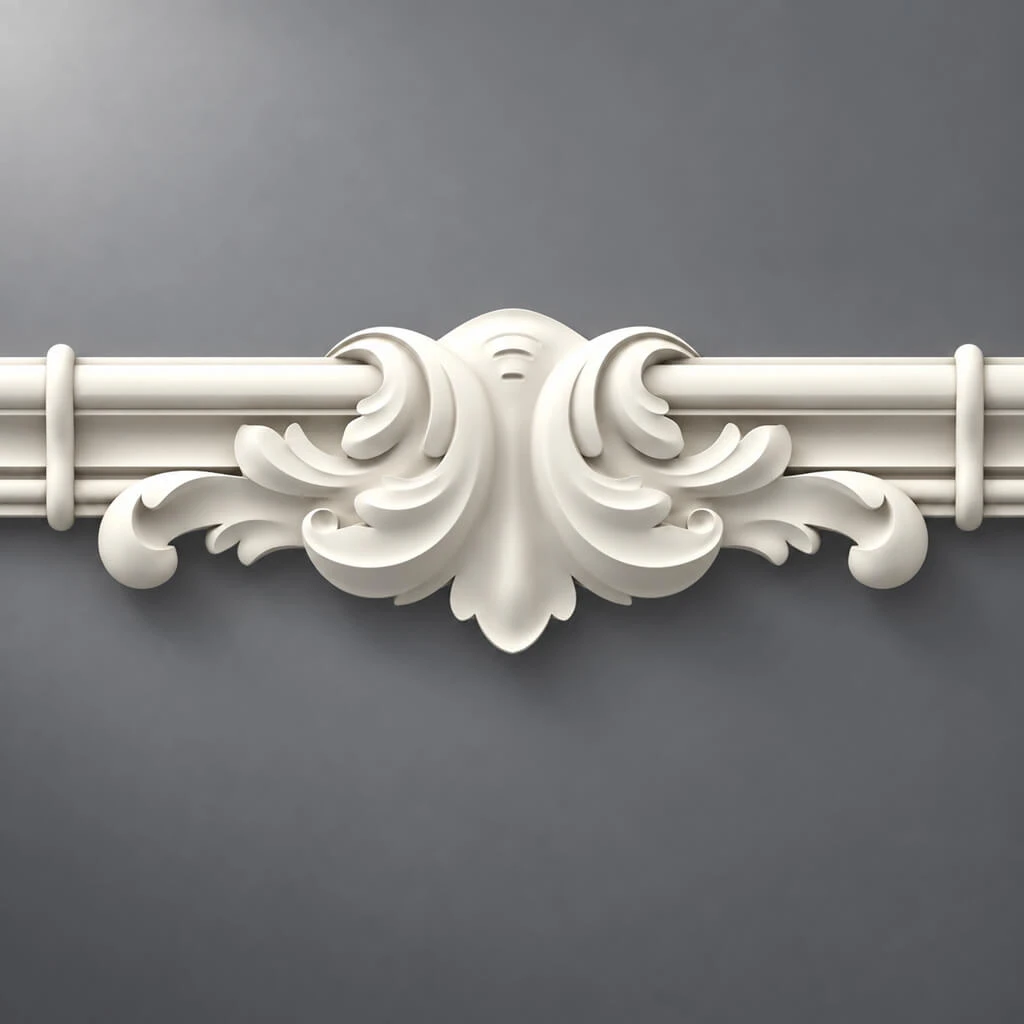
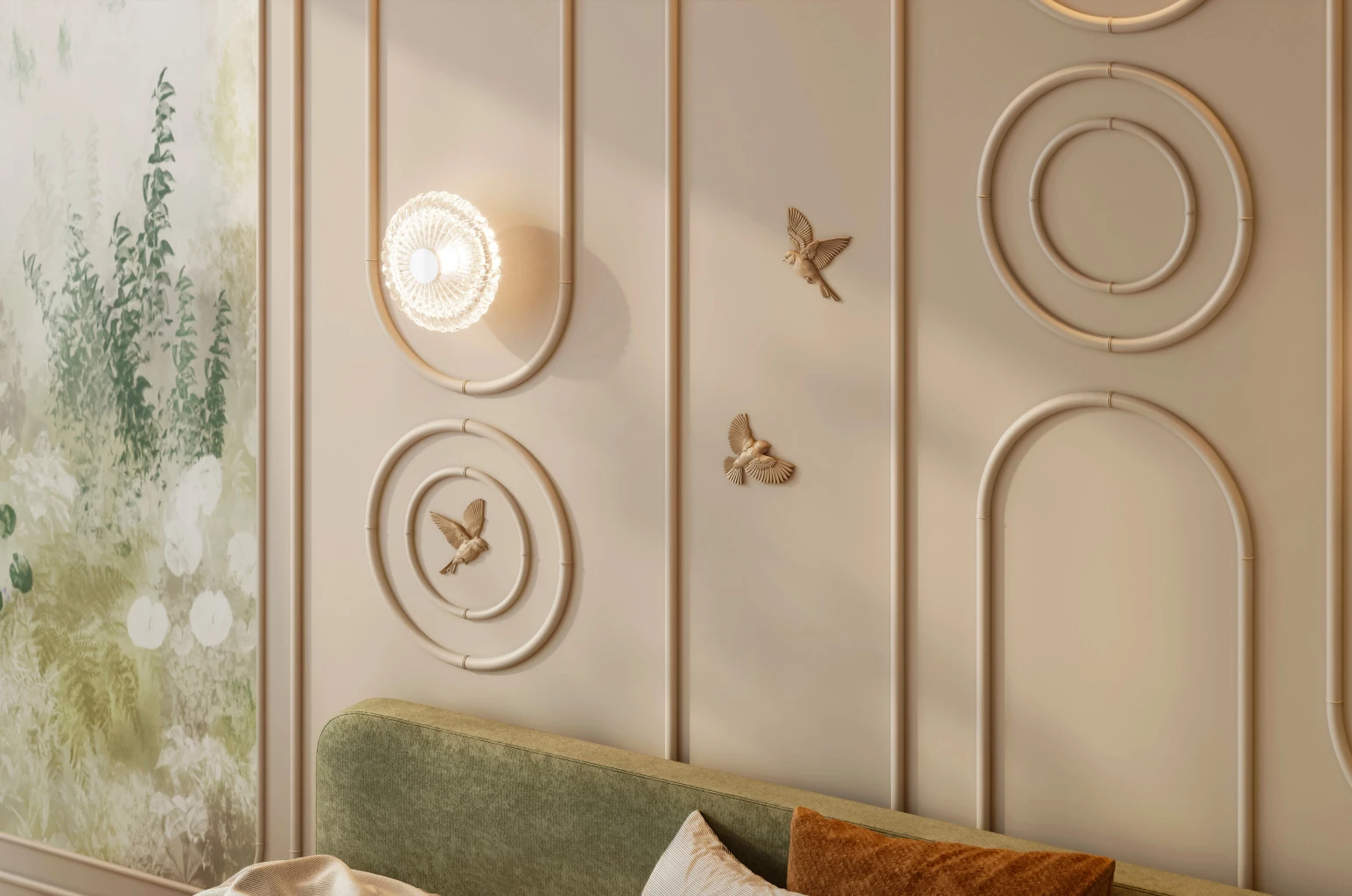
The NPU-399 element supplies the relief that makes CPU-1-1 more than a simple geometric outline. At 21 mm (0.83 in) in its deepest listed dimension, the ornament can catch light and produce a modest shadow. This is especially noticeable on a wall with natural light arriving from one side or with a nearby wall sconce. Its curved design brings a traditional note to otherwise straight trim.
Polyurethane is used here for the sculpted portion. That does not make the entire assembly polyurethane: the accompanying molding is MDF. When selecting primer, adhesive, paint, or filling compounds, the finish schedule must suit both substrates rather than assuming that one material's treatment applies automatically to the other.
The MLD-003-MG component provides the straight edges of the composition. Its listed cross-sectional dimensions are 35 × 12 mm (about 1.38 × 0.47 in), with an individual molding length of 2600 mm. The product is described as primed MDF, giving the installer a prepared surface to evaluate for the chosen interior topcoat. Primed does not mean that every paint or adhesive will perform identically: sample compatibility, edge treatment, and any manufacturer-specified preparation still matter.
If your design requires additional straight profiles beyond the illustrated CPU-1-1 arrangement, check the STAVROS molding catalog rather than assuming that an arbitrary trim size will match. You can also reference the individual MLD-003-MG molding when comparing a wall plan with the listed components.
In American interiors, picture frame molding often means trim arranged in rectangles on a painted wall. It can appear above a chair rail, below it, or across the full wall. CPU-1-1 participates in the same visual language, because it creates a defined decorative field, but the ornamental relief gives it a different character from plain four-sided rectangles.
Wainscoting typically describes a more extensive wall treatment, often with a lower-wall panel arrangement, rails, or substantial finished surfaces. CPU-1-1 is better described as a tall decorative wall molding set or neoclassical wall frame accent. It can complement a wainscoting design, but the set itself is not an entire wainscoting system. Likewise, it should not be marketed as a peel-and-stick molding kit, a preassembled wooden frame, crown molding, or baseboard: those are different product types.
This distinction is useful when shopping. Choose CPU-1-1 if you want a coordinated ornamental accent with a narrow footprint. Choose plain straight molding for a purely geometric arrangement with no relief. Choose larger wall panel systems when the goal is continuous paneling over most of a room rather than selected framed details.
The finished 90.55-inch height is the controlling dimension for wall placement. It is taller than many half-wall treatments, and on an eight-foot ceiling it leaves only a limited amount of uninterrupted height above and below the composition. Always measure the actual distance between the baseboard and any ceiling trim, not just the nominal floor-to-ceiling height.
These figures are layout examples, not recommended installation clearances. The final location should take into account electrical devices, door casing, baseboards, ceiling coves, furniture, and any variations in the actual wall height. A scaled elevation drawing is a small investment that can prevent an attractive product from feeling crowded once installed.
A single CPU-1-1 set can work in a narrow wall bay; a group can create a repeated pattern across a larger surface. Before calculating quantities, mark the boundaries of the usable wall. Exclude door openings and other zones that cannot accept decoration. Decide whether the first and last units should have matching outside margins and whether the overall arrangement should align with furniture, rather than simply dividing the room by the number of pieces.
For a basic conceptual layout, take the usable wall width, subtract the planned widths of the CPU-1-1 compositions, and distribute the remainder among the gaps. For example, on an unobstructed 120-inch-wide wall, three 11.81-inch-wide compositions occupy approximately 35.43 inches together. That leaves approximately 84.57 inches for spacing. If you want four equal spaces—one at either end and two between the frames—each would be approximately 21.14 inches. This is arithmetic for preliminary design, not a substitute for verifying the manufacturer's drawing and wall conditions.
Maintain a common height line across repeated units. An arrangement with evenly aligned tops and bottoms usually reads as deliberate architecture. Slight differences become conspicuous when the ornaments cast shadows. Where a room has windows or built-in cabinetry, prioritize visual balance over mechanically identical gap widths; sometimes a centered pair around a fireplace or media console is more successful than a series that runs from corner to corner.
Use decorative wall molding behind a bed to establish a focal point without introducing an additional material such as slatted wood or wallpaper. A single composition can mark a narrow side bay; a balanced pair can sit beyond the headboard, leaving the central wall free for artwork. With a low-contrast paint treatment, the molding becomes visible through subtle changes in light rather than through a strong color outline. Check that the relief will not collide with the headboard or wall-mounted reading lights.
In a dining room, CPU-1-1 can give a simple painted wall the kind of formality associated with historical paneled interiors. Repetition works particularly well beside a buffet or along an uninterrupted side wall. Leave enough open field around each ornamental detail for the shapes to remain legible. If you also plan a chair rail or continuous wainscot below, draw both systems together so they do not compete for the same wall zone.
The approximately 11.81-inch overall width suits a design approach based on slender accents. It can be useful between doors or alongside a tall mirror, provided the actual available width allows appropriate clearances. In busy passageways, test the projecting relief against circulation paths, furniture movement, and door swings. A decorative edge that looks unobtrusive in a rendering may be vulnerable to contact in a tight corridor.
Place matching compositions on either side of built-in shelving, a media wall, or an upholstered seating arrangement to echo the room's central axis. For a home office, the set can add refinement to a wall behind a desk without overwhelming a video-call backdrop. Keep outlets, switches, hanging artwork, and wall-mounted equipment out of the trim's intended path. A mockup made with painter's tape helps make these relationships obvious before cutting material.
A tone-on-tone finish is one of the most adaptable options for this design. Paint the wall and decorative assembly in matching or closely related colors, and let the profile and relief create the visual effect. This approach suits warm white, off-white, stone, beige, or muted gray interiors, and it can make a relatively traditional ornament feel current.
For a stronger period-inspired contrast, consider a light molding against a dark navy, muted green, charcoal, or brown wall. You can also reverse the relationship with darker trim on a light wall, although careful edge finishing becomes more important when the color boundary is pronounced. A restrained metallic detail on the ornament can be effective, but it is best treated as a finish-design choice rather than a factory-supplied feature.
Because this set joins primed MDF and polyurethane, confirm primer and paint compatibility with the current product care and installation guidance. Evaluate a small test area to check adhesion, sheen, and color consistency. MDF cut edges may need a different preparation process from its primed face; the ornamental element may require its own surface preparation. Do not assume the surface is suitable for an arbitrary exterior coating, strong solvent, or abrasive treatment.
CPU-1-1 should be installed according to the current STAVROS technical instructions and the adhesive and coating manufacturers' specifications. The steps below describe a general planning workflow for a decorative mixed-material wall assembly; they are not a substitute for those instructions.
The exact joint geometry, adhesive type, clamp time, fastening requirements, and coating schedule are not established by the dimensions alone. An installer or project designer should determine them from the applicable product documents and site conditions. When in doubt, resolve a technical detail before mounting the ornament rather than hiding the problem with filler.
Decorative molding accent walls succeed when straight lines stay straight. Check the relationship between the frame and adjacent door casing; an otherwise level frame can look crooked beside visibly out-of-square trim. If the wall is not flat, use the approved preparation method rather than forcing a rigid profile against high and low points. Where several compositions are installed, compare the top edge, bottom edge, and ornamental centerline across the complete elevation.
Lighting can either flatter or expose a profile. A wall washer or side-mounted lamp produces stronger shadows, highlighting the polyurethane relief and any defects in joints. Before painting, inspect filled edges using a temporary raking light. A single controlled paint sheen across the whole arrangement often does more for a professional result than adding extra ornaments or extra colors.
Also consider how furniture occupies the wall. A sofa, dresser, or buffet that partly obscures the lower trim is not necessarily a problem; it may even make the space feel layered. But a high-backed piece that cuts directly through the ornament is likely to disrupt the visual focal point. Plot furniture elevations and outlet positions at the same time as the molding layout.
CPU-1-1 is a specific ornamental composition, not a universal system for every trim location. You may combine its visual language with plain wall panel molding elsewhere in the room, but sizes and profile relationships should be compared before ordering. A strong design uses repetition of a few related details rather than a different decorative profile at every corner.
For wider or more elaborate arrangements, browse the wall decor range and compare the other Neoclassic sets. For additional ornamental inserts, the molding decor collection provides a separate place to explore potential details. Do not assume items from different product families fit mechanically just because they appear similar in a photograph; check dimensions, profiles, and manufacturer compatibility first.
On a renovation specification, record the full name STAVROS CPU-1-1, the listed overall dimensions, and the two component SKUs. This helps the designer, purchaser, and installer distinguish the intended set from an unrelated generic molding kit or an individual strip of trim.
For a finished interior wall, gentle dusting and maintenance in accordance with the chosen paint system are usually preferable to aggressive cleaning. Avoid scraping the relief or repeatedly soaking exposed edges. If the surface is damaged, identify whether you are working on the polyurethane ornament, MDF trim, filler, or paint before choosing a repair method.
The presence of a polyurethane component does not establish that the complete CPU-1-1 assembly is suitable for a shower, exterior facade, unconditioned room, or permanently damp wall. The supplied profile is primed MDF, so moisture exposure, substrate conditions, and the finish system require particular attention. Fire ratings, code approvals, load capacity, and US availability have not been verified for this SKU; confirm any project-specific requirements with the manufacturer or seller before purchase.
The specified overall dimensions are 300 mm wide, 2300 mm high, and 21 mm deep, approximately 11.81 × 90.55 × 0.83 inches. These describe the intended decorative composition, not the shipping box or the length of every loose component.
No. The listing combines the NPU-399 polyurethane relief element with the MLD-003-MG primed MDF molding. Describing the whole set as an all-polyurethane molding kit would be inaccurate.
Yes, it offers a decorative frame-like accent on an interior wall. It is not a frame designed to hold artwork, and the ornamental component gives it a different look from standard four-sided picture frame molding.
No. CPU-1-1 is an individual decorative composition that can become part of a larger wall plan. A continuous wainscoting design may require separate rails, trim, panels, or additional moldings.
The reviewed product specification does not identify an integrated peel-and-stick backing. Plan the attachment method from the manufacturer's current instructions and the specific wall substrate, rather than relying on claims associated with unrelated adhesive-backed kits.
The component is listed as primed MDF, which is different from a verified finished topcoat. Select a compatible interior paint and prepare any cut edges and the polyurethane ornament as required by the specified finishing system.
Start with the usable wall width and decide on the design's outside margins and spaces between frames. Each finished composition is approximately 11.81 inches wide, but the ideal quantity depends on door locations, furniture, wall proportions, and the desired visual rhythm.
Its nominal 90.55-inch height is shorter than an eight-foot (96-inch) ceiling, but that leaves only about 5.45 inches before allowing for baseboards and ceiling trim. Measure the actual usable height and verify the drawing instead of assuming a standard ceiling always provides enough clear space.
Do not assume wet-area suitability. The kit includes MDF as well as polyurethane, and the specification reviewed here does not establish approval for direct water exposure or sustained high humidity. Confirm the intended environmental conditions with the manufacturer.
The reviewed listing establishes the decorative components, not a verified US delivery service or a complete installation-consumables list. Confirm quantities, adhesive or hardware inclusion, shipping options, and any import requirements directly with the seller before placing an order.
Product reference: STAVROS CPU-1-1 · Neoclassic collection · decorative wall molding set with polyurethane NPU-399 and primed MDF MLD-003-MG · nominal assembled dimensions 300 × 2300 × 21 mm.
Our manager will contact you within 5 minutes