

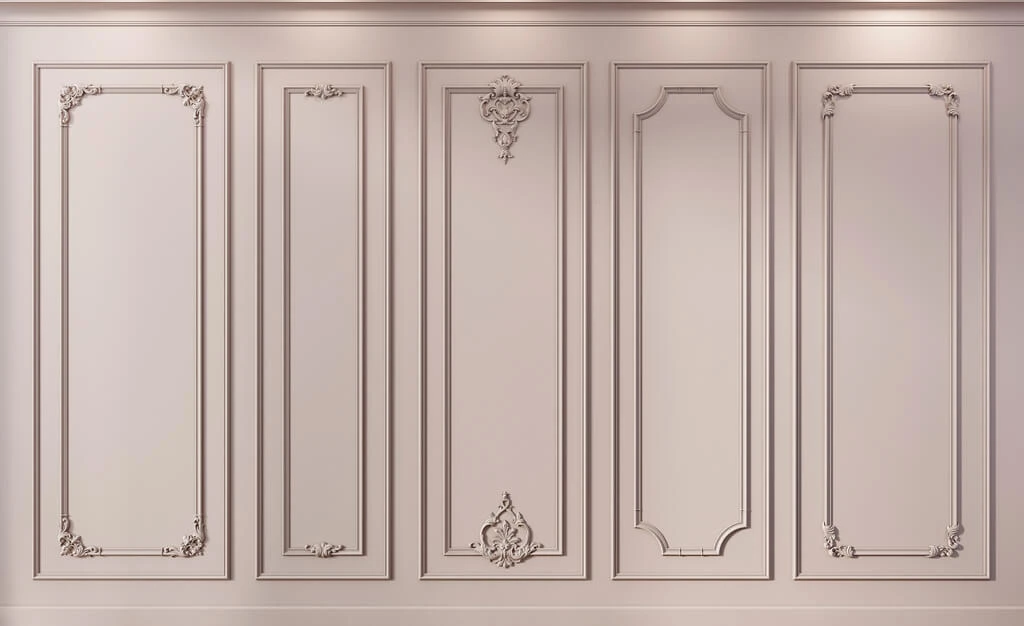
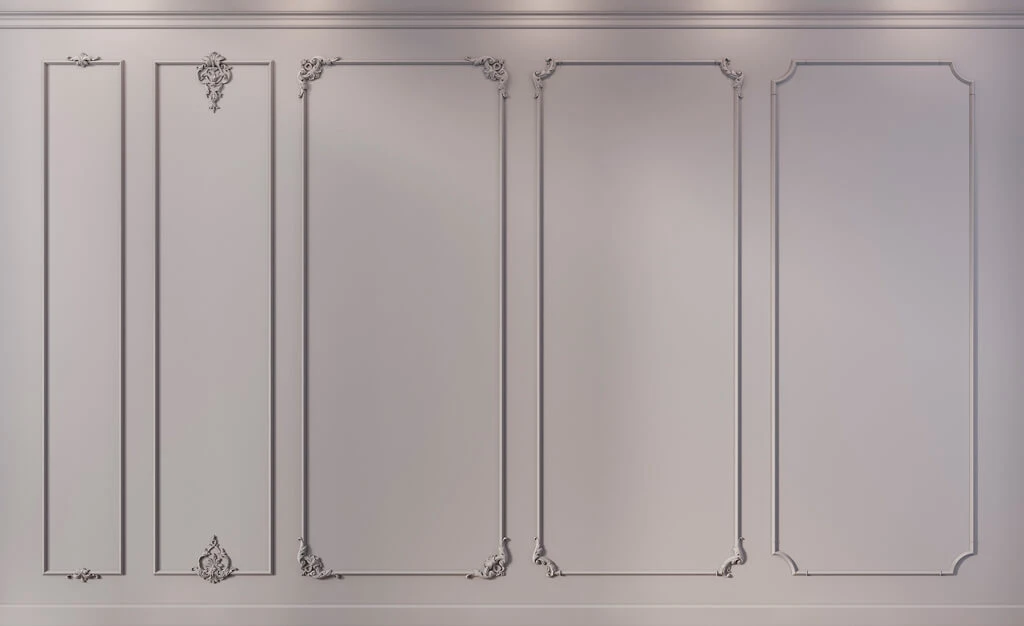
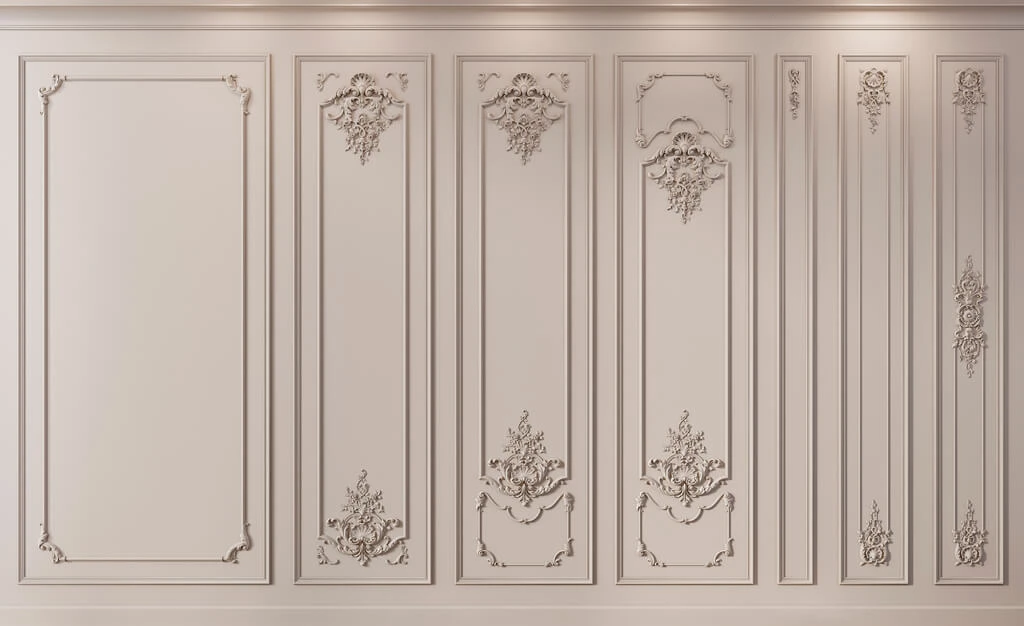
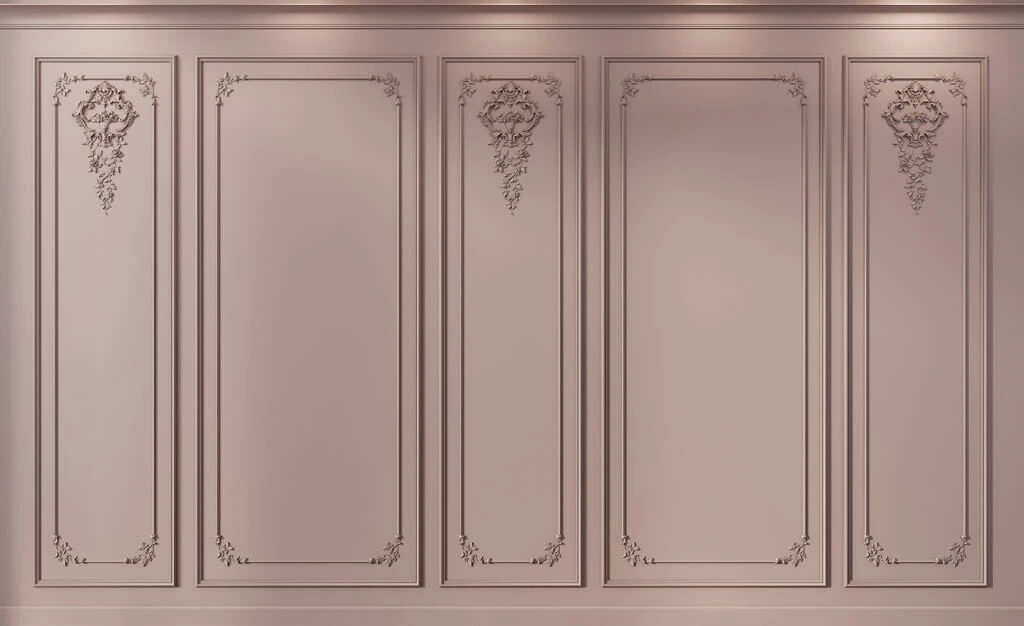
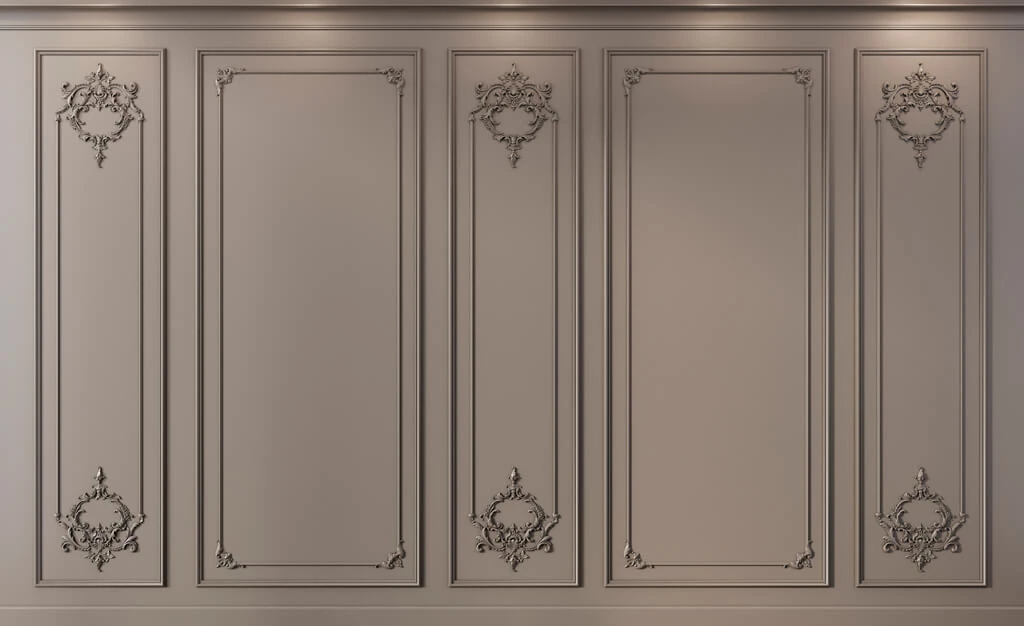
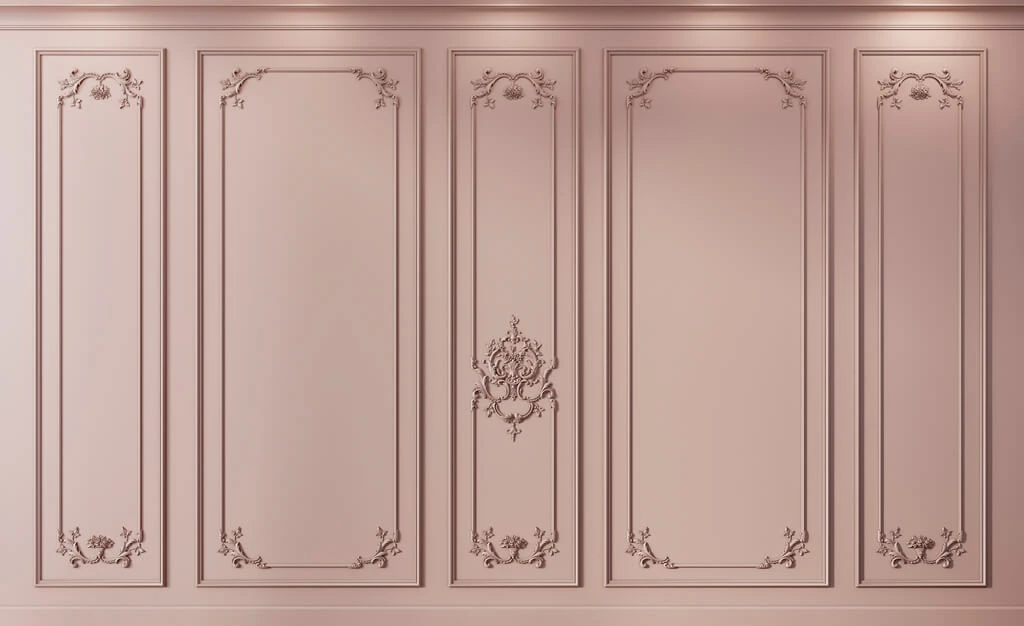
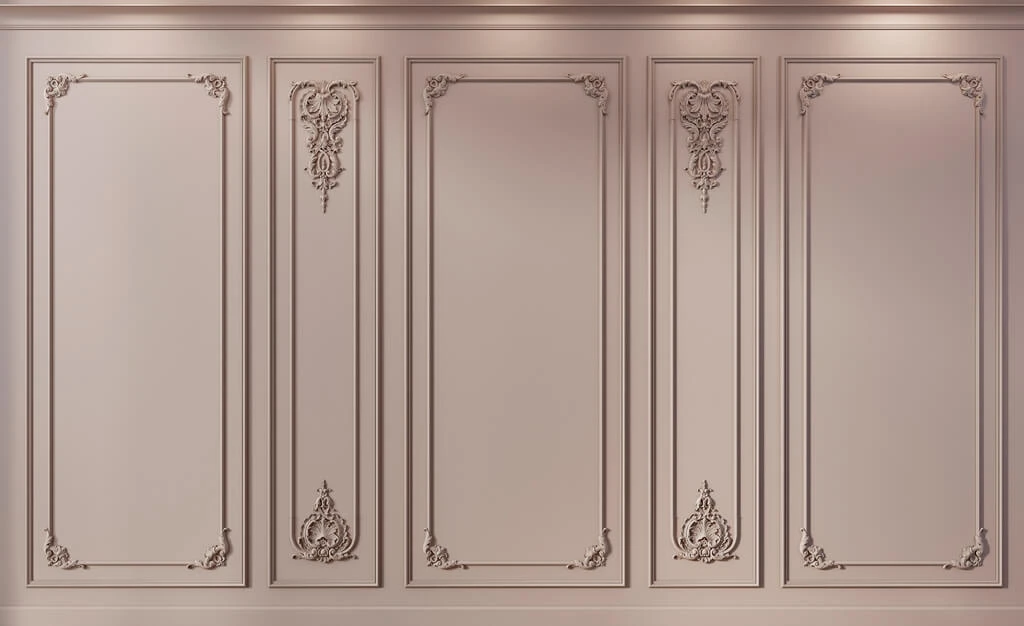
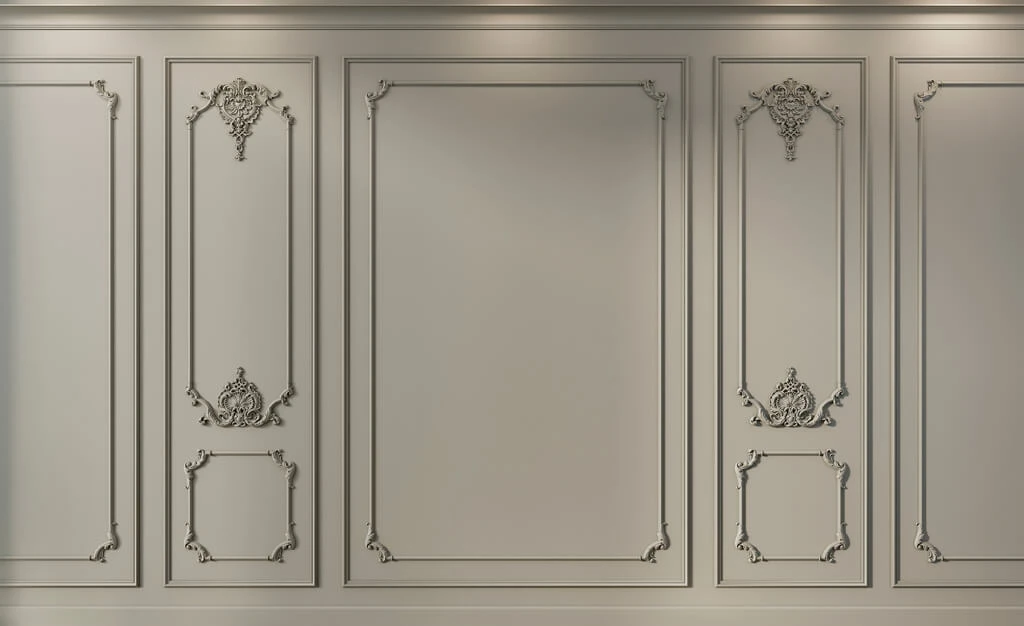
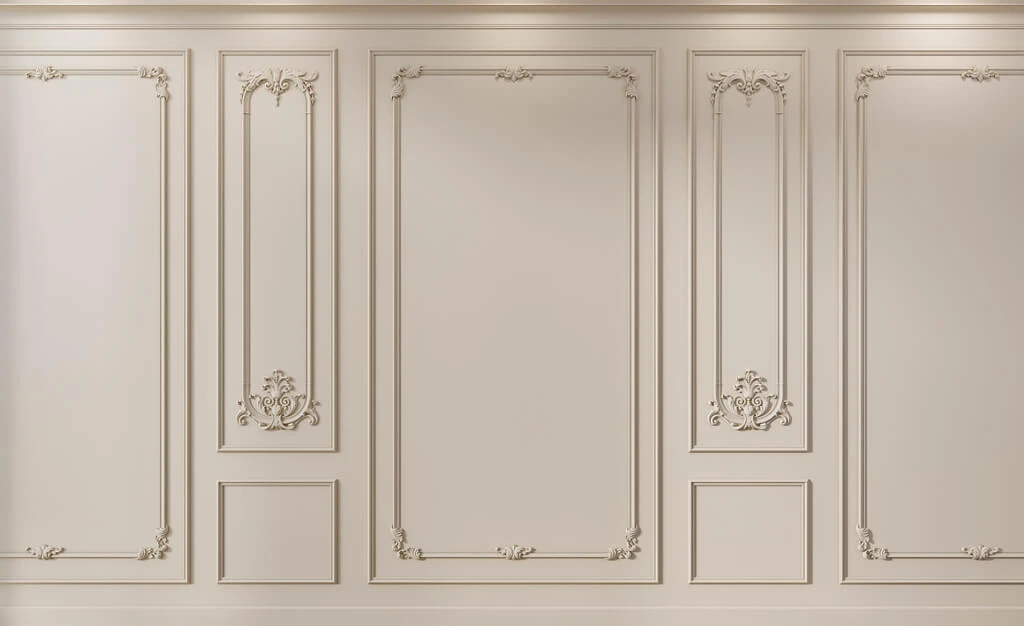
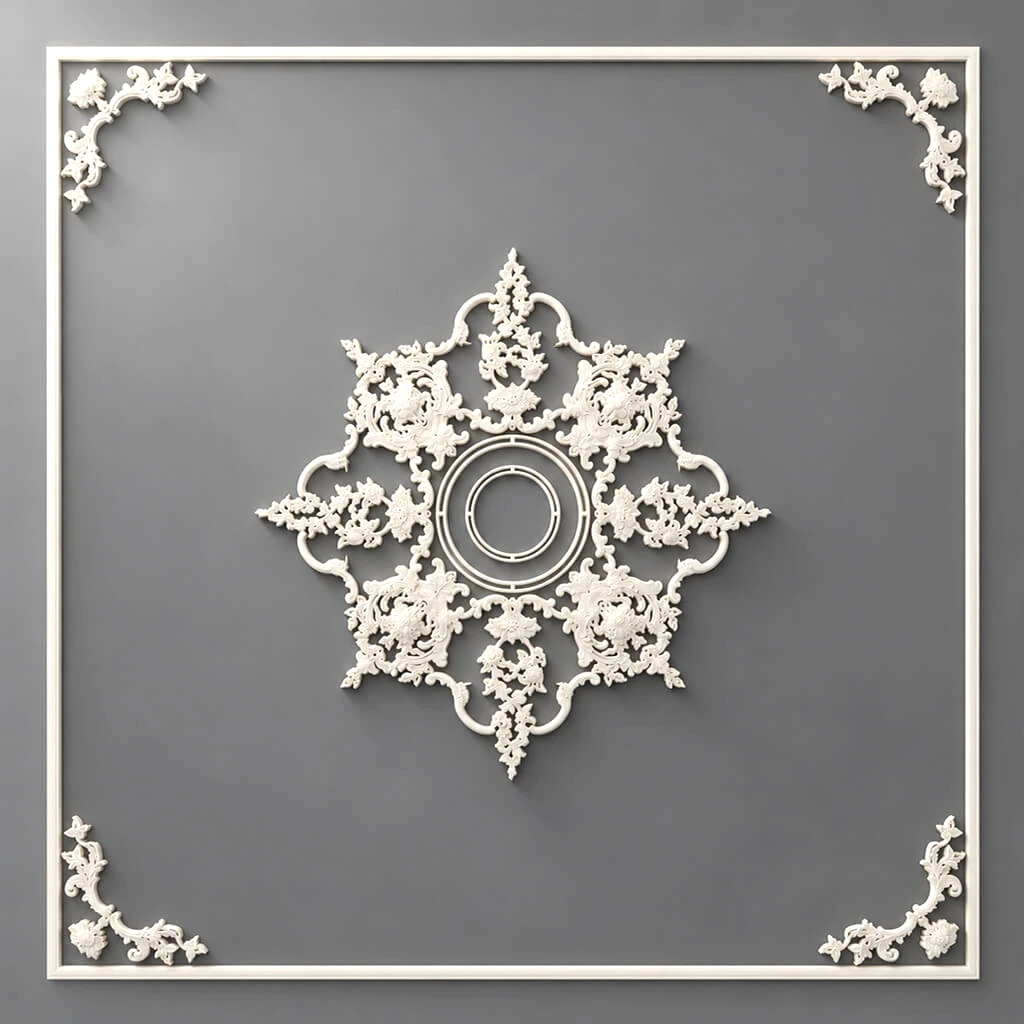
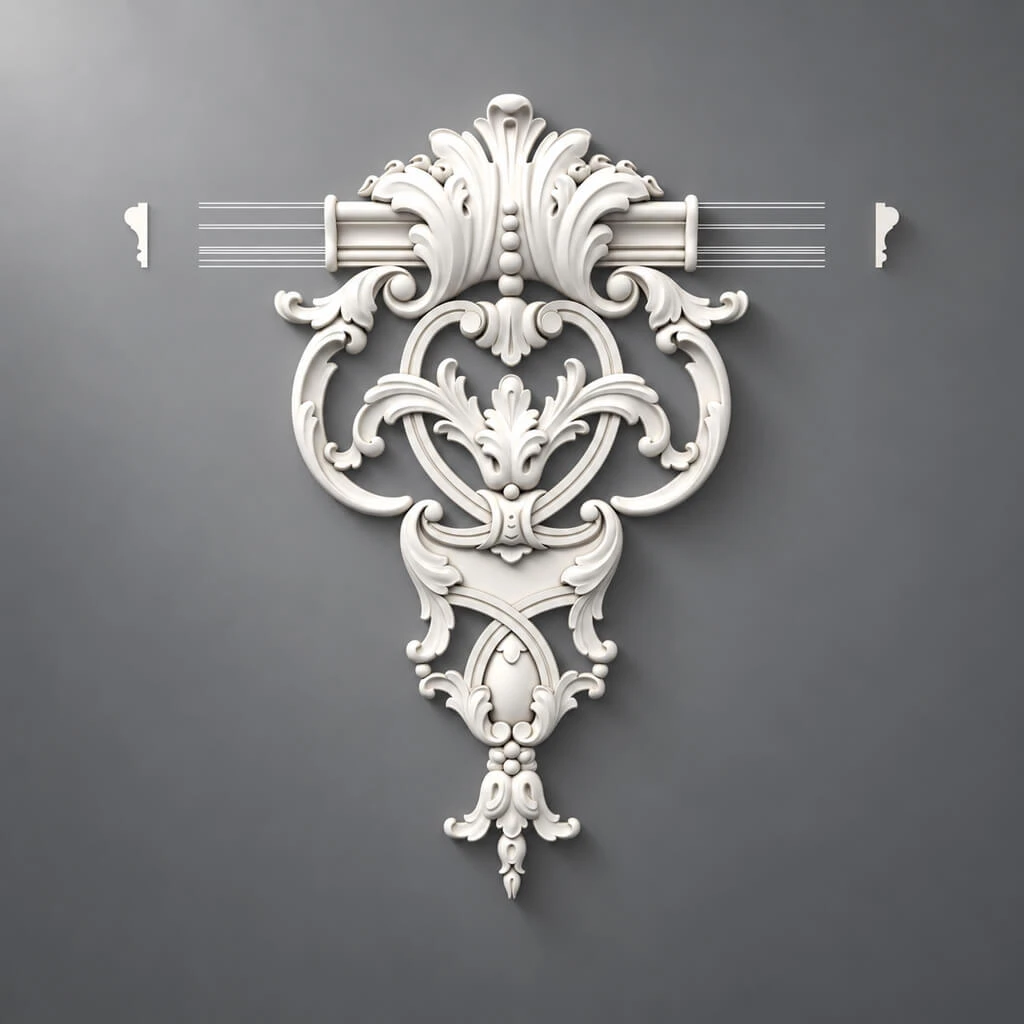
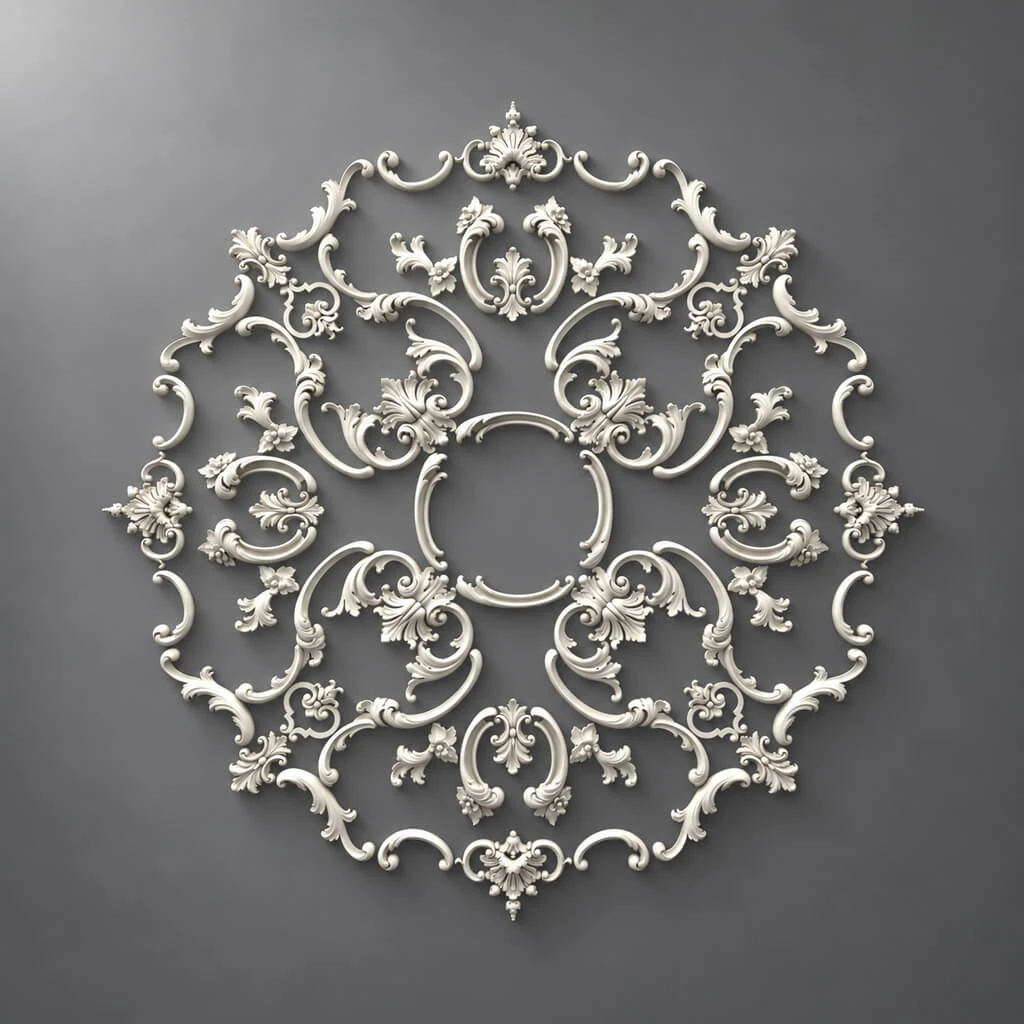
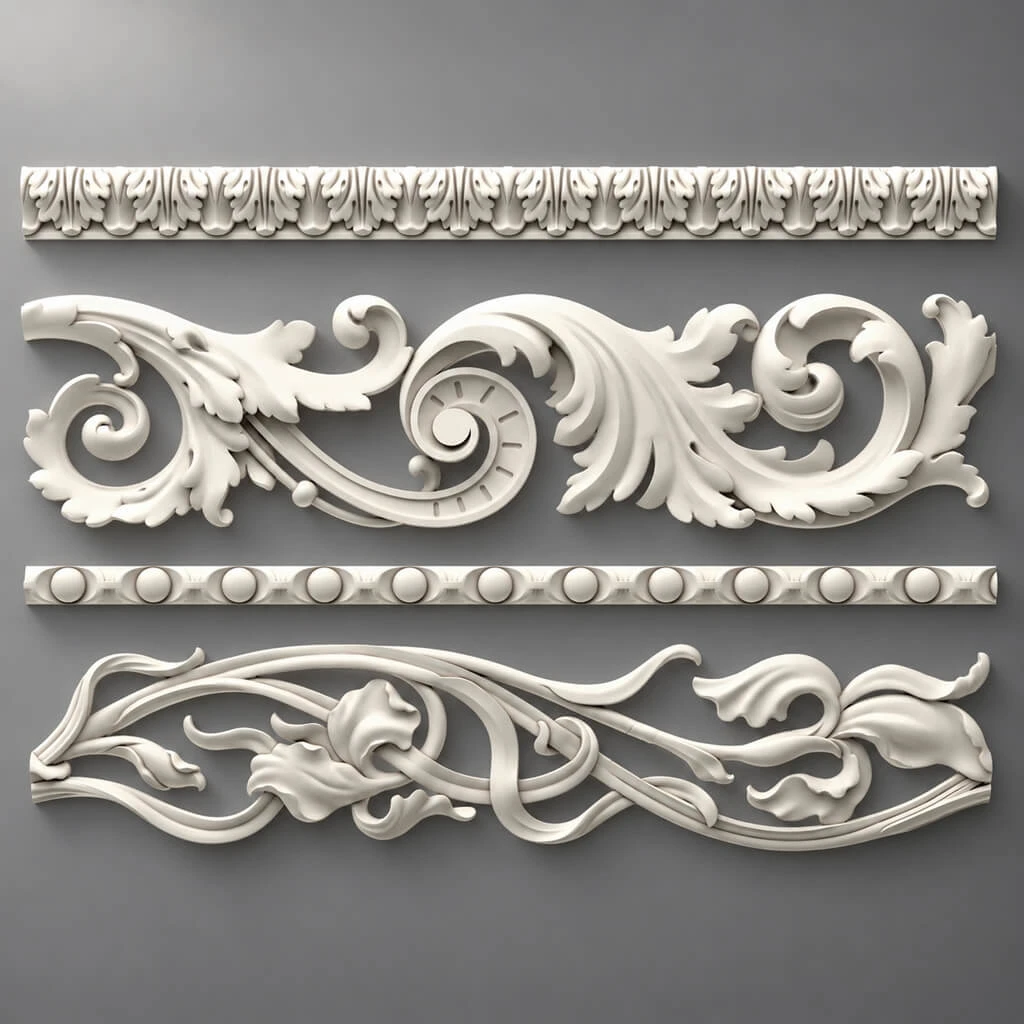
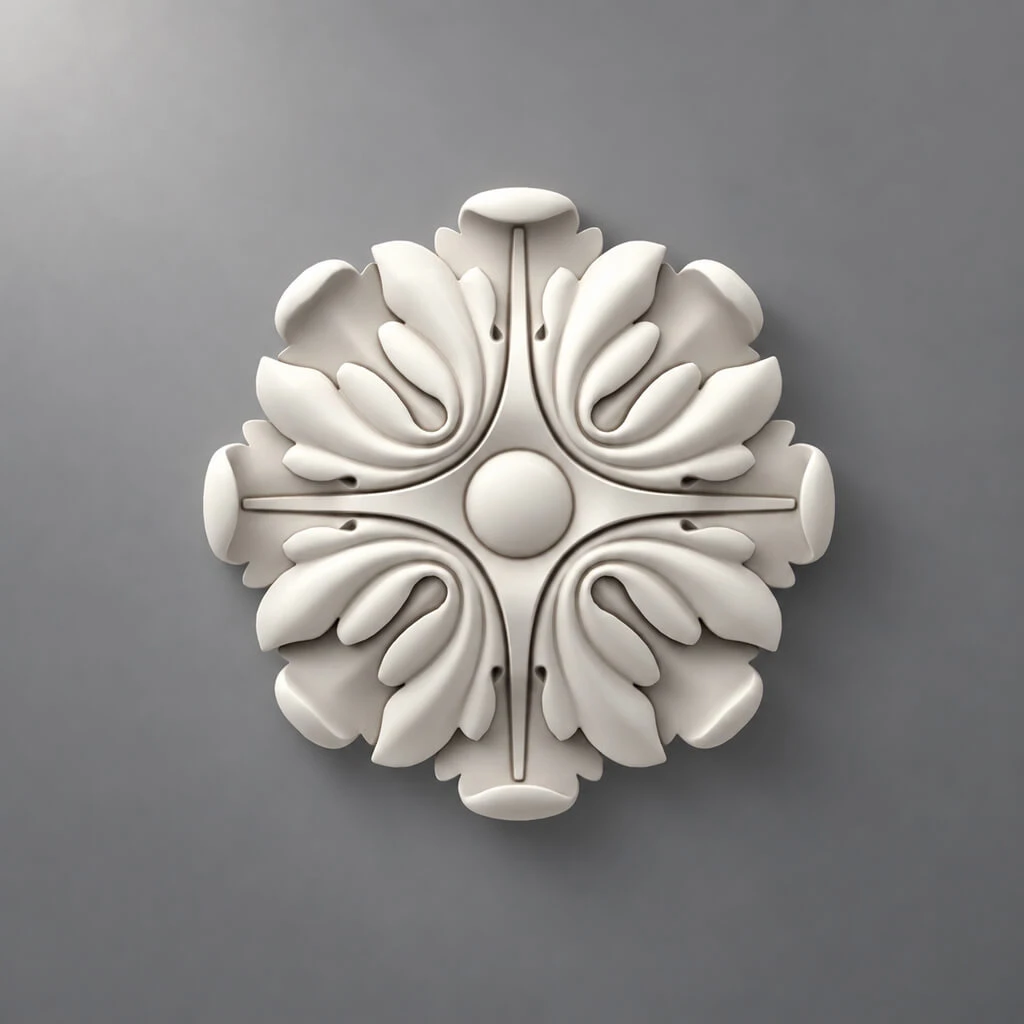
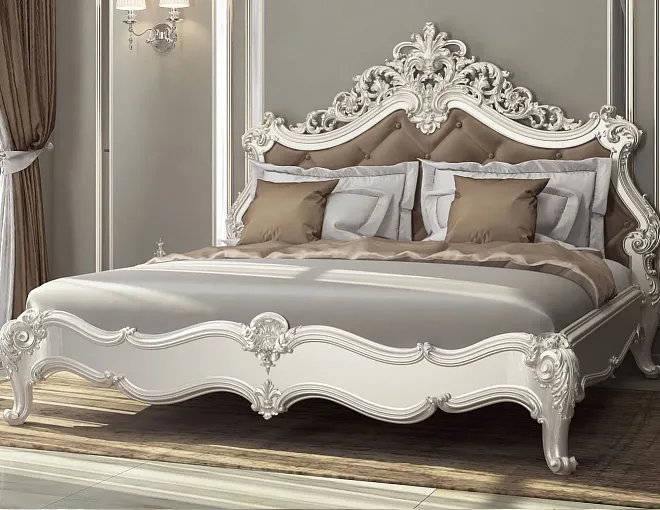
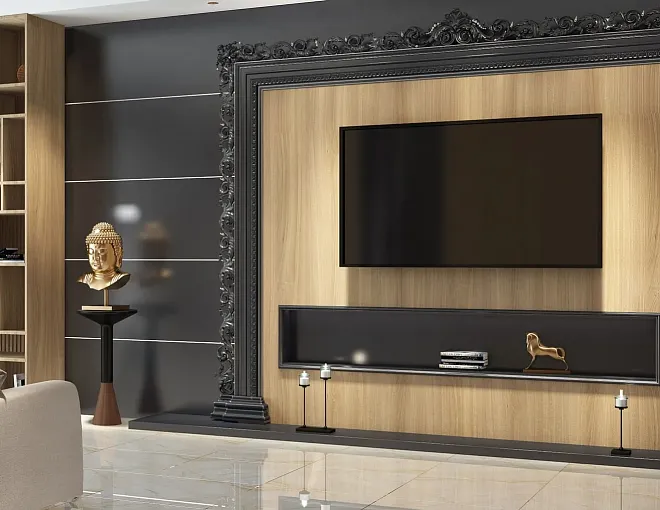
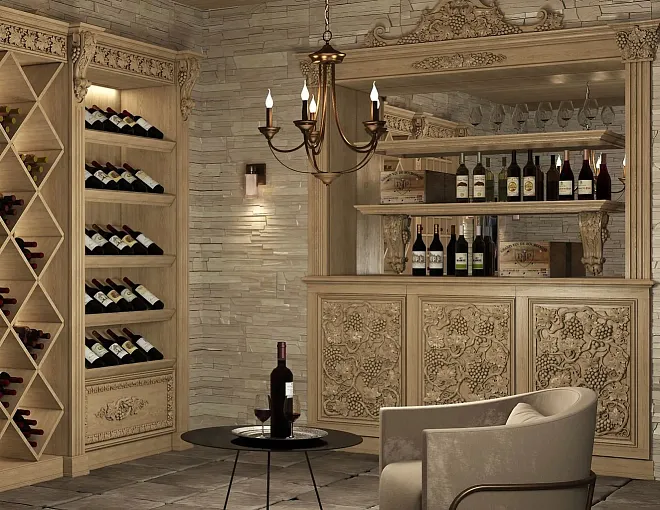
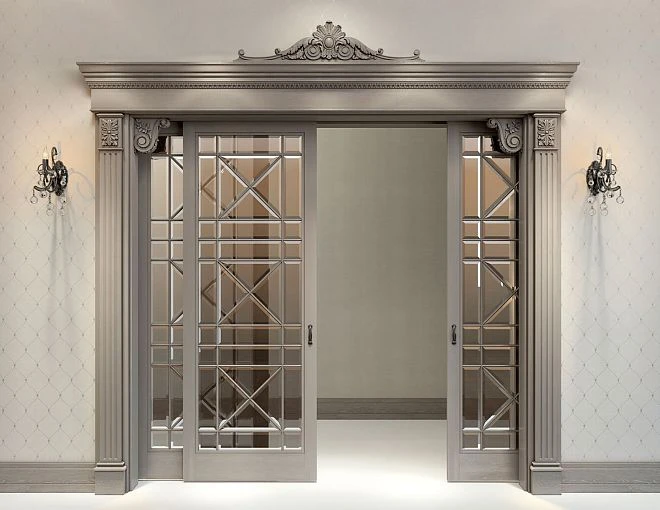
Application Gallery
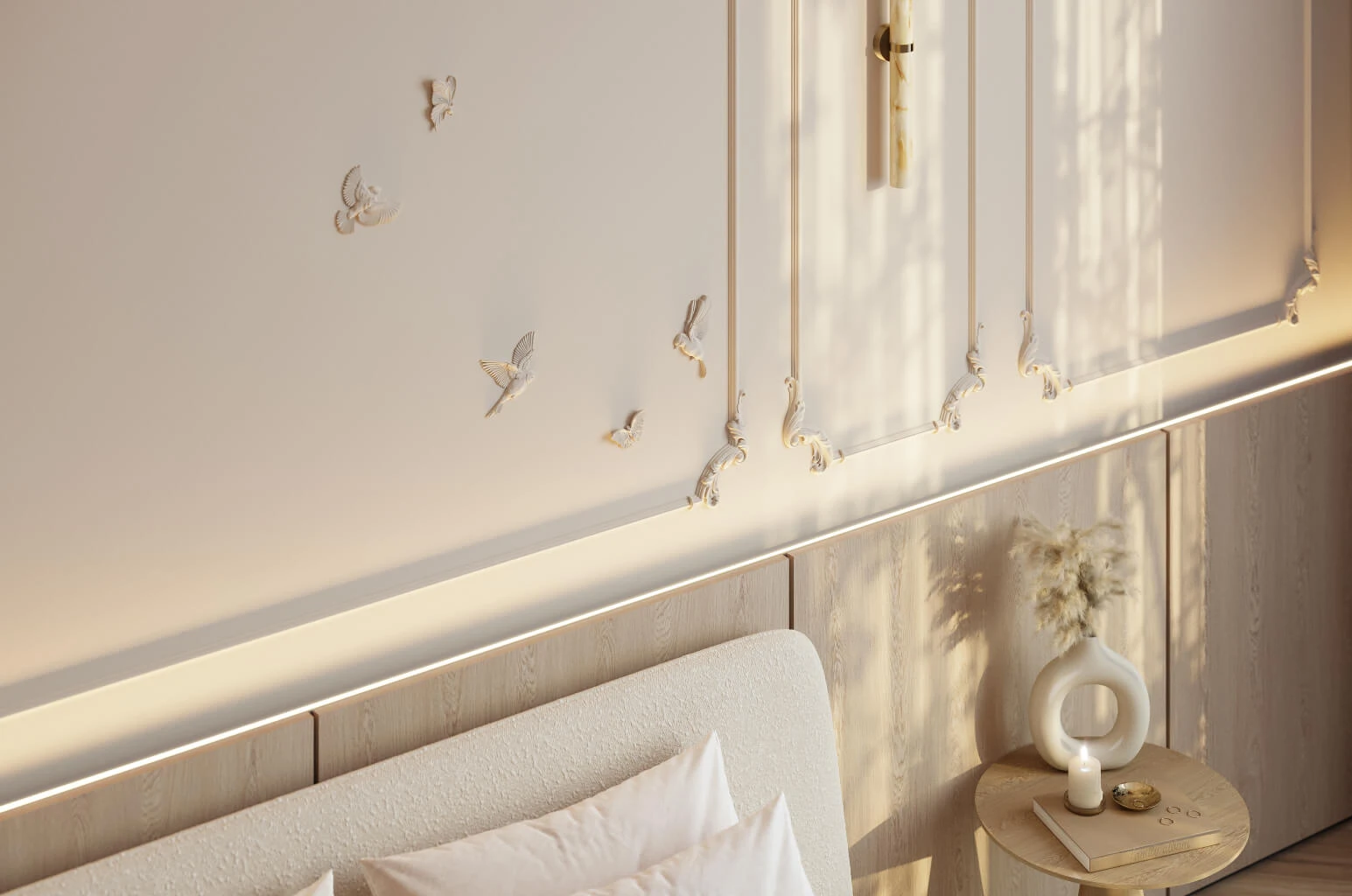
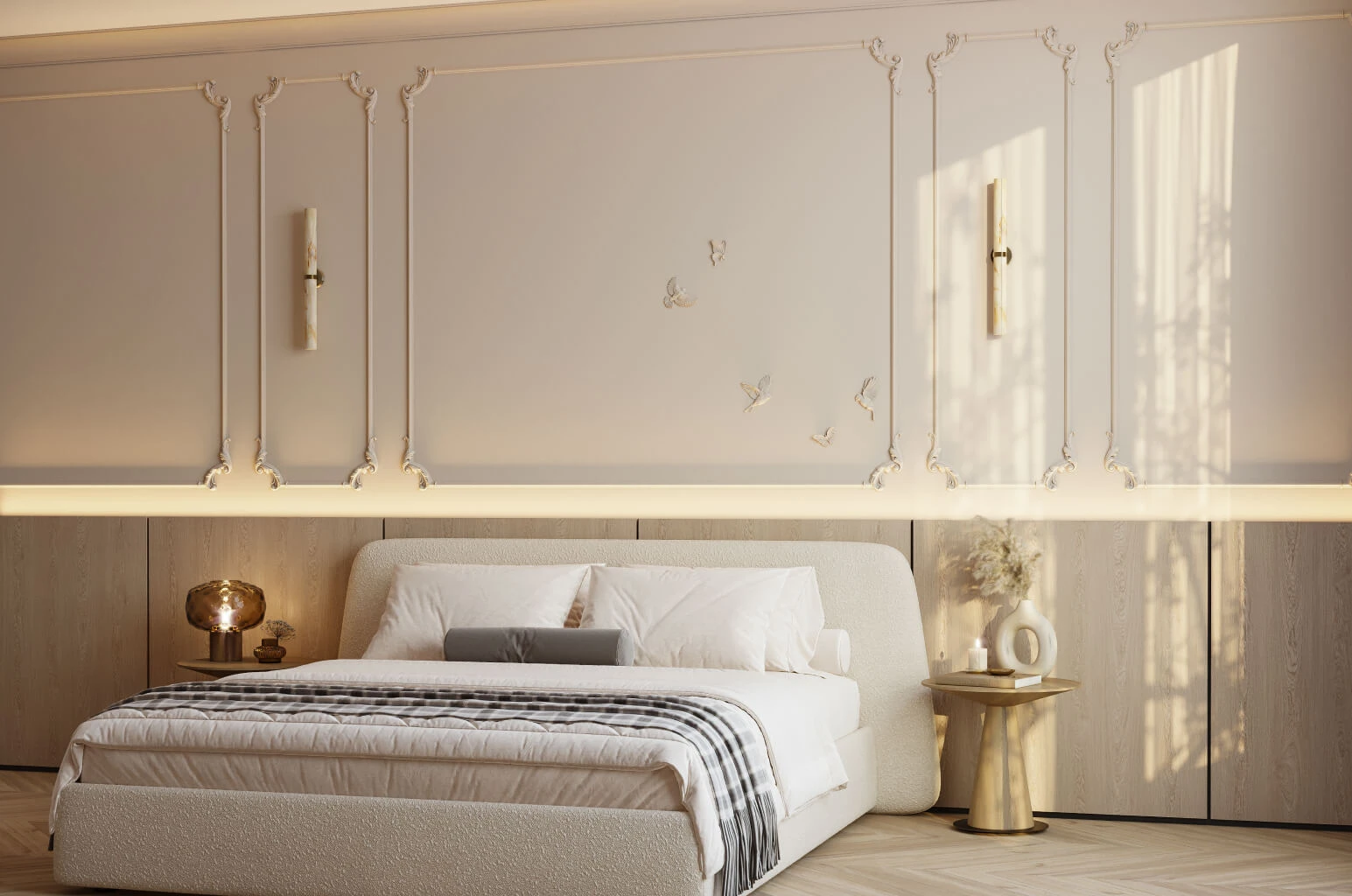
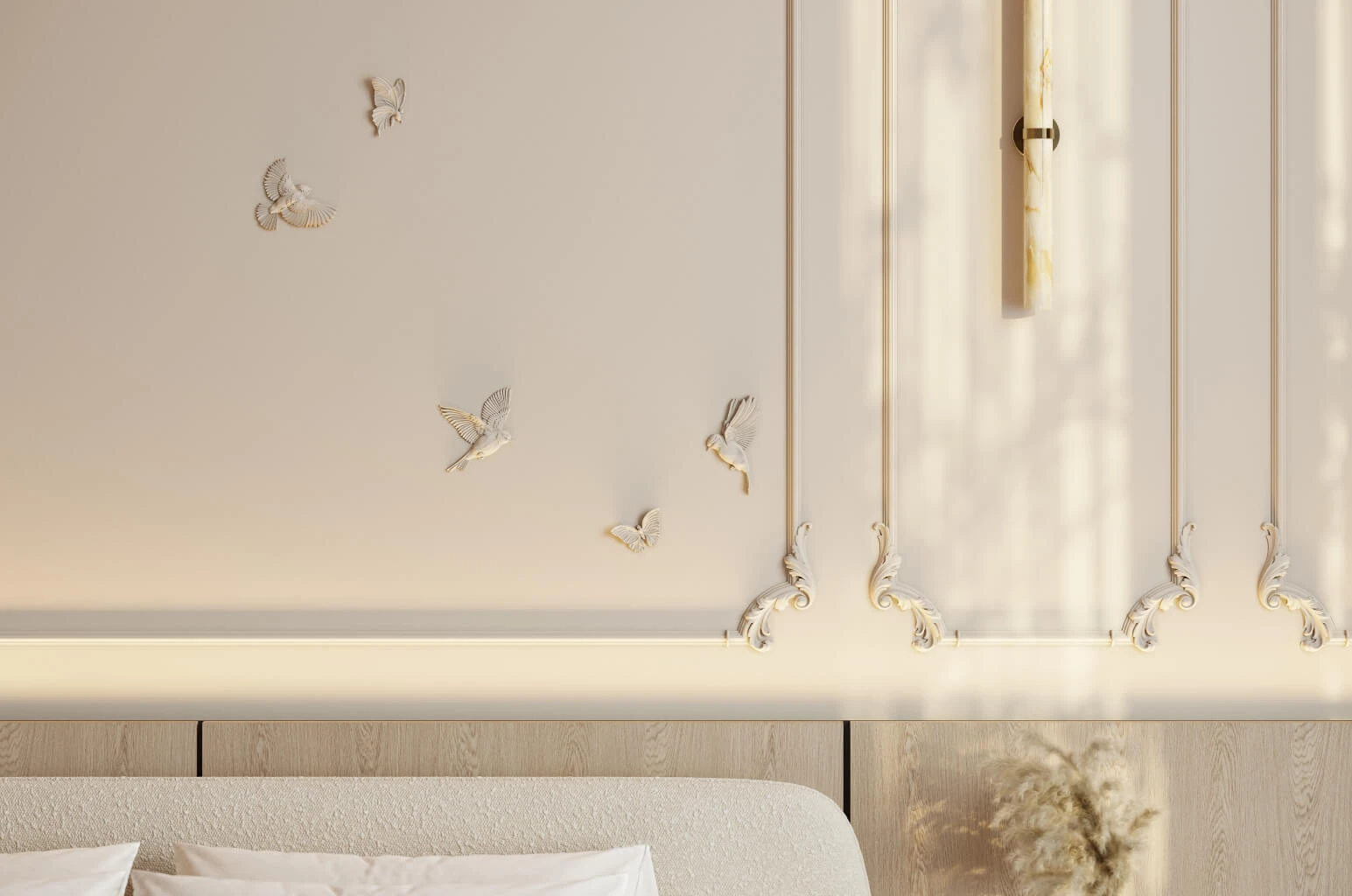
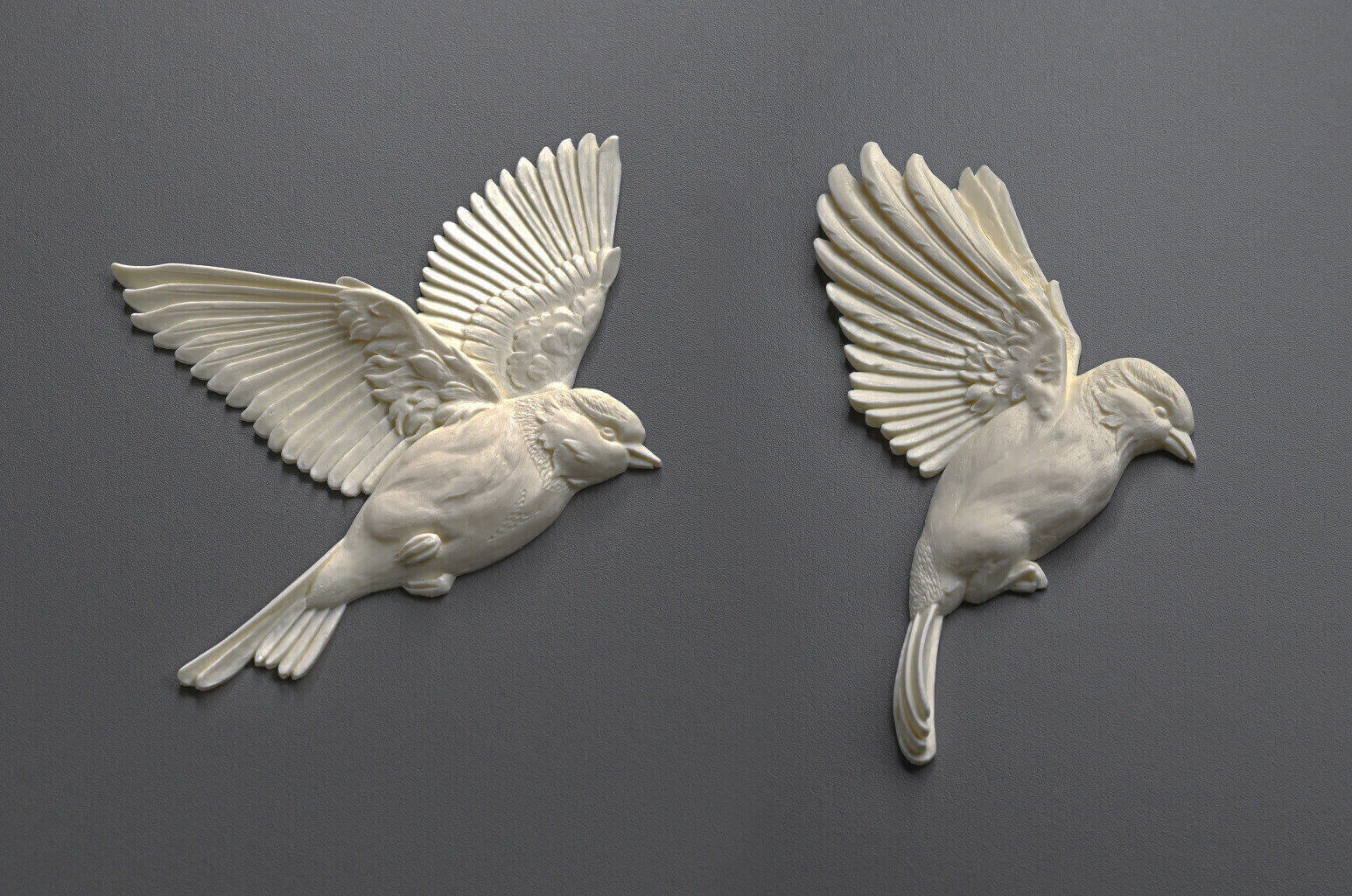
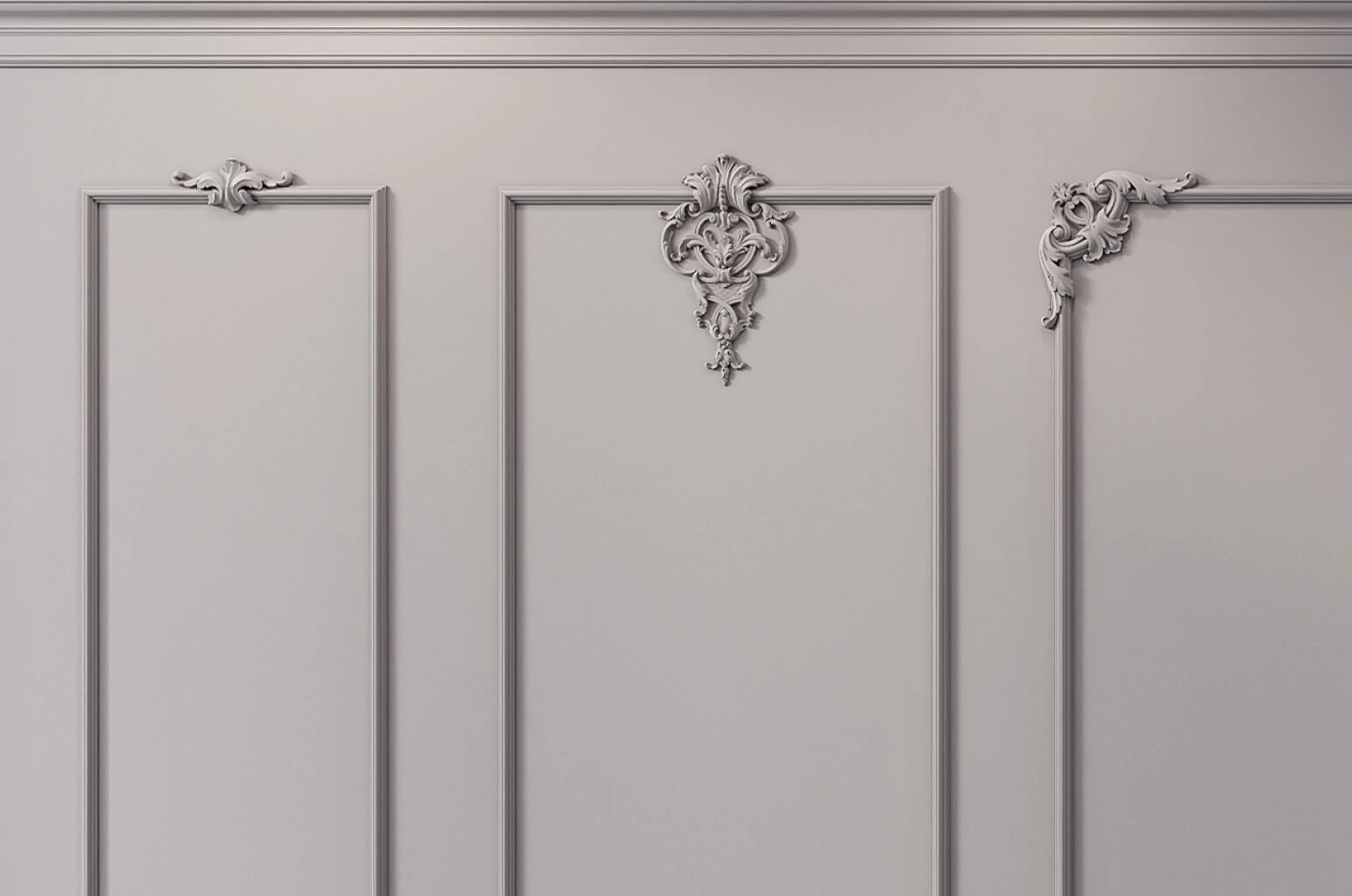
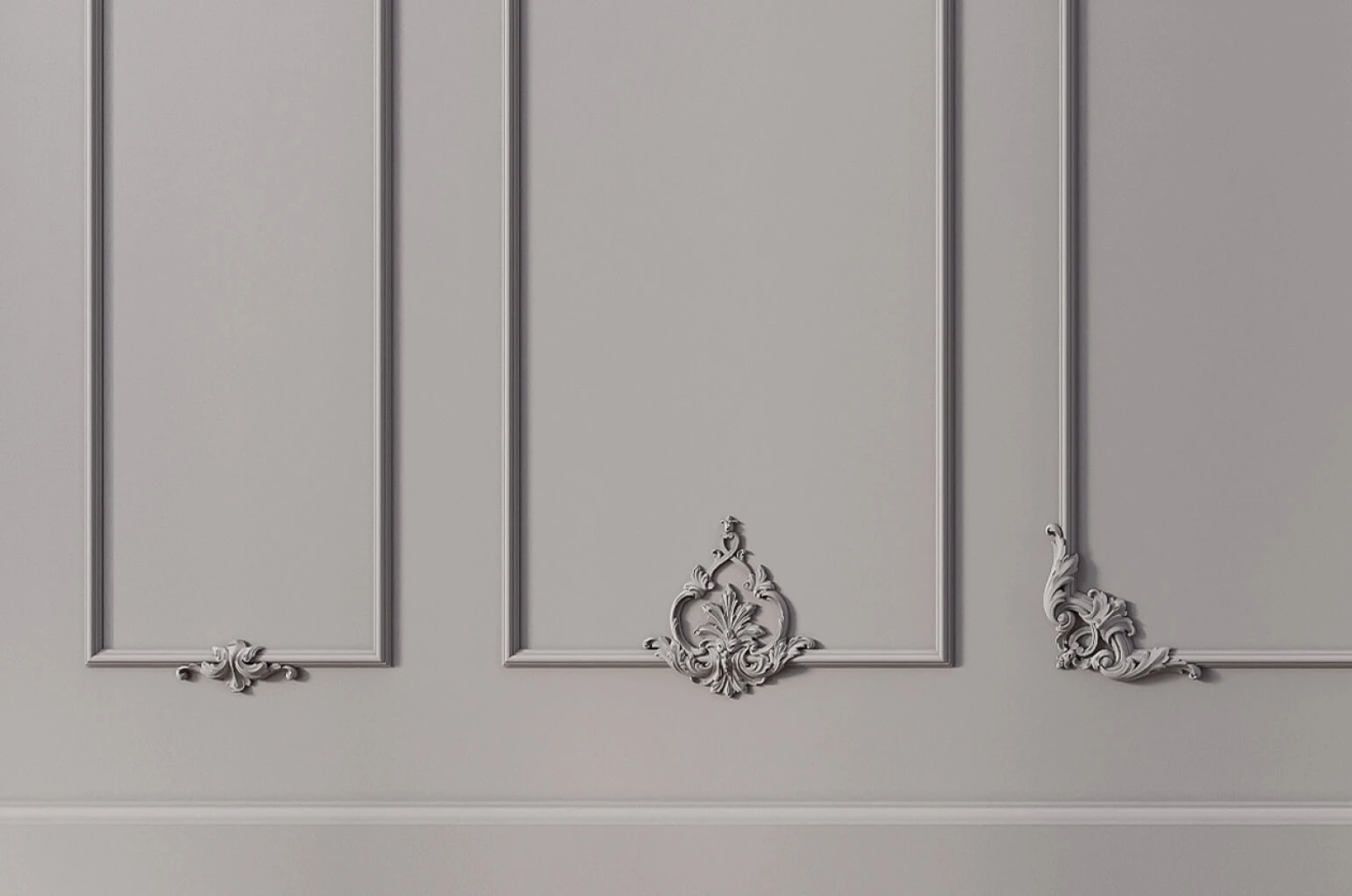
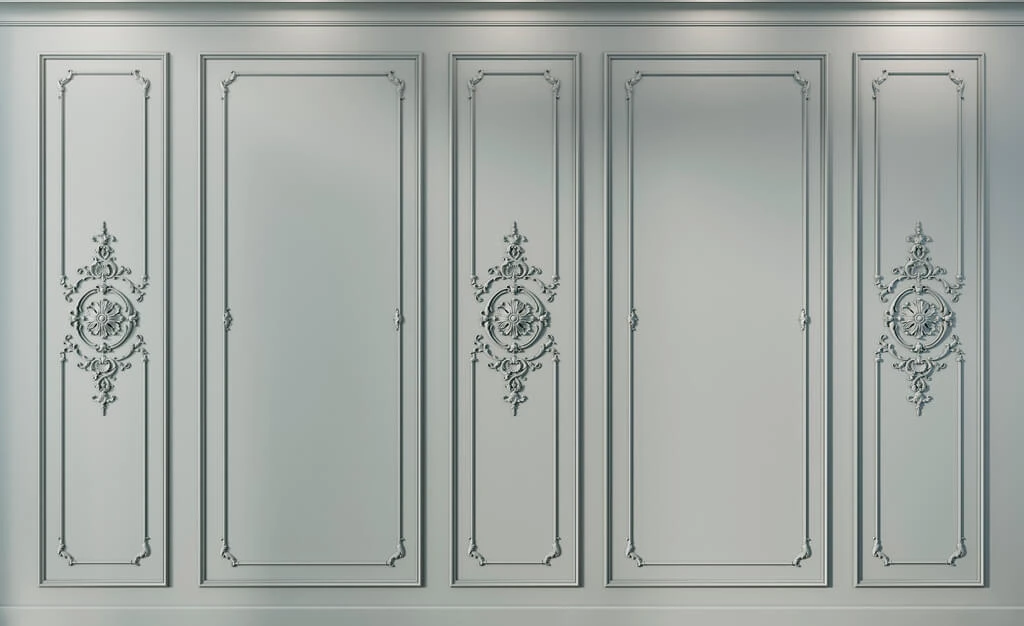
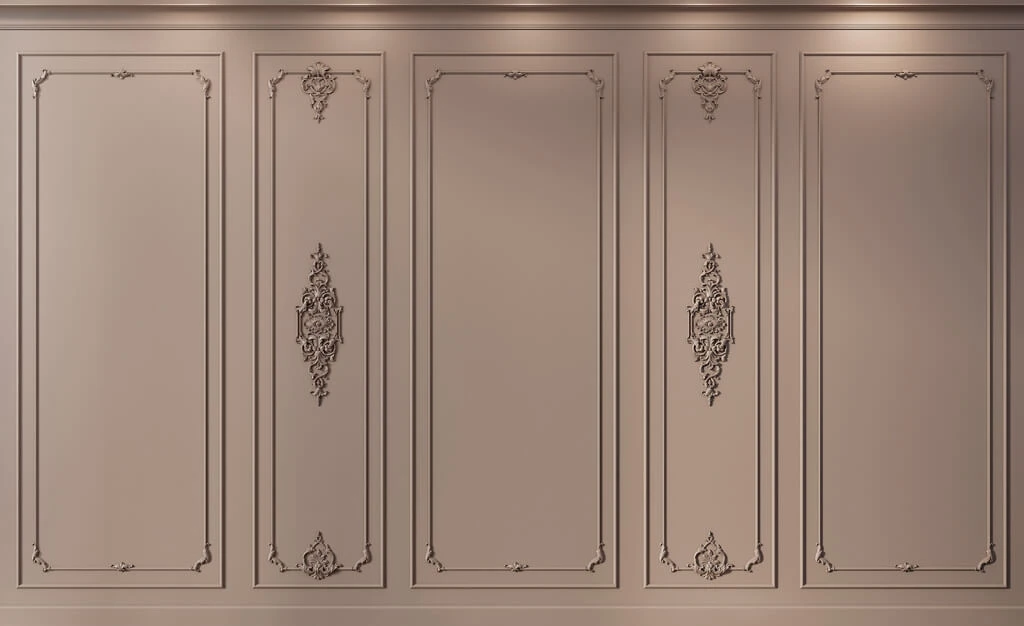
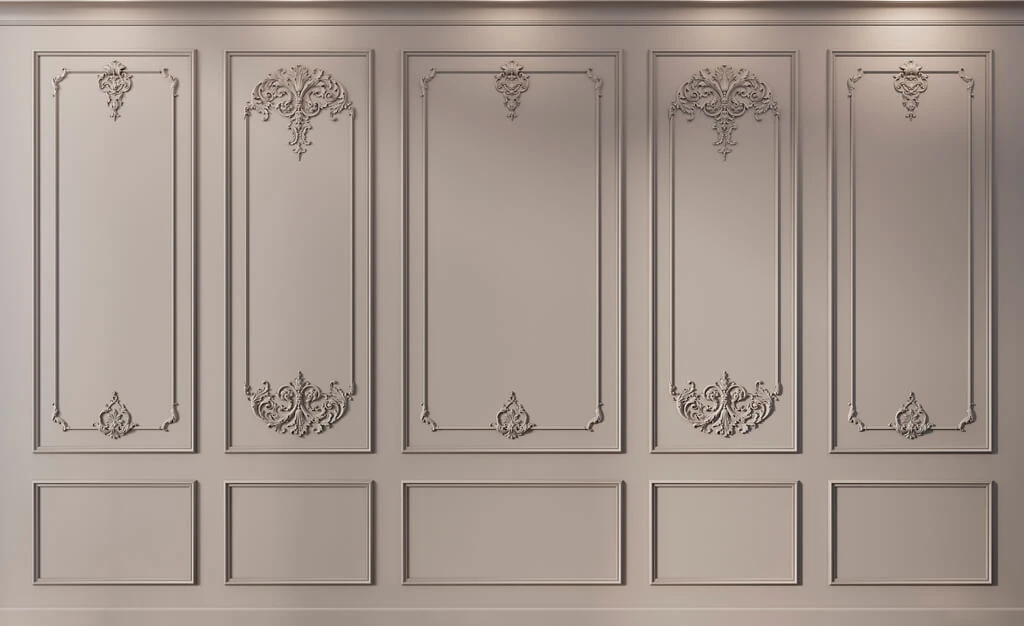
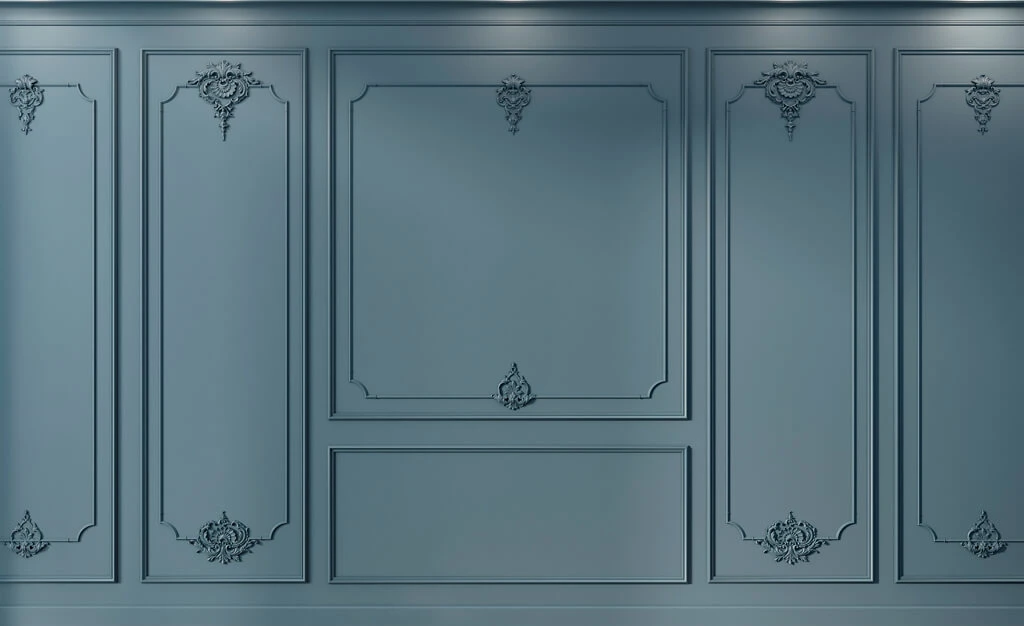
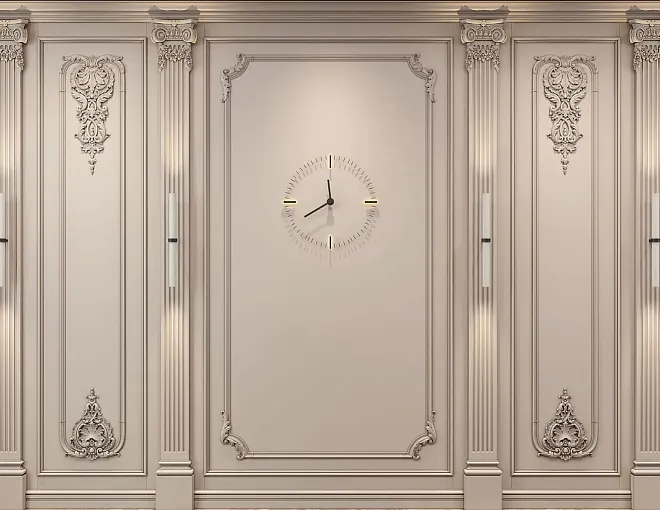
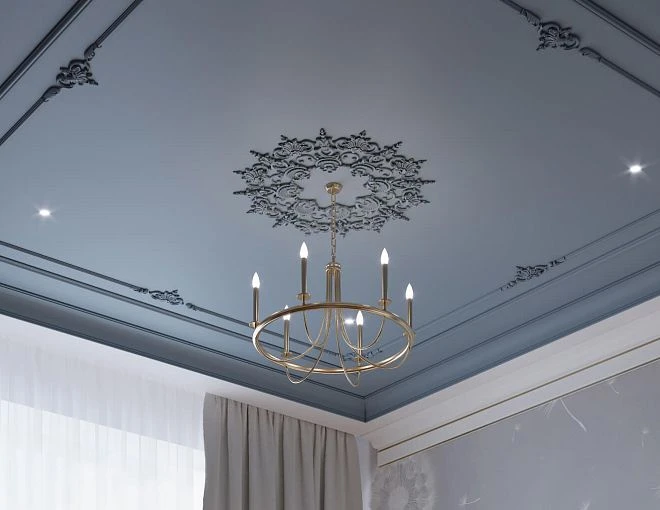
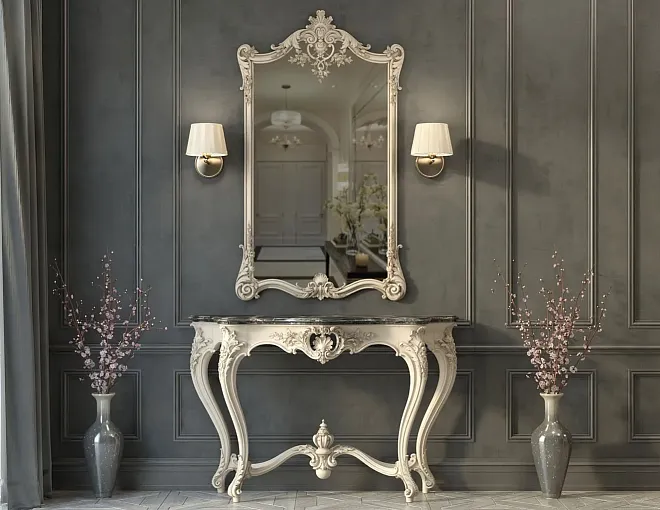
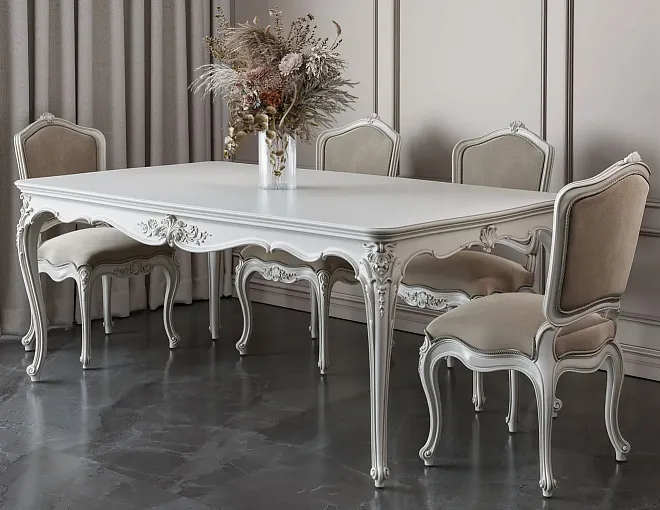
Elegant wall design does not have to rely on heavy ornament, dramatic contrasts, or elaborate architectural details. Sometimes the most effective transformation comes from a simple change in proportion: a delicate molding profile, a restrained decorative corner, or a thoughtfully positioned frame that gives an otherwise plain wall a sense of structure.
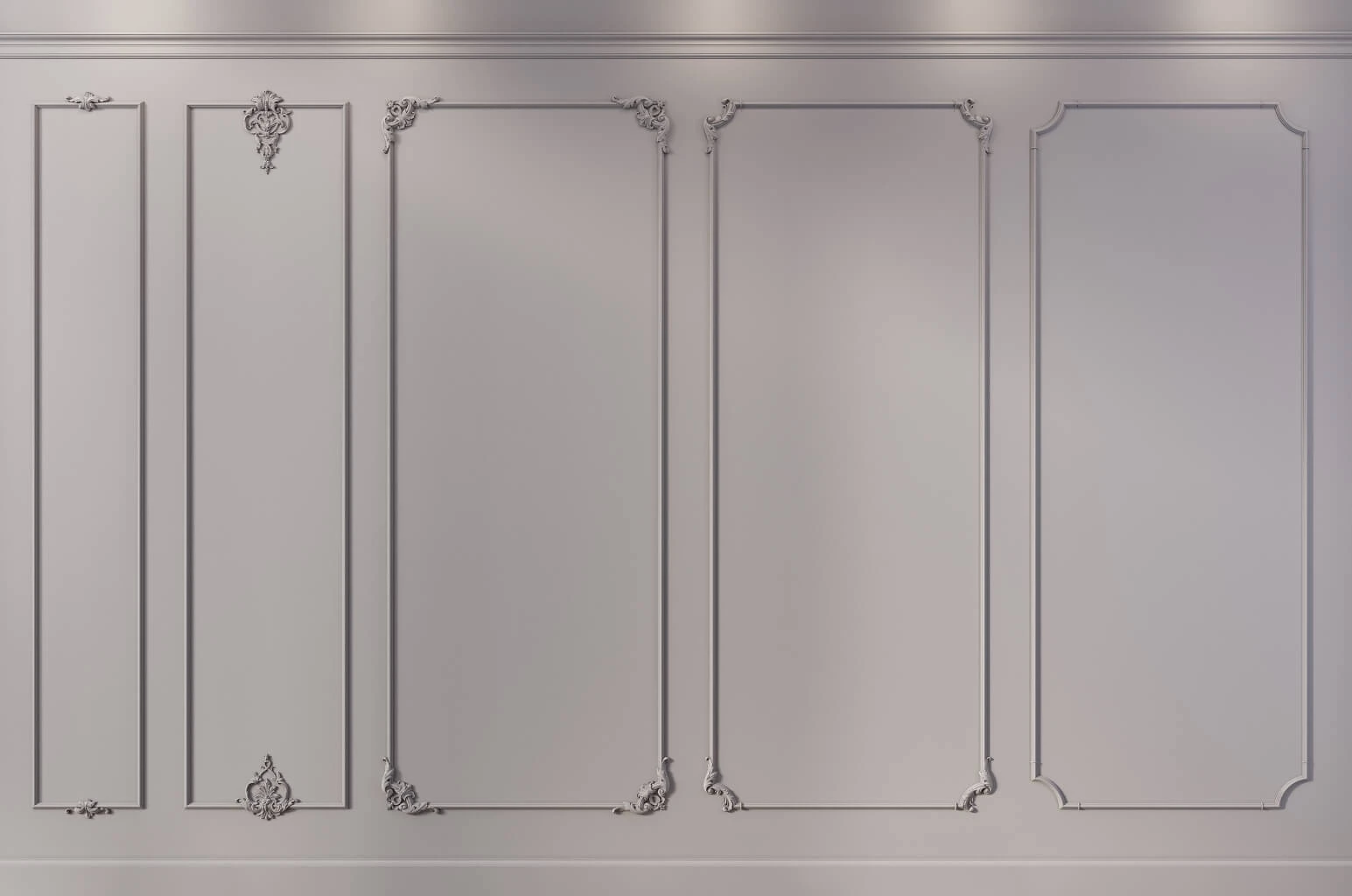
The STAVROS Neoclassic Light Collection is designed around this approach. Featuring five coordinated wall molding kits, CPU-2-1 through CPU-2-5, the collection offers an understated interpretation of classical wall decoration for contemporary residential and commercial interiors.
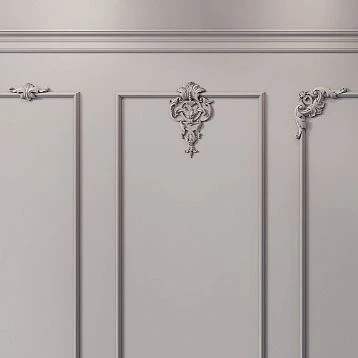
Each design brings together polyurethane ornamental details and primed MDF molding to create a decorative wall composition. The collection's slim MLD-002-MG profile, measuring 22 × 11 mm, establishes clean lines, while the sculpted accents provide a subtle connection to traditional architectural ornament.
The result is an approach to thin wall molding that works with modern furniture, quiet color palettes, natural materials, and interiors where the decorative treatment should enhance the architecture rather than dominate it.
From a narrow vertical accent to a wider picture frame molding arrangement, Neoclassic Light offers several ways to make flat walls more visually interesting while preserving a calm, balanced atmosphere.
The defining characteristic of the collection is its restrained scale.
Traditional decorative wall molding can be highly expressive, with substantial profiles, deep ornament, and large framed sections. Neoclassic Light follows the same principles of balance and architectural proportion but uses more delicate visual elements.
This distinction becomes particularly noticeable in three areas.
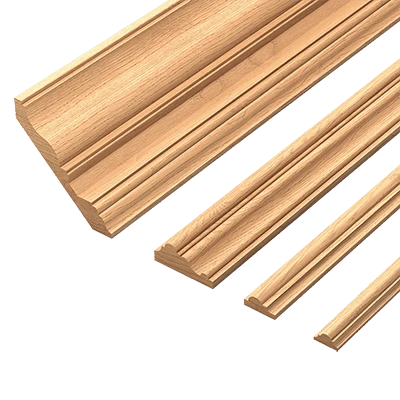
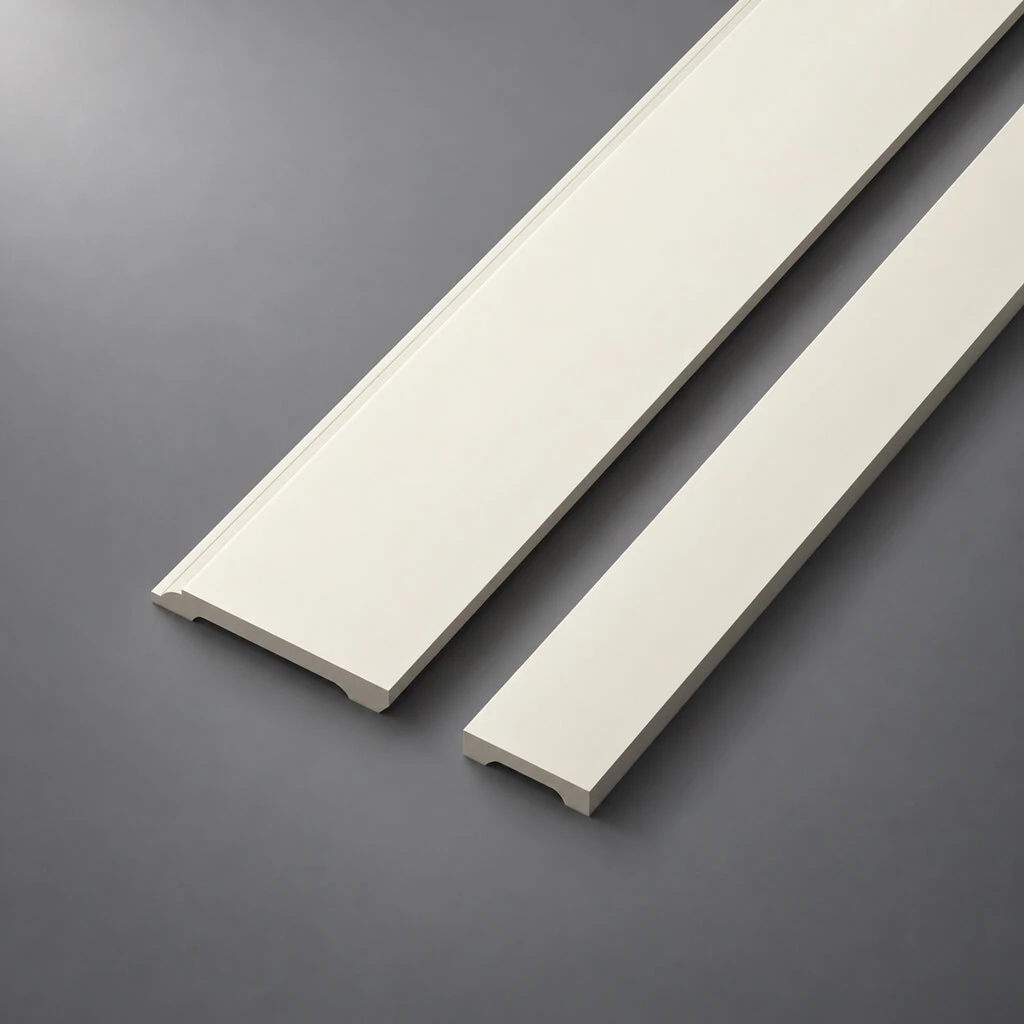
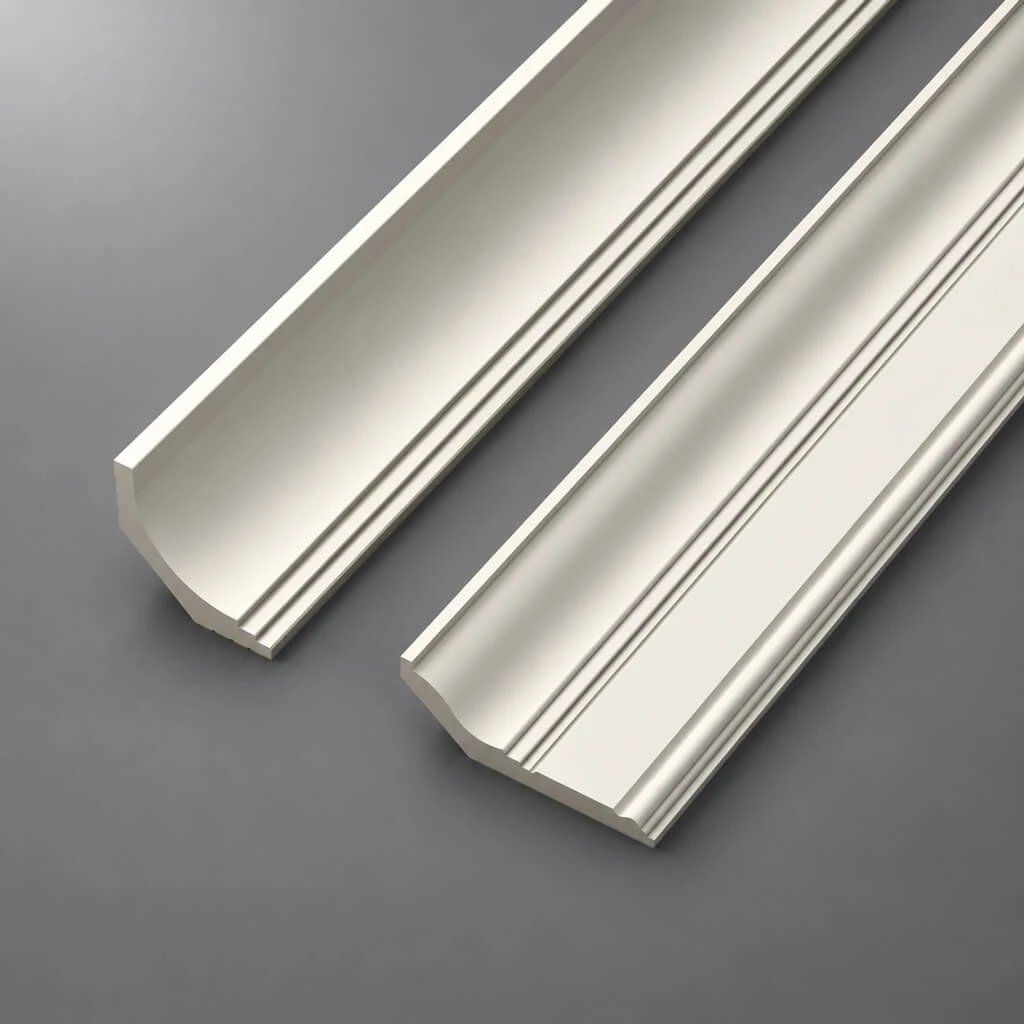
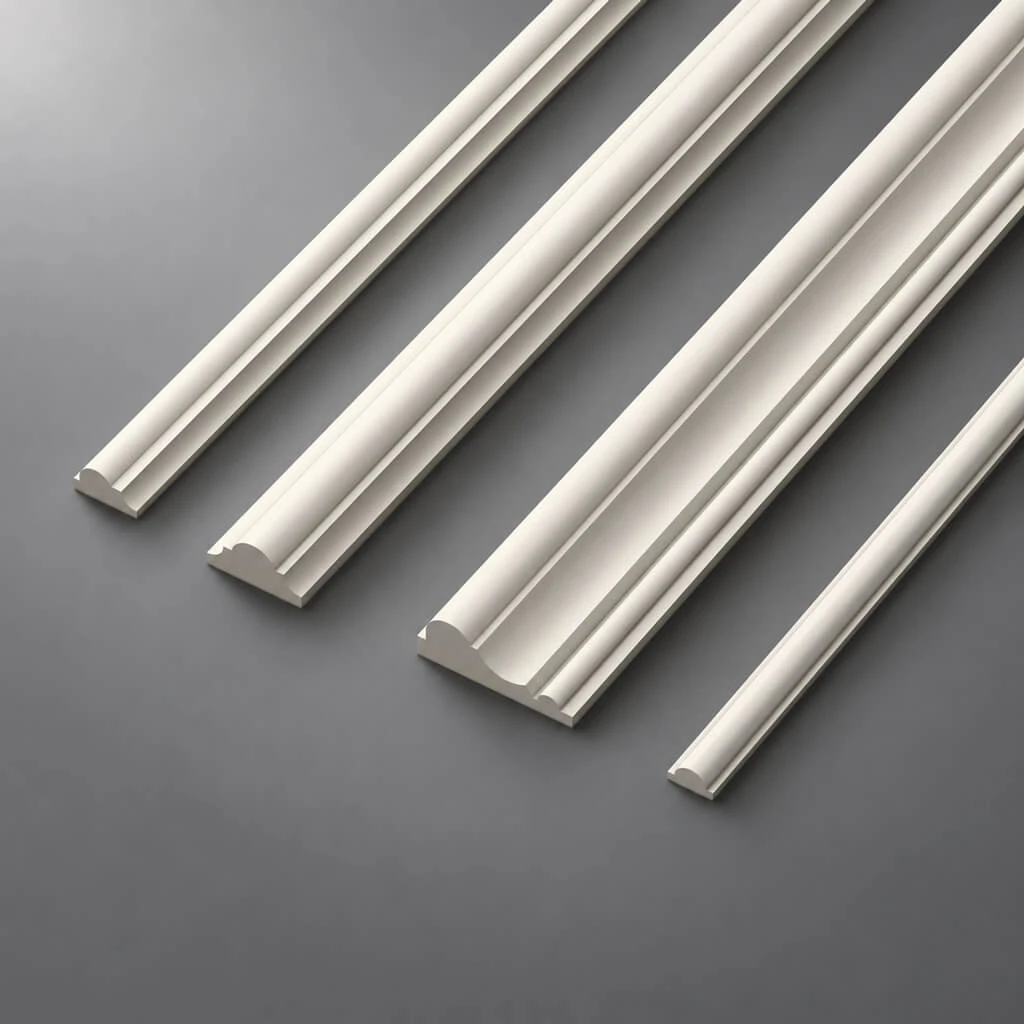
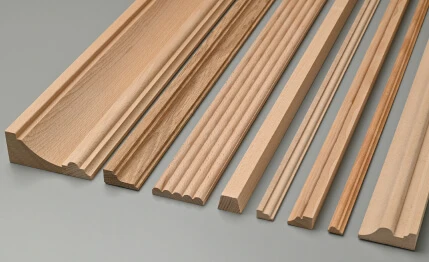
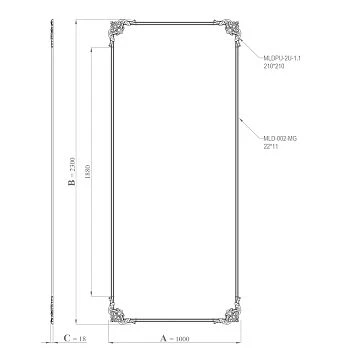
The straight molding component used across the collection is MLD-002-MG, a primed MDF profile measuring 22 × 11 mm.
Its narrow proportions help create a defined architectural outline without making the wall treatment appear heavy. In a monochromatic painted finish, the profile can read almost like a subtle line drawn across the wall.
This makes the collection relevant to interiors featuring contemporary furniture, restrained color schemes, and architectural details that are intended to blend rather than compete.
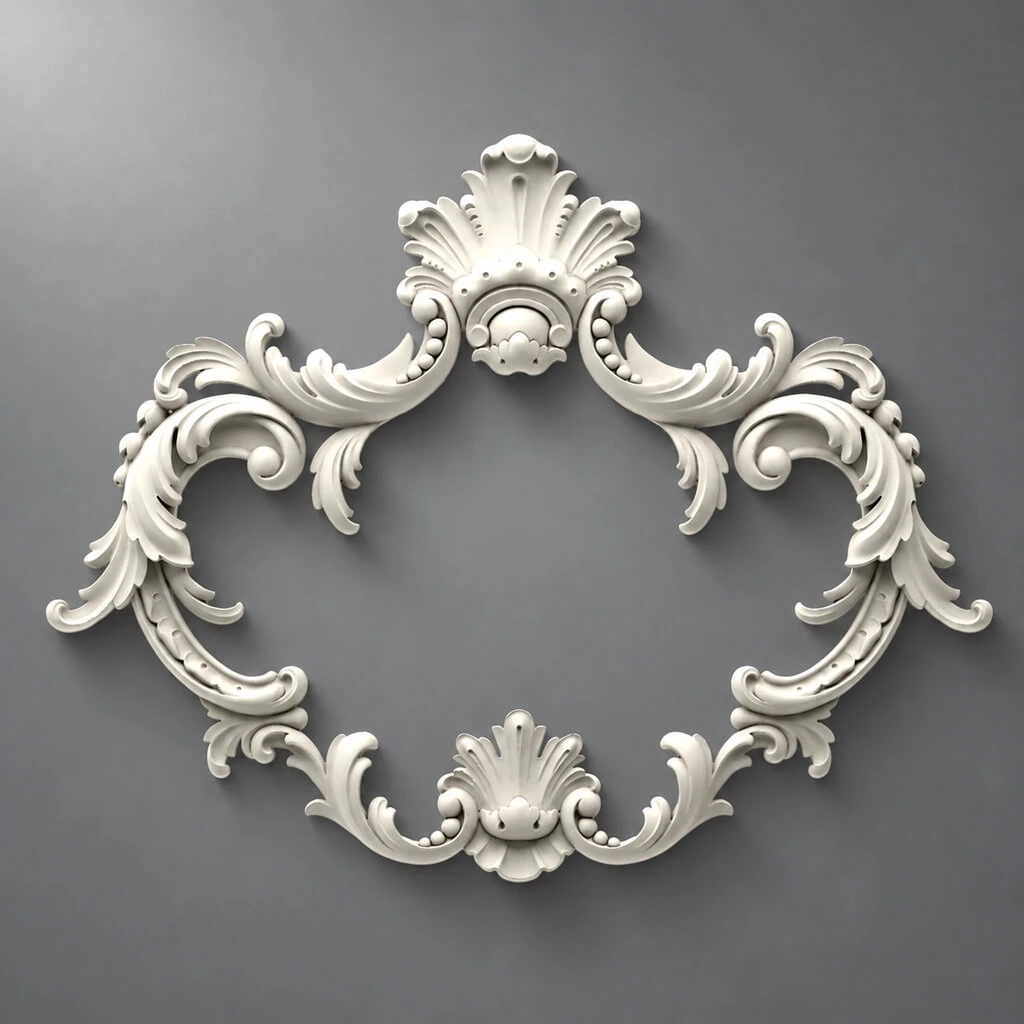
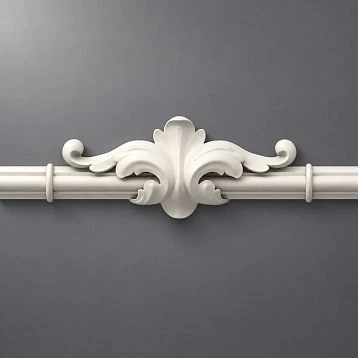
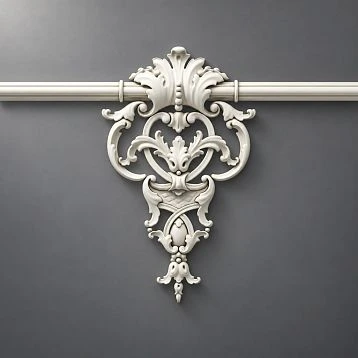
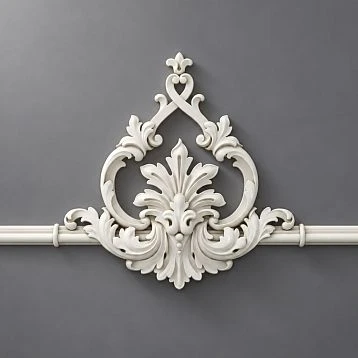
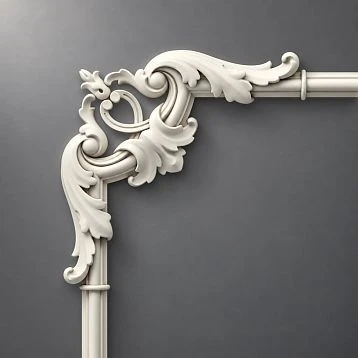
The polyurethane accents introduce ornament, but their role is measured.
Depending on the selected set, these components can create a vertical focal point, mark the upper and lower ends of a decorative feature, or form shaped transitions at the corners of a wall frame.
These details give the collection a neoclassical identity without requiring the more elaborate ornamentation associated with highly traditional interiors.
Rather than beginning with an assortment of unrelated molding pieces, the Neoclassic Light Collection presents five reference compositions with matching decorative components.
This helps homeowners, designers, and contractors compare the visual effect of different arrangements before planning their installation.
Each set has its own reference dimensions and component selection. The appropriate quantities, cutting requirements, and installation materials should be confirmed for the intended wall layout.
The collection includes five designs with different widths, ornamental arrangements, and levels of decorative emphasis.
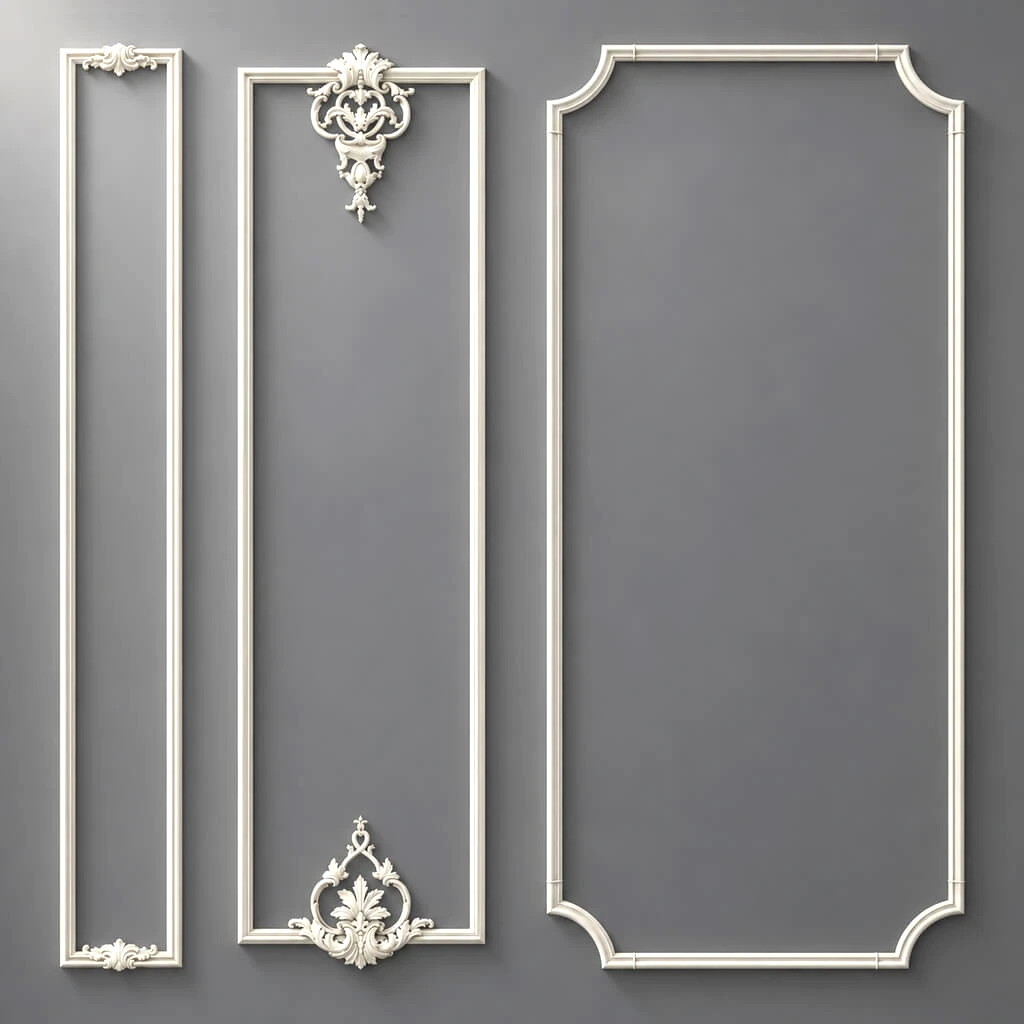
Although the designs share a slim molding profile, they are not interchangeable. A narrow vertical accent serves a different purpose from a symmetrical frame with four decorative corners.
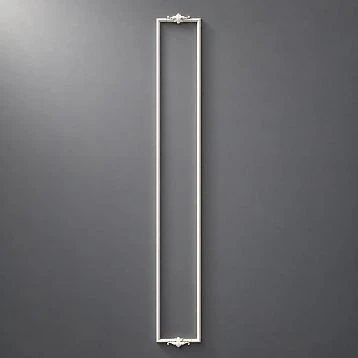
The CPU-2-1 Wall Molding Set is the narrowest design in the Neoclassic Light Collection.
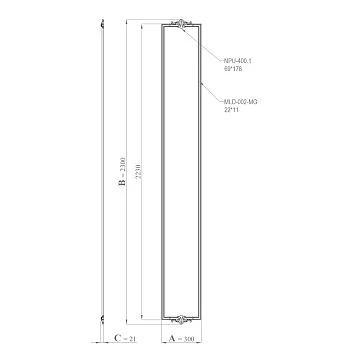
Its reference dimensions are 300 × 2300 × 21 mm, approximately 11.81 × 90.55 × 0.83 inches.
The composition combines the NPU-400.1 polyurethane ornament with primed MDF molding MLD-002-MG. The result is a narrow decorative feature that introduces classical detail without occupying a large horizontal area.
This design is particularly useful for narrow wall sections, spaces between openings, and vertical accent arrangements.
It can also be considered as part of a repeated pattern, with several slender compositions placed at carefully measured intervals along a longer wall.
For interiors where furniture, artwork, or lighting already provides strong visual interest, CPU-2-1 offers a relatively quiet architectural addition.
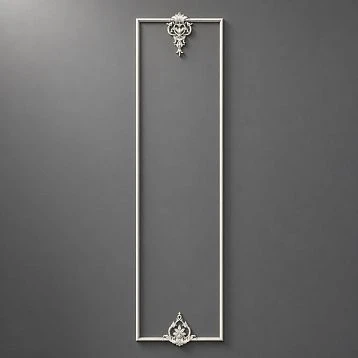
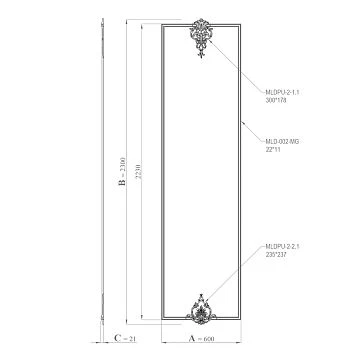
The CPU-2-2 Decorative Wall Molding Set introduces a wider vertical arrangement with two different ornamental elements.
Its reference dimensions are 600 × 2300 × 21 mm, or approximately 23.62 × 90.55 × 0.83 inches.
The composition uses polyurethane components MLDPU-2-1.1 and MLDPU-2-2.1, combined with primed MDF molding MLD-002-MG.
The different decorative elements create a clear relationship between the upper and lower parts of the design. This makes CPU-2-2 more expressive than a simple rectangular frame while retaining the collection's restrained appearance.
It is a useful option for an accent wall behind a chair, a decorative feature beside a mirror, or a vertical composition within a bedroom or living room.
The open wall space surrounding the composition remains important. Proper margins help the ornamental details look intentional rather than crowded.
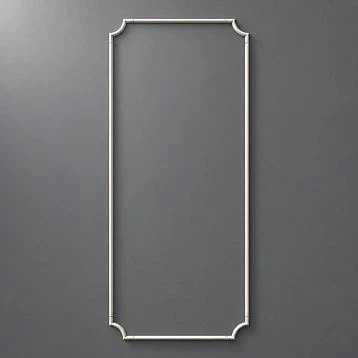
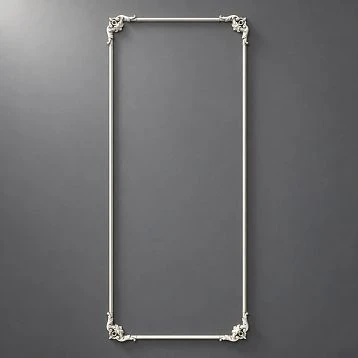
The CPU-2-3 Neoclassical Wall Molding Set is designed around a framed wall composition with four matching decorative corners.
Its reference dimensions are 1000 × 2300 × 18 mm, approximately 39.37 × 90.55 × 0.71 inches.
The set uses four polyurethane MLDPU-2U-1.1 corner elements and the slim MLD-002-MG primed MDF profile.
The identical corner accents help create a consistent decorative rhythm around the rectangular outline. Because the straight molding is comparatively narrow, the corner details can remain visible without giving the entire frame an overly elaborate appearance.
CPU-2-3 can be used as a central feature or considered as part of a repeated wall panel molding layout.
This type of composition is especially relevant to dining rooms, living rooms, home offices, and other interiors where symmetrical architectural framing is an important design feature.
The CPU-2-4 Wall Molding Frame Set offers a different approach to decorative symmetry.
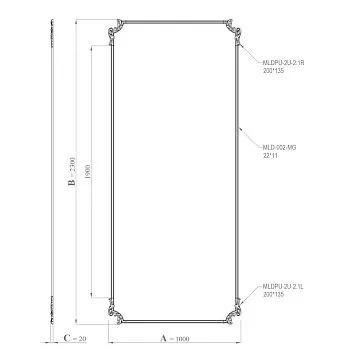
The reference layout measures 1000 × 2300 × 20 mm, or approximately 39.37 × 90.55 × 0.79 inches.
Its defining components are the mirrored polyurethane corner elements MLDPU-2U-2.1L and MLDPU-2U-2.1R, paired with MLD-002-MG primed MDF molding.
Unlike the four identical corner pieces used in CPU-2-3, the left- and right-hand ornaments create a more directional decorative relationship.
This gives the frame a distinctive character while preserving the light proportions of the collection.
CPU-2-4 is worth considering for a focal wall behind a sofa, a formal yet contemporary dining area, or an architectural feature alongside a mirror or piece of artwork.
Because the corner components are handed, their intended orientation should be checked when planning the layout.
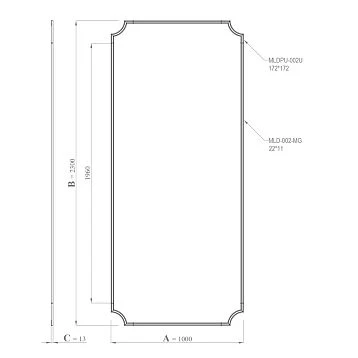
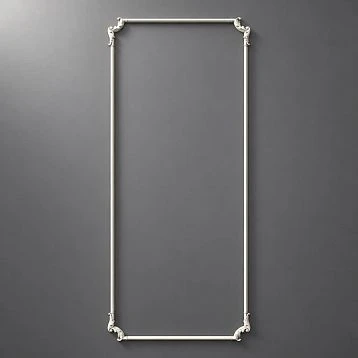
The CPU-2-5 Decorative Molding Set presents a wider decorative composition with relatively shallow ornamental relief.
Its reference dimensions are 1000 × 2300 × 13 mm, approximately 39.37 × 90.55 × 0.51 inches.
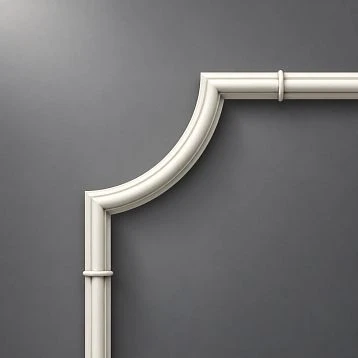
The composition combines MLDPU-002U polyurethane detailing with the MLD-002-MG primed MDF profile.
The MLDPU-002U ornament measures 172 × 172 × 13 mm, providing a compact sculpted detail that can complement a subtle wall molding design.
This option works particularly well when the desired appearance is architectural and refined rather than highly decorative.
A tone-on-tone painted finish can emphasize the clean geometry while allowing the relief to become visible through natural daylight and directional interior lighting.
CPU-2-5 is a useful design to compare with CPU-2-3 and CPU-2-4 when evaluating different ornamental treatments for the same general frame width.
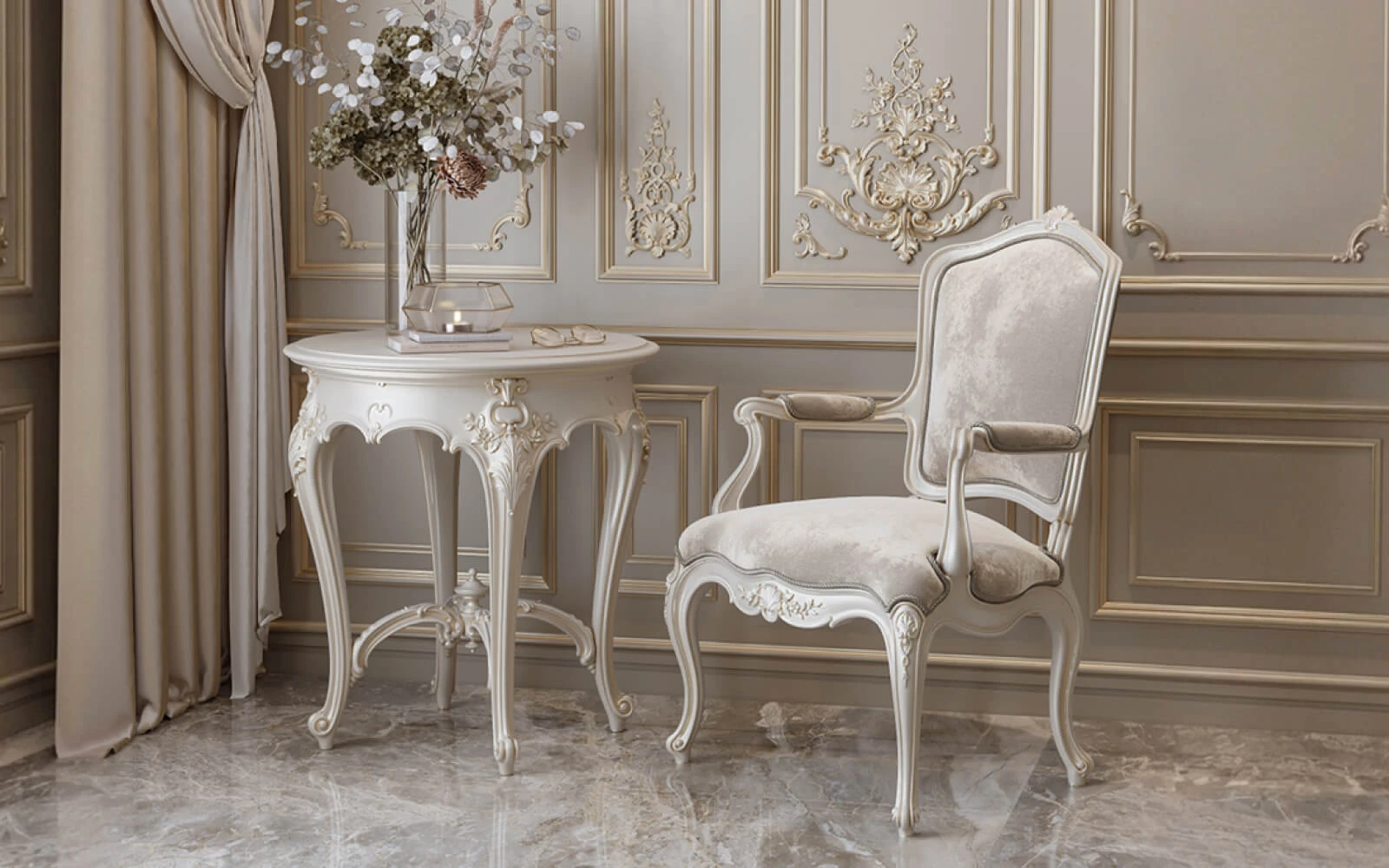
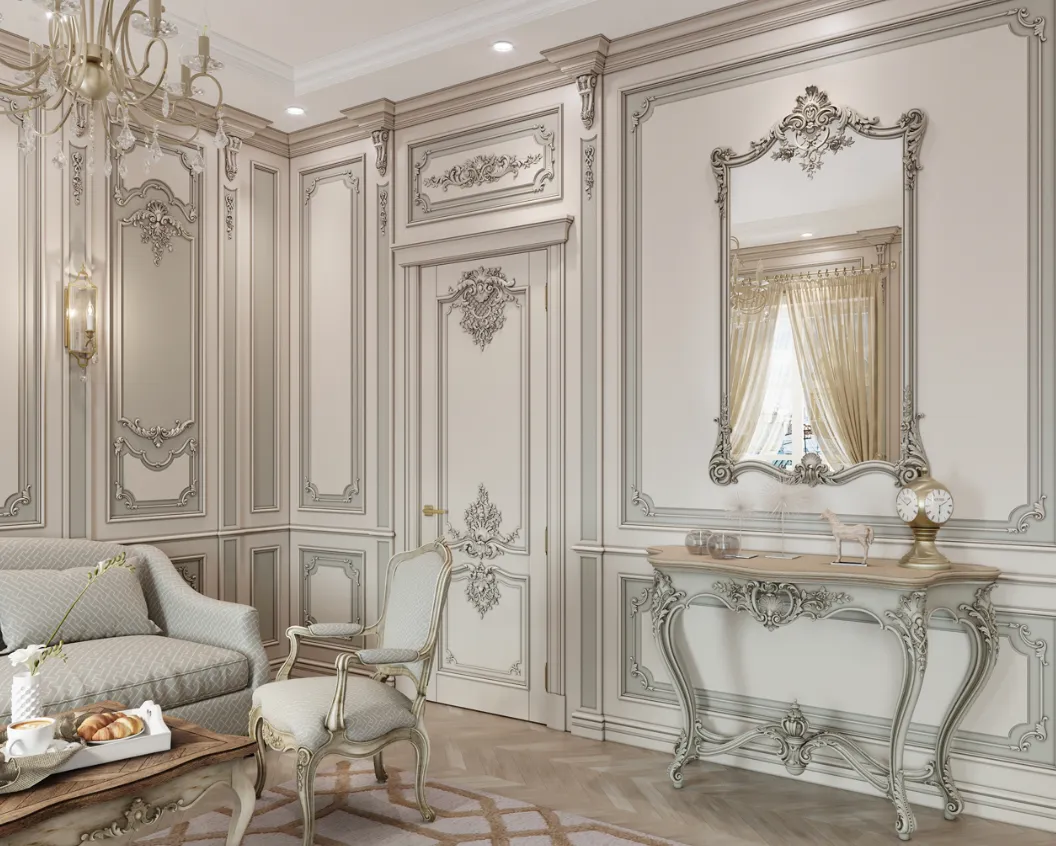
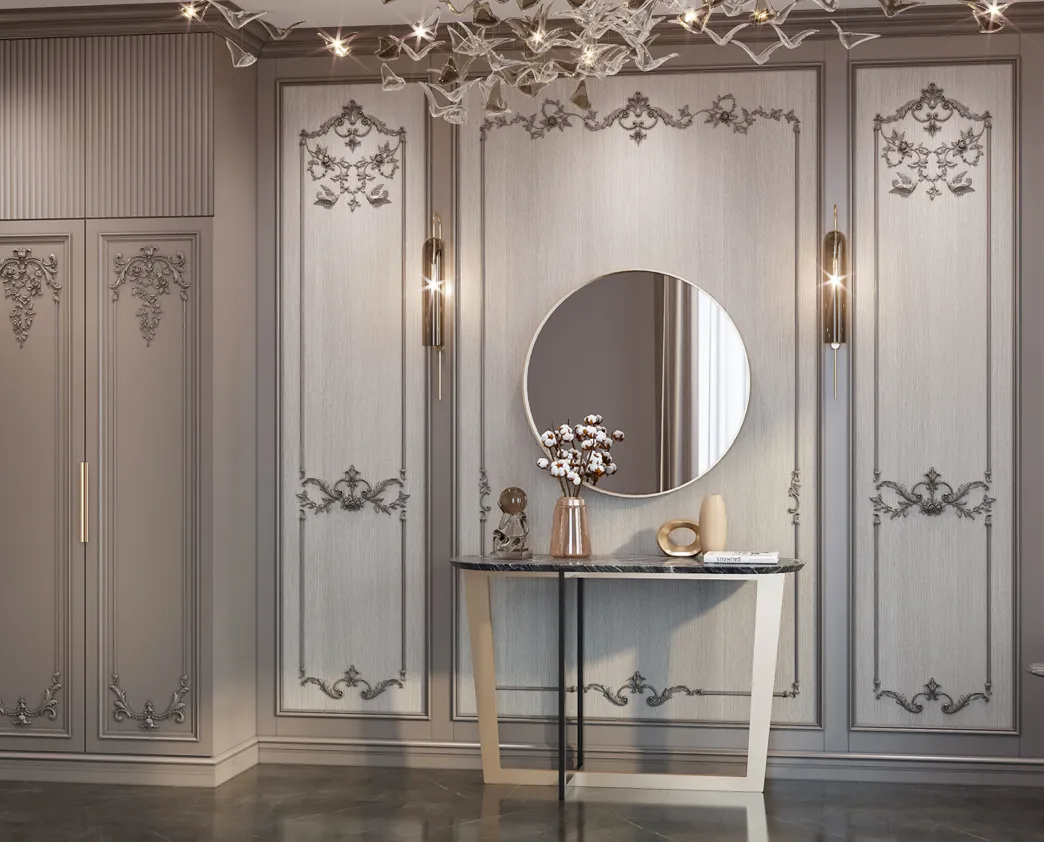
Decorative molding can be incorporated into a wide range of interior design styles. It does not have to be limited to historic houses or formal classical rooms.
The key is to match the proportions, finish, and placement to the architecture and furniture already present.
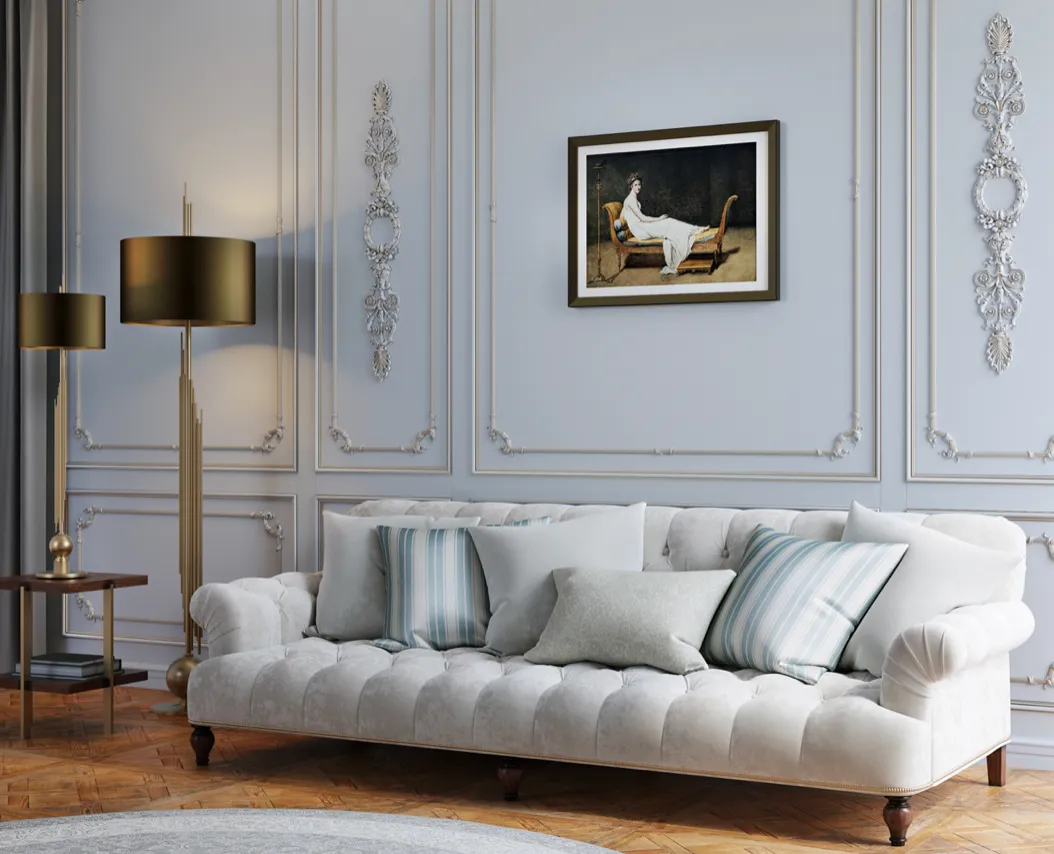
A living room is one of the most versatile locations for decorative wall molding.
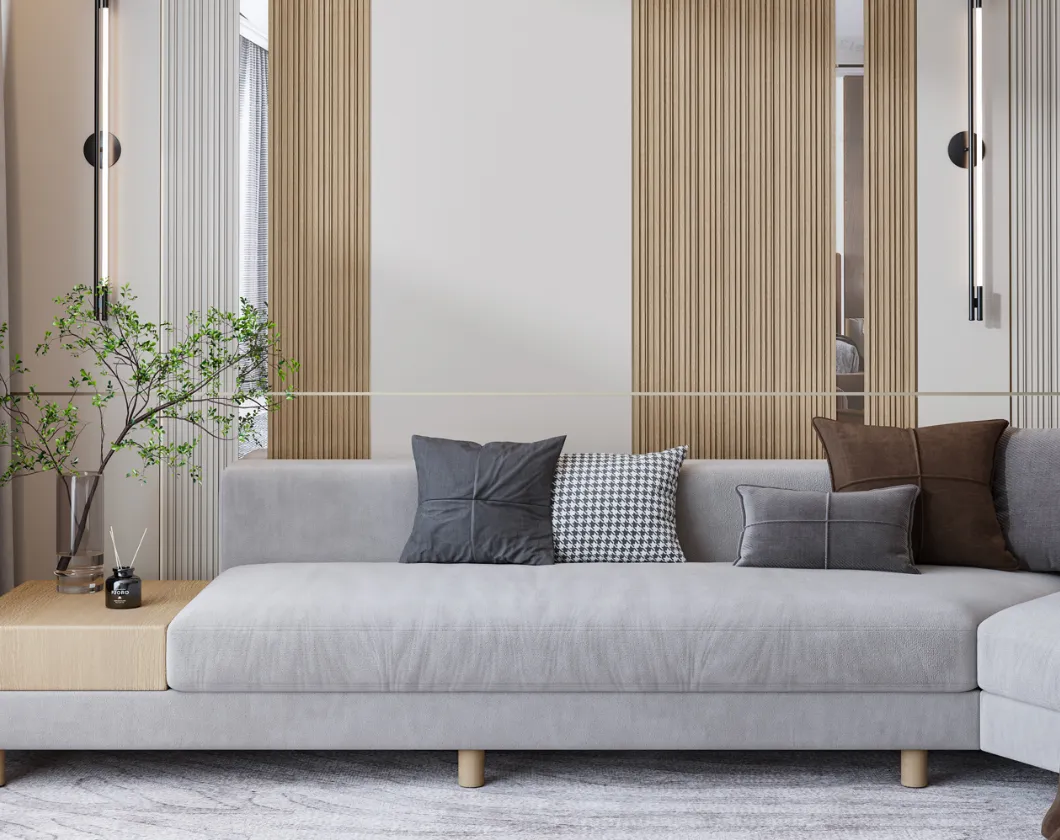
A framed treatment behind a sofa can help establish the seating area as the visual center of the room. Several evenly spaced frames can also give a long, uninterrupted wall a sense of rhythm.
For contemporary spaces, consider keeping the molding and wall the same color. This tone-on-tone approach allows the decorative geometry to remain visible without creating strong contrasts.
For a more traditional appearance, white trim against a muted wall color can define the composition more clearly.
Narrow compositions may work on secondary walls, while wider frames can be selected for areas with enough open space around furniture and architectural openings.
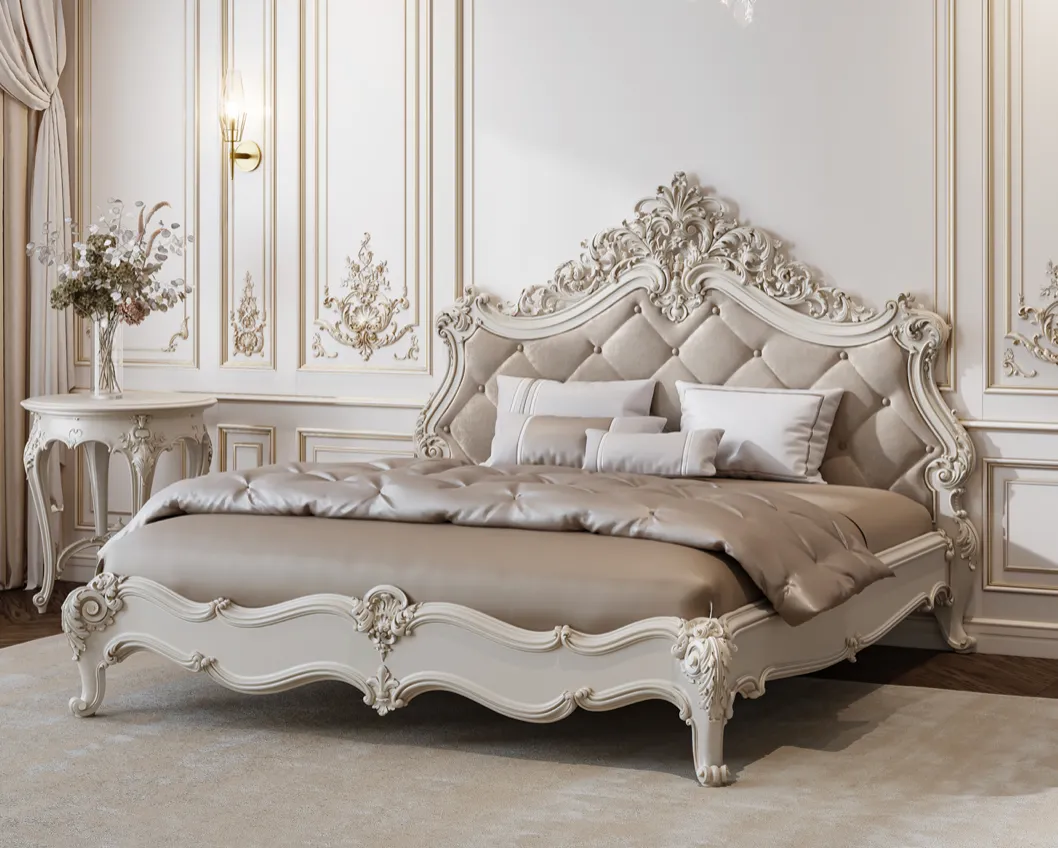
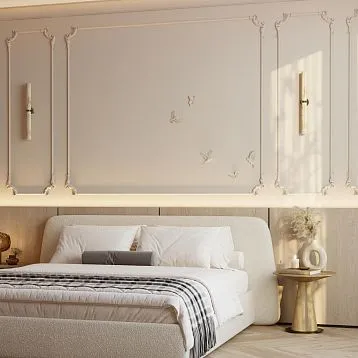
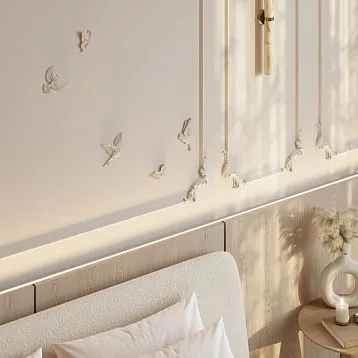
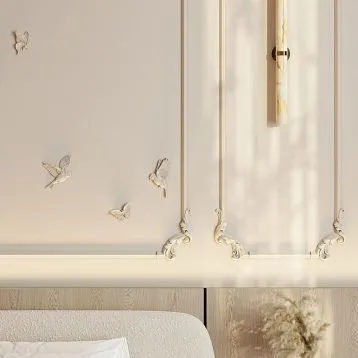
Wall molding behind a bed provides a decorative alternative to a large wall hanging or accent wallpaper.
The bed already creates a central axis, making symmetrical arrangements particularly effective.
A narrow feature can be positioned beside the headboard or combined with other elements in a larger composition. Wider frames may help organize the full wall behind a bed and bedside furniture.
Soft neutral colors, such as warm white, muted taupe, pale gray, and gentle beige, allow the decorative relief to blend into the room.
When planning the layout, consider the height of the headboard, the placement of bedside lighting, and the wall area visible above the furniture.
Picture frame molding on walls is a familiar element in both traditional and modern American interiors.
Straight molding profiles are used to create rectangular outlines across an existing wall surface. These framed sections may be repeated around the room or concentrated on one accent wall.
The Neoclassic Light Collection introduces subtle ornamental accents into this approach.
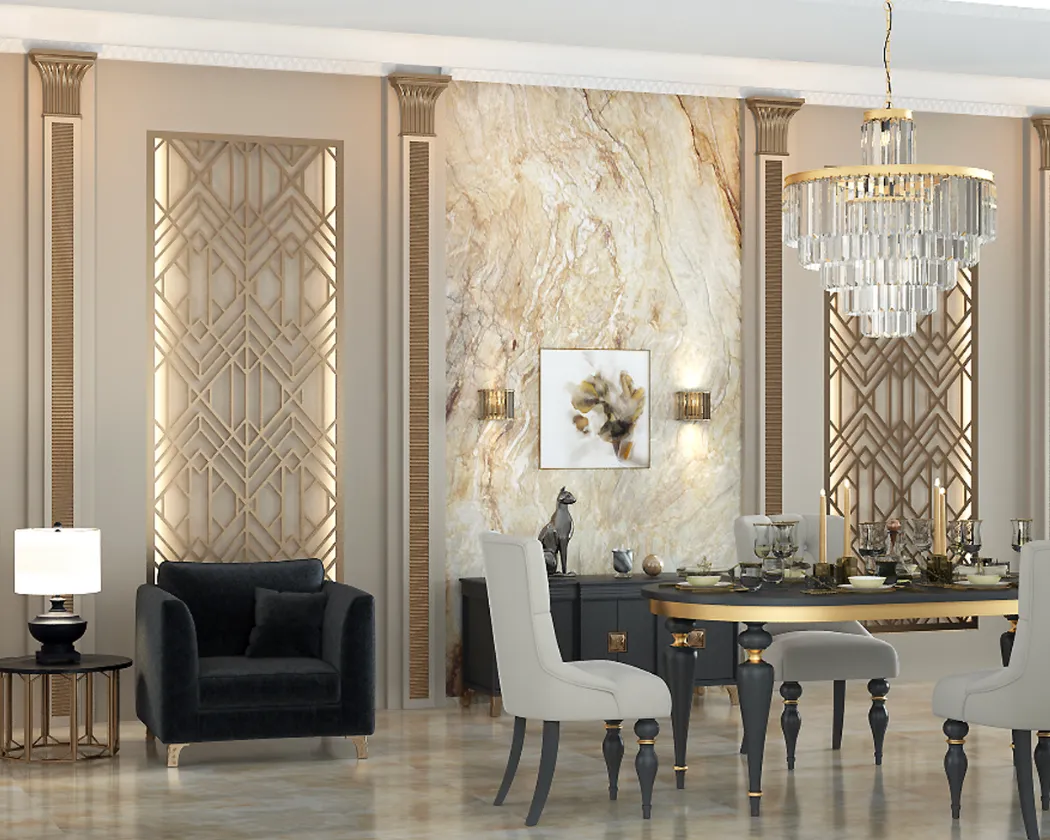
For a dining room, consistent frame spacing can provide a sense of architectural order. The treatment may be coordinated with a sideboard, mirror, or central artwork.
A delicate frame profile helps preserve a refined atmosphere without overwhelming dining furniture or decorative lighting.
Hallways often have limited furniture and several interrupted wall sections. Decorative molding can provide structure without taking up valuable floor space.
A narrow vertical composition may be suitable between door openings or beside a console table. A wider wall molding frame can help define an entry feature.
Repeating similar details along a hallway can visually connect separate wall sections.
The spacing and alignment should account for door casings, light switches, outlets, and baseboards.
An architectural wall treatment can make a home office feel more deliberate and finished.
Subtle molding behind a desk adds detail without necessarily competing with shelving, artwork, or computer equipment.
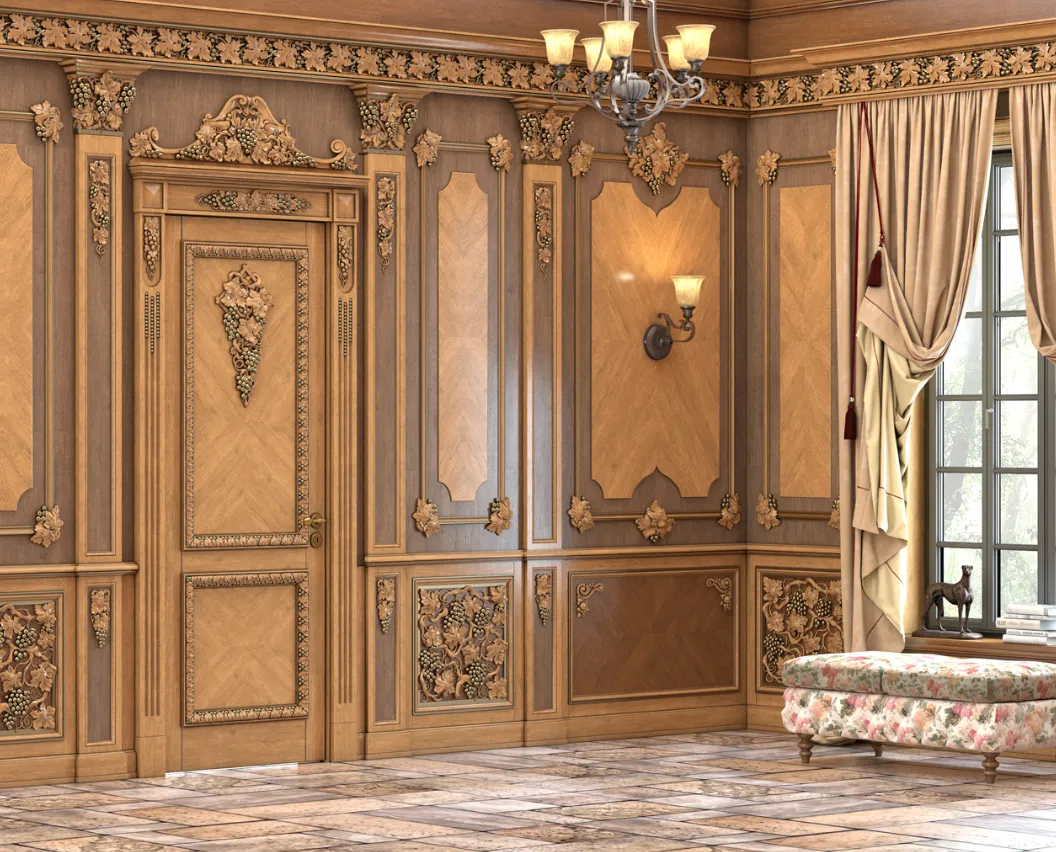
In a library or study, framed wall sections can complement painted cabinetry, natural wood finishes, and traditional furnishings.
Neoclassic Light can also be used in more contemporary offices where a restrained decorative background is preferred over elaborate classical detailing.
Modern interior design often favors a limited number of well-considered details.
A slim molding profile supports that approach because it creates shape and visual structure without requiring a large change in color, material, or wall construction.
The effect depends on several factors.
Proportion. A narrow profile can define large decorative areas while allowing the surrounding wall to remain visually open.
Repetition. Multiple frames arranged with consistent spacing introduce order, particularly in rooms with long walls.
Lighting. Even shallow relief creates small shadows that change throughout the day. Side lighting can make the molding more visible without increasing its physical depth.
Color. Painting the molding to match the wall produces a quieter result. Contrasting finishes make the architectural outline more prominent.
Ornamental restraint. A carefully selected corner or vertical accent may provide enough detail to connect the interior to classical design without introducing more decoration than the room needs.
This is why thin wall molding can complement modern classic, transitional, contemporary, and understated French-inspired interiors.
The finished result should be judged as part of the entire room rather than as an isolated decorative product.
Neoclassic Light combines two materials with different functions.
Polyurethane is used for the sculpted ornamental elements.
These pieces provide the shaped relief and decorative transitions that distinguish the individual CPU-2 compositions.
Their appearance varies by SKU. Some designs emphasize a vertical accent, while others use decorative corners to define a frame.
The exact component dimensions and relief depths should be checked on each product page.
The linear component used throughout the collection is the MLD-002-MG profile.
Its published dimensions are 22 × 11 × 2600 mm, or approximately 0.87 × 0.43 × 102.36 inches.
The 22 mm face width helps establish the collection's slender visual character.
The MDF profile is supplied with primer, providing a prepared surface for an appropriate finish-painting system.
It is important to distinguish the stock molding length from the reference dimensions of the decorative composition. A 2600 mm profile is an individual component, while the displayed arrangements generally use a 2300 mm reference height.
Cutting layouts, joints, and material quantities should be calculated for the actual installation.
Because the collection includes MDF, the complete system should not be described as entirely polyurethane or assumed suitable for continuously damp environments.
Begin by measuring the full width and height of the wall.
Then identify the clear areas available for decoration after accounting for doors, windows, furniture, switches, and other permanent features.
The collection includes a 300 mm reference width for CPU-2-1, 600 mm for CPU-2-2, and 1000 mm for CPU-2-3, CPU-2-4, and CPU-2-5.
These measurements are useful when comparing formats, but they do not determine the ideal spacing or number of kits for every room.
A decorative frame usually needs some visual breathing room around its edges.
For an extremely subtle effect, consider the narrower compositions or the designs with less prominent decorative accents.
If you want the frame itself to become an architectural focal point, compare CPU-2-3, CPU-2-4, and CPU-2-5.
The difference between identical corners, mirrored corner details, and other ornamental accents can significantly change the character of a composition.
Select the design that matches the room's intended level of formality.
A decorative wall frame should work with the furniture placed in front of it.
In a bedroom, consider the overall headboard width. In a living room, compare the frame layout with the sofa and nearby side tables.
For a dining room, the position of a sideboard or large artwork may determine whether one central frame or multiple repeated frames will look more balanced.
Avoid choosing a layout based only on the dimensions of an empty wall.
The reference height of the designs in the Neoclassic Light Collection is approximately 2300 mm, or 90.55 inches.
This creates a tall vertical composition, but the ideal placement depends on the height of the ceiling and the presence of baseboards or crown molding.
Plan the space above and below the decorative treatment carefully.
Consistent visual margins often make a greater difference than filling every available inch of wall height.
The same wall molding design can produce very different results depending on the finish.
Painting the molding and the wall in the same color is an effective choice for quiet, modern interiors.
Warm white molding against a warm white wall creates a subtle change in surface texture. Pale gray, greige, taupe, and other neutral colors provide a similar effect.
This approach works well when the goal is to introduce architectural character without turning the molding into the room's dominant visual element.
White trim against a colored wall creates a more traditional architectural look.
Muted blue, sage green, warm gray, and soft beige can provide enough contrast to make the decorative frames clearly visible.
The result can feel formal without requiring elaborate ornamentation.
Deeper colors can give thin wall molding a modern appearance.
A charcoal or deep green wall with matching trim creates visual depth. Dark contrasting molding on a light wall produces a stronger geometric pattern.
In either case, the finish should be tested with the room's lighting because the visibility of shallow relief changes between daylight and evening illumination.
Select paints and preparation methods compatible with the polyurethane and primed MDF components.
Successful decorative wall molding begins with accurate measurements.
Before installation, verify that the wall surface is sound, dry, clean, and suitable for the selected mounting system.
Mark the reference lines and check the placement of the entire composition before attaching individual components.
Use a level to maintain consistent alignment. Where the design includes several frames, calculate the spacing across the complete wall rather than positioning each frame independently.
Dry-fit the molding and decorative accents before final installation, particularly when the set includes shaped corners or different upper and lower ornaments.
Select mounting adhesives, fastening methods, joint treatments, and finishing products according to the manufacturer's instructions and the specific wall substrate.
Do not assume that every wall surface can be treated with the same adhesive or that all installation materials are included with the decorative set.
For the best visual result, inspect the arrangement from several viewing positions before completing the finish.
STAVROS offers two related interpretations of neoclassical wall design.
The Neoclassic Light Collection uses the narrower MLD-002-MG profile, measuring 22 × 11 mm, together with relatively restrained decorative accents.
Its emphasis is on clean geometry, subtle wall detailing, and an architectural effect that remains compatible with contemporary interior design.
The STAVROS Neoclassic Collection uses a broader MLD-003-MG molding profile, measuring 35 × 12 mm, and different ornamental compositions.
Its visual character is generally more pronounced.
Neither collection is inherently better for every room. The appropriate choice depends on the scale of the walls, the furniture, the intended level of ornament, and the overall design direction.
Choose Neoclassic Light when you want delicate framing and restrained architectural detail.
Explore the regular Neoclassic Collection when the design calls for a stronger molding line or a more noticeable ornamental feature.
You can also browse the complete STAVROS Wall Decor Catalog to compare other decorative collections.
Thin wall molding is a decorative trim profile with relatively narrow dimensions, used to establish architectural lines or frames on a wall.
It is commonly used in picture frame molding layouts, accent walls, dining rooms, bedrooms, and hallways.
The Neoclassic Light Collection uses a 22 mm-wide primed MDF profile with polyurethane ornamental details.
No. The sets combine polyurethane decorative components with primed MDF molding.
The polyurethane elements provide sculpted relief, while the MDF profile creates the straight architectural lines.
The exact ornamental components vary between CPU-2-1 and CPU-2-5.
CPU-2-3 uses four matching MLDPU-2U-1.1 polyurethane corner elements.
CPU-2-4 uses mirrored left- and right-hand decorative corners, MLDPU-2U-2.1L and MLDPU-2U-2.1R.
Both have a reference width of 1000 mm, but their ornament patterns and finished appearance are different.
Yes. A coordinated painted finish is one of the most effective ways to emphasize the collection's subtle architectural character.
Choose paint and preparation products compatible with both the primed MDF and polyurethane components.
Yes, provided the arrangement has consistent proportions, spacing, and a coordinated design direction.
Several matching frames may create a regular architectural rhythm along a long wall.
Different designs can also be considered together, but the overall wall elevation should be reviewed to ensure the ornaments and profiles remain visually balanced.
The number depends on the width of the wall, selected reference composition, spacing between frames, and any changes to the original layout.
Measure the intended wall sections and confirm the necessary component quantities before ordering.
For repeated installations, allow for cutting requirements and any additional molding lengths needed.
The collection includes primed MDF, which should not automatically be considered suitable for consistently humid or wet locations.
For bathrooms and other moisture-prone spaces, select a material system specifically approved for the conditions.
No. Decorative molding sets create raised outlines, framed areas, and ornamental accents on an existing wall surface.
They do not automatically include a solid panel or replace the wall substrate.
The inclusion of adhesives, fasteners, paint, and other installation supplies should be checked in the current product specification.
Do not assume that these materials are included in every kit.
The best decorative wall treatments bring a sense of order to a room without competing with everything around them.
With its slim molding profile, carefully chosen polyurethane details, and five coordinated designs, the STAVROS Neoclassic Light Collection makes it possible to explore classical wall framing in a quieter, more contemporary form.
Choose CPU-2-1 for a slender vertical accent, CPU-2-2 for a composition with distinct upper and lower details, CPU-2-3 for symmetrical corner framing, CPU-2-4 for mirrored ornaments, or CPU-2-5 for a refined frame with compact relief.
Explore the Neoclassic Light wall molding kits above, compare the dimensions and decorative components, and select a design that works with your wall proportions, furnishings, and overall interior style.
Have questions about our products or your project? Leave your contact details and our team will get back to you.
Our manager will contact you within 5 minutes