
























Constructor
 5-10 days
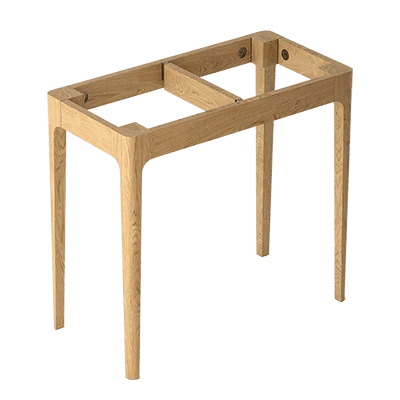
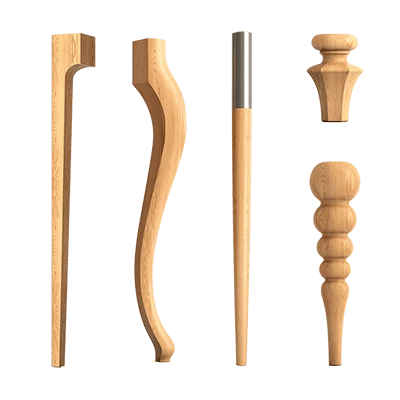
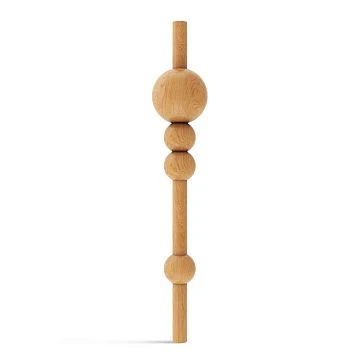
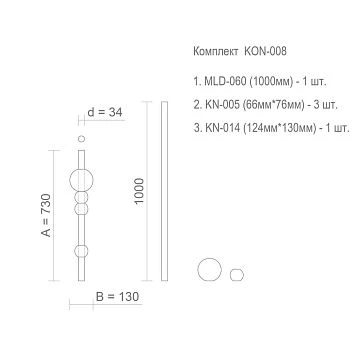
Furniture leg set KON-008
from 107.15 $
 5-10 days
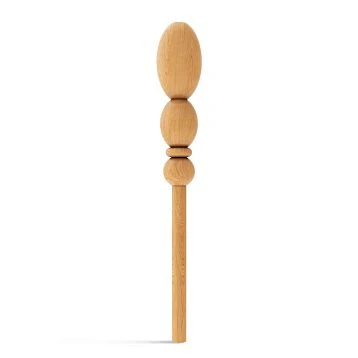
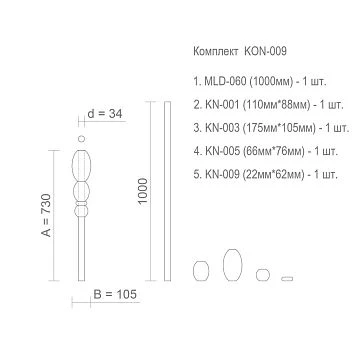
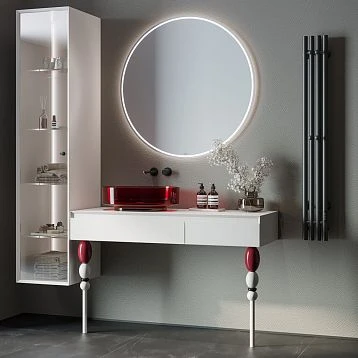
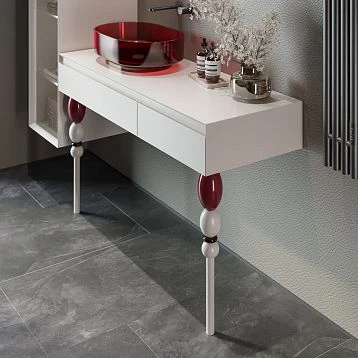
Furniture leg set KON-009
from 109.56 $
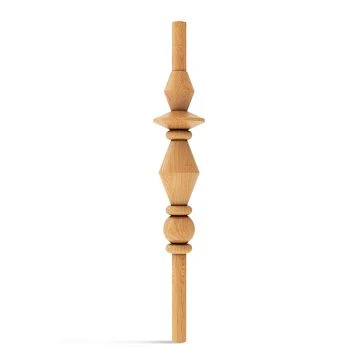
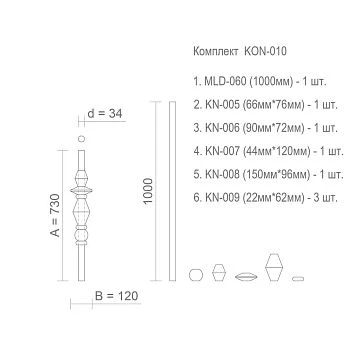
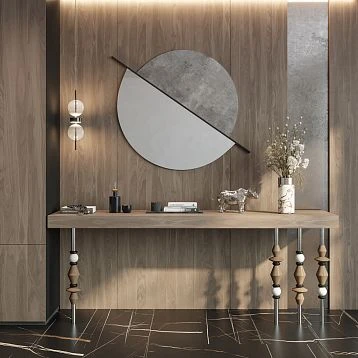
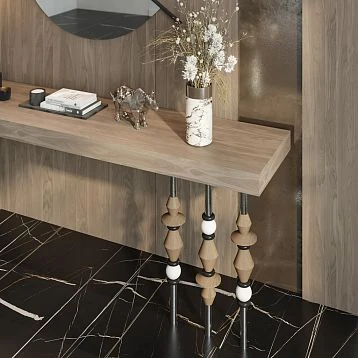 5-10 days
Furniture leg set KON-010
from 137.79 $
 5-10 days
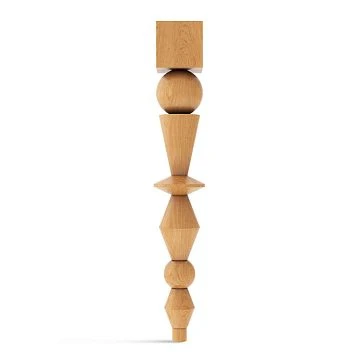
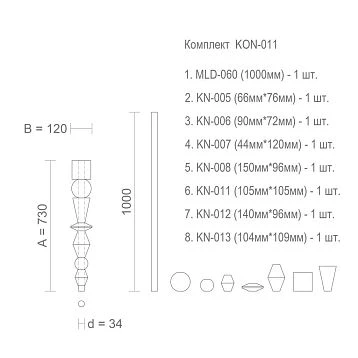
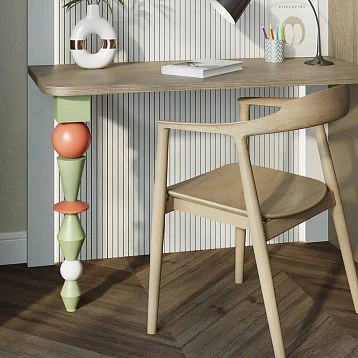
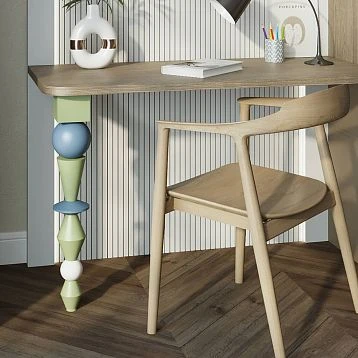
Furniture leg set KON-011
from 180.91 $
 5-10 days
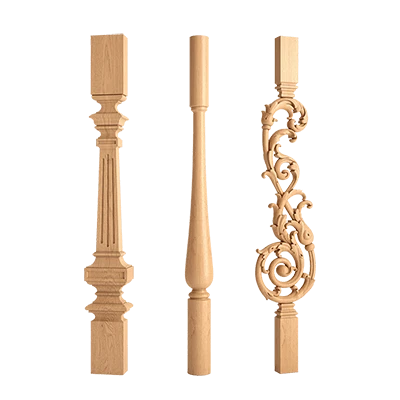
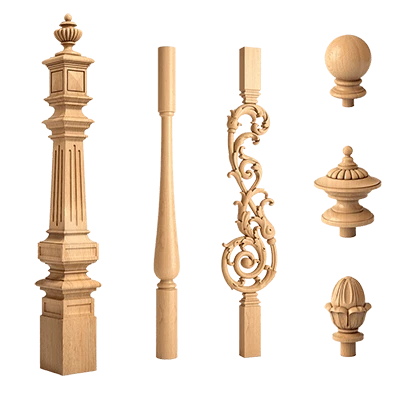
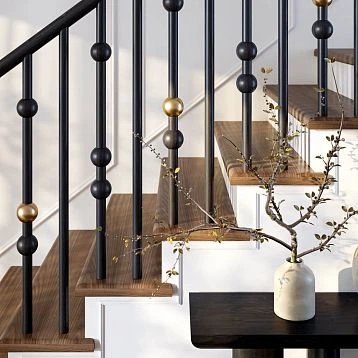
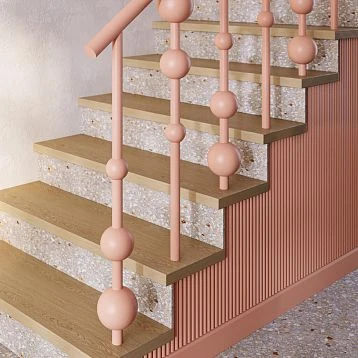
Baluster set KON-013
from 73.76 $
 5-10 days
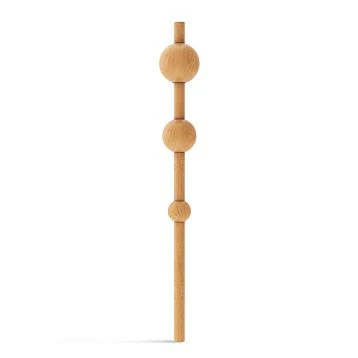
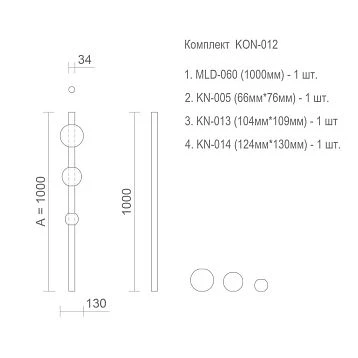
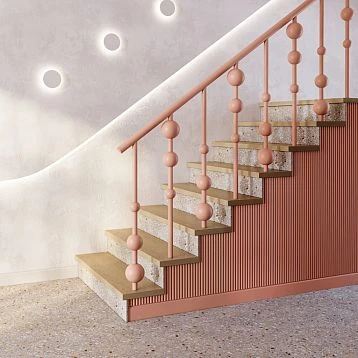
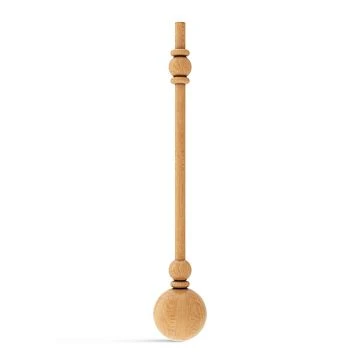
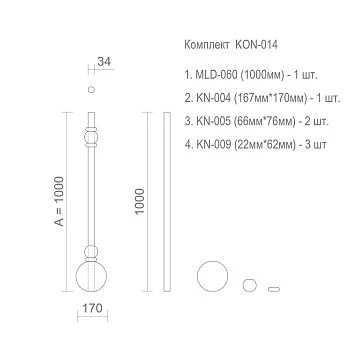
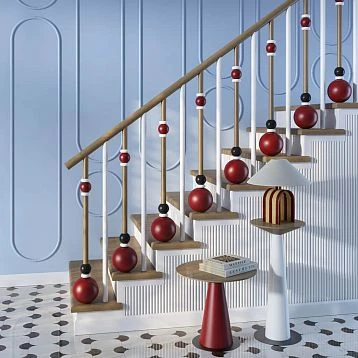
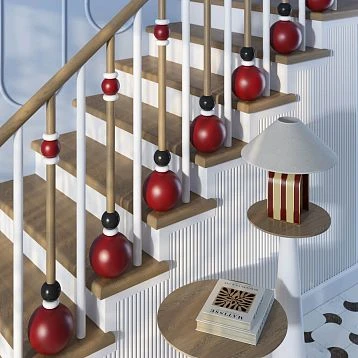
Baluster set KON-012
from 98.02 $
 5-10 days
Baluster set KON-014
from 151.96 $
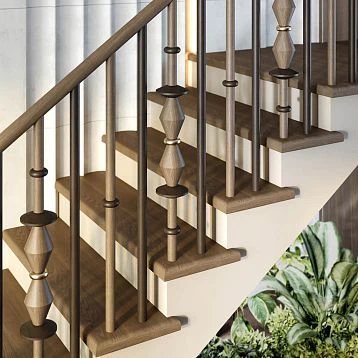 5-10 days
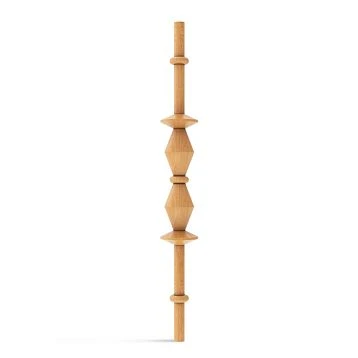
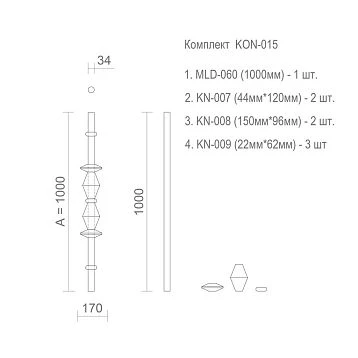
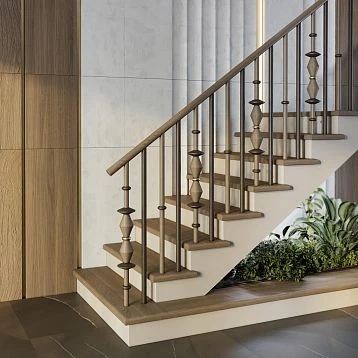
Baluster set KON-015
from 158.21 $
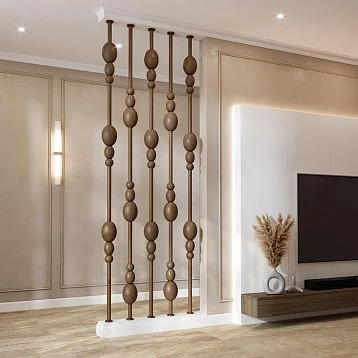
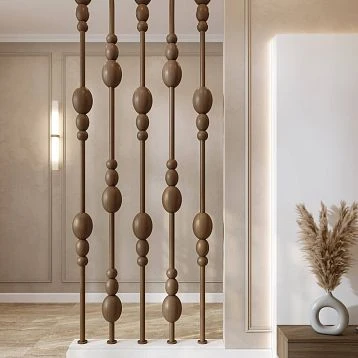 5-10 days
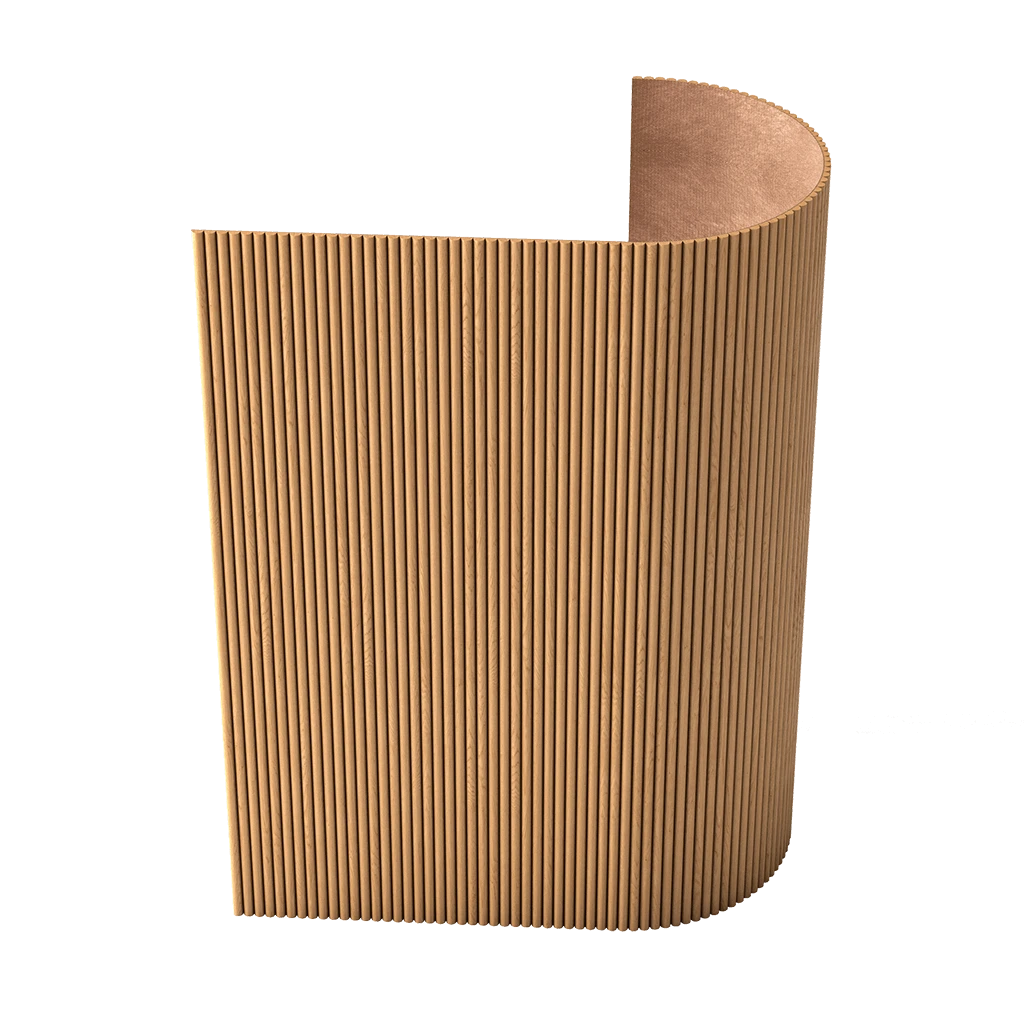
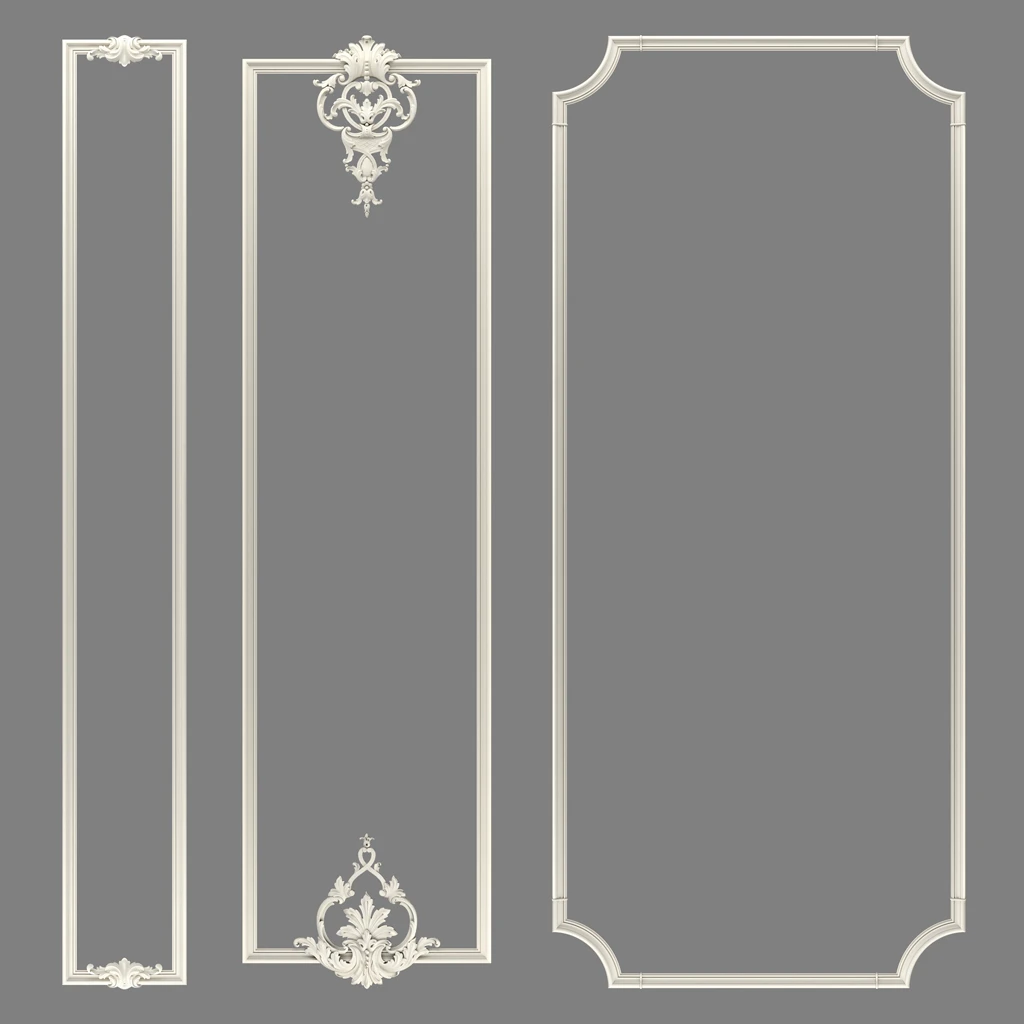
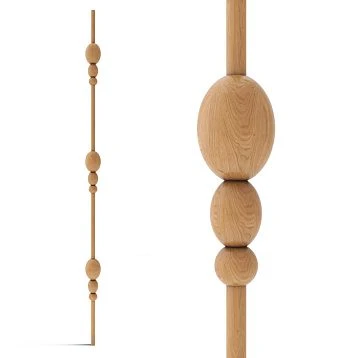
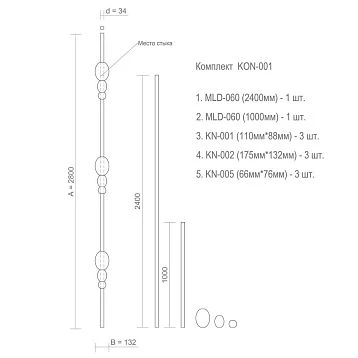
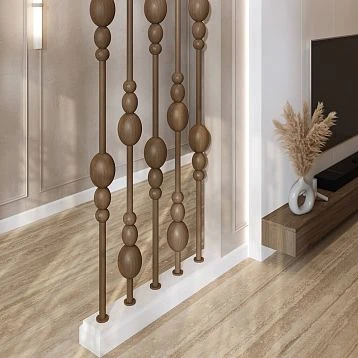
KON-001 Partition Kit
from 338.52 $
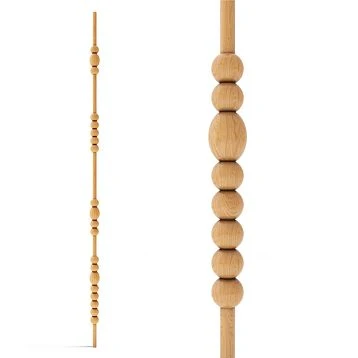
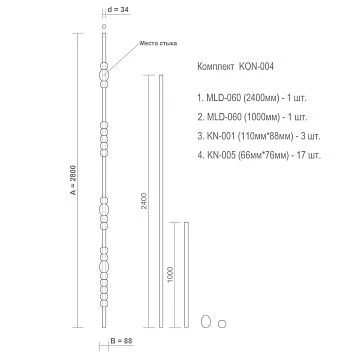 5-10 days
Partition kit KON-004
from 418.40 $
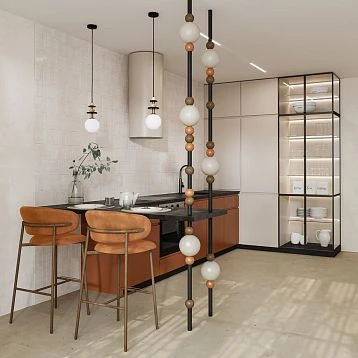 5-10 days
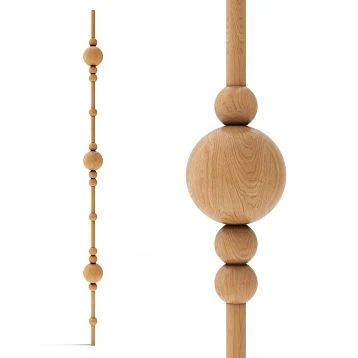
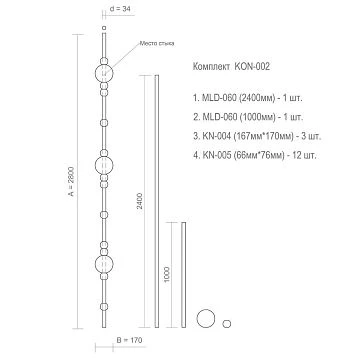
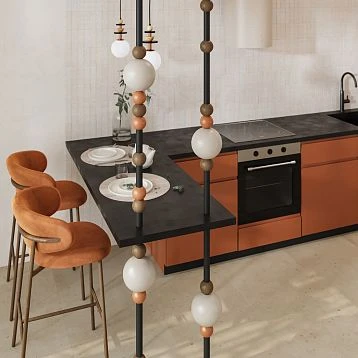
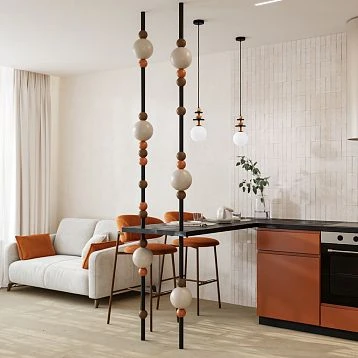
Partition kit KON-002
from 470.78 $
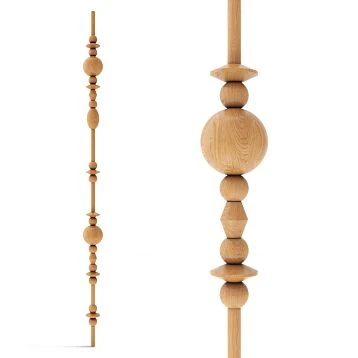
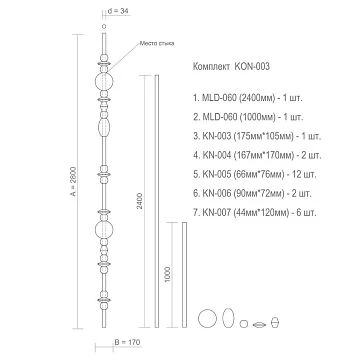
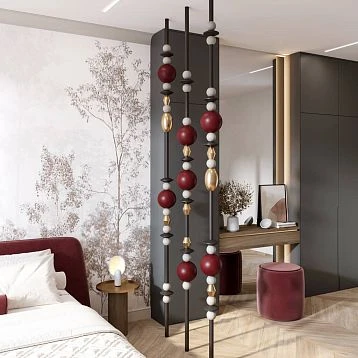
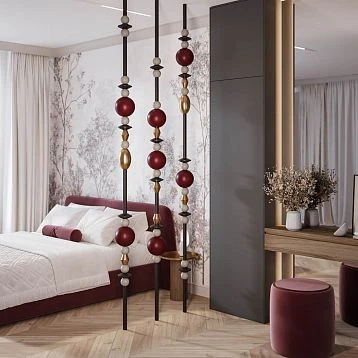
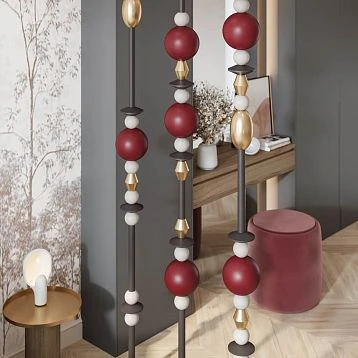 5-10 days
Partition set KON-003
from 605.44 $
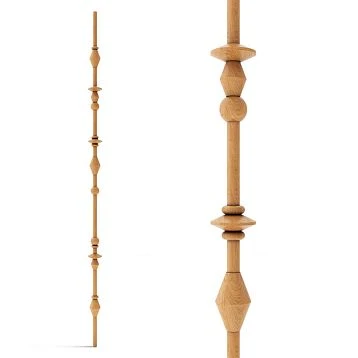
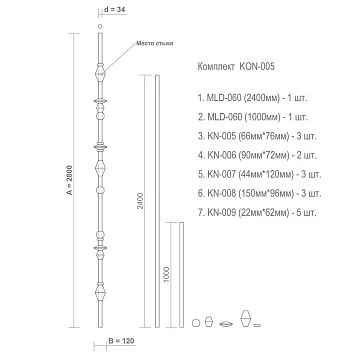 5-10 days
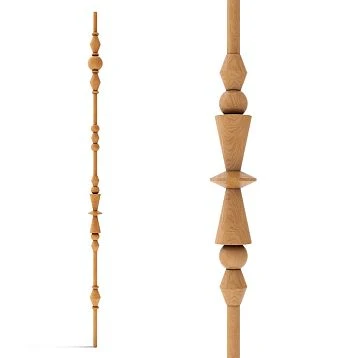
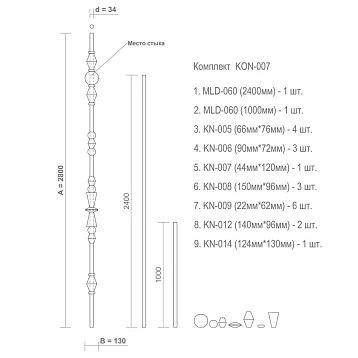
Partition kit KON-005
from 361.94 $
 5-10 days
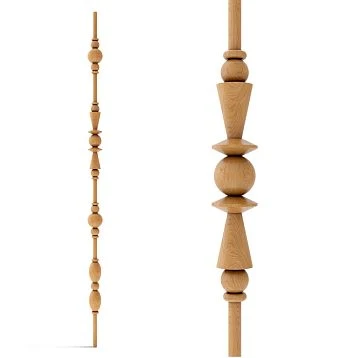
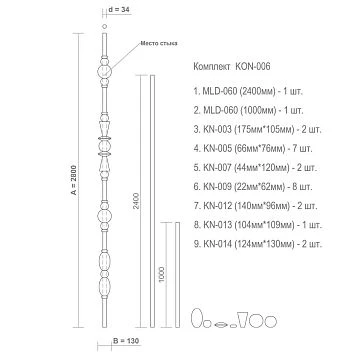
Partition kit KON-007
from 439.90 $
 5-10 days
Partition kit KON-006
from 517.27 $
 New
In stock
New
In stock
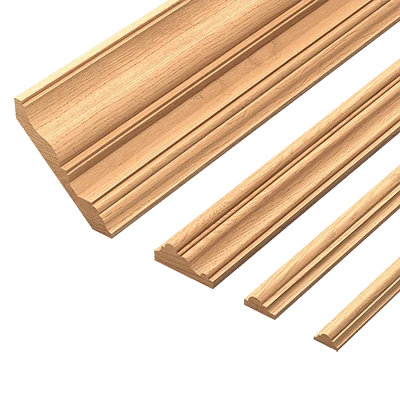
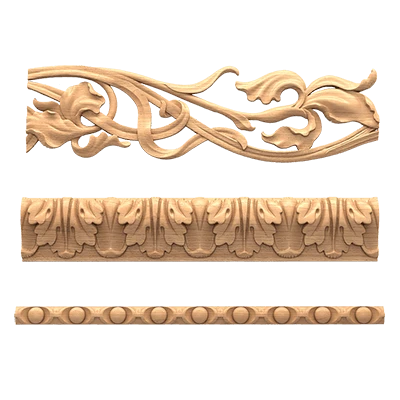
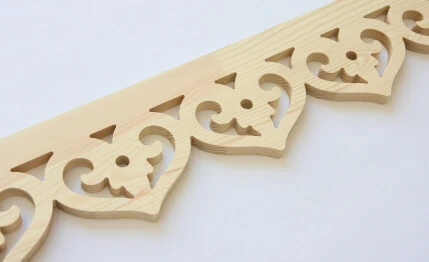
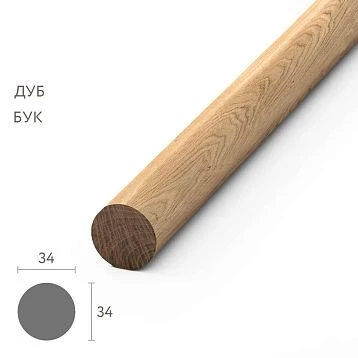
Wooden molding MLD-060
from 26.55 $
 In stock
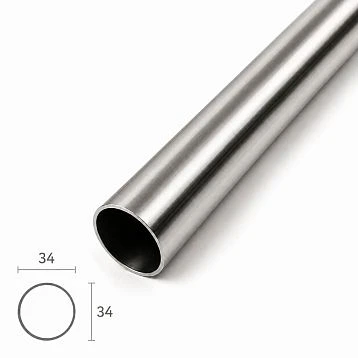
Stainless steel pipe 34x2 mm polished AISI 304, FUR-045
80.48 $
 In stock
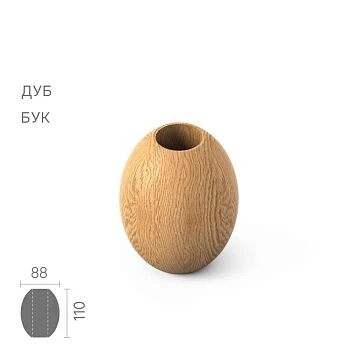
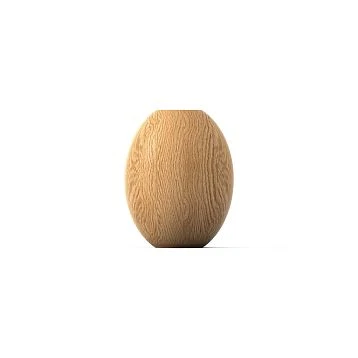
Geometric shape KN-001
from 22.70 $
 In stock
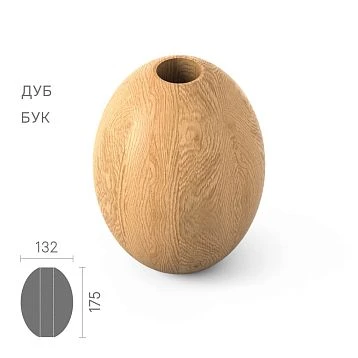
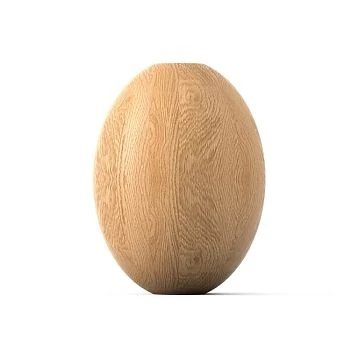
Geometric shape KN-003
from 35.92 $
 In stock
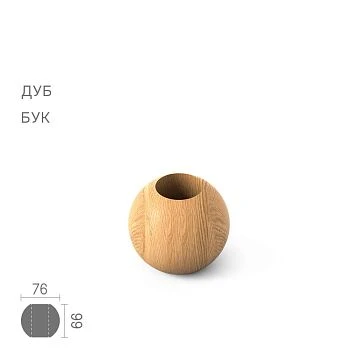
Geometric shape KN-002
from 47.93 $
 In stock
Geometric shape KN-005
from 15.98 $
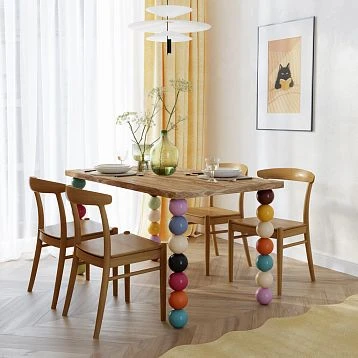
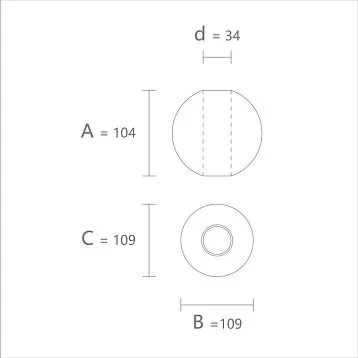
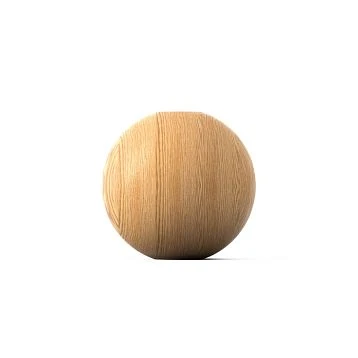
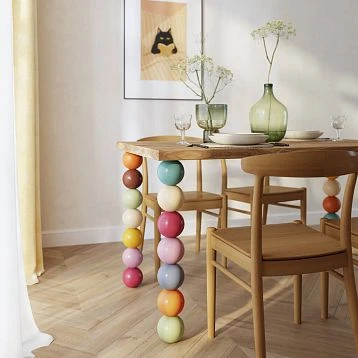
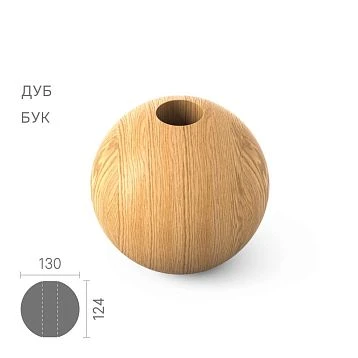
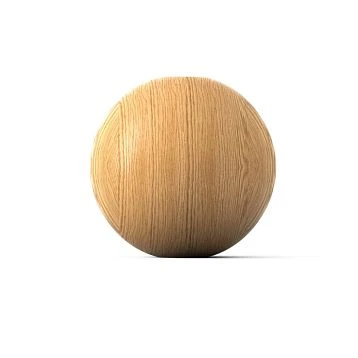
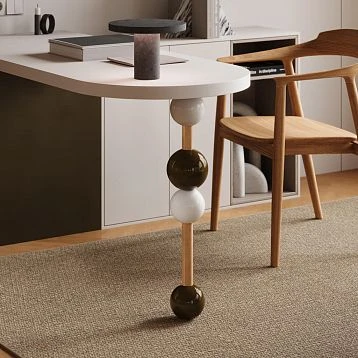
Geometric figure KN-013
from 22.82 $
 In stock
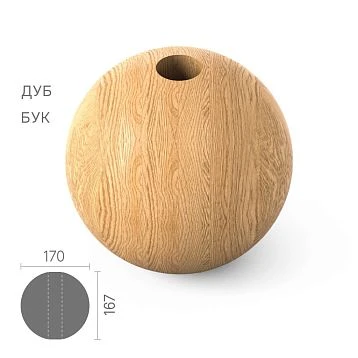
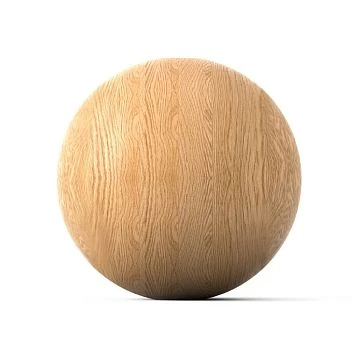
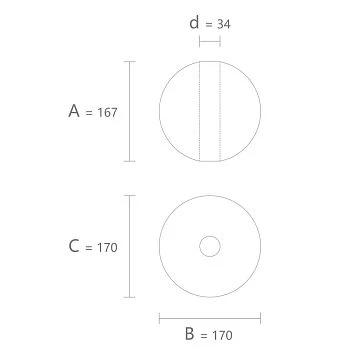
Geometric figure KN-014
from 33.40 $
 In stock
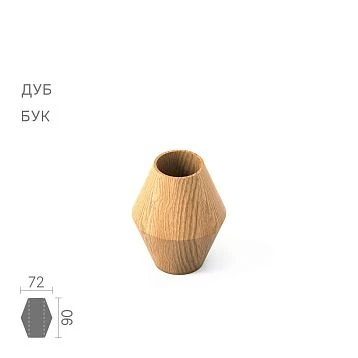
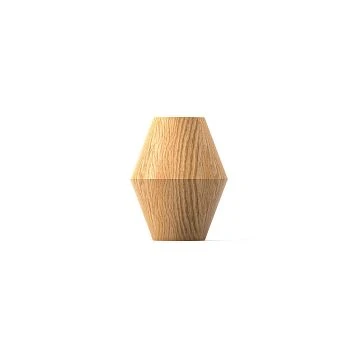
Geometric shape KN-004
from 66.79 $
 In stock
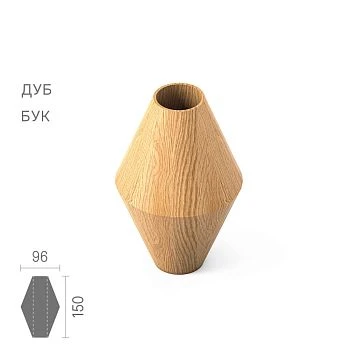
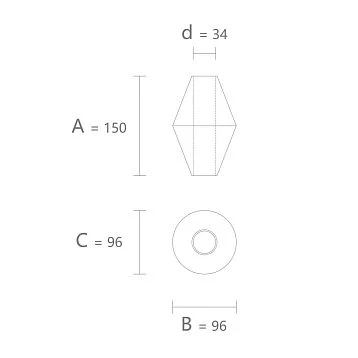
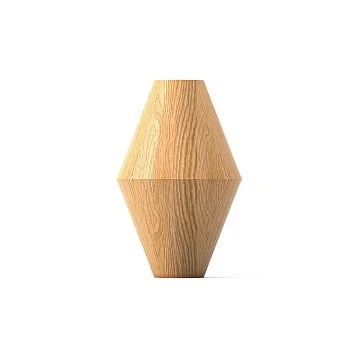
Geometric shape KN-006
from 16.10 $
 In stock
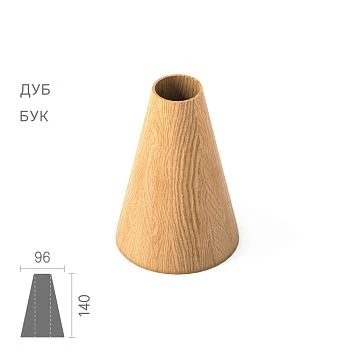
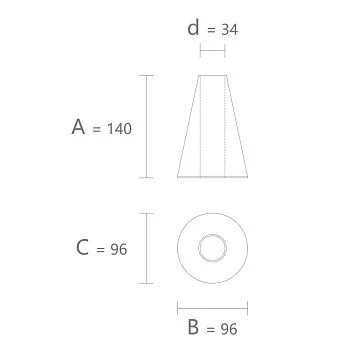
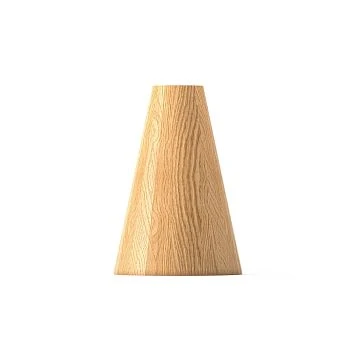
Geometric shape KN-008
from 30.27 $
 In stock
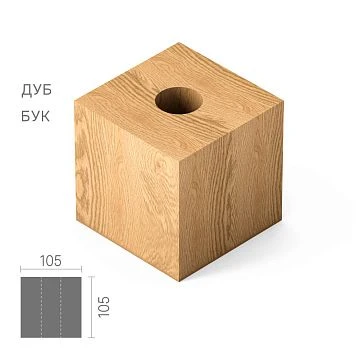
Geometric figure KN-012
from 23.91 $
 In stock
Geometric figure KN-011
from 23.79 $
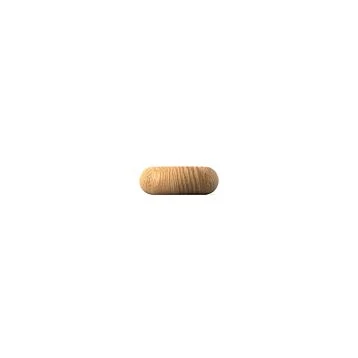
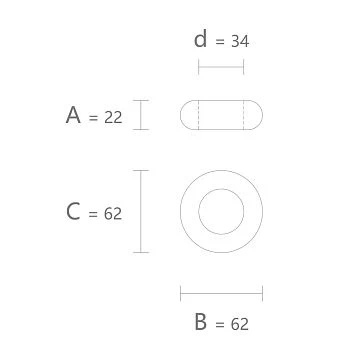 In stock
Geometric figure KN-009
from 9.13 $
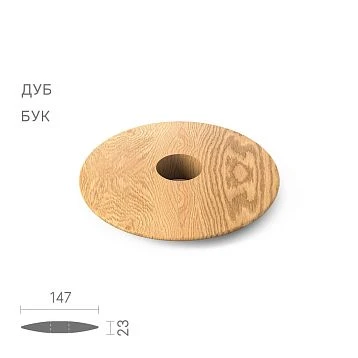
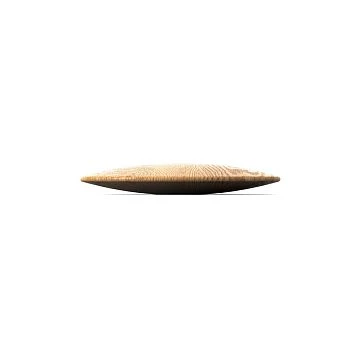
 In stock
Geometric figure KN-010
from 18.38 $
Application Gallery
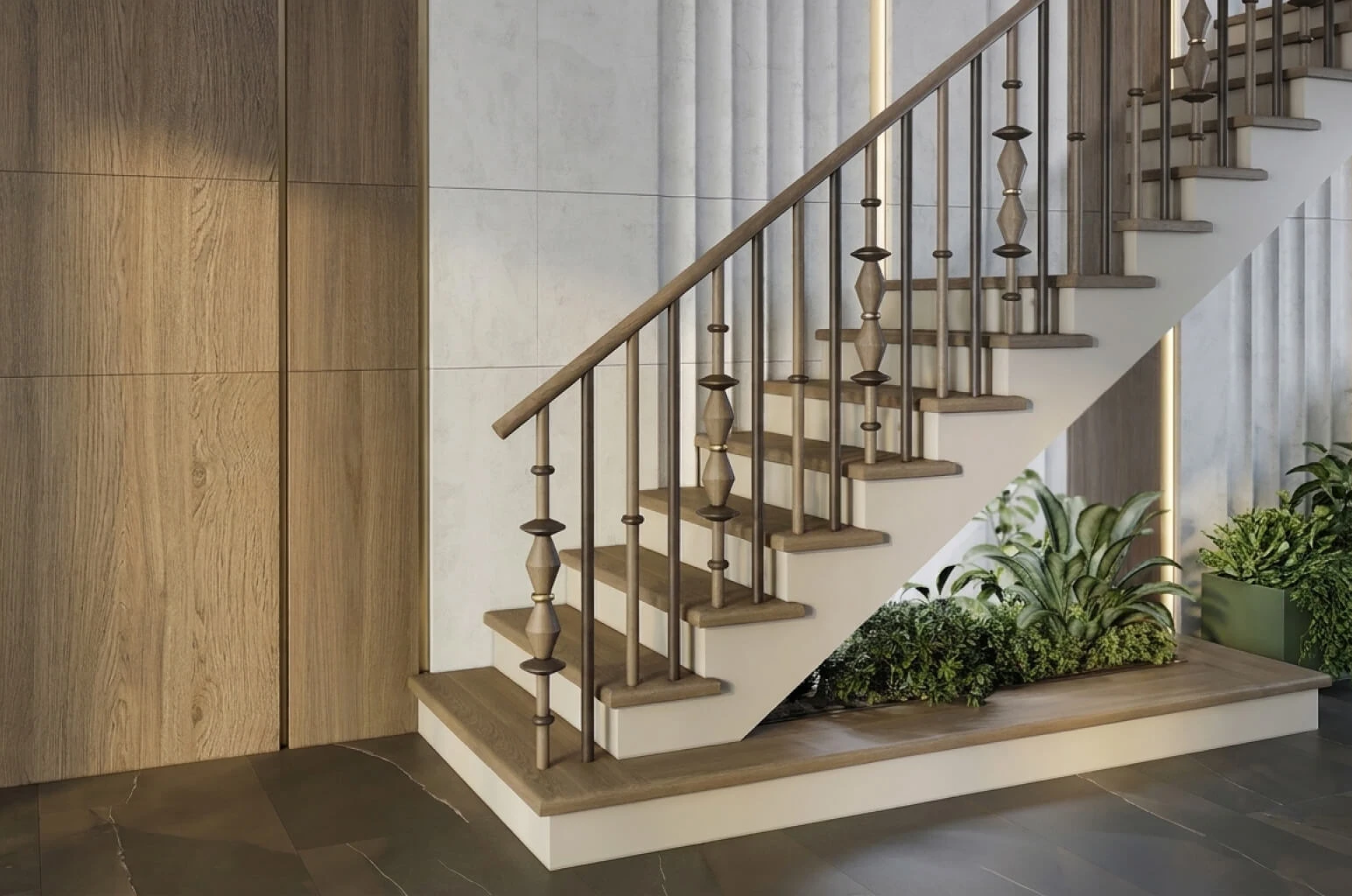
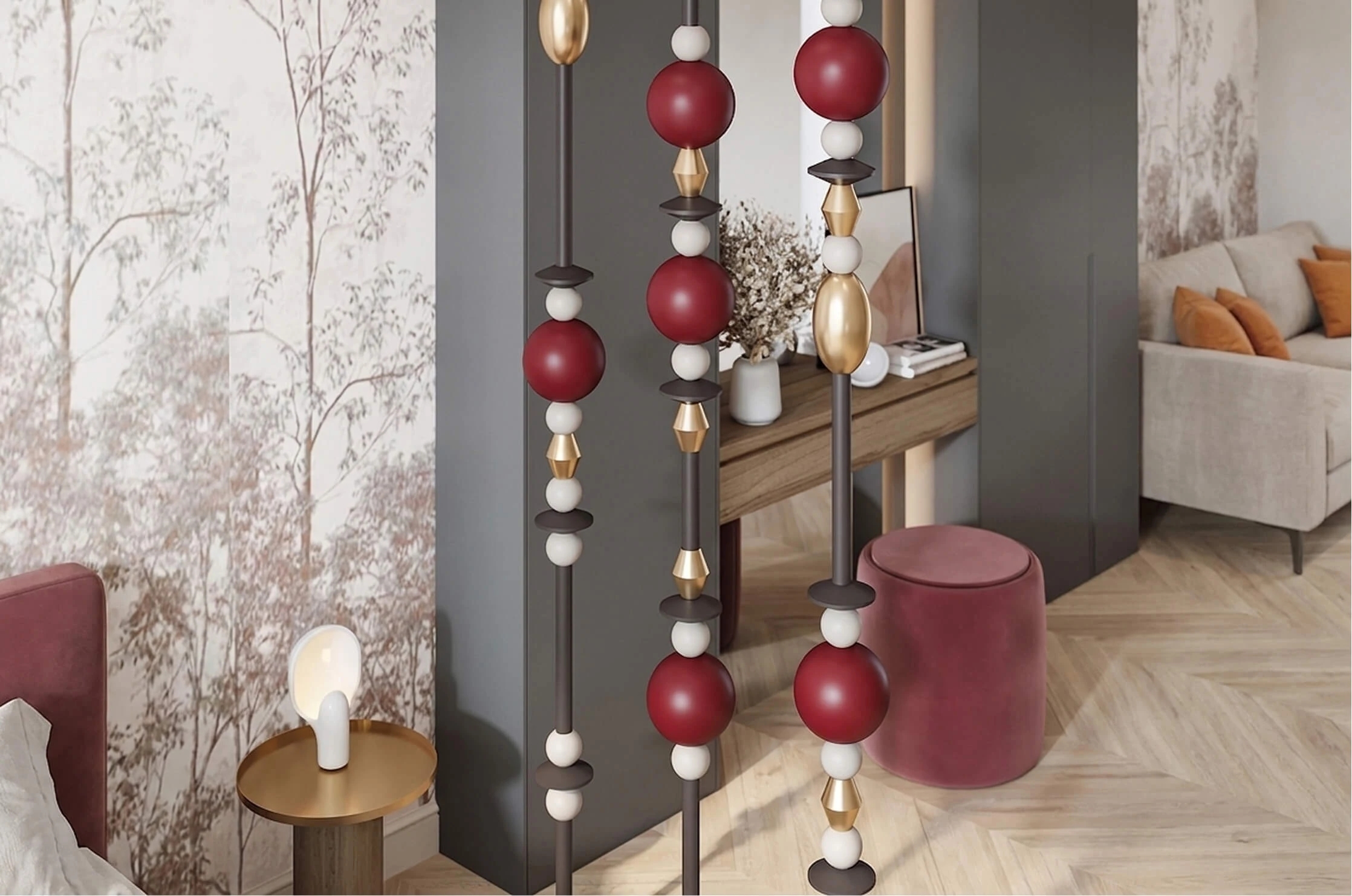
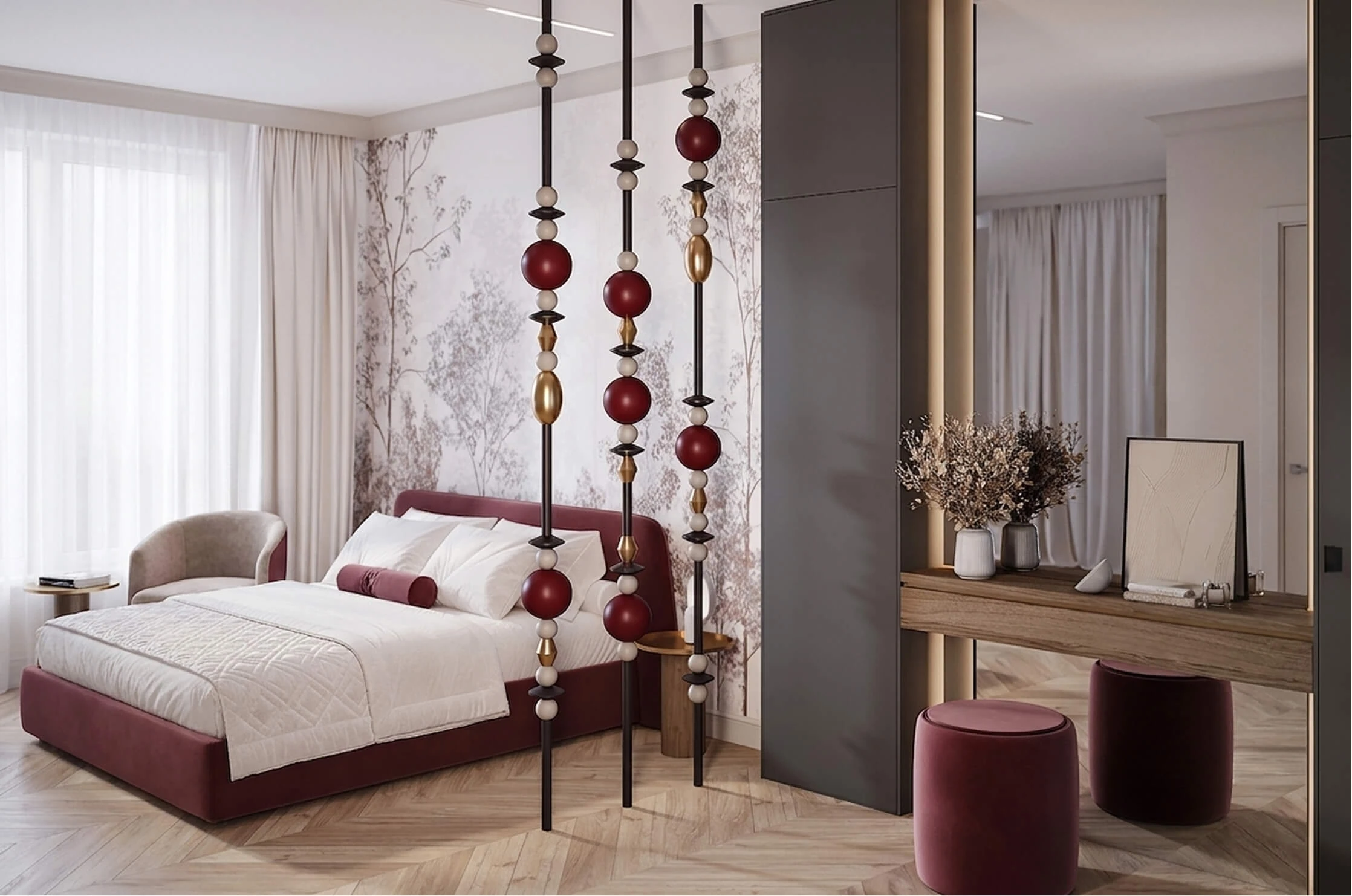
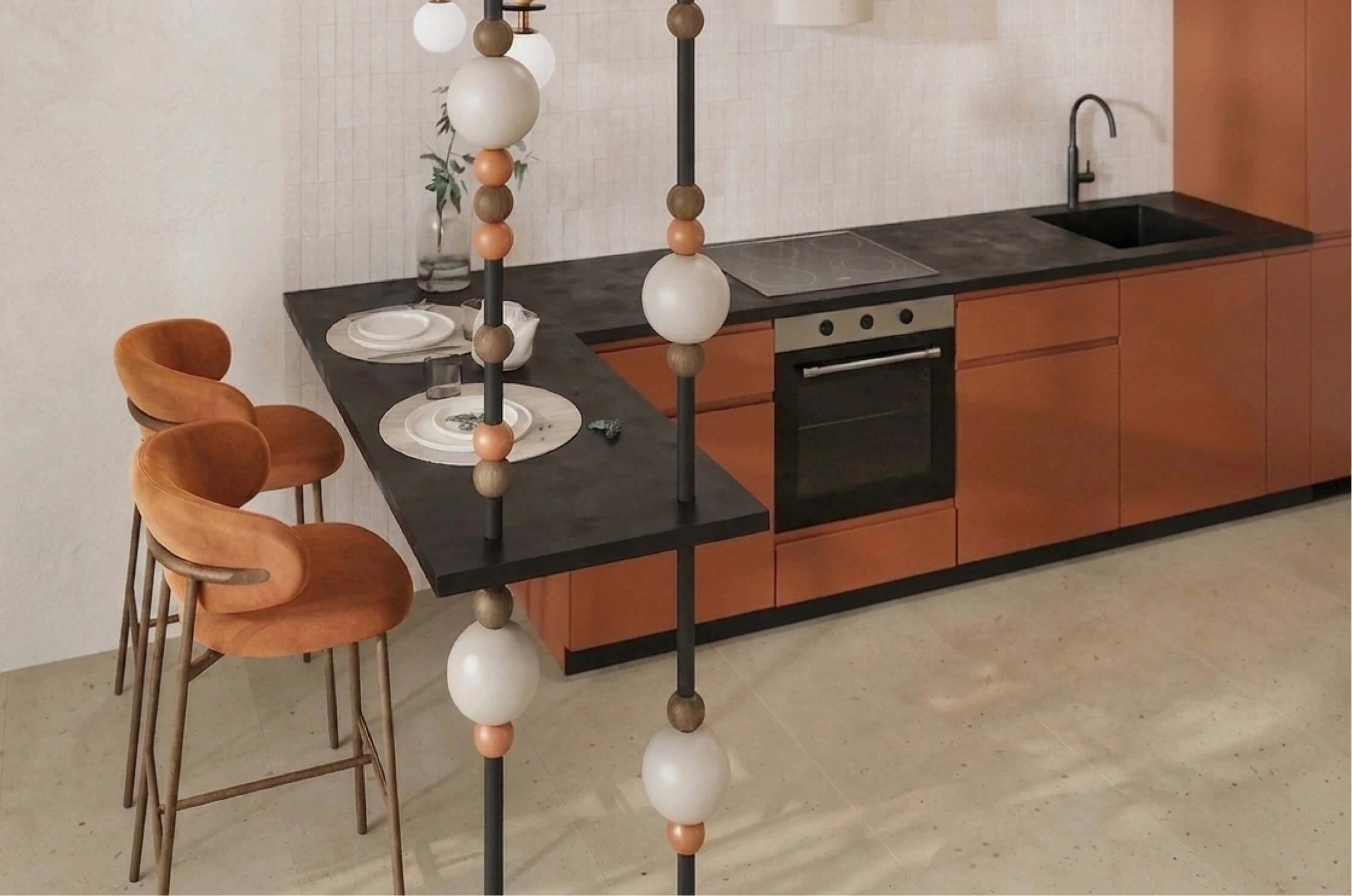
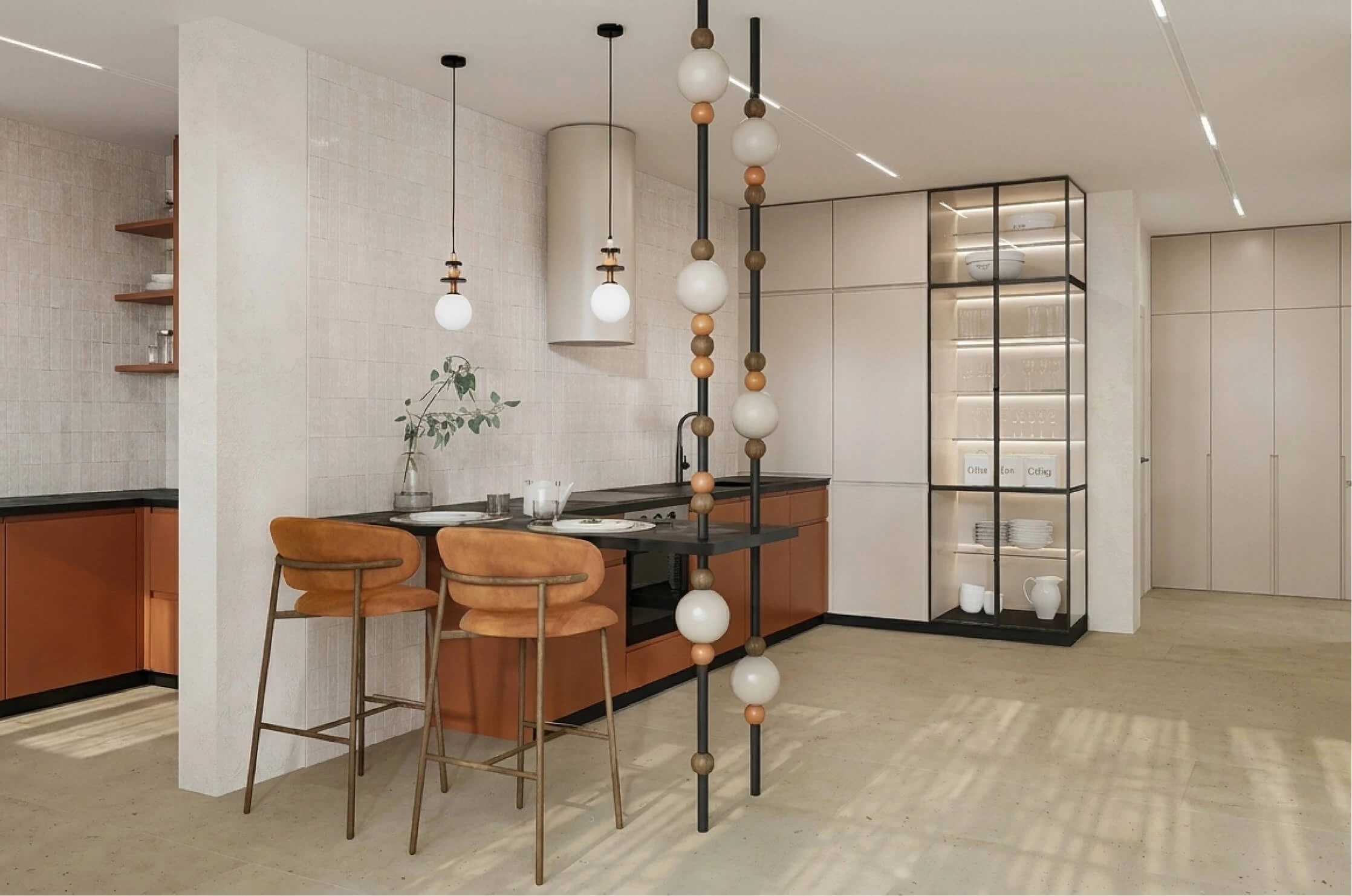
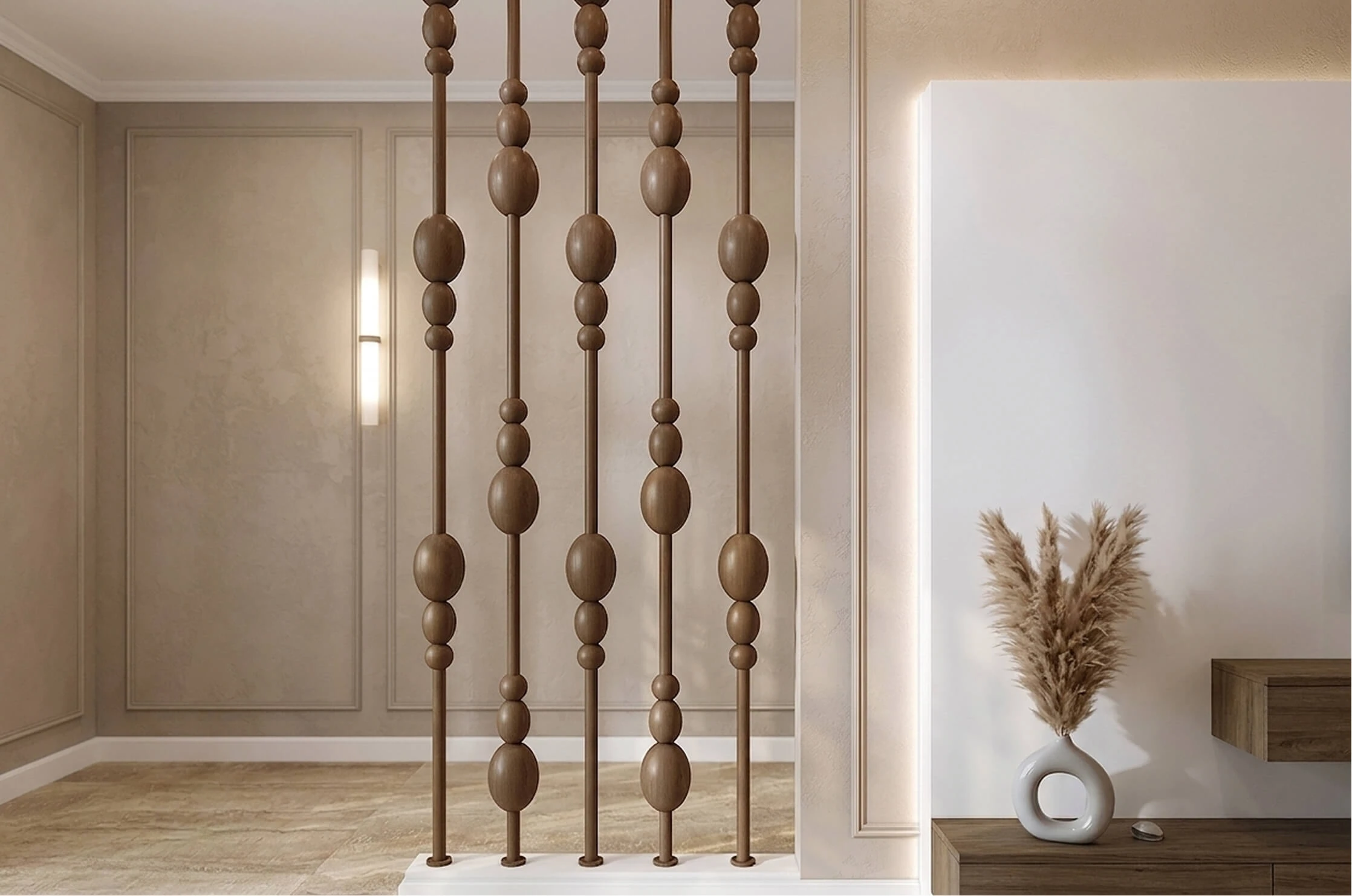
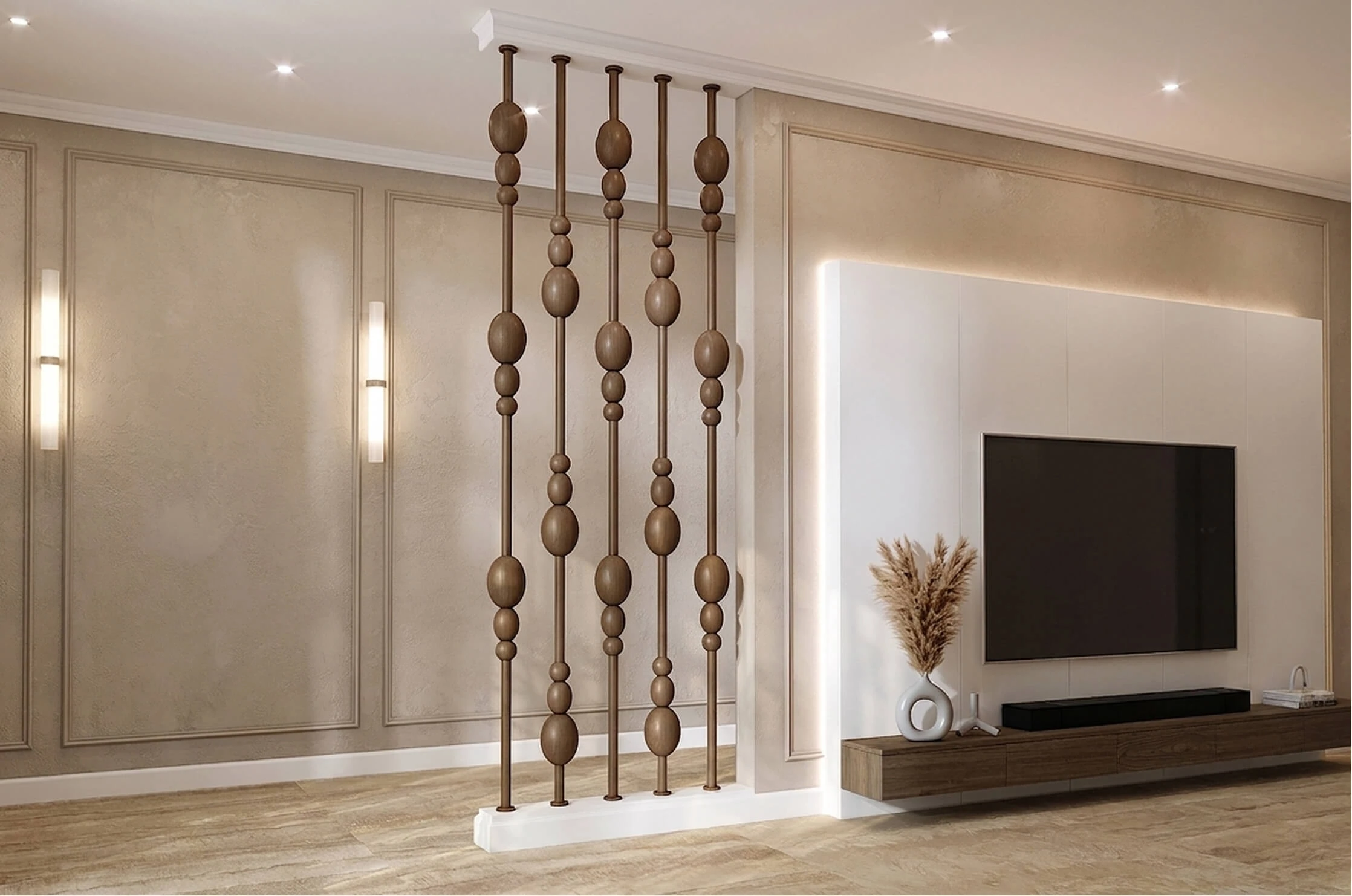
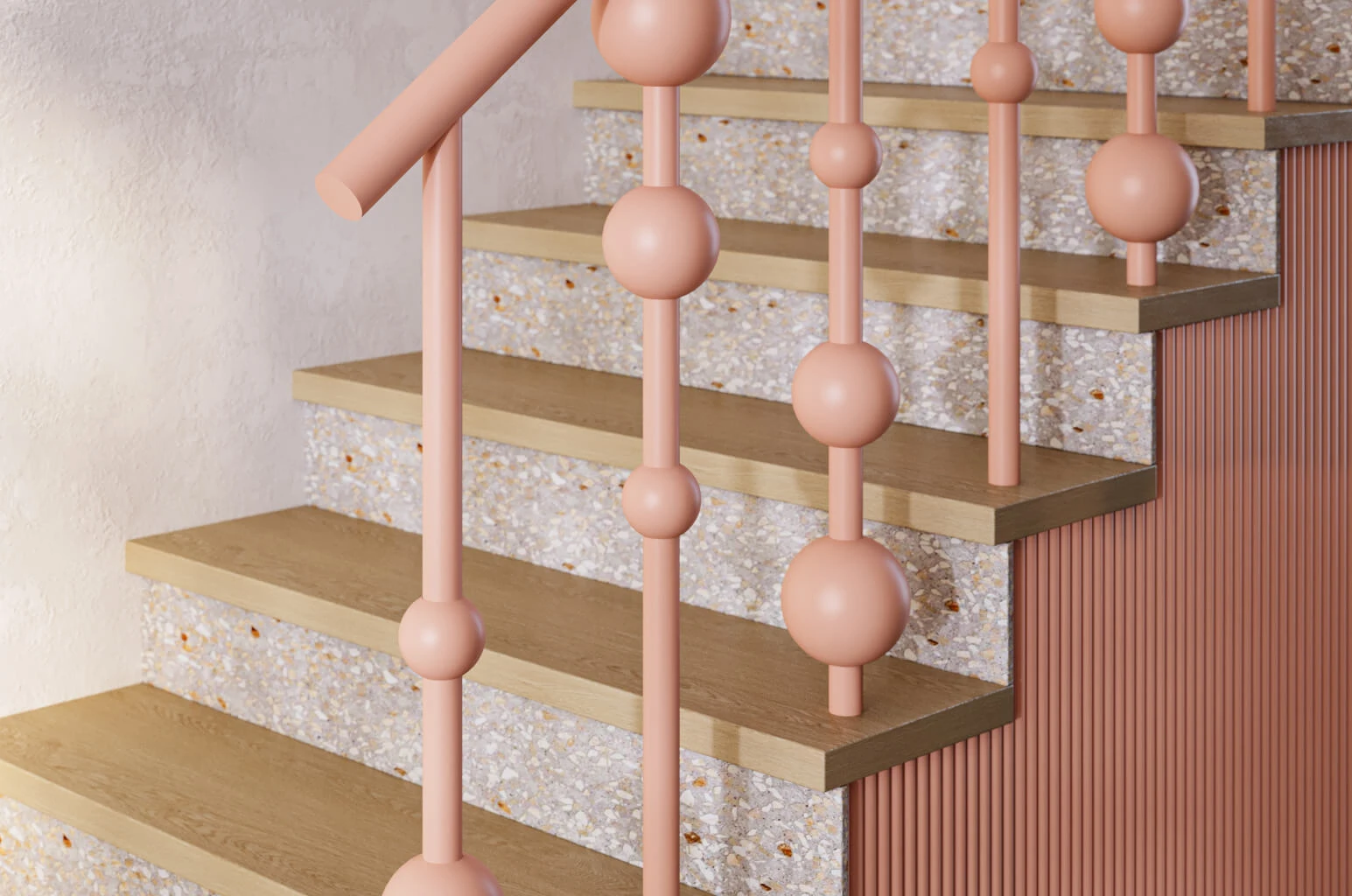
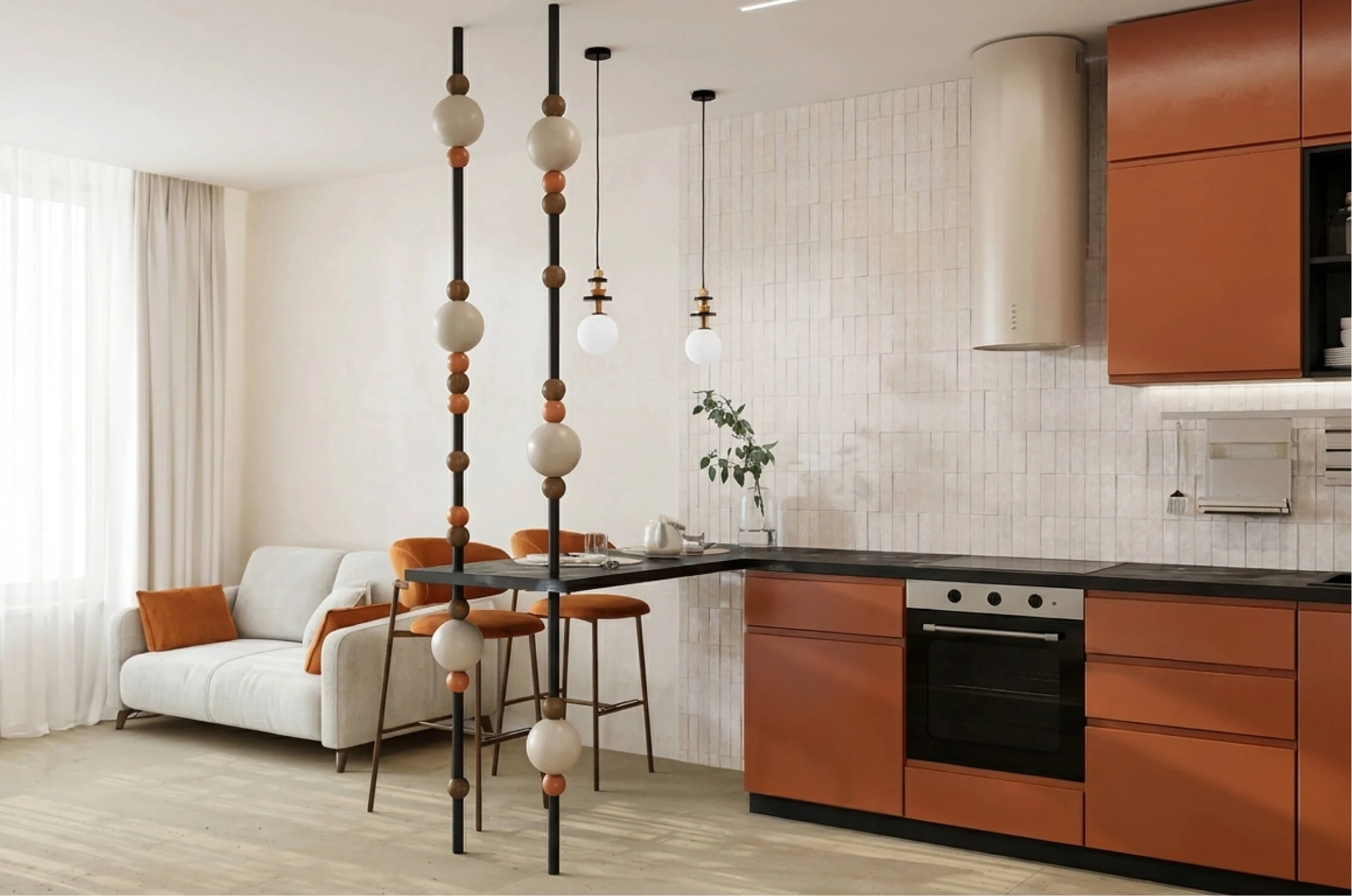
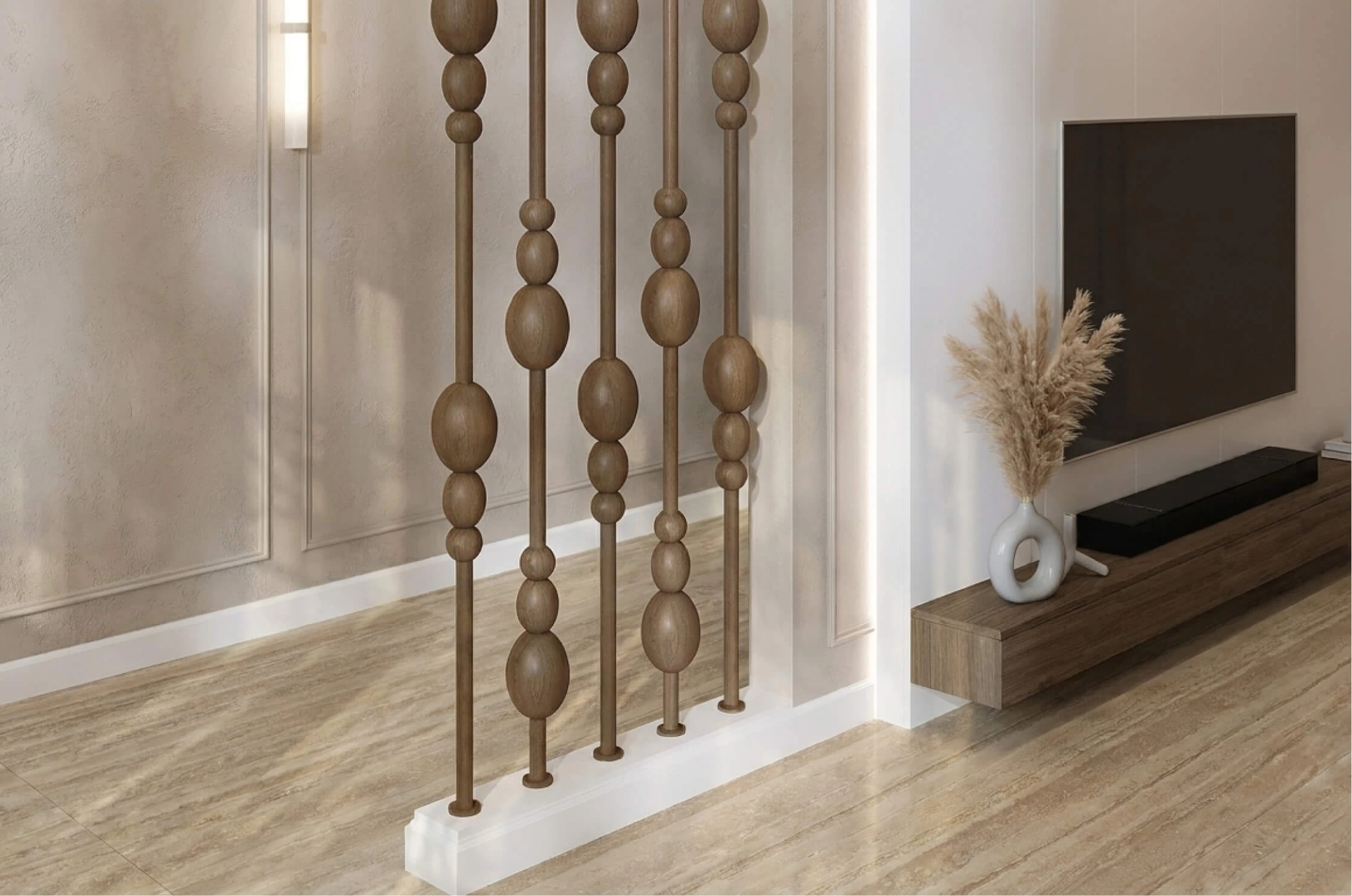
Wooden construction elements for furniture, racks, and decorative rods
The "Constructor" section combines decorative wooden elements made from solid wood for assembling and decorating furniture, racks, rods, legs, balusters, and interior structures. Such parts help turn an ordinary technical unit into a neat decorative accent: cover a transition, highlight a base, separate elements on a rod, or create a custom composition from natural wood.
These are not toy construction sets or craft kits. Wooden construction elements are production parts made from solid beech and oak, manufactured with "Prestige" quality sanding and designed for use in professional furniture, joinery products, and interior structures. Each part has precise dimensions, a mounting hole for a standard diameter, and is ready for finishing without additional preparation.
Which parts are included in the "Constructor" section
В constructor section are presented geometric wooden shapes and decorative turned parts of several main types, compatible in mounting diameter and united by a single production logic. Each type solves a specific design task in furniture or interior construction, and parts can be selected in any combination for a specific project.
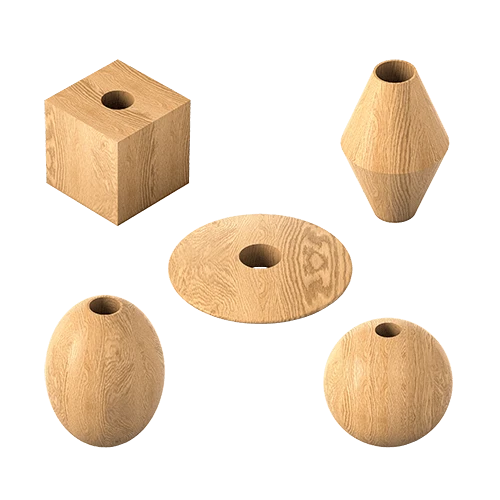
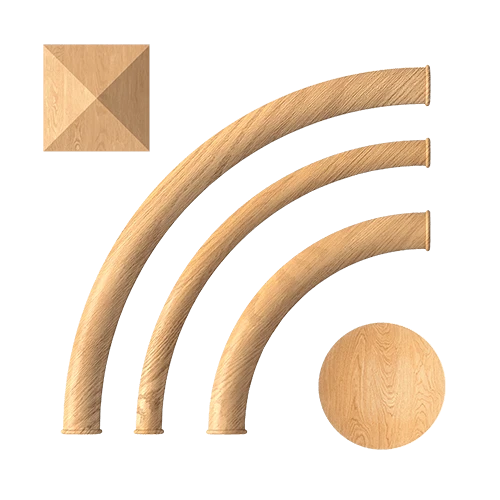
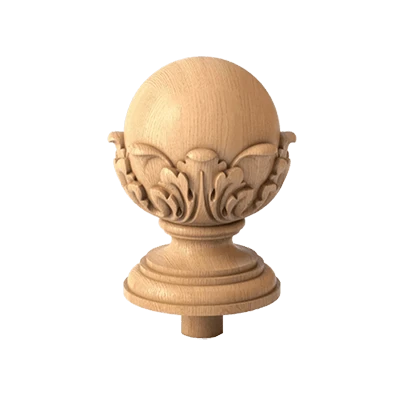
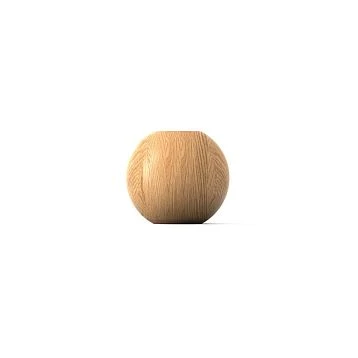
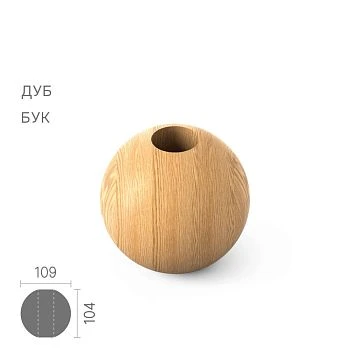
Wooden balls and spherical elements — a classic rounded shape for accent nodes on balusters, posts, rods, and legs. They create a soft, organic volume.
Cubic elements — parts with straight edges and square cross-section for modern and minimalist constructions. Suitable for minimalist, loft, and Scandinavian interiors where strict geometry is needed rather than roundness.
Decorative discs and washers — flat or slightly convex elements with a mounting hole. They work as separators between parts on an axis, decorative "rosettes" at the base, or accent spacers at joints.
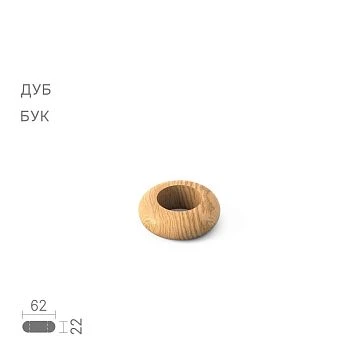
Wooden rings and bushings — delicate thin elements for rhythmic separation of parts on a rod or post. They take up minimal vertical space and create a neat "technical" transition without visual overload.
Conical elements — parts with a directional silhouette that visually elongate the structure upward. They work as decorative adapters, post bases, baluster finials, and accent "arrows" on horizontal rods.
Faceted and polygonal parts — elements with a faceted surface for custom designer solutions. They look good on oak under tinting, where each facet reveals a cut of the texture.
Transitional and accent inserts — compact parts whose task is not to create a large volume but to neatly finish a joint, cover an end, or add a delicate decorative touch.
All catalog items were designed as a compatible system: parts of the same mounting diameter are interchangeable and can be combined on a single axis in any sequence. This allows assembling custom solutions from standard catalog elements without manufacturing non-standard parts for each project.
Where wooden construction set elements are used
to buy, which will allow you to transform your furniture using carved wooden elements. You can use the C-003-3 decor set to decorate furniture, walls, doors, or any other surface. The C-003-3 decor set is made of oak or beech, known for their strength, durability, and beauty. You can buy the C-003-3 decor set at the Stavros decor store, which specializes in producing and selling decorative elements and hardware for furniture and interiors. At the Stavros decor store, you will find a wide selection of decor sets of various shapes, sizes, and styles. You can choose from the "Constructor" section is used in all types of furniture and interior structures where there is an axle, rod, bar, or post of a suitable diameter.
Decorative rods and horizontal axes — balls, cones, disks, and cubic elements as accent blocks, dividers, and finials. One or more elements on a horizontal rod turn a functional part into a designer object.
Furniture posts — decorative adapters, bases, accent blocks, and finishing caps. A post with one well-chosen element reads as a designed detail, not a technical component.
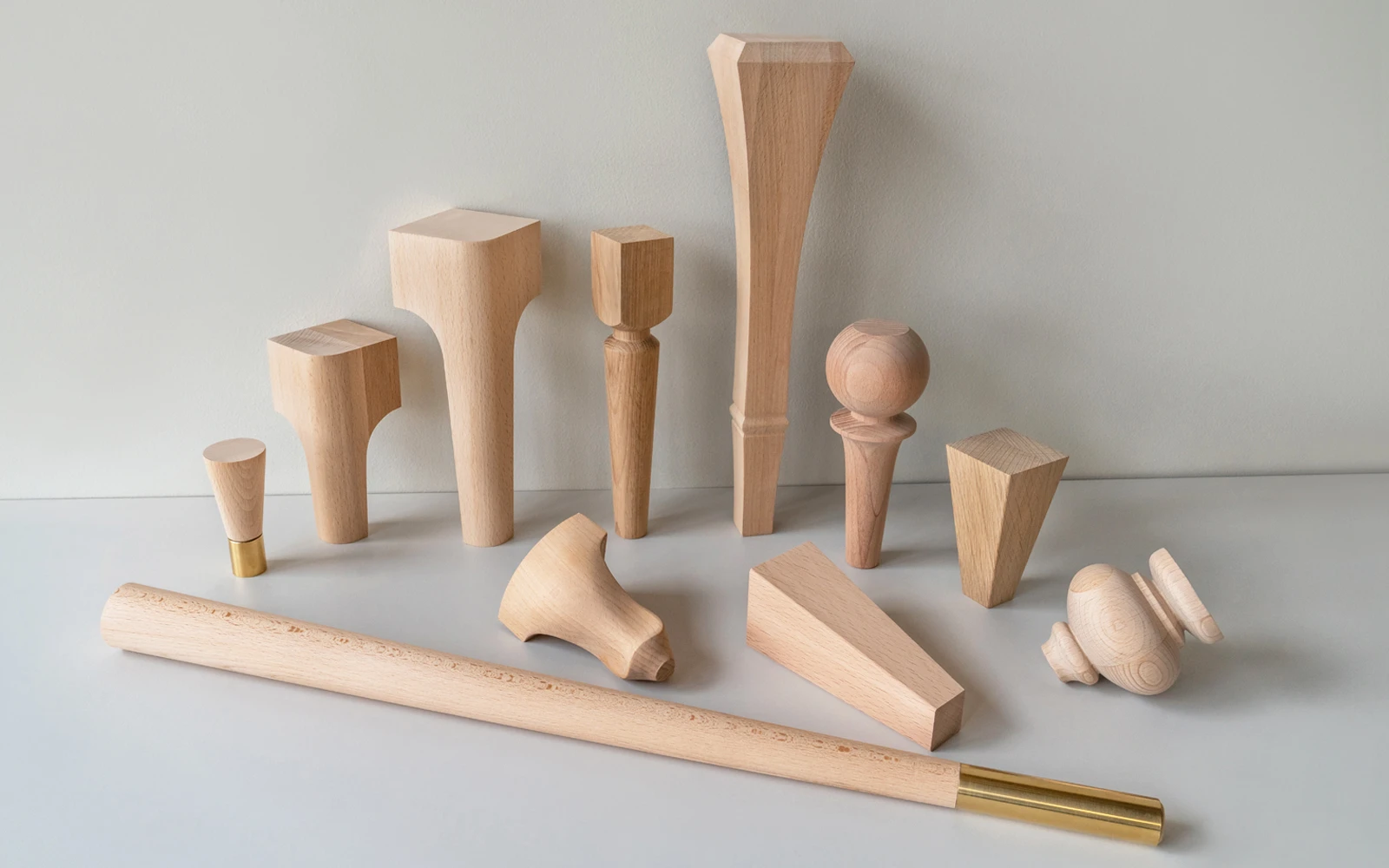
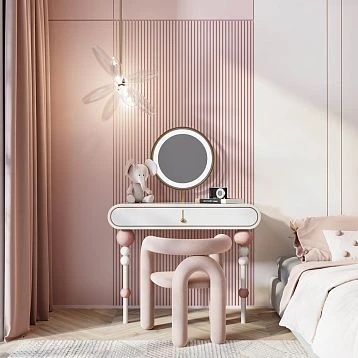
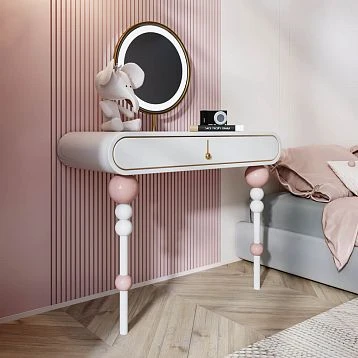
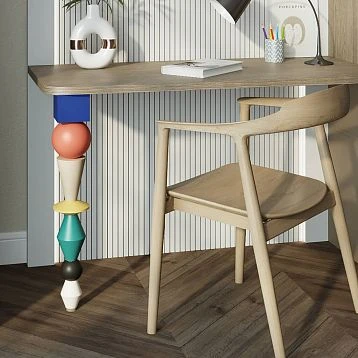
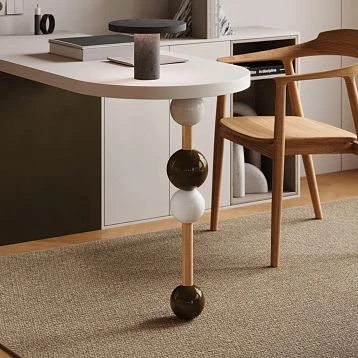
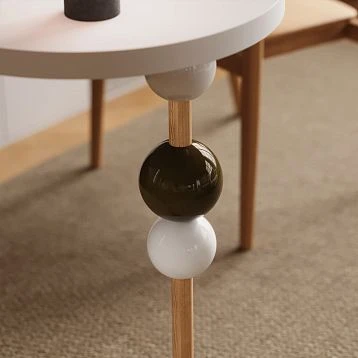
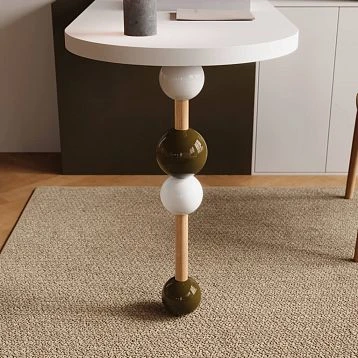
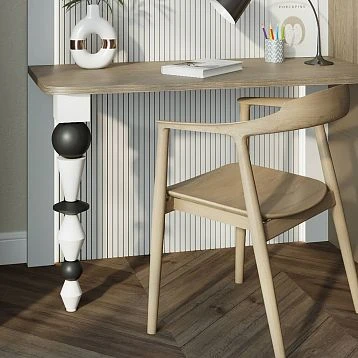
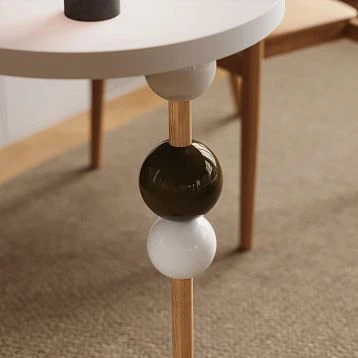
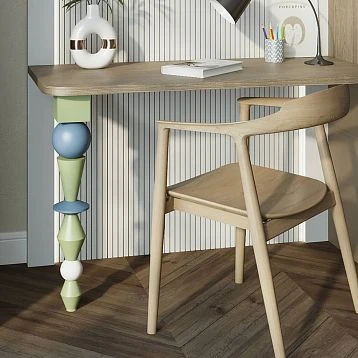
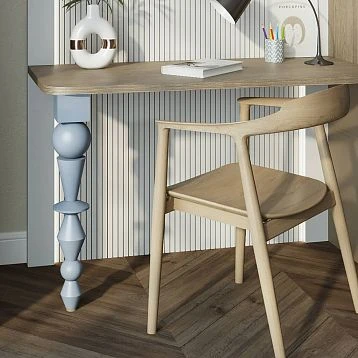
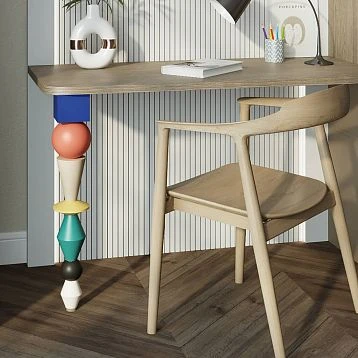
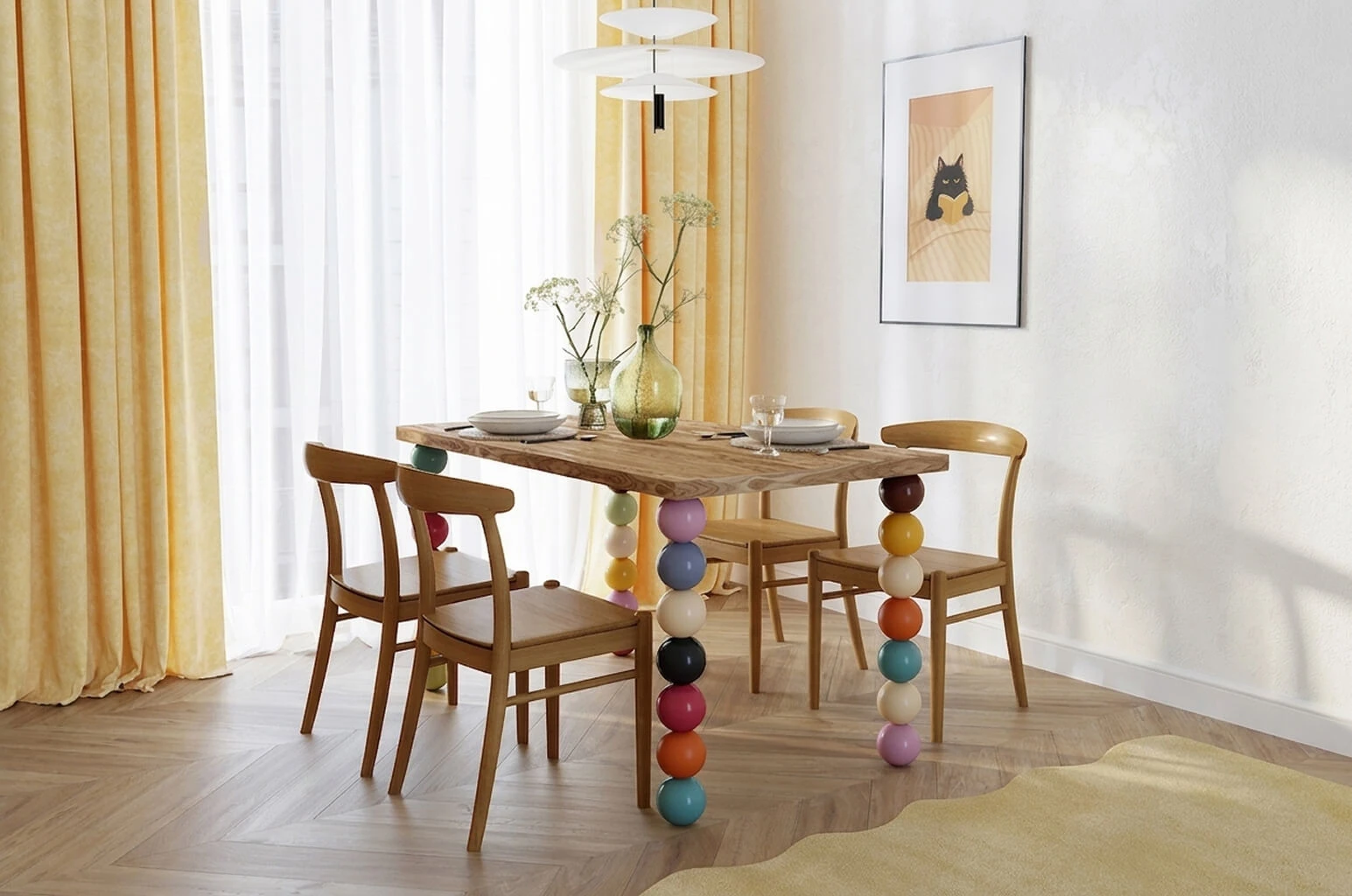
Legs and supports for chests of drawers, nightstands, consoles, armchairs, sofas, beds, and other case and upholstered furniture. wooden furniture legs with decorative constructor elements acquire an authorial character without the need for custom turning of non-standard shapes.
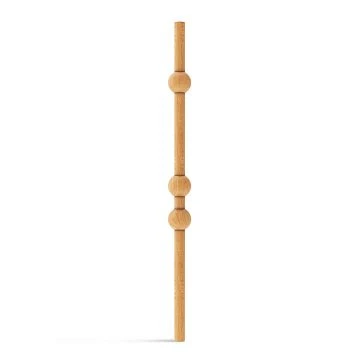
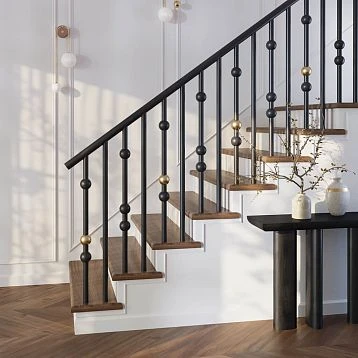
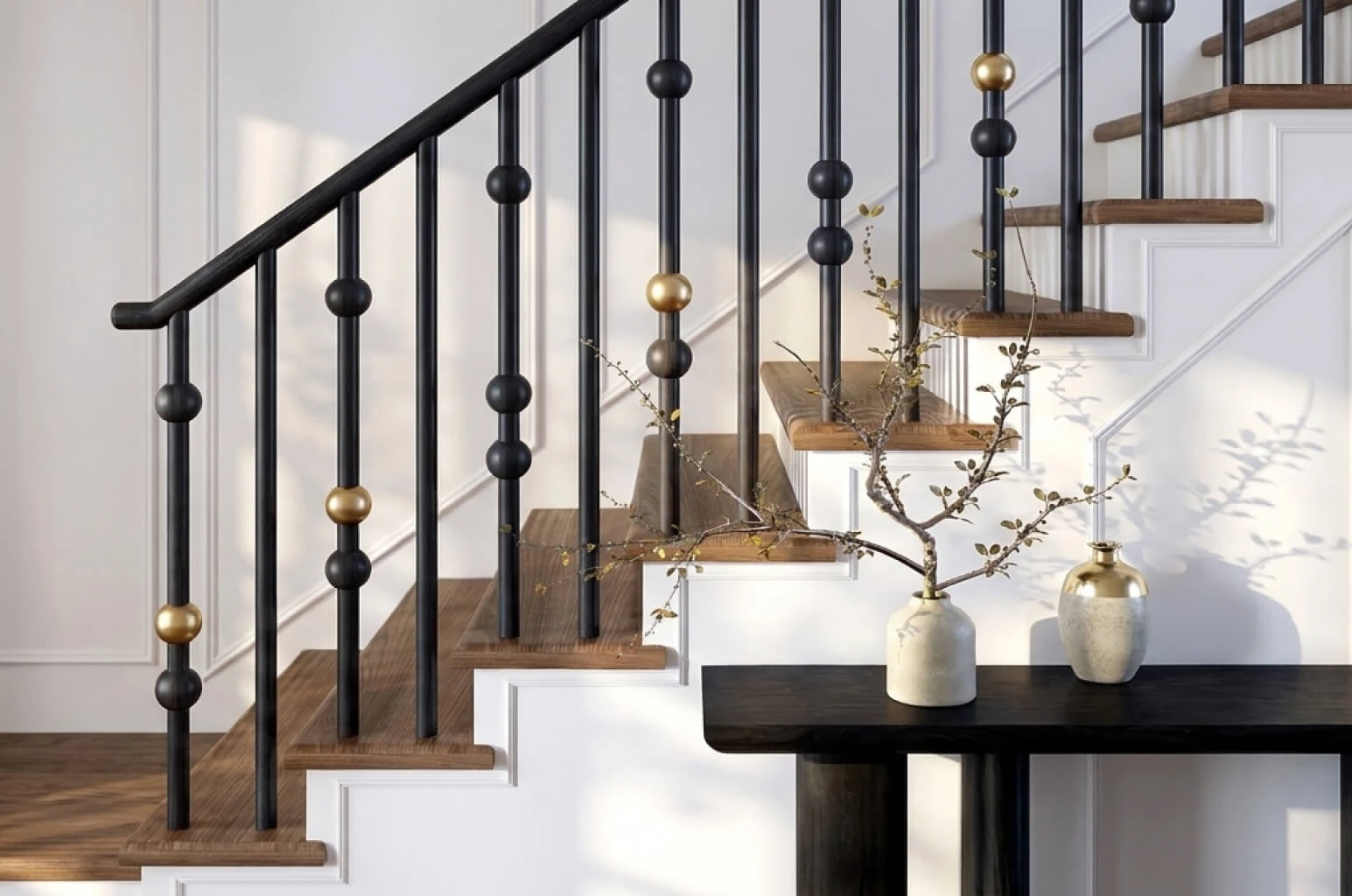
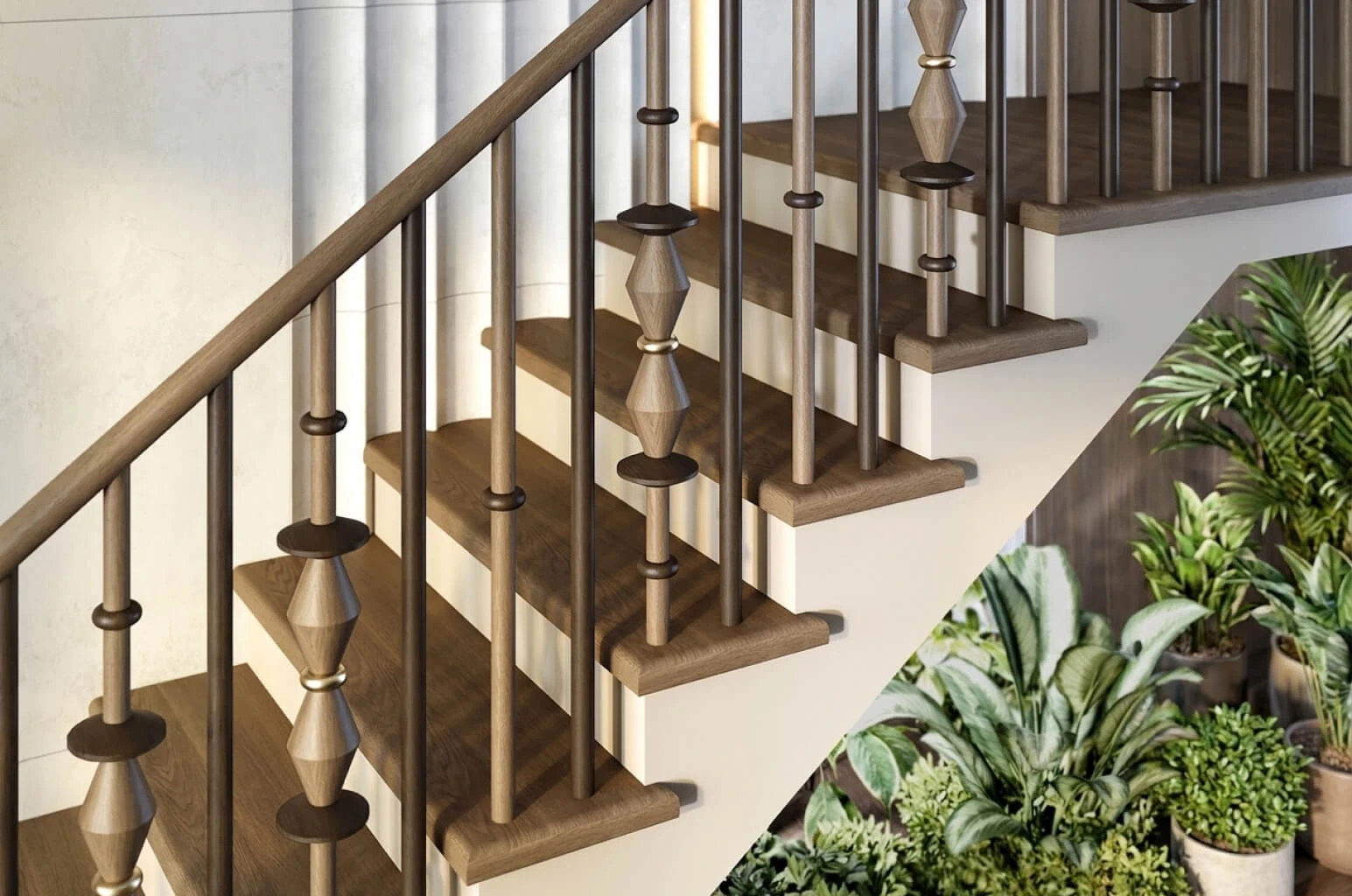
Balusters and staircase structures — cone adapters, ball accents, disk dividers as elements of multi-part wooden balusters for staircases. Professional balusters of classical and neoclassical style are built precisely on the combined use of several turned parts on a single axis.
Wooden partitions — cone finials for rods, ball or cubic accents at the ends of vertical elements. Give the partition a finished look and emphasize the author's design intent.
Author and designer furniture — where a non-standard decorative node is needed without custom part manufacturing. Suitable for cabinets, beds, consoles, decorative frames, shelving, and any other solid wood products.
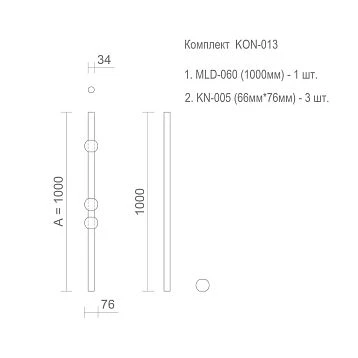
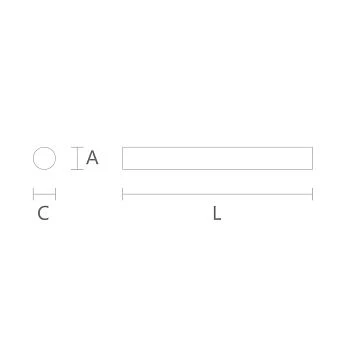
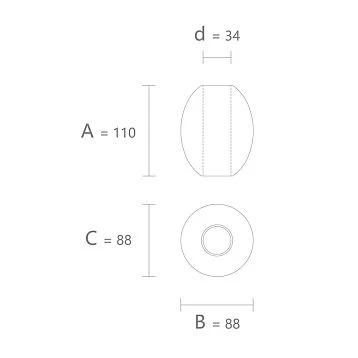
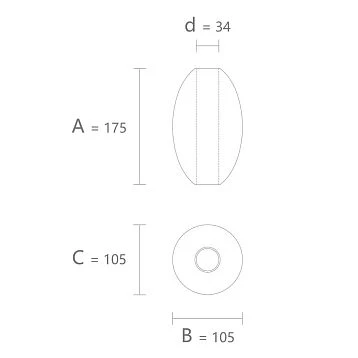
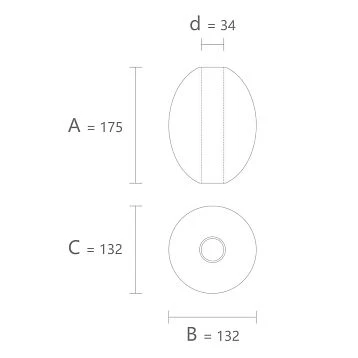
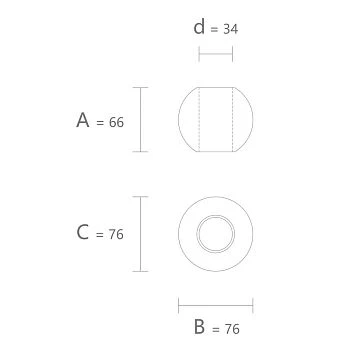
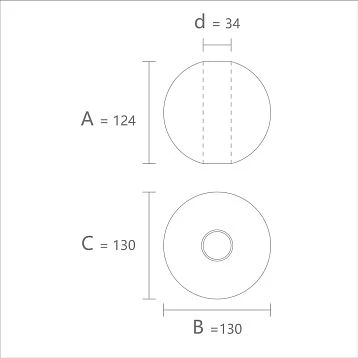
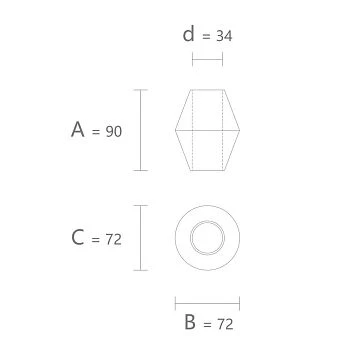
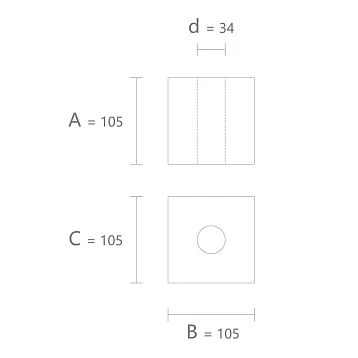
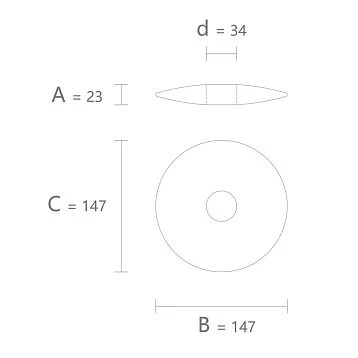
Elements are installed when the mounting diameter matches and technical compatibility with the project is ensured. Before ordering, it is necessary to check the dimensions of the axle against the mounting hole of the part according to the drawing in the product card.
Parts with a hole for a rod, post, or baluster
Most items in this section are wooden parts with a hole for a standard mounting diameter. The hole runs along the central axis of the part and allows it to be placed onto a rod, shaft, post, or baluster of the required diameter.
Wooden ball with a hole, wooden cube with a hole, wooden washer with a hole, wooden bushing with a hole, wooden disc with a hole — all these types of parts work on the same principle: the axis passes through the part, and the part is fixed in the desired position on the structure's axis.
Such parts are convenient to use on decorative rods, stands, balusters, and furniture supports. They help hide technical transitions, separate elements from each other, or add an expressive wooden accent to the structure. One wooden element for a rod in the center of a horizontal pipe, one wooden element for a stand at the base of a vertical rod, one element for a baluster in the transition zone — each of these solutions takes a minute to install but fundamentally changes the visual result of the entire structure.
Before ordering, it is necessary to clarify the actual diameter of the rod or stand and compare it with the mounting diameter of the part specified in the card. The mounting diameter must match: a too narrow hole will not allow the part to be put on, a too wide one will not ensure reliable fixation.
Beech and oak for enamel, tinting, and natural finish
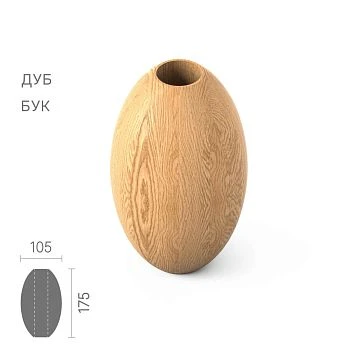
All solid wood parts In the "Constructor" section, two types of wood are available: beech and oak. The choice of wood is determined by the finish coating planned for the finished product.
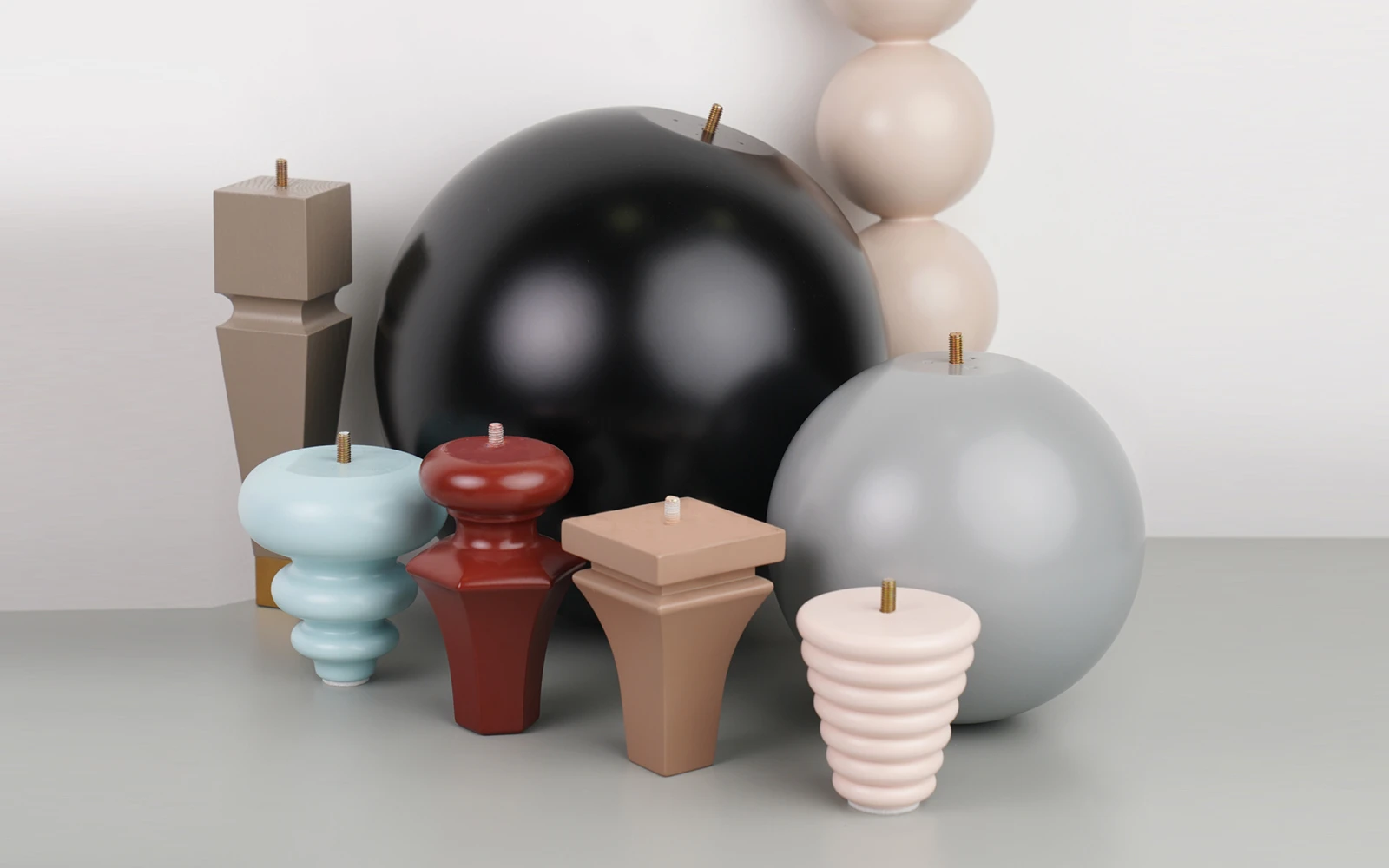
Beech is a dense, homogeneous wood with a closed structure and a calm, neutral surface. Beech is most often chosen for enamel and painting in a solid color: the surface accepts primer well, does not cause "breakthroughs," and ensures an even monochrome result. A beech part under white, black, or pastel enamel looks like a cast object — the form is perceived without textural "interference." Beech is also well-suited for varnish while preserving its light natural tone.
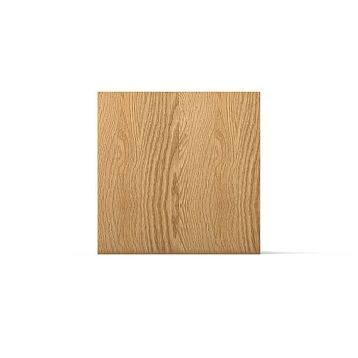
Oak is a wood with an expressive, recognizable texture and characteristic "mirrors." Oak is chosen for tinting and oil finishing, when it is important to emphasize the natural wood grain rather than hide it under an opaque coating. On large planes of a cube, conical surface, or sphere, the texture of oak is revealed especially expressively. Dark oak in walnut, cool gray-brown, or natural light tone with oil — all this creates the feeling of an expensive, textured product.
For combined solutions — wooden parts in combination with metal tubes or axles — oak works more effectively: the contrast of warm wood and cold metal is one of the most sought-after combinations in modern furniture and interior design.
How to choose constructor elements for a project
Selection of wooden blanks for furniture from the "Constructor" section takes several steps, and each of them affects the result.
Step 1 — determine the purpose of the part. Is it an accent (a large, noticeable form in the center of the structure), a separator (a thin part between two elements on an axle), a base (a part at the lower end of a post or leg), a bushing (an element hiding a technical joint), or a transition (a part visually connecting elements of different sizes)? The purpose determines the required type and size.
Step 2 — check the mounting diameter. Measure the actual diameter of the rod, shaft, baluster, or other axle. The mounting diameter D indicated in the part card must exactly match this value. Check parameter D in the drawing before placing an order.
Step 3 — choose a shape. A sphere creates soft organic volume, a cube creates strict angular geometry, a cone creates a directed dynamic silhouette, a disc creates a horizontal accent with minimal height, and a ring creates a delicate divider. Choose a shape based on the overall character of the structure and interior style.
Step 4 — select the size. The size of the part should match the scale of the structure. On a thin rod with a diameter of 20–25 mm, a large sphere with a diameter of 170 mm looks excessive; on a substantial post 150 × 150 mm, a small ring with a height of 22 mm gets lost. Guidelines: an accent element on a post — 10–20% of the total height; a divider — 3–6%.
Step 5 — choose the material. Beech for enamel, oak for tinting — this is the basic rule. Clarify the final coating planned for the entire product and choose accordingly.
Step 6 — check the visibility of the element in the finished product. The decorative part must be visible after assembly. If the structure involves overlay strips, cladding, or closely adjacent parts, clarify whether assembly will completely hide the decorative element.
For complex structures with multiple parts on one axis, it is recommended to prepare a sketch in advance indicating all positions, their heights, and installation order — this will help avoid errors during ordering and assembly.
Who the "Constructor" section is for
Decorative interior details from the "Constructor" section are used by professionals and private customers who need ready-made decorative solid wood elements without manufacturing custom parts to order.
Furniture manufacturers and carpentry workshops — parts from the section allow adding a decorative wooden accent to a product without launching a separate turning program. A catalog part is ordered by article number, supplied with precise dimensions, and is ready for installation and painting.
Interior designers and architects — standard catalog items with fixed dimensions allow incorporating specific article numbers into project specifications and achieving a predictable visual result without coordinating custom production.
Manufacturers of stairs and partitions — cone adapters, ball accents, and disc separators for wooden balusters as ready-made elements of complex multi-part structures. This is faster than producing each part separately.
Restorers — ready-made turned solid wood parts as a basis for recreating lost decorative elements in historical furniture and interior structures.
Private customers — STAVROS accepts orders from a single piece. If you are making custom furniture, a decorative stand, or a partition according to your own design, each part is available at retail with no minimum order quantity.
This section is for those who do not want to be limited to standard fittings and are assembling individual furniture or interior solutions from natural wood. Turned wooden elements, Carved wooden decoration и wooden furniture legs from related catalog sections complement the builder and allow you to complete the design task entirely within one production.
Section "Builder" — the main points in brief
Section "Builder" is a set of decorative elements made of solid for furniture, stands, rods, legs, balusters, and interior structures. Here you can select geometric wooden shapes, balls, cubes, discs, washers, bushings, cone and faceted parts, which are used as inserts, separators, bases, transition elements, and decorative accents.
Such products help to design technical units neatly and expressively: cover the connection point, highlight the base of the post, separate elements on the rod, complement a baluster, leg, or furniture support. The parts are suitable for custom furniture, wooden partitions, staircase compositions, consoles, cabinets, wardrobes, beds, armchairs, and other solid wood products.
The assortment includes elements made of beech and oak. Beech is convenient to choose for enamel and painting in a dense color, while oak is suitable for tinting and finishing while preserving the natural texture. Before ordering, it is important to check the dimensions of the part, the mounting hole, and compatibility with the project.
FAQ for the "Constructor" section
What is the "Constructor" section on the STAVROS website?
This is a section with decorative solid wood elements, which are used for assembling and designing furniture, posts, rods, legs, balusters, partitions, and custom interior structures. Not toys or semi-finished products — production-grade parts made of beech and oak with "Prestige" quality sanding.
What are wooden geometric shapes with a hole used for?
They are used as decorative inserts, bushings, separators, bases, transition parts, and accent elements on rods, posts, legs, and balusters. They help make the structure not only functional but also visually complete — neatly finishing a technical unit without additional joinery work.
Can the elements be installed on a decorative rod or pipe?
Yes, if the mounting hole D of the part matches the actual diameter of the rod. Before ordering, you need to measure the diameter of the rod or pipe and compare it with parameter D in the card of the selected product.
What to choose — beech or oak?
Beech is more often chosen for enamel and dense color coating when a smooth monochrome result is needed. Oak is better suited for tinting and oil finishing when it is important to emphasize the natural texture and grain of the wood.
Are the construction kit elements suitable for custom furniture and one-off projects?
Yes, each item is available from one piece. The parts are convenient to use in custom furniture, decorative partitions, racks, consoles, cabinets, armchairs, beds, and other individual wood products. Related sections: wooden furniture legs, wooden balusters, Carved wooden decoration.
Order a call
Do you have questions? Fill out the form and send it.
Your request has been sent!
Our manager will contact you within 5 minutes