

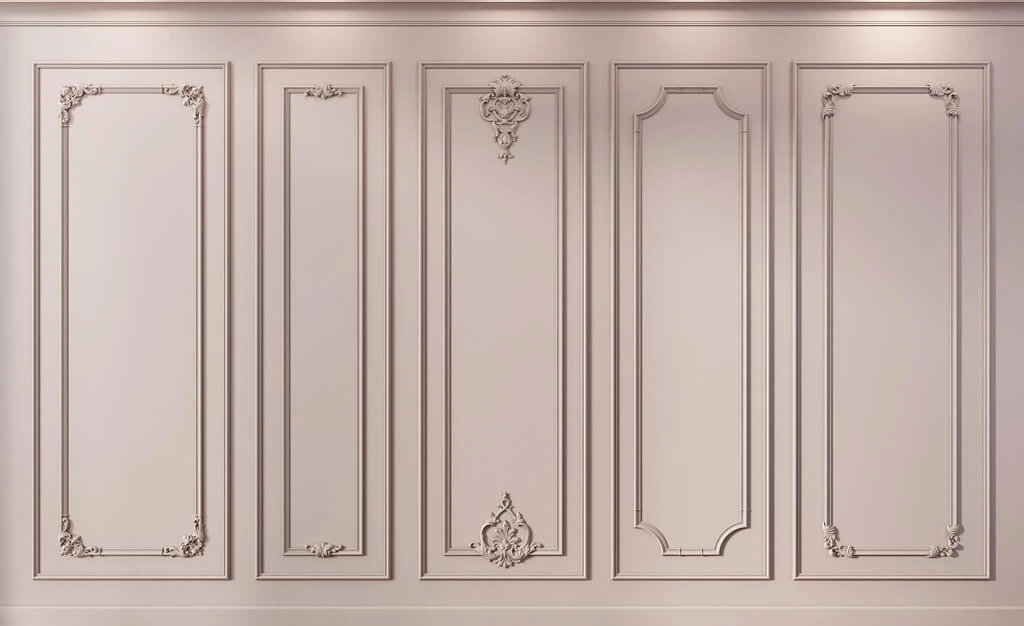
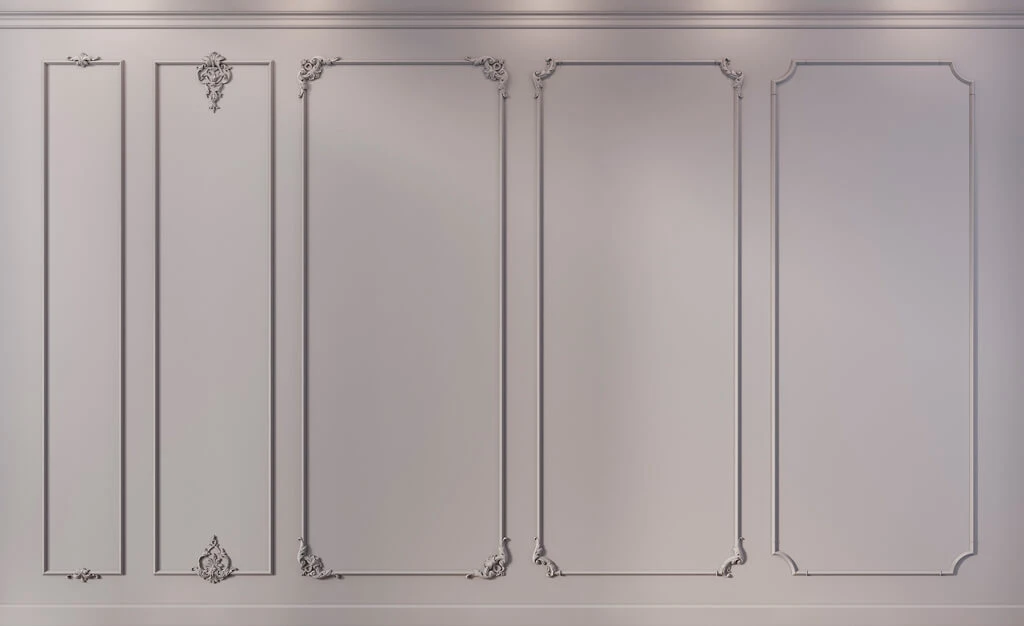
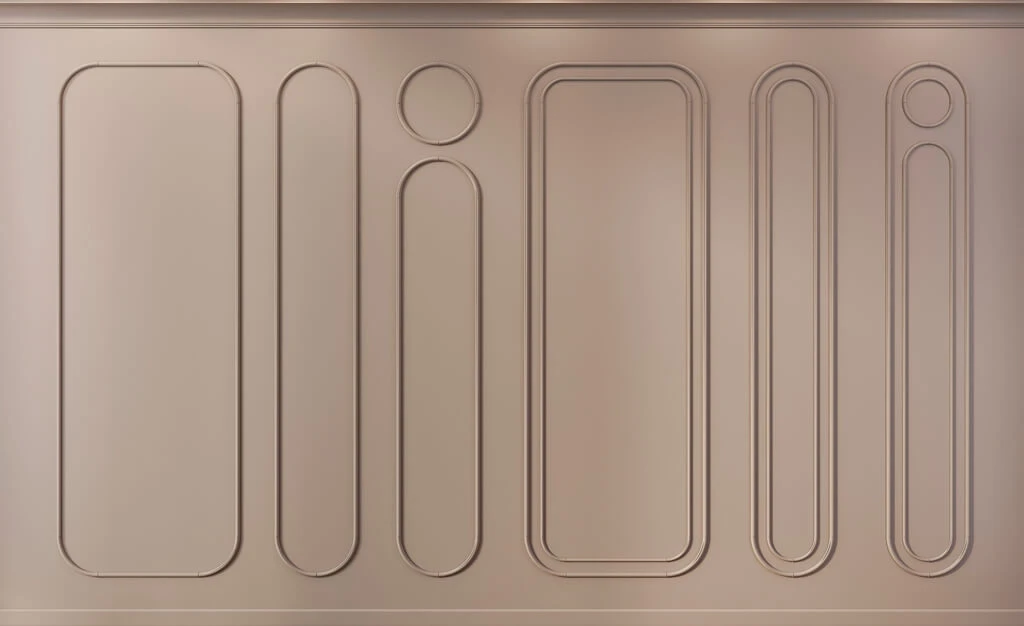
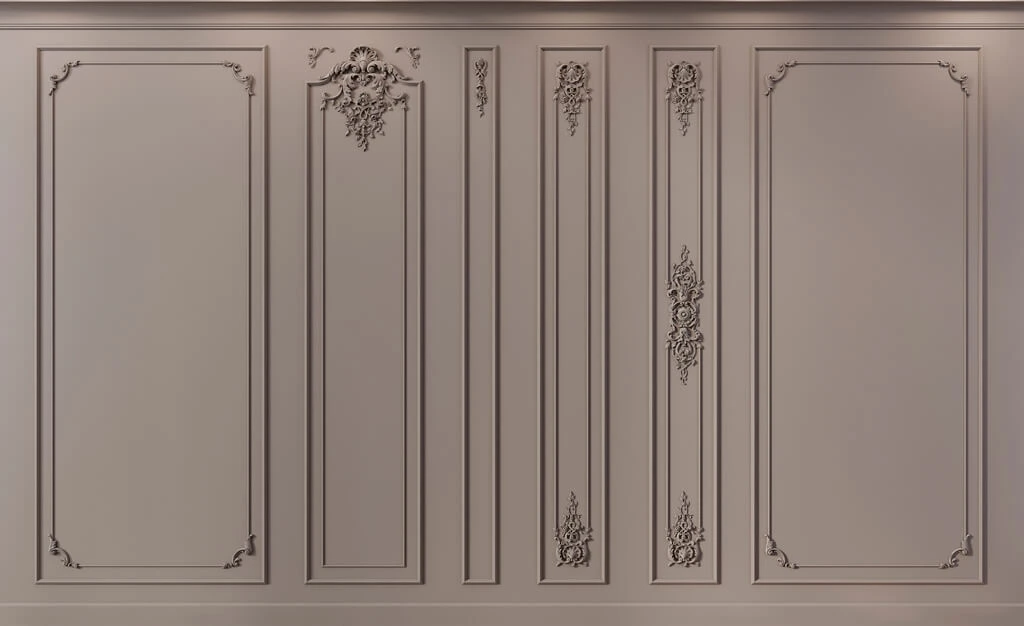
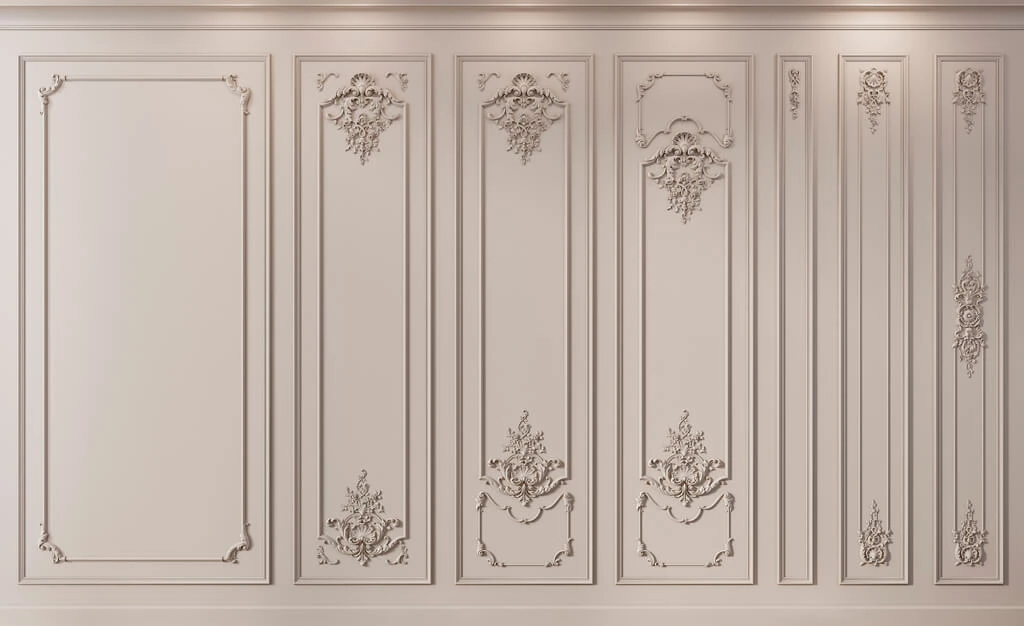
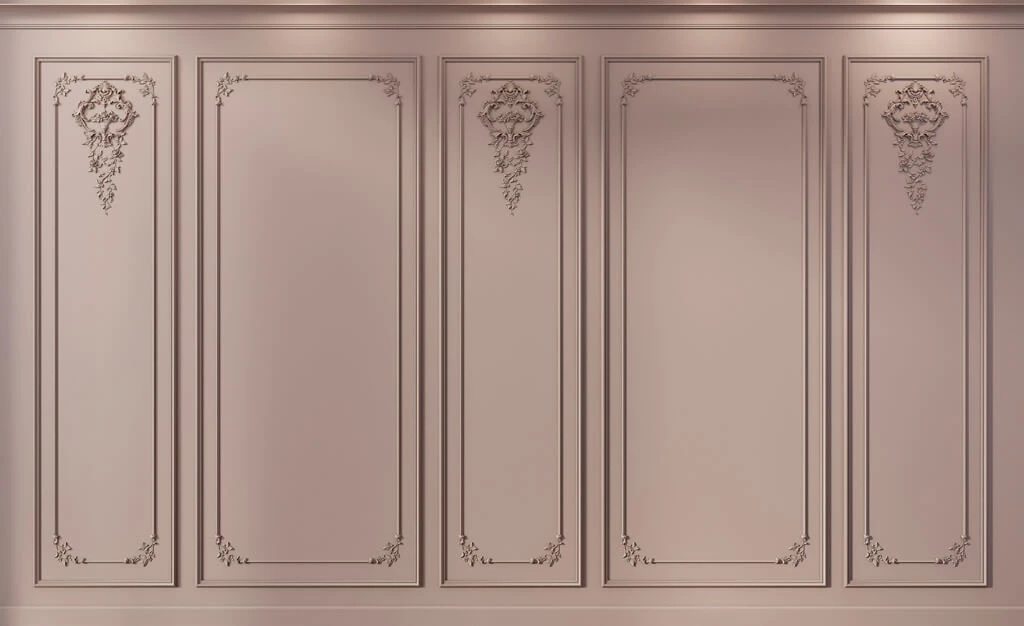
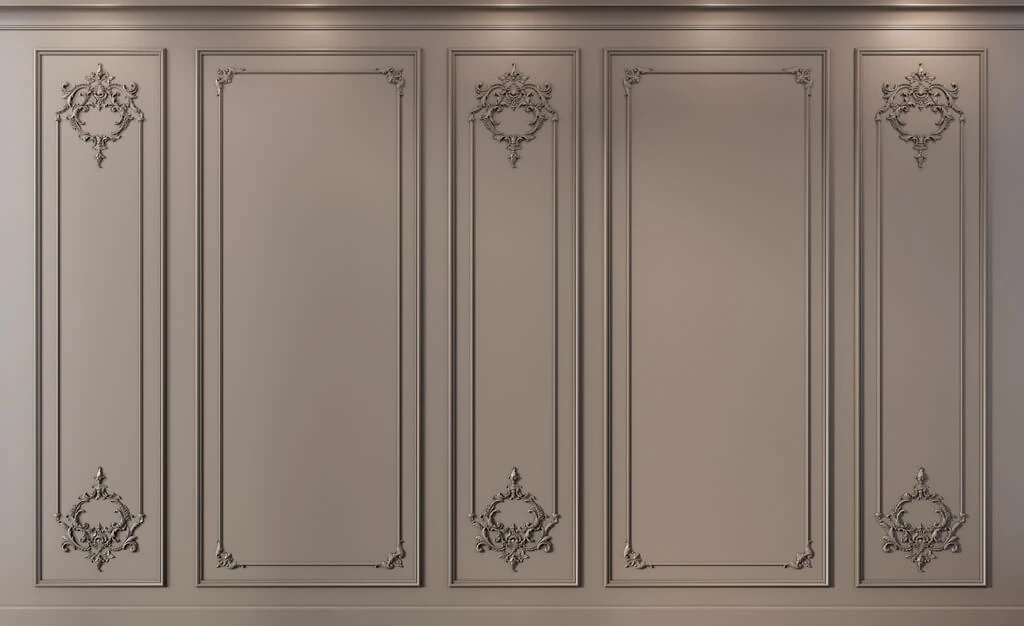
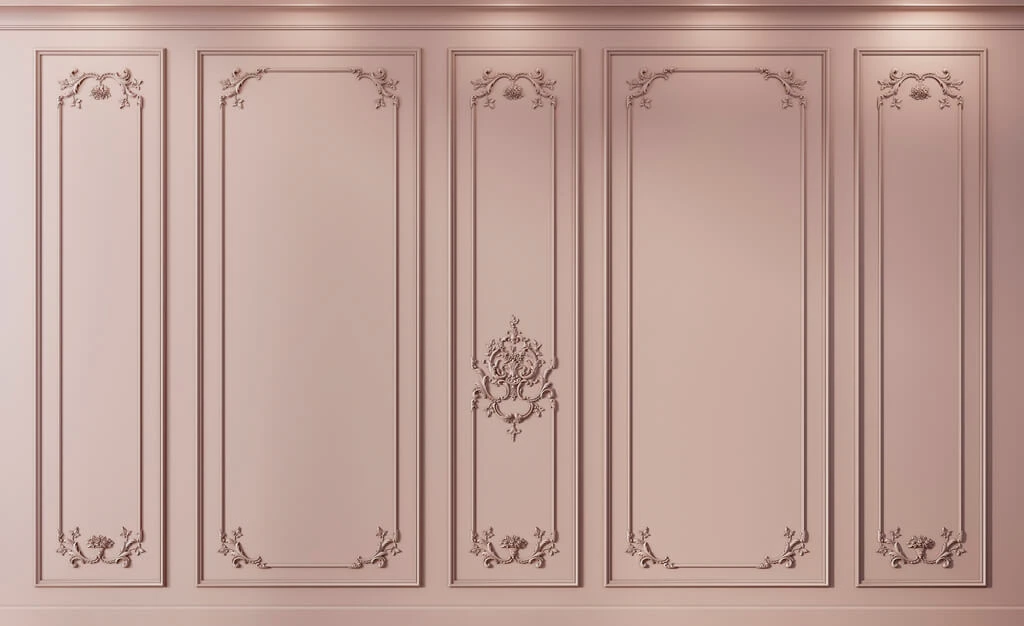
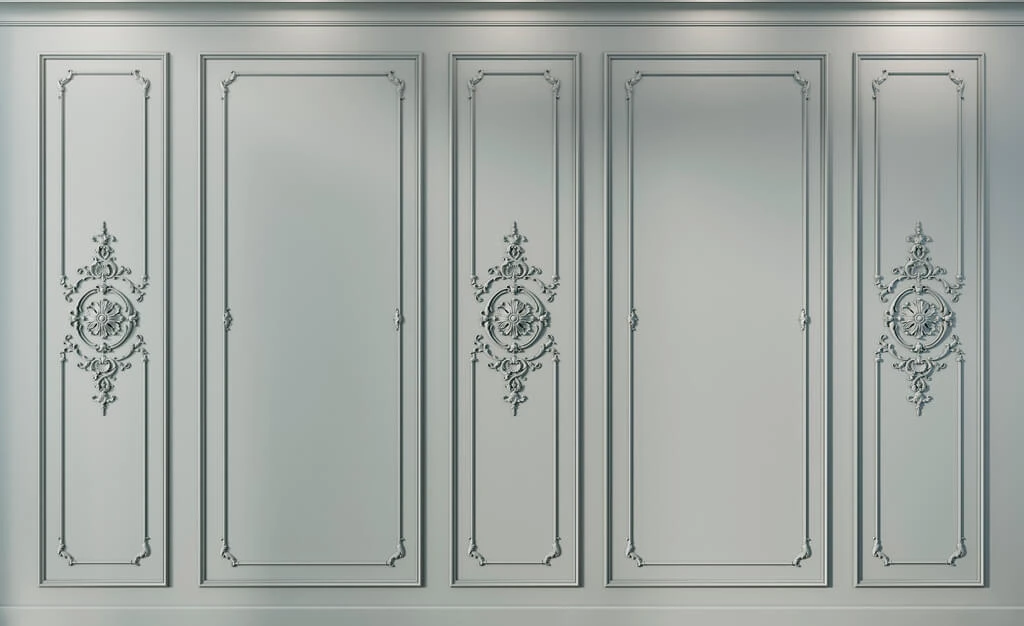
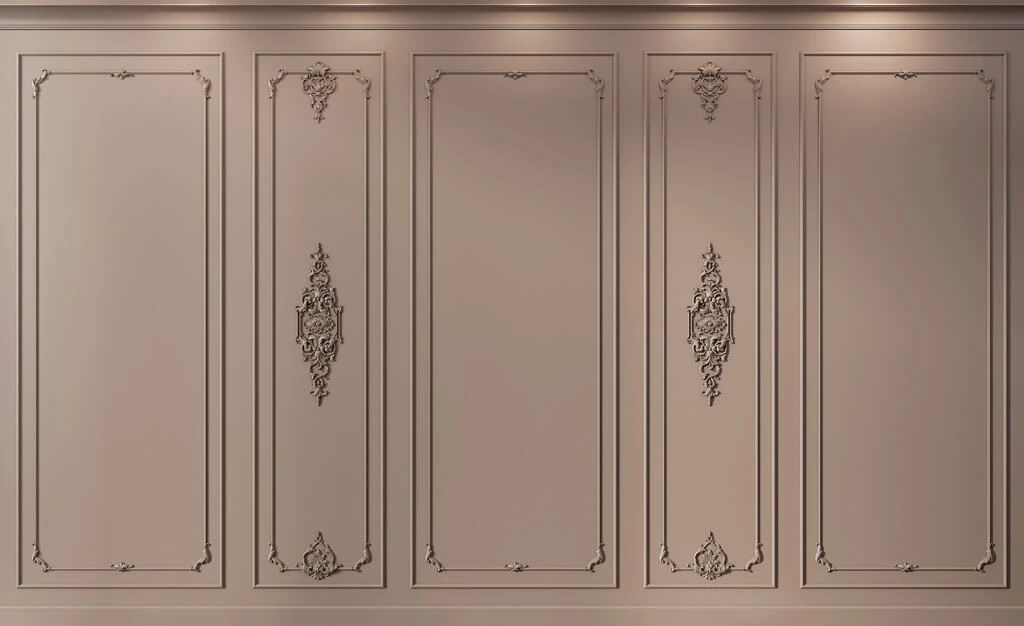
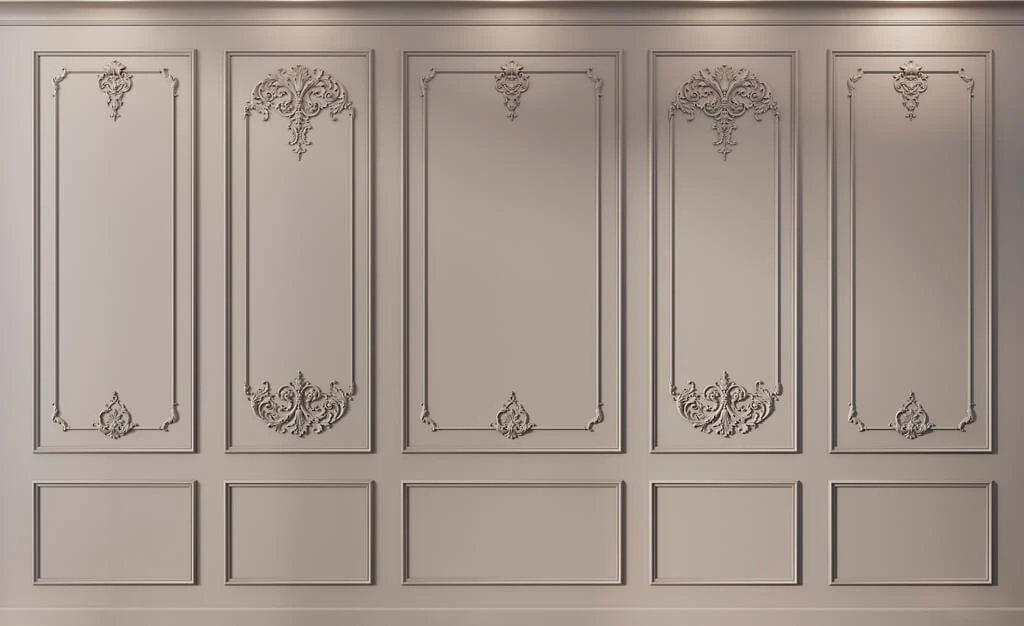
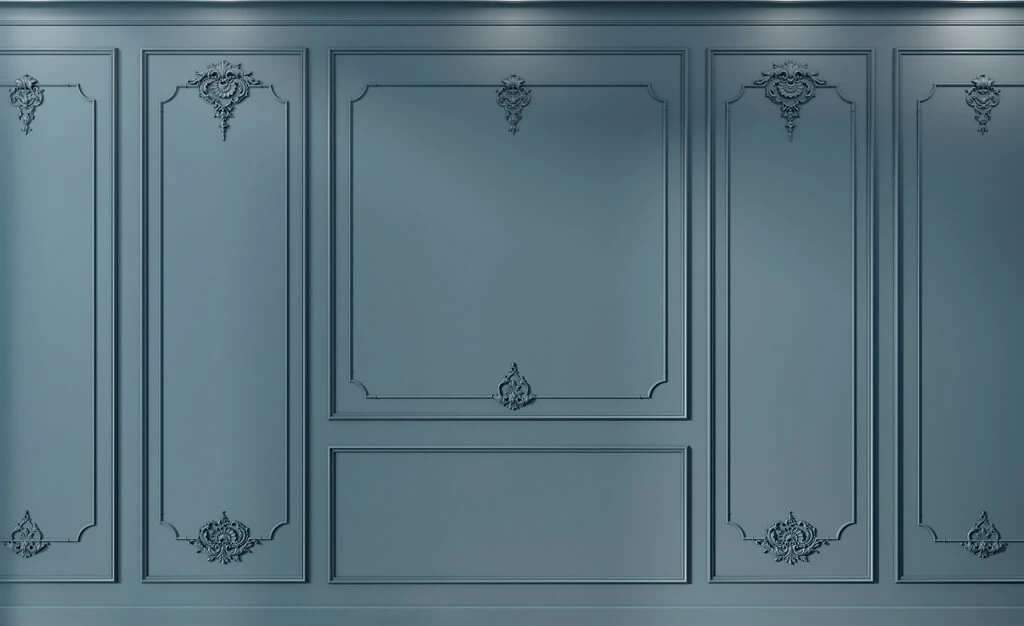























Article Contents:
- What unites the CPU-14-1 and CPU-14-2 kits
- How does CPU-14-1 differ from CPU-14-2
- CPU-14-1: when you need a more expressive stucco decor kit
- CPU-14-2: when it's better to choose a calm decorative frame
- How to choose CPU-14-1 or CPU-14-2 based on wall size and task
- CPU-14-1 or CPU-14-2 for sofa, bed, console, and wardrobe
- For the wall behind the sofa
- For the wall behind the bed
- For the area above the console
- For the wall next to the wardrobe
- Which styles suit CPU-14-1 and CPU-14-2
- Classic Interior
- Neoclassicism
- Modern classicism
- Light interior for painting
- How to understand which kit suits: CPU-14-1 or CPU-14-2
- Common mistakes when choosing the CPU-14 kit
- What to choose: CPU-14-1 or CPU-14-2
- FAQ: Answers to Popular Questions
- About the Company STAVROS
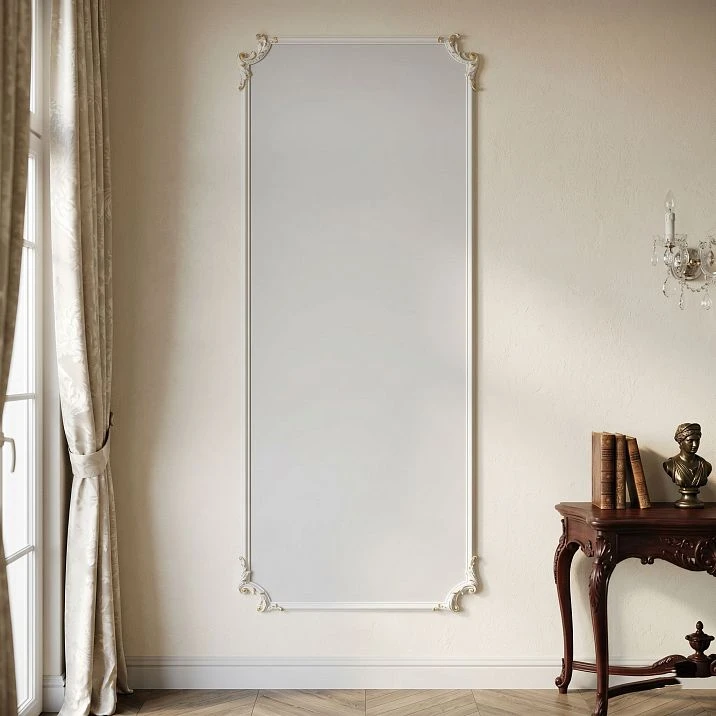
If the wall should become the decorative center of the room, make a statement, create a grand or atmospheric impression — consider CPU-14-1. If you need a neat, calm frame composition that will ennoble the area above a console, a wall section, or a wall next to a cabinet without competing with the furniture — CPU-14-2 will handle this more subtly and precisely. Next — a breakdown by details, scenarios, and comparison tables.
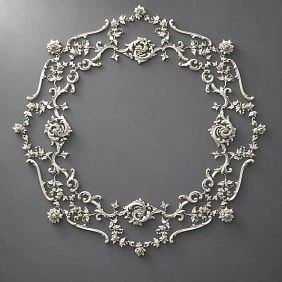
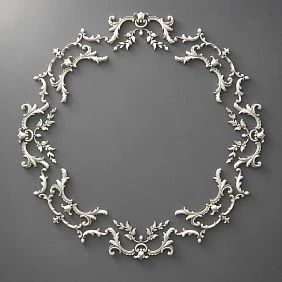
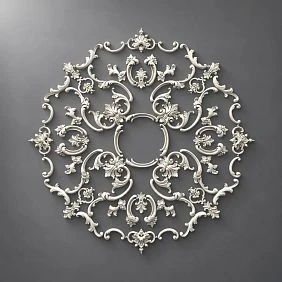
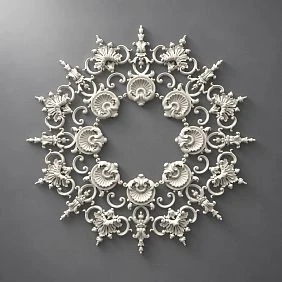
What unites the CPU-14-1 and CPU-14-2 sets
It is always more honest to start a discussion about differences with what is common. Both CPU-14-1 and CPU-14-2 have a foundation that makes them compatible not only in the same catalog but also in the same interior.
Both sets belong to «Tsarskoye Selo» collection — one of the most representative in the STAVROS assortment. The collection is designed for interiors where decor is not an accident but an intention. Classic, neoclassical, modern classic, interiors with character and history — "Tsarskoye Selo" is intended precisely for this audience.
What unites both sets:
-
Both are made of polyurethane — a lightweight, durable material that does not deform, does not absorb moisture, does not crack with temperature changes, and is easily cut with hand tools.
-
Both are fully prepared for painting: acrylic, latex, enamel — in the color of the wall or in a light contrast.
-
Both are mounted with glue without drilling or special tools.
-
Both provide a ready-made decorative composition without the need to independently select moldings, overlays, and corner joints.
-
Both blend organically into classic, neoclassical, modern classic, and transitional decorative styles.
-
Both are suitable for the bedroom, living room, hallway, foyer, and study.
Separately — about compatibility: CPU-14-1 and CPU-14-2 can be used in the same interior. For example, CPU-14-1 as a central accent behind the sofa, and CPU-14-2 as calm frame elements on side or adjacent walls. This approach creates a hierarchy of decor: the main accent and its surroundings.
What is the difference between CPU-14-1 and CPU-14-2
If the previous section was about kinship, this one is about character. And the character of these two sets is truly different. Fundamentally different.
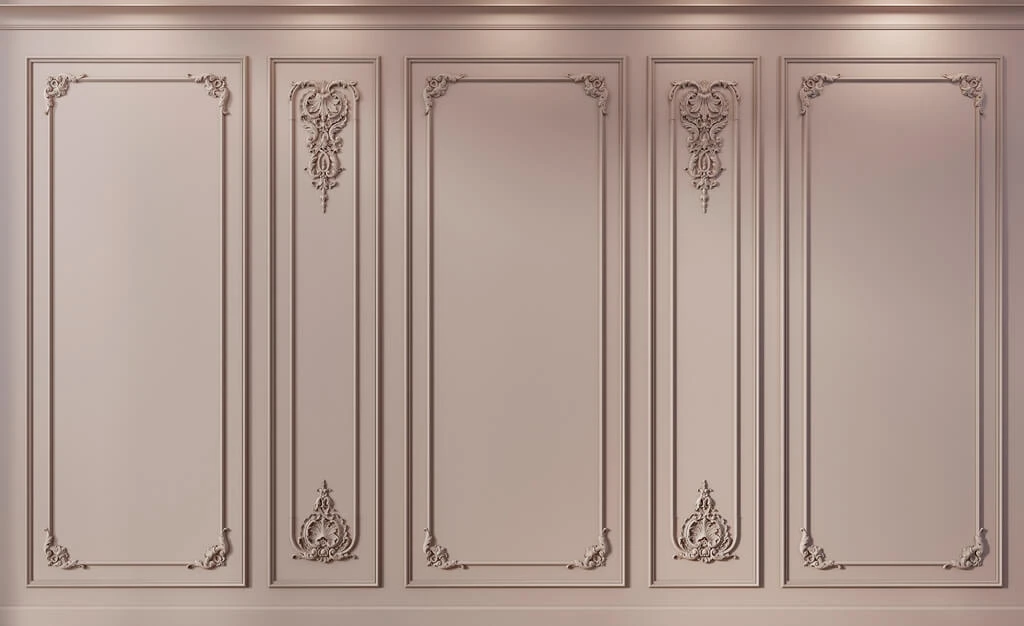
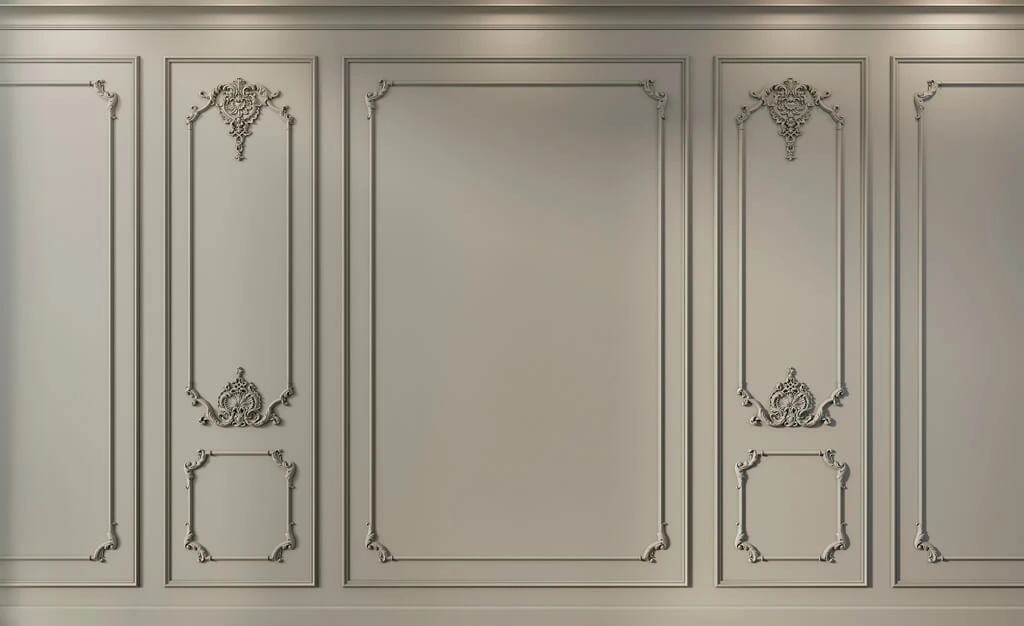
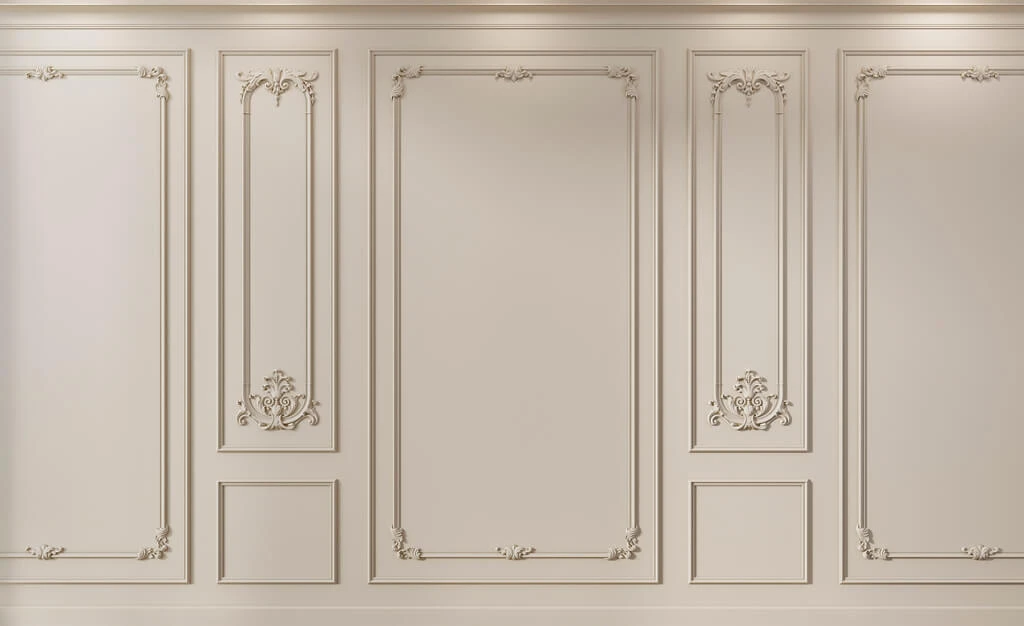
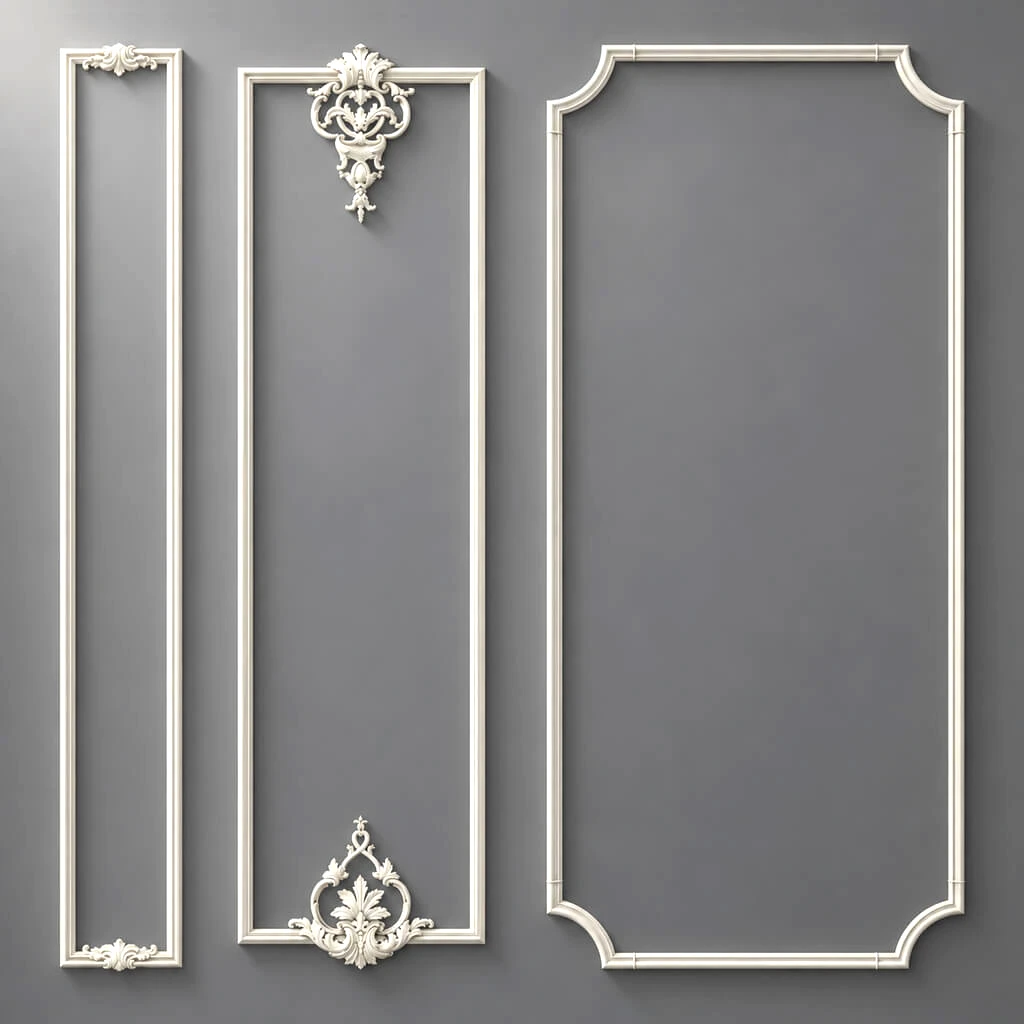
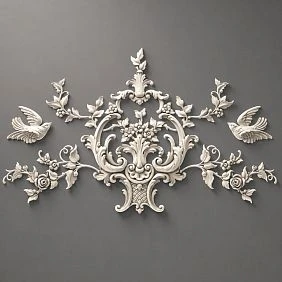
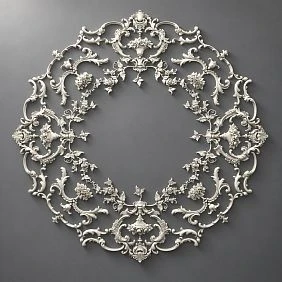
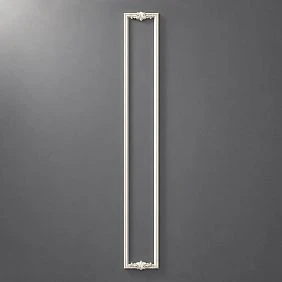
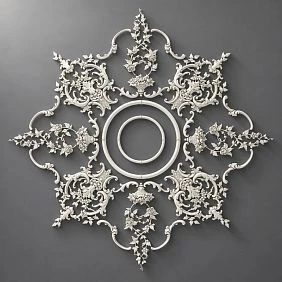
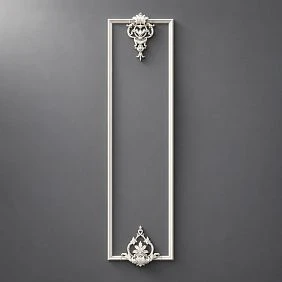
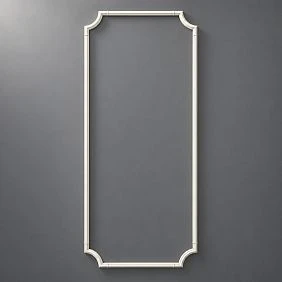
CPU-14-1 is a more saturated decorative unit. Its ornamentation, proportion, and visual density create the effect of a formal, expressive decor. It demands attention. CPU-14-2 is more delicate. A more laconic frame structure, fewer decorative dominants, more purity of lines. It supports the interior rather than competes with it.
| Criterion | CPU-14-1 | CPU-14-2 |
|---|---|---|
| Visual character | More expressive | More calm, frame-like |
| Main Scenario | Accent wall | Decorative frame on the wall |
| Where to use | Living room, bedroom, hall, central wall | Console, chest of drawers, pier, area near furniture |
| Effect | Formal, decorative, prominent | Light, assembled, versatile |
| For which wall | Medium or wide | Narrow, medium, calm zone |
| When to choose | When decor should be the main focus | When decor supports the interior |
The easiest way to imagine them: CPU-14-1 is like a speech at a formal reception. Full, weighty, with accents. CPU-14-2 is impeccable etiquette: nothing extra, everything in place, elegant and unobtrusive.
It is this difference in character that determines the choice. Not the width, not the specific size — but the role the decor should play in your interior.
About the logic of choosing between similar sets in other collections — in comparative materialsCPU-12-1 or CPU-12-2: which set from the 'Petersburg' collection to chooseandCPU-13-1 or CPU-13-2: narrow and wide set from the Peterhof collection.
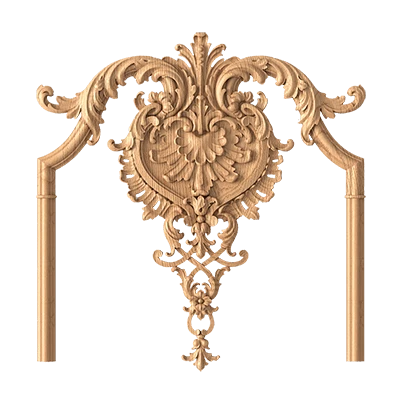
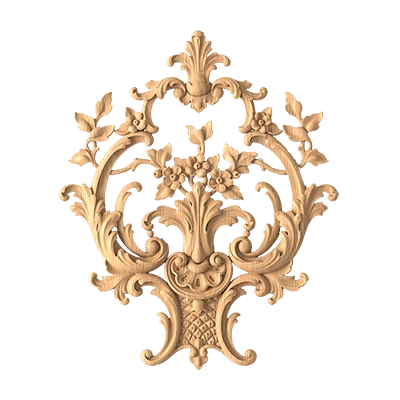
Choosing between CPU-14-1 and CPU-14-2? CPU-14-1 is better suited for an expressive accent wall, while CPU-14-2 is ideal for a calm decorative frame above furniture or in a wall niche.
Our factory also produces:
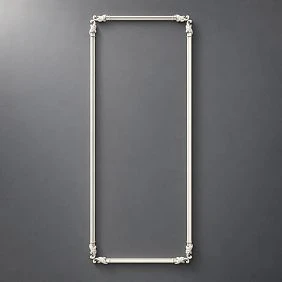
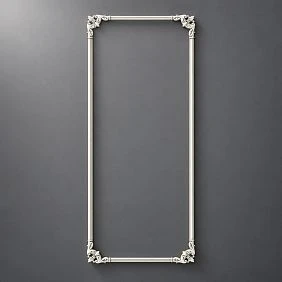
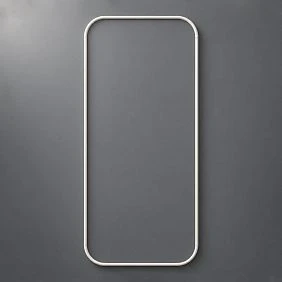
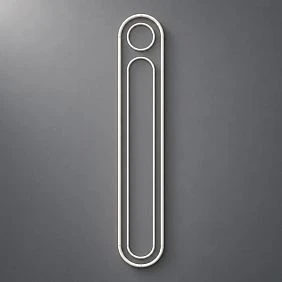
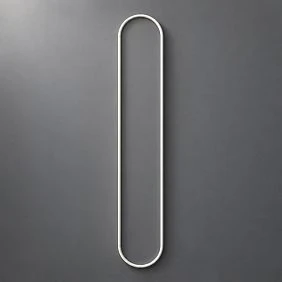
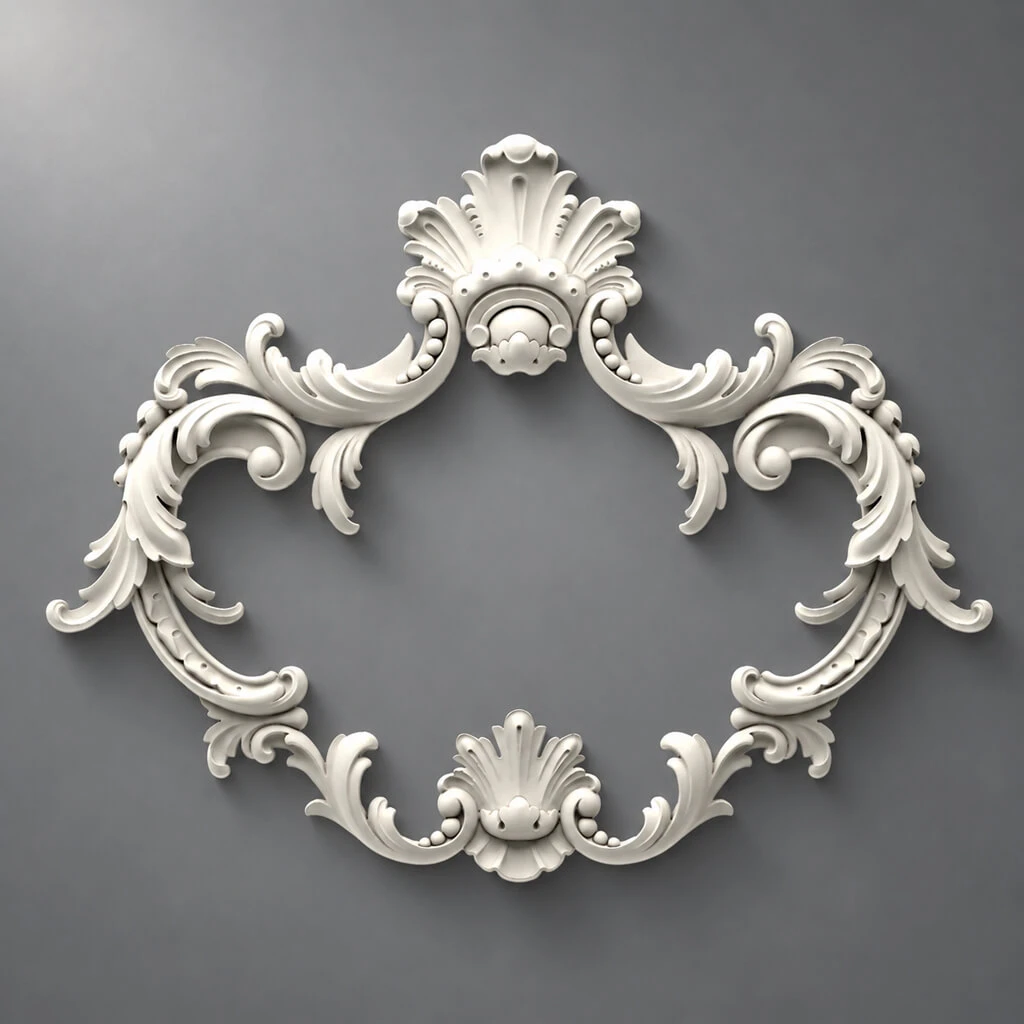
CPU-14-1: when you need a more expressive set of stucco decor
It happens: you enter a room, and your gaze immediately goes to one spot. The wall behind the sofa, the wall behind the bed, the accent wall of the hall — they exist as a decorative magnet. Creating such a magnet is the task of CPU-14-1.
This is a set for those who want the decor to speak out. Not shout — but speak clearly, with dignity, with character. In«Tsarskoye Selo» collectionCPU-14-1 is the most decoratively rich option.
Let's break down the scenarios where it works best.
Wall behind the sofa. The sofa is the main furniture in the living room. The wall behind it is the main decorative zone. This is where you need a set with character: it must match the scale of the sofa, create an atmosphere, and be the background you remember. CPU-14-1 here is not just decor, but an architectural statement. More details on the principles of decorating this area are in the articlepolyurethane wall decor behind the sofa.
Wall behind the bed. The accent wall behind the headboard is one of the strongest techniques in the bedroom. The bed gets a decorative context: it doesn't just stand against the wall, but against a specially created architectural background. CPU-14-1 for this area is an option that sets the mood for the entire bedroom. Bedroom design scenarios are detailed in the materialStucco molding set for the bedroom.
Central wall in the living room. If the living room has a wall that faces the entire interior — without a sofa, without a TV, just a large flat surface that needs a solution — CPU-14-1 creates a center here. Decorative, convincing, proportionate to the space.
Spacious hall. The hall is the first impression of an apartment or house. If space allows, an accent wall with CPU-14-1 turns the hall from a functional anteroom into a decorative entrance. This is especially appropriate in interiors with high ceilings and wide spans.
Mirror zone. A mirror on the wall is already a decorative object. But a mirror framed with expressive stucco decor is a scene. CPU-14-1 creates exactly this context: the decor picks up the mirror frame and turns the entire zone into a self-sufficient decorative focal point.
Wall with decorative lighting. Lighting enhances the relief. CPU-14-1 with a richer pattern under side lighting gives a deep play of shadows — exactly the effect for which stucco is used in interiors. If you are planning LED lighting or wall sconces, CPU-14-1 will truly shine here.
Classic and neoclassical interior. Styles with a historical context require decor with decorative richness. CPU-14-1 from the "Tsarskoye Selo" collection fits this logic perfectly: its visual character matches the spirit of classic and neoclassical interiors.
Get Consultation
CPU-14-2: when it's better to choose a calm decorative frame
There is a very special aesthetic — let's call it the aesthetic of delicate decor. When the decoration does not announce itself, but merely defines the space. Whena decorative frame on the wallis not a loud statement, but a quiet architectural precision.
CPU-14-2 is designed precisely for this approach. Its laconic structure does not compete with furniture, does not argue with wallpaper, does not overwhelm a limited space — but gently organizes the wall, making it part of a well-thought-out interior.
Here is where CPU-14-2 works most precisely.
Console area. A console is furniture that itself is a decorative object. A mirror, painting, or vase is often placed above it. CPU-14-2 here is a frame that brings all these elements together into a single composition. It does not draw attention to itself, but helps the entire area look complete. For more on how to properly arrange decor in a console area, see the article Stucco decor for a wall with a console.
Wall above a dresser. A dresser is a large horizontal piece of furniture. The wall above it often remains undecorated — simply because it's unclear what to hang there.Frame molding decor for the wallCPU-14-2 solves this problem without difficulty: it creates a decorative context for the dresser and everything on it.
Niche. A narrow section of wall next to a cabinet, between a doorway and furniture, in a hallway — all these are areas where wide, expressive decor will look cramped. CPU-14-2 in a niche is a neat vertical accent: it organizes the space without overwhelming it. More about decor for niches near built-in furniture in the articlestucco decor for the wall next to built-in furniture.
Entryway. The entryway is a busy space. Cabinet, mirror, console, hooks, shoe rack. In such an environment, expressive decor risks creating visual chaos. CPU-14-2 maintains balance: it adds decorativeness without overloading an already busy space.
Corridor. A corridor is a passage space. Decor here should work with movement: draw the eye, create rhythm, make the space more interesting. CPU-14-2 with its calm frame character is an ideal candidate: several frames with equal spacing along the corridor create a light architectural rhythm without a feeling of overload. More about vertical decor for narrow spaces in the materialVertical wall decor made of polyurethane.
Calm bedroom or modern classic. In interiors where the priority is an atmosphere of peace rather than grandeur, CPU-14-2 works more subtly. Painted in the wall color, it creates the effect of a hidden relief: decor is present, but it doesn't 'shout', it whispers. This is exactly what many are looking for in modern classic.
How to choose CPU-14-1 or CPU-14-2 based on wall size and task
There are two questions you need to ask yourself before choosing: 'What effect do I need?' and 'What area am I decorating?'. The answers to these two questions provide 90% of the solution.
| Situation | What to choose | Why |
|---|---|---|
| Large empty wall | CPU-14-1 | Creates an expressive decorative center |
| Wall behind the sofa | CPU-14-1 | Does not get lost against large furniture |
| Wall behind the bed | CPU-14-1 | Creates an accent behind the headboard |
| Narrow pier | CPU-14-2 | Does not overwhelm the wall section |
| Area above the console | CPU-14-2 | Works as a neat frame |
| Wall next to the wardrobe | CPU-14-2 | Supports the interior without bulkiness |
| Hall or entrance area | CPU-14-1 | Suitable for a stately design |
| Calm neoclassicism | CPU-14-2 | Provides a soft framing effect |
If the table still leaves the decision ambiguous, use the marking method. Apply a tape outline of both options to the wall and look from a distance of 3–4 meters. This takes 20 minutes but prevents a mistake that would otherwise take hours to fix.
The algorithm for proper placement — details in the articlehow to place a set of decorative moldings on the wall. Calculation for a specific wall with specific furniture — in the materialhow to calculate moldings and stucco decor for a wall.
CPU-14-1 or CPU-14-2 for a sofa, bed, console, and wardrobe
Furniture is the main guide when choosing decor. It determines which set will be proportionate and which will be random.
For the wall behind the sofa
Wide, large, horizontally elongated furniture — the sofa sets the scale for the entire area. The wall behind it must be decoratively convincing.Set of stucco decor behind the sofaCPU-14-1 handles this task more precisely: its more expressive character creates a full decorative background proportionate to large furniture.
CPU-14-2 behind the sofa is acceptable but not optimal: its calm framing against the wide sofa may look overly modest. Exception: if the interior is deliberately minimalist and the decor should be an almost invisible background.
How to choose decor for the sofa width — in the articlehow to choose a set of stucco decor for the width of a bed or sofa.
For the wall behind the bed
The headboard of the bed is the vertical and horizontal center of the bedroom. The decor here should hold the axis and create a sense of a well-thought-out space.
CPU-14-1 behind the bed — for those who want the bedroom to be atmospheric, rich, and memorable. It creates an expressive background for the bed and works especially effectively with side lighting.
CPU-14-2 behind the bed — for a calmer concept. If the bedroom is designed in the spirit of modern classics and the priority is tranquility and minimalism, CPU-14-2 will deliver exactly that effect. There is a frame, there is decor, but it does not claim the main role.
For the area above the console
The console area — where decor above the furniture should work in ensemble with what stands on it: with a vase, mirror, sconce, decorative objects. CPU-14-2 here is the right choice: it frames the area, creates a decorative context for it, but does not draw all the attention to itself.
CPU-14-1 above the console — a justified option only in one case: if the console stands on a wide, spacious wall intended as a formal one, and the area above the console itself should be the main decorative statement — with a full-length mirror, with lighting, with deliberate theatricality.
For the wall next to the wardrobe
A built-in wardrobe occupies volume. Decor next to it should not compete with it. CPU-14-2 next to the wardrobe — neat, calm, appropriate: it frames the remaining wall section as a deliberate architectural accent without competing with the furniture facades.
CPU-14-1 next to the wardrobe — a risk. Its expressive decorative character next to large built-in furniture can create a visual conflict: two strong objects on one wall do not coexist without losses for both.
Choosing stucco decor for a sofa, bed, or console? Check out the sets«Tsarskoye Selo» collection: one option will make the wall more expressive, the other will frame it neatly and calmly.
Which styles suit CPU-14-1 and CPU-14-2
The "Tsarskoye Selo" collection is not just a set of kits. It is a stylistic group with a specific character and historical connotations. The name references palace architecture, baroque lavish decoration, and the aesthetics of the 18th–19th centuries — reimagined, lightened, adapted for modern living. And the two kits of this collection work with this context differently.
Classic interior
Classic — a style where decor should be substantial, formal, rich. A more expressive approach is appropriate here. CPU-14-1 exactly matches the spirit of a classic interior: its decorative richness supports the character of the style. CPU-14-2 in classic — a more delicate option: it works, but less convincingly compared to more saturated collections. The best context for CPU-14-2 in classic — additional elements:Decor for Molding, PU decorative overlayswhich enhance the calm frame and make it part of a richer composition.
Neoclassicism
Neoclassicism is a style-compromise between historical decorativeness and modern restraint. Both sets are appropriate here: CPU-14-1 for accent zones that should carry a classic character, CPU-14-2 for calmer background areas. In an interior with a neoclassical character, these two sets can coexist: the first sets the tone, the second supports it.
Modern classic
Modern classic is when historical forms are read through a modern lens: without unnecessary heaviness, without excessive ornament, with an emphasis on light and space. CPU-14-2 works flawlessly in this context: painted in the wall color, it creates the effect of an almost invisible relief — decor is present but does not overwhelm. CPU-14-1 in modern classic is a bolder choice, appropriate in cases where the interior deliberately leans toward decorativeness.
Light interior for painting
polyurethane wall decorpainted in the wall color is one of the most popular modern techniques. The decor does not contrast but creates texture and relief: the wall ceases to be flat, depth appears. Both sets work in this technique, but with different results. CPU-14-1, painted in the wall tone, gives a richer relief. CPU-14-2 is softer, more delicate. Both versions are appropriate; the choice depends on how pronounced the texture should be.
How to understand which set is suitable: CPU-14-1 or CPU-14-2
A verification algorithm that works without a design education and costly mistakes.
Step 1. Measure the free wall area. Width and height — write them down.
Step 2. Determine the task: do you need an accent wall or a calm decorative frame? If you find it difficult to answer — look at the furniture.
Step 3. Mark the furniture: sofa, bed, console, wardrobe, chest of drawers. Mark the central axis of each object.
Step 4. Find the center of the zone, not the wall. Decoration is centered on furniture, not on the geometric center of the wall.
Step 5. Compare the dimensions of CPU-14-1 and CPU-14-2 with your measurements.
Step 6. Mark both options on the wall with painter's tape — one at a time.
Step 7. Check the gaps from the baseboard, ceiling cornice, and furniture.
Step 8. Account for outlets, switches, sconces, mirrors — everything that is already on the wall or planned.
Step 9. Look from a distance of 3–4 meters. Which option looks proportionate and convincing?
Step 10. CPU-14-1 if you need a bold, formal, accent effect. CPU-14-2 if you need a calm, neat, framed composition.
Technical installation details are in the articles.installing polyurethane moldingandinstallation of polyurethane molding.
Common mistakes when choosing the CPU-14 kit
The practice of decorative design is full of predictable pitfalls. Most of them are made not out of ignorance, but out of haste. Let's break down the most common ones.
1. Choosing CPU-14-1 for a small wall. An expressive, rich set on a small or narrow wall looks overloaded. The decor overwhelms, the wall appears smaller, and the furniture feels cramped. Rule: the narrower the area, the more delicate the decor should be.
2. Choosing CPU-14-2 for a large accent wall. A calm frame on a wide wall behind a sofa or in a spacious hallway looks unconvincing. The decor exists but doesn't work: the wall remains empty in a meaningful sense.
3. Not considering the width of the sofa, bed, or console. Decor that is not aligned with the furniture in axis and scale looks random. The width of the decor should correspond to the width of the furniture.
4. Not checking the size on the wall before purchasing. 20 minutes with painter's tape saves hours of rework. This is not a recommendation — it's a rule.
5. Not leaving gaps from the baseboard, ceiling, and furniture. Decor pressed against edges creates a feeling of tightness. Minimum gaps — from 15 cm on each side — are mandatory.
6. Not considering outlets, switches, and sconces. Molding over an outlet is a mounting disaster easily prevented by marking. Check the location of all electrical points before choosing the size.
7. Mixing too many decorative elements. CPU-14-1 in the center, CPU-14-2 on the sides, overlays in corners, moldings around the perimeter — and the wall turns into decorative noise. Hierarchy of elements is the main condition for a beautiful result.
8. Choosing decor separately from the furniture style. The stucco decor in the "Tsarskoye Selo" collection has a classic character. Next to loft or high-tech furniture, it will look alien. Consistency of styles is a mandatory condition.
9. Not considering ceiling height. A high ceiling opens up possibilities for richer decor. A low ceiling (up to 2.6 m) requires conciseness: CPU-14-2 is preferable here.
10. Not viewing the "Tsarskoye Selo" collection as a system. The collection may have more than two formats. Examine it entirely before making a decision — perhaps the optimal combination is not the one that seems obvious at first glance. The full catalog is in the sectionready-made stucco decor sets.
What to choose: CPU-14-1 or CPU-14-2
Final table — for those who want an answer right away:
| Situation | What to choose |
|---|---|
| Need an expressive accent wall | CPU-14-1 |
| Wall behind the sofa | CPU-14-1 |
| Wall behind the bed | CPU-14-1 |
| Spacious hall | CPU-14-1 |
| Classical or neoclassical interior | CPU-14-1 |
| Need a calm decorative frame | CPU-14-2 |
| Area above the console | CPU-14-2 |
| Narrow pier | CPU-14-2 |
| Wall next to the wardrobe | CPU-14-2 |
| Modern classic, light interior | CPU-14-2 |
| Decor in wall color | CPU-14-2 or CPU-14-1 depending on the zone |
Final conclusion: if the decor should become the main accent of the wall — CPU-14-1. If you need a neat frame composition that supports the interior and does not overload the furniture — CPU-14-2.
In both cases, the set is the base. It can be expanded polyurethane moldings, supplemented PU decorative overlaysand enrichdecor for moldings. About how to assemble frame compositions from individual elements — in the articleReady-made molding frames for the wall.
The entire catalog. Clear lines, created using modern technologies, emphasize the strict aesthetics of the room. Each decorative element harmoniously fits into the overall concept, creating a sense of order and thoughtfulness.and a full sectionpolyurethane products — on the STAVROS website.
CPU-14-1 and CPU-14-2 — a ready-made base for wall decoration. Choose a kit to match the size of the area, make markings on the wall, and if necessary, supplement the composition with moldings, overlays, or decor for moldings.
FAQ: Answers to popular questions
What is the difference between CPU-14-1 and CPU-14-2?
CPU-14-1 is a more decoratively rich, expressive option for an accent wall: behind a sofa, bed, in a hall or living room. CPU-14-2 is a calmer, frame kit for neat decoration of a partition, the area above a console, or a wall next to a cabinet.
Which CPU-14 kit to choose for the wall behind the sofa?
For the wall behind the sofa, it is often worth considering CPU-14-1. A sofa is large furniture, and more expressive decor creates a decorative background proportionate to it. CPU-14-2 is appropriate behind the sofa only in the case of a deliberately minimalist interior.
Which kit is suitable above the console?
Above the console, CPU-14-2 is often more appropriate — it works as a calm decorative frame that frames the console area without excessive decorativeness. CPU-14-1 is chosen if the area above the console is intended to be formal.
Is CPU-14-2 suitable for a partition?
Yes. CPU-14-2 is an excellent choice for a narrow wall, the area between a door and furniture, or a wall next to a cabinet. It neatly frames a limited space without overloading it.
Can CPU-14-1 be used in a bedroom?
Yes. CPU-14-1 works well on an accent wall behind the headboard. It creates an expressive decorative backdrop and is especially effective with side or hidden lighting.
Do I need to supplement CPU-14 with moldings?
If the wall is wider than the standard set, it can be expanded polyurethane moldings or reinforced decorative inlays. This is especially relevant for large living rooms and wide formal areas.
Can CPU-14 be painted the color of the wall?
Yes. Both sets are fully suitable for painting. Painting to match the wall creates a hidden relief effect — one of the most modern and sought-after techniques in decorative finishing.
About the company STAVROS
STAVROS is a Russian manufacturer of decorative polyurethane products for walls and ceilings. The range includes moldings, cornices, baseboards, corner elements, decorative overlays, molding decor, and ready-made wall sets in several collections: "Petersburg", "Peterhof", "Tsarskoye Selo", "Versailles Light", "Neoclassic", "Neoclassic Light", and others.
All STAVROS products are manufactured in Russia. Polyurethane is not afraid of moisture, does not deform, is easy to cut, can be painted in any color, and is mounted with glue without special equipment. Installation is possible independently — without a crew or design support.
STAVROS works with private customers, interior designers, and construction teams. Showrooms in Saint Petersburg and Moscow, Contact us to confirm shipping to your destination. If you are choosing between CPU-14-1 and CPU-14-2 and want advice for a specific interior, the company's specialists will help you make the right decision before placing an order. The full catalog is on the website.stavros.ru.