Article Contents:
- Can stucco decor be used with low ceilings
- Which elements work best on low walls
- Thin moldings
- Vertical frames
- Narrow decorative inserts
- Light overlays
- Sets without large ornamentation
- Which solutions visually raise the ceiling
- Vertical lines
- Elongated frames
- Moldings in wall color
- Calm symmetry
- Minimal large ornament
- Which styles to choose
- Neoclassic Light
- Jatoba
- Calm neoclassicism
- Laconic classic
- Where to use decor with low ceiling
- Wall behind the sofa
- Bed headboard
- Hallway
- Pier
- Wall with mirror
- Mistakes when choosing molding for low ceilings
- Too wide molding
- Large ceiling cornice
- Too many horizontal lines
- Contrasting decor without purpose
- Too complex ornament
- What to buy for walls with low ceilings
- Frequently asked questions
Ceiling 2.4 m. Sometimes 2.35. Khrushchevka, panel building, first floor. An apartment you want to breathe space into — but it seems any decor will only amplify the feeling of crampedness.
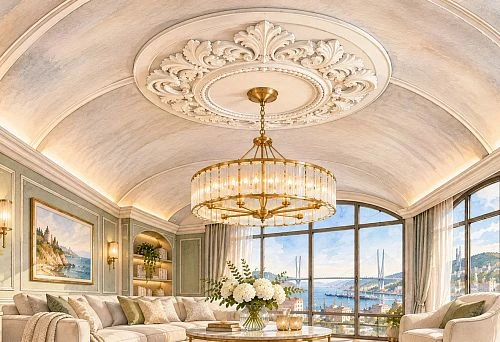
This is one of the most common fears when choosing wall decor. And one of the most unfounded — with the right approach.Stucco decor for low ceilingsdoes not reduce space. With the right choice of profile, vertical orientation, and monochrome painting, it makes the room visually taller. It does not compensate for the ceiling — but creates an optical illusion that the eye perceives as space.
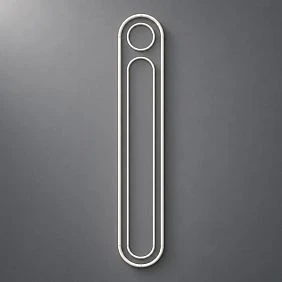
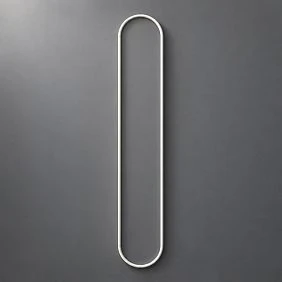
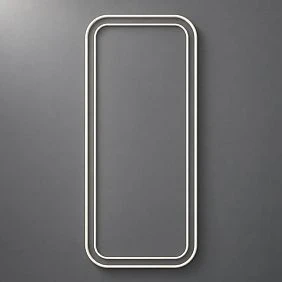
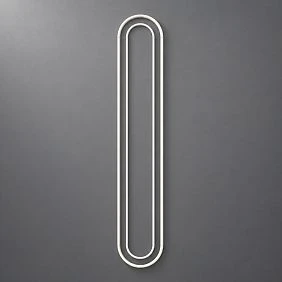
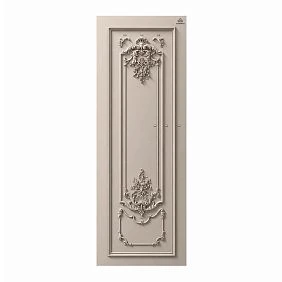
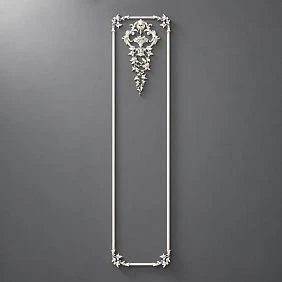
Can stucco decor be used with low ceilings
Yes. But with a clear understanding of what works and what doesn't.
Does not work with low ceilings:
-
wide molding (from 32–35 mm and above);
-
horizontal bands dividing the wall into tiers;
-
large-profile ceiling cornice (from 60–70 mm);
-
rich floral ornament on large surfaces;
-
contrasting color of the decor relative to the wall.
Works: -
thin molding (10–22 mm);
-
vertical frames with taller-than-wide proportions;
-
monochrome painting matching the wall color;
-
vertical elements without horizontal intersections;
-
one subtle accent instead of a system across all walls.
Moldings for low ceilings — this is a thin profile that creates architectural structure without horizontal pressure.




Which elements work best on low walls
Our factory also produces:
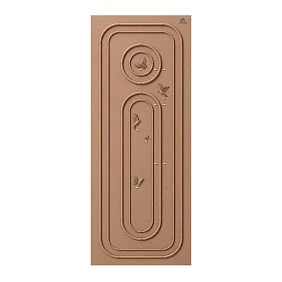
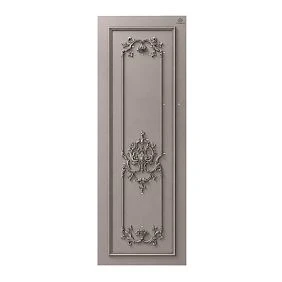
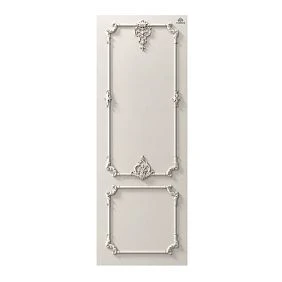
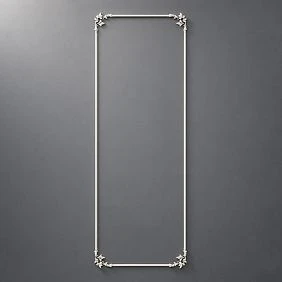
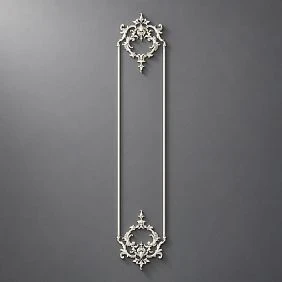
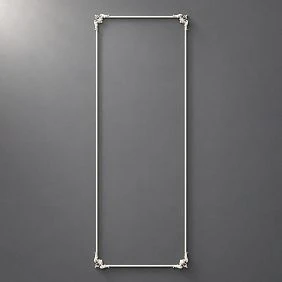
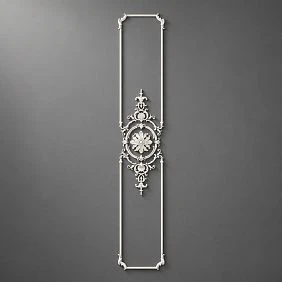
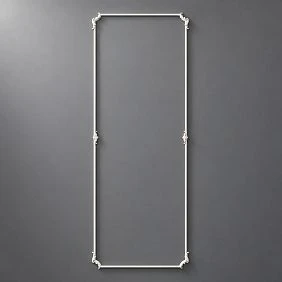
Thin moldings
Profile 10–20 mm — does not create visual mass. It works as a line, not as a relief. Against a monochrome painted wall, it is almost imperceptible as volume, but creates architectural rhythm.
Buy thin wall moldings — a specific choice for an apartment with ceilings up to 2.5 m. Not 30 mm, not 25 mm — 10–18 mm maximum.
Get Consultation
Vertical frames
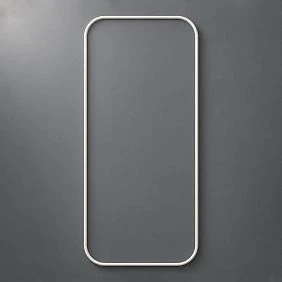
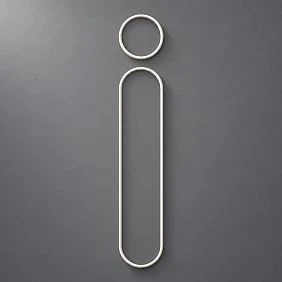
A frame with vertical rectangle proportions — height significantly greater than width (ratio 1:1.6–1:2.2) — optically draws the eye upward. This is a key tool for low ceilings. One vertical rectangle instead of a horizontal square on the same wall — a difference in perceived height of up to 15–20 cm.
Vertical wall decor made of polyurethane — a detailed breakdown of all techniques for working with verticality.
Narrow decorative inserts
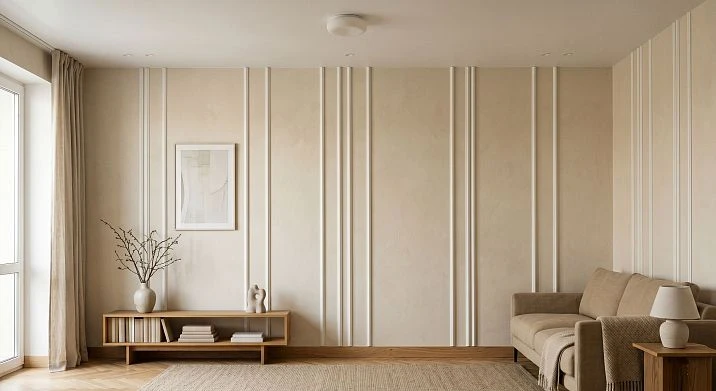
Thin vertical moldings without horizontal connections — from the baseboard upward to 60–75% of the wall height. Without a frame, without a horizontal molding on top. Only vertical lines. Effect — maximum with minimal means.
Light overlays
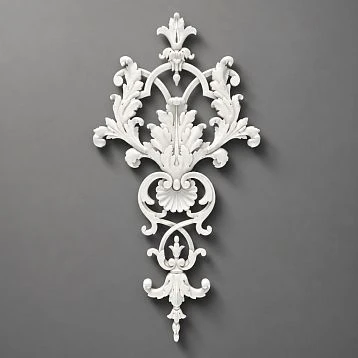
Decorative overlays for low ceilings— only small-scale: 3×3–5×5 cm. A large overlay with high relief on a wall with a 2.4 m ceiling is an ornamental overload. A delicate geometric square is an architectural accent.
Sets without large ornament
Ready-made set for low ceilings: thin profile, small corner accents, vertical orientation. No floral central rosettes with a diameter of 15 cm — they visually lower the ceiling.
Which solutions visually raise the ceiling
Vertical lines
The main optical tool. A vertical line makes the gaze move upward — and the space is perceived as higher. Two vertical moldings on a wall 2.5 m wide with equal spacing — and the ceiling appears 10–15 cm higher.
Elongated frames
A frame with a height-to-width ratio of 1:1.8–1:2 — a vertically oriented rectangle — works for the same optics. Such a frame is not a horizontal strip; it strives upward.
For comparison: a square frame or a horizontal one (width greater than height) work oppositely — they emphasize the horizontal, making the room feel more grounded.
Moldings in the color of the wall
Monochrome painting of the molding in the exact tone of the wall removes color contrast. Without contrast, there is no visual "exit" of the decor from the plane — the relief is revealed only through light and shadow. This is minimal visual load with maximum architectural effect.
With low ceilings, contrasting painting of moldings (white on a gray wall, dark on a light one) emphasizes the horizontal lines of the frames — and the ceiling is perceived as lower. Monochrome is mandatory.
Calm symmetry
One clear accent along the central axis of the wall — and nothing else. No additional horizontal system. One vertical frame, monochrome, thin profile — and the wall looks structured but not overloaded.
Minimum large ornament
Floral overlays 8×8 cm, developed cartouches, ornamental horizontal rods — all this creates a visual "weight" that pulls the gaze downward. With low ceilings — only minimal point ornament or a complete rejection of it.
Which styles to choose
Neoclassic Light
Light wall decor made of polyurethane — the first and main choice for an apartment with ceilings up to 2.6 m. Thin profile 14–22 mm, moderate classical ornament, delicate corner overlays. Architectural character without heaviness.
Japandi
Wall decor in Japandi style— an ideal collection for ceilings 2.4–2.5 m. Geometry without ornament, thin profile, square corner accents. Monochrome for a neutral interior — and the space breathes even at minimal height.
Calm neoclassicism
"Neoclassic" with ceilings 2.5–2.6 m — possible, but with conditions: only one accent, only the thin end of the profile range (22–26 mm), only monochrome paint. No wide cornices — only thin ceiling moldings.
Laconic classic
The thin "Neoclassic Light" molding with minimal ornament in vertical orientation is a "laconic classic" that works in a Khrushchev-era apartment just as well as in a modern new building.
Where to use decor with a low ceiling
Wall behind the sofa
One vertically oriented frame behind the sofa — width matching the sofa width, height as high as possible from the baseboard to the ceiling minus 20 cm. Monochrome. Profile 14–18 mm. This is a key technique for a living room with a low ceiling: decor exists, the ceiling does not press down.
Bed headboard
Vertical frame at the headboard in the bedroom: width — matching the bed width, height — from 15–20 cm above the headboard to 15–20 cm below the ceiling. The center of the system is at the level of a lying person.Ready-made molding frames for the wallin a suitable format.
Corridor
In a hallway with a 2.4 m ceiling — only vertical moldings without horizontal rods. Two or three vertical elements along the wall with equal spacing. No horizontal belts — they create a horizontal rhythm that "presses down" the ceiling.
Pier
A narrow pier — one vertical molding in the center or two with equal spacing. The vertical on a narrow surface enhances the effect — the eye moves from bottom to top along the narrow strip.
Wall with mirror
Mirror + vertical molding frame — a double optical trick. The mirror reflects the space, creating an illusion of volume. The vertical frame draws the eye upward. Together — a noticeable visual increase in both height and area. Details in the article about decorating a wall with a polyurethane mirror.
Mistakes when choosing molding for low ceilings
Too wide molding
A profile of 35–45 mm with a ceiling of 2.4 m is an unconscious choice of "looks nice in the catalog." On a wall in a small room with a low ceiling, such molding creates the feeling that the walls have moved in. Rule: no wider than 1% of the ceiling height. At 2.4 m — maximum 24 mm.
Large ceiling cornice
A cornice of 65–80 mm with a ceiling of 2.4 m visually lowers the ceiling by 8–10 cm. That's exactly how much a wide cornice "takes away" from the perceived height. For ceilings up to 2.5 m — cornice no wider than 40–45 mm.
Many horizontal lines
Horizontal belt in the middle of the wall + horizontal molding near the ceiling + baseboard + lower frame molding — four horizontal elements. This is the maximum horizontal load in a space with a low ceiling. Result: the room feels "bound" — visually flattened.
Contrasting decor without purpose
White molding on a gray wall with a 2.4 m ceiling. Contrast emphasizes the molding, makes it "heavy," draws attention to the horizontal lines of the frame. With monochrome painting, this effect is absent.
Too complex ornament
Developed floral relief with corner overlays 8×8 cm and central rosettes 12 cm in diameter — this is an ornament whose scale is designed for ceilings of 2.8–3 m. At 2.4 m, it looks like a foreign object in the interior.
What to buy for walls with low ceilings
Specific list:
-
Moldings for low ceilings — profile 10–20 mm, collection "Japandi" or "Neoclassic Light";
-
Decorative overlays for low ceilings — small scale, 3×3–5×5 cm, geometric or delicate floral;
-
vertical wall decor— vertically oriented frames or individual vertical moldings;
-
Monochrome painting is a mandatory condition, not an option.
Details — in the article about stucco decor for a small apartment.
| Ceiling Height | Max. molding width | Collection | Frame orientation | Crown Molding |
|---|---|---|---|---|
| up to 2.4 m | 16 мм | Japandi | Strictly vertical | up to 38 mm |
| 2.4–2.5 m | 18 мм | Japandi, Neoclassic Light | Vertical | up to 42 mm |
| 2.5–2.6 m | 22 мм | Neoclassic Light | Vertical or neutral | up to 48 mm |
| 2.6–2.7 m | 26 мм | Neoclassic Light, Neoclassic | Neutral | up to 55 mm |
Frequently Asked Questions
Can moldings be used in a Khrushchev-era apartment?
Yes. A thin profile of 12–18 mm from the "Japandi" or "Neoclassic Light" collection, vertical orientation of frames, monochrome painting — and a Khrushchev-era apartment with a 2.5 m ceiling gets architectural character without pressure.
Which molding to choose with a 2.5 m ceiling?
Moldings for low ceilings — profile 14–20 mm. Collections "Neoclassic Light" or "Japandi". Vertically oriented frames. Monochrome painting.
Paint moldings in the color of the wall or make a contrast?
For ceilings up to 2.6 m — only monochrome or a tone close to the background. Contrast emphasizes horizontals and visually lowers the ceiling. Monochrome painting is mandatory. More details in the article aboutpolyurethane wall moldings.
Is Versailles Light suitable for low ceilings?
No. Versailles Light is a collection for ceilings from 2.8–3 m. For ceilings up to 2.6 m, the wide profile and developed ornament create an obvious overload. For low ceilings — only Japandi or Neoclassic Light.
What is better: frames or panels?
For low ceilings — vertically oriented frames. Decorative panels over a large area with a low ceiling create a heavy textured surface that enhances the feeling of tightness. The exception is a small vertical panel as a single accent. Full analysis in the material aboutready-made frames from moldings on the wall.