
























Article Contents:
- What is included in interior decor: a map of details
- Walls
- Ceiling
- Floor and bottom line
- Furniture
- Doors and openings
- What to buy for walls: from moldings to slatted panels
- Wall moldings
- Slatted panels
- Mirror and Picture Frames
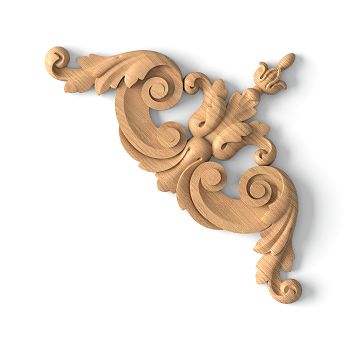
- Decorative wall overlays
- What to buy for the ceiling: cornices, rosettes, and stucco
- Ceiling Cornice
- Stucco and decorative rosettes
- Cornice for backlighting
- What to buy for the floor: baseboards and the bottom architectural line
- Solid Wood Skirting Board
- MDF Skirting Board
- Moldings and transition profiles
- What to buy for furniture: handles, legs, and decorative details
- Furniture handles
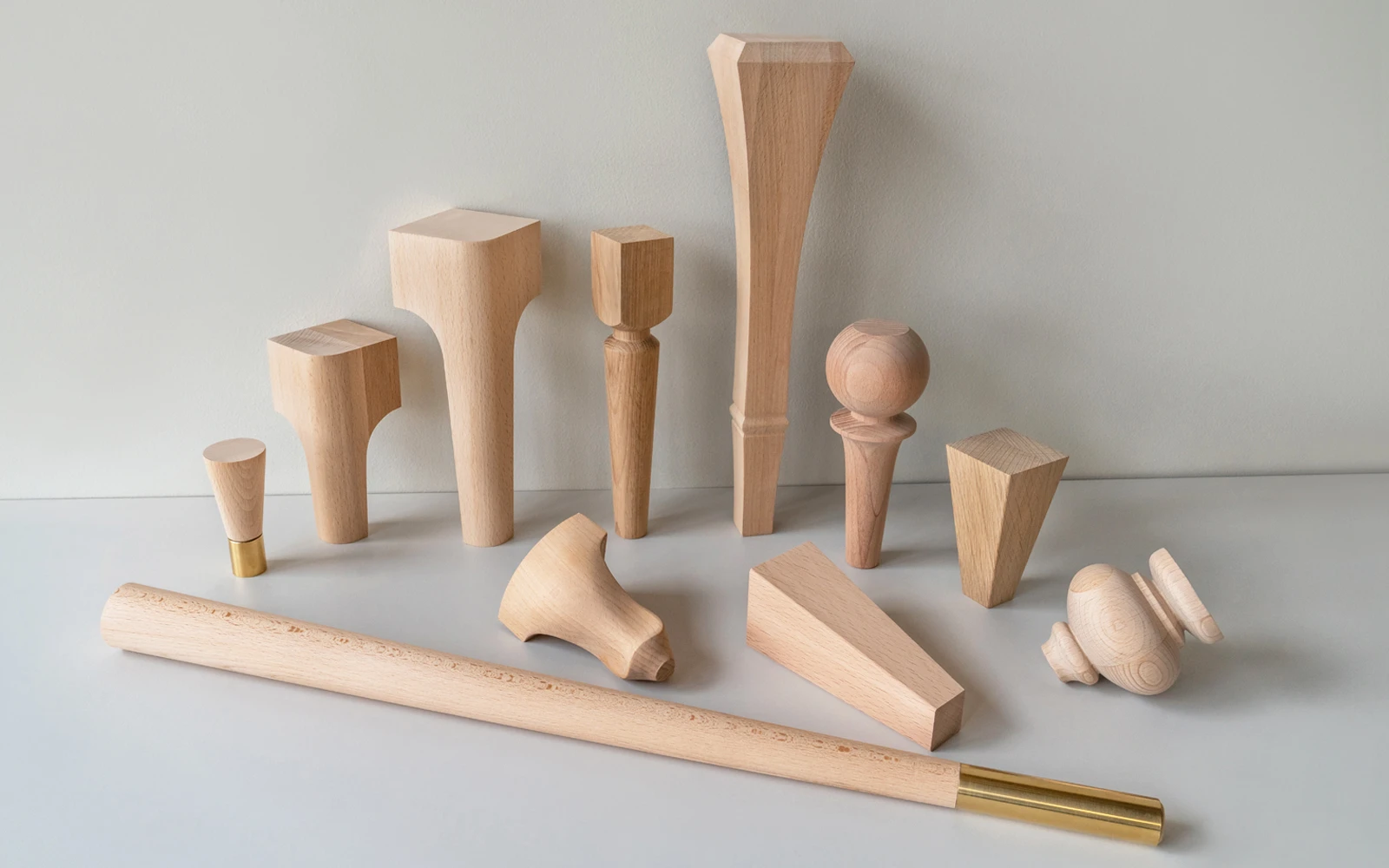
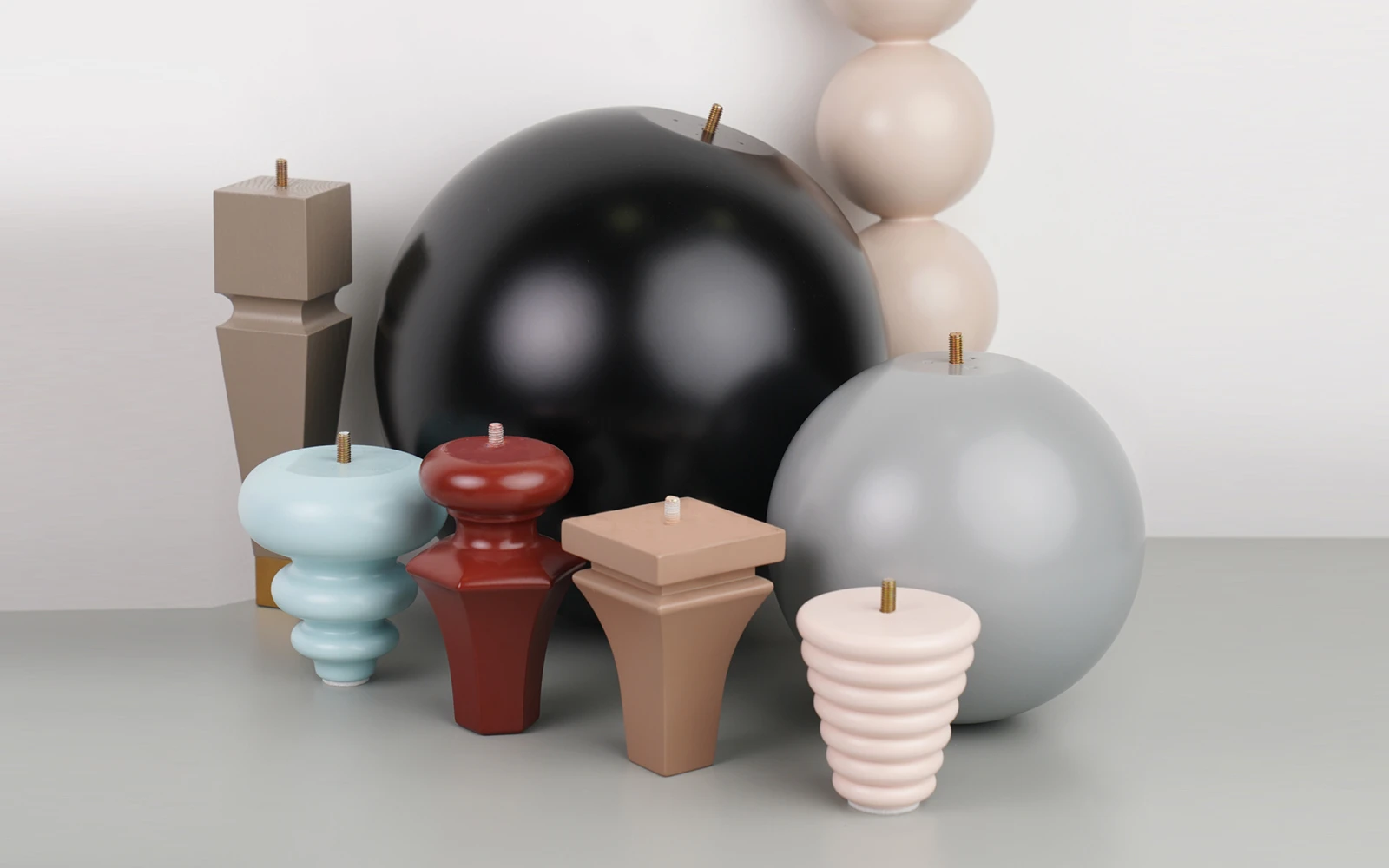
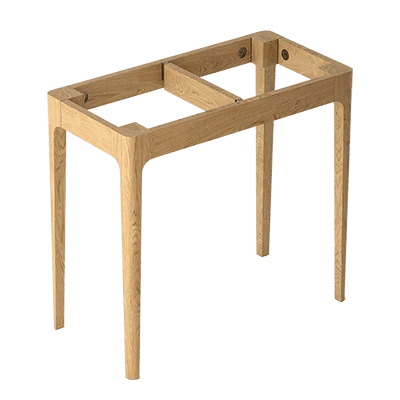
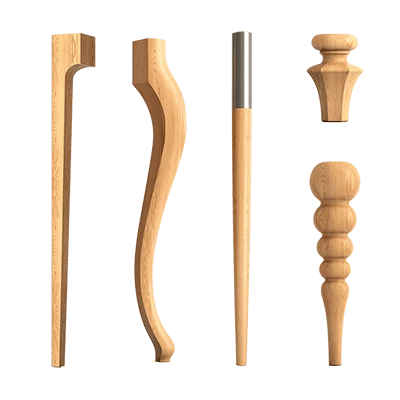
- Furniture Legs and Supports
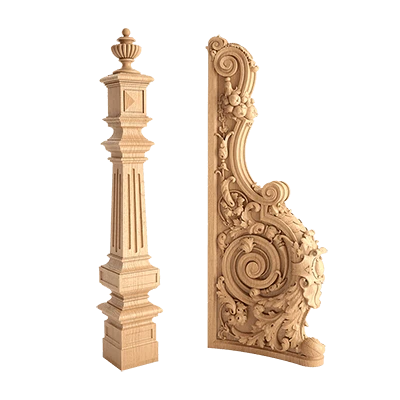
- Carved Appliqués for Furniture
- What to buy for doors and openings: architraves and decor
- Baseboards
- Decor above the door
- Door handles
- Wood or polyurethane: what to choose for interior decor
- When to choose wood
- When to choose polyurethane
- Combination: wood + polyurethane
- Interior decor for different styles
- Modern Interior
- Neoclassicism
- Classic
- Jatoba
- Russian style and country interior
- What details make an interior look more expensive
- Mistakes when buying interior decor
- Checklist: what to buy to complete an interior
- Walls
- Ceiling
- Floor
- Furniture
- Doors
- How to buy interior decor without mistakes: an algorithm
- About the Company STAVROS
- FAQ: Answers to Popular Questions
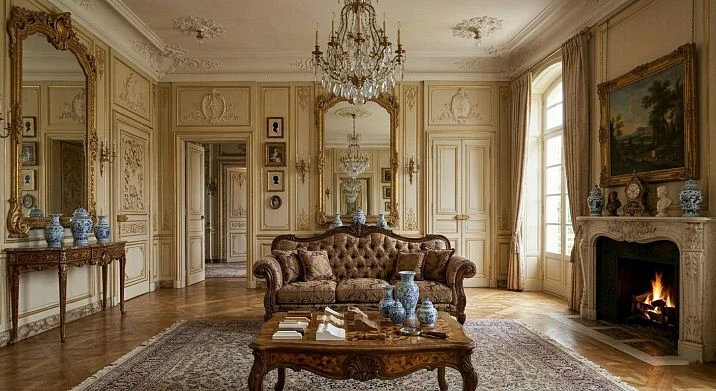
The renovation is finished. The walls are painted, the floor is laid, the furniture is arranged. But something is off. The room looks incomplete, as if something is missing — and it's not another sofa or curtains. Details are missing. That very interior decor that turns a good renovation into the category of an "expensive interior."
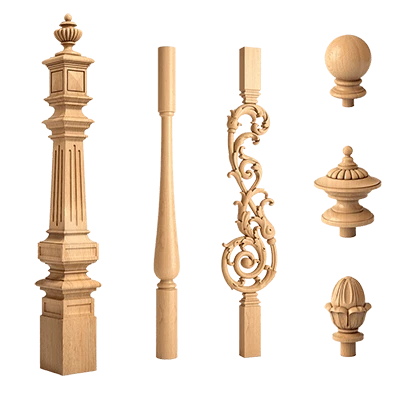
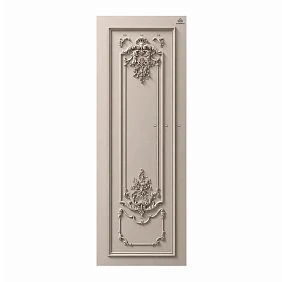
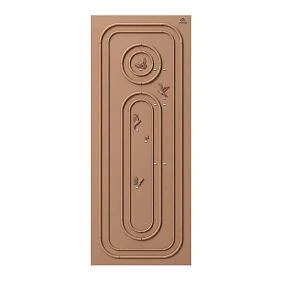
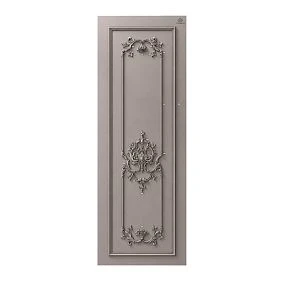
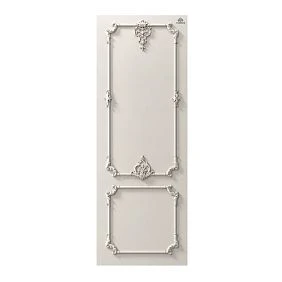
Interior decor is not paintings and decorative pillows. In the construction and finishing sense, it is Moldings, Baseboards, ceiling cornices, Moldings, Rafter panels, Frames, architraves, Furniture Handles, Legs, carved appliqués and decorative elements — everything that creates the architectural logic of the space.
An expensive interior often differs from an ordinary one not by costly finishes, but precisely by these details: a correctly chosen high baseboard, a clear cornice on the ceiling, well-thought-out moldings on the walls, coordinated wooden handles and furniture legs. This article is a detailed practical breakdown of what to buy to complete an interior and how to avoid mistakes in the selection.

What is included in interior decor: a map of details
Before going to the catalog, it is useful to break down the task by zones. Interior decor is purchased for four planes of the room: walls, ceiling, floor, and furniture. Plus — for doors and openings. Each zone has its own set of details.
Walls
The most visible plane. This is where details work most expressively:
-
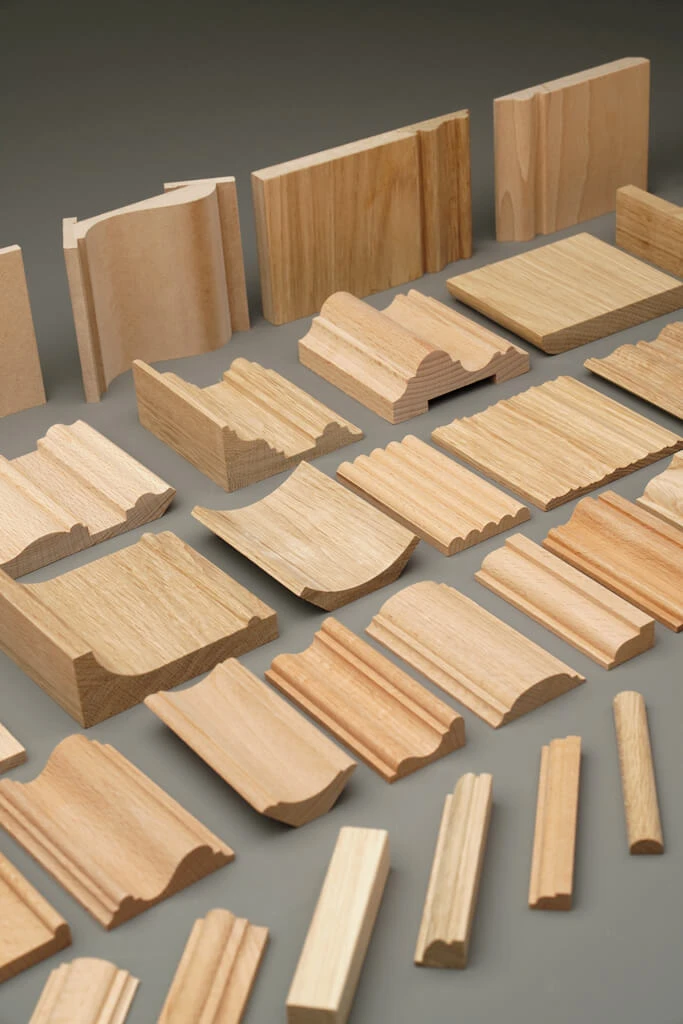
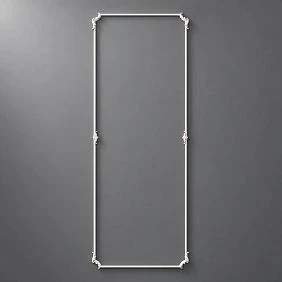
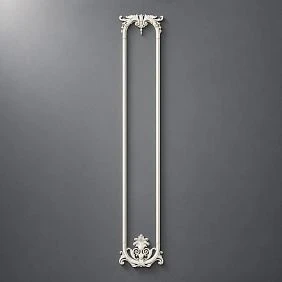
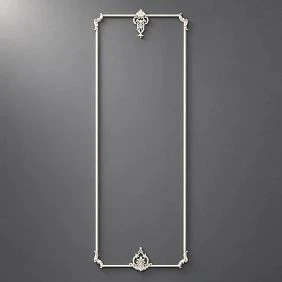
Wooden moldings и Polyurethane moldings — decorative profiles for creating frames and horizontal belts.
-
planks made of wood — vertical accent walls.
-
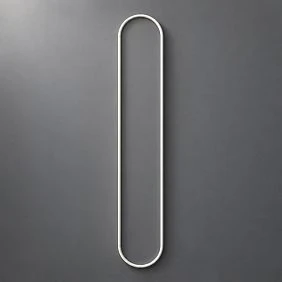
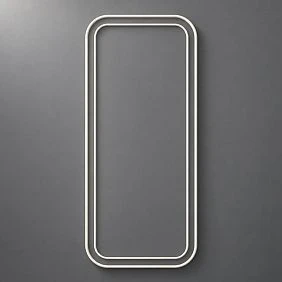
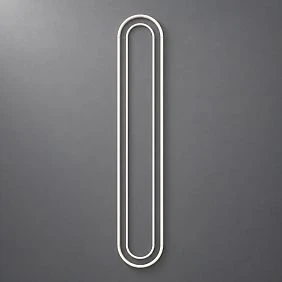
frames for mirrors and paintings — complete zones and create architectural accents.
-
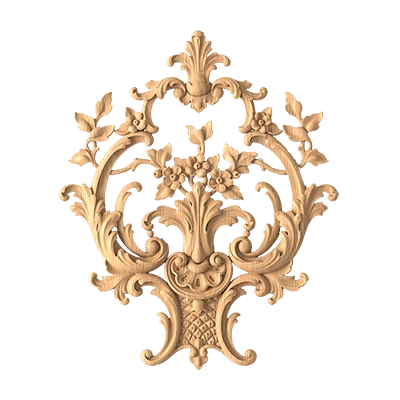
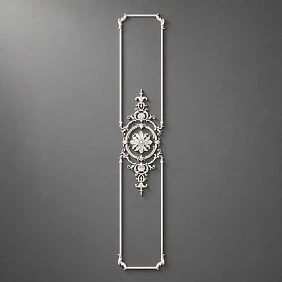
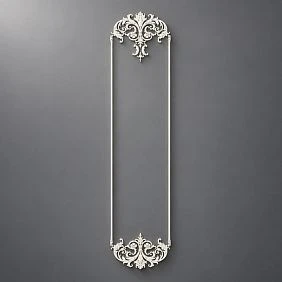
carved appliqués — decorative elements on walls and facades.
-
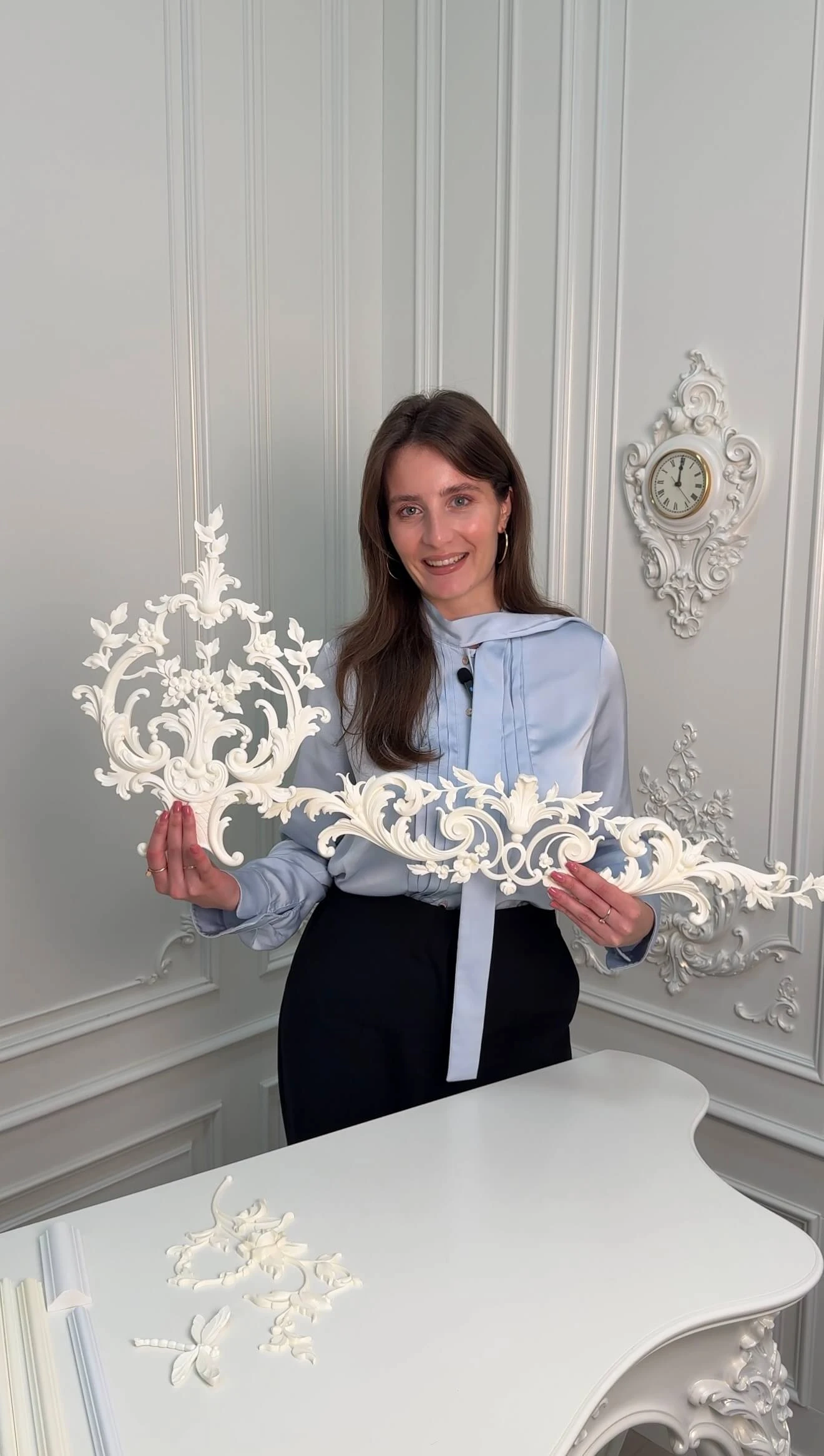
Decorative elements made of polyurethane — lightweight, precise, ready for painting.
Our factory also produces:
Ceiling
A ceiling without decoration is a break, an unfinished boundary between the wall and the space above. Cornice, rosette, stucco — this is the completion of the vertical.
Get Consultation
Floor and bottom line
Skirting, Trim, baseboard profile — the lower architectural line that completes vertical surfaces from below and creates a finished room perimeter.
Furniture
Handles, Legs, Decorative Inserts, furniture molding — details that turn ordinary furniture into a stylish piece.
Doors and openings
Trims, extensions, wooden door handles, Wooden moldings — door opening design that connects walls with the door leaf.
What to buy for walls: from moldings to slat panels
A wall is a canvas. A bare painted wall is a blank, not an interior. The right details turn it into an architectural surface.
Wall moldings
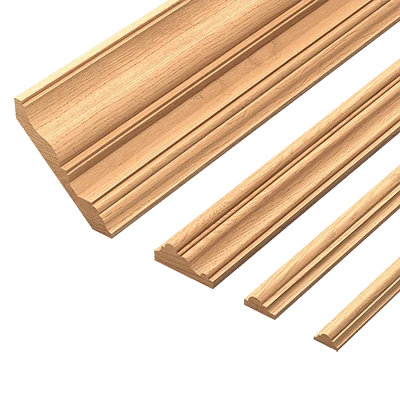
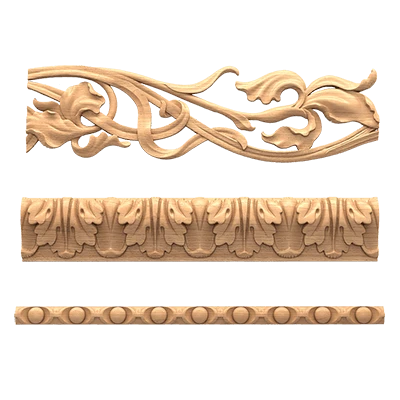
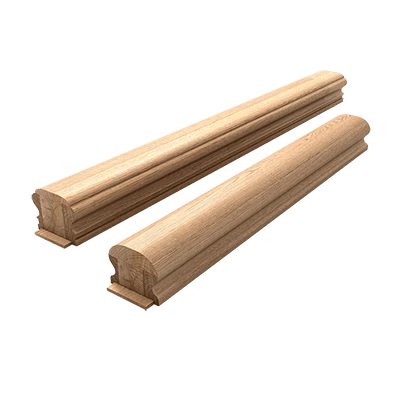
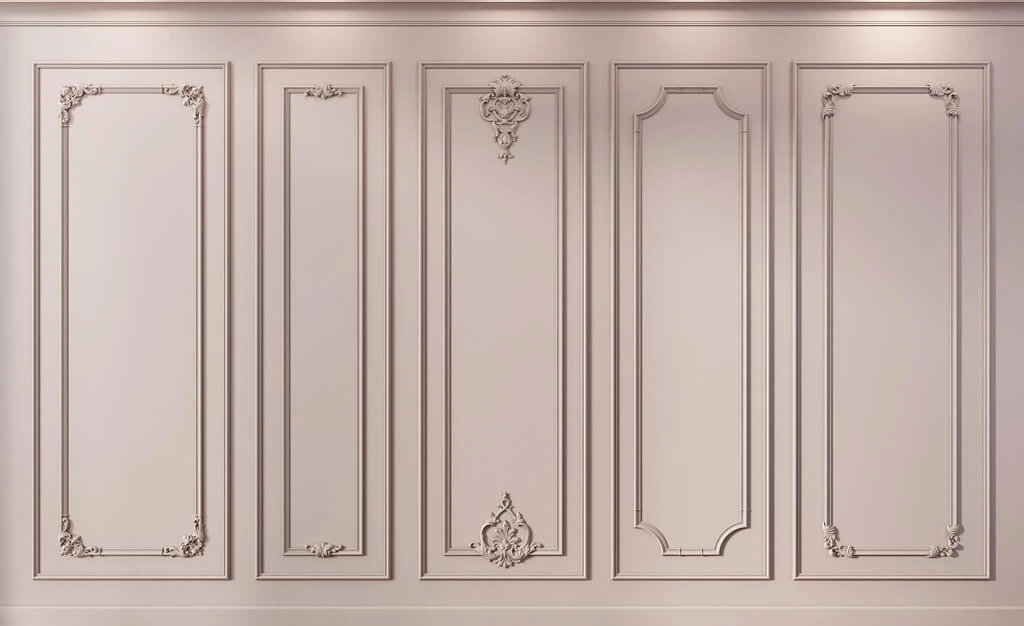
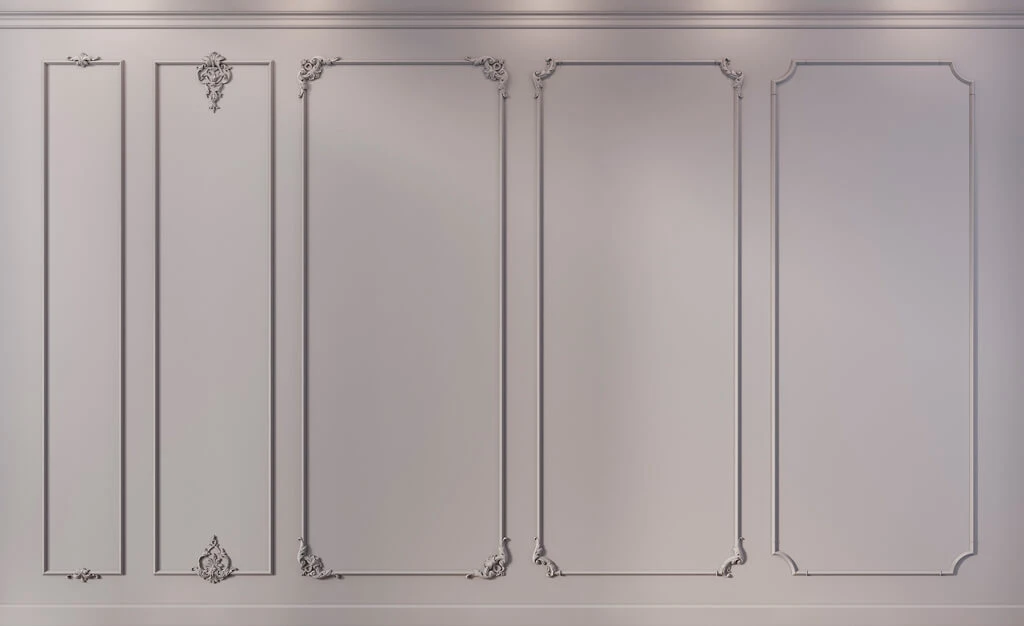
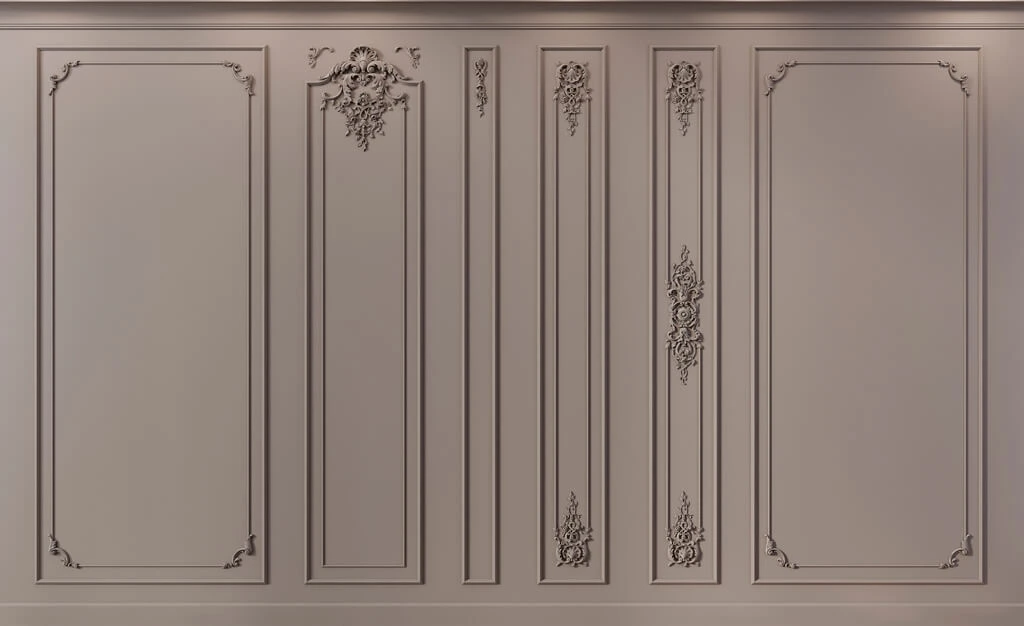
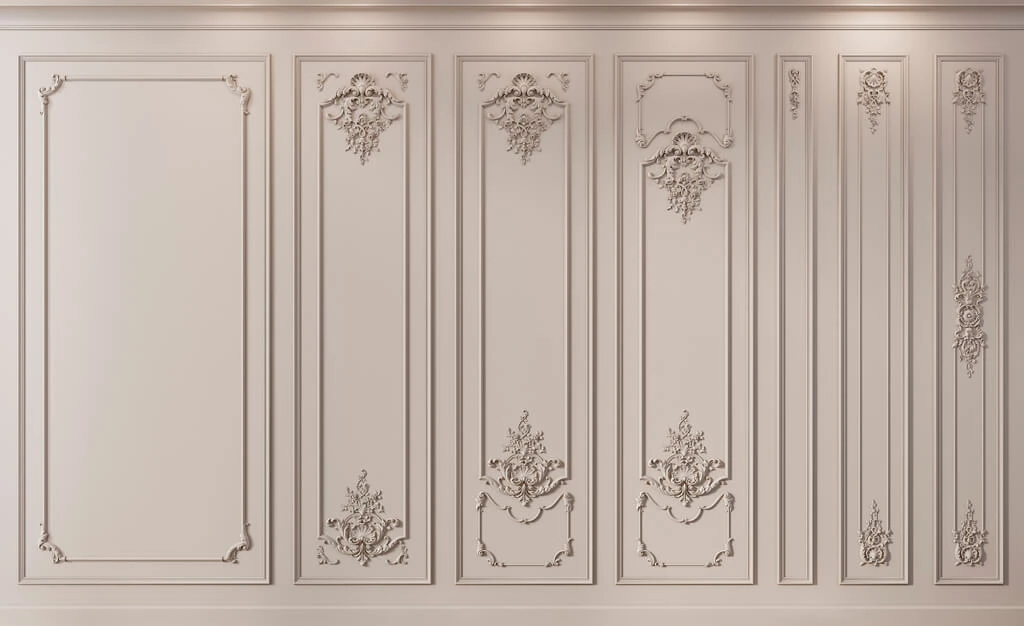
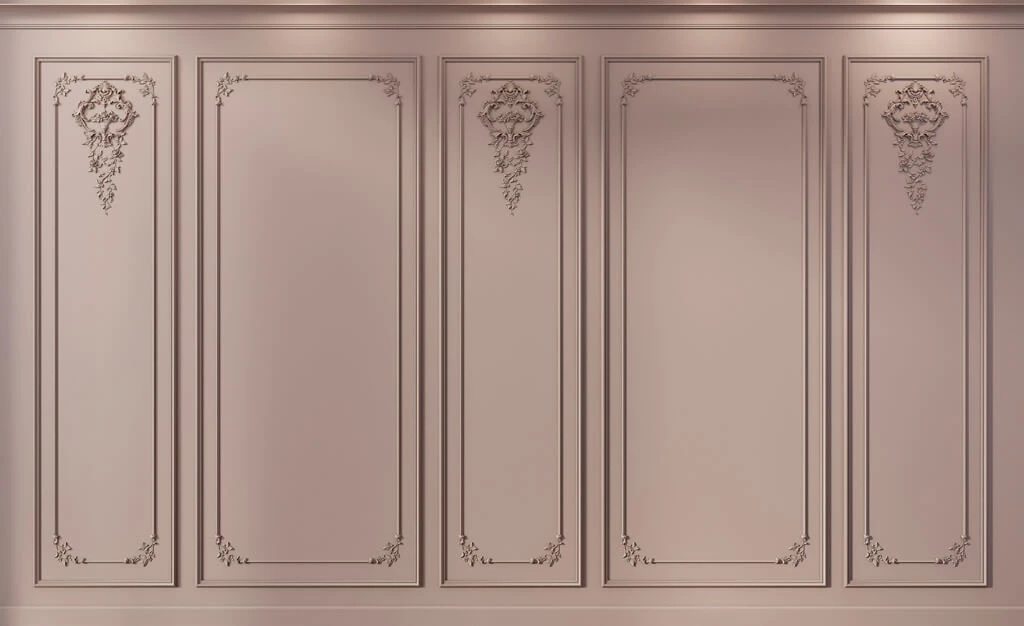
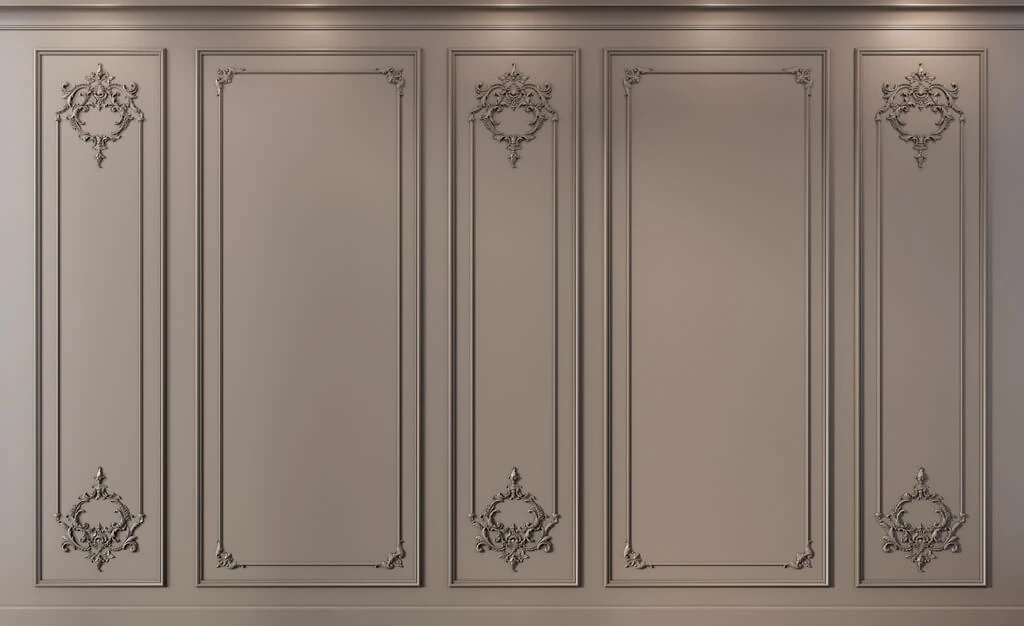
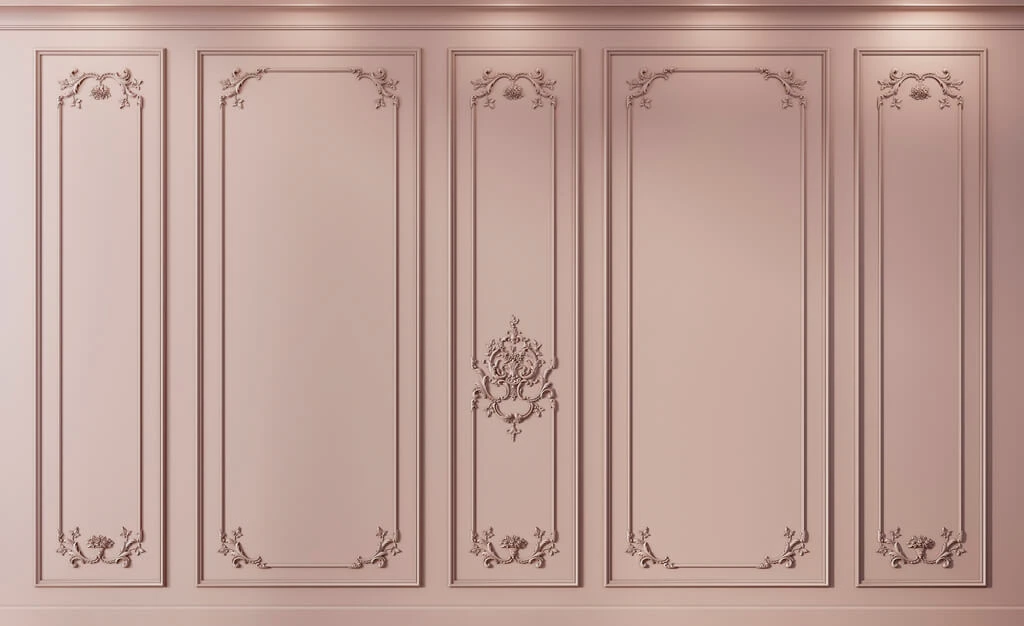
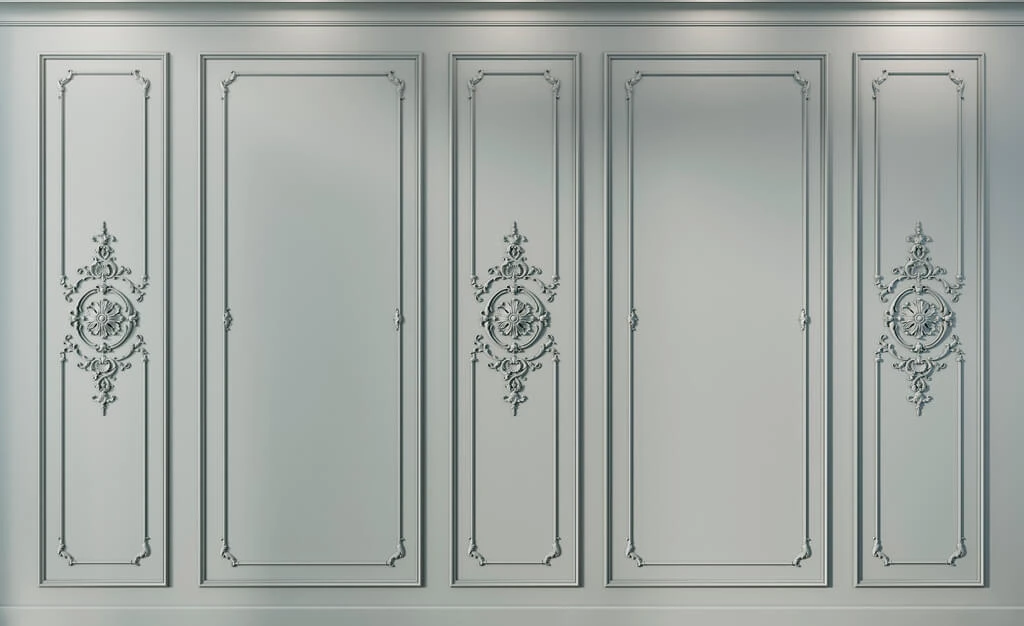
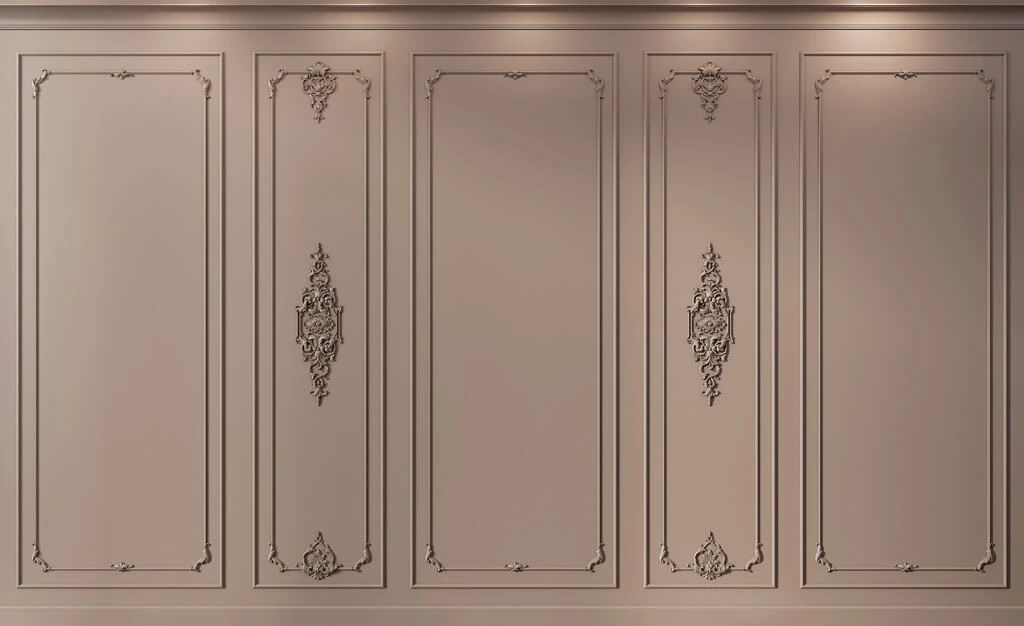
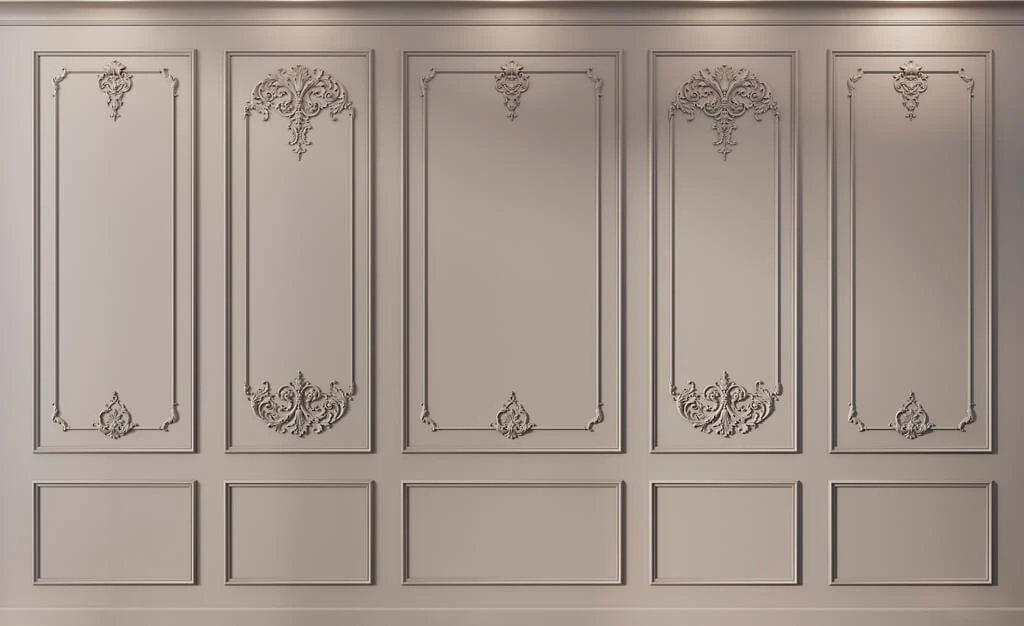
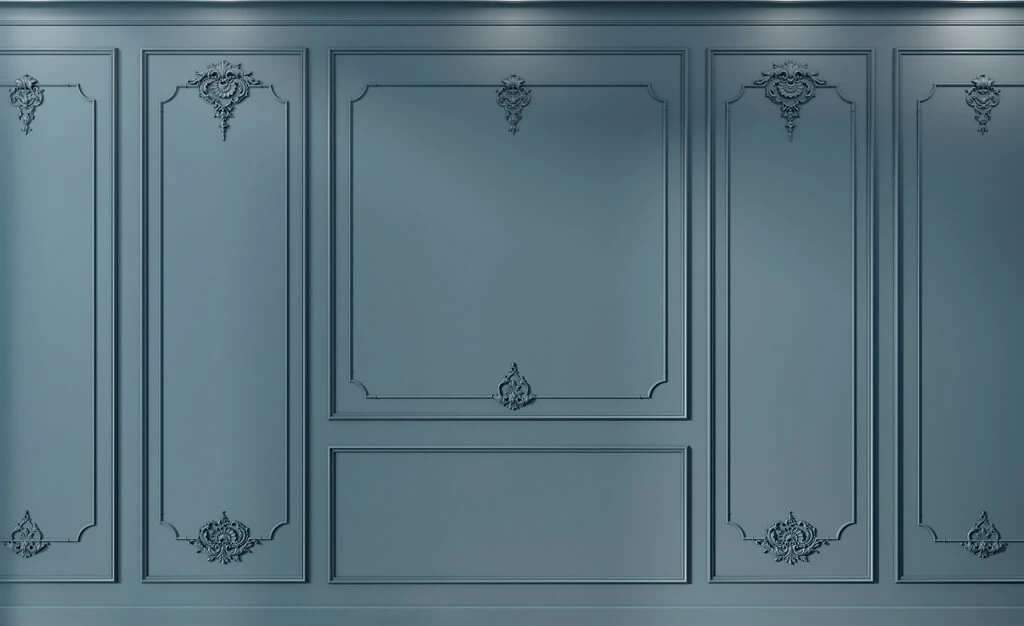
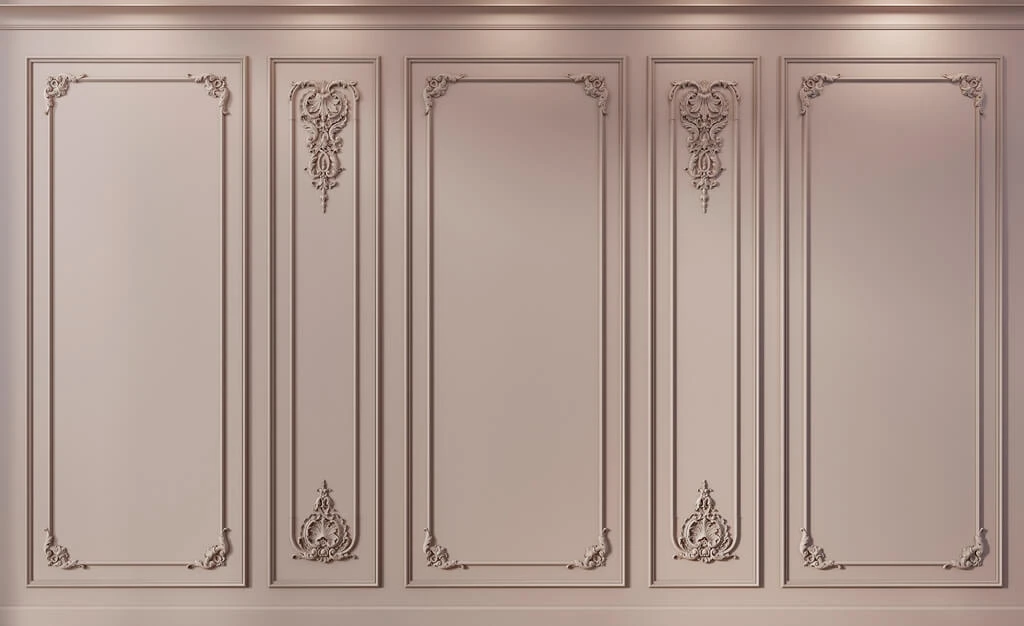
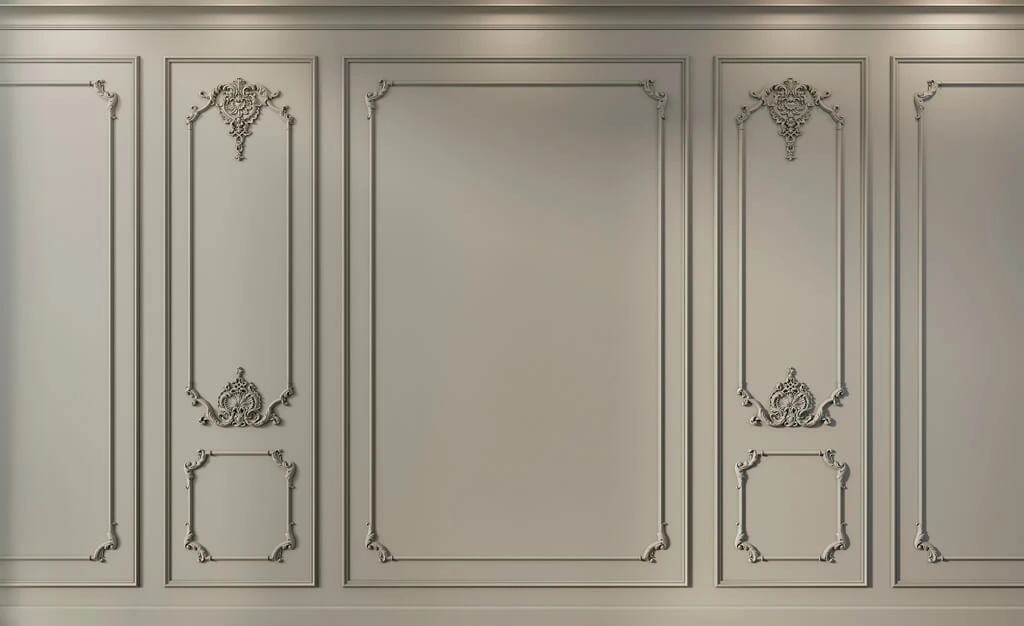
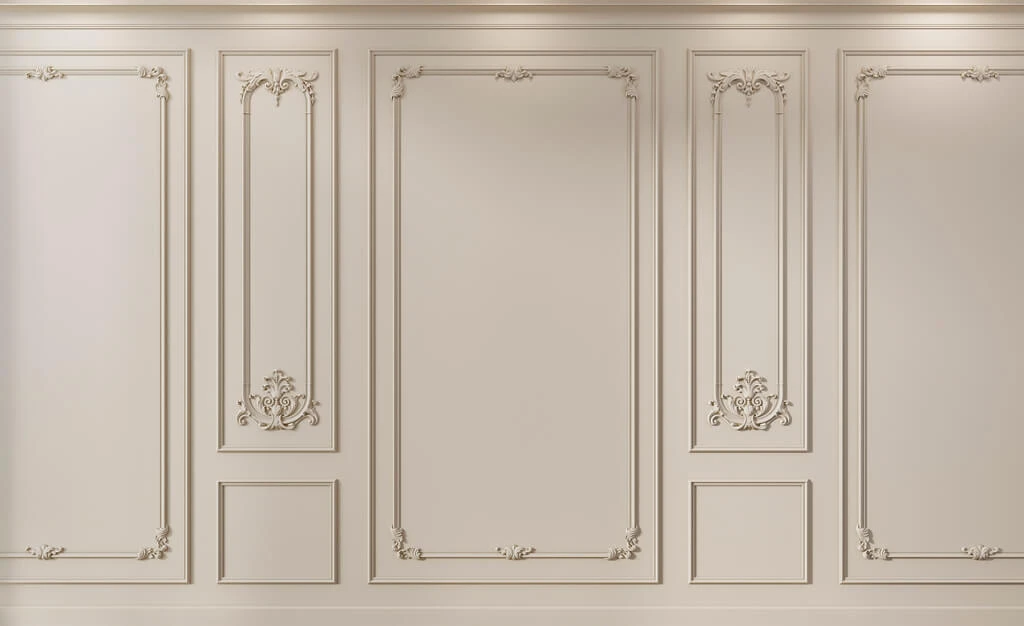
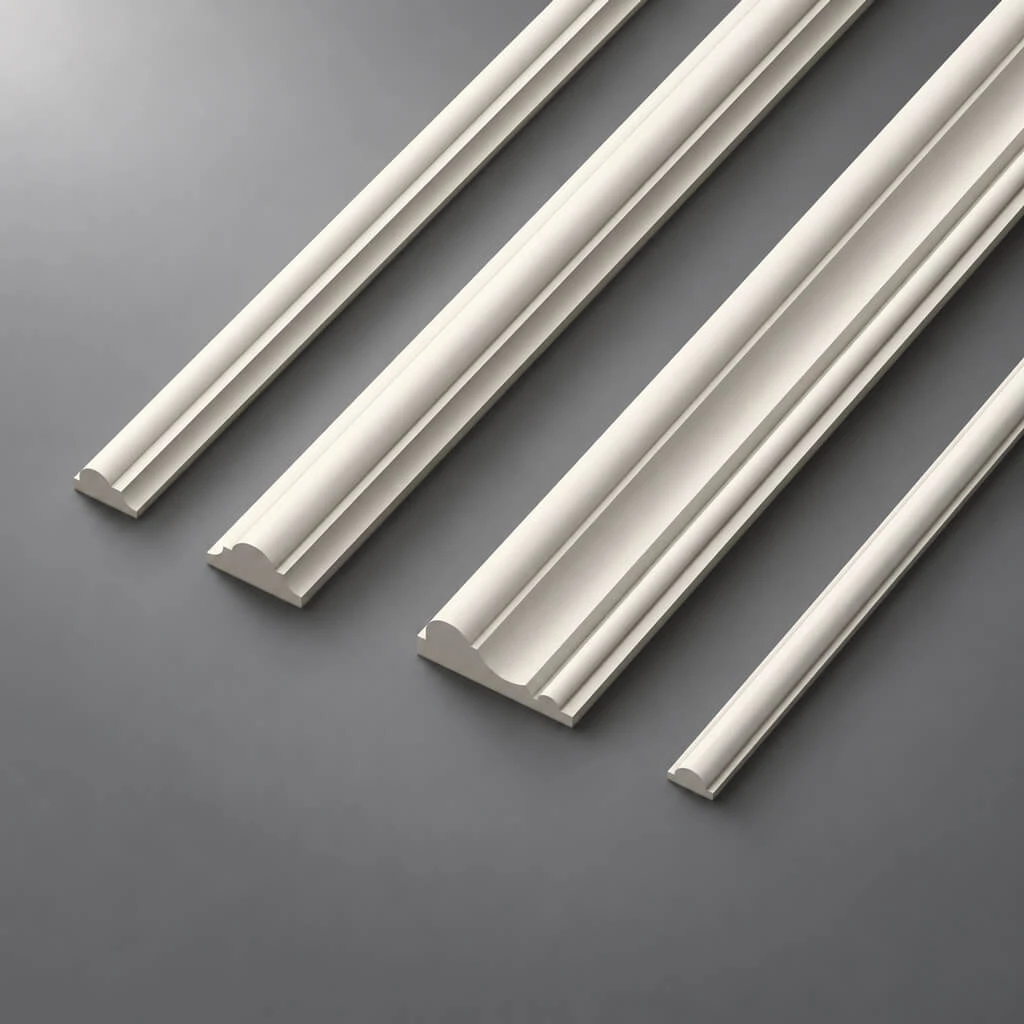
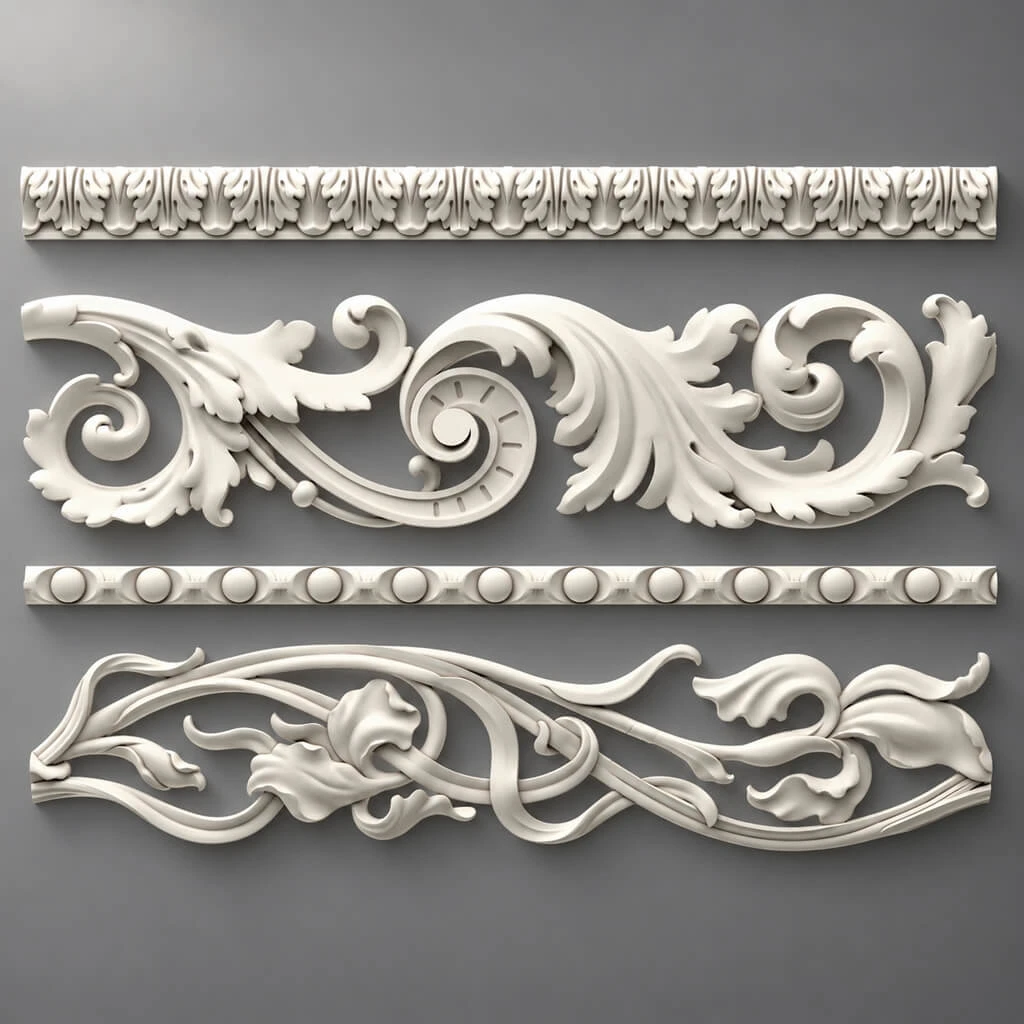
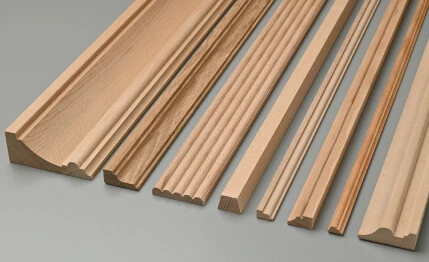
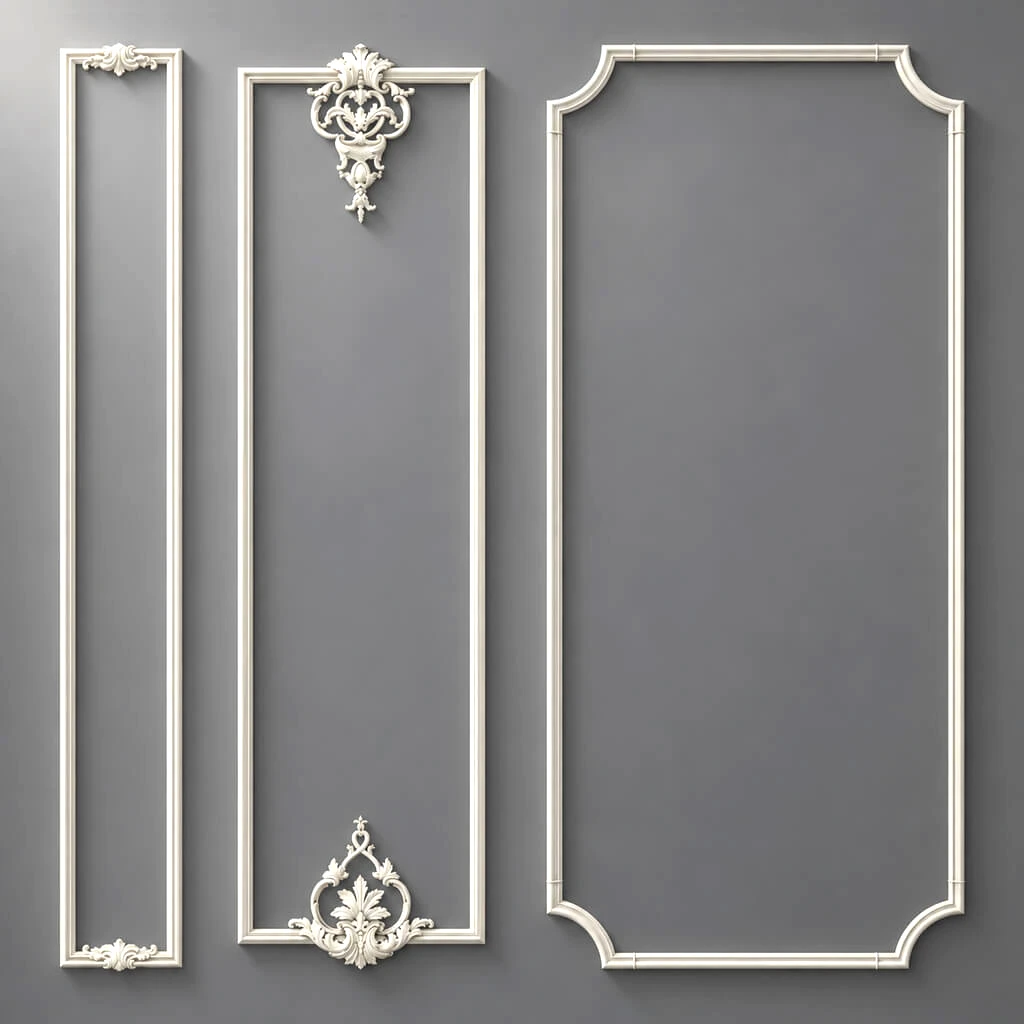
Wooden moldings — profile slats that are attached to the wall and create decorative frames, horizontal bands, transition zones. This is one of the most effective and visually powerful techniques in creating a classic interior.
A frame of moldings on the wall behind the sofa is a classic technique that immediately adds architectural volume. A horizontal molding belt at a height of 90–100 cm divides the wall into two zones: the lower (darker or with finishing) and the upper (light).
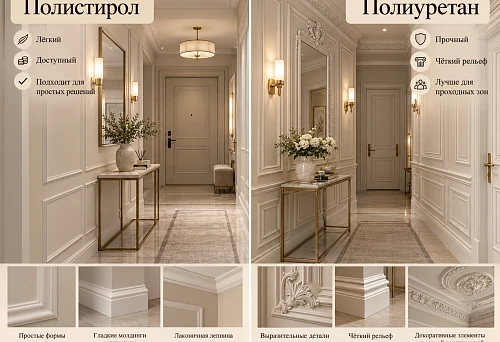
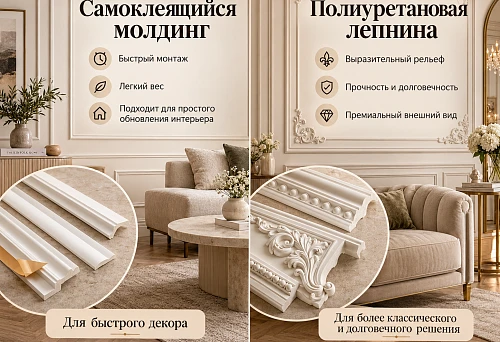
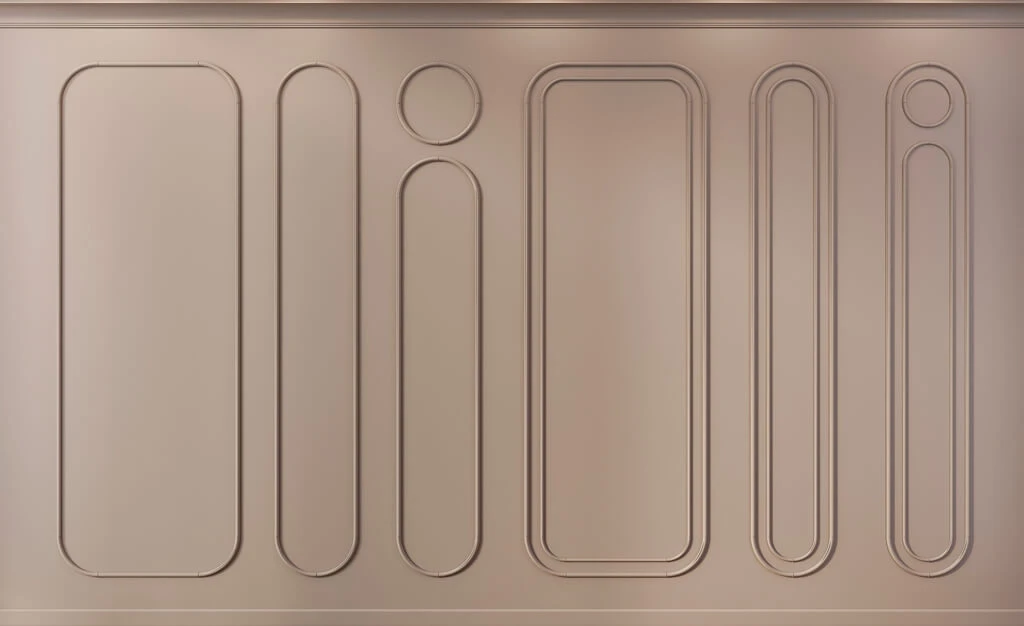
Polyurethane moldings — a lighter option. They are cut with a knife, mounted with glue, and easily painted. A good choice for creating decorative frames and ornamental belts in modern and neoclassical finishes.
Rack panels
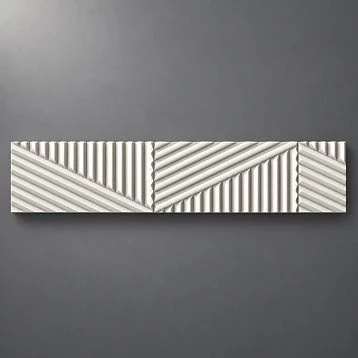
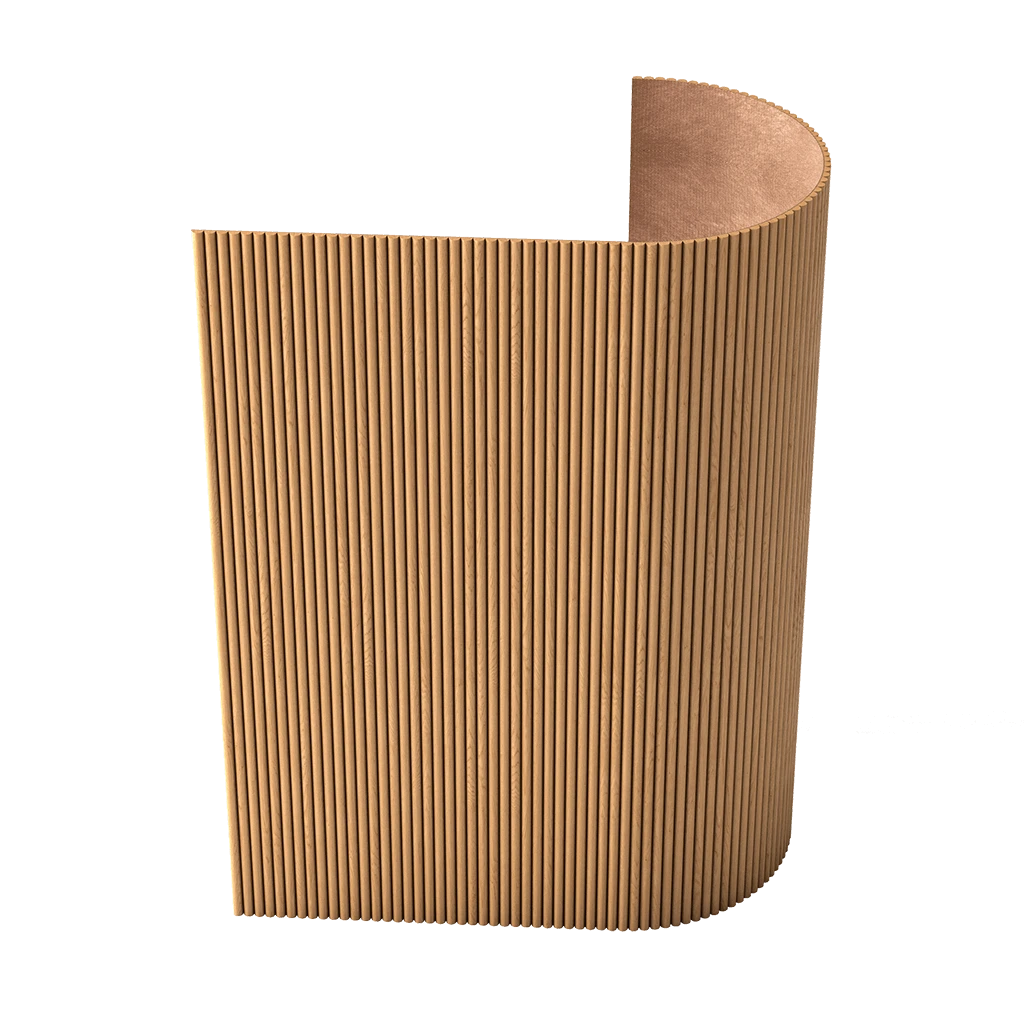
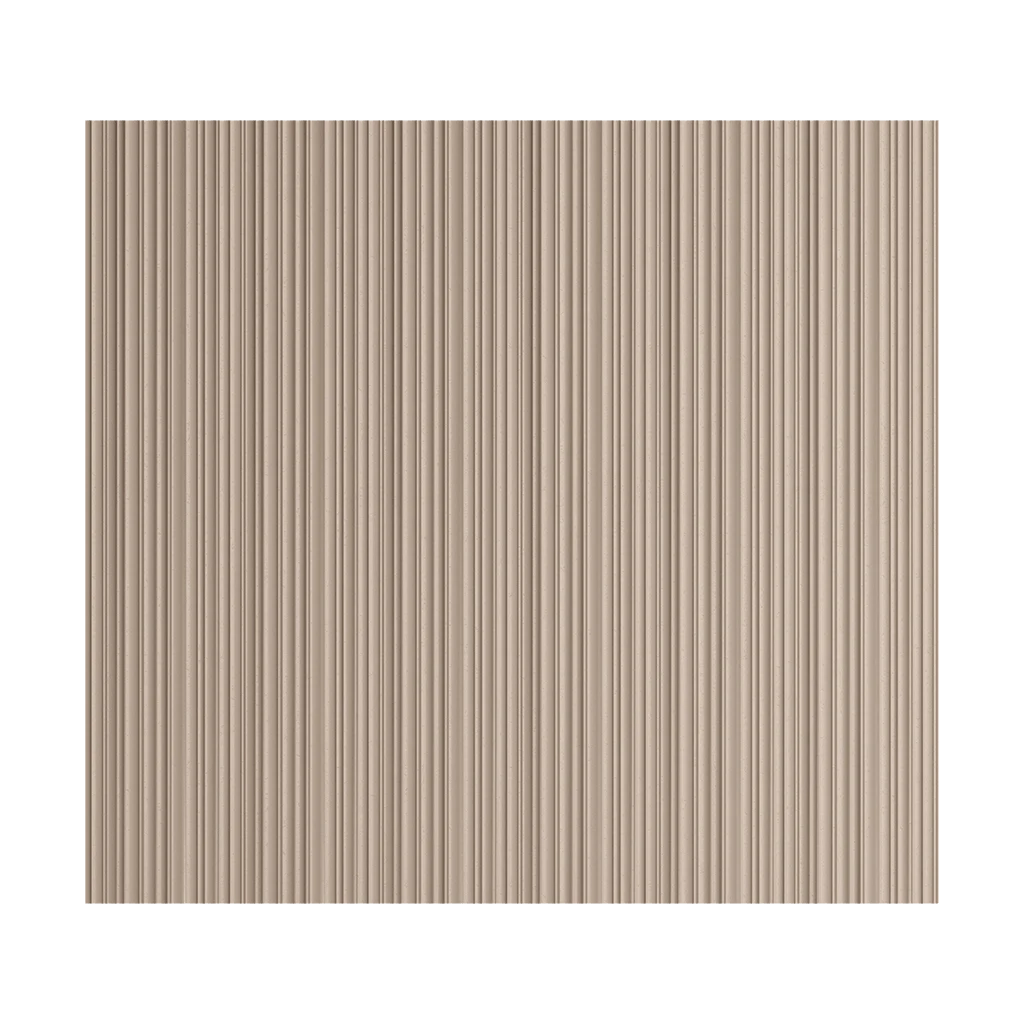
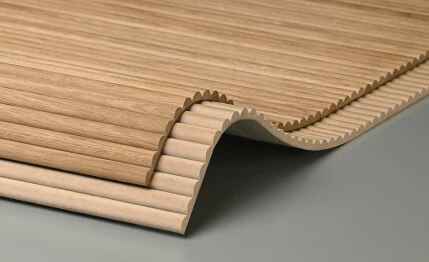
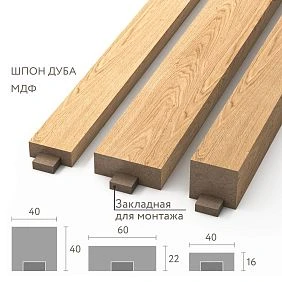
Wooden slat panels — one of the most popular decorative techniques in modern interiors. Vertical wooden slats on an accent wall create texture, depth, and natural warmth. Suitable for living rooms, bedrooms, hallways, children's rooms, and studies.
Slat panels pair well with a neutral background: white or light gray walls. They work as an independent decorative layer — without additional ornaments or overlays.
For Japandi and Scandinavian style — light slats made of natural wood. For modern classic and neoclassical — tinted slats in oak or walnut. For a study — dark wood, creating the atmosphere of a prestigious office.
Frames for mirrors and pictures
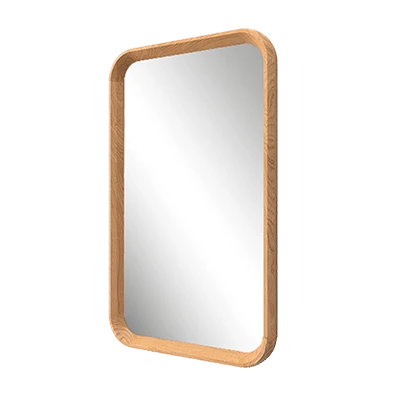
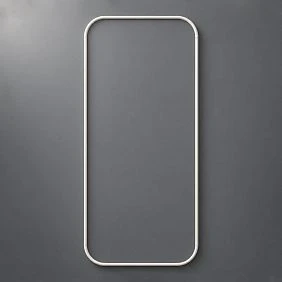
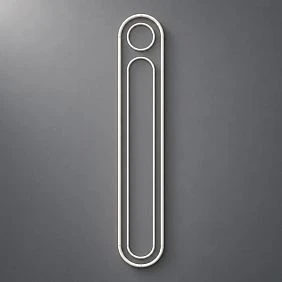
wooden frames — this is both a functional and decorative element. A mirror in a wooden frame above a bench in the hallway is an architectural accent that creates a zone and sets the style for the entire room.
A frame for a painting above the sofa, a frame for a mirror in the bedroom — these are details that connect the vertical of the wall with the furniture. The color of the frame should coordinate with with wooden furniture legs и baseboard.
Decorative wall overlays
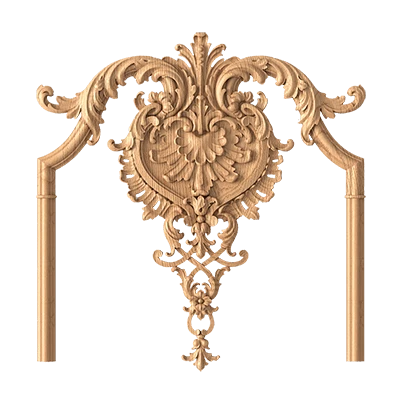
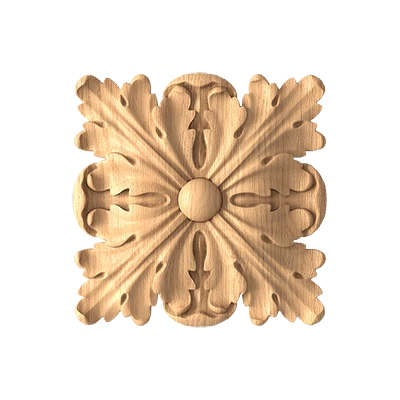
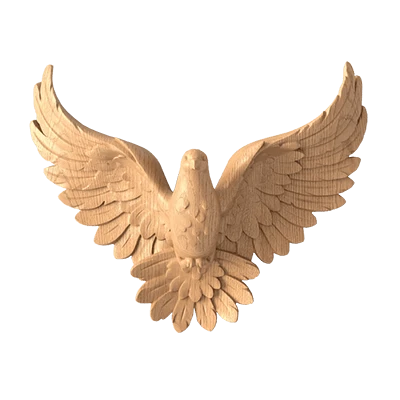
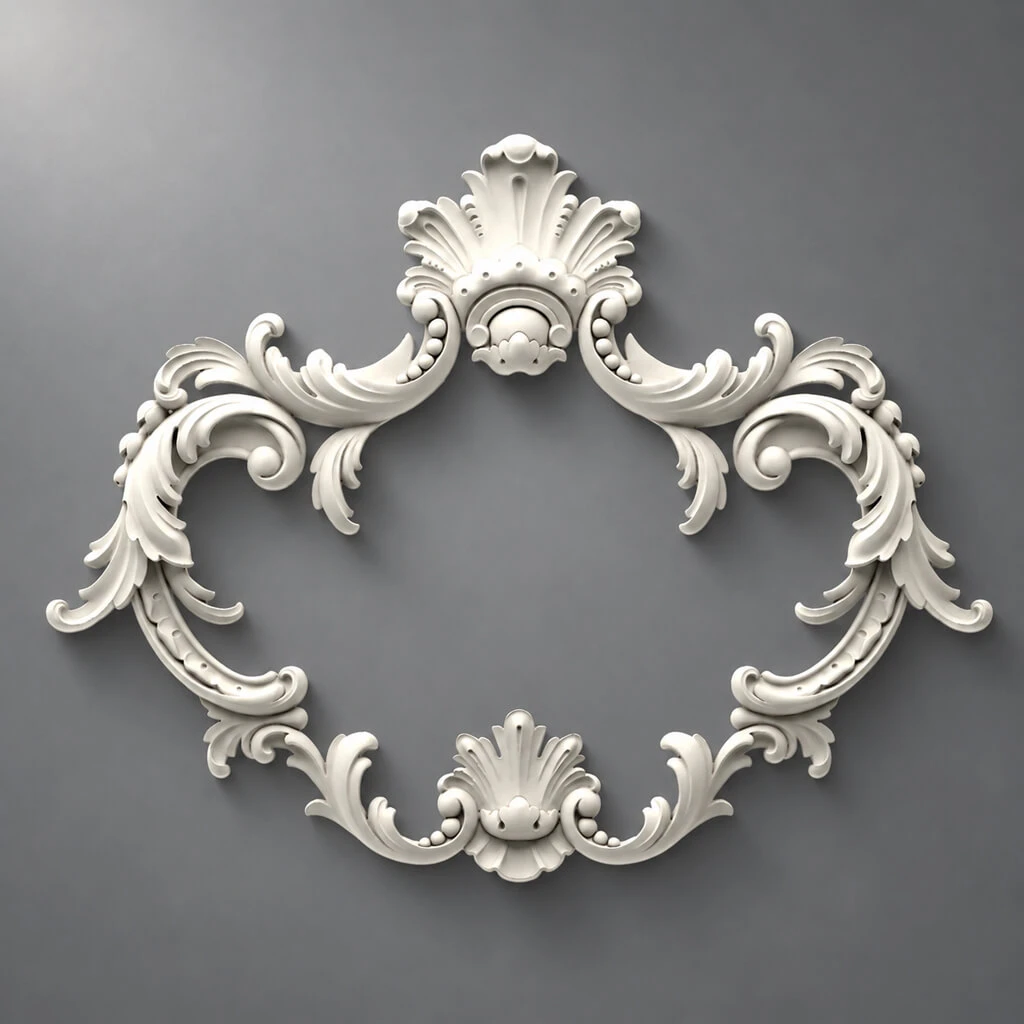
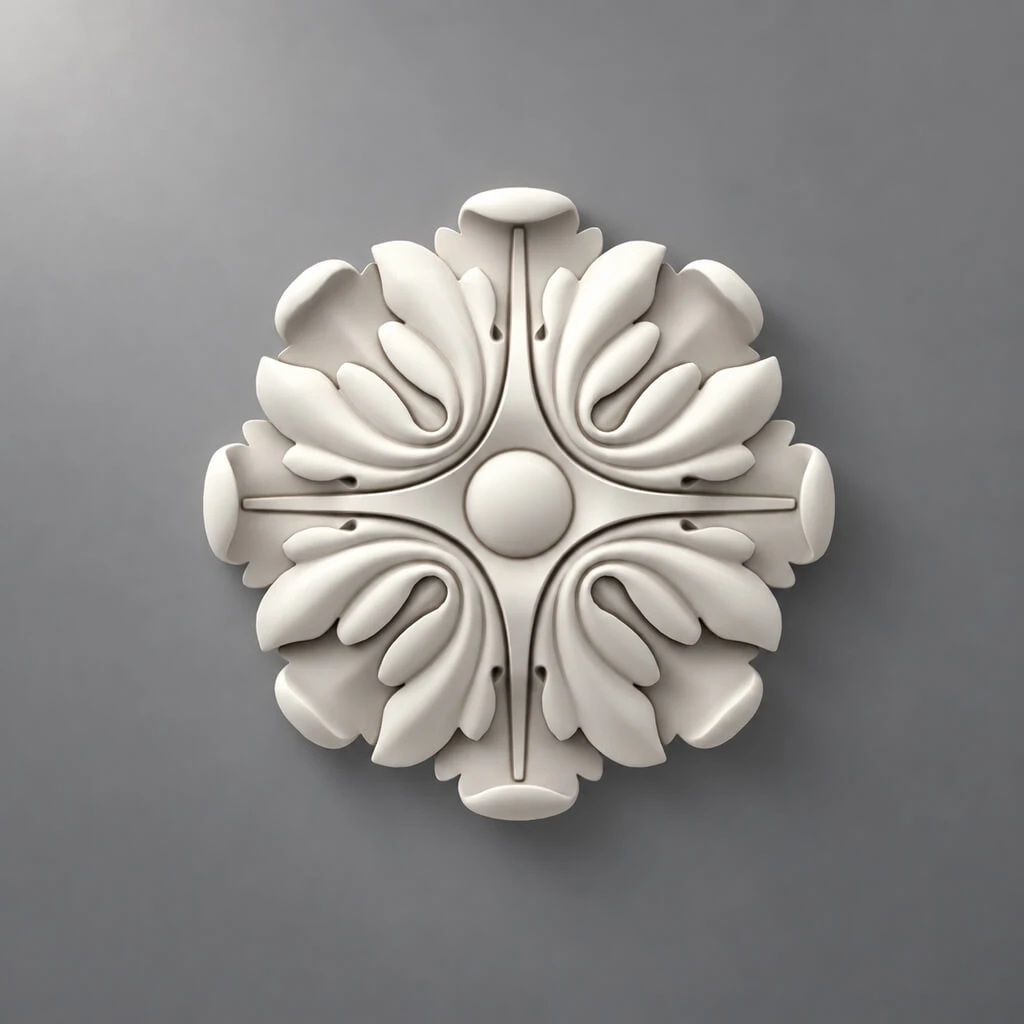
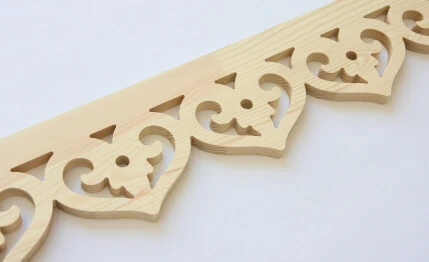
Carved decorative wooden overlays can be used not only on furniture but also directly on walls: in the center of a molding frame, above a door as a keystone, as an ornamental accent in niches.
What to buy for the ceiling: cornices, rosettes, and stucco molding
The ceiling is the most ignored plane when arranging an interior. Most people paint it white and consider the job done. But it is the boundary between the ceiling and the wall where the interior becomes either finished or unfinished.
Ceiling cornice
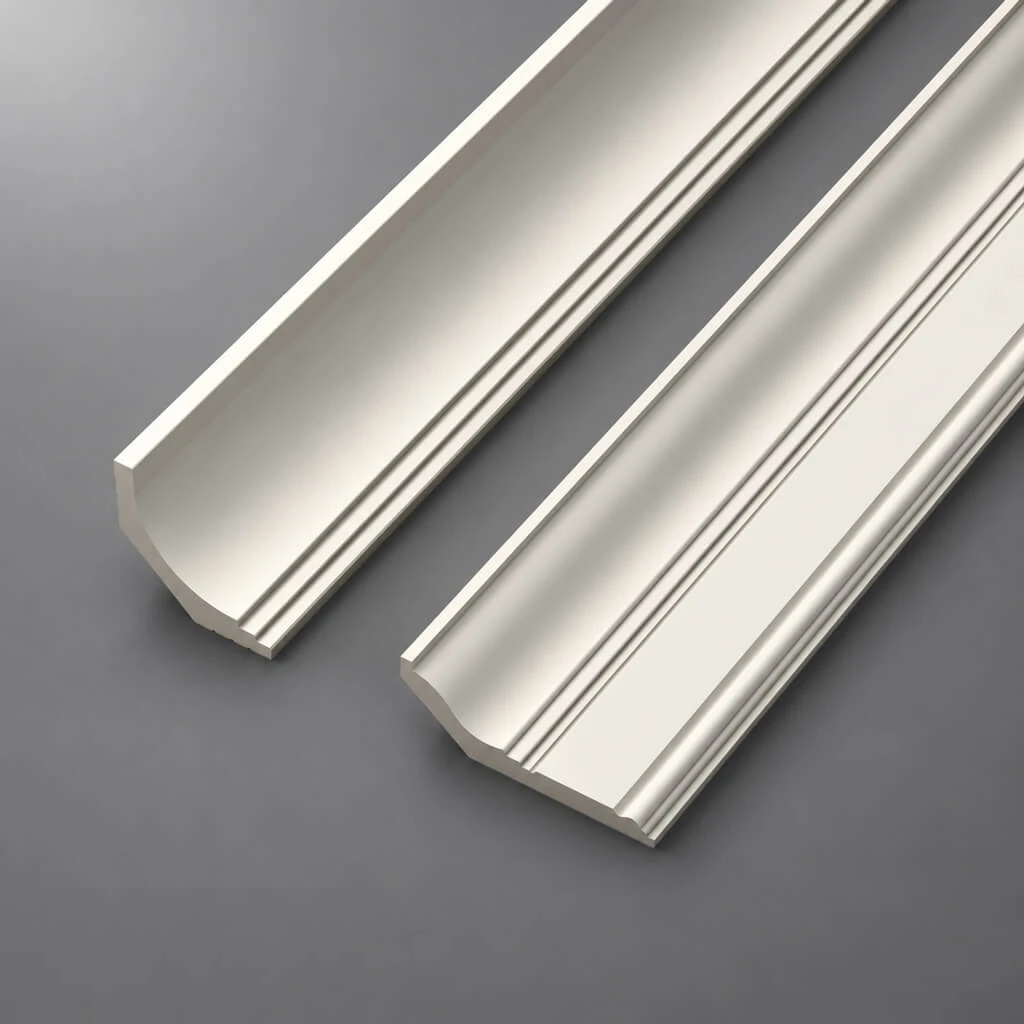
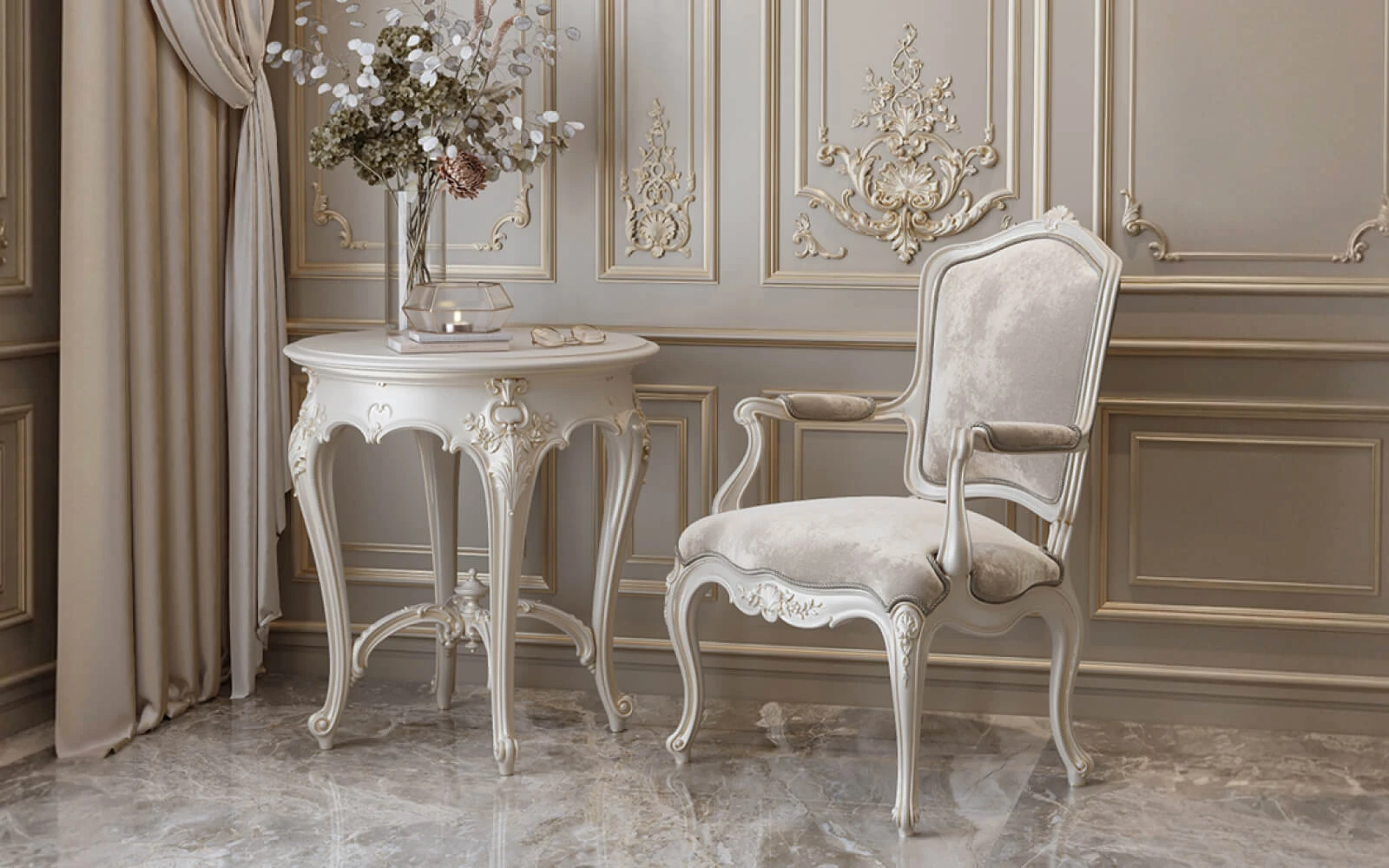
A ceiling cornice is a decorative profile that covers the joint between the wall and ceiling. In a classic interior, this is a mandatory element: it creates a horizontal finishing line under the ceiling and visually 'raises' the ceiling.
Wooden cornices made of solid wood — for classic and wooden interiors. Polyurethane cornices — for interiors under paint, neoclassicism, and modern spaces. Easy installation with glue, neat joint, flawless geometry.
Stucco molding and decorative rosettes
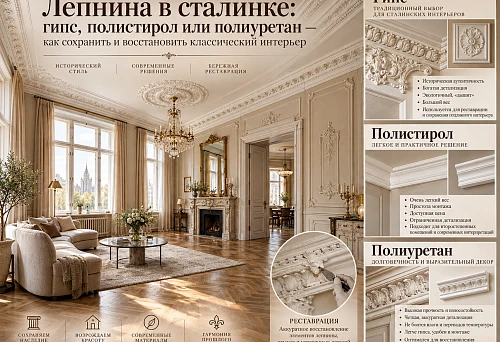
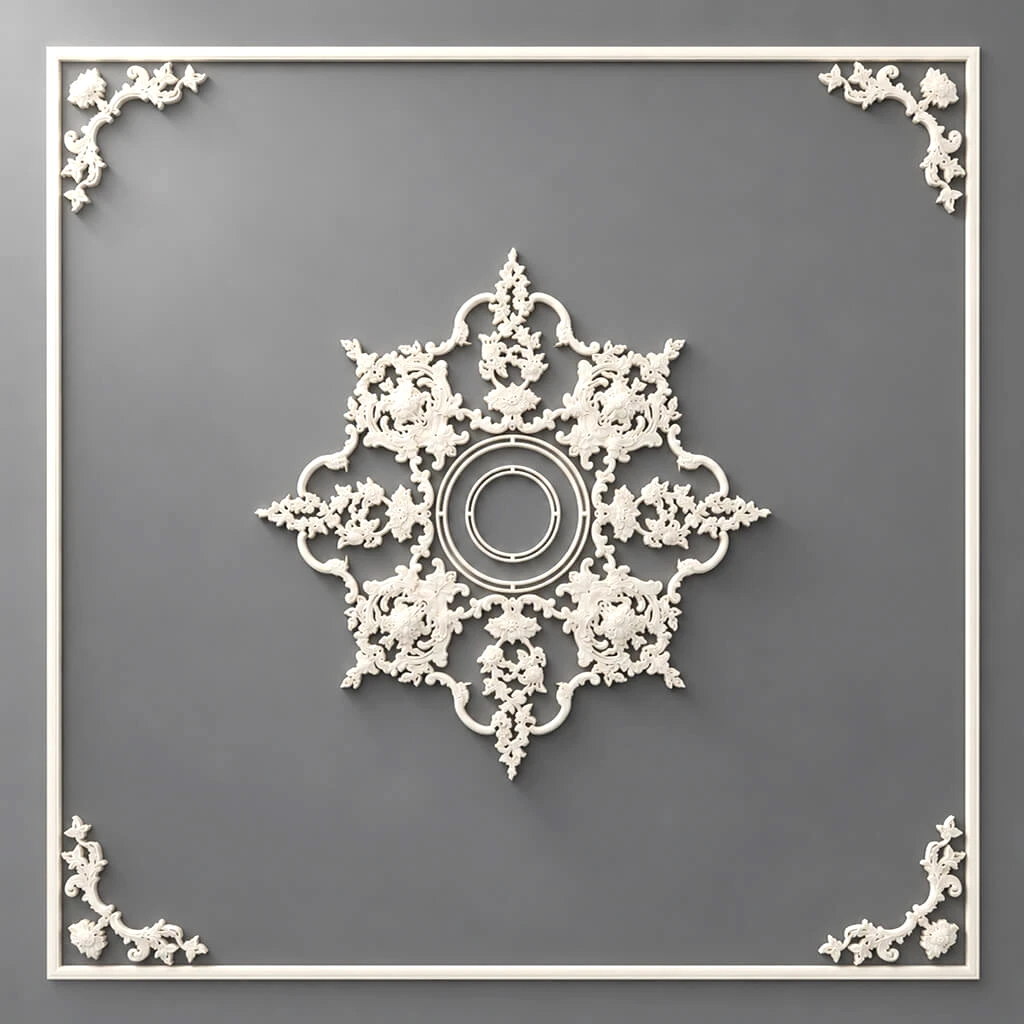
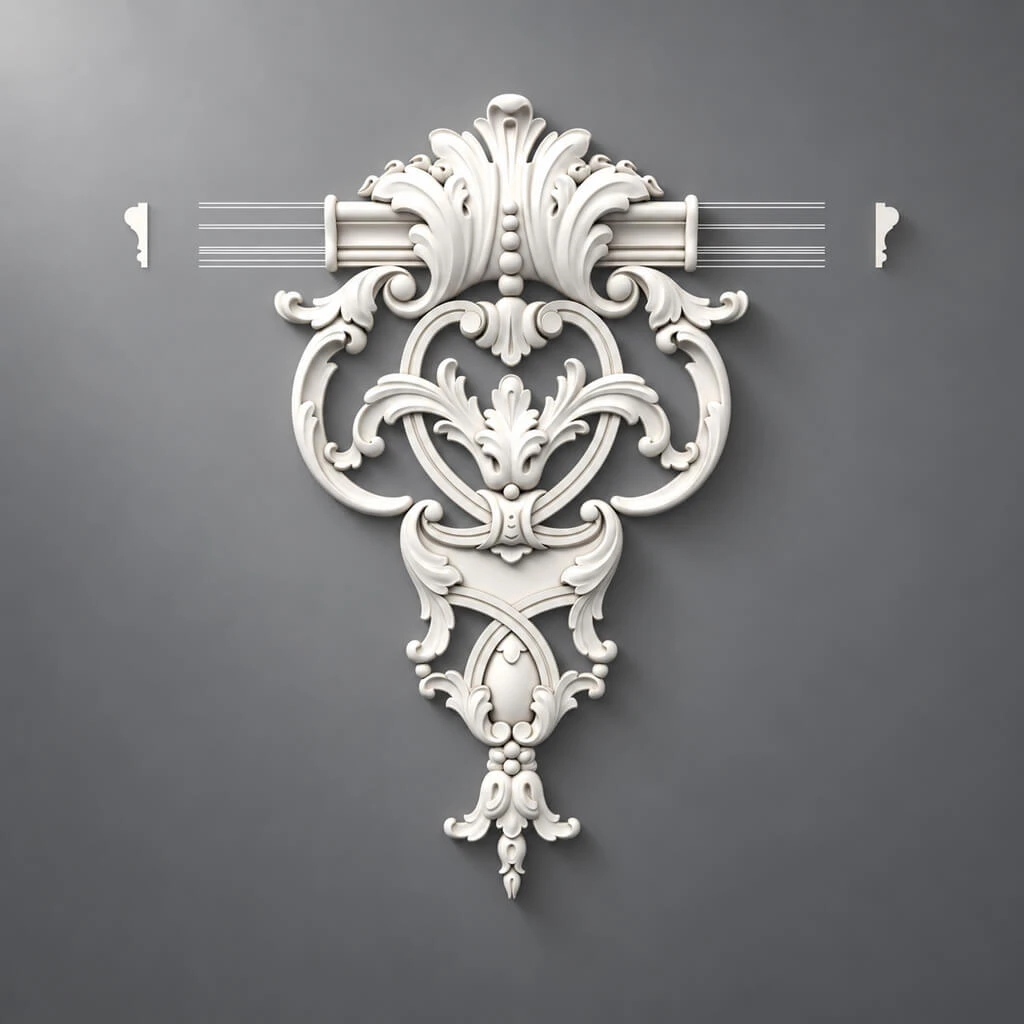
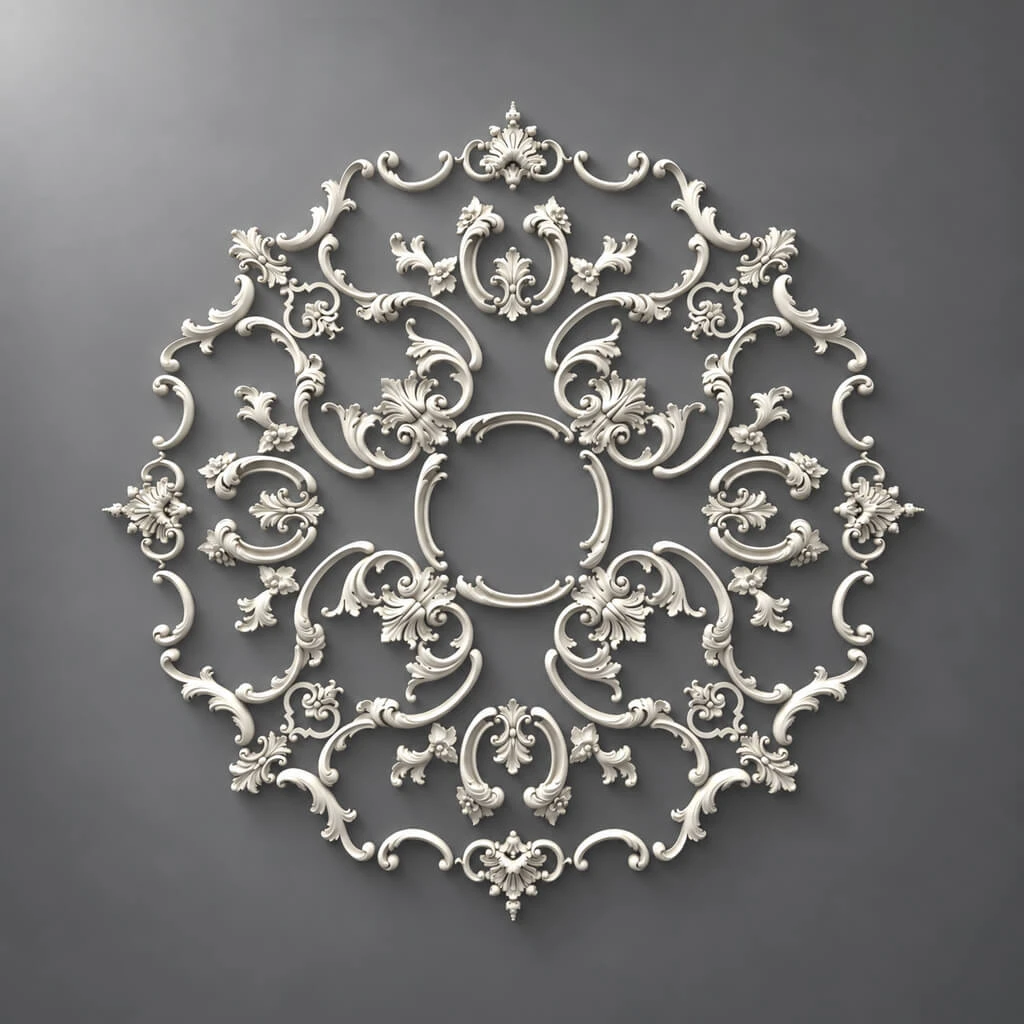
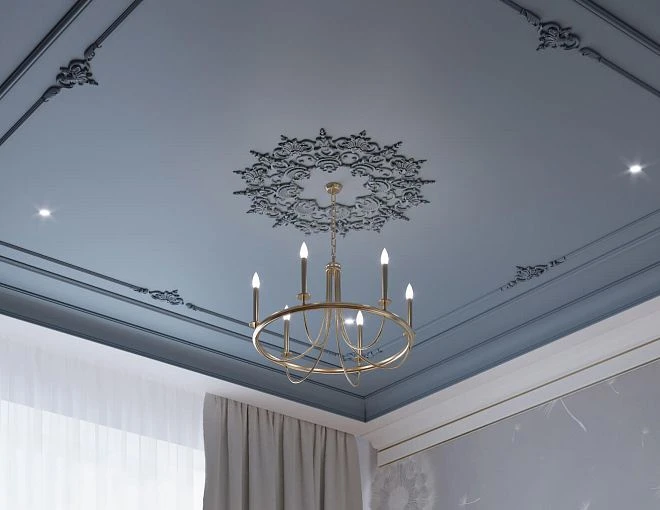
Polyurethane moldings — rosettes around the chandelier, decorative elements on the ceiling, ornamental inserts. Polyurethane allows creating fine details with high relief precision, which after painting are indistinguishable from real stucco.
A chandelier rosette is a simple element that greatly changes the perception of the ceiling. A ceiling with a rosette and cornice looks much richer than the same ceiling without decor.
Cornice with backlight
A decorative cornice with a niche for hidden lighting is a modern interior technique. A light line on the ceiling, hidden behind the profile polyurethane cornice, creates soft accent lighting and adds depth to the ceiling.
What to buy for the floor: baseboards and the lower architectural line
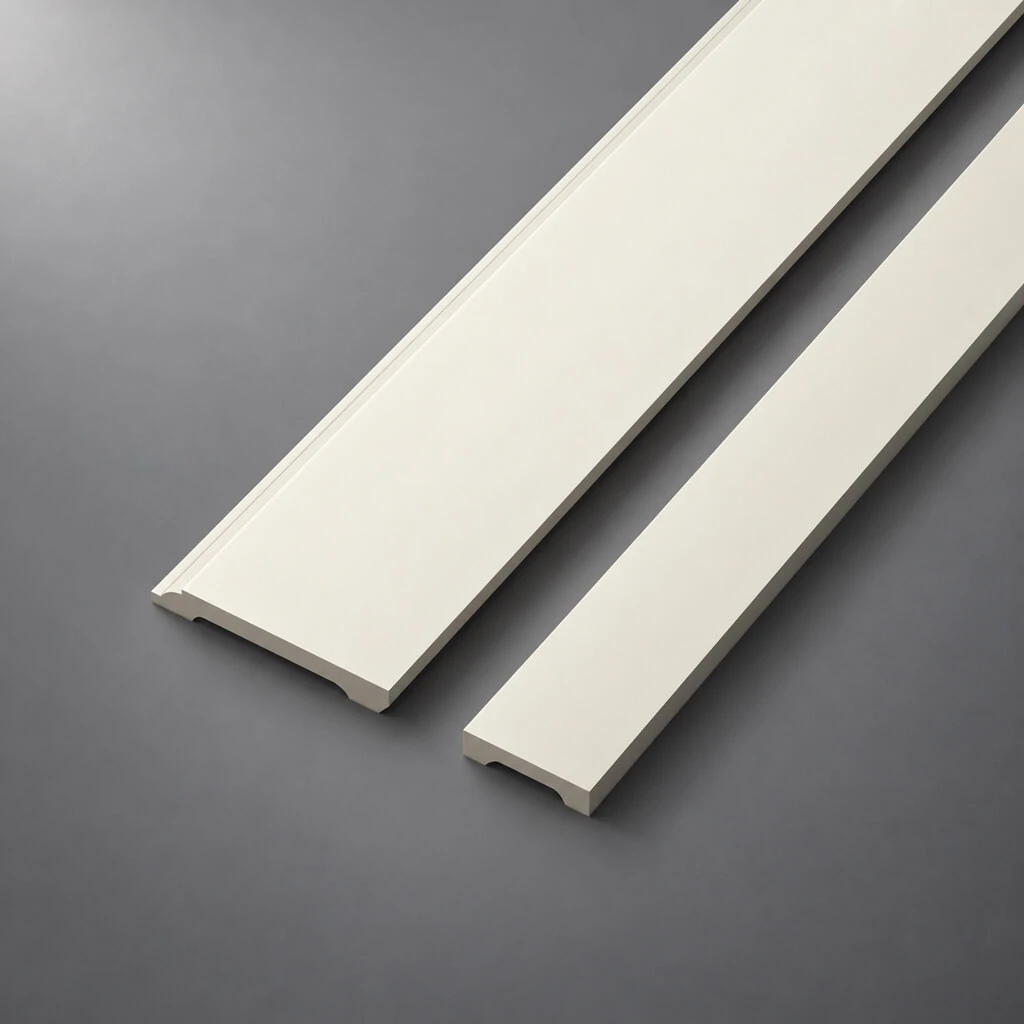
The lower horizontal of a room is what is always visible. A bad or missing baseboard is one of the main visual failures in a renovation. The right baseboard is a detail that covers joints, protects walls, and simultaneously serves as an architectural element.
Solid wood skirting board
Wooden baseboard — a choice for classic, neoclassical, and country interiors. Natural wood, expressive profile, warm texture. A wooden baseboard made of oak, beech, or pine is not just a technical element; it is a detail that is seen and that you want to examine.
Baseboard height: 80–120 mm — a modern minimalist option; 150–200 mm — neoclassical and classic; above 200 mm — lavish classic and a country house with high ceilings.
MDF skirting board
MDF Skirting Board — a more economical option with good geometry and a smooth surface for painting. Suitable for modern interiors where clean lines are important and the natural texture of wood is not a priority.
Molding and transition profiles
Pogonazh iz massiva — this includes not only baseboards but also transition profiles, thresholds, corner elements, architraves, and extensions. Everything that creates neat transitions between different surfaces.
The baseboard should be coordinated with the flooring in shade. If the floor wood is light, the baseboard can be light or slightly darker. A white plastic baseboard in an interior with a wooden floor and wooden doors is a step back several positions in the perception of renovation quality.
What to buy for furniture: handles, legs, and decorative details
Furniture can be made more expensive without buying new. Sometimes it is enough to replace a few details, and the set is perceived differently.
Furniture handles
Wooden furniture handles — the most effective way to update ready-made furniture. Replacing standard metal or plastic handles with wooden brackets or knobs changes the character of a wardrobe, chest of drawers, or kitchen set.
Handles come in:
-
brackets — with two attachment points, for drawers and doors;
-
knobs and buttons — with one mounting hole, for small drawers;
-
long horizontal handles — for tall cabinet doors;
-
recessed handles — for minimalist facades.
By finish: with ready-made varnish or tinting — convenient for quick installation. Without finish — for self-finishing in the desired color.
Furniture legs and supports
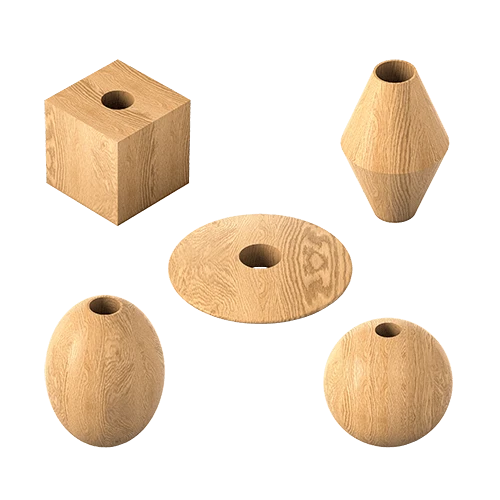
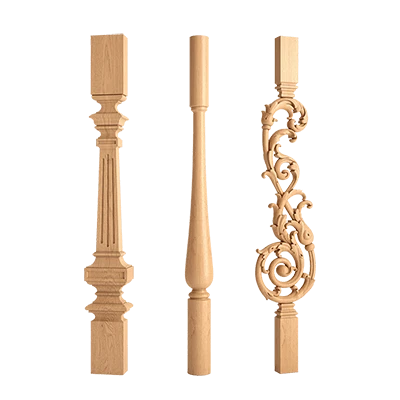
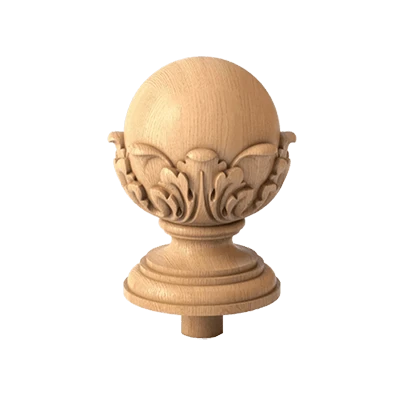
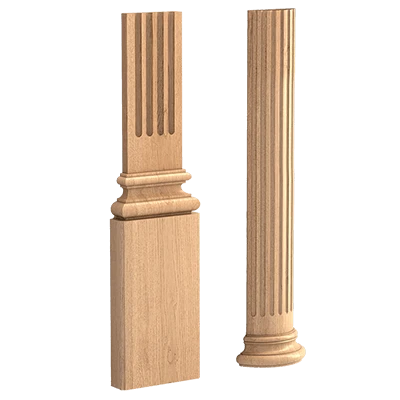
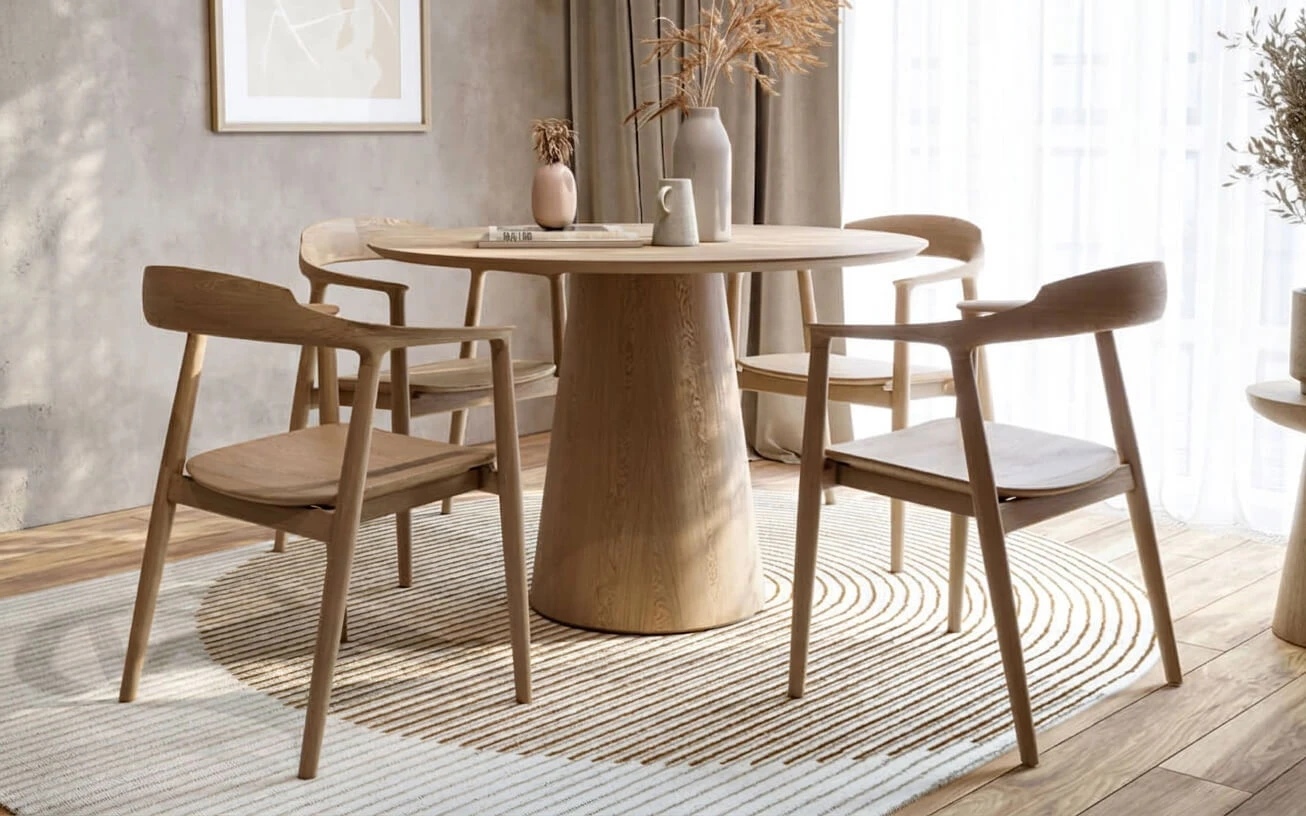
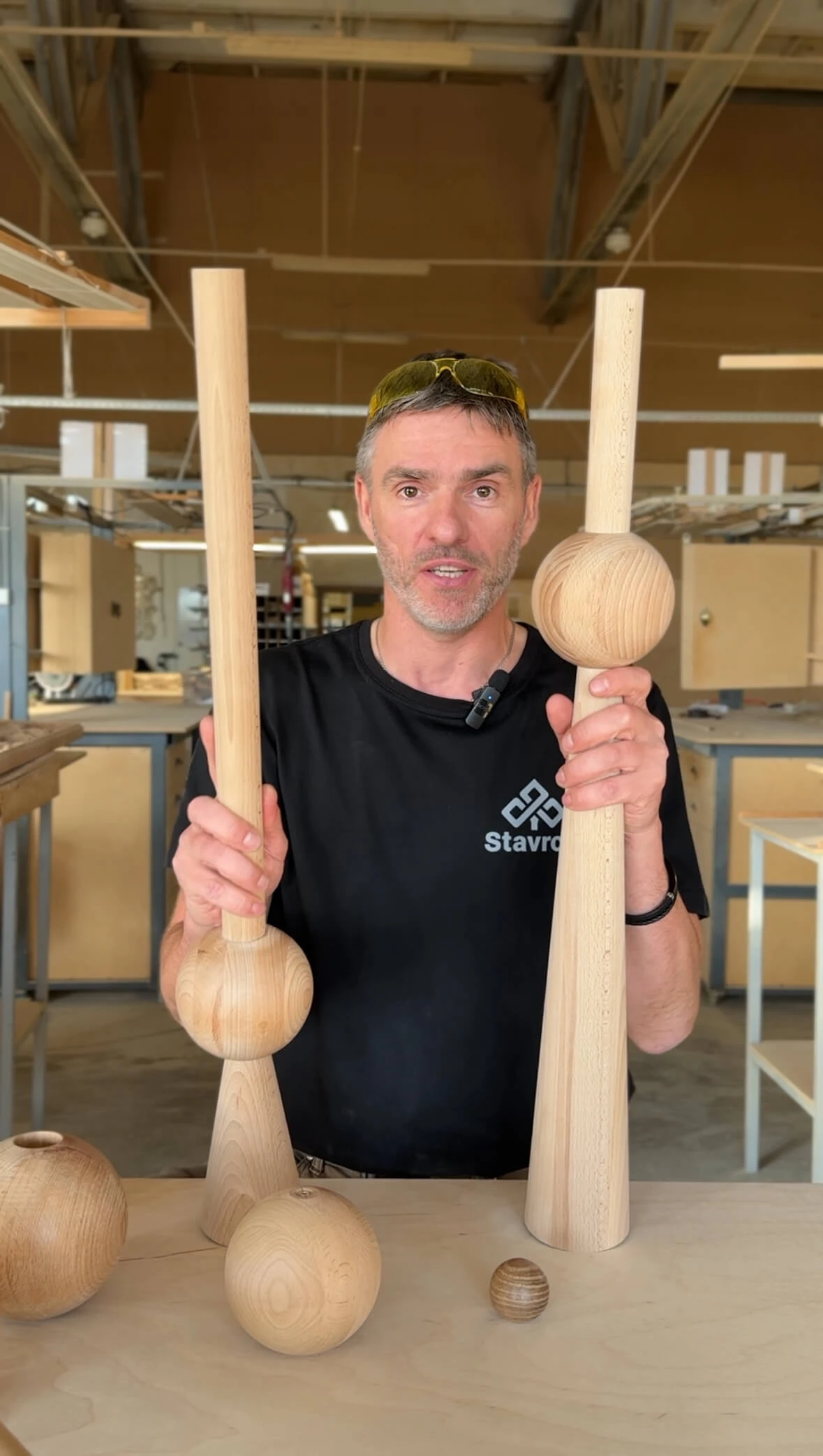
Wooden furniture legs lift furniture above the floor and create its stylistic image. Turned legs — classic and neoclassical. Conical legs — modern classic and Scandinavian style. Carved legs — baroque and lush classic.
Replacing legs on a sofa, ottoman, chest of drawers, or nightstand is a quick transformation without buying new furniture. New Wooden legs match the baseboard, floor, and other wooden details of the room.
Carved appliqués for furniture
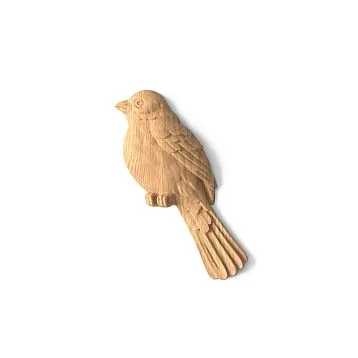
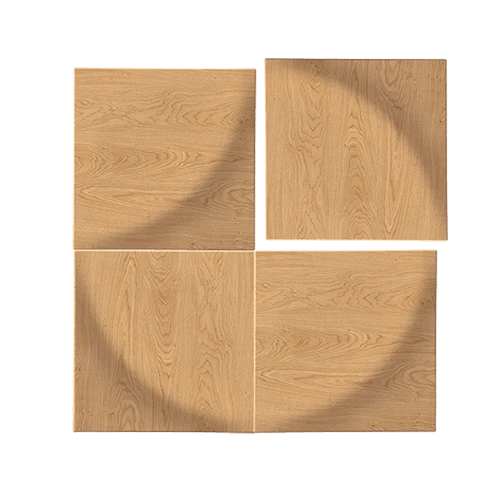
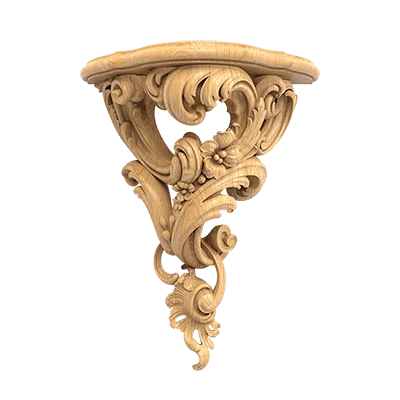
Decorative Inserts add relief to the facades of cabinets, dressers, and drawers. The central overlay on the cabinet door transforms a smooth facade into a classic one. Corner overlays create a decorative frame.
What to buy for doors and openings: architraves and decor
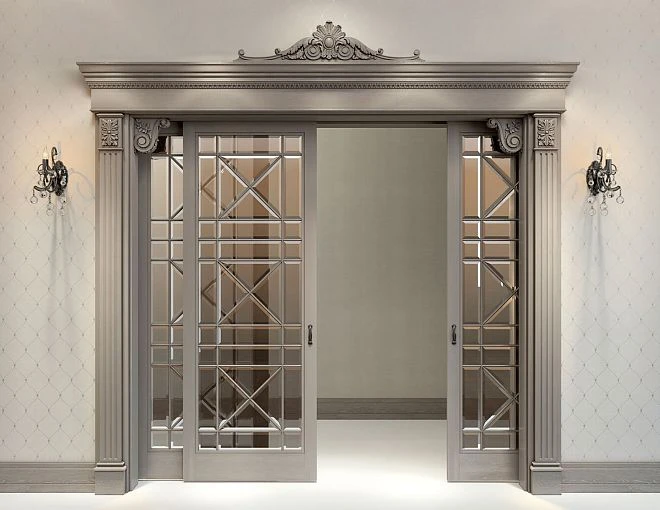
A doorway is the boundary between rooms. In a classic interior, this boundary is decorated with: architrave, extension, decorative element above the door.
Door Casings
Wooden architrave made of trim or from a profiled batten is a standard solution for classic doorway design. The architrave should be coordinated with baseboard in terms of wood species or shade.
Decor above the door
Above the doorway in a classic interior, you can place:
-
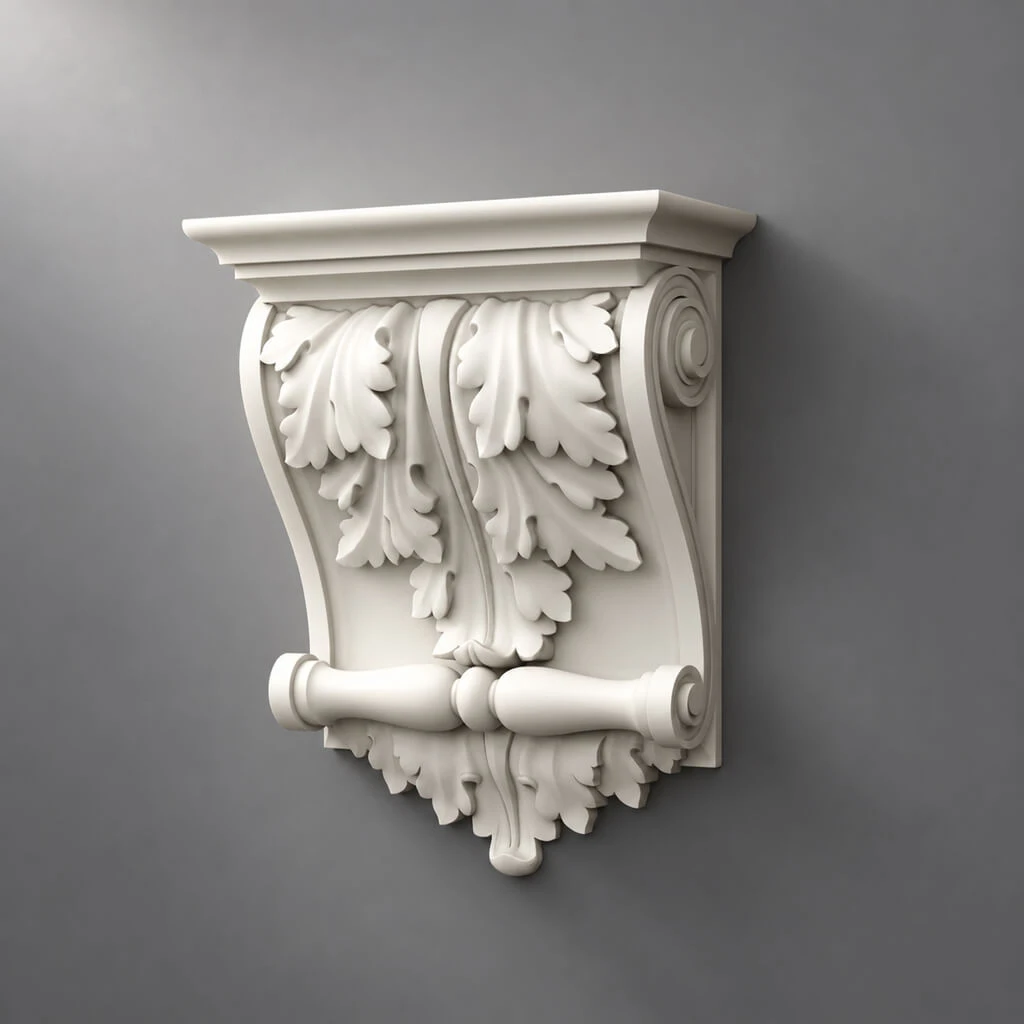
decorative overlay in the form of a keystone or stucco element;
-
Horizontal Molding as an architrave (horizontal lintel);
-
decorative frame from molding.
Door handles
Wooden handles are installed not only on furniture, but also on interior doors. They match the color of the trims, baseboard and other wooden parts. A wooden handle on a door with a wooden trim is a complete system.
Wood or polyurethane: what to choose for interior decor
This question is often asked. Each material has its own purpose and its place in the interior.
When choosing wood
Solid Wood Items is a choice for natural texture, tactile warmth, and durability. Wood is ideal for:
-
baseboards и trim;
-
of cornices and moldings in wooden interiors.
Wood is a material for country houses, classic interiors, japandi, Scandinavian style, and Russian style. It lives with the interior, ages beautifully, and creates that tactile warmth that no other material can imitate.
When choosing polyurethane
Polyurethane Items — the choice for precise geometry, fine relief, and easy installation. Polyurethane is ideal for:
-
ceiling cornices — lightweight, mounted with glue;
-
ceiling rosettes and decorative elements under a chandelier;
-
wall moldings — paintable, smooth surface;
-
overlays and decorative frames.
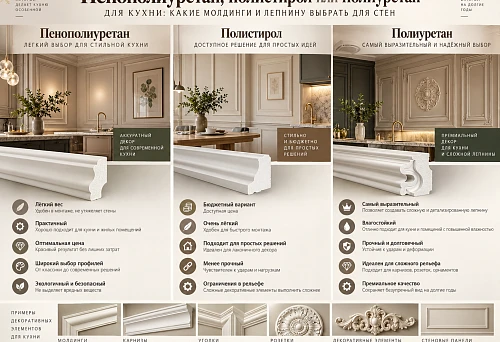
Polyurethane is lighter than wood, not afraid of moisture, easy to paint and cut. For parts intended for painting, it is the optimal choice.
Combination: wood + polyurethane
The best interior often uses both materials:
-
Wooden Handles и Legs + polyurethane moldings on walls;
-
Wooden Rafter panels + polyurethane ceiling rosettes.
| Wood | Polyurethane | |
|---|---|---|
| Texture | Natural, living | Homogeneous, for painting |
| Application | Baseboard, handles, legs, frames, slats | Cornices, moldings, stucco |
| Installation | Fasteners, screws | PVA glue or construction adhesive |
| Moisture resistance | Requires coating | Good |
| Staining | Varnish, stain | Paint |
Interior decor for different styles
Modern interior
Minimalism does not mean giving up details — it means choosing the right details. For a modern interior: Rafter panels on the accent wall, simple and tall Skirting, laconic Ceiling cornice, wooden Handles of simple shape, Frames with a calm profile.
Neoclassicism
Neoclassicism is characterized by balance: architectural details are present, but they are not overloaded with ornament. Wooden moldings or polyurethane on the walls in the form of frames, Cornice with a moderate profile, high baseboard, wooden handles with a soft profile.
Classic
Here the details are more active and richer. carved appliqués, profiled Cornicedecorative rosettes high wooden baseboard, Frames with an ornamental profile turned furniture legs with an expressive silhouette.
Japandi
Natural wood is the main material. Rafter panels made of light wood, simple Wooden baseboard without ornament, minimalist Handles и Legs, Frames made of natural wood without decoration.
Russian style and country interior
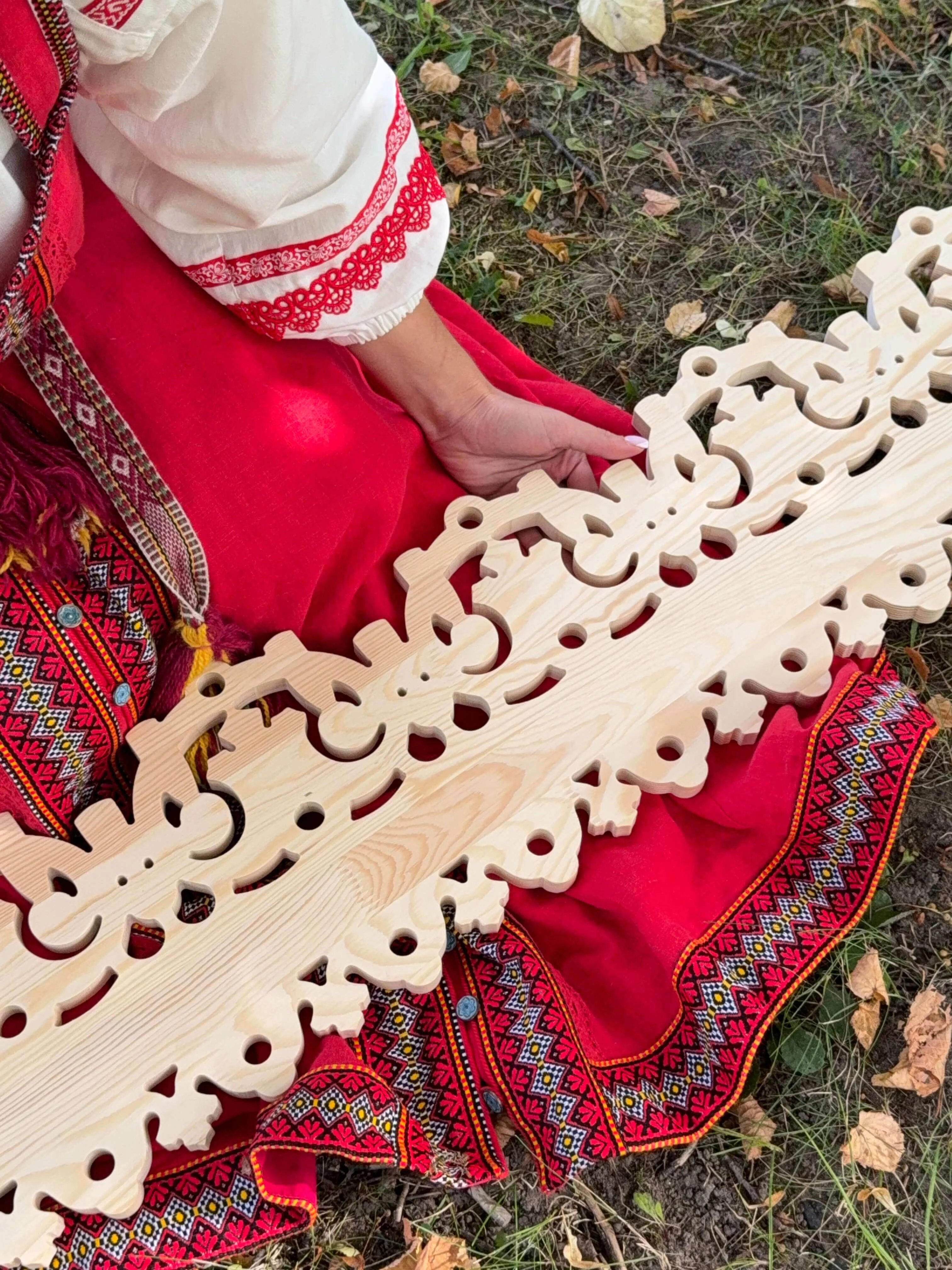
Carved decor is appropriate here in full force. Carved Mouldings, Wooden Inlays with folk ornament, massive Wooden cornices, carved frames, Rafter panels made of coniferous wood.
What details make an interior look more expensive
There are specific, proven techniques — not theory, but practice.
High wooden baseboard. A baseboard 150–180 mm high with a profile instead of the standard plastic 80 mm. The lower line of the room immediately gains architectural weight.
Ceiling cornice. The joint between the wall and ceiling without a cornice looks like an unfinished detail. a polyurethane cornice or wood covers this joint — immediately cleaner and richer.
Molding frames on the walls. Panels of molding behind the sofa or along the entire perimeter of the wall — a quick way to create an architectural background.
Wooden handles instead of plastic. Replacing handles on wooden — the cheapest and fastest furniture transformation.
Beautiful legs. Turned or carved wooden legs on a sofa, ottoman, nightstand — a detail that is always noticed.
Mirror frame. wooden frame above the ottoman in the hallway or above the fireplace in the living room — an architectural accent that creates a zone.
Slatted panel. wooden slat panel on an accent wall — the trendiest decorative technique of recent years, working equally well in an apartment and a country house.
Unified wood color. When the baseboard, handles, legs, and frames are in the same shade — the interior looks designed, not randomly assembled.
Mistakes when buying interior decor
Let's be direct — because these mistakes cost time and money.
Buying parts separately without a unified concept. A cornice bought in one store, baseboard in another, moldings in a third. All different profiles, different shades. Logic is lost.
Mixing different wood shades. Three different woods in one room without hierarchy — that's not richness, it's chaos. One main shade, maximum a second as an accent.
Choosing moldings without considering the baseboard. A massive molding with a large profile on the wall and a thin elegant baseboard below — inconsistency that catches the eye.
Taking too large stucco for a small room. The scale of decor should match the scale of the room. A ceiling rosette with a diameter of 70 cm in a 12 sq m room — overload.
Buying handles without considering legs and facades. Wooden handles и Legs should be from the same style. Carved legs and ultra-minimalist handles — conflict.
Do not calculate the quantity with a margin. For trim and moldings always add 10–15% for trimming and joints. A shortage of one meter means stopping work and re-delivery.
Choose decor only by photo. Size, profile, height — none of this is readable in the photo. Always check the technical specifications.
Checklist: what to buy to complete the interior
Walls
Our factory also produces:
Ceiling
-
Decorative rosettes and stucco from polyurethane
Floor
Furniture
Doors
-
Trims and extensions from trim
-
decorative elements above the opening
How to buy interior decor without mistakes: algorithm
1. Determine the room and its dimensions — living room, bedroom, hallway, study, kitchen.
2. Choose a style — modern, classic, neoclassical, japandi, Russian style.
3. Start with the base: Skirting и Cornice — they set the upper and lower boundaries.
4. Add accents: Moldings, rails, Frames, applique.
5. Select furniture details: Handles, Legs, supports.
6. Check wood consistency: a uniform or logically matched shade across all details.
7. Calculate the quantity with a 10–15% margin.
8. Go to the catalog of solid wood и polyurethane products STAVROS — collect a complete set of parts for your interior.
About the company STAVROS
Interior decor starts with details — and details start with STAVROS. Since 2002, STAVROS has been producing Solid Wood Items и Polyurethane Items for apartments, houses, and commercial spaces.
In the catalog: Wooden moldings and cornices, Skirting made of solid wood и MDF, Rafter panels, Frames, Furniture Handles, Legs, carved appliqués, Trim, Polyurethane cornices and moldings and everything needed to complete the interior.
STAVROS — manufacturing in Saint Petersburg. Shipment from 1 piece. Delivery across all of Russia. Non-standard sizes and profiles — made to order.
FAQ: Answers to popular questions
What is interior decor?
Details that complete the room design: baseboards, moldings, cornices, stucco, slats, frames, furniture handles, legs, overlays, and decorative elements for walls, ceilings, furniture, and doors.
What to buy to finish the renovation?
First the basics: baseboard and ceiling cornice. Then accents: moldings, slat panels, frames. After that — furniture details: handles, legs, overlays. Everything should be coordinated in style and wood shade.
What is better for the interior — wood or polyurethane?
Wood is for handles, legs, baseboards, slats, frames, and classic details with natural texture. Polyurethane is for cornices, moldings, stucco, and elements for painting. The best interior often combines both materials.
How to make an interior look more expensive?
A tall wooden baseboard, a ceiling cornice, wall moldings, wooden handles and legs, a slatted panel in an accent area, a mirror frame — these details work stronger than changing wallpaper.
Can you combine wooden decor and polyurethane stucco?
Yes, this is a professional technique. Wooden baseboard, handles, frames, and slats + polyurethane cornices, moldings, and rosettes — with a unified color logic, it looks organic and rich.