











































































Article Contents:
- Why the interior should guide the gaze
- First point: what a person sees upon entering
- Moldings in the entryway: architectural order from the first step
- Mirror as the first accent
- First impression: how to make it more expensive
- Polyurethane moldings: the line that guides the gaze
- How molding guides the gaze upward
- How molding guides the gaze to the center
- How molding connects zones
- Molding profile and the direction of gaze movement
- Main wall: where the gaze should stop
- How to make the main wall stand out
- Symmetry on the main wall: when it is needed
- Asymmetry as an artistic technique
- Decorative molding: the point where the gaze pauses
- Where to place decorative molding
- Decorative molding in the interior: style and character of the ornament
- Relief depth as a tool for managing emphasis
- Ceiling molding: the final point of the route
- Ceiling cornice: a smooth transition from wall to sky
- Ceiling rosette: the center around which everything is built
- Ceiling square: when one rosette is not enough
- How ceiling molding completes the gaze route
- Three ready-made purchase routes: specific sets for the task
- Route 1. From entrance to mirror: hallway and foyer
- Route 2. From sofa to ceiling center: living room
- Route 3. From bed to decorative wall: bedroom
- Table: which decor guides the gaze and where
- Mistakes that ruin the gaze route
- Mistake 1. Making too many accents at once
- Mistake 2. Buying stucco decor without moldings
- Mistake 3. Not considering the entry point
- Mistake 4. Leaving the ceiling empty
- Mistake 5. Mixing incompatible motifs
- Additional elements that support the route
- Cornices and baseboards as lower and upper frames
- Brackets and consoles as support points
- Facade decor: the route starts from the outside
- Painting as a route tool
- FAQ: answers to the most frequently asked questions
- Which molding should I buy for the main wall?
- How do moldings help an interior look more expensive?
- Is ceiling molding necessary if there is decor on the walls?
- Where is the best place to install decorative molding?
- What should I buy together with stucco decor?
- Can you create a gaze route in a small room?
- How to avoid overloading the interior with molding?
- Is molding needed in the hallway?
- What is the difference between stucco decor and decorative molding?
- STAVROS: full range for building a gaze route
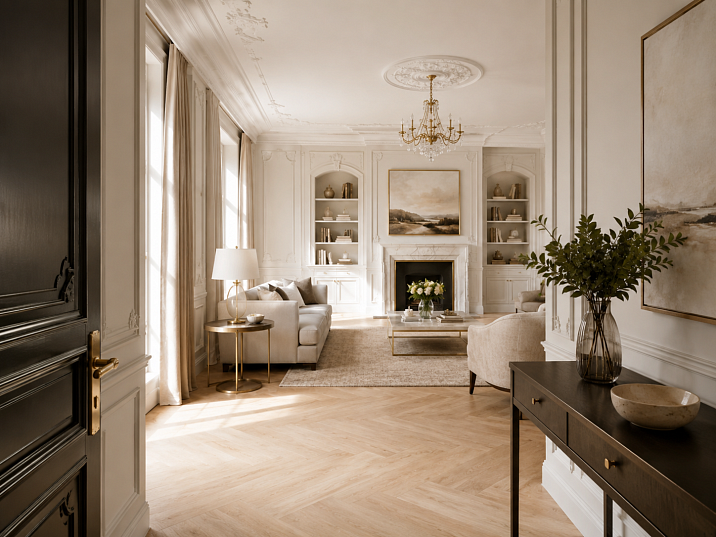
There are rooms where you feel good immediately — from the first step, from the first glance. And there are spaces where something is off, even though the furniture is expensive, the paint is even, the lighting is right. What's the difference? Almost always — whether the gaze has a route. An expensive interior is not a collection of beautiful things. It is a system where every element knows its place and helps the gaze move. Moldings, Moldings made of polyurethane, Decorative stucco и Ceiling molding — are exactly such elements. They don't just decorate. They manage attention, build a sequence of perception, turn a random set of details into a coherent architectural story.
This article is about how the gaze route works and how to build it with properly chosen decorative elements.
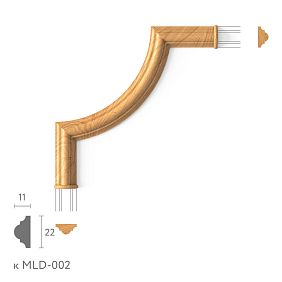
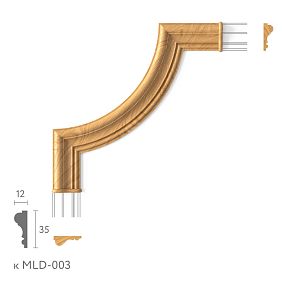
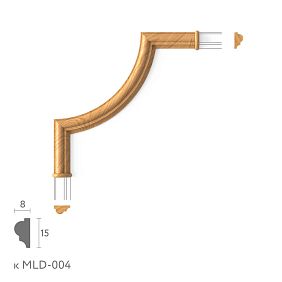

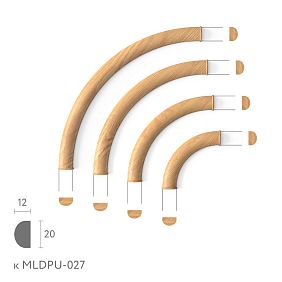
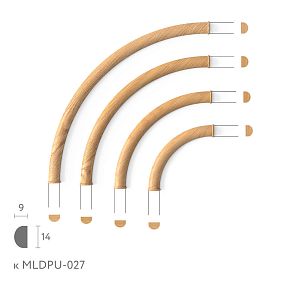

Why an interior should guide the gaze
The human eye does not look at a room as a flat picture. It scans the space: first — the overall silhouette and boundaries, then — the main accents, then — the details. This process takes a few seconds, and during these seconds the brain decides: "it's good here" or "something is wrong here."
What happens when there is no route? The gaze wanders. It doesn't know where to look, what to latch onto. The ceiling is empty. The wall is flat. There is furniture, but it doesn't form a center. The decor is placed randomly. In such a room, a person gets tired faster than in a small but well-arranged one.
What happens when there is a route? The entrance gives the first direction. The opposite wall meets with an accent. Moldings guide the gaze along the surface and lift it to the ceiling. The ceiling rosette fixes the center. Relief Decoration places a pause in the right spot. A person reads the space as a whole — and feels comfortable in it.
This is not theory. This is the practice of working with interiors, well known to professional designers. Buy molding — это первый шаг. Понять, как она работает в системе — это то, что превращает покупку в результат.




Первая точка: что человек видит при входе
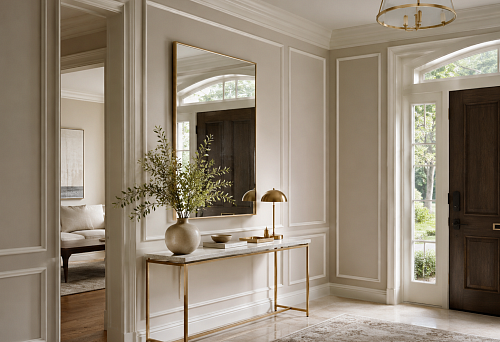
Вход — это точка отсчёта. То, что видно с порога, задаёт тон всему пространству. И чаще всего именно входная зона оказывается самой бедной с точки зрения декора: узкий коридор, простая стена, зеркало на крючках, вешалка. Ничего, что говорило бы: «ты пришёл в продуманное место».
А ведь именно здесь первое впечатление формируется раз и навсегда. Гость, который видит оформленную молдингами входную нишу, зеркало с лепным обрамлением и декоративную накладку над ним, — этот гость уже находится в другом пространстве. Пространстве, у которого есть характер.
Our factory also produces:


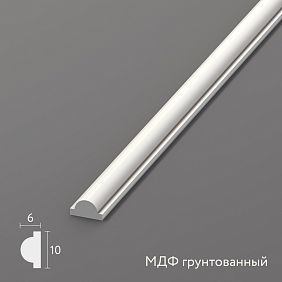
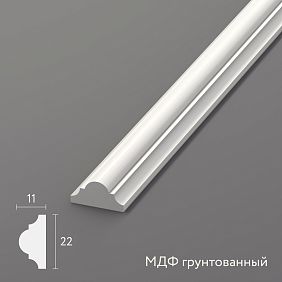


Молдинги во входной зоне: архитектурный порядок с первого шага
Узкий коридор можно преобразить одним инструментом — вертикальными молдингами. Они делят стену на ритмичные секции и дают ощущение высоты. Там, где без молдингов потолок давил бы сверху, с ними — комната тянется вверх. Взгляд идёт вдоль вертикалей, поднимается, и пространство воспринимается просторнее, чем есть.
Polyurethane wall decor во входной зоне — это не роскошь. Это грамотная работа с первым впечатлением. Один молдинг по периметру дверного проёма уже меняет восприятие двери из «дыры в стене» в архитектурный портал.
Get Consultation
Зеркало как первый акцент
Зеркало в прихожей — почти обязательный элемент. Но зеркало само по себе — это просто отражение. Зеркало в молдинговой раме, с decorative molding над ним и симметричными боковыми накладками — это архитектурный объект. Первая точка маршрута, которая сразу говорит: у этого интерьера есть концепция.
buy decorative moldings For the entrance area, scale matters: a narrow hallway requires small elements with delicate relief. A large hall can accommodate more expressive decor — high relief, mascaron, or a voluminous plant overlay.
First impression: how to make it look more expensive
A first impression is made of three things: lines, details, and color. Moldings provide lines. Relief Decor in Interior provides details. Paint unifies everything into one tone. That's why a well-designed hallway with moldings and decorative molding creates the impression of an expensive space even without expensive furniture.
The rule of the first point: what is visible from the threshold must be well thought out. Everything else is details for those who go further.
Polyurethane moldings: a line that guides the eye
If you ask an experienced designer which single tool they would choose to guide the eye in an interior, the answer is almost always the same: molding. It is moldings that create those invisible guides along which the eye glides — and arrives exactly where it needs to.
Moldings made of polyurethane are not just decorative strips. They are an architectural language that speaks in lines. A horizontal molding line calms, makes the space wider and lower. A vertical one lifts, elongates, adds dynamics. A frame of moldings focuses, highlights a zone, creates a 'picture' from a plain wall.
How molding guides the eye upward
Vertical moldings running from the baseboard to the ceiling cornice create a powerful visual lift. The eye follows them from bottom to top — and arrives at the ceiling stucco, the cornice, the rosette. This technique is used in rooms with not very high ceilings: the moldings literally "stretch" the height.
buy polyurethane moldings For a vertical system — it means choosing a profile that reads equally well from both bottom and top. This requires a certain width and depth of relief: a very thin molding will get lost, a very wide one will make the wall look heavy.
How a molding guides the eye to the center
A frame of moldings is a focus magnifier. It tells the eye: "look here." If there is a mirror inside the frame, the eye goes to the mirror. If inside the frame there is Relief Decoration or a decorative panel — the eye stops on the decor. If the frame is empty, in the color of the wall — the eye sees an architectural rectangle that organizes the wall space.
Molding frames on the wall are one of the most versatile techniques in design. They work in classic and modern styles, in the living room and bedroom, in the hallway and study. Buy polyurethane moldings for frames on the wall can be with precise calculation to the size of the wall and ceiling height — and assemble exactly the system of frames that a specific space needs.
How a molding connects zones
A horizontal molding belt running along the entire perimeter of the room at a height of 2/3 of the wall does several things at once: divides the wall into "lower" and "upper" parts, creates a visual horizon, and unites different zones of the room into one system. This is a technique that turns disparate furniture into a single ensemble.
Moldings as guiding lines work precisely because they are continuous. One run of molding from one wall to another creates a connection between two planes. polyurethane decor for walls and ceilings — this is a material that allows you to build such continuous systems without breaks and joints that give away a "hodgepodge."
Molding profile and the nature of gaze movement
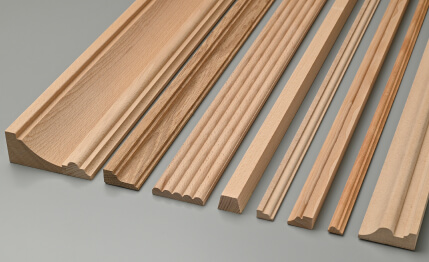
Not every molding guides the gaze the same way. A flat thin profile creates a light, delicate direction — the gaze follows it without lingering. A wide stepped profile — heavy, monumental — creates a pause. An S-shaped profile provides a smooth flow, characteristic of classic and neoclassical styles. An angular profile with a sharp break — energetic, active movement, characteristic of Art Deco.
Choosing a profile is not an aesthetic decision, it is a functional one. Before Buy polyurethane moldings for a specific space, it is important to understand: what kind of movement is needed? Light and unobtrusive? Monumental and slow? Dynamic and active?
Main wall: where the gaze should stop
In every room there is — or should be — one main focal point. That wall or corner where the gaze stops and lingers. In the living room, it is the wall behind the sofa or the wall with the fireplace. In the bedroom, it is the headboard of the bed. In the study, it is the wall behind the desk. In the dining room, it is the wall behind the dining table or sideboard. In the hallway, it is the wall with a mirror or console table.
The main wall is the semantic center of the room. And it requires the most thoughtful decorative solution.
How to make the main wall stand out
The main wall is highlighted in several ways. By color — but this is not always appropriate. By texture — not always possible. By decor — this is the most flexible and precise tool. And here, the focus shifts to decorative wall molding in combination with molding framing.
A molding frame on the main wall creates a "picture" — a visual rectangle that defines the zone. If inside the frame — Relief Decoration, symmetrical overlays or a central medallion — the wall gains architectural significance. The eye goes to it and stays.
What to buy for the main wall:
-
Moldings made of polyurethane — for a frame or system of frames
-
decorative molding — corner and central accents
-
Relief Decoration — the main semantic accent of the wall
-
Symmetrical paired elements — if symmetry is needed
-
Glue and paint in the color of the wall
Symmetry on the main wall: when it is needed
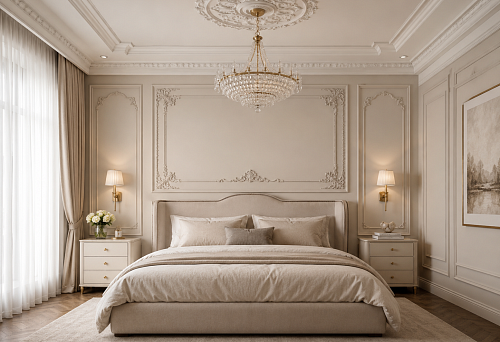
Symmetry is a powerful tool that immediately signals to the eye: "here is intention." A symmetrical wall reads as thoughtful, classic, architectural. It works in the bedroom (symmetrical panels on both sides of the headboard), in the living room (symmetrical frames on both sides of the fireplace or TV), in the dining room (symmetrical elements on both sides of the mirror above the sideboard).
Buy Moldings for a symmetrical wall, elements are needed in pairs — and to check in advance that the catalog has mirrored versions of the elements if the pattern is asymmetrical.
Asymmetry as an artistic technique
If symmetry says "order," asymmetry says "character." One large stucco accent on the wall, shifted from the center, is also a route for the eye, but more dynamic. The eye goes to the accent, reads it, returns, and notices the rest of the wall in a new context.
Asymmetry works in modern interiors, in eclecticism, in spaces with a distinct authorial character. Buy Molded Decoration for an asymmetrical solution — means choosing one powerful element and placing it exactly at the right point. Here, scale is most important: the element must be large enough to hold attention, but not so large as to disrupt the wall's proportions.
Decorative stucco: the point where the eye pauses
Eye movement is not just about direction. It is also about rhythm. The eye moves, stops, lingers, moves on. And it is the stops and pauses that are responsible for Decorative stucco.
A pause is not a stop signal. It is a moment when the eye says: "here is something interesting." A decorative element with pronounced relief, complex ornament, or unexpected size is exactly such a pause. The eye lingers a bit, reads the detail, enjoys it — and moves on, already with a sense of the space's richness.
Where to place decorative stucco
Rule one: where the gaze should linger according to the interior design.
Above the mirror is a classic pause point. The mirror already attracts the gaze (anyone looks at the reflection), and the decorative element above it enhances this point, giving it architectural significance.
In the center of the molding frame is the focal point of the frame. A frame without a central accent is empty. A frame with with molded decoration a center is already a "picture."
Near a sconce — a decorative element next to a wall lamp turns it from a utilitarian fixture into an architectural detail. This works especially effectively in pairs: sconces on the left and right, with a symmetrical stucco accent above each.
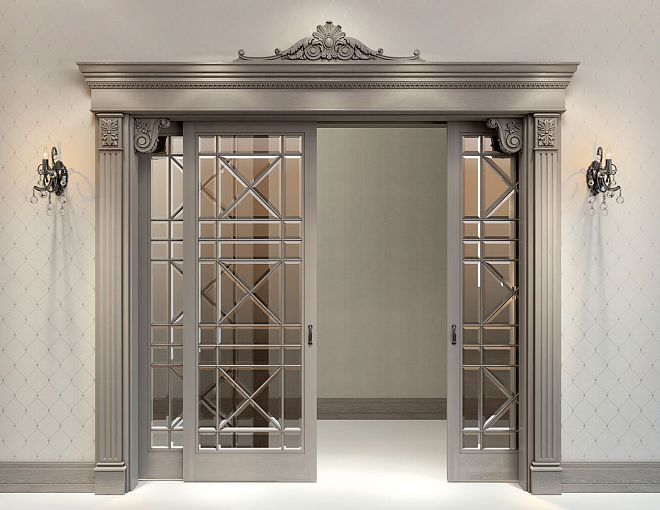
On the portal — at the fireplace, niche, or doorway. A keystone above the arch, decorative brackets on the sides, an ornamental overlay above the frieze — all of this transforms the portal from a functional opening into an architectural accent.
buy decorative moldings needs to be done with an understanding of the context. The same element in different places produces a completely different impression. Before purchasing, it is useful to draw a wall plan and mark all intended placement points — and only then count the number of elements.
Decorative stucco in the interior: style and character of the ornament
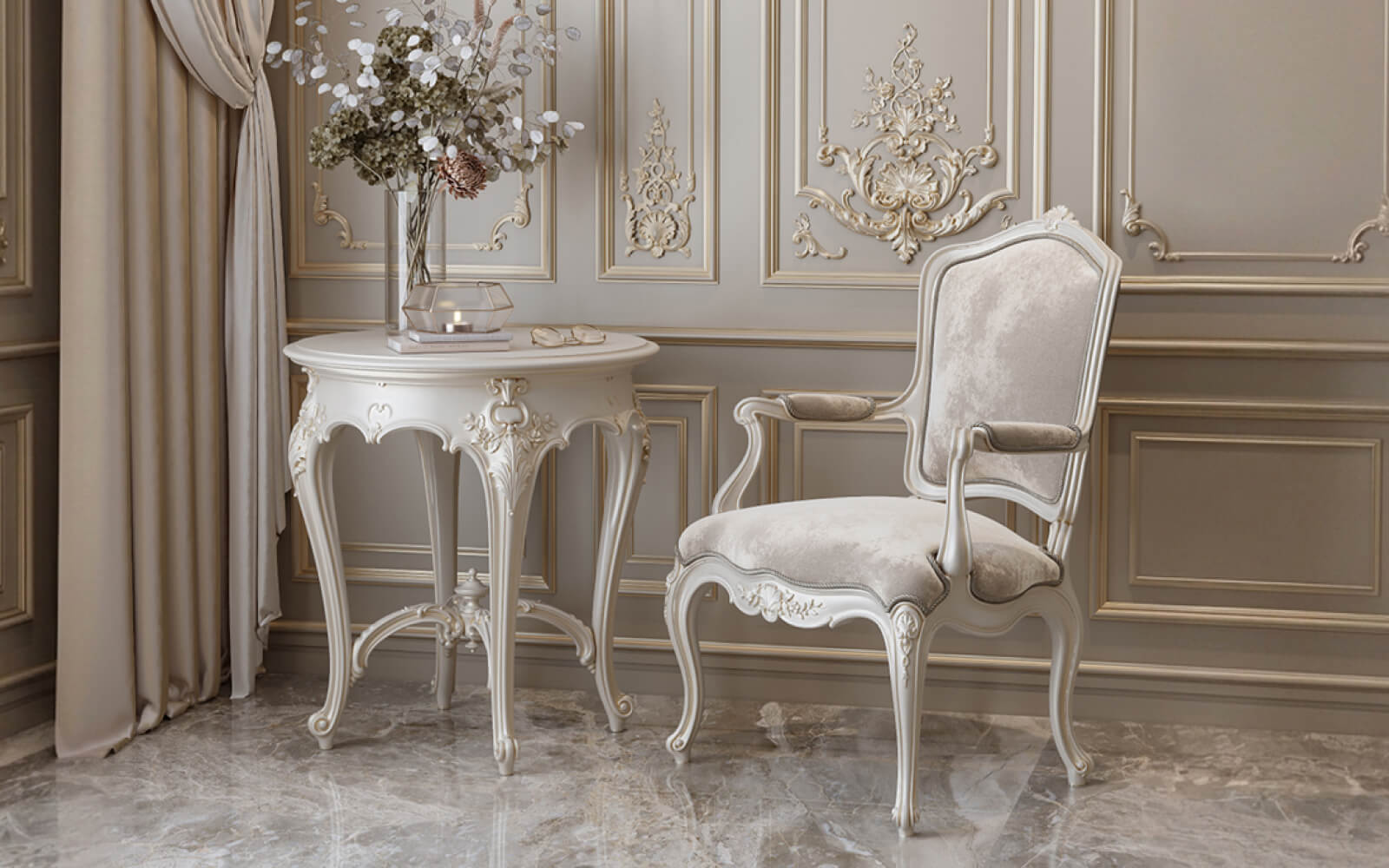
Ornament is a language. Floral ornament speaks of nature, softness, classical tradition. Geometric — of precision, order, rationalism. Zoomorphic (birds, animals, mascaron) — of exoticism, richness, narrative. Abstract — of modernity, neutrality, the possibility of combining with different styles.
Before buy decorative moldings, it is important to ask yourself: what do I want this element to say about the space? The answer to this question narrows the choice from hundreds of catalog items to ten to twenty suitable ones.
Relief depth as a tool for accent management
Shallow relief when painted in the wall's tone almost disappears — and that's good if you need delicate, unobtrusive decor. Deep relief, even in the wall's tone, remains visible due to shadows — and that's the right choice for points where a pronounced pause is needed.
For main accents — above the mirror, in the center of the main wall, on the portal — choose elements with a relief depth of 25–30 mm. For delicate supporting accents — corner frame elements, molding decor, furniture overlays — a relief of 10–15 mm is sufficient.
Ceiling stucco: the final point of the route
The gaze route has a beginning, middle, and end. The beginning is the entrance. The middle is the main wall and decorative accents. The end is the ceiling. Or rather, the ceiling should be the final point where the gaze arrives and finds completion.
But what does it find in most typical interiors? A white plane. Emptiness. And the entire route that was built on the walls remains unfinished — like a book without a final chapter.
Ceiling molding solves this problem. It puts a point — literally and visually.
Ceiling cornice: a smooth transition from wall to sky
A cornice at the junction of wall and ceiling is not just a decorative strip. It is an architectural transition that 'softly' ends the wall and begins the ceiling. Without a cornice, the wall abruptly ends, and the gaze doesn't know where to go next. With a cornice, the gaze smoothly flows from the vertical plane to the horizontal one.
Buy ceiling molding in the form of a cornice is a basic step for any interior that has wall moldings. Without a cornice, the wall molding system looks unfinished. With a cornice, it gains a frame on top and becomes a complete architectural system.
Ceiling rosette: the center around which everything is built
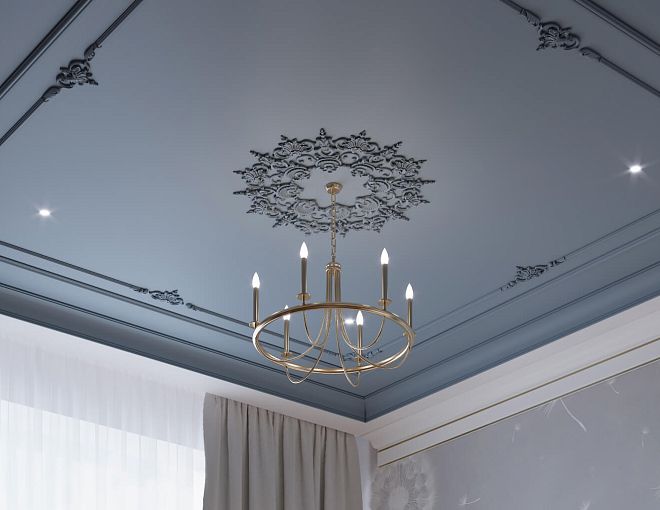
If the cornice is the frame of the ceiling, then the rosette is its center. The ceiling rosette fixes the geometric and visual center of the room. The gaze, rising along the moldings from the floor, passes through the cornice and reaches the rosette — and stops there. The route is complete.
When choosing a rosette, three parameters are important: diameter (proportional to the size of the room), complexity of the ornament (in accordance with the overall style), presence or absence of a chandelier (a rosette without a light fixture works as an independent decorative accent).
Buy ceiling stucco molding in the form of a rosette should be oriented: the diameter of the rosette should be approximately 1/8–1/10 of the smaller side of the room. In a small room — a rosette of 30–40 cm. In a spacious living room — 50–70 cm and above.
Ceiling square: when one rosette is not enough
In large rooms — halls, living rooms with high ceilings, bedrooms with a ceiling of 3 m and above — one rosette does not hold the center. A system is needed: a rosette plus a ceiling square of moldings around it. This square or rectangle creates a visual zone around the center and connects the chandelier with the overall architecture of the ceiling.
The ceiling square is assembled from the same of polyurethane moldingsas wall frames — only in a lighter, ceiling profile. This is important: ceiling moldings are designed for horizontal installation and have a flat base for reliable adhesion.
How ceiling stucco completes the gaze route
Imagine the full route: a person enters the room. They are greeted by an entrance wall decorated with moldings and stucco accents. The gaze moves along the horizontal moldings along the wall, reaches the main wall, and lingers on the decorative center. The moldings lift the gaze upward, to the ceiling cornice. The cornice leads to the rosette. The rosette is the final point. That's it. The route is completed, the space is read, the feeling of completeness is achieved.
This is exactly what professional designers call a "readable space." And molding in interior — this is the main tool for creating it.
Three ready-made purchase routes: specific sets for the task
Theory is good. But a specific order is better. Here are three complete scenarios, each implemented through a ready-made catalog without custom orders.
Route 1. From the entrance to the mirror: hallway and foyer
This is the most compact scenario, but at the same time, one of the most important. Because it's the first thing a guest sees.
Task: create a route from the front door to the mirror, make the mirror the main accent of the area.
What to buy:
-
Moldings made of polyurethane — for decorating piers and vertical accents
-
decorative molding — corner elements for molding frames
-
Relief Decoration — central accent above the mirror
-
Ceiling cornice — to finish the wall at the top
-
Glue, primer, paint in the wall color
How it works: moldings divide the wall into rhythmic sections, the mirror is placed in the center, the decorative accent above it is the main point of the route. The ceiling cornice completes the composition at the top. Everything is painted in one tone — and the hallway reads as a single architectural space.
Buy stucco decor for this scenario, you need to consider pairing: side elements at the mirror — as a pair, corner elements for frames — 4 for each.
Route 2. From the sofa to the ceiling center: living room
The living room is the most complex and most important space in the house. Here people spend time, entertain guests, and the interior should work as a single stage.
Task: create a route from the sofa area to the ceiling center above the sofa group.
What to buy:
-
Moldings made of polyurethane — for frames on the main wall behind the sofa
-
Relief Decoration — central accent of the main wall
-
decorative molding — corner and supporting frame elements
-
ceiling molding — perimeter cornice and ceiling square above the sofa area
-
Ceiling rosette — above the sofa group
-
Paint
How it works: molding frames on the wall behind the sofa create the main vertical line. A decorative accent in the center of the main frame fixes the point. The gaze goes up — and lands on the ceiling square with a rosette. The perimeter cornice connects the walls and ceiling into a single system.
Buy ceiling molding for this scenario, you need to calculate the room perimeter for the cornice plus the size of the ceiling square above the sofa group. The rosette diameter — from 40 cm for a standard living room, from 55–60 cm for a spacious hall.
Route 3. From the bed to the accent wall: bedroom
The bedroom is a space where the gaze route works especially subtly. Because a person looks at the wall not briefly, but for a long time: lying in bed, from a distance of several meters, at different times of day.
Task: create an accent wall behind the headboard that reads as an architectural object.
What to buy:
-
Moldings made of polyurethane — for a frame or system of frames behind the headboard
-
decorative molding — corner elements and supporting accents
-
Paired Relief Decoration — on both sides of the headboard center or above it
-
Ceiling contour — to connect the headboard wall with the ceiling
-
Ceiling rosette above the bed
-
Glue and paint
How it works: the wall behind the headboard becomes architectural. A molding frame (or several frames) structures the surface. Paired decorative accents create symmetry. While lying in bed, the eye finds the main point and lingers on it. The ceiling contour and rosette complete the route overhead.
Buy decorative molding for the bedroom means choosing delicate, small elements with a soft ornament. The bedroom requires peace, and the decor in it should speak quietly — but be expressive.
Table: which decor guides the eye and where
| Task | What to use | Where the eye goes |
|---|---|---|
| Lift the gaze upward | Vertical moldings | To the ceiling cornice and rosette |
| Stop the gaze on the wall | Decorative stucco in a frame | To the main wall accent |
| Connect the wall and ceiling | Ceiling molding — cornice | From vertical to horizontal |
| Make the mirror the main accent | Relief Decoration above the mirror | To the mirror as a focal point |
| Highlight the sofa or bed area | Molding frames + decor | To the main wall of the room |
| Create a ceiling center | Rosette + ceiling square | To the center above the main zone |
| Collect the entire room as a whole | Stucco + moldings + ceiling decor | A single route from the entrance to the ceiling |
Mistakes that ruin the gaze path
Understanding the principles is important. It is no less important to know what not to do.
Mistake 1. Making many accents at once
This is the most destructive mistake. If there are too many decorative points, the gaze darts between them and never truly settles anywhere. The result: the space feels overloaded, fussy, and expensive in a bad way.
Rule: in each zone, one main point and no more than two supporting ones. The main accent is large and expressive. The supporting ones are smaller and more delicate. Everything else is the background.
Mistake 2. Buying stucco decor without moldings
A single decorative element without a frame looks lost. It exists, but it's unclear why and for what purpose. A molding frame is the context that explains the presence of the decor and makes it meaningful.
Before Buy Molded Decoration — think: will it have a frame? If yes — the moldings should be ordered together.
Mistake 3. Not considering the entry point
The main accent should be visible from the entry point. This is not always the wall that seems "main" on the plan. Stand at the doorway and look: what is visible in the first seconds? That's where the focal point should be.
If the main accent is on a wall visible only from the depth of the room, the gaze path doesn't work from the threshold. You either need to add an intermediate accent at the entrance or reconsider the placement of the main focal point.
Mistake 4. Leaving the ceiling empty
The walls can be impeccably decorated, but if the ceiling is empty, the gaze path breaks halfway. The eye rises up along the moldings and... hits a white plane. No completion. Ceiling molding — this is not optional decor. If the walls are decorated, the ceiling must respond with at least a cornice and a rosette.
Mistake 5. Mixing incompatible motifs
Ornaments in stucco are styles that have their own logic and character. Strict geometry and lush floral baroque in one room is chaos, not eclecticism. Eclecticism works when there is a common principle (color, scale, rhythm) uniting different motifs. Without it, it's just a set of mismatched details.
Recommendation: choose one style line for the entire interior and select decorative molding within it. It can be a classic line, geometric, natural, neutral-modern. The main thing is unity.
Additional elements that support the route
Cornices and baseboards as lower and upper frames
The gaze route often starts not from the mirror or the main wall, but from the baseboard — the lower horizontal that "separates" the wall from the floor. The baseboard sets the proportion of the lower part of the wall. The cornice does the same at the top. When the baseboard, cornice, and moldings are made in the same system from the catalog of polyurethane moldings — the entire wall reads as a single architectural surface.
Brackets and consoles as support points
Decorative brackets under shelves, near fireplace portals or side posts visually "hold" horizontal elements. These are small details that greatly affect the feeling of tectonics — how structurally logical the interior seems. When the gaze meets a bracket, it understands: here is architecture, here is a constructive thought.
Facade decor: the route starts from outside
If the house or entrance group has polyurethane facade elements — the gaze route begins even before the person enters inside. Facade moldings, decorative overlays, and ceiling decor for porches create the first impression that continues inside. This is one of the most powerful ways to create a feeling of "expensive" — through a sequence: first outside, then inside.
Painting as a route tool
Painting should be discussed separately because it determines how well the route works. White stucco on a white wall is a delicate, architectural option. White stucco on a colored wall is contrasting and active. Stucco matching the wall color is a monumental, "immersed" option.
For the gaze route, the following principle is important: supporting elements (moldings, cornices, corner blocks) are best painted to match the wall color. The main accents (Relief Decoration, rosettes, decorative overlays at key points) can be left slightly lighter or highlighted with a tonal accent.
This creates a hierarchy: the background is neutral, the accent is noticeable. This hierarchy is the gaze route in color.
FAQ: answers to the most frequently asked questions
Which stucco should I buy for the main wall?
For the main wall, you need a system: Moldings made of polyurethane for creating frames, Decorative stucco for corner and supporting accents and Relief Decoration for the central semantic accent. Together, they create a wall with architectural character.
How do moldings help an interior look more expensive?
Moldings create direction, order, and scale. They divide the wall into proportional sections, add relief, create a play of shadows with side lighting, and give a sense of thoughtfulness. Even a simple flat molding without ornament, repeated several times in a rhythm on the wall, gives the impression of a serious design solution.
Is ceiling stucco necessary if there is decor on the walls?
It is necessary if you want a complete visual route. Without ceiling moldings wall decor remains unfinished — the gaze rises up and hits emptiness. The minimal option is a ceiling cornice around the perimeter. A full one is a cornice plus a rosette, or a cornice plus a ceiling square.
Where is it best to place decorative stucco?
At points where the gaze should linger according to the interior design: above the mirror, in the center of a molding frame, near a sconce, above a console, on a portal, at the headboard. Rule: Decorative stucco should enhance semantic points, not just "fill space."
What to buy together with stucco decor?
Required set: Moldings for framing, glue for polyurethane elements, primer, paint. If necessary — a paired element, corner blocks and Ceiling molding to complete the route from above.
Can you build a gaze route in a small room?
Yes, and a small room especially benefits from a well-built route. It is in a small space that a clear system of moldings and decor creates a sense of thoughtfulness and an "expensive" interior. The main thing is to choose proportional elements: not to overload the space and not to use too large profiles.
How to avoid overloading interior with moldings?
Rule of three levels: one main accent, two to three supporting ones, the rest is background. Supporting elements should be smaller and more delicate than the main one. The background is neutral and monochrome. If everything is painted in one color, there can be quite a lot of stucco, and it will not seem like an overload.
Is stucco needed in the hallway?
Yes, and especially in a long narrow hallway. Vertical moldings add height. A horizontal belt divides the hallway into visual zones. A decorative accent near the mirror creates a first impression. A ceiling cornice completes the top line. A hallway with properly selected decor ceases to be "just a passage" and becomes part of the gaze route.
What is the difference between stucco decor and decorative stucco molding?
These are related but not identical concepts. Relief Decoration — these are typically expressive three-dimensional elements: medallions, mascaron, high reliefs, ornamental overlays with pronounced relief. Decorative stucco — a broader concept that includes overlays, corner elements, friezes, and other decorative details. In practice, both terms are used for one category of products — polyurethane decorative overlays for walls, ceilings, and furniture.
STAVROS: full range for building a gaze route
All the elements discussed in this article — Moldings made of polyurethane, Decorative stucco, Relief Decoration, Ceiling molding, ceiling rosettes, cornices, baseboards, brackets — are presented in the full catalog of STAVROS company.
STAVROS produces items from high-density European polyurethane. Precision casting preserves relief detailing in serial production — this ensures that all elements of one line are compatible in profile height, ornament style, and proportions. This is important when building an architectural decoration system in a specific room.
STAVROS works with designers, construction companies, and private clients across Russia. to buy molding from the STAVROS catalog — means getting an item that will take its place in the interior and do exactly what it was created for: guide the gaze, a