






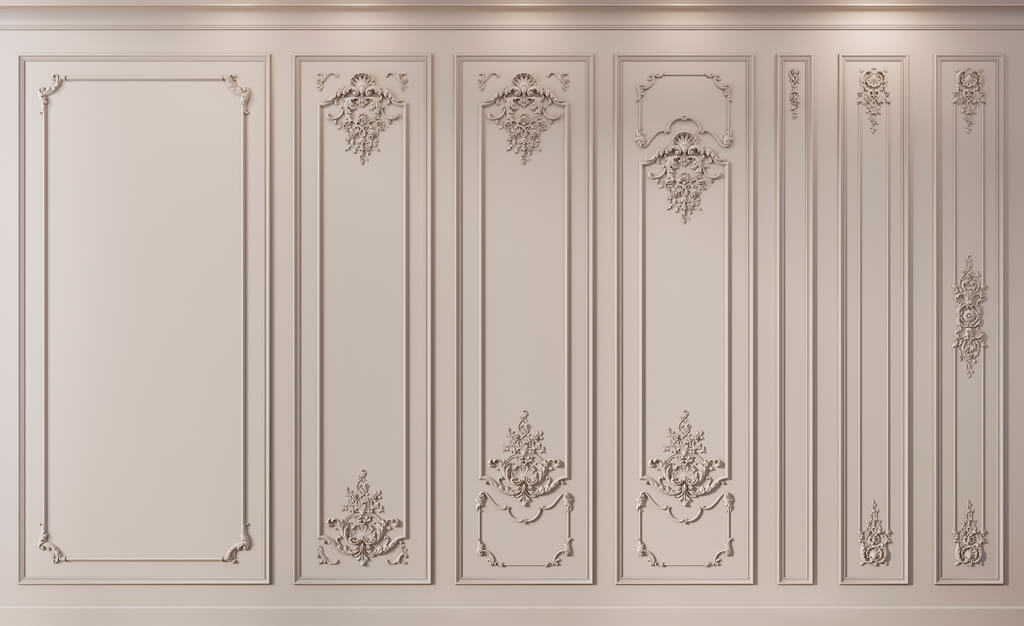
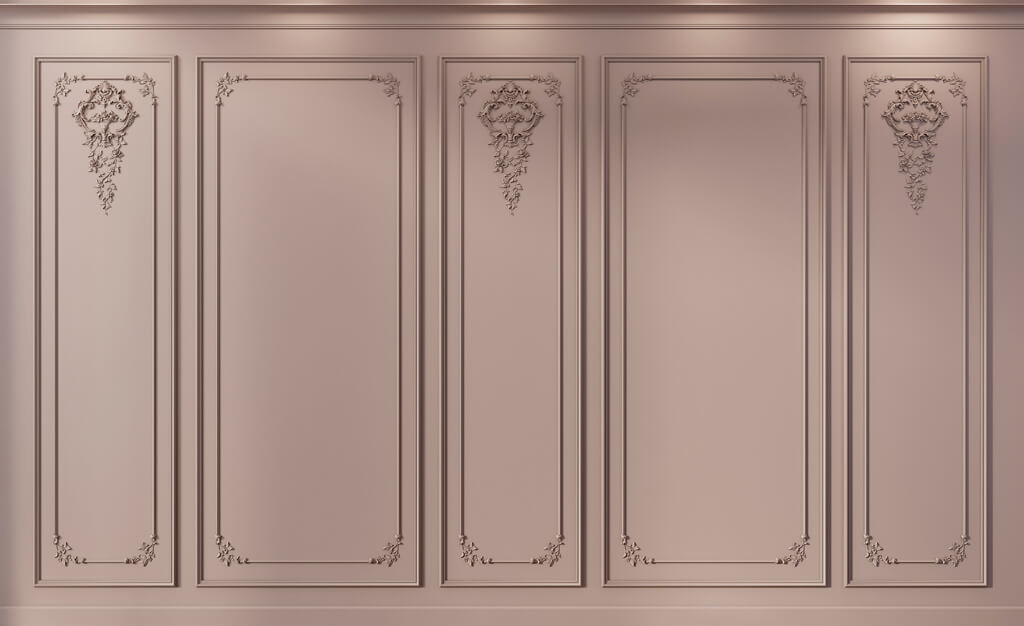
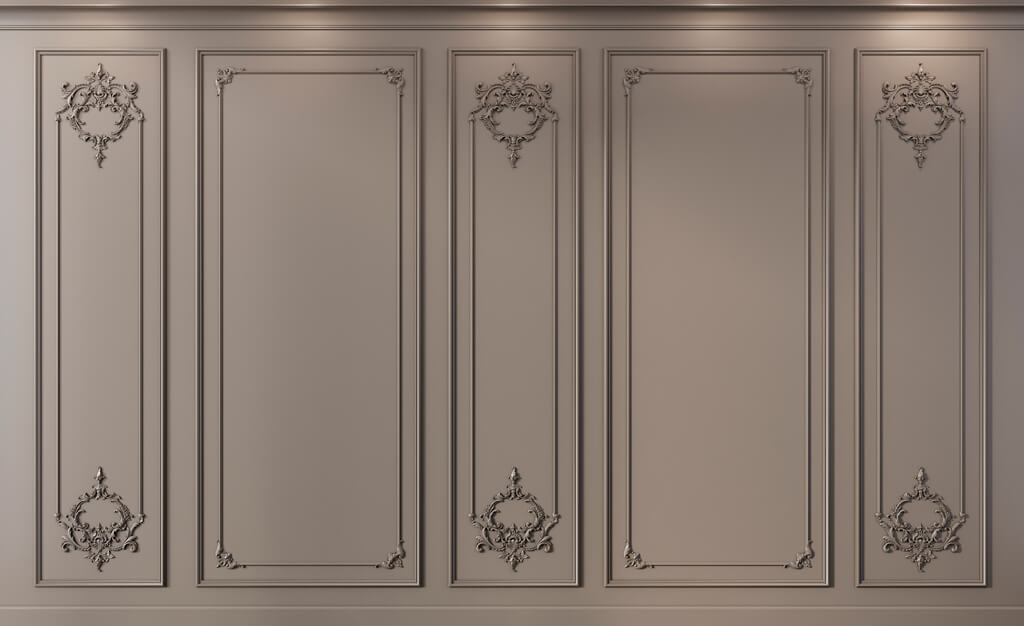
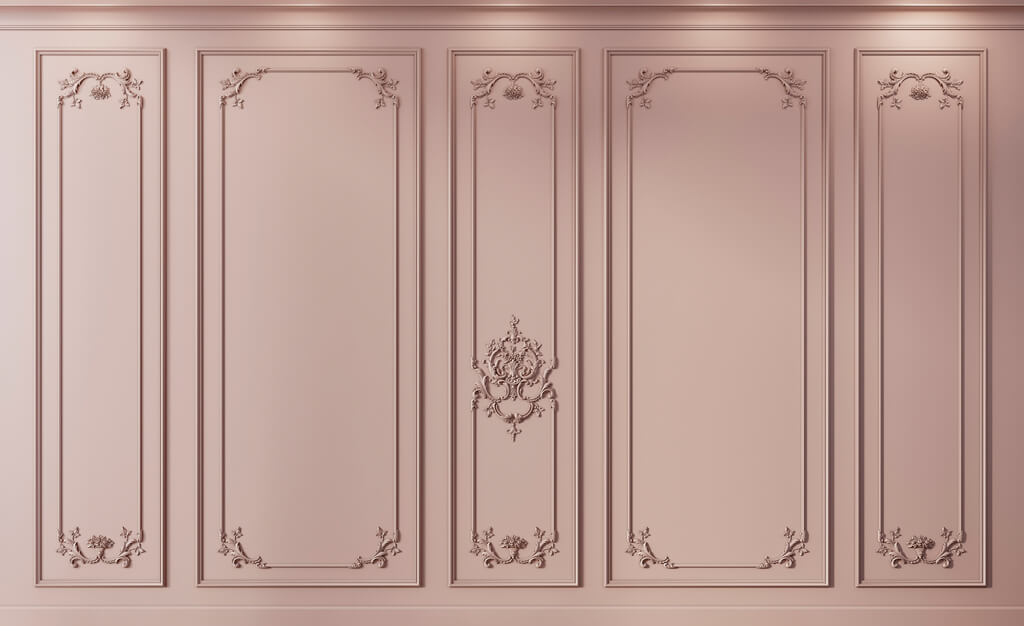

























Article Contents:
- Four types of ornament: main classification
- Laconic frames: architecture without decor
- Classic ornament: symmetry and expressiveness
- Floral ornament: softness and artistry
- Grand ornament: solemnity and scale
- Table of ornament selection by room and interior
- Calm stucco decor: when the wall should be silent
- Classic stucco decor: expressiveness without palace heaviness
- Neoclassical stucco decor: geometry, lightness, modernity
- Floral wall ornament: where it lives and why it works
- Formal stucco decor: for whom, where, and why
- How to choose an ornament for a specific room
- Bedroom: silence and softness first
- Living room: space for an accent
- TV area: an ornament that doesn't compete with the screen
- Hallway and foyer: rhythm and verticality
- Study: strictness and character
- How to choose an ornament based on wall width
- Narrow wall (up to 80 cm)
- Medium wall (120–250 cm)
- Wide accent wall (from 300 cm)
- Ornament and wall color: three strategies
- Strategy 1: Decor in wall color
- Strategy 2: Contrast painting
- Strategy 3: Shade contrast
- Ornament and light: why relief should be viewed under lighting
- How not to overload the wall: the rule of ornament hierarchy
- Ready-made set or individual elements with ornament: what to choose
- Mistakes when choosing stucco ornament patterns
- STAVROS collections by ornament type: a practical guide
- Brief recommendation: which ornament to choose
- Match the stucco ornament to your wall style
- About the company
- FAQ: Answers to Popular Questions

Imagine two identical-sized sets — both for a living room wall, both made of polyurethane, both ready for painting. But one is decorated with a thin geometric frame with a barely noticeable profile. The second has a dense leaf ornament, corner inserts, and a central decorative overlay with a relief floral motif. Hang them in identical interiors — you'll get completely different walls. Becausestucco ornament is not a detail or a decoration 'on top'. It is the character of the space. The voice of the wall. The mood of the entire room.
That is why the question 'which ornament to choose' faces the buyer no less than the question of size or collection. And this is where mistakes are most often made: they take the 'most beautiful' one — and overload a small bedroom. Or they choose 'simpler' — and get a wall without character where an expressive accent zone was needed.
This article is a practical breakdown: what types of ornaments exist, how to choose the right one for a specific room, wall, style, and lighting. No abstract advice. With specific scenarios and honest caveats.


Four types of ornament: the main classification
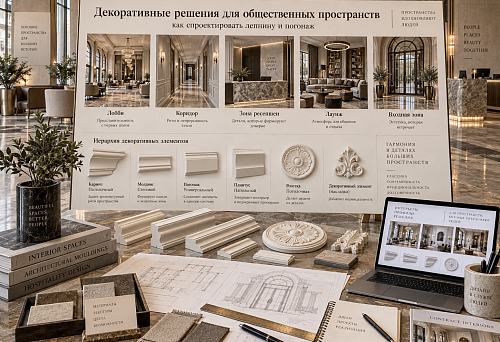
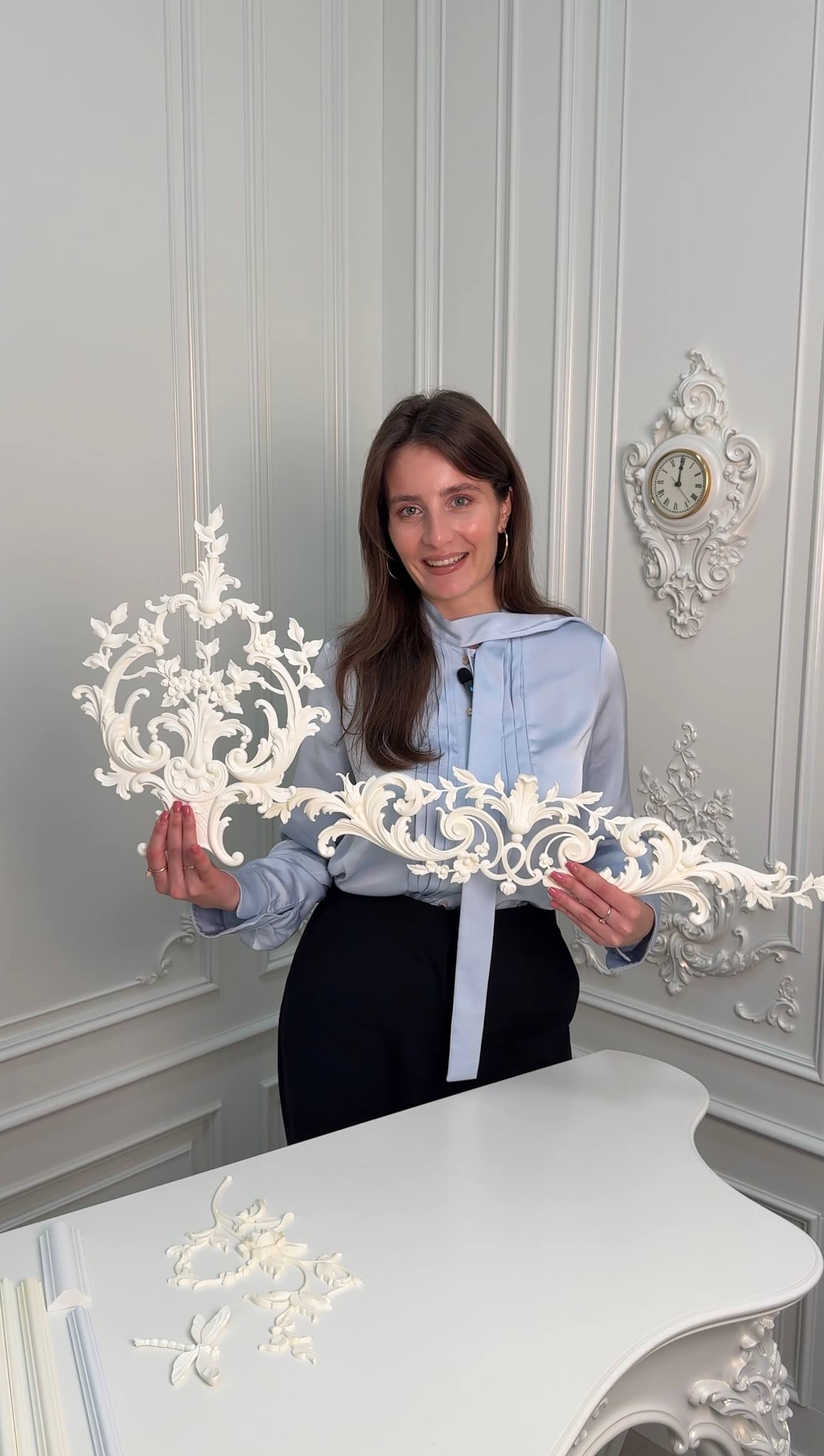
Before moving on to selection, you need to understand what you are dealing with.decorative wall moldingmade of polyurethane is divided into four conventional types based on the nature of the ornament. Each has its own role, strengths, and limitations.


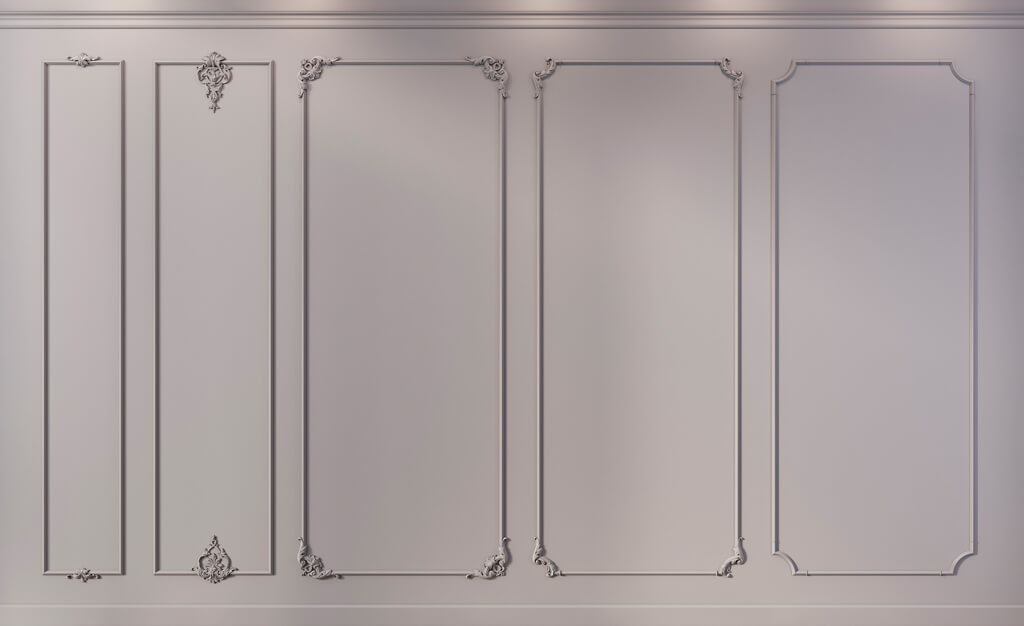
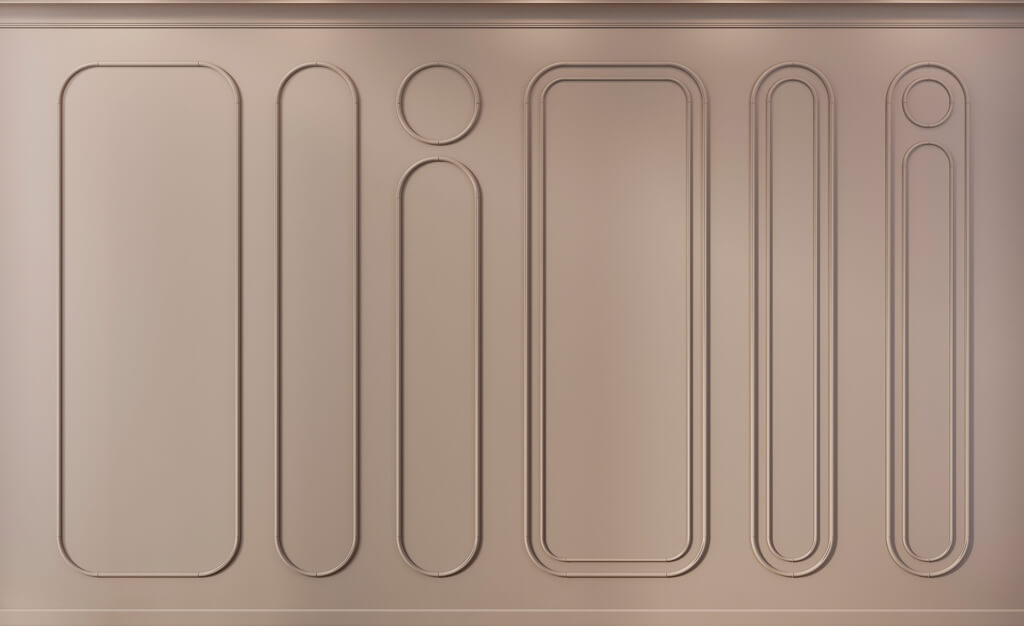
Laconic frames: architecture without decor
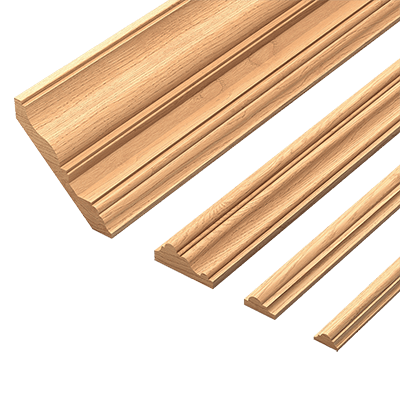
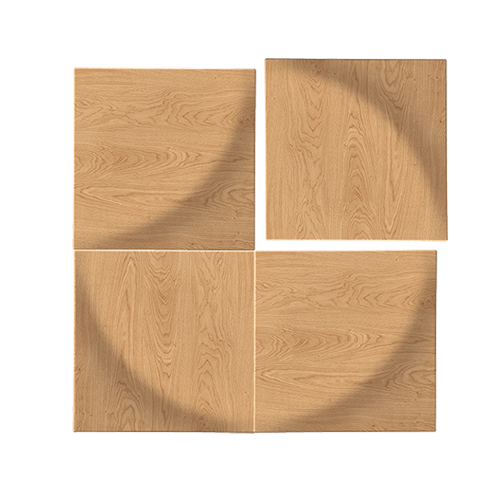
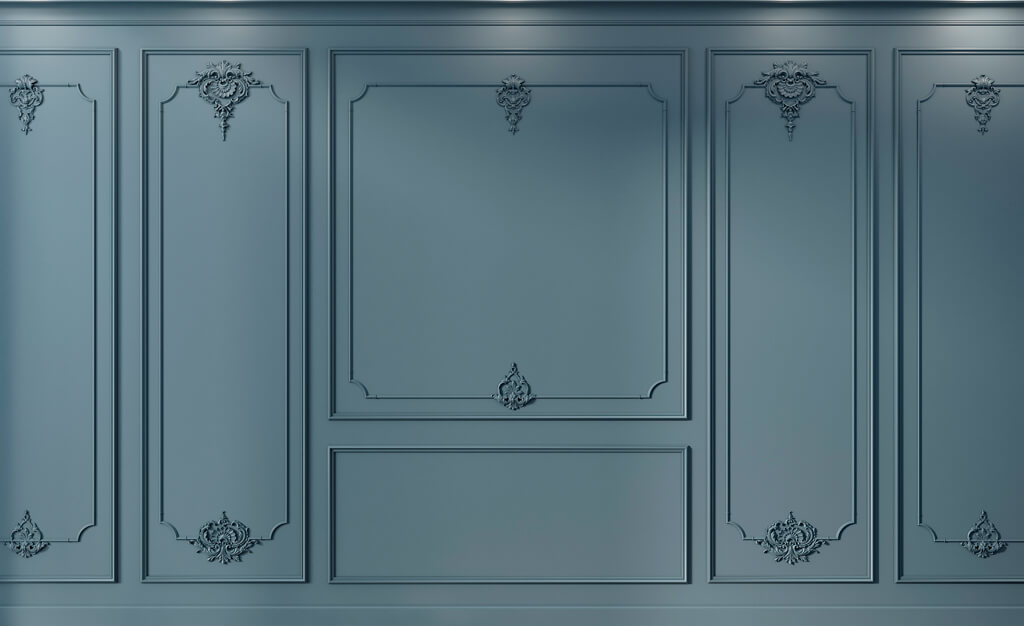
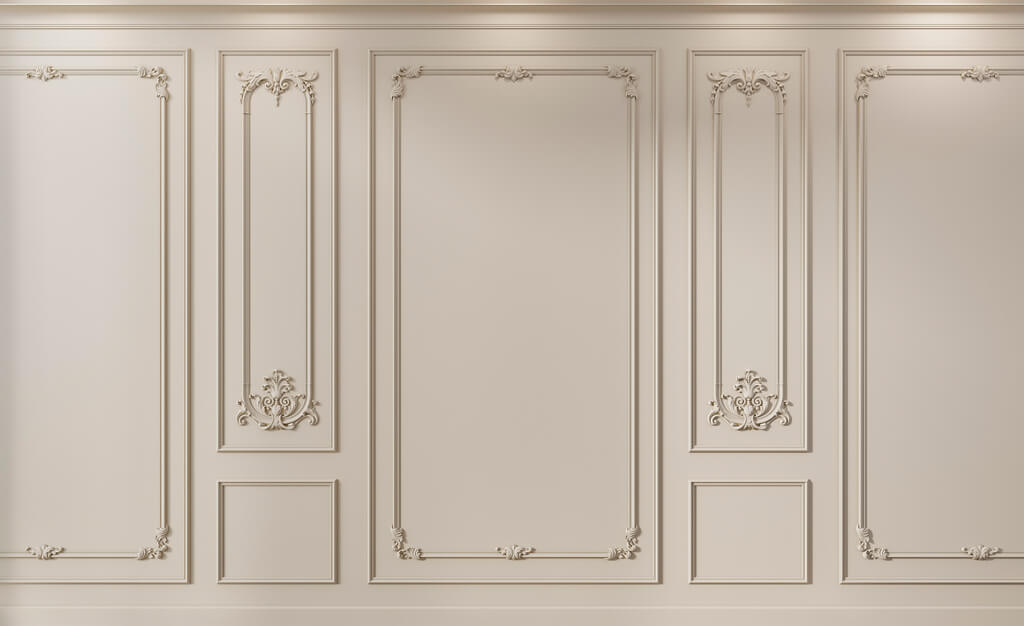
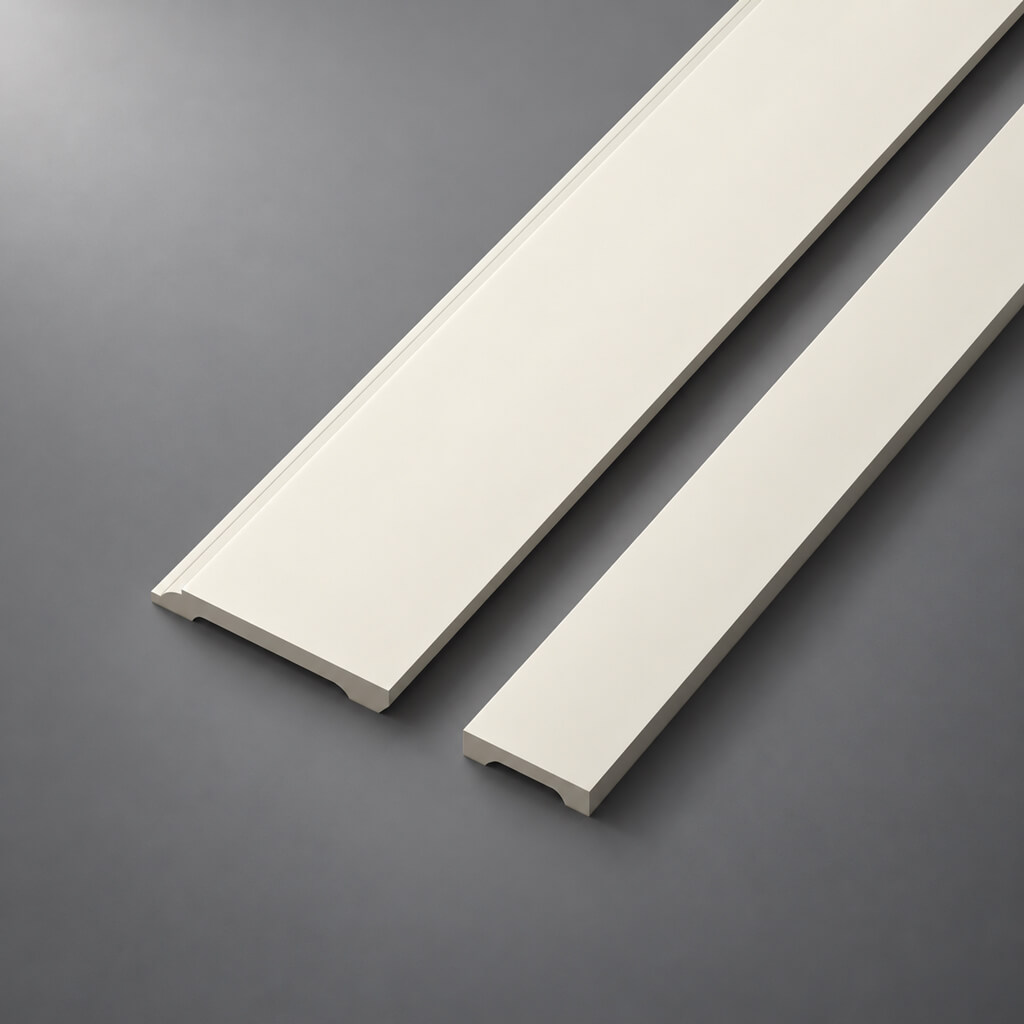
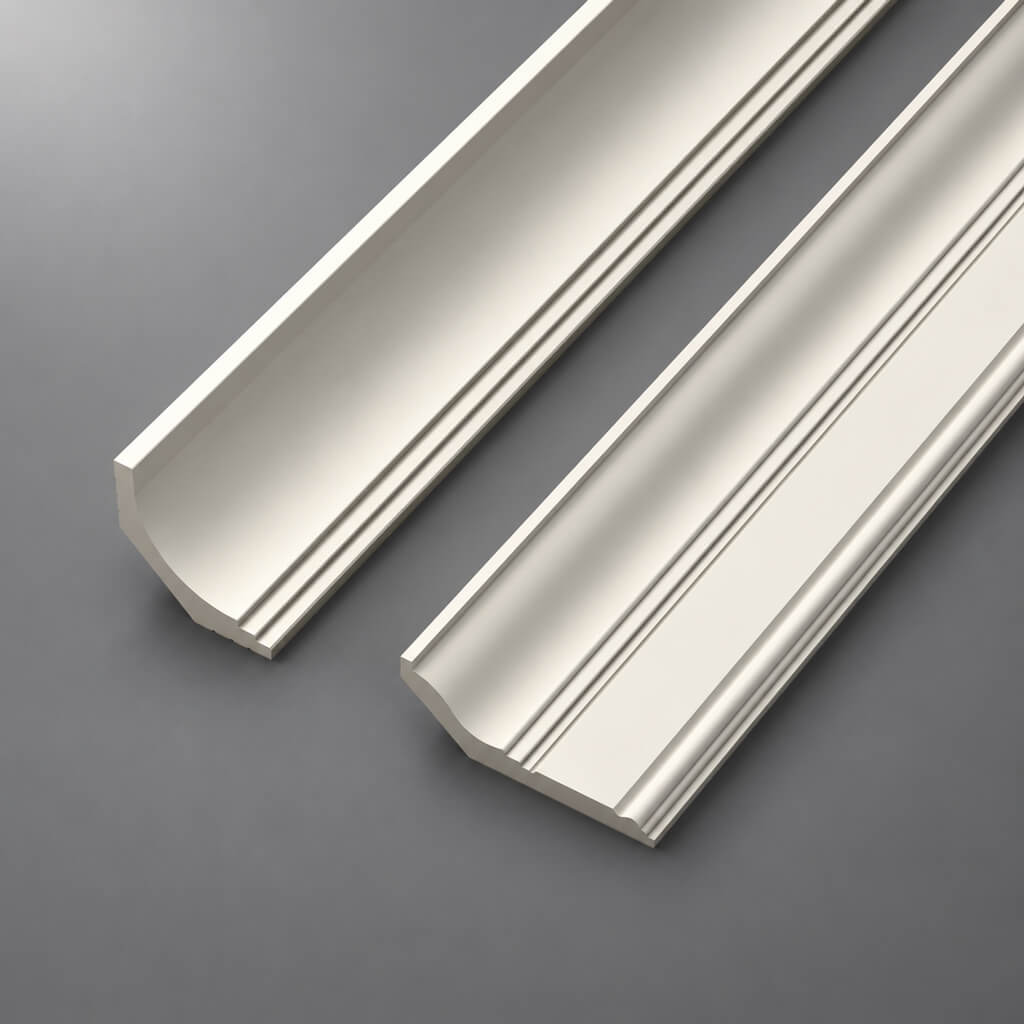
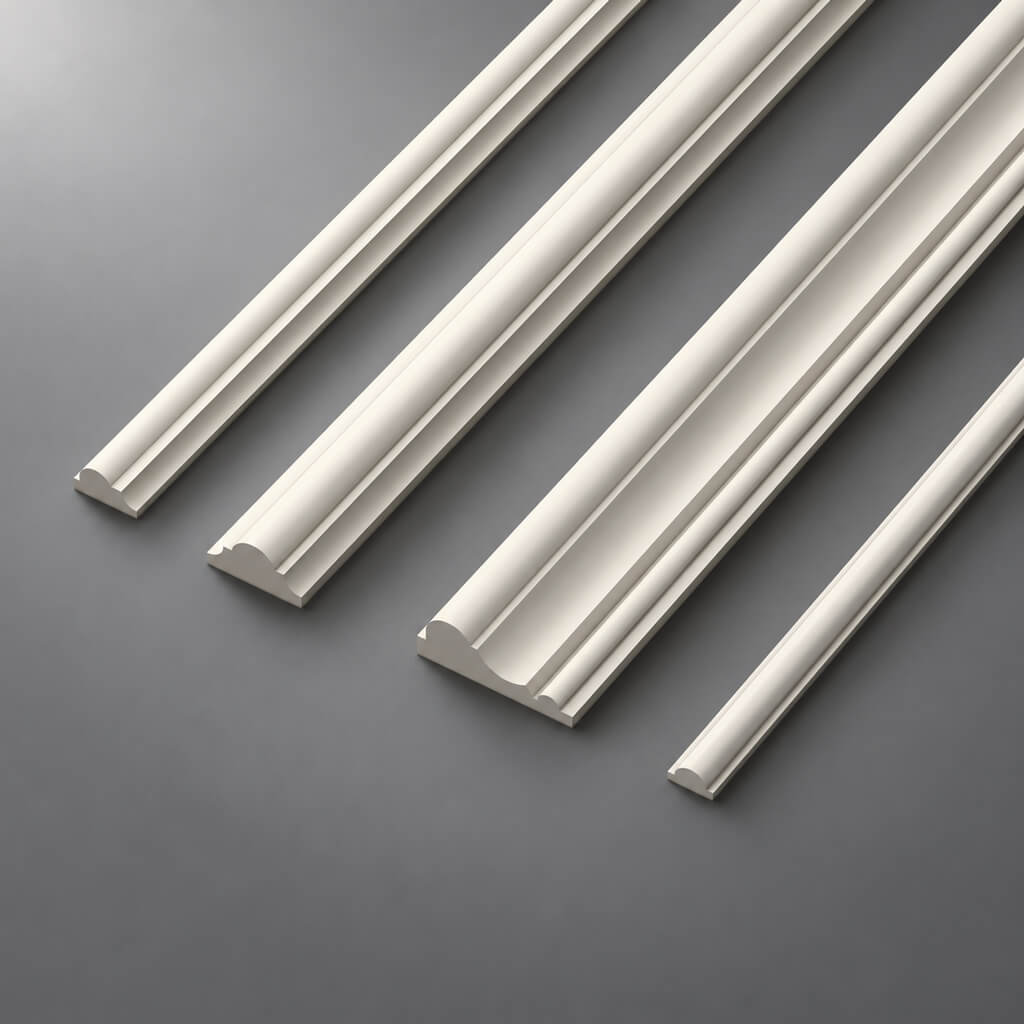
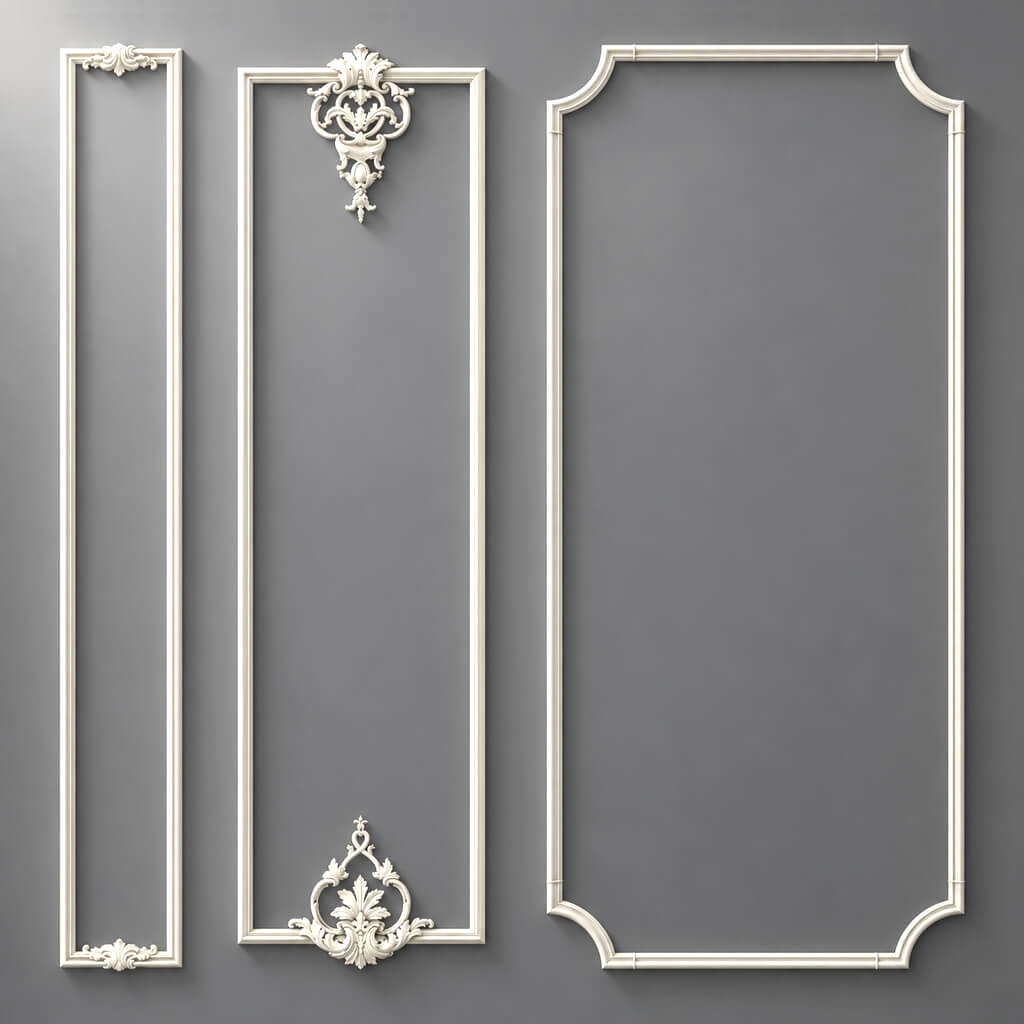
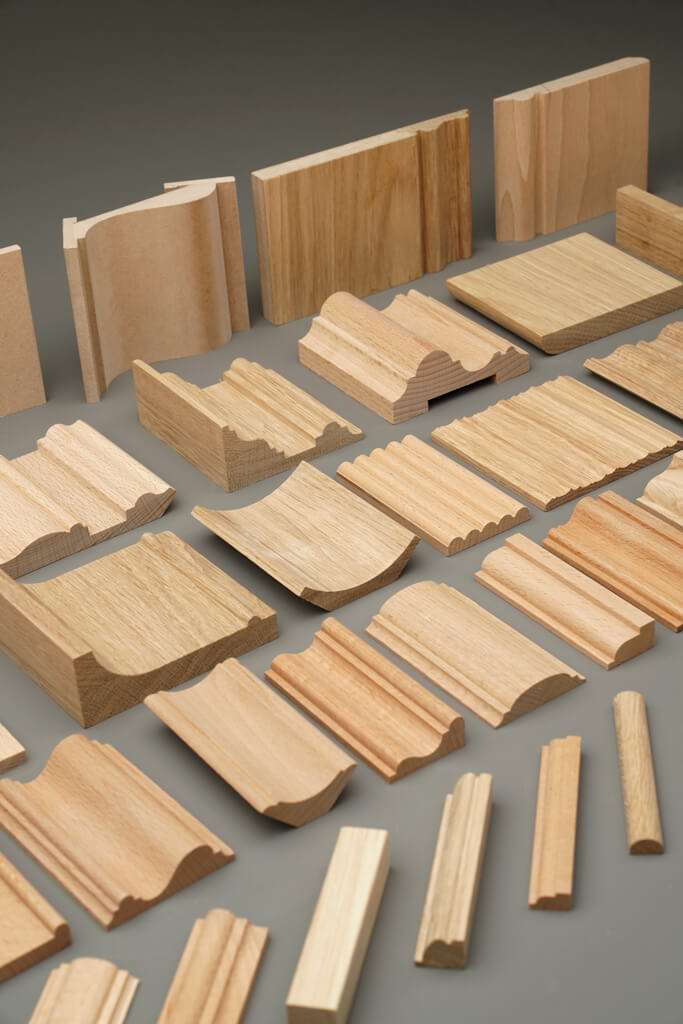
The first type isMoldings for wallswith minimal or zero ornament: clean profile, geometry, no leaves, curls, or floral inserts. The main thing is the cross-sectional shape and proportion of the frame, not the decorative pattern.
Suchlaconic stucco decor for wallsdoes not claim to be an accent. It works as a background — an architectural context that organizes the wall, adds depth and structure, but does not compete with furniture, lighting, or paintings.
This is an ideal choice for:
-
Bedrooms where a cozy architectural background is needed without overload
-
TV zones where the screen is already the main accent
-
Small hallways and corridors with limited wall space
-
Interiors in neoclassical or modern classic style
-
Any wall that should serve as a neutral background for paintings, mirrors, or decorative objects
The feature of laconic frames: they work well in the color of the wall. It is the monochrome solution that reveals their potential — the relief becomes visible only in the play of light and shadow, and the wall gains architectural depth without a single decorative element.
Our factory also produces:


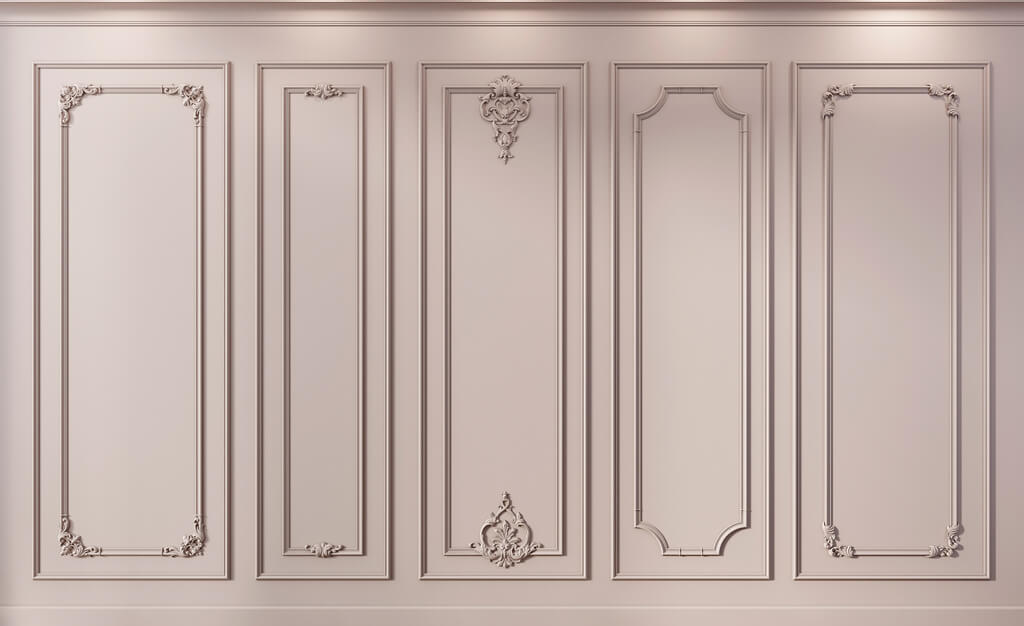
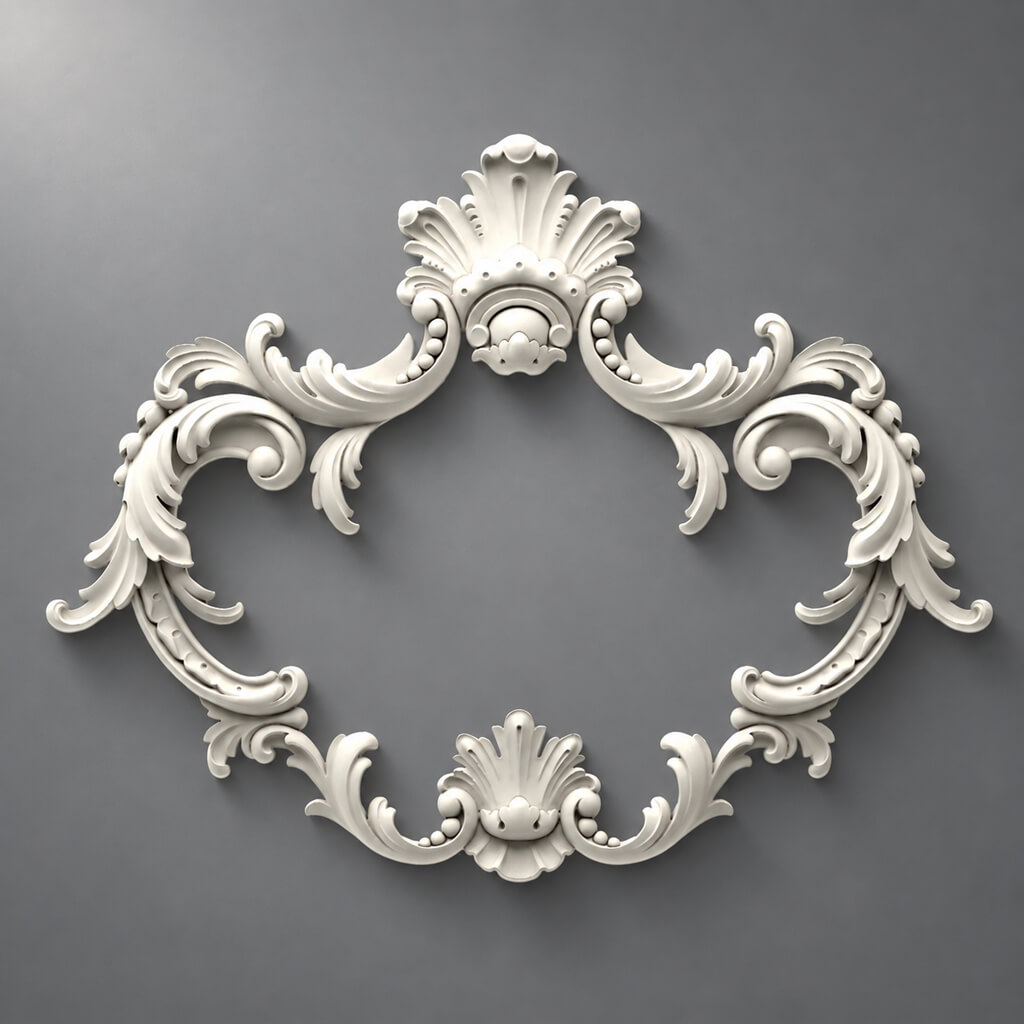
Classic ornament: symmetry and expressiveness
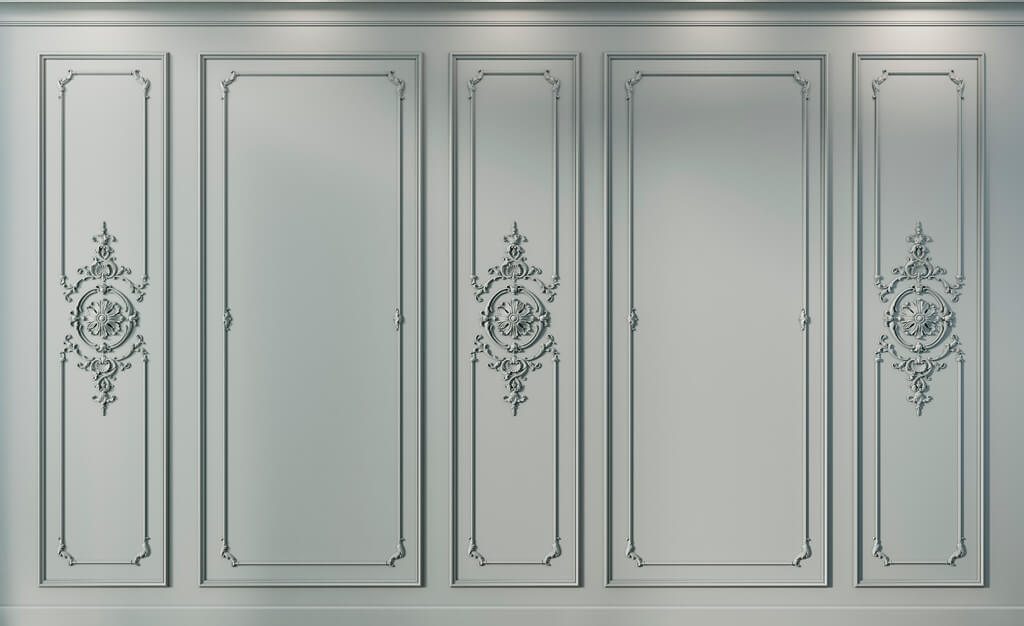
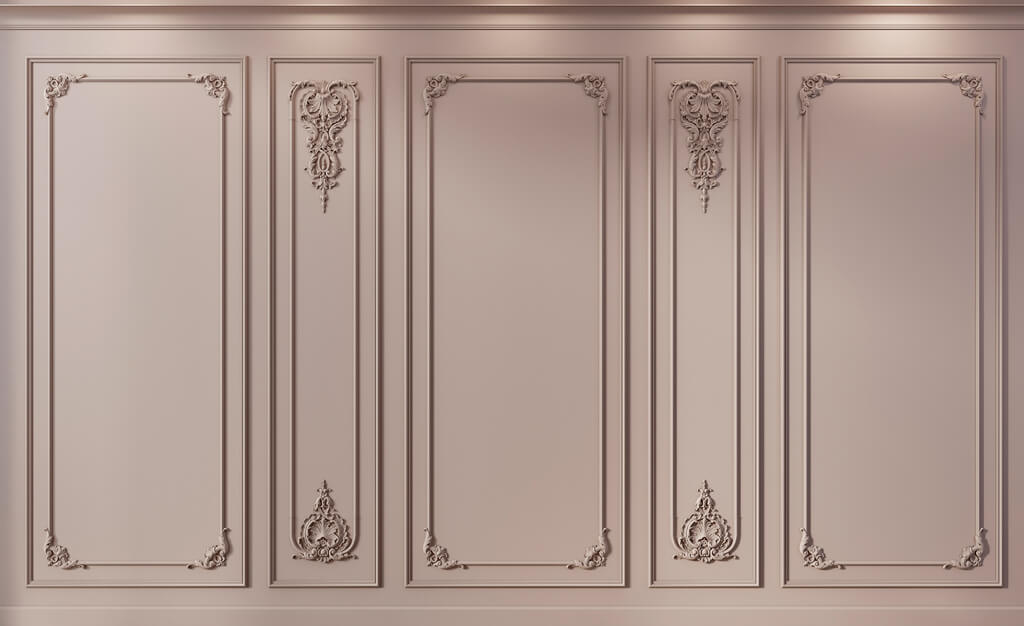
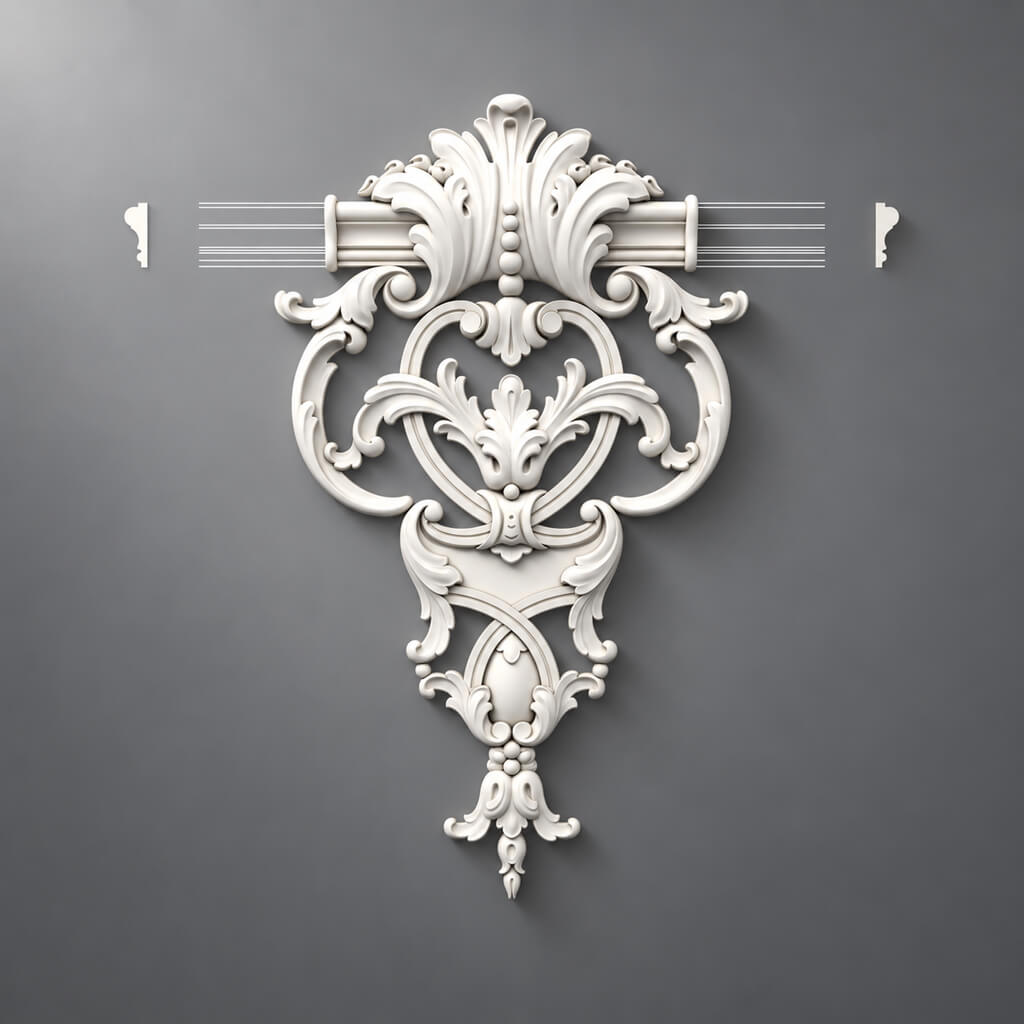
The second type is Classic stucco decor with a symmetrical ornament: decorative overlays, corner inserts in frames, central medallions or diamonds, frieze elements along horizontal moldings. The relief here is no longer read just as a form — it carries ornamental content.
Classic ornament is the middle of the 'minimalism — baroque' scale. It adds expressiveness to the wall but does not overload it. It works both as an independent element and as part of a wall composition.
Where it is appropriate:
-
Living room with classic furniture
-
Study with bookcases and a desk
-
Dining area with a symmetrical table
-
Hall with high ceilings
-
Fireplace wall
-
Wall at the head of the bed — if you need an accent with character, not just a background
Classic ornament requires attention to the details of the adjacent space: it works well next to solid wood or veneer furniture, next to parquet with a pattern, next to textured textiles. Next to glossy IKEA furniture or Scandinavian minimalism, it will look alien.
Get Consultation
Floral ornament: softness and artistry
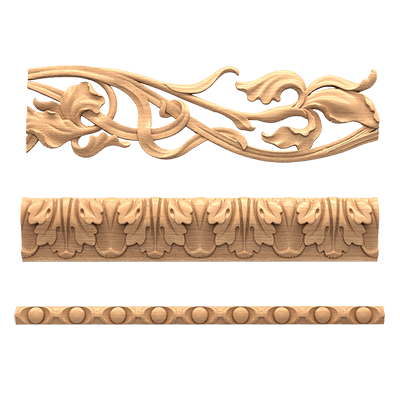
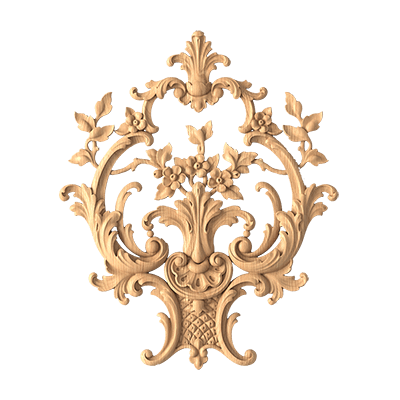
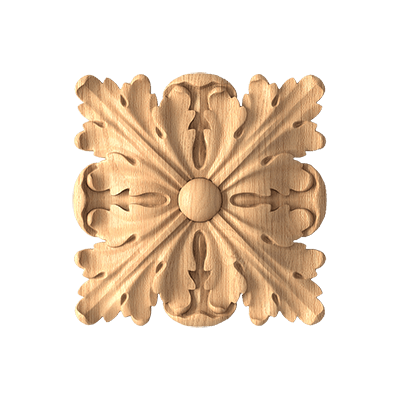
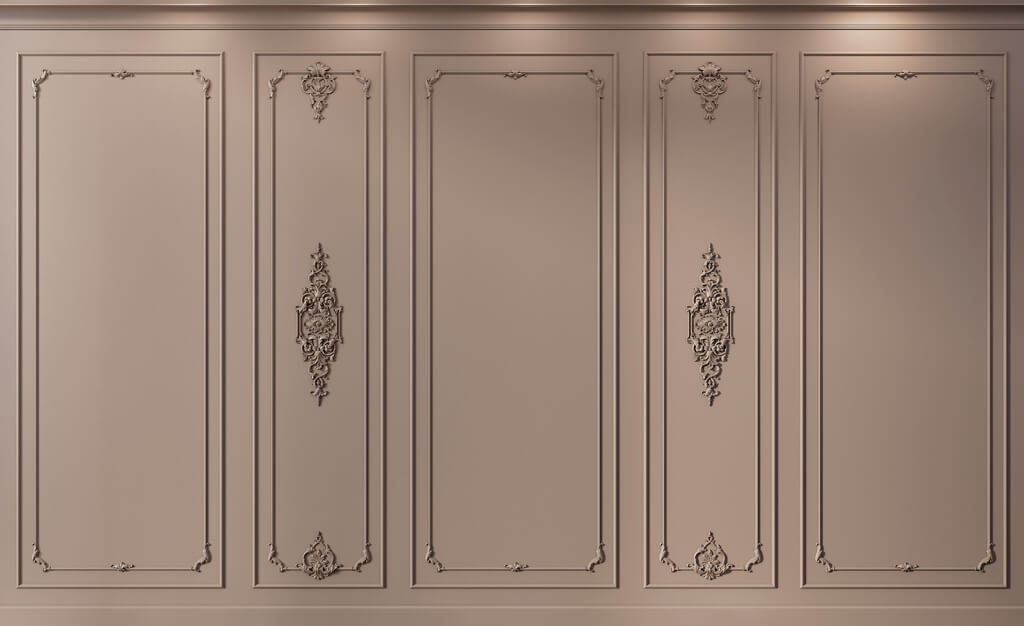
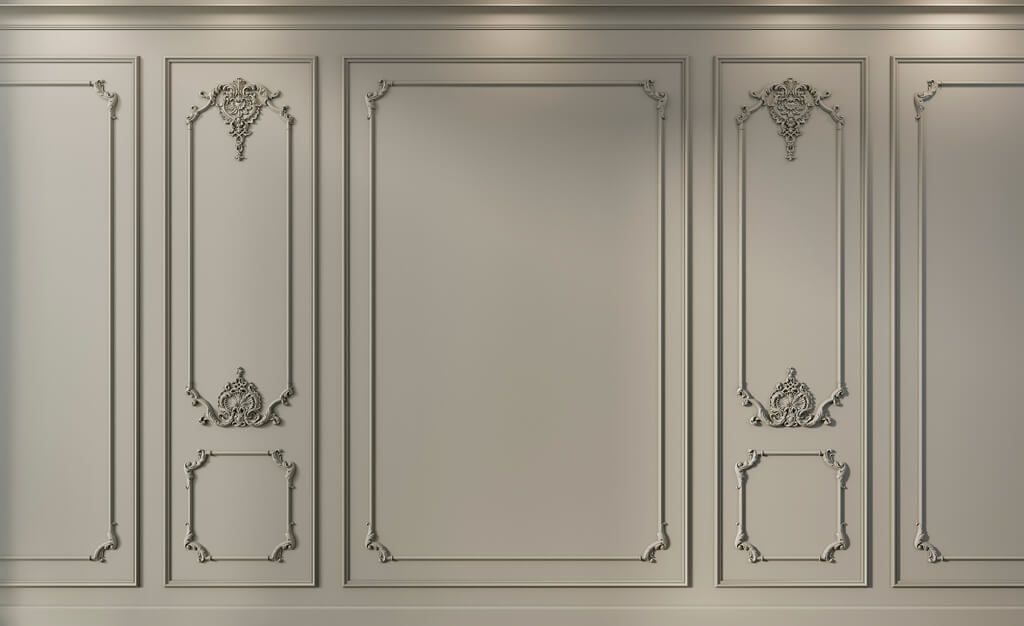
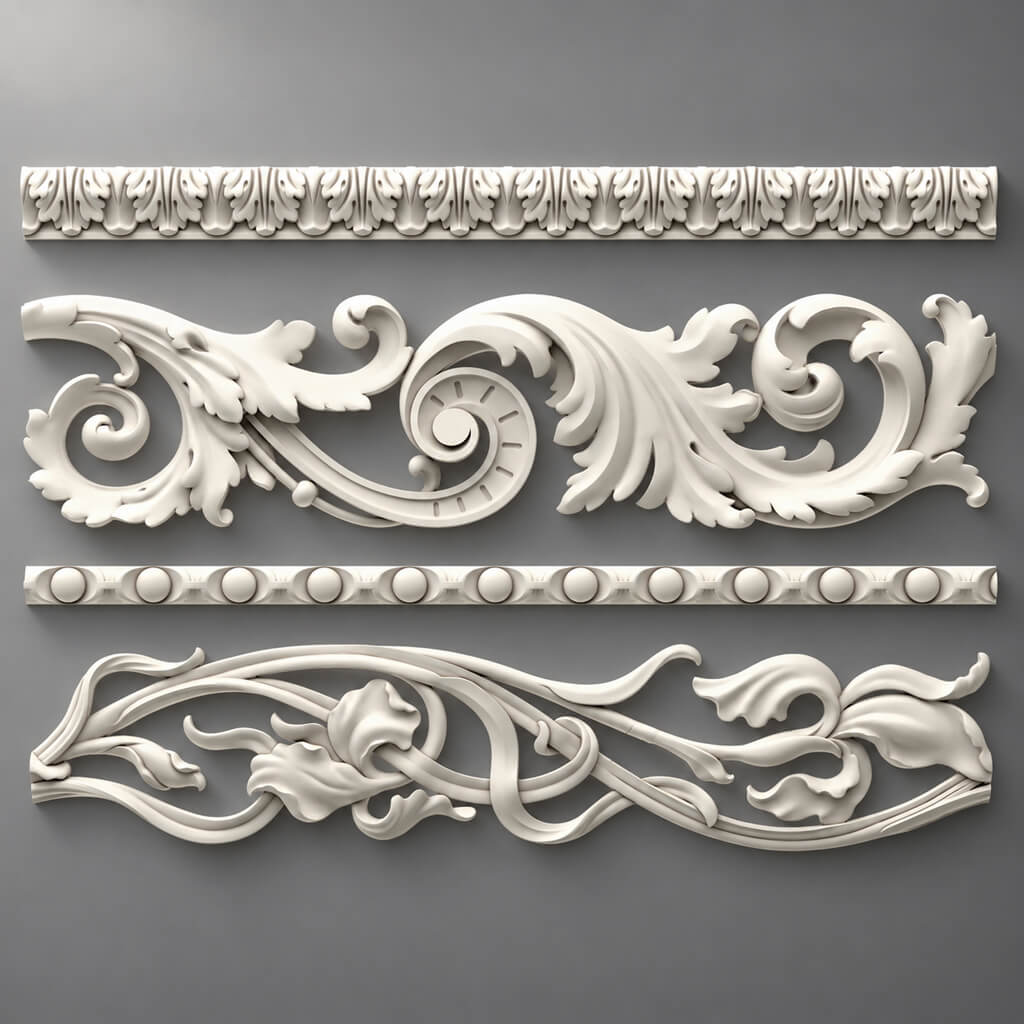
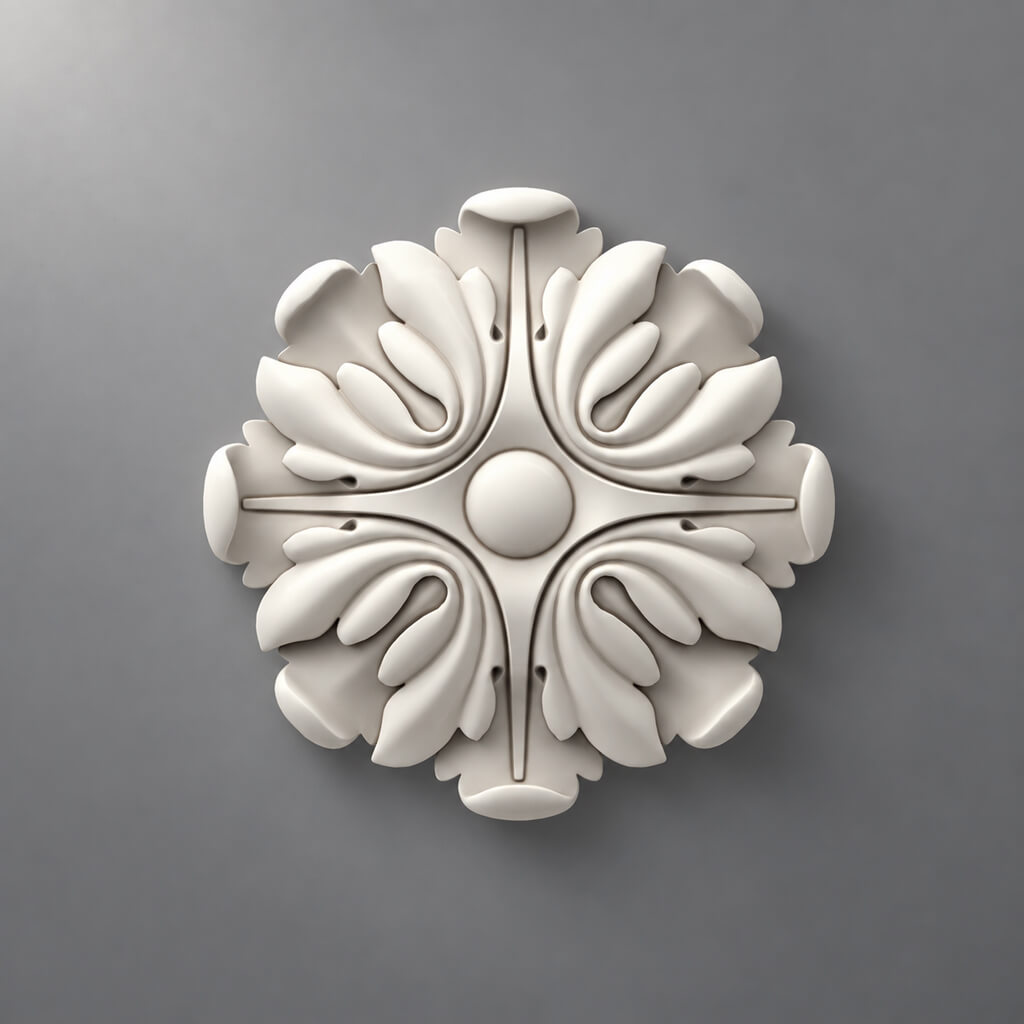
The third type is stucco decor with floral ornament: leaves, branches, floral motifs, shoots, acanthus scrolls, palmettes. This type of ornament is not strict or geometric — it is organic, natural, and lively in feel.
A floral motif makes the interior warmer and softer. It adds not architectural rigor, but artistic expressiveness. This is an important distinction: where a geometric frame organizes the space, a floral ornament enlivens it.
Where it works best:
-
The bedroom — especially at the head of the bed or next to a sconce
-
A living room with soft classic furniture
-
A dining area where a cozy atmosphere is needed
-
A wall with a mirror or console in the hallway
-
A study with warm lighting and wooden furniture
A floral ornament looks best under side or warm lighting: the light emphasizes the relief of the leaves and creates a lively play of shadows. In uniform cold lighting, it becomes less expressive.
An important rule: a floral ornament does not pair well with active wallpaper, a rich print, bright paintings, or other large decorative objects on the same wall. It needs a calm background.
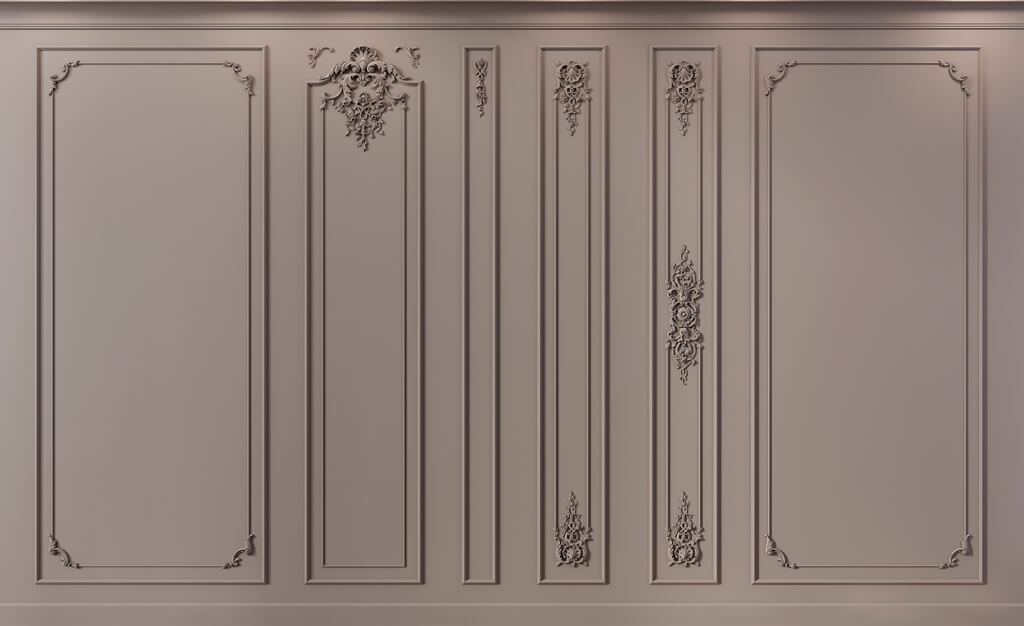
Formal ornament: solemnity and scale
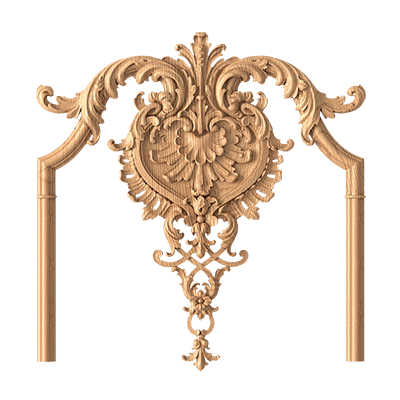
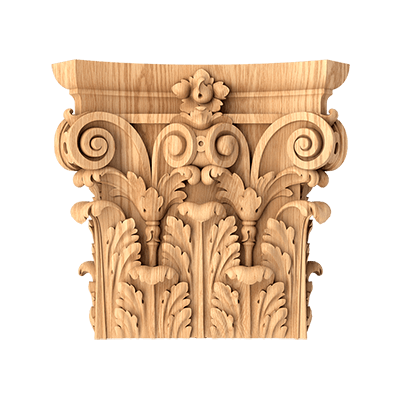
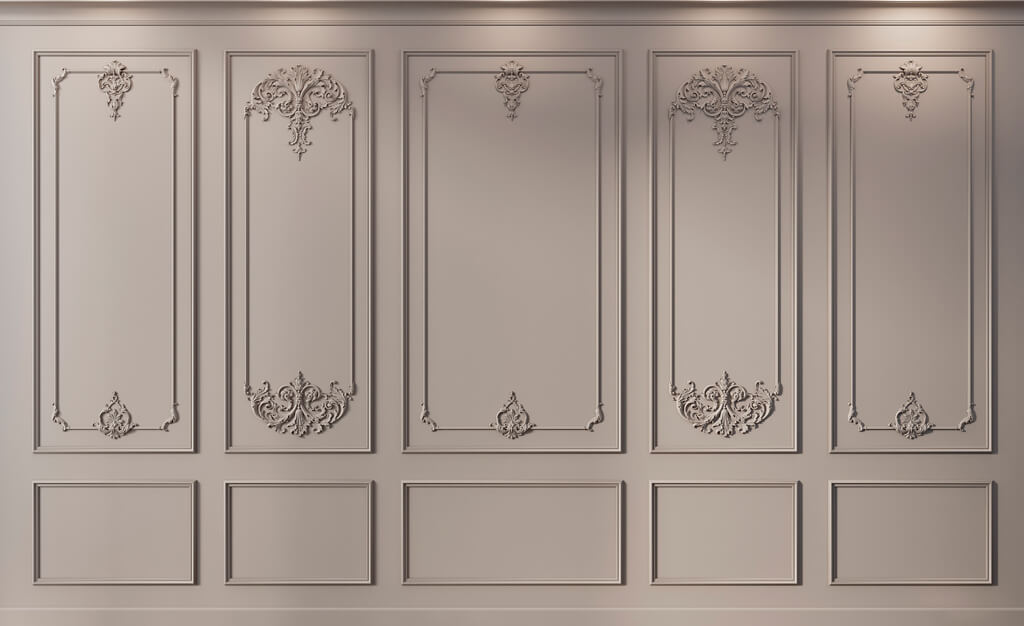
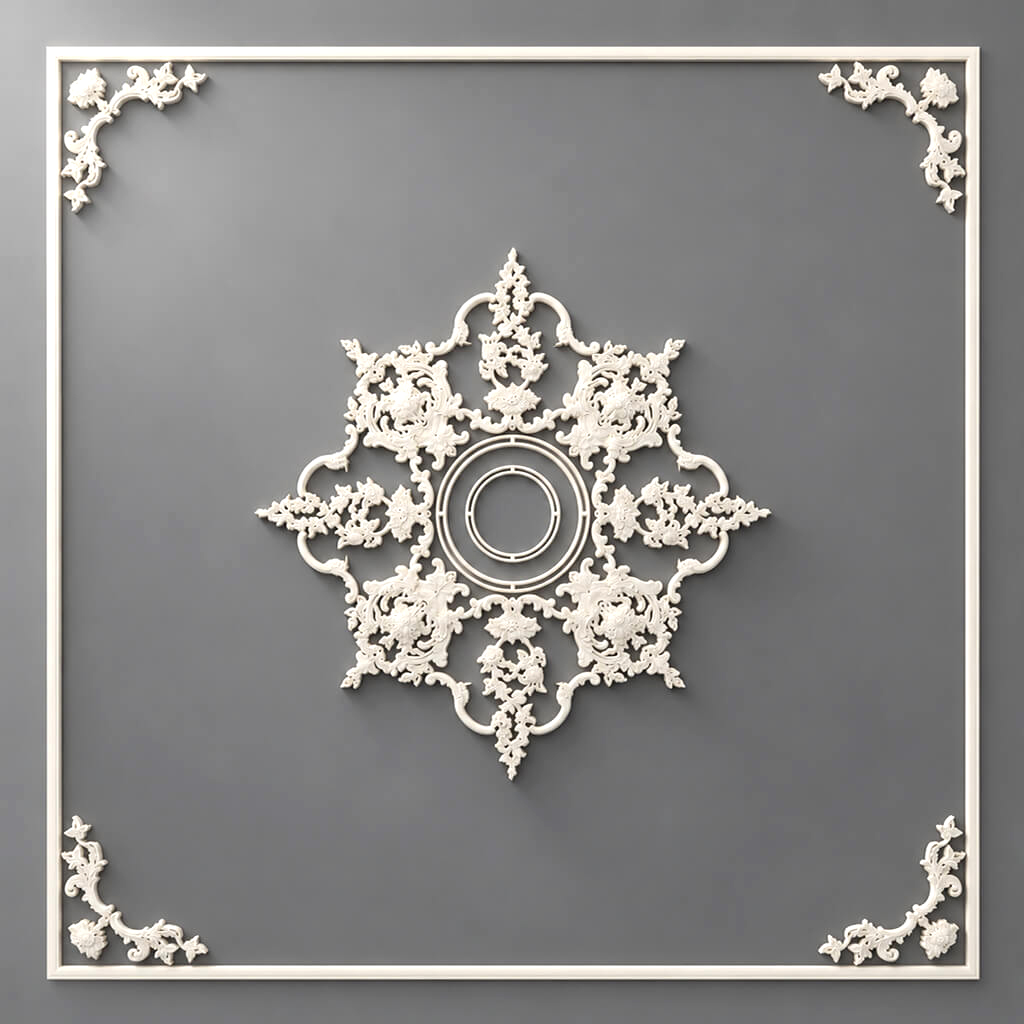
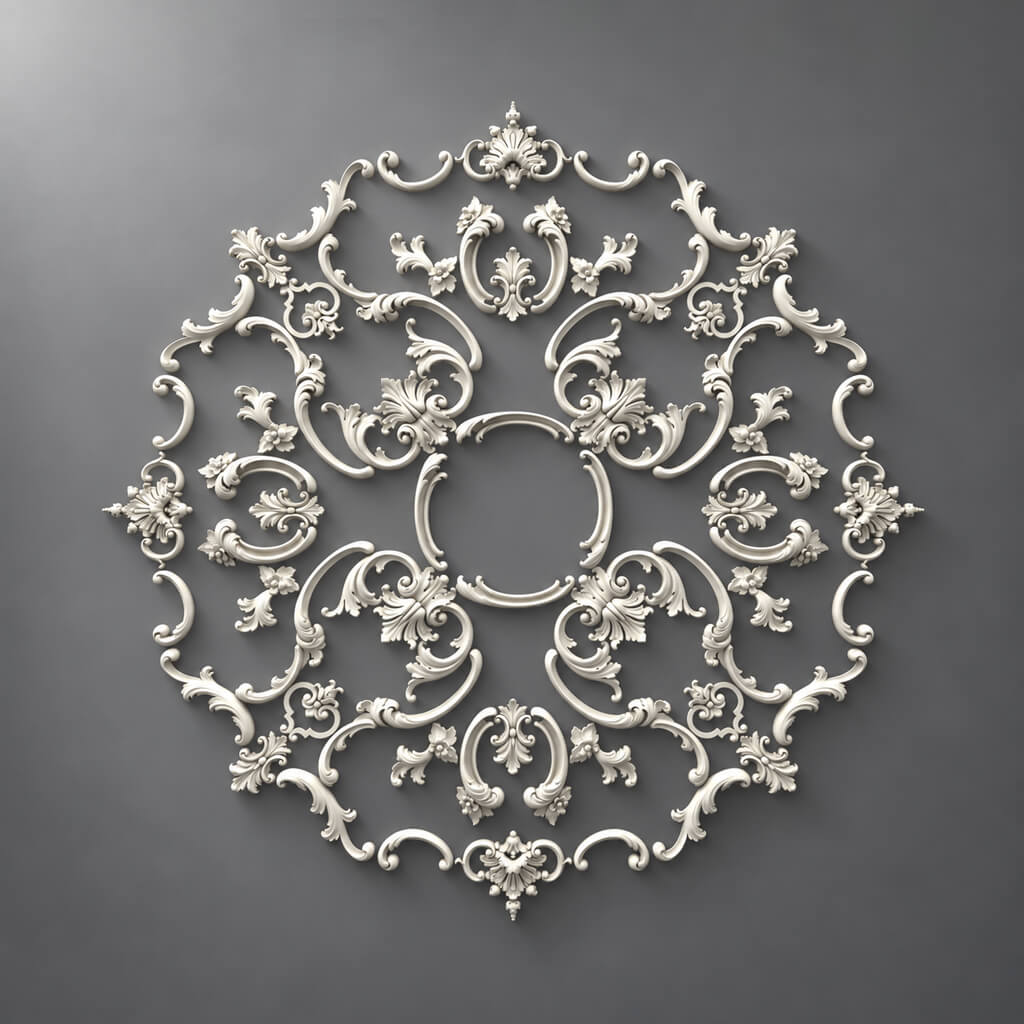
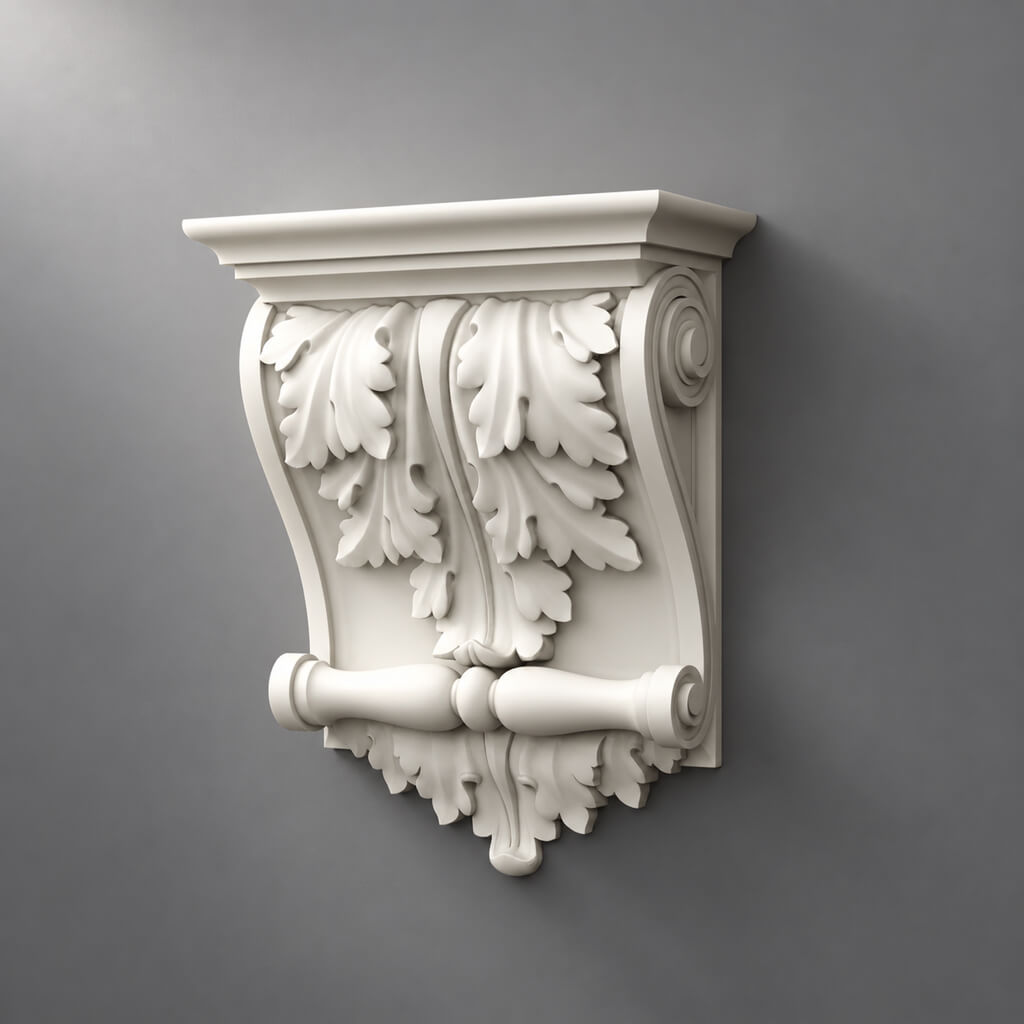
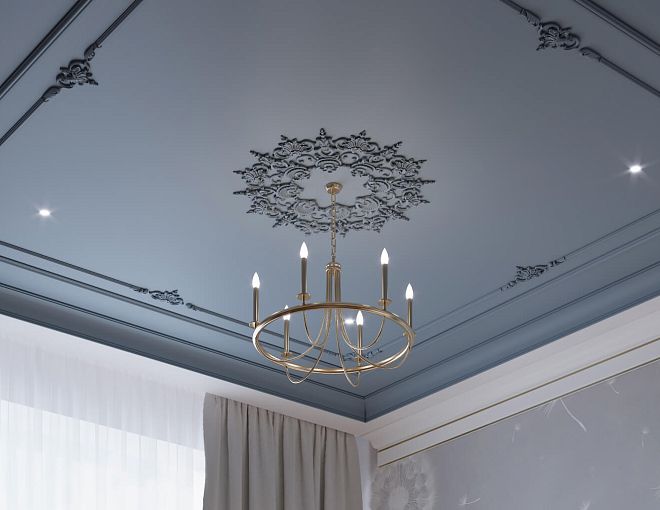
The fourth type isformal stucco decor: rich relief, large decorative details, multi-layered profiles, expressive overlays, dense ornamental motifs. This is decor that itself is the main accent of the space.
Formal ornament is honest and demanding. It does not work in small rooms. It does not work where there is a lot of other decor, furniture, or equipment. It requires scale — wall width, ceiling height, spacious furniture arrangement.
Where it is justified:
-
Spacious living room with high ceilings (from 2.8 m)
-
Formal hall in a country house or apartment with large areas
-
Dining room with a massive table and antique furniture
-
Study-library with panels and floor-to-ceiling cabinets
-
Fireplace wall in a spacious room
The main mistake with formal decor is placing it where there is not enough space to 'breathe'. A large, rich ornament in a room of 14 m² with low ceilings works as pressure, not as grandeur.
Ornament selection table by room and interior
| Type of ornament | Character | Where to use | Interior style | Main risk |
|---|---|---|---|---|
| Laconic frames | Calm, architectural | Bedroom, TV area, hallway, corridor | Neoclassicism, modern classic | May be unnoticeable on a large wall |
| Classic | Expressive, symmetrical | Living room, study, mirror area, dining room | Classic, neoclassic | Important not to overload with details |
| Floral | Soft, artistic, natural | Bedroom, living room, dining area, hallway | Classic, romantic neoclassical | Conflict with active wallpaper and prints |
| Grand | Rich, celebratory, prestigious | Hall, wide living room, dining room, country house | Classic, palatial, baroque | Heaviness in a small room or with low ceilings |
Calm stucco decor: when the wall should be silent
There are rooms where the wall should not speak. It should create a background — calm, measured, without pretensions to the main role. This is a bedroom where rest is important. This is a hallway where the wall behind the coat rack should not distract. This is a TV area where all eyes are on the screen.
Calm stucco decor for walls — this is not the absence of decor. It is a conscious choice of a quiet ornament.frames from moldings without decorative inserts, smooth cross-section profile, minimal relief. A wall decorated in this way acquires architectural order — without a single floral curl.
When to choose a calm ornament:
-
The room is small — up to 16–18 m², and the decor should not 'compress' it
-
There is already a lot of furniture on the wall: cabinets, shelves, TV, sconces, mirrors
-
Decor is needed for painting in the color of the wall — a monochrome solution
-
The interior is built in the aesthetics of modern classic or neoclassical stucco decor
-
You want to add architectural structure without an accent
Where does it work best:
In the bedroom — as a backdrop for the bed and sconces. In a small hallway — as vertical frames on the piers. In the TV area — as a perimeter frame around the screen, painted to match the wall. In a children's room or home office — as a neutral structure without visual noise.
Neoclassic Light collection — that's exactly it: lightness, geometry, an almost invisible profile that only works in light. Applying such decor to a small wall means respecting the scale of the space.
More about decor for the TV area — in the article Polyurethane TV zone decor.
Classic stucco decor: expressiveness without palace heaviness
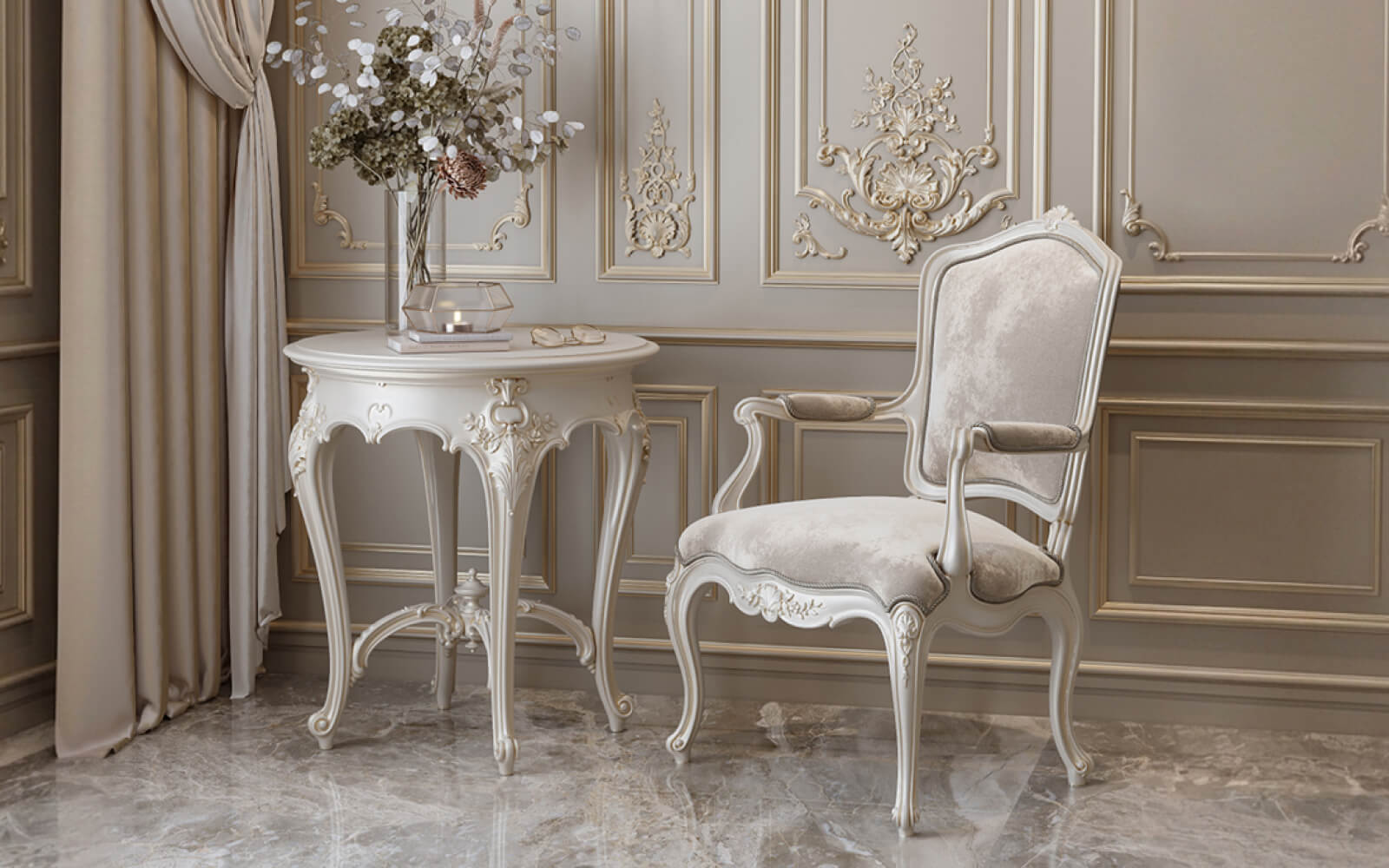
There is a golden mean in the world of ornamental stucco. This is Classic stucco decor — that level of expressiveness where the wall is already perceived as consciously designed, but not yet overloaded with details. Symmetry. Corner inserts within frames. A decorative accent in the center. A neat molding profile with an ornamental strip.
What distinguishes classic ornament from formal? The degree of saturation. In classic decor, relief is present, but it does not fill the entire surface. There are pauses. There is 'air' between elements. The center is expressive, the perimeter is neat, the connections are decorative but not flashy.
Typical elements of classic ornament:
-
Molding with a 'reverse step' or 'shelf with relief' profile
-
Corner blocks with ornamental insert
-
Central overlays: medallion, rosette, small cartouche
-
Horizontal molding with frieze element
-
Frames with moderate profile-to-field ratio
For which walls and rooms:
Living room — behind the sofa, behind the fireplace, above the console. Study wall — behind the desk or above the library. Hall — with moderate ceiling height. Dining area — as a backdrop for the dining table. Wall at the head of the bed in a spacious bedroom.
Collection «Ekaterinhof» — an example of exactly this ornament: classic symmetry, balanced profile, moderate relief without overload.Versailles Light Collection — a slightly more elegant version of the same principle: a classic decorative wall set with character, but without palatial pressure.
On how to choose wall decorative molding for a specific style — in the article How to choose the STAVROS stucco decor collection for walls.
Neoclassical stucco decor: geometry, lightness, modernity
Neoclassical stucco decor is a distinct type worth highlighting separately, because it is the most in demand in modern apartments, new builds, and bedrooms where there are no pretensions to a palace style, but there is a desire to create a noble, orderly space with character.
Neoclassicism is built not on ornament, but on geometry. Rectangular frames. Clear horizontal and vertical lines. Molding with moderate or minimal relief. The emphasis is on the proportion and relationship of the frames, not on the complexity of the ornamental pattern.
How neoclassical decor differs from classical:
Classical ornament is recognizable by decorative details — curls, leaves, medallions. Neoclassicism is recognizable by its structure — by the rhythm of the frames, by the ratio of the molding width to the size of the field inside the frame.
Why neoclassicism is a universal choice:
-
Pairs well with modern furniture, including minimalist sofas and handleless cabinets
-
Works great when painted in the wall color — even thin molding creates an expressive architectural grid
-
Suitable for apartments of any size — from a studio to a spacious three-room
-
Suitable for bedrooms, living rooms, hallways, studies
-
Compatible with modern lighting: spotlights, recessed lights, sconces
"Petersburg" collection — is the benchmark of urban neoclassicism: calm, architectural, without unnecessary details. It is this that serves as the foundation for most modern interiors with a classic touch.
About how to build frames from moldings — in the articleReady-made molding frames for the wall.
Floral ornament on the wall: where it lives and why it works
Leaves. Branches. Shoots. Flower rosettes.stucco decor with floral ornament — is perhaps the most artistic type of stucco. It does not build geometry — it brings it to life. It does not create architectural logic — it adds warmth to it.
Floral ornament is organic where the goal is not to organize the space, but to make it cozier, more beautiful, a bit more 'natural' within a classic interior. That is why it works well in bedrooms, dining areas, hallways with a console — places where comfort matters more than formality.
Use cases:
-
Wall at the head of the bed:ornamental wall overlayswith a leaf motif in the center, framed by calm moldings. Light from the sconce falls from the side — and the relief of the leaves comes to life in the play of shadows.
-
Dining area: the wall behind the table with a floral ornament in the form of a decorative panel or a composition of overlays. Creates an atmosphere of warmth and coziness, important for places where people gather together.
-
Hallway with a mirror: a small decorative overlay above the mirror or on its sides — with a floral motif matching the style of the furniture.
-
Living room: a central overlay with a leaf ornament inside a molding frame — as an artistic accent without palace overload.
Important limitations:
Floral ornament does not combine well with:
-
Active wallpaper with a print on the same wall
-
Other decorative objects with a rich ornament
-
Contrasting coloring that makes every curve of the leaf too obvious
-
Modern minimalist interior
If a wall has a floral pattern, it should be calm in color, without unnecessary objects, with moderate or warm lighting. Otherwise, the organic nature of the pattern turns into decorative noise.
More about wall decor at the headboard — in the articleStucco molding set for the bedroom.
Formal stucco decor: for whom, where, and why
Let's be honest.formal stucco decor — this is not for everyone. And that's not a flaw, but an honest positioning. It requires scale. It requires space to "breathe." It requires an interior where solemnity is not excess, but an organic part of the image.
Rich relief. Multi-layered profiles. Large decorative overlays. Dense ornamental motifs — with acanthus leaves, cartouches, medallions, garlands. This is stucco that itself sets the tone for the entire space. A wall with formal ornament does not need paintings, mirrors, or additional accents — it itself is the composition.
When formal decor is justified:
-
A spacious living room of 30–35 m² or more with ceiling heights of 2.8–3.2 m and above
-
A formal hall in a country house or large apartment
-
A dining room with antique furniture and a representative interior
-
Library-study with wooden panels up to the ceiling
-
Large bedroom with a bed 2000×2200 mm and larger
When formal decor is a mistake:
-
Room up to 20 m²: the pattern overwhelms, making the space claustrophobic
-
Ceilings below 2.6 m: rich relief 'lowers' the ceiling
-
Near TV, outlets, switches — technical elements ruin the grandeur
-
Wallpaper with a pattern or print — conflict of two ornamental systems
-
Modern furniture without classic details — stylistic disconnect
the "Peterhof" collection — a purely formal format.Collection «Tsarskoye Selo» — an expressive accent wall with a strong decorative center, slightly less intense than 'Peterhof', but still requiring space.
How to choose an ornament for a specific room
Bedroom: silence and softness first
In the bedroom, wall decor is a backdrop for relaxation. There is no need for grandeur here. What matters is peace, coziness, and a sense of intimacy.
The best choice isCalm stucco decor for walls: concise frames,Neoclassical stucco decor or a floral ornament in a moderate execution.Pavlovsk collection — an excellent example of soft classic decor for the bedroom: warm in character, with moderate relief, creating coziness without formality.
A formal ornament in the bedroom is justified only with a large area (from 25 m²), high ceilings, and appropriate furniture. In an average bedroom of 15–18 m², it will feel oppressive.
Living room: space for an accent
The living room is a space where all four types of ornament are acceptable. It all depends on the area, furniture style, and the role of the accent wall.
Average city living room 20–28 m²: classic ornament or moderate neoclassicism is optimal. Large living room from 35 m²: you can consider formal decor or multi-componenta stucco wall composition.
More about the wall decor behind the sofa — in the articlepolyurethane wall decor behind the sofa.
TV zone: an ornament that doesn't compete with the screen
The TV zone is a trap. You want to decorate the wall beautifully, but any overly expressive ornament will start competing with the TV. And the losing result is not a beautiful zone, but a wall with two "screaming" centers.
The rule for the TV zone: the ornament should frame, not compete.frames from moldingswith a thin profile around the screen and the cabinet. Side vertical frames without overlays. No formal or floral ornament in close proximity to the screen.
Color: matching the wall or very close to it. Contrasting molding in the TV zone is risky if the screen is already bright enough.
Hallway and foyer: rhythm and verticality
The hallway is the space seen first. A small hallway with narrow wall sections: vertical molding frames, minimal ornament, calm neoclassicism. A spacious foyer with ceiling heights of 3+ m: you can consider classic ornament, a rhythmic series of vertical sets, or even elements of formal decor.
About the principles of decorating high walls — in the articlestucco decor for high walls and stairwell halls.
Study: severity and character
A study is a space for focused work. The wall here should create an atmosphere of seriousness and character, but not be distracting. A classic ornament with moderate relief is optimal. A botanical motif — if the interior is warm and the study has features of a home library.
How to choose an ornament for the wall width
Ornament and wall size are a linked pair. A mistake in their proportion is immediately noticeable.
Narrow wall section (up to 80 cm)
On a narrow wall section, any dense ornament looks out of place — it simply doesn't fit visually. Here, the following work:
-
Vertical molding with a thin profile
-
Small vertical frame without overlays
-
One dotWall decorative insertin the center of the frame
-
Floral motif with minimal element scale
More details in the articlea narrow or wide set of stucco decor.
Medium wall (120–250 cm)
This is the working area for most kits. Suitable here:
-
Ready-made set of stucco decorwith classic or neoclassical ornament
-
Frame of moldings with central overlay
-
Floral ornament as the main accent
-
Set from one collection — central element and connecting moldings
Wide accent wall (from 300 cm)
A wide wall is a space for a fullwall layout of stucco moldingHere, the ornament is chosen in the context of the entire scheme: central wide set, side elements, moldings.
Classic and formal ornament on a wide wall work best — they have room to spread out. Laconic frames on a wide wall look somewhat empty if not compensated by quantity.
About calculating the wide wall — in the articleHow to choose a set of stucco decor according to wall width.
Ornament and wall color: three strategies
The choice of ornament cannot be separated from the color scheme. The same element — calm when painted in the wall color — can become very active with contrasting paint.
Strategy 1: Decor in the wall color
The safest and most modern solution. The relief is only read in the play of light and shadow — without a hard outline.
When to choose:
-
Ornament is expressive — floral or classic
-
The room is small
-
I want a delicate, "airy" result
-
The interior is built in a monochrome palette
More details in the articlestucco decor in the color of the wall or contrasting.
Strategy 2: Contrast coloring
Decor white — wall gray, decor milky — wall dark blue. Contrast makes the pattern clear, graphic, and well-readable even from a distance.
When to choose:
-
Interior classic or neoclassical
-
The wall is large — contrast is needed for readability
-
The ornament is laconic — thin molding works well in contrast
-
Need an expressive, "expensive" result
Caution: a rich floral or formal ornament with strong contrast can be visually heavy.
Strategy 3: Shade contrast
Golden compromise: milk on beige, warm white on light gray, ivory on pastel green. The decor is noticeable but not loud. The wall reads as a whole, and the ornament adds depth without sharpness.
This is the most common professional solution for neoclassical and classical interiors.
Ornament and light: why relief should be viewed under lighting
Here is an aspect that is rarely discussed before purchase but often remembered afterward.Stucco ornament for walls is relief. And relief lives in light.
How light changes the perception of ornament:
-
Side light (sconces, floor lamps, wall lights) — enhances relief, makes each element voluminous, creates lively shadows. Even a laconic frame gains depth under side lighting.
-
Direct overhead light (downlights or spotlights) — provides even illumination, reduces the play of shadows. Rich ornament may appear flatter under such light.
-
Even diffused light — neutralizes relief. A calm ornament in such a lighting system can become almost invisible.
-
Lighting from below or behind creates a dramatic effect. A floral pattern looks very expressive under such lighting.
Conclusion: before choosing a pattern, it is worth understanding what lighting the wall will have. If there is a sconce nearby, you can consider a floral or classic pattern that will be revealed in side light. If the lighting is only top and uniform, laconic frames or contrasting coloring will give a more stable result.
Details on the interaction of decor and lighting — in the articleStucco wall decor with backlighting.
How not to overload the wall: the rule of ornament hierarchy
The most common mistake when choosing several elements of stucco decor is to place several ornamentally "loud" details on one wall. Each is beautiful individually. Together — chaos.
Specific mistakes:
-
Two large floral patterns on one wall without pauses
-
Formal ornament against a background of active wallpaper or printed curtains
-
Contrasting coloring of a rich ornament in a small room
-
Molding of too wide a profile in a small frame — the profile "eats" the field
-
Mixing classical and floral ornament without a unifying idea — two different languages
The rule of hierarchy:
One central element — expressive. Everything else supports or stays silent. If the central ornament is rich, the side frames should be concise. If the central accent is a floral overlay, the surrounding moldings should have a minimal profile.
The more active the ornament, the calmer the following should be:
-
Background color (tonal or subtle contrast, not sharp)
-
Adjacent elements (furniture, paintings, textiles)
-
Lighting (warm, diffused, or side lighting, not harsh spotlights)
Details on combining decor with architectural features — in the articlehow to combine stucco decor with baseboards and cornices.
Ready-made set or individual elements with ornament: what to choose
This question is directly related to ornament. If you want a specific type of decor, it's important to understand: take a ready-made set or assemble an ornamental scheme from individual elements?
A ready-made set is more profitable:
-
When you need a specific style and have already decided on the ornament
-
When the collection has already considered the combination of moldings and overlays
-
When you have no experience in selecting elements — the set eliminates the risk of mismatch
-
When the wall is standard and the set fits in size without adjustment
Individual elements are better:
-
When you need to add an ornamental accent to an existing frame of moldings
-
When the wall is non-standard and no set fits exactly
-
When you need to combine minimalist moldings and one expressive ornamental center
-
When it's important to work around sockets, sconces, TV outlets — custom assembly is more flexible
Polyurethane decorative appliquesandDecor for Molding— this is exactly the tool for custom assembly of an ornamental accent. Corner inserts, central rosettes, ornamental inserts along the length of the molding — all of this allows you to assemble the desired ornamental image from individual parts.
More details in the articlea ready-made set of stucco decor or individual moldings.
Mistakes when choosing an ornamental stucco decor
Let's list the most common and costly mistakes — not as a lecture, but as a practical checklist before purchasing.
-
Choosing an ornament only by the beauty of the photo. In a picture with high ceilings and a large area, any ornament looks appropriate. In your room — it may not work.
-
Not considering the width of the wall. A formal ornament on an 80-centimeter pier — not grandeur, but crampedness.
-
Ignoring furniture. Ornamental stucco should be visible above the furniture. If the back of the sofa covers half of the ornament — that's a problem.
-
Not checking how the ornament looks under lighting. What seems delicate in daylight can become very active with spot sconces.
-
Mixing incompatible types of ornament. Floral and formal on the same wall without a unifying idea — a visual conflict.
-
Not considering ceiling height. A rich molding profile with a 2.5 m ceiling creates a feeling of pressure.
-
Not marking up before purchasing. The size of an ornamental element in the catalog and its scale on your wall are different things. Masking tape helps to check.
-
Taking formal decor "for growth". "We'll renovate and furnish it properly" — until that happens, the formal ornament will look strange.
-
Painting plant ornament contrastingly next to printed wallpaper. Two ornaments, two contrasts — this is not richness, it's chaos.
STAVROS collections by ornament type: a practical guide
For calm neoclassicism and laconic frames:
-
"Petersburg" collection — urban classic, architectural precision, minimal ornament
-
Collection "Neo-classic" — geometry, frames, modern lightness
-
Neoclassic Light collection — the most delicate option, almost invisible profile, pure architectural structure
For soft classic and plant ornament:
-
Pavlovsk collection — warmth, coziness, soft relief without formality
-
Polyurethane decorative appliques — individual ornamental elements with plant motifs for accent points
For a classic ornament with expressiveness:
-
Collection «Ekaterinhof» — strict classical symmetry, moderate relief
-
Versailles Light Collection — classic decorative wall set with an elegant character without heaviness
-
Decor for Molding — corner and central ornamental inserts for frames
For formal decor and accent walls:
-
Collection «Tsarskoye Selo» — expressive accent wall, strong decorative center
-
the "Peterhof" collection — formal stucco decor for walls, solemnity and scale
All collections are presented in the section Polyurethane Items — with photos, dimensions, and description.
About moldings for frames — in the article polyurethane wall moldings.
Brief recommendation: which ornament to choose
-
Calm bedroom, hallway, TV area — laconic frames,Neoclassical stucco decormoldings without ornament or with minimal profile. Painted to match the wall.
-
Living room with medium area and classic furniture — classic ornament, moderate relief, frames with corner inserts. Tonal contrast or monochrome.
-
Large living room, hall, country house — you can consider a formal ornament or a multi-component scheme with a classic center.
-
Bedroom with a cozy character, dining area, mirror area — floral ornament in a moderate scale, calm background, warm lighting.
-
Narrow wall — vertical frame with minimal or no ornament.
-
Interior without a designer — ready-made set from one collection. The collection itself sets the correct combination of ornaments.
Choose the ornament of stucco decor to match the style of your wall
In the STAVROS catalog you can selectlaconic stucco decor for wallsandMoldings made of polyurethanefor neoclassical frames,classicandfront door polyurethane wall molding, ornamental wall overlayswith floral and classical motifs, as well asMolding corner piecesandDecorative elements for frames.
About the Company
STAVROS is a manufacturerpolyurethane interior decorfor residential and representative spaces. STAVROS produces a full range of wall moldings: ready-made sets, moldings, cornices, baseboards, decorative overlays with ornaments, and frame elements. All products are paintable, mounted with glue, and shipped throughout Russia.
FAQ: Answers to popular questions
Which wall molding ornament should you choose?
It depends on the room, area, and style. For calm spaces — minimalist frames and neoclassical. For living rooms — classical ornament. For formal areas with spacious walls — rich decor.
How does classical molding decor differ from neoclassical?
Classical — ornament as content: leaves, scrolls, medallions, decorative inserts. Neoclassical — geometry as content: frames, proportions, clear lines, moderate relief.
Where is floral wall ornament appropriate?
In the bedroom, living room, dining area, near a mirror or console. The main thing is a calm background, warm or side lighting, and no adjacent active prints or rich decor on the same wall.
Which stucco decor is best for a small room?
Laconic moldings, thin frames, neoclassical decor with minimal relief. Painted in the color of the wall. Without formal or rich ornament.
When should you choose formal stucco decor?
With wide walls, ceilings from 2.8 m, spacious living rooms and halls, classic representative interior.
Can you combine moldings and ornamental overlays?
Yes. Moldings set the geometry of the frame, overlays add an ornamental accent in the center or corners. It is better to choose elements from the same collection or similar in style.
How not to overload a wall with ornamental stucco?
Maintain hierarchy: one expressive center, calm side elements, neutral moldings. Leave at least 30% of the wall free. Do not mix incompatible ornaments.
Which ornament to choose if there is no designer?
A ready-made set from one collection — the ornaments there are already coordinated. Start with neoclassicism or calm classicism: they forgive mistakes better than rich formal schemes.