








































































Article Contents:
- When the furniture already speaks for itself
- Why stucco cannot be chosen separately from furniture
- Living room with classic furniture: what and where to place
- Ceiling in a classic living room
- Ceiling rosette
- Moldings on living room walls
- Decorative stucco in the accent area
- Bedroom with classic furniture: the principle of delicacy
- Headboard area
- Ceiling in the bedroom
- Decorative accent in the bedroom
- Study with classic furniture: here you can add expressiveness
- Moldings and panel frames in the study
- Pilasters and Capitals
- Stucco decor at the doorway
- Hall and entryway with classic furniture
- How to read scale: a practical guide
- Which classic style determines the choice of stucco
- Color of stucco and color of classic furniture
- Practical table: what to buy for different situations
- What else to consider: details that make all the difference
- Stucco and mirrors: a classic technique for classic furniture
- How not to buy too much: a financial perspective on stucco for classic interiors
- Real examples and visual references
- Frequently Asked Questions
- About the Company STAVROS
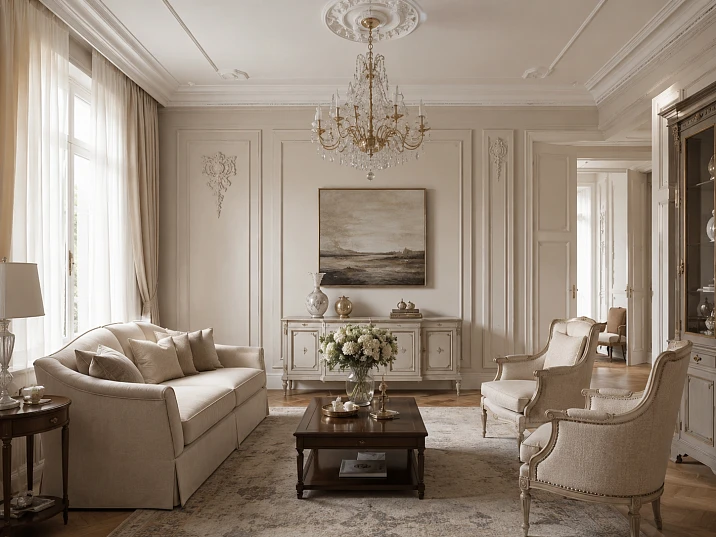
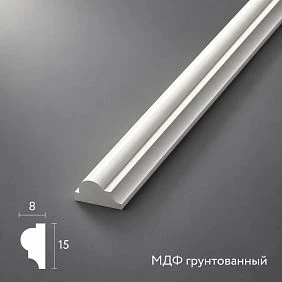

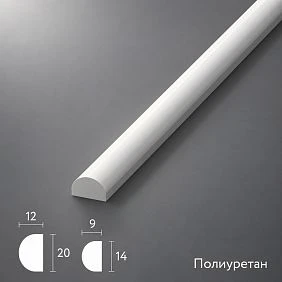

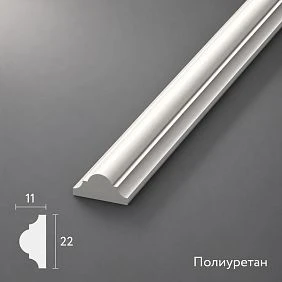
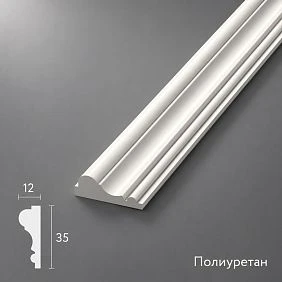
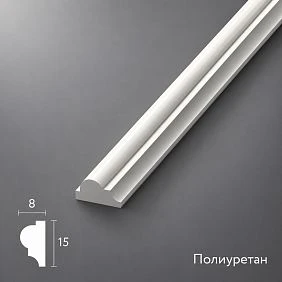
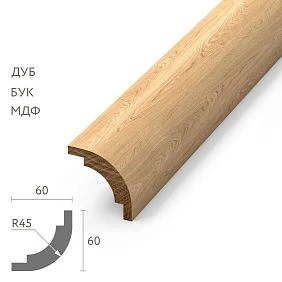
When furniture speaks for itself
There are interiors you walk into and immediately understand: everything here is thought out. A bed with a carved headboard, a console on curved legs, a mirror in a patinated frame, a sofa with curved armrests. Classic furniture knows how to speak for itself: it delivers its monologue through form, material, and proportions. And this is precisely where the main trap lies, into which most people fall when they decide to add stucco to such an interior.
The logic is tempting: classic means there should be a lot of stucco. Lush rosettes, heavy cornices, ornamental overlays on every wall. And then what was meant to complete the interior begins to compete with it. Furniture gets lost behind walls that scream louder. The space shrinks. The room ceases to be elegant and becomes overloaded.
The right approach is fundamentally different. Stucco for classic furniture — is not an addition to furniture in the sense of 'more and more expressive.' It is architectural support: stucco completes the space, gives structure to walls and ceilings, frames the furniture — but does not compete with it. The main character is the furniture. Stucco is the stage decoration on which it stands.
This distinction — between stucco as the main character and stucco as an architectural backdrop — is the key to an interior that looks expensive, not heavy.




Why stucco cannot be chosen separately from furniture
This principle is violated most often. A person comes to the site, looks at the stucco catalog, chooses something that is beautiful in itself — and buys it. Comes home, glues it to the walls, takes a step back — and sees not what they imagined. Too much relief where furniture already creates visual density. Too active an ornament where cabinet facades are already overloaded with milling.
Classic furniture has its own decorative language. Wood carving, twisted legs, figured cabinet cornices, engraved handles, deep varnishing with patina — all of this already creates relief, rhythm, visual weight. And if the stucco on the walls has the same scale of ornament, the same level of detail, the room begins to be perceived as a set of decorative objects, rather than a single interior.
The task of stucco in a classic interior is to be one note quieter than the furniture. Furniture is the solo. Stucco is the harmony that supports, not overpowers.
How does this work in practice? If you have Classic Furniture with pronounced carving, massive cornices, and rich facade texture — choose moldings with a calmer, less detailed profile. If the furniture is "modern classic" — with clean lines, milled but not overloaded facades — allow yourself more expressive stucco decor, deeper cornice profiles.
This is not a rigid formula, but a principle of proportional thinking that works flawlessly.
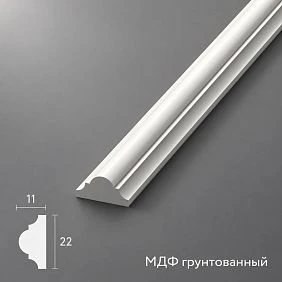
Our factory also produces:
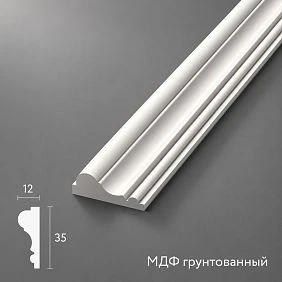


Living room with classic furniture: what and where to place
The living room is the most challenging test for stucco decor. It is here that the maximum volume of furniture is concentrated, it is here that the greatest visual load is. Sofa, armchairs, coffee table, shelving or display cabinet, console, mirror, floor lamps. In a properly furnished classic living room, the furniture already builds the architecture of the space. And now stucco needs to be organically integrated into this space.
The first principle for the living room: not all walls at once. Avoid the temptation to treat all four walls with stucco. One accent wall is enough — the one behind the main furniture group, behind the sofa or behind the console with a mirror. The remaining walls — with a ceiling cornice around the perimeter, and that's enough.
Get Consultation
Ceiling in a classic living room
Ceiling molding — the first and safest step for any classic living room. A cornice along the perimeter of the ceiling is an element that fundamentally does not compete with furniture: it is in a different plane, at a different height, and serves as the top frame of the entire space. The cornice covers the joint between the wall and ceiling, gives the room vertical completion, and visually "calms" the transition between surfaces.
For a classic living room, a medium-scale cornice works well — 80–120 mm wide, with a classic S-shaped or stepped profile. Not overly heavy — this again follows the principle of "quieter than furniture." A version with several profile levels, creating a sense of depth without excessive ornamentation, looks good.
Ceiling rosette
Ceiling rosette in a classic living room — an architectural element that solves a problem inaccessible to any other decor: it turns the chandelier attachment point into the center of the ceiling composition. Without a rosette, a chandelier in a classic living room looks like just a suspended light fixture. With a rosette, it looks like a central interior detail integrated into the ceiling architecture.
For a classic living room with expressive furniture, medium-diameter rosettes with ornamental relief are suitable: laurel leaves, acanthus leaves, geometric weaves. The diameter of the rosette should correspond to the diameter of the chandelier base — approximately 1.5–2 times larger. A rosette that is too small under a large chandelier gets lost. One that is too large feels overwhelming.
Moldings on living room walls
Moldings made of polyurethane in a living room with classic furniture, they work best in the format of panel frames — on the accent wall behind the main furniture group. This could be one large frame spanning the entire width of the wall, three vertical frames the width of the sofa, or a combination of two horizontal rows. Inside the frames — the same color as on the other walls, or a slightly different shade that is perceptible under certain lighting.
Molding profile for a classic living room: if the furniture is richly carved — choose a molding with a calmer, smoother cross-section. If the furniture is restrained and strict, with minimal carving — a molding with an ornamental profile will add the necessary depth.
Decorative stucco in the accent area
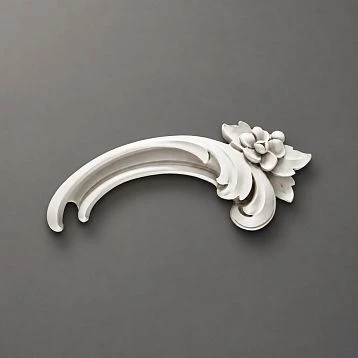
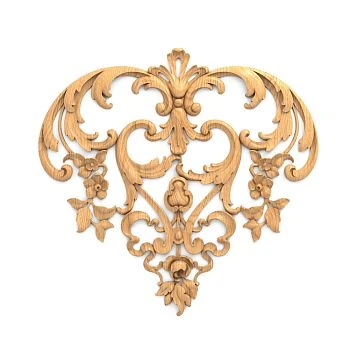
In a living room, there is always one area that requires a special accent: the area above the fireplace, the wall behind a console with a mirror, the space above the sofa. This is where it works Decorative stucco — overlay elements with ornamental relief that are placed in the corners of molding frames, above the mirror, on the sides of the console.
It's not "everything at once": one decorative accent, carefully chosen in scale and relief, works significantly better than five random overlays scattered across the wall without a system.
What to buy for a classic living room:
-
ceiling molding — cornice along the ceiling perimeter, 80–120 mm
-
ceiling rosettes — for the chandelier, diameter matching the lamp base
-
Moldings made of polyurethane — for frame panels on the accent wall
-
decorative molding — one accent element in the main area
-
Construction adhesive, paint, 15% reserve
Bedroom with classic furniture: the principle of delicacy
The bedroom is a different space with a different logic. There is no need to impress here. The task here is to create a feeling of peace, coziness, and warmth. And classic bedroom furniture — a bed with a carved headboard, bedside tables, a wardrobe with figured cornices, a dressing table — already fulfills this task. Stucco in the bedroom should be even more delicate than in the living room.
Headboard zone
The wall behind the bed headboard is the key surface in the bedroom. It is what you look at when waking up. It shapes the overall feel of the room. And here, a molding frame — or several frames across the width of the bed — works perfectly.
Frames made of thin of the polyurethane molding 15–25 mm wide, painted to match the wall or slightly lighter — this is a technique that literally transforms the wall behind the bed. It ceases to be just a painted surface and becomes a decorative backdrop that seamlessly incorporates the headboard.
The main rule in the bedroom: molding in the color of the wall. No contrast. The frame should be read through shadow and relief, not through color. Contrast in the bedroom is tension that should not exist. Calmness is what is needed.
Ceiling in the bedroom
A ceiling cornice in the bedroom is mandatory. Choose a more modest one than in the living room: 50–70 mm, a laconic profile. The cornice should match the ceiling color, without accent painting.
If there is a chandelier or large light fixture hanging above the bed, a small-diameter ceiling rosette completes the ceiling and gives the light fixture a "pedestal." In the bedroom, this is especially important: the center of the ceiling above the bed is the visual dominant of the entire room.
Decorative accent in the bedroom
If you want to add decorative molding in the bedroom, do it carefully and sparingly. One small overlay above the bed headboard, symmetrical decorative elements near bedside sconces, a light ornamental detail on the wall above the dressing table — this is the level that should not be exceeded in the bedroom.
What to buy for a bedroom with classic furniture:
-
Moldings made of polyurethane — thin, 15–25 mm, for frames behind the headboard
-
ceiling molding — modest cornice 50–70 mm around the perimeter
-
ceiling outlet — small diameter, for a chandelier or ceiling lamp
-
decorative molding — one accent spot at the headboard or by a sconce
-
Glue, paint matching the wall color, 10–15% extra
Study with classic furniture: here you can add expressiveness
The study is the only room in a classic interior where stucco can be given a bit more freedom. The study is a place that should speak to the owner's character: seriousness, status, respect for tradition. And architectural classicism here is organic—not as decoration, but as an expression of worldview.
Moldings and panel frames in the study
In the study, panel frames made of moldings can occupy the entire lower third of the wall—from the baseboard to a horizontal dividing strip at a height of 100–120 cm. This is a technique called a "paneled wall" or "wood wall cladding" in classical architecture—historically made of wood in studies. Polyurethane moldings reproduce the same effect much more simply and affordably.
Above the horizontal strip, the wall is a different color or the same but with a different texture. This solution visually "breaks up" the wall height, making the study more intimate and cozy, despite a large area.
Pilasters and Capitals
The study is the room where pilasters work especially organically. Pilasters are flat decorative columns glued to the wall. They divide the wall into vertical sections, creating a sense of architectural volume. In a study with classic furniture, pilasters on the sides of bookshelves, on either side of a doorway, or in the piers between windows add exactly the monumentality that is appropriate here.
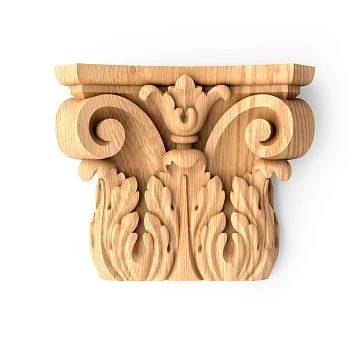
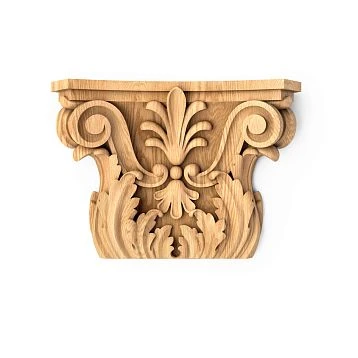
If there are pilasters, capitals are needed. decorative elements in the form of capitals, they complete the pilaster from above and give it completeness. An Ionic order capital, with small volutes, is a classic for a study. A Doric variant, more austere, is for a study in modern classic style.
Stucco decoration at the doorway
A doorway in a study with classic design requires decoration. Relief Decoration at the doorway — a frame of moldings around the door perimeter, a decorative overlay above the opening (sandrik), ornamental elements in the upper corners — turns an ordinary door into an architectural element. The door ceases to be just a "hole in the wall" and becomes part of the system.
What to buy for a study:
-
Moldings made of polyurethane — for frame panels, for framing doorways
-
decorative elements — pilasters, capitals, sandriks
-
ceiling molding — cornice around the perimeter, can be larger scale, 100–140 mm
-
Relief Decoration — at the doorway, at the shelf, at the fireplace, if any
-
Glue, paint, 15–20% extra
Hall and hallway with classic furniture
The hall is the space of first impressions. It is here that the guest forms their perception of the home as a whole. That is why a hall with classic furniture requires special attention to stucco decor: here it must work simultaneously as a greeting and as a statement about the character of the entire interior.
Classic Classic Furniture for the hall — as a rule, this is a console, a mirror in a carved frame, a pouf or a bench. All of this is compact, all concentrated near one wall. And it is the wall with the console and mirror that is the main decorative surface of the hall.
Molding frames around the mirror, a decorative overlay above it, stucco decor on the sides of the console — this is the minimum that turns an ordinary hall into a well-thought-out architectural space. If ceilings allow — a ceiling cornice around the perimeter and a small rosette in the center under the light fixture.
In the hall, restraint is especially important: there is little space here, and every element is visible up close. One poorly chosen molding or an overly large rosette immediately catches the eye. Therefore — precision of choice, consistency of scale, unity of style.
How to read scale: a practical guide
This is the most important skill when choosing stucco for classic furniture — the ability to read scale. What does this mean?
The scale of stucco is the ratio of the size of the element to the size of the room and to the size of the furniture itself. A 10 mm molding in a room with 3-meter ceilings — gets lost. A 150 mm cornice in a room with 2.5-meter ceilings — overwhelms. A 200 mm rosette under a crystal chandelier with a diameter of 80 cm — looks disproportionate. This is not a matter of taste — it is geometry.
A few simple guidelines:
-
Ceilings 2.5 m — cornice 50–80 mm, molding for frames 15–25 mm, rosette diameter 250–350 mm
-
Ceilings 2.7–2.9 m — cornice 80–120 mm, molding 25–40 mm, rosette 350–450 mm
-
Ceilings from 3 m — cornice 100–150 mm, molding 40–60 mm, rosette 450–600 mm
The second guideline is the density of the ornament. If the furniture has rich carving, choose stucco with a simpler, geometric profile. If the furniture is strict, with minimal decor, the stucco can be given a more ornamental character.
The third guideline is color. Stucco in the color of the wall is delicate, working through shadow. Stucco with contrast is expressive, taking on visual weight. In a room with classic furniture, the first option usually works better: stucco in the tone of the wall, which creates structure rather than drawing attention to itself.
Which classic style determines the choice of stucco
Classic furniture is not one style. It is a whole spectrum: from strict English classicism to lush French Baroque, from Scandinavian neoclassicism to Italian Neorenaissance. And each of these styles requires its own stucco language.
English classicism. Strict, restrained, with an emphasis on geometry and proportion. For it — moldings with a straight, stepped profile, minimal ornamentation, a ceiling rosette with a geometric rather than floral pattern. Nothing extra.
French classicism, Baroque. Rich, lush, with an emphasis on rounded lines, floral motifs, gilding. Here, stucco can be given more: a cornice with acanthus ornament, a rosette with woven motifs, decorative overlays with curls. But even here — do not overload: one rich surface, the rest more restrained.
Neoclassicism, modern classicism. Clean lines, neutral palette, minimal ornamentation, emphasis on material and form. For it, thin moldings with a straight profile, a calm rosette without overload, a small-scale ceiling cornice are ideal. Elegance through restraint is the main principle.
Italian classicism. Rich texture, dark wood, gilded elements, patterned fabrics. The stucco here should be expressive enough not to get lost against the rich decor of the furniture, but not so active as to overshadow it. A medium-scale cornice, a rosette with ornament, one decorative accent on the accent wall.
The color of stucco and the color of classic furniture
The question of color is one of the most subtle. In classic interiors, several stable color models are found.
White classic. Furniture in white, milky, pearl finish with gold or silver patinated details. Stucco here is in the same white range, possibly with a light cream tint. The ceiling and stucco are in a single white — the walls can be slightly warmer. Gold patina on the rosette or cornice is acceptable and organic.
Dark classic. Furniture made of dark walnut, oak, wenge. Walls in warm beige, gray-beige, dark green tones. Stucco here works in white or a very light shade — this is a contrast that speaks of precision. The ceiling is white, the cornice is white — and this contrast with dark walls gives a feeling of height and air.
Colorful classic. Walls in a rich color — turquoise, terracotta, deep blue. Furniture in natural wood or white finish. Stucco is white, matching the ceiling. It stands out against the colored wall, creating an architectural contour.
Gray or neutral classic. Walls in light gray, gray-beige tones. Furniture in a silver-gray range or white. Stucco is in the tone of the wall or slightly lighter. A calm, very modern option that is currently one of the most sought-after.
Practical table: what to buy for different situations
| Situation | What to buy |
|---|---|
| Classic living room with rich furniture | Calm moldings, medium-scale cornice, rosette without overload |
| Classic living room with modern classic | Moldings + expressive rosette + one decorative accent |
| Bedroom with classic furniture | Thin moldings matching the wall color, modest cornice, small rosette |
| Study with classic shelving | Panel moldings, pilasters, capitals, decor near the doorway |
| Hall with console and mirror | Molding frames, decor near the mirror, cornice along the perimeter |
| Very ornate, rich furniture | Smooth moldings in wall color, minimal decor |
| Simple classic furniture | You can add expressive decorative stucco |
| Ceiling height 2.5 m | Cornice 50–70 mm, molding 15–20 mm, rosette up to 300 mm |
| Ceiling height from 3 m | Cornice 100–140 mm, molding 40–60 mm, rosette 450–600 mm |
What else to consider: details that make all the difference
Details are what distinguish a professionally assembled interior from an amateur one. A few important nuances that are usually overlooked when choosing moldings for classic furniture.
Decor for moldings. Corner and intermediate decorative elements for molding frames are what turn a simple frame into an architectural detail. Corner ornament at the intersection of horizontal and vertical molding adds character to the frame, makes it 'finished' rather than just 'glued at 45 degrees'. buy decorative moldings for frame corners — a small investment that dramatically changes the result.
Consistency of collections. Buy cornice, molding, and rosette from the same line. This ensures consistency in ornament scale, relief character, and stylistic tone. Mixing collections is a sure path to an interior that doesn't 'read' as a cohesive whole.
Surface preparation. Especially important in rooms with classic furniture placed against walls. Before installing moldings — ensure the surface is degreased, primed, and has no loose or peeling paint layer. Moldings glued to a loose surface will eventually come off — and redoing them around furniture is much more difficult.
Margin 15%. Always mandatory. Especially during first installation and when working with complex angles.
Painting. Polyurethane stucco must be primed before painting. One coat of acrylic primer ensures a smooth and durable surface. It is best to paint in 2 coats with a roller or brush, depending on the profile texture.
Stucco and mirrors: a classic technique for classic furniture
In a classic interior, mirrors are a must-have element. A mirror above the fireplace in the living room, a mirror above the console in the hallway, a mirror on the dressing table in the bedroom — all require framing. And this is where moldings and decorative stucco have the greatest impact.
A molding frame around a mirror is not just a "frame." It is what integrates the mirror into the wall, making it part of the architecture, not just a "hung object." Decorative overlays at the corners of the frame, an ornamental element above the mirror — this is the finishing touch that turns the mirror into a standalone interior object.
If you already have mirror in a carved frame from STAVROS — the molding frame around it on the wall creates another "layer" of framing, giving a sense of depth and thoughtfulness.
How not to buy too much: a financial perspective on stucco for classic interiors
A practical question that always arises when working with a classic interior: how much to buy and not overdo it, either in quantity or budget?
A reasonable logic is as follows. Start with the ceiling. A cornice around the perimeter and a rosette under the chandelier — this is a basic set that works in any classic interior. This provides an immediate and obvious result. The cost of this set is relatively small compared to the effect.
Next — one accent wall with molding frames. Not all walls, not all surfaces — just one. The one behind the main furniture group. After installation, evaluate the result. If you want more, add the next step. If it already looks good, stop.
This is a step-by-step approach that avoids the situation of "sticking everything on at once, now wanting to remove half." Stucco is not a product where "more" automatically means "better." When working with classic furniture, this rule applies doubly.
Buy molding A phased approach is a perfectly viable strategy: the first delivery includes a cornice and a rosette, the second includes moldings for an accent wall, and the third includes decorative elements if needed.
Real examples and visual references
What does well-chosen stucco look like next to classic furniture? A few characteristic images.
A living room with a neoclassical sofa. The sofa has linen upholstery, a low coffee table with chrome legs, and a shelving unit with glass doors. On the wall behind the sofa, there are three vertical frames made of 20 mm molding in the wall color. Along the ceiling, there is a white 80 mm cornice. Above the sofa, centered, is a small rosette with a diameter of 300 mm. That's it. It's neither empty nor overloaded—it's exactly as much as needed.
A bedroom with a Versailles bed. The bed has a carved headboard in white gloss with gold details. Behind the bed, the wall features three horizontal frames made of 15 mm molding in the wall tone. A 60 mm ceiling cornice runs along the perimeter. A small rosette is placed under a spot light. The moldings do not compete with the headboard's carving—they create a worthy backdrop for it.
A study with dark shelving units. The shelving units are made of dark walnut on two walls. On each side of the shelving units, there are polyurethane pilasters with Ionic capitals. The walls are painted dark green. A white 120 mm cornice runs along the perimeter. The doorway is framed with moldings and a decorative overlay above it. The space reads as architecturally complete, not just "furnished."
Frequently asked questions
What stucco suits classic furniture?
Polyurethane moldings, ceiling rosettes, ceiling stucco (cornices), and decorative stucco trim are suitable for classic furniture. The key condition is that the stucco should be one note more restrained than the furniture: supporting its style rather than competing with it.
What to buy for a classic living room with furniture?
Optimal set: cornice along the ceiling perimeter, rosette under the chandelier, moldings for panel frames on the accent wall, and one decorative accent — near the mirror, fireplace, or console. This is enough for a full result without overload.
How not to make the interior too heavy?
If the furniture is already carved, rich, with ornaments — choose stucco with a calmer, smooth or geometric profile. Moldings in the color of the wall, a neat rosette, a minimum of large overlays. One accent, not decor on every surface.
Can stucco be combined with modern classic?
Yes, and this combination is especially in demand now. For modern classic — smooth moldings with a straight or soft profile, a calm rosette without excessive ornament, a medium-scale cornice. The main thing is unity of stylistic tone.
Is stucco needed in every room with classic furniture?
Not necessarily. Each room has its own level. In the living room — a basic set of cornice, rosette, and moldings. In the bedroom — a minimum: cornice and moldings behind the bed. In the study — you can add pilasters and decor near the doorway. In the hall — molding frames and decor near the mirror. Each room requires its own scale of solution.
How to calculate material quantity?
For the cornice — measure the ceiling perimeter and add 15% for trimming. For moldings — the total perimeter of all frames plus 15%. For the rosette — one element per chandelier attachment point. For decorative overlays — according to the number of accent points.
What material is best to choose stucco for classic?
Polyurethane is the optimal material. It is lightweight, moisture-resistant, accurately conveys ornament details, and is easy to paint and cut. Gypsum is heavier and requires a more durable surface for installation. Polyurethane products are easier to install and more durable in normal use.
Is professional installation necessary?
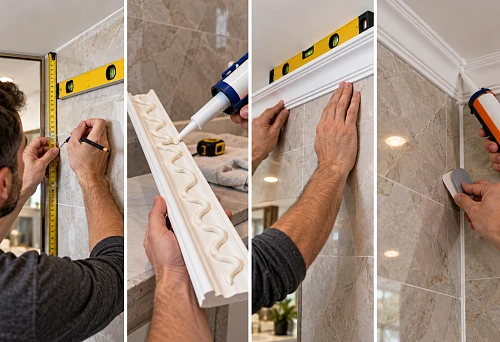
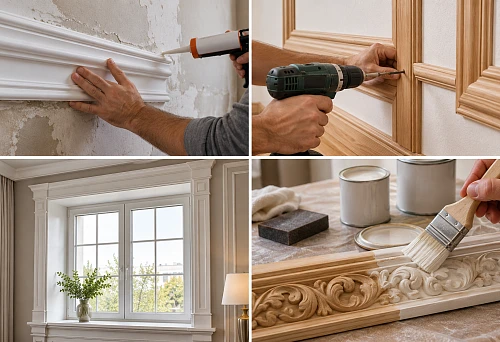
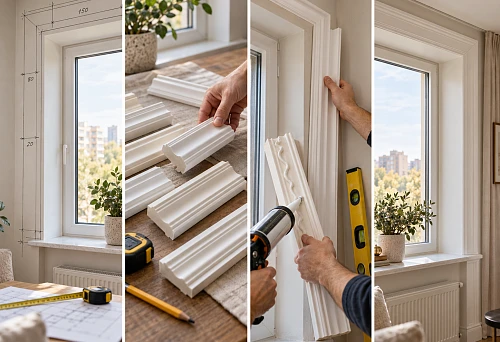
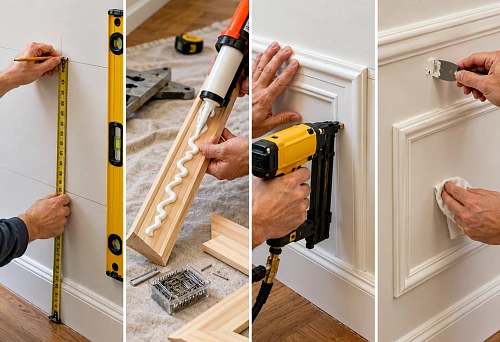
Polyurethane stucco molding is glued with assembly adhesive without a drill, dowels, or special tools. The main tools are a laser or bubble level, a miter box for cutting corners, and a spatula. Installation is possible without professional skills if you approach marking and cutting carefully.
About the company STAVROS
Everything discussed in this article — Moldings made of polyurethane, Ceiling molding, ceiling rosettes, Decorative stucco и Relief Decoration — presented in the STAVROS catalog.
STAVROS is a Russian company with its own production, manufacturing products from polyurethane and polystyrene for interiors and facades. The STAVROS catalog offers a full range for classic interiors: moldings, cornices, baseboards, decorative overlays, ceiling rosettes, pilasters, capitals, molding decor, and all the elements needed for professional and DIY decoration of any room.
In addition to stucco molding, STAVROS offers classic furniture of its own production — collections Versailles, Marseilles, Adele, and others: beds, consoles, mirrors in carved frames, tables, chairs, armchairs, ottomans. This provides a unique opportunity to select furniture and stucco molding from one source, with a guarantee of stylistic unity.
STAVROS works with Contact us to confirm shipping to your destination. All products are made of moisture-resistant polyurethane, ready for painting, require no complex surface preparation, and ensure a long-lasting result with proper installation.