







































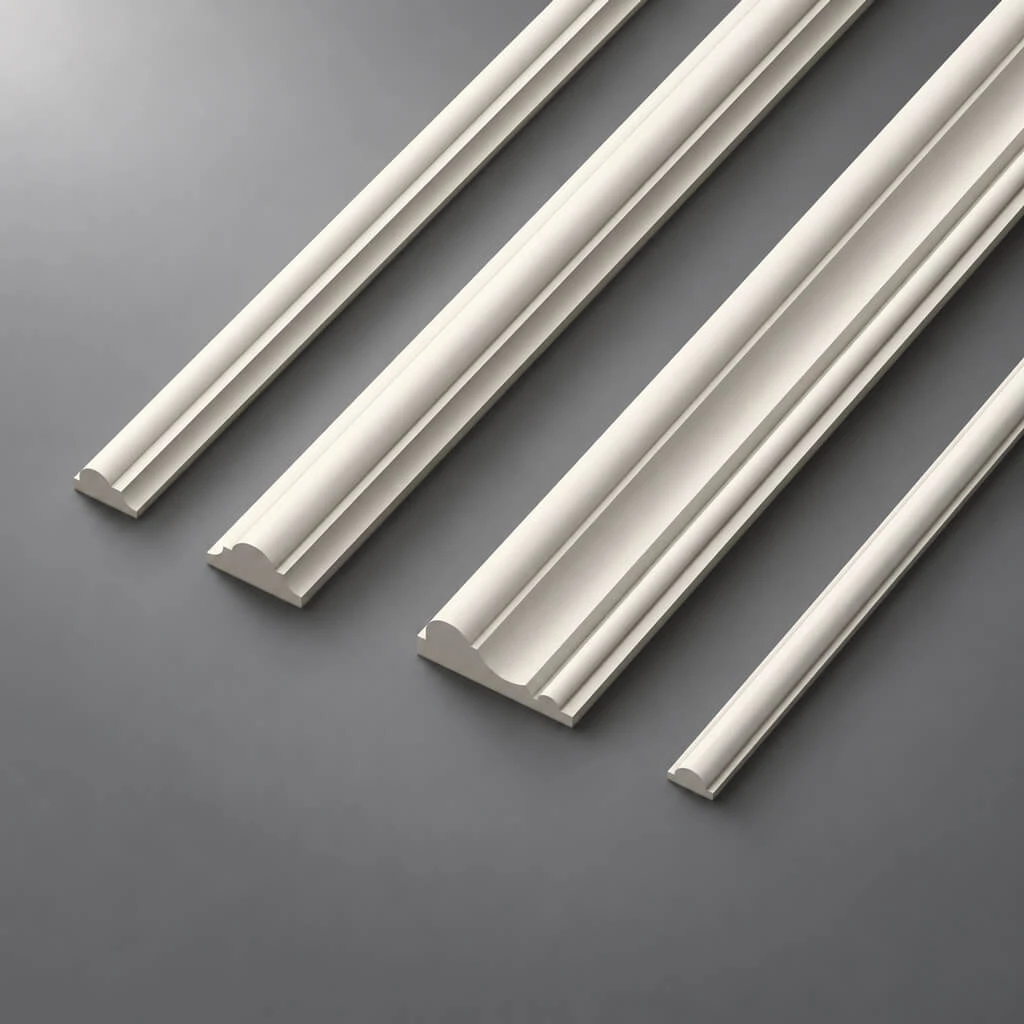
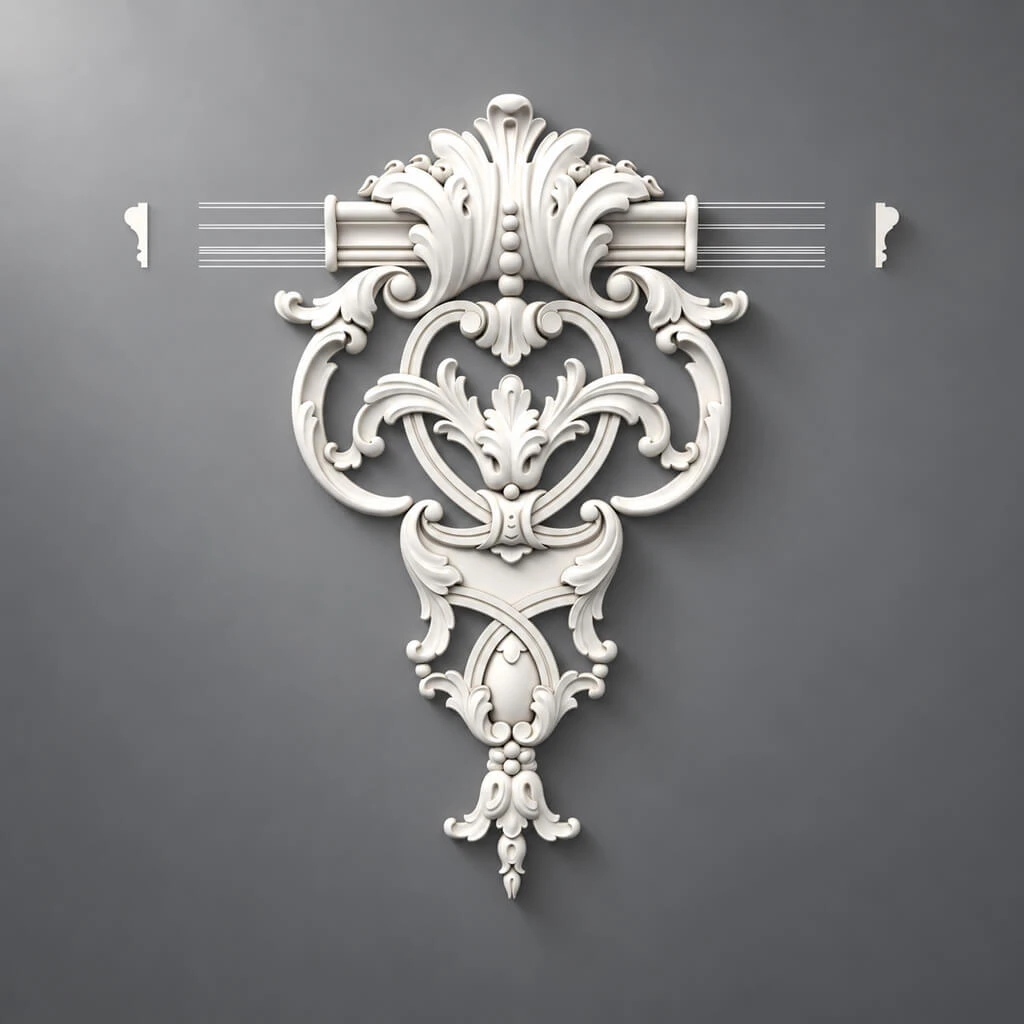
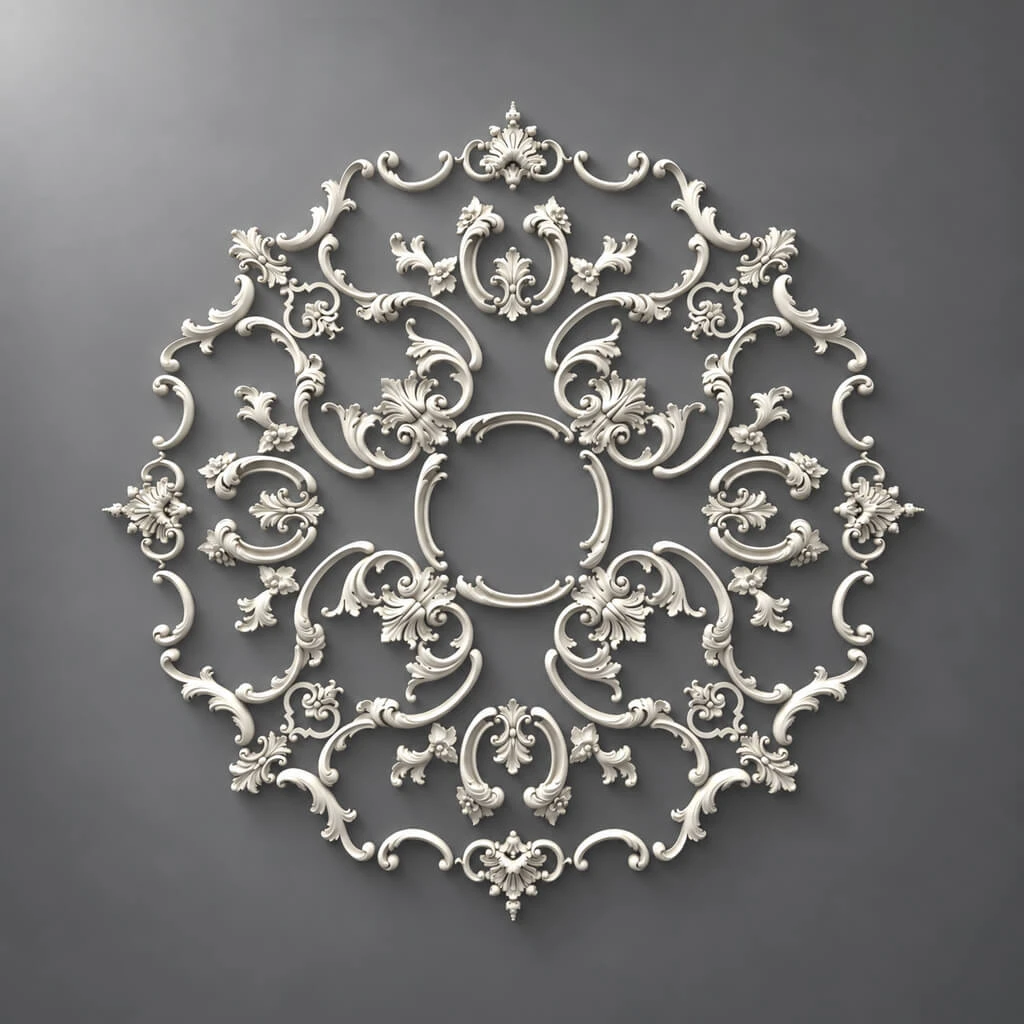
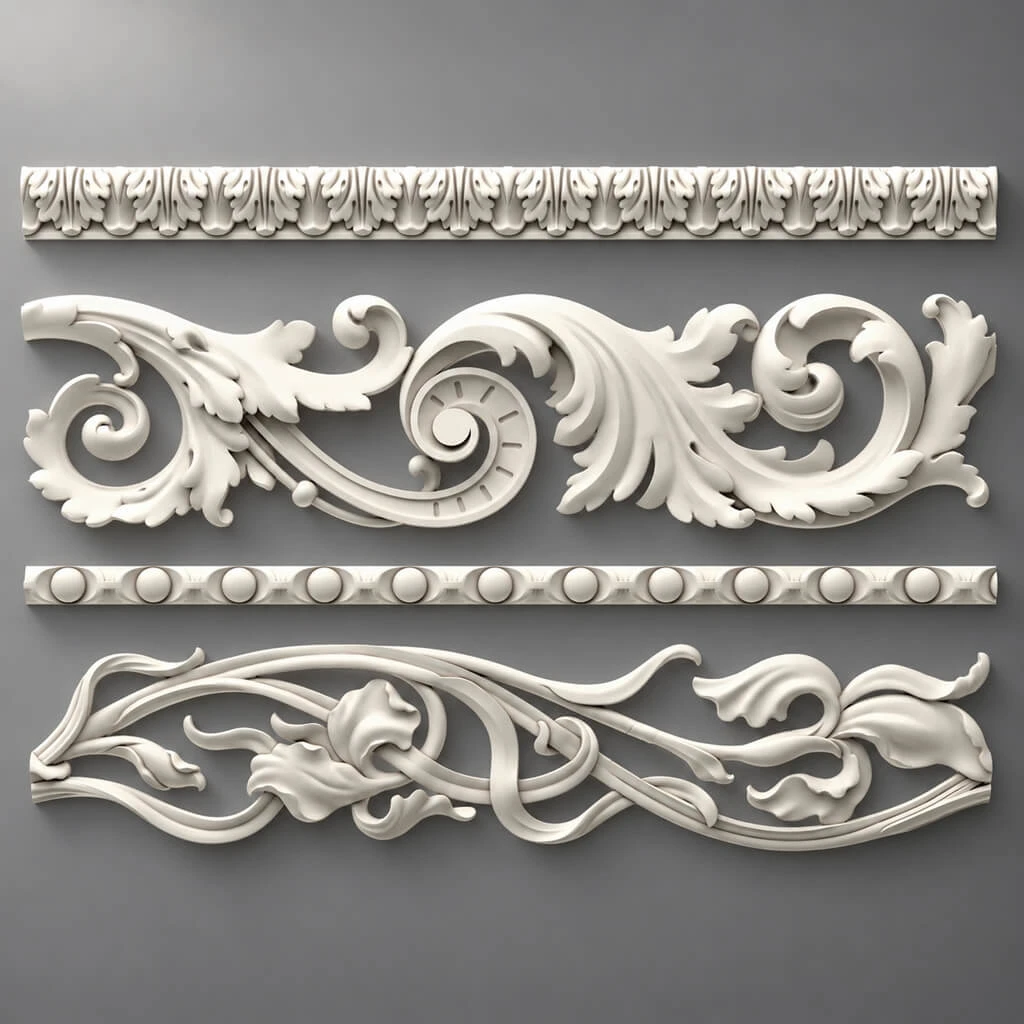


































Customers also buy

Ekaterina Y.
October 5, 2026
An excellent team! A huge selection of products! I recommend that craftsmen, designers, decorators, and home stagers take a tour of the production facility to immerse themselves and be inspired.
Alexander U.
October 2, 2026
I have been working with Stavros since 2024, and the quality of the products is top-notch. Customers are happy!!!
Elena G.
September 29, 2026
Daria is a very competent specialist; she provided consultation and helped us select items. They were sent promptly.
More than 20 years on the market
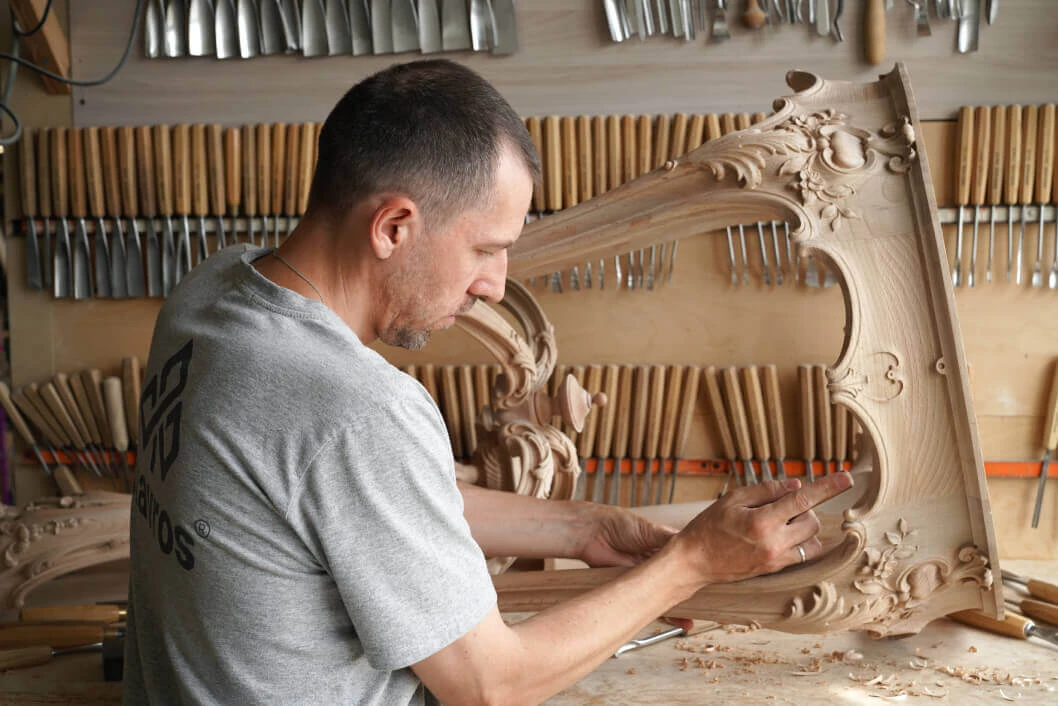
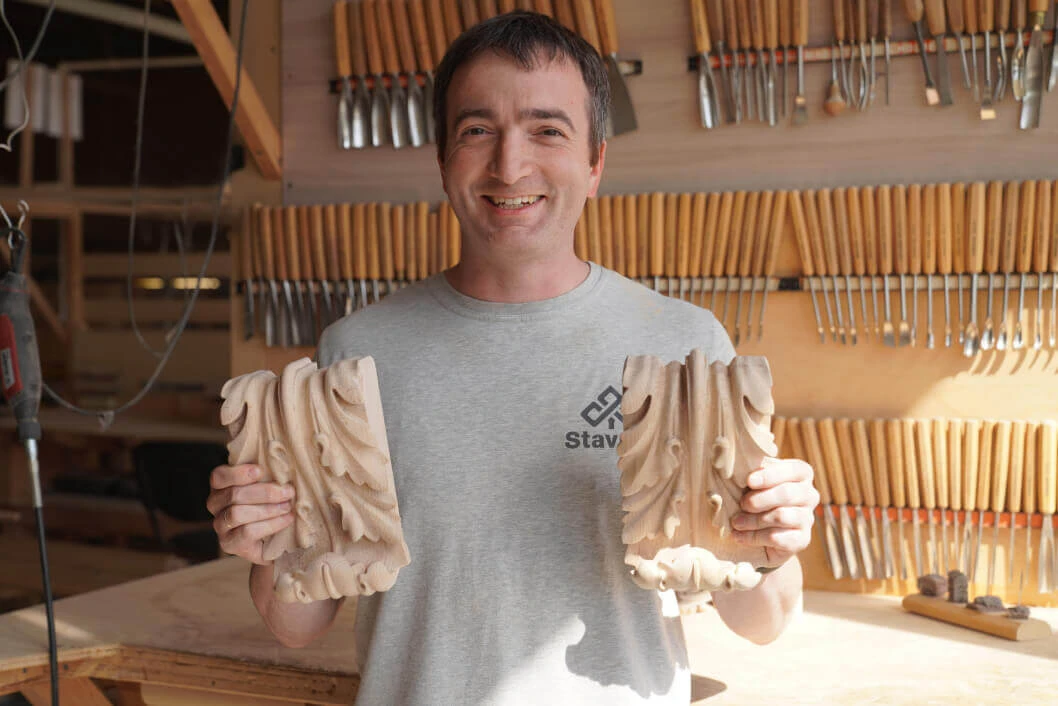
The company's success began in 2002, when two artists — Andrey Ragozin and Evgeny Tsapko — created a small creative workshop for producing wooden carved items. The masters' work was quickly noticed, and within a year they were invited to participate in the reconstruction of the Konstantinovskiy Palace in Strelna.
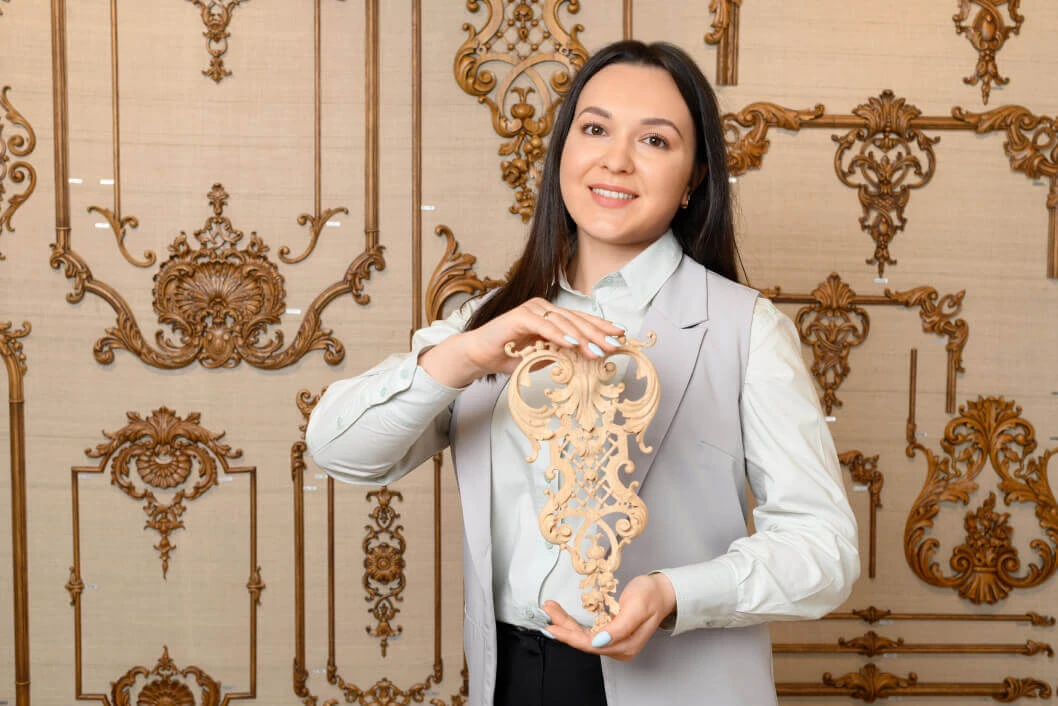
After the success of this project, the company focused on recreating palace interiors, furniture, church furnishings, and carved decorations in various artistic styles. They worked with cultural heritage sites: The Hermitage, the Alexandrovsky Palace, the Troitsko-Izmaylovsky Cathedral, the Sheremetyevsky Mansion, and many others.
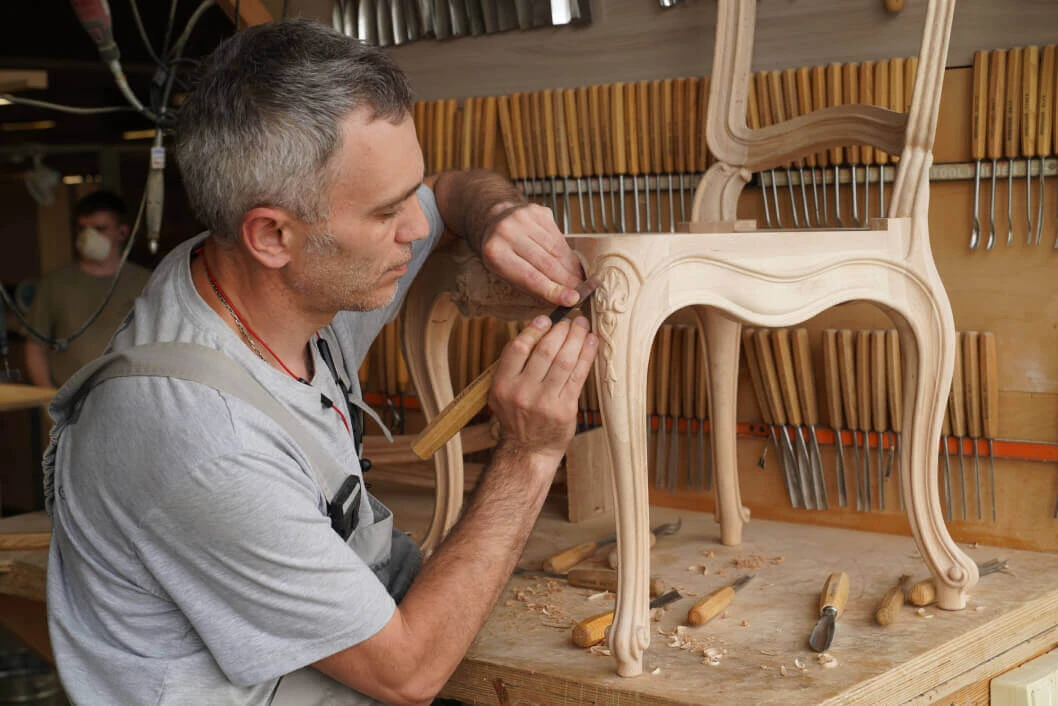
The masters' task — and still is — to create wooden items with the highest level of detail and understanding of every element, based on impeccable knowledge of artistic laws and interior styles.
STAVROS Guarantees
Quality of products without complaints
We save your time, peace of mind, and budget
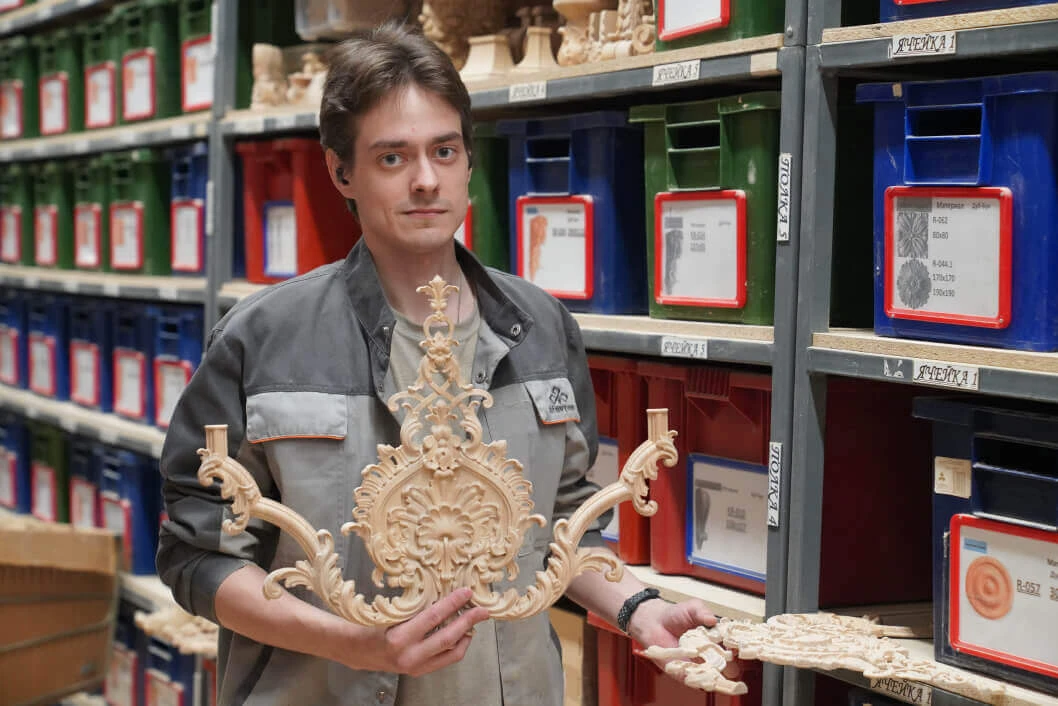
Large warehouse program
We solve your tasks with maximum speed
Adherence to production deadlines
Streamlined process reduces all risks
Delivery from 1 piece throughout Russia
Quality service regardless of order volume
Your positive business reputation
Reliable partner — the foundation of your business
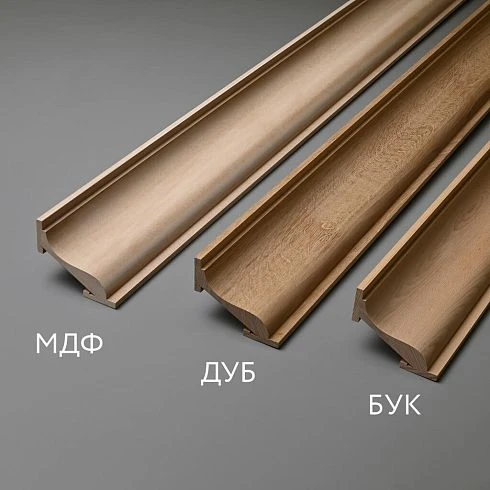
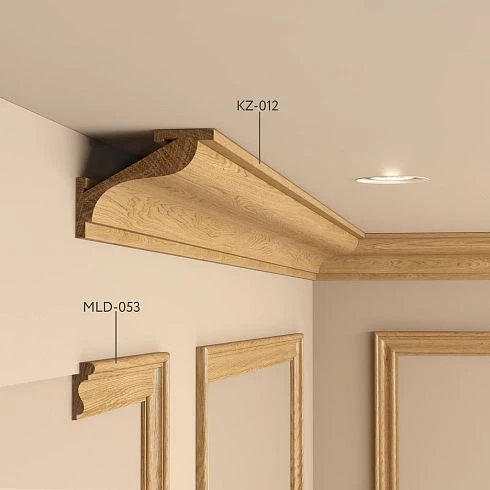
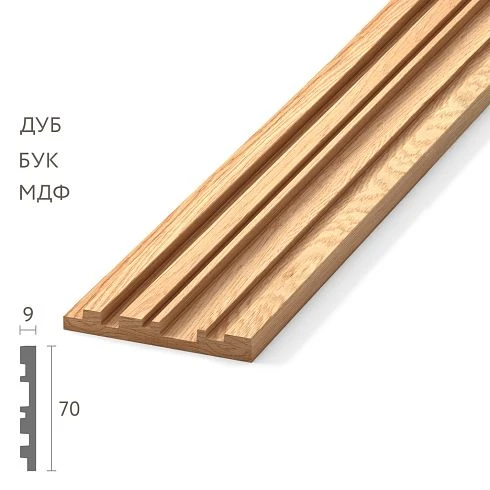
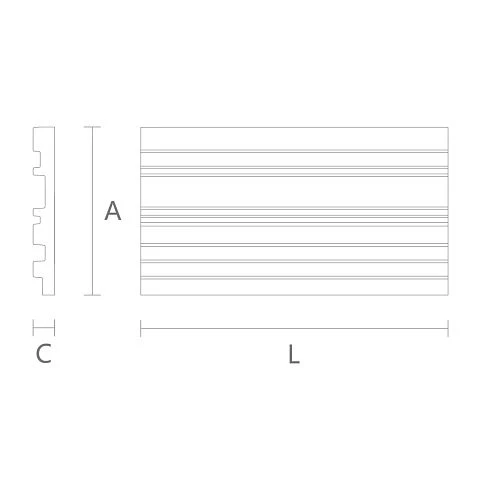
More products in the category of trim items
Frequently asked questions
Our showrooms are located in Saint Petersburg and Moscow. Production is located in Saint Petersburg.
Moscow contacts: https://www.stavros.ru/contacts_all/?tab=msk
Contacts of Saint Petersburg: https://www.stavros.ru/contacts_all/?tab=spb
- Send request by email [email protected]
- Write to us at Telegram
- Write to us at WhatsApp
- Order by phone +7 (800) 555-46-75
- Visit our showroom in Saint Petersburg and Moscow
Yes, we ship orders throughout Russia and to CIS countries.
We cooperate with transportation companies such as СДЭК and DPD.
You can also arrange pickup of your order through any convenient transportation company for you.
Delivery cost depends on the size, weight of the item, and delivery address.
When placing an order, the delivery cost is calculated automatically and displayed as a separate line on our website.
Prices and availability of items on the website are always current. Data is updated daily.
Note: items in stock are stored on the warehouse in unpolished form and shipped within 3 working days.
If the item is not in stock, average production time: 5–10 working days.
This is the quality of polishing of the items.
Standard — machine polishing, at a more attractive price.
Prestige — detailed hand polishing, items do not require further work.
More details: https://www.stavros.ru/information/kachestvo/
This is the type of veneer of the items.
Under enamel: produced by gluing wooden laminates without color and texture matching. Contrast tonal and textural differences are noticeable. This blank should be chosen if the item is intended for opaque coating.
Under tinting: produced by gluing wooden laminates with color and texture matching. Tonal and textural differences may occur. This blank should be chosen if the item is intended for semi-transparent finish.
More details: https://www.stavros.ru/information/kachestvo/
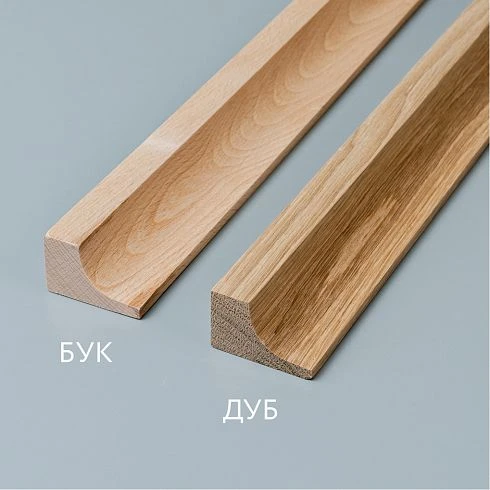
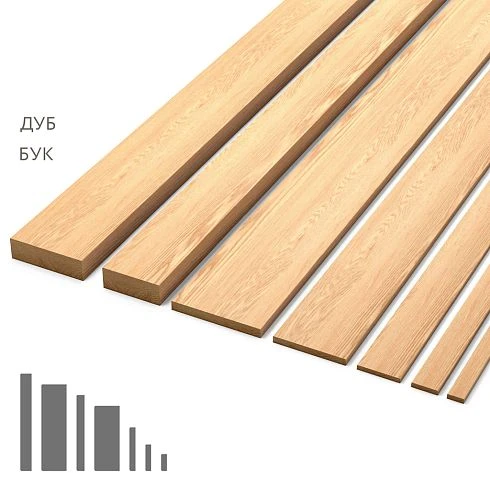
Beech — dense, non-porous wood, most often used for items covered with enamel.
Oak — dense, porous wood with clearly visible natural grain. Due to its strength and decorative properties, it is often used in items with semi-transparent coating, highlighting the wood pattern.
Custom-made, if non-standard items are required, we can produce products from other types of wood, including blanks provided by the customer, manufactured according to our technical specifications.
All our furniture legs can withstand a vertical load of at least 100 kg.
Average production time for custom-made items: 5–10 working days.
Most items are stored on the warehouse in unpolished form. We need time to polish and pack orders.
Yes, we manufacture non-standard items according to individual projects, but we only accept orders with a minimum quantity.
We can manufacture items of the desired size, but we only work with bulk orders. For details, please consult the sales department manager.
Yes, some of our products can be used outdoors. For example, polyurethane items, as well as carved door casings made of pine.
Other items are produced to order using PUR glue, if minimum quantity is available. No warranty is provided for such products, as outdoor conditions are considered aggressive.
Yes, we paint items when ordering products for a total amount of 150,000 rubles or more.
- Dust removal. After sanding, the surface must be dusted.
- Priming. Apply primer in an even layer.
- Matting. After the primer has fully dried, the surface should be matted (lightly sanded for better adhesion).
- Finish coating. Apply finish coating: lacquer or enamel, in 2 layers, with interlayer drying.
More details: https://www.stavros.ru/information/sovety/
Apply adhesive to the decor. Place it on the surface and press briefly. Then, lift the decor from the surface and leave it open for 3–5 minutes. Press the decor firmly onto the surface and hold for 5–10 seconds.
More details: https://www.stavros.ru/information/sovety/
Ideally, you should prepare a design project before placing an order.
You can do this yourself by downloading drawings of our products from our website, or you can order a project from us.
If the number of decorative elements and fittings is small, our company's manager can assist you with selection.
Unfortunately, this service is not provided.
The packaging method depends on the type of items, but in each case, we ensure sufficient protection for safe transportation.
We most often use corrugated cardboard and stretch film. Fragile items are additionally secured on a rigid base to prevent damage during transport.
We ship all items starting from 1 piece.
Room measurements and item installation can be performed by our partners — carpentry companies represented in most regions of Russia.
Often searched in category Wooden and MDF items
7628
3332
2639
2600
1985
1608
1325
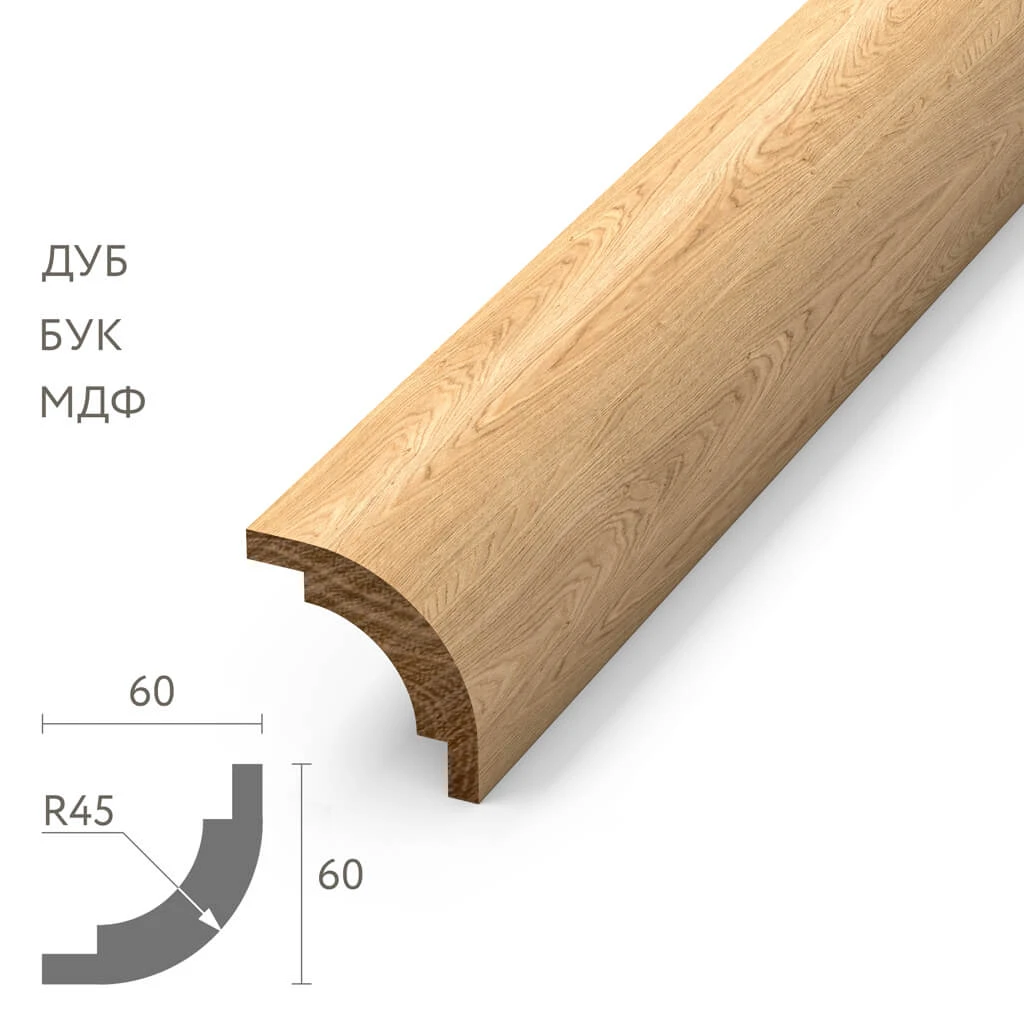
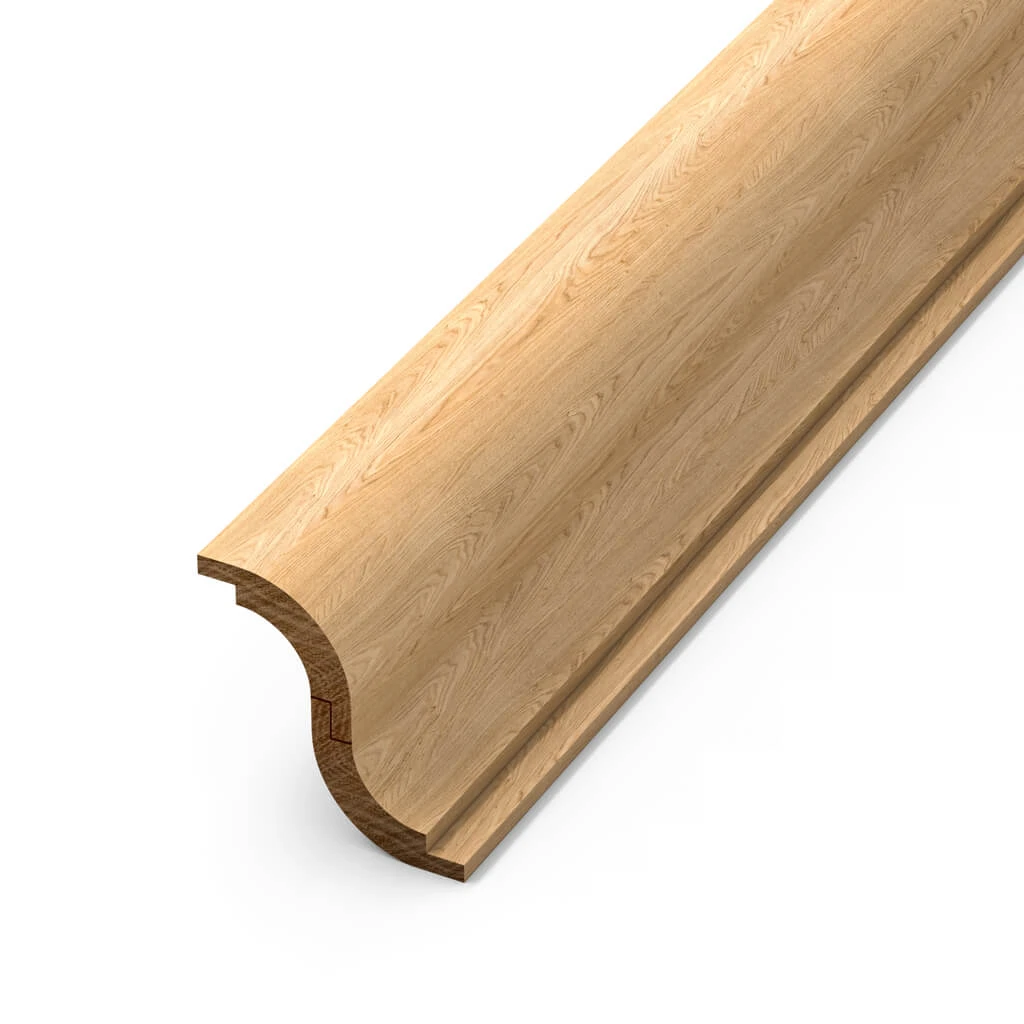
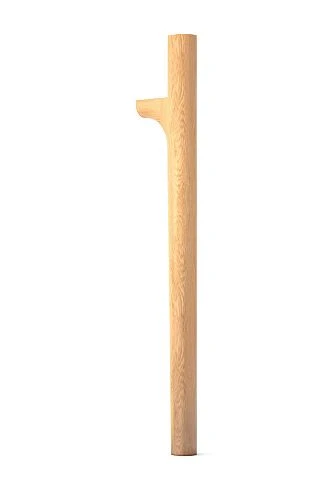
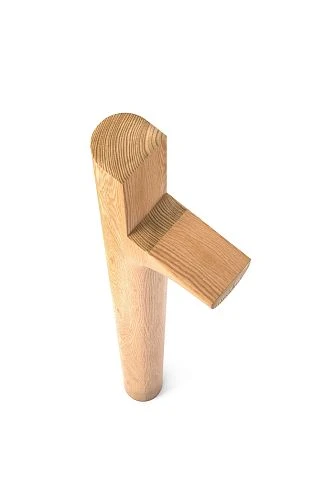
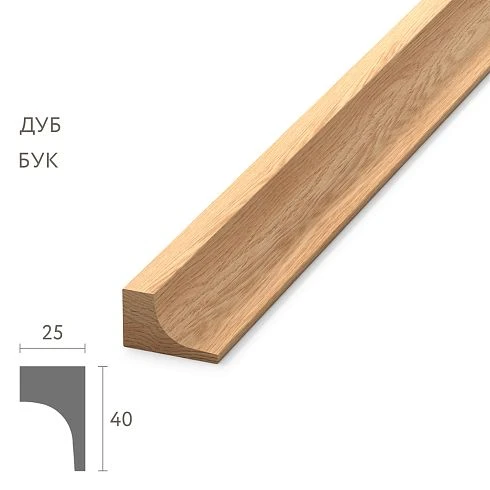
Corner element for furniture MLD-062 — a decorative molding that gives the body a finished look
Every furniture piece crafted with attention to form differs from a simply assembled cabinet or kitchen set by one thing — the presence of a well-thought-out decorative finish. It is in the corner areas that all the work is most often "lost": joints separate, ends become exposed, and the body looks unfinished. The corner element for furniture MLD-062 is designed to close this problem once and for all — precisely, aesthetically, professionally.
Corner element MLD-062 for decorative furniture finishing
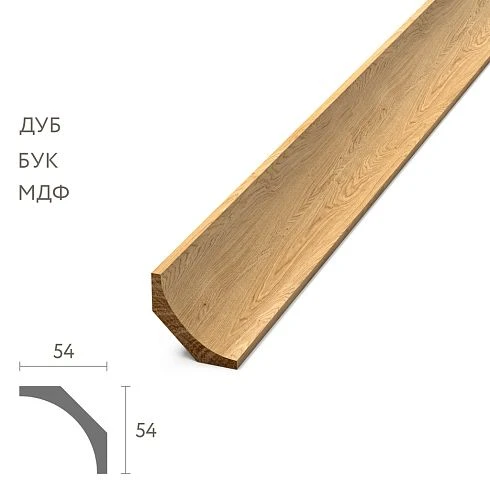
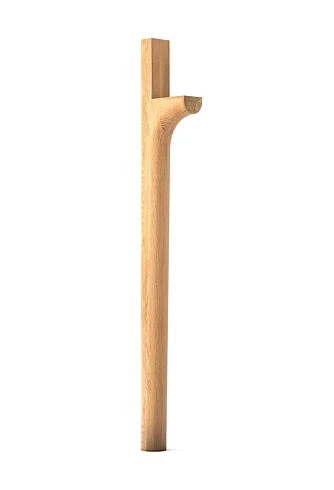
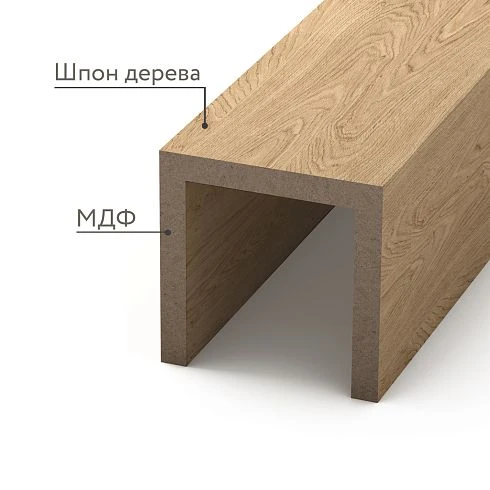
Decorative corner element for furniture MLD-062 is a molding product designed for finishing external corners, posts, side panels, and front parts of cabinet furniture. Unlike metal mounting brackets or perforated installation profiles that serve a structural function, MLD-062 carries an exclusively decorative load: it turns a rough open corner into a neat, finished facade element.
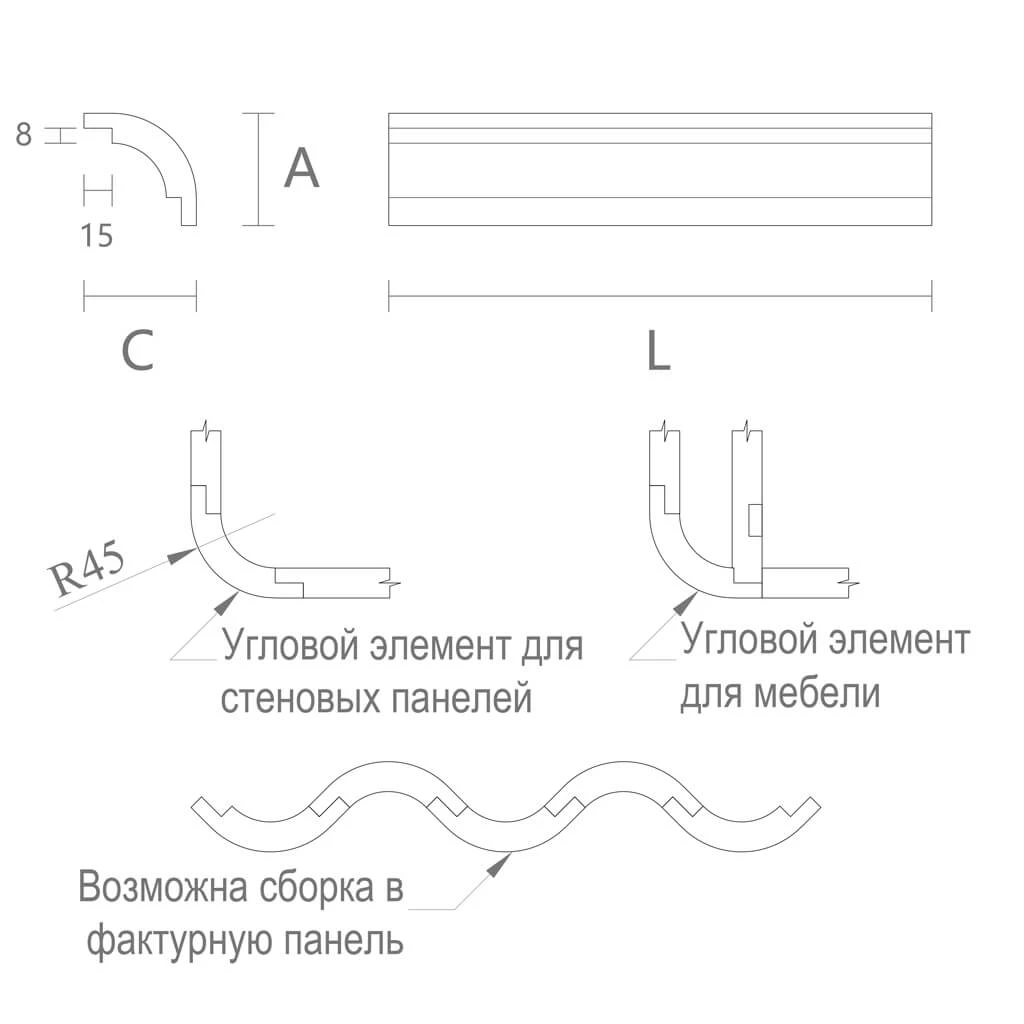
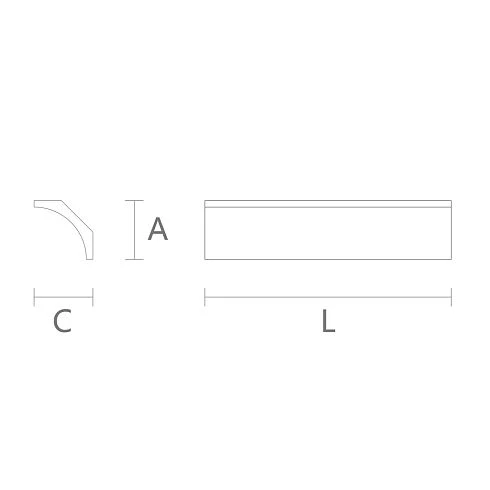
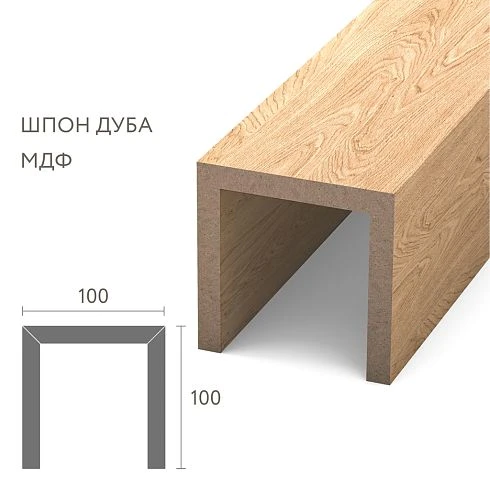
Furniture molding of this model is produced with a cross-section of 60×60 mm — a size noticeable enough to set an accent, yet not overwhelming the visual appearance of the product. The profile shape is designed to harmoniously combine with both classic furniture solutions and more restrained neoclassical facades. It is this versatility that makes the decorative corner element for furniture MLD-062 in demand in both serial and custom furniture production.
It is important to understand: this is not a construction angle, not a PVC profile for slopes, and not a mounting part. MLD-062 is aWooden Furniture Decorin its pure form, part of a finishing system that works together with moldings, overlays, carved inserts, and other elements of a unified facade composition.
Where to use the corner element MLD-062
The question of using corner decorative elements is one of the key aspects in furniture design. A craftsman working with linear products for the first time often wonders: is it really necessary, or is a decorative corner an extra detail? The answer is clear: it is necessary, and here's why.
Without corner zone finishing, the open end of the body always looks like an incomplete structure. A buyer at an exhibition, a client in a photo, a designer during project handover — all of them instantly perceive this incompleteness. The corner element for furniture facades removes this feeling and gives the product visual integrity.
Cabinets and wardrobe systems
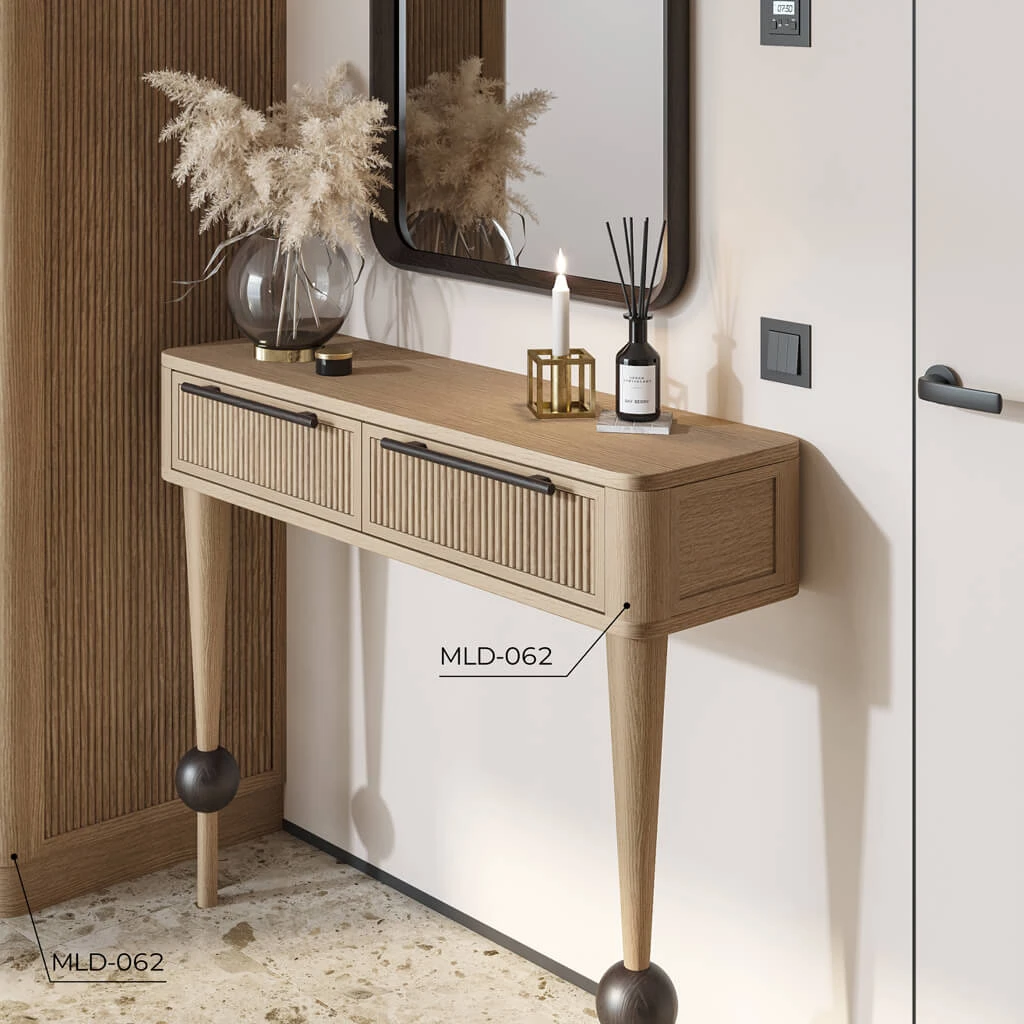
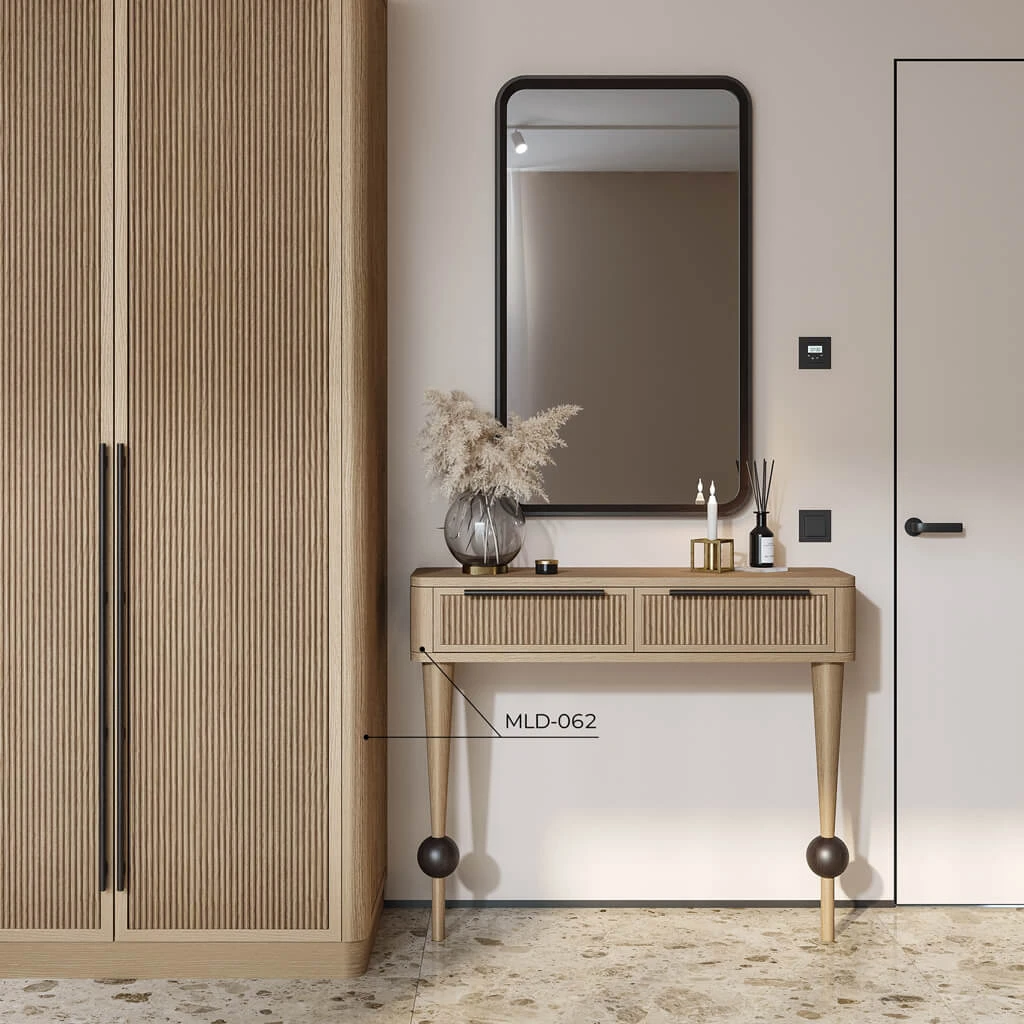
The corner element for a wardrobe is one of the most common application scenarios for MLD-062. The sides of the wardrobe, especially when installed freestanding, are in plain view and require neat finishing along the vertical edges. The linear decorative corner is mounted along the entire height of the post, creating the impression that the wardrobe is made as a single monolithic product, rather than assembled from separate panel elements.
In wardrobe systems with open sides, the corner element acts as a visual "finisher" — it shapes the edge of the post so that the structure begins to be perceived as furniture, rather than a shelving set.
Kitchen cabinets
The corner element for the kitchen is used in several typical points: on vertical posts between floor sections, along the edge of a tall pantry cabinet, on visible ends of wall cabinets. It is in kitchen projects that it is important to maintain style unity, anddecorative moldings for furnituretogether with corner elements, they form that very complete picture that distinguishes a mid-to-high-end set from a typical budget collection.
In classic kitchens with enamel facades, the MDF corner element for furniture is an ideal companion: it is painted in the same color as the facade and blends into a single whole with the overall surface.
Showcases, chests of drawers, cabinets
The corner element for a showcase is a separate story. A showcase is a product that is viewed from different angles, and its edges are always visible. The decorative corner here solves an aesthetic task: it visually "seals" the structure, gives it elegance, and accentuates the shape.
For chests of drawers and cabinets, corner furniture linear trim works similarly — especially if the product is intended in a classic or neoclassical style. The corner element for a cabinet emphasizes its silhouette, forms clear vertical lines, and adds depth to the surface.
Furniture posts and facade parts
The corner element for furniture posts is a crucial tool for furniture makers working with libraries, cabinet systems, and executive wardrobes. The posts separating cabinet sections are in focus and must look flawless. MLD-062 with a 60×60 mm cross-section provides the necessary visual weight — it is expressive enough to set the rhythm of the facade, yet does not distract attention from the overall composition.
Furniture Restoration
The corner element for furniture restoration is an application often overlooked. Old case furniture with damaged or worn edges can be restored using decorative molding profiles: they cover chips, mask signs of wear, and return the product to a well-maintained appearance without full disassembly and re-covering of the case.
For restoration tasks, the MDF option is especially convenient: it easily accepts paint, putty, and primer, and its surface is perfectly smooth for painting.
Decorative furniture molding from MDF, beech, and oak
One of the most common questions when choosing is which material to prefer? The answer depends on the specific task, furniture style, and finishing method. Let's break down each option without unnecessary generalizations.
MDF: the ideal base for painting and enamel
The corner element made of MDF for furniture is the number one choice for all projects where painting is planned. MDF is made from medium-density wood fibers pressed under high pressure. The surface is dense, uniform, without pores or natural wood defects. This is exactly what is needed for enamel: paint lays evenly, primer holds without delamination, and the finish layer comes out glossy or matte — depending on the chosen composition.
The corner element for furniture MDF for painting allows achieving the effect of a monolithic painted part, indistinguishable from the facade. This is especially valuable in classic white kitchens, in strict RAL facades, in minimalist interiors with matte enamel. If you are interested in a broader view of the use of MDF in furniture production, read the material aboutfurniture molding from MDF— it details the technological advantages of this material.
Additionally, MDF is well-suited for tool processing: it is easy to saw, sand, and trim to the required size without the risk of splitting or chipping along the edge.
Beech: stable and dense furniture wood
A corner element for furniture made of beech is a solution for those who choose natural wood without pretension to a pronounced texture. Beech is one of the densest and most uniform European species: it splits poorly, accepts tinting well, and is resistant to deformation under changes in indoor humidity.
For corner molding elements, beech is ideal: with a small cross-section of 60×60 mm, the dense structure of the species provides sufficient rigidity for a long strip, eliminating sagging and bending. It is worth buying a wooden corner element for furniture made of beech when the project involves finishing in light tones, tinting in the color of "walnut," "natural oak," or "cherry" — beech absorbs stain evenly and produces a beautiful, uniform tone without spotting.
Oak: expressive texture for premium solutions
A corner element for furniture made of oak is a choice for projects where the natural expressiveness of the material is important. Oak is distinguished by a pronounced fiber pattern, open large pores, and a rich natural palette — from light golden to rich tobacco color depending on the treatment.
If the furniture is intended as a status piece — a library in a study, a representative cabinet in a hall, a display case in a jewelry boutique — a corner element made of oak reinforces this message. Its texture is readable from a distance, the fiber pattern adds depth to the facade, and the material itself is associated with high quality and durability.Wood and MDF Productsfrom Stavros are presented precisely in these species — beech and oak, which allows you to select a decorative element in a unified system with other furniture details.
Materials, sizes, and execution options
Before ordering a corner element, it is important to know its exact parameters. A size error at the procurement stage leads to rework and production delays. The MLD-062 specifications are below.
Product technical parameters
| Parameter | Value |
|---|---|
| Article number | MLD-062 |
| Product type | Decorative corner molding element |
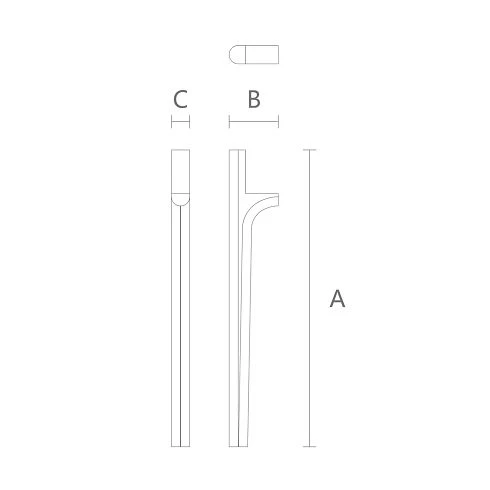
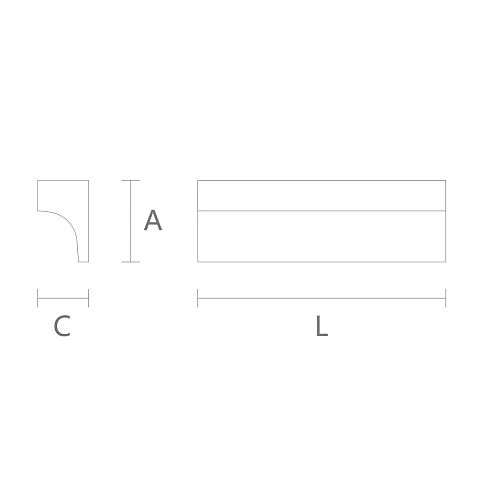
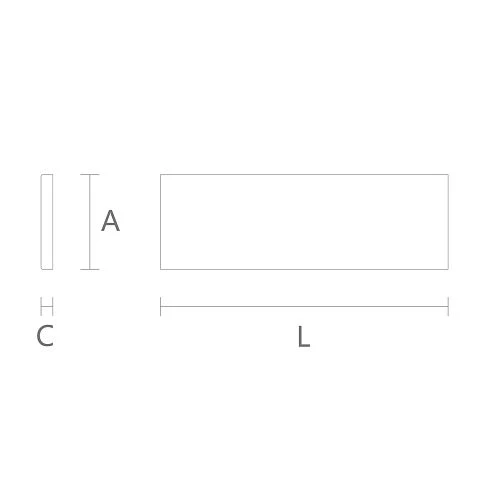
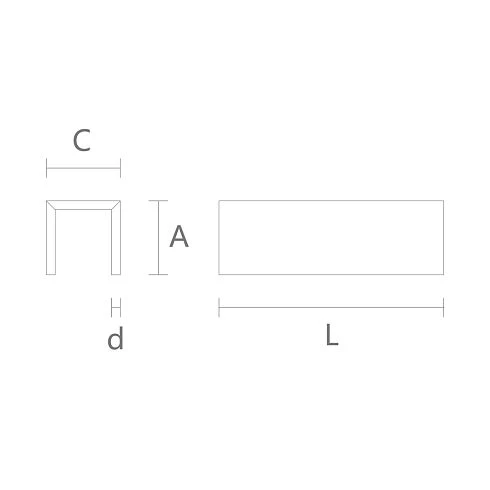
| Section (A × C) | 60 × 60 mm |
| Length (MDF) | 2400 мм |
| Length (beech, oak) | 2600 мм |
| Materials | MDF, beech, oak |
| Purpose | Decorative finishing of furniture corners |
| Category | Wood and MDF products / molding products |
The MDF corner element 60x60 is produced in a length of 2400 mm — this is the standard size for most furniture projects. With a cabinet height of up to 2200 mm, one strip covers the entire vertical of the post with a margin.
Corner element for furniture length 2600 mm — option in beech and oak. The additional 200 mm provide a larger allowance for trimming during installation on tall cabinets, non-standard heights, or when cutting into multiple pieces.
The 60×60 mm section is chosen so that the 60 by 60 corner element for furniture is perceived as a full-fledged decorative detail — visible, voluminous, but not dominating the facade.
Category and purpose in the catalog
MLD-062 belongs to the category of linear furniture products — a linear corner element produced as straight strips of a given profile. Unlike point decor (rosettes, carved overlays, corner blocks for moldings), linear elements work along the length of the product and cover the entire contour of the corner area from base to top.
This distinguishes it from decorative corner inserts, which are installed only at the intersection points of molding frames. If you are interested in the second type of elements, check out Decorative corner element MLD-2U-1.1 — a point product for frame molding systems.
Advantages of decorating furniture with the corner element MLD-062
Discussing advantages only makes sense when each point is backed by specific benefits. Generic phrases about 'high quality' and 'affordable price' have long ceased to work for either the buyer or the search engine. So — specifically.
Neat finishing of external corners without visible joints
An open corner of cabinet furniture is always a compromise. A panel part has an end that is visible from certain angles, and especially noticeable with high gloss. The decorative corner for furniture facades in the form of the MLD-062 molding completely covers this end, forming a beautiful profile relief in its place.
With professional installation, the joint between the corner element and the facade panel is almost imperceptible — especially after final painting in a single color.
Concealing end zones and unfinished joints
In cabinet furniture production, a situation often arises where the end of a chipboard or MDF part cannot be completely hidden with edge banding due to corner geometry. In this case, corner furniture decor in the form of an applied molding becomes a technologically justified solution: the element covers the end area, transforms it into a decorative plane, and eliminates the problem of a visually incorrect finish.
Compatibility with painting, tinting, and varnishing
The corner element for furniture under enamel in the MDF version is one of the most convenient applications of this profile. The MDF surface is primed, puttied if necessary, and painted in any RAL or NCS shade. Wooden versions made of beech and oak are tinted with stains, coated with varnish, oil, or wax — depending on the customer's wishes.
This flexibility makes the corner element for furniture finishing applicable in a wide variety of decoration styles — from matte white classics to dark brushed oak in the 'loft-classic' style.
Suitable for serial and custom production
Corner furniture molding made of MDF and wood is in demand both on large production lines and in small workshops. Strips of standard lengths 2400 and 2600 mm are easily stored on shelves, can be cut into blanks of the required size without problems, and do not require special equipment for installation.
For serial production, predictability is important: MLD-062 is a product with constant geometric characteristics, which allows you to calculate material consumption per batch in advance without adjustments for heterogeneity.
Applicable in classic and modern furniture solutions
The corner element for classic furniture with a profiled section of 60×60 mm fits into Empire, neoclassical, Provencal, and Baroque interpretations of furniture decor. In modern projects, the same element, with appropriate painting, works in the style of "soft classic", "modern classicism", or "neoclassicism with clean lines."
Decorative furniture finishing with its use is perceived as thoughtful, not random — this is what distinguishes a professional furniture project from a standard assembly.
How to choose a corner element for furniture
The right choice is not about "which is better", but about "which fits a specific task." The logic is simple if you break it down step by step.
Step 1. Determine the method of final finishing
If the furniture is planned for painting or enamel, the answer is clear: a corner element for furniture for painting made of MDF. This material is designed specifically for such scenarios. Its surface is smooth, without open pores, and accepts primer and finishing paints well. If you have already chosen a set in RAL 9003 or want a milky-white matte facade, the MDF option will perfectly solve the task.
For natural wood finishing — tinting, oil, varnish on wood — choose beech or oak. It is worth buying a corner element made of beech if the project assumes an even, uniform tone: beech absorbs stain evenly. It is recommended to buy a corner element made of oak when an expressive texture is needed — the pattern of oak fiber adds natural depth to the facade.
Step 2. Match the furniture style with the material
For classic and neoclassical projects with white enamel facades — MDF.
For libraries and studies in warm natural tones — beech or oak under varnish.
For display showcases and facades with open texture — oak.
For restoration tasks on old painted furniture — MDF for combined painting.
Step 3. Calculate the length requirement
Corner element for furniture length 2400 mm (MDF) and corner element for furniture length 2600 mm (wood) — taking into account on-site trimming, it is important to correctly calculate the number of planks.
Standard cabinet height 2100–2200 mm is covered by one plank of any option. For tall cabinets 2400 mm, you need to take a wooden option 2600 mm long with a margin for trimming, or consider joining two MDF planks with precise alignment of the profile pattern.
For kitchen projects with multiple posts — calculate for each vertical rib zone: for a standard 3-meter kitchen, two to four planks will be required depending on the configuration.
Step 4. Consider compatibility with other decorative elements
MLD-062 is part of the system. If the project uses Corner moldingfor frame inserts, decorative overlays or carved rosettes — the corner molding element must match their visual scale. A 60×60 mm section pairs with molding profiles 40–80 mm wide and creates a balanced decorative system without visual dissonance.
Installation and finishing
The installation technology of the corner decorative element does not require special equipment and, with due care, is accessible to both a professional furniture maker and a qualified installer.
Preparation and marking
Before installation, the surface on which the decorative wooden furniture corner will be mounted must be flat, clean, and dry. The geometry of the corner area of the body is checked: if the edge has a slight deviation, it is leveled by sanding or puttying for painting.
The length of the corner strip is measured on site, taking into account all junctions: to the lower base, upper cornice part, or adjacent horizontal parts. Trimming is done with a miter saw at a right angle for a precise fit.
IfCorner decorative elementsare mounted in a system with moldings; they are installed after the entire frame composition has been marked out — this avoids overlaps and gaps at intersection points.
Fixing the element
The fastening method is chosen depending on the base. The most common options:
-
Carpenter's PVA glue or specialized contact adhesive for wood and MDF — for products with a flat contact surface
-
Finish nails (brads) with subsequent puttying of holes — for wooden options when mounting on solid wood
-
Double-sided mounting tape with high adhesion — for lightweight structures and exhibition solutions
-
The combination of glue and mechanical fixation is the most reliable option for production tasks.
After fixation, check the fit along the entire length: in areas of poor fit, apply additional glue or perform local puttying.
Final finishing
After installation, the decorative furniture trim is prepared for finishing. For MDF: sanding with fine-grit paper (grit 120–180), priming, puttying joints if necessary, re-sanding, and applying finish paint or enamel.
For wooden options made of beech and oak: sanding along the grain, dust removal, applying stain or tinting compound, interlayer sanding, and varnishing in 2–3 coats with intermediate sanding.
The corner element for decorative furniture finishing, after the final coating, is fully integrated into the overall surface of the facade and is perceived as a single whole with the product body.
How MLD-062 fits into the Stavros furniture decor system
Stavros produces decorative trim and point elements for furniture from natural wood and MDF. This means that MLD-062 does not exist in a vacuum — it is part of a unified decorative system where each element is scaled and coordinated with others.
If you are designing furniture in a classic or neoclassical style, the corner trim MLD-062 works organically in pair with other catalog items:
-
Wooden baguette and moldings — for frame facade inserts between corner posts
-
Decorative corner element MLD-2U-1.1— point corner block for intersections of molding frames
-
Corner moldingMLD-027U-2— for decorative panels and frame inserts on facades
-
Furniture legs, brackets and supports from the same catalog — for style unity within a furniture project
Full catalogof wood and MDF productsallows you to assemble a decorative system for any furniture task — from a simple kitchen set to a complex bookcase with carved inserts.
Commercial summary: for whom and why
Corner element MLD-062 — a product with a clearly defined audience. This is not a universal "corner for everything", but a specialized decorative molding for the furniture industry.
It is worth buying the corner element for furniture MLD-062:
-
For furniture manufacturers working in the upper-middle and high segments — for serial production of classic and neoclassical sets
-
For design workshops — for implementing individual furniture projects with attention to detail
-
For joinery workshops — for custom-made products: libraries, cabinet systems, display cases, executive cabinets
-
For individual craftsmen and restorers — for furniture renovation and decorative restoration of corner areas
-
For site supervisors and interior designers — for furniture assembly within project orders
The corner element for furniture from the manufacturer Stavros is available in three materials (MDF, beech, oak), in size 60×60 mm, with lengths of 2400 and 2600 mm. Linear products for furniture can be purchased in the catalogstavros.ru, by selecting the desired material and quantity in the product card specifications table. It is also possible to order the corner element MLD-062 with calculations for a specific project — the manager will help select the optimal option for your task.
FAQ: Answers to popular questions about the corner element MLD-062
What is the corner element MLD-062 used for?
MLD-062 is a decorative linear product for finishing external corners, posts, side panels, and front parts of furniture. It gives the body a finished look, hides end areas, and neatly finishes the edge of the furniture piece.
Is it a mounting bracket or a decorative element?
Exclusively decorative. MLD-062 is not a metal mounting bracket, perforated fastener, or construction profile. It is a linear furniture product made of MDF, beech, or oak, intended only for decorative finishing.
Can the corner element be used for painting?
Yes. The MDF version is specifically suitable for painting and enamel: the surface is dense, without pores, and accepts primer and finish paint well. MDF is the recommended choice for all RAL-painted projects.
What materials are available?
The product is available in three versions: MDF (length 2400 mm), beech (length 2600 mm), oak (length 2600 mm). Each material has its own application specifics and finishing method.
Where is such furniture molding used?
In cabinets, kitchen sets, display cases, chests of drawers, nightstands, furniture racks, decorative libraries, and custom furniture projects. It is also used in furniture restoration with damaged corner areas.
How to attach the MLD-062 corner element?
With wood glue, finishing nails, or mounting tape — depending on the base and project type. After fixing, finishing is performed: sanding, priming, and painting (MDF) or tinting and varnishing (wood).
Is MLD-062 suitable for classic furniture?
Yes. The profile with a 60×60 mm cross-section complements classic and neoclassical furniture solutions. It is expressive enough for classics but does not overload the facade with unnecessary details.
How does MLD-062 differ from a construction or metal corner?
A construction angle bracket is a fastening or protective product made of metal or plastic. MLD-062 is a decorative trim made of natural wood or MDF, which does not perform a load-bearing or mounting function. Its purpose is aesthetics, not construction.
Can I order a corner element for a specific project?
Yes. On the website stavros.ru a form for custom orders is available. A manager will help calculate the quantity, choose the material, and specify lengths for a specific furniture task.
Are there related products for MLD-062?
Yes. The corner trim MLD-062 is compatible with corner point elements for intersections of molding frames (MLD-2U-1.1), straight trim moldings, decorative overlays, and other catalog products made of the same material and in the same style.
Your request has been sent!
Our manager will contact you within 5 minutes