











































































Article Contents:
- Why it's better to design a blank wall as a composition
- What to choose for a blank wall: moldings, panels, or a ready-made kit
- Moldings: architecture you create yourself
- Decorative panels: a monolithic result
- Stucco decor: ornamental accent
- Ready-made kit: from concept to result in a weekend
- Options for decorating a blank wall
- Frames made of moldings
- Decorative polyurethane panels
- Vertical decor for a tall or narrow wall
- Ready-Made Set of Decorative Molding
- Where to use decor for a blank wall
- In the living room
- In the bedroom
- In the hallway and corridor
- In the study
- How to choose a style for an empty wall
- Neoclassicism
- Neoclassic Light
- Jatoba
- Versailles Light
- How to calculate decor for an empty wall
- Color, light, and material: how polyurethane works in interior design
- Mistakes when decorating an empty wall
- Where to buy decor for an empty wall made of polyurethane
- FAQ: Frequently Asked Questions

An empty wall is not neutrality. It is incompleteness that the brain registers automatically. You can arrange the most beautiful furniture, choose the perfect textiles, select the right lighting — and the room will still feel like a draft if one of its walls has nothing on it. Emptiness weighs down. It suggests that the design work stopped halfway.
How to decorate an empty wall? This question is both simple and complex. Simple — because there are many solutions. Complex — because most of them yield a temporary or half-baked result: a painting hangs as a small dot, a shelf looks random, a photo set gets lost in the scale of a large wall. ArchitecturalPolyurethane wall decor — moldings, frames, decorative panels, and ready-made kits — is a systematic answer to this question. It works in any room, in any style, on a wall of any size.


Why it's better to decorate an empty wall as a composition
Before discussing what exactly to hang or stick on the wall, it's worth understanding why point solutions rarely work. A painting, a mirror, a panel, a shelf with pots — all these items share one thing: they exist as separate objects on the wall plane. They do not create structure — they complement it. But if there is no structure itself, there is nothing to complement.
Decorating an empty wall is not just a question of aesthetics, but also of architectural thinking. A wall is a plane. A plane without division is perceived as emptiness, even if something is on it. Moldings, frames, and decorative panels create precisely structure: horizontal and vertical lines that break the plane into parts, giving it rhythm and proportions. On such a wall, even a simple painting looks different — as an object within the frame of an architectural system, not just an item on a nail.
Decorating an empty wallmade of polyurethane has another important advantage over point decorative solutions: scalability. One painting on a 4 m wide wall is a proportion error. A molding system of three frames on the same wall is architecture. Decorative panels are a monolithic solution that fills the entire surface without randomness.
Wall decor for an empty wall made of polyurethane can be painted in any color. A monochrome solution — moldings in the tone of the wall — works delicately and elegantly: the wall gains relief and structure without changing its color code. This is especially valuable in modern interiors where they do not want to overload the space with contrasting accents.
A ready-made set of stucco decor solves another problem: it eliminates errors in proportions. When a person first takes on decorating a large empty wall with moldings, the main risk is incorrectly calculating the ratio of frames, fields, and molding profiles. In a ready-made set, all this is already done for them.




What to choose for an empty wall: moldings, panels, or a ready-made set
Three tools — three levels of complexity and three levels of expressiveness. The right choice depends on the size of the wall, the interior style, and the willingness to work on a project or get a turnkey result.
Our factory also produces:




Moldings: architecture you create yourself
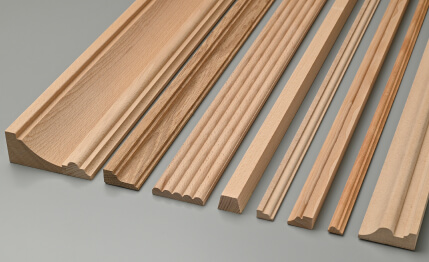
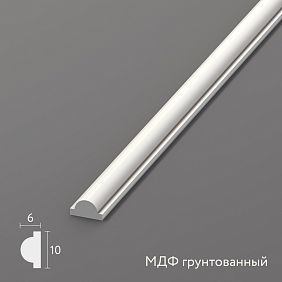
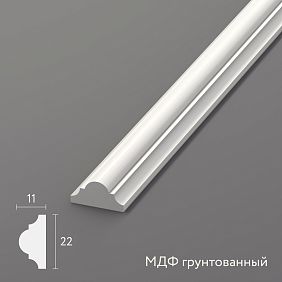
polyurethane wall moldingsare profiled slats from which frames, vertical lines, and horizontal belts are composed. This is the most flexible format: you determine the size, number of frames, their proportions, and the spacing between them.
Molding frames are a centuries-old way to make an empty wall architectural. In classic European interiors, walls were almost never left bare: they were divided into fields, each bounded by a molding. The modern version of this technique is the same geometry, but in a scale and style corresponding to today's housing.
For independent work with moldings, you need a scale diagram, a laser level, and an understanding of the principle of proportions: the frame is wider than the distance between frames. The field inside the frame is at least 30×40 cm. The molding profile matches the size of the frame and the room.
Get Consultation
Decorative panels: a monolithic result
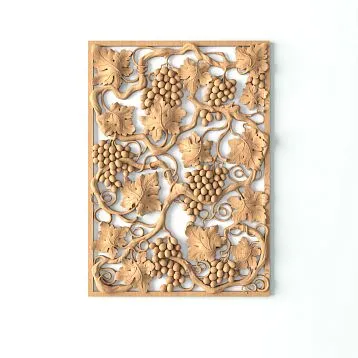
polyurethane decorative wall panelsare ready-made large modules with a relief pattern. Unlike molding frames, which need to be assembled from individual slats, the panel is installed as a single element and immediately creates a monolithic surface with character.
Decorative panels for a large empty wall are an ideal tool when the wall is 2.5 m wide or more and the ceilings are 2.7 m or higher. A series of two or three identical panels in a row creates a rhythmic system that fills the surface completely — without voids and without randomness.
For a small room, decorative panels are selected carefully: too large a relief in a small area creates a feeling of crampedness. In this case, it is better to choose a frame system made of moldings or a light collection like "Neoclassic Light".
Stucco decor: ornamental accent
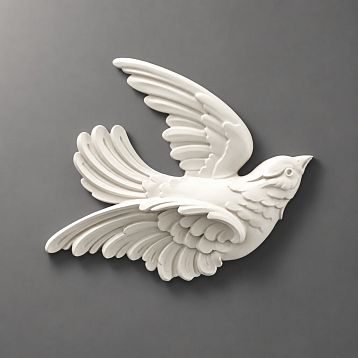
molded decoration made of polyurethaneare ornamental overlays that are installed at key points of the molding system: in the corners of frames, in the center, at intersections. Stucco decor gives the system character — classic, baroque, geometric — depending on the chosen collection.
On their own, without a molding system, stucco overlays rarely give a finished result. They work as a final accent that completes the architectural scheme.Decorative elements for the wall made of polyurethane— corner overlays, rosettes, floral inserts — this is the detailing that makes the system alive.
Ready-made kit: from concept to result in a weekend
Ready-made molded decor kitsare system sets where moldings, corner elements, and ornamental overlays are already selected, coordinated in scale and proportions. One kit — one panel. Two, three, four — a wall system of the required size.
A ready-made kit for a blank wall is the choice when the result matters, not the selection process. The right collection, the right scale — and the job is done without mistakes.
Options for decorating a blank wall
Molding frames
Molding frames are the most common and most versatile way to decorate a blank wall in any style. Rectangular molding contours arranged on the wall in a logical rhythm transform it from an empty plane into an architectural surface.
Molding frames on the wall can be used in several formats. One large frame in the center of the wall — for small rooms and accent areas. Two or three frames in a row — for long horizontal walls. A vertical pair of frames (one above the other) — for walls with high ceilings. A grid of several frames — for spacious walls in halls and living rooms.
Decorative frames on the wall work well in combination with a painting, mirror, or sconce: an object placed inside the frame becomes part of the architectural system. The molding creates context for it — and the item no longer seems random.
Decorating a wall with moldings allows any color: frames in the color of the wall — a monochrome delicate relief; frames two shades darker than the background — depth and volume; a contrasting color of frames — a bold accent for daring interiors.
Decorative panels made of polyurethane
A large blank wall requires a large solution. This is where decorative polyurethane panels truly shine. The panel occupies a significant area of the wall, creating a monolithic relief background against which any object — from a TV to a work of art — looks great.
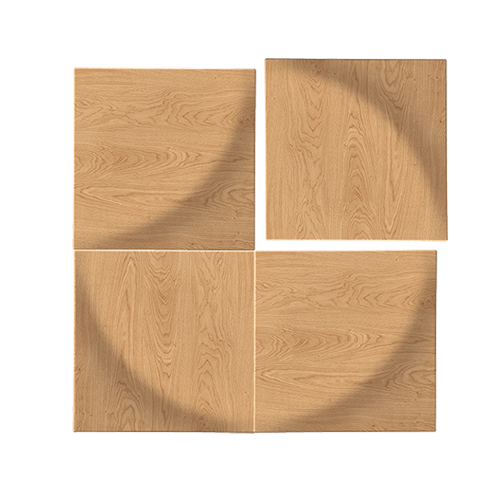
Decorative panels for a large wall are mounted in a row or in a checkerboard pattern. A horizontal row of two or three panels creates a wide architectural strip on the wall. A vertical arrangement — visually raises the ceiling. A combined scheme — a central panel with side molding accents — creates the feeling of a three-part wall division.
A molding panel on the wall in the bedroom behind the bed, in the living room behind the sofa, in the study behind the desk — this is a scenario that works everywhere. The main thing is the right scale: the panel should be proportionate to the furniture, not the wall as a whole.
Vertical decor for a high or narrow wall
Narrow piers, walls in the corridor, surfaces near a door or window — all of these are places for vertical decor. A horizontal frame system physically cannot fit here, but vertical moldings work perfectly.
Two or three vertical moldings with equal spacing on a narrow pier create rhythm and visually stretch the space upward. This is a powerful technique for working with the ceiling: vertical lines make the room taller without any architectural changes. Decorating a high wall with vertical moldings is a particularly effective tool for halls and entryways with non-standard height.
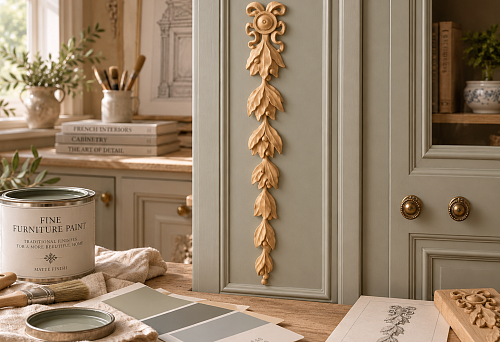
Vertical wall decor made of polyurethane is also a single vertical molding with an ornamental overlay on top. A minimalist technique that works in Japandi, modern classic, and any neutral interior.
Ready-made set of stucco decor
A ready-made wall decor kit is a systematic tool that eliminates randomness. When all elements are selected together, the wall looks complete from the first try. That is why ready-made kits are the most popular solution for decorating empty walls among those who take on this project independently.
The composition of a standard kit: molding strips along the perimeter of the frame, four corner elements, a central ornamental overlay. More complex kits add side inserts, vertical accents, and additional corner elements.
A ready-made wall composition made of polyurethane is installed in one to two days. After installation and puttying of joints, painting in two coats. The result is a professional architectural surface without experience working with stucco or a design education.
Where to use decor for an empty wall
In the living room
The living room is the space where an empty wall is most common and feels most acute. The wall behind the sofa, the wall by the window, the wall with the TV, the wall with the fireplace — each carries its own function and requires its own approach.
The question 'how to decorate an empty wall in the living room' is one of the most popular search queries, and it's no surprise. It is in the living room that walls are most exposed to view, it is where the most time is spent, and it is where interior photos are taken.
decoration of a large wall in the living roomIt is built on the principle of a main accent: one wall — one system. The wall behind the sofa — molding frames or decorative panels the width of the sofa or slightly wider. Decor for an empty wall behind the sofa should be proportionate to the furniture: frames narrower than the sofa create a feeling of insufficiency, frames significantly wider create a feeling of imbalance.
TV zone is a special scenario. The decor here should consider the screen's position: molding frames on the sides of the TV, a horizontal molding frieze underneath, a decorative panel as a background — all of this creates a complete TV wall. A detailed analysis of this format is in the article aboutdecorating the TV zone with polyurethane.
A wall with a mirror or painting benefits from a molding frame around it: the object becomes part of the architecture, not just a hanging item. Decorating the wall behind the sofa with a molding system and a mirror in the center is a classic and always working solution.
In the bedroom
The bedroom is a space for relaxation, and the wall decor in it should create a sense of calm, not visual tension. The empty wall at the head of the bed is the most common place that seeks a solution.
How to decorate an empty wall in the bedroom? The most accurate answer is a molding frame or a set in the wall's color. A monochrome system creates an architectural accent without contrast impact: the wall becomes structured but calm. This is exactly what is needed for the bedroom atmosphere.
The decor of the wall at the head of the bed from a ready-made set should be proportionate to the bed: the width of the system equals the width of the bed or is slightly wider. The lower edge of the frame is at the level of the headboard's top edge or 5–10 cm above it. The upper edge is no closer than 20 cm to the ceiling.
Decorating an empty side wall in the bedroom — vertical moldings or a single vertical frame — works as a zoning element: it marks the bedside area, creating an architectural context for it.
More about wall decor in the bedroom — in the materialpolyurethane wall decor behind the sofa, where the principles of working with an accent wall are analyzed in detail.
In the hallway and corridor
The hallway and corridor are two completely different scenarios with the same general request "decorating a long wall". In the hallway, the wall works as a first impression: it is here that the guest forms their initial feeling of the interior. In the corridor, a long wall is monotony that needs to be broken into rhythmic parts.
How to decorate an empty wall in the hallway? Most often, this is the space next to a mirror, console, or coat rack. A molding frame around the mirror creates an architectural scene: the mirror turns from a utilitarian object into an interior piece. Decorating the empty wall in the hallway on the sides of the mirror — vertical moldings or small frames — completes this system.
The decor of a long wall in a hallway is built on the principle of rhythm. A series of identical frames with equal spacing along the entire length of the hallway turns a monotonous plane into an architectural gallery. For a narrow hallway, a vertical rhythm of moldings visually raises the ceiling. For a wide one, a horizontal system of frames creates the feeling of a grand hall.
Decorating an empty wall in a hallway using ready-made kits is a quick and predictable result. A series of four to five identical kits along the wall creates a complete system that looks designed—and it truly is.
In the study
Decorating an empty wall in a study is about status and concentration at the same time. The wall behind the desk creates a backdrop for work, meetings, and video calls. It should be expressive enough to set the tone and calm enough not to distract.
Decorative panels in a study are a monolithic relief wall behind the desk. This is a strong architectural statement that works in separate studies with sufficient space. For a small work area in an apartment, a frame system made of molding slats with monochrome painting.
The decor of the wall behind the desk should be tied to the center of the desk. The center of the decorative system must align with the center of the workspace—otherwise, the wall and desk will seem disconnected.
How to choose a style for an empty wall
Neoclassicism
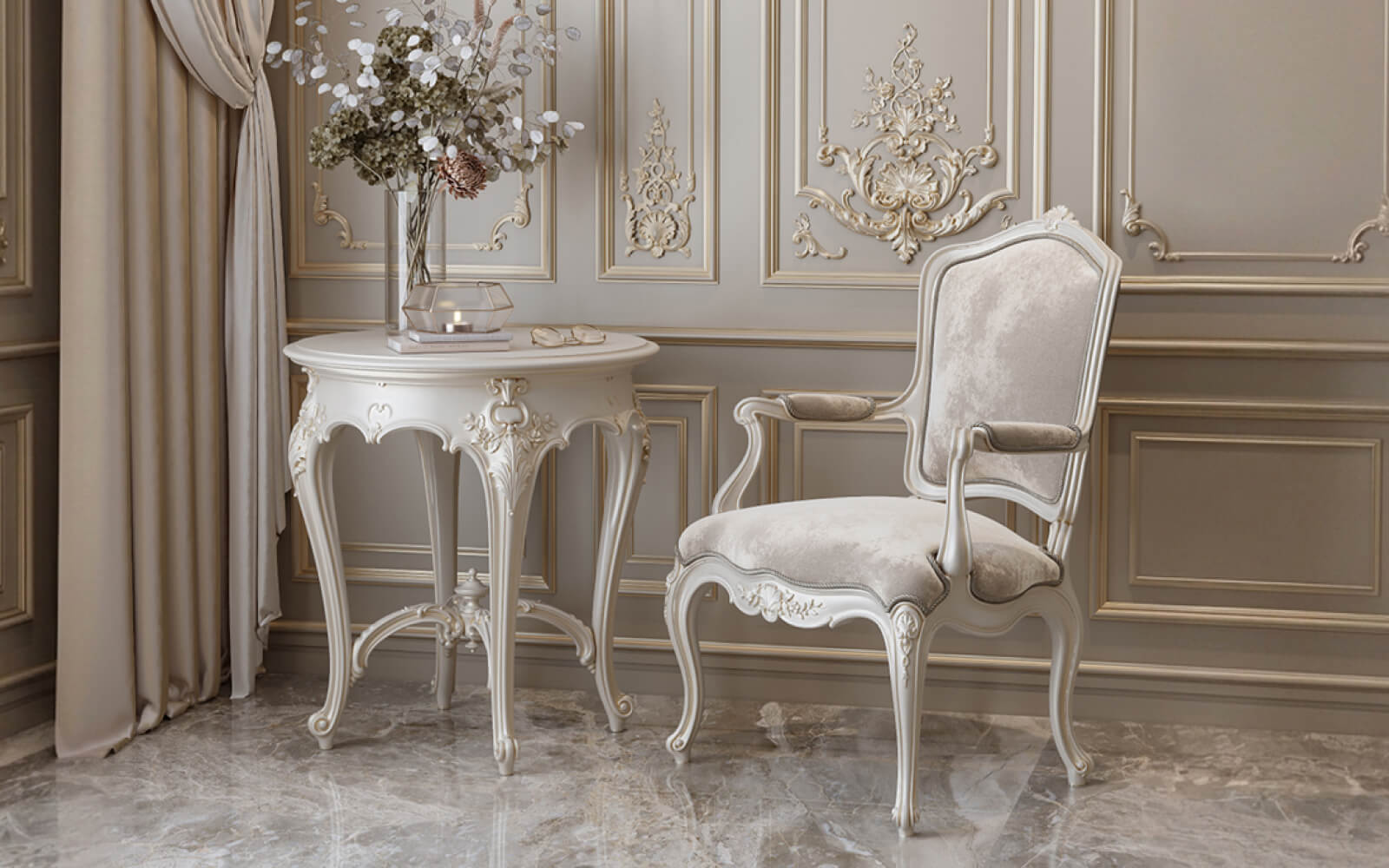
Neoclassicism is a system that creates architectural character for any wall. Symmetrical frames with a pronounced molding profile, ornamental accents at corner points, a horizontal frieze—all of this makes an empty wall significant.
Decorating an empty wall in neoclassicism is built on symmetry. The central axis is the foundation. Frames, vertical elements, ornamental overlays—everything is symmetrical relative to this axis. This is a classic principle that works in the living room, bedroom, study, and hallway.
Set of stucco decor "Neoclassic"— a precise fit for this aesthetic. Moldings on the wall in neoclassicism from this collection have a pronounced profile with a clear contour, floral corner accents, and an ornamental central element. For studies, living rooms, and halls with ceilings of 2.7 m and higher, this is the optimal choice.
Neoclassic Light
Lightweight classic for modern apartments."Neoclassic Light"— this is a delicate molding profile, soft ornament, and scale designed for standard ceilings of 2.5–2.8 m. It is a lightweight polyurethane wall decor that does not create a sense of historical reconstruction but adds architectural substance to the wall.
"Neoclassic Light" is a choice for those who want to decorate an empty wall beautifully and convincingly, but without fully immersing in the classical style. Modern wall moldings from this collection work in bedrooms, kitchen-living rooms, small studies, and hallways of standard apartments.
Japandi
Minimalism is not emptiness. It is precision. Japandi in wall decor means geometry without ornament: vertical lines with square corner accents, thin molding without relief pattern, neutral palette.
"Japandi" decor setcreates an architectural structure on the wall using pure geometry. No floral curls, no baroque overlays — only volume and rhythm. Empty wall decor in Japandi is a calm, self-sufficient system that works well in bedrooms, studies, and home offices.
Minimalist empty wall decor does not mean "little." It means "precise." In Japandi, each molding stands exactly where it should. No extra elements, no decorative excess. Only architecture.
Versailles Light
For those who do not seek compromises."Versailles Light"— this is maximum expressiveness within polyurethane decor. Floral overlays with high relief, rich molding profile, corner accents with classical ornament.
Classic large wall decor from "Versailles Light" is a formal living room, country house hall, library, or executive office. For small rooms in standard apartments, this collection requires caution: rich relief in a small area creates a feeling of crampedness.
Versailles Light for a large wall — when there is space, high ceilings, and a will for architectural statement. This is decor that is remembered.
How to calculate decor for an empty wall
Calculation is what separates a successful result from rework. It's a series of sequential steps that cannot be skipped.
Step one: measure the wall. Width from corner to corner (or to the nearest architectural boundary — door, window, pilaster) and height from baseboard to ceiling. Record with an accuracy of 5 mm.
Step two: determine the working area. This is not the entire wall, but its "active" area. Top — indent 15–25 cm from the ceiling or to the cornice. Bottom — 10–20 cm from the baseboard. This is the space where the decorative system is placed.
Step three: find the central axis. The vertical axis in the middle of the wall is the reference point for symmetrical systems. If there is furniture on the wall (sofa, bed, console), the axis is determined relative to the center of the furniture.
Step four: choose the format. For a wall up to 1.5 m wide — one central frame. For a wall 1.5–2.5 m — one large frame or a pair of vertical elements. For a wall 2.5–4 m — two to three frames in a row. For a wall over 4 m — five sections or decorative panels with molding accents.
Step five: check the proportions of the frames. The field inside the frame is at least 30×40 cm. The fields between frames are from 15 to 30 cm. The distance from the outer contour of the system to the edge of the wall is at least 15 cm. The frame should not be square unless it is a specially designed square accent.
Step six: account for outlets, switches, and sconces. Electrical points should either be inside the frame in an acceptable position or strictly outside its boundaries.
Step seven: draw a diagram to scale. A sheet of graph paper, scale 1:20 — this is enough to check proportions before installation. If everything looks good on paper, there will be no mistakes on the wall.
Color, light, and material: how polyurethane works in interior design
Polyurethane wall decor is not just a shape. It is a material with specific properties that make it ideal for decorating empty walls in residential spaces.
The material is not afraid of moisture — it can be used in kitchens and high-traffic hallways. It does not deform at residential temperatures. It does not crack or yellow during storage. It weighs significantly less than plaster — installation does not require special fasteners, only glue and finishing nails.
Painting polyurethane is a simple and accessible process. After installation and puttying of joints, a primer is applied, then two coats of matte acrylic paint. It can be repainted an unlimited number of times — when changing the interior, a new coat of paint is sufficient.
Side lighting reveals the relief of polyurethane decor in full force. A directional lamp or sconce illuminating the wall at an angle creates shadows in the recesses of the molding profile, making it lively and three-dimensional. In direct lighting, the relief flattens — the effect is lost.
Mistakes when decorating an empty wall
The most costly mistake is the one discovered after installation. Here is a list of what most often goes wrong.
Small decor on a large wall. A 40×60 cm frame on a 3.5×2.7 m wall is a dot in space. Rule: decor should occupy 50 to 70% of the wall's working area.
Decor is not connected to furniture. The center of the decorative system does not align with the center of the sofa or bed. This breaks the connection between furniture and wall, creating a sense of randomness.
Too many different elements. Frames from one collection, overlays from another, molding from a third. The result is visual chaos. A ready-made set solves this problem: all elements are coordinated.
Outlets and switches are not taken into account. A molding frame cut by an outlet is an irreparable mistake that is immediately visible. A diagram is mandatory before installation.
Frames too low or too high. The center of the frame should be at the height of a standing person's eyes — approximately 155–165 cm from the floor. Too high — the decor seems to float. Too low — it creates a feeling of being pressed down.
Mixing styles. Baroque floral overlays from "Versailles Light" with geometric moldings for Japandi — a conflict that cannot be resolved by painting.
Too active decor for a small room. Large relief panels in a 15 sq. m room create a feeling of crampedness. In small spaces — "Neoclassic Light", thin moldings, monochrome.
Buying elements without a layout plan. Without a preliminary project, it is impossible to accurately determine the amount of molding and overlays. At best, there will be leftovers. At worst, there won't be enough.
Technical installation issues are detailed in the materials about installing polyurethane moldingandinstallation of polyurethane molding.
Where to buy decor for an empty wall made of polyurethane
STAVROS — a catalog that presents the full range of architectural decor for walls made of polyurethane.How to decorate an empty wall — this question has a systematic answer for each scenario here.
Moldings for an empty wall — a wide selection of profiles from thin geometric slats to expressive classic moldings.molded decoration made of polyurethane — ornamental overlays, corner accents, rosettes, and inserts for all styles.
For calm interiors —"Neoclassic Light"and"Japandi". For more expressive walls —«Neoclassic»and"Versailles Light". polyurethane decorative wall panelsandwall decor sets — for those who want results without extra effort.
STAVROS provides DWG drawings and 3D models, advises on element selection, and delivers throughout Russia.Buy decor for an empty wall — this is the first step to ensuring no wall in your interior remains unanswered.
FAQ: Frequently Asked Questions
What is better — moldings or panels for decorating an empty wall?
It depends on the wall size and task. For walls up to 2.5 m — molding frames. For large walls from 2.5 m — decorative panels or a combined system. A ready-made set works for both cases.
Can I decorate an empty wall myself without a designer?
Yes. For a frame system, a scale drawing, a laser level, and glue are sufficient. Ready-made kits greatly simplify the task — all elements are already coordinated with each other.
How to choose the frame size for a sofa?
The width of the frame equals the width of the sofa or is 10–20 cm wider on each side. The bottom edge of the frame is not lower than the top back of the sofa. The top edge is no closer than 20 cm to the ceiling.
Do I need to paint the moldings a different color or match the wall tone?
Monochrome matching the wall tone is a delicate and professional solution for any interior. A contrasting color is a bolder accent. The choice depends on the task: to zone or to emphasize.
How long does polyurethane decor last?
Service life is 20–30 years or more with proper installation. The material does not deform, crack, or yellow. It can be repainted an unlimited number of times.
What is included in a standard ready-made kit?
Molding strips around the perimeter, four corner elements, a central ornamental overlay. In expanded kits — side inserts and additional accents.
How many kits are needed for a 3 m wide wall?
Typically, two to three kits. The exact number depends on the kit size in the specific collection.