




































Article Contents:
- What small wholesale means for a workshop
- What can be included in a single wooden decor purchase
- How to draw up a specification and calculate the quantity accurately
- Linear trim: why linear meters are not enough
- Stock without excess leftovers: when to buy more and when not to
- Sample before the batch: what to check on a real product
- Beech or oak: a purchasing question, not a debate about species
- How to coordinate availability and lead times for a mixed order
- How to repeat an order after a few months
- When ready-made parts are better than making your own
- How to place your first order in seven steps
- Where to order wooden decor for a furniture workshop
- Frequently asked questions
- Can I order one applique and the rest of the batch after inspection?
- How to count left and right appliques with a mirrored pattern
- Can I combine components for two furniture models in one order?
- Should a sample be included in the total calculation?
- What to do with leftover wooden moldings
- Can I order items from different batches for clear lacquer?
- What should you do if some of the parts are ready, but one item is delayed?

The workshop received an order for twelve chests of drawers. They need 24 carved overlays and 48 legs. The quantity is clear until it turns out that the selected overlays interfere with the handles, the height of the legs changes the proportions of the case, and the moldings are calculated in meters without taking cutting into account. The purchase has already been placed, but some of the parts cannot be used.
It is worthwhile to order small wholesale wooden decor when each item is tied to a specific product. First, the furniture construction and finish are approved, then ready-made furniture elements are selected, samples are checked, and the requirement for the entire series is calculated. Not the other way around.
A small furniture workshop does not need a stock of random overlays "for the future." If you need to buy wooden decor for furniture for several products at once, it is enough to prepare an accurate list: item code, material, size, quantity per item, total quantity, and a justified reserve.

What small wholesale means for a workshop
Small wholesale has no universal threshold in pieces. For a carpenter fulfilling a one-off order, a batch may consist of several overlays and four legs. A manufacturer of a small series will need dozens of repeating parts. And a workshop with a steady flow of orders returns to the same item codes as furniture is produced.
| Type of purchase | Main task | Main risk |
|---|---|---|
| For one product | Assemble a complete set without missing parts | Buy the wrong size |
| For small batches | Repeat a proven design the required number of times | Make a mistake in quantity or finish |
| For regular production | Order the same items without re-selecting | Lose approved specifications |
For purchasing, what matters more is not the number of SKUs, but the ability to use them in work. Twenty identical overlays for ten cabinets are a controlled batch. Twenty different overlays bought just in case are already a warehouse risk.
on STAVROS page for manufacturers special prices, a personal manager, and shipping from one unit across Russia are indicated. But this does not mean that any small quantity automatically receives a fixed discount: the cost of a specific order must be agreed separately.

What can be included in one purchase of wooden decor
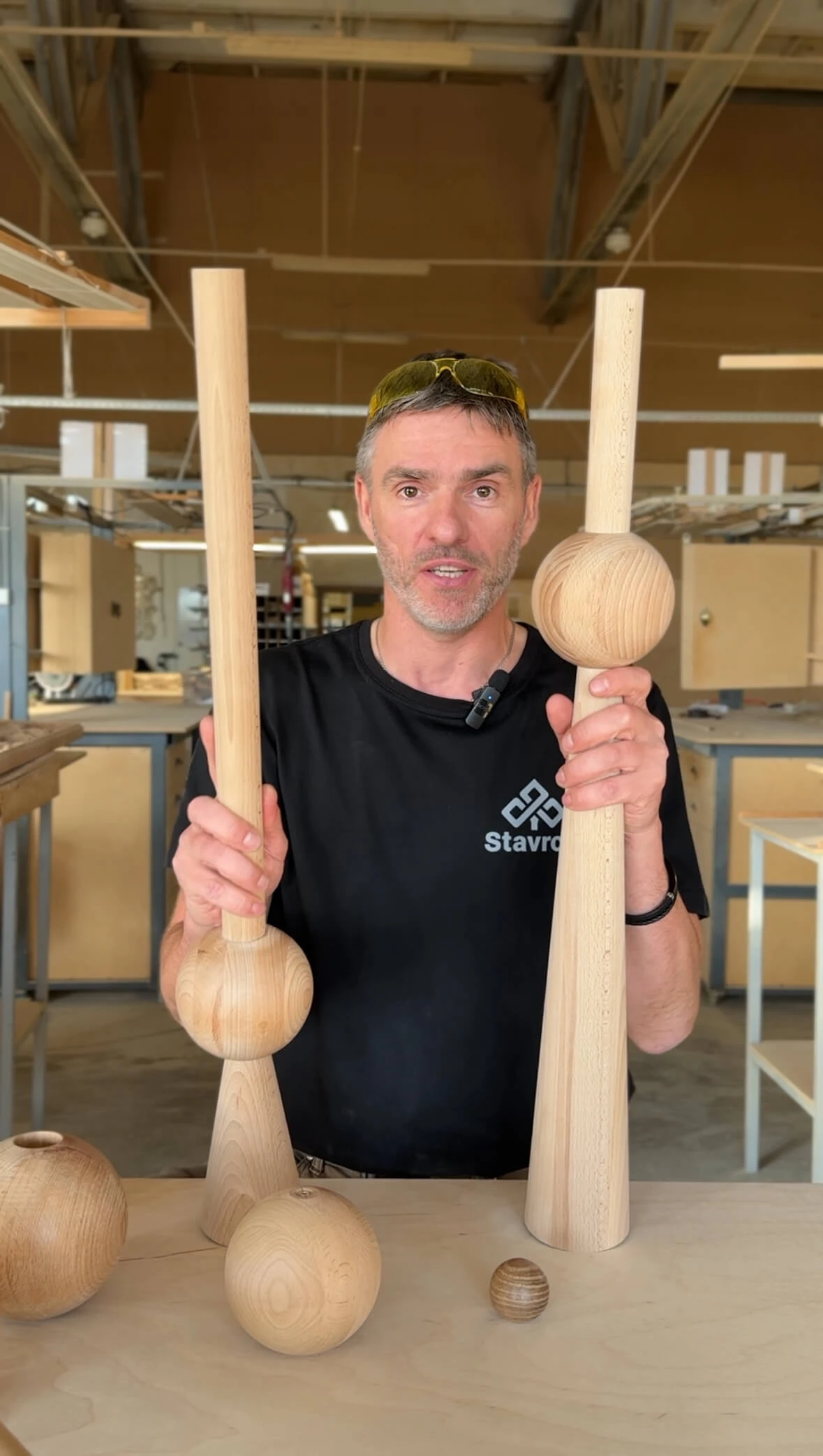
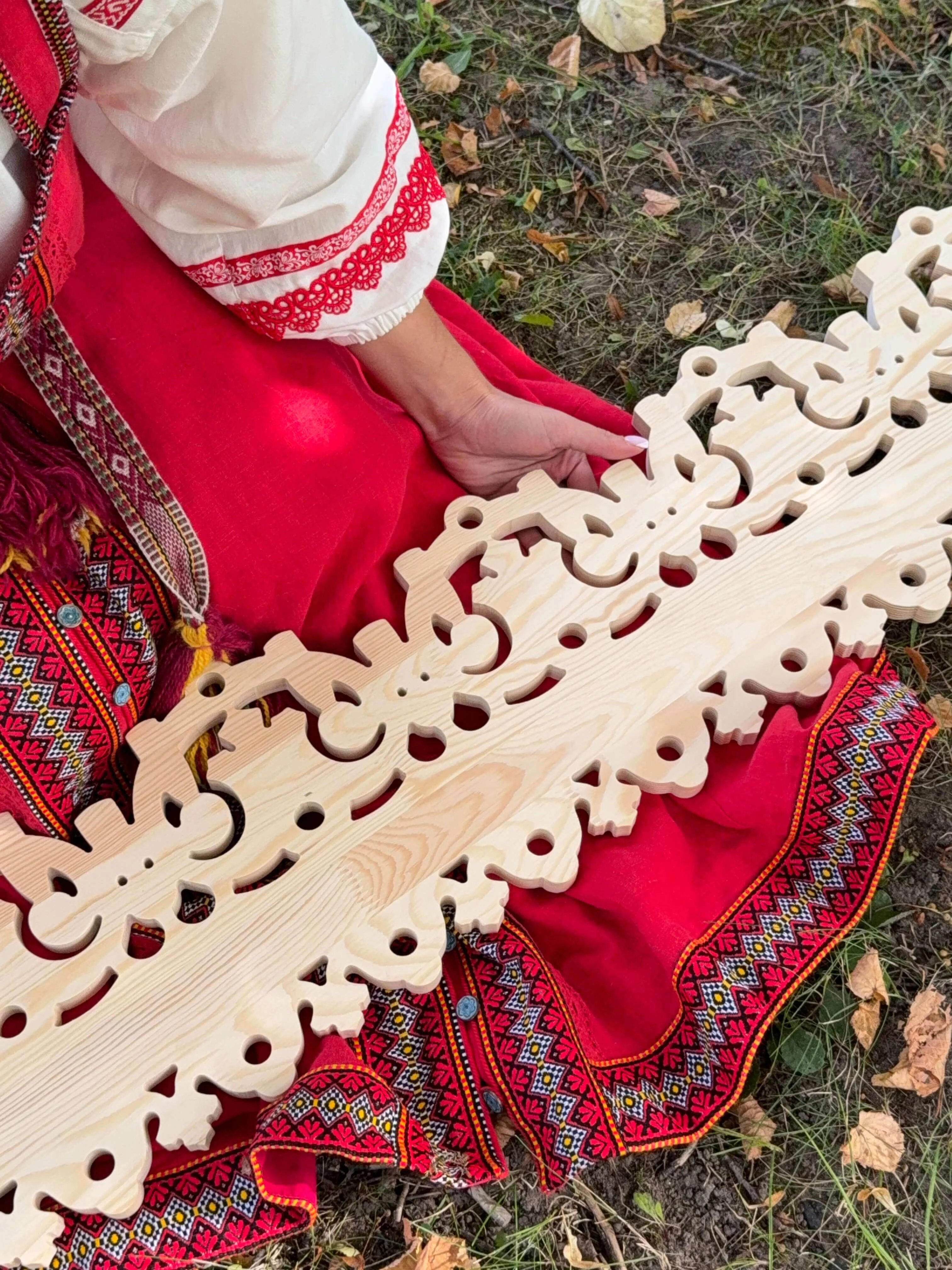
Overlays, sockets, brackets, supports, handles, and moldings can be considered as a single set for a furniture project. However, they need to be checked differently: a leg affects the structure, a handle affects ease of use, and an overlay affects the free field of the facade.
| Product | Where it is used | What to Check |
|---|---|---|
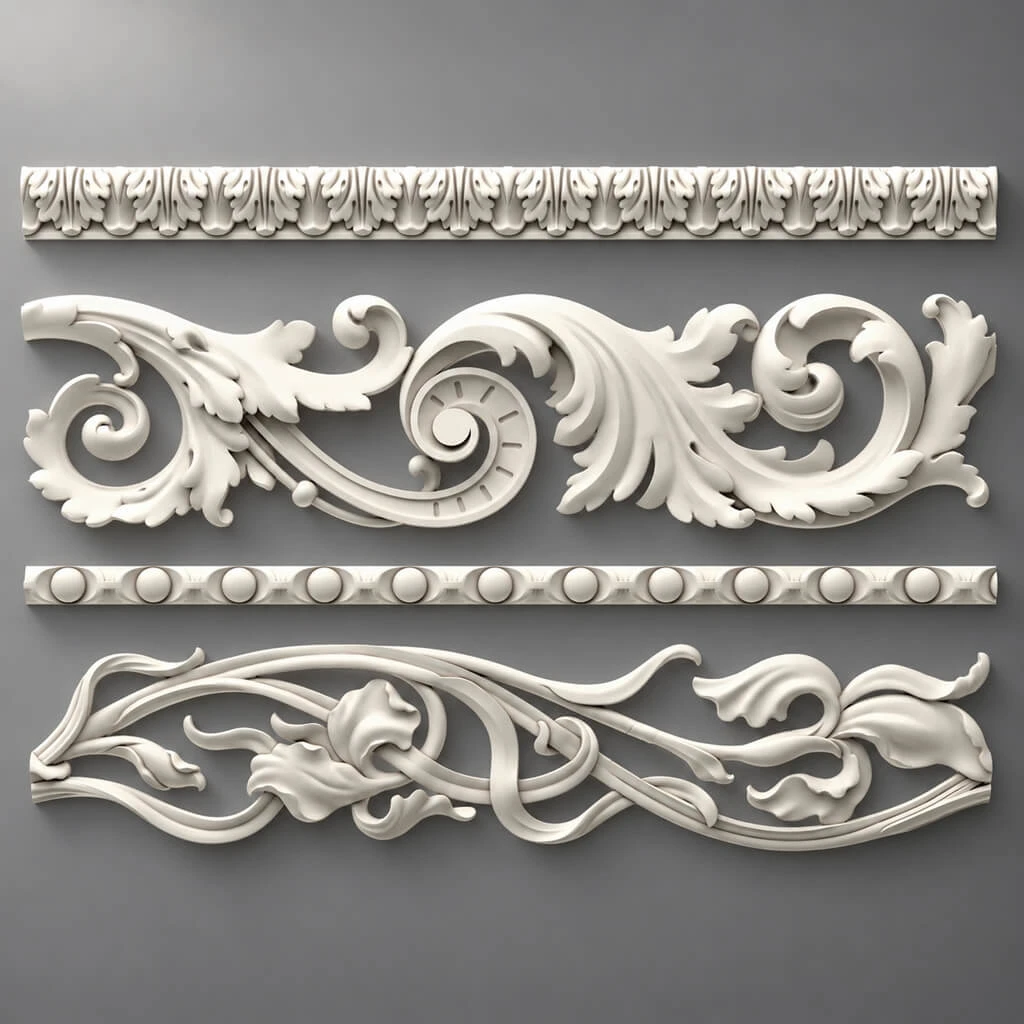
| Carved overlays | Facades of chests of drawers, wardrobes, cabinets | Dimensions, relief depth, distance to handles |
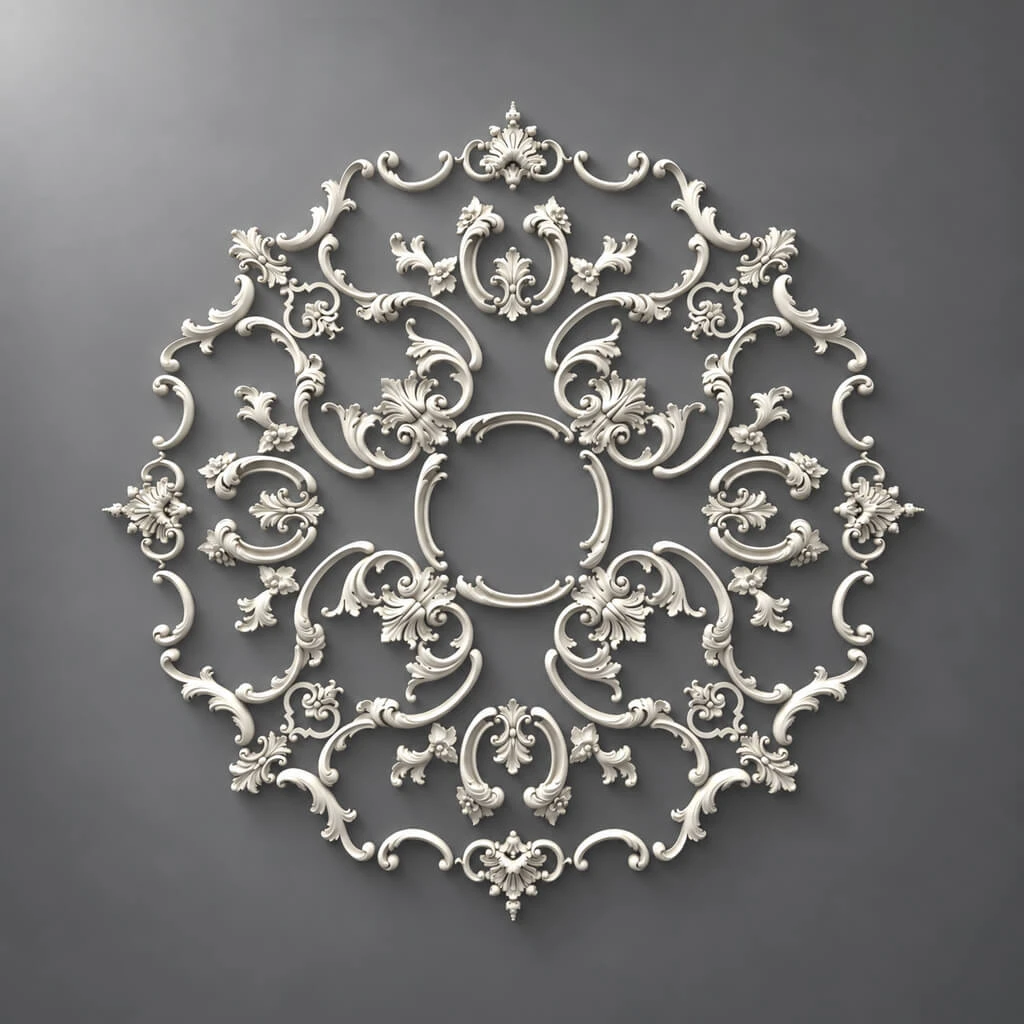
| Rosettes | Composition center, furniture rails and panels | Diameter, installation location, symmetry |
| Brackets | Decorative consoles and shelves | Size, mounting, purpose; for load-bearing elements — permissible load |
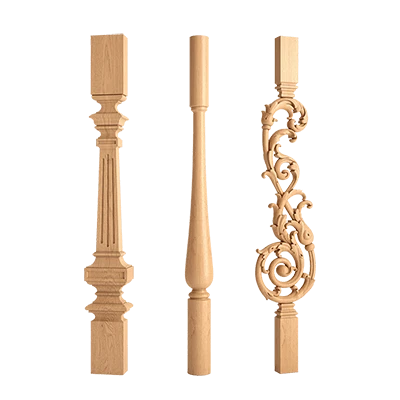
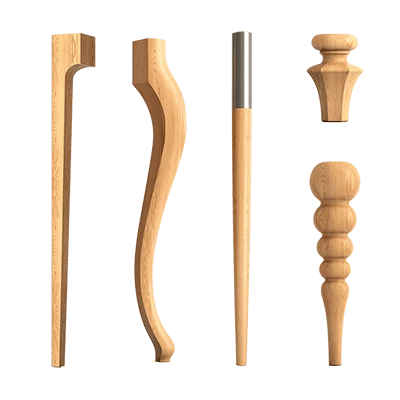
| Wooden legs | Chests of drawers, tables, cabinets, consoles | Height, mounting platform, mounting method |
| Handles | Drawers and doors | Hole placement, hand grip, adjacent decor |
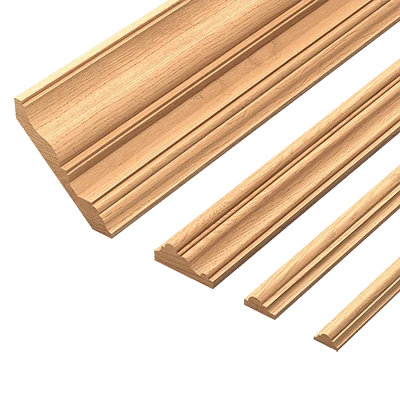
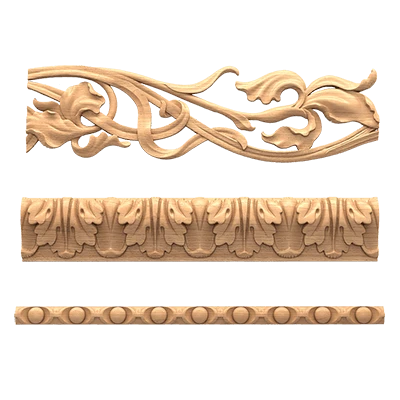
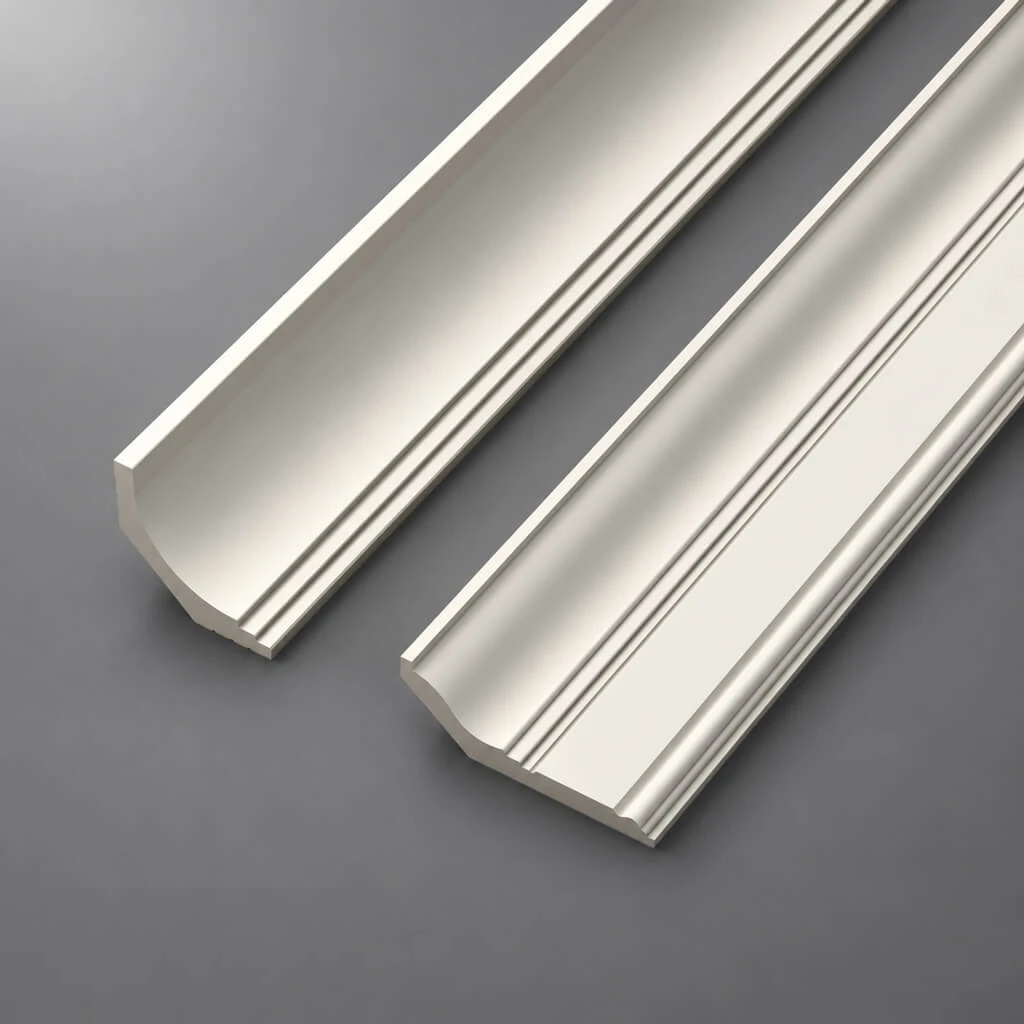
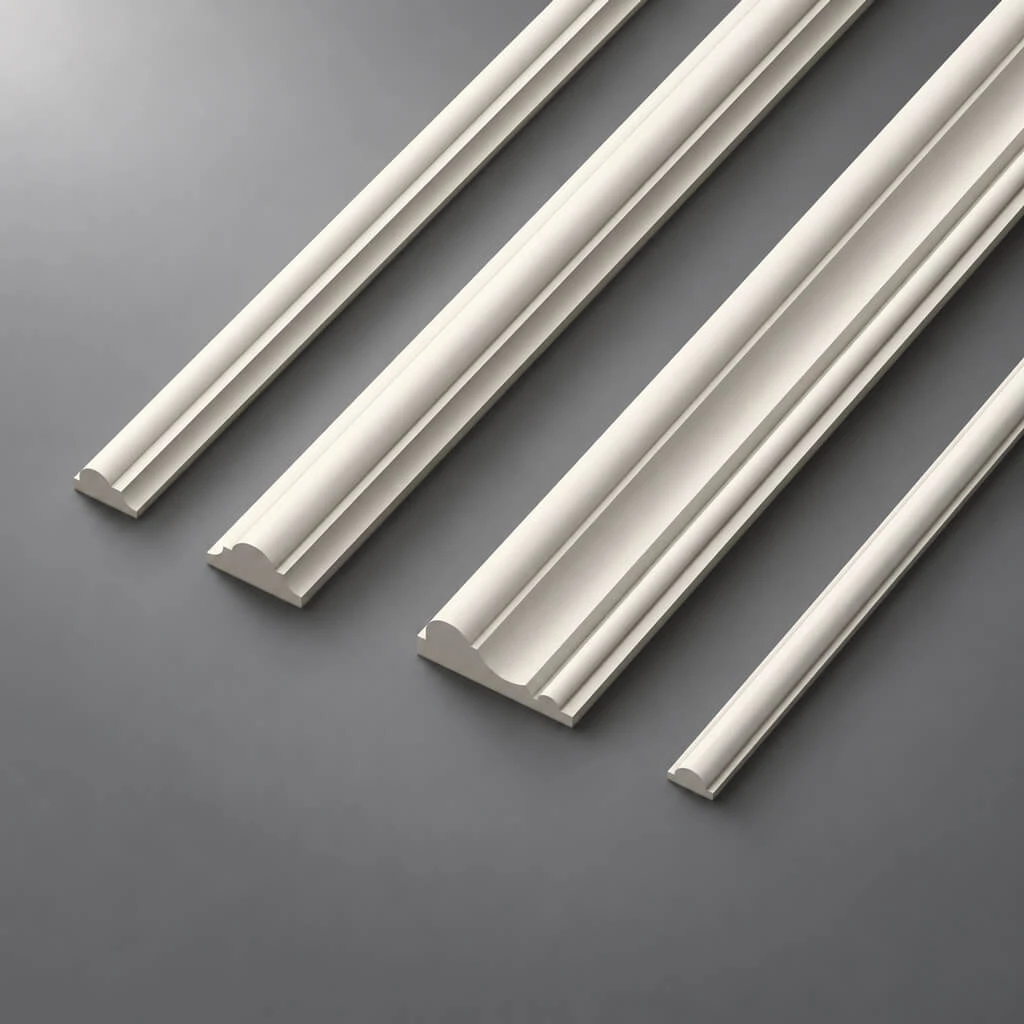
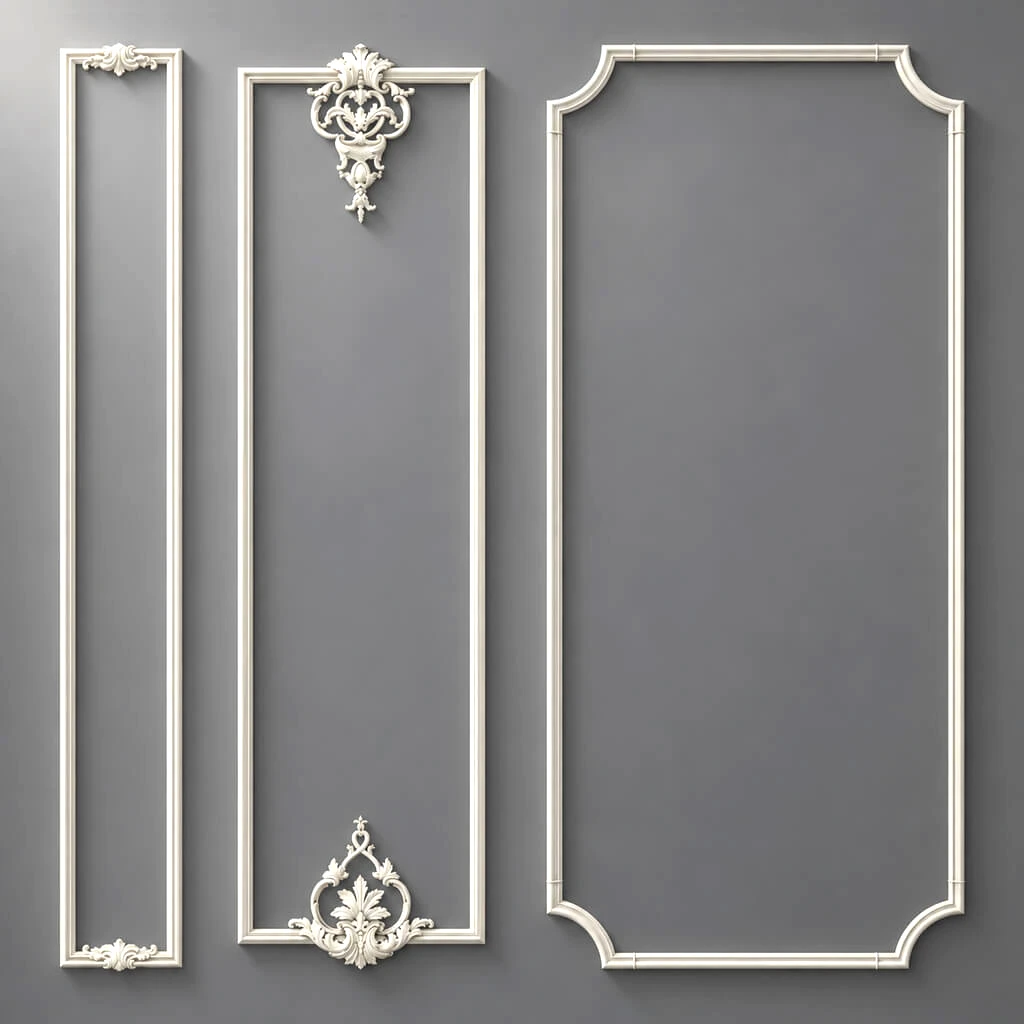
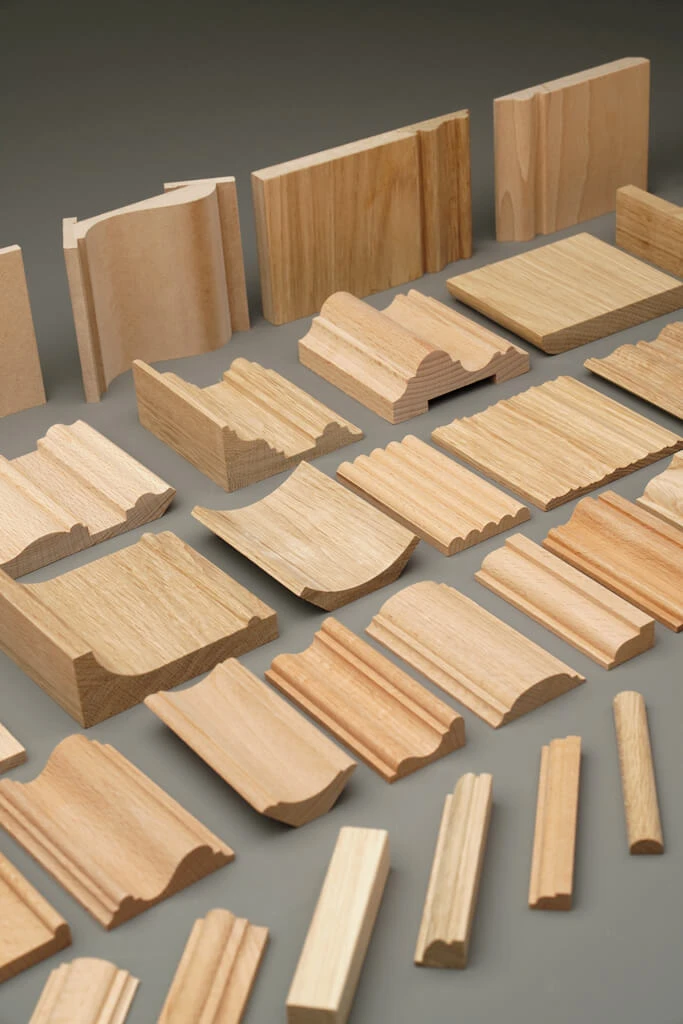
| Molding | Facade frames, cornices and trims | Cross-section, strip length, cutting and joining |
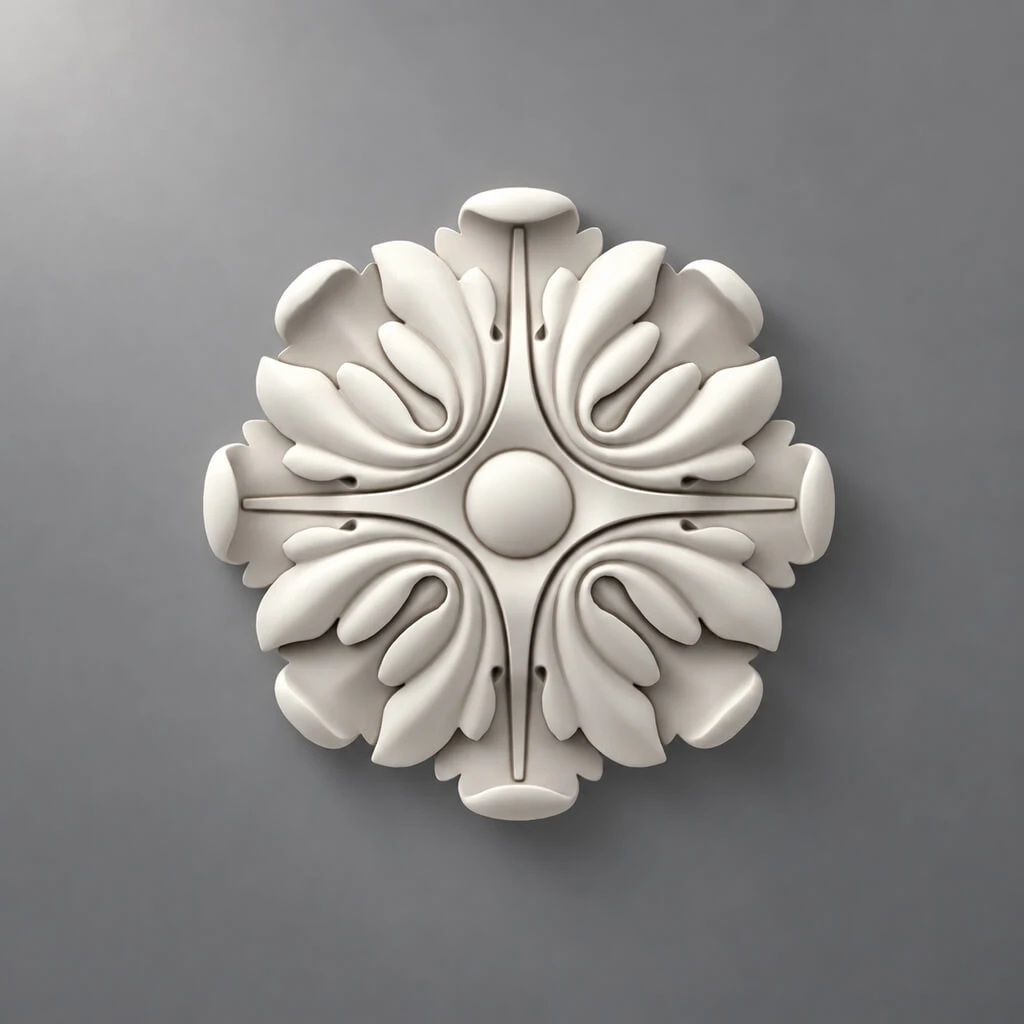
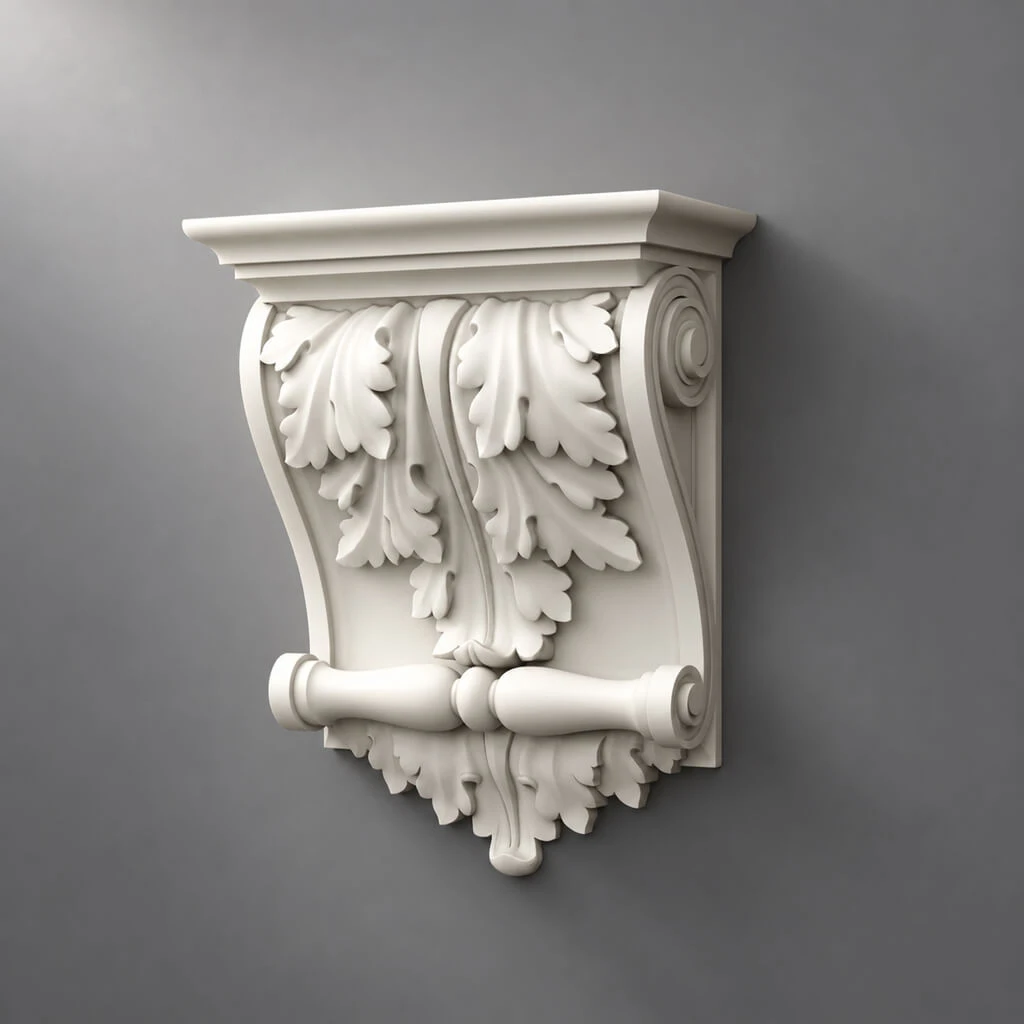
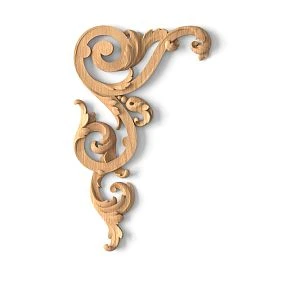
It is convenient to select a set via Catalog of carved wood decor. Facades are provided with Carved wooden overlays for furniture, for central accents — carved rosettes, for decorative compositions — Wooden Brackets.
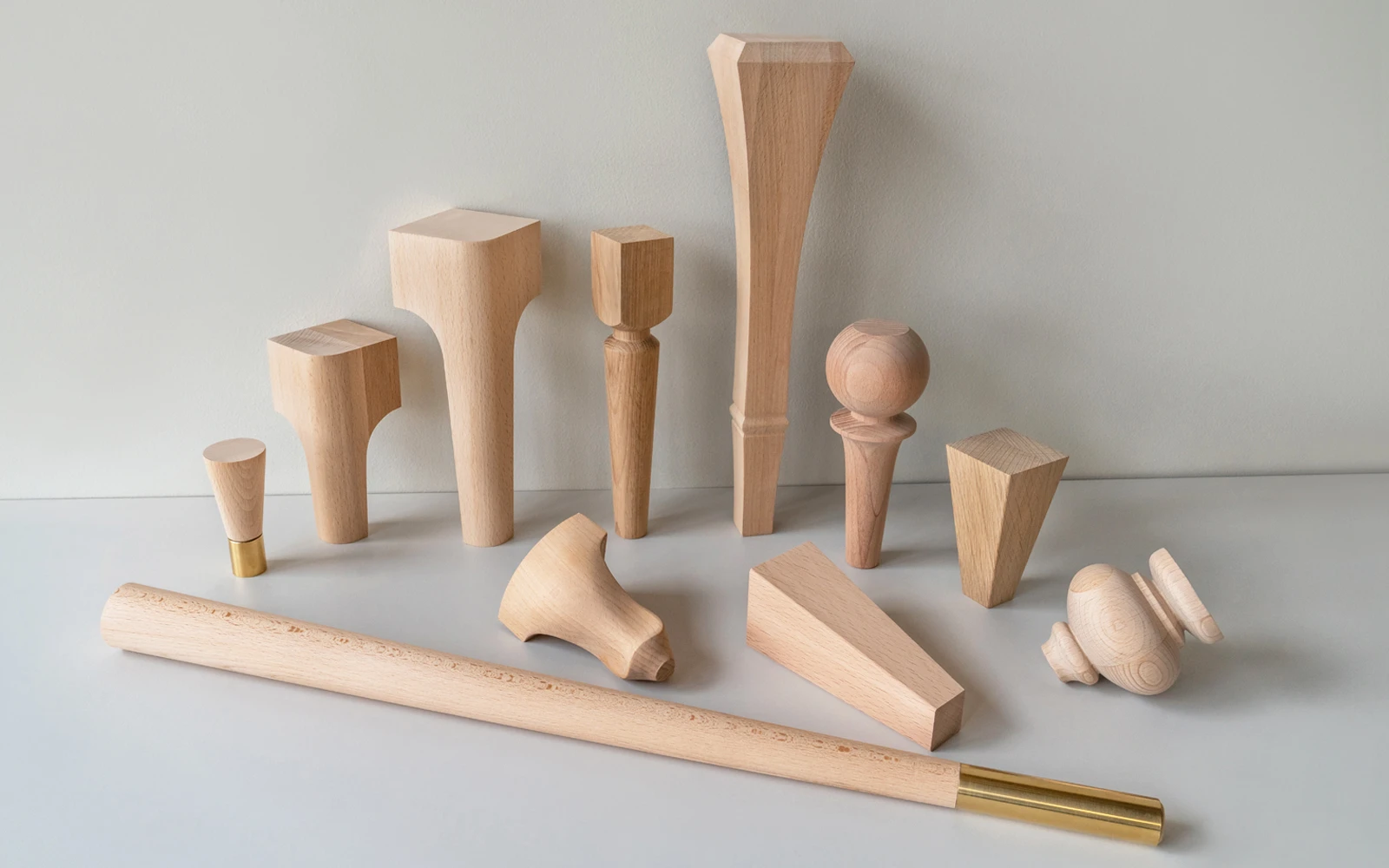
legs and furniture supports it is better to choose before the final calculation of the cabinet height. Wooden furniture handles are coordinated simultaneously with the placement of overlays. Decorative wooden trim are selected after determining the frame dimensions and the scheme for joining the segments.
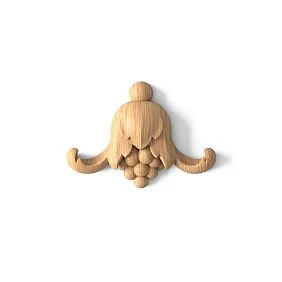
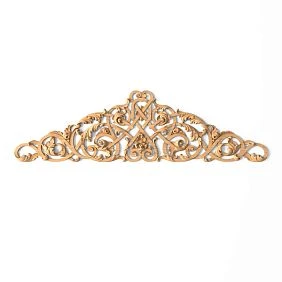
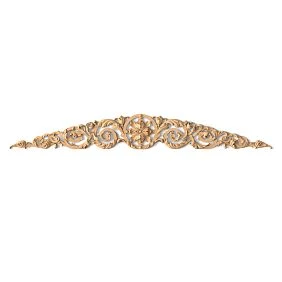
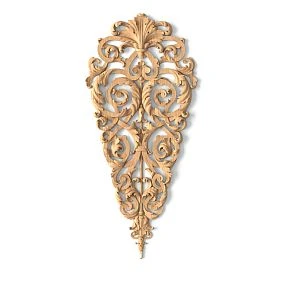
Our factory also produces:


How to draw up a specification and calculate the quantity accurately
The basis of purchasing is a bill of materials for one finished piece of furniture. It records not only the name of the part, but also its item code, full dimensions, wood species, quality of finish, installation location, and quantity. If one design is available in different versions, each version is counted separately.
Let's take an example: a workshop makes twelve identical chests of drawers. Each one has two overlays, one rosette on the top rail, four legs, and two handles. The numbers refer to a hypothetical furniture project, not to a ready-made STAVROS set.
| Detail | Per chest of drawers | For 12 chests of drawers | Justified reserve in the example | To order without stock on hand |
|---|---|---|---|---|
| Overlay | 2 | 24 | 2 | 26 |
| Rosette | 1 | 12 | 1 | 13 |
| Leg | 4 | 48 | 0 | 48 |
| Handle | 2 | 24 | 1 | 25 |
The reserve here is shown as an example of a specific workshop's solution, not as a standard: two overlays are kept in case of damage during finishing, one rosette for replacement, and the tested legs are planned to be purchased exactly as needed. If delivery of the required part takes a long time, the size of the reserve may be different.
Quantity to purchase = number of items × consumption per item + reserve − usable leftovers.
Suppose 24 overlays are needed plus two spare ones. One overlay is already available from a trial order and is suitable for installation. Then 24 + 2 − 1 = 25 pieces will need to be ordered. If the sample is damaged or coated with a trial enamel of a different color, it cannot be deducted.
For each line of the statement, it is useful to add a link to the product card, the approval date, a verified sample mark, and the internal number of the furniture project. The entry "wooden rosette, 12 pcs." is too vague: on a repeat order without an article number and material, you may receive a different version.
Get Consultation
Moulding: why linear metres are not enough
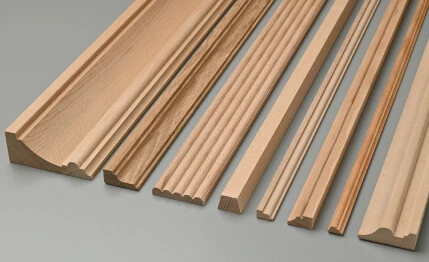
Carved overlays are counted by the piece. Mouldings require a cutting plan: it is important not only how many metres are needed, but also how many whole segments can be obtained from one strip.
Suppose each of the twelve chests of drawers needs two 600 mm segments. Total 12 × 2 = 24 segments, or 14.4 m. For example, let's take a profile 2600 mm long; this is a conventional length of the purchased strip, not a characteristic of the entire STAVROS range.
One strip yields four 600 mm segments. The fifth does not fit. Therefore, six strips are needed with a total length of 15.6 m. Before accounting for kerf width and end trimming, about 1.2 m of offcuts remains. If you count only the total linear metres, with other part lengths you can get the wrong number of strips, even when there is arithmetically enough material.
For carved profile, add one more condition: should the pattern start the same way on each front? If yes, an additional allowance will be required for matching it. Therefore, first a list of segments is compiled, cuts and pattern direction are marked, and then the number of whole strips and the possible use of offcuts are determined.
Stock without unnecessary leftovers: when to buy more and when not to
The universal surcharge of "another ten percent for everything" takes into account neither the price of the part nor the risk of damaging it. For complex-shaped overlays, it may make sense to provide a replacement at the finishing stage; for proven legs, an extra set is not always justified. Moulding requires stock according to the cutting plan, not random rounding of linear metres.
The main reasons for useless leftovers are quite concrete: buying overlays before marking the handles, choosing legs without checking the fastening, mixing beech and oak under a clear finish, failing to account for the required sanding option, ordering several similar patterns "for comparison" instead of one sample part.
Before increasing the quantity, ask two questions. Where will the spare part be installed if the main one is not needed? And how quickly can exactly this version be reordered? If there is no answer to the first question, and delivery is available within a reasonable time, an additional purchase may turn out to be unnecessary. If the finishing of an entire series will stop because one carved rosette is missing, a single reserve already has production sense.
Sample before the batch: what to check on the actual product
A catalog photo helps you choose a design, but it does not always let you assess the scale and depth of the relief. Before the first series, it is reasonable to test one piece or a small set. STAVROS has product samples sectionthe possibility of obtaining a sample of a specific item code should be confirmed separately.
The check should be practical:
- Measure the piece. Compare the full dimensions with the working area of the cabinet front, not just its overall width.
- Attach it to the installation location. Make sure the decor does not interfere with the handle grip, drawer opening, or neighboring elements.
- Check the mounting. For a leg, check the mounting plate and stability of the structure; for an overlay, check how the base fits; for a handle, check the hole placement.
- Test the finish. Apply the chosen coating to the sample: the color and prominence of the relief may be perceived differently after painting.
- Inspect the item as a whole. A large overlay can be convincing in a standalone photo, but it overloads the cabinet front in assembled furniture.
For a new series, it is useful to make one control dresser: assemble it, check the installation of the decor, and perform a trial finishing coat. Fixing the layout on one cabinet front is easier than on twenty-four already painted ones.
If the article number has long been approved and the specifications have not changed, there is usually no need to purchase a sample again before each delivery. However, each received batch must be checked for completeness, damage, and compliance with the specification.
Beech or oak: a procurement question, not a debate about species
If all overlays and handles are to be painted with opaque enamel, the workshop often chooses beech. If the project involves a transparent finish with visible texture, oak becomes the logical option. However, these are only common scenarios: the final choice depends on the product, surface treatment, and the approved sample.
The two species differ in their natural grain pattern. Under clear lacquer, this difference can disrupt the unity of the facade, even if the geometry of the decor matches. Under enamel, the visibility of the texture is reduced, but the requirements for surface preparation remain. In addition to the species, record the quality of sanding and the planned coating.
On the page “Materials and product quality” STAVROS the materials used and production processing are described. For a series, it is better to approve a single sample of the finishing coat and adhere to it for repeat orders. A change in species or preparation method is a reason to repeat the test painting rather than hope for a color match.
How to coordinate availability and lead times for a mixed order
Several product groups in one request will not necessarily be ready for shipment at the same time. Handles may be in stock, while the required overlay option is made to order. If decor installation precedes painting, a delay in the overlays will halt facade production, even when the other parts have already arrived.
Therefore, in the list, next to the quantity, put the date by which each item is needed in the workshop. When placing the order, clarify availability, the production time for missing parts, the possibility of one or several shipments, and the delivery cost. A partial delivery is justified if it allows production to continue; if it only creates additional costs, it is more reasonable to agree on a single overall deadline.
How to repeat a purchase after several months
The first order is often assembled by the craftsman himself, while a repeat order is placed by another employee. Without a saved specification sheet, the search begins: which socket was used, which wood species was chosen, why the handles were moved lower, whether the overlay was symmetrical.
Create a configuration card for each furniture model. Save the internal project number, photos of the finished item, article numbers and product links, dimensions, material, finish option, quantity per item, and a finish sample. Enter changes after the control assembly immediately: otherwise the next batch will repeat the old, already corrected layout.
If the same chest of drawers is produced under enamel and under a clear finish, keep separate versions of the specification sheet. Overlays of the same shape but made of different wood species cannot automatically be considered a single purchasing item.
Repeatability does not mean a promise that any product is always in stock, but the preservation of exact requirements. If an article number is temporarily unavailable, the replacement is compared by size, material, finish, and appearance. For a prominent carved part, a trial installation of the new option is useful.
When finished parts are better than making your own
For several complex-shaped overlays, in-house production requires developing the design, setting up equipment, trial processing, and sanding. Preparation can take longer than producing the parts themselves. A purchased element saves you this work if its size and ornament fit without modification.
But a finished part is not always cheaper. With regular production of hundreds of identical items and equipment already set up, in-house manufacturing can be profitable. It is also justified when standard decor does not match the custom design or the furniture's geometry.
Compare the cost of a part ready for installation, not just the price of the material. For in-house production, account for development, setup, equipment operation, tooling, sanding, and possible defects. For purchasing, account for the price of the part, delivery, a sample, and modification if needed. Ready-made wooden elements for furniture are especially useful where a small batch does not justify a separate production setup.
How to assemble your first purchase in seven steps
- Define the series: which furniture items are being manufactured and how many there will be.
- Break the set into groups: overlays, sockets, legs, handles, brackets, mouldings.
- Select the item codes: keep the exact dimensions, wood species, processing quality, and a link to each item.
- Check compatibility: facade layout, fastenings, support height, cross-section, and moulding cutting plan.
- Approve the samples: first one control item or the most disputed parts, then the batch.
- Calculate the order: multiply the quantity per item by the batch size; separately add a justified reserve and subtract usable leftovers.
- Approve the delivery: check availability, lead times, final cost, and save the specification for repeat orders.
Where to order wooden decor for a furniture workshop
At STAVROS, you can place an order via the website, by phone, email, or in the showroom. On the page "Payment and Delivery" it states that for a request you should provide the item code, material, size, quality, and quantity. For a production order, it is useful to add the agreed lead time and a note about approved samples to this list.
If you need to buy carved wooden decor for several furniture models at once, send the supplier a ready specification rather than a list of approximate wishes. Clarify the price of each item, availability of the selected finish, delivery options, and the possibility of repeat purchase. You can request cooperation terms via a page for furniture manufacturers.
Do not increase your order just for a potential discount: the universal small wholesale threshold and the single price reduction percentage are not stated on the public page. You should compare the total cost of the set for one finished dresser, cabinet, or wardrobe, including delivery and any necessary samples.
After the project is approved, select the required items in Stavros catalog, transfer the item codes to the schedule and the calculated quantity to the order. Then the new purchase will be tied to specific products rather than to the hope of someday using the accumulated leftovers.
Frequently Asked Questions
Can I order one overlay and the rest of the batch after checking?
STAVROS states shipment from one piece. This way you can check a new part before purchasing a series. But clarify the repeat delivery time in advance: a late order for the remaining overlays should not delay furniture production.
How should left and right overlays with a mirrored pattern be counted?
If the products have separate versions, enter them in the schedule as different lines. For twelve dressers with a pair of symmetrical overlays, you need twelve left and twelve right, not 24 parts without specifying the side. First check whether such versions are available for the selected item code.
Can components for two furniture models be combined into one order?
Yes, but the requirement is first calculated separately for each model. Quantities may be combined only for items with completely matching item codes, dimensions, wood species, and processing quality. Otherwise, a mixed batch will complicate assembly.
Should a trial sample be included in the overall calculation?
Only if it has been preserved in good condition, matches the finally approved finish, and can be installed on finished furniture. A sample with test coatings or damage does not reduce the production requirement.
What should be done with leftover wooden moldings?
Label the profile, cross-section, material, and actual length of each usable offcut. They can be counted in the next cutting plan only after checking the pattern, condition, and whether the required length can be obtained. Offcuts of an undefined profile should not be counted as useful stock.
Can items from different batches be ordered under clear lacquer?
Yes, but the final color match cannot be assumed in advance. Compare the texture and color of the actual parts, and test the selected coating on samples. If the wood differs noticeably, the finish will need to be coordinated or the composition of the set changed.
What should be done if some parts are ready but one item is delayed?
Determine at which stage this item is needed. If the carcass can be assembled without it and the finishing sequence is not disrupted, discuss a split delivery. If the part is required before painting, it is more reasonable to agree on its receipt date before starting the entire series.