



























Article Contents:
- Facade without remodeling: how to buy wooden furniture decor so that the dresser, cabinet, and kitchen look more expensive, not weirder
- What is wooden furniture decor: not a souvenir, but a set of tools
- Main groups of wooden furniture decor
- Facade as small architecture: center, frame, corners, verticals
- Four anchor points of the facade
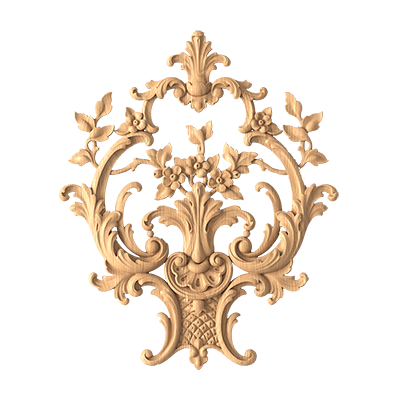
- Carved overlay: a quick way to give furniture a new character
- Where overlays work best
- Decorative wooden overlays: not just a single part, but a construction set
- What types of overlays exist and how they differ
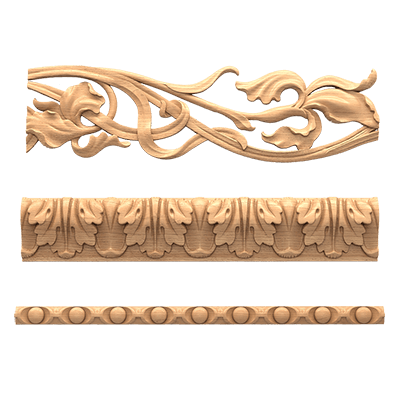
- Wooden baguette: when one overlay is no longer enough
- What the baguette does to the facade
- Capitals, brackets, and finials: when furniture needs architecture, not just ornament
- Where such elements work best
- How to choose wooden decor to match the furniture style, not the other way around
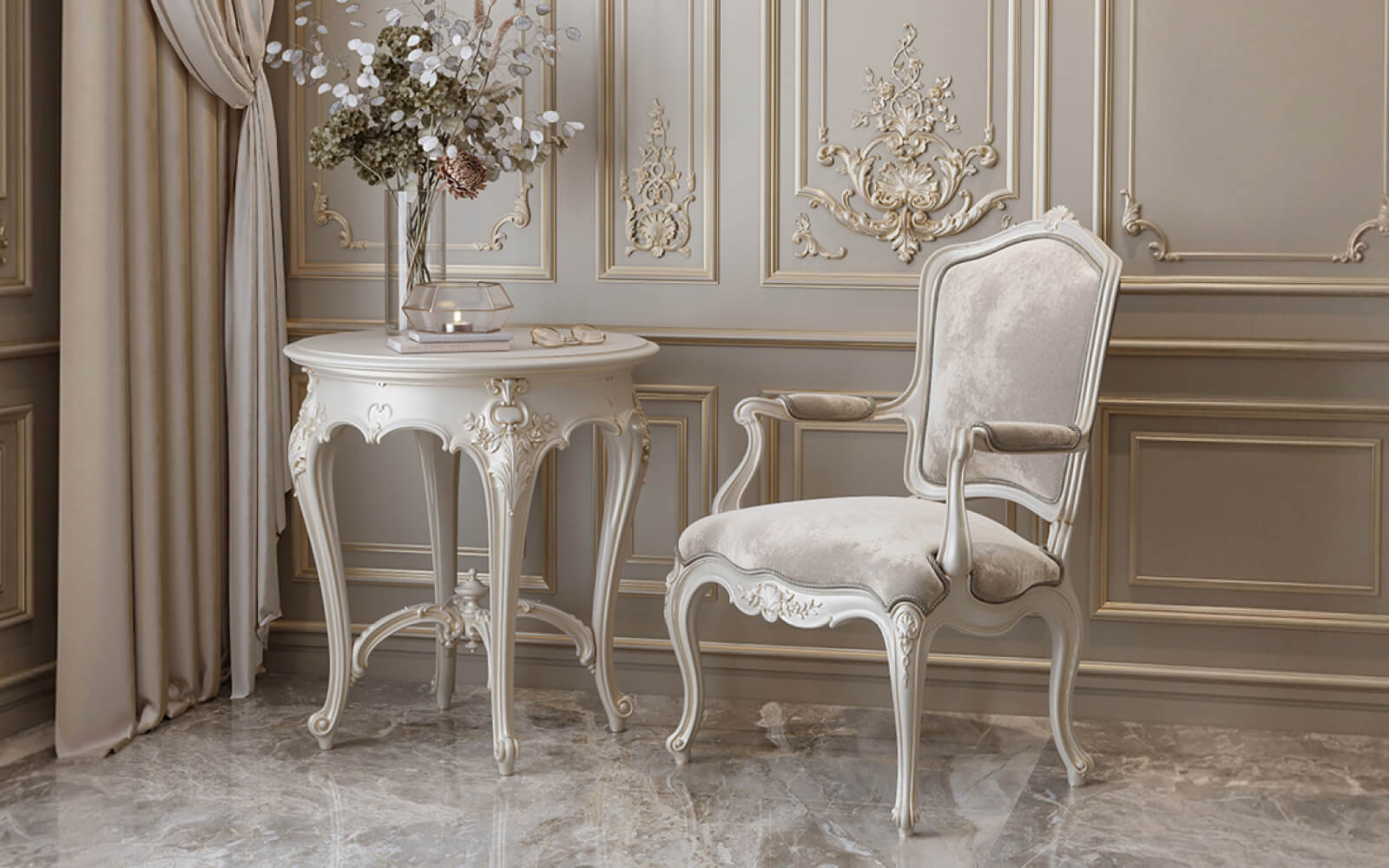
- Classic and neoclassic
- Provence and rustic romance
- Art Deco and Empire style
- Modern eclecticism
- Sizes: why decor cannot be chosen just from a photo
- How to choose carved overlays by size
- Material and finish: wood under varnish, enamel, stain
- Solid wood decor for furniture: oak and beech
- Decor for dresser and nightstand: a local update that changes the room
- How to update a dresser with wooden overlays
- How to decorate a nightstand with carved decor
- Decor for kitchen fronts: expressiveness without overload
- Principles of working with kitchen fronts
- How not to overload a front with carved decor: five 'no's
- What to buy together with wooden decor for furniture
- FAQ: answers to frequent questions about wooden decor for furniture
- Where to buy wooden decor for furniture: STAVROS





Facade without rework: how to buy wooden decor for furniture so that a chest of drawers, nightstand, and kitchen look more expensive, not stranger
Furniture doesn't need to be taken out of the house, disassembled, or reordered — its facade can be reimagined. If you want to buy wooden decor for furniture not "on a whim" but thoughtfully, the task is this: choose carved overlays, baguettes, capitals, and other elements to update a chest of drawers, nightstand, kitchen facade, or interior panel without reworking the frame and without the feeling that the decor is "stuck on top." The catalog works exactly for this scenario wooden carved decoration STAVROS .
In this article, we'll break down how to assemble a cohesive facade composition from individual overlays and profiles, which decor for furniture to buy for a specific task, and how not to overload the facade when your hand reaches to "add just one more beautiful piece."


What is wooden decor for furniture: not a souvenir, but a set of tools
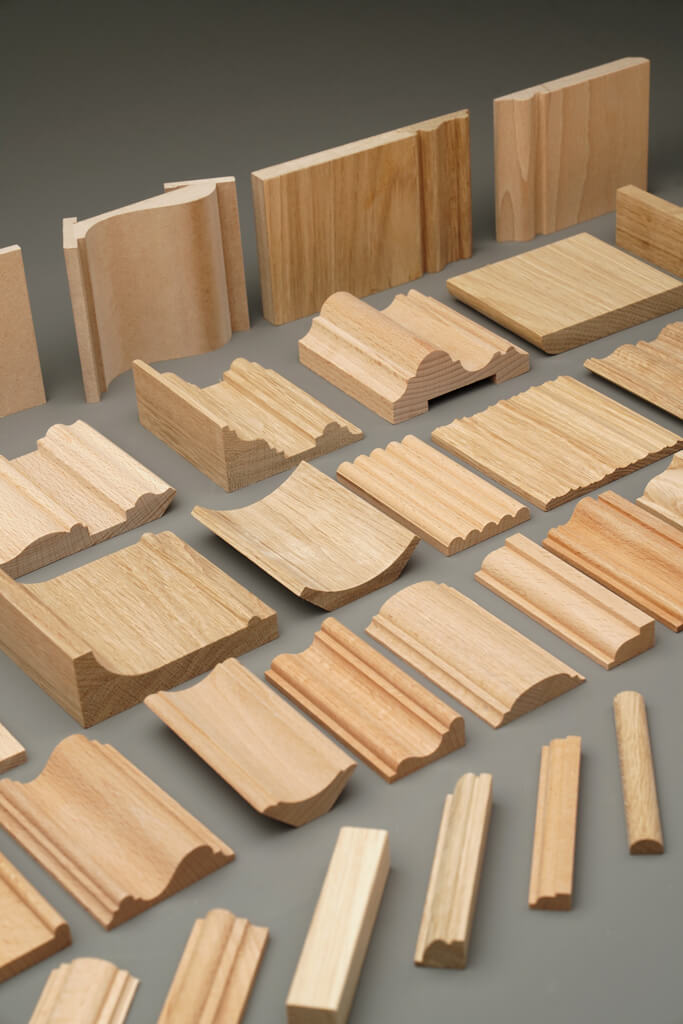
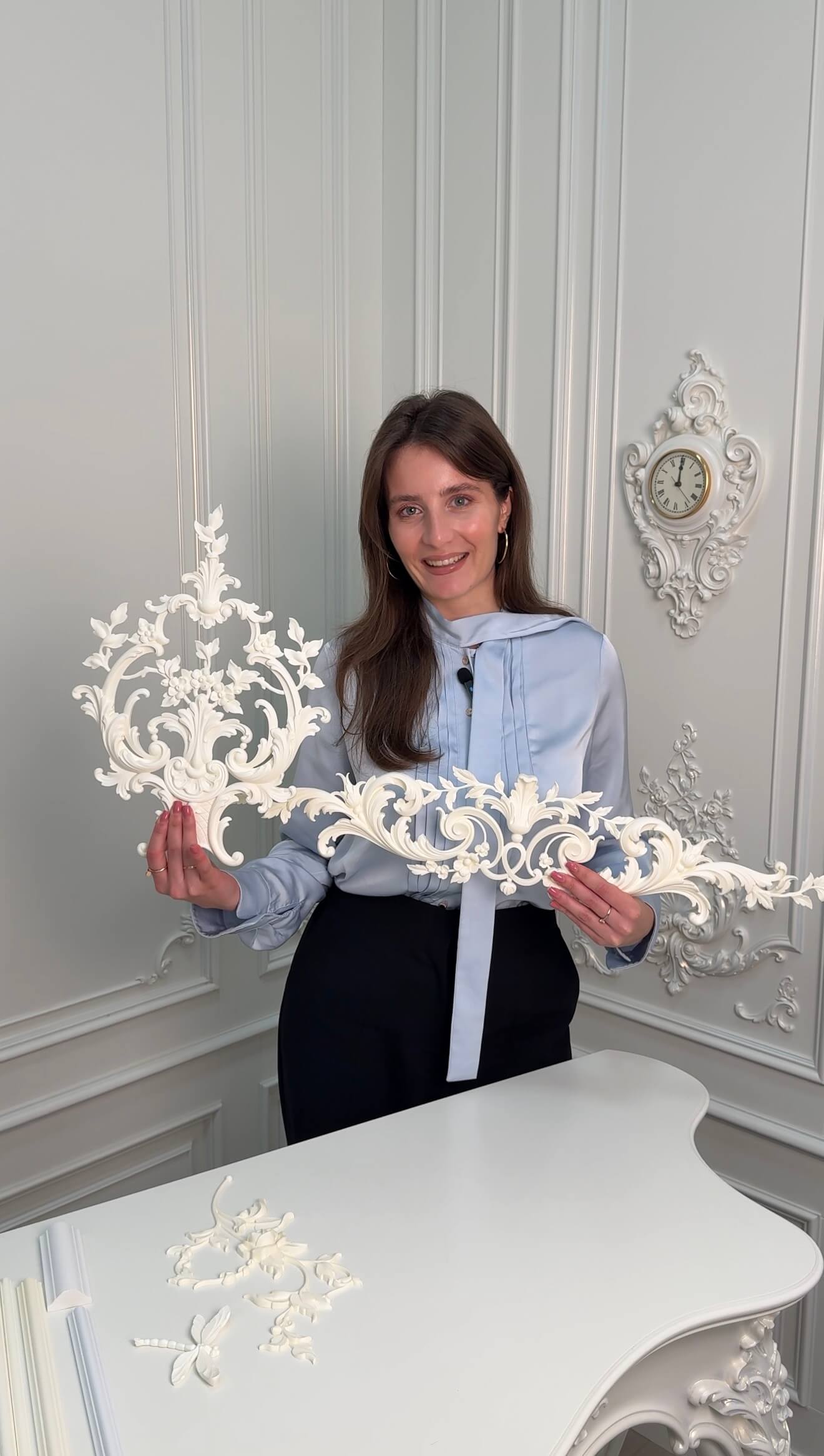
When we say "wooden decor for furniture," we're not talking about random decorations, but a set of functional elements, each with its own place and role. In the STAVROS catalog, this is a whole system of products: Carved wooden decoration combines overlays, baguettes, capitals, brackets, rosettes, furniture legs, and other elements that are originally designed to work together on the facade and in the interior.
Our factory also produces:
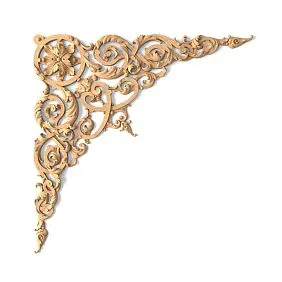
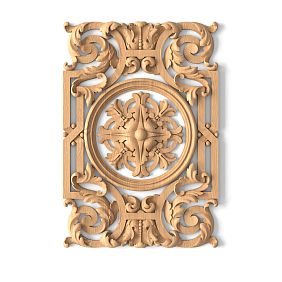


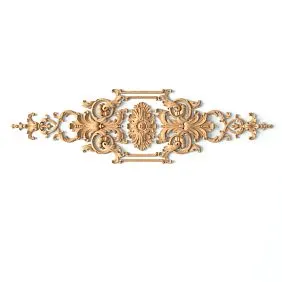
Main groups of wooden furniture decor
-
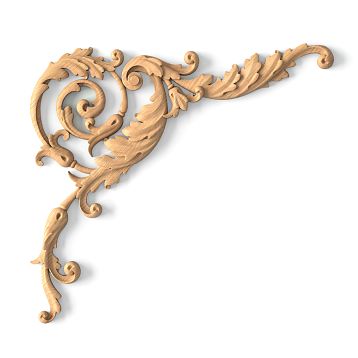
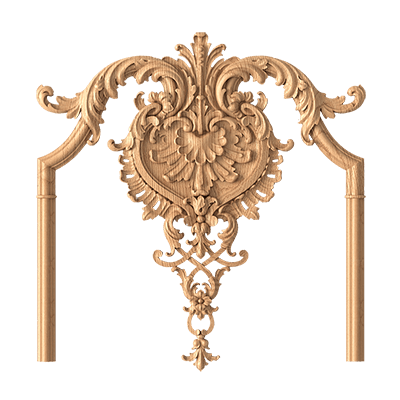
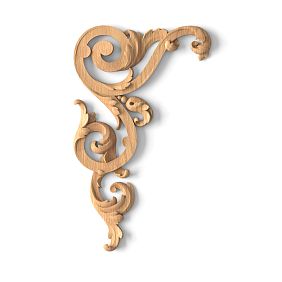
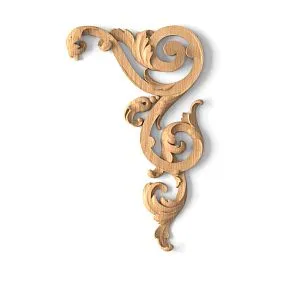
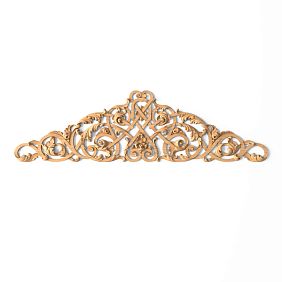
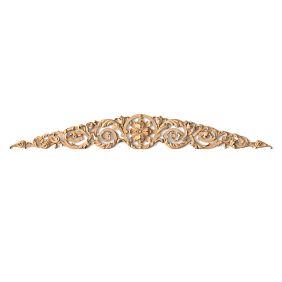
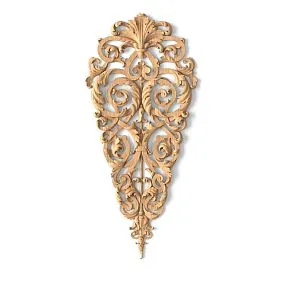
Carved overlays for facades — central, corner, border
-
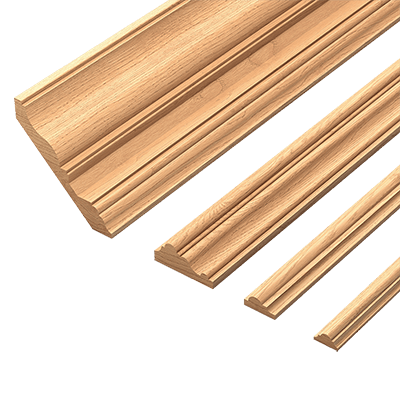
Wooden baguette — for frames, facade framing, mirrors, and panels
-
Capitals — vertical accents for cabinets, columns, portal compositions
-
Brackets — support and decorative elements for shelves, consoles, cornices
-
Rosettes — central accents and nodal elements of the composition
-
Finials — terminations of posts, portals, panels
-
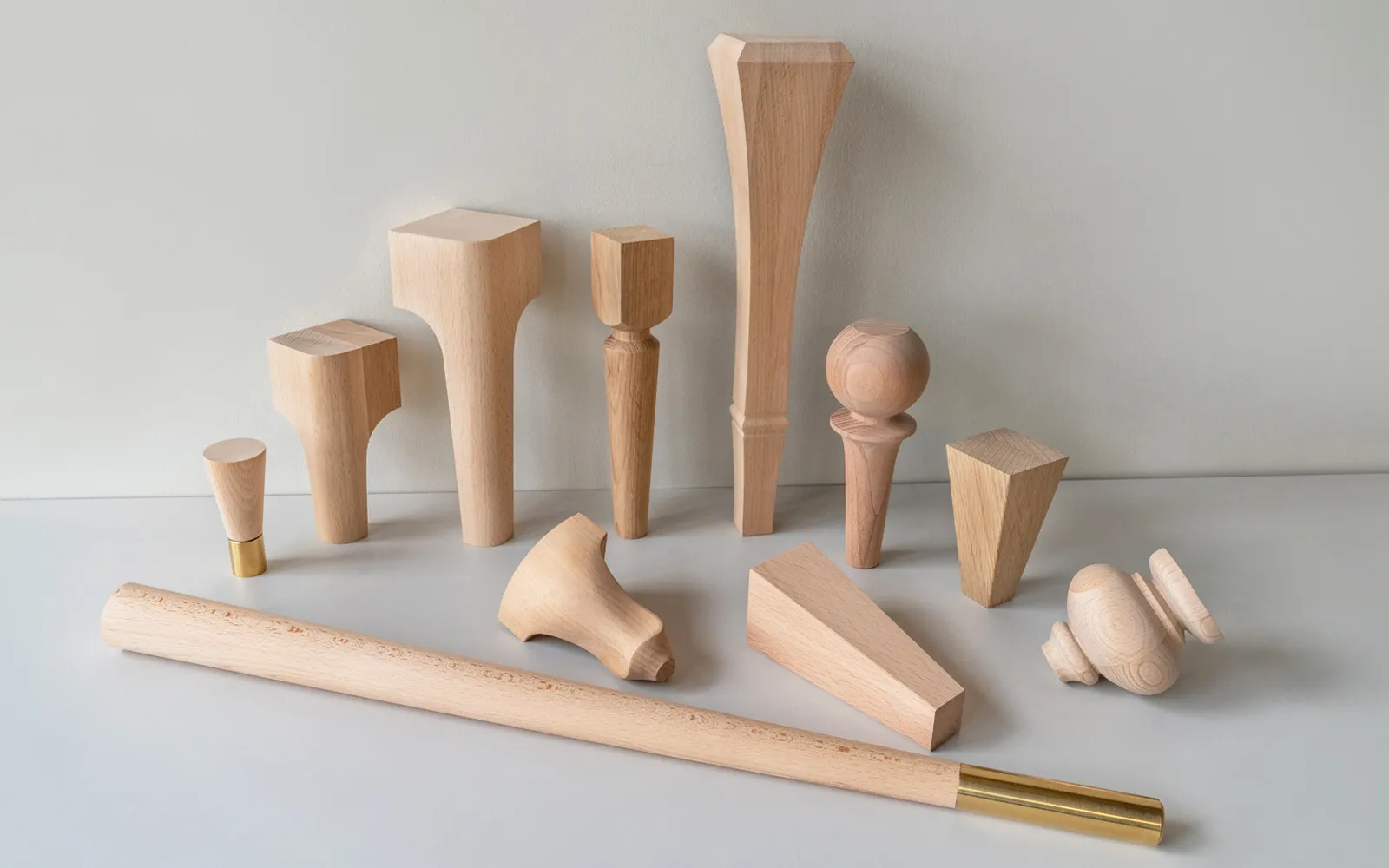
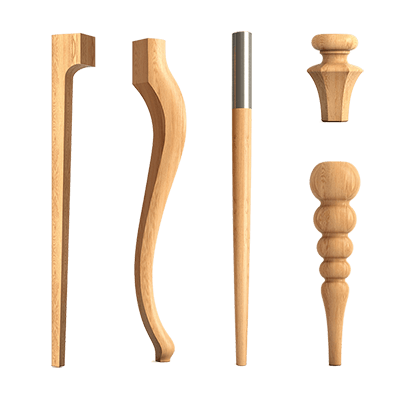
Furniture legs and supports — structural decor of the lower zone
All these elements are made from solid wood — oak, beech, and other species, and are initially designed for finishing: enamel, varnish, stain, patina.
Get Consultation
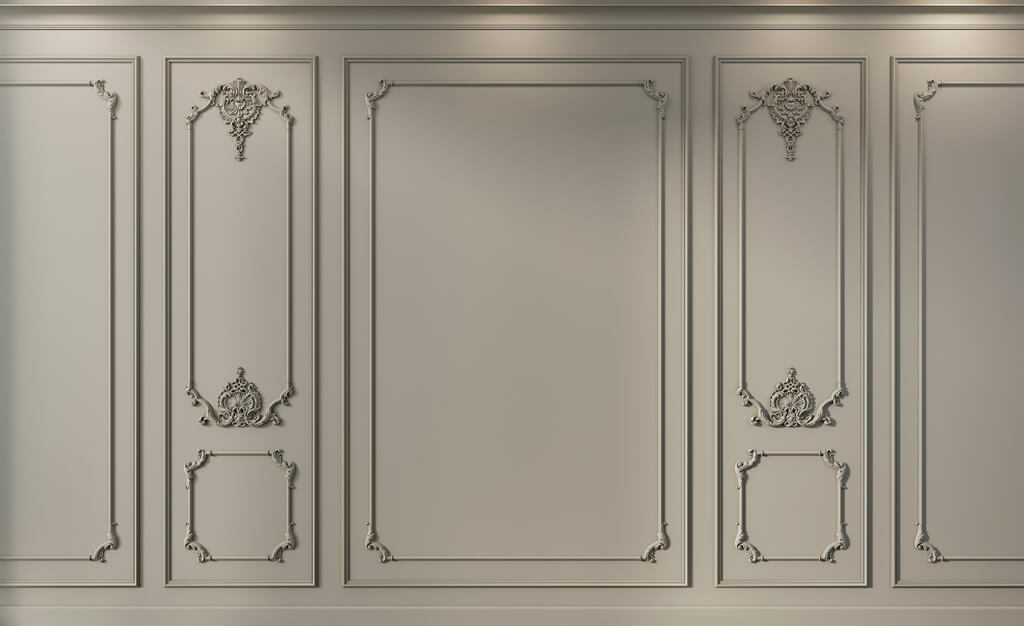
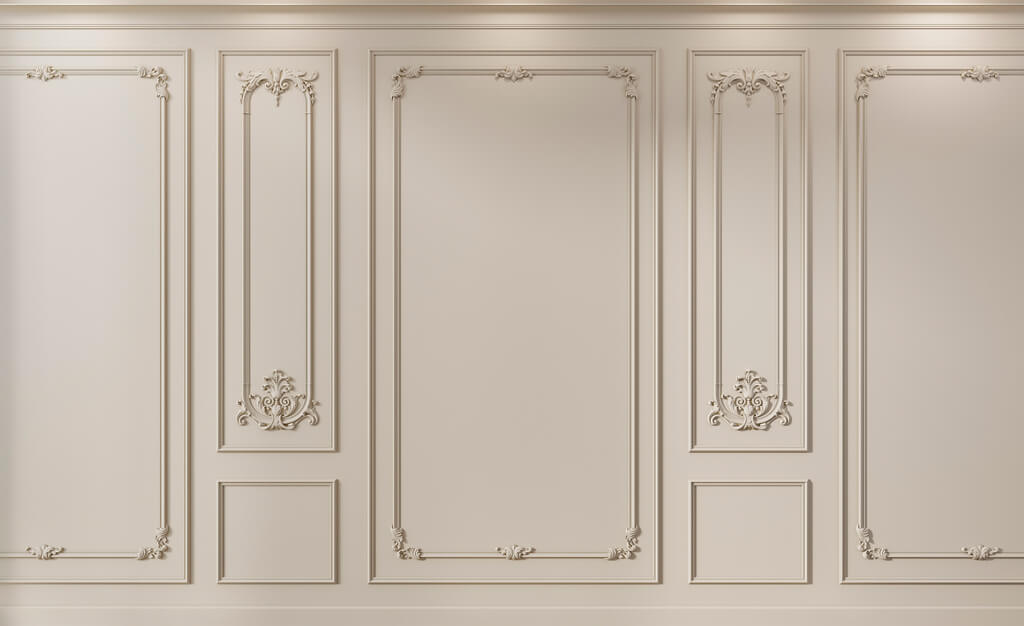
Facade as small architecture: center, frame, corners, verticals
Why do some carved facades look noble, while others look like a cabinet dressed in a carnival costume? Because in the first case, the facade is assembled as an architectural composition, and in the second — as a set of individual decorations.
Four support points of the facade
-
Central axis
On any door, panel, or dresser front, you can draw an imaginary vertical center line. This is where it makes sense to place the central overlay or rosette. The composition starts here, and the eye is drawn to this point. -
Frame
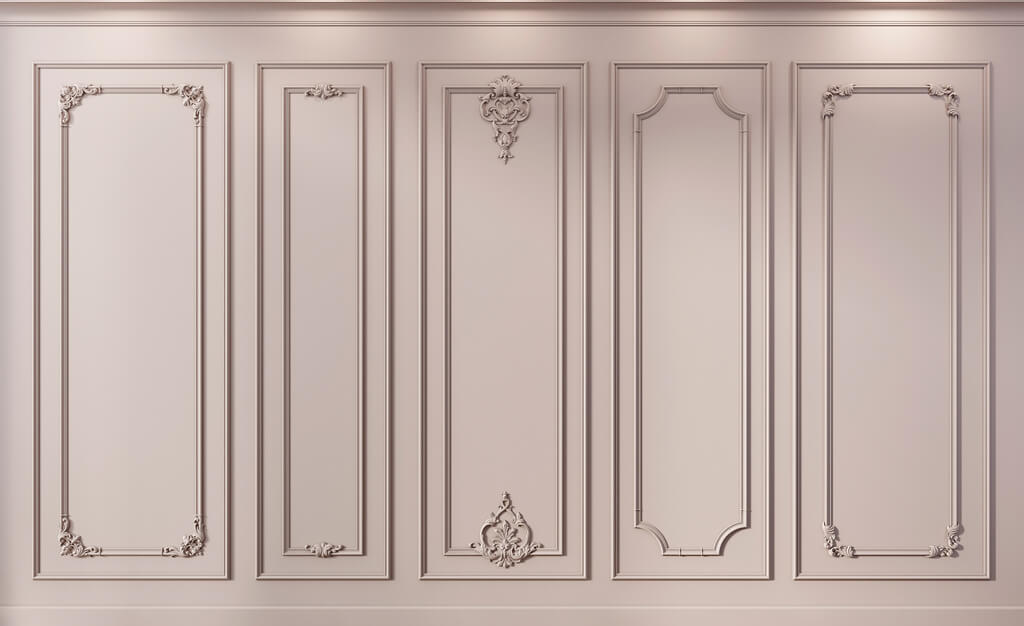
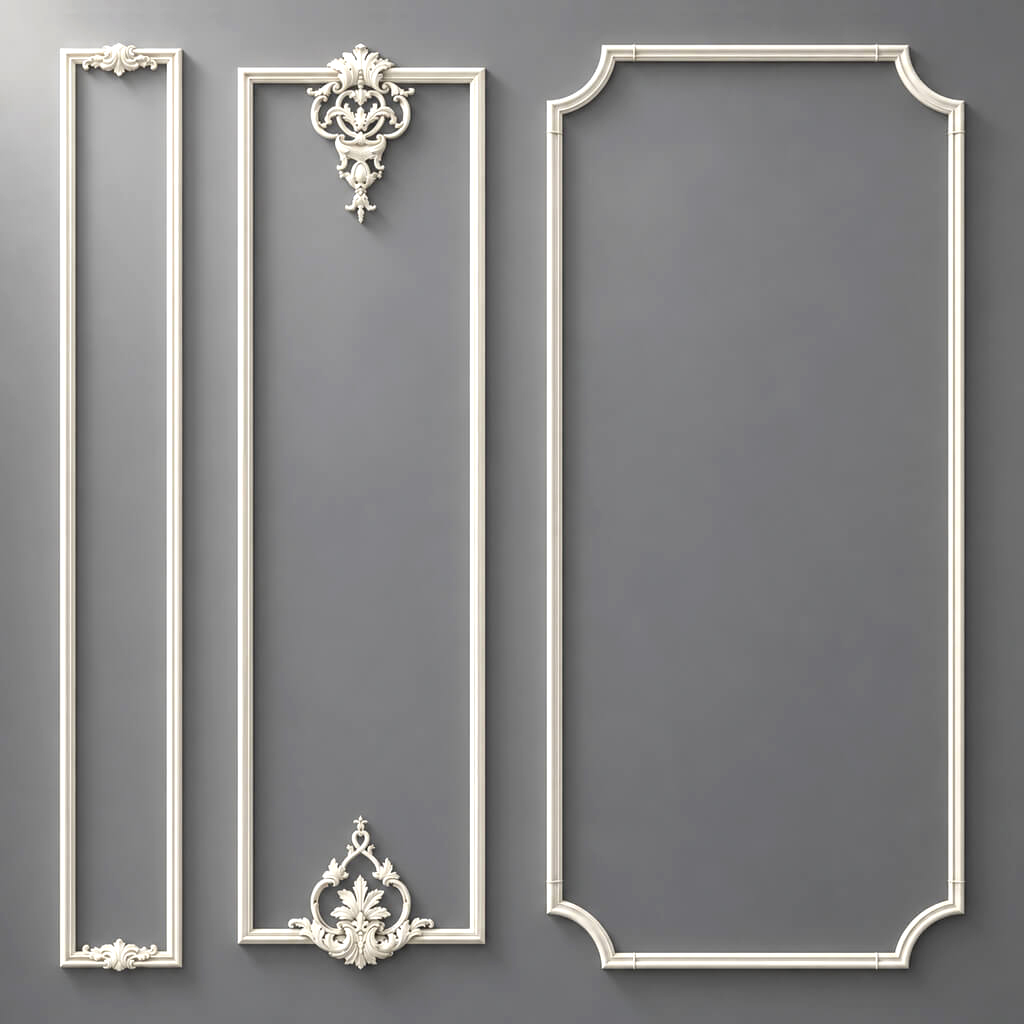
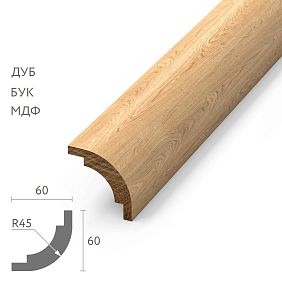
A frame is the outline of a facade that can be assembled from wooden molding . It sets boundaries, outlines the field, and allows the central decor to work within a clear context. -
Corners
Corner overlays fill gaps, connect the frame around the perimeter, and help avoid composition "gaps." They are especially important on wide facades — cabinets, dressers, large panels. -
Vertical lines
This is the area of pilasters wooden capitals and possible stiles that visually lift the facade upward, turning it from a "door" into a small architectural structure.
If you're wondering which decor for furniture facades to buy, start not with a list of item numbers, but with the question: where is the center of my facade, where is the frame, which corners and which verticals do I want to emphasize.
Carved overlay: a quick way to give furniture a new character
Imagine a perfectly smooth dresser or cabinet front. A single carved element in the center can transform it from a faceless plane into an object with a story. It's easiest to start with an overlay when you first decide to buy carved decor for furniture.
Where overlays work best
-
Center of the dresser front
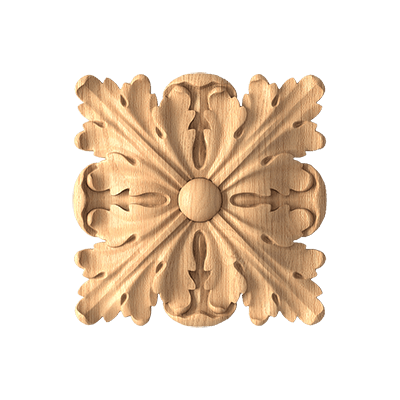
The central overlay sets the motif of the entire piece: floral ornament, classic symmetry, geometric pattern. -
Upper area of the front
A carved element under the countertop of a dresser or cabinet visually 'supports' the top and connects it with the lower part. -
Furniture door
A wooden overlay on a furniture front is not only a decoration but also a way to hide minor defects or traces of old hardware. -
Interior panel
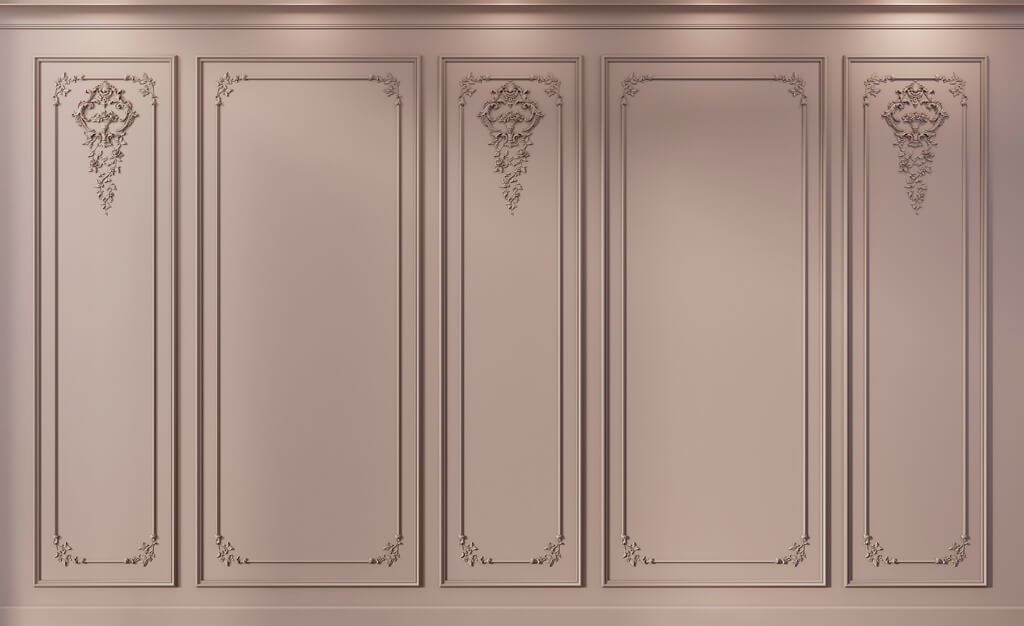
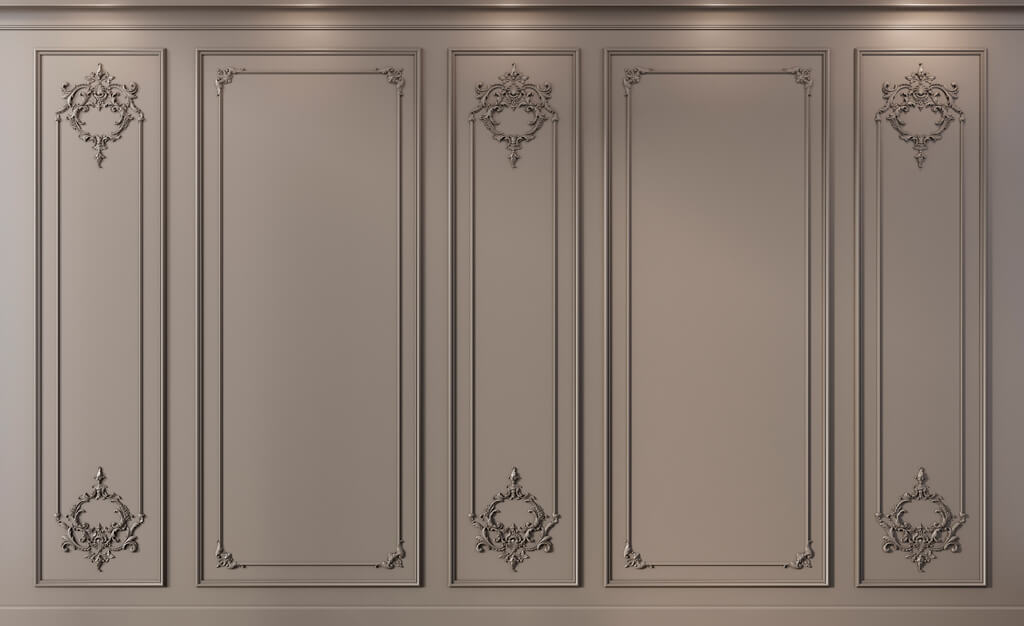
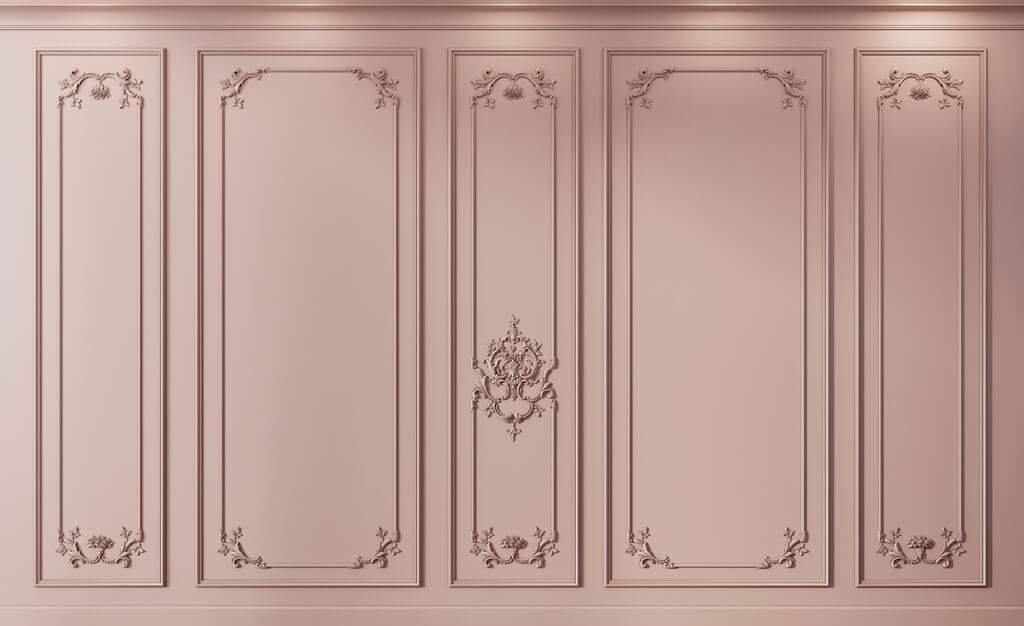
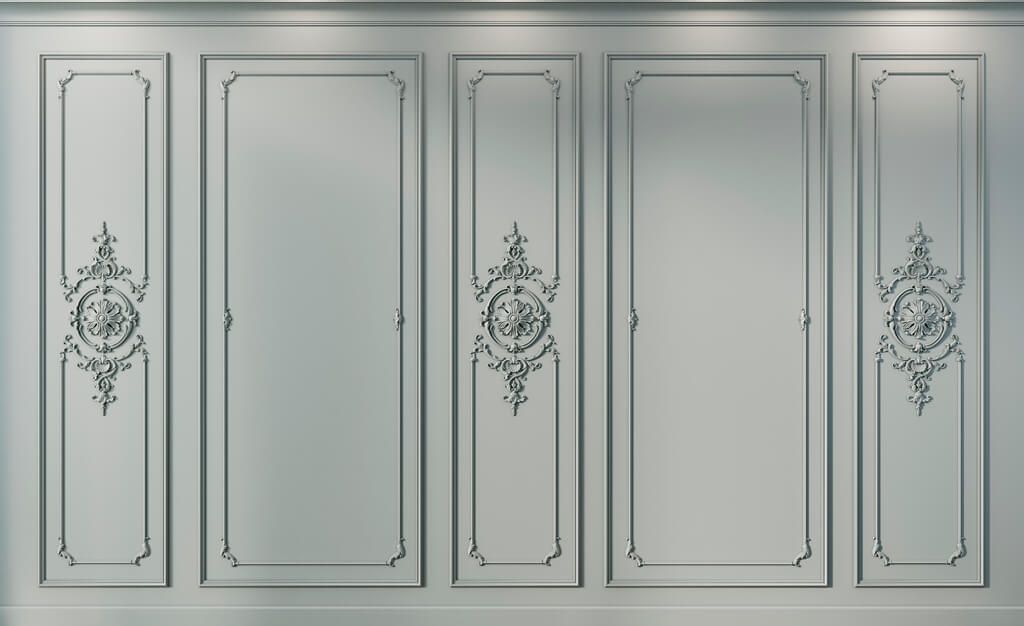
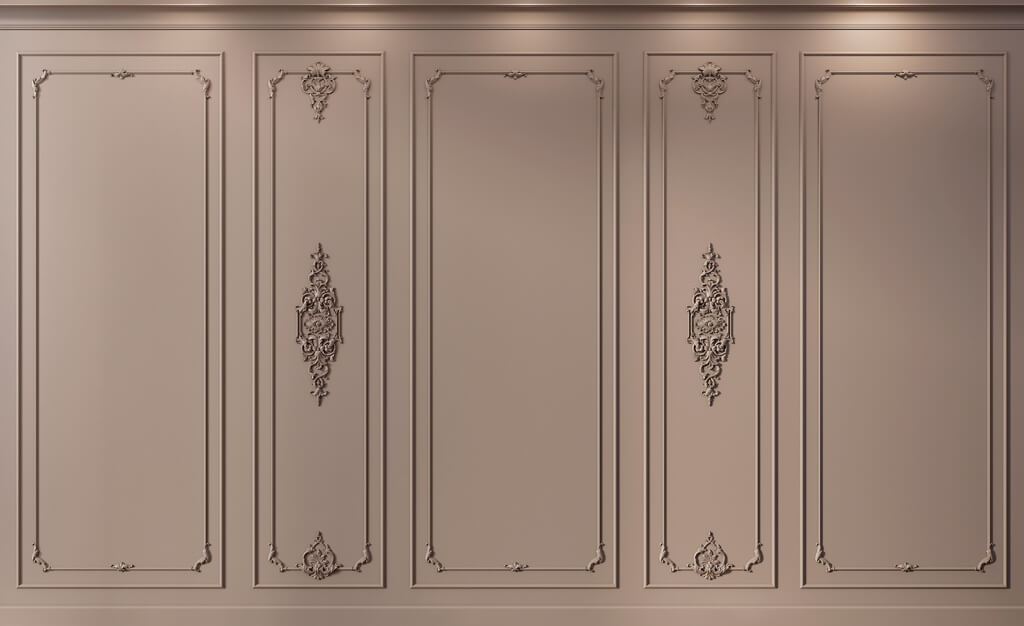
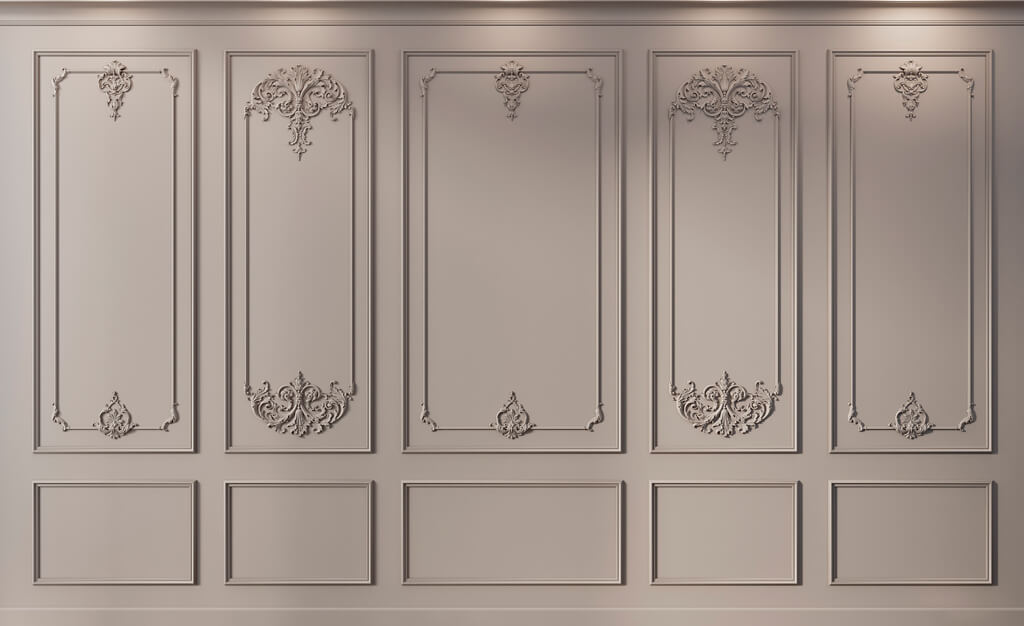
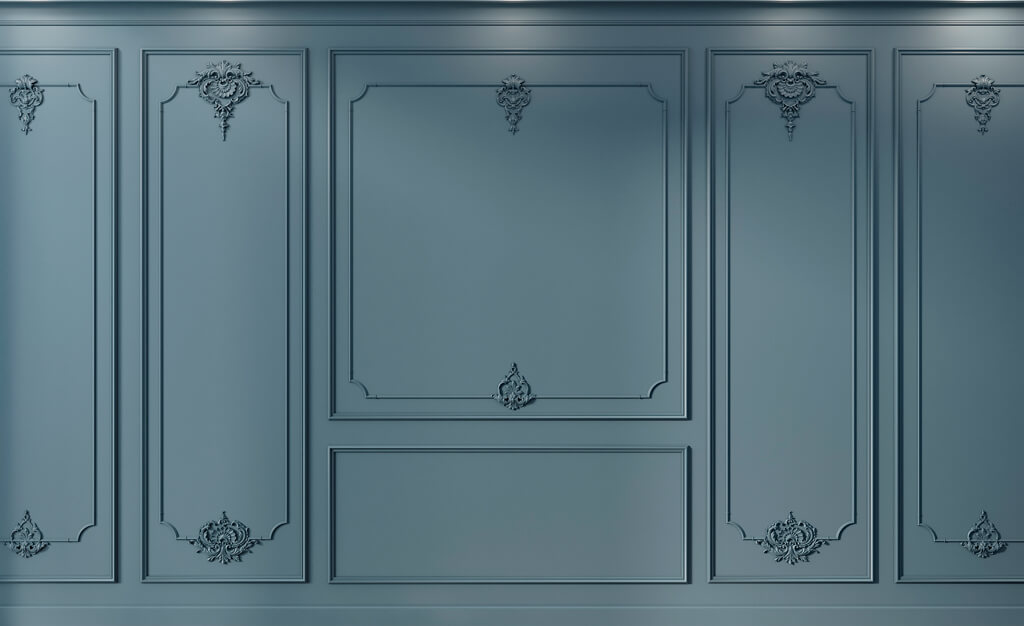
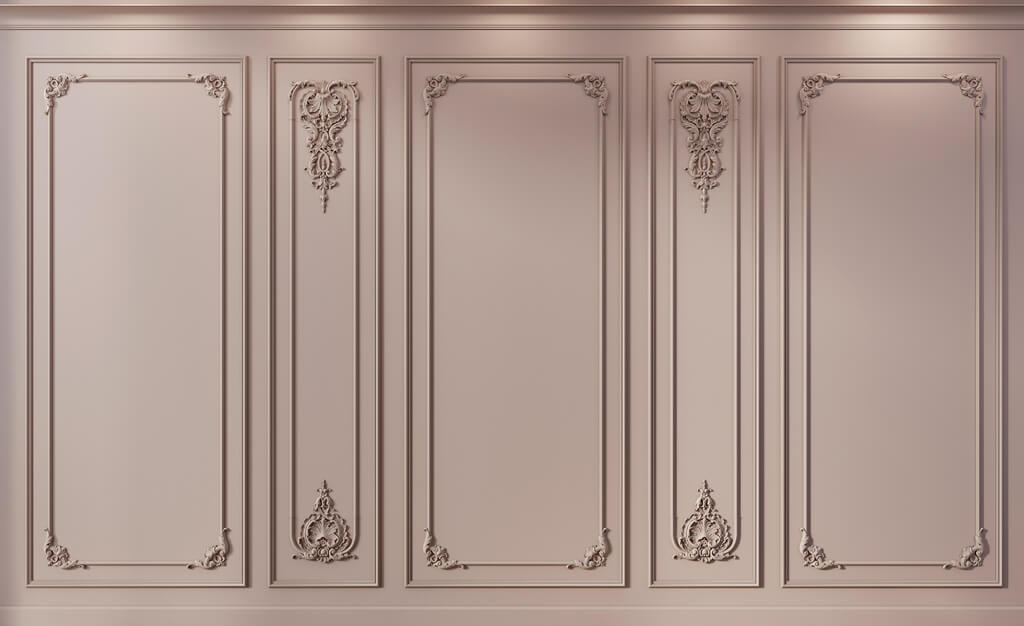
On a wall panel or decorative insert, overlays work as independent objects — especially in combination with a baguette.
When you plan to buy carved decor for furniture, ask yourself a simple question: "Where should the main accent be?" And based on the answer, choose the size and pattern of the overlay, not the other way around.
Decorative wooden overlays: not just one detail, but a construction set
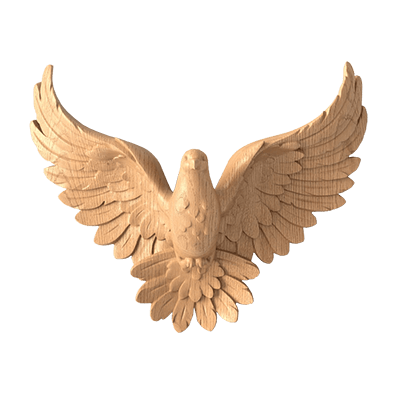
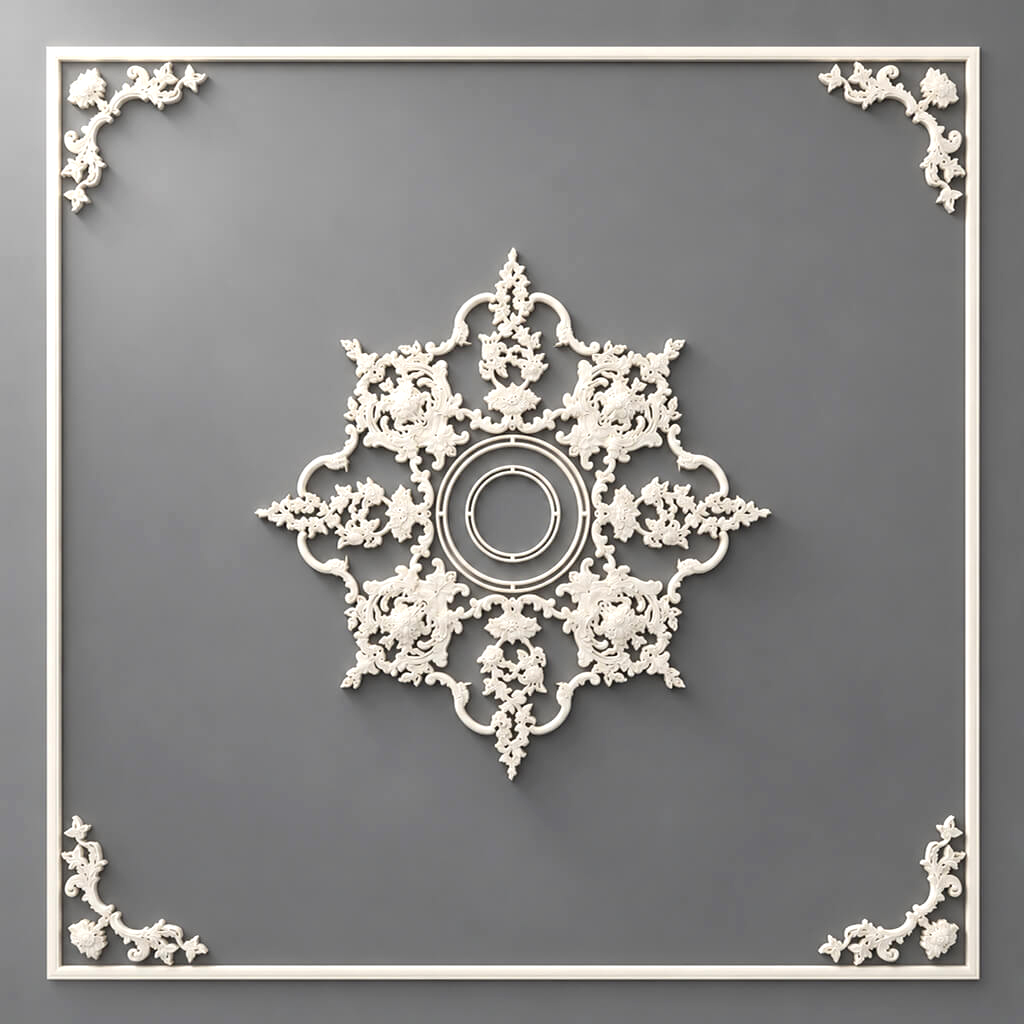
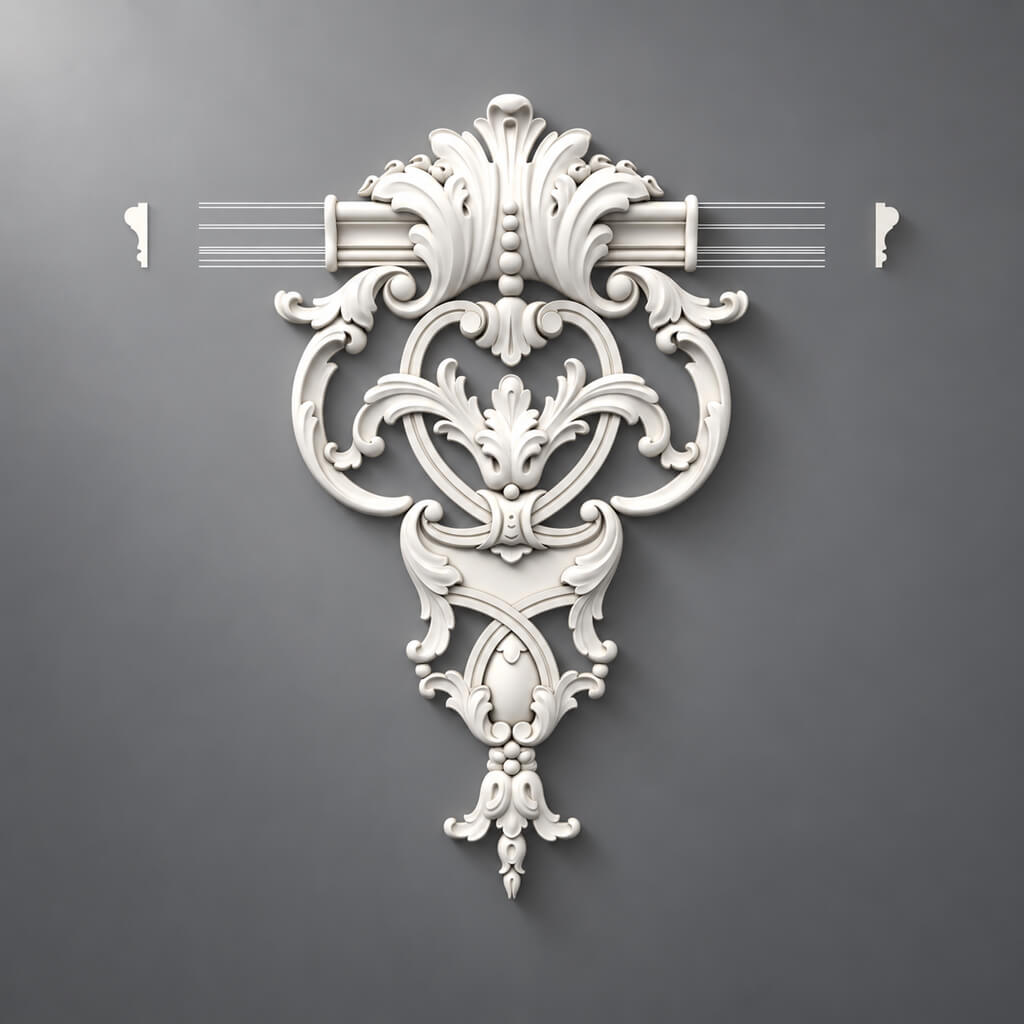
STAVROS catalog by direction "decorative wooden overlays" — these are not just one or two ornaments, but hundreds of models: central, corner, symmetrical pairs, large panels, and small accent elements.
What overlays are there and how they differ
-
Central
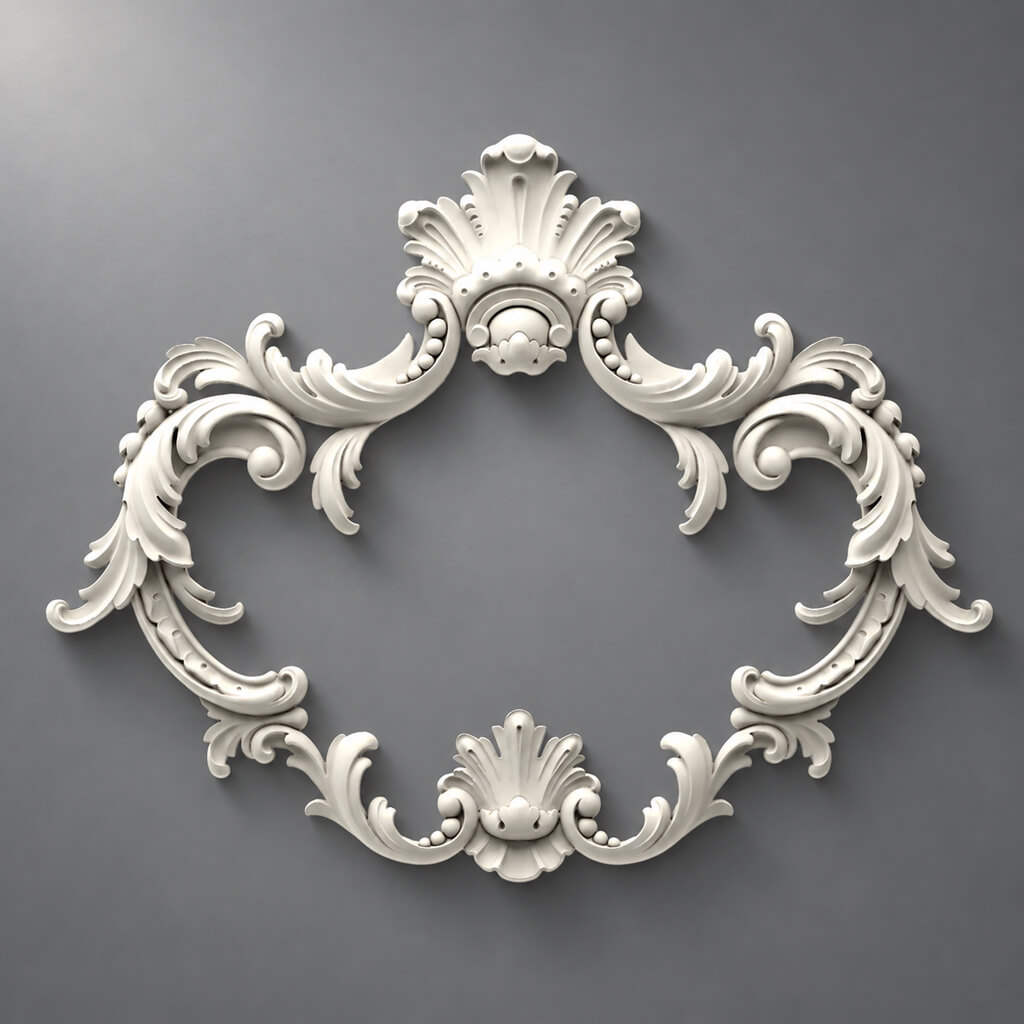
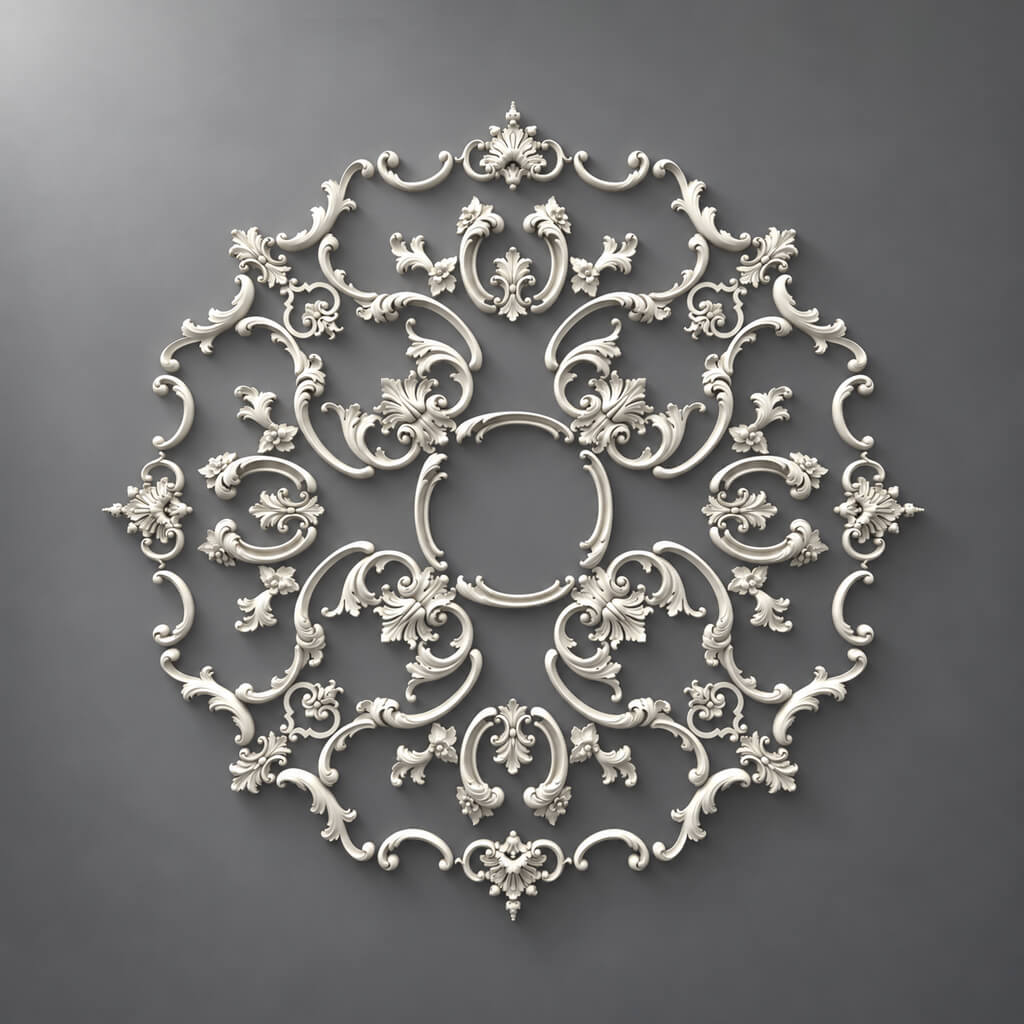
Large symmetrical elements that work as the core of the composition. They set the theme: acanthus, shell, garland, cartouche. -
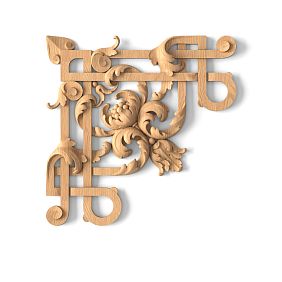
Corner
Overlays for filling the corners of the facade frame. They balance the visual weight and hold the composition along the perimeter. -
Modular (construction sets)
A set of elements that can be assembled into a long strip, border, or complex composition by joining them together and with moldings. -
Overlays with a groove
Parts designed for mounting over moldings or baguettes — they have a groove on the back side to fit the profile.
This set turns wooden furniture restoration elements into a real construction set: you can combine central and corner pieces, assemble your own frames and panels, without being limited to ready-made kits.
Wooden baguette: when one overlay is no longer enough
The most common mistake when decorating furniture is to "put a large decoration in the center and stop." A facade with a single overlay in the middle without a frame looks unfinished. That is why a wooden baguette is the second tool to consider when you decide to buy furniture decor consciously.
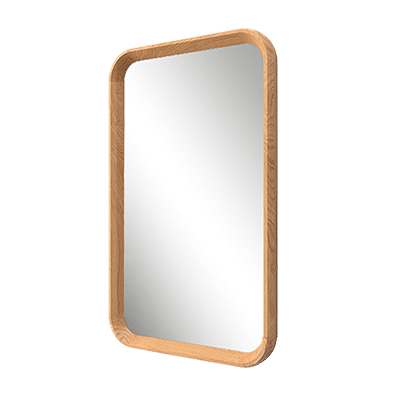
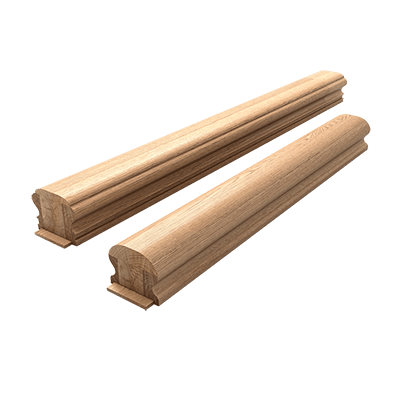
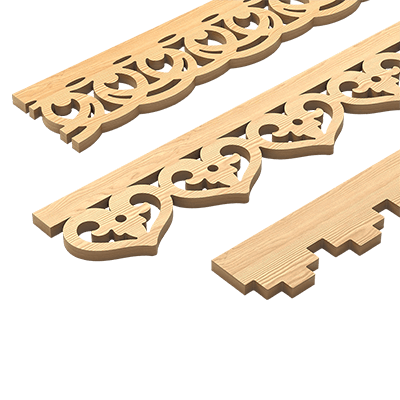
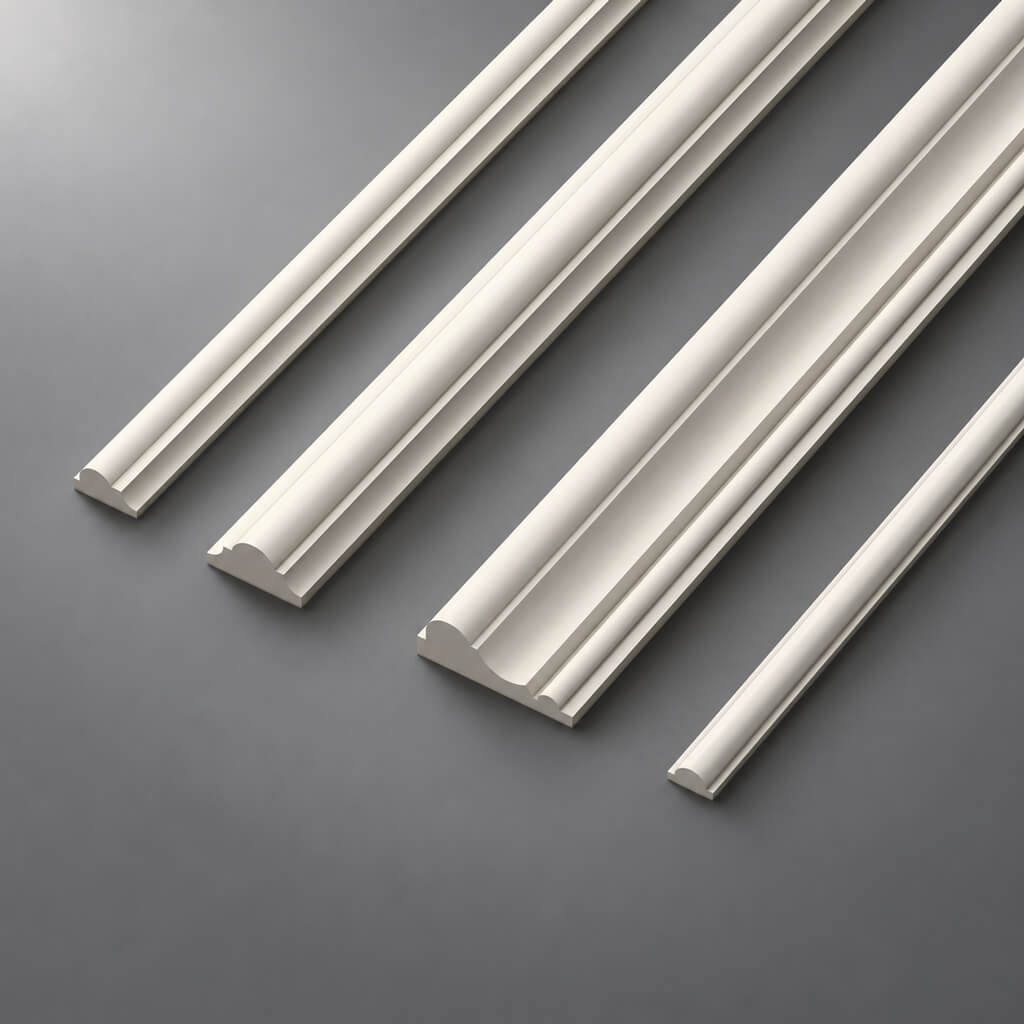
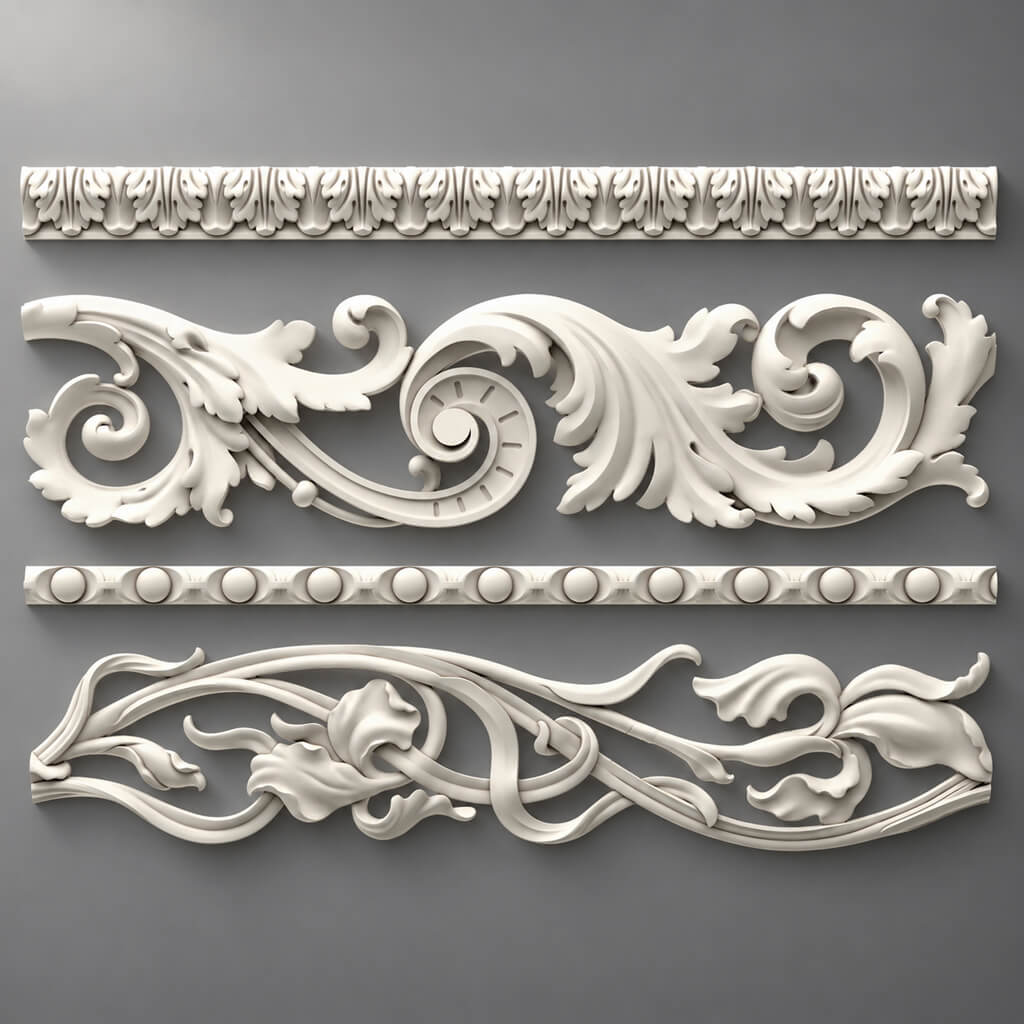
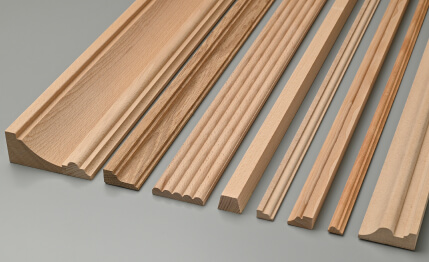
Wooden Picture Frame in the STAVROS catalog is intended for framing facades, mirrors, panels, and decorative compositions.
What a baguette does to a facade
-
Defines boundaries
A baguette frame outlines the working field of the facade, into which you then place an overlay or socket. Without the frame, the decor simply "hangs" on the surface. -
Unites elements
If you have several overlays, the baguette binds them into one composition: a frieze on top, vertical strips on the sides, and a finish at the bottom. -
Changes the scale
A properly selected baguette profile visually elongates the facade, making it more slender or, conversely, more monumental. -
Works with color
The baguette can be painted in the same tone as the facade, or left for staining, while the main facade is made lighter. This creates depth without extra relief.
When you look at a smooth kitchen door and think about how to make it more expressive, the answer is often not in a single overlay, but in a combination of a baguette frame and an accent detail in the center.
Capitals, brackets, and finials: when furniture needs architecture, not just ornament
Sometimes the decor on furniture should work not as decoration, but as mini-architecture: a portal, "columns," pilasters. For this, the STAVROS catalog has separate groups of products.
-
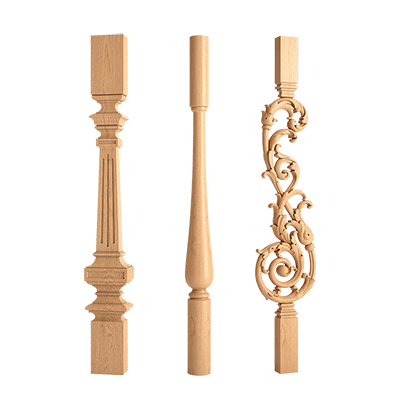
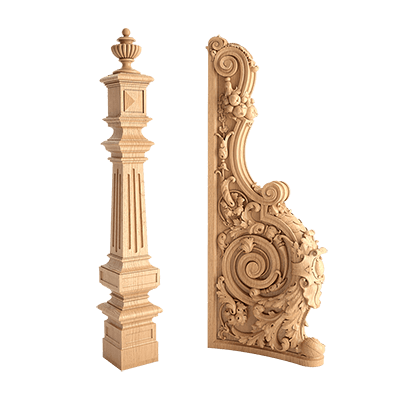
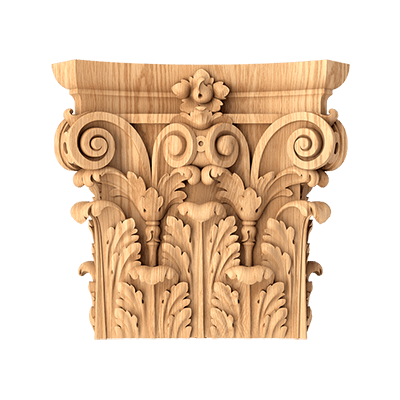
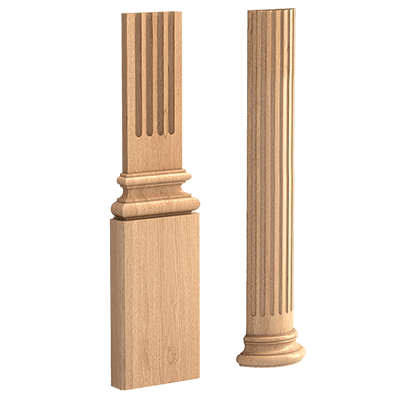
wooden capitals — logical "heads" of verticals. They are placed above pilasters, on top of cabinets, in furniture portal zones.
-
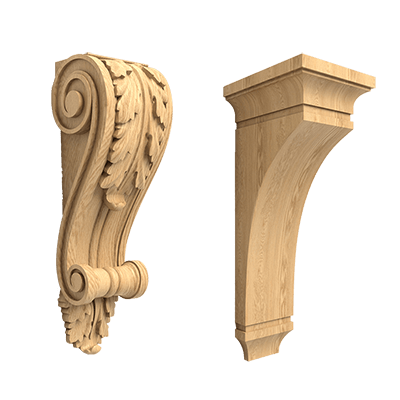
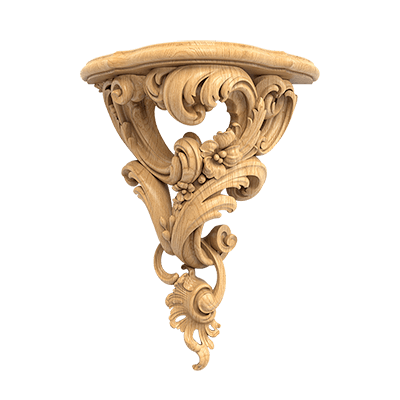
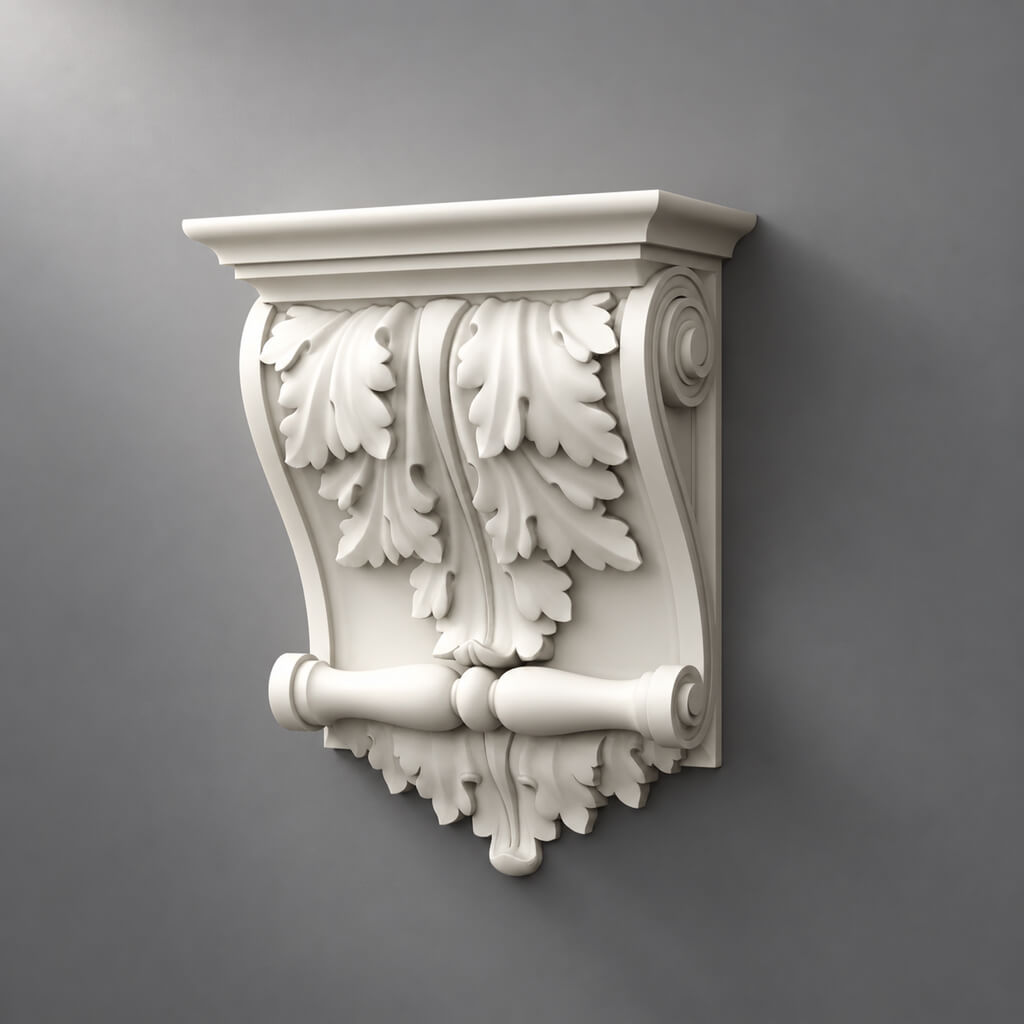
Wooden Brackets — support elements under shelves, wall cabinets, cornices. They simultaneously bear the load and decorate complex joints.
-
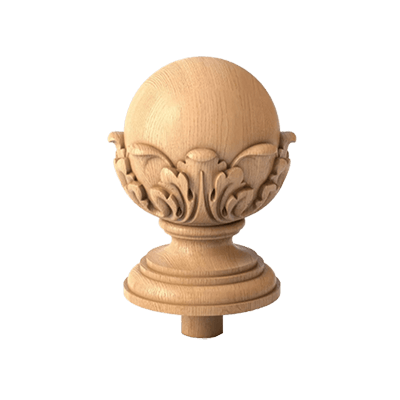
Wooden Caps — terminations of posts, portals, headboards, and interior panels that put the finishing touch on the composition.
Where such elements work best
-
Furniture portal in the living room or study
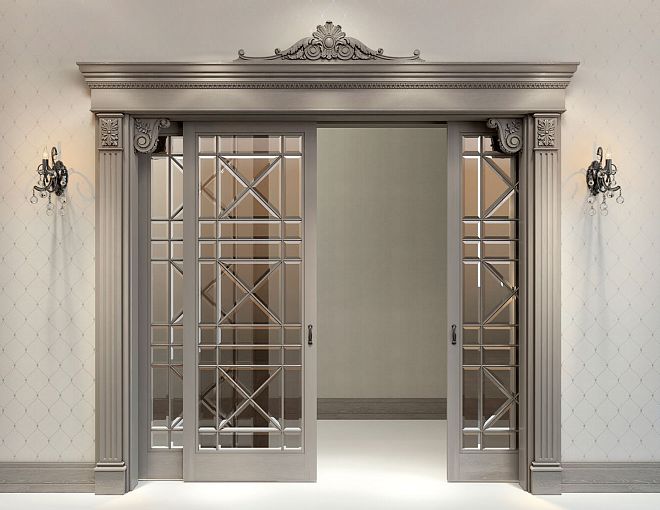
Two verticals (pilasters), capitals on top, a baguette and a central overlay between them. Finials on top. The result — mini-architecture at the furniture scale. -
Console area or shelf
An open shelf above a cabinet or countertop is supported by a pair of brackets. This immediately makes the area substantial rather than accidental. -
Interior panel behind the bed
Vertical panels, topped with finials, create the effect of a headboard "built into" the architecture.
If you are going to buy carved decor for furniture not for one door, but for an entire composition — without capitals, brackets, and finials, a full portal will not work.
How to choose wooden decor to match the furniture style, not the other way around
One of the most common questions: how to choose wooden decor for furniture so that it does not conflict with the existing style. The answer: look not at the individual element, but at the overall language of lines and scale.
Classicism and neoclassicism
-
Ornament: acanthus, shells, garlands, ribbons
-
Relief degree: medium or high
-
Scheme: center + frame + corner elements, capitals and finials are possible
-
Finish: enamel with patina, light or dark stain
In classic style, carved wooden decor fully unfolds: here large overlays, developed baguette, and expressive brackets are appropriate.
Provence and "rustic" romance
-
Ornament: flowers, branches, light plant motifs
-
Relief degree: small
-
Layout: accents around the perimeter, small overlays, the frame can be simple
-
Finish: light enamel, soft patina, sometimes shabby chic
Excessive pomp here will look out of place. It's better to choose a couple of delicate overlays and a frame than to overload the facades with complex carvings.
Art Deco and Empire
-
Ornament: geometry, radial motifs, strict symmetries
-
Relief degree: confident, but with clear geometry
-
Layout: strong center, strict verticals, minimum small details
-
Finish: deep tints, gloss or semi-gloss
For such interiors, overlays with a clear pattern and Wooden Picture Frame with a clear profile, without excessive curls.
Modern Eclecticism
The goal here is to carefully introduce classic decor into minimalist facades: one overlay on a large plane, a thin frame, color contrast. The main thing is not to "overdress" the entire facade, but to give one or two expressive accents.
Dimensions: why decor cannot be chosen only by photo
You found the perfect overlay in the catalog, but on the facade it suddenly becomes "too small" or "too bulky." Why does this happen? Because the photo does not convey the scale relative to a specific dresser or door.
How to choose carved overlays by size
-
Measure the facade
Height and width of the clean field, excluding the edge frame. -
Determine the working area
Leave a perimeter around the field — this is the frame area or simply "breathing room." Usually 80–120 mm along the edges. -
Calculate the center
The central overlay should occupy approximately 1/3–1/2 of the work area width, and 1/4–1/3 of the height. -
Consider the hardware
Handles, brackets, locks — all of these affect the placement of the decor. The overlay should not press against the handle or hide behind it.
Which decor to choose for a furniture door? If the door is narrow and tall, a vertically elongated element or a composition of two or three small overlays will work. For a wide cabinet door, larger central elements and corner accents are more logical.
Material and finish: wood under varnish, enamel, stain
When you plan to buy furniture decor, it's important not only 'what exactly' but also 'how it will look after finishing'.
Solid wood decor for furniture: oak and beech
-
Oak
Expressive texture, high density. Ideal under stain, oil, patina. Gives a noble volume on the relief. -
Beech
More uniform structure, ideal under enamel and even color coatings. Holds fine relief well.
Wooden decor under varnish requires particularly careful surface preparation: it is important that the carving is clean, without torn fibers — in the STAVROS catalog, this is achieved through a combination of handwork and precise machine processing.
Wooden decor under enamel is especially convenient when you want to hide the heterogeneity of the wood and leave only the relief and shape. In this case, geometry and profile cleanliness are important.
Decor for a chest of drawers and bedside table: a local update that changes the room
A chest of drawers and a bedside table are ideal candidates for a first 'facade without alteration' experience. A few correctly chosen elements turn a simple body into an interior accent.
How to update a chest of drawers with wooden overlays
-
Central overlay on the middle drawer
This immediately changes the character of the front: from modern to classic. -
Frame around the perimeter of the facade
From a baguette, you can assemble a frame for each drawer or the entire block, enhancing verticals or horizontals. -
Corner Elements
Small overlays on the corners of the top drawer add completeness and hide minor defects.
Decorating the facade of a chest of drawers is especially effective when combined with replacing handles and, if necessary, updating the legs. This is where things come into play wooden furniture legs — by changing only the facade and supports, you essentially get a new piece of furniture.
How to decorate a cabinet with carved decor
A cabinet is most often a rectangular volume on legs. The decor for the cabinet facade can be built around:
-
A small central overlay
-
A small frieze under the countertop
-
Accent corner elements
Thanks to this, the cabinet ceases to be just a "box under the TV" and becomes part of the room's stylistic solution.
Decor for a kitchen facade: expressiveness without overload
The kitchen facade is a dangerous zone for decor: it's easy to cross the line between "beautiful" and "too much". But a well-chosen decor for the kitchen facade can make a row of cabinets expressive and cohesive.
Principles of working with kitchen facades
-
Central accents — only where justified
For example, on a wide display case, above the stove, or on a decorative panel. -
Focus on the frame
For most facades, a frame of molding or profiled strips is sufficient, and use overlays as rare accents. -
Consideration of rhythm
Repeating elements should follow the same step: if you use overlays on three doors, let them be the same size and height.
How to make a kitchen facade more expressive? Add a frame profile, slightly enhance the cornice, place a couple of brackets under a decorative shelf, and one overlay in the portal area. And all this — in a unified style, without competing ornaments.
How not to overload a facade with carved decor: five 'no's
Mistakes when choosing decor for furniture are predictable, and they are easy to avoid if you know what exactly not to do.
-
No to a random set of elements
If you see three different patterns and want "all at once" — stop. One line and one motif is better than a mishmash. -
No loss of center
The central axis of the facade should be readable. If you place elements of the same scale around the periphery, the eye won't know where to look. -
No conflict with hardware
Handles and decor should be allies. If the handle is massive and active, the overlay next to it should be calmer. -
No imbalance of top and bottom
Strong decor only on top with an empty bottom makes furniture "top-heavy." Try to distribute volume along the height. -
No scale mismatch
A large overlay on a narrow door is a visual "overload." For small facades, choose more delicate details.
If in doubt, it's better to take a set of one central overlay and a frame than to stick everything you liked at once.
What to buy together with wooden furniture decor
When you decide to buy furniture decor, it makes sense to immediately think about completeness. One element works, but a system works twice as well.
What makes sense to buy additionally:
-
Overlays and baguette — a basic set for the facade
-
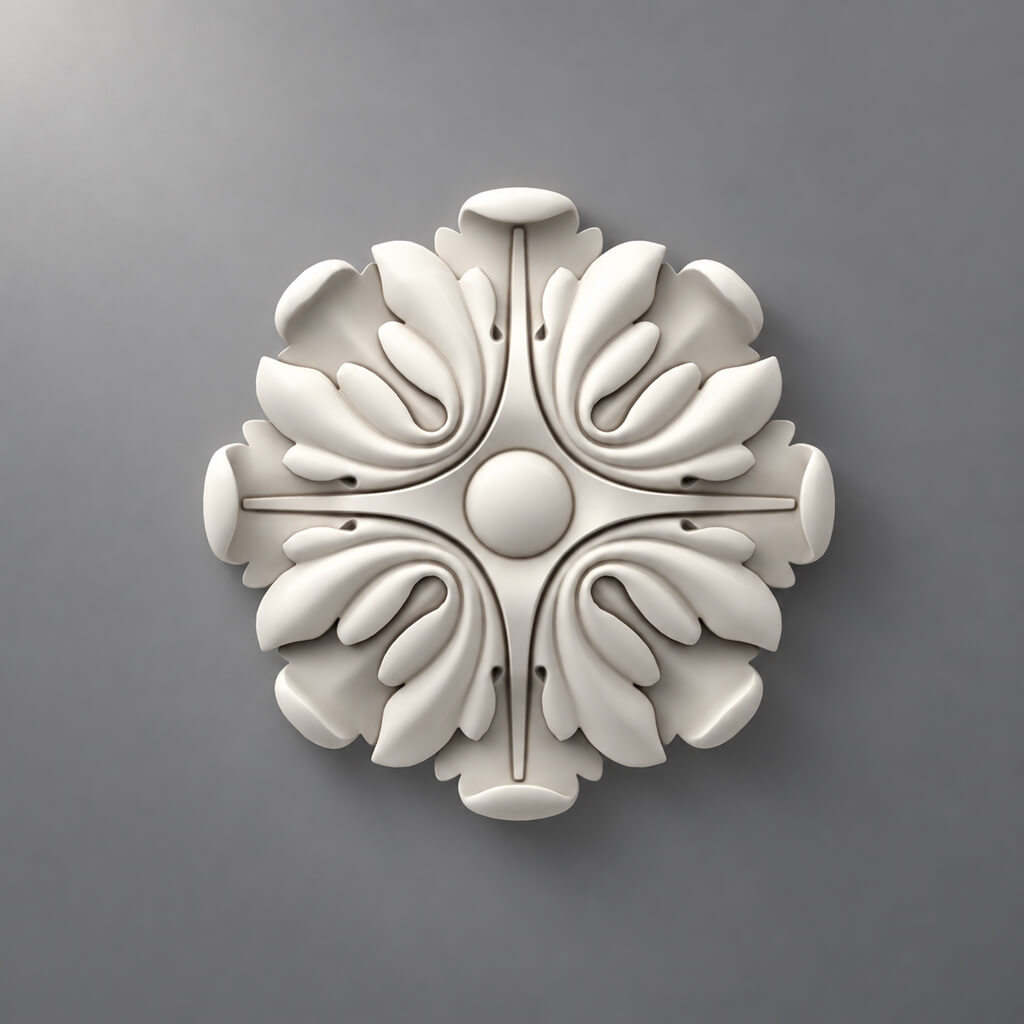
Rosettes — for central accents on doors, panels, headboards
-
wooden capitals — if a furniture portal or tall composition is planned
-
Wooden Brackets — for shelves and console areas
-
Wooden Caps — for finishing posts, panels, cabinets
-
wooden furniture legs — if you want to change the floor placement and visually "lift" the item
-
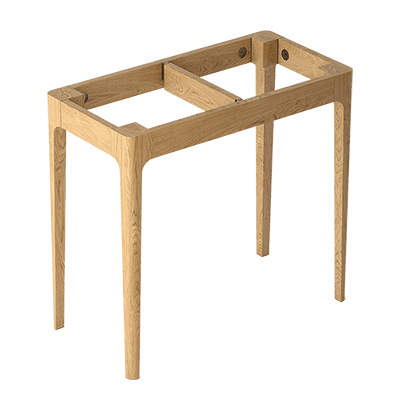
furniture frames — for projects where not only the facade but also the overall structure changes
-
Base solid wood products — for joining with other wooden decor in the interior: this can be selected in the section Solid Wood Items .
This approach turns a single purchase into a thoughtful update: you don't just decorate one cabinet, but connect furniture, panels, and adjacent interior elements into one line.
FAQ: answers to frequent questions about wooden decor for furniture
What is wooden decor for furniture in a practical sense?
These are overlay and structural-decorative elements made of solid wood, designed for decorating furniture facades, doors, panels, shelves: overlays, baguette, rosettes, capitals, brackets, finials, legs, and other details.
Can furniture be updated without replacing the fronts?
Yes. It is enough to select suitable carved decor, overlays, and baguette frames to change the appearance of a dresser, nightstand, kitchen door, or interior panel facade without changing the frame.
Which decor is best to choose for a dresser?
For a dresser, a central overlay on the middle drawer, a frame around the perimeter, and neat corner accents are usually used; if desired, new wooden legs are added to complete the look.
Is wooden decor suitable for kitchen facades?
It is suitable if you correctly choose the scale of elements, do not overload each facade, and consider the kitchen's operating conditions; frames, small overlays, and neat cornice solutions are most often used.
What is more important when choosing: pattern or size?
Both parameters are important, but you should start with the dimensions of the facade and the area where the decor will be placed. Only after that does it make sense to choose the pattern and degree of relief.
How to avoid mistakes with the size of the overlay?
You need to measure the facade, determine the working area, leave margins along the edges, and consider the placement of hardware; the size of the overlay should correspond to the dimensions of the door or drawer, occupying a reasonable proportion of height and width.
Where to buy wooden furniture decor STAVROS?
You can buy carved overlays, baguettes, capitals, brackets, rosettes, finials, furniture legs, and other wooden decor elements in the catalog wooden carved decoration and related sections of the STAVROS website with Contact us to confirm shipping to your destination.
Where to buy wooden furniture decor: STAVROS
When you seriously intend to buy wooden furniture decor and do it once, rather than picking random elements, it is critically important that the entire set of parts is systematic: consistent in style, material, scale, and depth of relief. In this sense, the STAVROS assortment solves the problem comprehensively: in one catalog, you will find Carved wooden decoration, Decorative wooden inlays, Wooden Picture Frame, capitals, brackets, rosettes, finials, furniture legs, and frames.
You can solve a local task — refresh a dresser facade — or assemble a complete facade ensemble for a study, bedroom, living room, or dining room. All elements are made from solid wood, designed for finishing according to your project, and selected so that the composition looks cohesive and convincing.
A facade without rework is not magic, but thoughtful work with decor. And when you have a full set of carved elements at hand, a competent choice of style and scale, and the experience of a manufacturer who has been working with wood for decades, furniture renovation turns from an experiment into a precise, predictable result. This is exactly the approach to furniture decor that STAVROS offers.
What type of furniture do you plan to update first — a dresser, a cabinet, a kitchen, or a wall panel?