



























Article Contents:
- When a wooden panel is truly necessary
- Types of wooden panels: typology by buyer scenario
- Panel from moldings: frame architecture of the wall
- Panel from slats: modern rhythm
- Carved wooden panel: central accent
- Panel from overlays and rosettes: classic furniture-architectural composition
- Panel in a frame: finished decorative object
- Panel for painting: relief without color
- Wooden panel above the sofa: how to design the main wall of the living room
- How to choose the size of the panel above the sofa
- What to use for the panel above the sofa
- Symmetry is a must
- Panel behind the bed: how to make the bedroom architectural
- Scenario 1: instead of a soft wall panel
- Scenario 2: frame made of moldings with a rosette
- Scenario 3: vertical slats from baseboard to ceiling
- Material and coating for the bedroom
- Wooden panel in the hallway: the first impression must be flawless
- Panel above the console: the most popular solution
- Panel on the wall between doors
- Panel above the banquette
- Molding panel: a practical commercial analysis
- Which molding to choose for a panel
- Molding profile: which shape to choose
- How to miter moldings for a panel
- Carved wooden panel: when ornament matters more than geometry
- How to assemble a carved panel from ready-made elements
- Where to place a carved panel
- Carved panel in classic, neoclassical, and art deco styles
- How to choose the size of a wooden wall panel: coordinate system
- Panel in relation to furniture
- Panel height from the floor
- Gaps between frames in a composite panel
- Large panel on a large wall
- Mistakes when choosing and installing a decorative wall panel
- Wooden panel and decor system: how to connect the wall with the interior
- Step-by-step selection scenario: from an empty wall to ordering
- FAQ: answers to main questions about wooden wall panels
- What is a wooden wall panel?
- How is a panel made of moldings different from a panel made of slats?
- Where is the best place to place a wooden panel?
- What do you need to buy for a panel made of moldings?
- How is a carved panel different from a panel made of slats?
- Can a wooden panel be painted the color of the wall?
- How to choose a panel made of moldings with your own hands?
- How to combine a wall panel with pilasters and cornices?
- About the Company STAVROS
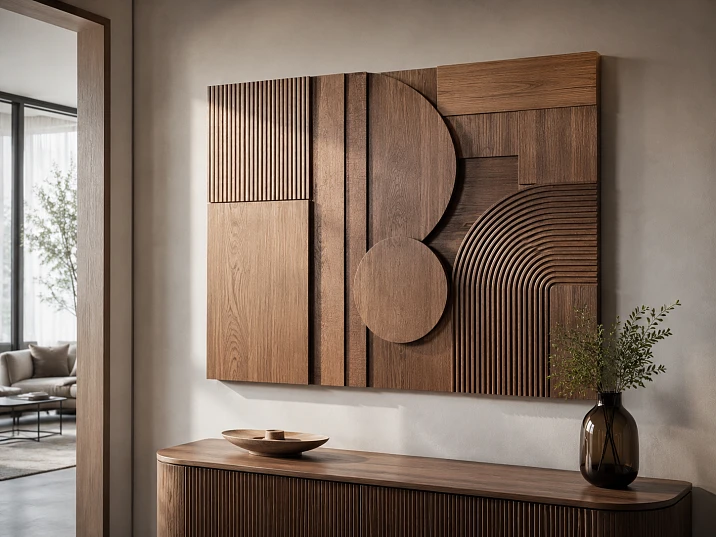
An empty wall is not a neutral background. It is an unfinished space that either works for the interior or quietly destroys it. A sofa area without an accent looks like a random furniture arrangement. A bedroom without decor behind the bed looks like a hotel room. A hallway without a panel looks like a corridor. And when a person realizes that something needs to be done with the wall, the first question sounds simple: what exactly?
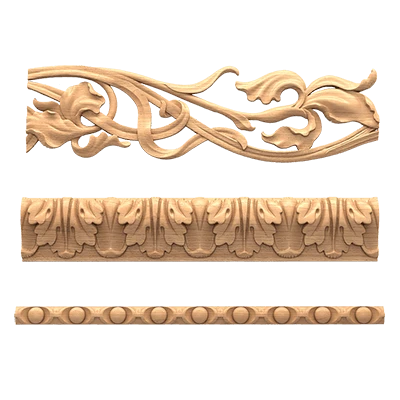
Wooden wall panel is not a single item with a price tag and installation instructions. It is a solution that is assembled from several elements: moldings, frames, slats, carved overlays, rosettes, profiles. And that is precisely its strength — you are not buying a ready-made picture, you are creating an architectural accent that exactly matches the size of your wall, the style of the interior, and the character of the room.
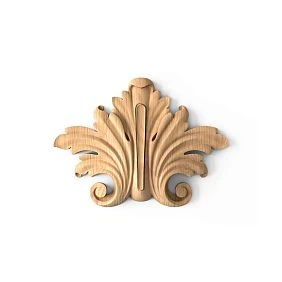
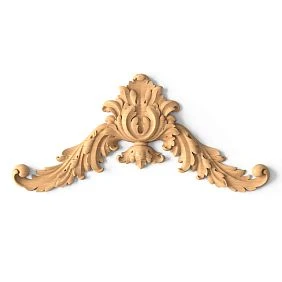
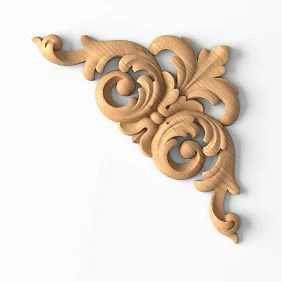
View STAVROS moldings, slats, frames, rosettes, and carved overlays →

When a wooden panel is truly necessary
There is a simple test: close your eyes and imagine your interior without furniture. If the wall itself says nothing, it needs architecture.
Specific situations when Decorative wooden panel it becomes not a whim, but a logical solution:
-
The sofa area looks flat and doesn't come together as a single ensemble — there is furniture, but the wall behind it remains a background
-
A bedroom with a properly chosen bed but an empty wall behind the headboard is an incompleteness that everyone entering the room feels
-
An entryway with a mirror and console but no accent on the partition — everything is there, but something is missing
-
An office where the wall behind the workspace or behind the bookshelves is not marked in any way
-
A TV area without architectural framing — the screen hangs on the wall as if they forgot to finish
-
Classic or neoclassical interior, where there are moldings on doors and baseboards, but the walls remain bare
In all these cases, a wooden decorative composition on the wall elegantly and permanently solves the problem. It's not a poster that will become outdated. Not wallpaper that will need to be replaced. It's architecture—and it never goes out of style.
What types of wooden panels exist: a typology based on purchasing scenarios
Before moving on to choosing specific elements, it's important to understand exactly what you want to achieve. Because a "wooden wall panel" is not one type of product, but a whole family of solutions with different logic, different elements, and different visual results.
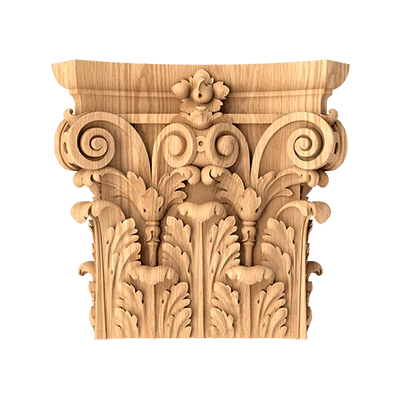
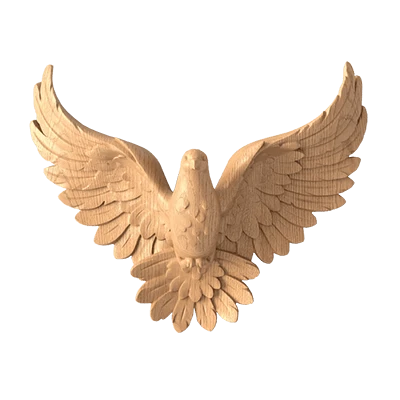
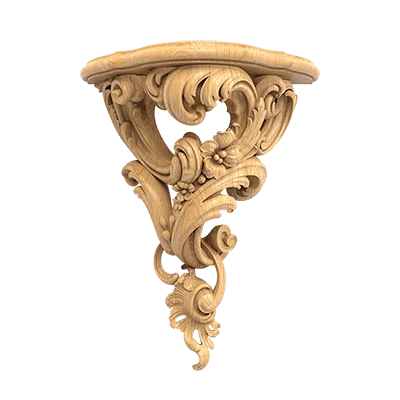
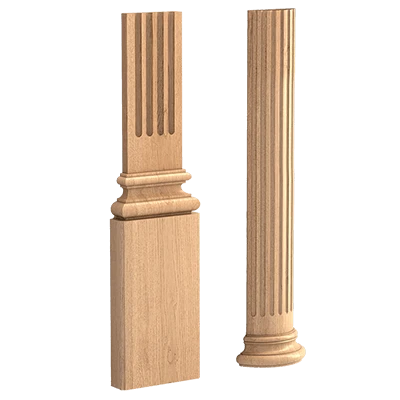
Our factory also produces:



Panel from moldings: frame architecture of the wall
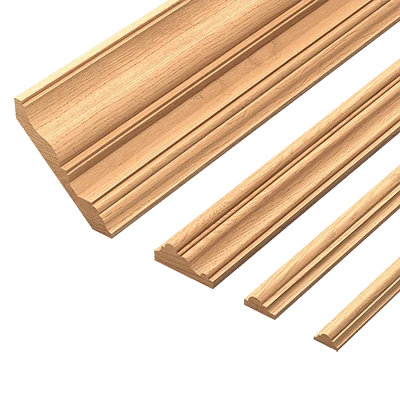
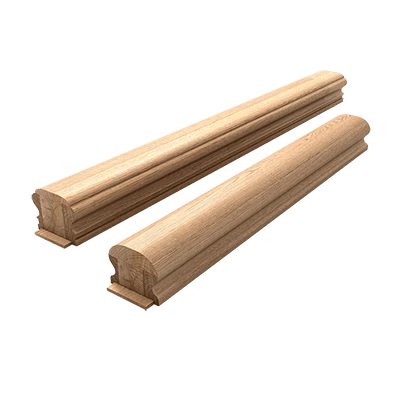
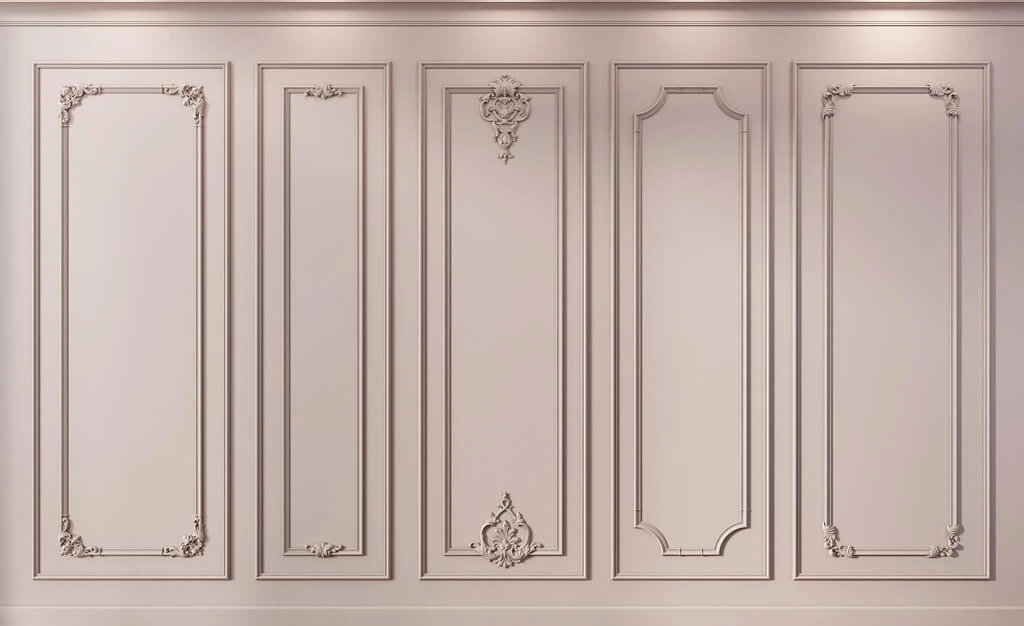
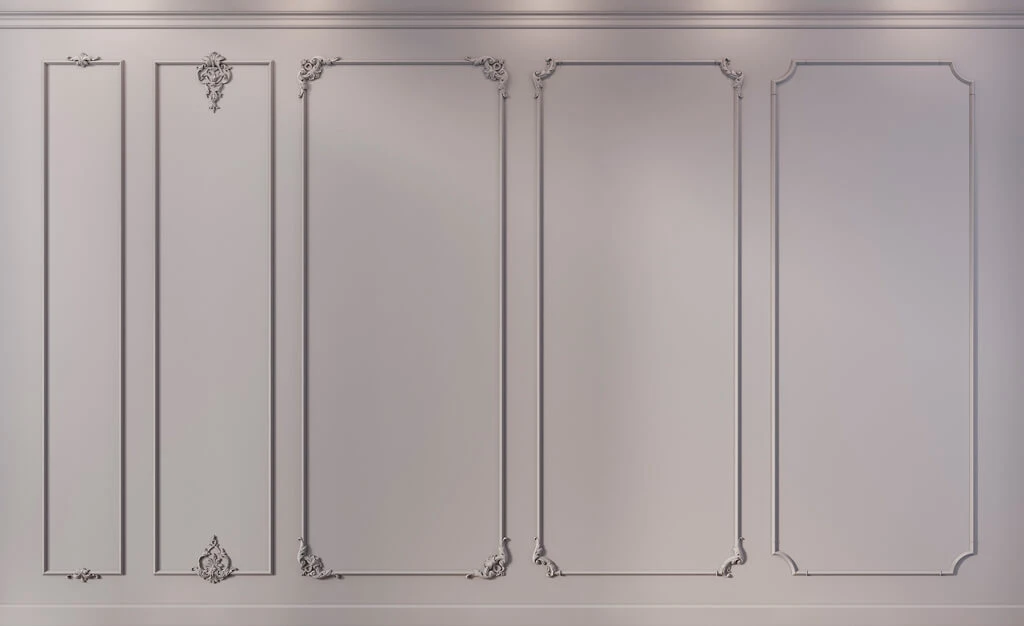
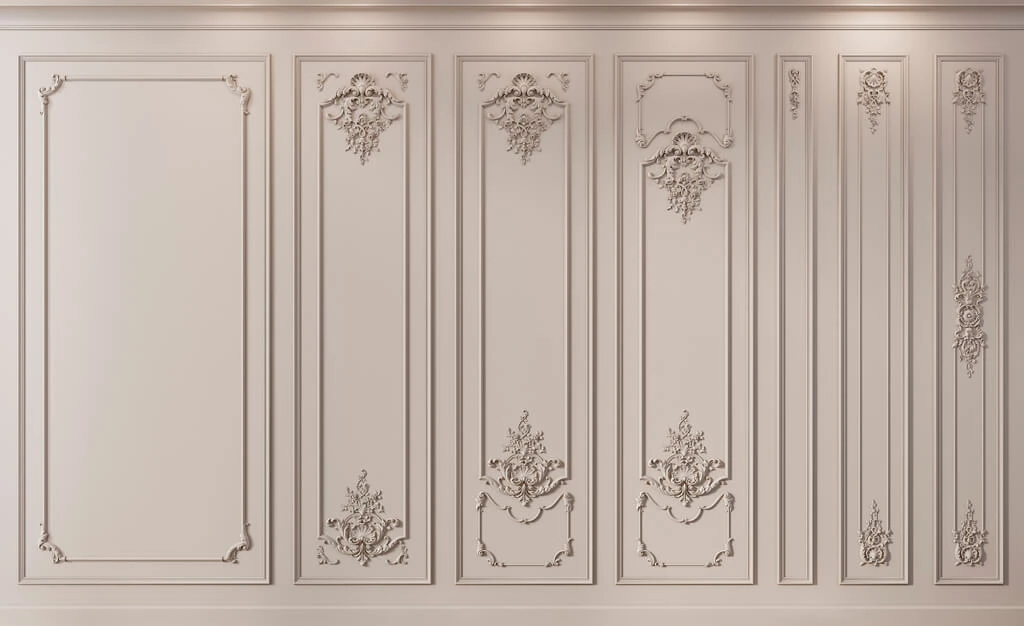
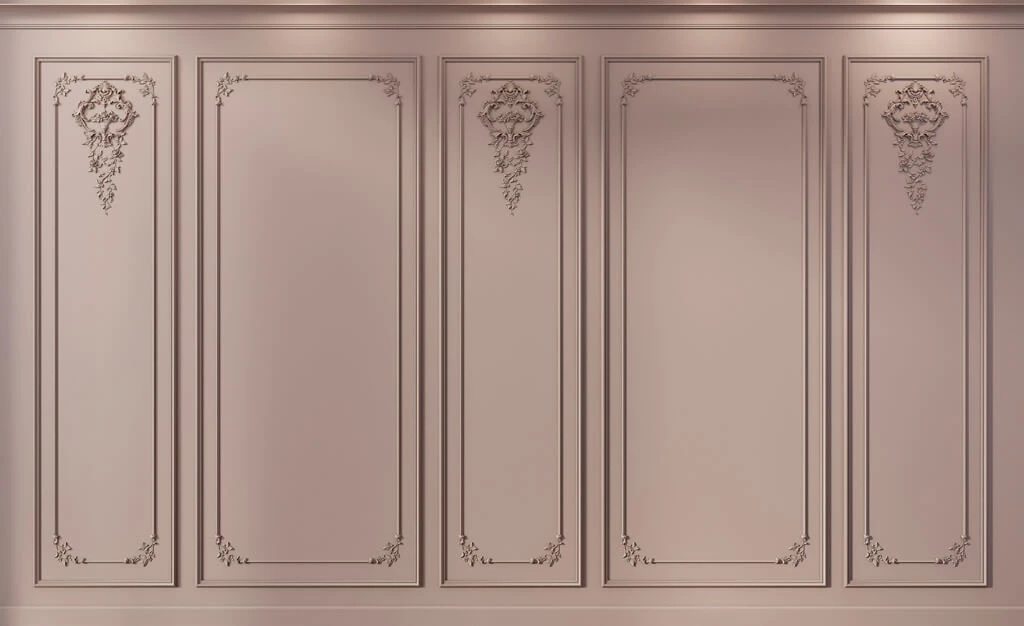
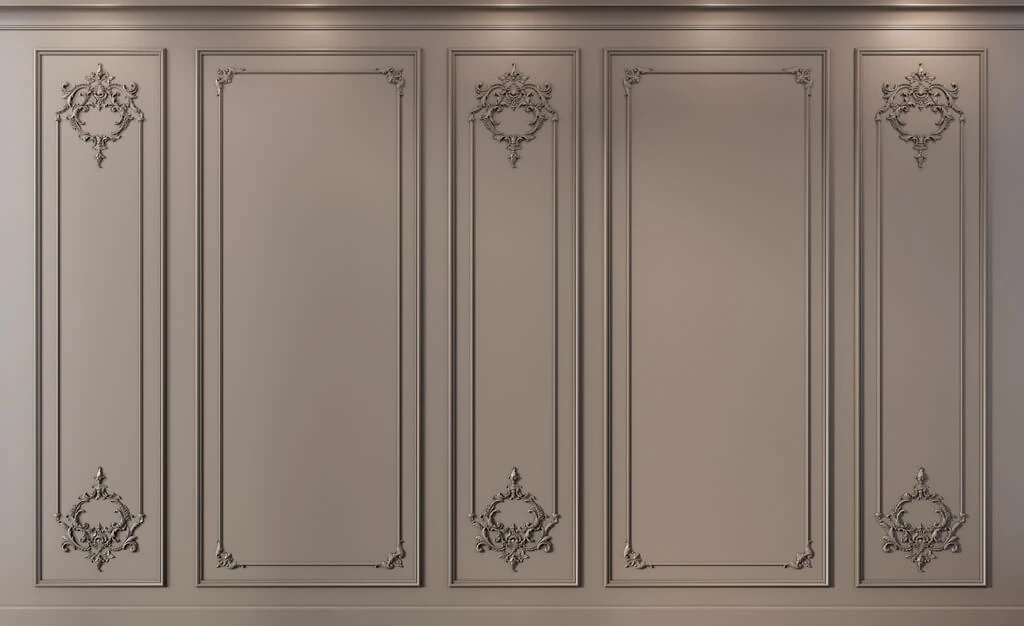
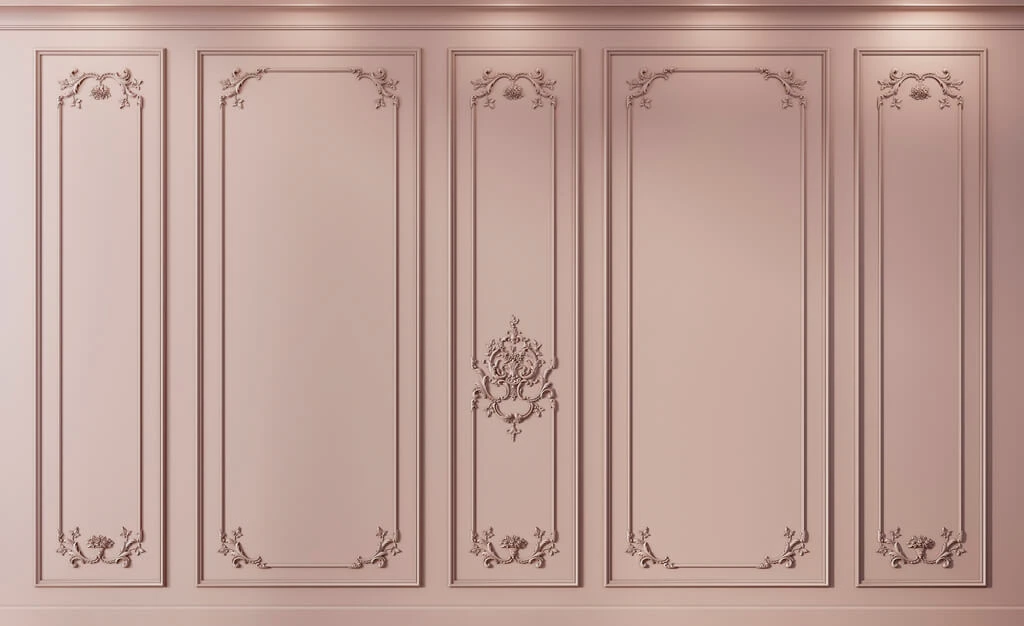
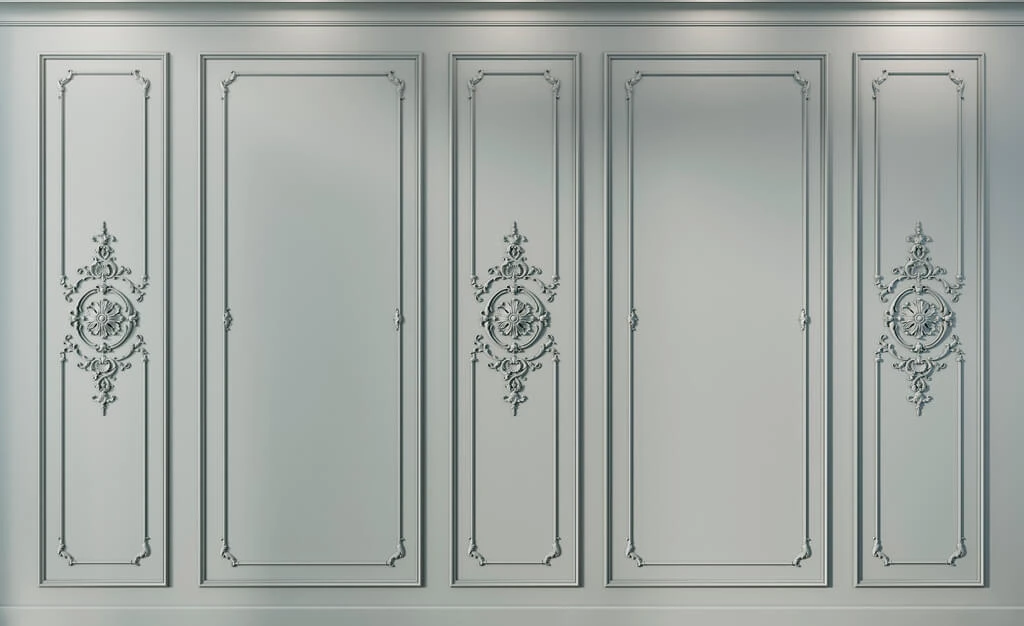
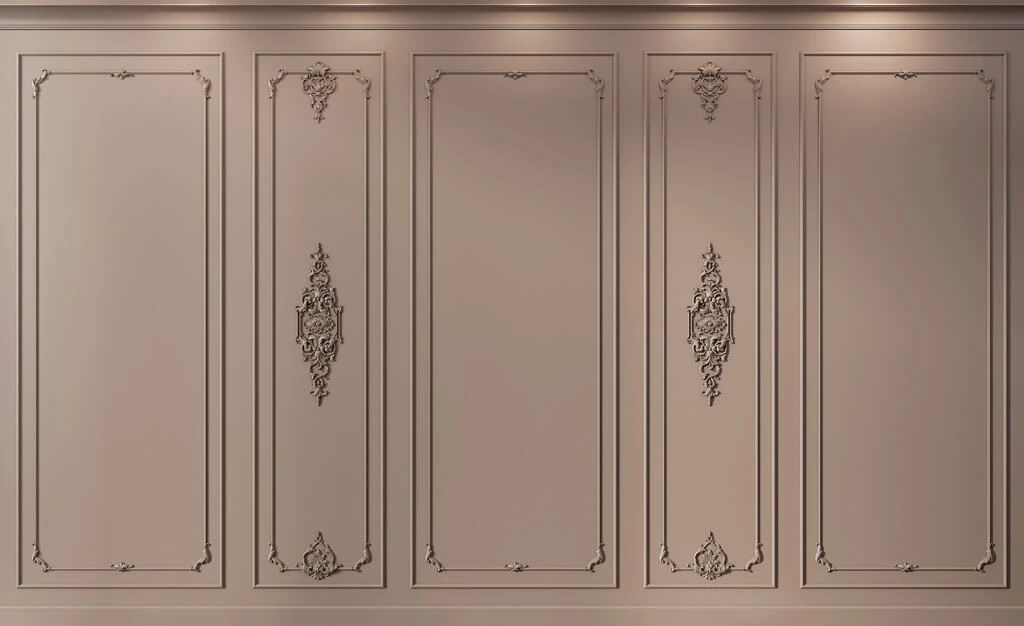
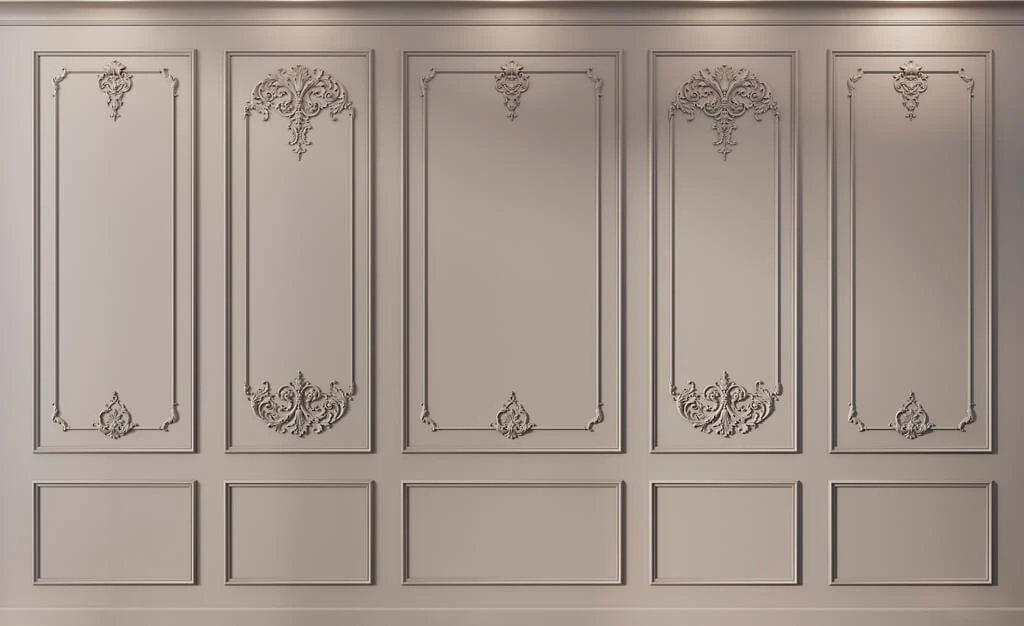
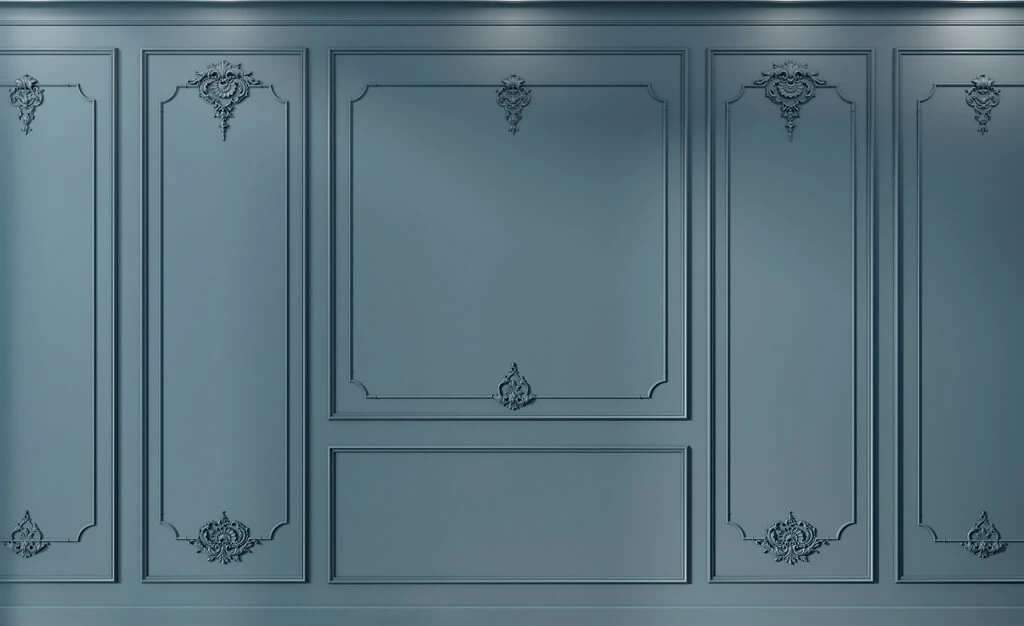
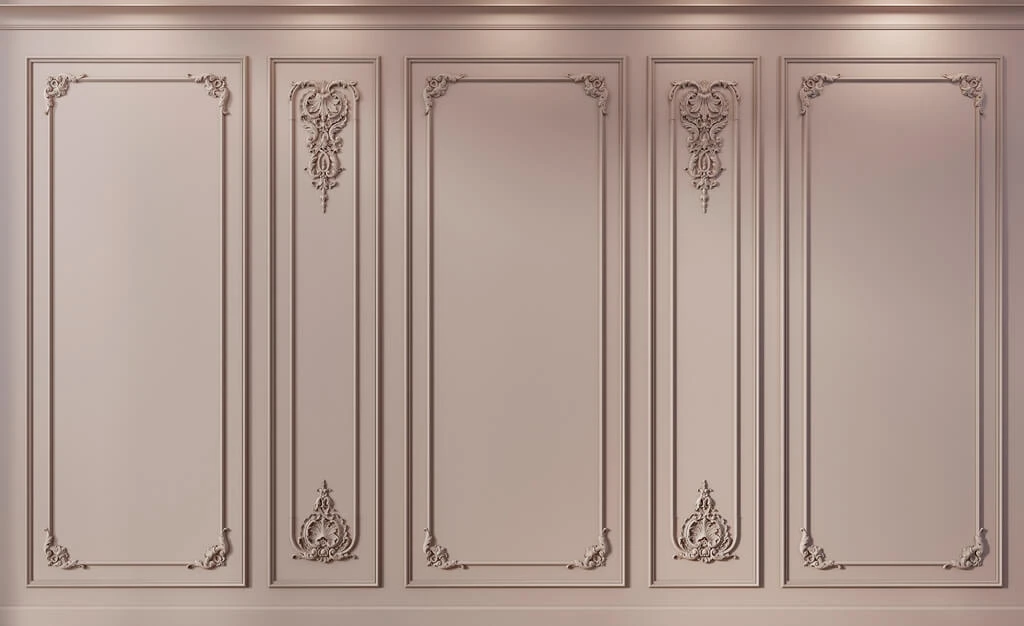
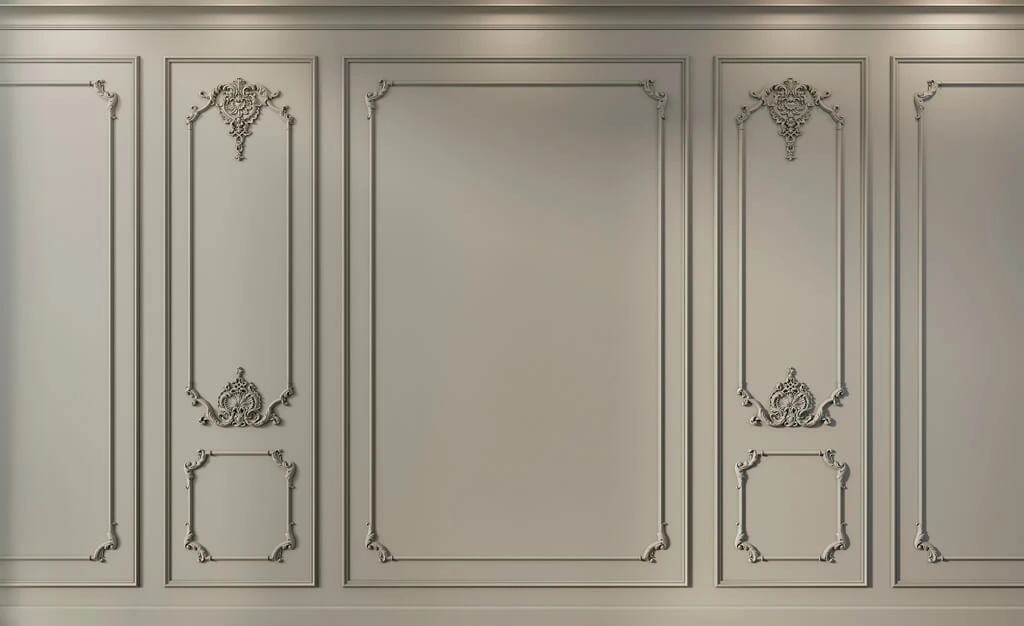
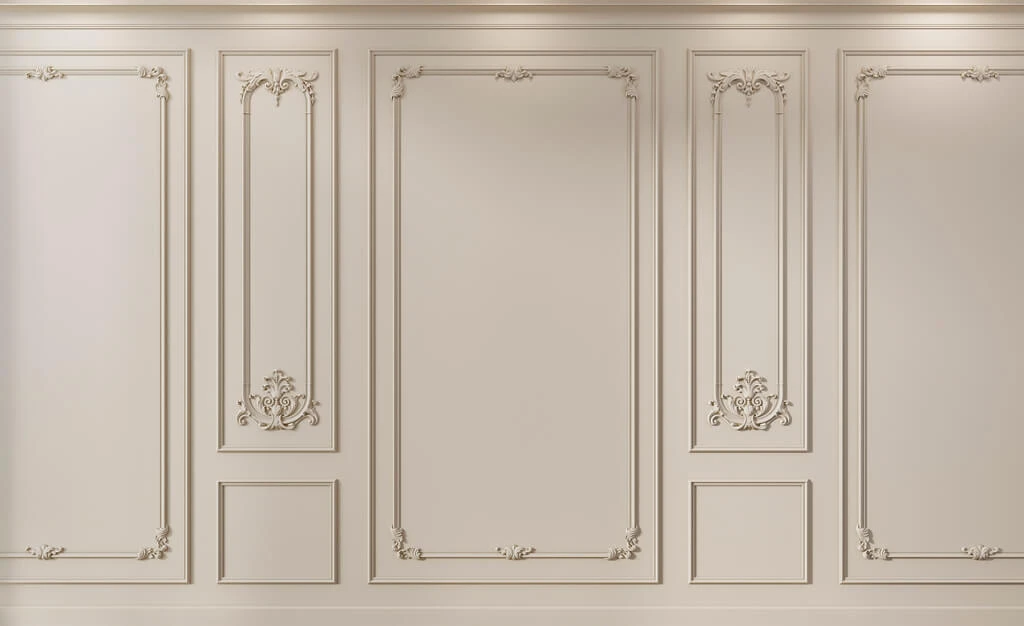
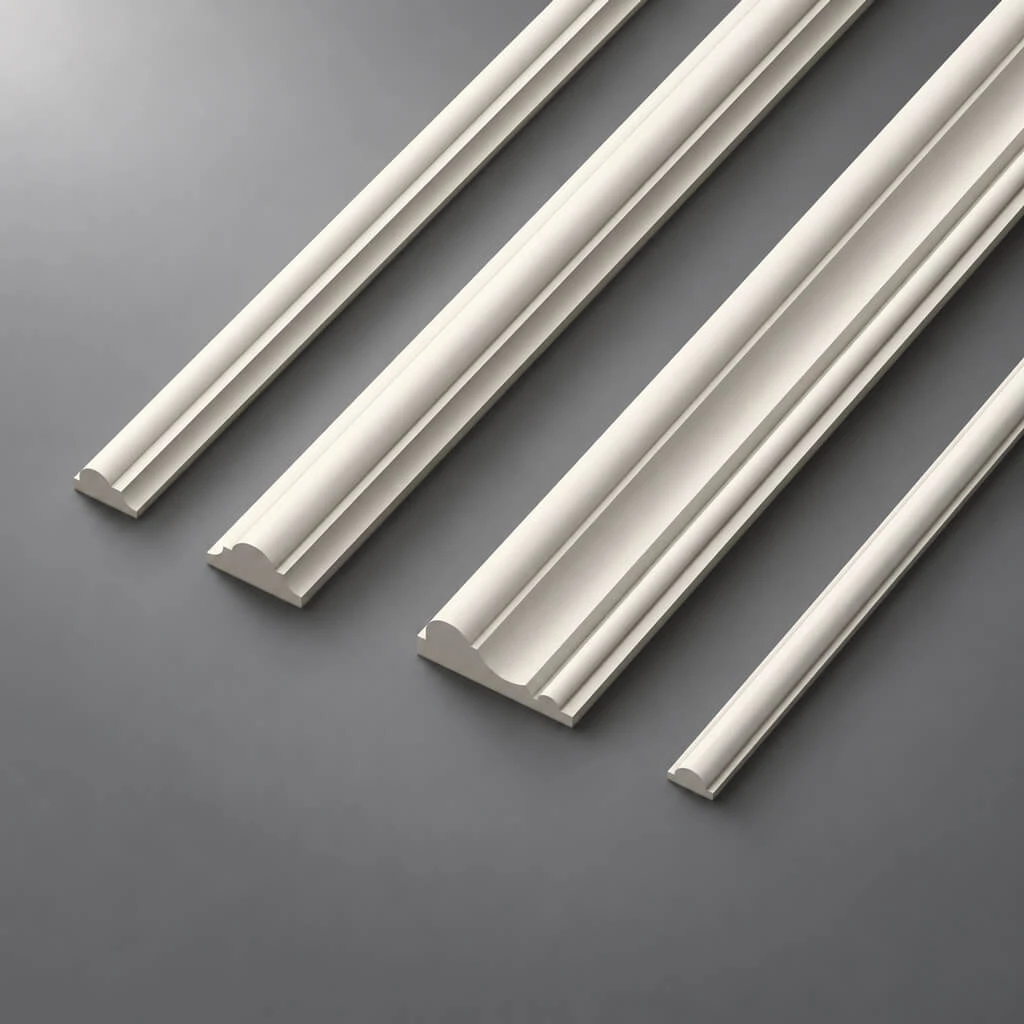
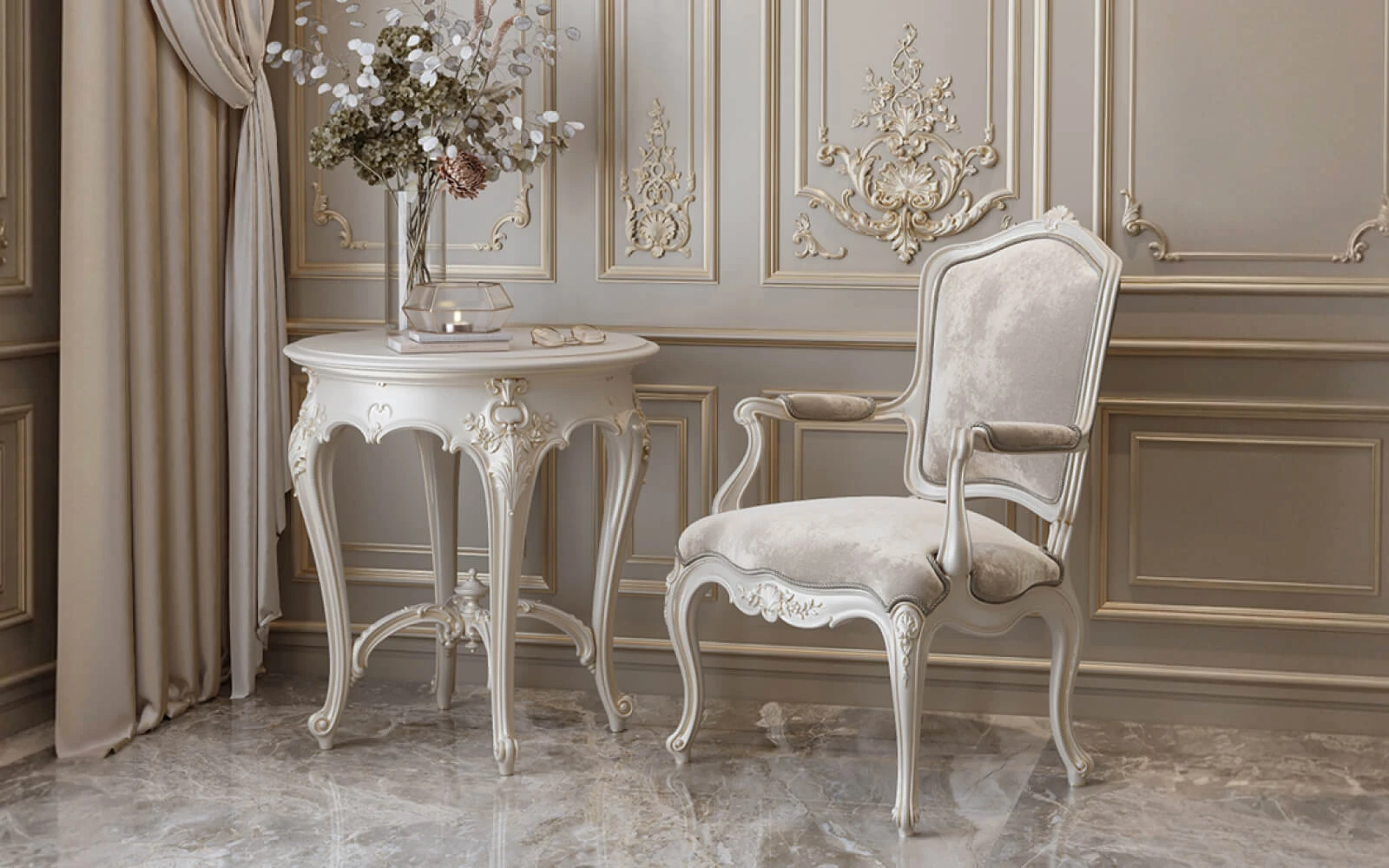
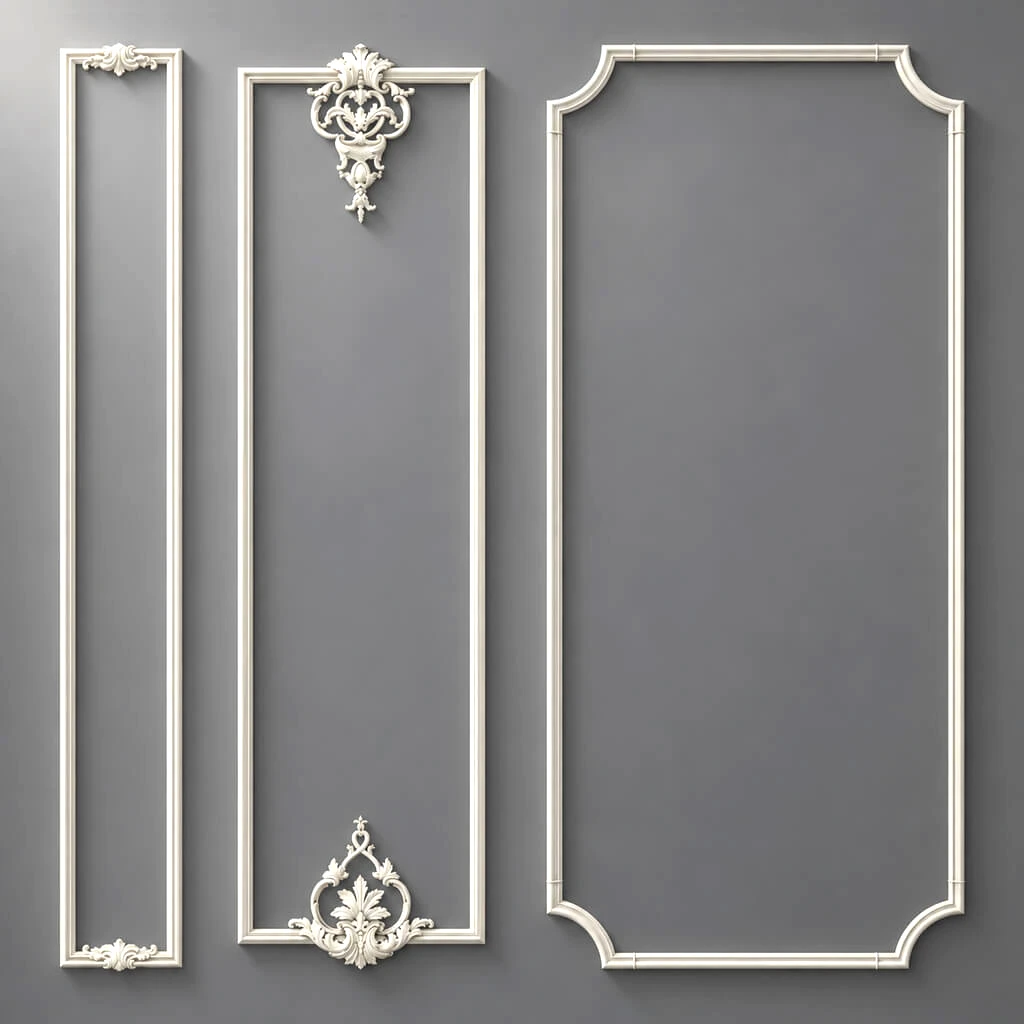
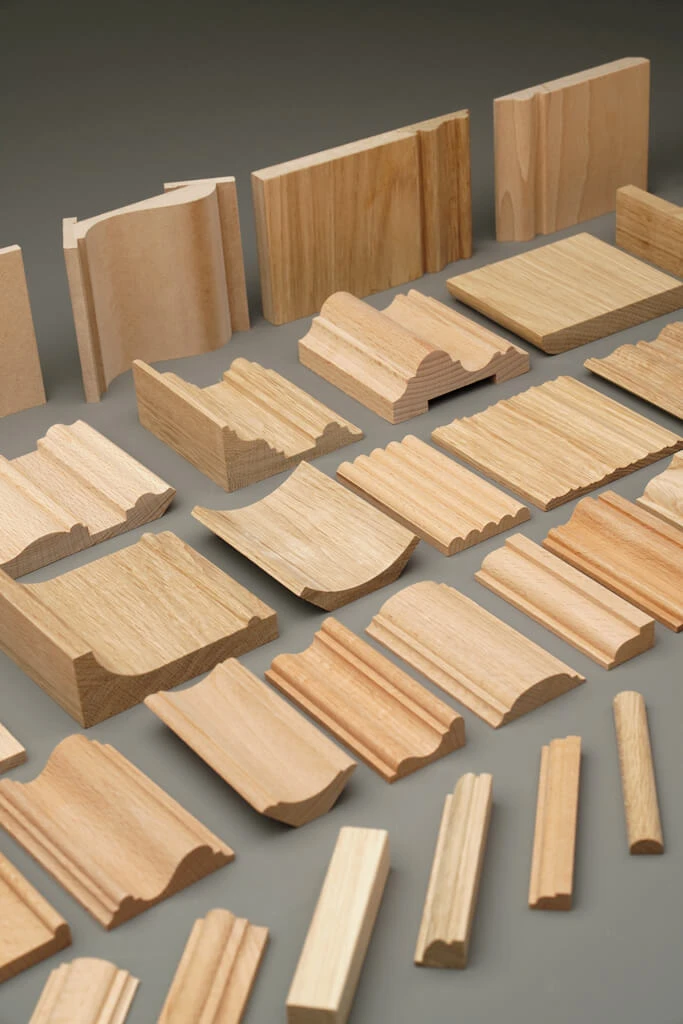
The most classic and most popular option. The essence is that wooden moldings for panels are mounted on the wall in the form of rectangular frames, creating so-called "panelwork"—a rhythmic division of the wall into fields. Each frame of moldings is a separate frame on the wall. Several such frames next to each other—and the wall turns into an architectural object.
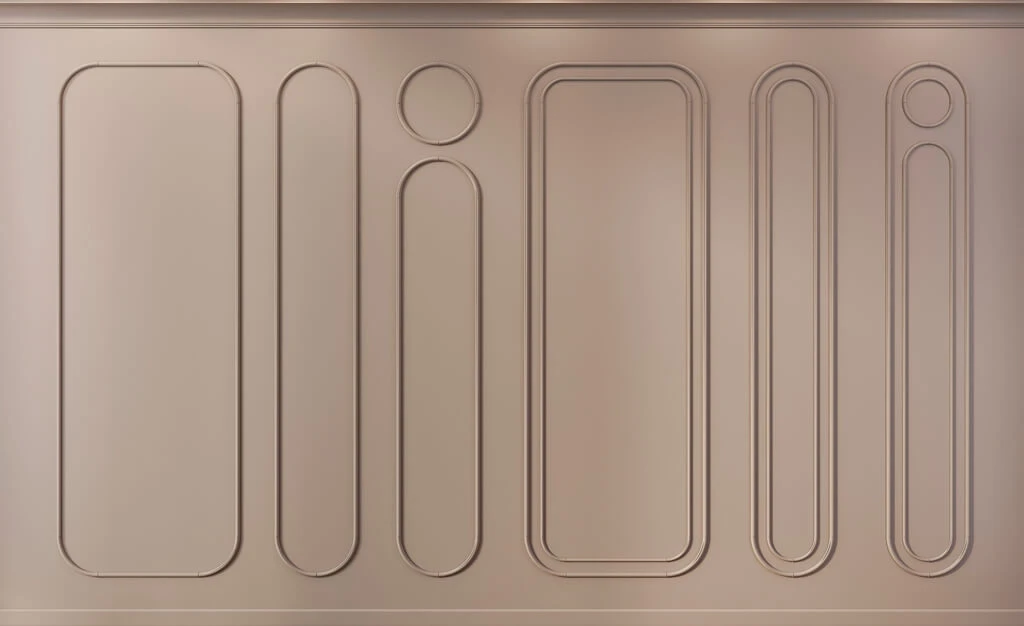
Frame paneling works in any style—from strict classics to light neoclassicism and even modern art deco. The width and profile of the molding determine the character: a thin smooth profile—calm and modern, a wide one with a chamfer and a pull—classic and substantial.
Get Consultation
Panel from slats: modern rhythm
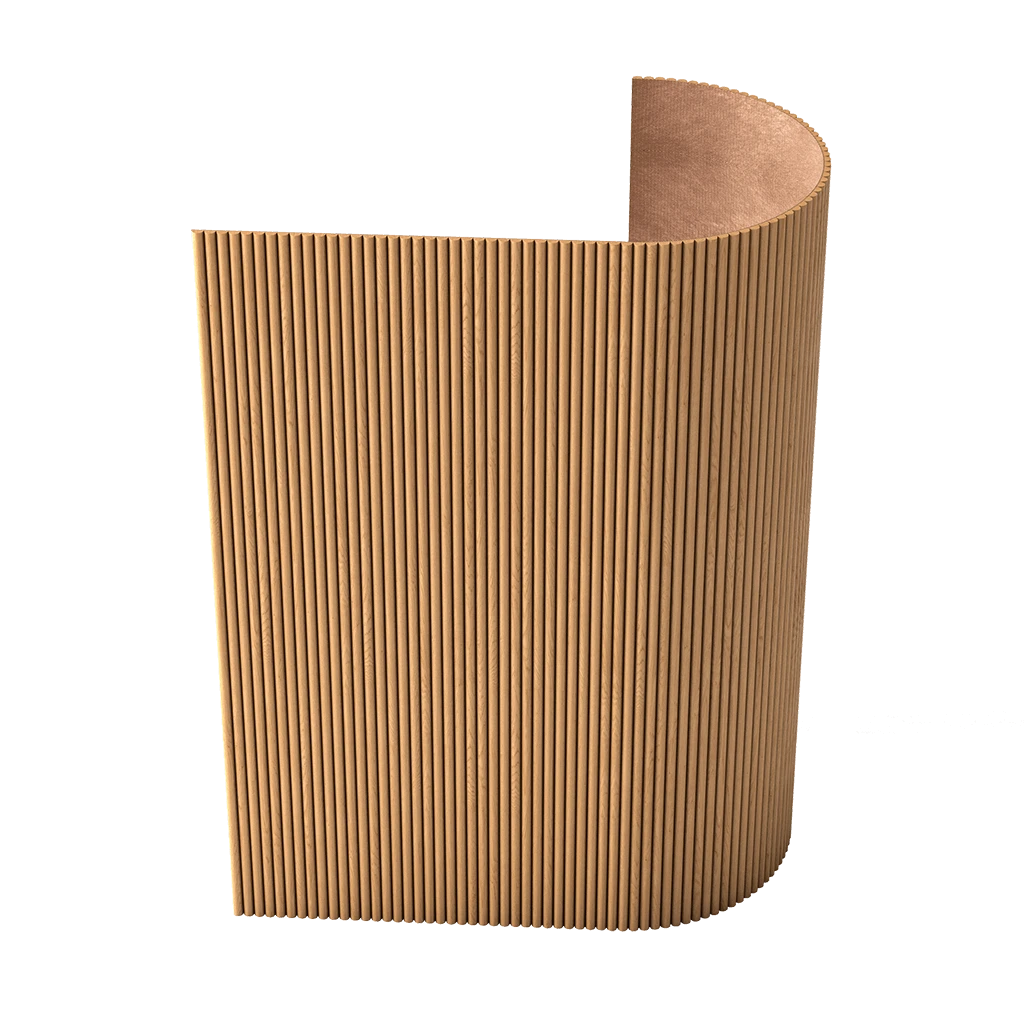
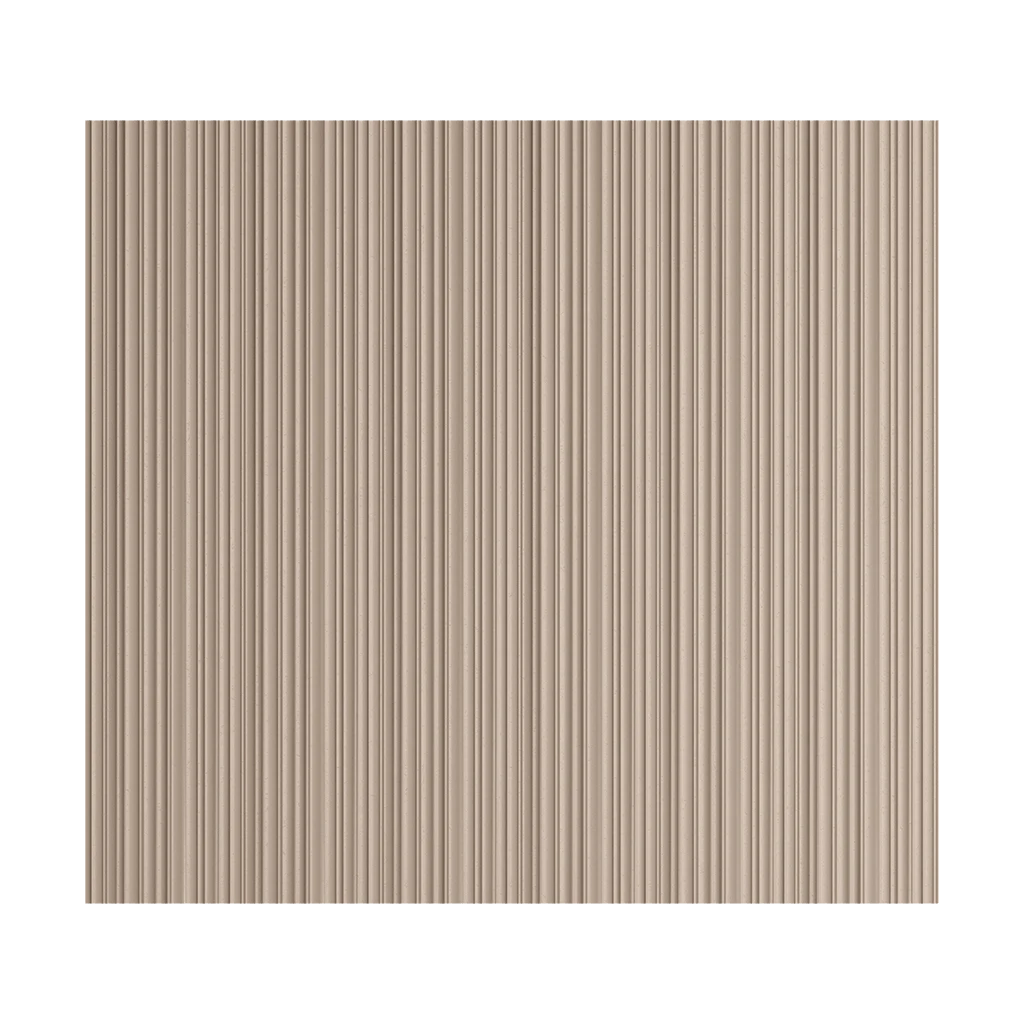
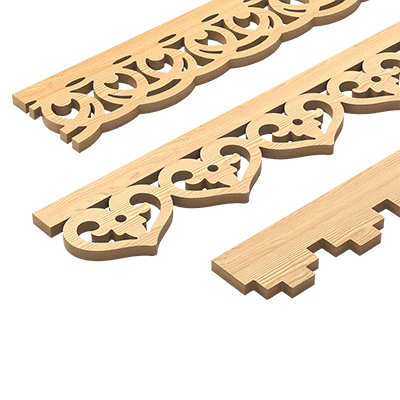
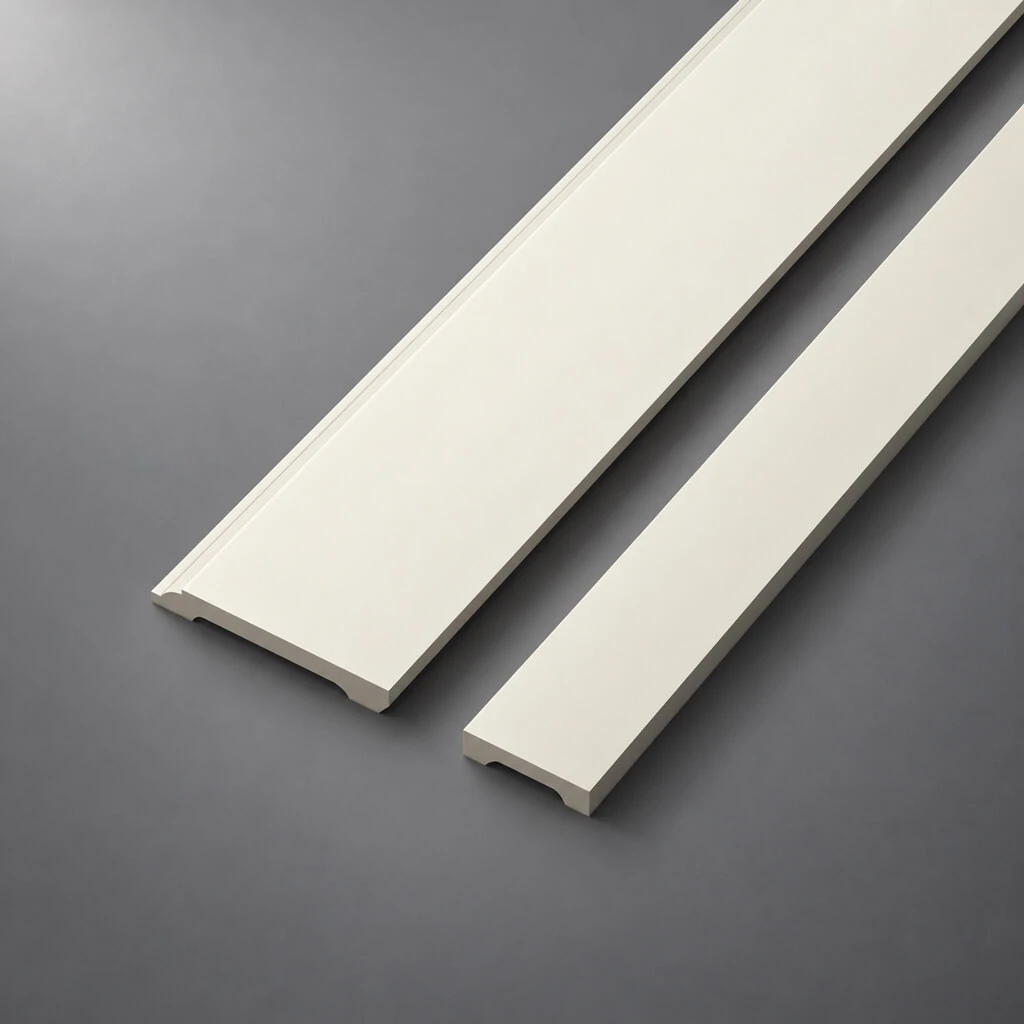
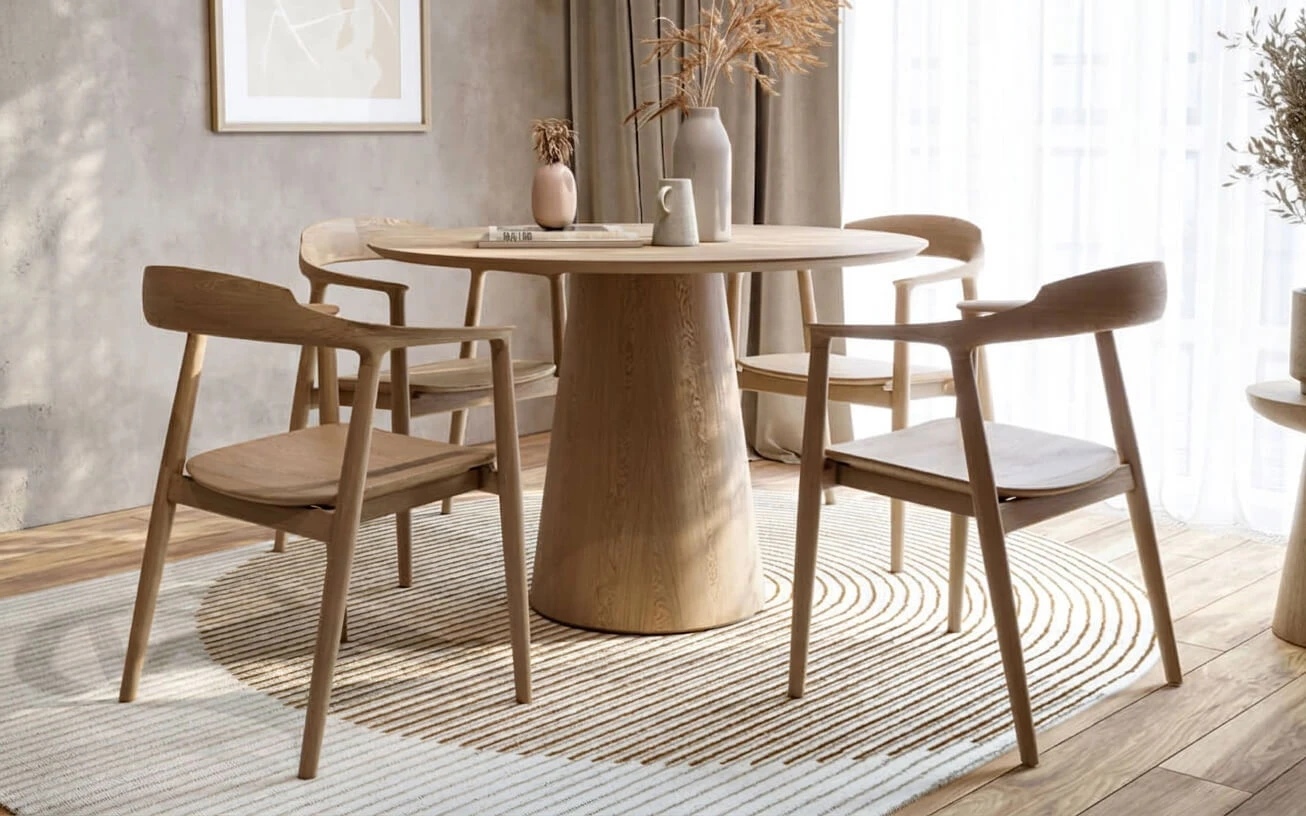
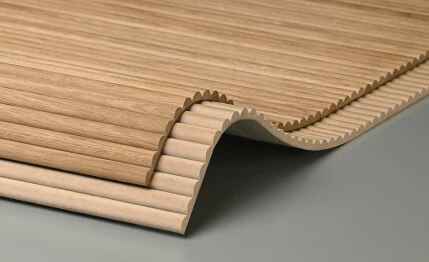
Wooden slats for panels create a fundamentally different visual effect. Vertical or horizontal slats placed at equal intervals give the wall rhythm and texture without ornamentation or carving. This solution works well in modern interiors — Scandinavian style, minimalism, loft, japandi — and in cases where a lively wooden surface is needed without classic decor.
A slatted panel is especially advantageous in the TV area: vertical slats create a backdrop for the screen without competing with it, but giving the wall volume and character.
Carved wooden panel: central accent
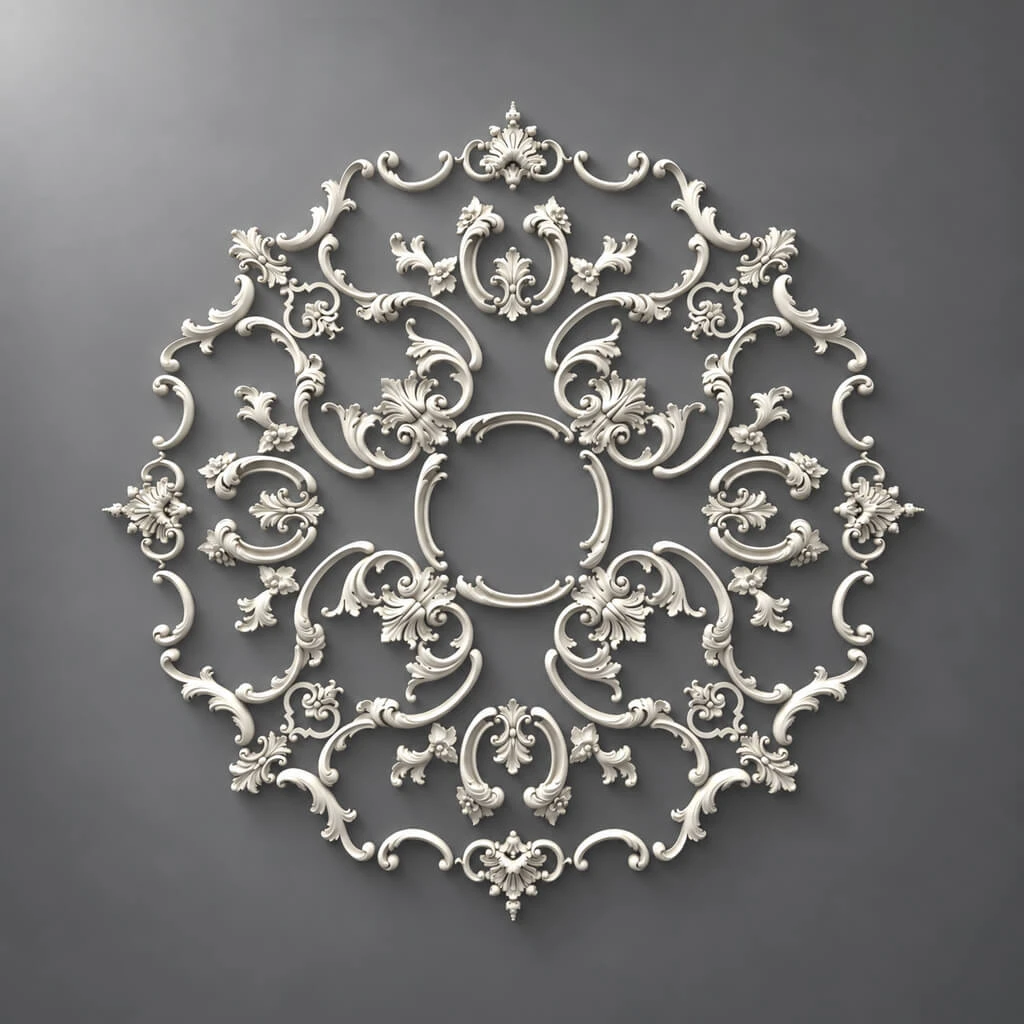
This is the most expressive and most "expensive" option in terms of impression. Carved Wooden Panel works as the sole accent on the wall — a focal point for the eye. Ornamental pattern, flat carving, relief plant decor — all this creates an object that needs no surroundings.
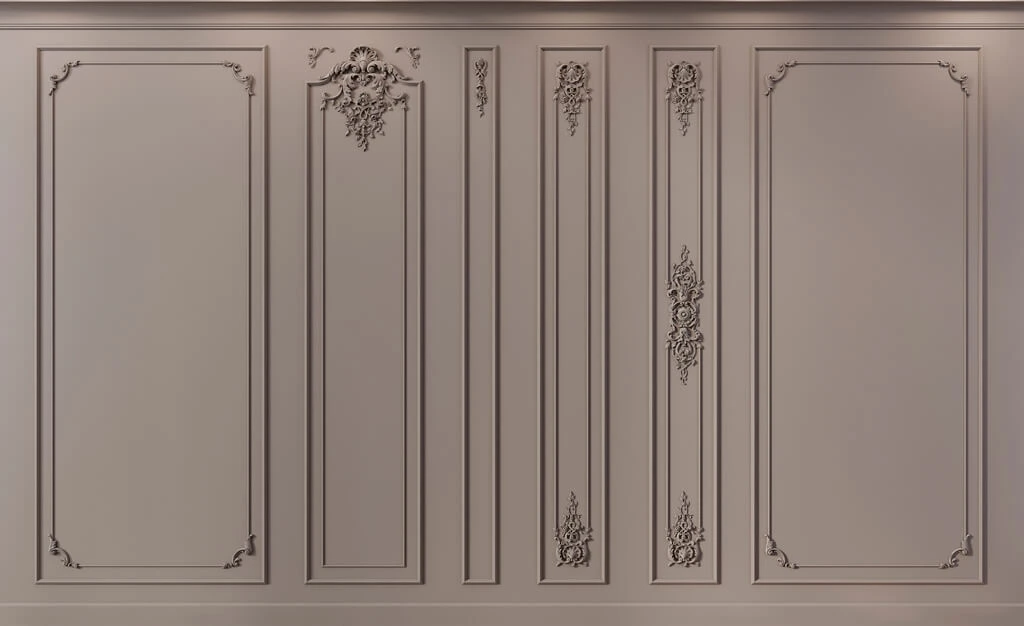
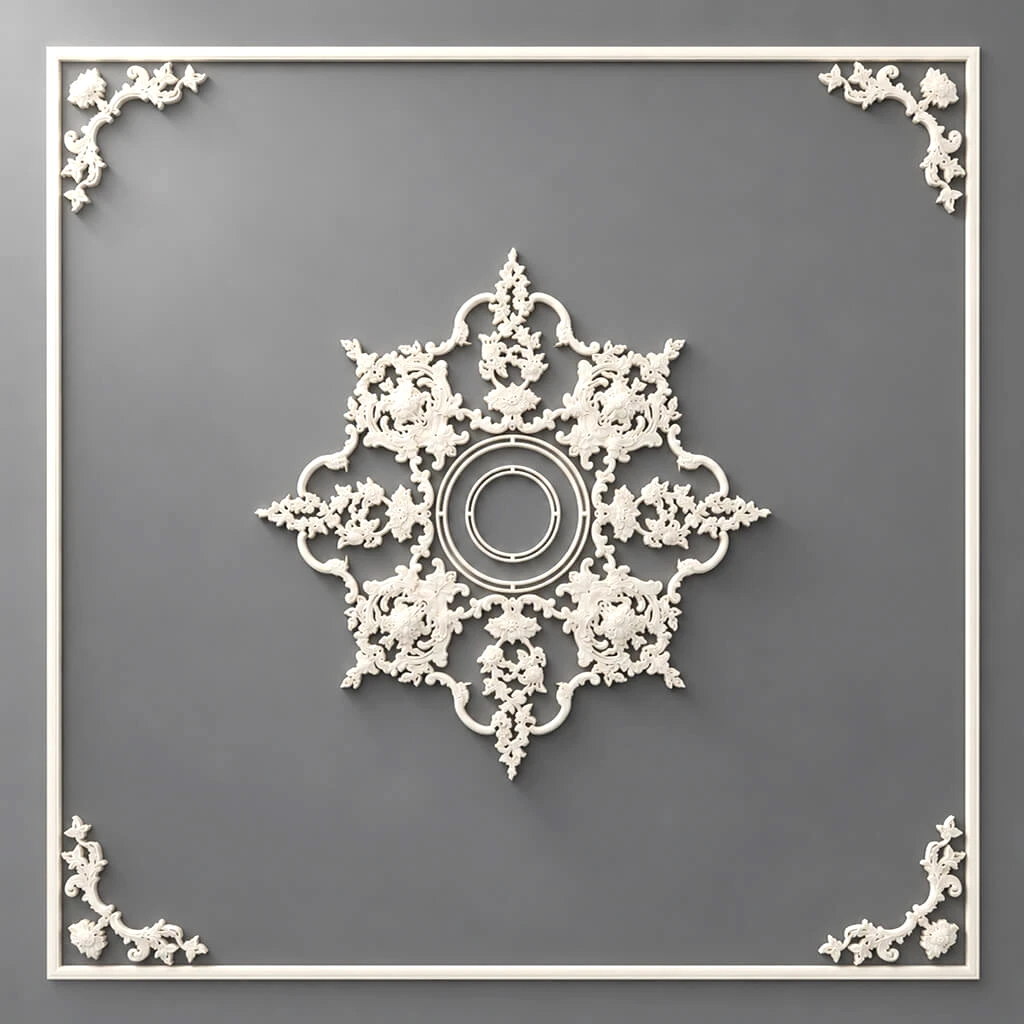
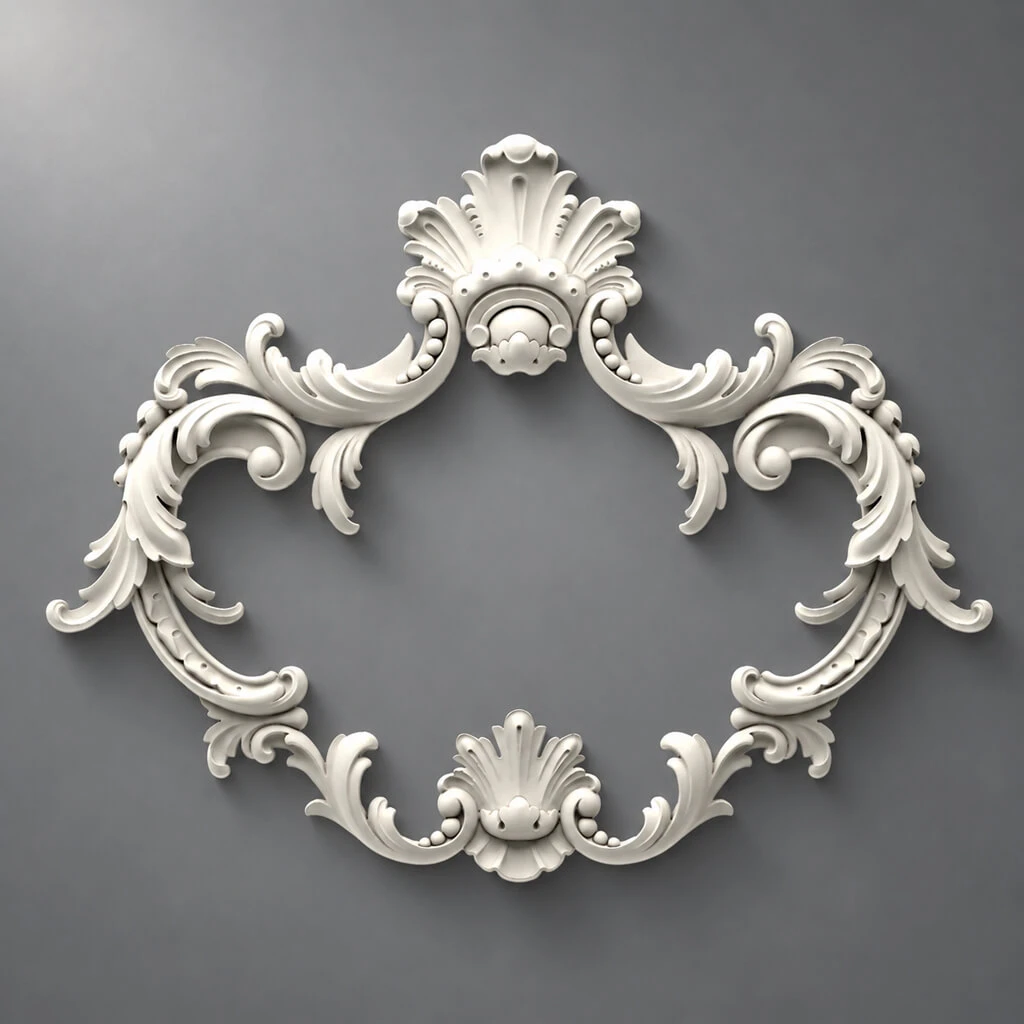
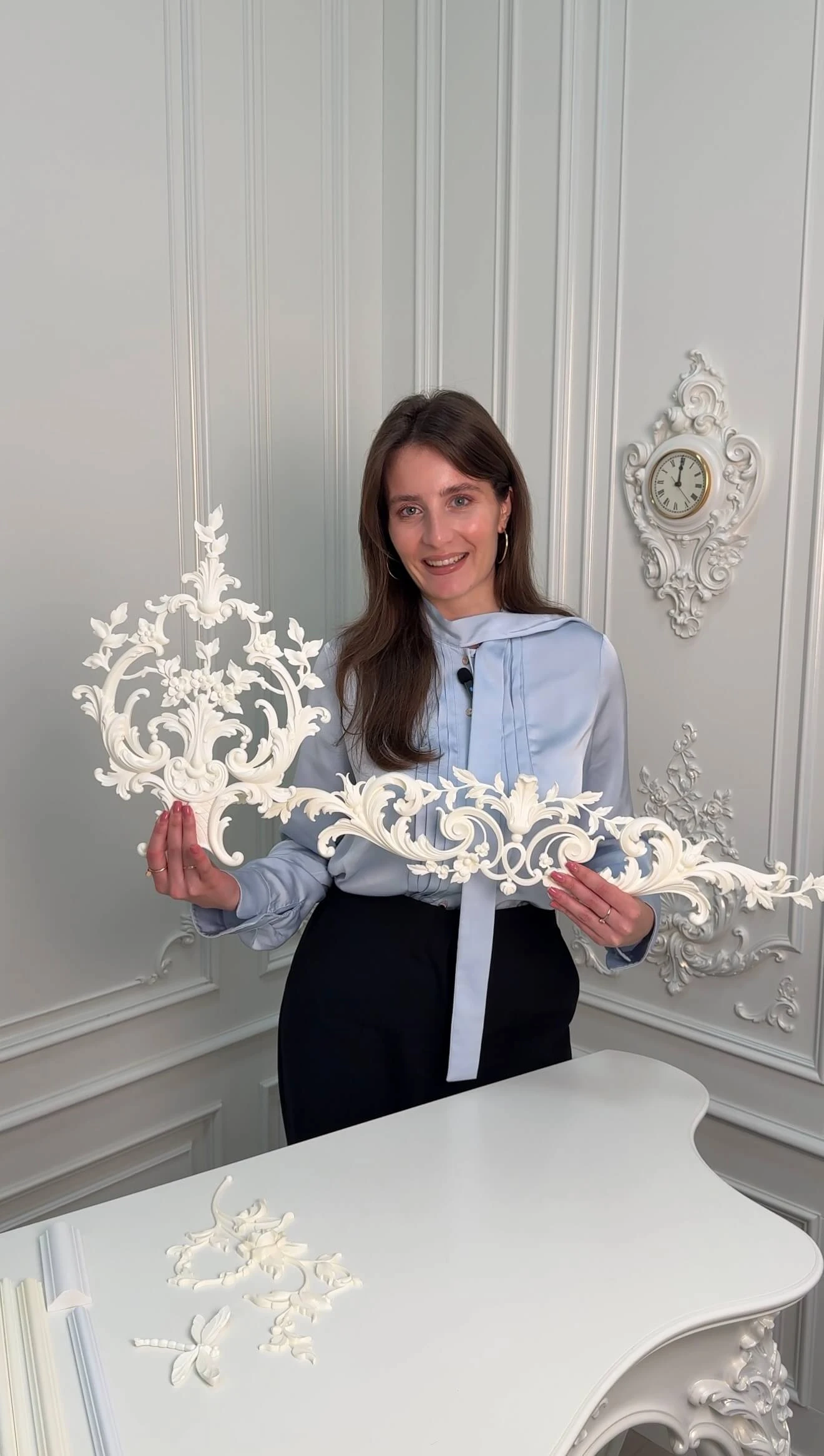
Most often, a carved panel is assembled from a central rosette or medallion framed by a molding frame. Sometimes side decorative overlays or symmetrical ornamental elements are added to this.
Panel made of overlays and rosettes: classic furniture-architectural composition
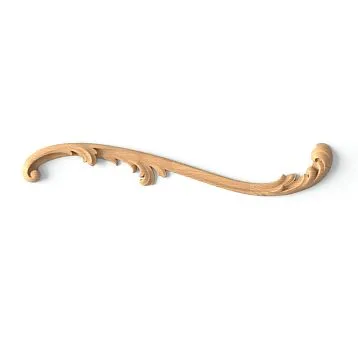
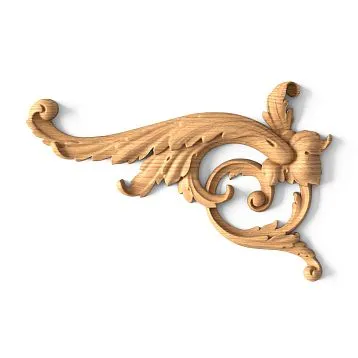
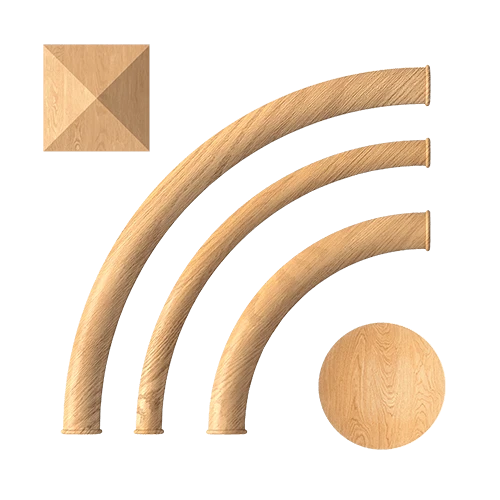
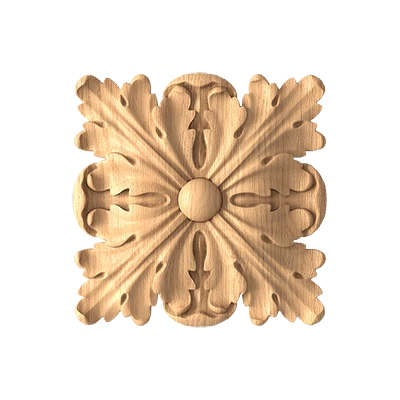
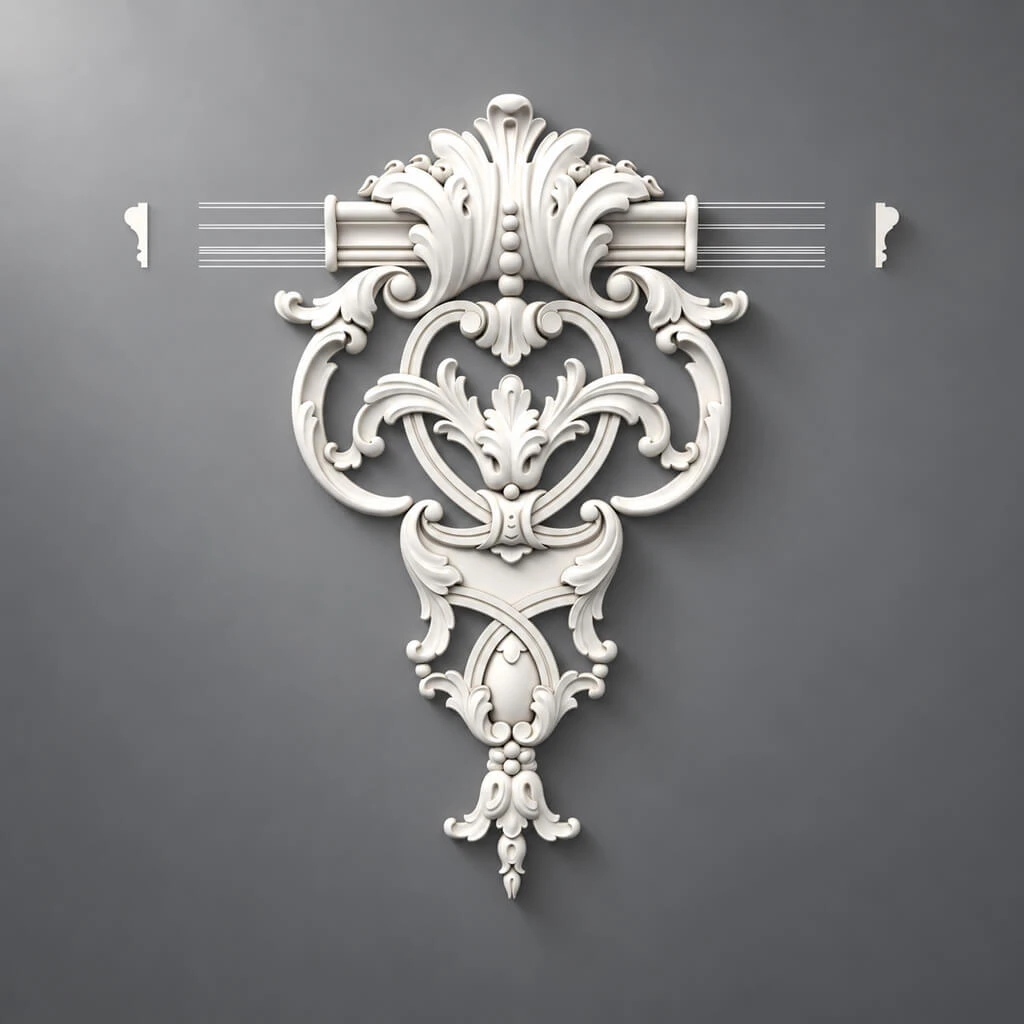
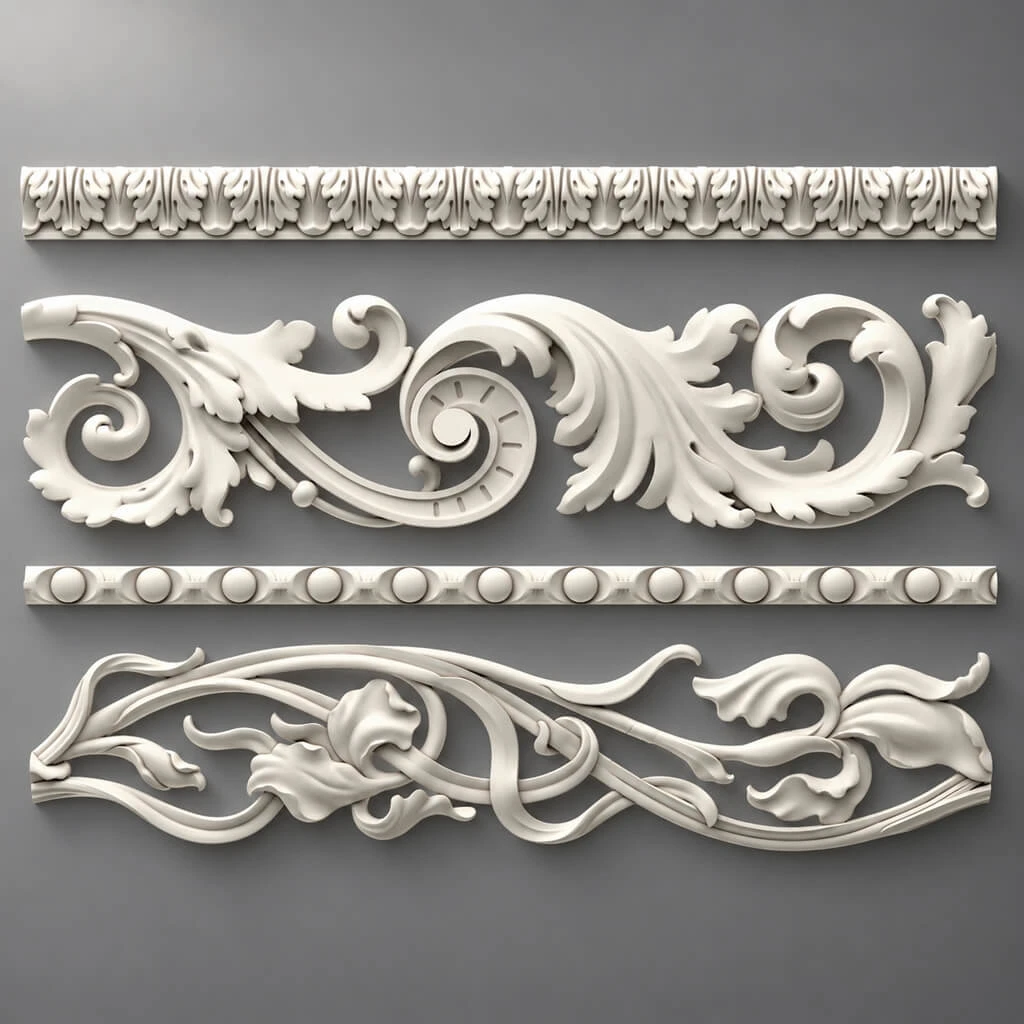
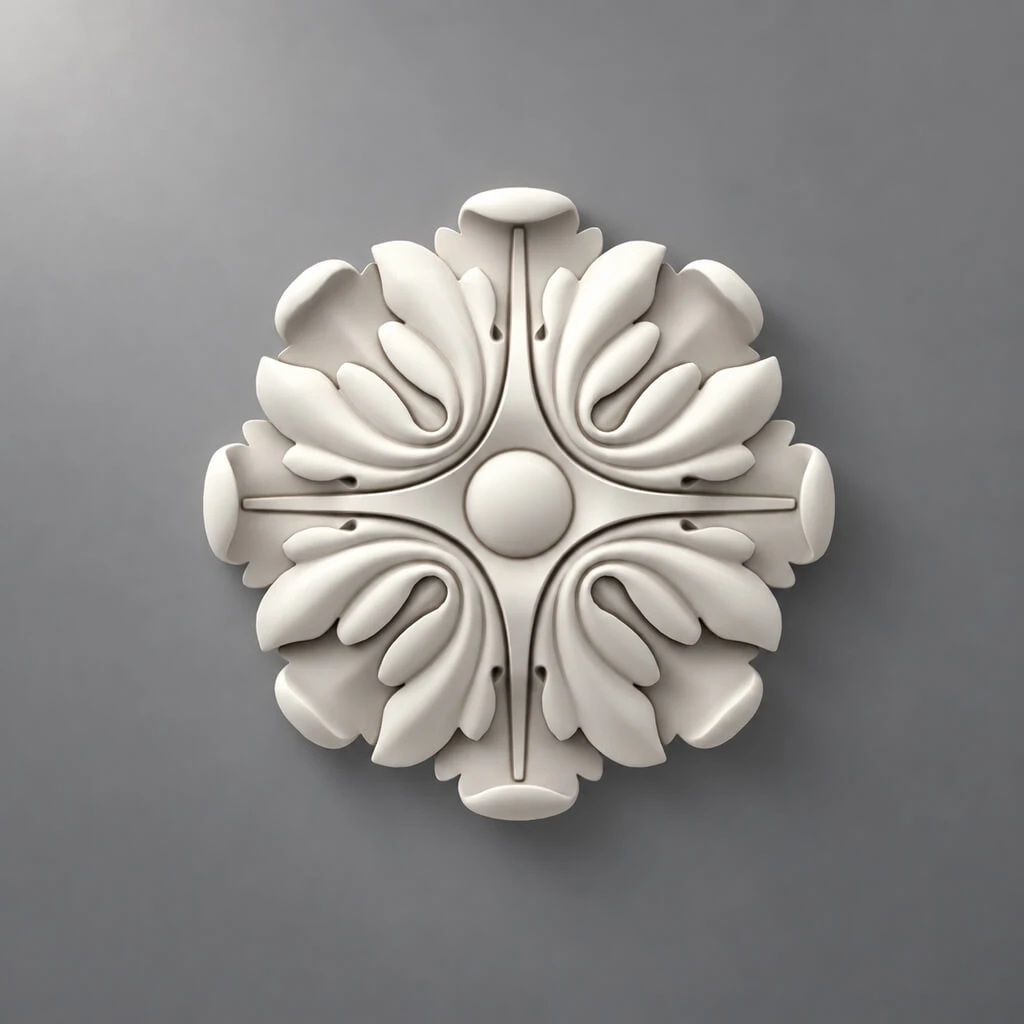
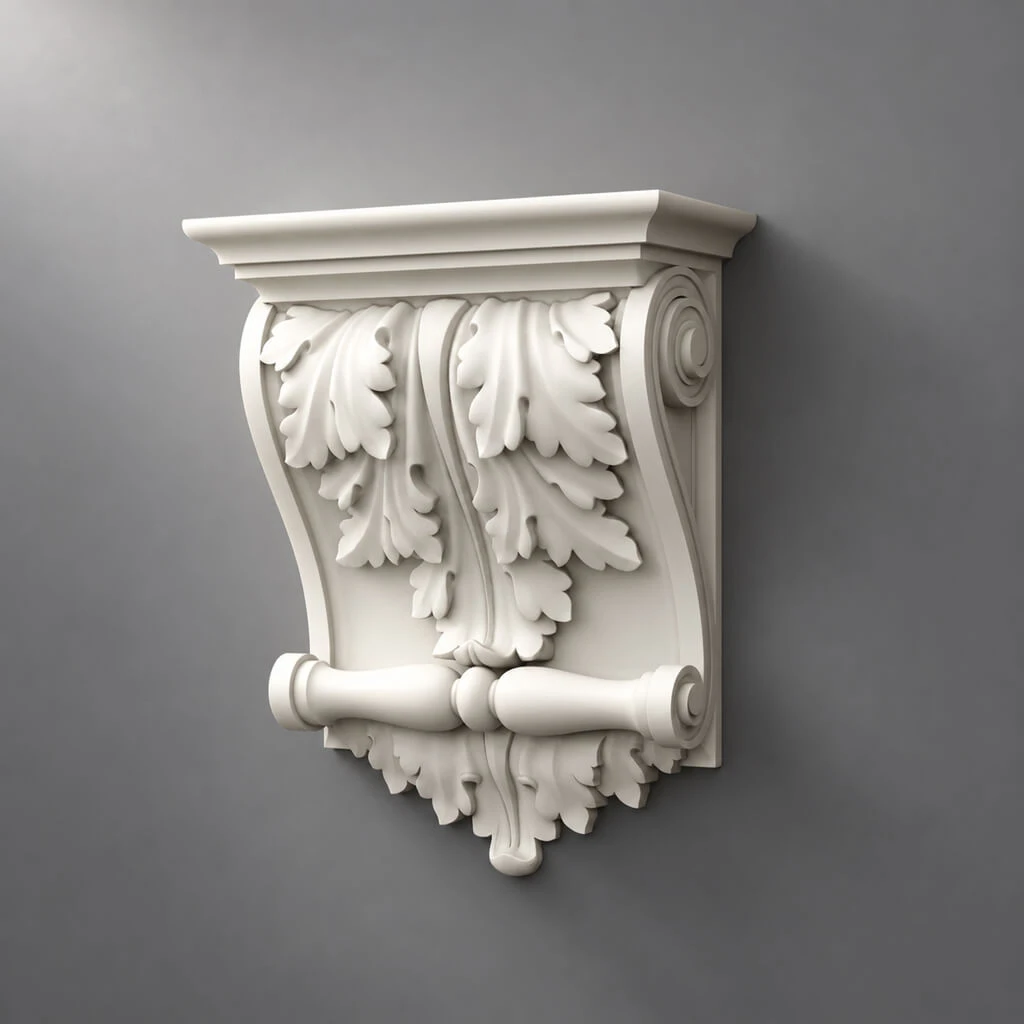
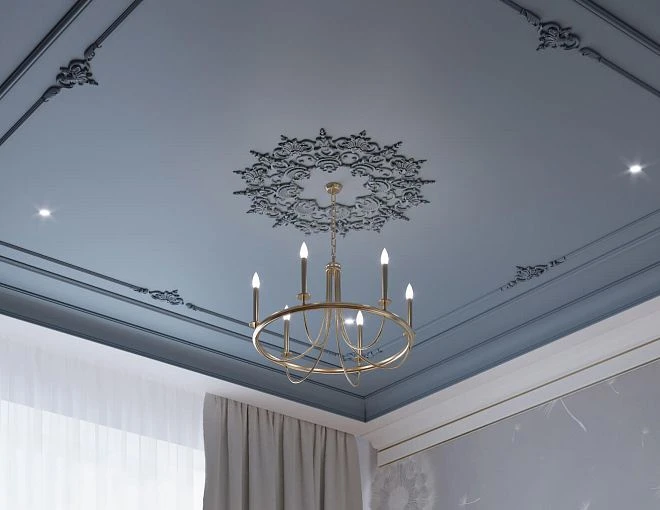
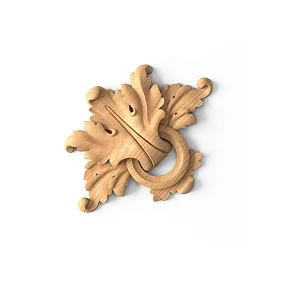
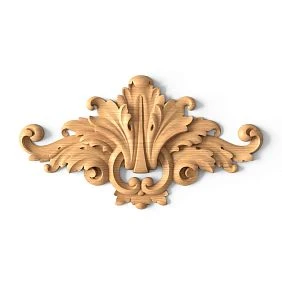
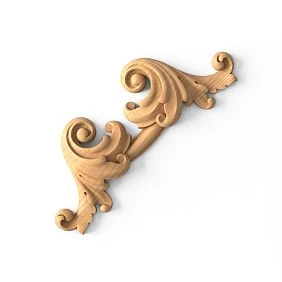
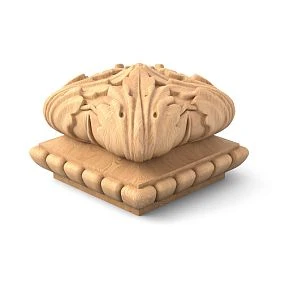
Decorative overlays for panels и carved rosettes for the center of the panel are elements that complement the frame or slatted base. A rosette in the center of a molding frame turns simple geometry into a classic decorative composition. Overlays at the corners of the frame or on the sides of the panel add an ornamental accent without overloading.
Panel in a frame: a finished decorative object
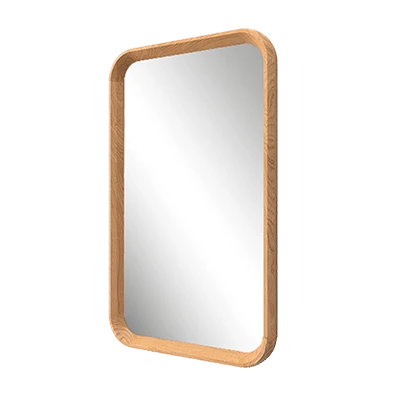
Wooden frames for panels — this is a different approach. Here, the frame itself is a decorative element, and inside it there can be a mirror, fabric, drawing, relief surface, or simply a prepared wall. Such a panel is mounted as a single object — and works well as a standalone accent or paired with a symmetrical partner.
Panel for painting: relief without color
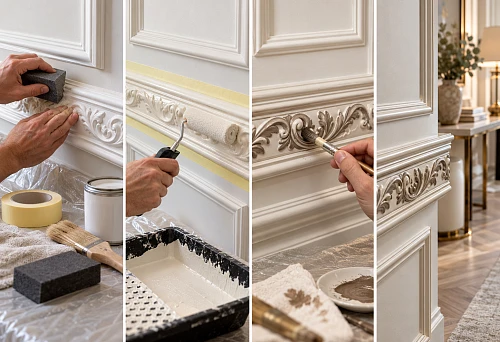
When you need not a bright decorative spot, but a relief in the tone of the wall — all elements of the panel (moldings, overlays, frames, slats) are painted in the same color as the wall. This creates a subtle play of shadow and light without color contrast. This is the solution often used in neoclassical and modern classical interiors, where architecturality is important, not decorativeness.
Wooden panel above the sofa: how to design the main wall of the living room
The wall behind the sofa is perhaps the most 'loaded' task in a residential interior. It is what people see first. It sets the tone for the entire living room. And it is most often left empty — because people don't know what to do with it.
A wooden panel above the sofa should solve two tasks simultaneously: gather the sofa area into a single ensemble and be self-sufficient as an object. This means it should be proportionate to the sofa, balanced by symmetry, and not overloaded with details.
How to choose the size of the panel above the sofa
The main rule: the width of the panel should be 60–80% of the width of the sofa. If the sofa is 2200 mm — the panel is 1300–1760 mm. If smaller, it will get lost. If larger, it will extend beyond the furniture zone and disrupt the visual balance.
The height of the panel depends on the ceiling height and the distance between the top of the sofa and the ceiling. For standard 2.7–3.0 m, the panel above the sofa usually occupies 40–60% of this distance. More is not needed — there should be air between the top of the panel and the ceiling.
What to use for a panel above the sofa
For a classic and neoclassical interior — a frame made of of wooden moldings with a carved rosette in the center. It works as an architectural medallion on the wall: strict, beautiful, expensive-looking.
For a modern interior — vertical Wooden planks within the sofa wall area. The rhythm of the slats creates a textured background without ornament — wooden, lively, but not overloaded.
For a transitional style between classic and modern — several rectangular frames made of moldings, arranged in a horizontal row. This creates paneling — calm, geometric, architectural.
Symmetry is a mandatory condition
The panel above the sofa is always built from the center. If there is a rosette in the center — symmetrical frames on the sides. If three frames — the middle one is slightly larger. If a slatted panel — the slats are spaced evenly and end at the same distance from the edges. Any violation of symmetry in this area is perceived as a mistake — even by those who cannot explain it.
Panel behind the bed: how to make the bedroom architectural
The wall behind the headboard is the second most important accent in a residential interior. It's easiest to make a mistake here: either leave the wall empty (incompleteness), hang too much (overload), or choose an element that doesn't scale with the bed (disproportion).
Wooden panel made of wood for the bedroom solves this problem because it can be precisely adjusted to the width of the bed and the height of the space above the headboard.
Scenario 1: instead of a soft wall panel
Soft wall panels behind the bed are a popular solution, but not the only one. A wooden decorative composition of frames, moldings, and slats creates a different character for the bedroom — more architectural, more durable, more "masculine" in the sense of material hardness.
This works especially well in interiors where wood is already present: wooden floors, wooden details on furniture, wooden doors with profiled panels. A wooden panel in such a context is a logical continuation of the theme.
Scenario 2: a frame of moldings with a rosette
A simple rectangular frame of of wooden moldings с with a wooden rosette in the center — a classic solution for a bedroom in a classic or neoclassical style. It creates a medallion above the bed: concise, symmetrical, complete. Paint it the color of the wall — and you get a textured accent without extra color. Leave it natural or tint it — and you get a warm wooden accent.
Scenario 3: vertical slats from baseboard to ceiling
If the ceiling height allows — vertical Rafter panels From floor to ceiling behind the headboard, a powerful accent is created. This technique architecturally transforms the wall into a "bed": the bedroom gains depth and spatial orientation.
The width of the slatted area is typically equal to the width of the bed with nightstands. Beyond it, the wall remains clean — this creates a clear visual frame for the sleeping area.
Material and finish for the bedroom
In the bedroom, softness and warmth of perception are important. For a wooden panel in the bedroom, light-colored woods with fine texture are preferable — beech, ash, birch. Under oil or natural wax, they provide a warm matte look that suits the bedroom. Dark oak is a more austere option for a study or English style.
Wooden panel in the hallway: the first impression must be flawless
The hallway shapes the first impression of the entire home. If it is boring, the guest subconsciously lowers their assessment of the entire interior. If it is expressive, even a small space feels well-thought-out and expensive.
Wall panel for the hallway in this context — it is not decoration for decoration's sake, but an architectural statement at the entrance. And it must be precise.
Panel above the console: the most popular solution
A console in the hallway is a horizontal surface above which a mirror usually hangs. But a mirror alone can look uninteresting. If you frame it wooden frame or create a decorative composition of moldings around it — the hallway instantly gains character.
Option: a molding frame as a backdrop for a mirror with symmetrical vertical accents on the sides — wooden overlays or small slat panels. This creates a complete console group where the mirror, console, and wall work as a single object.
Panel on the wall between doors
In hallways with multiple doors, there are often wall sections 600–900 mm wide between doorways. This is an ideal spot for a vertical panel composition: narrow, tall, and distinct. One or two vertical rectangles of moldings — and the wall section turns into an architectural element, not a "forgotten" piece of wall.
Panel above the bench
Where a bench stands in the hallway, the wall above it is usually empty. A small frame composition of moldings with decorative inlays creates a focal point for the zone and visually "anchors" the bench — making it part of a well-thought-out interior, not just a piece of furniture against the wall.
Molding panels: a practical commercial breakdown
This is the most sought-after type of decorative panel — precisely because it is versatile, scales to any wall size, and is available in a wide range of style solutions.
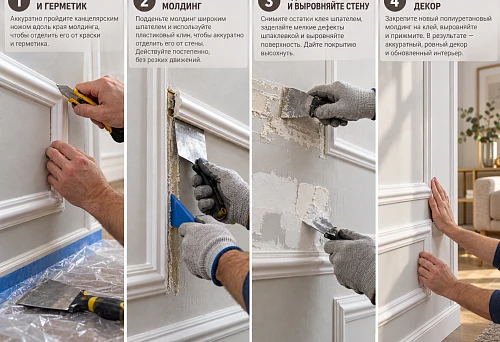
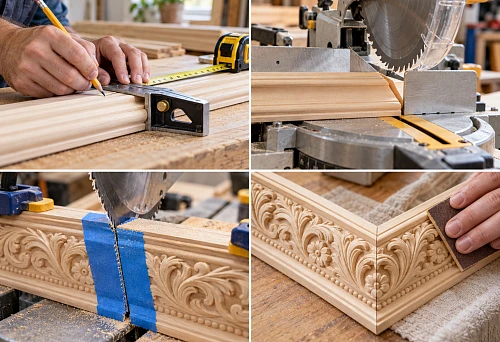
The assembly logic is as follows: Wooden moldings They are cut to the required length, mitered at 45-degree angles at the corners, and mounted on the wall as rectangular frames. Inside the frame is the wall (or a fragment of it). Outside the frame is also the wall. A play of depth and relief is created: what is inside the frame is perceived as a highlighted zone.
Which molding to choose for a panel
The width and profile of the molding determine the visual weight of the entire composition.
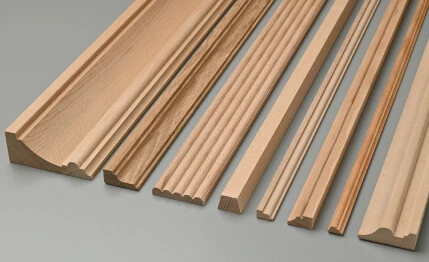
Thin molding 15–25 mm — for small rooms, low ceilings, modern interiors. It creates a light, delicate frame that structures the wall without overwhelming it.
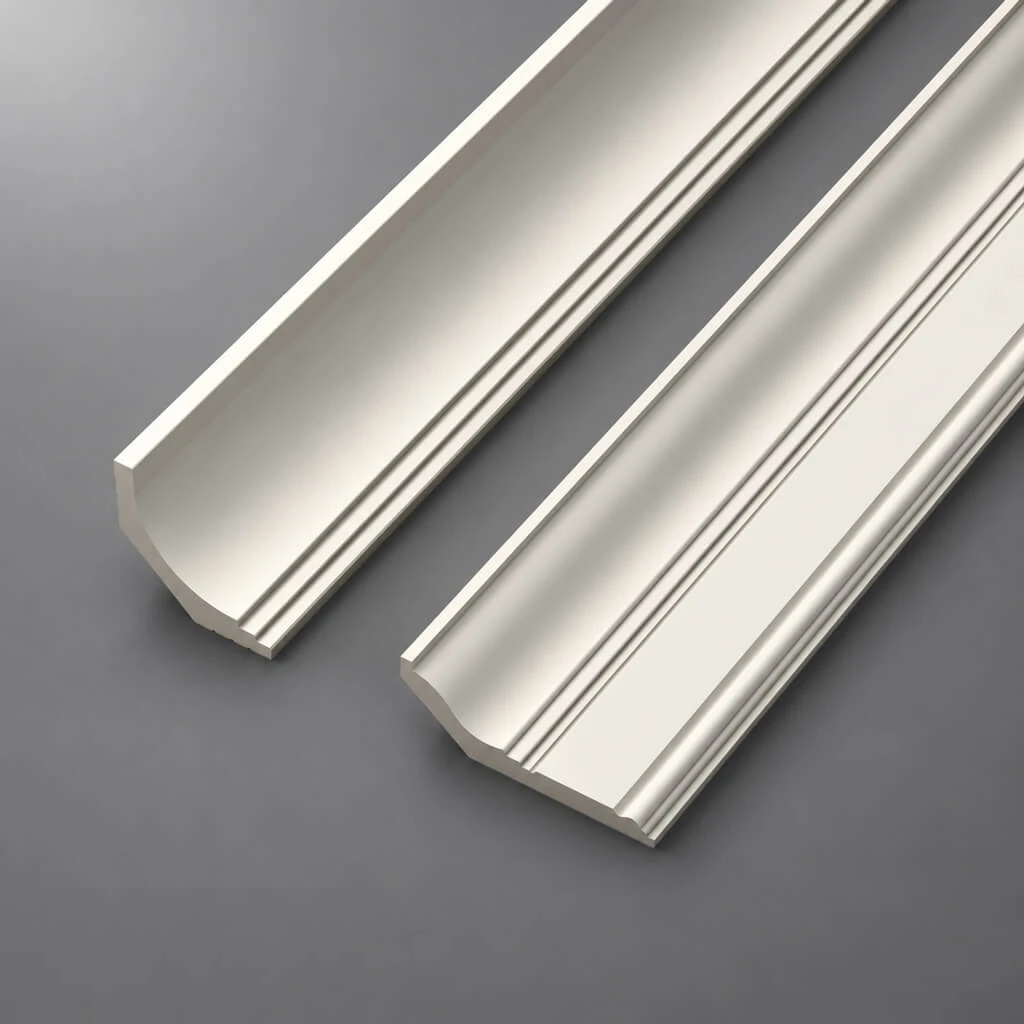
Medium molding 30–50 mm — a universal range for residential interiors with ceilings of 2.7–3.2 m. This profile is well readable from a distance, creates a noticeable relief, and works equally well in both classic and neoclassical styles.
Wide molding 60–100 mm — for large spaces, high ceilings, grand interiors. This profile provides a powerful architectural accent. In a small room, it will feel oppressive.
Molding profile: which shape to choose
Smooth or slightly beveled molding — for modern and transitional styles. It creates a clear geometric frame without unnecessary decoration.
Molding with a fillet (semicircular or ovoid protrusion along the center of the profile) — a classic option that works in most traditional interiors.
Molding with carving or ornament — for high classic or Baroque style. This is no longer just a frame, but a detail with character.
How to install moldings for a panel
Precision is key here. Any misalignment in the corner joint of the moldings will be visible on the illuminated surface because the relief amplifies any irregularities.
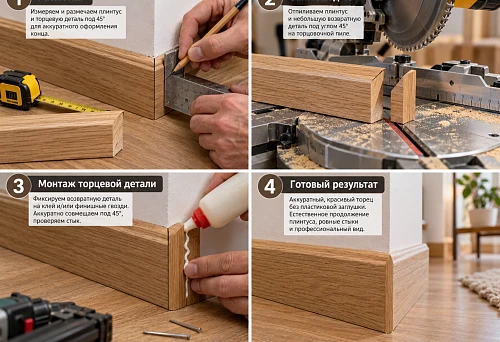
The right tool is a miter saw. A miter box is acceptable only if the room corners are exactly 90°. Joints should be dry-fitted, checked for fit, and only then glued or fastened with finishing nails. Puttying of joints is done before the final coat of paint.
If the panel is planned for painting, puttying the joints is nearly invisible. If for a natural finish, maximum fitting precision is needed because putty under varnish or oil will be noticeable.
Carved wooden panel: when ornament matters more than geometry
A carved wooden panel is a different story. Here, the main value is not structure or geometry, but the design. Floral ornaments, stylized acanthus leaves, geometric patterns, monograms, medallions—all of this turns a wall plane into a piece of applied art.
Carved wooden panel works as a central visual accent. This means the rest of the wall around it should be calm: minimal details, neutral color, no competing objects.
How to assemble a carved panel from ready-made elements
You don't have to order a carved panel as a single object. It can be assembled from ready-made elements:
-
Central part — Carved rosette or a decorative medallion
-
Framing — a molding frame with a more complex profile
-
Corner accents — Decorative Inserts in the corners of the frame
-
Additional belt — a thinner molding along the perimeter slightly wider than the main frame
This layered composition creates a sense of depth and complexity without a single cut into the wood on site.
Where to place a carved panel
A carved panel is appropriate where the wall is expected to be a "statement": in a classic living room above the fireplace, in a study behind the desk, in a bedroom above the headboard. In the hallway — as a central accent on the end wall. In the dining room — above the sideboard or in the dining table area.
In a small room, a carved panel with a rich ornament is a risk. The ornament requires distance: when viewed too closely, it loses its integrity and begins to "fall apart" into details.
Carved panel in classic, neoclassical, and Art Deco styles
In a classic interior, an ornamental carved panel is a logical element. Acanthus, meander, laurel leaf, egg and dart — all these motifs have architectural origins and blend organically with pilasters, cornices, and moldings.
In neoclassicism, the ornament should be more restrained. Geometric motifs, monograms, stylized plant forms — all of this works, but without Baroque opulence.
In Art Deco, the emphasis shifts toward geometry: checkerboard patterns, zigzags, fan shapes, sun rays. A wooden carved panel in the Art Deco style is a rare but very expressive solution for studies and formal interiors.
How to choose the size of a wooden wall panel: a coordinate system
Size is not a matter of taste. It is a matter of proportions. And proportions follow rules that can be expressed in numbers.
Panel in relation to furniture
Above the sofa: width 60–80% of the furniture width. Extending beyond the sofa is not a mistake if it does not exceed 20–25%. An extension of more than 30% means the panel has already 'detached' from the furniture.
Behind the bed: panel width — from the mattress width to the width of the bed with nightstands. Height — from the top point of the headboard to a level that leaves air up to the ceiling (or the lower molding of the ceiling zone).
Above the console in the hallway: the panel width should not exceed the console width by more than 20–25 cm on each side. Otherwise, the console will visually 'get lost' under the panel.
Panel height from floor
The bottom point of the panel is usually at a height of 90–120 cm from the floor — this is the visual horizon of most people in a standing position. The center of the panel should be approximately at eye level: 140–160 cm from the floor. If the panel will be primarily visible from a sofa or armchair, the center can be 10–15 cm lower.
Spacing between frames in a composite panel
If the panel consists of several frames (for example, three rectangles in a row above a sofa), the distance between frames should be equal. Recommended distance: 30–60 mm. Less — frames "stick together." More — the sense of a unified composition is lost.
Large panel on a large wall
Empty walls with an area of 3 m² or more are a special case. Here you need either a large unified composition or a system of several equal elements. One small item on a large wall looks lost and creates a feeling of incompleteness, even if it is a good piece in itself.
For a large wall in a living room or bedroom, a system of three vertical panels made of slats or moldings, aligned in height, works well. Or a wide horizontal panel occupying 70–80% of the wall width. Or a combination: a central carved accent with side frames made of moldings.
Mistakes when choosing and installing a decorative wall panel
Mistakes in this topic are not a disaster. But it's better to know them in advance than to redo things later.
Making a panel without reference to furniture. A panel that is not related to the furniture arrangement in either width or height is a random decoration. It does not define the zone but simply hangs. Start designing the panel from the furniture, not from the wall.
Choosing too small decor for a large wall. Thin moldings, a small rosette, and narrow slats on a 3x3 m space look like decoration on a reduced scale. All panel details must be proportionate to the wall and room.
Mixing different styles without a common logic. Slat panel + carved ornament + French molding profile + geometric overlays — this is not eclecticism, it's chaos. Choose one style and stick to it in all elements.
Not accounting for outlets, switches, and sconces. This is a practical mistake made regularly. Before marking the panel, accurately note the position of all electrical points on the wall. A molding frame that overlaps a switch is both unattractive and technically inconvenient.
Forgetting about baseboards and door casings. The panel is part of the system. If the molding profile is not coordinated with wooden door casings и wooden skirting board, the wall will look like a set of separate unrelated parts.
Buying elements from different places without a unified style. Molding from one source, overlays from another, frames from a third — and everything differs slightly in relief height, profile width, and wood quality. In the finished product, this will be visible. Order panel elements from one catalog, from one manufacturer.
Making a complex carved panel in a small room. Ornament requires distance. In a 12 sq m room, a rich carved panel creates a feeling of claustrophobia. In such spaces, it's better to use calm moldings or minimalist slats.
Not planning the color in advance. A panel in wood, for painting, or in the wall color — these are three different visual results. Decide in advance: do you want an accent or relief? Warm wood or cold enamel? This determines the choice of species, coating, and final look.
Wooden panel and decor system: how to connect the wall with the interior
The panel does not work in isolation from the rest of the interior. To make it look like part of a well-thought-out system, rather than a randomly applied decoration, it needs to be coordinated with several other elements.
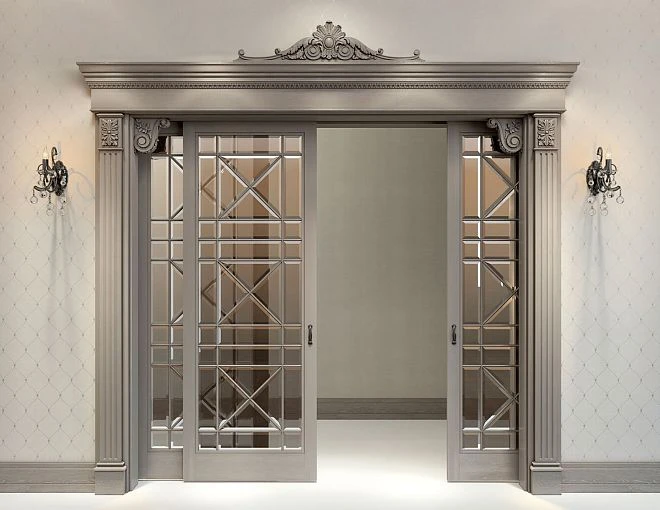
With doorways and architraves. The panel moldings and the door architrave profile should belong to the same stylistic family. Not necessarily the same article number — but a similar line character, similar relief height.
With the baseboard. If Wooden trim made of oak — the panel is also better made of oak. If the baseboard is white — the panel can be white or the color of the wall.
With furniture. The color and wood species of the panel should echo the wooden details of the furniture: legs, handles, frames. This creates a unified theme that runs through the entire interior.
With pilasters and cornices. If the interior has Wooden pilasters or ceiling cornices — the panel should be coordinated with them in style. This is especially important in classical and neoclassical interiors, where all architectural elements must form a single system.
The entire ensemble solid wood products — moldings, battens, overlays, frames, baseboards, cornices, rosettes, and pilasters — when properly selected, creates a full-fledged architectural environment in which the wall ceases to be a background and becomes part of the interior.
Step-by-step selection scenario: from an empty wall to ordering
To avoid getting lost in the variety of options, use a simple decision sequence.
Step 1: Define the zone and its connection to furniture. Above the sofa, behind the bed, in the hallway — each zone has its own proportions and logic. Measure the width of the furniture, determine the height at which the center of the panel will be located.
Step 2: Choose the type of panel. Moldings and frames — for classic and neoclassical styles. Slats — for modern styles. Carved accent — for formal interiors. Combination — for transitional styles.
Step 3: Select the scale. The width of the molding, the spacing of the slats, the size of the rosette — everything should be proportionate to the wall and the room. Don't be afraid to go from larger to smaller: it's better to choose slightly larger than needed than to lose detail in the space.
Step 4: Coordinate the style with other interior elements. Look at door trims, baseboards, furniture. Determine what style already exists — and continue it, don't compete with it.
Step 5: Determine the finish. Wood-like, paintable, or wall-colored — this decision needs to be made before ordering because it affects the choice of wood species.
Step 6: Order the elements as a set. wooden moldings for panels, Outlets, applique, rails и Frames It's better to choose from one catalog — this guarantees compatibility in size, wood species, and character.
FAQ: answers to the main questions about wooden wall panels
What is a wooden wall panel?
This is a decorative composition made of wooden elements that is mounted on the wall as an architectural or ornamental accent. It may include moldings, frames, slats, decorative overlays, carved rosettes, and linear profiles. The panel can be a single object or assembled from several components on site.
How is a panel made of moldings different from a panel made of slats?
A panel made of moldings creates a frame structure — geometric rectangles on the wall with a concave or convex relief. This is a classic, architectural approach. A panel made of slats is a rhythmic system of vertical or horizontal planks with equal spacing. It creates a textured background without a clear frame. The first is for classic and neoclassical styles, the second for modern styles.
Where is it best to place a wooden panel?
The most effective areas: the wall behind the sofa in the living room, the wall behind the headboard in the bedroom, the wall or space above a console in the hallway, an accent wall in the study, the TV area. Anywhere the wall is the focal point of the room and requires an architectural accent.
What do you need to buy for a panel made of moldings?
Minimum set: Wooden moldings of the required length and profile, mounting glue or finishing nails, putty for joints, and a finishing coating. For a more expressive composition, add Decorative Inserts и carved rosettes.
How is a carved panel different from a panel made of slats?
A carved panel is built around an ornamental pattern — it is a central accent with a decorative design. A slatted panel is a repeating rhythm without ornamentation. The first is for classic and formal interiors, the second for modern ones.
Can I paint a wooden panel to match the wall color?
Yes. This is one of the most elegant options for neoclassical and modern classical interiors: the relief is visible in side lighting, but there is no color contrast. Suitable for any type of wood — beech and pine under enamel give a smooth, clean surface.
How to choose DIY molding panel?
Measure the wall, determine the panel width from the furniture, choose the number of frames and the spacing between them. Cut the moldings at 45°, check the joints dry, mount with glue + finishing nails. Putty the joints, sand, apply the finish coating. Detailed instructions are in a separate article.
How to combine a wall panel with pilasters and cornices?
The panel moldings should belong to the same style family as the Wooden pilasters and cornices. Not necessarily the same article — but a similar profile, similar relief height, and the same wood species. Pilasters set the vertical axes, the cornice sets the top horizontal, and the panel sets the middle register of the wall.
About the company STAVROS
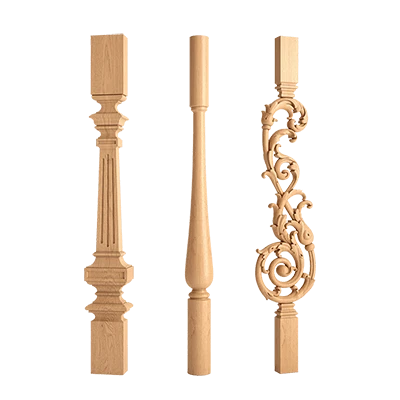
STAVROS is a Russian manufacturer of wooden architectural elements for interiors. The company's assortment includes a complete set for assembling a decorative wall panel: Moldings and cornices, Decorative Planks, carved rosettes, Decorative Inserts, wooden frames, Rafter panels and entire solid wood millwork.
STAVROS products are made from selected solid oak, beech, and other species. All elements are designed with compatibility in mind: moldings, frames, slats, and overlays are selected in a unified system — by size, profile, and species. This allows you to assemble a full decorative panel from ready-made elements without searching for compatible parts in different places.
Buy a wooden wall panel means selecting specific items from the STAVROS catalog, calculating the quantity, and ordering with delivery. The entire range solid wood products available on the website.