
























Article Contents:
- What are decorative elements for interiors
- Broader than it seems
- Group 1: Wooden decor and overlays
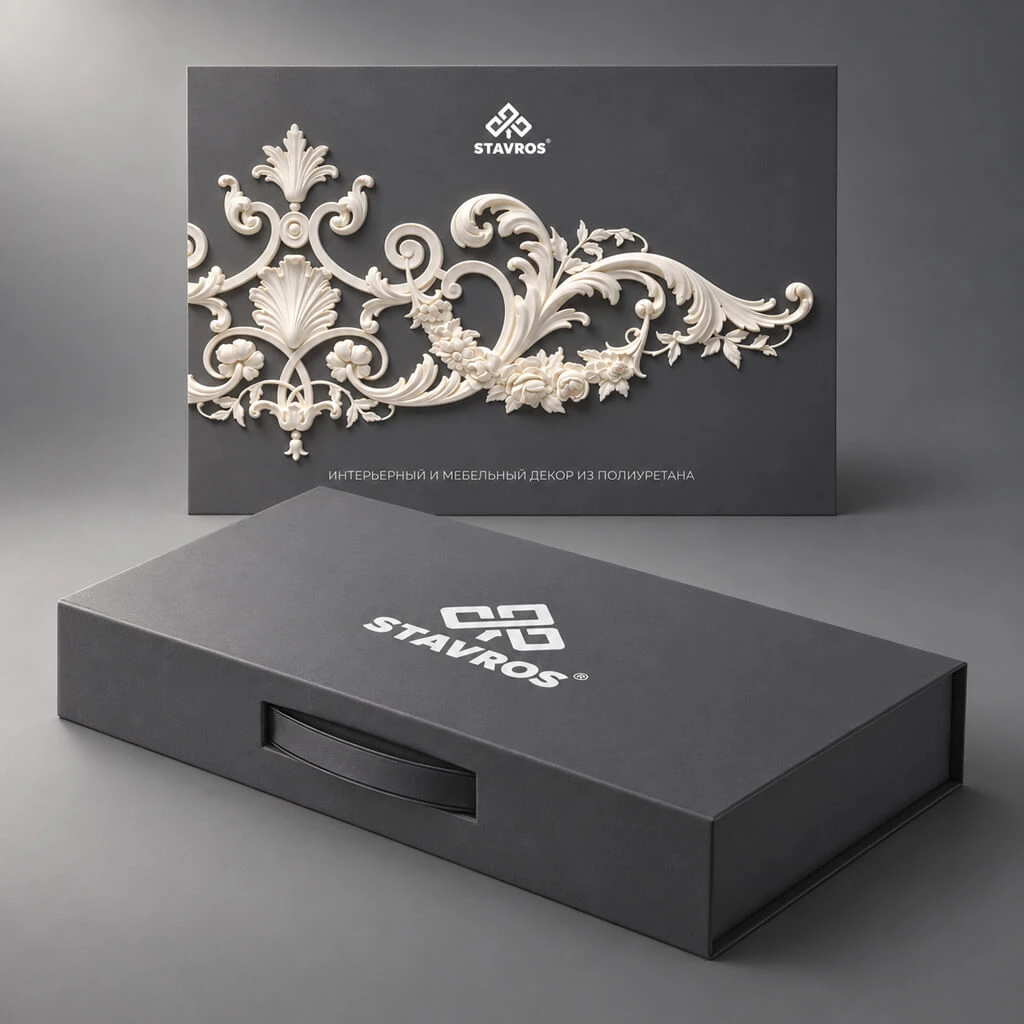
- Group 2: Stucco elements and polyurethane decor
- Group 3: Moldings — trims, slats, baseboards, profiles
- Group 4: Furniture elements — legs, handles, brackets
- Complete map of decorative elements
- Decorative elements for walls
- Wall as an architectural object
- Accent walls: what to highlight
- Decorative Elements for Furniture
- Why a detail changes the object
- Wooden overlays: typology and application
- Brackets: decor with a load-bearing function
- Wooden decor or polyurethane molding: what to choose
- An honest comparison of two materials
- Wood: warmth, naturalness, functionality
- Polyurethane: lightness, moisture resistance, rich variety of shapes
- Table: wood vs polyurethane
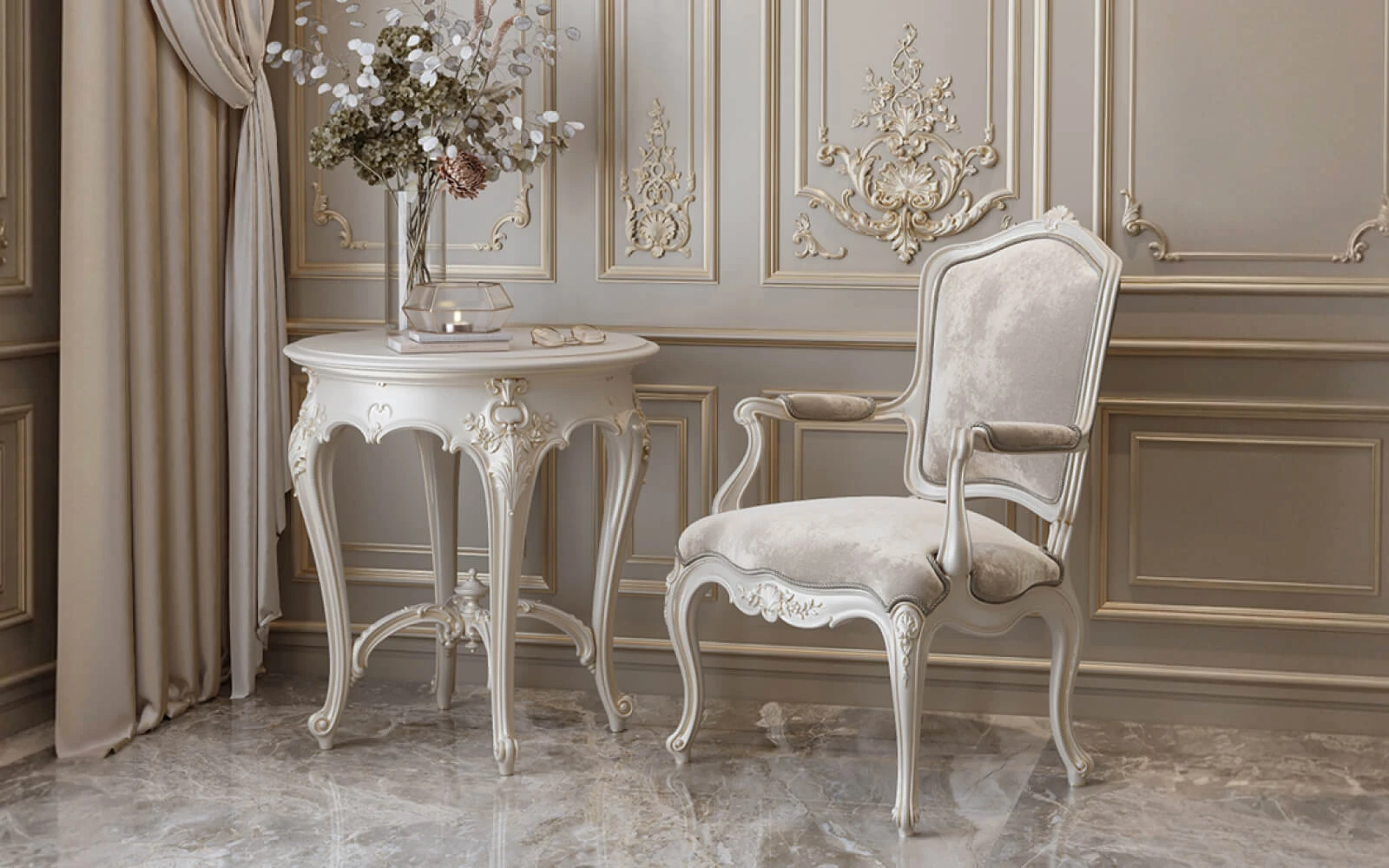
- Decorative elements for classic interior
- Classic is not a style, it's a principle
- What forms a classic ensemble
- Symmetry as a law
- How to choose decorative elements based on the task
- Selection matrix: task → element type
- Is a plan needed before purchasing?
- How not to overload an interior with decor
- More doesn't mean richer
- The rule of one profile
- Rule of Scale
- The rule of limited number
- Rule of Uniform Style
- The rule of space
- Material and finish of decorative elements
- Wood: species and their applications
- Finishing: what to choose
- Polyurethane decor: finishing
- How to assemble decorative elements into a unified system
- Vertical room system: three levels
- Horizontal system of a furniture piece
- Example system for a classic living room
- Common mistakes when buying decorative elements
- Mistake 1: Buying without a plan
- Error 2: Choosing only by photo
- Error 3: Wrong scale
- Error 4: Different styles in one space
- Error 5: Mismatch with existing furniture and flooring
- Error 6: Installation without preparation
- Error 7: Ignoring a single wood species
- Additional materials: how to dive deeper into the topic
- FAQ: popular questions about decorative elements for interior
- Where to buy decorative elements for interior
- STAVROS: complete system of decorative elements made of wood and polyurethane
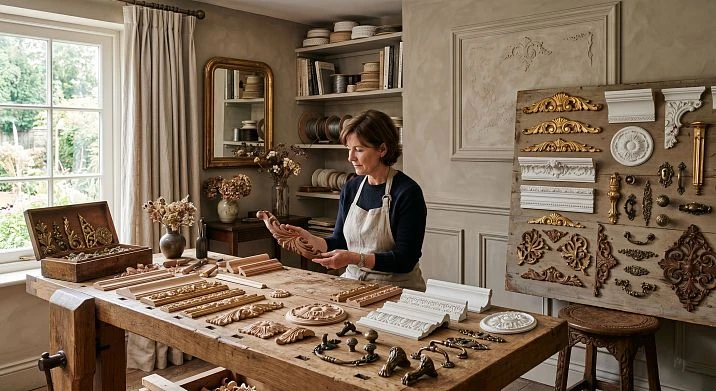
There is a moment in interior design work when everything seems ready — furniture is arranged, walls are painted, flooring is laid. And yet something is off. The room looks like a hotel room: correct but faceless. It is at this moment that work with details begins.
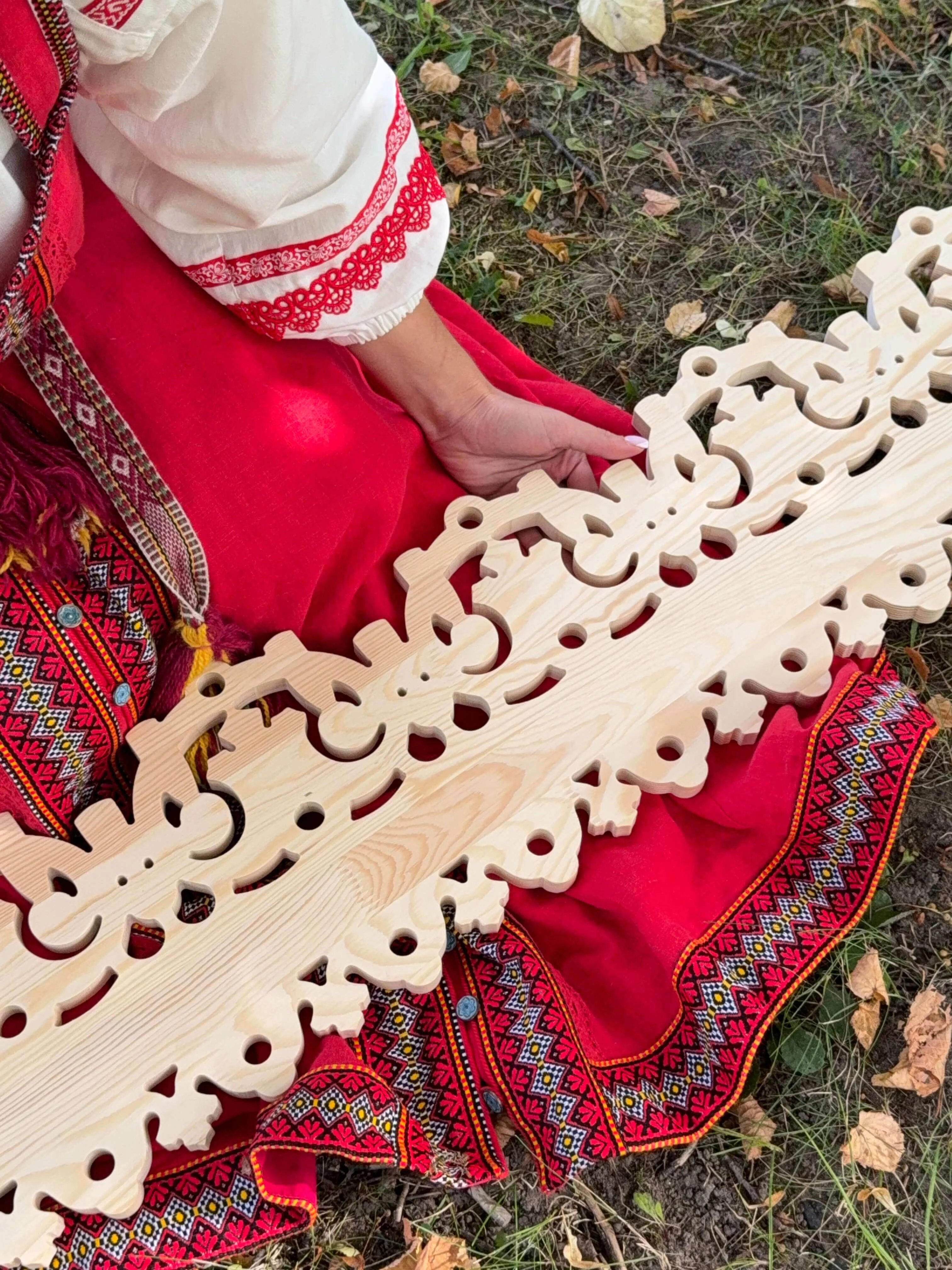
Decorative Elements for Interior — is a huge and diverse category of products that is often confused, narrowed down, or, on the contrary, inflated to meaninglessness. Some think decorative elements are only ceiling moldings. Others think they are exclusively furniture handles. In reality, it is a whole system: from wooden overlays on a dresser front to cornice moldings under the ceiling, from forged brackets to turned table legs.
This article is for those who want to understand this system. To grasp what goes with what, what combines with what, and how not to waste money on details that won't work together later. Read carefully — there is no fluff here, only the essence.
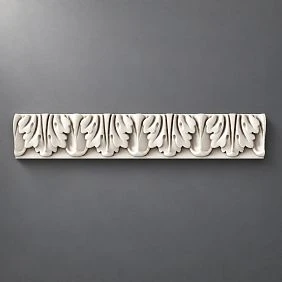
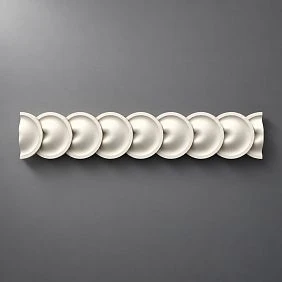
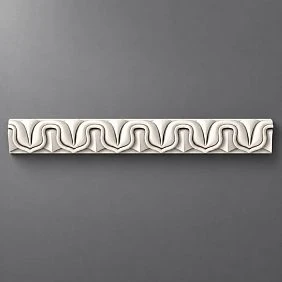
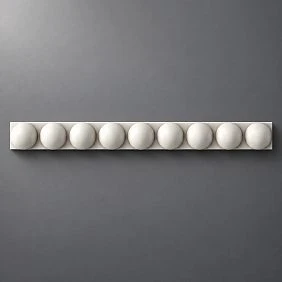
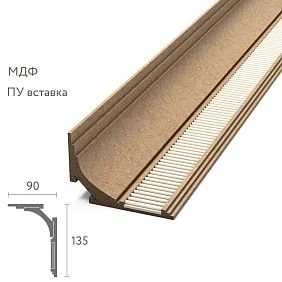
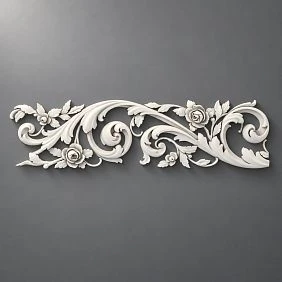
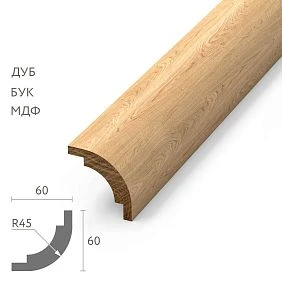
What qualifies as decorative elements for interior
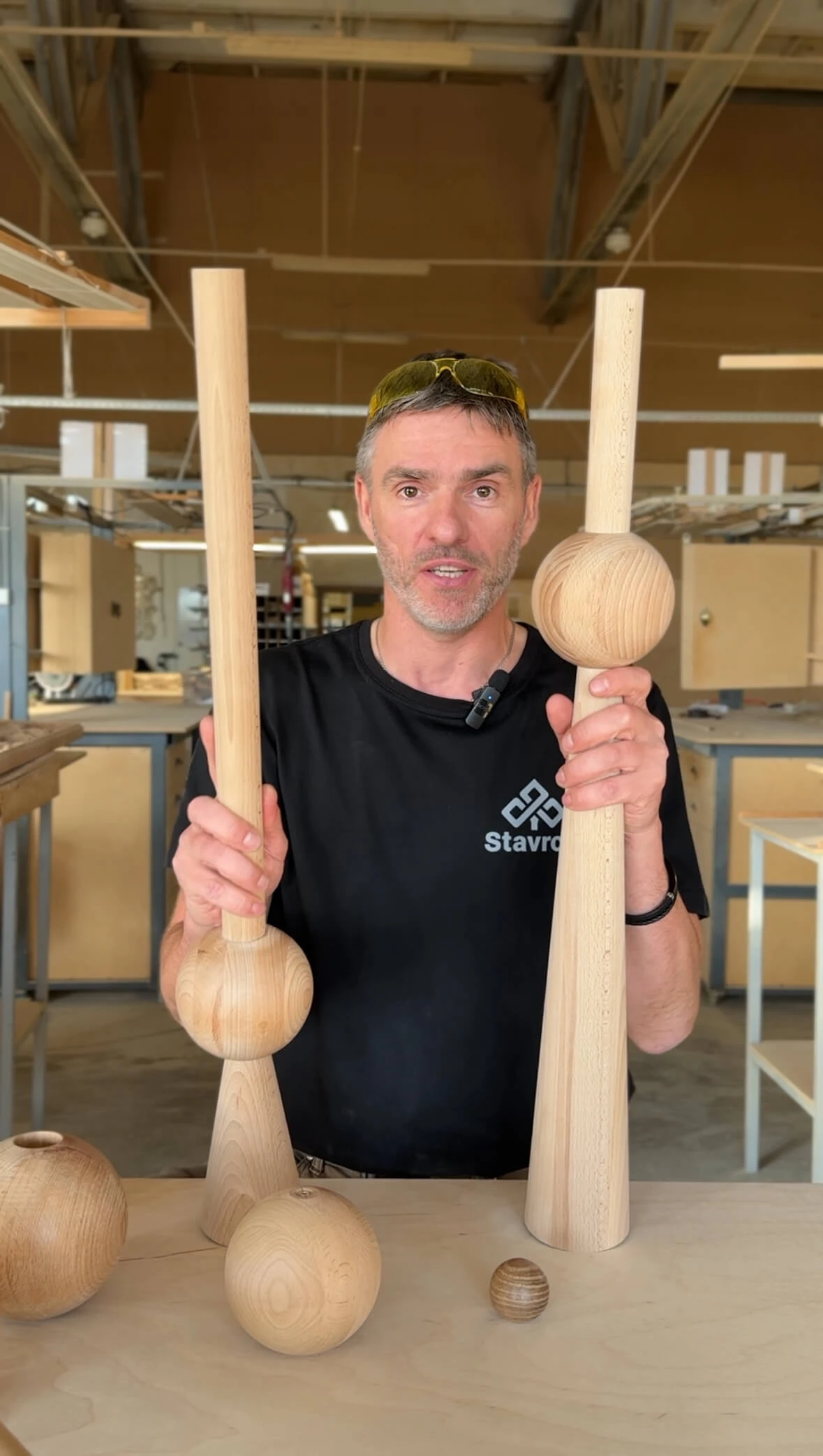
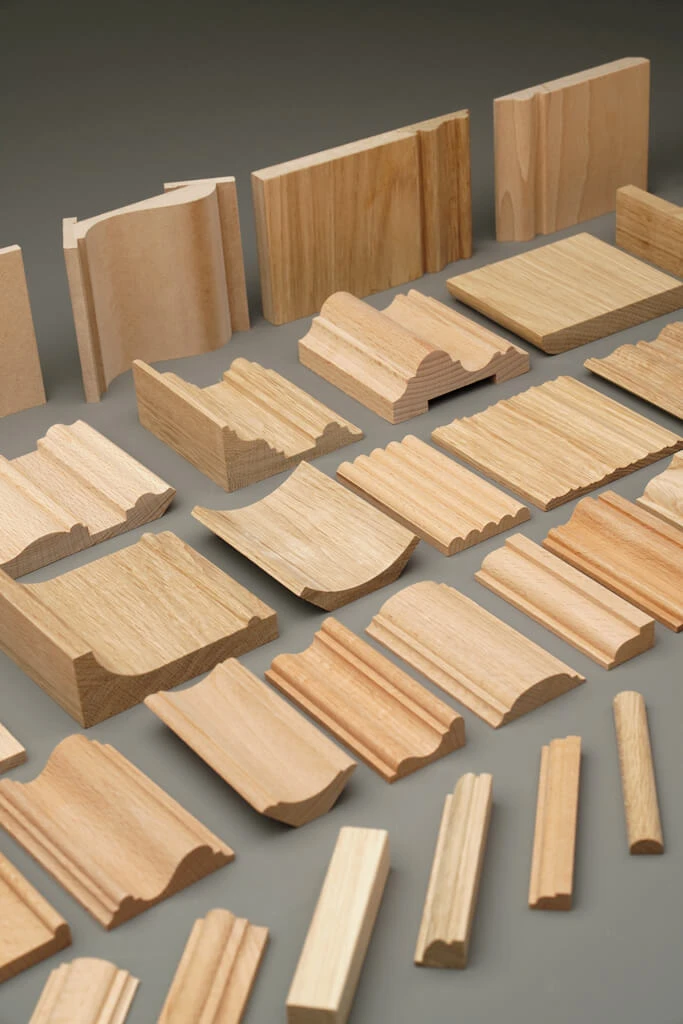
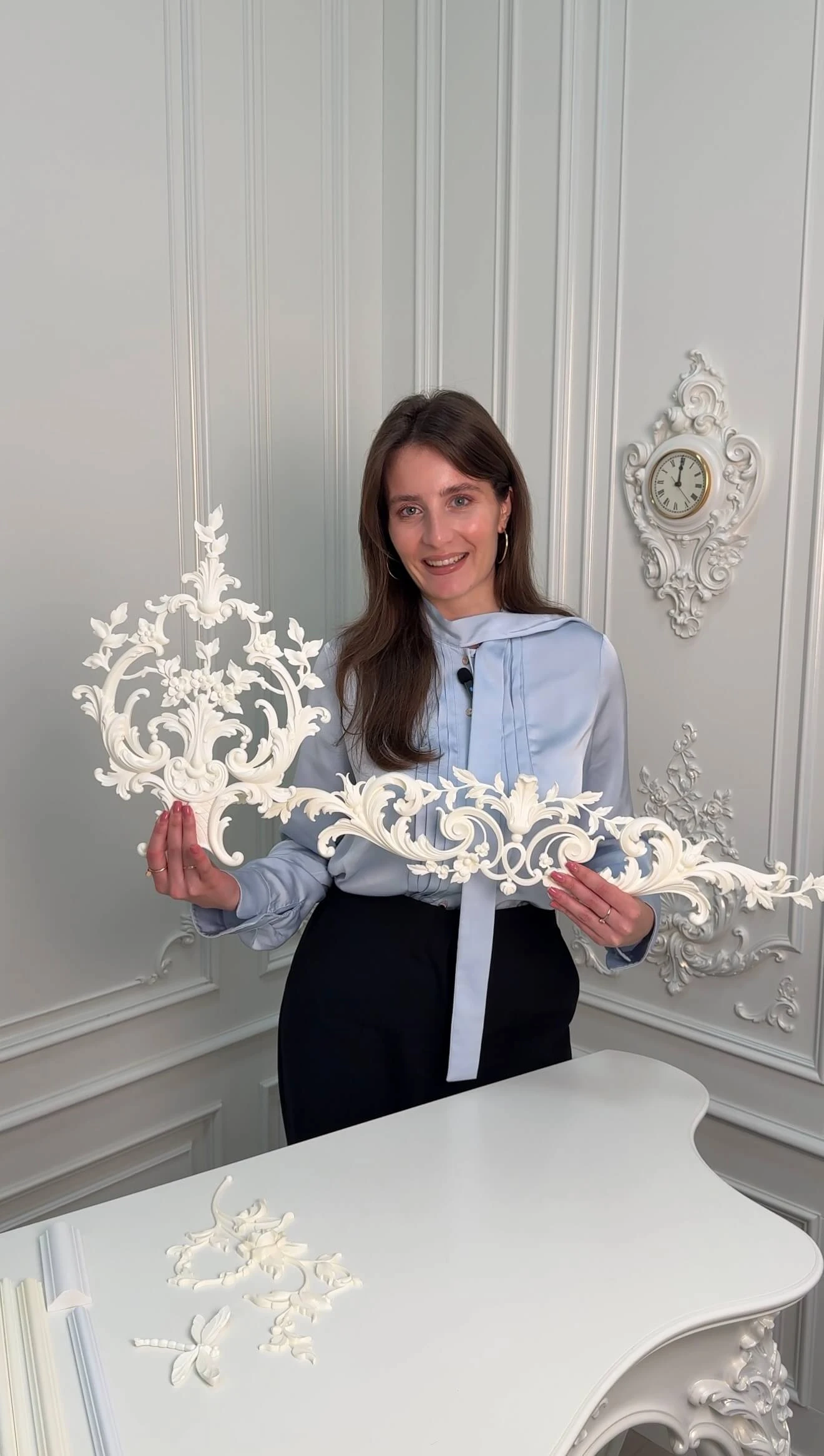
Broader than it seems
When a person types "Buy decorative elements" into the search bar, they often don't know exactly what they are looking for themselves. They need something that will change the look of a room, wall, or furniture. But many very different things fall under this query.
Decorative elements for interior are everything that adds relief, texture, shape, accent, or completeness to a surface. The function is not just load-bearing or joining. The main function is visual, sometimes tactile.
Let's break it down by groups.
Our factory also produces:
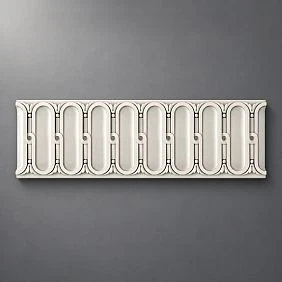
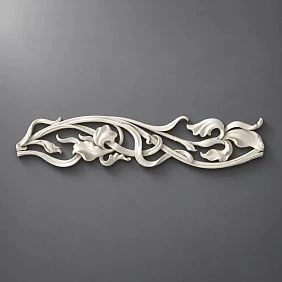
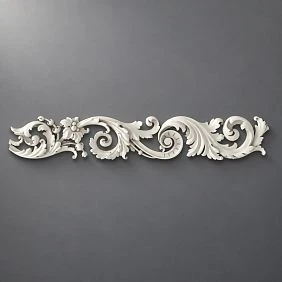
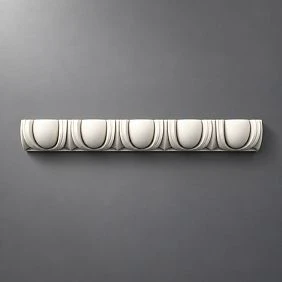
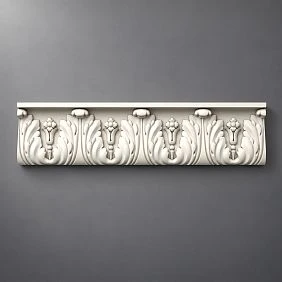
Group 1: Wooden decor and overlays
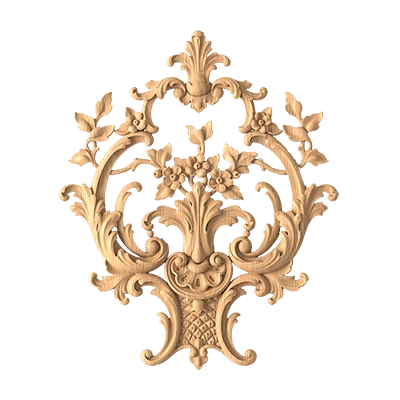
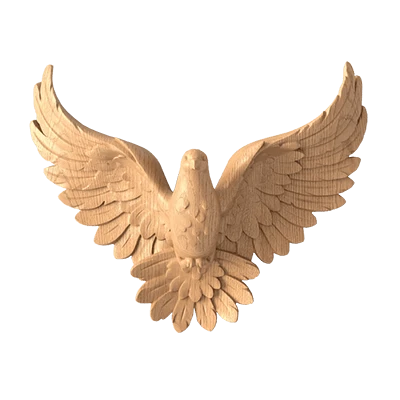
decorative elements for furniture made of wood — these are overlay parts that are glued or attached to the surface of a furniture front, body, door, or wall. They include:
-
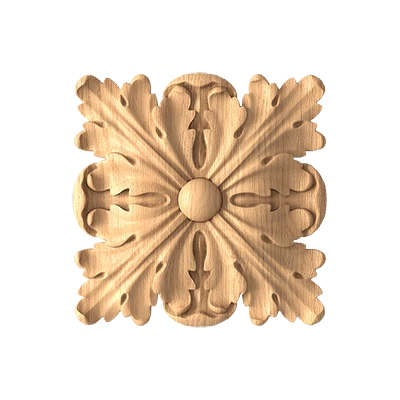
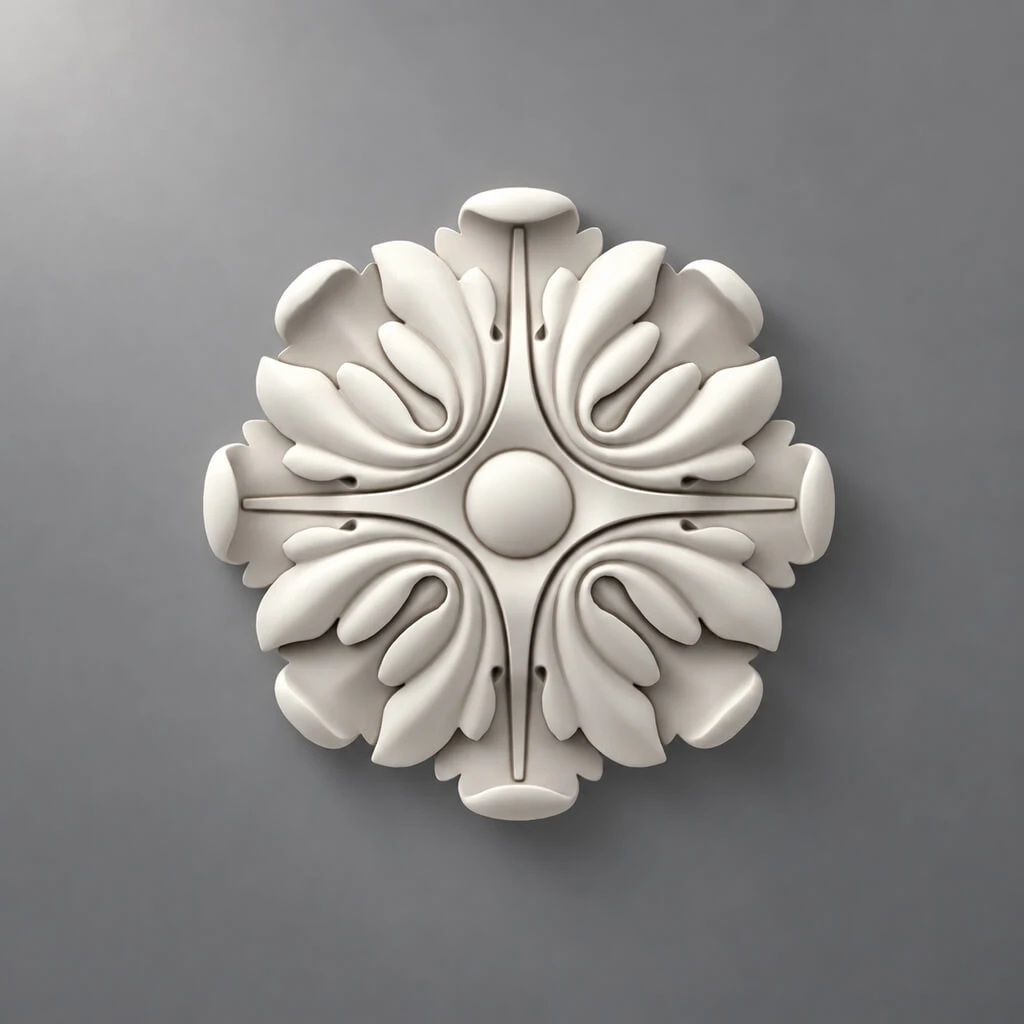
Overlay rosettes and cartouches — round or oval decorative central elements.
-
Corner overlays — decorative parts for facade corners.
-
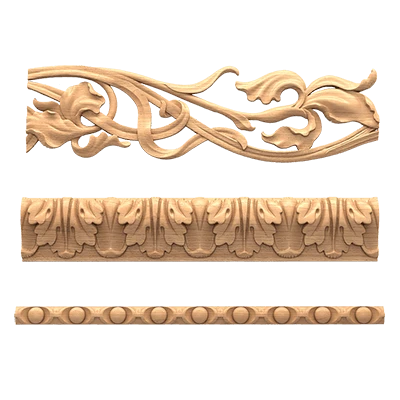
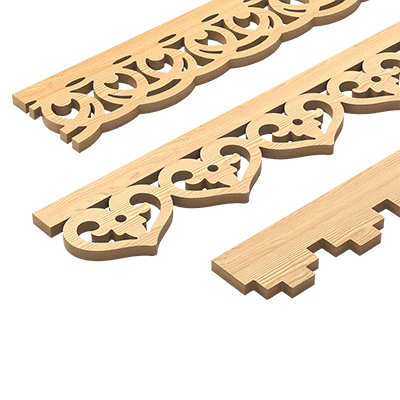
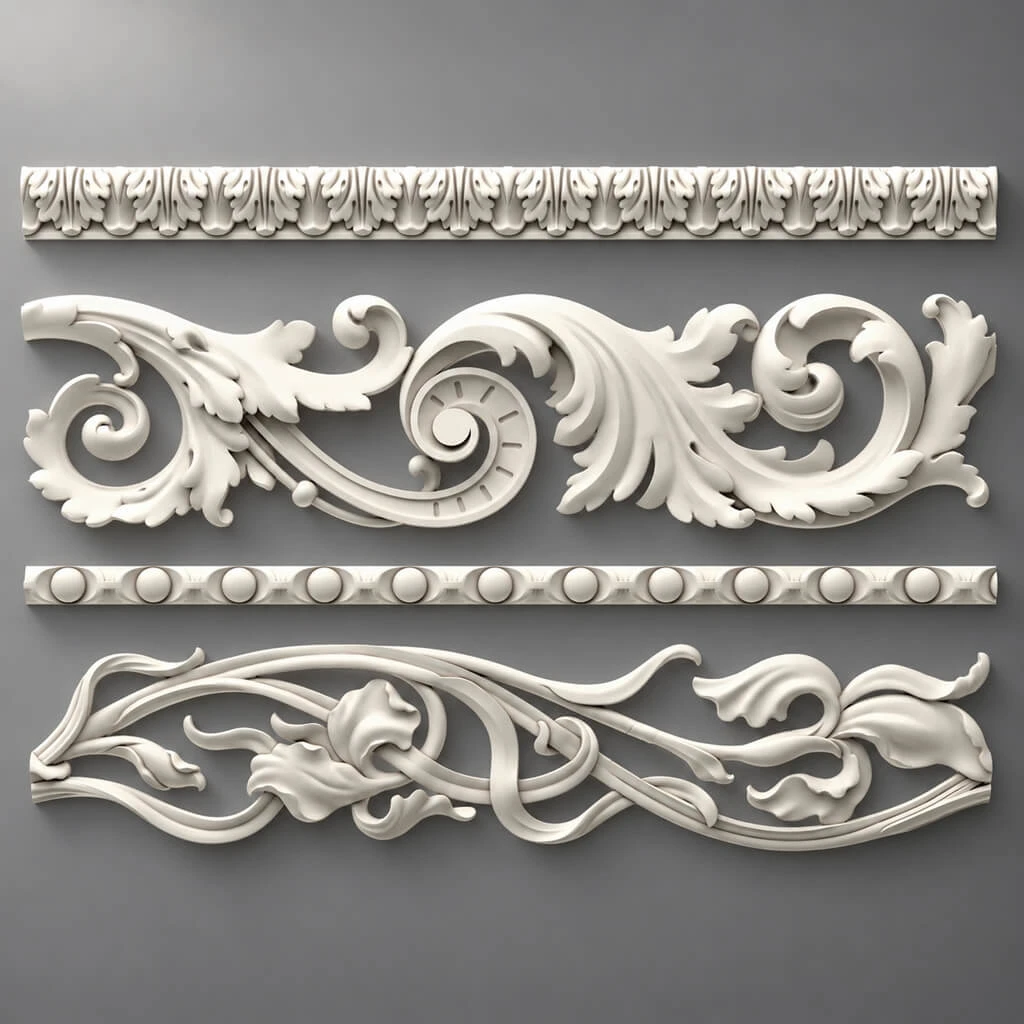
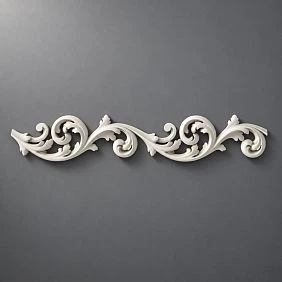
Carved friezes — horizontal ornamental strips.
-
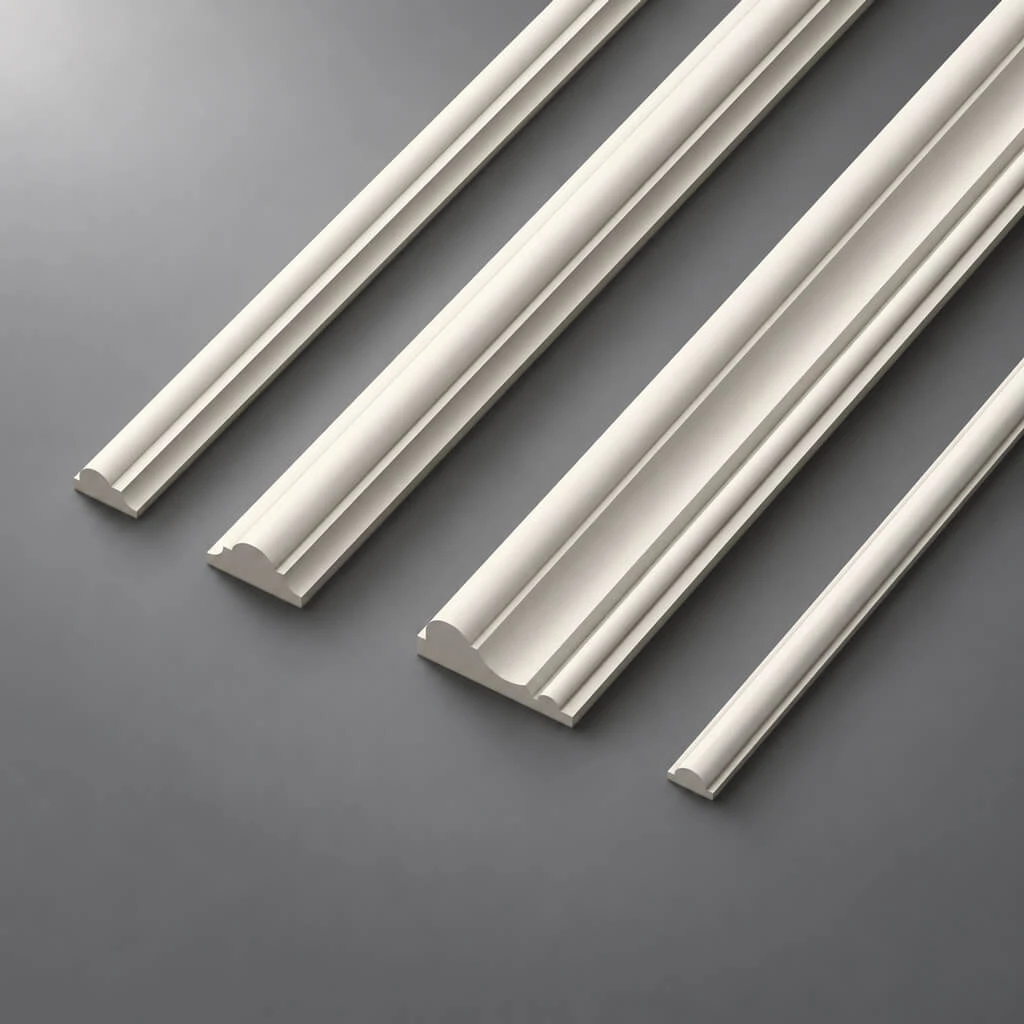
Decorative moldings — profile strips along the perimeter of the facade.
-
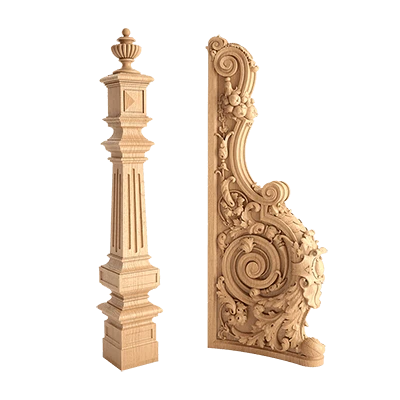
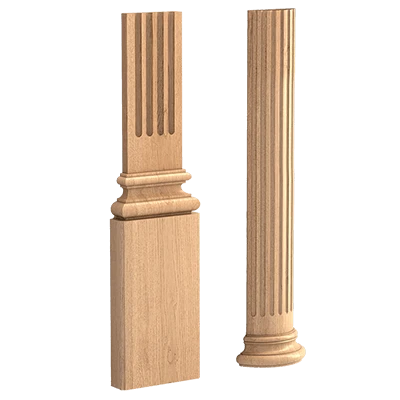
Overlay pilasters — vertical decorative elements.
Wooden decoration used for furniture, doors, wall panels, fireplace portals, and any wooden surfaces that require decorative enrichment.
Get Consultation
Group 2: Stucco elements and polyurethane decor
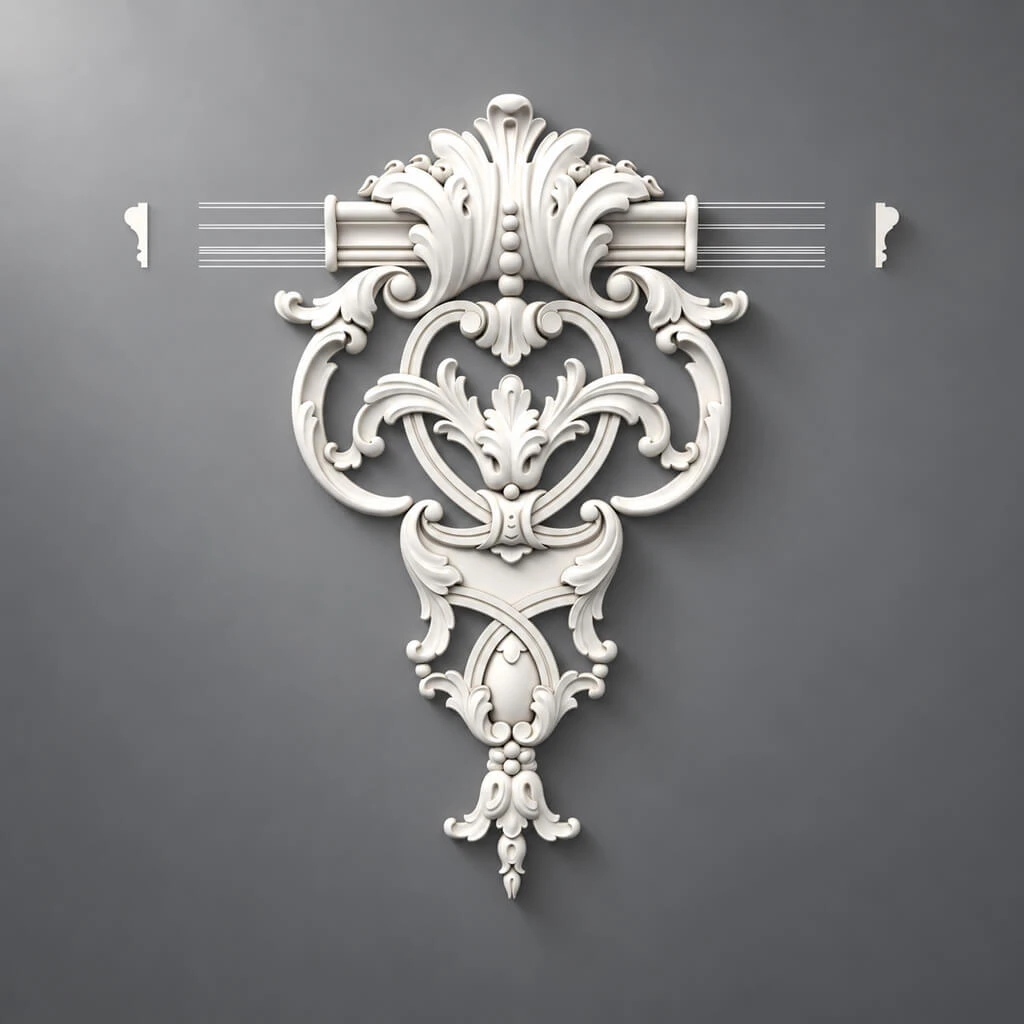
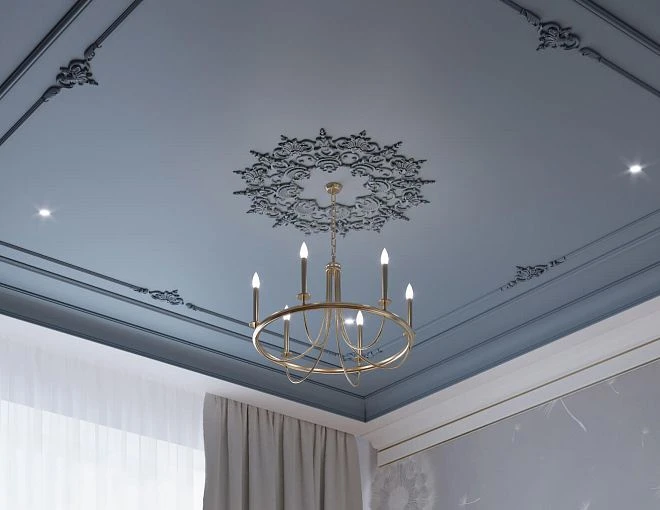
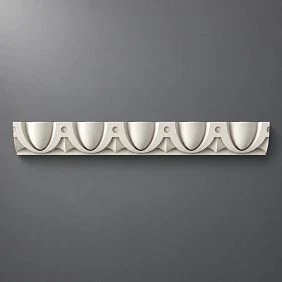
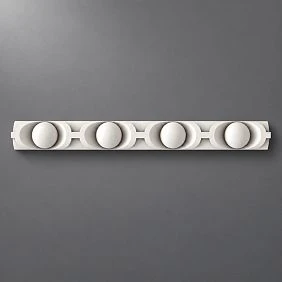
— everything must correspond to the chosen era. — these are overlay decorative parts for walls and ceilings. Classically, stucco was made of plaster; today, it is predominantly made of polyurethane.
polyurethane decor includes:
-
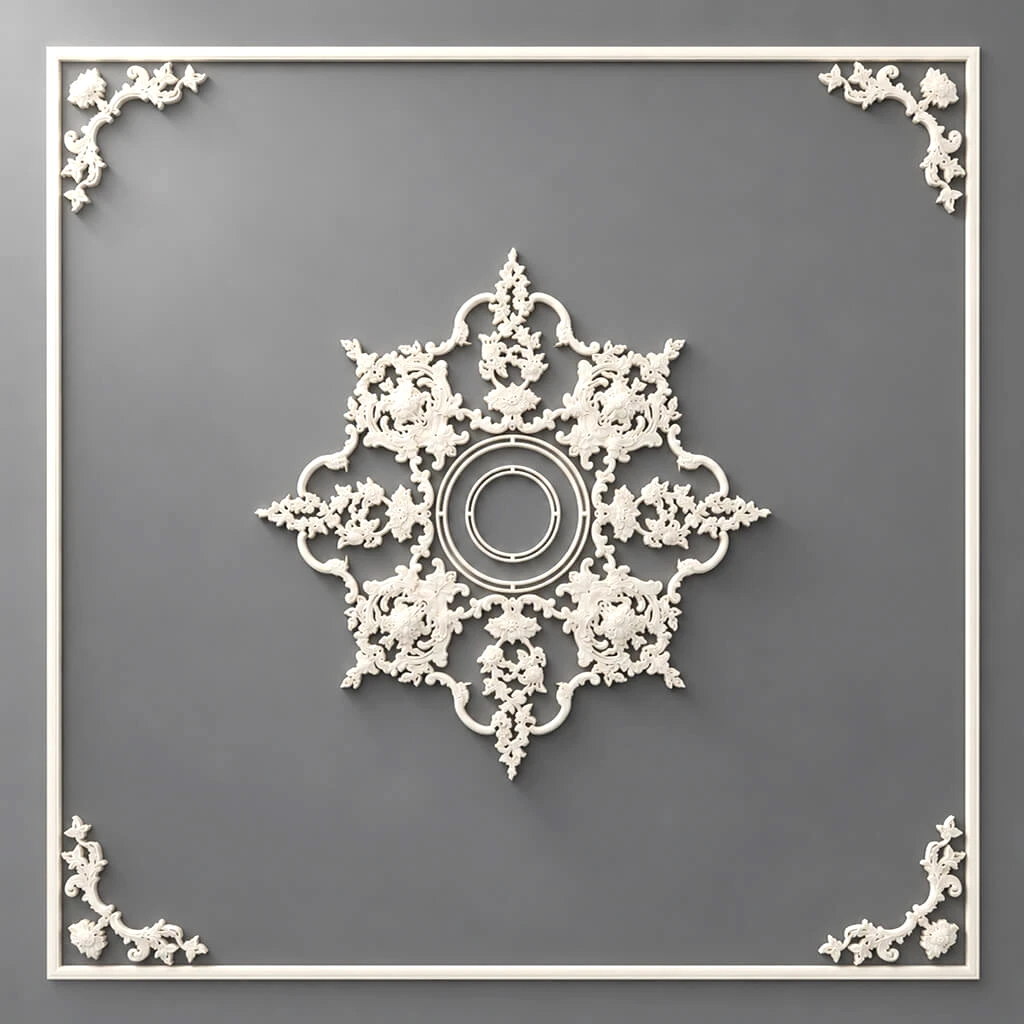
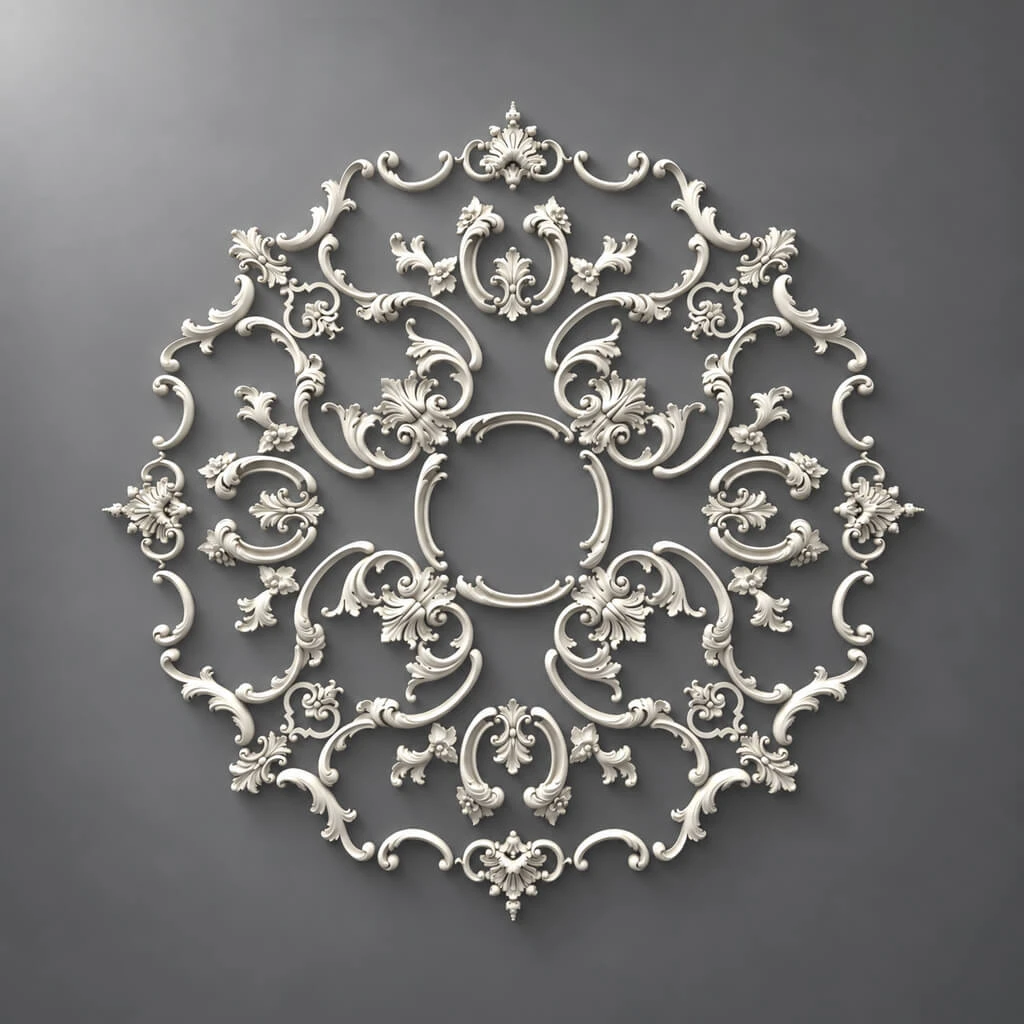
Stucco rosettes for ceilings.
-
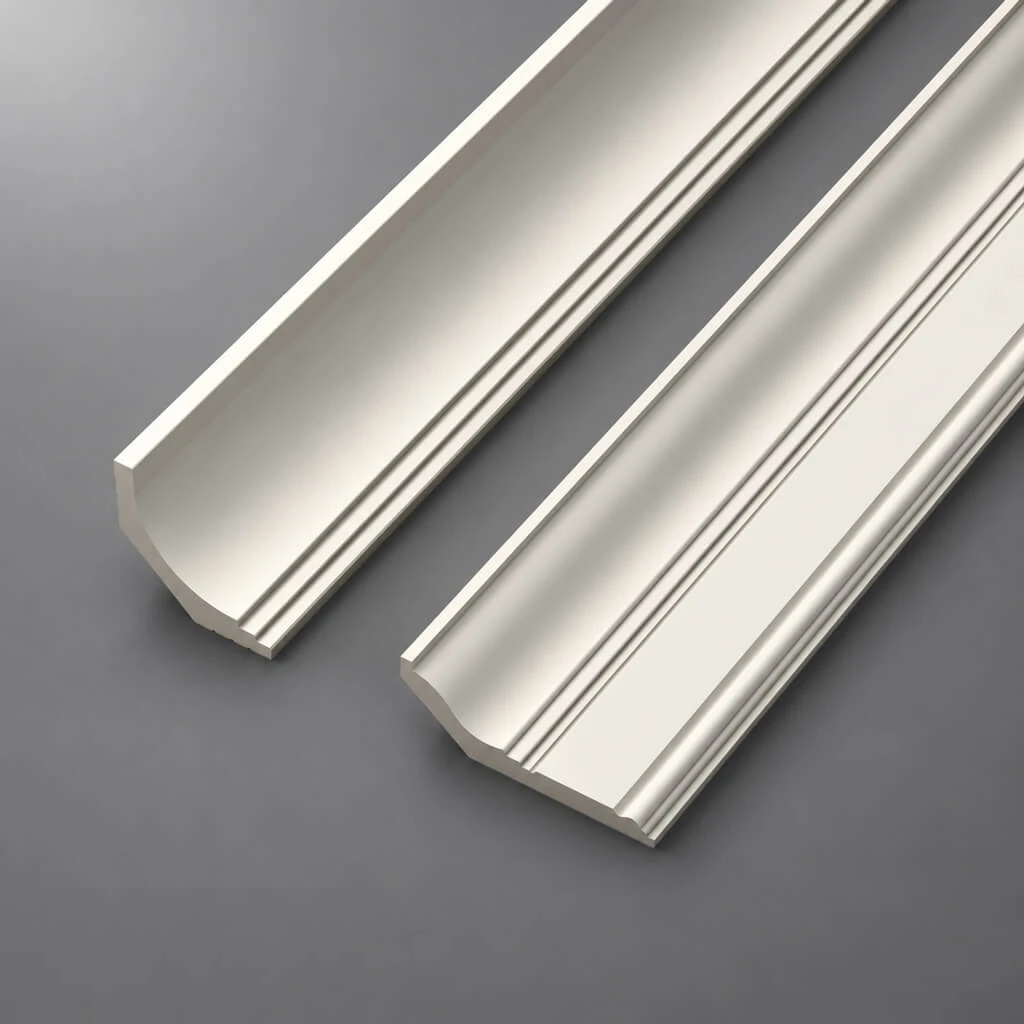
Cornices and rods for ceiling transitions.
-
Decorative medallions.
-
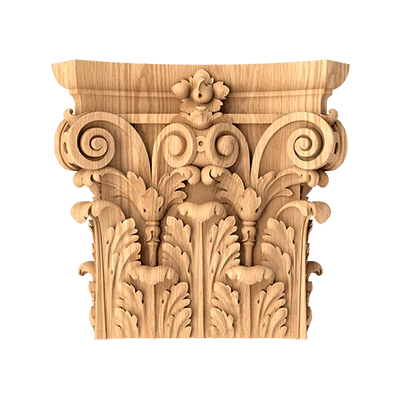
Corner elements and capitals.
-
Friezes and wall overlays.
Lightweight, moisture-resistant, easy-to-install material — polyurethane has become the main material for stucco in modern interiors.
Group 3: Linear moldings — moldings, strips, baseboards, trims
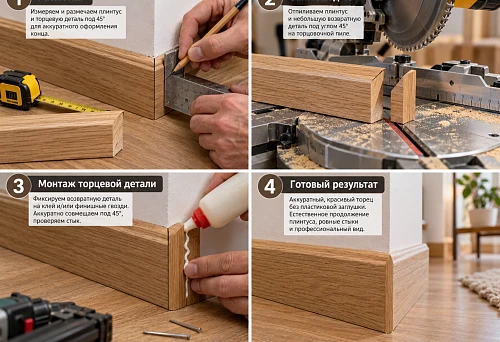
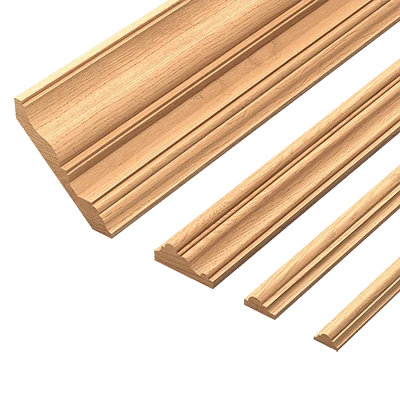
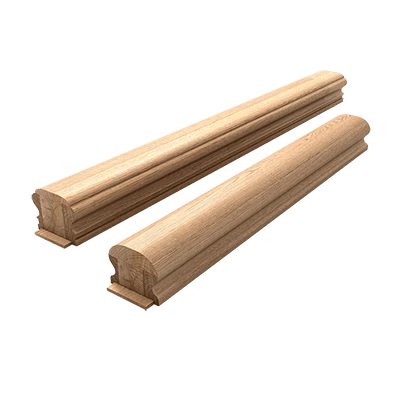
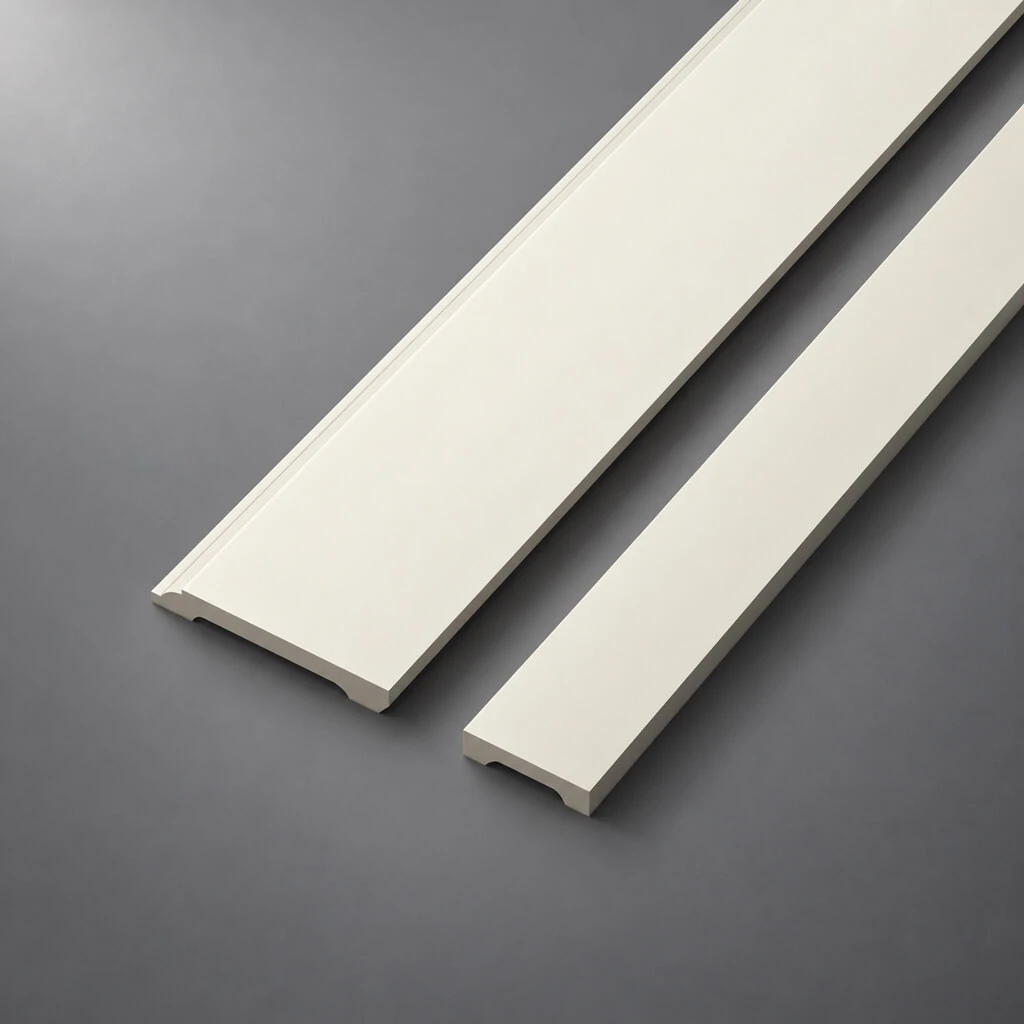
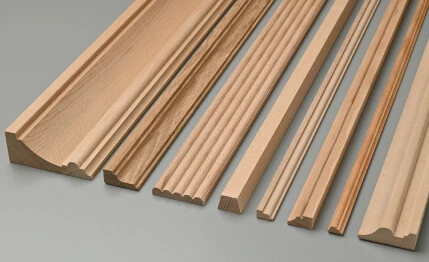
Wooden trim — long-profile products that work in a line: along wall perimeters, along facades, in transitions between materials.
This includes:
-
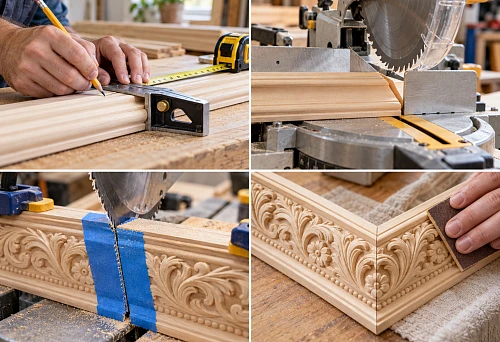
Wooden moldings — profile strips for walls and facades.
-
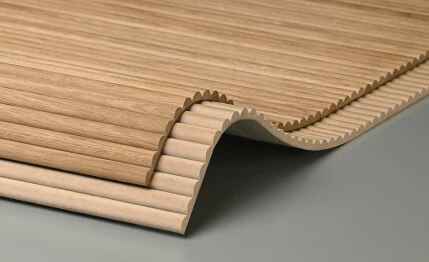
Wooden plank — linear elements for slatted panels and wall structuring.
-
with a classic profile creates a sense of solidity, reliability. — floor transition.
-
Wooden corner bracket — for corners and joints.
-
Trims — for covering joints and framing inserts.
-
Baguette — for frames and decorative borders.
Group 4: Furniture elements — legs, handles, brackets
furniture elements — decorative and functional details that shape the image of a furniture piece:
-
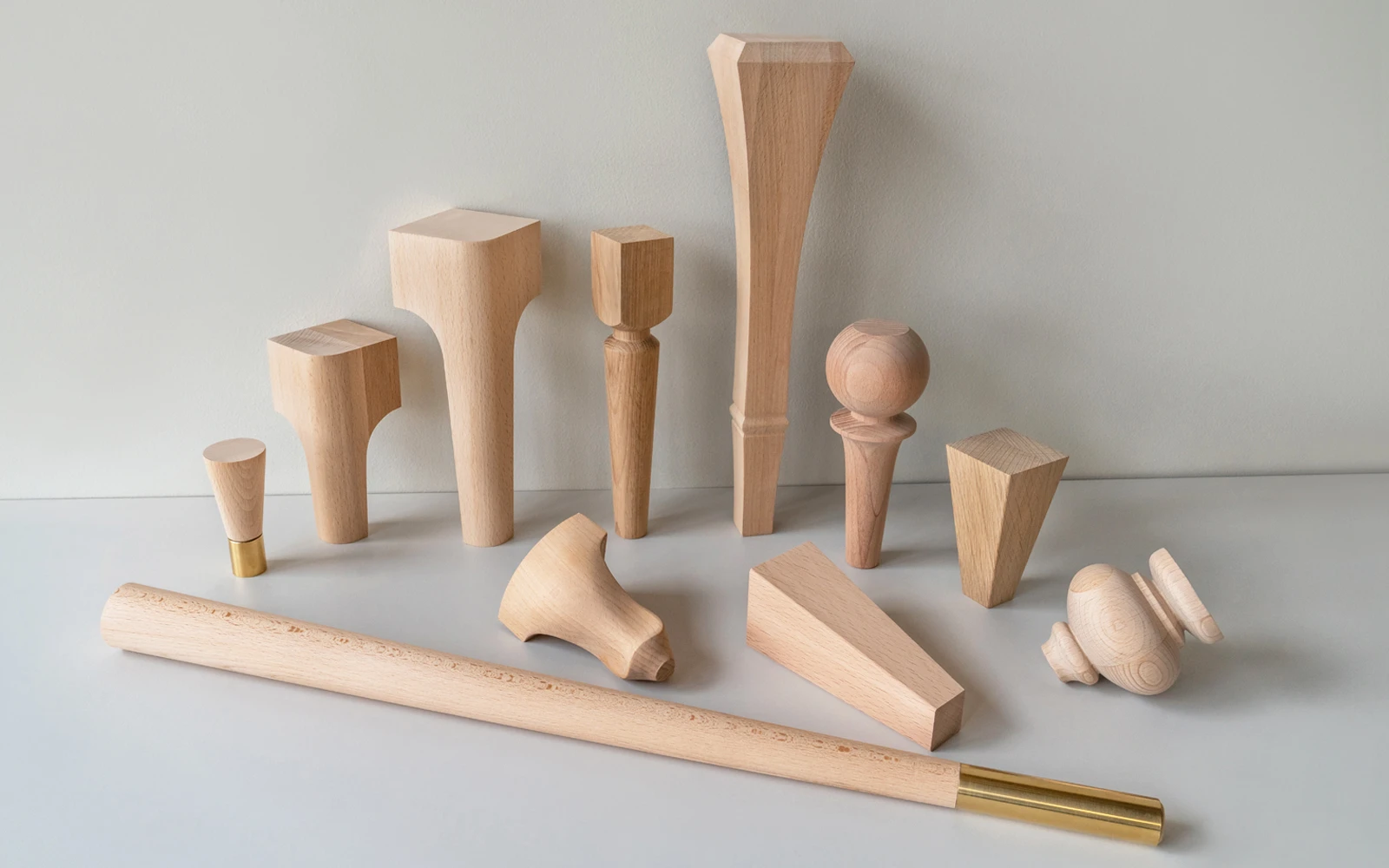
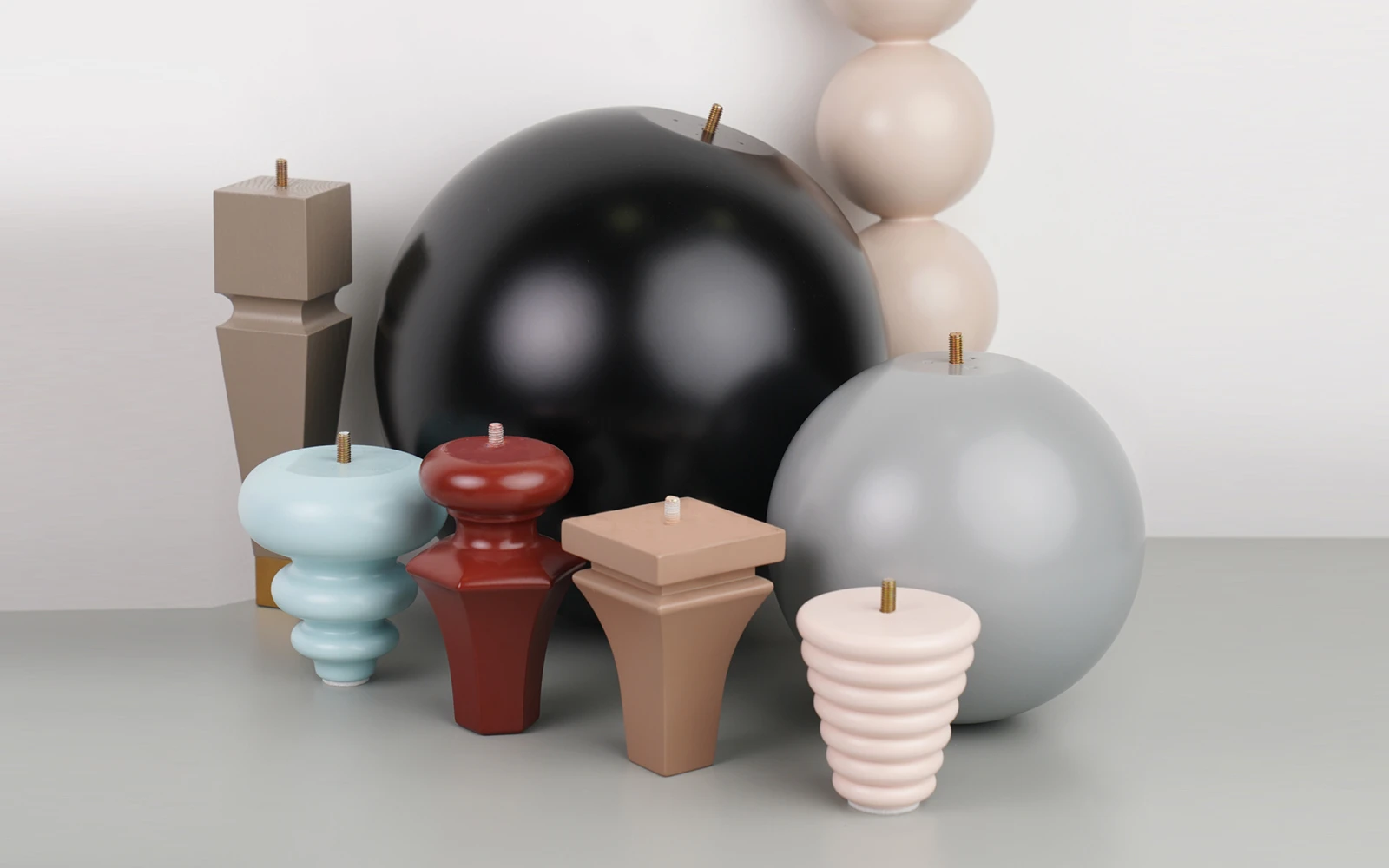
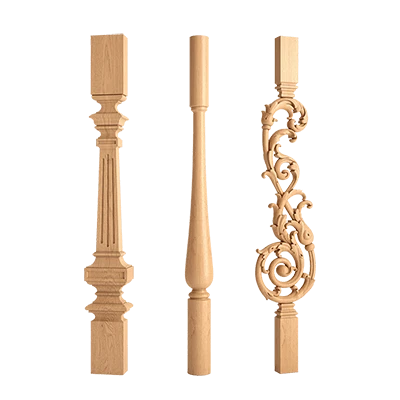
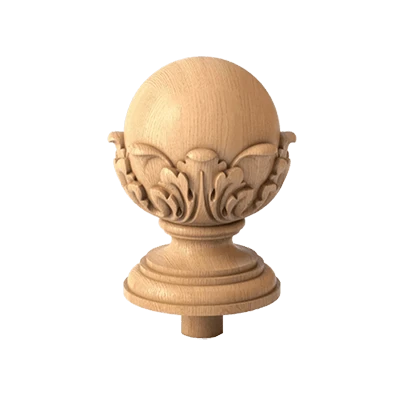
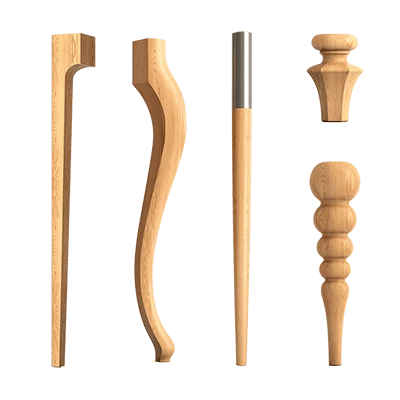
Wooden legs — supports for dressers, cabinets, sofas, armchairs.
-
furniture handle — hardware for cabinets, drawers, doors.
-
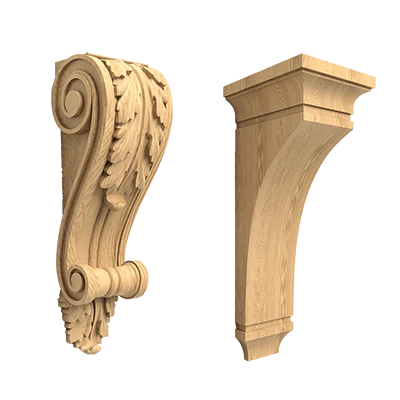
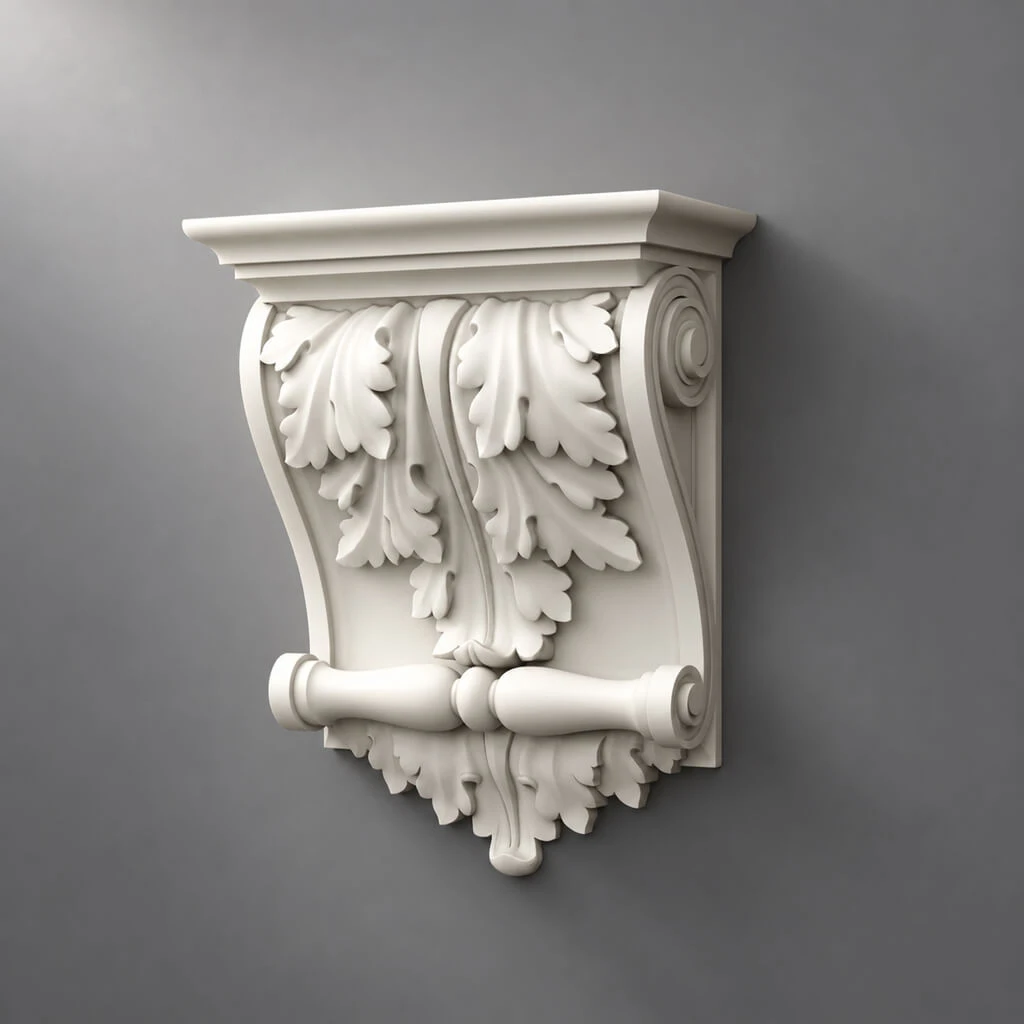
Decorative Bracket — support and decorative element for shelves, consoles, cornices.
Complete map of decorative elements
| Group | What it includes | Where it is used |
|---|---|---|
| Wooden decor | Overlays, rosettes, friezes | Furniture, doors, walls |
| Stucco and PU decor | Rosettes, cornices, rods | Ceiling, walls |
| Molding | Moldings, slats, baseboards | Walls, floors, transitions |
| Furniture elements | Legs, handles, brackets | Furniture, shelves |
Wall decorative elements
Wall as an architectural object
A blank, flat wall is a blank, not an interior. It is decorative elements that turn a wall from a background into part of an architectural image.
What works on walls?
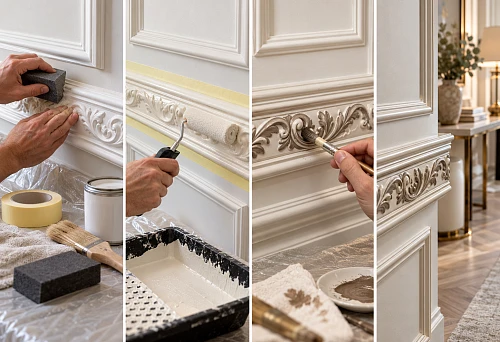
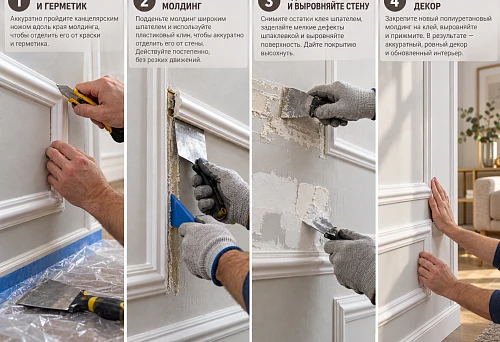
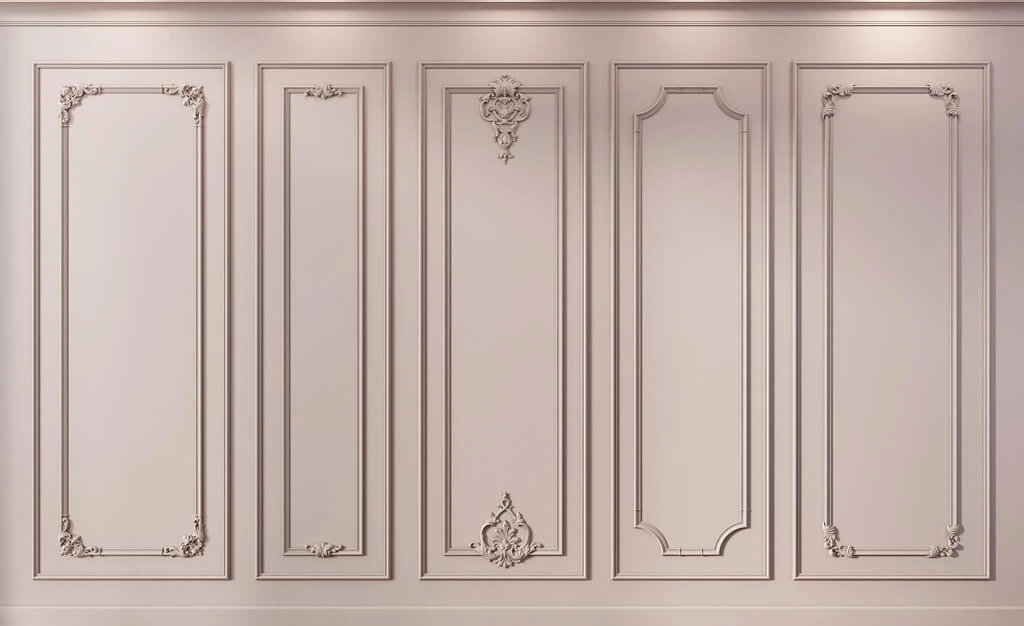
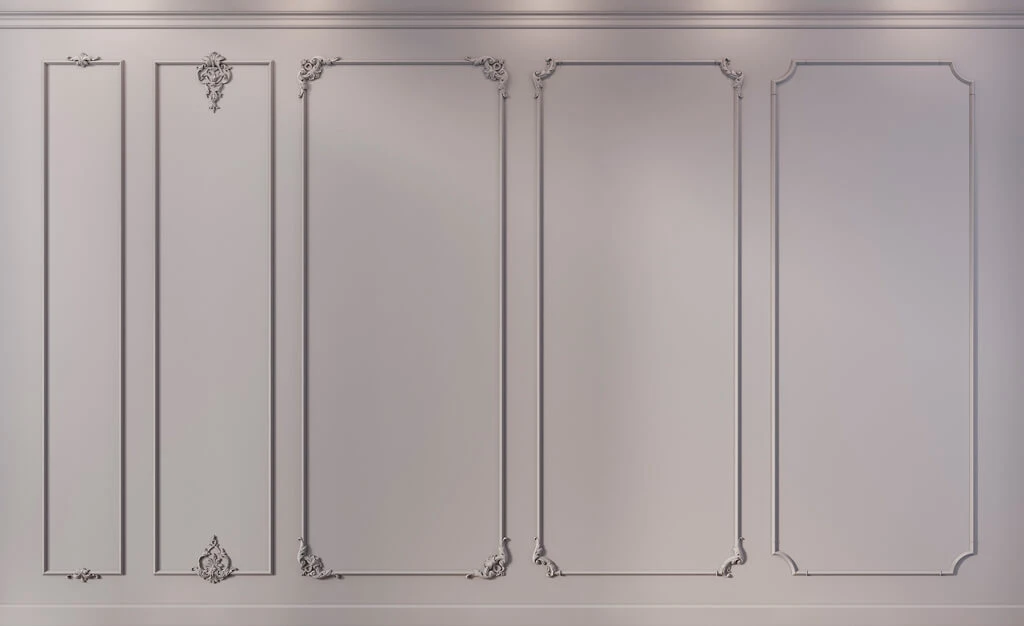
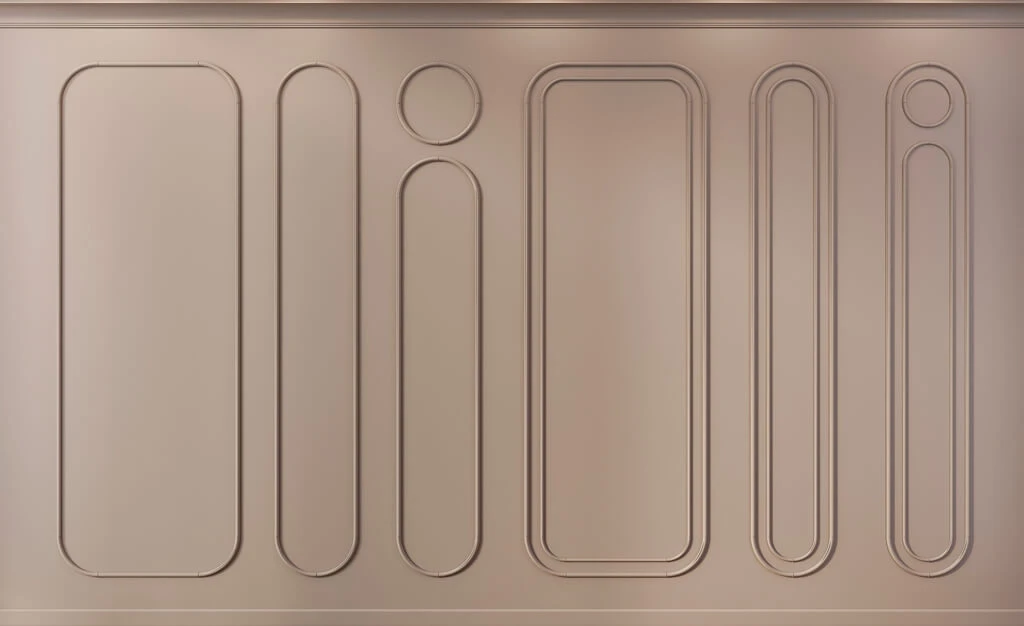
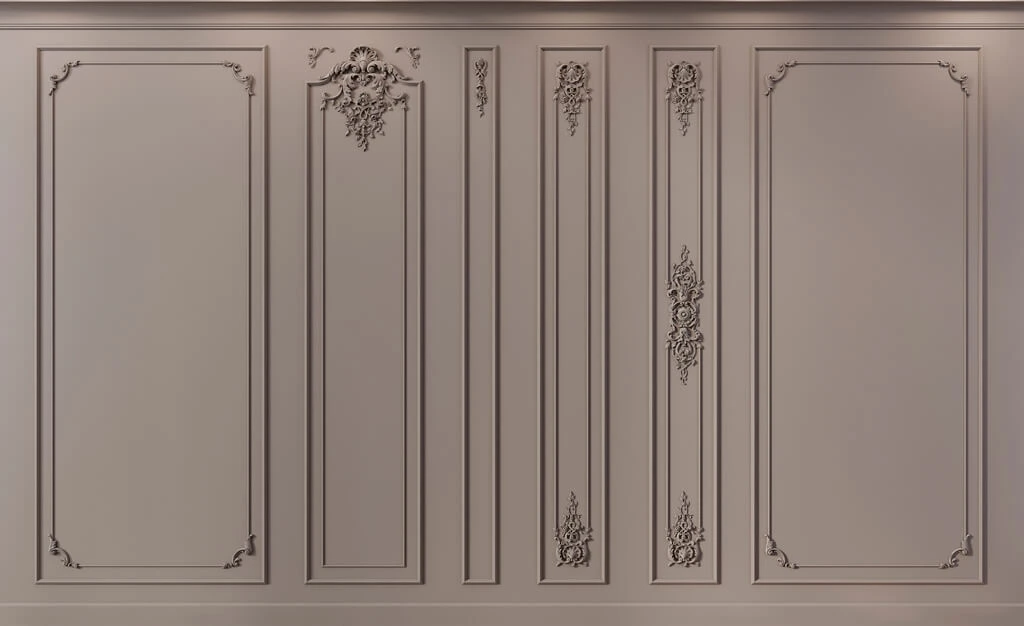
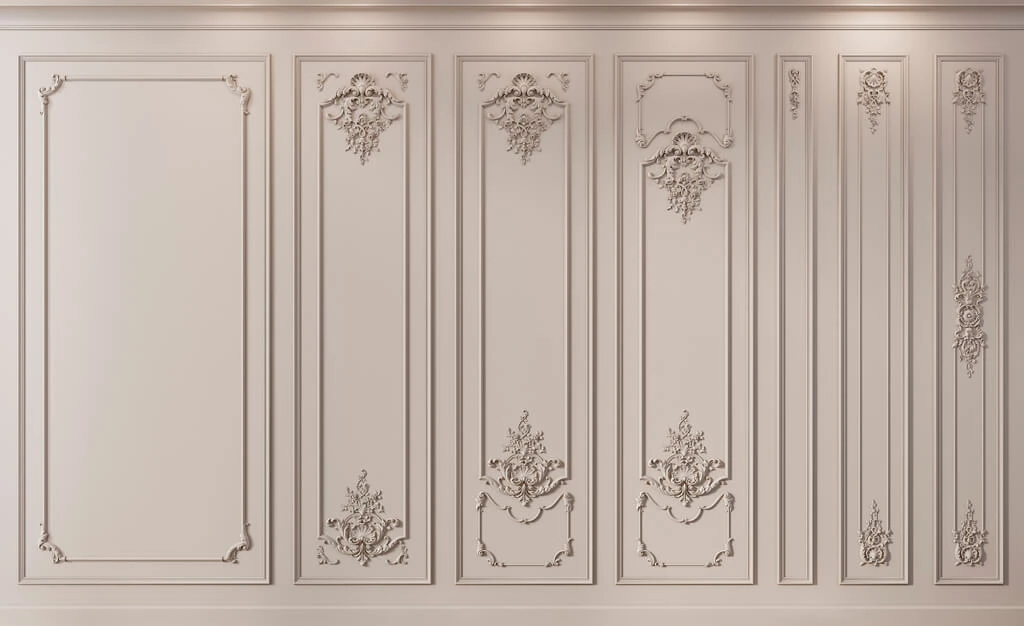
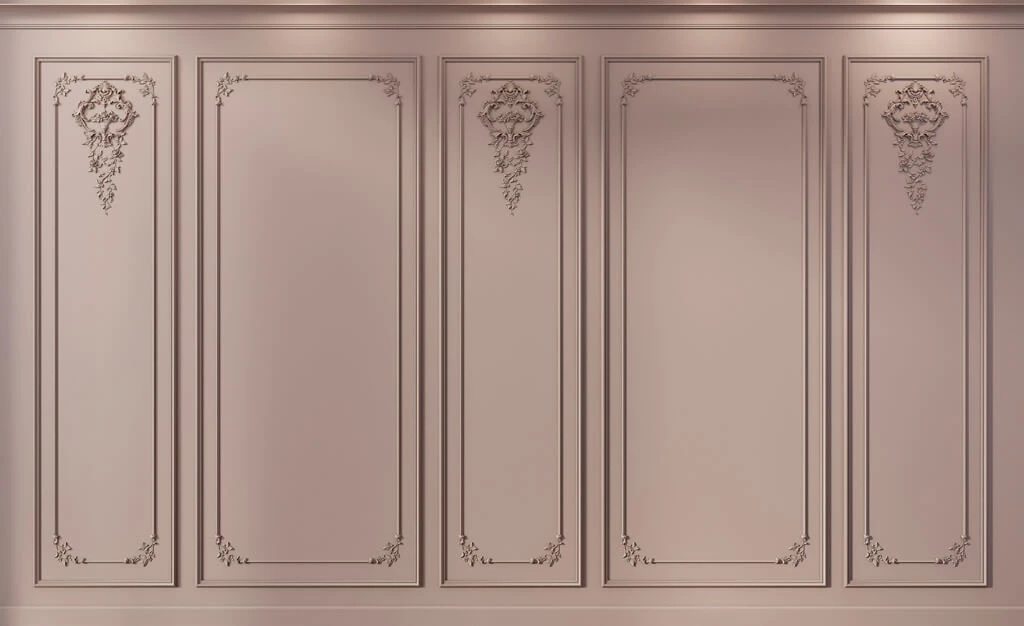
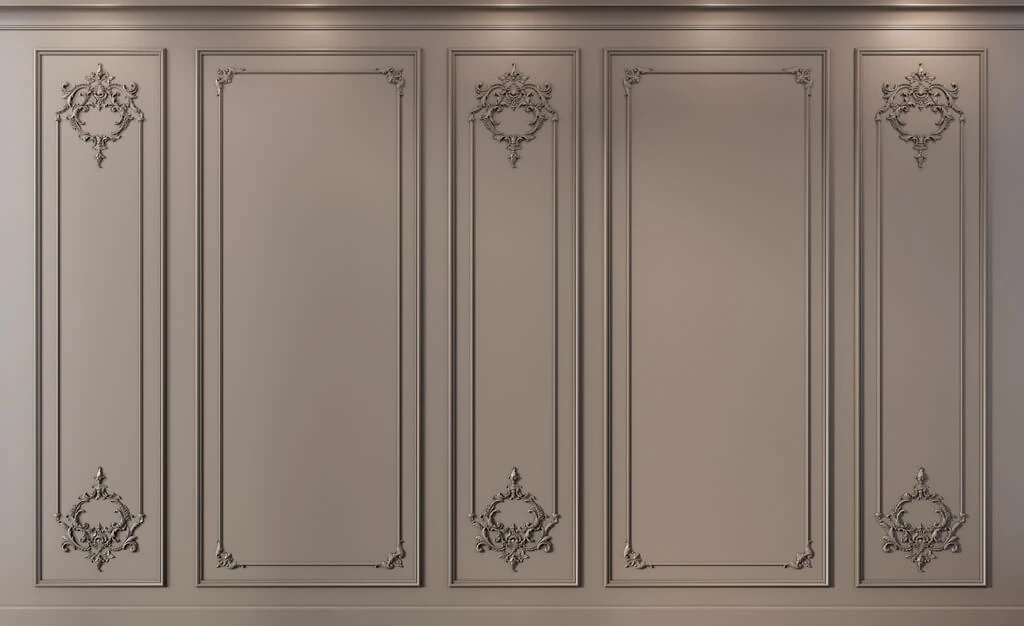
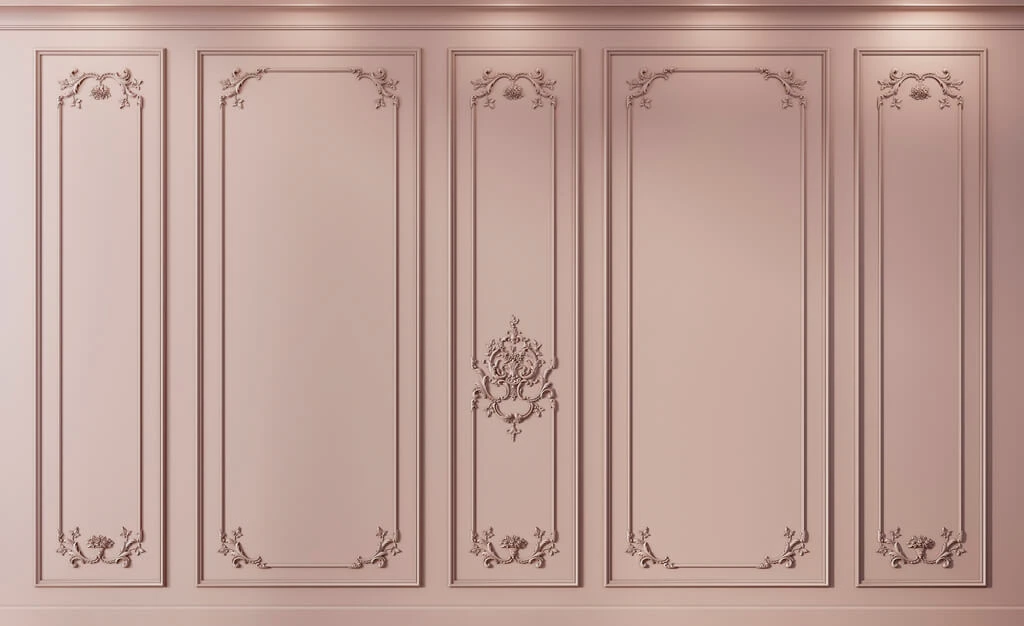
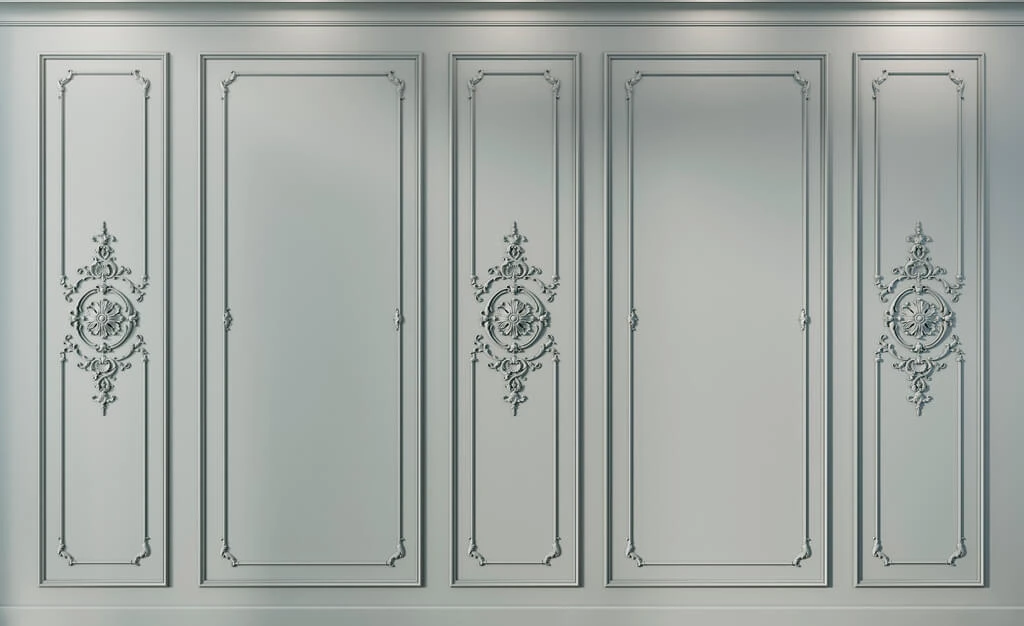
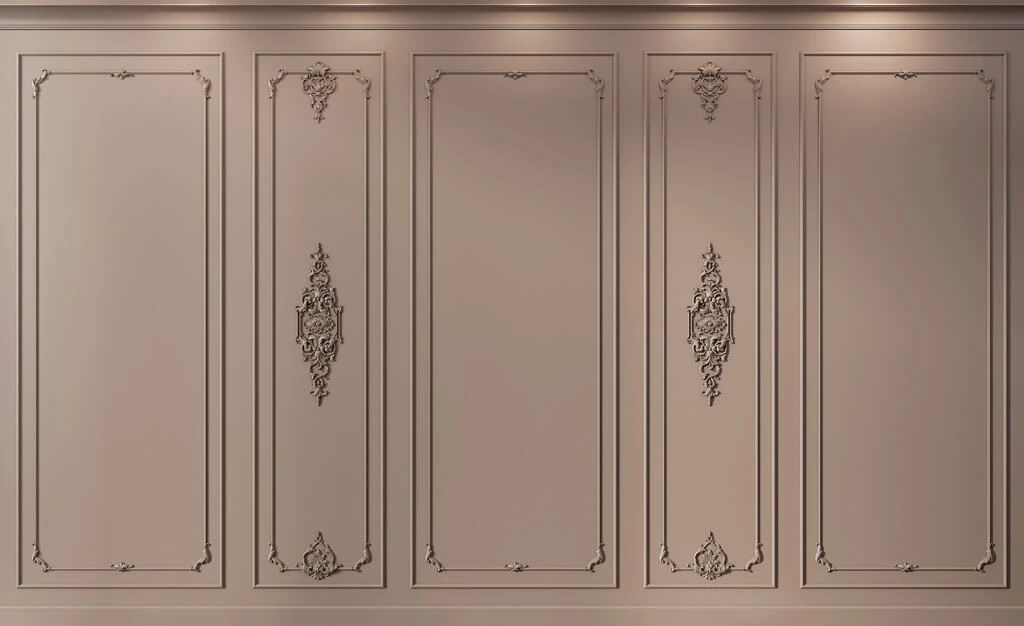
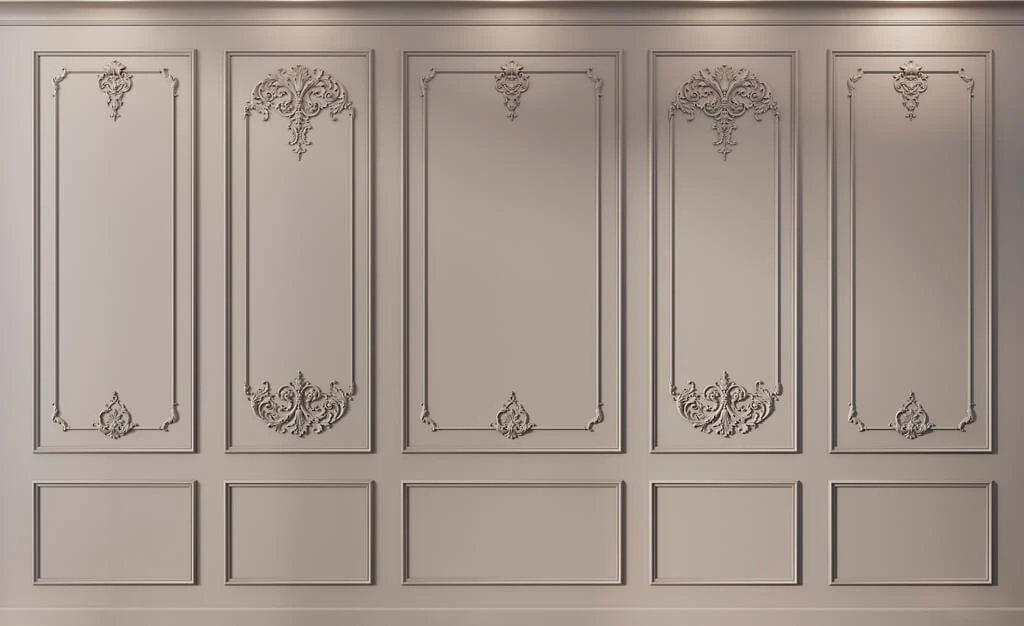
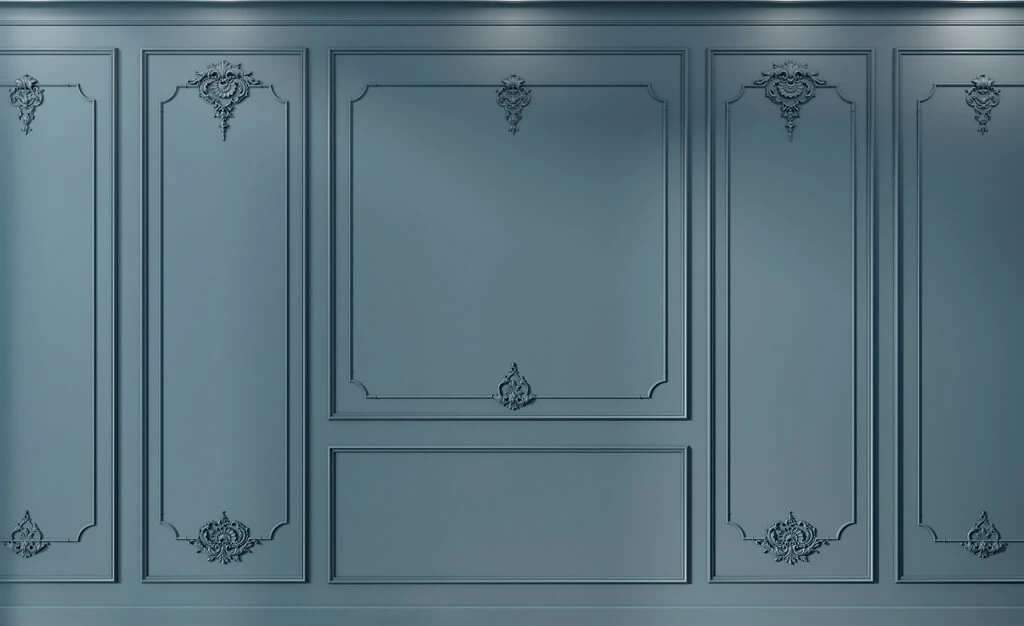
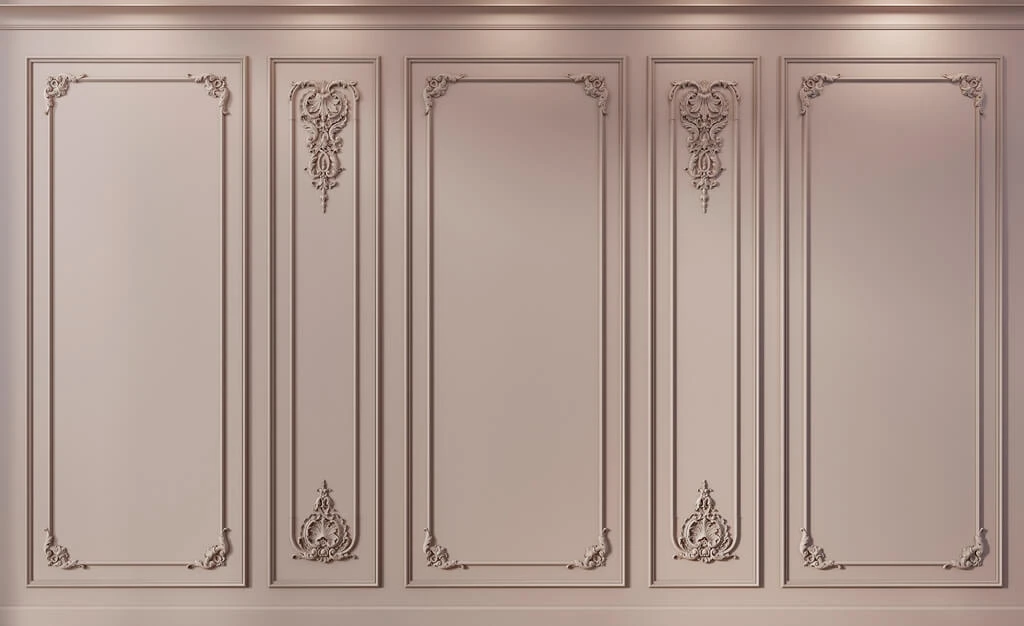
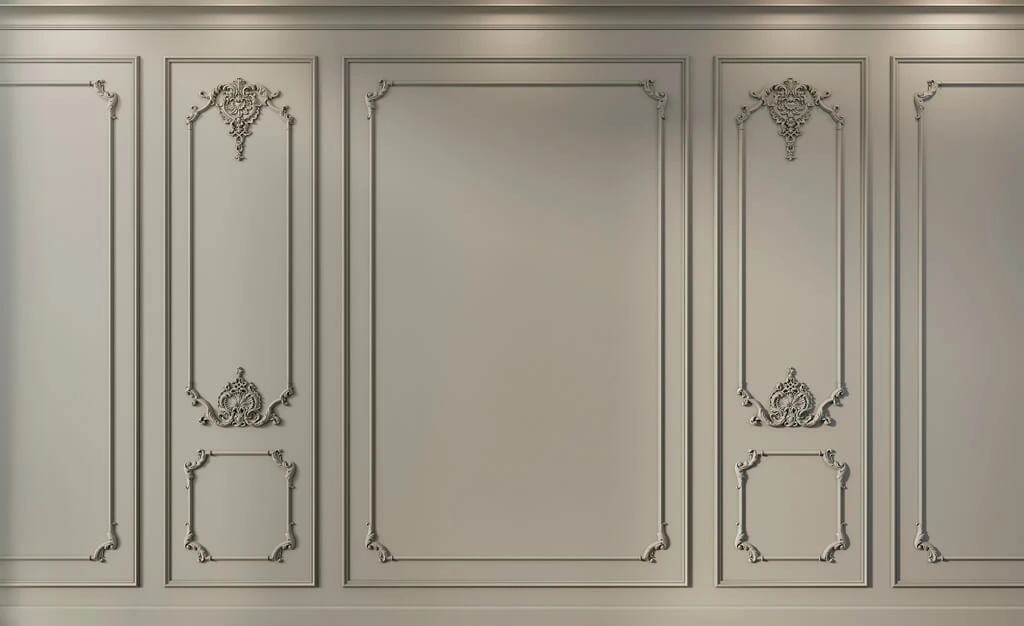
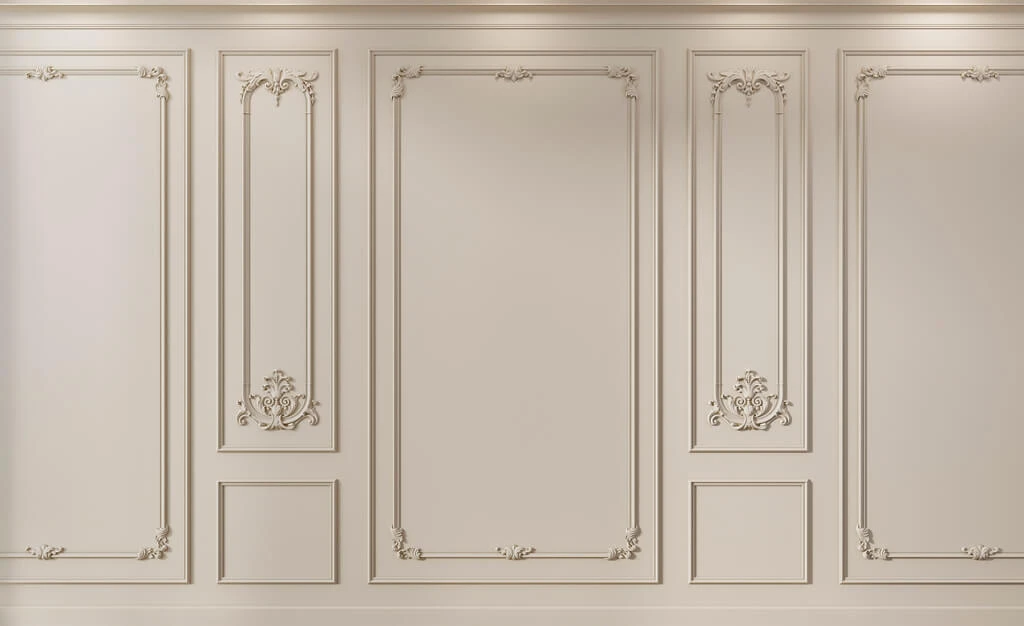
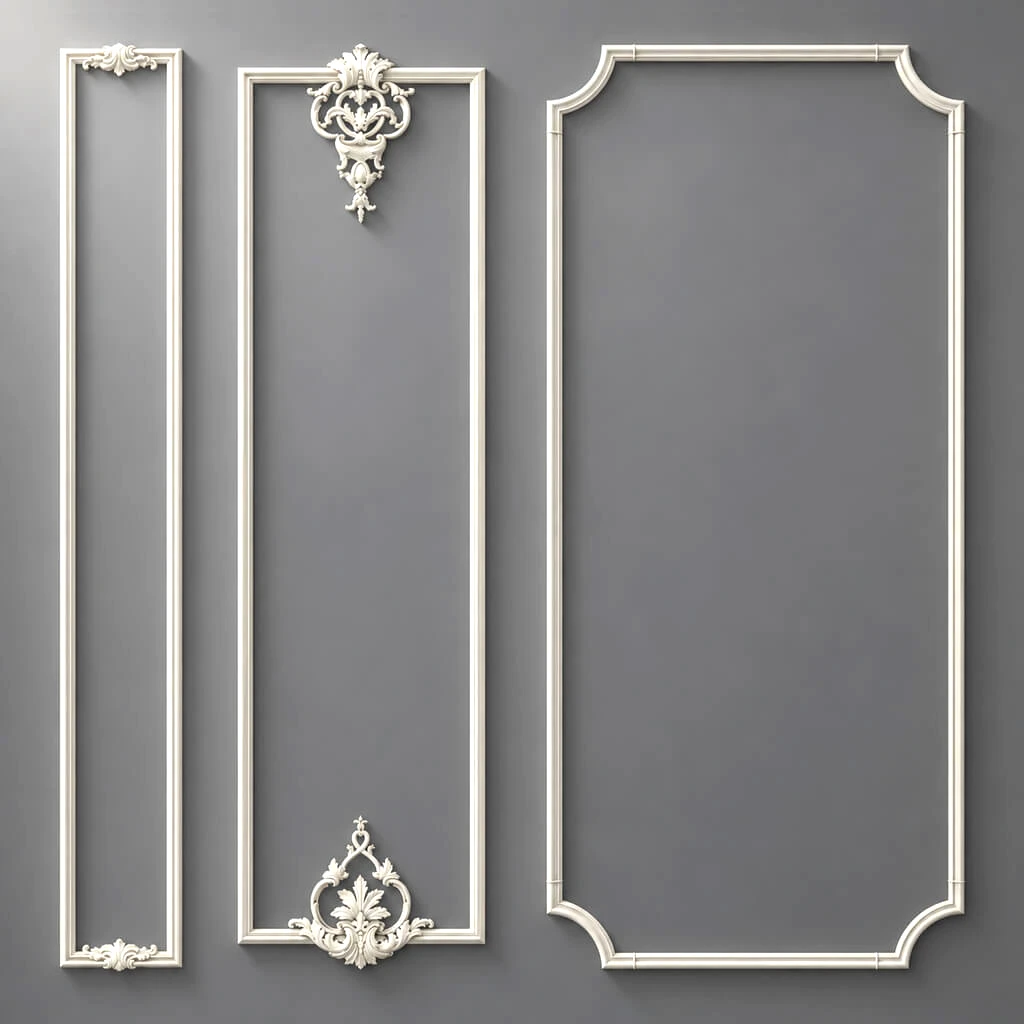
Moldings and frames. Rectangular contours made of wooden or polyurethane moldings create a paneled wall division — a classic technique that is relevant in any interior with a historical character. Details on choosing a profile and installing moldings are in the article about wooden moldings for walls and furniture.
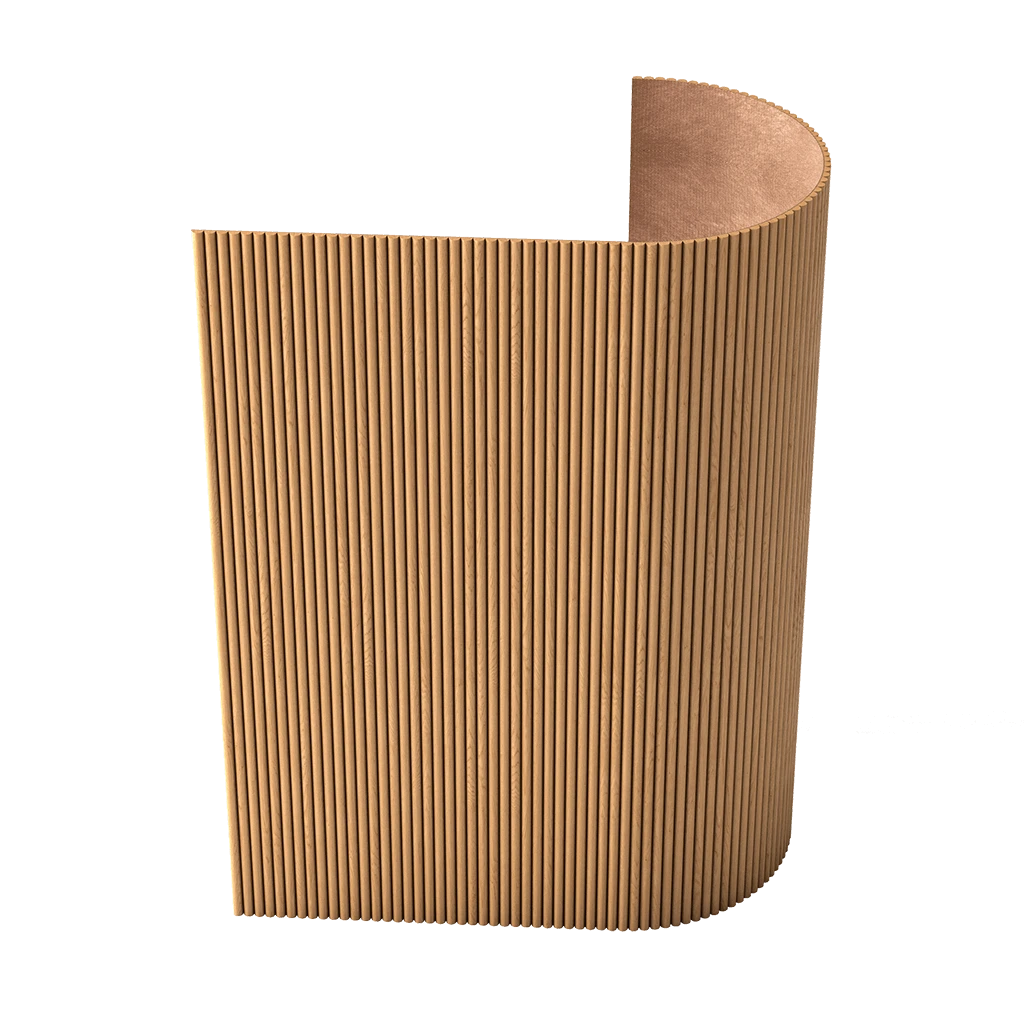
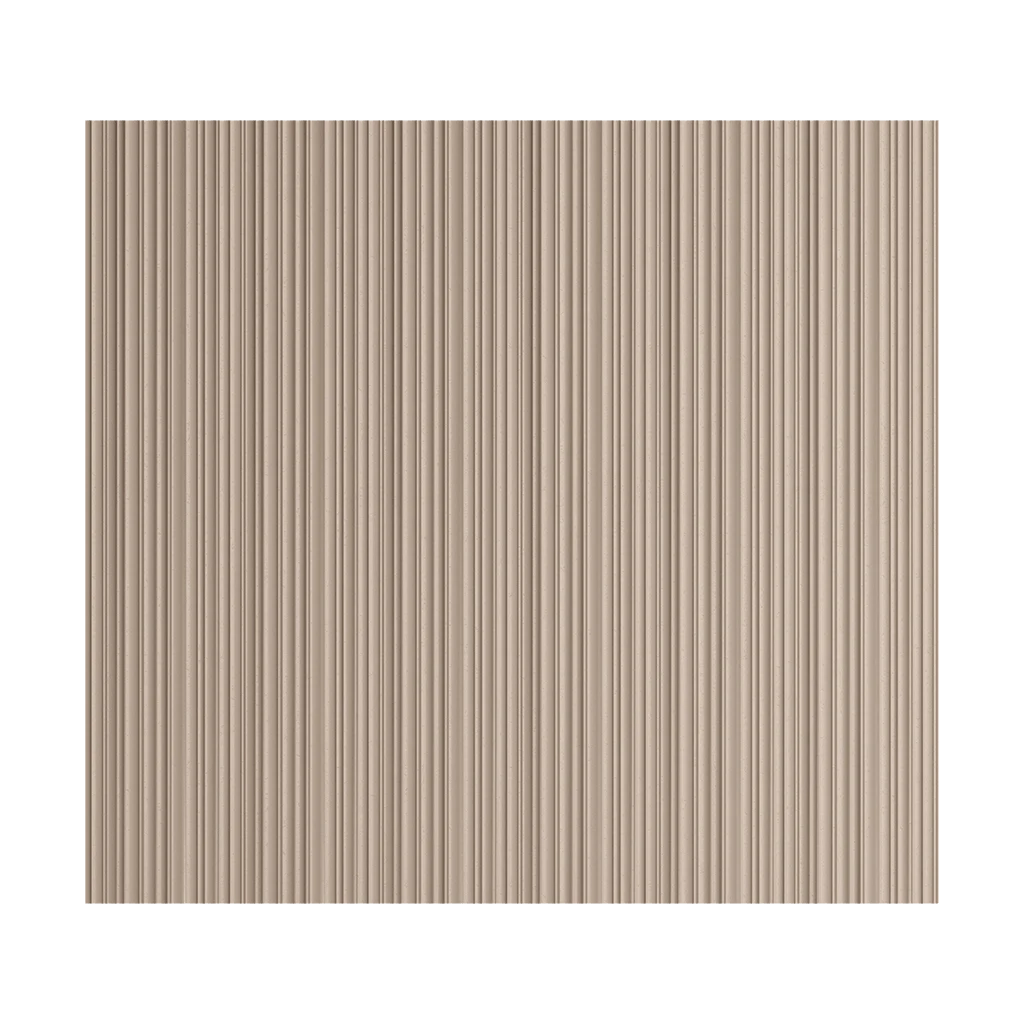
Slat panels. Vertical Wooden rails with equal spacing along the entire height or part of the wall — a modern way to add texture to a wall. For Scandinavian style, modern classic, and neoclassical.
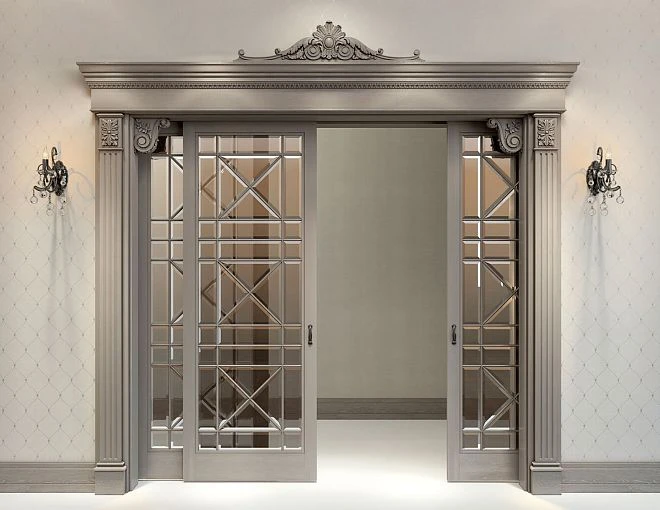
Stucco on walls. Moldings decoration — not only for ceilings. On walls: decorative frames made of polyurethane profile, medallions, applied pilasters, decorative capitals.
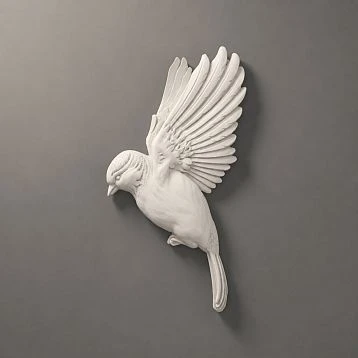
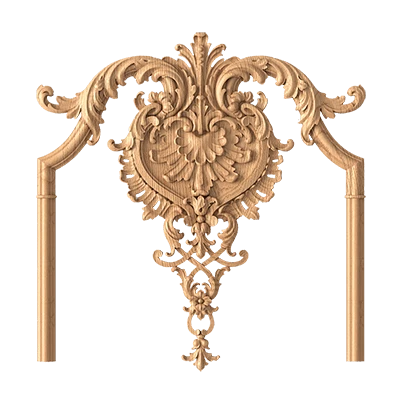
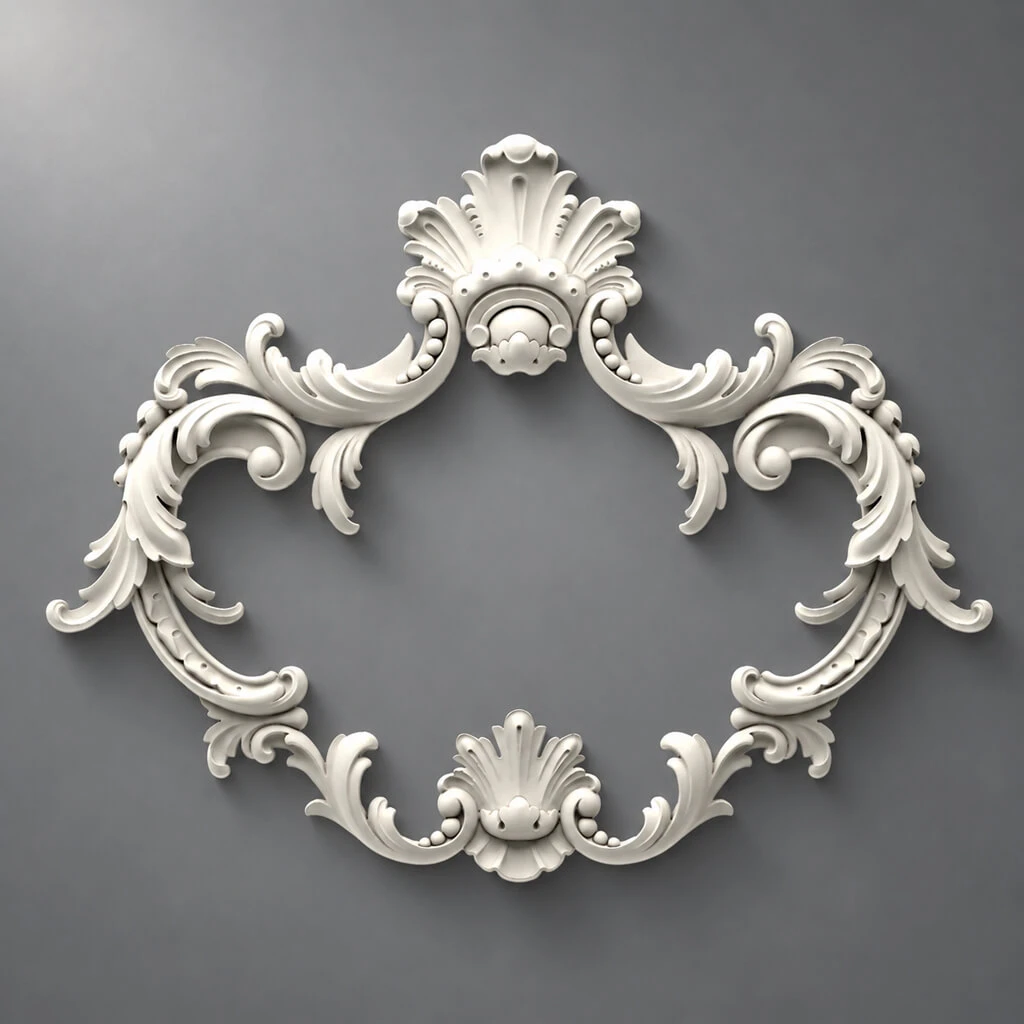
Decorative overlays. Volumetric applied elements — rosettes, cartouches, ornament fragments — create accent points on the wall. They are especially effective above the fireplace, between windows, in a niche.
Wooden panels with moldings. The lower part of the wall, paneled with wooden panels with molding and baseboard around the perimeter, is one of the most classic and durable techniques. The panel physically protects the wall and visually decorates it.
Accent walls: what to highlight with
An accent wall behind the sofa, bed, or dining table is a standard design technique. Decorative elements here help:
-
Molding frame + different color inside → accent zone without wallpaper.
-
Slatted panel across the entire width → textured background behind furniture.
-
Stucco decor in the center → architectural accent without bulkiness.
Furniture Decorative Elements
Why a detail changes an object
Take any neutral dresser — rectangular body, flat fronts, simple legs. Now add: molding around the perimeter of each drawer, an applied rosette in the center, wooden legs with a profile, and wooden knob handles. Before you is a different object — with character, style, era.
decor for furniture — is a transformation tool. Especially relevant when:
-
Producing new furniture with a classic look.
-
Restoring old items.
-
Updating existing furniture "to a different style".
-
Customizing standard products.
Wooden overlays: typology and application
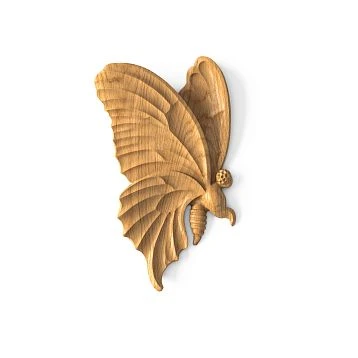
Overlay rosettes. Round or oval carved elements — the central decorative accent on the facade. Installed in the center of a cabinet door, in the center of a dresser drawer, at the top of a door panel. They create the feeling of "furniture with history".
Corner overlays. Decorative elements for facade corners — square, shaped, with ornamentation. On a cabinet with a frame facade, corner overlays replace "boring" corners with decorative details.
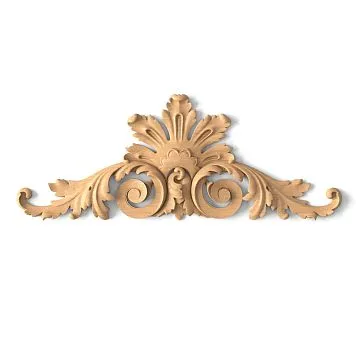
Carved friezes and horizontal strips. A horizontal band with a relief ornament — under the cabinet cornice, above dresser drawers, along the top edge of a door. Visually completes the item from above.
Furniture moldings. Profile strips along the perimeter of facades — create a frame effect without complex routing. The most affordable way to classify furniture.
Brackets: decor with a load-bearing function
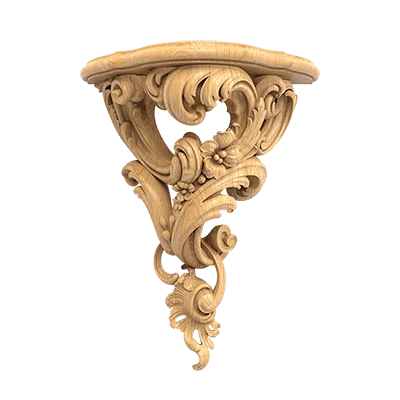
Decorative Bracket — a dual-action element. It holds a shelf, console, or cornice — and at the same time is part of the decor. A wooden bracket with a carved profile under an open wooden shelf is not just a support. It is an image of a library wall, a study, a classic kitchen.
Brackets are used:
-
Under open shelves in the living room and study.
-
Under curtain rods.
-
Under consoles and work countertops.
-
In decorative niches and above-mantel compositions.
Wooden decor or polyurethane molding: what to choose
An honest comparison of two materials
This is one of the most common questions when choosing decorative elements for interiorLet's break it down by criteria.
Wood: warmth, naturalness, functionality
Where wood is irreplaceable:
-
On furniture — legs, handles, overlay elements, moldings on facades. Solid wood furniture requires decor from the same material: only wood creates unity of texture and tone.
-
On wooden doors — decorative overlay elements from the same species.
-
In interiors with exposed natural wood — floors, ceilings, beams, walls.
-
When restoring wooden furniture.
Advantages of wooden decor:
-
Natural texture, tactile warmth.
-
Pairs perfectly with wooden surfaces.
-
Easily tinted and repainted.
-
Long-lasting with proper care.
-
Repairable — can be sanded and repainted.
Limitations:
-
Requires caution in damp areas (without special coating).
-
More labor-intensive to install compared to lightweight polyurethane.
Polyurethane: lightweight, moisture-resistant, wide variety of shapes
Where polyurethane is optimal:
-
Ceiling decor — cornices, rosettes, rods, medallions. Lightweight material does not put stress on the ceiling.
-
Wall frames and profiles in areas without direct contact.
-
Damp areas — bathroom, kitchen, pool.
-
Rich classic shapes with deep relief — polyurethane allows replicating complex profiles at an affordable price.
Decorative stucco Made of polyurethane — this is today's standard for decorating ceilings and the upper part of walls. It installs quickly, can be painted with any paint, and does not deform under moderate temperature fluctuations.
Table: wood vs polyurethane
| Criterion | Wood | Polyurethane |
|---|---|---|
| Application | Furniture, doors, wooden surfaces | Walls, ceiling, lightweight decor |
| Weight | Moderate | Lightweight |
| Moisture resistance | Requires coating | High |
| Repaintability | Complete | Complete |
| Tactile warmth | High | Neutral |
| Price | Moderate — high | Affordable — moderate |
| Repairability | High | Low |
Decorative elements for a classic interior
Classic is not a style, it's a principle
There is a common misconception: classic is expensive, complicated, 'not for everyone.' In fact, a classic interior is first and foremost a principle: symmetry, proportions, rhythm, unity of details.
And it is decorative elements that create this principle in the space. Without them, the interior remains 'modern neutral.' With them, it gains depth.
What forms a classic ensemble
A classic interior is built on several levels of decor:
Floor level: with a classic profile creates a sense of solidity, reliability. — profiled, solid wood, matching the furniture or floor.
Wall level: moldings, frames, panels, pilasters. Wooden or polyurethane — depending on the area.
Ceiling level: cornice molding at the wall-ceiling transition, ceiling rosette, possibly coffered decor.
Furniture level: turned Wooden legs, applied decor for furniture, wooden handles.
Detail level: Decorative brackets under shelves, wooden picture frame molding, carved overlays.
All levels should use one form language: either soft rounded profiles (Baroque classic, Provence) or strict straight lines (Neoclassicism, Empire).
Symmetry as a law
In a classic interior, decorative elements are arranged symmetrically. Two brackets on either side of a shelf are identical. Frames on the wall are the same size with identical spacing. Overlay rosettes on cabinet fronts are centered on each door at the same height.
A violation of symmetry in a classic interior immediately catches the eye and destroys the image.
How to choose decorative elements based on the task
Selection matrix: task → element type
This is a central question for a buyer who doesn't know exactly what they need. We will answer in a structured way.
Task: decorate a wall
→ Molding for frames, Wooden rails for slatted panels, Buy moldings — for voluminous overlay elements.
Task: design a ceiling transition
→ Cornice molding — wooden or polyurethane. For high ceilings — an expressive complex profile; for standard ones — a moderate one.
Task: add decor to a furniture facade
→ decorative elements for furniture — overlay rosettes, moldings, friezes. Wooden — matching the body tone.
Task: replace furniture legs
→ Wooden legs — turned, in the required height and wood species. For painting or with a ready-made finish.
Task: update handles on a cabinet or dresser
→ furniture handle made of wood — a bracket or a knob. Matching the body tone or in contrast.
Task: add a shelf to the living room or study
→ Wooden shelf + Decorative Bracket — function and decor in one solution.
Task: cover joints and corners during finishing
→ Wooden corner bracket, baseboard, layout — from wooden trim.
Do you need a plan before purchasing?
Yes — and that's the main thing. Buying decorative elements "one by one, as needed" is inefficient. Details may not match in tone, profile, or scale.
Correct order:
-
Determine the interior style.
-
Make a list of areas requiring decor: walls, ceiling, furniture, floors.
-
For each area — choose the type of element.
-
Determine the material: wood or polyurethane (or both, with clear logic).
-
Choose a single profile / single wood species / single tone.
-
Order everything from one system.
How not to overload the interior with decor
More doesn't mean richer
This is the most important topic when working with decorative elements. An overloaded interior looks worse than an empty one. Many different profiles, many different overlays, many random details — this is visual noise, not decor.
The rule of one profile
In one interior solution — one type of molding or one family profile. Not five different cross-section shapes in one room. One chosen profile — on walls, on the cornice, on furniture. Unity.
Rule of Scale
A decorative element should be proportional to the surface on which it is placed. A small 50 mm rosette on a wide cornice — gets lost. A large 150 mm overlay on a small dresser drawer — overwhelms. Each element — in its place, in its scale.
The rule of limited number
Decor works as an accent — and only when there are few accents. One applied rosette on the wall — interesting. Thirty overlays throughout the room — chaos.
Good number of decorative accents in one room:
-
3–5 decorative frames on an accent wall.
-
1–2 overlay elements on each piece of furniture.
-
1 type of bracket for all shelves in the room.
Rule of uniform style
You cannot mix decor with carved Baroque motifs and minimalist Scandinavian slats in one room. You cannot combine rough rustic wooden decor with delicate polyurethane molding. Each style has its own language of details — and this language must be followed consistently.
Rule of space
Decorative elements should allow surfaces to 'breathe'. If moldings cover 80% of the wall area — there is no wall, just a continuous profile. Decor is expressive when there is space around it.
Material and finish of decorative elements
Wood: species and their application
For wooden decor and furniture elements, the choice of wood species is not only an aesthetic but also a functional question.
Beech. Dense, uniform, with fine pores. Ideal for everything that requires clear profiles: moldings, applied rosettes, legs, handles. One of the best options for painting.
Oak. Expressive large texture, high density. For decor with natural finish — under oil, varnish, wax. Expensive, but impressive.
Pine. Affordable, lightweight. Optimal in price for elements intended for painting. Requires good priming due to resinousness.
Aspen. Lightweight, odorless, does not crack. For decor in wet rooms and children's rooms.
Finishing: what to choose
No coating (primer). For those who will paint themselves to the desired shade. Maximum flexibility.
Tinting + varnish. For wooden decor on furniture and wooden surfaces. The shade is matched to existing furniture or flooring.
White enamel. Classic choice for light interiors. Moldings, handles, and legs in white enamel create a unified classic look.
Natural oil / wax. For decor with preserved texture. The surface remains alive, tactilely warm. Requires periodic renewal.
Polyurethane decor: finishing
Polyurethane stucco elements buy They can already be supplied with a primer for painting — this is standard delivery. They are painted with any water-based paint: to match the wall color, in white, or in a contrasting tone.
How to assemble decorative elements into a single system
Vertical room system: three levels
A professional designer thinks in a vertical system: floor — wall — ceiling. Each level has its own decorative element, and all of them must be coordinated.
Lower level. with a classic profile creates a sense of solidity, reliability. — the transition from floor to wall. The baseboard profile sets the "lower rhythm" of the room: the more expressive the profile, the more classic the character.
Middle level. Moldings, battens, applied frames — wall decor. This is the main visual layer. The width, profile, and density of the moldings are coordinated with the baseboard below and the cornice above.
Upper level. Cornice molding at the wall-ceiling transition. It crowns the wall, covers the transition, and creates an architectural finish. The decorative ceiling rosette is the center of the ceiling.
Horizontal system of a furniture piece
Similar logic applies to furniture:
-
Bottom: legs or base, lower molding.
-
Facades: applied decor, handles, perimeter molding.
-
Top: cornice molding, crowning profile.
All wooden parts — legs, handles, overlays, moldings — are from the same wood species, with the same stain. This is Furniture and Decor as a unified system.
Example of a system for a classic living room
Furniture: Wooden legs turned from beech in a "dark walnut" tone, wooden knob handles in the same stain, applied rosettes from beech.
Walls: beech moldings under white enamel, frames around the entire perimeter of the wall.
Floor: wooden beech baseboard under white enamel — matching the moldings.
Ceiling: white polyurethane cornice, polyurethane ceiling rosette.
Shelves: open oak shelves on decorative brackets solid wood.
Each element is chosen in a unified system. Wood — dark walnut (furniture), white (moldings and baseboards). Polyurethane — white (ceiling). A single language.
Common mistakes when buying decorative elements
Mistake 1: Buying without a plan
The most common and most costly mistake. Saw a beautiful overlay — bought it. Saw an interesting molding — bought it. As a result, at home there are three different styles, two different profiles, and mismatched tones.
Solution: first a plan — then a purchase.
Mistake 2: Choosing only by photo
A photo in the catalog does not convey the scale, the real wood tone, and tactile properties. An element that seemed small on the screen may turn out to be huge next to real furniture.
Solution: check dimensions in mm, order samples.
Error 3: Wrong scale
A thin 8 mm molding in a three-meter hall is invisible. A large 200 mm applied rosette on a small box is grotesque. Scale should always match the surface.
Error 4: Different styles in one space
Baroque carved overlays on furniture + Scandinavian slats on walls + industrial metal brackets on shelves. Three styles — none work.
Error 5: Mismatch with existing furniture and floor
New decor should always be 'in dialogue' with what is already there. White moldings in a room with dark wood floors and dark furniture only work as a deliberate contrast. Without intention, it's a disconnect.
Error 6: Installation without preparation
Applied elements glued to an unprepared surface (dusty, greasy, unprimed) will fall off. This is especially relevant for wall moldings and stucco.
Error 7: Ignoring a single wood species
Beech legs, pine handles, oak overlays — all on one piece. Three different textures, three different tones even with the same tinting. One system — one species.
Additional materials: how to dive deeper into the topic
If you are interested in a specific category of decor, refer to specialized materials:
-
On profile selection, installation, and application of moldings — article about wooden moldings for walls and furniture.
-
On types of furniture legs and choosing for a specific piece — in the section wooden legs.
-
On furniture handles — bracket or knob — see the section furniture handles.
FAQ: popular questions about decorative elements for interiors
What are decorative elements for interiors?
This is a group of products that add relief, structure, and stylistic character to surfaces: moldings, overlays, stucco, legs, handles, brackets, baseboards, slats. Not load-bearing structures, but shaping the image of the space.
What is better: wooden decor or polyurethane stucco?
Depends on the task. Wood is for furniture, wooden surfaces, tactilely warm zones. Polyurethane is for ceilings, wall profiles, wet rooms. In a classic interior, both materials work in different zones.
How to choose decorative elements to match existing furniture?
Determine the tone and style of the furniture. Choose elements of the same wood species or in the same tint. Check that the profile matches the style: a rounded profile for classic, a straight one for neoclassical and minimalism.
Can you mix wooden decor and polyurethane in one room?
Yes, with clear zoning. Wood on furniture and wall panels. Polyurethane on the ceiling and upper moldings. A single color, for example, all white, ties different materials together into a cohesive whole.
How many decorative elements are enough for one room?
Fewer than you think. An accent wall: 3–5 frames. One type of bracket. One type of furniture appliqué. One type of handles and legs. More risks overload.
How to attach decorative appliqués to furniture?
Wood glue PVA or contact adhesive, with clamping using clamps. Additionally, finishing nails or screws with countersunk heads. Pre-clean and degrease the surface.
Where to buy decorative elements in a consistent style?
The best solution is one manufacturer with a full catalog: moldings, legs, handles, overlays, brackets from a single system. This guarantees unity of material, profile, and tone.
Where to buy decorative interior elements
Full range:
-
Buy decorative elements — the entire product catalog.
-
decorative elements for furniture — wooden overlays, rosettes, friezes.
-
decor for furniture — carved solid wood decor.
-
— everything must correspond to the chosen era. — polyurethane overlays and decorative details.
-
Buy moldings — full catalog of polyurethane decor.
-
Wooden trim — moldings, trims, baguettes.
-
Wooden plank — solid wood slats.
-
with a classic profile creates a sense of solidity, reliability. — floor profile.
-
Wooden corner bracket — corner elements.
-
Wooden legs — furniture supports.
-
furniture handle — wooden pull handles and knob handles.
-
Decorative Bracket — wooden brackets.
-
Furniture and decor from solid wood — full STAVROS catalog.
STAVROS: complete system of decorative elements made of wood and polyurethane
Decorative Elements for Interior — this is a system where every detail works for the overall look. No random purchase creates an interior. The interior is created by a system — consistent, coherent, with a unified style and material.
STAVROS produces and supplies a full range of decorative elements: wooden decor, furniture legs, handles, brackets, moldings — from beech, oak, and pine solid wood. As well as polyurethane decor, stucco, cornices, and overlays — for walls and ceilings.
Single catalog — single system. STAVROS works with furniture manufacturers, designers, construction companies, and private clients across Russia. Stable quality, wide assortment, fast delivery.