























Article Contents:
- How is choosing balusters for a private home different from any other
- Which balusters are suitable for a wooden staircase in a house
- Turned balusters: timeless classics
- Carved balusters: decorative peak
- Square balusters: modern private home
- Flat balusters: air and nature
- Which material to choose for balusters in a private home
- Oak: an investment for a generation
- Beech: balance of quality and price
- Pine: for a summer house and light load
- Ash: Nordic elegance
- How to choose balusters to match the interior of a private home
- Classic wooden house
- Neoclassicism and country modernism
- Wooden cottage in country style
- Modern private house, minimalism
- Balusters, railings and posts: why a set is more profitable than separate purchases
- Why separate purchases create problems
- What a system order of a set gives
- What is included in a complete railing set for a private house
- How to calculate the number of balusters for a staircase in a house
- Step 1: determine the length of each flight
- Step 2: choose the installation step
- Step 3: calculate the quantity
- Step 4: calculate the posts
- Step 5: calculate the handrail
- Summary calculation table for a typical private house
- Price of balusters for a private house: what makes up the budget
- Wood species
- Shape and complexity
- Size
- Processing class
- Estimated budget for a complete set for a two-flight staircase
- What to buy together with balusters: a complete list
- Mistakes when buying balusters for a private house
- Mistake 1: choosing only by photo
- Error 2: didn't count the quantity in advance
- Mistake 3: bought balusters without posts from the same series
- Error 4: didn't account for the railing height
- Error 5: mixed different styles
- Error 6: didn't consider installation when choosing
- Error 7: chose a soft wood for an active staircase
- How to choose balusters for your interior: a visual checklist
- Where to buy balusters for a private home: summary
- About the Company STAVROS
- FAQ: Answers to Popular Questions
- Which balusters are best for a private home?
- What to buy together with balusters?
- Which balusters look more expensive?
- Can you buy balusters separately from the handrails?
- Where to buy balusters for a staircase in a house?
- How much do balusters for a private house cost?
- How to choose balusters to match the interior of a house?
- How to avoid mistakes with the number of balusters?
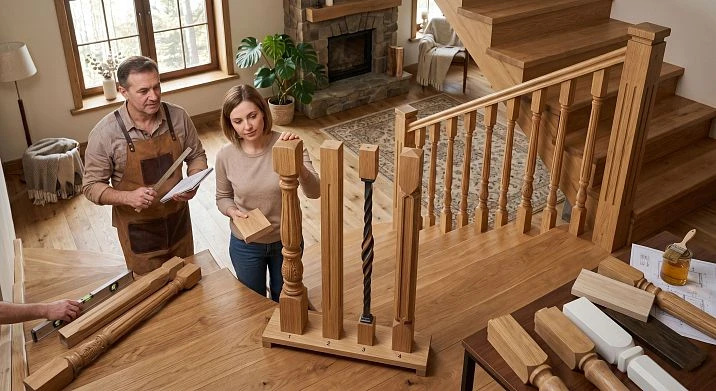
A staircase in a private house is not just a structure. It is the architectural center of the interior, the first thing a guest sees when going up to the second floor, and what your family touches with their hands every day for decades. That is why choosing balusters for a private house is a task of a completely different scale than buying railings for a temporary country staircase or a porch for one season.
balusters for staircase to buy doing it right means taking into account the style of the house, the type of staircase, the wood species, the profile shape, the railing height, compatibility with the handrail and posts, and staying within a reasonable budget. This is not five minutes in a store. This is a conscious decision that is made once and stays with you for a long time.
This article provides a detailed practical analysis: from the philosophy of choice to specific shapes, wood species, calculations, and typical mistakes. Written for those who are building, finishing, or renovating a house — and want to get a railing that will delight, not irritate.
How choosing balusters for a private house differs from any other
Ask yourself a simple question: how many years are you building this house for? Most will say: for life. Then the staircase and its railing are an investment, not an expense item. And balusters, bought correctly, will look as dignified in 15 years as on the first day.
In a country house or cottage, the staircase is usually located in the main space — in the living room, in the hall, in the entrance area. It is in plain sight. It sets the tone for the entire interior of the second floor. A mistake in choice here is obvious and can only be corrected by redoing it.
The second point: in a private house, the staircase is the main route of movement. It is used under load: children run, adults carry loads, the elderly lean on the railings. Here, requirements for strength, stability, and reliability of fastening are of a fundamentally different level.
wooden balusters for stairs buy for permanent residence means choosing a solid wood species, the correct diameter, kiln drying, and a system solution with railings and posts. This article is dedicated to that.
Which balusters are suitable for a wooden staircase in a house
Let's start with the main question of shape — because it is the shape that determines the style of the entire railing, and therefore the entire staircase.
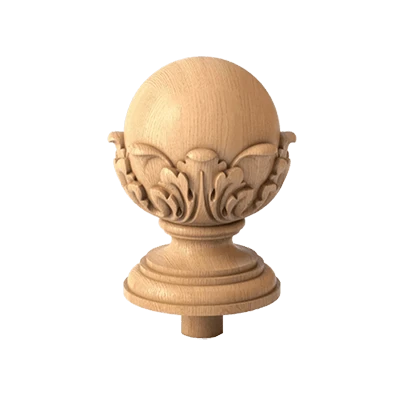
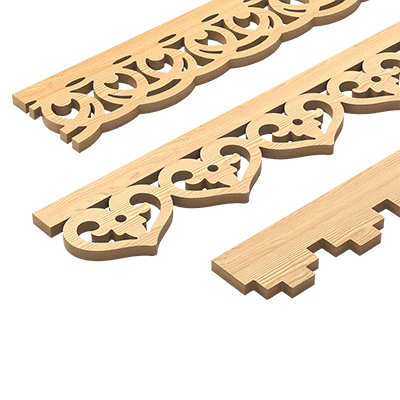
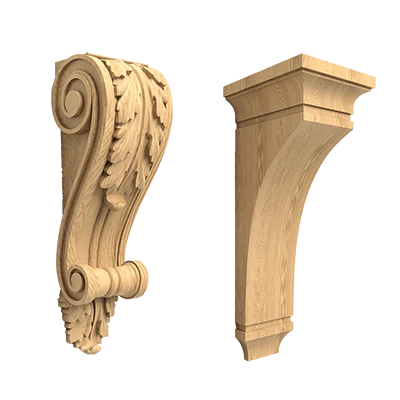
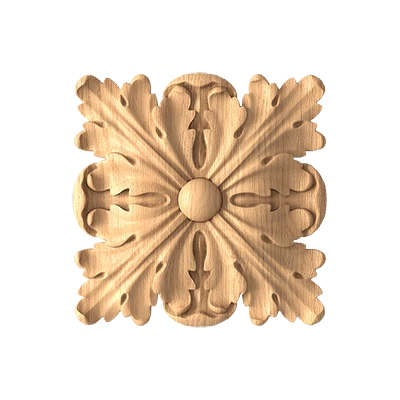
Our factory also produces:
Turned balusters: timeless classics
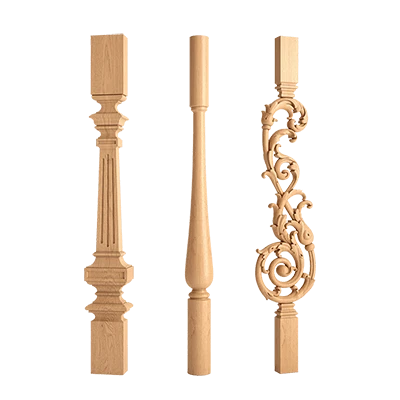
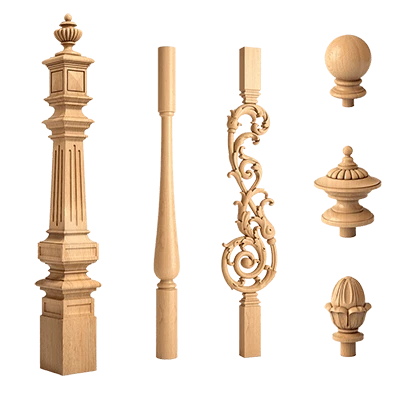
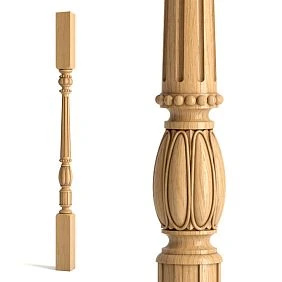
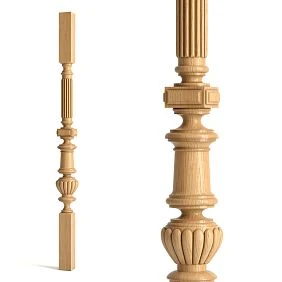
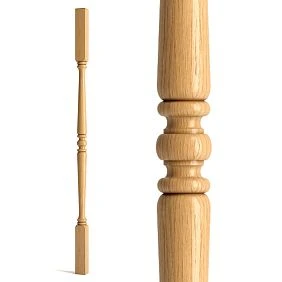
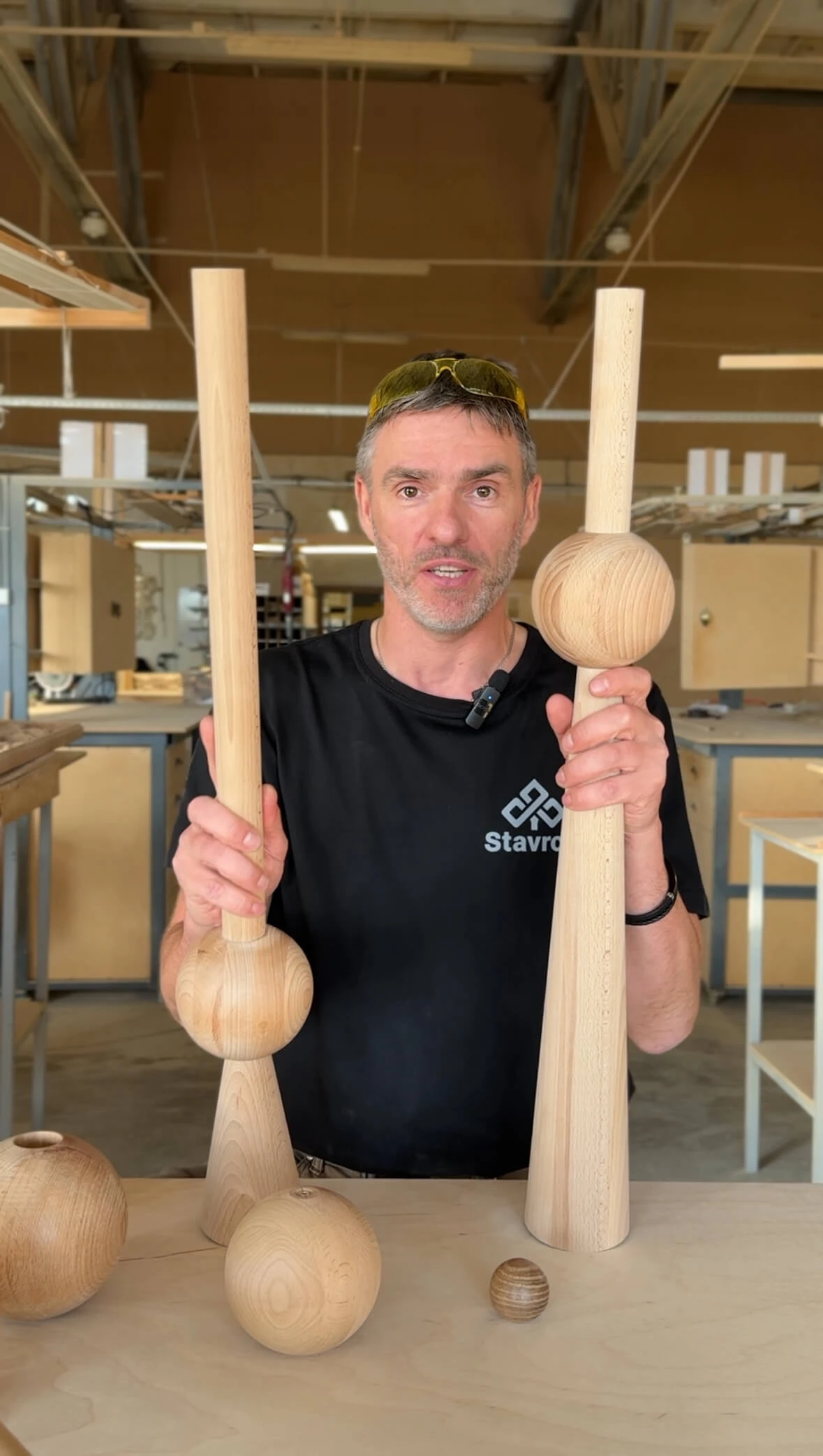
A turned baluster is the foundation of a wooden railing. A symmetrical profile turned on a lathe: alternating vases, necks, and conical transitions. The more complex the profile, the richer the silhouette, the more saturated the row.
Turned wooden balusters are organic in any classic, neoclassical, Provencal, Mediterranean, and country interior. In a wooden house, they are the first choice. Under dark stain, they look rich and solid. Under clear varnish, they are warm and natural. Under white paint, they are elegant, almost French.
For a private home in a classic style, a turned oak baluster with three to four profile elements is an impeccable, well-considered solution that will not require rethinking for another twenty years.
Get Consultation
Carved balusters: decorative peak
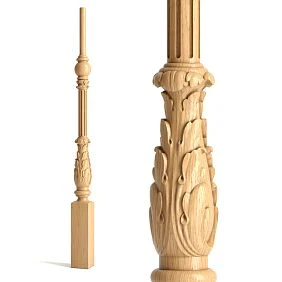
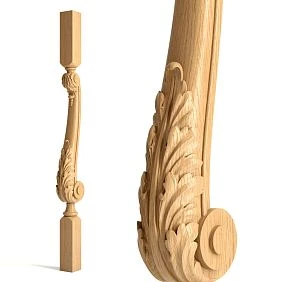
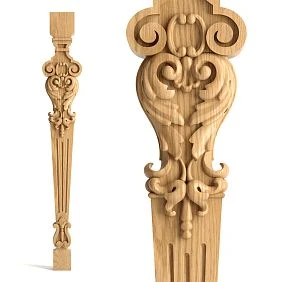
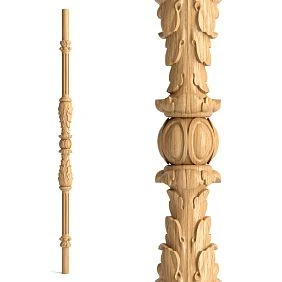
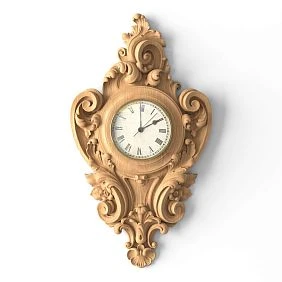
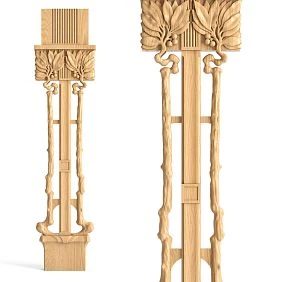
Buy carved wooden balusters means elevating the railing to the level of an artistic object. The turning and carving technology combines turned volume with milled ornamentation: flutes, diamonds, acanthus leaves, geometric inserts. The result is a baluster with plastic richness that does not become outdated or tiresome.
Carved balusters are appropriate in homes with a pronounced classic, baroque, or empire character — where there is stucco on the ceiling, massive cornices, library shelves, and armchairs with armrests. They add solemnity and historical scale to the staircase.
An important nuance: carved balusters require a proportionate environment. If you have a strict modern home with minimalist furniture, baroque carving will be a dissonance. In that case, it is better to look at other shapes.
Square balusters: modern private house
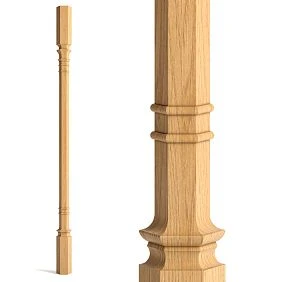
For a cottage in minimalist, Scandinavian, or modern style — square balusters for stairs beech or oak become the ideal choice. Section 45×45 mm, no decorative elements, clear geometry.
A square baluster carries load across the entire section without thinning — it is stronger than a turned one at the same nominal size. Under dark wenge or walnut tinting, such balusters in a modern home look expensive, strict, and relevant. This is the "safe" form for those who don't want to make a style mistake.
Flat balusters: air and nature
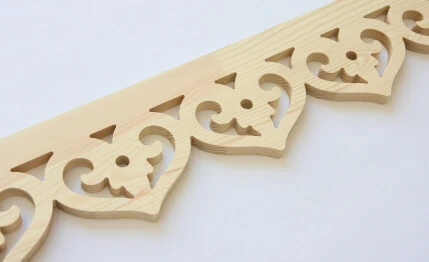
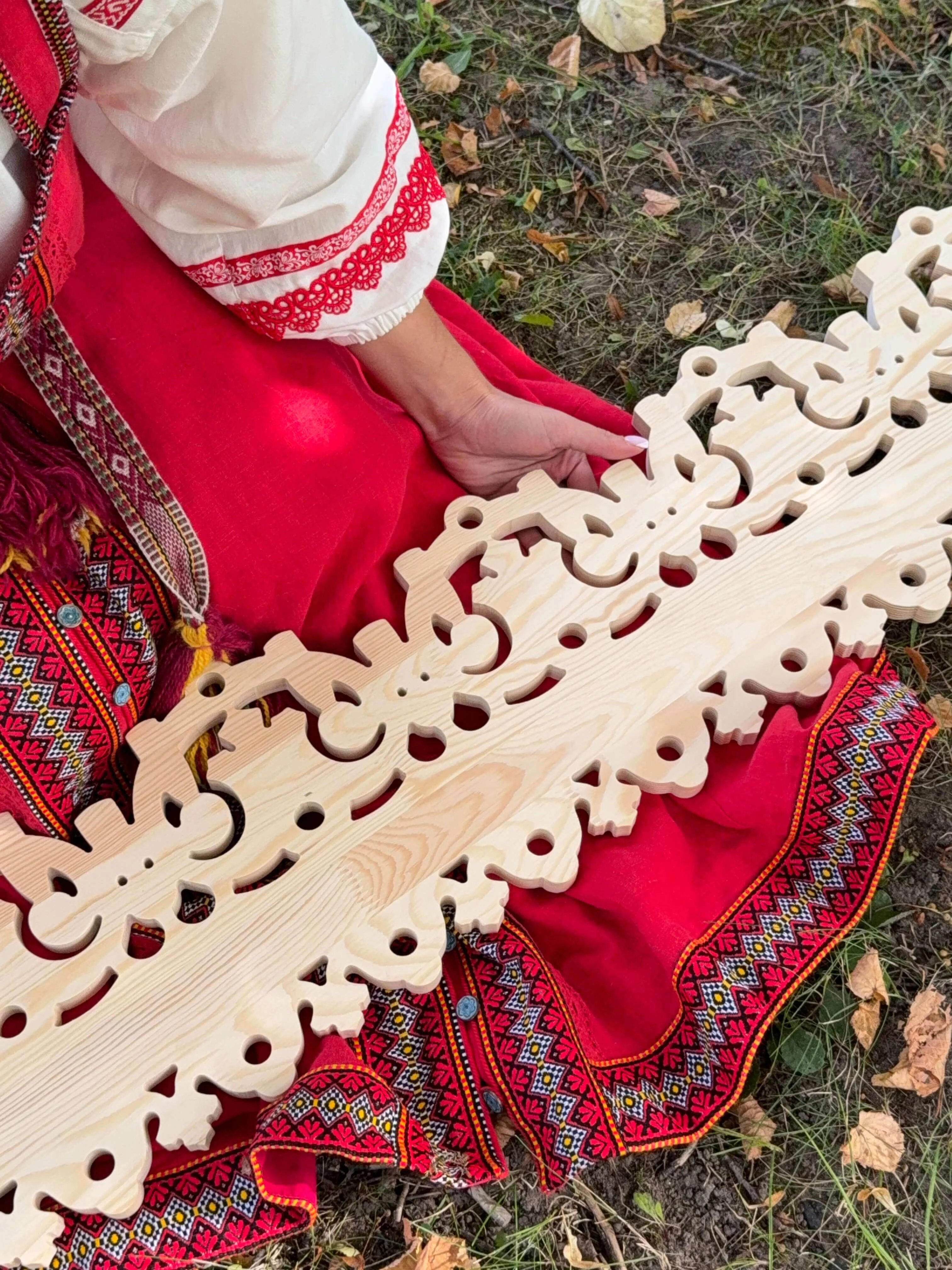
Buy flat balusters made of pine or beech — this is another type of wooden railing: silhouette-like, light, with decorative cutouts. A flat baluster is made from a board, not turned from a blank, so it is more affordable.
For a wooden house in country style, for a country cottage with open beams and wooden floors — flat Wooden baluster creates that image of natural organicity that is never superfluous. This is a choice for those who value simplicity without primitiveness.
Which material to choose for balusters in a private house
Shape is half the battle. The second key choice is the wood species. It determines durability, appearance, and the final budget.
Oak: an investment for generations
Oak is the first choice for a permanent private home. Its hardness of 3.7–3.9 Brinell units ensures resistance to mechanical damage: an oak baluster does not leave dents from accidental impacts, and is not scratched by keys or heels.
The texture of oak is the main argument in favor of clear varnish or oil. The characteristic moire pattern, golden-brown tone with dark fibers, and special density — oak "reads" as a noble species without any additional accents.
Buy oak balusters — means getting an element that after 15 years will only require a light refresh of the coating, not replacement. This is a long-term investment that pays off over the lifespan of any private home.
Beech: balance of quality and price
Buy beech balusters — is the optimal choice for those who want a hardwood with a smaller budget. Beech is harder than pine (3.5 Brinell units), is processed more precisely and cleanly than oak, and accepts any coating without surprises.
The main value of beech in furniture and staircase work is its uniformity. It does not have a pronounced pattern, so under opaque paint it looks neutral and professional. If your interior features painted white or colored balusters, beech is the first choice.
Limitation: beech is more sensitive to humidity than oak. In a closed, heated house with a normal microclimate, it works perfectly. For a porch or entrance group without constant heating, oak is preferable.
Pine: for a summer house and light load
Pine is an affordable softwood (2.5 Brinell units). For a permanent home with heavy staircase traffic, this is a weak choice: the soft surface is easily scratched. For a country house used several months a year, for a summer house, or for a secondary staircase, it is quite sufficient with proper coating.
Pine accepts any stain tone, clear varnish lays evenly, and the amber pattern is warm and natural. This is a budget option without deception — an honest wood for honest tasks.
Ash: Nordic Elegance
Ash is increasingly appearing in private homes with Scandinavian style. Light tone, pronounced long fibers, light texture — under clear oil, ash looks fresh and modern. Hardness is comparable to oak.
How to Choose Balusters for a Private Home Interior
Choosing based on a single photo of a baluster is one of the most common mistakes. A baluster must work in a row, in combination with the handrail, posts, and overall interior. Here is a practical style guide.
Classic Wooden House
Turned balusters with complex profiles made of oak or beech. Handrail — profiled, round or pear-shaped. Posts — massive, with capital and base. Finish — dark staining under walnut or oak, glossy varnish.
This is the image of a wealthy country house that conveys solidity and taste. Nothing random — every element in its place.
Neoclassicism and Country Modernism
Turned balusters with a simple 2-3 element profile. Combination with square support posts. Finish — light oil or milky white paint. Handrail — straight, strict.
This is a style for those who love classic proportions but not Baroque overload. Laconic, warm, thoughtful.
Wooden cottage in country style
Flat balusters made of pine or beech with a figured silhouette. Open wooden beams, rough textures, natural tones. Coating — clear varnish preserving the natural tone. Patina or rustic finish is possible.
This is a style where everything lives without tension. Balusters are part of this living naturalness, not a decorative element glued on top.
Modern private house, minimalism
square balusters for stairs made of oak or beech with dark tinting. Handrail — straight, possibly with a metal insert. No ornamentation, pure geometry. This is the language of a modern architectural house — restrained and precise.
Balusters, railings, and posts: why a set is more profitable than individual purchases
This is one of the most important practical arguments that many realize only after the first mistake.
Why separate purchases create problems
Imagine a situation: you found beautiful balusters from one supplier, a handrail from another, posts from a third. Three different sources, three different production standards. What could go wrong?
Size mismatch. Baluster tenon — 25 mm, handrail groove — 28 mm. Three millimeters seem like a trifle until you start installation. The handrail doesn't fit — adjustment or replacement is needed.
Style mismatch. Balusters with a baroque profile, posts in a neutral style without decoration, a Scandinavian-style handrail — three different "languages" in one railing. Individually, each element in the photo looks appealing. Assembled together, they create dissonance.
Tone mismatch. The same wood species from different batches yields a different shade. Oak from one supplier and oak from another may differ in tone even under the same coating.
Three deliveries, three waits, three invoices. That's time, that's risk, and that's logistics costs.
What a system order of a kit provides
buy balusters and handrails from one manufacturer:
-
Guaranteed compatibility: the baluster tenon fits precisely into the handrail groove
-
Single batch: all elements from the same wood of the same tone
-
Unified style: balusters, posts, and handrail from the same series
-
One delivery: saving time and logistics costs
-
Single calculation: the manufacturer calculates the entire kit based on the staircase parameters
Buy balusters and posts for a wooden staircase from one manufacturer — it's not just convenience. It's the only reliable strategy to get a fence that looks like a single architectural element, not a set of disparate parts.
What is included in a complete fence kit for a private house
Balusters — vertical posts. The main visual element. The quantity is calculated based on the length of the flight and the installation step.
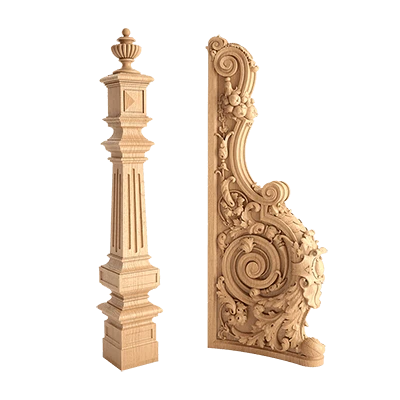
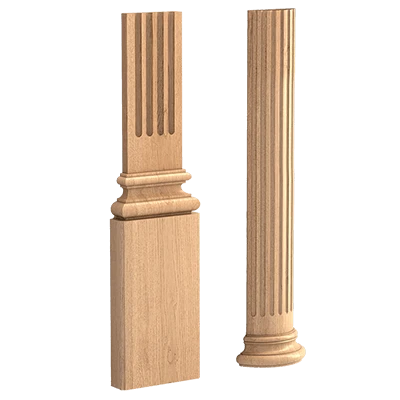
Support posts — load-bearing elements at the beginning and end of each flight, on the landing, and at turning points. Wooden posts for the staircase must be selected from the same series as the balusters.
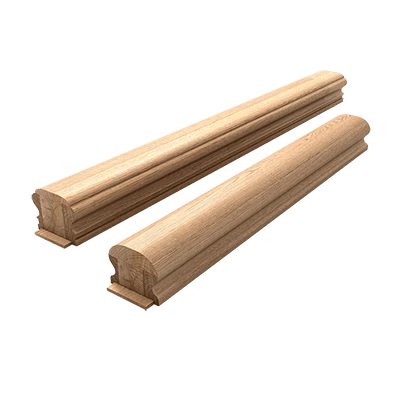
Handrail — sold in linear meters. Selected for a profile compatible with the baluster tenon.
Fasteners — studs, nuts, washers, glue. Without quality fasteners, everything mentioned above loses its meaning.
Additional elements — transition elements on landings, end caps, decorative caps for posts.
buy staircase components from one manufacturer — means getting all of the above with guaranteed compatibility. This is how a proper system order is structured.
How to calculate the number of balusters for a staircase in a house
Calculation is specifics. Here is an algorithm that works.
Step 1: determine the length of each flight
The length of the flight is measured along the stringer (along the inclined line). For a straight flight: √(plan length² + height²). This gives the exact working length, not the projection.
Step 2: choose the installation step
The baluster step is the distance between the axes of adjacent balusters.
-
130–150 mm — dense row, for families with children: a child cannot stick their head between balusters (standard: gap no more than 150 mm)
-
150–180 mm — standard for adult homes
-
180–200 mm — maximum allowable step for residential stairs
Step 3: calculate the quantity
Formula: flight length (mm) ÷ step (mm) = number of balusters per flight.
Example: flight 3 800 mm, step 150 mm → 3 800 ÷ 150 = 25.3 → round up to 26 pieces per flight.
Two flights = 52 balusters. 10% reserve = +5 pieces. Total: 57 balusters.
Detailed calculation methodology — in the guide installation of wooden railings and balusters.
Step 4: calculate the posts
-
2 support posts for each straight flight (start and end)
-
1 post for each intermediate landing
-
1 post for each turn with direction change
For a two-flight staircase with one landing: 2 + 2 + 1 = 5 posts minimum.
Step 5: calculate the handrail
Handrail length = sum of all flight lengths + transition length across landing + 15% reserve.
Summary calculation table for a typical private house
| Element | Two-flight staircase, 14+14 steps |
|---|---|
| Balusters | 56–60 pcs (including spare) |
| Support posts | 5–6 pcs |
| Handrail | 9–10 linear meters |
| Fastening | Set for 60 balusters |
Price of balusters for a private house: what makes up the budget
Balusters price — this is a variable that depends on several key factors. Let's consider them honestly.
Tree species
This is the main variable. The same profile:
-
In pine: from 1,900–2,200 RUB/piece
-
In beech: from 2,800–3,500 RUB/piece
-
In oak: from 3,500–4,800 RUB/piece
The difference between pine and oak is 2–2.5 times. With a set of 60 balusters, this is noticeable.
Shape and complexity
Square balusters — minimum operations, more affordable. Simple turned — average price. Carved turned-milled — 40–60% more expensive than similar turned from the same wood species.
Size
Standard — 900–1000 mm in length, diameter 45–55 mm. Non-standard sizes are made to order, cost more.
Processing class
Basic sanding — ready for coating. Finish sanding in 2–3 passes — +15–25% to the price, but savings on preparation during installation.
Estimated budget for a complete set for a two-flight staircase
| Element | Pine | Beech | Oak |
|---|---|---|---|
| 58 balusters | ~115,000 RUB | ~175,000 RUB | ~240,000 RUB |
| 6 pillars | ~20,000 RUB | ~30,000 RUB | ~48,000 RUB |
| Handrail 10 linear meters | ~12,000 RUB | ~18,000 RUB | ~26,000 RUB |
| Fastening | ~5,000 RUB | ~5,000 RUB | ~5,000 RUB |
| TOTAL | ~152,000 RUB | ~228,000 RUB | ~319,000 RUB |
Current Balusters buy price — in the STAVROS catalog, broken down by model and wood species.
What to buy with balusters: a complete list
Often, homeowners buy balusters — and then order the remaining elements one by one several times. This is more expensive and takes longer. Here is a complete list that covers the entire project in one order.
1. Balusters. According to calculation + 10% reserve. From the same batch.
2. Support posts. According to the flight design. Wooden stair posts — from the same series and wood species as the balusters. This guarantees style consistency.
3. Handrail. In linear meters. Profile — to fit the baluster tenon. Same wood species as balusters.
4. Fasteners. M8 or M10 threaded rods, nuts and washers for them, PVA wood glue. Detailed installation instructions — in the guide on installation of railings and balusters.
5. Transition elements. On the landing between flights, the handrail changes direction — special adapters or flexible turning sections are needed.
6. Finishing elements. End caps for the handrail, decorative finials for posts.
Staircase Components for Sale systematically means getting everything listed with one delivery, in one style, without repeat orders.
Mistakes when buying balusters for a private house
This is a section worth reading twice. Each of the listed mistakes is a real situation that happens regularly.
Mistake 1: choosing only by photo
One baluster on a white background looks good almost always. In a row of 56 pieces — a completely different story. Rare spacing + thin profile = an empty, airy railing that seems unprotected. Frequent spacing + wide profile = a heavy, solid wall of wood.
Look for photos of installed railings in interiors — preferably in a house similar to yours in style.
Mistake 2: didn't calculate the quantity in advance
"Let's take 40 pieces — that should be enough." It wasn't enough: there turned out to be 53. A repeat order — a different batch, a different shade, waiting again. The rule is simple: count accurately, take a 10% margin, order everything at once.
Error 3: bought balusters without posts from the same series
The posts were purchased later, from a different supplier. The profile shape is slightly different, the tone under the varnish is different. On the finished staircase, this is immediately visible.
Mistake 4: didn't account for the railing height
The standard railing height is at least 900 mm from the stair surface to the top edge of the handrail. Some buyers choose shorter balusters "so it's not heavy" — and end up with a railing below the standard. This is not only uncomfortable but also potentially dangerous. More details on parameters in the article about railing baluster sizes for staircases.
Error 5: mixed different styles
In an effort to save money, some elements were bought from one manufacturer, others from another. The result: carved balusters with a baroque profile, neutral posts without decoration, and a Scandinavian handrail. Three different styles in one railing — this is not eclecticism, it's chaos.
Mistake 6: didn't consider installation when choosing
They bought flat balusters without checking whether the handrail requires special routing for a flat tenon, or if a special adapter is needed. It turned out — it is needed. These are unplanned expenses.
Mistake 7: chose a soft wood for a high-traffic staircase
Pine for the main grand staircase in a house with children means balusters with dents and scratches within a year. The choice of wood species should match the intensity of use.
How to choose balusters for your interior: a visual checklist
Before making your final choice, go through this list of questions:
What is the overall style of the house? Classic → turned. Minimalist → square. Country → flat. Baroque → carved.
What wood species are the steps and floor? Ideally, one species for all wooden elements: balusters, handrail, posts, steps.
What are the plans for coating? Clear varnish → oak. Tinting → oak or beech. Painting → beech. Natural oil → oak or ash.
Are there children? Yes → baluster spacing no more than 150 mm, neck diameter from 50 mm, hardwood.
What is the budget? Pine → cottage and light load. Beech → optimal for most homes. Oak → for years to come.
Are you buying only balusters or the entire set? The correct answer is the entire set, from one manufacturer.
Where to buy balusters for a private home: summary
The choice is made. The style is defined. The wood species is chosen. The quantity is calculated. The next step is ordering from a manufacturer with a full catalog, systematic approach, and free consultation.
buy balusters for the staircase directly from the manufacturer — this means:
-
Best price without intermediary markup
-
Full range in one place
-
System order: balusters + posts + handrail + fasteners
-
Guaranteed compatibility of elements
-
One batch, one tone, one style
-
Free calculation of the kit for your staircase parameters
The algorithm is simple: describe the staircase (number of flights, length of each, height), name the house style and wood species — and get a ready specification for ordering.
About the company STAVROS
STAVROS is a Russian manufacturer of solid wood products since 2002. Own production with chamber dryers, CNC lathes and milling machines, inline quality control. All balusters are dried to 8–10% moisture — guaranteeing geometric stability in heated rooms.
The catalog includes over 50 models of balusters (turned, carved, flat, square), wooden Support Columns, handrails and a complete set staircase components. Species: oak, beech, pine, ash. System series with matched profiles.
Pickup from Moscow and St. Petersburg. Contact us to confirm shipping to your destination. by transport companies. Free kit calculation — for each client based on specific staircase parameters.
FAQ: Answers to popular questions
Which balusters are best for a private home?
For a permanent private home with active use — wooden balusters made of oak or beech. They are strong, durable, and blend organically with a wooden staircase and all components.
What to buy together with balusters?
Mandatory: handrail, support posts, and fasteners from the same series. Desirable: transition elements on the landing and decorative post caps. Everything from one manufacturer.
Which balusters look more expensive?
Carved and turned oak balusters with high-quality clear varnish. Combined with massive posts and a profiled handrail, this creates a premium railing look regardless of cost.
Can you buy balusters separately from the railing?
Technically — yes. Practically — risky: mismatch of tenon and groove, different wood batches, style conflict. A system order is always more reliable.
Where to buy balusters for a staircase in a house?
In the STAVROS catalog: direct manufacturer, free calculation, system order, Contact us to confirm shipping to your destination.
How much do balusters for a private home cost?
Approximately: pine — from 1,900 RUB/piece, beech — from 2,800 RUB/piece, oak — from 3,500 RUB/piece. A complete set for a two-flight staircase — from 152,000 to 319,000 RUB depending on the wood species.
How to choose balusters to match your home interior?
Determine the style (classic/minimalist/country), choose the shape (turned/square/flat/carved), select the wood species based on load and finish. Then place a systematic order with the manufacturer after consultation.
How to avoid mistakes with the number of balusters?
Calculate the length of each flight, divide by the installation spacing (130–150 mm if children are present, 150–180 mm for adults), add 10% reserve. Order everything from the same batch.