




























































Article Contents:
- A dressing table is not just a table: on the nature of the boudoir area
- Complete shopping list: what you need for a dressing table
- Anatomy of a dressing table: what it consists of as a furniture object
- Legs: character and proportion
- Drawers and fronts: the working part
- Tabletop
- Mirror: a separate object or an integrated part
- Wood in a dressing table: points of application
- Wooden legs: choosing a profile to match the style
- Furniture handles: elegance in details
- Solid wood moldings: drawer frames and tabletop decor
- Decorative overlays on drawer fronts
- Polyurethane in the boudoir area: mirror frame, wall decor, and zone framing
- Mirror frame made of moldings
- Decorative wall frame around the zone
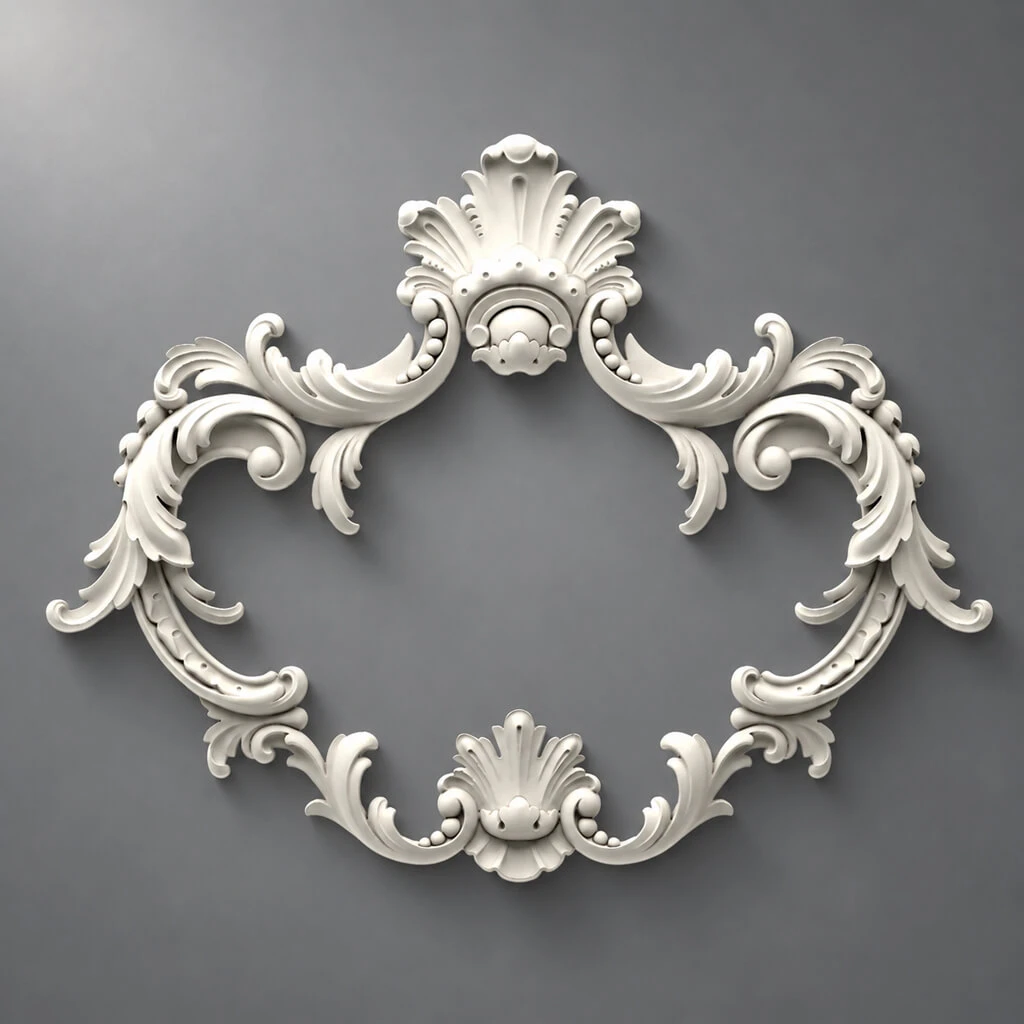
- Polyurethane overlays within the wall frame
- Five ready-made boudoir solutions for different interior types
- Solution 1: White classic — vanity table in a light bedroom
- Solution 2: Cream neoclassical — boudoir area in a dressing room
- Solution 3: Dark wood and richness — a dressing table in a classic study
- Solution 4: Small apartment — lightness and air
- Solution 5: Rich classic bedroom — boudoir area as the main accent
- Table of materials for a classic-style dressing table
- Selecting leg height: calculation part
- How to make a dressing table look more expensive: practical techniques
- Replacing legs
- Replacing handles
- Adding decorative overlays
- Mirror design
- Decorative frame on the wall
- Eight mistakes when designing a dressing table
- Legs without considering chair height
- Handles too large for small drawers
- Overloading a small table with large molding
- Polyurethane in constant grip area
- Mirror not connected to the table
- Lighting not thought out
- No spare molding taken
- Mixing too different reliefs
- FAQ: answers to popular questions about a classic-style vanity table
- What to buy for a classic-style vanity table?
- Can polyurethane molding be used near a vanity table?
- Which wooden legs should I choose for a vanity table?
- How to make a vanity table look more expensive without replacing the furniture entirely?
- How does a classic-style vanity table differ from a desk?
- How to properly frame a mirror with polyurethane moldings?
- About STAVROS
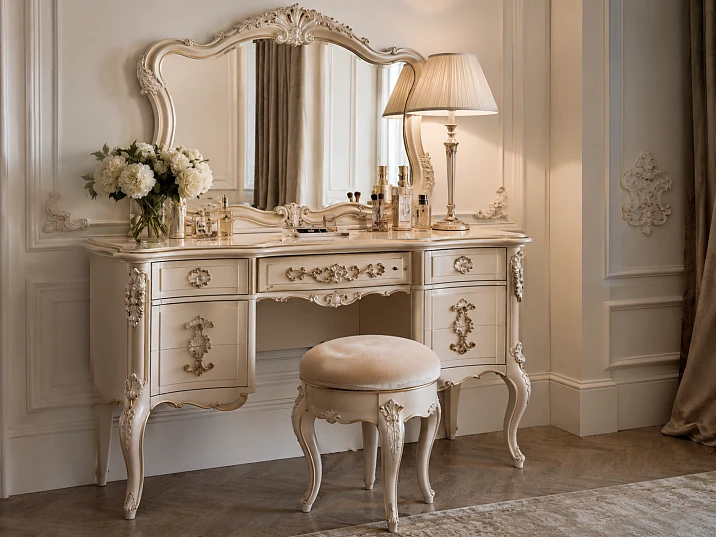
Imagine a corner of the bedroom where everything is thought out: soft light, a mirror in a beautiful frame, a small table with elegant legs, neat drawers with wooden handles, and on the wall around — a thin contour of moldings that makes this area a separate architectural event. This is not just a place where you put on makeup. This is a boudoir area — a personal space with character, mood, and style.
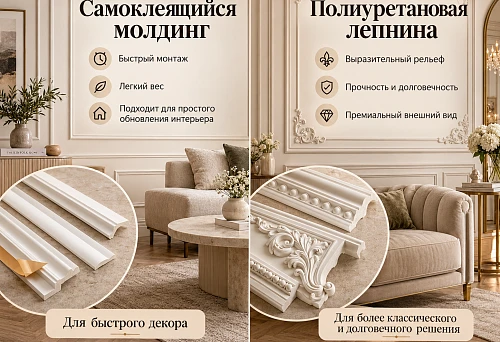
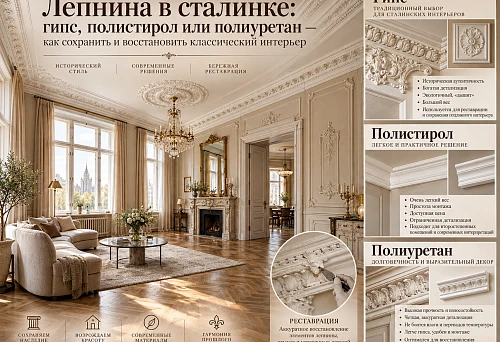
A classic-style vanity table is one of those pieces of furniture that is almost always either made correctly or bought without understanding. Mass-produced finished products rarely provide the level of detail needed for a true classic interior. But if you take the right Wooden furniture legs, high-quality wooden handles from solid wood, Pogonazh iz massiva for the facade frames and surround the mirror polyurethane moldings — you get what you can't buy in a catalog: your own version of classic boudoir furniture.
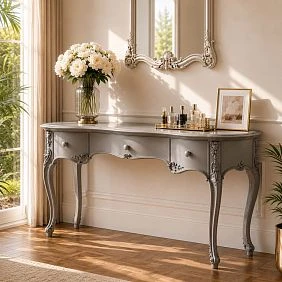
A dressing table is not just a table: on the nature of the boudoir area
It would seem, what's so complicated? A small table, a mirror, a drawer or two. But a dressing table carries a completely different semantic load than a writing desk or a work cabinet. It belongs to a personal, private space — the bedroom or dressing room. And it is here that decor speaks more quietly, but more convincingly.
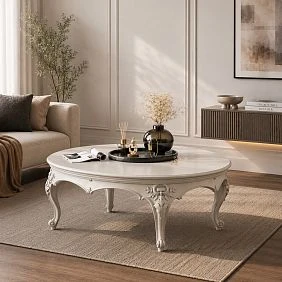
The boudoir area is an ensemble: the table, the mirror, the light, and the wall behind. All four elements must work together. A table without a framed mirror is an unfinished thought. A mirror without a molding frame on the wall is just glass. A wall without . Clear lines, created using modern technologies, emphasize the strict aesthetics of the room. Each decorative element harmoniously fits into the overall concept, creating a sense of order and thoughtfulness. — a background, not architecture.
That is why a dressing table in a classic style is a commercial topic with a wide list of items. There is no single product here. There is a set that creates the area.
Complete purchasing list: what is needed for a dressing table
Without delay — a specific list. This is exactly what is needed for a full-fledged boudoir area in a classic interior.
Wooden elements:
-
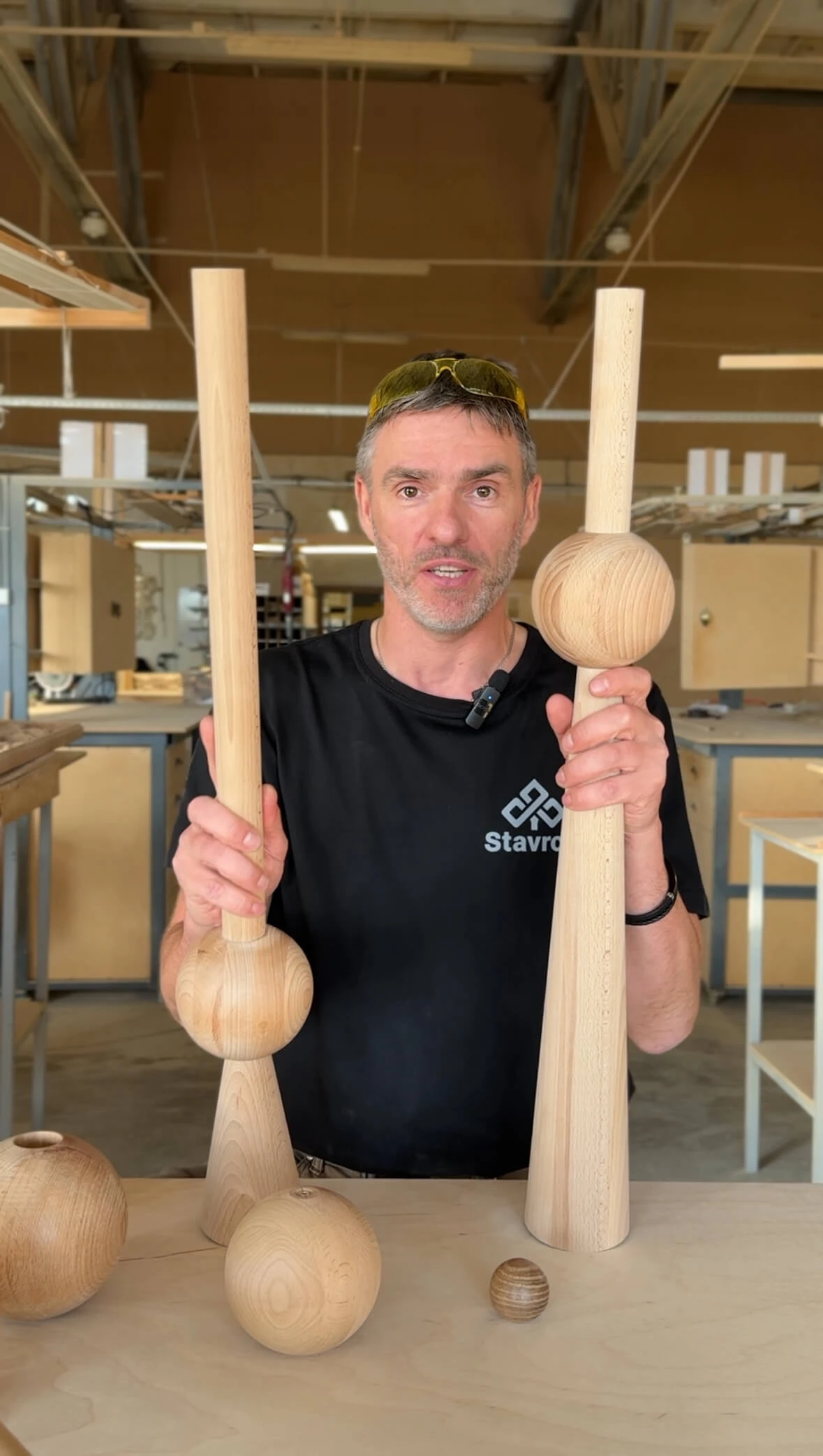
Wooden furniture legs — four table legs, defining its character and height
-
wooden handles from solid wood — for the drawers and doors of the boudoir area cabinets
-
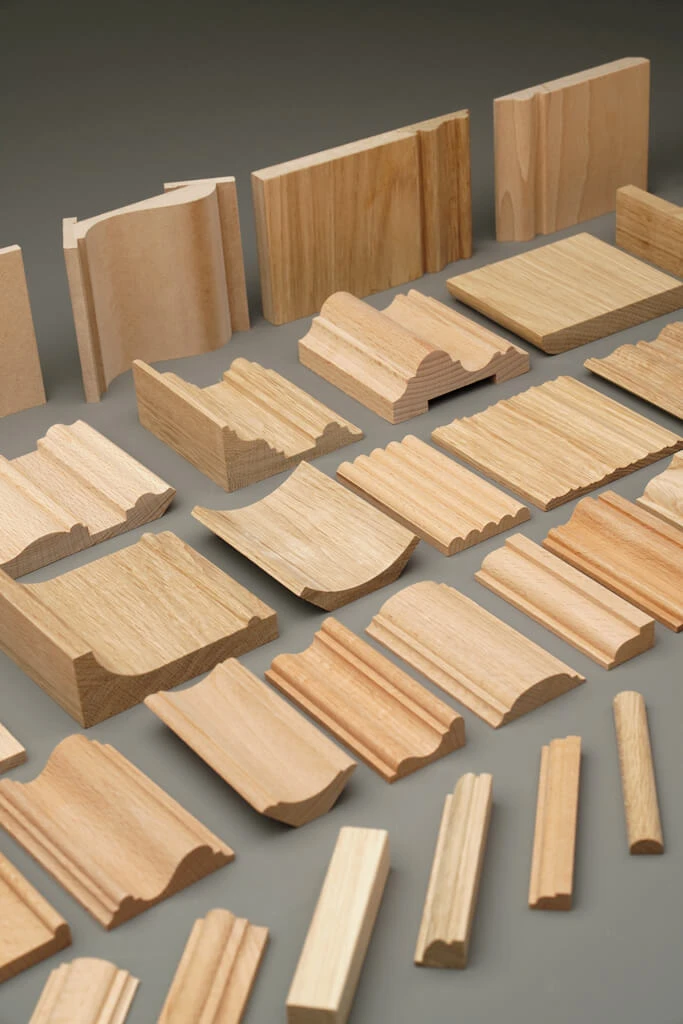
Pogonazh iz massiva — front frames of drawers, decorative trim along the edge of the tabletop
-
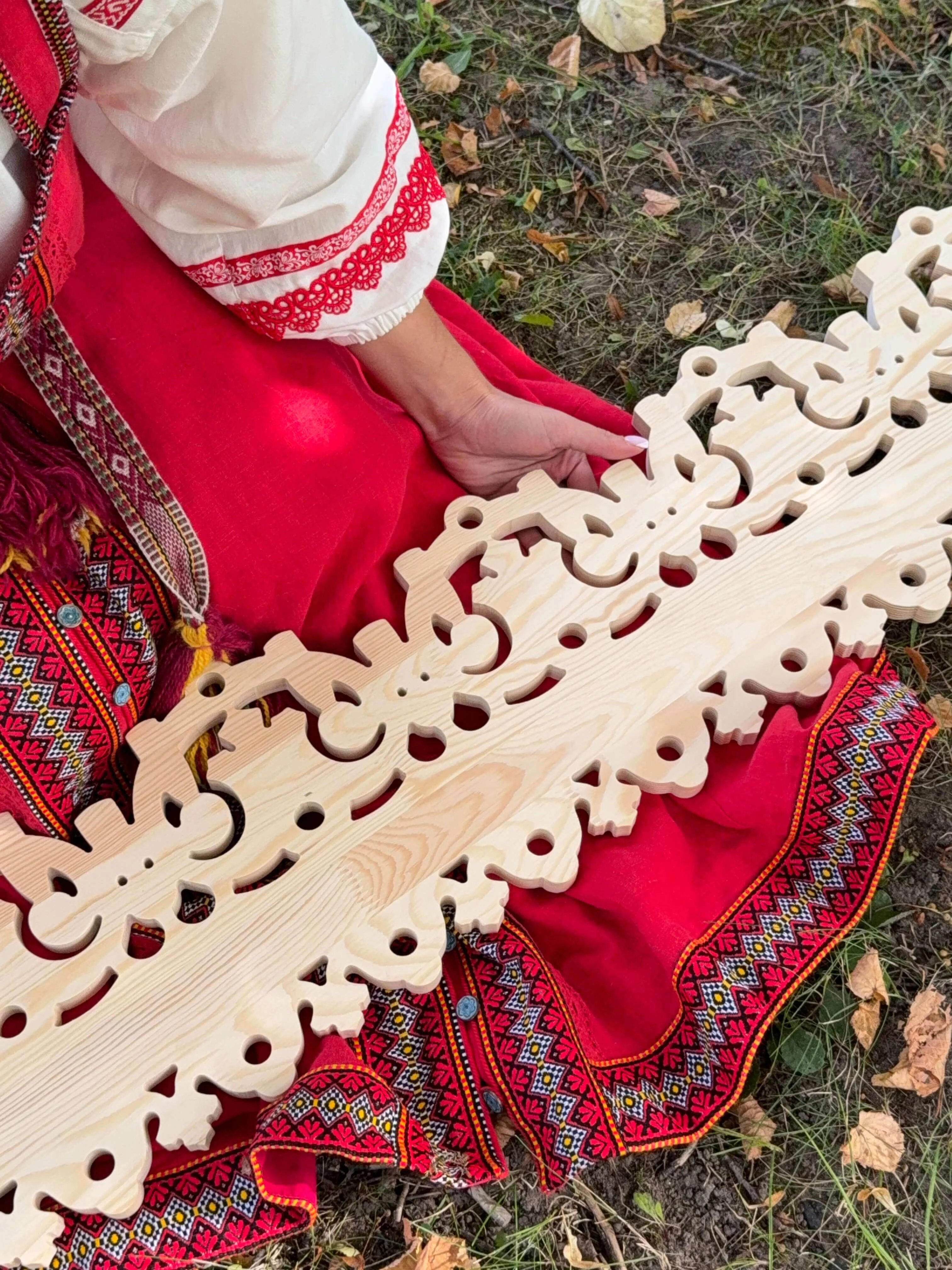
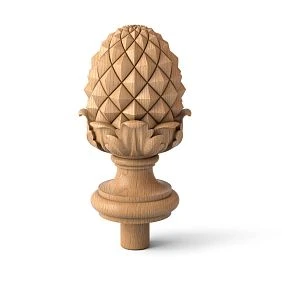
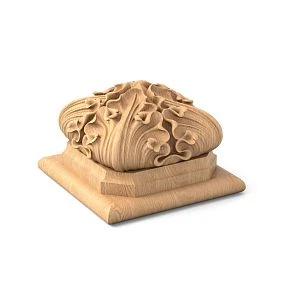
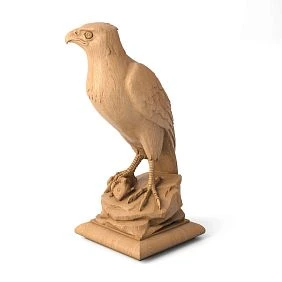
Wooden decor and overlays — decorative accents on facade planes
-
decorative elements for furniture — central rosettes, corner inserts at molding frame junctions
Polyurethane elements:
-
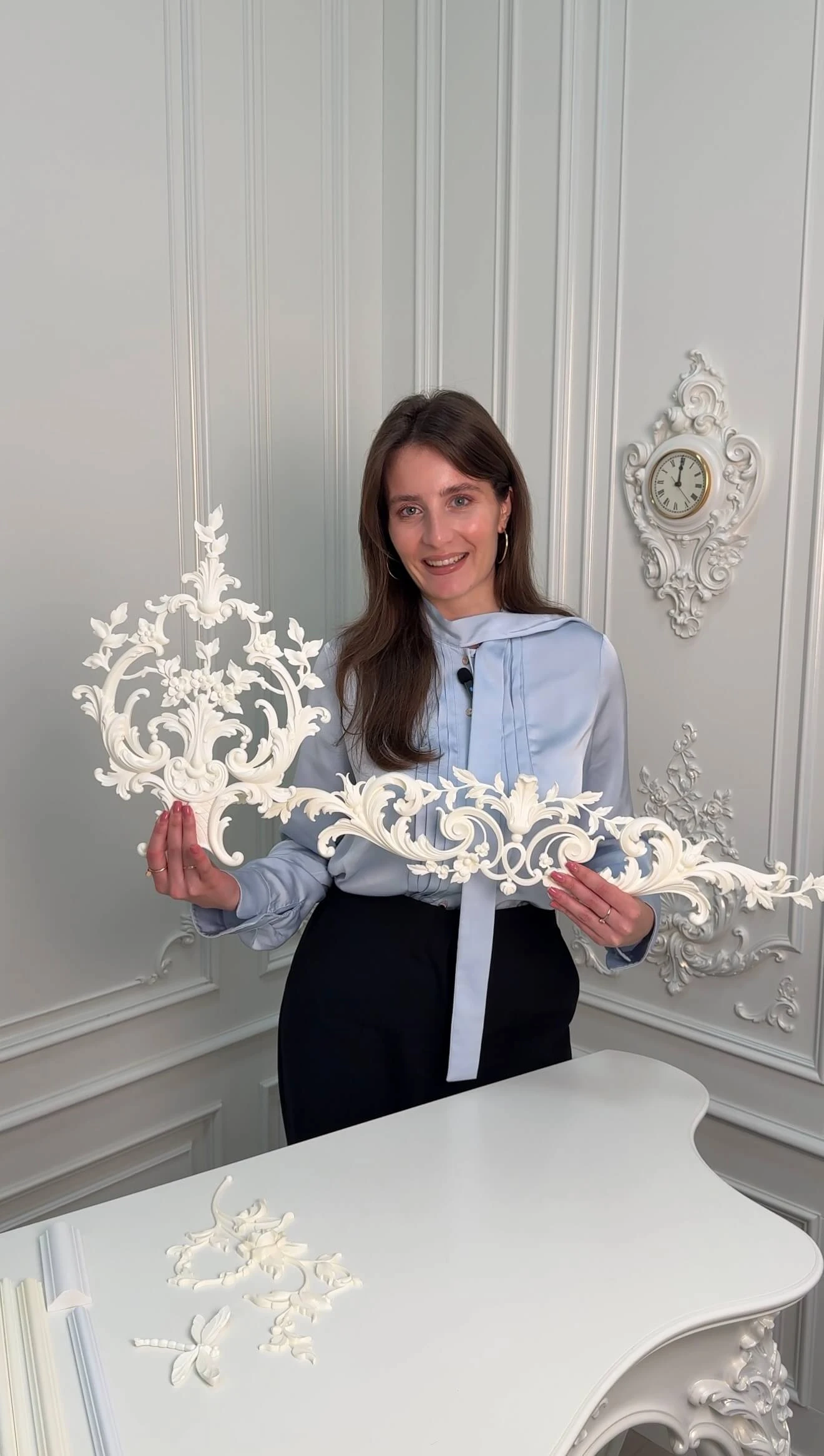
Moldings made of polyurethane — frame around the mirror on the wall and decorative outline around the boudoir area
-
Polyurethane appliqués — decorative details within the field of wall frames
-
Decor for Molding — corner blocks at molding intersection points
-
Polyurethane wall decor — wall frames and panels behind the table area
-
Polyurethane moldings — general decorative resource for rich classical solutions
Consumables:
-
Assembly adhesive — for polyurethane elements
-
Fasteners — screws, furniture dowels
-
Primer — mandatory before painting
-
Paint, varnish, or oil — the finishing coating for wooden elements
-
Allowance of 10–15%
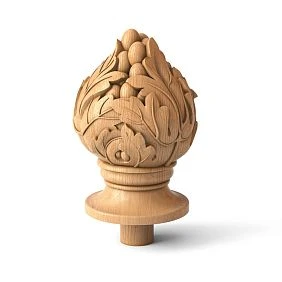
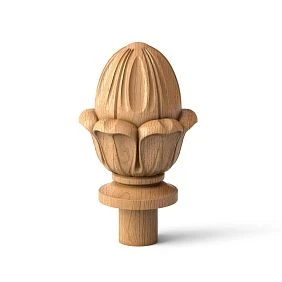
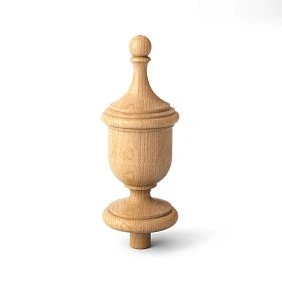
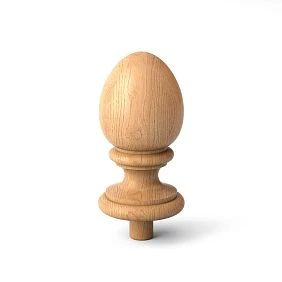
Our factory also produces:

Anatomy of a dressing table: what it consists of as a furniture object
Before discussing which materials to use and where, you need to understand what exactly the constituent parts of a dressing table as a furniture object are.
Get Consultation
Legs: character and proportion
The legs of a dressing table are the first thing that defines its stylistic code. Straight square legs are strict neoclassicism. Turned legs with a brace are mid-18th century classicism. Saber legs on a thin curved stem are Empire and Classicism. Straight tapered legs are modern classic.
Wooden furniture legs are selected based on three parameters: height, cross-section, and profile. For a dressing table, another parameter is critical — the seating height.
The standard height of a dressing table is 75–78 cm from the floor to the tabletop. This corresponds to the height of a regular desk and is designed for sitting on a standard chair.
A pouf or low chair for a dressing table — seat height 42–46 cm. In this case, the table legs can be slightly higher — up to 80–82 cm, so that the knees do not hit the lower structure of the table.
The height of the legs depends on the design: if the table stands on legs without an underframe, the leg height determines the entire height of the structure. If there are drawers under the tabletop, the leg height is from 15 to 25 cm, the rest is the cabinet body.
Wood species for legs:
-
Oak, ash, beech — for turned and complex profiles that hold shape under load
-
Pine — for simple tapered or straight legs with paint
-
Alder, birch — for legs to be painted white or pastel tones
Drawers and fronts: working part
The vanity base has one or two drawers, sometimes three. Each drawer has a front surface where decor works: a frame of solid wood trim, decorative insert in the center and furniture handle.
Tabletop
The vanity tabletop is a work surface. Its dimensions: width 80–120 cm, depth 40–50 cm. This is enough for cosmetics, brushes, and small decorative items.
The tabletop edge is an important decorative area. Pogonazh iz massiva along the front edge creates a furniture profile and hides the raw cut of the material.
Mirror: separate object or built-in part
In a classic vanity table, the mirror is either separate, standing on the tabletop, or wall-mounted. In both cases, it requires a decorative frame.
A wall-mounted mirror is the best option for a classic style. Moldings made of polyurethane a full mirror frame is created directly on the wall around the mirror's perimeter — without purchasing a separate frame.
Wood in the vanity table: points of application
Wooden legs: choosing a profile to match the style
Wooden furniture legs — the only element of the vanity table that determines its stylistic identity at first glance. Therefore, choosing the leg profile is not a technical but a design question.
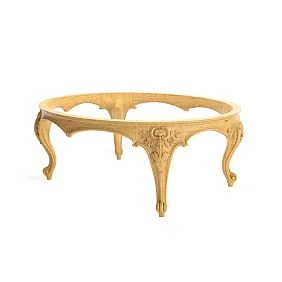
Turned leg with a bracket ("cabriole") — a classic, recognizable shape. The leg tapers from the top joint to the middle, then widens to the bottom support. Height 65–80 mm for a low table on legs without a cabinet. For a cabinet — a similar shape on a smaller scale: 18–25 cm.
Straight tapered leg — modern classic, neoclassical. Square or round cross-section, tapering to the floor. Height for a cabinet: 15–20 cm.
Straight leg with fluting — Classicism and Empire style. Vertical grooves on the leg's surface create a characteristic architectural pattern. Cross-section 40×40 mm or 50×50 mm.
Square leg with chamfer — strict neoclassicism. A simple and clean profile that reads as laconic classics.
The legs of the dressing table should be in the same wood species and finish as the handles. If the legs are oak with a lacquer finish, the handles should also be oak. If the legs are painted, the handles should be in the same enamel.
Furniture handles: elegance in details
Wooden furniture handles on the dressing table — it's something you touch with pleasure or without. A good handle is pleasant to the touch, proportionate to the drawer, and matches the style of the legs.
For a dressing table, there is one rule: handles should be small and elegant. This is not work furniture — it's a boudoir area. A massive 150 mm bracket on a small table drawer is a visual dissonance.
Optimal handle formats for a dressing table:
-
Small bracket 60–90 mm — for a drawer 30–50 cm wide
-
Button with decorative base 35–50 mm in diameter — for very small drawers or doors up to 30 cm
-
Horizontal rail 80–100 mm — for wide, shallow drawers under the tabletop
The handle type should be uniform on all drawers. If there are three drawers — three identical handles from the same series.
Breed and finish: for a white table — handles made of alder or pine, painted in the same white. For a table with visible wood — handles made of oak or ash, lacquered or oiled.
Solid wood molding: drawer frames and tabletop decor
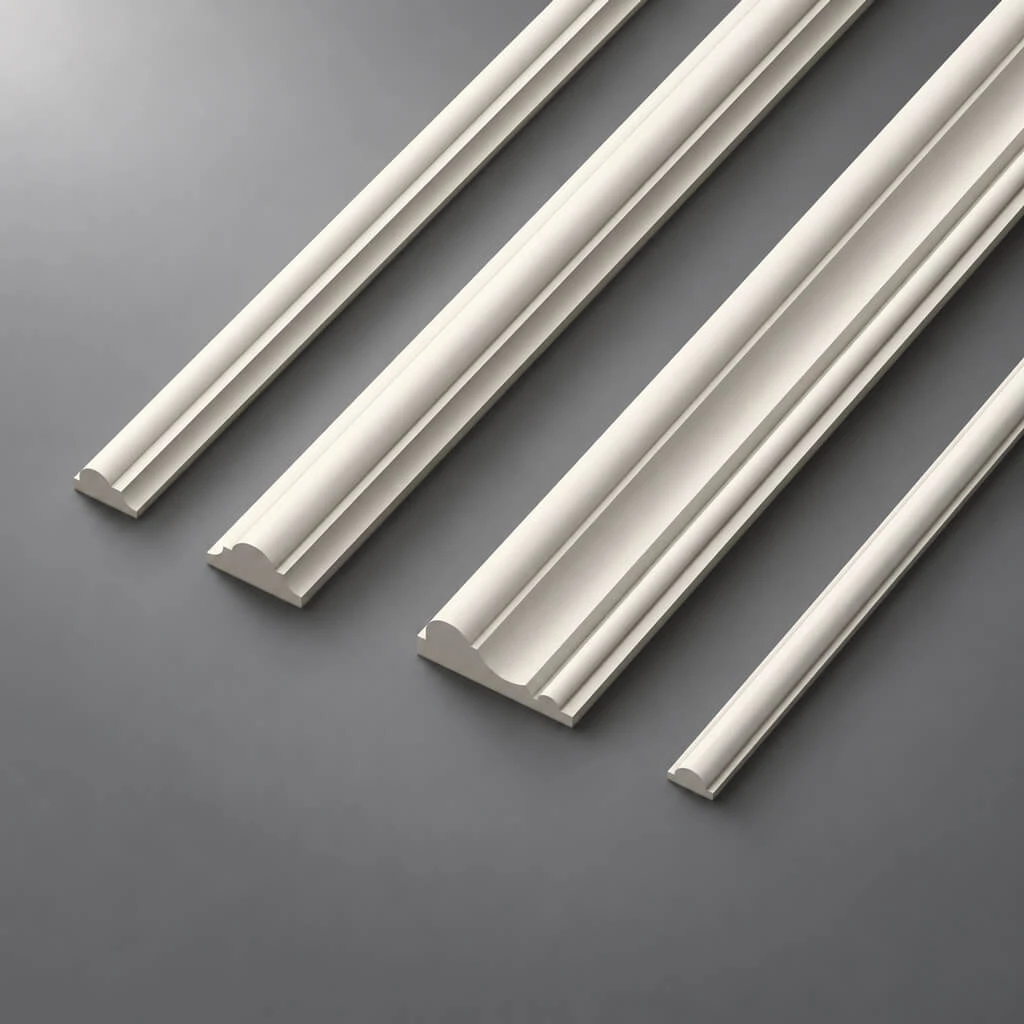
Pogonazh iz massiva on drawer fronts works exactly the same as on furniture in other rooms: creates frame geometry, adds furniture character to a flat front.
For small vanity drawers — molding is thin, 20–30 mm, with a light shaped profile. Too wide molding on a small drawer looks heavy.
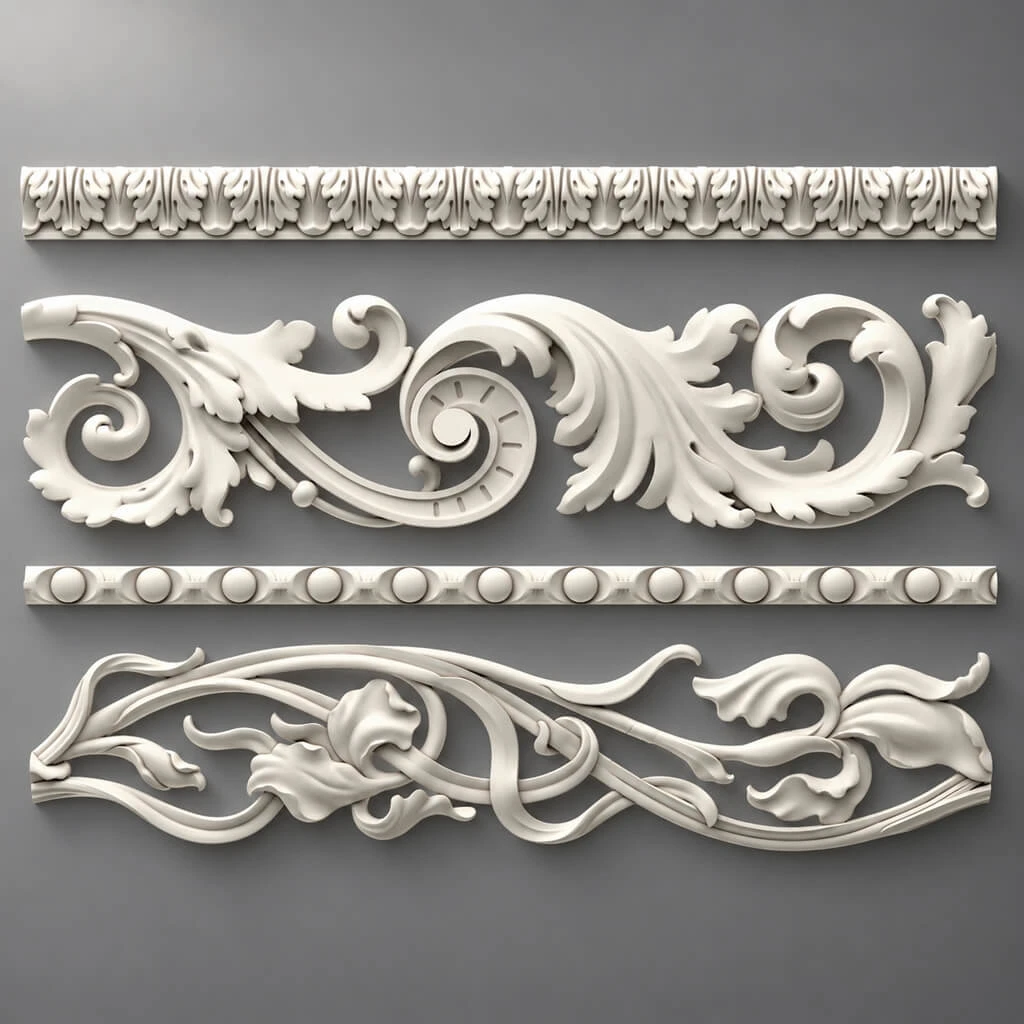
Molding along the tabletop edge — a horizontal strip along the front and side edges. Strip height — 15–25 mm. Profile with a small bead or cove on top. This element gives the tabletop a furniture look and hides the structural cut.
Decorative overlays on drawer fronts
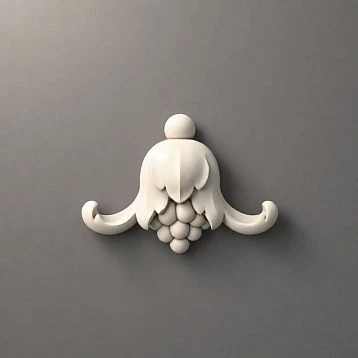
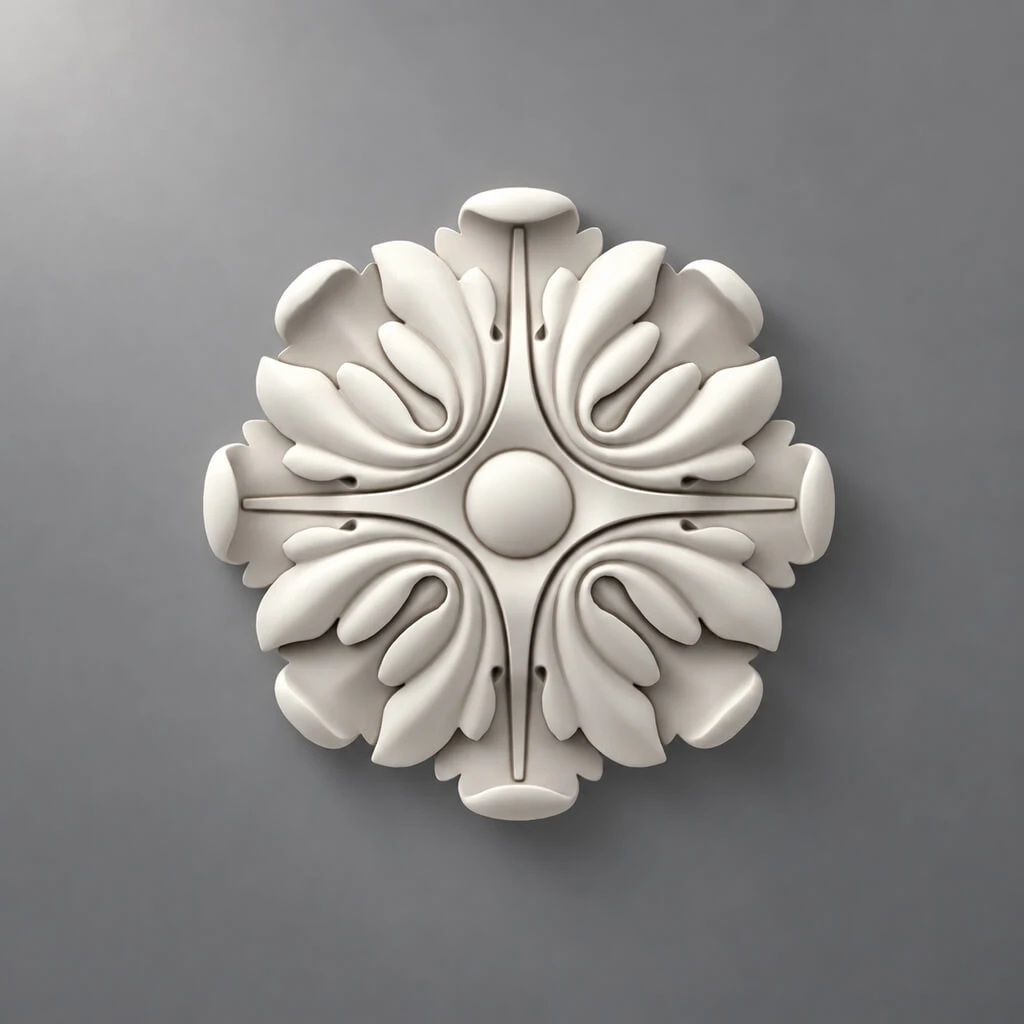
Wooden decor and overlays — this is optional but very valuable layer. A small rosette or diamond-shaped overlay in the center of the front field makes the drawer an object, not just a plane.
For a vanity table:
-
Rosette with a diameter of 40–60 mm — in the center of the wide drawer field
-
Rectangular strip 15×60 mm — horizontal insert in the lower part of the field
-
Small corner blocks 20×20 mm — at the four corners of the molding frame
decorative elements for furniture should be proportional to the box. The smaller the box, the more modest the overlay.
Polyurethane in the boudoir area: mirror frame, wall decor, and area framing
If the wood is the vanity table itself, then Polyurethane moldings — it is what turns it from a piece of furniture into a boudoir area. Wall decor creates context.
Mirror frame made of moldings
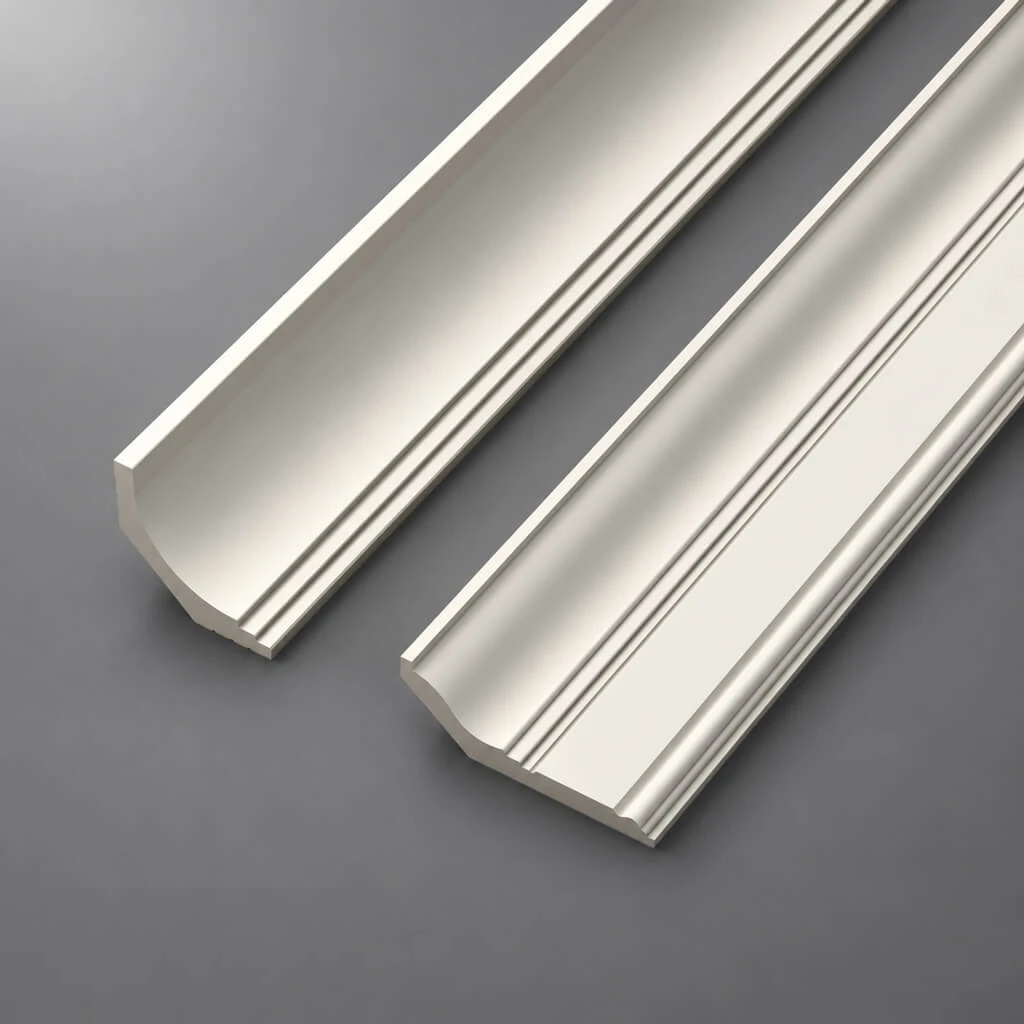
Moldings made of polyurethane around the perimeter of a wall-mounted mirror — this is a replacement for an expensive baguette frame. The molding is mounted directly on the wall around the mirror, creating a full-fledged frame with the desired profile, width, and color.
Molding placement: offset from the mirror edge — 15–25 mm. The molding runs along all four sides of the rectangle, with corner blocks at four points.
Molding width for a mirror frame: 25–40 mm — depending on the mirror size. For a 60×80 cm mirror — molding 25–30 mm. For an 80×100 cm mirror — molding 30–40 mm.
Profile: for a classic style — shaped, with a convex belt and cove. For neoclassicism — with a straight shelf element and one or two decorative beads.
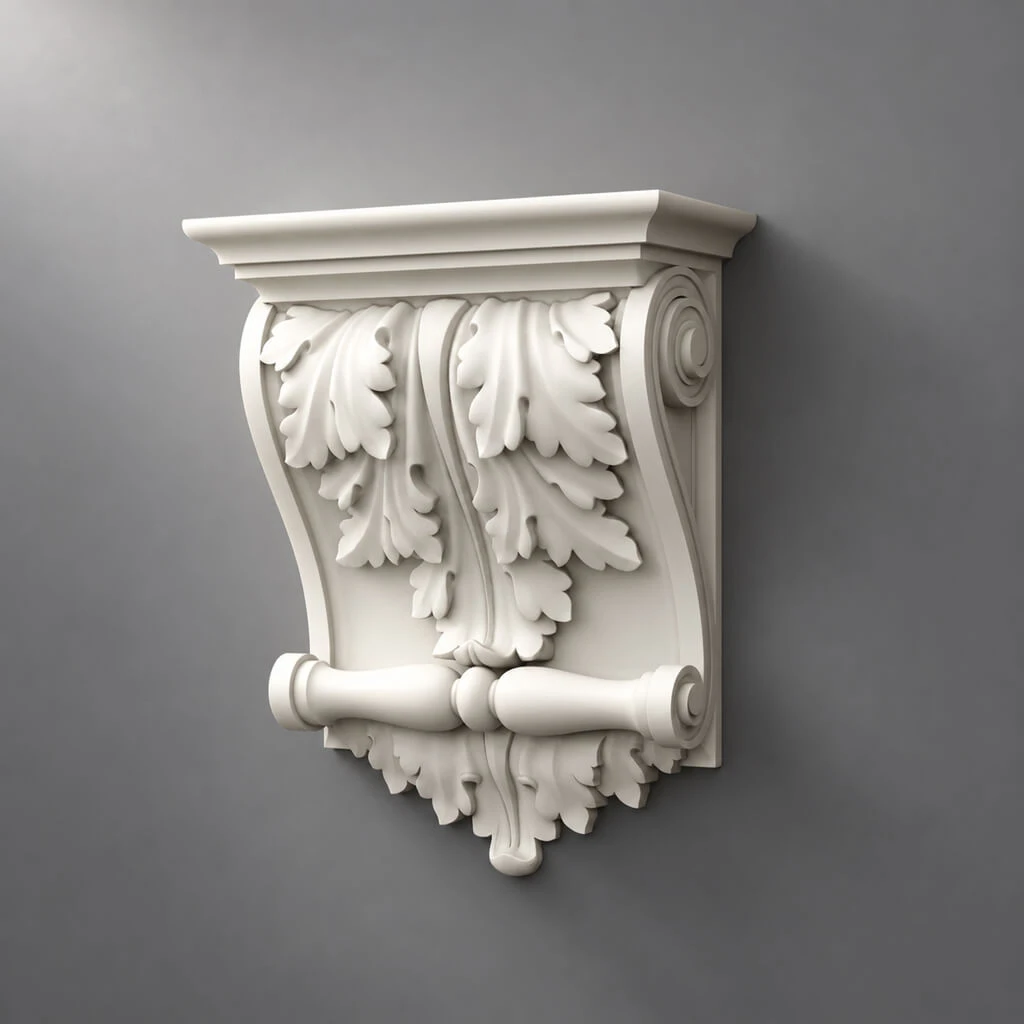
Decor for Molding — corner blocks at four points of the frame. Block size is twice the width of the molding. For a 30 mm molding — block 60×60 mm. Blocks cover joints and create decorative accents in corners.
The correct technology is in the guide to installing polyurethane molding.
Decorative wall frame around the area
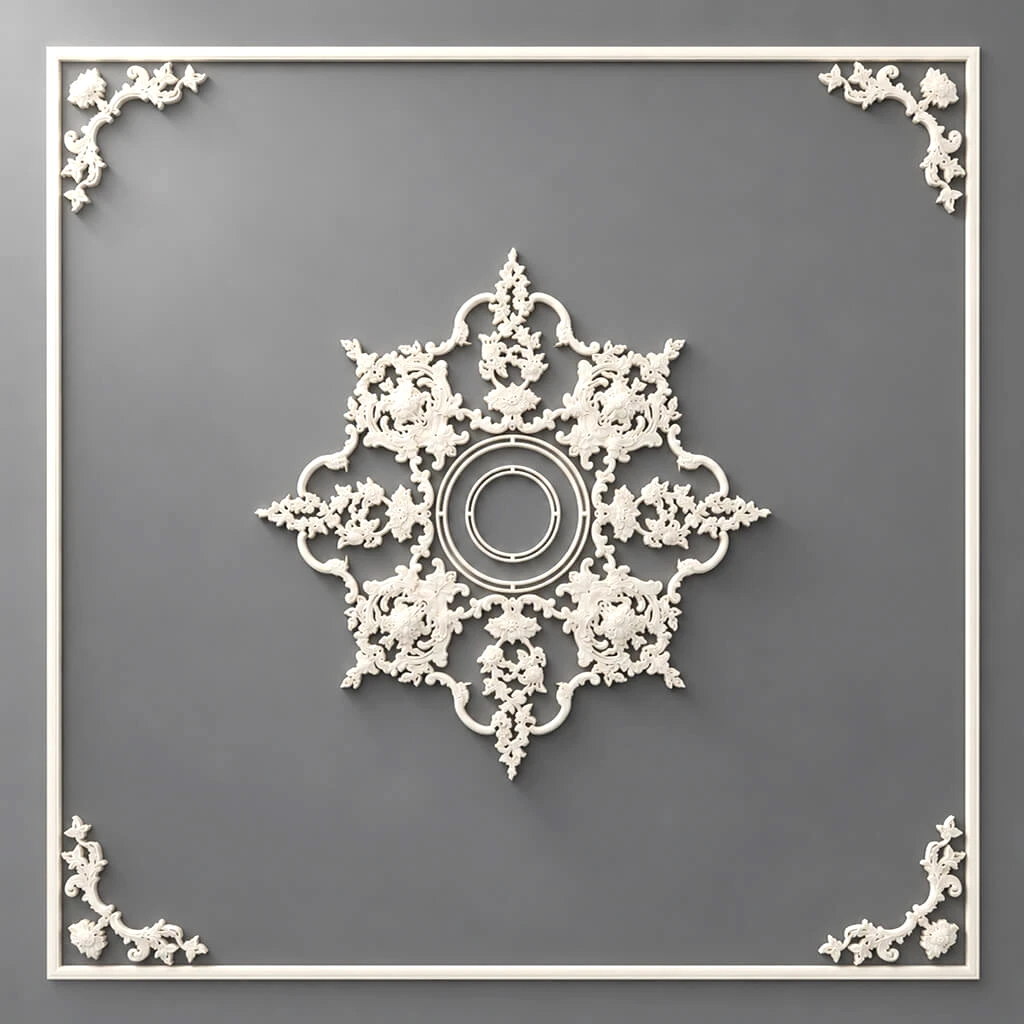
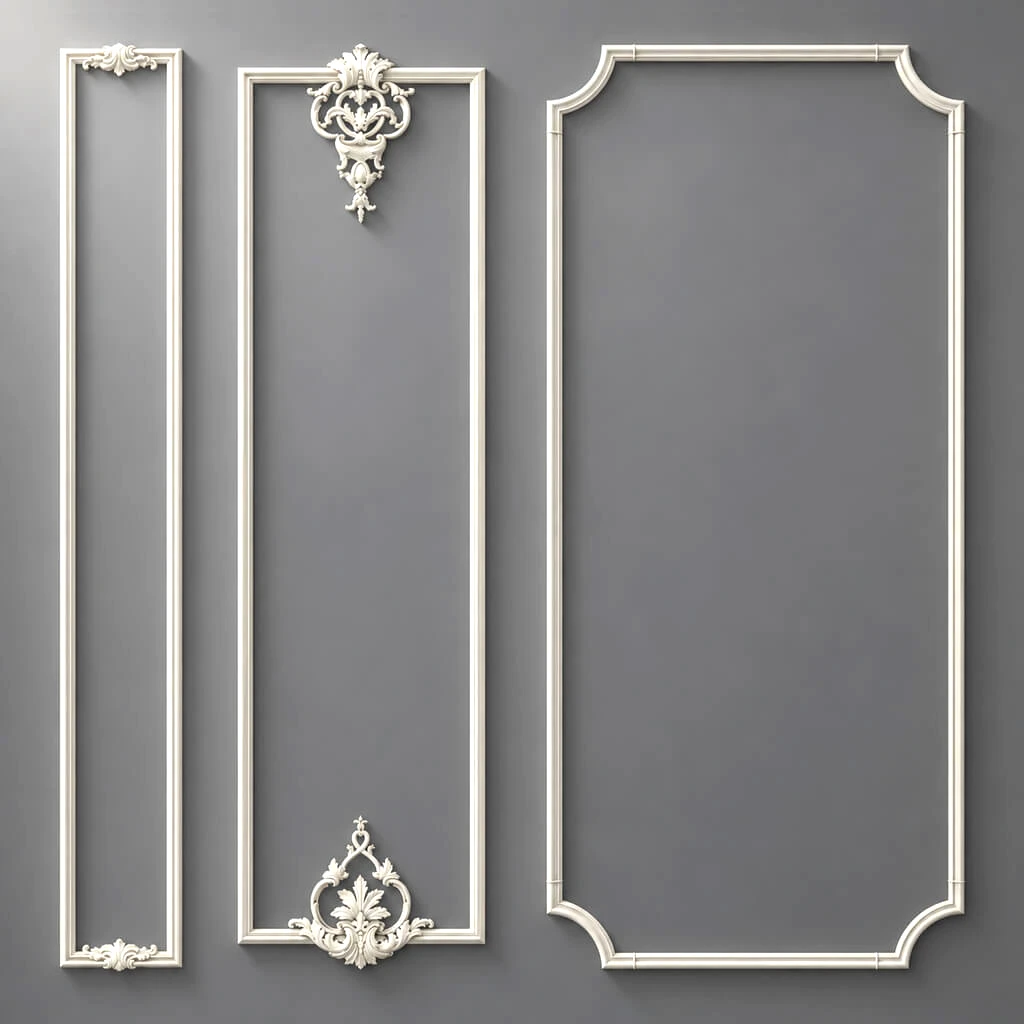
Polyurethane wall decor — wall frames around the entire boudoir area — create an architectural outline. Large frame made of of polyurethane moldings around the perimeter of the area “frames” it as an independent interior episode.
Inside this large frame — a mirror in its own molding frame, and below it — a dressing table. The area reads as a single architectural field.
Width of the outer frame: 30–45 mm for large walls, 20–30 mm for small rooms.
Polyurethane overlays in the field of the wall frame
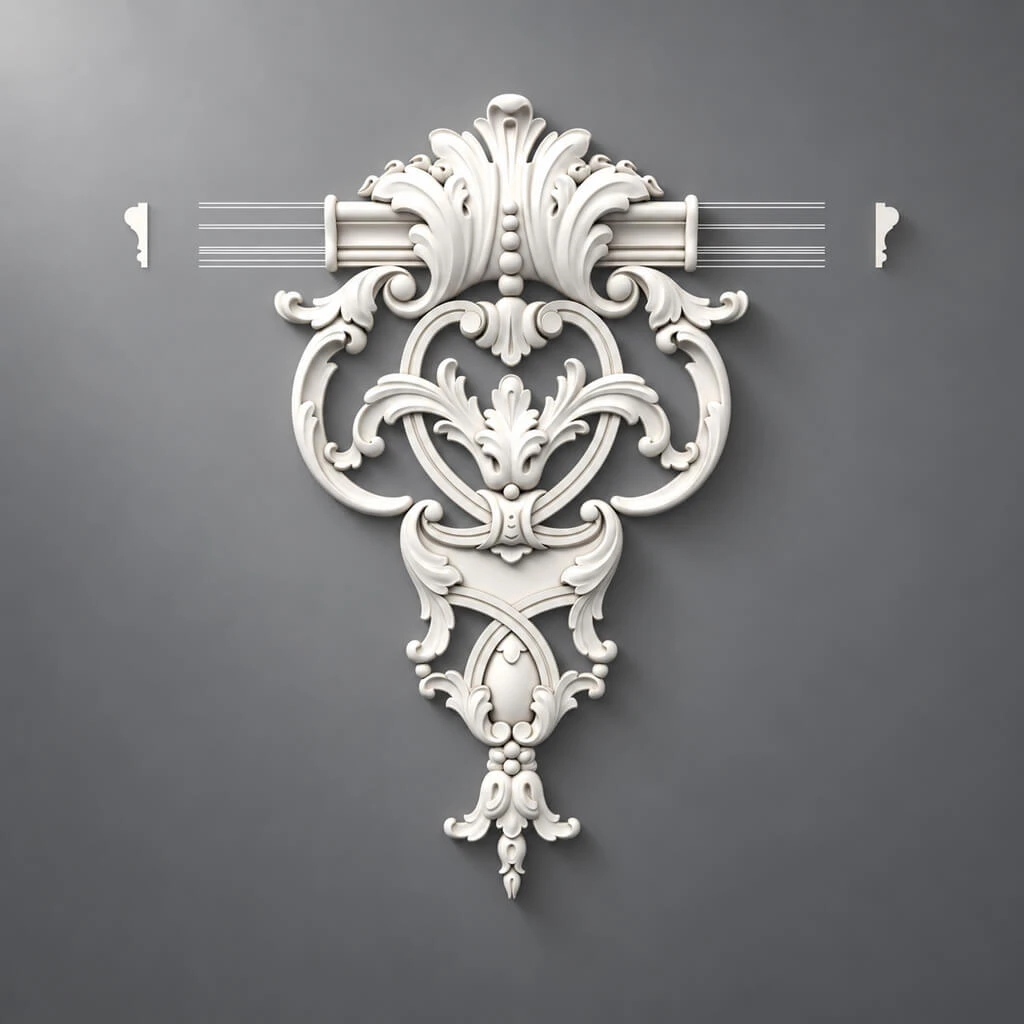
Polyurethane appliqués — small decorative elements that are placed in the field of the wall frame on the sides of the mirror. Symmetrical overlays at the level of the horizontal axis of the mirror create visual balance and an additional decorative accent.
Five ready-made boudoir solutions for different types of interiors
Solution 1: White Classic — dressing table in a light bedroom
White bedroom, light walls, delicate classic decor. Boudoir area in a niche or by the window.
Table: chest with two drawers, Wooden legs — straight tapered, height 18 cm, section 40×40 mm. Front frames made of solid wood trim — 25 mm, with light profiling. Furniture Handles — buttons with decorative base 40 mm in diameter. Small Decorative Inserts — rosettes 45 mm in diameter in the center of the top drawer. All in white RAL 9010.
Mirror: wall-mounted, 65×90 cm. Frame made of of polyurethane moldings 28 mm, Decor for Molding — corner blocks 56×56 mm. All in white.
Wall: one wall-mounted frame from of polyurethane moldings 22 mm — covers the area of the table and mirror. In the color of the wall.
Solution 2: Cream neoclassical — boudoir area in the dressing room
A separate dressing room with a built-in vanity table is a popular solution in spacious apartments.
Table: a chest with three drawers, Wooden legs — turned, with a conical finish, height 20 cm. Front frames from solid wood trim — 30 mm, shaped profile. Wooden handles — brackets 80 mm. decorative elements for furniture — small rectangular overlays in the center of each drawer. Finish: cream.
Mirror: 70×100 cm. Frame from of polyurethane moldings 35 mm, corner blocks with embossed decor. Polyurethane appliqués on the sides of the mirror at the level of its horizontal axis.
Wall: two symmetrical wall frames made of wall decor on the sides of the zone. Finish: cream-white.
Solution 3: Dark wood and richness — a dressing table in a classic study
A masculine or neutral study with boudoir elements. Dark oak, warm light, classic.
Table: a cabinet with two drawers + a pull-out shelf, Wooden legs — square with fluting, height 22 cm, section 50×50 mm. Pogonazh iz massiva — 40 mm, profile with pronounced molding. Wooden handles — brackets 90 mm. large decorative overlays — medallions with a diameter of 70 mm in the center of the boxes. Finish: oak with dark stain, varnish.
Mirror: 75×110 cm. Wide Polyurethane molding 45 mm, large corner blocks, Polyurethane appliqués in the center of the upper horizontal molding. Paint: dark walnut.
Wall: wall frame made of of polyurethane moldings 40 mm covers the entire area. Polyurethane trim horizontally above the area.
Solution 4: Small apartment — lightness and air
A small room where there is no room for heavy furniture. Dressing table — narrow, up to 80 cm, as light as possible.
Table: one drawer + open shelves, Wooden legs — thin conical 40×40 mm, height 20 cm. Facade with a thin frame made of solid wood trim — 20 mm. Small handle — horizontal bracket 70 mm. No overlays — laconic.
Mirror: 55×75 cm. Thin Polyurethane molding 20 mm in wall color. Corner blocks — miniature.
Wall: one small wall frame made of wall decor — delicately marks the zone, does not overload a small room.
Solution 5: Rich classic bedroom — boudoir area as the main accent
Bedroom with high ceilings, rich decor, cornices. Dressing table — an independent architectural episode.
Table: chest with three drawers, side nightstands on each side. Wooden legs — turned with a brace, height 25 cm. Pogonazh iz massiva 35–40 mm, two-zone frames. Wooden handles — vertical brackets 100 mm. Rich Decorative Inserts — cartouches and rosettes.
Mirror: 90×130 cm. Wide frame made of of polyurethane moldings 50 mm, large corner blocks with relief, Polyurethane appliqués in the field of the frame on the sides.
Wall: three wall frames made of wall decor — central large behind the mirror and two side ones. Polyurethane moldings in the upper belt above the boudoir area. Polyurethane trim in the horizontal belt above the zone.
Table of materials for a classic-style dressing table
| Element | Purpose | Page |
|---|---|---|
| Wooden furniture legs | Table supports, stylistic code | link |
| Solid wood furniture handles | Drawer handles, tactile contact | link |
| Solid wood molding | Drawer frames, tabletop end decor | link |
| Wooden decor / overlays | Rosettes, medallions, central accents | link |
| Decorative elements for furniture | Corner inserts in frames | link |
| Polyurethane moldings | Mirror frame and wall frames | link |
| Polyurethane overlays | Accents in the field of wall frames | link |
| Decor for moldings | Corner blocks of mirror frame | link |
| Wall decor from polyurethane | Wall frames behind the table area | link |
| Polyurethane stucco molding | Rich upper decor | link |
| Polyurethane molding | Horizontal belt above the zone | link |
Selecting leg height: calculation part
This is a practical block often missing in materials about dressing tables.
Scenario A: table on high legs without a cabinet
The leg carries the entire height of the structure. Tabletop height: 74–78 cm. If the leg is 70 cm, a cabinet height of 4–8 cm is needed. Legs of this type are 70–76 cm: Wooden legs this height is suitable for open tables without drawers.
Scenario B: cabinet with drawers on low legs
Leg height 15–25 cm + cabinet height 50–60 cm = total height 65–85 cm. Standard: cabinet 54 cm + legs 20 cm = 74 cm.
Scenario C: cabinet on a plinth base
Plinth 10–15 cm high made of solid wood trim. No legs — the table looks like furniture with a decorative base.
How to make a dressing table look more expensive: practical techniques
The most common question is not 'how to make', but 'how to improve'. A ready-made table from the store can be transformed if you know where to add decor.
Replacing legs
The most radical improvement. Standard metal or plastic legs — out. Wooden furniture legs with a classic turned profile — in their place. Mounting: standard threaded 5/16 or 3/8 inch — most legs have standard mounting.
Handle Replacement
wooden handles from solid wood instead of standard metal ones — instant change of register. Center distance: 32, 64 or 96 mm — standard for most drawers.
Adding decorative overlays
Wooden decoration glued onto the smooth front surface of the drawer — no drilling, no damage. Instant detailing effect.
Mirror framing
Frameless wall mirror — Moldings made of polyurethane around the perimeter. Glue and a few hours — and the mirror gets a classic frame. How to choose glue — in the article what to glue polyurethane molding with.
Decorative frame on the wall
Polyurethane wall decor — a wall molding frame behind the table. One evening of work — and the vanity area gains architectural context.
Eight mistakes when styling a vanity table
Legs without considering chair height
Beautiful legs are not the main criterion. The main one is seating. If the chair is 46 cm high and the tabletop is at 72 cm — the distance from seat to tabletop is only 26 cm, which is too little. Check ergonomics before purchasing.
Too large handles on small drawers
The handle should be proportional to the drawer. A 150 mm bracket on a 25 cm wide drawer — that's half the drawer. The feeling of disproportion is immediately noticeable.
Overloading a small table with large stucco molding
A small dressing table with wide moldings, large overlays, and massive corner blocks looks like an overloaded structure. The scale of the decor is strictly proportional to the scale of the furniture.
Polyurethane in a constant grip zone
Handles should only be made of wood. Polyurethane moldings good on the wall, in a mirror frame, in wall panels — but not where it is grabbed daily.
Mirror without connection to the table
A mirror hanging separately, without a frame and without a wall frame that would unite it with the table below, is two separate items, not a boudoir area. Moldings made of polyurethane around the mirror perimeter + a common wall frame made of wall decor — that is what creates unity.
Lighting not thought out
Without backlighting, the boudoir area loses half its functionality. The lighting is installed before the molding frame is mounted — not after.
No spare moldings taken
For a small project, spare material seems unnecessary. But one failed 45-degree cut — and you need an extra piece. A 15% spare for moldings is standard.
Mixing too many different reliefs
Legs with one profile, trim with another, moldings with a third — and the boudoir area turns into a collection of incompatible decorative statements. One stylistic code — one relief language.
FAQ: answers to popular questions about a classic-style vanity table
What to buy for a classic-style vanity table?
Wooden furniture legs for the table support, wooden handles from solid wood for the drawers, Pogonazh iz massiva for the front frames, Decorative Inserts on the facades, Moldings made of polyurethane for mirror frames and wall frames, Decor for Molding at corner points, glue, fasteners, primer, and finish coating.
Can polyurethane molding be used near a vanity table?
Yes. Polyurethane moldings works great on the wall — in a mirror frame, wall panels, and decorative belt above the area. In places of constant contact — handles, work surface — only wood.
Which wooden legs to choose for a vanity table?
Depends on the style. For full classic — turned with a brace. For neoclassical — straight tapered. For modern classic — square with a chamfer. All options are in the catalog of wooden furniture legs. Be sure to check the leg height relative to the cabinet height and your chair.
How to make a vanity table look more expensive without completely replacing the furniture?
Replace the legs with wooden, install new Wooden handles, paste Decorative Inserts on the drawer fronts, frame the mirror polyurethane moldings and add a wall frame made of wall decor behind. Four point interventions — a fundamentally new look.
How is a classic vanity table different from a writing desk?
A vanity table is boudoir furniture. It is lighter, more elegant, designed for working with cosmetics and a mirror. The legs are thinner, the drawers are smaller, the decor is more delicate. A writing desk is a work object with different proportions and a different load.
How to properly frame a mirror with polyurethane moldings?
The mirror is hung on the wall. A frame made of of polyurethane moldings with a 15–25 mm gap from the edge of the mirror. In the four corners — Decor for Molding — corner blocks. Glue and technology — in the guide what to glue polyurethane molding with.
About STAVROS
STAVROS is a Russian manufacturer of decorative products made from solid wood and polyurethane. Full range for creating a classic-style dressing table and boudoir area: Wooden furniture legs, wooden handles from solid wood, Pogonazh iz massiva, Wooden decor and overlays, decorative elements for furniture, Moldings made of polyurethane, Polyurethane appliqués, Wall Decor, Decor for Molding, Polyurethane trim и Polyurethane moldings. Production using 3D milling, custom sizes available. Contact us to confirm shipping to your destination. and CIS.