








































































Article Contents:
- Buy carved wooden wall panel
- What is a wooden wall panel and when is it needed
- How a carved panel differs from an overlay, rosette, and molding
- Main types of carved wooden wall panels
- Wall carved panel: pure form without frame
- Wooden decorative panel in frame
- Solid wood panel
- Modular wooden panel
- Hand-carved wooden panel
- Where to use a wooden wall panel
- In the living room: an accent where the eye seeks the center
- In the study and library: wood as a sign of intellect and status
- In the hall and entryway: the first impression of the home
- In restaurants, hotels, and commercial interiors
- Styles of carved wooden panels: from Baroque to Art Deco
- Classic and neoclassic
- Baroque: ornament as a gesture
- Empire: the rigor of triumph
- Art Nouveau: nature as architecture
- Art Deco: Geometry as Luxury
- Russian Style: Ornament with History
- How to Choose the Size of a Carved Wooden Panel
- Checklist for Choosing the Size
- Standard Formats of Wooden Panels for Different Rooms
- How to Combine a Carved Panel with Other Wooden Interior Elements
- Installation of a Wooden Panel: What You Need to Know
- Wall mounting
- Distance from the Wall
- Coating before or after installation
- What Affects the Price of a Carved Wooden Panel
- Mistakes when buying a wooden panel
- Where to buy a carved wooden wall panel
- FAQ: answers to popular questions about wooden panels
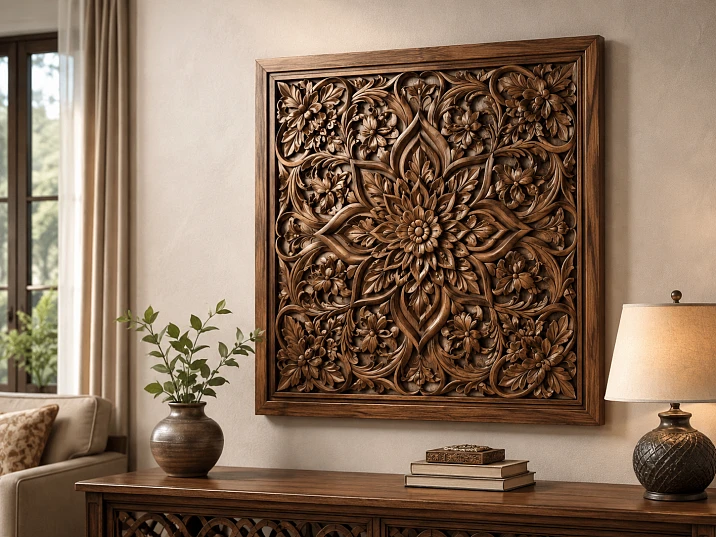
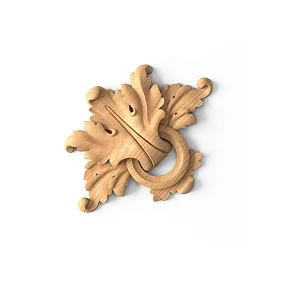
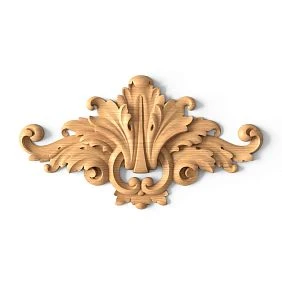
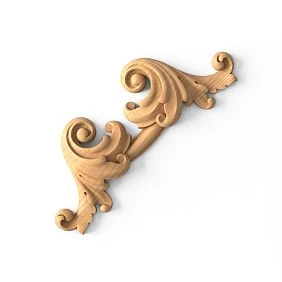

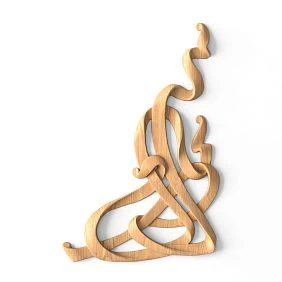
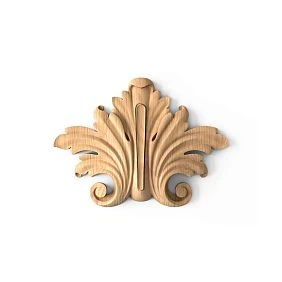
Buy a carved wooden wall panel
There is a paradox in interior design: the cleaner and more minimalist the space, the more acutely the absence of an accent is felt. White walls, light floors, laconic furniture — and all this is wonderful until the moment you realize there is nothing for the eye to catch. No point of attraction. No that very "center" around which everything else is built.
A carved wooden wall panel is exactly that center. Not just a decorative element, but an architectural accent that organizes the space around itself. A properly chosen wooden wall panel turns a faceless plane into a work — calm or solemn, exquisite or primitively rough, classic or avant-garde in scale.
Buying a carved wooden panel means betting on a natural material with a living texture, on hand craftsmanship or precise milling, on an ornament that will never go out of style. Wood does not age as a trend — it only gains in dignity.
This article is a complete guide: what a wooden panel is and how it differs from an overlay, what types and styles exist, where and how to use it, how to choose the size and ornament, what affects the price, and what mistakes when buying occur most often.
What is a wooden wall panel and when is it needed
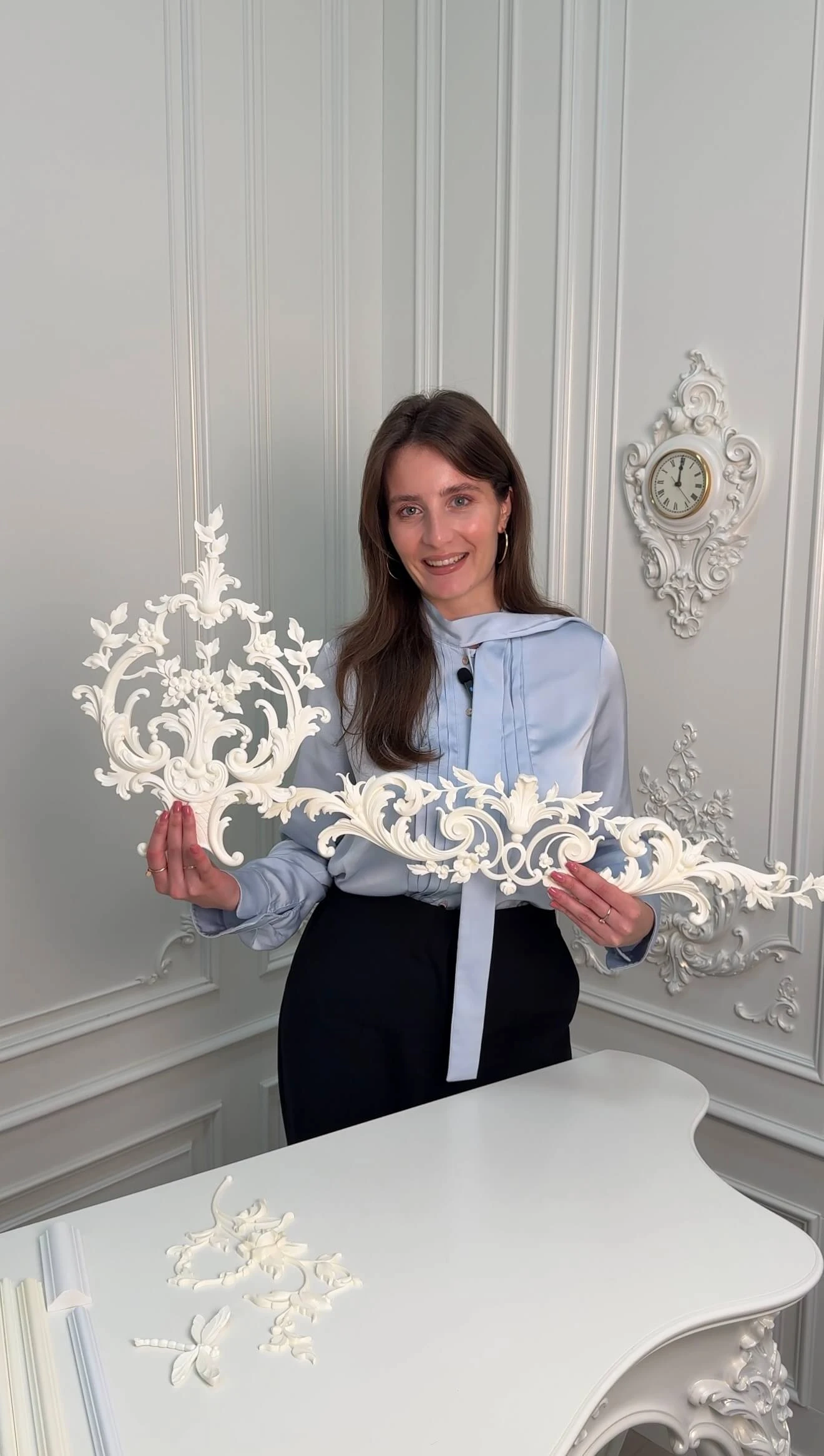
A wooden wall panel is an independent interior composition made of wood, designed for installation on a vertical surface. Unlike decorative overlays (rosettes, appliqués, moldings), a panel is a complete artistic form. It is perceived as a single whole: the background, ornament, frame, depth of relief — everything works in an ensemble.
You should buy a wooden wall panel when:
-
the wall above a sofa, fireplace, console, or bed needs a main accent
-
an interior in classical, baroque, empire, or neoclassical style requires a wooden architectural detail
-
a commercial space — restaurant, hotel, office, lobby — demands status decor with natural texture
-
a designer is creating an accent wall and needs a central element with relief and ornament
-
the space is large, but the furniture is compact: a vertical visual "anchor" is needed
Buying a wooden wall panel is not a purchase of a "decoration." It is the choice of the main element of the interior composition.
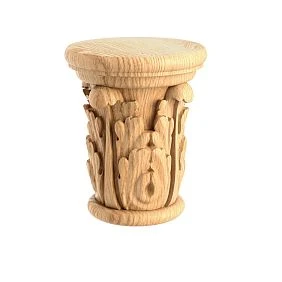
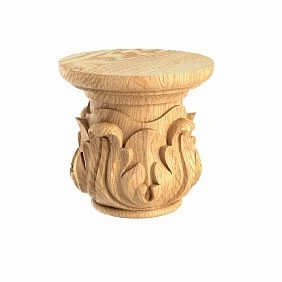
Our factory also produces:
How a carved panel differs from an overlay, rosette, and molding
This question arises for everyone who encounters carved wood decor for the first time. Let's break it down precisely.
| Element | What it is | Function | Size |
|---|---|---|---|
| Carved panel | Independent interior composition | Wall accent, central element | From 300×300 to 1200×2400 mm and larger |
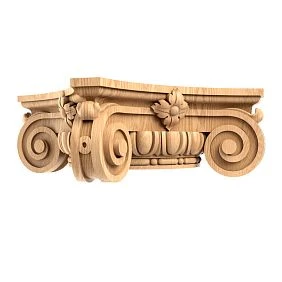
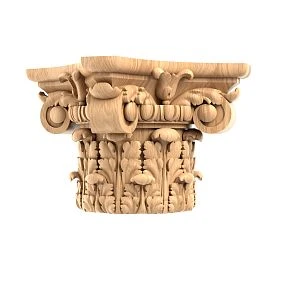
| decorative insert | Separate decorative element | On furniture, door, facade, wall panel | From 50 mm to 400 mm |
| Rosette | Symmetrical central element | Accent on ceiling, facade, in panel | Usually round, 80–400 mm |
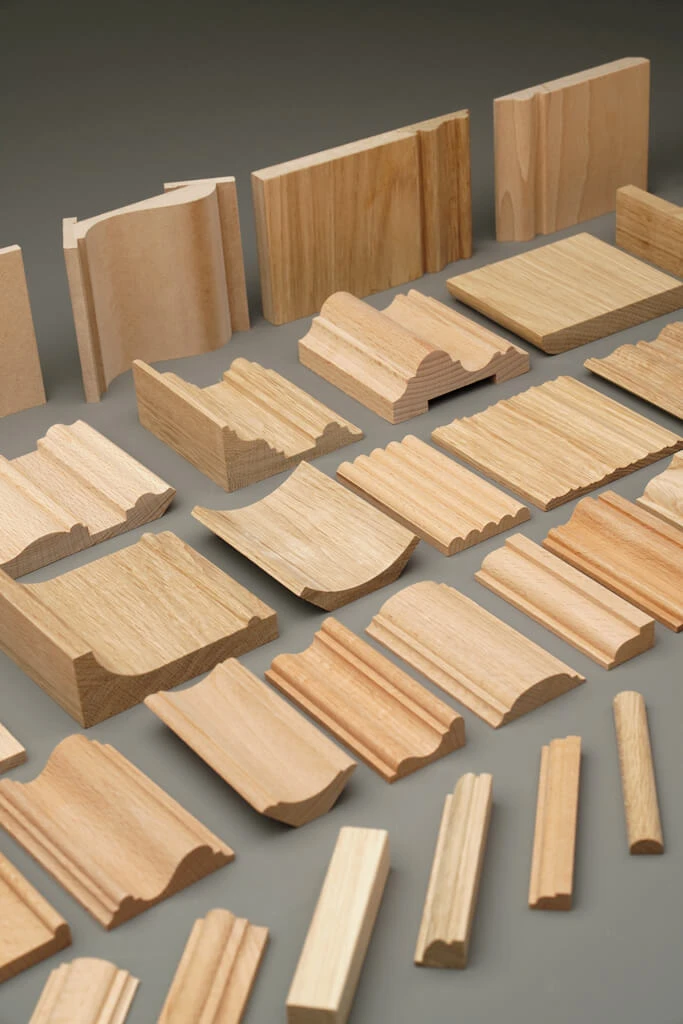
| Wooden molding | Linear profile | Frame, border, transition | Along the wall length |
| wooden frame | Framing element | Panel completion and status | By panel size |
An overlay is a detail. A panel is a statement. An overlay is noticed up close. A panel is seen first, as soon as you enter the room.
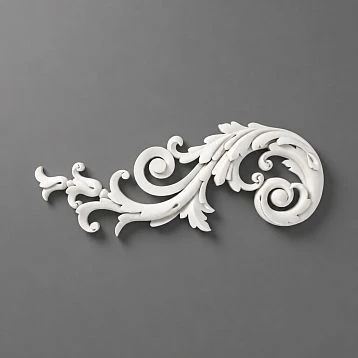
Important: a large overlay from the catalog carved decor elements can be used as an independent panel — if it has a complete composition, sufficient size, and expressive relief.
Get Consultation
Main types of carved wooden wall panels
Wall carved panel: pure form without a frame
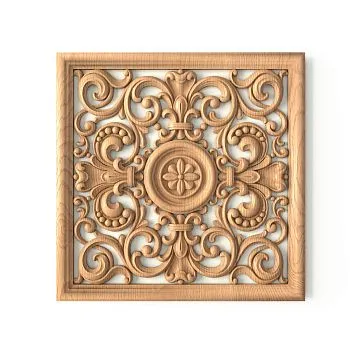
Buy a carved wooden wall panel without additional framing — the most laconic option. The relief or openwork wooden composition is attached directly to the wall, its border being the border of the board itself or the shaped contour.
This option suits minimalist, Scandinavian, and modern classic interiors. Wood on the wall is already a sufficient accent: the texture, the shadow from the relief, the warmth of the material.
Frameless formats:
-
rectangular horizontal (above a sofa, above a bed)
-
rectangular vertical (in narrow niches, between windows)
-
shaped (following the contour of the ornament: arched, triangular, oval)
The depth of the relief in a carved panel without a frame is especially important: it is the relief that creates the "air" between the board surface and the wall, and it is what shapes the play of light and shadow — especially with side lighting.
Wooden decorative panel in a frame
Buy a wooden decorative wall panel framed in the wooden frame or wooden molding — this is the most prestigious and complete option.
The frame serves three purposes simultaneously:
-
Visually closes the composition, separating it from the wall
-
Increases the visible scale of the panel without enlarging the ornament itself
-
Coordinates the panel with other wooden elements in the room: doors, moldings, baseboards
A frame for a wooden panel works on the same principle as a frame for a painting: without a frame, the canvas looks unfinished; with a frame, it gains status.
Wooden Picture Frame The panel is selected based on the ornament style: a classic profile for Baroque and Empire, a strict geometric one for Neoclassicism and Art Deco, a smooth flat one for Provence and Scandinavian style.
Solid wood panel
A carved panel made of oak, beech, or larch is a premium option with genuine solid wood texture. The dense structure of these species allows for maximum relief depth, clarity of the smallest ornament details, and durability independent of operating conditions.
A carved oak panel is a choice for interiors where not only beauty but also the 'weight' of the material matters. Oak is about durability, strength, and tradition. Dark bog oak with deep relief of a floral ornament is one of the most expressive images in a classic study or grand hall.
A carved beech panel is lighter, with a delicate texture. Suitable for interiors where the natural tone of the wood is important—and where a tinted coating will allow the panel to fit into the color scheme.
A wood panel for painting is a product made of pine or beech with a prepared surface, ready for applying enamel, varnish, or patina. They allow the panel to be coordinated with any interior color scheme.
Modular wooden panel
A modular panel consists of several separate wooden elements mounted side by side, perceived as a single composition. Advantages: can be transported in parts, configuration can be changed, non-standard sizes can be created from standard modules.
The modular format is ideal for large walls: a panel 2–3 meters wide is technologically more difficult to produce as a single piece, but from 3–4 modules it is assembled exactly to size.
Decorative Inserts From the STAVROS catalog — a ready-made base for a modular panel: large symmetrical overlays with a complete ornamental program are mounted on a wooden base and form an independent wall composition.
Hand-carved panel
Handmade panels are a separate category. Here, each element of the ornament is made by a master carver by hand, with individual features not found in any other product. The relief is deeper, the detailing finer, the silhouettes softer.
Hand-carved wooden panel — for spaces where absolute uniqueness is important: a private library, a formal reception room, a presidential hotel suite, a private collection.
Where to use a wooden wall panel
In the living room: an accent where the eye seeks the center
The living room is the main hall. Here, the wall above the sofa is the traditional place for the main accent. The gaze from any point in the room is directed here, and here the viewer seeks the answer to the question 'what is this interior about?'.
A wooden panel for the living room is:
-
horizontal format 1200–1800 mm wide above a three-seater sofa
-
central symmetrical panel above a console or chest of drawers
-
panel with floral or geometric ornament matching the interior style
-
in combination with two side sconces — a visually complete scene
A special scenario is a panel for the TV zone. A TV built into a niche with a wooden panel frame, or a TV wall with wooden overlay elements — a convincing alternative to the "black rectangle on a white wall." Carved wooden decoration in this concept acts as an architectural frame.
For the fireplace area — a panel above the portal or a panel as part of the fireplace wall — a powerful image. The warmth of the fireplace + the warmth of wood + ornament = a complete scene.
In the study and library: wood as a sign of intellect and status
A study is a space where a person represents themselves. A classic library — where books and furniture form a world of their own. In both cases, a carved wooden wall panel becomes part of this world.
For the study: vertical format between windows or above the desk. The ornament is strict, with acanthus, a cartouche, and a symmetrical geometric pattern. Material: oak or dark-toned wood.
Carved wooden panel for the study combined with classic furniture is a space that speaks of the owner's taste and culture.
For the library: a panel as a central element between bookshelves. Or small paired panels as an accent in the piers. High detail of the ornament is important here: the library is a place where details are examined.
In the hall and entryway: the first image of the home
The hall and entryway are what the guest sees first. The wooden panel has a special mission here: to form the first impression, to set the tone for everything that will be seen next.
A wall panel for the hall — one large vertical piece on the wall opposite the entrance. This is the point that is seen from the doorstep. Here, it works effectively:
-
deep relief ornament with acanthus or plant weaving
-
panel in a frame made of wooden molding
-
panel combined with a console and mirror in wooden frame
A wooden panel for the hallway paired with a mirror is an architectural duo. The mirror expands the space, the panel adds character.
A panel above a console is a classic solution for a hall in a classic or neoclassical interior: console + panel + mirror = a complete "entry scene."
In a restaurant, hotel, and commercial interior
Buying a wooden wall panel for a commercial property means investing in the image of the place. A restaurant, hotel, showroom, bank, spa — all these spaces work through visual impressions. A carved wooden panel sets the tone, defines the level, and creates memorability.
For a restaurant:
-
a large panel in the hall as an art object or architectural element
-
a series of wooden panels in private offices
-
a wooden ornamental frieze along the wall — as a horizontal counterpart to a panel
For a hotel:
-
a panel in the lobby — the first image of the hotel for the guest
-
a panel in premium category rooms — a replacement for a painting: the panel does not require replacement, does not fade, and creates a sense of permanence and tradition
-
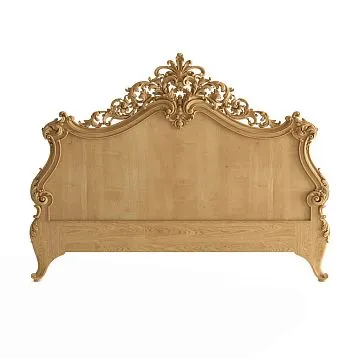
carved panel above the bed headboard — a "headboard accent" instead of or together with a soft panel
A carved wooden panel for a commercial interior should be large-scale: a small piece in a big lobby looks random. Starting from 800×800 mm — it already works. From 1200×1600 mm — it becomes architecture.
Styles of carved wooden panels: from Baroque to Art Deco
Classicism and neoclassicism
A classic carved panel is symmetry, acanthus, garlands, palmettes, meander. The ornament is strict, architectural, based on ancient prototypes. The relief depth is medium, the shape is rectangular, the frame is made of profiled wooden molding.
A panel in the classic style is for interiors with classic furniture, pilasters, cornices, and parquet flooring. It does not compete with other elements but participates in the overall architectural order.
For neoclassicism — a more restrained option. Less ornamental saturation, cleaner lines, possibly a monochrome finish under enamel.
Baroque: ornament as a gesture
A Baroque carved panel is the maximum. Rocaille, cartouches, scrolls, floral garlands, putti, mascaron. All in high relief, with dynamics, with asymmetry of individual motifs within overall symmetry.
A carved panel in the Baroque style is for formal spaces. The hall of a country house. The banquet hall of a restaurant. The presidential suite of a hotel. A home theater.
wooden ornament in a Baroque panel — it is a conversation about how the art of carving reaches its limit. Every curl is not accidental, every petal is in its place.
Empire: the severity of triumph
Empire style is severity and triumph at the same time. Laurel wreaths, eagles, spears, torches, swords, stars. Total symmetry. The relief is restrained but clear. Color is often gold on a dark background or white on white.
A wooden panel in the Empire style with a laurel ornament — for studies, libraries, reception halls. This is a panel that does not ask — it asserts.
Art Nouveau: nature as architecture
The Art Nouveau style is built on organic lines, smooth transitions, botanical motifs. Iris, lily, ivy, hair strand, wave. Not a single right angle. Not a single rigid contour.
A carved wooden wall panel in the Art Nouveau style — with a plant pattern of smooth shoots, an asymmetrical composition, and delicate relief. For bedrooms, boudoirs, women's studies, interiors oriented towards softness and sensuality.
wooden ornament In Art Nouveau, there is a special theme: the line here is the main tool, and in wood it reads differently than in metal or ceramics. Warmer, more alive.
Art Deco: geometry as luxury
Art Deco — geometry, conciseness, high relief, symmetry, a sense of expensiveness. A wooden panel in the Art Deco style: rectangular and diamond-shaped motifs, radial-ray compositions, zigzags, stepped profiles.
A geometric wooden panel in Art Deco is ideal for modern interiors that appeal to the luxury of the 1920s–30s: hotels, restaurants, private clubs. Here, wood is a material with the right tactility and the right weight.
Russian style: ornament with history
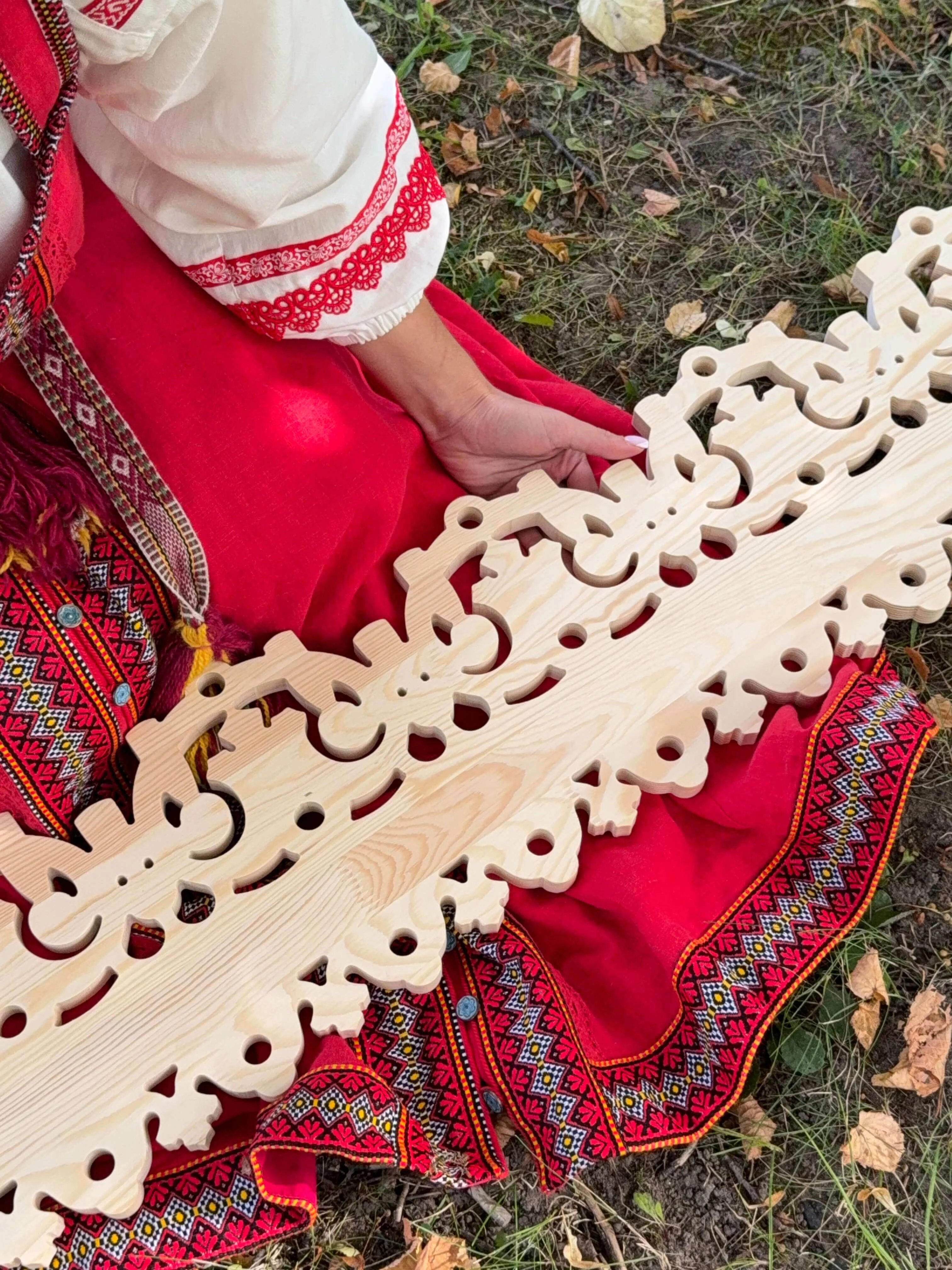
Carved Wooden ornament in Russian style — these are solar wheels, diamonds, braids, birds, plant shoots. All that symbolic program that in folk architecture decorated the house from the outside — in the panel is transferred inside.
Wooden panel in Russian style — for country houses made of wood, for baths with interiors, for restaurants with Russian cuisine, for cultural institutions and museum spaces.
How to choose the size of a carved wooden panel
Size is a critical parameter. A too small panel on a large wall will look lost. A too large one will feel oppressive and overloaded.
Checklist for choosing the size
Step 1. Measure the wall. Full width and height of the wall. Mark windows, doors, switches.
Step 2. Determine the 'panel zone'. Wall above the sofa — panel width: 60–75% of the sofa width. Wall above the console — panel width: equal to the console width or 20% wider. Wall above the fireplace — panel width: equal to the width of the fireplace portal.
Step 3. Height. Bottom edge of the panel — at or slightly above the top edge of the furniture (10–20 cm gap). Top edge — at least 20–30 cm to the ceiling molding.
Step 4. Vertical or horizontal format? Horizontal — above the sofa, bed, fireplace. Vertical — in wall spaces, niches, between windows. Square — as a separate accent, without reference to furniture.
Step 5. Relief depth. For high ceilings (3+ meters) — relief from 25 mm. For standard rooms — 15–25 mm. Flat panel (up to 10 mm) — for accent textured walls, not for central compositions.
Step 6. Frame or no frame? With frame — add 60–120 mm to each side of the panel. This is the "visual" size of the product.
Step 7. Product weight. An oak solid wood panel 800×600 mm weighs 8–15 kg. Ensure the base (wall, drywall, lathing) can support the load.
Step 8. Lighting. Side light (sconces, wall lamps on the sides) reveals the panel relief most effectively. Direct overhead light "flattens" the relief. Bottom or top lighting from a track — creates a dramatic shadow effect.
Standard formats of wooden panels for different rooms
| Room / zone | Width | Height | Format |
|---|---|---|---|
| Above a three-seater sofa | 1200–1800 mm | 600–900 mm | Horizontal |
| Above a two-seater sofa | 900–1200 mm | 500–700 mm | Horizontal |
| Above the console in the hall | 800–1200 mm | 600–900 mm | Horizontal or square |
| In the wall niche of the study | 400–600 mm | 800–1200 mm | Vertical |
| Above the fireplace | Across the width of the portal | 500–800 mm | Horizontal |
| In the hotel lobby | 1200–2400 mm | 900–2000 mm | Any |
How to combine carved panels with other wooden interior elements
A panel works to its full potential only when it is integrated into the overall wooden program of the space. A single panel on a wall among heterogeneous materials is an "exhibit," not architecture.
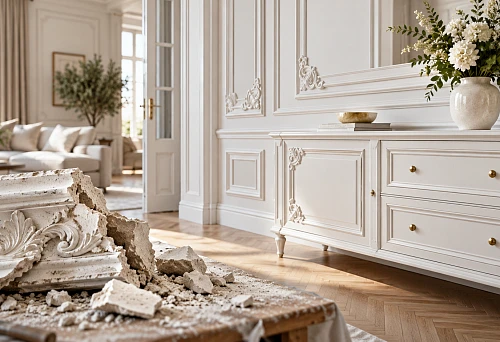
Panel + moldings. wooden molding along the perimeter of the wall or in the form of frame panels creates an environment into which the panel is organically integrated. Moldings set the module and rhythm — the panel becomes the culmination.
Panel + frame. wooden frame frames the panel and at the same time serves as a link between it and the wall moldings. It is better to choose the frame profile from the same series as the moldings.
Panel + decorative overlays. Decorative Inserts on furniture facades, on doors, on wall panels — in the same ornamental style as the panel. A unified ornamental language creates integrity.
Panel + classic furniture. Classical furniture made of wood in a coordinated tone with the panel — this is a complete interior scene. Dark oak panel + oak facades of classic cabinets = one ensemble.
Panel + door decor. Door Decoration in the same ornamental key as the panel — closes the theme. A door with carved overlays and a panel on the opposite wall create a dialogue.
Panel + Carved wooden ornament – this is an art that preserves traditions of the past and finds its place in modern interiors. It can decorate any space, adding style, elegance, and individuality. Use wooden ornaments to create expressive accents, decorate facades, furniture, and walls, and you will transform your space, making it unique and irreplaceable!. Understanding ornamental traditions — acanthus, meander, rhombus, weaving — helps to correctly combine the panel with other carved elements without creating an ornamental conflict.
Installation of a wooden panel: what is important to know
Installing a carved wooden panel is no more difficult than installing a mirror of similar weight. But a number of nuances are important to consider in advance.
Wall mounting
On an anchor bolt (concrete wall). For panels weighing up to 15 kg: 4 anchors M6 with a diameter of 6 mm — sufficient. For heavy panels (solid oak, 15–30 kg): 6–8 anchors M8. Anchors are placed on the back side of the panel in a groove — hidden fastening.
On drywall. For lightweight false panels weighing up to 5 kg — butterfly dowels or heavy-duty surface adhesive. For panels heavier than 5 kg — fastening to the lathing or a reinforced embedded element in the drywall structure.
On adhesive. Structural mounting adhesive (MS polymer) + additional point dowels — a reliable and aesthetic option for panels up to 10 kg. The adhesive leaves no visible attachment points.
Distance from the wall
For panels with deep relief — fastening on supports (spacer bushings): a 10–15 mm gap from the wall creates a shadow along the contour, visually 'lifts' the panel and enhances the relief.
Coating before or after installation
If the panel is supplied without coating, finishing before installation is more convenient: all edges and the back side are processed evenly. After installation, only visible surfaces are processed. The ends must be processed, otherwise the wood will absorb moisture from unprotected sides.
What affects the price of a carved wooden panel
The price range for wooden panels is wide: from 3,000–5,000 rubles for a small decorative overlay acting as a panel, to 80,000–200,000 rubles for a large handcrafted oak panel in a frame.
Size. Every 100 mm increase in width and height proportionally increases material consumption and processing time.
Wood species. Pine is the base price. Beech is 1.5–2 times more expensive. Oak is 2.5–3 times more expensive than pine. Products made of oak and beech cost more but justify the price with durability and expressiveness of texture.
Depth and complexity of carving. Flat ornament is the minimum cost. Medium-depth relief carving is the main price segment. Deep relief with undercuts and manual finishing is the highest price level.
Handcrafted vs. serial product. A serial panel from the catalog has a fixed price. A custom order with an original design starts at double the price of a serial one.
Coating. Without coating ("white wood") is cheaper. Antiseptic plus oil or varnish adds 15–20%. Patina, gold imitation, tinting to a custom color are additional.
Presence of a frame. A frame made of profiled molding adds 20–40% to the price of the panel itself, depending on the size and complexity of the profile.
Number of elements. A single panel is retail price. 10 panels for a hotel are wholesale price.
Individual parameters. Non-standard size, non-standard shape, custom ornament — a project order with individual calculation.
Delivery and packaging. Wooden panels are transported in rigid packaging with protective pads. Large and heavy items — in wooden crates.
Mistakes when buying a wooden panel
Ten mistakes, each of which actually occurs — and each can be prevented.
1. Did not measure the wall. "Approximately 1.5 meters wide" is an unreliable guide. Accurate measurement considering furniture, lighting fixtures, and openings is a must.
2. Did not consider the scale of furniture. A panel wider than the sofa or console underneath looks disproportionate. A panel narrower than the sofa "hovers" and loses support.
3. Chose too small decor for a large wall. A 300×200 mm overlay on a 3×2.5 meter wall is simply not visible from a normal distance. A large wall requires an appropriate scale.
4. Did not coordinate the ornament with the interior. A Baroque cartouche in Scandinavian minimalism is a style conflict. Art Deco geometry in a classic study is also. The panel ornament should belong to the interior style.
5. Mixed ornamental programs. Floral ornament on the panel + geometric wooden ornament on the moldings — visual noise. The ornament should be unified.
6. Did not check the depth of the relief. The photo does not convey volume. Clarify the depth of the relief in mm: for a decorative accent — at least 15–20 mm.
7. Did not think through the installation. A heavy solid wood panel on a drywall partition without embedded supports — it will fall. Always clarify the base type and product weight.
8. Did not agree on the coating color. "Natural wood look" means dozens of different shades. Clarify the tinting using a sample or by comparing with other wooden interior elements.
9. Did not account for lighting. Direct overhead lighting "eats" the relief. Plan for spotlights or sconces on the sides of the panel — they will make the relief come alive.
10. Did not compare the panel with moldings and frames. If you already have Wooden moldings on the walls — the profile of the panel frame should match them. Different profiles in one room create a feeling of incompleteness.
Where to buy a carved wooden wall panel
It is worth buying a carved wooden wall panel from a manufacturer with its own production and catalog that includes not only panels but also related elements: Decorative Inserts, Moldings, Frames, Carved wooden decoration. Then the panel can be integrated into the overall wooden interior program — and it will be a cohesive system, not a set of random purchases.
The STAVROS catalog offers a wide range of carved wooden decor: overlays and decor sets that can be used as independent wall compositions, wooden frames and baguettes for framing, moldings for architectural wall framing, decor for furniture Made from beech and oak.
Production in Russia. Delivery nationwide. Custom orders from one piece. Samples upon request.
FAQ: answers to popular questions about wooden panels
Which wooden wall panel should you buy?
The choice depends on wall size, interior style, ceiling height, furniture placement, and desired accent. For a classic interior, choose a carved panel with an ornament in a frame. For a modern one, choose a geometric or floral panel without a frame. For a commercial space, choose a large ensemble solution combined with moldings.
How is a carved panel different from a decorative overlay?
A panel is an independent, complete composition. An overlay is a decorative detail for furniture, doors, or walls. A large overlay with a finished ornament can be used as a panel. A small overlay is only part of a broader decorative program.
Where to use a carved wooden panel?
In the living room (above the sofa, TV area, fireplace), in the study (above the desk, in niches), in the hall (opposite the entrance, above the console), in the bedroom (above the headboard), in restaurants and hotels (in the hall, lobby, rooms).
What affects the price of a carved panel?
Size, wood species, depth and complexity of carving, handcrafted or mass-produced, finish (enamel, tinting, patina), presence of a frame, custom parameters, and delivery.
Can the wooden panel be painted?
Yes. A panel made of pine or beech without a finish is an ideal base for enamel or tinting. It is recommended to coordinate the final color with moldings, cornices, doors, and furniture — for a unified wood program.
How to integrate the panel into the interior?
Connect it with wooden moldings, wooden frame, decorative inlays on furniture and doors — in a unified ornamental style and the same tinting. Then the panel ceases to be 'decor' and becomes interior architecture.