
























Article Contents:
- Why fasteners are not consumables but part of the structure
- What is a structural screw and how it differs from a regular one
- Regular wood screw
- Structural screw
- Solid wood furniture: frames, under-tables, aprons, and legs
- Wooden brackets: a lever that requires a reliable point
- Staircase elements: where the screw works as part of the system
- Decor and house carving: when a detail is beautiful and cannot be ruined
- Mounting plates: the connecting link between parts
- What the numbers in the marking mean
- Structural self-tapping screw 5×70 FUR-037
- Structural self-tapping screw 5×90 FUR-038
- Selection table by scenario
- What happens to the cross slot
- How TORX works
- TORX T-25 key: why it is needed separately
- Why solid wood splits
- When pre-drilling is mandatory
- Speed and force
- The bracket as a lever
- Rules for mounting a bracket
- Why one screw is a mistake
- Scheme: tabletop — underframe — legs
- Scheme: legs on threaded studs
- Where the self-tapping screw works in stair joints
- Where the self-tapping screw does not replace calculation
- Mistake 1. Choosing by price, not by parameters
- Mistake 2. Taking too short fasteners
- Mistake 3. Not considering wood hardness
- Mistake 4. Driving without pre-drilling near the edge
- Mistake 5. Using the wrong bit
- Error 6. Stripping TORX with excessive force
- Error 7. Using one screw where a pair is needed
- Error 8. Fastening the bracket to a weak base
- Error 9. Not checking the thickness of the part
- Error 10. Not buying a TORX key with the screws
- Mounting Plates
- Wooden furniture legs
- Materials for installation and finishing
- Furniture fittings in general
- Decorative caps and covers
- Moldings: trims, cornices, baseboards
- Custom manufacturing
- What is a structural screw?
- How is a structural screw better than a regular one?
- What structural screws are available in STAVROS?
- Why do you need a TORX T-25 key?
- When to choose 5×70 and when 5×90?
- Is pre-drilling necessary before using a structural screw?
- Why does the screw split the wood and how to avoid it?
- Can structural screws be used for installing furniture legs?
- What to buy along with construction screws?
- Where to buy a construction wood screw for working with solid wood?
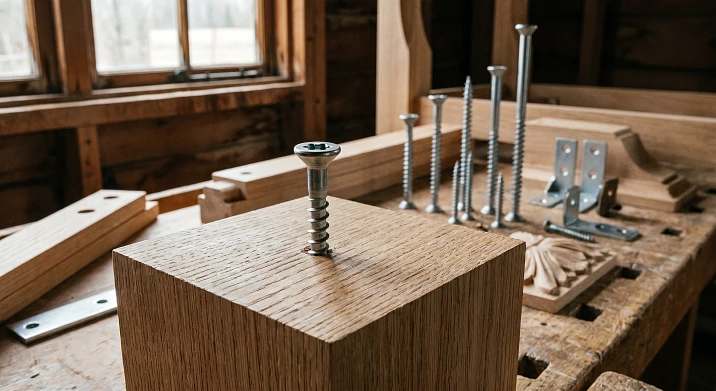
There are details that are thought of last. And they are the ones that break everything. You choose a carved oak bracket, a wooden furniture leg, a solid wood table base, or a stair baluster — and at some point you run into a simple question: what to fasten it with? What screw? What length? What slot shape? And that's where a story begins that is better known in advance than dealing with the consequences later.
Incorrect fasteners when working with solid wood are not just play. It's a crack in the part at the edge. A stripped slot halfway through tightening. A bracket that starts wobbling after a month. A beautiful tabletop on a table base that will soon need rework. All of this is a consequence of choosing the wrong construction screw, and this article is dedicated to that.
Buying a construction screw is not a difficult task. But choosing the right one is a different story. Especially when it comes to natural oak, beech, solid wood decor, and critical furniture connections.

Why fasteners are not a consumable but part of the structure
Most buyers perceive screws as a consumable. Bought a pack by price, screwed it in, and forgot. This approach works when you're nailing a baseboard or assembling a country table from pine. But as soon as solid hardwood, a high-load joint, or a visible part comes into play, the logic changes.
Construction screw is not just a "long wood screw." It is a fastener designed for load: with a specific thread pitch, shank diameter, head shape, and drive type. It is these parameters together that determine whether the connection will hold or not.
When you install wooden bracket to a wall or beam, the screw doesn't just work against pull-out — it works as a lever. Any load on a shelf or decor creates a bending force at the attachment point. If the fastener is short, thin, or made of soft metal — over time it will start to bend, loosen, and eventually pull out. Especially if the base is wooden and the load is constant.
That's why choosing a structural wood screw is a design decision, not a household one. And it's better to make it before buying the bracket, leg, or decorative element, not after.
What is a structural screw and how is it different from a regular one
To answer this question clearly, you need to compare two types of fasteners not by price or appearance, but by function.
Our factory also produces:
Regular wood screw
A universal wood screw is a general-purpose fastener. It is suitable for connections with light loads: attaching thin slats, installing trim, assembling lightweight structures. It has a standard thread pitch, relatively soft metal, and typically a Phillips or slotted drive.
Its limitations become obvious when:
- the part is made of hardwood (oak, beech);
- the load is significant or dynamic;
- the fastening is visible and precision matters;
- requires repeated screwing or disassembly.
Get Consultation
Structural self-tapping screw
A structural self-tapping screw is a fastener for load-bearing and stressed connections. It features:
- increased rod diameter — larger contact area with wood, higher load capacity;
- reinforced thread — deep thread profile ensures better grip in dense solid wood;
- high-quality metal — heat treatment provides strength and reduces the risk of rod breakage;
- TORX drive — a six-point star instead of a cross slot, which does not strip under load;
- special tip shape — allows entry into hard wood without pre-drilling in most cases.
A structural self-tapping screw for wood is needed where ordinary fasteners are too weak: massive furniture, furniture frames and under-table structures, wooden brackets, stair components, decorative overlays with mechanical fastening.
Where STAVROS structural screws are used: real-world scenarios
Let's move from theory to practice. Where exactly does the need for proper structural fasteners arise? There are several scenarios, each with its own requirements.
Solid wood furniture: frames, underframes, aprons, and legs
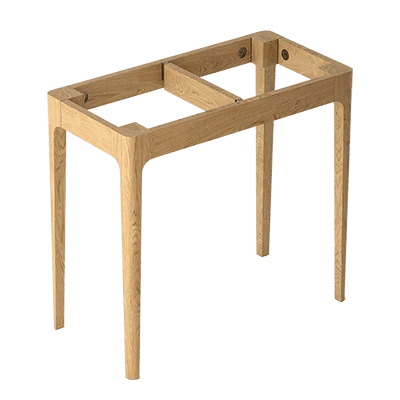
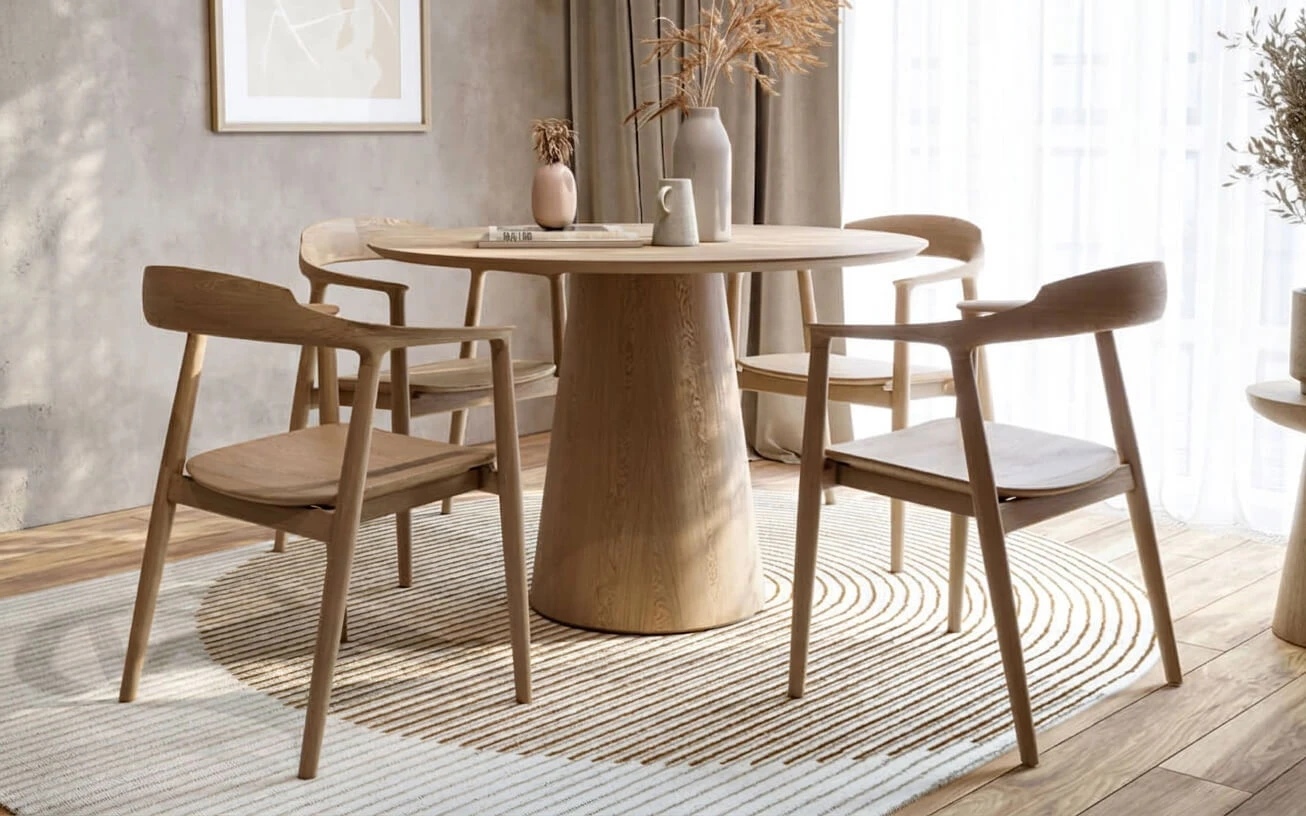
Furniture made from natural wood is not just a set of parts glued and fastened haphazardly. It is a system where each joint works under load. Connecting an apron to a leg, attaching an underframe to a tabletop, mounting a mounting plate to a frame — everywhere you need fasteners that hold.
For working with furniture frames and underframes a structural screw is chosen based on the thickness of the part, wood species, and load direction. It is important that the fastener does not allow micro-play — any movement in the joint will loosen it over time.
for of wooden furniture legs mounting through a threaded stud or mounting plate is a standard scheme, but here too the structural screw is involved in securing the plate to the apron or base. Weak fasteners here mean a wobbly table or chair — even if the leg itself is strong.
Wooden brackets: a lever that requires a reliable anchor point
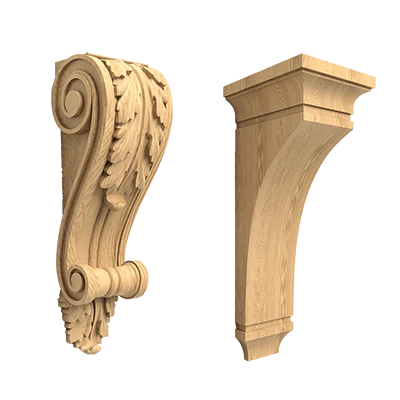
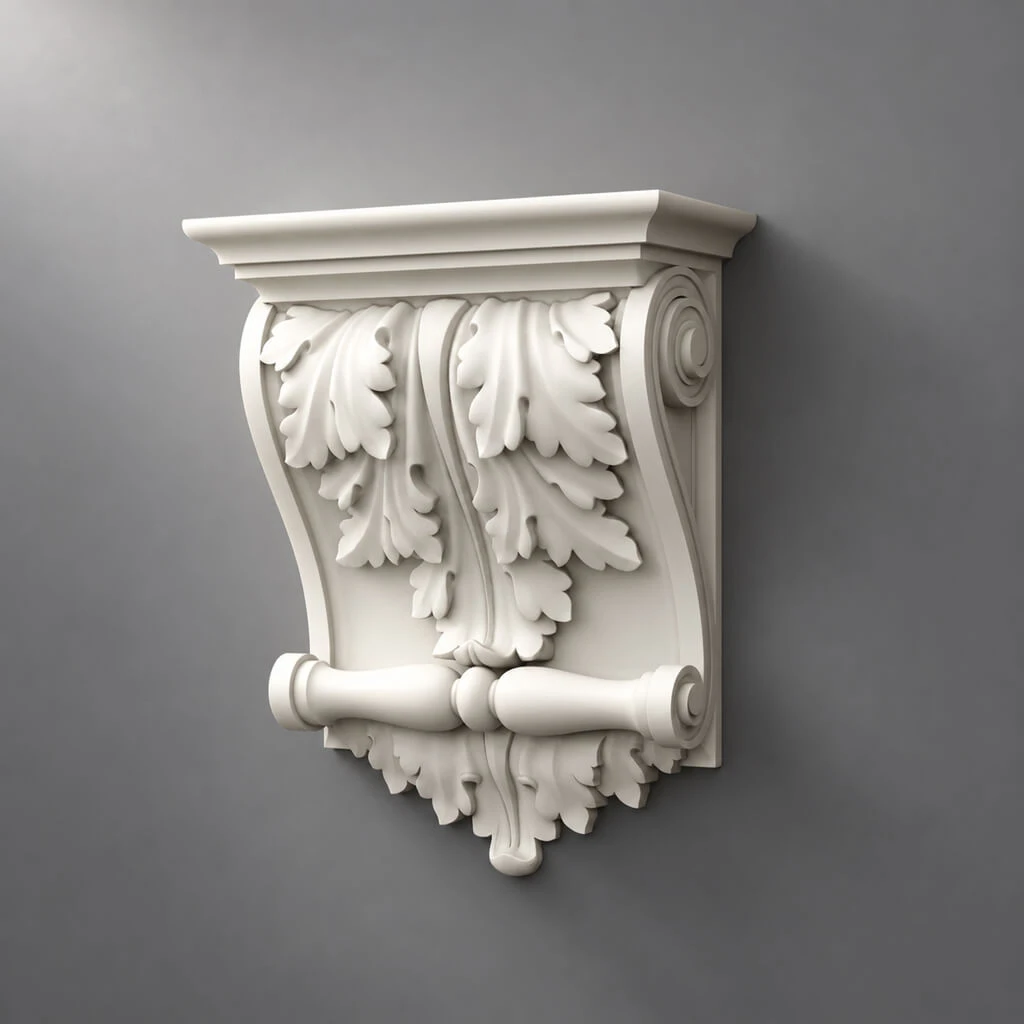
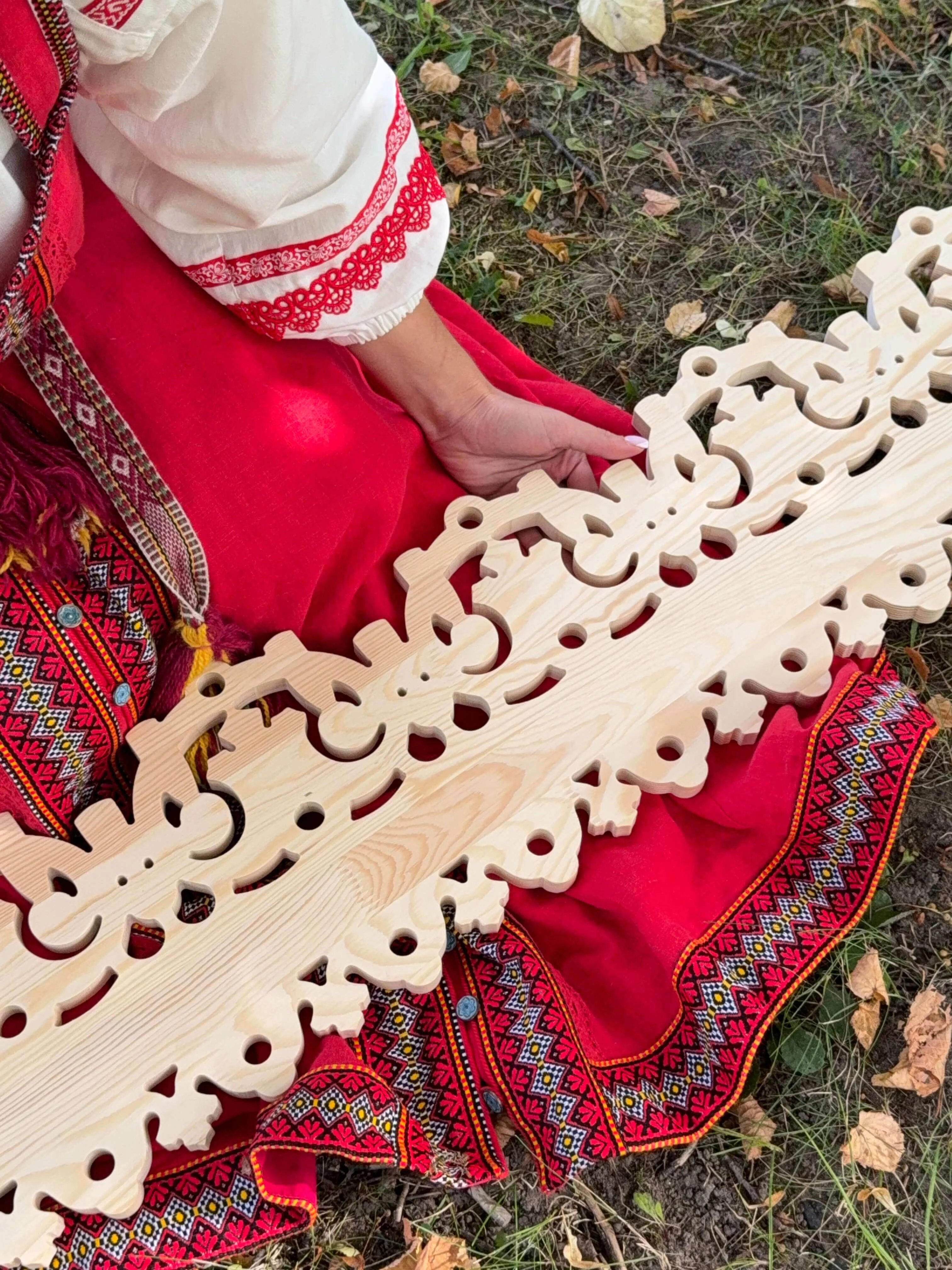
Wooden Brackets STAVROS are carved products made from solid oak and beech. They are used to support shelves, cornices, beams, and decorative elements. Beautiful work, intricate pattern, expensive material — and all of this is attached to a wall or wooden base. With what?
On self-tapping screws. And here the choice is critical.
The bracket works like a lever. The load on the shelf is multiplied by the arm. This means that the force on the attachment point is several times greater than the weight on the shelf. If the base is a wooden embedded part or timber, a 5×90 structural self-tapping screw provides sufficient engagement depth. If a 5×70 is used under the same load, the risk of pull-out is higher.
The rule is simple: the bracket is fastened with at least two self-tapping screws located at different levels. One at the top point, one at the bottom. This distributes the load and prevents rotation.
Staircase elements: where the self-tapping screw works as part of the system
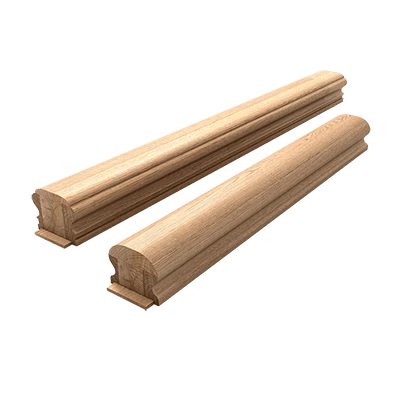
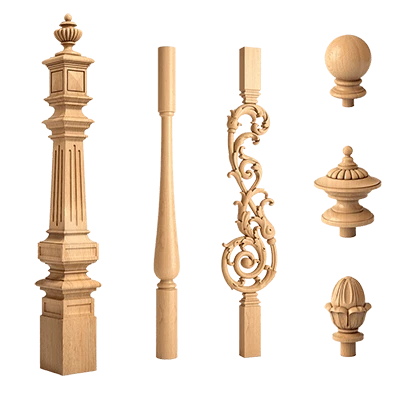
staircase components — these are balusters, handrails, posts, risers, steps. In staircase installation, the structural self-tapping screw is used in certain joints but is not the only fastening method.
For attaching wooden balusters to the landing board — a self-tapping screw through dowels or with concealed installation. For fixing the handrail to the baluster or post — specialized mounting hardware with self-tapping screws. For securing the step to the stringer — a structural self-tapping screw with pre-drilling and, if necessary, adhesive bonding.
Important caveat: the staircase as a load-bearing structure requires engineering design. The self-tapping screw is an element of the mounting joint, but not a replacement for a full engineering solution.
Decor and house carving: when the part is beautiful and cannot be damaged
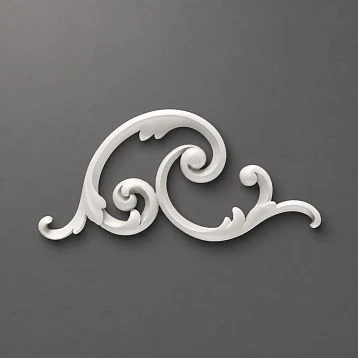
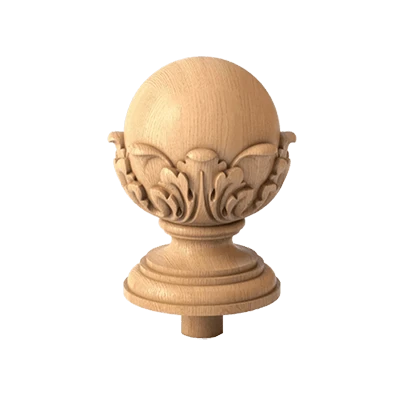
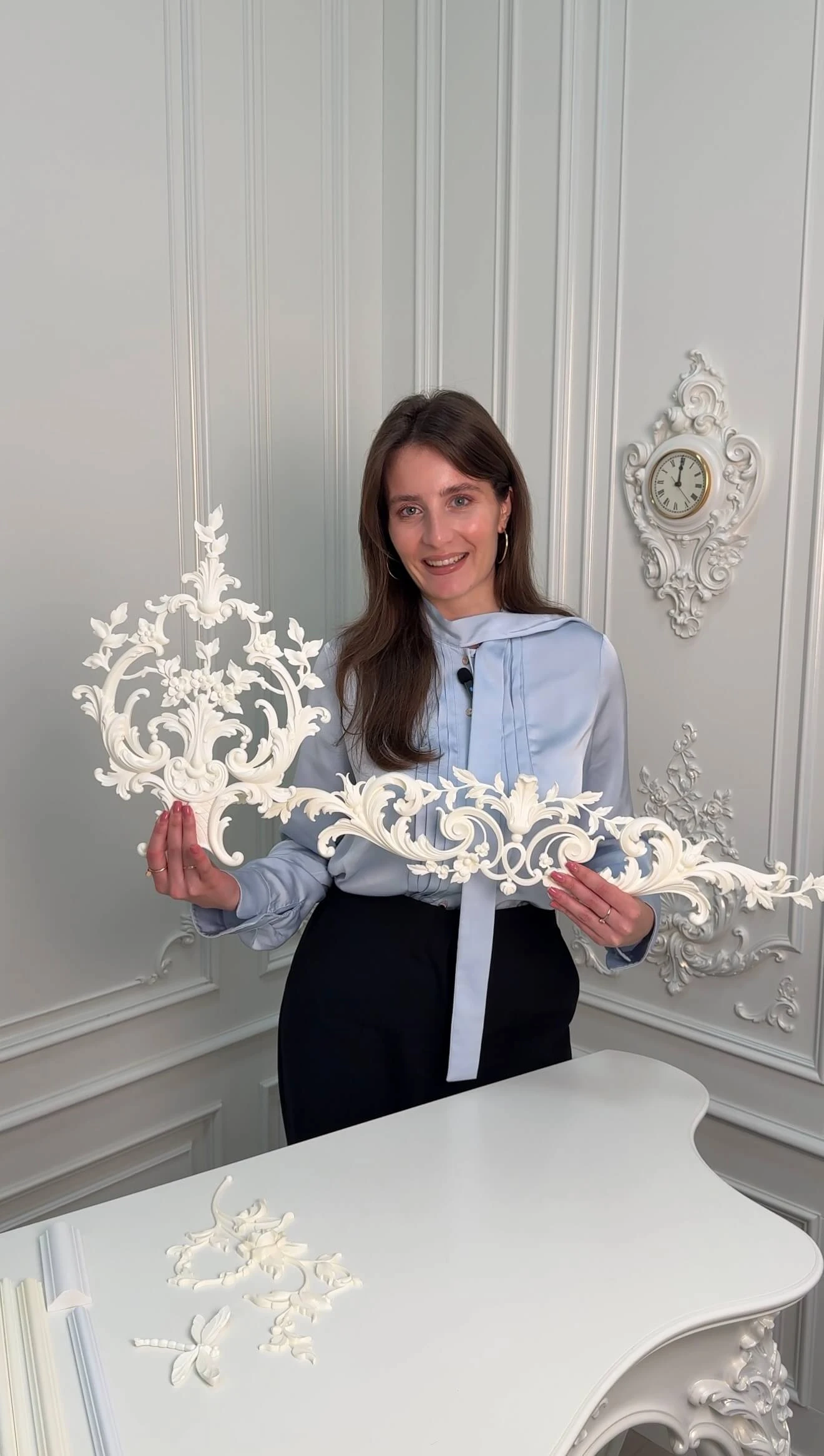
House Carving — trim, soffits, wind boards, cornice elements — are mounted in various ways. For large overlays and volumetric parts where concealed fastening is possible, the structural self-tapping screw is a working tool.
Here, the entry point of the self-tapping screw is especially important: it should not come out on the front surface or hit a thin element of the pattern. Installation is done from the back side, through a hole or through an embedded timber. If necessary, a decorative wooden plug matching the same wood species is used.
Mounting plates: the connecting link between parts
STAVROS mounting plates used for concealed and semi-concealed connections of wooden elements. The plate is attached to the part with self-tapping screws — and this is where structural fasteners are indispensable. The plate must not shift or deform under load. Weak screws = weak plate = unreliable connection.
Sizes of structural self-tapping screws: how to choose 5×70 or 5×90
This is one of the key practical questions that most buyers ask. Let's break down the selection logic in detail.
What the numbers in the marking mean
The marking "5×70" is simple: the rod diameter is 5 mm, the screw length is 70 mm. Similarly, "5×90" — diameter 5 mm, length 90 mm.
The diameter determines the load-bearing capacity and holding force in the transverse direction. The length determines the depth of engagement in the wood and resistance to pull-out.
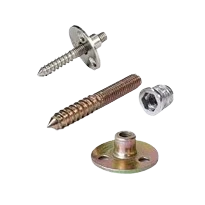
Structural self-tapping screw 5×70 FUR-037
Screw 5×70 — a working option for:
- mounting of mounting plates to medium-thickness wooden parts;
- fastening furniture elements where parts have a thickness of 30–50 mm;
- work in nodes where the 90 mm length creates a risk of the screw exiting from the reverse side;
- light and medium brackets with low load;
- fastening wooden decor to the embedded beam.
It is structural screw FUR-037 (5×70) available in the STAVROS catalog as part of the hardware assortment.
Structural screw 5×90 FUR-038
Structural screw 5×90 FUR-038 — choice for:
- massive brackets with active load;
- fastening wooden elements to thick timber or beam;
- nodes where maximum thread engagement depth is needed;
- heavy furniture connections: large tabletops, massive frames;
- fastening through multiple layers of material.
Basic rule: choose the screw length so that at least two-thirds of its length goes into the receiving part. If fastening through a 25 mm thick overlay — a 5×70 screw will give 45 mm of engagement in the base. This is sufficient for medium load. For high load — take 5×90, you will get 65 mm of entry into the solid wood.
Selection table by scenario
| Scenario | Recommended size |
|---|---|
| Mounting plate to apron (25–30 mm) | 5×70 |
| Light bracket to wooden insert | 5×70 |
| Heavy bracket, shelf with load | 5×90 |
| Step attachment to stringer | 5×90 |
| Tabletop underframe via plate | 5×70 or 5×90 depending on thickness |
| Decorative overlay to beam | 5×70 |
| Baluster to landing board | 5×90 |
Why TORX is not a whim but a necessity
The question of drive type may seem secondary. In reality, it is one of the most important parameters when working with hardwood.
What happens to the cross slot
Cross slot (PH2) is standard for most household screws. It is simple, accessible, and understandable. But it has a fundamental drawback: under high tightening torque, the slot starts to slip out of the bit. This is called "cam-out" or "stripping."
When you drive a screw into soft pine, it's not a problem. The force is small, the slot handles it. But when you work with oak or beech, the resistance is 3–5 times higher. The tightening torque required is significant, and the cross slot cannot withstand it — it strips, and you end up with a ruined head in the middle of an expensive part.
How TORX works
The TORX drive is a six-pointed star. The contact geometry between the bit and the screw head is fundamentally different: force is transmitted not diagonally (as in a cross slot), but directly along the edges. This means:
- several times lower risk of stripping under load;
- the ability to transmit significantly greater tightening torque;
- precise control of seating depth;
- preservation of the head even when working tightly in hard wood.
For structural screws in oak and beech, TORX is the only reasonable choice.
TORX T-25 key: why it is needed separately
TORX T-25 key for installation is an L-shaped extended tool for manually tightening TORX screws in places where a screwdriver cannot fit or where force needs to be controlled manually.
Why is this important? In furniture and carpentry installation, situations regularly arise where a power tool cannot fit into a narrow gap between parts, under a shelf, in a corner of a frame, or near a wall. An L-shaped wrench solves this problem: the long arm provides sufficient torque, and the shape allows working in confined spaces.
The TORX T-25 FUR-039 STAVROS key is not a random item in the catalog, but a tool specifically designed for structural screws with a diameter of 5 mm and a TORX T25 drive. Purchasing it separately is reasonable. Buying screws without a key means risking being left without the necessary tool at the moment of installation.
Solid oak and beech: how not to split the part when tightening
This is a separate and very important topic. Oak and beech are species with high density and pronounced fibrous structure. With improper installation, they split, and precisely at the most inconvenient moment — when the part is already installed and almost secured.
Why solid wood splits
The mechanism is simple. A screw, entering the wood, pushes the fibers apart. If it enters too close to the edge of the part or along the fibers, pressure concentrates in a weak spot, and the part cracks. This is not a defect in the wood. It is an installation error.
Main causes of cracks when tightening:
- proximity to the edge — the distance to the edge of the part should be at least 2.5–3 screw diameters;
- entry along the fibers — the most dangerous direction, fibers diverge parallel;
- too high speed — rapid tightening with a screwdriver creates thermal shock and increases stress;
- lack of pre-drilling — especially near the edge and in hard rock;
- incorrect pre-drilled hole diameter — too small does not relieve stress, too large deprives thread engagement.
When pre-drilling is mandatory
Pre-drilling is necessary:
- when entering oak or beech closer than 40 mm from the edge;
- when installing into the end grain of a part;
- when working with old dry wood (it splits more easily);
- when using self-tapping screws with a diameter greater than 4 mm in parts thinner than 30 mm;
- during any installation in a critical and visible location.
The diameter of the pre-drilled hole is approximately 70% of the self-tapping screw shaft diameter. For a 5 mm screw — a 3.5 mm drill bit. This leaves enough material for thread engagement but relieves wedging stress.
Speed and torque
When working with oak and beech — minimum screwdriver speed, maximum torque. Not the other way around. High speed without pre-drilling leads to overheating and cracking. The correct mode is slow, steady, with control.
The last 5–7 mm of tightening is best done by hand — with a TORX T-25 key, especially if the part is delicate or the screw head must sit flush.
Mounting brackets: why the screw matters more than it seems
When a buyer chooses Wooden Brackets, he thinks about the pattern, the wood species, the size. That's correct. But mounting a bracket is not a matter of beauty. It's a matter of physics.
The bracket as a lever
Lever is the most accurate word to describe what happens to a bracket under load. Suppose a shelf extends 30 cm from the wall. It carries a load of 10 kg. The torque relative to the attachment point is 30 N·m. This means a pulling force is created on the top screw, a compressive force on the bottom screw, and a bending moment between them.
If the top screw is a regular 5×50 in drywall without a backing — it will pull out. Not "might pull out." It will pull out, sooner or later. Because the bracket is a lever, and the fulcrum must be reliable.
Rules for mounting a bracket
For a wooden base (beam, joist, backing):
- two structural self-tapping screws, positioned vertically with the maximum distance between them;
- the upper screw works in tension, the lower one in shear;
- screw length — at least 70 mm of entry into the base;
- pre-drilling is mandatory in hardwood;
- tight fit of the head — no gap between the screw head and the bracket body.
For installation through the mounting plate — STAVROS mounting plates in combination with structural self-tapping screws, they provide a reinforced and evenly distributed fastening.
Why one self-tapping screw is a mistake
One self-tapping screw does not fix the angle. The bracket can rotate around it. Two self-tapping screws form a rigid triangle that fixes both the angle and the position. This is not redundancy, it is the minimum reasonable scheme.
Furniture components: legs, underframes, frames — fastening scheme
In solid wood furniture, a construction screw does not work alone. It is always part of a system. Understanding this system means choosing the fastener correctly.
Diagram: tabletop — underframe — legs
A typical furniture joint looks like this: legs are attached to aprons or the underframe base. The underframe is attached to the tabletop through mounting plates or brackets. If any of these connections have weak fasteners, the entire structure wobbles.
For oak aprons 25–30 mm thick, mounting a plate with a 5×70 screw is sufficient. For a plate in a thicker apron or when working with beech, 5×90 provides a greater safety margin.
It is critically important: the screw must not protrude from the back side of the apron. This will damage the part and create a hazardous protrusion. Calculate the fastener length considering the material thickness.
Diagram: legs on threaded rods
for of wooden furniture legs Mounting on a threaded rod — screwed into the leg — with a mating nut in the apron or base is often used. The construction screw here participates in fixing the plate with the threaded socket to the wooden base. Four 5×70 screws at the corners of the plate is a standard scheme.
Stair elements: an honest discussion about the role of the screw
A staircase is an engineering structure. It carries people, experiences dynamic loads, and must be safe under all conditions. The role of the construction screw here is real but limited.
Where the screw works in stair joints
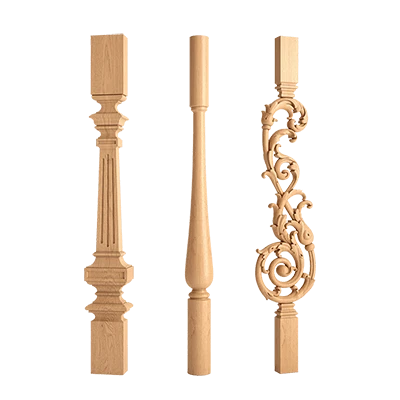
Balusters. When installing wooden balusters to a landing board or step — a structural screw can be used through a special mounting bracket or in a hidden way through the body of the baluster. Important: the screw entry must be at an angle, perpendicular to the direction of the load.
Handrail. Attaching the handrail to the posts via an overlay or hidden mounting element with screws is standard practice. For an oak handrail — a structural screw 5×90 and mandatory pre-drilling.
Steps and risers. When fastening a step to a stringer — the screw complements the adhesive joint. One without the other is weaker: glue holds the plane, the screw tightens until full setting and adds mechanical resistance.
Where a screw does not replace calculation
Load-bearing posts, main fastening of the string, anchor fastening to the ceiling — here specialized hardware and an engineering solution are needed. A wood screw is not an anchor and is not designed for such loads.
Mistakes when choosing a structural screw: a list worth reading before purchasing
This part is concentrated practical experience. Better to know in advance than to fix later.
Mistake 1. Choosing by price, not by parameters
A structural screw is not the fastener to skimp on. Cheap metal = soft shank = risk of breakage when driving into hard wood. Especially critical when working with oak: the tightening torque is high, and a weak shank simply twists off.
Mistake 2. Taking too short fasteners
A screw that is too short does not provide sufficient depth of engagement. It may seem to hold, but under load it pulls out. This is especially dangerous for brackets and furniture joints under constant or dynamic load.
Mistake 3. Not accounting for wood hardness
Oak and beech are not pine. They have a different density coefficient and different resistance to crushing. A screw that goes easily into pine may get stuck halfway in oak if the hole is not pre-drilled. This leads either to cracking or to stripping the drive.
Mistake 4. Driving without pre-drilling near the edge
A classic mistake that costs dearly. A piece of oak, a beautiful pattern — and a crack from the edge to the screw head. The piece is ruined. Drilling near the edge is mandatory, no exceptions.
Mistake 5. Using the wrong bit
A TORX T25 bit is a specific size. Another bit simply won't fit or will fit with play, leading to the same stripping. Check the compatibility of the bit and screw before starting work.
Mistake 6. Stripping TORX with excessive force
TORX holds torque well — but not indefinitely. Too high a torque on the screwdriver at the final turns strips even TORX. Especially if the head is already flush with the surface and there is nowhere to turn. Control the screwdriver clutch or do the final turns by hand.
Mistake 7. Using one screw where a pair is needed
We have already discussed this in relation to brackets. But it also applies to furniture joints and decorative overlays. One screw does not prevent rotation around its axis. Two screws create a rigid connection.
Mistake 8. Fastening a bracket to a weak base
Drywall without a backing, loose brick, thin plywood — these are unsuitable bases for wooden brackets under load. A structural wood screw is designed to work with wood, not with any base. If the base is weak, a backing, metal anchor, or other reinforcement is needed.
Mistake 9. Not checking the thickness of the part
A 5×90 screw in a part 35 mm thick means it will come out the other side. And at the most unexpected moment — when the part is already fastened. Always calculate the fastener length: thickness of the first part plus the required engagement depth in the receiving part.
Mistake 10. Not buying a TORX key along with the screws
This sounds trivial, but it happens all the time. TORX screws are bought, installation needs to be done in a hard-to-reach place — and it turns out there is no bit, the screwdriver doesn't fit, and there is no special key. An L-shaped TORX T-25 key for installation is not an additional accessory, but a mandatory tool for professional installation.
What to buy along with structural screws: a complete kit for installation
A structural screw is the first element of the system. What else is needed for a complete and correct installation of STAVROS wooden products?
Mounting plates
STAVROS mounting plates — metal reinforcing elements that distribute the load between wooden parts. Using a plate together with structural screws is a standard scheme for furniture and joinery units requiring increased strength. The plate prevents the screw from "pulling" the wood at a point load — it distributes the force over the area.
Wooden furniture legs
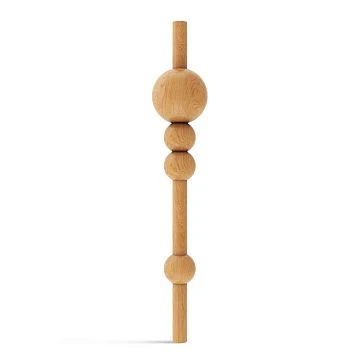
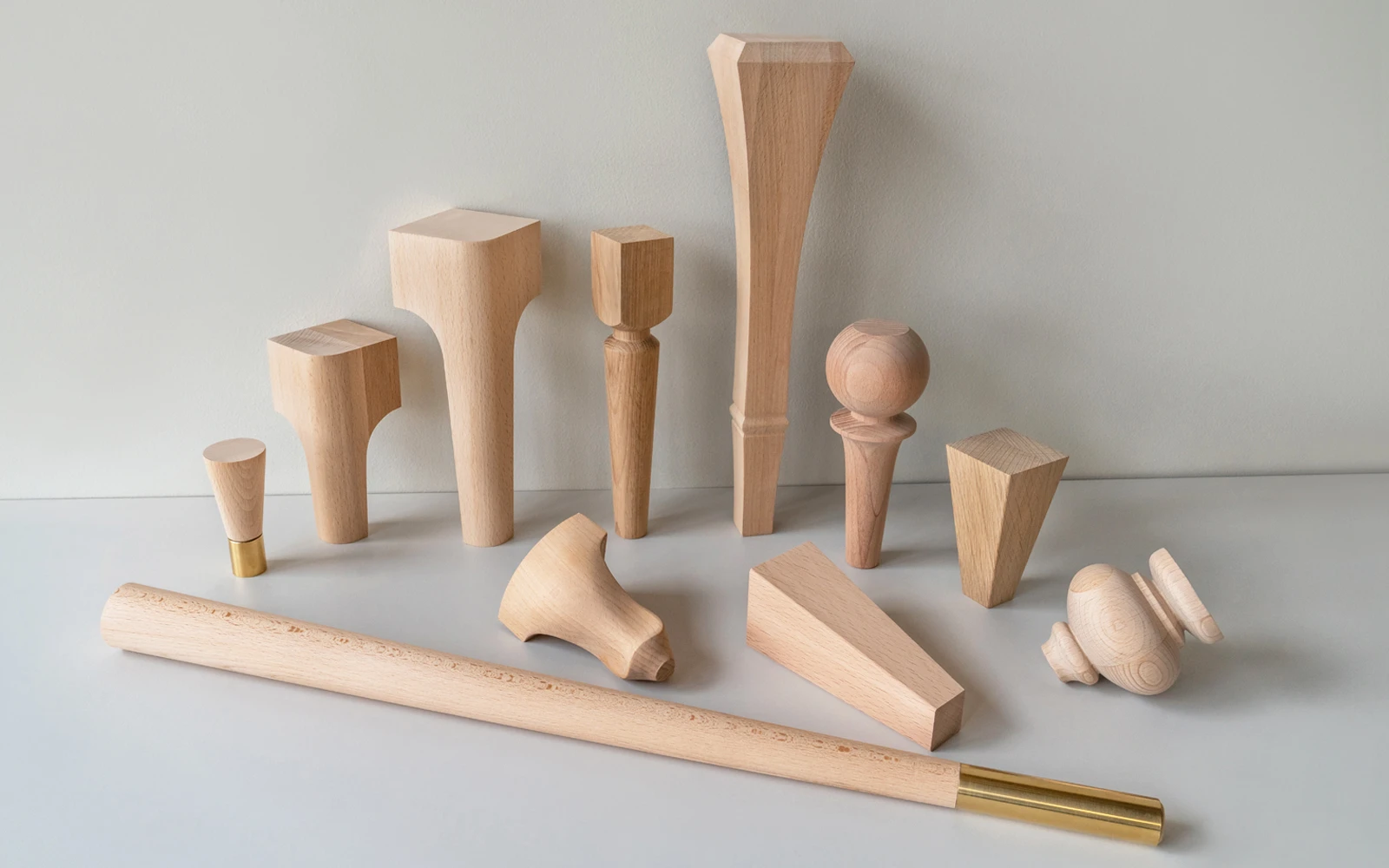
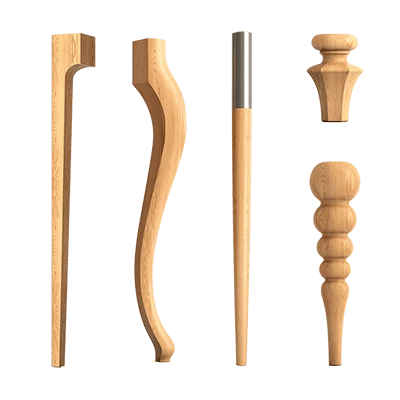
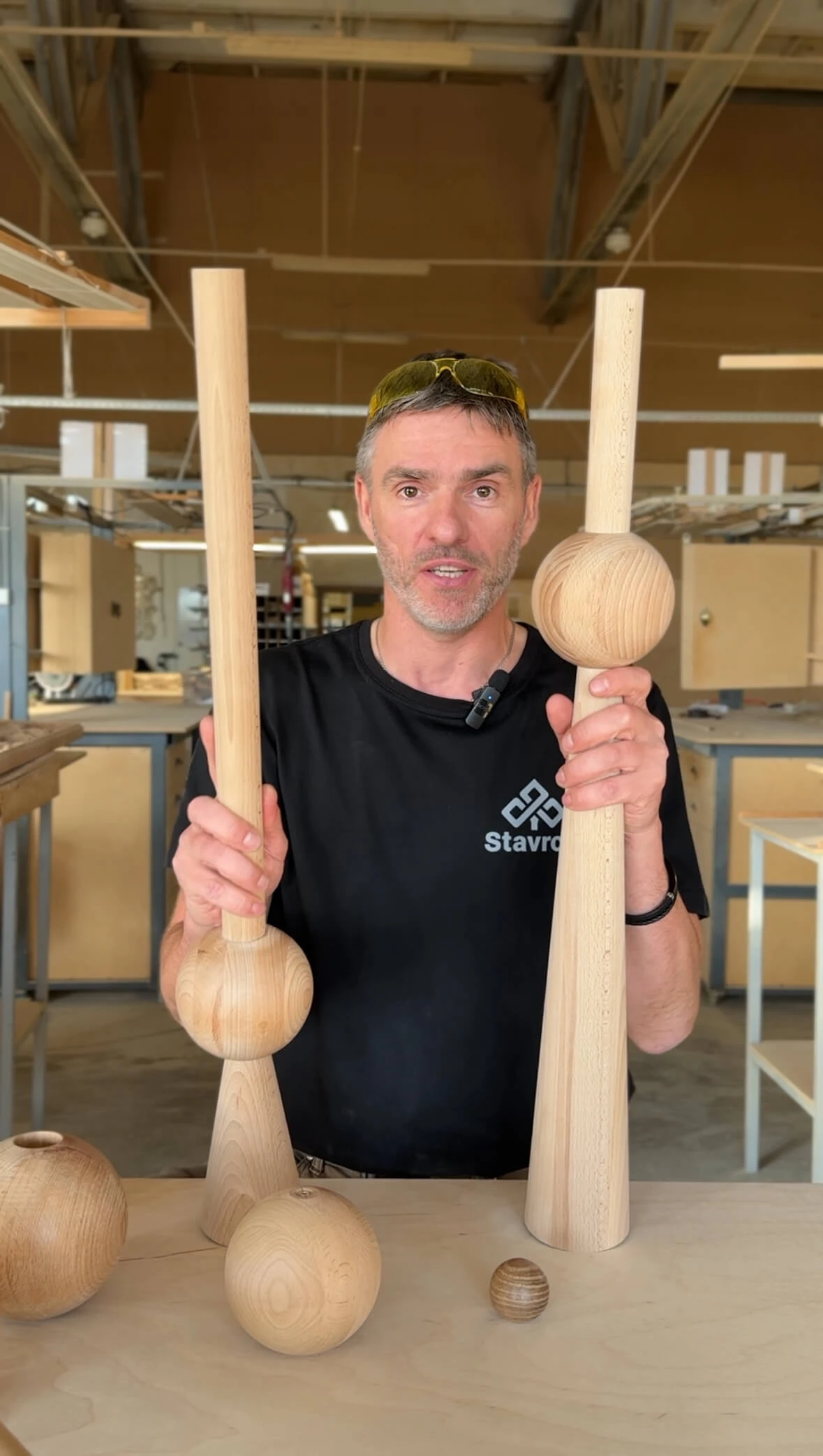
If the project includes wooden legs, their installation will inevitably require fasteners. wooden furniture legs STAVROS — made of oak and beech — are turned and shaped products for tables, benches, armchairs, and other furniture. Proper installation using a stud or plate with structural screws ensures a rigid fit without play.
Materials for installation and finishing
After installation, it is often necessary to hide traces of fasteners, protect the wood, or prepare the surface for final finishing. Mounting and finishing materials STAVROS includes everything needed to complete work with wooden products.
Furniture fittings in general
Fittings for furniture legs and fasteners — this is a wide range of mounting elements, ties, fastening strips, and hardware for working with solid wood products. This is where the structural screws FUR-037 and FUR-038, the key FUR-039, and related components are concentrated.
Decorative caps and covers
If the screw head remains visible — a wooden cap of the same wood species is needed. This is solved through Solid wood decorative elements — covers, rosettes, and caps made of oak and beech, which allow hiding the fasteners and maintaining surface cleanliness.
Moldings: moldings, cornices, baseboards
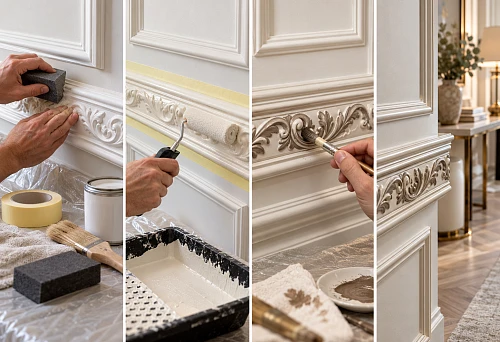
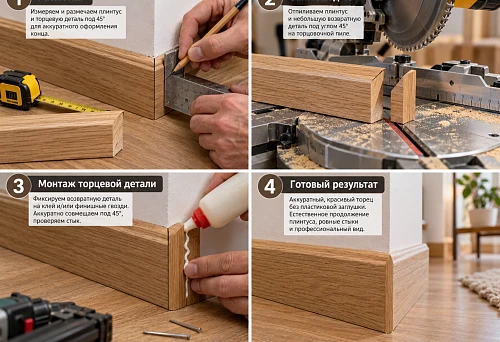
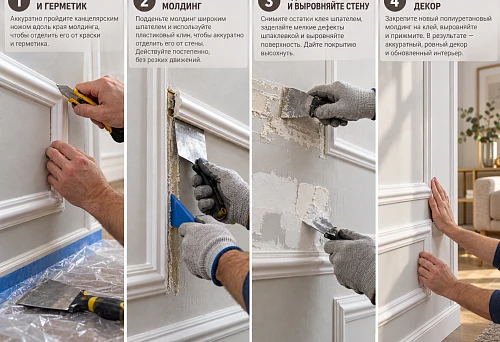
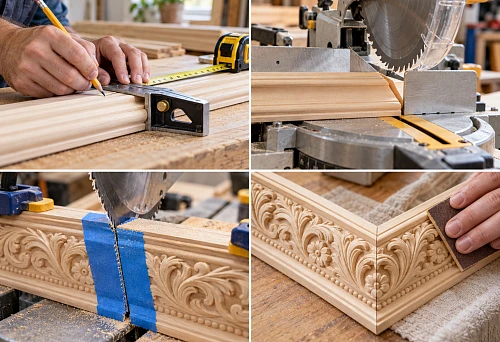
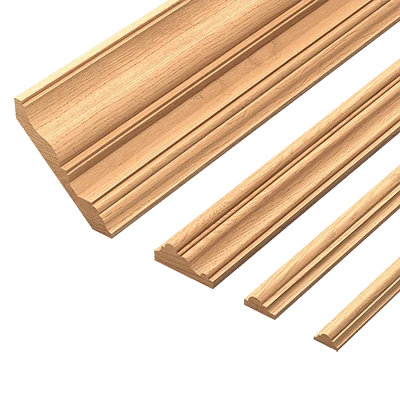
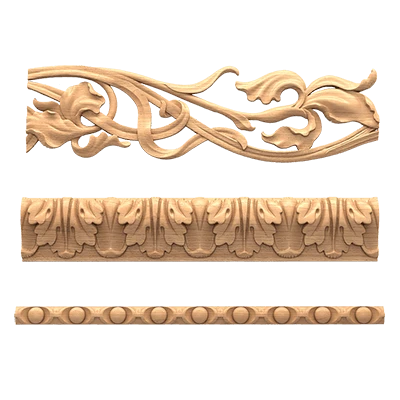
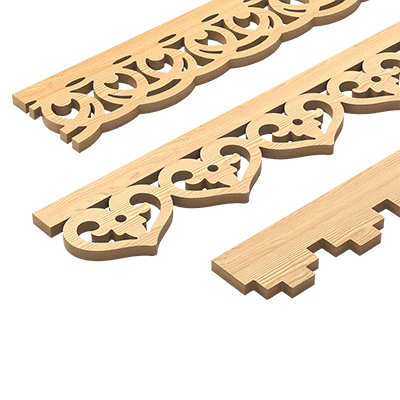
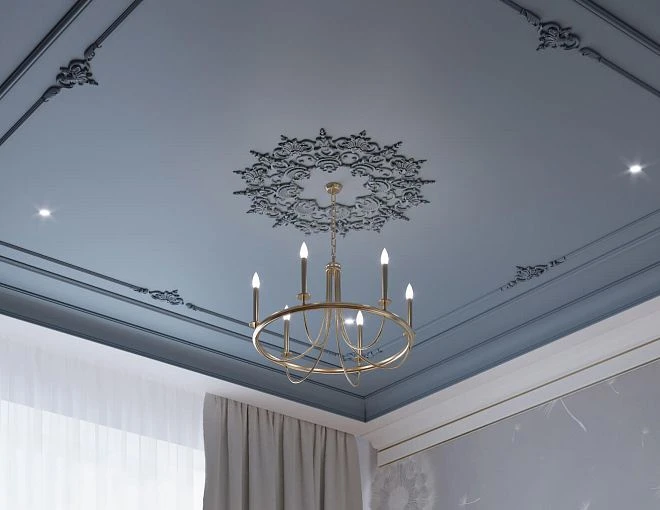
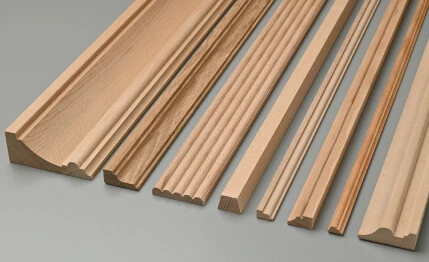
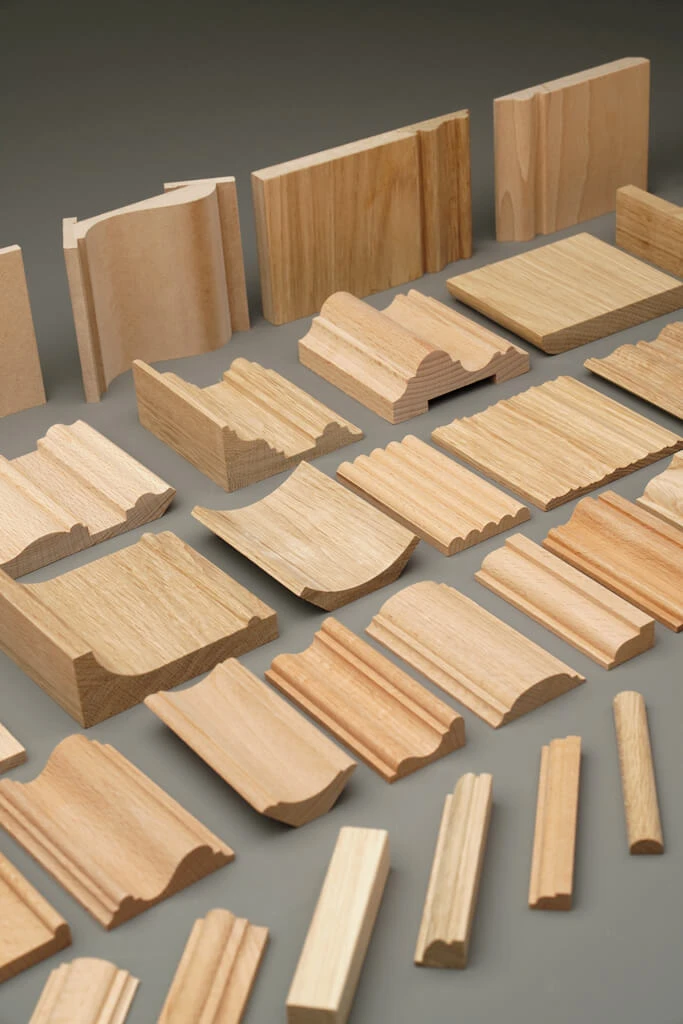
When structural fasteners are used for installing wooden moldings — moldings, cornices, baseboards — it is important to combine the correct screw with the correct installation scheme. Wooden trim STAVROS made of solid oak and beech is a separate topic, but the fasteners for it are selected according to the same principles: pre-drilling, matching length and diameter, torque control.
Custom manufacturing
If the standard range does not cover the task — for example, non-standard product sizes or a specific design are needed — Custom item manufacturing allows obtaining wooden elements exactly for the project, which also solves the issue of selecting fasteners for the given parameters.
Structural self-tapping screw in a design project: what a professional thinks about
When a designer or architect works on a project, choosing fasteners is part of the technical specification. A professional thinks about several things at once:
Visibility of fasteners. Where the screw will be visible — a cap or concealed installation is needed. Where it is hidden — only strength matters.
Disassembly in the future. If the structure must be disassembled — a screw is preferable to glue. A structural TORX allows you to unscrew the fastener without damaging the part, if everything is done correctly.
Compatibility with wood species. Oak, beech, walnut — different densities, different tightening torque. For a responsible project, this must be considered when choosing length and diameter.
Load calculation. Especially important for brackets, shelves, stair components. Even a simple understanding of lever physics helps to correctly choose the number and placement of screws.
Aesthetics of the mounting joint. In open structures — rustic shelves, visible beams, decorative brackets — sometimes the screw head may be intentionally visible. In this case, a head with the correct shape and finish is needed, not a random fastener.
STAVROS covers all these tasks: from wooden products to furniture leg fittings and fasteners, from wooden brackets to materials for installation and finishing.
Final block: STAVROS structural fasteners — a system, not a random choice
Wooden furniture, carved decor, massive brackets or stair elements — these are not just beautiful things. They are products that bear loads, work for years, and cost money. Their installation requires fasteners that match the task.
Buying a structural screw from STAVROS means getting a fastener designed specifically for working with solid oak and beech: the right diameter, the right length, TORX drive, quality metal. FUR-037 (5×70) and FUR-038 (5×90) — this is not a random assortment, but specific items for specific installation tasks.
together with TORX T-25 key, mounting plates and other elements furniture hardware — this is a complete system for installing solid wood products.
FAQ: popular questions about structural screws
What is a structural screw?
This is a reinforced fastener for load-bearing and stressed wood connections. It differs from a regular wood screw by an increased shank diameter, deep thread profile, heat-treated metal, and TORX drive. Used for solid wood furniture, brackets, stair elements, mounting plates, and decorative fastening.
Why is a structural self-tapping screw better than a regular one?
It is designed for higher load-bearing capacity, has less risk of slot stripping, holds the connection more firmly in hard woods like oak and beech, and does not loosen during long-term use. A regular self-tapping screw under such conditions either strips or gradually becomes loose.
What structural self-tapping screws are available in STAVROS?
The STAVROS catalog features structural self-tapping screw 5×90 FUR-038 and structural self-tapping screw 5×70 FUR-037. Both have a TORX drive and are for solid wood products.
Why is the TORX T-25 key needed?
For installation in places where a screwdriver does not fit: narrow gaps, frame corners, parts adjacent to the wall. TORX T-25 key FUR-039 — an L-shaped extended tool that provides the necessary torque when tightening by hand.
When to choose 5×70 and when 5×90?
5×70 is suitable for medium-load connections: mounting plates, light brackets, furniture joints with parts 25–35 mm thick. 5×90 is for heavy brackets, large furniture connections, steps, and joints where maximum grip depth in solid wood is needed.
Is pre-drilling necessary before using a structural screw?
For pine and softwoods, in most cases — no. For oak and beech, when installing near the edge of a part, into the end grain, or when working with parts thinner than 30 mm — yes. The diameter of the pilot hole is approximately 70% of the screw shank diameter.
Why does the screw split the wood and how to avoid it?
Splitting occurs due to stress concentration when the screw wedges the fibers. To avoid: pre-drill a hole, keep a distance from the edge of at least 2.5–3 times the fastener diameter, drive slowly, use a structural screw with a sharp self-countersinking tip.
Can structural screws be used for installing furniture legs?
Yes, but not directly into the leg. The structural screw attaches the mounting plate or angle bracket to the apron or base, and the leg is then secured via a stud or other specialized fastener.
What to buy together with structural screws?
or a bit of similar size, which will ensure comfortable and safe installation., mounting plates, Mounting and finishing materials, Solid wood decorative elements to hide the heads, as well as the wooden products themselves — Brackets, Legs, Frames — depending on the project.
Where to buy construction wood screws for working with solid wood?
In the STAVROS catalog — section Fittings for furniture legs and fasteners. Here you can find construction screws FUR-037 and FUR-038, TORX T-25 key FUR-039, and related fittings for professional installation of wooden products.
About the company STAVROS
STAVROS is a Russian manufacturer of solid wood products and a supplier of professional furniture fittings. The company's range includes wooden brackets, furniture frames, legs, moldings, decorative elements, carved decor, staircase components, and a full range of fittings for installation and finishing of wooden products. Construction screws FUR-037 and FUR-038, TORX T-25 key FUR-039, and mounting plates are part of this system, designed for professional work with solid oak and beech.
STAVROS works with designers, furniture workshops, construction companies, and private clients who value not just beautiful details but also reliable installation — one that holds for years without play, squeaks, or rework. If the standard range is not enough — Custom item manufacturing allows you to get wooden elements precisely tailored to the project.