Article Contents:
- Support and decorative leg: what is the fundamental difference
- What furniture needs supports: from a cabinet to a built-in wardrobe
- Cabinets: low weight, high decor requirements
- Chests of drawers: balance of height and decor
- Wardrobes and sideboards: hidden or decorative supports
- Consoles and sideboards
- Bottom line of furniture: architecture that is not seen but felt
- Bottom molding: one detail — a different level
- Base profile: a solution for built-in wardrobes
- How to choose supports for furniture style: four scenarios
- Classic with shaped supports
- Neoclassical with calm supports
- Modern classic with minimal decor
- Dark furniture: less relief, more clarity
- Areas of application for polyurethane decor on furniture
- Lower belt of the facade
- Frames around drawers and doors
- Side panels of the body
- Transition from body to supports
- Base of built-in furniture
- How to combine supports and polyurethane decor: solution table
- Ready-made kits: what to buy for a specific item
- Chest of drawers in classic style
- TV cabinet
- Console in hallway
- Sideboard in a classic dining room
- Built-in wardrobe with decorative base
- Complete shopping list: what to buy right away
- Calculating molding for the bottom line of furniture: formula
- Mistakes in selection and installation: breakdown by points
- Choosing supports only by photo
- Do not take into account the final height of the furniture
- Placing polyurethane decor in impact zones
- Do not connect the bottom molding to the facade frames
- Not taking a spare
- Forget about the fasteners for the supports
- Do not make a test sample before painting
- Bottom line as a visual pricing tool
- FAQ: questions about furniture supports and bottom line decor
- About the Company STAVROS
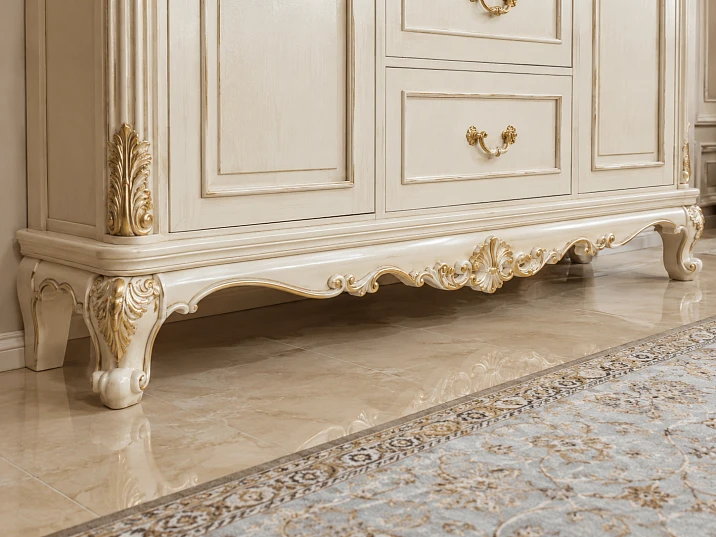
The bottom part of furniture is an area that most buyers take for granted. They put a cabinet, they put a chest of drawers — and that's it, the bottom is only visible during cleaning. But it is the bottom line that determines whether the furniture looks expensive or cheap, whether it stands confidently or "sticks" to the floor, whether it reads as an item with character or just a rectangular box.
furniture legs — this is a structural solution: they lift the body off the floor, provide stability, and set the height. But supports alone are not enough for the bottom line to look finished. This is where it comes into play polyurethane furniture decor: bottom molding, base profile, decorative overlays, frame elements on the facades. Together they create that "expensive look" that cannot be bought in ready-made mass-market furniture.
This article is a detailed breakdown of how to choose the right supports, what polyurethane decor to add to them, and how to assemble the bottom line of a cabinet, chest of drawers, wardrobe, or console into a single decorative statement.
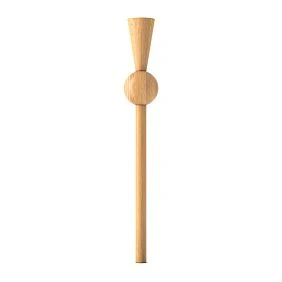
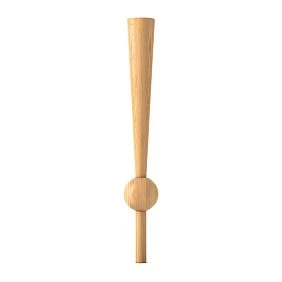
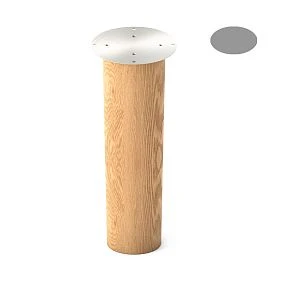
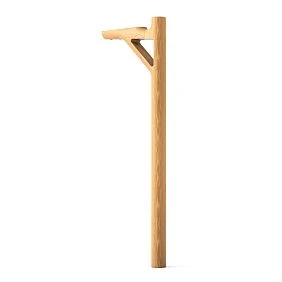
Support and decorative leg: what is the fundamental difference
Before choosing anything, it is important to clearly distinguish between two concepts that are often confused.
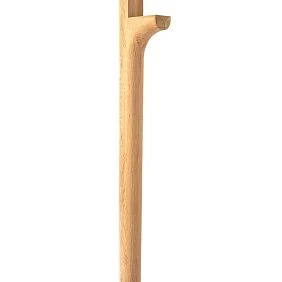
A furniture support is a structural element. It bears the weight of the furniture body and distributes the load onto the floor. Requirements for it: strength, reliability of fastening, precision of height. Material — wood, metal, or durable polymer. Polyurethane is not used for supports: it cannot withstand the static load from a heavy cabinet or a filled chest of drawers.
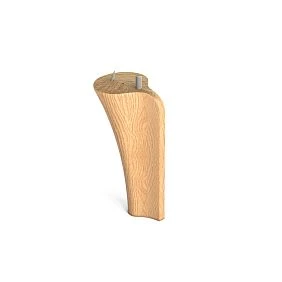
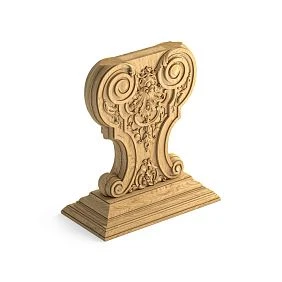
A decorative leg is a support with pronounced stylistic characteristics. It also bears a load, but its shape and relief define the style of the furniture. A turned wooden leg, a figured support with a vase-shaped profile — these are decorative legs that perform both a functional and aesthetic role.
Polyurethane decor of the lower line is a decorative layer: moldings along the perimeter of the lower belt, overlays on facades, base profile, decorative elements at the transition from the body to the supports. It does not bear a load, but it is what gives the entire lower zone of the furniture completeness, architecturality, and value.
Understanding this distinction eliminates mistakes: no one will try to replace a support with a polyurethane overlay if they clearly know what is responsible for what.




For which furniture are supports needed: from a nightstand to a built-in wardrobe
furniture leg — a universal part. It is used in the widest range of furniture products, and in each case the requirements for it differ slightly.
Our factory also produces:
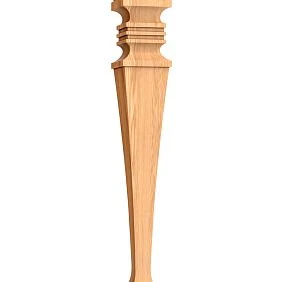

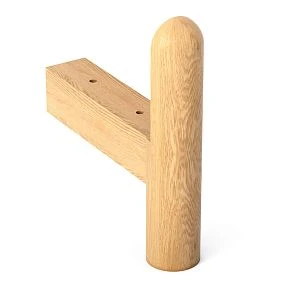
Nightstands: low weight, high requirements for decor
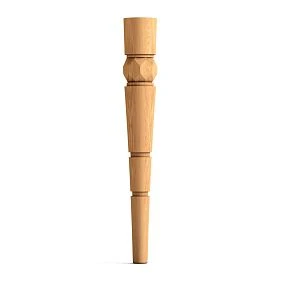
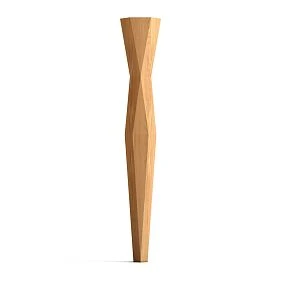
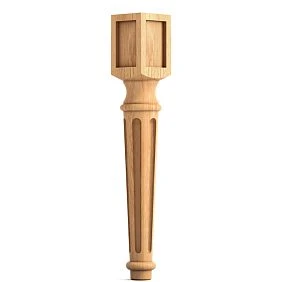
A bedside table, a TV stand, a chest of drawers in the hallway — these are lightweight products where the load-bearing load on the support is small. Here, the decorative function comes to the forefront: the shape of the support, its height, and profile define the character of the nightstand. Low turned supports with a height of 40–60 mm give the nightstand lightness. Higher ones — 80–100 mm — lift the body above the floor, making cleaning easier and visually adding space.
For a TV stand in a classic style — Round furniture leg with a small profile and a bottom molding made of polyurethane along the perimeter of the body — already gives a fundamentally different look compared to a stand on simple featureless supports.
Get Consultation
Chests of drawers: balance of height and decor
A chest of drawers is a massive item with significant weight: an empty body 15–25 kg, plus the contents of the drawers. Supports for a chest of drawers must be reliable, with the correct diameter and a strong fastening unit.
The height of supports for a chest of drawers is usually 80–120 mm — this allows placing the chest of drawers at a level convenient for using the drawers and ensures the correct ratio of body height to the total height of the product. The standard height of a chest of drawers with supports is 90–105 cm.
The bottom molding along the perimeter of the body — on the line connecting the bottom with the side walls — visually hides the structural seam and creates a decorative transition from the body to the supports. This single element makes the chest of drawers look significantly "more expensive."
Cabinets and sideboards: hidden or decorative supports
A cabinet is the heaviest piece of case furniture. Here, supports are either hidden behind a decorative plinth or chosen as an architectural element. In classic cabinets and sideboards, decorative supports — shaped, turned — are part of the stylistic image: they are visible under the lower body and form the lower "tier" of the product.
For built-in cabinets, adjustable supports are more often used, which are hidden behind a decorative plinth profile made of polyurethane. This is a functional solution: adjustment allows leveling out floor unevenness, and the polyurethane plinth covers the technical part and creates a beautiful bottom line.
Consoles and sideboards
A console in the hallway or living room is an item with special decorative weight. It is always in sight, often located near a mirror, and serves as "formal" furniture. Here, the supports are necessarily decorative, often shaped or turned with a pronounced profile. decorative furniture support for the console should be elegant: tall enough (100–150 mm or more), with a developed profile, in a unified style with moldings and overlays on the facade.
The bottom line of furniture: architecture that is not seen but felt
The bottom line of furniture is essentially the "base" of the item. In classical architecture, the base is the foundation of a building, the transition from the ground to the wall. In furniture, the function is the same: the transition from the floor to the body. And just as in architecture the base sets the weight and dignity of the structure, so the bottom line of furniture determines its visual value.
What is included in the bottom decorative line of furniture?
-
Furniture supports or legs that carry the body.
-
Bottom molding along the perimeter of the body bottom.
-
Base profile (if supports are hidden).
-
Decorative overlays on the lower part of the facades.
-
Transition elements from the body to the supports.
When all these components are selected in a unified stylistic and scale logic, the bottom line reads as a complete architectural detail. When each component is purchased separately, without connection to the others, the bottom area looks like a set of random details.
Lower molding: one detail — a different level
Moldings made of polyurethane For furniture applications, these are profiled strips mounted along the lower perimeter of the body. They perform several functions simultaneously: hide the structural seam, create a decorative shadow, and give the lower part of the furniture visual "weight" and completeness.
Choosing the lower molding profile is a matter of scale and style. For a small cabinet — a molding 20–30 mm high with a soft profile. For a chest of drawers — 30–45 mm. For a sideboard or wardrobe — 50–70 mm. The depth of the relief is from 8 to 20 mm, depending on the desired expressiveness.
The molding should be proportionate to the supports: if the support is 80 mm high with a pronounced profile, a 20 mm molding will be lost against it. If the support is low and modest, a massive molding will be disproportionately heavy.
Base profile: a solution for built-in wardrobes
A built-in wardrobe stands on adjustable metal supports, which look frankly technical. A decorative base made of polyurethane — a profiled panel attached along the lower perimeter of the wardrobe — covers the supports and creates a clean bottom line. This is a quick and elegant solution: the profile is glued or attached with mechanical fasteners, painted to match the facade, and makes the built-in furniture architecturally complete.
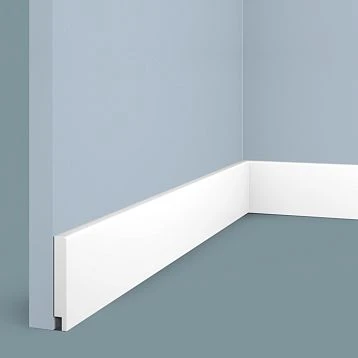
For such a base, the following work well Moldings made of polyurethane with a flat back side and a pronounced front profile. Height — depending on the height of the technical supports: usually 80–120 mm.
How to choose supports for furniture style: four scenarios
Classic with shaped supports
Classic Furniture features supports with a pronounced decorative profile: vase-shaped, with waists and flutes, with an expanded upper part. Height — 80–150 mm. Such a support itself is a decorative element, but the lower molding and polyurethane overlays enhance it, creating a full lower belt.
For a chest of drawers in a classic style: four turned wooden supports with a waist, a polyurethane lower molding along the perimeter of the body, decorative elements for furniture on the lower part of the facade — a central overlay or corner rosettes. All of this is painted in a single color.
Neoclassicism with calm supports
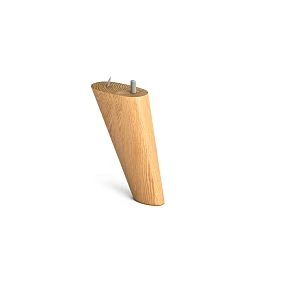
Neoclassicism — strictness of forms, minimum ornament, emphasis on proportions. Here the supports are conical or slightly turned, without lush waists. Height 80–100 mm. The lower molding is a thin profile 25–35 mm with a shallow relief. Polyurethane overlays — if used — are calm, geometric, without baroque curls.
Modern classic with minimal decor
If the furniture is in modern classic style — simple straight bodies, clean lines, frame facades without carving — the lower decor should be restrained. Low rounded supports 40–60 mm. A thin molding along the lower edge of the body. Polyurethane appliqués — only if the project assumes them as a deliberate accent.
Dark furniture: less relief, more clarity
Dark furniture — wenge, dark walnut, anthracite — is visually heavy. A large deep relief on the lower line makes it even heavier. Here the rule is: less ornament, more purity of lines. A calm lower molding, neat supports, a minimum of overlays. All decor is in the profile, not in applied elements.
For a dark chest of drawers or cabinet: round or square supports 60–80 mm, a thin lower molding with a smooth profile, no overlays on the lower belt. A single dark color makes everything unified.
Areas of application for polyurethane decor on furniture
So, where exactly polyurethane decor does it work on the lower line of furniture? Let's break it down by zones.
Lower belt of the facade
The lower belt of the facade is the plane under the very bottom drawer or door, up to the line of the body bottom. This is an area that often remains empty. A small polyurethane overlay — central or symmetrical pair — on this plane creates a decorative accent and makes the facade complete.
The overlay should not be large: the scale is proportional to the width of the lower belt. For a cabinet 80 cm wide — an overlay no more than 20–25 cm wide. For a chest of drawers 120 cm wide — up to 35–40 cm.
Frames around drawers and doors
Frame moldings around each drawer or door are a transition from a smooth facade to a decoratively rich one. Moldings made of polyurethane For furniture frames, thin strips of 15–25 mm with a soft profile are selected. Corner joints are finished either with a 45° cut or with ready-made corner elements made of polyurethane molding decor.
A frame facade is the hallmark of classic furniture. It is the frames that create a sense of volume, depth, and handcrafted work — although in reality, they are just profiled strips glued onto a flat facade.
Side panels of the cabinet
The side walls of a wardrobe or chest of drawers often remain smooth. If the furniture is in an open area and the side is visible, it should be decorated. Polyurethane wall decor and furniture overlays allow you to create the same frame layout on the side wall as on the facade.
For a sideboard or cabinet standing in a niche and visible from an angle, a decorated side changes the perception of the furniture: it looks like a well-thought-out piece, not a smooth slab.
Transition from the cabinet body to the supports
The place where the body 'meets' the support is a point often overlooked. If the body simply stands on supports without a decorative transition, the bottom line looks mechanical. A decorative molding along the perimeter of the body's bottom — or a small overlay at the connection point with the support — creates a smooth transition and the feeling that the entire structure was conceived as a single whole.
Base of built-in furniture
For built-in wardrobes in the hallway, living room, or kitchen, a polyurethane base is a standard decorative solution. A profiled overlay 80–120 mm high is attached along the lower perimeter of the cabinets, covers the adjustable supports, and creates a neat bottom line in a unified style with the facades.
The base profile should be aligned with the profile of the upper cabinet cornice — then the furniture is perceived as an architectural volume, not as a set of boxes.
How to combine supports and polyurethane decor: solution table
| Furniture type | Supports | Lower molding | Overlays |
|---|---|---|---|
| TV stand | Low, 40–60 mm | Thin, 20–25 mm | Minimal or none |
| Bedside table | Turned, 60–80 mm | 25–35 mm | Optional |
| Classic dresser | Shaped, 80–120 mm | 35–50 mm | Central on the lower belt |
| Console | Decorative, 100–150 mm | 30–45 mm | Central accent |
| Buffet | Shaped, 80–100 mm | 50–70 mm | Frames on the facade |
| Built-in wardrobe | Hidden adjustable | Base 80–120 mm | Frames on facade doors |
Ready-made kits: what to buy for a specific item
Classic style chest of drawers
A chest of drawers is one of the most decoratively rich pieces of cabinet furniture. It is the classic-style chest of drawers that can become the central accent point of a bedroom or living room.
What to buy:
-
Round furniture leg — 4 pieces, height 80–100 mm, beech;
-
lower Polyurethane molding — along the perimeter of the lower part of the body;
-
frame moldings on drawer fronts — profile 20–25 mm;
-
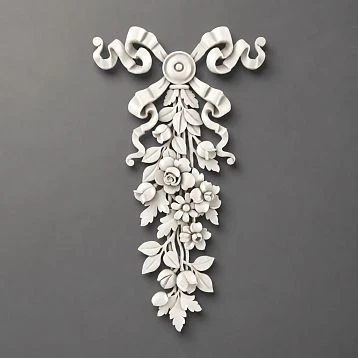
Polyurethane appliqués — central on the lower belt, corner rosettes;
-
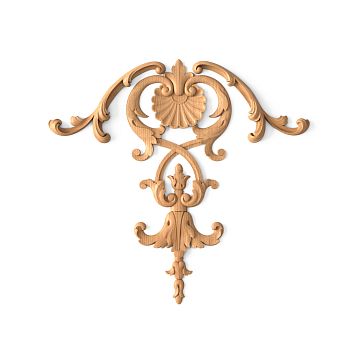
decor for furniture — if the project involves wooden decorative elements;
-
fasteners for supports, mounting adhesive for polyurethane;
-
primer, paint, acrylic sealant.
TV cabinet
A TV cabinet in modern classic style is an item that should be calm and concise. The TV is already the accent, the cabinet is the background.
What to buy:
-
furniture legs — 4 pieces, height 40–60 mm, cylindrical or conical shape;
-
bottom molding — thin profile 20–25 mm along the lower perimeter;
-
frame moldings on front doors or drawers — profile 15–20 mm;
-
fasteners and glue;
-
primer, paint.
No large overlays, no deep relief. Only clean lines and neat molding profile.
Console in the Hallway
The console is the 'hostess' of the hallway. It welcomes guests, takes keys and bags, supports the mirror. Its lower line should be expressive and elegant.
What to buy:
-
decorative furniture support — 4 pieces, height 100–150 mm, figured turned;
-
polyurethane molding along the lower perimeter of the tabletop — 30–40 mm;
-
Central polyurethane overlay on the lower belt of the facade;
-
decorative corner elements at the transition from the body to the supports;
-
Decor for polyurethane moldings — corner inserts on frame moldings;
-
primer, paint in a single tone with the wall or in contrast.
Sideboard in a classic dining room
A sideboard is already a serious volume. Here the bottom line has three levels: supports, lower body, upper body. The lower tier with supports and moldings is the foundation of the entire vertical composition.
What to buy:
-
Furniture Legs and Supports — 4–6 pieces depending on length, shaped, height 80–100 mm;
-
lower molding — 50–60 mm around the perimeter of the lower body;
-
frame moldings on the doors of the lower body;
-
decorative polyurethane elements — central overlays on the lower belt;
-
upper cornice made of polyurethane — echoes the lower molding;
-
Polyurethane moldings — additional elements if necessary;
-
Fasteners, glue, primer, paint.
Built-in wardrobe with decorative plinth
A built-in wardrobe in the hallway or living room is technically pragmatic furniture that, with proper decorative treatment, can look like an integrated architectural detail.
What to buy:
-
adjustable metal supports for cabinets (technical);
-
polyurethane plinth profile — height 80–120 mm, along the perimeter of the facade line;
-
framed Moldings made of polyurethane on door fronts;
-
upper polyurethane cornice;
-
decorative elements for furniture — if the project includes handles, overlays in wooden finish;
-
primer, paint to match the interior.
Complete shopping list: what to buy right away
A good purchase is one after which work starts without interruptions. Here is an extended list for the "furniture bottom line" project:
Structural group:
-
furniture legs — required quantity plus 2 spare pieces;
-
— fasteners for supports: bolts with washers or screw-in dowels depending on the support type;
-
— dowels or confirmat screws for wooden joints.
Decorative group:
-
Moldings made of polyurethane — calculated according to the scheme plus 15% spare;
-
Polyurethane appliqués — required item numbers;
-
Decor for polyurethane moldings — corner elements if necessary;
-
decorative elements for furniture — if the project involves wooden overlays.
Consumables:
-
polyurethane mounting adhesive — with compatibility check: what to glue polyurethane molding with;
-
acrylic sealant — for joint putty;
-
adhesion primer — mandatory for polyurethane;
-
paint — acrylic or alkyd, depending on the finish;
-
finish coating: varnish or wax, if the furniture is made of open-pore wood.
Calculating molding for the bottom line of furniture: formula
Many people buy "by eye" — and either there isn't enough for the last corner, or there is leftover extra linear footage. Simple formula:
Molding length = (facade width × number of facades + body depth × 2) + 15% reserve
For example, for a chest of drawers 120 cm wide and 50 cm deep: (120 + 50 × 2) = 220 cm = 2.2 m. Plus 15% = total about 2.5 linear meters of bottom molding.
For frame moldings on the facade of each drawer: perimeter of each frame × number of drawers + 15% reserve.
Mistakes when choosing and installing: point-by-point breakdown
Choosing supports only by photo
The photo in the catalog does not convey scale. A support that looks elegant in the image may turn out to be disproportionately tall for your cabinet or too low for a dresser. Always check dimensions: height, diameter, fastener diameter — before ordering.
Not considering the final height of the furniture
After installing the supports, the furniture grows by the height of the support. For a TV cabinet, this can be critical: the screen will be above eye level. For a bedside table, the height after installing the supports should match the height of the mattress — otherwise, the table will be inconvenient to use.
Placing polyurethane decor in impact zones
The lower part of the furniture is an area that is regularly hit by feet, vacuumed, and moved across the floor. Polyurethane elements in these areas should be protected by paint and, preferably, not located on the lowest horizontal line. Decor on the lower belt should be placed above the line of possible mechanical contact.
Not linking the lower molding with the frame moldings of the facade
The lower molding and the frame moldings of the facade should be from the same line of profiles — or at least from the same style family. If the profile of the lower molding differs drastically from the frame molding, the lower line will look like a foreign element.
Not taking a reserve
Moldings are supplied in batches. The same item may be out of stock in a month or have a slight difference in the batch. Always take a reserve of 15–20% of the calculated quantity. This is insurance against rework.
Forgetting about fasteners for supports
Supports are attached with bolts and washers or with special rails — depending on the design. Buying supports without fasteners means going back for them the next day. Clarify the type of fastener when ordering.
Do not make a test sample before painting
If the furniture is painted entirely — with wood, plywood, polyurethane in one color — a test sample is mandatory. Check how the paint lays on primed polyurethane, how the joint with wood looks, and whether there is any lifting of the seam with sealant. Only after the test sample is approved — paint the entire furniture.
Bottom line as a visual pricing tool
Go to a furniture store and compare two dressers of the same shape: one with smooth fronts on simple plastic legs, the second with frame moldings on wooden supports and a bottom molding around the perimeter. The difference in visual cost is fundamental. Although they are structurally identical.
This is exactly what the bottom line with decor does: it raises the perceived value of the item. Not its functionality, not its volume, not the body material — but precisely the feeling of quality that arises when looking at it.
Manufacturers of expensive furniture understand this and use bottom molding, decorative supports, and overlays as standard. Furniture workshops and private manufacturers who add these elements get a competitive product with minimal additional costs.
The cost: a few linear meters of molding, four wooden supports, a couple of overlays — and an hour or two of extra work. The result: a piece of furniture that looks an order of magnitude more expensive.
FAQ: questions about furniture supports and bottom line decor
Can furniture supports and polyurethane decor be combined?
Yes, and that is the right decision. furniture leg is responsible for stability and bears the load. Polyurethane moldings and overlays decorate the lower belt, facades, and transition zones. Together they create a complete lower line of furniture.
What to buy for updating a chest of drawers?
Furniture Legs and Supports for replacement, Moldings made of polyurethane for the lower belt and facade frames, Polyurethane appliqués for decorative accents, glue, primer, and paint. A 15% reserve of all elements.
Is polyurethane suitable for the lower part of furniture?
Yes, as a decorative element in areas not subject to mechanical loads. In places of constant contact with the floor, impacts, and friction — only wood or metal. Polyurethane moldings for furniture is optimal on facades, the lower belt of the body, and side panels.
Which supports to choose for classic furniture?
Decorative wooden supports made of beech with a figured profile: turned with grips, vase-shaped, or cabriole. Height 80–120 mm for a chest of drawers, 100–150 mm for a console. All supports in the set are of the same article number.
How to make the bottom line of furniture visually more expensive?
Add bottom Polyurethane molding along the perimeter of the body, frame the facades of drawers and doors with frames, install decorative supports instead of simple ones, add a central overlay on the bottom belt and paint everything in a single color. The cost of additional elements is small, but the visual effect is dramatic.
What is the correct height of supports for a bedside table?
Depends on the mattress height: the height of the table after installing the supports should be at the level of the mattress surface plus or minus 5 cm. The standard mattress height with a base is 60–70 cm — meaning supports for a table 50–55 cm high from the floor should be 60–80 mm.
Is it necessary to prime polyurethane elements before painting?
Absolutely. Without an adhesion primer, paint does not adhere to polyurethane — it peels off after a few months, especially in areas with temperature or humidity fluctuations. Primer is a mandatory step in the final processing of any polyurethane element.
How to calculate the amount of molding for the bottom part of furniture?
Perimeter of the bottom part of the body (two times width plus two times depth) plus 15% reserve. For frame moldings on the facade: perimeter of each frame multiplied by the number of facades plus 15%. The full calculation algorithm and glue selection are in the material what to glue polyurethane molding with.
About the company STAVROS
The entire range for decorating the bottom line of furniture — wooden supports, moldings, decorative overlays, polyurethane decor — is collected in the catalog of the company STAVROS. This is a Russian manufacturer and supplier of products made from natural wood and polyurethane for furniture production, carpentry workshops, and private design projects.
STAVROS offers furniture legs from beech in a wide range of shapes and heights — from minimalist conical to intricately turned with a developed profile. At the same time, the catalog presents a full range polyurethane decor: moldings for the bottom line, base profiles, facade overlays, corner and center decorative elements. For projects with exposed wood texture — decor for furniture made of solid natural wood.
Since 2002, STAVROS has been implementing projects of various scales — from private orders for restoring a single chest of drawers to serial deliveries of components for furniture factories. Experience working with state-owned facilities — the Hermitage, the Konstantinovsky and Alexander Palaces — sets the standard of precision and quality that the company maintains in every order.
Place an order, get advice on selecting a set and calculate the number of elements on the STAVROS website: Contact us to confirm shipping to your destination., the ability to order from a single piece.