
























Article Contents:
- Why a sconce on an empty wall loses half its power
- A light fixture in a store and a light fixture on your wall are different objects
- An empty wall is a background without scale
- Symmetry and its absence
- A sconce in a frame of moldings: the most elegant and simple solution
- How to choose the size of the frame for a sconce
- How to choose the width of the molding for the frame
- How to position a sconce inside the frame
- What to buy for a frame around a sconce
- Frame color: matching or contrasting
- Decorative stucco around a sconce: when the light fixture should become an accent
- Decor above a sconce: completing the vertical axis
- Decor below a sconce: the light fixture's base
- Decor next to a sconce: symmetrical side accents
- Decor inside the frame: moldings + stucco
- Stucco decor for a wall with a sconce: expressiveness without excess
- Stucco decor as molding decor
- Decorative polyurethane overlays near a sconce
- Paired sconces: how to create a symmetrical decorative wall
- Scheme one: two sconces in two identical frames
- Scheme two: two sconces in one large frame
- Scheme three: two sconces without frames, but with decor between them
- What to buy for paired sconces
- Room-by-room breakdown: how sconces and molding work in different spaces
- Living room: sconces behind the sofa
- Bedroom: sconces above the headboard
- Entryway: sconces by the mirror
- Hallway: sconces and vertical decor
- Cabinet: sconce as part of the library system
- Molding decor: the final touch that decides everything
- Corner rosettes in frames around sconces
- Decorative inserts at the center of frame sides
- Installing stucco around sconces: practical aspects
- Sequence of work
- Safety precautions near sconces
- How to remove a sconce before installing a frame
- Ready-made kits: what to buy for a specific task
- Minimum kit: one sconce, one frame
- Medium kit: sconce in a frame with decorative elements
- Full set «two sconces — symmetrical wall»
- Table: what to buy for a wall with sconces
- Mistakes when decorating a wall with sconces
- FAQ: Answers to Key Questions
- About the Company STAVROS
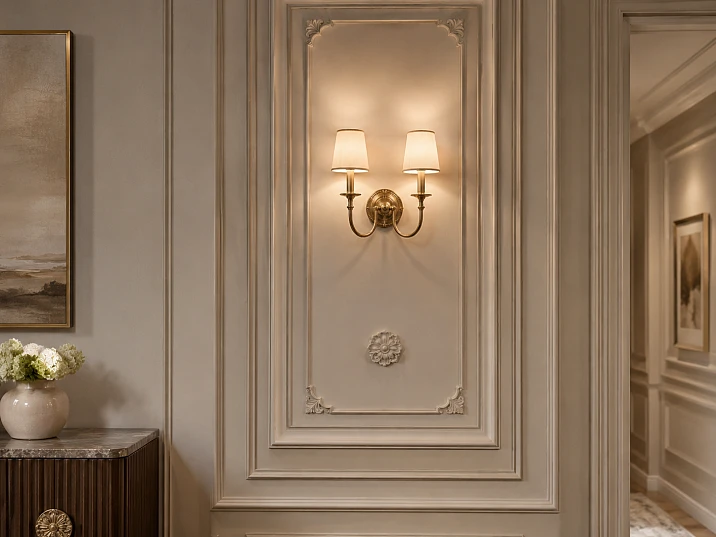
There is a moment in the life of everyone who renovates or updates their interior: the light fixture is already hanging, the wire is hidden in the wall, the sconce is connected and shining. Beautiful. But something is off.
The wall around it is empty. The sconce hangs in space like a random object. No frame, no decor, no context. A good light fixture, but it looks as if it was forgotten to be integrated into the interior.
This is a very common situation. And it's not that the sconce is bad — it's that the wall around it is not decorated. The light fixture itself does not make the wall complete. It needs visual context: a frame, decor, symmetry, rhythm — something that turns a «device on the wall» into part of the interior architecture.
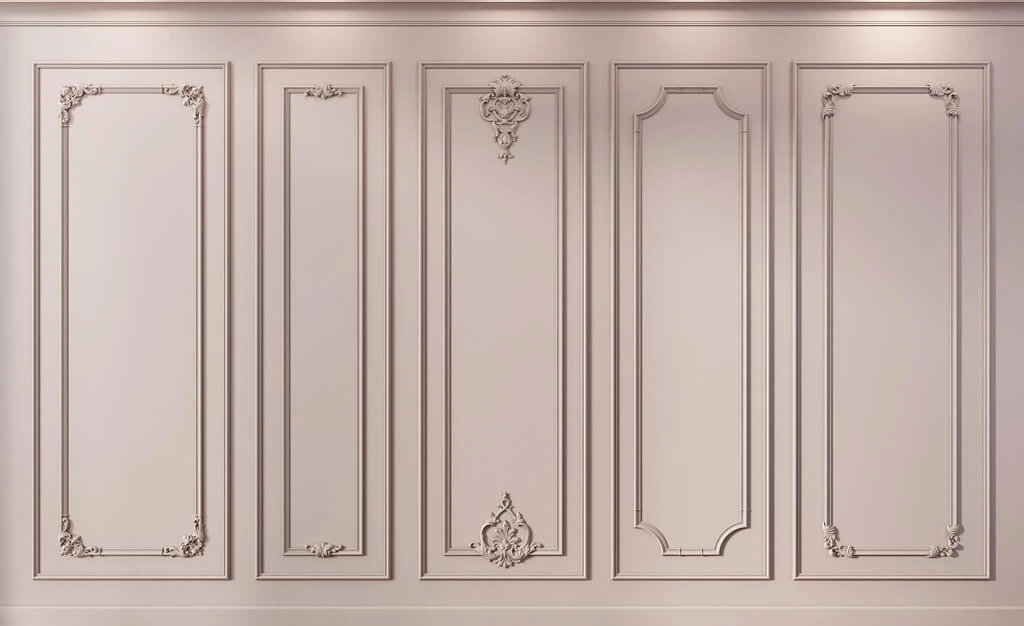
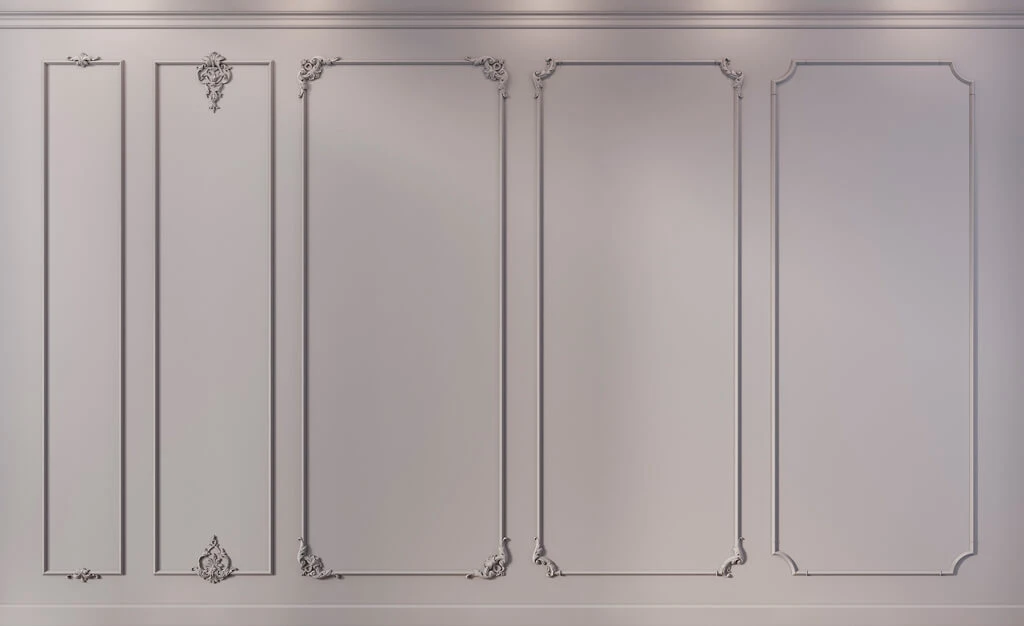
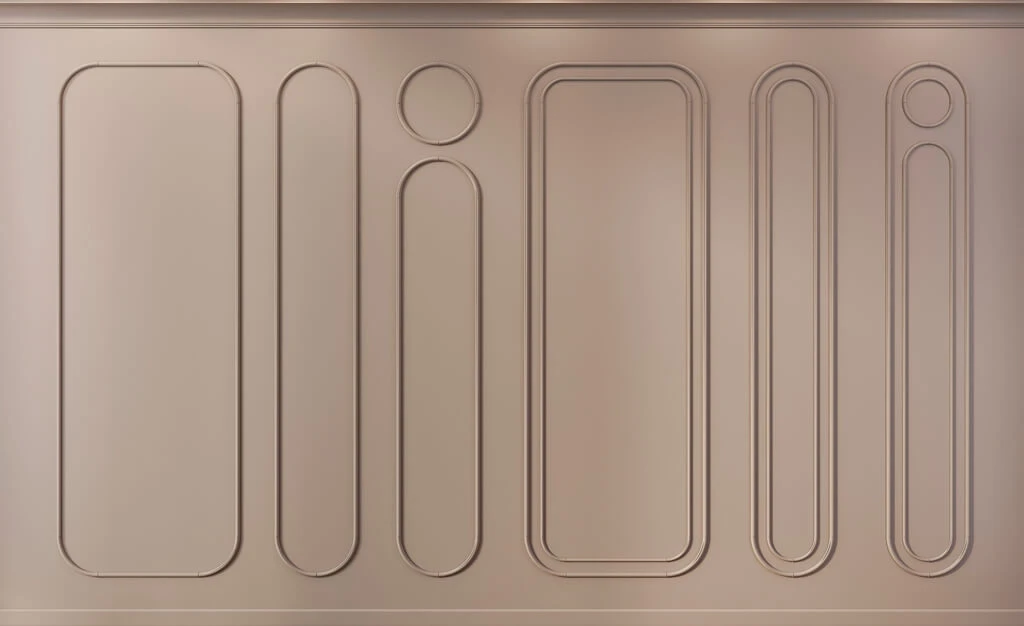
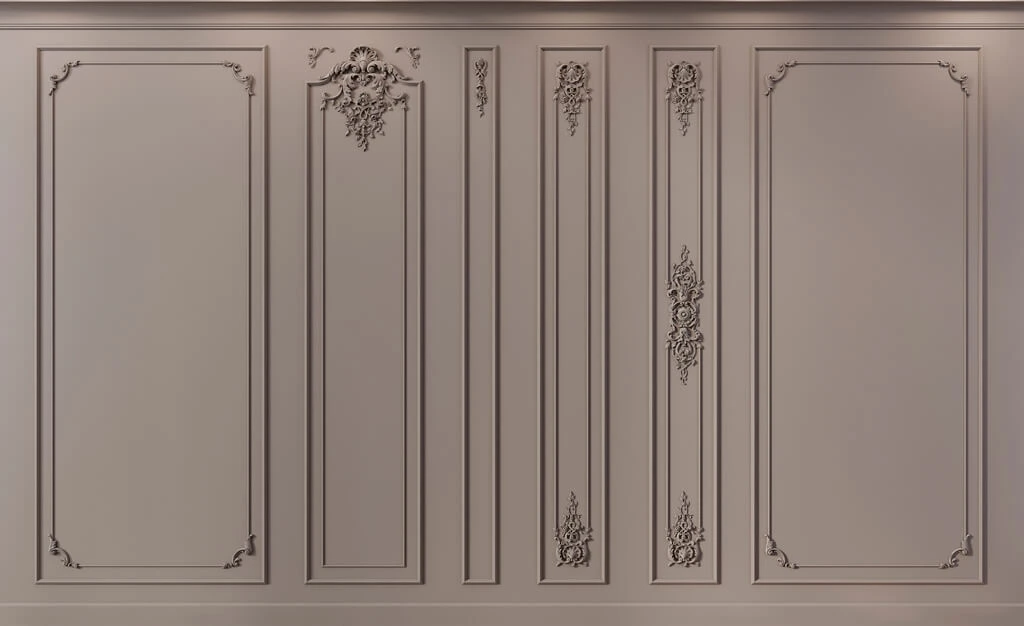
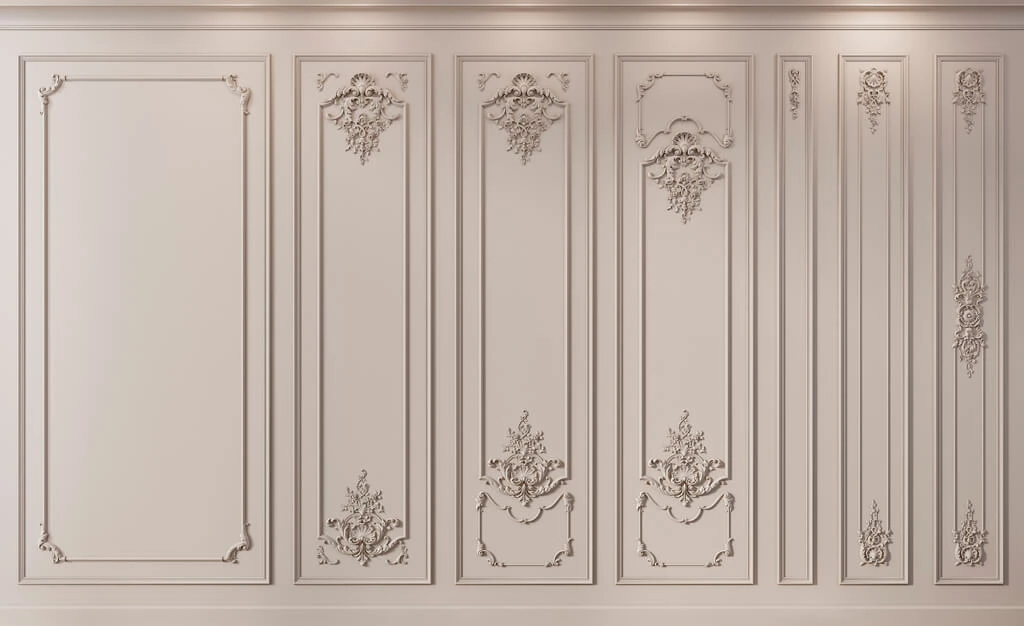
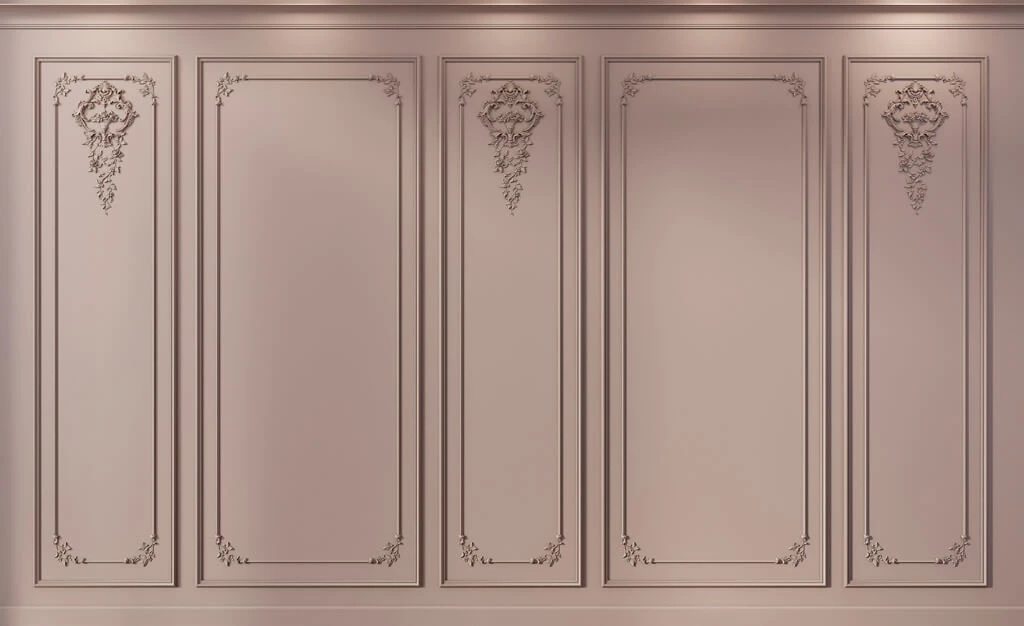
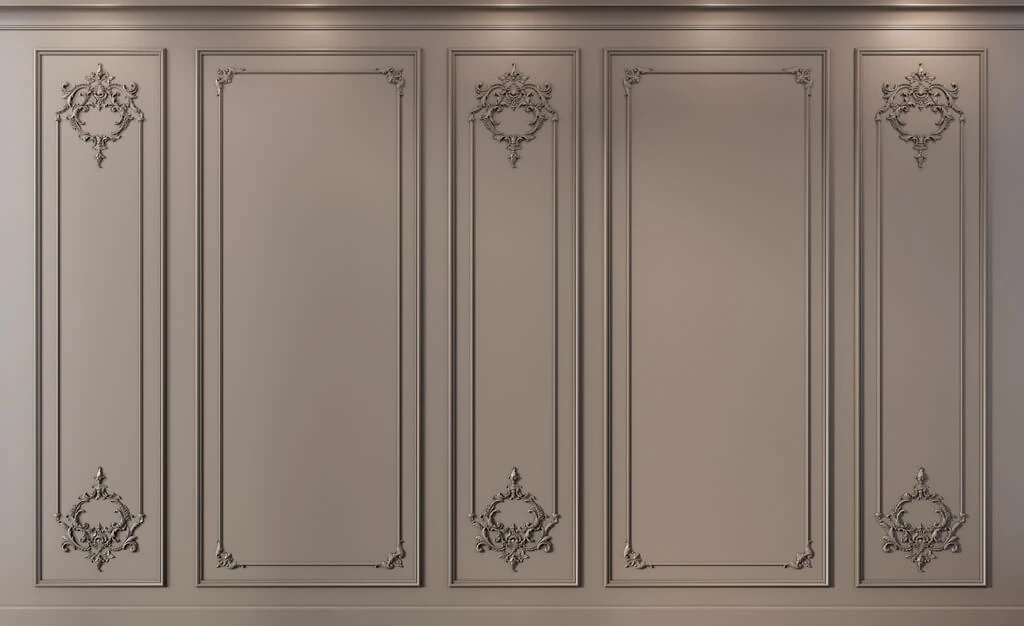
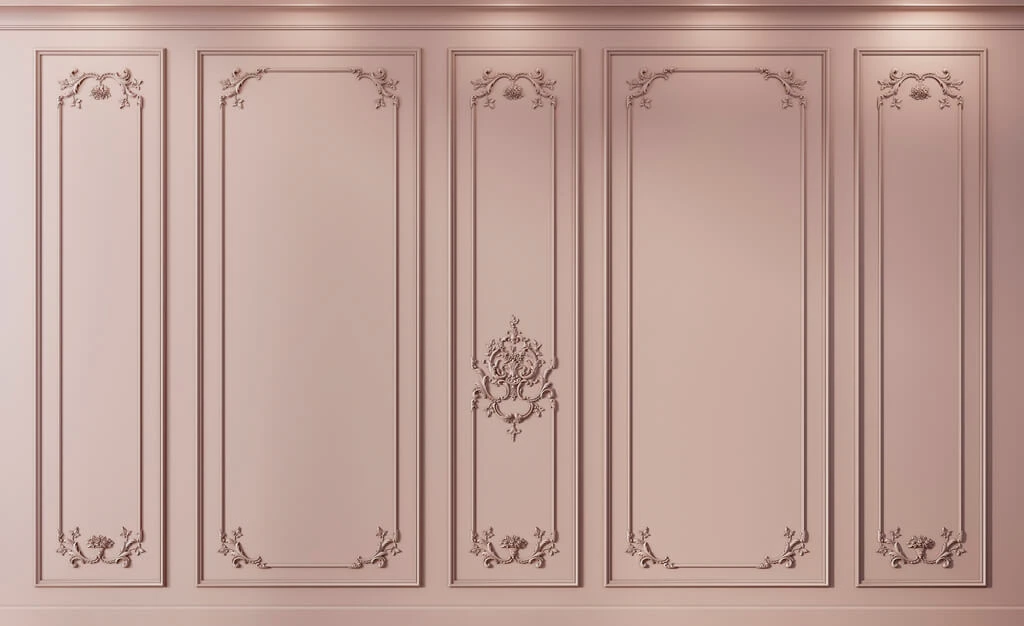
Stucco molding for sconces — is exactly that tool. Moldings, decorative overlays, stucco decor, ornamental elements — they create around the light fixture the very architecture that is missing. And they make the wall with sconces truly complete.
Why a sconce on an empty wall loses half its power
Before talking about what to buy — let's understand why this problem arises in the first place. After all, a sconce is not a cheap item. A person chose it carefully. Why does it look different on the wall than in the store or in a picture on the internet?


A lamp in a store and a lamp on your wall are different objects
In the showroom, a sconce is always surrounded by context: a beautiful textured wall, decorative elements nearby, the right viewing angle, professional photography. You see not just a lamp — you see a scene.
On your wall, it's a different story. A smooth painted surface, nothing nearby. The sconce hangs alone with empty space.
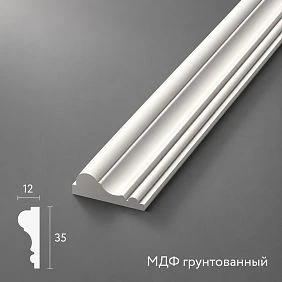
Our factory also produces:


An empty wall is a background without scale
When there is nothing around the lamp — no frame, no decor, no furniture — the eye cannot judge its scale. Even a beautiful medium-sized lamp on a large empty wall looks small and lonely.
A frame of moldings radically solves this problem. It sets the scale, creates a 'scene' for the sconce — and everything falls into place.
Get Consultation
Symmetry and its absence
If there is one sconce, the problem is the lack of a decorative axis. If there are two sconces, the problem is that the gap between them is filled only with a wall. A mirror or decorative element between two sconces closes the entire horizontal axis, creating a system.
Without this, two sconces look like two random objects next to each other. With the design, they look like a well-thought-out decorative composition.
Buy molding For a sconce zone, it means solving exactly these tasks: scale, context, symmetry, rhythm.
Sconce in a molding frame: the most elegant and simple solution
This is the first thing to think about when a wall with a sconce looks unfinished. A molding frame is a universal, proven, understated technique. It works in any style, in any room, with any light fixture.
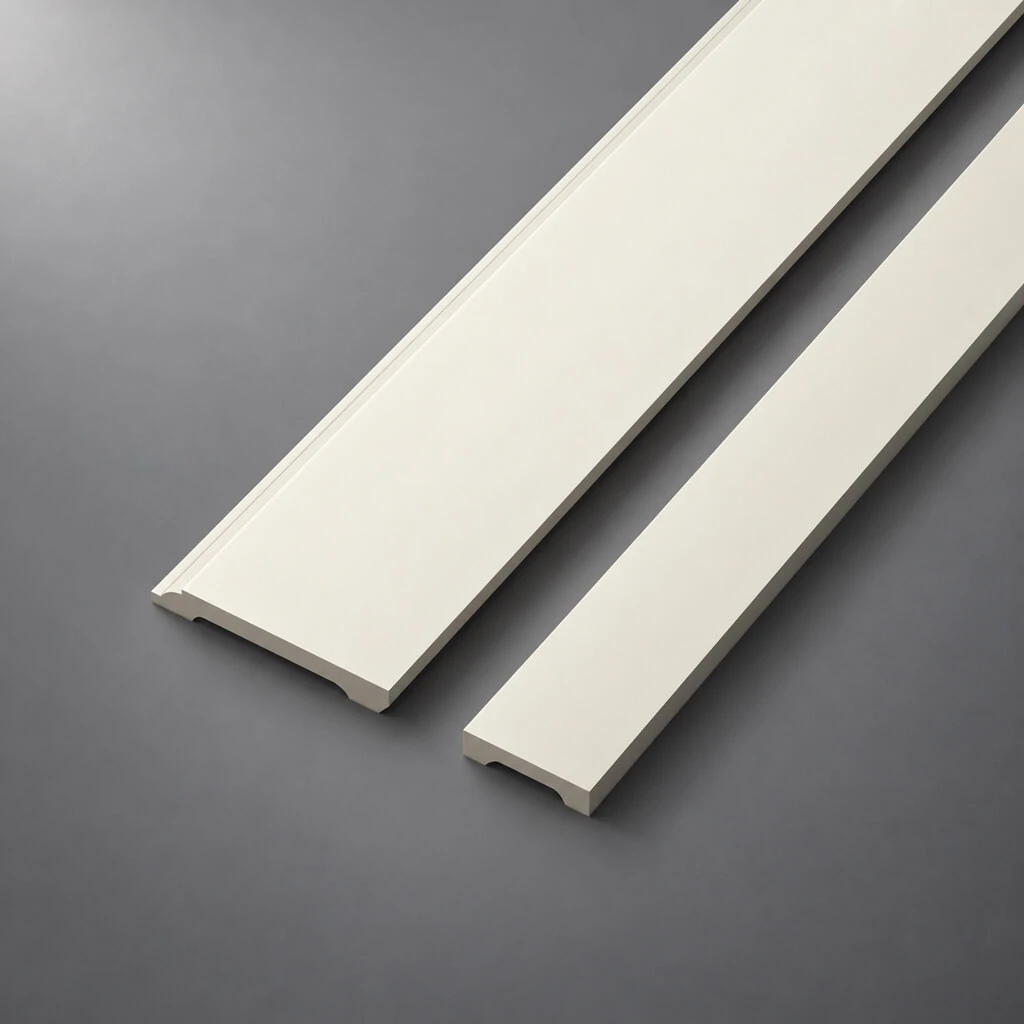
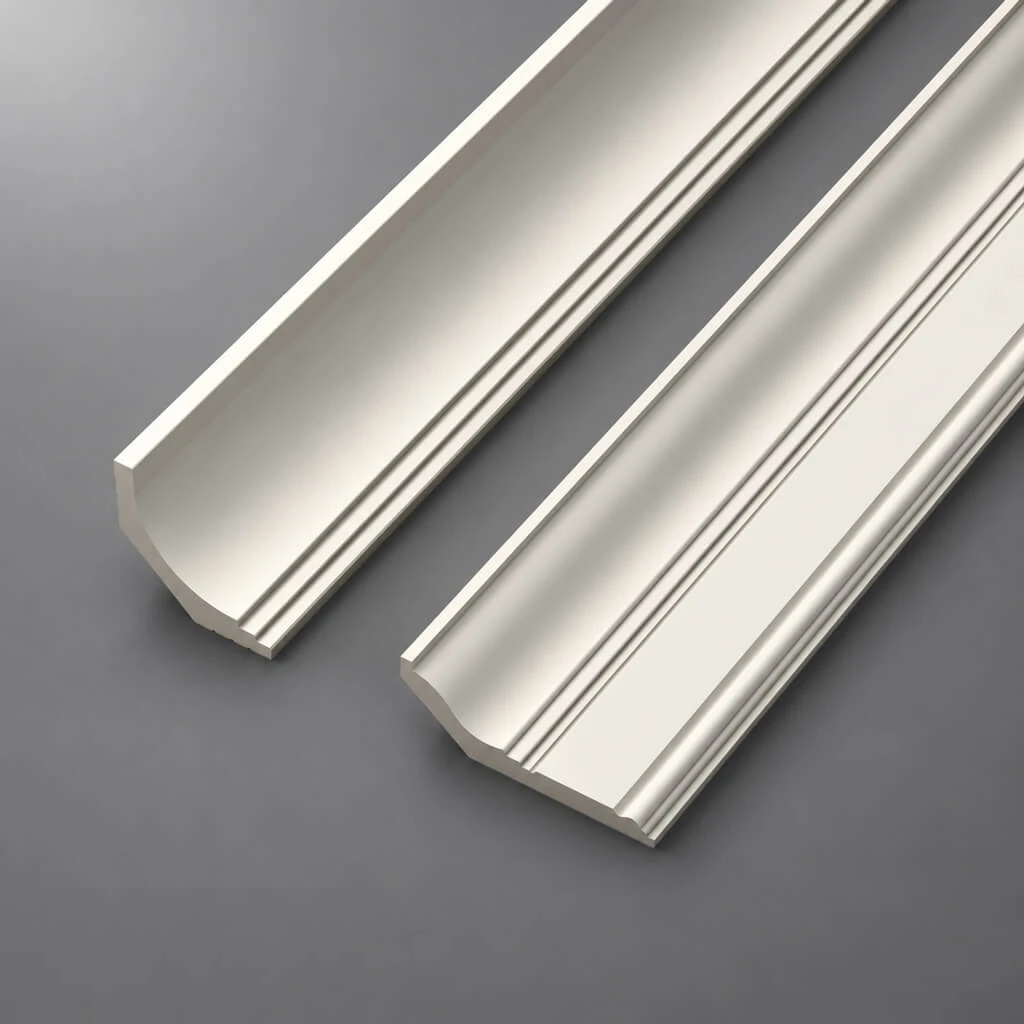
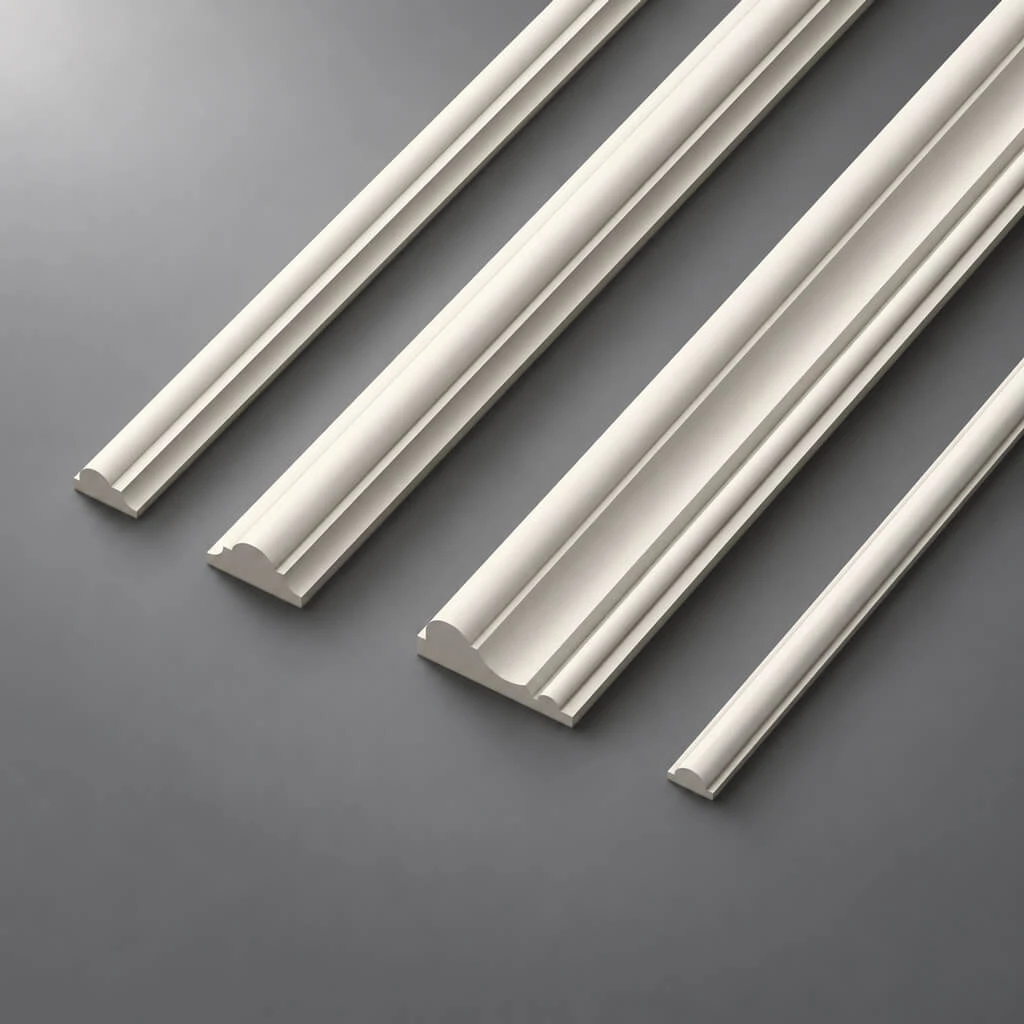
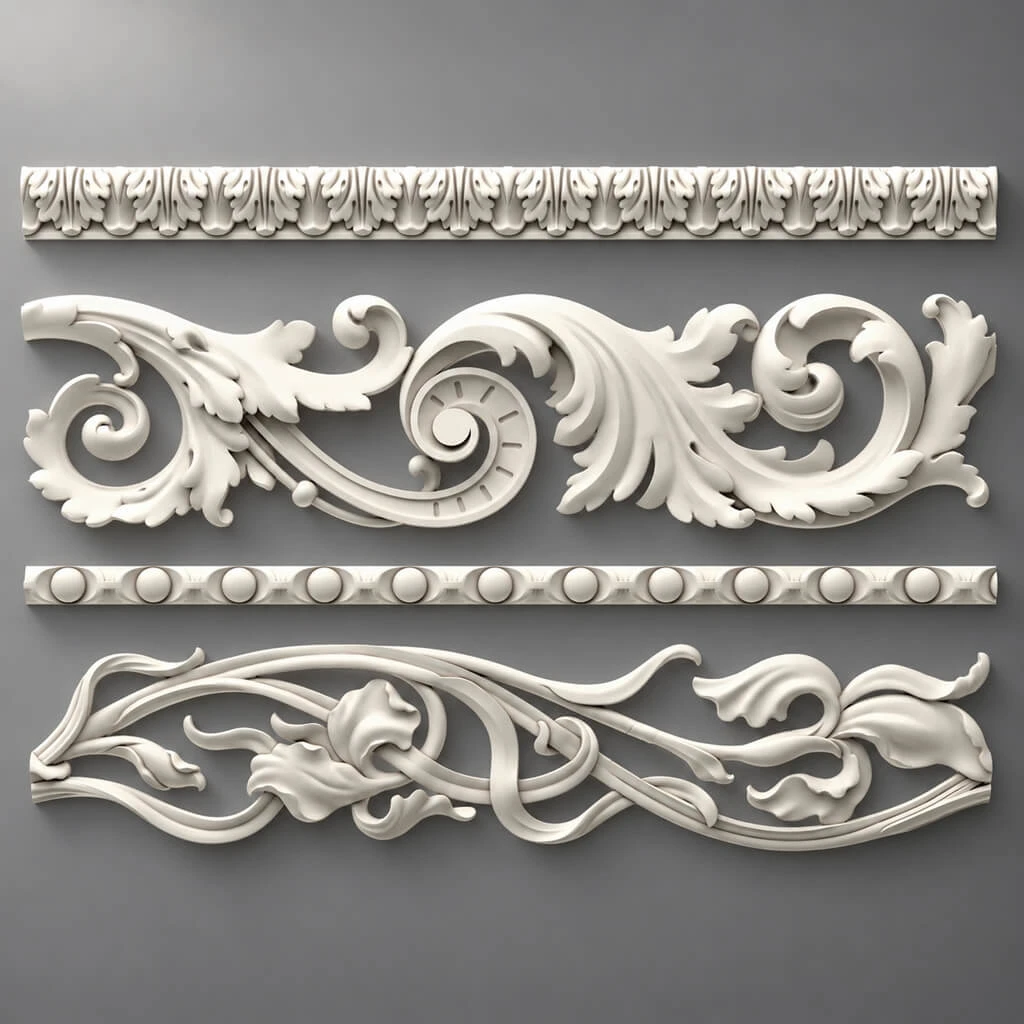
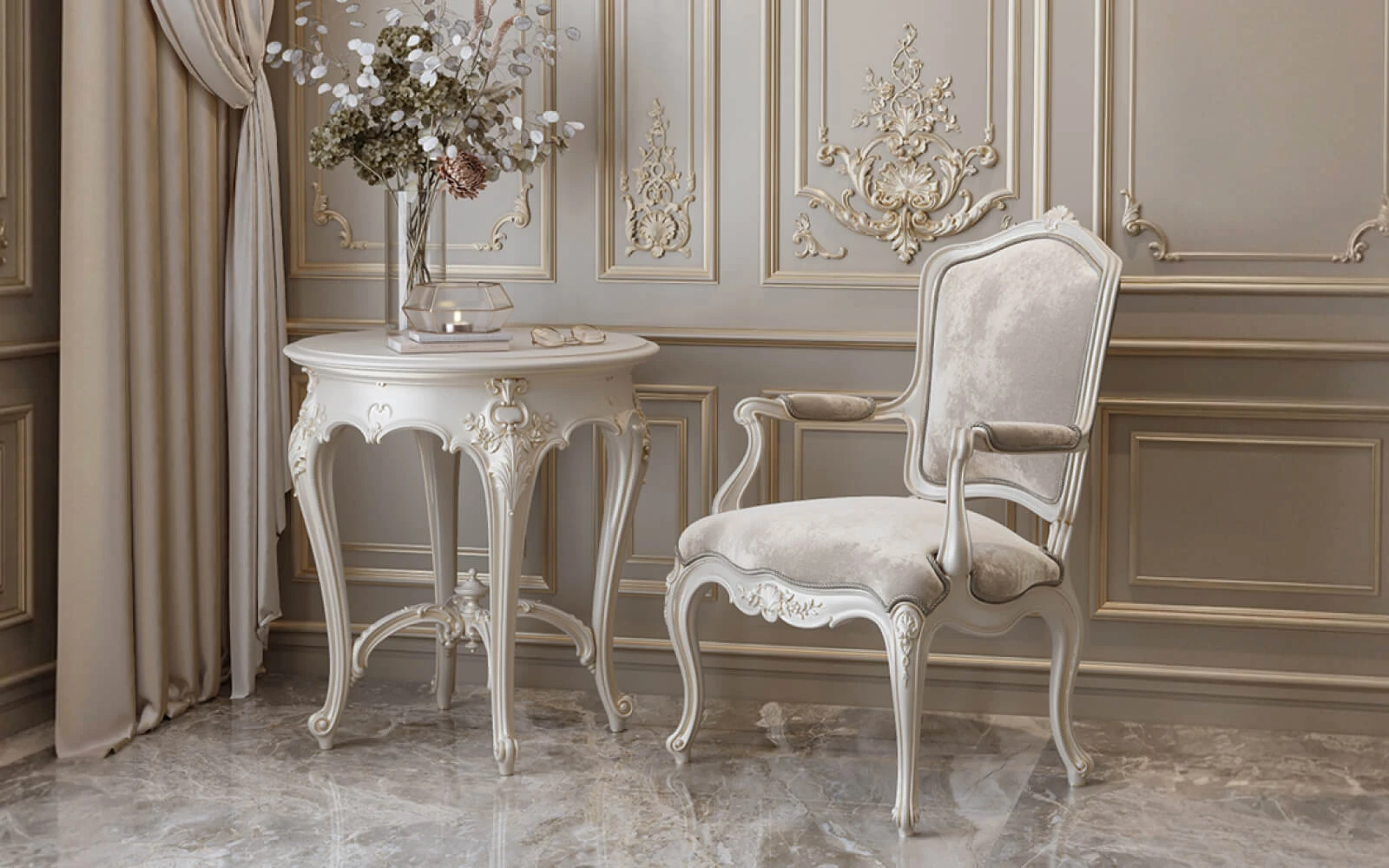
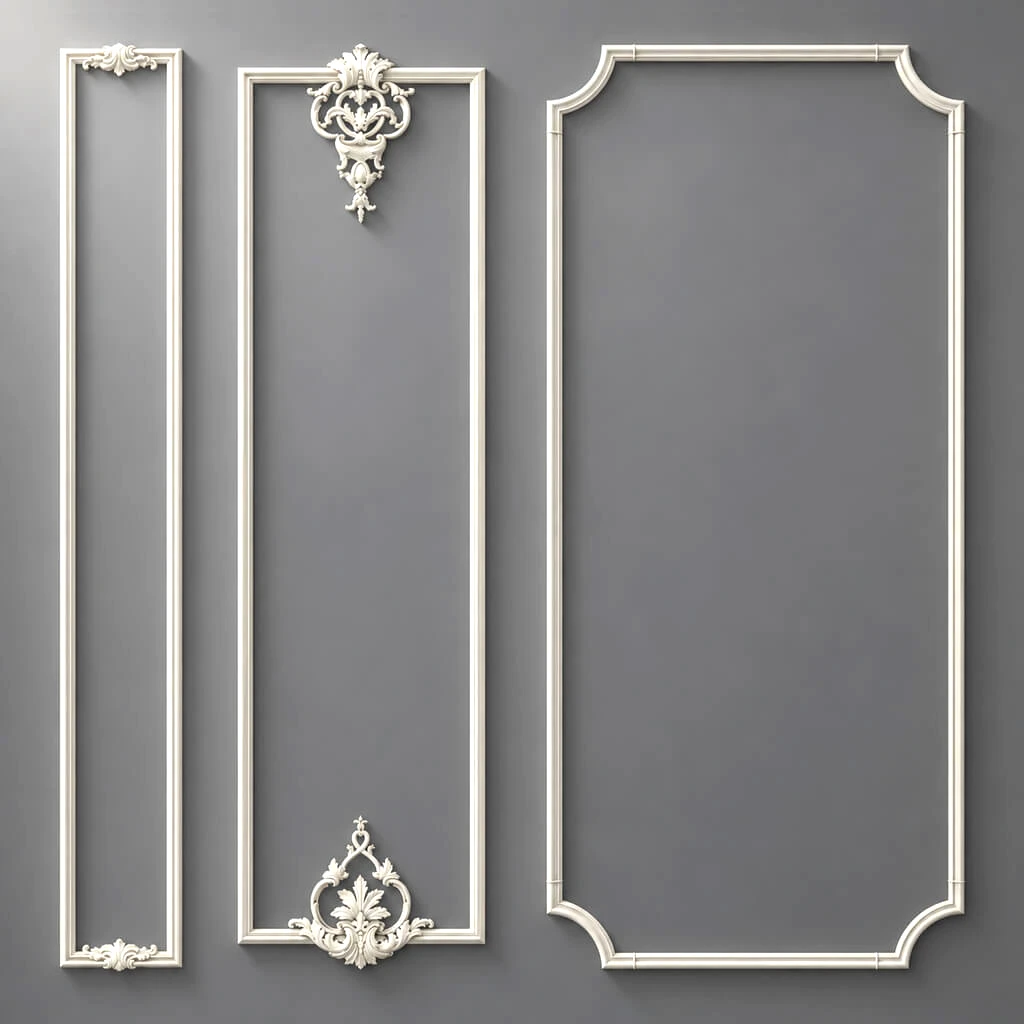
The principle is simple: Moldings made of polyurethane They are assembled into a rectangular frame on the wall. The sconce is installed inside this frame — roughly in the center or slightly above center. The frame creates a "picture" effect: the light fixture is perceived as a deliberate visual object integrated into the wall's architecture.
How to choose the frame size for a sconce
The frame size is a key parameter. Too small a frame — the sconce will feel cramped inside it. Too large — the sconce will get lost.
Practical guidelines:
In width: the frame should be 20–30 cm wider than the sconce on each side. If the sconce is 25 cm wide, the frame should be 65–85 cm wide.
In height: the frame should be 25–40 cm above the sconce's mounting point and 30–50 cm below it. The total frame height is 55–90 cm, depending on ceiling height and sconce scale.
Aspect ratio: for most situations, the optimal frame is a vertical rectangle with an aspect ratio of 1:1.3 (width to height). It looks proportional and doesn't feel like a "square" or a narrow "brick."
How to choose the molding width for the frame
The molding for the frame around the sconce should be noticeable but not aggressive. Too thin a molding will get lost on the wall. Too wide — it will draw attention to itself, pushing the sconce into the background.
Recommendations:
-
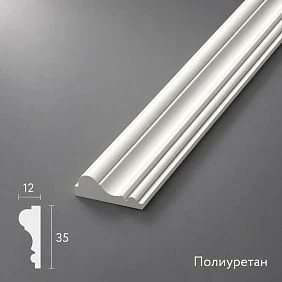
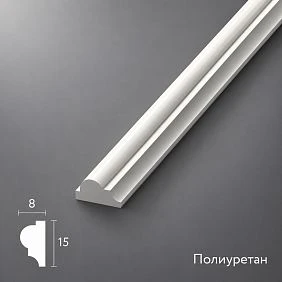
Small sconce (up to 20 cm wide) → molding 35–45 mm
-
Medium sconce (20–35 cm) → molding 40–55 mm
-
Large sconce (35+ cm) → molding 50–65 mm
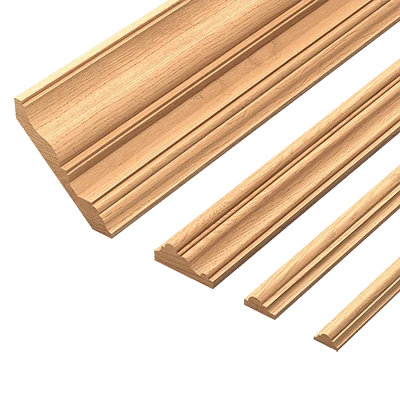
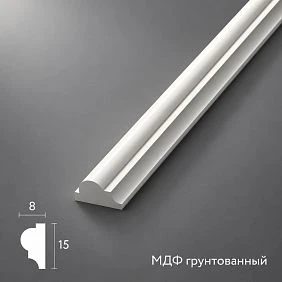
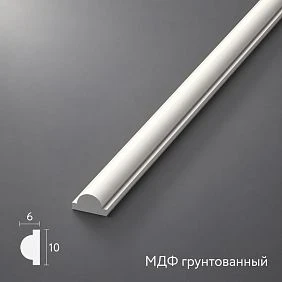
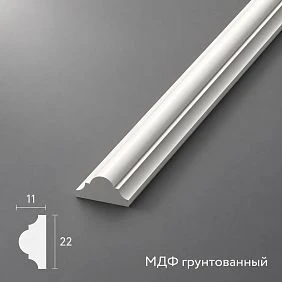
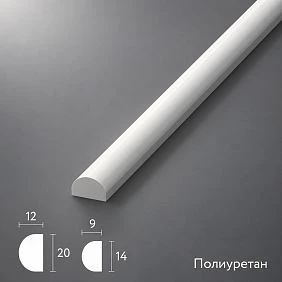
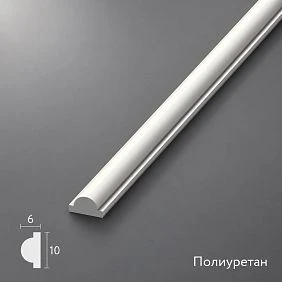
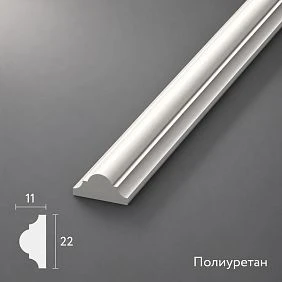
Buy polyurethane moldings For the frame around the sconce — choose a profile with moderate relief. A smooth or stepped profile works in most modern interiors. Ornamental molding — for classic and neoclassical styles.
How to position the sconce inside the frame
Two options:
Centered. The sconce is installed exactly in the geometric center of the frame. Symmetrical, calm, classic. Works well for paired sconces with identical frames.
Above center. The sconce is placed at 2/3 of the frame height from the bottom. Visually, the sconce appears 'lifted' — the frame is wider at the bottom, narrower at the top. This creates a sense of lightness and air. Works well for a single sconce above a console or cabinet.
What to buy for the frame around the sconce
-
Moldings made of polyurethane — profile 40–55 mm, length according to frame size plus 15% extra
-
Mounting acrylic adhesive
-
Acrylic sealant for joints
-
Paint matching the wall color (for a subtle solution) or white (for classic contrast)
-
Miter saw for precise trimming of frame corners
buy polyurethane moldings for a frame — this is a small volume. One standard frame 70×90 cm will require about 3.5 linear meters of molding. With a reserve — 4 meters.
Frame color: matching or contrasting
Matching the wall. Moldings are painted the same color as the wall. The frame is read through light and shadow — there is volume, but it is delicate. A modern, minimalist effect. The sconce remains the main accent.
White on a colored wall. If the walls are painted in color — the moldings are white. Contrasting, architectural, expressive. A classic technique that works especially well in the living room and bedroom.
Molding color darker than the wall. A frame in a dark shade — graphic and modern. Works well with light walls and black or bronze light fixtures.
Decorative stucco around a sconce: when the light fixture should become the accent
A frame made of moldings is architecture. Decorative stucco around a sconce — is character. Two different tools that are often used together — but can also work separately.
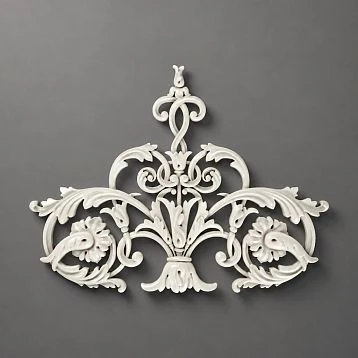
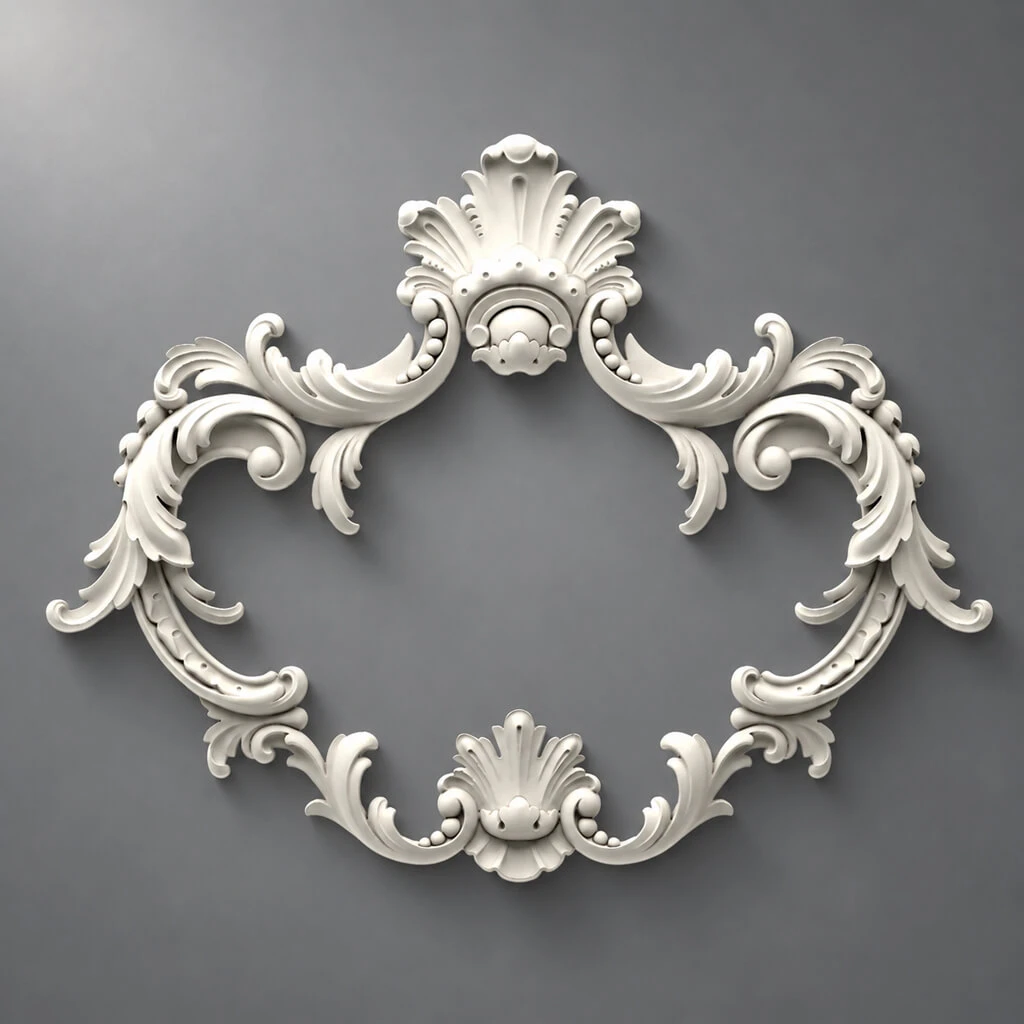
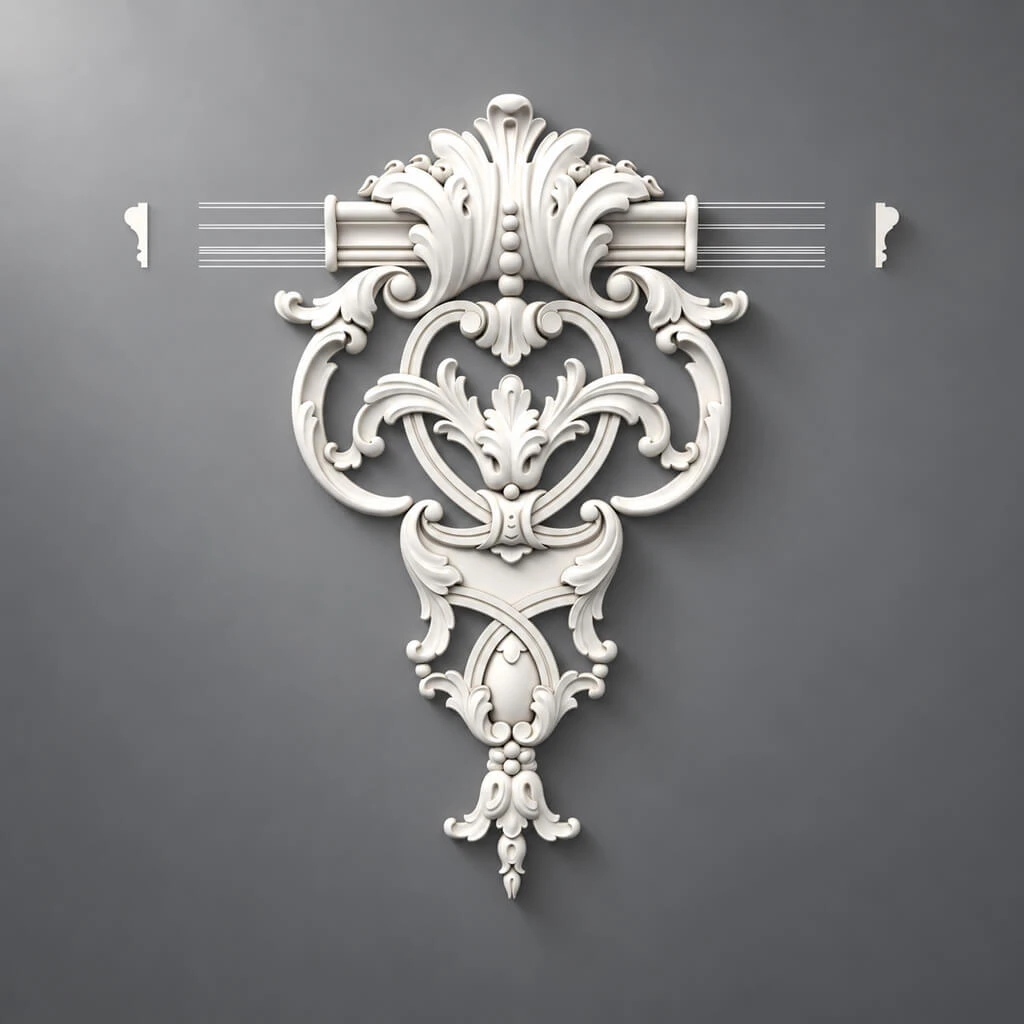
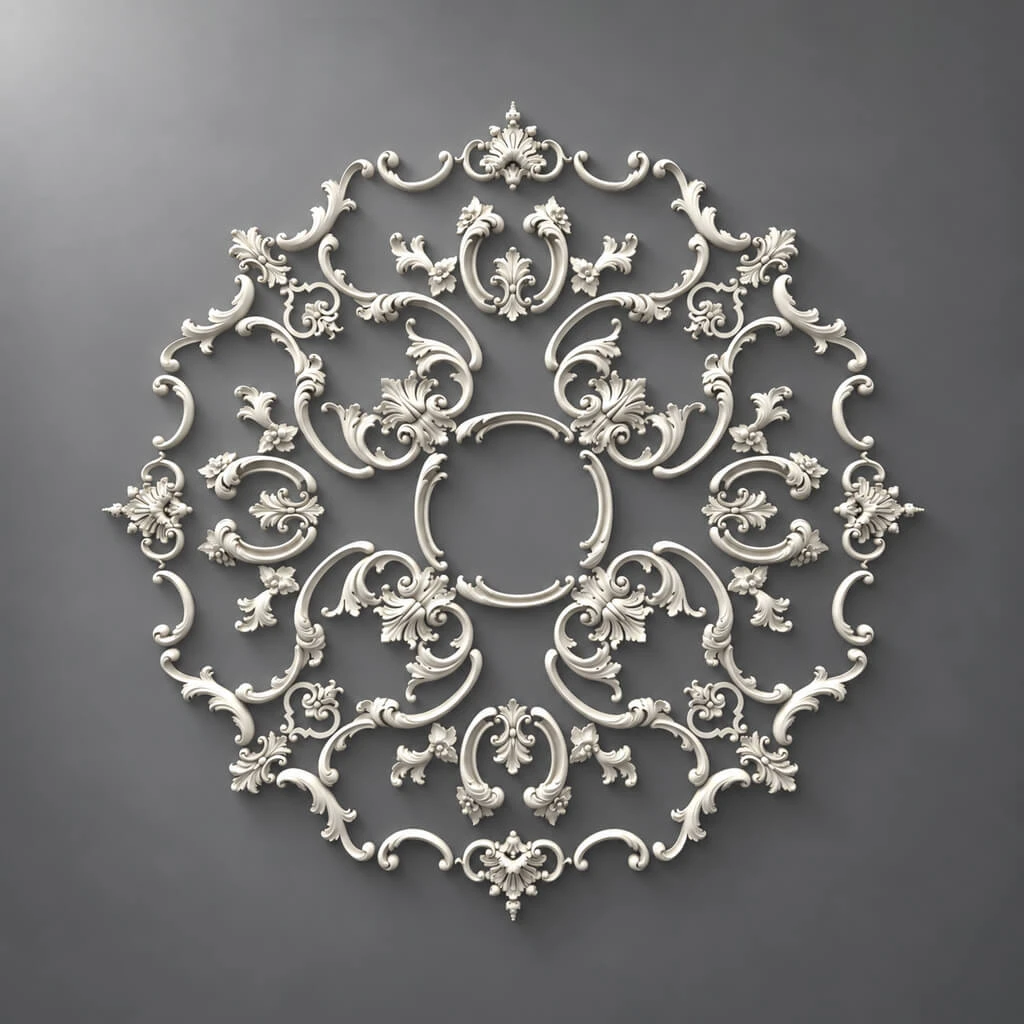
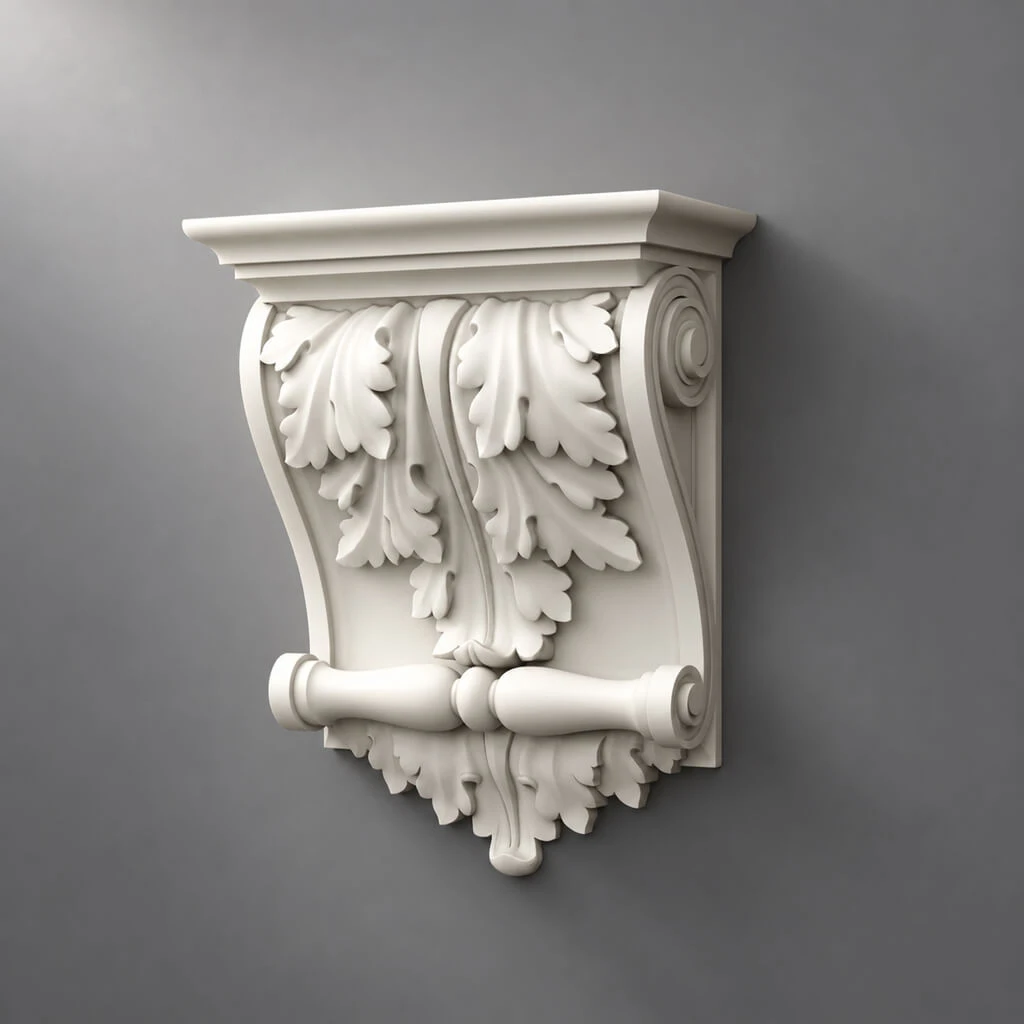
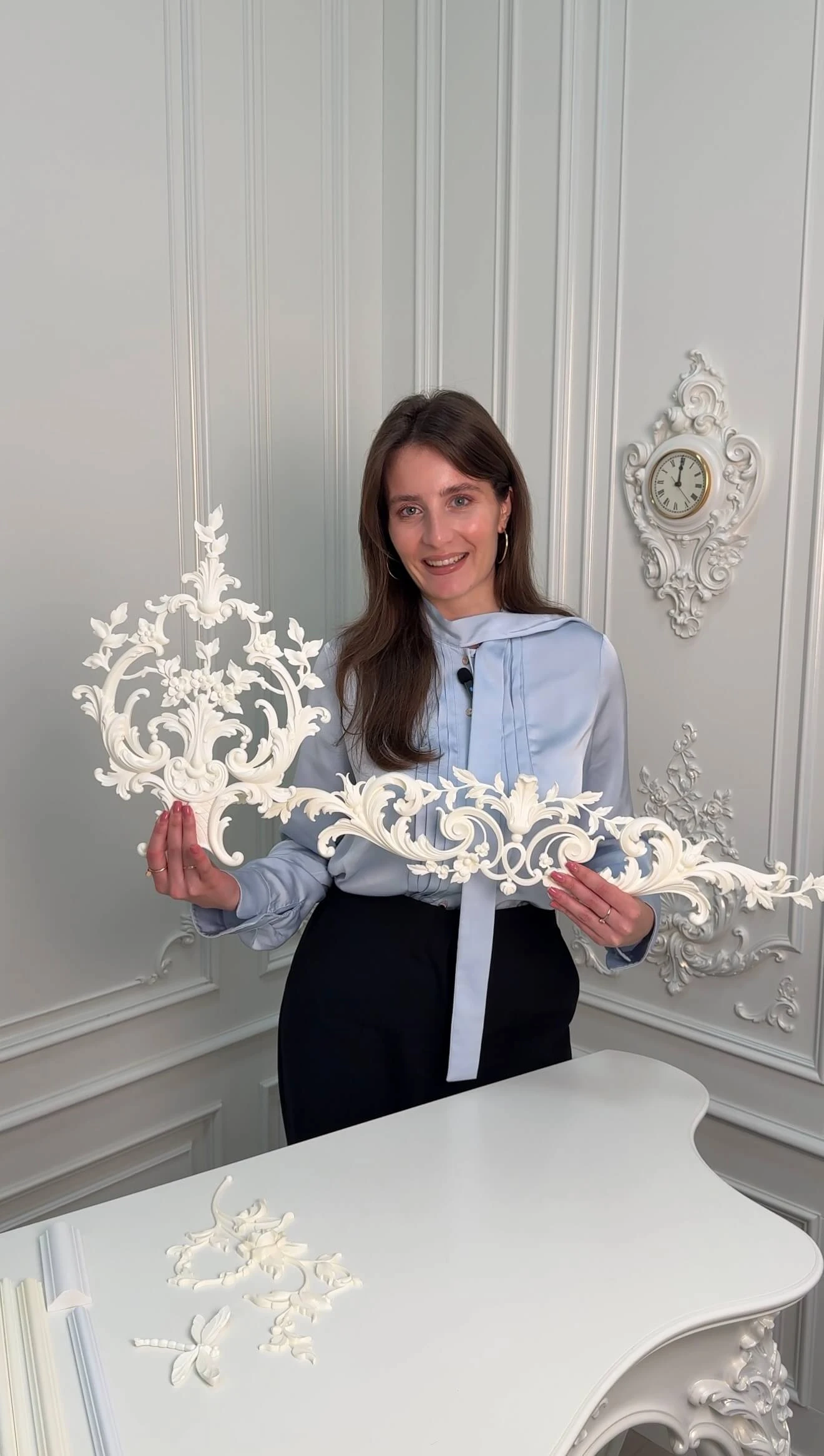
Decorative stucco molding is three-dimensional elements: overlays, medallions, cartouches, ornamental fragments. They are placed next to sconces, creating a decorative scene around the light fixture.
Decor above the sconce: completing the vertical axis
A sconce is a vertical object on the wall. It has an axis: from bottom to top. If there is nothing above the sconce, the axis is broken.
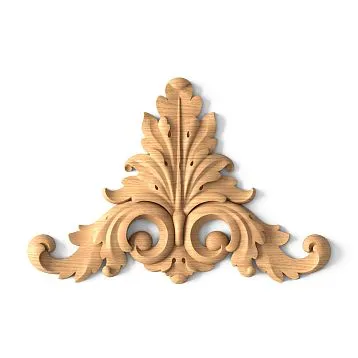
A decorative element above the sconce completes this axis. A small cartouche, ornamental overlay, or medallion installed above the light fixture creates the feeling that the sconce is built into the wall's decorative system, not just attached to it.
Size of the element above the sconce: approximately 70–90% of the sconce's width. If the sconce is 25 cm wide, the element above it is 18–22 cm wide.
Decor below the sconce: the light fixture's base
Similarly, an element below the sconce. It works as a "base": a small overlay below the sconce's mounting point, which visually "sits" the sconce on a decorative foundation.
This technique works especially well when there is a console or cabinet below the sconce. The overlay below the sconce connects the light fixture with the furniture, creating a single vertical axis: cabinet — decorative element — sconce — decor above.
Decor next to the sconce: symmetrical side accents
Two small decorative elements — one on each side of the sconce, at the same horizontal level as the mounting point. Symmetrical, rhythmic, elegant.
This technique works especially well in classic and neoclassical interiors. buy decorative moldings pairing for symmetry next to a sconce means creating a horizontal decorative axis that holds the entire area.
Decor inside the frame: moldings + stucco
The most complete version of sconce design: a frame of moldings + decorative stucco inside the frame, next to the sconce. Scheme:
-
Rectangular frame of moldings
-
Sconce in the center of the frame
-
Cartouche or medallion above the sconce — in the upper part of the frame
-
Optionally, small corner overlays in the corners of the frame
This is an architecturally complete decorative panel. Nothing extra — but everything in its place.
buy decorative moldings for such a scheme, it needs to be coordinated with the moldings: if the moldings are stepped and geometric — the decorative element is also geometric or moderately classic. If the moldings have an Ionic ornament — the decor is in the same style.
Stucco decor for a wall with a sconce: expressiveness without excess
Buy Moldings for a sconce area means adding small but precise decorative accents that saturate the wall with character.
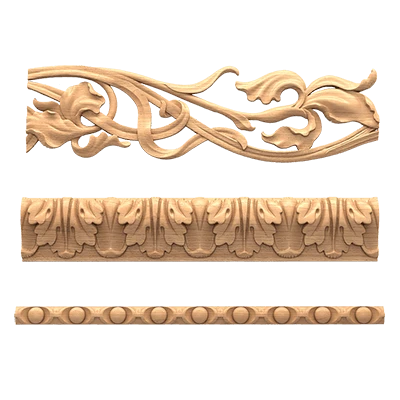
Stucco decor is not large medallions or long moldings. It is ornamental overlays, corner elements, small fragments of ornament, decorative inserts. They work in details.
Stucco decor as molding decor
Decor for Molding is a separate category of elements that are installed directly on moldings or in combination with them.
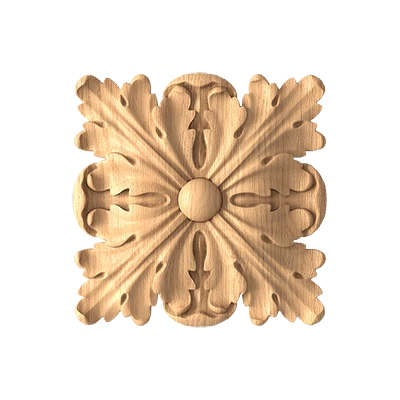
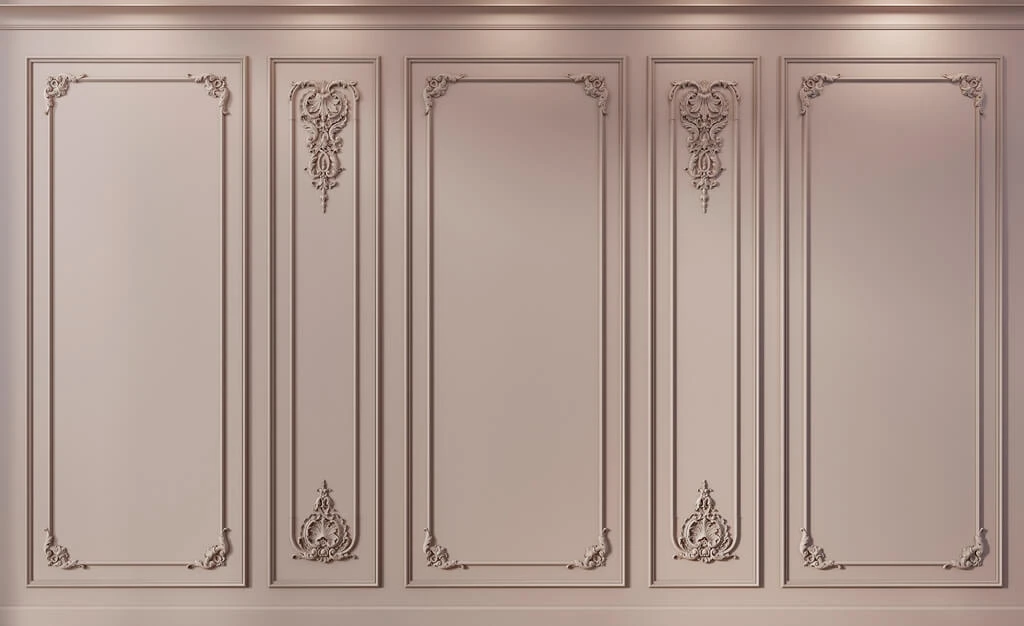
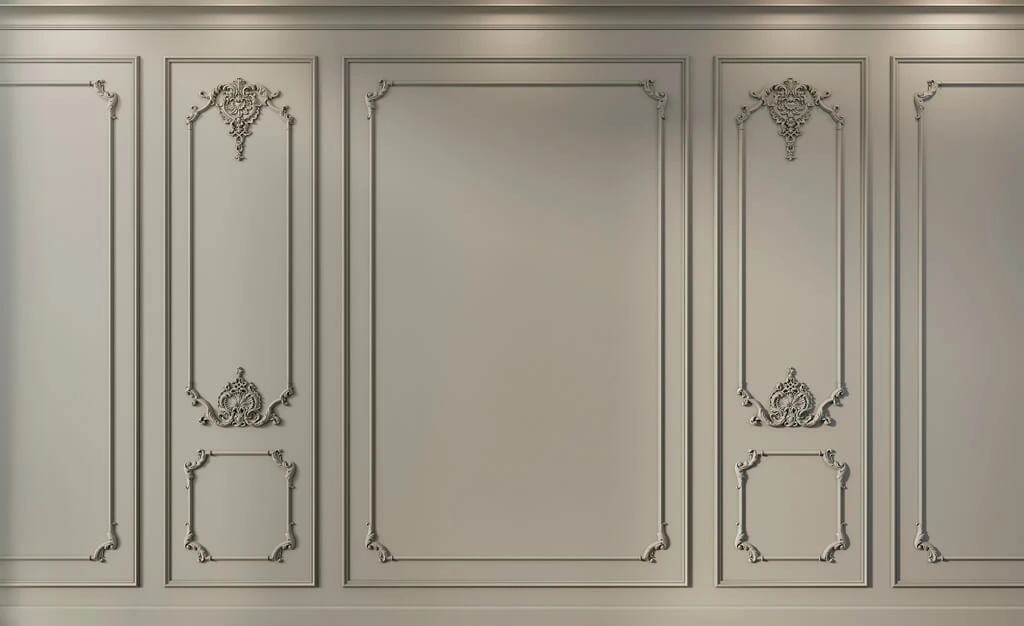
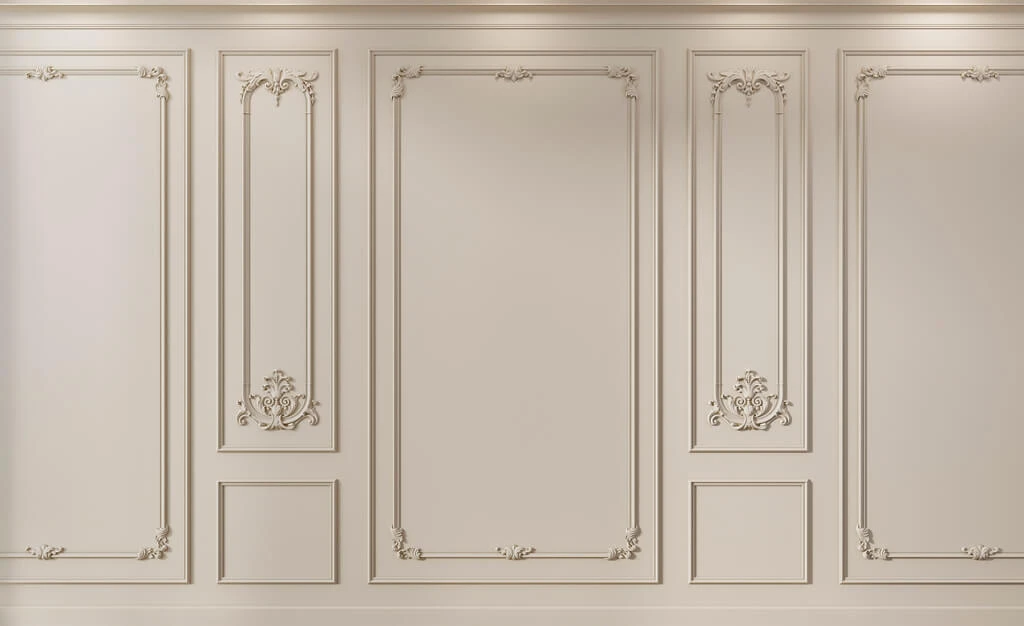
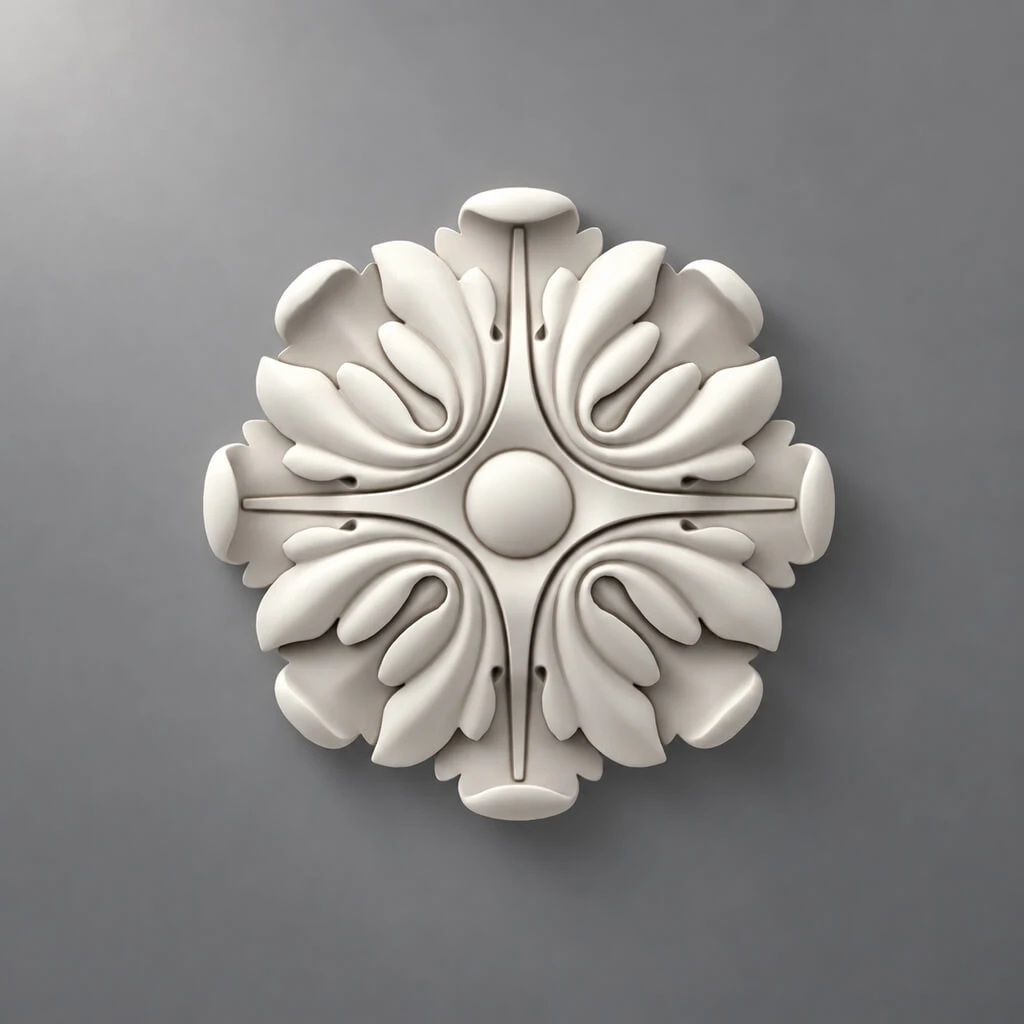
Corner rosettes are small square or rectangular elements installed in the corners of a molding frame. They cover the joints of corner cuts and add decorative expressiveness. In the classical style, corner rosettes in frames are a mandatory element.
Center inserts on the molding are small decorative elements installed in the center of the frame side. On a wide molding, they decorate the horizontal or vertical profile.
It is for the sconce area that corner rosettes are especially effective: a molding frame + corner rosettes in four corners — and the entire structure acquires a jewel-like completeness.
Decorative polyurethane overlays near the sconce
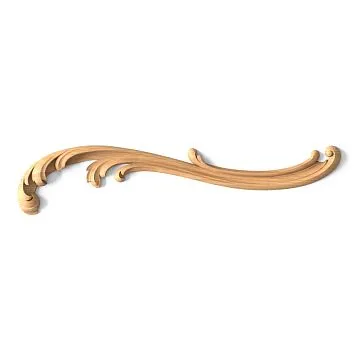
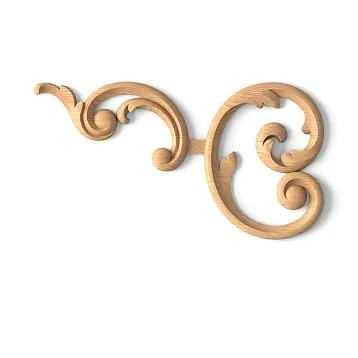
Small decorative overlays — leaves, scrolls, mascaron, ornamental fragments — placed symmetrically near the sconce create a feeling of a rich decorative space.
The size of the overlays is 10–20 cm. They don't draw attention but add texture and life to the wall.
A good scheme: a sconce in the center — small overlays, 2–3 pieces on each side vertically, at equal distances. This creates a rhythm that lifts the gaze from the bottom overlay upward — to the sconce and beyond.
Paired sconces: how to create a symmetrical decorative wall
Two sconces offer the opportunity to create a truly strong decorative axis. But without thoughtful design, two lights can look like two objects that just happen to be next to each other. With the right stucco decor, they become the central accent of the wall.
Scheme one: two sconces in two identical frames
Two sconces — two frames made of moldings, symmetrical. Same size, same profile, same distance from the edges of the wall. Between the frames, a gap of 30–60 cm, depending on the wall width.
This is strict, symmetrical, architectural. It works well in classic, neoclassical, or modern interiors.
If there is a mirror or painting in the space between the frames, the decorative axis of the wall becomes complete: a mirror in the center, two sconces on the sides in frames.
Scheme two: two sconces in one large frame
One large rectangle of moldings encompasses both lights. The sconces are installed symmetrically inside the common frame, one on each side.
In the center between the sconces is a decorative element: a medallion, cartouche, or simply a mirror. The decor closes the horizontal axis.
This is a more intimate and rich scheme. It works well above the headboard of a bed or above a dresser in the bedroom.
Scheme three: two sconces without frames, but with decor between them
No frames needed — there is only a decorative element between the two lights. A mirror in the center, two sconces on the sides — the decor completes the axis.
Decorative stucco in this scheme, it is placed around the mirror (frame or corner elements) or above the mirror (cartouche, medallion).
What to buy for paired sconces
For paired sconces, it is fundamentally important: all decorative elements must be purchased at the same time, from the same batch. This guarantees a complete match in size, relief, and color.
Buy polyurethane moldings for two identical frames — calculate the perimeter of one frame, multiply by two, add 15–20% reserve. With a frame width of 70 cm and height of 90 cm — the perimeter of one frame is 3.2 m, for two — 6.4 m plus a reserve of 1.2 m. Total — about 7.5–8 linear meters.
Room-by-room breakdown: how sconces and stucco work in different spaces
Living room: sconces behind the sofa
Sconces in the living room are most often installed on either side of the sofa or on either side of the TV area. These are paired lights that function as accent lighting.
Behind the sofa: two sconces symmetrically, frames made of molding around each. Between the sconces — either just a wall in the color of the molding, or a decorative element in the center.
On either side of the TV: two sconces as side "beacons" of the TV area. Frames made of molding give them architectural weight.
Molding width for the living room — 45–60 mm. Profile — stepped or with moderate ornament.
Bedroom: sconces above the headboard
Sconces in the bedroom are a classic technique for bedside lighting. They are installed at a height of 150–160 cm from the floor, on either side of the headboard.
Two sconces above the headboard in frames: frames vertical, narrow — 40–55 cm wide, 70–90 cm high. Molding 35–50 mm. Between the frames — the bed headboard or a decorative accent.
Sconces and decorative stucco above the headboard: if the headboard is wide — a decorative medallion in the center above it, two sconces on the sides. This is a complete horizontal axis of the bedroom.
buy decorative moldings For the bedroom — choose elements with a soft, rounded ornament. Floral, leaf motifs are appropriate in the bedroom. Geometric patterns — for more strict, modern bedrooms.
Hallway: sconces by the mirror
In the hallway, a sconce is almost always associated with a mirror. One light above the mirror or two on the sides are classic options.
Sconce above the mirror: the decorative element above the sconce (cartouche or medallion) closes the vertical axis of mirror — light — decor. A molding frame around the mirror reinforces the entire system.
Two sconces on the sides of the mirror: molding frames around the mirror + decorative elements above each sconce. The hallway gains solemnity and completeness.
In the hallway, moldings can be taken slightly thinner than in the living room — 30–45 mm. The space is usually small, with a corresponding scale.
Corridor: sconces and vertical decor
In the corridor, sconces are often installed on the end wall or along a long wall at intervals of 1.5–2 m. This is a series of lights that set the rhythm of movement.
Series sconces with frames: each sconce in its own vertical frame. The rhythm of the frames repeats the rhythm of the lights. The corridor transforms from a transit space into a gallery.
Decor between sconces: horizontal moldings running the entire length of the corridor at the level of the top and bottom edges of the frames. They connect individual frames into a single system.
Study: sconce as part of a library system
In the study, sconces are often placed near bookshelves or above the desk. Here, moldings set not just a frame around the sconce, but a system of panels on the entire wall, into which the light is organically integrated.
Sconce in a wall panel system: moldings divide the wall into rectangular fields. The sconce is installed in one of the fields — it is already "framed" by default.
Molding decor: the final touch that makes all the difference
Decor for Molding — a category often overlooked when choosing on your own. Yet it is corner rosettes and decorative inserts that turn a simple frame into a jewel-like, finished element.
Corner rosettes in frames around sconces
Each corner of the molding frame is a joint of two planks cut at 45 degrees. Neat trimming hides this joint. The corner rosette completely covers it and adds a decorative element to each corner.
Corner rosette size = molding width × 2. For a 45 mm molding, the rosette is approximately 80–90 mm. It precisely covers the corner joint and looks proportionate.
In a classic style, corner rosettes are a must. In a modern style, they are optional but expressive.
Decorative inserts at the center of the frame sides
On wide, long moldings (if the frame is large — for example, 80×100 cm), small decorative inserts at the center of the horizontal sides are appropriate. They break up the long molding line and add rhythm.
For frames around sconces — small inserts at the center of the top horizontal side of the frame. A subtle but precise detail that adds quality.
Installation of stucco molding around a sconce: practical aspects
Work sequence
Step one: mark the position of the frame on the wall with a pencil. Ensure the sconce will be at the desired point of the frame — centered or slightly above center.
Step two: cut the moldings. A rectangular frame — four pieces with 45-degree cuts. Important: first test fit without glue.
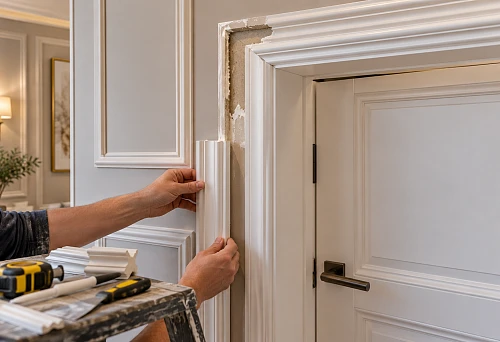
Step three: apply glue to the back of the molding, install on the wall according to the markings, secure with painter's tape while it sets (15–20 minutes).
Step four: fill the corner joints with acrylic sealant, smooth it flush with the surface of the molding.
Step five: painting. Paint the moldings to match the wall or in the desired finish color. When painting, protect the sconce with painter's tape.
Safety precautions near the sconce
Polyurethane moldings and decor — do not heat up and do not conduct electricity. However, when installing near an already mounted sconce, one rule must be followed: decorative elements should not be in direct contact with the fixture body, especially with heating parts (base, socket).
The minimum distance between a decorative element and the sconce body is 3–5 cm. This is sufficient for safety while maintaining the visual integrity of the composition.
How to remove the sconce before installing the frame
Ideally, remove the sconce from the wall, mount the frame, paint, and only then install the light fixture back. This allows painting without the risk of getting paint on the fixture and installing moldings without awkward constraints.
If the sconce cannot be removed, carefully cover it with painter's tape and work around it.
Ready-made kits: what to buy for a specific task
Minimum kit "one sconce — one frame"
-
Moldings made of polyurethane — 4–5 linear meters of 40–55 mm profile
-
Mounting acrylic glue — 1 tube
-
Acrylic sealant — 1 tube
-
Paint — 0.5–1 L of finish paint
-
Painter's tape
Medium kit "sconce in a frame with decorative elements"
-
Moldings — 4–5 linear meters
-
Decor for Molding — corner rosettes, 4 pieces
-
Buy Moldings — 1 element above the sconce
-
Glue, sealant, paint
Full set «two sconces — symmetrical wall»
-
Buy polyurethane moldings — 8–10 linear meters (with allowance)
-
Decor for moldings — corner rosettes, 8 pieces (4 per each frame)
-
Decorative stucco — 2 identical elements (one above each sconce)
-
Central decorative element or mirror for the axis between sconces
-
Glue — 2–3 tubes
-
Sealant, paint
-
Molding allowance — 15%
Table: what to buy for a wall with a sconce
| Task | What to buy |
|---|---|
| Style one sconce | Moldings for the frame, glue, paint |
| Make the sconce an accent | Decorative stucco above the sconce + moldings |
| Style two sconces | Paired molding frames + identical decorative elements |
| Add details to the frame | Decor for Molding — corner rosettes |
| Style a sconce near the mirror | Moldings + decor around the mirror + element above the sconce |
| Saturate the wall with character | Buy Moldings + moldings |
Mistakes when designing a wall with sconces
Frame too small. A frame that is barely larger than the sconce itself creates a feeling of tightness. The light fixture literally "bulges" out of the frame. The frame should be noticeably more spacious than the light fixture.
Decorative element too large. A medallion with a diameter of 50 cm above a small sconce is an imbalance. The decorative element should not draw attention to itself at the expense of the light fixture.
Different frame styles for paired sconces. If two sconces are placed symmetrically, the frames around them must be absolutely identical. Different profiles, different sizes disrupt symmetry and create a feeling of error.
Decorative element too close to the sconce. Safe distance is at least 3 cm. An element touching the light fixture body looks ill-conceived and may be unsafe.
Moldings painted a different color than the rest of the wall. If moldings in one room are in different colors, it's chaos. Choose one solution and stick with it.
FAQ: Answers to Key Questions
How to design a wall with sconces using stucco?
The simplest and most reliable option is to make a rectangular frame from of polyurethane moldings around the area with sconces. Add a decorative element above the light fixture and corner rosettes to the corners of the frame — and the wall will gain architectural completeness.
What to buy for a wall with two sconces?
Two sets of identical moldings for two frames, identical decorative elements for each frame, Decor for Molding — corner rosettes, glue, and paint. Everything should be taken from the same batch to ensure the elements match exactly.
Can you glue stucco near sconces?
Yes. Polyurethane stucco does not heat up and does not conduct electricity. Maintain a distance of at least 3–5 cm from the light fixture body. Use acrylic glue without solvents.
Moldings or decorative overlays — which is better for sconces?
Moldings create an architectural frame — that's structure. Decorative stucco and overlays — that's character and accent. Together they give the best result. If choosing one — start with moldings.
What is the standard frame size for a sconce?
The frame is 20–30 cm wider than the sconce on each side, 25–40 cm above the mounting point, and 30–50 cm below. For most standard sconces, this results in a frame approximately 65–85 × 75–100 cm.
What is better: a frame matching the wall color or a white frame on a colored wall?
It depends on the style. Matching the wall color is delicate, modern, and architectural. White on a colored wall is expressive, classic, and contrasting. For a first attempt, a frame matching the wall color is recommended—it is foolproof.
About the company STAVROS
A sconce on an empty wall is an unfinished interior. A frame of moldings around the light fixture, a decorative element above it, corner rosettes in the frame corners—and the same wall turns into a well-thought-out decorative system. It is not expensive, not complicated, and does not require a designer. It only requires the right choice.
STAVROS is a Russian manufacturer of decorative polyurethane products. The STAVROS catalog includes Moldings made of polyurethane of all formats for frames and wall panels, Decorative stucco for accent elements, Relief Decoration for details, Decor for Molding — corner rosettes and inserts. The entire range for decorating a wall with a sconce — Buy molding on the website with Contact us to confirm shipping to your destination.
All STAVROS products are made of dense polyurethane with a clear relief. They are lightweight, ready for painting, and mounted with acrylic adhesive. STAVROS specialists will help you select a set for any area with a sconce—in the living room, bedroom, hallway, or corridor.