








































































Article Contents:
- Why a painting on an empty wall almost always gets lost
- Frame and baguette: the starting point of any art zone
- What is a baguette and how is it different from a frame
- Ready-made frames for paintings and mirrors
- Moldings around a painting: how to create an architectural zone
- How a molding frame works around an art zone
- Width of molding for a wall frame
- One frame or several: application scenarios
- Decorative stucco around the art zone: the third level of design
- Where to place stucco decor around a painting
- Polyurethane overlays: why it's the right material for an art zone
- Decorative wooden overlays for an art zone
- Art zone in different interiors: specific scenarios
- Above the sofa in the living room
- In a home office
- In the hallway and foyer
- In the dining room above the console
- In the bedroom above the headboard
- Color of the art zone: wall, moldings, frame, stucco
- Monochromatic Scheme: Everything in One Color
- Contrast scheme: moldings color differs from the wall
- Classic scheme: 'wood-like'
- What to buy for different tasks: summary table
- Practical tips: installation and finishing
- How to hang a picture inside a molding frame
- Glue for moldings on the wall
- Painting moldings and overlays
- Frequently Asked Questions
- STAVROS: everything for a wall with a picture — from frame to stucco decor
There is one paradox that an experienced designer notices immediately, while the apartment owner notices it years later. A good picture on a bare wall almost always loses. Not because it is not good enough. But because it has no context. It hangs in the air — without architectural framing, without connection to the wall and the space around it. It is an object. But not part of the interior.
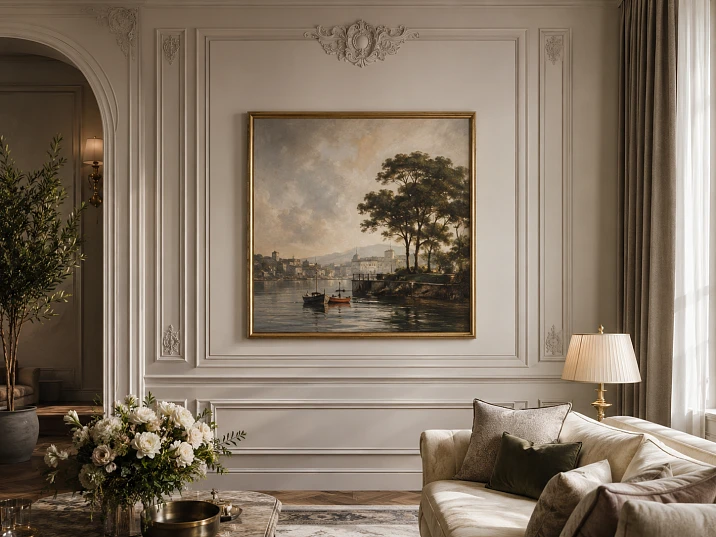
A real art zone is different. When an architectural frame is built around the picture from molding, when the image itself is inserted into Wooden Picture Frame with the right profile, when around the perimeter of the frame there is a symmetrical Decorative stucco — the picture ceases to be just a picture. It becomes the center of an architectural composition. It reads as intention.
This is exactly what this article is about. A painting looks more expensive when it has not only a frame but also an architectural zone around it. molding frames the image itself, moldings gather the wall, and Decorative stucco adds an accent and makes the art zone part of the interior.
Why a painting on an empty wall almost always gets lost
Ask yourself a simple question: what happens when you enter a room and see a painting on the wall? Where does your gaze go? If the painting hangs on an empty whitewashed rectangle, your gaze slides over it and moves on. The wall is too big, the painting is too small for it — there is no contrast, no focus, no frame.
This is called the "lost object effect." The object exists but is not read. It could be replaced with another painting, and there would be almost no difference. This is a signal that the wall is not designed — it is simply used as a place to store an image.
Three reasons why this happens.
First — scale. One painting measuring 60 × 80 cm on a wall 3 meters wide is 1.6% of the wall area. Too little for a visual event. A molding frame around it doubles the "zone of attention" — and the painting begins to hold the wall.
Second — lack of a boundary. The wall has no spatial definition relative to the painting. Where the painting's zone begins is unclear. Moldings around the painting provide this boundary: they say "here is the art zone."
The third is the absence of hierarchy. The wall has no decorative language. The painting and the wall are two different worlds that do not communicate with each other. Stucco molding around the painting creates this conversation: it belongs to both the wall and the art zone, and serves as a decorative bridge between them.




Frame and molding: the starting point of any art zone
Before thinking about the wall, think about the painting. The right frame or Wooden Picture Frame is the first level of framing, without which everything else is meaningless.
Our factory also produces:


What is a baguette and how is it different from a frame
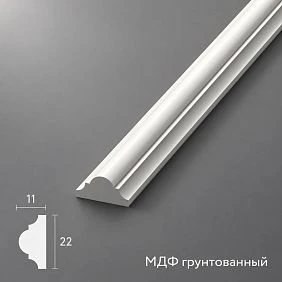
In professional jargon, "molding" is a profile strip from which a frame is assembled. Different sized frames can be made from one molding. In everyday usage, "molding" and "frame" are almost synonyms, but with a nuance: when people say "buy molding," they mean the profile material itself, not a finished frame.
Wooden Picture Frame in the STAVROS assortment includes over 30 models with different profiles and prices: from the minimalist K-034 (from 190 RUB/meter) to the ornate K-104 (from 5,260 RUB/meter). This allows you to choose a profile for any style, from Scandinavian minimalism to Baroque classicism.
Several key considerations when choosing molding.
Profile width — in proportion to the size of the painting. For a small poster (30 × 40 cm) — a thin molding of 15–25 mm. For a medium painting (50 × 70 cm) — a profile of 30–50 mm. For a large canvas (80 × 100 cm and larger) — an expressive wide profile of 50–80 mm, possibly with ornamentation.
Profile — in harmony with the interior style. The smooth, minimalist baguette K-034 is for modern interiors, Scandinavian style, and minimalist spaces. The profiled K-011 (from 690 RUB/meter) with a relief cross-section is for neoclassicism and modern classics. The carved K-104 is for a classic study, a living room with molding wall panels, and a formal hall.
Color — in sync with the furniture and moldings. The baguette color should not be 'random'. Three effective approaches: (1) matching the furniture color (wooden sofa frame, doors, parquet); (2) matching the wall molding color — all decor in a unified system; (3) contrasting with the wall color — gold on dark blue, black on cream.
Get Consultation
Ready-made frames for paintings and mirrors
Frames for paintings in the STAVROS assortment are made from solid beech and oak using 3D milling with hand finishing. The RM series consists primarily of frames for mirrors, but the same models are used for large paintings, posters, panels, and family portraits.
Price range — from 14,740 RUB (RM-052) to over 120,000 RUB for monumental carved models. This is an investment in an object that will become part of the interior for decades.
If you need a frame of a non-standard size, STAVROS manufactures it to custom dimensions based on standard models.
Moldings around the painting: how to create an architectural zone
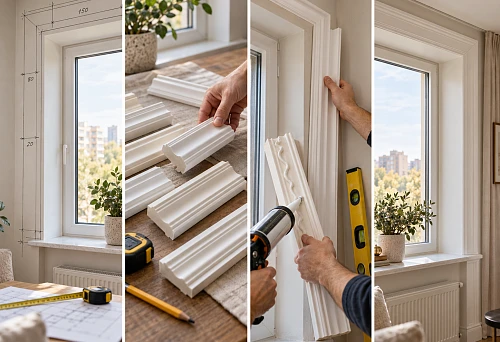
So, the painting is framed. A good frame or expressive baguette. But the wall around it is still empty. The next step is a molding frame around the entire art zone. This is not a duplication of the frame — it is a different scale.
The frame frames the painting. The molding frame frames the wall — creating a 'room for the painting' right on the vertical plane.
How the molding frame works around the art zone
Imagine a door. The door leaf is a painting. The door casing is the frame. The door trim on the wall, which defines an architectural niche, is the molding frame around the art zone. This analogy is precise: the molding frame does for the painting what the door casing does for the door — it places it in an architectural context.
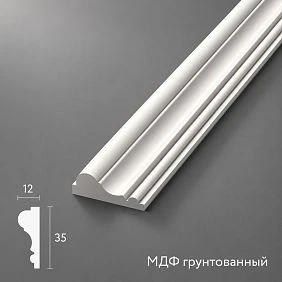
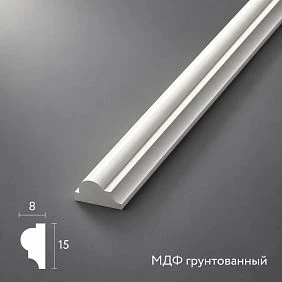
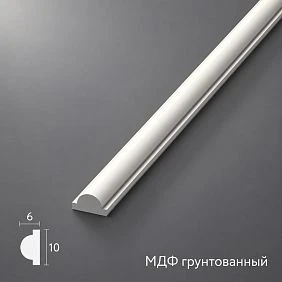
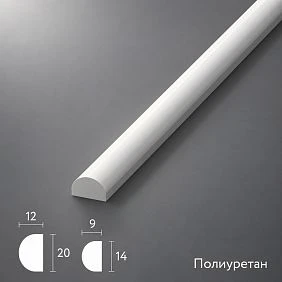
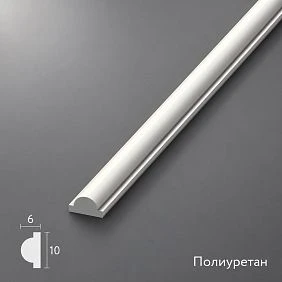
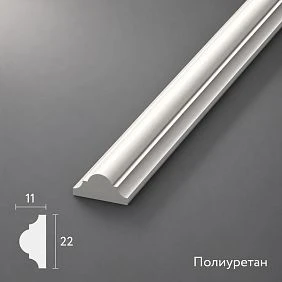
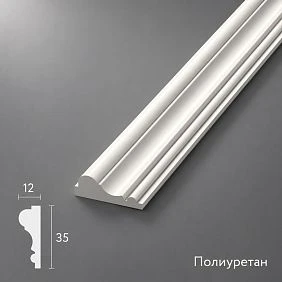
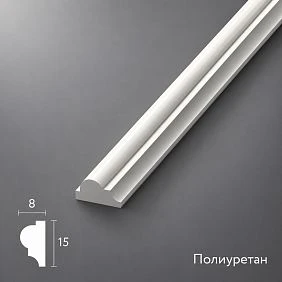
Moldings made of polyurethane — the optimal material for wall frames around the art zone. They are lightweight (100–250 g/m), adhere well with acrylic glue, can be cut at any angle, and after painting are indistinguishable from wooden ones.
The size of the molding frame relative to the painting is a key parameter. Working proportions:
-
Distance from the painting frame to the inner edge of the molding frame: 15–25 cm (for paintings up to 70 cm on the long side) and 25–40 cm (for large canvases 80 × 100 cm and larger).
-
Distance from the molding frame to the edge of the wall (or to the ceiling cornice, floor) — at least 20 cm on each side.
The molding frame should not be flush with the painting frame. There should be a field between them — wall space that creates a pause. It is this pause that speaks of design: when there is space, there is confidence.
Width of the molding for the wall frame
The choice of molding width depends on two factors: the size of the frame and the interior style.
-
For a modern interior — a thin smooth molding 15–25 mm. It provides a border without architectural heaviness.
-
For neoclassicism — a molding with a profile of 25–40 mm, with a slight relief. Several levels of cross-section create a play of shadow that makes the frame richer.
-
For a classic interior, a wide molding of 40–60 mm with an ornamental profile. Here, the frame itself is a decorative element.
An important nuance: the molding for the wall frame and the molding of the picture frame must be coordinated in terms of "weight." A thin frame with a heavy ornamental wall molding is an imbalance. An expressive wide baguette with a very thin wall molding of 10 mm is also an imbalance. They must belong to the same register.
One frame or several: application scenarios
One frame — one picture. The most common scenario. A picture above the sofa, above the console, above the fireplace, at the head of the bed. One molding frame creates a focus and completes the area.
Two frames symmetrically. Two identical panels or posters with identical frames and identical molding frames on both sides of a central element (mirror, window, doorway). This is a classic symmetrical scheme that works in dining rooms, hallways, and studies.
Gallery wall within frames. Several pictures of different formats inside one large molding frame or within a system of several frames. This is a home gallery organized according to the laws of a museum exhibition — with an axis, margins, and rhythm.
Molding panels on the entire wall. The entire wall is divided by moldings into several "panel" zones. One of them is an art zone with a picture. The others are simply decorative fields or zones for other objects. This is the most labor-intensive, but also the most architecturally rich solution.
Decorative stucco around the art zone: the third level of decoration
The frame is the first level. The molding frame is the second. Decorative stucco around the art zone — the third, most expressive level. And the most dangerous in terms of mistakes — because it is here that it is easy to overdo it.
Where to place stucco decor around a painting
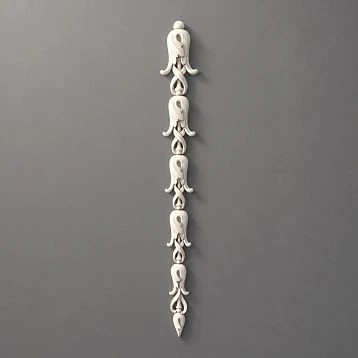
Above the painting — a central overlay. An ornamental overlay in the center of the wall above the frame or molding frame. It can be a cartouche, acanthus leaf, medallion, or floral garland. The overlay visually "crowns" the art zone — like a capital crowns a column.
The size of the overlay is 15–30% of the painting frame width. For a painting 80 cm wide — an overlay 15–25 cm wide. This creates a proportion where the overlay reads as an accent, not as an independent object competing with the painting.
On the sides symmetrically — paired elements. Two identical elements stucco decoration on both sides of the painting — at an equal distance from it, at the same height. This can be a pair of small acanthus overlays, a pair of medallions, or a pair of vertical ornamental strips.
Paired elements work as "guardians" of the art zone — they hold the gaze within the perimeter, preventing it from wandering to the sides. This enhances the focusing effect of the molding frame.
In the corners of the molding frame — corner overlays. If a molding frame is already created, decorative corner overlays in its corners add extra detailing to the inner space of the frame. This is a principle familiar from old engravings and tapestries: the frame is not just a rectangle, but an object with decorated nodal points.
Between paintings in a gallery layout. If there are several paintings on the wall, wall stucco can serve as a "divider" between them — not literally, but visually, creating a pause with decorative content.
Polyurethane overlays: why this is the right material for an art zone
Buy molding made of polyurethane for decorating an art zone is a practical and aesthetically correct solution for several reasons.
Polyurethane weighs 3–5 times less than plaster counterparts. For wall overlays, this is important: PU glue plus mechanical fastening — and the overlay holds securely, without risk of detachment during vibration. There is no need for additional reinforcement or complex installation.
Polyurethane overlays accept paint perfectly — acrylic, alkyd, wax. After painting to match the wall color, the overlay looks like a plaster finishing element. After tinting to patina, it looks like antique stucco made of lime mortar. Both options are available within one product.
Variety of shapes and sizes in the STAVROS assortment — more than 100 models of wall overlays: from small elements starting at 920 rubles to large ornamental panels costing from 10,000 rubles.
Decorative wooden overlays for an art zone
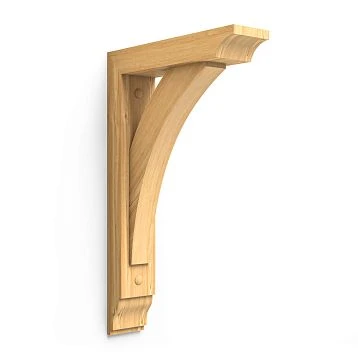
Buy Moldings made of polyurethane is the main choice for most tasks. But for a wooden interior, where walls are paneled with wood or where the picture frame is made of valuable wood species, wooden overlays give a more organic result — the material matches.
STAVROS wooden carved overlays are made of beech and oak on CNC equipment. The matching principle: wooden overlays to wooden frames, wooden moldings on walls, and wooden furniture. A unified material language is a sign of professional design.
Art zone in different interiors: specific scenarios
Above the sofa in the living room
This is the most common art zone in a living space. The wall above the sofa is the first thing a person sees when entering the living room. It sets the tone for the entire room.
Classic scheme:
-
A painting in a wooden frame — the width equals 2/3 of the sofa's width.
-
A molding frame around it — the indent from the frame is 20–30 cm horizontally, 15–20 cm vertically.
-
Above the molding frame — one central overlay.
-
Moldings made of polyurethane — in the color of the wall or in the color of the frame.
Why this works: the sofa, painting, molding frame, and overlay form a single vertical axis. This is an architectural scheme that the brain reads as "complete" — and stops.
In the home office
A study is a space with character. Here, the art zone can be more saturated, with heavier decor.
-
A painting or engraving in a wide wooden baguette with an ornamental profile.
-
Around it — a molding frame made of a wide profile 35–50 mm.
-
Corner overlays at the four corners of the frame.
-
Above the frame — a horizontal strip of molding with a central overlay.
-
Below the frame — a small console table or shelf, turning the area into a "study ensemble."
Color scheme: deep green, dark blue, or anthracite wall — moldings and overlays in cream or gold.
In the hallway and foyer
The hallway is the first and last thing visitors see. Here, a minimalist art zone with a single painting, frame, and molding border creates a powerful first impression.
-
One vertical painting or mirror in a wooden the frame.
-
Molding frame — along the perimeter of the art zone, from the floor baseboard to just below the ceiling cornice.
-
Buy decorative stucco — above the painting: one central overlay.
-
If the hall is wide — two symmetrical art zones on either side of the entrance door.
In the dining room above the console
The console is a "stand" for the art zone. The wall space above it already has a "lower reference point." The task is to organize the upper point and side boundaries.
-
A horizontal canvas or diptych in matching frames.
-
A molding frame — starting from the level of the console's top lid and ending 10–15 cm below the ceiling cornice.
-
On the sides of the frame — paired sconces with soft warm light (this is an additional design scenario).
-
Above the molding frame — a decorative horizontal molding that creates a "frieze" over the entire area.
In the bedroom above the headboard
The bed headboard is the second most significant art zone in a living space after the living room. Its specificity: it should be calm, not overloaded, and work in soft evening light.
-
A horizontal painting or triptych — width slightly less than the width of the bed.
-
A molding frame — thin molding 20–25 mm in the color of the wall, without relief ornament.
-
No large overlays above the head — only if they are very delicate: a small medallion above the center.
Here, the principle of "less relief, more rest" applies. The bedroom is not a place for heavy ornamental decor.
Color of the art zone: wall, moldings, frame, stucco
The color scheme of the art zone is no less important than its shape and proportions. Several working approaches.
Monochromatic scheme: everything in one color
Moldings, wall, overlays — all in one color. The picture frame — in contrast. This is modern design classic: the art zone "grows" from the wall as relief architecture in the same color. The painting is the only accent.
Best colors for a monochrome art zone: cream, warm white, gray-beige, dusty pink, sage green. It is in these tones that monochrome molding frames look most elegant.
Contrast scheme: moldings in a color different from the wall
Moldings and overlays — in a color different from the wall. Classic option: cream moldings on a blue or green wall. White moldings on a gray background. Gold overlays on dark green.
This scheme requires precise selection: if the contrast is too sharp, the moldings "scream" and overpower the painting. If too soft, the effect is lost. The optimal difference is 2–3 tones on the NCS or Farrow & Ball scale.
Classic scheme: "wood-like"
Moldings and frame — in the same "wood-like" tone (dark walnut, light oak, golden beech). The wall is neutral, cream or beige. Stucco with patina. This is an "antique" scheme that works well in classic and eclectic interiors.
What to buy for different tasks: summary table
| Task | What to purchase |
|---|---|
| Frame one painting | Wooden Picture Frame or ready-made frame |
| Make the wall more expensive | Moldings made of polyurethane for a wall frame |
| Add a classic accent | Decorative stucco above the painting or on the sides |
| Organize a home gallery | Identical frames + molding frames + uniform painting |
| Don't overload the wall | Thin moldings 15–20 mm in wall color + no overlays |
| Make the art zone complete | Frame + molding frame + Relief Decoration in corners and above the zone |
| Design the mirror as an art object | Ready-made wooden frame RM series + molding frame on the wall |
Practical tips: installation and finishing
How to hang a painting inside a molding frame
The painting should be centered horizontally (symmetrical relative to the frame) and positioned approximately 1/3 from the bottom of the frame's center vertically. This creates an optical impression that the painting "lies" in the lower third of the frame — and is perceived as intentionally accentuated, not randomly hung.
The optical center of the human gaze is slightly below the mathematical center of the wall. Therefore, a painting hung at the "mathematical" height of 150 cm from the floor (gallery standard) with a proper molding frame appears slightly below center — and that is correct.
Glue for molding on the wall
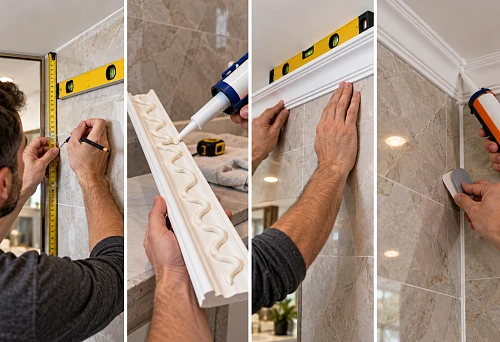
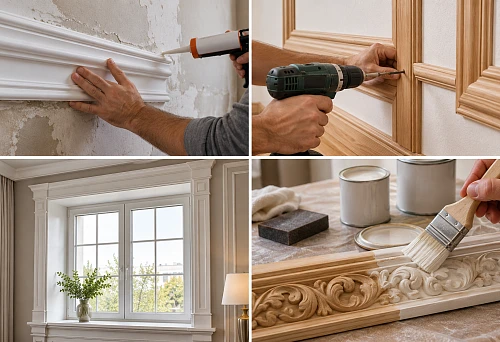
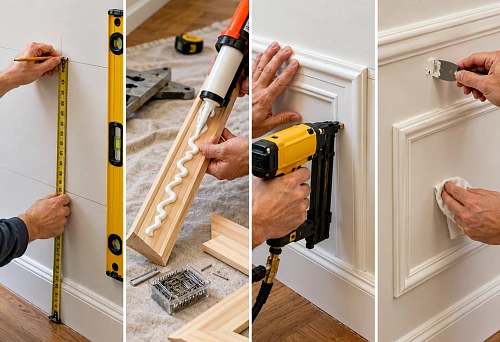
Mounting acrylic adhesive (liquid nails or similar) is the optimal choice for polyurethane moldings. Apply in a zigzag pattern to the back surface of the molding. Press for 30–60 seconds, secure with painter's tape for 20–30 minutes. After drying, fill joints with acrylic putty, sand with 240 grit, and paint.
Painting moldings and overlays
Two thin coats of matte acrylic paint after priming. For relief overlays, apply the first coat with a brush, pressing paint into the recesses of the ornament, and the second with a flat brush on smooth surfaces. Always use matte paint. Gloss on stucco creates reflections that "expose" minor installation defects.
Frequently asked questions
How to design a wall with a painting?
Three levels of design: (1) frame or wooden baguette — framing the painting itself; (2) molding frame made of of polyurethane moldings around the art zone; (3) Decorative stucco — overlays above or on the sides of the painting for accent.
What is better: baguette or moldings around the painting?
These are two different tools, not alternatives. Wooden Picture Frame It frames the painting itself — that's its immediate frame. Moldings around the painting frame the wall — they create an architectural zone around the art object. Ideally, use both.
Can stucco be used next to posters?
Yes. But for posters in a modern or Scandinavian interior, the stucco should be delicate: thin moldings 15–20 mm in the color of the wall, without heavy ornamental overlays. If the posters have bright graphic design, the molding frame should be neutral so as not to compete with the image.
What to buy for a wall with a painting above the sofa?
Minimum set: frame or picture frame molding + moldings for the wall frame + glue + acrylic putty + primer + paint. Extended: all of the above plus Buy decorative stucco — central overlay above the frame.
How not to overload a wall with decor?
The rule of three elements: frame + molding frame + one decorative accent. Do not add a fourth element if the first three are already expressive. Monochrome painting (everything in one color) automatically reduces "noise" and allows you to safely add more details.
Which moldings to choose for a gallery wall?
For a gallery wall with multiple paintings, thin smooth moldings 15–25 mm in the wall color work best. They create structure without competing with the paintings. buy polyurethane moldings in a neutral profile — and the entire gallery wall instantly gains architectural logic.
STAVROS: everything for a wall with a painting — from frame to stucco decor
When the goal is to create not just a "hung painting" but a full-fledged art zone, it makes more sense to work with one manufacturer whose entire set is coordinated in style, material, and scale.
STAVROS offers a complete set for designing an art zone: over 30 models wooden molding — from minimalist profiles from 190 rubles/meter to ornamental carved series; ready-made frames for paintings and mirrors from solid beech and oak — with hand finishing and the ability to produce custom sizes; a full line of polyurethane moldings for wall frames — in various profiles and sections; over 100 models decorative molding — overlays for accents above the painting, on the sides, and in the corners of the frames.
Buy molding To design an art zone, choose a frame and coordinate moldings — all available at the STAVROS online store. Contact us to confirm shipping to your destination. Pickup in Moscow and St. Petersburg. Order from one item.
Because a good painting deserves the right framing. And the right framing is not just a frame. It's an architectural story told through the language of moldings, relief, and light. And when it's told correctly — everyone who enters the room hears it.