








































































Article Contents:
- Staircase area: why special decoration rules apply here
- Wall height — the main challenge
- Double-height space: a room without walls
- Movement as a principle
- Staircase hall: where spaces meet
- Moldings along the staircase: rhythm, movement, architecture
- Diagonal moldings along the flight
- Horizontal frames on straight sections
- System of "panels" along the entire staircase
- Moldings in the staircase landing area
- What to buy for a molding system on the staircase wall
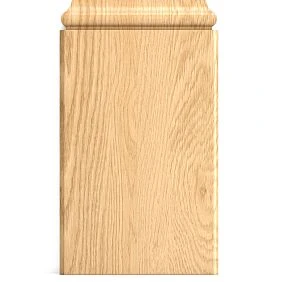
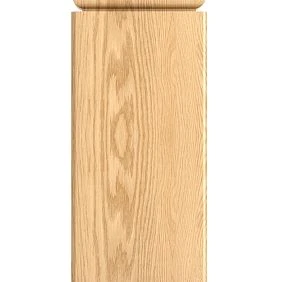
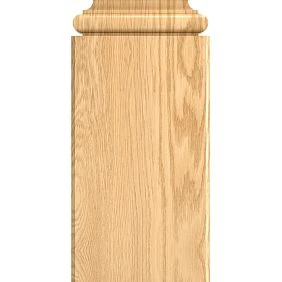
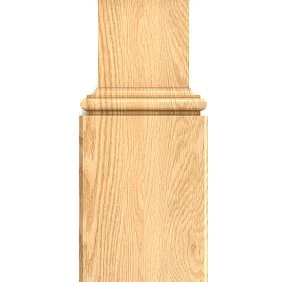
- Polyurethane pilasters: when the wall needs a vertical
- When pilasters are needed on the staircase
- How to choose pilasters by size
- Capital and base: the pilaster as a complete element
- Vertical moldings as an alternative to pilasters
- Decorative stucco for the staircase: an accent in the right spot
- Landing: the main place for a decorative accent
- Brackets and lamps: how to integrate light into decor
- Corner overlays in molding frames
- Ornamental inserts and friezes
- Stucco decor for the wall near the stairs: expressiveness of details
- Decorative panel on the landing
- Console and decor above it in the hall
- Stucco decor for furniture in the stair area
- Ceiling stucco in the stair area: how to connect top and bottom
- Cornice as the top line of the system
- Ceiling rosette in the hall
- How to coordinate a ceiling cornice with wall moldings
- Designing a second-light wall: special tasks
- Scale of elements
- Three-part wall division
- Color on a second-light wall
- Ready-made purchase scenarios: what to choose for a specific task
- Scenario 1: Design a wall along a staircase
- Scenario 2: Hall with a staircase — make the space more solid
- Scenario 3: Second light — design a high wall
- Scenario 4: Landing — one accent without redoing everything
- Table: stucco for stairs by task
- Installation of stucco molding on a stair wall: what to consider
- Working at height: scaffolding or stepladder
- Cutting diagonal joints
- Glue on a smooth surface
- Final Painting
- FAQ: popular questions about decorating a staircase with stucco molding
- About the Company STAVROS
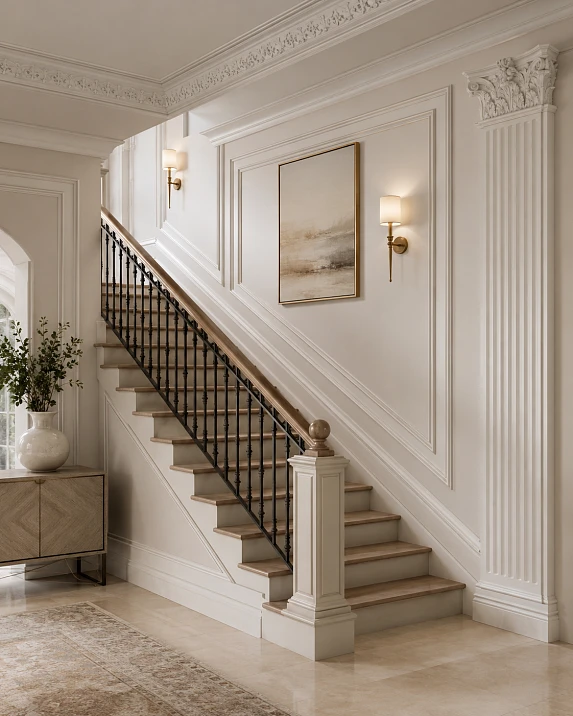
The staircase is the heart of the home. It is here that the space truly opens up: high ceilings, a long flight, an open hall, sometimes a double-height space with a panoramic view of the entire interior. And it is here that an empty wall feels most acute.
Enter the house, walk up a beautiful staircase — and your gaze lands on a bare plastered surface. Tall, silent, filled with nothing. This feeling is familiar to many owners of country houses and cottages: the staircase is good, the railings are beautiful, the steps are made of wood or stone — but the wall next to it is empty. Something is missing.
What is missing is architecture. Stucco molding for a staircase — is precisely the tool that turns a tall bare plane into a well-thought-out decorative wall. Moldings set the rhythm and movement. Pilasters add verticality and solidity. Decorative stucco molding places accents. And together, they make the staircase area a complete part of the home's architecture, not just a random passage between floors.
This article is a concrete, practical answer to the question: what exactly to buy, where to place it, and how to do it correctly.
Staircase area: why special decor rules apply here
Before talking about what to buy, it's important to understand how the staircase area differs from the living room, bedroom, or hallway. It's not just 'another room.' It has its own geometry, its own spatial logic, and its own decorative tasks.




Wall height — the main challenge
The wall along the staircase is not a vertical rectangular plane. It's an inclined plane, the lower edge of which follows the line of the stairs. With a first-floor height of 3 m and a second flight height of another 3 m, the wall near the stairs can reach 5–6 m. Sometimes more.
Ordinary molding frames that work well in the living room are used differently here. The scale is different. The logic is different.
Our factory also produces:
Double-height space: a room without walls
Many country houses are built with a so-called 'double-height space' — an open area above the first floor where the ceiling rises to the height of two floors. The staircase in such a house becomes the architectural axis: it leads upward through this entire space.
The double-height wall near the staircase is a special task. It is visible from the first floor, from the second floor, and from the landing. It works as a decorative backdrop for the entire house.
Get Consultation
Movement as a principle
A staircase is movement. A person ascends, their gaze moves upward and forward. The wall decor along the flight should match this movement — either support it or guide it. That is why horizontal moldings along a staircase work differently than on a straight living room wall: they follow the diagonal of the flight, creating a rhythm of ascent.
Staircase hall: a meeting of spaces
In homes with a separate staircase hall — a space before the flight — the decor serves a dual purpose. The hall greets the guest first. It shapes the first impression of the home. At the same time, it must be coordinated with what is revealed upstairs.
Buy molding for a staircase hall means thinking about two levels at once: how the wall looks from below and how it reads from the upper landing.
Moldings along the staircase: rhythm, movement, architecture
Moldings for the staircase — the most straightforward and universal tool for decorating a staircase wall. They provide structure where there is none and create a horizontal rhythm on a vertical plane.
But working with moldings on a staircase wall requires a different approach than in an ordinary room. Here, there are different rules for placement, a different scale, and a different logic.
Diagonal moldings along the flight
The most characteristic technique is moldings running parallel to the inclined line of the flight. One or several moldings are installed on the wall at the same angle as the staircase flight. They visually "accompany" the staircase, emphasize its direction, and create a sense of intentional connection between the flight and the wall.
This works especially well if the flight is straight and long — a classic staircase in a country house. One horizontal molding following the diagonal of the steps, plus a horizontal line at the bottom (at the base) and at the top (at the second-floor ceiling) — and the wall gains clear architectural logic.
Horizontal frames on straight sections
On straight sections of the wall — at the base of the stairs, on the landing, at the hall entrance — moldings work the same as in any other room: they create rectangular or square frames that structure the plane.
The height of the frames on the stair wall matches the ceiling height of the corresponding section. If the ceiling at the base of the stairs is 3 m, the frames are 80–100 cm high. If the wall in the double-height area is 5 m high, the frames can be 120–150 cm high.
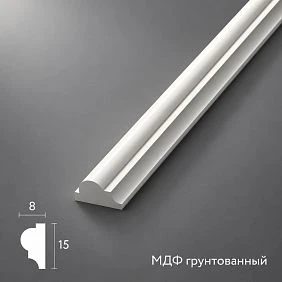
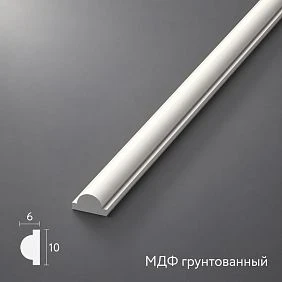
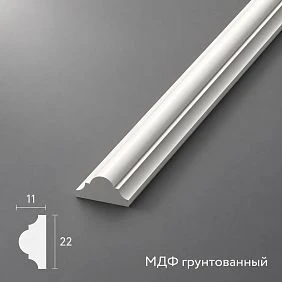
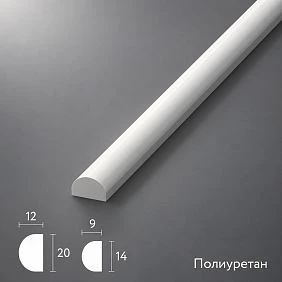
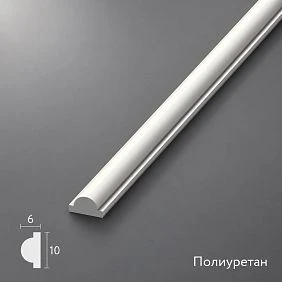
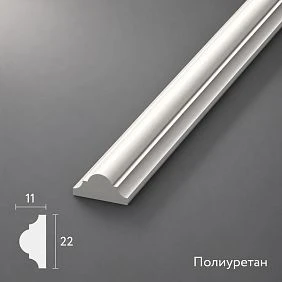
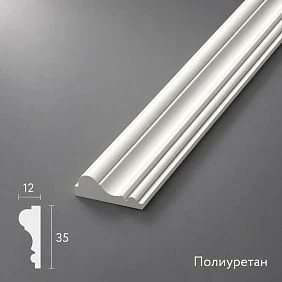
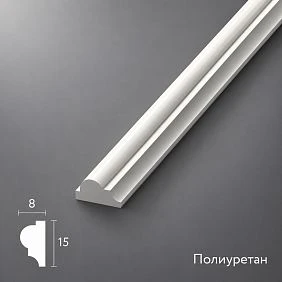
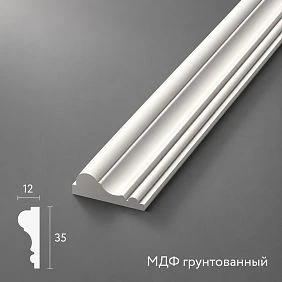
Moldings made of polyurethane for the stair wall are chosen with a profile width of at least 40–50 mm. On a tall wall, a narrow molding will get lost. A profile that is readable from a distance of 4–5 m — from the first floor, looking up — is needed.
System of "panels" along the entire staircase
A more complex and very effective technique is creating a system of rectangular "panels" from moldings along the entire height of the stair wall. From bottom to top, there are several rows of panels of different sizes: the bottom row — small square ones, the middle — rectangular vertical ones, the top — wide horizontal ones.
This is an architectural division of the wall into zones. The lower belt is the base. The middle is the main field. The upper is the completion. The classic three-part wall design scheme is fully reproduced — only on an inclined and tall plane.
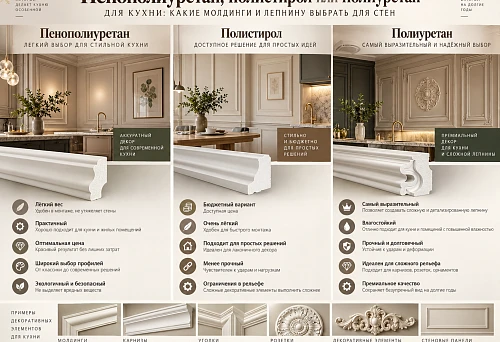
For such a system, you need Buy polyurethane moldings several different profiles: a main molding for the frames, a narrower one for separating the belts, and a cornice for the top line.
Moldings in the stair landing area
A landing is a horizontal section between flights or at the top of a staircase. People stop here, turn around here, and from here the entire stair area is visible. This is the most important place for accent decor.
On the landing, moldings are installed according to a standard scheme: rectangular frames aligned with the ceiling height of the second floor. If the ceiling on the landing is standard — 2.7 m — the frames are 60–80 cm high, with a profile width of 40–55 mm. If the ceiling is high — the dimensions increase accordingly.
What to buy for a molding system on a stair wall
-
Moldings made of polyurethane — profile 45–60 mm, with a 15–20% margin
-
Acrylic mounting adhesive — 1 tube per 4–6 linear meters
-
Acrylic sealant for joints
-
Paint — matching the wall color or white (depends on the decision)
-
Miter saw for precise cutting
Polyurethane pilasters: when the wall needs a vertical element
Pilasters are flat decorative columns integrated into the wall plane. In classical architecture, pilasters divided the wall into vertical sections, created a rhythm for the facade, and gave the building monumentality.
In a modern country house, polyurethane pilasters solve the same problem but without construction work: they are installed on the wall surface with glue.
When pilasters are needed on a staircase
Pilasters are especially appropriate in three situations:
First: a high hall with a staircase. If there is an open hall 5–6 m high in front of the staircase, pilasters installed on both sides of the stair opening or along the hall wall give the space monumentality and order. Without them, such a hall looks "barn-like" — large and empty.
Second: a staircase in a classic or neoclassical interior. Pilasters are a classic architectural element. If the house is designed in classic or neoclassical style, pilasters are organic and appropriate. They create a sense of real architecture, not just decoration.
Third: a double-height space. On the wall of a double-height space, pilasters visually divide the huge plane, making it proportionate to a person. Several vertical pilasters on a high wall — and the space stops being overwhelming.
How to choose pilasters by size
The width of a pilaster depends on the wall height. The general rule: the width of a pilaster is 1/10 of its height (a proportion accepted in classical architecture).
-
Wall height 3 m — pilaster width 28–35 cm
-
Wall height 4–5 m — pilaster width 40–50 cm
-
A wall 6 m high — a pilaster 55–65 cm wide
A pilaster that is too narrow for its height looks like just a vertical strip. Too wide — it presses down and overloads the wall.
Capital and base: the pilaster as a complete element
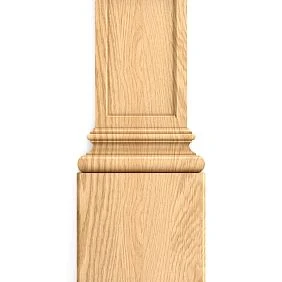
A classic pilaster consists of three parts:
-
Base — the lower part, installed on the floor or on a decorative plinth
-
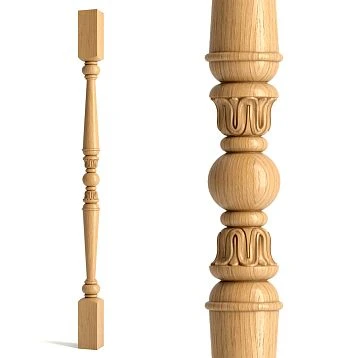
Shaft — the main vertical part
-
Capital — the top decoration
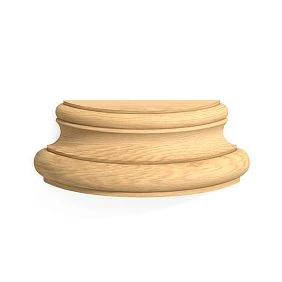
It is the capital that gives the pilaster a "voice" in the interior. A smooth capital — for a modern style. Ionic (with volutes) — for neoclassicism. Corinthian (with acanthus leaves) — for classicism and Empire style.
In the stair area, pilasters with capitals are installed so that the capital is at the level of the second floor ceiling — or at the level of the upper cornice line. This creates a visual connection: the pilaster "holds" the cornice, as in real architecture.
Vertical moldings as an alternative to pilasters
If full pilasters seem too monumental for the scale of the staircase, vertical molding profiles are a good alternative. A wide molding (70–100 mm) installed vertically on the wall from floor to ceiling creates a strong vertical accent without the architectural heaviness of pilasters.
Two or three such vertical moldings on either side of the staircase — and the wall gains structure, rhythm, and order. buy polyurethane moldings For vertical application, choose a profile with good width and moderate relief that reads when viewed from bottom to top.
Decorative stucco for the staircase: accent at the right point
Decorative stucco for the staircase — these are individual decorative elements: medallions, cartouches, ornamental overlays, corner elements. Unlike moldings, which create a linear system, decorative stucco works pointwise — where an accent is needed.
Landing: the main place for a decorative accent
The staircase landing is a stopping point. A person has climbed, stopped, turned around, or looked ahead. This is a spatial pause, and here a decorative accent works best.
Above the console on the landing, in the central frame of moldings, above the mirror — Buy decorative stucco For this area, choose one expressive element: a medallion with a diameter of 35–50 cm or a cartouche with a width of 40–60 cm. This is the central accent of the landing.
Sconces and lighting: how to integrate light into decor
On stair walls, wall sconces are often installed. Usually they look like isolated objects: a fixture on the wall and that's it. Decorative overlays next to the sconce change the picture: the light becomes part of a decorative composition.
Scheme: a sconce is installed on the wall, with symmetrical overlays below and above it, and vertical moldings on the sides. Result: not just a "sconce on the wall," but a decorative niche with lighting.
Corner overlays in molding frames
If a system of molding frames is installed on the stair wall, corner overlays in the corners of each frame are a mandatory element in a classic style. They cover the joints of the moldings and add decorative expressiveness.
Corner overlays are especially important on a stair wall due to the difficulty of cutting at an angle. In places where the moldings form non-standard angles (not 90 degrees, but acute or obtuse due to the slope of the flight), corner overlays save the day: they cover the complex joint and make the connection neat.
Ornamental inserts and friezes
On a high wall near the stairs, especially in a double-height area, horizontal ornamental friezes are appropriate — strips of decorative ornament installed at a certain height. This is a classic architectural technique: at a level of 2–2.5 m from the floor, a horizontal ornamental line runs, visually dividing the high wall into a "human" zone and an upper one.
buy decorative moldings for a frieze — means choosing an ornamental strip (or sectional elements that are mounted in a row) with a coordinated pattern.
Stucco decor for the wall near the stairs: expressiveness of details
Stucco decor for a staircase — a broader concept that includes not only medallions and cartouches, but also decorative panels, relief elements for the wall, furniture overlays in the stair area, and ornamental strips.
If moldings are the architecture of the wall, then stucco decor is its character. It is chosen after the structure has been created.
Decorative panel on the landing
A large decorative element in the center of the landing wall is an impressive technique. A rectangular relief panel measuring 40×60 or 50×70 cm, installed in a central frame, becomes the focal point of the entire stair space.
The gaze of a person ascending naturally moves forward and upward. The decorative panel on the landing wall is at the point where the gaze arrives at the end of the ascent. This works as the "final chord" of the stair space.
Console and decor above it in the hall
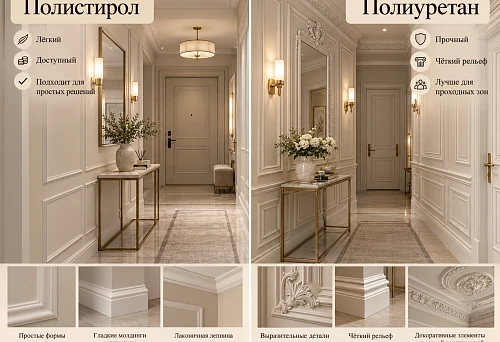
If there is a console or cabinet in the stair hall, a decorative composition naturally sits above it: a mirror or painting framed with stucco decor. A cartouche above the mirror, a molding frame around it, corner overlays — and the wall in the hall transforms from a background into an independent decorative object.
Buy Moldings for the console area — means choosing an element that is consistent in scale with the mirror and the width of the console itself.
Stucco decor for furniture in the stair area
Furniture is often placed in the stair hall: cabinets, chests, built-in wardrobes. Stucco overlays on the facades of this furniture visually integrate it into the decorative system of the walls. Small overlays on flat facades — and the furniture ceases to be just an "object in the hall," becoming part of the interior architecture.
Ceiling stucco molding in the staircase area: how to connect the top and bottom
The staircase connects floors not only physically, but also visually. It is here that the eye travels from the floor of the first floor to the ceiling of the second. And if along the way the ceiling above is not decorated in any way, the transition feels incomplete.
Ceiling molding in the staircase area — this is a cornice around the perimeter of the second floor ceiling in the hall and, if present, a cornice around the perimeter of the first floor ceiling at the base of the stairs.
Cornice as the top line of the system
The cornice around the perimeter of the hall connects the wall system (moldings, pilasters) with the ceiling. It closes the decorative system from above — just as the baseboard closes it from below. Without a cornice, wall moldings "end in the air." With a cornice, they are integrated into the architectural whole.
With a hall height of 3 m, a cornice width of 65–80 mm. With a double-height space and a height of 5–6 m, a cornice width of 100–130 mm. The scale of the cornice should match the scale of the space.
Ceiling rosette in the hall
If there is a large chandelier in the staircase hall, a ceiling rosette under it is mandatory. A hall with a high ceiling and a beautiful chandelier without a rosette is potential that has not been realized.
A rosette with a diameter of 70–90 cm for a hall with a 3 m ceiling, and 90–120 cm for a ceiling of 4–5 m. A large rosette in a high space looks monumental and solemn.
How to coordinate the ceiling cornice with wall moldings
The ceiling cornice and wall moldings should belong to the same stylistic family. If the wall moldings are smooth, the cornice should be smooth or have a minimal stepped profile. If the moldings have an Ionic ornament, the cornice should have an ornament in the same vein.
The size of the cornice should be noticeably larger than the wall moldings: the cornice is the main horizontal element, it should be "read" as more significant.
Decorating the wall of the second light: special tasks
The second light is the most complex and most rewarding task in the stair area. A wall 5–7 m high, visible from the entire first floor and from the landing, is a great decorative resource. But it needs to be worked with according to special rules.
Scale of elements
On the second light wall, all elements should be larger than usual. A molding 35 mm wide, which works perfectly in a living room, will be lost on a wall 6 m high. The minimum width of a molding for a second light wall is 55–70 mm. Pilasters — from 45 cm wide. Decorative elements — from 50 cm in size.
Three-part division of the wall
The second light wall is traditionally divided into three horizontal belts:
Lower belt (base) — from the floor to 80–100 cm. This is the zone of small-scale molding frames that work at the "human" level — visible and readable with a normal glance.
Middle belt (main field) — from 80–100 cm to 3–3.5 m. This is the zone of large molding frames, pilasters, and main decorative accents. The most expressive elements work here.
Upper belt (completion) — above 3–3.5 m to the ceiling. Here are horizontal moldings, an ornamental frieze, and the transition to the cornice line. The elements of the upper belt should be large — they are read from below, from a distance of 5–6 m.
Color on the second light wall
At this scale, the color scheme is especially important. Options:
Monochrome: all moldings and the wall are painted in one color. The relief is read through chiaroscuro. Modern, delicate, not overwhelming.
Contrasting white: white moldings on a colored wall. Expressive, architectural, classic. Works well with bright natural light, which is often present in the second light area.
Gold on white: for classic formal interiors. Elements painted gold on a white wall — solemn and monumental.
Ready-made purchase scenarios: what to take for a specific task
Scenario 1: Decorate the wall along the staircase
Straight flight staircase, wall height 3–4 m. Task: make the wall lively, structured, expensive.
What to buy:
-
Moldings made of polyurethane — profile 50–60 mm, for a diagonal line along the flight and horizontal frames on straight sections
-
Mounting adhesive, sealant
-
Paint matching the wall tone (for a delicate effect) or white (for classic contrast)
-
20% extra for trimming complex corners
Scenario 2: Hall with staircase — make the space more solid
Spacious stair hall, ceiling 3–3.5 m. Staircase with landing. Goal: give the hall architecturality and completeness.
What to buy:
-
Moldings — for a frame system on walls
-
Decorative pilasters or vertical molding accents on the sides of the opening
-
Decorative stucco — medallion or cartouche for the landing
-
Ceiling molding — cornice around the perimeter
-
Ceiling rosette — if there is a chandelier
-
Corner overlays in frames
Scenario 3: Double-height space — design a tall wall
The second light wall is 5–6 m high, visible from the entire first floor. Task: structure, enrich, make it proportionate to human scale.
What to buy:
-
Large moldings (60–75 mm) — for the frame system in three belts
-
Pilasters — 2–4 pieces per wall width
-
Relief Decoration — large decorative elements in the central frames
-
Horizontal ornamental frieze — for separating belts
-
Monumental profile cornice — for the top line
-
Glue with good adhesion (at height, mounting glue with quick setting is more convenient)
Scenario 4: Landing — one accent without redoing everything
The staircase already exists, the wall along the flight is not touched. Just need to make the landing more beautiful. Minimal option.
What to buy:
-
Buy decorative stucco — one medallion or cartouche for the landing wall
-
Several molding profiles — to create one or two frames around an accent element
-
Glue, paint
Table: stucco for stairs by task
| Task | What to buy |
|---|---|
| Decorate the wall along the flight | Moldings 50–60 mm, glue, paint, spare |
| Structure the stair hall | Moldings + pilasters + cornice |
| Make the landing more beautiful | Relief Decoration + moldings in a frame |
| Decorate the double-height wall | Large moldings + pilasters + frieze + cornice |
| Connect the staircase to the ceiling | Ceiling molding — cornice + rosette |
| Classic style | Moldings + pilasters with capitals + Decorative stucco |
| Modern style | Smooth moldings matching the wall color, vertical accents |
| Minimum budget | One accent element on the landing |
Installing stucco on a staircase wall: what to consider
The staircase area is a non-standard place for installation. It has its own challenges that need to be known before starting work.
Working at height: scaffolding or stepladder
For installation on a second-light wall or a high wall of a stair hall, scaffolding or a reliable stepladder is needed. Installation at a height of 4–6 m from a stepladder is inconvenient and unsafe. For a serious volume — renting scaffolding.
Polyurethane moldings are lightweight: a standard 2 m strip weighs 200–400 g. Lifting them at height is easy — unlike heavy plaster cornices.
Cutting diagonal joints
Moldings running along an inclined flight connect with horizontal moldings at non-standard angles — not 90 or 45 degrees, but at the angle of the flight (usually 30–40 degrees). Such joints require precise angle measurement and cutting with a miter saw with an adjustable angle.
Tip: before final installation, make test cuts on molding pieces and check the joint by pressing against the wall — without glue.
Glue on a smooth surface
If the walls in the stair area are covered with glossy paint or decorative plaster with low adhesion — standard mounting glue may not be enough. In this case, the surface is primed with an acrylic deep penetration primer before installation, after which adhesion increases.
For installation at height — glue with fast initial setting (10–15 minutes). This allows you not to hold the element with your hands for a long time — it is enough to fix it with masking tape.
Final painting
After installation and sealing of joints with sealant — final painting. On a stair wall, it is important to paint the entire wall with a single layer, including moldings: this ensures uniformity and hides joint lines. If the moldings are painted to match the wall — one final painting of the entire plane.
FAQ: popular questions about decorating a staircase with stucco
Which stucco molding to choose for a staircase?
For the wall along the flight — Moldings made of polyurethane with a profile width from 50 mm. For the hall and landing — moldings plus pilasters and Decorative stuccoFor a double-height space — large moldings, pilasters, friezes, a monumental cornice.
Can moldings be installed along a sloped staircase flight?
Yes, this is a classic and effective technique. Moldings are installed parallel to the diagonal of the flight, creating a rhythm of ascent. Joints with horizontal moldings are cut at the angle of the flight.
What to buy for a high wall near the staircase?
Larger moldings (from 55–70 mm), vertical pilasters, large decorative elements. Everything that works in a regular room needs to be on a larger scale here — otherwise it will get lost.
How not to overload the staircase area?
Choose one dominant technique: either a system of molding frames, or pilasters, or one large decorative accent on the landing. Do not mix all techniques at once.
Is ceiling molding needed in a stair hall?
Yes, if the walls are decorated with moldings. A cornice around the perimeter closes the decorative system from above. Without it, wall moldings look unfinished.
What is better: pilasters or vertical moldings?
Pilasters are for classical and neoclassical styles, for tall spaces, for a monumental effect. Vertical moldings are for modern interiors, for moderate heights, for a delicate vertical accent.
What glue is needed for installing moldings at height?
Acrylic mounting adhesive with fast initial grab. On smooth surfaces — after priming with acrylic primer.
About the company STAVROS
A staircase is a space that is expensive and deserves real architectural design. An empty wall along the flight is a missed opportunity. Properly selected moldings, pilasters, stucco decor, and ceiling molding transform the stair area from a transit space into an architectural accent of the entire home.
STAVROS is a Russian manufacturer of decorative polyurethane products. The STAVROS catalog offers a full range for designing the stair area: Moldings made of polyurethane all formats — from narrow profiles to monumental cornices, Decorative stucco и Relief Decoration for point accents, Ceiling molding for cornices and rosettes, the entire range moldings for any area of the home.
All STAVROS products are made of dense polyurethane with a clear relief and precise geometry. Lightweight, moisture-resistant, ready for any painting. They are mounted with regular acrylic glue without heavy tools — including at height. STAVROS specialists are ready to help with selecting a set and calculating materials for specific staircase area dimensions.