







































Article Contents:
- Who needs wholesale home decor
- Interior salons
- Showrooms
- Design studios
- Project outfitters
- Furniture manufacturers
- Construction and finishing companies
- Carved wooden decor
- Polyurethane stucco decor
- Moldings, cornices, and baseboards
- Wall and slat panels
- Decorative Elements for Furniture
- Frames and interior elements
- Matrix A — consistently in-demand items
- Matrix B — display items
- Matrix C — project assortment
- Why the A/B/C matrix is better than stocking everything
- Turnover
- Product size
- Number of variations
- Reorder capability
- Compatibility with other elements
- Demonstration value
- Marginality
- Decorative appliqués
- Recessed Outlets
- Brackets
- Picture rail
- Decor for moldings
- Furniture Legs and Supports
- Furniture handles
- Why a unified material helps sell the system
- Which moldings are worth showing
- Which cornices to keep as samples
- Are ceiling medallions needed in the display
- How to display decorative overlays
- How to combine products into collections
- Samples and stands for B2B
- Size and storage space
- Large number of options
- Project-based nature of demand
- A sample is better than a full-size stock
- How to link a sample to a specific SKU
- Why it's easier for a designer to approve a system
- Why a collection increases the average order value
- How to organize a stand by styles
- How not to turn a showroom into a warehouse of random SKUs
- Which items must be shown physically
- How to label samples
- How to build a sample library
- How to update the display
- When a full-fledged display stand is needed
- Price
- Quality Control
- Consistency of a single SKU
- Reorder capability
- Assortment
- Manufacturing
- Documentation
- Handling Customer Complaints
- What the manufacturer really offers
- Real product listings
- SKUs
- Sizes
- Materials
- Current prices
- Production time
- Samples
- Delivery
- Availability
- Pickup
- Samples
- Regional delivery
- What stays the same
- Step 1. Determine your business type
- Step 2. Separate stock and project items
- Step 3. Choose demonstration SKUs
- Step 4. Order samples
- Step 5. Check actual dimensions and material
- Step 6. Get a commercial offer
- Step 7. Record the SKUs
- Step 8. Set up reordering
- Don't stock the entire catalog
- Use the ABC principle
- Large items — made to order
- Rare styles — as samples
- Fast-moving trim — with limited reserve
- Review the matrix based on actual sales
- Wall decor
- Furniture
- Wall
- Classic Interior
- Why one order should not become one line
- By function
- By styles
- How to create a minimal display
- Why a display should have scenarios
- How to label a stand
- How to build an assortment for a design studio
- Materials library
- Library by scale
- Library by style
- Project Function Library
- Why samples are better than random images
- What to store with a sample
- How to build an assortment for furniture production
- Best-selling items
- Project items
- What to check before a production run
- Why a sample is essential for serial furniture
- Reorder point
- Why a sample must remain linked to the SKU
- What to do if an item has disappeared
- How to handle the first complaint
- Why you shouldn't write “the decor is bad”
- What to analyze after a complaint
- How a complaint affects the matrix
- How to order STAVROS decor wholesale
- Example of an interior salon request
- Example of a design studio request
- Example of a furniture manufacturer request
- Why a list of SKUs matters more than a long description
- Commercial finale
- Ten mistakes of a first wholesale decor order
- 1. Buying a little bit of everything
- 2. Not ordering samples
- 3. Not signing off on samples
- 4. Keeping panels as full stock
- 5. Buying by price without assessing turnover
- 6. Mixing styles on the stand
- 7. Not accounting for dimensions
- 8. Do not plan a repeat order
- 9. Do not separate warehouse and project stock
- 10. Order without e How often to conduct
- How often to conduct
- How to work with home decor suppliers
- Why one supplier for everything is not the goal
- Where one manufacturer is especially convenient
- Home decor wholesale from the manufacturer: how to evaluate the benefit
- 1. Direct product information
- 2. SKU repeatability
- 3. Samples
- 4. Project batches
- 5. Reducing the number of intermediaries
- What still needs to be checked
- How to combine wholesale interior products into a single commercial system
- Walls
- Ceiling
- Floor
- Furniture
- Transitional Zones
- How to prepare a price list and catalog for showroom managers
- Why a manager doesn't need a huge PDF instead of a database
- What to do when the price changes
- How to build repeat orders for the dealer channel
- Why a repeat order is better than the first one
- When to expand the assortment
- When to reduce
- How to work with project decor without stock inventory
- Example
- Why this is not a "poor assortment"
- How to calculate the cost of the first assortment matrix
- 1. Warehouse A
- 2. Display B
- 3. Project C
- How to compare two scenarios
- Practical scenario: how to build a matrix for a new interior showroom
- Step 1. Identify the client's main scenarios
- Step 2. Select 3–5 representative SKUs for each task
- Step 3. Split into warehouse stock and samples
- Step 4. Create display cards
- Step 5. Approve manager rules
- Step 6. Review the assortment matrix after 90 days
- How to build an assortment for project completion
- What to keep in stock at all times
- What to order per project
- How to reduce risk
- How to combine wholesale stock and project deliveries
- Warehouse
- Project supply
- Samples
- How to work with the assortment by styles
- Why style is convenient for the client
- Why style does not replace category
- How to organize a showroom without clutter
- Zone 1. Moldings
- Zone 2. Stucco decor
- Zone 3. Carved decor
- Zone 4. Panels
- Zone 5. Furniture decor
- Why a complete interior fragment is stronger than a stand
- How to work with catalogs and digital materials
- Why you shouldn't store photos in a messenger
- Clean URLs
- How to place a wholesale order in Moscow
- Pickup and delivery
- How to work with small wholesale
- How to maintain a wholesale price list
- Why the date is mandatory
- Why availability should be a separate field
- How to avoid losing SKUs after a website or catalog update
- How to conduct a quarterly assortment audit
- For each item, ask
- Result
- Scenario 1. The molding sells regularly, but the stock is too large
- Scenario 2. The panel does not sell from stock, but brings in projects
- Scenario 3. The carved overlay sells rarely, but helps sell the molding
- Scenario 4. The handle sells often, but constantly runs out
- Scenario 5. The large column does not sell and is not used in projects
- What to record after each quarter
- Why this is stronger than a "top sellers" rating
- How to determine which categories are worth expanding
- Signal 1. Customers keep asking for an adjacent category
- Signal 2. One style sells noticeably better
- Signal 3. Project orders repeat
- Signal 4. Managers often suggest an alternative
- Signal 5. The customer has to go to another supplier for a related item
- How to determine which categories need to be reduced
- Don't confuse reducing the warehouse with reducing the catalog
- Why the assortment must stay alive
- Where to buy home decor wholesale?
- How to buy decor wholesale directly from the manufacturer?
- Which interior products are profitable to buy wholesale?
- What is included in the interior decor assortment?
- Can I order decor in small wholesale quantities?
- Which samples does an interior salon need?
- Do you need to keep wall panels in stock?
- How to choose a decor supplier?
- How to place a wholesale decor order in Moscow?
- Can decor be ordered with Contact us to confirm shipping to your destination.?
- Final readiness matrix for the first wholesale order
- Final check before paying for the first wholesale batch
- Criterion for a ready B2B matrix

A retail buyer chooses a specific item for their apartment. A wholesale client solves a completely different task: which categories to keep in the assortment, what to show as samples, what to order only for a project, how not to freeze money in slow-moving items, how to reduce the number of suppliers, and how to ensure repeat ordering of the same SKU in a month or a year.
That is why home decor wholesale is not just “buying many beautiful things cheaper.” For an interior salon, showroom, design studio, furniture manufacturer, or construction company, the product matrix matters:
categories → SKUs → stock items → display samples → project assortment → supplier → repeat order → delivery → matrix update.
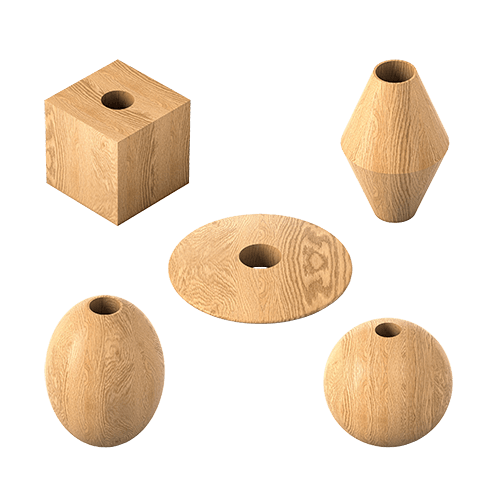
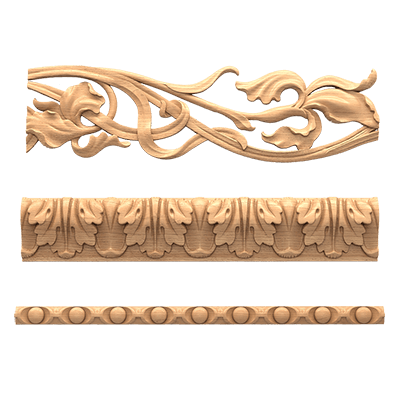
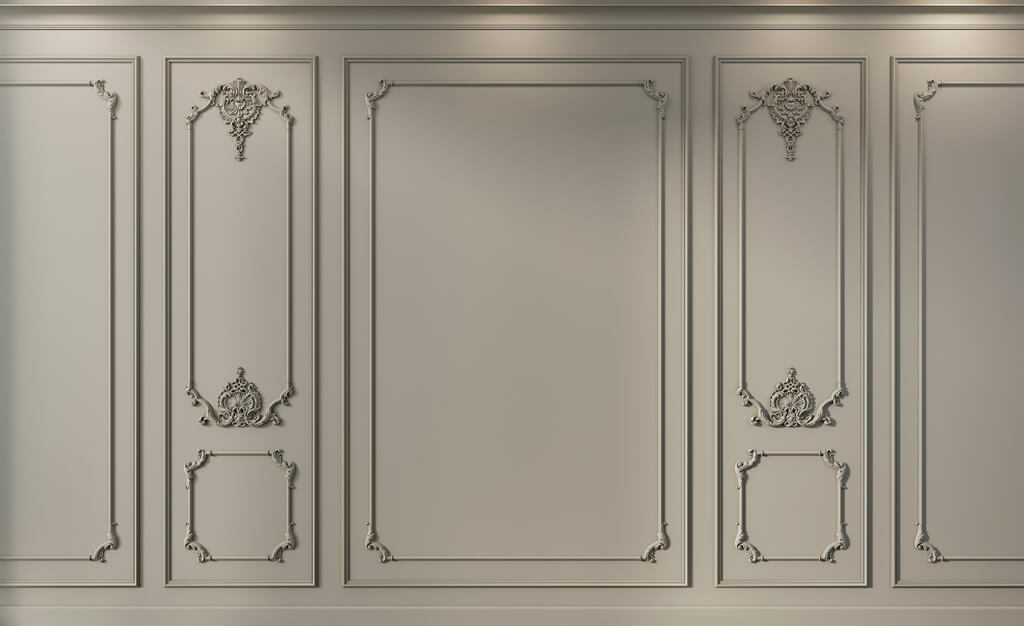
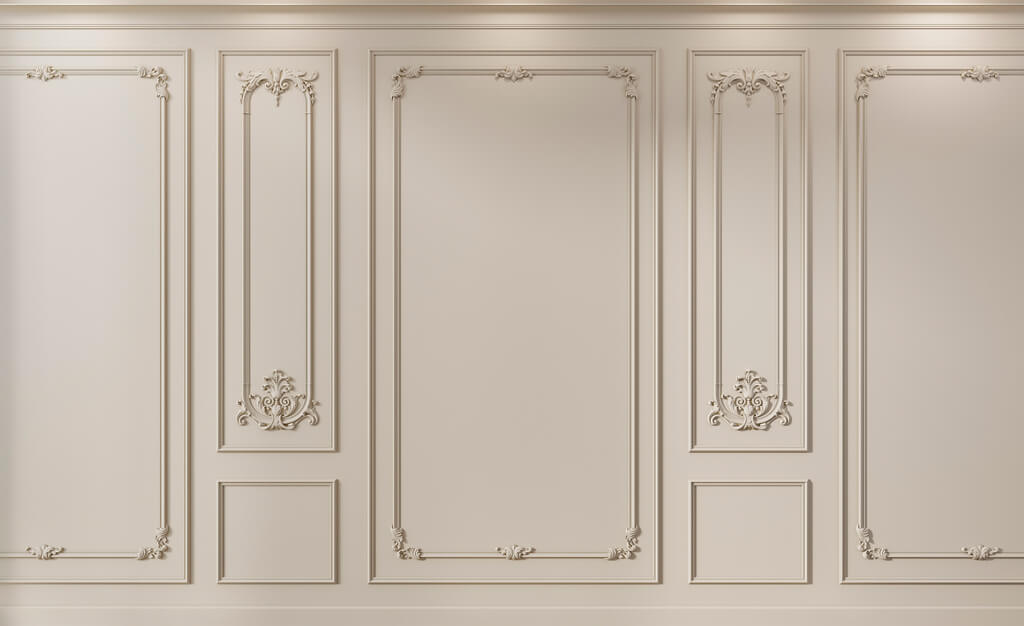
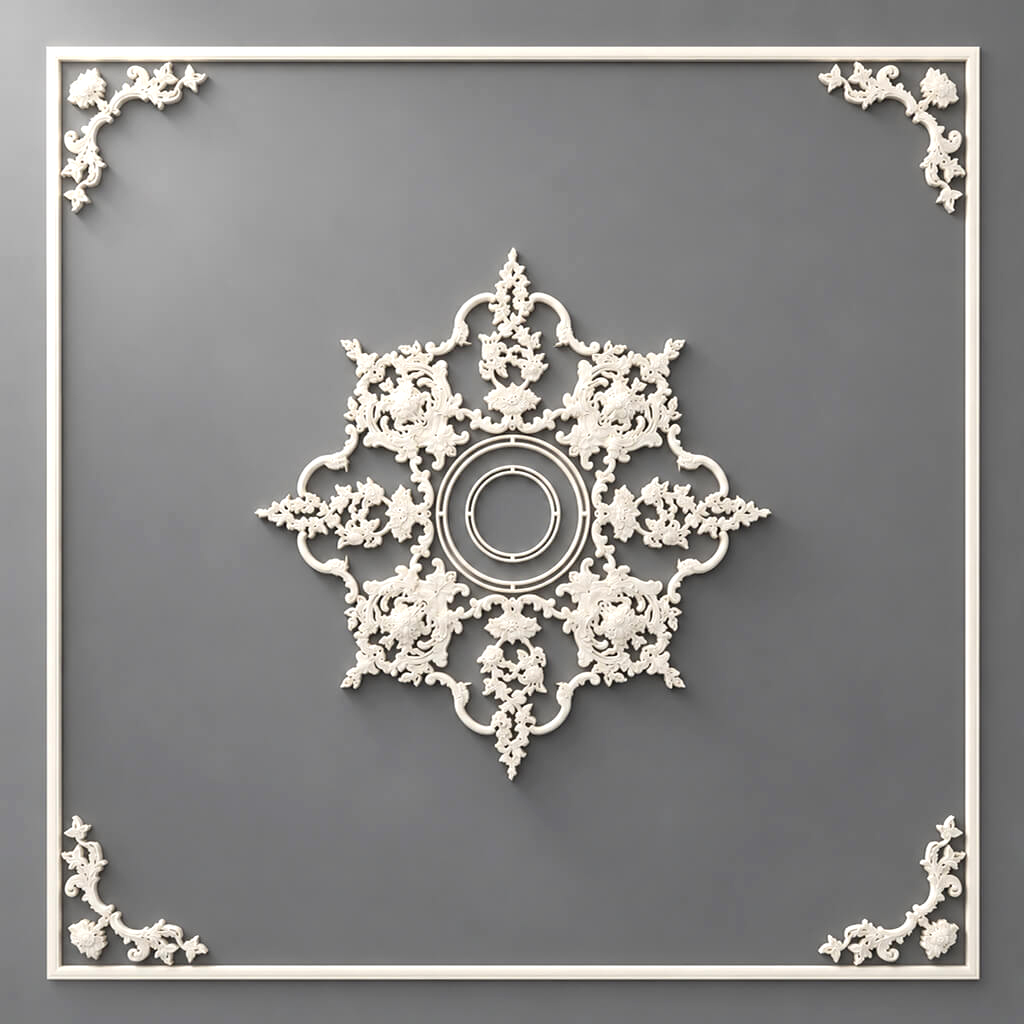
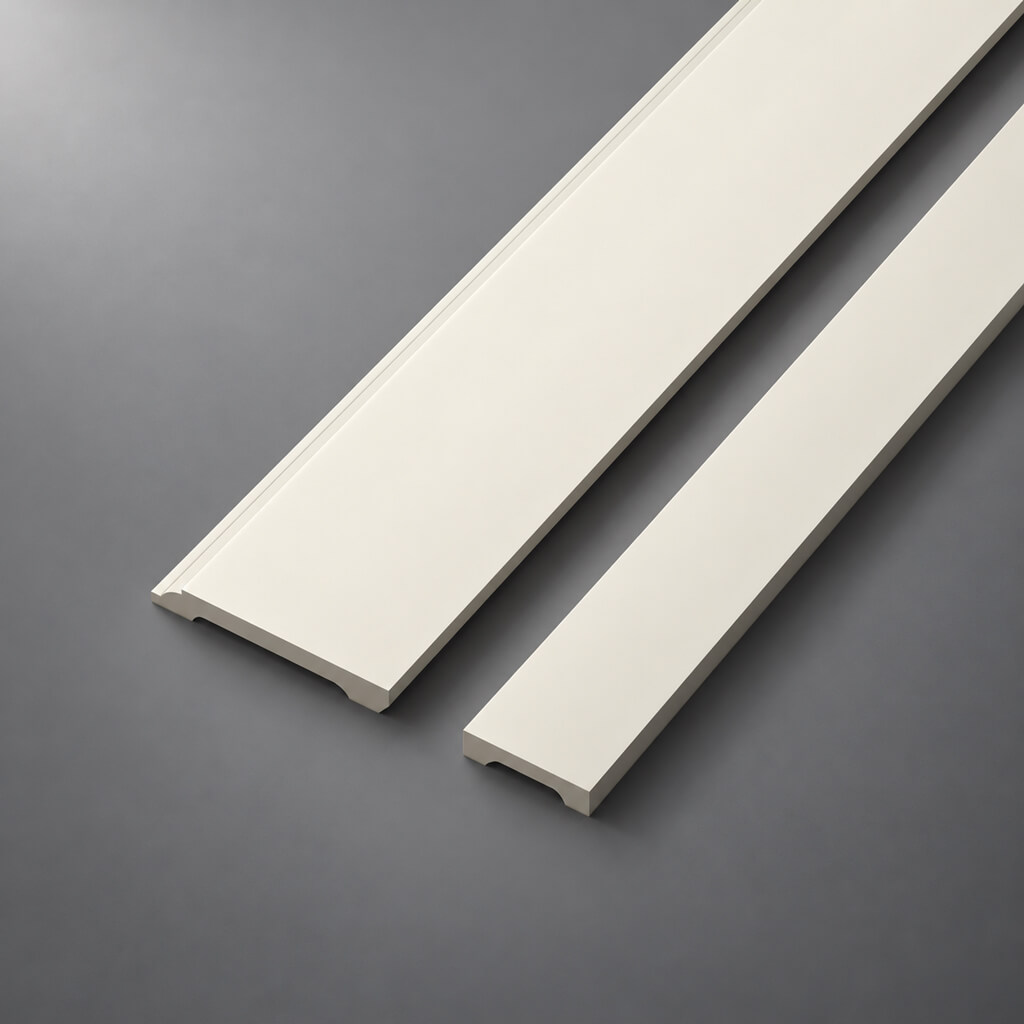
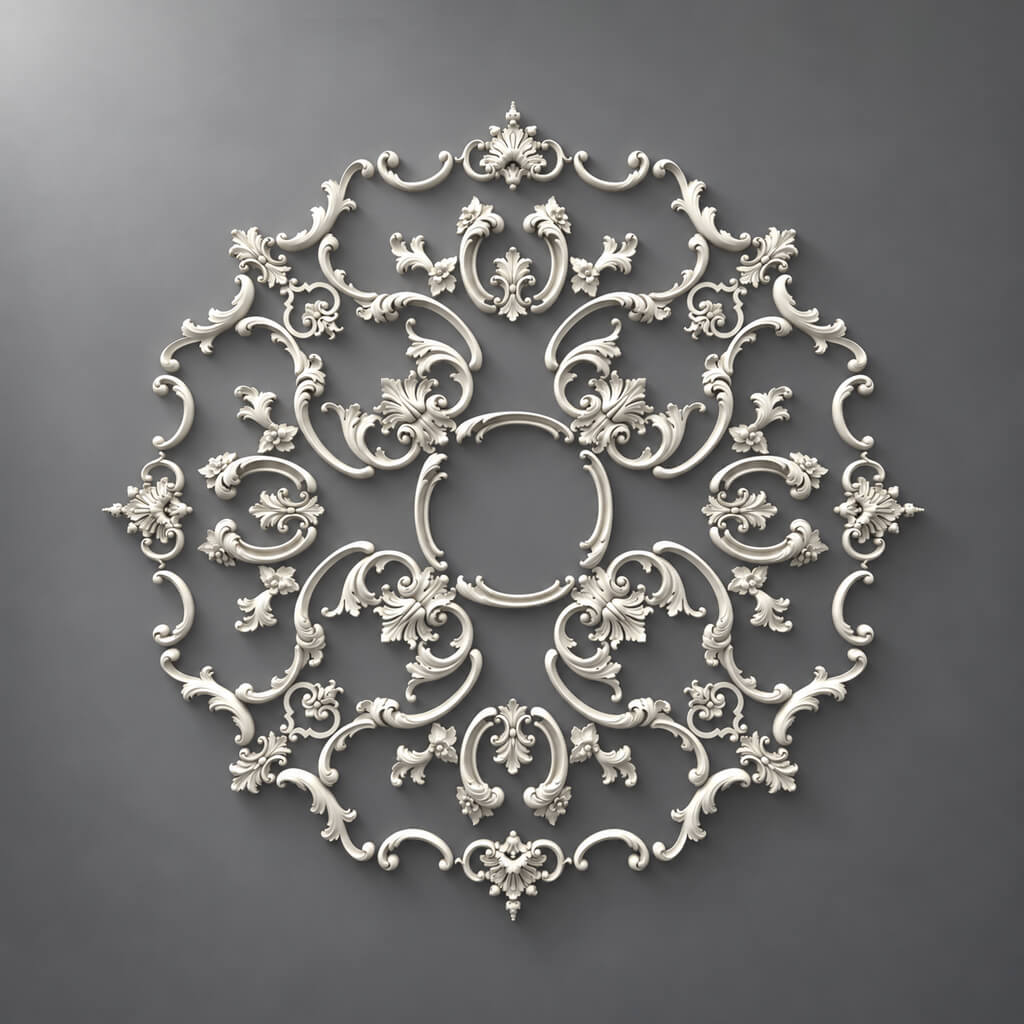
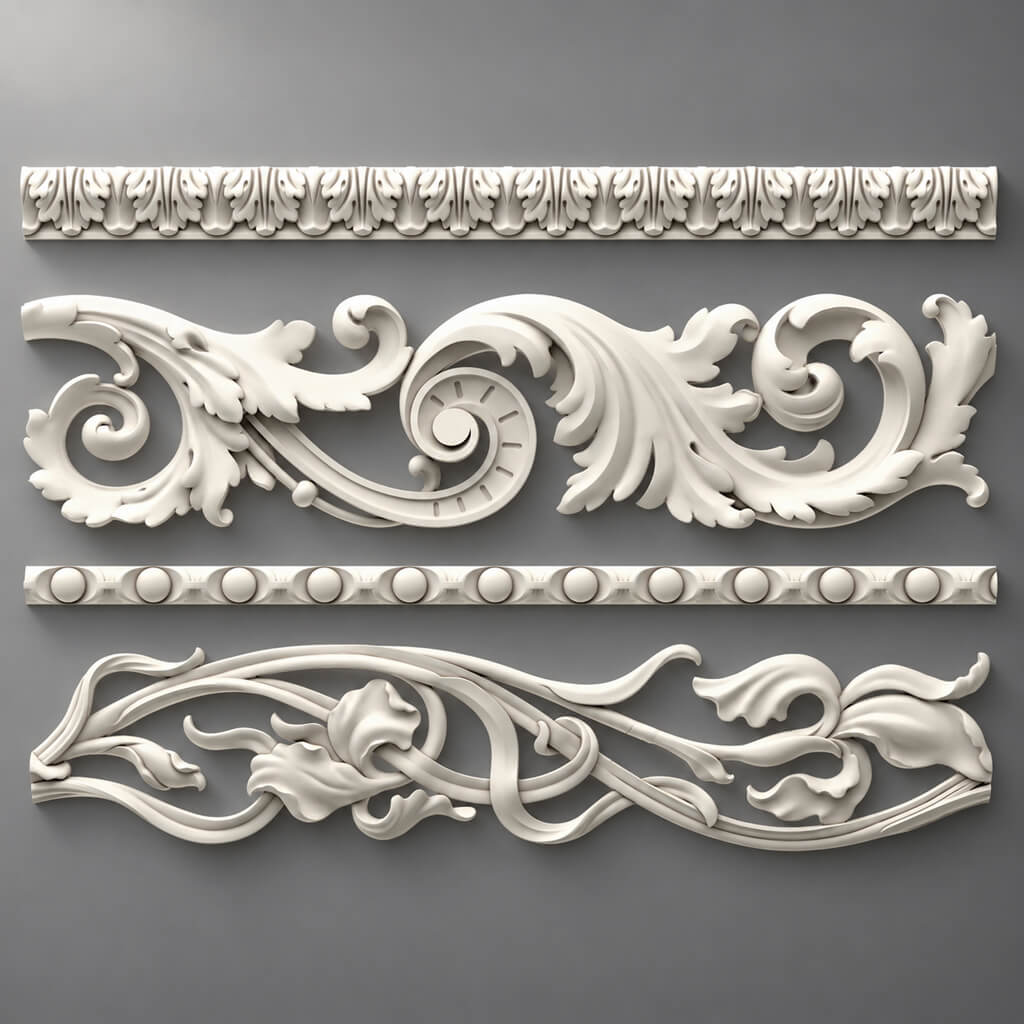
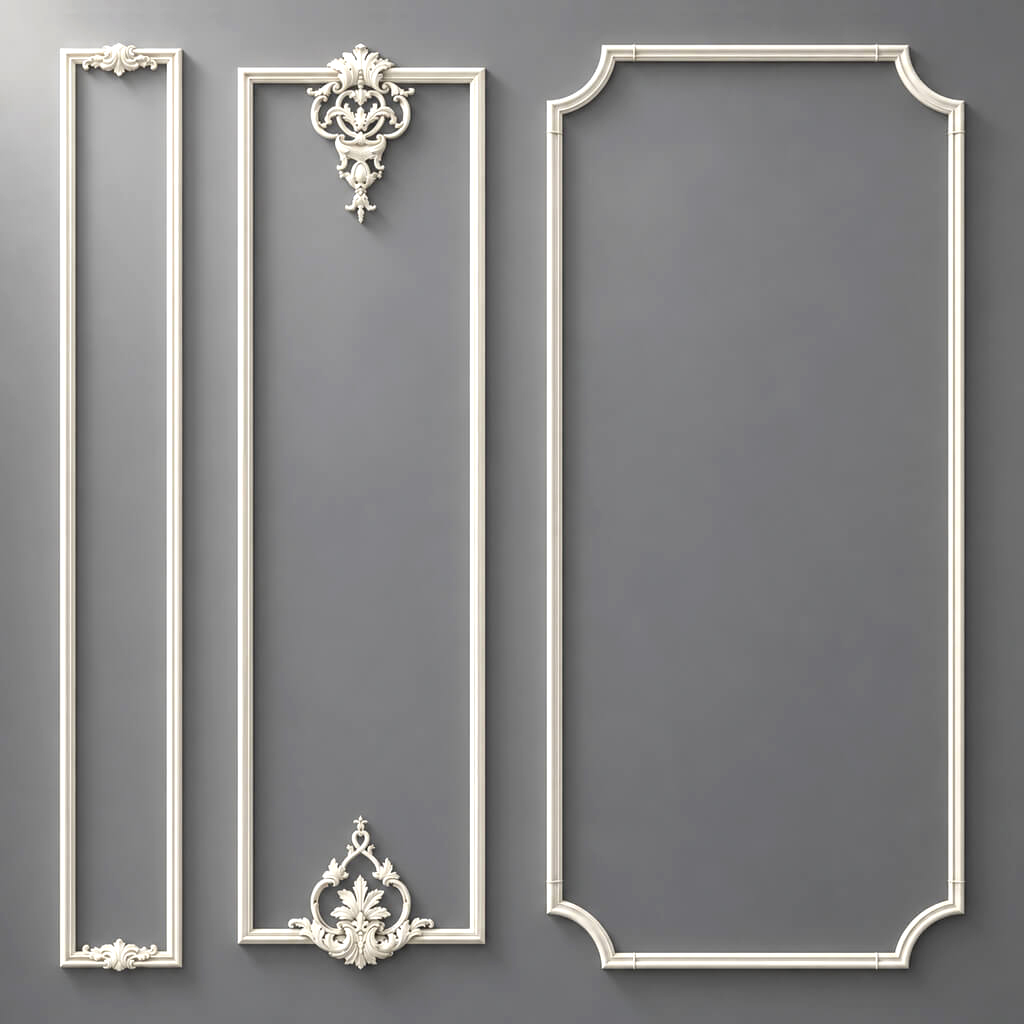
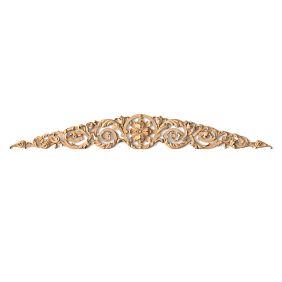
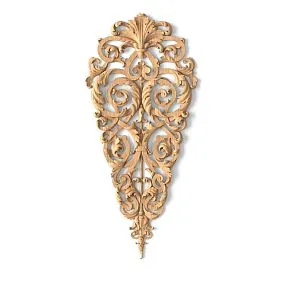
In the STAVROS assortment, interior decor is not only small accessories. The catalog includes carved decor, stucco decor, wooden and MDF moldings, wall panels, slatted panels, furniture handles and legs, decorative overlays, rosettes, brackets, baguette, collections, and product samples.
For B2B, this creates a useful opportunity: a single salon does not have to keep the entire catalog in stock, but can divide items by role. Some should be sold regularly. Some should be shown in person. Large, rare, and expensive products should be ordered for a specific project. It is precisely this division that helps turn wholesale decor into a manageable assortment rather than a warehouse of random beautiful SKUs.




Who needs home decor wholesale
Wholesale purchasing of interior decor is needed by different types of businesses, and each has its own logic.


Interior salons
A salon needs a compact but strong display. The buyer should see:
-
real materials;
-
scale of profiles;
-
relief;
-
collections;
-
combinations of elements.
At the same time, it is unprofitable for a salon to keep all large items in several pieces. It is better to keep part of the assortment as samples and order after a sale.
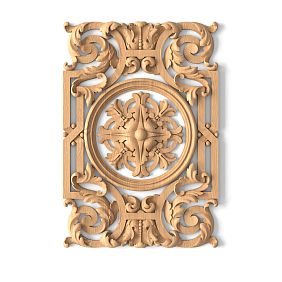
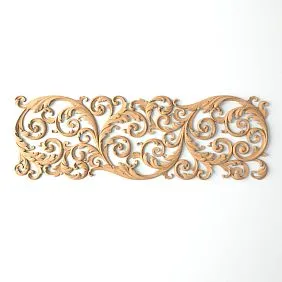
Our factory also produces:




Showrooms
A showroom sells not warehouse stock, but an idea and a system. Here, the following are especially important:
-
stands;
-
collections;
-
signed samples;
-
catalogs;
-
QR codes on product cards;
-
the ability to quickly get the selected item.
Get Consultation
Design studios
Design studios don't necessarily need to keep stock of goods. What matters more to them is:
-
a library of samples;
-
catalogs;
-
3D/DWG;
-
current SKUs;
-
access to samples;
-
clear supply for the project.
For object specifiers
For the specifier, the following are critical:
-
article number;
-
size;
-
material;
-
price;
-
deadline;
-
batch;
-
reserve;
-
repeat order.
They don't need "decor in general" — they need an exact list of actual products.
For furniture manufacturers
For furniture manufacturing, the following are especially useful:
-
handles;
-
legs and supports;
-
carved overlays;
-
a baguette;
-
molding;
-
decorative elements for facades and frames.
Here, dimensional repeatability and SKU stability are important.
For construction and finishing companies
They most often work with:
-
skirting boards;
-
with moldings;
-
cornices;
-
wall panels;
-
stucco decor;
-
decorative elements according to the project.
For them, batch deliveries and repeat orders of identical items are important.
What is included in the concept of "interior decor wholesale"
For STAVROS, the concept of interior decor is significantly broader than souvenirs, vases, or seasonal accessories.
The current STAVROS catalog includes, in particular:
-
wood and MDF products;
-
wall panels;
-
carved decor;
-
stucco decor;
-
furniture;
-
furniture hardware;
-
collections;
-
product samples.
STAVROS Main Catalog can be used as the top level of the assortment, and then build a matrix by category.
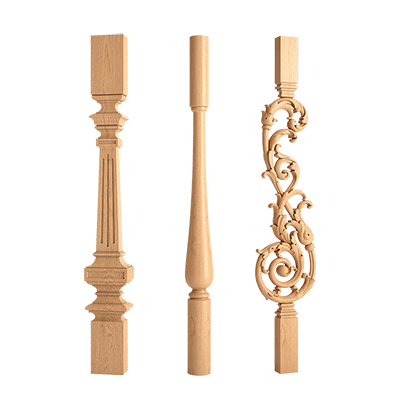
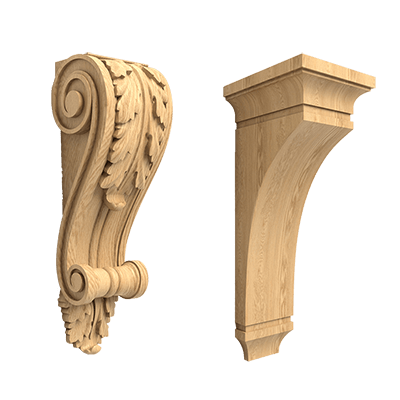
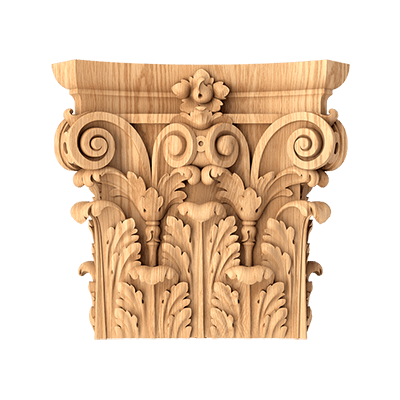
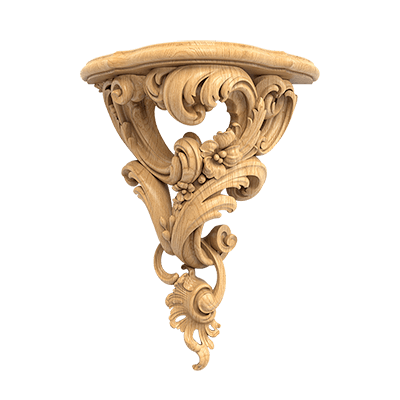
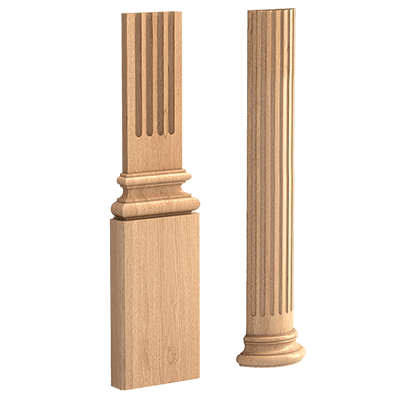
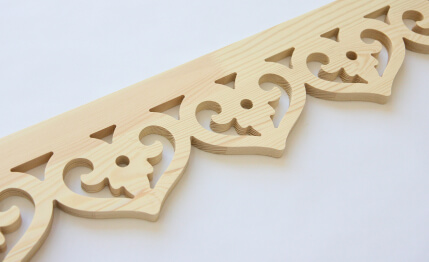
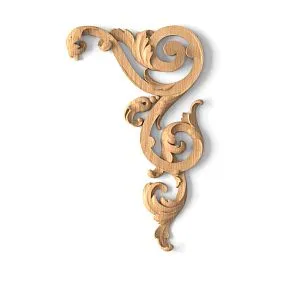
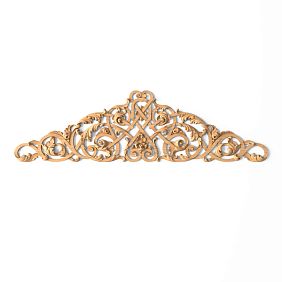
Carved wooden decor
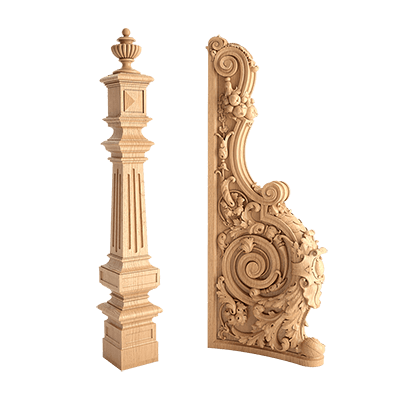
Carved Decor includes:
-
overlays;
-
sockets;
-
brackets;
-
capitals;
-
pilasters;
-
columns;
-
a baguette;
-
other decorative elements.
Some of these products can be kept as samples, some as a small stock, and large ones made to project.
Polyurethane stucco decor
Relief Decoration covers another assortment layer:
-
moldings;
-
cornices;
-
sockets;
-
overlays;
-
elements for walls and ceilings.
Samples and stands are especially useful for a showroom.
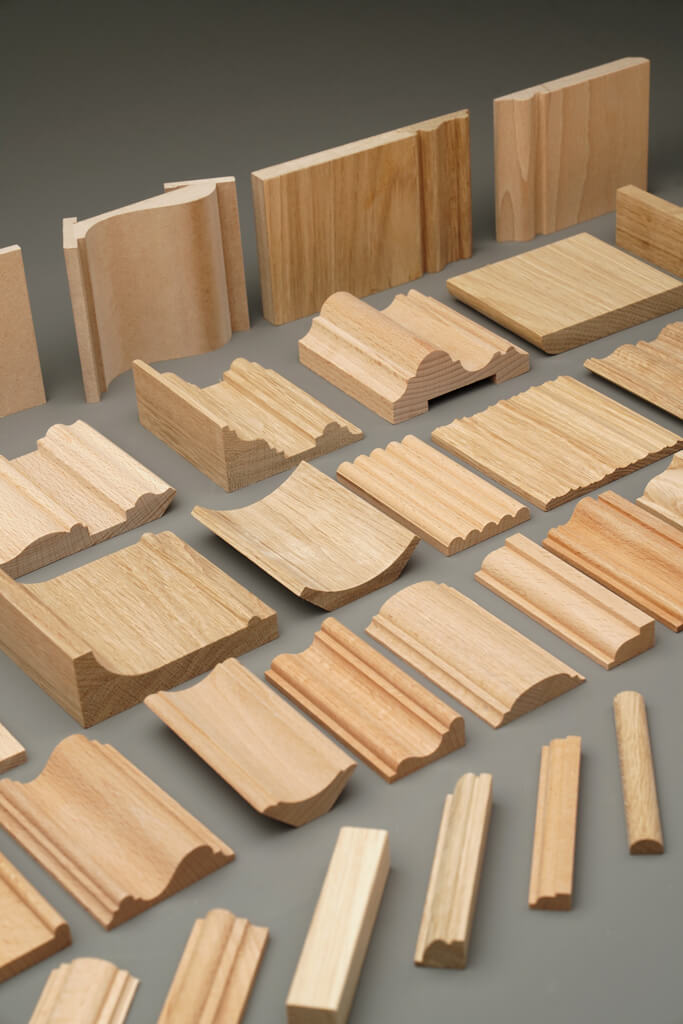
Moldings, cornices, and baseboards
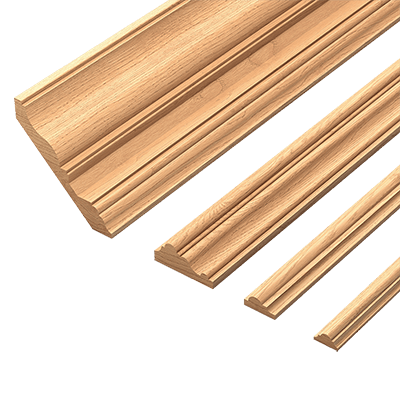
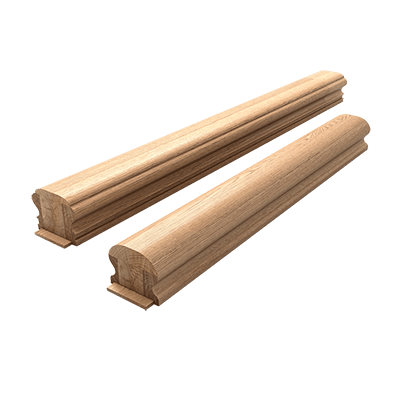
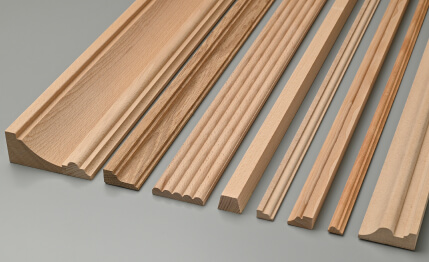
Wooden trim — a typical category where part of the SKU range can become regular stock inventory.
It is important for the buyer to compare:
-
width;
-
profile;
-
material;
-
length;
-
finishing;
-
combination with other elements.
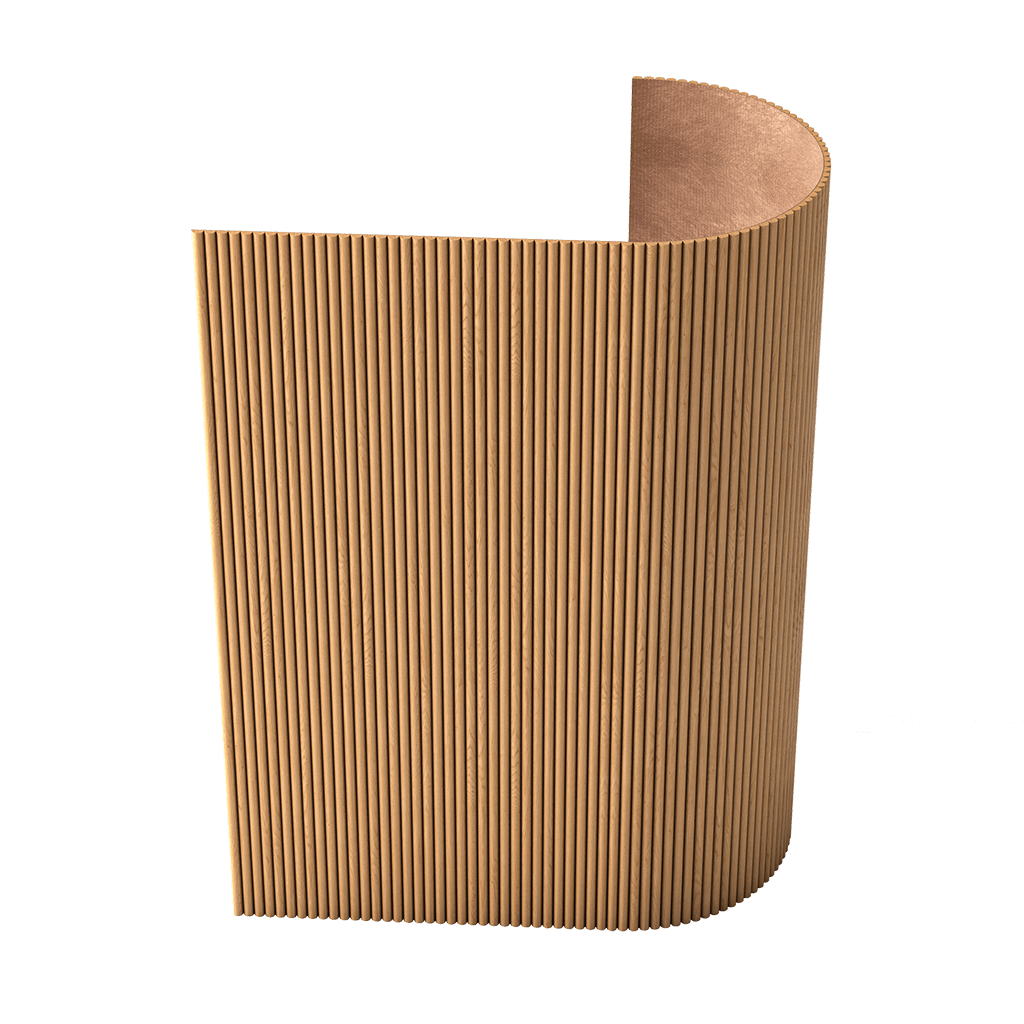
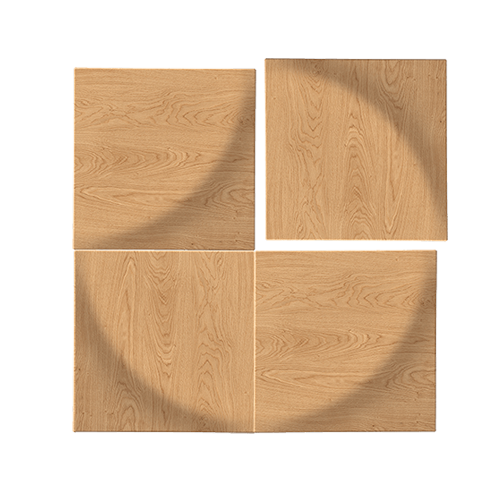
Wall and slat panels
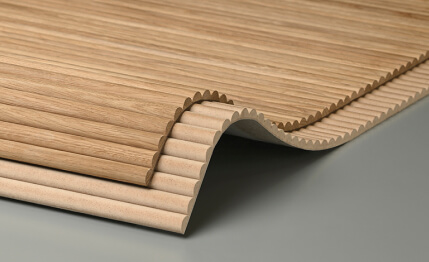
Wall Panels и Rafter panels take up a lot of space, so for a showroom it is especially logical to work through samples and project orders.
Decorative Elements for Furniture
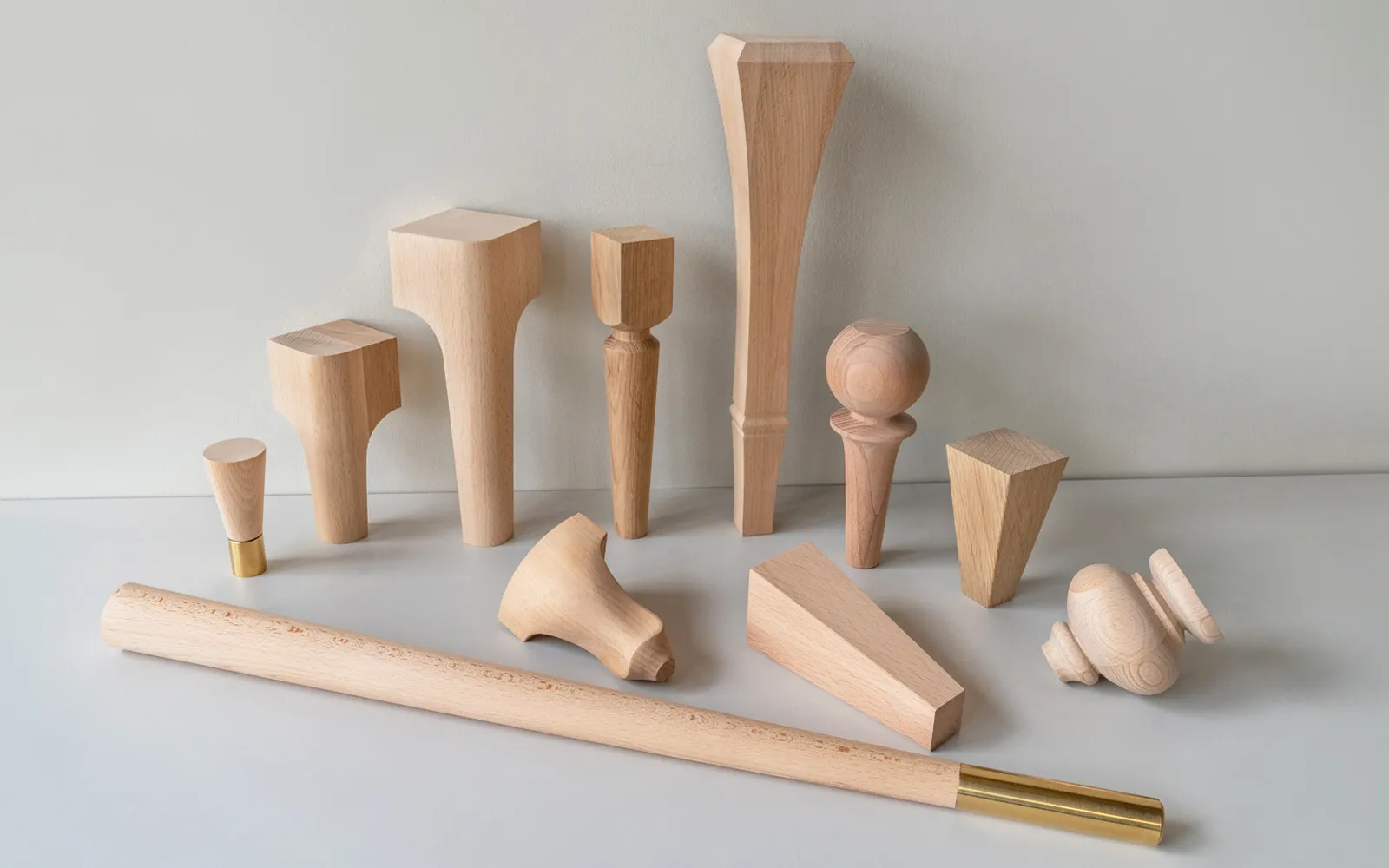
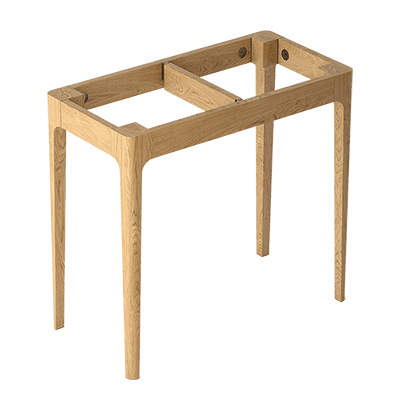
The STAVROS catalog includes furniture handles, legs, supports, decorative overlays, and other items. For furniture manufacturing, this group can be a standalone product matrix.
Frames and interior elements
Mirror frames, baguette, furniture and architectural elements can work as a connecting category between wall decor and furniture decor.
How to build a wholesale assortment matrix
The main mistake of a first wholesale order is buying “a little bit of everything.”
It is better to divide the assortment into three layers.
Matrix A — consistently in-demand items
These are SKUs that:
-
are frequently requested;
-
are convenient to store;
-
are easy to display;
-
do not take up too much space;
-
are quickly reordered;
-
pair well with other categories.
Examples:
-
popular moldings;
-
baseboards;
-
cornices;
-
versatile small overlays;
-
furniture handles;
-
small decorative elements.
There is no need to preemptively declare specific SKUs as "best-selling" if you do not have your own sales statistics. Matrix A is formed based on the actual orders of a specific business.
Matrix B — demonstration items
These products are needed to sell the project, but it is not necessary to keep a full inventory.
It is enough:
-
sample;
-
fragment;
-
catalog;
-
stand;
-
one demonstration unit.
This often includes:
-
large cornices;
-
rare profiles;
-
panels;
-
a baguette;
-
complex decorative elements.
Matrix C — project assortment
These are items that are more rational to purchase only after project confirmation.
For example:
-
large wall panels;
-
columns;
-
pilasters;
-
large rosettes;
-
complex carved elements;
-
non-standard products;
-
rare style items.
Why the A/B/C matrix is better than "stocking everything"
It allows:
-
don't freeze money;
-
maintain a visually rich display;
-
sell a broad catalog;
-
control inventory;
-
easier to update the assortment;
-
easier to test new categories.
Why a wholesale assortment cannot be formed by price alone
A cheap item can be a bad stock item if it takes up a lot of space and sells once every six months.
An expensive item can be a good sample if it helps sell large projects.
Several factors need to be evaluated.
| Group | Demand frequency | Need to store | Sample is enough | For project |
|---|---|---|---|---|
| Moldings | high/medium | part | Yes | Yes |
| Baseboards | high/medium | part | Yes | Yes |
| Overlays | Medium | selectively | Yes | Yes |
| Slatted panels | Design | Rare | Yes | Yes |
| columns | low/project | No | catalog/sample | Yes |
| Large rosettes | Design | selectively | Yes | Yes |
The frequency in the table is not STAVROS statistics, but a method of classifying our own assortment.
Turnover
An SKU must either sell or help sell other items.
If it does neither, its place in the warehouse should be reconsidered.
Product size
Large panels and columns require more storage and are harder to move.
Number of variations
If one profile is available in several materials and lengths, storing all variants may not be profitable.
Reordering possibility
For a showroom, it is important that the item can be ordered again. Especially if the sample remains on the stand.
Compatibility with other elements
A molding that pairs well with skirting, cornice, and overlay can be more valuable than a standalone item.
Demonstration value
A beautiful large item may barely sell from stock, but it helps coordinate expensive projects.
Marginality
Marginality is assessed based on actual commercial terms. A universal markup cannot be set in advance.
Wood decor wholesale
A wooden assortment is conveniently built by function.
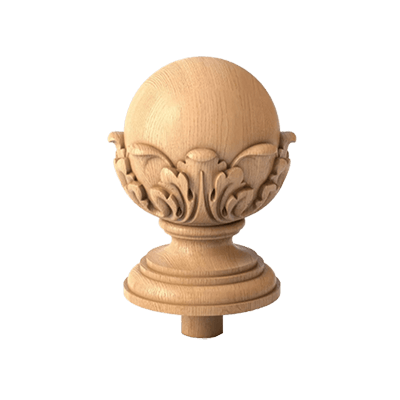
Decorative inlays
Wooden Inlays useful for:
-
furniture manufacturers;
-
showrooms;
-
designers;
-
carpentry workshops.
A few different scales are enough for the display.
Outlets
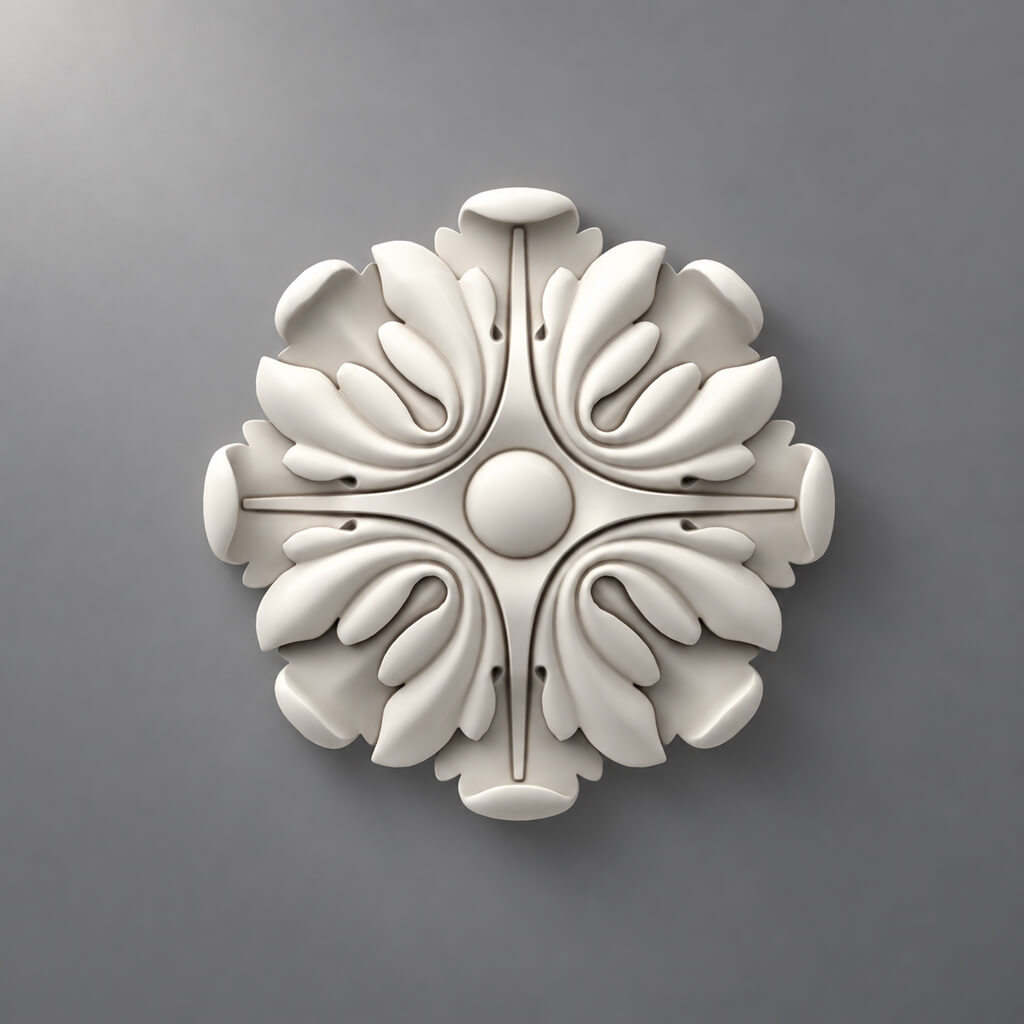
Rosettes help show the depth of carved decor and the quality of the relief. Small items can be kept in stock, while large ones can be displayed as samples.
Brackets
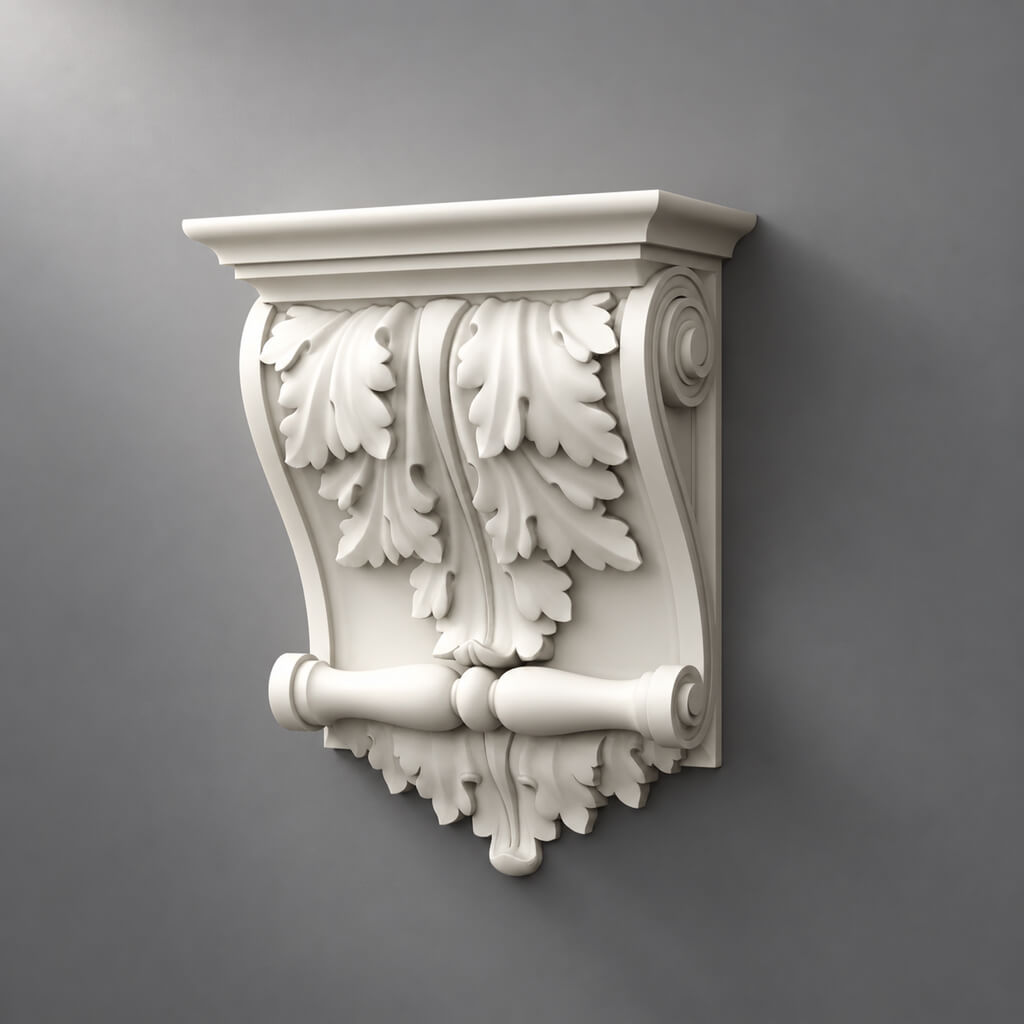
Corbels take up more space, so for rare models a display format is more practical.
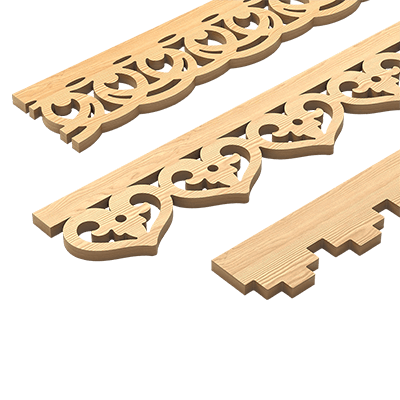
Picture frame moulding
Picture frame moulding is convenient to show in fragments and assembled corners. It is important for the buyer to see the profile at real scale.
Decor for moldings
This group works well together with the moulding itself. The showroom can display not a random applique, but a finished composition.
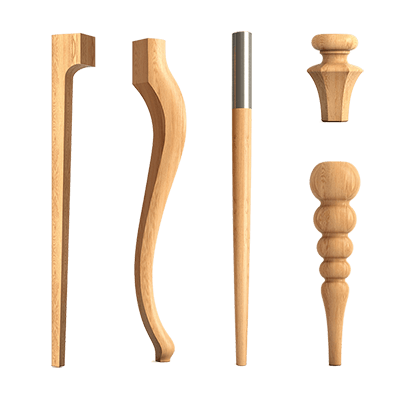
Furniture legs and supports
For furniture manufacturing, this category is often project-based. In the showroom, a few key shapes and a catalog of the rest are enough.
Furniture Handles
Handles are easier to store and display. They are suitable for matrix A if confirmed by actual sales of a specific salon.
Why a single material helps sell the system
If the client sees:
-
molding;
-
overlay;
-
bracket;
-
baguette
in one material or compatible finish, it is easier for them to assemble the entire interior.
Polyurethane stucco decor in wholesale assortment
A wholesale article about polyurethane should answer not the question "what is polyurethane" but the question "how to trade it and how to present the assortment".
Which moldings are worth showing
It is useful to have several different scales in the display:
-
compact profile;
-
medium;
-
large;
-
smooth;
-
ornamental.
This way the client immediately sees the range.
There is no need to turn the stand into a full catalog.
Which cornices to keep as samples
Cornices are more convenient to show:
-
as a short fragment;
-
as a corner joint;
-
in combination with the ceiling area.
A large cornice at full length takes up a lot of space and is usually not needed for display.
Whether ceiling medallions are needed in the display
Yes, if the showroom works with classical and neoclassical interiors.
But you don't have to keep all the sizes.
Stronger:
-
several characteristic shapes;
-
catalog of the rest;
-
linking to product cards.
How to display decorative overlays
Better not scattered.
You can assemble a display panel:
molding + frame + overlay.
This way the customer understands the real application.
How to combine products into collections
STAVROS decor collections allow you to showcase the assortment not only by product type, but also by style.
Instead of:
molding No. 1, overlay No. 2, rosette No. 3
the client sees:
a complete stylistic system.
This is especially useful for a showroom.
Samples and stands for B2B
In the section samples and catalogs of polyurethane decor catalogs, showcases, and exhibition stands are available.
For B2B, this is more important than full stock availability for each item.
Wall panels: why it's unprofitable to keep a large stock
Panels are a good example of a project-based product.
Causes:
Size and storage space
Even a small matrix of several formats quickly takes up space.
A large number of options
Material, color, texture, module, and format create many combinations.
Project-based nature of demand
Buyers rarely come in “for a random panel.”
More often, a panel is tied to:
-
the wall;
-
a project;
-
by size;
-
color.
A sample is better than a full-size stock
For the showroom, the following is enough:
-
fragment;
-
mini panels;
-
section of the slatted module.
How to link a sample to a specific SKU
The sample must have:
-
SKU;
-
size;
-
material;
-
color;
-
link to the product page.
Without labeling, in six months the sample turns into "some panel."
Decor collections as a wholesale sales tool
The collection helps sell a system, not a single random product.
Why it's easier for a designer to get a system approved
If the client sees:
-
cornice;
-
molding;
-
overlay;
-
an outlet
in the same stylistic key, less time is spent assembling the composition.
Why a collection increases the average order value
Not because the client is being "pushed to buy more."
But because the system shows additional compatible elements.
The client can choose not just one molding, but a complete decorative set.
How to organize a stand by styles
For example:
-
classic;
-
modern;
-
art deco;
-
empire;
-
contemporary.
Inside — several characteristic pieces.
How not to turn a showroom into a warehouse of random SKUs
If every new product is added without a system, the stand quickly loses its structure.
Collection logic helps remove weak positions and update the display consciously.
Samples and display stands instead of excessive stock
STAVROS product samples especially useful for salons, designers, furniture manufacturers, and specifiers.
Which positions must be shown physically
Priority:
-
moldings;
-
a baguette;
-
panels;
-
sockets;
-
large overlays;
-
textured pieces.
How to label samples
Minimum:
-
name;
-
article number;
-
material;
-
size;
-
category;
-
link to the product page.
How to build a sample library
It can be divided:
-
wood;
-
polyurethane;
-
panels;
-
furniture decor;
-
moulding.
Inside — by style or function.
How to update the display
Not just add.
You need to regularly remove:
-
discontinued items;
-
duplicates;
-
weak samples;
-
old finishes.
When a full-fledged exhibition stand is needed
If a showroom sells a lot of polyurethane decor or operates as a dealer, a stand may be more convenient than dozens of individual samples.
Home decor wholesale from a manufacturer or through an intermediary
The request for home decor wholesale from a manufacturer is not only about price.
The entire B2B process needs to be compared.
Price
A manufacturer may have a different price structure, but specific wholesale terms are confirmed by a commercial offer.
Quality Control
The manufacturer knows better:
-
materials;
-
technology;
-
batch;
-
standard sizes.
Consistency of a single SKU
This is critical for repeat orders.
Reordering possibility
If the showroom keeps a sample, the client should be able to order the item later.
Product range
One supplier with several categories simplifies the matrix.
Manufacturing
For part of the range, a clear production lead time is important.
Documentation
SKUs, product pages, dimensions, and catalogs must be available.
Handling claims
Clear batch and product identification speeds up processing.
What the manufacturer actually offers
STAVROS positions itself as a manufacturer of architectural decor made from wood, MDF, and polyurethane. For a wholesaler, this matters not in itself, but because a single company covers several product categories and offers samples and professional materials.
How to vet a manufacturer before your first wholesale purchase
It's better to start your first order not with the amount, but with checking the infrastructure.
Checklist:
-
real product listings;
-
article numbers;
-
sizes;
-
materials;
-
current prices;
-
availability;
-
production lead times;
-
samples;
-
reorder capability;
-
delivery;
-
ability to receive an invoice;
-
working with legal entities;
-
contacts;
-
complaints;
-
documents.
Real product cards
The card must include:
-
sizes;
-
material;
-
price or the ability to calculate;
-
availability status;
-
photo.
Items
Without a product code, reordering is unreliable.
Dimensions
Especially for mouldings and furniture components.
Materials
Not "wood", but specifically:
-
oak;
-
beech;
-
MDF;
-
polyurethane;
-
polystyrene.
Current prices
The current price is verified before payment.
Production time
If the item is out of stock, a confirmed lead time is required.
Samples
Having samples reduces the risk of a mistaken first purchase.
Delivery
payment and delivery STAVROS — a separate section that should be reviewed before placing a large order.
Wholesale decor in Moscow: what the geography of purchasing changes
The query "wholesale decor Moscow" has local B2B intent.
For a buyer, more than just prices matters.
Availability
If part of the assortment is available quickly, it is convenient for repeat orders.
Self-pickup
For small samples or an urgent reorder, pickup can be useful.
Samples
The showroom allows you to see the material in person.
Regional delivery
If the company is not located in Moscow, the Moscow showroom can still serve as a coordination point, while the main batch is shipped to the region.
What does not change
Even with local purchasing, you need to maintain:
-
SKU;
-
size;
-
material;
-
Quantity.
Geography does not replace the specification.
How to place your first wholesale order
It is better to break the first order into stages.
Step 1. Determine the type of business
A salon, design studio, furniture manufacturing, construction company — they all have different matrices.
Step 2. Divide products into stock and project items
Stock items:
-
small;
-
high-demand;
-
repeatable.
Project items:
-
large;
-
rare;
-
expensive;
-
style-defining.
Step 3. Select demo SKUs
20–30 is not mandatory.
This is an example of the methodology.
The main thing is to cover different categories and scales.
Step 4. Order samples
Check:
-
texture;
-
profile;
-
scale;
-
Color.
Step 5. Check actual dimensions and material
Do not copy data from a third-party catalog.
Step 6. Get a commercial offer
List:
-
SKU;
-
quantity;
-
material;
-
city;
-
term.
Step 7. Record the SKUs
After ordering, the assortment matrix must store exact SKUs.
Step 8. Organize reordering
For each sample, save:
-
supplier;
-
the card;
-
article number;
-
the date of the first order.
How to avoid freezing money in slow-moving decor
The main risk of the first wholesale order is not a shortage, but a warehouse full of beautiful but slow-moving items. Interior decor is especially prone to this: a piece may look striking, have a high price, and take up a lot of space, but sell only for rare projects.
Do not buy the entire catalog
A manufacturer's wide assortment does not mean the showroom must physically stock every item.
The catalog can be sold in three ways:
-
from stock;
-
by sample;
-
made to order.
These are three different product modes.
Use the ABC principle
The internal matrix can be conditionally divided:
A — items with regular demand;
B — items with medium demand or an important display role;
C — rare and project items.
This is not universal STAVROS statistics. Categories are determined by the sales of a specific business.
Large items — for project
Wall panels, columns, large rosettes, and large decorative elements are often more logical to purchase after client confirmation.
Reason:
-
take up a lot of space;
-
have several options;
-
expensive;
-
depend on the project.
Rare styles — with samples
If a showroom rarely works with Gothic or Empire style, there is no point in keeping a large stock.
It is enough:
-
sample;
-
catalog;
-
several characteristic elements.
Fast-moving trim — with limited reserve
Even a popular molding does not need to be purchased "a year in advance."
Define more strongly:
-
average monthly consumption;
-
reorder lead time;
-
target stock level.
Review the assortment matrix based on actual sales
Every few months you can review:
-
what is selling;
-
what is only being displayed;
-
what is not being requested;
-
what constantly needs to be reordered.
A product can move:
A → B;
B → C;
Or vice versa.
How to combine wholesale categories in a single order
One way to increase the value of a wholesale purchase is to assemble product scenarios rather than a random set of SKUs.
Wall decor
Combination:
-
molding;
-
overlay;
-
cornice;
-
baseboard;
-
rosette.
The buyer sees not individual items but a ready-made system.
Furniture
Combination:
-
leg;
-
handle;
-
overlay;
-
a baguette;
-
decorative element.
For furniture manufacturing, this is more convenient than looking for five suppliers.
Wall
Combination:
-
panel;
-
molding;
-
baseboard;
-
batten;
-
decorative element.
Classic Interior
Combination:
-
cornice;
-
molding;
-
socket;
-
decorative overlay;
-
Bracket.
Why one order should not turn into one line
Even if all categories are purchased from a single supplier, the following are preserved within the order:
-
SKU;
-
quantity;
-
material;
-
size;
-
purpose.
Reducing the number of suppliers should not reduce the accuracy of the specification.
How to build an assortment for an interior showroom
An interior showroom sells not only products but also solutions. Therefore, it is better to build the assortment in two dimensions.
By function
-
walls;
-
the ceiling;
-
floor;
-
furniture;
-
door areas;
-
accents.
By styles
-
classic;
-
contemporary;
-
art deco;
-
modern;
-
empire;
-
other directions.
Decor collections convenient to use as stylistic navigation.
How to assemble a minimal display
It's not the quantity of "30 SKUs" itself that matters, but the coverage of tasks.
A minimal display may include:
-
3–5 moldings of different scales;
-
2–3 baseboards;
-
2–3 cornices;
-
several overlays;
-
one or two panels;
-
sample slatted system;
-
the furniture handle;
-
the leg;
-
a baguette;
-
large accent element.
This is not a rigid standard, but an example of structure.
Why an exhibition should have scenarios
Stand:
moldings only
worse than a stand:
baseboard + frame + cornice + overlay.
The second shows a finished application.
How to label a stand
On each sample:
-
SKU;
-
material;
-
size;
-
link to the product card;
-
price or a “check availability” note;
-
order status.
How to build an assortment for a design studio
A design studio needs not a warehouse, but a working library.
Materials library
Split:
-
wood;
-
MDF;
-
polyurethane;
-
panels;
-
Furniture decoration.
Library by scale
For example, moldings:
-
narrow;
-
medium;
-
large.
Library by style
Use collections.
Project functions library
-
baseboard;
-
frame;
-
cornice;
-
accent;
-
Furniture decoration.
Why samples are better than random images
A physical sample allows you to:
-
attach it to the color swatch;
-
place it next to the furniture front;
-
check the depth;
-
show it to the client.
What to store with the sample
-
the card;
-
QR;
-
article number;
-
size;
-
material;
-
a link to the 3D/DWG, if available.
How to build an assortment for furniture production
Furniture production needs a different logic.
Fast-moving items
You can keep:
-
handles;
-
small legs;
-
overlays;
-
a separate baguette.
Project-based
Made to order:
-
large legs;
-
complex carved elements;
-
rare handles;
-
massive decorative frames.
What to check before a production run
If an element goes on 100 facades:
-
size;
-
orientation;
-
material;
-
finish;
-
batch;
-
term.
Why a sample is essential for serial furniture
One mistake on one facade is local.
A mistake on 100 facades is an expensive series.
Therefore, it is better to approve the sample before bulk purchasing.
How to organize repeat purchases
A wholesale assortment becomes a system only when a repeat order does not require searching for the product again.
For each SKU, it is useful to store:
-
supplier;
-
link;
-
material;
-
size;
-
date of the last purchase;
-
price as of the date;
-
deadline;
-
actual consumption;
-
minimum own stock.
Reorder point
You can calculate:
average consumption over the lead time + safety stock.
But there is no need to set a universal number.
Why a sample must remain linked to an SKU
If a profile without an article number is lying on the stand, in a year the manager will not be able to quickly order it.
What to do if the item is no longer available
Do not replace silently.
You need to:
-
find an alternative;
-
compare;
-
update the stand;
-
edit the product card;
-
notify the managers.
How to handle the first complaint
The first complaint is an important test of the supplier.
It is necessary to record:
-
SKU;
-
batch;
-
quantity;
-
defect;
-
photo;
-
documents;
-
Solution.
Why you shouldn't write “the decor is bad”
B2B requires a precise subject.
For example:
N-___ / oak / 4 pcs. / chip on the end.
What to analyze after a claim
-
isolated defect;
-
packaging;
-
transportation;
-
entire batch;
-
picking error.
How a claim affects the matrix
If an item is regularly problematic, it may move to:
A → B
or
B → C.
How to order STAVROS decor wholesale
It is best to make the final wholesale request as a list.
What to send:
-
article numbers;
-
materials;
-
sizes;
-
quantity;
-
city;
-
desired deadline;
-
purpose of the order;
-
whether the batch is needed all at once or in stages;
-
whether samples are needed;
-
whether a display stand is needed.
Example request from an interior salon
We would like a quote for the supply of samples and the first wholesale batch for an interior salon. Attached is a list of SKUs by group: wooden moulding, carved decor, polyurethane decor, panels. For some items, samples are needed; for others, a stock batch. Please confirm prices, availability/lead time, delivery, and the possibility of reordering.
Example request from a design studio
Samples and catalogs are needed for the project library, as well as a quote for several selected SKUs for the current project.
Example request from a furniture manufacturer
A quote is required for a serial batch of legs, handles, and overlays by article number and quantity. Confirmation of size, material, lead time, and samples before the series launch is needed.
Why a list of article numbers is more important than a long description
The manager understands faster:
-
what to count;
-
how many;
-
which groups;
-
where the samples are.
Commercial finale
You can use for ordering STAVROS Main Catalog и payment and delivery terms.
Ten mistakes of the first wholesale order of decor
1. Buying a little bit of everything
Why it happens: you want a wide assortment.
Consequence: slow warehouse.
How to prevent: A/B/C.
2. Not ordering samples
Why it happens: the cards seem sufficient.
Consequence: scale and material do not match expectations.
How to prevent: a physical library.
3. Not signing off on samples
Why it happens: SKUs are remembered at the time of purchase.
Consequence: six months later, the item cannot be reordered.
How to prevent: a SKU on every sample.
4. Keeping panels in full stock
Why it happens: it seems that having it in stock will increase sales.
Consequence: money and space are frozen.
How to prevent it: samples + project order.
5. Buying at a price without assessing turnover
Why it happens: the wholesale price looks attractive.
Consequence: cheap goods don't sell.
How to prevent it: analysis of actual demand.
6. Mixing styles on the stand
Why it happens: each item looks beautiful on its own.
Consequence: it's hard for the client to put together a system.
How to prevent: collection logic.
7. Not accounting for dimensions
Why it happens: cost matters more than storage.
Consequence: the warehouse is overloaded.
How to prevent: storage area as a matrix factor.
8. Not planning a repeat order
Why it happens: focus on the first purchase.
Consequence: a sold sample cannot be quickly repeated.
How to prevent: a database of SKUs and lead times.
9. Not separating warehouse and project stock
Why it happens: everything is called "assortment".
Consequence: large, rare items sit idle.
How to prevent: separate status.
10. Order without e
-
How often to conduct
The frequency is determined by the business.
But a separate audit is needed:
-
before updating the collection;
-
after a major sale;
-
after moving the stand;
-
when managers change.
How to work with home decor suppliers
Home decor suppliers can differ not only in price.
For B2B, what matters is:
-
breadth of assortment;
-
quality of product listings;
-
article numbers;
-
samples;
-
deadline;
-
delivery;
-
document flow;
-
complaints;
-
repeatability.
Why a single supplier for everything is not the goal
If the desired item is not in the assortment, there is no need to substitute a similar one just to keep a single supplier.
Reducing the number of suppliers is only useful where the assortment truly covers the task.
Where one manufacturer is especially convenient
When assembly is possible:
-
molding;
-
carved decor;
-
polyurethane;
-
panels;
-
furniture elements
within a single logic of SKUs and documents.
Wholesale home decor from the manufacturer: how to evaluate the benefit
A strong B2B request — wholesale home decor from the manufacturer.
But “from the manufacturer” is useful only if the business gains real advantages.
1. Direct product information
Dimensions, materials, finishes.
2. SKU repeatability
Important for the showroom and projects.
3. Samples
You can build a display.
4. Project batches
Large orders are placed as a list.
5. Reducing the number of intermediaries
It can simplify communication.
What still needs to be checked
-
the specific price;
-
deadline;
-
availability;
-
wholesale terms;
-
delivery;
-
returns.
Do not assume that the word "manufacturer" automatically means the lowest price.
How to combine wholesale interior products into a single commercial system
The request for wholesale interior products is very broad.
For STAVROS, it is better to present it through architectural and furniture decor.
Walls
-
panels;
-
moldings;
-
overlays;
-
slatted surfaces.
Ceiling
-
cornices;
-
sockets;
-
Decorative elements.
Floor
-
skirting boards.
Furniture
-
handles;
-
legs;
-
overlays;
-
Picture frame molding.
Transition zones
-
trim;
-
pilasters;
-
Brackets.
This is how a broad assortment becomes clear for the B2B buyer.
How to prepare a price list and catalog for showroom managers
The manager must quickly answer the client:
-
is the product available;
-
how much it costs;
-
what size;
-
what material;
-
how long to wait.
Therefore, the internal database should have:
| Field | Value |
|---|---|
| SKU | Exact SKU |
| Category | molding / panel / leg |
| Material | oak / beech / MDF / PU |
| Size | current |
| Price | Date |
| Availability | Status |
| Lead time | confirmed |
| Sample | where it is located |
| Product card | Clean URL |
Why a manager doesn't need a huge PDF instead of a database
PDF is good for a presentation.
A searchable table is needed for selling.
What to do when the price changes
Do not retroactively edit old quotes.
New date:
price is valid as of ___.
How to build a repeat order for the dealer channel
The dealer channel needs a predictable system.
It is useful to have:
-
assortment A;
-
minimum internal stock;
-
check frequency;
-
purchase history;
-
manager contact;
-
current price list.
Why a repeat order is better than the first one
After a few cycles, it's already clear:
-
real leaders;
-
slow-moving items;
-
packaging convenience;
-
timelines;
-
returns.
The matrix becomes more accurate.
When to expand the assortment
Not after a single successful sale.
Stronger:
stable demand + customer requests + good repeatability.
When to cut back
If a SKU:
-
not for sale;
-
does not display the category;
-
takes up a lot of space;
-
is easily replaced by another.
How to work with project decor without stock inventory
The project assortment can be sold through:
-
sample;
-
3D;
-
photo;
-
catalog;
-
the card;
-
consultation.
Example
A column is needed for one project once a year.
Storing it:
expensive.
To have:
-
fragment;
-
catalog;
-
the card;
-
Date
— that's enough.
Why this is not a "poor assortment"
The showroom sells access to the catalog and competent selection, not the number of boxes in the warehouse.
How to calculate the cost of the first assortment matrix
The first purchase consists of three budgets.
1. Warehouse A
Best-selling items.
2. Display B
Samples, stands, catalogs.
3. Project C
Not purchased without a client.
Therefore:
launch budget = warehouse A + samples B + stands/catalogs + logistics.
Not:
the entire catalog × one piece each.
How to compare two scenarios
Scenario 1:
-
100 SKU in stock.
Scenario 2:
-
35 SKU in stock;
-
40 as samples;
-
the rest on a project basis.
The second can offer a wider assortment with less frozen capital.
This is not a universal winner — you need to calculate the specific economics.
Practical scenario: how to build an assortment matrix for a new interior showroom
Let's imagine a showroom that is launching a separate interior decor line. The owner wants to immediately show customers a large selection, but doesn't want to purchase dozens of expensive and large-sized items without clear demand.
It's better to start not with the question:
how much money to invest?
But with the question:
what customer needs should the showroom address in the first three months?
Step 1. Identify the main customer scenarios
For example:
-
wall decor;
-
ceiling line;
-
baseboard;
-
furniture decor;
-
accent panel;
-
classic carved element.
Step 2. For each task, select 3–5 representative SKUs
Not the cheapest and not the most expensive.
But those that show the range.
For example, for moldings:
-
narrow smooth;
-
medium smooth;
-
medium ornamental;
-
large.
Step 3. Split into stock and samples
Of the four moldings:
-
two — small stock;
-
two — samples only.
Of the panels:
-
samples.
Of the handles:
-
part as stock.
Of the large overlays:
-
sample.
Step 4. Create display cards
Each sample receives:
-
article number;
-
size;
-
material;
-
category;
-
a clean URL;
-
QR code;
-
an “in stock / made to order” status.
Step 5. Approve the manager’s rules
The manager does not promise timelines or prices from memory.
They check the current data.
Step 6. Review the matrix after 90 days
Watch:
-
which samples were requested;
-
what was ordered;
-
what was purchased again;
-
which categories were ignored;
-
what took up space without sales.
It is after this that the real A/B/C assortment is formed.
How to form an assortment for furnishing projects
A project furnisher does not work like a retail store.
It has:
-
specification;
-
article numbers;
-
quantity;
-
timelines;
-
stages.
Therefore, for them, wholesale interior decor is a project supply, not a display.
What to keep at all times
Only what actually repeats between projects.
What to order for a project
-
panels;
-
large decor;
-
mouldings in large volumes;
-
complex furniture elements.
How to reduce risk
Before a large purchase:
-
check the SKU;
-
order a sample;
-
confirm the size;
-
to check the quantity;
-
agree on the timeline;
-
split the delivery into stages.
How to combine wholesale stock and project deliveries
The best B2B models are usually hybrid.
Warehouse
covers:
-
urgent orders;
-
best-selling items;
-
small projects.
Project supply
covers:
-
large batches;
-
rare SKUs;
-
panels;
-
unique styles.
Samples
They sell the rest of the catalog.
So a single showroom can display hundreds of solutions while physically storing dozens of SKUs.
How to work with the assortment by styles
STAVROS collection help build separate navigation.
For the manager, you can create:
-
classic;
-
empire;
-
modern;
-
art deco;
-
contemporary;
-
others.
Why style is convenient for the client
The client rarely knows the SKU.
They say:
I want modern classics.
The manager starts with the collection and then moves on to:
-
molding;
-
cornice;
-
overlay;
-
rosette.
Why style does not replace category
The warehouse still needs:
-
SKU;
-
material;
-
Size.
Collection — showcase.
SKU — accounting.
How to organize a showroom without clutter
Bad showroom:
-
hundreds of small samples;
-
no labels;
-
no categories;
-
old and new items are mixed.
Strong:
-
zones;
-
stands;
-
logic;
-
current links.
Zone 1. Moldings
Moldings, baseboards, cornices.
Zone 2. Stucco decor
Rosettes, overlays, cornices.
Zone 3. Carved decor
Overlays, brackets, baguette.
Zone 4. Panels
Slatted and wall-mounted.
Zone 5. Furniture decor
Handles, legs, overlays.
Why a full-scale interior fragment is stronger than a display stand
If space allows, assemble:
corner of a room
with skirting board, moulding, cornice and panel.
The client understands the scale faster.
How to work with catalogs and digital materials
A physical showroom is limited.
A digital catalog is not.
That's why the manager needs:
-
website;
-
PDF;
-
3D;
-
DWG;
-
photographs;
-
clean links.
Why you shouldn't store photos in a messenger
After a month:
-
unclear which SKU;
-
unclear source;
-
it is unclear whether the item is in stock.
Better to send:
product page.
Clean URLs
For the internal database, use only the page address without advertising tags and parameters.
For example:
Not:
link with UTM.
How to place a wholesale order in Moscow
If a business is looking for wholesale decor in Moscow, the practical process is the same as in other regions:
-
compile the SKUs;
-
check samples;
-
get a quote;
-
agree on the delivery method;
-
check availability;
-
issue an invoice.
The advantage of a local showroom is the ability to physically view part of the assortment.
But a large order still requires an accurate itemized list.
Pickup and delivery
The delivery option is confirmed for each specific order.
You should not assume that the entire batch is available in the Moscow showroom.
How to work with small wholesale
The question "can I buy in small wholesale?" has no single answer without commercial terms.
On the STAVROS website, you can purchase and have individual items delivered, but special wholesale prices and terms depend on the specific batch.
For a small showroom, it makes sense to start:
-
with samples;
-
a few best-selling SKUs;
-
one display stand;
-
custom orders.
And only after sales should you expand the warehouse.
How to maintain a wholesale price list
A price list is not just a list of prices.
Useful fields:
-
SKU;
-
group;
-
material;
-
size;
-
price;
-
date;
-
availability;
-
deadline;
-
link.
Why the date is mandatory
The price changes.
An old price list should not be treated as permanently valid.
Why availability should be a separate field
A product can be:
-
in stock;
-
made to order.
The manager needs to see the difference.
How to avoid losing SKUs after a website or catalog update
The internal database should store more than just a link.
The main point:
SKU.
If the URL changes, the SKU remains.
Therefore, for repeat purchases:
-
SKU is primary;
-
URL is secondary.
How to conduct a quarterly assortment audit
Once a quarter, you can go through the matrix.
For each item, ask
-
did it sell?
-
was it requested?
-
is a sample needed?
-
is stock needed?
-
can it be replaced with another SKU?
-
is the link up to date?
-
is the price up to date?
Result
The item is being decided:
-
keep A;
-
A → B;
-
B → C;
-
delete;
-
replace.
Practical audit of the assortment matrix before the second purchase
After the first batch, the main task is not to repeat it automatically. You need to understand which items actually work and which are just taking up space.
Scenario 1. The molding sells regularly, but the stock is too large
At the start, the salon bought 120 strips.
Sold in two months:
Remainder:
If the pace continues, the stock covers almost five months.
This does not mean the product is bad. But the next purchase should not be made just because the first batch was "wholesale".
It is better to wait for the reorder point.
Scenario 2. The panel does not sell from stock, but generates projects
In three months, the full-size panel was never sold.
But:
-
six clients viewed it;
-
two projects ordered panels for the site;
-
one order was large.
Such an item does not have to become a stock item.
Its correct status:
B — display.
Scenario 3. The carved overlay rarely sells, but it drives molding sales
The overlay was purchased only four times.
But every time it was purchased together with:
-
molding;
-
a baguette;
-
other elements.
Removing it based only on sales quantity could be a mistake.
You need to evaluate the associated revenue.
Scenario 4. The handle sells frequently, but constantly runs out
This is a typical candidate A.
If the delivery time is known, you can increase the internal minimum stock.
But you shouldn't double the stock without calculation.
Scenario 5. The large column doesn't sell and isn't used in projects
If it is:
-
takes up space;
-
is not used in the display;
-
receives no requests,
the full-size sample can be replaced with:
-
a catalog;
-
photo;
-
a fragment;
-
a digital card.
What to track after each quarter
| Indicator | What it is for |
|---|---|
| number of requests | interest in the item |
| number of orders | actual conversion |
| quantity sold | Consumption |
| average order value with SKU | value |
| cross-sell sales | attributed value |
| stock on hand | frozen capital |
| reorder lead time | Minimum clearance |
| storage area | cost per slot |
| Claims | Risk |
| sample needed | demonstration role |
Why this is stronger than a "top sellers" rating
Top sellers don't show:
-
overall dimension;
-
remainder;
-
deadline;
-
role in the set.
The wholesale matrix should account for the business model of a specific showroom.
How to determine which categories are worth expanding
Expanding the assortment matrix should be data-driven.
Signal 1. Customers keep asking for an adjacent category
For example, they buy moldings and ask for matching overlays.
Then it makes sense to expand the decor for moldings.
Signal 2. One style sells noticeably better
If demand for a certain collection grows, its stand can be strengthened.
Signal 3. Project orders repeat
If three projects in a row ordered slatted panels, the sample library can be expanded.
Not necessarily a warehouse.
Signal 4. Managers often select an alternative
This may mean that the current matrix does not cover the required scale or style.
Signal 5. The client has to go to another supplier for a related element
If the salon sells moulding but cannot offer a suitable cornice or trim, it is worth checking the adjacent STAVROS category.
How to determine which categories need to be reduced
Reduction is useful if the SKU:
-
not for sale;
-
does not represent an important category;
-
is not involved in projects;
-
is duplicated by a stronger item;
-
takes up a lot of space;
-
requires complex accounting;
-
is regularly damaged.
Do not confuse warehouse reduction with catalog reduction
You can remove an item from the warehouse but keep:
made to order.
This is often the best option.
Why the assortment must stay alive
The interior market is changing:
-
styles;
-
color;
-
scales;
-
designers' requests.
A matrix assembled once and not revisited for three years gradually turns into an archive.
A strong wholesale system:
sells → measures → adjusts → updates samples → reorders.
FAQ: wholesale purchasing of interior decor
Where to buy home decor wholesale?
For a wide range of architectural and furniture decor, you can start with STAVROS catalog. In B2B purchasing, it is better to first assemble a product matrix and then request a quote for specific SKUs.
How to buy decor wholesale directly from the manufacturer?
Compile a list of SKUs, quantity, materials, city, and desired timeframe. After that, request a commercial offer. For the first purchase, it is useful to separately order samples of key items.
Which interior products are profitable to buy wholesale?
There is no universal list. Best-selling categories are determined by the business's actual sales. Usually, stock-based logic is better suited to compact and regularly repeated items, while large and rare products suit a project-based model.
What is included in the interior decor assortment?
In the context of STAVROS:
-
carved decor;
-
stucco decor;
-
molding;
-
wall panels;
-
slat panels;
-
furniture handles;
-
legs;
-
a baguette;
-
decorative elements;
-
collections and samples.
Can I order decor in small wholesale quantities?
Specific terms depend on the commercial offer. For a small salon, it is better to start with samples, a limited stock of fast-moving SKUs, and project orders.
What samples does an interior salon need?
Priority:
-
moldings;
-
baseboards;
-
cornices;
-
panels;
-
a baguette;
-
carved overlays;
-
polyurethane rosettes.
Do wall panels need to be kept in stock?
Not always. Due to their size and the large number of options, panels are often more convenient to show as samples and purchase per project.
How to choose a decor supplier?
Check:
-
assortment;
-
cards;
-
article numbers;
-
materials;
-
samples;
-
reordering;
-
timelines;
-
delivery;
-
claims.
How to place a wholesale decor order in Moscow?
Compile a list of SKUs and quantities, request availability and price, if necessary view samples in the showroom, then arrange pickup or delivery.
Can decor be ordered with Contact us to confirm shipping to your destination.?
STAVROS indicates Contact us to confirm shipping to your destination. The specific cost and method depend on the item, quantity, and address; it is best to confirm this for each shipment.
Final readiness matrix for the first wholesale order
Before payment:
| Check | Done |
|---|---|
| business type determined | Yes/No |
| A/B/C matrix created | Yes/No |
| warehouse SKUs determined | Yes/No |
| project SKUs determined | Yes/No |
| samples selected | Yes/No |
| stands selected | Yes/No |
| SKUs verified | Yes/No |
| materials verified | Yes/No |
| dimensions verified | Yes/No |
| prices up to date | Yes/No |
| timelines confirmed | Yes/No |
| delivery calculated | Yes/No |
| reorder process described | Yes/No |
| link base clean | Yes/No |
| responsible manager assigned | Yes/No |
If critical rows are empty, it is better to refine the matrix rather than increase the first purchase "just in case."
Final chain of wholesale decor purchasing
business type
→ client tasks
→ categories
→ A/B/C matrix
→ best-selling SKUs
→ demo samples
→ project assortment
→ collections
→ displays
→ manufacturer verification
→ commercial proposal
→ first batch
→ MARKING
→ sales
→ ABC analysis
→ reorder
→ matrix update.
Wholesale home decor is not about stocking the widest possible catalog. For B2B, a different model works better: a small, manageable warehouse of fast-moving items, a rich sample library, and the ability to quickly order project items by exact SKU.
This way, an interior salon or design studio can showcase a wide assortment without excessive frozen capital, furniture production gets repeatable elements, and an object outfitter can assemble a project batch from specific SKUs.
The final commercial step is simple: create a list of SKUs and quantities, separate samples from the warehouse batch, and request a STAVROS supply quote.
Final check before paying for the first wholesale batch
Before payment, it is useful to run a simple negative test: imagine that the manager who assembled the order is unavailable tomorrow. Another employee should be able to open the statement and, without verbal explanations, understand exactly what is being purchased, what goes to the warehouse, what is a sample, what belongs to a project delivery, and which items must not be used as free stock.
For each line, the following must be unambiguous:
-
article number;
-
category;
-
material;
-
size;
-
quantity;
-
status A/B/C;
-
role — warehouse / sample / project;
-
current price;
-
deadline;
-
a clean link to the product card.
It is checked separately that the display stand is not counted as regular warehouse stock, the project reserve is not available for random sale, and samples do not duplicate full batches without reason.
It is also useful to select three random SKUs from different categories and go through the reverse path:
SKU → product card → material → size → location on the stand/warehouse → reorder rule.
If at least one step produces the answer “about the same” or “we’ll find it later from the photo,” the assortment matrix is not yet stable enough.
The first wholesale purchase is considered well prepared when the business can not only receive the goods, but also six months later repeat successful items, remove weak ones, update samples, and quickly find the needed SKU without reconstructing history from correspondence.
Criterion for a ready B2B matrix
The assortment can be considered ready for regular work when a manager, without the owner’s help, understands three things: what to show the client, what can be shipped from the warehouse, and what needs to be ordered for a project. For each sample there is an SKU, for each warehouse item there is a minimum working stock, and for each project item there is a clear ordering path.
If a new employee can use the internal database to find the right decor, open a clean STAVROS product card, check the material and size, state the availability status, and create a repeat order without searching through old messages, then the assortment system is working. This is exactly what distinguishes wholesale home decor as a B2B direction from a random purchase of beautiful decor.