


























Article Contents:
- Wooden countertop ST-020 1930×1128×30 mm: three real variations
- "Oak countertop" and "Oak/MDF/oak veneer" — why these are different formulations
- Natural veneer is real wood, but not solid wood
- When the request "buy a wooden countertop" does not mean "I need solid wood"
- ST-020 made of MDF: when natural wood texture is not needed at all
- Countertop with oak veneer: when the buyer will see the pattern of natural wood
- Beech ST-020 is also combined
- Why the prices of the three ST-020s differ so much
- Buying a wooden tabletop for a table: how to record ST-020 in the estimate
- Why the word "wooden" is not a technical characteristic
- 30 mm is the thickness of the tabletop, not "30 mm of solid oak"
- The area of ST-020 is about 2.18 m², but the price should not be recalculated as the price of sheet material
- ST-020 is a tabletop for a dining table, not a kitchen work surface
- ST-020 and STL-020: the same number helps link products, but does not combine them into one item
- Oak underframe and ST-020 "Oak/MDF/oak veneer": one word "oak" — different constructions
- What to check with transparent or semi-transparent finishes
- ST-020 vs STL-020: what a simple comparison of dimensions gives — and what it does not prove
- How to accept ST-020 so that the dispute "is it oak or not" does not arise after delivery
- When one line "Oak/MDF/oak veneer" protects both sides of the deal
- What to ask the manager if the project says "oak ST-020"
- Four words that cannot be left without decoding
- When it's better not to buy ST-020
- Where to buy ST-020 and other furniture countertops
- Questions before ordering ST-020
- What is the size of ST-020?
- How many versions are currently in the card?
- Is oak ST-020 made entirely of solid oak?
- Is oak veneer natural wood?
- Is the beech version fully solid?
- What does 30 mm mean?
- How much does the ST-020 made of MDF cost?
- How much does the oak version cost?
- How much does the beech version cost?
- Why is the oak version more expensive than MDF by 38,100 ₽?
- Can the combined ST-020 be painted?
- What should I choose for an opaque white enamel?
- Can ST-020 be used with STL-020?
- Is STL-020 also combined?
- What should I write in the contract instead of "oak countertop"?
- When is ST-020 not suitable?

In the furniture specification, there is a short line: "ST-020, oak tabletop." The customer reads it literally and expects to receive a slab made entirely of solid oak. But the current ST-020 card denotes the oak version differently: "Oak/MDF/oak veneer." These are fundamentally not the same thing.
In this version, the base is made of MDF, solid wood edging is used around the perimeter, and the surfaces are veneered with oak veneer. The buyer gets a natural wood surface and solid wood in the construction, but not a solid oak slab 30 mm thick. Therefore, before payment, it is better to write in the estimate and contract not the simplified "oak," but the full product construction.
As of September 8, 2026, ST-020 has dimensions of 1930 × 1128 × 30 mm and three versions: MDF — 20,720 ₽, Oak/MDF/oak veneer — 58,820 ₽, Beech/MDF/beech veneer — 38,130 ₽. All options in the card are shown with "Prestige" sanding quality and a production time of 5–10 days. The main question of the article is not "what is better, MDF or wood," but what exactly you are buying under the specific line ST-020 and how to eliminate incorrect expectations before payment.
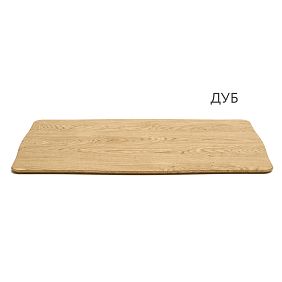
Wooden tabletop ST-020 1930×1128×30 mm: three real versions
The geometry is the same for all three options:
1930 × 1128 × 30 mm.
The material construction and price differ.
| ST-020 version | What is indicated in the card | Price as of 08.09.2026 |
|---|---|---|
| MDF | Deep-milled MDF | 20 720 ₽ |
| Oak/MDF/Oak veneer | combined construction | 58 820 ₽ |
| Beech/MDF/Beech veneer | combined construction | 38 130 ₽ |
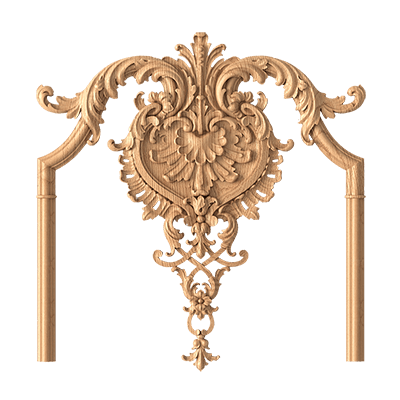
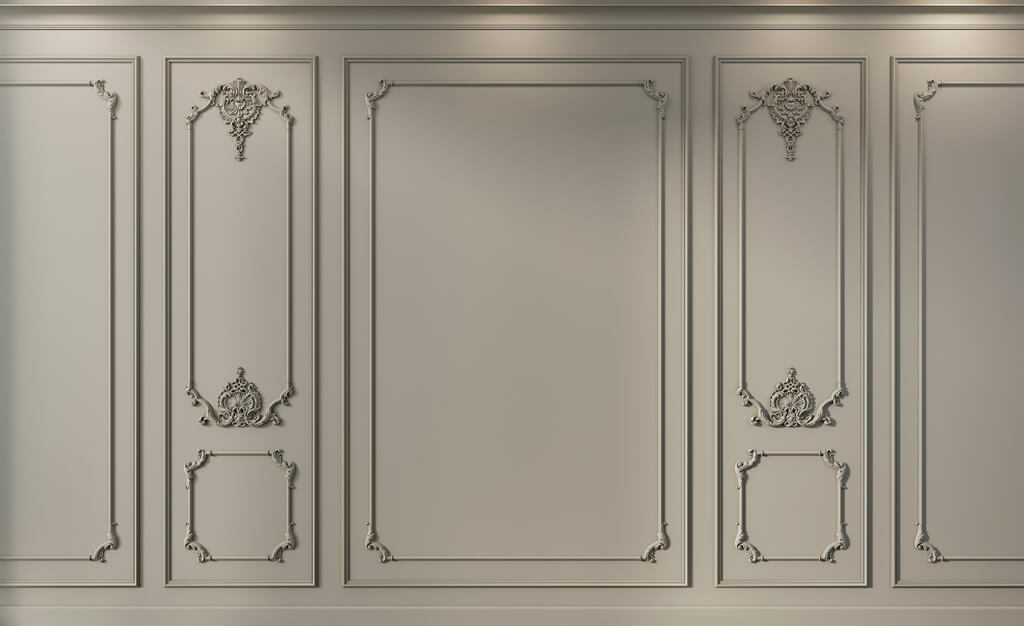
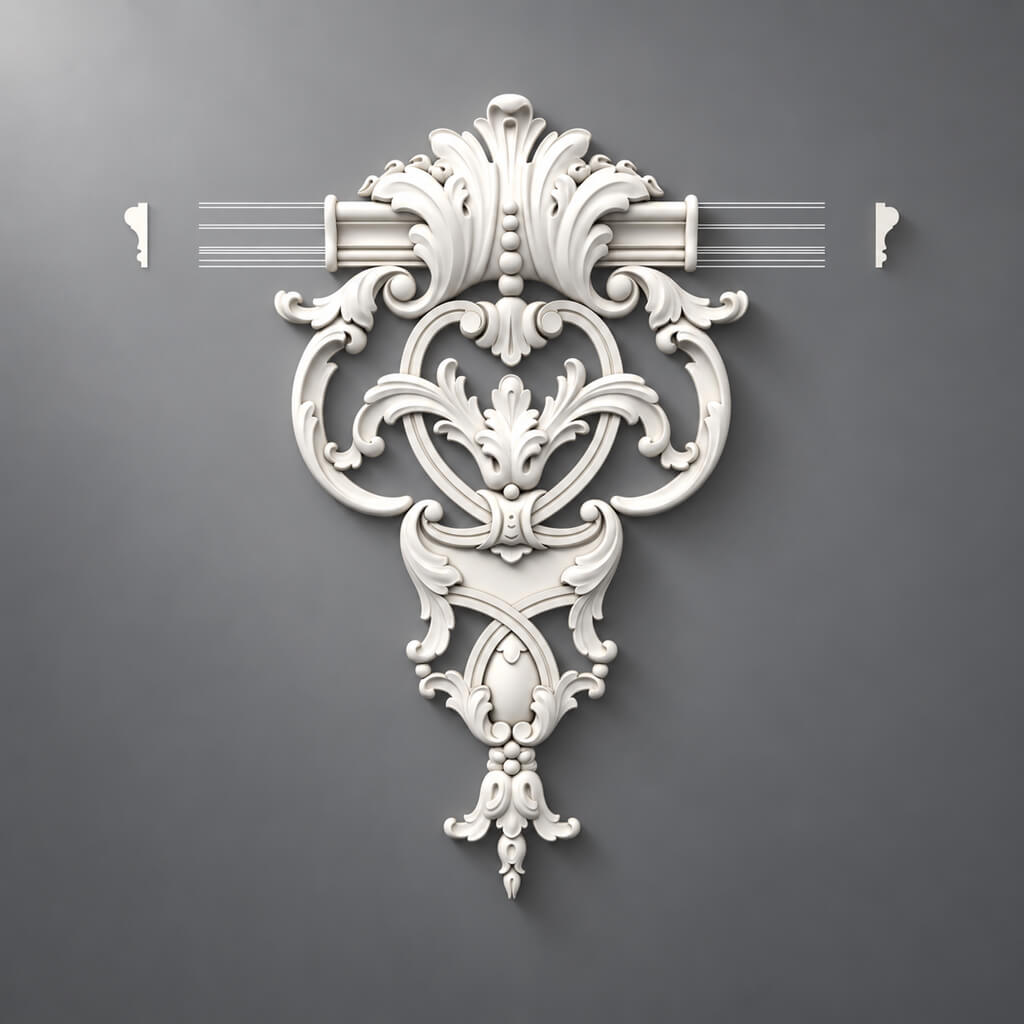
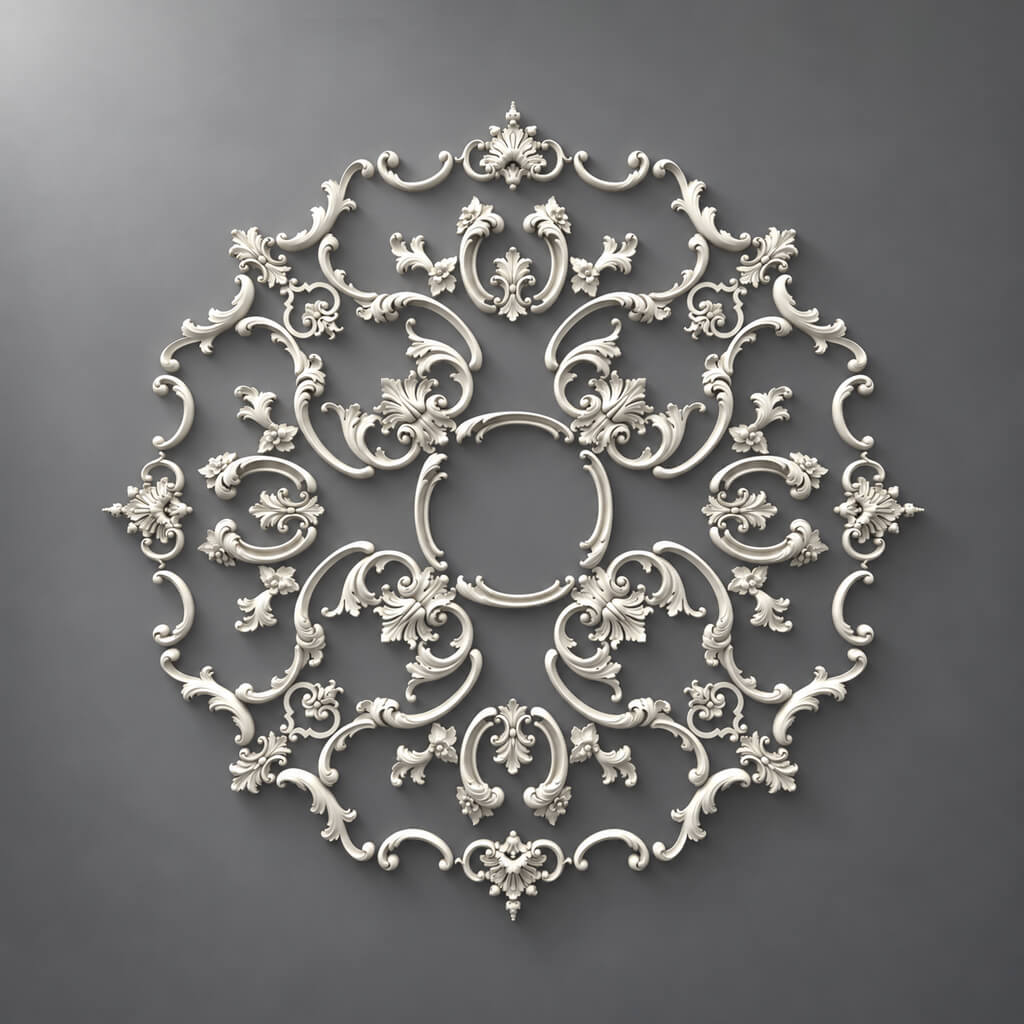
All three versions specify a "Prestige" polish. ST-020 has a rectangular shape with an ornate classic profile and is designed for use in the construction of a dining table.
If the model has already been approved in terms of shape and size, buy the ST-020 tabletop better after the specification selects not just the material "oak" or "beech," but the exact commercial construction.
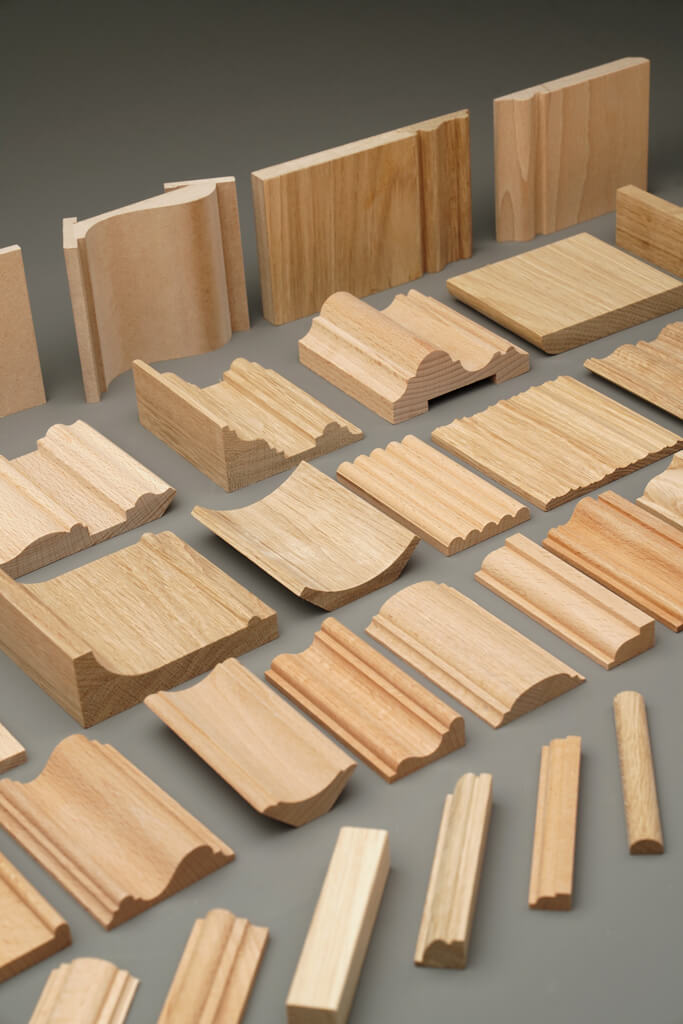
"Oak tabletop" and "Oak/MDF/oak veneer" — why these are different formulations
The ST-020 card describes the combined option quite specifically.
Its construction consists of three material layers by function:
- base — MDF;
- perimeter edging — solid wood;
- planes — oak veneer.
That is why the phrase “ST-020 is entirely made of solid oak” would be incorrect.
It is more accurate to write:
ST-020 / 1930 × 1128 × 30 mm / Oak-MDF-oak veneer / Prestige / 1 pc.
This way, the customer immediately sees that natural oak is present both as solid wood around the perimeter and as veneer on the surface, but the structural core remains MDF.
If the contract only states “oak tabletop,” a dispute may arise after delivery—not about product quality, but about the meaning of one overly short line.
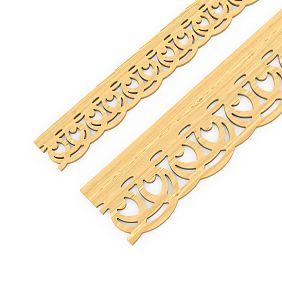
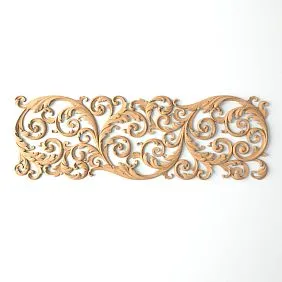
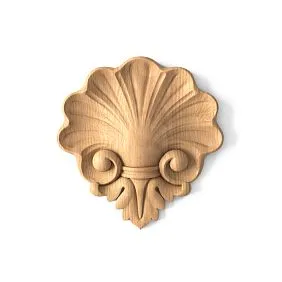
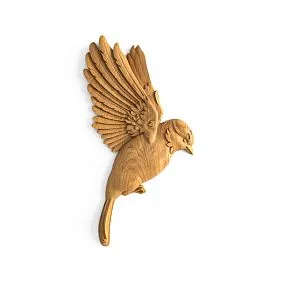
Our factory also produces:




Natural veneer is real wood, but not solid lumber
Here it is useful to separate two extremes.
It is incorrect to say:
“since there is MDF, it means there is no natural oak in the tabletop at all.”
Also incorrect:
"Since it says oak, it means all 30 mm are solid oak."
In the combined ST-020, the veneer represents a natural wood surface, and the edging is made of solid wood. But the main structural board is formed by MDF.
For the buyer, this means that the real need must be determined in advance.
If the goal is a visible natural oak texture, the combined option may meet this expectation.
If the fundamental requirement is "the tabletop must be entirely solid oak without MDF or veneer," then ST-020 in the Oak/MDF/oak veneer version does not meet this requirement according to the manufacturer's description.
Get Consultation
When the request "buy wooden tabletop" does not mean "I need solid wood"
The search phrase "wooden tabletop" is very broad. One person means a natural wood grain, another specifically laminated oak, and a third furniture with a painted shaped tabletop.
Therefore, before purchasing, it is useful to complete the sentence:
I need a wooden tabletop because...
Answer option #1:
I want to see the natural texture of oak.
Then it's important to check the Oak/MDF/oak veneer option and the future transparent or semi-transparent finish.
Option #2:
The construction must be entirely solid wood.
Then ST-020 cannot be automatically considered suitable.
Option #3:
I need a classic shaped profile, and the surface will be painted with opaque enamel.
Then basic MDF might be more logical if it satisfies the entire project.
Therefore buy wooden tabletop — this is a commercial request to the category, not a ready-made technical specification of the product.
ST-020 from MDF: when natural wood texture is not needed at all
The basic version of ST-020 is made of deep-milled MDF. The manufacturer specifies a scenario of painting with enamels for it.
If the project involves a fully opaque color — white, milky, graphite, gray, or another — the buyer should separately ask themselves why they need oak or beech veneer.
If the wood grain is still completely covered by an opaque coating, choosing the combined version just for the word "oak" may not solve any visible task.
This does not mean that MDF is always "better" or that the combined option is "not needed." The decision depends on the specific finish and design of the project.
For the estimate, the basic entry will be different:
ST-020 / 1930 × 1128 × 30 mm / MDF / Prestige / for subsequent enamel / 1 pc.
This makes it immediately clear that natural veneer is not included in the selected version.
Countertop with oak veneer: when the buyer will see the natural wood grain
Combined ST-020 can not only be painted with enamel. The card separately indicates the possibility of tinting with stains, coating with clear varnishes, and applying patina.
It is here that veneer begins to perform a noticeable decorative function.
The manufacturer states that the surfaces are veneered with "skins" of veneer, matched by color and texture. For the buyer, this means that the face surface can display real wood structure, not an imitation of a pattern with paint.
But even after clear lacquer, the construction does not turn into a solid slab. The visible natural surface and the internal structure are different characteristics.
Therefore, the correct wording is:
a combined tabletop with natural oak veneer and a solid wood edging on an MDF base.
It simultaneously does not devalue the natural material and does not create a false expectation of solid wood.
Beech ST-020 is also combined
The error easily arises with the second wood finish as well.
The oak version is clearly perceived as "MDF + solid wood + veneer," but the line "Beech/MDF/beech veneer" is somehow shortened in the estimate to "solid beech."
This cannot be done.
Beech ST-020 is built on the same principle of combined construction:
MDF + solid beech around the perimeter + beech veneer on the surface.
As of September 8, 2026, it costs 38,130 ₽, which is 17,410 ₽ more expensive than the base MDF and 20,690 ₽ cheaper than the oak combined version.
The price difference does not change the terminology. Both the oak and beech versions must be precisely named in the contract.
Why the prices of three ST-020 models differ so much
On the current product page:
- MDF — 20,720 ₽;
- Beech/MDF/beech veneer — 38,130 ₽;
- Oak/MDF/oak veneer — 58,820 ₽.
These are not three colors of the same panel.
Difference between the base MDF and the beech combined version:
38 130 − 20 720 = 17 410 ₽.
Oak combined version is more expensive than MDF by:
58 820 − 20 720 = 38 100 ₽.
Oak versus beech:
58 820 − 38 130 = 20 690 ₽.
The buyer pays extra for a different material finish, not for a word in the name.
Therefore, it is reasonable to discuss the price after determining whether visible natural wood is needed and which specific species is included in the project.
Buy a wooden tabletop for a table: how to write ST-020 in the estimate
Bad line:
Tabletop ST-020 — oak.
It does not say that inside there is MDF and veneer.
A good line:
ST-020 / 1930 × 1128 × 30 mm / Oak-MDF-oak veneer / Prestige / 1 pc.
For beech:
ST-020 / 1930 × 1128 × 30 mm / Beech-MDF-beech veneer / Prestige / 1 pc.
For the painted base option:
ST-020 / 1930 × 1128 × 30 mm / MDF / Prestige / 1 pc. / finish per project.
If the task is — buy a wooden tabletop for a table, such a record is significantly more useful than the general word "wooden".
Why the word "wooden" is not a technical specification
In conversation, "wooden" is used to describe a solid slab, veneered furniture, and a combined construction with natural veneer.
This is fine for a search query.
Not enough for a contract.
A technical specification must answer at least five questions:
- which model;
- what size;
- what material construction;
- what finish;
- how many items.
Therefore, the commercial query "buy wooden countertop" helps the buyer find the category, but should not automatically be carried over into the invoice as a description of the material.
The invoice needs a manufacturer's line: Oak/MDF/oak veneer, not a marketing abbreviation.
30 mm is the thickness of the countertop, not "30 mm of solid oak"
In the ST-020 card, size C is 30 mm.
You can't conclude from this:
"oak countertop 30 mm thick = 30 mm of solid oak"
30 mm is the overall dimension of the product by parameter C.
The material structure of the combined version is described separately and includes MDF, solid edging, and veneer.
The thickness of the veneer itself is not published in the card, so it cannot be invented or calculated from the overall size of 30 mm.
This is an important boundary of facts: it is enough for the buyer to know the overall thickness of the product and the actual construction, without creating non-existent millimeters of individual layers.
The area of ST-020 is about 2.18 m², but the price should not be recalculated as the price of sheet material.
Overall area of the rectangle:
1.930 × 1.128 = 2.17704 m².
That is, approximately 2.18 m².
This figure is useful for understanding the scale of the table and logistics, but not for comparing ST-020 with a regular sheet of MDF or a furniture board "by price per square meter."
ST-020 has a shaped profile and is a ready-made furniture tabletop of a specific geometry. The price includes not only the area of the material, so the calculation "58,820 ÷ 2.18" does not answer the question of whether a square meter of oak is expensive.
You should compare ready-made product configurations of the same model, not ST-020 with raw sheet material.
ST-020 is a tabletop for a dining table, not a kitchen work surface
The product card directly describes ST-020 as a surface that can be used in the construction of dining tables.
Therefore, its purpose should not be extended to a kitchen countertop for a sink, cooktop, or permanent work area.
If a buyer is looking for a kitchen product, a different product scenario is required with separate requirements for cutouts, joints, and usage.
Here, the central task is to correctly purchase a furniture tabletop for a table and not confuse the material construction.
ST-020 and STL-020: the same number helps link products but does not combine them into one item.
The ST-020 card shows the STL-020 under-table among related products.
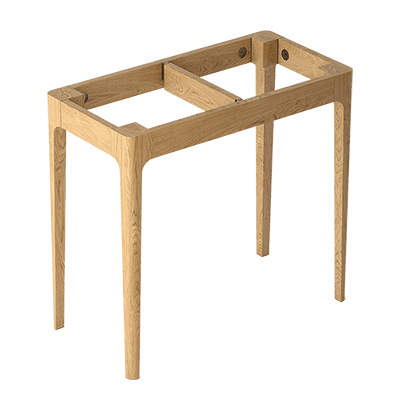
STL-020 measures 1900 × 1100 × 750 mm, is made from beech or oak solid wood, and currently costs from 215,350 ₽. Its card separately notes that the model can be equipped with the shaped ST-020 tabletop; the description also directly mentions the ST-020 version made of deeply routed MDF.
This is a good example of why the same model number is useful for navigation but does not replace the specification.
The order must include two line items:
Under-table STL-020 / selected material / quantity.
Tabletop ST-020 / selected material finish / quantity.
If a complete set is needed, buy carved table base STL-020 should be as a separate item.
Oak table base and ST-020 "Oak/MDF/oak veneer": one word "oak" — different constructions
This is especially important for expensive configurations.
STL-020 in oak finish — frame made of solid oak.
ST-020 with the designation "Oak/MDF/oak veneer" — a combined tabletop.
In one table, it is perfectly normal for the following to coexist:
solid oak in the table base;
MDF + solid oak edging + oak veneer in the tabletop.
The problem only arises when both lines are shortened to one word "oak" and the customer assumes the same construction.
A correct estimate must preserve the distinction between materials of each part, even if the color and visible texture in the finished product are matched.
What to check with transparent or semi-transparent finishing
If the client wants to see natural wood, before paying for ST-020, the following must be separately documented:
- oak or beech;
- a combined version, not base MDF;
- the intended tinting;
- clear lacquer or another finishing system;
- the need for patina;
- the combination with the underframe and other visible wood.
You cannot buy base MDF ST-020 and expect an oak grain pattern to appear under clear lacquer.
Conversely, there is no point in overpaying for natural veneer if the project is finally approved for opaque enamel and the texture should not be visible.
ST-020 vs STL-020: what a simple comparison of dimensions gives — and what it doesn't prove
The ST-020 has dimensions of 1930 × 1128 mm. The STL-020 — 1900 × 1100 mm.
If you purely arithmetically center the tabletop on the underframe, the difference will be:
1930 − 1900 = 30 mm, meaning nominally 15 mm on each of the two ends;
1128 − 1100 = 28 mm, meaning nominally 14 mm on each of the two sides.
This is a useful preliminary scale check. But it cannot be turned into an installation conclusion like "the overhang will definitely be 15 and 14 mm." The external dimensions of the underframe do not reveal the position of the actual support points, mounting zones, or the shaped profile.
Therefore, before ordering the ST-020 + STL-020 pair, you need to open the drawings of both models and verify the actual fit. Simple arithmetic helps detect a gross mismatch, but it does not replace the drawing.
It is especially important not to use this calculation for another underframe model just because its external dimensions are similar.
How to accept the ST-020 so that the dispute "is this oak or not oak" doesn't arise after delivery
When accepting a combined tabletop, you don't need to look for proof of solid wood: the card initially describes a different construction.
The inspection must comply with the ordered specification:
- article ST-020;
- size 1930 × 1128 × 30 mm;
- selected version — MDF, Oak/MDF/oak veneer or Beech/MDF/beech veneer;
- "Prestige" quality;
- condition of the shaped profile;
- absence of obvious transport damage;
- compliance of the finish with the agreed order, if it has already been applied.
If an oak version is ordered, it is better to keep the full wording "Oak/MDF/oak veneer" in the documents. Then acceptance compares the product not with the verbal expectation of "solid oak", but with the actual specification.
For a project with a transparent finish, it is useful to agree in advance on a sample of tinting or coating on a natural wood surface. The color on the screen should not be the only basis for choosing the finish.
When one line "Oak/MDF/oak veneer" protects both parties to the transaction
Precise wording benefits not only the buyer.
The customer understands that they receive natural oak veneer and solid edging, but not a solid wood slab. The manufacturer and seller, in turn, get a clear record of which version was ordered.
In the contract or invoice, this eliminates several potential disputes at once:
- what the word "oak" means;
- whether the entire edge must be solid wood;
- whether an MDF core is acceptable;
- why the price differs from standard MDF;
- whether natural texture can be expected on the surface.
The more expensive the version, the more useful technical precision is. For a version costing 58,820 ₽, one additional material line in the specification costs significantly less than a subsequent dispute about the construction.
What to ask the manager if the project says "oak ST-020"
A useful question is not "is it definitely oak?", but more specifically:
Please confirm the material construction of the selected ST-020: MDF base, perimeter trim made of solid oak, surface with oak veneer?
After confirmation, you can ask to include the same description in the invoice or contract.
It is also worth confirming:
- size 1930 × 1128 × 30 mm;
- selected finish;
- "Prestige";
- finish;
- the current price;
- the deadline;
- compatibility with the selected base according to the project.
Such correspondence eliminates ambiguity before payment, not after delivery.
Four words that cannot be left without clarification
Client's phrase:
"I need a wooden oak tabletop."
contains four potentially vague concepts at once.
Wooden — visible wood or solid construction?
Oak — oak veneer, solid oak, or a combination?
Tabletop — for a dining table or a kitchen work surface?
Need — in what size and with what finish?
For ST-020, the answer should boil down to one specific product line, not a nice general description.
When it's better not to buy ST-020
Do not order ST-020 based only on a photo if the customer requires solid wood without MDF and veneer.
Do not buy it as a kitchen work surface if the project involves a sink, a cooktop, and kitchen operational components: the card positions the model for a dining table.
It is better to postpone the purchase if:
- not verified 1930 × 1128 mm indoors;
- undercarriage not approved;
- the estimate only says "oak" without specification;
- finishing option not selected;
- client has not decided whether they need natural wood texture;
- expectation of "solid wood" does not match the actual construction.
ST-020 is a good option only when the buyer understands exactly the construction they are ordering.
Where to buy ST-020 and other furniture countertops
If the model and material construction are already selected, the final point is the ST-020 product page.
If the buyer is still comparing other surfaces and undercarriages, buy wooden tabletop You can go to the section for furniture frames, underframes, and tabletops.
For a more general selection of materials and products, you can go to the catalog buy wood and MDF products.
Main conclusion before payment:
ST-020 “Oak/MDF/oak veneer” is not a solid oak board.
This is a combined furniture tabletop measuring 1930 × 1128 × 30 mm, where the base is made of MDF, solid oak is used around the perimeter, and the surfaces are veneered with oak veneer.
This is exactly how it should be recorded in the estimate.
Questions before ordering ST-020
What is the size of ST-020?
1930 × 1128 × 30 mm.
How many versions are currently in the product card?
Three: MDF, Oak/MDF/oak veneer, and Beech/MDF/beech veneer.
Is the Oak ST-020 entirely made of solid oak?
No. It is a combined construction with an MDF base, solid edging around the perimeter, and oak veneer on the surfaces.
Is oak veneer natural wood?
Yes. But the presence of natural veneer does not make the entire tabletop solid wood.
Is the beech version fully solid?
No. In the product card, it is listed as Beech/MDF/beech veneer.
What does 30 mm mean?
This is the overall size C of the tabletop. It should not be considered the thickness of solid oak or beech.
How much does the ST-020 made of MDF cost?
20,720 RUB as of the check on September 8, 2026.
How much does the oak version cost?
58,820 RUB at the time of verification.
How much does the beech version cost?
38,130 RUB at the time of verification.
Why is the oak version 38,100 RUB more expensive than MDF?
Because it is a different material finish with a solid frame and natural veneer. It is not just a different color of the same MDF board.
Can the combined ST-020 be painted?
The product card allows painting, tinting, clear lacquer, and patination.
What should I choose for opaque white enamel?
If the natural texture should not be visible, it makes sense to separately consider the basic MDF option and not choose veneer just for the sake of the wood species name.
Can ST-020 be used with STL-020?
ST-020 shows STL-020 among related products, and the STL-020 card indicates the possibility of configuring with the figured ST-020. The specific material execution of the tabletop needs to be recorded as a separate order line.
Is STL-020 also combined?
The STL-020 card describes the underframe as a product made of solid beech or oak. This is a different construction than the combined ST-020.
What should be written in the contract instead of "oak tabletop"?
ST-020 / 1930×1128×30 mm / Oak-MDF-oak veneer / Prestige / quantity 1.
When is ST-020 not suitable?
When a solid oak or beech slab without MDF and veneer is required, or when a kitchen work surface with a different operational scenario is needed.