

























Article Contents:
- What Are Patterns for Trim and Why Are They Needed
- What Types of Patterns for Trim Exist
- Geometric patterns
- Floral Patterns
- Carved Ornaments in Russian Style
- Classic Decorative Patterns
- Modern decorative elements
- Wooden Trim Patterns: What Are the Advantages
- Where Are Patterns for Trim Used
- For Window Trim
- For Door Trim
- For furniture, walls, and decorative compositions
- How to choose patterns for architraves
- By style
- By size
- By composition
- By material and finish
- Buy patterns for architraves: what's better — ready-made overlays or custom carving
- How to combine architrave patterns with overall decor
- Architraves + overlays + moldings
- Architraves + overlays + cornices
- Architraves + overlays + carved furniture details
- Architraves + overlays + wooden moldings
- Which architrave patterns suit different tasks
- For a wooden house
- For classic interiors
- For decorative window trim
- For carved door framing
- For custom interior design project
- How much do casing patterns cost
- What Affects the Price
- How to calculate budget
- Installation of decorative patterns and overlays on casings
- Surface Preparation
- Composition marking
- Adhesive and fasteners
- How to maintain symmetry
- Why it's more convenient to use ready-made decorative elements
- STAVROS: decorative overlays and patterns for casings
- Frequently Asked Questions
- Which casing patterns are better to choose?
- Where to buy wooden trim patterns?
- Are overlays suitable for both window and door trims?
- Can decorative overlays be painted?
- How to choose a pattern that matches the house style?
- Can a decorative composition be assembled from several overlays?
- Which overlays are suitable for narrow trim?
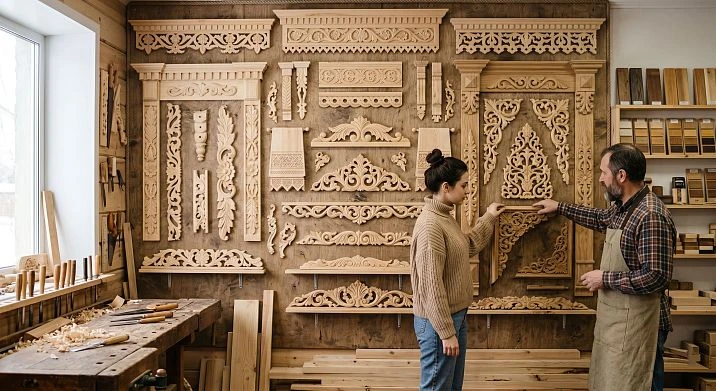
There are things that immediately tell you everything about the owner. Not words, not a gesture—but a detail. A carved pattern on the trim of a wooden house. An openwork ornament above a window opening. A decorative overlay on a door frame. This is not just decoration—it's a statement. The decision to make it beautiful not because you 'have to,' but because you can't do otherwise.
Trim patterns—this is a whole world of decorative thinking: from strict geometric ornaments to lush plant swirls, from traditional house carving to modern laconic relief. And each of these solutions has its own history, its own logic of application, and its own visual effect.
This article is both a practical guide and inspiration at the same time. We'll explore what decorative trim patterns exist, how to choose them based on the style of the house and interior, wherebuy patterns for window trimsas ready-made carved overlays — and how to assemble a decorative composition from individual elements that says: people with taste live here.
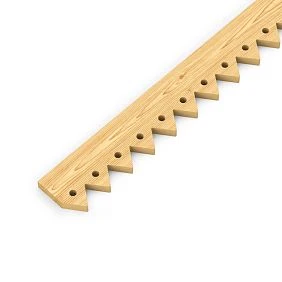
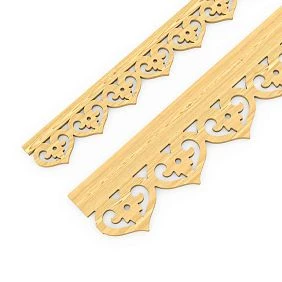
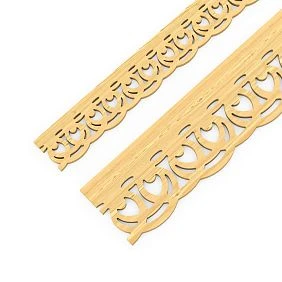
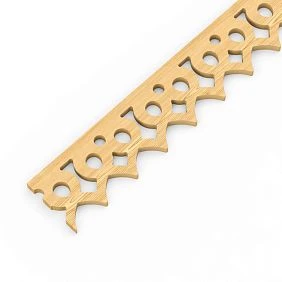
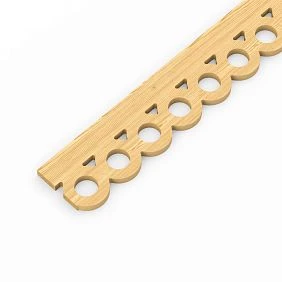
What are patterns for window trims and why are they needed
At first glance, the answer is simple: the pattern decorates the trim. But that's too superficial. Let's look deeper.
A window trim is the framing of a window or door opening. By itself, it already serves a function: it covers the mounting seam, finishes the joint between the frame and the wall, completes the opening. But a patterned trim does something fundamentally different: it transforms a utilitarian element into an architectural statement.
Look at the old wooden houses of Russia — those where carving lives on the facades. The patterned trims there are not just decoration. It is a language with which the house speaks to the street. It is a sign of craftsmanship, belonging to tradition, care for the home.
What dodecorative patterns for window trimsdo in a modern context?
-
Turn an ordinary trim into a decorative accent — one carved element in the center or corner overlays radically change the perception of the opening
-
They create a stylistic identity—a casing with a classic ornament reads differently than a smooth one; a casing with a Russian carved motif reads differently than one with a geometric pattern.
-
They tie interior elements together—decorative overlays on casings echo moldings, cornices, and carved furniture details.
-
They add depth and volume—a relief pattern 'comes to life' under side lighting, creating a play of shadows.
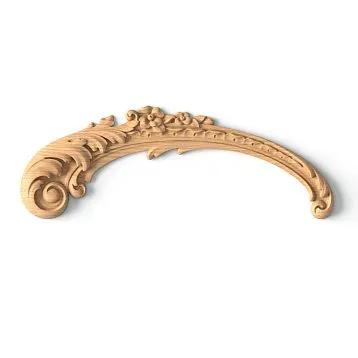
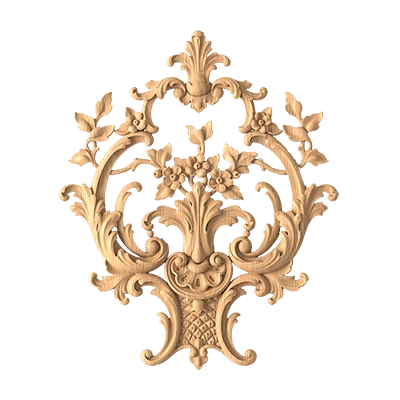
It's important to understand: patterns for casings come in two fundamentally different types. The first is carving directly on the body of the casing, done during profile production. The second is ready-made decorative overlay elements that are mounted onto an already installed casing. It is the second option that makes decorating casings accessible without complex custom production: you choose a ready-made overlay, mount it on the profile—and the result is ready.
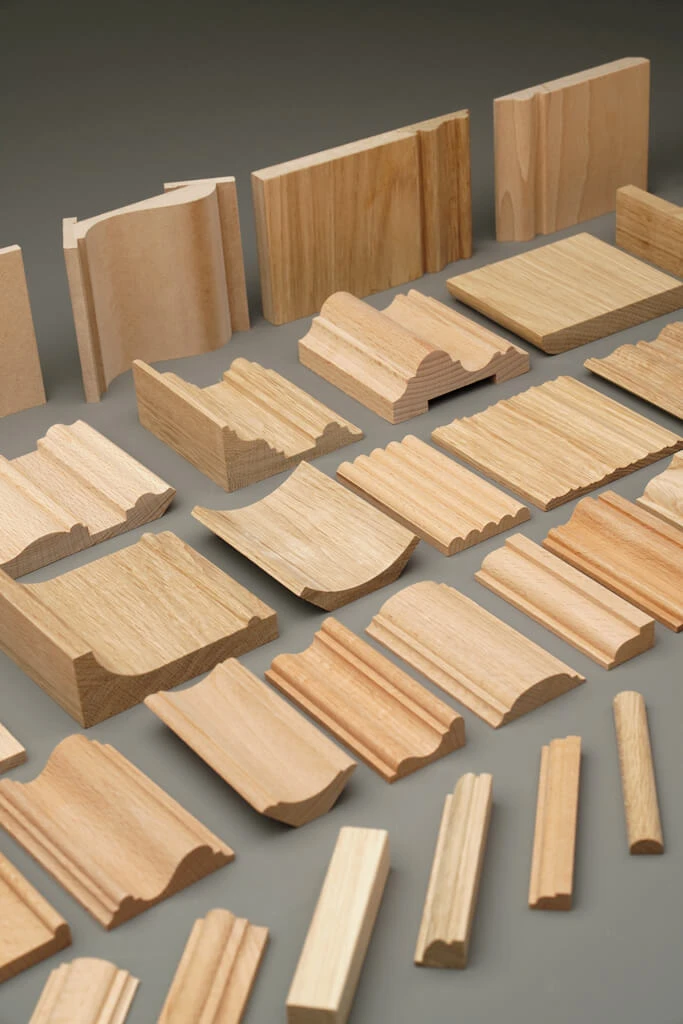
What patterns for casings exist
The classification here is ambiguous because a pattern is not just a form, but also tradition and mood. Let's break it down by essence.
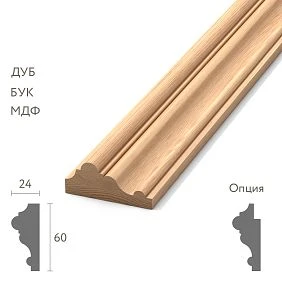
Our factory also produces:
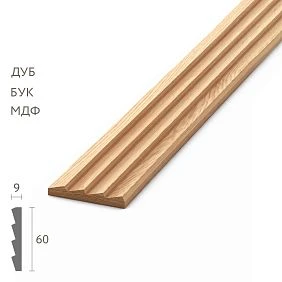
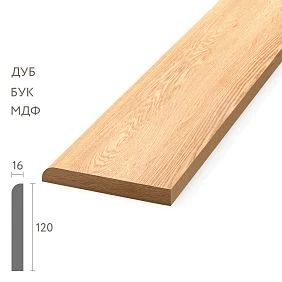
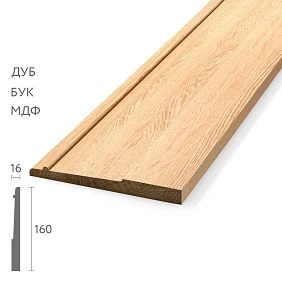
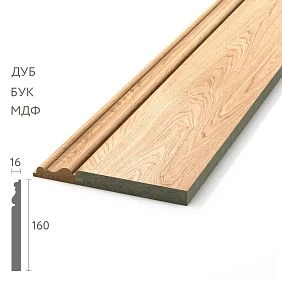
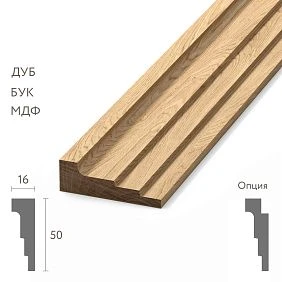
Geometric patterns
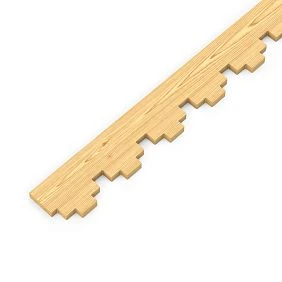
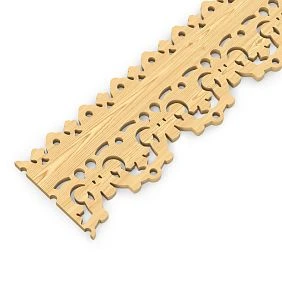
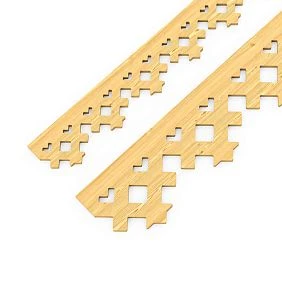
Geometric patterns—the most ancient and simultaneously the most modern decorative language. Square, rhombus, triangle, star, meander, zigzag—from these simple forms, ornaments are built that are equally appropriate in a 19th-century Russian wooden house and in a modern minimalist interior.
What distinguishes geometriccarved decor for casings?
-
Rhythm—a repeating element creates orderliness, which is perceived as calm and reliability
-
Symmetry – paired overlays on both sides of the central element create a sense of balance and architectural rigor.
-
Versatility – geometric ornamentation looks good both on a white casing under enamel and on one tinted to resemble wood.
For window casings, geometric patterns are often used as corner overlays: a small diamond-shaped or square element at the point where the vertical strip transitions to the horizontal creates a complete corner composition.
Get Consultation
Floral patterns
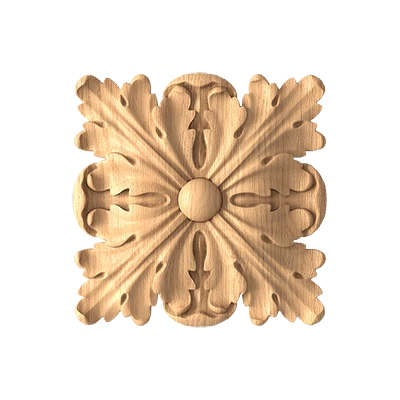
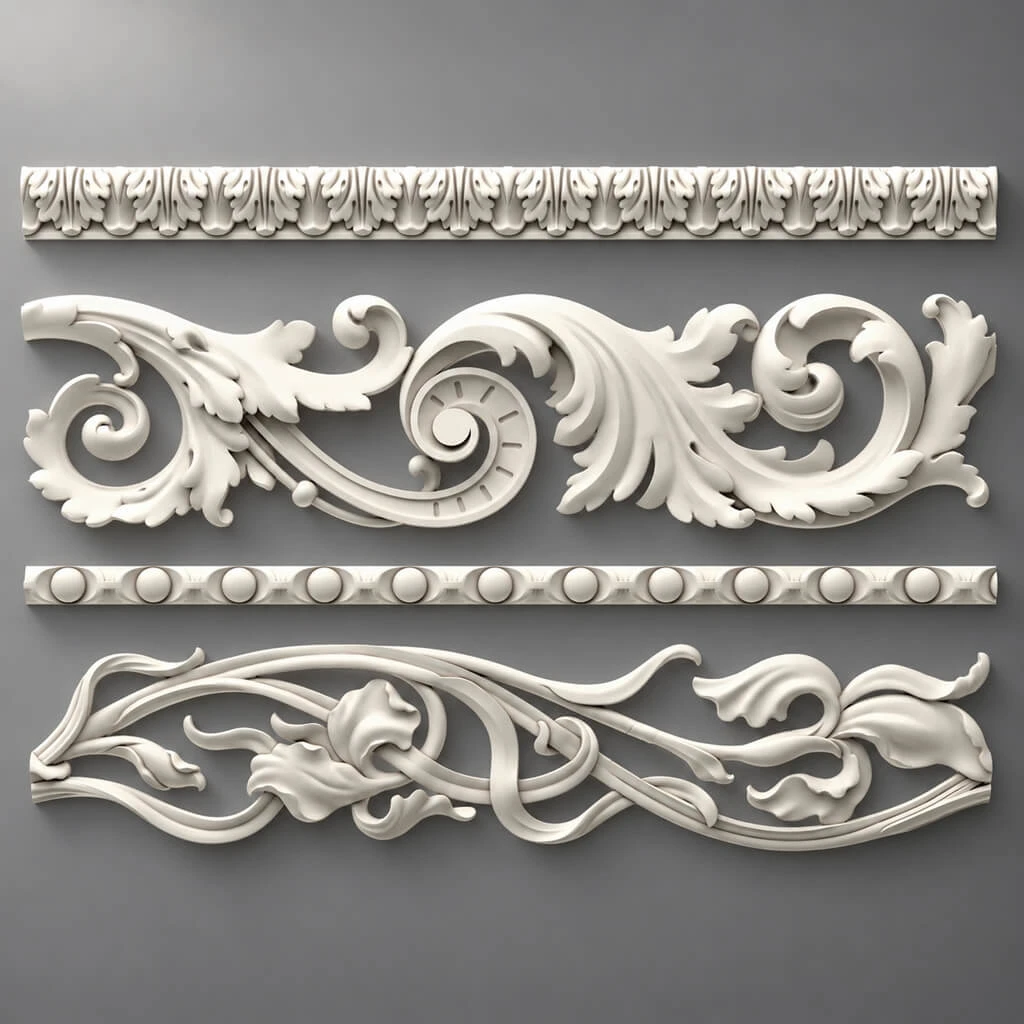
Acanthus leaves, grapevines, oak branches, roses, tulips, irises, lilies of the valley – the floral motif in casing decoration has a thousand-year history and remains relevant.
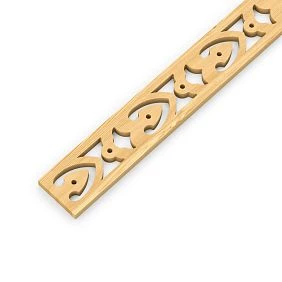
Floralwood carving for casings– is a soft, organic decoration. It creates a sense of naturalness, life, and growth. With the right choice, such a pattern is equally appropriate in a classic urban apartment interior and on the facade of a country house.
The main rule of floral ornamentation: proportionality. A fine, delicate pattern on a wide casing gets lost. A large element on a narrow strip overloads it. The scale of the motif must correspond to the scale of the product.
Types of floral overlays:
-
Central ones — one large motif in the middle of the horizontal part
-
Corner ones — symmetrical paired leaf-shaped elements
-
Vertical inserts — a decorative strip with a repeating floral motif along the length of the side architraves
Carved ornaments in the Russian style
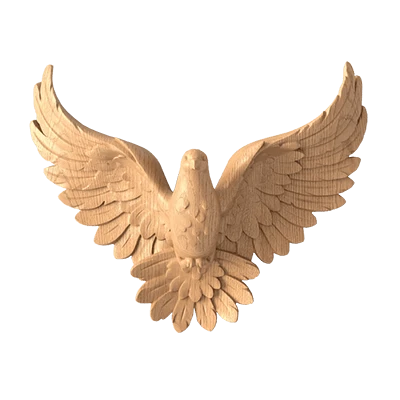
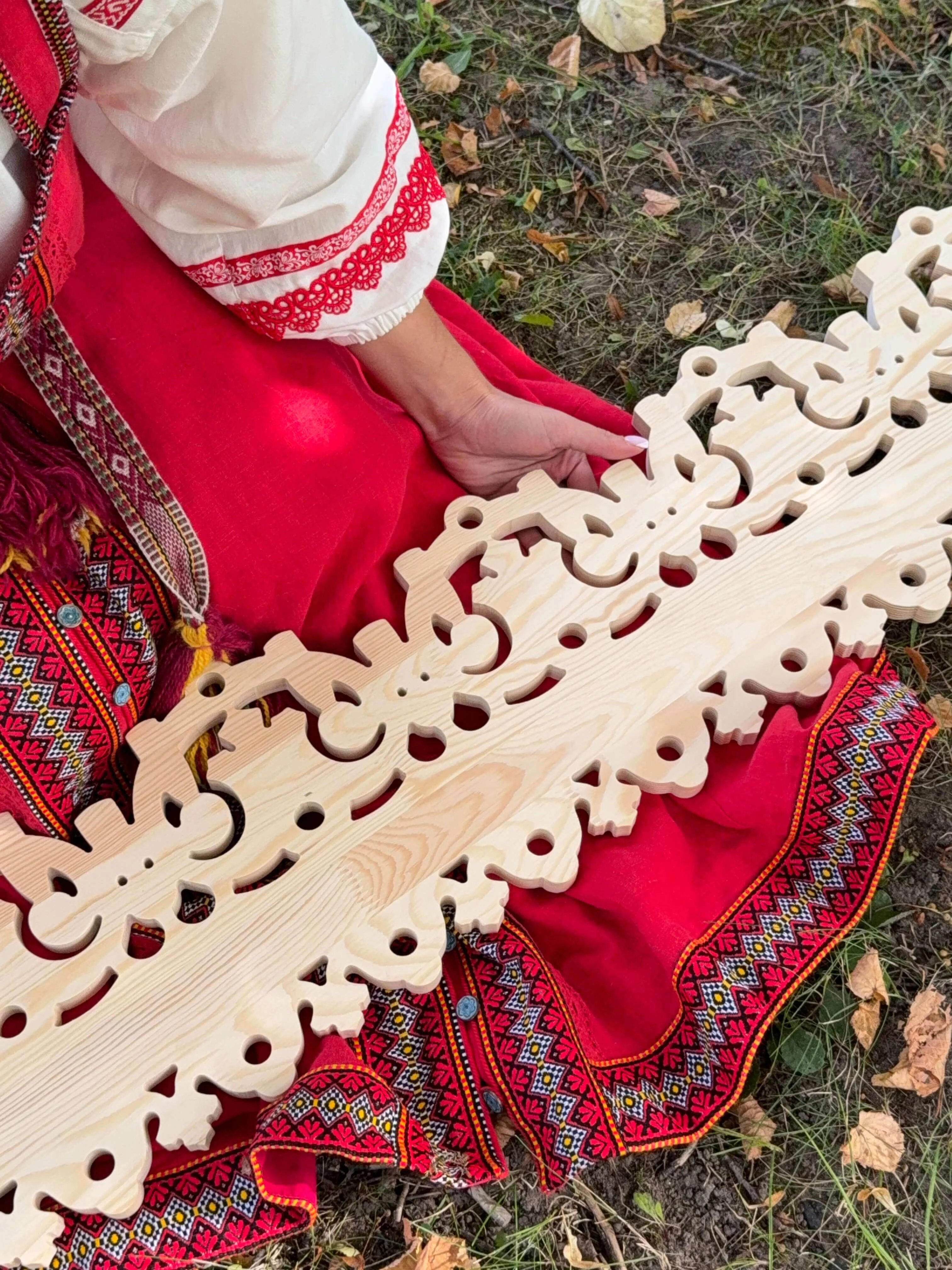
This is a special category — and it cannot be discussed without respect for tradition. Russian house carving emerged as a phenomenon in the 17th–19th centuries. Its motifs had not only decorative but also symbolic meaning: solar signs, bereginyas, mermaids, birds, horses — each element carried semantic significance.
Todaywooden patterns for architravesin the Russian style are experiencing a true renaissance — especially in suburban construction. Houses with carved architraves stand out from the general development, gaining a face and character.
Characteristic features of Russian carved ornament:
-
High, detailed relief
-
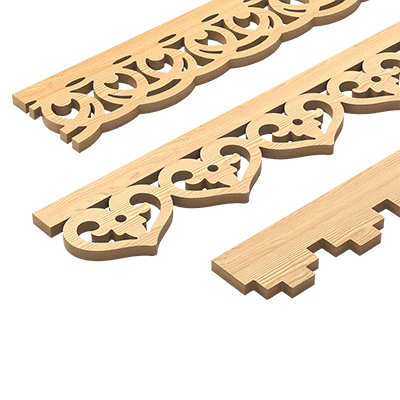
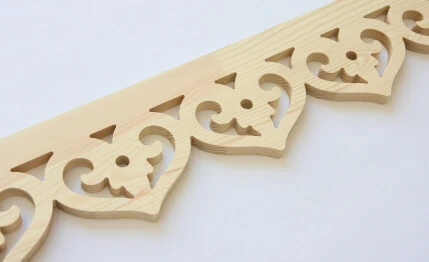
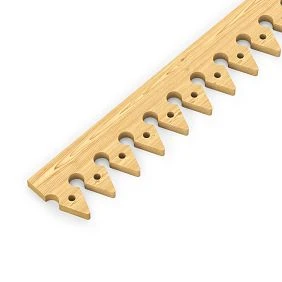
Openwork pierced elements with thin crosspieces
-
Symmetrical multi-tiered compositions
-
Motifs of birds, leaves, sun, scrolls
-
Combination of several pattern types in a single casing system
For a wooden houseornaments for casings in Russian style— it's not just decor, it's belonging to a tradition.
Classical decorative patterns
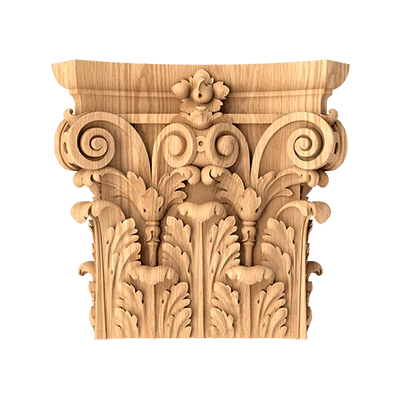
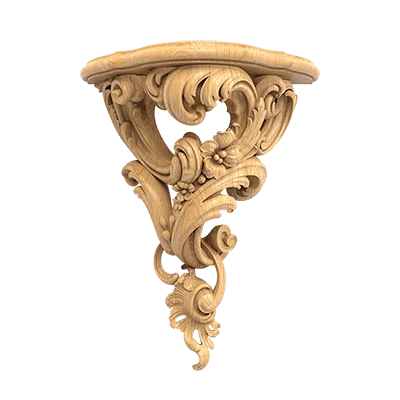
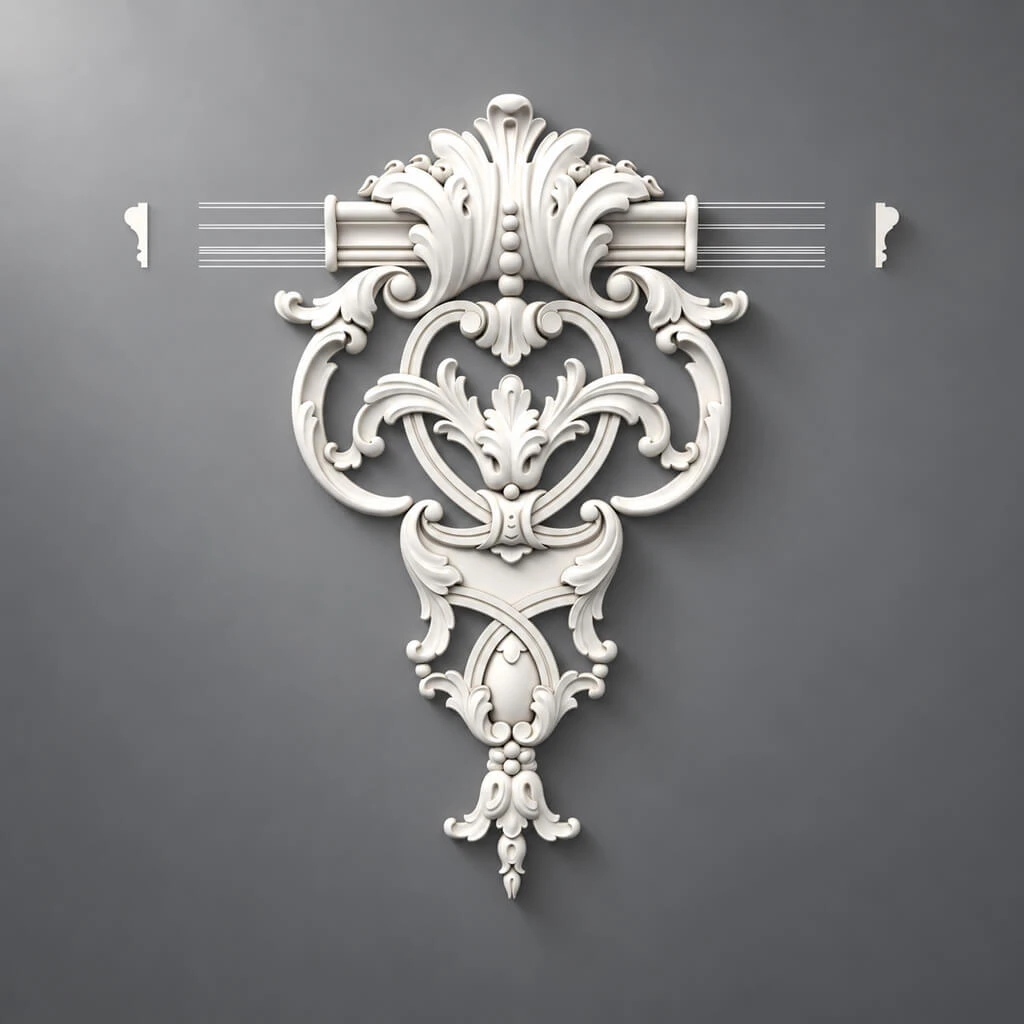
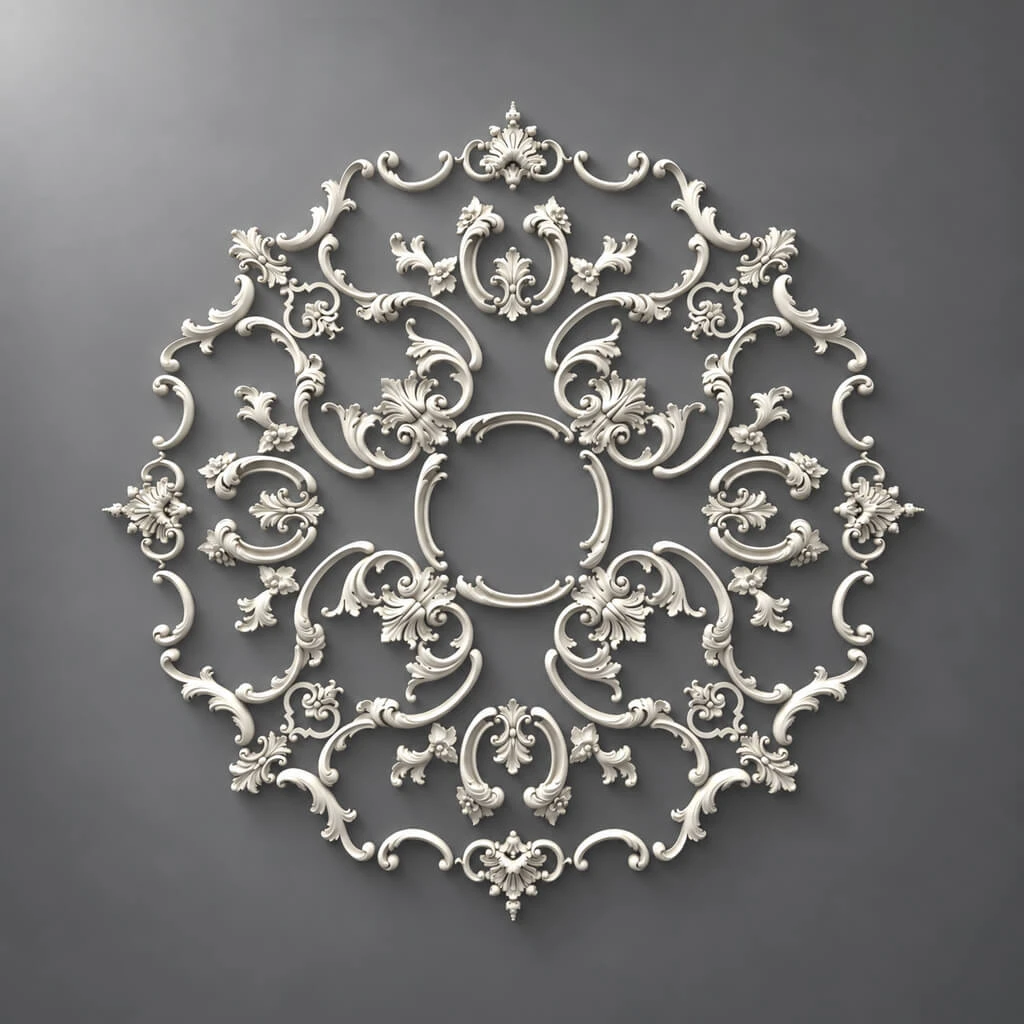
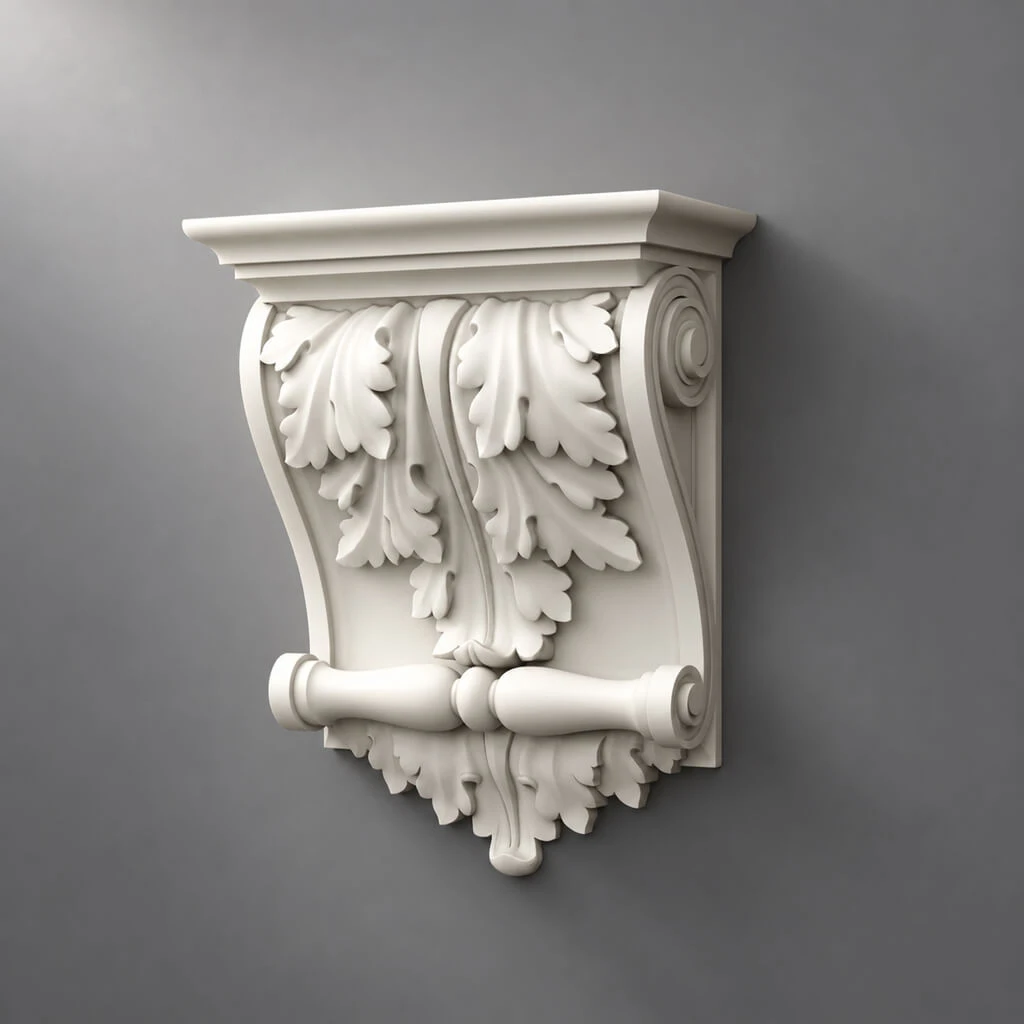
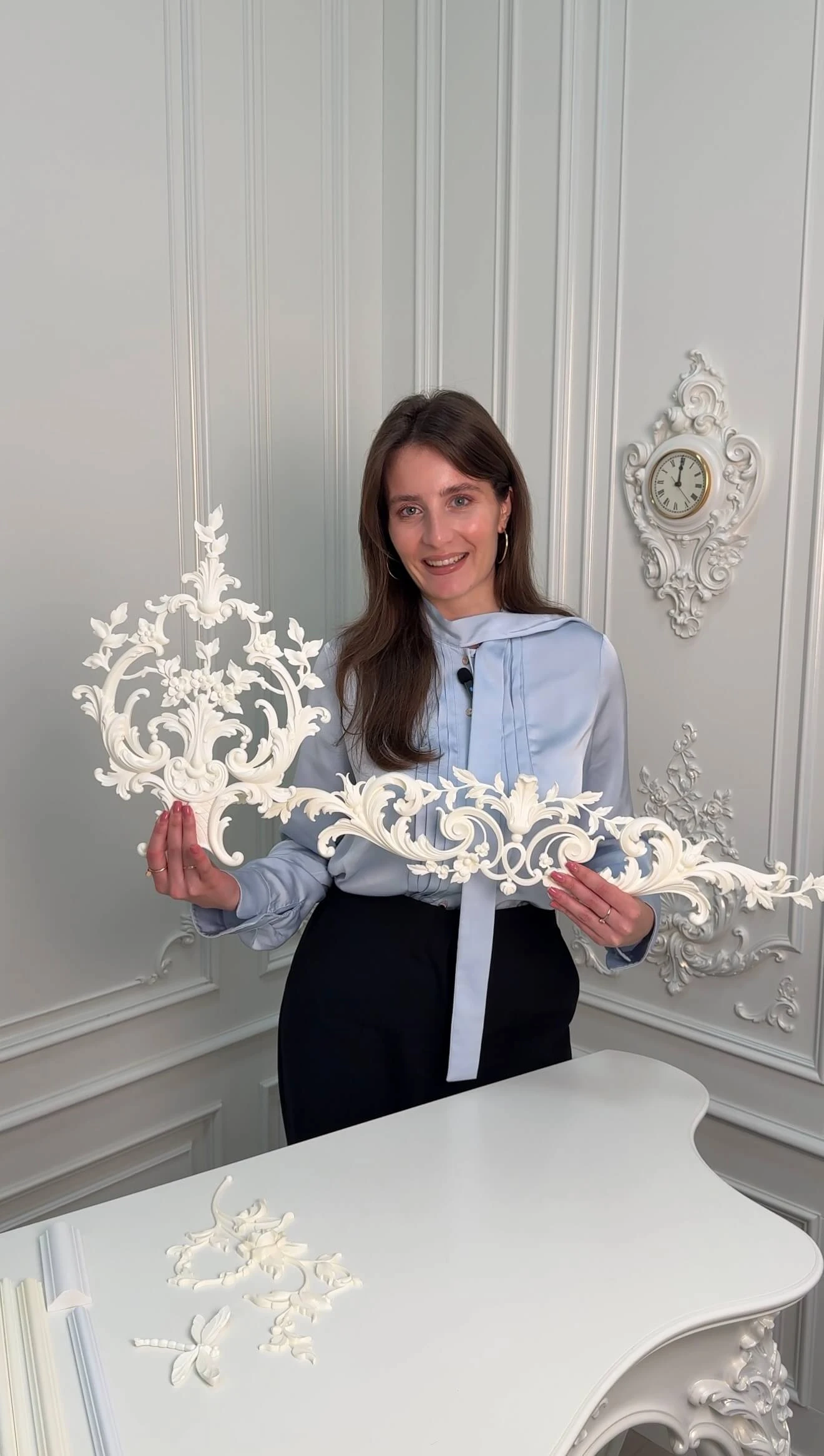
Classical ornament is a European decorative tradition: modillion, volute, acanthus, egg-and-dart, beads, laurel wreath, meander. It is the language of architectural classicism, which from antiquity passed through the Renaissance, Baroque, and Empire—and still remains timeless.
Classical patterns for casingsApplications:
-
In classical and neoclassical interiors
-
In homes with Empire or Renaissance-style finishes
-
For creating strict architectural framing of windows and doors
-
In combination with moldings, cornices, and decorative pilasters
Classical overlays are most often made in the form of corner elements, keystones (imitation of wedge-shaped stone above an arch), and central medallions.
Modern decorative elements
Conciseness is the main feature of modern decorative language. One clear relief element, without ornamental complexity. Geometric shape with precise proportions. Minimum details — maximum accuracy.
Decorative Elements for Mouldingsin modern style work well:
-
In minimalist interiors, where every detail must be justified
-
In Scandinavian style, where wood is present but does not dominate ornamentally
-
In modern classic, where a carved element is an accent, not the main decor
Wooden Architrave Patterns: What Are the Advantages
You can make a decorative overlay from polyurethane, plaster, or polystyrene. All these materials exist, and each has its niche. But when it comes to architraves—especially wooden ones—wooden patterns are preferable for several fundamental reasons.
Material unity. A wooden overlay on a wooden architrave is one whole. When painted, they behave the same way, the coating applies evenly, and the joint between the main profile and the overlay is not noticeable. Polyurethane and wood react to paint differently—the boundary is visible.
Natural texture. Wood under varnish or tinting reveals a living pattern of fibers. This adds decorativeness even to a simple profile. A polyurethane element under varnish looks synthetic.
Durability. A wooden overlay, with proper coating, lasts as long as the architrave itself. Polyurethane yellows over time and crumbles at the ends.
Repairability. A scratched wooden element can be sanded and repainted. A polyurethane one—replaced.
Compatibility with any coating. White enamel, matte varnish, tinting under oak, wenge, or natural oil—woodencarved patterns for architravesaccept any coating. You choose the final tone yourself.
Compatibility with wooden moldings. Decorative wooden overlays organically combine with moldings, cornices, baseboards—all the room's decor speaks the same material language.
Where are casing patterns used
Decorative ornament on casings is not just about wooden house windows. The scope of application is significantly broader.
For window casings
Window casing with carved decor is a classic and always relevant solution. Here, the following elements are used:
-
Corner overlays are mounted at the transition point between the vertical and horizontal parts of the casing, covering the corner and creating a decorative joint.
-
Central element on the top horizontal part — a 'keystone' or medallion, the visual accent of the entire composition.
-
Vertical inserts — symmetrical paired decorative strips along the length of the side casings.
For the facade of a wooden housepatterns for window casingsmade from openwork carving — the most expressive option: they create a lace-like effect, allowing the wall to 'breathe' through the pattern.
For door architraves
A door architrave with a decorative pattern enhances the entrance group. This is especially appropriate for:
-
Entrance door in a country house — overlays with traditional Russian or classical ornamentation give the facade group a prestigious look
-
Interior doors in a classical or neoclassical interior — corner rosettes and central medallions complete the opening
-
Doors in a study, library, living room with wooden paneling — carved decor creates a unified artistic system
Patterns for door architravesmade of wood — this is not excess, but architectural precision.
For furniture, walls, and decorative compositions
Decorative wooden overlays are a versatile element. Besides architraves, they are used:
-
On furniture facades — to give a classical look to cabinets, dressers, kitchen fronts
-
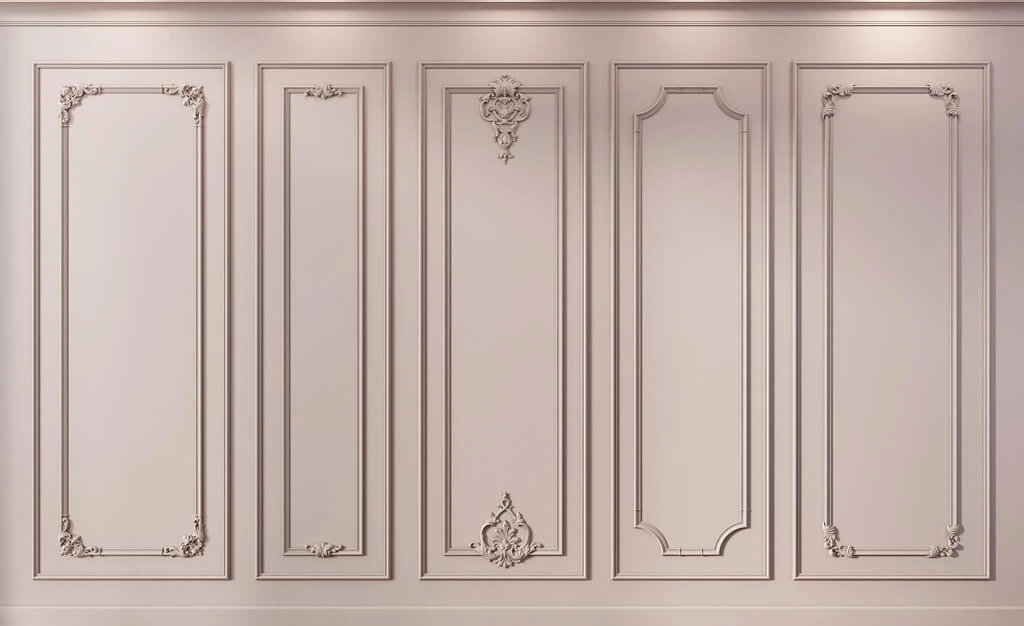
On walls — as an element of decorative paneling or niche framing
-
In molding systems — overlays organically complementDecorative wooden moldingson walls
-
On cornice systems — as corner or central decorative elements
-
On wooden beams — in houses with exposed ceilings
This is an important point for a project approach: when purchasingdecorative overlays for architraves, you simultaneously receive elements that work in other interior points as well.
How to choose patterns for architraves
Practical block. Here — specific criteria that help make the right choice.
By style
Classic and Neoclassical. Acanthus leaves, volutes, medallions, plant scrolls, symmetrical rosettes. Large expressive relief, strict symmetry. For city apartments with high ceilings and country houses in European style.
Russian style. Solar signs, openwork pierced carving, motifs of birds and plants, multi-tiered casing systems with valances. For wooden houses and any facade that wants to express a connection with national tradition.
Modern interpretation. Geometric relief, laconic modular ornament, minimalist corner elements. For interiors where wood is present restrainedly — as an accent, not as the main decorative material.
Carved author's style. When standard solutions are not enough — individual development of ornament for a specific project. STAVROS offerswooden carved trimwith a wide range of profiles and decorative solutions.
By size
The size of the overlay determines its role in the composition:
| Element size | Application | Effect |
|---|---|---|
| Small (up to 50 mm) | Corner inserts, rhythmic decor | Delicate, refining |
| Medium (50–120 mm) | Corner rosettes, central accents | Expressive, classic |
| Large (from 120 mm) | Central medallions, accent overlays | Monumental, ceremonial |
Principle of proportionality: the overlay should not visually outweigh the casing itself. If the casing is narrow (60 mm), a large 150 mm overlay will turn the opening into a caricature. A wide 100 mm casing with a small 30 mm insert is the same problem, just in reverse.
By composition
The decorative system of a casing consists of several types of elements:
Central overlays — placed in the middle of the horizontal (upper) part of the casing. This is the main visual accent of the entire framing system. A medallion, rosette, keystone — all these forms attract the eye and create a sense of completeness.
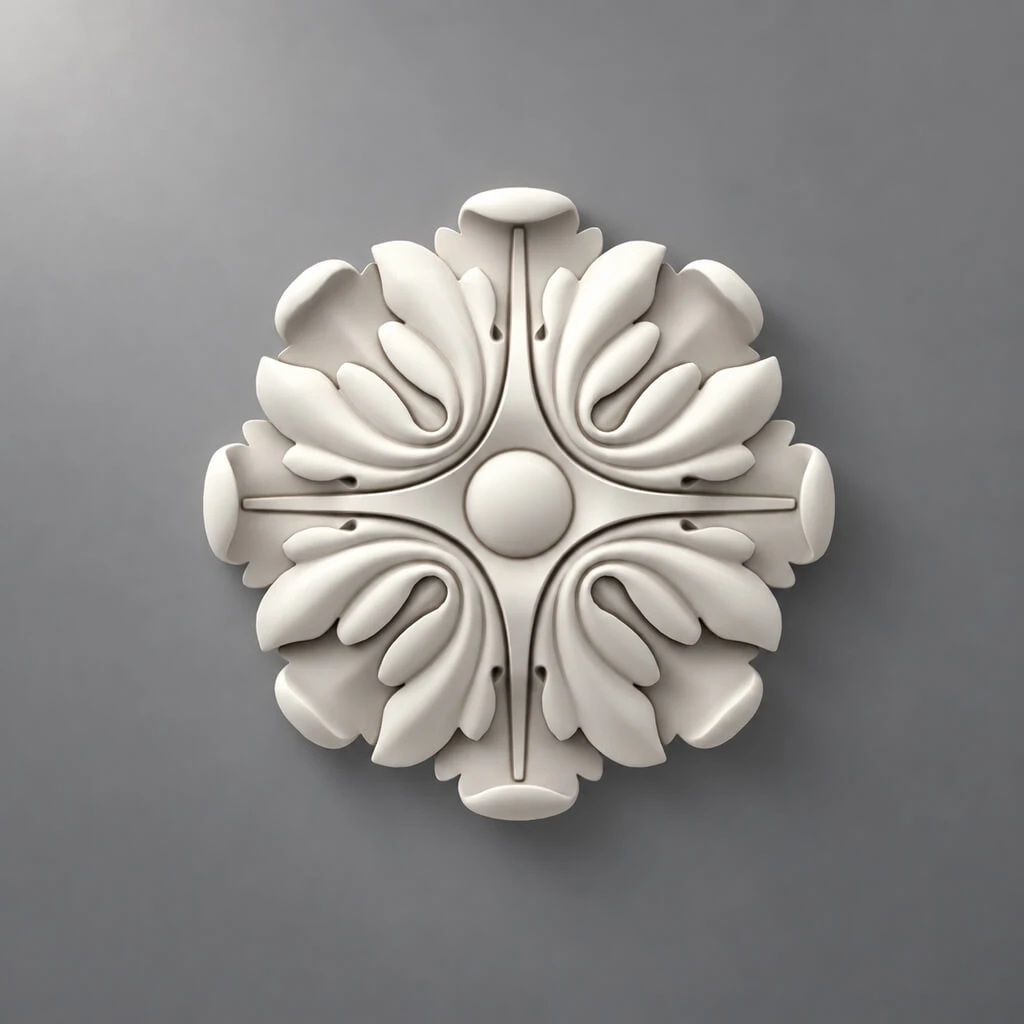
Corner elements — mounted at the transition points of vertical parts to horizontal ones. Paired, symmetrical. Can be square, round, rosette-shaped, or in the form of corner leaves. They cover the technical joint and add decorativeness.
Symmetrical paired patterns — positioned mirror-like on vertical side casings. Create a framed ornament effect.
Vertical decorative inserts — rhythmic ornament along the entire length of the side strip. Transforms the casing into a full-fledged decorative profile.
By material and finish
Paint-grade wood — the most versatile option. Bought the overlay, installed it, painted it together with the casing in a single color. No visible seams, no tonal discrepancies.
Stain-grade wood — if you want to preserve the natural grain. Overlay made from the same wood species as the casing — and the texture will be unified.
Enamel-grade wood — for classic white interiors. Important: sanding must be perfect, otherwise surface defects will be visible under glossy enamel.
Buy patterns for casings: what's better — ready-made overlays or custom carving
This is a question that arises for most people when first encountering the topic. We'll try to answer honestly.
Custom carving — this is maximum decorative freedom. You can order any ornament for any dimensions and any style. But it also involves maximum costs: time, money, the need to work with a craftsman or custom production. The result is unique, but the path to it is long.
Ready-made carved overlays — this is a reasonable compromise between decorative expressiveness and practicality. The main advantages are:
-
Predictable result — you see the finished element before purchase, can assess the scale, relief, details
-
Quick solution – no need to wait for custom manufacturing
-
Precise geometry – industrial milling ensures perfect repeatability: two identical corner elements will be truly identical
-
Easy installation – the overlay simply attaches to the finished architrave
-
Combination capability – unique decorative systems can be assembled from several standard overlay elements
Buy ready-made patterns for architraves – this is the choice for most projects where timing and result predictability are important.
Combined approach – when the main architrave is standard, and decorative overlays are added at key points. This is the best balance between cost and expressiveness. Simple profile + corner rosettes + central medallion = a full decorative system for a reasonable price.
How to combine architrave patterns with overall decor
A decorative pattern on an architrave does not exist in isolation. It is always part of a system. And the quality of this system determines whether the result will look like a well-thought-out interior or like a set of randomly purchased pretty items.
Architraves + overlays + moldings
This is a basic combination for classical and neoclassical design.Decorative wooden moldingsOn the walls, they create a horizontal rhythm and structure. Casing with overlays are vertical accents around openings. Together, they form an architectural grid where every element is in its place.
The principle of coordination: the profile of the molding and the ornament of the overlay should be stylistically similar. Classical molding with acanthus + a classical corner rosette on the casing is a system. Smooth molding + a complex openwork overlay in the Russian style is a conflict.
Casing + overlays + cornices
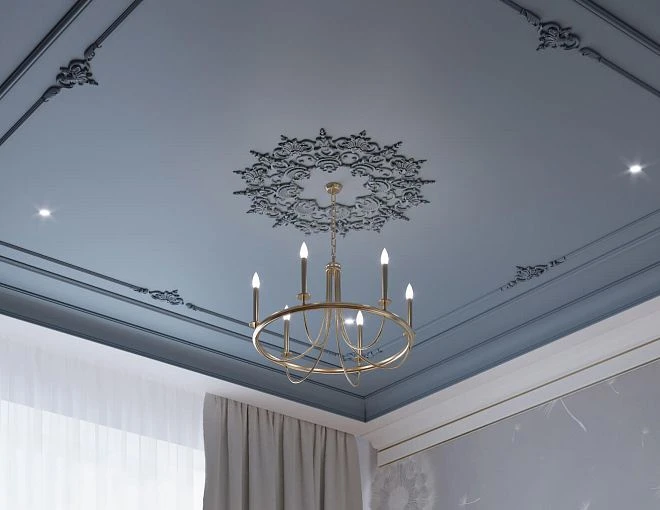
wooden corniceAt the ceiling — this is the upper line of the interior. Decorative overlays on the casing are accents in the middle zone. Baseboard at the floor — the lower line. When all three levels are designed in a unified stylistic key, the room gains architectural integrity.
For formal rooms (living room, study, formal hallway), a cornice with applied decor + casing with ornamental overlays — this is the level at which the interior ceases to be just finishing and becomes an architectural statement.
Casing + overlays + carved furniture details
If the room has furniture with carved fronts or wooden panels with inlaid decorative elements — the ornament of the casing overlays should engage in a dialogue with them. This does not mean literally copying the motif. It means: one stylistic language, one plasticity of relief, one species and tone of wood.
Casing + overlays + wooden millwork
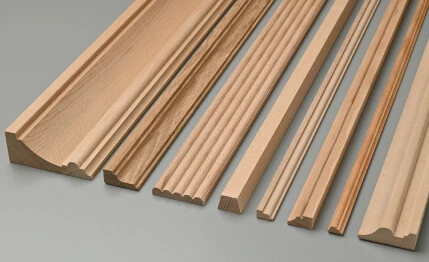
wooden trim items— baseboards, moldings, friezes, battens — create the foundation. Decorative overlays on the casing become point accents in this system. The more consistent the choice of material and tone — the more convincing the result.
Complete overviewtypes of molding productswill help you understand how the system of wooden finishing from floor to ceiling is built.
Which patterns for architraves are suitable for different tasks
For a wooden house
The logic here is the same - tradition and naturalness. Openwork carving in Russian style for facade window architraves, symmetrical lace elements with floral motifs, multi-tiered system with fascia and frieze boards.
A wooden house with carved architraves is not a retro style. It is a modern choice in favor of identity and quality that is visible from dozens of meters away.
buy patterns for window trimsfor a wooden house - in the STAVROS catalog, which features ready-made decorative overlays of varying complexity and style.
For a classic interior
Acanthus, volute, medallion, rosette - classic ornamental motifs for architraves in a classic interior. Architrave width from 80 mm, solid beech or oak under white enamel or tinting. Overlays are large, with clear relief, strict symmetry.
For decorative window framing
When the window is the architectural accent of the room - the decorative pattern on the architrave enhances this accent. Central medallion on the upper part + corner rosettes + symmetrical vertical inserts = full decorative framing that makes the window the main element of the wall.
For carved door framing
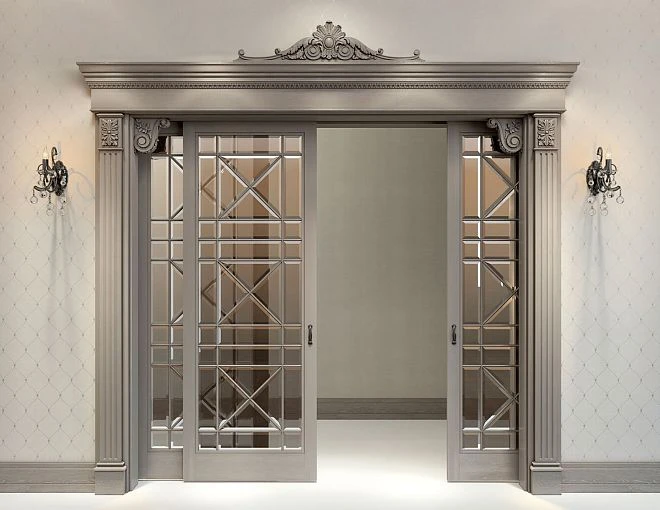
An entrance door or a main interior door with carved architraves is a serious decorative statement. Corner overlays with classic or floral ornamentation, a central keystone element above the door, possibly small inserts along the length of the side architraves. The result: the door is perceived as a portal, not just an opening in the wall.
For an author's interior project
A designer project with non-standard solutions requires decorative elements that support the author's concept. Geometric ornamentation for a loft, an openwork pierced overlay for eclecticism, a strict classic medallion for modern classicism — the choice is determined by the overall concept, not by standard templates.
How much do patterns for architraves cost
The question is important, and the answer is always contextual. The cost of a decorative element for an architrave is a function of several specific parameters.
What affects the price
Size of the element. A 60×60 mm corner overlay and a 200×150 mm central medallion are fundamentally different in terms of material consumption. The larger the element, the higher the cost.
Complexity of the ornament. A geometric overlay with several flat ledges is one technological operation. An openwork pierced rosette with thin bridges is a multi-stage process: marking, drilling openings, milling, manual trimming. The complexity of the ornament directly determines the labor intensity and price.
Depth of relief. A flat overlay with slight relief is cheaper than a high-relief volumetric element. The deeper the carving, the more material and time is spent on processing.
Wood species. Oak and beech are heavy, dense species that require more powerful tools and higher precision in processing. Pine and spruce are softer and cheaper to work with.
Type of finish. Sanded overlay for painting — base cost. Finished coating (enamel, varnish, tinting) — adds depending on complexity.
Type of decorative composition. A single element is cheaper than a complete set (corner + central + side pieces). But a set purchased as a single system is often more cost-effective than individual items.
How to calculate the budget
One house or one apartment with several windows and doors — that's dozens of decorative elements. When calculating the budget, it's convenient to count not 'how much does one pattern cost,' but 'how much does it cost to decorate all the architraves completely.' With this approach, the difference between a minimalist and a full-fledged decorative solution turns out to be quite reasonable.
Installation of decorative patterns and overlays on architraves
A decorative overlay is a product that is mounted on an already installed architrave. No complex technology, but several rules that must be followed.
Surface preparation
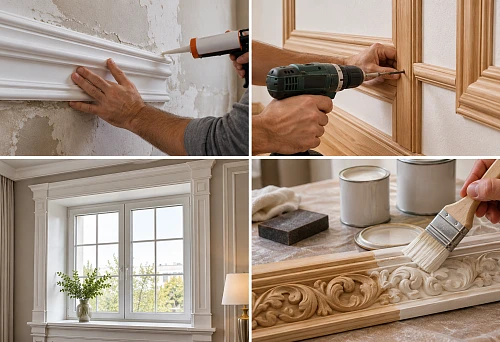
The surface of the architrave under the overlay must be clean, dry, and even. If the architrave is already painted — make sure the paint holds firmly and does not peel. The overlay will adhere poorly to a rough or dusty surface.
If the overlay is installed simultaneously with the primary finishing of the architrave — ideal: apply to a sanded surface, glue, paint everything together.
Composition Marking
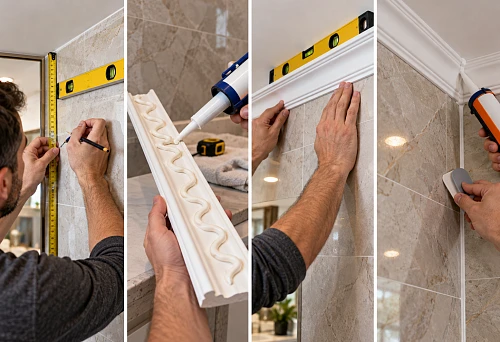
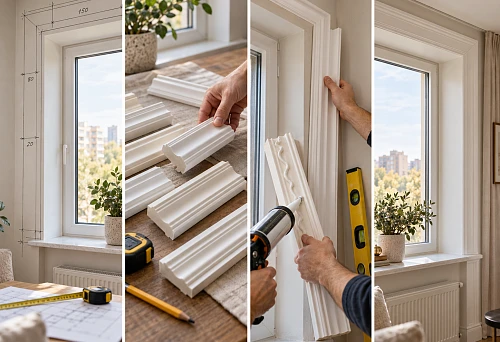
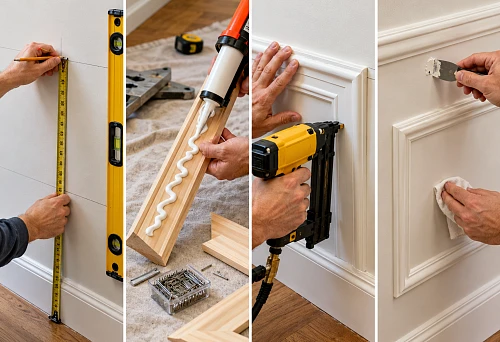
Before installation — mandatory marking. This is especially important for paired symmetrical elements. Corner overlays on both sides must be placed at the same distance from the edge — otherwise, asymmetry will be noticeable immediately.
Tools: pencil, tape measure, level. If necessary — painter's tape as a temporary marker.
Glue and Fasteners
Wood glue — for overlays installed before finishing. Good adhesion to wood, invisible seam under paint.
Liquid nails — a universal option. Applied in dots or zigzag pattern, the overlay is pressed for 5–10 minutes until set.
Finish nails (brads) — thin nails with a diameter of 0.8–1.2 mm for additional fastening. Heads are countersunk, filled with putty, and painted over.
Glue + nails combination — optimal for overlays that bear decorative load and should not shift over time.
How to maintain symmetry
For paired elements — template mounting. Cut a cardboard template with the exact overlay placement, use it as a positioning tool. This ensures identical placement on both sides.
When installing corner rosettes — check with a level horizontally and vertically. Even 2–3 mm displacement on a corner element is noticeable when looking at the casing.
Why it's more convenient to use ready-made decorative elements
The main advantage of a ready-made overlay over a self-cut element is stable geometry and perfect repeatability. Two corner elements from the same batch will be absolutely identical. A homemade or custom single-piece element does not provide such a guarantee.
Moreover, a ready-made overlay is already a sanded surface. Minimal preparation before painting, no fuzz or burrs.
STAVROS: decorative overlays and patterns for architraves
The main thing when choosing decorative overlays for architraves is confidence in the quality of the material and precision of manufacturing. A curved or twisted overlay, wood with insufficient drying, an unstable relief — all this becomes apparent after installation, when it is already difficult to correct anything.
STAVROS — a manufacturer of solid wood products with full quality control at every stage. Chamber drying, material sorting, precise milling, manual surface finishing.
In the STAVROS catalog:
-
Patterns and overlays for architraves— decorative carved wooden elements for window and door architraves
-
Wooden moldings— for walls, ceiling transitions, decorative frames
-
Wooden beams— for ceiling design and architectural transitions
-
Trimming Items— a complete system of wooden finishing
-
Carved Decor— house carving, applied ornaments, facade decor
Retail and wholesale orders. Special conditions for designers, architects, and construction companies. Delivery across all of Russia.
Frequently asked questions
Which patterns for architraves are better to choose?
Depends on the style of the house and interior. For classic — acanthus, rosettes, medallions. For a wooden house — openwork carving in Russian or Scandinavian style. For a modern interior — geometric overlays with a concise relief. The main rule: the style of the overlay must match the style of the entire room's decor.
Where to buy wooden trim patterns?
In the catalogSTAVROS overlays— ready-made decorative carved elements for window and door trims made of natural wood. The ability to select all wooden moldings and decor in one place.
Are overlays suitable for both window and door trims?
Yes. Most decorative overlays are universal. Corner elements are mounted the same way on both window and door frames. Central medallions — on the horizontal part of any trim. The choice of a specific element depends on the size of the trim and the compositional task.
Can decorative overlays be painted?
Yes. Wooden overlays accept any coating: enamel, varnish, tinting, oil. It is optimal to paint the overlay together with the trim after installation to achieve a uniform coating without visible seams.
How to choose a pattern to match the style of the house?
Determine the style category: classic, Russian tradition, modernity, Scandinavian style. For each style, select the appropriate relief shape, scale of the ornament, and type of overlay. If in doubt — start with universal corner rosettes: they work in most style contexts.
Can a decorative composition be assembled from several overlays?
This is the most common and effective approach. Corner elements + a central medallion + symmetrical side inserts — three types of ready-made overlays create a complete decorative system for the architrave. With a unified stylistic logic and proportions, the result looks like a well-thought-out, original work.
Which overlays are suitable for a narrow architrave?
For an architrave up to 60 mm wide, choose small corner elements (up to 50×50 mm) and central inserts no wider than 40–45 mm. Large overlays on a narrow profile will create a disproportion that will be noticeable in any lighting.