

























Article Contents:
- Carved wooden corner pieces: what they are and why they are needed
- Corner overlay for furniture: when it solves the problem better than molding
- Where to use carved wooden corner pieces
- For furniture fronts
- For frames and mirrors
- For doors
- For window decor
- For shelves and decorative panels
- External and internal decorative wooden corner piece: what is the difference
- How to choose a carved corner piece by shape, style, and ornament
- Floral ornament
- Geometric and leaf ornament
- Shell motif and rocaille
- Pairing: L and R
- Ornament direction
- Material: oak or beech for carved corner bracket
- Oak
- Oak
- Compatibility with existing furniture
- How to choose the size of the corner bracket
- Step 1: measure the corner area
- Step 2: consider molding and other elements
- Step 3: check the relief thickness
- Step 4: pair symmetry
- How to combine corner, center and horizontal overlays
- Installing carved wooden corners: what to check before gluing
- Step 1: dry layout
- Step 2: Marking
- Step 3: Surface preparation
- Step 4: choosing glue
- Step 5: fixing until dry
- Step 6: Final Finishing
- Mistakes when choosing carved wooden corners
- Too large corner for a small facade
- Different ornaments in one composition
- Buying one corner instead of a pair
- Choosing plywood or MDF instead of solid wood
- Ignoring the thickness of the relief
- Installation without pre-layout
- Mixing species without a finishing plan
- Where to buy carved wooden corners and corner overlays
- About the Company STAVROS
- FAQ: Answers to Popular Questions
- What are carved wooden corners?
- How is a carved wooden corner different from a construction corner?
- Which corner shape to choose for classic furniture?
- What to choose: oak or beech?
- How to know if you need a left or right version?
- Can a carved corner be glued onto a lacquered facade?
- Does the corner overlay need to be coated after installation?
- Can I order carved corners in non-standard sizes?
- Where to buy carved wooden corners in Moscow and Saint Petersburg?
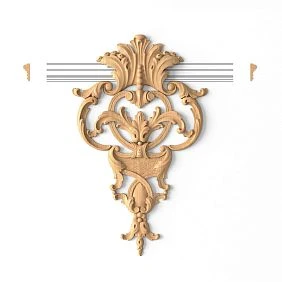
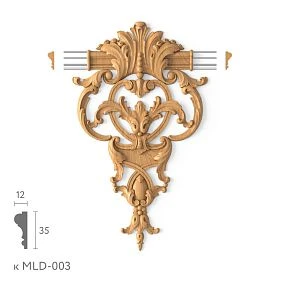
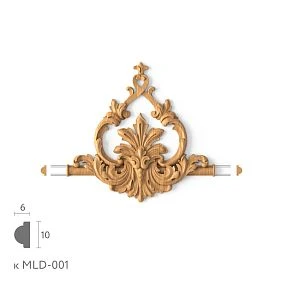
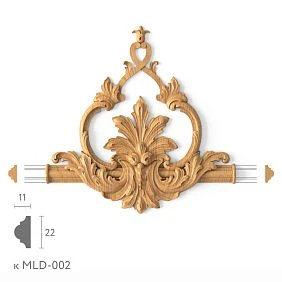
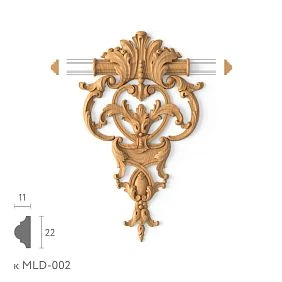
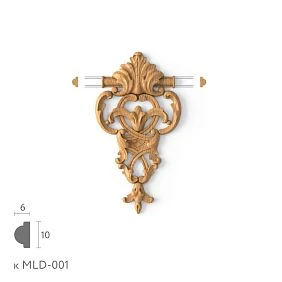
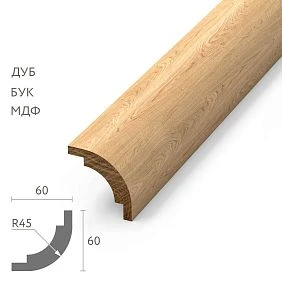
Carved wooden corners: what they are and why they are needed
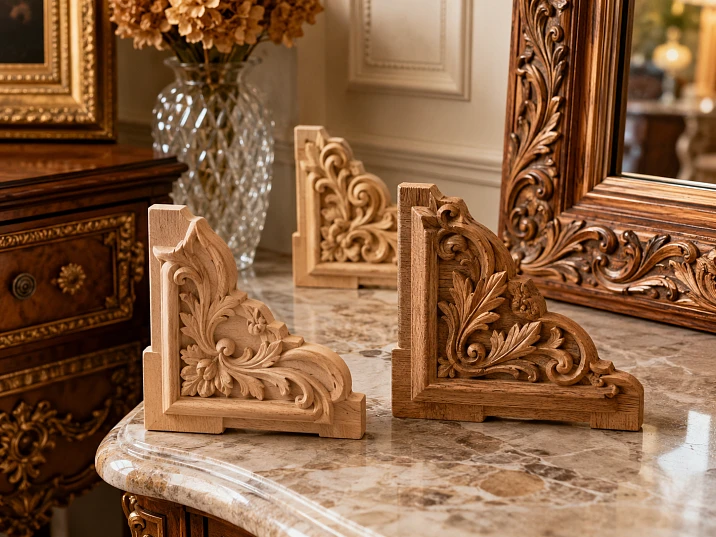
The first thing to understand: a carved wooden corner is not a construction profile. It is not an aluminum perforated corner for plastering work or a plastic protective overlay for furniture edges. It is a decorative corner overlay made of solid wood with a carved relief — an element installed in the corner area of a surface and serving exclusively a decorative function.
Why is it so important? Because visual attention is concentrated precisely at the corners of a furniture facade, frame, or door. The human eye instinctively seeks boundaries and transitions — and the corner is the main point of such a transition. An empty, unfinished corner reads as incompleteness. A corner with a carved overlay reads as a deliberate design decision.
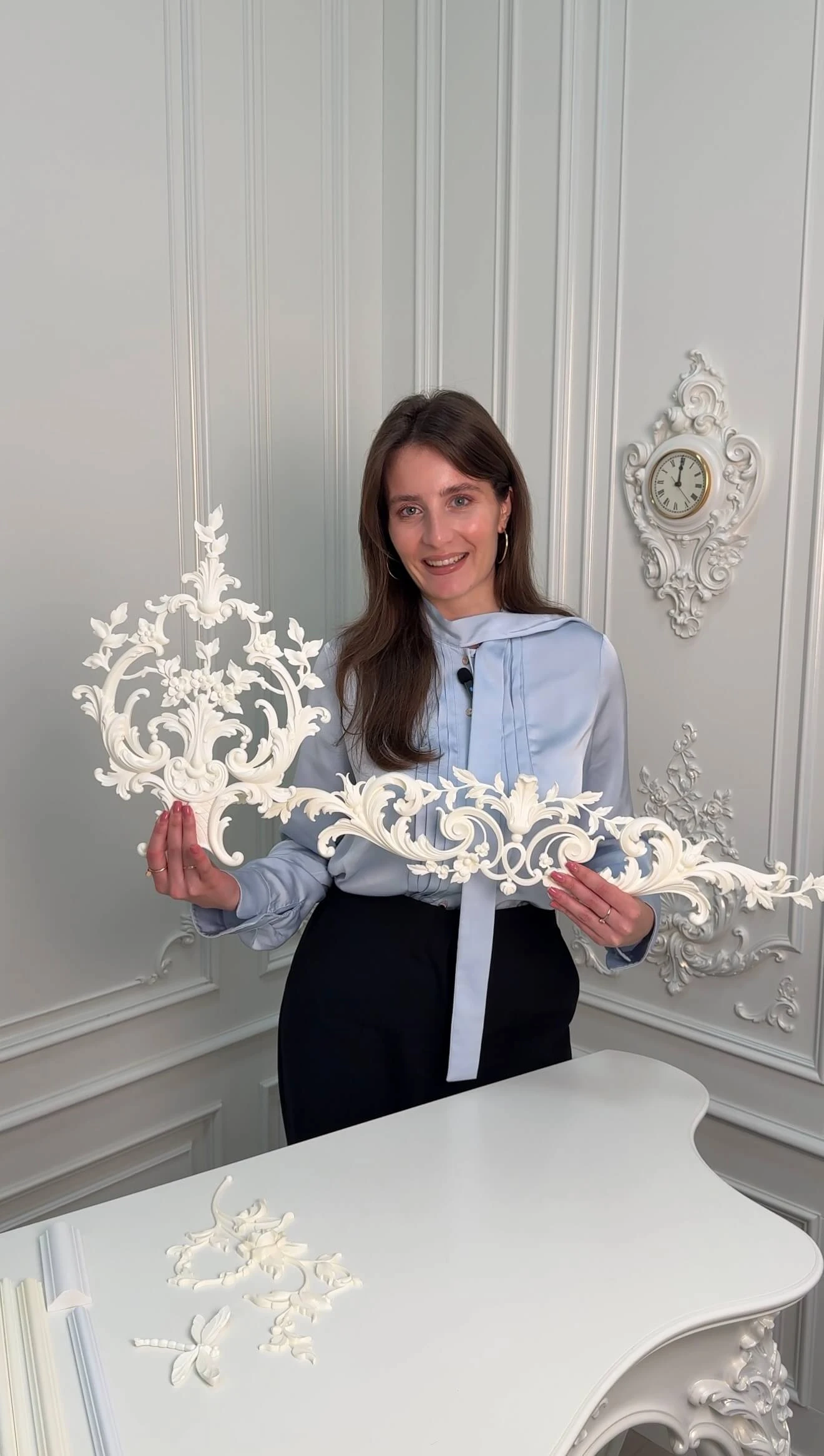
In the decorative overlays STAVROS over 400 models made of solid oak and beech are presented. Among them is a separate category corner decorative overlays with different sizes, ornaments, and styles.
Wooden carved corner pieces come in:
-
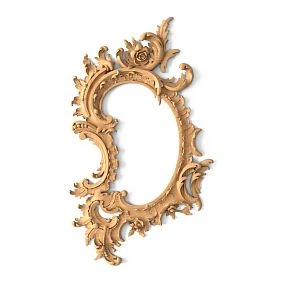
Corner — symmetrical relative to the diagonal, occupy a strictly corner position.
-
Curved — with a bent contour, covering rounded transitions.
-
Mirror image — left and right versions for paired installation.
Corner overlay for furniture: when it solves the problem better than molding
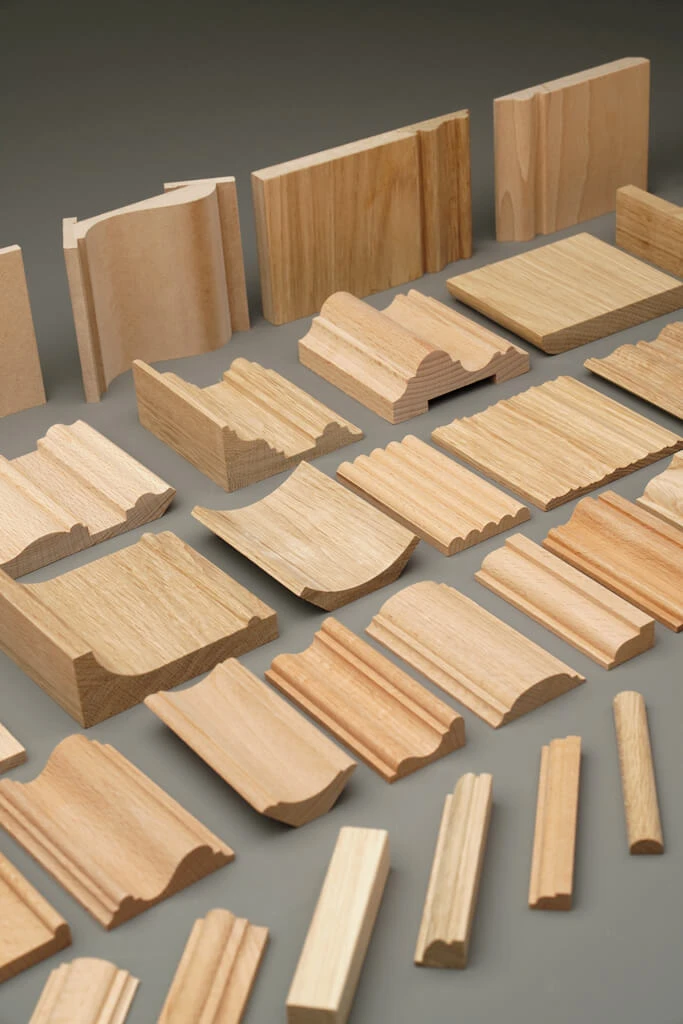
Decorative moldings and corner overlays are different tools with different tasks. Molding is a linear element, it works along the line: frames the panel around the perimeter, divides the plane into zones, creates a horizontal or vertical rhythm. But the molding ends — at the corner. This is where the corner overlay begins its work.
A decorative corner overlay for furniture does not continue the line — it completes it. It covers the corner joint of moldings, creates an accent where the molding "arrives" at the corner, and turns a technical node into a decorative element.
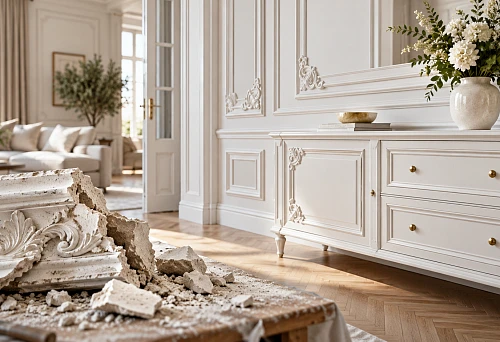
Imagine the facade of a classic cabinet: around the perimeter of the panel — molding with a profile. In the four corners — joints. Without a corner overlay, the joints look like an engineering solution that needs to be hidden. With the overlay — like a deliberate architectural detail that holds the composition together.
Here are scenarios where a decorative corner overlay works better than molding:
-
Decorating the corners of a furniture panel or cabinet facade.
-
Decorating corner areas of a mirror or picture frame.
-
Accent on the corners of a door leaf.
-
Finishing a window casing.
-
Framing shelves with a relief edge.
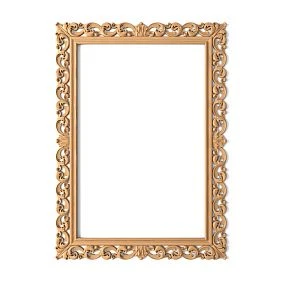
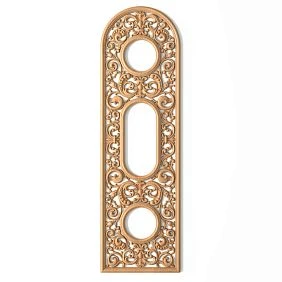
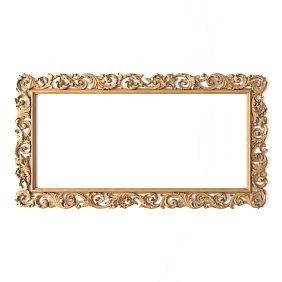
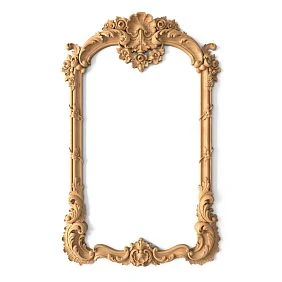
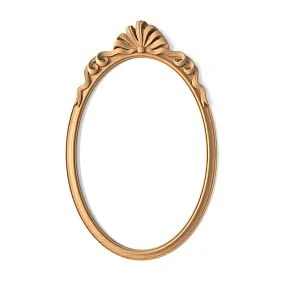
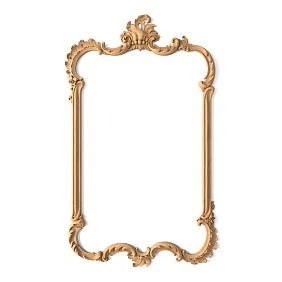
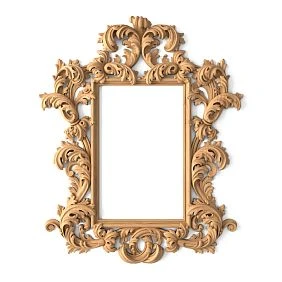
Our factory also produces:
Where to use carved wooden corner pieces
A wooden decorative corner piece is a versatile element. Its scope of application is wider than it seems at first glance.
Get Consultation
For furniture fronts
Furniture facades are the main area of application. Facades of cabinets, chests of drawers, nightstands, beds, sideboards, libraries — on all these surfaces, carved wooden corner overlays create a classic or baroque character.
A corner overlay on a cabinet facade works in tandem with moldings and central overlays. Together they form a complete decorative program for the facade. Without corner overlays, the moldings hang in the air, and the facade looks incomplete.
For kitchen facades, the reliability of the finish is especially important: the corner piece should not delaminate, swell, or lose color under conditions of temperature and humidity fluctuations. Solid oak is the optimal material for this application.
For frames and mirrors
A frame is not just a boundary between the image and the wall. It is an architectural element that sets the weight, style, and meaning of the object inside. Carved wooden corner pieces for frames are one of the main tools for creating a "living" frame with character.
On a picture frame, corner overlays are installed at the four corners and are often complemented by central overlays on the long sides. This is a classic frame decoration scheme in Baroque or Classicism style.
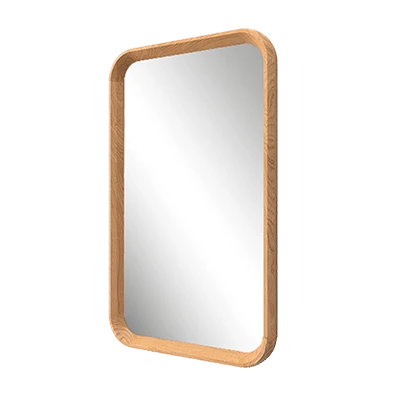
For a mirror — the same logic applies. A mirror in a frame with carved corner overlays made of oak or beech becomes a full-fledged interior item, not just a functional object.
For doors
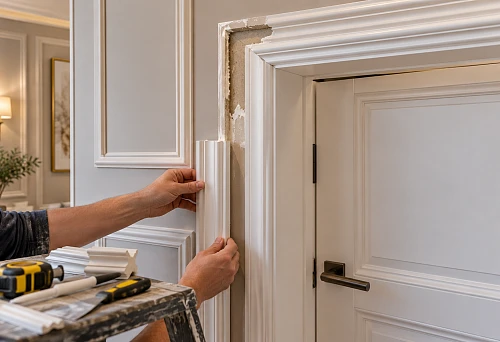
Carved corner pieces for doors are a popular way to give an interior door a classic look without completely replacing the panel. Corner overlays are installed on the door panel's stiles, covering the corner areas and creating relief.
Doors with multiple panels, each decorated with corner overlays in the same style, look particularly expressive. This allows turning a simple laminated panel into a door with the character of a classic interior.
For entrance doors with wooden trim, corner overlays are also used, but here it is important to consider operating conditions and choose oak with a protective coating.
For window decor
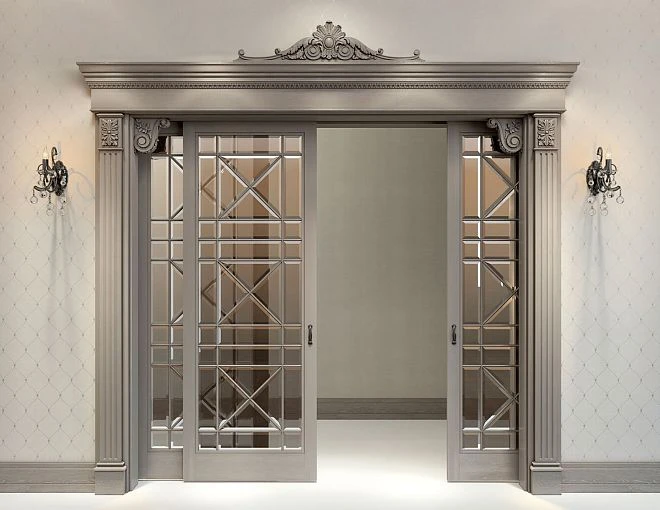
Carved wooden corner pieces for windows are used in the design of window slopes and casings. In classic or historical style interiors, casings with corner overlays made of solid wood create that very "noble house" effect.
This is especially relevant for wooden window frames and PVC slopes, which are decorated with wooden elements as part of the overall interior concept.
For shelves and decorative panels
Carved corner pieces for shelves are a less obvious but very effective application. Corner overlays on the ends and front surface of a shelf create a relief that reads as a furniture element rather than a construction one.
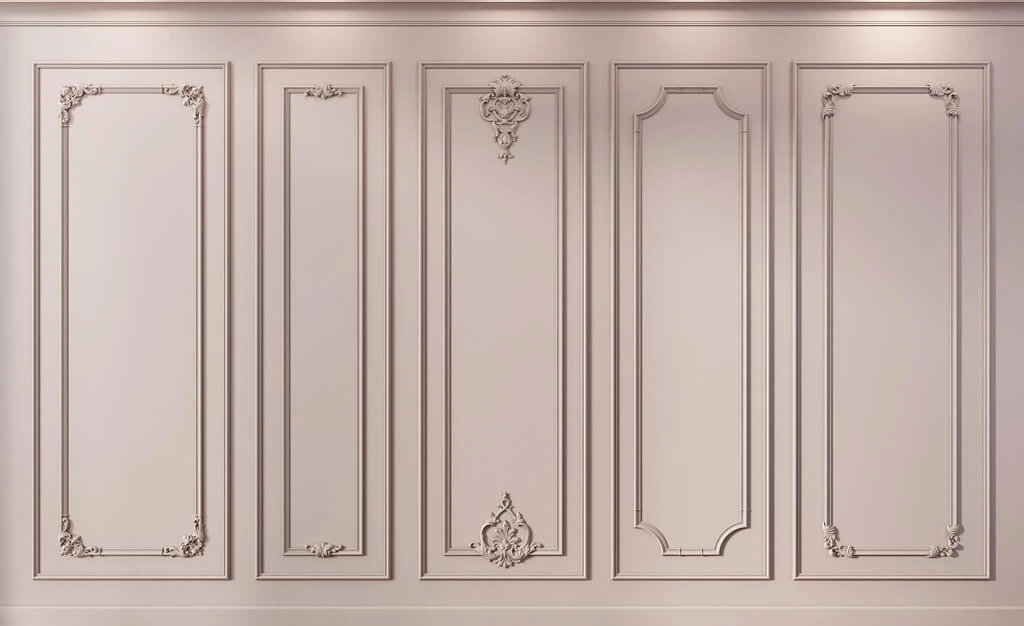
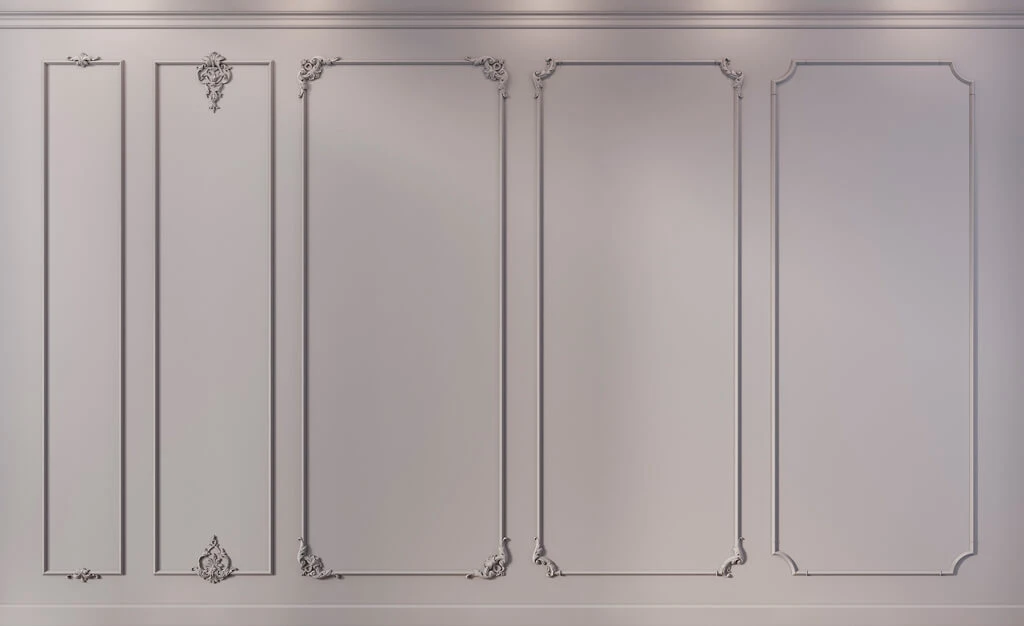
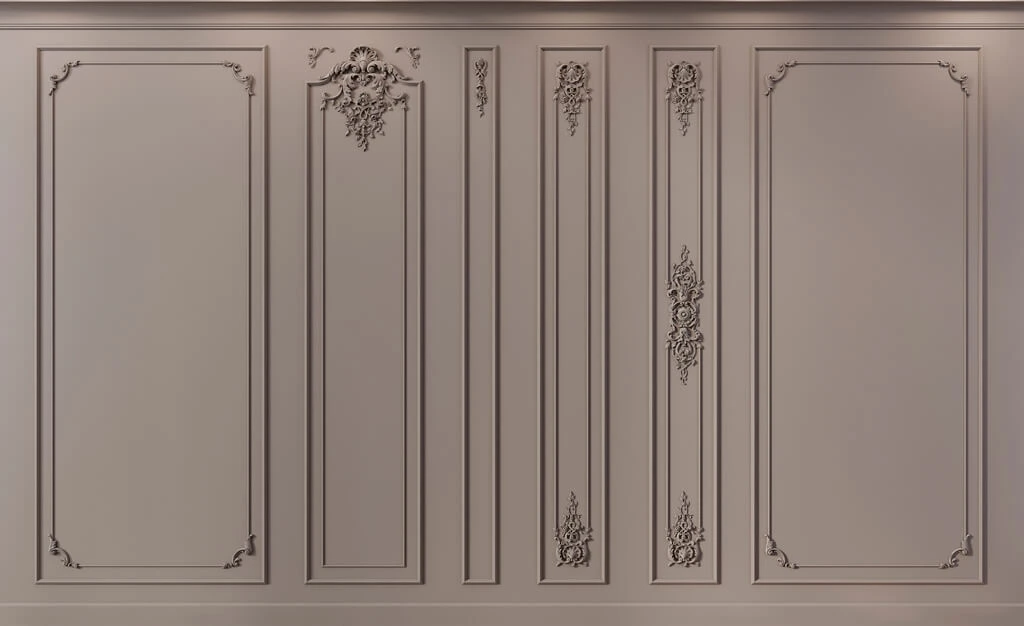
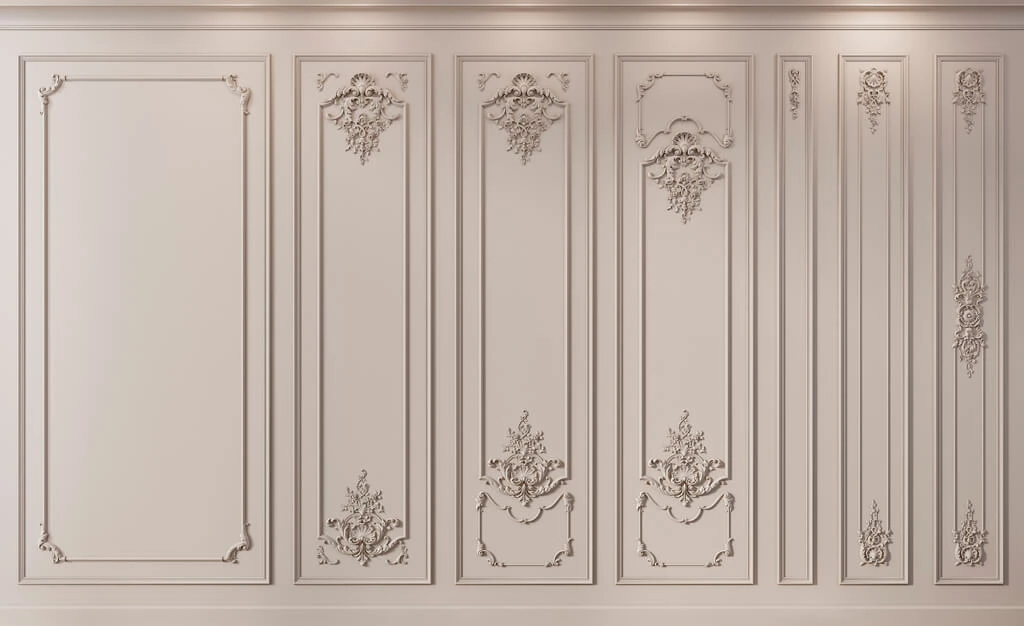
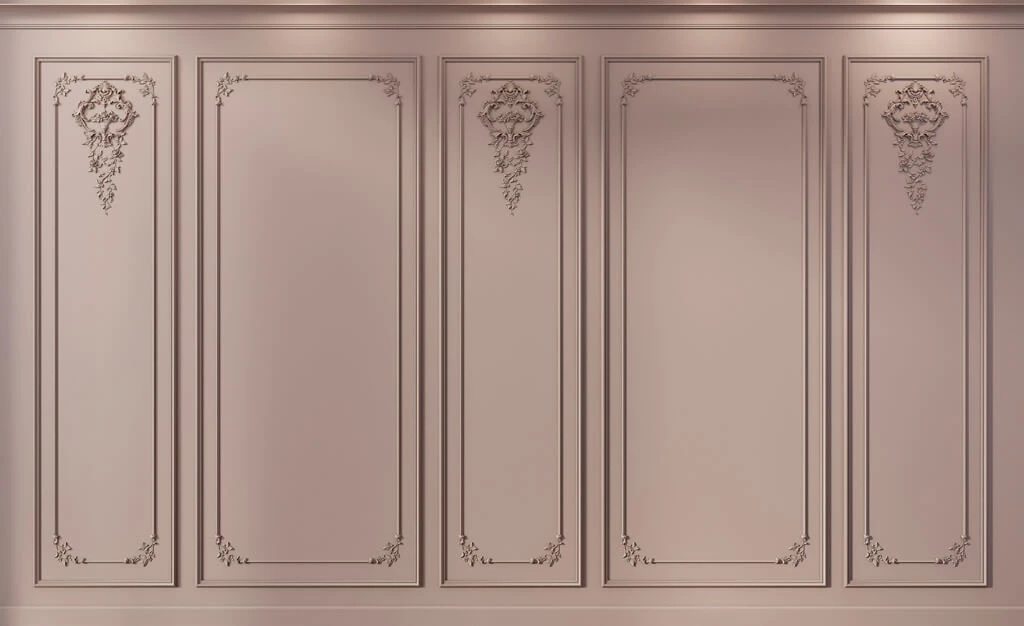
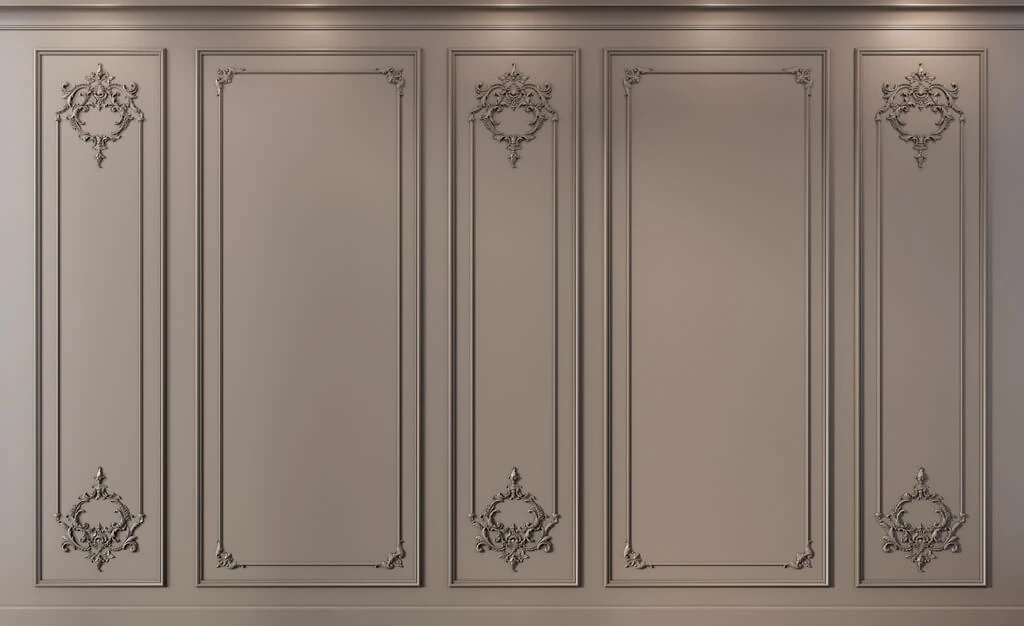
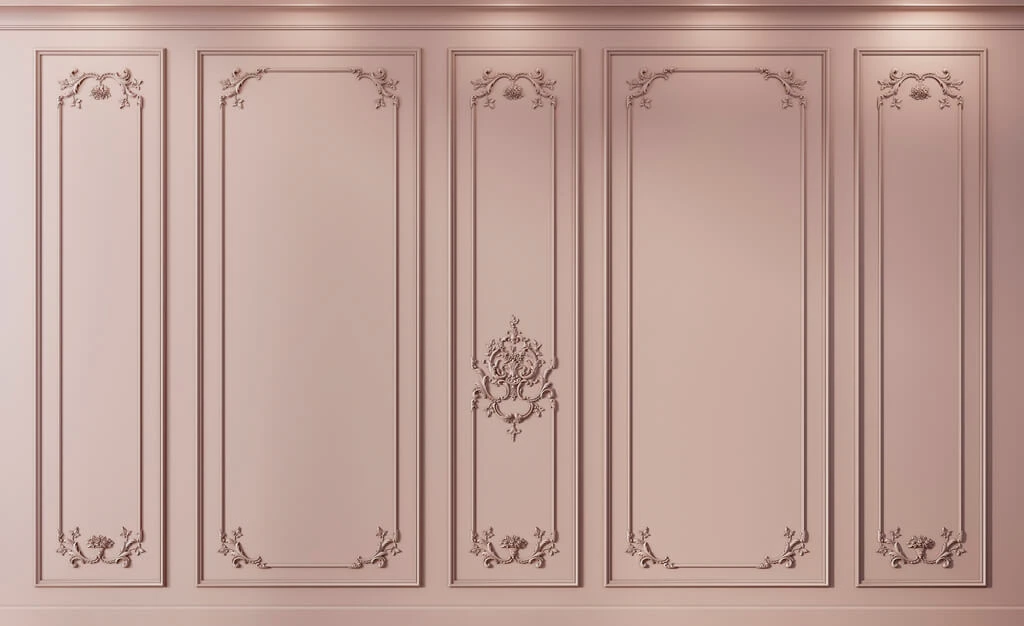
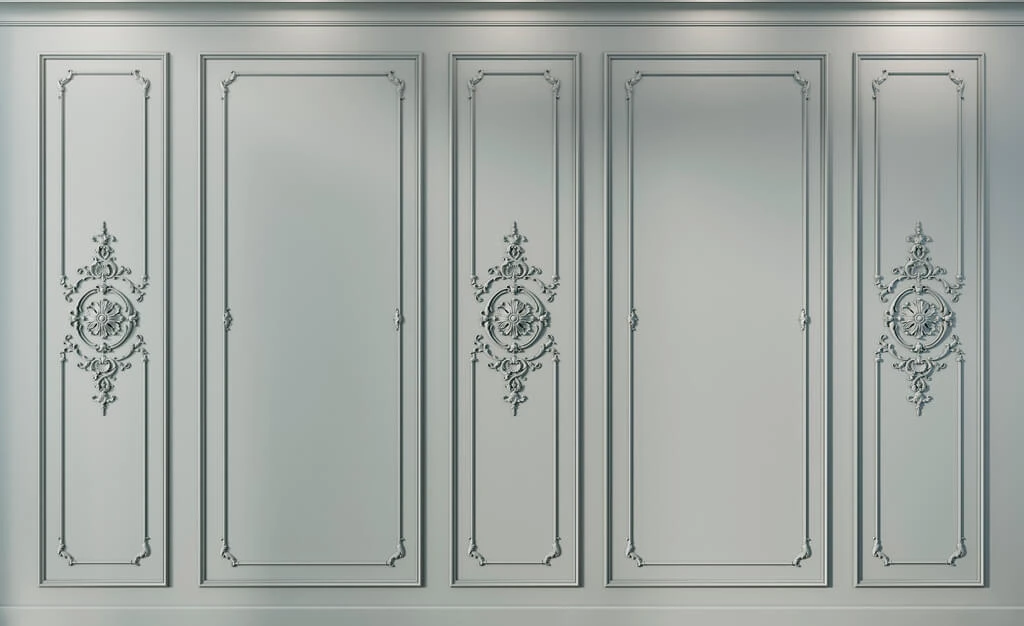
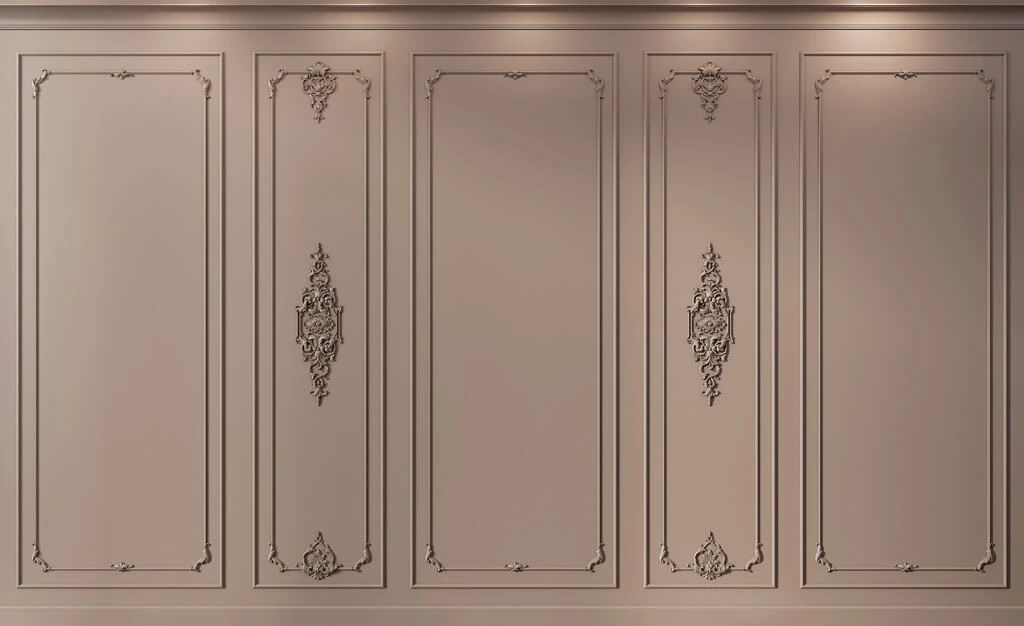
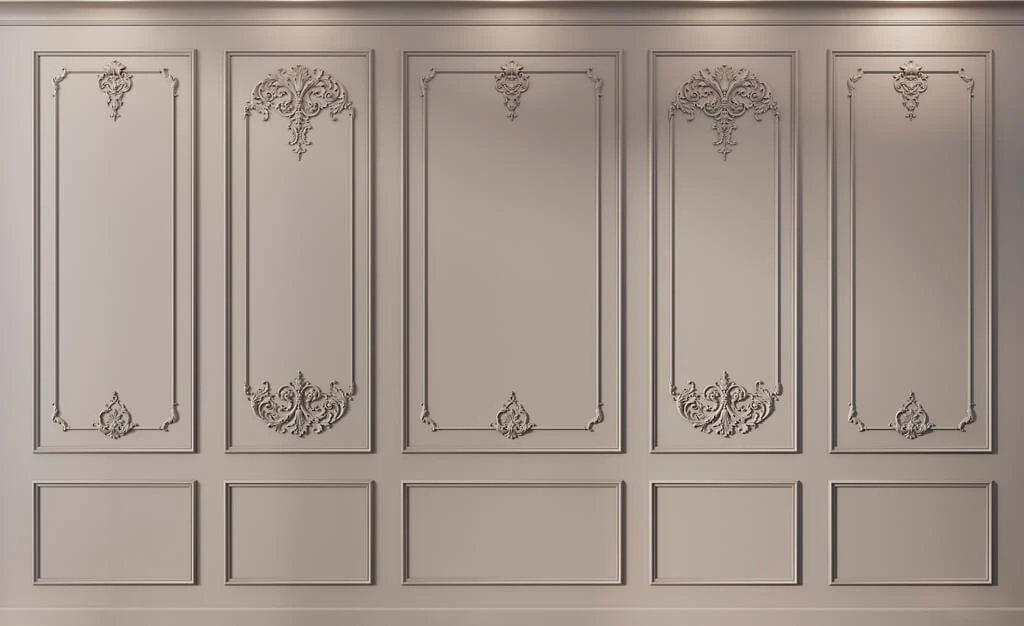
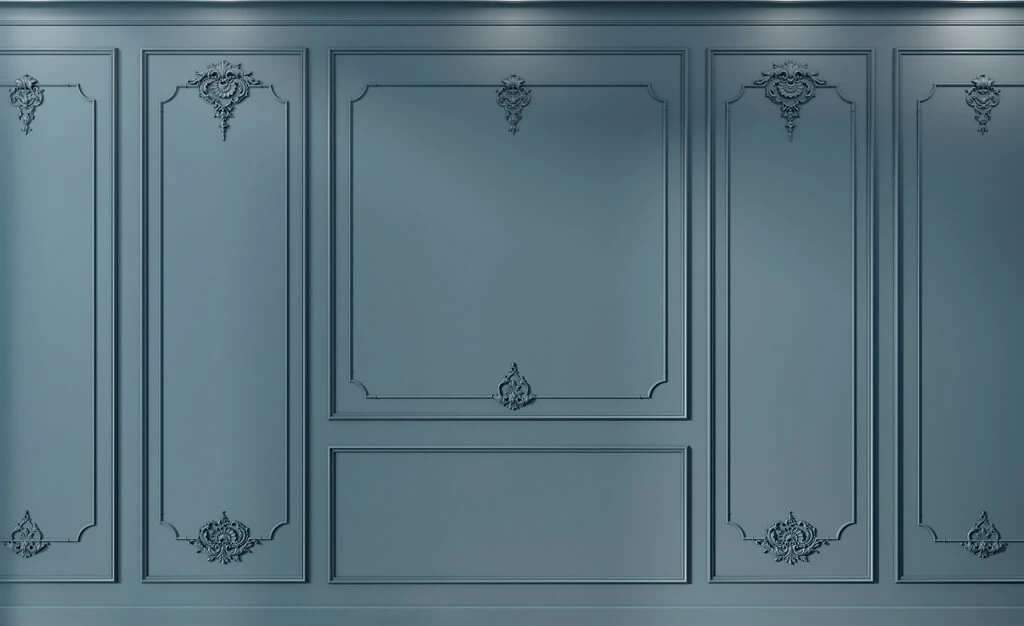
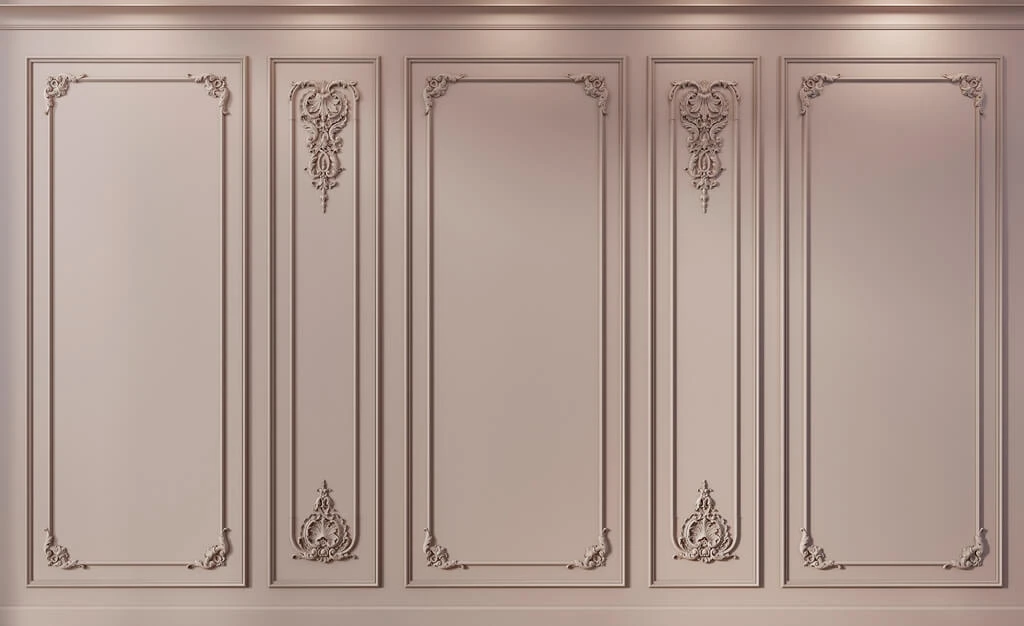
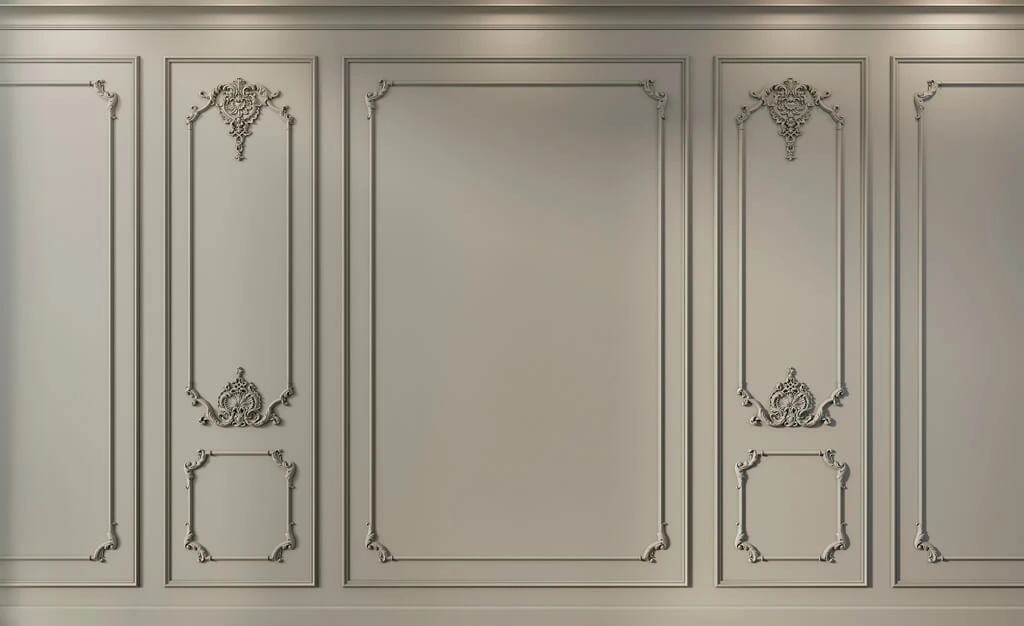
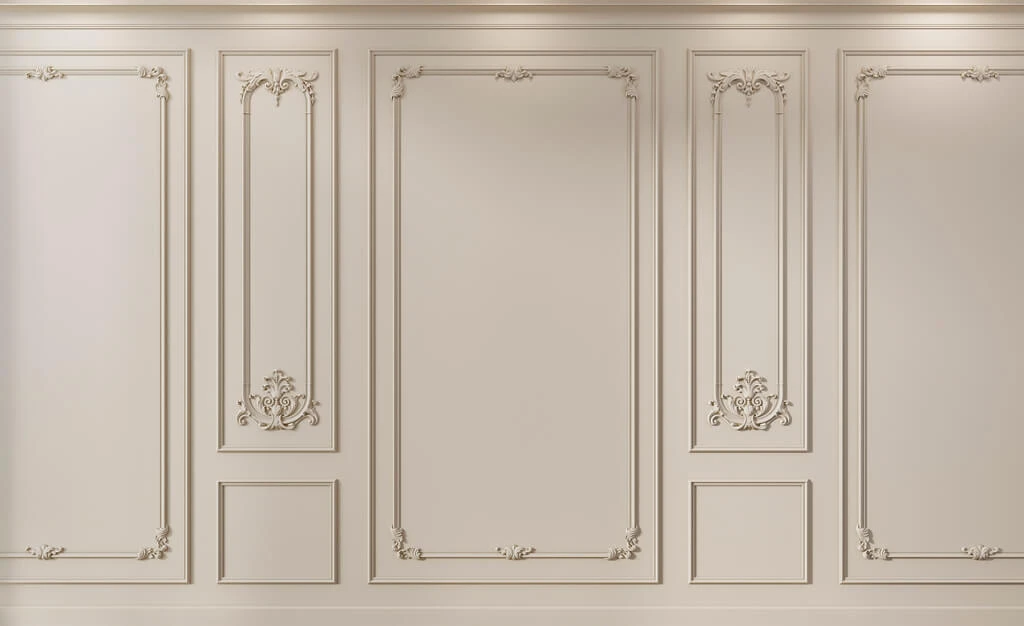
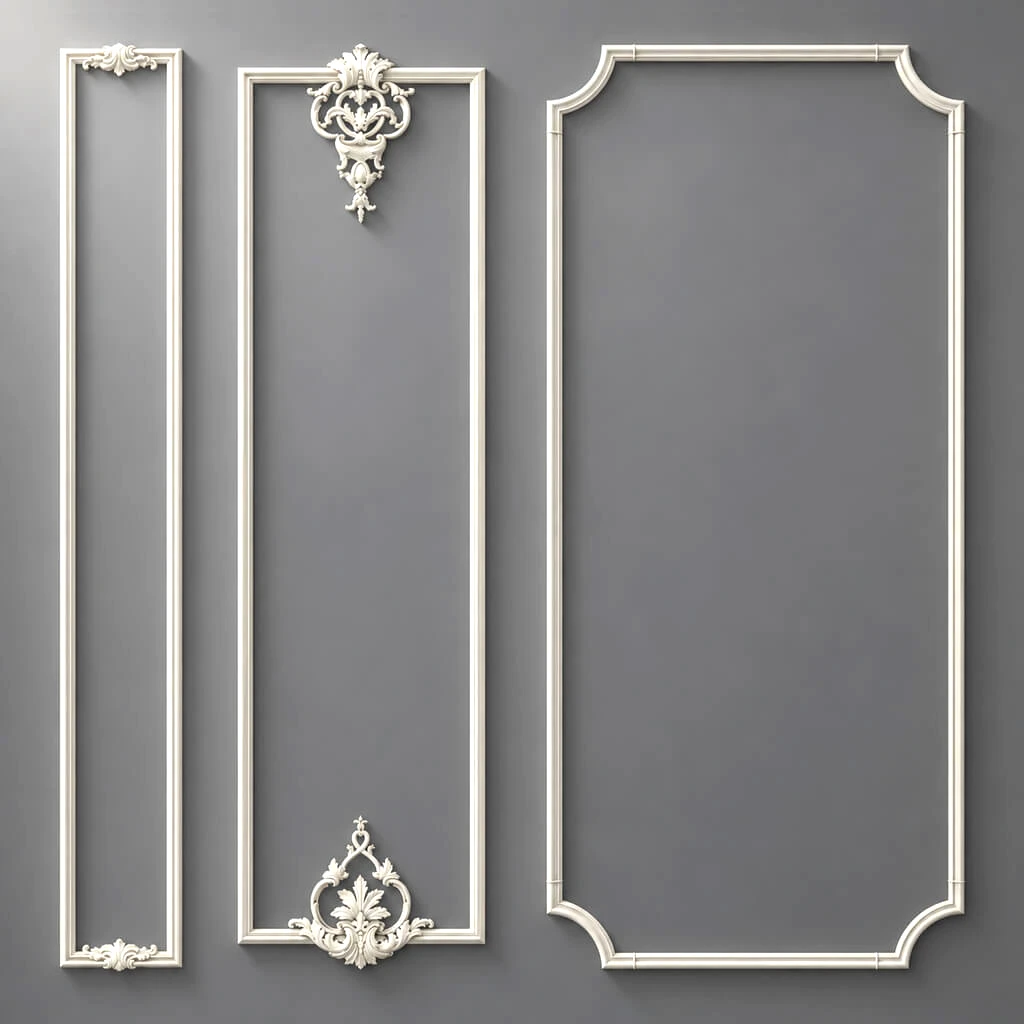
Decorative wall panels are another scenario. A molding frame with corner overlays creates a "cartouche" on the wall, used as a frame decor, as a base for artistic painting, or as an independent architectural element.
External and internal decorative wooden corner: what is the difference
This difference often raises questions. What are external and internal corners in relation to decorative overlays?
An external decorative wooden corner is an overlay installed on the external angle of a surface: on facade corners, protruding frame corners, external casing corners. The external corner is the one that "sticks out" outward and is visible from two sides. It is the external corner that carries the main decorative load because it is the center of visual attention.
An internal decorative wooden corner is an overlay for internal corners: for places where two planes converge inward. It is used in niches, internal corners of frames with multiple profiles, and when designing decorative niches and inserts.
In the STAVROS corner overlays both external and internal corner shapes are presented. Some products are manufactured in mirror versions (L and R — left and right), allowing symmetrical design of both external and internal corners.
How to choose a carved corner by shape, style, and ornament
Choosing a shape is choosing a style. A carved wooden corner is not just a plug in the corner. It is an ornamental statement that must be consistent with the overall decorative program of the product or space.
Floral ornament
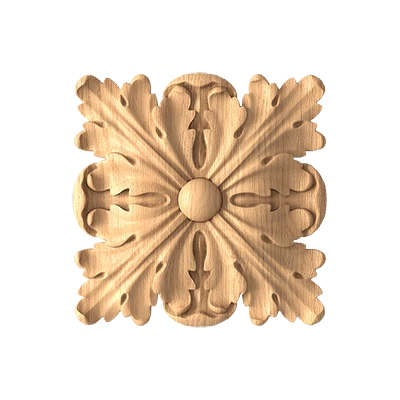
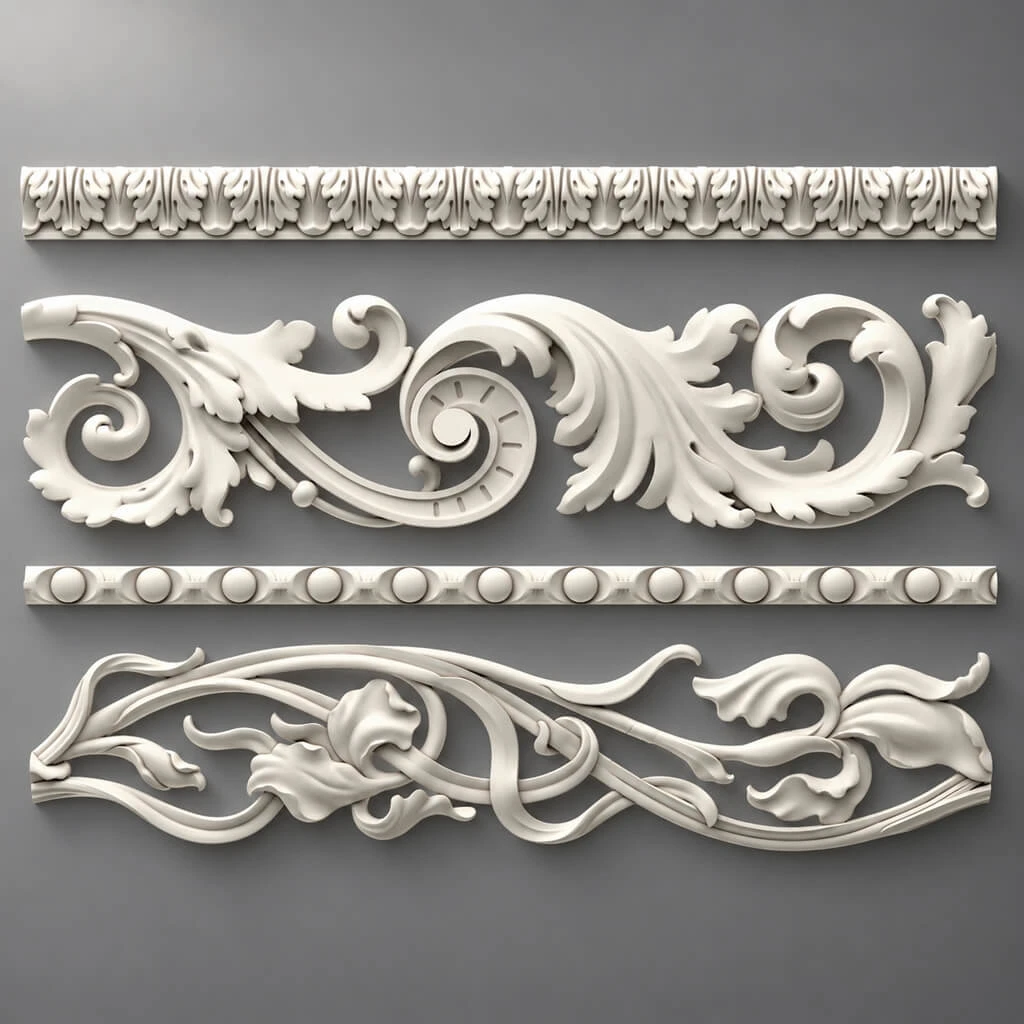
The most common type of ornament in classical and baroque traditions: acanthus leaves, scrolls, garlands, floral motifs, grapevines. Floral ornament is a universal choice for furniture in classical, baroque, and empire styles.
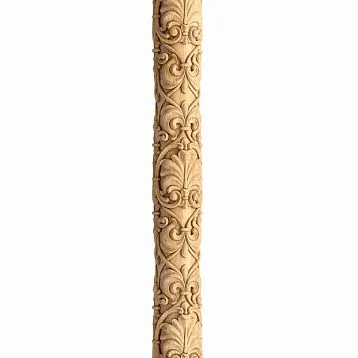
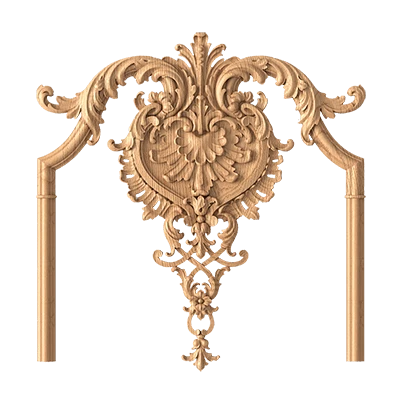
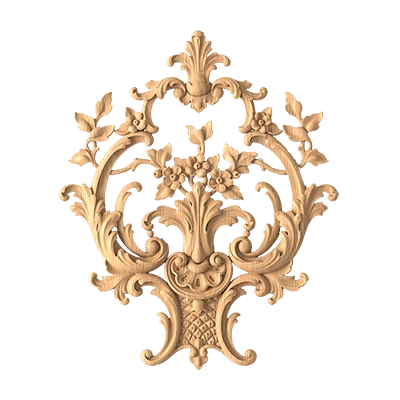
Wooden Decor N-499 — example of a carved overlay with floral ornament from the STAVROS catalog. Suitable for furniture fronts, frames, doors.
Geometric and leaf ornament
A more strict and restrained option. Geometric overlays with regular lines, diamond-shaped or wavy elements are suitable for interiors in neoclassical, art deco, or modern classical style.
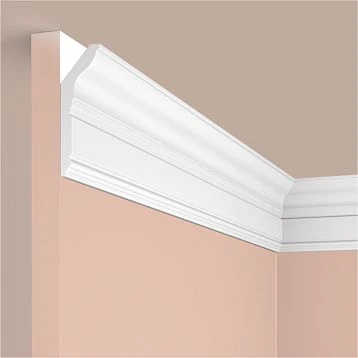
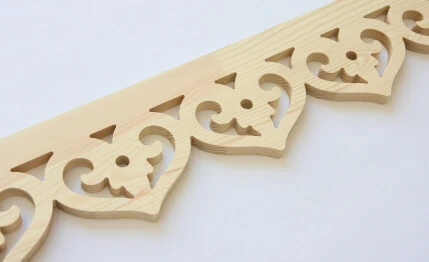
Narrow carved overlay N-506 — example of a product with a more laconic profile for restrained decor.
Shell motif and rocaille
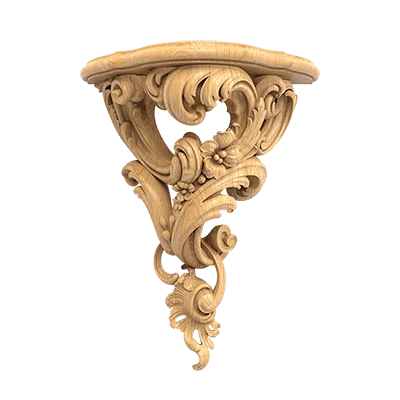
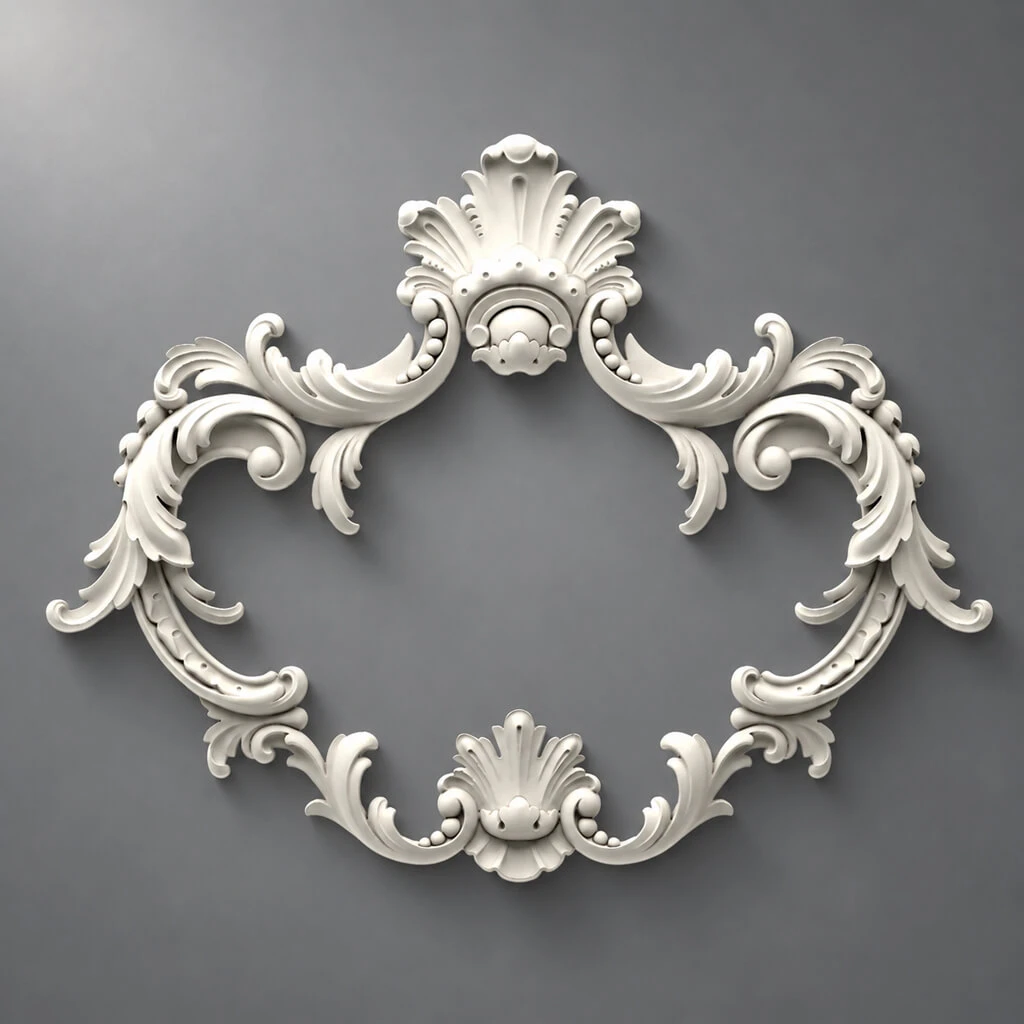
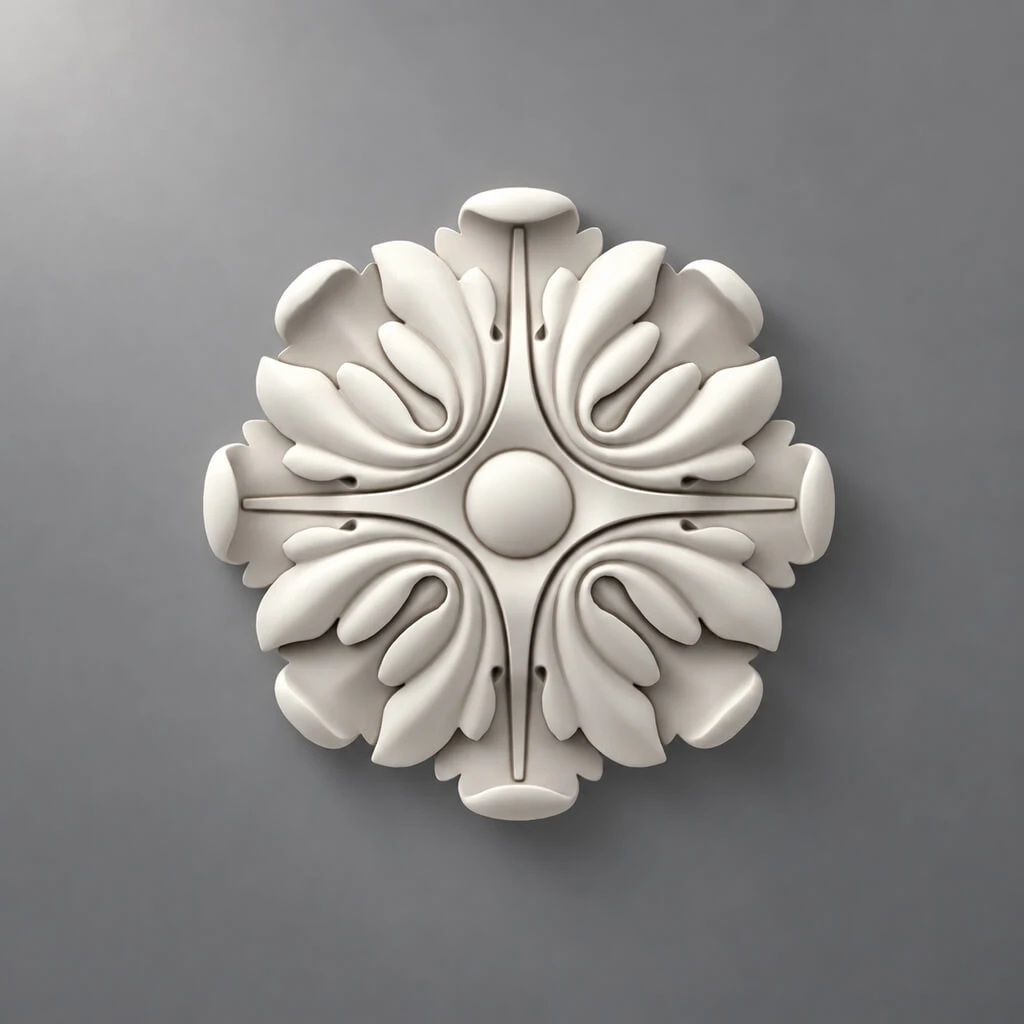
Rocaille is a baroque ornamental motif in the shape of a shell or scroll. It is often present in corner overlays as a central element. Rocaille creates a characteristic "Versailles" image.
Pairing: L and R
Most corner overlays are produced in pairs: left (L) and right (R) versions. This is fundamentally important: a corner is a symmetrical structure, and both corners of one side must be mirror images, not identical. If you are buying corner overlays, clarify whether you need mirror pairs.
In the STAVROS catalog, many items are presented in paired versions: for example, N-441R and N-441L, N-322R and N-322L, N-323R and N-323L, N-221R and N-221L.
Ornament direction
Some overlays have a directional ornament — it "flows" to one side. This must be considered during installation: the ornament should be oriented so that its movement is logical relative to the overall composition.
Material: oak or beech for carved corner overlay
Choosing the material in wooden decor is not just a matter of aesthetics. It is a matter of compatibility with the furniture, planned finish, and operating conditions.
Oak
Oak is a dense, heavy wood with an expressive grain pattern and a characteristic golden tone in its natural state. When tinted — from light walnut to rich dark — oak reveals itself with maximum expressiveness.
When to choose oak:
-
Solid oak furniture — material match.
-
Tinting in walnut, wenge, tobacco, natural oak.
-
Oil or wax finish — oak accepts it perfectly.
-
Furniture under load (table, cabinet) — oak's strength is important here.
-
Rooms with variable humidity — oak is stable.
Oak is a more expensive material, but its durability and visual result justify the investment. Carved oak corners are not just an overlay; they are a detail that can outlast several furniture restorations.
Beech
Beech is a softer and more uniform wood. Its fine-grained structure without a pronounced grain pattern makes beech an ideal material for overlays that will be painted in opaque colors.
When to choose beech:
-
Furniture for white, cream, gray, or colored enamel.
-
Children's furniture and furniture in the Provencal style.
-
Cases where the wood texture should not show through the coating.
-
Fine relief with delicate details — beech cuts cleaner than oak.
Compatibility with existing furniture
If you are adding corners to existing furniture, the wood species must match. Under the same stain, oak and beech will give different colors: oak has a warm golden undertone, beech has a neutral one. This is critical for transparent and semi-transparent coatings.
When ordering from STAVROS, you can specify the wood species and ensure compatibility with your task.
How to choose the size of a corner overlay
This is the question where most people make mistakes. Visually, the overlay in the catalog photo can appear to be any size — without a reference point, the scale is unclear. And the installation result depends entirely on the correctly chosen size.
Step 1: measure the corner area
The corner area is the surface of the facade, frame, or door that the overlay should cover. This is usually a square or rectangle with a side from 80 to 200 mm — depending on the size of the product.
Proportion rule: the corner overlay should not occupy more than 1/6 of the facade width on each side. For a facade width of 400 mm — a maximum of 65–70 mm on each side.
Step 2: consider the molding and other elements
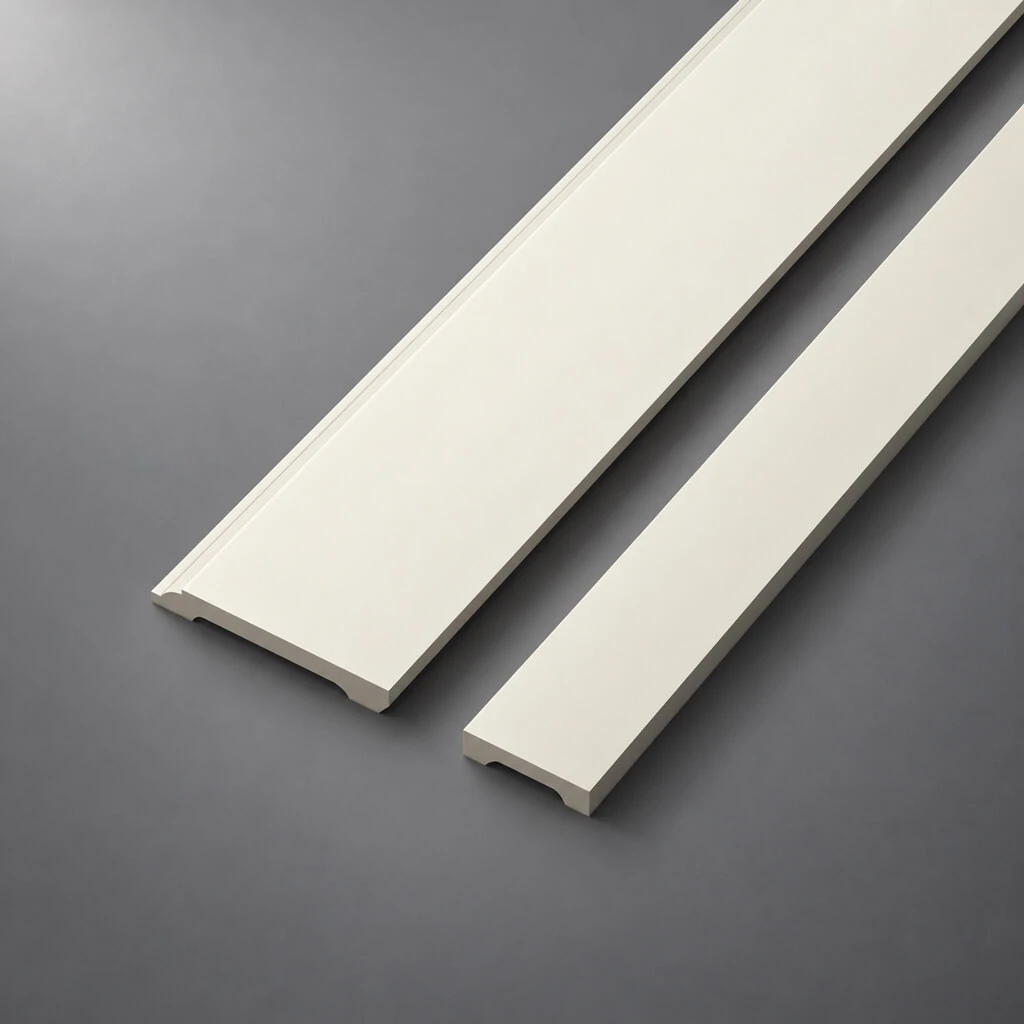
If there is already molding on the facade, the corner overlay should cover or precisely align with its ends. The width of the corner overlay should match the width of the molding or slightly exceed it.
Step 3: check the relief thickness
The relief height of the overlay — its "convexity" above the surface — should match the relief of the molding. A deep, voluminous relief of the corner overlay next to a flat molding creates a visual conflict.
Step 4: symmetry of the pair
If you are designing two adjacent corners, both must be the same size. If there are four corners on a facade, all four must be identical. Asymmetry in corner overlays is perceived as an installation error, not a design solution.
How to combine corner, center, and horizontal overlays
A single corner overlay is not yet decor. Decor is a system. And the corner overlay occupies a strictly defined place in this system.
Corner overlays set the frame. Four corner overlays around the perimeter of a facade or frame create a visual boundary, outlining the field. This is the framework of the entire decorative program.
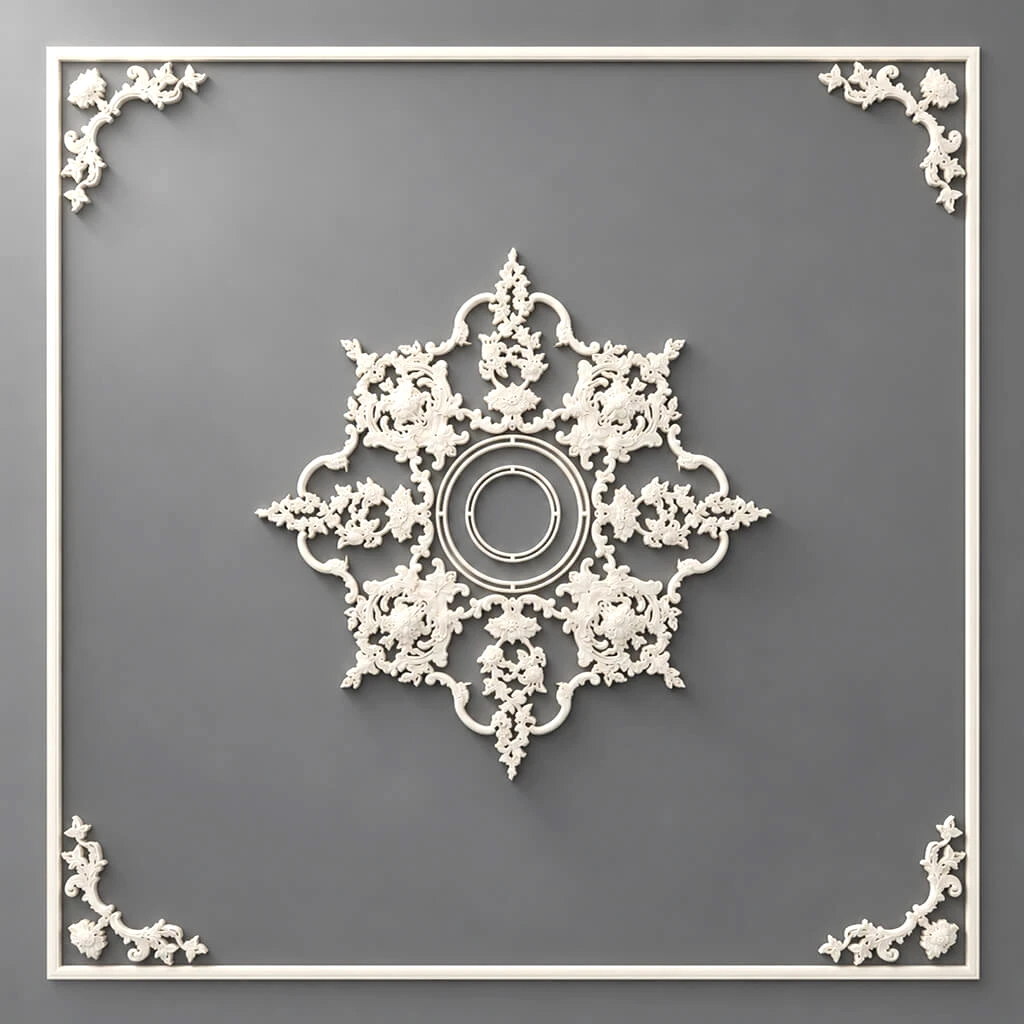
The center overlay creates an accent. After the corners are occupied, the center of the facade remains empty — and this is the place for the center overlay. It can be a symmetrical rosette, a cartouche, or a large ornament.
For example, Decorative Set C-017 or Decorative Set C-041 — these are ready-made sets that include several coordinated elements for a complete facade decor.
Horizontal and vertical overlays connect the composition. They run between corner overlays along the perimeter or divide the facade into zones. These are moldings combined with overlays at the joints.
The golden rule of systematic decor: all elements — corner, center, horizontal — must belong to the same style, have a unified ornament character, the same material, and the same finish.
Carved overlay N-117.1 — an example of a decorative element that works well in pairs with corner overlays as a connecting horizontal accent.
To create a complete ensemble, it is helpful to refer to the section of carved decor STAVROS — it features not only overlays but also moldings, trims, and sets that are coordinated in style.
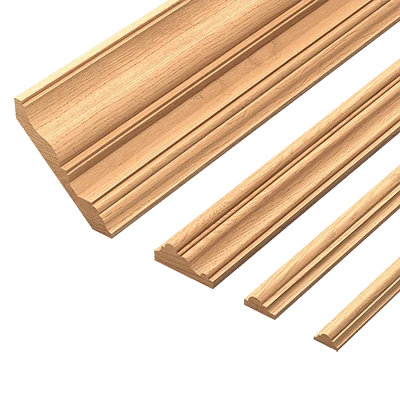
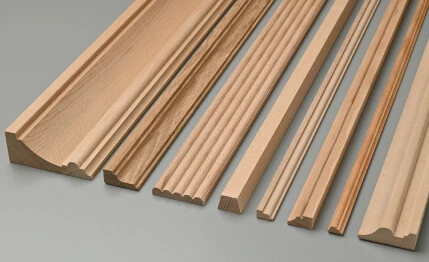
Additional tool for linking: Moldings, cornices, skirting boards from solid wood — they form a single decorative outline with the corner overlays.
Installation of carved wooden corner pieces: what to check before gluing
Installing a corner overlay is not a difficult task, but it requires preparation. Haste is inappropriate here: once glued, removing the overlay risks damaging the surface or the overlay itself.
Step 1: dry layout
Always do a dry fit before gluing. Lay out all elements on the surface without glue, check symmetry, joints with moldings, and distances from edges. Take a photo to accurately reproduce the arrangement when gluing.
Step 2: Marking
Use a pencil or painter's tape to mark the corner points of each overlay. Marking is your insurance against misalignment.
Step 3: Surface Preparation
The surface must be:
-
Dry and clean.
-
Degrease (if it's a lacquered facade, wipe it with zero-grit sandpaper or fine sandpaper).
-
Flat — the overlay should fit without gaps.
Step 4: choosing the glue
For wooden overlays on wooden and MDF surfaces — high-strength woodworking PVA glue or polyurethane-based construction adhesive. On polished and lacquered surfaces — solvent-free construction adhesive.
Epoxy compounds — for maximum adhesion on non-standard surfaces.
Step 5: fixation until drying
The overlay needs to be held while the glue sets. Use painter's tape, small clamps with soft pads, or simply press by hand for 5–10 minutes (depending on the glue).
Step 6: Final Finishing
After the glue has fully dried — sand the joints and apply a finish: tinting, varnish, enamel. If the overlay is already finished — carefully mask the joints with the surface using a tinting compound.
Mistakes when choosing carved wooden corner pieces
Each of these mistakes is made regularly. And each can be avoided.
Too large a corner for a small facade
A 120×120 mm corner overlay on a 300 mm wide facade is a visual disaster. The overlay occupies almost the entire corner area and weighs down the composition. Rule: the overlay should not occupy more than 1/6 of the facade on each side.
Different ornaments in one composition
A baroque corner overlay with acanthus paired with a geometric central overlay in the Art Deco style is a stylistic incompatibility. All decorative elements must be from the same ornamental system.
Buying one corner instead of a pair
Corner overlays almost always work in pairs or sets of four. Buying one corner means getting an asymmetrical result. Always buy a complete set.
Choosing plywood or MDF instead of solid wood
Overlays made of plywood or stamped MDF are significantly cheaper, but they do not provide the necessary relief, durability, or natural texture. For furniture that should look classic, only solid wood.
Ignoring the thickness of the relief
An overlay with a relief of 15 mm on furniture with a flat molding profile of 3 mm will look alien. The depth of relief of all decorative elements must be coordinated.
Installation without pre-layout
"Glue and see" is a wrong strategy. Removing an overlay with hardened glue without damage is very difficult. Always do a dry layout with markings.
Mixing wood species without a finishing plan
Buying some overlays from oak, some from beech and coating everything with the same stain will result in two different colors on one facade. Compatibility of wood species is a mandatory condition for a composite order.
Where to buy carved wooden corners and corner overlays
Buy a decorative wooden corner from solid oak or beech you can in the STAVROS catalog, which presents a full range of corner shapes — from laconic small overlays to large baroque corner elements with acanthus relief.
In the decorative inserts — more than 400 models with convenient filtering by shape, size, material and style. For a complete order of a facade or frame — pay attention to ready-made decor kits, such as C-017 и C-041.
For lovers of detailed study of the assortment — the section carved decor elements with a full product line, including moldings, rosettes, central overlays and corner elements.
Contact us to confirm shipping to your destination., showrooms in Saint Petersburg and Moscow, the ability to order samples and get advice on selection.
About the company STAVROS
STAVROS is a Saint Petersburg manufactory of wooden decor with a restoration history that began in 2002. Over two decades, STAVROS has evolved from producing furniture components to a full participant in the restoration of interiors of the Konstantinovsky Palace, the Hermitage, the Alexander Palace, and dozens of other historical sites.
It is this experience working with historical interiors that has made STAVROS a manufactory that understands decorative ornament not as a picture, but as a language. Carved wooden corners, corner overlays made of solid oak and beech, moldings, and decor sets — all of this is created with an understanding of the style, proportion, and purpose of each element within the interior system.
By choosing STAVROS carved wooden corners, you get not just a decorative element, but a product backed by experience, restoration precision, and respect for the material.
FAQ: Answers to popular questions
What are carved wooden corners?
These are decorative corner overlays made of solid wood with a carved relief, used for decorating furniture facades, frames, doors, windows, and shelves. They act as a decorative accent in corner areas and are part of the overall system of applied decor.
How is a carved wooden corner different from a construction corner?
A construction corner is a protective or leveling profile. A carved wooden corner is exclusively a decorative overlay with an ornament that does not serve a structural function.
Which corner shape should I choose for classic furniture?
For classic furniture, corner overlays with floral ornamentation are suitable: acanthus leaves, scrolls, rocaille. In the STAVROS catalog, this includes most items in the N series with a corner shape.
What to choose: oak or beech?
Oak — for tinting, oil, natural finish. Beech — for white and colored enamel. In both cases, it's solid wood, not plywood or MDF.
How to know if you need a left or right version?
If the overlay is symmetrical — L and R are the same. If the ornament has a direction — mirror pairs are needed. Clarify when ordering or refer to the L/R markings in the product card.
Can a carved corner piece be glued onto a lacquered facade?
Yes, if the surface is properly prepared: sand with fine-grit sandpaper and degrease. Assembly adhesive without solvents will ensure a reliable bond.
Does the corner overlay need to be coated after installation?
If the overlay is made of untinted solid wood — yes, a coating matching the facade finish must be applied. If the overlay is already finished by the manufacturer — it's enough to mask the joints with the surface using a tinting compound.
Can carved corner pieces of non-standard size be ordered?
Yes, STAVROS accepts custom orders. For non-standard sizes or ornaments — consult with a manager before placing the order.
Where to buy carved wooden corners in Moscow and St. Petersburg?
In STAVROS showrooms in both cities and via the website stavros.ru with Contact us to confirm shipping to your destination.