



























Article Contents:
- What is included in the wooden finishing of a wine cellar: system of elements
- Wine cellar walls: three approaches to wooden finishing
- Lower tier and boiserie: wall architecture
- Wooden panels without boiserie: calm classics
- Molding frames: light decorative division
- Niches and wine storage areas: how to decorate with wood
- Framing niches with wooden baguette
- Vertical posts and horizontal crossbars
- Decorative wooden wine shelves
- Tasting area: how to create an accent wall
- Accent wall behind the table
- Portal and frames in the tasting area
- Shelves for glasses and accessories
- Wine cellar in a private house: four placement scenarios
- Basement space under the main house
- Separate room on the first floor — "wine room"
- Area near the kitchen or dining room
- Basement of a country house in chalet style
- How to choose a wooden finish style: five key directions
- Style table
- Classic and neoclassical: wood as architecture
- Chalet: wood as a natural material
- Cabinet style: dark wood and strictness
- Materials and finishing: what is important to consider
- Humidity and Temperature
- Finishing wooden elements for a wine cellar
- Wood species for decorative elements
- How to calculate wooden finishing for a wine cellar
- Step-by-step methodology
- Mistakes when designing wooden finishing for a wine cellar
- Mistake 1: Not accounting for humidity before finishing
- Mistake 2: Overloading a small space with large elements
- Mistake 3: Using carved decor without connection to the style
- Mistake 4: Covering technical areas with decor
- Mistake 5: Choosing too thin moldings for a large wall
- Mistake 6: Not coordinating finishes with furniture
- Mistake 7: Not thinking about lighting in advance
- Mistake 8: Mixing construction and furniture trim
- Full catalog of STAVROS elements for wine cellar design
- Frequently asked questions about wooden wine cellar finishes
- About the Company STAVROS
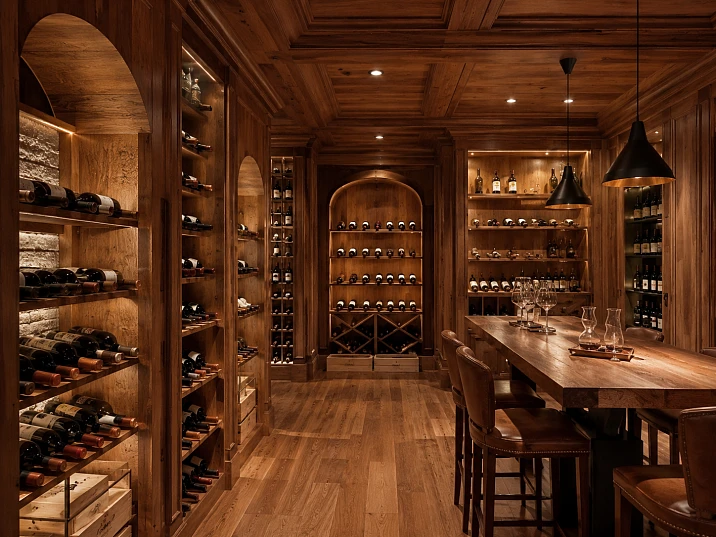
There are spaces that exist outside of time. You enter — and you don't know if the hustle and bustle of the metropolis is outside or the quiet evening of a country estate. That's what a real one should be like. wine cellar: a place where the air temperature, the smell of wood, and the dim light create a special state. A state in which a bottle of wine is not a commodity, but a story.
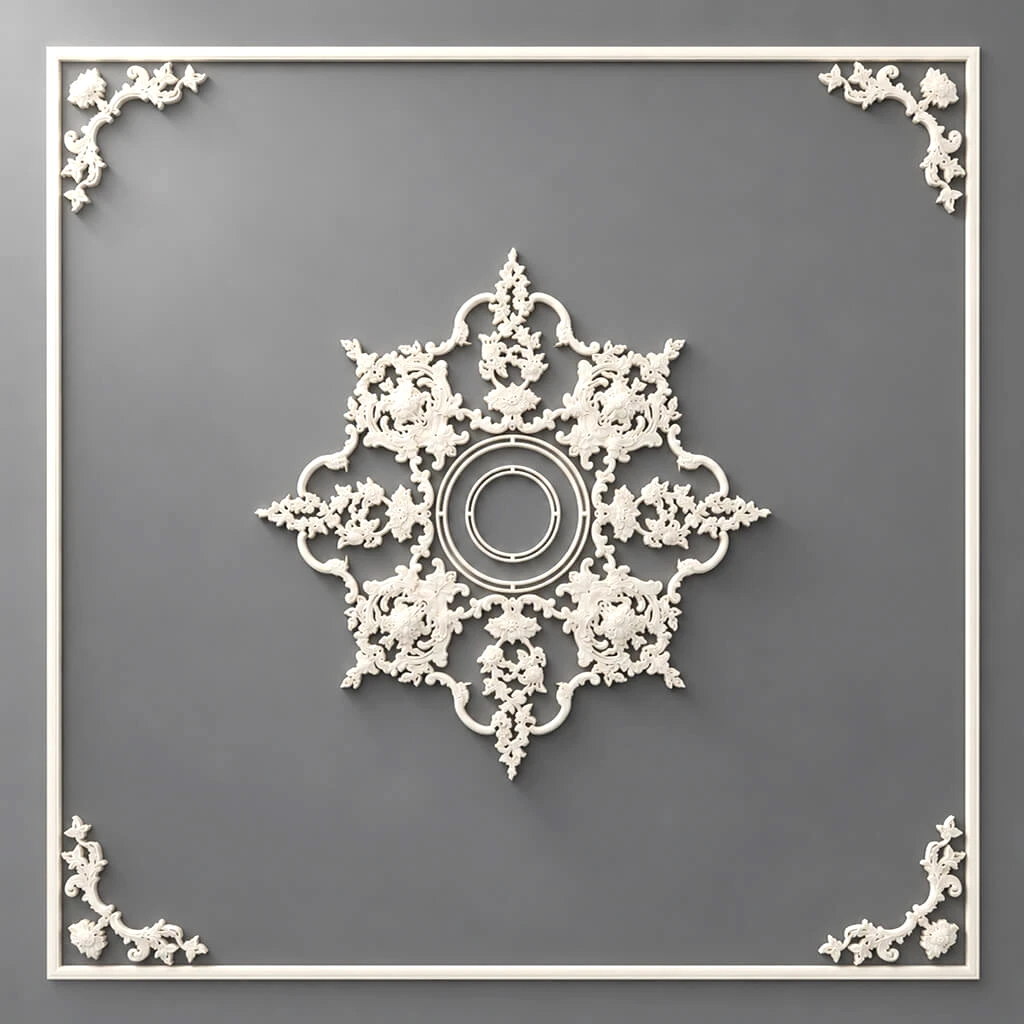
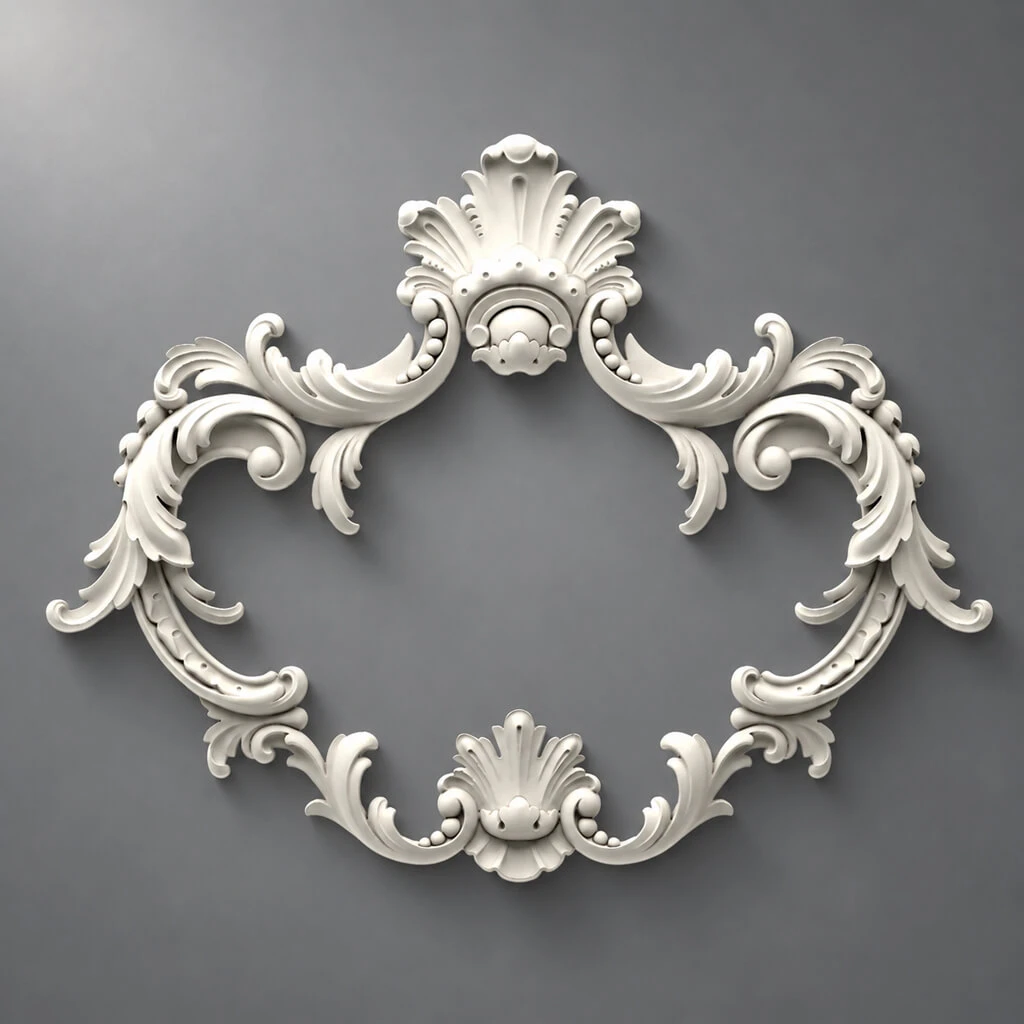
But this feeling cannot be achieved through engineering solutions alone. A cellar with the right climate and wrong finishing is just a cold basement. It is the wooden finishing of a wine cellar: wall panels, Boiserie, moldings, millwork, decorative niches, baguettes, and carved decor — that turns a technical room into an interior object with character.
How to organize a wine cellar so that it works both as a storage facility, and as a space for tasting, and as a calling card of a home or restaurant? We analyze in detail, to the point, without generalities.
What is included in the wooden finishing of a wine cellar: a system of elements
Before talking about specific solutions, you need to understand: wooden finishing is not individual items placed side by side. It is a system. Each element in it plays its role, and together they create a cohesive interior.
What should a wine cellar be like from a decor perspective? It is a space with a pronounced vertical and horizontal structure, warm materials, and a clear hierarchy of zones. Wood here is not just "beautiful," but functional: it creates the necessary atmosphere, structures the walls, and frames the niches with wine.
System of wooden elements for a wine cellar:
-
Wall panels and boiserie — the lower and middle tiers of the walls, the main decorative surface
-
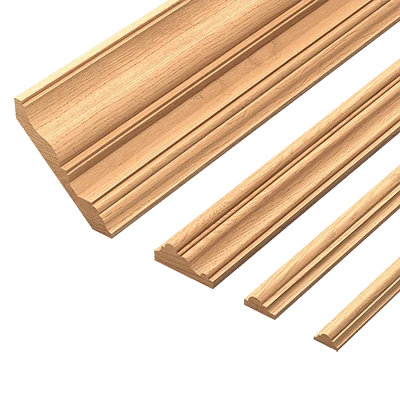
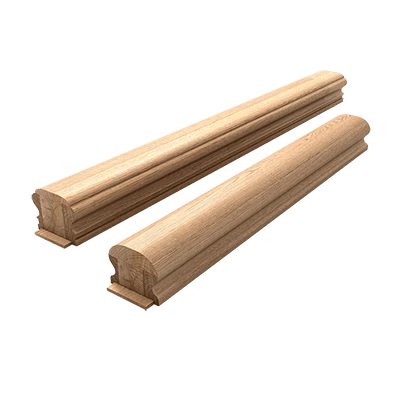
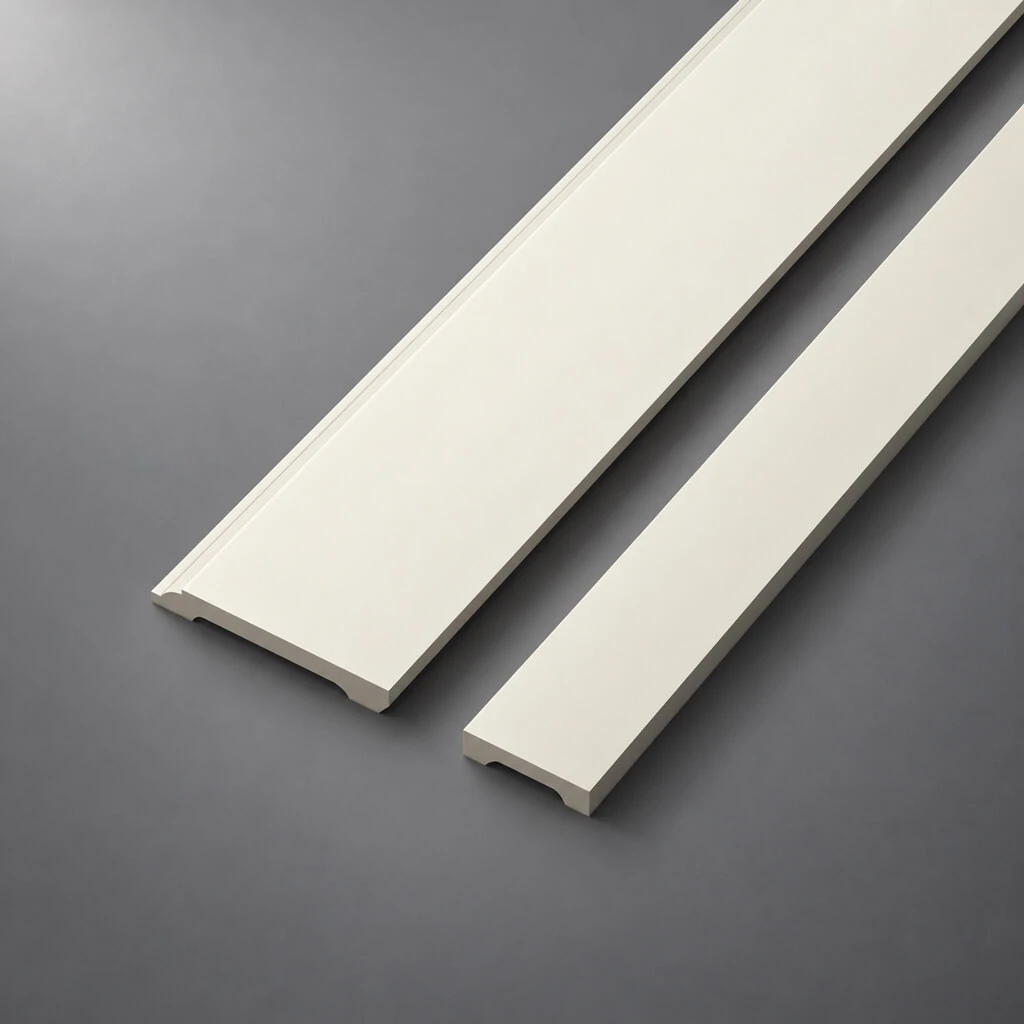
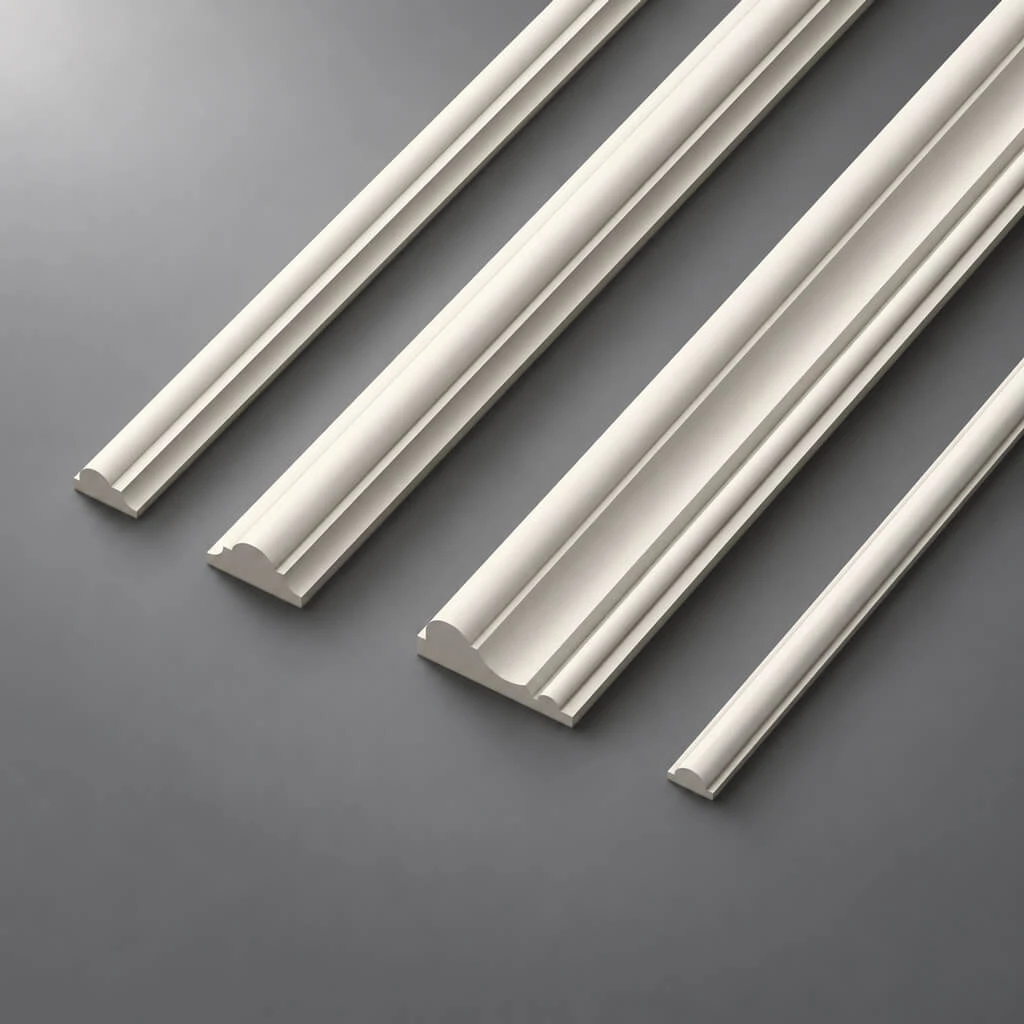
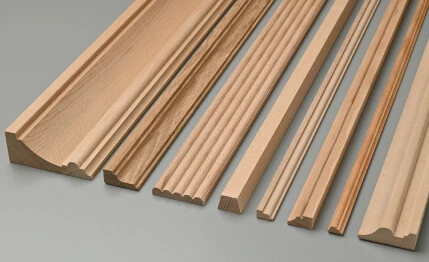
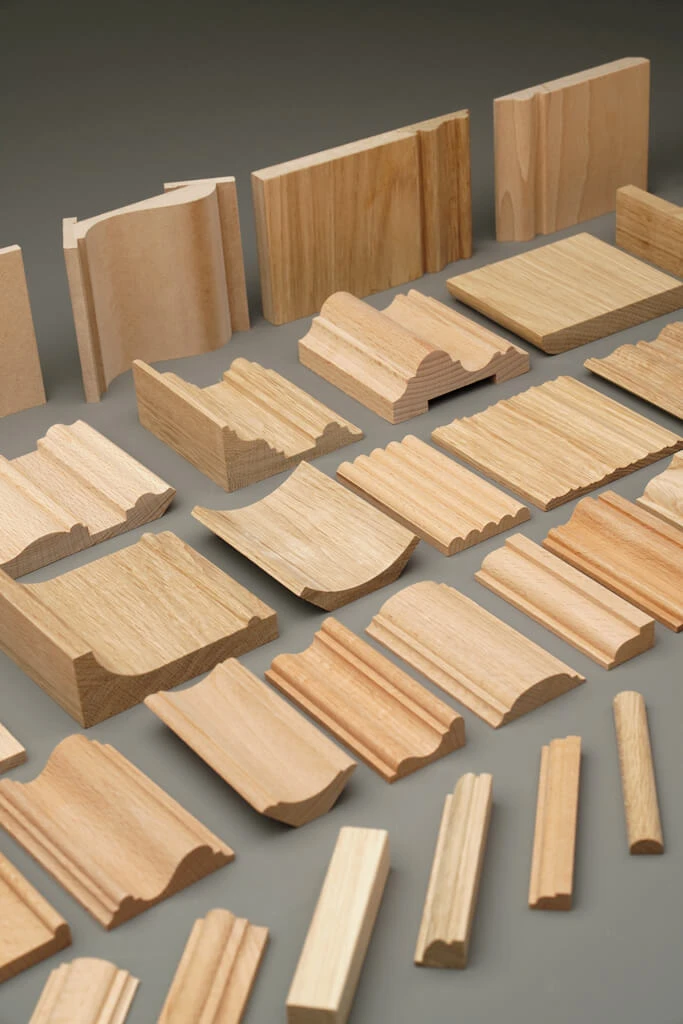
Wooden moldings — profiles for joints, layouts, vertical and horizontal transitions
-
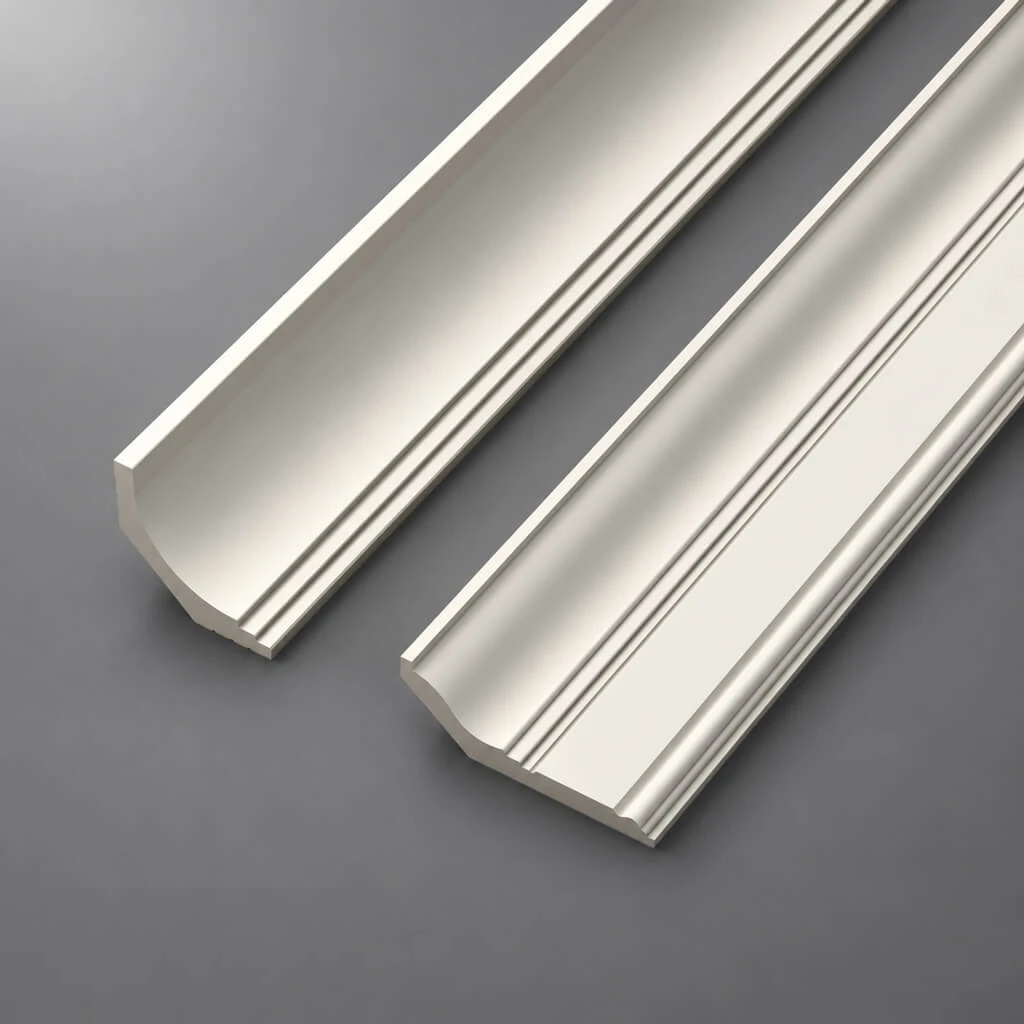
Moldings and cornices — horizontal belts, frames, panel finishes
-
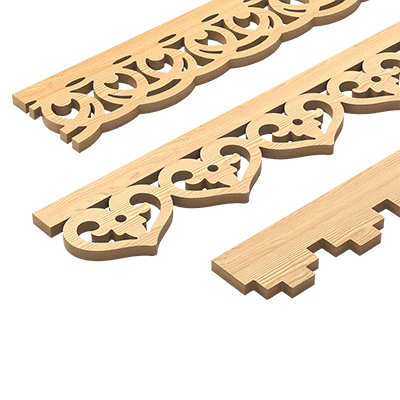
Wooden baguette — framing of niches, decorative inserts, accent zones
-
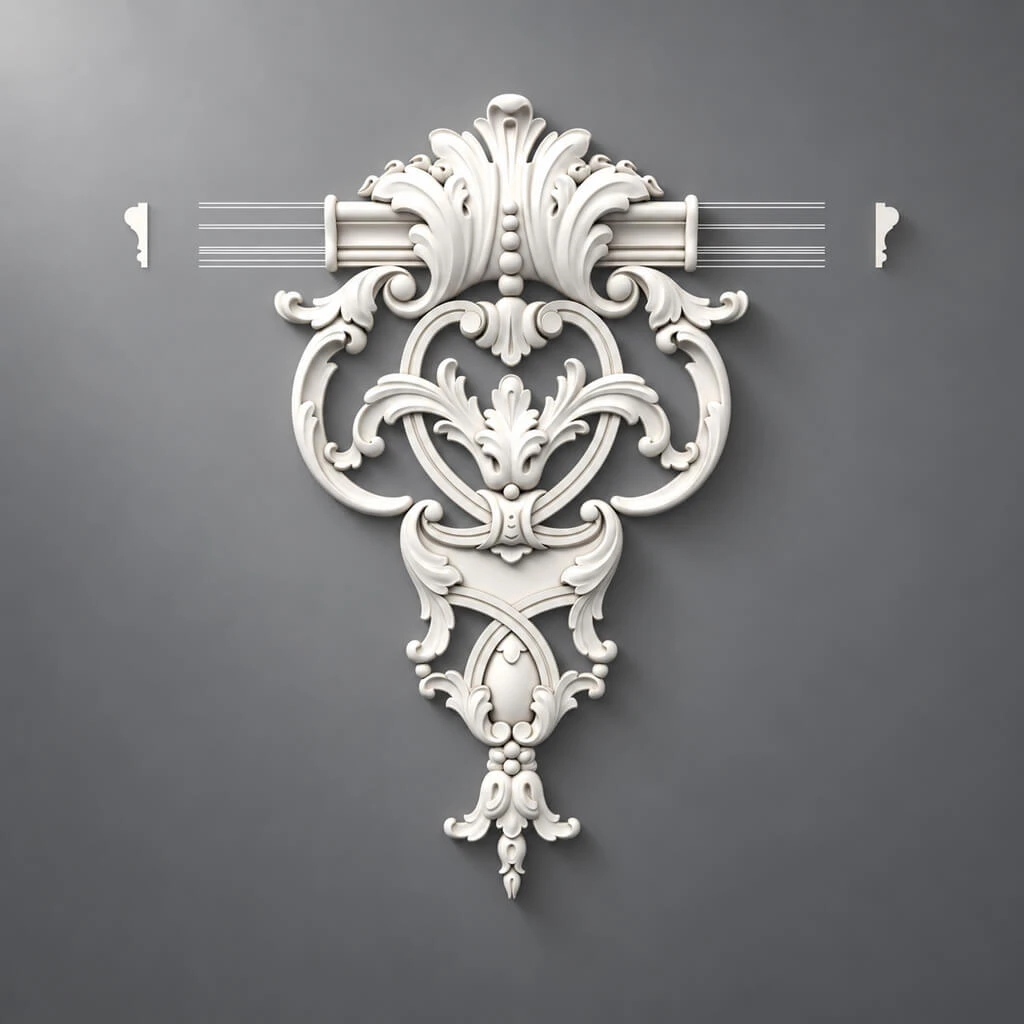
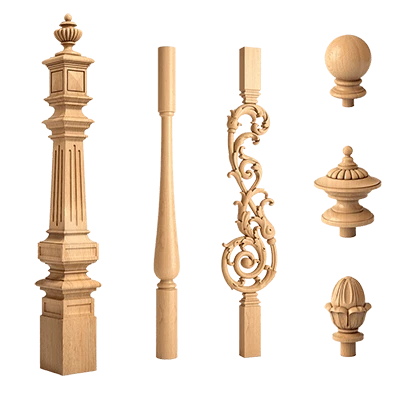
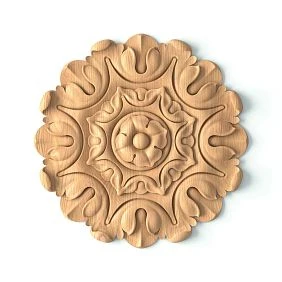
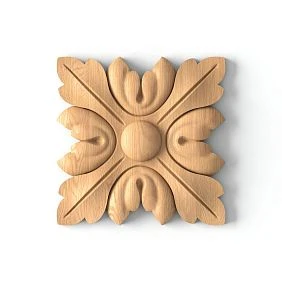
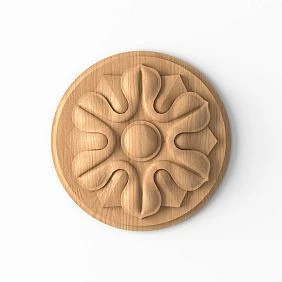
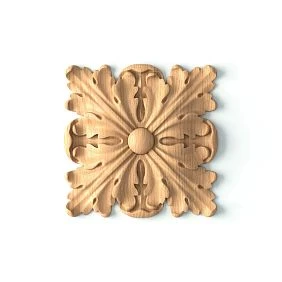
Decorative elements — corner accents, capitals, ornamental inserts
-
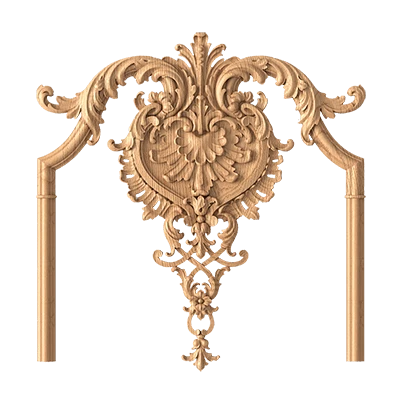
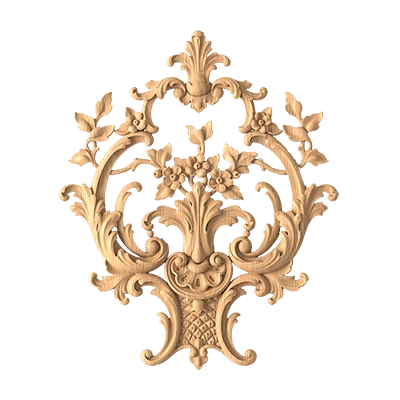
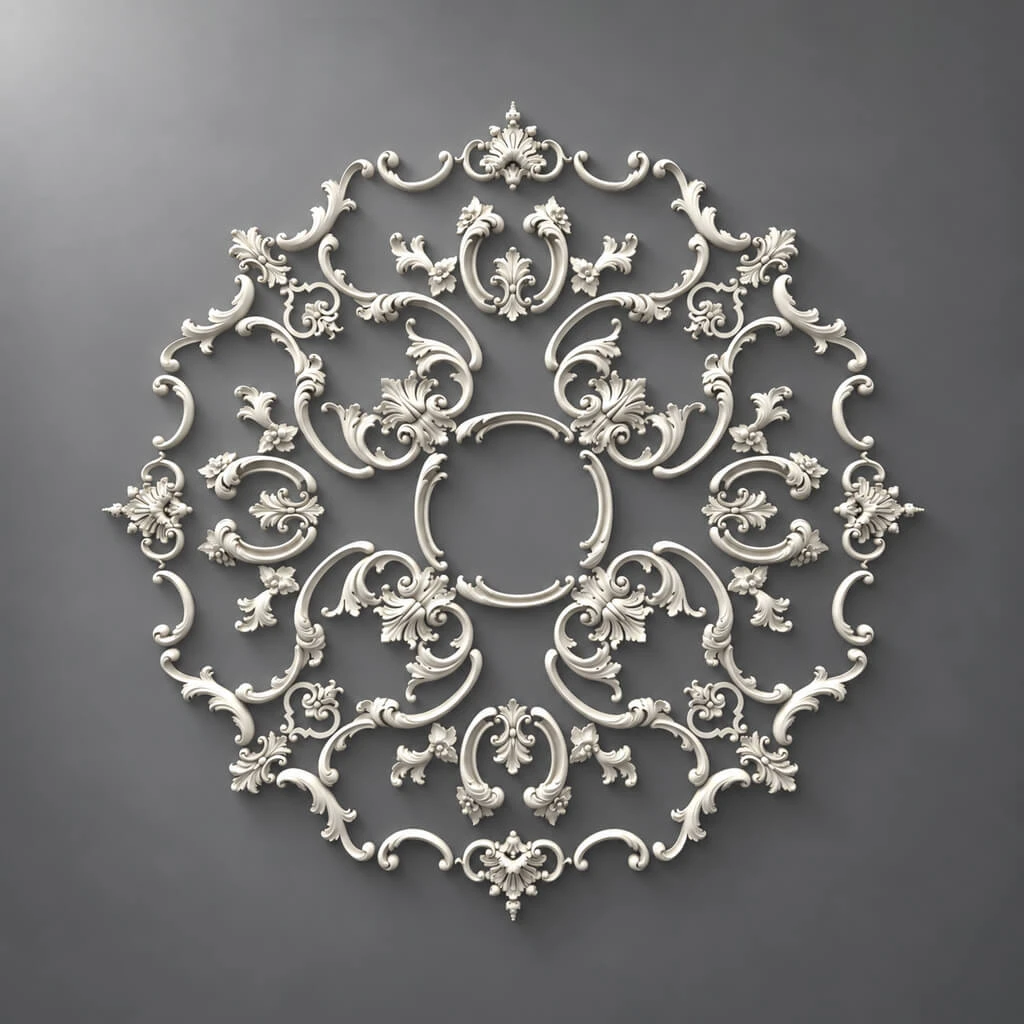
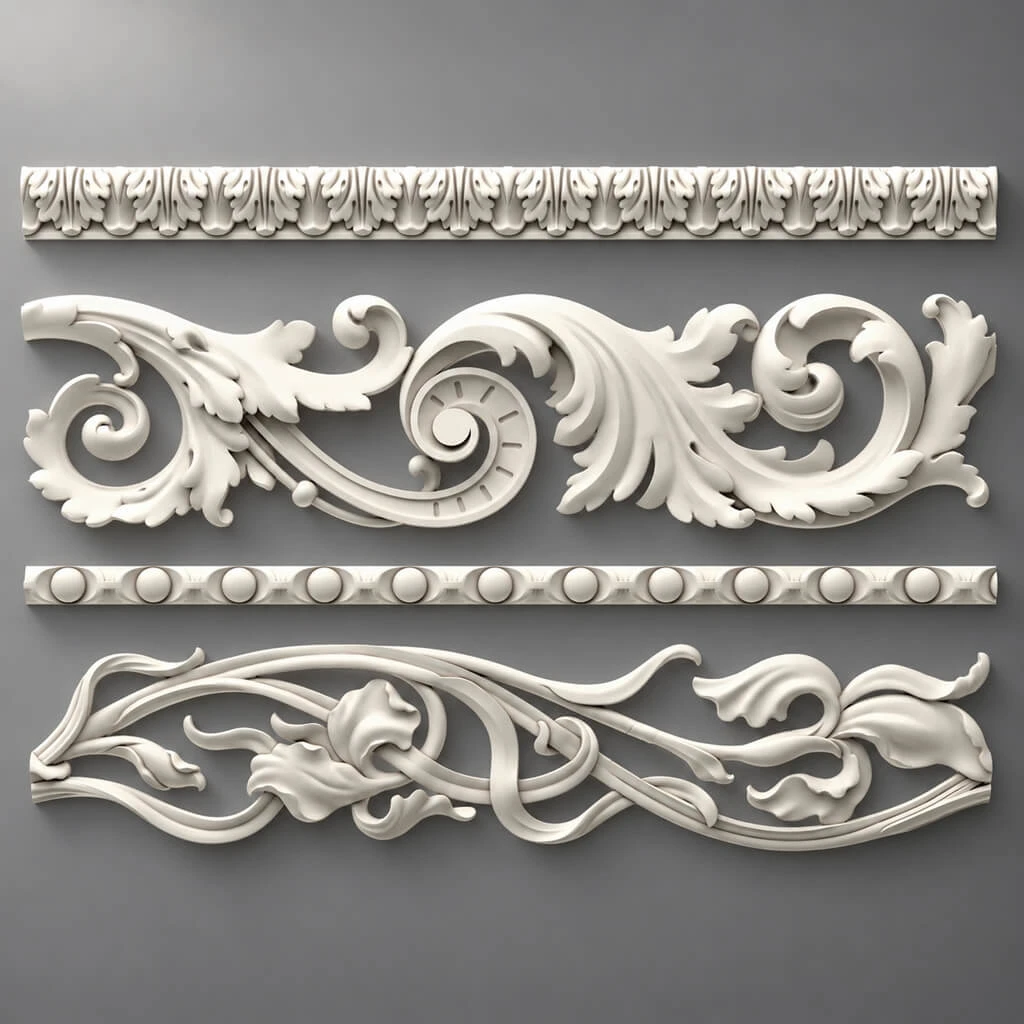
Carved decor — for classic and premium solutions
-
Shelves and brackets — for storage and decorative zones
The dimensions of the wine cellar determine the scale of the finish. A small wine room (10–15 m²) requires thinner and more laconic profiles. A large tasting hall (30+ m²) requires more developed moldings, a more expressive baguette, and full boiserie.


Wine cellar walls: three approaches to wood finishing
Our factory also produces:
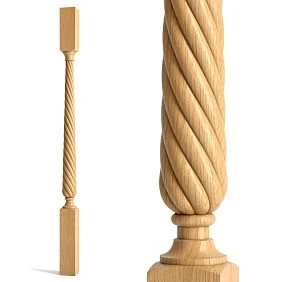
Lower tier and boiserie: wall architecture
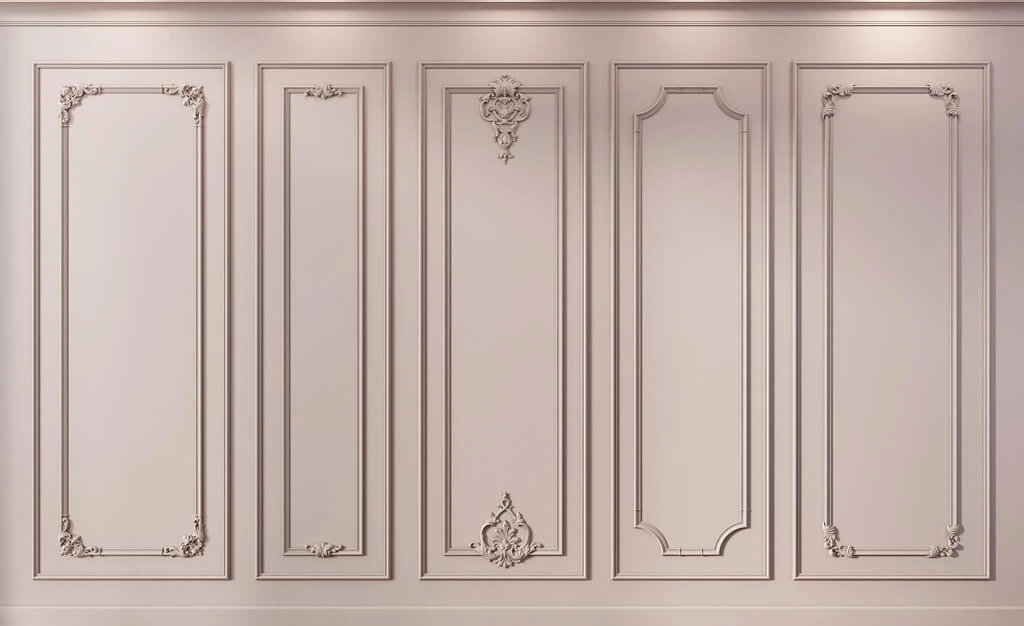
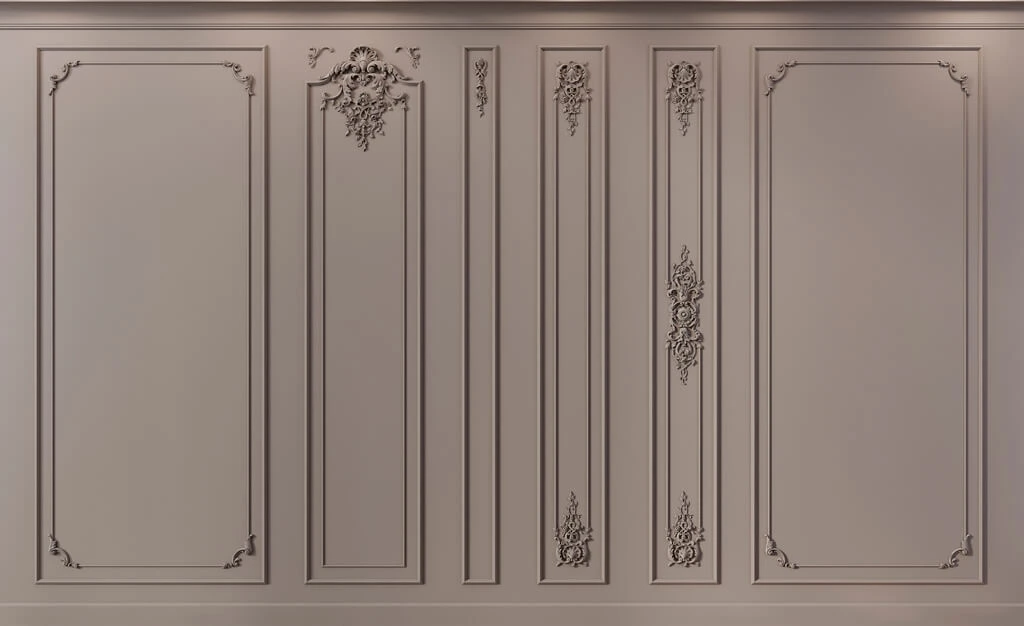
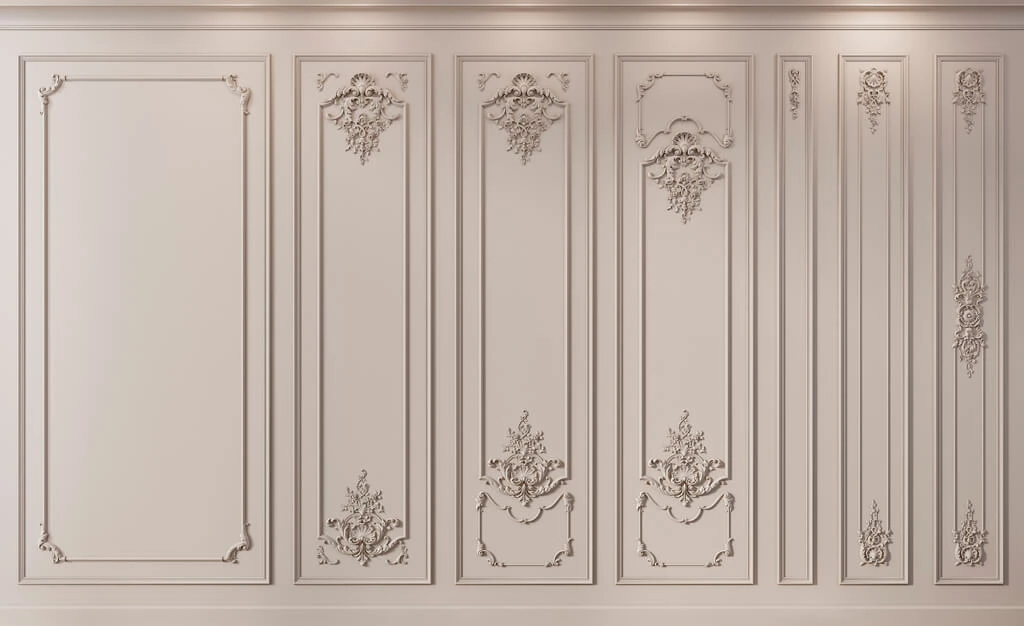
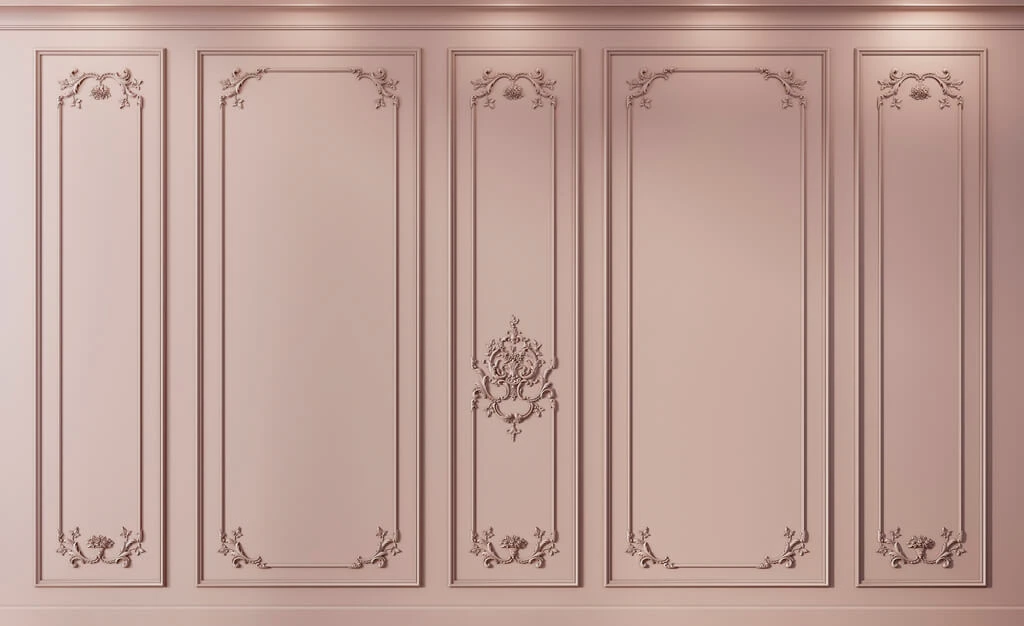
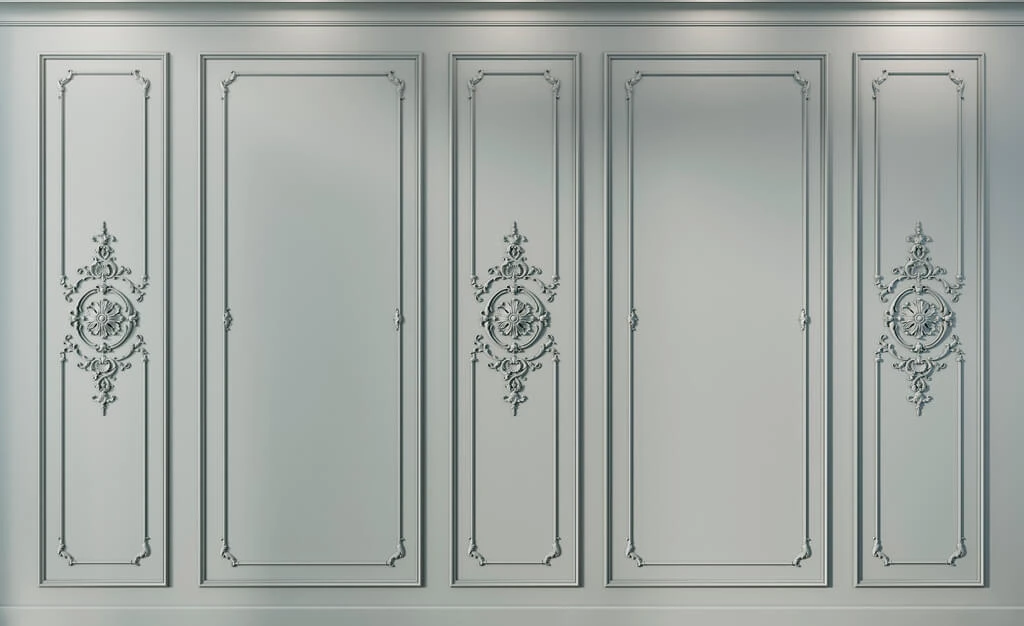
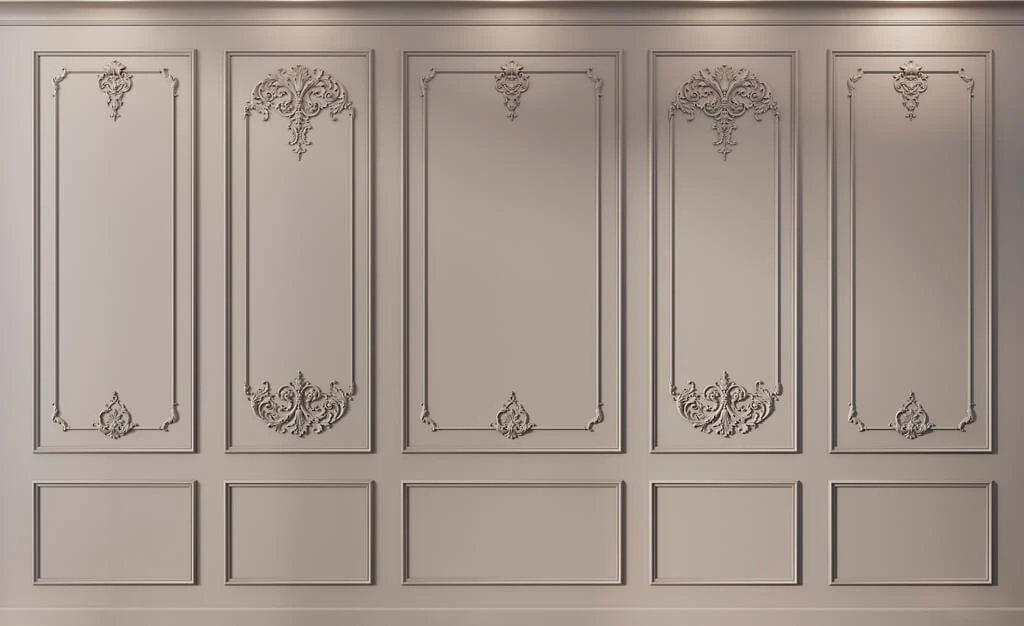
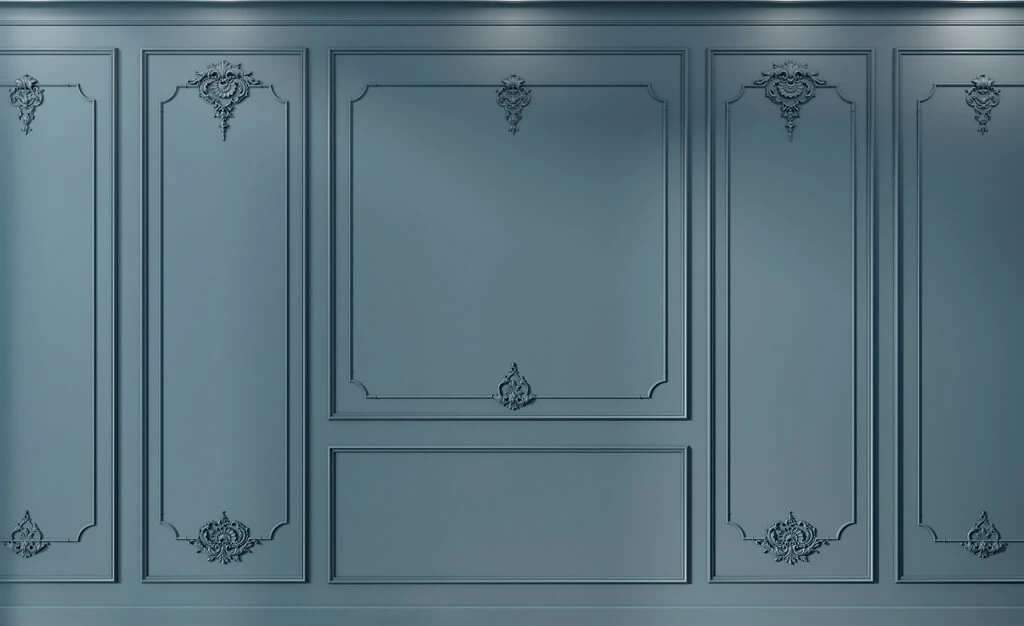
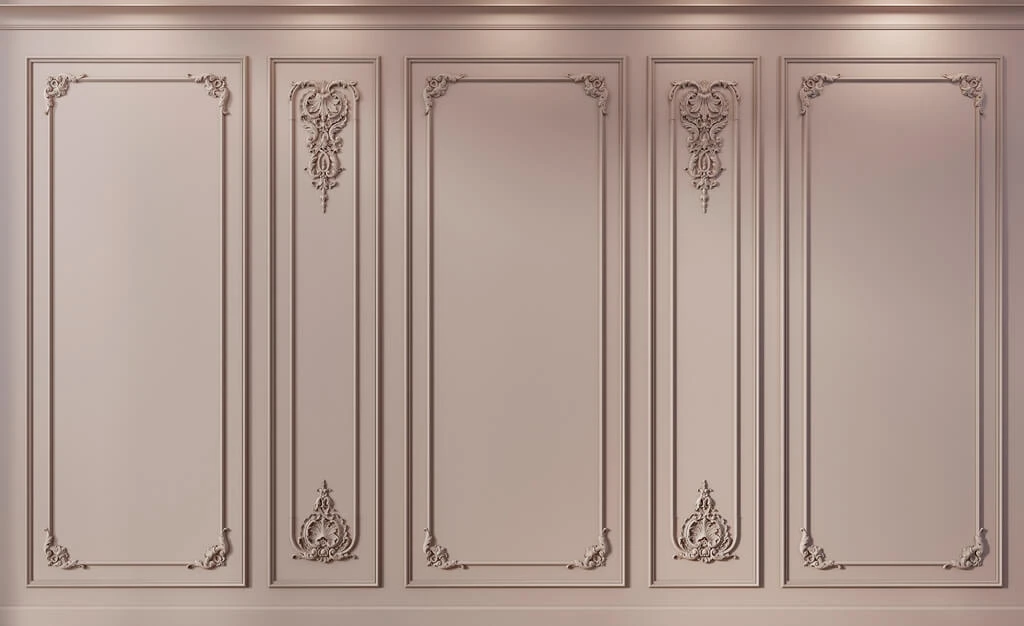
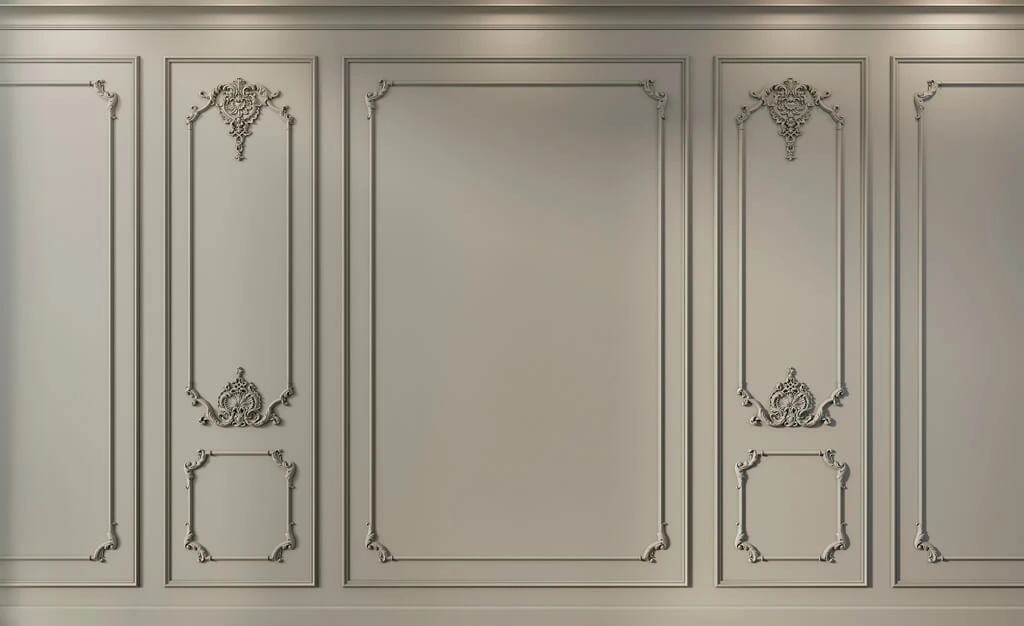
Wall panels in boiserie system — the most complete and expressive solution for a wine cellar interior. Boiserie structures the wall vertically: lower belt (panel zone) + middle belt + upper zone with frames and moldings.
Lower belt in a wine cellar: traditional height 90–120 cm from the floor. This is the "base" level of wood paneling. Here — vertical panels framed by a frame profile. It is the lower belt that bears the main visual load: it gives the room massiveness, an "earthy" weight characteristic of a real cellar.
Above the lower belt — the middle and upper ones. Here the finish can be lighter: frames made of of wooden moldings without solid panels, Pogonazh iz massiva as horizontal belts, frame inserts with decorative elements.
For the walls of a wine cellar with boiserie, three lines are important:
Baseboard line. A solid wood baseboard covers the wall-floor transition. In a wine cellar with a stone floor, a dark wood baseboard creates an expressive contrast.
Horizontal belt at the height of the lower tier. A molding or cornice profile that "closes" the upper edge of the panel zone. This belt is the horizontal boundary between the "wooden" lower part of the wall and the upper one.
Ceiling cornice. If the ceiling allows — a cornice profile around the perimeter of the room. It completes the system and creates a sense of architectural completeness.
Get Consultation
Wooden panels without boiserie: calm classic
If boiserie is a full-fledged architectural system, then wooden panels without boiserie are a more restrained solution. Individual vertical slats or horizontal rails create rhythm on the wall without requiring a full frame system.
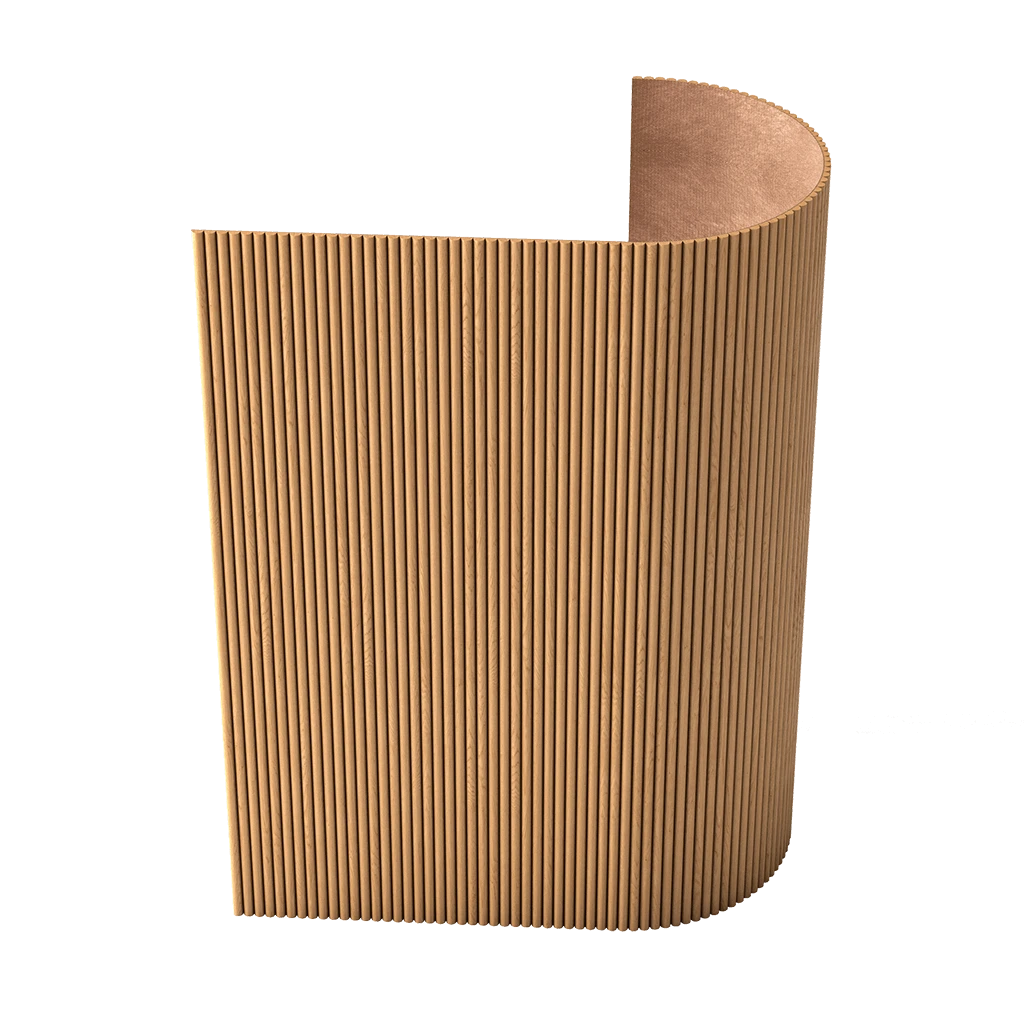
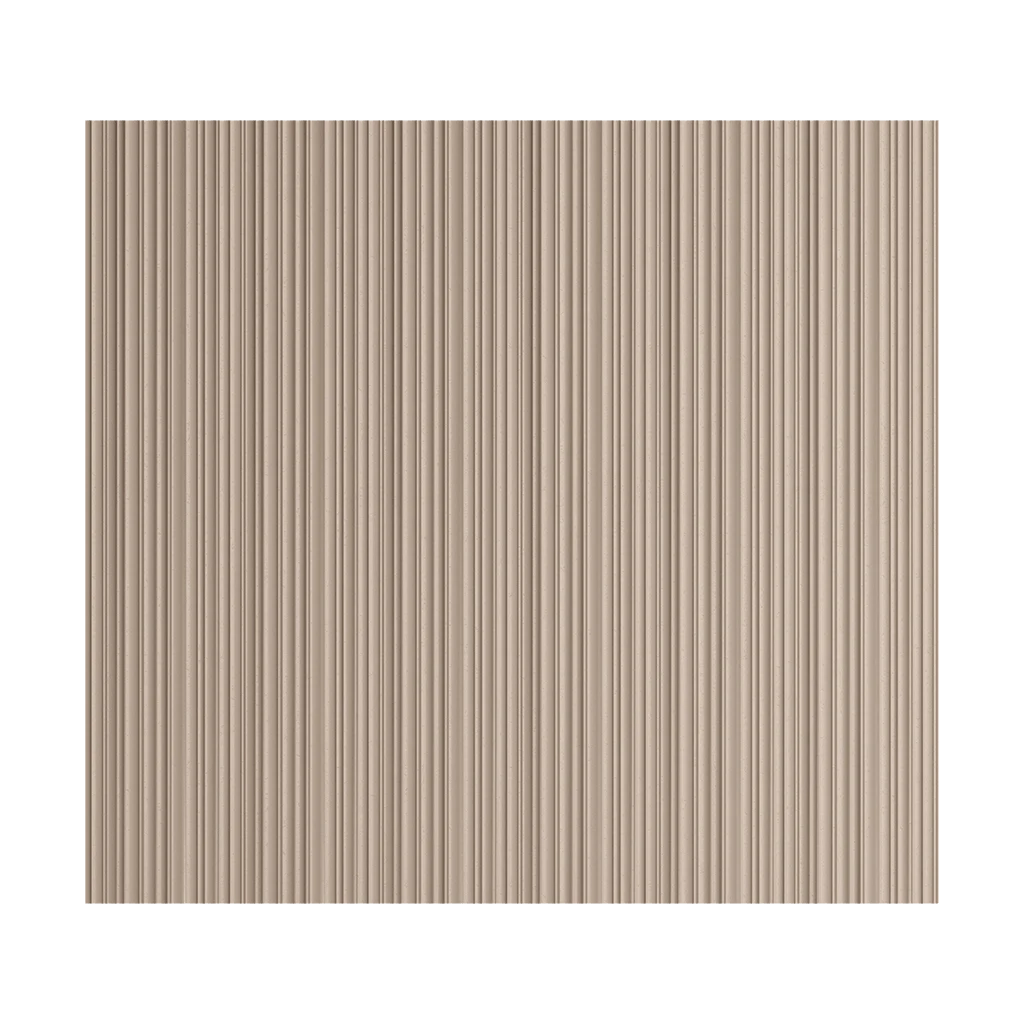
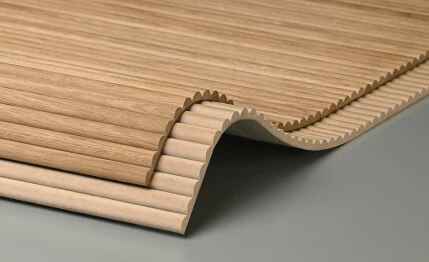
For the walls of a wine cellar in a chalet or study style, vertical wooden paneling made of wide moldings is suitable — warm tinting, dark varnish, solid wood with a pronounced texture.
The rhythm of vertical slats has a practical purpose: between the slats you can place niches, bottle holders, decorative inserts — and all of this will be "built into" the logic of the wooden paneling.
Molding frames: light decorative division
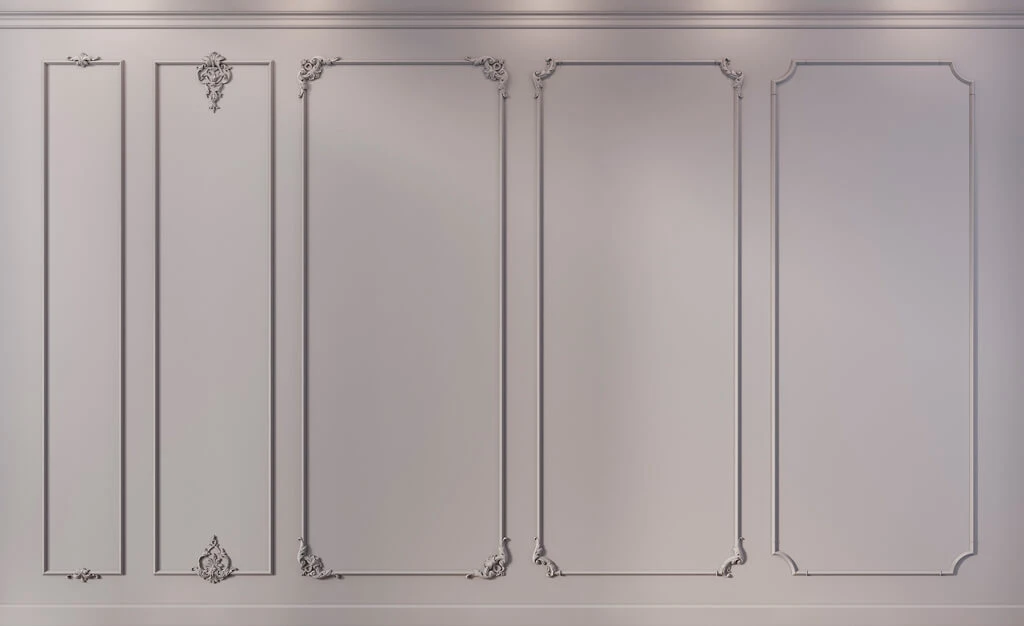
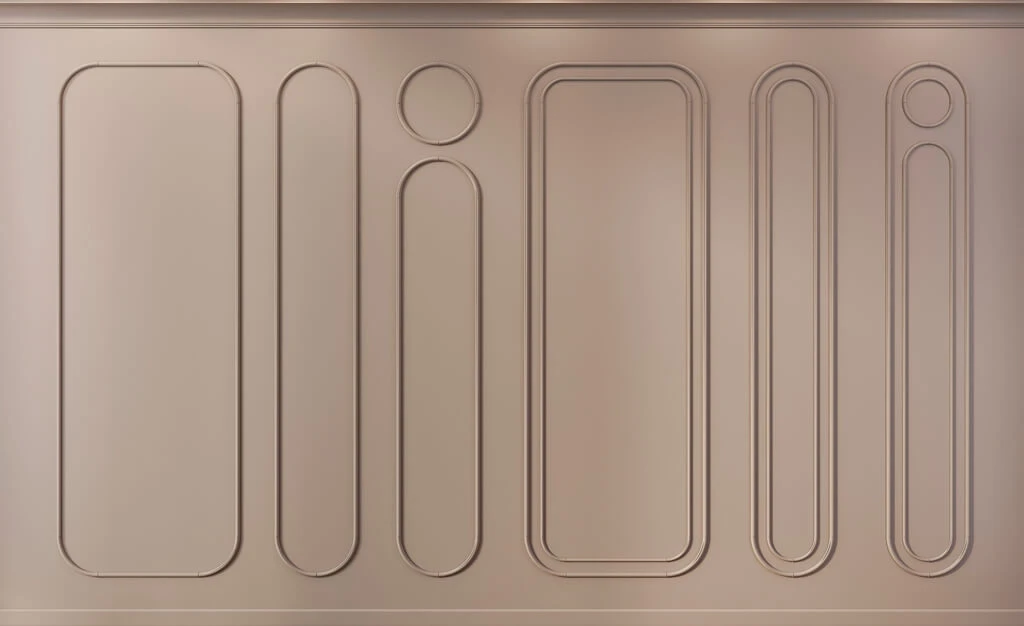
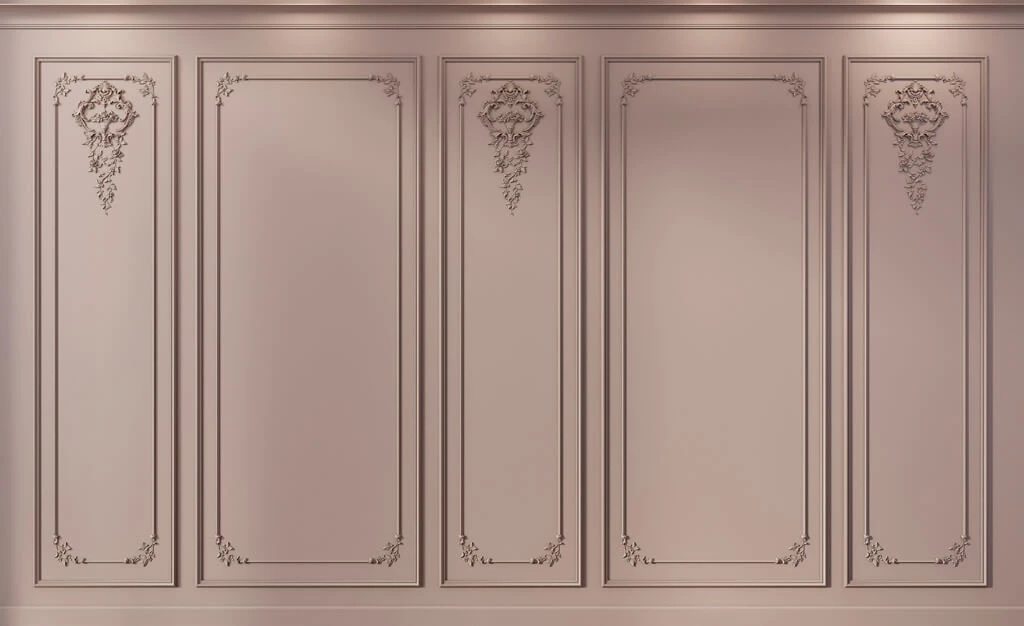
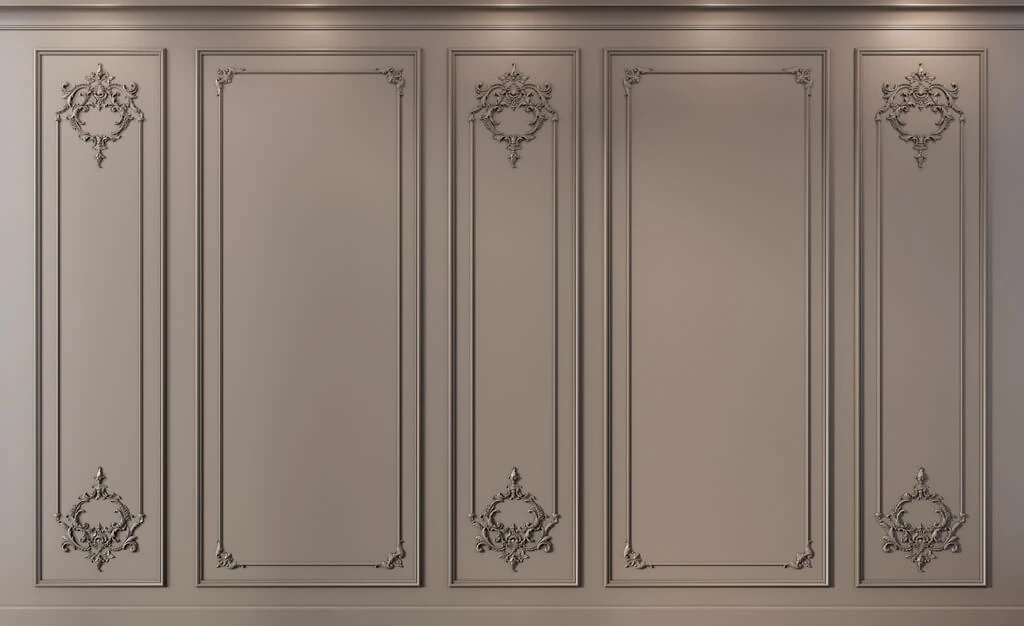
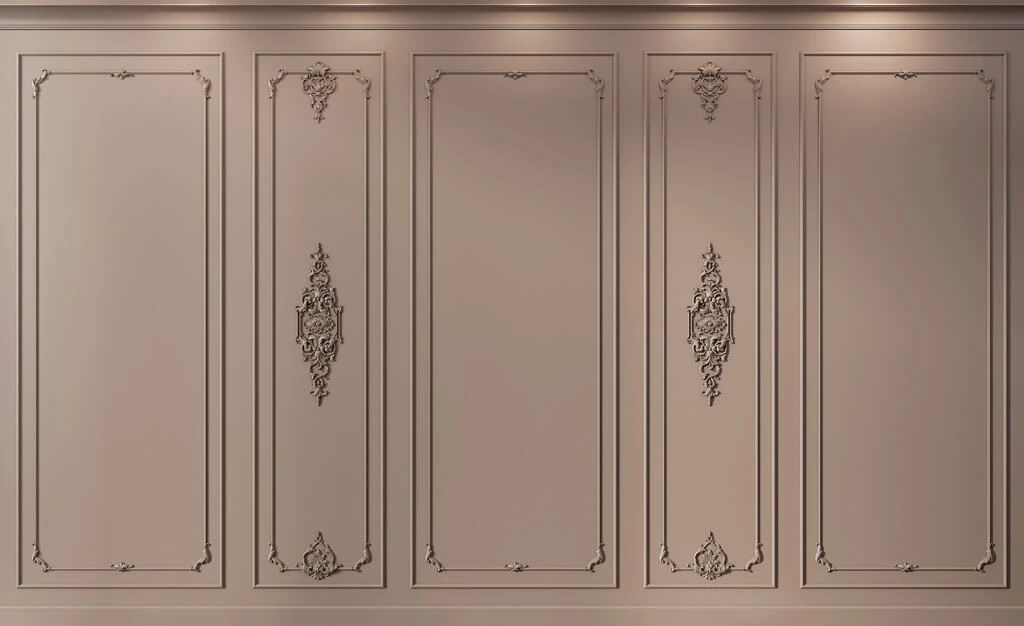
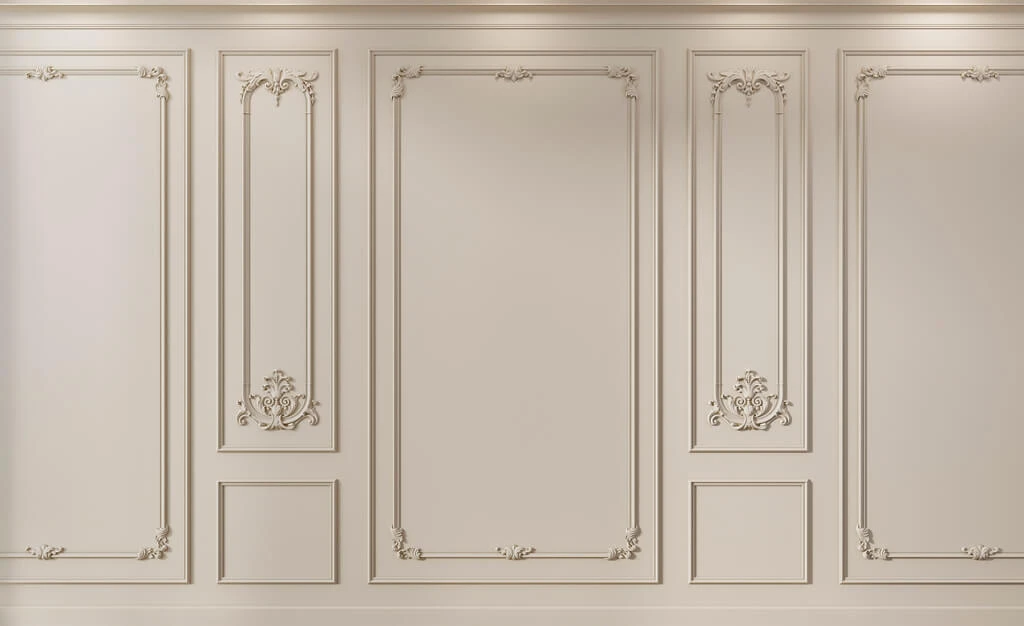
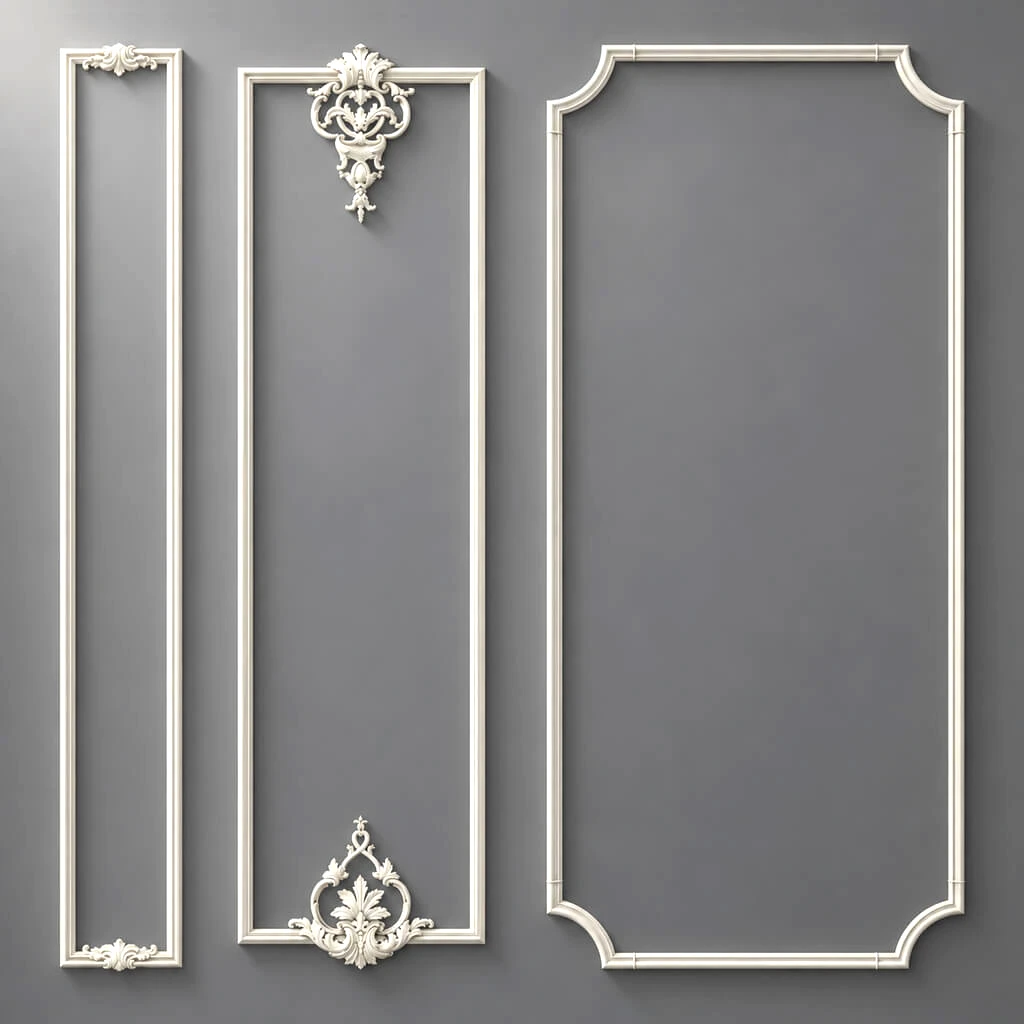
Molding frames are an intermediate solution between boiserie and a bare wall. Molding frames do not create a continuous wooden surface, but they structure the wall, set a rhythm, and provide "fields" for decorative inserts, panels, and lighting.
wooden moldings, cornices, and baseboards in the format of frames is the right solution for a wine room of moderate size: both decoratively expressive and not overloading a small space.
Niches and wine storage areas: how to decorate with wood
This is where the interior of a wine cellar becomes truly interesting. Niches for bottles are not just storage. They are an exhibition. They are a visual "motif" of the space that creates the image of a real cellar.
Framing niches with wooden baguette
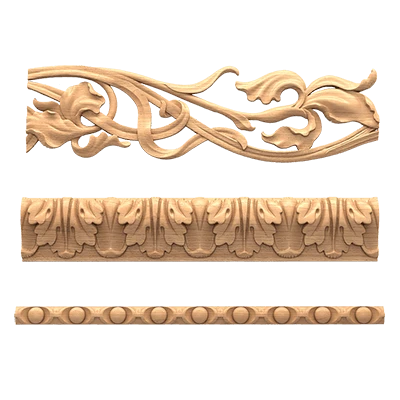
Wooden Picture Frame — the best material for framing niches in walls. Four sections of baguette around the perimeter of the niche create an architectural "frame" around the storage area. The niche transforms from a simple "rectangle in the wall" into a decorative object.
Framing options for niches:
Single baguette frame. Four profiles around the perimeter. Corner joints at 45°. A simple, clean solution.
Double frame. Outer baguette + inner molding. The "field" between them is painted in a different shade or has a decorative surface. Visually richer.
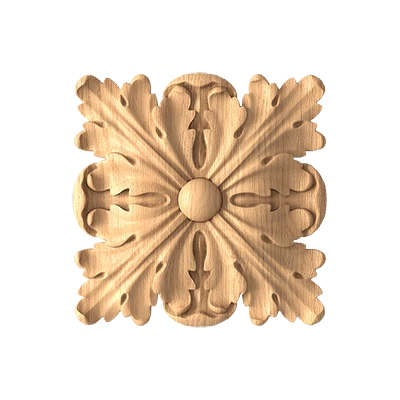
Frame with corner accents. wooden decorative elements in the corners of the frame — instead of corner joints or on top of them. This solution is for classic and baroque interiors.
Vertical posts and horizontal crossbars
In storage areas with open cells for bottles, vertical wooden posts and horizontal crossbars create a storage "grid". This is not just a structure — it is a decorative element.
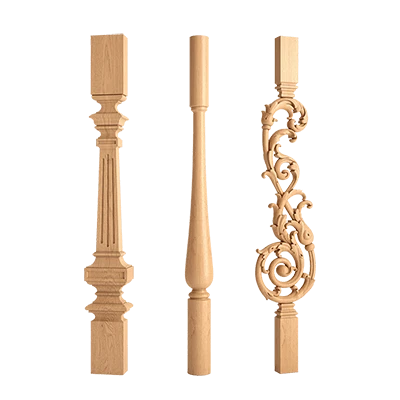
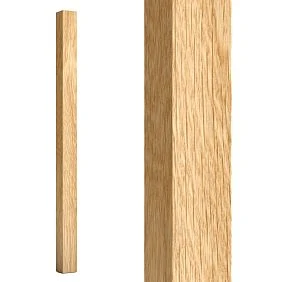
solid wood millwork as vertical posts: straight, precise, with a consistent profile. Post width — 30–50 mm. Distance between posts — for a standard bottle diameter (about 8–10 cm).
Important: vertical posts must be consistent in profile with the niche frames and wall trim. If the niche frames are made from one profile and the posts from another, the system is "visible" as random.
Decorative wooden wine shelves
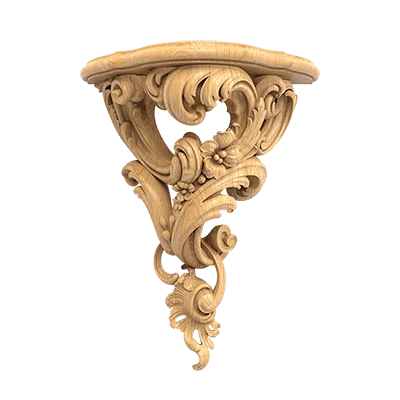
carved wooden shelves In a wine cellar — for decorative bottles, glasses, accessories. Not for storing the main collection, but for "display" pieces.
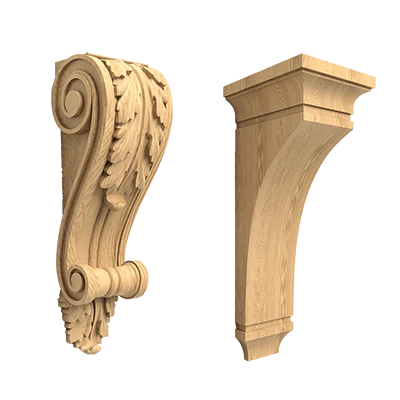
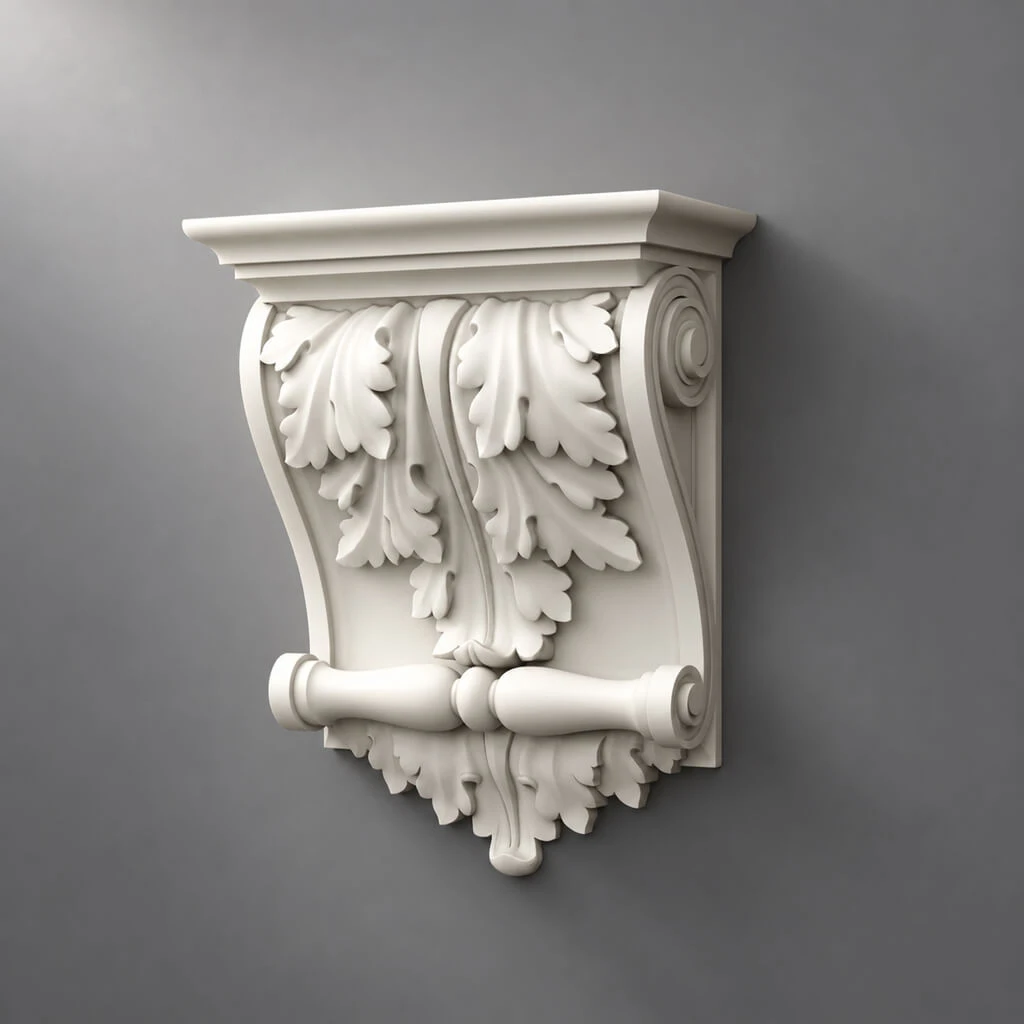
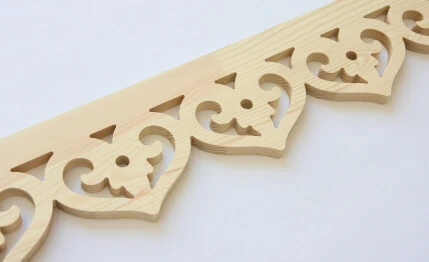
Shelf with carved brackets — an elegant solution for a tasting area: one or two brackets hold a narrow wooden shelf above or behind the table area.
Tasting area: how to create an accent wall
The tasting area is the heart of a wine cellar. This is where the main action happens: not storage, but evaluation, conversation, ritual. And this area requires the most thoughtful decorative solution.
Accent wall behind the table
The wall behind the dining or tasting table is the "backdrop" of the entire scene. It should be expressive but not cluttered. The right choice: wooden panels + molding frames + a central decorative accent.
Accent wall options for the tasting area:
Panel with frame and decorative insert. Wooden panel in a frame made of wooden molding + central decorative element in the middle (rosette, cartouche, ornamental overlay). For classic and chalet styles.
Boiserie at the table. A full boiserie system across the entire wall: lower panel + frames + cornice. A TV or decorative panel fits into one of the system's sections. For study and classic styles.
A row of niches with bottles as decor. Accent wall = wine niches. Framed with baguette, illuminated from within. This only works with good organization: bottles must be neatly arranged, lighting should not be blinding.
Portal and frames in the tasting area
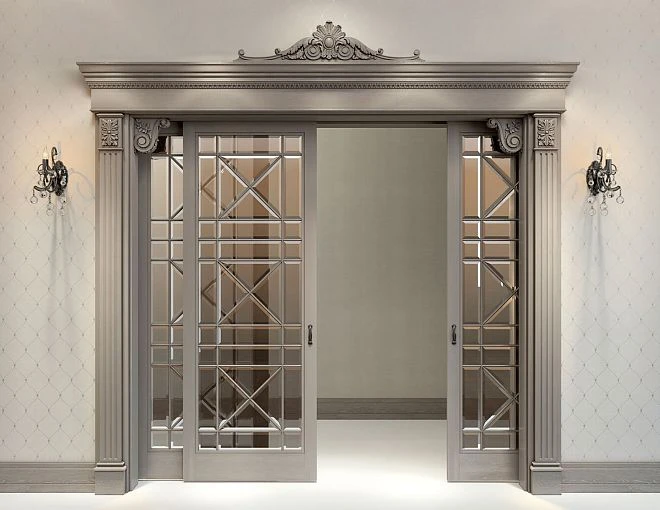
Consoles and Frames — for decorative design of the cellar's accent zone as a portal space. Pilasters on the sides + horizontal cornice = an "arch" above the tasting area.
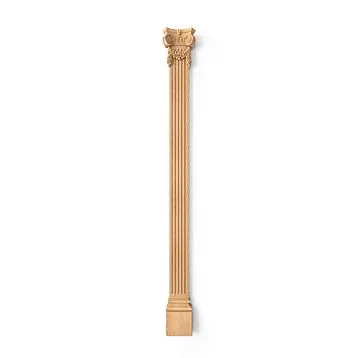
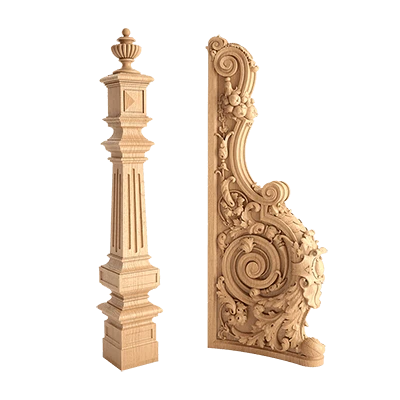
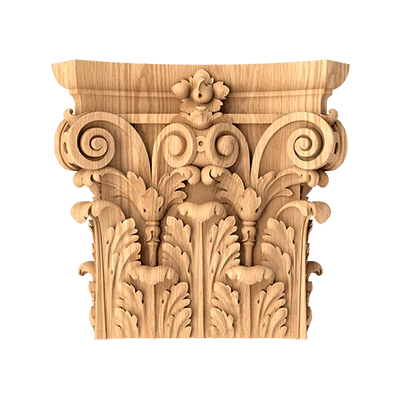
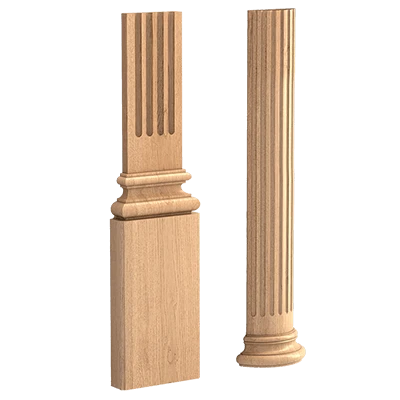
wooden pilasters and columns on the sides of the accent wall create an architectural framing — a sense of "historical" interior, characteristic of the best European wine cellars.
Shelves for glasses and accessories
Decorative shelves in the tasting area — for glasses, decanters, corkscrews, and other accessories. A narrow shelf at a height of 150–160 cm + carved brackets + dark tinting — this is a working decorative element that is also practical.
Wine cellar in a private house: four placement scenarios
How to organize a wine cellar in a private house depends on two factors: the availability of a suitable room and the desired level of decor.
Basement under the main house
Classic option. A basement is an ideal "blank" for a wine cellar: constant temperature, no direct light. The finishing task: to turn concrete or brick walls into an interior space.
Wood finishing here works on the principle of "warmth against cold": warm wood against brick or plastered walls creates a contrast that looks organic in a wine cellar.
Boiserie in a basement cellar: a lower belt 100–120 cm of dense wooden panels in a dark tint. Above — frames of moldings, or open walls with niches.
A separate room on the first floor — "wine room"
How much does it cost to make a full-fledged wine room in a house? The main variable in price is precisely the decor. Engineering (climate control, ventilation) is a separate item. But wood finishing: boiserie, moldings, linear elements, niches, shelves — this is what you can choose and assemble yourself.
For a wine room in a house of 12–20 m², the following work well:
-
Three walls in a boiserie system — lower belt + frames
-
One wall — a "storage wall" with vertical racks and niches
-
Ceiling cornice made of molding
-
Tasting table + accent wall + shelves
Area near the kitchen or dining room
A compact "built-in" wine zone — for those without a separate room. A niche in the wall framed with wooden profiles, with vertical bottle racks — and a small tasting area nearby.
In this case, the wooden trim should match the kitchen or dining room finish. If the kitchen has wooden molding on the facades — the same profile in the wine zone niches. If the dining room has boiserie — the same moldings in the niche design.
Basement of a chalet-style country house
The most atmospheric option. Rough stone or brick + warm dark wood paneling + massive wooden beams under the ceiling — classic "Alpine cellar". Here, massive molding with pronounced texture, dark tinting ("walnut", "wenge"), and large profile moldings are appropriate.
STAVROS carved decor In such a cellar, it is used selectively: a few accent elements in the tasting area, framing of the main niche, or a portal above the entrance.
How to choose the style of wooden trim: five key directions
Style table
| Style | Decorative system | Materials and finish | Where it is appropriate |
|---|---|---|---|
| Classic | Boiserie, baguette, moldings, carved decor | Walnut tinting, enamel, patina | Private house, residence |
| Neoclassical | Molding frames, calm profiles | Enamel to match, tinting | Wine room, apartment |
| Chalet | Vertical panels, massive profiles | Dark tinting, varnish | Country house, basement |
| Study style | Dark panels, baguette, pilasters | Wenge, walnut, dark lacquer | Office, tasting room |
| Restaurant-style | Expressive niches, decorative frames | Custom order, any finish | VIP room, display area |
Classic and neoclassical: wood as architecture
In a classic wine cellar interior, wood paneling is not decoration but architecture. Each element has its place in the hierarchy: baseboard, panel, horizontal band, frames, cornice. No profile is accidental.
For classic style: full-height boiserie, Wooden Picture Frame for niches, Carved Decor for accent zones. Finish: warm walnut or dark wood tinting. Patina — for "historical" depth.
Chalet: wood as a natural material
In the chalet style, wood is not polished to a mirror shine — it remains natural, with a pronounced texture. Vertical boards with visible chips and irregularities, massive horizontal beams, moldings with a rough texture.
Dark tinting without excessive varnish works well here. A matte "waxed" surface is ideal.
Cabinet style: dark wood and austerity
A cabinet-style wine cellar interior is a space for a collector and connoisseur. Dark panels, expressive Wooden Picture Frame, pilasters as vertical accents, shelves for a wine book collection next to niches for bottles. No "brightness" — only depth.
Materials and finishing: what to consider
Before choosing specific profiles and elements, you need to understand a few fundamental things about wood finishing in a room with a special microclimate.
Humidity and temperature
What should a wine cellar be like in terms of climate: 10–14°C, humidity 65–75%. These are conditions under which wood must work stably. A few practical rules:
-
The wood must be pre-«acclimatized» indoors — kept without installation for several days under working conditions
-
Wooden elements should not be placed flush against stone walls without a gap — an air layer is needed
-
Final finishing (varnish, oil, wax) protects wood from humidity fluctuations
Finishing of wooden elements for a wine cellar
Oil and wax — a «breathable» coating. Wood retains its natural appearance, feels warm to the touch. Needs periodic renewal.
Hard varnish — reliable protection against moisture, but «seals» the wood. For a cellar, matte or semi-matte varnish is preferable — it does not create reflections from lighting.
Tinting + varnish — a compromise between natural appearance and protection. Stain of the desired tone + 2–3 coats of varnish.
Enamel — for elements that are painted to match the wall or furniture. Not common in a classic cellar, but quite appropriate in a neoclassical or restaurant wine room.
Wood species for decorative elements
Solid wood products STAVROS made of beech — a dense, stable species with a uniform texture. For furniture and interior use, beech is optimal: it holds its shape well and accepts any finish.
For accent elements (pilasters, carved decor, capitals), beech tinted to resemble oak or walnut creates the effect of "dark wood," characteristic of the finest cabinet interiors.
How to calculate wooden finishing for a wine cellar
This is a practical section for those ready to start working.
Step-by-step methodology
Step 1: Determine the purpose of the room and zones.
Only storage? Storage + tasting? Display zone? Combined wine room? Each scenario requires a different balance between storage and decor.
Step 2: Measure all surfaces.
Area of each wall, ceiling height, dimensions of niches and openings. Sketch a "wall elevation" indicating doors, windows, and ventilation openings.
Step 3: Divide the walls into functional zones.
Which wall is for "storage," which for "tasting," which is "background." This will determine where dense boiserie is needed, where frames, and where just a molding belt.
Step 4: Choose the height of the lower tier of panels.
For a basement cellar: 90–110 cm. For a high tasting room: 110–130 cm. For a cabinet style with high ceilings: up to 150 cm.
Step 5: Calculate the length of moldings, trims, and profiles.
Add up the perimeters of all areas where profiles are used. Add 15% margin for cutting. For niches — a separate calculation (perimeter of each niche × number of niches).
Step 6: Choose accent elements.
Decorative elements for frame corners, pilasters, carved decor — ordered separately for specific points. Their quantity = number of required accents.
Step 7: Coordinate the finish.
Choose the tint tone or enamel color before ordering. Check consistency with wall finish, furniture, and floor of the room.
Step 8: Plan niche lighting before installation.
Niche lighting is installed before the wooden decor. Wooden niche frames must have technological gaps for LED strips or spotlights.
Mistakes in designing wooden finishes for a wine cellar
Experience is the best teacher. But it's better to learn from others' mistakes.
Mistake 1: Not accounting for humidity before finishing
Wood without proper finishing in cellar humidity conditions can change dimensions. This leads to gaps in molding joints or panel warping. Solution: proper acclimatization and a good topcoat.
Mistake 2: Overloading a small space with large elements
An 80 mm wide cornice + pilasters + full boiserie in an 8 m² room is too much. The scale of elements should match the scale of the space.
Mistake 3: Using carved decor without connection to the style
Carved overlays with floral ornament on walls in a chalet style is a style conflict. Carved Decor works only when it is consistent with the overall stylistic code of the interior.
Mistake 4: Covering technical areas with decor
Ventilation grilles and engineering communications must remain accessible. Wooden panels are installed taking into account access to equipment.
Mistake 5: Using too thin moldings for a large wall
A 20 mm molding on a wall 3 m high with niches 60 cm wide will be "lost." The profile scale must match the wall scale: a taller wall requires more developed moldings and a wider profile.
Mistake 6: Not coordinating the finish with the furniture
Dark tinting of wall panels + light tasting furniture without a connecting element is a disconnect. The color of wooden elements should echo the furniture, floor, or other surfaces in the room.
Mistake 7: Not thinking about lighting in advance
Niche lighting, accent light on an accent wall — this is installed before the wooden finish. Redoing it afterward is expensive and unsightly.
Mistake 8: Mixing "construction" and "furniture" trim
Construction-grade boards on walls and thin furniture-grade trim in niche frames are different levels of quality and detail. In an interior wine cellar, all wooden elements must be from the same quality system.
Complete catalog of STAVROS elements for wine cellar design
Everything needed for wood finishing — in one system:
-
STAVROS Wine Cellars — design solutions
-
Boiserie and wall panels — wall finishing system
-
solid wood millwork — profiles for joints and layouts
-
wooden moldings, cornices, and baseboards — horizontal belts and frames
-
Wooden Picture Frame — framing of niches and accent areas
-
wooden decorative elements — corner and central accents
-
STAVROS carved decor — for classic and premium solutions
-
wooden pilasters and columns — vertical architectural decor
-
Carved wooden brackets — for shelves and decorative consoles
-
carved wooden shelves — for tasting areas and accessory storage
-
Solid Wood Items — full catalog
-
Consoles and Frames — portals and decorative frames
-
furniture solutions — for tasting area furniture
Frequently asked questions about wooden wine cellar finishing
How to finish the walls of a wine cellar in a private house?
For a premium result — wooden wall panels in a boiserie system, moldings for belts and frames, wooden linear profiles for joints, wooden baguette for framing niches. The style and finish are chosen according to the overall concept of the house.
What is the difference between a wine cellar and a wine room?
Technically: a cellar is a recessed room with a constant low temperature. A wine room is a room with a climate control unit. Interior-wise: both can be decorated with wooden panels, boiserie, niches, and a tasting area — the difference is only in scale and level of decor.
Can wooden moldings be used in a room with high humidity?
Yes, provided the wood is properly finished and pre-acclimatized. Wooden elements must be coated with varnish or oil that protects against moisture. Gaps between the wood and the wall are mandatory.
How to design a tasting area in a small cellar?
Choose one accent wall and focus the decor on it: a panel with a baguette frame, a shelf with brackets, lighting. The other walls should be calmer. This creates a focal point and does not overload a small space.
Which style is best for a wine cellar?
It depends on the overall style of the house or restaurant. For country houses — classic or chalet. For city apartments — neoclassical. For restaurant spaces — cabinet or classic style with expressive niches and decorative frames.
What is better for wine niches: baguette or molding?
For niches with expressive framing — wooden baguette: it creates a frame volume. Molding is suitable for calmer solutions where the niche should "blend in" without emphasis. Both options work — the choice depends on the style.
Are pilasters needed in a wine cellar?
Pilasters are appropriate in cabinet, classic, and restaurant styles. For a modest private cellar — they are optional. They create architectural scale, so they are needed in rooms with high ceilings (from 2.8 m).
About the company STAVROS
A real wine cellar begins not with engineering or climate control. It begins with a feeling: to enter and understand that this place is created with intelligence and love for details. Wooden finishing creates this feeling. Properly selected profiles, coordinated in scale and style, work together as architecture — not as a random set of elements.
STAVROS is a Russian manufacturer of wooden interior and furniture decor from solid wood. Boiserie, moldings, millwork, baguette, pilasters, carved shelves, brackets, decorative elements — everything for a complete wooden finish of a wine cellar, tasting area, and any space where precision of details is important. Production in Russia. Delivery throughout the country.
STAVROS — wood that creates atmosphere.