










































































Article Contents:
- What is a wooden architrave: a function that became art
- Where wooden architraves are used: three main scenarios
- Architraves for windows: outside and inside
- Architraves for doors: classic door frame
- Architraves in a wooden house: tradition as an architectural language
- Types of wooden architraves: from smooth profile to carved framing
- Smooth architrave
- Shaped casing
- Carved Casing
- Wide architrave
- How to choose wooden window casings: step-by-step logic
- Step 1: Determine the type of application — exterior or interior
- Step 2: Measure the window opening
- Step 3: Choose the profile width
- Step 4: Determine the casing style
- Step 5: Decide on corner joints
- Step 6: Choose the finish
- How to choose wooden door casings
- Casing joint with baseboard
- Door casing height
- Wide casing for massive doors
- Carved casings and house carving: architectural tradition and modernity
- What is house carving
- Slotted and relief carving: what is the difference
- How not to overload the facade with carved casings
- Types of wooden casings: summary table
- Material of wooden casing: species, quality, selection
- Oak
- Spruce
- Larch
- Ash
- Walnut
- Finishing of wooden casings: under varnish, enamel and tinting
- Casing under clear varnish
- Casing under tinting
- Trim for white enamel
- Trim for exterior coating
- How to calculate the number of wooden casings
- How to combine wooden trims with other decorative elements
- Door casing + baseboard
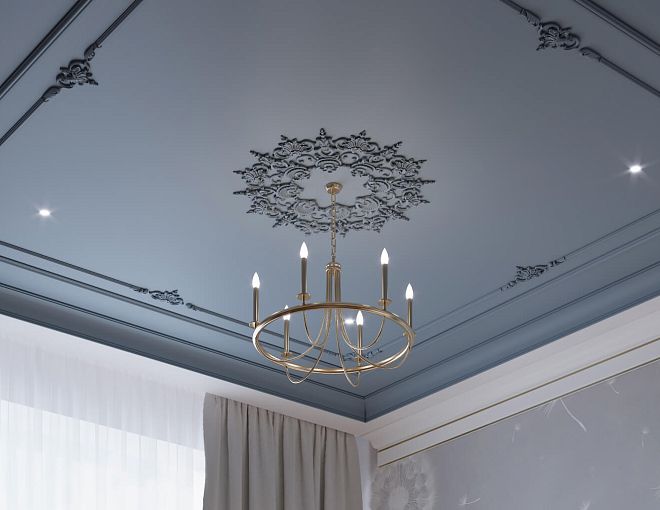
- Trim + ceiling cornice
- Trim + decorative elements
- Trim + wall moldings
- Trim + house carving on the facade
- Style dictionary: which trim for which style
- Mistakes when choosing wooden trims
- Where to buy STAVROS wooden trims
- Frequently asked questions about wooden trims
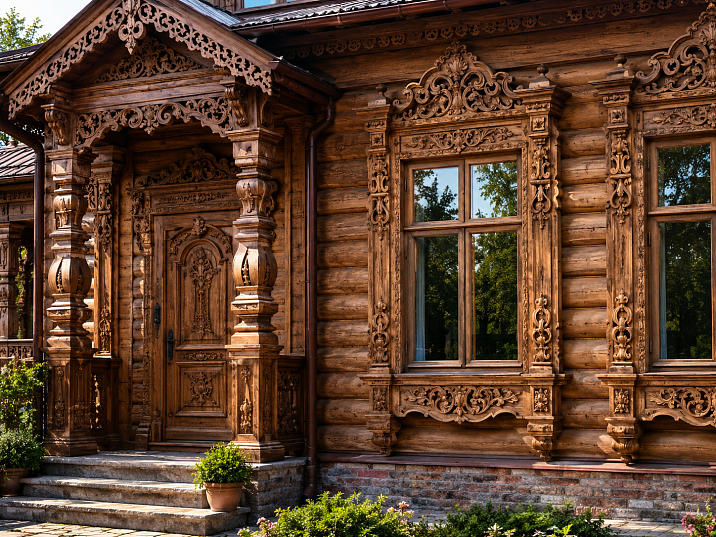
Look at any old wooden house — Russian, Scandinavian, German. What first catches the eye on the facade? Not the walls. Not the roof. The window casings. Those very wooden window frames that turn an ordinary opening into an architectural statement. In the Russian tradition of wooden architecture, the casing is the face of the house. It reveals the wealth, taste, and character of the owner.
Today, wooden casings are experiencing a true revival. They are chosen not only for wooden houses in a traditional style — they are installed in classic city apartments, studies, libraries, and halls. Where you want not a plastic, average "nothing," but a real material with relief and character.
If you are looking for where to buy wooden casings for windows or doors — STAVROS wooden architraves this is a ready-made selection of solid wood profiles: smooth, shaped, carved, for painting and varnishing.
This article provides a complete breakdown: what a wooden casing is, what types exist, how to choose width and profile, how to calculate quantity, how a carved casing differs from a shaped one, how to properly select finishing, and what mistakes ruin even a good idea.




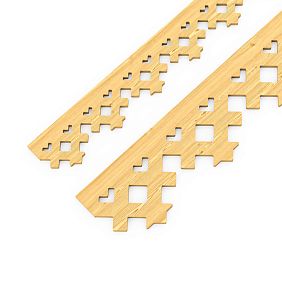
What is a wooden casing: a function that became art
A casing is a profiled strip that covers the gap (joint) between the window or door frame and the wall. This is its first, technically mandatory task. But a good solid wood casing always has a second, decorative task: to create a frame, form a visual border, and set the style.
A wooden casing is simultaneously:
-
Structural element: hides the gap, protects the edge of the finish
-
Decorative profile: frames the opening, creates a border contour
-
Style-forming element: connects a window or door with the overall image of the facade or interior
How is a platband different from a molding? A molding is a decorative profile used on walls, ceilings, furniture, and cornices. A platband is a type of profile with a strictly defined purpose: framing a window or door opening. The platband is from the family moldings, cornices, and baseboards made of solid wood, but with a special function.




Where wooden platbands are used: three main scenarios
Our factory also produces:
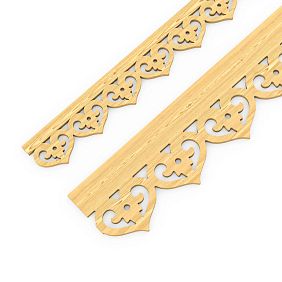


Platbands on windows: outside and inside
A window opening is the most common scenario for a platband. Here, wooden platbands on windows solve several tasks simultaneously.
Platbands for the facade of a wooden house. On the outside, the platband is the face of the building. For a wooden house in a traditional style — carved platbands with a cut-out pattern, figured tops, ornaments in the spirit house carving. For a modern wooden house — a smooth or figured profile without lavish carving, but with an expressive cross-section.
Exterior platbands are used in outdoor conditions: temperature changes, humidity, ultraviolet. Proper finishing is critical for them: exterior varnish or paint on an oil or alkyd base.
Interior platbands on windows. The window sill area from the room side is the zone for an interior platband. Here, exterior protection is no longer needed, but consistency with the interior is important: wall color, baseboard material, furniture style.
For carved wooden window casings on the outside — in the section STAVROS house carving a special class of products specifically for facade use is presented. These are not furniture overlays or interior moldings — these are elements for architectural framing.
Get Consultation
Door casings: the classic of the doorway
A door casing works on the same logic as a window casing — it covers the gap, frames the opening. But a door casing has its specifics: it is seen not from the "outside," but from inside the room, in the context of the interior.
You need to buy wooden door casings considering:
-
Doorway width: standard 600–900 mm, non-standard — up to 1200 mm and more
-
Wall thickness: with thick walls, the casing can be combined with extensions
-
Door style: a massive classic-style door requires a wide figured casing; a minimalist door requires a narrow, concise profile
-
Connection with the baseboard: at the bottom, the door casing meets the floor baseboard — this connection needs to be planned in advance
Casings in a wooden house: tradition as an architectural language
A wooden house is a special context. Here, the platband is not just a functional element. It continues an architectural tradition. Carved wooden platbands for a wooden house are not a whim, but an organic part of the building's image.
In the Russian tradition of wooden architecture, there is a whole language of carved window framing. The upper pediment with a cut-out ornament, side pilaster-posts, and the lower window sill board are all parts of a unified decorative window system.
Modern House Carving STAVROS is not a museum exhibit. It is a living product for real construction projects: new wooden houses, renovations, dachas, bathhouses, estates.
Types of wooden platbands: from smooth profile to carved framing
Before buying, you need to understand the typology. Wooden platbands can be fundamentally different—both in appearance and in application.
Smooth platband
The simplest option. Rectangular cross-section without decorative profile. Used in calm, minimalist interiors where the emphasis is on the material, not the relief.
A smooth platband made of solid oak under a clear varnish is already a statement: here, the natural texture of the wood is important. The same platband under white enamel is a neutral, 'disappearing' framing.
Molded casing
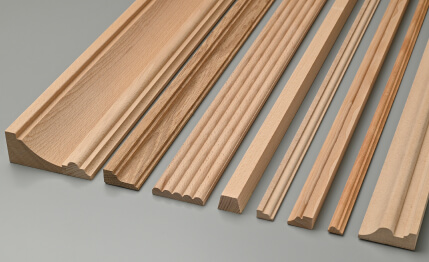
A profile with breaks, bands, and roundings—everything that is called a 'classic' furniture and architectural profile. A shaped platband has a more complex cross-section: horizontal steps, rounded transitions, small protrusions.
For a classic interior, study, hallway, or foyer, a shaped platband is the right choice. It creates a 'frame' contour around the opening and makes the door or window architecturally complete.
Shaped profiles — part of the section moldings, cornices, and baseboards made of solid wood STAVROS. Same place — special selection wooden architraves by product type.
Carved casing
A carved architrave is a shaped architrave with additional decor. Carving can be:
-
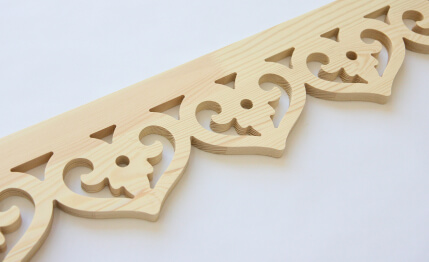
Slotted (openwork): the pattern is created with through cuts — typical for traditional house carving
-
Relief: a three-dimensional pattern on the surface without through cuts
-
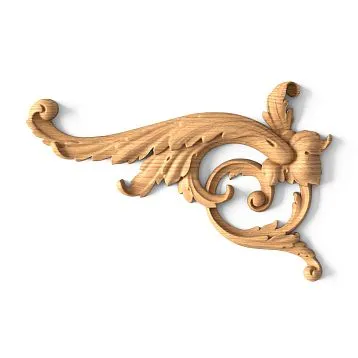
Overlay: individual carved elements made of carved decor elements or decorative elements
For a wooden house with a historical or traditional character — slotted carving. For a classic urban interior — relief carving or overlay carved decor.
Wide architrave
The width of the architrave is from 40 to 120 mm or more. A wide architrave (from 80 mm) creates a monumental "portal" framing — works especially well with high ceilings and large openings.
A wide wooden casing on a door in a classic study with a 3.5-meter ceiling is an architectural accent that "holds" the scale of the room. The same wide casing in a small apartment with a 2.5-meter ceiling can "weigh down" the space.
How to choose wooden window casings: step-by-step logic
Buying window casings is not a task where you can act "by eye." A few wrong decisions, and the framing will be either too thin, too bulky, or stylistically inappropriate.
Step 1: Determine the type of application — exterior or interior
This is the first and fundamental distinction:
-
Exterior casing — must withstand outdoor conditions. Finish: exterior varnish, primer paint, exterior enamel. Wood species: oak, larch, pine with proper treatment
-
Interior casing — for indoor use. Any finish: varnish, enamel, tinting, wax, oil
Step 2: Measure the window opening
To calculate the quantity and length of casings, you need to know:
-
The height of the opening (two vertical planks)
-
Opening width (one horizontal — top)
-
Are trims needed on both sides (exterior + interior)
Add a 10–15% margin to the calculated length for trimming and joints.
Step 3: Select the profile width
| Opening width | Recommended casing width |
|---|---|
| up to 700 mm | 40–60 mm |
| 700–1000 mm | 60–80 mm |
| 1000–1400 mm | 80–100 mm |
| Over 1400 mm | 100–120 mm and more |
Rule: trim width should be 5–8% of the opening width. This ensures visual balance.
Step 4: Determine the trim style
The style of the house and interior determines the trim style:
-
Wooden house in Russian style → carved wooden architraves with fretwork ornament from the section house carving
-
Classic interior → figured profile from moldings and architraves STAVROS
-
Scandinavian style → smooth solid wood architrave under white enamel
-
Study / library → wide figured architrave under dark tint
-
Provence → medium width architrave under white or cream enamel with patina
Step 5: Resolve corner joints
Architraves are joined at corners in one of two ways:
-
At 45° (mitered): classic method — strips are cut at 45° and joined at the corner
-
With corner block (rosette): a square corner rosette is installed at the top corners from decorative elementsand the platbands enter it at a right angle
The second option is technically simpler and decoratively richer: a corner rosette adds a classic accent and masks possible cutting inaccuracies.
Step 6: Choose the finish
-
Clear varnish: for natural wood texture — oak, ash, walnut
-
Toning + varnish: for changing color while preserving texture — dark walnut, wenge, cherry
-
White enamel: for classic white interiors
-
Colored enamel: for designer solutions
-
Exterior varnish: for facade platbands
How to choose wooden door platbands
Door platbands follow the same principles as window ones, but with a few specifics.
Joint of the casing with the baseboard
At the bottom of the doorway, the casing meets the floor baseboard. This joint needs to be planned in advance to avoid an unsightly "gap" between the two profiles.
Two solutions:
-
The casing goes behind the baseboard — the casing is wider than the baseboard, the baseboard "approaches" the casing
-
The baseboard goes behind the casing — the baseboard is wider than the casing, the casing ends at the level where the baseboard begins
solid wood millwork STAVROS includes profiles for baseboards, extensions, and transition elements — this helps create a unified profile system for doors, windows, and walls.
Height of the door casing
The standard doorway height is 2000–2100 mm. For non-standard ceilings (2.5–3.5 m), the door may be higher. The casing is cut to the actual height with allowance.
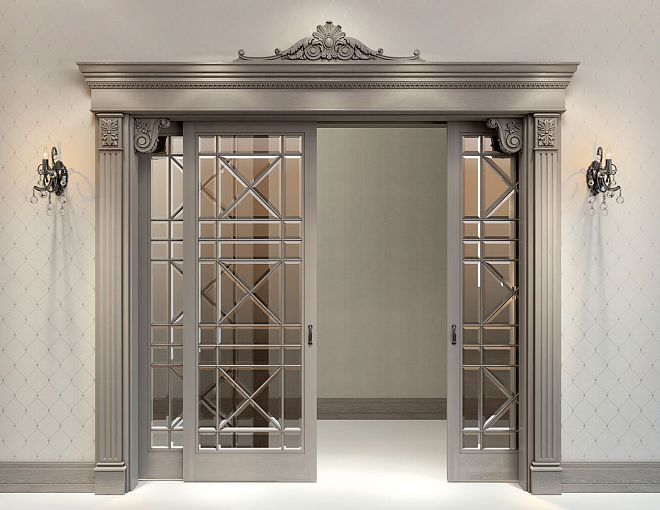
The upper horizontal casing plank sometimes turns into a small "entablature" — a horizontal band above the door with a cornice profile. This is a classic architectural technique: a light cornice protrudes above the door, supported by casing-pilasters on the sides.
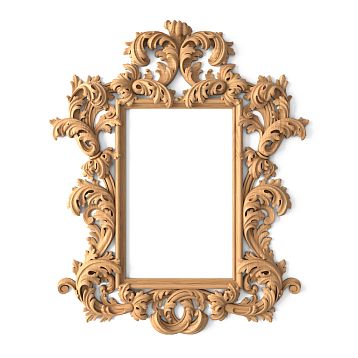
This solution is well suited for Wooden Picture Frame — as the upper horizontal plank with a developed profile.
Wide casing for massive doors
A solid wood door 80–90 mm thick and 2.1 m high is a large object. A narrow 40 mm casing on such a door looks like a "thread" around a monumental panel. For massive doors, a wide shaped casing from 80 mm that visually "holds" the scale.
Carved casings and house carving: architectural tradition and modernity
For many, the words "carved wooden window casings" evoke an image of an old village house with blue shutters and intricate wooden "lace." But carved casings are not just nostalgia.
What is house carving
House Carving — it is a system of decorative wooden elements for decorating house facades: casings, gables, soffits, valances, cornices, roof overhangs. It is a full-fledged architectural language with centuries-old tradition.
In modern projects, house carving is chosen for:
-
New wooden houses in traditional or neo-Russian style
-
Reconstruction of historical buildings
-
Dachas, estates, cottages in ecological or historical style
-
Bathhouses and utility buildings with a "Russian" character
Slotted and relief carving: what is the difference
Slotted carving — the pattern is created by through cuts in the board. Openwork, light, "lace-like" character. Historically the most common technique for wooden houses in Russia. Such window frames create shadow and play of light on the facade.
Relief carving — the pattern is selected from the surface of the board. More voluminous, "sculptural" character. Works well for both facade and interior applications.
How not to overload the facade with carved window frames
A common mistake when choosing carved window frames is to choose a pattern that is too busy for a small house. Result: the facade "shouts", the carving gets lost in the overall motleyness.
Rules for choosing a carved pattern:
-
For small houses and windows — a simpler, geometric ornament
-
For large estates with tall windows — a rich floral or geometric ornament
-
The pattern of all window frames on one facade — uniform
-
Vertical side posts and horizontal top pediment — from one pattern or harmoniously coordinated
Types of wooden architraves: summary table
| Architrave type | Application | Style | Finish |
|---|---|---|---|
| smooth | Doors, windows, minimalist interior | Modern, Scandinavian | Varnish, enamel, oil |
| Decorative | Classic interior, study, hallway | Classic, neoclassic | Varnish, tinting, enamel |
| Wide decorative | Large openings, high ceilings | Classic, empire | Tinting, enamel |
| Carved (relief) | Interior, classic, study | Classic, Baroque | Toning, patina |
| Carved (sawn) | Facades, wooden house | Traditional, neo-Russian | Exterior paint, varnish |
| With corner rosettes | Doors and windows in classic style | Classic, neoclassic | Any |
Material of wooden trim: species, quality, selection
A solid wood trim is a product with the character of a specific wood. The species matters: not only aesthetically, but also practically.
Oak
Hard, dense, durable. Beautiful texture with a large pattern. Holds shape well during humidity changes. Under clear varnish — one of the most expressive materials. For exterior trims with proper treatment — a durable choice.
Spruce
Affordable price, good workability. Soft structure — careful with impacts. Accepts paint and enamel well. Traditional material for house carving. For exterior use — requires thorough treatment with resins and protective compounds.
Larch
Especially valuable for outdoor use: dense, resinous structure, high moisture resistance. Well suited for window casings on the outside of a wooden house.
Ash
Light, expressive texture with straight grain. Excellent hardness and elasticity. Under varnish — a modern, clean look. For classic interior casings — an interesting alternative to oak.
Walnut
Dark, rich texture. For studies and libraries — an ideal material. Under oil tinting, walnut acquires a deep chocolate tone.
Finishing of wooden casings: under varnish, enamel, and tinting
Finishing of casings is not the final touch. It is part of the choice that needs to be planned before purchase.
Casing under clear varnish
Preserves the natural color and texture of the wood. Suitable for projects where an "honest" material is important. Matte varnish — a modern, calm look. Glossy varnish — a traditional formal finish.
Important: a wooden casing under varnish must be made from knot-free or low-knot board: knots look rough under varnish.
Casing under tinting
Stain changes the color, varnish fixes the result. Tinting in walnut, wenge, cherry, gray oak — a wide choice for design solutions. The wood texture is preserved, only acquiring the desired shade.
Important: different wood species with the same stain will yield different results. If the architraves are made of pine and the baseboards are made of oak, the stain will differ in color. Ideal: all profiled moldings from the same species.
Architrave for white enamel
The most common solution for classic and neoclassical interiors. White enamel 'erases' the wood species — the shape of the profile matters, not the texture. Therefore, for enamel, choose architraves with an expressive figured profile.
Important: before painting — puttying small defects and priming. Otherwise, the surface fuzziness and small wood pores will show through the paint.
Architrave for exterior coating
For facade architraves, compounds resistant to UV and temperature fluctuations are needed. Alkyd or acrylic-polyurethane paint for exterior use. Mandatory: antiseptic impregnation + primer + final coat of paint.
It is recommended to paint before installation, except for the ends (they are painted after installation, when the ends are exposed during trimming).
How to calculate the quantity of wooden trims
This is a practical question that arises before every purchase. A calculation error means extra costs or a shortage of material.
Step 1: Measure the height and width of each window or door opening.
Step 2: Determine which side the architrave is needed on — one side (exterior) or two sides (exterior + interior).
Step 3: Calculate the length per opening:
-
2 vertical posts × opening height
-
1 horizontal top bar × opening width
-
Total linear meters = (2 × height) + width
Step 4: Add 15% allowance for trimming and joints.
Step 5: Multiply by the number of openings.
Step 6: Consider multiplicity: architraves are sold in specific lengths (standard 2.2–3 m). Check that there is not much waste when cutting.
Step 7: If using corner rosettes instead of 45° miter cuts — calculate their quantity (4 pieces per opening).
How to combine wooden architraves with other decorative elements
An architrave does not live in isolation. It is part of the profile and decorative system of the room or facade.
Architrave + skirting board
Floor skirting and door casing are neighbors that must "agree" on profile and width. Rule: skirting and casing from the same profile series form a unified system. Solid wood moldings, cornices, and baseboards STAVROS allows you to select coordinated profiles.
Casing + ceiling cornice
In a classic interior, vertical door casings "respond" to the horizontal cornice at the ceiling. An identical or similar profile creates a unified architectural space.
Casing + decorative elements
For a classic door or window — corner rosettes at the top corners, a keystone above the top horizontal plank. These are techniques from classical architecture that are easily reproduced using wooden decorative elements STAVROS.
Casing + wall moldings
In interiors with solid wood millwork on the walls — the casings must be from the same profile system. Otherwise, the profiles "compete" with each other.
Casing + house carving on the facade
On the facade of a wooden house House Carving — it is a system. Carved window casings must be coordinated with gable boards, eaves trims, carved cornice overhangs, and other facade decor elements. Mismatched elements on one facade create visual chaos.
Stylistic dictionary: which casing for which style
Russian traditional style → carved wooden casings with fretwork ornamentation. Geometric or floral patterns, finishes with a "kokoshnik" or figured pediments.
Scandinavian style → smooth wide casing, white enamel. No carving, no patina. Purity and naturalness of the material.
Classic interior → figured casing with 2–3 bands, under white enamel or dark tinting. Corner rosettes. Wide profile.
Neoclassicism → strict figured casing, white or gray. No carving, but with a clear profile.
English style / study → dark casing in walnut or wenge. Wide profile. Matte varnish. Wooden decorative elements possible.
Provence → medium-width casing, white or cream enamel, light patina. Rounded profiles.
Mistakes when choosing wooden casings
1. Too narrow casing for a large facade. The result is a "lost" profile that doesn't hold the scale. For large windows — from 70 mm.
2. Carved casing in a calm minimalist interior. Carving requires stylistic support. Without it — it looks like a random guest.
3. Different casing styles in one room. In the kitchen — shaped, in the living room — smooth, in the hallway — carved. These are three different spaces speaking three different languages.
4. Outdoor use not considered. Buying casings without exterior finish and installing them on the facade — the first rain will show the mistake.
5. Joint with baseboard not coordinated. Casing and baseboard of different widths with an ugly joint in the corner — a typical problem solved at the selection stage.
6. No allowance for trimming. Ordered "flush" — got a shortage.
7. Different wood species for tinting. Casings from pine + baseboards from oak under the same tint — different color, obvious mismatch.
8. Corner rosettes not used. Joints at 45° made inaccurately — gaps in corners. Corner rosettes solve this problem beautifully and easily.
Where to buy STAVROS wooden casings
All wooden profiles and carved casings — in the STAVROS catalog:
-
STAVROS wooden architraves — smooth, shaped, for windows and doors, solid wood
-
Solid wood moldings, cornices, and baseboards — full profile catalog
-
House Carving — carved architraves and elements for wooden house facades
-
STAVROS carved decor — for classic interior and facade projects
-
solid wood millwork — baseboards, extensions, trims
-
wooden decorative elements — corner rosettes and keystones for frames
-
Wooden Picture Frame — for upper horizontal planks with developed profile
-
Solid Wood Items — full catalog of wooden elements
-
STAVROS Wall Solutions — a systematic approach to wall decoration with architraves and moldings
-
furniture solutions — for furniture projects with decor
Frequently asked questions about wooden casings
What is a wooden casing and why is it needed?
It is a profiled strip made of solid wood for framing window and door openings. It covers the gap between the frame and the wall, forming a decorative frame. STAVROS offers ready-made casings of various widths and profiles.
Which casings should I choose for windows in a wooden house?
For a traditional wooden house — carved casings with a sawn ornament from the house carving section. For a modern eco-style house — a smooth or shaped profile for exterior paint.
How does a carved casing differ from a smooth one?
A smooth casing is a rectangular profile without decoration. A carved one has a relief or sawn pattern. A carved casing is used where the decorative character of the facade or interior is important.
Can wooden casings be painted?
Yes. Solid wood casings accept enamel, tinting, varnish, oil, and exterior paint. For exterior use, an exterior protective coating is mandatory. It is recommended to paint before installation, with the final coat applied after installation.
How to calculate the number of casings for windows?
Opening height × 2 (side posts) + opening width (top strip) = linear footage for one window. Add 15% reserve. Multiply by the number of windows.
How does the trim connect to the baseboard at the door?
Two options: the trim is wider than the baseboard (the baseboard meets the trim) or the baseboard is wider than the trim (the trim ends at the level of the baseboard). Choose the option before purchasing — it determines the width of both profiles.
Where to buy ready-made carved wooden window trims?
In the STAVROS online catalog — the section of wooden trims and house carving. Ready-made solid wood products with delivery across Russia.