


























































Article Contents:
- Why a beautiful interior quickly deteriorates if load is not considered
- Lower risk zone: wooden floor baseboard
- Baseboard in a home with children and pets: what matters
- How to choose a baseboard profile for a specific room
- Baseboard and doors: why consistency is important
- Walls that are touched: wooden slats and layout
- Where slats work best
- How to choose the spacing between slats for different zones
- Wooden layout: when slats are not the best choice
- Furniture handles: the most contact-intensive furniture detail
- How to choose a handle by grip, not just by appearance
- Uncoated handles and handles for painting: when it's justified
- When to use a large handle and when a knob
- How to match handles with baseboards and slats
- Legs and supports: daily furniture stability
- How a leg differs from a support
- Legs for a cabinet: what's important to choose correctly
- Supports for furniture under a heavy countertop and dining table
- How legs affect cleaning
- Tables and tabletops: underframe for an active kitchen and living room
- What is an underframe and why you shouldn't choose it just by photo
- Underframe for a dining table: load requirements
- Base for Kitchen Tables
- What to choose if the table is used daily
- Upper contour: cornice and beams without unnecessary fragility
- Wooden cornice: why it is more reliable than MDF alternatives
- Wooden beam: when it is justified in a family home
- How not to overload the room with massive elements
- Ready-made scenarios for different zones
- Hallway: the first line of defense
- Kitchen-living room: where beauty and load meet every day
- Children's or family room: safety without losing style
- Home with pets: how to choose what will withstand
- Country house: a system of solid wood
- Mistakes when choosing wooden details for an active interior
- Where to buy wooden details for a practical interior
- Frequently Asked Questions
- Which wooden details wear out fastest in an interior?
- Which baseboard to choose for a home with children and pets?
- Are wooden slats suitable for high-traffic areas?
- Which furniture handles are more convenient for the kitchen and cabinet?
- How is a furniture support different from a leg?
- What to choose for a heavy countertop: legs or an underframe?
- How to choose wooden details so the interior doesn't look disjointed?
- Which elements are better to buy in advance before renovation?
- About the Company STAVROS
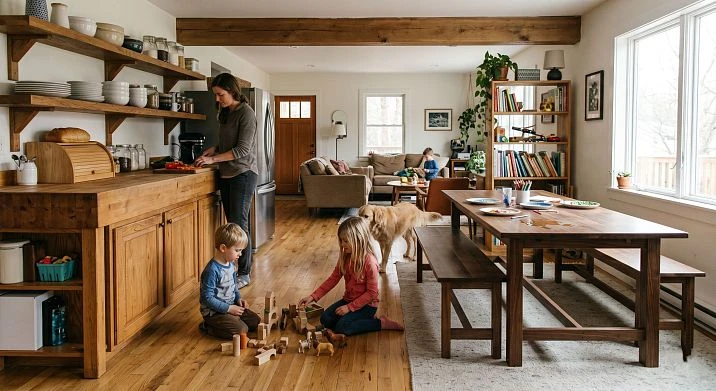
A beautiful interior is good. A beautiful interior that stays beautiful after three years with children, a dog, daily cleaning, and constant foot traffic — that's a completely different story. This is where most homeowners make the same mistake: they choose details based on photos, not specifications. They look at the shape of a handle, not how it feels in the hand after five hundred openings. They buy baseboards by color, without thinking about how they will survive contact with a vacuum cleaner and a damp cloth. They choose sofa legs by height, without considering the load.
A practical interior for a family is not a compromise between beauty and durability. It is systemic thinking, where every wooden detail is selected for the actual load, for the specific zone, for the specific usage scenario. Baseboards, slats, furniture handles, legs, supports, underframes — all are parts of one living system that should work not for a year or two, but for decades.
Why a beautiful interior quickly deteriorates if load is not considered
The question to ask yourself before renovation is simple: where in your home is there the most contact, movement, and wear? The answer is almost always the same — the hallway, kitchen, corridor, staircase, children's room. That's where walls get hit by furniture corners and children's toys. That's where the baseboard gets hit by the vacuum cleaner every two days. That's where cabinet handles are opened twenty times a day.
The lower zone of the wall is the most vulnerable spot in any room. Here, water splashes during cleaning, touches from shoes and bags in the hallway, scratches from moving furniture, and animal claws are concentrated. Without protection — in the form of a proper baseboard or wooden panels — the wall here deteriorates fastest, and repairing the lower part of the room becomes a regular event.
Furniture handles are the most contact-intensive detail in the home. Each handle in the kitchen is opened and closed hundreds of times a month. If the fastening is unreliable, if the material is too fragile, if the shape is uncomfortable — the handle starts to irritate faster than any other interior element.
Furniture legs and supports bear static load every second. But their main wear comes not from weight, but from rearrangement: when a sofa is moved for cleaning, when a chair is dragged across the floor, when a cabinet is accidentally bumped with a foot. A thin, beautiful leg immediately shows its weakness.
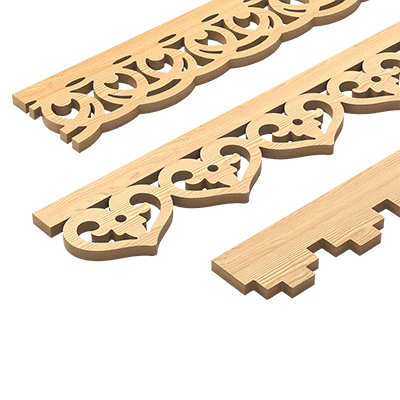
Wooden wall decor — slats, moldings, trims — in an active home don't function like museum exhibits. They live alongside people. Therefore, the surface is no less important than the shape, and the spacing between slats should consider not only aesthetics but also how easily dust accumulates between them.
All of this can be planned in advance — if you approach the choice of solid wood as an investment in durability, rather than as a decorative purchase.



Lower risk zone: wooden floor baseboard
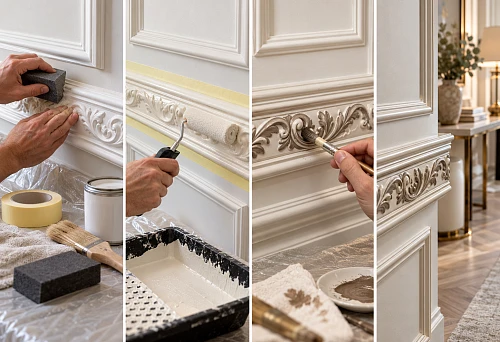
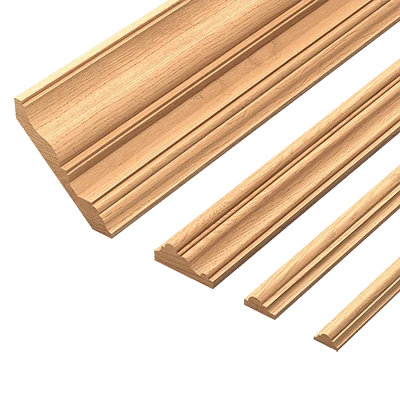
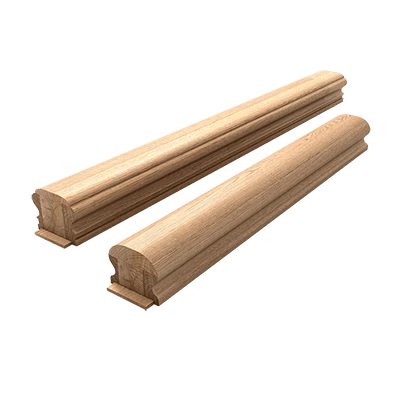
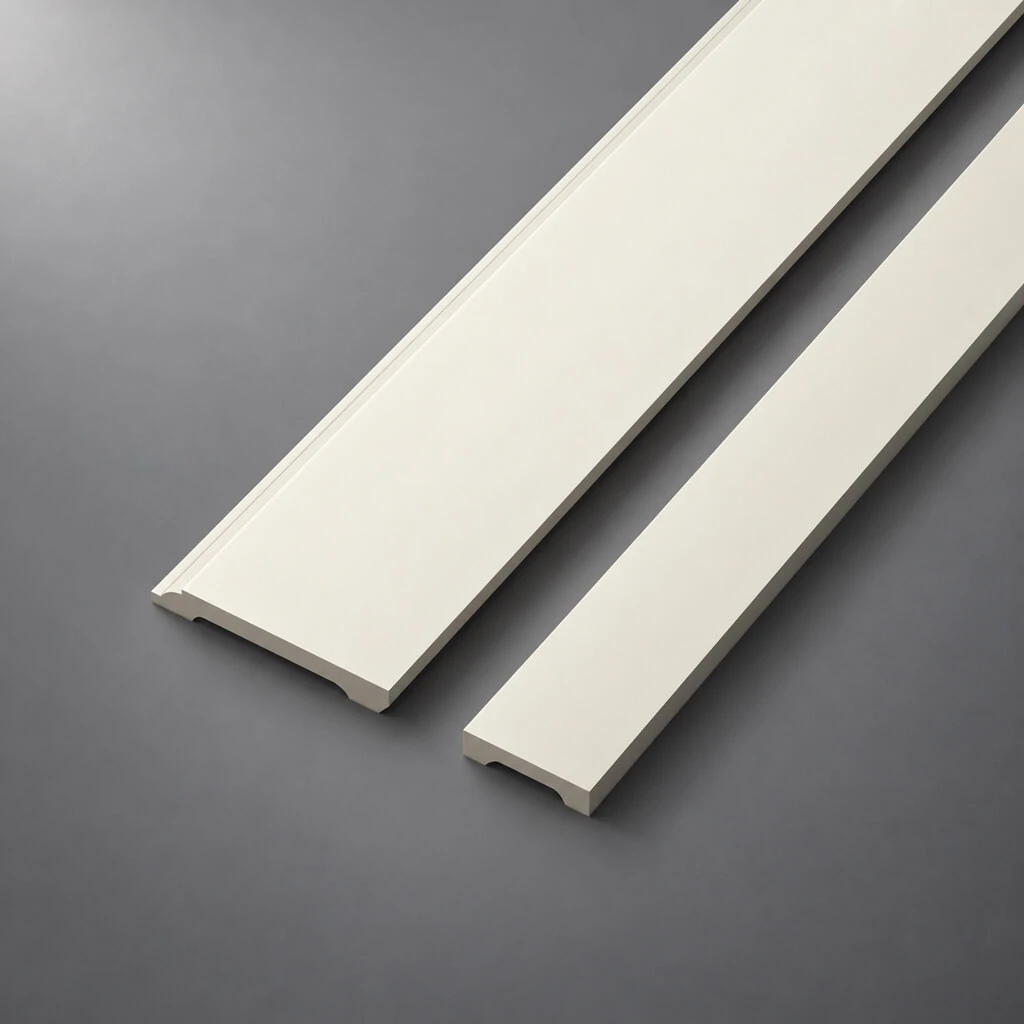
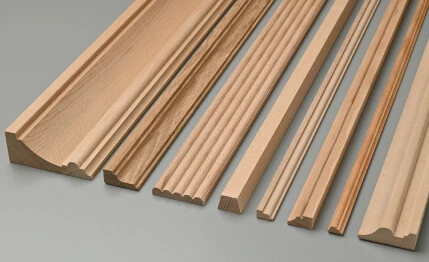
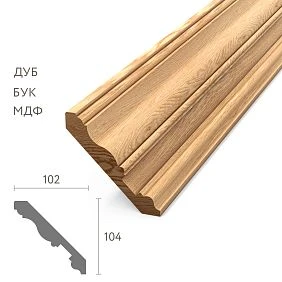
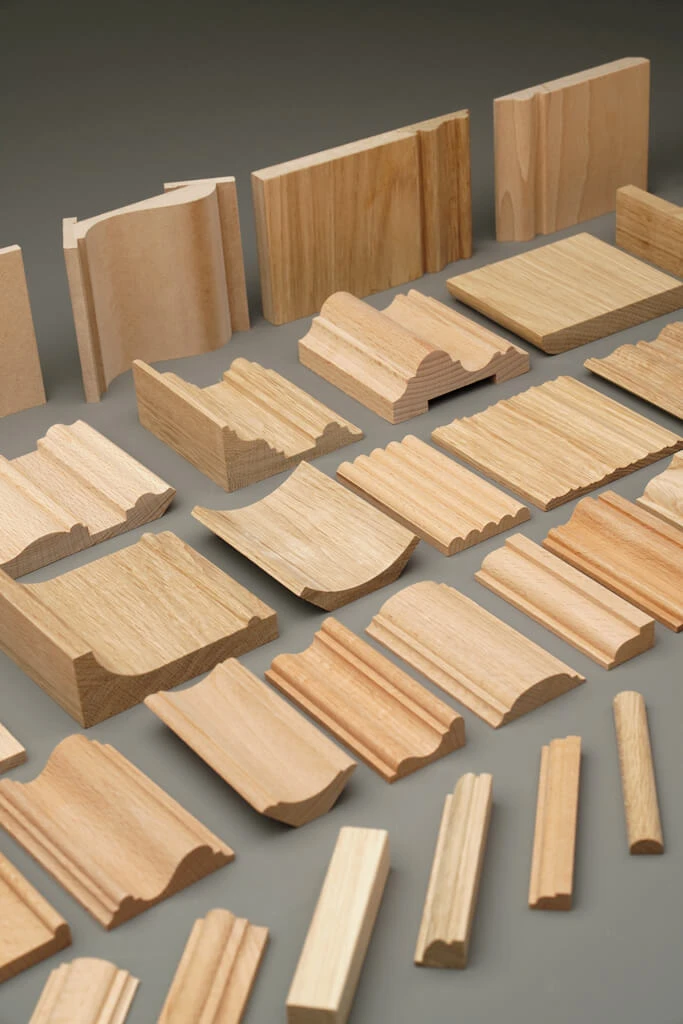
A baseboard is a detail that almost no one notices until it starts to deteriorate. Once it yellows, pulls away from the wall, loses its shape, or simply looks cheaper than the rest of the interior, the space immediately loses quality. That's why Wooden baseboard it is not the final touch of a renovation, but one of the key decisions from the very beginning.
Our factory also produces:







Baseboard in a home with children and pets: what matters
In a family with children, the lower zone of the wall is a battlefield. A ball, a toy car, a backpack, a scooter — all of these regularly come into contact with the baseboard. That's why solid wood is needed here: it doesn't deform from impact like PVC, doesn't chip at the attachment point, and holds its shape even under mechanical contact.
An important parameter is height. For a home with an active family, the optimal baseboard is from 80 to 120 mm. This height covers the lower zone of the wall, where most damage is concentrated, and at the same time does not overwhelm the room. A tall with a classic profile creates a sense of solidity, reliability. in 120–150 mm it is appropriate in high rooms — hallway, living room, foyer. It additionally protects the wall and visually looks more solid.
For homes with animals — cats and dogs — a smooth baseboard surface without deep grooves and open ends is especially important. A cat sharpening its claws on the baseboard quickly finds its weak spot — usually an open end or unprotected joint. Solid wood with proper coating — varnish or oil — is much more resistant to such impact.
Get Consultation
How to choose a baseboard profile for a specific room
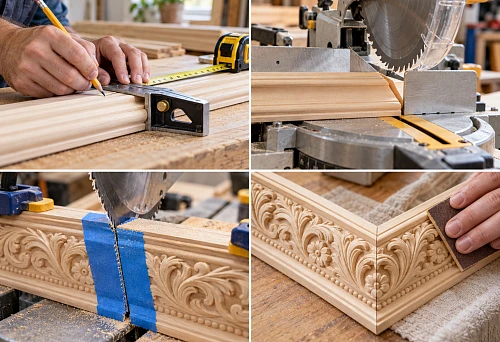
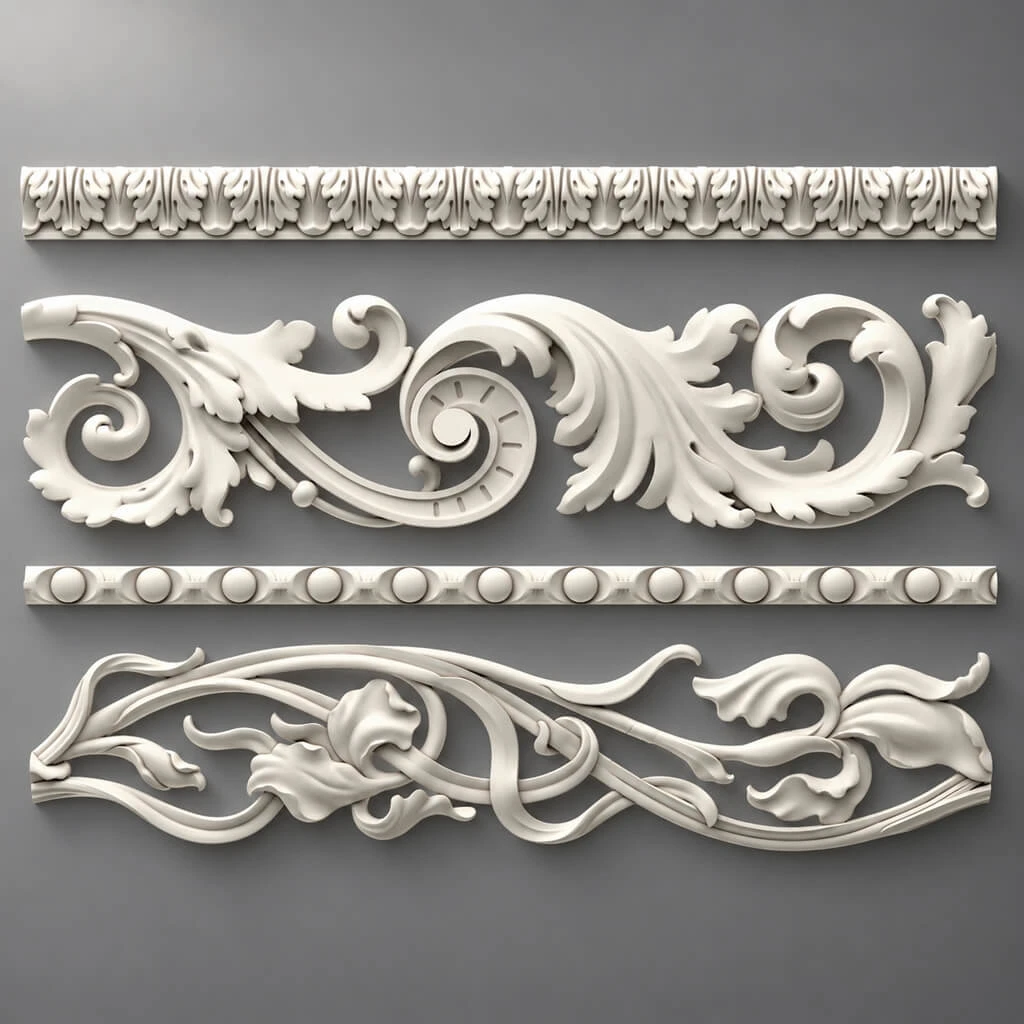
Not every profile is equally practical. A baseboard with deep decorative grooves and carved elements is beautiful, but dust and dirt accumulate in it — and that means extra time during cleaning. For the hallway and kitchen, a calm, smooth profile without unnecessary recesses is optimal. For the living room or study, you can afford a more classic, complex outline.
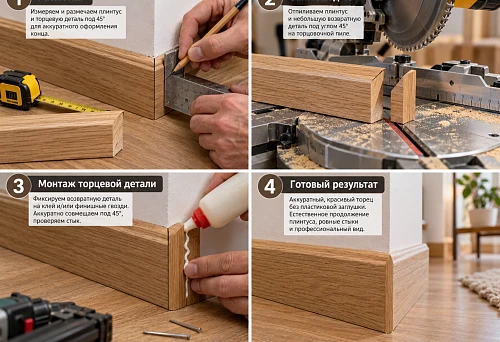
The method of attachment is also important. Baseboard on liquid nails holds better than on clips under regular mechanical contact. But if replacement is needed, clips are more convenient. For a family home with children, a compromise is installation on glue with additional fixation at the corners.
Baseboard and doors: why consistency is important
Wooden baseboard should match the door trims in species, shade, and profile. This is a basic rule that is violated in most budget renovations. When the door trim is dark oak and the baseboard is light pine, the room looks unfinished, even if each element is beautiful on its own.
When purchasing baseboard, leave a margin of 10–15% for cutting, joints, and possible installation errors. This is especially important for corner rooms and rooms with niches.
Walls that are touched: wooden slats and layout
There are places in the interior where walls are not just looked at — they are touched. The hallway, where they are brushed by a bag and jacket. The corridor, where they are touched by hand when moving in the dark. The wall behind the sofa, where the back rests. The TV area — and the area where children lean against.
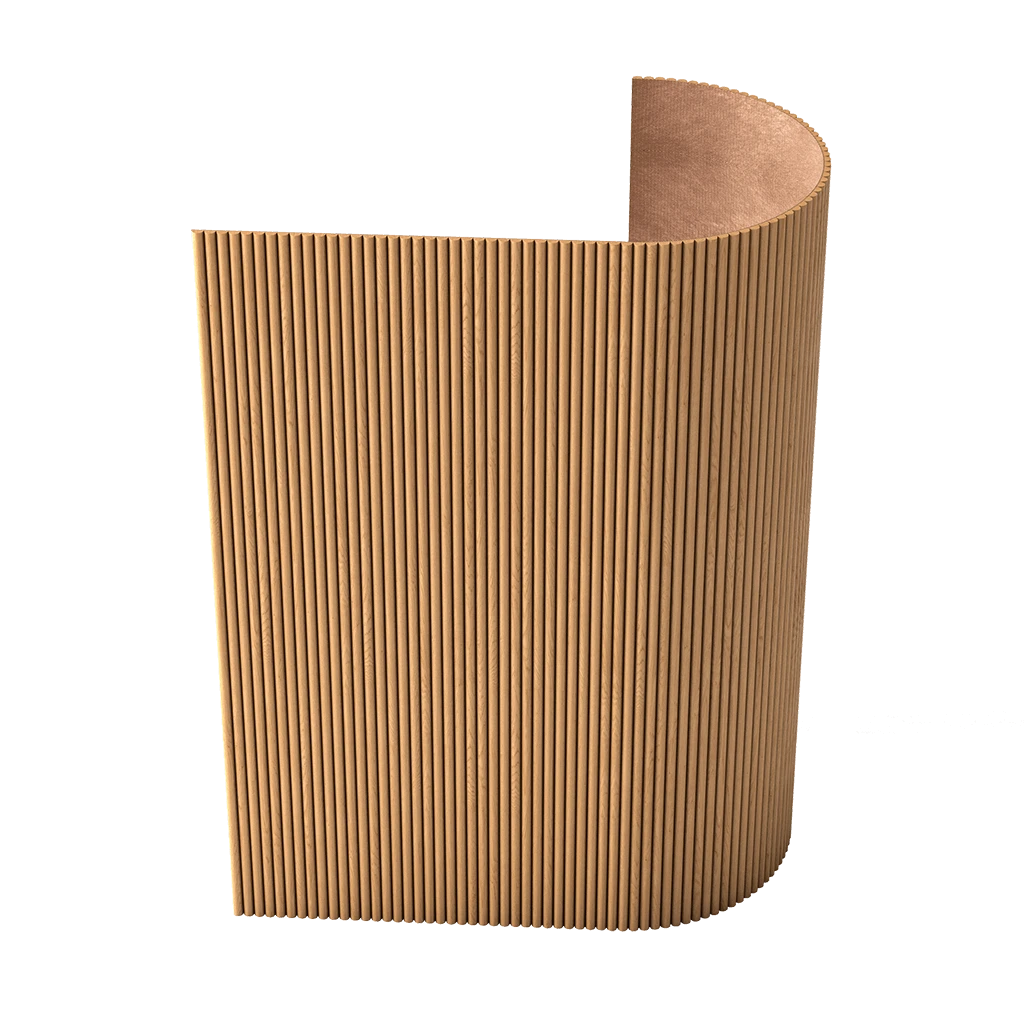
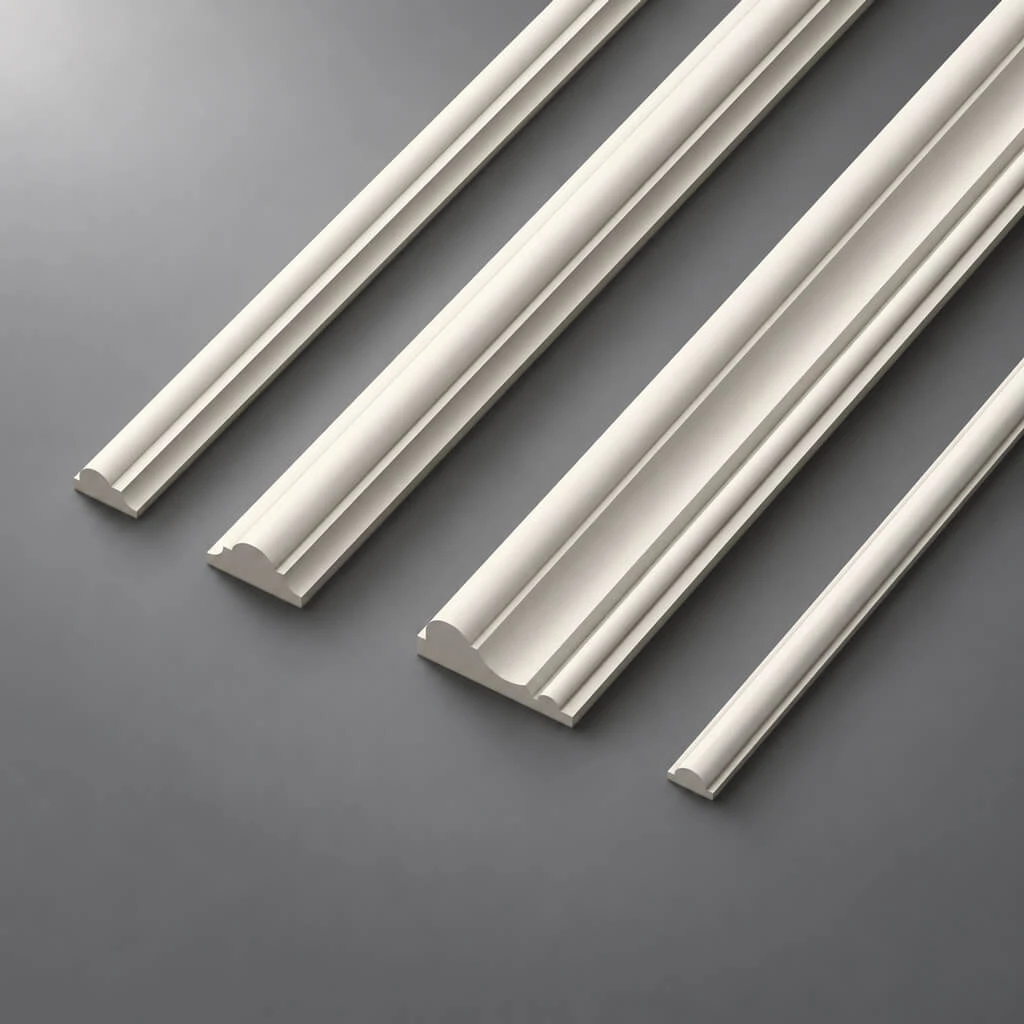
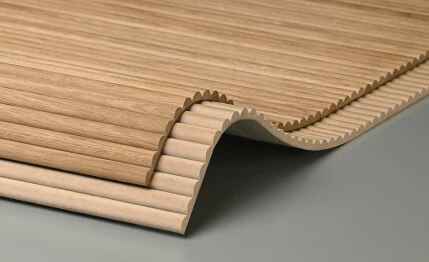
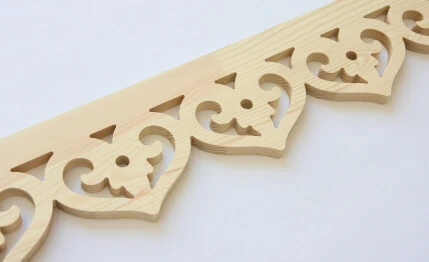
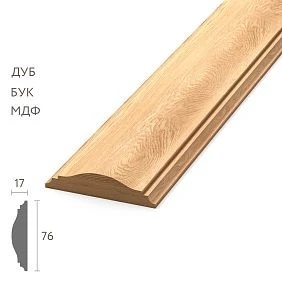
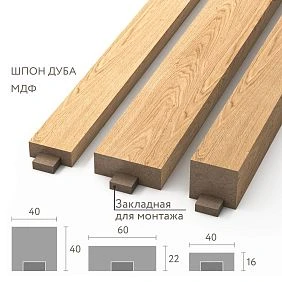
wooden planks on the wall In these zones, the solution is both decorative and protective. A solid wood slat absorbs accidental touches, scratches, and contact with furniture. The wall underneath remains untouched. At the same time, the slats create an expressive rhythm, adding texture and depth — unlike a bare painted surface.
Where slats work best
Entryway. Here, wall slats solve two issues at once: decorative and protective. The upper part of the wall stays clean. The lower part, where the main load is, is covered with slats or wooden panels. Vertical slats in the entryway visually raise the ceiling, which is especially important in narrow corridors.
TV area. An accent wall behind the TV with wooden slats is one of the most popular scenarios. Here, the slats work not so much as protection but as a background against which the equipment and furniture look advantageous. The optimal spacing is 80–120 mm, with a slat cross-section of 20×40 mm for a modern style.
Wall behind the sofa. One of the most correct usage options decorative wooden planks — behind the sofa backrest. People lean against it, children push their feet against it, upholstered furniture stands close — the wall here suffers the most. Slats with a high-quality lacquer finish will withstand this contact without losing their appearance.
How to choose the spacing between slats for different zones
Spacing is the distance between slats. It affects not only aesthetics but also practicality. The smaller the spacing, the more wooden surface there is — and the harder it is to clean between the planks. In an active apartment, the optimal spacing is from 40 to 80 mm. This is dense enough for a visual effect and spacious enough to clean dust with a regular cloth.
Too small a spacing — less than 30 mm — creates a tense pattern and is difficult to maintain. Too large — from 100 mm and above — looks sparse and loses its protective function.
Wooden layout: when slats are not the best choice
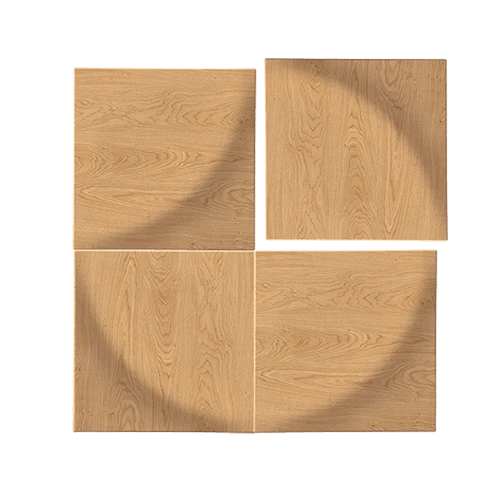
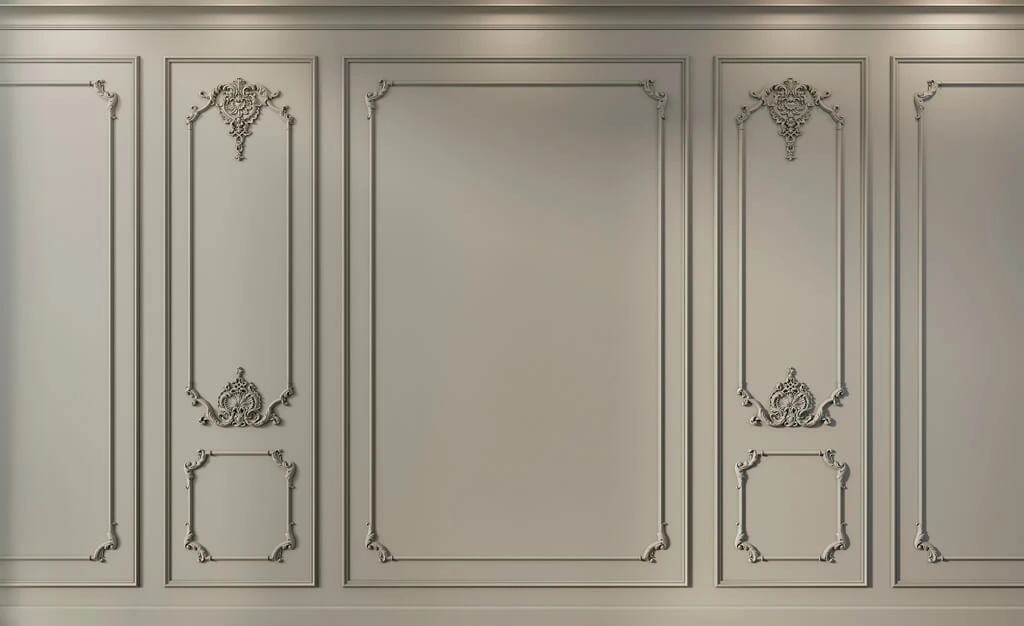
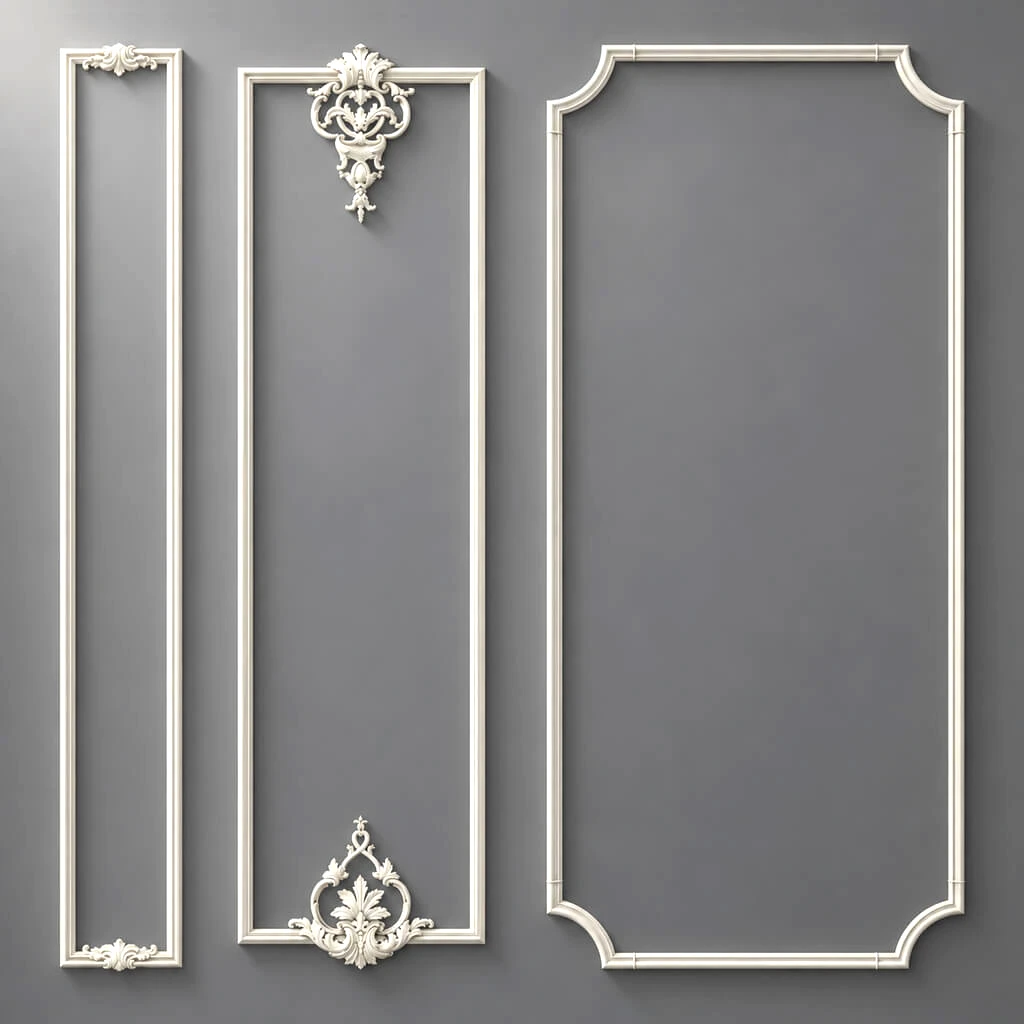
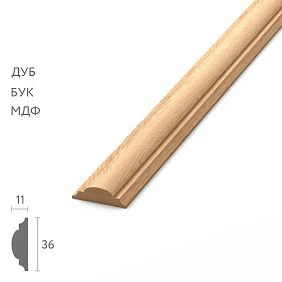
In some zones — for example, in the bedroom above the headboard or in the children's room — Wooden molding Reiki is preferable. It creates a flat pattern of thin slat frames that have no protruding relief. This is safer in a child's room, where sharp corners are undesirable, and easier to maintain — the flat surface wipes clean effortlessly.
Furniture handles: the most contact-intensive part of furniture
Open a kitchen cabinet. Close a dresser drawer. Take out a pot. Put away toys. Every time — a handle. Hundreds of touches per day. Thousands per month. This is not an exaggeration. This is the real load that shows — Furniture Handles this is not the last detail when buying furniture. It is a detail of primary importance.
How to choose a handle by grip, not just by appearance
The first question when choosing a handle is how it feels in the hand. This is more important than color and shape. The handle should be grasped confidently, without strain on the fingers. For the kitchen, where handles are opened constantly and with gloves — a large handle with a good gap between the body and the facade is needed: at least 30–35 mm.
For a wardrobe in a child's room, where the child pulls it themselves — the handle should be without sharp corners, with a rounded profile, made of material that does not leave burrs. Solid wood here is preferable to metal: it is warmer, softer, less traumatic.
For a bedside table in the bedroom, where drawers are opened carefully and quietly — a compact one will do Wooden furniture handle in a neutral profile, which does not stand out but is convenient to use.
Handles without coating and for painting: when this is justified
Wooden uncoated furniture handles These are blanks that the designer or owner paints, tints, or varnishes themselves. This gives full control over the shade: the handle will exactly match the tinting of the facades, baseboards, and other wooden details in the room.
For a family home, this approach is especially justified: after a few years, the handle can be repainted along with the furniture without buying a new one. It's economical and eco-friendly.
When a large handle, and when a knob
Pull handle (long, horizontal or vertical) — for high-traffic areas. Kitchen, walk-in closet, hallway. It's convenient for opening with one hand, especially if the other is occupied.
Knob handle (small, point-like) — for low-traffic areas. Dresser in the bedroom, nightstand, decorative cabinet. It's more delicate, doesn't protrude from the facade plane, and snags less during movement.
In the interior of one room, you shouldn't mix too different types of handles. Knobs and pulls in one kitchen are acceptable if it follows logic: pulls on tall cabinets, knobs on lower row drawers. But different wood species and shades of handles in one room is already chaos.
How to connect handles with baseboards and slats
This is a question rarely asked — and that's why interiors so often look disjointed. Handles are part of the room's wooden system. They should be from the same wood species or have the same tinting as the baseboards, wall slats, and other visible wooden elements. It doesn't have to be a perfect match, but it should be the same tone: warm or cool, dark or light, classic or modern.
Legs and supports: furniture stability every day
A leg is a detail seen from below. But it determines whether the sofa will be stable, whether the cabinet will wobble, and whether it will be easy to clean under the furniture. It's not a decorative detail — it's a load-bearing element with its own load, its own lifespan, and its own requirements.
How does a leg differ from a support
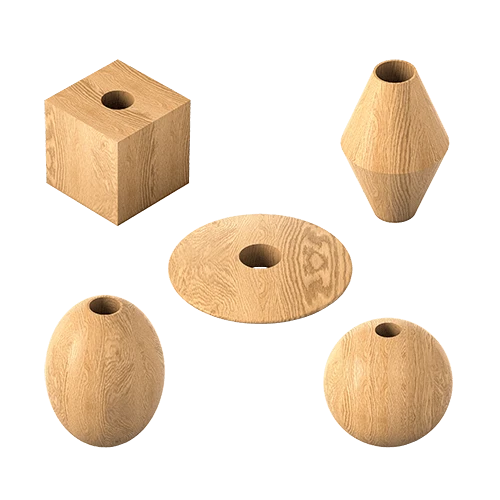
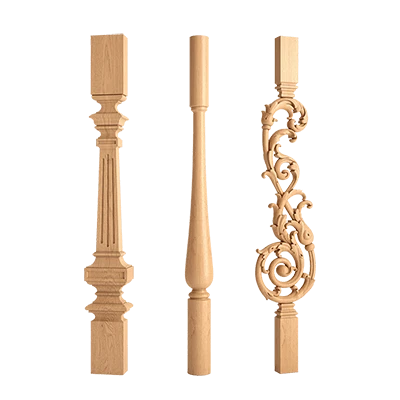
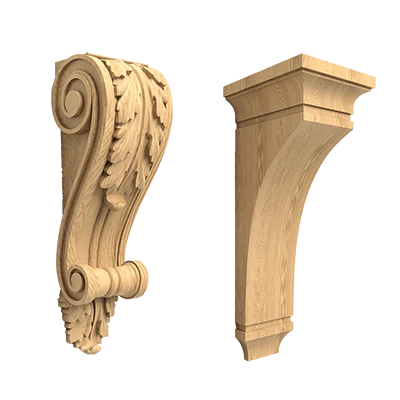
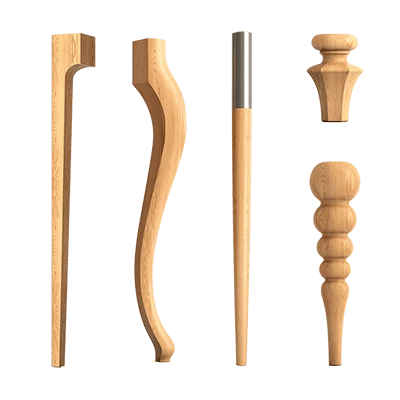
Furniture legs — these are turned or milled elements that give furniture height, lighten its silhouette, and make it visually airy. They are installed on cabinets, chests of drawers, sofas, armchairs, and ottomans. Their height ranges from 50 to 200 mm, and their shape varies from cylindrical to conical, from straight to curved.
furniture leg — this is a broader concept. A support may not be turned but rather angular, U-shaped, or block-shaped. It bears a distributed load rather than a point load—like a classic leg. A support is suitable for heavy furniture: a dining table, a desk, a massive sideboard.
Legs for a cabinet: what is important to choose correctly
Legs for chests — this is one of the most popular queries, and for good reason: cabinets are in every room. For the TV, in the bathroom, in the hallway, in the bedroom. The main requirement is the fastening. The leg must be fixed not just with a self-tapping screw, but through an insert threaded bushing. This significantly increases the joint's lifespan under lateral loads.
The height of the legs for a cabinet affects cleaning: at a height of 80 mm or more, you can freely pass a vacuum cleaner or mop under the furniture. This is especially important in the hallway and kitchen—areas with maximum floor contamination.
Supports for furniture under a heavy countertop and dining table
Furniture Supports for a dining table must withstand the weight of the countertop plus the load of people sitting at it. This totals from 80 to 150 kg—depending on the table size. A wooden support made of solid oak or beech is more reliable here than a thin metal leg: solid wood does not deform with temperature changes, does not creak in the threaded connection, and holds the load without loosening.
For a family with children, stability is important. A wide support or a central cross-shaped structure is preferable to four thin legs at the corners: it interferes less with seating at the table and is much more stable in case of an accidental impact.
How legs affect cleaning
The space under furniture is an area that is thought about last. But it shouldn't be: that's exactly where dust, pet hair, and crumbs accumulate. Low furniture with legs 30–40 mm high actually creates a gap that is impassable for a vacuum cleaner. Furniture with legs 80–100 mm and higher provides free space that is easy to clean.
For homes with pets, this argument is especially significant. Cat and dog hair under the sofa and cabinets accumulates faster than it seems, and if neither a brush nor a vacuum attachment can reach there, cleaning becomes a monthly event involving moving furniture.
Tables and countertops: underframe for an active kitchen and living room
A table in a family home is the center of life. The kitchen table where people eat, do homework, draw, cut, and talk. The dining table around which the whole family gathers. The work table with a laptop, documents, and a cup of coffee nearby. Each of these tables requires its own base.
What is an underframe and why it cannot be chosen just by photo
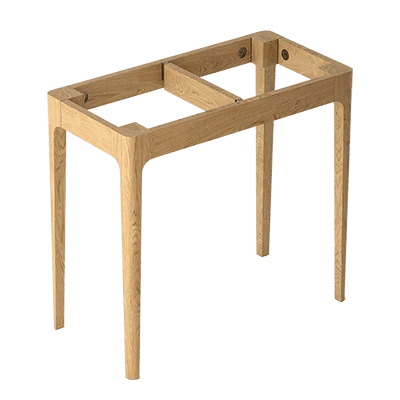
An underframe is the structural base of a table: the frame or support system on which the tabletop is mounted. It does not determine aesthetics—that is defined by the tabletop. The underframe determines the stability, safety, and durability of the entire structure.
Buy table base — this is a decision made considering several parameters: tabletop weight, dimensions, type of use, and number of people at the table. A beautiful underframe made of thin metal under a massive wooden tabletop is an unstable structure that will start to creak and wobble after a year.
Underframe for a dining table: load requirements
Base for Dining Tables must support a tabletop weighing from 30 to 80 kg, depending on the material. A 40 mm thick wood slab weighs significantly. Add to that the fact that people lean on the table, reach across it, and place heavy dishes on it. The underframe must be reliable, with rigid connections and wide support points.
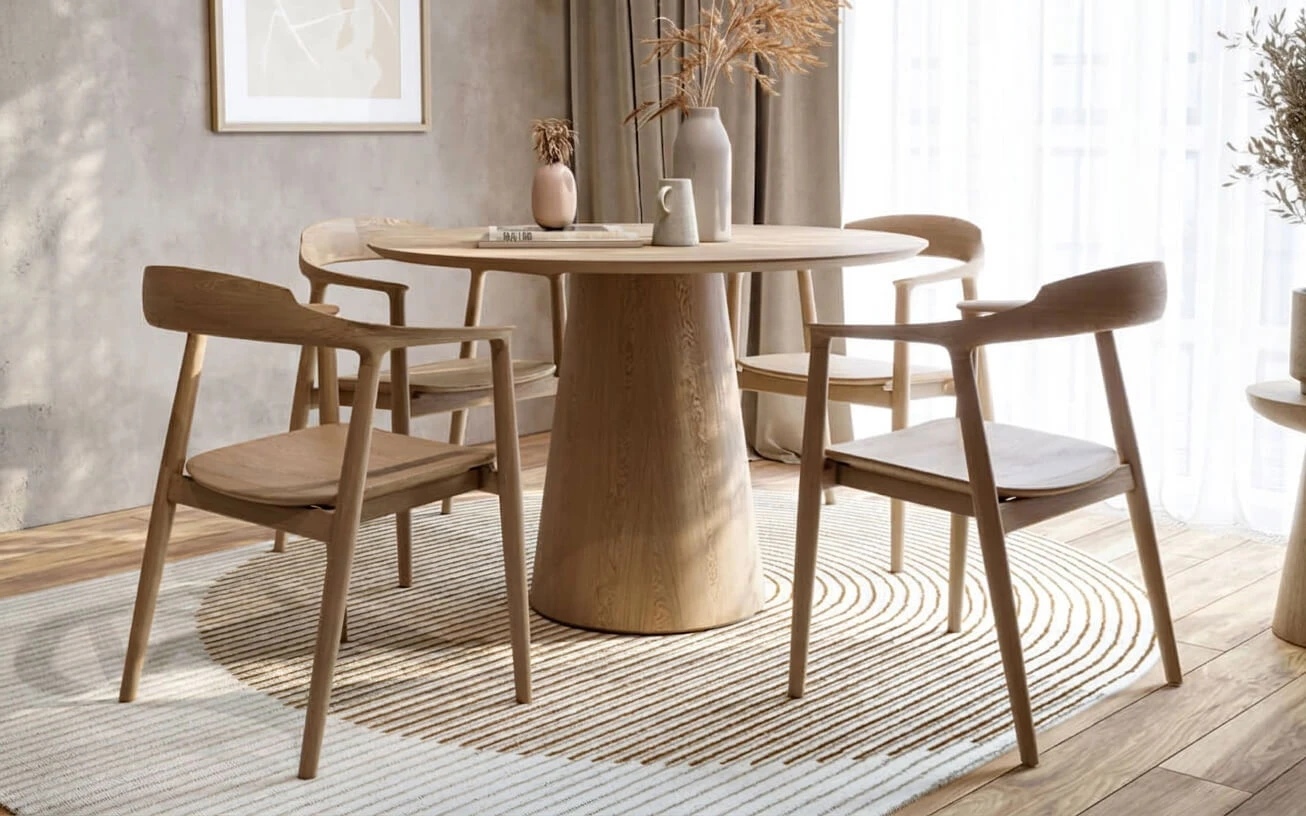
For a dining table for a family of 4–6 people, a frame with four legs or an X-shaped design is optimal. It distributes the load evenly and does not interfere with seating.
Table base for a kitchen table
A kitchen table operates under particularly harsh conditions: temperature fluctuations, humidity, accidental impacts, and cleaning with household chemicals. The underframe here should be made of a moisture-resistant material — solid wood with a high-quality lacquer coating or oil-wax. The joints should use metal fasteners, not just wood: wood changes size with humidity, and a metal tie compensates for this movement.
What to choose if the table is used every day
A daily-use table is not a decorative object. Here Buy a pedestal made of solid oak or beech — these are species with high density and wear resistance. They do not deform under load, are not afraid of moderate humidity, and are easy to maintain: if necessary, they can be sanded and recoated with oil.
Upper contour: cornice and beams without unnecessary fragility
The upper zone of the room — the ceiling and cornice — suffers the least from direct contact. Children don't reach here, bags don't touch, and the vacuum cleaner doesn't work. But this doesn't mean you can choose elements without considering their practicality.
Wooden cornice: why it is more reliable than MDF counterparts
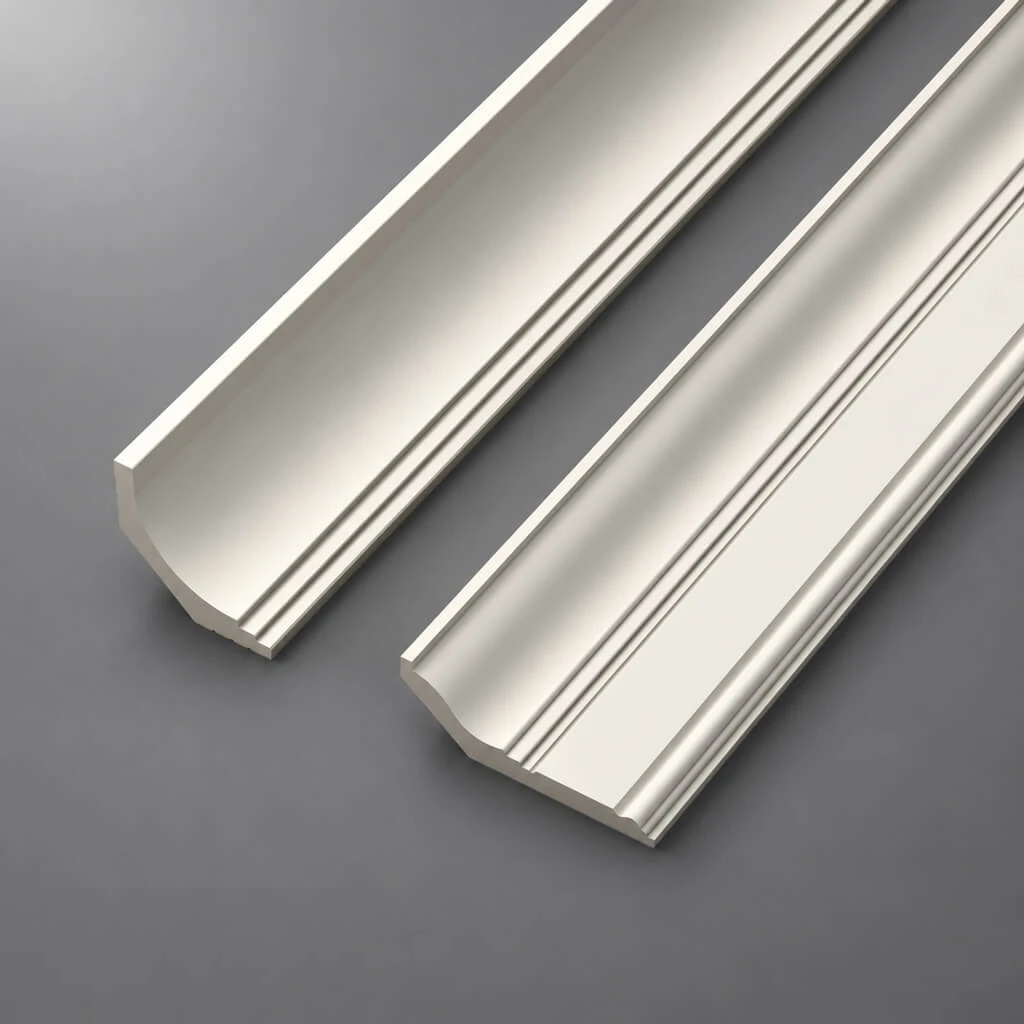
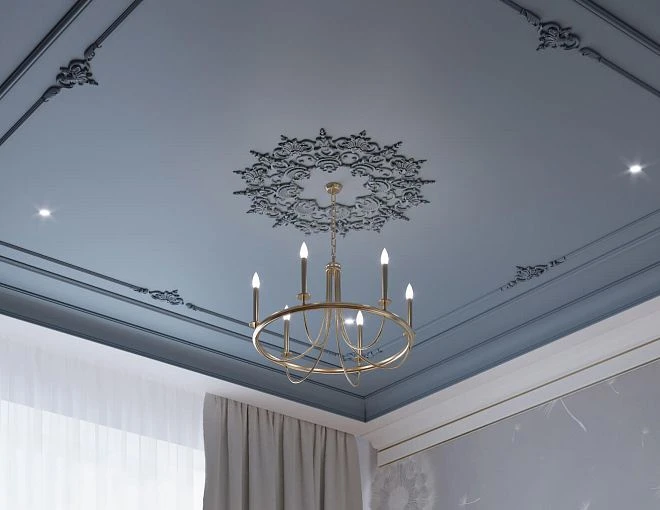
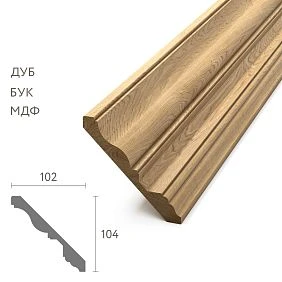
wooden cornice made of solid wood — this is an element that lasts for decades without losing its shape. MDF, in high humidity — in the kitchen, bathroom — begins to swell, and the paint cracks. A foam cornice crumbles at the slightest mechanical contact. Solid wood eliminates these problems.
Ceiling cornice also performs an acoustic function: in a room with a wooden cornice around the perimeter of the ceiling, there is less echo and resonance — especially noticeable in children's rooms and living rooms with high ceilings.
Wooden beam: when it is justified in a family home
Wooden beam on the ceiling is not just a decorative element. In a country house, it is part of the architectural image. A beam in the living room or kitchen-dining room zones the space, visually lowers the ceiling in the right place, and creates a feeling of warmth and coziness.
For a family home, a beam is appropriate where the ceiling height is 2.8 m or higher. With lower ceilings, it feels oppressive. In a kitchen-living room, a beam above the transition between zones perfectly divides the space without a wall. In a country house with an open roof, several beams create the very atmosphere for which people go out of town.
How not to overload a room with massive elements
The main rule for working with beams: one expressive accent is better than three mediocre ones. One beam across the ceiling in the right place is architecture. Three beams that are not coordinated with the proportions of the room and furniture are chaos.
The beam should be "supported" by other wooden elements in the space: baseboard, slats, handles. If the beam is the only wooden element in a room of plastic and laminate, it looks alien.
Ready-made scenarios for different zones
Hallway: first line of defense
The hallway takes the hit every day — literally. Here, a high Wooden baseboard from 100 mm is mandatory. Slats or wooden panels on the lower part of the walls are the right solution for those who want protection without compromising aesthetics. Durable Furniture Supports under the console or bench — with fastening through a threaded bushing, not on a self-tapping screw. Handles on the console drawers are large, comfortable, made of solid wood, without sharp corners.
Color scheme: one shade of wood from baseboard to handles — then a narrow hallway looks cohesive.
Kitchen-living room: where beauty and daily wear meet
The kitchen is the most high-traffic area. Here, the baseboard should be smooth, without deep grooves. Furniture Handles — with a good grip clearance, made of solid hardwood (oak, beech). Base for Dining Tables — made of solid wood with a moisture-resistant coating. Slats on the accent wall — vertical, with a lacquered finish.
In the living room area, this is complemented by a decorative beam or an expressive Ceiling cornice — for zoning.
Children's or family room: safety without sacrificing style
Here, every detail must be free of sharp corners and fragile elements in the lower zone. Baseboard — smooth, tall, with a rounded top edge. Slats — if present, then on the upper part of the wall, out of reach for children under 5. Handles on cabinets — without sharp metal edges. Furniture legs — wide, stable, permanently fixed.
No beautiful detail is worth a child hitting their head on it. This is not pessimism — it's the experience of every parent.
A house with animals: how to choose what will withstand
Animals mean fur, claws, saliva, active movement, and unpredictable contact. For a home with a cat or dog:
-
baseboard with a smooth surface and closed ends — cats sharpen their claws on unprotected edges;
-
furniture legs with anti-vibration pads — they don't scratch the floor or loosen from constant animal movement;
-
slats — only with a final lacquer coating that can withstand wet cleaning;
-
handles — without rope or leather inserts in the animal contact zone.
Country house: a system of solid wood
A country house is a space where wood is appropriate everywhere. Beams on the ceiling, solid wood baseboards around the entire perimeter, slats along the staircase and in the living room, wooden handles and furniture legs, massive supports under countertops. Everything — from the same species, in the same tone. Then the house breathes with a unified character.
Mistakes when choosing wooden details for an active interior
Here is what destroys a practical interior the fastest — even if each element was chosen with love individually.
-
Too fragile decor in the lower wall zone. Thin foam molding near the baseboard shatters at the first impact from furniture. The lower zone must be protected by a solid array.
-
Thin legs under heavy furniture. A 25 mm diameter leg under an 80 kg sofa is not a design solution, it's a mistake. The ratio of load to leg cross-section is an engineering issue.
-
Handles without checking grip comfort. Buying a handle without trying it is like buying shoes without trying them on. The handle should be comfortable to grip, have the right clearance, and the right length for your palm size.
-
Choosing a table base only by photo. Photos don't convey joint rigidity or structural stability. Check specifications: wall thickness, fastener type, maximum load.
-
Not accounting for wet cleaning. Some lacquer coatings are sensitive to alkaline cleaners. Some oil finishes require periodic renewal. Clarify before purchase.
-
Mixing different wood shades. Warm walnut baseboard, cool gray oak on handles, and reddish cherry on legs — that's three different worlds in one room.
-
Placing overly textured elements where they are constantly bumped. Deep carving on baseboard in the hallway is a beautiful trap for dirt.
-
Not linking furniture details with baseboard and trim. Handles, legs, and supports should be part of a unified wood system in the room.
Where to buy wooden details for a practical interior
For a practical interior, it's important not just to buy each element separately — it's important to ensure their compatibility. One supplier, one wood species, one stain. Only then do baseboards, slats, handles, legs, supports, and table bases form a system, not a collection of random purchases.
Choose Solid Wood Items Made from dry, calibrated wood with high-quality surface treatment. For an active home with children and pets, the coating is as important as the wood species: matte polyurethane varnish or oil-wax holds up better than glossy nitro varnishes and is easier to maintain.
Purchase furniture parts before or at the very beginning of renovations — then the baseboard will fit correctly, handles will align with hinges, and legs won't need to be redone three times. This saves time, money, and nerves.
Frequently asked questions
Which wooden parts wear out the fastest in an interior?
Furniture handles, baseboards in the hallway and kitchen, and furniture legs in high-traffic areas wear out the fastest. These elements receive the most daily contact and mechanical stress.
Which baseboard to choose for a home with children and pets?
The optimal choice is Wooden baseboard solid wood with a height of 80 to 120 mm, a smooth surface, without deep grooves, and with closed ends. The coating should be matte varnish or oil-wax, resistant to wet cleaning and mechanical contact.
Are wooden slats suitable for high-traffic areas?
Yes, with the right choice of coating. wooden planks on the wall with high-quality varnish finish are resistant to accidental touches. The spacing is important: in high-traffic areas, at least 60 mm to prevent dust from accumulating in the gaps.
Which furniture handles are more convenient for the kitchen and cabinet?
For the kitchen — large brackets with a gap of at least 30 mm, made of solid wood (oak, beech). For a bedroom or children's room cabinet — knob handles without sharp edges. Furniture Handles Solid wood handles are more convenient than metal ones for daily use: they are warmer and softer in the hand.
How is a furniture support different from a leg?
A leg is a turned or milled vertical element that gives furniture height. A support is a wider or block-shaped element that bears distributed load. furniture leg It is appropriate under heavy furniture — tables, sideboards, massive sofas.
What to choose for a heavy countertop: legs or an underframe?
For a countertop weighing 30 kg or more — only an underframe with a rigid frame structure. Countertop substructure It ensures even load distribution and stability. Four separate legs under a heavy countertop pose a risk of deformation and wobbling.
How to choose wooden details so that the interior does not look disjointed?
One breed, one shade, one style language. Buy baseboards, handles, legs, and slats from the same line or supplier. Then all details will speak the same language.
Which elements are better to buy in advance before renovation?
Baseboards, architraves, cornices — before finishing. Handles and legs — before purchasing furniture. Under-table — before choosing a countertop. This will allow precise coordination of sizes, shades, and profiles without rework.
About the company STAVROS
Behind every wooden element in this article is real production. STAVROS company produces a full range of wooden interior details: baseboards, slats, moldings, cornices, beams, furniture handles, legs, supports, and under-tables. All — from solid oak, beech, and other valuable species, with precise tolerances, high-quality finishing, and consistent profiles within each line.
STAVROS works with those who build a house from scratch, renovate an apartment, design interiors, or simply want to replace one detail — and do it so that it lasts for years. A practical interior starts with the right choice. And the right choice — with the STAVROS catalog.