

























Article Contents:
- When wooden sofa legs are needed: real scenarios
- Replacing broken or loose supports
- Updating a sofa without restoration
- Custom upholstered furniture manufacturing
- Creating an ottoman, pouf, or chaise lounge with your own hands
- Changing the seating height
- How sofa legs differ from table and chair legs
- Load: a different order
- Height: fundamentally lower
- Mounting: different standard
- Shape and decorativeness: visible from three sides
- How to choose the height of sofa legs: seating calculation
- How to calculate the required height
- Low legs (50–80 mm): stability and coziness
- Medium legs (80–120 mm): balance and versatility
- High legs (120–180 mm): lightness and classic style
- Shape of wooden sofa legs: furniture character
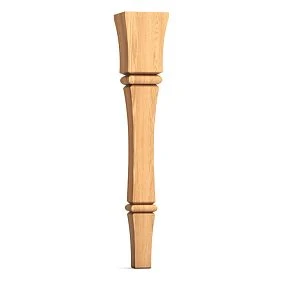
- Straight square legs
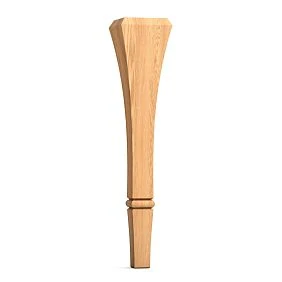
- Tapered legs
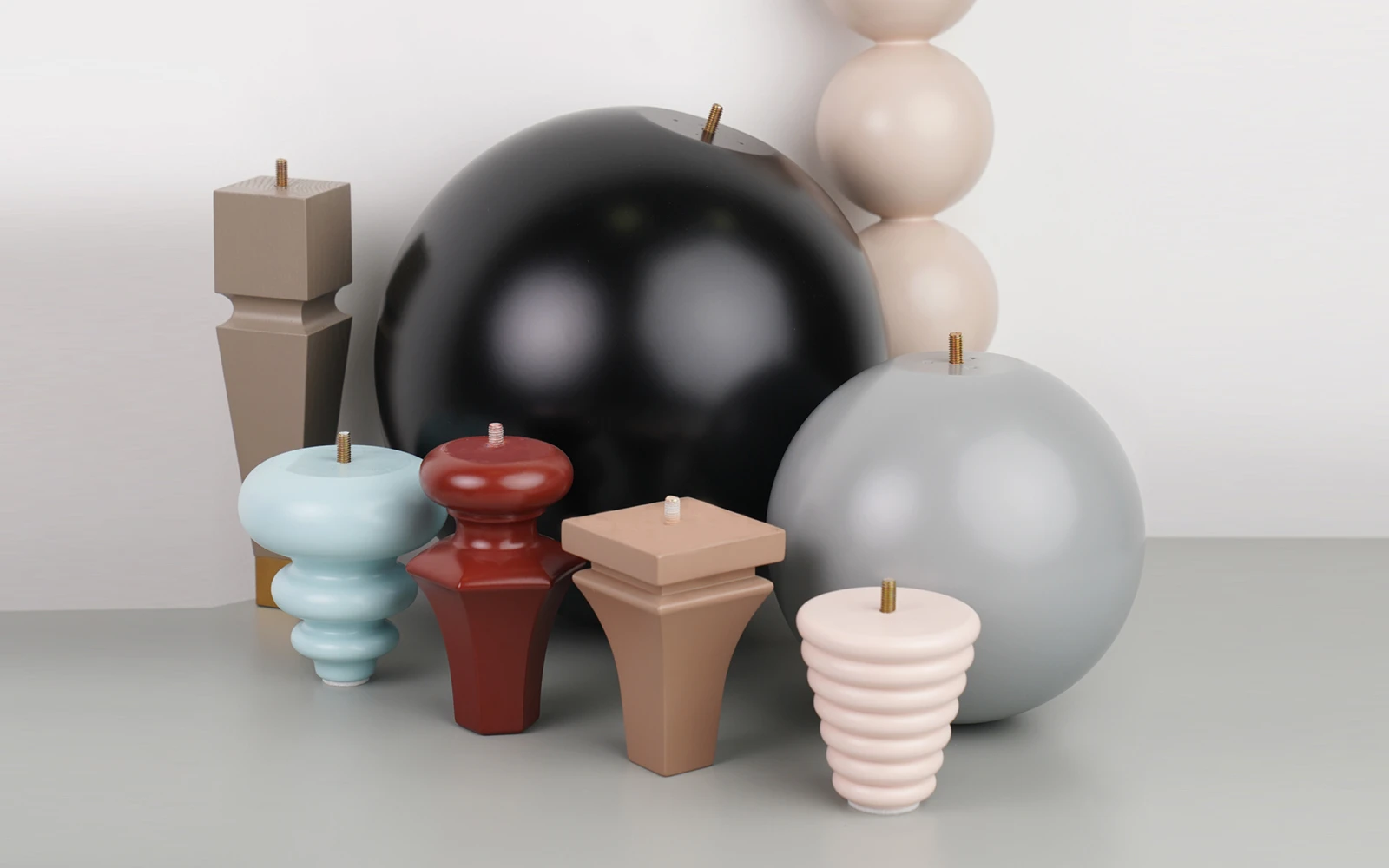
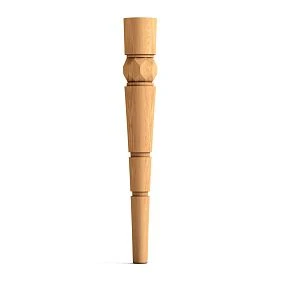
- Turned legs
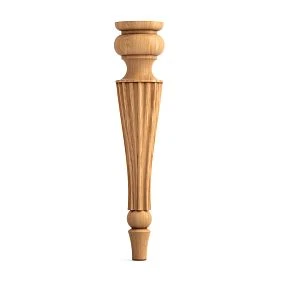
- Carved legs
- Round and cylindrical legs
- Legs for painting
- Legs for a sofa in a classic interior
- Turned legs: tradition and style
- Coordination with decorative elements of upholstered furniture
- Example of classic arrangement
- Legs for an armchair, ottoman, and pouf: one assortment — different tasks
- Legs for an armchair
- Legs for ottoman
- Legs for a pouf
- Legs for a chaise longue
- Material for sofa legs: what to choose
- Beech — the main choice for upholstered furniture
- Oak — for status and pronounced texture
- Pine — for painting
- Sofa leg coating: what suits upholstered furniture
- Legs without coating: custom finishing
- Legs with coating: ready for installation
- Clear varnish
- Dark tinting: walnut, wenge, mocha
- White Enamel
- Painting to match upholstery or walls
- What to check before buying sofa legs
- Leg height
- Diameter or cross-section
- Load per leg
- Method of mounting
- Number of legs
- Color and Finish
- Stock 1–2 pieces
- Mistakes when choosing sofa legs: learning from others' experience
- How to replace sofa legs: a practical guide
- Step 1. Turn the sofa over or lift it up
- Step 2. Unscrew the old legs
- Step 3. Check the threaded sockets
- Step 4. Screw in the new legs
- Step 5. Install the glides
- Step 6. Check stability
- How to match sofa legs to your interior: three working schemes
- Scheme 1. Unity of wood in the soft furniture group
- Scheme 2. Leg tone = floor tone
- Scheme 3. Contrast of legs and upholstery
- Where to buy wooden legs for a sofa
- FAQ: Answers to Popular Questions
- About the manufacturer
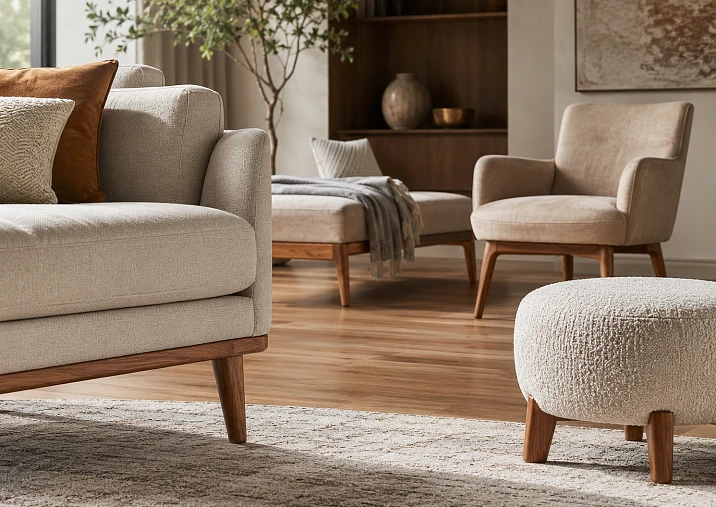
Have you ever noticed that the same sofa can look completely different depending on what legs it stands on? A low sofa on short lacquered supports is coziness and calm. The same body on tall turned legs of dark oak is already a classic with character. On tapered light legs — Scandinavian minimalism. On carved figured legs — Empire or neoclassicism.
Wooden legs for sofas — this is not a minor detail taken "as is." It is a conscious choice that affects the seat height, structural stability, visual character of the upholstered furniture, and its fit with the interior. Wrong legs — and the sofa looks random. Right ones — and the furniture becomes part of the style.
This article is a detailed breakdown of everything you need to know before buying legs for a sofa, armchair, bench, and ottoman. No fluff — only specifics, proven by practice.
When wooden legs for a sofa are needed: real scenarios
Let's start with the main question: why buy legs separately? There are several completely different situations, and each requires its own approach.
Replacing broken or loose supports
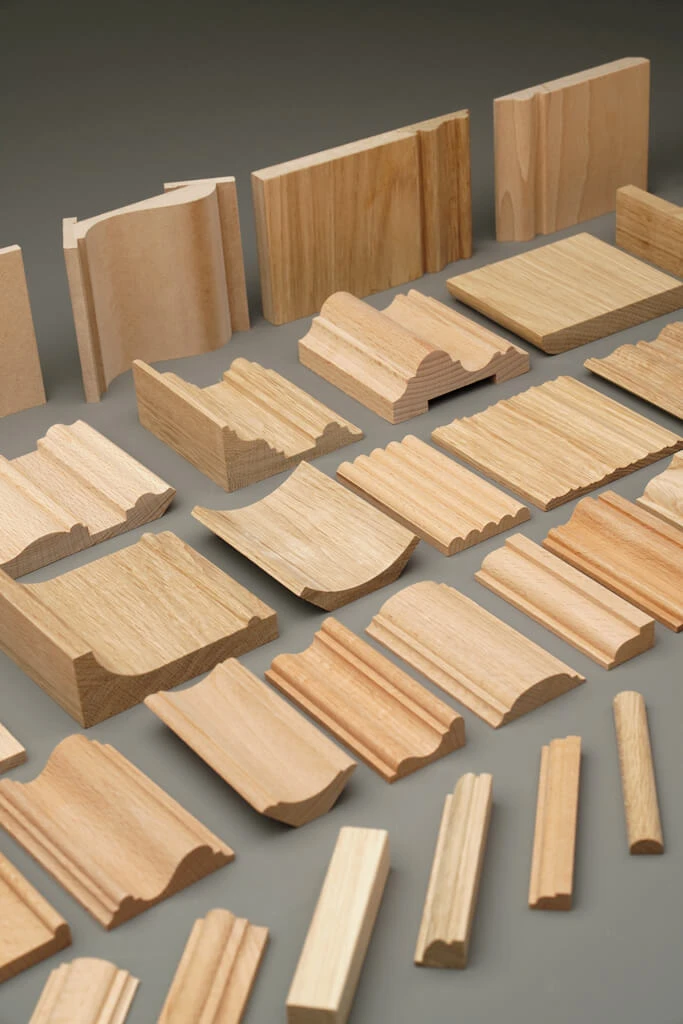
The most common scenario. One leg is broken, or all four are so loose that the sofa wobbles. Replacing the entire sofa because of the legs is wasteful. The right solution: new wooden furniture legs of the same type and size.
Important: when replacing one leg, it's better to replace all at once — to avoid differences in tone and wear.
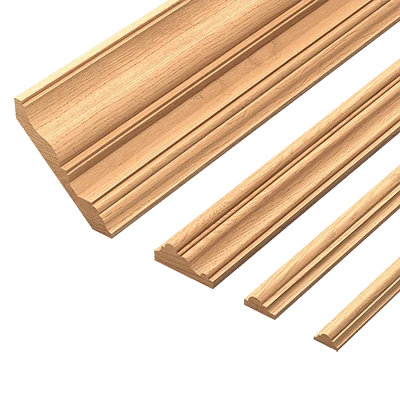
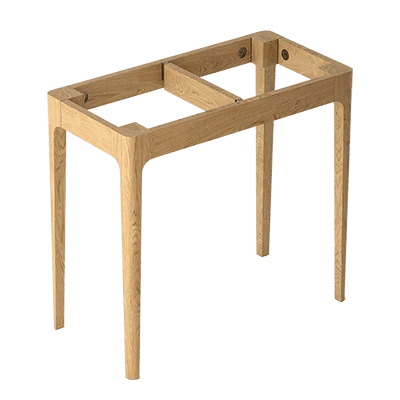
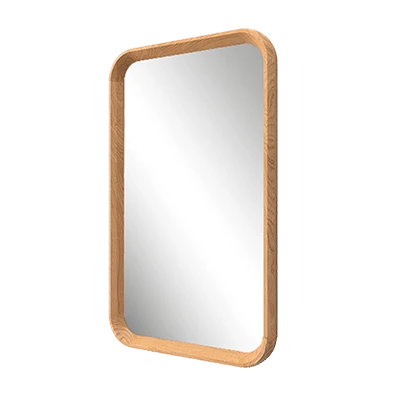
Our factory also produces:
Updating a sofa without restoration
An old sofa with a good frame and upholstery, but with legs "from the past" — a common story. Replacing the legs with modern ones or, conversely, with classic turned ones changes the sofa's appearance dramatically. It's cheaper than reupholstering and faster than buying a new sofa.
Get Consultation
Custom-made upholstered furniture
Craftsmen who sew sofas, armchairs, benches, and poufs to order always buy legs separately. Ready-made legs for upholstered furniture from the catalog — this is a professional tool for production.
Creating a bench, pouf, or settee with your own hands
DIY projects are a separate topic. Making a bench for the hallway or a soft pouf for the living room with your own hands is realistic if you have a suitable frame and the right legs. Wooden legs for sofas and for a bench — it's often the same assortment.
Changing the seat height
The sofa is too low — it's uncomfortable to get up. Or, on the contrary, too high — your feet don't reach the floor. Replacing the legs with a different height is a quick and inexpensive solution to an ergonomic problem.
How sofa legs differ from table and chair legs
This question is not rhetorical. The difference is fundamental, and if you don't take it into account, you'll buy the wrong thing.
Load: a different order
A sofa with five adults is 400–500 kg of distributed load. A coffee table is 10–20 kg. A chair is 120–150 kg, but point load.
Sofa legs operate under conditions of constant high load, not always evenly distributed. If people sit on one edge, the corner legs bear a greater load. If they sit down abruptly, there is an impact load. Therefore, for a sofa, the following are important:
-
reliable attachment to the base (bolted, with a metal bushing);
-
strong leg cross-section (at least 50×50 mm for square, 55–60 mm diameter for round);
-
good wood quality (beech or oak, not pine for a heavy sofa).
Height: fundamentally lower
Sofa legs are significantly lower than table legs. The sofa has a seat height of 40–50 cm — and the body itself (base, springs, foam) already takes up 25–35 cm. Legs add 5–20 cm. Typical sofa leg height: 50–180 mm.
These are not table legs (650–700 mm). These are not coffee table legs (350–420 mm). These are specific low supports — with their own structural logic.
Mounting: different standard
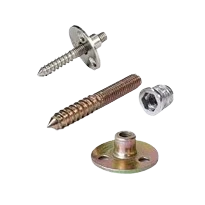
A table is attached via a mounting plate or bolt from below. A sofa leg is most often screwed into a metal support plate (plate nut) that is sewn or driven into the base of the upholstered furniture. Thread standard: M8 × 1.25 (less commonly M10).
Before buying legs, check the thread in your sofa base. This is critical: thread incompatibility = leg won't screw in.
Shape and decorativeness: visible from three sides
A sofa leg is visible from three sides: front, side, and bottom. That is why the shape of a leg for upholstered furniture has increased decorative importance. It is constantly seen from different angles.
How to choose the height of sofa legs: calculating the seat height
Height is the first selection parameter. A mistake here leads to discomfort that cannot be ignored.
How to calculate the required height
Required seat height (H_seat) = knee height of the seated person. Average: 42–48 cm. For elderly people — closer to 48–52 cm (easier to stand up).
Sofa seat height = leg height + body base height.
If the sofa body without legs has a height of 35 cm, and the required seat height is 45 cm — legs of 100 mm (10 cm) are needed. If the body is 40 cm — legs of 50–80 mm.
For most standard format sofas, legs of 50–120 mm are suitable. For ottomans with a thin base — 100–180 mm.
Low legs (50–80 mm): stability and coziness
Low legs make the sofa squat. Visually — calm, 'grounded'. A modern Scandinavian sofa on 60 mm legs almost glides over the floor. That's style.
Advantages: high stability, minimal load leverage, reliable fastening. Disadvantage: the sofa is harder to clean underneath, may be inconvenient for elderly people to stand up.
Medium legs (80–120 mm): balance and versatility
Most sofas have legs in this range. Good seat height, sufficient stability, pleasant visual silhouette. You can vacuum under the sofa.
High legs (120–180 mm): lightness and classic style
High legs "lift" the sofa — creating a feeling of lightness and airiness. It's easy to clean under a sofa with high legs, and a cat can crawl under it. This is a characteristic technique of classic interiors: the sofa "floats" above the floor.
For classic upholstered furniture with carved or turned legs of 120–160 mm, this is the norm and tradition.
Shape of wooden sofa legs: character of the furniture
The shape of the leg defines the style of the entire sofa. It's by the shape of the leg that you immediately recognize which "school" the furniture belongs to.
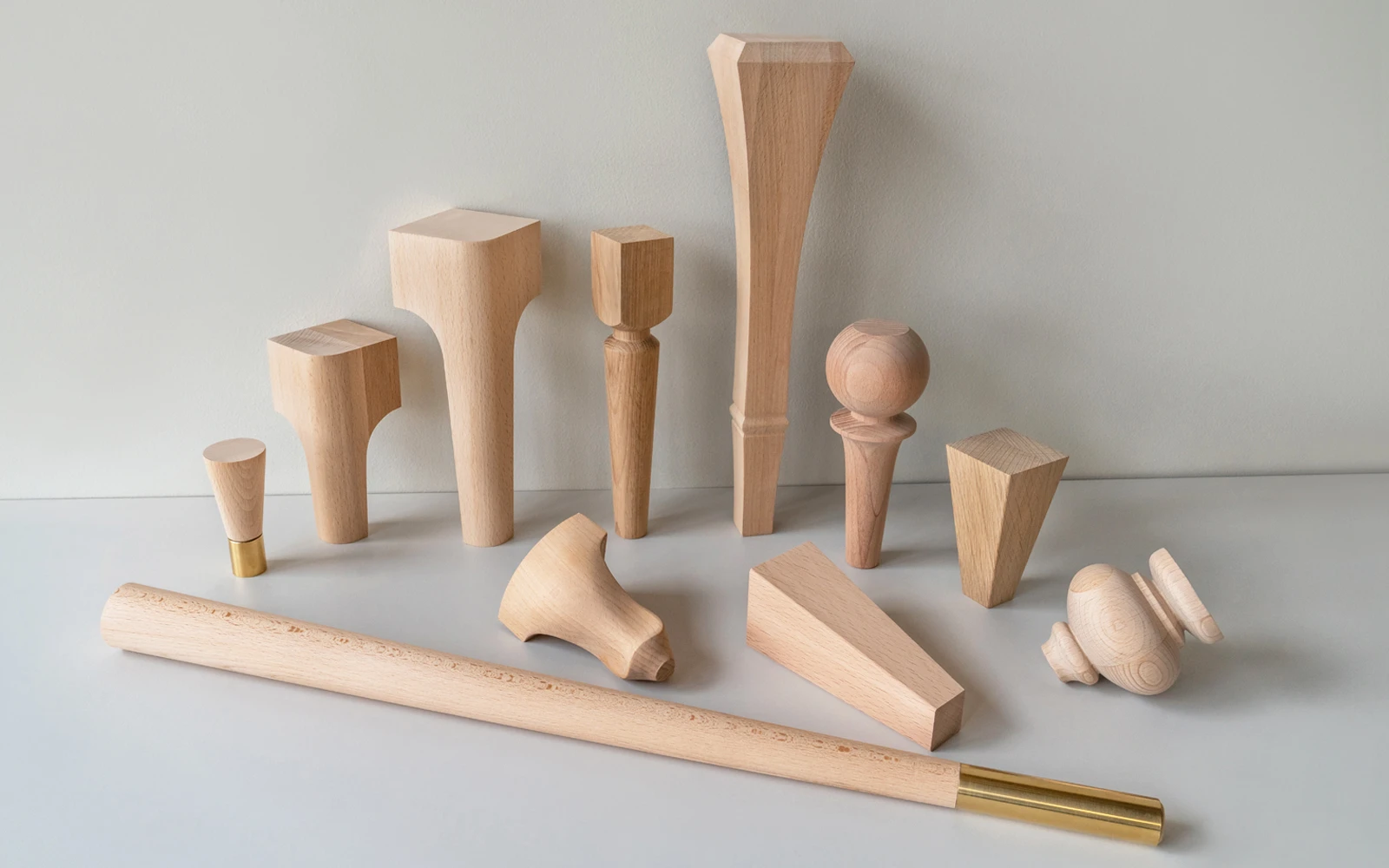
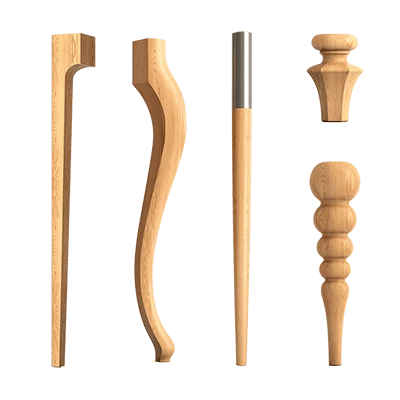
Straight square legs
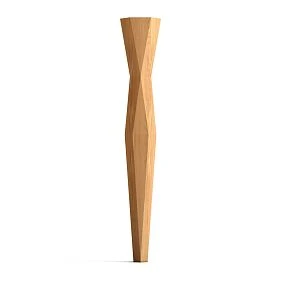
Cross-section 50×50 or 60×60 mm, strict straight edges. Neutral modern shape. Good for sofas in Scandinavian style, minimalism, modern neoclassicism without excessive decoration.
Straight legs "don't interfere" — they support the sofa and don't draw attention to themselves. This is a case where the form takes a back seat, leaving the upholstery and body proportions as the main focus.
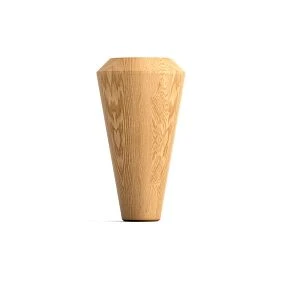
Conical legs
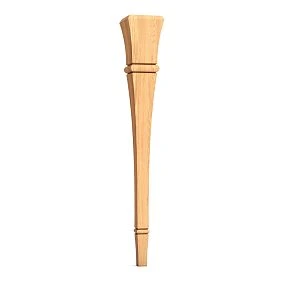
Cone — wide at the base and tapering towards the bottom. This is a "Danish" silhouette, characteristic of mid-20th century furniture. Conical legs create dynamism and lightness: the sofa seems to "stand on tiptoes".
A cone at an angle (with an outward tilt) is a characteristic mid-century technique. A sofa on such legs immediately reads as "retro" or "organic."
Turned legs
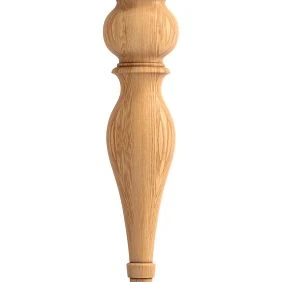
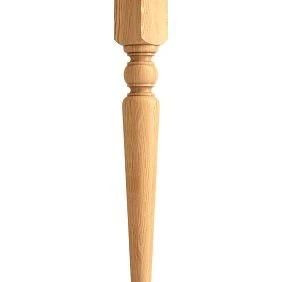
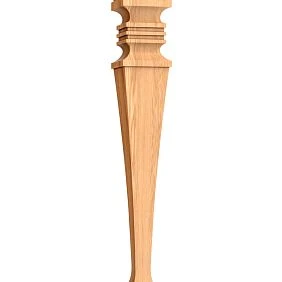
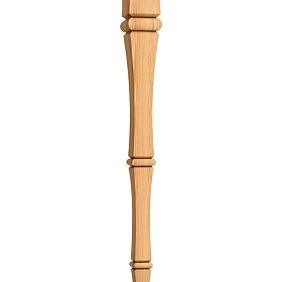
Turned furniture leg — a turned form with a volumetric profile: tucks, bulges, decorative belts. This is a classic. For sofas in classic, neoclassical style, for upholstered furniture with wooden decor on armrests and backrest — a turned leg is ideal.
It "converses" with the decorative elements of the furniture: if the sofa has wooden inserts or overlays, a turned leg creates a visual connection.
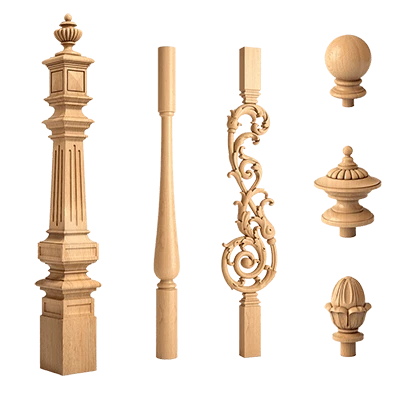
Carved Legs
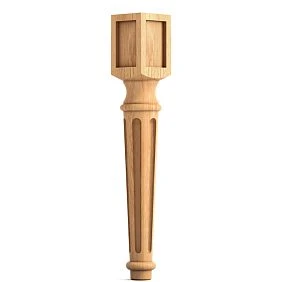
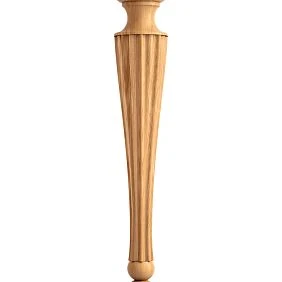
Legs with milling or hand carving: flutes (vertical grooves), reeding, leaves, scrolls, geometric motifs. This is the most decorative type of leg — for formal classic furniture, for sofas in Baroque, Empire, historical interiors.
Furniture Decoration from Wood on the sofa body + carved legs of the same ornament = a unified high-class decorative ensemble.
Round and cylindrical legs
Round cross-section with a diameter of 40–60 mm. Light, neat, look good under sofas with soft shapes — round armrests, rounded corners. For a modern "organic" interior and bubble-gum style sofas.
Legs for painting
Uncoated legs — for custom finishing. If the sofa is painted a specific color or the upholstery has a non-standard shade, legs for painting allow achieving an exact tone match.
Sofa legs for a classic interior
A classic and neoclassical interior places special demands on the legs of upholstered furniture. Here, the leg is not a detail, but a full-fledged element of decor.
Turned legs: tradition and style
Turned legs made of beech or oak are the basic choice for a classic sofa. Height 120–160 mm, voluminous profile with decorative turnings. These legs are visible from the front and side — they work as a "pedestal" on which the upholstered furniture stands.
For a classic sofa with wooden inserts on the armrests — legs from the same wood species, with the same finish. This is a mandatory rule of material unity: wood in one tone from the leg to the top of the frame.
Coordination with decorative elements of upholstered furniture
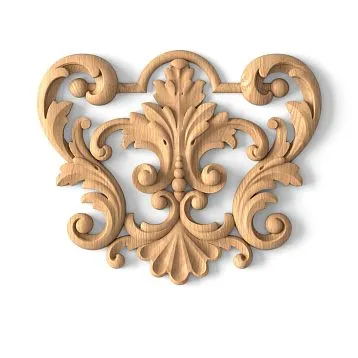
If there are Carved wooden decoration or Decorative Inserts — the legs must belong to the same decorative "vocabulary". Carved overlays on the armrests + turned legs with a profile in the same spirit = a consistent look.
Example of a classic layout
A sofa with a soft back, wooden inserts on the armrests, and legs 140 mm high made of dark beech with a "walnut" lacquer finish — this is a living room classic. Next to it is an armchair on similar legs of the same height. In front of them is a coffee table with legs in the same tone. The unity of wood ties the entire group of upholstered furniture into an ensemble.
Legs for armchairs, benches, and ottomans: one assortment — different tasks
Wooden legs for sofas are often used for other upholstered furniture as well. Let's break down each scenario.
Legs for armchair
An armchair is smaller than a sofa — but the requirements are the same. Load on the armchair: 100–150 kg (standard load). Leg cross-section: 45–55 mm. Height — the same as for the sofa (50–160 mm depending on the body and desired seat height).
Important: the armchair often stands next to the sofa. The legs must be of the same wood species and the same tone — otherwise the "sofa + armchair" pair looks mismatched.
For a classic-style armchair — turned legs 120–150 mm high. For a modern armchair — tapered or straight legs 80–100 mm.
Legs for a bench
A bench is a piece of furniture with maximally exposed legs: they are visible from all sides. Bench height: 43–50 cm, legs — 100–200 mm depending on the thickness of the base.
For a bench in the hallway — legs strong enough to support the weight of an adult with shoes in hand (80–100 kg), and attractive enough to create a stylish look.
For a classic interior bench — turned beech legs with stain. For a minimalist hallway — straight square or tapered legs.
Legs for a pouf
Ottoman — a small item, load — 80–120 kg. Ottoman legs: small size, 40–60 mm cross-section, height 50–120 mm.
The decorative role of ottoman legs is higher than that of a sofa: the ottoman is small, and the legs make up a significant part of its visual image. For a classic interior ottoman — turned legs. For a Scandinavian-style ottoman — tapered light legs. For a round ottoman — tapered or turned round legs.
Legs for chaise lounge
A chaise longue is a long, narrow sofa with a raised backrest on one side. It supports the weight of one reclining person (80–90 kg). Legs — 6–8 pieces along the base, height 80–150 mm.
For a classic chaise longue in the "ottoman" style — turned legs made of dark wood. For a modern chaise longue in a neutral style — straight or tapered legs.
Sofa leg material: what to choose
wooden furniture legs for a sofa are made from different species — and the choice of species is important not only aesthetically.
Beech — the main choice for upholstered furniture
Beech is a dense, hard wood (700–730 kg/cu m). It holds bolt threads well, does not split when screwing, and does not deform under load. Fine, even texture — ideal for turned shapes: the profile comes out crisp.
For upholstered furniture manufacturers, beech is the standard. Wooden legs for sofas beech under dark tinting is the most common option in classic upholstered furniture.
Oak — for status and pronounced texture
Oak is harder than beech and has a large, expressive texture. Under clear varnish or oil, oak legs look expensive — a lively texture with character.
For a sofa in an interior with oak parquet, oak doors, and oak furniture details — oak legs create material unity. This is not just aesthetics, but a professional design technique.
Pine — for painting
Pine is softer than beech and oak. For the legs of a heavy sofa — not the best choice: under heavy load, pine can deform in the attachment area.
For a bench, pouf, light chair for painting — acceptable. Pine takes primer and enamel well. For heavy sofas — choose beech or oak.
Sofa leg finish: what suits upholstered furniture
Unfinished legs: custom final treatment
Uncoated legs — for self-finishing. If the sofa is being reupholstered in a non-standard color or you want to precisely match the leg color with the upholstery and interior — only unfinished legs provide that freedom.
Finished legs: ready for installation
Legs with Finish — lacquered, tinted, painted. Ready for immediate installation. Tone options: natural, light, dark, walnut, oak, wenge, white.
Convenient if the upholstery is standard (gray, beige, blue velvet) and you need to quickly match legs to the interior.
Clear varnish
Reveals the wood texture, creates a protective film. For beech or oak legs while preserving the natural tone. Glossy varnish for classics, matte for modern and Scandinavian styles.
Dark tinting: walnut, wenge, mocha
The most popular coating for legs of classic sofas. Dark tinting gives beech the look of an expensive dark wood. Pairs well with gray, beige, and blue upholstery.
White enamel
For sofas in Provencal, Scandinavian, and light modern interiors. White legs visually lighten the furniture, creating a sense of airiness.
Painting to match the upholstery or walls
For bold design solutions: legs in the color of the upholstery (monochrome) or in a contrasting color (accent). This is a technique characteristic of modern furniture design.
What to check before buying sofa legs
A small but mandatory checklist — because each of these points is critical.
Leg height
Measure the height of the current legs (if replacing) or calculate the required height: desired seat height minus the height of the sofa body without legs.
Diameter or cross-section
Legs for upholstered furniture: 40–70 mm for round, 45–70 mm for square. Too thin legs under a heavy sofa risk deformation and breakage.
Load per leg
Total sofa weight + estimated load of seated people. For a sofa on four legs: (sofa weight + load) ÷ 4. Each leg should have a safety margin of 1.5–2 times the estimated load.
Fastening method
Standard for upholstered furniture is a threaded bolt M8 × 1.25. Check the nuts in the base of your sofa. If there is a different thread (M10 or non-standard), specify when purchasing.
Number of legs
Standard three-seat sofa — 6 legs (4 corner + 2 center). Armchair — 4. Bench up to 120 cm long — 4. Longer — 6. Ottoman — 4. Chaise lounge — 6–8.
Color and Coating
Match with wooden furniture elements, floor, other upholstered furniture in the group. The color of the legs should belong to the same tone range as other wooden interior details.
Spare 1–2 pieces
Buy one or two extra legs than needed. Broke during installation, lost, needed a year later — a spare from the same batch guarantees matching tone and shape.
Mistakes when choosing sofa legs: learning from others' experience
These mistakes happen all the time — and each one costs a replacement purchase.
Using legs that are too thin for a heavy sofa. A sofa with a metal frame and spring block weighs 50–80 kg. Plus the load from people — another 200–400 kg. Legs with a diameter of 30 mm are clearly insufficient. For a heavy sofa — cross-section at least 50 mm, material beech or oak.
Not accounting for the number of legs. You bought four legs for a sofa that requires six — the middle will sag. First, count the leg sockets in the base, then buy.
Choosing height without considering seating. "Beautiful tall legs" — and the sofa becomes uncomfortable: too high for the owners, feet don't reach the floor. Measure first, choose later.
Forgetting about the hardware. You bought legs, but the thread doesn't match. Is the thread standard in your sofa base M8, M10, or something else? Check with the leg manufacturer before ordering.
Not checking the furniture base. Leg sockets may be non-standard, recessed into a wooden base or metal plate — and the fastening needs to be selected for the specific base type.
Mixing different wood shades. Four legs from different batches — different tones. A sofa with "spotty" legs looks sloppy. Buy all legs at once from the same batch.
Buying legs without a spare. One leg breaks during installation — and there's no replacement. Professional standard: +2 pieces to the minimum required quantity.
Choosing the leg shape separately from the upholstery and sofa style. Carved classic legs under a sofa in a strict minimalist style — a stylistic conflict. The leg shape should belong to the same "language" as the furniture silhouette.
How to replace sofa legs: a practical guide
Replacing legs is a simple procedure if you know the sequence of steps.
Step 1. Turn the sofa over or lift it up
The sofa should either be turned upside down (for lightweight chairs and ottomans) or lifted with a helper and a temporary support placed underneath. Never replace legs with the sofa on its side — the load is distributed unevenly and the frame can be deformed.
Step 2. Unscrew the old legs
Standard threaded legs are unscrewed by hand or with a wrench. If the leg is attached via a metal plate with screws — unscrew the screws. Secure the plate — it will be needed for the new legs.
Step 3. Check the threaded sockets
Inspect the sockets: check if the T-nuts are loose, and if there are any cracks in the base near the sockets. If the nut is loose — reinforce it with epoxy glue before installing the new legs.
Step 4. Screw in the new legs
Screw in by hand until you feel resistance, then tighten with a wrench half a turn. Do not overtighten — you can strip the thread in the nut.
Step 5. Install the glides
Rubber or felt glides on the bottom ends of the legs are a must. They protect the floor from scratches and provide a little cushioning.
Step 6. Check stability
Place the sofa in position and check: it doesn't wobble, all legs touch the floor. If one leg doesn't touch, screw it in a little deeper or place a thin washer under it.
How to choose sofa legs for your interior: three working schemes
The rule for matching sofa legs to the interior is not about "beautiful," but about a system.
Scheme 1. Unity of wood in the upholstered furniture group
Sofa + armchair + ottoman — same wood species, same leg tone. This creates a "group" that is perceived as an ensemble, not as randomly assembled furniture.
Scheme 2. Leg tone = floor tone
Sofa legs matching the tone of the parquet or laminate "connect" the furniture to the floor. The sofa seems like part of the space, not just "placed" in it.
Scheme 3. Contrast between legs and upholstery
Light upholstery + dark legs — a classic contrast. Dark upholstery + natural light legs — a modern technique. Contrast creates dynamics and emphasizes the shape of the furniture.
Where to buy wooden legs for a sofa
Wooden legs for sofas in the STAVROS catalog — this is a specialized assortment for upholstered furniture: turned, straight, conical, carved, in various heights and tints. Nearby — all wooden furniture legs, Uncoated legs for custom finishing, Legs with Finish — ready for installation, Turned furniture legs, Furniture Decoration from Wood и Wooden products for interior with Contact us to confirm shipping to your destination.
FAQ: Answers to popular questions
How to choose wooden legs for a sofa?
Determine the required height (desired seat height minus body height), check the mounting thread (standard M8), choose a shape to match the interior style, select a tone to match other furniture and the floor.
Which legs are suitable for upholstered furniture?
Made of beech or oak, cross-section at least 45–55 mm, with an M8 threaded bolt. Shape — according to the sofa style: turned for classic, straight or conical for modern interiors.
Can I replace the old legs on a sofa?
Yes — if the new legs have the same thread (M8 × 1.25). Turn the sofa over, unscrew the old ones, screw in the new ones, check stability.
What height should sofa legs be?
Standard: 50–120 mm. Calculated individually: desired seat height (42–48 cm) minus the height of the sofa body without legs.
Are wooden legs suitable for an armchair?
Yes. Same types of legs, same attachment. Important: the legs of the armchair and the adjacent sofa should be from the same wood species and in the same tone.
Which legs should I choose for a bench?
Height 100–200 mm. Shape — according to the style of the hallway or living room. Strength — sufficient for a load of 80–120 kg.
Can wooden legs be painted?
Yes. Uncoated legs — specifically for final finishing. Primer + enamel 2–3 coats. Install the legs beforehand or paint before assembly — depending on the situation.
How many legs are needed for a sofa?
Three-seater sofa — 6 legs. Two-seater — 4–6. Armchair — 4. Bench — 4–6. Pouf — 4. Chaise lounge — 6–8.
How to choose legs to match the upholstery style?
Dark legs + light upholstery — a classic contrast. Natural wood + beige/gray upholstery — an organic unity. White legs + pastel upholstery — a light Scandinavian look.
Where to buy wooden legs for a sofa?
In the STAVROS catalog: Wooden legs for sofas made of solid wood with Contact us to confirm shipping to your destination.
About the manufacturer
STAVROS — a Russian manufacturer of wooden products for furniture and interiors. The assortment includes — wooden legs for sofas and upholstered furniture, all wooden furniture legs, Legs with Finish, Turned Legs, decor for furniture и Carved wooden decoration. Replace old supports with new ones, create a banquette or update an armchair — STAVROS will provide the necessary assortment with Contact us to confirm shipping to your destination.