



































Article Contents:
- What is a console frame: the essence of the structure
- Structural essence of the frame
- Difference between a frame and an underframe
- How a console frame differs from a ready-made console
- Ready-made console
- Console frame — a designer's construction kit
- Who needs a console frame
- Where a wooden console frame is used: space and application
- Hallway: the main console location
- Living room: console behind the sofa and against the wall
- Bedroom: console as a vanity table or decorative area
- Country house hall: grand console
- Commercial spaces: reception, restaurant, hotel, showroom
- How to choose the console frame size: proportions that work
- Console frame height
- Console frame width
- Console frame depth
- Distance to the wall and mounting
- Console frame for hallway: precision in every centimeter
- Hallway rule
- Mirror area: console as a functional center
- Decor and functionality of the console in the hallway
- Console frame for living room: scale and decorativeness
- Console behind the sofa
- Console under the mirror in the living room
- Console in the partition: vertical axis
- How to choose the console frame material: oak, beech, MDF, and solid wood
- Solid oak: status and durability
- Beech: a universal choice for painting and tinting
- MDF: geometric precision and stability
- Combined frames
- How to choose a tabletop for a console frame
- Size compatibility
- Tabletop material
- Tabletop thickness and proportions
- Console frame decor and finish: from bare base to designer piece
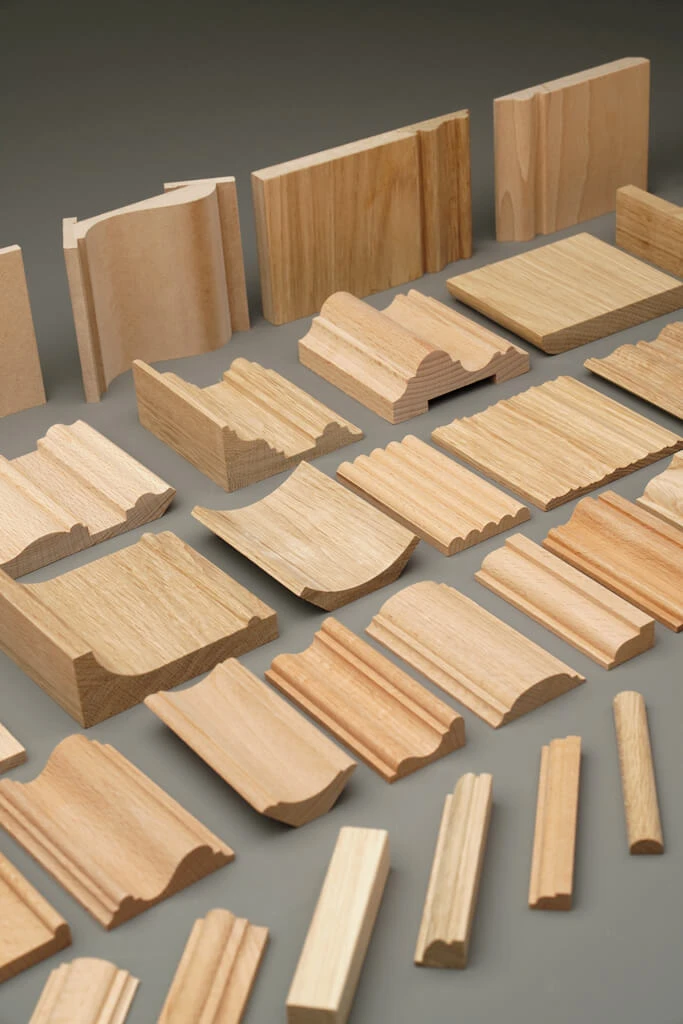
- Decorative overlays and moldings
- Frame legs: style and shape
- Console frame coating
- Mistakes when choosing a console frame: what not to miss
- Console as a design object: how to assemble a finished look
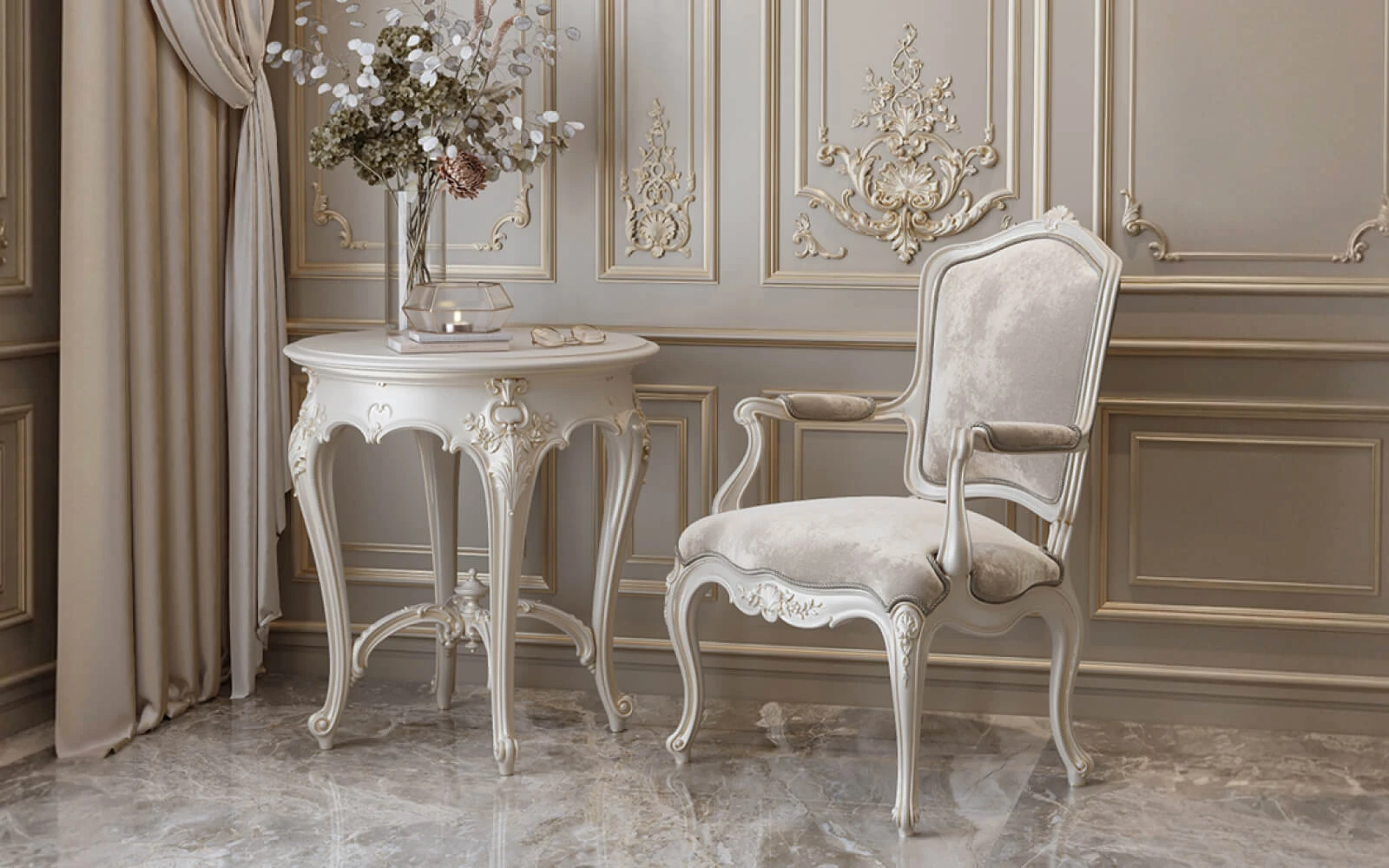
- Classic formal console
- Light Provence console
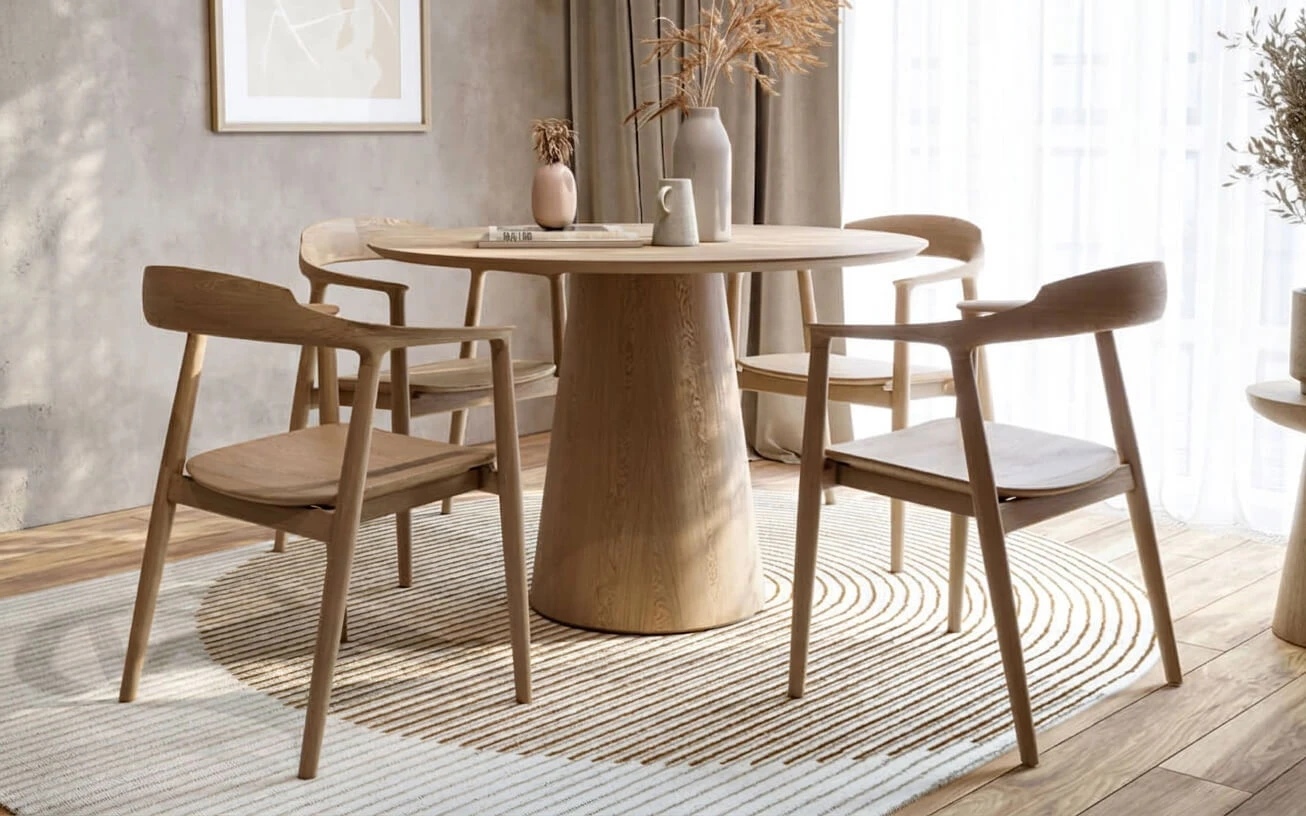
- Minimalist Scandinavian console
- Modern Neoclassicism
- Where to buy a wooden console frame
- FAQ: Answers to Popular Questions
- About the manufacturer

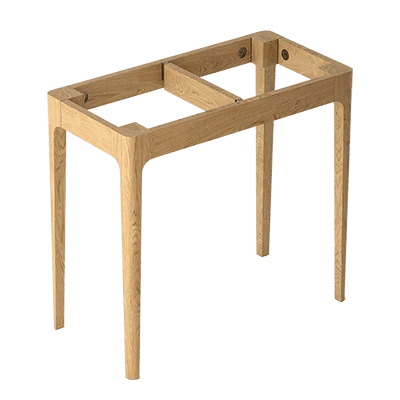
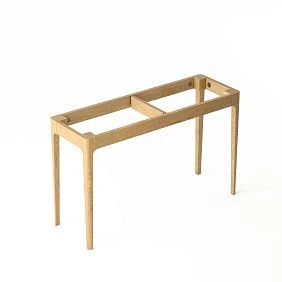
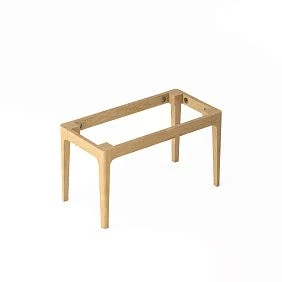
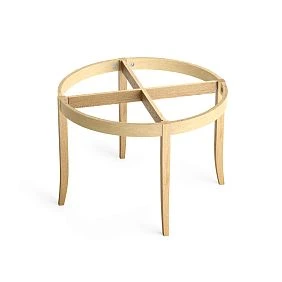
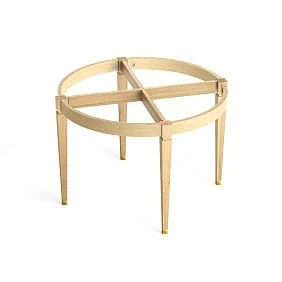
Console Frame made of wood is the foundation. Not a finished piece of furniture, but a structural base around which the future console is built. This is where the conscious choice begins: what height to set, what legs to install, what tabletop to lay, what decor to add, how to finish and in what color. The frame is the freedom of design with a reliable structural foundation.
This article is a detailed practical analysis for those who are looking not just for furniture, but for a precise solution. Choosing a console frame for the hallway, living room, bedroom or hall: dimensions, material, stability, decor and everything you need to know before purchasing.


What is a console frame: the essence of the design
First of all — why buy a frame at all if ready-made consoles exist?
The answer lies in the frame. If you need a standard "set it and forget it" console, go with a ready-made one. But if you have a non-standard niche size, a custom interior project, a specific color that can't be bought in a store, or a desire to precisely match the console with the rest of the furniture, then you need a frame.



The structural essence of the frame
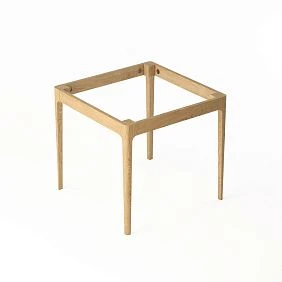
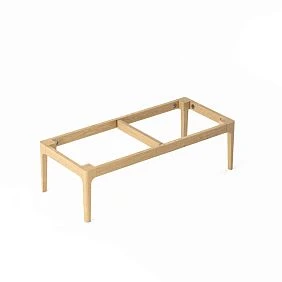
Wooden console frame — is a support frame made of solid wood that defines:
-
the height of the console (standard 750–850 mm, but variations are possible);
-
the width and depth (the space under the tabletop);
-
the type of legs and support method;
-
the decorative style of the structure;
-
the method of attachment to the floor and wall.
The tabletop is separate. The finish coating is separate. Decorative overlays are separate. The frame is the skeleton, and everything else is built around it according to the project.
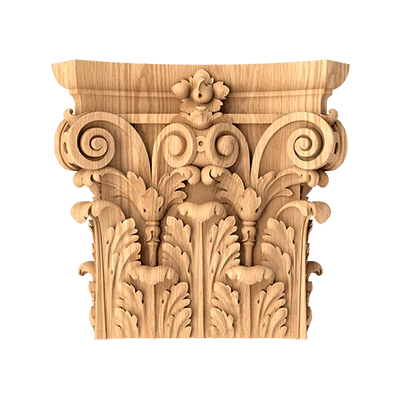
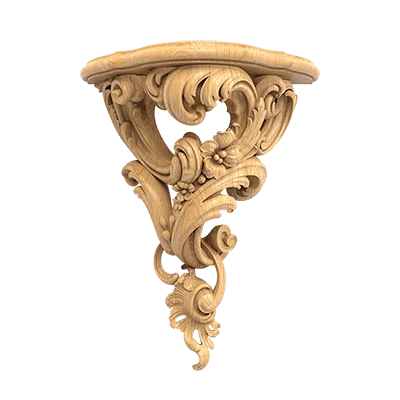
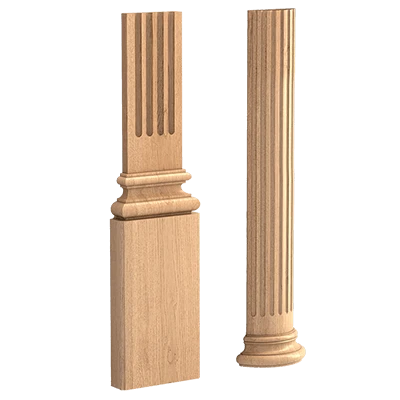
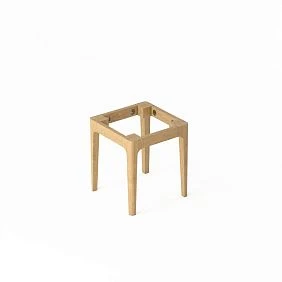
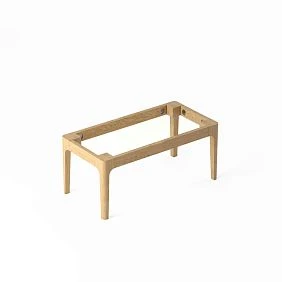
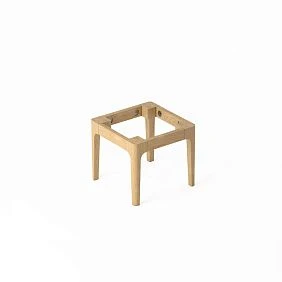
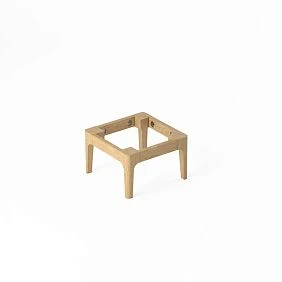
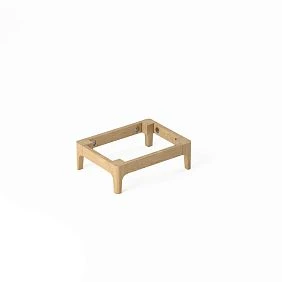
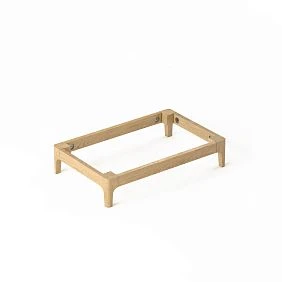
Our factory also produces:
Difference between a frame and a base
A base is a support structure for a dining or work table, designed for a load of 80–150 kg, with a rigid horizontal connection. A console frame is a lighter structure, designed for decorative load and wall placement, with an emphasis on visual appeal and style.
Do not confuse: wooden furniture frames different types solve different tasks. A console frame is a specific product for a particular use case.
Get Consultation
How a console frame differs from a ready-made console
This difference is practical and fundamentally affects the choice.
Ready-made console
A finished piece of furniture: frame + tabletop + coating + decor — all in a single factory execution. You buy what you see. Color, style, size — fixed by the manufacturer. If they suit you — great. If not — you need to look for another option.
Classic solid wood consoles — a finished product for those who value completeness and a certain style "out of the box".
Console frame — a constructor for the designer
Console frame — an open system:
-
You choose the required frame size.
-
Select a tabletop to match the specific proportions of the niche or area.
-
Choose the coating in the exact color — whether for painting with enamel or for oak tinting.
-
Add Furniture Decoration from Wood: overlays, moldings, rosettes.
-
Change the legs to wooden furniture legs the desired style.
Result: a console created for a specific space — not just "suitable," but precise.
Who needs a console frame
-
For designers — to implement individual projects without ordering turnkey furniture.
-
For craftsmen — as a base for custom furniture.
-
For owners of non-standard spaces — narrow hallway, non-standard niche width, specific height.
-
For those updating an old console — replacing the frame while keeping the tabletop.
-
For restaurants, hotels, showrooms — where a specific style and exact dimensions are needed.
Where a wooden console frame is used: space and application
A console is the most "versatile wall-mounted piece." It doesn't take up much space, doesn't require central space, and solves several tasks at once — functional and decorative.
Hallway: the main place for a console
The hallway is a classic place for a console. Here it serves as an "entry buffer": holds keys, mail, gloves, a bag. Above it — a mirror. Below it — space for baskets or shoes. This narrow space requires a precise frame: shallow depth (30–35 cm), correct height (78–82 cm), and compact width (80–120 cm).
For a narrow hallway, a console frame with a depth of 30 cm is the only reasonable solution. There are very few ready-made consoles of this size. Frame + desired tabletop = a perfect fit for the space.
Living room: console behind the sofa and against the wall
In the living room, the console can be placed:
-
Behind the sofa — a horizontal accent that 'closes' the back of the sofa. On it: a lamp, books, decorative items. Frame width = sofa width (usually 180–220 cm) or slightly less.
-
Under the mirror — a classic paired solution. A mirror spanning the entire width of the wall with a console beneath it. This is a 'French' technique: an axis of symmetry, rich decorativeness.
-
In a wall niche — as a decorative accent in the space between windows or near a load-bearing wall.
Bedroom: console as a dressing table or decorative area
In the bedroom, the console can serve as a dressing table (with a mirror above it), a decorative table by the window, or a bedside table along a long wall. For the bedroom, visual lightness of the frame is important: thin legs, shallow depth, restrained decor.
Country house hall: formal console
The hall of a country house is where the console truly shines. Here it should be 'formal': with a beautiful frame, decorative elements, a high-quality stone or solid wood tabletop, and a full-length mirror above it. The frame size can be large: width 120–160 cm, height up to 85 cm.
Commercial spaces: reception, restaurant, hotel, showroom
Restaurant, boutique, hotel — these are places where a console creates atmosphere. A wooden console frame for painting or tinting to match the brand is a solution for a custom design project. The exact size, the desired color, the specific decor — all of this is achieved through the frame, not through ready-made furniture from a store.
How to choose the size of a console frame: proportions that work
Size is the most critical parameter when choosing a frame. Making a mistake here means creating a piece of furniture that either doesn't fit or gets lost in the space.
Console frame height
The standard height of a console table is 750–850 mm. This is a "working" height, convenient for use while standing: to place keys, set a vase, or use a mirror.
But the standard is not a dogma:
-
Console in the hallway for above-average height: 850–900 mm.
-
Console-dressing table for sitting (on a bench or pouf): 700–720 mm.
-
Low decorative console in the living room: 700–750 mm.
-
Console for children's hallway: 650–700 mm.
When choosing the frame height, consider the thickness of the tabletop: working height = frame height + tabletop thickness (20–40 mm).
Console frame width
The console width is determined by the zone size and tasks:
| Zone | Recommended console width |
|---|---|
| Narrow hallway (corridor) | 60–90 cm |
| Standard hallway | 90–120 cm |
| Living room (against the wall) | 100–140 cm |
| Behind the sofa | 150–220 cm |
| Grand foyer | 120–180 cm |
| Restaurant, hotel | Per project (60–200 cm) |
A console that is too narrow in a wide space looks 'lost'. One that is too wide blocks the passage and feels oppressive.
Console frame depth
Console depth is a critical parameter for an entryway. In a hallway, the passage width must remain at least 70–80 cm after installing the console.
-
Entryway: 25–35 cm is optimal.
-
Living room against a wall: 35–45 cm.
-
Formal zone: 40–50 cm.
A console that is too deep in an entryway is a constant obstruction when moving. One that is too shallow in a living room is unstable, with the tabletop 'overhanging' the frame.
Distance to the wall and mounting
Most consoles stand against the wall — this is their design principle. A well-designed frame either has rear ties for wall mounting (for narrow, lightweight consoles) or widely spaced legs (for freestanding frames).
If the console is against a drywall wall — fastening to embedded anchors in the wall. If against brick — anchor fastening.
Console frame for the hallway: precision in every centimeter
The hallway is the most demanding place for a console. There is no extra space here, every centimeter matters, and the piece of furniture must be not only beautiful but also truly convenient.
Hallway rule
The width of the passage after installing the console is at least 70 cm. Ideally — 80 cm. For families with children and frequent traffic — 90 cm. This means: if the corridor width is 120 cm, the console depth is no more than 35–40 cm.
Height: 78–82 cm — classic standard. At this height, it is convenient to place items and use the mirror above the console without bending over.
Area near the mirror: the console as a functional center
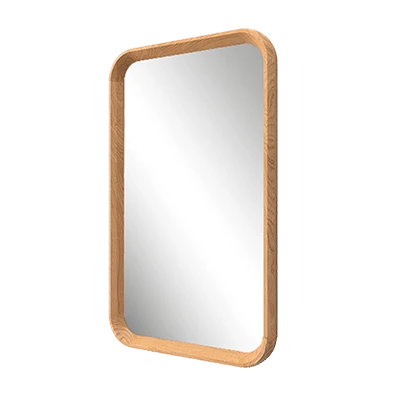
A mirror above the console in the hallway is a traditional and practical combination. Mirror height: the lower edge at 90–100 cm from the floor (slightly above the console tabletop level). The mirror width equal to the console or slightly narrower — proportional.
Between the console surface and the lower edge of the mirror: 15–20 cm — for decor, a lamp, or a small vase.
Decor and functionality of the console in the hallway
On the surface of the hallway console, traditionally placed:
-
a key holder or hooks under the console;
-
a small decorative tray for keys;
-
a flower or a small vase;
-
a lamp (a sconce above the mirror or a small table lamp).
Under the console — baskets for shoes, a rug, a shelf (if provided by the frame design).
Wooden console frame for the hallway should allow for the installation of a lower shelf or baskets — if this is not provided by the basic frame, check when purchasing.
Living room console frame: scale and decorativeness
The living room is a completely different context. Here the console has more space, more freedom in size, and more decorative possibilities.
Console behind the sofa
One of the most beautiful techniques in the living room is a console behind the sofa. It visually completes the sofa from behind, creates a horizontal line above its backrest, and becomes a place for table lamps and decor.
For such a console, durability is important: people may lean on it or move heavy items. The frame must be stable — with widely spaced legs or additional side supports.
Height of the console behind the sofa: 50–100 mm above the sofa backrest. If the sofa backrest is 900 mm — the console is 950–1000 mm. If the sofa is low (750 mm) — the console is 800–850 mm.
Console under a mirror in the living room
The paired solution of "console + full-width mirror" is a classic interior technique. The mirror visually doubles the space, the console creates a focal point. For such an area, a wide console (100–160 cm) with a decorative frame is needed: carved legs, moldings, overlays.
Classic solid wood consoles In a ready-made version — one option. A console frame for a custom project — another, more precise one.
Console in a wall niche: vertical axis
A console in the wall niche between windows is a strong design technique. Here it creates a vertical axis in the space, to which paintings, sconces, and candles can be "attached." The frame width for the niche — matching the niche width minus 20–40 cm on each side (indentations).
How to choose the console frame material: oak, beech, MDF, and solid wood
The frame material is not just about strength. It's about the character of the surface, processing possibilities, weight, durability, and the final appearance of the product.
Oak solid wood: status and durability
An oak console frame is for classic interiors, grand halls, and expensive living rooms. Oak is hard (900 Brinell), durable, and has an expressive, large texture. Under clear varnish or oil, it has a lively, "warm," noble appearance.
Oak frame with carved wooden decor — this is the level of antique furniture. Not an exaggeration, but an accurate description: a properly decorated oak console looks like an item from a workshop.
Beech: a universal choice for painting and tinting
Beech is dense, uniform, and accepts all types of coatings perfectly. For a console frame under paint, beech is ideal: the surface is smooth, without large pores, and the enamel lays flat.
Under stain, beech imitates more expensive wood species. Under white enamel, it creates a classic "French" console look.
Beech Wooden console frame — the best choice for interiors in Provencal, neoclassical, and modern classic styles.
MDF: geometric precision and stability
MDF is not 'worse', it's different. For frames where precise geometry, absence of shrinkage and deformation during humidity changes are important — MDF is preferable.
A console frame made of MDF for painting is a professional solution for projects that require a perfectly smooth painted facade without protruding wood texture. MDF is used in commercial projects — restaurants, hotels, boutiques — where visual precision is more important than 'living' texture.
Combined frames
The best frames often combine materials: legs made of solid oak (strength and decorativeness) + crossbars and horizontal elements made of glued panel or MDF (stability and precision). This is a rational combination that provides both a beautiful appearance and structural strength.
How to choose a tabletop for a console frame
The tabletop is what is seen first. It rests on the frame but is perceived as the 'face' of the console.
Size matching
The tabletop must match the width and depth of the frame — with a slight overhang around the perimeter (from 0 to 20–30 mm). This is the 'overhang': a slight overhang of the tabletop beyond the edges of the frame creates visual lightness. Too large an overhang — instability.
Overhang rule for a console: 10–20 mm on the sides and front. At the back (against the wall) — 0 or minimal.
Tabletop material
-
Array of wood (oak, beech, ash) — matching the tone or same species as the frame. Natural, pleasant to the touch, a traditional choice for a wooden console.
-
Marble and stone — for formal consoles. Heavy material, requires a sturdy frame with reliable joints. Marble top + carved wooden frame — a classic combination in the Empire style.
-
MDF for painting — if the console is fully painted in one color. Smooth surface, ideal for enamel.
-
Glass — for modern and light interiors. A transparent top "opens up" the frame and legs — a good technique if the frame is decoratively expressive.
-
Ceramic top — for commercial projects and areas with high humidity (entryway by the front door).
Tabletop thickness and proportions
Thin top (15–20 mm) + light frame with thin legs = light airy console. Thick top (40–50 mm) + massive carved frame = formal monumental console. Mismatch of thickness and massiveness is a common mistake: a heavy slab on an "openwork" frame looks alarming.
Console frame decor and finish: from bare base to designer piece
A console frame without finishing is a blank. Decor and finish coating turn it into an interior piece.
Decorative overlays and moldings
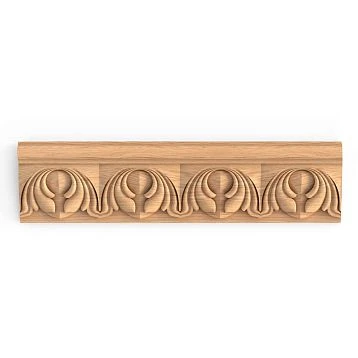
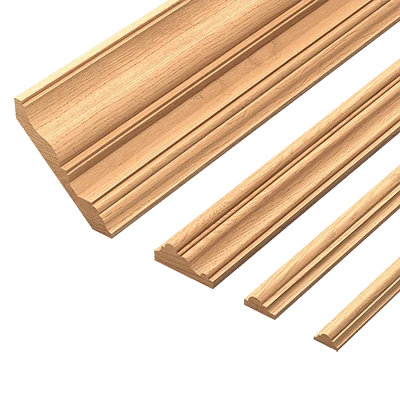
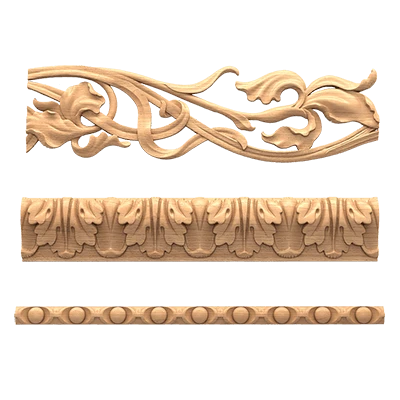
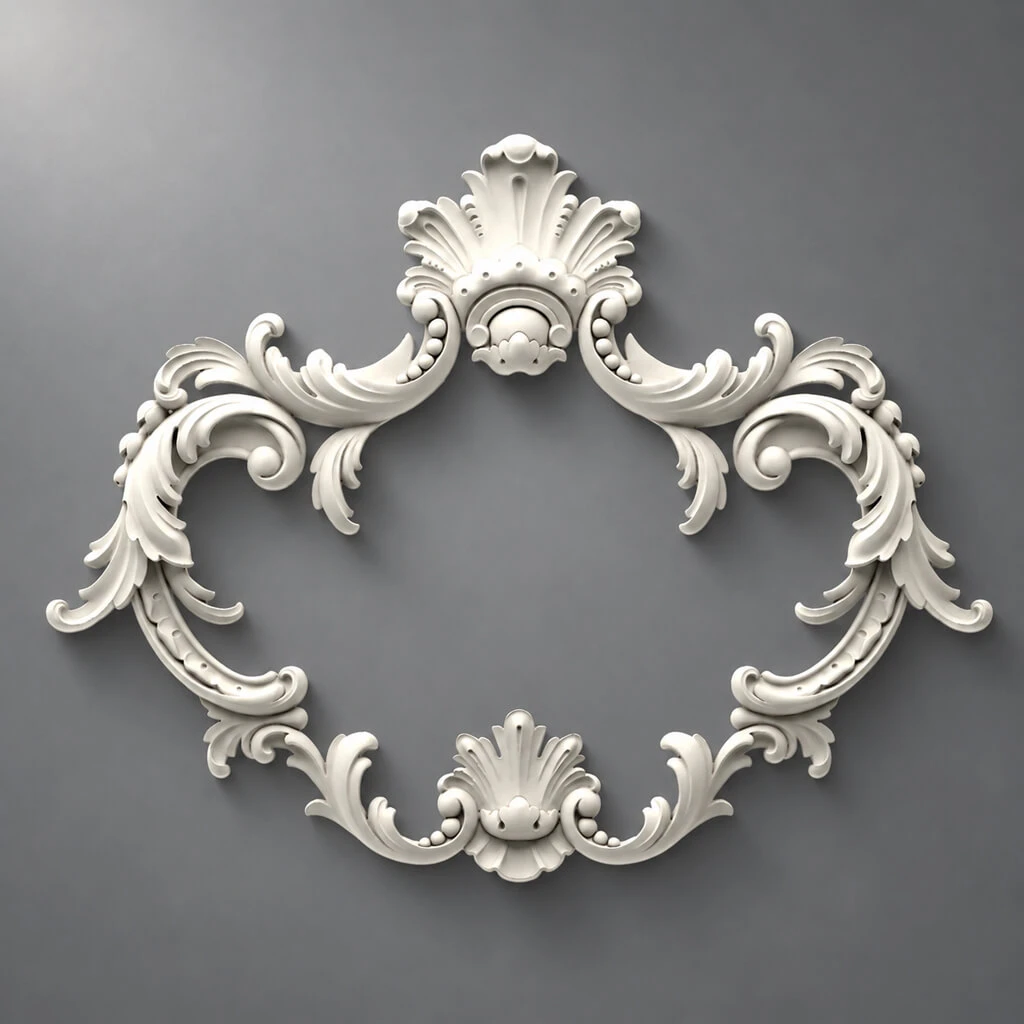
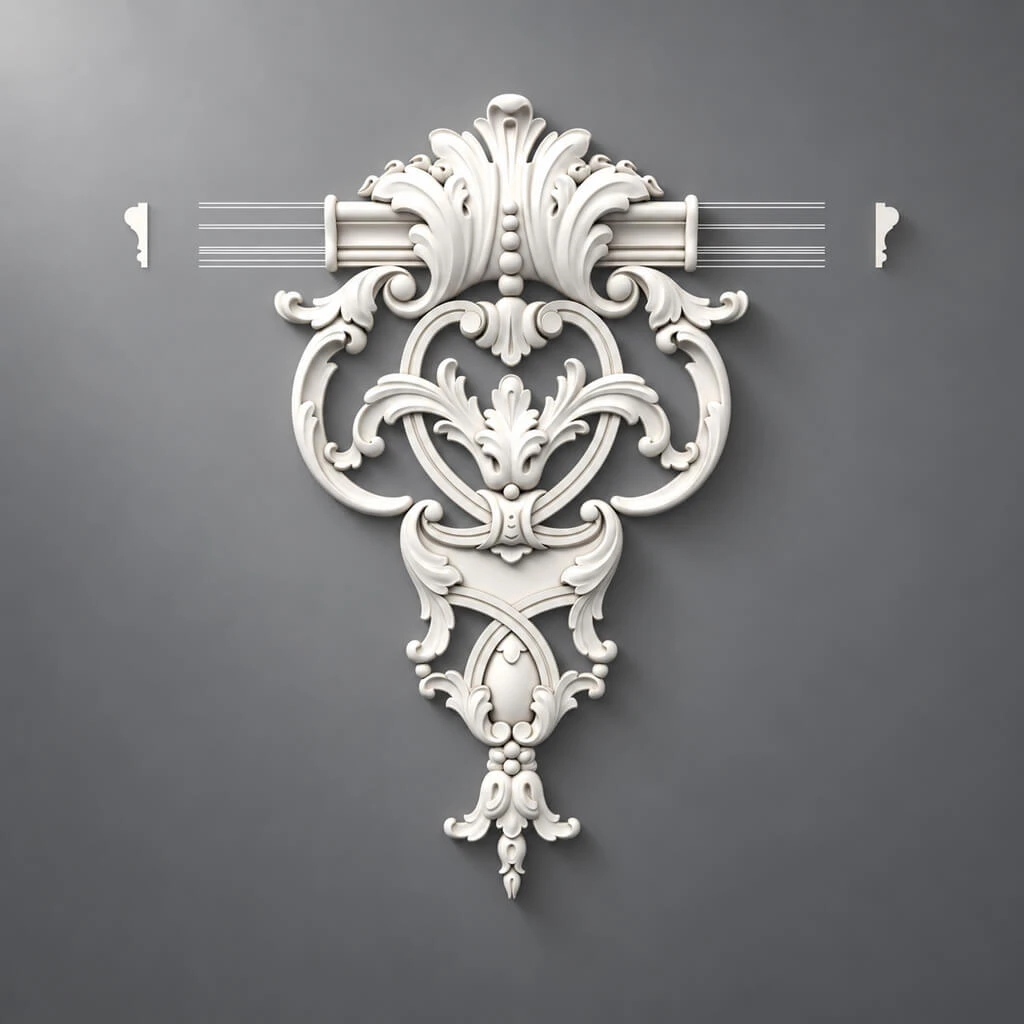
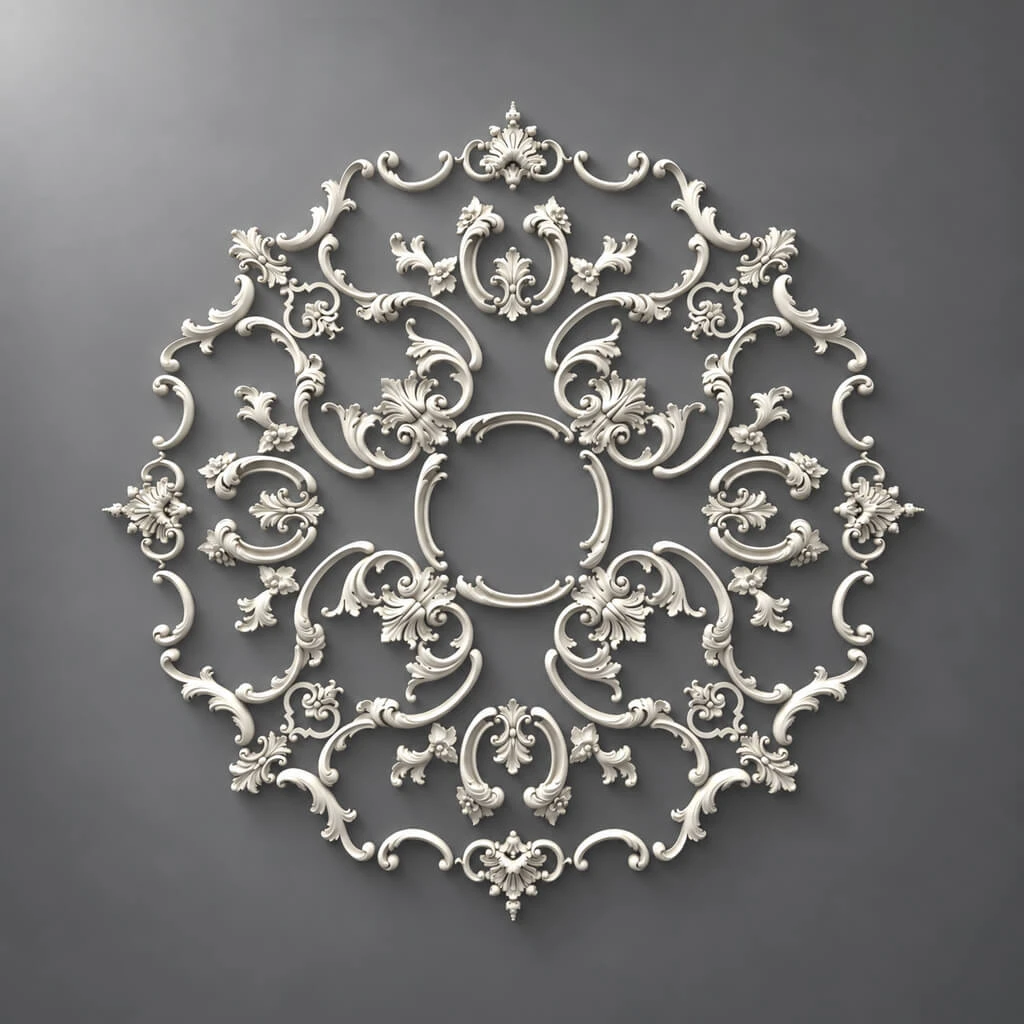
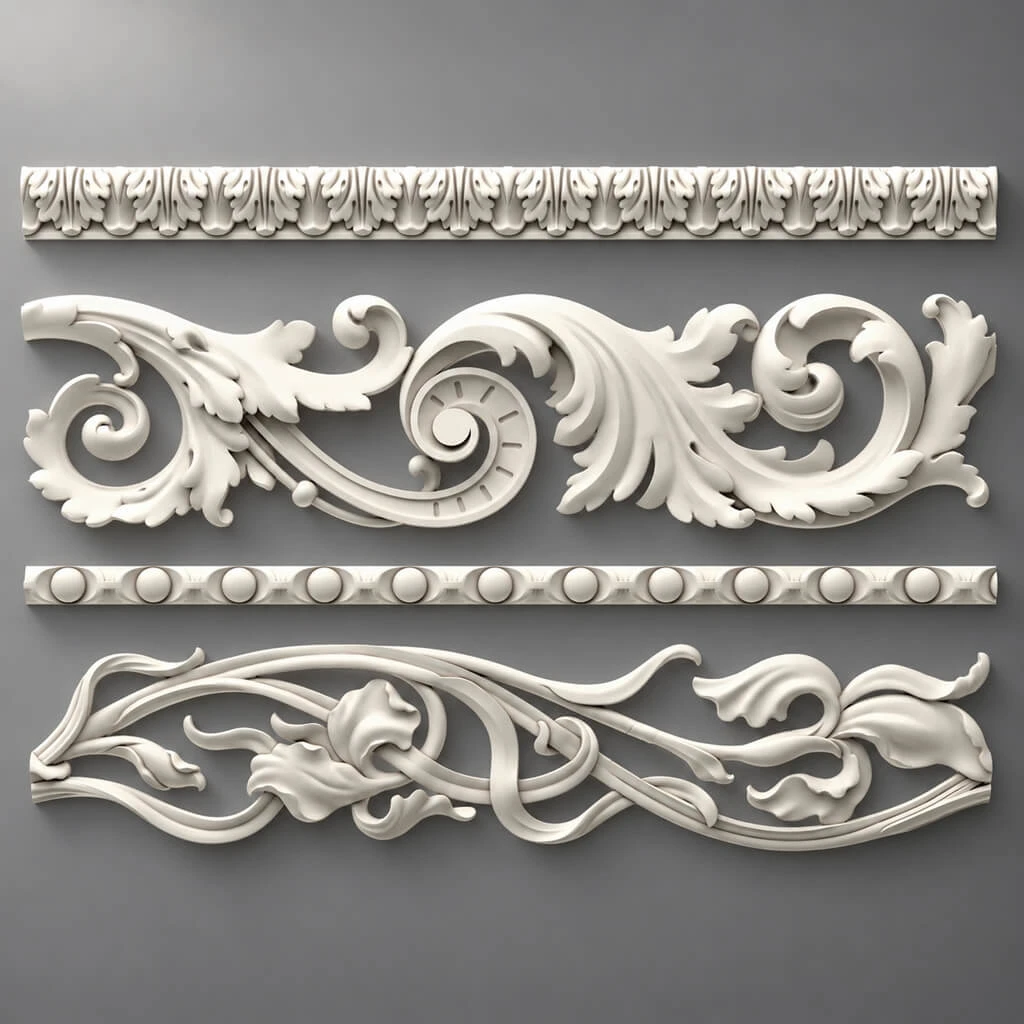
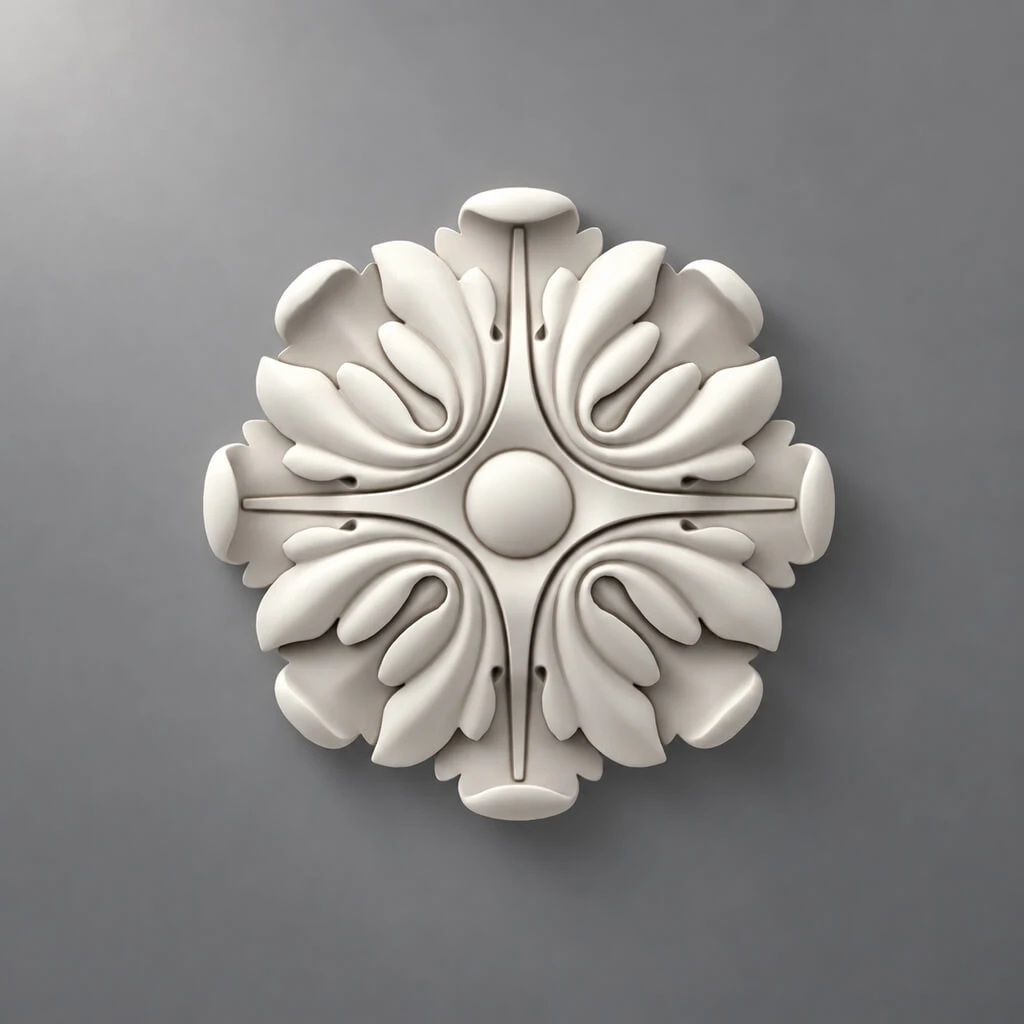
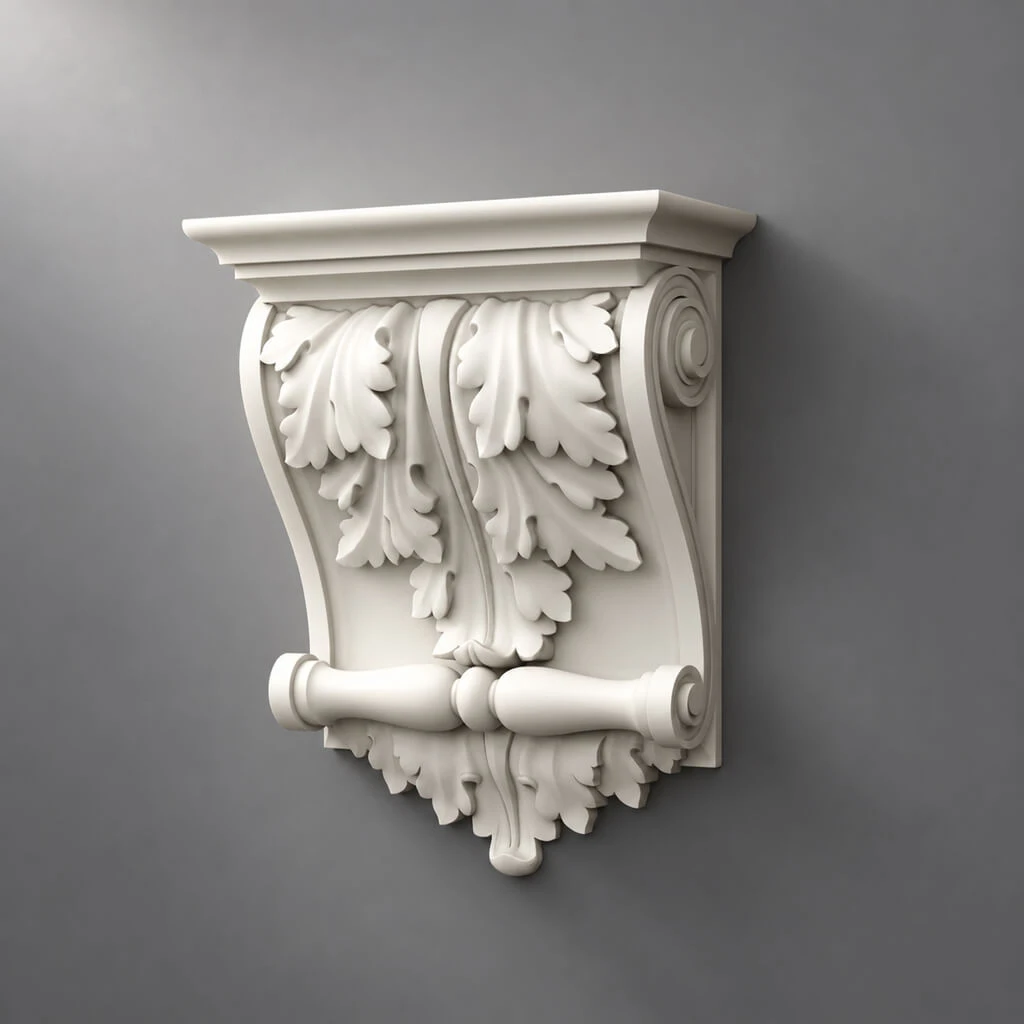
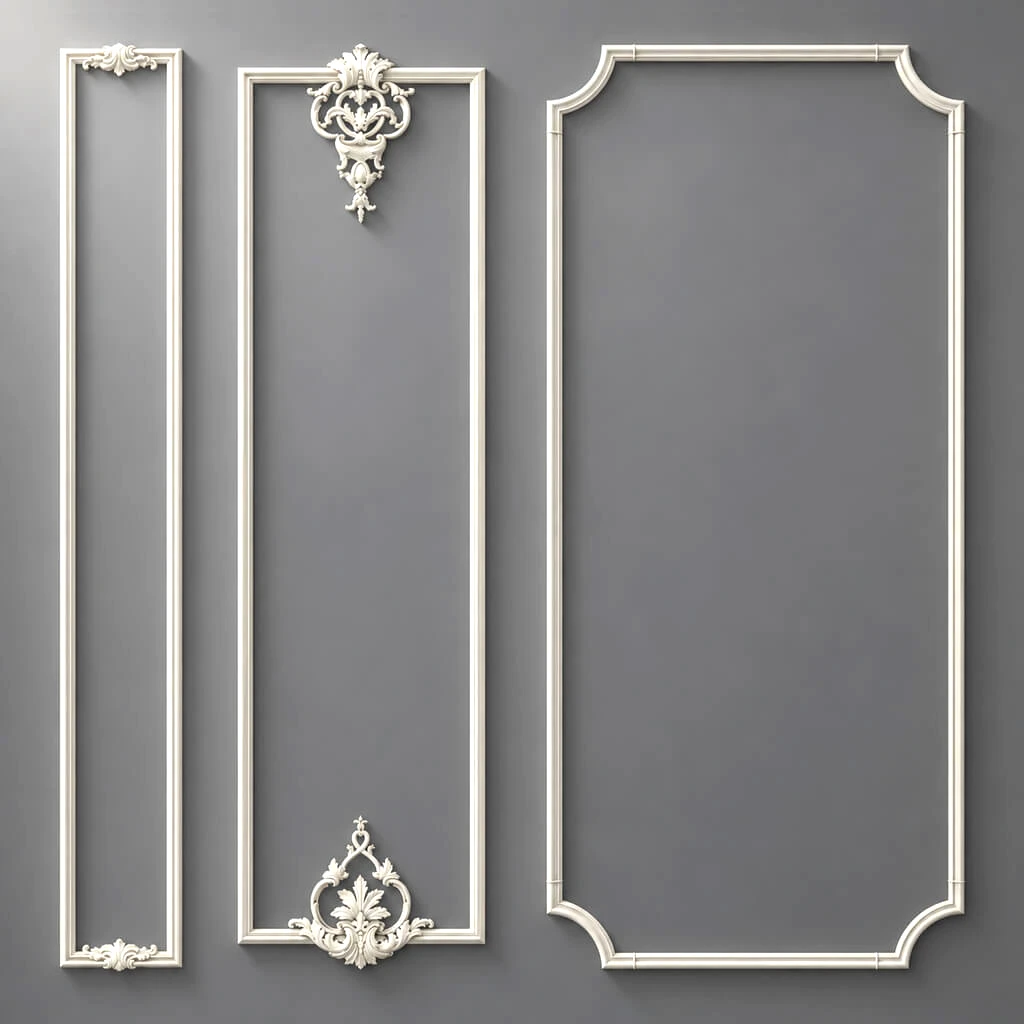
applied decoration for furniture — rosettes, corner overlays, moldings — can be added to the front elements of the frame. A horizontal strip under the tabletop + molding along its lower edge = a classic cornice technique. Side parts of the frame + decorative overlay = a voluminous facade.
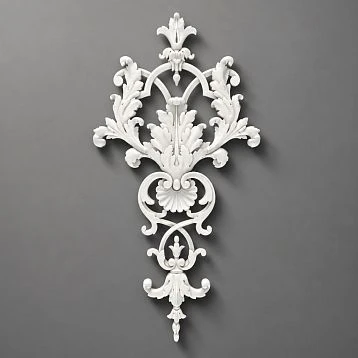
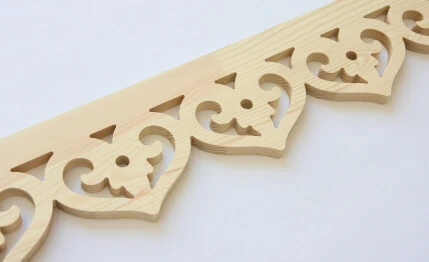
Carved wooden decoration — cartouches, acanthus leaves, decorative inserts — for classic-style console tables. This is the final step that turns a good frame into a piece of furniture art.
Frame legs: style and shape
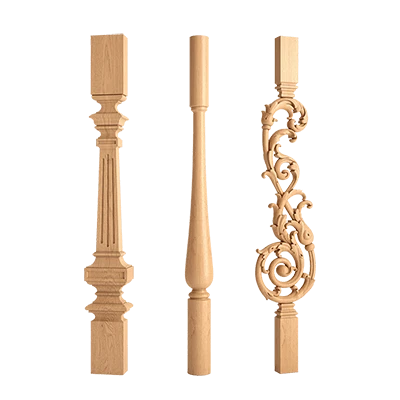
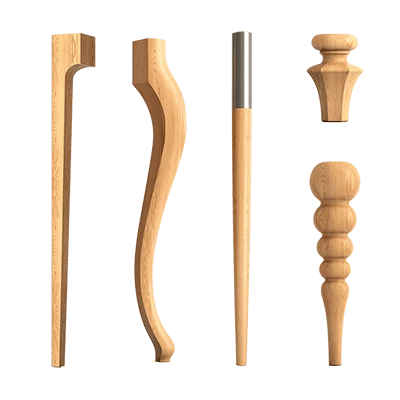
Legs are the most noticeable decorative element of the frame. wooden furniture legs for the console frame:
-
Turned classic — for neoclassicism and traditional interiors.
-
Straight square — for minimalism and modern style.
-
Carved figured — for Baroque, Empire, Russian style.
-
Tapered "Danish" — for mid-century modern and Scandinavian style.
Frame legs must be coordinated with decorative elements: carved legs + carved overlays = consistent style.
Console frame finish
For painting (uncoated) — a blank for finishing on site. Primer + enamel (2–3 coats). Ideal for a perfect match with the interior color.
Clear varnish — to preserve the natural wood texture. Glossy or matte — according to preference.
Stain + varnish — to imitate expensive wood species. Beech under "dark oak" or "walnut" — a common and winning technique.
Oil — for a natural "living" look. Especially expressive on an oak frame.
White and colored enamel — for classic, Provence, neoclassical styles. White frame + marble or wooden top = a light, airy console look.
Mistakes when choosing a console frame: what you can't overlook
Each of these mistakes is real — and each costs time, money, and nerves.
Buying a frame without knowing the tabletop size. First decide what tabletop you want — size, material, thickness. Then choose a frame that "holds" it.
Not considering the hallway passage width. Measure the corridor, subtract the console width. The remaining passage — at least 70 cm. If it's less, the console is too deep.
Choosing a frame that's too light for a heavy tabletop. A marble slab weighs 20–40 kg. An openwork frame with thin legs won't support it — the joints will work under stress. For heavy tabletops — a massive frame with reinforced joints.
Don't decide on the frame color in advance. The color "like natural wood" and the color of a specific floor, furniture, or doors are different things. Check with samples before purchasing, not after.
Forget about the mirror and decor above the console. A console without a mirror or wall element above it looks unfinished. Plan the upper zone simultaneously with choosing the frame.
Confuse the console frame with the table base for a dining table. Different structural logics, different loads, different proportions. The mistake leads to disproportion and unreliability.
Don't account for stability under uneven load. People often lean on the console or place heavy objects on one side. Check the frame rigidity: widely spaced legs, presence of horizontal crossbars, quality of connections.
Buy the base without connection to the interior. The console frame is not an isolated item. It must be coordinated with the floor, walls, mirror, decor. Choose in the context of the entire space.
Console as a design object: how to assemble a finished look
Wooden console frame — this is the starting point. The final look is composed of several layers.
Classic formal console
-
Frame made of solid oak or beech.
-
Turned or carved legs.
-
Marble or oak countertop.
-
Molding along the bottom edge of the countertop and the front parts of the frame.
-
Decorative Inserts on the horizontal parts of the frame.
-
Finish: dark varnish or walnut stain.
-
Above the console: a mirror in a gilded frame or a painting.
Light Provencal console
-
Beech frame.
-
Turned conical legs.
-
MDF countertop for painting.
-
Molding around the perimeter and a small rosette in the center.
-
Coating: white matte enamel.
-
Above the console: a mirror in a white frame with a carved top.
Minimalist Scandinavian console
-
Frame with straight tapered legs.
-
Oak tabletop with oil finish.
-
Without overlays or moldings.
-
Coating: natural light-toned oil.
-
Above the console: a round mirror or minimalist painting.
Modern neoclassicism
-
Beech frame for painting.
-
Straight legs with a slight bevel.
-
White matte enamel.
-
Decorative molding along the perimeter of the front parts.
-
White marble countertop.
-
Above the console: a vertical mirror in a strict frame.
Where to buy a wooden console frame
Console Frame in the STAVROS catalog — specialized wooden bases for console tables. Nearby is the entire necessary set for creating a finished console: wooden furniture frames of all types, Classic solid wood consoles in finished form, Furniture Decoration from Wood, Carved Decor, wooden furniture legs и Wooden products for interior with Contact us to confirm shipping to your destination.
FAQ: Answers to popular questions
What is a console frame?
A wooden support structure that sets the height, width, depth, and style of the console table. A countertop is placed on the frame, and coating and decor are added.
How does a console frame differ from a finished console?
A finished console is a complete product with fixed dimensions and appearance. A frame is a base for creating a console for a custom project: with the desired size, color, and decor.
Where are wooden console frames used?
In hallways, living rooms, bedrooms, foyers, studies, corridors, restaurants, hotels, showrooms, and boutiques.
How to choose the size of a console frame?
Height — 750–850 mm (standard). Depth for a hallway — 25–35 cm, for a living room — 35–45 cm. Width — according to the application area: 60–90 cm for a corridor, 100–220 cm for a living room.
What tabletop should be chosen for the frame?
From the same wood species or in the same color. Overhang — 10–20 mm. Thickness should match the scale of the frame: a light frame — a thin tabletop, a massive one — a thick tabletop.
Is a console frame suitable for a hallway?
Yes — with the right size. Depth no more than 35 cm, passage width after installation — at least 70 cm.
Can I paint the wooden frame of the console?
Yes. The frame is uncoated — ready for finishing. Primer + enamel (2–3 coats). Result: a console in the exact color of the interior.
What is better for the frame: oak, beech, or MDF?
Oak — for a classic and premium look. Beech — versatile for painting and tinting. MDF — for precise geometry and commercial projects under paint.
How to avoid mistakes with console stability?
Check: whether the leg spacing is sufficient, whether there are horizontal crossbars, and whether wall mounting is provided for narrow frames.
Where to buy a wooden console frame?
In the STAVROS catalog: wooden console frame with delivery across all of Russia.
About the manufacturer
STAVROS — Russian manufacturer of solid wood products for interiors and furniture. The range includes — wooden console frames, all furniture frames are made of wood, Classic solid wood consoles, Carved Decor, wooden furniture appliqués и furniture legs. If you are creating a console for a custom project — STAVROS will provide everything you need with Contact us to confirm shipping to your destination.