Article Contents:
- Why cafe table bases are chosen more strictly than home bases
- What is a table base and why guest comfort depends on it
- Key characteristics to check before ordering
- Which table bases to choose for a cafe
- Wooden table bases for cafes: when it's a good solution
- Table bases for restaurant tables: stability matters more than a striking photo
- Table bases for coffee shops and coffee tables
- How to choose a stable table base for seating areas
- Table base shape: what works for different tabletops
- What matters for a table base in a commercial interior
- How to choose a table base based on size, material, and load
- Comparing options: how to avoid mistakes with the base type
- How to choose table bases for different zones of a cafe and restaurant
- Fast seating area
- Main restaurant hall
- Coffee area by the window
- Sofa area
- Banquet or combinable area
- Need to open a small cafe for 20–30 seats
- Need to select bases for a restaurant with a classic interior
- Need to design a coffee shop with sofas and low tables
- Need to replace old bases but keep the tabletops
- Need to buy a batch of tables for a coffee shop chain
- Need to design a waiting area in a salon or hotel
- Choosing Based Only on Appearance
- Not considering the weight of the tabletop
- Choosing a base that is too light for commercial load
- Not checking leg comfort
- Mixing too different models in one room
- Buying a home solution for a commercial space
- Not planning for stock and additional purchases
- Which underframes to choose for a cafe?
- How do cafe table bases differ from home ones?
- Which table base is best for a restaurant table?
- How to choose a table base for a coffee shop?
- Which tables are convenient for a cafe?
- Can wooden table bases be used in a cafe?
- What is important for a table base in a commercial interior?
- How to know if a table base fits a specific tabletop?
- Which table bases are suitable for coffee tables?
- Do I need to buy identical table bases for the entire cafe?
- How to avoid mistakes with the size of a table base?
- What to buy together with cafe table bases?
- Where to buy table bases for cafes and restaurants?
- What is more important: appearance or stability?
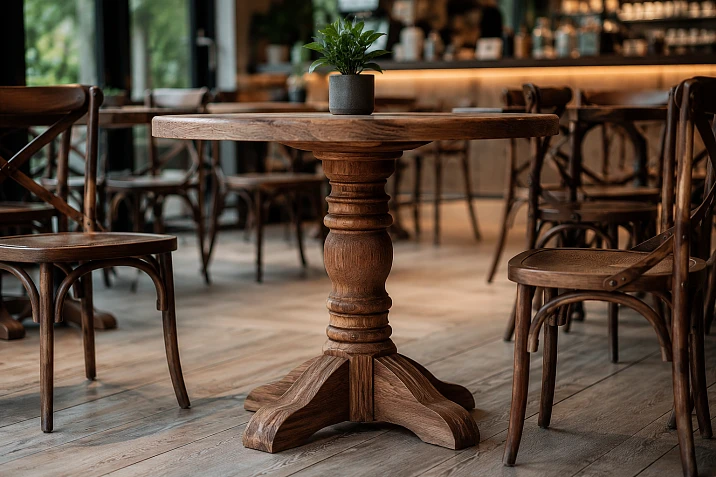
Table bases for cafes are chosen differently than bases for a home table. In an establishment, furniture works every day: guests sit down and get up, waiters move between tables, cleaning is done regularly, tabletops are rearranged, and the interior should look cohesive not only on opening day but also after several seasons. Therefore, the table base here is responsible not only for appearance. It bears the load, affects seating comfort, helps maintain order in the hall, and supports the establishment's style.
For the owner of a cafe, restaurant, coffee shop, bar, hotel, salon, or showroom, choosing a table base is part of a commercial decision. A mistake seems minor only at the purchase stage. In practice, a base that is too light makes a wobbly table, an inconvenient shape hinders guests' legs, a random batch of different models disrupts the interior, and an unsuitable base under a heavy tabletop quickly turns beautiful furniture into a constant problem.
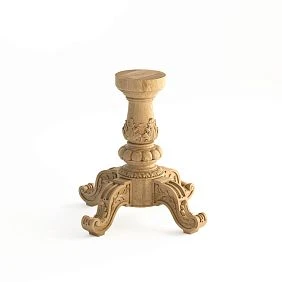
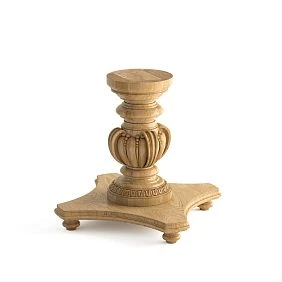
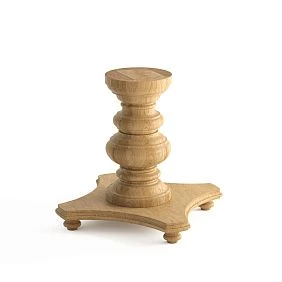
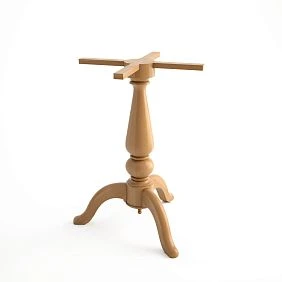
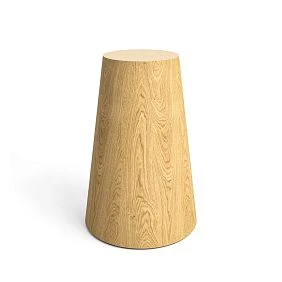
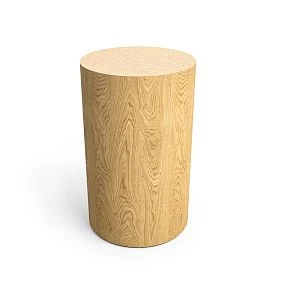
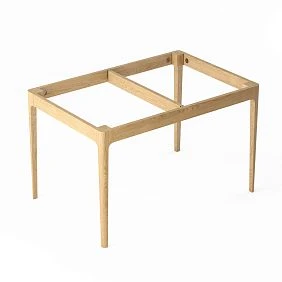
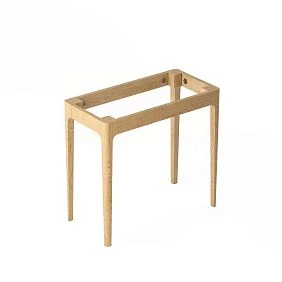
You can see it in STAVROS Pedestals for cafes in the furniture frames section and select wooden bases for restaurant, coffee, and interior tables. This choice is especially important for establishments where the table is not just a place for a cup of coffee, but part of the atmosphere: it must be stable, comfortable for guests, appropriate in scale, and consistent with other wooden details.
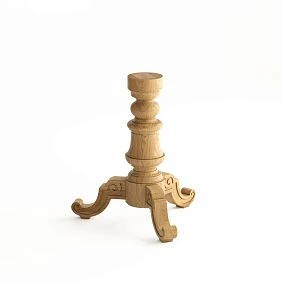

Why table bases for cafes are chosen more strictly than home bases
A home table often stands in one place for years. It is rarely moved, a limited number of people sit at it, and the load is distributed predictably. In a cafe, everything is different. The same table can host dozens of guests in a day. Dishes, laptops, bags, desserts, teapots, coffee sets, and sometimes heavy tableware are placed on it. It is moved to combine seats for a group, to clear a passage, rearranged after cleaning, or the seating is changed for an event.
Because of this Underframes for cafes and restaurants need to be evaluated by several criteria at once. It is not enough to look only at the photo and shape. The base must hold the tabletop, not wobble when leaning on the edge, not interfere with guests placing their feet, match the size of the seating area, and withstand repeated daily loads.
In a restaurant, visual discipline is also important. If the hall has tables with different random bases, the interior quickly loses its cohesion. Even expensive wall finishes, beautiful dishes, and neat lighting don't save the feeling if the furniture looks temporary. Underframes should support a unified character of the hall: classic, modern, intimate, coffee shop, country, salon, or hotel style.
There is also a practical side. In a commercial space, furniture should be easy to maintain. A waiter should not catch on protruding parts. Guests should not hit their knees on crossbars. Cleaning under the table should not become a separate problem. The simpler the base design, the fewer random irritants in the hall's operation.
Wooden underframes are especially well-suited where the interior is built on warm materials. A cafe with natural textures, a restaurant with classic furniture, a coffee shop with soft seating, a boutique hotel, a beauty salon, a showroom with solid wood furniture — in all these scenarios, wood helps make the table not a foreign technical support, but part of the overall solution.




What is a table base and why does guest comfort depend on it
A table base is the foundation that supports the tabletop. It can be central, frame, cross-shaped, with corner supports, with decorative elements, or with a more restrained geometry. For the buyer, it's not the terminology itself that matters, but how the base performs in use.
A good underframe solves several tasks at once. It holds the tabletop at the right height, distributes the load, helps the table not wobble, leaves room for legs, and supports the style. In a cafe, this detail directly affects the guest's impression. A person may not notice a beautiful structure under the table, but they will immediately feel if the table wobbles, interferes with sitting, or looks too heavy for a small area.
For a small cafe, the table base helps save space. Compact tables are often placed close to each other, so the base should not protrude into walkways or interfere with rearranging chairs. For a restaurant, stability under table settings and seating comfort for several people are more important. For a coffee shop, it's a balance between lightness, stability, and a cozy appearance. For a hotel or salon, it's a neat, prestigious look that doesn't clash with the interior.
When a business owner is looking for where to buy table bases for cafes and restaurantshe needs to think not only about the price of one part. It is much more important to understand how many tables will be in the hall, what tabletops are chosen, whether the furniture will be moved often, how many guests sit at each table, and how the base looks in repetition. One beautiful table may look good in a photo, but a batch of ten such tables must function as an interior system.
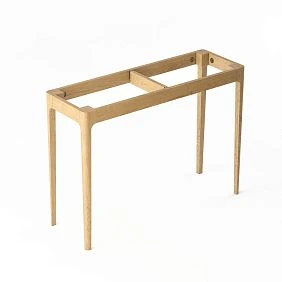
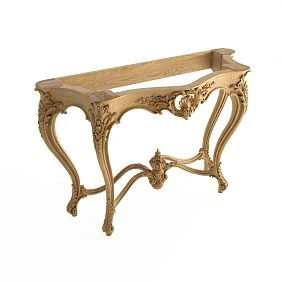
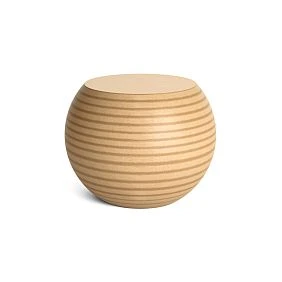
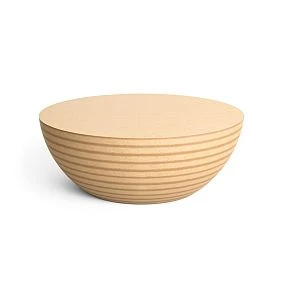
Our factory also produces:


Key characteristics to check before ordering
A table base for a commercial interior does not have a single universal parameter by which a decision can be made. The buyer looks at the shape, material, fit, compatibility with the tabletop, appearance, and future load. If the exact dimensions, completeness, finish options, or order conditions are not specified in advance, they should be checked in the product card or clarified with a STAVROS manager before purchase.
| Parameter | What to check before ordering | Why this is important for a cafe, restaurant, or coffee shop |
|---|---|---|
| Product type | Table base, furniture frame, wooden table support | Helps avoid confusing the table base with a decorative part or random blank |
| Purpose | Tables for cafes, restaurant tables, coffee and side tables, interior tables | Height, stability, visual mass, and seating comfort depend on the purpose |
| Material | The current material is specified in the product card or with a STAVROS manager | The material affects the appearance, finish, compatibility with the tabletop, and the overall style of the hall |
| Size | It needs to be checked against the size of the countertop and the number of seats | A base that is too small may cause instability, while one that is too large may obstruct guests |
| Shape | Central, frame, support, round, square, or other structure according to the product card | The shape affects seating, walkways, stability, and the table's perception |
| Compatibility with the tabletop | Thickness, weight, shape, and dimensions of the countertop | A heavy or large tabletop requires a more robust base |
| Seating comfort | Legroom, absence of obstructive crossbars, seating at the ends | The guest evaluates the table physically: is it comfortable to sit, does the base interfere, do they have to move back |
| External style | Classic, modern, natural, intimate, restaurant or coffee character | Bases should support the overall interior concept |
| Batch repeatability | Ability to select multiple identical or coordinated bases | For a hall, it is important that the furniture does not look randomly assembled |
| Finishing | It is better to check current finishing options in the product card | The finish should match the tabletops, floor, walls, and other furniture |
| Care | Care conditions depend on the material and coating | In a commercial space, regular cleaning without complex procedures is important |
| Link to category | furniture frames | Allows you to go to the selection of wooden bases and check the parameters before ordering |
Such a table helps quickly eliminate unsuitable options. For example, if the countertop is heavy, a lightweight decorative base may look nice but work poorly. If the hall is small, a too-wide structure will obstruct passages. If the cafe is designed for quick seating, the base should be easy to maintain and convenient for rearrangement.
Before ordering, you should open the specific product card, check the size, material, application method, possible finish options, and compatibility with the tabletop. If furniture is needed not for one table but for the entire hall, it's better to plan the batch in advance: identical underframes, similar-shaped bases, or several coordinated types for different zones.
Get Consultation
Which underframes to choose for a cafe
The answer depends on the establishment's format. A small coffee shop near the metro, a family cafe, a restaurant with evening seating, a bar area, a hotel lobby bar, and a beauty salon all have different requirements for tables. The general principle is the same: the underframe must match the actual load and not interfere with the guest.
For a small cafe, compact bases for one- or two-guest tables are often needed. Stability is important here given the small tabletop area. A small table can easily be accidentally bumped by a bag, elbow, or chair. If the base is too narrow or light, the table will move and wobble. At the same time, an overly massive base in a small space eats up air and visually weighs down the interior.
For a cafe with seating for two to four people, more robust structures are suitable. Here, it's important to consider not only the tabletop area but also how guests sit. The base should not interfere with seating from different sides. If tables are often pushed together, you need to think in advance whether the underframes will conveniently combine when merging seating areas.
For a restaurant, stability and external status are more important. A restaurant table often carries a heavier table setting: plates, glasses, utensils, serving dishes, decanters, decor. The guest spends more time at it than in a coffee shop. They notice the seating, the distance to the next table, legroom, and the overall feeling of quality. Therefore, the underframe for a restaurant table is better chosen with a margin of stability and considering the overall style of the hall.
For a coffee shop with lounge areas, low bases for coffee tables may be needed. Such a table does not replace a full dining table but solves a different task: to place a cup, dessert, book, phone, or laptop for a short meeting. Proportions are important here. The low underframe should not look heavy, but a too light structure will be unstable.
For salons, showrooms, and hotels, bases are often chosen as part of the visual environment. A guest may not sit at the table for long, but the furniture is constantly in view. In such spaces, wooden bases help add warmth to the interior, especially if there are many smooth surfaces, glass, stone, light walls, or strict furniture around.
Wooden table bases for cafes: when it's a good solution
Wood in a commercial interior works differently than metal or plastic. It softens the space, makes seating cozier, and helps create a sense of care and handcraftedness. Therefore wooden table bases for cafes are especially appropriate in establishments where atmosphere matters: coffee shops with warm light, restaurants with classic details, family cafes, pastry shops, boutique hotels, salons, and intimate spaces.
A wooden base pairs well with a wooden tabletop. In such a set, the table looks cohesive, not like a randomly assembled pair of different materials. But matching wood with wood does not always mean a complete repetition of color. Sometimes it's more interesting when the base is slightly darker or lighter than the tabletop but matches in character: a matte calm surface, natural texture, classic shape, or restrained modern line.
If the interior is built on natural materials, the table base should not fall out of the overall picture. For example, in a hall with wooden panels, slats, carved details, molding, or solid wood furniture, a metal base can look too technical. A wooden table base connects the table with the rest of the furniture and helps make the hall more cohesive.
In a classic restaurant, a wooden base supports the stately character of the furniture. In a coffee shop, it adds softness and makes tables less 'office-like'. In a countryside cafe, wood helps avoid the cold feeling that sometimes appears with an excess of metal supports. In a salon or showroom, such a base can work as a calm interior detail that does not draw attention away from the product but makes the space look more expensive.
There is also an important limitation: a tree cannot be chosen solely for its beauty. For commercial use, a sturdy structure is needed. Before ordering, you need to check the dimensions, purpose, compatibility with the tabletop, and possible finishing options. If you need a batch of tables, it is better to immediately look not at one striking element, but at several bases that can be repeated in the hall.
Bases for restaurant tables: stability matters more than a striking photo
A restaurant table lives in a stricter mode. People sit at it longer, the table setting is heavier, and comfort requirements are higher. A guest may forgive a simple design, but will not forgive a wobbly table, an uncomfortable seating position, or a support that their legs constantly bump into.
When you need buy a table base for a restaurant, you first need to assess the seating format. The requirements for tables for two are one thing, for four or more guests — another. The longer the tabletop, the more important it is to support it along its length and avoid sagging or a feeling of instability. The heavier the tabletop, the more carefully you need to look at the width of the base and the overall balance.
A restaurant often operates with dense seating arrangements. There must be aisles between tables for waitstaff. Chairs must be able to slide out freely. Guests should not bump into neighboring tables. Therefore, the base is evaluated not separately, but together with the floor plan. Even a beautiful design can turn out to be unsuccessful if it extends too far beyond the tabletop or prevents chairs from being placed closer.
A separate issue is seating at the ends. This is especially important for rectangular tables. If the base blocks the end or has inconvenient crossbars, the spot technically exists, but it's unpleasant to sit there. In a restaurant, such small details quickly turn into a bad experience for the guest. Therefore, before buying, it's better to imagine the actual seating: where the legs go, where the chair slides out, how the waiter approaches the table, whether it's convenient to place a bag, and whether the guest catches on the support.
Visually, a restaurant table base should match the level of the establishment. A base that is too light or random makes the table look temporary. One that is too massive overloads the room. A wooden structure is good because it can look solid without being overly rough. It supports the atmosphere, especially if the interior includes wooden chairs, wall elements, classic decor, or warm floor finishes.
Table bases for coffee shops and coffee tables
A coffee shop is not just coffee at the counter. It's quick meetings, working with a laptop, dessert for two, waiting, conversation, a short break during the day. Therefore, the tables here are often smaller than restaurant ones, but the requirements for them are no lower. A small table must be stable, otherwise a coffee cup, a glass of water, or a dessert plate immediately ends up in the danger zone.
For compact seating areas, table bases that do not visually overload the table are suitable. The guest should be able to easily move the chair, place their feet, and not feel that the base takes up all the space under the tabletop. At the same time, a too thin or weak structure can cause wobbliness. The balance between lightness and stability is especially important for a coffee shop.
If the hall has a sofa area, you can consider coffee table base. A low table works differently than a dining table. It is not designed for full seating with plates, but is needed for drinks, small dishes, phone, book, catalog, or laptop. In a hotel, salon, or showroom, such tables often become part of the waiting area.
The query "buy coffee table base" is usually related to a similar task: a person needs a base for a low tabletop that does not look random and fits the interior. In a commercial space, such a table should be neat, stable, and safe for regular use. It will be bumped by feet, chairs will be moved nearby, and objects will be placed on it. Therefore, even low furniture should not be too fragile.
Repeatability is also important for coffee shops. Several identical tables create order. If some tables are by the window, some by the wall, some next to the sofa, it is better to plan in advance which bases will be identical and which may differ in height or scale. Then the hall looks lively but not random.
How to choose a stable table base for seating areas
Stability depends not only on the weight of the base. It is influenced by the shape, support width, table height, tabletop size, load distribution, and guest behavior. In a cafe, a table rarely stands as a stationary object in a photo. People lean on it with their hands, pull chairs up to it, accidentally bump into it, and sit at it with different heights and habits.
The first guideline is the number of seats. For one or two guests, more compact tables can be used, but the base must still support the edge of the tabletop. For four guests, a more robust construction is needed. For long tables and combined seating, it is important that the support holds not only the center but also the long sides.
The second guideline is the shape of the tabletop. A round tabletop loves symmetry. A central base here can look neat and not interfere with legs, but its diameter and weight must match the size of the circle. A square tabletop requires convenient seating on all four sides. A rectangular one requires attention to the ends and long sides. A low coffee table has a different proportion so that the base does not seem excessively high or heavy.
The third benchmark is the center of gravity. If the tabletop is large and the base is too narrow, the table will be unstable. This is especially noticeable when a guest leans on the edge or places a heavy object closer to the corner. In a commercial interior, such situations are inevitable. Therefore, the underframe should be chosen with a margin based on load logic, not just a beautiful silhouette.
The fourth benchmark is leg comfort. Sometimes the base is technically stable but uncomfortable for seating. Crossbars, protruding elements, overly wide supports, and massive parts can interfere with the guest. This is especially noticeable in a restaurant: a person sits longer, changes leg positions, pushes the chair back, turns to their companion. If the under-table constantly gets in the way, the impression of the hall is spoiled.
Before purchasing, it's useful to mentally 'seat' a real guest at the table. Where will their knees be? How far will they pull the chair? Is there room for a bag? Can the waiter approach from the side? Will the base interfere with cleaning? Such simple questions often help make a better choice than browsing dozens of beautiful photos.
Under-table shape: what suits different tabletops
The shape of the base should work together with the shape of the tabletop. The mistake begins when the buyer chooses the table base separately and the tabletop separately. As a result, the beautiful top part and the striking support may not match in scale, height, or convenience.
| Table format | What to consider | When a wooden underframe is suitable |
|---|---|---|
| round table | Symmetry, stability in the center, free seating around the circumference are needed | For a coffee shop, restaurant, intimate zone for 2–4 guests |
| Square table | It is important not to interfere with seating on all four sides and not to take up extra space | For small cafes, pastry shops, window-side areas |
| Rectangular table | Need to support the long side and account for seating at the ends | For restaurants, family cafes, banquet and combinable areas |
| Small coffee table | The base should not be visually too heavy, but must support the tabletop | For sofa areas, lounges, lobbies, coffee shops |
| Coffee table | Low height, stability, and calm proportion are important | For waiting areas, showrooms, hotel spaces |
| Table for 4+ guests | Increased rigidity, proper weight distribution, and comfortable seating are needed | For restaurant halls and cafes with long seating |
| Side tables | Need to consider the possibility of pushing several tables together | For cafes where seating is rearranged for groups |
| Decorative interior table | The external character, material, and combination with other furniture are important | For salons, boutiques, showrooms, hotels |
A round table is often perceived as softer and friendlier. It is good for coffee shops, small restaurants, conversation areas, and family seating. But a round tabletop is especially sensitive to the center of gravity. If the base is too light or narrow, the table may wobble when weight is placed on the edge.
A square table is convenient for compact arrangement. It is easier to place along a wall, combine with another table, or position in a small hall. But a square requires careful seating on all sides. If the supports interfere with legs, some seats become uncomfortable.
A rectangular table is good for restaurants and groups. It provides more space for serving but requires a more serious approach to the base. Especially if the tabletop is long or heavy. Here you need to check how the underframe holds the edge, whether it interferes with end seating, and whether it creates a feeling of fragility.
Low coffee and side tables work on a different logic. People do not sit at them like at a dining table, but they are constantly in the movement zone. They get bumped by legs, chairs are placed next to them, personal items are put on them. Therefore, the base must be stable but not bulky.
What is important for an underframe in a commercial interior
A commercial interior lives in a mode of repetition. One guest leaves, another sits down. One table is freed up, another is moved. Morning cleaning, daytime flow, evening dense seating. Therefore, furniture must be not only beautiful but also easy to work with.
The first requirement is durability. The underframe must match the weight of the tabletop and the frequency of use. In a home setting, a weak structure may not show problems for a long time. In a cafe, it will quickly reveal itself: the table will start to wobble, fastenings will require attention, and guests will complain about discomfort.
The second is stability. The table should not react to every touch. If a guest places an elbow on the edge, the tabletop should not noticeably dip. If a waiter sets down a tray, the table should not move. Stability is not a luxury but part of normal service.
The third is seating comfort. Underframes for cafe tables must account for actual chairs, armchairs, sofas, and aisles. The base should not conflict with seating. Sometimes a beautiful decorative solution works for a display interior but turns out to be inconvenient in the hall. Therefore, furniture for cafe underframes requires evaluation not by a single item but by the entire seating layout.
The fourth is consistent design across the batch. If an establishment has ten tables, the underframes should look coordinated. This does not mean all bases must be absolutely identical. But they should belong to the same visual logic. For example, main dining tables may have one shape, coffee tables in the lounge area another, but the material and style should tie them together.
The fifth is maintainability and clarity. In a commercial space, furniture must be predictable. If the base is complex, random, or poorly matched with the tabletop, any replacement becomes a problem. It is better to choose a clear category in advance and stick to one system. For this, it is convenient to look at underframes for tabletops in one section and check the parameters before ordering.
How to choose an underframe for size, material, and load
Tabletop size is the first practical filter. The larger the tabletop, the more robust the base must be. You cannot place a large rectangular surface on too small a support just because it looks elegant in a photo. In an establishment, guests will lean on the edge, move dishes, and sit from different sides. The underframe must withstand not only static weight but also everyday loads.
The material of the tabletop also matters. A wooden tabletop, a massive slab, a thick surface, or a decorative panel differ in weight and behavior. If precise compatibility data is not specified in the product card, it is better to clarify it before ordering. It is important to understand not only the width and length but also the thickness, weight, method of attachment, and future finishing.
The load in a cafe consists of several factors. This includes the weight of the tabletop itself, table settings, guest behavior, frequency of moving furniture, cleaning, and possible table combinations. For a hall with dense seating, it is better to choose more practical solutions. For an intimate area where tables are rarely moved, more attention can be paid to decorative form.
The installation location also affects the choice. A table against a wall may function differently than one in the center of the hall. By the window, guests often place bags, lean, and turn to the view. In a walk-through area, furniture is more often bumped. In a sofa area, a low table should be stable but not interfere with legs. In a banquet or restaurant area, the ability to move tables together and maintain seating comfort is important.
Purpose helps to eliminate unnecessary options. A full dining table requires one type of base. A coffee table requires another. A decorative table in a salon requires a third. You shouldn't buy a table base just because it 'roughly fits.' It's better to determine right away: is this a table for eating, coffee, waiting, meetings, display, lounge area, or serving.
Comparing options: how to avoid mistakes with the type of base
| Situation | What to choose | What can go wrong | How to check before purchase |
|---|---|---|---|
| Small coffee shop | Compact wooden table base for a small tabletop | The table will wobble if the base is too narrow | Check tabletop size, height, and stability |
| Restaurant hall | More durable base for long-term seating | The support may interfere with legs or end seats | Check the seating layout and space under the table |
| Sofa area | Low base for coffee or side table | A too heavy shape will overload the soft seating area | Assess height relative to sofa and armchairs |
| Tables against the wall | Base with convenient front seating | The guest may not have enough legroom | Check tabletop depth and chair position |
| Tables in the aisle | Stable base without unnecessary protrusions | Aisles will become tight, waitstaff will bump into furniture | Verify base dimensions against the layout plan |
| Area for groups | Bases that can be coordinated when combining tables | When pushing tables together, supports will interfere with each other | Check the possibility of rearrangement and same height |
| Classic interior | Wooden base with suitable shape and finish | Too simple support will cheapen the impression | Compare with armchairs, chairs, walls, and tabletop |
| Modern cafe | Restrained wooden underframe without overload | Decor may conflict with minimalist architecture | Evaluate silhouette and visual mass |
| Boutique hotel or salon | Neat wooden base for the waiting area | A random table will stand out from the interior | Match with armchairs, sofas, and finishes |
This table shows the main thing: there is no one-size-fits-all table base for all tasks. Even within one establishment, there can be different zones. By the window — small coffee tables. In the center — restaurant seating. By the sofa — low coffee tables. In a separate room — a large table for a group. They can all be wooden, but the requirements for the base will differ.
How to choose table bases for different zones of a cafe and restaurant
Quick seating zone
In the quick seating area, guests spend less time, but the furniture gets more movement. Chairs are often pushed back, tables are bumped, seating changes faster. Here, stability and the absence of unnecessary protrusions are especially important. The base should be easy to maintain: not catch on legs, not hinder cleaning, not block the aisle.
For such zones, compact table bases with clear geometry work well. They help maintain seating density and avoid overcrowding the hall. If the cafe is small, overly decorative or wide bases can create a feeling of crampedness. It's better to choose a shape that supports the tabletop but doesn't compete with the space.
Main restaurant hall
In the main hall, people sit longer. Here, comfort and appearance are important. The base should match the level of table setting, chairs, lighting, wall finishes, and flooring. If tables are placed in the center of the hall, their bases are clearly visible. They become part of the overall look.
For a restaurant, it's often better to choose more expressive wooden bases. They give a feeling of solidity and pair well with heavy tabletops. But expressiveness should not interfere with seating. A too complex shape under the table may look beautiful in a separate photo but annoy guests every evening.
Coffee area by the window
Tables by the window are often used for one or two guests. Small size, visual lightness, and stability are important here. Guests place a laptop, cup, phone, sometimes lean on an elbow, look outside. The base should not interfere with the chair and should not turn a narrow area into a cramped corridor.
A wooden underframe in such an area adds warmth. It works especially well next to natural fabrics, soft light, wooden window sills, slats, or calm wall finishes.
Sofa area
The sofa area requires a different height. Low tables that do not block seating or hinder stretching legs are suitable here. The base must be stable because low tables are often bumped by feet. At the same time, it should not look visually heavy.
If a buyer is looking for where to buy an underframe for a coffee table, they need to evaluate not only the table itself but also the surrounding furniture: sofa height, chair depth, distance to the passage, and usage scenario. In a coffee shop, such a table may work for drinks and desserts, in a salon for catalogs, in a hotel for a waiting area.
Banquet or combinable area
If tables are often moved together, the underframes must be compatible with each other. Different heights, too wide supports, or inconvenient crossbars prevent tables from being joined in a line. In such cases, it is better to choose repeatable bases and identical tabletops in advance.
The commercial logic here is simple: the less randomness in furniture, the easier it is for staff to work with the hall. Tables can be rearranged faster, guests sit more comfortably, and the interior does not lose neatness even when seating changes.
Material and finish: why wood works for the establishment's atmosphere
Wood in a cafe or restaurant is perceived not only visually. It changes the feel of the space. Even if a guest doesn't know wood species, they sense the difference between a cold technical support and a wooden base that supports the tabletop and connects it to the interior.
In establishments with warm lighting, soft armchairs, natural colors, and calm walls, a wooden underframe helps avoid the feeling of temporary furniture. The table looks more substantial, and the interior feels more thoughtful. This is important for coffee shops, where the atmosphere often becomes part of the reason to return.
In restaurants, wood can support a classic character. If the hall has wooden chairs, panels, frames, moldings, decorative elements, or solid wood furniture, the table base should harmonize with them in the same logic. For this, you can look not only at bases but also at neighboring Solid Wood Itemsto understand the common language of materials and shapes.
The finish depends on the specific product. Do not assume the color, coating, lead time, or configuration without checking the product card. Before ordering, clarify the current material and finish options, especially if buying underframes in bulk. For the hall, it's important that the bases do not have random shades and do not clash with the tabletops.
Practical advice: first choose the overall character of the interior, then the tabletops, then the underframes. If you start with a separate beautiful base, it's easy to buy an item that is good on its own but doesn't suit the hall. In a commercial space, items must work together. The table, chair, light, floor, walls, tableware, and decor combine to create the overall impression.
What to buy with underframes
An underframe is rarely purchased completely separately from the rest of the furniture. Even if only the base is needed now, the buyer must still think about the tabletop, seating, finish, neighboring wooden elements, and batch repeatability. Otherwise, there is a risk of buying a beautiful part and then spending a long time matching everything else to it.
The main pairing is the base plus the tabletop. The underframe must match the shape, size, and weight of the top. If the tabletop already exists, choose the base to match it. If the tabletop is still being selected, it's better to consider the complete set logic right away: what table is needed, how many seats, what height, where it will be placed, and how the batch will look.
The second pairing — table bases and chairs. Even the most stable base can be uncomfortable if the chairs are the wrong height or their legs conflict with the table support. Before ordering, it's worth checking the seating: how a person sits, where they place their feet, and whether the base interferes with moving the chair.
The third pairing is underframes and interior wooden elements. If there is already wood in the hall, it's important to avoid a mismatch. Table bases should support the tone, texture, style, and scale of the other details. When aiming for a more cohesive wooden environment, it's helpful to additionally look at Solid Wood Items and evaluate which elements can pair with the furniture.
The fourth pairing is main dining tables and low coffee tables. In a café or hotel, both types of furniture are often needed. Main tables are in the seating area, low tables are by sofas or armchairs. If the underframes are chosen in the same logic, the space looks more expensive and calmer.
| What to add to the purchase | Why this is needed | Which scenario it suits | What to pay attention to | Link |
|---|---|---|---|---|
| Tabletops of the right size | So that the base and top work as a single table | Café, restaurant, coffee shop, salon | Weight, shape, size, height, mounting method | — |
| Repeatable underframes for a batch of tables | So that the hall looks cohesive | Main hall of a café or restaurant | Same height, shape, compatibility with tabletops | to buy table bases for cafes and restaurants |
| Low bases for coffee tables | To decorate a sofa or lounge area | Coffee shop, hotel, salon, showroom | Height relative to the sofa, stability, visual lightness | coffee table base |
| Wooden elements in a similar style | To support the material in the interior | Hall with wood, classic restaurant, boutique hotel | Material, finish, scale, combination with furniture | Solid Wood Items |
| Bases for different zones | To avoid placing one type of table everywhere | Restaurant with main hall, coffee shop, and waiting area | Different heights but a unified style | furniture frames |
| Margin in parameters for heavy tabletops | To prevent the table from wobbling under load | Restaurant tables, large tables, table setting | Base size, shape, compatibility | wooden base for the table |
| Coordinated bases for coffee and dining areas | So the interior doesn't fall apart into random items | Coffee shop, pastry shop, hotel | General style, material, proportions | Wooden table bases for cafes |
How not to confuse table bases for cafes with similar products
Buyers often call different things by one word: base, support, frame, legs, under-table, foundation, stand. In everyday conversation, this is normal, but when purchasing for a cafe, such inaccuracy can be costly. You need to understand exactly what is required: a full base for a tabletop, a decorative leg, a furniture frame, or an element for other furniture.
A cafe underframe is not just a beautiful support. It must work under the table and withstand the seating scenario. If you buy a random decorative part, it may not fit in height, attachment, load, or size. For a commercial interior, it is better to look specifically furniture frames, rather than trying to assemble a base from unsuitable elements.
An underframe for a restaurant table differs from a base for a home coffee table. They have different height, load, seating, and visual role. A low base is not suitable for a full dining table. A tall and massive underframe may be unnecessary for a sofa area. Therefore, before ordering, you need to determine the purpose of the table, and only then choose the shape.
A table base for a tabletop should also not be confused with a ready-made table. The base is part of the future product. The buyer needs to check which tabletop will be used, how it is attached, whether the size fits, and what height is needed after assembly. If you want a confident result, you cannot choose the base separately from the top.
Another common confusion is a wooden underframe versus a metal support. Metal may be appropriate in a loft, industrial cafe, or technical interior. Wood works better where warmth, naturalness, classic style, softness, or connection to solid wood furniture is needed. If the establishment is built on coziness, natural textures, and intimacy, a wooden base often looks more organic.
Practical selection for specific situations
You need to open a small cafe with 20–30 seats
In a small cafe, the main enemy is overload. If you install too massive tables, the hall will become cramped. If you choose too light bases, the tables will wobble and annoy guests. It's better to look for compact, stable table bases that don't obstruct walkways and allow chairs to be moved freely.
For such a scenario, it's worth drawing a hall layout in advance: where the tables are, how many seats each has, how the waiter moves, and whether two tables can be combined. After that, it's easier to understand which table legs for cafe tables are truly suitable. At STAVROS, you can start your selection from the section that collects table bases for cafe tables, and compare the parameters with the room plan.
You need to select bases for a restaurant with a classic interior
In a classic restaurant, furniture should look solid. Too simple supports can simplify the interior. Too complex ones can overload the seating. Wooden bases that support the tabletop and match the chairs, wall details, lighting, and finishes work well here.
Before ordering, you need to check the table height, tabletop weight, number of seats, and legroom. If the hall has tables for two, four, and six guests, different bases may be needed for them, but in a unified style. This way, the hall won't look like a random collection of items.
You need to furnish a coffee shop with sofas and low tables
For the sofa area, you should not use regular dining bases. You need low underframes for coffee or cocktail tables. They should be stable but not block the space in front of the sofa. Guests will place drinks, desserts, phones, and sometimes laptops. Therefore, the table should not wobble.
For this scenario, you can look at options where the request is appropriate coffee table base. Before purchasing, you need to compare the height with the sofa and armchairs, check the tabletop size, and imagine how people will stand up, sit down, and walk nearby.
You need to replace the old bases but keep the tabletops.
If the tabletops already exist, the task becomes more precise. You need to measure their length, width, thickness, assess the weight and condition of the fastening areas. The new underframe must fit the existing top. You cannot choose a base only by style without checking the size.
In that case, it's better to prepare a list of parameters in advance and check compatibility with the STAVROS manager. Especially if the tabletops are heavy, non-standard, or have already been used in the showroom. Sometimes replacing the underframe can completely refresh the impression of the furniture, but only if the base is structurally suitable.
We need to purchase a batch of tables for a coffee shop chain
For a chain, repeatability is important. One table may be beautiful, but a chain works as a series. The underframes need to be usable in multiple locations, compatible with different layouts, and not create problems when reordering.
Here, you should choose not the most unusual option, but a stable model logic. Wooden bases can support the brand style if the café is built on naturalness, calm tones, and cozy seating. Before ordering a batch, you need to check the parameters, finish, and the ability to replicate the appearance in different spaces.
You need to design a waiting area in a salon or hotel
In a salon, showroom, or hotel, tables often work in the waiting area. People don't dine at them, but they are constantly in sight. Magazines, catalogs, drinks, and phones are placed on them. The base should look neat and not obstruct movement.
Here, not only stability is important, but also a calm visual role. The underframe should not compete with armchairs and sofas. Wood helps make the waiting area warmer and less office-like. If there are already wooden details in the interior, they can be connected through the shape and finish of the base.
Mistakes when choosing underframes for cafés
Choosing only by appearance
A beautiful photo doesn't show how the table behaves in the hall. The image doesn't reveal whether the base interferes with legs, whether it can handle the load, whether it's easy to move, or whether it's suitable for a specific tabletop. For cafés and restaurants, appearance is important, but it cannot be the only criterion.
Before purchasing, you need to link the shape to the task. Where will the table be placed? How many guests will sit at it? What is the weight of the tabletop? Will the furniture be moved? If there are no answers, the purchase becomes a risk.
Not considering the weight of the tabletop
The same base can behave differently with a light and heavy tabletop. If the top is large or massive, the base must match it in stability. The mistake is especially noticeable on rectangular tables and tables where guests often lean on the edge.
Before ordering, you need to check the dimensions and material of the tabletop. If in doubt, it is better to clarify compatibility with the manager.
Choosing too light a base for commercial use
In a home setting, a light base may seem convenient. In a cafe, it will quickly show its weaknesses. The table moves, wobbles, reacts to every touch. For a guest, this is a sign that the furniture is unreliable, even if the interior around looks good.
Commercial use requires a margin. Especially in high-traffic areas, on summer terraces, in coffee shops with high guest turnover, and restaurants with dense seating.
Not checking leg comfort
The support may be stable but uncomfortable. A guest sits down, hits their knees, can't place their feet, and bumps into the crossbar. Formally, there is a table, but the spot becomes unpleasant. In a restaurant, this is especially critical: a person spends a lot of time at the table.
Before buying, you need to imagine the actual seating. It's better to evaluate the underframe together with a chair or armchair, not separately.
Mixing too many different models in one hall
Sometimes an owner buys tables gradually and each time chooses what is available. As a result, the hall looks disjointed. Different bases, different colors, different shapes and heights create a feeling of temporary furniture.
If variety is needed, it should be controlled. For example, one line for main tables, another for coffee tables, but the material and style remain close.
Buying a home solution for a commercial space
Home furniture doesn't always withstand the cafe environment. A table base that looks good in a kitchen may not suit a restaurant. In a commercial establishment, there's higher load, more frequent cleaning, more movement, and greater requirements for seating safety.
Therefore, for a commercial interior, it is better to look at solutions that logically fit cafes, restaurants, coffee shops, and public areas.
Not planning for stock and reordering
If an establishment grows, furniture may be needed again. If a too random model is chosen initially, it will be difficult to replicate the style later. This is especially important for chain cafes, restaurants with seasonal halls, and spaces where the layout is periodically changed.
When purchasing a batch, it's better to think one step ahead: whether it will be possible to add tables, maintain the overall look, or replace an individual base without disrupting the style.
Who wooden table bases for cafes are suitable for, and who should choose a different option
Wooden table bases are well suited for establishments where the interior should be warm, tangible, and not too technical. These are cafes with a natural concept, restaurants with classic furniture, coffee shops with soft seating, pastry shops, family cafes, boutique hotels, beauty salons, showrooms, and waiting areas.
They are especially appropriate if there is already wood in the hall: tabletops, chairs, panels, slats, doors, decorative elements, wooden floors, or solid wood furniture. In such surroundings, a wooden base does not look like a separate detail. It connects the table to the interior.
Wooden table bases are worth considering for those who want to assemble not just a random table, but a cohesive group of furniture. If several tables in the room are designed in a similar logic, the space looks neater. For the visitor, this feels like order and thoughtfulness.
This option may be unnecessary if the interior is built on a strict industrial character, where deliberately metal supports, rough loft, or technical aesthetics are needed. In such a case, wood may soften the space more than necessary. But even in modern interiors, a wooden base can be appropriate if it has a restrained form and does not conflict with the architecture.
Wooden table bases should not be chosen without checking the parameters. If the tabletop is heavy, the size is non-standard, the seating is tight, and the furniture will be moved frequently, compatibility must be carefully verified. A beautiful base must also be correct for the task.
How to calculate the quantity and plan a batch of table bases
The calculation starts not with a catalog, but with a floor plan. You need to understand how many seats are required, what zones are in the room, and how guests will move. The same hall can be filled with a large number of small tables or a smaller number of more spacious seating arrangements. Table bases are chosen based on this scheme.
For a small cafe, it is convenient to calculate in blocks. For example, several tables for two by the wall, a couple of tables for four in the center, one low table by the sofa. Each block needs its own bases, but they should match. If all tables are the same, the room may look monotonous. If all are different, it may look random. Balance is achieved through repeated material, similar shape, and consistent height.
For a restaurant, it's important to consider not only regular seating but also possible events. Tables may need to be moved for groups, rearranged for banquets, or cleared for pathways. If the bases hinder table merging, staff will constantly face this issue. Therefore, for restaurants, it's better to check in advance how the bases behave during rearrangement.
For a coffee shop, it is worth separately counting tables by the window, tables for laptops, and the sofa area. Each scenario has different requirements. A work table must be stable for a laptop and a drink. A small table by the window should not obstruct seating. A low coffee table should match the sofa.
When ordering a batch, a unified approach to finishing should be planned. Even if the exact shade will be clarified before ordering, it's important to understand how wooden bases will combine with each other. Different batches, different materials, or different coatings can create visual inconsistency. For a commercial interior, it's better to agree on this issue in advance.
How to buy table bases for cafes and restaurants at STAVROS
It's better to start the purchase with the task, not with a separate picture. First, determine the format of the establishment: cafe, restaurant, coffee shop, bar, hotel, salon, showroom. Then divide the space into zones: main hall, window seats, sofa area, waiting area, tables for groups. After that, it will become clearer which bases are needed.
Next, you need to open the section to buy table bases for cafes and restaurants and look at options through parameters: height, size, shape, material, compatibility with the tabletop, external style. If furniture is needed in a batch, it is better to immediately evaluate how several identical or similar bases will look in the hall.
Before ordering, check the card of the selected product. It's important to verify dimensions, material, purpose, possible finishing, configuration, and order conditions. If tabletops have already been purchased, prepare their sizes and weight. If tabletops are still being chosen, select the base and top together.
For restaurants, it's worth separately checking stability under the chosen tabletop and seating comfort. For coffee shops — compactness and the behavior of a small table. For coffee tables — height relative to the sofa or armchairs. For hotels and salons — external character and combination with other furniture.
If you have doubts, it's better to consult a STAVROS manager before purchasing. This is especially useful when an order involves multiple tables, requires a single batch, includes non-standard tabletops, or has a complex layout scheme. The underframe is not a part that is convenient to change after the hall opens. It's better to choose it correctly right away.
Why an informed choice is more profitable than a random purchase
A random purchase seems quick. You find a base, like it, order it. But for cafes and restaurants, furniture must work as a system. If the underframe doesn't fit in size, gets in the way of legs, or looks out of place in the interior, fixing it will cost time and money. Sometimes you have to replace not just one part, but the entire set of tables.
An informed choice saves on rework. When height, shape, load, seating, style, and compatibility with the tabletop are checked in advance, tables are easier to use every day. Staff don't struggle with wobbly furniture. Guests don't complain about discomfort. The interior looks cohesive.
For commercial spaces, predictability is especially important. Underframes must suit not just the first day after renovation, but also ongoing operations. They will be cleaned, moved, bumped into, and used in different seating arrangements. A good base doesn't draw attention with problems. It simply holds the table and supports the interior.
Wooden underframes in this sense provide double benefits. They solve the technical task of the base and add a warm, natural character to the space. If chosen correctly, tables become part of the atmosphere, not just furniture for seating.
FAQ: frequent questions about underframes for cafes
Which underframes to choose for a cafe?
For a cafe, it is better to choose stable underframes that match the size of the tabletop, the number of seats, and the density of arrangement. If the hall is small, compactness and ease of passage are important. If guests sit for a long time, more attention should be paid to leg comfort and overall table stability.
How do underframes for cafes differ from home ones?
In cafes, furniture experiences higher daily wear. Tables are moved more often, more people sit at them, cleaning is regular, and the appearance must be maintained in a flow of guests. Therefore, cafe table bases are chosen more strictly: for stability, seating comfort, batch consistency, and compatibility with the tabletop.
Which underframe is best for a restaurant table?
For a restaurant table, it's best to choose a sturdy base that supports the tabletop weight, doesn't interfere with guests, and matches the hall's style. In a restaurant, stability, seating comfort from different sides, and a quality appearance are especially important.
How to choose an underframe for a coffee shop?
For a coffee shop, you need to consider the seating format. For small tables, compactness and stability are important. For window areas, seating comfort and space saving are key. For sofas, low bases for coffee or side tables are needed. In all cases, the base must match the size of the tabletop.
Which tables are convenient for a cafe?
Tables that don't wobble, don't get in the way of legs, allow chairs to be moved freely, and don't clutter the aisle are convenient. The base should match the shape of the tabletop and the number of guests. For a small cafe, compact table bases are especially important; for a restaurant, stability and seating comfort are key.
Can wooden table bases be used in a cafe?
Yes, wooden underframes are suitable for cafes, restaurants, coffee shops, salons, and hotels if they are properly selected for the load, tabletop size, and operating conditions. They work especially well in interiors with natural materials, warm lighting, and wooden furniture.
What is important for an underframe in a commercial interior?
In a commercial interior, strength, stability, seating comfort, compatibility with the tabletop, uniform design of the batch, easy maintenance, and alignment with the establishment's concept are important. The table base should look good and not create problems in daily operation.
How to know if an underframe is suitable for a specific tabletop?
You need to compare the shape, size, weight, and thickness of the tabletop with the base parameters. It is important to consider the height of the future table, load distribution, and attachment method. If the tabletop is non-standard or heavy, it is better to check compatibility with a STAVROS manager before ordering.
Which underframes are suitable for coffee tables?
For coffee and side tables, lower bases that match the height of the sofa or armchairs are suitable. They should be stable but not visually too heavy. Such a table is needed for drinks, desserts, a phone, a catalog, or a laptop in the lounge area.
Do I need to buy identical underframes for the entire cafe?
Not always. One establishment may have different zones: the main hall, tables by the window, a sofa area, a waiting area. But the bases should be coordinated in style, material, and overall character. If all bases are randomly different, the interior looks disjointed.
How to avoid mistakes with the size of the underframe?
First, determine the size of the tabletop and the number of seats. Then check whether the base will interfere with legs, aisles, and chairs. For large and heavy tabletops, a greater stability margin is needed. For small cafes, it is important not to choose a too massive structure.
What to buy together with underframes for a cafe?
Along with table bases, you need to consider tabletops, chairs, low tables for lounge areas, and other wooden interior elements. If you need to furnish an entire hall, it's better to look not at a single table but at the whole furniture group: main tables, coffee tables, waiting areas, and adjacent solid wood items.
Where to buy table bases for cafes and restaurants?
Select and purchase table bases in the section Underframes for cafes and restaurants on the STAVROS website. Before ordering, you should check the parameters of the selected product, compatibility with the tabletop, material, finish, and the possibility of using the base in the desired area of the establishment.
What is more important: appearance or stability?
For a cafe or restaurant, both parameters are important, but stability should not be sacrificed for appearance. A beautiful table that wobbles or gets in the way of legs quickly spoils a guest's impression. It's better to choose a base that supports the interior style while easily handling daily load.
Bottom line: the table base should work for the hall, the guest, and the establishment's style
Cafe table bases are not a secondary detail under the tabletop. They determine furniture stability, seating comfort, visual order in the hall, and a sense of quality. In a commercial interior, a table works every day, so the base should be chosen not randomly but based on the task: establishment format, tabletop size, number of guests, seating density, style, and load.
Wooden table bases are especially well-suited for cafes, restaurants, coffee shops, hotels, salons, and showrooms where a warm atmosphere, natural materials, and a cohesive interior are important. They help connect tables with the rest of the furniture, support wooden elements, and make the space more thoughtfully designed.
Before ordering, it is worth opening the section Buy a wooden table basecompare options, check dimensions, material, finish, compatibility with the tabletop, and future load. If tables are needed for the entire hall, it's better to think in batches right away: which bases will be repeated, which are suitable for the sofa area, which can withstand restaurant seating, and which will help style coffee tables.
STAVROS helps approach the choice not as a random purchase, but as assembling well-thought-out furniture for a commercial interior. When the base is chosen correctly, the table does not distract the guest with problems, does not interfere with the staff, and calmly works on the atmosphere of the establishment every day.