Article Contents:
- Why the loft underframe has become popular
- What are the downsides of a loft underframe
- What a wooden underframe provides
- Wooden underframe or metal underframe: key differences
- Which underframe suits a modern tabletop
- When to choose a loft underframe
- When to choose a wooden underframe
- Classic and modern collection: how to choose the character of the underframe
- How to choose a table base for the room
- Kitchen
- Dining Room
- Living Room
- Office
- Country house
- Choosing loft just because it's trendy
- Not considering the style of other furniture
- Placing rough metal in a soft interior
- Not checking the tabletop size
- Not considering the weight of the tabletop
- Choosing a table base only by photo
- Forgetting about the finished table height
- Mixing a massive tabletop with a weak base
- What to choose — loft table base or wooden one?
- Which table base suits a modern tabletop?
- How is a wooden table base different from a metal one?
- When does loft look rough?
- Will a wooden table base suit a modern interior?
- What is better for a wooden tabletop?
- Can I use a black loft table base in the kitchen?
- Which looks softer — metal or wood?
- Where to buy a wooden underframe?
- What should I check before ordering a table base?
- Will a wooden table base suit the kitchen and dining room?
- Can I choose a wooden table base instead of a loft one if the interior is modern?
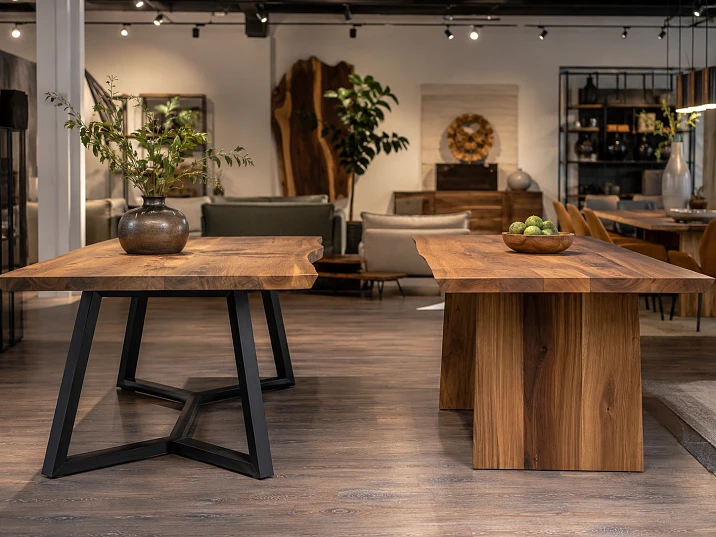
A loft table base is often chosen based on first impressions: a black metal base, simple geometry, a modern tabletop — it seems that such a table will automatically look relevant. But in a real interior, it's more complicated. A loft base can indeed be successful if the space is built on metal, brick, concrete, and graphic contrasts. However, in a residential kitchen, dining room, living room, or country house, such a base often looks too harsh, rough, and separate from the rest of the furniture.
A wooden table base solves the same structural task — it holds the tabletop, sets the height, affects the stability and appearance of the table — but is perceived differently. It is warmer, softer, and blends more naturally with a wooden tabletop, solid wood furniture, classic, neoclassical, and modern interiors without industrial roughness. Therefore, the choice between a loft table base and a wooden table base is not just a choice between metal and wood. It is a choice of the character of the future table.
If a buyer is looking for a table base for a modern tabletop, it is important not to limit themselves to the trendy word "loft." A modern table does not have to be metal. It can be wooden, calm, geometric, warm, visually light, or, on the contrary, solid. The main thing is that the base matches the tabletop, interior, load, and usage scenario.
If you need a modern base for a wooden, dining, kitchen, or interior tabletop, you can immediately buy a modern wooden table baseAnd if there are doubts, it's worth first understanding when a loft is truly appropriate, how a wooden underframe differs from a metal one, and why wood often proves to be a more successful choice for a residential interior.
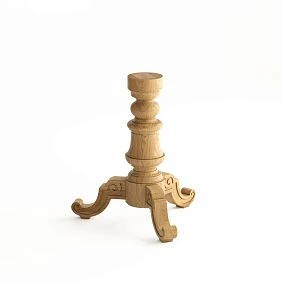

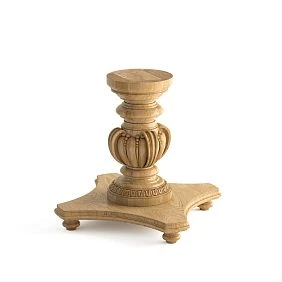
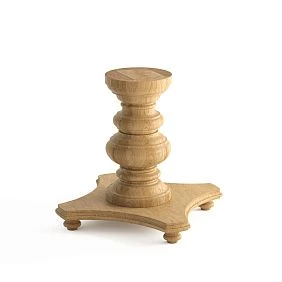

Why the loft underframe became popular
The popularity of loft underframes is easy to explain. They have simple geometry, a clear appearance, and a quick visual effect. Black metal contrasts well with a wooden tabletop, creates a graphic line, and immediately makes the table look like an item from a cafe, workshop, bar, or modern office.
For many buyers, the loft table underframe has become a universal formula: take a wooden tabletop, add a black metal base — get a modern table. This scheme really works in interiors with brick, concrete, exposed utilities, dark hardware, metal light fixtures, and rough textures.
Loft underframes are often chosen for work areas, cafes, bar tables, industrial-style kitchens, workshops, and small commercial spaces. There, metal looks natural: it supports the overall visual code, doesn't clash with the surroundings, and enhances the sense of practicality.
Another reason for popularity is the simplicity of choice. The buyer feels that a black loft underframe suits almost everything. It doesn't require complex selection of carving, profile, shape, or decorative details. The geometry is clear, the color is familiar, and the combination with wood is recognizable.
But it is in this simplicity that the risk lies. The more recognizable the technique becomes, the more often it turns into a template. A black metal loft underframe can look expressive in one interior and too rough in another. Therefore, before purchasing, you need to evaluate not only the style of the base but also the entire interior around the future table.




What are the downsides of a loft underframe
The main downside of a loft underframe is its visual rigidity. Metal, especially black, creates a strong contrast. In an interior with brick and concrete, this is a plus. In a light kitchen, classic dining room, or soft neoclassicism, such contrast can look alien.
The black base visually weighs down the table. If the tabletop is already massive, a dark metal base can make the entire piece heavy. This is especially noticeable in small kitchens and dining rooms, where every large dark element affects the perception of space.
A black loft base does not always pair well with wooden furniture. If there are wooden facades, a sideboard, doors, carved elements, upholstered chairs, classic shelves, or solid wood furniture nearby, the metal can look too technical. In such surroundings, a wooden base often appears more natural.
Another problem is that loft style quickly becomes too recognizable. A black metal frame under a wooden tabletop has long ceased to be a rare design solution. In a commercial interior, this is not always bad, but at home, the buyer often wants a more individual and warm piece.
Loft can look rough if the interior is built on light tones, soft lines, natural wood, classic furniture, and calm finishes. In such an environment, metal does not support the style but argues with it. The table starts to look as if the base was chosen separately, not together with the interior.
Finally, a metal base does not always give the feeling of an expensive piece. In some interiors, it looks practical but too industrial. If the buyer needs a table for a dining room, study, kitchen in a country house, or living room, wood often gives a warmer and more solid impression.
Our factory also produces:
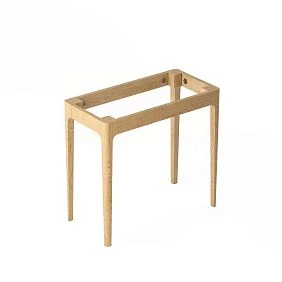
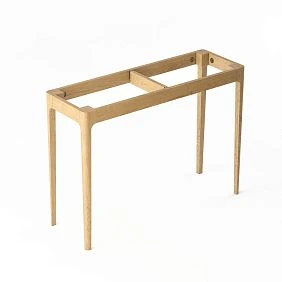
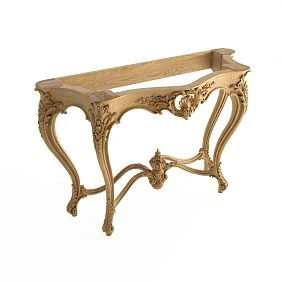

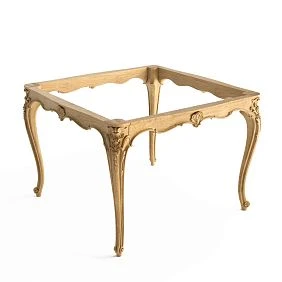
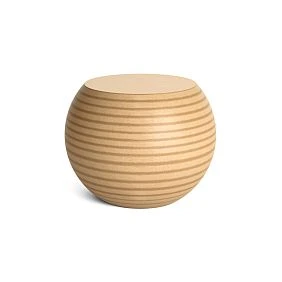
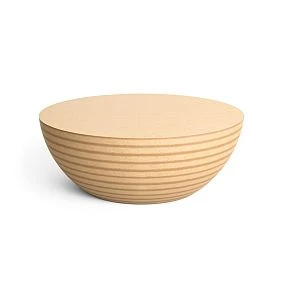
What a wooden base provides
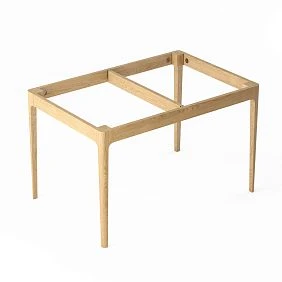
A wooden base makes the table softer and closer to a residential interior. It does not create such a sharp industrial contrast as metal, but it can still look modern if the form is calm and geometric. Modernity is not always equal to black metal. Often, a modern interior benefits precisely from natural materials and clean form.
Wood pairs better with a wooden tabletop. Instead of the contrast of 'wood plus metal,' you get a cohesive piece: the top and bottom speak the same language. This is especially important if the tabletop is solid wood, and there are wooden doors, floors, panels, shelves, furniture facades, or other wooden elements nearby.
A wooden base feels warmer in the kitchen and dining room. The dining area is not only about function but also about mood. Family, guests, and friends gather around the table. A too rough industrial base can create the feeling of a cafe or workshop, while a wooden base supports the atmosphere of home.
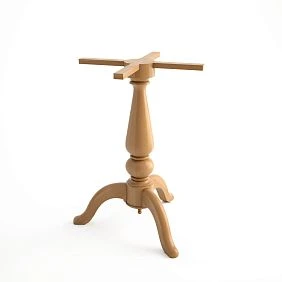
If you need wooden table base, it is important to look not only at the material but also at the form. Wood can be classic, carved, massive, modern, laconic, calm. It is not limited to one style. Therefore, a wooden base is suitable not only for classics but also for modern interiors where a natural material without rough industrialism is needed.
Another advantage is compatibility with other solid wood items. If the home already has wooden elements, decorative details, furniture frames, panels, shelves, or tabletops, a wooden base is easier to integrate into the overall set. The table does not look like a separate piece bought on a whim but becomes part of the interior.
If a buyer is looking for where to buy a wooden table base, they should evaluate not only the price and appearance, but also the future scenario. For the kitchen, practicality is important. For the dining room, proportions and seating. For the study, solidity and stability. For the living room, decorativeness and connection with the rest of the furniture.
Get Consultation
Wooden table base or metal: main differences
Wooden and metal table bases can be equally strong in design, but they are perceived differently in the interior. Metal provides graphics, contrast, and an industrial character. Wood provides naturalness, warmth, and a softer integration into the living space.
| Criterion | Loft table base / metal | Wooden table base |
|---|---|---|
| Visual effect | Rigid, graphic, industrial | Warm, natural, interior-oriented |
| Best styles | Loft, industrial, minimalism | Modern, classic, neoclassical, country |
| Combination with solid wood | Contrasting | Solid and natural |
| Perception in the home | May look rough | Looks softer and cozier |
| Decorativeness | Often simple geometry | Shape, mass, profile, decorative plastic |
| Customer journey | Suitable if an industrial style is needed | Suitable if a modern table without roughness is needed |
If the interior is already built on metal, brick, and dark details, a metal base can look natural. But if the room is dominated by wood, light walls, solid wood furniture, soft fabrics, and classic elements, a wooden base often looks better.
It is important for the buyer not to choose material out of habit. You need to imagine the table in a specific room. How will it look next to doors, floor, kitchen fronts, chairs, shelves, lighting? If the black base starts to look too heavy, consider solid wood base or another wooden structure.
Which table base suits a modern tabletop?
A modern tabletop can be different: light, dark, wooden, massive, minimalist, rectangular, round, oval. Therefore, the table base should be chosen not by a single style label, but by the combination of shape, material, weight, and interior.
A massive wooden tabletop needs a base that supports it not only physically but also visually. If the top looks dense and solid, a too-thin base creates an imbalance. This applies to both metal and wooden solutions. But wood more often helps make the table whole, especially if the tabletop is also wooden.
For a light tabletop, black metal can create too sharp a contrast. Sometimes it looks striking, but in a soft kitchen or dining room, such a contrast quickly starts to draw attention. A wooden table base with a calm shape allows you to maintain modernity without harsh graphics.
For a dark tabletop, a black loft-style table base can weigh down the entire table. The result is a massive dark block that doesn't suit every room. If the room is small, has a low ceiling, or light furniture, such a solution may look too heavy.
For a modern tabletop, not only the shape of the base is important, but also stability. You need to look at the height, base width, attachment area, number of supports, and edge overhang. If in doubt, it is useful to separately study the material about Countertop substructure, so as not to choose a base based only on a photo.
If a buyer is looking for a table base for a wooden tabletop, they should evaluate not only the color. Wood with wood can be combined in different ways: tone-on-tone, in contrast, through similar texture, or through a common style. Exact options for material, finish, and compatibility should be checked in the product card or clarified with a STAVROS manager.
When to choose a loft table base
A loft table base should be chosen honestly — not because it's trendy, but because it suits a specific interior. This option is appropriate if the space is already built on industrial materials: brick, concrete, metal, rough textures, exposed wiring, black hardware, and minimalist lighting.
Loft works well in a cafe, bar, workshop, office, showroom, or workspace where industrial elements don't feel out of place. There, a black base under a wooden tabletop supports the overall character of the space. The table looks practical, graphic, and quite sturdy.
This option can be considered if the buyer consciously wants an industrial style. For example, a kitchen interior already has black metal lights, rails, dark hardware, a brick wall, and a rough wooden countertop. In this case, the loft table base won't be a random element but a continuation of the overall concept.
A loft coffee table base can also work well if the table is in a modern living room with graphic details. But even in a small format, proportions must be considered. A too-heavy black base under a small tabletop can look rough.
A loft table base shouldn't be completely ruled out. It just requires the right surroundings. If there's no metal, brick, dark details, or industrial mood around, it's better not to choose loft just because it's common in search results.
When to choose a wooden table base
A wooden table base is best chosen when the interior is residential, warm, and not built on rough industrial elements. This includes kitchens, dining rooms, living rooms, studies, country houses, family spaces, and classic or modern interiors with natural materials.
If the kitchen or dining room is finished with wood, a wooden base looks more natural than metal. It complements cabinets, doors, floors, shelves, countertops, decorative elements, and solid wood furniture. The table doesn't stand out from the interior but brings it together.
Wood works especially well with a solid tabletop. It doesn't create a harsh industrial contrast but continues the material. Such a table is perceived as a cohesive piece, not as a top from one style and a base from another.
A wooden table base should be chosen if you want a modern table without roughness. A modern shape can be calm, clean, and geometric. Metal isn't necessary for this. A wooden base can look current if it lacks unnecessary heaviness and matches the tabletop.
If the buyer wants buying a wooden table underframe, they should understand the scenario in advance: kitchen, dining room, study, living room, coffee table or dining table. The height, scale, shape, visual density, and stability requirements depend on this.
A wooden underframe suits both classic and modern collections. The difference will be in the shape. For a classic interior, more expressive lines can be considered. For a modern one, more concise and calm solutions. In both cases, wood retains warmth and does not turn the table into an industrial object.
Classic and modern collection: how to choose the character of the underframe
When choosing a wooden underframe, it is important to understand what character the future table needs. Wood itself does not make an object classic or modern. Everything is decided by the shape, proportions, decorativeness, thickness of elements, geometry, and combination with the tabletop.
A classic wooden underframe is well suited for dining rooms, studies, country houses, interiors with solid wood, carved decor, expressive furniture, and calm finishes. It can look substantial, support a large tabletop, and create the feeling of a solid piece.
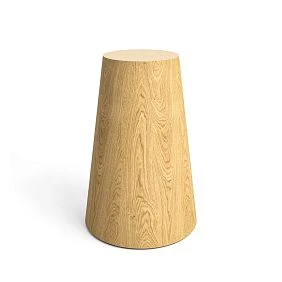
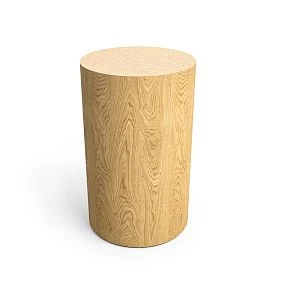
A modern wooden base works differently. It can be simpler, calmer, more geometric. Such an underframe does not conflict with a minimalist tabletop, does not overload the kitchen, and is suitable for interiors where you want to keep wood but move away from heavy classics.
For soft neoclassicism, wood is often more successful than metal. A black loft base can look too harsh, while a wooden base maintains balance: modernity without coldness, naturalness without rustic roughness, expressiveness without industrial pressure.
If the interior is already built around STAVROS products, wooden elements, solid wood, carved decor, or furniture frames, it is logical to continue this line in the table. In this case furniture frames and wooden underframes help assemble the interior in a single material.
How to choose a table base for your room
Kitchen
In the kitchen, the table base should be stable, comfortable, and visually not overload the space. If the kitchen is light, with wooden fronts or calm furniture, a black metal base can look too harsh. A wooden table base blends more softly into such an environment and better supports the homey character.
If the table will be used daily, you need to check the height, base size, stability, and seating comfort. For a kitchen table, it is especially important that the table base does not interfere with legs and does not create a feeling of a heavy base. If the task is specifically related to the kitchen, it is useful to separately look at the material about Base for Dining Tables.
Dining room
In the dining room, the table often becomes the main piece. Here, not only function is important, but also impression. The table base should support the tabletop, match the chairs, sideboard, floor, doors, and lighting.
Loft can work if the dining room is decorated industrially. But in a classic, neoclassical, or country dining room, a wooden base usually looks more natural. It makes the table warmer and better connects it with the surrounding furniture.
Living room
In the living room, a table base is more often chosen for a coffee, side, or accent table. Visual balance is especially important here. A small table on a too rough metal base can look heavy. A wooden base provides more softness and better matches furniture, textiles, wooden shelves, and decorative elements.
Cabinet
In the study, the table should look collected and reliable. Metal can add strictness, but wood often looks more solid and calm. Especially if there are bookcases, panels, doors, solid furniture, or classic finishes nearby.
For a desk, rigidity is important. The base should not allow wobbling. Therefore, when choosing, you need to evaluate not only the style but also the construction. If the buyer is unsure, it is better to choose a more predictable wooden base and clarify the parameters before ordering.
Country house
In a country house, a wooden table base almost always looks more natural than loft, if the interior is not specifically built on an industrial contrast. Wood supports the overall atmosphere of the house, matches solid wood, natural finishes, shelves, doors, stairs, and furniture.
A loft in a country house can be appropriate if the house is designed in the style of a modern chalet, industrial minimalism, or a space with metal and stone. But if the interior is warm, family-oriented, classic, or country, a wooden base will be softer.
How to choose a table base for your tabletop
The tabletop sets not only the size but also the character of the future table. Therefore, the base should be chosen after understanding the material, shape, thickness, weight, and purpose of the tabletop.
For a wooden tabletop, it is logical to consider a wooden base. This is not the only option, but often the most cohesive. If the top and bottom are made in a similar material language, the table looks assembled and calm. Metal creates a contrast that is not always needed.
For a light tabletop, a wooden base helps maintain softness. Black metal can become too active a spot. If the interior is small or light, such contrast should be used carefully.
For a dark tabletop, a wooden base can be chosen so as not to weigh down the entire table. Black metal combined with a dark top often makes the piece visually heavy. In a spacious loft, this may be appropriate, but in an ordinary kitchen or dining room, not always.
For a round tabletop, symmetry and center of gravity are important. The base must be stable and not interfere with seating. For a rectangular one, support along the length is important. For an oval one, a balance between the soft shape and a sufficient base. In each case, the shape of the base is more important than a trendy name.
If the tabletop is massive, it is better not to choose a too thin base. This applies to both loft and wood. The base must match the top in scale. A weak base under a massive tabletop looks unconvincing and may be inconvenient to use.
How to avoid mistakes with stability
The stability of a table depends on the base, fastening, tabletop shape, and usage scenario. You cannot choose a base just by looking at a picture. Even a beautiful base can turn out to be inconvenient if it does not fit in size, height, or base.
The first thing to check is the size of the tabletop. The longer and wider it is, the more attention you need to pay to the base. A base that is too compact under a large tabletop creates a risk of wobbling and inconvenient overhang of the edges.
The second parameter is weight. A massive wooden tabletop requires a more substantial base. If the underframe looks thin or weak, the table may feel unstable even under normal actual load.
The third parameter is height. The final height of the table is the sum of the underframe height and the tabletop thickness. If you don't account for this, you might end up with a table that is uncomfortable to sit at.
The fourth parameter is attachment. The question "how to attach the underframe to the loft tabletop" is relevant not only for metal. Any base needs to be properly connected to the tabletop. The specific attachment method depends on the design, material, weight, and product card. If in doubt, it's better to clarify the parameters with a STAVROS manager.
The fifth parameter is lateral stability. The table experiences not only vertical load. People lean on it, bump into it, and move chairs around it. The base must withstand such everyday movements without feeling shaky.
For a detailed analysis of stability, it's useful to check out the material about table base support. It helps to understand why the base is not just a decorative lower part, but a structural element.
Typical mistakes when choosing an underframe for a modern tabletop
Choosing loft just because it's trendy
A trendy style does not guarantee a successful result. Loft works when it is supported by the entire interior. If the surroundings are a light kitchen, soft furniture, natural wood, and calm finishes, a black metal base can look out of place.
Do not consider the style of the rest of the furniture
The table does not stand separately from the interior. It is connected to chairs, floor, doors, kitchen fronts, shelves, lights, and decorative elements. If the base is chosen without considering the surroundings, the table will look out of place.
Placing rough metal in a soft interior
In neoclassical, classical, light dining rooms, or family kitchens, rough metal can disrupt the mood. In such cases, it is better to consider a wooden base with a calm shape.
Not checking the size of the tabletop
The base must match the tabletop. A base that is too small under a large top creates imbalance. A base that is too massive under a small tabletop makes the table look heavy.
Not considering the weight of the tabletop
A massive tabletop requires a sturdy base. If you choose the base only by style, you may end up with a beautiful but uncomfortable table. Weight must be considered before purchase.
Choosing a table base only by photo
The photo shows the look but does not always help to understand scale, height, proportions, and compatibility. Before ordering, you need to check the parameters in the product card and clarify important details.
Forgetting about the height of the finished table
The thickness of the tabletop affects the final height. If you only consider the base, you can make a mistake with the seating. This is especially important for dining and work tables.
Mixing a massive countertop with a weak base
A massive top requires a base that supports it visually and structurally. A too-thin underframe creates a feeling of instability and disrupts proportions.
What to buy: loft or wooden underframe
To make the choice clearer, it's worth linking it not to the style as a whole, but to the buyer's specific task. One needs an industrial table, another a modern kitchen without roughness, a third a table for a massive countertop, and a fourth a dining area in a country house.
| Buyer's task | What to choose | Why |
|---|---|---|
| Need an industrial table | Loft / metal | Matches brick, concrete, black hardware, and graphic details |
| Need a modern table without roughness | Wooden underframe of modern shape | Looks warmer and softer in a residential interior |
| Need a table for a massive countertop | Wooden underframe or reinforced construction | Visually and structurally supports the array |
| Need a kitchen or dining room | Wooden base | Better matches furniture and natural materials |
| Need an interior with STAVROS products | buy a modern wooden table base | Easier to connect the table with the array, furniture frames, and wooden elements |
For a buyer who specifically wants a loft, it's important to honestly check the interior. Is there metal, brick, concrete, black details? If yes, loft may be appropriate. If not, it's better not to force the interior to adapt to a trendy technique.
For a buyer who needs a modern table but doesn't want roughness, it's more logical buy a modern wooden table base. It allows maintaining a current look but making the table warmer and closer to a living space.
What to buy together with a wooden underframe
A table base is rarely chosen on its own. It is always connected to the tabletop, chairs, furniture, the room's material, and neighboring elements. To make the table look cohesive, you need to think in advance about how it will combine with the other details.
If a buyer chooses a wooden table base, they should evaluate the entire group of wood products: the tabletop, furniture frames, decorative elements, shelves, facades, doors, moldings, and finishes. The better the materials are coordinated, the less the feeling of a random set.
| What to add to the purchase | Why this is needed | For which scenario |
|---|---|---|
| Tabletop of the right size | So that the base matches the weight, shape, and overhang | Any dining, kitchen, or work table |
| Furniture frames | To assemble furniture in a unified structural logic | Kitchen, dining room, study, custom furniture |
| Solid wood products | To support the table material in other details | Classic, country house, interior with wood |
| Chairs and adjacent furniture in a matching style | So the table doesn't look separate from the dining group | Kitchen and dining room |
| Wood finish | To match the shade, texture, and overall look | When the table needs to match the existing interior |
If the task is broader than buying a single base, you can look Solid Wood Items. This helps understand how a wooden table base will blend with other interior elements.
How not to confuse the table base, frame, and support
Buyers often mix up several concepts: table base, frame, legs, support. A mistake in terms leads to a mistake in purchase. A person looks for a table base but looks at individual legs. Or wants a ready-made base but chooses a structural element without understanding the whole system.
The underframe is the base for the tabletop. It is responsible for the stability, height, and appearance of the lower part of the table. The frame is a broader concept that can refer to different furniture structures. The support is a separate load-bearing element that can be part of the underframe.
If you need to install a modern tabletop, the buyer usually needs an underframe, not a random support. If it concerns complex furniture, furniture frames may be needed. If you need to understand the terms in more detail, it is useful to study the material. table frame or underframe.
A practical check is simple: if you need "something to put the tabletop on," look at the underframe. If you need to assemble a furniture structure broader than one table, look at frames. If you need to understand the stability of a separate load-bearing part, study supports.
How to buy a wooden underframe on STAVROS
It is better to start the purchase not with the color or the word "loft," but with the task. Where will the table be placed? What tabletop will be on top? What is the interior around it? Is the table needed for a kitchen, dining room, study, living room, cafe, or country house? The answers to these questions will help you choose an underframe without randomness.
Next, you need to determine the dimensions of the tabletop, its shape, thickness, estimated weight, and desired height of the finished table. These parameters are more important than the style in the picture. Even a beautiful base will not work if it does not match the real task.
If you need a modern table without a rough industrial effect, you can buy a modern wooden table base and check the current parameters in the product card. If you need more structural solutions, it is worth looking at furniture frames.
Before ordering, you need to clarify the material, dimensions, design features, compatibility with the tabletop, and finishing options. If the tabletop already exists, it is better to prepare its dimensions and description in advance. If the tabletop has not yet been chosen, it is wiser to select the top and bottom together.
If you are unsure between loft and wood, you can use a simple criterion. For an industrial interior with metal and brick, loft is suitable. For a residential, warm, modern, classic, or country space, a wooden underframe is often better. It does not make the table less modern, but it makes it softer and closer to home.
FAQ: Часто задаваемые вопросы о подстолье лофт и деревянном подстолье
Что выбрать — подстолье лофт или деревянное?
Если интерьер индустриальный, с металлом, кирпичом, бетоном и черной фурнитурой, можно рассматривать лофт. Если нужен современный, но более теплый и жилой стол, лучше выбрать деревянное подстолье.
Какое подстолье подходит к современной столешнице?
К современной столешнице подходит не только металл. Деревянное подстолье спокойной формы хорошо работает в современных интерьерах, особенно если столешница тоже деревянная или интерьер построен на натуральных материалах.
Чем деревянное подстолье отличается от металлического?
Металлическое подстолье выглядит жестче и индустриальнее. Деревянное подстолье визуально теплее, лучше сочетается с массивом, классикой, неоклассикой и современными жилыми интерьерами.
Когда лофт выглядит грубо?
Лофт может выглядеть грубо в светлой кухне, классической столовой, интерьере с мягкой мебелью, резным декором, деревянными дверями и натуральными отделками без индустриальных акцентов.
Подойдет ли деревянное подстолье для современного интерьера?
Yes. A modern interior doesn't necessarily require metal. A wooden base of simple shape can look relevant and at the same time softer than a black metal base.
What is better for a wooden tabletop?
For a wooden tabletop, a wooden base is often better because it creates a cohesive material and avoids a sharp industrial contrast. But the choice depends on the room's style and the size of the tabletop.
Can a black loft base be used in a kitchen?
Yes, if the kitchen supports that style: there is black hardware, metal, graphic lighting, brick, concrete, or other industrial details. In a light, soft kitchen, a black base may look too heavy.
What looks softer — metal or wood?
In a residential interior, wood usually looks softer. It feels warmer next to furniture, textiles, wooden doors, flooring, and tabletops. Metal provides a sharper visual contrast.
Where to buy a wooden underframe?
You can buy a modern wooden table base in the STAVROS bases section. Before ordering, it's worth checking the dimensions, shape, material, finish, and compatibility with the tabletop.
What to check before ordering a base?
You need to check the tabletop size, its weight, shape, thickness, desired table height, installation location, interior style, and mounting features. If in doubt, it's better to clarify the parameters with a STAVROS manager.
Is a wooden table base suitable for a kitchen and dining room?
Yes, a wooden table base is well-suited for a kitchen and dining room, especially if there is wooden furniture, a countertop, shelves, doors, or other natural materials nearby.
Can I choose a wooden table base instead of a loft style if the interior is modern?
Yes. A modern table can be wooden. If the base shape is calm, the proportions are correct, and the tabletop is appropriately sized, a wooden table base will look relevant without rough industrial feel.
Conclusion
A loft table base and a wooden table base solve a similar structural task but create a different mood. Loft provides graphics, metal, industrial feel, and contrast. Wood provides warmth, naturalness, connection to solid wood, and a softer integration into a residential interior.
If the space is built on brick, concrete, metal, and black details, loft can be successful. But if it's about a kitchen, dining room, living room, study, or country house where coziness, wood, and furniture integrity are important, a wooden table base often proves stronger. It allows creating a modern table without roughness and without the feeling that the base was chosen by template.
Before purchasing, you need to evaluate the tabletop, size, weight, height, room style, and adjacent materials. You shouldn't choose a table base just by its trendy name. It's much more important to understand how the table will live in a specific interior and whether the base will support it every day.
At STAVROS you can buy a modern wooden table base, choose a base for the tabletop and connect the future table with other solid wood items. Such a choice helps to get not a random structure, but a solid wooden table that looks modern, stable, and homey warm.