























Article Contents:
- Why a flat front is a problem, not a matter of taste
- What is a furniture frieze: a term worth understanding correctly
- Where to place the decorative band: three zones of the front
- Top frieze
- Center frieze
- Bottom frieze
- Frieze on a cabinet
- Frieze on the dresser
- Frieze on the kitchen facade
- Frieze on the sideboard and cabinet
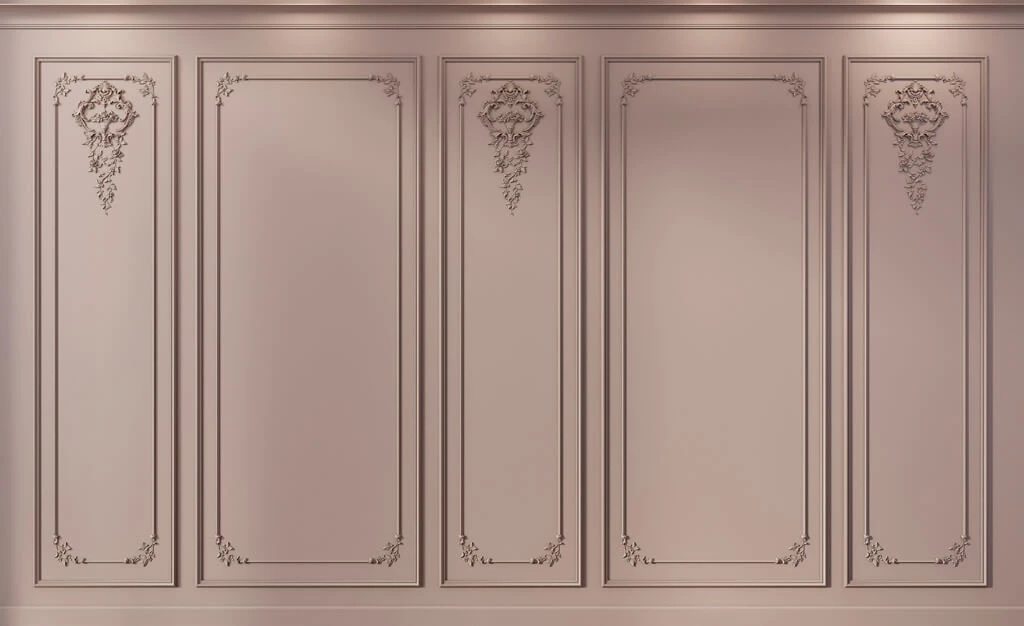
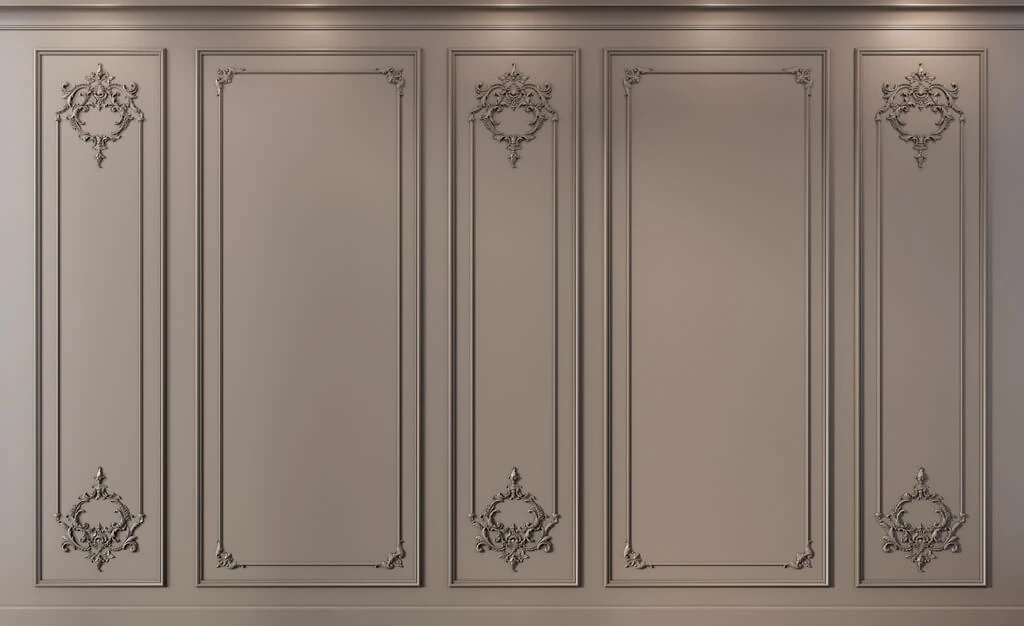
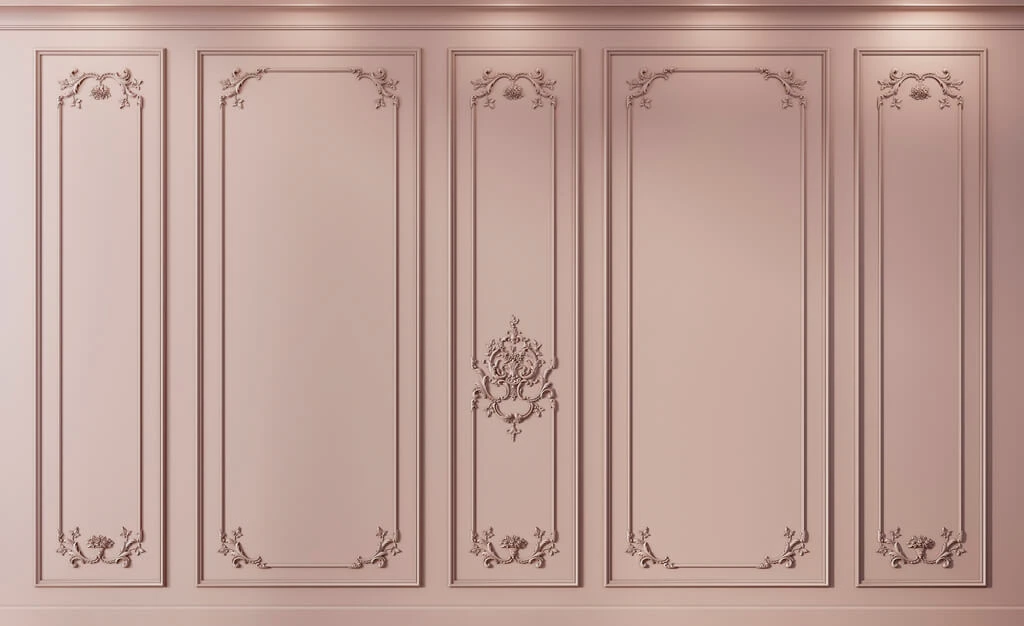
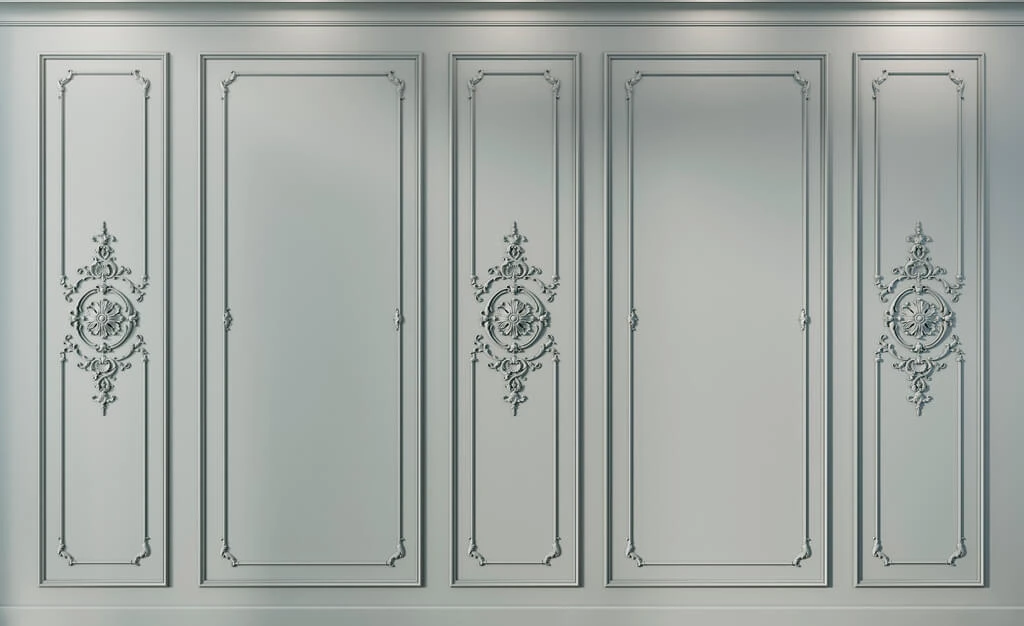
- Frieze on built-in furniture and decorative panels
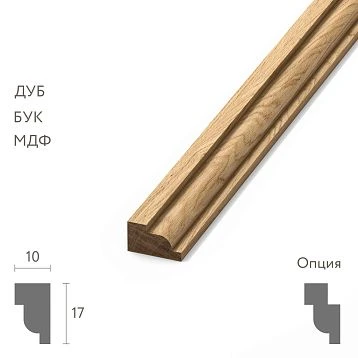
- Furniture moldings
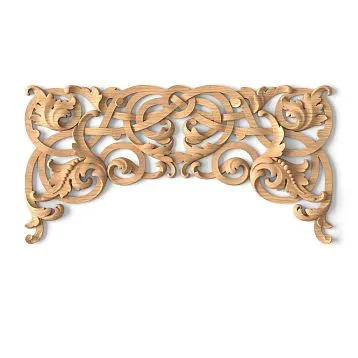
- Carved Inlays
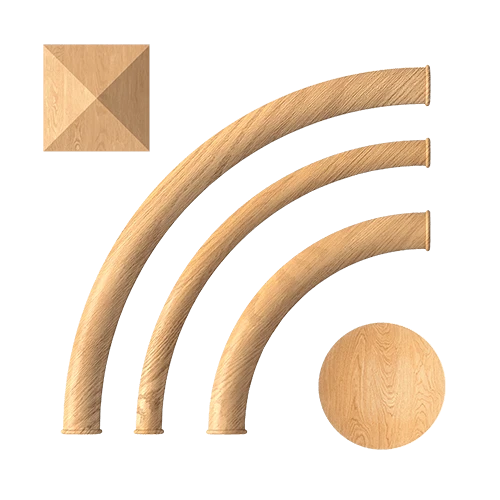
- Corner Elements
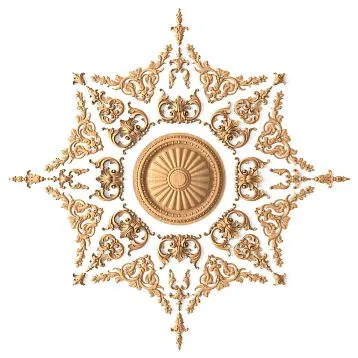
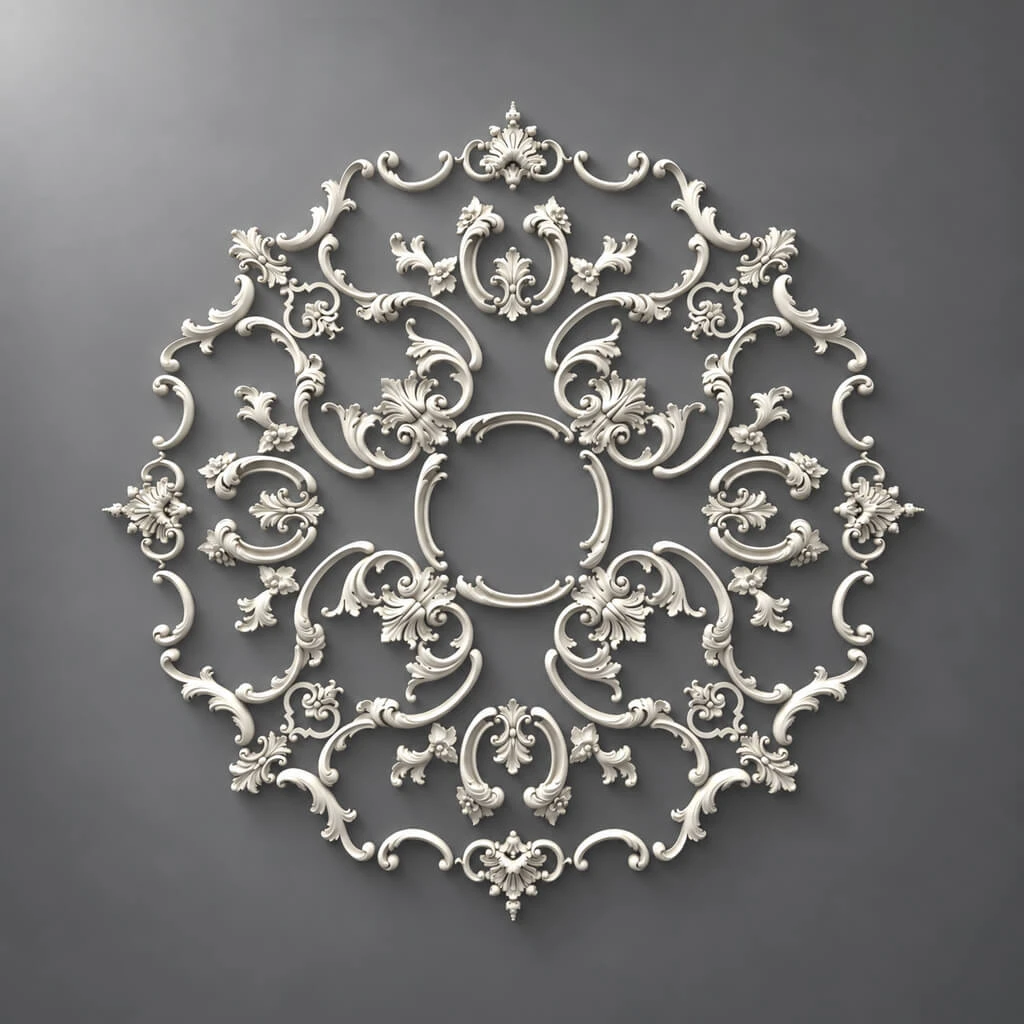
- Decorative rosettes
- Ornamental inserts and moldings
- Polyurethane Elements
- Scheme 1: Thin upper belt
- Scheme 2: Wide central belt
- Scheme 3: Lower decorative belt
- Scheme 4: Frame + frieze
- Scheme 5: Frieze + rosette
- Scheme 6: Frieze + corner overlays
- Scheme 7: Vertical moldings + horizontal frieze
- Scheme 8: Monochrome facade with relief
- Classic
- Neoclassicism
- Provence
- Art Deco
- Contemporary furniture
- Table of approximate sizes
- Wood
- MDF
- Polyurethane
- Step 1: Measurement and Planning
- Step 2: Molding for the Contour
- Step 3: Central Accent
- Step 4: Corner Elements
- Step 5: Ornamental Filling
- Step 6: Installation
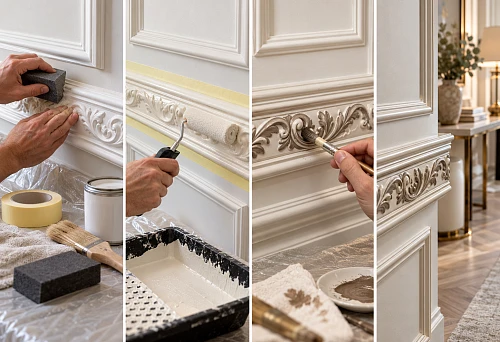
- Step 7: Painting
- Frieze and Frame
- Frieze and Rosette
- Frieze and corner overlays
- Frieze and vertical moldings
- What is a furniture frieze?
- How is a furniture frieze different from a molding?
- What furniture is the decorative belt suitable for?
- How to choose the frieze width for the facade size?
- What is better: wood, MDF, or polyurethane?
- How to combine a frieze with rosettes and corner overlays?
- How not to overload a facade with carved decor?
- Can I buy a furniture frieze as a ready-made set?
- Where to buy decor for furniture online store?
- Can a frieze be used on modern furniture?
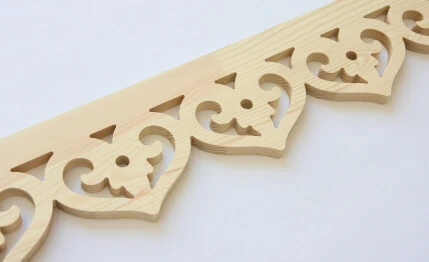
Imagine: the cabinet is painted the right color, handles are selected, hardware is replaced — but something is still wrong. The facade looks empty, faceless, like a sheet of paper without a single line. The furniture exists, it performs its function, but it does not make an impression. Does that feeling sound familiar? This is where the furniture frieze comes into play — a decorative belt that turns a flat surface into architecture.
This article is not about buying a new cabinet. It is about how, with the help of a few elements — moldings, carved overlays, trim, and decorative inserts — to add depth, rhythm, and character to the facade. Without reworking the body, without a full renovation, without extra costs.
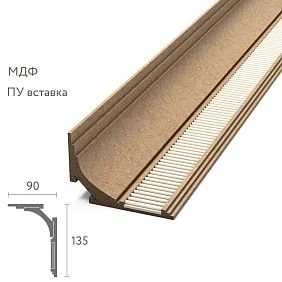
Why a flat facade is a problem, not a matter of taste
Minimalism and emptiness are not the same thing. Minimalism is a conscious choice: clean lines, thoughtful proportions, precise details. Emptiness is the absence of a solution. And when customers say "my wardrobe is boring," they most often mean the latter.
A flat facade without a single relief, without horizontal division, without an accent — this is not neutrality, it is visual emptiness. The eye does not linger, does not find a point of support, does not read either style or quality. The furniture is present in the interior but does not participate in it.
What is most often tried as a solution? Repainting. Changing handles. Adding display inserts. And all of this helps — but only partially. Because the main thing the facade lacks is structure. And structure on furniture is created by wardrobe facade decor: frames, overlays, moldings, and, first of all, a decorative belt — the frieze.
It is the frieze that is responsible for the horizontal division of the facade. It is what turns a faceless plane into something worth looking at.
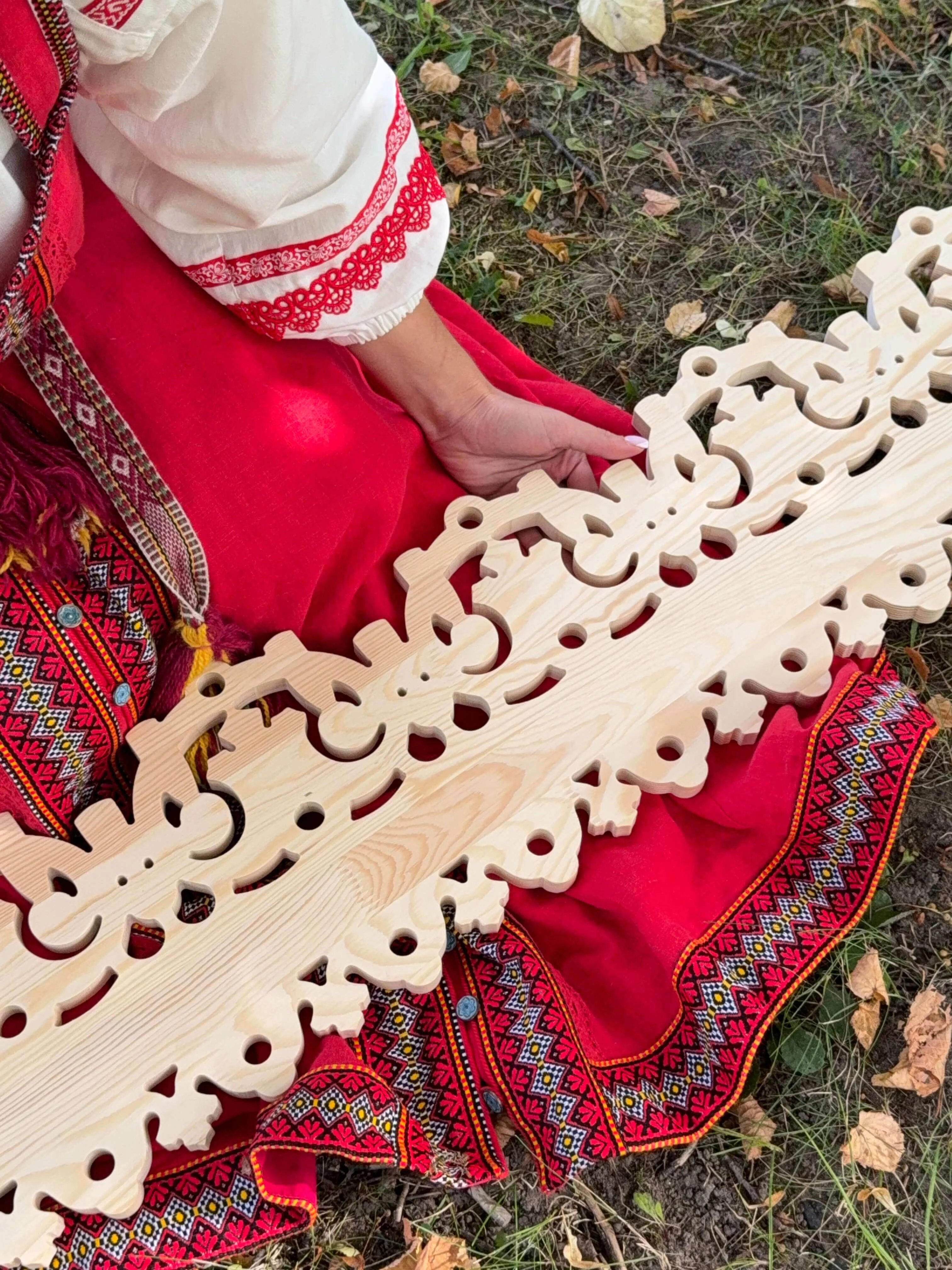
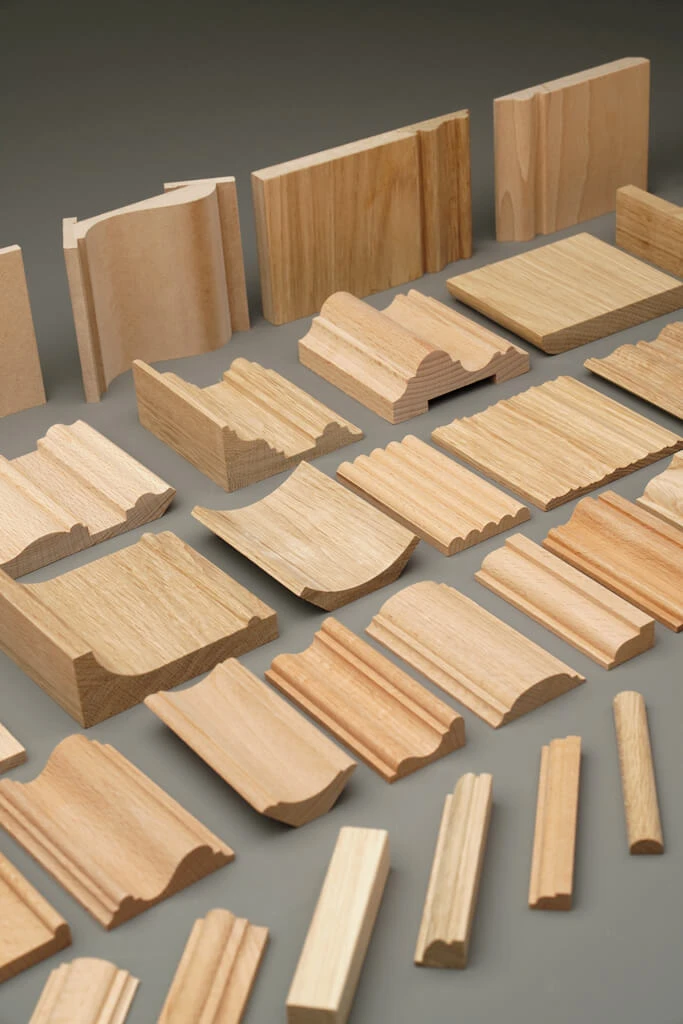
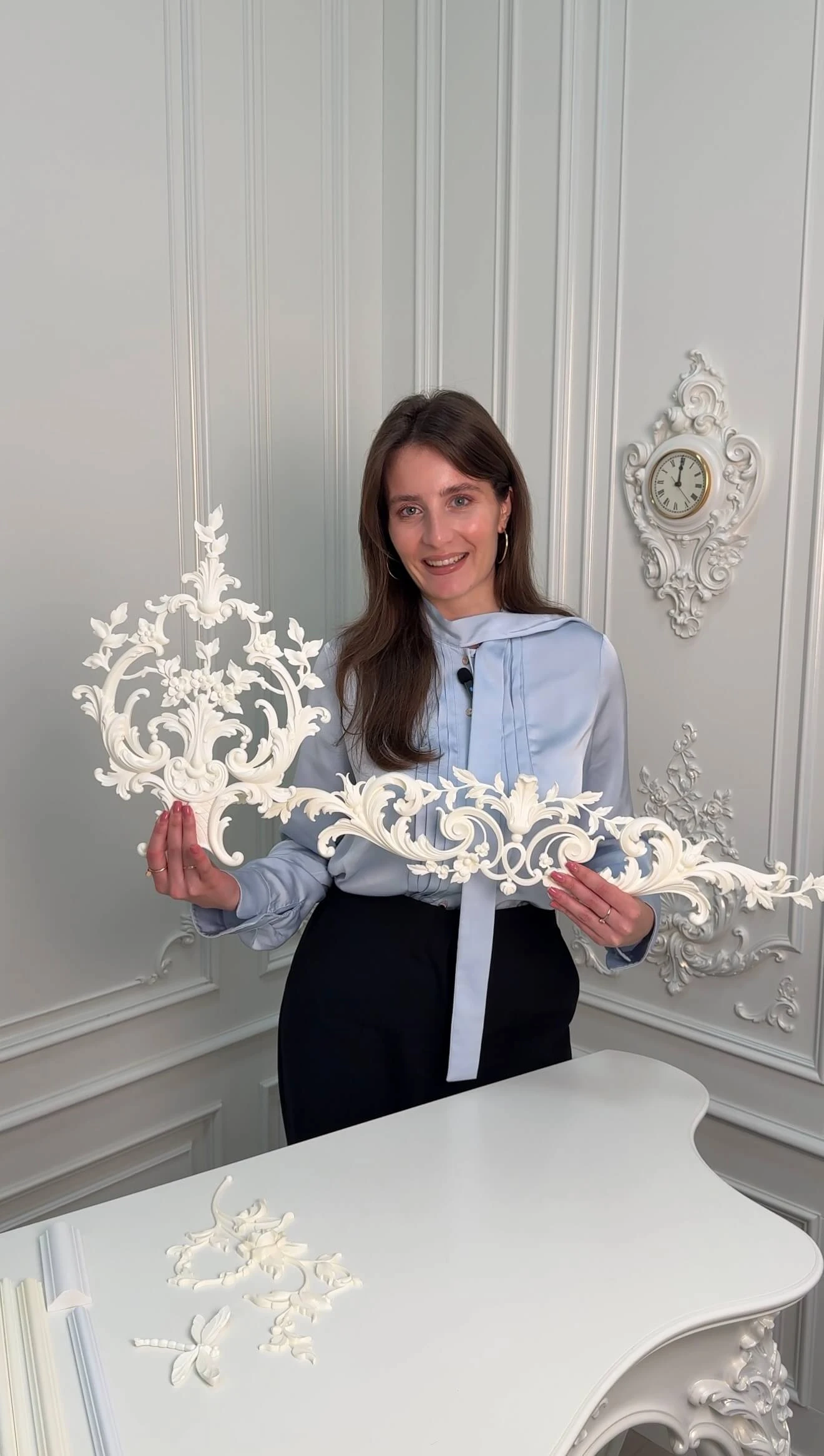
What is a furniture frieze: a term worth understanding correctly
The word "frieze" comes from architecture. In the classical order, the frieze is the middle part of the entablature, a horizontal band between the architrave and the cornice, which carries the decorative load. It was here that ancient masters placed reliefs, ornaments, and plant motifs.
In furniture, the principle is the same, the scale is smaller. A furniture frieze is a decorative horizontal belt located on the facade, body, or upper part of a piece of furniture. It performs several tasks at once: divides the plane, adds relief, sets a rhythm, and creates visual proportions.
It is important to immediately distinguish between concepts that are often confused.
A frieze is a zone, a band, a horizontal accent. It can be wider or narrower, simple or rich with ornament.
A molding is a profile element, a line, a frame. A molding can be part of a frieze, its contour, its completion. But by itself, a molding is primarily a line, not a zone.
A border is a similar term, but more often denotes an ornamental band, a repeating pattern.
A cornice is the top finishing element, it works like the crown of furniture.
An overlay is a separate decorative element, not necessarily horizontal.
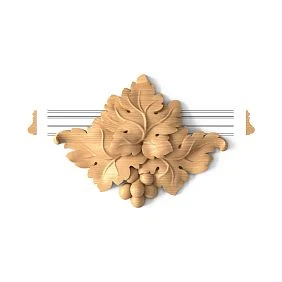
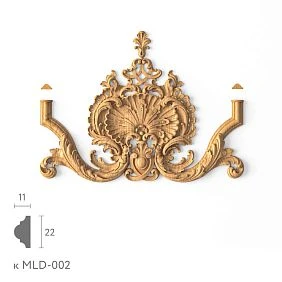
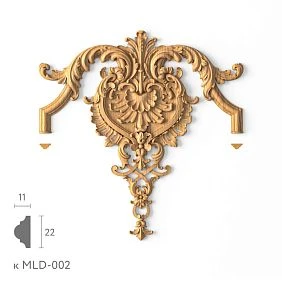
A furniture frieze, therefore, is not a specific detail, but a concept. A horizontal decorative band that can be assembled from moldings, carved furniture decor, overlays, inserts, and ornamental elements.
That is why saying "buy a ready-made furniture frieze" means simplifying the task a bit. It is more correct to say: select a set of elements for designing a decorative band. And this is quite realistic.
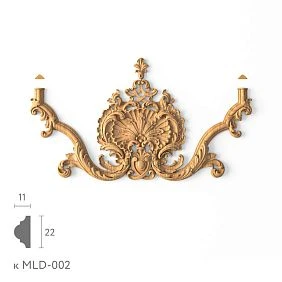
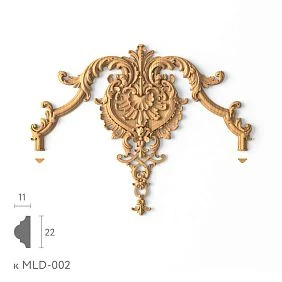
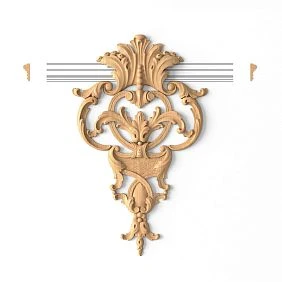
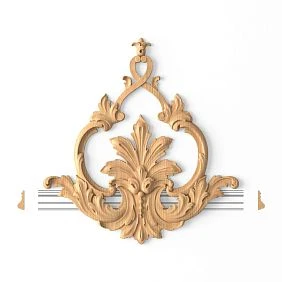
Our factory also produces:
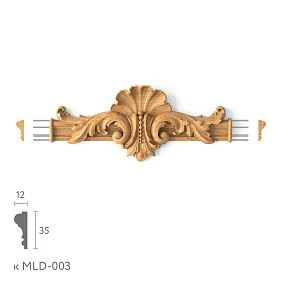
Where to place the decorative band: three zones of the facade
Before talking about choosing elements, you need to understand where exactly the frieze works on the facade. Practice shows: on any piece of furniture, there are three key zones for a decorative band.
Get Consultation
Top frieze
The most common position. The top frieze visually completes the facade, gives it a crown, and references architectural tradition. For tall cabinets, the top frieze is almost a mandatory element. It softens the transition between the body and the ceiling, structuring the upper zone.
On kitchen facades, the top frieze above the mezzanine creates a single line across the entire kitchen. On sideboards and chests with an extension, it marks the transition between the lower and upper parts.
Central frieze
Used on facades with great height — for example, on tall chests, double-door wardrobes, and sideboards. The central frieze divides the facade into two tiers and adds scale to it. This is more complex, but more effective.
Bottom frieze
The sub-base or bottom frieze is often an underestimated technique. It creates a visual "foundation," giving furniture stability and completeness from below. It works especially well on chests and cabinets.
For the kitchen, the lower decorative frieze between the lower tier drawers and the countertop is also a way to unite sections into a single line.
Where to use furniture frieze: from cabinets to built-in furniture
Decorating a cabinet facade is the first thing that comes to mind. But there are many more application scenarios.
Frieze on the wardrobe
The wardrobe is the largest piece of furniture in the room. And that's why an empty wardrobe facade is the most noticeable. Cabinet facade decor in the form of a horizontal band solves the problem immediately: adds structure, creates the impression of a built-in wardrobe in the style of a classic English interior, makes the furniture look more expensive visually.
For a sliding wardrobe with sliding doors, a decorative band is relevant on the side panels and in the upper part of the body. Overlays on the wardrobe facade allow you to imitate the effect of a paneled facade even on a smooth surface.
Frieze on the chest of drawers
A chest of drawers is an ideal object for a decorative band. A traditional English or French chest of drawers always had horizontal divisions: between drawers, in the upper part, along the perimeter. A modern chest of drawers with flat drawers is that very empty surface we talked about.
A thin wooden molding in the upper part, a small decorative element in the center, an ornamental strip between the drawers — and the chest of drawers turns from a functional box into an object with character.
Frieze on the kitchen facade
Design of kitchen facades decorative trim — a long-established practice. A horizontal belt along the top row of wall cabinets unifies the kitchen into a single whole. Molding on the facade of a kitchen tier cabinet creates the effect of a framed facade — one of the most popular requests in furniture decor.
For the kitchen, it is important to consider the heating and humidity zone: the decor should be placed where there is no direct contact with steam and splashes.
Frieze on the sideboard and cabinet
A sideboard is historically a decorated piece. Here, a frieze is appropriate both in the upper and middle parts. On the TV cabinet, a horizontal belt adds elegance and visually "grounds" the structure.
Frieze on built-in furniture and decorative panels
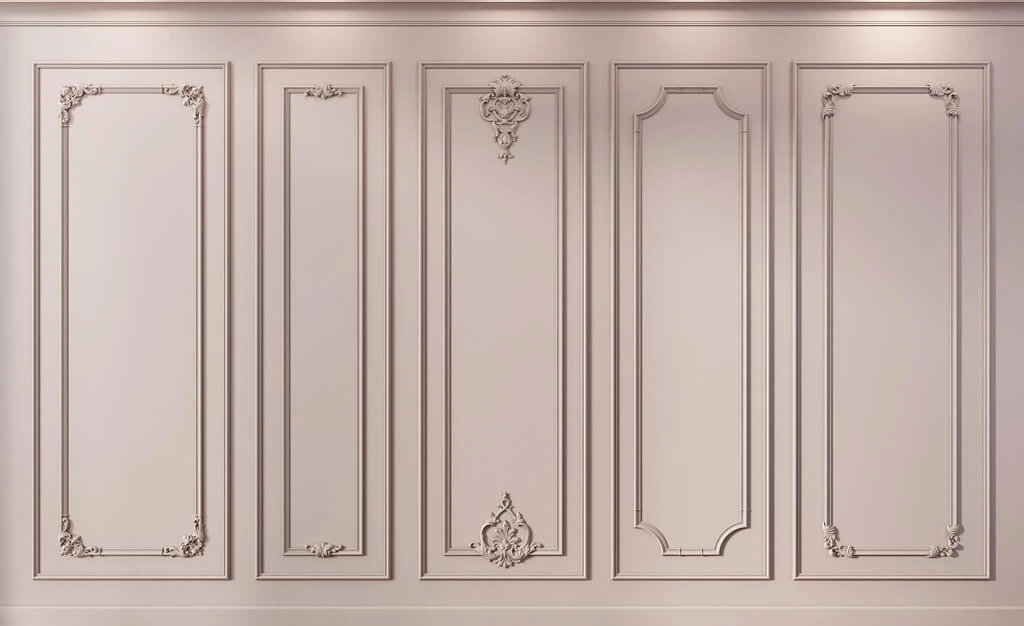
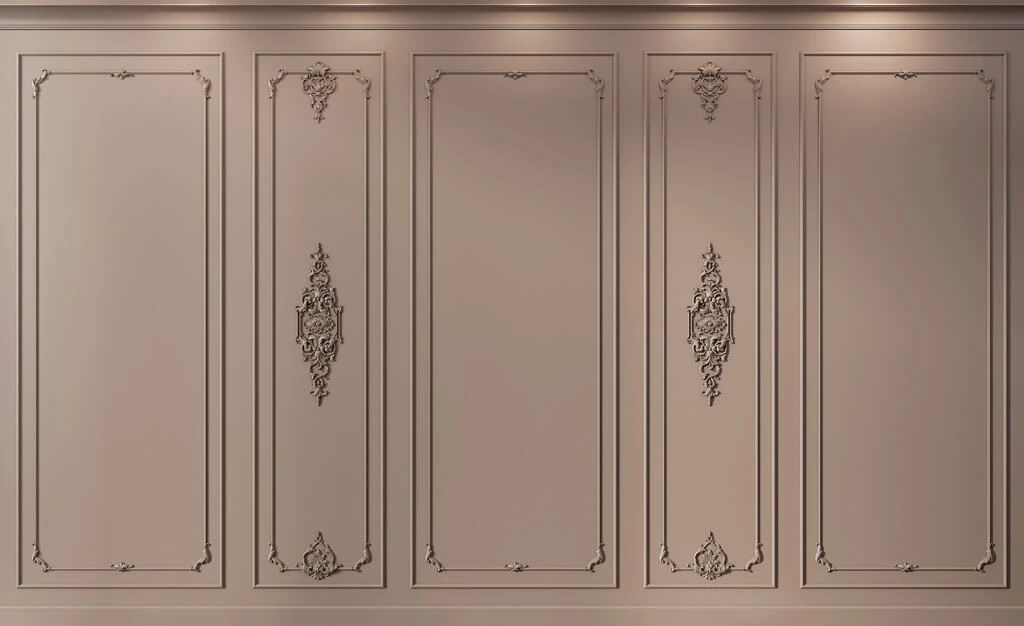
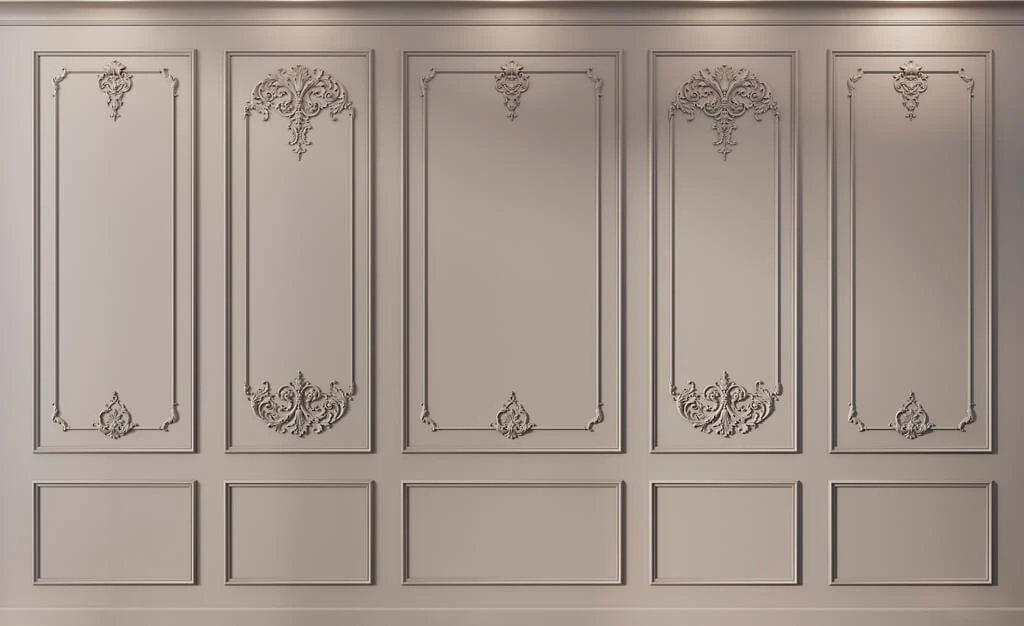
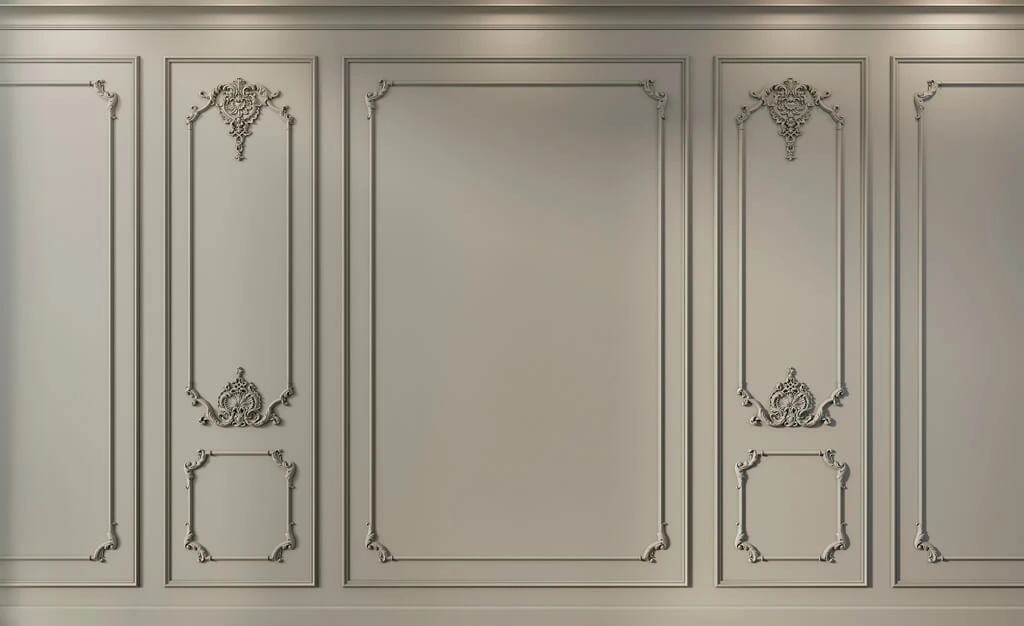
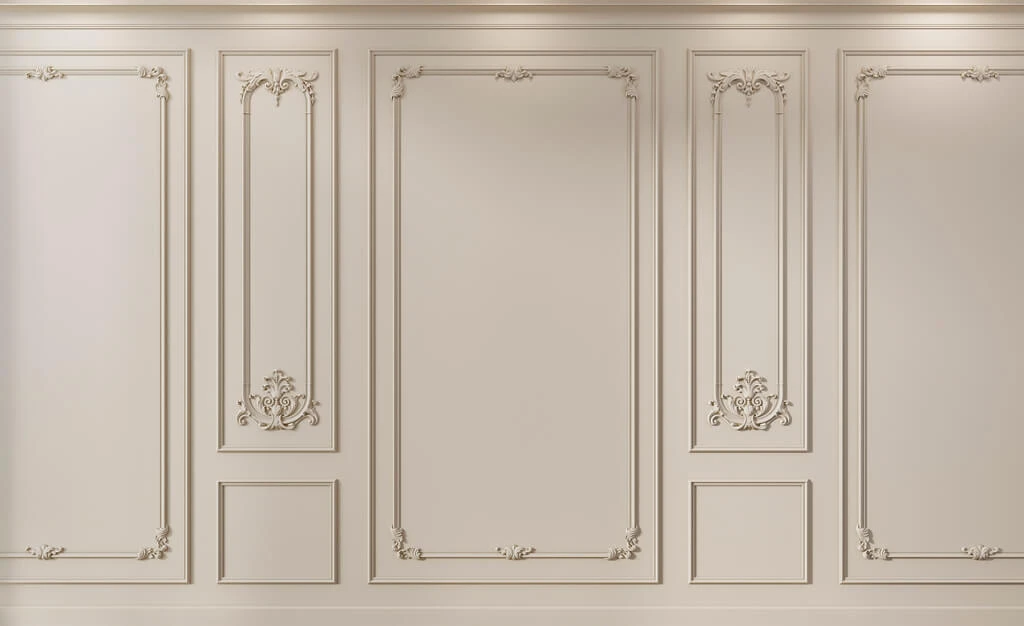
Built-in furniture around the perimeter of the room is an excellent field for applying a decorative belt. A horizontal frieze at shoulder level turns simple wardrobes into an architectural element of the interior. The same applies to decorative panels and false walls.
What elements to assemble a decorative belt from
This is the most practical block. Let's break down exactly which parts are needed to create a furniture frieze — and why it is important to choose them in a unified system.
Furniture moldings
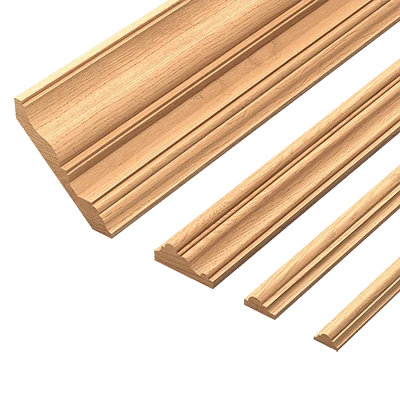
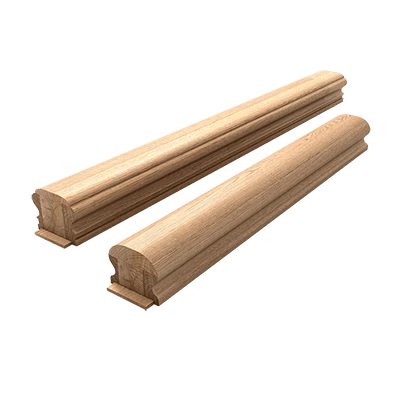
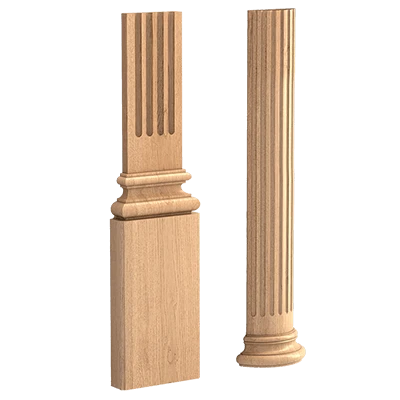
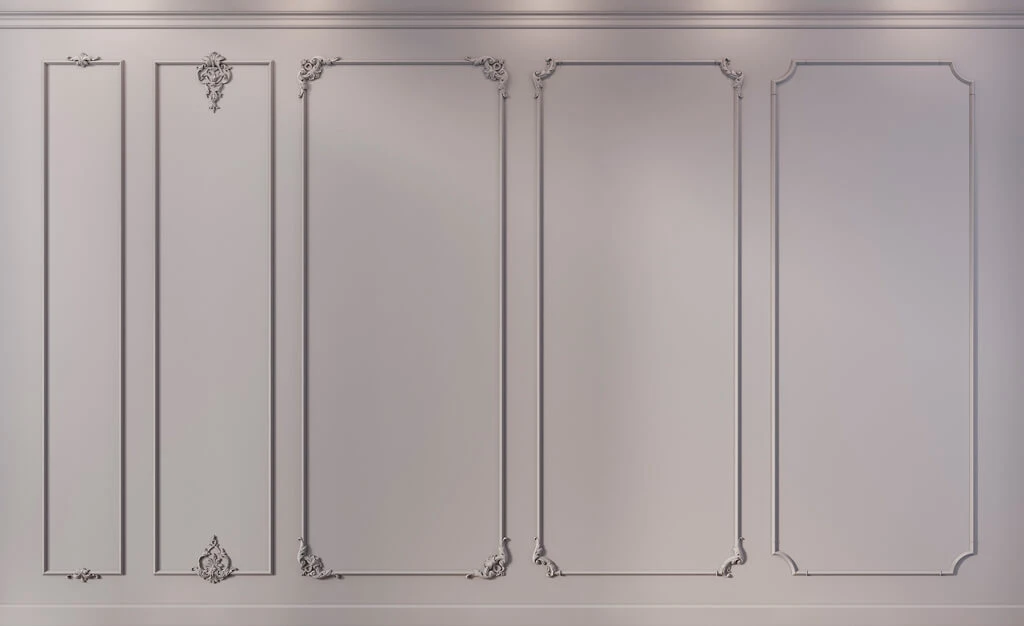
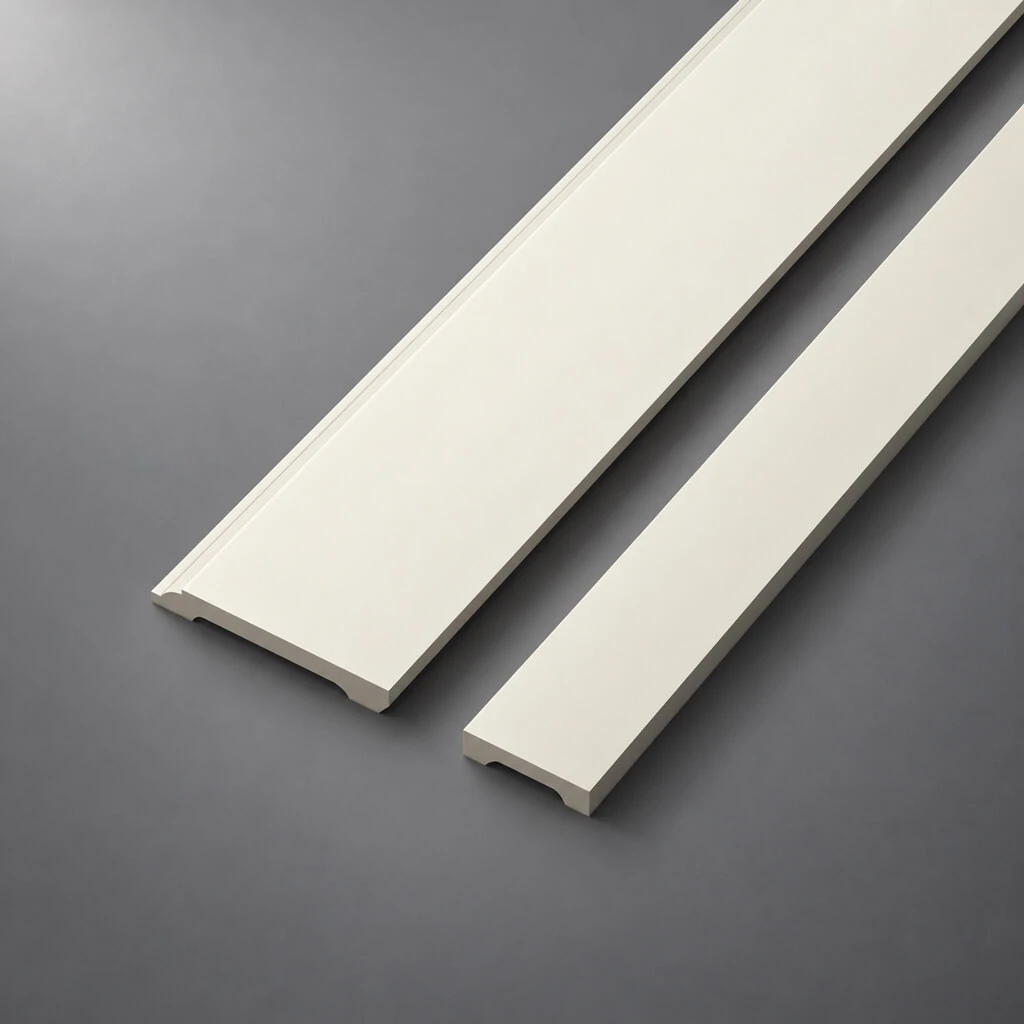
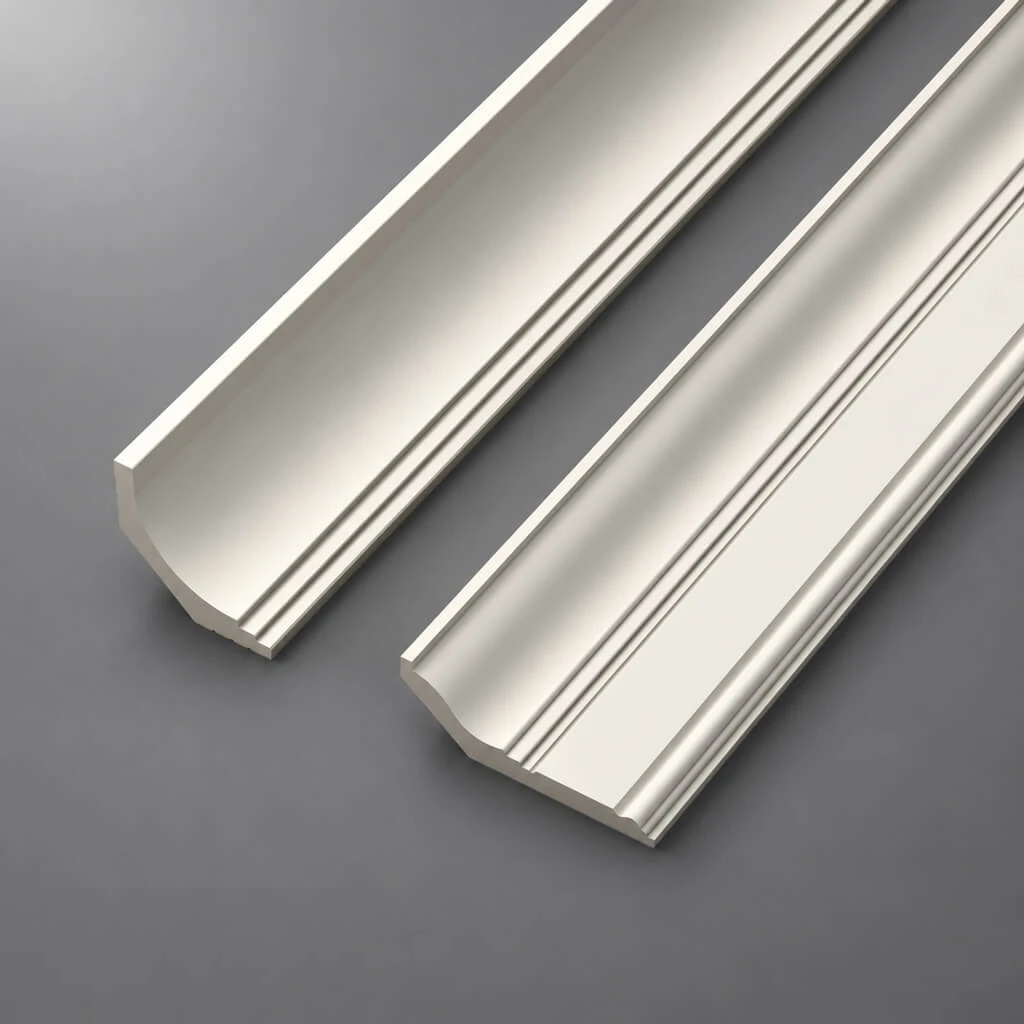
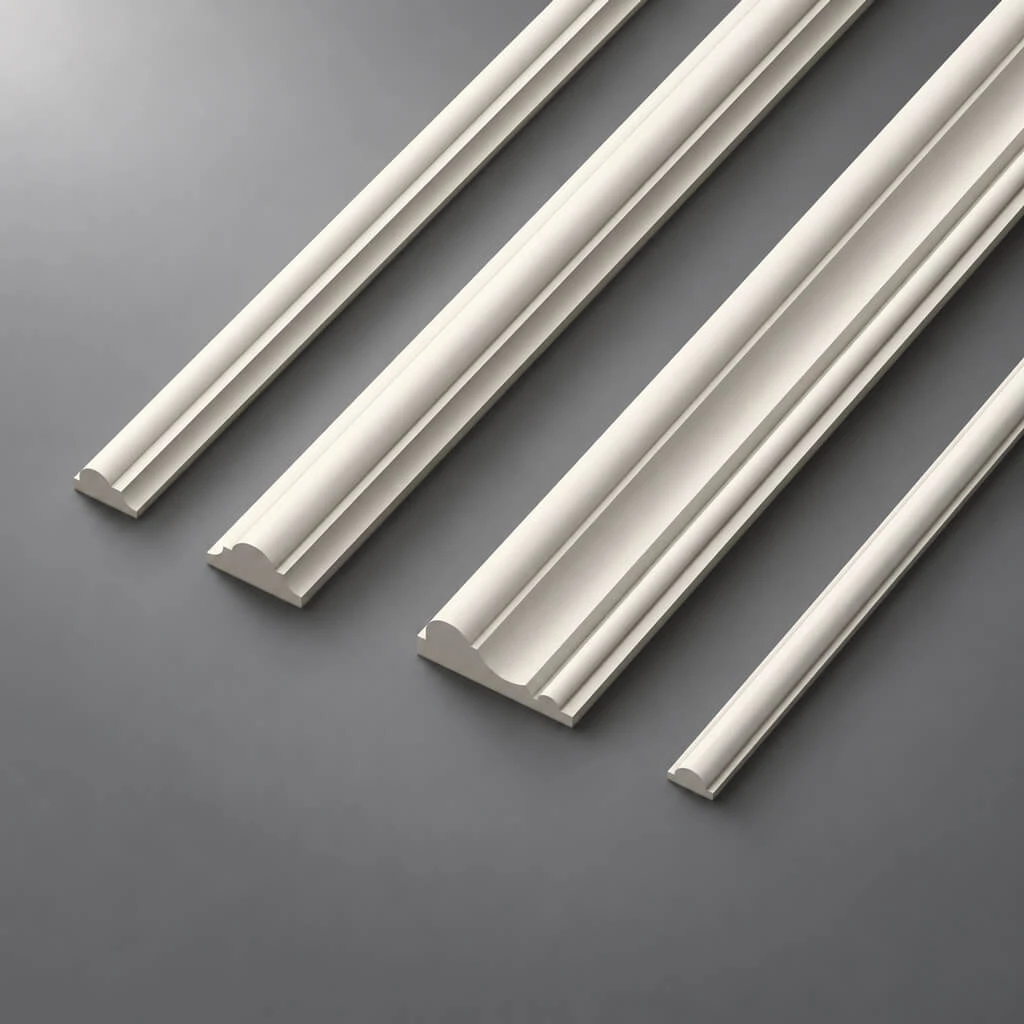
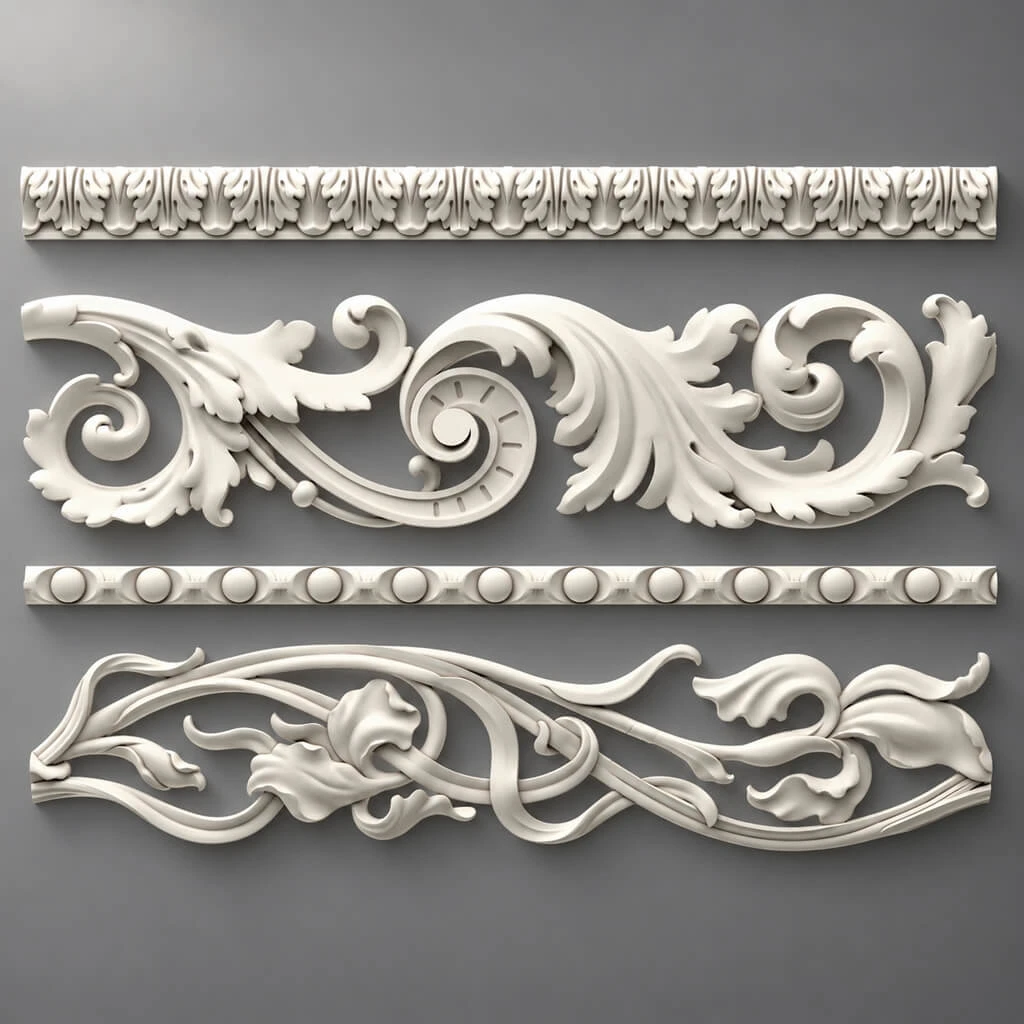
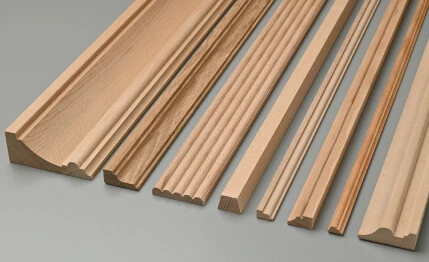
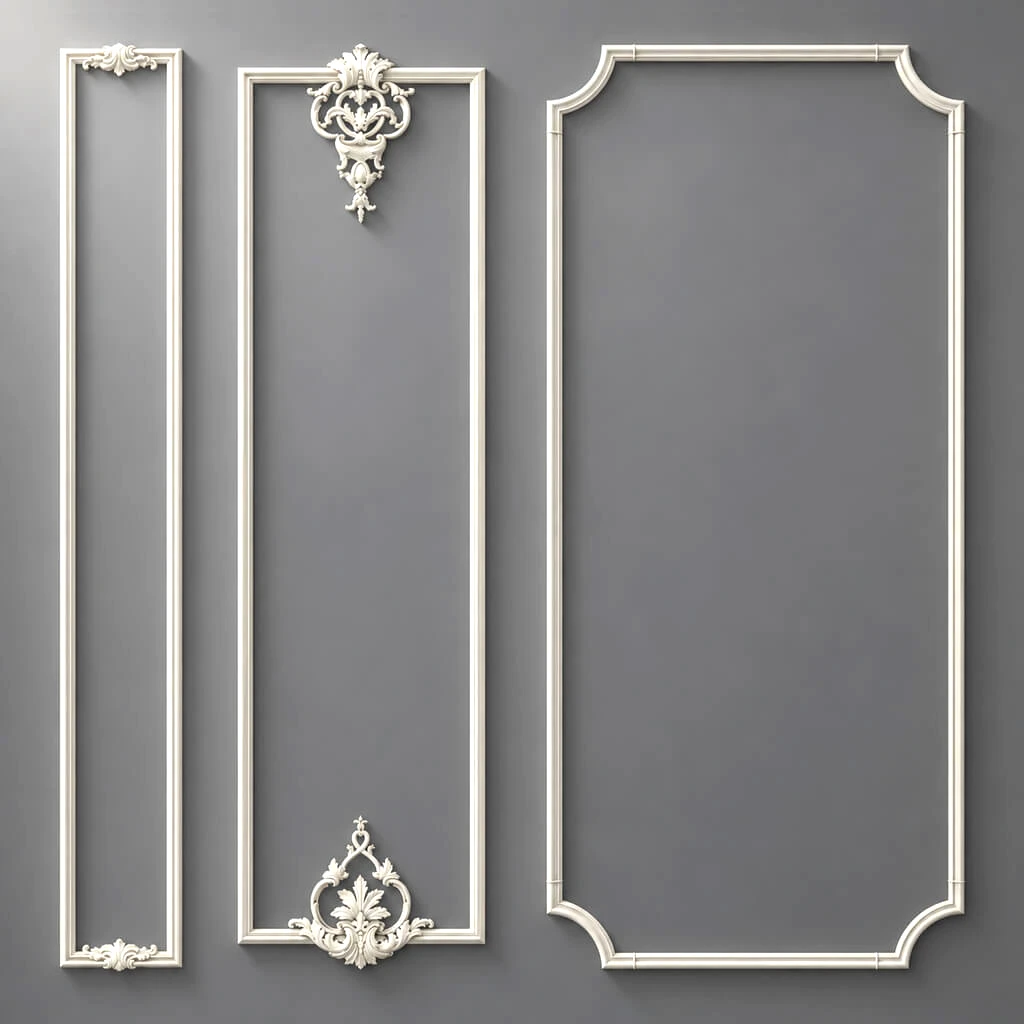
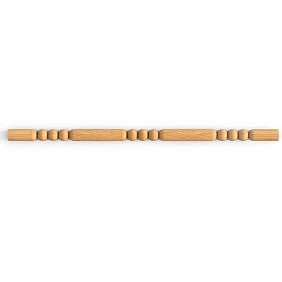
Molding is the basis of the belt. It defines the boundaries of the zone, creates a frame, and sets the line. Furniture moldings and profiles They can be flat, convex, with a fillet, or with bands. For decorative friezes, profiles with a protrusion are most often used — they create the desired relief.
You can buy molding as a ready-made linear product and cut it to size. This is convenient for long horizontal bands on a kitchen or on the body of a large wardrobe.
If you are interested in how to choose a wooden glazing bead — a related topic: the glazing bead is used for display inserts and frame structures, often in combination with a frieze.
Carved appliqués
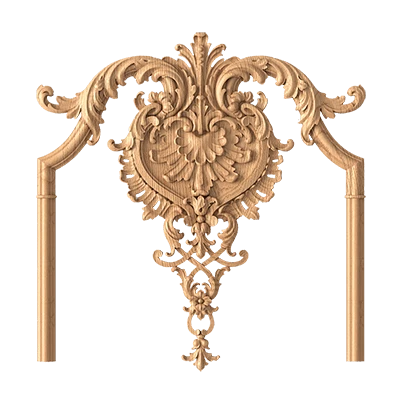
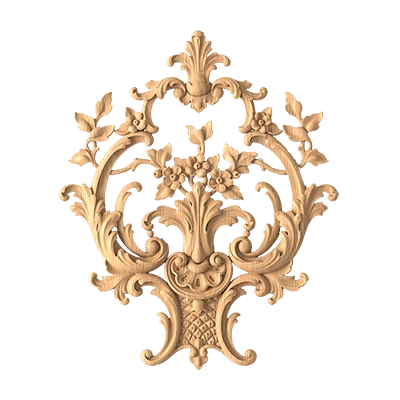
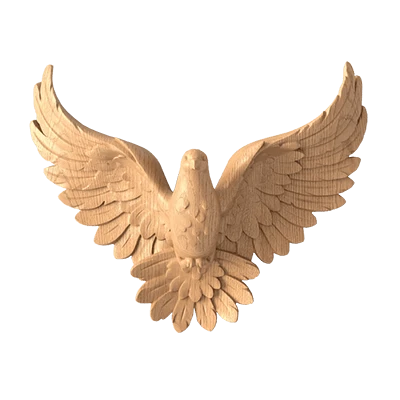
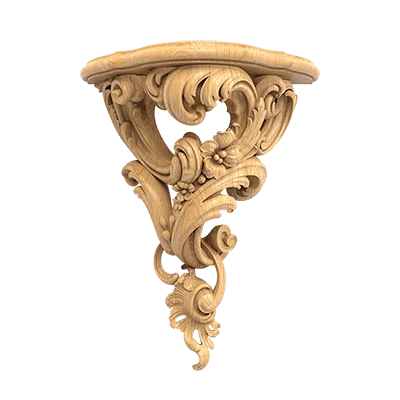
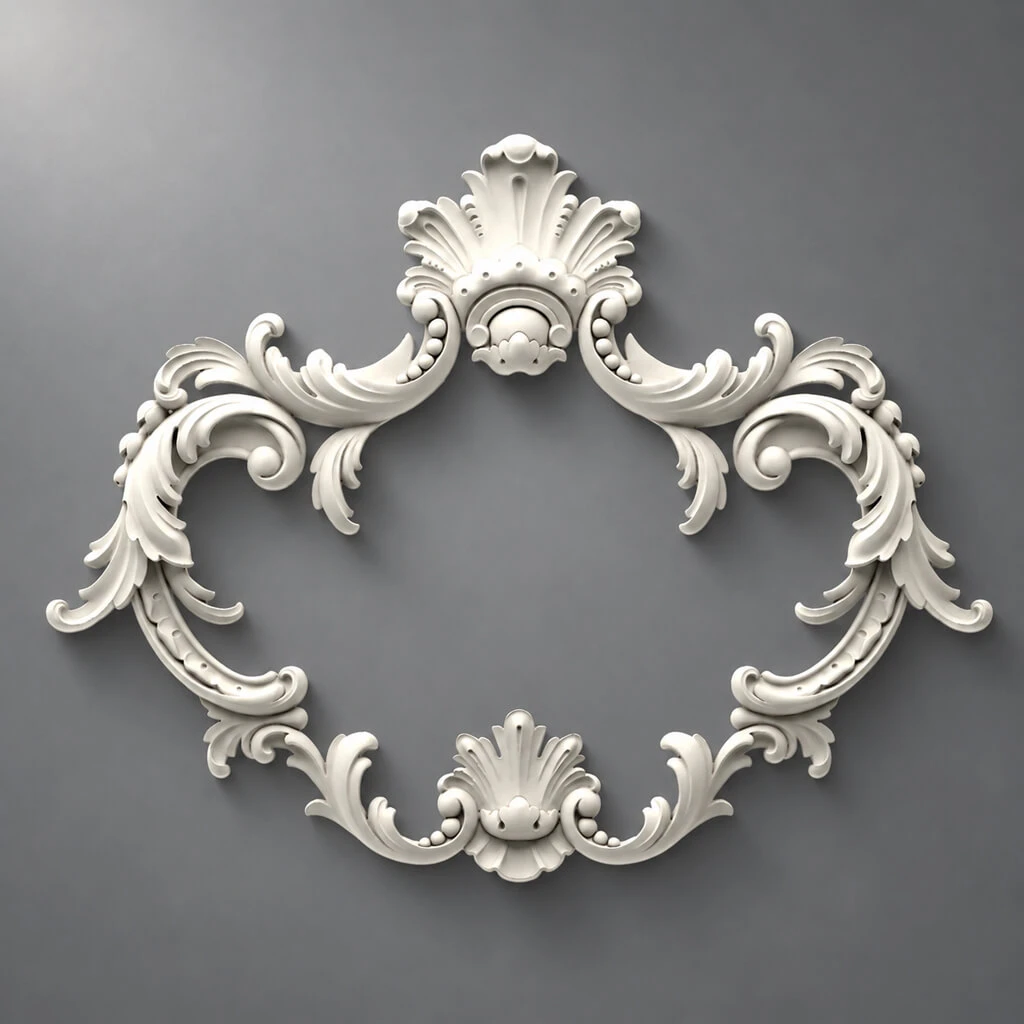
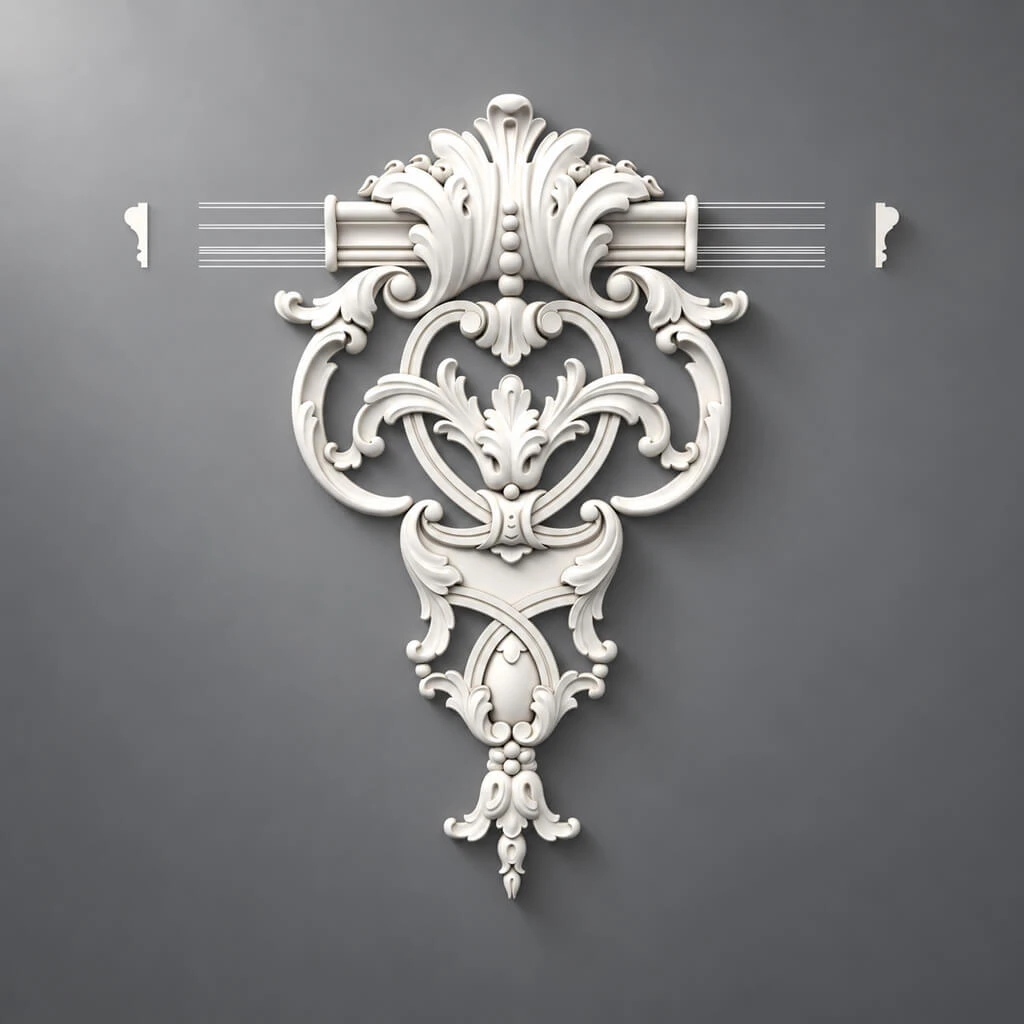
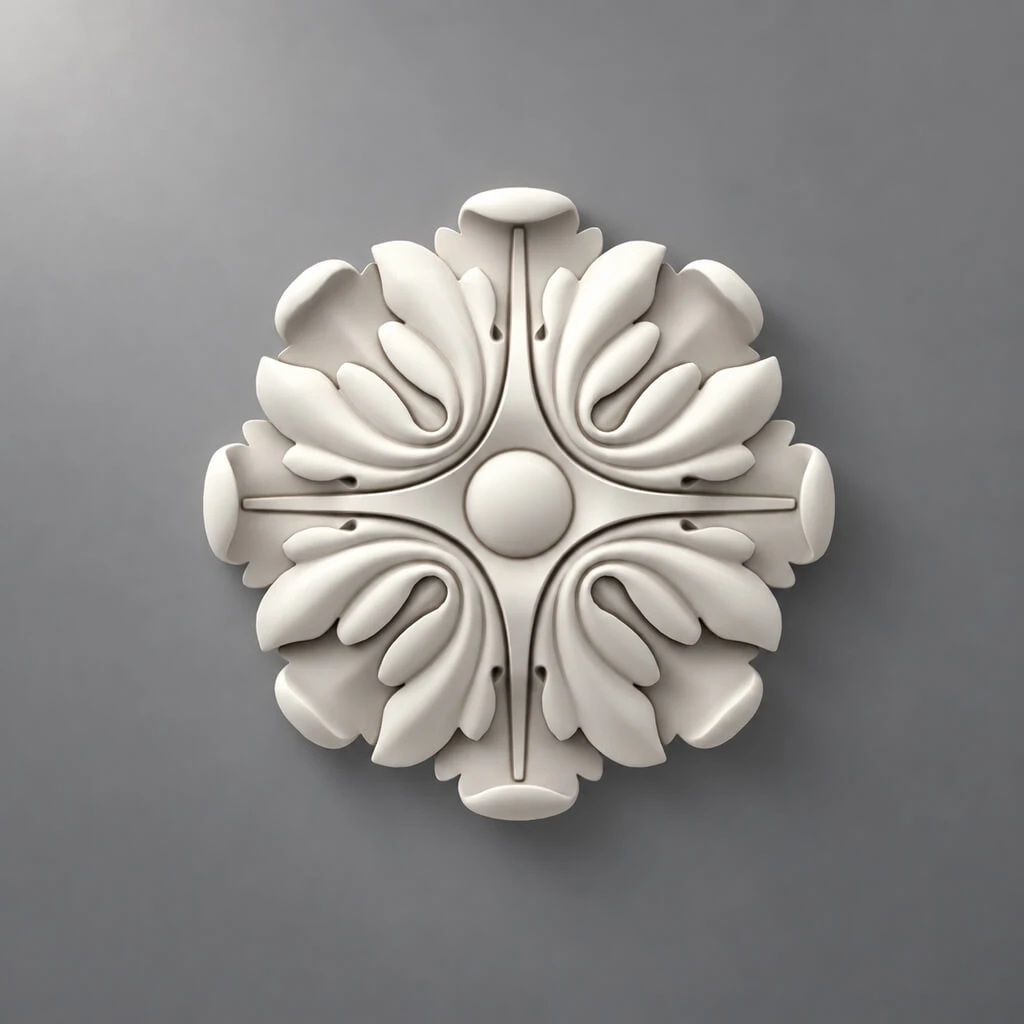
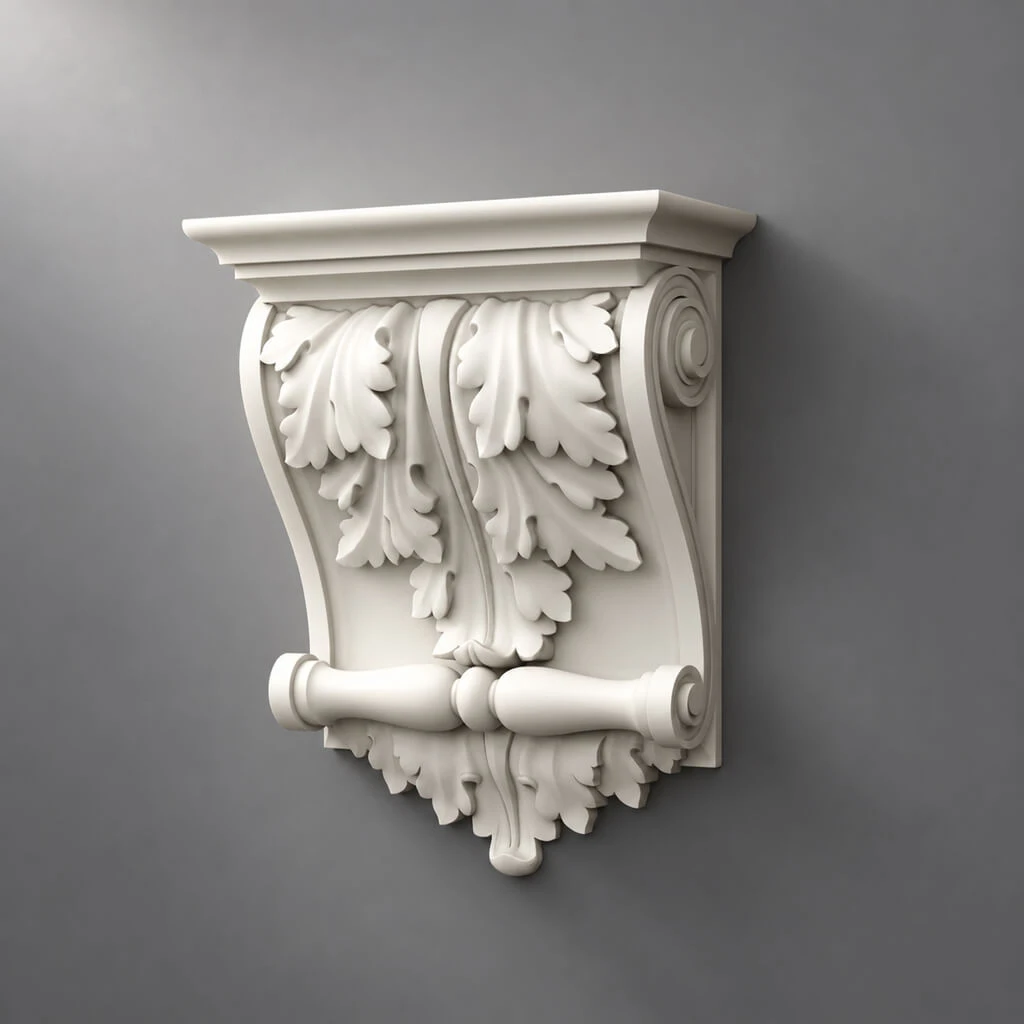
The central overlay in the frieze is an accent, a focal point. Decorative overlays for furniture and facades They are made in different styles: from strict geometry to lush floral ornament. The overlay is installed in the center of the band, between vertical moldings, or at the cross of a frame.
Wooden carved overlays are the best choice for solid wood or MDF furniture. They are mounted with glue and are easy to paint.
Corner elements
Corner overlays solve the problem of framing joints and corners. Without them, the molding joints look unfinished. With corner elements, the frame looks like a single whole, and the frieze acquires a professional finish.
Decorative rosettes
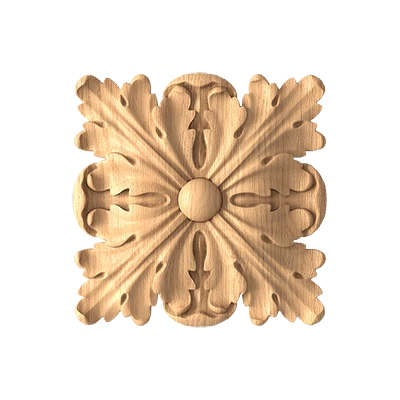
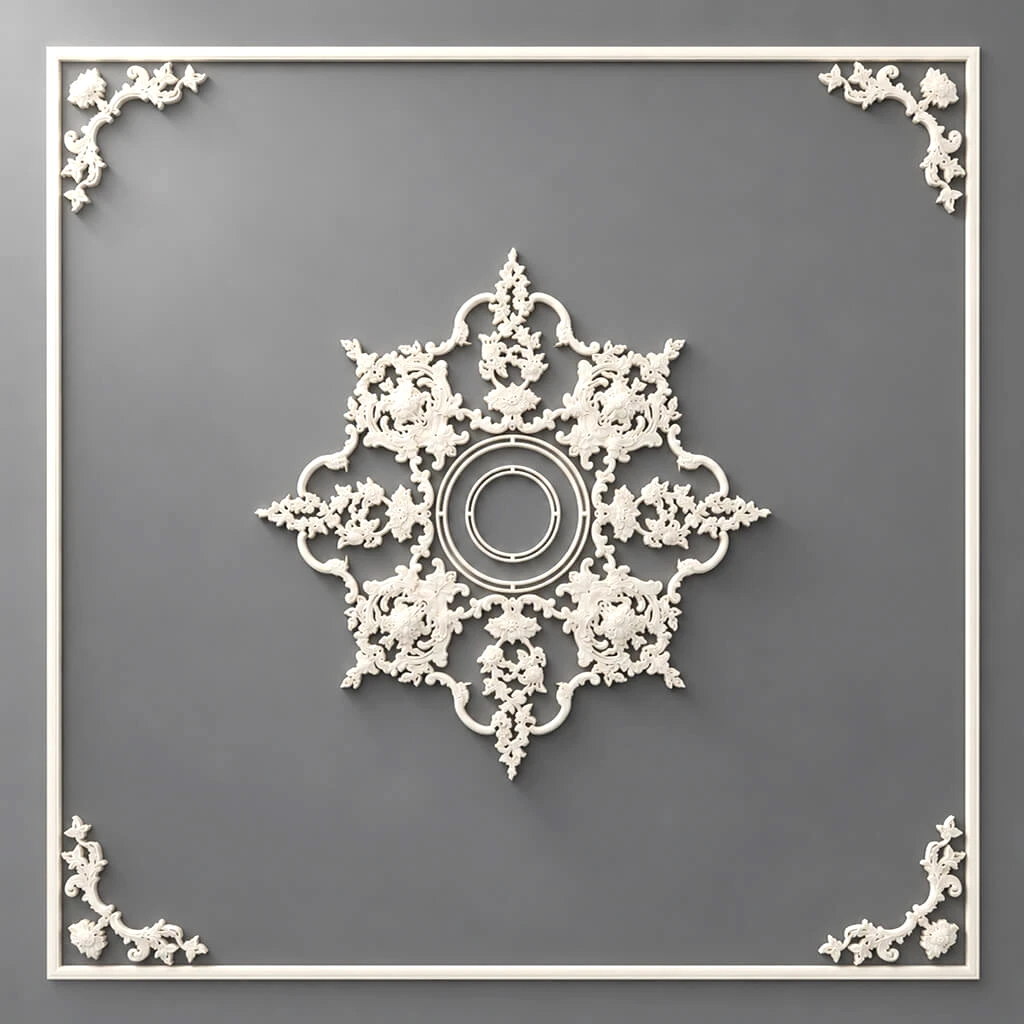
A rosette — a round or oval ornamental element — has long been used in furniture decor as an independent accent point. As part of a frieze, the rosette occupies a central position or is distributed rhythmically along the entire length of the belt. More about choosing rosettes, moldings, and overlays can be read in the article about carved decor for furniture.
Ornamental inserts and moldings
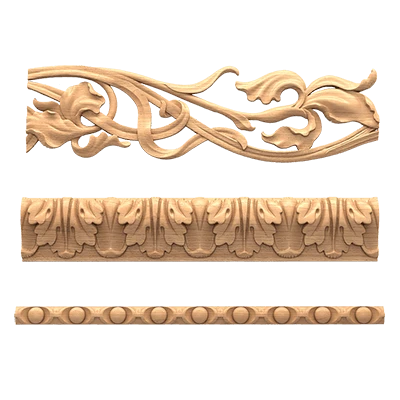
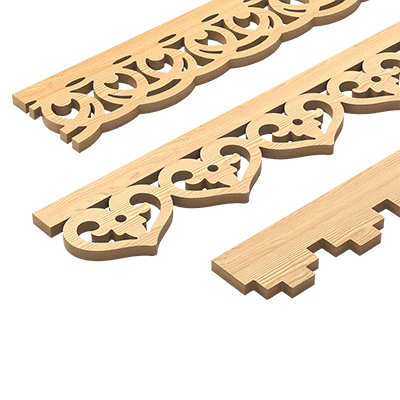
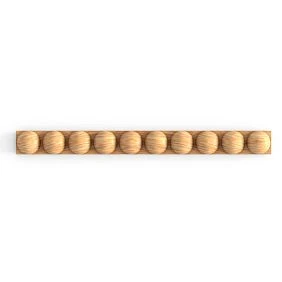
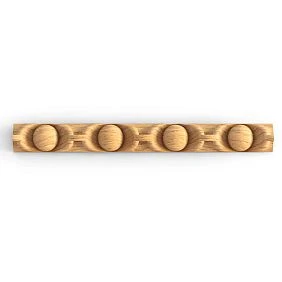
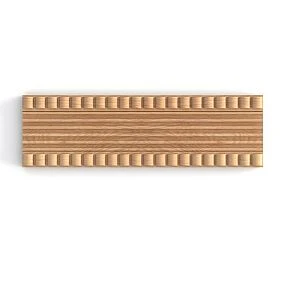
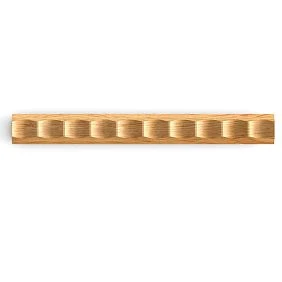
Ornamental molding is a decorative strip with a repeating pattern: meander, braid, acanthus leaves, bead-and-reel. Such a strip is laid inside the belt as the main decorative element. It is fast, rhythmic, and expressive. Solid wood molding provides the required length and easily adapts to any facade.
Polyurethane elements
For light decorative zones — upper belts, side panels, decorative inserts without mechanical load — are well suited Polyurethane appliqués. Polyurethane accurately conveys relief, is easy to paint, and is not afraid of moisture. Decor for Molding made of polyurethane allows adding detail where wooden elements would be too heavy or expensive.
Practical facade design schemes
It's one thing to know what a frieze is made of. It's another to understand how exactly to arrange the elements. Here are eight working schemes.
Scheme 1: Thin upper belt
One molding at the top of the facade. Belt width is 20–40 mm. Minimal relief. Works even on modern furniture. Provides a horizontal line that structures perception.
Suitable for: modern style, neoclassicism, Scandinavian classic.
Two moldings — upper and lower — form a wide zone in the center of the facade. Inside the zone is a decorative insert or ornamental tape. The facade is divided into three parts: upper, decorative belt, lower.
Two moldings — upper and lower — form a wide zone in the center of the facade. Inside the zone is a decorative insert or ornamental band. The facade is divided into three parts: upper, decorative belt, lower.
Suitable for: tall cabinets and chests of drawers, classic, neoclassicism.
Scheme 3: Lower decorative belt
Molding along the bottom edge of the facade, between the facade and legs or base. Visually "grounds" the furniture, adds stability. On a chest of drawers, it works as a horizontal finish at the bottom.
Suitable for: chests of drawers, cabinets, Provence, classic.
Scheme 4: Frame + frieze
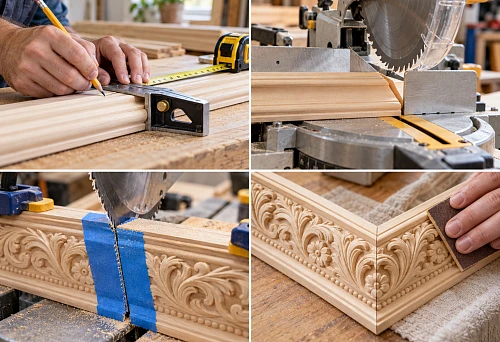
Frame of molding around the entire perimeter of the facade. Inside the frame — a frieze in the upper third. The most architectural solution, reproduces the logic of a classic door. Hanging decorative furniture molding cut around the perimeter with 45° angles.
Suitable for: classic, Art Deco, Empire.
Scheme 5: Frieze + rosette
Horizontal band with a rosette or medallion in the center. The rosette is the main accent, the moldings are the framing. The rosette can be placed in the center of one door or in the center of each of several.
Suitable for: French classic, Baroque, Provence.
Scheme 6: Frieze + corner overlays
Decorative belt with corner elements at the joints. The corners are decorated with carved overlays — leaves, geometric inserts, or simply rounded elements. The frame looks like a single structure.
Suitable for: neoclassicism, modern classic.
Scheme 7: Vertical moldings + horizontal frieze
Vertical profiles divide the facade into sections, the horizontal belt crosses them across. A grid is created, reminiscent of classic library furniture. Requires precise measurements and correct proportions.
Suitable for: libraries, studies, built-in furniture.
Scheme 8: Monochrome facade with relief
The facade and all decorative elements are painted in one tone. There is relief — there is decor — the color is one. The most modern way to use a frieze without stylistic overload. It reads perfectly in studios and modern living rooms.
Suitable for: modern interior, neoclassicism, art deco in monochrome.
Style selection: from classic to minimalism
Furniture frieze works in different styles — but requires a different approach to selecting elements.
Classic
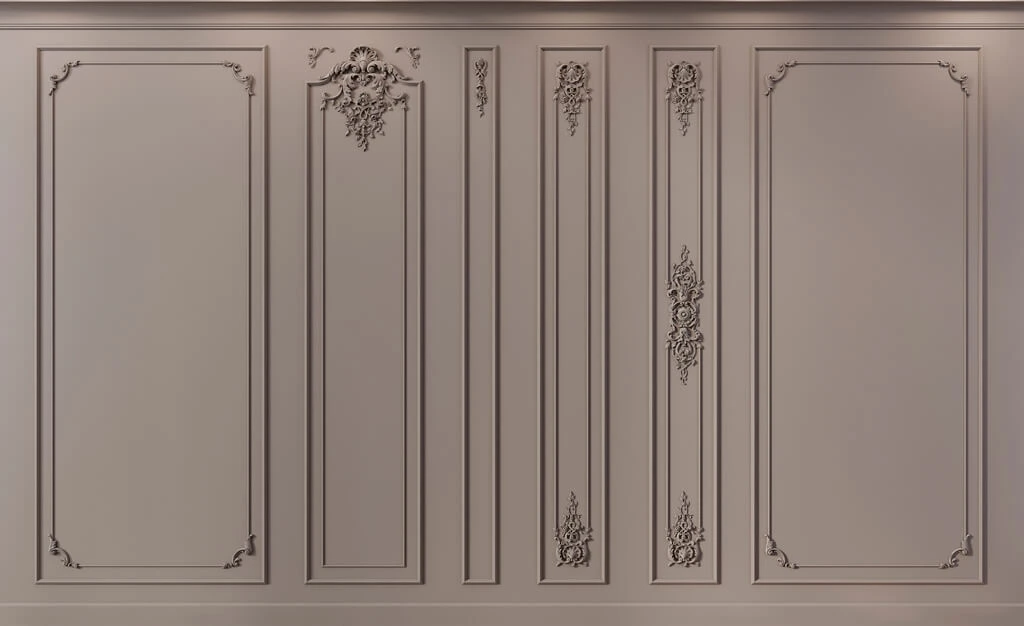
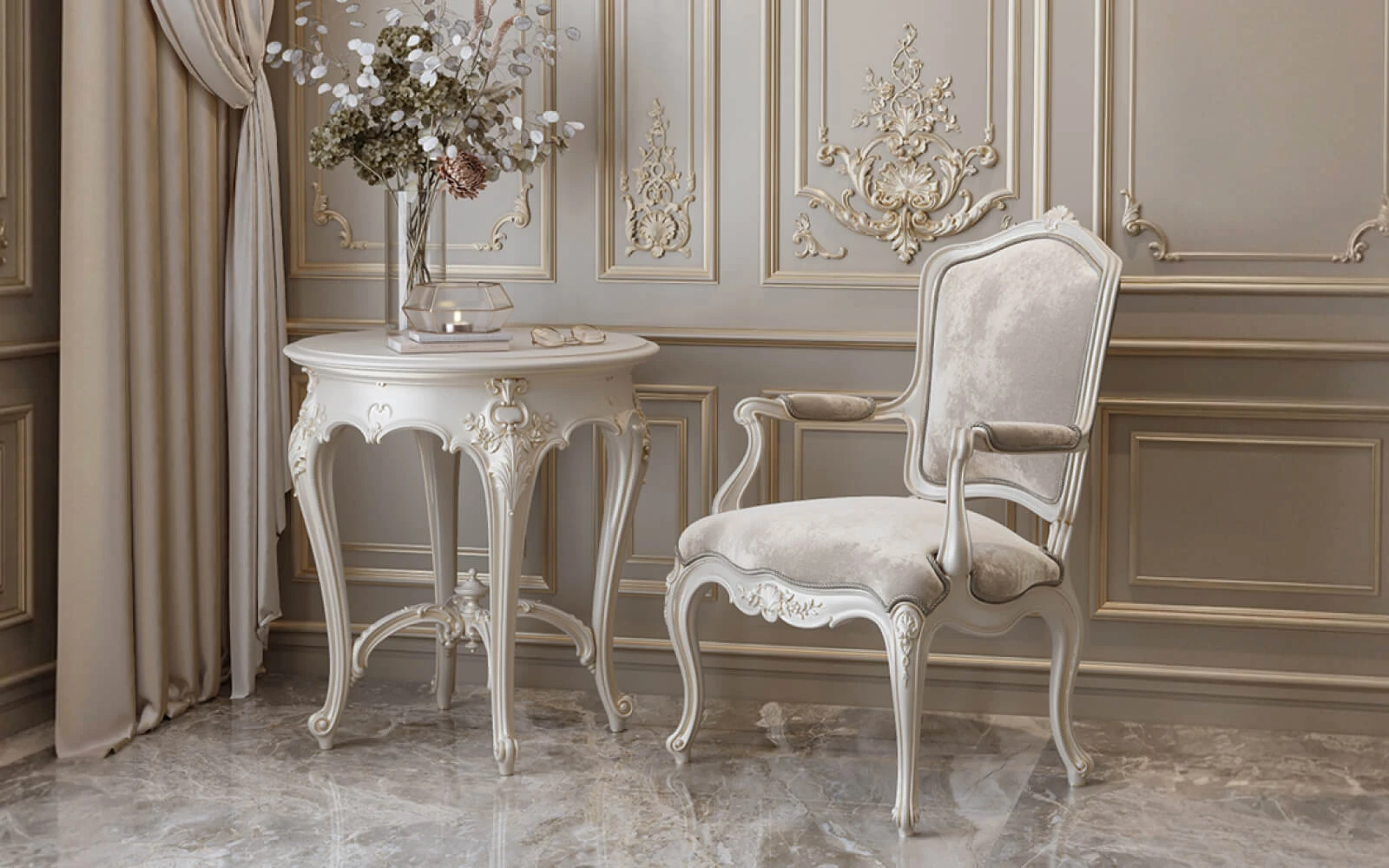
For a classic interior, choose a rich decorative belt with carved overlays, ornaments, rosettes, and corner elements. Moldings should have a pronounced profile. The material is wood or MDF with professional painting. STAVROS carved decor in a classic style features motifs of acanthus leaves, meander, bead molding, and floral rosettes.
Important: symmetry is mandatory in classic style. The decor of the left and right doors must be mirrored.
Neoclassicism
Neoclassicism is classicism without excess. The frieze here is calm: one molding, possibly a small overlay in the center. Geometry is clean, ornament is shallow. to buy, which will allow you to transform your furniture using carved wooden elements. You can use the C-003-3 decor set to decorate furniture, walls, doors, or any other surface. The C-003-3 decor set is made of oak or beech, known for their strength, durability, and beauty. You can buy the C-003-3 decor set at the Stavros decor store, which specializes in producing and selling decorative elements and hardware for furniture and interiors. At the Stavros decor store, you will find a wide selection of decor sets of various shapes, sizes, and styles. You can choose In the neoclassical style, these are thin profiles with a light relief.
Provence
Provence implies a soft floral ornament: grape leaves, laurel branches, delicate flowers. The frieze here is not strict, but lyrical. The material is wood or high-quality MDF, colors are white, ivory, gray-green.
Art Deco style is renowned for its love of ornamentation, symmetry, and refined details. The molded decoration NPU-422 can become an excellent complement to geometric motifs and contrasting color combinations characteristic of this style. Try highlighting it with metallic paint or patina — and you’ll get an eye-catching detail that’s hard to look away from.
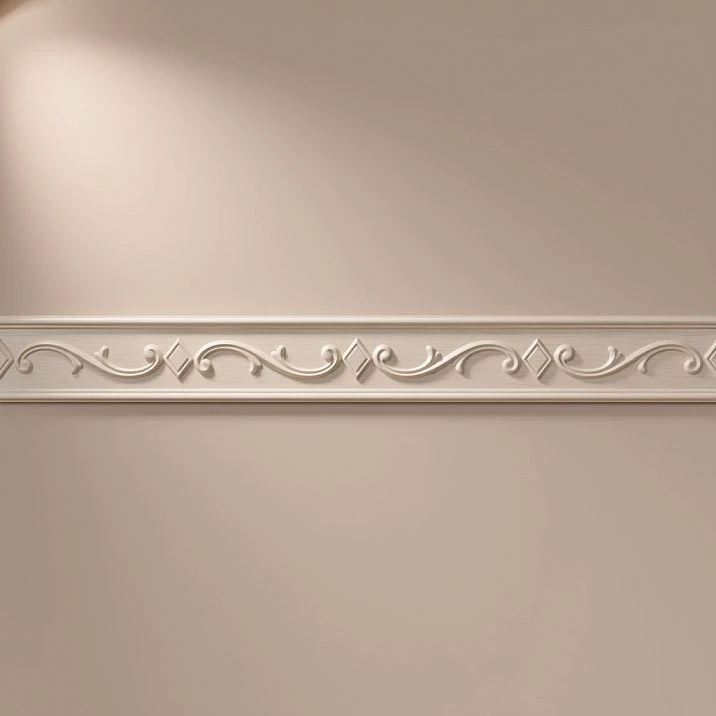
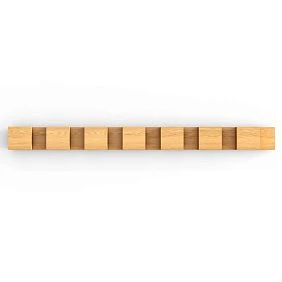
Art Deco is built on geometry and rhythm. The frieze in Art Deco style consists of regular shapes: rectangles, diamonds, fan inserts. No floral ornament. No asymmetry. Strictness and luxury at the same time.
Modern furniture
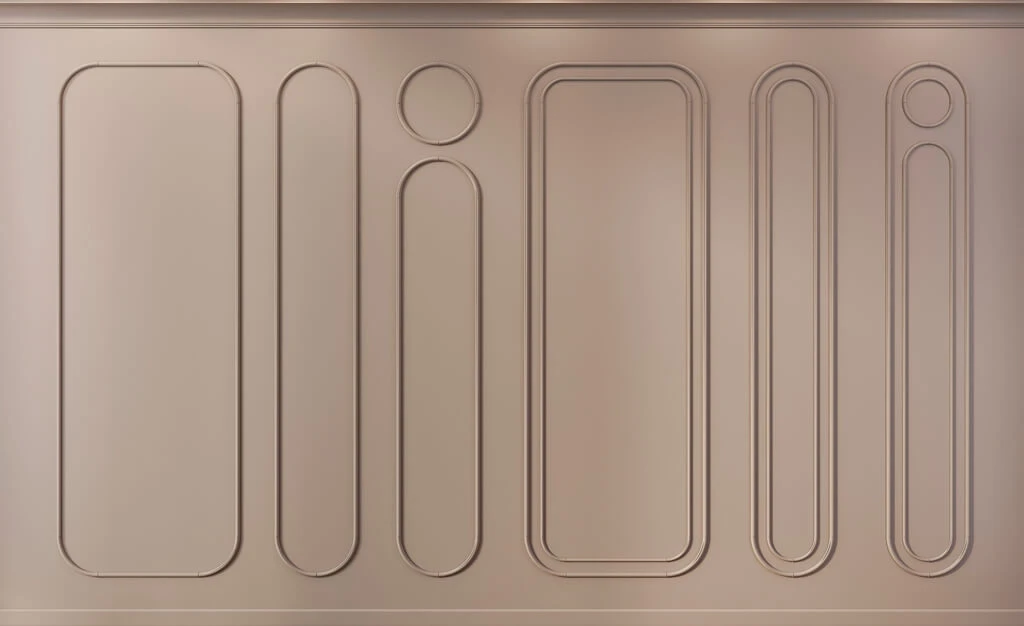
A modern interior does not exclude decor — it excludes excessive decor. Thin molding, one color for the facade and overlays, minimal relief. No rosettes with ten petals on a simple cabinet in a white living room.
For modern furniture decorative elements for furniture selected according to the principle 'the smaller, the more expressive'. One element in the right place works better than five elements without a system.
How to choose the width of a furniture frieze
This is one of the most common questions — and one of the most important. The width of the belt directly depends on the scale of the facade.
There is a simple rule: the width of the frieze should not exceed one-sixth of the height of the facade.
For a facade 600 mm high, the maximum belt width is about 100 mm. For a facade 2200 mm high — up to 360 mm. But this is the maximum. In practice, narrower belts are more often used: 40–80 mm for small facades, 80–150 mm for large ones.
There is another variable — saturation. If the belt is densely filled with ornament, it should be narrower. If the belt is restrained, with a single molding, it can be wider — the empty space inside it becomes part of the design.
Table of approximate sizes
| Front height | Belt width (recommended) |
|---|---|
| up to 400 mm | 20–40 mm |
| 400–800 mm | 40–80 mm |
| 800–1400 mm | 60–120 mm |
| 1400–2000 mm | 80–160 mm |
| Over 2000 mm | 100–200 mm and above |
How not to overload the facade: the main principle of working with decor
Here lies the trap that most people fall into. A person sees beautiful decorative overlays, orders moldings, rosettes, corner elements — and all of this ends up on one small facade. The result: the furniture looks like a cake with three layers of cream and an extra marzipan decoration.
To avoid this, follow a few principles.
One main accent. If there is a rosette — it is the main one. Moldings frame it. Corner overlays complement it. Not the other way around.
Unified style of elements. You cannot mix classical leaf ornament with geometric Art Deco on the same facade. All elements must speak the same decorative language.
The rule of empty space. Inside the belt and around it, there should be unfilled space. Decor breathes thanks to pauses.
One color. Painting the facade white and the moldings gold is appropriate only in very specific interiors. For most cases, monochrome works better: one tone, one relief.
Consider the handles. The placement of the frieze should account for where the handles will be. A decorative band partially covered by a handle is a poor solution.
Do not make the frieze higher than the door trim. If the door has a framed front, the decorative band should fit into its logic, not compete with it.
More details on the principles of selecting elements in the article about furniture molding made of wood.
Materials: wood, MDF, polyurethane — what and when
The choice of material depends on the usage scenario, budget, and installation area.
Wood
Wooden furniture frieze is a premium solution. Solid wood holds its shape well, is easy to process, and accepts stain, varnish, and paint. Carved wooden decor for furniture provides a genuine tactile and visual effect.
Wood and MDF Products — the main line for those who want a durable, professional result. Wood is recommended in areas of frequent contact: lower bands, drawers, handles.
Pros: durability, eco-friendliness, expressive texture, compatibility with any finishes.
Cons: more expensive, requires care during installation, sensitive to humidity.
MDF (740–760 kg/m³, emission class E1/E0) provides ideal geometry, uniformity, and better base for enamel: high adhesion, smooth surface, absence of knots and cracks.
MDF is a stable material with clear geometry. It does not warp, takes paint well, and allows for precise frame systems. Decorative Overlays on the wardrobe facade MDF is the optimal choice for painted furniture.
Pros: precision of shapes, stability, good paint base, affordable price.
Cons: heavier than wood, less resistant to point impacts, not recommended in conditions of constant moisture.
Polyurethane
Polyurethane decor is lightness and precision. Elements perfectly reproduce relief, do not absorb moisture, are easy to cut and glue. Polyurethane appliqués и Decor for polyurethane moldings are ideal for decorative upper belts, side inserts, ornamental details.
Pros: lightness, moisture resistance, excellent detail, ease of installation.
Cons: less resistant to mechanical stress compared to wood, can deform under strong heat.
Combination tip: wood or MDF for load-bearing areas (lower belts, drawers, frames). Polyurethane for lightweight decorative parts in the upper section, ornaments, inserts. The main thing is not to mix logic: the same shape cannot be reproduced in different materials on one facade without a clear system.
Typical Errors in Selection and Installation
It's better to know about them before, not after.
1. Buying decor without measuring the facade. It seems obvious — but this is how half of unsuccessful purchases happen. Before choosing a molding or overlay, measure the width and height of the facade, mark the frieze area, and estimate the dimensions of each element.
2. Choosing too large an ornament. An overlay with acanthus leaves measuring 200×300 mm is appropriate on a large cabinet in a spacious interior. On a small chest of drawers, it will look ridiculous.
3. Not considering the thickness of overlays. Decorative elements protrude from the surface. If handles or hinges are nearby, the protrusion of the decor may cause interference.
4. Placing decor in the hinge area. Facade hinges require free space. The decorative strip should not overlap the hinge attachment area.
5. Mixing elements from different styles. Leaf ornament + geometric border + art deco insert — that's three languages on one facade. Don't do that.
6. Not planning the painting in advance. If you plan to paint the decor and facade in the same tone — make sure in advance that both materials accept the same paint. MDF and wood are painted differently; polyurethane requires primer.
7. Choosing elements from different collections without visual logic. In the catalog, of carved decor STAVROS elements are grouped by styles and collections — this is not accidental. Elements from the same collection harmonize with each other.
8. Installing decor without surface preparation. The surface must be clean, degreased, and level. The glue must be compatible with the material. Otherwise, the decor will come off.
How to assemble a set of elements for a furniture belt
Now — to practice. How exactly is the set of elements selected for a specific facade?
Step 1: Measurement and planning
Measure the facade. Determine the frieze zone — top, center, bottom. Mark the width of the belt.
Step 2: Molding for the contour
Choose the molding profile — the upper and lower border of the belt. This can be a simple flat profile or a more expressive one with bands. Furniture moldings and profiles are selected based on the width and height of the profile.
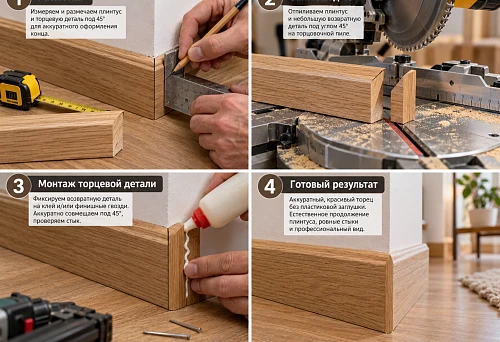
Cut the molding to the length of the facade, taking into account the joints. For frame design — with 45° angles.
Step 3: Central accent
If the facade is wide — add a central overlay or rosette. It is placed along the horizontal axis of the belt, in the center of the width. For multiple doors — in the center of each.
Step 4: Corner elements
For a frame frieze — corner overlays at the joints of moldings. If a simple horizontal belt without a frame is used, corner elements are not needed.
Step 5: Ornamental filling
An ornamental insert can be placed between the moldings: a profile with a meander, braid, or floral motif. This adds depth to the belt. Furniture Decoration from Wood or polyurethane is selected according to the width of the belt.
Step 6: Installation
Glue is the main method of fixation for lightweight decorative elements. For heavier wooden parts, screws with countersunk heads are additionally used. The surface must be prepared, degreased, and primed if necessary before installation. Furniture hardware includes the fasteners necessary for installation.
Step 7: Painting
Painting can be done before installation (if you want to perfectly treat each element) or after (if you want a uniform tone). A final coat of paint after installation is recommended to hide the seams.
Combining a frieze with other decorative elements
A frieze is part of a system. Let's see how it interacts with other decorative elements of the facade.
Frieze and frame
A molding frame is the most logical partner for a frieze. The frame sets the perimeter of the facade, the frieze sets its internal structure. Together they create architectural depth.
Frieze and rosette
A rosette is a point accent. A frieze is a horizontal strip. A rosette in the center of a frieze is the logic of a 'circle in a rectangle,' one of the most harmonious decorative combinations.
Frieze and corner appliqués
Corner appliqués complete the frame and emphasize the connection points. In a classical system, they are always paired — four per facade.
Frieze and vertical moldings
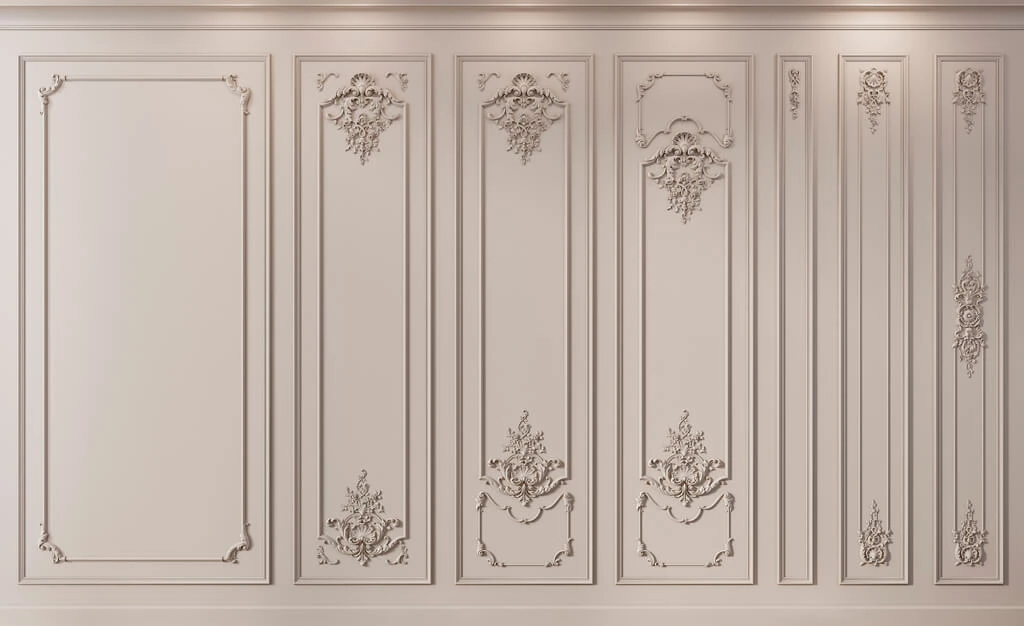
Vertical profiles create rhythm horizontally, the frieze does so vertically. Together, they make the facade resemble a classic library wall or a paneled door.
Questions to ask yourself before purchasing
Before Buy furniture decor and proceed with installation, honestly answer a few questions.
What is the interior style? The character of the ornament depends on it — classic, geometric, floral motif, minimalism.
What is the size of the facade? This determines the width of the belt and the scale of the overlays.
What material is the facade made of? MDF, solid wood, veneer — this affects the choice of glue and compatibility of the decor.
Will there be painting? If yes — is a preliminary primer needed? Does the material of the decor and facade match in paint absorption?
Are there handles, hinges, or other elements in the frieze area? We need to ensure the decor does not cover any of them.
How many elements are actually needed? This is the most important question. It's better to start with a minimum and add more than to overload the facade from the start.
Where to buy furniture frieze and decor for facades
If you are looking for where to buy furniture decor — it's important to understand: we are not talking about a finished product in a box, but about a system of elements. Molding, overlay, corner element, linear trim — each plays its role. And the task is to combine them correctly.
That is why the right choice is not just to order "furniture frieze" as one word in a search engine. It is to select a set of parts for a specific facade, specific style, and specific dimensions.
Buy wooden furniture decor available in a wide range: from thin moldings and ornamental millwork to complex carved overlays and decorative rosettes. Buy carved overlays for furniture — a separate category with different styles and sizes.
For those who want a light decorative belt without woodworking, — polyurethane panels и Decor for Molding made of polyurethane.
Additional scenarios: what else is decorated with a belt
Since we've started talking about furniture frieze, it's worth mentioning a few less obvious but very practical scenarios.
Decorative panels in the hallway. Wall panels with a horizontal belt are a stylish way to decorate a hallway without putty and wallpaper. The frieze at belt level divides the panel into upper and lower zones.
Bed headboard. A soft headboard without decoration is just a soft rectangle. A wooden molding around the perimeter and a horizontal decorative strip turn it into a piece of furniture with character.
Vanity cabinet in the bathroom. Polyurethane elements are appropriate here: they are not afraid of moisture. A horizontal belt made of polyurethane molding adds a classic look to the cabinet.
Bar counter or kitchen island. A decorative belt around the perimeter of the island is a technique from restaurant design that works perfectly in a residential interior.
Frequently Asked Questions About Furniture Frieze
What is a furniture frieze?
A furniture frieze is a horizontal decorative band on the front or body of furniture. It can be simple (a single molding) or elaborate (moldings, overlays, ornamental inserts, rosettes). The frieze divides the surface, adds relief, and gives furniture an architectural character.
How is a furniture frieze different from a molding?
A molding is a profiled element, a line, or a frame. A frieze is a horizontal decorative zone that can include moldings, overlays, ornamentation, and rosettes. A molding is a detail. A frieze is a concept.
What type of furniture is suitable for a decorative band?
For cabinets, dressers, kitchen fronts, sideboards, nightstands, built-in furniture, decorative panels, headboards, and bar counters. Almost any piece of furniture with a front can be decorated with a decorative band.
How to choose the width of the frieze based on the front size?
Follow the rule: the width of the band should be no more than one-sixth of the front height. For a front of 600 mm — up to 100 mm. For a front of 2200 mm — up to 360 mm. But in practice, it's better to start with a narrower band and evaluate the visual result.
What is better: wood, MDF, or polyurethane?
Wood — for premium facades and touch zones. MDF — for stable geometry and painting. Polyurethane — for lightweight decorative belts in upper zones and areas without mechanical load.
How to combine a frieze with rosettes and corner overlays?
The rosette is placed in the center of the belt as the main accent. Corner overlays — at the connection points of the frame moldings. All elements are selected from the same collection or style direction.
How to avoid overloading the facade with carved decor?
One main accent, a unified style of elements, the free field rule, monochrome painting, consideration of handles and hinges. And most importantly — less, but more precise.
Can I buy a furniture frieze as a ready-made set?
It's better to select a kit: molding, central overlay, corner elements, linear profiles. STAVROS's wide range allows you to assemble such a kit for any facade.
Where to buy decor for furniture online store?
Decor for furniture — moldings, carved overlays, linear profiles, rosettes, polyurethane elements — is available in the STAVROS catalog online. Elements can be selected by style, material, and size.
Can a frieze be used on modern furniture?
Yes. For a modern interior, choose a thin molding, calm geometry, and monochrome coloring. One element in exactly the right place — and the facade becomes visually more expensive without losing its modernity.
Conclusion: a decorative belt as architectural thinking in furniture
A furniture frieze is not decoration for decoration's sake. It's a way to think of the facade as an architectural object: with proportions, horizontal division, rhythm, and completeness. This is how the best furniture of past centuries was created. And this is what distinguishes a piece of furniture with character from just a box with a door.
If you want to make your furniture more expensive, expressive, and interesting — you don't need to change the body. It's enough to correctly choose the elements of the decorative belt, select them in a unified system, and install them neatly and precisely.
A wide range for assembling a furniture frieze — moldings, carved overlays, corner elements, ornamental moldings, decorative rosettes, and polyurethane decor — is presented in the STAVROS catalog.
STAVROS is not just a decor store. It's a system of elements for those who take furniture seriously. Here buy furniture moldingselect wooden carved overlays for furniture, buy wooden decor for furniture — everything in one place, with a clear assortment by style and size.
If you are ready to create a real decorative belt on your facade — start with the catalog of carved decor STAVROS and choose a set that will transform furniture from ordinary to memorable.