

























Article Contents:
- Carved wooden molding: how one line brings together a portal, wall panel and furniture facade into a single architectural story
- What is carved wooden molding and why it is not like a regular batten
- Carved molding, wooden baguette and smooth molding: what is the difference and when to choose what
- Carved moldings
- Wooden frame
- Smooth molding and regular molding
- Door portal
- Fireplace portal
- Portal of a niche and decorative opening
- How to properly assemble a frame from carved molding
- Vertical rhythm of the wall
- Study and library: panel design as a status symbol
- How It Works in Practice
- Restoration and updating of furniture
- Decorative panel and wall accent
- Fireplace area
- Office
- Library
- Width depending on application
- Relief depending on the scale of the space
- Ornament depending on style
- Oak
- Oak
- Solid wood vs. glued blanks
- Finishing: what is important to know before purchasing
- Millwork + overlays
- Millwork + rosettes
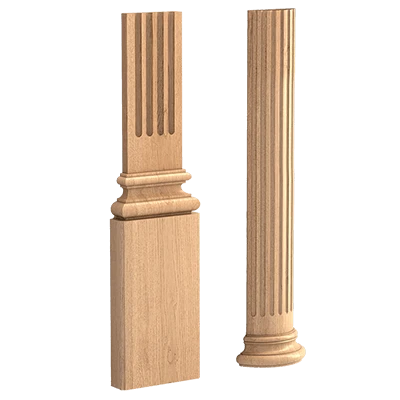
- Millwork + capitals
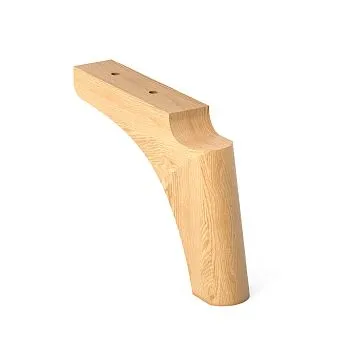
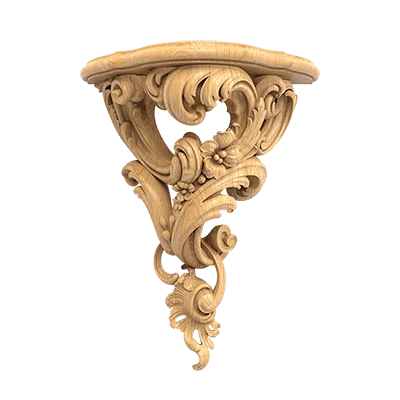
- Millwork + brackets
- Mistake one: buying without a drawing
- Mistake two: not accounting for trimming allowance
- Mistake three: not considering corners
- Mistake four: mixing different ornaments
- Mistake five: too wide a profile for a small room
- Mistake six: not thinking about the finish coating
- Mistake seven: forgetting about symmetry
- Classic style
- Neoclassicism
- French Provencal
- Modern classicism
- What is carved wooden molding used for?
- How is carved molding different from wooden baguette?
- Can carved molding be used on furniture facades?
- How to calculate the required amount of carved molding?
- What type of wood is best for carved molding?
- What to buy together with carved molding?
- How to properly cut carved molding at corners?
- Does carved molding need to be coated after installation?
- How not to overload an interior with carved decor?
- Can carved moldings be used in restoration projects?
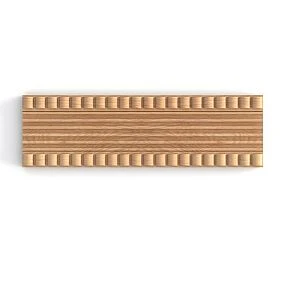
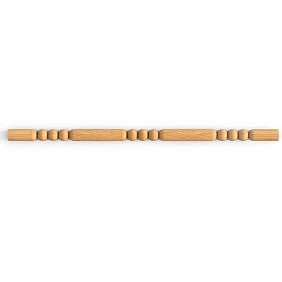
Carved wooden moldings: how one line brings together a portal, wall panel, and furniture facade into a single architectural story
There are things in an interior that don't catch the eye — but they hold everything together. Not the sofa, not the chandelier, not the marble on the floor. A line. That thin, clear line drawn along the perimeter of a frame, along an opening, or along the edge of a facade, which says: everything here is thought out. Here the interior is assembled, not just furnished.
If you're thinking about where and how to buy carved wooden moldings — it means you're already thinking at the level where details cease to be details and become architecture. wooden carved trim — this is not a decorative strip. It is a tool used to build portals, assemble wall panels, design furniture facades, create frames around mirrors, frame fireplace areas, and structure the space of libraries and studies.
Let's break it all down in order — no fluff, with examples and an understanding of how this element works in a real interior.
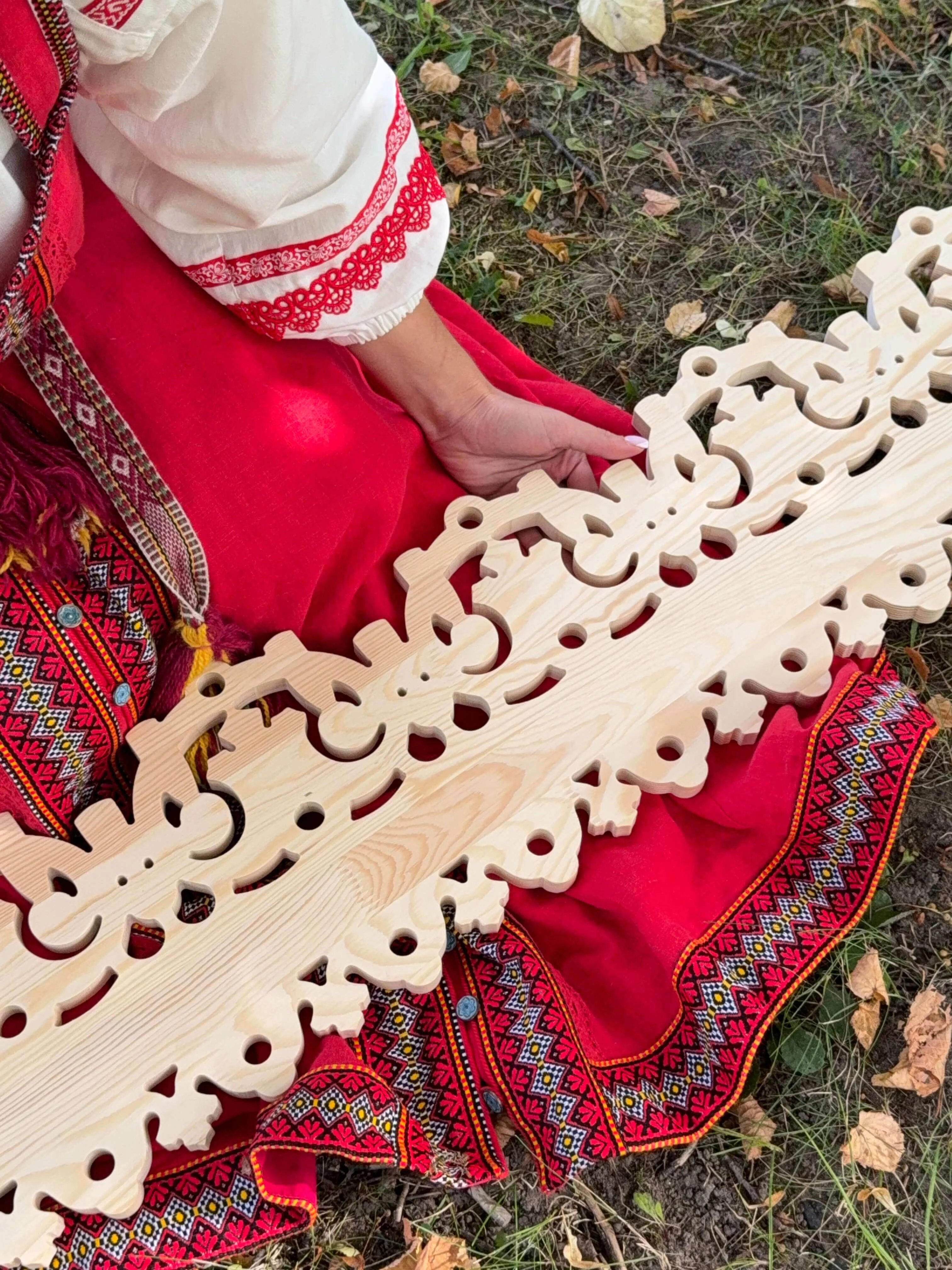
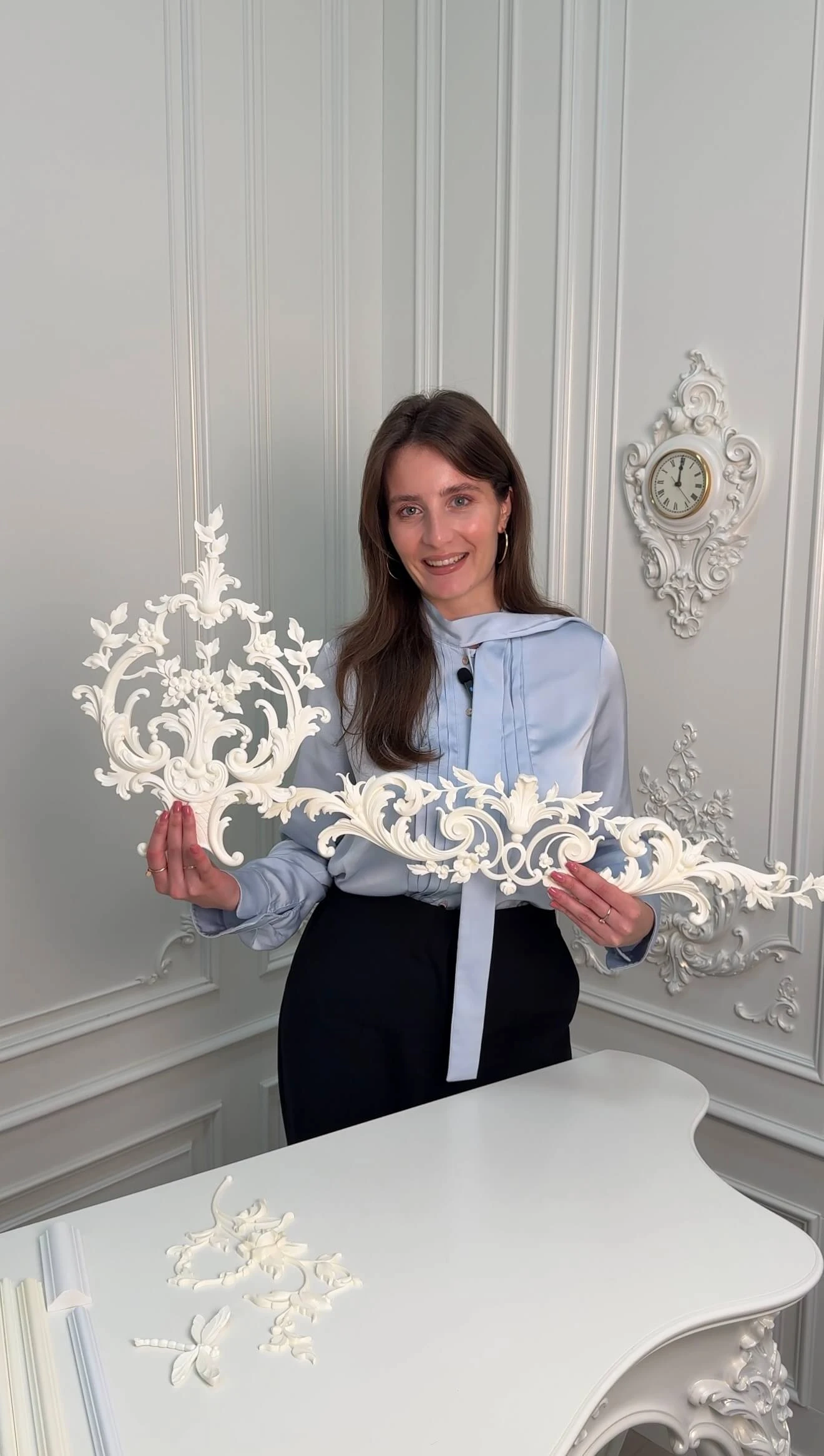
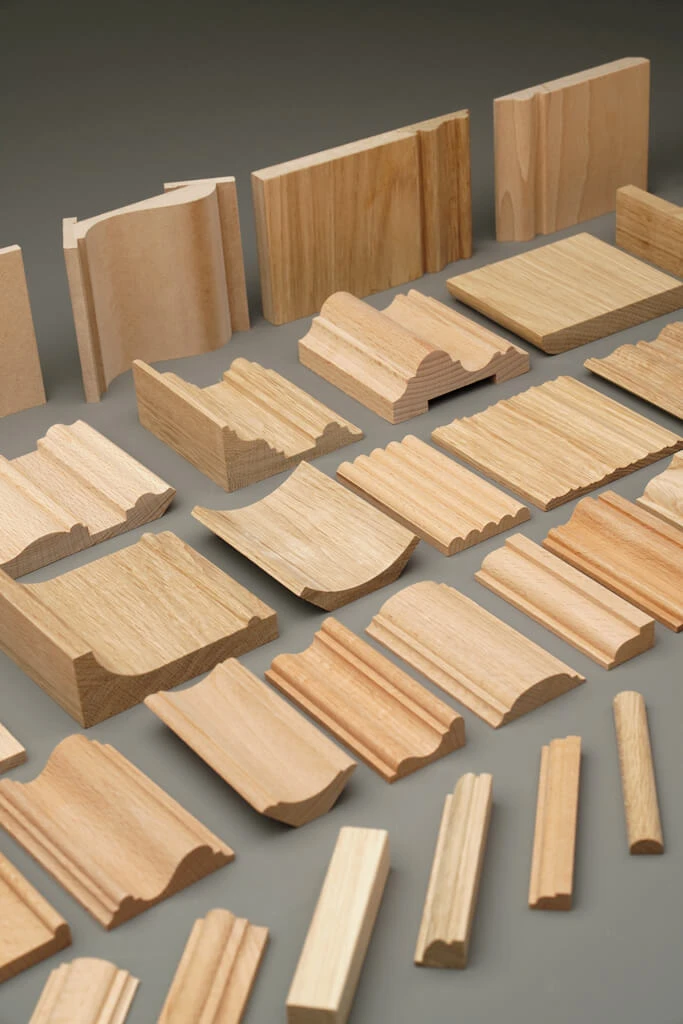
What is carved wooden molding and why it's not like an ordinary strip
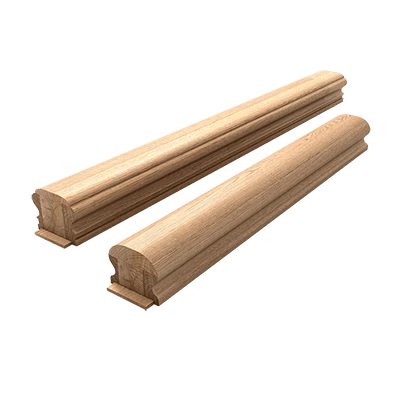
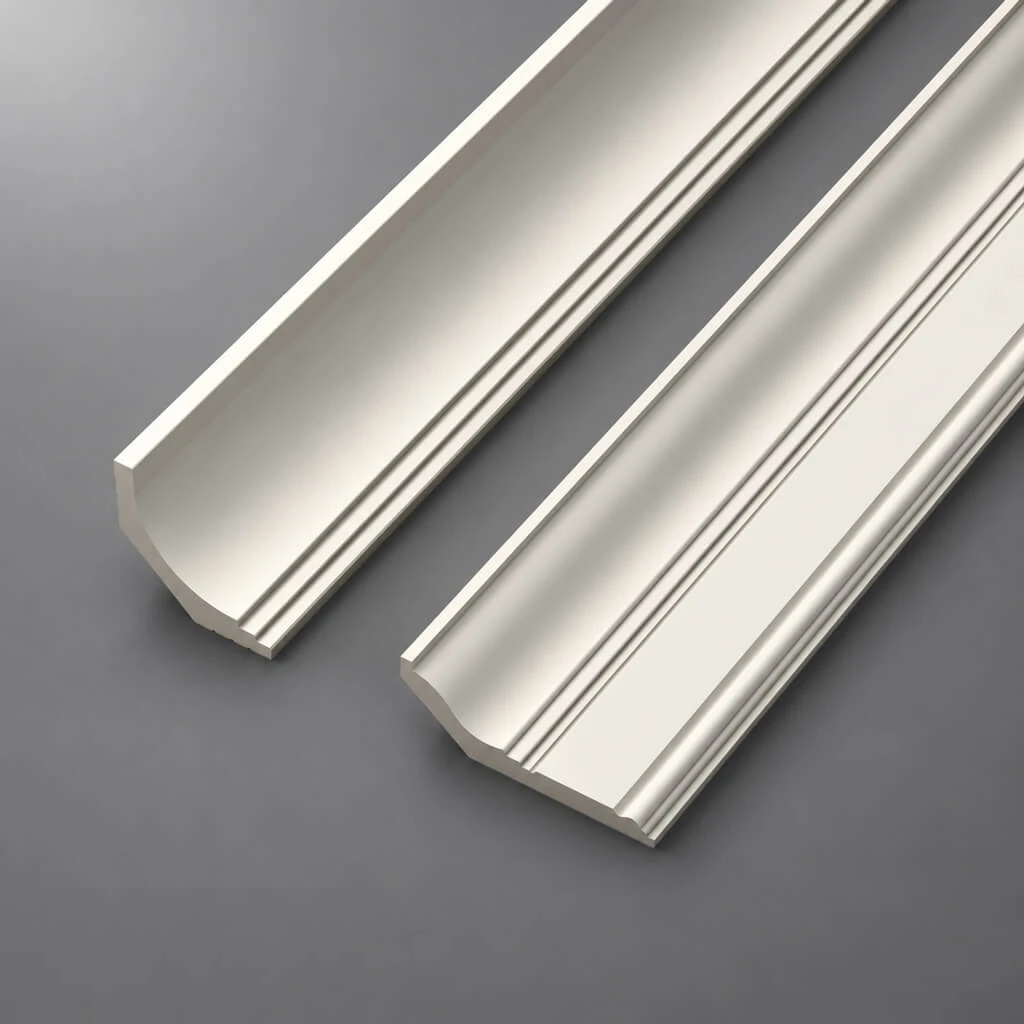
Molding is a linear element. It is sold by linear meters and comes as an extended strip. It might seem unremarkable. But the difference between smooth molding and carved molding is the difference between wallpaper and a fresco. Technically, both cover a wall. In essence, they are two different statements.
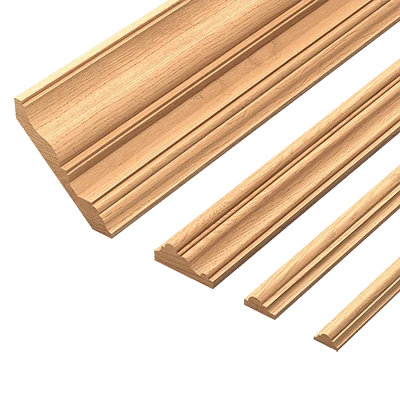
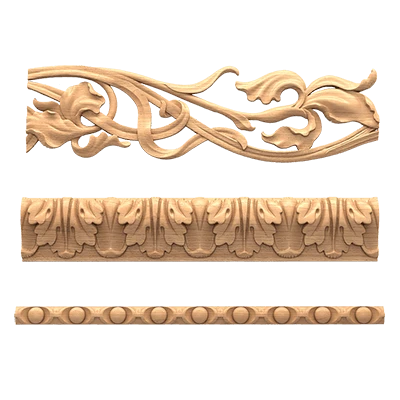
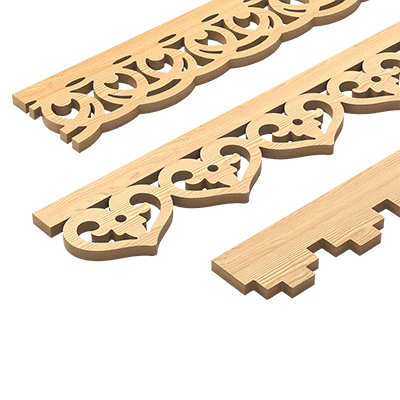
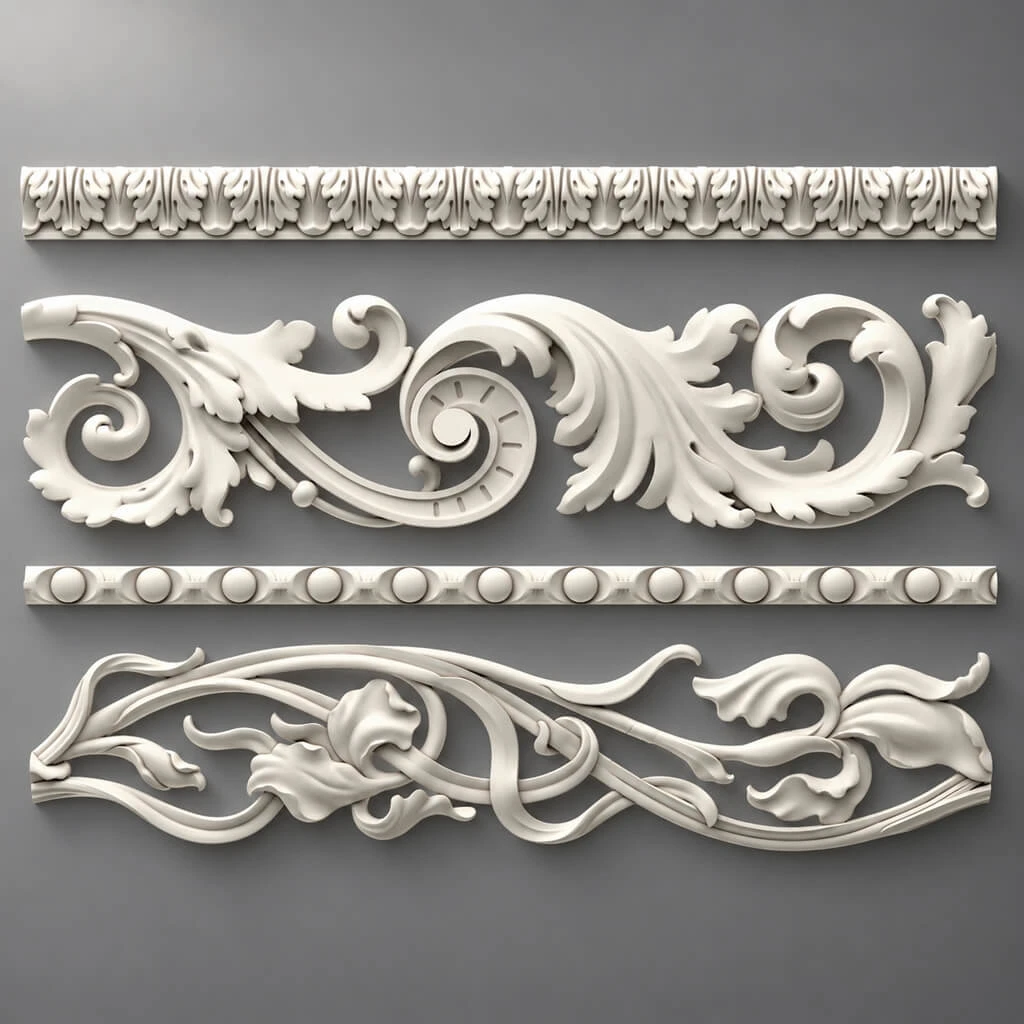
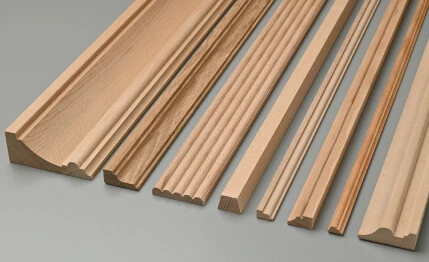
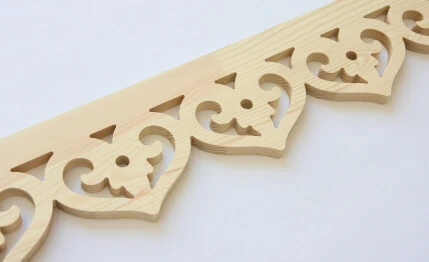
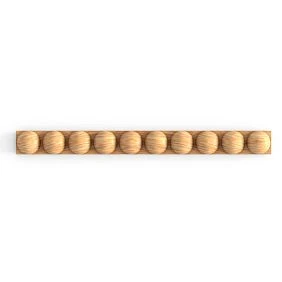
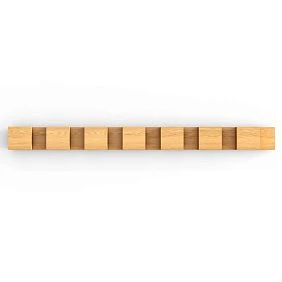
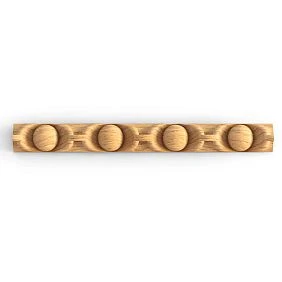
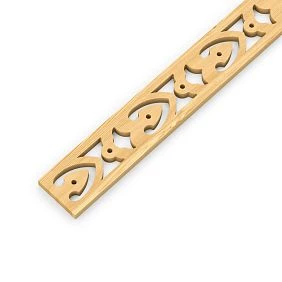
Carved wooden molding has a profile with an ornament — a relief pattern that is carved or milled along the entire length of the element. It can be a repeating botanical motif: foliage, acanthus, meander. It can be a geometric rhythm: diamonds, pearl beads, fluting. It can be a more complex architectural profiling with several levels of relief.
The main property of carved molding is to create a line with character. Not just a boundary between two planes, but a decorative transition that itself is a work of art.
Carved wooden molding is purchased for several fundamentally different reasons:
- To create a portal around a door or fireplace opening
- To assemble a frame panel on a wall in a classic or neoclassical style
- To add decorative lines to a furniture facade
- To frame a mirror or decorative panel
- To structure the space of a study, library, or dining room
And in all these scenarios, one principle applies: the line turns a plane into architecture.
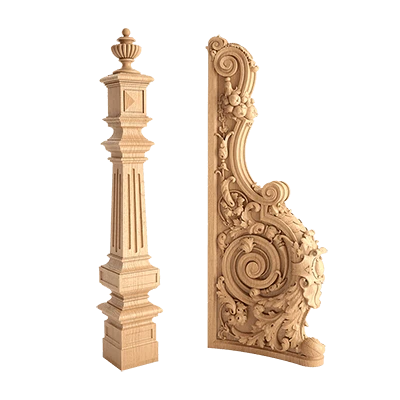
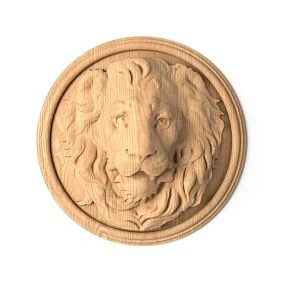
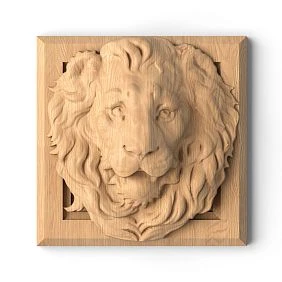
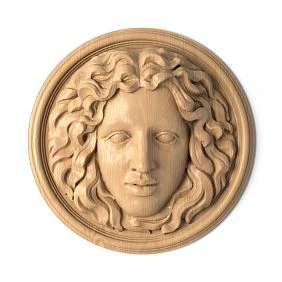
Our factory also produces:
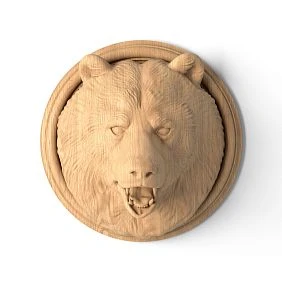
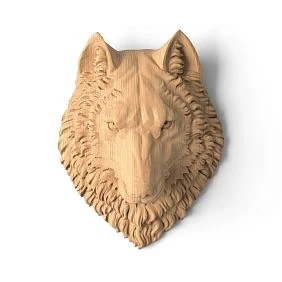
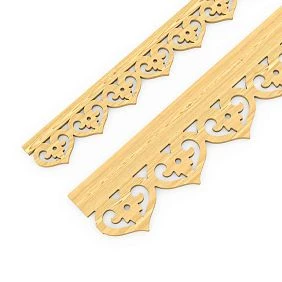
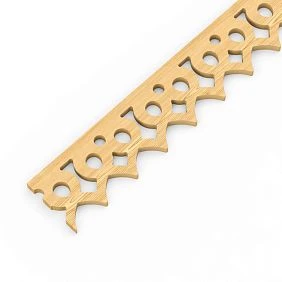
Carved moldings, wooden baguettes, and smooth trim: what's the difference and when to choose which
Confusion in terms is normal. The wooden decor market uses several words for similar but different products, and it's important to understand exactly what you need before purchasing.
Get Consultation
Carved molding
A long decorative element with relief along its entire length. It works as an accent line: portal, panel, facade, frame. Sold by linear meter, cut to the required size. This entire article is about it.
Wooden baguette
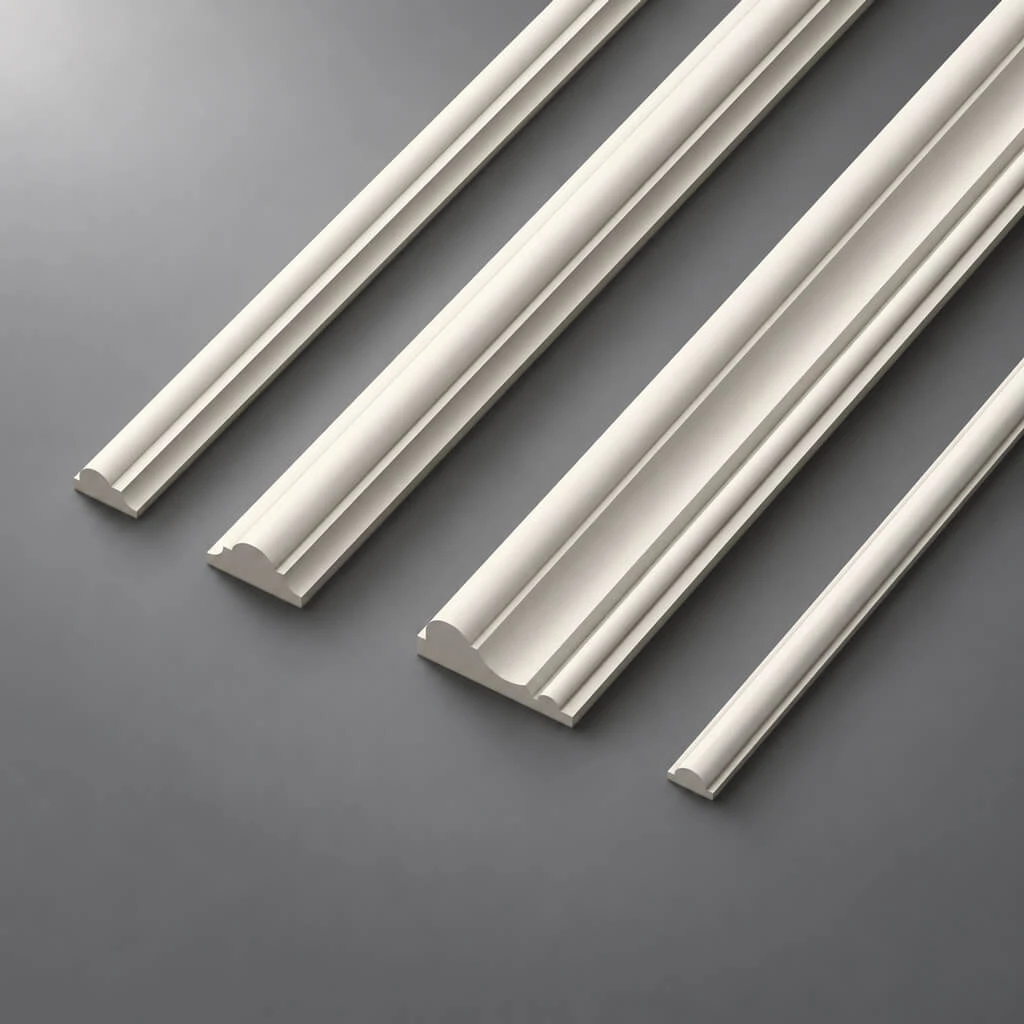
Wooden Picture Frame — a narrower concept. A baguette is originally a profiled frame strip. In interior use, baguettes are most often used to create frames: around a painting, mirror, panel, or decorative canvas. It can be smooth or with a minimal profile. Its main role is a frame, border, edging.
Carved molding and wooden baguette often work together: the baguette creates an inner frame, the molding forms an outer decorative line, enhancing the accent. This is especially visible in classic-style wall panels, where each frame consists of several layers of profiles.
Smooth trim and regular molding
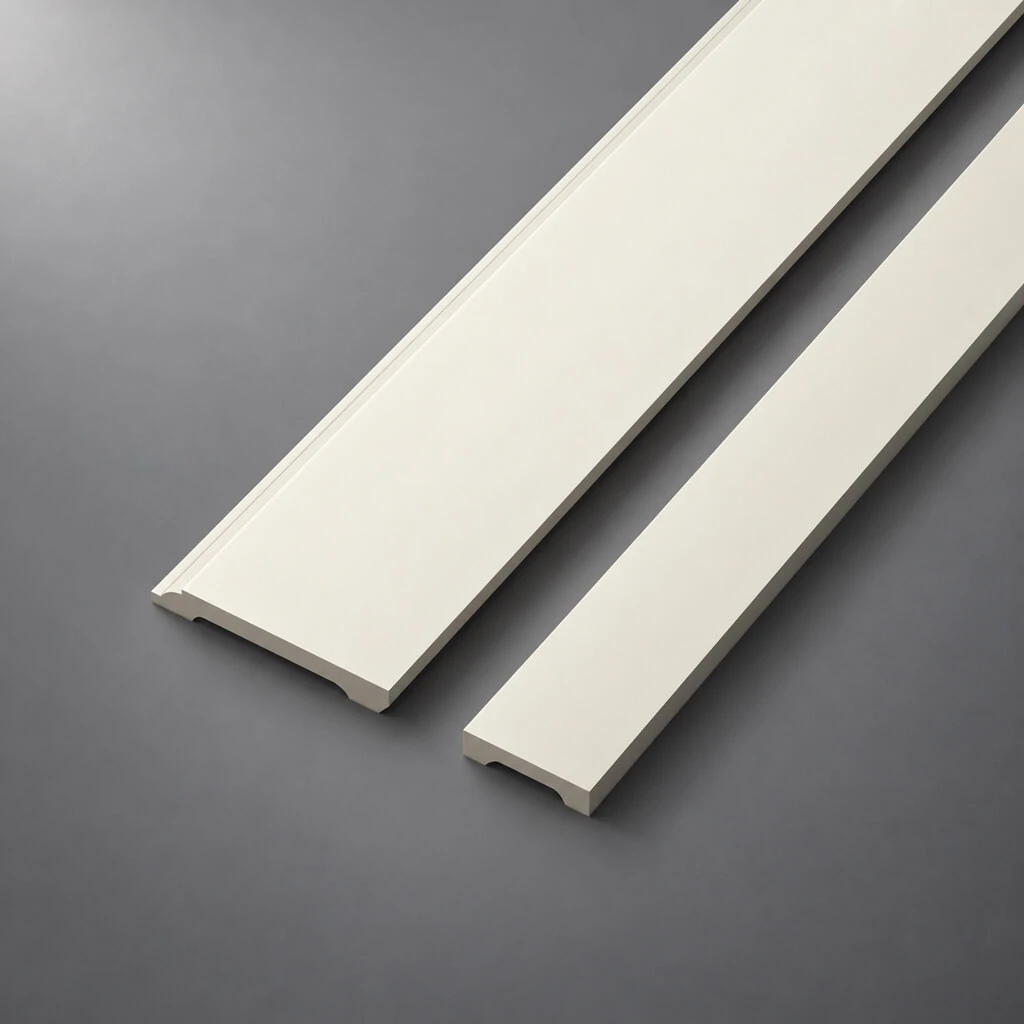
Wooden trim without carving is a profiled strip without ornament. It creates a line and shape, but not decoration. In neoclassicism and modern classicism, smooth trim often coexists with carved molding: one provides form, the other provides character.
The conclusion is simple: if you need a border, take trim or baguette. If you need a border with history, take carved wooden molding.
Portal: how carved molding turns an ordinary opening into the architectural center of a space
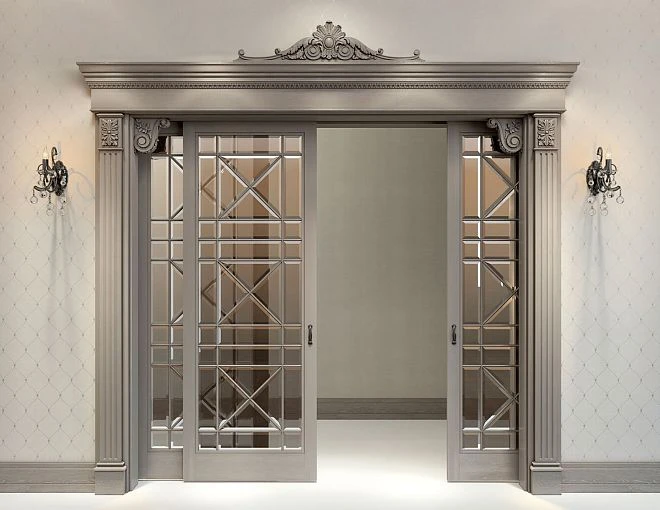
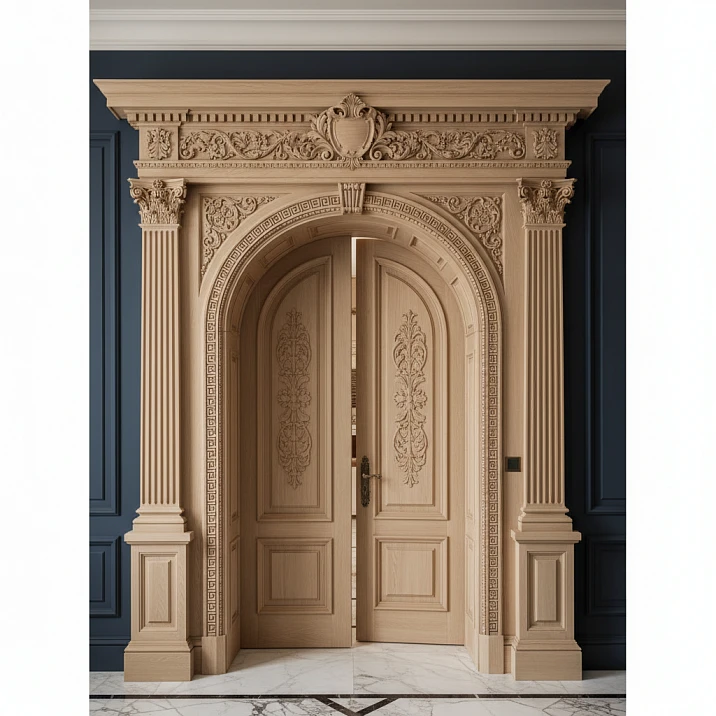
Let's talk about the most striking application. A door portal is not a casing. A casing covers the gap between the frame and the wall. A portal creates an architectural frame around the entire opening, turning the door from a functional element into a visual accent.
Carved molding is the foundation of any classic portal. It runs vertically along the sides of the opening, creating side jambs. At the top, it runs horizontally, forming a frieze or architrave. At the connection points — wooden capitals, which complete the vertical jambs and create a transition to the horizontal element. At key points — Wooden sockets as accent nodes.
Door portal
Around an interior or entrance door, carved molding performs several functions simultaneously. Visually, it is a frame that makes the door the center of the wall. Architecturally, it is a hint at the classical order system, where the opening has jambs and a top. Interior-wise, it is a way to connect the door to the room's style without replacing the leaf.
For a standard opening 2–2.2 meters high, carved molding runs along the sides for the full height of the side jambs. For an opening with a decorative frieze, a horizontal element is added on top, creating a T-shaped or U-shaped structure. The larger the opening, the more pronounced the molding relief should be. In small rooms, a moderate profile. In enfilades and spacious halls, wide and rich.
Fireplace portal
A fireplace without a portal is just a firebox. A fireplace portal with carved molding is an architectural object around which the entire room is built.
Carved molding here works on the sides of the fireplace opening and in the horizontal part above it. Paired with with wooden brackets it supports the fireplace mantel and creates a system of verticals and horizontals that reads as a single architectural structure. It is this system that turns the corner of the room into a focal point.
Portal of the niche and decorative opening
Not only doors and fireplaces need portals. A decorative niche in the wall — for library shelves, for a sculpture, for backlighting — also gains character through carved molding around the perimeter. An arched or rectangular opening framed with a carved decorative line looks like part of a well-thought-out architectural design, not like a random recess in the wall.
Wall panel from carved molding: how a frame turns a wall into a backdrop for life
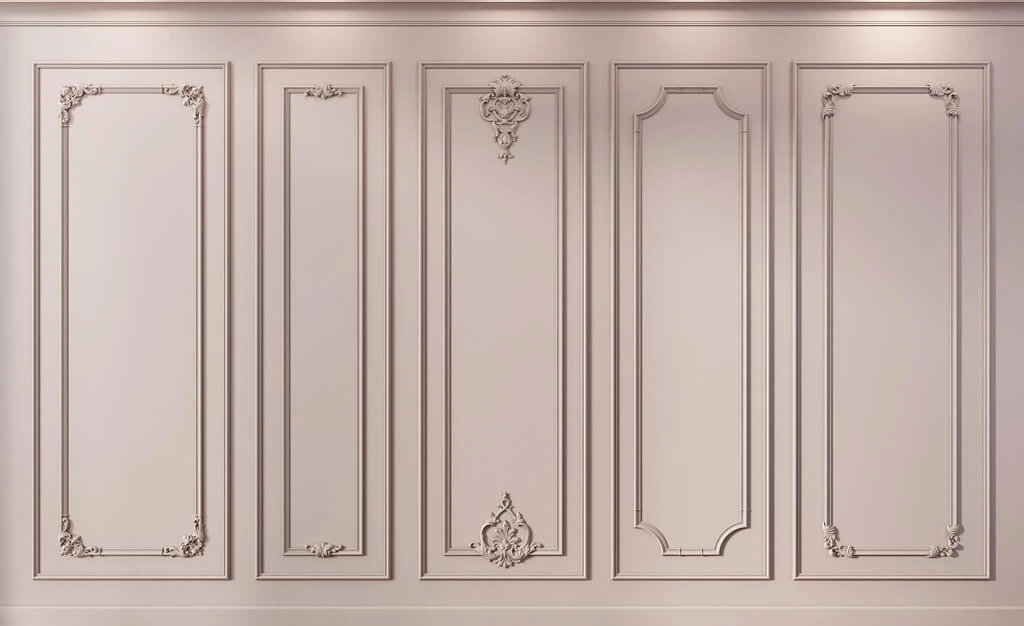
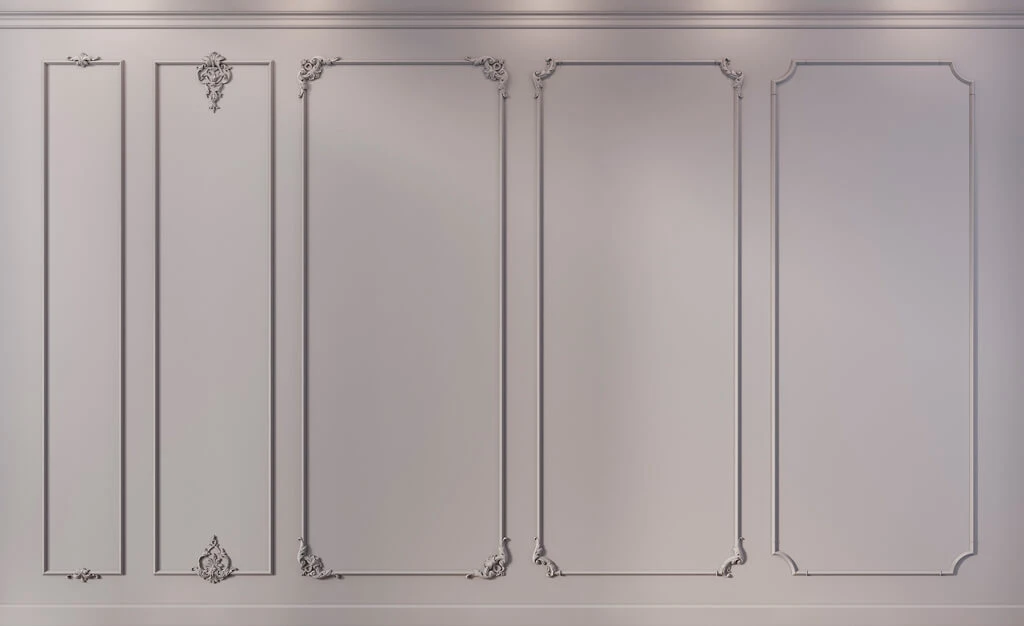
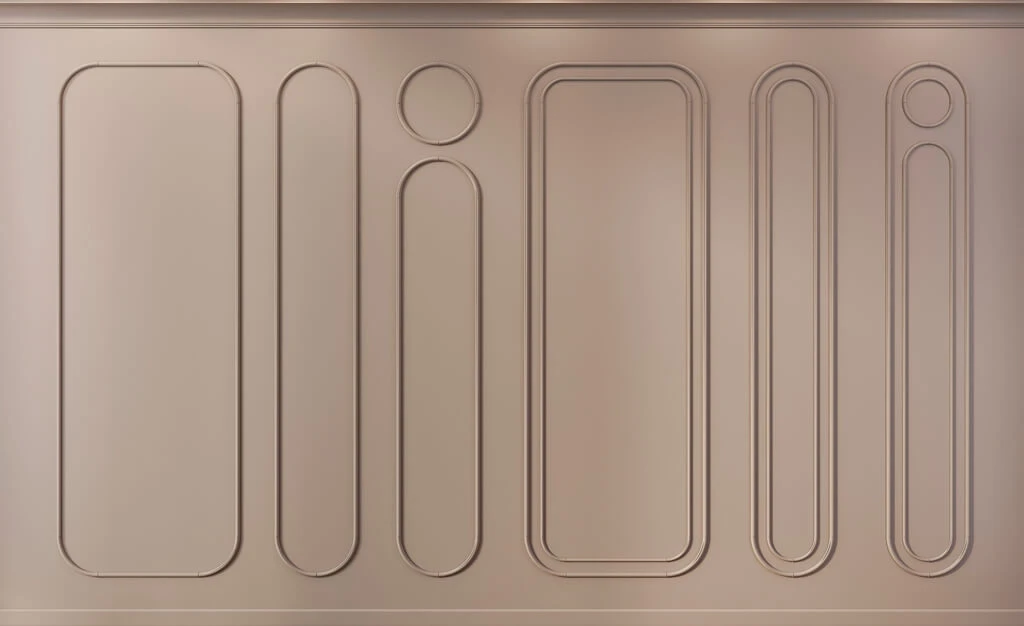
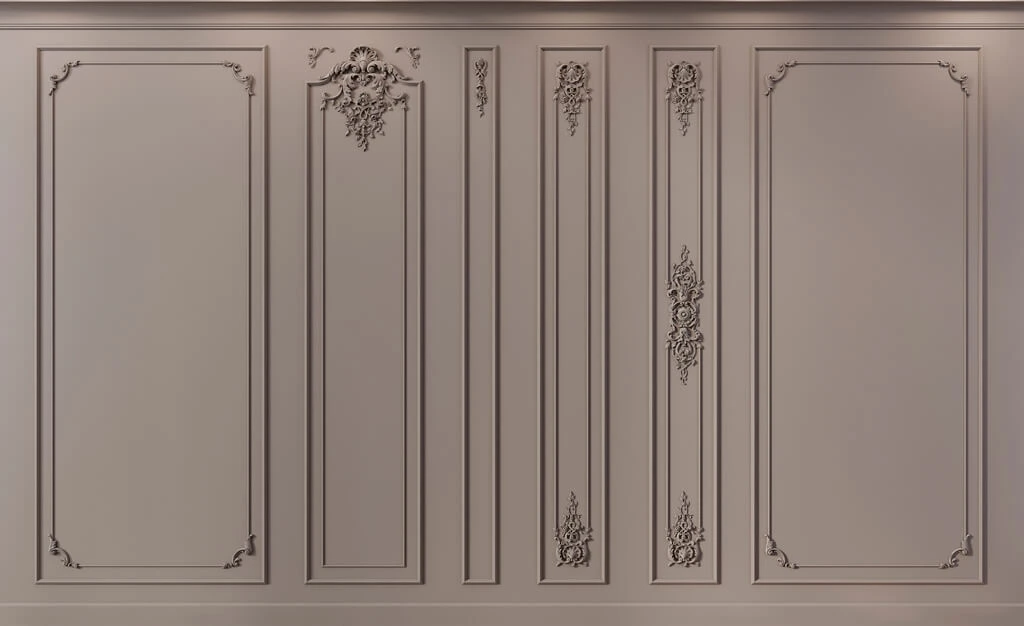
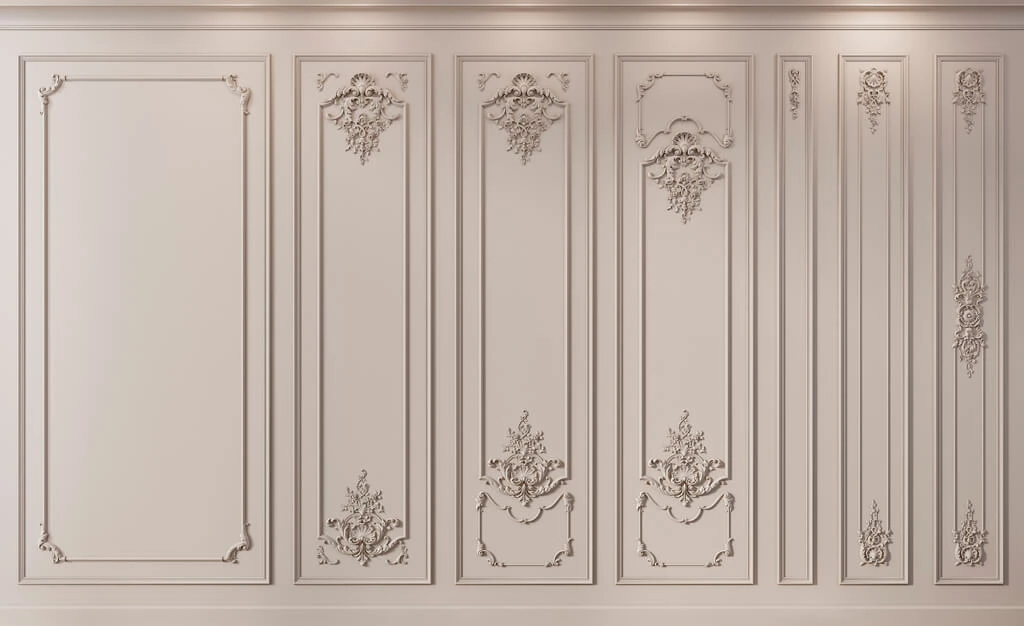
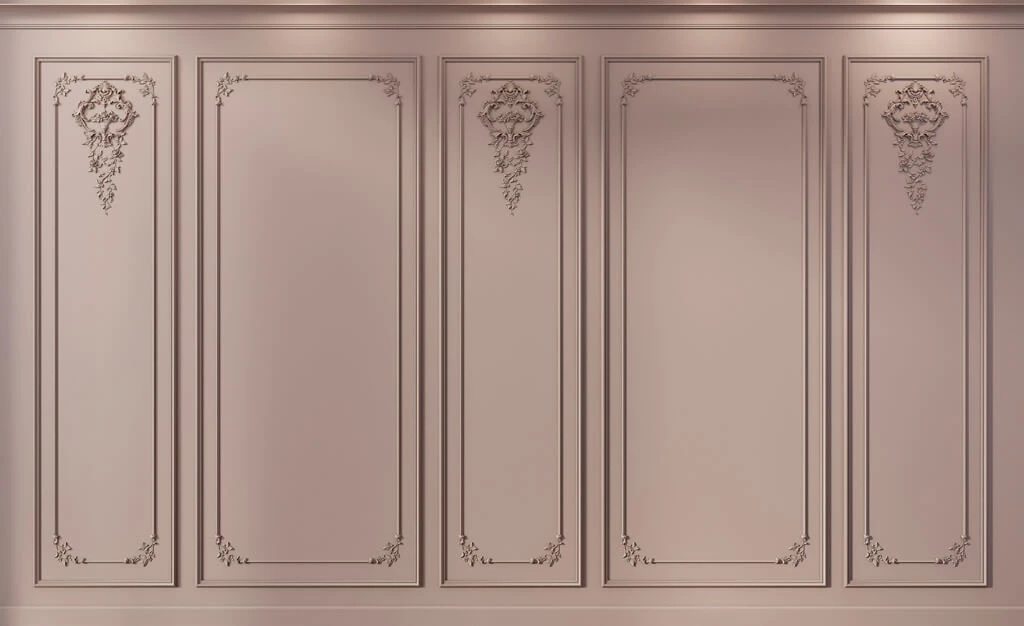
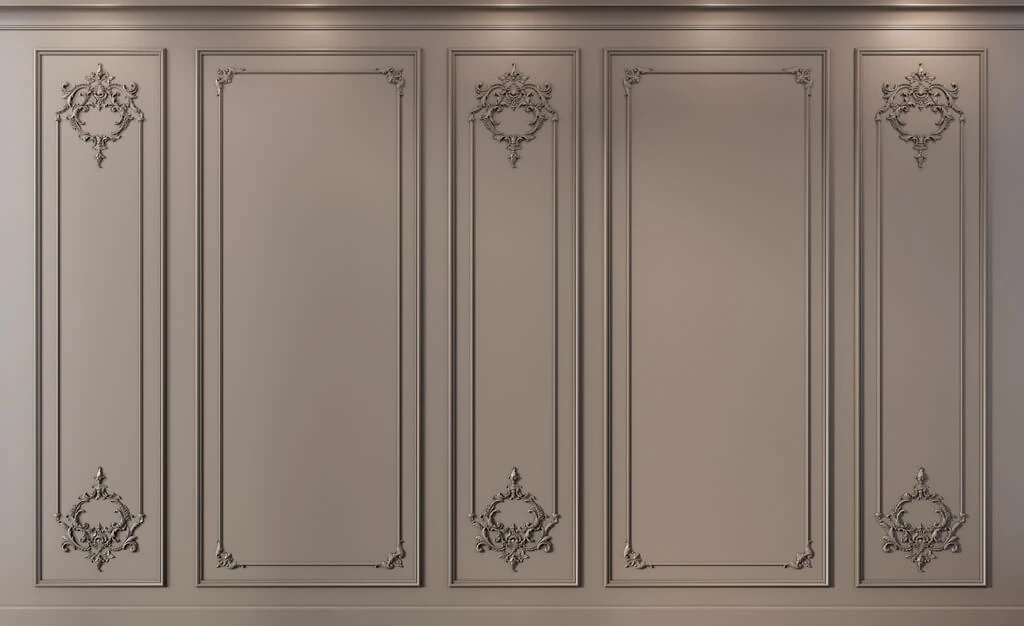
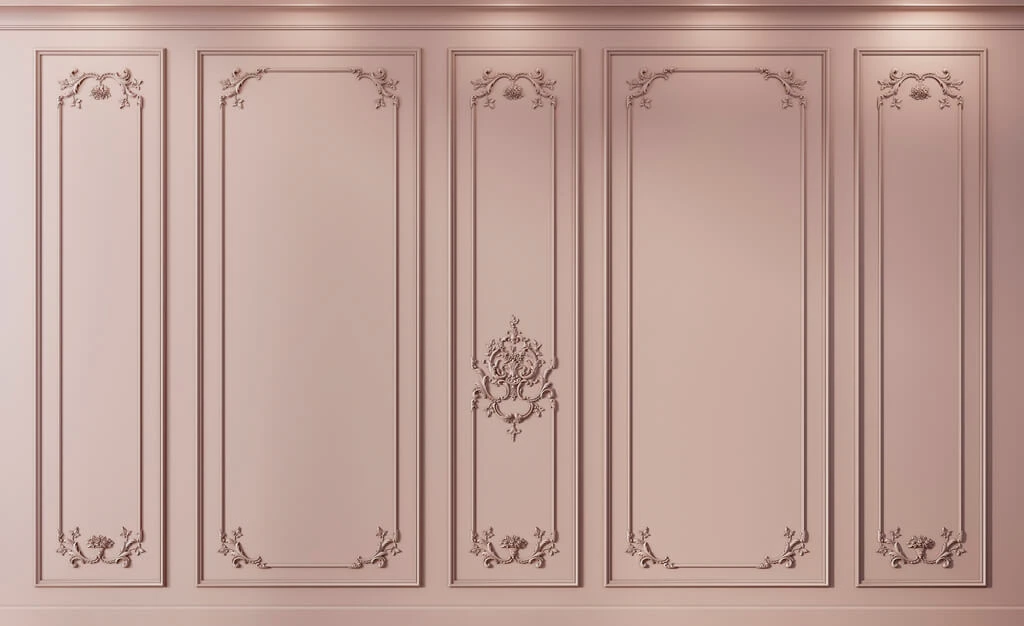
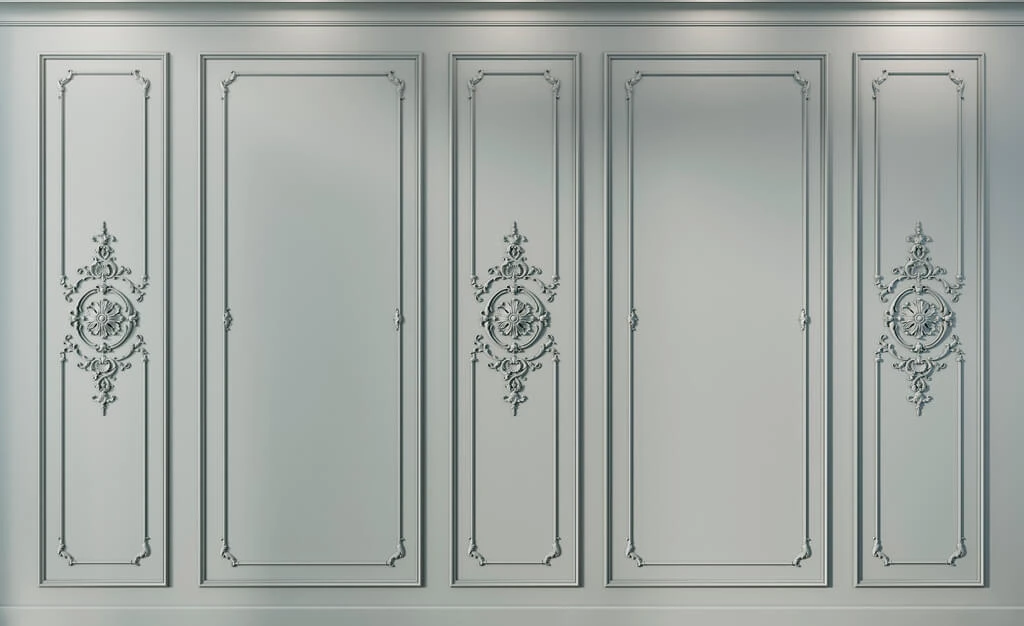
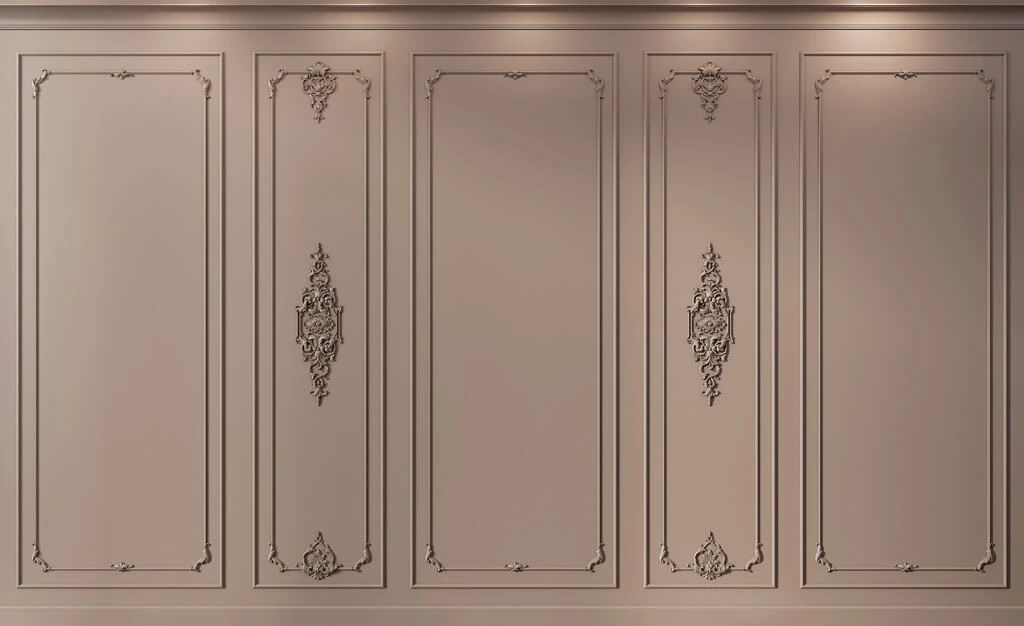
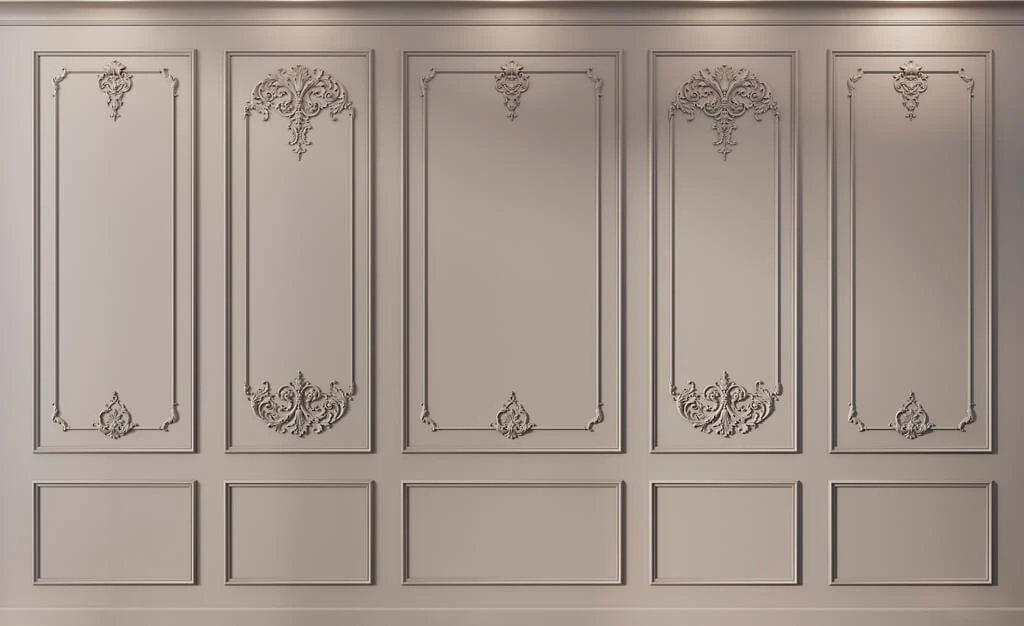
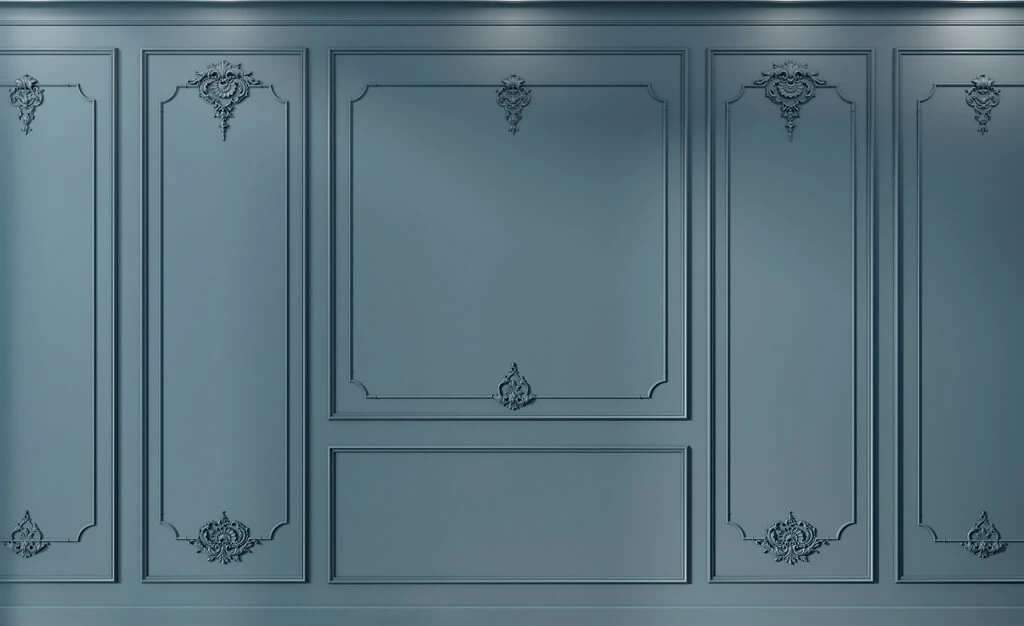
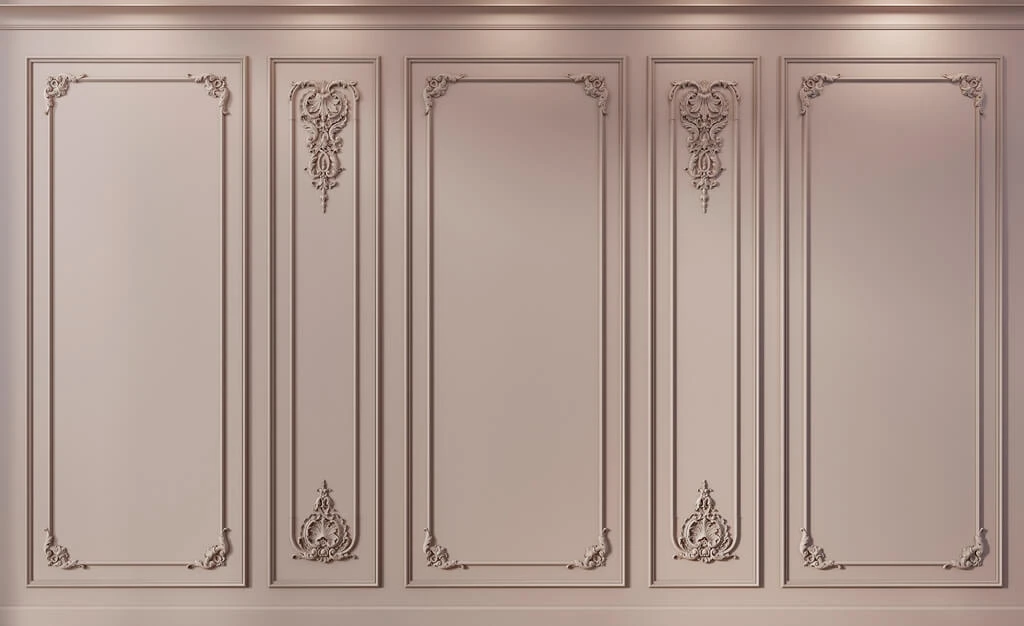
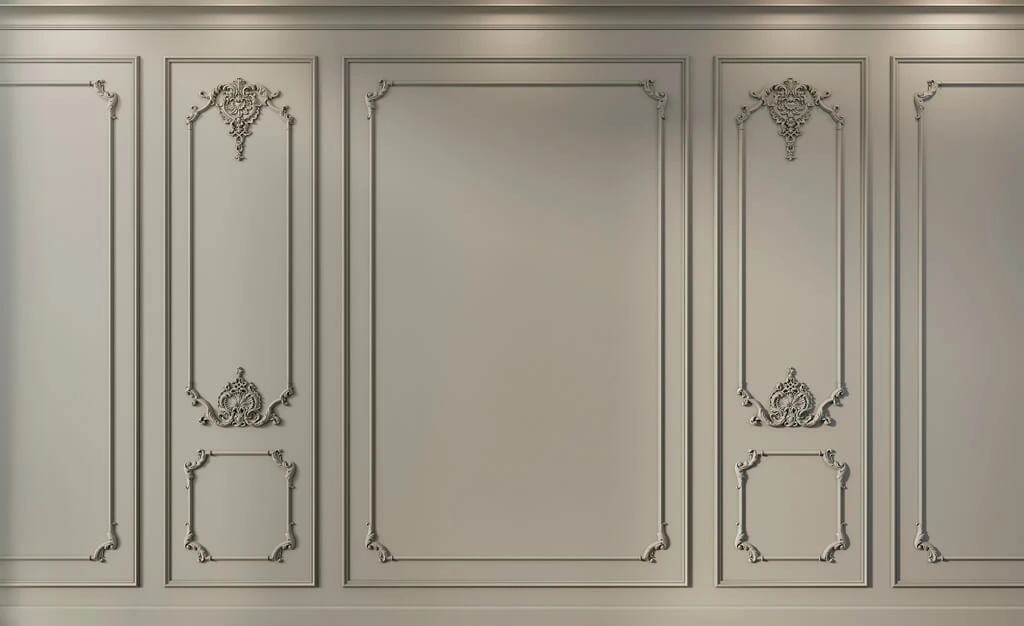
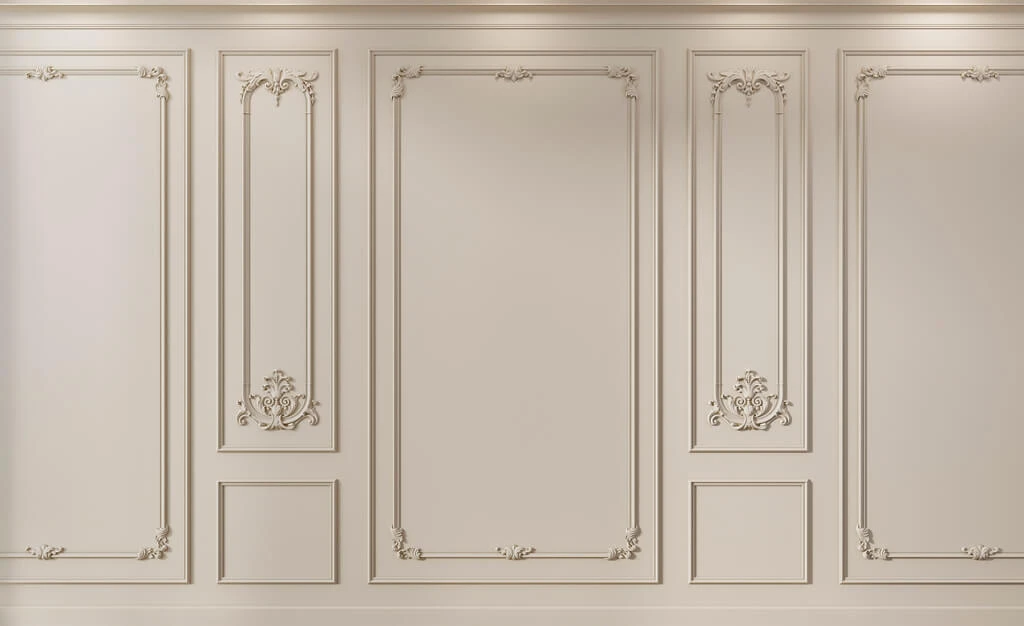
Wall panels are one of the most effective techniques in classical and neoclassical interiors. The idea is simple: the wall is divided into zones using molding frames, creating rhythm, hierarchy, and depth where there was a uniform plane.
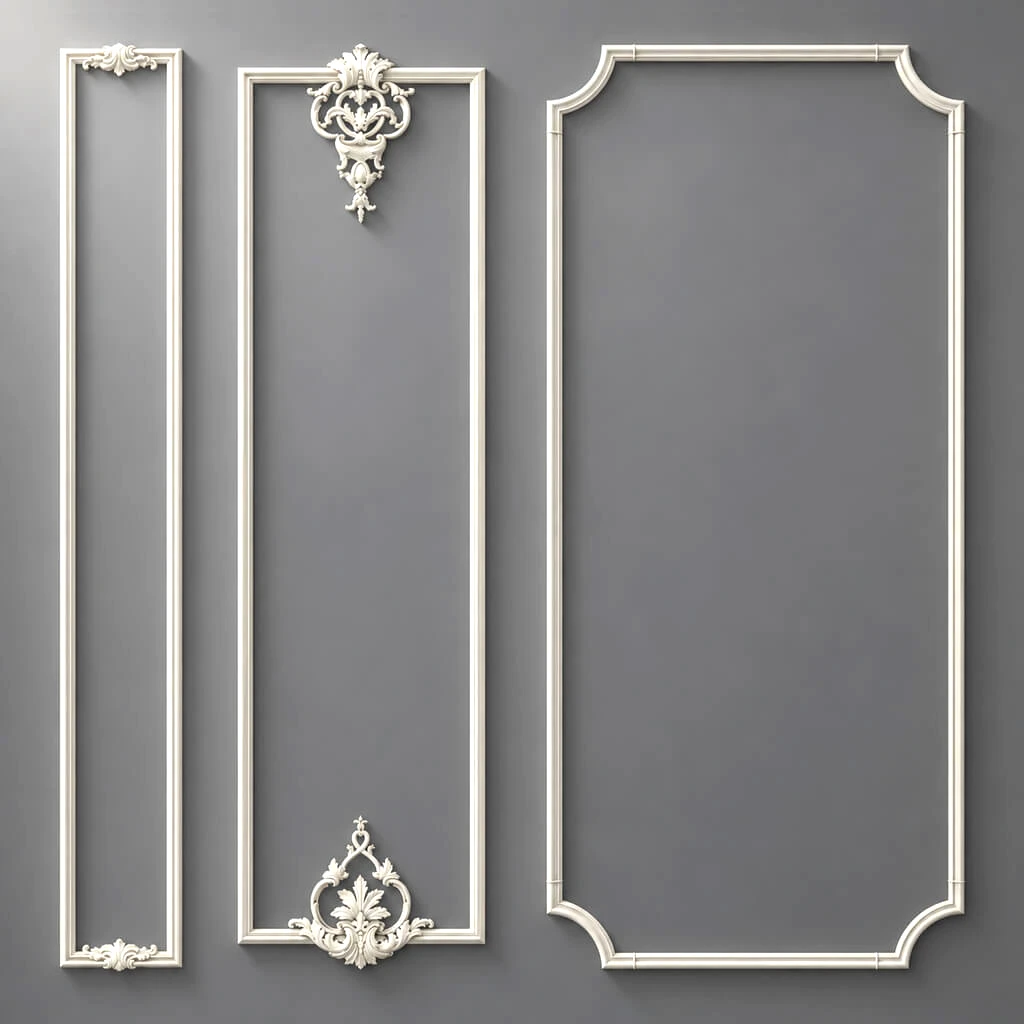
Carved molding here is the main building material. Each frame is assembled from it: four elements around the perimeter, corner joints at 45 degrees, symmetrical placement on the wall.
How to properly assemble a frame from carved molding
Before buying carved wooden molding for wall panels, you need to answer a few questions.
What is the height of the panel? Panels can be lower (from floor to mid-wall), full (from floor to ceiling), or middle (decorative belt at eye level). Each option requires its own footage and frame proportions.
How many frames on the wall? It's a question of rhythm. Too many frames — the wall becomes fussy. Too few — the meaning is lost. Usually three to five frames horizontally for a wall 4–6 meters long provide the desired rhythm.
What is the width of the frame? For lower panels, the standard frame width is 40–80 mm of molding. For large tall panels — 60–100 mm. The frame should be noticeable but not dominant.
What is inside the frame? Most often — a smooth painted wall. Sometimes — patterned wallpaper, decorative plaster, a mirror. In the center of the frame there may be an overlay Decorative wooden overlay — a central accent inside the frame framing.
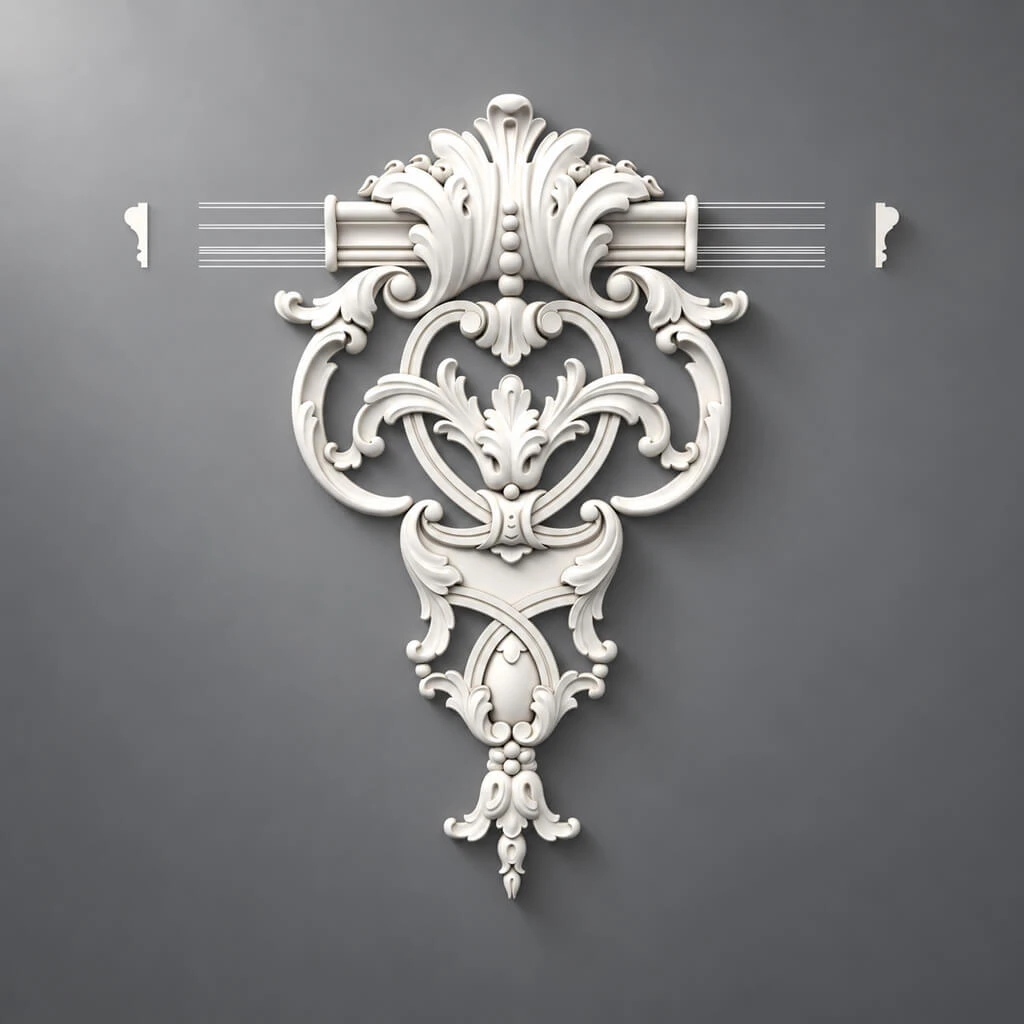
Where are the rosettes? Wooden sockets in the corners of the frames — a classic solution that covers joints at 45 degrees and adds a point ornamental accent. The corner rosette turns the connection from a technical detail into a decorative node.
Vertical rhythm of the wall
When frames made of carved molding are arranged vertically — as tall rectangles — they visually raise the ceiling. This technique is especially valuable in apartments with standard ceiling heights of 2.5–2.7 meters. The wall begins to work for the space, not against it.
Horizontal frames, on the contrary, expand the room and make it calmer. This is suitable for bedrooms and living rooms where dynamics are not needed — peace is needed.
Study and library: panel design as a status symbol
In a study or library, wall panels made of carved molding are not a luxury, but a logic of space. Here, the walls should speak of seriousness and solidity. Dark oak, wide carved molding with rich ornamentation, floor-to-ceiling panels — and the room becomes a study in the full sense of the word: a place where thoughts work.
Furniture facade: how carved molding makes a chest of drawers or cabinet more expensive without replacement
This is a scenario rarely talked about — but it works flawlessly. If you have a simple furniture facade — smooth doors of a chest of drawers, cabinet, or low sideboard — carved molding can completely change its perception.
The logic is the same as with wall panels. A frame is assembled from molding along the perimeter of the facade. Inside the frame is a smooth surface or a central overlay. As a result, the facade gains depth, relief, and a classic character.
How it works in practice
Take a standard cabinet with two doors. Each door is a flat rectangle without any details. Add carved molding 30–40 mm wide along the perimeter of each door — and you get a framed facade that looks like furniture from the next price segment.
Add a small decorative overlay in the center of each frame — and the furniture already reads as a handmade item in a classic style.
For a furniture facade, the following are important:
- Small molding width (25–50 mm) — so the frame does not absorb the entire plane
- Thin relief — so as not to overload the small surface of the door
- Precise 45-degree angle trimming for a clean joint
- Finish matching the facade so the trim becomes part of the furniture, not looking glued on
Furniture restoration and renewal
Carved wooden trim is a restorer's tool. If the original decor of old furniture is lost, it can be recreated using properly selected trim with a suitable pattern. This application is especially relevant for antique chests of drawers, sideboards, and cabinets with framed facades where profiling is either missing or damaged.
Carved wooden decoration — is a category where trim coexists with other elements of the restoration and decorative arsenal: overlays, rosettes, capitals, brackets. All of this is a unified system, not scattered details.
Carved trim for mirrors and decorative frames: when the line holds the reflection
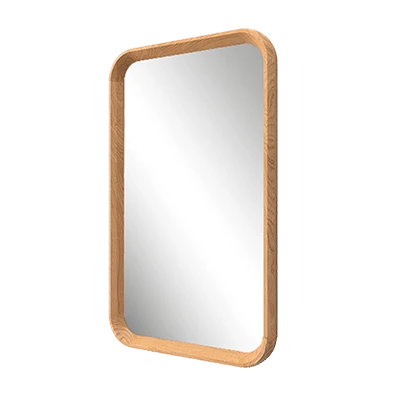
A mirror without a frame is just a reflective surface. A mirror in a frame made of carved trim is an interior object. It is an item that catches the eye and holds it.
Assembling a frame from carved trim is technically simple but requires precision. Four elements, cut at 45 degrees, are joined around the perimeter of the mirror or decorative panel. At the corners — wooden rosettes or corner overlays that cover the joints and add an accent.
The width of the trim for a mirror is chosen based on the mirror size:
- Small mirror (up to 60 centimeters in diameter or on the shorter side) — trim 30–50 mm
- Medium mirror (60–100 cm) — 50–80 mm
- Large mirror (from 100 cm) — 80–120 mm and more
The ornament of the molding for the mirror frame should match the room's style. In a classic interior — acanthus or meander. In neoclassicism — geometric repeat or pearl bead. In rustic style — a simple floral motif.
Wooden Picture Frame often works in tandem with carved molding specifically in mirror frames: the inner baguette creates the direct framing of the mirror glass, while the molding forms the outer decorative strip. This is a double frame that enhances the monumentality of the object.
Decorative panel and wall accent
The same logic applies to decorative panels, engravings, paintings, and any wall objects that require framing. Carved molding creates a frame that simultaneously protects the visual boundary of the object and enriches its status.
Fireplace area, study, and library: three spaces where carved molding works to its full potential
There are places in the home where decor is expected not just to be beautiful, but to carry weight. Status. That monumentality that comes from the right details. Here are three such spaces — and in each, carved wooden molding plays a key role.
Fireplace Area
The fireplace wall is always the center of the room. Even if the fireplace is decorative, a bio-fireplace, or an insert without real fire — the wall around it should look as if it has a serious architectural history behind it.
Carved molding forms the side pilasters of the fireplace portal. Wooden capitals complete them from above. A horizontal architrave from the same molding connects the verticals. Wooden Brackets support the mantelpiece above the portal. Together, this is not just decor, but a full-fledged architectural object.
When this entire system is executed in a single ornament from one wood species with the same finish, the fireplace area becomes the focal point around which the entire room's interior is built. Guests notice this immediately, even if they don't understand why.
Cabinet
In a study with wooden wall panels, carved molding is what holds the entire system together. It forms horizontal belts, divides the wall height into zones (lower panel, middle belt, upper zone), and creates frames for built-in shelves and niches.
A proper study is symmetry. Two walls with identical panels. Identical frames, identical rhythm, identical capitals above vertical pilasters. The desk is in the center or by the window. Everything else is a backdrop that should be rich but not fussy.
Dark oak with lacquer or stain in a study is a classic of the genre. Carved molding with acanthus ornament, a wide profile — and the space begins to speak for itself.
Library
A library is a special space. Here, walls should be not just decorative but functional: shelves for books, built-in niches, closed sections. Carved molding structures all of this: it creates horizontal transitions between shelves, frames open niches, and designs upper cornices.
paired with decorative elements made of solid wood carved molding in a library creates a sense of deep architectural refinement — the kind usually seen only in historical interiors or expensive custom projects.
How to choose the width and pattern of carved molding: practical advice that works
When it comes to buying carved wooden molding, one of the first questions that arises is: which one exactly? Width, relief, ornament — how to choose all this without making a mistake?
Width depending on application
| Application | Recommended molding width |
|---|---|
| Furniture front (cabinet door, dresser) | 25–45 mm |
| Mirror frame (center mirror) | 50–80 mm |
| Wall panel (lower, framed) | 40–70 mm |
| Door portal (center opening) | 60–100 mm |
| Fireplace portal | 80–120 mm and more |
| Wall panel in a tall hall | 80–120 mm |
Relief depending on space scale
A small room (up to 20 sq. m) requires moderate relief. Deep, heavy ornament in a narrow space creates visual pressure. Choose molding with a thin, soft pattern.
A large room (from 30 sq. m), high ceilings, spacious openings — here you need an expressive relief. Deep carving, wide profile, rich ornament. Small moldings in a large hall will be lost — they will be visible but not readable.
Ornament depending on style
- Classic and Baroque: acanthus, foliage, volutes, rocaille. Complex, multi-level ornament.
- Neoclassicism and Empire: meander, egg-shaped profile (oves), pearl bead, fluting. Clear, repeating rhythm.
- Rustic and Provence: simple plant motif, grapevine, soft floral pattern.
- Modern classic: geometric repetition, minimal relief, clear straight lines.
Material for carved moldings: oak, beech, solid wood and finishing issues
Carved wooden moldings are made from several types of wood — and the choice here directly depends on what final finish you plan.
Beech
Beech is a dense, uniform wood with a fine neutral grain pattern. It works perfectly under white or colored enamel: the surface takes paint evenly, without resin spots or visible grain. Carved beech moldings for painting are what is used in most classic and neoclassical projects with white wall panels.
Oak
Oak is a noble wood with a pronounced grain, high density and durability. Under tinting, stain, oil or clear varnish, oak reveals its character: dark lines against a light background, depth and natural beauty. Carved oak moldings are the choice for studies, libraries and fireplace areas where wooden aesthetics are key.
Solid wood vs. glued blanks
Carved solid wood millwork is a single piece without joints. It holds the relief, does not delaminate, and does not change shape under normal operating conditions. This is important for long elements: the millwork runs along the entire perimeter of the frame or portal, and any deformation in the middle of the element will be clearly visible.
Solid Wood Items — this is a category where material quality is a fundamental criterion. Solid wood allows maintaining the precision of the carved profile along the entire length of the element.
Finishing: what is important to know before purchasing
Carved relief imposes special requirements on the final finishing. The ornament has recesses, sharp transitions, and thin protrusions. If paint is applied unevenly, there will be drips in the recesses and uncovered areas on the protrusions. The correct technique: priming, a thin first coat of paint with a sprayer or a soft-bristle brush, sanding with fine sandpaper, and a final coat.
For tinting or oil, it is simpler: the pigment settles along the relief, emphasizing the depth of the ornament. This is what makes tinted oak millwork so expressive: the pattern is not just present—it lives.
How to combine carved millwork with overlays, rosettes, and capitals: a system instead of a random set
Carved millwork works most powerfully not alone, but in a system. It is then that the interior acquires that architectural completeness that even people without specialized training can feel—simply because it is beautiful and correct.
Millwork + overlays
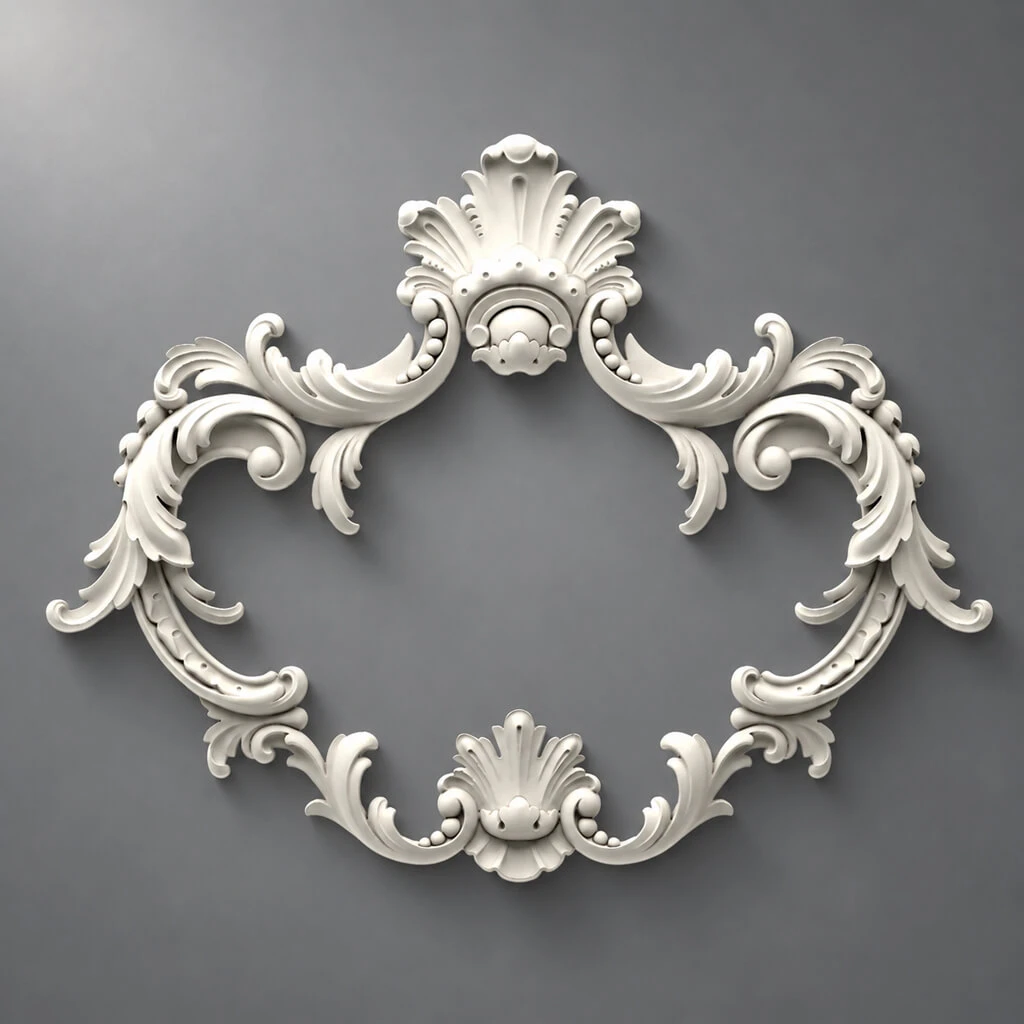
Decorative wooden inlays — these are three-dimensional elements that are placed inside the frame made of millwork or on its axis. Imagine a wall panel: a frame of carved millwork around the perimeter, and inside—a large central overlay with an ornament. The frame holds the space, the overlay creates an accent. This is a two-level system where each element enhances the other.
Molding + rosettes
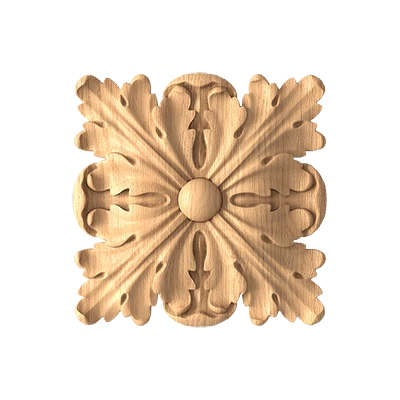
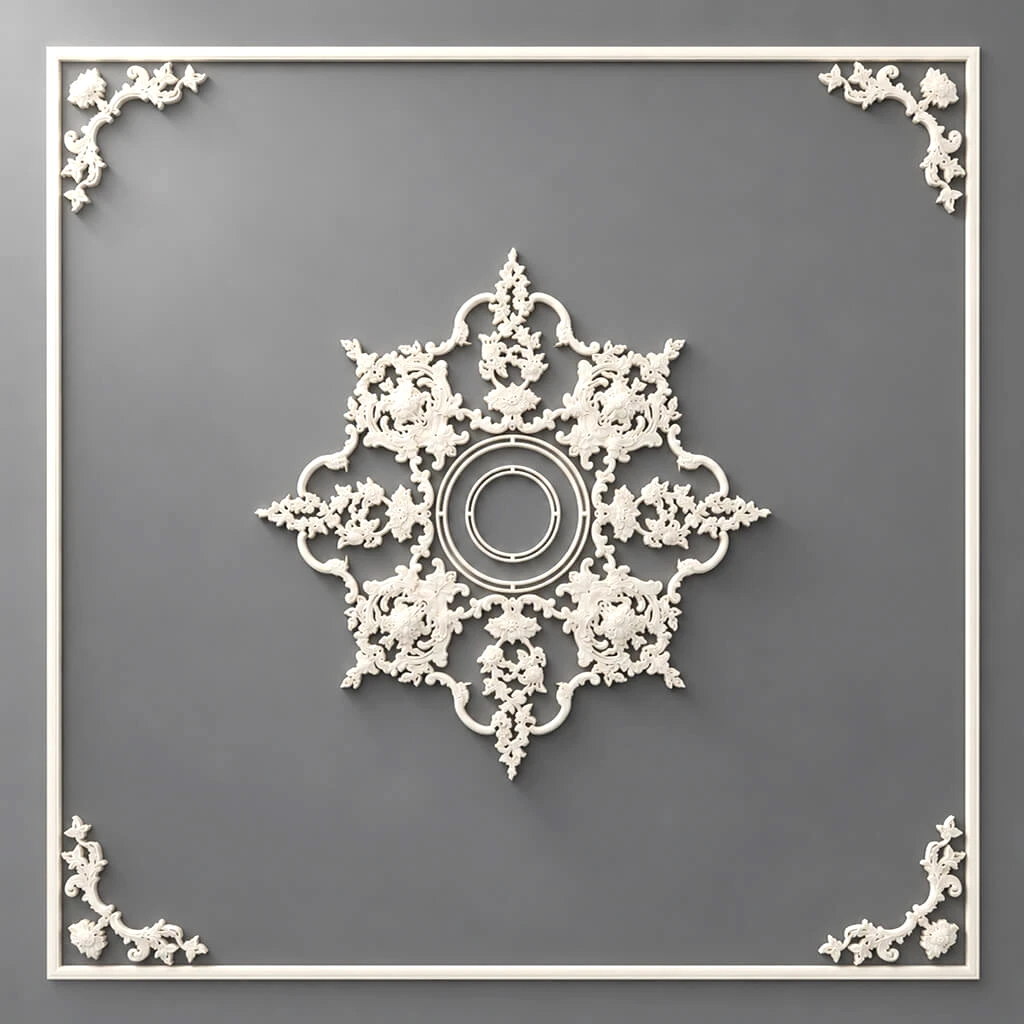
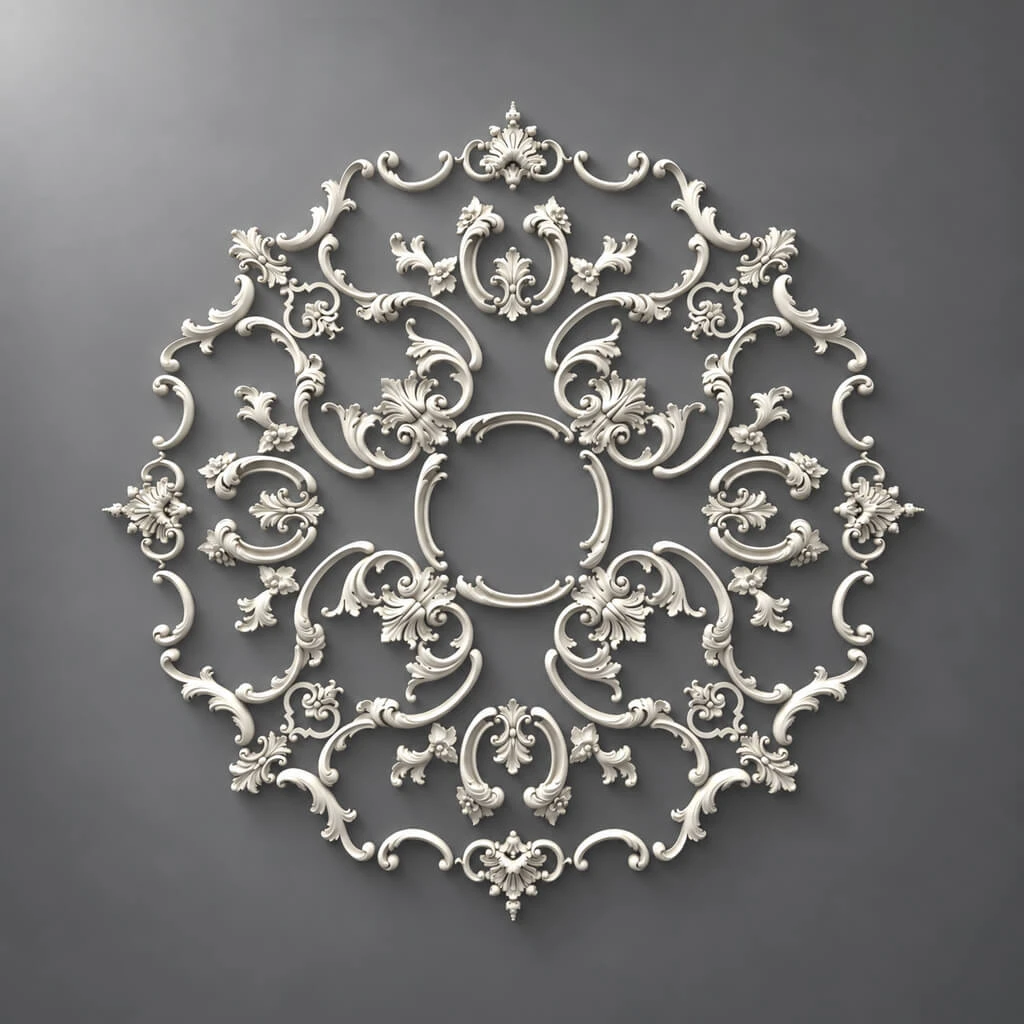
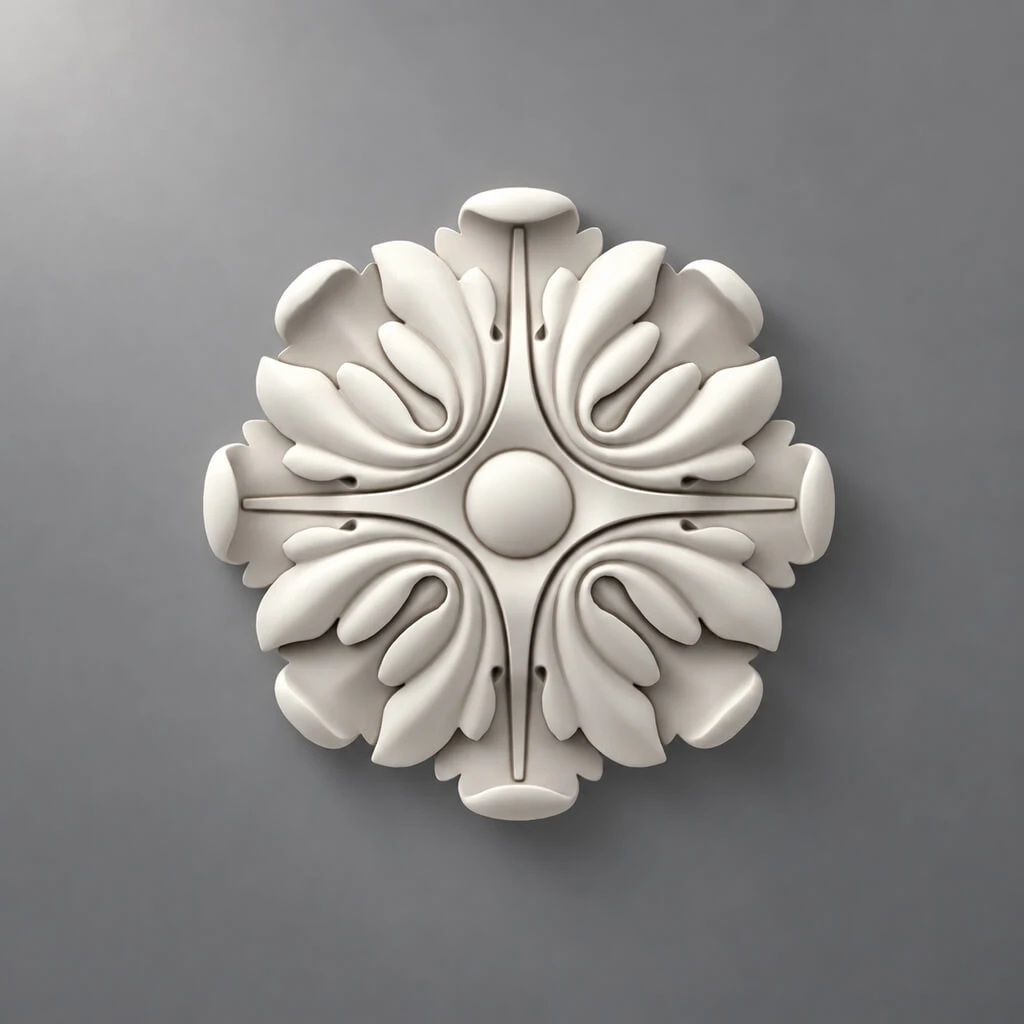
Wooden sockets In a system with molding, they perform several functions. In the corners of the frame, they cover technical joints and add an ornamental node. In the center of the horizontal frieze, they create a focal point. Above the fireplace portal, they accentuate the upper center of the structure.
The key rule: the rosette ornament must be in the same stylistic family as the molding ornament. If the molding has acanthus, the rosette should also have foliage, not geometry. If the molding is geometric, the rosette should have a symmetrical ornament. Mixing styles is a common mistake that destroys integrity.
Molding + capitals
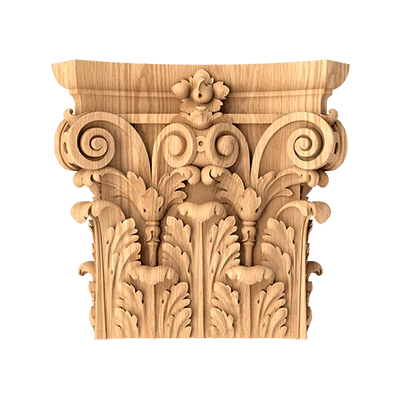
wooden capitals These are crowning elements of vertical posts. In a door or fireplace portal, the molding runs vertically, and the capital is installed at the top of each post. It creates a transition from vertical to horizontal — exactly as the column capital did in ancient architecture.
A capital in a system with molding is not just decoration. It is architectural logic: a post must have a finish, otherwise it looks cut off. The capital gives it completeness and status.
Molding + brackets
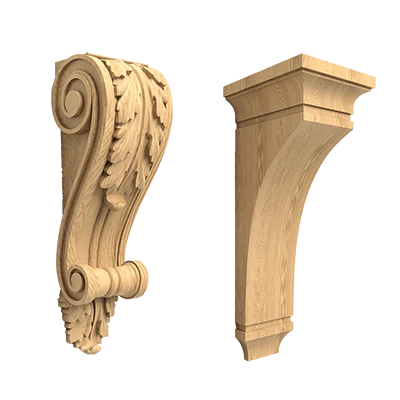
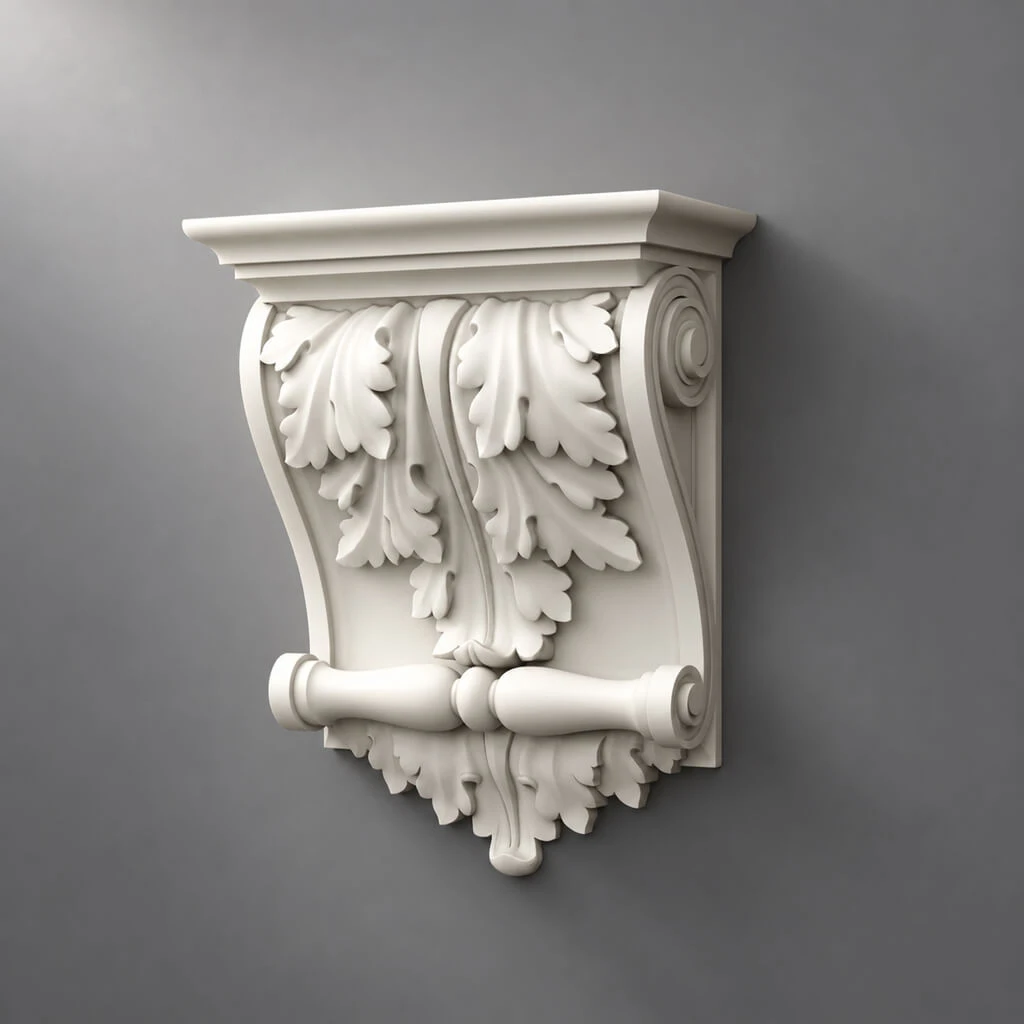
Wooden Brackets They support horizontal elements: fireplace mantels, consoles, decorative cornices. In a system with carved molding, they work as a functional support with a decorative function. A bracket under a fireplace mantel, whose ornament repeats the pattern of the molding on the sides, is a detail noticed by professionals and appreciated by clients.
Mistakes when buying carved molding: an honest breakdown before you spend money
This block is the most practical. Because mistakes when buying and installing carved molding happen often, and most of them are predictable.
First mistake: buying without a drawing
Carved molding is not an item you choose "approximately." Before purchasing, you should have a diagram: where the molding goes, the dimensions of each element, how many corners there are and how they are cut. Without this diagram, you will buy either too little or too much — and both options are unpleasant.
Second mistake: not accounting for cutting allowance
Molding is cut. At corners — at 45 degrees. At joints — strictly perpendicular. Each cut takes away several centimeters of material. Add 10–15% allowance for cutting and possible rejects to the calculated length. This is standard practice.
Third mistake: not considering corners
If the frame is made on a flat surface, corners are cut at 45 degrees, and this is simple. If the molding wraps around a three-dimensional element or goes along a curved wall, non-standard corners arise that require precise calculation and good tools.
Fourth mistake: mixing different ornaments
Buying molding with foliage for one wall and molding with geometry for the adjacent one is a visual conflict. The entire project should be executed in one ornamental language. If styles are mixed intentionally, an experienced designer who knows how to do it correctly is needed.
Fifth mistake: too wide a profile for a small room
Wide carved molding in a small room feels oppressive. It takes away the "air" from the wall and creates a sense of crampedness. For rooms up to 15–18 sq. m, choose molding of moderate width with a fine relief.
Mistake six: not thinking about the finish coating
Molding without coating is unprotected wood that quickly gets dirty and changes color. Plan the finishing in advance: primer, paint, varnish, or oil. And make sure the chosen coating is suitable for carved relief — some application methods work poorly with deep ornament.
Mistake seven: forgetting about symmetry
Any frame system is built on symmetry. A deviation of 5 millimeters in one corner — and the entire structure starts to look sloppy. Use a level, plumb line, templates. Don't rely on your eye.
What to buy together with carved wooden molding: a complete decor system
If you've already decided to buy carved wooden molding — think about the system. One molding makes a line. A line plus overlays, rosettes, capitals, and brackets make architecture.
Wooden baguette — for internal frames, mirrors, panels. Works in pair with carved molding as a second framing layer.
Decorative wooden overlays — for central accents inside frames, on furniture facades, on wall panels.
Wooden rosettes — for corner and central nodes. Cover technical joints and add ornamental points to the system.
Wooden capitals — for finishing vertical posts in portals. Transform molding from a decorative element into an architectural one.
Wooden brackets — for supporting horizontal elements: shelves, consoles, fireplace mantels.
Glue and fasteners — liquid nails or special construction adhesive for installing wooden decor. Finish nails for additional fixation in hidden points.
Primer and finish coating — enamel, varnish, oil, stain. Buy with a reserve: a second coat is always needed.
Carved moldings for classic and neoclassical interiors: style as a guide
Before buying carved wooden moldings, it is important to define the stylistic framework of the project. Because the ornament of the molding is not just a pattern. It is a stylistic statement.
Classic style
Baroque, classicism, Empire — here the carved molding is rich, multi-level, with deep relief. Acanthus, volutes, egg-shaped profile, ribbon and rod, garlands of leaves. The profile is wide, the ornament is rich. Finish — under gilding, under dark varnish, under ivory.
Neoclassicism
A stricter, more geometric direction. Meander, pearl beads, flutes, simple waves. Profile of moderate width, relief clear and repeating. Finish — under white matte enamel or under light varnish.
French Provencal
Soft, floral, slightly worn. Roses, grape tendrils, acanthus leaves in a simplified version. Finish — under "aged" white or cream color.
Modern Classic
Minimal ornament, clear profiles, straight lines. The molding here can be almost smooth — with one thin relief element in the center. Finish — white or dark enamel, clear contrast with the background.
Where to buy carved wooden moldings: a direct answer for those who have already decided
A direct answer without unnecessary words.
wooden carved trim — this is a real assortment section that collects long decorative elements made of solid wood with carved relief. Here you can choose moldings by width, pattern, and size — for portals, wall panels, furniture facades, mirror frames, or fireplace zones.
Next to the moldings are all related system elements: wooden baguettes, decorative overlays, wooden rosettes, capitals, and brackets. All from the same aesthetic, all from natural wood, all with the possibility to select for a specific project.
Solid Wood Items — for those who want to cover a wider assortment and select material based on wood species and product type.
FAQ: answers to the main questions about carved wooden moldings
What is carved wooden molding used for?
For creating door and fireplace portals, wall panels, frame systems, furniture facades, mirror frames, framing decorative niches and panels. Essentially, for any decorative line that should have relief and pattern.
How is carved molding different from wooden baguette?
Molding is a long element with relief that can be used for portals, panels, and facades. Baguette is a profiled frame strip used for framing mirrors, paintings, and panels. They often work together but perform different roles.
Can carved molding be used on furniture facades?
Yes. It is used to assemble frames on doors of chests of drawers, cabinets, sideboards, and any other furniture items with flat facades. The result is furniture with classic frame decor without replacement.
How to calculate the required amount of carved molding?
Measure the perimeter of each frame or portal. Add up all the lengths. Add 15% margin for corner cuts, joints, and possible defects. This will give you the required order volume.
What type of wood is best for carved molding?
For white or colored enamel — beech: a uniform wood without an active grain. For tinting, varnish, or oil — oak: expressive grain, natural depth, durability.
What to buy together with carved molding?
Wooden baguette, decorative overlays, rosettes, capitals, brackets. This is a complete system from which a portal, wall panel, or decorative zone is built.
How to properly cut carved molding at corners?
The standard corner joint is at 45 degrees. For this, use a miter saw with a precise cutting angle. The more accurate the angle, the cleaner the joint. After assembly, the joint is additionally treated with putty or covered with a corner rosette.
Is it necessary to coat carved millwork after installation?
Absolutely. Without coating, the wood quickly gets dirty, changes color, and loses protection. The choice of coating depends on the style and purpose: enamel, varnish, oil, stain.
How not to overload the interior with carved decor?
Maintain proportionality: the smaller the room, the thinner the profile and the more moderate the relief. Use one ornament throughout the space. Leave 'air' between decorative elements — flat surfaces enhance the perception of relief.
Can carved millwork be used in restoration projects?
Yes, and this is one of its most important applications. If original profiles are lost in an antique or vintage piece of furniture, carved millwork with a suitable ornament allows you to recreate them accurately and aesthetically correctly.
Conclusion: a line that speaks louder than any piece of furniture
An interior with carved millwork is an interior that feels like an author's solution. Not a random set of beautiful things, but a well-thought-out system. The line that runs along the perimeter of an opening, assembles a wall panel, or outlines a furniture facade — it's not a detail. It's the structure. It holds everything else together.
If you are thinking about where and how to buy carved wooden millwork, start simple: determine the application, calculate the footage, choose the width and ornament to match the style of the space. Then add a system to it: overlays, rosettes, capitals, brackets. And see what happens to your interior.
What will happen is what always happens when an architectural line appears in a space: it will become cohesive. Complete. Memorable.
STAVROS: carved wooden decor as a system
STAVROS is a manufacturer of carved decor from solid wood. Moldings, baguettes, overlays, rosettes, capitals, brackets, products made of oak and beech — all this is created with attention to material quality, precision of ornament, and practical applicability in real interior projects.
STAVROS does not sell random details. STAVROS creates a system from which portals, wall panels, furniture facades, fireplace zones, and studies are built. It is this systematic approach that makes the STAVROS catalog a working tool for designers, restorers, and everyone who creates interiors with an understanding of architectural logic.