



























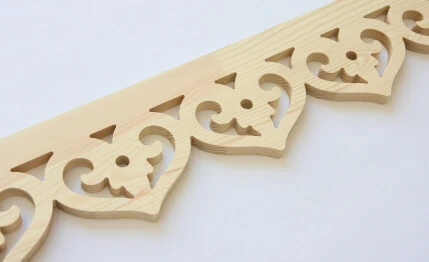
Article Contents:
- Decor must hold: why adhesive is not a secondary detail
- Two STAVROS adhesives: characters and scenarios
- KUDO HIGH TACK: white, strong, no compromises
- TYTAN Prof. Classic Fix: transparent, delicate, universal
- Comparison table: when to choose what
- Which STAVROS products require mounting adhesive
- Polyurethane decor
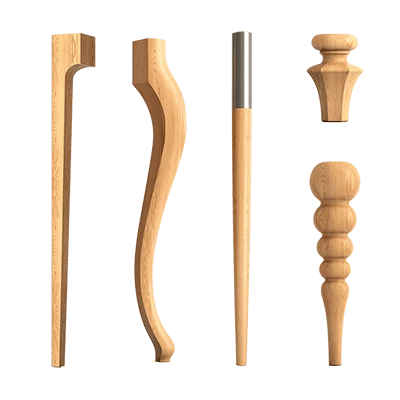
- Wooden decor
- MDF and painted products
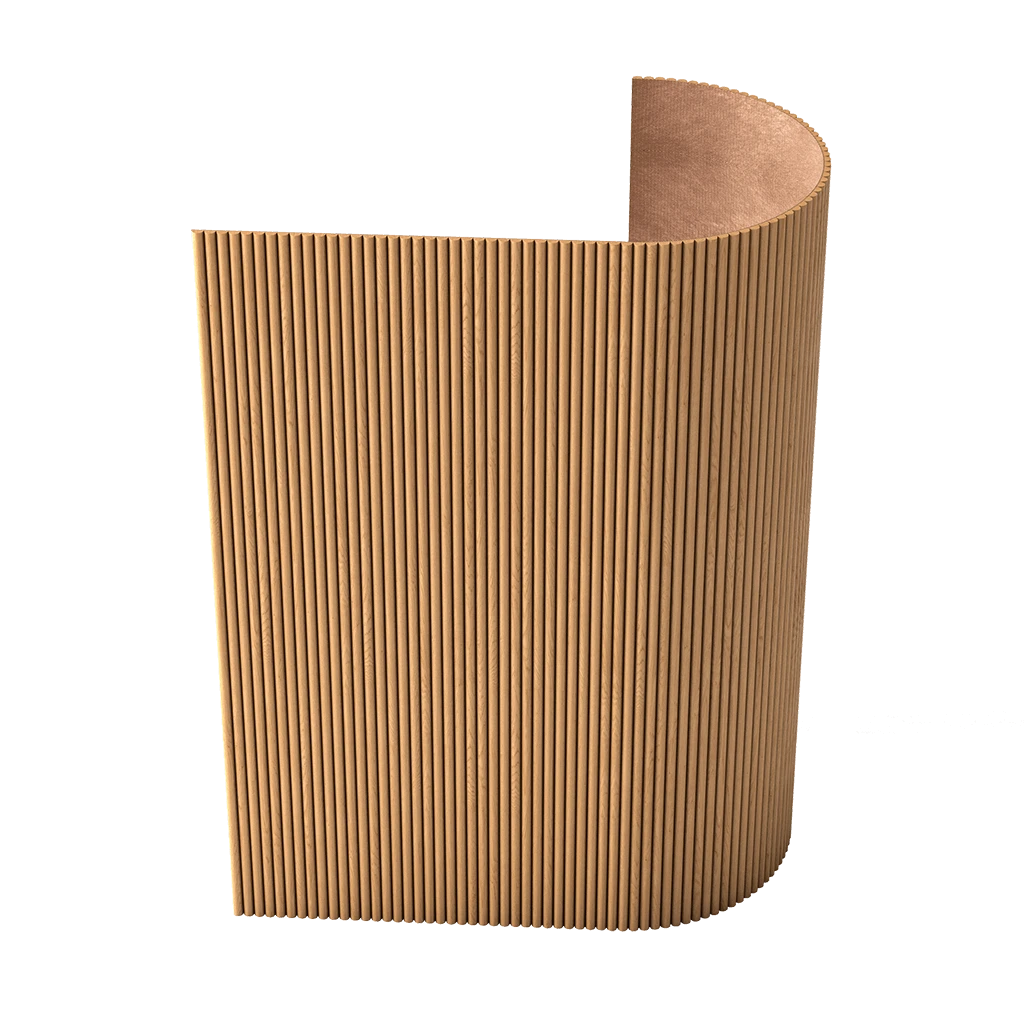
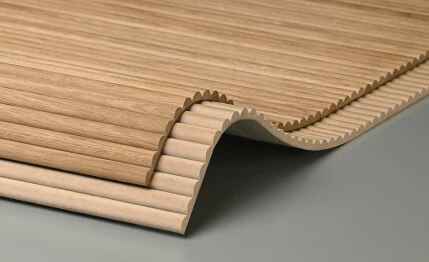
- Slatted panels
- How to choose glue by base type
- Drywall wall
- Plaster and paint wall
- MDF furniture facade
- Surface with tiles or porcelain stoneware
- How to properly apply mounting glue for decor
- When one glue is not enough: an honest talk about adhesion limits
- Mistakes in choosing and using mounting glue
- Glue for specific STAVROS products: ready recommendations
- Polyurethane moldings and cornices → KUDO HIGH TACK or TYTAN
- Wall decor and polyurethane overlays → TYTAN
- Wooden overlays → TYTAN or KUDO (by weight)
- Wooden baguette and moldings → KUDO HIGH TACK
- Slat panels → KUDO HIGH TACK
- Carved decor → TYTAN
- What to buy with mounting adhesive: a professional installation kit
- About the Company STAVROS
- Frequently Asked Questions
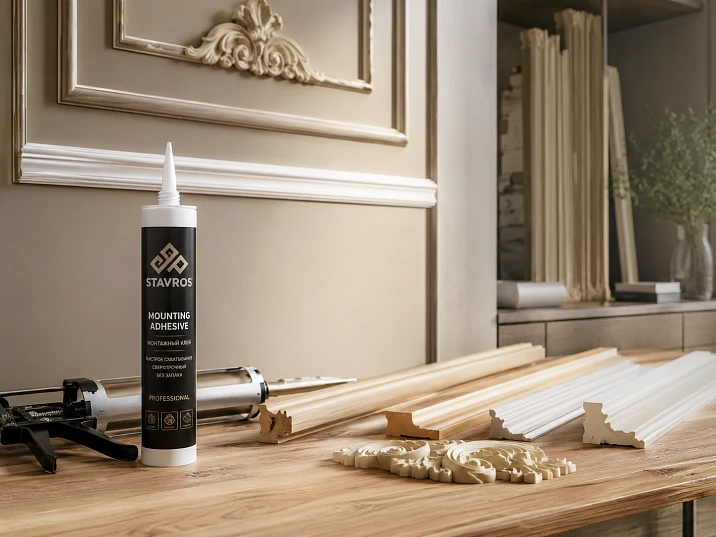
The picture is familiar to many who have ever seriously done renovations or interior upgrades. You carefully select the molding, choose a wooden overlay, order a slat panel — and at the installation point, you grab the first tube you see from the hardware store. Three months later, the decor sags. Six months later, the corner of the overlay comes off. On a light wall — yellowish stains. The expensive element holds, but looks as if it was installed hastily.
This is not a decor problem. This is an adhesive problem.
Buy mounting adhesive for decor — a task that requires the same attention as choosing the product itself. Adhesive is the last link in the chain “bought → installed → live with it.” And it is this link that is most often chosen as an afterthought. In this article, we will break down how to avoid this mistake: what to choose for wooden decor, what for polyurethane, when a transparent seam is needed, when high initial adhesion is required, and what to add to your cart along with the STAVROS product.
The decor must hold: why glue is not a minor detail
When we say "assembly glue for decor," we are not talking about PVA wood glue or a hot glue gun. This is a professional fixing compound that must simultaneously:
-
ensure reliable adhesion to various substrates — plaster, drywall, paint, MDF, wood;
-
withstand the weight and configuration of the product without slipping;
-
not damage the surface of the element — especially polyurethane, which is sensitive to aggressive solvents;
-
not leave visible marks — yellow seams, white spots, oozing glue, streaks;
-
remain reliable over time, without losing elasticity during temperature fluctuations.
It is by these parameters that you should choose glue — not by the price of the tube or brand recognition.
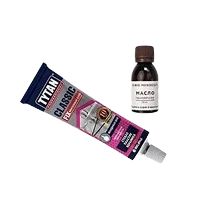
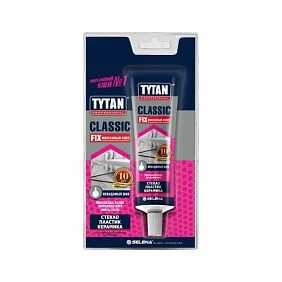
In the section STAVROS installation and finishing materials two key products for installing decor are presented: KUDO Glues Everything HIGH TACK white glue 280 ml и TYTAN Prof. Classic Fix mounting adhesive transparentThey differ in composition, working characteristics, and application scenarios. Let's break down each one.
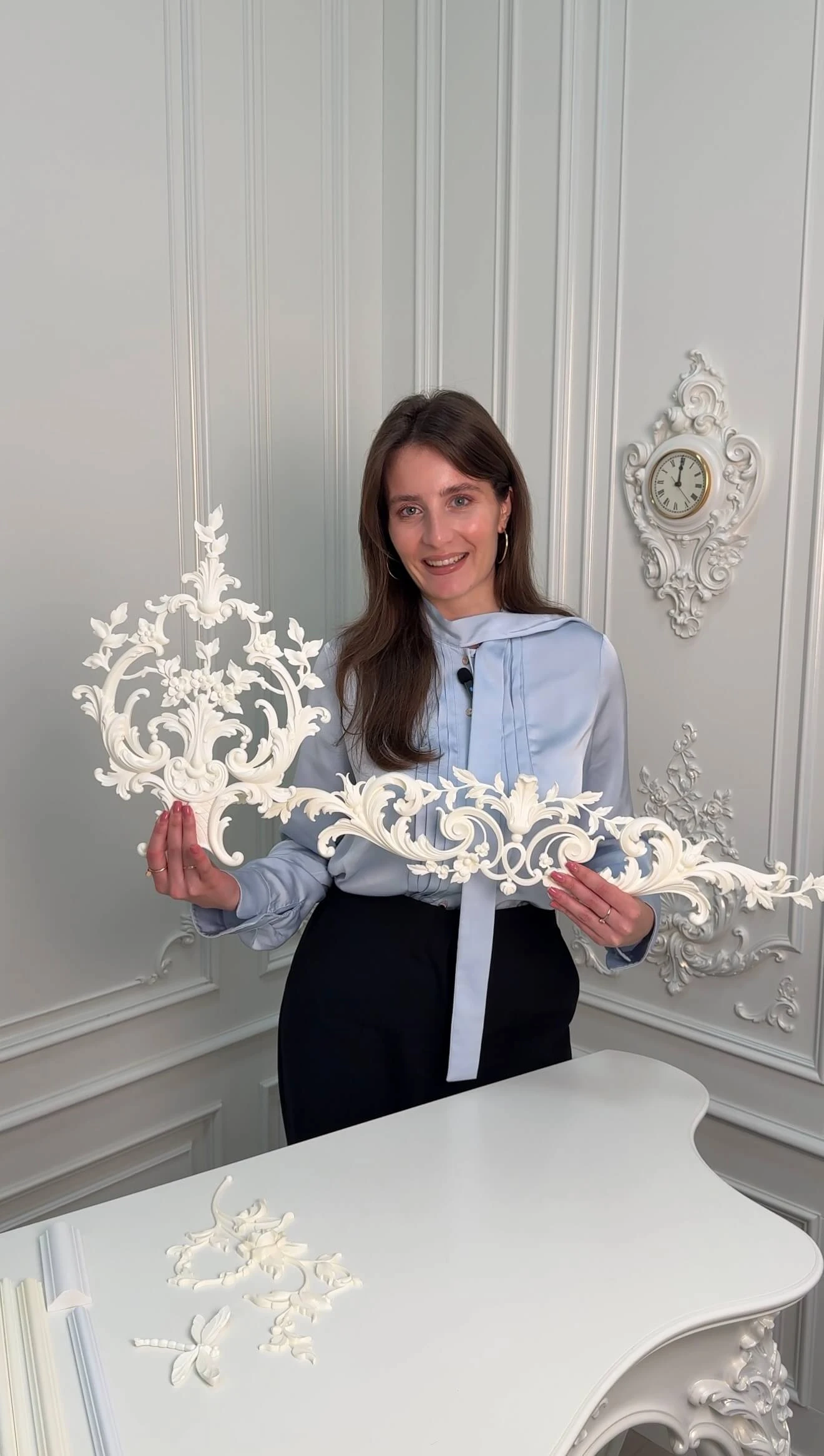

Two STAVROS adhesives: characteristics and scenarios
Our factory also produces:

KUDO HIGH TACK: white, strong, no compromises
To describe KUDO Glues Everything HIGH TACK in a nutshell — it's an adhesive for those who want the decor to stay in place immediately.
The base is hybrid polymers. This is a modern technology that combines high initial adhesion with seam elasticity after curing. Hybrid polymer adhesive does not crack under vibration, does not lose grip with temperature changes, and does not damage polyurethane surfaces — unlike solvent-based adhesives.
Key Features:
-
Volume: 280 ml — optimal for working with moldings, long baseboards, slatted panels.
-
Color: white. This is an important parameter: white adhesive is hidden under light finishes, but on dark and transparent surfaces — it is visible. This must be considered when choosing.
-
High initial tack — the element is held immediately after application and pressing, without the need for prolonged support.
-
Works with a wide range of materials: polyurethane, wood, MDF, drywall, tile, metal, plastic.
-
The seam is elastic after drying — not brittle, does not crack.
When to choose white High Tack:
-
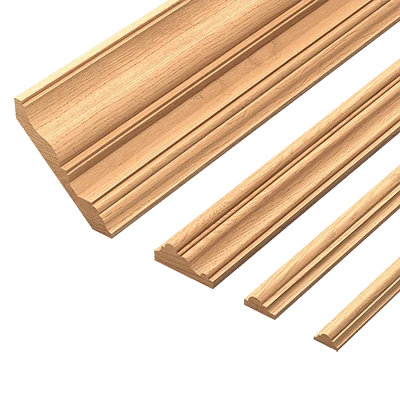
Polyurethane moldings, cornices, baseboards — especially long horizontal elements that need to be quickly fixed without prolonged holding.
-
Wooden slats and Rafter panels on walls — where the application area is large enough and the white seam around the perimeter will not be visible.
-
Wood and MDF moldings, Wooden Picture Frame when installing on light-colored surfaces.
-
Installation of heavy elements — where regular mounting adhesive cannot handle initial holding.
-
Any cases where immediate placement and minimal support before setting are needed.
Buy KUDO High Tack adhesive means buying confidence that the decor will fit on the first try.
Get Consultation
TYTAN Prof. Classic Fix: transparent, delicate, universal
TYTAN Prof. Classic Fix is a transparent acrylic-based mounting adhesive. Its main advantage is already clear in the color name: a transparent seam.
Where white glue risks leaving a visible mark — on dark surfaces, at joints, on neat natural wood frames — transparent TYTAN works without traces. After curing, the seam becomes almost invisible.
Key Features:
-
Volume: 100 ml — a small, spot format for working with delicate elements.
-
Color: transparent after drying.
-
Suitable for wood, polyurethane, metal, glass, plastics.
-
Moderate initial adhesion — not "high tack", but sufficient for light and medium elements.
-
Contains no aggressive solvents, safe for polyurethane.
-
Elastic seam after curing.
When to choose transparent TYTAN:
-
Wooden overlays on dark furniture facades — where any hint of a white seam will ruin the look.
-
Corner and curved decorative elements with a small contact area.
-
Frames, Decorative wooden inlays on light and dark surfaces.
-
Carved Decor — where it is important that the glue does not go beyond the contour of the product and does not spoil the ornament.
-
Installation of small parts and decorative accents on polished or lacquered surfaces.
-
Work of beginner craftsmen and home craftsmen — transparent glue forgives small inaccuracies.
Buy TYTAN Classic Fix mounting adhesive — is to choose accuracy as the main requirement for installation.
Comparison table: when to choose what
| Parameter | KUDO HIGH TACK white | TYTAN Classic Fix transparent |
|---|---|---|
| Seam color | White | Transparent |
| Volume | 280 ml | 100 ml |
| Initial grip | High | Moderate |
| Decorative material | Wood, PU, MDF, metal | Wood, PU, metal, glass |
| For light surfaces | Optimal | Good |
| For dark surfaces | Caution | Optimal |
| For heavy elements | Yes | For light and medium |
| For delicate joints | No | Yes |
| For long linear elements | Yes | No (small volume) |
Which STAVROS products require mounting adhesive
Polyurethane decor
Polyurethane is a material that requires caution when choosing an adhesive. It is easily damaged by compositions based on acetone, aggressive solvents, and some epoxies. It turns white, deforms, loses its shape.
for polyurethane moldings, cornices, and baseboards you need a glue without aggressive solvents — both STAVROS products are exactly that: KUDO on hybrid polymers and TYTAN on acrylate.
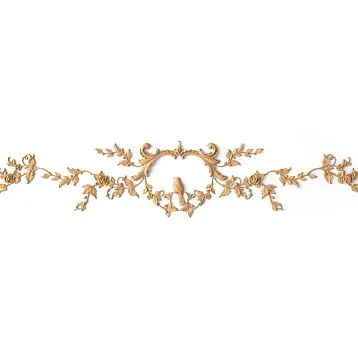
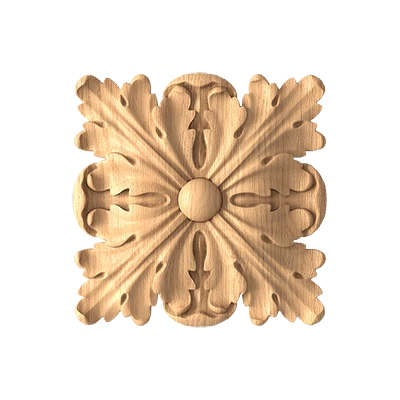
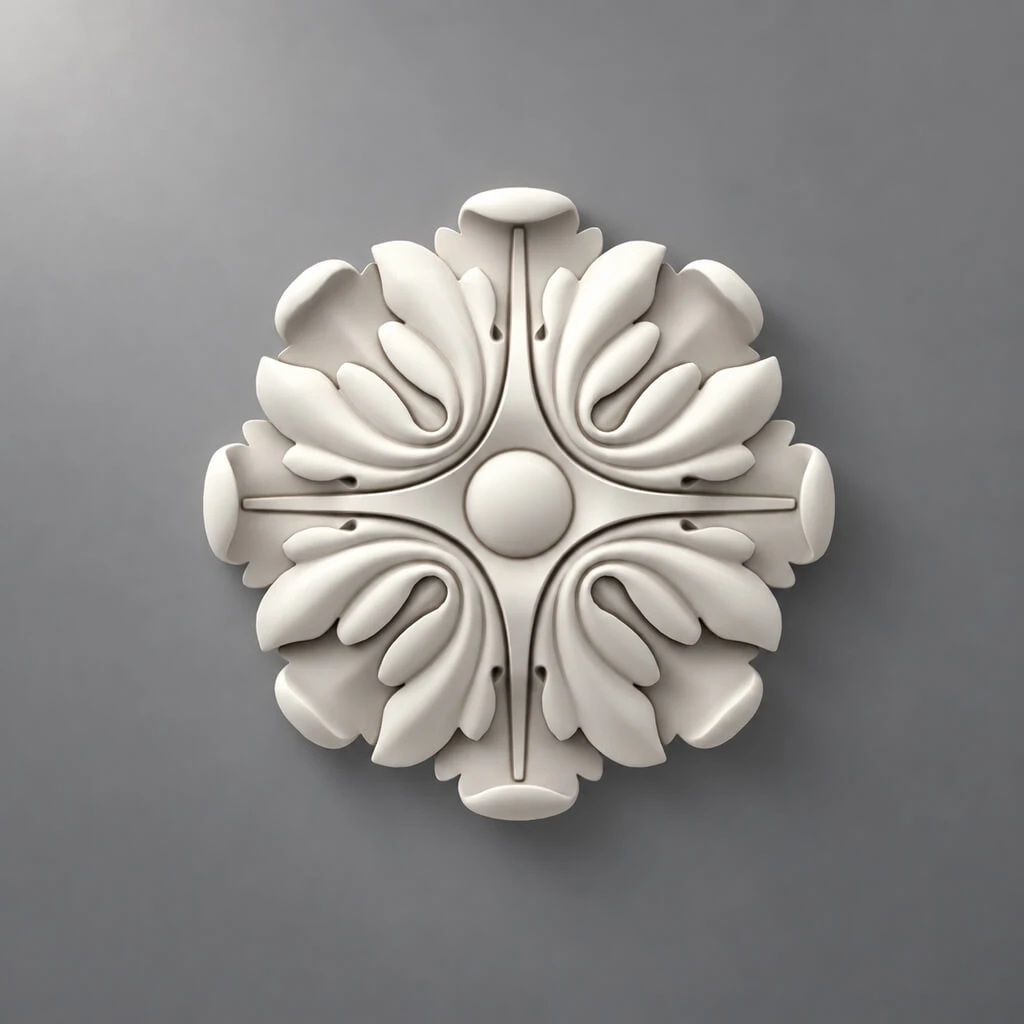
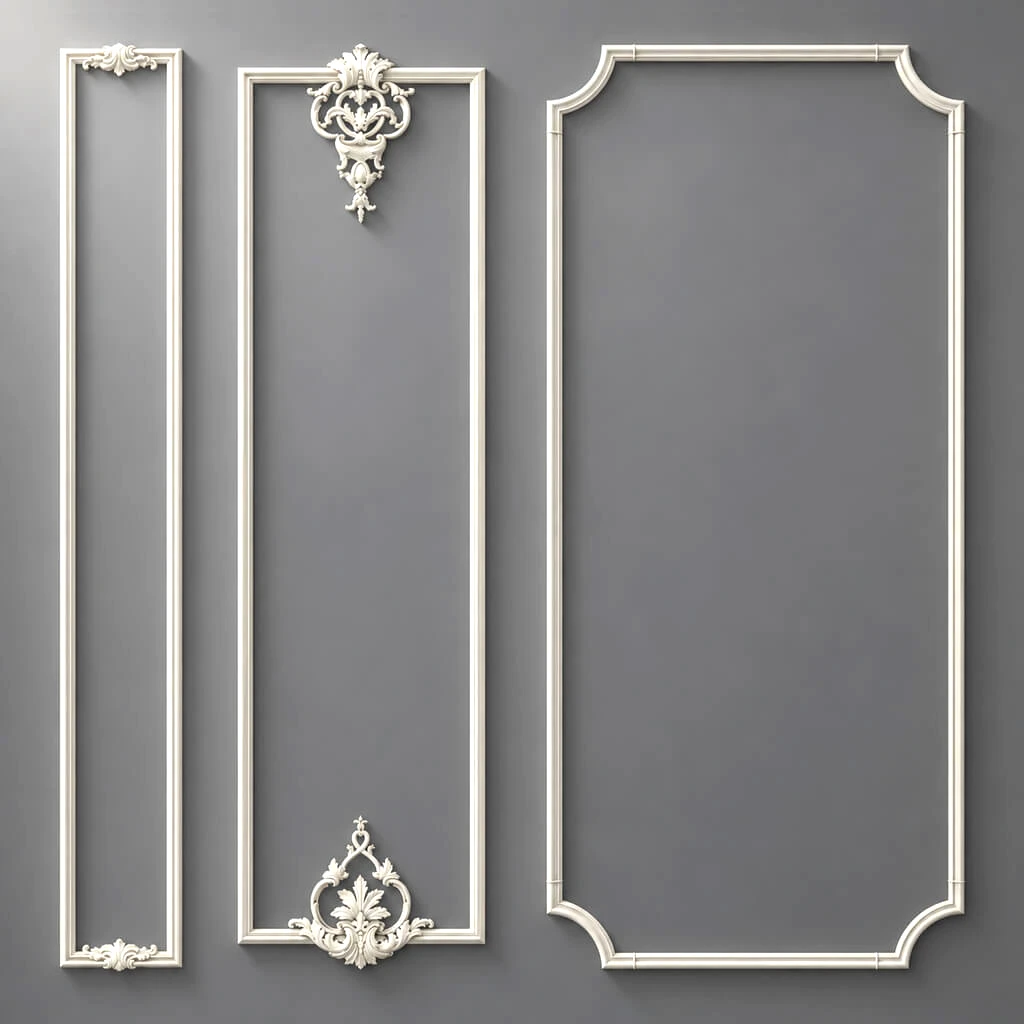
for . Clear lines, created using modern technologies, emphasize the strict aesthetics of the room. Each decorative element harmoniously fits into the overall concept, creating a sense of order and thoughtfulness. — for medallions, rosettes, friezes, corner elements — transparent TYTAN will give a neater result: the glue will not protrude beyond the contour, will not spoil the relief, and will not be visible on the decorative surface.
for polyurethane overlays — for more compact elements with a smaller contact area — a transparent composition is also preferable.
Wooden decor
Wood is a heavier material than polyurethane. This is the first thing to consider when choosing a glue. The specific weight of a wooden molding or oak overlay is several times higher than that of a similar polyurethane element. This means the requirements for adhesion and initial tack are higher.
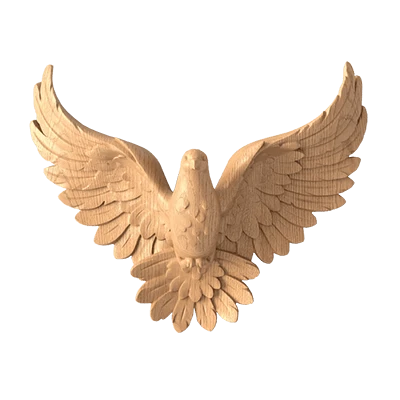
For small wooden overlays — TYTAN glue: delicate, transparent, with no risk of stains.
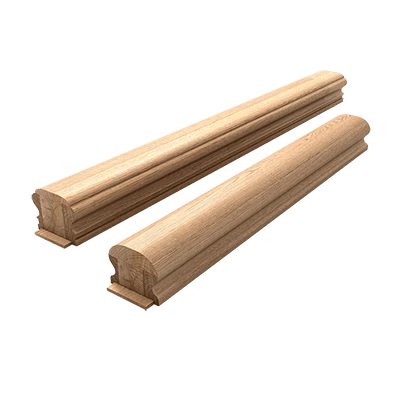
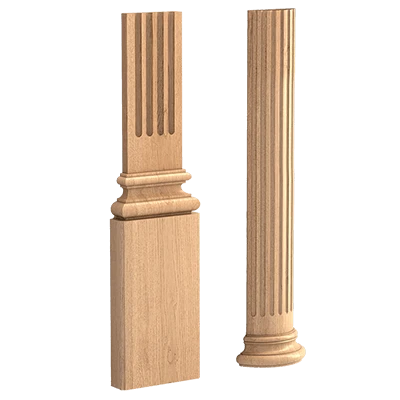
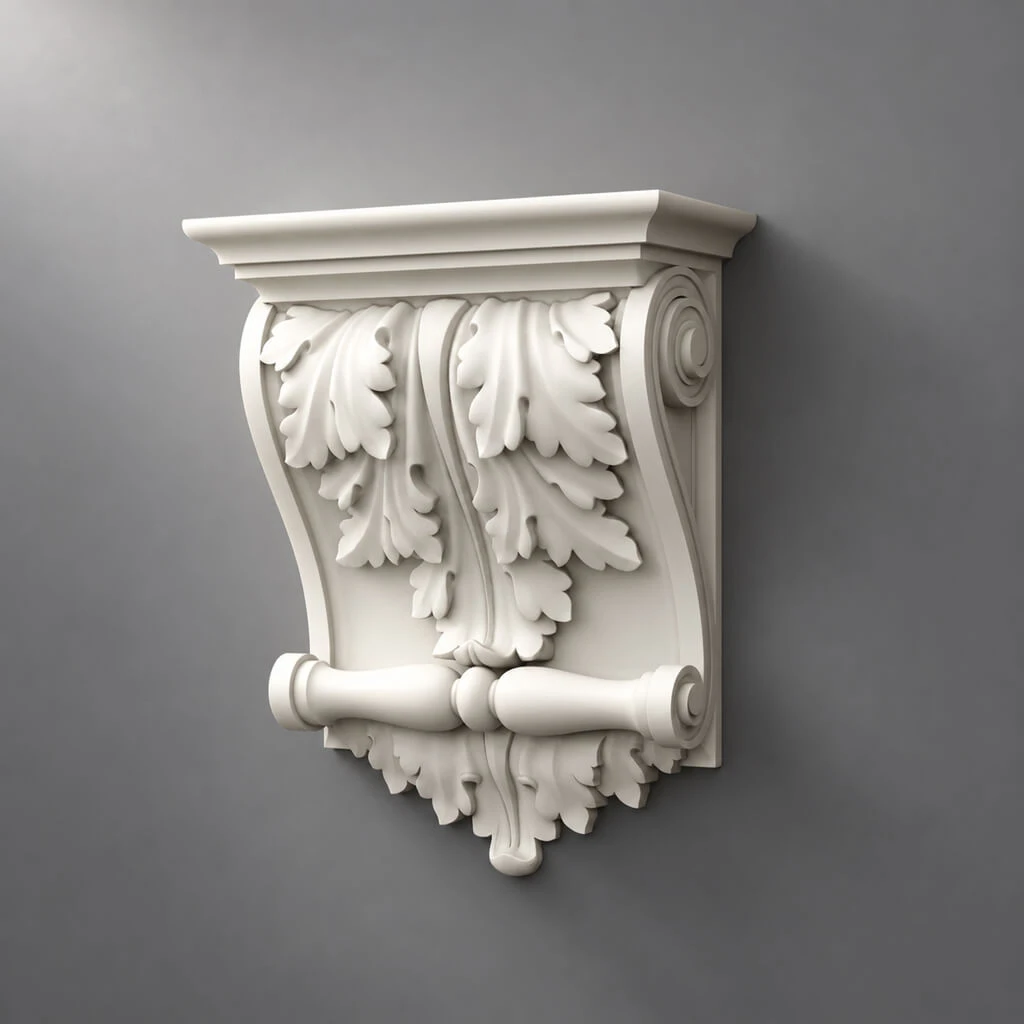
For a long wooden molding, solid wood trim и wooden molding — KUDO High Tack: it holds the long element from the first press and prevents it from slipping until full setting.
For massive wooden elements — cornices, large overlays, heavy frames — only glue in combination with mechanical fasteners. More details in the section on combined fastening.
MDF and painted products
MDF coated with enamel or primer requires care: the glue should not soften the coating. Both recommended STAVROS adhesives are safe for paint and varnish coatings. But it is important to apply the glue correctly — without excess that could seep onto the coated surface and leave marks.
Rack panels
Rafter panels — these are elements with a large bonding area and a certain weight. They require a glue with high initial adhesion — KUDO High Tack. Apply with a notched trowel or in dots along the perimeter and diagonals. Press the panel for a few seconds — and it holds.
When installing slatted panels, it is important that the glue based on hybrid polymers remains elastic. Wooden slats are a living material that changes geometry with humidity fluctuations. Rigid glue causes cracks in the seam. Elastic glue compensates for movement.
How to choose glue based on the type of substrate
Decorative elements are installed on various surfaces — and each has its own requirements.
Drywall wall
Drywall is a lightweight substrate with insufficient load-bearing capacity for heavy elements. For lightweight polyurethane decor — either of the two STAVROS adhesives. For wooden decor on drywall — be sure to check the weight of the product and consider combined fastening if the element is heavy.
Important: apply the glue in dots or strips — not in a continuous layer, to prevent the drywall from getting wet.
Plastered and painted wall
A standard situation in apartments. The surface must be dry, clean, and free of peeling paint layers. If the paint adheres poorly — the decor will peel off with it, regardless of the glue quality.
Check the base: run your hand along the wall — if dust or chalk remains on your palm, the surface needs to be primed before installation.
MDF furniture facade
For wooden overlays on furniture facades — transparent TYTAN. It won't leave white marks, the seam will be delicate. Important: before application, make sure the surface is degreased. MDF after sanding often has a greasy film from processing.
Surface with tiles or porcelain stoneware
Polished tile is a difficult base for mounting adhesive. The glassy surface has minimal porosity. In this case, apply the adhesive to the product, wait for it to dry (open time — according to the instructions for the specific product), then press it. This technique significantly increases adhesion.
How to properly apply mounting adhesive for decor
Proper adhesive application technique is half the success of installation. Even the best adhesive won't work if applied incorrectly.
Surface preparation:
-
Both surfaces — the base and the back side of the product — must be dry and clean. Dust, grease, moisture, peeling coating — all of this destroys adhesion.
-
If necessary — degrease with isopropyl alcohol. Do not use acetone on polyurethane.
-
If the base is dusty or loose — prime with acrylic primer and allow to dry.
Applying adhesive:
-
For long linear elements — apply glue strips every 20–30 cm.
-
For flat overlays — apply dots around the perimeter and in the center, or in a zigzag pattern along the length.
-
For panels — apply dots around the perimeter and crosswise along the diagonals.
-
Do not apply glue in a continuous layer: this does not increase adhesion but increases the risk of glue squeezing out onto the surface.
Open time:
After applying the glue, there is an "open time" — the period when the glue has already started working but the item can still be adjusted. KUDO High Tack has a high initial grab — adjustment must be done quickly. TYTAN Classic Fix has a slightly longer open time, providing a margin for careful positioning.
Pressing and fixing:
After positioning — press the item for a few seconds. For lightweight elements, this is sufficient. For long linear parts — secure with masking tape or temporary spacers during the full curing time (typically 24 hours for full load).
Article on installing baseboards with liquid nails — wooden baseboard on liquid nails, no-drill technology — breaks down the specific technique for working with long linear elements. The principles are the same for any molding.
When glue alone isn't enough: an honest discussion about adhesion limits
This is an important section often glossed over in promotional materials. Construction adhesive is a reliable solution for most cases, but not all.
Situations where glue needs to be reinforced with mechanical fasteners:
-
Heavy wooden elements weighing more than 1–2 kg that are mounted on a vertical surface. Glue can hold them, but there is a risk of slipping under high loads.
-
Ceiling installation. Gravity forces are at their maximum here. For lightweight polyurethane decor, glue will suffice if applied correctly. For wooden elements on the ceiling, only combined fastening.
-
Wet areas. Bathroom, area above the stove, utility rooms — even moisture-resistant glue works less predictably under prolonged moisture exposure. Check the glue's specifications for operating conditions.
-
Small contact area. If the product is narrow and the surface underneath is small, there is little bonding area. In this case, glue plus a small nail or screw will provide a significantly more reliable result.
-
Uneven wall with differences of more than 3–5 mm. Glue works with tight contact. If the base is uneven, the element will only hold at contact points, which is insufficient for heavy products.
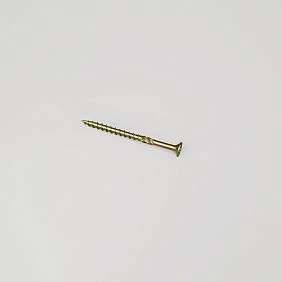
Combined fastening scheme for wooden decor: glue + thin finishing nail or self-tapping screw, followed by masking with wood putty and final painting. The nail head is countersunk, puttied, painted — and becomes invisible. Read about mistakes in decor installation in the article renovation without rework: typical mistakes in decor installation.
Mistakes in choosing and applying mounting adhesive
The list is not theoretical. Each of these mistakes occurs regularly — and each leads to a predictable result.
Mistake 1: buying glue based solely on price. The cheapest glue usually has low initial adhesion, quickly loses elasticity, and leaves a visible yellow seam. Saving on glue for expensive decor is saving on the result.
Mistake 2: using foam adhesive instead of mounting glue. Construction foam is a building material for sealing joints, not for attaching decor. It expands during polymerization, deforms thin decorative elements, and cannot be removed without a trace.
Mistake 3: using gypsum glue for wood and polyurethane. Gypsum compounds are for gypsum stucco decor. Wood and polyurethane are different materials with different adhesion and elasticity requirements.
Mistake 4: not checking glue compatibility with the decor material. Aggressive solvents in the glue composition destroy polyurethane. This is irreversible. Before using a new glue, test it on an inconspicuous area of the decorative element.
Mistake 5: gluing onto a dusty surface. Dust on the wall breaks the adhesive layer. The glue sticks to the dust, and the dust sticks to the wall very weakly. Result: the decor holds for a few weeks, then falls off.
Mistake 6: applying too much glue. More glue ≠ stronger hold. Excess glue protrudes beyond the product outline, contaminates the surface, requires cleanup — and this is not always possible without traces, especially if the glue has set.
Error 7: not considering the color of the seam. White glue on a dark surface is clearly visible. If the surface is dark, you need transparent TYTAN.
Error 8: not observing the open time. Each glue has instructions specifying the open time — the period when the glue is most active for adhesion. The item should be pressed during this period, not immediately after application or an hour later.
Error 9: not securing a long element until it sets. A long molding or baseboard may slide down under its own weight before the glue sets. Masking tape on top is a simple and effective solution.
Error 10: not testing on an inconspicuous area. This rule is especially important for surfaces with rare coatings or when using a new product for the first time. Apply a drop of glue to an inconspicuous area, let it dry, and only then proceed with the main installation.
Glue for specific STAVROS products: ready recommendations
Instead of general words — specific pairs of "product + glue."
Polyurethane moldings and cornices → KUDO HIGH TACK or TYTAN
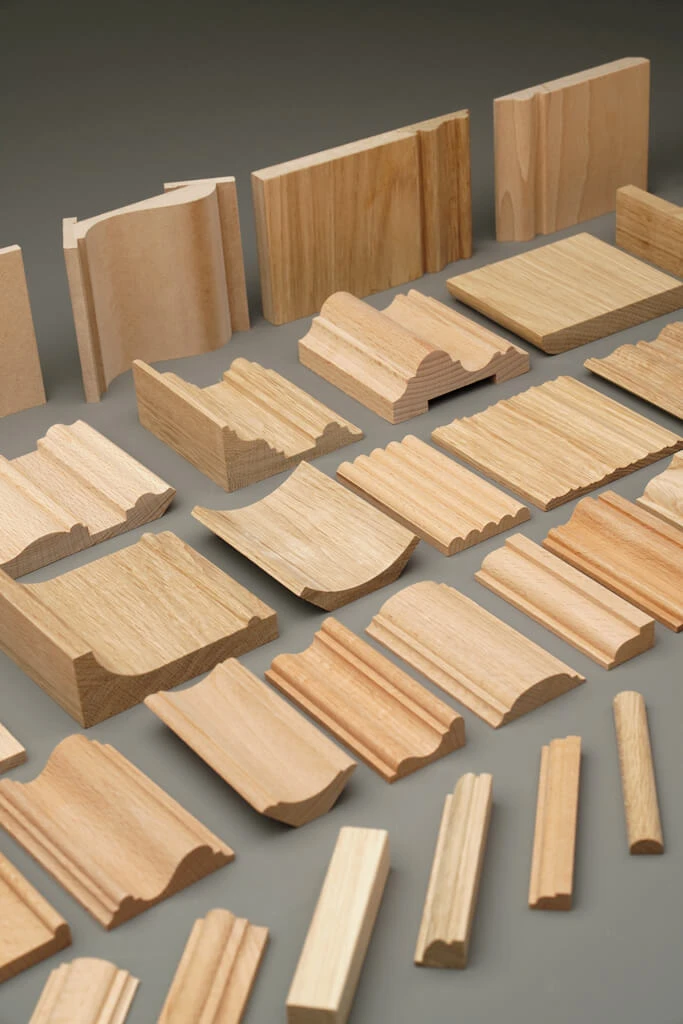
Polyurethane moldings, cornices, and skirting boards — lightweight, so the glue easily handles holding them. For long horizontal elements — High Tack: high initial grip allows not securing the element after pressing. For parts with a visible seam on a dark background — transparent TYTAN.
Wall decor and polyurethane overlays → TYTAN
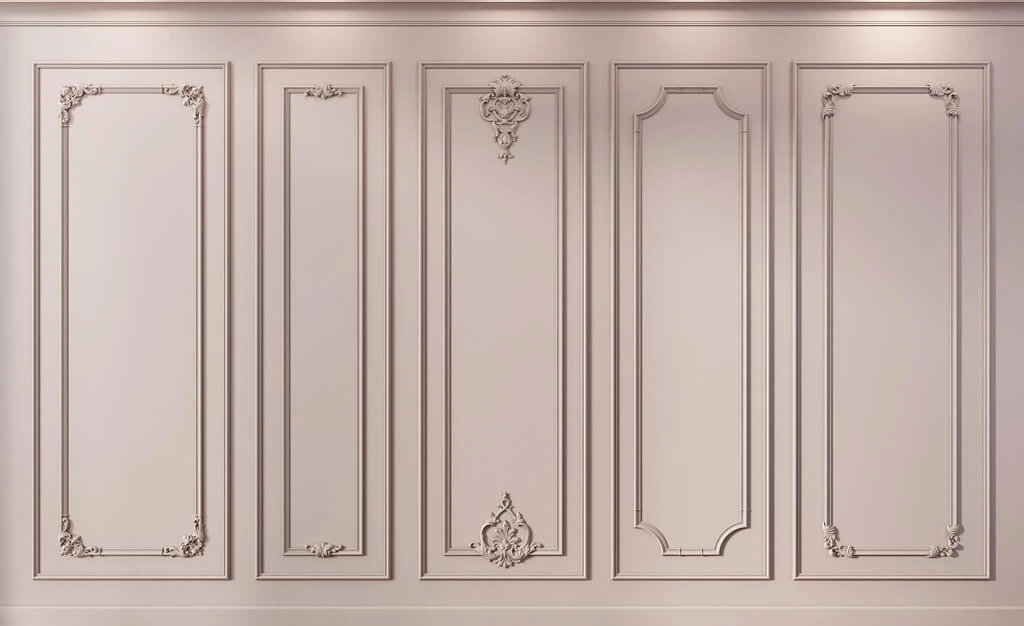
Polyurethane wall decor и PU overlays — small elements with delicate relief. Transparent glue will not spoil the ornament, will not protrude beyond the contour, and will not create a noticeable seam.
Wooden overlays → TYTAN or KUDO (by weight)
Decorative wooden inlays — if light, with a small area — TYTAN. If heavier or with a large area — High Tack. For overlays on dark furniture facades — only transparent.
Wooden baguette and moldings → KUDO HIGH TACK
Long solid wood elements require high initial grip. Wooden Picture Frame и Trimming Items — this is a scenario for KUDO: apply in strips, press, fix with tape for 24 hours.
Slat panels → KUDO HIGH TACK
Rafter panels — significant area and weight. Only High Tack. It is important to prepare the surface: a dusty or damp base under the panel is a sure path to peeling off after a few months.
Carved decor → TYTAN
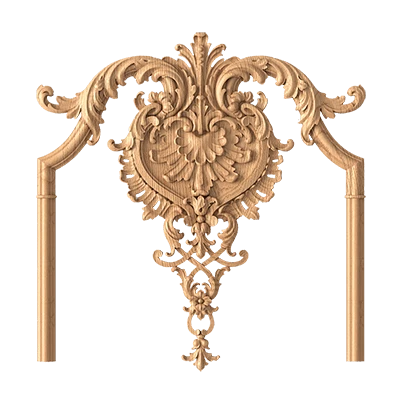
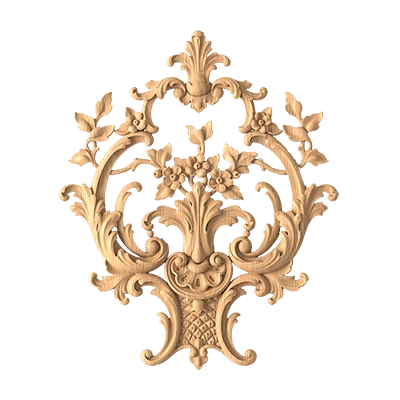
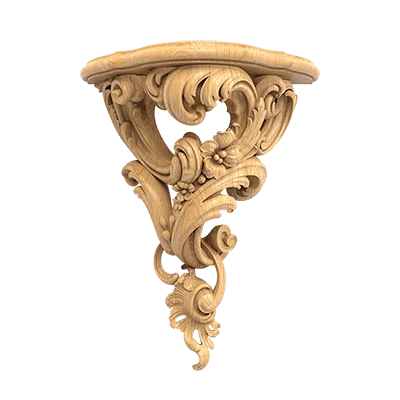
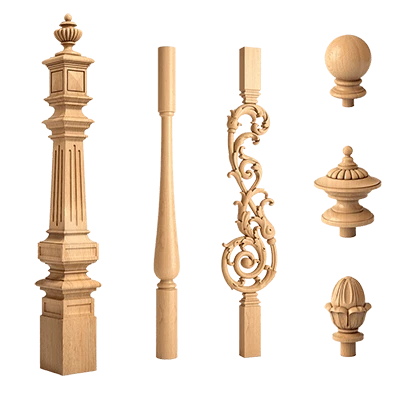
STAVROS carved decor — these are products with fine relief and high decorative value. Here, transparent glue is the only reasonable choice: installation accuracy is no less important than reliability.
What to buy with mounting glue: a kit for professional installation
Glue is one element of the mounting kit. Here's what experienced craftsmen and interior designers add to it.
Painter's tape. Indispensable for fixing long elements until the glue fully sets. Leaves no residue on surfaces.
Isopropyl alcohol. For degreasing both surfaces before installation. Evaporates quickly, leaves no residue.
Wood putty. For masking combined fastening points: finishing nail heads, small gaps in joints.
Rubio Monocoat oilFinishing coating for wooden elements after installation. Applied after mounting and puttying — completes the product's appearance.
Extra glue tubes for backup. Especially important when working with large volumes: don't calculate to the exact amount, keep a spare tube on hand.
The entire kit in one section STAVROS installation and finishing materials.
About the company STAVROS
STAVROS is a Russian manufacturer of wooden and polyurethane decor with a history since 2002. The company was founded in Saint Petersburg and participated in restoration work at the Hermitage, the Constantine Palace, and other historical sites. Production is located in Saint Petersburg, showrooms in Moscow and Saint Petersburg, Contact us to confirm shipping to your destination. from a single item.
STAVROS sells not only products but also everything needed for their professional installation: glues, oils, finishing materials. This means the buyer can fully equip their order — decor and everything needed for its installation — in one cart.
Frequently asked questions
Which mounting glue is suitable for polyurethane decor?
Both STAVROS adhesives are safe for polyurethane: KUDO High Tack based on hybrid polymers and TYTAN Prof. Classic Fix based on acrylate. Avoid adhesives with aggressive solvents — acetone, toluene, solvent. They deform and destroy polyurethane.
What is the difference between white High Tack and transparent TYTAN?
White High Tack — high initial grip, 280 ml, for long elements and large areas. Transparent TYTAN — invisible seam, 100 ml, for delicate elements and dark surfaces. The choice depends on the weight of the product, the color of the base, and the requirements for seam neatness.
Can I glue wooden decor without self-tapping screws?
Yes, if the element is light, the surface is properly prepared, and the adhesive is selected according to weight and contact area. For heavy wooden elements, combined fastening is recommended: adhesive + finishing nail with masking.
Why does decor peel off after installation?
Most often — a dusty or greasy surface before installation, incompatibility of the adhesive with the material, too few application points, or the element was not fixed until full curing.
Can I glue polyurethane decor to the ceiling?
Yes, for light elements with a large contact area. Be sure to use an adhesive with high initial grip (High Tack) and fix the element until full curing — for at least 24 hours.
Is primer needed before applying mounting adhesive?
On loose, dusty, or porous surfaces — yes. Primer enhances base adhesion and significantly improves the result. On dense, clean surfaces — degreasing is sufficient.
Where to buy STAVROS mounting adhesive for decor?
In the STAVROS online catalog in the section materials for installation and finishing with Contact us to confirm shipping to your destination., as well as in showrooms in Moscow and St. Petersburg.
How many tubes of glue are needed for a project?
One KUDO 280 ml tube — approximately for 8–10 linear meters of molding when applied in strips. One TYTAN 100 ml tube — for small delicate work with overlays and carved decor. For large projects, order with a 20–30% reserve.