








































































Article Contents:
- Why wooden legs change a cabinet more than it seems
- When legs are better than a plinth
- What makes up a designer cabinet
- Which STAVROS products to look at for a cabinet
- How to choose wooden legs for a cabinet
- Straight Legs
- Turned legs
- Carved legs
- Geometric legs
- Bedside table
- TV cabinet
- Vanity cabinet
- Chest or tall cabinet
- Console cabinet
- How to combine handles and legs
- Central overlay
- Corner Overlays
- Horizontal overlays
- Rosettes instead of large decor
- Update an old cabinet
- Assemble bedside tables for the bedroom
- Make a cabinet for the living room
- Choose a cabinet for the hallway
- Make furniture for a salon, boutique, or hotel
- Assemble a cabinet for painting
- Buy legs only by photo
- Not checking the final height
- Keep the old handles
- Overload the facade with decor
- Not accounting for the load
- Not checking the coating
- Buy decor without understanding the installation location
- Can I replace the cabinet base with wooden legs?
- Which legs are best to choose for a bedside table?
- What is better to buy together with furniture legs?
- When to choose legs without coating?
- Can wooden legs and carved overlays be combined?
- Are wooden handles suitable for a modern interior?
- When is it better not to use overlays?
- Can wooden legs be used for a TV cabinet?
- Are wooden legs suitable for a vanity cabinet?
- How is a rosette different from an overlay?
- How to know when there is too much decor?
- Do I need to buy everything as a set at once?
- What to check before ordering from STAVROS?
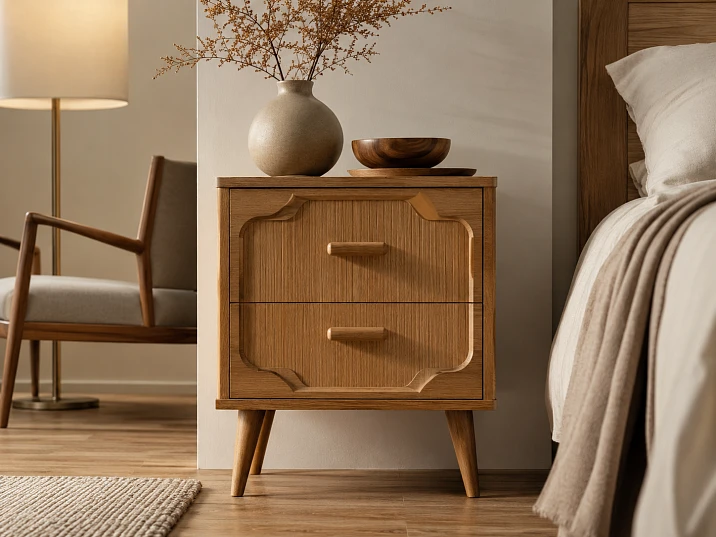
When a person wants to buy furniture legs for a cabinet, they most often aren't just looking for four supports under the body. Behind such a request is a clear interior task: the old cabinet has started to look heavy, the new furniture seems too simple, the bedside area doesn't feel finished, the TV cabinet stands like an ordinary rectangular box, and you want to turn a chest of drawers or console into a piece with character. At that moment, wooden legs become not minor hardware, but a detail that changes the entire silhouette of the furniture.
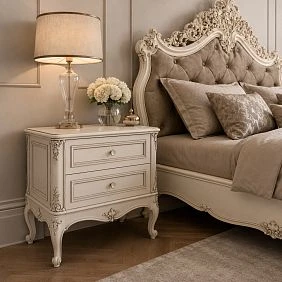
A cabinet on wooden legs looks lighter, neater, and more expensive than ordinary case furniture on a solid base. Air appears under the body, the lower part stops blending with the floor, and the furniture itself begins to be perceived as a separate interior item. If you match wooden handles to the legs, the facade becomes more cohesive. If you add carved overlays or rosettes, you can enhance the style: make the cabinet closer to classic, neoclassical, vintage, art deco, or custom-made designer furniture.
But a good result doesn't come from a random purchase. You can't just pick the first legs you like, any handles, and a couple of decorative overlays just because they look nice in photos. A cabinet has size, weight, purpose, height, facade, room style, and operating conditions. A mistake in scale, color, material, or amount of decor quickly turns a beautiful idea into overloaded furniture.
Below is a detailed breakdown for designers, furniture workshops, and private buyers: which wooden furniture legs to choose for a cabinet, when handles in the same style are needed, how to use carved overlays without overloading, what to buy together, and how to assemble a set at STAVROS so that the cabinet looks thoughtfully designed, not randomly redone.

Why wooden legs change a cabinet more than it seems
A cabinet has several zones that are immediately read by the eye: the facade, the top surface, the handles, and the base. The base is often underestimated. It seems that the main thing is the facades and color, while the bottom of the furniture is secondary. In reality, it is the lower part that determines whether the cabinet looks light, heavy, modern, classic, neat, or rough.
A solid base makes the body monolithic. Sometimes this is necessary: for example, if the furniture should be as calm, built-in, and unobtrusive as possible. But when a cabinet stands next to a bed, sofa, mirror, armchair, TV area, or in a hallway, a solid bottom often weighs the piece down. The furniture appears lower, bulkier, and simpler.
Wooden legs work differently. They lift the body off the floor, set a new rhythm, emphasize height, and turn the lower part into a conscious design element. Even a simple straight body starts to look more interesting if properly selected supports appear under it. And if you add matching handles, the facade and base begin to work together.
For the buyer, this is practical. You don't always need to replace the entire cabinet. Sometimes the body is still sturdy, the dimensions are convenient, the drawers work well, but the furniture is morally outdated. In such a situation, you can Buy wooden furniture legspick handles and carefully update the facade. The result is not a cosmetic trifle, but a full-fledged change in the furniture's appearance.




When legs are better than a plinth
Legs are better than a plinth when the cabinet needs to add lightness, height, and individuality. This is especially noticeable in the bedroom, where a bedside table should support the bed, textiles, lamps, and overall coziness. On legs, it looks softer and neater than a heavy rectangular body on the floor.
In the living room, legs help lighten a TV cabinet or dresser. Long furniture on a solid base often looks like a massive strip along the wall. Wooden supports break up the bottom line, add air, and make the piece more furniture-like rather than just a cabinet.
In the hallway, legs can make a cabinet visually lighter and easier to clean. In a commercial interior—salon, boutique, hotel, showroom—they help move away from standard furniture and create a more expressive piece.
A plinth is better left where a fully closed base is needed: for example, if the furniture is built-in, located in a high-traffic area, should be as minimalist as possible, or is structurally not designed for a base replacement. In other cases, wooden legs offer more design possibilities.
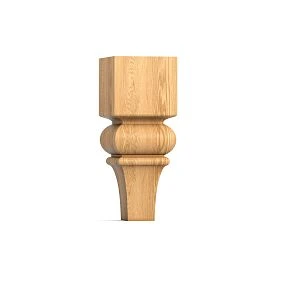
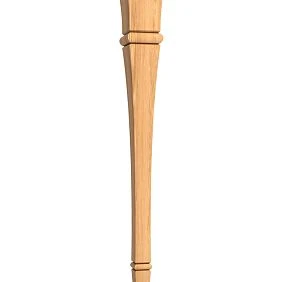
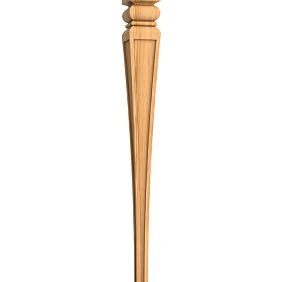
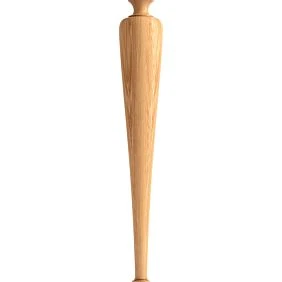
Our factory also produces:

What makes up a designer cabinet
A designer cabinet is not necessarily complex furniture with expensive finishes. It often consists of the right details: body, legs, handles, overlays, and targeted accents. The main thing is that each detail fulfills its role.
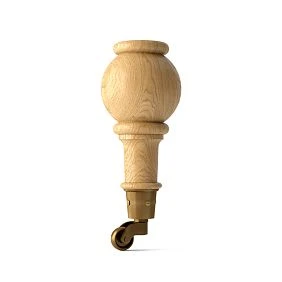
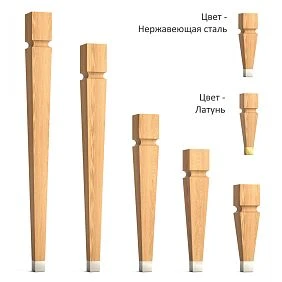
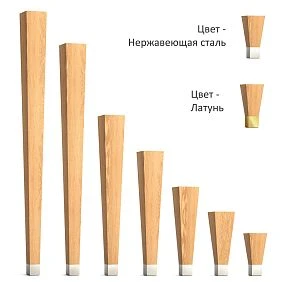
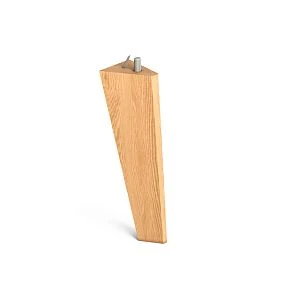
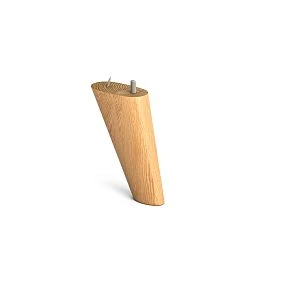
Legs are responsible for the stance and silhouette. They determine how light or stable the furniture will look. Straight legs give a calm, modern character. Turned legs make the piece softer. Carved legs add a classic or vintage touch. Geometric legs suit minimalist interiors where wood is needed but extra decorativeness is not.
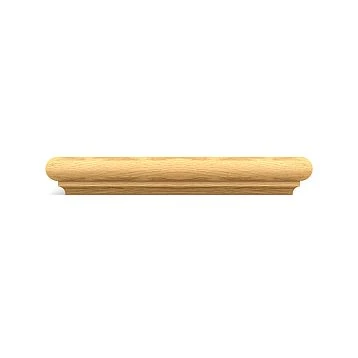
Handles are responsible not only for opening. They are on the facade, constantly in view, and felt by hands every day. If the legs are wooden and the handles are random metal or plastic, the cabinet may look unfinished. Therefore, along with the supports, it is often worth choose wooden handles for furniture, so that the facade and base support each other.
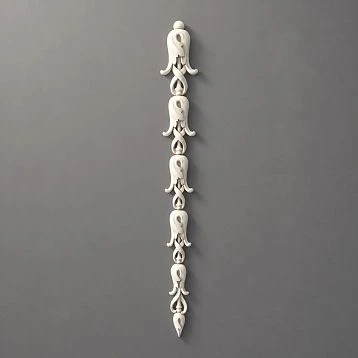
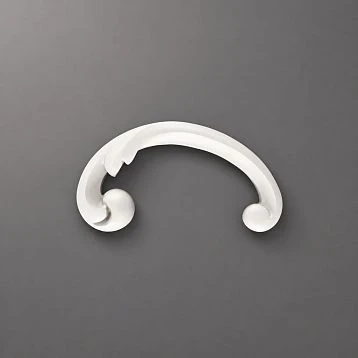
Overlays add relief. Not every cabinet needs them, but they work well where the facade is too empty or the interior requires decorativeness. To avoid overloading the furniture, it is better look at carved overlays for furniture only after choosing legs and handles. Then it will become clear whether the facade needs an additional accent or a calmer set is enough.
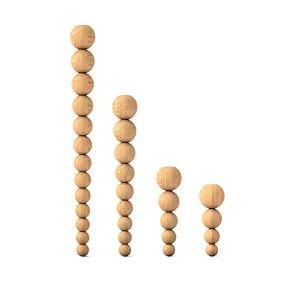
Rosettes are point decor. They do not replace a handle, leg, or large overlay, but can beautifully highlight the center of the facade, side, decorative frame, or small surface. If you need just a small accent, you can choose decorative wooden rosettes and check the size against the facade in advance.
Get Consultation
Which STAVROS products to look at for a cabinet
Before purchasing, it is useful to divide the task into four groups: base, facade hardware, decorative relief, and point accent. This way it is easier not to buy too much and not to forget the important.
| What we choose | What it's for | What to check before ordering | Where to go |
|---|---|---|---|
| Wooden furniture legs | Raise the cabinet, replace the base, make the body lighter and more expressive | Height, shape, material, mounting method, compatibility with the body | Buy wooden furniture legs |
| Uncoated legs | Prepare the cabinet for painting, tinting, or custom finishing | Finishing options, future color, combination with the body and handles | choose unfinished solid wood furniture legs |
| Legs for table and cabinet | Assemble furniture in a unified style: cabinet, console, table, workspace | Proportions, purpose, height of adjacent objects | choose wooden legs for table and cabinet |
| Wooden handles | Update the facade and connect it with the wooden base | Size, shape, grip comfort, color, finish | buy wooden handles for furniture |
| Uncoated handles | Make handles, legs, and body in a unified finish | Preparation for painting or tinting, compatibility with the project | select unpainted wooden handles for furniture |
| Handles with coating | Get the finished look of the facade faster | Shade, finish, combination with legs and body | view handles with finish for furniture |
| Carved overlays | Decorate the facade, side, frame, or central part of the cabinet | Size, relief, style, placement location | choose carved overlays for furniture |
| Wooden rosettes | Add a small decorative accent | Size, shape, installation location, compatibility with overlays | buy decorative wooden rosettes |
| Rosette R-032 | Use a specific accent element in the composition | Exact parameters in the product card, facade scale | view wooden rosette R-032 |
This table is not meant for buying everything at once. It helps to see the logic of the set. If the cabinet is simple and modern, legs and handles may suffice. If the interior is classic or neoclassical, an overlay can be added. If only a small accent is needed, a rosette may be more appropriate than a large carved decor.
How to choose wooden legs for a cabinet
Choosing legs starts with the cabinet itself. You need to understand its body, how much it weighs, where it stands, what it stores, and what height it should be after the modification. Only then does it make sense to choose the shape.
For a lightweight bedside table, more compact supports are suitable. They should not make the furniture too tall next to the bed. For a TV cabinet, stability and proper load distribution are important. For a chest of drawers or a tall cabinet, the center of gravity must be considered. For console furniture in the hallway or living room, not only beauty but also stability in a walk-through area matters.
If the body is massive, too thin legs will look weak. Even if they technically withstand the load, visually the cabinet may seem unstable. If the body is small, too large supports will make it look coarse. Beauty here lies not in the leg itself, but in the proportion between the support and the body.
Straight legs
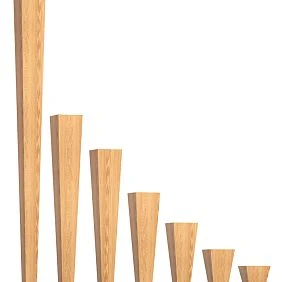
Straight wooden legs suit those who want to update a cabinet without a strong decorative accent. They work well in modern interiors, Scandinavian style, calm neoclassicism, bedrooms, studies, and living rooms.
Such supports do not compete with the facade. If the cabinet already has expressive handles, a beautiful color, or a decorative frame, straight legs will support the furniture but not draw attention downward. This is a good option when you need to make the body lighter but not turn the cabinet into the main object of the room.
Turned legs
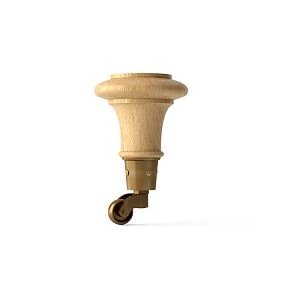
Turned legs look softer. They suit bedside tables, chests of drawers, console items, and furniture in classic or neoclassical style. Their shape adds a handmade, warm character to the furniture.
If turned supports are chosen, handles should also not be random. Wooden handles with a similar character look good: not necessarily the same shape, but close in mood. Then the facade and base are perceived as parts of one project.
Carved legs
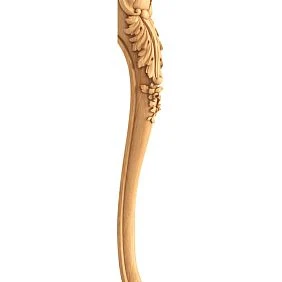
Carved legs are best chosen when the cabinet should stand out. They suit classic, vintage interiors, decorative furniture, salons, boutiques, hotels, and custom projects. But it's easy to overdo them.
If the legs are already carved, it's better to keep the facade calmer. You can add one overlay or rosette, but there's no need to decorate every drawer. A carved leg itself already creates an accent. The other details should support it, not compete.
Geometric legs
Geometric legs suit modern cabinets. They help maintain clean lines but add natural material and a warmer feel to the furniture. This option is good for cabinets in the living room, bedroom, study, hallway, and commercial interiors where a modern but not cold look is needed.
Geometric supports are best paired with simple handles. Carved overlays are rarely needed in such a project. If you want to add decor, it's better to use it very sparingly.
Legs without coating or finished finish
If the cabinet is made for a specific project, it's often more convenient to choose parts without coating. They can be painted or tinted together with the body, handles, and overlays. This makes it easier to achieve a uniform color and avoid mismatches.
For example, a furniture workshop assembles bedside tables for a bedroom in a specific shade. In this case, it makes sense choose unfinished solid wood furniture legs to plan the finish together with the facades right away. If the handles should also be the same color, you can buy unpainted wooden handles for furniture.
A finished coating is convenient when you don't want to do additional work. But here it's important not to make a mistake with the shade. Wood, enamel, varnish, stain, and different coatings can look different under different lighting. Before ordering, you need to carefully check the product card, look at the current parameters, and if necessary, clarify details with the STAVROS manager.
If the body is already ready and legs are needed for an update, it's better to decide in advance: they will blend with the furniture or become a contrasting element. Both solutions are possible. The mistake starts when the color is chosen by eye without connection to the facade, floor, and handles.
How to choose legs for different types of cabinets
The same leg can be good for a bedside table and unsuccessful for a TV cabinet. Therefore, you need to choose not only by style but also by the usage scenario.
Bedside table
A bedside table should be convenient next to the bed. If after installing new legs it becomes too high, it will be uncomfortable to use. So first, measure the height of the bed and the current height of the table, then determine what leg height is acceptable.
For a bedroom, soft shapes often work better: straight calm legs, light turned supports, wooden handles without aggressive shine. If the interior is classic, you can add a small overlay on the facade. If the bedroom is modern, legs and handles are enough.
TV cabinet
A TV cabinet is usually longer and heavier than a bedside table. It holds equipment, decor, and sometimes audio. Here, not only the shape of the legs matters but also the distribution of supports. A long body may require a more thoughtful mounting scheme to avoid sagging and instability.
For the TV area, it's better to choose not too active decor. The screen and wall already provide a visual center. Legs should lighten the furniture, not distract. Handles should be comfortable and calm. Overlays — only if they truly support the interior.
Cabinet under the sink
A vanity cabinet under the sink requires special attention. A wet area is no place for random solutions. Wooden legs can look very beautiful, especially in interiors with natural materials, but you need to consider wood protection, contact with water, cleaning, ventilation, and the cabinet body design.
Before purchasing, it's important to clarify the material, finish, and suitability of the chosen parts. If the cabinet will be placed near water, you cannot choose based solely on appearance. It's better to discuss the project in advance with a craftsman or a STAVROS manager.
Chest of drawers or tall cabinet
A chest of drawers is taller than a regular cabinet, so stability becomes especially important. The higher the body, the more carefully you need to choose the base. Thin legs may look beautiful, but if the furniture is tall and heavy, they may not be the best solution visually and structurally.
For a chest of drawers, supports that match the scale of the fronts work well. If the fronts are large, the handles should also be noticeable and comfortable. Overlays can be used on individual drawers or the central area, but you shouldn't turn every front into a separate decorative element.
Console cabinet
A console cabinet often stands in the hallway, living room, bedroom, salon, or boutique. It may have less storage but more of a decorative role. Here, the legs are especially noticeable because the piece is often perceived as an interior object.
For a console cabinet, you can choose more expressive supports, but stability is still important. If the furniture is narrow and tall, you need to consider the risk of tipping, the walkway area, and future load.
Handles: the detail that connects the front to the base
After choosing the legs, you need to look at the front. If the old handles don't match the style, the new lower part will look out of place. That's why it's better to choose handles together with the legs, not after installation.
Wooden handles work well in projects where you want warmth, naturalness, and integrity. They suit painted facades, veneered surfaces, enameled furniture, natural wood, and both classic and modern cabinets. It all depends on the shape and finish.
If the cabinet is to be completely updated, it's better buy wooden handles for furniture to do it together with the legs. This makes it easier to assess the overall look. If the furniture is being painted, you can select unpainted wooden handles for furniture. If a ready-made option is needed, it's worth view handles with finish for furniture comparing them with the legs.
How to combine handles and legs
The safest approach is to choose handles and legs with a similar character. They don't have to be identical. What matters is avoiding a stylistic conflict.
Turned legs pair well with soft wooden handles. Geometric legs suit simpler forms. For carved legs, handles should be chosen carefully to avoid overloading the facade. If handles are large, use overlays sparingly. If handles are small and understated, the facade can be enhanced with a decorative detail.
Color also matters. If the legs are dark and the handles are light, it can look interesting, but the contrast should be intentional. If the cabinet body already has an active color, it's better not to add too many different wood tones. Two main lines are usually enough: the color of the body and the color of the wooden parts.
Carved overlays: when a cabinet needs them
A carved overlay is not needed just to fill an empty space at any cost. It should solve a specific task: enhance the facade, support a classic style, create a focal point, frame a corner, emphasize a horizontal line, or connect the cabinet with other carved decor in the room.
If the cabinet is small, you need a minimum of overlays. On a bedside table, often one small detail or just handles is enough. On a large dresser or TV cabinet, there are more possibilities, but moderation is still important.
Before purchasing, it is worth choose carved overlays for furniture not based on the principle of "what looks prettier," but on the installation location. You need to measure the facade, understand the free space, consider handles, frames, drawers, edges, and future finishing.
Central overlay
A central overlay works well on a large empty facade. It creates an axis and makes the surface more expressive. But if the facade is small or already has a large handle, a central overlay can interfere.
Before ordering, you need to check whether the decor will conflict with opening. This is especially important for drawers and doors, where the hand constantly touches the facade.
Corner overlays
Corner overlays help frame the facade or emphasize its edges. They are well-suited for classic and neoclassical styles, where symmetry is important. But on a small cabinet, four corner elements can look too fragmented. Sometimes it is better to use two pieces or choose a simpler facade.
Horizontal overlays
A horizontal overlay can emphasize the line of a drawer, the top or bottom part of a facade. It helps make a cabinet appear wider and supports the horizontal line. This is especially useful for TV cabinets and low dressers.
Rosettes instead of large decor
If the facade does not require a large overlay, you can buy decorative wooden rosettes. A rosette works pointwise and does not overload the surface. For example, you can view wooden rosette R-032 and evaluate whether it fits the size and character of the future facade.
A rosette is good where a small accent is needed: the center of a door, a side panel, a decorative frame, the top part of a cabinet. But it does not replace a handle and does not perform a load-bearing function.
Comparison of cabinet update options
A full decorative set is not always needed. Sometimes it's enough to replace only the legs. Sometimes it's better to get handles right away. And in some projects, without overlays, the cabinet looks too plain.
| Option | What changes | When it fits | What can go wrong |
|---|---|---|---|
| Only legs | The cabinet becomes taller and lighter | The body and facade already look good | Old handles may clash with the new look |
| Legs + handles | The base and facade are changing | Best option for most updates | Need to coordinate shape, color, and scale |
| Legs + handles + overlay | The cabinet gets a decorative character | Classic, neoclassical, vintage, custom furniture | The facade can be overloaded |
| Legs + rosette | A small accent appears | Need light decor without large carvings | The rosette may look random without an overall composition |
| full set | The cabinet is designed as an author's piece | Design projects, furniture workshops, showrooms, hotels | Need precise selection of sizes and finishes |
The safest and most commercially strong option for most buyers is legs plus handles. It immediately changes the furniture but does not complicate the project. Overlays and rosettes are added when the facade really needs relief.
What to buy together with furniture legs for a cabinet
If the customer only takes the legs, they solve half the problem. The base changes, but the facade remains the same. Therefore, before ordering, you should immediately think about which parts will work together.
| Main choice | What to add | Why | For which project |
|---|---|---|---|
| Wooden legs | Wooden handles | Connect the facade and base | Nightstand, dresser, TV stand |
| Uncoated legs | Uncoated handles | Paint the set in one color | Furniture for enamel, restoration, custom project |
| Turned legs | Carved overlays | Support the classic style | Bedroom, living room, study |
| Geometric legs | Simple handles | Keep a modern look | Modern interior, minimalism, Scandinavian style |
| Carved legs | One trim or socket | Make an accent but don't overload the facade | Neoclassicism, vintage, designer furniture |
| Carved overlay | Decorative socket | Assemble a more expressive composition | Salon, boutique, hotel, decorative cabinet |
A set doesn't mean 'buy everything in a row'. A set means choosing details that complement each other. If the legs are expressive, the handles can be more subdued. If the handles are large, the overlay should be thinner. If the facade is small, it's better to avoid large decor and leave only a neat rosette or do without it altogether.
Practical choice for different tasks
Update an old cabinet
If the cabinet is sturdy but looks outdated, start with the base. The old plinth or unexpressive supports can be replaced with wooden legs. After that, look at the handles. If they don't match the new look, it's better to replace them right away.
Add overlays only after evaluating the facade. If the facade is smooth and large, decor can help. If the facade is small, framed, or already expressive, an overlay may be unnecessary.
Assemble bedside tables for the bedroom
For the bedroom, pairing and calmness are especially important. If the tables are on both sides of the bed, the details should match. It's better to choose legs, handles, and any decor as a set. This way the bedroom looks cohesive, not assembled from different pieces.
If the bed is massive, tables on legs will help lighten the area. If the bed is light, too massive supports on the tables may look heavy. It's important to compare not just the table separately, but the entire bedside group.
Make a cabinet for the living room
In the living room, the cabinet often stands near electronics, a sofa, wall finishes, and lighting. Active decor is not always needed here. Sometimes neat legs and handles are enough. For a TV cabinet, stability and levelness are especially important.
If the living room is decorated in a classic or neoclassical style, an overlay can be added. But if there are already decorative panels, carved moldings, or active furniture nearby, it is better to keep the cabinet facade calmer.
Choose a cabinet for the hallway
The hallway requires practicality. The cabinet may be bumped into, and bags, keys, and accessories are placed on it. Therefore, the base should be stable, the handles comfortable, and the decor moderate. Too thin legs or active overlays in a narrow hallway can be obstructive.
It is better to choose a visually sturdy set: stable legs, clear handles, minimal relief. If you want decorativeness, you can use one small rosette or a neat overlay.
Make furniture for a salon, boutique, or hotel
In a commercial interior, the cabinet works to make an impression. It can stand in a reception area, fitting room, hotel room, lounge zone, or display window. Here, wooden details help make the furniture unique and more expensive-looking.
For such projects, more expressive legs, handles, and decor can be used. But everything must be coordinated in style and durability. Furniture in a commercial space is seen every day, so random mismatches are more noticeable.
Assemble a cabinet for painting
If the cabinet is to be painted, it's better to take parts for finishing in advance. In such a project, unpainted legs and handles are especially useful. They can be matched to the color of the body or create a neat contrast.
Before finishing, you need to clarify the parameters of the selected products. You should not assume that any wooden part is automatically ready for any technology. Painting, tinting, varnish, stain, and enamel require preparation and material testing.
How not to confuse legs, handles, overlays, and rosettes
Wooden parts have different purposes. If you confuse them, the purchase will be wrong.
Furniture legs are the base. They support the body, set the height, and affect stability and silhouette. They cannot be chosen only as decor.
Furniture handles are hardware for opening. They should be comfortable and fit in size. A beautiful decorative detail does not replace a handle if it is not intended for gripping.
Carved overlays are decor for the facade, side, corner, or frame. They do not support the body and do not replace hardware.
Wooden rosettes are a point accent. They can decorate the facade, but should not interfere with opening and do not replace a large overlay where an extended decorative line is needed.
Brackets are a separate group for shelves, consoles, and wall-mounted solutions. For a regular floor cabinet, they are not a replacement for furniture legs.
Mistakes when buying
Buy legs only by photo
The photo doesn't show the whole picture. A leg may look light but turn out too massive for a small cabinet. Or vice versa — look confident in the picture but be visually weak under a heavy body. Before ordering, you need to check the dimensions and match them with the furniture.
Not checking the final height
After installing the legs, the cabinet will become higher. This is critical for bedside furniture. If the tabletop ends up higher than the bed or at an uncomfortable height, using the cabinet will be unpleasant.
Keep old handles
New legs change the look, and old handles can ruin it. Especially if the hardware is metal, plastic, too modern, or simply outdated. It's better to immediately choose handles that match the new character of the cabinet.
Overload the facade with decor
Legs, handles, overlays, and sockets should not clash. If every detail is active, the cabinet looks heavy. There should be one main accent, and the other elements should support it.
Not accounting for load
Legs must suit not only the style but also the task. A heavy TV cabinet, dresser, or sink cabinet requires a more careful approach than light bedside furniture.
Do not check the coating
If some parts are without coating and some have a finished finish, the set may not match in color. Before ordering, you need to decide in advance whether everything will be painted together or selected ready-made.
Buying decor without understanding the installation location
The overlay must have a specific place: center of the facade, corner, horizontal line, side panel. If you buy it just because it's beautiful, it may later turn out that it doesn't fit, interferes with the handle, or looks unnecessary.
Who is a cabinet on wooden legs suitable for
This solution is suitable for designers who want to assemble a piece of furniture from expressive details, rather than being limited to a standard body. Legs, handles, and overlays help make the project individual and connect the cabinet with the interior.
For furniture workshops, wooden details help expand the offering. You can not just make a body, but offer the client a ready visual concept: base, facade hardware, decor, finish.
This approach is suitable for private buyers if they want to update furniture without a complete replacement. If the cabinet is sturdy but looks outdated, new legs and handles can noticeably change its appearance.
For owners of salons, boutiques, hotels, and showrooms, this solution helps make furniture part of the atmosphere. In a commercial interior, the visitor notices details, so a cabinet on wooden legs can contribute to the overall image of the space.
When it's better to choose another solution
A cabinet on wooden legs is not always necessary. If the interior is based on absolute minimalism, hidden bases, and smooth facades without visible hardware, wooden supports may be superfluous.
If the body is weak, damaged, or not designed for attaching legs, the structural issue must be resolved first. Beautiful supports will not fix a poor base.
If the cabinet is placed in an area with constant moisture, special attention must be paid to the material, finish, and usage conditions. Without protection, the wood may suffer.
If the furniture should serve as a backdrop and the room already has many accents, it is better to choose understated legs and handles or keep the cabinet as minimalist as possible.
How to buy a set on STAVROS without random selection
It is better to start not with a single detail, but with a small plan. Write down the cabinet dimensions, installation location, room style, desired height, body color, and the goal: lighten the furniture, update the facade, add decor, or assemble a new piece.
After that, you can sequentially select the elements. Start with the base: Buy wooden furniture legs or choose unfinished solid wood furniture legs, if the furniture will be finished as part of a project. If the cabinet should match a table or console, it is worth looking at wooden legs for the table and cabinet.
Then move on to the facade: choose wooden handles for furniture, and when painting the set — select unpainted wooden handles for furniture. If a ready-made option is needed, you can view handles with finish for furniture.
Only after that should you address the decor. If the facade requires relief, you can choose carved overlays for furniture. If a small accent is needed, it's better buy decorative wooden rosettes or view wooden rosette R-032 and compare its size with the facade.
Before ordering, you need to check the product cards: dimensions, material, coating, purpose, configuration, and current parameters. If the cabinet is non-standard, heavy, located in a wet area, or made for a commercial interior, it's better to check compatibility with a STAVROS manager.
FAQ
Can the cabinet base be replaced with wooden legs?
Yes, if the body allows for secure attachment of the supports and can handle the new load distribution. Before purchasing, you need to check the bottom panel, cabinet weight, attachment points, and final furniture height.
Which legs are best for a bedside table?
For a bedside table, compact and stable wooden legs are usually suitable. They should make the body lighter but not raise the tabletop too high relative to the bed.
What is best to buy together with furniture legs?
Most often, along with legs, it is worth choosing wooden handles. They connect the facade with the base. If the facade is too empty, you can add carved overlays or decorative rosettes.
When to choose legs without coating?
Legs without coating are convenient if the cabinet will be painted, tinted, or adjusted to the project. They can be finished together with the body and handles to make the furniture look cohesive.
Can wooden legs and carved overlays be combined?
Yes, if they match in style and scale. Carved legs are best supported with decor in a targeted way so that the cabinet does not look overloaded.
Are wooden handles suitable for a modern interior?
Yes, if you choose a minimalist shape. Wooden handles can make a modern cabinet warmer without turning it into classic furniture.
When is it better not to use overlays?
If the facade is small, already has a frame or active handles, overlays may be unnecessary. In that case, it is better to limit yourself to legs and handles.
Can I use wooden legs for a TV cabinet?
Yes, but you need to consider the cabinet length, equipment weight, load distribution, and stability. For a long TV cabinet, choosing the base is especially important.
Are wooden legs suitable for a cabinet under a sink?
This solution is possible, but a wet area requires checking the material, finish, wood protection, and installation conditions. It's better to clarify the applicability of the selected parts before ordering.
What is the difference between a rosette and an overlay?
A rosette is a point decorative accent. An overlay often decorates a larger part of the facade, a corner, a frame, or a horizontal line. A rosette does not replace a handle and does not support the body.
How to know if there is too much decor?
If a cabinet has active legs, large handles, several overlays, and rosettes at the same time, the facade may look overloaded. It's better to choose one main accent and support it with calmer details.
Do I need to buy everything as a set at once?
Not necessarily. You can start with legs and handles, and add overlays later. But it's better to think through the overall style in advance so that the first purchase does not interfere with future updates.
What should I check before ordering from STAVROS?
Check the dimensions, material, coating, purpose, configuration, and compatibility with the body. If the furniture is non-standard or the project is complex, it is better to clarify the parameters with the manager.
Conclusion
A designer cabinet on wooden legs is not just a body with new supports. It is a way to change the furniture's stance, lighten the silhouette, update the facade, and assemble an item for a specific interior. The legs are responsible for the base, the handles for the facade and convenience, the overlays for the relief, and the rosettes for a point accent.
The best result is achieved when parts are selected not randomly, but as a set. First, you need to understand the dimensions and purpose of the cabinet, then choose the legs, select the handles, decide on the decor, and check all parameters before ordering. This approach helps to avoid overload, style mismatch, and installation errors.
At STAVROS, you can select wooden furniture legs, handles, carved overlays, and rosettes for a cabinet in one project route. This is convenient for designers, furniture workshops, and private buyers who want not just to update furniture, but to make it an expressive part of the interior.