
























Article Contents:
- Buy classic style bathroom furniture
- Classic bathroom furniture: why this style
- What is included in a classic bathroom furniture set
- Classic style bathroom vanity
- Size and Proportions
- Classic vanity cabinet fronts
- Legs for a classic vanity
- Handles for a classic style vanity
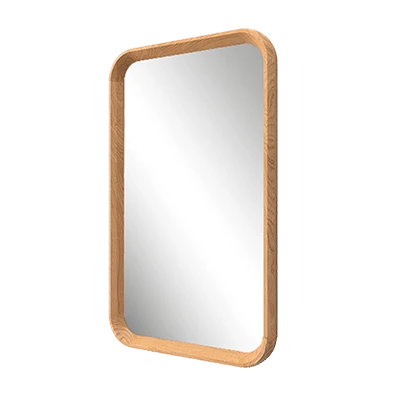
- Bathroom mirror in a classic frame
- Wooden mirror frame: options
- Mirror size relative to the vanity
- Mirror and light: an unbreakable connection
- Colors of classic bathroom furniture
- White bathroom furniture in classic style
- Furniture with patina: classics with history
- Furniture in dark wood
- Moisture resistance and materials: what you need to know
- Why humidity is dangerous for furniture
- Where to use wooden decor in the bathroom
- Ventilation is more important than furniture
- Decor for a classic bathroom
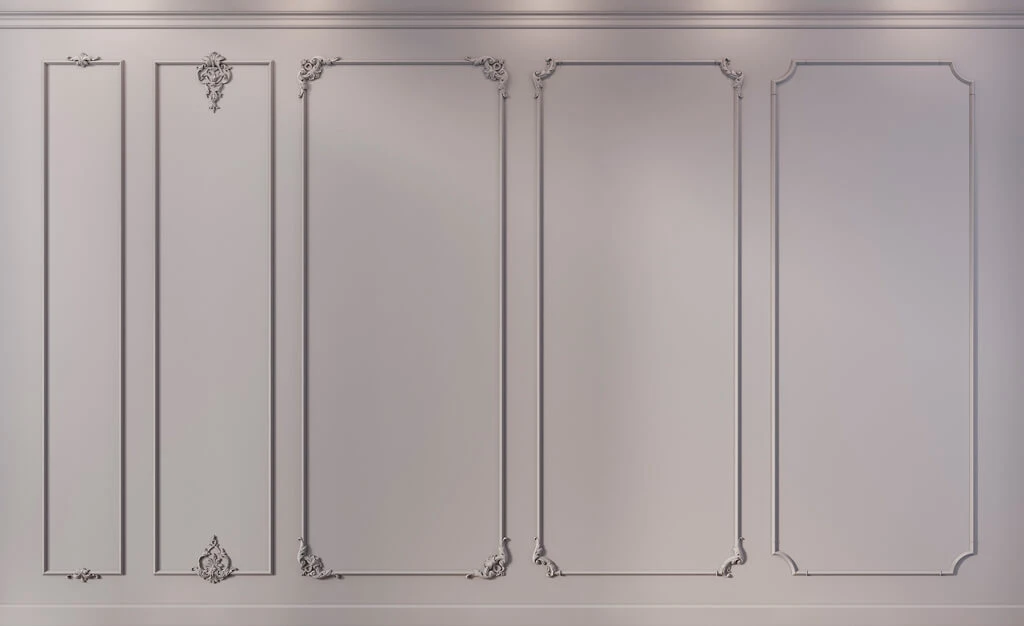
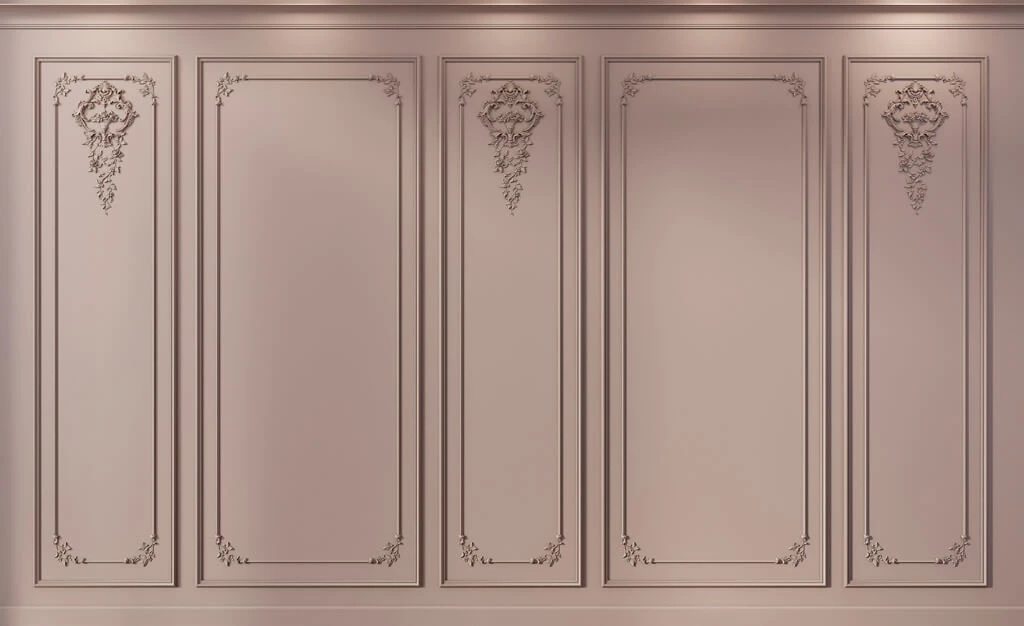
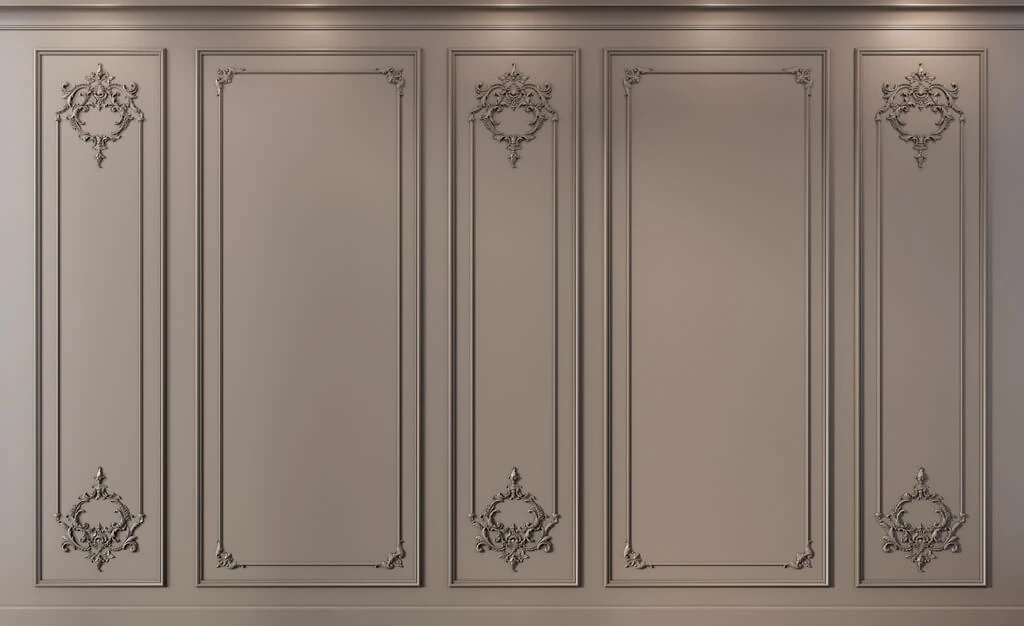
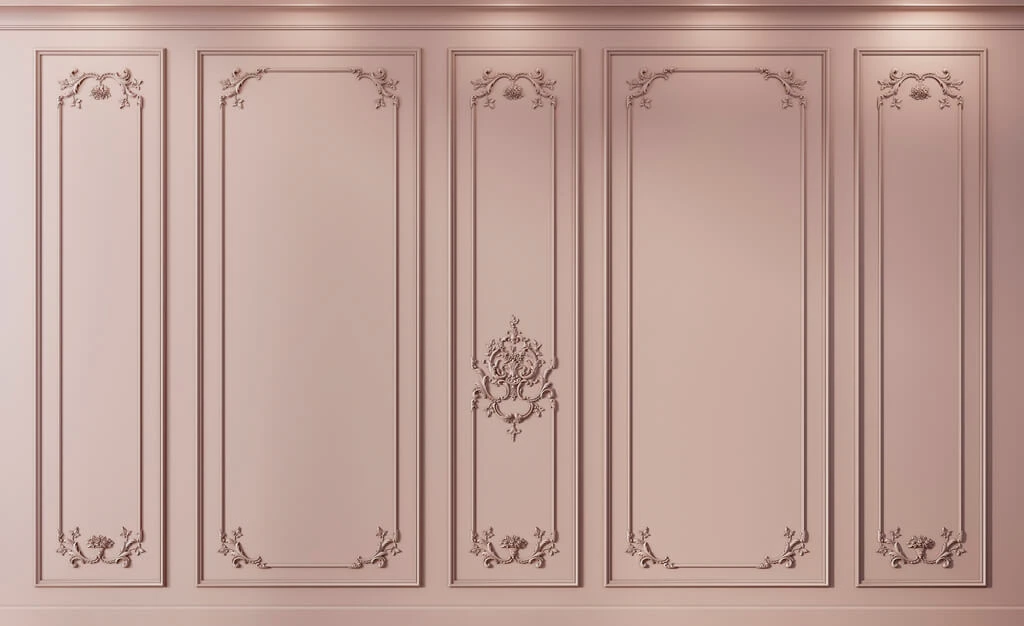
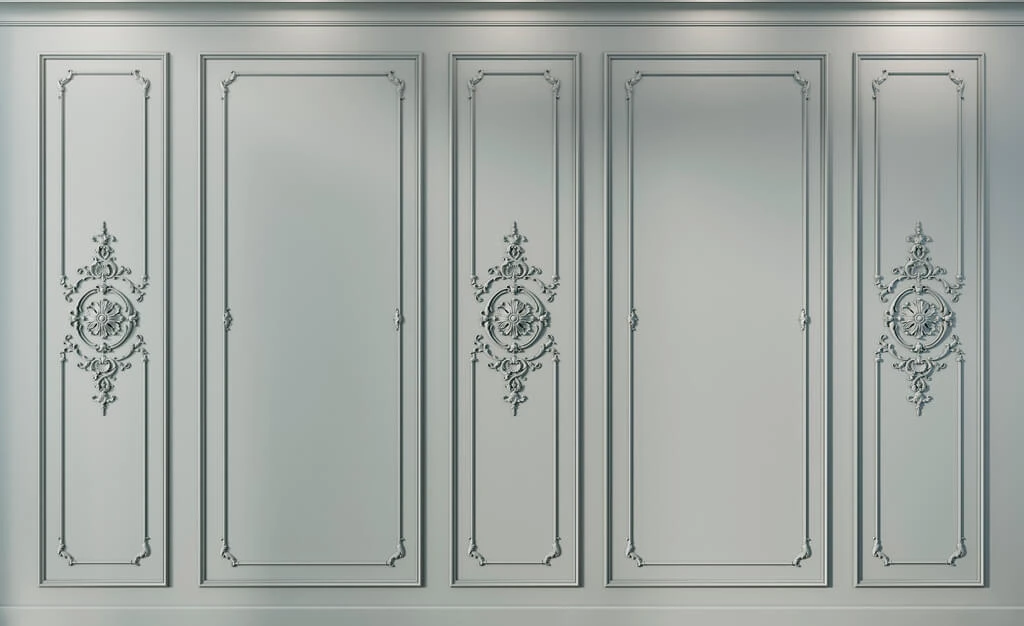
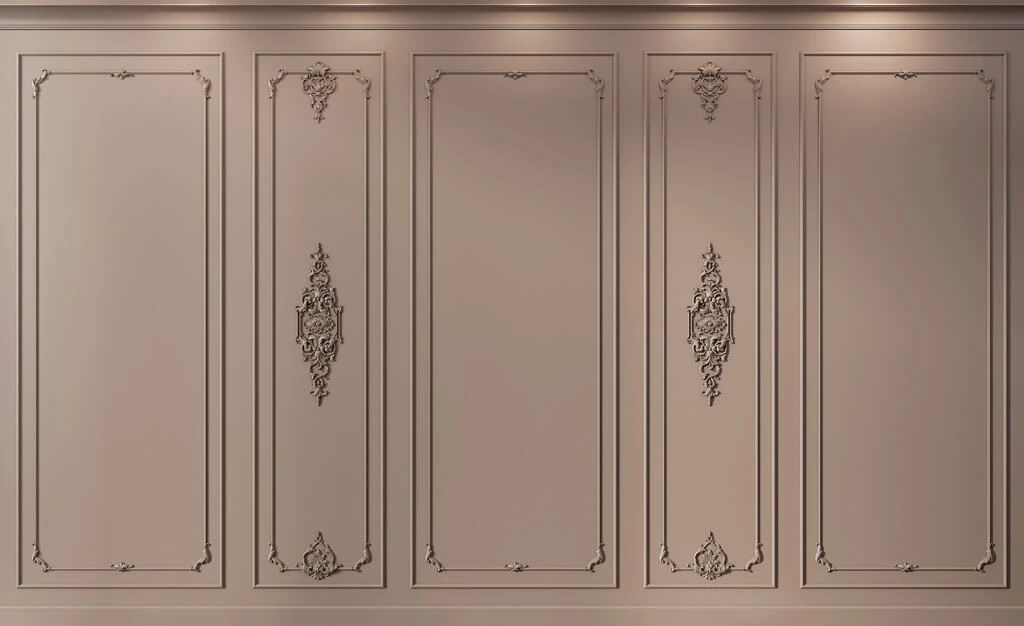
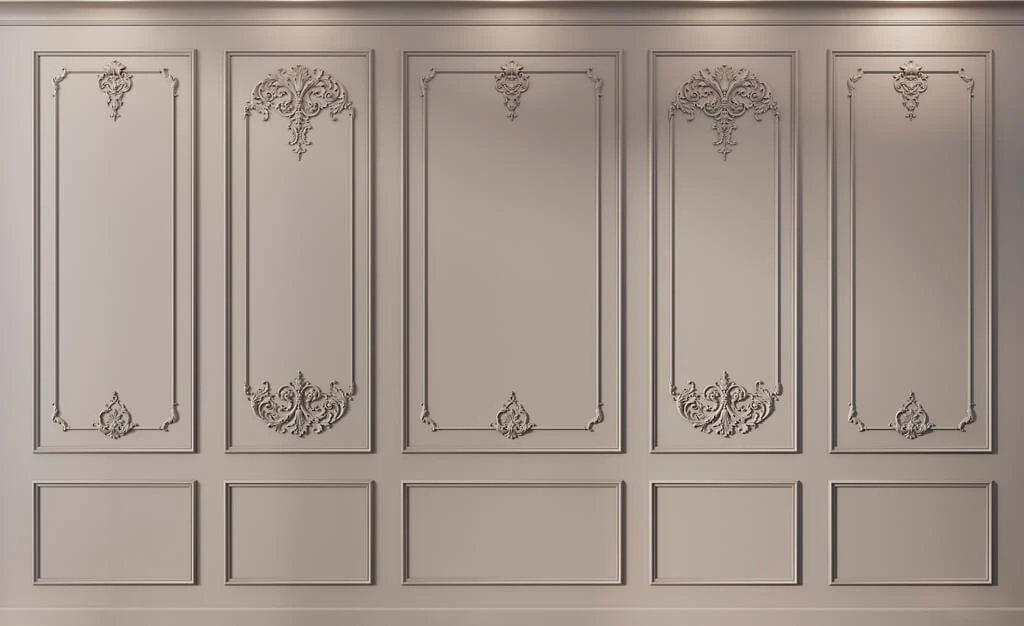
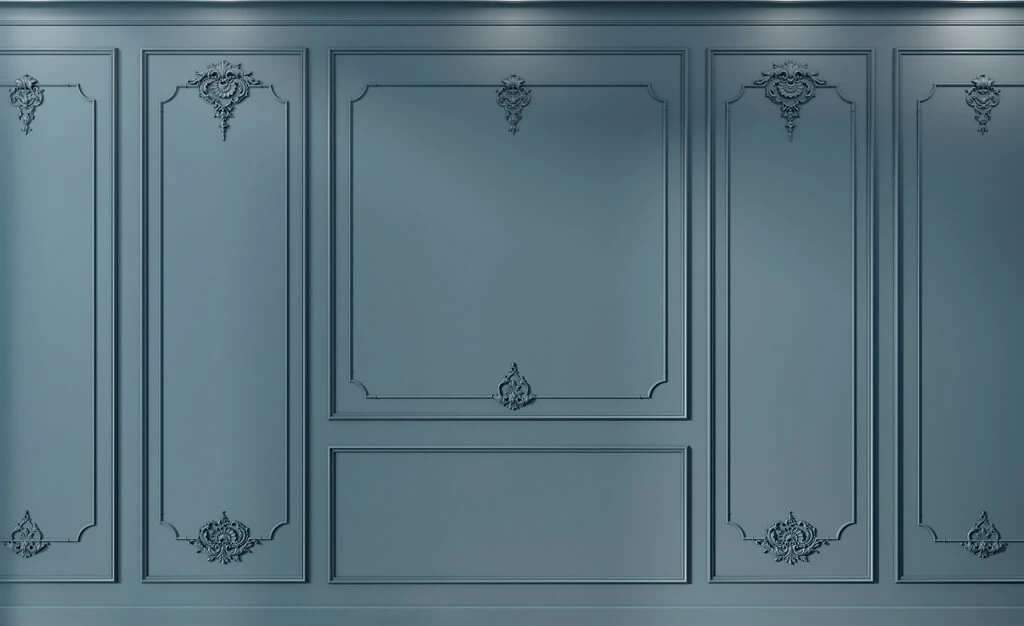
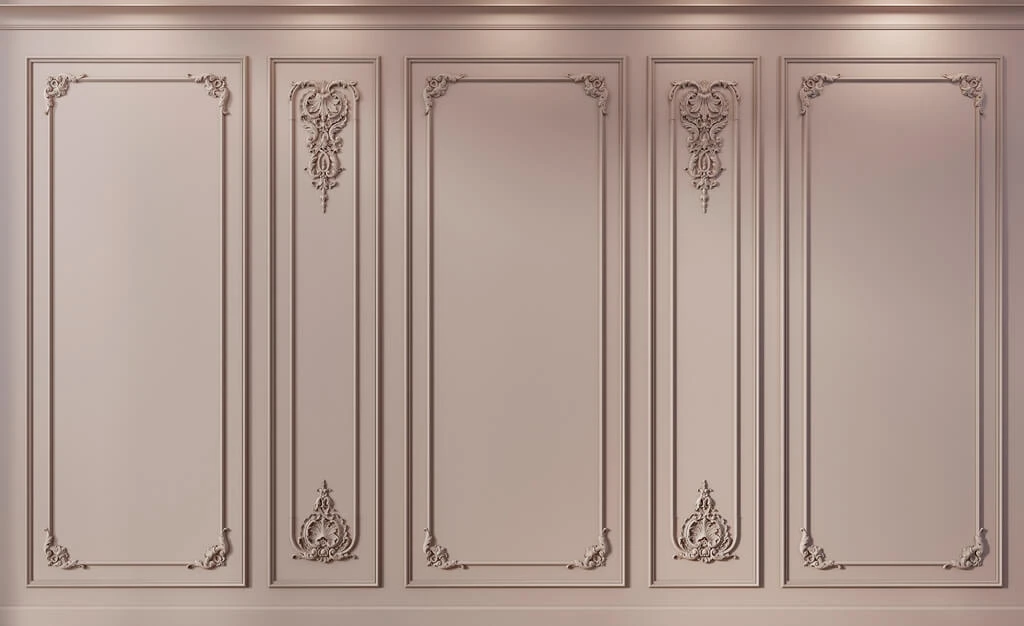
- Moldings and wall panels
- Wall-mounted decorative elements
- Hardware as a style element
- How to coordinate bathroom furniture with the interior
- Furniture and tiles
- Furniture and lighting
- Furniture and Textiles
- What affects the price of classic bathroom furniture
- Mistakes when buying classic-style bathroom furniture
- Where to buy classic-style bathroom furniture
- FAQ: popular questions about classic style bathroom furniture
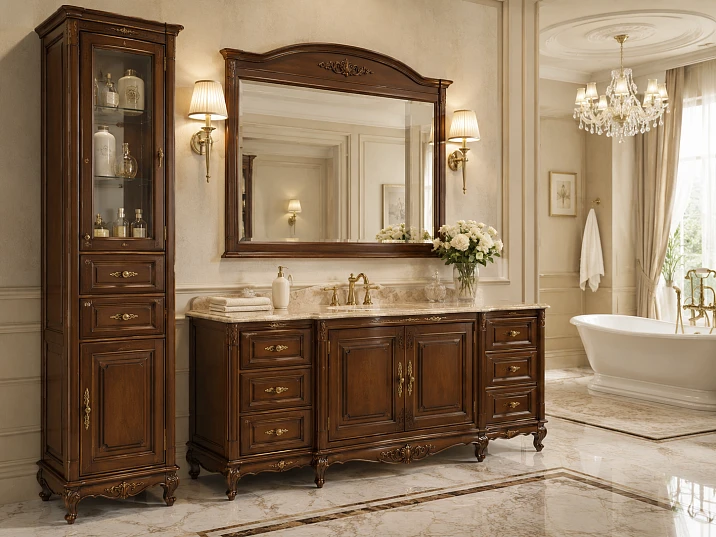
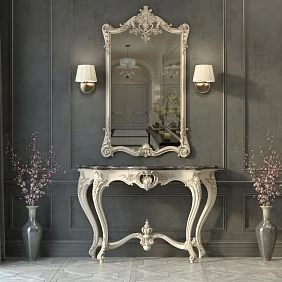
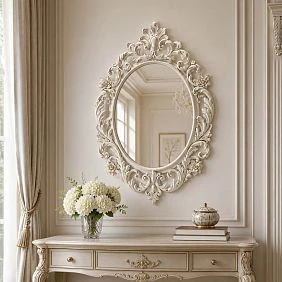
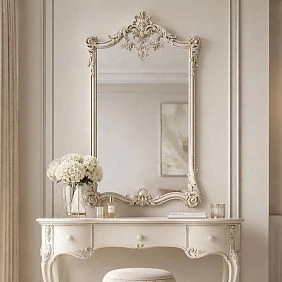
Buy classic style bathroom furniture
The bathroom is a space where the day begins and ends. It would seem a purely utilitarian place. But it is here, in the silence of morning rituals, that the interior speaks to you especially frankly. A classic bathroom is not a whim of an aesthete. It is a conscious decision: to create an environment where every detail is thought out, every item deserves attention, every line carries meaning.
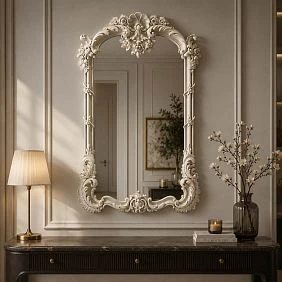
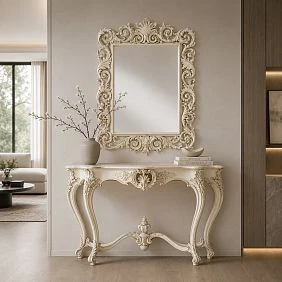
Buying classic style bathroom furniture means going beyond function and entering the realm of interior architecture. The vanity cabinet becomes a console with character. The mirror in an expressive frame turns into a work of art. Furniture handles, legs, moldings — all these are details that make up the image. And it is here, in the bathroom, that these details are especially noticeable: the space is small, the gaze is not distracted by anything.
Classic bathroom furniture: why this style
Before moving on to choosing specific items, it is worth asking the question: what makes bathroom furniture classic? It is not just decorative profiles and white enamel. Classics are a system of proportions, a decorative language, a combination of materials, and an attitude towards space.
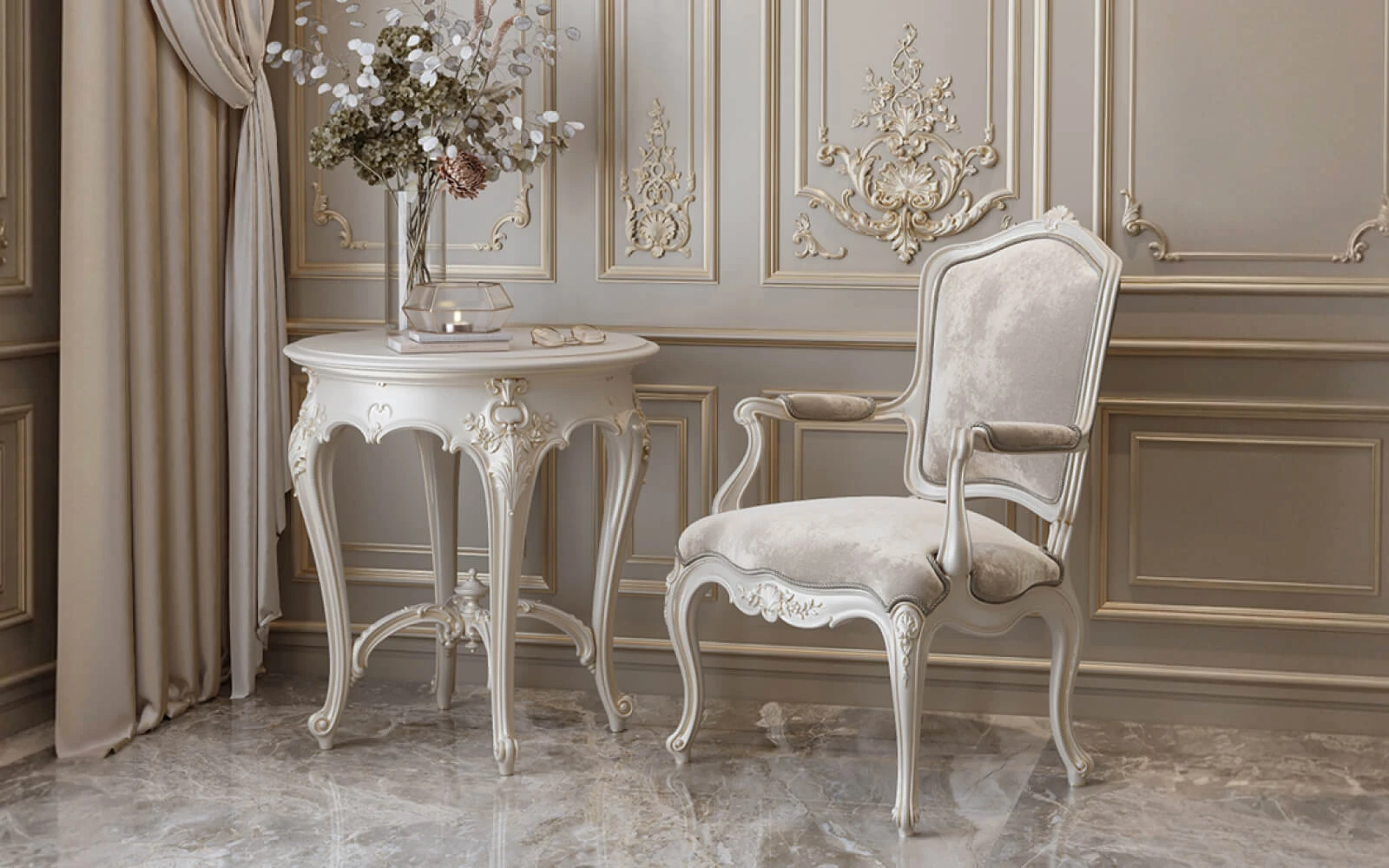
In a classic bathroom interior, there are no random details. The vanity — with profiled fronts and turned legs. The mirror — in a frame with a relief molding. Handles — carved or with patina, not a standard metal knob. Lights — with shades, not built-in spots. Tiles — in a large format with a delicate pattern, not mosaic.
Classic style bathroom furniture is a choice for those who want neither minimalism nor the chaos of eclecticism. It is a third path: beauty through order, through proportionality, through respect for tradition.
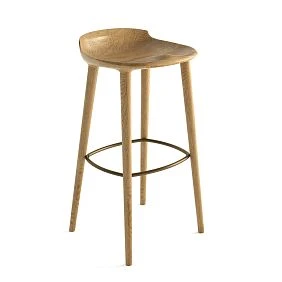
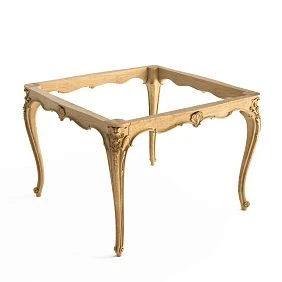
Classic Furniture STAVROS is designed precisely in this logic: not a "resemblance to classics", but a true classic decorative language — with carving, with profile overlays, with correct proportions of facades.
Our factory also produces:
What is included in a classic bathroom furniture set
Buying classic-style bathroom furniture is not about purchasing a single item, but about forming an interior system. A classic bathroom works as an ensemble. Every piece is a participant.
| Element | Role in the interior | What to choose |
|---|---|---|
| Vanity unit under the sink | Functional and visual center | Facades with profile, legs, handles with decor |
| Mirror in a frame | Enhances the classic look | Wooden or MDF frame with molding |
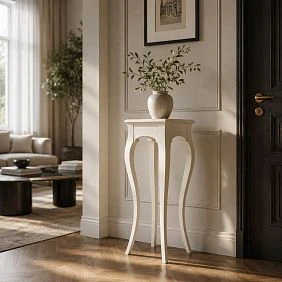
| Tall cabinet or wardrobe | Storage, vertical accent | Pedestal-style facades, identical hardware |
| Console or countertop | Premium sink area | Marble, wood, textured stone |
| decor for furniture | Moldings, overlays, rosettes | Relief profiles, acanthus motifs |
| Furniture Handles | Tactile and visual accent | Carved, bronze-like, with patina |
| Furniture legs | Lightness and air under the pedestal | Turned, shaped, with coating |
Buying classic bathroom furniture correctly means ordering all elements in the same style from a single source. Then the bathroom won't look like a warehouse of randomly selected items.
Get Consultation
Classic style bathroom vanity cabinet
The vanity cabinet is the heart of the bathroom. Everything else is built around it: the mirror above it, the cabinet next to it, the tiles behind it, the light above it. A mistake in choosing the vanity cabinet means that much will have to be redone.
Size and proportions
The width of the vanity cabinet is chosen based on the size of the bathroom. Standard options are 60, 80, 90, 100, 120 cm. Rule: there should be at least 50–60 cm of free space between the cabinet and the wall or another piece of furniture — otherwise the room feels cramped.
The height of the vanity cabinet is 80–85 cm to the top of the sink. This is the standard for an adult 165–180 cm tall. For a children's or family bathroom, it can be lowered to 75 cm.
Depth is 45–55 cm. A standard built-in sink takes up 45 cm. A deeper cabinet adds comfort but eats up space in front of it.
Classic vanity cabinet fronts
It is the fronts that make the cabinet classic. Three main solutions:
Profiled fronts. A panel — recessed or protruding panel inside the frame of the front — is the most characteristic technique of the classic style. Combined with furniture moldings around the perimeter, the front gains plasticity and volume. This is no longer a flat surface — it is architecture.
Facades with carved decor. Carved furniture decor — rosettes in the center of the panel, applied corner elements, relief cornices along the upper tier — elevate the cabinet to the level of an artistic object. Used in Baroque and formal Classical styles.
Laconic classical facades. For Neoclassicism and modern classicism — a simplified profile without excessive decor: a clear frame, a soft chamfer transition, minimal relief. Strict, but with dignity.
Legs for a classic cabinet
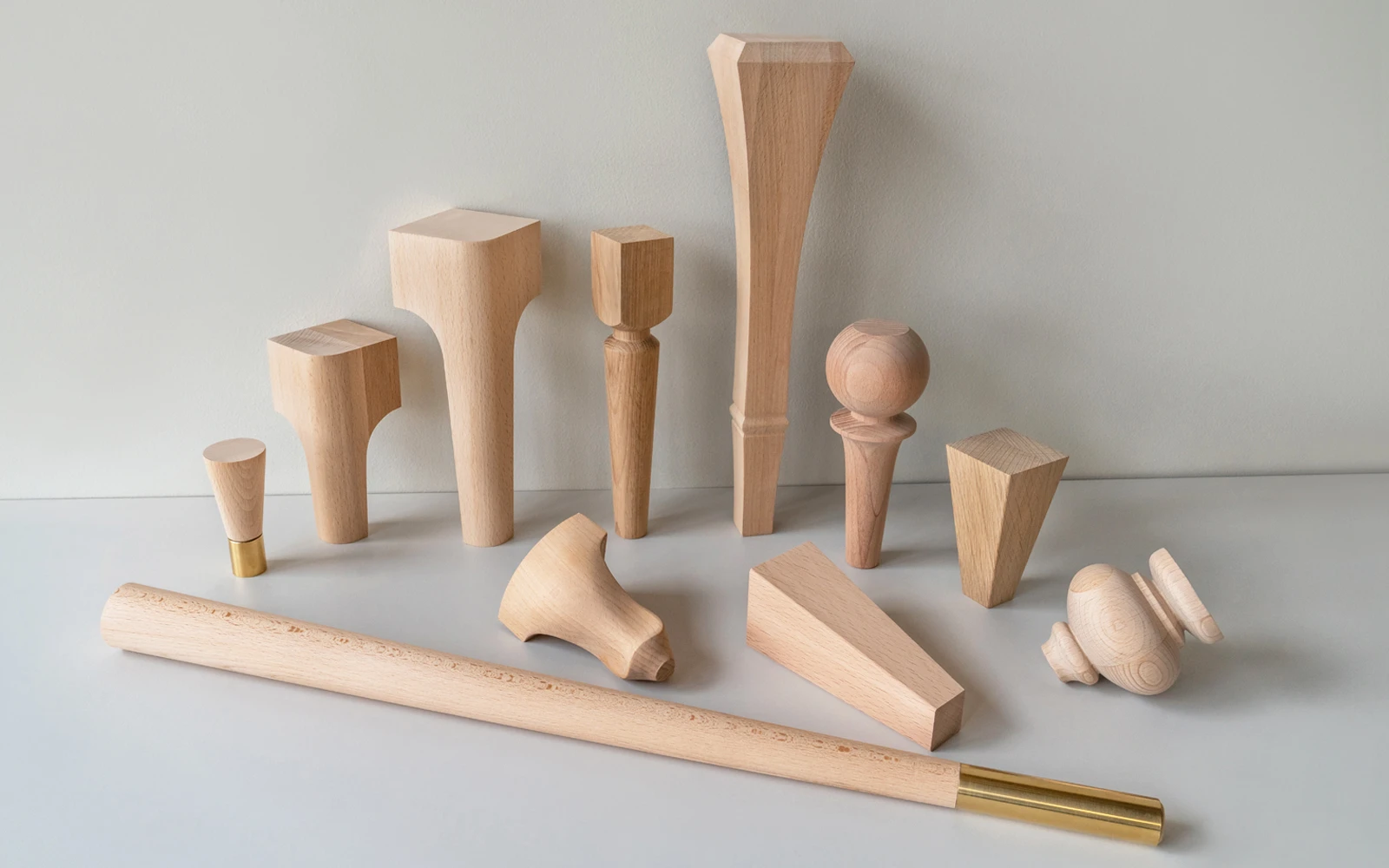
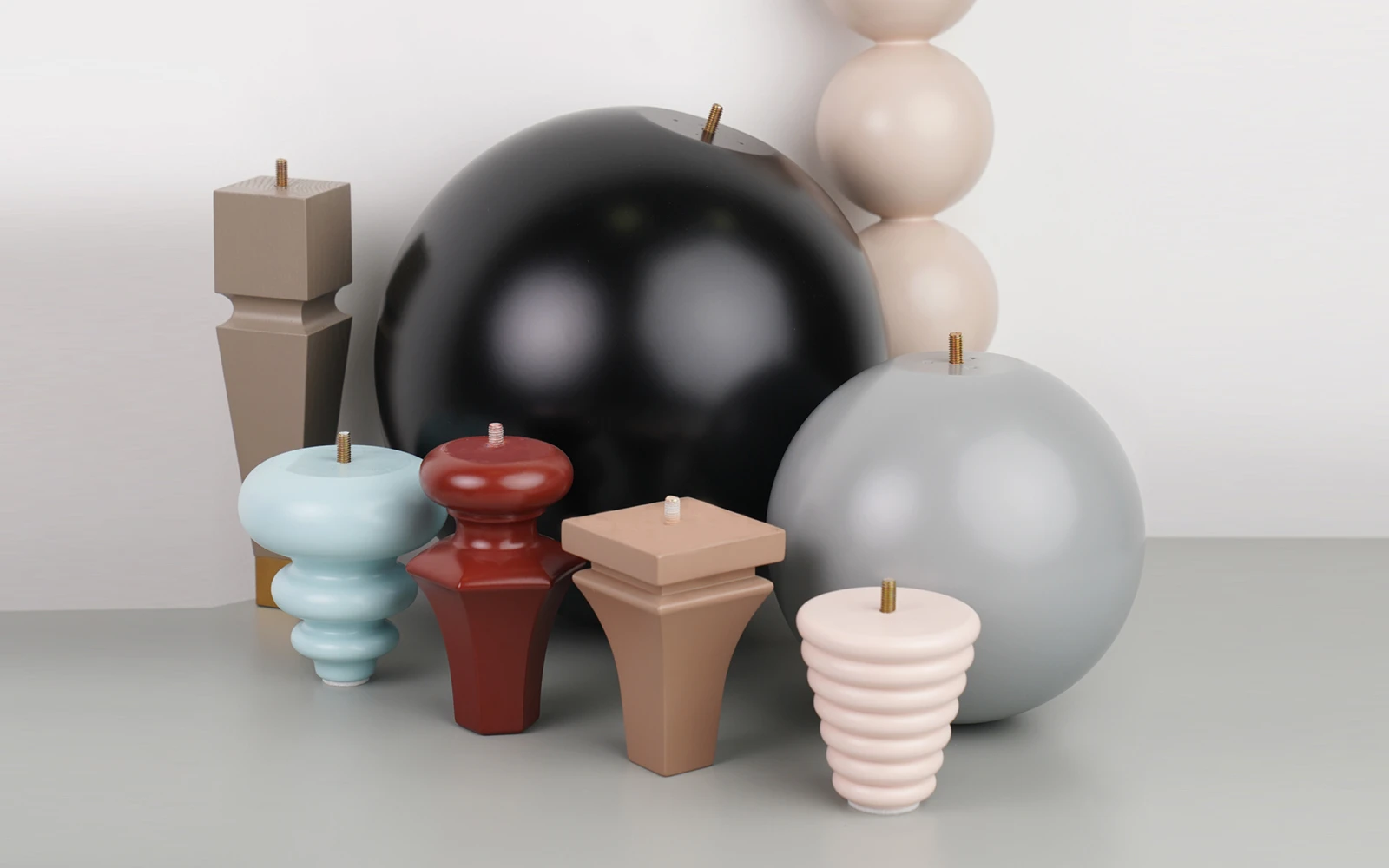
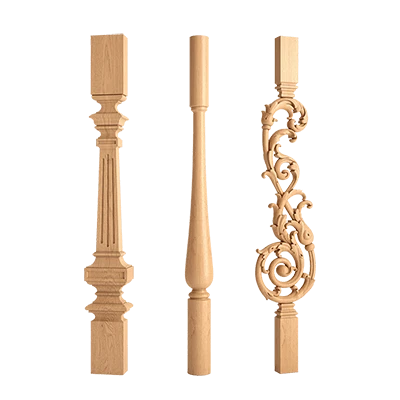
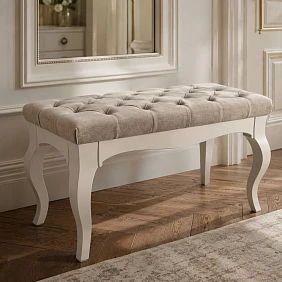
Furniture legs — a detail that is often underestimated. A cabinet on legs “floats” above the floor, visually lightening the space. This is especially important for a bathroom: in a small room, every cubic meter of “air” counts.
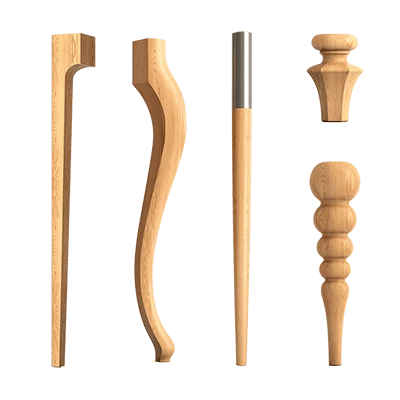
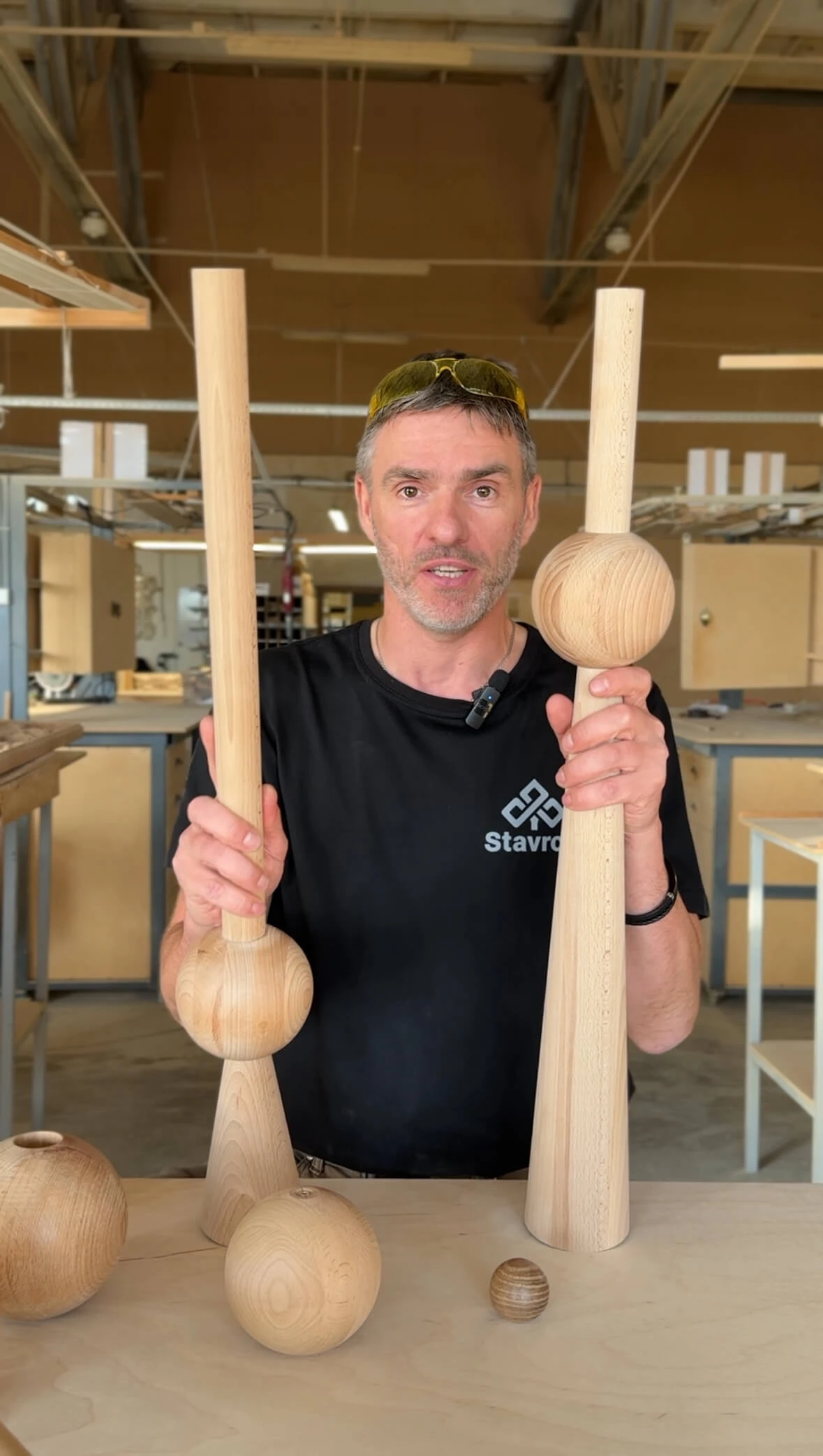
Classic turned legs 80–120 mm high made of solid oak or beech — a universal solution. For a formal style — legs with carved decor or gilded finish. For Neoclassicism — strict conical or cylindrical legs.
An important practical point: the legs of a bathroom cabinet must have a protective coating against moisture. Open or oil-impregnated wood in conditions of constant humidity will last longer than untreated wood.
Handles for a classic-style cabinet
Wooden handles and handles with a finish — a key detail of the facade. In classic style, handles are not just a way to open a door. They are the final touch that speaks about the style louder than anything else.
Choice for a classic bathroom:
-
Carved wooden handles with patina — for Baroque and Classic styles
-
Bronze or aged gold handles — for Neoclassical and Empire styles
-
Knob handles with relief — for restrained Classic and Provence styles
-
Elongated pull handles with profile — for long facades
One rule: all handles in the bathroom are identical. No deviation from the chosen type of hardware.
Bathroom mirror in a classic frame
The mirror is the second most important item in a classic bathroom. Its role is twofold: functional (reflection) and decorative (the frame as an architectural element of the wall). In a proper classic bathroom mirror, the frame weighs as much as the reflection itself — in a visual sense.
mirror frame in the bathroom — it is not a picture frame or just a border. It is an expressive architectural element that connects the mirror with the bathroom space: with the tiles, the vanity, the wall color, the stucco.
Wooden frame for a mirror: options
Mirror wooden frame in the bathroom — seems like a contradiction: wood and humidity don't mix. But this is a myth with the right approach. A wooden frame in a bathroom with good ventilation and quality coating lasts just as long as in any other room. The main thing is not to hang it directly above the sink where it gets splashed, and to use moisture-resistant varnish or oil.
Options for wooden mirror frames in a classic bathroom:
Profiled frame with molding. Wide, with an expressive coffered profile — for formal bathrooms and Baroque style. Frame width — from 50 to 120 mm. Relief — smooth transitions, stepped belts, decorative corner elements.
Frame with carved ornament. Acanthus leaves along the perimeter, corner rosettes, central cartouche — for the most decorative classic style. This is a frame that is itself a work of art.
Frame with patina. White finish with gold or silver patina on the relief — a universal solution for neoclassicism, Provence, and soft classic. The patina is 'read' on the frame's relief and creates an effect of noble age.
Laconic frame. Rectangular profile 40–60 mm with a beveled transition — for modern classic and neoclassicism without excessive decor.
Mirror size relative to the vanity
The proportional relationship between the mirror and the vanity is one of the key rules of a classic interior. The width of the mirror can be equal to the width of the vanity, 10–15% smaller, or slightly wider. A mirror that is too narrow above a wide vanity looks strange. A mirror that is too wide dominates and disrupts the axis of symmetry.
Mirror height — from 60 to 100 cm. The lower edge of the mirror — at a height of 95–100 cm from the floor (with a standard vanity height of 80–85 cm + a gap of 10–15 cm). The upper edge — no higher than 200–210 cm from the floor: above this mark, the mirror loses its function and becomes merely a decorative object.
Mirror and light: a connection that cannot be broken
A mirror in a classic bathroom only works in tandem with proper lighting. The classic option is wall sconces on the sides of the mirror or a light fixture above with a shade. An integrated LED strip behind the frame is a compromise acceptable in modern classic but alien in Baroque or Empire style.
Light should fall on the face, not the mirror. Therefore, sconces on the sides are preferable to an overhead light: they create even illumination without shadows under the eyes.
Colors of classic bathroom furniture
Classic bathroom furniture is not necessarily white. The classics have a rich color palette, and each register creates its own mood.
| Color / finish | Style | Character of the space |
|---|---|---|
| White classic (enamel) | Neoclassical, Provence | Freshness, visual expansion |
| Light wood (oak, ash) | Soft classic, Scandinavian classic | Warmth, naturalness |
| Dark wood (wenge, walnut, mocha) | Status classic, Empire style | Representativeness, weightiness |
| Patina (white + gold) | Baroque, classicism, neoclassicism | Noble 'wear', depth |
| Marble-look | Premium bathroom, hotel style | Luxury, monumentality |
| Cream, ivory | Soft classic, Provence | Cozy, delicacy |
White bathroom furniture in classic style
White classic is the most popular and most versatile choice. A white vanity with profiled fronts, a white mirror frame with gold patina, a white tall cabinet with turned legs — this works in a bathroom of any size and with any tile.
For white classic, it is better to choose beech: its uniform fine-grained structure provides an ideal surface for enamel. After proper priming and applying two coats of enamel, the surface becomes smooth, matte or semi-matte — exactly like at the best European furniture factories.
White bathroom furniture in classic style visually expands the space. A small bathroom of 4–5 m² with a white vanity and a mirror in a white frame seems 20–30% more spacious.
Furniture with patina: classic with history
Patina is not 'old paint'. It is a deliberately applied effect: a dark tone in the recesses of the relief and a light one on the protruding parts. As a result, the relief of the front begins to 'read' three-dimensionally, each carved detail becomes visually apparent. Patina is a way to make the decor expressive.
For the bathroom, furniture with patina creates a feeling of an antique space. It looks especially organic in bathrooms with marble tiles, gilded fittings, chrome faucets in retro style.
Furniture in dark wood
Bathroom furniture in wood — dark or medium shade — for those who want a prestigious, warm and representative interior. A vanity in mocha or walnut color with brass handles, a dark walnut mirror frame, a marble countertop — this is a bathroom in the style of an expensive hotel.
Important: in a small bathroom, dark furniture can "absorb" space. If the area is less than 6 m², dark furniture is compensated with light large tiles, mirrors, and proper lighting.
Moisture resistance and materials: what you need to know
Bathroom furniture is not just furniture. It is furniture in high humidity conditions: daily condensation, splashes from the sink, temperature changes, steam from hot water. Classic bathroom furniture should not only be beautiful but also functionally well-protected.
Why humidity is dangerous for furniture
Wood is a living material. When humidity increases, it absorbs water and expands. When it decreases, it dries out. Cyclic deformations gradually destroy adhesive joints, swell the coating, and deform the facades. That is why moisture-resistant classic-style bathroom furniture is not a marketing term, but a real requirement.
What makes furniture moisture-resistant:
-
Body made of moisture-resistant MDF or HDF — with melamine impregnation or PVC coating on the inside
-
Facades with multi-layer paint coating — sealing primer + several layers of enamel or varnish with water-repellent components
-
Stainless steel fasteners inside the body
-
Legs with moisture-resistant coating or made of artificial material
-
Back wall made of moisture-resistant HDF or moisture-resistant plywood
Where in the bathroom can wooden decor be used
Carved furniture decor in the bathroom it is used provided that the elements are located outside the zone of direct splashes and regular contact with water. Surface-mounted sockets, corner elements, moldings around the mirror perimeter, decor on the cabinet — all this is wood coated with high-quality waterproof varnish or oil, which serves well in the bathroom with normal ventilation.
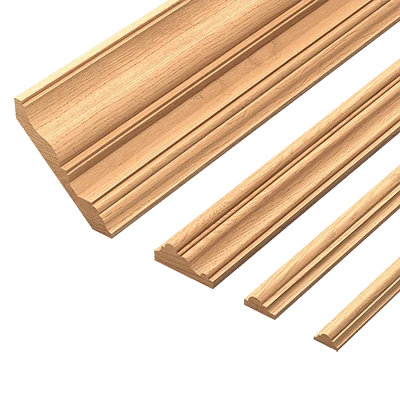
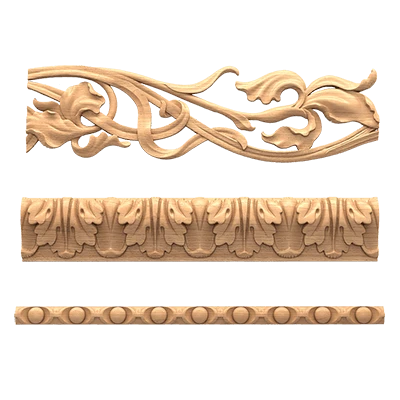
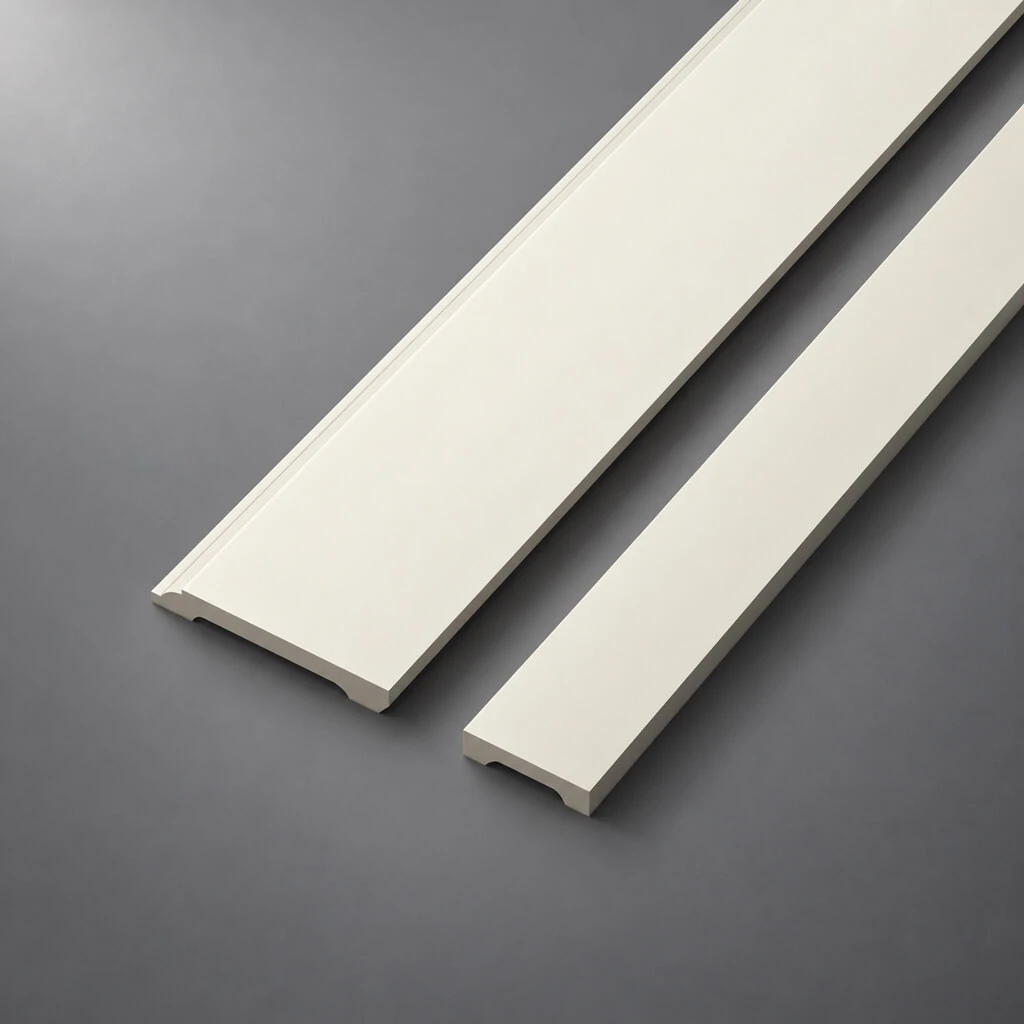
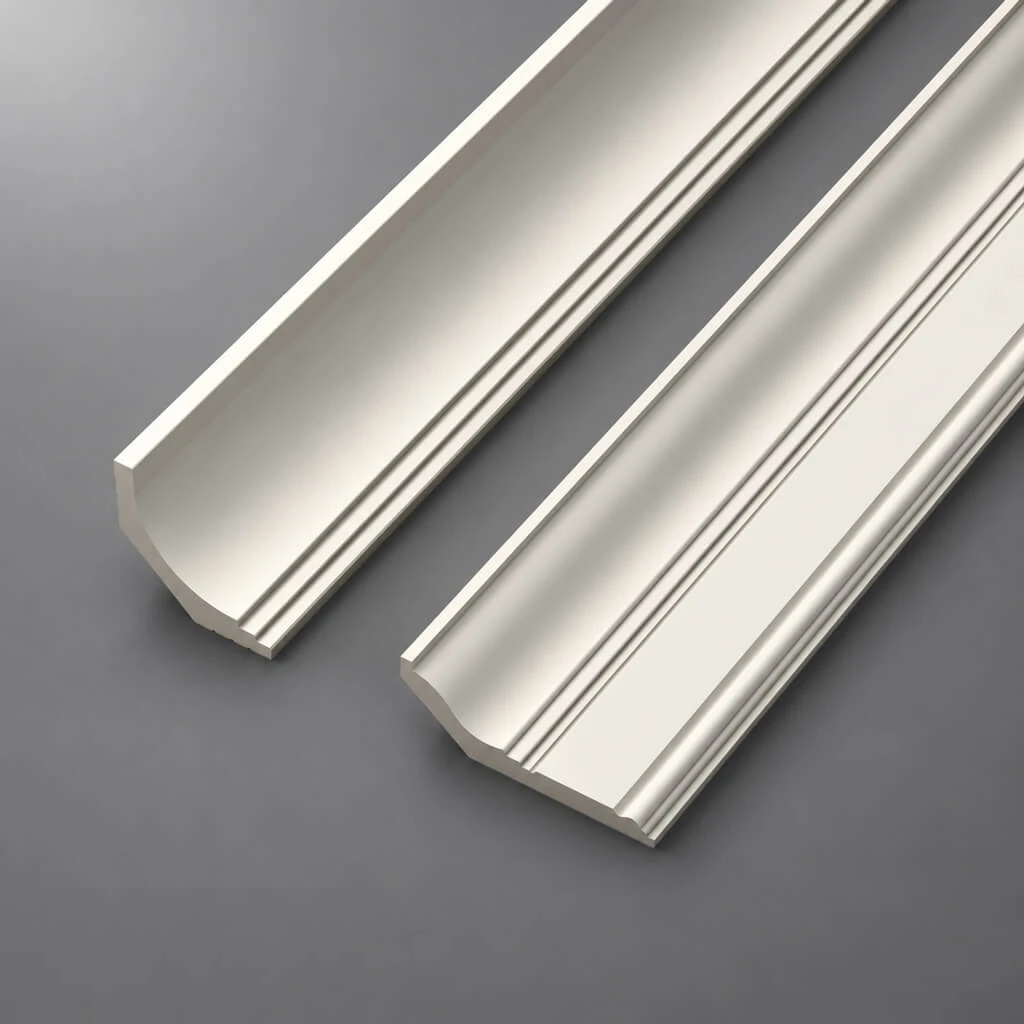
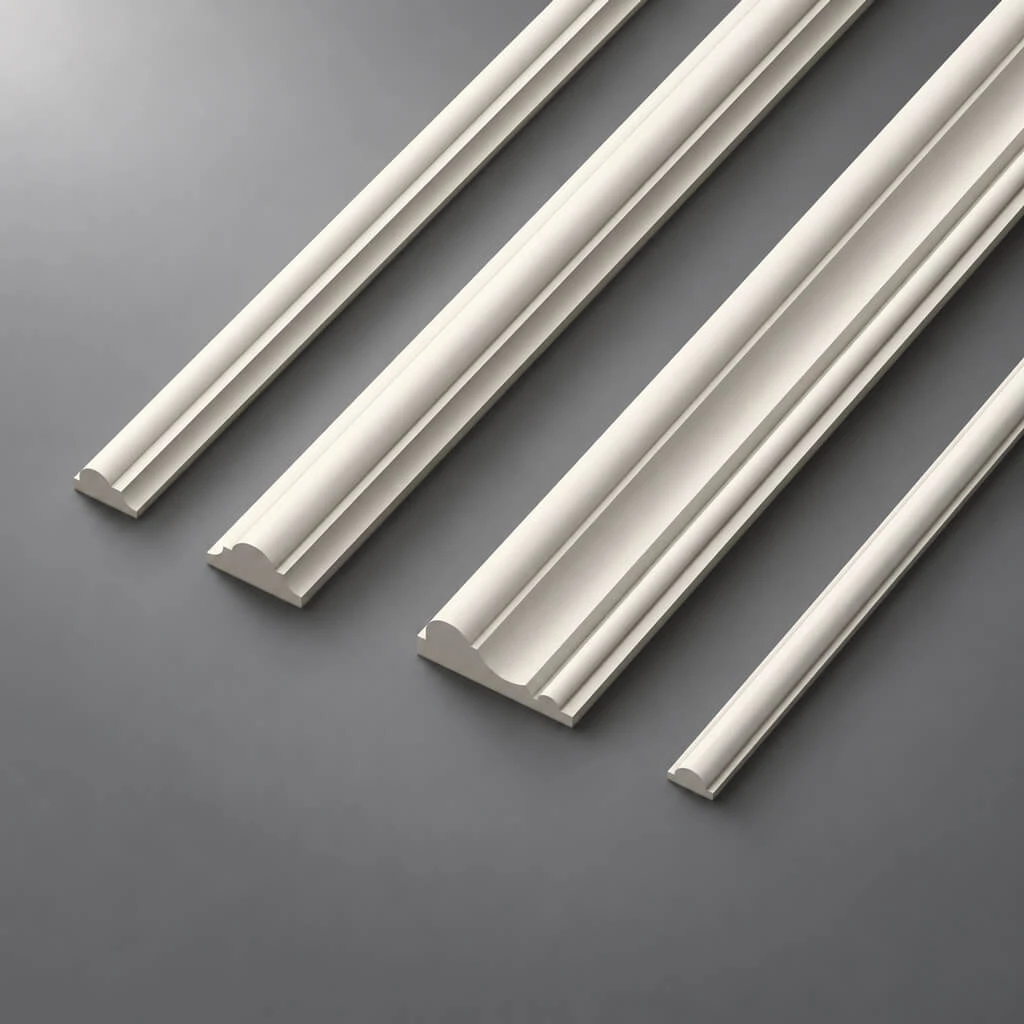
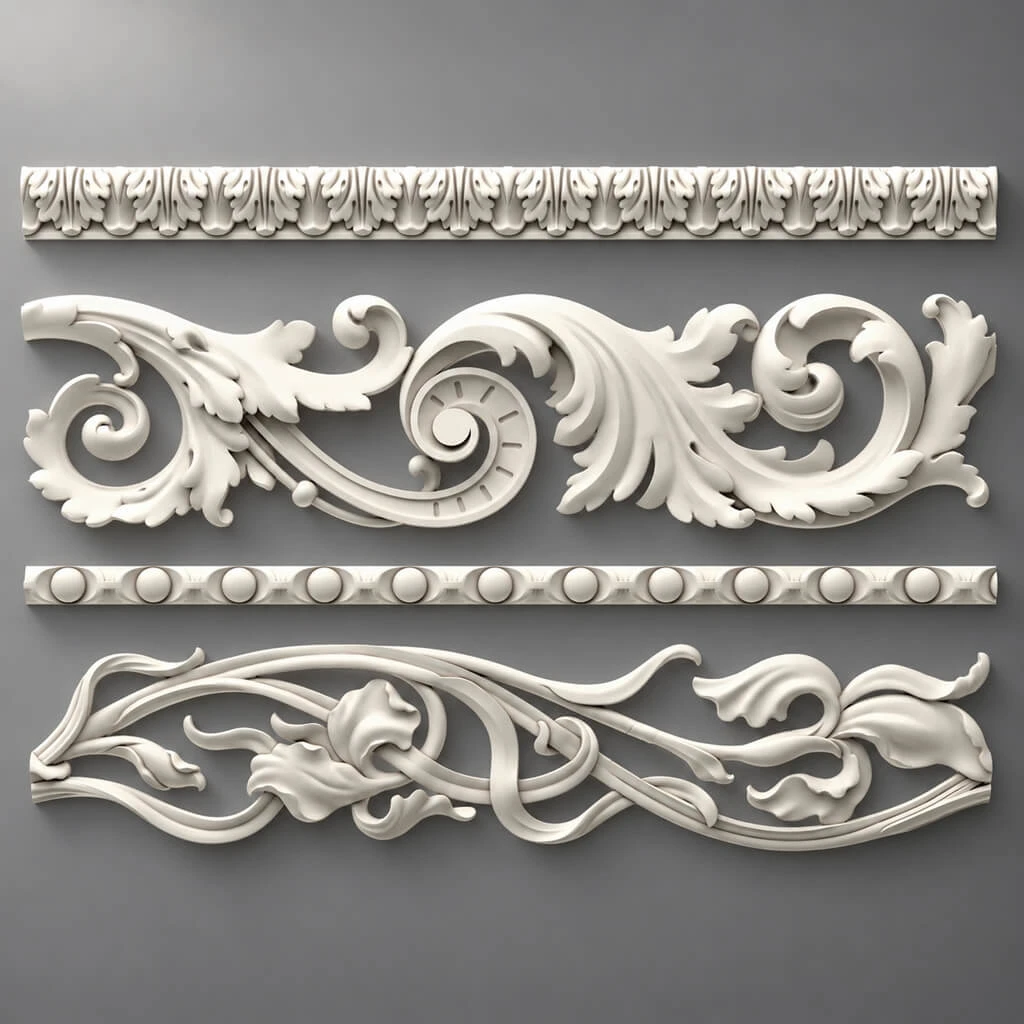
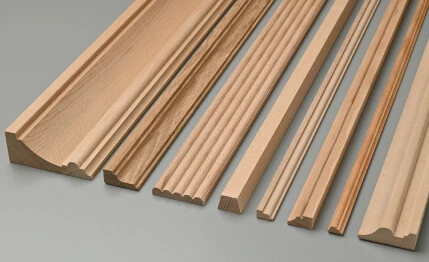
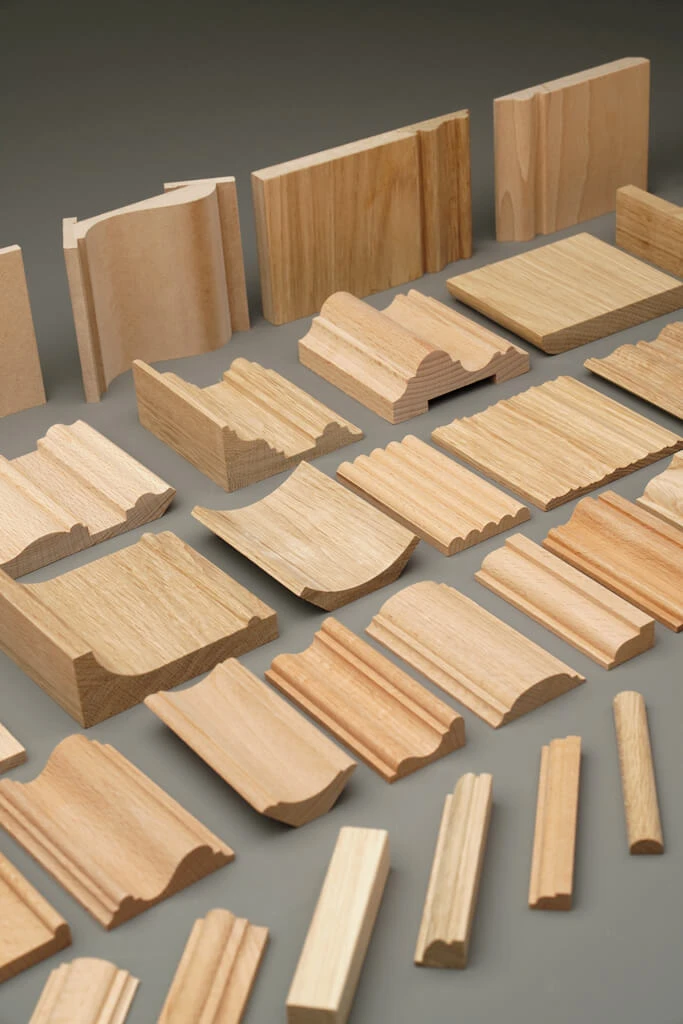
furniture moldings on cabinet facades — vertical and horizontal profiles that divide the facade plane into fields — are used precisely as decorative overlays. They do not bear any structural load, but their role in creating a classic image is enormous. It is the molding that turns a flat MDF facade into an object with architectural character.
Ventilation is more important than furniture
No coating will save furniture if there is no normal ventilation in the bathroom. Forced exhaust or at least regular airing is a mandatory condition for the durability of wooden and decorative furniture in the bathroom. In a bathroom with constant condensation on the walls, mold in the corners, and fogged mirrors, no furniture — neither classic nor modern — will last long.
Decor for a classic bathroom
Decor for a bathroom in a classic style is what turns a functional room into a well-thought-out interior. It is the decorative details that create a sense of completeness.
Moldings and overlays on walls
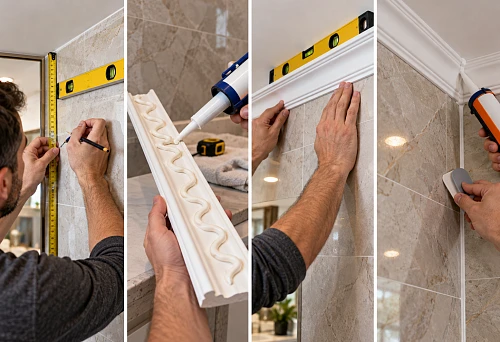
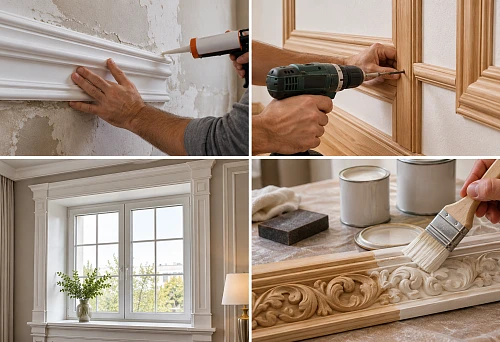
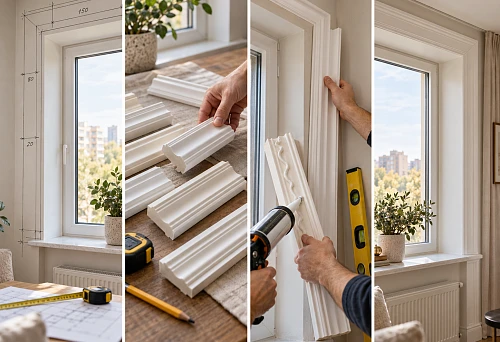
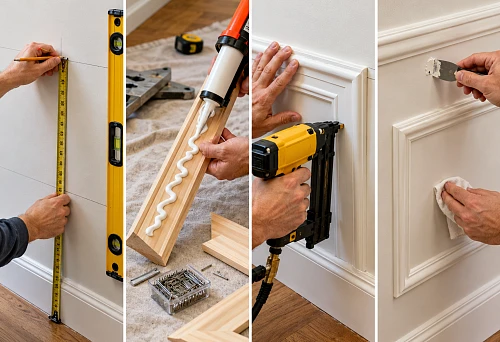
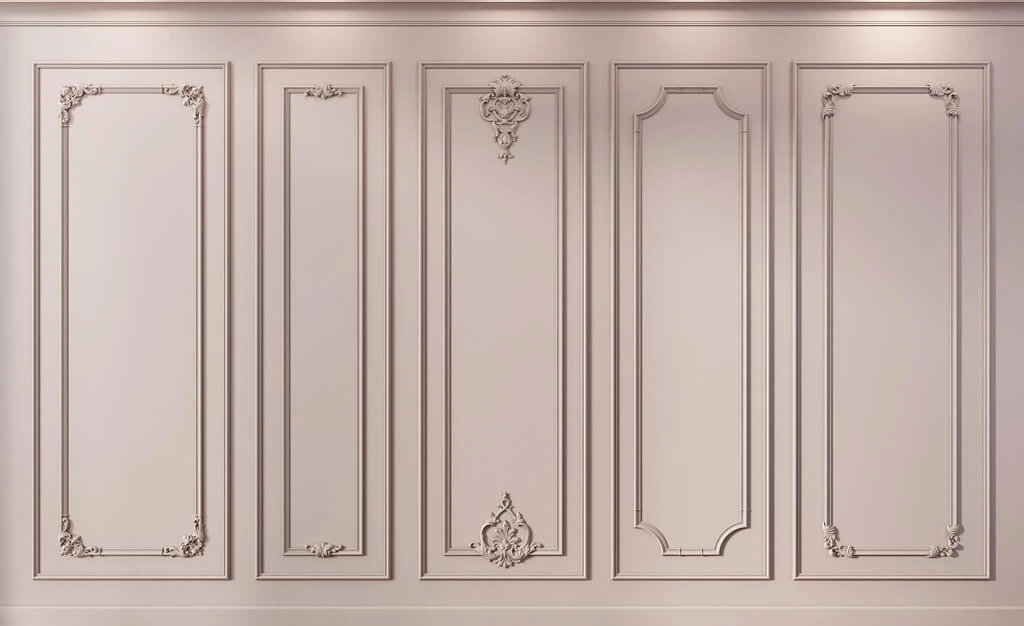
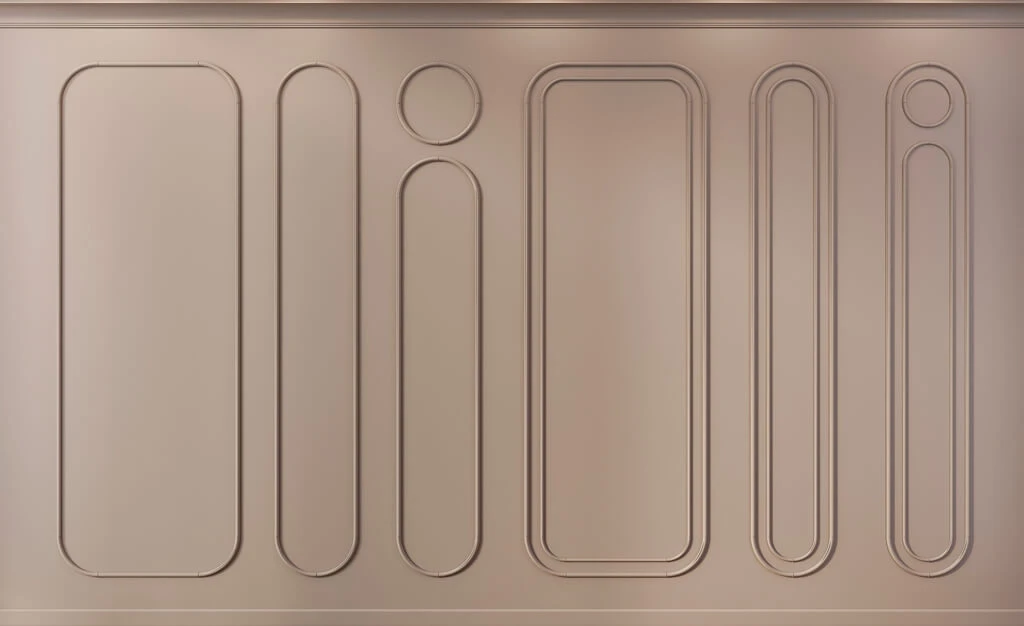
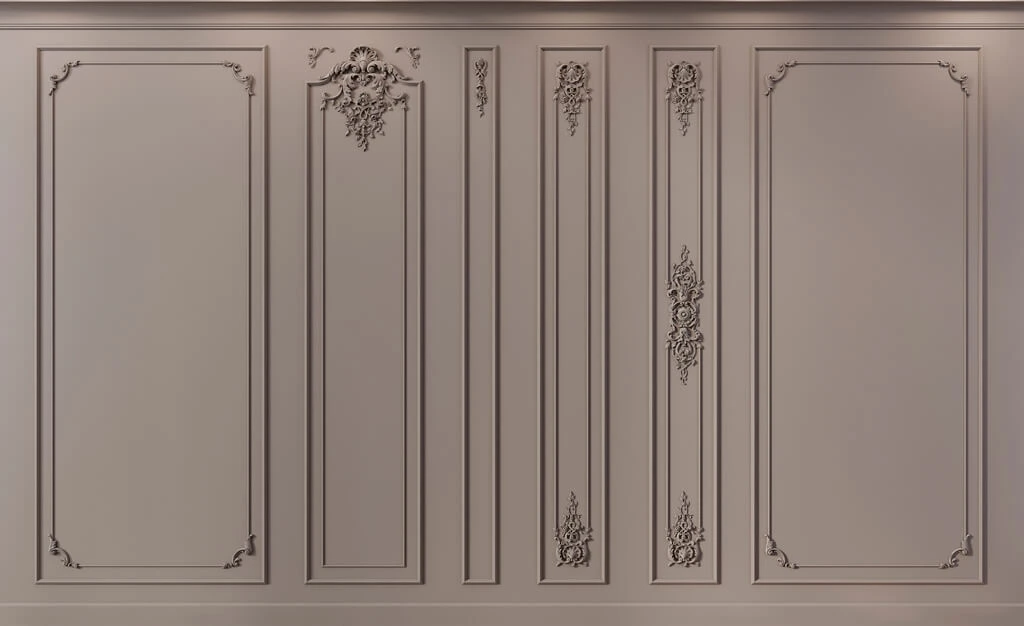
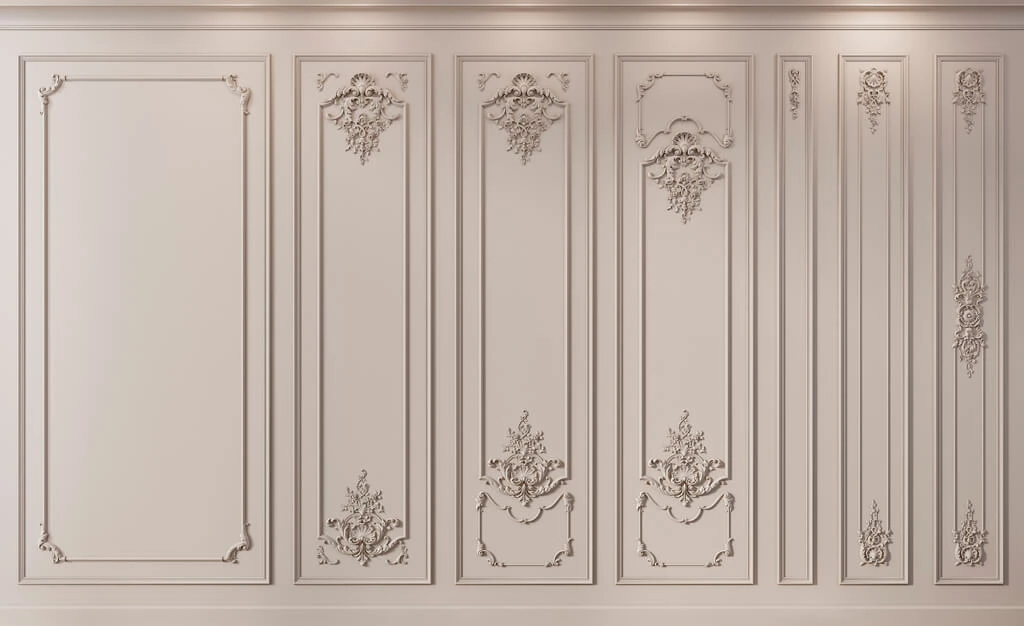
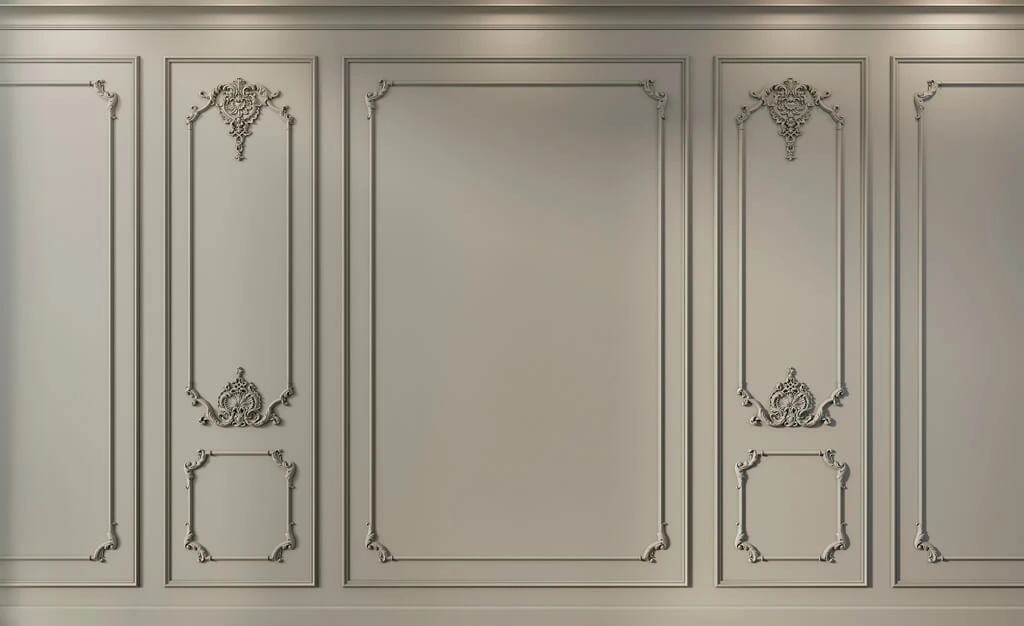
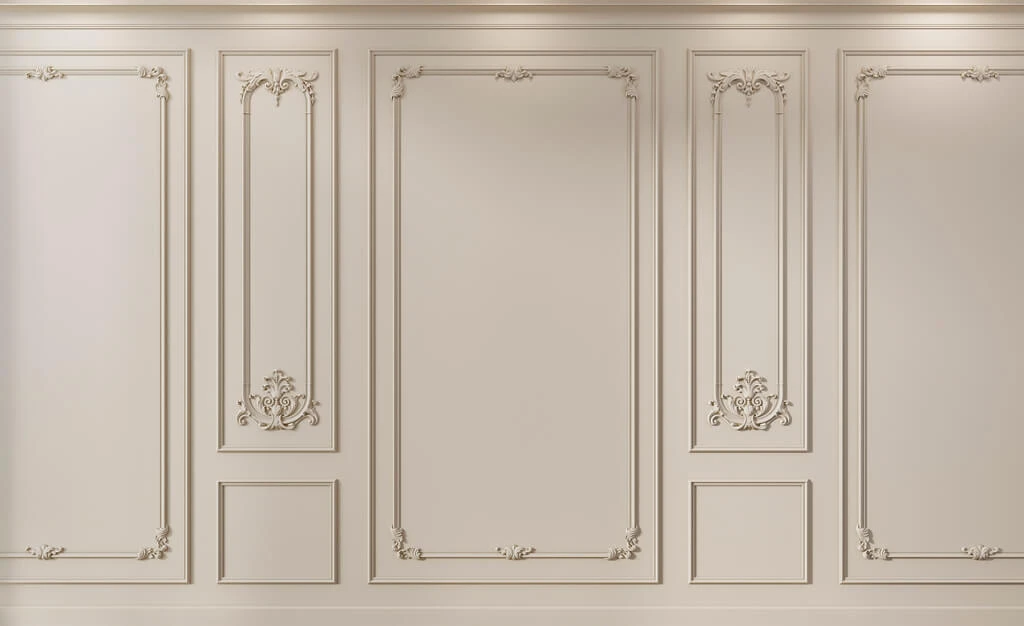
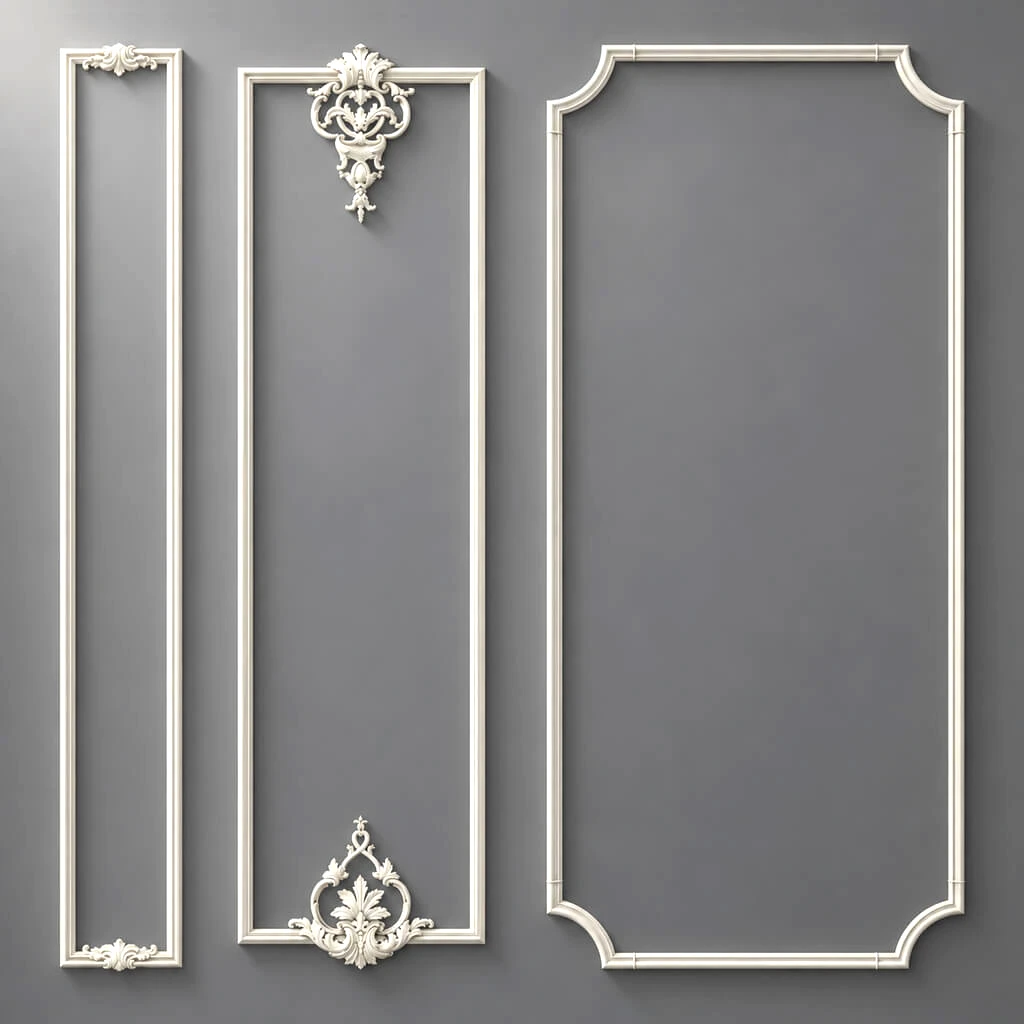
furniture moldings are used not only on furniture but also on bathroom walls. Molding panels — rectangular frames made of molding on the wall — are a classic design technique that came from 18th-century palace architecture. In the bathroom, they create wall structure: tiles in the center of the panel + a molding frame around the perimeter = a ready-made decorative panel.
Important: bathroom moldings must be coated with moisture-resistant varnish or made of moisture-resistant MDF with a coating.
Wall-mounted decorative elements
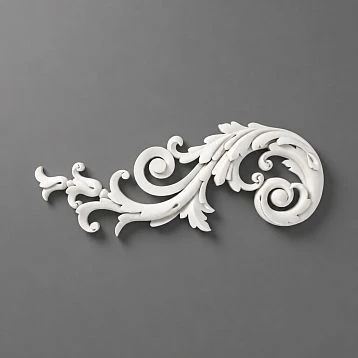
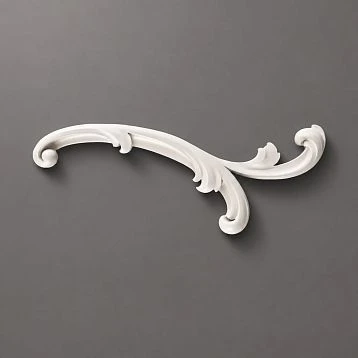
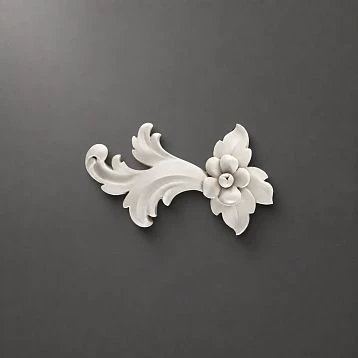
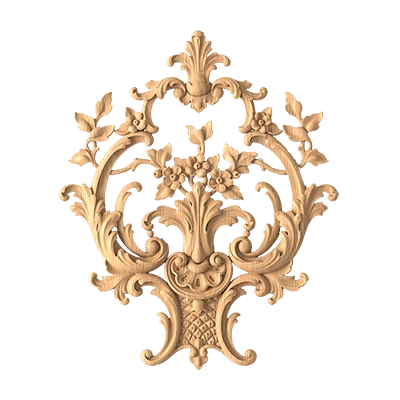
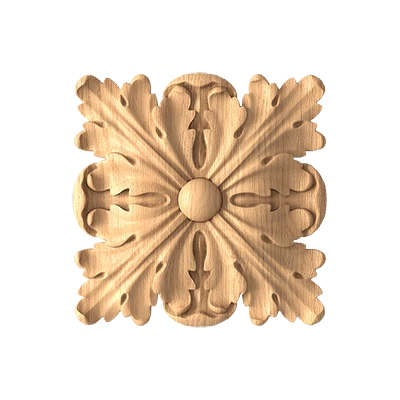
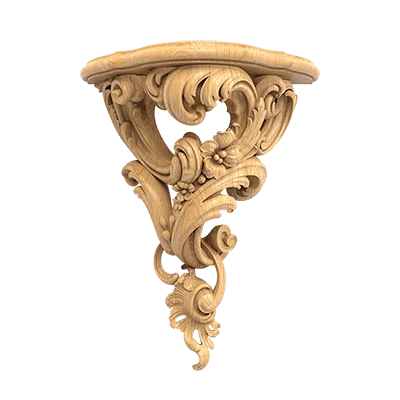
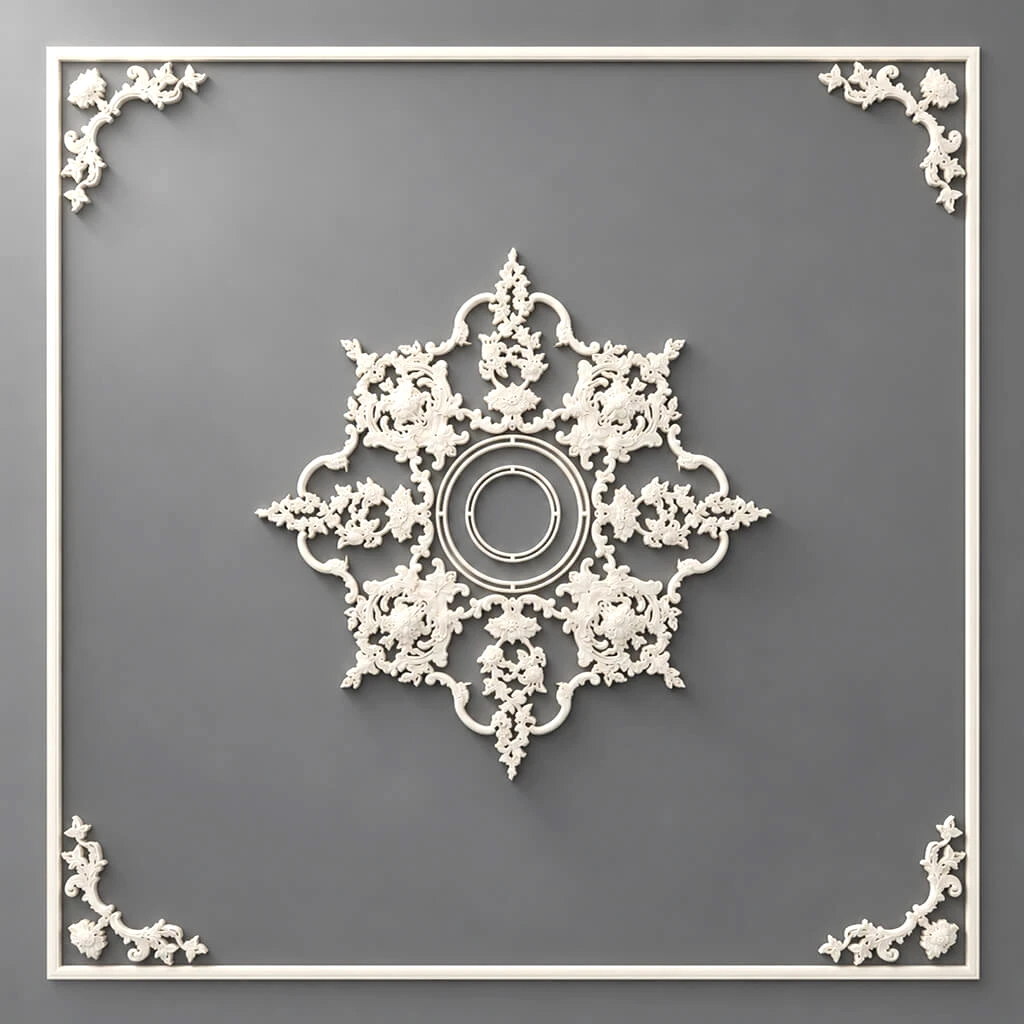
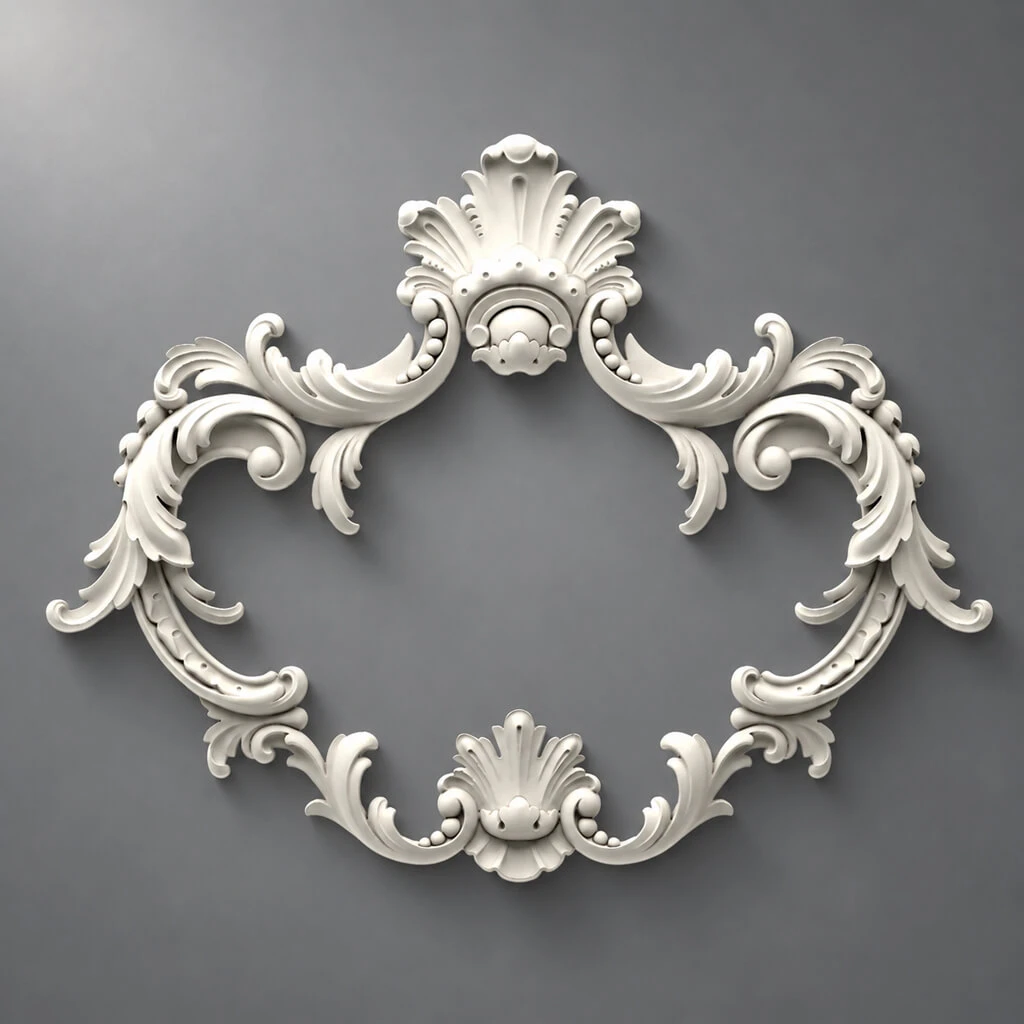
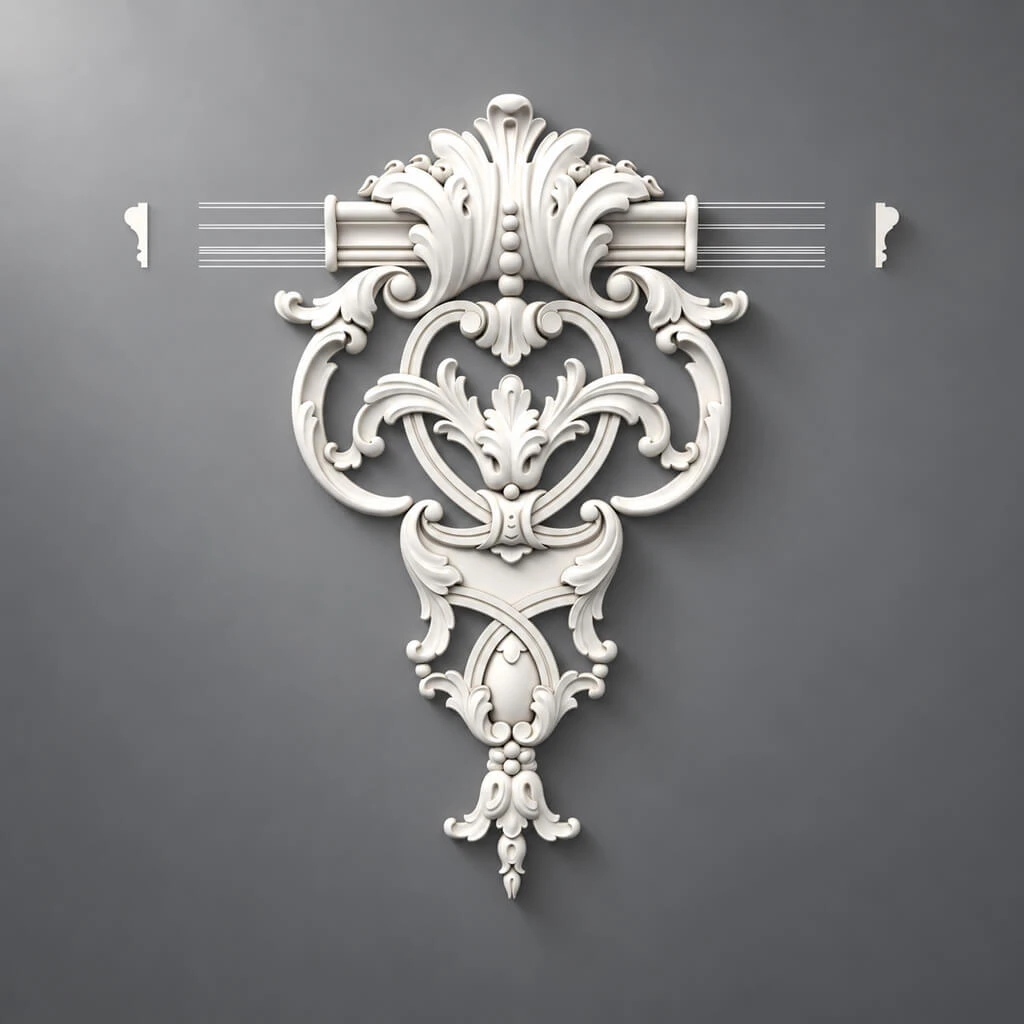
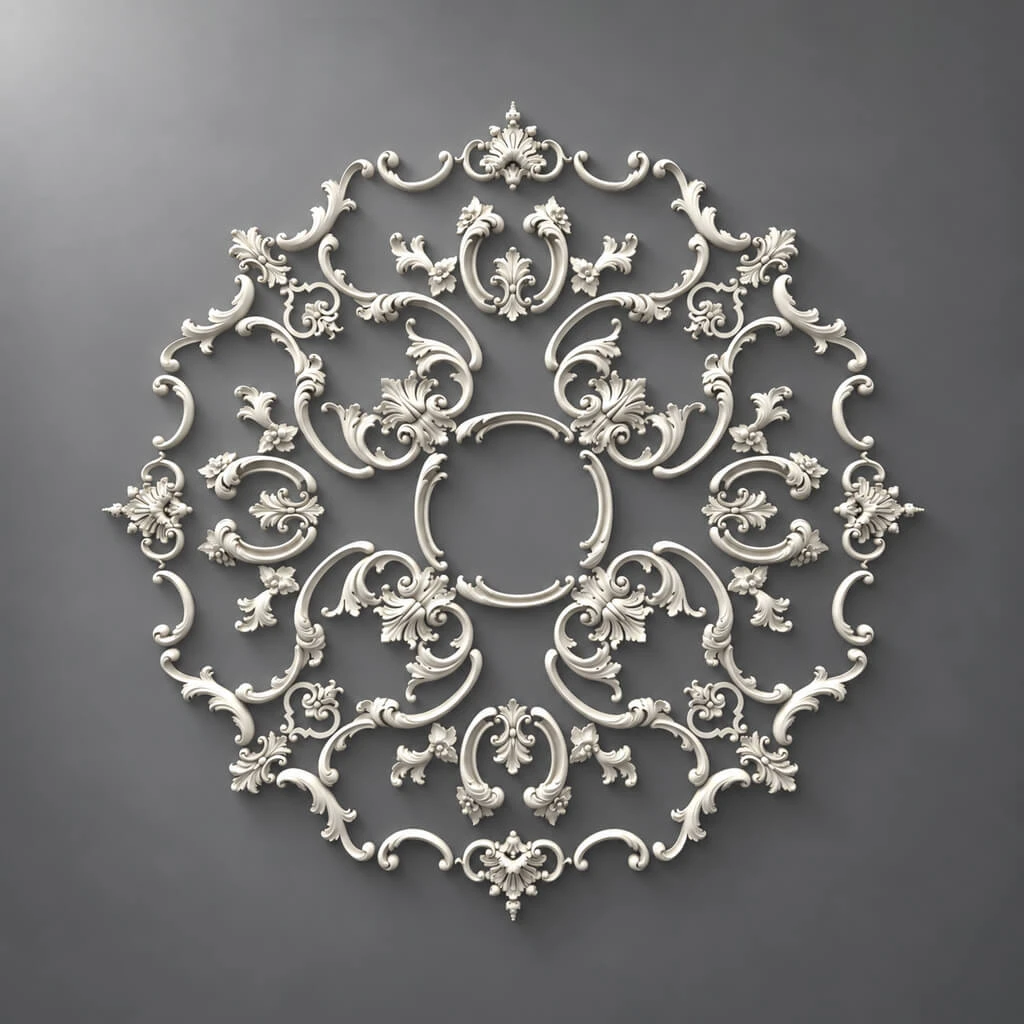
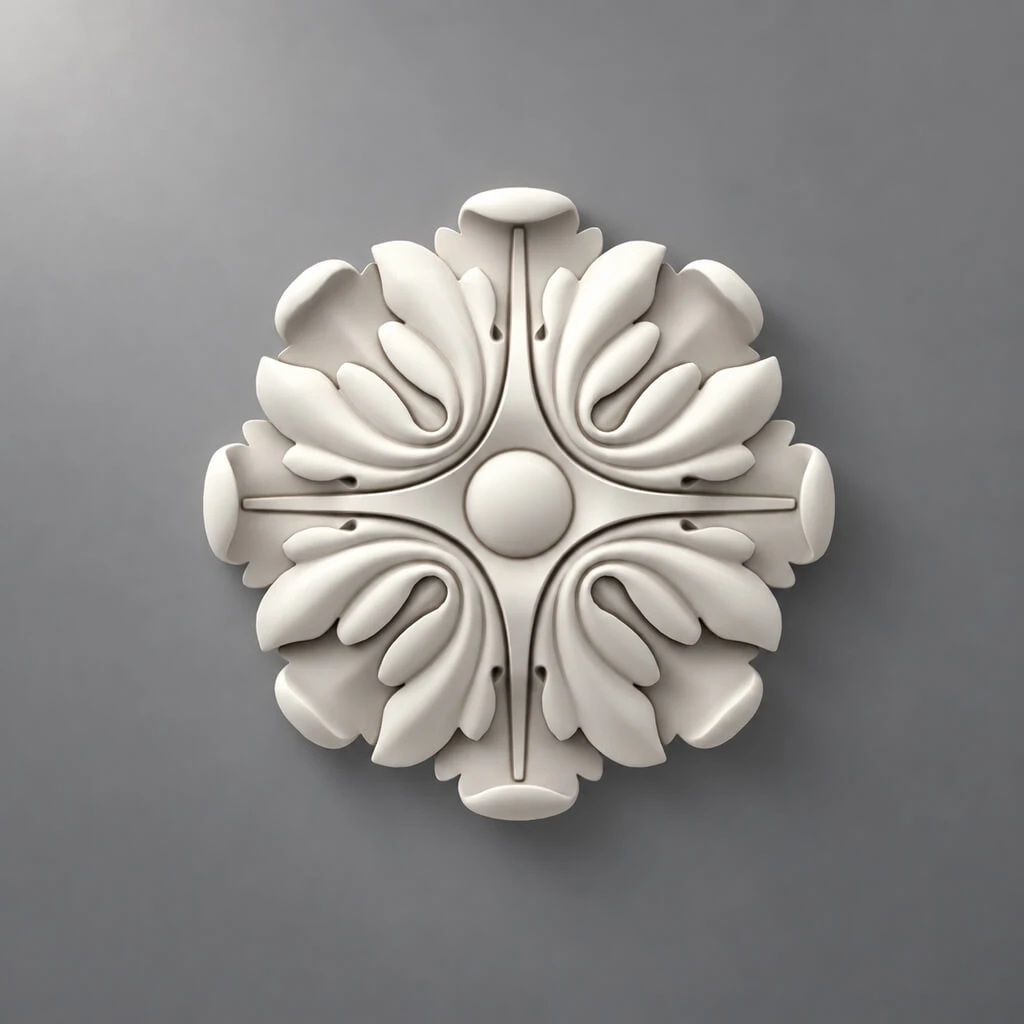
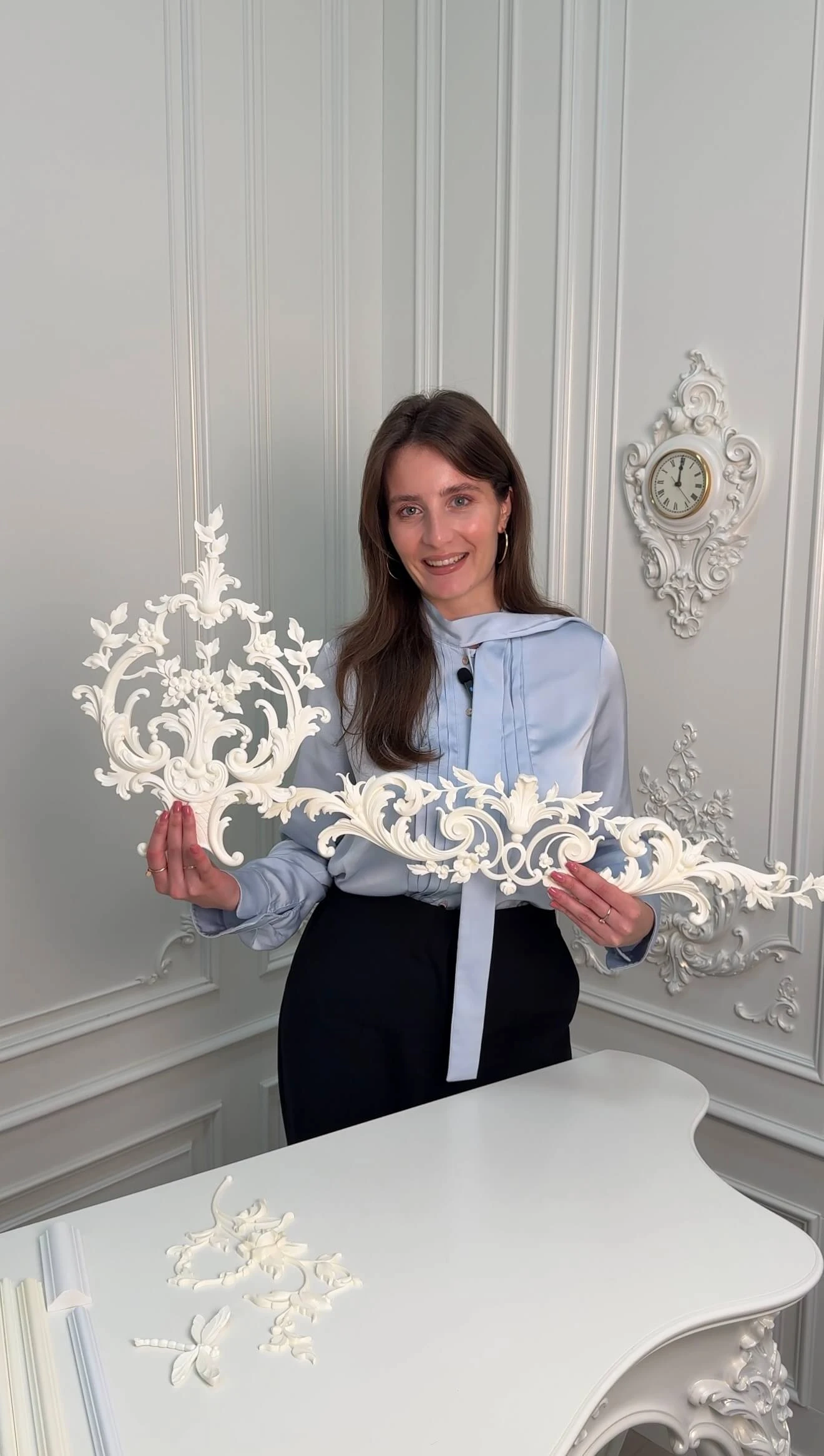
decor for furniture — overlay sockets, corner elements, decorative cartouches — are used in a classic bathroom on a vanity, mirror frame, tall cabinet. They add that very "finishing touch" that distinguishes a good bathroom from a great one.
Application: central socket on the panel of the vanity front, corner acanthus overlays on the mirror frame, decorative cornice along the upper tier of the vanity.
Hardware as a style element
furniture handles with coating — the final detail that "signs" the style. For a classic bathroom, choose:
-
Aged bronze handles — for classic and baroque styles
-
Gold-plated handles — for Empire and formal style
-
Nickel-plated handles — for neoclassical style
-
Porcelain handles — for Provence and country classic styles
It is important to coordinate the handles with the faucet hardware: both items in the same color group (gold with gold, chrome with chrome, bronze with bronze).
How to coordinate bathroom furniture with the interior
A classic bathroom is not a set of separate items, but an interior system. Here's how to properly build its coherence.
Furniture and tiles
Tiles are the most permanent element of a bathroom: they are changed once every 20–30 years. It is the tiles that serve as the starting point when choosing furniture.
Rule: furniture should not 'argue' with the tiles. If the tiles have a rich pattern (marble, ornament) — the furniture should be more restrained. If the tiles are plain — the furniture can be more decorative.
For large-format white tiles — a vanity with patina or dark wood. For gray marble — white or cream furniture. For plain beige tiles — warm wood tones.
Furniture and light
A classic bathroom requires multi-level lighting. Recessed ceiling lights are only an additional source. The main source is wall sconces by the mirror. Decorative — backlighting of the countertop or niche.
Warm light (3000–3500 K) — for classic and baroque. Neutral (4000 K) — for neoclassical. Cold (5000 K) — is alien to the classic style.
Furniture and textiles
Textiles in the bathroom — towels, rugs, curtains — complete the classic look. Cotton and linen in soft tones: cream, sand, dusty rose, warm gray. Monograms, ornamental borders, quilted rugs — all this enhances the style without additional costs.
What affects the price of classic bathroom furniture
Buying classic-style bathroom furniture is an investment with a wide range. From 40,000 to 400,000 rubles per set — that's the real spread. Why such a range and what exactly are you paying for?
Cabinet size. A 60 cm cabinet is cheaper than a 120 cm cabinet: the difference is in material, number of fronts, length of handle and countertop.
Body material. Moisture-resistant MDF is the basic level. Solid oak or beech in the body is premium.
Front material. Flat MDF fronts with coating are cheaper. Profiled fronts with molding are more expensive. Fronts with carved decor are even more expensive.
Coating. PVC film is budget-friendly. Multi-layer enamel painting is mid-range. Hand painting with patina is premium.
Mirror frame. Size, profile complexity, type of finish — all of this affects the price of the mirror unit. A frame with carved decor and gilded patina costs significantly more than a simple profile.
Hardware. Ordinary metal handles have one cost. Wooden handles with coating and Turned Legs from the array — another one.
Decor. Overlay rosettes, moldings, carved elements — each adds to the cost, but it is they that create the difference between a "good" and an "outstanding" bathroom.
Completeness. Vanity + mirror + cabinet + countertop + fittings — a full set is always more expensive than a single item, but cheaper than buying everything separately from different places.
Custom sizes. Non-standard width or depth of the vanity, a mirror for a non-standard opening — are calculated individually and cost more than standard products.
Delivery and installation. Assembly and installation of furniture in the bathroom is a separate service that needs to be accounted for in the budget.
Mistakes when buying bathroom furniture in a classic style
Eight mistakes that are made most often — and that cost more than the furniture itself.
They buy furniture without measuring the bathroom. A 120 cm vanity in a 170 cm wide bathroom — and there is no room left for movement. Measuring is the first action, not the last.
They don't account for humidity and ventilation. Buying a beautiful classic vanity made of untreated solid wood and placing it in a bathroom without an exhaust fan means throwing money away in 2–3 years when the facades start to warp.
They choose furniture that is too massive for a small bathroom. A monumental Baroque vanity 100 cm with high columns and a lush mirror in a 4 m² bathroom creates a feeling of claustrophobia. For small bathrooms — restrained neoclassicism, a white color scheme, a mirror with a narrow frame.
The mirror and vanity won't match. You bought the vanity from one manufacturer and the mirror from another. The frame height, width, and profile style—nothing aligns. Result: beautiful items, an ugly ensemble.
Storage isn't thought through. In a bathroom, you need to store dozens of items—cosmetics, towels, household chemicals. A vanity with two shelves doesn't solve the problem. Design storage: vanity + tall cabinet + built-in niches + open shelves.
Handles, legs, and decorative details are ignored. You bought an expensive vanity—and put plastic handles from a hardware store on it. The whole effect is ruined. Details matter.
Styles are mixed without a system. A Provence-style vanity, a Baroque mirror, industrial tiles—this isn't eclecticism, it's chaos. A classic interior must have internal logic.
They buy based on photos without checking the coating quality. Online photos hide the surface finish quality. When purchasing, clarify: coating type, sanding grade, moisture resistance, handle width and material.
Where to buy classic-style bathroom furniture
Where to buy classic bathroom furniture—a question about choosing a source. A manufacturer with experience in classic decor is the only one who can ensure style consistency, correct facade proportions, and professional coating quality.
Classic Furniture STAVROS is not mass production. It's handcrafted work with attention to detail, shaped through years of restoration projects. The company produces Buy classic furniture which can be in full coordination with mirror frames, decorative inlays, moldings, furniture handles и legs —everything from one catalog, in one style.
Classic-style bathroom furniture should be selected as an interior composition: vanity unit, mirror, frame, fittings, Carved Decor and finishes must work together as a single ensemble. Only then does the bathroom cease to be a "room with pipes" and become a space you want to return to.
FAQ: Popular Questions About Classic-Style Bathroom Furniture
What classic-style bathroom furniture should I buy?
It's better to choose a complete set: a vanity unit with profiled fronts, a mirror in a wooden or MDF frame, a tall cabinet or cupboard, Wooden handles with coating and turned Furniture legs. All elements from the same collection.
What is included in classic bathroom furniture?
Vanity unit, framed mirror, tall cabinet or cupboard, countertop, decorative fronts with molding, handles, legs, and decorative overlays. A complete set creates a cohesive interior.
How to choose a mirror for a classic-style bathroom?
mirror frame should match the style of the vanity and bathroom decor. The width of the mirror should be equal to or slightly narrower than the vanity width. For classic style, a frame with molding, patina, or carved ornament.
Can wooden decor be used in the bathroom?
Yes, provided: proper ventilation, moisture-resistant wood coating, placement away from direct splashes. Carved Decor on the vanity, Moldings on walls and mirror frame — standard practice in classic bathrooms.
What affects the price of bathroom furniture?
Size, body and facade material, coating, mirror frame, hardware, decor complexity, Decorative Inserts, custom sizes, delivery, and installation.
White or dark bathroom furniture?
White furniture expands the space — suitable for small bathrooms. Dark wood creates a prestigious effect — requires sufficient area and good lighting. Patina is a universal solution for any size bathroom in a classic style.