




























































Article Contents:
- Why stucco decor is suitable for a beauty salon
- What tasks does wall decor solve in a salon
- Makes the interior more premium
- Creates a photo zone for clients
- Highlights the reception desk
- Decorates the mirror area
- Helps zone rooms and client spaces
- Makes a small space visually neater
- Where to use stucco decor in a beauty salon
- Reception wall
- Waiting area
- Wall with mirror
- Cosmetologist's office
- Manicure area
- Photo zone
- What to choose: moldings, overlays, or a ready-made set
- Moldings for frames and zoning
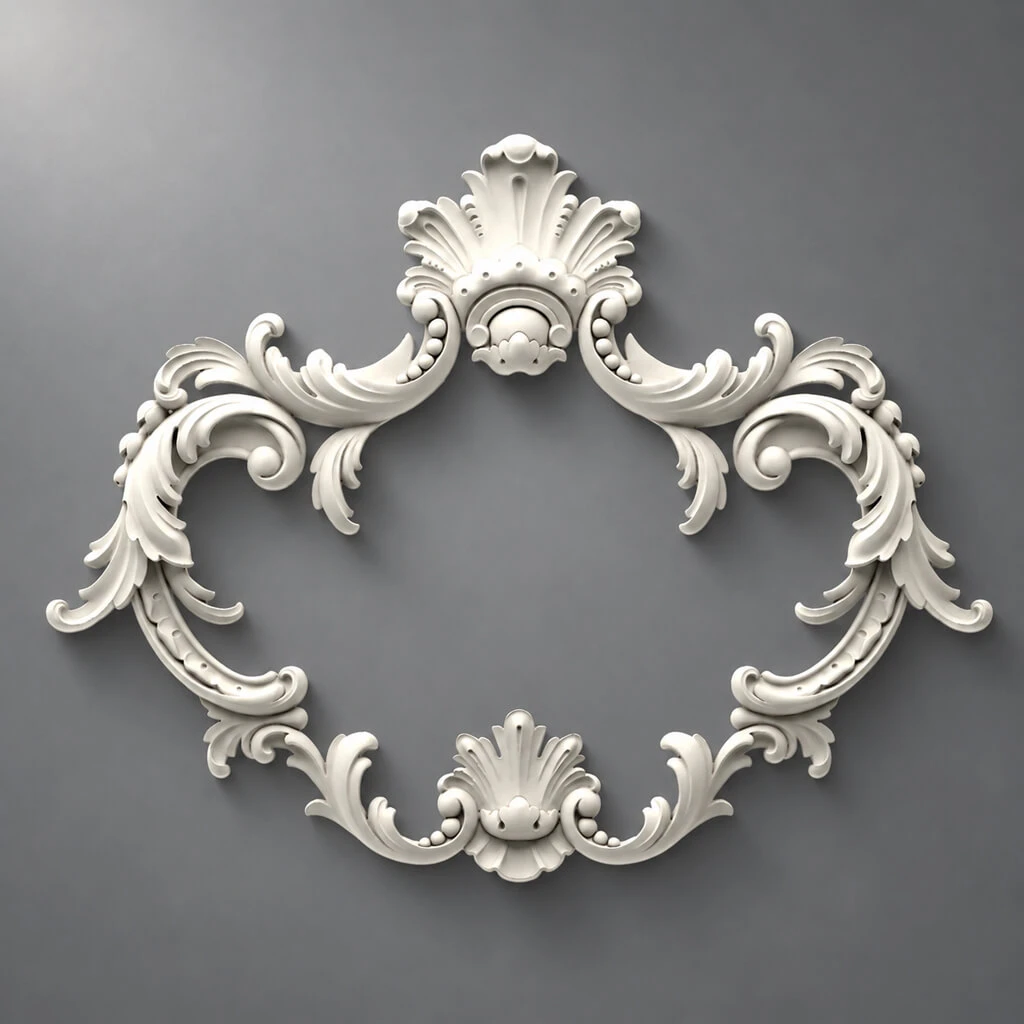
- Decorative overlays for accents
- Decor for moldings
- Ready-made sets
- How to choose a style for a beauty salon
- Neoclassical
- Neoclassic Light
- Jatoba
- Art Deco
- Versailles Light
- Detailed breakdown: reception design
- Practical table: which decor for which area
- How not to overload the salon with stucco decor
- Do not design every wall as an accent wall
- Do not use large patterns in a small room
- Do not place active molding next to a bright logo
- Don't forget about mirrors, outlets, shelves, and work equipment
- Do not mix Japandi, classic, and Art Deco in one area
- Do not make overly contrasting moldings without an overall concept
- How to choose the color of moldings for a salon
- In the color of the wall
- White moldings
- Contrasting moldings
- Moldings matching the furniture color
- Installing decor in a salon: what's important to know
- What to buy for decorating a beauty salon
- Frequently asked questions
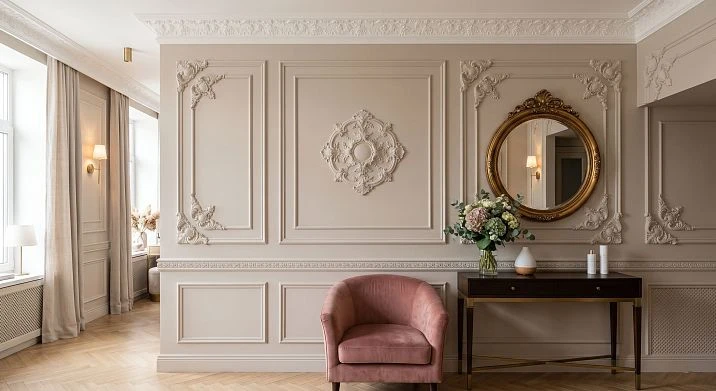
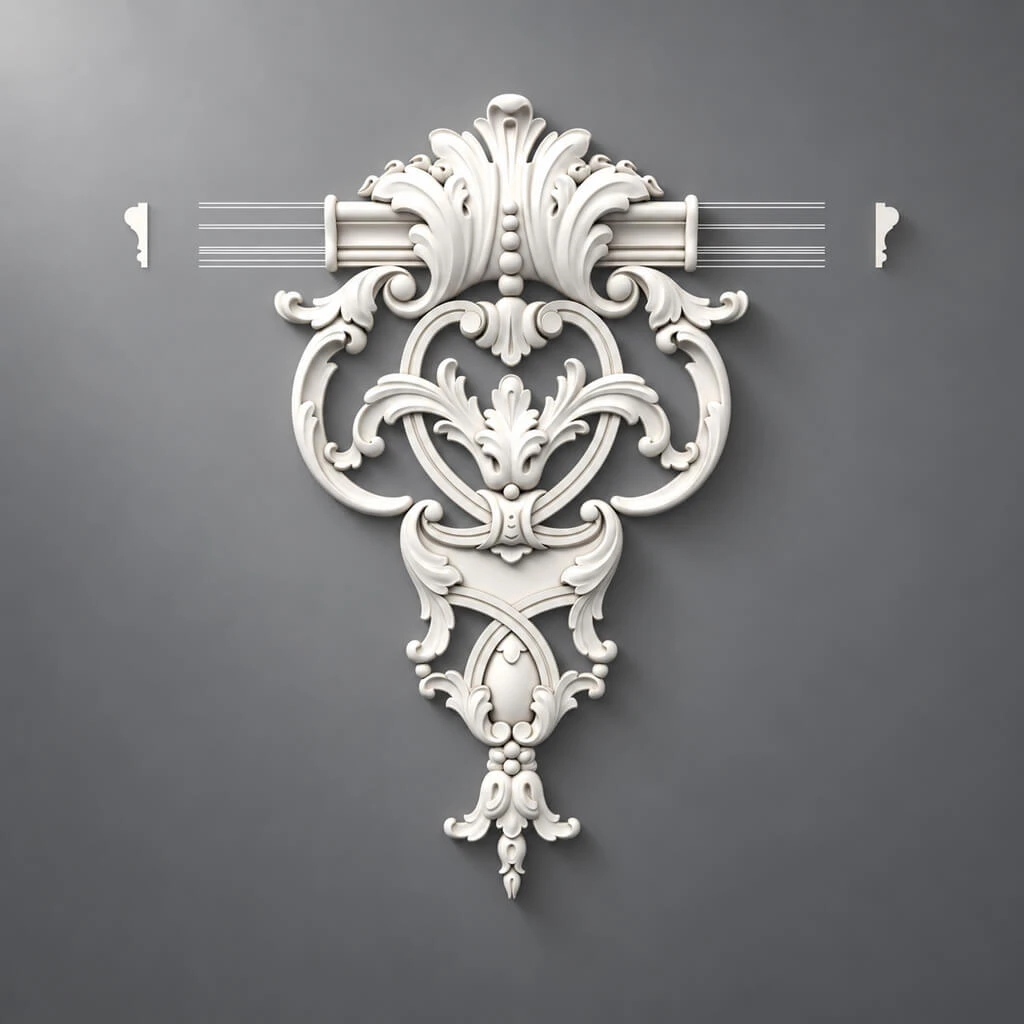
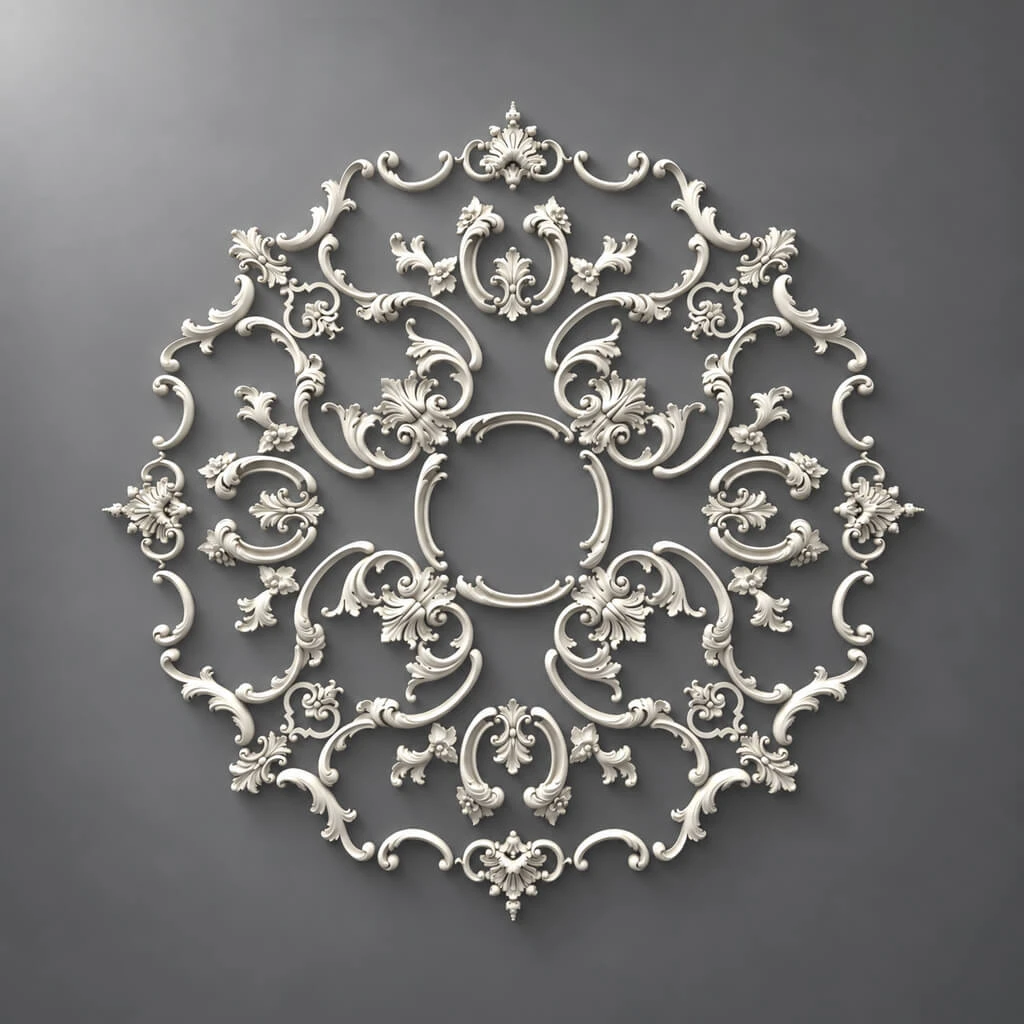
A beauty salon is not just a place where haircuts, manicures, or cosmetic procedures are done. It is a space where a client decides to trust. Trust is formed before the master says the first word — it arises the moment a person crosses the threshold and looks around. What they see on the walls determines their first impression of the professionalism, level, and taste of the owner.Stucco decor for a beauty salonmade of polyurethane is not a luxury or an excess. It is an investment in making the space speak about you convincingly and beautifully before work even begins.
The second fact that changes the attitude towards wall decor in the beauty business: clients take photos. Constantly. The mirror, the reception desk, the master's workspace, the waiting area — all of this ends up on Instagram, in stories, in reviews on maps. The wall behind the master becomes the background for hundreds of posts. If this wall is gray and empty — people say "an ordinary salon." If it is decorated with character — people say "a beautiful place, I want to come back." Moldings andpolyurethane decor for a beauty saloncreate the visual level that clients perceive instantly.
Why stucco decor is suitable for a beauty salon
The first question that beauty business owners ask: isn't it too heavy — stucco in a modern salon? Isn't it an outdated technique? The answer is unequivocal: no. Because modernwall decor for a beauty salonmade of polyurethane is not the gypsum curls of Soviet Palaces of Culture. These are laconic moldings, geometric frames, delicate overlays, and well-thought-out ready-made sets that look equally organic in calm Japandi, elegant neoclassicism, and expressive Art Deco.
Polyurethane decor has several practical advantages that are important specifically for commercial spaces. It is lightweight — does not burden the walls and does not require special load-bearing structures. It is non-porous — does not accumulate dust, easily wiped with a damp cloth. It does not deform with temperature and humidity changes — relevant for rooms with operating tools, lamps, and air conditioners. And finally, it is easily painted in any color — which is critically important when changing the salon's brand color concept without completely dismantling the decor.
Wall decor for a beauty salonis installed quickly, without dirt and complex construction work. This means that you can update the interior or add decor even after opening, without closing the salon for lengthy renovations.
What problems does wall decor solve in a salon
Decor in a commercial space works differently than in a residential one. Here it has not one function, but several — and each affects the business result.
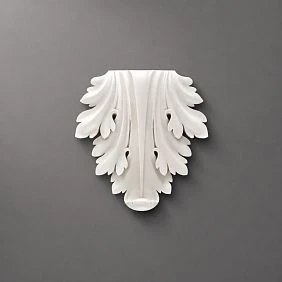
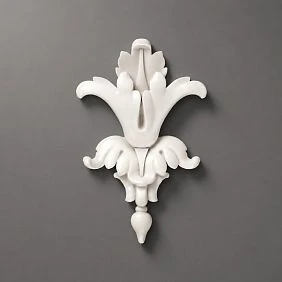
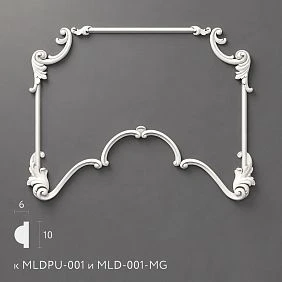
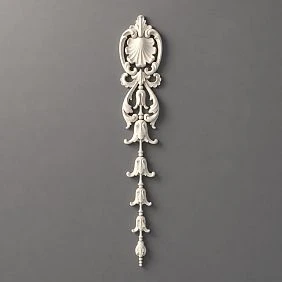
Our factory also produces:
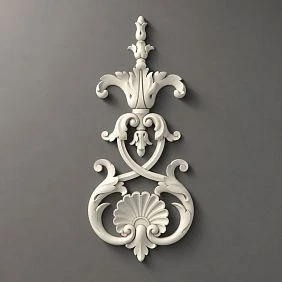
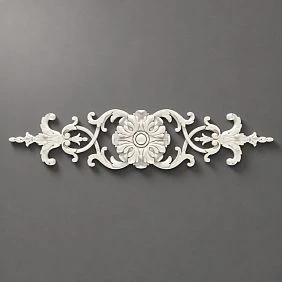
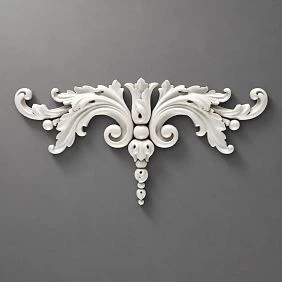
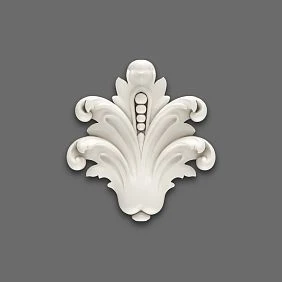
Makes the interior more premium
A wall with moldings is perceived as more expensive than a smooth painted wall. This is not a subjective assessment — it is a stable psychological pattern that is actively used in the hotel and restaurant business. A client entering a salon with decorated walls is willing to pay more — because the space conveys the corresponding level.Stucco molding for a beauty salon — this is one of the most affordable ways to raise the perceived value of services without raising real equipment costs.
Get Consultation
Creates a photo zone for clients
A modern beauty salon is a media space. Every client who takes a photo after a manicure or coloring is free advertising. A photo zone with a decorative frame made of moldings, symmetrical overlays, and a beautiful background turns an ordinary shot into content at the level of a fashion blog.Decor of a photo zone in a beauty salon — this is a direct investment in organic marketing: clients themselves tag the location, they themselves show your interior to subscribers.
Principles of creatingstucco decor for a home photo zoneare also applicable to commercial spaces: symmetry, central axis, proper frame scale, neutral or elegant background.
Highlights the reception area
The reception area is the salon's business card. It is here that the client makes the final decision: "yes, I like it here." The wall behind the reception with moldings, logo, and sconces creates an image of an organized, stylish, professional place. About creatingdecor for commercial interiorsis written in a separate article.
Frames the mirror area
A mirror in the salon is a working tool and at the same time the most photographed object.Moldings around the mirror in the salonturn a functional item into a decorative interior element. A frame made of moldings integrates the mirror into the overall wall system, adding a sense of thoughtfulness and completeness. More about the principles ofwall decor with a polyurethane mirrorwritten separately.
Helps to zone offices and client areas
In a salon with multiple workstations or combined zones, decor becomes a zoning tool. A horizontal molding belt separates the work area from the waiting area. An accent wall behind one master highlights this place as "main" or "VIP." Frames made of moldings in the cosmetologist's office create a feeling of a separate, intimate space.symmetric polyurethane wall decorhelps to build this system sequentially.
Makes a small room visually neater
A small master's office with an area of 8–12 m² is a common reality for most beauty studios. In such a space, decor works as an optical correction tool: vertical moldings "stretch" the ceiling, a horizontal belt at a height of 120–140 cm "expands" the wall, moldings in the color of the surface structure it without reducing the visual volume.
Where to use stucco decor in a beauty salon
Each zone of the salon has its own logic of decoration. Let's break them down in detail.
Wall behind the reception
The wall behind the reception is a stage. This is where the first negotiations take place, this is where every incoming client looks. The task of the decor here is to create an image, not just fill the surface.
Classic solution for the reception area in a beauty salon: a symmetrical molding frame in the center of the wall, inside which the salon logo or a decorative element is placed. On the sides of the central frame — symmetrical vertical moldings or additional smaller frames. Above the entire composition — a horizontal molding belt. On the sides of the wall — sconces for additional lighting and accent.
If the wall is wide — three frames, the central one larger, the side ones smaller. If narrow — one expressive vertical frame with a logo in the center. The principle is the same: symmetry, axis, completeness.
For the reception area, both moldings for the reception area with a classic stepped profile work well, as well as more laconic straight profiles — depending on the overall style of the salon. Color: most often white moldings on a colored wall (the salon's brand color) or moldings matching the wall color for a calm, modern solution.
Waiting area
The waiting area is a place where the client spends time without being occupied. It is here that they look at the walls, notice details, and form an attitude towards the place. The decor here should be calm, pleasant, and 'hold' the gaze without pressure.
Moldings in the waiting area— these are soft frames behind a sofa or bench, horizontal belts at the level of the furniture backrest, delicate overlays. Moldings in the color of the wall create architectural depth without visual load. This is exactly the decor that the client feels rather than consciously analyzes — it creates an atmosphere without being distracting.
On the principles ofstucco decor behind furnitureis written in detail — it discusses how to properly correlate the height and scale of the decor with the height of the furniture in front of it.
Wall with mirror
In a beauty salon, mirrors are the main furniture and decorative theme. A hairdresser's workstation, a manicure table with a mirror, a mirror in the waiting area — everywhere there is an opportunity to turn a utilitarian item into a decorative accent with the help of proper framing.
Moldings around the mirror in the saloncreate a "portal" effect: the mirror is perceived as part of the wall, not as a hung object. The frame should be slightly larger than the mirror around the perimeter — an indent of 5–8 cm on each side. Corner elements at the corners of the frame complete it, adding detail.
For large working mirrors, you can use only horizontal moldings at the top and bottom — this creates an architectural boundary without full framing. On the sides of the mirror — vertical moldings or decorative overlays, if space allows.
Cosmetologist's office
The cosmetologist's office is the most intimate space in the salon. The client is in a vulnerable position here, and the atmosphere should be calming, clean, and professional.
Moldings for the cosmetology office— delicate, without large patterns. The best choice is moldings in the color of the wall or white on a light background. The «Neoclassic Light» or «Japandi» collection is ideal for such a space: calm geometry, minimalist profile, a sense of cleanliness and order.
There should be little decor here: a horizontal belt at a height of 120–140 cm, a frame on an accent wall or behind the head of a couch. No more. An overloaded cosmetologist's office creates anxiety — which is the exact opposite of what is needed.
Manicure area
The manicure area is where the client looks directly at the master and the wall behind him. This is an ideal position for decor: the wall behind the master's workstation is constantly in the client's field of view.
Wall decor for a manicure studio— these are moldings behind the work desk, a frame with a logo or decorative overlay, a horizontal belt at the height of the master's head in a sitting position. If the manicure area consists of several tables in a row, the decor should be the same behind each: this creates a sense of system and professionalism.
A separate scenario —wall decor for a manicure salonas a photo zone for the master's work. A frame made of moldings, a neutral light or pastel background inside the frame — and the master takes a photo of the finished work against this background. All photos in the portfolio turn out in a unified style, which in itself increases perceived professionalism.
Photo zone
A photo zone is an area where the client intentionally takes photos after receiving the result of the work. This is especially important for the beauty business: a client with a fresh manicure, hairstyle, or makeup wants to take a photo immediately — and it's better if there is a special beautiful place for this.
Moldings for salon photo zone create a ready-made "frame": the client stands in front of a wall with a frame and gets a beautiful background without effort. Principles of creating a photo zone: a central large frame made of moldings (approximately 80–120 cm × 100–150 cm depending on the wall), symmetrical overlays on the sides or corners, a decorative element along the central axis of the frame. The background color inside the frame may differ slightly from the main wall color — this adds depth to the shot.
Aboutready-made wall molding decor sets is written separately — for a photo zone this is the optimal choice: the set is designed as a complete system, all elements are already selected.
What to choose: moldings, overlays, or a ready-made set
Before moving on to purchase, it is important to understand which type of decor solves a specific task.
Moldings for frames and zoning
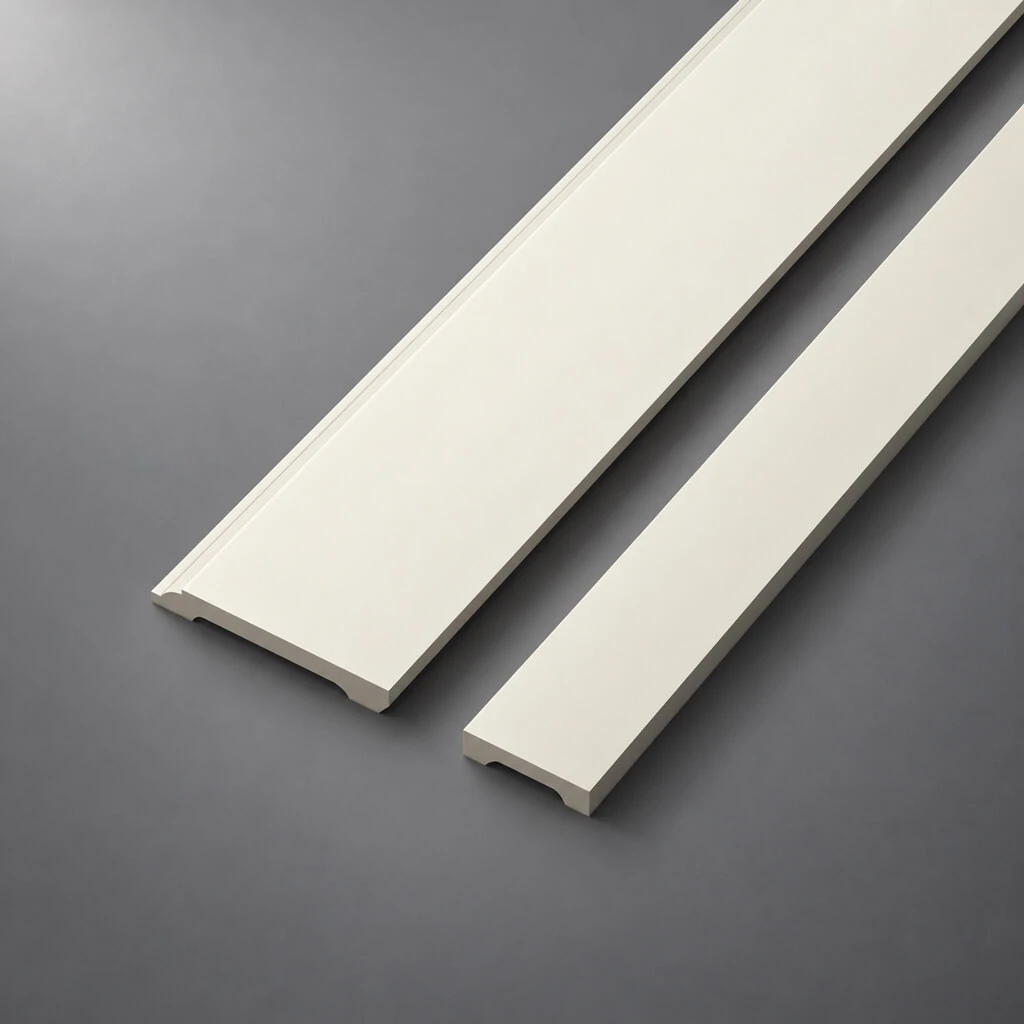
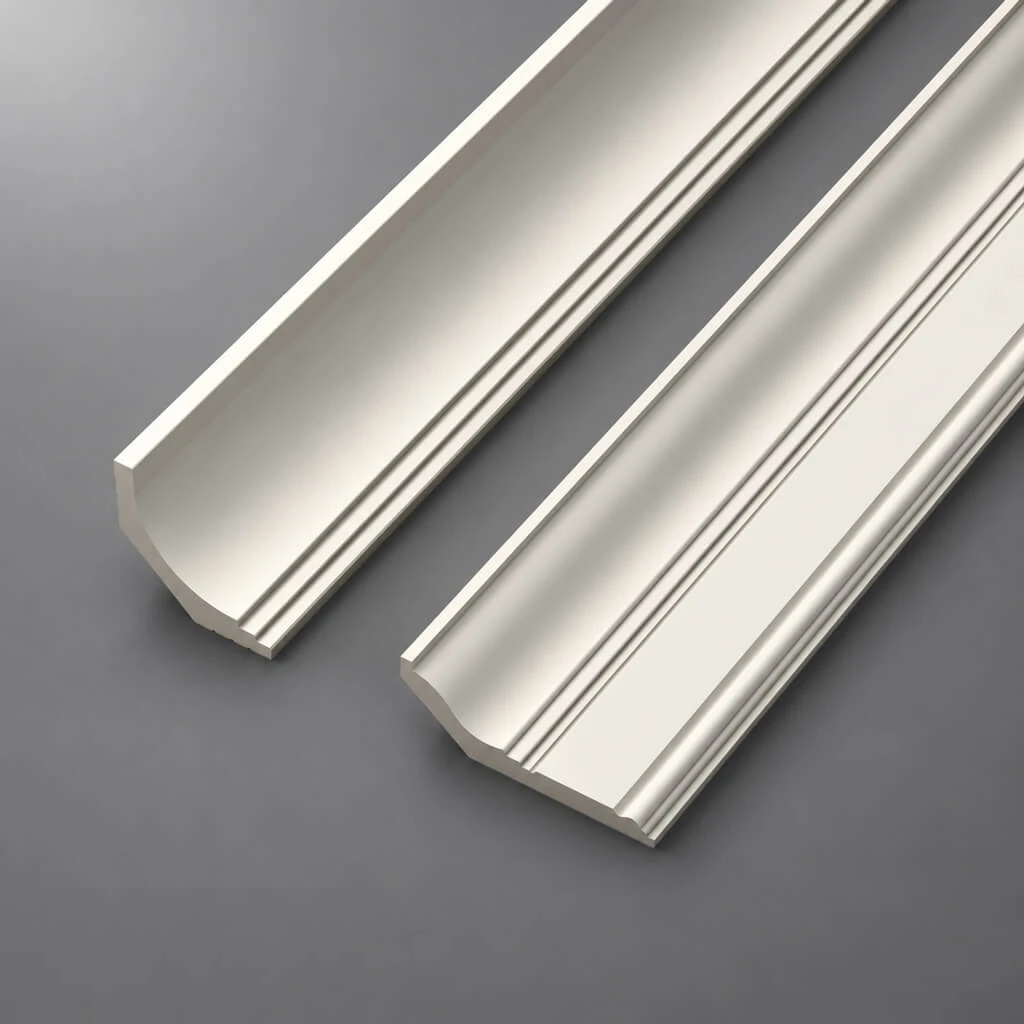
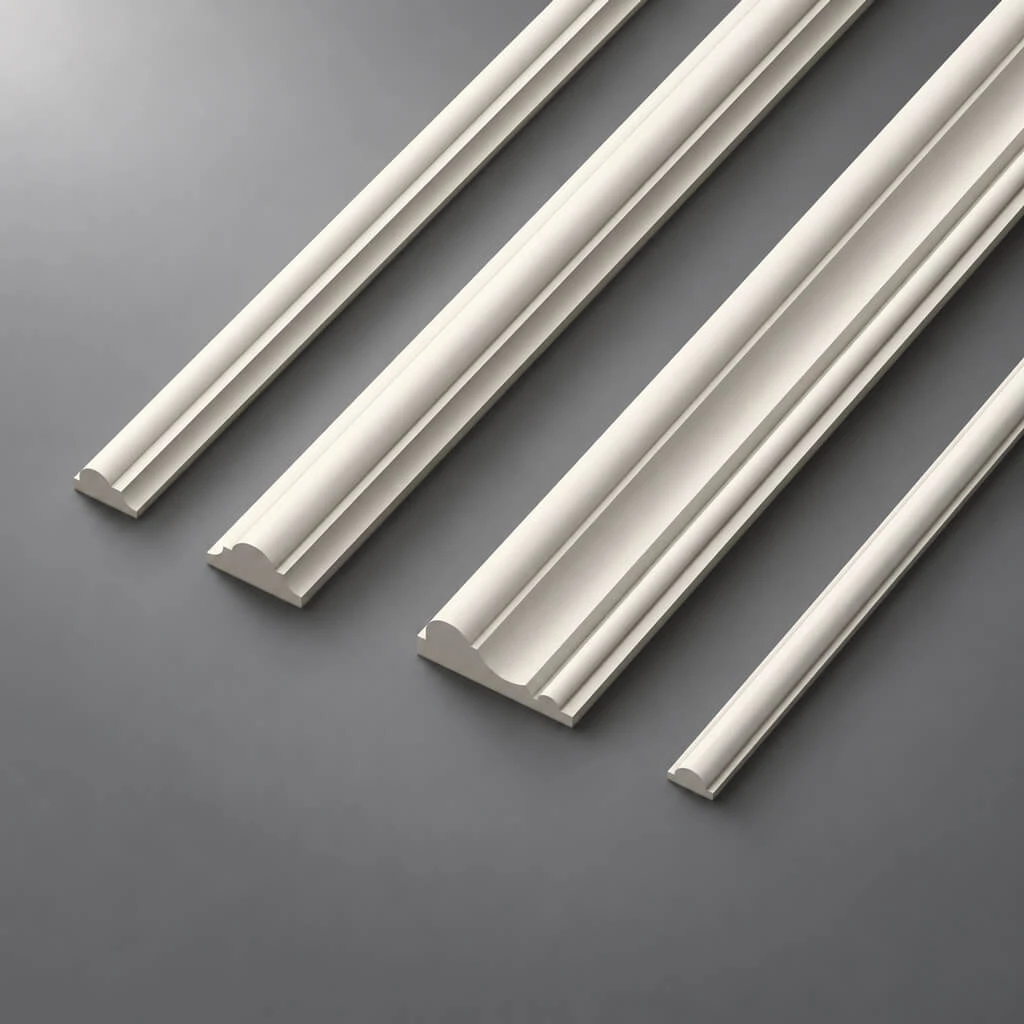
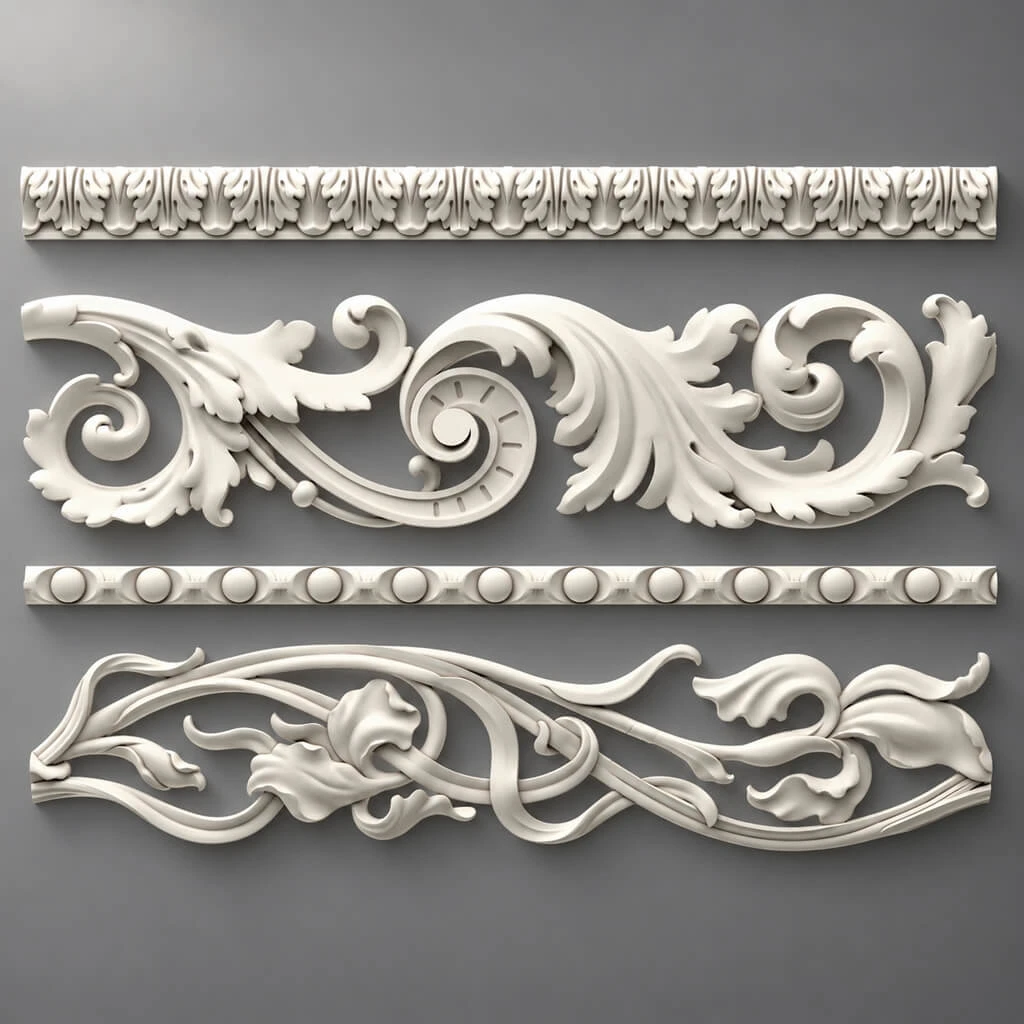
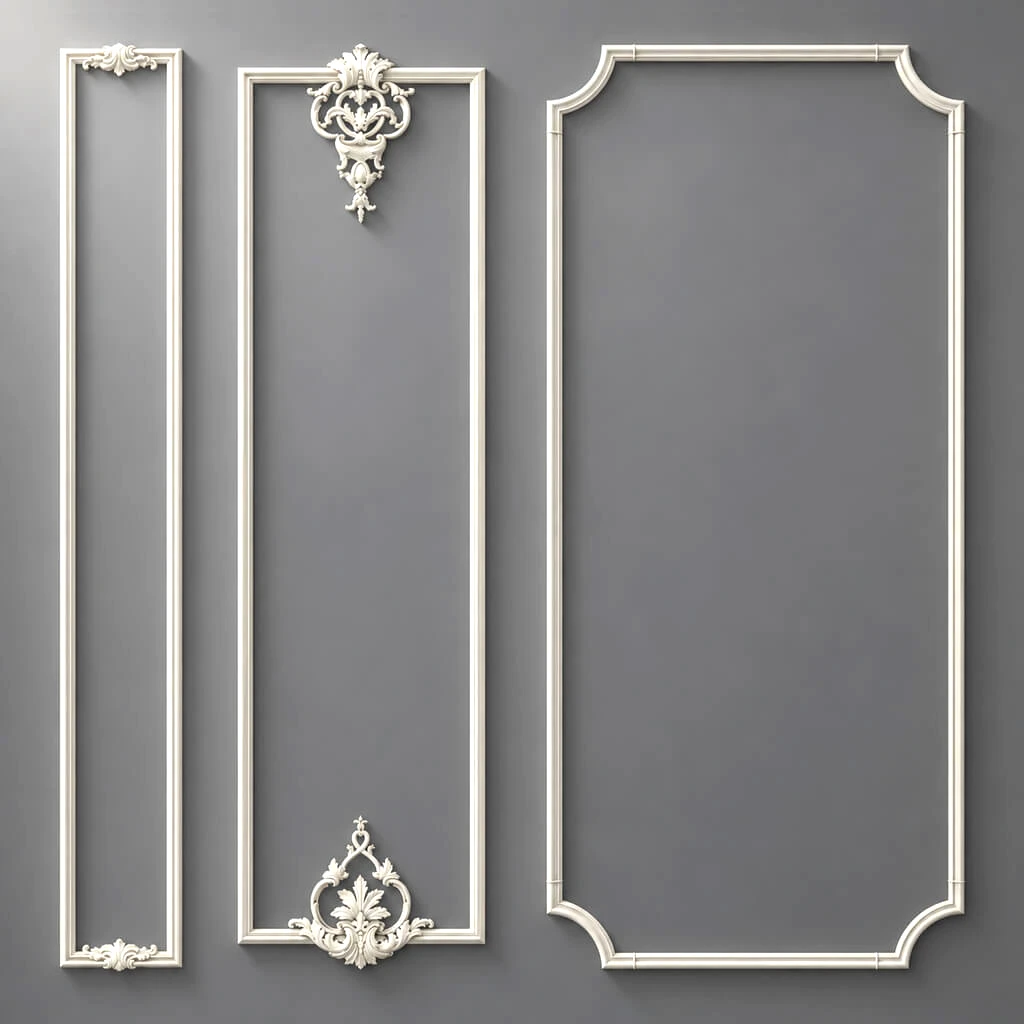
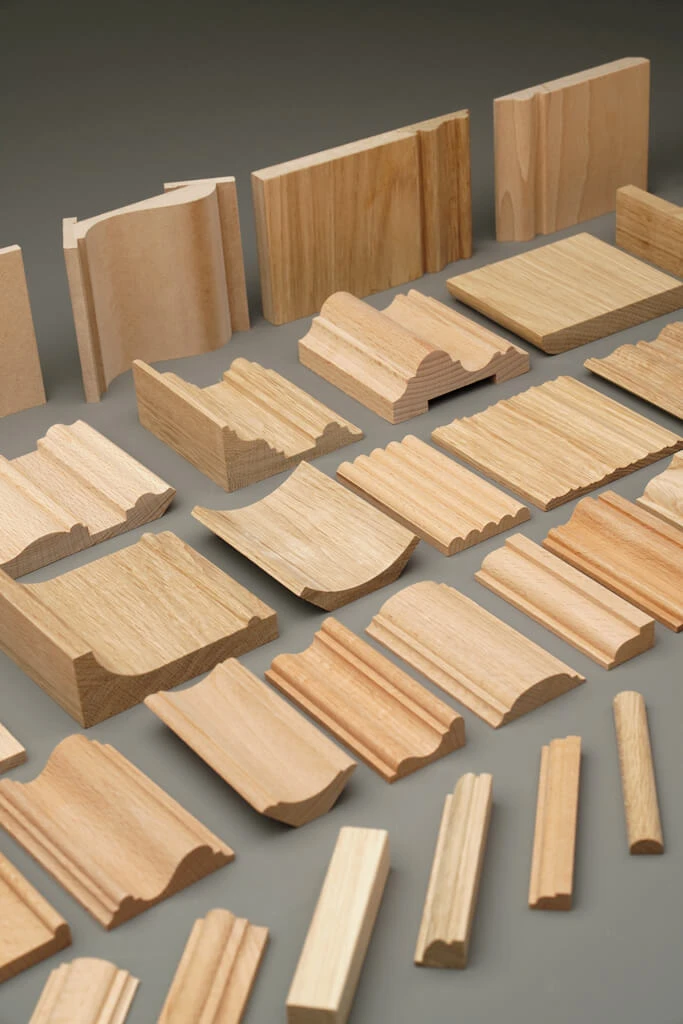
Buy moldings for a beauty salon means getting a basic building element of the decorative system. Moldings create frames around mirrors, horizontal belts on walls, vertical sections, and zone boundaries. This is structural decor — it defines the architecture of the wall.
For a beauty salon, the optimal molding width is 30–60 mm. A narrow profile (20–30 mm) works in small rooms and for delicate frames. A wider one (50–70 mm) is for the reception area, photo zone, and accent walls in spacious areas.
Important: all moldings in one room must be from the same collection or have the same profile. Mixing profiles of different widths and different reliefs in one zone is a mistake that makes the decor chaotic.
Decorative overlays for accents
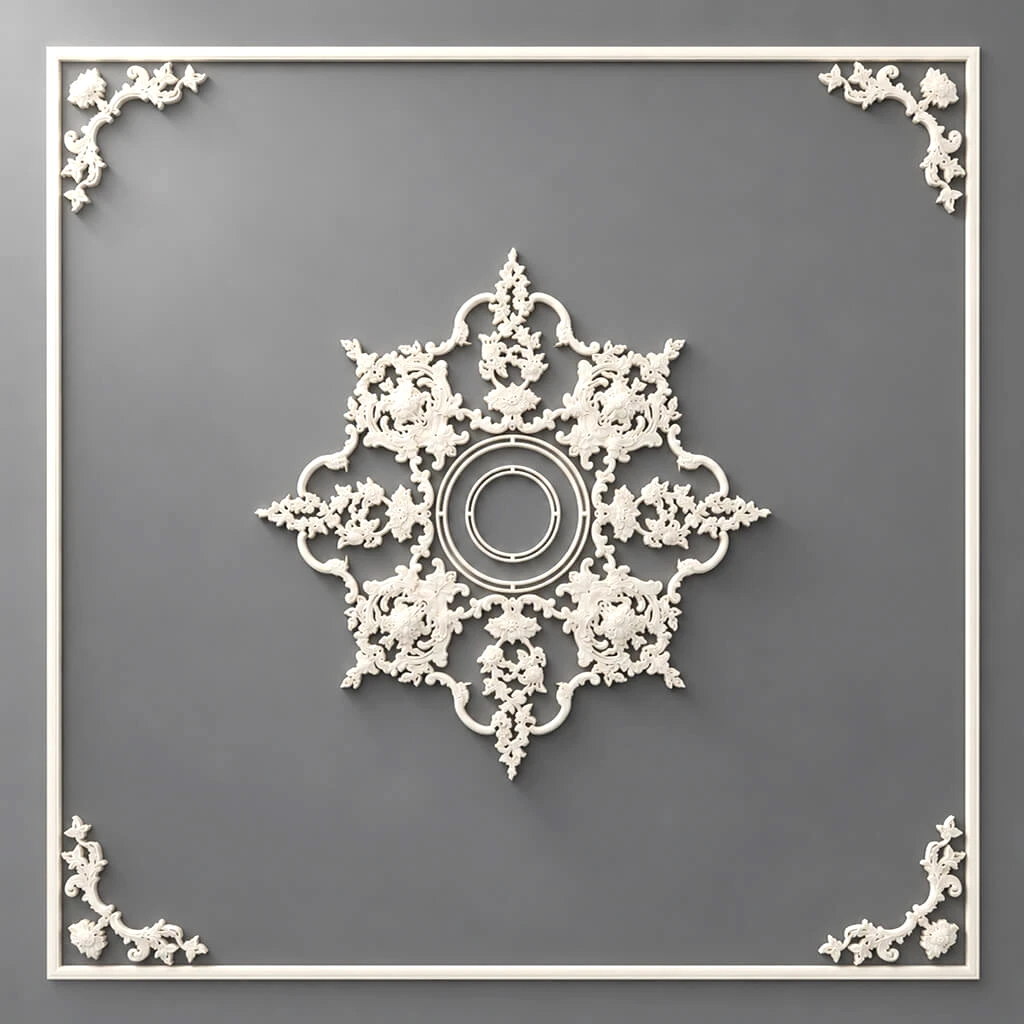
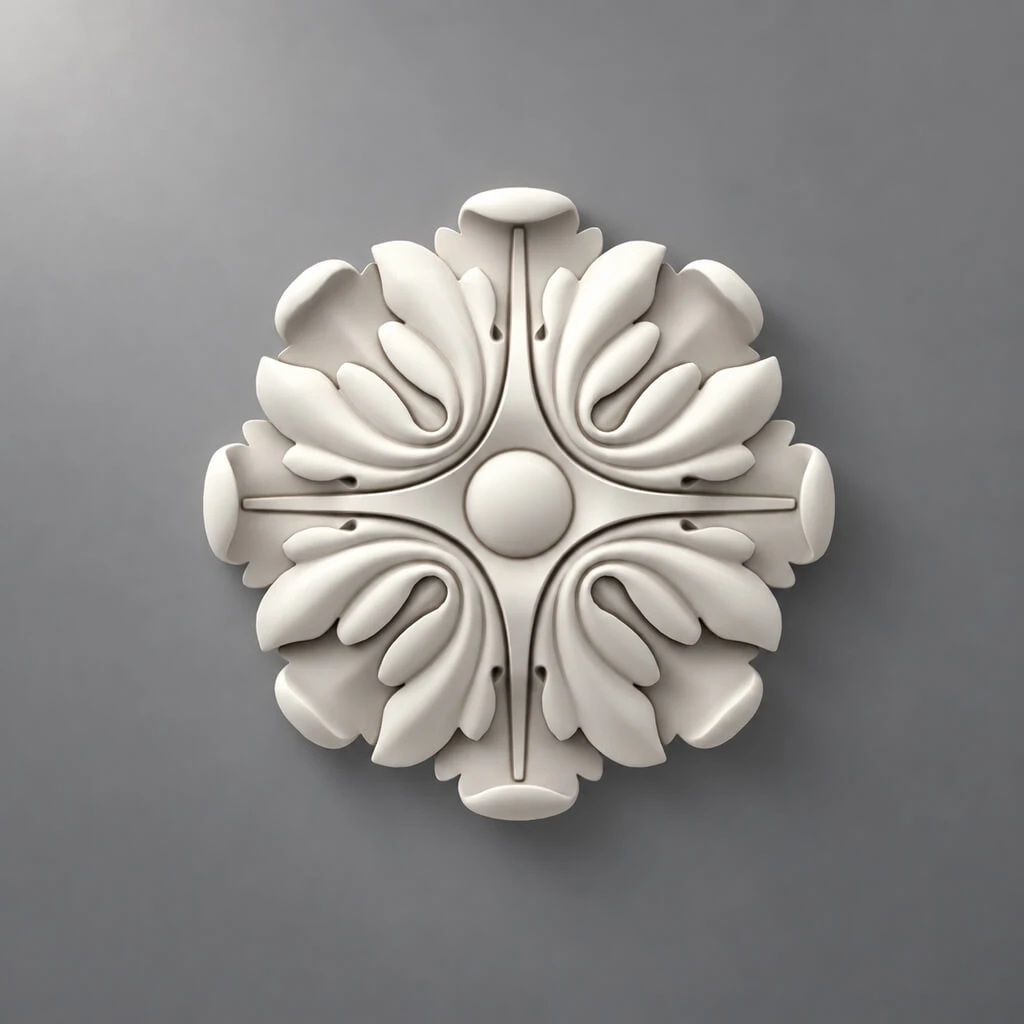
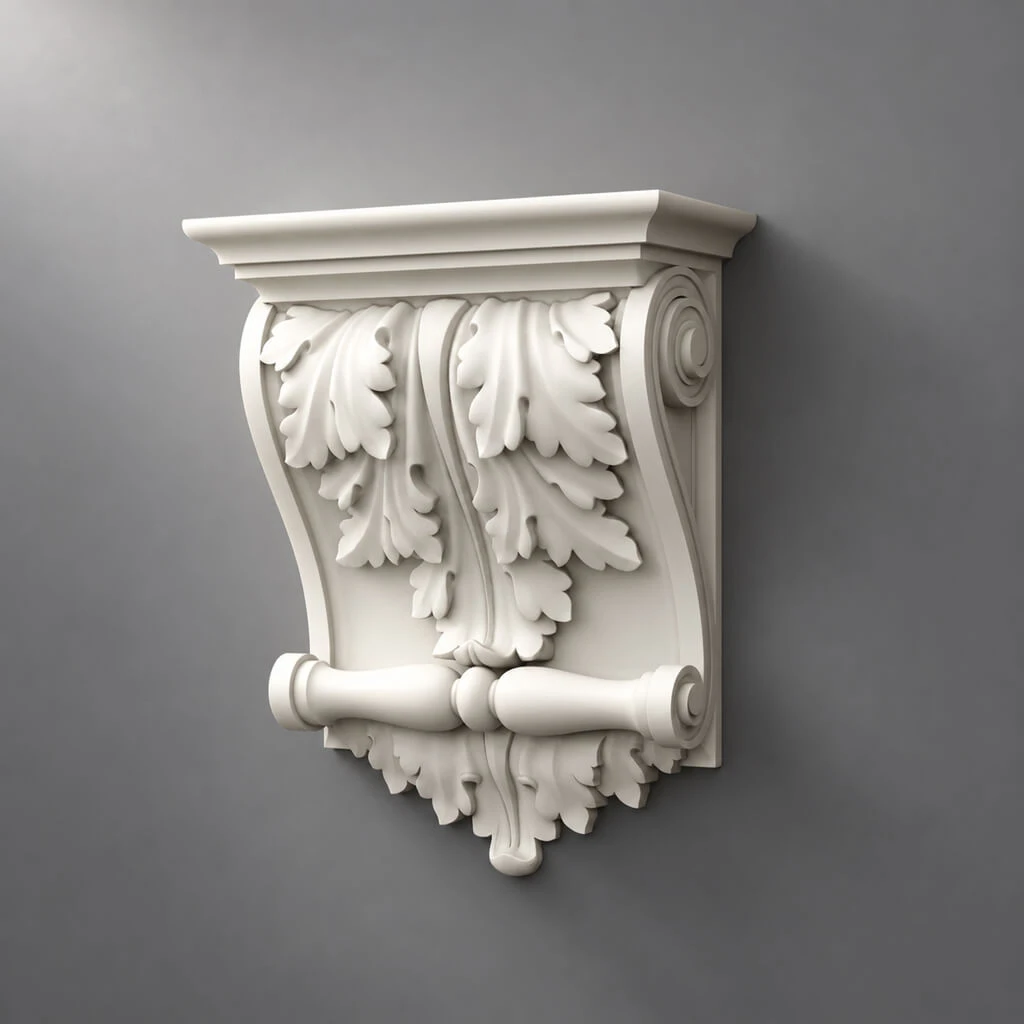
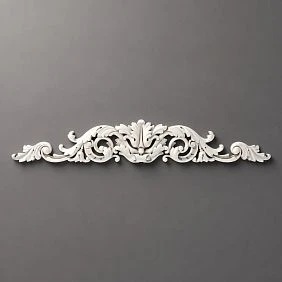
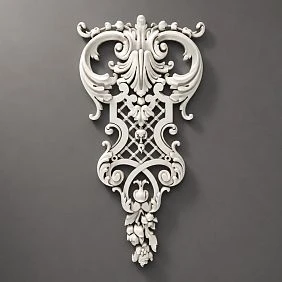
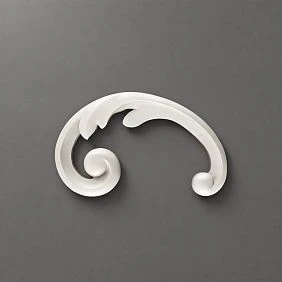
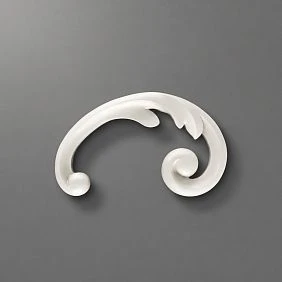
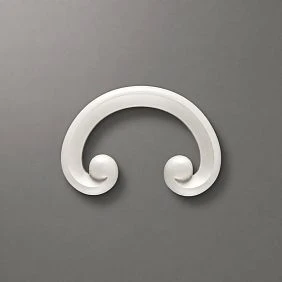
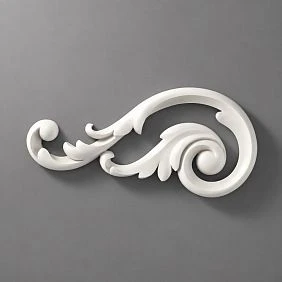
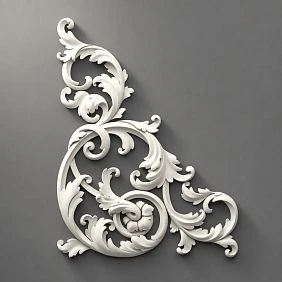
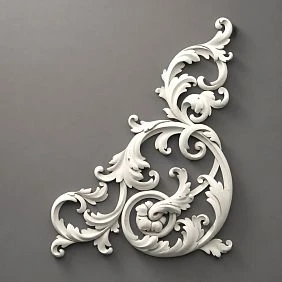
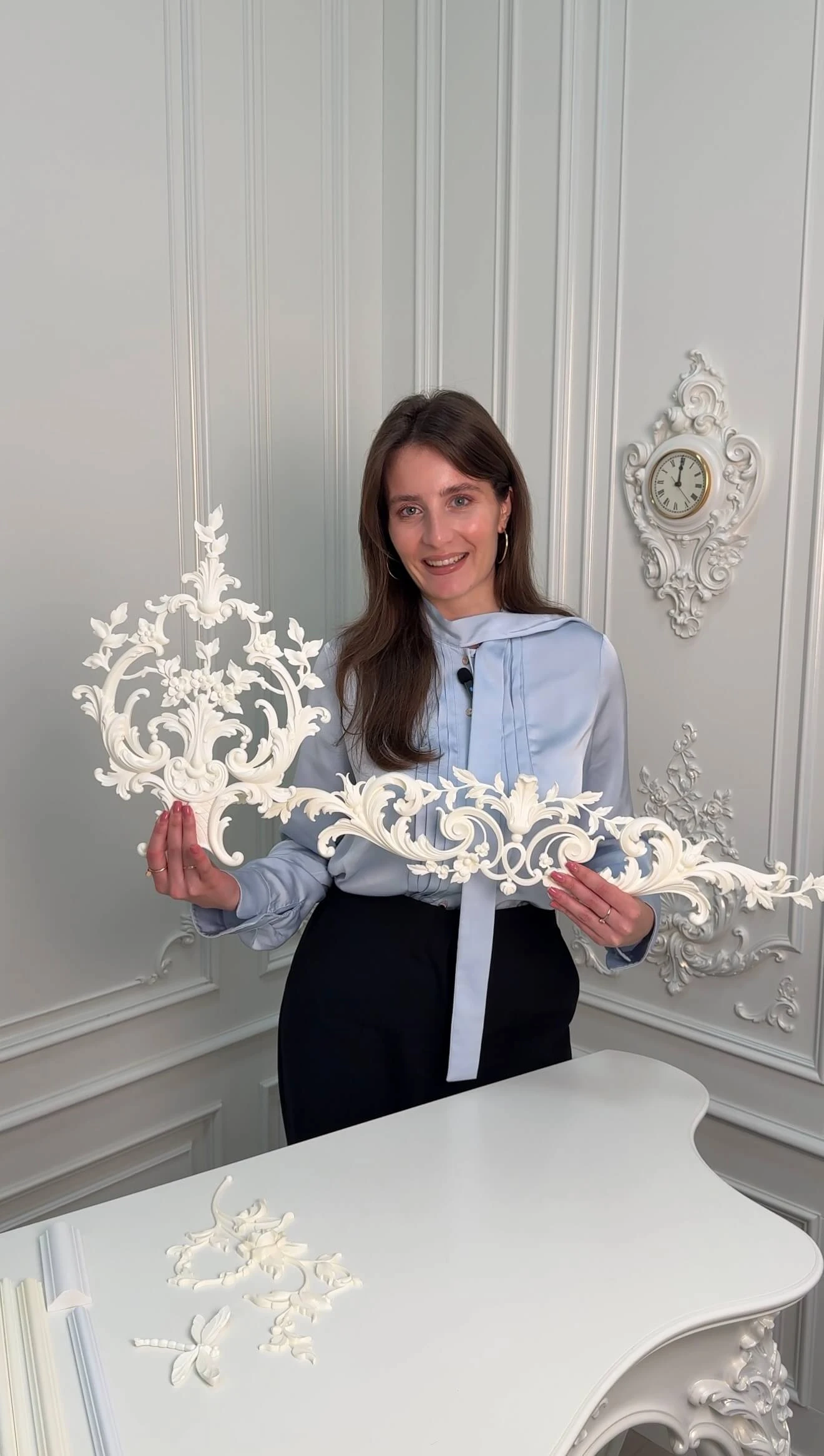
Decorative overlays for a beauty salon are three-dimensional elements with ornamentation that are installed at key points of the decorative system. They are suitable for the center of the photo zone frame, the logo area, the upper part of the wall behind the reception desk, and an accent element above a console or cabinet.
For beauty spaces, it's better to choose overlays with a concise, not overloaded ornament. Too lush plant or sculptural relief creates a feeling of heaviness, inappropriate in a salon. Geometric, star-shaped, medallion overlays with moderate relief are optimal.
Decor for moldings
Decor for moldings in a beauty salon— corner elements installed at profile joints. They perform a dual function: they close technical joints of moldings and add decorative detailing to the corners of frames.
Corner elements for frames in the salonmake the frame of moldings truly complete. Without them, the frame looks unfinished. With them, it looks professional, complete, and jewelry-precise. For the photo zone and reception area, this is especially important: these zones are the most "examined."
Ready-made kits
Ready-made decor set for a beauty salon— the best solution for those who want to get results quickly and without the risk of selection errors. The set includes all coordinated elements: profiles of the same section, overlays of the correct scale, corner elements matched by style. No need to calculate what goes with what.
For the photo zone, reception area, and main accent wall, a ready-made set is the optimal choice. For rooms where you need to work with non-standard sizes, it's better to select elements separately. In any case, a preliminary calculation will help determine the quantity correctly: the principles of calculation are described in the article abouthow to calculate moldings and stucco decor for a wall.
How to choose a style for a beauty salon
Interior style is not just an aesthetic decision. It is communication with the target audience. Different clients react to different visual languages, and a correctly chosen style attracts exactly "your" clients.
Neoclassical
Beauty salon with moldings in neoclassical style — this is a signal: "high level, stability, and confidence here." Symmetrical frames, expressive profiles, white moldings on softly painted walls, sconces along the axes of symmetry — all of this works to create an image of a premium, reliable space.
Neoclassicism is suitable for mid-plus and premium segment salons. For hair salons, cosmetology studios, and high-end spas. The client who comes here is willing to pay as much for the atmosphere as for the quality of the service.
Neoclassic Light
Light neoclassicism in a beauty salon — this is neoclassicism without heaviness and pomp. Thin moldings, simple frames, minimal overlays. This style works well in nail studios, lash studios, brow bars, and small cosmetology rooms. It says: "it's neat, professional, and pleasant here" — without unnecessary fanfare.
For small rooms of 8–15 m², "Neoclassic Light" is the optimal choice: decor adds character without visually reducing the space.
Japandi
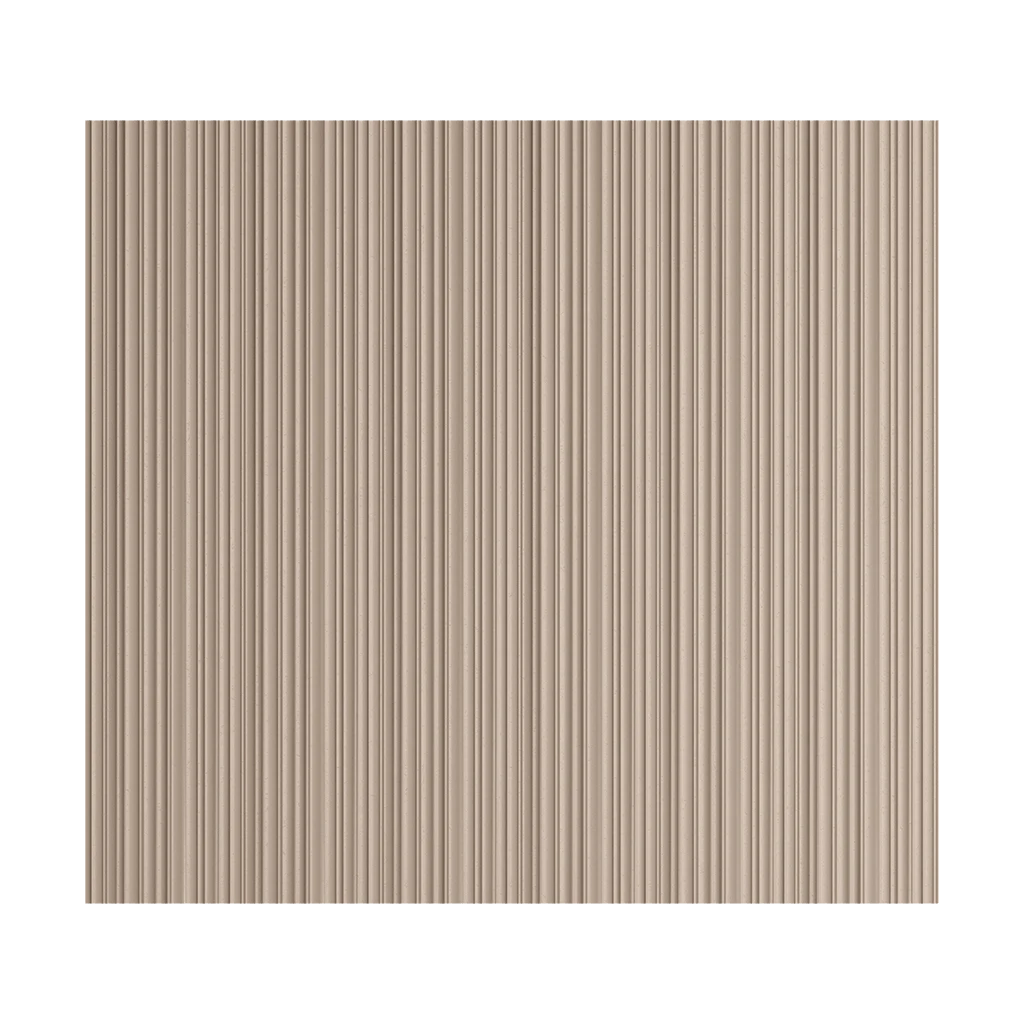
Decor of a beauty studio in Japandi style — for modern, young, "clean" spaces. Calm warm tones, natural textures, geometric moldings without ornamentation, minimalist frames. Such an interior conveys the aesthetics of conscious beauty: "we don't overload here, we choose only what's necessary."
Japandi works great for cosmetology rooms, plastic surgery studios, natural cosmetics studios, and those beauty spaces where clients value tranquility, privacy, and "Japanese" neatness. The STAVROS "Japandi" collection offers moldings with a straight, laconic profile, corner elements, and ready-made sets — exactly what is needed for this style.
Art Deco
Decor of a beauty salon in Art Deco style— for those who want to turn a space into a visual statement. Geometric frames, vertical rhythm, contrasting moldings, expressive symmetry. Such a salon is memorable at first glance.
Art Deco works well for photo zones, reception areas, and accent walls. It's better not to use it in masters' workrooms — a calm environment is needed there. But as the "face" of the salon — the reception area and photo zone in Art Deco — it's a powerful visual tool.
Versailles Light
Classic decor for a beauty salonin the "Versailles Light" style — for spa salons, luxury studios, high-end salons with a discerning clientele who appreciate "true" classics. More complex profiles, decorative overlays with ornamentation, possibly gilding of individual details. It's not for everyone — but where it's appropriate, it works flawlessly.
Detailed breakdown: reception area design
The wall behind the reception desk deserves a separate practical breakdown — it's the most important zone of the salon in terms of decor.
Imagine: a wall 3 m wide, 2.8 m high. On it — the salon's name in the form of individual metal letters along the central axis. To the left and right of the logo — one vertical molding frame each, measuring 60 × 120 cm. Above this entire system — a horizontal molding belt at a height of 220 cm. Below, at a height of 100 cm — a second horizontal molding, dividing the wall into two "registers." At the corners of the frames — corner decorative elements. Two sconces — symmetrically on either side of the logo.
Such a system looks like a well-thought-out architectural object. It reads as a whole, is easily photographed, and creates an image that the client will remember. At the same time, it is implemented from standardmoldings for a beauty studioand several corner elements — in one working day of installation.
Practical table: which decor for which zone
| Zone | Type of decor | Recommended collection |
|---|---|---|
| Reception | Frames, horizontal bands, overlays | Neoclassical, Versailles Light, Art Deco |
| Waiting area | Soft frames, horizontal band | Neoclassical Light, Japandi |
| Wall with mirror | Frame around mirror, moldings on sides | Neoclassic Light, Neoclassic |
| Cosmetologist's office | Horizontal band, minimal accent | Neoclassical Light, Japandi |
| Manicure area | Decor behind the master's workstation | Neoclassical Light, Japandi |
| Photo zone | Frame + overlays, ready-made set | Any, matching the interior concept |
How not to overload the interior with stucco decor
This is one of the main questions of commercial decor — and the answer has direct practical significance.
Do not design every wall as an accent wall
There should be one accent wall — maximum two per room. The other walls should be neutral or have minimal decor (baseboard, cornice). If all walls are decorated equally, none of them serves as an accent — they just create 'noise'.
Do not use large patterns in a small office
An office of 8–10 m² with lavish overlays looks cramped and oppressive. In a small space — only delicate moldings, only thin profiles, only one accent element. Everything else — in a neutral color or without any decor.
Do not place active stucco next to a bright logo
A logo and a molding frame are a good combination if there is space and hierarchy between them. But if the frame is too expressive and the logo is small — the decor 'eats' the identity. Rule: either the logo becomes the center of the system, or it is placed on a clean wall without competing elements.
Don't forget about mirrors, sockets, shelves, and work equipment
In a commercial space, walls are often 'occupied' by functional objects: sockets, switches, shelves for cosmetics, brackets for equipment. Decor is planned considering all this 'furnishing' — moldings should not cover sockets, frames should go around shelves, and horizontal bands should align with the installation height of equipment.
Don't mix Japandi, classic, and Art Deco in one area
Stylistic consistency should be maintained at least within one room. If an office is designed in Japandi — all moldings, all furniture, all textiles should be in the same system.stucco decor in the color of the wall or contrasting— is a separate matter of choice, but within one style.
Don't make overly contrasting moldings without an overall concept
Contrasting moldings only work when they are part of a well-thought-out concept: a unified furniture color, a unified accent color, a conscious design choice. Random contrasting moldings on a wall without an overall idea look like unfinished renovation.
How to choose the color of moldings for a salon
Color solution formoldings in a beauty studio is a strategic choice that influences the entire perception of the interior.
In the color of the wall
Moldings in the color of the wall are the safest and most versatile choice for small offices, spa areas, and cosmetology rooms. The decor creates volume and structure without visual pressure. This technique works well in neutral light interiors: cream, warm white, beige, dusty rose.
White moldings
White moldings are a classic for neoclassical styles and reception areas. They read clearly, creating a sense of cleanliness and neatness. For light walls with white moldings, good painting is important: the wall and moldings must have the same shade of white — otherwise, an unattractive color mismatch occurs.
Contrast moldings
Contrasting moldings are for photo zones, accent walls, and reception areas in modern salons with a bold concept. A dark blue wall with white moldings, graphite with cream, deep green with white — all work as a "calling card" of the space. Use only in one zone, not on all walls.
Moldings matching furniture color
If the salon has a distinct accent color — the color of the reception desk, chairs, cabinets — the moldings can be painted in the same tone. This creates a color rhyme that makes the interior complex and design-conscious.
Installation of decor in the salon: what is important to know
Installation of polyurethane decor in a commercial space has several features. Work is best done before opening or during a planned shutdown — although with a small amount of decor, installation is possible outside of working hours.
The wall surface must be clean, dry, and primed before installation. Marking is done strictly by level — in a commercial space, any deviation is immediately noticeable and creates a sense of carelessness. Moldings are glued with polyurethane or acrylic mounting adhesive, joints are sealed with sealant, and after setting, they are puttied with finishing putty.
After installation, the entire surface (wall + moldings) is painted with one or two coats of acrylic paint. For commercial spaces, it is recommended to use paint labeled "washable" — this ensures durability and the ability to wipe surfaces without damaging the decor.
Detailed technology is described in the article about installing polyurethane moldings, and a full practical guide is in the material about molding installation.
What to buy for decorating a beauty salon
Specific list for different scenarios:
-
Stucco decor for a beauty salon — main section, the entire assortment of STAVROS wall decor.
-
Moldings for a beauty salon — profiles for frames, belts, and zoning.
-
Decorative Inserts — for photo zone, reception, and central accents.
-
Decor for Molding — corner elements for finishing frames.
-
Polyurethane Items — full catalog for choosing everything you need.
-
The STAVROS collection«Neoclassic» — for a premium salon with a classic interior.
-
The STAVROS collection"Neoclassic Light" — for small offices and modern studios.
-
The STAVROS collection"Japandi" — for minimalist, calm beauty spaces.
-
The STAVROS collection"Versailles Light" — for spa salons and luxury studios.
On the principles ofcreating a decorative panelanddecor with backlighting is described in separate materials — both techniques work well in photo zones and reception areas. The principles combining decor with baseboards and cornices complete the decorative system and make the interior cohesive.
Frequently Asked Questions
Which moldings to choose for a beauty salon?
For most salons, profiles 30–50 mm wide with a laconic cross-section — straight or softly stepped — are optimal. They are expressive enough to structure the wall and delicate enough not to overwhelm a commercial space. The «Neoclassic Light» and «Japandi» collections are suitable for most formats.Buy moldings for a beauty salon in the STAVROS catalog.
Can stucco decor be used in a small office?
Yes. In a small office, it's important to maintain scale: thin moldings (20–30 mm), one decorative accent, moldings in the color of the wall. Vertical profiles visually increase the height. Don't overload all walls at once — one accent is enough.
What is better for a salon: moldings or a ready-made kit?
For standard areas (reception, photo zone) — a ready-made kit is simpler and faster: all elements are already selected.set of stucco decorFor non-standard sizes and complex schemes, individual moldings offer more freedom.
How to design the wall behind the reception desk?
A central frame of moldings with a logo on the axis of symmetry, horizontal bands at the top and bottom, symmetrical side elements. Sconces on both sides of the logo. Color: moldings white or in the salon's brand color. It's better to draw the calculation and layout on paper before purchasing the material.
How to create a photo zone in a beauty salon?
A central frame of moldings (80–120 × 100–150 cm), decorative overlays at the corners or along the central axis, a neutral or pastel background inside the frame. Lighting — even, without harsh shadows. About the principles of creating ahome photo zone with stucco decorwritten in detail — the same principles work for commercial spaces.
Can polyurethane decor be painted to match the wall color?
Yes, and this is one of the most popular techniques. Moldings are painted with acrylic paint in the same tone as the wall — the decor creates relief and volume without creating color contrast. For commercial spaces, use washable acrylic paint.
Which style to choose for a beauty studio?
It depends on the concept and target audience. For a youthful, minimalist space — Japandi. For a classic, respectable one — neoclassical. For a small studio — neoclassic light. For an expressive, modern one — Art Deco. For the luxury segment — Versailles light.
What to buy for a wall with a mirror in the salon?
Moldings around the mirror in the salon — a profile 30–50 mm wide around the perimeter of the mirror with a 5–8 cm offset. Corner decorative elements at the corners of the frame. If necessary — horizontal belts at the top and bottom. Color: matching the wall or white. All this is available in the STAVROS catalog in the section. Clear lines, created using modern technologies, emphasize the strict aesthetics of the room. Each decorative element harmoniously fits into the overall concept, creating a sense of order and thoughtfulness..