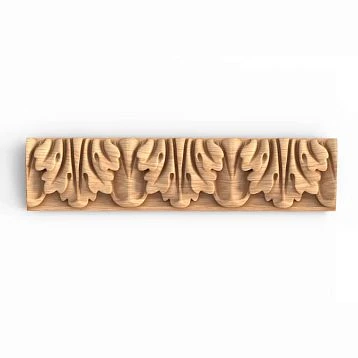
Article Contents:
- The wholesale purchase is complete, but the material is not yet ready for installation
- What happens to wooden trim between the supplier's warehouse and the site
- Which products need to be inspected separately
- Why wooden trim must not be unloaded where wet work is still ongoing
- How to determine room readiness before the batch arrives
- First batch identification, then adaptation to the room
- Wooden skirting after delivery: what exactly to check before installation
- Wooden moulding: why a long profile is sensitive to improper storage
- Wooden cornice: why it cannot simply be leaned against the wall before installation
- Architrave and batten also require separate status
- Why a universal number of hours cannot be promised for any order
- Why different recommendations on timing do not contradict the very idea of acclimatization
- Packaging cannot be removed according to a single rule for all products
- How to check the moisture content of wooden trim before installation
- Why a moisture meter cannot be used without understanding the material
- A single measurement in the middle of a batch does not show the full picture
- What to record in the "why it was paused" field
- Buying building materials wholesale is not enough — you need someone responsible for approving installation
- Who should not decide on their own that "it's time to install"
- Buying building materials wholesale: how to avoid turning savings on volume into rework costs
- An early delivery requires a separate check of the storage room
- How to separate an early delivery from an installation batch
- Wholesale purchase of building materials: don't mix batches from different zones
- Why the remaining stock of the first room cannot be automatically transferred to the second
- What to do if one part of the order is ready and the other is not
- Status should be assigned at the minimally useful level
- Wholesale purchase of building materials: batch status should be visible not only to the warehouse
- Physical status labeling helps avoid accidental issuance
- What to do if the supplier's instructions and the installers' habits diverge
- It is better to make the control batch small in volume
- What to do if individual planks changed geometry after acclimation
- Why the reserve cannot be issued together with the main installation batch
- How to control MDF separately from solid wood
- How to control oak and beech without unnecessary universal figures
- Why straightness is checked after holding, and not only at the moment of acceptance
- Why it is useful to control not only the material, but also the room
- What to do after cold winter transportation
- What to do after summer transportation in a hot vehicle
- Why readiness cannot be assessed by appearance alone
- Why readiness cannot be assessed by a moisture meter alone
- How to determine the minimum set of conditions for the "ready for installation" status
- Condensation after cold delivery is a separate reason to pause
- Baseboard substrate readiness is checked separately from material readiness
- For molding, wall readiness means more than "the wall is painted"
- For cornice, ceiling assembly readiness matters more than the delivery date
- What to do with material that was issued but not installed in time
- Multi-day installation requires control between shifts
- A batch control element helps in case of dispute
- Why the installation batch should be smaller than the warehouse batch
- How to calculate the installation issue for standard rooms
- Why "installer's stock" and "project reserve" are different concepts
- What to do if there is no separate dry room on site
- How to act in case of an accident after the batch was already prepared
- How not to lose status when moving between floors
- Why visual zone marking is useful even with digital tracking
- Pre-installation inspection should take minutes, not hours
- What data to save after installation is complete
- What to do if there is no moisture meter on site
- How to tell from repeated measurements that the material has stopped changing quickly
- Why the "ready" decision must account for both the wood and the substrate
- When a permit needs to be revoked
- How to link approval to a specific project revision
- Why this is not a repeat of the acceptance article
- Can wooden trim be installed immediately after delivery?
- Why is acclimatization needed?
- Do the products need to be unpacked?
- How to check moisture content?
- What should be done if screeding or plastering is still ongoing at the site?
- Can trim be stored vertically?
- What should be done if part of the batch is already ready?
- Who authorizes the handover of material to the installers?
- How to place a large wholesale order?
- Where to buy finishing materials wholesale?

The truck has arrived at the site, the packages have been recounted, the item codes have been verified, and no damage was found during unloading. To the purchaser, the delivery looks complete, while the site foreman already wants to distribute skirting boards, moldings, and cornices across the rooms and begin cutting. It is precisely at this moment that a separate risk arises: delivery and acceptance do not yet mean that the wooden material is ready for installation.
Wood exchanges moisture with the surrounding air and gradually approaches the conditions of its environment. When the moisture content of wood changes, its dimensions change as well. Therefore, material that has spent several hours traveling in a cold truck, has been stored in one microclimate, and then ends up in a freshly renovated room cannot be assessed by appearance alone. It must be placed in suitable conditions, allowed to adapt, checked, and only then handed over to the installers.
If required buy finishing materials wholesale, the correct process begins even before shipment: a place for acceptance and temporary storage must be prepared at the site, a person responsible for the status of the batch must be appointed, and the installation team must understand that the label “delivered” is not permission to cut and install.
The working chain of this article:
SELECTION → CALCULATION → ORDER → DELIVERY → ACCEPTANCE → IDENTIFICATION → PLACEMENT → ADAPTATION TO CONDITIONS → INSPECTION → READY FOR INSTALLATION → ISSUE TO INSTALLERS → INSTALLATION
The main question is not “how many hours have passed since unloading?”, but whether the conditions of the room have stabilized and whether it has been confirmed that the specific batch can be installed without an obvious risk related to transportation, storage, and changes in moisture.
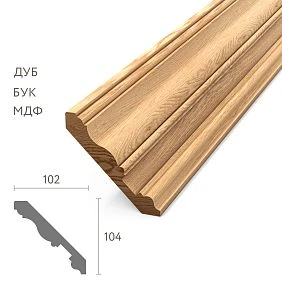
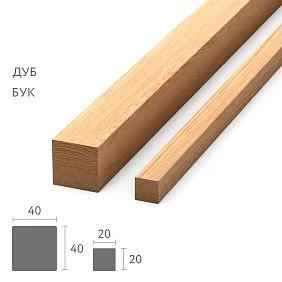
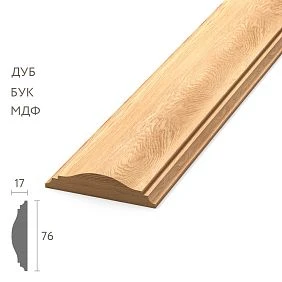
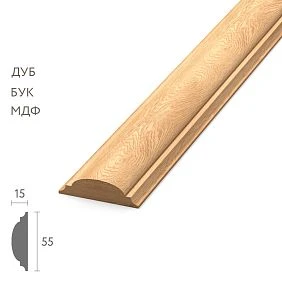
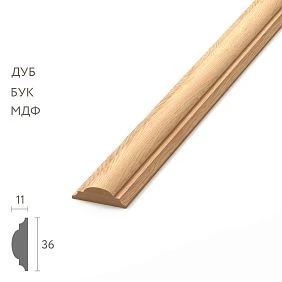
The wholesale purchase is over, but the material is not yet ready for installation
On a large site, it is convenient to separate three states.
| Status | What it confirms | What it does not confirm |
|---|---|---|
| Delivered | The material has physically arrived at the site | Quality, completeness, and readiness for installation |
| ACCEPTED | The batch has been identified and has passed the established acceptance inspection | Adaptation to the room conditions |
| READY FOR INSTALLATION | The material has been checked after placement in suitable conditions and approved for issue | The quality of the installers' future work |
If these statuses are merged into a single "received" status, the warehouse and installation teams begin making decisions differently. The warehouse worker believes their job is done after signing the delivery note. The installer sees the material on site and considers it free to use. The site foreman assumes that since there are no complaints, cutting can begin. As a result, the intermediate technological stage disappears.
On a small project, this stage may occupy one room and one line in the log. On a hotel or public interior — dozens of SKUs and several storage zones. But the logic is the same: the batch must receive a separate authorization for installation.




What happens to wooden trim between the supplier's warehouse and the site
Wooden profile does not move through a vacuum. Before installation, it passes through several environments: production or the supplier's warehouse, transport, unloading, the site's temporary warehouse, the installation room. At each point, temperature and relative humidity may differ.
Wood is hygroscopic: it can release or absorb moisture depending on the surrounding environment. This process is not necessarily visible immediately. The plank may look straight after unloading, but continue to gradually adapt to the room's conditions.
Therefore, risks arise not only with obviously wet material. Dry wood that enters a room with ongoing wet processes can also become a problem, and vice versa — material after cold transport that was immediately cut and tightly joined in a warm, dry room.
Diagram 2. The batch's path through different conditions: SUPPLIER'S WAREHOUSE → TRUCK → UNLOADING → SITE'S TEMPORARY ZONE → INSTALLATION ROOM → OPERATING CONDITIONS
The more the conditions of these stages differ and the more sensitive the specific product is, the more important it is not to rush with issuing it to the installers.
Our factory also produces:






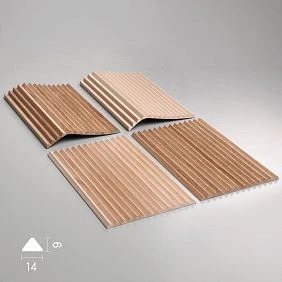
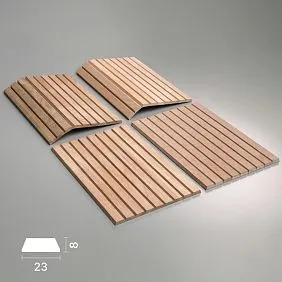
Which products need to be controlled separately
"Wooden trim" is a convenient general name, but in a real bill of materials, different products cannot be merged into a single status.
| Product | What is especially important before installation |
|---|---|
| Baseboard | Straightness, alignment with the floor and wall, condition of the ends, conditions of the lower zone of the room |
| Molding | Straightness of long planks, condition of the profile, integrity of the marking, readiness of the wall finish |
| Cornice | Even storage of long-length items, geometry, readiness of the ceiling assembly, absence of support on one end |
| Casing | Readiness of the door unit, straightness, matching of material and finish |
| Rail | Uniform condition of the batch, straightness, stability of the base surface |
Material also matters. Oak and beech are solid woods, but they differ in anatomy and behavior. MDF is an engineered wood panel material, and it cannot be automatically controlled by the same moisture figures as solid wood: what matters for it are the requirements of the specific product, protection from dampness, condition of the edges, and the manufacturer's conditions.
Therefore, the status should belong not to the 'entire delivery' but to a specific group: SKU + material + size/length + batch + zone.
Get Consultation
Buying finishing materials wholesale means preparing a place for their acceptance in advance
The main mistake begins even before the truck arrives: the material was ordered, but no one decided where it would be during the first days.
A good temporary storage area should allow you to:
- not place long items where they will be constantly moved;
- not stack oak, beech, and MDF mixed together;
- preserve article numbers and markings;
- lay out or place long-length material without accidental deformation;
- not come into contact with a wet base;
- not block passageways;
- maintain conditions close to those in which the material will be installed.
If the storage location is chosen after unloading, improvisation begins: cornices are leaned against the wall, skirting boards are temporarily placed next to fresh plaster, boxes get in the way of finishers and are moved from room to room several times. Each move adds the risk of mechanical damage and loss of identification.
Why you should not unload wooden trim where wet work is still ongoing
Fresh screed, plaster, putty, and some painting processes introduce moisture into the room. While the building envelope is still actively drying, the indoor climate can differ noticeably from future operating conditions.
If wooden material remains in such an environment for a long time, it can absorb moisture. If it is then installed and the room shifts to a drier regime, the wood will continue to change after installation. The result can be opening joints, changes in geometry, and the need for local rework.
That is why the ban on "do not install during wet works" is not a formality. It is important that the room stops being a source of uncontrolled moisture and enters a more stable regime.
This check should not be replaced by a single date such as "the screed was done a week ago." Actual readiness depends on the structure, the volume of wet processes, ventilation, temperature, and the actual condition of the room.
How to determine room readiness before the batch arrives
| Check | Done | Not ready |
|---|---|---|
| Wet processes | Main processes are complete, surfaces are drying under working conditions | Screed, plaster, or intensive painting are still ongoing nearby |
| Storage location | Allocated and prepared | The material will be stored "wherever it fits" |
| Separation of profiles | There are zones by SKUs/materials | All packs are planned to be stacked together |
| Room conditions | Relatively stable | Temperature and humidity change sharply |
| Installation team | Knows the issue order | Plans to take the material immediately after unloading |
| Labeling | It is kept until issue | Packaging and labels are removed without consideration |
If two or three critical items are in the "not ready" column, the right decision is to prepare the site, not to speed up installation.
Finishing materials wholesale: acceptance should not automatically trigger installation
When purchasing finishing materials wholesale, the automatic link "delivery note signed — can be used" is especially dangerous.
DELIVERED ≠ ACCEPTED ≠ READY FOR INSTALLATION
Acceptance answers questions of identification and condition at the time of receipt. Acclimatization and subsequent monitoring answer the question of whether the material can be released for processing and installation under the given conditions of the room.
These processes are related, but they do not replace each other. Acceptance may be completed in the morning, while permission for installation may appear later. And vice versa, part of a batch may be ready earlier than another — for example, skirting of one article is already stable, while molding of another material remains under inspection.
First batch identification, then adaptation to the room
You cannot begin conditioning with anonymous packs. If the marking is lost, after a few days it is impossible to prove which material was in a specific zone and which order it belongs to.
- check the product code;
- check the material;
- check the size and commercial length;
- record the quantity;
- separate damaged or disputed items;
- assign a temporary storage area;
- preserve the labeling;
- start acclimation under room conditions;
- perform a pre-issue inspection.
Diagram 4. Identification before placement: PRODUCT CODE → MATERIAL → SIZE → LENGTH → QUANTITY → CONDITION → STORAGE AREA → PRE-INSTALLATION INSPECTION
Wooden skirting board after delivery: what exactly to check before installation
After acceptance, the skirting is already known by article number and quantity. Before handing it over to the installers, the focus shifts to its current condition.
- whether noticeable warping has appeared while it was at the site;
- whether there is pronounced deformation of the ends;
- whether the lower bundles have gotten wet;
- whether the material and batch markings are still intact;
- whether the floor and walls in the installation area are ready;
- whether additional acclimatization is required after a sharp change in conditions;
- whether the material matches the approved area and finish.
If the skirting is to be painted or tinted on site, the procedure for surface preparation and coating must also be agreed upon before mass distribution. Installation readiness is not only about moisture, but also about the readiness of the entire technological process.
Wooden moulding: why a long profile is sensitive to improper storage
Moulding can be relatively narrow but long. If it is left with insufficient support, accidentally pinched by heavy material, or moved multiple times, even a perfectly accepted batch can lose its straightness already on site.
Therefore, before installing the moulding, check not only the front surface but also the straight line along its length. It is convenient to look at the strip along the profile, compare several pieces from the same batch, and check whether there are sections that have begun to deviate noticeably after storage.
If the moulding is used in repeating frame compositions, one deformed strip can affect the geometry of several frames. It is better to separate it before cutting rather than try to “pull it straight” once it is already on the wall.
Wooden cornice: why it should not simply be leaned against the wall before installation
A long piece standing at an angle with support over only a small area receives uneven load. If this position becomes permanent temporary storage, there is a risk of sagging or damage to the edges.
Therefore, the phrase “must not be stored vertically” is too crude. A specialized rack may provide a safe position. The problem is specifically random leaning storage without sufficient support.
| Undesirable | Preferable |
|---|---|
| Lean a long cornice against the wall on one end | Place on a level supported surface or a designated rack |
| Place under heavy boxes | Allocate a separate zone for long-length items |
| Mix different SKUs into one bundle | Preserve labeling and separation |
| Leave near a damp wall | Store in a dry, prepared area |
Door casing and trim also require a separate status
The door casing may arrive at the same time as the skirting, but it is installed according to a different stage of site readiness: door units must be installed and checked. The trim may be used in a large wall composition where the repeatability of dozens of identical elements matters.
Therefore, a general status of "the entire delivery is ready" is rarely sufficient. Each product type has its own installation context.
What is acclimatization of wooden moulding
Acclimatization is the process of letting the material sit in conditions close to those where it will be installed and used, so that the wood has time to react to differences in temperature and humidity before being rigidly fixed in the interior.
The point is not to formally “let it rest for two days.” The point is not to make the material undergo the main transition between two sharply different environments after cutting and installation.
At the same time, adaptation does not make wood completely immobile. Even after installation, it continues to react to seasonal changes. That is why proper installation and structural solutions remain important.
Why it is impossible to promise a universal number of hours for any order
The advice “48 hours is always enough” looks convenient, but it oversimplifies the real situation.
- wood species;
- cross-section;
- length;
- initial condition of the material;
- packaging;
- transportation conditions;
- difference between the warehouse and the site;
- temperature in the room;
- relative humidity;
- presence of coating;
- requirements of the specific product and manufacturer.
Therefore, time is only one of the factors. A more reliable approach is to keep the material under stable conditions and then check its condition according to the accepted procedure.
Why different recommendations on the duration do not contradict the very idea of acclimatization
For one residential space and a thin skirting board, the manufacturer may recommend one regime. For a massive profile, cold transportation, or an unstable site — another. The difference does not mean that "no one knows the correct duration," but that the duration depends on the initial conditions.
Therefore, the procurement article should not turn a private recommendation into a universal standard.
Packaging cannot be removed according to a single rule for all products
On one site, packaging protects against dust and damage. On another, fully sealed packaging prevents the material from adapting more quickly to the room air. Some products are supplied in factory packaging with their own storage instructions.
- there is no need to automatically remove all protection at once;
- there is no need to automatically leave everything hermetically sealed until the moment of installation;
- It is necessary to follow the manufacturer's instructions and understand whether air exchange is required for this stage.
The main thing is to preserve identification and protect the surface while ensuring the conditions required for the specific material.
How to check the moisture content of wooden trim before installation
A moisture meter is useful when you need measurable data rather than guessing by feel.
- select several items from the batch;
- measure at several points;
- do not limit yourself to just one surface;
- compare the results between the planks;
- compare the data with the manufacturer's requirements and the project conditions;
- repeat the check if the dynamics are questionable.
This way, not only the value but also the uniformity of the batch is visible.
Why a moisture meter cannot be used without understanding the material
Different devices operate on different principles, require selecting the wood species or applying a correction, and have limitations on thickness and measurement depth. A reading on solid oak and on MDF cannot automatically be interpreted in the same way.
Therefore, a moisture meter is a monitoring tool, not an automatic generator of a "pass/fail" decision. The decision is made taking into account the material, the device instructions, and the requirements for the specific product.
A single measurement in the middle of a batch does not show the full picture
The bottom package could have been closer to a cold floor, the outermost pack by a window, and the top one in a different air flow. If you measure one convenient plank, the differences will remain unnoticed.
| Sampling point | Why check |
|---|---|
| Top of the stack | Compare with inner layers |
| Bottom of the stack | Check the influence of the base |
| Edge of the zone | Check the influence of the wall/window |
| Center of the batch | Get typical condition |
| Suspicious packaging | Check local risk |
For a large delivery, it is wiser to use a sample from different storage locations.
How to keep a batch readiness log
| Article | Material | Received | Storage zone | Checked | Status |
|---|---|---|---|---|---|
| PLT-… | Oak | 12.09 | A1 | 13.09 | ON HOLD |
| MLD-… | Beech | 10.09 | A2 | 13.09 | READY FOR INSTALLATION |
| KZ-… | Oak | 09.09 | A3 | 13.09 | READY FOR INSTALLATION |
Diagram 5. Batch statuses before installation: RECEIVED → SUSPENDED → CHECKED → READY FOR INSTALLATION → ISSUED TO INSTALLERS
If the material does not need additional conditioning, the status can change faster. If the conditions are questionable, the line remains suspended until the next check.
What to write in the "why paused" field
- the room is still unstable;
- wet works are in progress;
- material after cold transport;
- moisture is being re-checked;
- warping of individual planks detected;
- subfloor not ready for installation;
- finish not confirmed;
- the batch is mixed and requires re-identification.
And next to it — the next action and the re-check date.
Buying construction materials wholesale is not enough — someone must be responsible for authorizing installation
If buy building materials wholesale for a large project, someone must have the authority to move a batch from the status "under review" to "ready for installation".
| Participant | What confirms |
|---|---|
| Buyer | Item code, order, material, quantity, supplier documents |
| Warehouse keeper/assembler | Storage area, labeling, issuing, and remaining stock |
| Site foreman | Readiness of the room and the construction front |
| Installer | Readiness of tools and the assembly point; receives only approved material |
| Project author, if necessary | Finish, visual samples, disputed decisions |
It is not necessary to introduce a separate position. What matters is assigning the role that sets the final status.
Who should not decide on their own that "it's time to install"
You shouldn't shift the decision to the driver, loader, or the first installer who sees the packs. They may do their part of the work perfectly well, but they don't see the full picture of conditions and control.
Permission should be based on a pre-defined checklist, not on a subjective "the wood feels dry to the touch."
What happens if installers start using a batch without permission
Diagram 6. The cost of haste: UNSTABLE MATERIAL → CUTTING → INSTALLATION → CHANGE IN GEOMETRY → JOINTS/GAPS → DISMANTLING → RE-PURCHASING → RE-WORK
Even if the problem affected only part of the room, the consequences spread to labor, the schedule, and other finishing work. Removing baseboard after the wall has been painted is no longer just the loss of one plank.
Buying building materials in bulk: how not to turn savings on volume into rework costs
When you need buy building materials wholesale, the unit price often gets better. But saving on volume means nothing if part of the material is ruined by improper storage or installed too early.
- replacement material;
- repeat delivery;
- installers' labor;
- dismantling;
- restoration of walls or ceiling;
- crew downtime;
- disruption of the schedule for subsequent work.
Therefore, a controlled pause after delivery is not a “slowdown of construction,” but part of protecting the budget already invested.
What to do if the schedule requires bringing the trim earlier
Early delivery in itself is not a mistake. On the contrary, it can reduce the risk of production delays. The mistake is to assume that early material must necessarily be installed immediately.
Diagram 7. Early delivery: RECEIVED → TEMPORARY STORAGE → TRANSFER TO INSTALLATION ROOM → ACCLIMATION → INSPECTION → READY → ISSUE
This way, procurement can run ahead of construction without forcing installation to work with unprepared material.
Early delivery requires a separate check of the storage room
If the material arrives several weeks before installation, the temporary area becomes a full-fledged part of the process.
- dryness of the room;
- protection from wet works;
- no direct contact with a damp substrate;
- level placement of long-length items;
- protection from mechanical works;
- ability to preserve labeling;
- controlled access to batches.
If the temporary warehouse differs sharply in microclimate from the installation room, an adaptation stage in the target area is still required before issue.
How to separate early delivery and the installation batch
| Status | Meaning |
|---|---|
| Received | Physically accepted at the site |
| Storage | Located in the prepared temporary zone |
| Adaptation | Moved to conditions close to installation |
| done | Checked and approved for use |
| ISSUED | Transferred to a specific installation zone |
These statuses eliminate the typical phrase “the material has been at the site for two weeks, so it must be ready.” It could have been sitting in a different, unsuitable room for two weeks.
Buy building materials wholesale: multiple rooms require zone-based tracking
If required buy building materials wholesale for a hotel, office, or large house, a batch is almost always distributed across several rooms.
| Floor | Room | Article | Quantity | Delivery date | Admission date | Issued to installers |
|---|---|---|---|---|---|---|
| 1 | Lobby | MLD-A | 80 | 10.09 | 14.09 | 15.09 |
| 2 | Corridor | PLT-B | 120 | 10.09 | ON HOLD | — |
| 3 | Numbers | KZ-C | 40 | 12.09 | 16.09 | — |
So it is clear that one vehicle arrived once, but installation readiness occurred on different dates.
Wholesale purchase of building materials: do not mix batches from different zones
wholesale purchase of building materials becomes more difficult when the same SKU is intended for different phases. After unloading, it seems logical to put everything together and later distribute it to the rooms. But then the history is lost: which part underwent adaptation in which zone and when it was approved.
For recurring projects, it is better to keep at least the batch and zone identifier. This is especially useful if part of the material had to be temporarily suspended.
Why the remainder from the first room cannot be automatically transferred to the second
After installing the first room, two whole planks remain. On the second floor, exactly two are missing. It seems they can be moved right away.
- whether it is the same SKU;
- the same material and finish;
- the same project standard;
- whether the remainder belongs to the first zone's reserve;
- whether the marking is damaged;
- whether storage conditions have changed;
- whether transfer according to the inventory list is permitted.
Otherwise, the useful remainder becomes a source of misgrading.
How to proceed if one part of the order is ready and the other is not
| Group | Status | Action |
|---|---|---|
| Skirting board PLT-A | READY FOR INSTALLATION | Issue to rooms 101–110 |
| Molding MLD-B | ON HOLD | Recheck tomorrow |
| Cornice KZ-C | READY FOR INSTALLATION | Issue to the lobby |
This way, installation can proceed where the material is truly ready, rather than waiting for the slowest item.
Status should be assigned at the lowest useful level
If 96 out of 100 baseboards are ready and four are questionable, it's not always necessary to block all 100. You can separate the disputed items, preserve identification, and release the rest if the project procedure allows it.
The main thing is that the decision is documented and the installer doesn't receive the disputed part by accident.
Buying construction materials in bulk: batch status should be visible not only to the warehouse
When wholesale purchase of building materials the error often occurs because the status is stored in the procurement specialist's spreadsheet, and the installer doesn't know about it.
- site foreman;
- procurement specialist;
- purchaser;
- installation crew supervisor.
If material is "on hold," this should be visible physically and in documentation.
Physical status labeling helps avoid accidental issuance
For a large site, simple labels can be used:
- “received — do not issue”;
- “under review”;
- “ready for installation”;
- “reserve”;
- “claim”.
Color can help, but the text must remain understandable on its own. You cannot rely solely on a red or green sticker without a legend.
Wholesale supplies of building materials: what to request from the supplier before shipment
for wholesale supplies of building materials it is useful to get information even before the truck arrives that will be needed after unloading:
- exact article number;
- the material;
- dimensions and commercial length;
- packaging unit;
- special storage requirements;
- recommendations for conditioning before installation;
- conditions for opening the packaging;
- restrictions for wet rooms;
- finishing requirements, if finishing is carried out on site;
- procedure for actions if a change in geometry is detected.
If the supplier has a separate instruction for a specific product, it takes priority over the general advice in the article.
What to do if the supplier's instruction and the installers' habit diverge
For example, a crew is used to always unpacking wood immediately, but for a specific product the supplier requires a different procedure. The decision should be based on current technical information for the product, not on the argument "we always do it this way."
Before mass installation, it is better to agree on the procedure in writing, especially if a large batch is involved.
Ready-made transfer map of wooden trim for installers
| Field | What to record |
|---|---|
| Project | Object code |
| Zone | Floor / room |
| Article number | Exact product code |
| Material | Oak / beech / MDF / other finish |
| Size / length | Actual product version |
| Received | Date and quantity |
| Storage | Zone and placement method |
| Verified | Last inspection date |
| Base is ready | Yes / no |
| Room ready | Yes / no |
| Status | Paused / ready |
| Approved | Responsible person |
| ISSUED | Date, quantity, crew |
Such a card does not require a complex system. It simply closes the gap between the warehouse and installation.
It is better to make the control release in a small volume
If the project is large and the batch is going through a new procedure for the first time, it is useful to first issue material for one standard room or one section.
- actual material readiness;
- correctness of cutting;
- joints;
- interaction with the base;
- finish;
- functionality of templates and instructions.
If the control section passed normally, scaling proceeds with lower risk.
What to do if, after adaptation, individual planks have changed geometry
- separate such items;
- compare with the rest of the batch;
- check storage conditions;
- determine whether the geometry is acceptable according to the product requirements;
- if necessary, contact the supplier;
- decide the fate of specific planks separately.
This way, a small problem is not carried over into the finished trim.
Why the reserve cannot be issued together with the main installation batch
If the project provides for an operational or project reserve, its purpose is to remain after the main installation.
If the reserve physically lies next to the main quantity without separate marking, the crew uses it for the first cuts and missing sections.
Therefore, the status "ready for installation" should apply only to the main approved quantity, while the reserve should have its own issuance mode.
How to control MDF separately from solid wood
MDF should not be perceived as "the same wood, only cheaper." It is a different material with a different structure.
- protection from direct moisture;
- edge condition;
- integrity of the coating or veneer;
- manufacturer's conditions;
- absence of wetting during wet work;
- proper storage of long profiles.
If a moisture meter is used, the readings should be interpreted taking into account that the device and scale may be designed primarily for solid wood.
How to monitor oak and beech without unnecessary universal numbers
For solid wood, it is useful to evaluate not only the absolute moisture value, but also:
- uniformity across the batch;
- the difference between control measurements over time;
- compliance with the manufacturer's requirements;
- room conditions;
- dynamics after transportation.
If one group differs noticeably from the others, it should not automatically be issued together with the entire batch.
Why is straightness checked after conditioning, and not only at the moment of acceptance
During initial acceptance, the material may appear straight. After moving to a different microclimate, some internal stresses and moisture-related changes may become more pronounced.
A re-check immediately before installation makes it possible to separate items that have already changed on site.
How to distinguish a technological pause from uncontrolled storage
Simply being on site does not guarantee anything by itself. A technological pause has a purpose and control points: it is known where the batch is located, why it is being conditioned, who will check it, and what condition must be met for the next status.
| Sign | Technological pause | Uncontrolled storage |
|---|---|---|
| Zone | Assigned | Random |
| Labeling | Preserved | Partially lost |
| Reason for waiting | Recorded | Unclear |
| Check date | Assigned | No |
| Responsible person | assigned | "Someone will take a look" |
Why it is useful to control not only the material but also the room
You can measure the same plank several times, but if the room continues to change abruptly, the material has nothing to stabilize against.
Therefore, in the log it is useful to record not only the condition of the products but also the fact that the room conditions no longer change abruptly due to heating being turned off, intensive ventilation, wet processes, or temporary heating.
It is not necessary to turn this into round-the-clock climate monitoring. For most projects, a clear check of conditions at key moments is sufficient.
What to do after cold winter transportation
It is especially dangerous to immediately open cold packaging and begin finishing or installation in a warm room. A sharp temperature transition can be accompanied by condensation on cold surfaces and uneven warming.
It is wiser to first let the packaging and products safely transition to the room conditions according to the manufacturer's instructions, then perform the check. A universal timeframe is again not applicable here: the actual difference in conditions and the condition of the goods matter.
What to do after summer transport in a hot vehicle
The opposite situation — the material has become very hot in a closed vehicle body, while the site is air-conditioned. Immediate installation also transfers the temperature transition into the finished assembly.
Therefore, the principle is the same in both winter and summer: first transition to installation conditions, then inspection, and only then processing.
Why readiness cannot be assessed by appearance alone
A straight, clean plank may have a condition that differs from the surrounding environment. Conversely, a slight visual deviation does not always mean unsuitability — it must be assessed according to the requirements of the specific product and the installation task.
A visual inspection is important, but it is only one element of the decision.
Why readiness cannot be assessed by a moisture meter alone
The opposite extreme is treating a single instrument reading as absolute permission to install.
Even with an acceptable value, the material may be:
- incorrect item code;
- mixed by materials;
- deformed due to storage;
- intended for another area;
- not coordinated by finish;
- be located in a room where wet work will resume tomorrow.
Therefore, "ready for installation" is a comprehensive status.
How to determine the minimum set of conditions for the "ready for installation" status
| Condition | Check | |||||||||||||||||||||||||||||||||||||||||||||||||||||||||||||||||||||||||||||||||
|---|---|---|---|---|---|---|---|---|---|---|---|---|---|---|---|---|---|---|---|---|---|---|---|---|---|---|---|---|---|---|---|---|---|---|---|---|---|---|---|---|---|---|---|---|---|---|---|---|---|---|---|---|---|---|---|---|---|---|---|---|---|---|---|---|---|---|---|---|---|---|---|---|---|---|---|---|---|---|---|---|---|---|
| Identity | Article, material, size and batch confirmed | |||||||||||||||||||||||||||||||||||||||||||||||||||||||||||||||||||||||||||||||||
| Condition | No open damage or claims for the issued volume | |||||||||||||||||||||||||||||||||||||||||||||||||||||||||||||||||||||||||||||||||
| Storage | The material was in the prepared area | |||||||||||||||||||||||||||||||||||||||||||||||||||||||||||||||||||||||||||||||||
| Room | Conditions are sufficiently stable for this stage | |||||||||||||||||||||||||||||||||||||||||||||||||||||||||||||||||||||||||||||||||
| Adaptation | Performed according to the requirements of the specific material | |||||||||||||||||||||||||||||||||||||||||||||||||||||||||||||||||||||||||||||||||
| Control | Carried out immediately before issue | |||||||||||||||||||||||||||||||||||||||||||||||||||||||||||||||||||||||||||||||||
| Base |
Condensation after cold delivery is a separate reason to pauseCold wood or packaging that has entered warm, humid air may end up in conditions where condensation forms on the surface. Even if this is a short-term phenomenon, starting marking, sanding, painting or installation at that moment is unwise. First, the material must safely transition to the room conditions. Then the surface, packaging and condition of the items are checked. If there are traces of moisture, the batch receives a separate comment in the log. An unfinished finish can be an independent reason for the status "suspended"Some of the moulding arrives with a factory finish already applied, while some is intended for subsequent painting, staining, or lacquering on site. Even if the geometry and moisture content of the material are satisfactory, installation should not always begin until the finishing procedure has been determined. For example, a complex moulding project may require a test coat and color approval first, followed by bulk installation. If installers begin cutting and fastening the material before the sample is approved, correcting the finish becomes more difficult.
The readiness of the base for the skirting board is checked separately from the readiness of the materialEven a perfectly adapted skirting board cannot be installed if the installation front is not ready. The lower wall area may be under-painted, the flooring may not be finished, and the junction with door frames may still be changing. Minimum base checks:
For moulding, wall readiness means more than “the wall is painted”Frame compositions are sensitive to geometry. Before releasing the molding, you need to verify that the final layout is approved, the wall dimensions have not changed after furniture or doors were installed, and the mounting surface is ready for precise marking. If the designer is still moving frames on the drawing, the material may be physically ready but not design-ready for cutting. This status is better called "material ready / marking not approved". For a curtain rod, the readiness of the ceiling assembly matters more than the delivery dateThe curtain rod may sit on site for a week, but if the ceiling is still being skim-coated, the light profile is not installed, or the curtain changes the offset, it is too early to issue the long-length item to the installers. Curtain rod readiness is the intersection of two conditions: MATERIAL READY + CEILING ASSEMBLY READY = CAN BE ISSUED Decision tree "can the material be issued to the installers"
Such an algorithm can be placed directly in the assembly area. It is more useful than a long verbal briefing. What to do with material that was issued but not installed in timeThe installation crew received 40 moldings, used 26, and 14 remained until the next week. They cannot automatically be considered the same installation remainder without control. You need to:
Thus the status "issued" does not turn the remaining stock into unclaimed material. Multi-day installation requires control between shiftsIf installation lasts several days, conditions on the construction site may change. Today the room is ready, tomorrow wet finishing has started nearby, the day after tomorrow the heating has been turned off. Therefore, for long installation, a short daily check before a new issue is useful, especially if the material is stored outside a permanent controlled area.
A batch control sample helps in a disputeFor a large run, it is useful not to use absolutely all planks without remainder if the project provides for a control reserve. One or two identified intact parts or an agreed sample allow the finish, profile, and material to be compared later in the event of a claim or local repair. This does not mean that every object must keep a separate "laboratory sample." But a large project must retain the ability to prove which specific material was part of the batch. Why the installation batch should be smaller than the warehouse batchA site warehouse may hold 500 planks, but the crew today needs only 80. If all 500 are issued "so as not to go twice," the material begins to live outside the controlled zone, blocks rooms, and mixes with offcuts. It is far more sustainable to issue the volume for a clear zone and shift, keeping the rest in controlled storage. How to calculate the installation issue for typical roomsFor example, one room requires 6 planks of PLT-A and 4 moldings of MLD-B. The crew is finishing five rooms. Main output: PLT-A: 6 × 5 = 30 planks. MLD-B: 4 × 5 = 20 planks. The approved technological allowance is issued separately, if provided for by the project. The operational reserve is not touched in this case. Why "installer's allowance" and "project reserve" are different conceptsThe installation allowance is needed for cutting and the specifics of a particular work front. The project or operational reserve must remain after the main installation is completed. If they are combined, it is impossible to understand how much material was actually intended for future repairs.
INSTALLATION ALLOWANCE → can be used according to installation rules What to do if there is no separate dry room at the siteThis is not a reason to automatically use the first available room. You need to choose the least risky area in advance and create controlled conditions there: separate the material from the wet base, protect it from mechanical work, ensure stable placement, and restrict access. If such conditions cannot be created, it is better to revise the delivery date or use suitable external storage. Saving on early delivery does not justify damaging expensive trim. How to act in the event of an accident after the batch was already readyFor example, the material received the status "ready for installation," but at night a leak occurred in the adjacent room. Even if the water did not visually reach the packs, the conditions could have changed dramatically. Procedure:
How not to lose status when moving between floorsMoving by itself does not cancel approval if the material remains in comparable conditions and retains identification. But on a large site, it is useful to record the new location. If a batch from a dry warehouse has moved into a room where plastering has just been completed, the old status can no longer be taken for granted. Why visual zone marking is useful even with digital trackingA table on a phone does not protect against physical error if four similar packs are lying nearby. A simple card on the rack with the item code, material, zone, and status sharply reduces the risk of accidental issue. It is better when the digital and physical records use the same zone names. Pre-installation check should take minutes, not hoursIf the process is set up correctly, there is no need to conduct an investigation again before each issue. Most of the work has already been done earlier: the batch is identified, conditions are tracked, and status is assigned. The final check comes down to a few questions:
What data to keep after installation is completedAfter the zone is closed, the readiness log does not necessarily need to be kept in full operational form. But it is useful to keep:
This data then becomes part of the operational history of the property. What to do if there is no moisture meter at the siteThe absence of a device does not mean that the material should be installed automatically or, conversely, held indefinitely. In such a situation, the decision is based on other available data: transportation conditions, stability of the room, manufacturer's recommendations, condition of the packaging, geometry of the planks, and the time the material has been in the target area. If the project is critical, the batch is expensive, or the conditions raise doubts, it is better to arrange measurement with a suitable device than to replace data with guesswork. For a large wholesale delivery, the cost of one correct check is usually incomparable to the price of redoing dozens of meters of already installed decor. Until measurements are obtained, the disputed group can remain in the "suspended" status, while the other verified items continue to move according to schedule. This is another argument in favor of separate status by SKU and batch. How to tell from repeated measurements that the material has stopped changing quicklyFor practical control, not only the absolute figure is useful, but also the dynamics. If several control items are measured at comparable points at different times, the buyer can see whether a noticeable change is still ongoing or the results are already close to each other.
The table intentionally contains no universal percentages: the specific allowable value depends on the material, the instrument, and the manufacturer's requirements. The purpose of the example is to demonstrate a method of monitoring dynamics, not to impose a standard. Why a "ready" decision must account for both the wood and the substrateEven if the material has stopped changing noticeably, the base may remain unprepared. For example, the wall under the molding is still receiving its finish coat, the floor under the baseboard is not finished, or the ceiling cornice assembly is still being adjusted. In this case, the product is physically ready, but the installation area is not. It is convenient to track this with two independent markers: "material ready" and "workfront ready." Final clearance appears only when both conditions match. This scheme is especially useful on large sites, where the warehouse and the construction schedule are managed by different people. 12 mistakes after receiving a wholesale batch
How to issue an installation permit without unnecessary bureaucracy
This already creates a control point and does not require a separate multi-page act. When the permit needs to be revoked
In such a case, the status is returned for review. Approval should not be perceived as indefinite under any changes to the conditions. How to link approval to a specific project revisionIf, after the material was issued, the designer changed the profile, dimensions, or finish, the old approval no longer guarantees that the product matches the new version. Therefore, it is useful to store the following in the handover card:
When editorial release 08 goes out, the responsible person quickly checks whether this item is affected. Why this is a separate article and not a repeat of the material about the warehouseThe warehouse process is responsible for how to identify, place, store, issue, and return material. The question here is different: what conditions must be met between acceptance and issue for a specific batch to be allowed for installation at all. That is, the warehouse may operate perfectly, but the material may still have the status “do not issue,” because the room is not ready or the batch is still acclimating. Why this is not a repeat of the article about acceptanceAcceptance records the condition at the time of delivery. This article begins after successful acceptance. Its object is the time interval: Diagram 8. Boundary of the new process: ACCEPTANCE CLOSED → TEMPORARY PLACEMENT → ACCLIMATION → RE-INSPECTION → INSTALLATION CLEARANCE Final algorithm: from wholesale order to installation permit
Frequently Asked QuestionsCan wooden trim be installed immediately after delivery?Sometimes delivery and room conditions may be similar, but immediate installation cannot be considered the rule. First, the material must be received, identified, placed in a suitable area, and checked against the requirements of the specific product. If there has been a noticeable change in temperature or humidity, an adaptation stage is needed. Why is acclimatization needed?So that a significant part of the wood's adaptation to the room's microclimate occurs before cutting and rigid fixation, and not already in the finished finish. Should products be unpacked?There is no single rule for all products. Packaging, surface protection, the need for air exchange, and the manufacturer's instructions must be taken into account. You cannot automatically leave everything sealed or, conversely, remove all protection at once. How to check moisture?Use a suitable moisture meter according to its instructions, check several products and several points, and compare the results with the manufacturer's requirements and the material. One reading on one plank is not enough. What should be done if screed or plastering is still ongoing at the site?Do not place wooden trim in an area with unstable humid conditions just for the sake of installation convenience. It is better to prepare a separate dry area or move the delivery/handling into the installation room. Can trim be stored vertically?A long item accidentally leaned without sufficient support is poor temporary storage. A specialized storage system may have a different orientation. The main thing is support of the profile, absence of bending load, and compliance with the manufacturer's requirements. What should be done if part of the batch is already ready?Release the ready group separately if it is identified and not connected to the problematic part. It is not necessary to block the entire order with one status. Who authorizes the transfer of material to the installers?The company assigns the role itself. Usually this is a foreman, a picker, or another responsible person who sees both the condition of the room and the status of the batch. It is important that the right to issue be clearly defined. How should a large wholesale order be arranged?In addition to the SKU and quantity, fix in advance the material, length, batches, zones, storage requirements, acceptance procedure, and rules for transfer to installation. This reduces risk after delivery. Where to buy finishing materials wholesale?After the project has been calculated and the required SKUs have been checked, you can place the main STAVROS. A separate catalog is available for wooden profiles wooden trim. Conclusion: unloading is not the final point of wholesale purchasingThe most useful idea in this article is simple: material that is physically on site is not necessarily installation-ready material for today. Wooden skirting, moulding, cornice, casing or batten must go through a clear sequence: identification, correct placement, adaptation to conditions, control and release approval. For solid wood, it is especially important to take moisture exchange with the environment into account and not promise a universal number of hours. For MDF, comply with the requirements of the specific product and protect it from dampness. For long-length items, do not turn temporary storage into a source of geometric defects. If these steps are built into the process, a wholesale batch stops being just a large number of boxes. It becomes a manageable sequence of small installation batches, each with its own zone, condition and person responsible. That is why the task of “buying finishing materials wholesale” does not end with payment and unloading. For project procurement, it ends when the right material in the right configuration has been safely handed over to the installers at the right moment and its use does not create a predictable risk of rework. |