Article Contents:
- What is a wooden corner and why is it needed
- When to buy wooden corners
- To cover an external wall corner
- To protect wallpaper and finishes from damage
- To decorate an internal corner
- To reinforce a furniture or wooden structure
- To cover a joint on a slope, shelf, or opening
- External corners
- Internal corners
- Flat and shaped corners
- Furniture corners
- Corners for shelves and slopes
- For the wall
- For furniture
- For the shelf
- For the slope
- For external and internal corners
- For painting, varnishing, or staining
- Oak
- Oak
- Solid wood
- When to choose a smooth profile
- When to choose a decorative or carved corner
- Corner and casing
- Corner and batten
- Corner and baseboard
- Corner and molding
- Corner and bar
- Wallpaper peeling off at the external corner in the hallway
- Need to cover the internal corner of the slope
- Need to finish a wooden house
- Need to create a decorative accent
- How to calculate the number of corners
- What to check before installation
- Preparation for painting, varnishing or tinting
- Care for wooden corners
- Choosing only by photo
- Not understanding whether an external or internal corner guard is needed
- Not considering the width of the damage
- Buying a corner guard without considering the style
- Confusing a corner guard with a batten or block
- Not checking the finish
- Not preparing the base
- Not considering the installation location
- Expecting fasteners in the kit without checking
- Do not ask for clarification on a complex project
- What to cover a wall corner with to prevent wallpaper from peeling?
- Which wooden corner guard to choose: internal or external?
- Can a wooden corner guard be used for furniture?
- How is a wooden corner guard different from a batten?
- Where to buy wooden corners?
- Can a wooden corner guard cover an external wall corner?
- What to cover an internal wall corner with?
- Are wooden corner guards suitable for shelves?
- Can you paint a wooden corner?
- Which is better: wooden or plastic corner?
- How is a corner different from a block?
- What to buy together with wooden corners?
- How to know what size corner you need?
- Can a corner be used on slopes?
- What to check before buying a wooden corner?
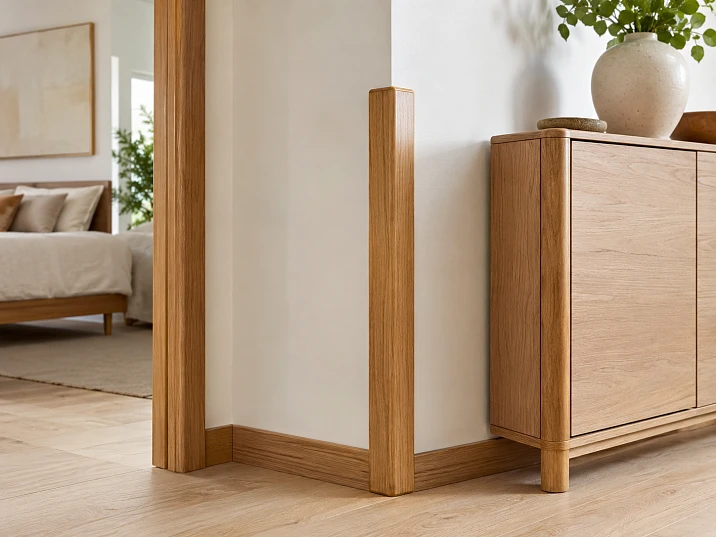
It is worth buying wooden decorative corners when the corner of a wall, furniture, slope, shelf, or opening needs not just to be "covered with something," but to be neatly protected, styled, and tied into the interior. Corners quickly reveal the quality of finishing: on external edges, wallpaper peels, paint chips, scuffs, scratches, marks from furniture, bags, children's toys, household appliances, and daily contact appear. Internal joints also do not always look clean: one plane may transition into another imperfectly, the edge of a panel requires covering, a slope needs a neat line, a shelf needs a finished edge.
A wooden corner solves this problem more clearly and beautifully than temporary overlays. It covers the problematic edge, protects the finish from damage, helps hide the joint, and adds a sense of completeness to the interior. Unlike a random plastic profile, a wooden corner is easier to match with furniture, doors, trims, slats, blocks, shelves, wooden panels, and other solid wood products. Therefore, it is used not only in renovations but also in furniture workshops, slope finishing, opening design, wooden houses, shelves, racks, decorative structures, and interior nodes.
The customer often starts with the question: how to cover a wall corner so the wallpaper doesn't peel off? But the correct answer depends on what kind of corner it is: external or internal, wide or narrow, on a wall or furniture, for painting or natural finishing, in a high-traffic area or a calm decorative spot. For a protruding corner, one profile is needed; for an internal joint, another; for a shelf, a third; for a slope, a fourth. Therefore, wooden corner profiles should be chosen not only by appearance, but by the task, size, material, profile shelf width, attachment method, and future finishing.
In the STAVROS catalog you can buy wooden corner pieces for walls, furniture, shelves, slopes, openings, and interior decoration. Below is a detailed breakdown that will help you understand what to use to cover an external wall corner, when an internal wooden corner profile is needed, how to choose a profile for a shelf or furniture, how a corner profile differs from a batten, casing, baseboard, and block, as well as what to check before ordering.
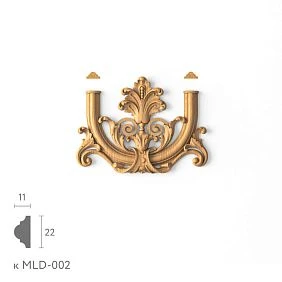
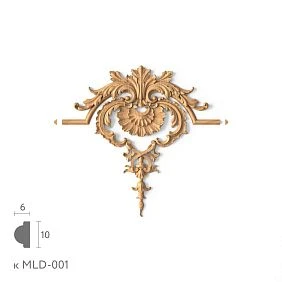
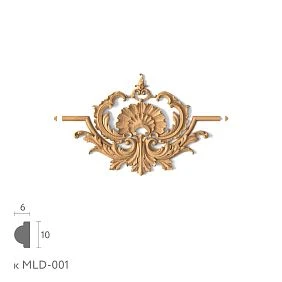
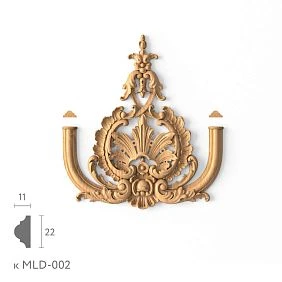
What is a wooden corner and why is it needed
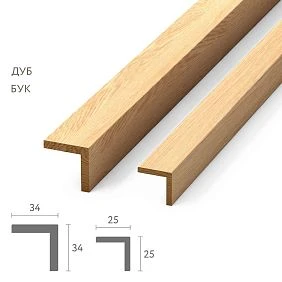
A wooden corner profile is a profile that covers an edge, joint, or corner between two planes. It can work on an external wall corner, an internal slope joint, a shelf edge, furniture, an opening, a decorative structure, or wooden finishing. Its purpose is not limited to decoration. A good corner profile simultaneously protects the edge, hides a weak spot in the finishing, makes the transition neat, and helps assemble the interior without visual fragmentation.
The external corner of a wall suffers first. It gets bumped by shoulders, bags, furniture, strollers, boxes, and vacuum cleaners. Wallpaper on protruding corners starts to peel, wear, and tear. Paint chips, plaster gets minor damage, and decorative panels may look unfinished. An external wooden corner covers this edge and absorbs some of the everyday contact. Instead of constantly gluing wallpaper or touching up the edge, the buyer gets a clear protective and decorative solution.
The internal corner works differently. It is not as often damaged from the outside, but it can look untidy due to material joints, uneven lines, transitions between a slope and a wall, connections of panels, wooden elements, or furniture parts. An internal wooden corner profile helps cover this transition and make it cleaner. This is especially noticeable on slopes, niches, shelves, decorative boxes, wooden walls, and furniture structures.
Wood is chosen when the profile should look like part of the interior, not a temporary protective overlay. It can be combined with solid wood, furniture facades, wooden battens, blocks, casings, shelves, decorative panels, and other elements. If there is already wood in the room, a wooden corner profile helps maintain the overall style. If the interior is for painting, the corner profile can be considered as a base for final finishing, if the specific model and material allow it.




When to buy wooden corner profiles
Wooden corner profiles are needed in various situations: from apartment renovation to furniture making and wooden house finishing. The main thing is to understand what task they should solve. Sometimes a corner profile is needed for protection. Sometimes for covering a joint. Sometimes for decorative completion. Sometimes for reinforcing an edge or neatly finishing a shelf.
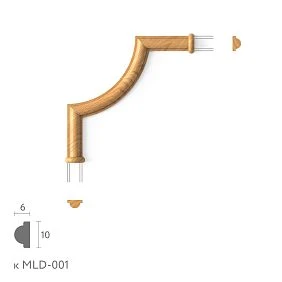
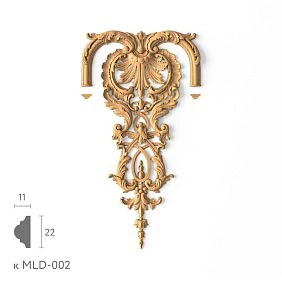
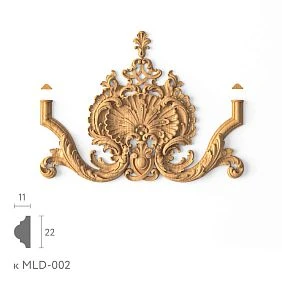
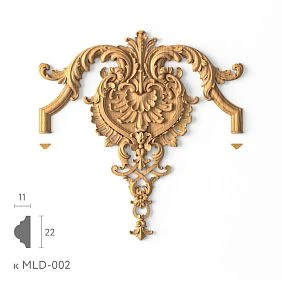
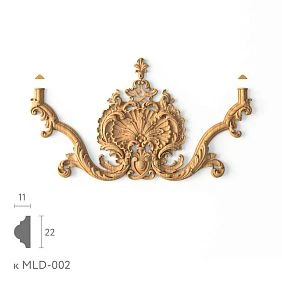
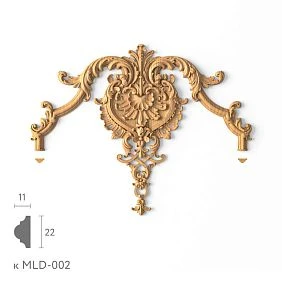
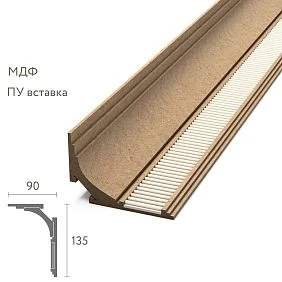
Our factory also produces:
To cover an external wall corner
The external corner is a protruding edge that is most often bumped into. This is why the query "what to use to cover an external wall corner" arises among owners of apartments, houses, offices, salons, children's rooms, hallways, and entryways. In high-traffic areas, wallpaper wears out fastest: near doors, in the hallway, by the kitchen, next to stairs, near a workspace, in narrow openings.
The external wooden corner helps cover this edge and make it more resistant to everyday contact. It doesn't turn the wall into a technical object, as sometimes happens with rough plastic overlays, but looks like part of the finish. If you choose a profile by width, material, and color, the corner becomes neat rather than "patched up."
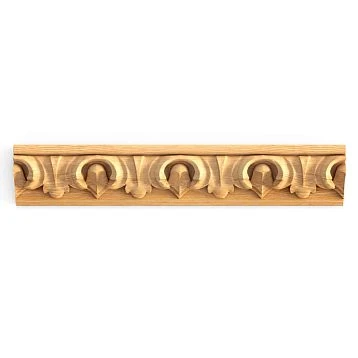
For such tasks, you can look at wooden external corner UG-001 and check the current parameters in the product card. It's important to understand: the specific size, material, finish, and application method should be verified before ordering, because the corner must match your specific corner, not just look good in a photo.
Get Consultation
To protect wallpaper and finishes from damage
The question "how to cover a wall corner to prevent wallpaper from peeling" is especially important after a fresh renovation. While the walls are new, protruding corners look neat. But after a few months, scuffs appear in high-traffic areas. If there are children, pets, heavy foot traffic, narrow hallways, or furniture that often brushes against the wall, the problem manifests faster.
A wooden corner works as a protective strip that covers the edge of the wallpaper. It helps reduce the risk of tearing, scuffing, and damage to the finish. At the same time, it should not look like a foreign overlay. If the room has wooden doors, baseboards, shelves, furniture, or slats, the corner can be matched to them in color and material.
This solution looks especially good in hallways, corridors, children's rooms, kitchens, dressing rooms, studies, and stair areas. Where the corner is constantly in contact with people, it's better to protect it in advance with a neat profile than to constantly repair damaged finishes later.
To finish an internal corner
An internal corner often requires not protection, but a clean closure of the joint. For example, two planes meet inside a niche, slope, furniture box, or decorative panel. If the joint line is imperfect, it catches the eye. If the materials are different, the transition may look random. An internal wooden corner helps to finish this transition.
Such a profile may be needed in window and door slopes, built-in shelves, wooden boxes, niches, cabinets, shelving units, decorative panels, and interior structures. It covers the inner line, makes the joint neater, and helps the finish look complete.
When choosing, it is important not to confuse the internal and external corner. The external profile works on the protruding edge. The internal one works at the junction of two planes. If you buy the wrong type, it may simply not fit in place or look incorrect.
To reinforce a furniture or wooden structure
In furniture projects, wooden corners are used to cover joints, finish edges, enhance visual lines, and protect wooden edges. They may be needed on shelves, racks, decorative boxes, furniture panels, facade elements, open structures, wooden partitions, or items where the corner is visible and must look neat.
Here, not only protection but also appearance is important. The corner piece should match the furniture in material, color, texture, and scale. A profile that is too wide can weigh down a small shelf. One that is too thin may get lost on a massive structure. If the furniture is to be painted, you need to understand in advance whether the corner piece is suitable for the chosen finish.
For furniture workshops, the corner is especially convenient as a ready-made element: there is no need to craft a neat profile from scratch each time if you can select a suitable part and focus on assembly, finishing, and installation.
To cover a joint on a slope, shelf, or opening
Slopes, shelves, and openings often have visible joints. On a window slope, you need to cover the transition between planes. On a door opening, you need to neatly finish the edge. On a shelf, you need to cover the edge or protect the corner. In such places, a random batten or plastic overlay may look out of place, especially if wood is already present nearby.
A wooden corner helps make the joint cleaner. It can support trims, strips, bars, panels, and furniture. If the opening is finished with wood, the corner should be part of the overall solution. If the shelf is in a visible location, its corners should be not only strong but also attractive.
Key characteristics of wooden corner pieces
Before purchasing, you need to understand which parameters affect the choice. The corner seems like a simple part, but it is precisely because of its simplicity that it is often bought incorrectly: the wrong type of angle, the wrong shelf width, the wrong material, the wrong finish, the wrong fastening method.
| Parameter | What it means for the buyer | What to check before ordering |
|---|---|---|
| Corner bracket type | External or internal profile | Does it fit your corner: protruding or internal |
| Purpose | Wall, furniture, shelf, slope, opening, wooden structure | Does the profile match the task |
| Material | Beech, oak, solid wood, if such options are available in the product card | The actual material of a specific product should be checked on the website |
| Profile shelf width | How much the corner bracket covers each side of the angle | Is the width sufficient for protection and covering the joint |
| Profile | Smooth, shaped, decorative, or simpler | Does the shape match the interior style |
| Finishing | For painting, varnish, or tinting, if provided by the model | Exact finishing options depend on the product card |
| Installation location | Wall, slope, shelf, furniture, opening, corner of a wooden structure | Operating conditions and mounting method |
| Mounting | May depend on the base and the task | The required installation method and fasteners are clarified before work |
| Compatible elements | Bars, slats, trims, other solid wood products | Select elements in a consistent logic by material and scale |
| Package contents | Different products may vary | What is included in the delivery should be checked in the product card |
| Main catalog | STAVROS wooden corner section | Open the product card and compare dimensions, material, application |
This table shows the main thing: a corner is chosen not by name, but by installation location. For an external wall corner, you need a profile that will cover the protruding edge and withstand household contact. For an internal corner, the fit in the joint is important. For a shelf, scale and compatibility with furniture matter. For a slope, a neat line and correct width are needed. For a decorative project, shape, material, and finish are important.
If exact dimensions, material, or finish are not specified in your working diagram, they cannot be invented. Before ordering, you need to open the product card on the STAVROS website and check the current parameters. This is especially important for the UG-001 model, new wooden corners, and any profiles that are selected for already completed renovations or furniture.
What types of wooden corners are there
Wooden corners differ in shape, purpose, installation location, and decorativeness. It is important for the buyer not just to find a "wooden corner," but to understand which type of profile is needed for a specific task.
External corners
An external corner covers the protruding edge. It is installed on the external corner of a wall, slope, shelf, furniture, opening, or wooden structure. It works as a protective and decorative profile: it covers the vulnerable edge and makes it neat.
An external corner is especially useful where the surface is frequently bumped. In the hallway, these are corners near doors and passages. In the corridor, protruding wall edges. In the children's room, corners that quickly suffer from play. On furniture, edges of shelves and open structures. On slopes, external transitions that need to look clean.
If the task is to cover a chipped corner of a wall, an external wooden corner is often the most straightforward solution. It not only masks the damage but also helps protect the edge from further wear.
Internal corners
An internal corner is needed for the joint of two planes inside a corner. It works in niches, slopes, boxes, shelves, furniture units, wooden panels, and openings. Its task is to cover the internal line where materials meet each other.
The query 'how to close an internal wall corner' often arises when the joint is uneven or when different materials need to be connected neatly. For example, a wall panel transitions into a slope, wooden trim meets a painted surface, or a shelf has an internal corner that needs to be covered with a profile.
An internal corner does not replace an external one. If the type is confused, the profile will not work correctly. Therefore, before purchasing, you need to determine the geometry: does the corner protrude outward or is it inside the joint?
Flat and shaped corners
A smooth corner is chosen when a clean line is needed without a strong decorative accent. It suits modern interiors, minimalist shelves, neat slopes, calm walls, painted surfaces, and projects where protection is more important than decoration.
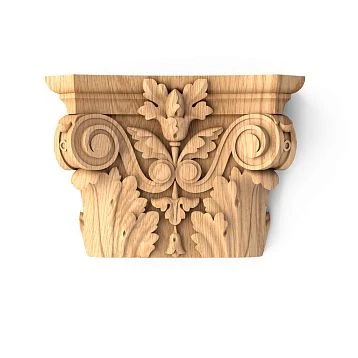
A shaped or decorative corner is needed where the profile should be a noticeable part of the design. It can complement classic furniture, carved decor, wooden panels, interiors in the style of a country house, study, living room, salon, or restaurant. Such a corner not only covers the edge but also adds relief.
When choosing, it is important not to overload the installation location. On a small shelf, an overly shaped profile may look heavy. On a wide wooden structure, a smooth corner may get lost. A good choice depends on the scale.
Furniture corners
Wooden furniture corners help cover edges, joints, and corners of structures. They can be used on shelves, cabinets, racks, decorative boxes, facade elements, partitions, and wooden panels. In furniture, the corner is often visible up close, so the quality of the profile and finish is especially noticeable.
If furniture is made for painting, the corner should be suitable for the future finish. If the furniture is made of solid wood, it is better to choose the profile taking into account the wood species, texture, and color. If the corner is placed on an open edge of a shelf, it is important to choose the right width so that it does not interfere with use and does not look rough.
Furniture corners can serve both a decorative and a practical purpose. They cover the joint, protect the edge, make the node neater, and help connect the structure with other wooden parts.
Corners for shelves and slopes
Queries like "buy wooden corners for shelves", "buy wooden corners for shelves", "buy wooden corners for shelves", and "buy wooden corners for shelves on the wall" are usually related to the desire to finish the edge of a shelf, cover a joint, or make a wooden structure more complete. A shelf without a neat edge can look unfinished, especially if it is in a visible place.
For shelves, the width of the profile, shape, material, and method of attachment are important. The corner should not interfere with items that will be placed on the shelf. It should not be too massive for a thin structure. But it should sufficiently cover the edge if the task is protective.
On slopes, the corner helps cover the joint between planes. This is especially useful for wooden trim, painted walls, decorative panels, and openings where the edge should look sharp.
How to cover a wall corner: why a wooden corner is better than temporary solutions
When wallpaper peels or paint chips off a corner, the first desire is to quickly cover the damage. Some people glue the wallpaper back, some touch up the edge, some install a plastic overlay, some look for a universal profile. But temporary solutions often look exactly temporary. They cover the problem but do not improve the interior.
The wooden corner trim works differently. It turns a weak spot into a designed element. If the corner is constantly damaged, the profile takes the contact and covers the edge of the finish. If damage already exists, the trim helps hide it. If the renovation is new, the trim can be installed in advance as a preventive measure. In hallways, corridors, children's rooms, and near openings, this is especially sensible.
The query "what can be used to cover a wall corner" does not always mean the buyer wants decoration. Often, they need protection. But a protective part does not have to be rough. A wooden profile can be chosen to match the interior: a smooth, plain option, a more decorative trim, a profile for painting, or a trim for varnishing or tinting, if the specific model allows it.
Compared to plastic overlays, wood looks warmer and pairs better with natural materials. Compared to simply gluing wallpaper, it provides a more durable solution. Compared to a random batten, the trim better suits the geometry of the corner. Compared to a metal profile, it looks softer and more interior-friendly.
It is important not to promise the impossible: a wooden corner trim does not replace base repair if the wall is heavily damaged or the corner is crooked. But it helps cover the edge, protect the finish, and make the joint neater. If the damage is serious, the base must be prepared first, and then the profile installed.
How to choose a wooden corner trim based on the task
The choice starts with the installation location. The same profile does not always work equally well on a wall, furniture, shelf, slope, or opening. You need to understand the corner geometry, the degree of load, the desired appearance, and the future finish.
For a wall
For a wall, an external corner trim is most often needed. It covers the protruding corner and protects wallpaper or paint. In high-traffic areas, it is better to choose a profile that sufficiently covers both sides of the corner. A trim that is too narrow may not fully protect the edge. One that is too wide will look rough, especially in a small room.
If the wall is painted, you can choose a trim for painting, if the specific model allows it. If there are wooden doors, floors, baseboards, or furniture nearby, you can choose a wood-toned option. In a classic interior, the profile can be more expressive; in a modern one, more subdued.
Before purchasing, you need to measure the corner, understand the width of the damaged area, and check how the profile will look on the wall. If the wallpaper is already torn, the trim should completely cover the problem area.
For furniture
For furniture, precision is important. The corner profile must match the scale of the product and not interfere with use. On a small shelf, a wide profile can look heavy. On a large shelving unit, a too thin one will get lost. If the corner profile is placed on a visible edge, its finish should match the furniture.
A wooden corner profile for furniture is often chosen for painting, varnishing, or tinting. If the product is made of solid wood, it is advisable to select a material close in character. If the furniture is painted, the evenness of the profile and the possibility of neat finishing are important.
If the furniture structure requires not only covering the corner but also solving a more structural task, you can also look at wooden bars and corner profiles. This helps to compare whether you need exactly a corner for the edge or a bar for a more direct structural function.
For a shelf
Corners for shelves are chosen when you need to cover the edge, protect the corner, or make the structure neater. If the shelf is open and at eye level, the profile will be clearly visible. Therefore, it is important to choose it not only by size but also by style.
For a wall shelf, the corner profile should not interfere with items placed on top. If it protrudes too much, using the shelf is inconvenient. If the profile is too small, it may not cover the required joint. When choosing, consider the thickness of the shelf, the width of the edge, the material, and the future finish.
If the shelf is part of a general wooden composition, the corner profile needs to be coordinated with slats, bars, trims, or other products. In this case, it is especially useful to look at adjacent categories to avoid assembling a structure from parts that differ in character.
For a slope
On a slope, a corner piece helps cover the joint and make the opening line neat. This could be a window or door slope, a niche, a decorative panel, or a wooden trim. In such places, the profile must sit evenly and not interfere with the opening of the window or door.
Geometry is important for a slope. If the corner is internal, an internal profile is needed. If the edge is protruding, an external one. If the surface is uneven, the base issue is addressed first. The corner piece should not mask a serious construction problem, but it does a good job of covering a neatly prepared joint.
A slope often adjoins a casing. If you specifically need an element for the opening, you can additionally look wooden architraves for openings. The trim and corner piece do not replace each other, but can work together.
For external and internal corners
Before ordering, determine the type of corner. An external corner is a protruding edge. An internal corner is a joint inside where two planes meet. A mistake at this stage leads to the profile simply not fitting. In the product description and card, you need to check the purpose.
If in doubt, take a photo of the installation site and measure both sides of the corner. You need to understand the width, height, surface material, and future finish. If the project is complex, it is better to check with a STAVROS manager which type of profile is suitable.
For painting, varnishing, or tinting
The final finish helps tie the corner piece to the interior. Painting is chosen when the profile should match the wall, furniture, or slope. Varnish is needed if you want to preserve the natural look of the wood. Tinting helps change the shade and emphasize the texture.
But you cannot assume that any corner piece automatically suits any finish. You need to check the material, surface, and recommendations of the specific model. If the color must exactly match the furniture or doors, it is better to plan the finish in advance and do a test.
Material and finish
The material affects the appearance, processing, perceived strength, and how the corner piece will combine with the interior. The selection scheme indicates beech, oak, and solid wood. The specific available materials for each model should be checked in the product card.
Beech
Beech is suitable for neat wooden elements where an even shape and calm appearance are important. It can be good for profiles intended for painting, tinting, or varnishing, if such finishing is provided for the specific product. Beech is not always as expressive as oak, but this is often a plus: it does not overwhelm the interior and works well in furniture parts.
This is important for a corner. If the task is to cover a wall or shelf corner without a strong decorative accent, a calm material may look more appropriate. In modern interiors, beech can support a clean line. In furniture, it provides a neat edge.
Oak
Oak is chosen when a more expressive and solid character is needed. It pairs well with classic furniture, wooden doors, massive shelves, studies, living rooms, country houses, and interiors with natural materials. An oak corner piece can be not just protection, but a noticeable part of the finish.
But oak is not always necessary. If the profile will be fully painted, if the installation location is small, or if the interior is very calm, a more neutral option may be more appropriate. It is important to choose the material based on the task, not on the principle that 'the most solid is always better.'
Solid wood
Solid wood is valued for its naturalness, finishing possibilities, and good compatibility with other wooden elements. A solid wood corner can support shelves, slats, trims, bars, furniture, and interior panels. It does not look like temporary protection, but like part of the finish.
If there are already wooden details in the room, solid wood helps maintain a consistent logic. For example, a corner piece on the wall can match shelves, slats, or trims. In a wooden house, it is especially natural: it covers joints and corners without the feeling of a foreign material.
When to choose a smooth profile
A smooth profile is needed where the corner piece should protect and cover, but not attract too much attention. This is a good option for modern apartments, painted walls, calm shelves, simple slopes, minimalist interiors, and small spaces.
A smooth corner is easier to combine with different materials. It does not conflict with furniture, does not overload the wall, and does not look like an unnecessary decorative detail. If you are unsure between a calm and a shaped profile for a passage corner, it is often safer to start with a more restrained solution.
When to choose a decorative or carved corner
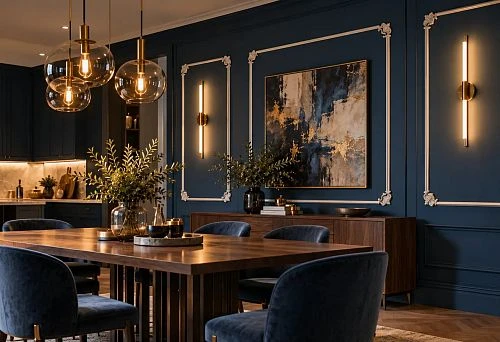
A decorative corner is needed when the profile should support the style. It is appropriate in classic interiors, wooden houses, studies, living rooms, restaurants, salons, furniture projects with carved decor. Such a corner not only covers the corner but adds expressiveness.
But it must be chosen carefully. If there are no other decorative elements nearby, a carved profile may look out of place. If the interior is already rich, an overly active corner will add unnecessary noise. A good decorative profile should support furniture, trims, panels, overlays, and the overall finish.
Comparison of solutions: what to choose for a specific task
| Task | What to buy | Why this is suitable | What to Check |
|---|---|---|---|
| Wallpaper is peeling off on the external corner | External wooden corner | Covers the protruding edge and protects the edge of the finish | Width of the profile shelves, height, method of attachment |
| Need to cover an internal joint | Internal wooden corner | Makes the joint line neat | Angle geometry and profile fit |
| Need to reinforce the furniture structure | Solid wood corner | Covers and visually reinforces the edge | Scale, material, compatibility with furniture |
| Need to finish a shelf | Wooden corners for shelves | Cover the edge and make the shelf complete | Shelf thickness, profile width, finish |
| Need to close a slope or opening | Profiled wooden corner | Helps to design the transition between planes | Corner type, junction with trim, base evenness |
| Need a decorative accent | Shaped or carved wooden corner | Adds relief and supports the style | Relevance of pattern and combination with interior |
| Need a structural element | Block or corner according to the task | A bar can solve a more direct structural task | Do not confuse the function of a block and an angle |
| You need to frame the entire opening | Angle plus casing | The angle covers the edge, the casing frames the opening | Compatibility of profiles and materials |
This table helps quickly choose a direction, but the final purchase still depends on the actual installation location. You need to measure the angle, understand the profile type, check the product card, and plan the installation in advance.
What to buy together with wooden corners
A wooden angle is often bought together with other elements because the corner rarely exists separately from the entire finish. If an opening is being framed, casings may be needed nearby. If a wooden structure is being covered, blocks will come in handy. If a decorative layout is being made, slats may be needed. If furniture or a panel is being finished, it is useful to think about decorative overlays and fasteners in advance.
If the task includes not only corners but also more straight elements, you can look at wooden bars and corner profilesFor structural or linear tasks, sometimes you need a bar rather than an angle. For example, Wooden Block BR-001 it is worth considering when a straight wooden element is needed, rather than a profile for closing a corner.
For framing and decorative lines, wooden strips for framingmay come in handy. They do not replace the angle on the edge, but work well in layouts, zoning, panel finishing, and straight line design. For door and window openings, it is useful to look at wooden architraves for openings, because the casing solves a different task — it closes and frames the opening.
If the project is broad, it is more convenient to study Solid wood products, to select corners, bars, slats, casings, and other elements in a consistent logic regarding material, scale, and finish.
| What to add to the purchase | Why this is needed | Which scenario it suits | What to pay attention to |
|---|---|---|---|
| buy wooden corner pieces | Close and protect corners of walls, furniture, slopes, and openings | Renovation, furniture, wooden structures | Angle type, profile width, finish |
| wooden external corner UG-001 | Close protruding edge | External corner of a wall, furniture, or slope | Actual dimensions and material in the card |
| New wooden corner profiles | View fresh profile options | Selection for a new renovation or project | Purpose, dimensions, finish |
| wooden bars and corner profiles | Compare corner profile and straight element | Furniture, structures, finishing | Don't confuse a block with a corner piece |
| Wooden Block BR-001 | Use a straight wooden element in the structure | Frame, reinforcement, linear part | Is a bar suitable for your specific task |
| wooden strips for framing | Create straight lines and decorative layouts | Panels, walls, zoning, framing | The batten does not replace the corner profile |
| wooden architraves for openings | Frame a door or window opening | Openings, slopes, wooden trim | A casing and an angle perform different functions |
| Solid wood products | Select adjacent wooden elements | Comprehensive interior finishing | Material, scale, style |
This comprehensive approach is especially important in prominent areas: hallway, living room, study, staircase, openings, furniture shelving. If a corner piece is chosen separately, it may look out of place. If it is selected together with slats, trims, and other wooden details, the interior feels more cohesive.
How not to confuse a wooden corner piece with similar products
Corner piece and architrave
A wooden corner piece covers and protects a corner, edge, or joint. A trim frames a door or window opening and covers the transition between the frame and the wall. These elements may be located nearby but do not replace each other.
If you need to frame an opening, look at the architrave. If you need to cover a protruding corner of a slope or wall, you need a corner piece. In complex junctions, both elements may be required: an architrave for framing the opening, a corner piece for covering the edge.
Corner piece and slat
A slat is a linear element for framing, decorative layouts, zoning, wall solutions, and straight lines. A corner piece has a profile shape for covering a corner. If you place a slat on a protruding edge, it may not always cover both sides and can look accidental.
A slat is good for a decorative line, and a corner piece is for a corner task. If you need to cover a wall corner, choose a corner piece. If you need to create a layout on a panel or wall, a slat may be suitable.
Corner piece and skirting board
The baseboard covers the joint between the wall and the floor. It is designed for the bottom line of the room. The corner covers a vertical or other angular joint. The baseboard should not replace the corner on the wall, and the corner should not perform the task of the baseboard.
An error occurs when a buyer chooses a profile only by material. The wood may be the same, but the purpose is different. You need to look at the function.
Corner and molding
Molding often works as a decorative line on a wall, furniture, or ceiling. It can decorate a surface, divide it into zones, or create frames. But not every molding is suitable for protecting a corner. The corner piece specifically works with the edge and closing the joint.
If the task is decorative, different profiles can be considered. If the task is protective, a corner piece of the appropriate shape is needed. This is especially important for external corners, where the profile must cover both sides.
Corner and bar
The block carries a more direct structural or linear task. It can be used in frames, reinforcement, assembly, or finishing. The corner piece covers the edge and works with the corner. If a straight wooden element is needed, you can look at the block. If you need to cover a corner, use the corner piece.
That is why it is useful to compare in the catalog wooden bars and corner profiles, but make the final choice based on function.
Practical selection for specific situations
Wallpaper is peeling off on the external corner in the hallway
This is one of the most common scenarios. The corner in the hallway is constantly bumped by jackets, bags, shoe boxes, children's items, and the vacuum cleaner. The wallpaper starts to peel, the edge darkens and looks untidy. An external wooden corner helps cover the damaged edge and protect it further.
Before purchasing, you need to measure the height of the damaged area and the width to be covered on each side of the corner. If the corner will be painted to match the wall, clarify the possibility of finishing. If there is a wooden door or trim nearby, choose a profile that complements them.
Need to cover the internal corner of the slope
The internal corner of the slope requires precise fitting. Here, it's not so much about a decorative accent as a clean line. If the joint between the planes is uneven, the corner helps cover it. But the base must be prepared: the profile should not compensate for significant curvature.
Before ordering, determine
Need to decorate a wooden house
In a wooden house, corners and joints are especially noticeable. Plastic profiles often look out of place. A wooden corner better supports natural finishes, beams, panels, doors, trims, and slats. It can cover joints, protect edges, and make the interior neater.
Here, it's important to select the material and finish in the same logic. If natural wood predominates in the house, a corner with varnish or tint may look more appropriate. If the walls are painted, a paintable option can be considered.
Need to make a decorative accent
Sometimes a corner is chosen not only for protection but also for beauty. A shaped profile can accentuate furniture, frame the edge of a panel, support a classic style, or add relief to a shelf or opening. But decorativeness must be justified.
If the profile is too active, it will clash with the interior. If there are no other carved or shaped elements nearby, the corner may look random. It is better to use a decorative corner where it is supported by architraves, overlays, furniture, or other wooden decor.
Installation, calculation, preparation, and care
How to calculate the number of corners
First, measure the height or length of the area to be covered. If it is a vertical wall corner, measure from the floor to the desired top point. It is not always necessary to cover the entire corner up to the ceiling: sometimes it is enough to protect the walk-through area. If it is a shelf or furniture, measure the length of each edge separately.
Add a small allowance for trimming and fitting. This is especially important if the corner is uneven or the profile needs to be joined with other elements. If several corners are used in one room, it is better to plan the same height and rhythm in advance so that the finish looks systematic.
What to check before installation
The base must be clean, dry, and sufficiently level. If the wallpaper is already peeling, it needs to be fixed or the damaged area removed, otherwise the corner will hold poorly. If the wall is crumbling, first repair the base. If the corner is very uneven, the profile may not lie neatly.
Also, you need to choose the fastening method in advance. It depends on the surface, the weight of the profile, the installation location, and the future load. The specific fastener must be selected for the project. If in doubt, it is better to consult a specialist.
Preparation for painting, varnishing, or tinting
If the corner piece is to be painted, it's better to plan the finish before installation. Sometimes it's more convenient to treat the profile in advance and then install it. Sometimes the finish is done after installation to cover joints and achieve a unified look. It all depends on the project.
When applying varnish or tint, it's important to consider the wood texture. The shade may differ from furniture or trim, so it's better to check compatibility in advance. If you need an exact color match, it's useful to do a test.
Care for wooden corner pieces
Care depends on the coating. Painted, varnished, and tinted corner guards require different handling. Usually, a soft dry or slightly damp cloth is sufficient if the coating allows it. Avoid using harsh chemicals and excess moisture.
In high-traffic areas, the corner piece may receive more contact. This is a normal protective role of the profile. If it is installed correctly and suits the task, it helps keep the wall or furniture finish neater.
Mistakes when buying wooden corner guards
Choose only by photo
In photos, the profile may look suitable, but the actual size could be different. The corner piece might be too wide for a small shelf or too narrow for a damaged wall corner. Before ordering, check the dimensions in the product card.
Not understanding whether you need an external or internal corner guard
This is the main mistake. An external corner piece covers a protruding edge. An internal one covers a joint inside a corner. If you mix up the type, the profile won't solve the problem. Before purchasing, determine the geometry of the installation location.
Not considering the width of the damage
If the wallpaper is already torn off, the corner piece must completely cover the damaged area. A profile that is too narrow will leave visible edges. Therefore, you need to measure not only the corner itself, but also the area of damage on both sides.
Buying a corner profile without considering the style
Even a useful detail can look out of place. A wooden corner piece should match the doors, baseboards, shelves, furniture, slats, or trim. If it is chosen separately from the interior, it may look like a random overlay.
Confusing a corner profile with a slat or a block
A slat and a block solve different tasks. A slat works as a linear element, a block as a more direct structural element, and a corner piece as a profile for covering a corner. Before purchasing, you need to choose based on function, not similar material.
Not checking the finish
If the corner piece needs to be painted, varnished, or tinted, you must check the material and the possibility of such treatment in advance. You cannot assume that any profile will give the desired result without preparation.
Not preparing the base
If the corner is dirty, crumbling, the wallpaper is peeling, or the surface is uneven, the profile may not lay flat. The corner piece does not replace base preparation. It covers and protects, but does not fix serious wall defects.
Not considering the installation location
A corner piece in a hallway and a corner piece on a decorative shelf work under different conditions. In a walk-through area, protection is needed. On furniture, precision up close is important. On a slope, an accurate line is needed. In a wooden house, compatibility with the material is key. The choice should take the location into account.
Expecting fasteners in the kit without checking
The configuration depends on the specific product. If you need fasteners, glue, screws, or other mounting elements, this should be clarified in advance. You cannot automatically assume that everything is included in the delivery.
Do not seek clarification for complex projects
If the corner is being selected for expensive furniture, a complex slope, a wooden house, or a large interior project, it is better to clarify the parameters with a STAVROS manager. This helps avoid mistakes before purchase.
Who wooden corners are suitable for and who should choose a different option
Wooden corner profiles are suitable for those who want to protect external wall corners and make them neater. They are useful for apartment and house owners where wallpaper peels off at high-traffic corners. They are needed by furniture workshops, finishers, interior designers, owners of wooden houses, and craftsmen working with shelves, slopes, openings, and wooden structures.
Such a profile is especially appropriate if there is already wood in the interior: trims, slats, shelves, furniture, panels, baseboards, doors. A wooden corner helps avoid introducing a foreign material and instead supports the overall finish. It is also suitable for projects intended for painting, if the specific model and material allow such treatment.
A wooden corner profile is not suitable for those looking for a plastic profile, a flexible element for a curved surface, or a purely technical overlay without a decorative purpose. It is also not suitable for those who are not ready to check the corner type, dimensions, profile shelf width, and fastening method. Wood requires careful selection but provides a more interior-oriented result.
If you just need a temporary repair for a short period, you can choose a simpler solution. But if the task is to cover a wall corner, protect wallpaper, or finish furniture, a slope, or an opening beautifully and for a long time, a wooden corner looks more convincing.
Where to buy wooden corner profiles
Wooden corners can be selected in the STAVROS catalog. For the main purchase, open the section where you can buy wooden corner pieces, and compare profiles by purpose, material, shape, and relevant parameters. If you need an external option, separately check wooden external corner UG-001. If you want to see fresh options, you can open New wooden corner profiles.
Before ordering, you need to measure the angle, determine the profile type, check the shelf width, material, finish, configuration, and installation method. If the corner is being selected for furniture, a slope, an opening, or wooden trim, it is better to evaluate adjacent elements in advance: slats, bars, architraves, and solid wood products.
If doubts remain, do not choose at random. It is better to clarify the parameters with a STAVROS manager, especially if the corner piece must cover an already damaged area or match existing trim in color and material.
How to buy on STAVROS and not make a mistake
Start with the problem. Do you need to cover an external wall corner? Protect wallpaper? Finish an internal joint? Make a neat shelf edge? Cover a slope? Select a profile for furniture? The answer determines the type of corner piece.
Then measure the installation location. You need the height, length, width of the damage, joint depth, shelf thickness, or opening features. After that, you can go to the catalog and choose not just a beautiful profile, but one suitable for the purpose.
Next, check the material and finish. For a natural interior, you can consider wood with varnish or tinting, if provided by the product. For a painted wall, a paintable option. For furniture, a profile that matches the material of the item. For an opening, a combination with architraves and slats.
The final step is the product card. Before ordering, check the current dimensions, material, purpose, configuration, and finishing options. If the project involves installation, select fasteners in advance and prepare the base. If the task is non-standard, it is better to ask a STAVROS manager before purchasing.
FAQ
How to cover a wall corner so the wallpaper doesn't peel off?
For an external corner, you can use a wooden corner. It covers the edge of the finish, helps protect the wallpaper from damage, and looks neater than temporary overlays. Before purchasing, you need to measure the damaged area and choose a profile of suitable width.
Which wooden corner trim to choose: internal or external?
An external corner is needed for a protruding corner of a wall, furniture, slope, or shelf. An internal corner is used at the junction of two planes inside a niche, slope, opening, or furniture unit. First, determine the geometry of the corner, then choose the profile.
Can a wooden corner trim be used for furniture?
Yes, wooden corner trims are used for furniture, shelves, racks, boxes, and wooden structures. They help cover the joint, protect the edge, and add a neat decorative accent. It is important to choose the size and finish to match the furniture.
How is a wooden corner different from a batten?
A batten often works as a linear decorative element for framing, layouts, and zoning. A corner trim has a profile shape for covering corners and joints. If you need to cover a protruding edge, a corner trim is usually needed, not a batten.
Where to buy wooden corners?
Wooden corner trims can be selected in the STAVROS catalog. Before purchasing, you need to check the profile type, dimensions, material, finish, purpose, and installation method. For external corners, you can separately look at model UG-001.
Can a wooden corner piece be used to cover an external corner of a wall?
Yes, an external wooden corner piece is just right for protruding corners. It covers the edge, helps protect wallpaper or paint, and makes the corner neater. It's important to choose a profile with sufficient shelf width.
What to use to cover an internal wall corner?
For an internal joint, you can use an internal wooden corner profile if it matches the geometry and size. It helps cover the junction line of two planes, especially in niches, slopes, openings, and wooden trim.
Are wooden corner profiles suitable for shelves?
Yes, wooden corner profiles can be used for shelves if you need to cover an edge, finish a joint, or protect a corner. Before purchasing, you need to consider the shelf thickness, profile width, material, and future finish.
Can a wooden corner piece be painted?
Yes, if the specific material and model are suitable for painting. Before ordering, check the product card and clarify which finish options are allowed. For an exact color, it is better to do a test coating in advance.
Which is better: a wooden or plastic corner piece?
A plastic corner profile may be simpler as a technical overlay, but a wooden one looks better in interiors with furniture, doors, shelves, slats, and other natural materials. If appearance and compatibility are important, wood often looks more convincing.
How is a corner piece different from a block?
A block more often performs a direct structural or linear task. A corner covers and finishes an edge. If you need to reinforce or assemble a structure, a block may be needed. If you need to cover a corner, choose a corner piece.
What to buy together with wooden corners?
Depending on the project, you can look at blocks, slats, architraves, solid wood products, decorative elements, and mounting hardware. The main thing is to select everything according to the same logic: material, size, style, and purpose.
How to determine what size corner is needed?
You need to measure the angle, the width of the damaged area, the thickness of the shelf, or the parameters of the joint. The profile should cover the required area but not look too massive. The actual dimensions of a specific product should be checked in the product card.
Can a corner be used on slopes?
Yes, a wooden corner piece can be used on slopes if it matches the type of angle and size. It helps cover the joint, finish the edge, and connect the slope with the architrave or other wooden trim.
What to check before buying a wooden corner piece?
Check the type of angle, installation location, dimensions, profile shelf width, material, finish, configuration, and mounting method. If the corner is selected for ready-made furniture or renovation, it is also important to check the match in style and color.
Result: how to cover a corner neatly and for a long time
A wooden corner is a simple in shape but very useful detail. It helps close the external corner of a wall, protect wallpaper, finish an internal joint, complete a shelf, tidy up a slope, support a furniture structure, and connect different wooden elements in the interior. Unlike temporary solutions, such a profile can look like part of the finish, not like a patch.
To choose correctly, first determine the task: external corner, internal joint, shelf, furniture, slope, or opening. Then measure the installation location, select the profile type, check the material, width, finish, and fastening method. If there are slats, bars, trims, or other wooden elements nearby, select them in the same logic.
On STAVROS, you can go to the catalog, view wooden corners, compare UG-001, new items, bars, slats, architraves, and other solid wood products. Before ordering, carefully check the product card and, if necessary, clarify the parameters with a manager. This way, the corner will not just be covered, but neatly finished, protected from damage, and tied to the interior.