
























Article Contents:
- What is included in classic office furniture
- How to choose a desk for an office
- Desk size and shape
- Material and construction
- Desk and armchair as a unified system
- Bookcase and library
- Book storage formats
- What to pay attention to when choosing
- Library as decor and collection
- Pedestals, consoles and additional elements
- Classic style cabinet pedestal
- Console
- Meeting or guest reception area
- How to choose wood color
- Dark cabinet: strictness and authority
- Light classic: nobility without heaviness
- Natural walnut: the golden mean
- How to match with floor and doors
- Decor of a classic cabinet
- Carved decor on furniture
- Furniture handles
- Furniture legs
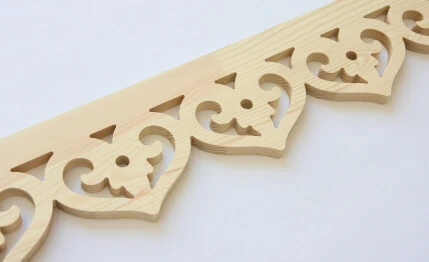
- Moldings and wooden millwork
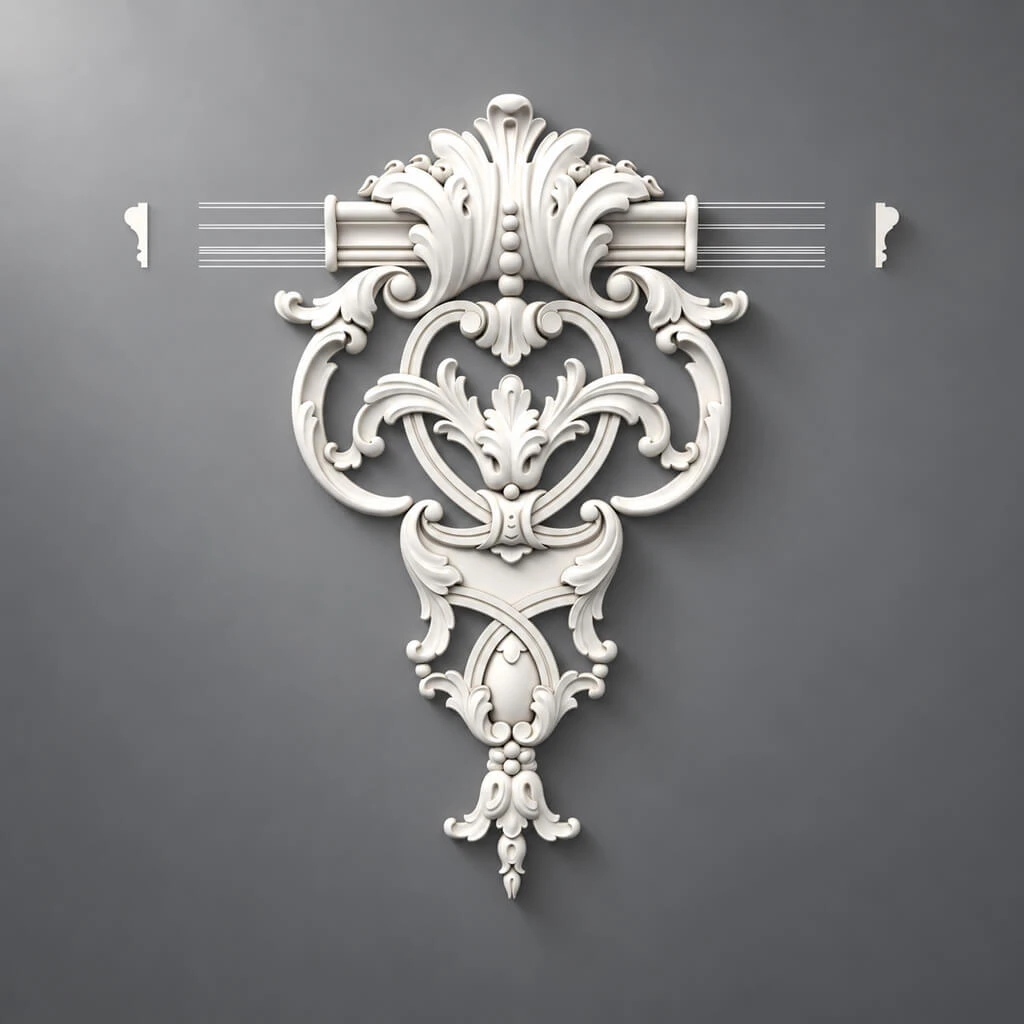
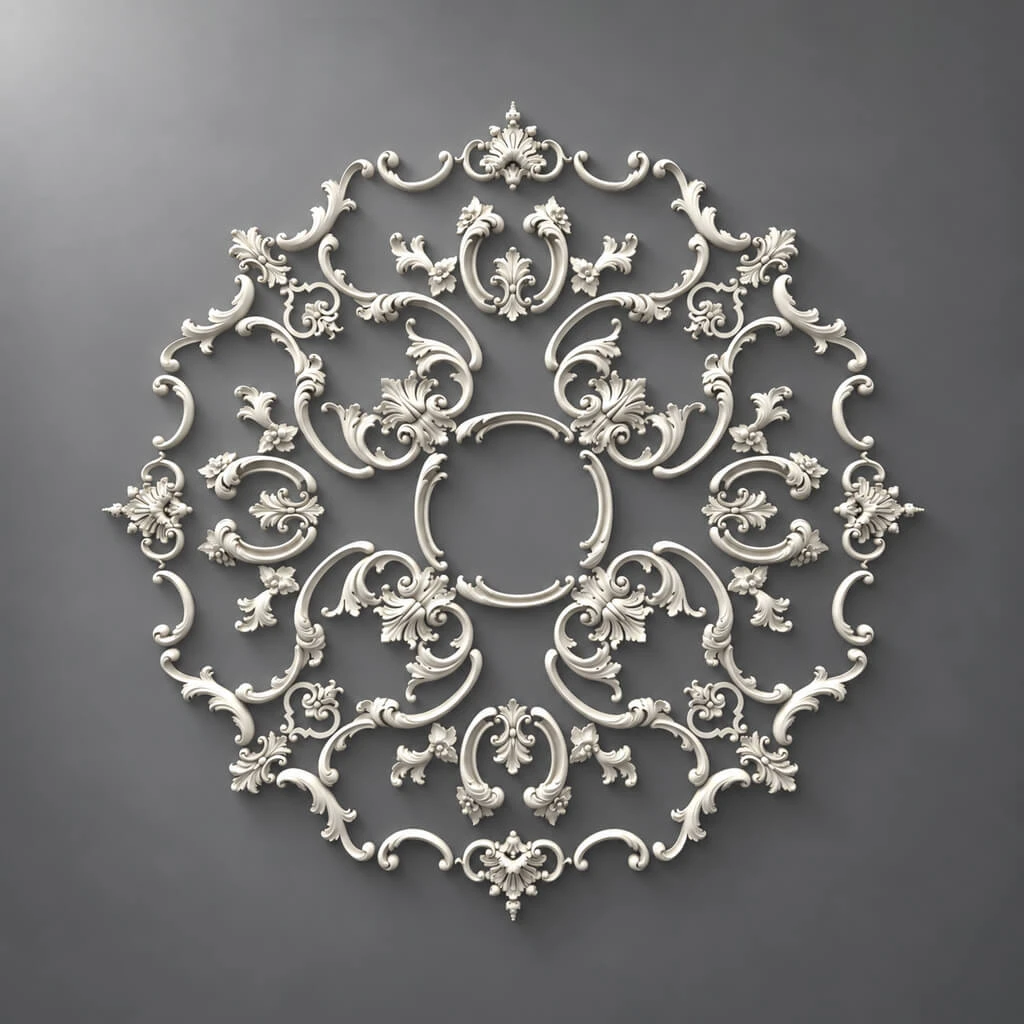
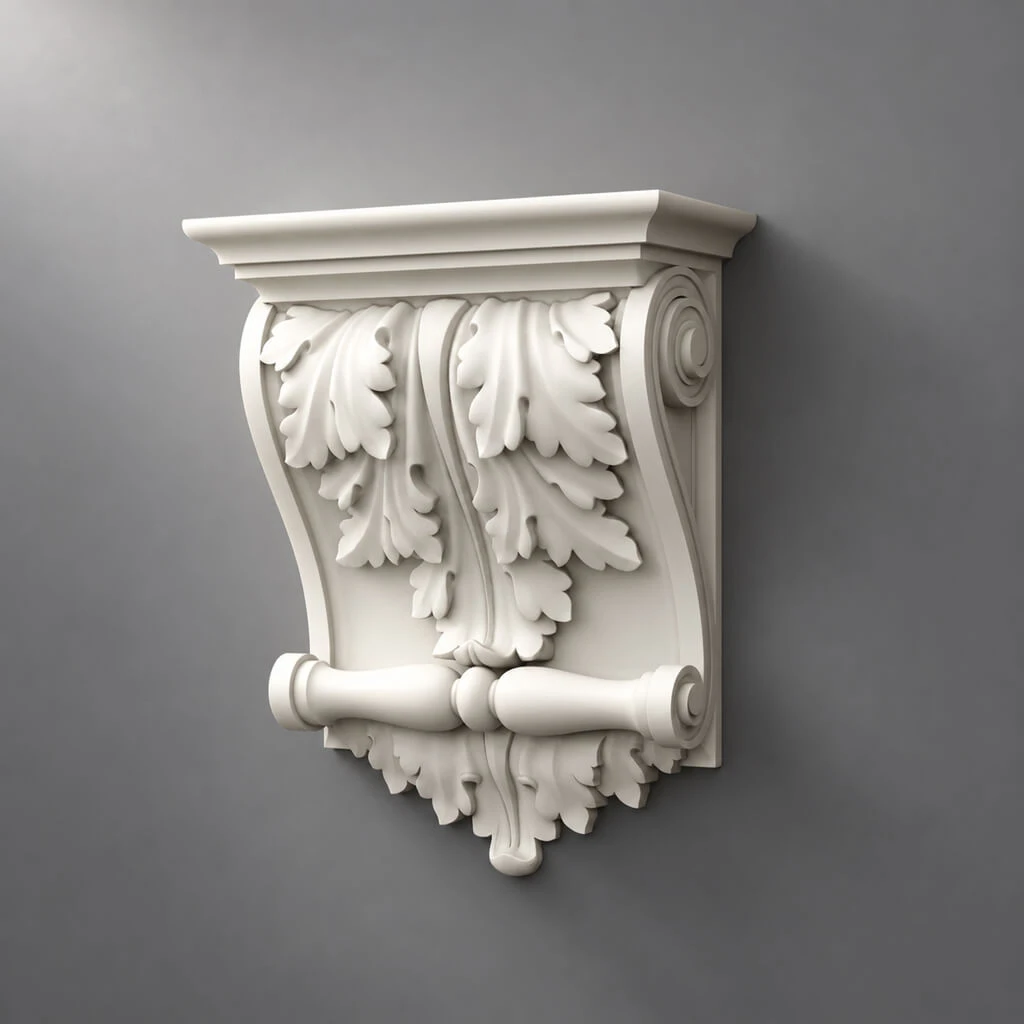
- Overlays and decor for facades
- Executive office vs. home office: what's the difference
- Manager's Office
- Home office
- Mistakes when choosing office furniture
- Choosing a desk without considering room size
- Buying cabinets separately from the desk
- Mixing different wood shades
- Overloading a small office with massive furniture
- Forgetting about document storage
- Not considering lighting
- Choosing handles, legs, and decor in different styles
- Where to buy classic office furniture
- How to choose office furniture in a classic style: a step-by-step algorithm
- FAQ: Answers to Popular Questions
- What furniture is needed for a classic office?
- How to choose a classic style desk?
- Which cabinet is suitable for an office?
- What is better for an office: dark or light furniture?
- Is classic furniture suitable for a home office?
- How to design an executive office in a classic style?
- Which handles and decor are suitable for classic office furniture?
- Is a library needed in an office?
- How not to overload a small office with furniture?
- Where to buy classic office furniture?
- About the Company STAVROS
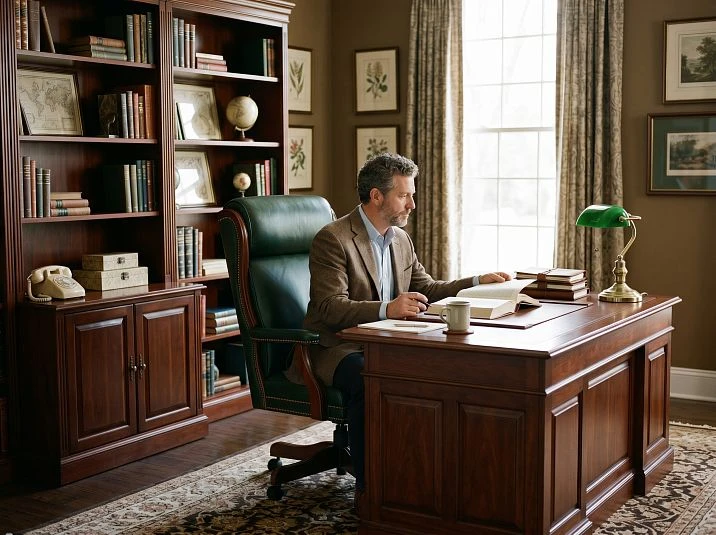
An office is a space that speaks more about a person than any other room. It is not just a place for work: here decisions are made, strategies are pondered, important negotiations are conducted, and, finally, one simply reads in silence. That is why classic office furniture remains one of the most thoughtful and responsible choices in furnishing a home or office. No randomness, no compromise—only refined taste, correct proportions, and natural wood that lasts for decades.
Why classic? Because it is not afraid of time. While minimalist trends replace each other, a classic office with dark wooden furniture retains its strength and authority. A writing desk with carved details, a floor-to-ceiling library, a leather-upholstered chair—this is an image that works equally well in a country house, a top manager's office, and a home office in a city apartment.
This article provides a detailed guide to choosing each piece of furniture for a classic-style office: from a writing desk and bookcase to a cabinet, console, and decorative details. Read carefully: there is no fluff here, only specific advice from a practitioner.
What is included in classic office furniture
Before starting to choose specific items, it is important to understand what set of furniture generally forms a full-fledged classic office. This is not just a "desk and chair." A well-arranged office is a complex of functional zones, each solving a specific task.
Main pieces of furniture for a classic office:
-
Writing desk — the working center, the main item of the space
-
Work chair — comfort and representativeness at the same time
-
Bookcase or library — storage for books, documents, collection items
-
Cabinet (pull-out or floor-standing) — additional storage near the desk
-
Console — decorative and functional accent against the wall
-
File cabinet — closed storage for business papers
-
Shelving unit — open shelves for books and decor
-
Guest chair or meeting area
-
Decorative elements: framed mirror, tabletop items, vases, clocks
Each of these elements should exist not on its own, but as part of a system. This is what distinguishes a well-thought-out study from a random collection of items.
Ask yourself: what do you use the study for? If it's a home office — priority goes to the desk, cabinet, and storage. If it's an executive office in a company — status, representativeness, and a meeting area are more important. If it's a study-library — the focus shifts to a solid wood library for the study, shelving, and a reading chair. By clearly understanding the purpose of the space, you are already halfway to making the right choice.
It is important to understand: classic-style office furniture is typically a more expensive purchase than furniture for any other room. Because there are no random items here. Everything must work together, in the same tone, in the same wood shade, in a unified decorative solution. That is why professionals recommend choosing classic furniture from one manufacturer or within one collection — this eliminates the risk of mismatched shades, proportions, and stylistic solutions.
How to choose a desk for an office
A classic desk is not just a work surface. It is the first thing a person sees when entering the office. It is a symbol of status and concentration. That is why its selection should be approached with the utmost seriousness.
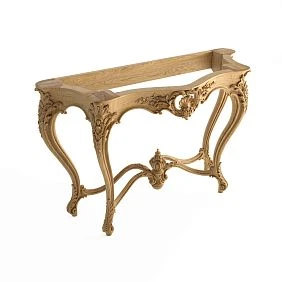
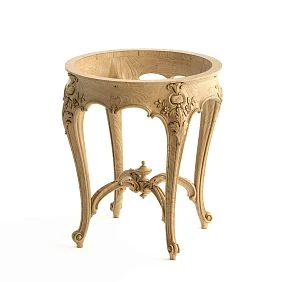
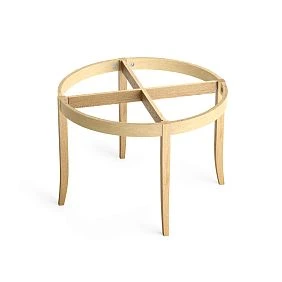
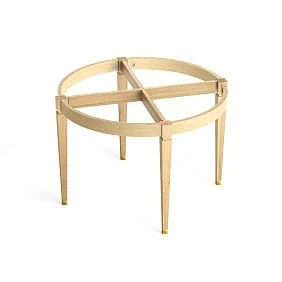
Our factory also produces:
Desk size and shape
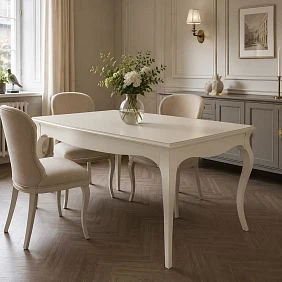
The size of the desk is determined by the office area and the nature of the work. For a small office (12–16 sq. m), a desk with a work surface width of 140–160 cm and a depth of 70–80 cm is sufficient. For a spacious executive office, desks with a width of 180 to 220 cm can be considered — they look monumental and set the tone for the entire space.
By shape, there are:
-
Straight desks — a universal solution, fit well into any office
-
Corner desks — expand the work area, especially relevant when working with multiple monitors or a large number of documents
-
Desks with an attached credenza — a classic "ministerial desk" solution, creating a solid and complete look
Get Consultation
Material and construction
Real Wooden furniture for the office Made from solid valuable wood species: oak, walnut, beech, cherry. Solid wood provides that very weightiness that is perceived at first glance. A desk made of solid oak weighs differently, stands differently, looks differently — it has that density and solidity that no MDF imitation can replace.
When choosing, pay attention to:
-
Tabletop type: solid wood or lamella panel (both options are acceptable, thickness is important — at least 30–40 mm)
-
Leg type: turned carved legs — a classic of the genre, they set the tone for the entire table
-
Presence of drawers: at least 2–3 drawers for storing stationery and documents
-
Presence of side cabinets: side cabinets with drawers or doors significantly increase the usefulness of the desk
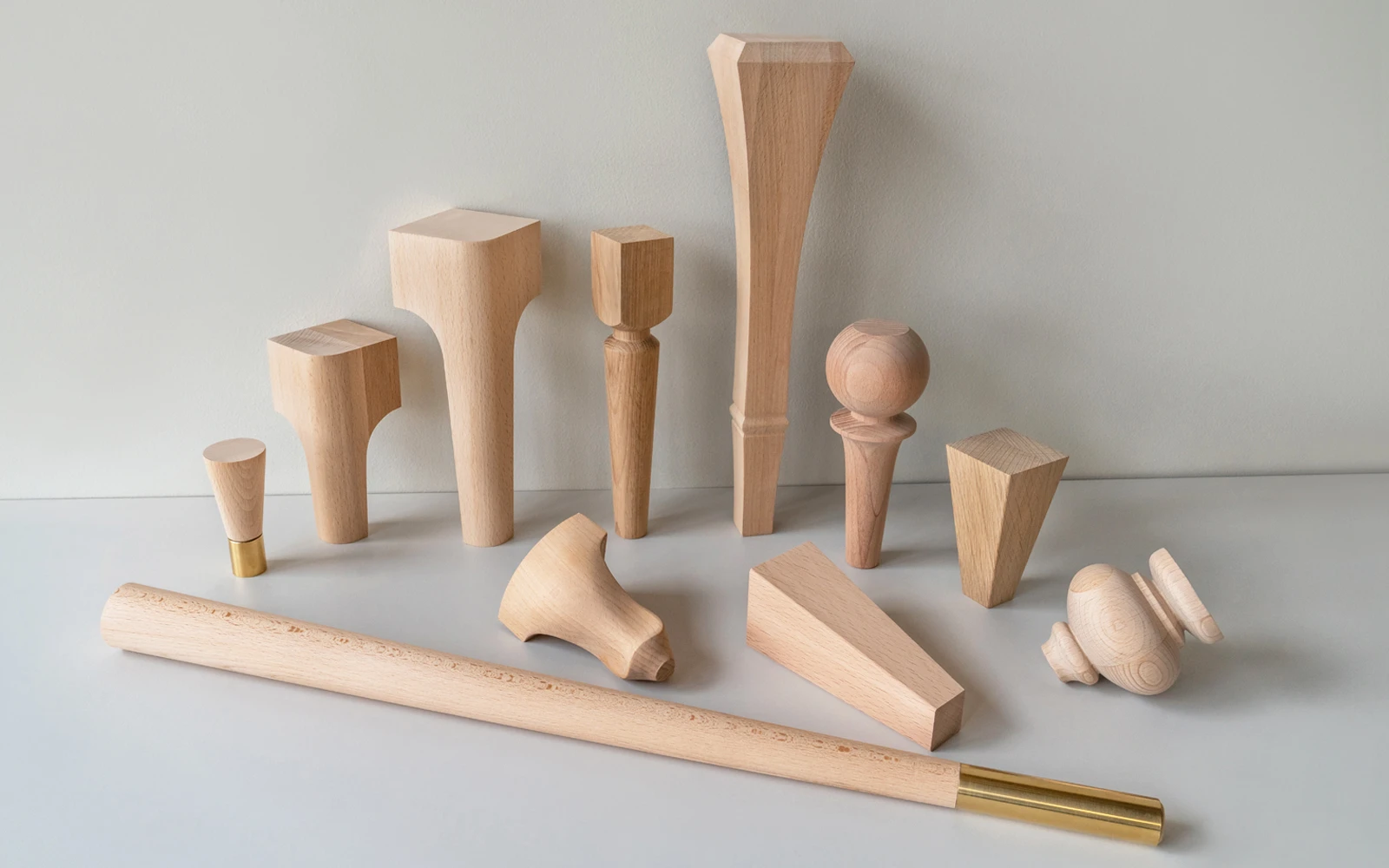
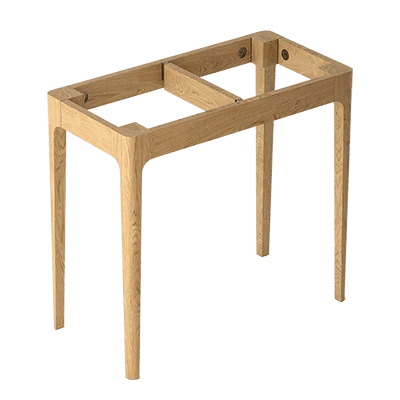
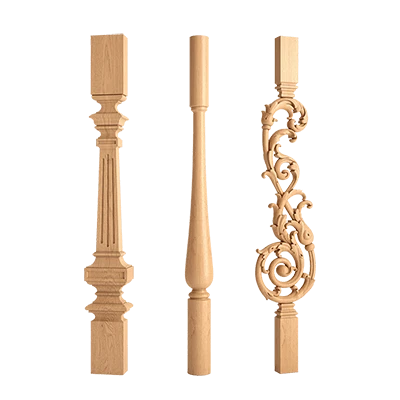
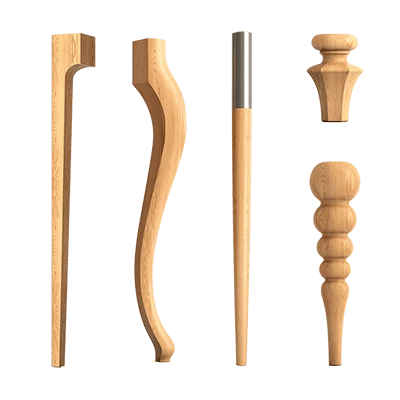
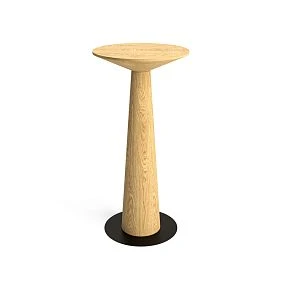
It is wooden furniture legs They determine the character of the table. Turned legs with profiling, shaped supports widening towards the bottom, legs with carved details — all this is not decorative excess, but an organic part of the classic form. Choose legs that match the overall decorative solution of the office: if the cabinets have carved decor, the same ornamentation should be present on the table legs.
Desk and chair as a single system
A writing desk and chair for a classic office should be selected as a pair. The height of the desk in classic models is typically 76–80 cm. The chair should be height-adjustable to ensure correct arm and back positioning. A classic chair with armrests and a high back, upholstered in leather or velour fabric in dark shades, perfectly complements a massive writing desk.
Remember: an armchair in a classic study is also a status item. A low plastic office chair on wheels next to a solid wood desk looks like an artistic failure. Either the chair matches the level of the desk, or all the work of creating a classic interior is devalued.
Bookcase and library
If the desk is the center of the study, then the bookcase or library for the study is its soul. It is the shelves filled to the top with books that give that unique feeling of a "real study" that cannot be recreated in any other way.
Book storage formats
In a classic study, three main approaches to storing books are used:
1. A freestanding bookcase in a classic style — a single or pair of cabinets with glazed doors, typically 180–220 cm high. This is the most versatile solution: such a cabinet can be placed against any wall and moved if necessary.
2. A built-in floor-to-ceiling library — the most impressive solution. Shelves occupy an entire wall or corner of the study, sometimes with walk-through ladders. Such a classic library for a study made of solid wood creates the atmosphere of a professor's office or a 19th-century estate library.
3. Sectional shelving — a modular system of sections that are combined in width, height, and depth. Provides flexibility for non-standard wall sizes or when combining open shelves and closed sections.
What to pay attention to when choosing
-
Shelf depth: 25–30 cm is sufficient for standard format books, 35–40 cm for albums and large publications
-
Adjustable shelves: in quality cabinets, shelves should be movable — this allows storage to be adapted for different formats
-
Glazing: a classic cabinet in an executive office typically has glazed doors — they protect books from dust and give the cabinet a finished look
-
Glass type: plain, textured, or stained glass — each option creates its own effect; stained glass is suitable for offices in neoclassical and art deco styles
-
Decorative facade details: milled profiles, Carved furniture decor, applied rosettes and pilasters — these are what give the cabinet its classic character
Special mention should be made of the bookcase as a zoning element. In a small office, a pair of tall cabinets placed on either side of the desk creates a strong architectural accent and visually "frames" the work area. This is called a symmetrical composition — one of the key techniques of classic interior design.
Library as decor and collection
A classic library for an office is not just for storage. It is also a place for collections: porcelain, bronze, antique items, awards. In cabinets with glazed doors, such a collection looks like an exhibition — dignified and expressive. Lighting inside the cabinet (point LED strips or built-in spotlights) greatly enhances this effect.
Cabinets, consoles, and additional elements
Cabinets and consoles are supporting elements of a classic office. They do not take center stage, but without them the interior looks unfinished.
Cabinet for a classic-style office
A cabinet can perform several functions:
-
A desk-side cabinet — pull-out or stationary, with drawers for documents, office supplies, and personal items; a classic solution for an executive office
-
A floor cabinet next to a wardrobe — serves as a stand or additional storage in the lower part of a shelving system
-
A chest of drawers cabinet — a freestanding piece with several drawers, placed against a free wall
A cabinet for a classic-style office should be made of the same wood species and shade as the desk. This is fundamentally important: a mismatch in wood shades is one of the most common and serious mistakes when furnishing an office.
Console
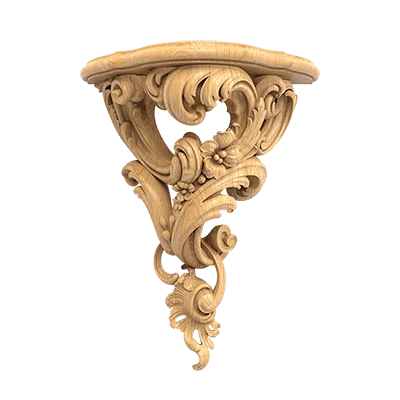
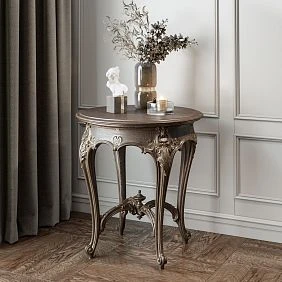
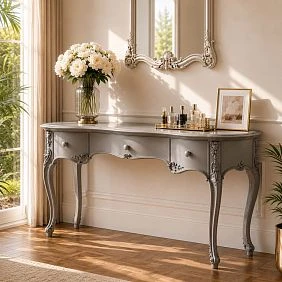
A console in a classic office is a decorative-functional element installed along a wall or in the space between windows. You can place decorative items, a desk lamp, a clock, or a vase on it. The console sets the rhythm and creates an additional decorative accent.
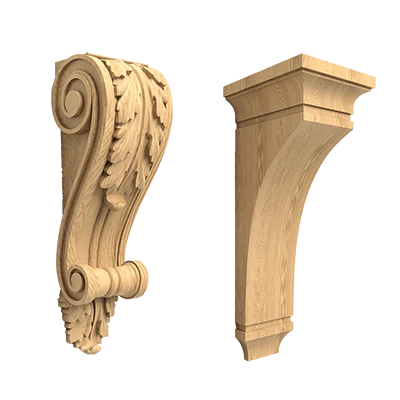
When choosing a console, pay attention to wooden furniture legs — they should match the legs of the desk and chair. Turned, profiled, or carved console legs visually connect it with the rest of the office furniture.
Meeting or guest reception area
An executive office often includes a small meeting area: two armchairs and a coffee table, or a small sofa with a coffee table. This solution is not only practical but also creates the right format for business communication: the guest sits not opposite the host across the desk, but nearby, in a slightly more informal setting.
For such a zone, choose Classic Furniture with soft upholstery — leather, velour, jacquard in deep dark or warm neutral tones.
How to choose wood color
Wood color is one of the most complex questions when choosing furniture for a classic-style study. There is no single correct answer, but there are clear patterns.
Dark study: strictness and authority
Furniture made of dark wood shades — wenge, mocha, dark walnut, black-brown — creates an atmosphere of strictness, concentration, and high status. This is a classic for an executive study. Dark wooden furniture works well in spacious studies with high ceilings (from 2.8 m), where a large amount of dark wood does not create a feeling of pressure.
A dark study requires good lighting: natural (wide windows) and artificial (chandelier, desk lamps, sconces). With insufficient lighting, dark furniture absorbs light and makes the room oppressive.
Light classic: nobility without heaviness
Light shades — natural oak, ash, light walnut, beige tones with light tinting — produce a different effect. Such a study looks livelier, warmer, more residential. This is a good solution for a home study or a study in a country house, where coziness is more important than official strictness.
Light classic study furniture pairs well with walls in ivory, pearl gray, and cream. Add dark parquet — and the contrast of floor and furniture will create volume and depth.
Natural walnut: the golden mean
Natural walnut is a shade that occupies the ideal position between light and dark. Warm, rich, noble — it does not overwhelm the space like wenge, but does not look too light either. Solid walnut furniture for a study is one of the most successful options for classic style in all its manifestations: from strict neoclassicism to warm English classicism.
How to combine with flooring and doors
The fundamental rule: furniture, flooring, and doors should not be the same shade — otherwise the space "blends together" and loses depth. Aim for contrast: dark furniture — light flooring, light furniture — dark or medium flooring. Doors are best chosen in the same tone as the furniture or slightly lighter — this creates a sense of interior integrity without monotony.
Wall panels Wooden moldings and panels are recommended to be selected in the tone of the doors or slightly lighter than the furniture — so they do not compete with the main items but support the overall theme.
Decor of a classic study
Details make all the difference. It is the decorative elements that turn a good study into an outstanding one. And it is here that most people make mistakes — either overloading the space or, on the contrary, leaving it empty and cold.
Carved decor on furniture
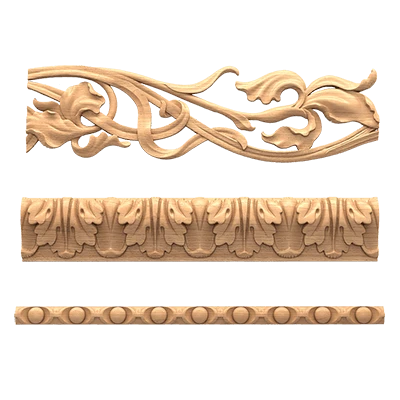
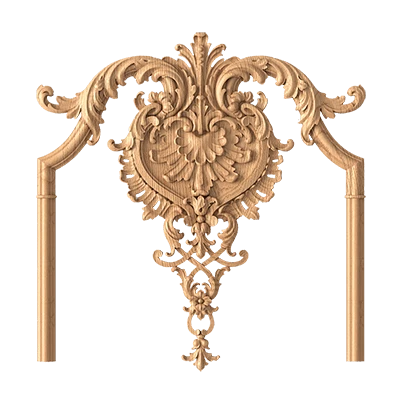
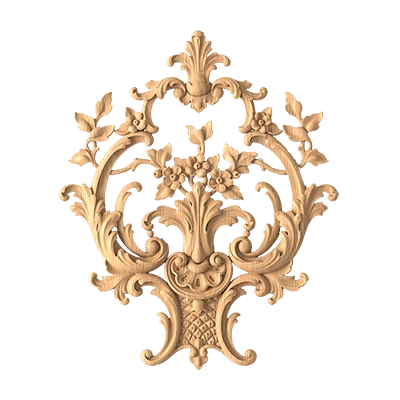
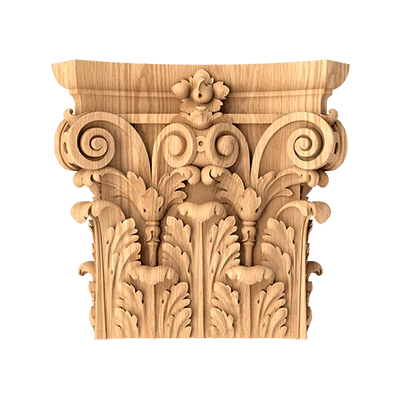
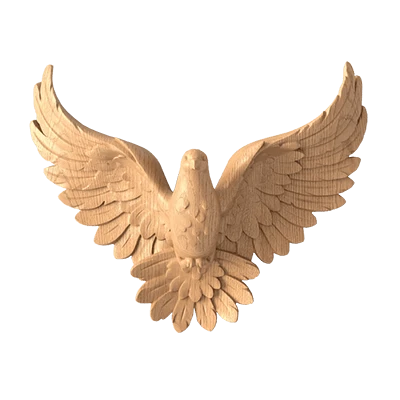
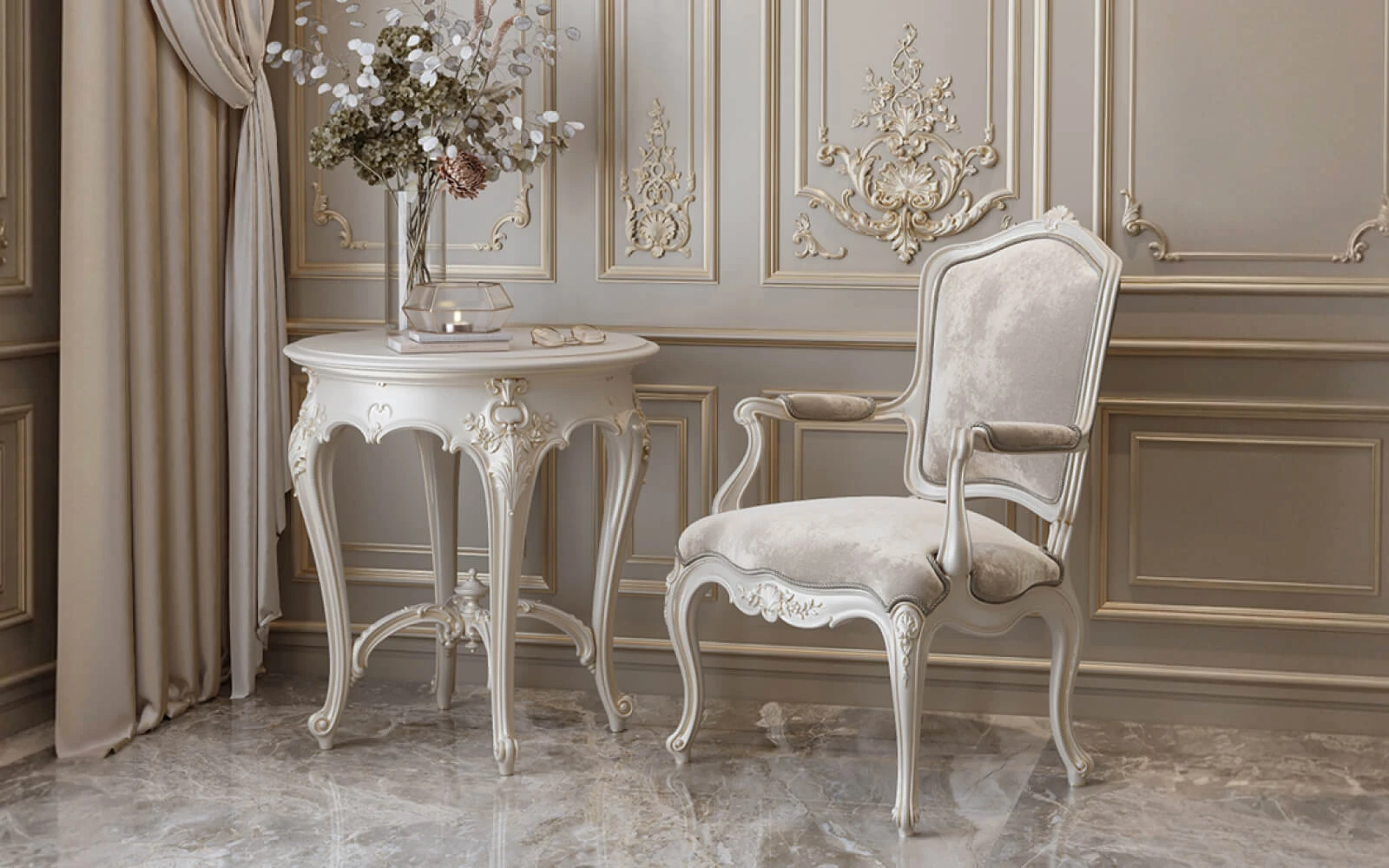
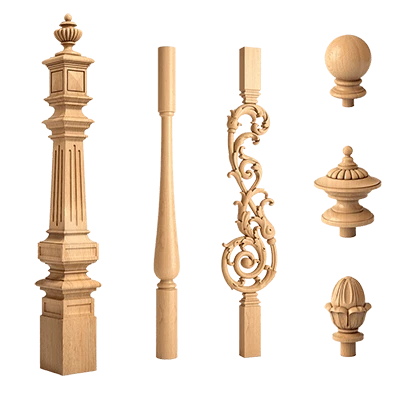
Carved furniture decor — applied rosettes, relief overlays on facades, carved cornices, figured frames — this is the language of a classic interior. It is these details that distinguish classic furniture from simply "dark wooden".
The carving on cabinet facades, profiled door frames, and relief inserts on side panels all create that tangible luxury that can be felt even in a photograph. It is important that the carved decor is executed in a single ornamental key: do not mix Baroque scrolls with antique meanders — choose one style and stick with it throughout the entire study.
Furniture handles
wooden furniture handles — a detail that is often underestimated, and completely in vain. Handles are literally what the hand touches every day. Their shape, material, color, and style must match the overall concept of the study.
For a classic study, the following are suitable:
-
Wooden bracket handles with profiling — strict and elegant
-
Round knob handles — a soft classic option
-
Extended profile handles for tall cabinets — functional and aesthetic
It is important that the handles on all furniture in the study are from the same line. A mismatch of handles signals an unthought-out approach.
Furniture legs
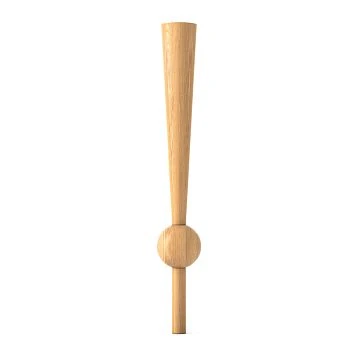
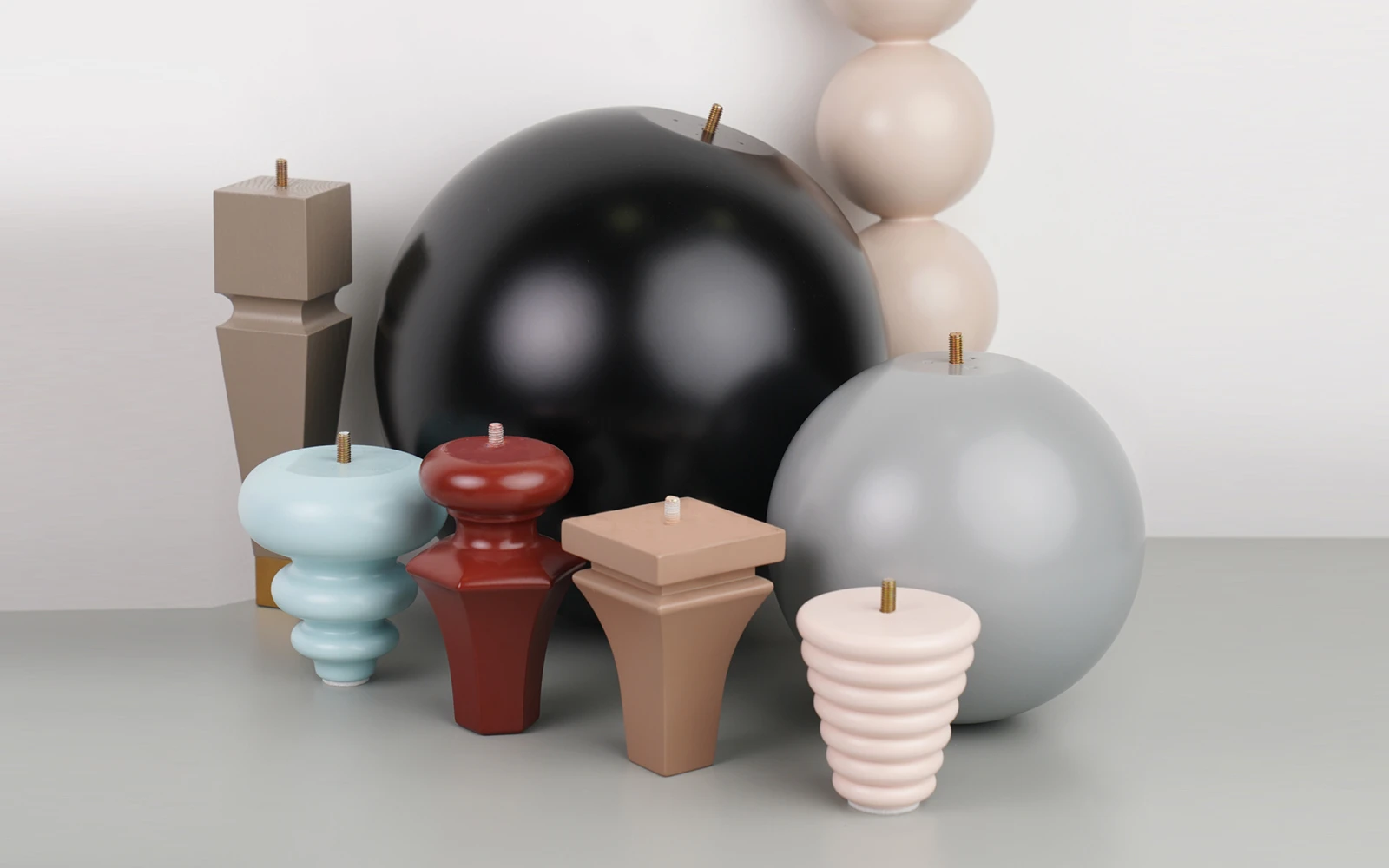
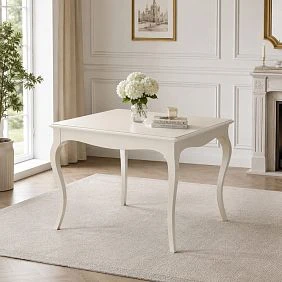
wooden furniture legs — another element that works towards the overall idea. In a classic study, furniture legs should be turned, with profiles and relief. Straight square legs are acceptable in strict neoclassicism, but in Baroque or Renaissance classicism, they will look alien.
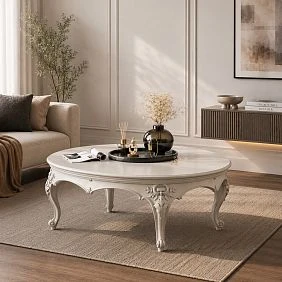
The legs of the console, armchairs, and coffee table in the meeting area — all of them should form a unified system. This does not mean that all legs must be identical, but their style must echo each other.
Moldings and wooden millwork
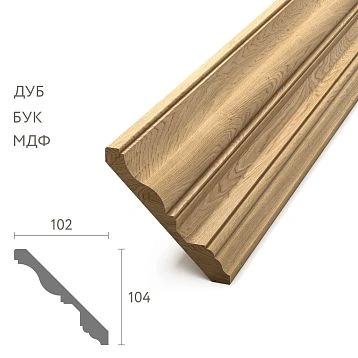
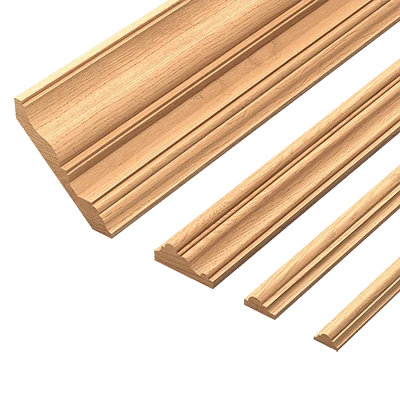
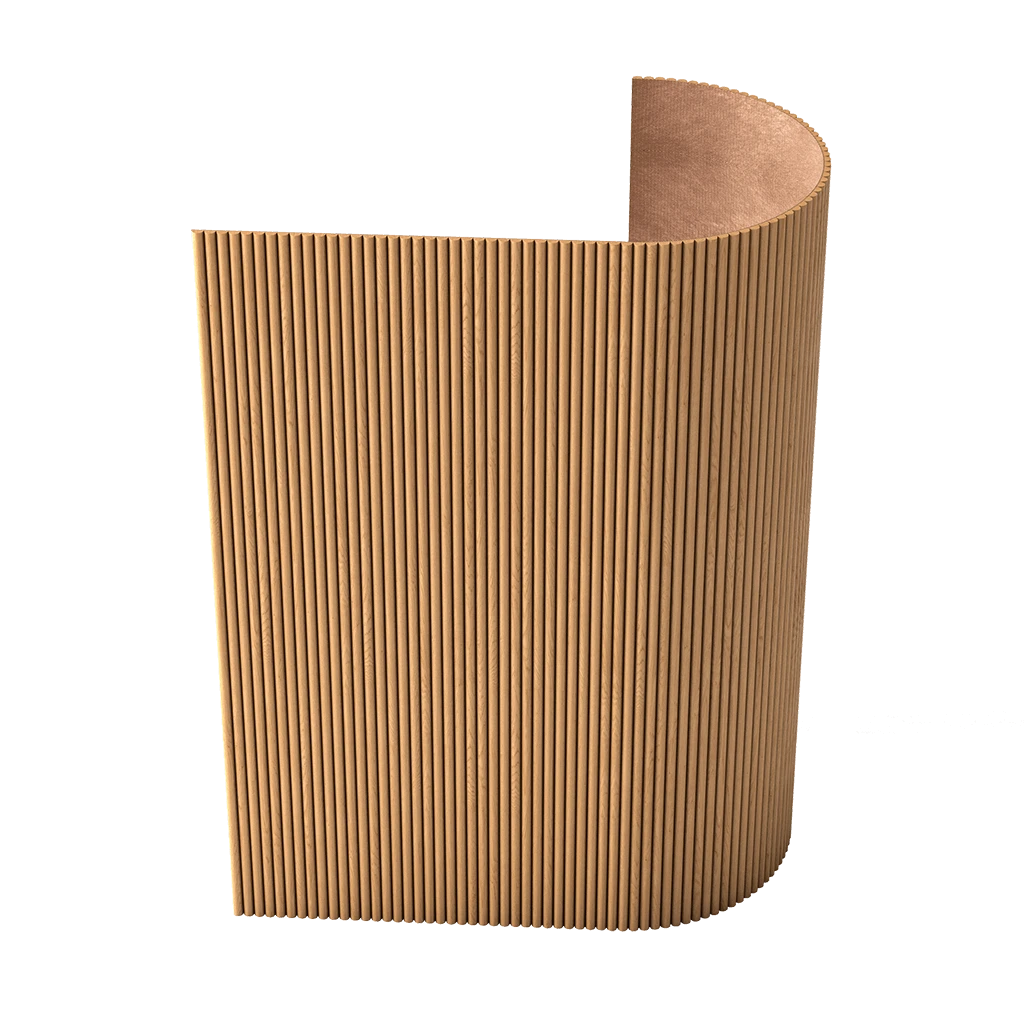
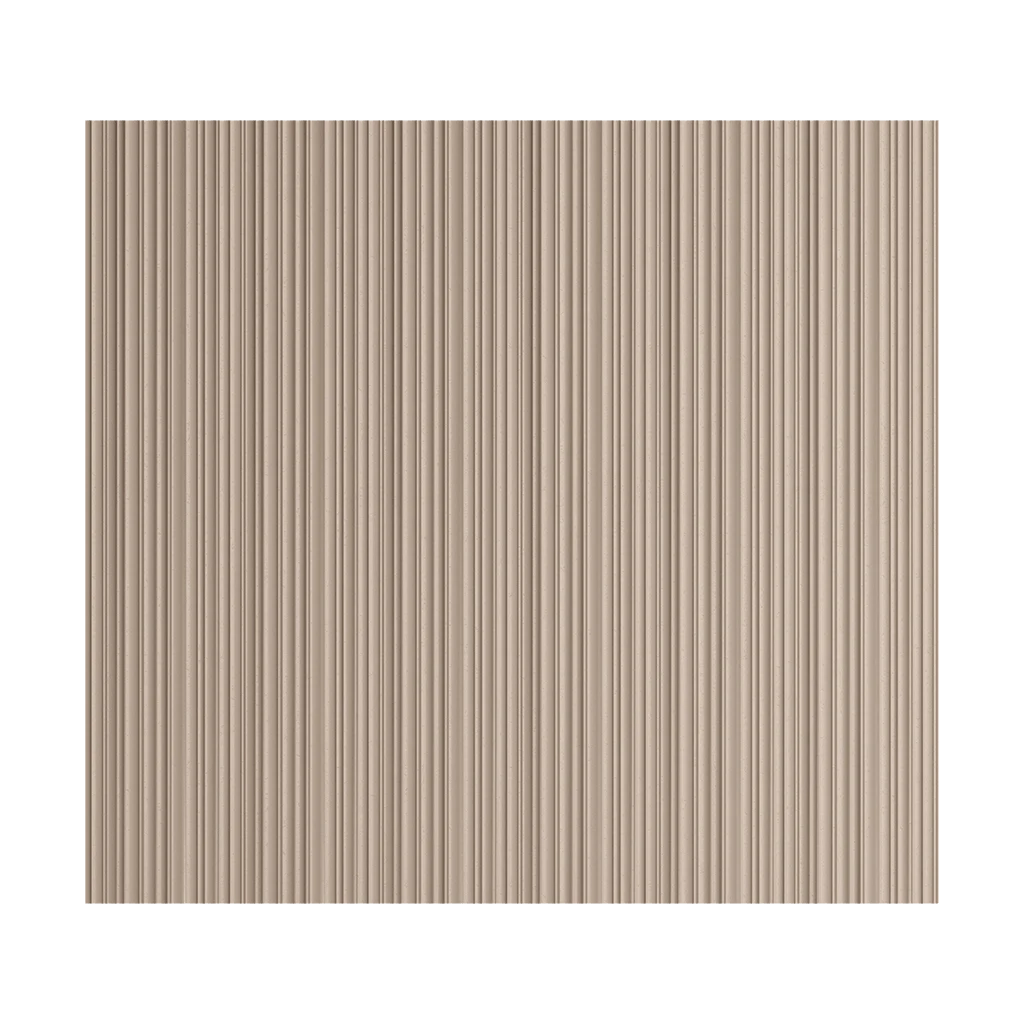
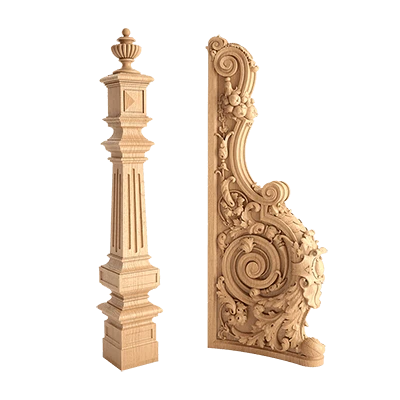
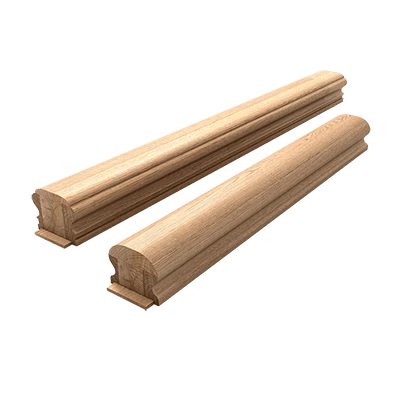
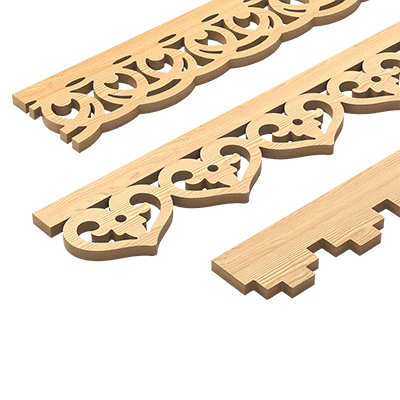
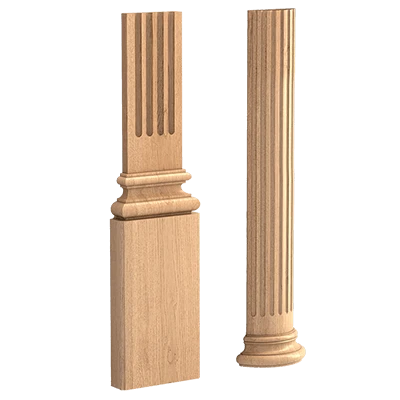
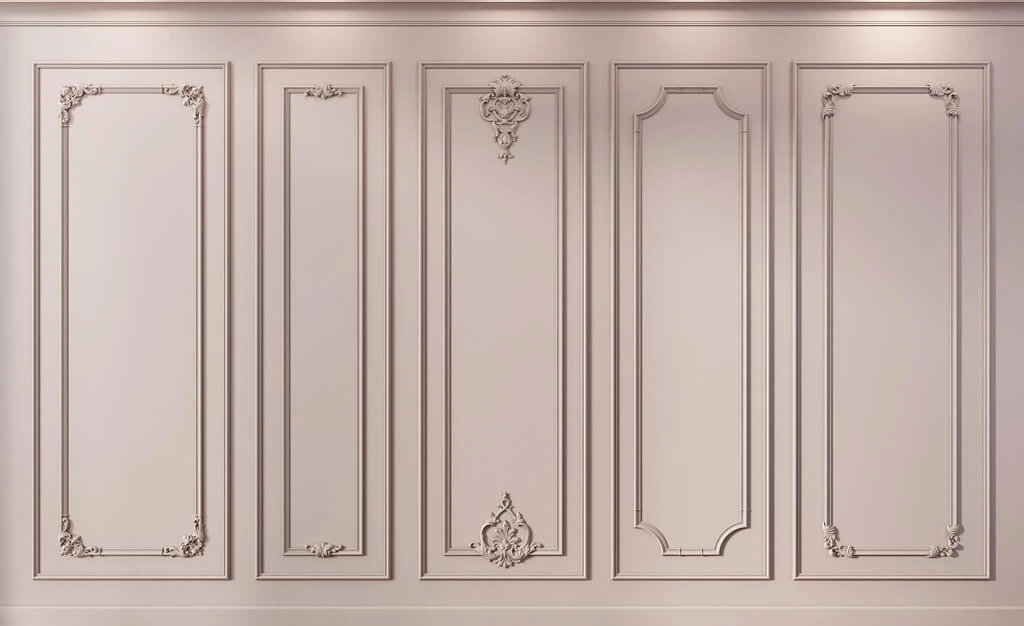
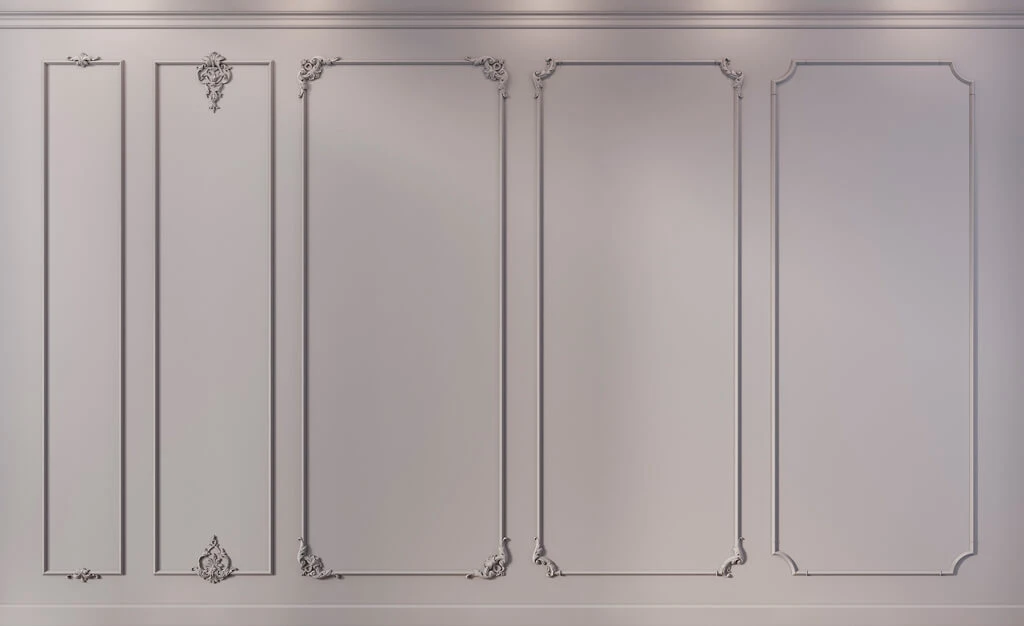
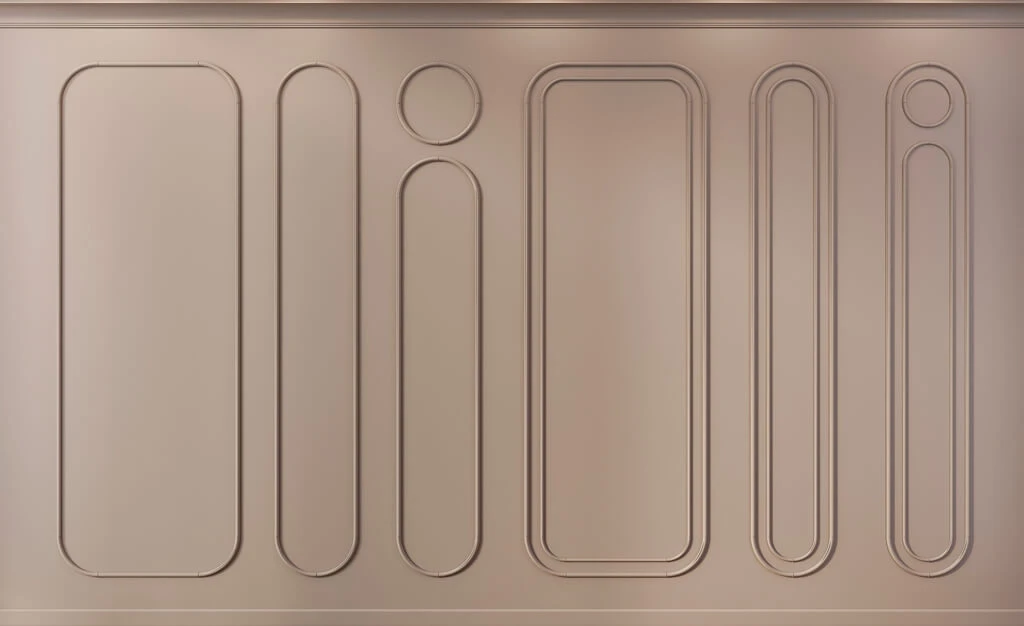
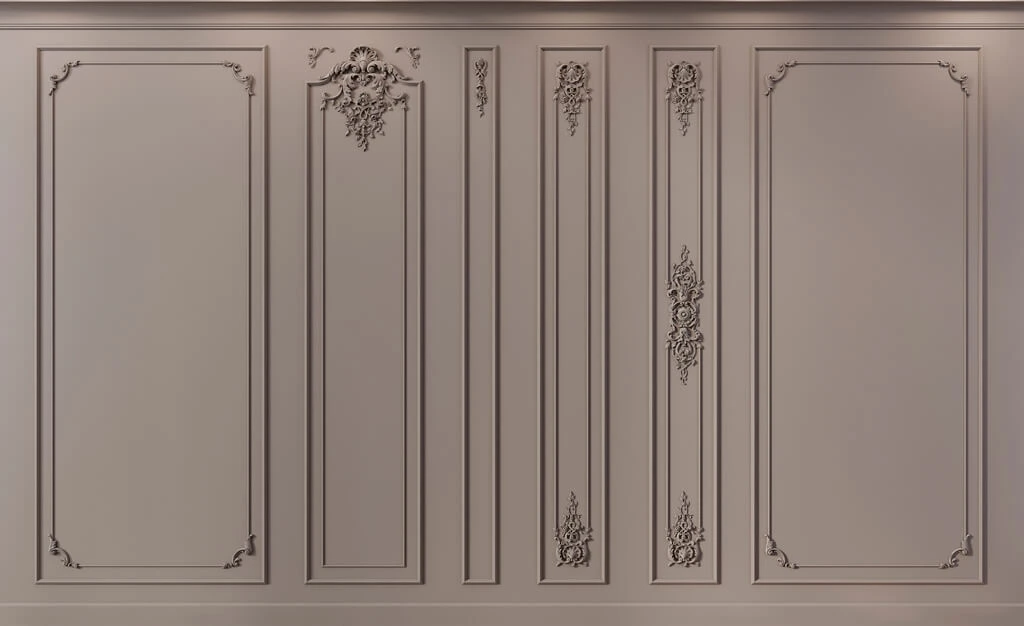
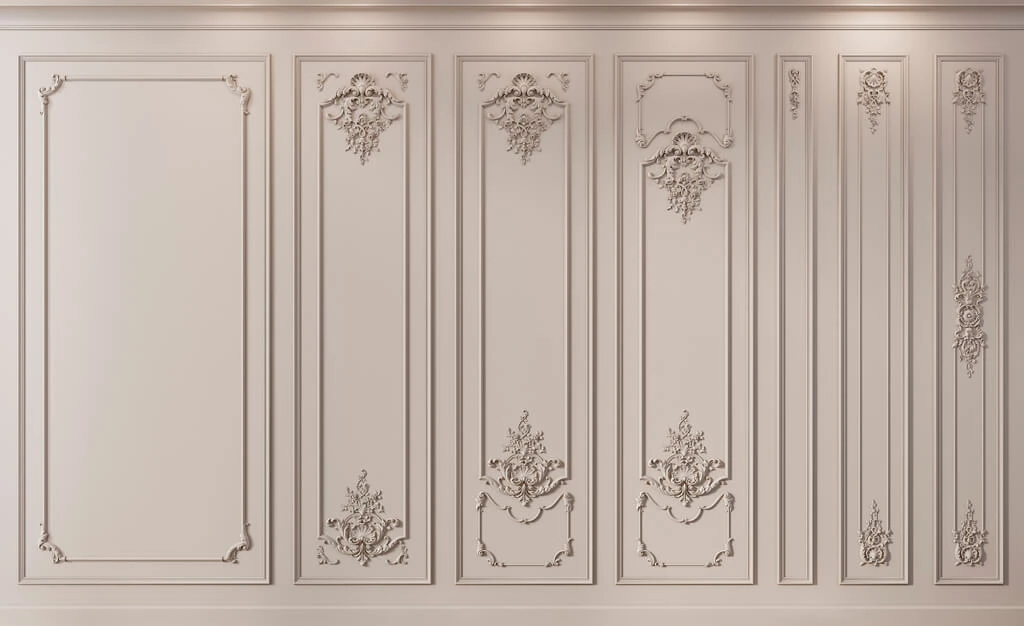
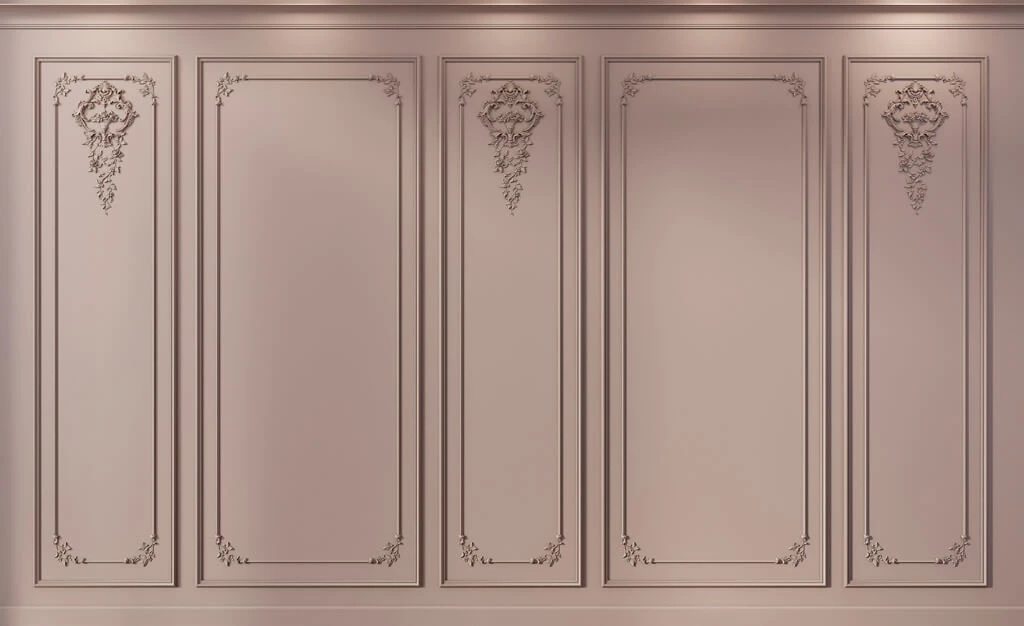
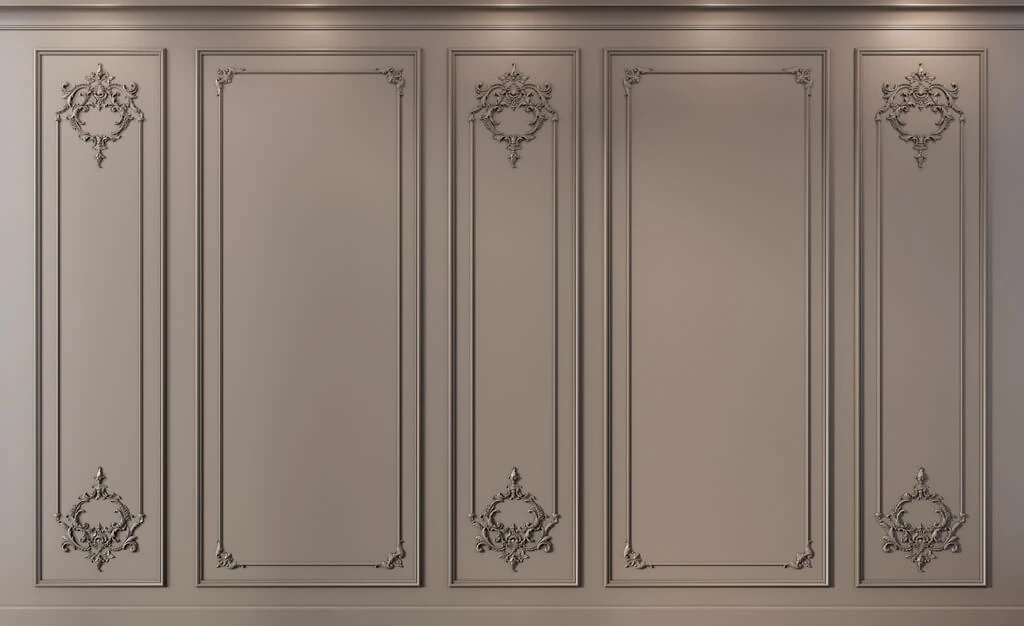
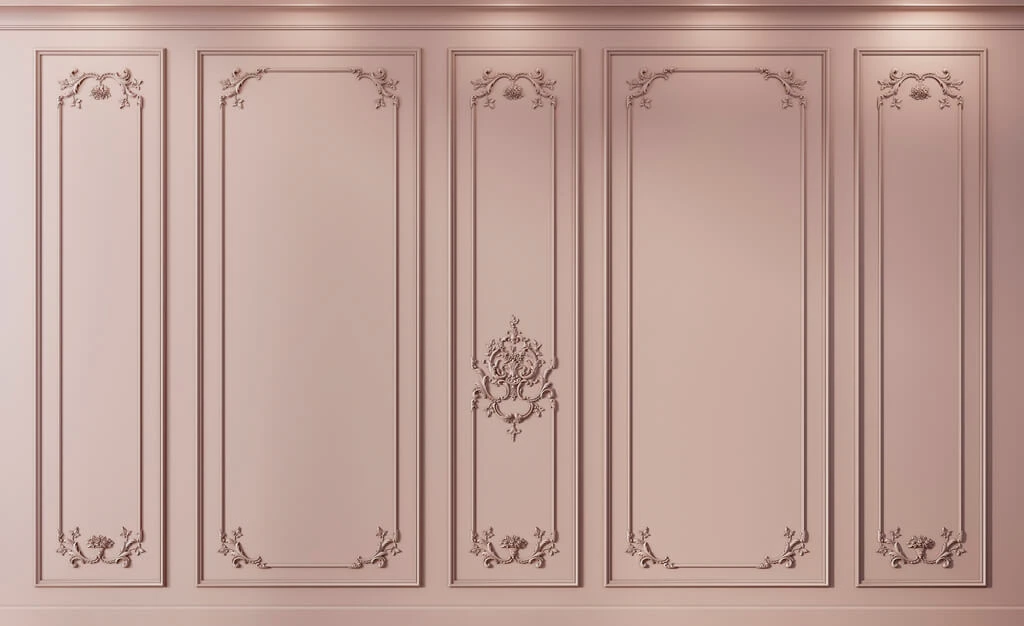
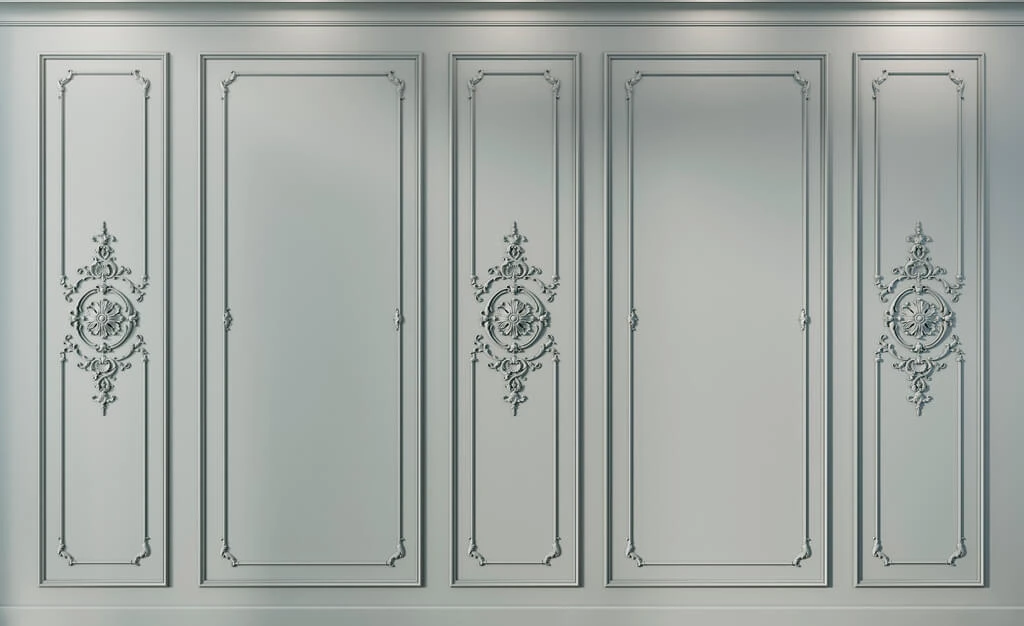
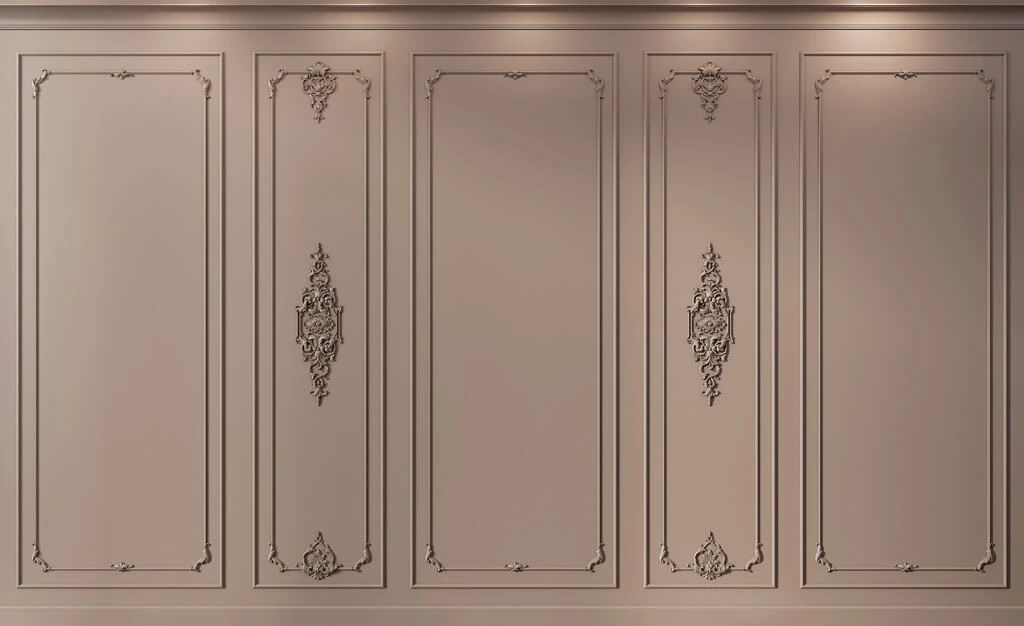
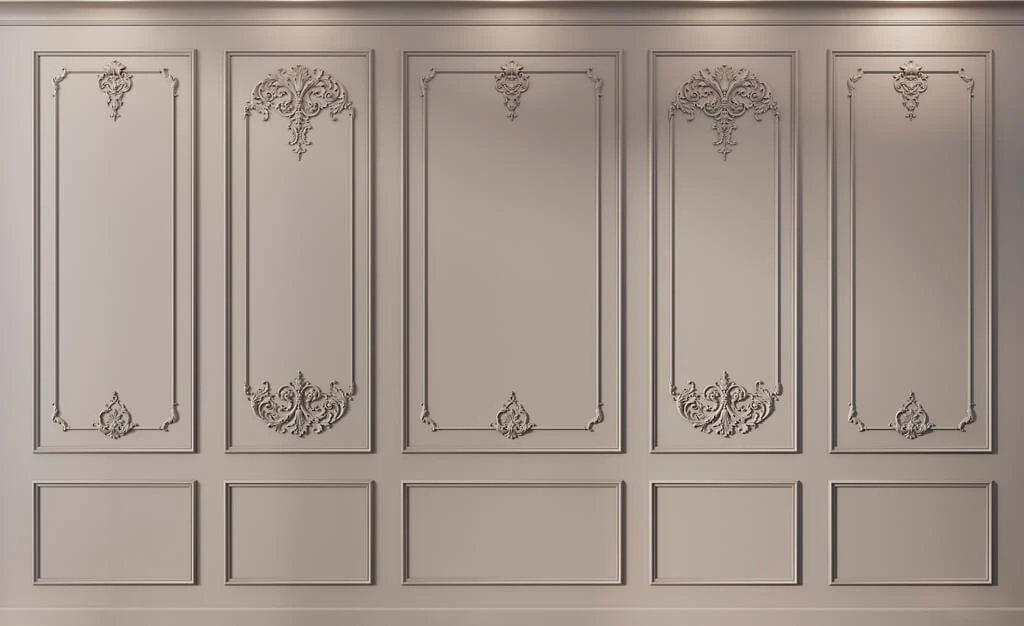
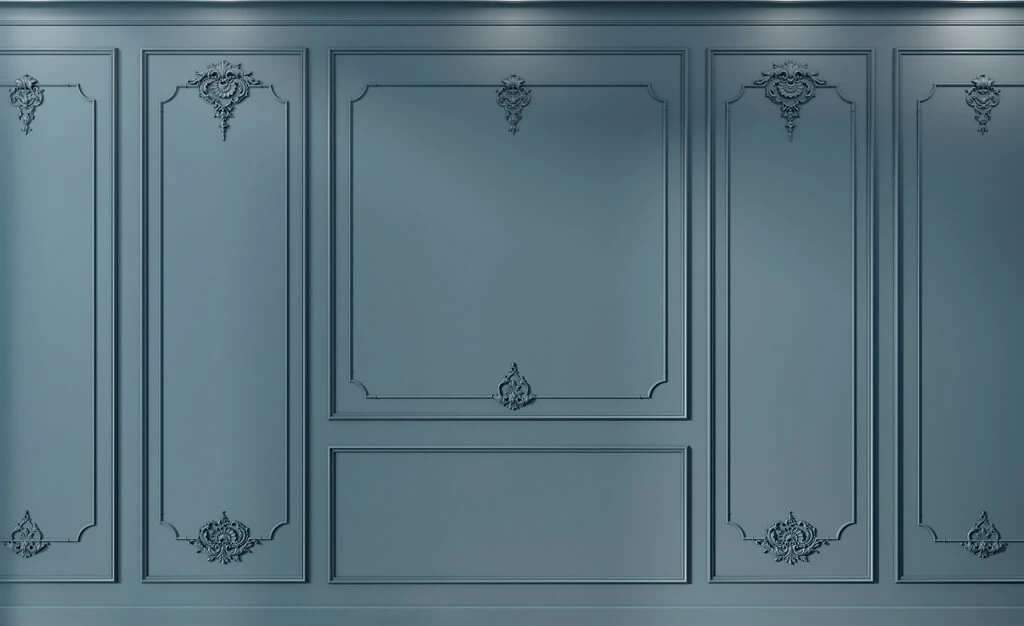
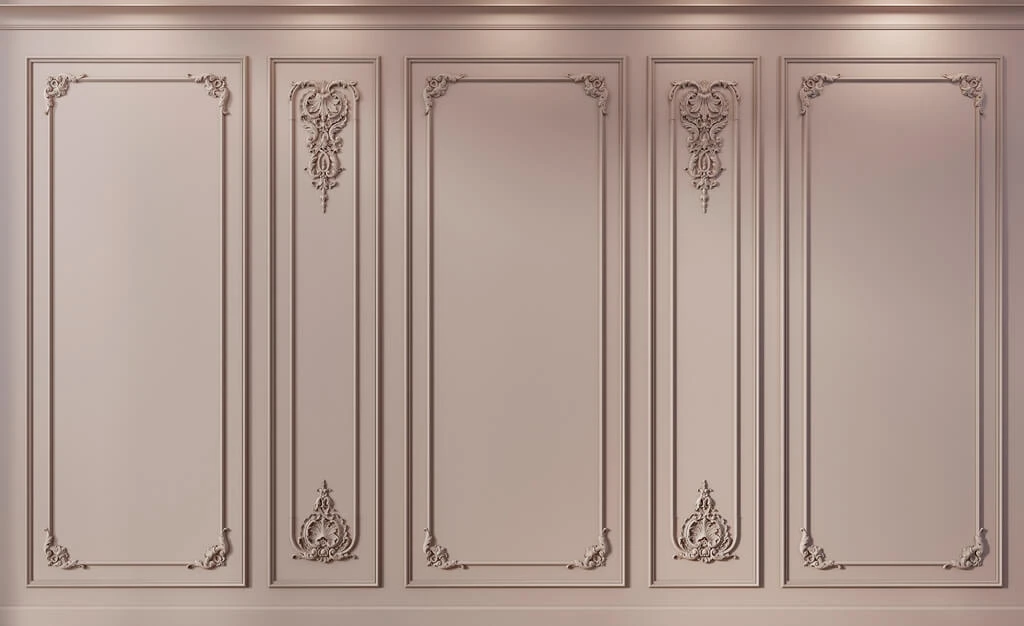
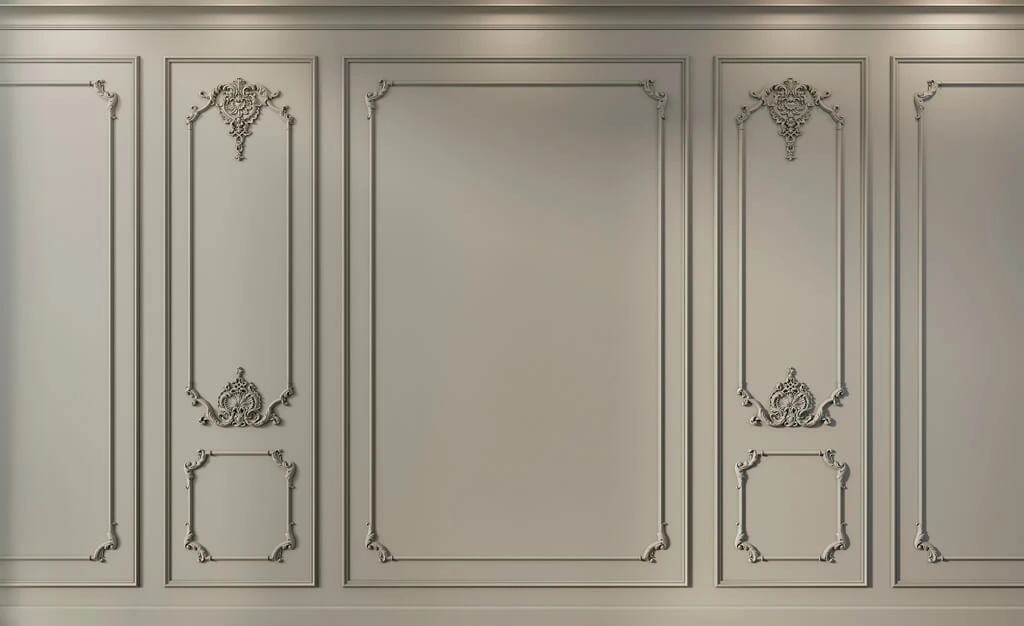
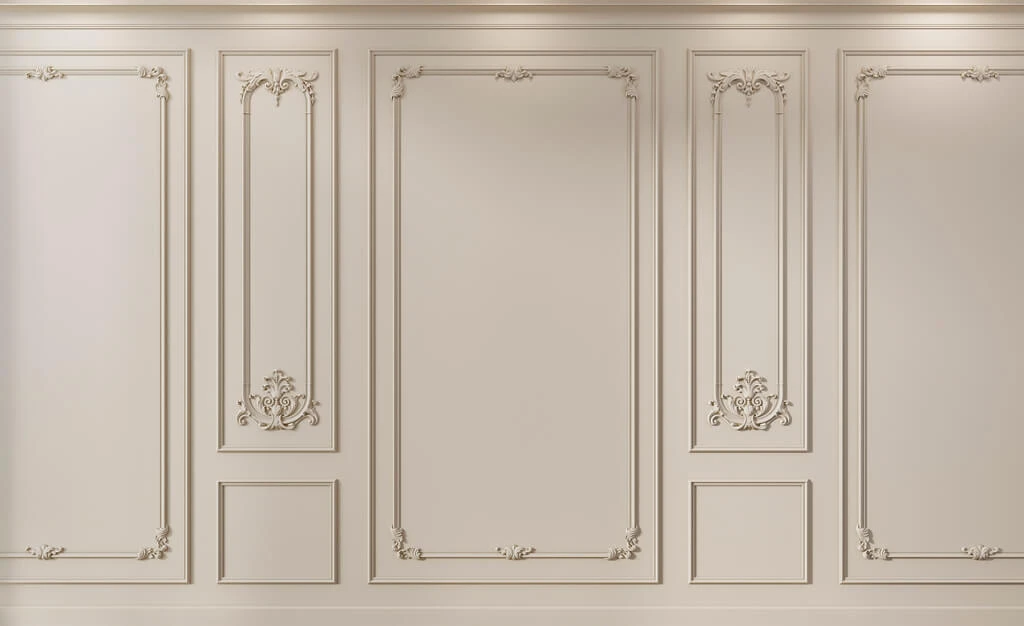
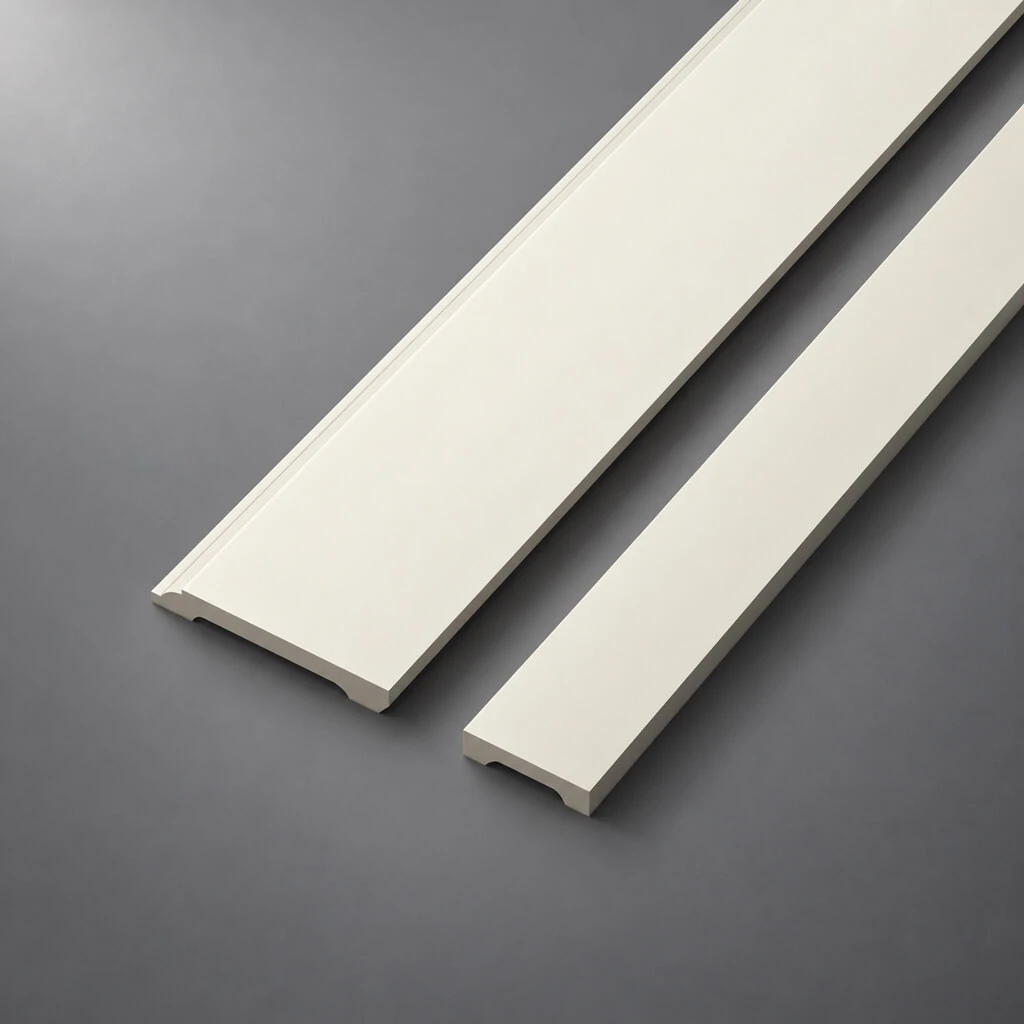
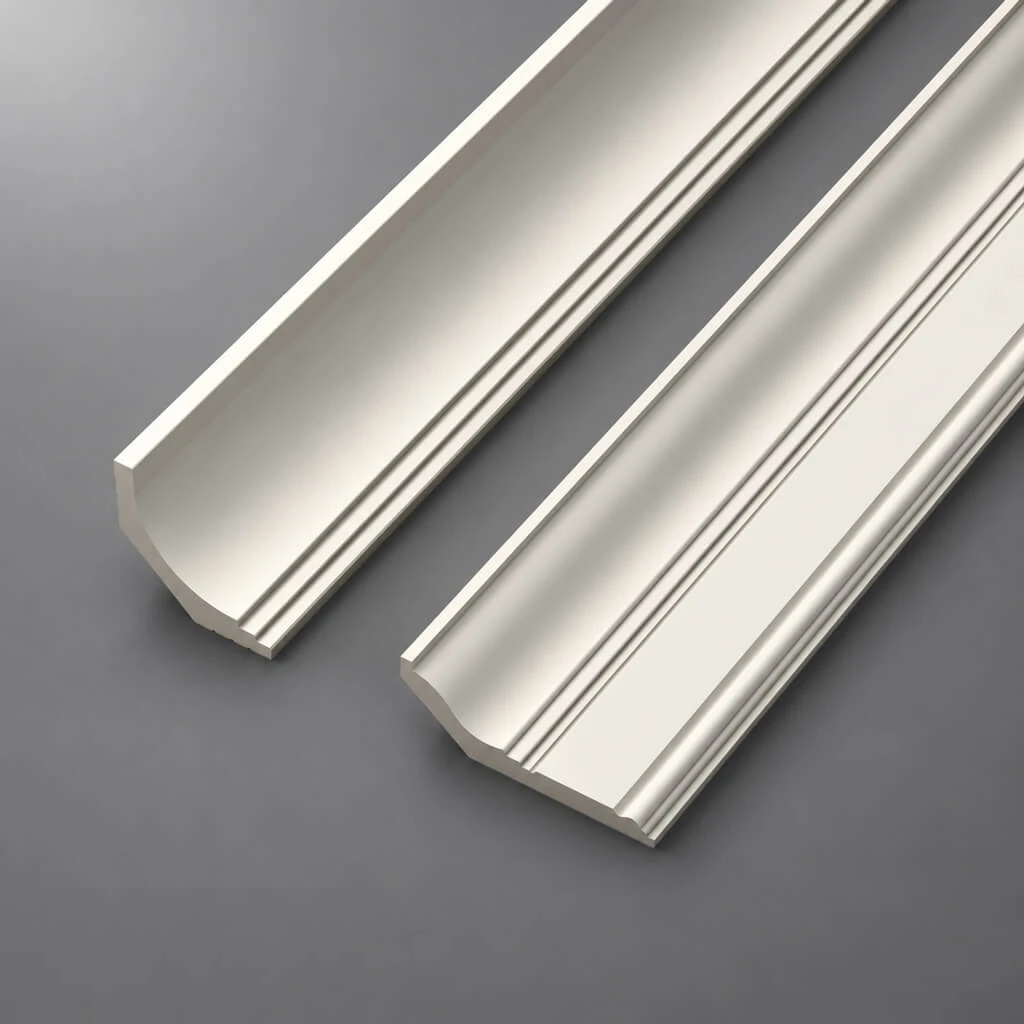
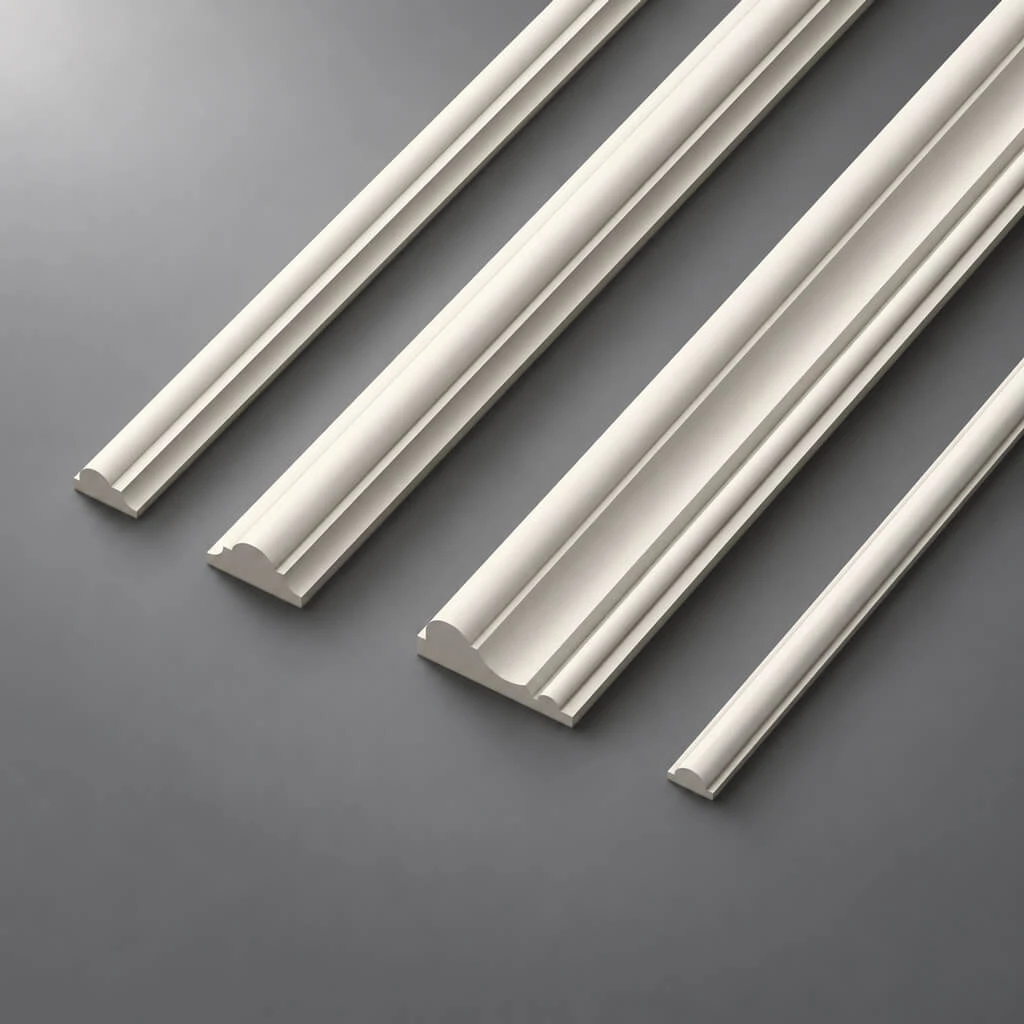
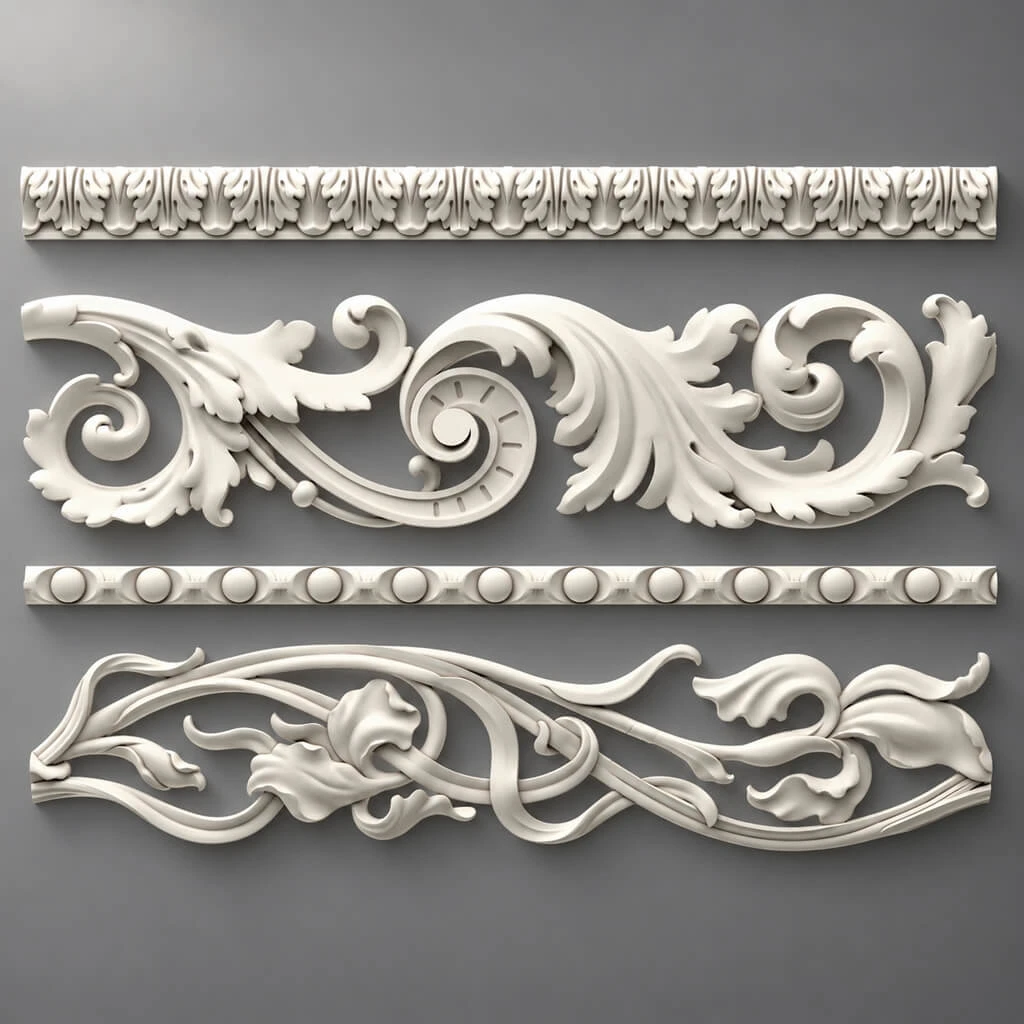
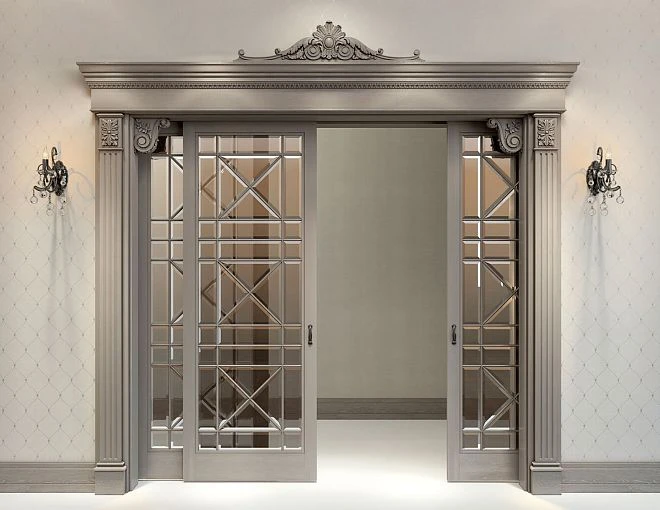
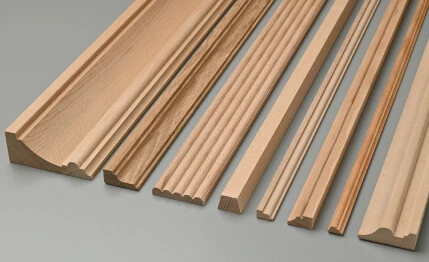
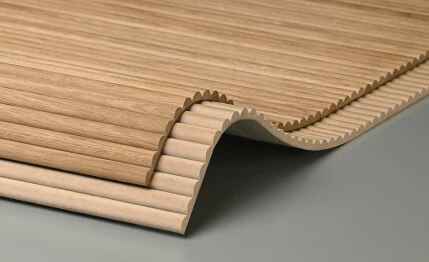
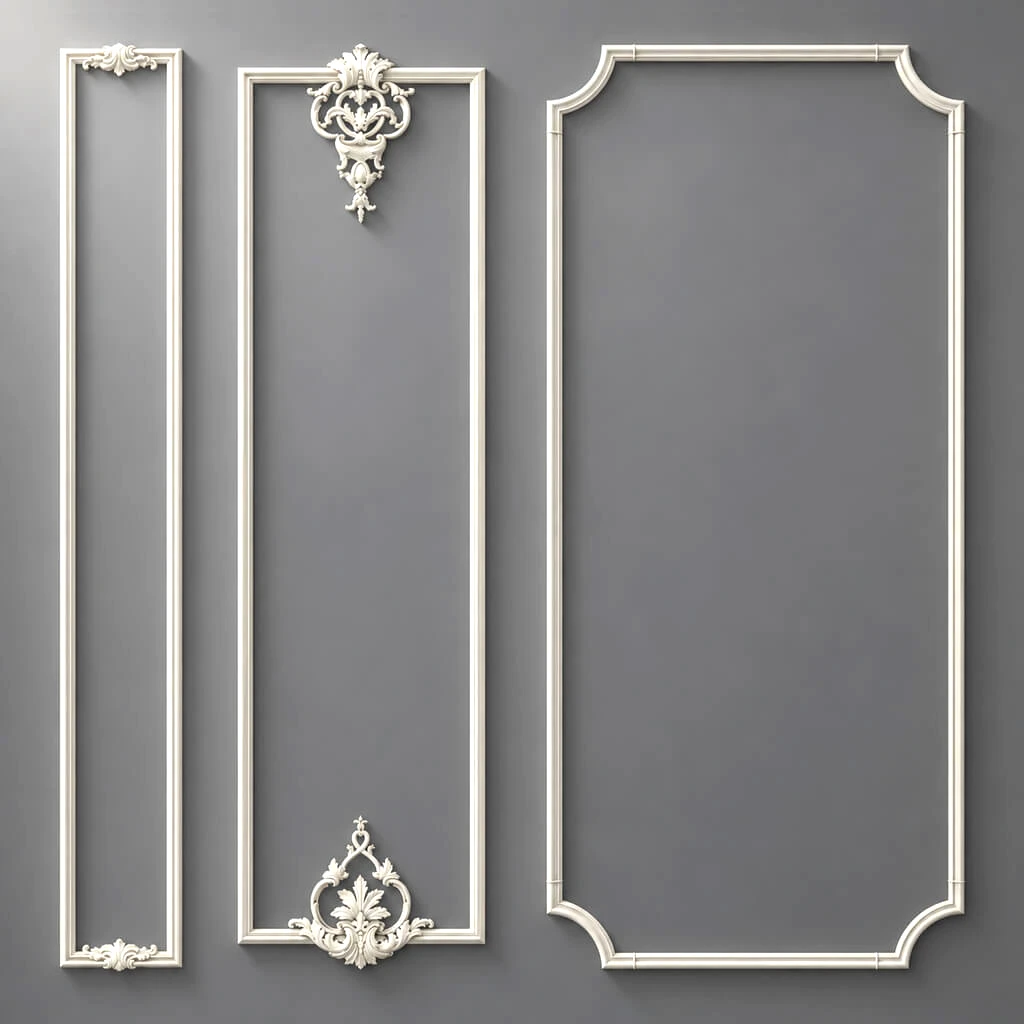
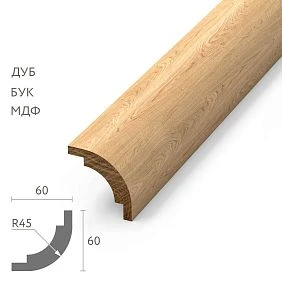
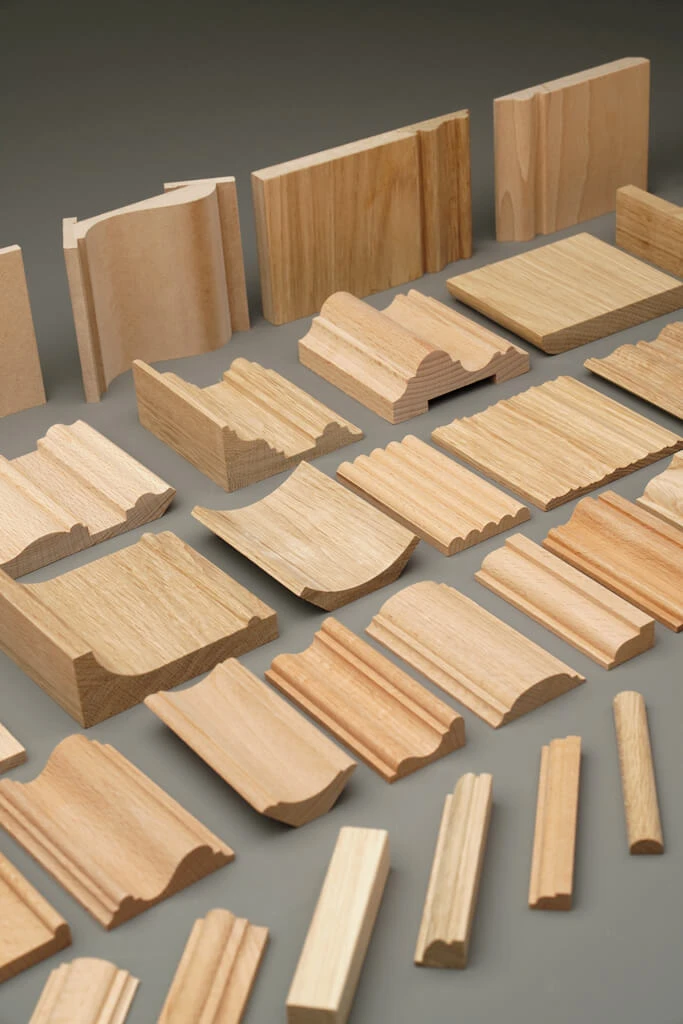
Wooden moldings и Wooden trim — this is what unites furniture with walls and ceiling. Cornices, baseboards, frame moldings on walls, pilasters at corners, decorative friezes — all of this creates a sense of furniture being "built into" the space.
When a bookcase ends with a cornice that continues along the entire wall, the study ceases to be a collection of objects and becomes an architectural statement. This is the effect that the best interior designers strive for.
Overlays and decor for facades
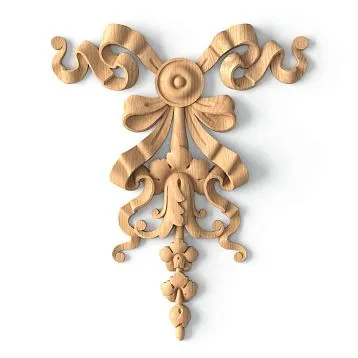
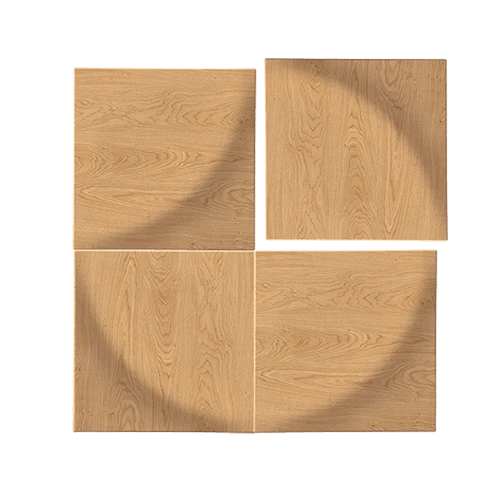
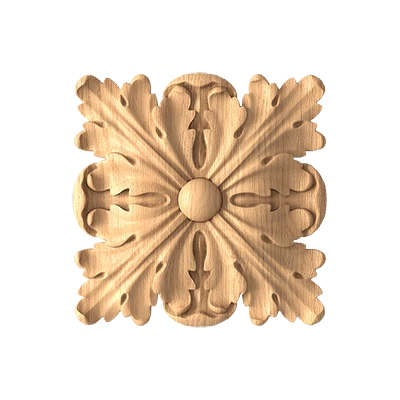
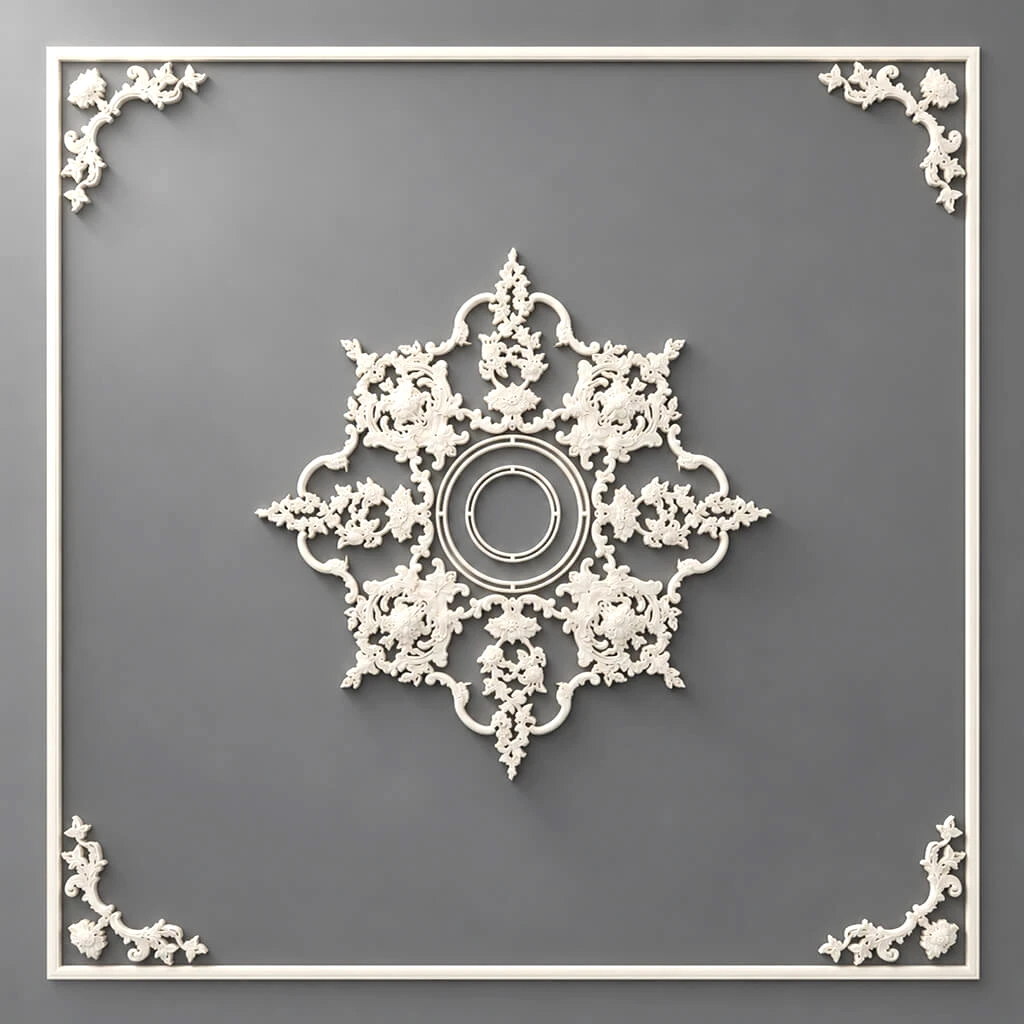
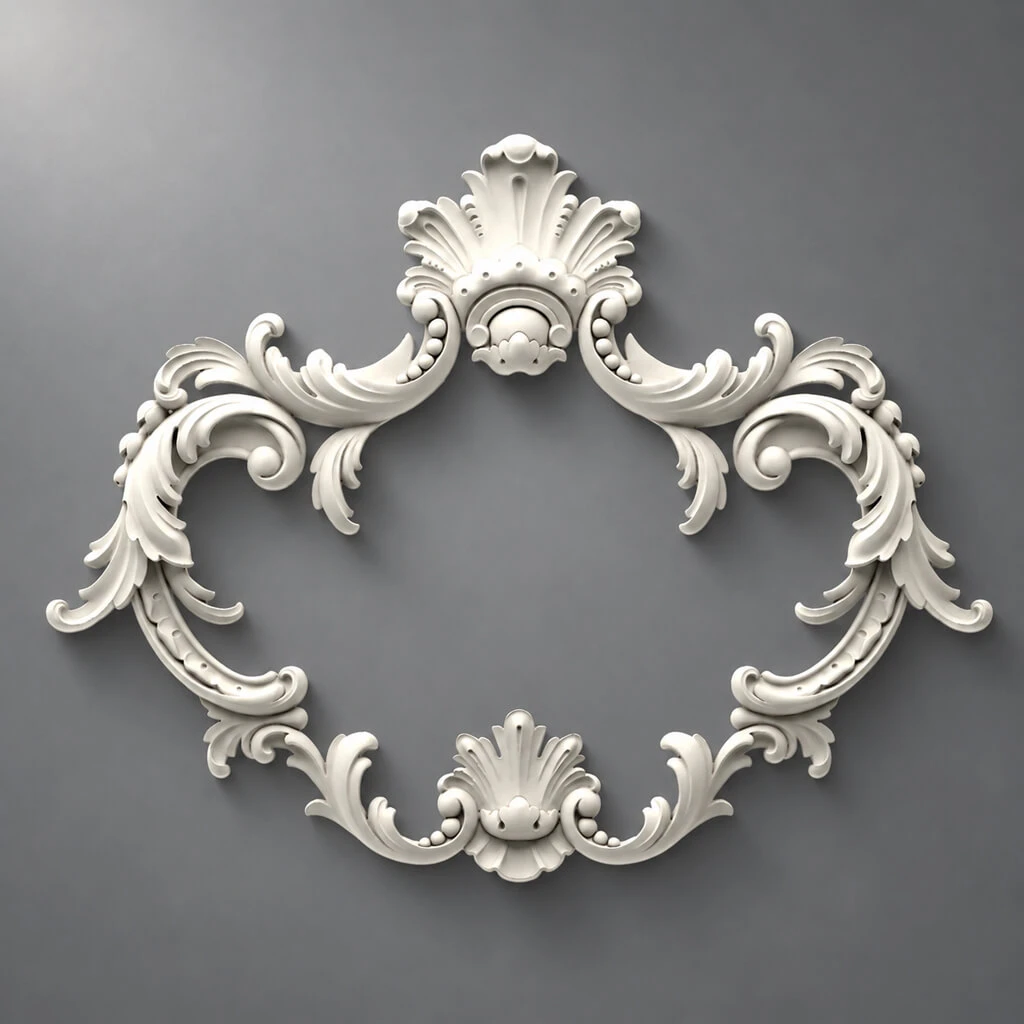
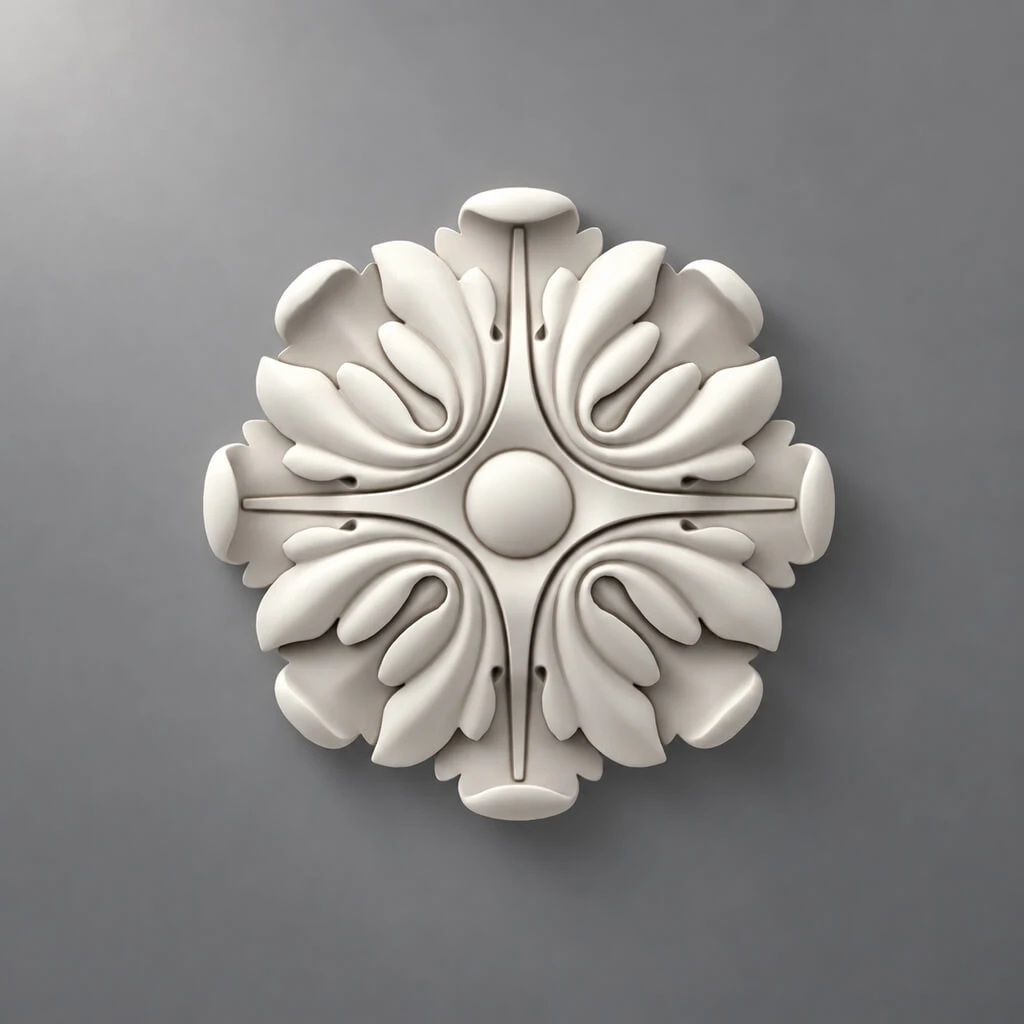
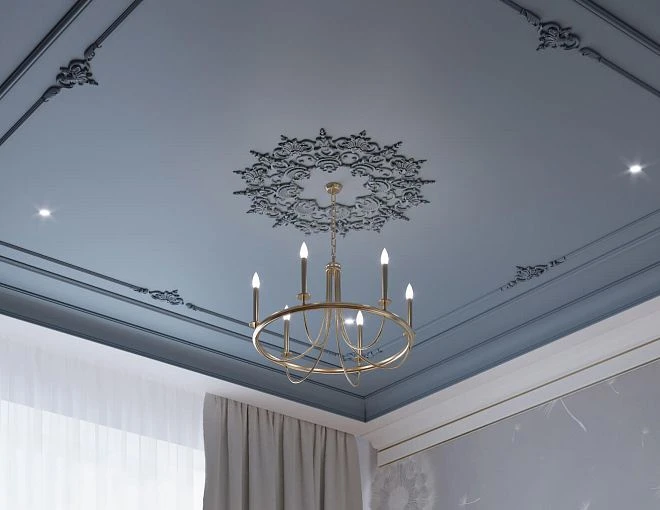
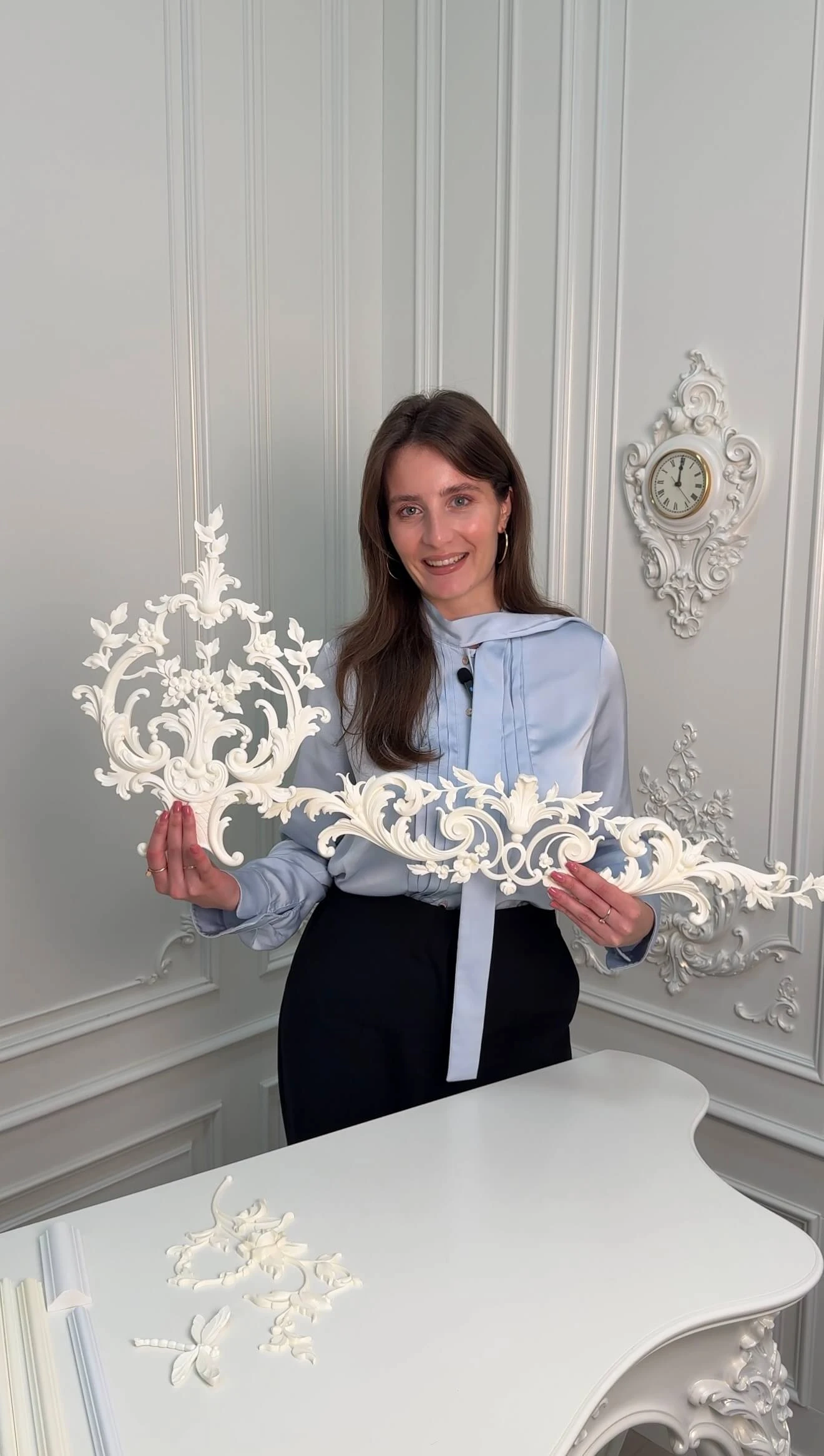
Furniture Decoration from Wood in the form of applied elements — rosettes, central medallions, corner overlays, shaped inserts — allows you to give standard furniture facades individuality. This is especially relevant if you are supplementing existing furniture or creating a custom office to order.
Executive office and home office: what's the difference
At first glance, both scenarios are similar: both have a desk, cabinets, an armchair, and books. But the difference is fundamental, and understanding this difference helps you make the right choice.
Executive office
A classic-style executive office is, first and foremost, a space of status and power. Everything here speaks of serious intentions. A large, massive desk with two pedestals. A high-backed chair with a wide backrest. Dark wood. Leather upholstery. Strict lines. A minimum of personal items — only what emphasizes professionalism.
Classic executive office furniture has several characteristic features:
-
Scale: everything is slightly larger, heavier, more substantial than in a home office
-
Wood color: dark shades — wenge, mocha, dark walnut
-
Upholstery: natural leather in dark brown, black, or burgundy
-
Decor: restrained but precise — carved details without excessive opulence
-
Layout: desk facing the door, cabinets along the perimeter, meeting area to the side
Home Office
Home office — a warmer, more personal space. Light wood tones, soft armchairs, open shelves with books and collectibles, desk lamps with soft light are appropriate here.
Classic furniture for a home office can be slightly less formal: minor deviations from symmetry, a mix of closed cabinets and open shelving, more varied decor are acceptable. The key is to maintain a consistent style and avoid chaos.
In a home office, comfort is more important: properly selected lighting, a comfortable chair, good acoustics, well-thought-out storage. All this — not at the expense of aesthetics, but in harmony with it.
Mistakes when choosing office furniture
Even good taste does not protect against common mistakes. Here are the most typical ones — with an explanation of why they occur and how to avoid them.
Choosing a desk without considering room dimensions
The most common mistake. A huge desk in a small 10 sq m office creates a feeling of claustrophobia. The ratio should be reasonable: the desk takes up no more than 30–35% of the office area. Always take measurements before purchasing, leave at least 90–120 cm for passage behind the chair.
Buying cabinets separately from the desk
Office furniture is a system. If the desk is bought in one place and the cabinets in another, the risk of mismatched wood shades, heights, and stylistic details is extremely high. Try to purchase all office furniture within one collection or from one manufacturer.
Mixing different shades of wood
Three different wood shades in one office is visual chaos. A desk of one color, cabinets of another, a credenza of a third. Such an office cannot be photographed to look decent. Rule: a maximum of two wood shades, and only if the difference between them is conceptually meaningful (e.g., light floor and dark furniture).
Overloading a small office with massive furniture
Monumental Classic furniture made of solid wood requires space. In a small office, choose lighter proportioned models: a desk without bulky pedestals, cabinets with glass doors (they don't visually weigh down), a console instead of a full chest of drawers.
Forgetting about document storage
In a real office, there are always documents, folders, notebooks, cables. If you don't provide enough closed storage, the office will quickly turn into a warehouse. Plan storage in advance: desk drawers, a pedestal with a file compartment, a closed cabinet for documents.
Not considering lighting
A classic office with dark furniture in poor lighting looks like a cave. Be sure to provide: general overhead light (chandelier, recessed spots), task lighting (desk lamp), accent lighting (sconces by the reading chair, lighting in cabinets).
Choose handles, legs, and decor in different styles
wooden furniture handles in Provence style, Furniture legs in Empire style and Carved Decor in Baroque spirit — this is not eclecticism, it's a mess. Choose one historical style and stick to it in every detail. It is the details that create unity, it is they that make the study cohesive.
Where to buy classic furniture for the study
The market offers a wide range of options: from chain stores to custom manufacturers. But the criteria for quality selection are the same in any case.
What to look for when choosing a supplier:
-
Having your own production (not resale, but manufacturing)
-
Possibility of custom furniture manufacturing — to your dimensions and layout
-
Working with natural wood — solid valuable species, not imitation wood
-
Wide Assortment furniture decorof fittings, moldings — so that the office can be assembled in a unified style
-
Real photos of completed projects, not just renderings
-
Reviews from architects and interior designers
A custom classic office is the optimal solution for non-standard spaces and high requirements. Here you can specify the exact dimensions of the desk, choose the tint shade, determine the type of carved decor, and approve the style of handles and legs.
Be sure to request finish samples from the manufacturer before placing the final order — the color on the screen always differs from the real one. The live texture of wood, tinting, and gloss of varnish — all of this needs to be evaluated in person.
For those who are looking not just for furniture, but a comprehensive solution — a desk, cabinets, sideboards, and also interior decoration in a unified classic style — choosing the right manufacturer becomes the key decision for the entire project.
How to choose furniture for a classic-style office: a step-by-step algorithm
To conclude the practical part, it is worth providing a structured algorithm — a sequence of steps that will help avoid mistakes and make informed decisions.
Step 1. Determine the purpose of the office. A home office, an executive office, a library-office — each scenario has its own priorities.
Step 2. Take precise measurements of the room. Width, depth, ceiling height, location of windows and doors, presence of niches. Draw a plan to scale.
Step 3. Define the color concept. Dark or light furniture, what shade of wood, how the floor, walls, doors, and furniture will combine.
Step 4. Make a list of necessary items. Desk, chair, cabinet, bedside table — the minimum set. Console, shelving, meeting area — the extended set.
Step 5. Choose a manufacturer or collection. All items — within one collection or from one manufacturer.
Step 6. Decide on decorative details. Handles, legs, moldings, carved decor — everything is selected in a unified style.
Step 7. Request finishing samples and evaluate the real color and texture of the wood.
Step 8. Coordinate lighting. Plan lighting fixtures in parallel with furniture, not after.
FAQ: Answers to popular questions
What furniture is needed for a classic study?
Basic set: writing desk, office chair, bookcase or library, document cabinet. In the extended version, a console, shelving, guest chairs, and a coffee table are added. All items must be consistent in a unified style and wood shade.
How to choose a classic-style writing desk?
Focus on the room dimensions (the desk should not take up more than 35% of the area), choose solid valuable wood, pay attention to the presence of drawers and cabinets, and the character of the legs — they should match the style of the rest of the furniture.
Which cabinet is suitable for an office?
For a classic-style office, a cabinet with glass doors, adjustable shelves, and carved facade details is suitable. Height — from 180 cm to the ceiling (via a molding cornice). Material — solid wood or board made of valuable species with natural veneer.
What is better for an office: dark or light furniture?
Dark furniture is for strict, representative executive offices. Light furniture is for home offices, libraries, spaces with an emphasis on coziness. In any case, the key criterion is the furniture's compatibility with the room's lighting and area.
Is classic furniture suitable for a home office?
It is perfectly suitable. A classic-style home office creates an atmosphere of concentration, looks presentable during video calls, and remains relevant for a long time. For a small home office, choose smaller-scale models — a compact desk, a moderately sized cabinet.
How to design an executive office in a classic style?
A massive desk with two pedestals, a high leather-upholstered chair, cabinets around the perimeter in dark wood, symmetrical arrangement, minimal personal decor. Strictness, symmetry, and high-quality details are the three pillars of an executive office.
Which handles and decor are suitable for classic office furniture?
wooden furniture handles in the form of brackets or buttons with a turned profile. Furniture Decoration from Wood — surface-mounted sockets, relief inserts, figured frames. All elements must be made in a single ornamental style.
Is a library needed in the study?
It depends on the format of use. If the study is a working, pragmatic one, then one or two closed cabinets are enough. If the study involves working with books, creative activity, or should give the impression of a rich intellectual space, a library is necessary.
How not to overload a small study with furniture?
Choose furniture of compact proportions. Give preference to tall and narrow cabinets — they take up less floor space. Use glazed doors — they do not visually 'press down'. Avoid consoles and extra sideboards in favor of built-in solutions.
Where to buy classic furniture for a study?
Look for a manufacturer with its own production, working with natural wood and offering custom manufacturing. Make sure the supplier has a full range of accompanying interior decor — handles, legs, moldings, carved elements — to assemble the study in a single style.
About the company STAVROS
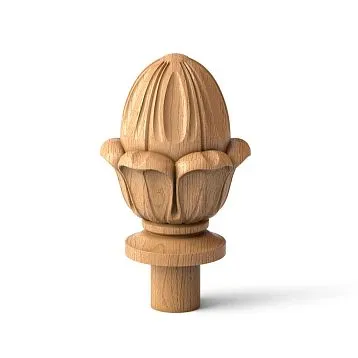
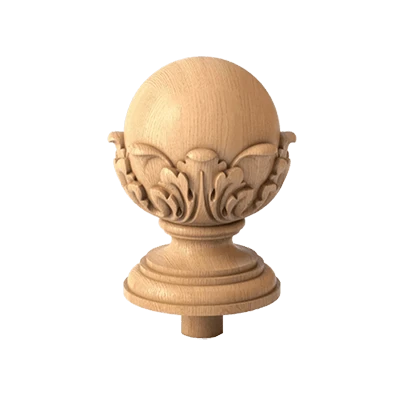
STAVROS is a manufacturer that combines everything needed to create a high-end classic study. The company works with natural wood, offers its own classic furniture from oak, beech, and walnut, as well as a wide range of decorative elements: Carved Decor, wooden furniture handles, wooden furniture legs, overlays and decor for facades, Wooden moldings и Wooden trim.
This means that at STAVROS you can choose not just furniture, but a complete system of classic interior — from a table and cabinets to the last furniture handle and cornice molding. It is this comprehensive approach that allows you to create offices where every detail speaks the same language. Contact us to confirm shipping to your destination., work with both private clients and designers and architects, the possibility of custom manufacturing — all this makes STAVROS a reliable partner in creating the classic office of your dreams.