



























Article Contents:
- Short answer: which handle to choose
- What types of furniture handles are there
- Bracket handle
- Knob handle
- Profile handle
- Recessed handle
- Surface-mounted handle
- Shell handle
- T-shaped handle
- Half-ring
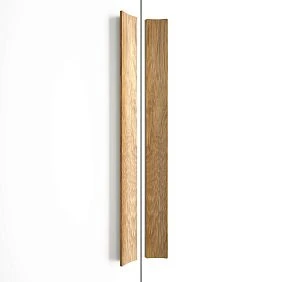
- Long handle for wardrobe
- How to choose handles for the kitchen
- Grip convenience in the kitchen
- Coating durability for kitchen fittings
- Compatibility with facades
- How to choose handles for a cabinet
- Handle length relative to facade height
- Full-length handle for cabinet door
- Cabinet door handle: what to look for
- Bracket, knob, or profile: what to choose
- Bracket — versatile and reliable
- Knob — compactness and elegance
- Profile — cleanliness and modernity
- Flush mount — when the handle should not be visible
- Surface mount — when shape matters, but cutting in does not
- Furniture handle sizes: 96, 128, 160, 192, 224, 320 mm
- What is center-to-center distance
- Standard center-to-center distances
- How to choose the right size
- Color and finish of furniture handles
- Matte black
- Chrome
- Bronze and brass
- Gold and matte gold
- Champagne
- White
- Which handles are best for furniture to be painted
- Which handles are suitable for different facade materials
- Solid wood facades
- MDF and veneer facades
- Facades for painting (enamel, lacquer)
- Common mistakes when choosing furniture handles
- Choose only by color
- Do not check the center distance
- Place a small button on a heavy facade
- Choose a protruding handle where there is little clearance
- Do not consider the overall interior style
- How to choose a furniture handle for a specific style
- Scandinavian style and minimalism
- Classic and neoclassic
- Modern style, hi-tech, loft
- Provence, country, rustic
- Rules for installing furniture handles
- Bracket and button
- Profile
- Recessed handle
- Surface-mounted handle
- Where to buy solid wood furniture handles
- FAQ: Answers to Popular Questions
- Which furniture handles are best for the kitchen?
- What is more convenient: a pull handle or a knob handle?
- How to choose the size of a furniture handle?
- What is the center-to-center distance of a handle?
- Which handles to choose for a cabinet?
- What is the difference between a profile handle and a surface-mounted handle?
- When is it better to use a recessed handle?
- Which handles are suitable for classic furniture?
- Which handles to choose for white facades?
- Which handles are better: with coating or without coating?
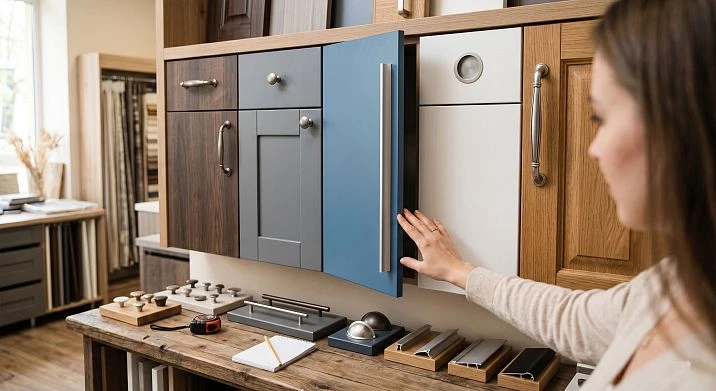
Choosing a furniture handle is not just buying hardware. It is a decision that determines the ease of using furniture every day, sets the tone for the entire interior, and affects how long the facade will last. That is why choosing furniture handles should be approached consciously—with an understanding of types, sizes, materials, and the logic of their use.
Short answer: which handle to choose
If you're short on time and need a quick reference, here's a summary table. It will help you immediately understand which direction to go:
| Task | Better to choose |
|---|---|
| Modern style kitchen | Profile Handle, Overlay handle, Inset handle |
| Classic wardrobe or chest of drawers | Bracket Handle, Button, Half-ring, Shell |
| Minimalist facade | Profile, edge-mounted or recessed handle |
| Heavy wardrobe facade | Long handle for cabinet, long bracket or profile |
| Small drawer, cabinet | Button Handle |
| Facade for enamel or painting | handles without coating — for self-painting |
| Accent on hardware | Handles with Finish: bronze, brass, matte black, gold |
This table is not a rigid algorithm, but a starting point. Next, we will analyze each type in detail to make the choice as informed as possible.
What types of furniture handles exist
The furniture hardware market is huge. But behind the external diversity, there are several basic types — and understanding their logic immediately simplifies the choice. Let's go through each one.
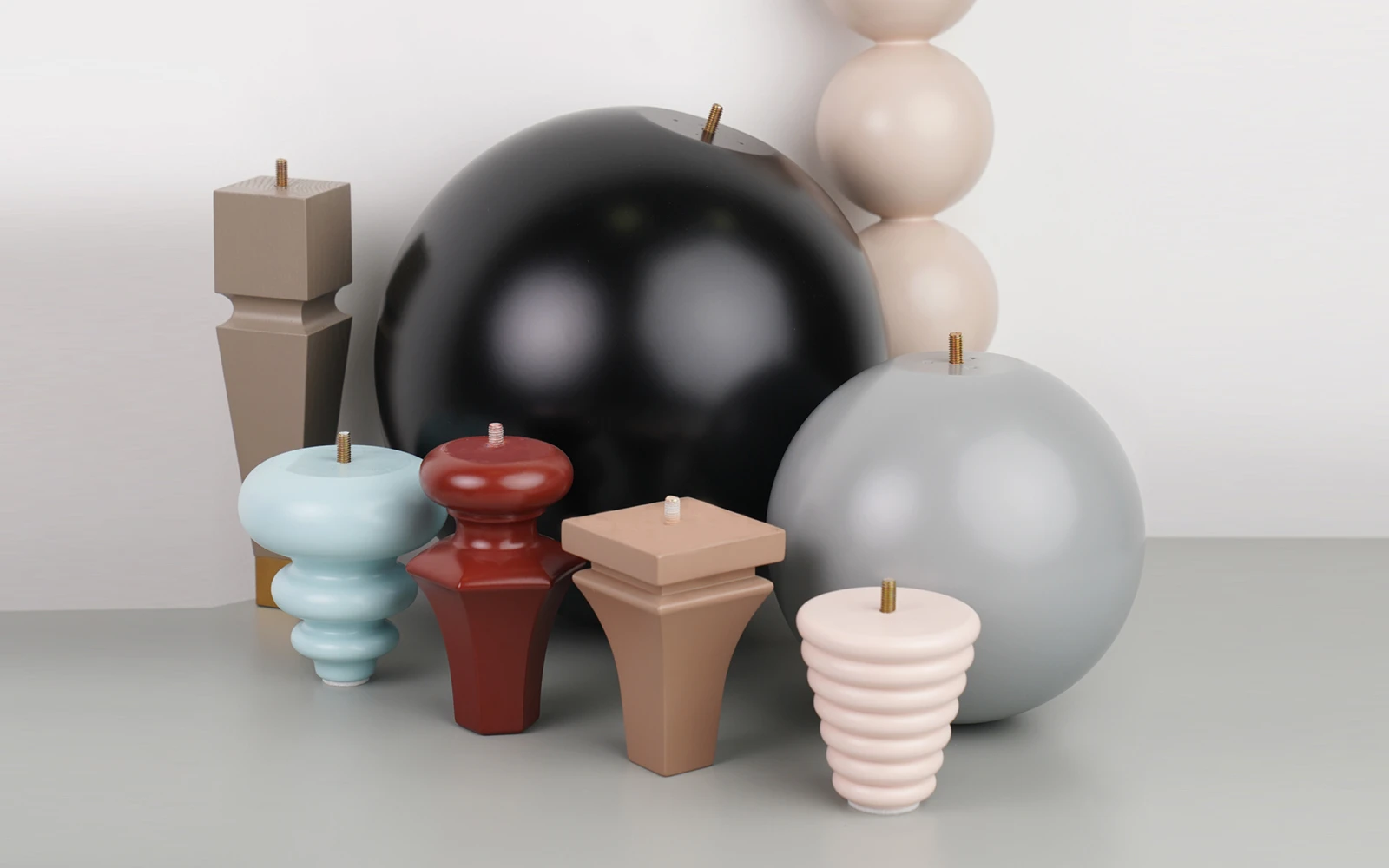
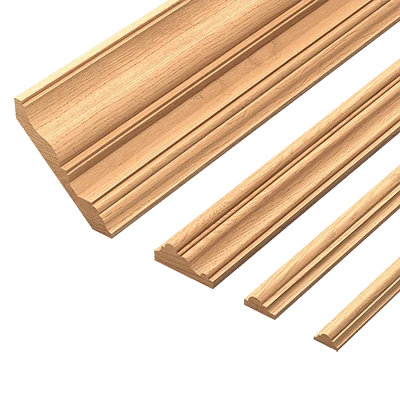
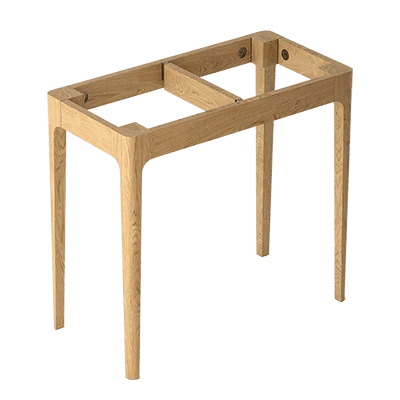
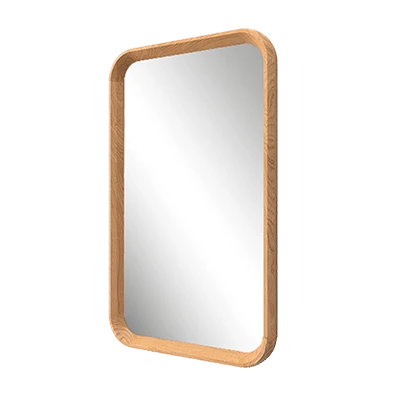
Our factory also produces:
Bracket handle
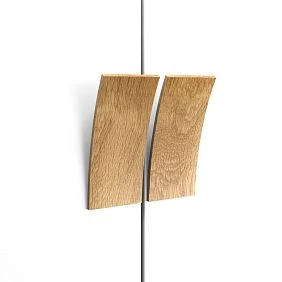
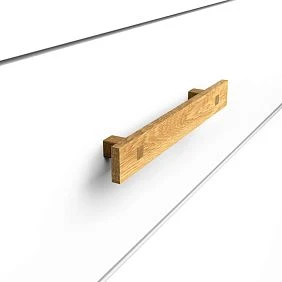
Bracket Handle — the most common type of furniture hardware. The design is simple and reliable: two attachment points with an arched bridge between them — that's what the hand grabs. It is this shape that makes the handle bracket provide a comfortable and secure grip when opening facades of any weight.
Brackets are produced in a wide range of center distances — from 32 to 320 mm and longer. This makes them versatile: handle bracket for kitchen with a center distance of 128 mm will fit perfectly on a standard kitchen facade, and a long bracket of 320–1000 mm — on a tall hinged cabinet door.
The material is most often an array of wood, which provides a pleasant tactile texture and organically integrates the hardware into interiors with natural materials. Furniture hinge handle It is suitable for the kitchen, a wardrobe, and a chest of drawers — it is truly a universal solution.
Get Consultation
Knob Handle
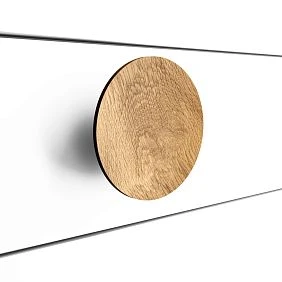
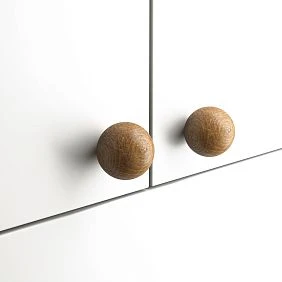
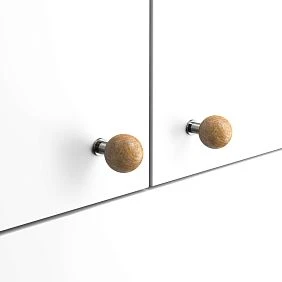
If the bracket is about versatility, then Button Handle it is about compactness and delicacy. It is attached at a single point and most often has a round, teardrop, or geometric shape. The knob does not take up space in front of the facade and does not catch on clothing when passing by — this is important in narrow hallways and small kitchens.
Furniture knob It is ideal for drawers of a chest of drawers, cabinet facades, and small cabinets. For heavy, tall doors, a knob is not the best choice — it is harder to ensure even force when opening. But where an elegant, almost jewelry-like detail is needed — Furniture knob handle looks flawless.
In classic interiors, knobs made of solid wood with a bronze or gold finish turn an ordinary chest of drawers into a true piece of interior art.
Profile handle
Profile Handle is the choice for those who value minimalism and clean lines. Profile handles have an elongated shape and are mounted horizontally across the entire width of the facade or vertically along its entire height. This creates an illusion of continuity and makes the furniture visually light and modern.
Furniture profile handle is especially popular in high-tech, loft, modern classic, and Scandinavian style kitchens. Convenience is no less: the entire hand rests along the profile, which reduces strain on the wrist when frequently opening kitchen facades. profile handle for cabinet — also an excellent solution for built-in furniture where a unified visual line is important.
The profile furniture handle is available in lengths from 500 to 1200 mm — which allows covering facades of almost any height.
Recessed handle
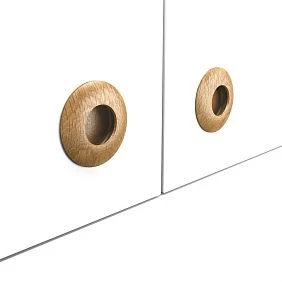
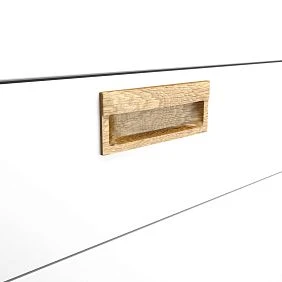
Inset handle — this is a solution for those who want to completely hide the hardware. It is mounted in a groove inside the facade and does not protrude beyond its surface. A facade with a recessed handle looks like a monolithic plane — especially when it comes to built-in wardrobes or handleless kitchen sets.
Furniture mortise handle requires precise marking and routing during installation — this is a job for a specialist or an experienced cabinetmaker. But the result is impressive: the interior looks expensive, minimalist, and modern. Recessed furniture handle combines perfectly with painted facades and MDF facades.
If you want to buy a recessed handle with striking geometry and precise tolerances — consider models made of uncoated solid wood that can be painted in any color.
Surface-mounted handle
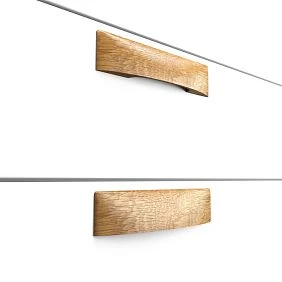
Overlay handle — it's something between a bracket and a profile. It attaches directly to the surface of the facade, requires no milling, and maintains an expressive appearance. The shape can be flat, embossed, textured, or with a geometric pattern.
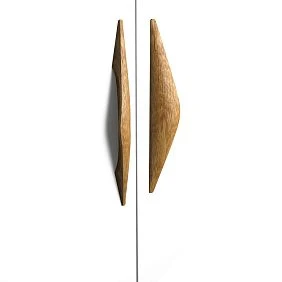
Furniture overlay handle often chosen for modern interiors where you want to add volume to the facade without installation complexity. It's suitable for cabinets, nightstands, and dressers. Take a look, for example, at the model overlay handle for cabinet front — flat geometry, minimalist shape, installation in minutes.
For those who want a different shape — wavy, more fluid — there is the model surface-mounted cabinet handle, which will add movement and warmth to a wooden facade.
Shell handle
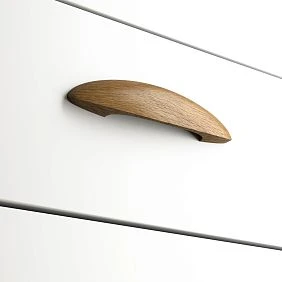
Shell Handle — a special type of recessed or semi-recessed design with a characteristic curve resembling a shell. The hand does not grip but slides into the recess created by the shell shape. It is both functional and aesthetically expressive.
furniture shell handle often found in Scandinavian, Japanese, and eco-interiors. It blends softly into the space, does not protrude, and does not create extra volume. It looks great on drawers, small doors, and facades in the wabi-sabi style.
T-shaped handle
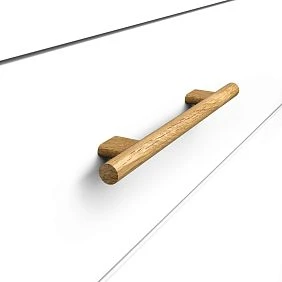
T-shaped Handle — a stylish solution for modern kitchen sets and built-in wardrobes. The T-shape ensures even pressure when opening the facade and looks very architectural. The T-shaped furniture handle fits organically into minimalist kitchens with monochrome facades.
Most often, such a handle is produced with a coating — in matte black, chrome, or gold-plated finish, which allows it to become an accent in the interior.
Half-ring
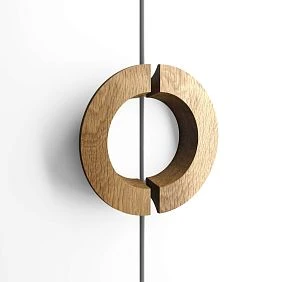
Half-ring — a delicate, almost jewelry-like detail in the form of a semicircular loop. It is mounted at one or two points, creates a soft curve, and looks noble — especially in classic, French, or Provence interiors.
Half-ring handle — an ideal choice for chests of drawers, bedside tables, and cabinets with solid wood or veneer facades. Its laconic form does not overwhelm but only emphasizes the quality of the finish.
Long handle for cabinet
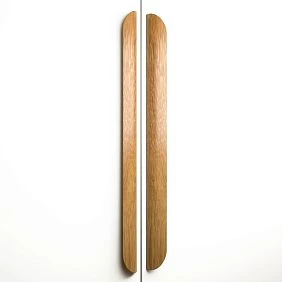
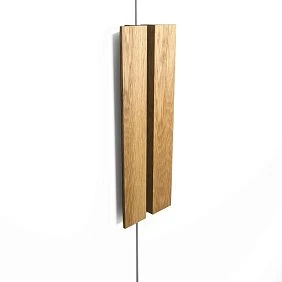
Special attention deserves Long handle for cabinet — a format that has become increasingly popular in recent years. This is a handle that spans the entire facade or is close to it in length, mounted vertically on the cabinet door.
Long furniture handle gives the cabinet monumentality, graphic quality, and makes it the main accent in the room. At the same time, it is not only beautiful — the long handle is convenient to grip at any height, which is especially appreciated by people of different heights in the same family.
How to choose handles for the kitchen
The kitchen is the most used space in the house. Facades are opened dozens of times a day, surfaces come into contact with grease, steam, and water. That is why handles for kitchen they must meet not only aesthetic but also practical requirements.
Ease of grip in the kitchen
For upper cabinet kitchen facades, horizontal handles with a wide grip are best — handle bracket for kitchen or a profile. They allow opening the cabinet even when hands are busy or wet. For lower cabinets and drawers, both brackets and Furniture knob.
Coating durability for kitchen hardware
In the kitchen, it is especially important to choose handles with a coating resistant to aggressive environments — temperature changes, steam, and detergents. furniture handles with coating made of solid wood are distinguished by the natural durability of the material and the possibility of periodic surface renewal.
If you want buy kitchen handles In a unified style — choose the entire set from one collection at once to ensure consistency of finish, color, and shape.
Compatibility with facades
In a kitchen with matte white facades, handles in matte black, gold, or bronze look good — they create visual contrast. On wooden facades made of solid wood or veneer, handles look organic without a finish — they preserve the unity of material and texture.
Handle for kitchen cabinet should blend organically into the style — not overwhelm it and not get lost. It's a fine balance that is easy to find if you go from the general to the specific: first the kitchen style, then the facade material, then the shape and color of the handle.
How to choose handles for a wardrobe
A wardrobe is a different story. Here, facades are typically heavier and larger, and opening occurs less often but requires more effort. That's why handles for a wardrobe are chosen based on different criteria.
Handle length relative to facade height
For a tall hinged wardrobe — from 200 cm — optimal are handles for swing wardrobe in the form of long vertical brackets or profiles. long wardrobe handle allows you to grab the facade at any convenient point along the height — this is especially valuable when the wardrobe is used by children or people with limited mobility.
Handle on the wardrobe the full length of the door
The trend of a handle across the entire facade came from designer projects and continues to confidently hold its position in residential interiors. Handle on the wardrobe the full length of the door is not only aesthetics but also ergonomics: opening is smooth, force is evenly distributed across the entire surface.
For this format, choose a vertical profile or a long bracket. Material — solid wood — provides tactile warmth and durability.
Cabinet door handle: what to look for
When choosing cabinet door handles It is important to consider:
-
door weight — heavy doors made of MDF or solid wood require long handles with a wide grip;
-
opening direction — for hinged doors, a bracket and profile are more convenient than a knob;
-
mounting height — the handle is placed at 90–100 cm from the floor for adults, lower in children's rooms;
-
cabinet style — modern minimalism implies a profile or recessed model, classic — a bracket, knob, or half-ring.
Bracket, knob, or profile: what to choose
This question most often arises when choosing hardware. Let's break down each type by key criteria in a clear and honest comparison.
Bracket — versatile and reliable
Handle-screw — it is the workhorse of the furniture world. Two mounting holes, a powerful grip, a huge range of sizes. The bracket works everywhere: in the kitchen, bedroom, hallway, pantry. It does not require complex installation and is easily replaced if necessary.
The bracket is especially good for solid wood and veneer facades — the wooden crosspiece blends with the wooden facade like a native, creating a sense of integrity.
Button — compactness and elegance
Knob handle — is ideal where minimal hardware presence is needed. A small vanity drawer, a lower shelf of a nightstand, a small cabinet door — here the button is appropriate and organic.
It's important to understand: the button is not for heavy facades. One attachment point does not provide enough leverage. But where the facade is light and the interior is delicate — the button becomes a true decoration.
Profile — purity and modernity
Profile Handle — the choice for design projects. Long, horizontal or vertical, it creates a continuous line on the facade and gives the furniture architectural strictness.
Profile handle for facades — the choice for floor-to-ceiling built-in wardrobes, kitchen sets without hanging elements, wall panels with doors. The furniture looks like a single architectural volume.
Recessed — when the handle should not be visible
Inset handle — for those who choose radical minimalism. A facade without visible hardware is the most expensive and modern look. Requires routing, but the result is worth it.
Pairs well with facades for painting, laminated MDF, and veneer on a modern base.
Surface-mounted — when form matters, but mortising does not
Overlay handle attaches to the surface of the facade, requires no routing. It can be expressive and even decorative — with texture, relief, or natural curve.
Convenient when replacing old hardware or working with ready-made facades where drilling new holes is undesirable.
Furniture handle sizes: 96, 128, 160, 192, 224, 320 mm
One of the most common questions when buying hardware: what size to choose? Here it's important to understand the key difference — the overall length of the handle and the center-to-center distance are different parameters.
What is center-to-center distance
Center-to-center distance (or hole spacing) is the distance between the centers of two mounting holes. This parameter determines whether the handle will fit the standard holes of the facade. If your old handle has a center-to-center distance of 128 mm, the new one must have the same value, otherwise you will have to drill new holes.
Standard center-to-center distances
The most common center-to-center distances for furniture handles in Russia:
-
96 mm — standard for narrow drawers and small fronts. Furniture handle 96 mm used mainly in small cabinets and kitchen drawers.
-
128 mm — the most popular size for the kitchen. Handle bracket 128 mm suitable for most standard kitchen fronts with a width of 300 mm or more.
-
160 mm — slightly longer, more common on medium-sized fronts. Handle bracket 160 mm looks good on fronts with a width of 400–450 mm.
-
192 mm — for wider fronts. Furniture handle 192 mm used on kitchen fronts with a width of 450–500 mm.
-
224 mm — an extended format, often chosen for oven cabinets and fronts from 500 mm.
-
320 mm — a large-format handle installed on wide kitchen fronts, refrigerator compartments, large doors. Bracket handle 320 mm — a noticeable accent in the interior.
How to choose the right size
Simple rule: the handle width should be from 1/3 to 2/3 of the front width. A handle that is too small gets lost and looks insignificant. A handle that is too large overloads the front. For a 400 mm front, a handle with a center-to-center distance of 128–160 mm is optimal; for a 600 mm front, 160–192 mm.
For long profile handles, the principle is different: Long furniture handle for a cabinet, it is chosen to span the full height or approximately 80% of the door height — this creates a proportional and finished look.
Color and coating of furniture handles
The color of hardware is the language of the interior. It either creates unity or destroys it. The choice of handle coating is directly related to the style of furniture, the color of the facade, and the overall concept of the space.
Matte black
The matte black handle is one of the most sought-after options in recent years. Matte black color is strength, contrast, and modernity. It works great on white, gray, beige, wood, and even colored facades. furniture handles with coating in black add expressiveness to facades and do not require additional decor.
The matte black furniture handle is practical: fingerprints are not visible on it, the coating does not glare and does not attract unnecessary attention to minor imperfections.
Chrome
The chrome furniture handle is a classic that never goes out of style. The chrome surface reflects light, visually enlarges the space, and pairs perfectly with glossy facades. The chrome handle is a choice for modern kitchens in light colors and bathrooms.
Bronze and brass
The bronze furniture handle is one of the trends that has firmly established itself in the interior industry. The warm brown-gold shade of bronze adds nobility and historical depth to furniture. It is ideal for classic, neoclassical, and rustic interiors.
Brass furniture handle — a slightly cooler and more restrained shade. Brass pairs beautifully with walnut, oak, and cherry veneer, creating a sense of expensive, affluent furniture. Handles with Finish in brass and bronze — a popular choice for bedroom sets and classic kitchens.
Gold and matte gold
Gold handle — a bold and striking choice. Gold handles make furniture luxurious, creating a premium feel. Important: for modern interiors, matte gold is preferable — it looks more restrained and doesn't shout. Matte gold handle — sophistication without ostentation.
Champagne
Champagne-colored handle — the finest shade between white and gold. It creates a delicate, almost weightless accent on the facade. Works well on cream, ivory, beige, and white facades. Popular in Provence, neoclassical, and French classic interiors.
White
White handle — the ideal choice for those who want to minimize the presence of hardware on light facades. The white handle "dissolves" into the facade, preserving clean lines. handles without coating — also a good base for self-painting in white or any other color.
Which handles are best for furniture to be painted
Facades for painting are a special case. Here the designer has maximum freedom: any RAL color, any shade, matte or satin surface. And the handle must fit into this scenario.
The best choice in this case is uncoated furniture handles. These are models made of solid wood that have no factory-applied coating and are ready for self-painting. You can choose an exact shade to match the facade or, conversely, select a contrasting color — it all depends on your design.
handles without coating — this is also unpainted furniture handles, which preserve the natural wood texture and can be coated with oil, wax, or varnish as you wish. This approach is especially valued in handmade projects and custom furniture.
An important point: if you want to paint unpainted handles together with the facade, make sure the handle material is compatible with the type of paint. Solid wood accepts both oil-based and water-based paints well — with proper priming.
If you want to highlight the handle against the painted facade — use Handles with Finish in a contrasting color. For example, on an anthracite-colored facade, a brass or gold handle creates a striking accent.
Which handles are suitable for different facade materials
Solid wood facades
Solid wood furniture requires hardware that does not compete with the wood texture but complements it. Wooden handles work best here handles without coating — they create a feeling of solidity and unity of material. Bracket Handle made of oak, walnut or birch on a facade of the same wood — this is a perfect combination.
If you want an accent — bronze or brass on solid wood look luxurious and restrained at the same time. Handles with Finish in warm tones harmonize beautifully with warm shades of wood.
MDF and veneer facades
MDF facades are the most versatile material. They can be painted, veneered, decorated. The choice of handle here is dictated by style: for gloss — chrome or matte gold, for matte facades — black or bronze. Furniture handle made of solid wood goes well with any MDF facade — a wooden handle adds warmth to the "cold" material.
Veneered facades — the thinnest natural wood on an MDF base. Uncoated wooden handles, half-rings, and staples with a coating matching the veneer tone look organic here.
Facades for painting (enamel, varnish)
We have already discussed this in detail above: handles without coating — the basic option. Also good are recessed models, which, when painted together with the facade, become part of a single volume.
Common mistakes when choosing cabinet handles
I want to talk about what happens more often than we think. Mistakes when choosing handles are not a disaster, but they lead to extra expenses and disappointment in the finished interior.
Choosing only by color
Color is important, but not primary. First — the type of handle and its compatibility with the facade. Then — size. And only then — color and coating. If you choose a beautiful bronze knob for a heavy swing cabinet door, it simply won't provide the necessary comfort when opening.
Not checking the center-to-center distance
This is the most common practical mistake. Before purchasing, always measure the distance between the centers of existing holes. Or, if installation is planned from scratch, decide on the center-to-center distance in advance and order the hardware accordingly.
Furniture handle bracket 128 mm and the handle with 160 mm — externally they may look similar, but are not interchangeable without additional drilling.
Installing a small button on a heavy facade
We have already discussed this, but it is worth repeating: Button Handle designed for lightweight facades. Heavy solid wood cabinet doors with a single attachment point will be difficult to open — and the fasteners will loosen faster under load.
Choosing a protruding handle where there is little clearance
In narrow corridors, small kitchens, and walk-through spaces, avoid long horizontal brackets or protruding profiles — they will catch on clothing and cause discomfort. Here it is better to choose a recessed handle or an overlay with minimal protrusion.
Not considering the overall interior style
Handles are details that fit into the context. Bronze half-rings on a high-tech cabinet will look ridiculous. A strict black profile on a classic dresser will create a stylistic dissonance. Always match the choice of hardware with hinges, legs, decorative elements, and the overall color scheme.
A good rule is to create a mood board of all interior elements before making the final decision on hardware. It takes 15 minutes but saves money and nerves.
How to choose furniture handles for a specific style
Scandinavian style and minimalism
Here, minimalism reigns. Wooden handles without coating, Shell Handle, small buttons made of natural wood are the ideal choice. No extra details, no gilding. Only form, material, and function.
Classicism and neoclassicism
Half-ring handle, Shell Handle, buttons with a bronze or gold finish. Decorative shape, noble color, a sense of history. A bracket with a smooth curve and warm brass finish is a foolproof choice for a classic set.
Modern style, hi-tech, loft
Profile Handle, Inset handle, T-shaped handle in matte black. Long solid wood brackets without finish — if you want to add natural warmth to an industrial interior.
Provence, country, rustic
Shell Handle, small buttons, half-rings with an aged bronze or champagne finish. Soft shapes, warm colors, naturalness — these are the principles for choosing hardware for such interiors.
Installation rules for furniture handles
Installing most types of handles does not require professional skills — a basic set of tools and attentiveness is enough.
Bracket and button
Mark the position of the handle on the facade. Drill holes strictly in the center of the facade horizontally (or at the point provided by the design). Screw the handle with bolts from the inside of the facade. Tightening torque — moderate: wood does not like excessive pressure.
Important: when drilling a facade made of MDF or veneer, use a sharp drill and place a piece of dense wood on the reverse side to avoid chipping.
Profile
A long profile handle requires precise vertical marking. Use a spirit level. Fastening holes at the ends of the profile — at least two, for long models — three or more.
Recessed handle
Requires milling a groove of the required depth and shape. For beginners — it is better to entrust it to a professional. The finished groove must match the shape of the handle with a tolerance of no more than 0.5 mm.
Surface-mounted handle
The simplest installation: marking, two holes, fastening. Surface Mount Handle is installed on the surface of the facade without any recessing.
Where to buy solid wood furniture handles
If you are looking for buy furniture handle with quality guarantee, a wide selection of types and sizes — pay attention to specialized manufacturers working with natural wood. Solid wood is not just a material, it is a philosophy of attitude towards furniture.
The website stavros.ru presents a complete catalog furniture handles made of solid wood: handles, buttons, profiles, mortise, overlay, Shells, T-shaped, half rings и long models for cabinets. There are both models without a finish — for self-painting, as well as with a finish — in bronze, gold, matte black, brass.
FAQ: Answers to popular questions
Which furniture handles are best for the kitchen?
For the kitchen, handles with a wide and comfortable grip are best — bracket or profile. They provide comfortable opening even with repeated use throughout the day. The material's resistance to humidity and temperature changes is important — wooden handles made of solid wood with high-quality processing handle this task perfectly.
What is more convenient: a bracket handle or a knob handle?
For most tasks, a bracket is more convenient — it provides a full grip with two fingers or the whole palm. A knob is convenient for light, small fronts — drawers, cabinets, doors. If it's a heavy front — choose a bracket or a profile.
How to choose the size of a furniture handle?
Focus on the center-to-center distance: it should match the distance between the mounting holes in the front. Visually, the handle should occupy from one-third to two-thirds of the front's width. Standard center-to-center distances: 96, 128, 160, 192, 224, 320 mm.
What is the center-to-center distance of a handle?
This is the distance between the centers of the two holes into which the mounting bolts are screwed. This is not the overall length of the handle, but a parameter that determines compatibility with the holes in the facade.
Which handles should I choose for a cabinet?
For a tall hinged cabinet — a long handle or a vertical bracket with a large center-to-center distance. For a medium-height cabinet — a bracket of 128–192 mm. For a small cabinet — a knob or a small bracket of 96 mm.
How does a profile handle differ from a surface-mounted handle?
A profile handle is a long horizontal or vertical strip that runs the entire length. A surface-mounted handle is attached on top of the facade, has a pronounced shape, but not such a length. The profile creates a continuous line and is more suitable for minimalist solutions, while the surface-mounted one is used when an expressive detail is needed without routing.
When is it better to use a recessed handle?
A recessed handle is a choice for interiors where a 'handleless' effect is desired. It does not protrude beyond the plane of the facade, creating a perfectly flat surface. Suitable for sliding wardrobes, built-in kitchens, minimalist dressing rooms. Requires routing of the facade.
What handles are suitable for classic furniture?
Half-ring, Shellsmall buttons and staples with a bronze, gold, or brass finish. The shape can be curved, rounded, or embossed. It is important that the handle is proportionate to the furniture and emphasizes its style, rather than dominating it.
Which handles to choose for white facades?
For white facades, both contrasting handles (matte black, bronze, gold) and those close in color (champagne, uncoated white) work well. A contrasting handle accents the facade and adds character. A tone-on-tone handle creates solidity and conciseness.
Which handles are better: with or without coating?
It depends on the task. Handles with Finish — a ready-made solution with a specific color and finish. handles without coating — a blank for self-painting or oiling, maximum freedom for the designer. Both options are equivalent — it's a matter of the specific task and the level of customization you want to achieve.