


































Article Contents:
- Why thinking about long-term operation is more important than about purchase
- Kursk: features of housing stock and climate
- Which panels are the most universal: honest rating
- Solid light oak: the standard of durability
- MDF in neutral tone: stability for years
- MDF for painting: absolute adaptability
- Thermowood: for areas with variable environment
- What definitely not worth choosing
- Which polyurethane decorative elements outlast trends
- Ceiling cornice: a fundamental element
- Wall moldings: structure without aggression
- Baseboard: the first and last element
- Door casings: an underestimated detail
- Corner blocks: not always needed
- How to combine panels and polyurethane decorative elements: a systematic approach
- The 'one language of forms' principle
- Tonal unity: warm to warm, cold to cold
- Scale correspondence: table for Kursk interiors
- What to look for in material and relief when choosing
- In slatted panels, look at the ends
- In polyurethane decor, look at the clarity of relief
- How to check the tone of the slat under your lighting
- Slatted panels in interior: breakdown by zones
- Living room: unity through one accent wall
- Bedroom: lasting peace through material delicacy
- Hallway and entrance: optical tasks
- Kitchen: function dictates choice
- Study: concentration through form
- Batten panel formats: what to choose for a specific task
- Individual battens
- Modular panels
- Flexible Slatted Panels
- Slatted panels for ceilings
- Installation: from the first anchor to the finishing profile
- Preparation and Acclimatization
- Battens: ventilation as a principle
- First batten: precision as a commitment
- Thermal gap for the Kursk climate
- Finishing elements: professionalism in details
- Mistakes of fashionable but weak finishing
- First mistake: dark battens in a small room
- Second mistake: too wide a batten with a low ceiling
- Mistake three: active decor in a small hallway
- Mistake four: polyurethane decor of the wrong scale
- Mistake five: mixing decor styles
- Mistake six: saving on finishing details
- Mistake seven: installation without acclimatization in winter
- Style solutions: which combinations work for years
- STAVROS: finishing with a style reserve is a system, not a set
- FAQ: Answers to Popular Questions

Renovation is not a purchase. It's a decision you'll have to live with for ten years. That's why the question 'what's trendy now' is the wrong question. The right one sounds different: 'what will look decent in a year, three, five years and won't make me look at the walls with irritation?'
Slatted panels currently top the search queries for residential interior finishing — and that's no coincidence. But among those who bought slatted panels a year or two ago, there are those who are satisfied with the result and those who are already thinking about redoing it. The difference isn't in the budget or the quality of the panels. The difference is in the approach: some chose what looked beautiful in the picture, others — what works in a specific space with a specific character.
This article is for the latter. More precisely, for those who want to be among them. If you're looking for where to buy slatted panels in Kursk and how to combine them withdecorative elements made of polyurethaneso that the result doesn't become outdated after a season — read carefully. There's no fluff and no generalities here.
Why thinking about long-term operation is more important than about purchase
Let's be honest: the finishing materials market thrives on trend turnover. Today everyone wants dark slats and monochrome interiors. Tomorrow — light wood and matte terracotta. The day after tomorrow — something else. Manufacturers know this, and their strategy is clear.
But you are not a manufacturer. You are a person who renovates once every seven to ten years. You need finishes that won't require replacement after a year just because they've fallen 'out of trend'. This means you should choose not based on 'what's popular now', but on 'this will look organic regardless of what's happening on Instagram'.
There are three signs of a durable stylistic solution:
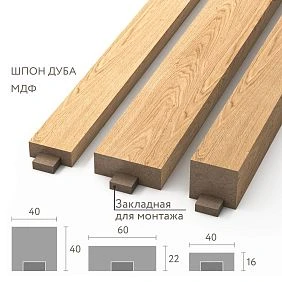
First — neutrality of the material base. Natural oak texture was relevant fifty years ago and will be relevant in fifty years. Specific fashionable decor — not.Wooden slat panelsSolid oak or ash do not age aesthetically because the living texture of wood is not a trend, but an archetype.
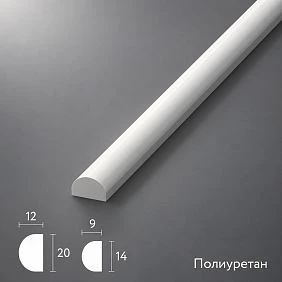
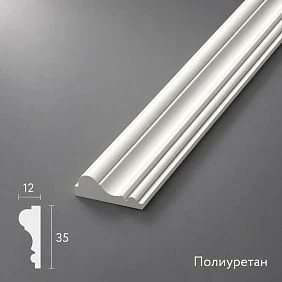
Second — geometric simplicity of forms. Ornaments, complex reliefs, 'shaped' profiles — all these belong to a specific time. A straight line, a clean geometric profile, a strict molding — they exist outside of time.polyurethane decorative elementsWith a geometric profile will look appropriate even in ten years — because geometry does not age.
Third — architectural logic, not decorative impulse. Slats that create accent and structure space last longer than slats installed 'because they look nice'. A cornice that completes the architecture of a wall is functionally needed — and therefore timeless. Decor for decor's sake — becomes outdated. Decor as part of logic — does not.
Kursk: features of housing stock and climate
Kursk is a city with diverse housing stock. Pre-revolutionary buildings in the historic center have ceilings of 3.2–3.8 m. Stalin-era houses from the 1940s–1950s have ceilings of 2.9–3.2 m. Khrushchyovkas and Brezhnevkas — 2.5–2.7 m. Panel nine-story buildings from the 1980s — 2.6–2.7 m. Modern monolithic new builds — 2.7–3.0 m. Private sector and cottages — from 2.7 m and above.
This is important because ceiling height is the main parameter determining the permissible scale of all decorative elements. Someone who wants to buy slatted panels in Kursk for a Khrushchyovka with a 2.5 m ceiling, and someone renovating a Stalin-era building with a 3.1 m ceiling, are undertaking fundamentally different projects, even if they use the same materials.
Kursk's climate is moderately continental. Winters are moderate, summers are warm. Relative humidity — 60–70% in summer, 25–40% during winter heating. Natural wood reacts to these fluctuations. This is not a problem with proper preparation: acclimatization for 5–7 days, oil coating with sealed ends, a 1.5–2 mm temperature gap during installation. Without these measures, even the highest quality slat will deform during the very first heating season.
MDF with sealed ends behaves significantly more stably during humidity fluctuations. For those who don't want to think about technical nuances — it's a reliable, predictable choice.
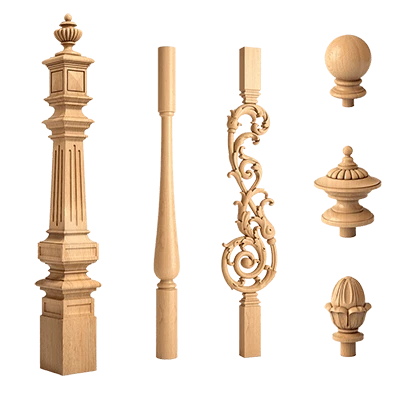
Our factory also produces:
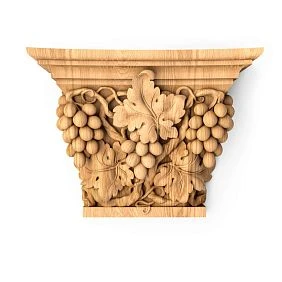
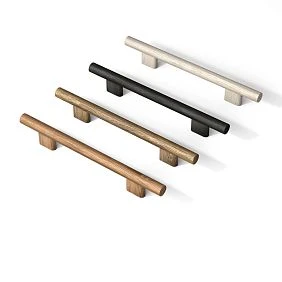
Which panels are the most versatile: an honest ranking
Not every slatted panel is equally resistant to changing tastes and time. Let's examine the formats from the perspective of long-term relevance.
Get Consultation
Solid light oak: the benchmark of durability
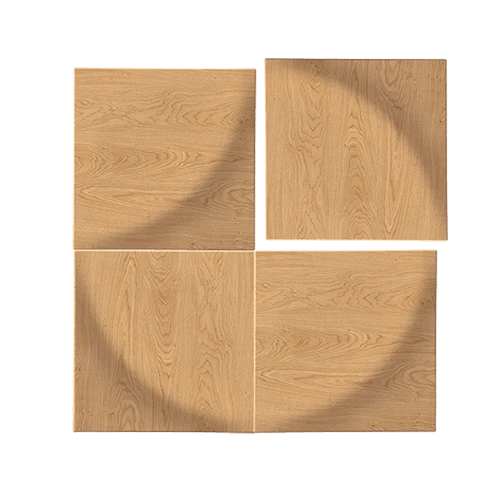
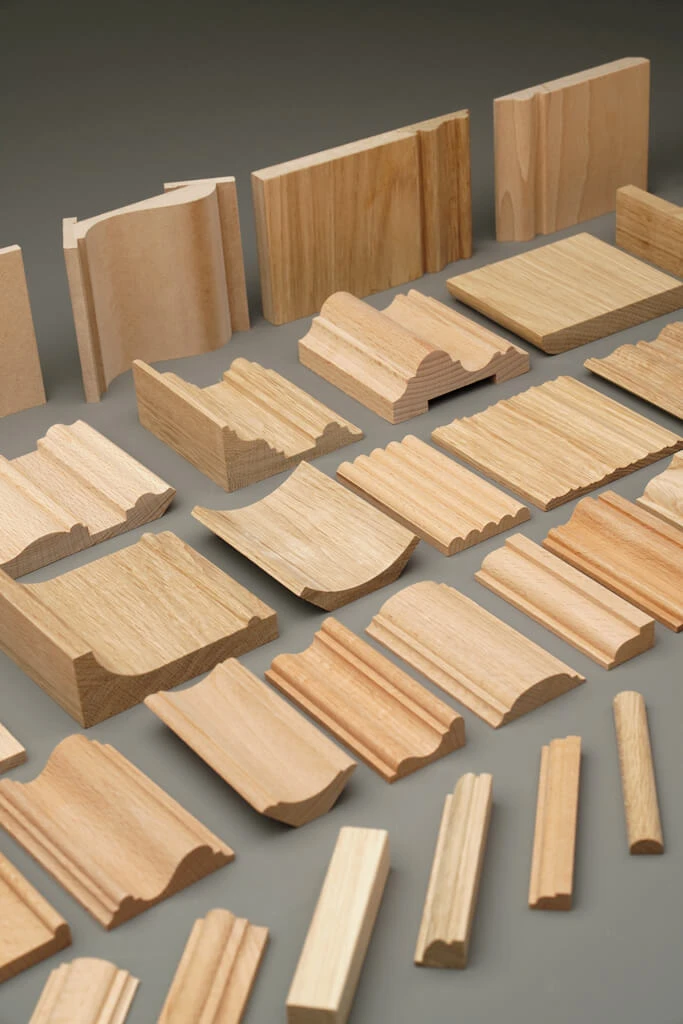
Oak Slat Panelin a light tone — radial cut with thin parallel fibers or tangential with a soft 'flame' pattern — is one of the most stable stylistic choices. Light oak works in Scandinavian style, modern classic, minimalism, and eco-interiors. It does not belong so closely to any of them as to 'become outdated' along with it.
Dark, brushed oak is a different story. It is organic in loft and industrial styles. But these styles are not eternal either. If you have doubts — choose a light, neutral tone.
MDF in a neutral tone: stability for years
MDF Slatted Wall PanelIn decor, 'natural oak', 'light ash', 'matte white' are neutral tones that don't belong to a specific year. The 'concrete gray' decor has already passed its peak popularity. 'Dark walnut' decor is quite neutral. Decor with a bright print or unconventional pattern inevitably becomes outdated. The rule for MDF: the closer to a natural tone, the longer it will last aesthetically.
MDF for painting: absolute adaptability
paintable slatted wall panels— the most 'durable' option in terms of long-term use. Tired of the color? Repainting costs many times less than replacing panels. The profile remains, only the tone changes. This is fundamentally important for those who value flexibility.
In addition, panels for painting combined withpolyurethane decorative elements— is a system that can be repainted entirely. Updating the interior without demolition, in one day of work and on a small budget — that's what 'style reserve' is.
Thermowood: for areas with variable environments
Thermally treated wood — dark, rich tone, matte surface, zero hygroscopicity. Absolutely stable — neither swelling in summer in Kursk nor drying out in winter is a threat. For bathrooms, kitchen areas, hallways, loggias — a technologically impeccable choice. Aesthetically — a pronounced Nordic character that not everyone likes. An honest choice for those who love it.
What definitely isn't worth choosing
Frankly 'trendy' decors with aggressive prints 'like marble', 'like malachite', saturated synthetic tones on MDF film, PVC slats with bright gloss — all this becomes irritating precisely because it was trendy. In two or three years, such a choice looks like 'that renovation'. This isn't foresight — it's the practical experience of several generations of designers.
Which polyurethane decorative elements last longer than a trend
If slatted panels are relatively straightforward, polyurethane decor is a different story. The range here is wide: from the simplest geometric baseboard to an ornamental frieze with acanthus leaves. And not everything is equally universal.
Ceiling cornice: a fundamental element
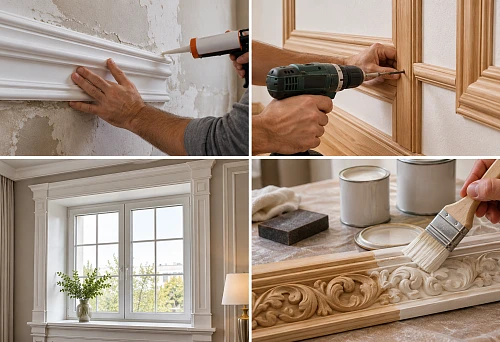
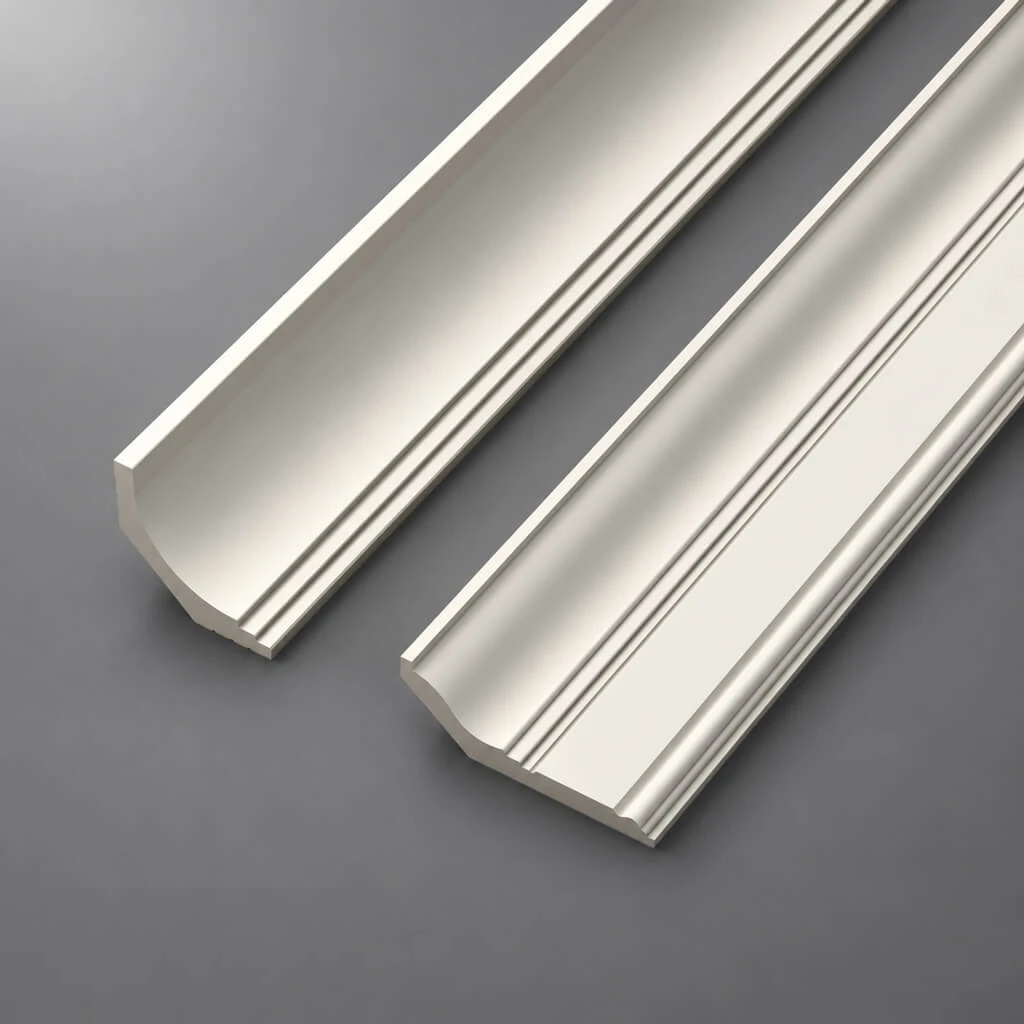
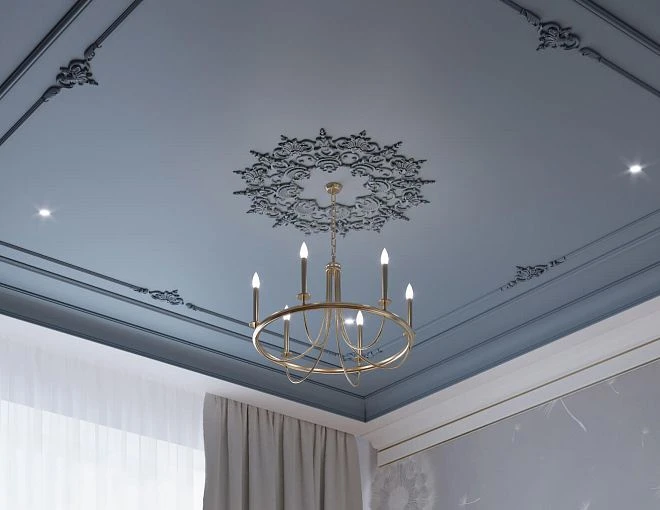
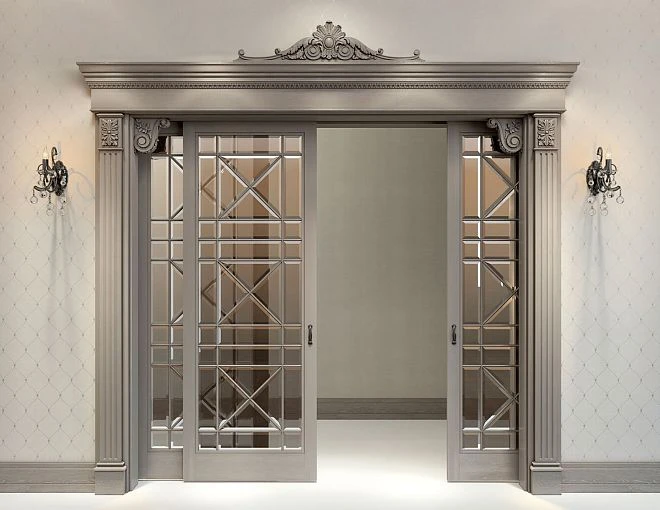
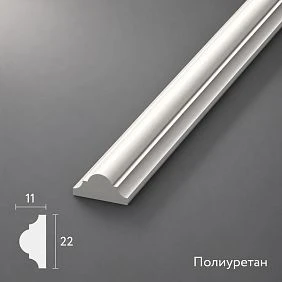
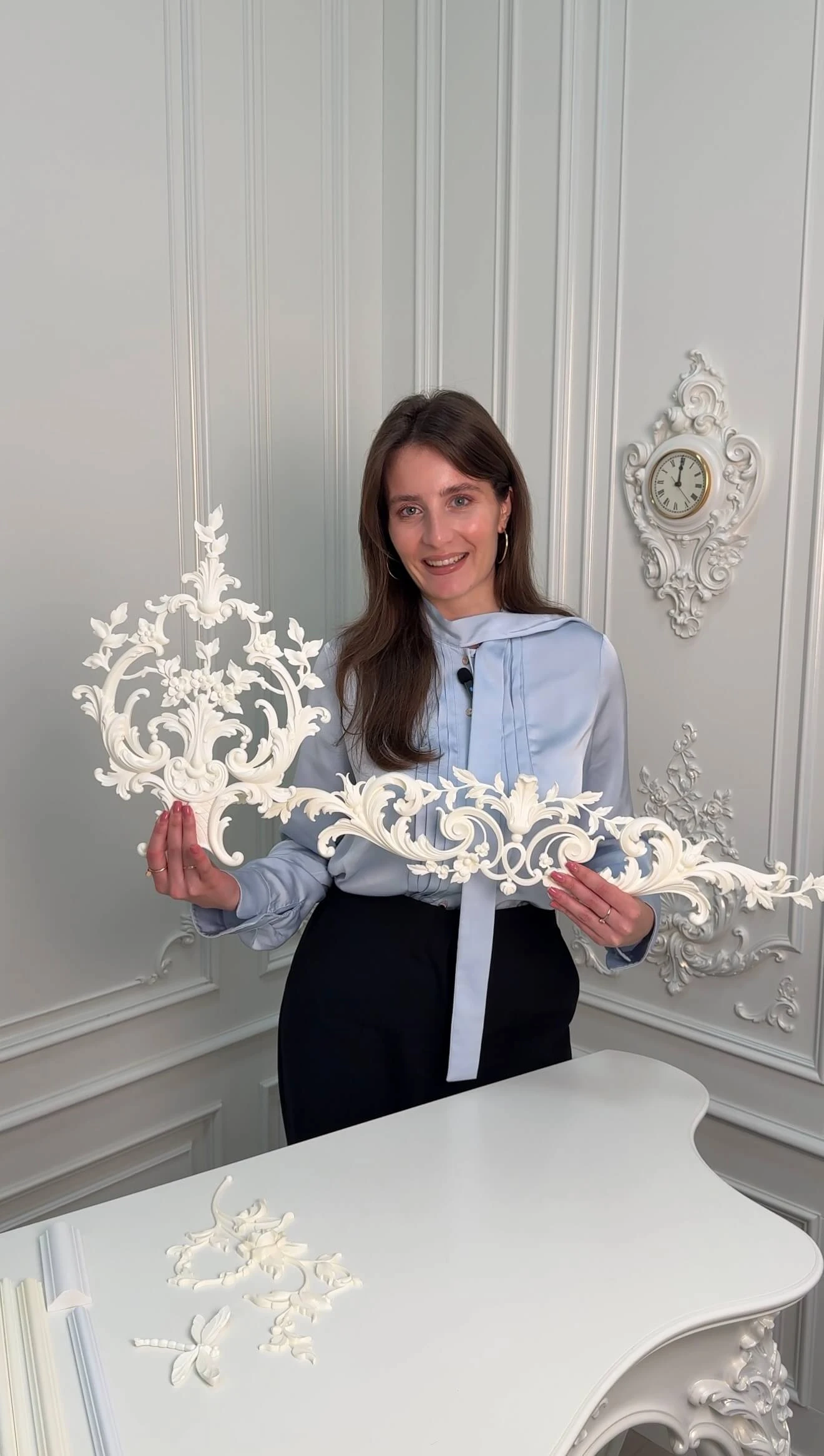
The ceiling cornice is the only element in the entire decorative system that is needed both functionally and aesthetically at the same time. It conceals cracks at the wall-ceiling junction, creates a horizontal finishing line, and visually 'raises' the ceiling.decorative polyurethane elementsCornices in the form of a simple geometric profile—a right angle with a small bevel or a soft ogee—are absolutely relevant. They worked fifty years ago and will work just as well.
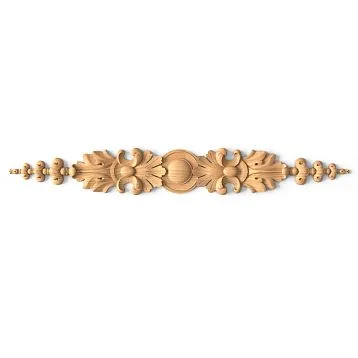
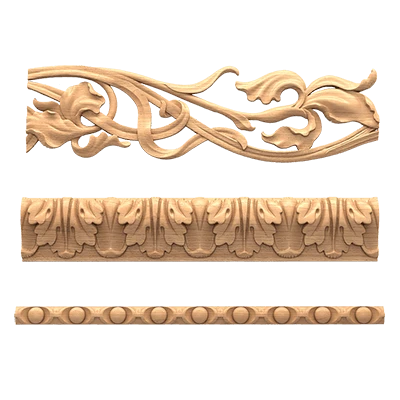
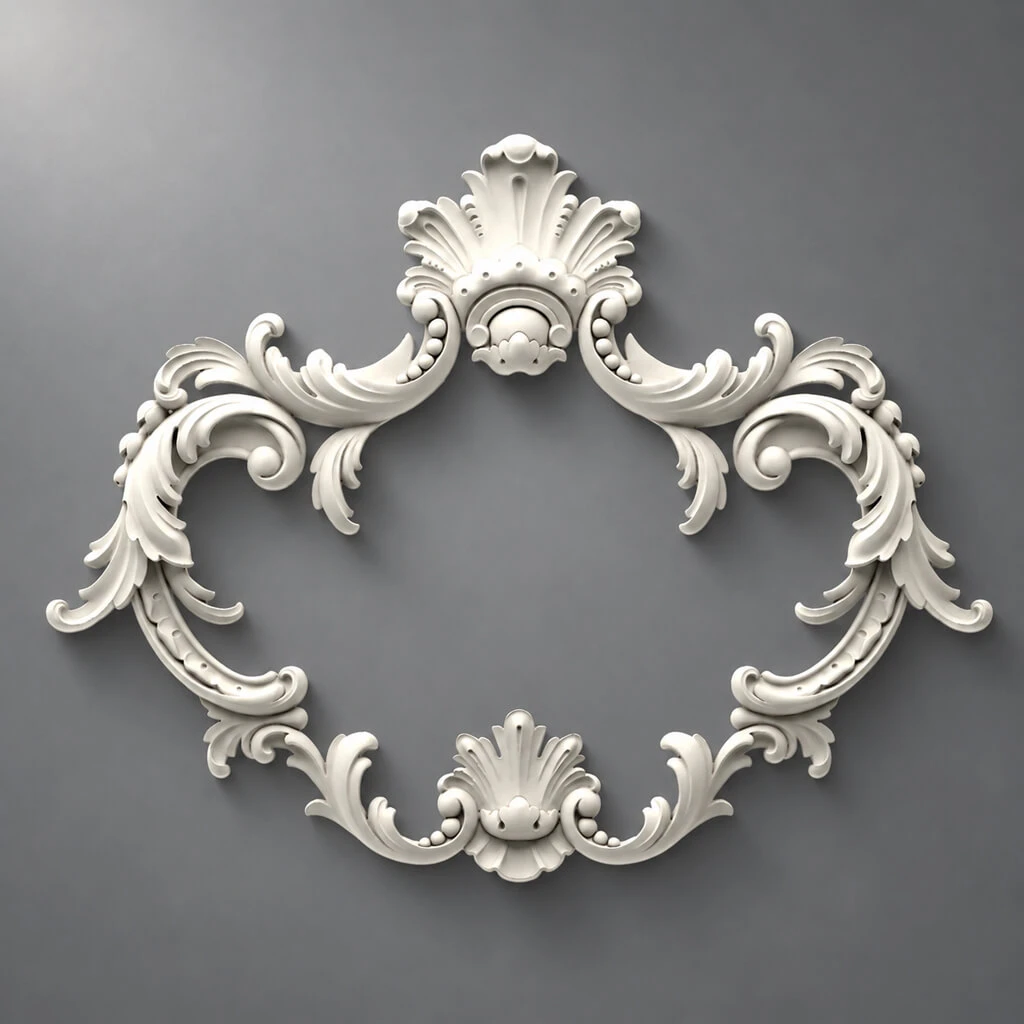
Ornamental cornices with leaves, rosettes, and complex relief are another matter. They require an interior that has grown around them: high ceilings, appropriate furniture, a style ranging from 'Neoclassical' to 'Art Deco'. Inserting one into a modern apartment with low ceilings and IKEA furniture is a stylistic failure.
Wall moldings: structure without aggression
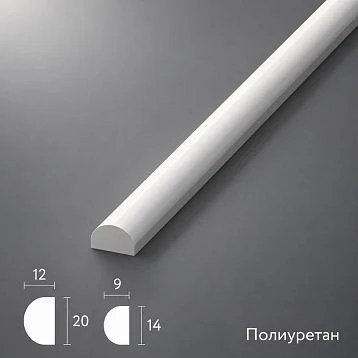
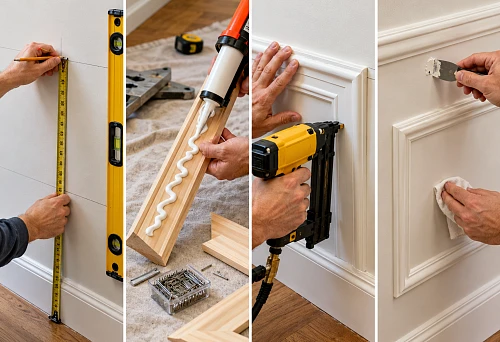
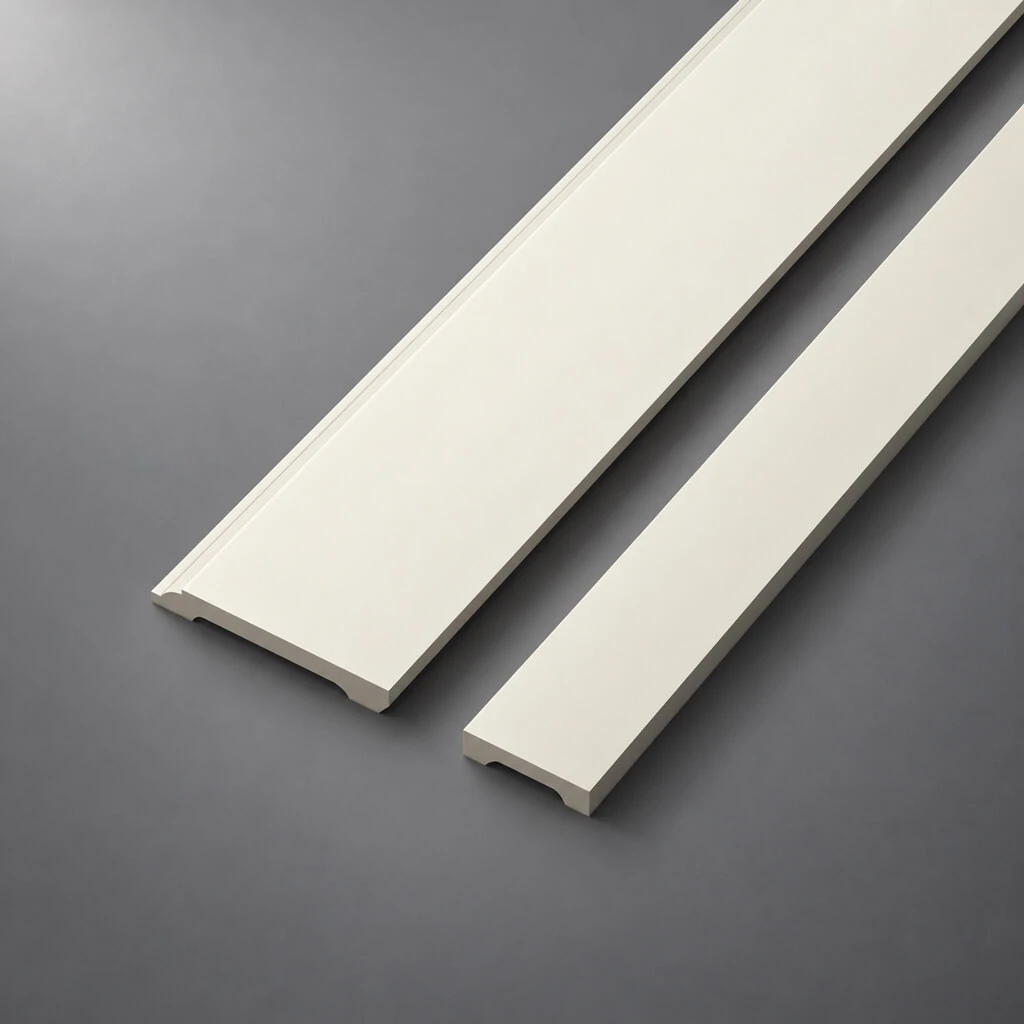
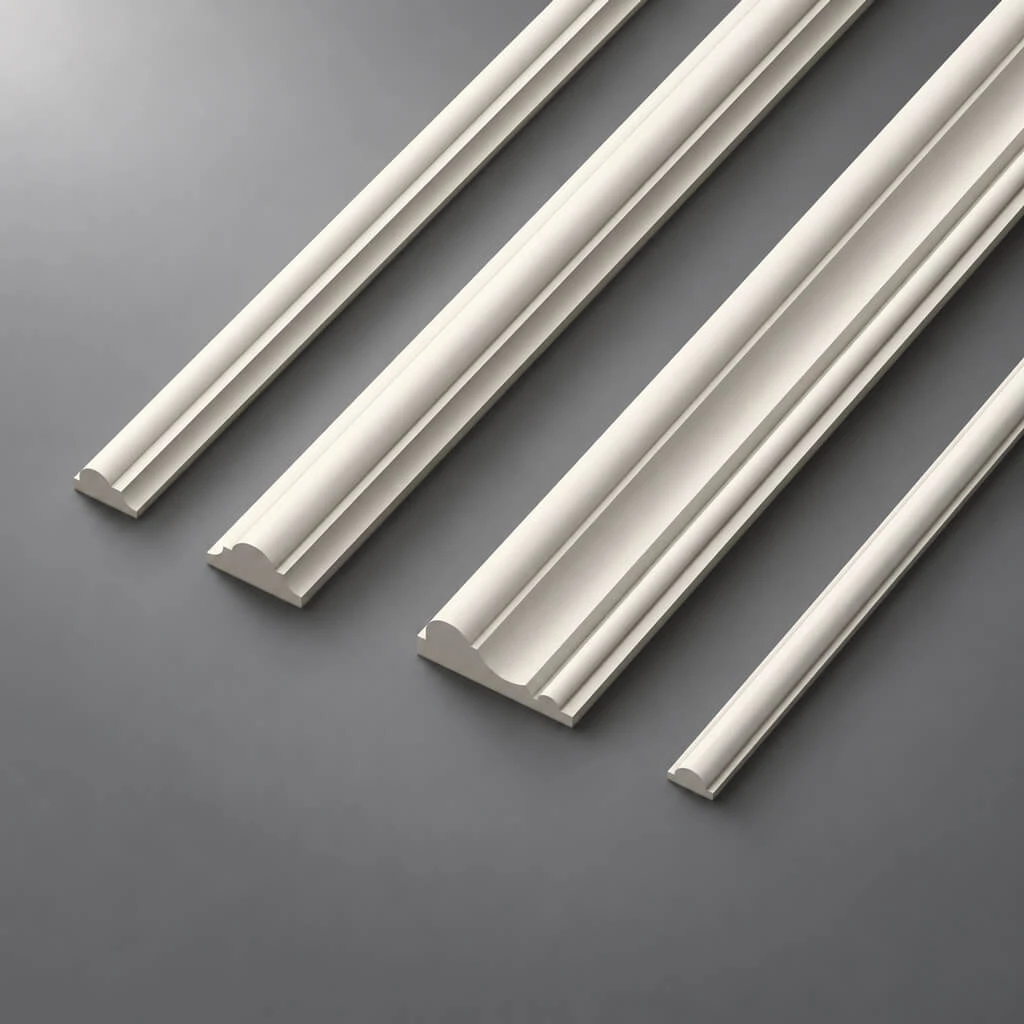
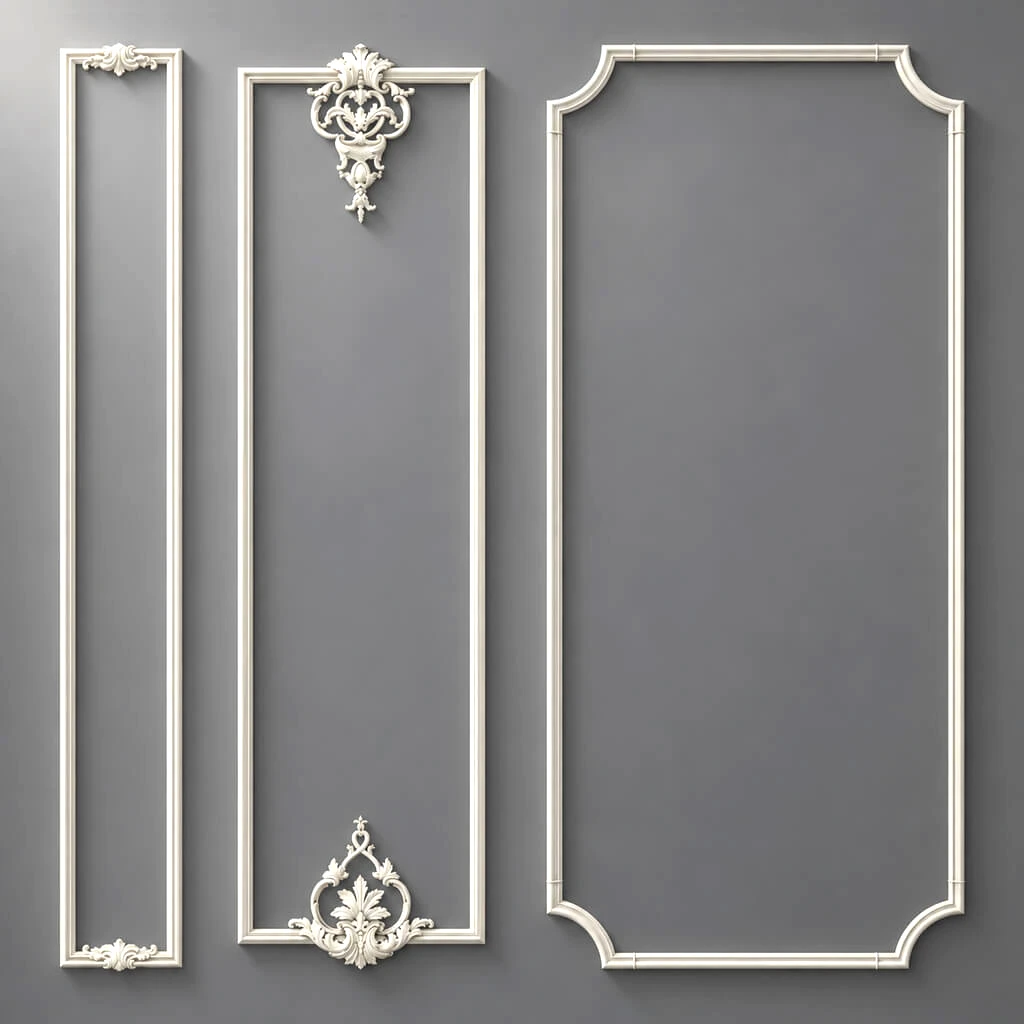
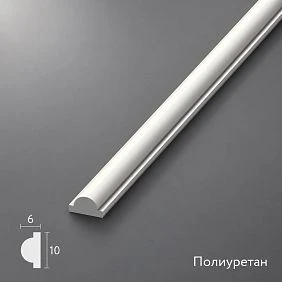
A flat molding 20–35 mm wide serving as a frame profile—geometric frames on the wall—is a solution that never goes out of style. Because it carries no stylistic load: simply lines on a surface, creating geometry through form, not ornament. Frames made from flat molding are appropriate in minimalism, modern classic, Scandinavian style, and Art Deco. A universal tool.
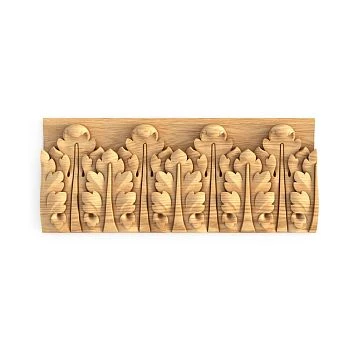
Moldings with ornamentation—floral, botanical, historical—are strictly tied to a style. Outside of that style, they look 'alien'. The rule: the more complex the ornament, the more precise the stylistic context must be.
Baseboard: the first and last element
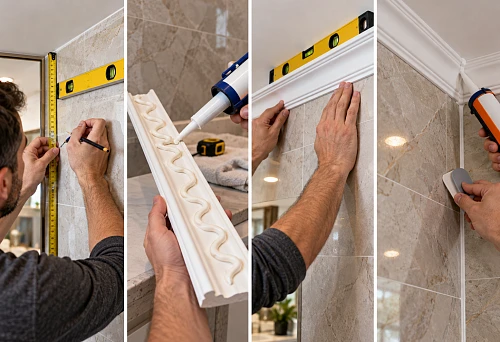
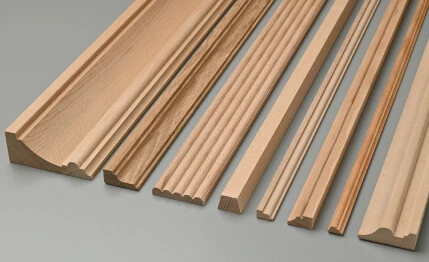
polyurethane decorative elementsBaseboards are essential. The baseboard covers the joint between the wall and floor, protecting the lower part of the wall from mechanical damage. Height: 70–90 mm for ceilings 2.6–2.8 m, 85–110 mm for ceilings 2.9–3.2 m. Profile choice: geometric with straight angles for modern styles, with a soft ogee for classical directions.
Don't install 40–45 mm skirting boards with 2.7 m ceilings: they will look cheap, like a temporary solution. And don't install 150 mm skirting boards with the same ceiling height: they will overload the lower zone of the wall.
Door casings: an underestimated detail
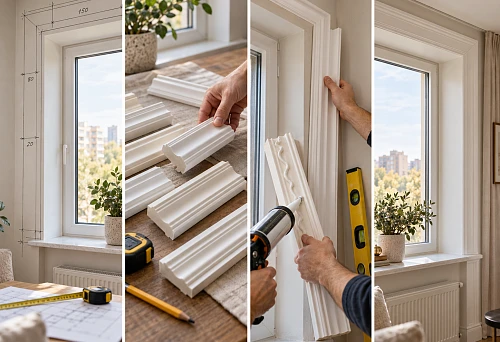
Polyurethane door casings are a detail that produces a disproportionately large effect. A door opening without a casing looks unfinished, 'gappy'. With the right casing, it becomes architecturally framed. A geometric casing 55–70 mm wide with a straight profile works in any modern interior. A casing with ornamentation belongs only in classic styles.
Corner blocks: not always needed
Corner blocks at molding intersections are a classic technique, but precisely that—classic. In interiors of strict geometry, minimalism, or Scandinavian style, they look like an extra element. In neoclassical, 'soft classic', or art deco styles, they are organic. The rule: if you're unsure whether corner blocks are needed, they aren't.
How to combine panels and decorative polyurethane elements: a systematic approach
There is a difference between a set of separate beautiful elements and a system that works as a unified whole. The first is a common result of buying 'by the picture'. The second is what one aims to achieve.
The principle of 'one formal language'
A system begins with choosing a language. Two basic ones:
Geometric language: straight lines, clear angles, minimal decoration. Plain rails without embossing or ornament + geometric cornices and moldings with a straight profile. The result is a modern architectural environment that doesn't 'shout' but is clearly legible.
Classic language: soft transitions, crown molding, slightly pronounced ornament. Slats with light texture or brushing + cornices with soft profile + medium complexity moldings. Result — 'soft classic' that isn't too formal but carries dignity.
Mixing languages means creating conflict. Geometric slats and baroque cornices with leaves — not 'eclectic' in a good sense. This is simply incompatibility.
Tonal unity: warm with warm, cold with cold
Slat panels — either warm (oak, ash, walnut) or cold (gray MDF, anthracite, 'concrete'). Polyurethane decor — for painting. Decor painting must be coordinated with the slat tone.
Warm slats → warm white (RAL 9001, 9010) for cornice and moldings. Cold slats → neutral white (RAL 9003) or cold light gray. Warm slats + cold white cornice = tonal break that's hard to explain but easy to see.
Scale correspondence: table for Kursk interiors
| Ceiling Height | Batten width | Crown Molding | Frame molding | Skirting board |
|---|---|---|---|---|
| 2.5 m (Khrushchyovka) | 40–52 mm | 55–68 mm | 18–22 mm | 60–75 mm |
| 2.6–2.7 m (Brezhnevka, new construction) | 50–68 mm | 65–82 mm | 20–28 mm | 70–88 mm |
| 2.8–3.0 m (new building, private house) | 62–88 mm | 82–108 mm | 26–36 mm | 82–108 mm |
| 3.0–3.2 m (Stalin-era building) | 80–110 mm | 100–130 mm | 33–46 mm | 98–128 mm |
| 3.3–3.8 m (historical building) | 100–140 mm | 120–162 mm | 42–58 mm | 115–148 mm |
These are not recommendations—this is the physics of perception. Exceeding the scale overwhelms the space. Insufficient scale gets lost. Work strictly within the range.
What to look for in material and texture when choosing
This is a practical section for those holding a sample in hand or looking at the manufacturer's website and not understanding which parameters to choose by.
In slatted panels, look at the ends
The ends of the slat are the main indicator of quality. An open, unsealed end on MDF is a sign that the manufacturer cut corners. It is through unsealed ends that MDF absorbs moisture, deforms, and delaminates. A quality manufacturer seals the ends during production. Check this before purchase.
For solid wood, look at the uniformity of tone along the length of the slat: sharp transitions from light to dark on a single slat are a sign of poor sorting. In a pattern of multiple slats, such transitions will create a 'patchy' surface lacking rhythmic uniformity.
In polyurethane decor, look at the clarity of the relief
A quality polyurethane profile has clear relief boundaries without 'blurred' edges or flash. Run your finger along the inner corner of the profile: on a quality element, the corner is sharp and deep. On a cheap one—blurred, with material overflow. This matters after painting: clear relief gives a beautiful shadow, blurred relief gives a 'smeared' impression.
Material density: quality polyurethane is resilient, does not indent under finger pressure. Too soft—deforms during use, especially baseboards near the floor.
How to check the tone of slats under your lighting
This cannot be done via screen. Essential: order a sample and place it on the wall with your apartment's lighting turned on. Warm lamps 2700K enhance reddish and yellowish tones in wood and MDF decor. Cool 4000K — enhance gray and bluish tones. The same 'natural oak' under warm and cool light — two different results.
Slat panels in interior: breakdown by zones
Living room: unity through one accent wall
Slatted panels in the living room interior— the rule of one accent wall always works. The wall behind the sofa orTV area with slatted panels— from floor to ceiling, withslat panels with backlightingin the gaps — one of the most stable designer techniques that does not lose relevance.
For a Kursk living room with 2.7 m ceiling: slat 55–70 mm, spacing 50–65 mm. Geometric profile cornice 70–82 mm along entire perimeter. Frame moldings from flat profile 22–28 mm on neutral walls — optional, if the interior leans towards classic or transitional style.
Three slat walls in one living room — no. Never. One accent — one wall. This rule has no exceptions.
Bedroom: lasting tranquility through material delicacy
slatted panels in the bedroom— only the wall behind the headboard. Light tones: milk ash, natural light-cut oak, white MDF with wood-grain embossing. Dark slats in a bedroom up to 14–16 sq. m. compress the space, create a feeling of confinement. In the bedroom, one should wake up with a sense of freedom — the material should contribute to this.
Polyurethane decor in the bedroom: cornice of the simplest profile 62–75 mm. Nothing extra. The bedroom is not a ceremonial hall; here, rich ornamentation creates disturbing solemnity instead of peace. Door architraves — simple straight profile 55–65 mm.
Hallway and entrance hall: optical tasks
Slatted panels in the hallway interior— in Kursk apartments often solve the problem of a narrow, dark, 'institutional' space. Vertical slats along one long wall create perspective. Light tone — opens up the space. Cornice 68–80 mm 'raises' the ceiling.
Architraves of all hallway doors — identical, geometric profile. Mismatched architraves (wooden doors with plastic architraves, or without framing at all) — a source of a feeling of incompleteness, which cannot be corrected with furniture.
Kitchen: function dictates choice
Slatted panels in the kitchen— dining table area, sofa corner in a kitchen-living room. Only film-faced MDF with a matte finish or thermowood — no untreated solid wood near work surfaces. Kitchen cornice: simple profile without fine ornamentation (fine relief accumulates grease deposits). Baseboard at the floor — mandatory.
Study: concentration through form
Wooden slat panels— in the study — the wall behind the desk. Dark oak, walnut, brushed wood. Strict geometric molding around built-in shelving. Cornice of simple profile 75–90 mm. The study space should read as organized, serious — and the materials work towards this task.
Slat Panel Formats: What to Choose for a Specific Task
Individual Slats
Mounted individually on battens. Complete freedom in choosing width, spacing, rhythm. Require professional installation — an error with the first slat is replicated across the entire wall.Types of slat panelsin the individual slats format — the widest assortment.
Modular Panels
slatted modular wall panel— slats on a single backing. Mounted as a solid panel — faster, with less risk of error during DIY installation. The perfect choice for those doing renovations themselves.
Flexible slat panels
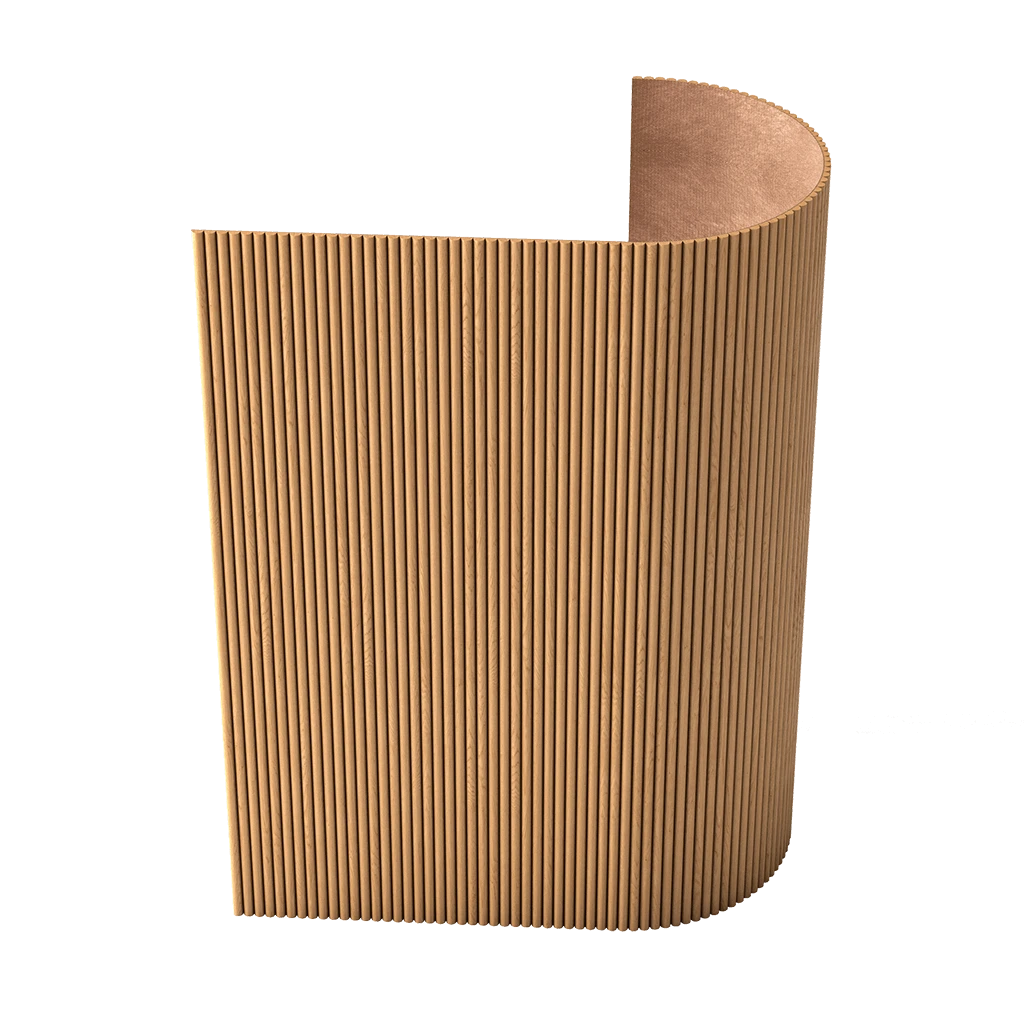
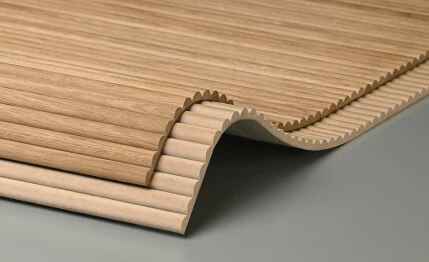
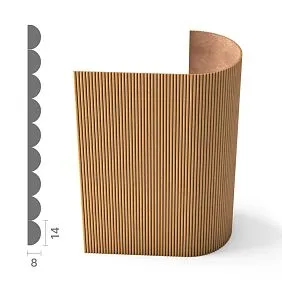
soft slat panelson a flexible base — for curved surfaces: arches, rounded partitions, columns. Indispensable for non-standard room architecture. In Kursk's Soviet-era houses with arched openings — practically the only way to clad an arch with slats without deformation.
Suspended ceiling slat panels
Batten panels for ceilings— structurally different from wall panels. Special suspension systems, lightweight constructions. The direction of the slats determines the effect: across the long axis — widens, along — lengthens. For a Kursk corridor with insufficient lighting: a slat ceiling across the axis + hidden lighting = transformation of the space.
Installation: From the First Dowel to the Finishing Profile
Preparation and Acclimatization
buy slatted panels— and let them 'acclimate' in the room for 5–7 days before installation. Solid wood must adjust to the room's humidity and temperature. MDF — 3–4 days. Violating this rule in Kursk in winter (with intensive heating) guarantees deformation: the slats will 'shrink' after already being installed.
Wall: even, dry. Deviation over 3 mm per linear meter — installation only via battens. Wall moisture check: no more than 8%.
Battens: ventilation as a principle
Horizontal 40×40 mm beams spaced 400–450 mm apart, strictly level. Mandatory ventilation gap between wall and beams — 10–15 mm. This is not a formality: in the Kursk climate with its seasonal humidity fluctuations, ventilation behind wooden cladding is a condition for stability. Without a gap — condensation, mold, deformation. Sometimes — within the first year.
First batten: precision as an obligation
How to install slatted panels— start from a corner or the center of the wall. First batten strictly vertical, checked with a level from two sides and bottom to top. Deviation of 1 mm per linear meter = 2.5–3 mm at the ceiling = the entire pattern "drifts". Correcting this without complete disassembly is impossible.
Temperature gap for the Kursk climate
For solid wood: 1.5–2 mm between battens in summer, 2–2.5 mm in winter. Special spacer shims or homemade wedges of the required thickness are needed. Without a gap in summer, battens will buckle at the first uptake of moisture.
Finishing elements: professionalism in details
Installation of batten panelsWithout finishing elements — an incomplete job. List of mandatory items:
-
Starter profile at the floor — holds the bottom end, conceals the gap
-
Finishing profile at the ceiling — or a cornice covers the top end
-
Corner profiles for external corners — cover the ends of slats on protrusions
-
Internal corner pieces on incoming corners
-
Slopes made of slatted panelsFor window and door openings — a detail that elevates the result to a professional level
Mistakes of fashionable but weak finishing
First mistake: dark slats in a small room
Dark brown, wenge, 'black oak' — visually compress the space. In a living room of 16–18 sq. m with a ceiling height of 2.6 m and one window — it's a tunnel. Dark wood works only with an area of 20–22 sq. m or more and good natural lighting.
Second mistake: too wide a slat with a low ceiling
A 120–140 mm slat in a Kursk Khrushchyovka with a 2.5 m ceiling — a scale conflict that cannot be compensated by either color or lighting. A wide slat with a low ceiling creates horizontal 'pressure' — the space is perceived as flattened.
Third mistake: active decor in a small hallway
Slatted panels in the hallway interiorOn all four walls of a narrow corridor — a trap. Slats along two long walls create a 'corridor within a corridor'. Only one wall works.
Fourth mistake: polyurethane decor of the wrong scale
A 150 mm cornice with a 2.6 m ceiling 'overhangs' the space. A 40 mm skirting board with a 2.8 m ceiling looks like a cheap, random one from a hardware store. The scale of the cornice and skirting is an engineering choice, not an aesthetic one. Use the table.
Mistake five: mixing decorative styles
Buy slatted panels for wall finishingin a minimalist style — and adding a cornice with a 'baroque' ornament. This is not an 'author's vision' — it's stylistic chaos. Each element is beautiful on its own. Together, they cancel each other out.
Sixth mistake: skimping on finishing details
Expensiveslatted wall panels for interior finishingfor the amount of X. Saved on starter profiles, corner elements, trims — 10–15% of the budget. Result: expensive material looks unfinished precisely because of these 'insignificant' details. Finishing elements are the 15% that determine 80% of the perceived quality.
Mistake seven: installation without winter acclimatization
In the Kursk winter with heating on, indoor humidity drops to 20–25%. Slats brought in from outside or storage are installed immediately. After a week, as they absorb 'working' humidity from breathing, cooking, plants — they begin to expand. If there's no gap — deformation is inevitable. Seven days of acclimatization is not a technologist's whim, but a necessity.
Stylistic solutions: which combinations work for years
Not all combinations of panels and decor are equally resistant to changing tastes. There are those that work regardless of what's happening in the world of design:
| Combination | Style | Durability |
|---|---|---|
| Light oak + geometric cornice 70–85 mm | Scandinavian, minimalism, modern classic | Maximum |
| MDF white paintable + flat molding 22–28 mm | Monochromatic minimalism | Maximum |
| Natural oak + cornice with soft ogee 85–105 mm | Modern Classic | High |
| Thermowood + straight geometric cornice | Nordic, eco | High |
| Dark walnut + cornice 90–110 mm + molding frames | Neoclassical | Medium (depends on interior) |
| Brushed wood + rough straight baseboard | Loft, industrial | Medium (style is cyclical) |
| Rich MDF decor 'marble-like' + complex cornice | «Current 2023–2024» | Low |
STAVROS: finishing with style reserve is a system, not a set
Buying slatted panels in Kursk and adding polyurethane decor to them sounds like two separate actions. In practice, the result depends on whether these elements are part of a unified system or simply purchased separately from different places.
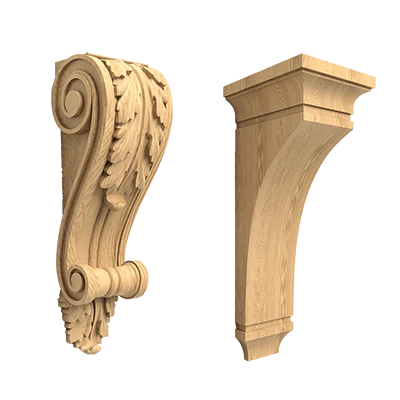
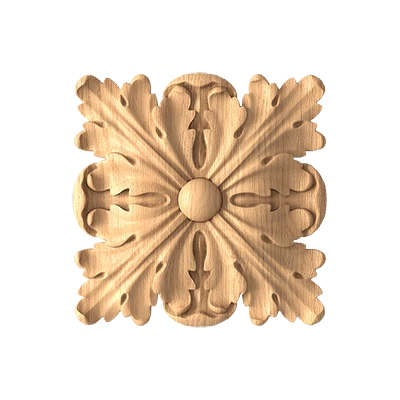
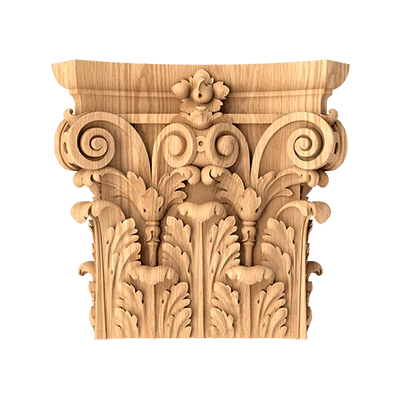
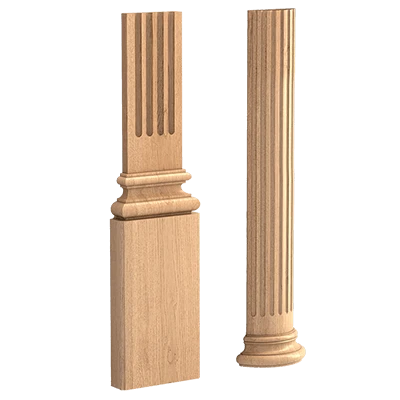
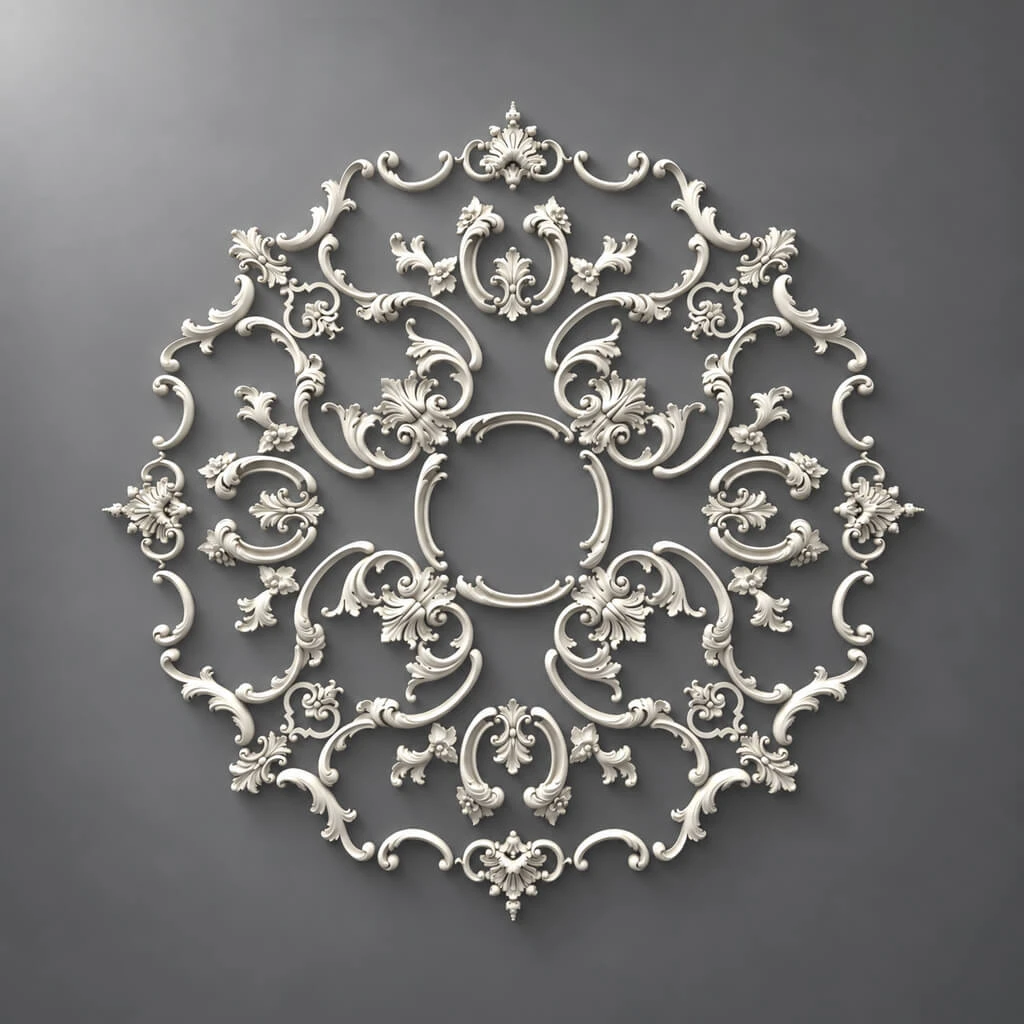
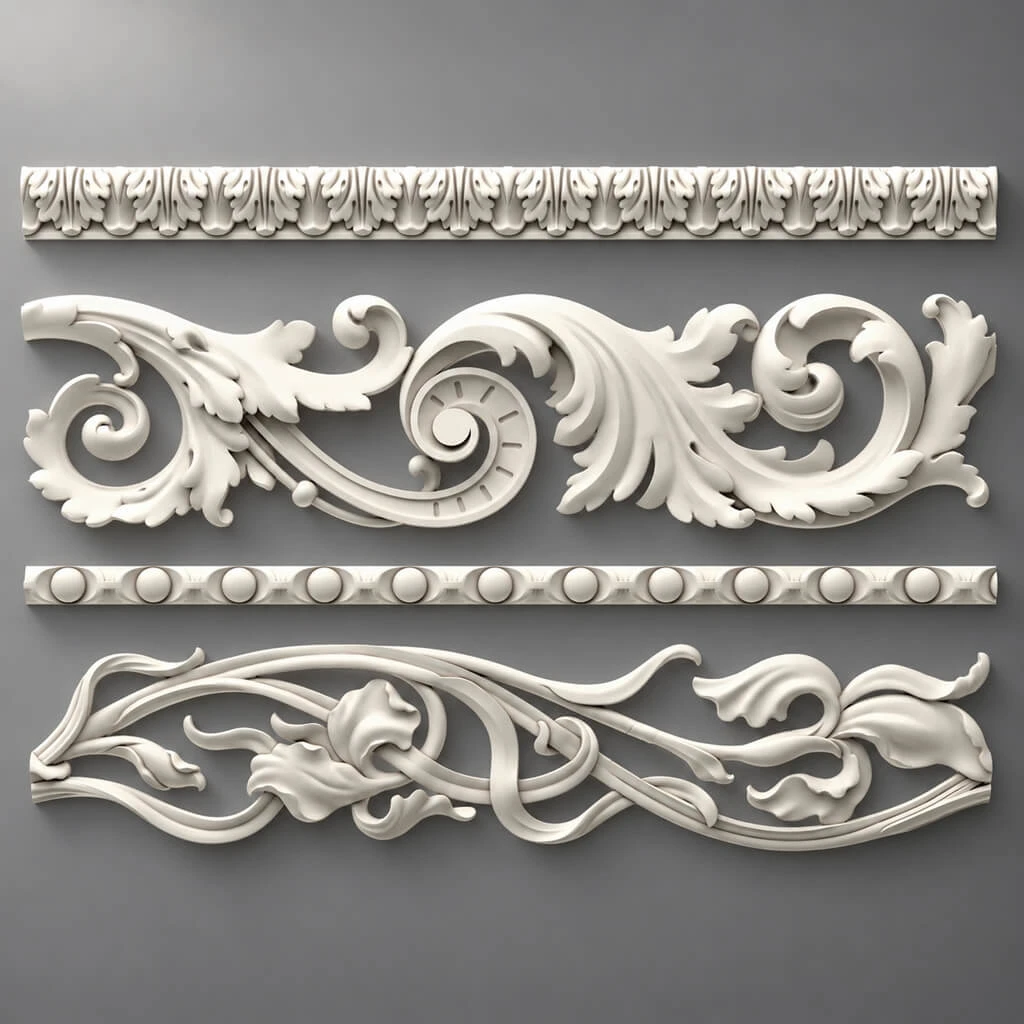
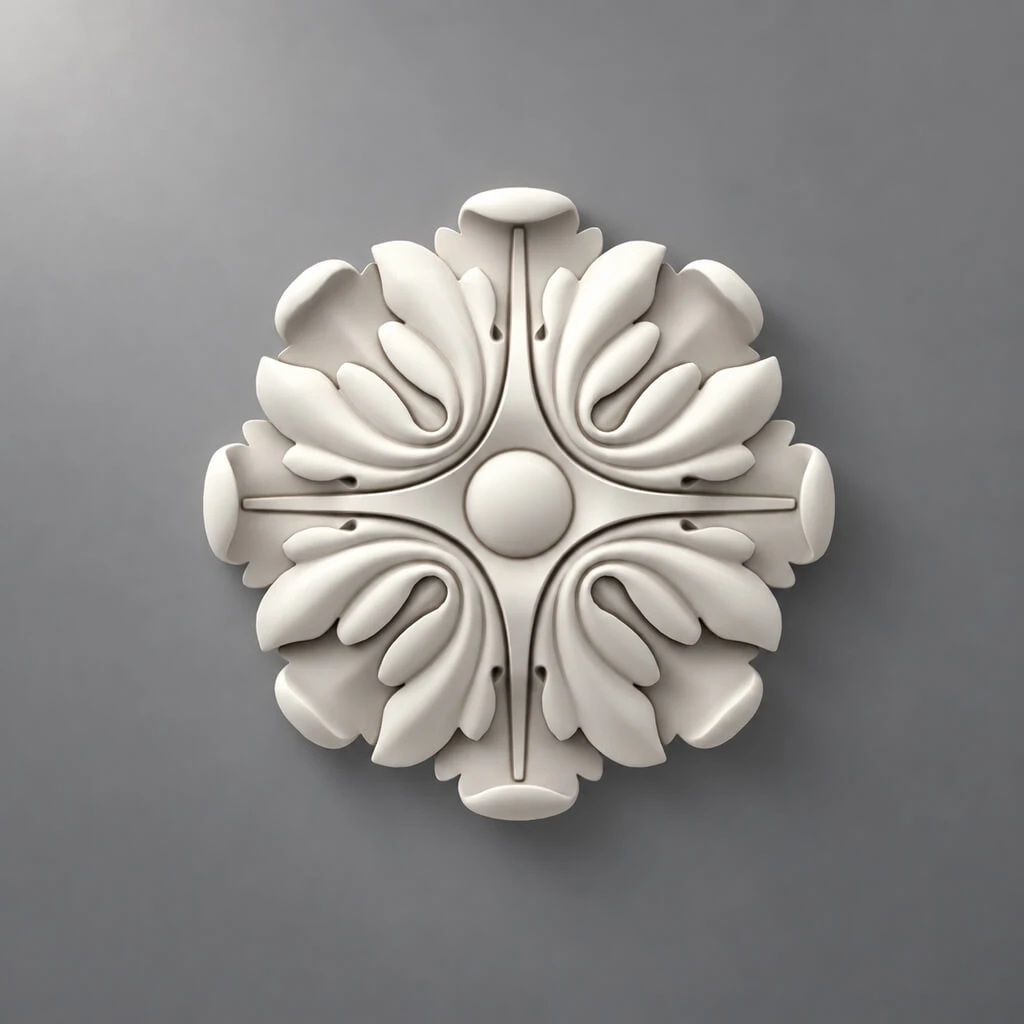
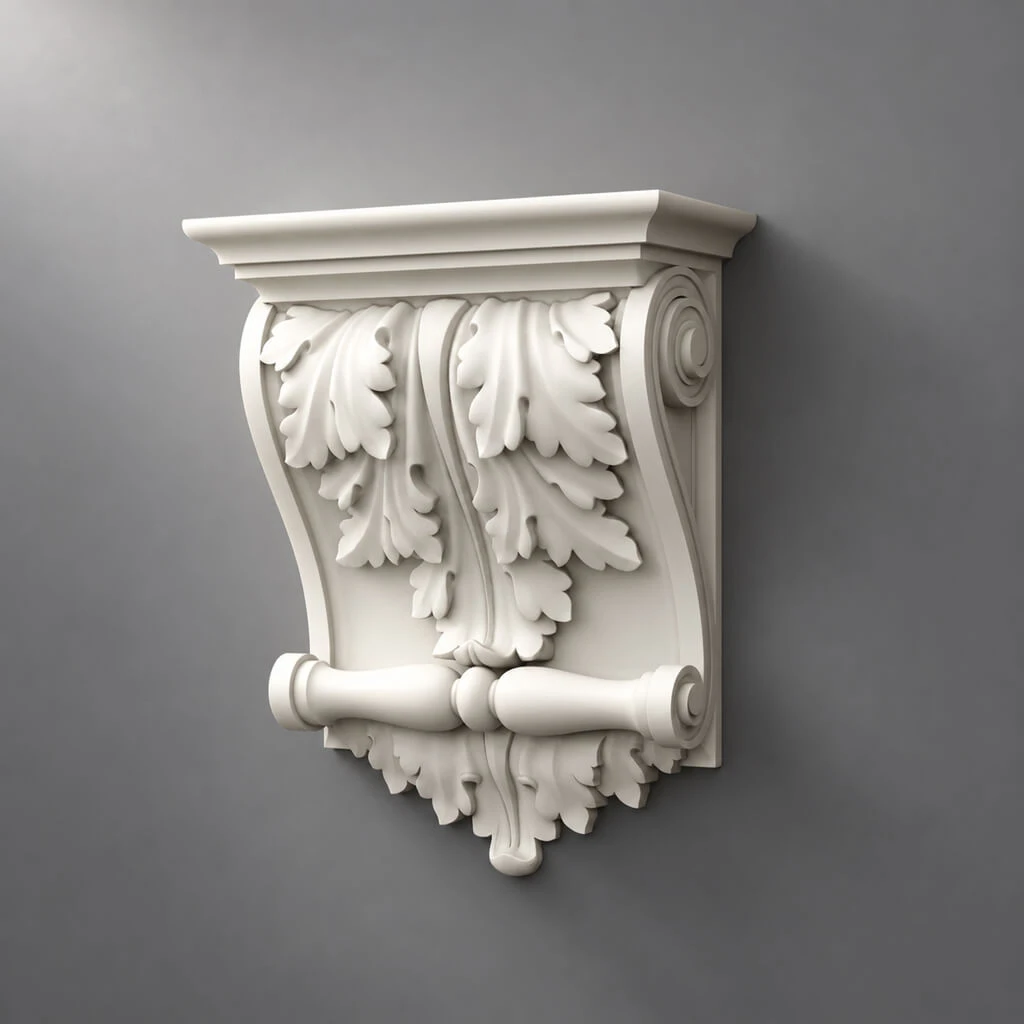
STAVROS producesRafter panelsmade of solid oak, ash, thermowood, MDF with decorative coating and for painting — in the full range of formats from individual slats to modular panels. Simultaneously — a complete linepolyurethane decorative elements: cornices, moldings, baseboards, frame profiles, architraves, corner blocks, friezes, and consoles. All products are developed with systemic logic — large-scale series, coordinated profiles, stylistic compatibility.
This practically means the following: choosing a slat from the STAVROS line and a cornice from the same line — you get guaranteed compatibility of scale, tone, and stylistic language. No need to guess 'will this look good together'. This has already been verified at the product design level.
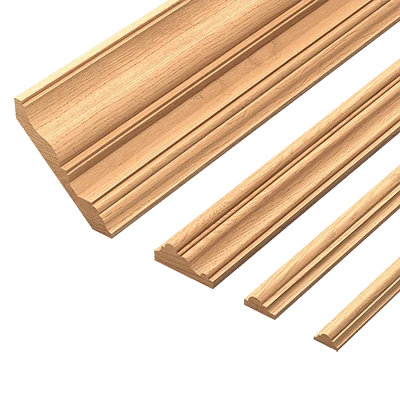
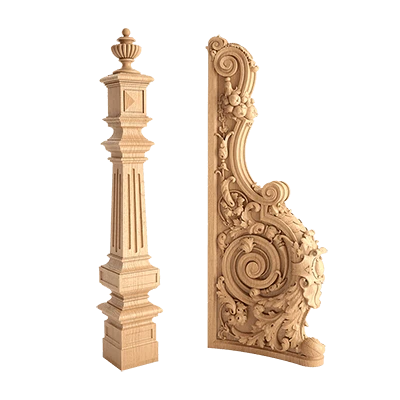
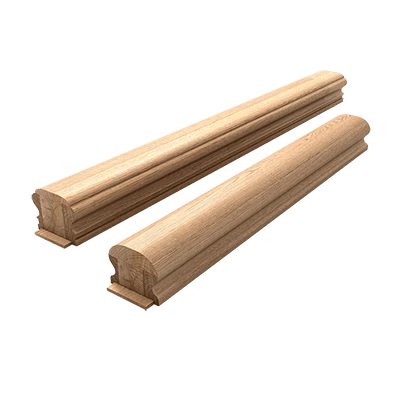
Pogonazh iz massiva— for those who want a completely natural system: wooden cornices, baseboards, moldings in the same material as the slatted panels.decorative polyurethane elements— for those who value technological sophistication, moisture resistance, and ease of installation. Both options are in the assortment, both are systemic.
STAVROS understands 'style reserve' not as the quantity of decorative elements used, but as the depth and precision of the systemic approach. It is precisely such interiors that do not become outdated — because there are no random solutions in them, only those that work.
Delivery to Kursk. Samples — before ordering. And — most importantly — consultation on scale, style, and compatibility before making the final decision.
FAQ: Answers to popular questions
How long does it take for wood paneling to acclimate in Kursk in winter?
For solid wood — at least 7 days with heating on and windows closed. For MDF — 3–4 days. Rushing installation before acclimation in winter is a direct path to warping after installation.
Can I buy and install wood paneling myself?
Yes, especially modular panels on a backing. A detailed step-by-step guide is in the article How to install slatted panels. Key conditions: acclimation, a batten system with a ventilation gap, and a strictly vertical first plank.
Which polyurethane decorative elements are the most versatile?
A ceiling cornice with a simple geometric profile + a flat molding for frames + a baseboard of appropriate scale. These three items work in any style without being tied to a specific year.
How do I know if the plank width is suitable for my ceiling?
Use the table in the article. For a ceiling 2.6–2.7 m — a plank 50–68 mm. This is the range for most apartments in Kursk in new builds and Brezhnev-era buildings.
How long do solid oak wood panels last?
With proper oil coating, installation over battens with a ventilation gap, and maintaining the expansion gap — decades. Oak is one of the most durable interior materials. The surface develops a patina and character over the years.
Why are finishing profiles needed if you can simply trim the slats?
An open slat end is an unprotected end. MDF absorbs moisture and swells. Solid wood cracks as it dries. A finishing profile covers the end and creates a clean geometric boundary. This is a function, not an aesthetic.
Can slatted panels for painting be repainted later?
Yes. This is the main advantage of the MDF system for painting. Sanding with P120 sandpaper, primer, painting. The profile remains, the tone changes. The cost of updating is significantly lower than replacement.
How to choose between polyurethane and wooden decor?
Polyurethane — for new buildings (resistant to building settlement), wet areas, universal application. Wooden decor — for interiors where the unity of natural material is important. In Kursk's Stalin-era buildings with high ceilings and large halls — wooden molding is more organic. In new buildings — polyurethane is more reliable.